
































































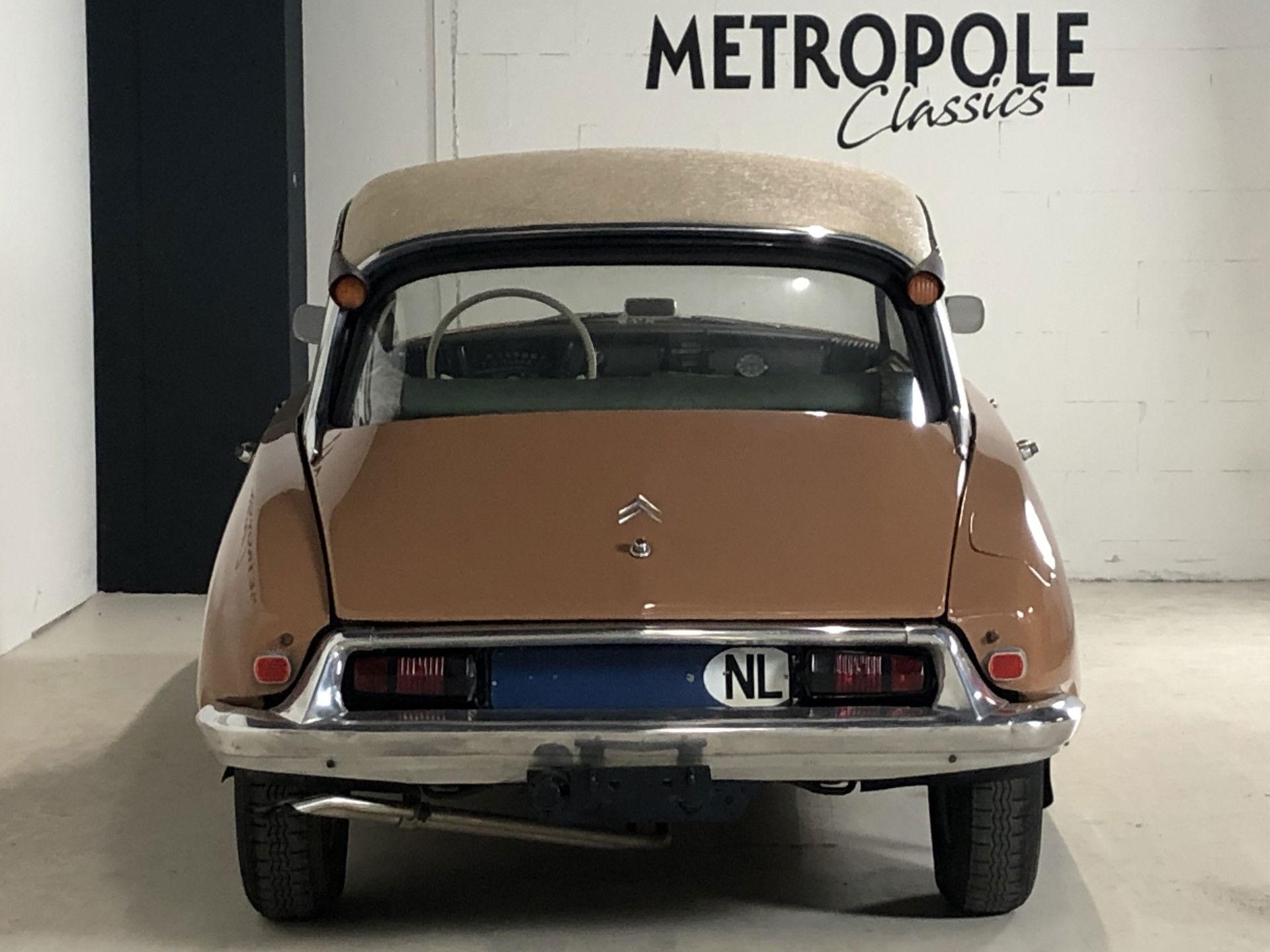
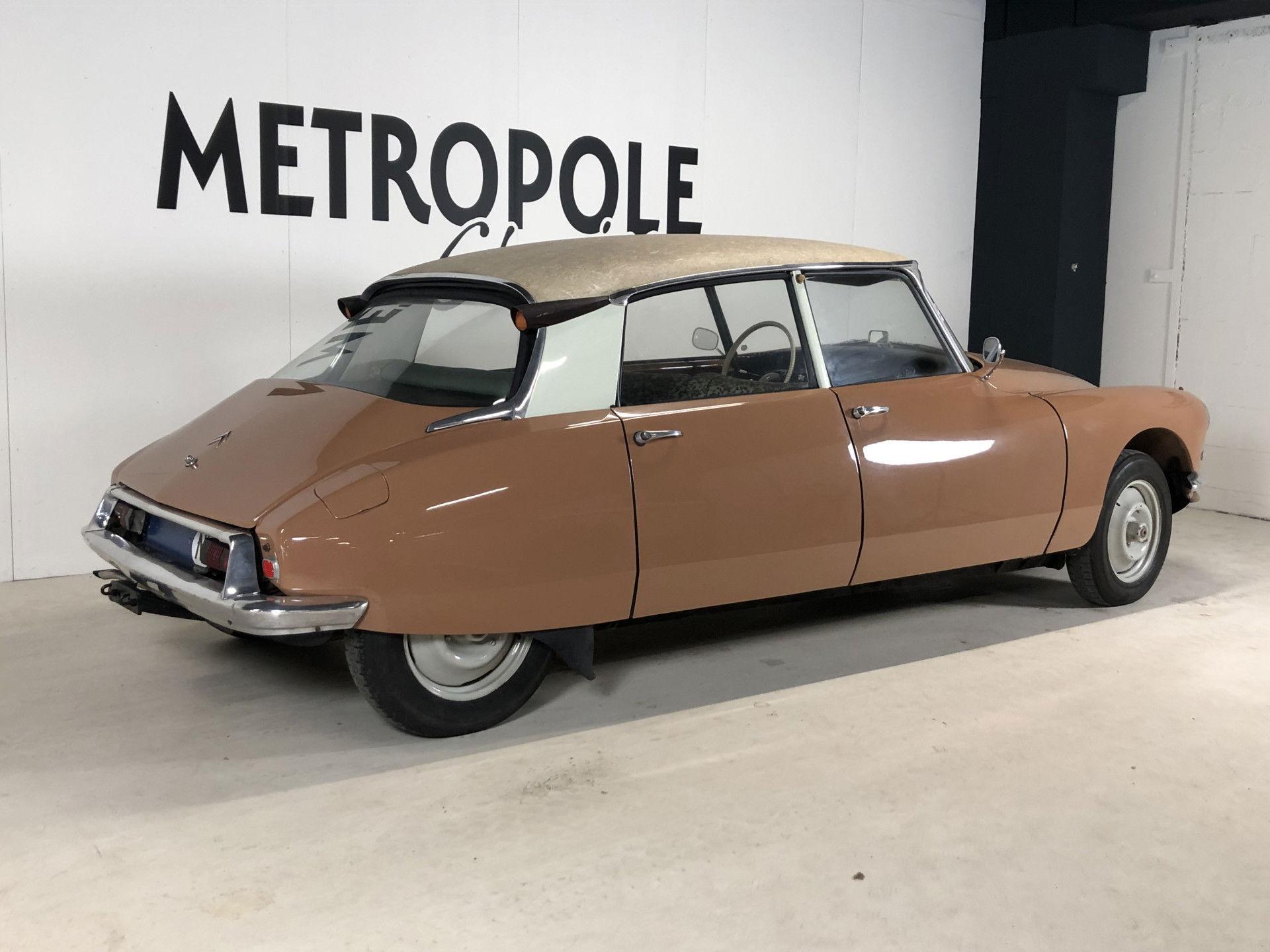
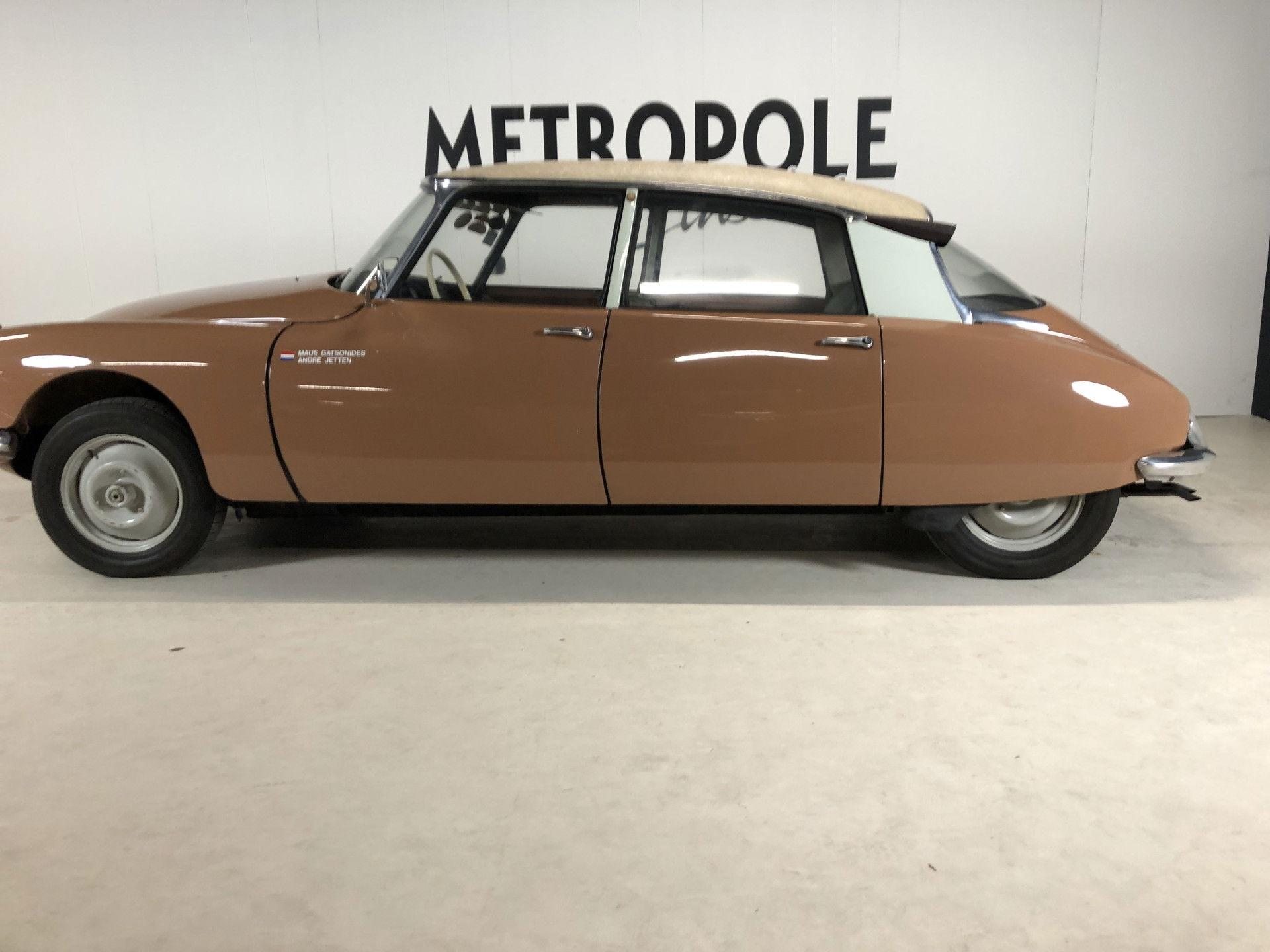

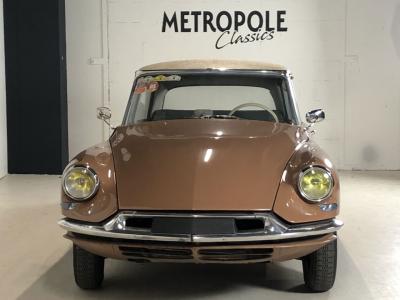
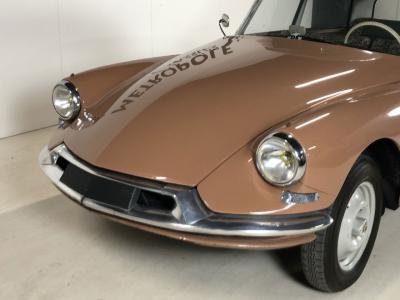
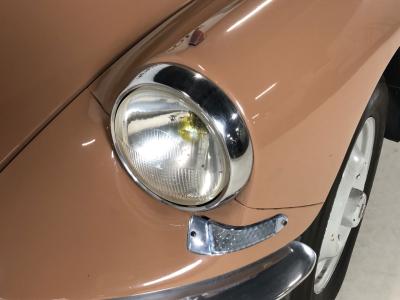
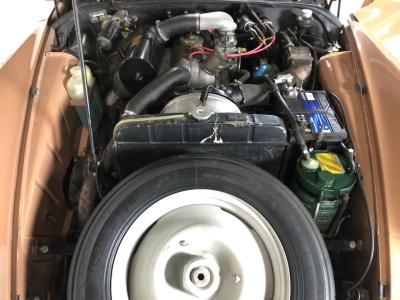



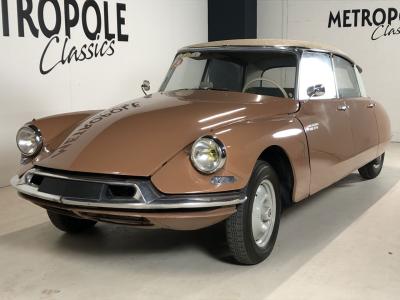
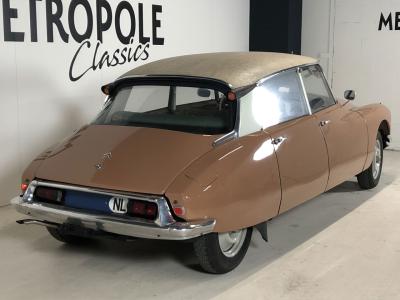
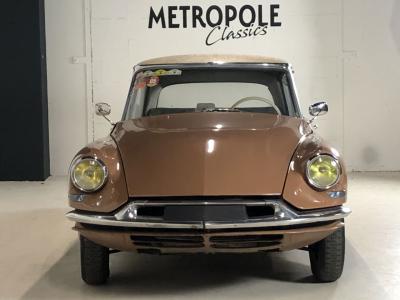
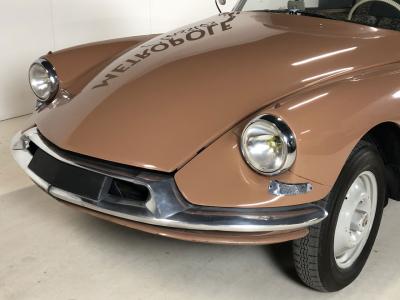
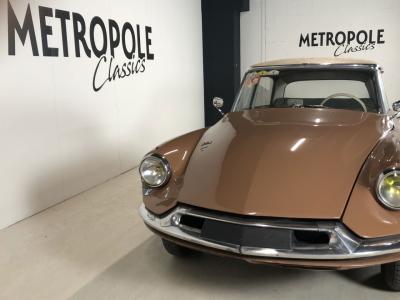
The DS was presented at the Paris Motor Show on October 6, 1955 and was a huge hit ("La Bombe Citroën").[1] In the previous decade, except for Stalin's death in 1953, French newspapers had not devoted as many lines to any news item as to this event.[2] The car had different features and applied techniques that had not yet been combined in one car. Allegedly 12.000 orders were placed for the new car on the first day and by the end of the week this was said to have risen to 80.000,[3] a number that caused the factory major production problems. Only in the course of 1956 could actual deliveries begin. In the meantime, many orders had already been canceled. At the end of 1956, a simpler version came onto the market: the ID.
The ID/DS was supplied by Citroën in various versions: berline (sedan), estate (station wagon), and decapotable (cabriolet). In addition, ambulances were also built based on the 'break' by various body builders. Henri Chapron, who made the convertible and the 'prestige' for Citroën, also built various coupes, convertibles and sedans of his own design under his own (model) name. In addition, dozens of other body shops in various countries have built special models based on the ID/DS. These adjustments were relatively easy to achieve because the car - unlike its predecessor, the Traction Avant - did not have a self-supporting body, but loose (bolted) body parts on a very rigid platform. So everyone could improvise freely on that.
The DS came third in the 1999 'Car of the Century' election (the Ford T finished 1st and the Mini 2nd) and was selected by a panel of leading car designers by the British magazine " Classic & Sports Car", voted "most beautiful car of all time"
At the end of 1956, the Citroën ID (idee) was presented to the public. Externally, this car was roughly the same as the DS, but it was a 'stripped-down' variant for price reasons with simpler technology, less engine power and a more sober design. The car was aimed at a less wealthy and more conservative audience. The ID again had a clutch pedal and a normal gear lever, so a significantly simplified hydraulic system could be used and the advanced hydraulically assisted brakes were operated by a 'normal' brake pedal. The futuristic nylon dashboard was replaced by a more commonplace (steel) design for that time. The cheapest version, specifically for the French home market, the ID 'Normale' did not even have power steering, a loss that had to be compensated for by an extra large steering wheel. The export models and the later, increasingly luxurious versions of the ID (from 1970: D Special; called D Super and D Super 5) did have power steering and other features of the DS, but - except in the station wagons, the 'break' - no 'brake mushroom' and the hydraulic semi-automatic provision for coupling and shifting remained reserved for the DS.
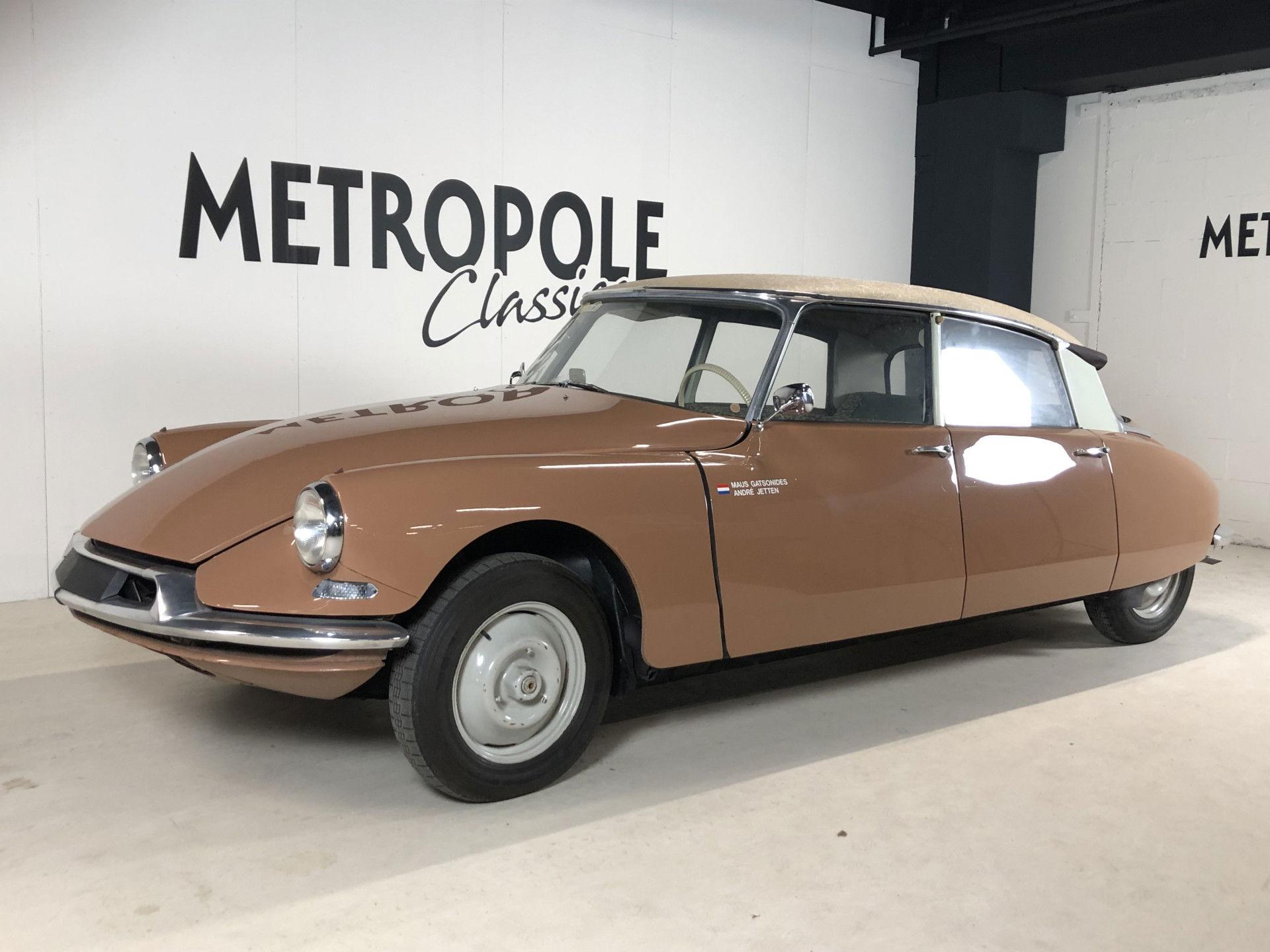
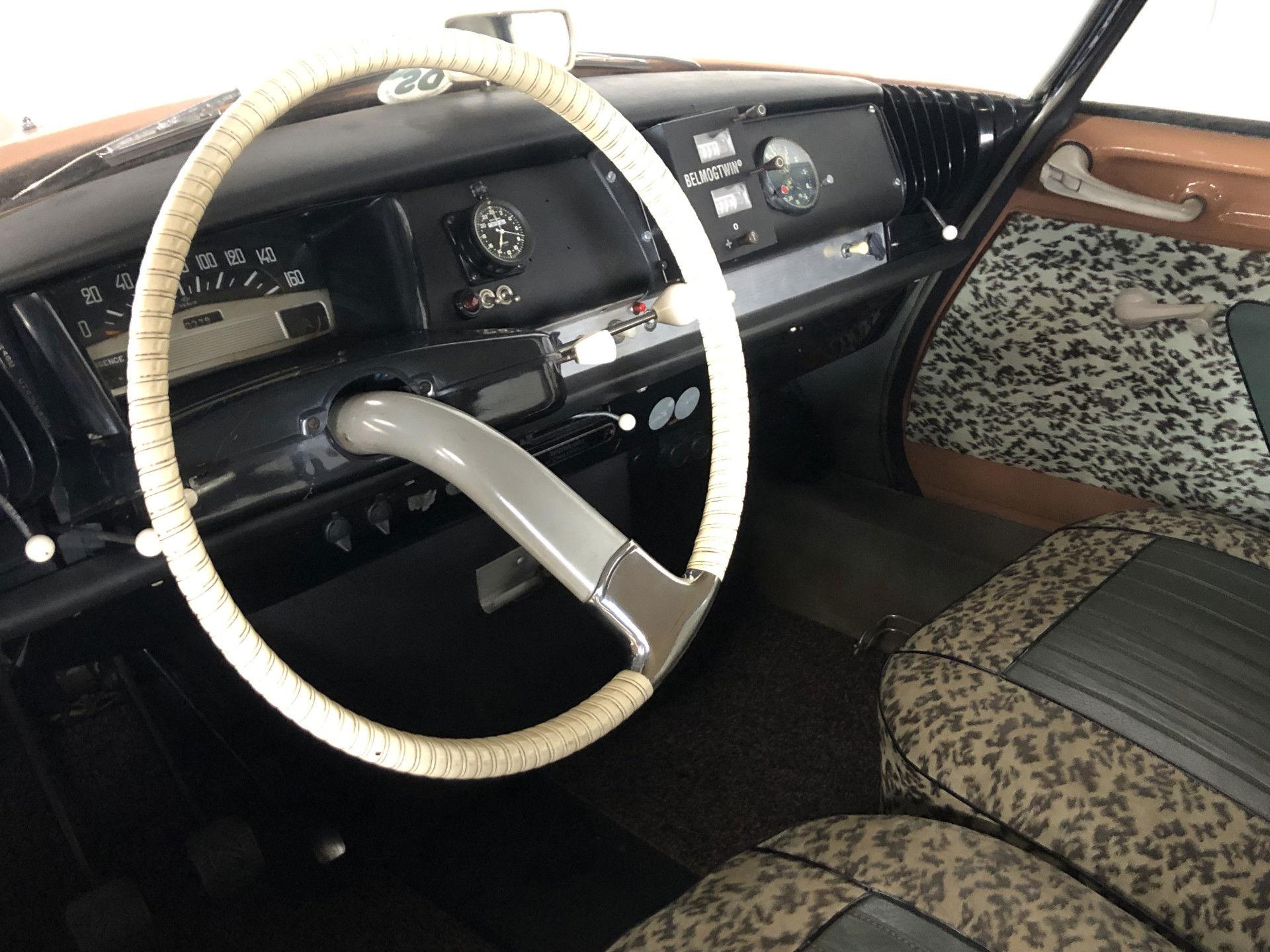
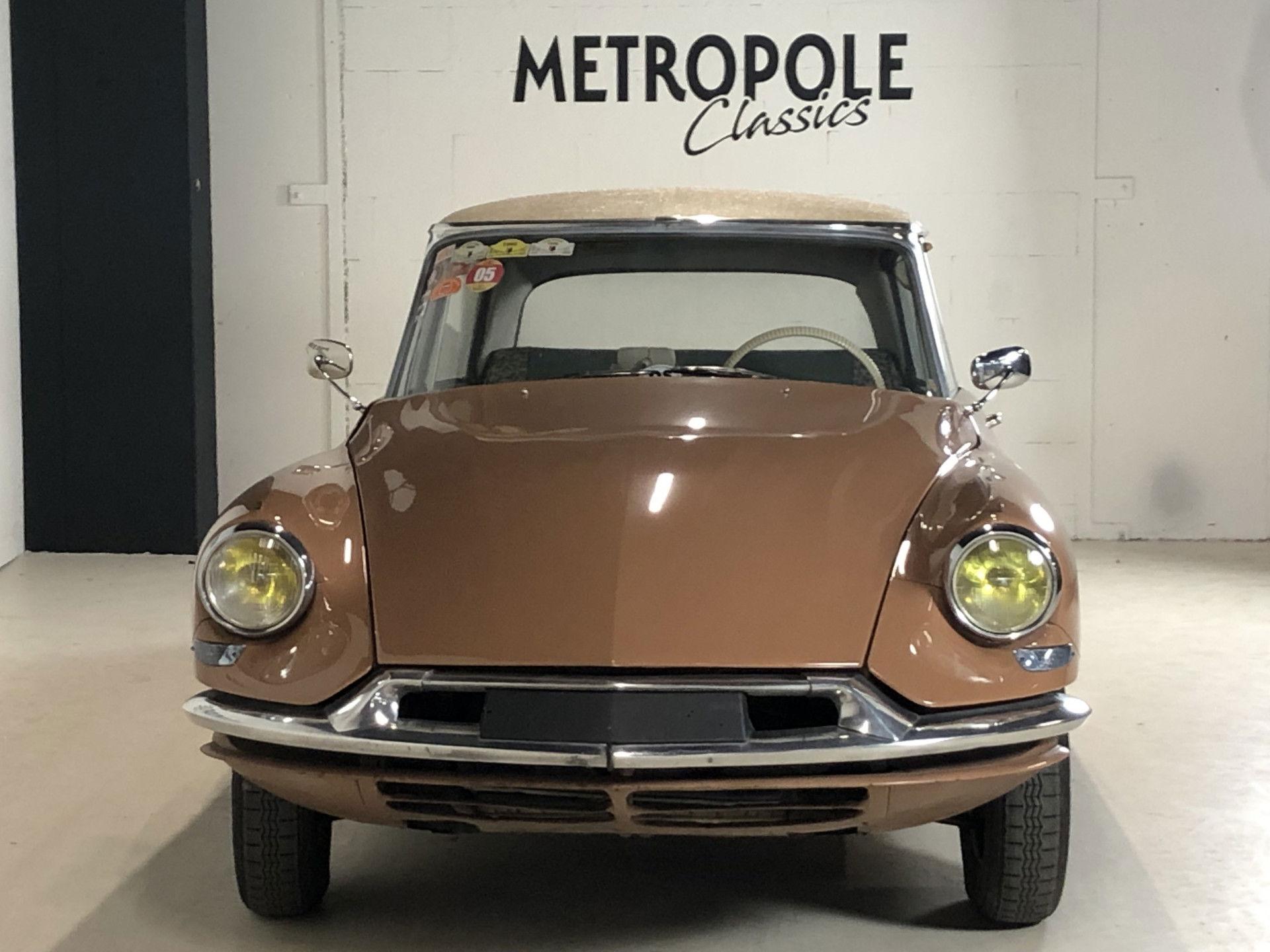
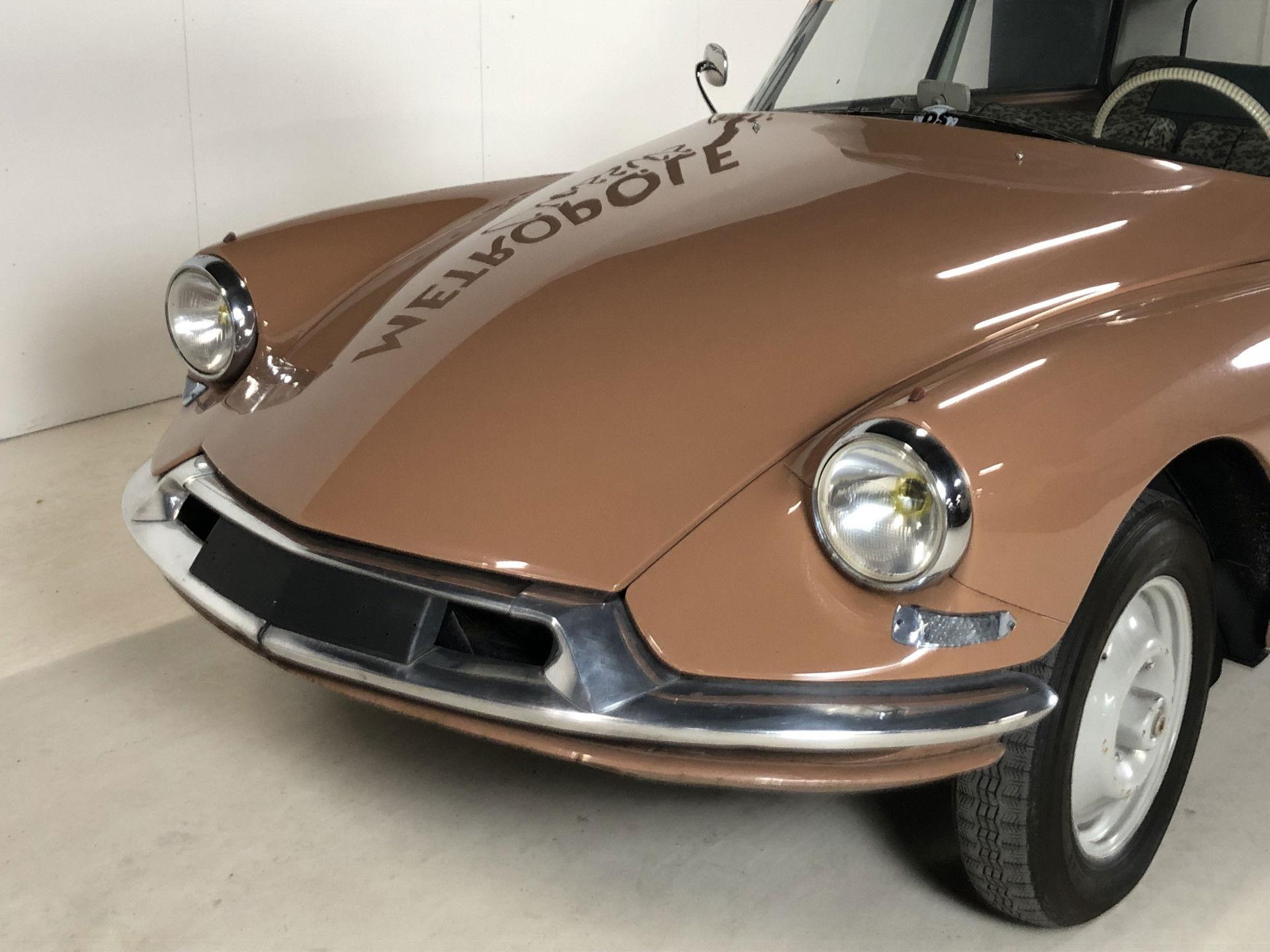
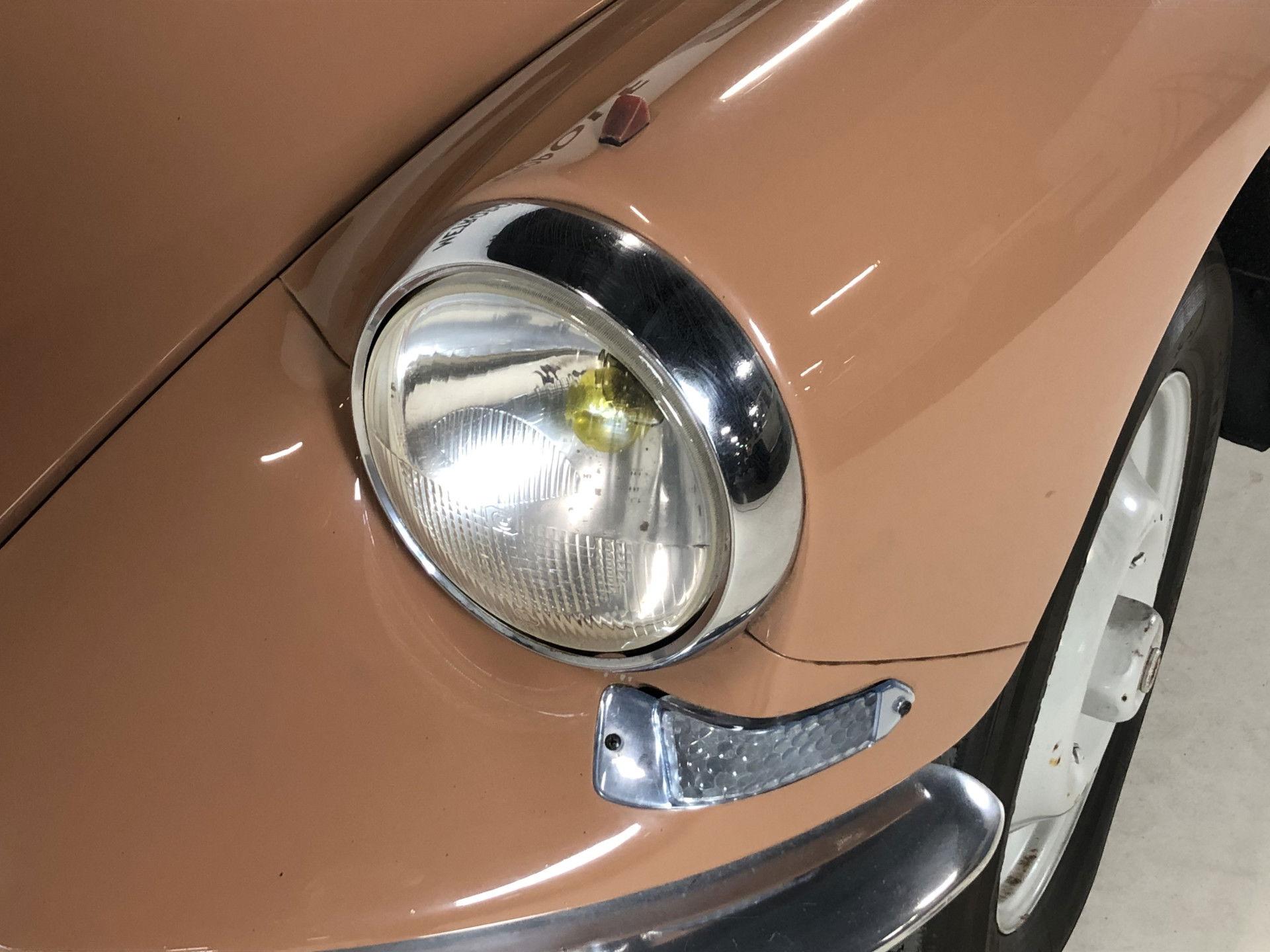
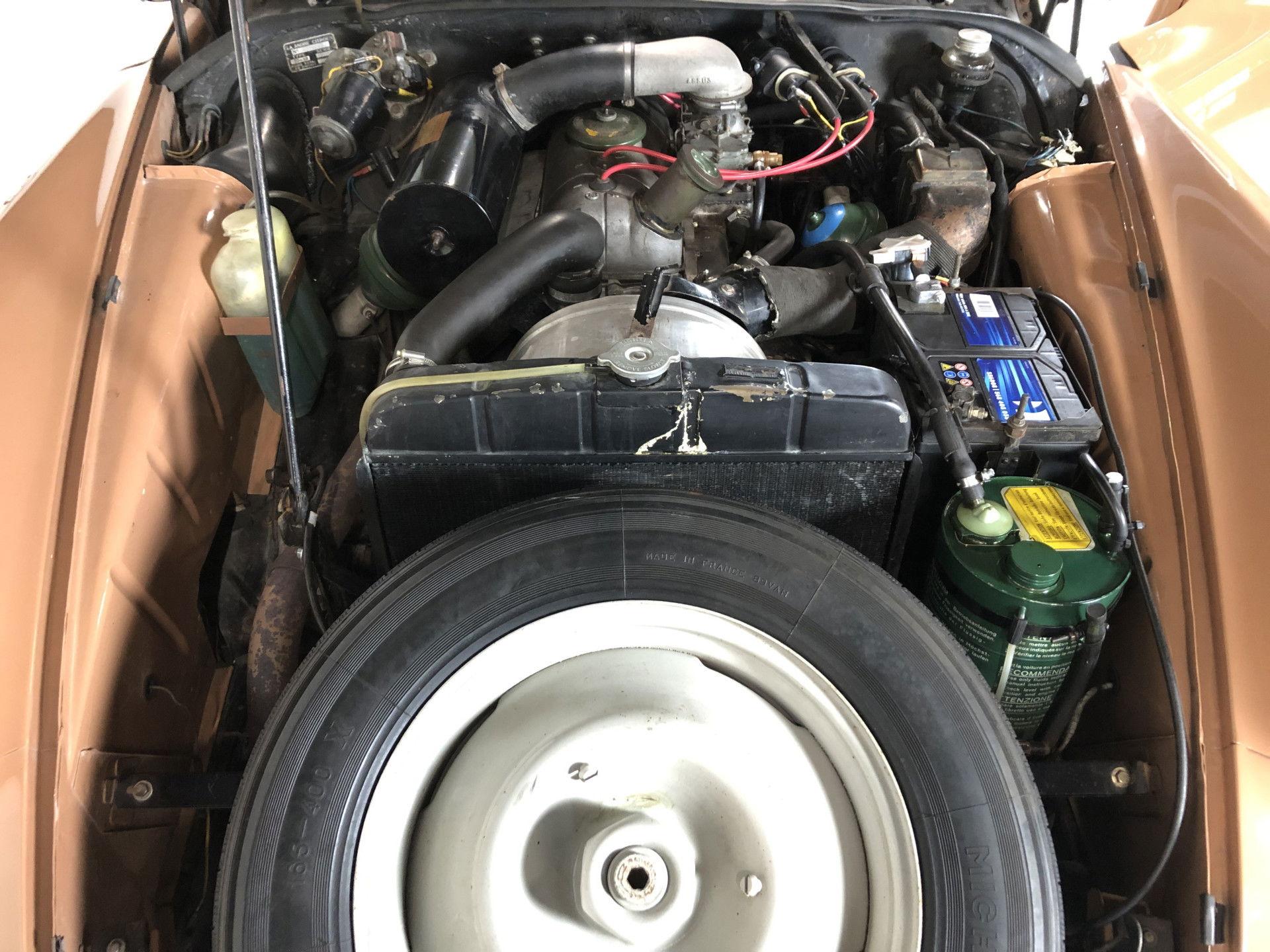
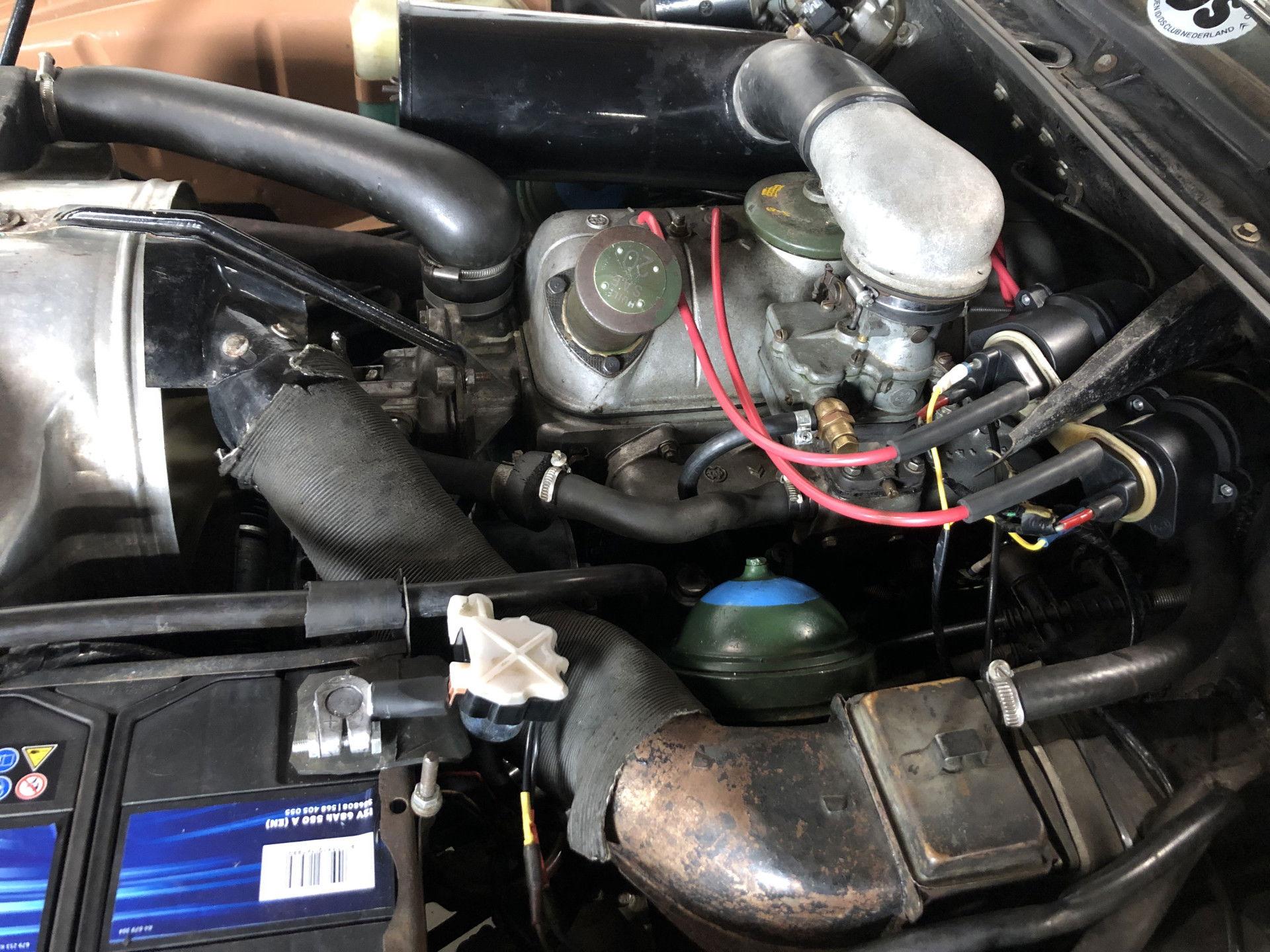
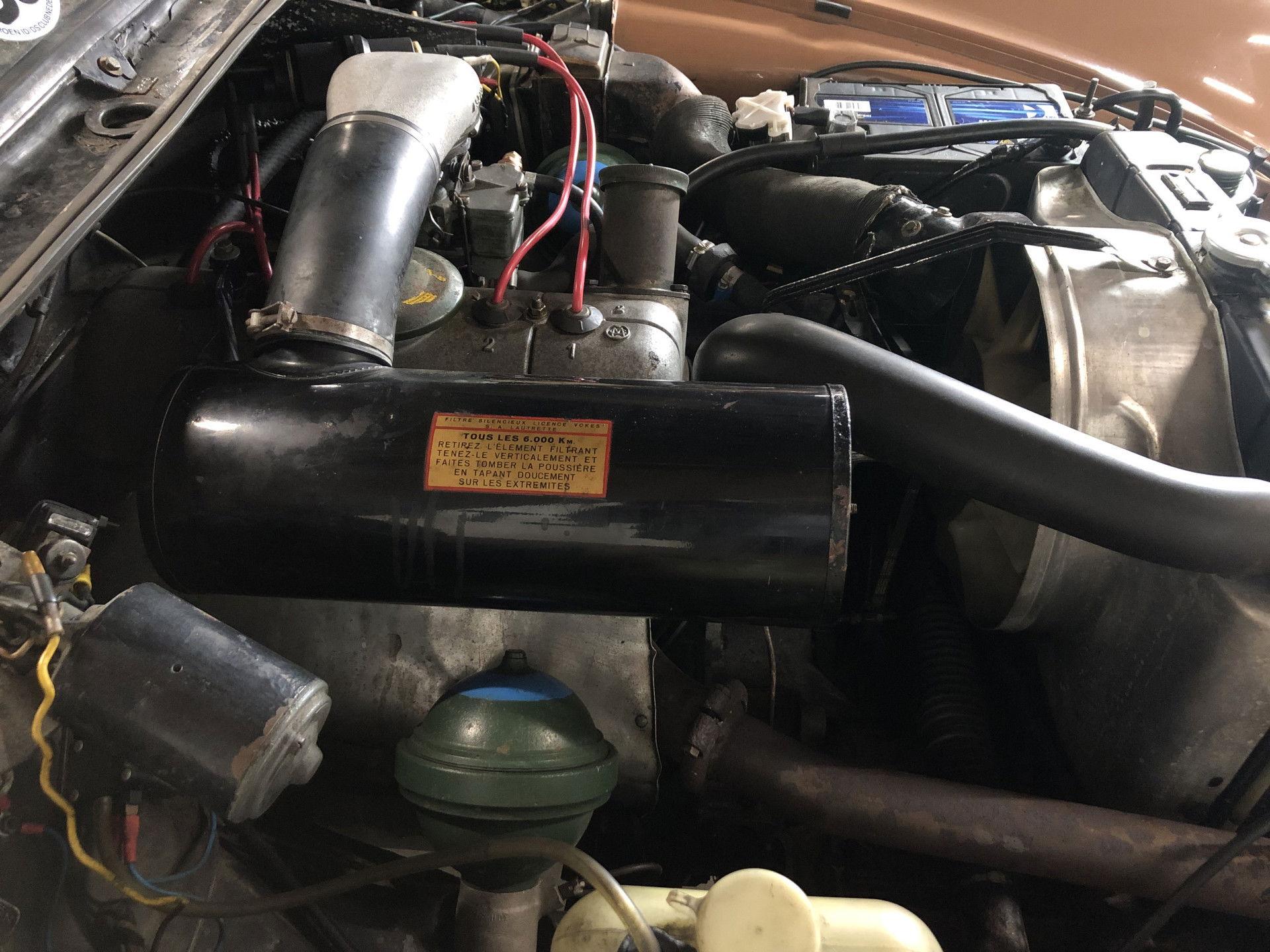
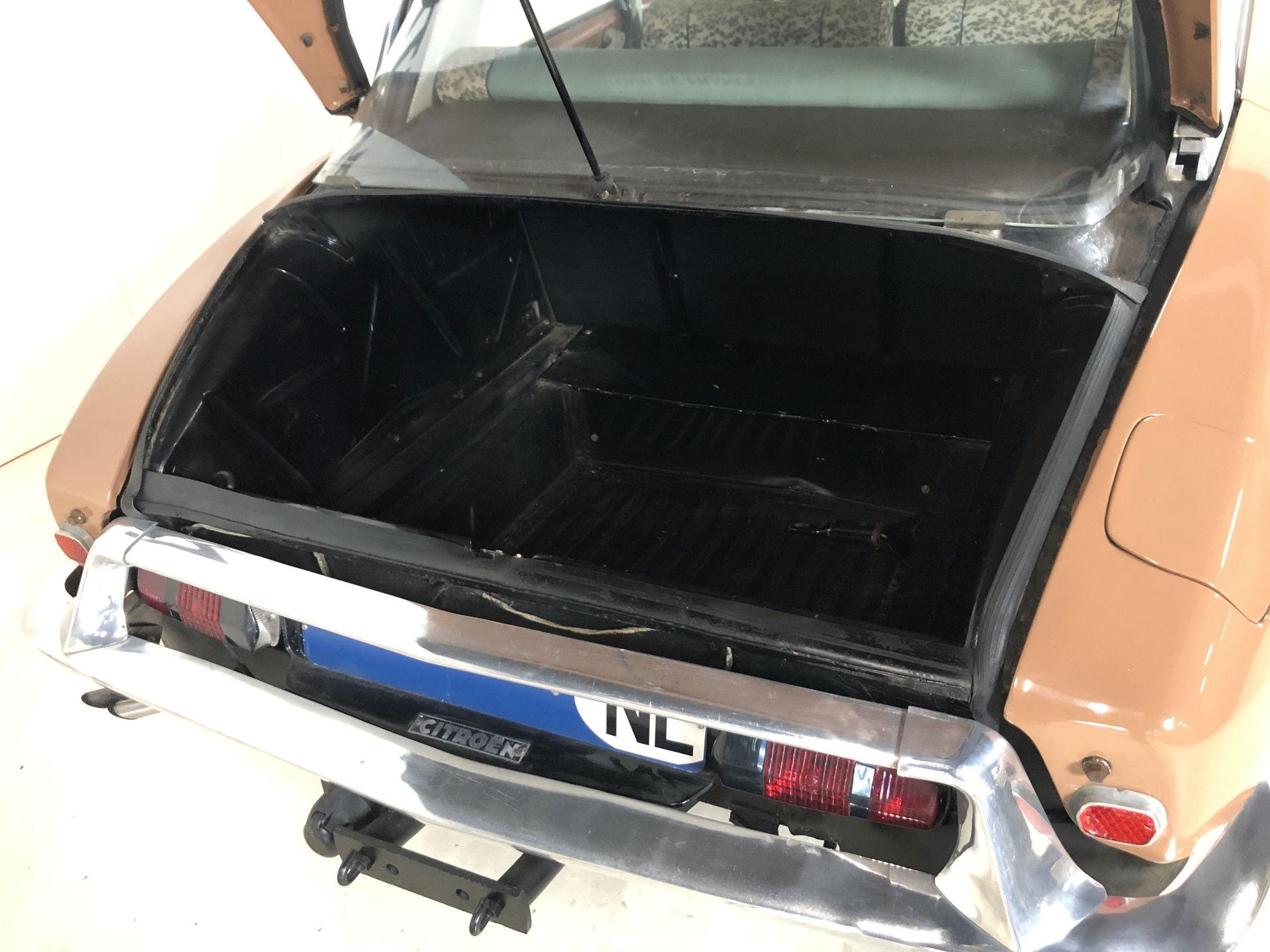
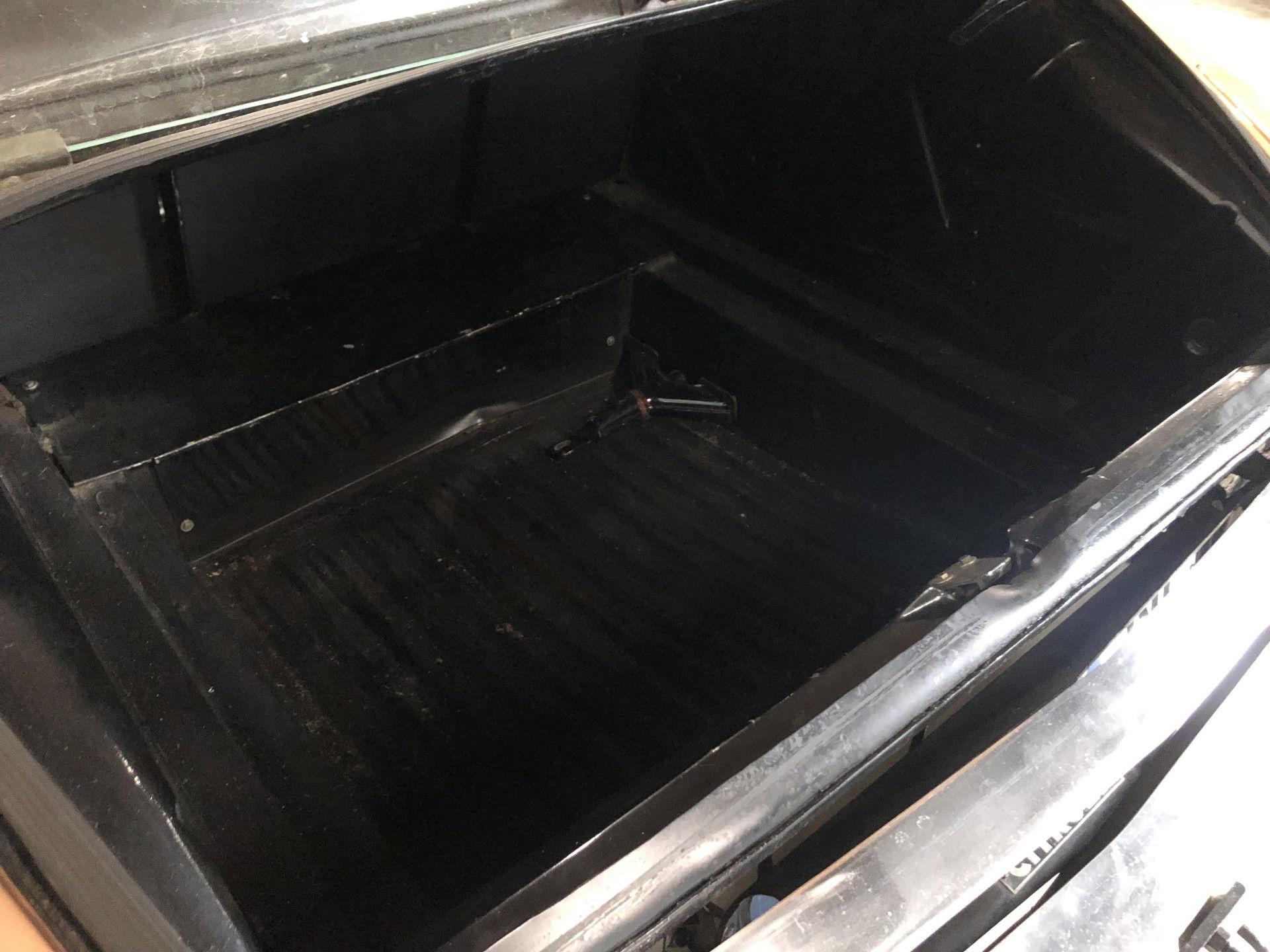
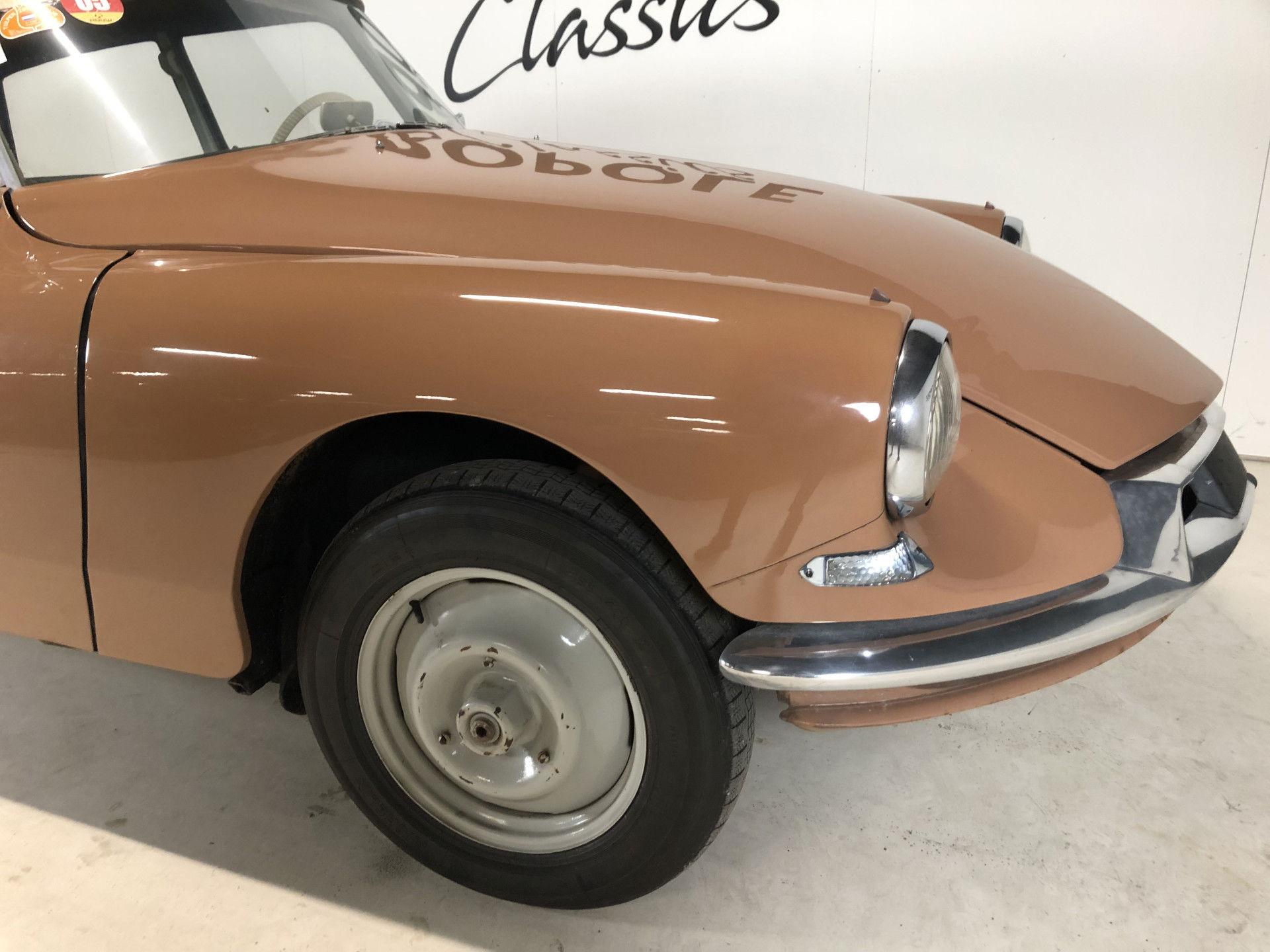
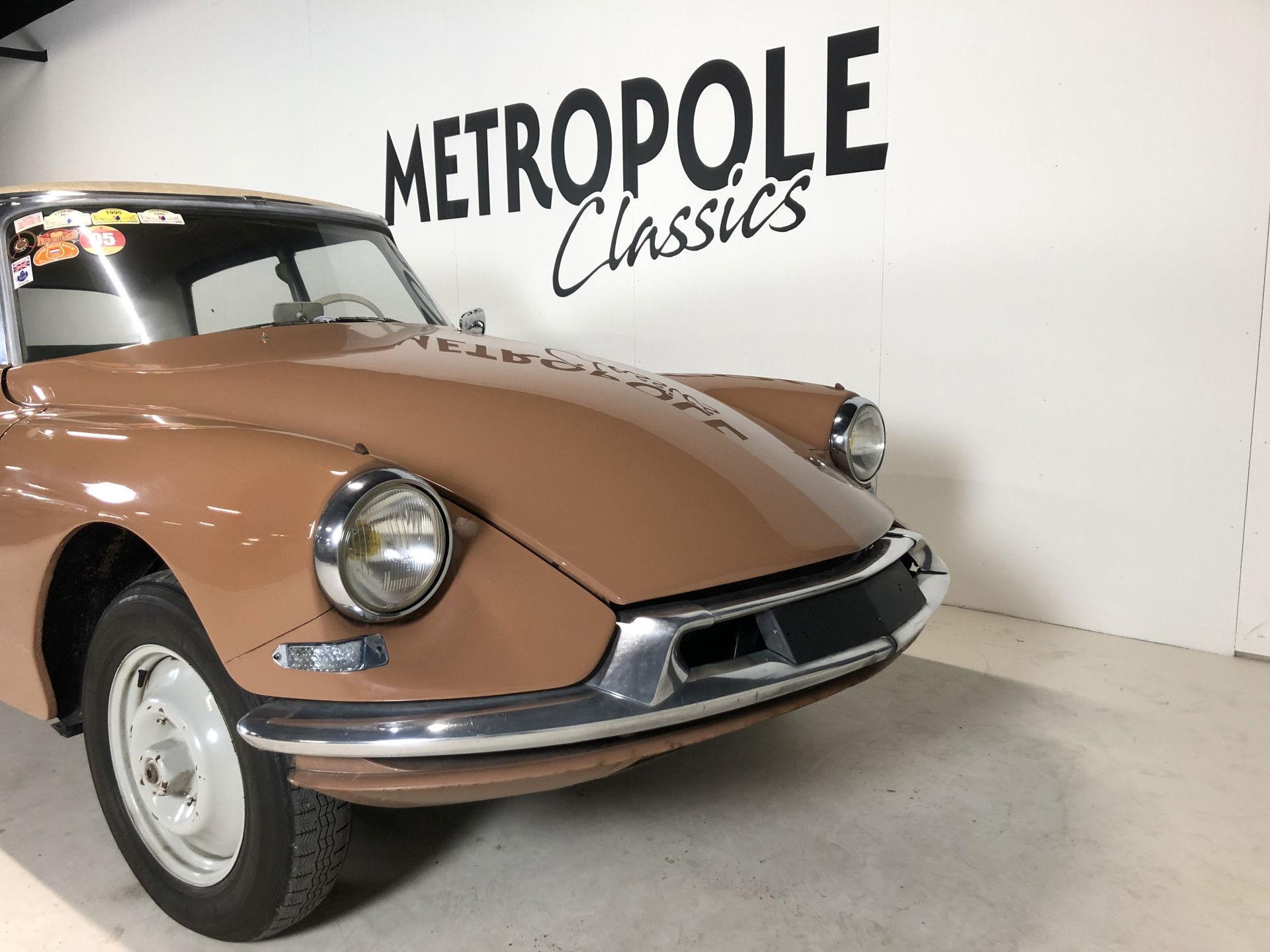
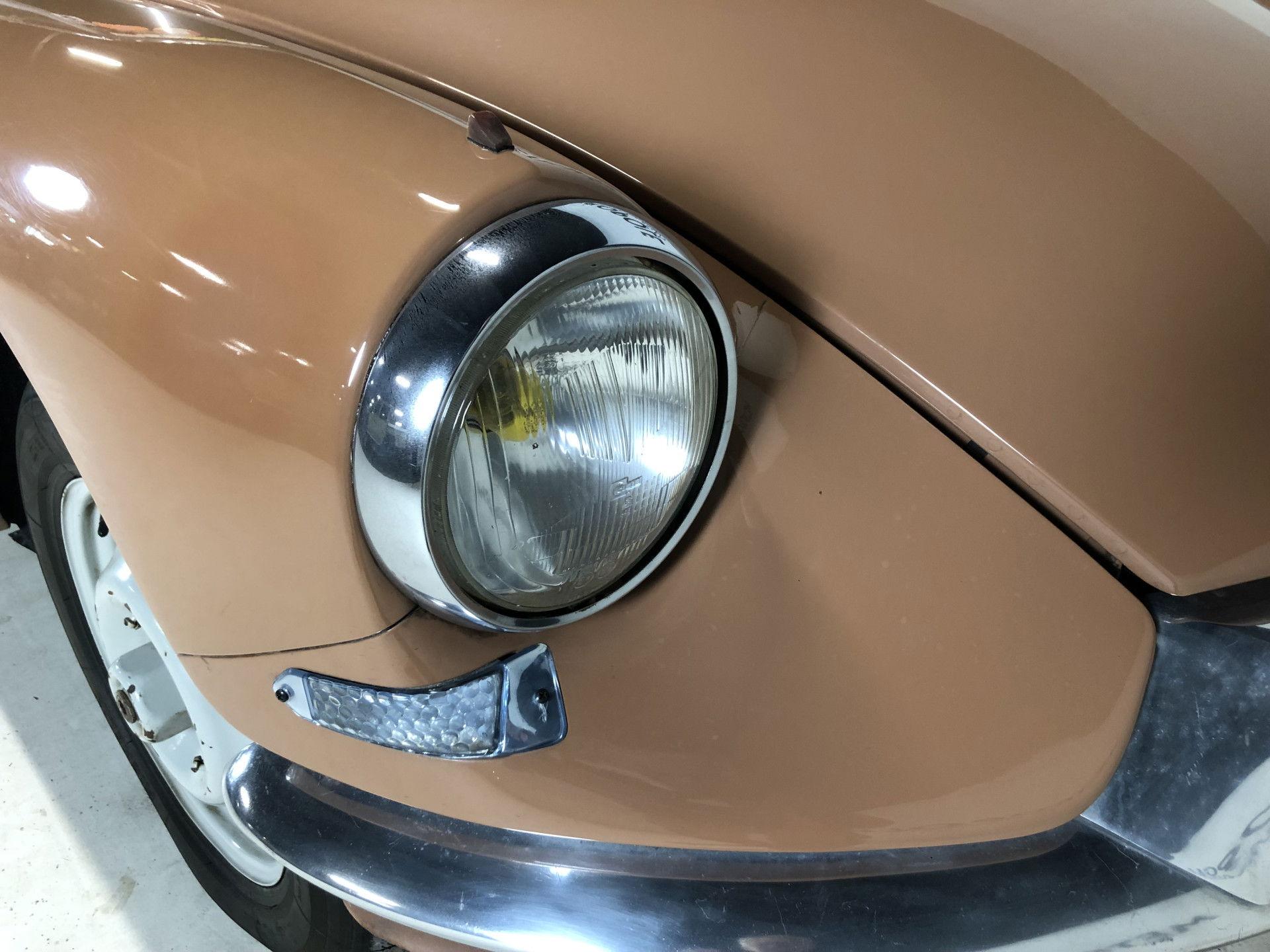
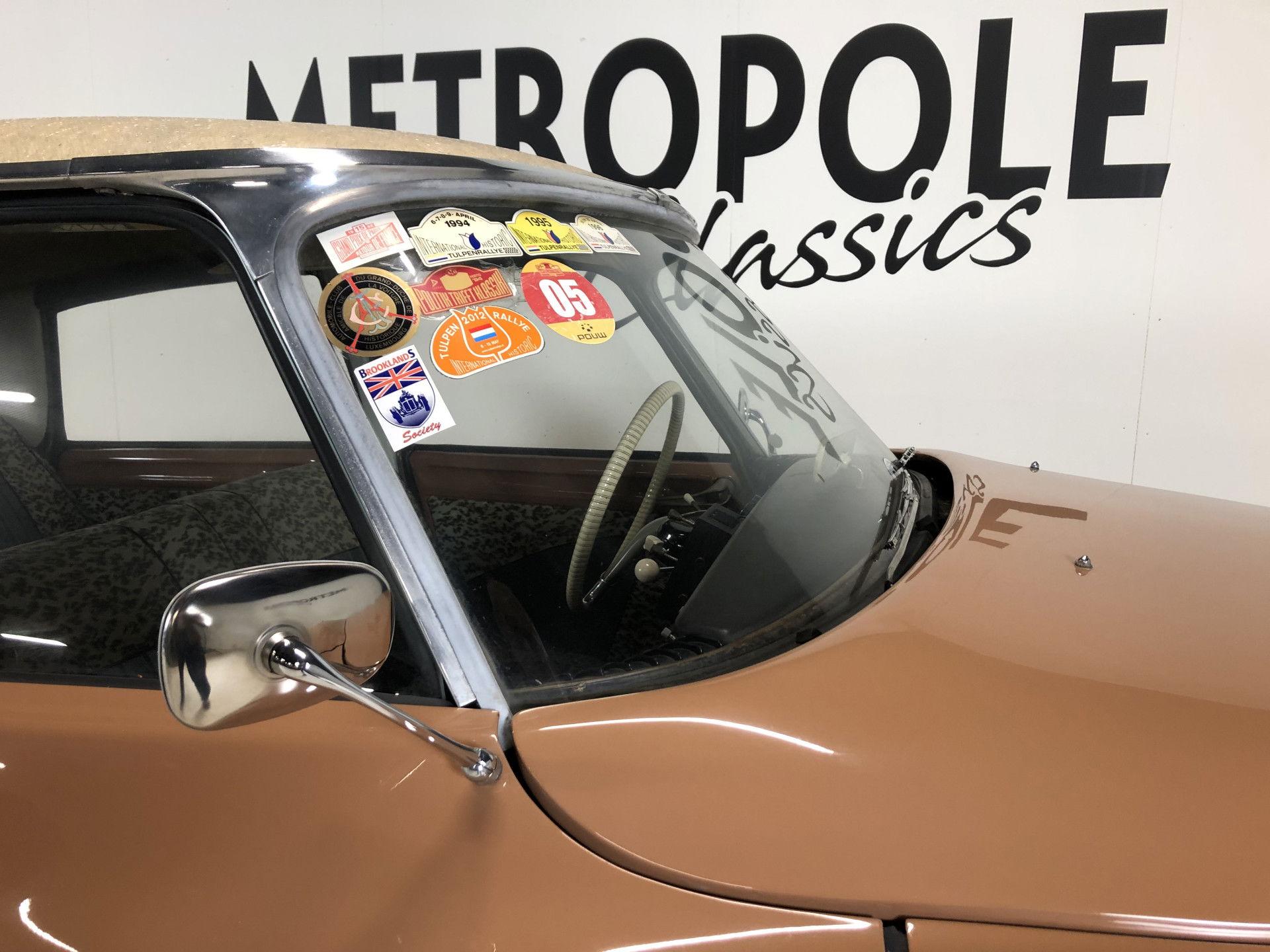
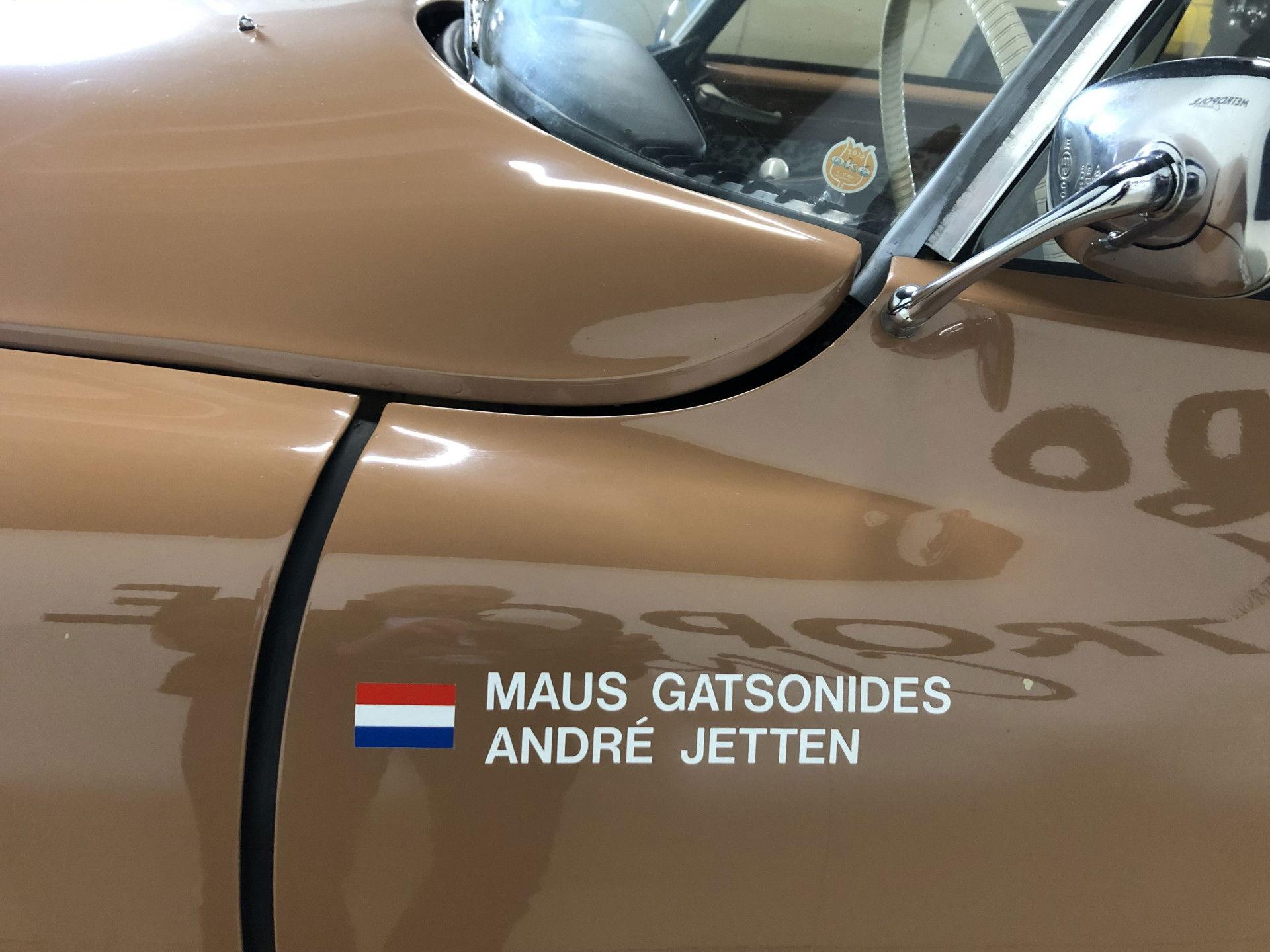
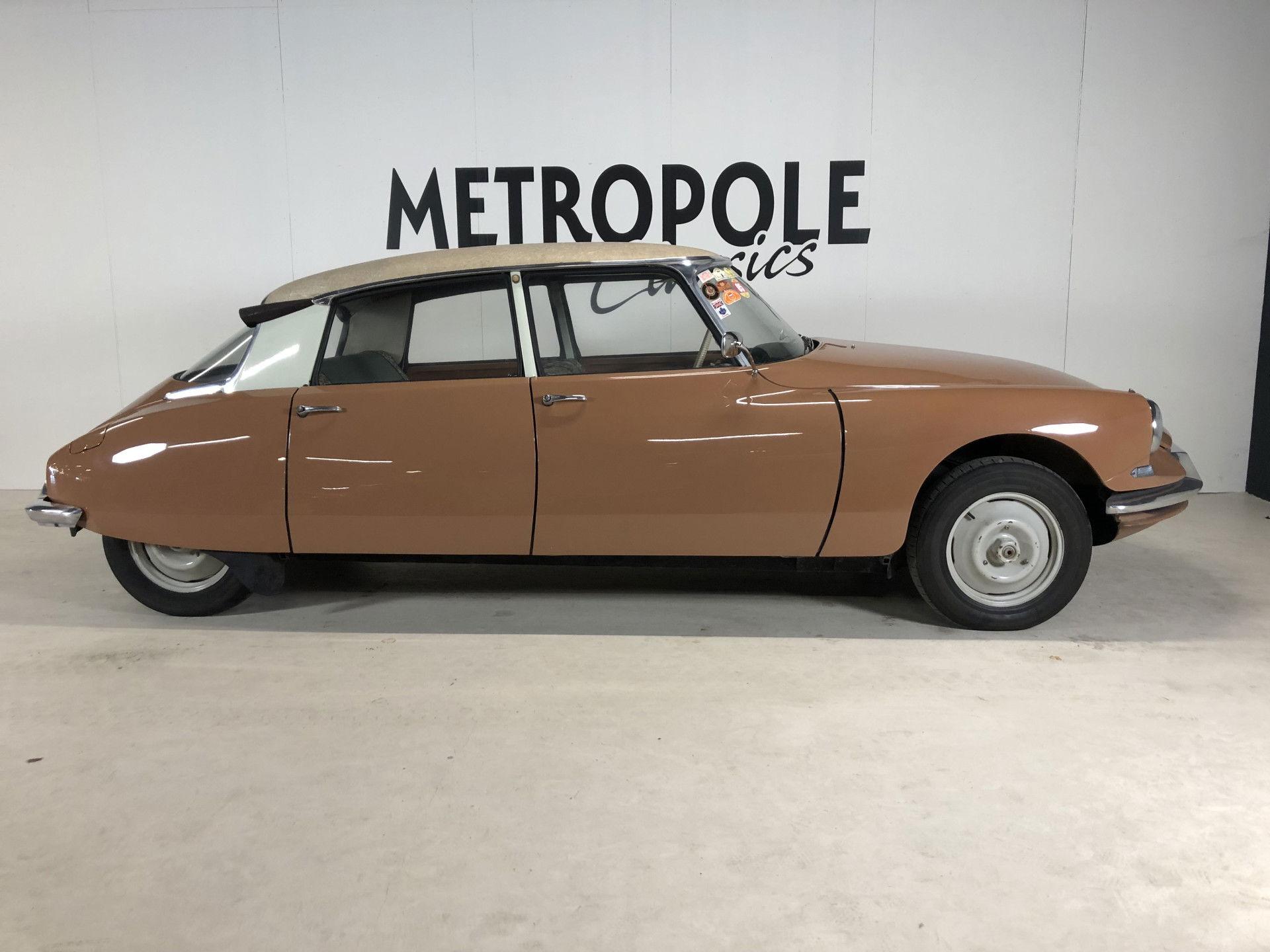
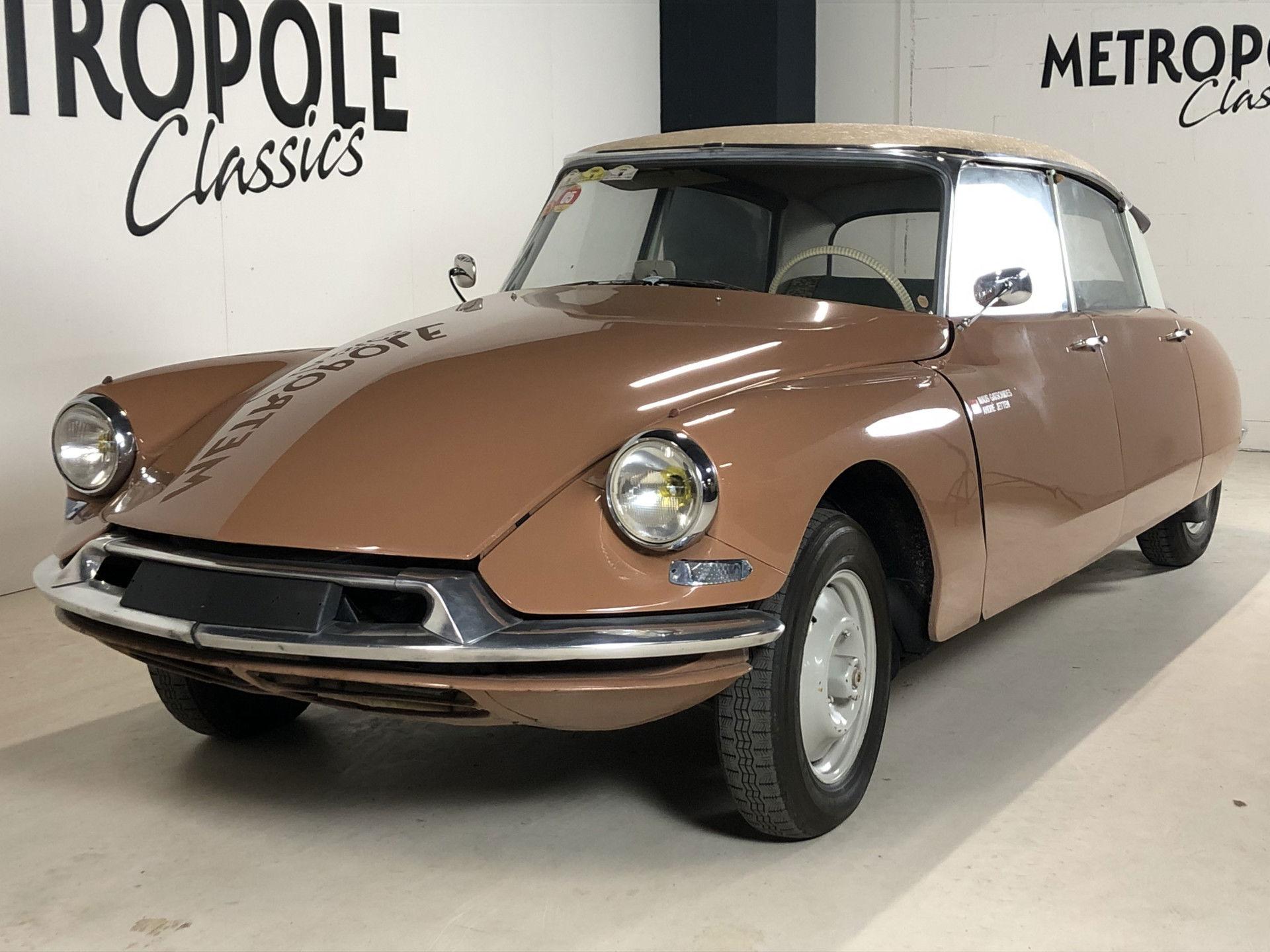
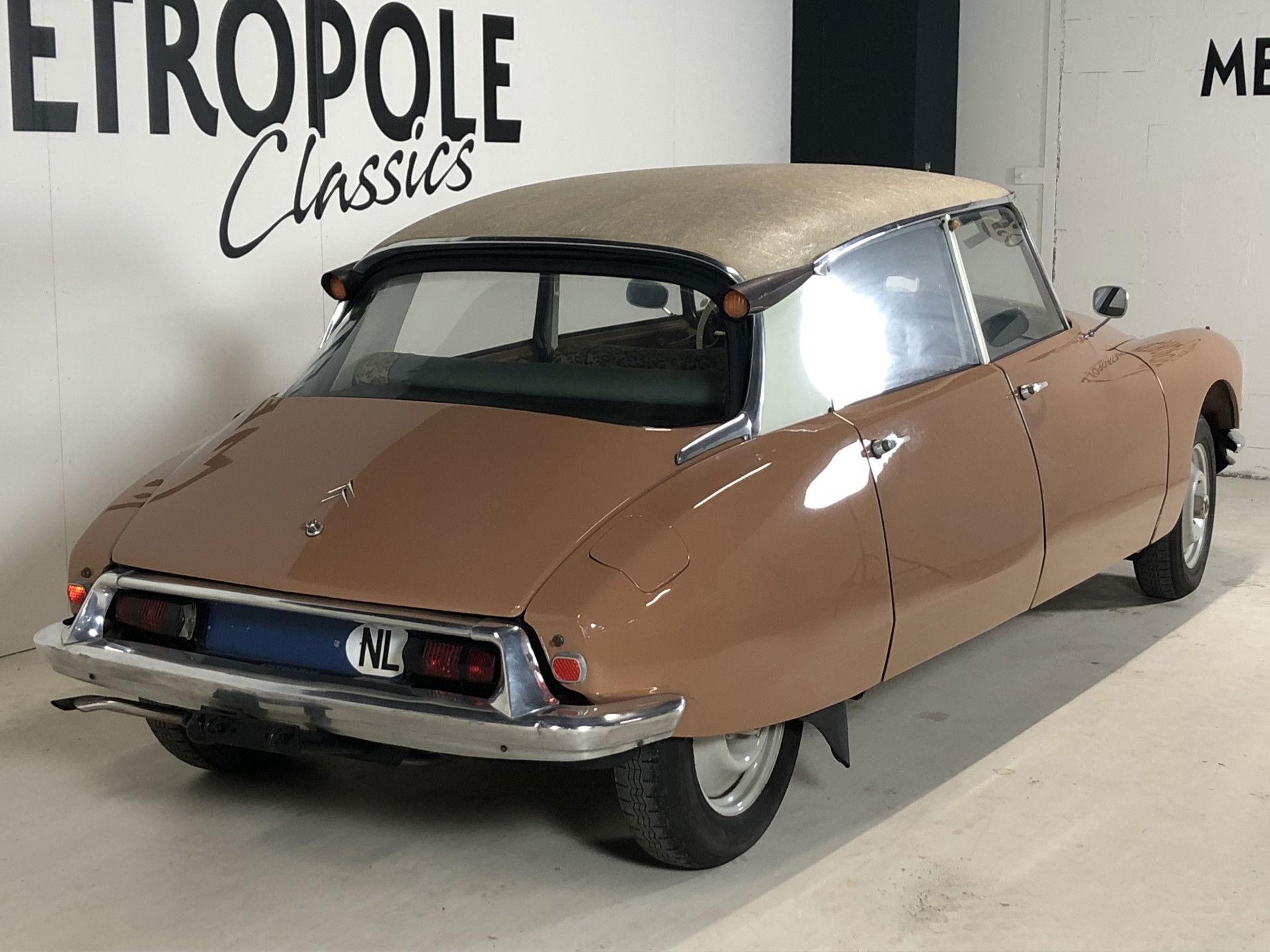
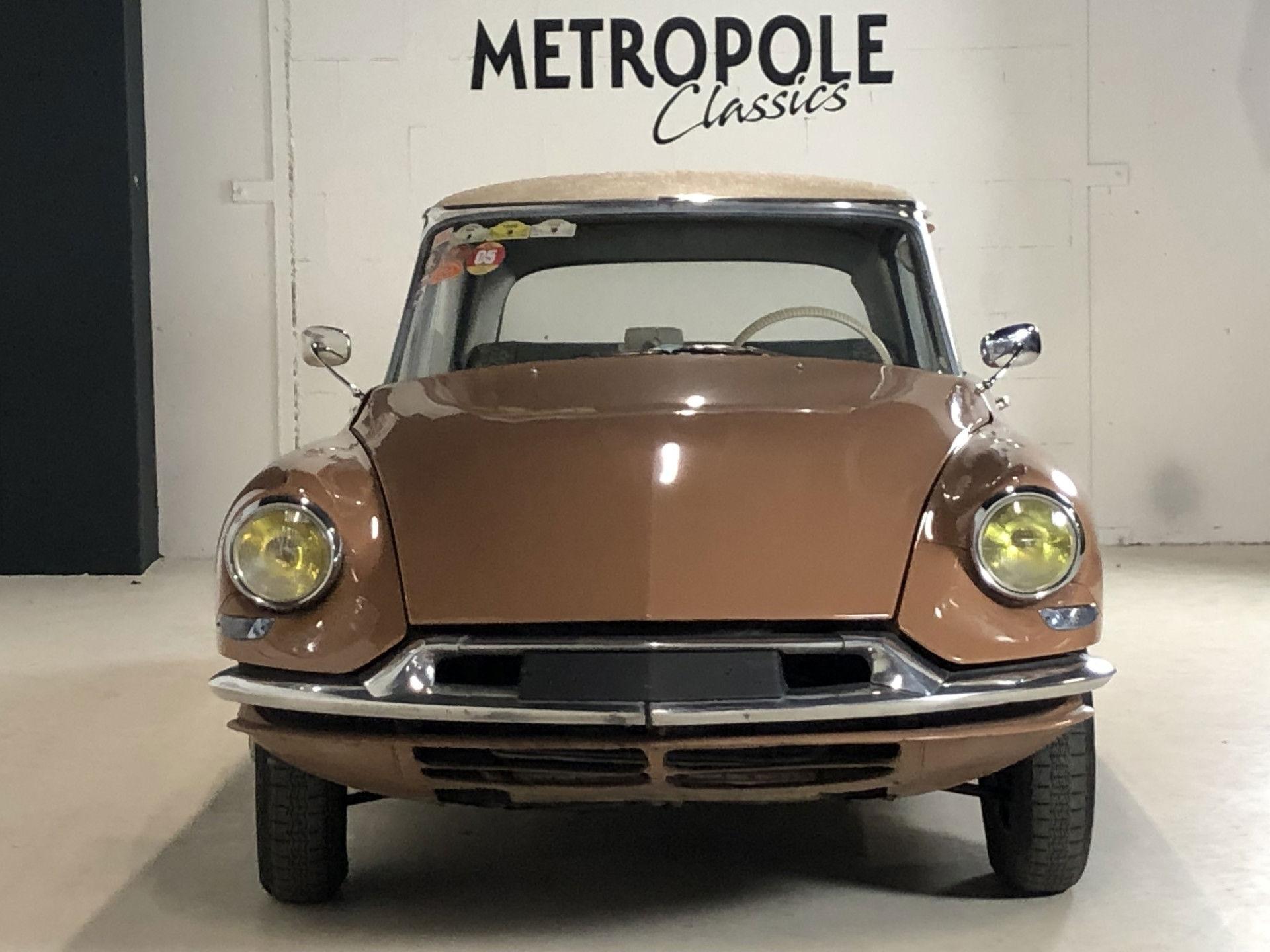
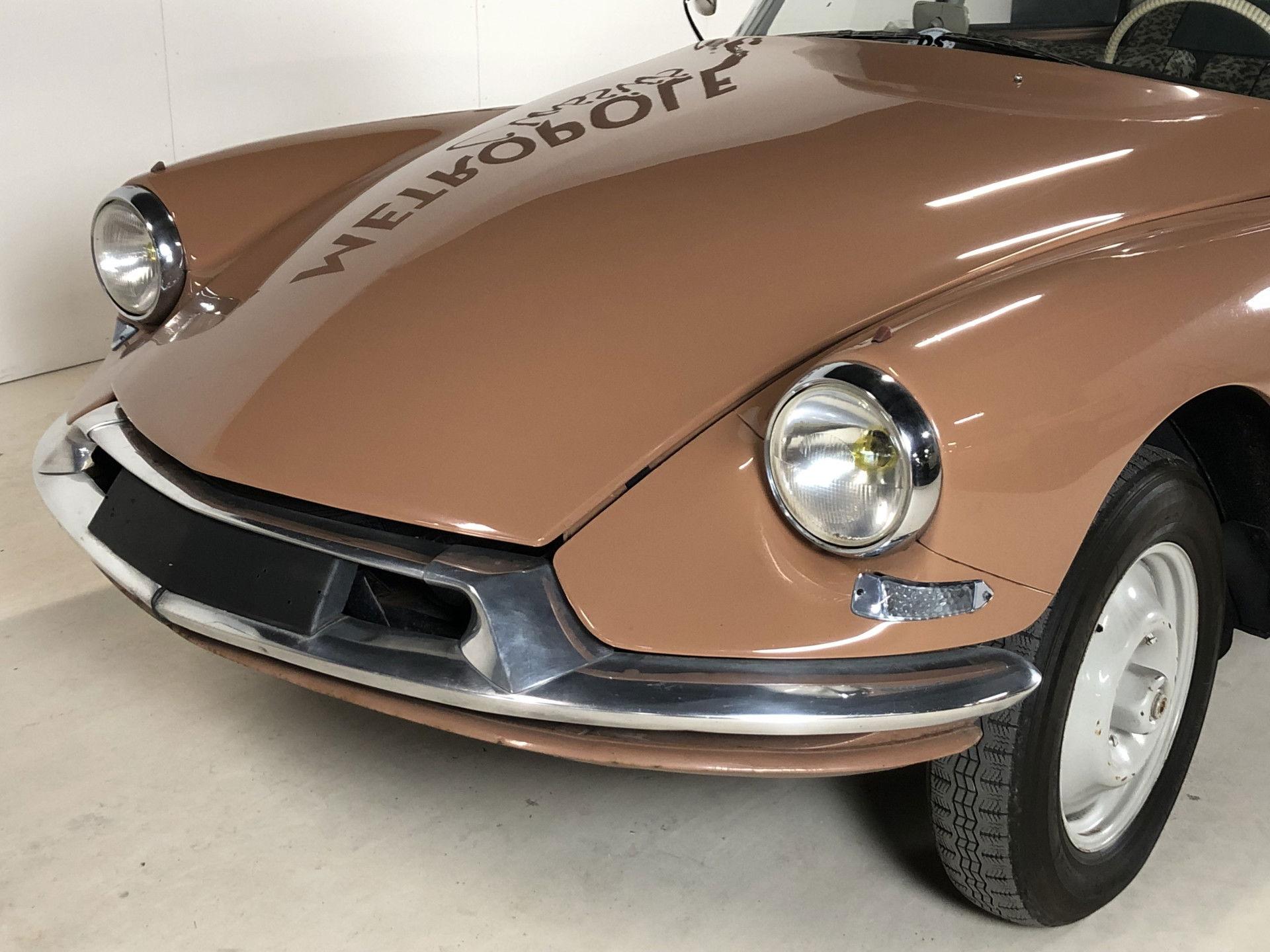
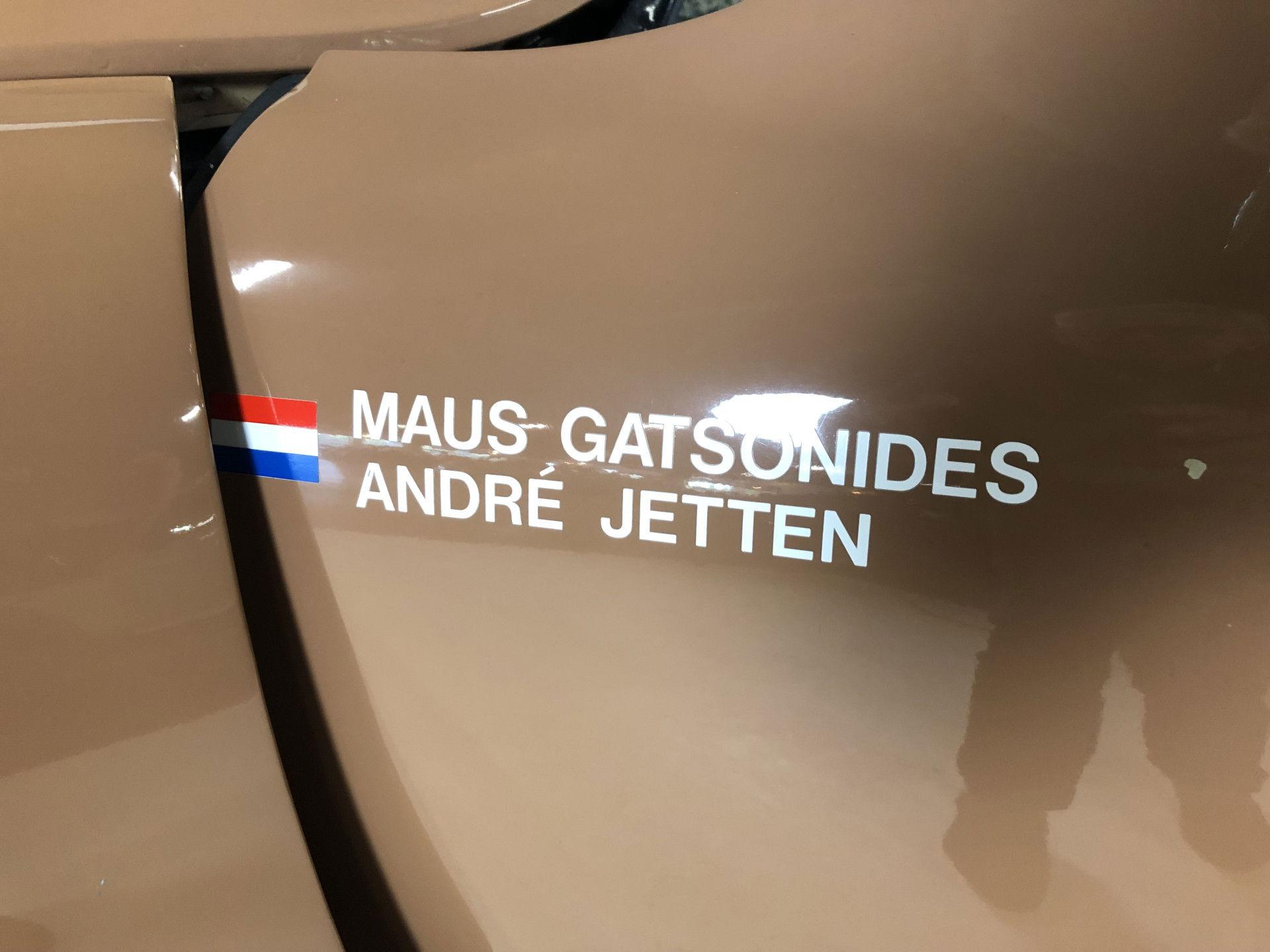
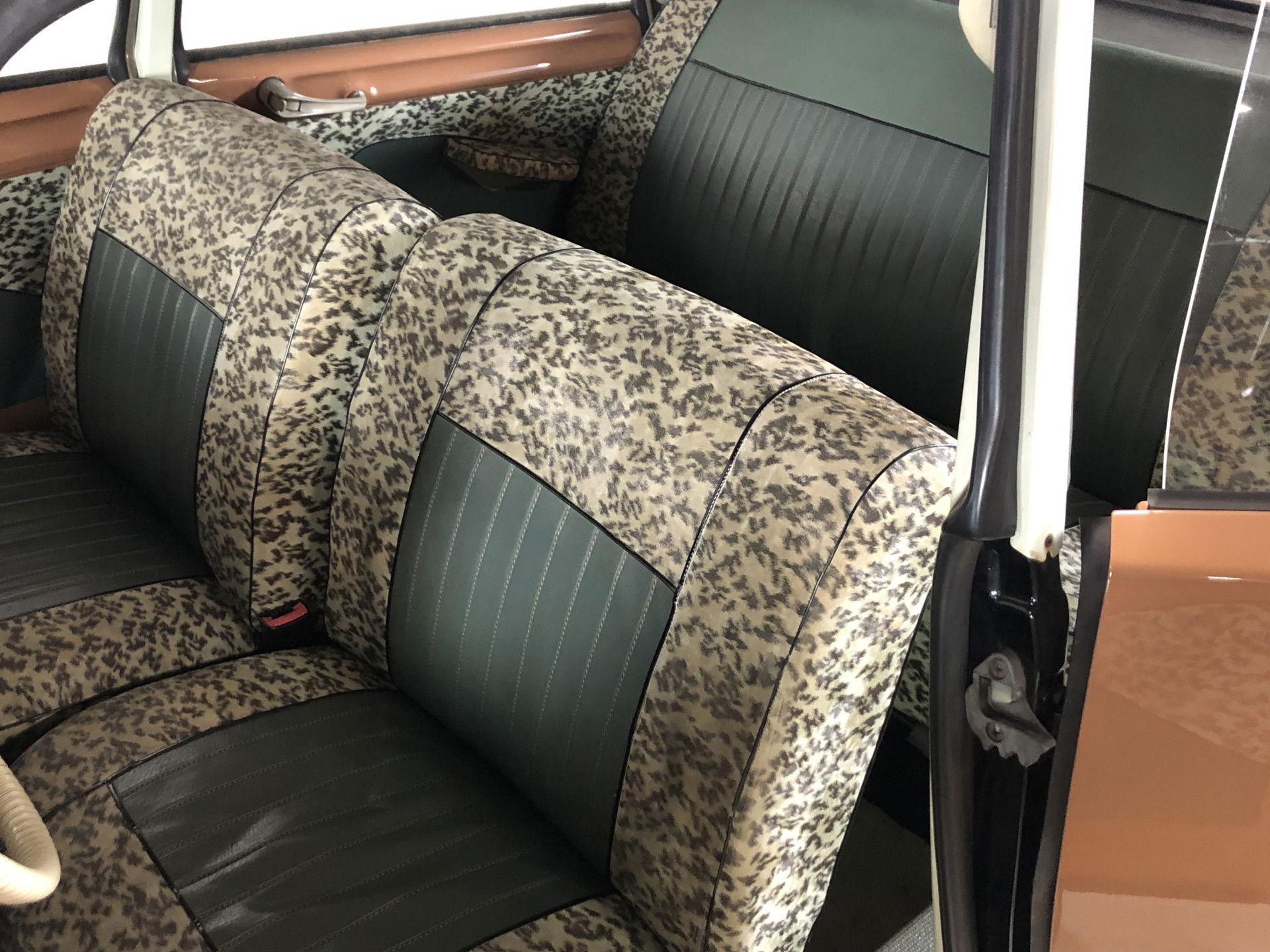
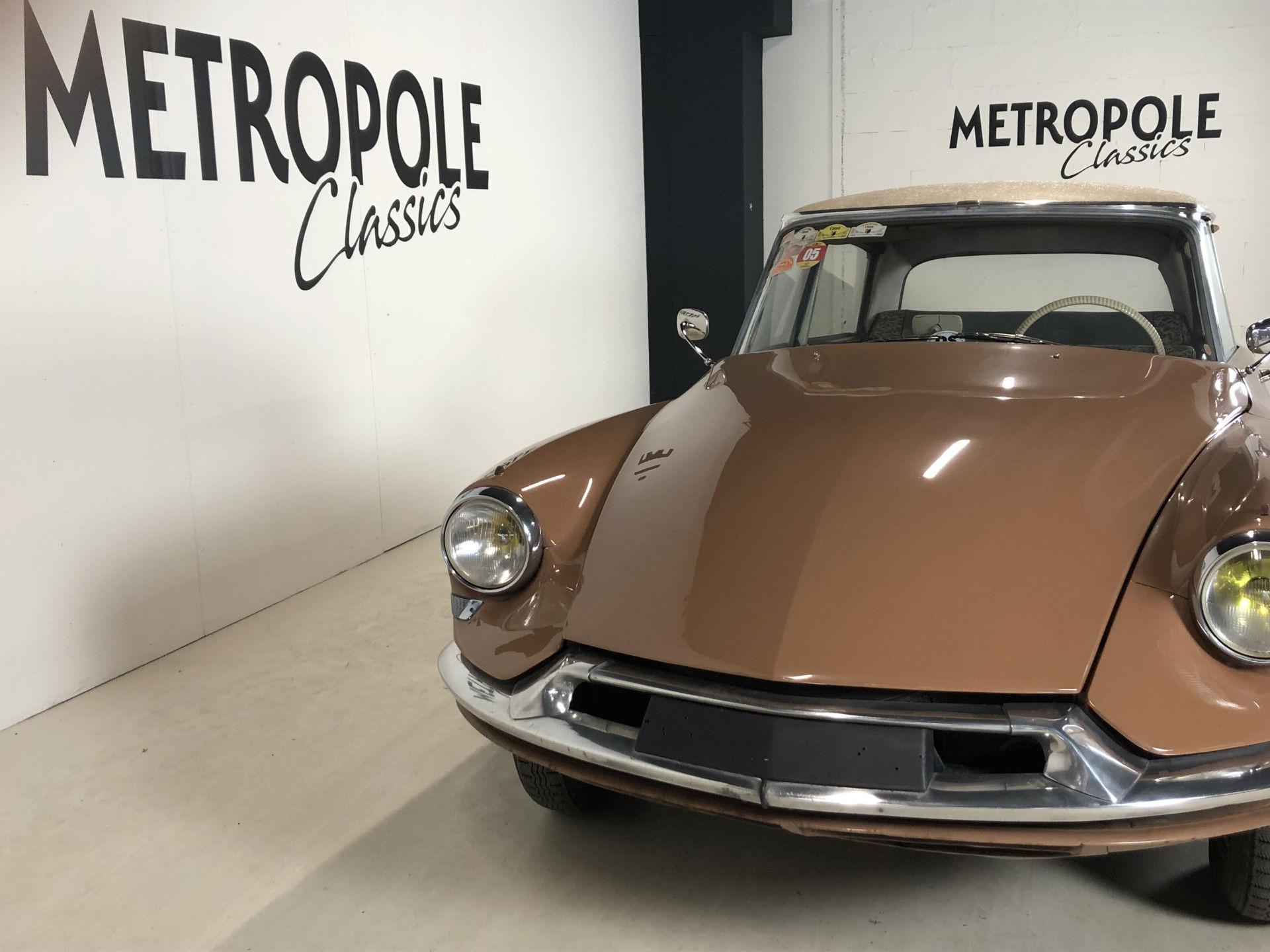
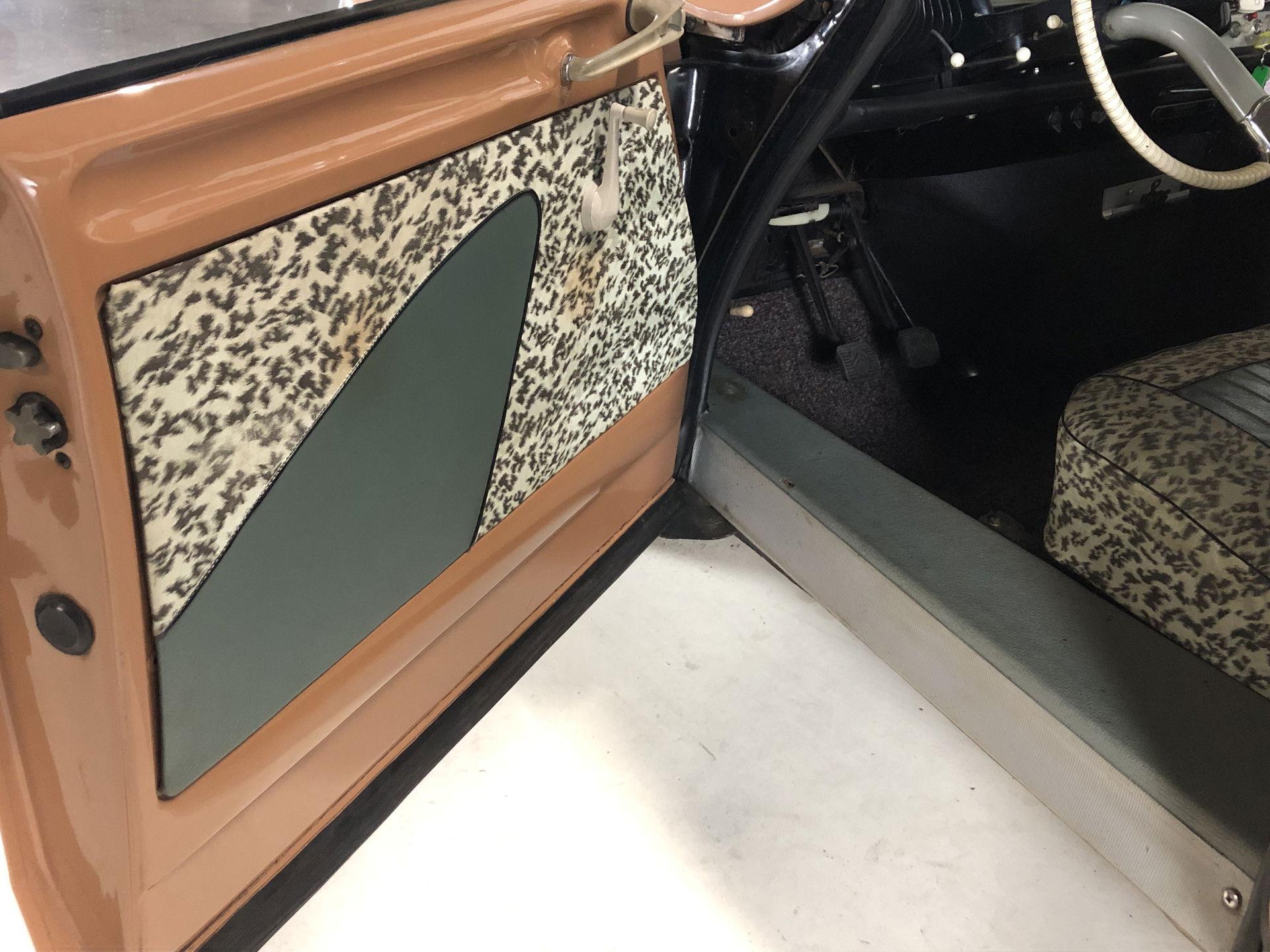
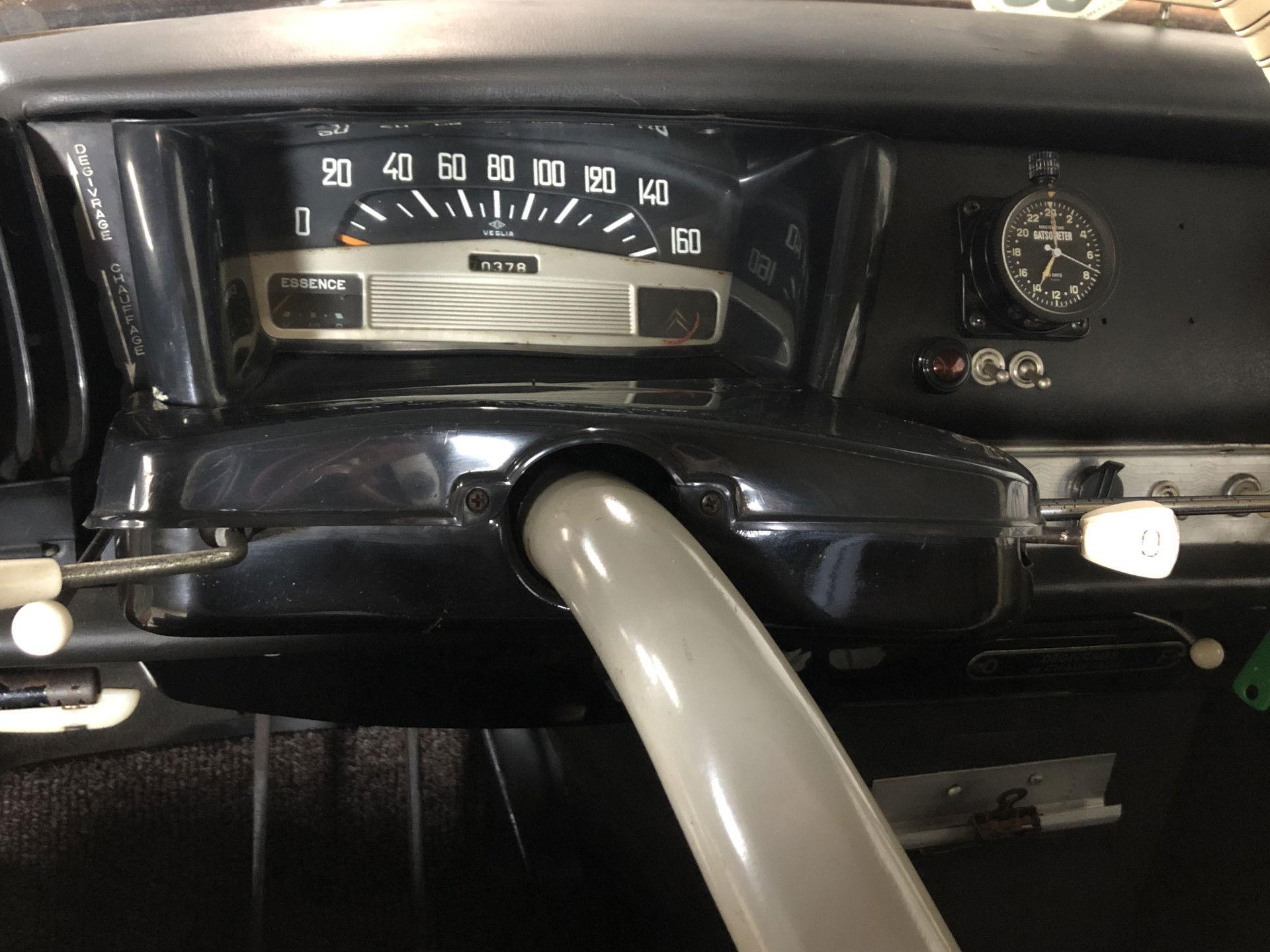
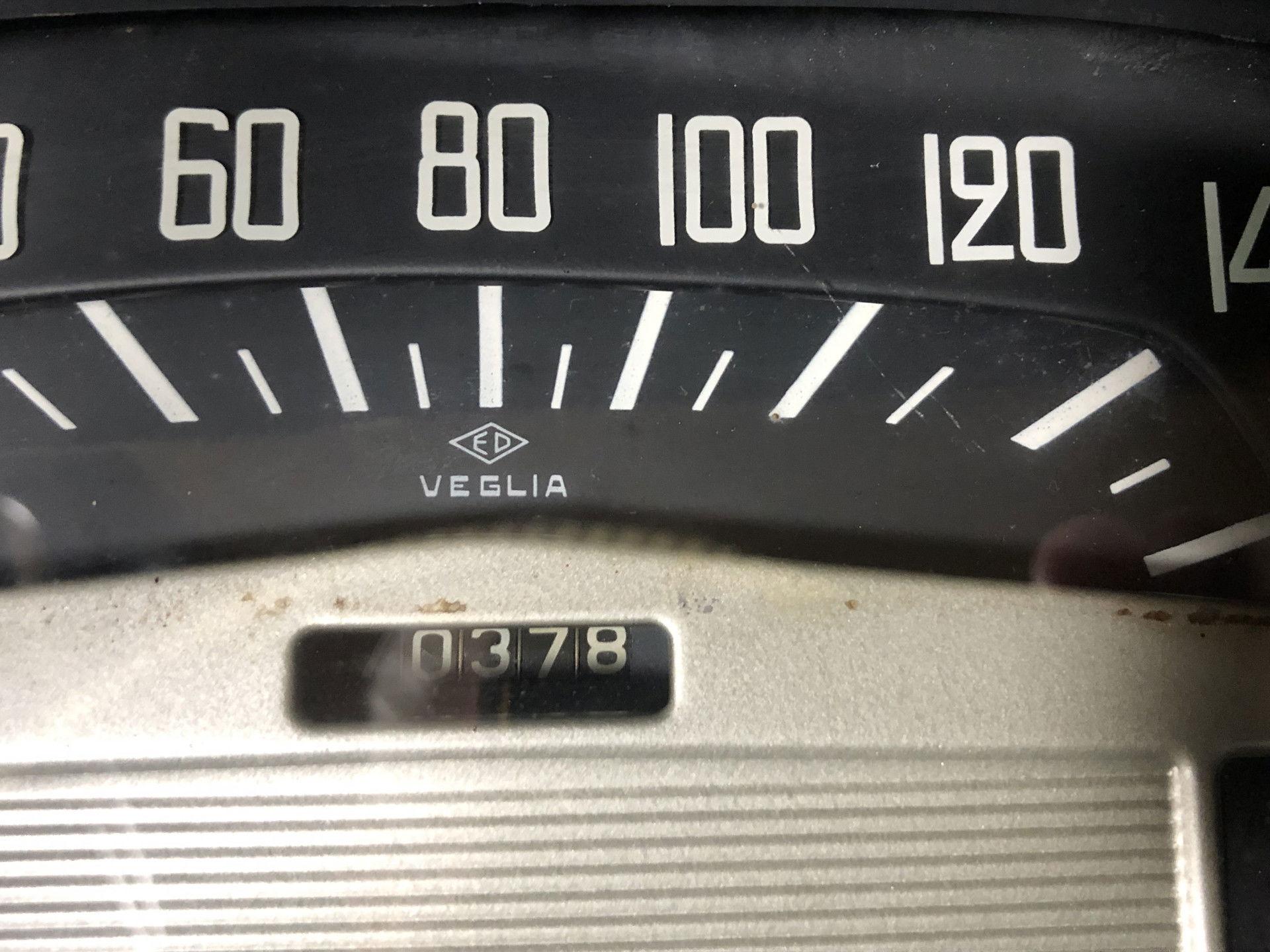
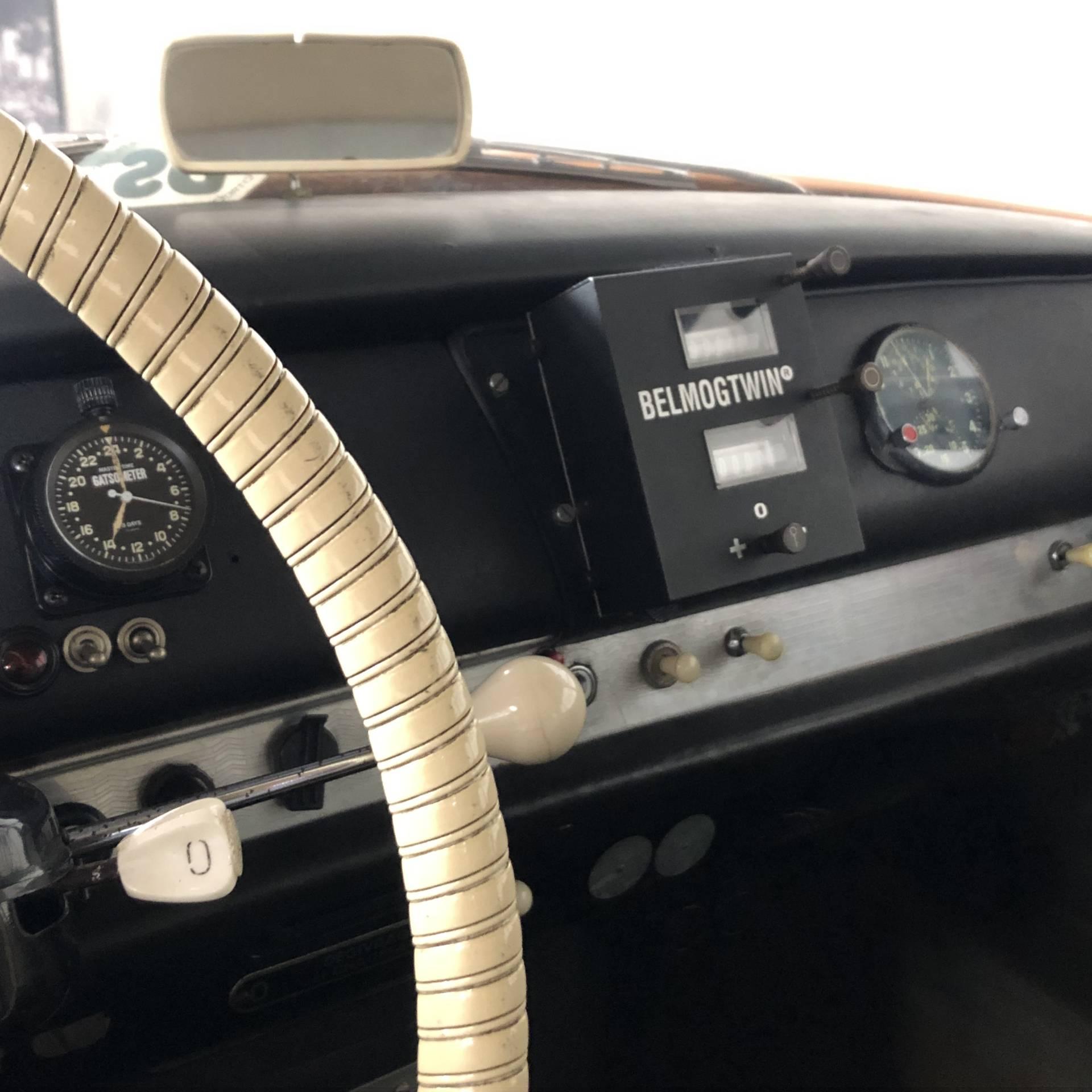
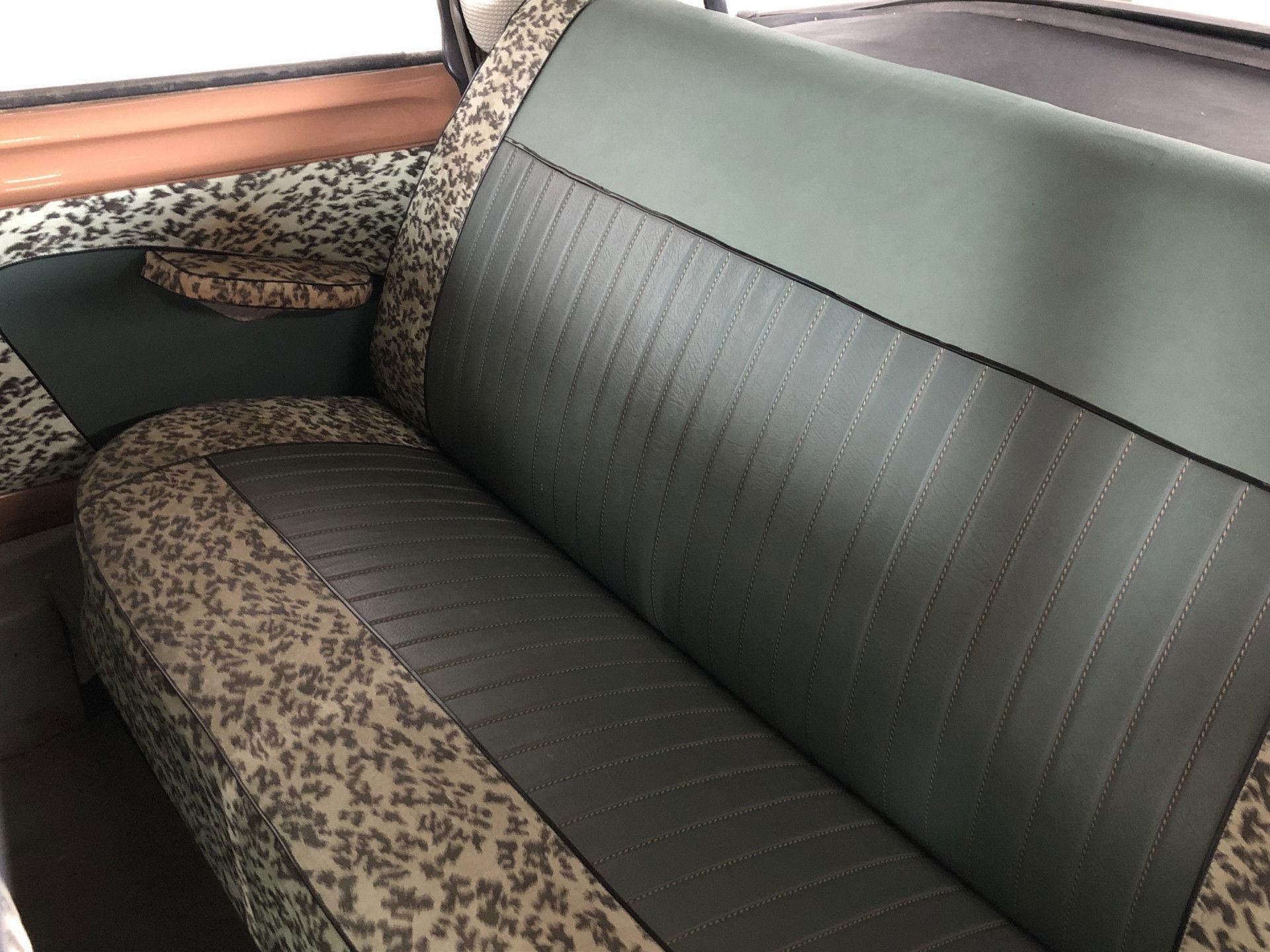
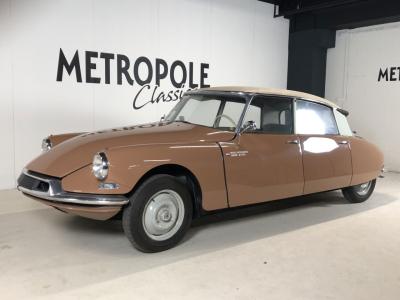
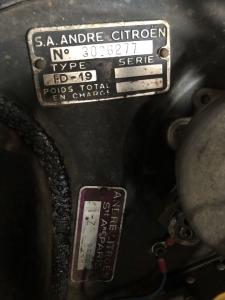
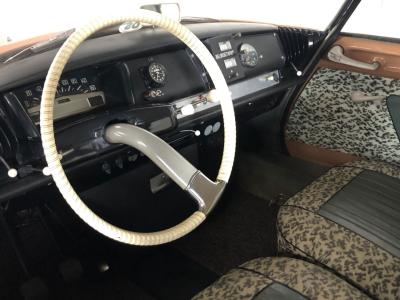
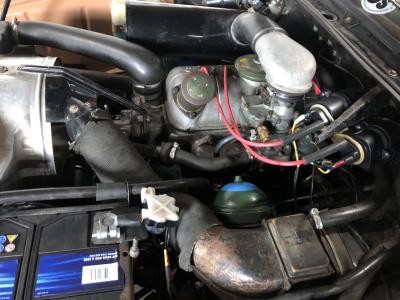
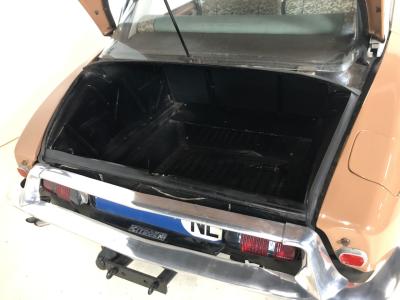
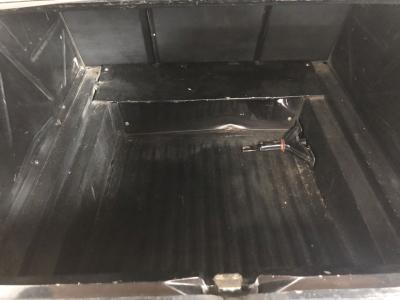
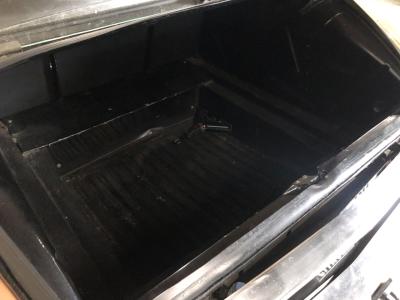
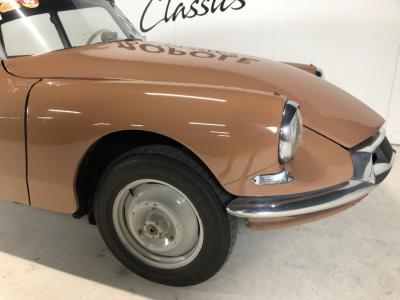
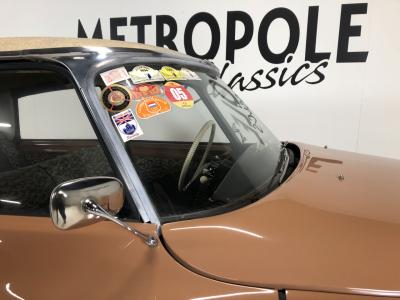
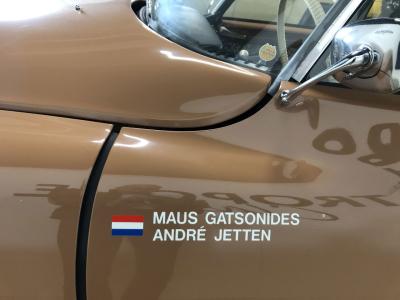
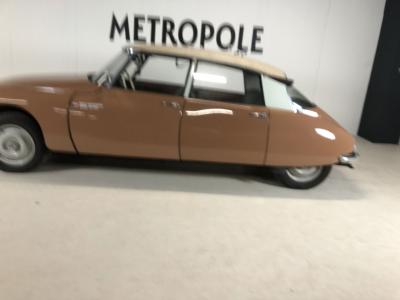
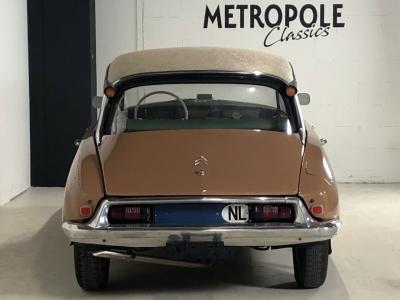
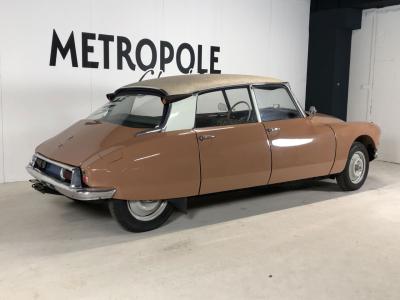
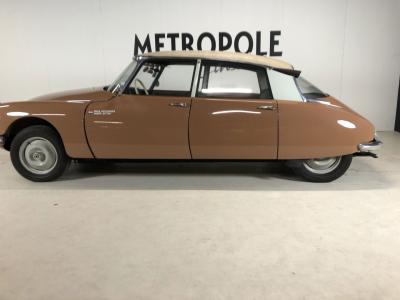
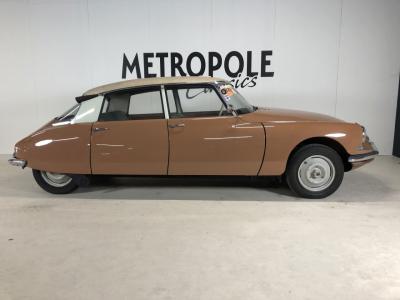
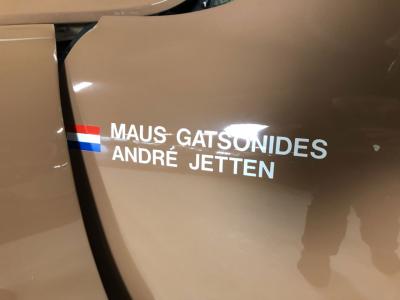
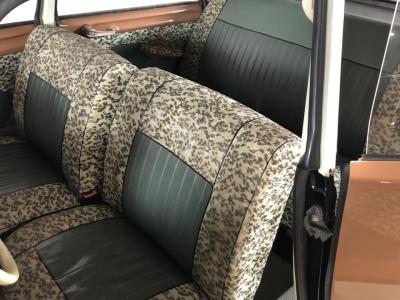
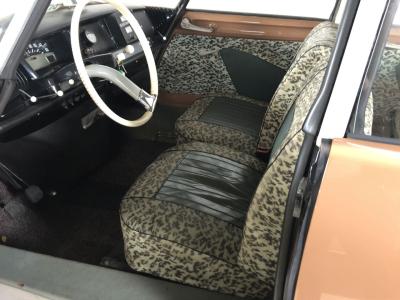
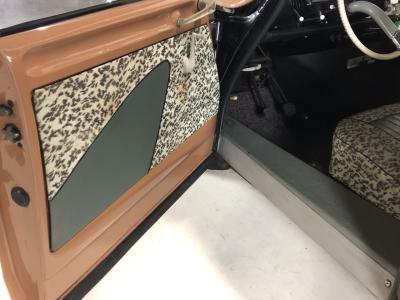
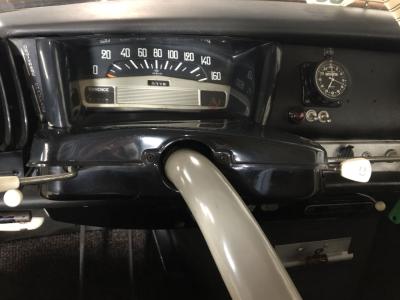
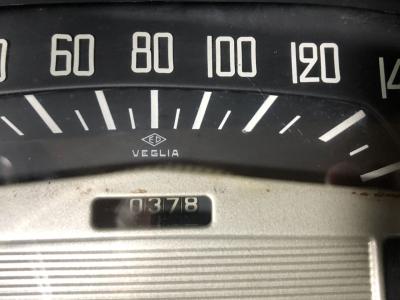
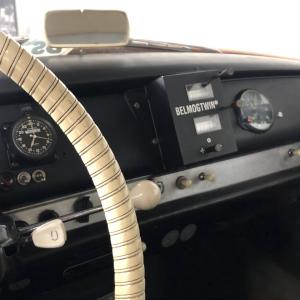
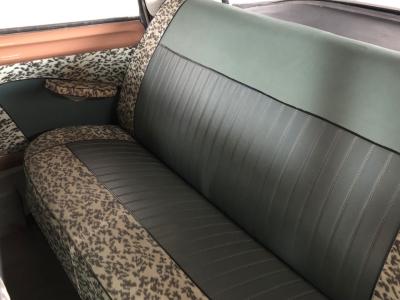
This DS presented here was owned by Mr. MausGatsonides, the man behind the speed posts in the Netherlands and beyond. He himself also designed 1992 to 8 convertibles, the so-called Gatso's. However, one of these has been preserved. the DS here also has a very special interior, almost a complete tiger print in the car. There are also a number of important meters on the dashboard. The Citroen drives perfectly and can be used again in the next rally. A real enthusiast's car!
Contact Us
