






























































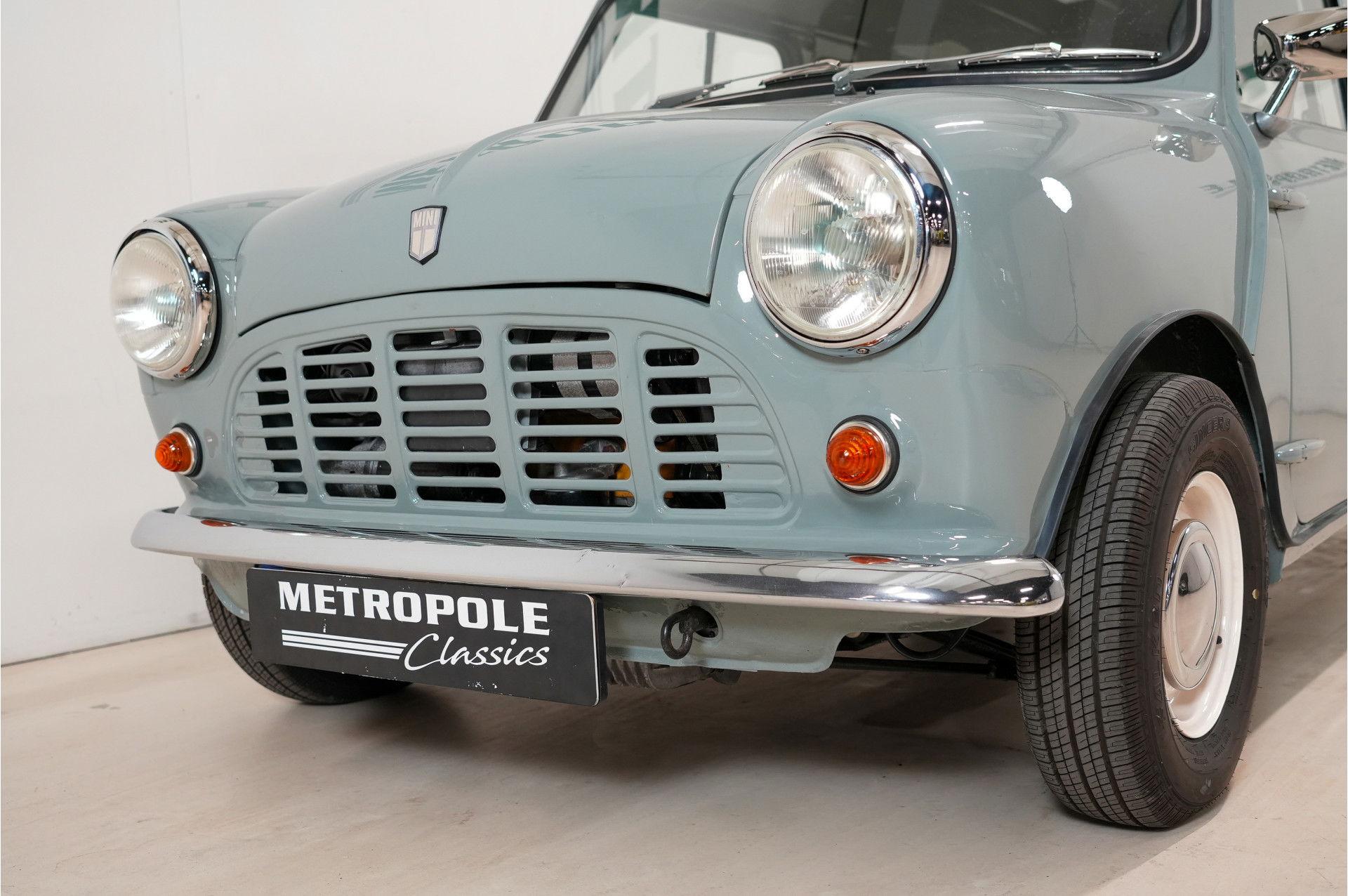




It was a revolutionary and characterful small car designed for the British Motor Corporation (BMC) by Alec Issigonis (1906-1988) and made in Birmingham. This car used new, progressive techniques for that time, such as a transversely mounted engine and front-wheel drive, a concept that is often used today. The Mini was available with engines of 850, 1000 and 1275 cc. From 1964 to 1971, the Minis had the hydraulic suspension system designed by Alex Moulton, called 'hydrolastic'. After that, mainly for cost reasons, the original rubber elements for the suspension were reverted.
In July 1958, Alec Issigonis invited his client to test drive one of the two prototypes. Leonard Lord was impressed by the combination of speed and handling and immediately gave the green light to continue the project.
The next step was delivering a production version; they were given 12 months for this. Austin and Morris, the marques that had jointly founded BMC in 1952, each launched a model under their own name in August 1959: the Austin Seven 850 and the Morris Mini Minor, with "Mini" used to distinguish it from the Morris Minor; "Mini" later became the designation for these models. Production facilities were established at Longbridge (Austin plant) and Cowley (Morris plant), where by June 1959 approximately 100 cars a week were rolling off the assembly line.
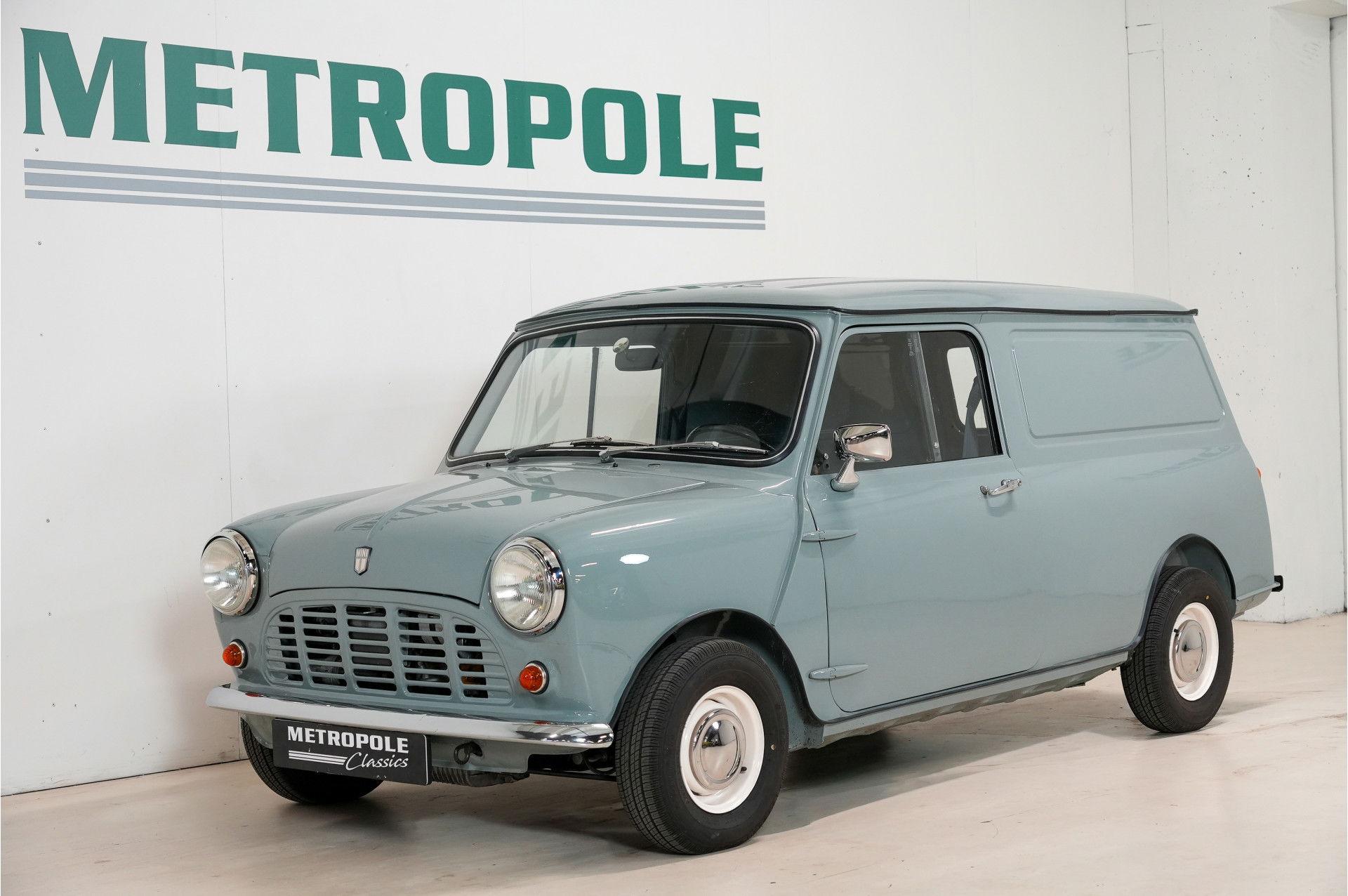
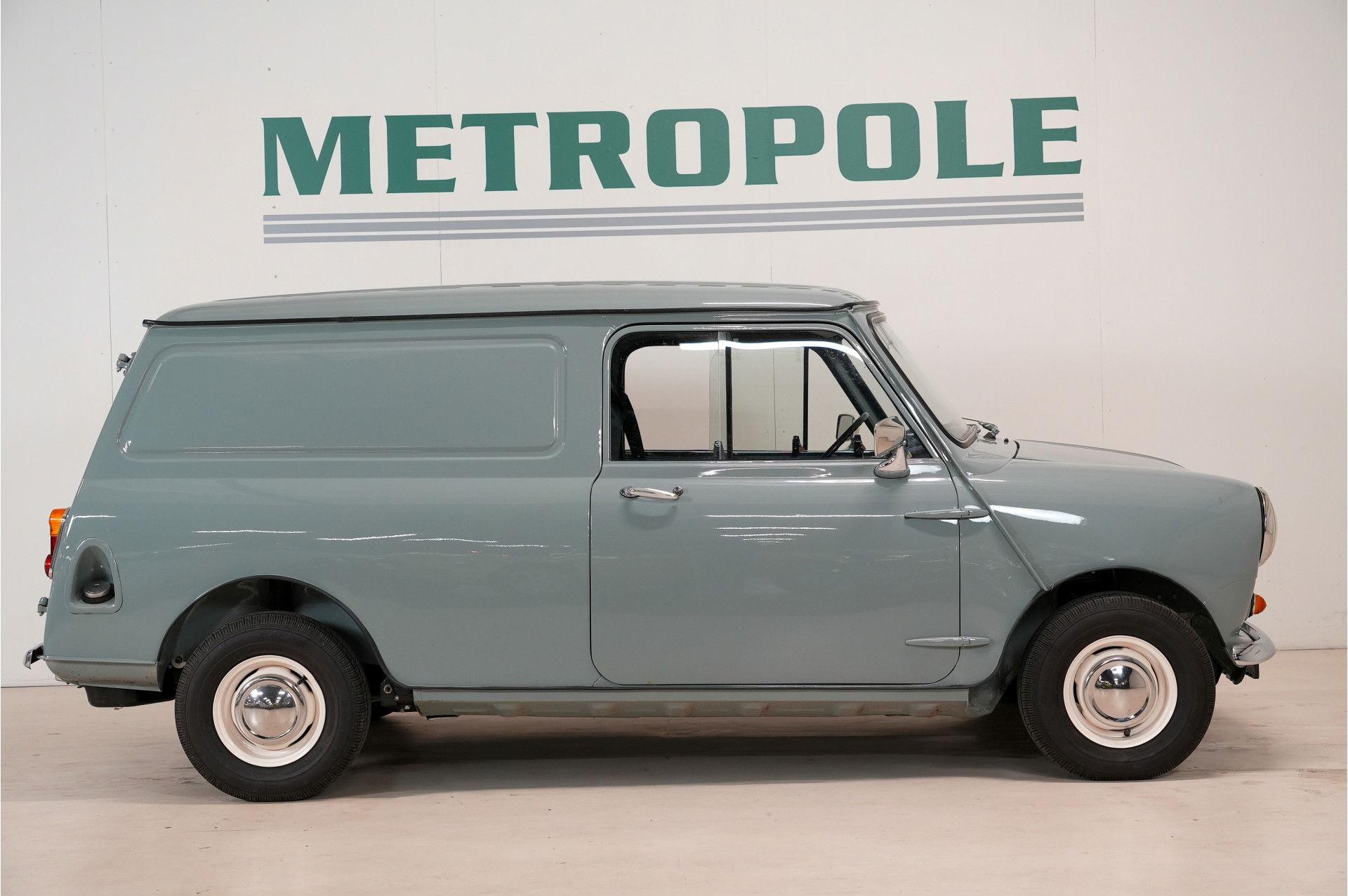
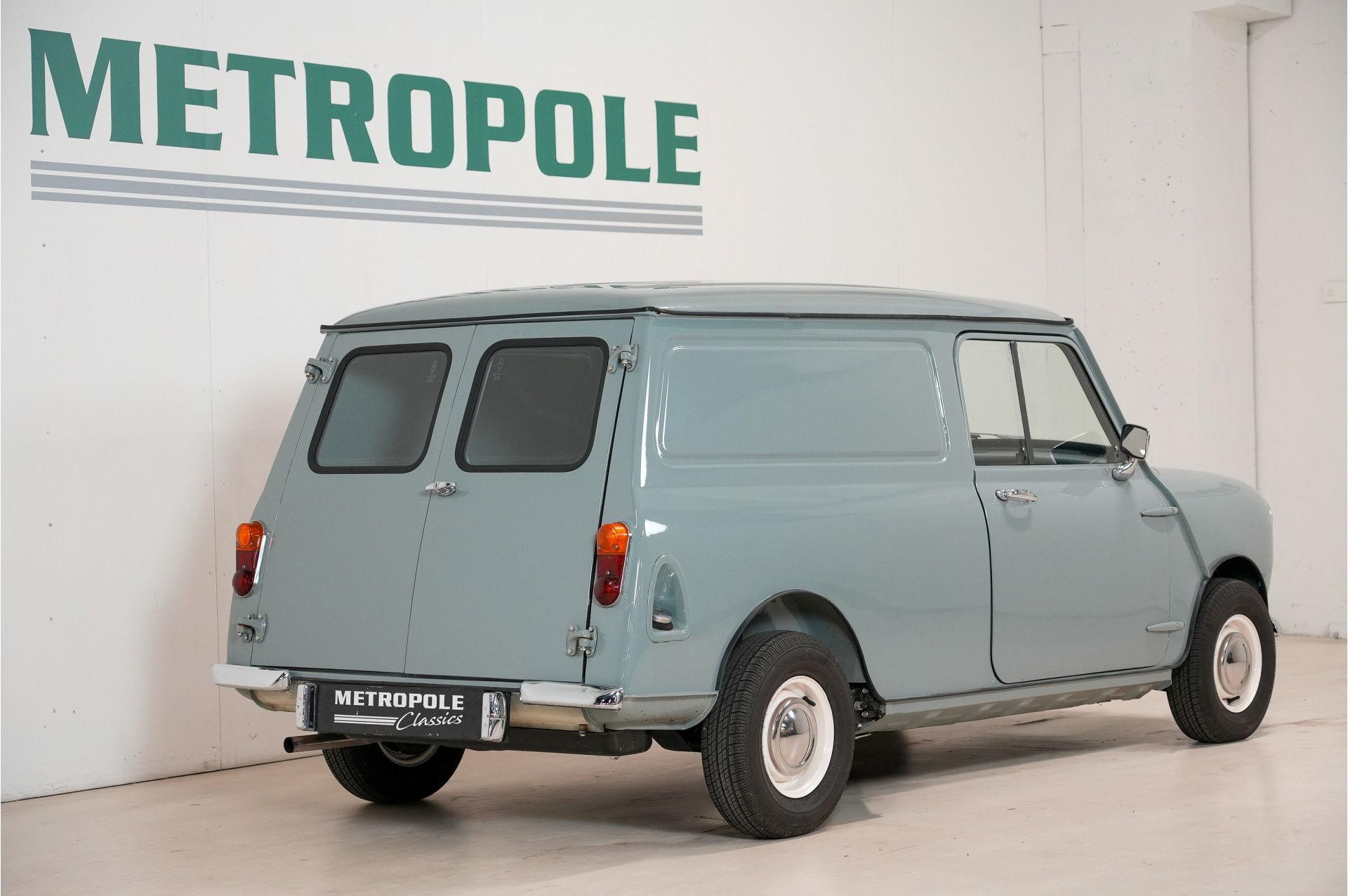
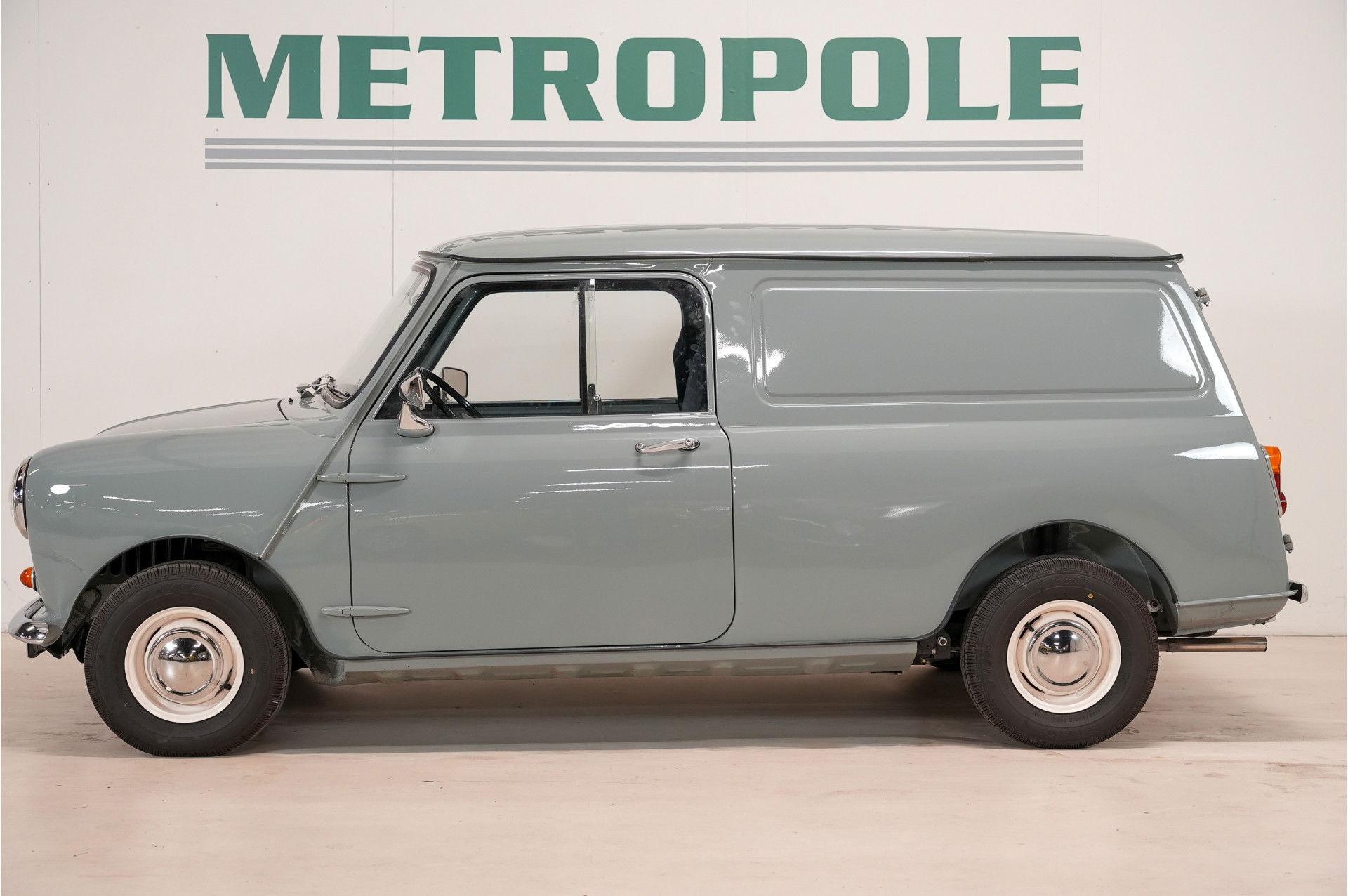
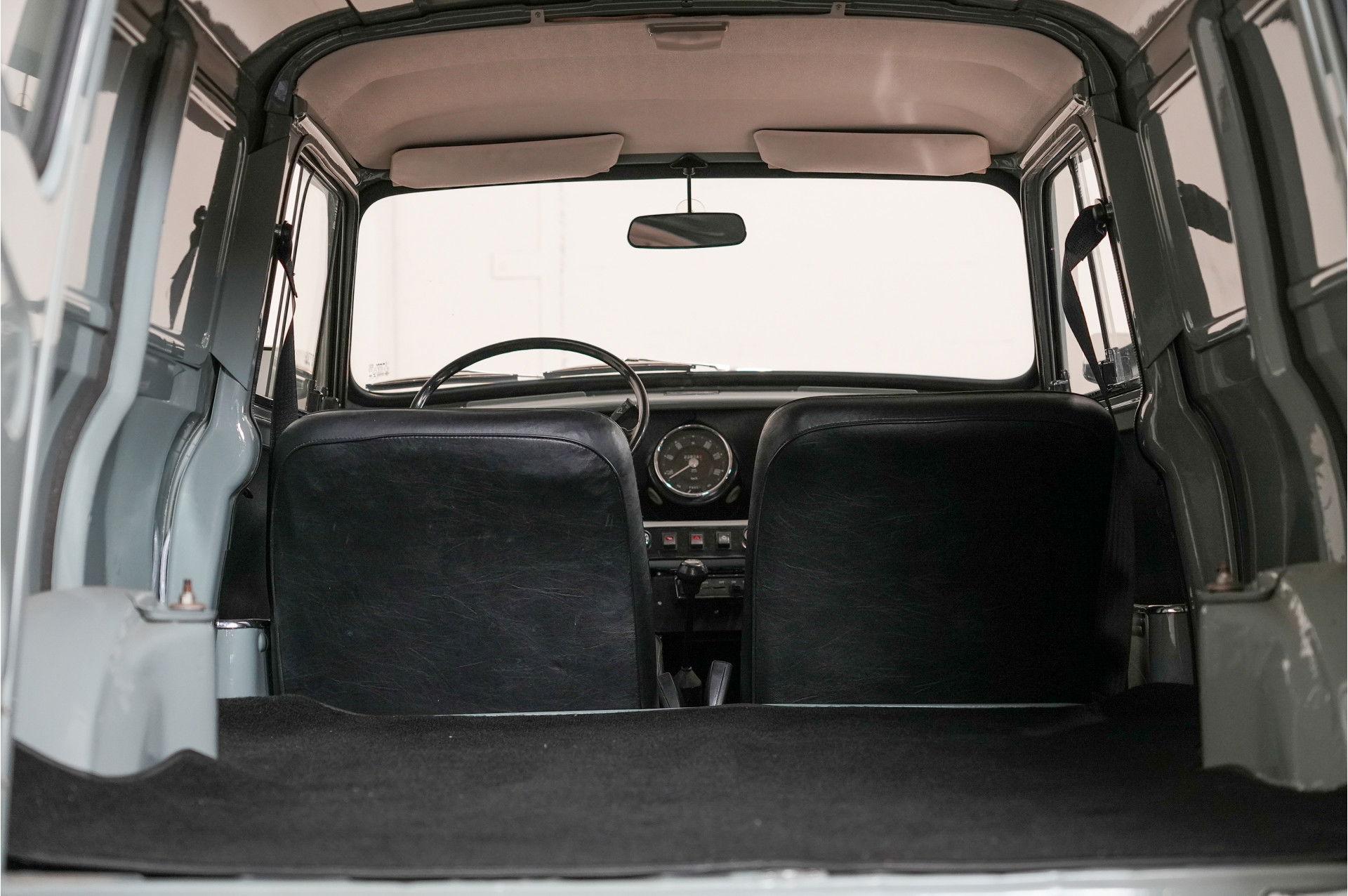
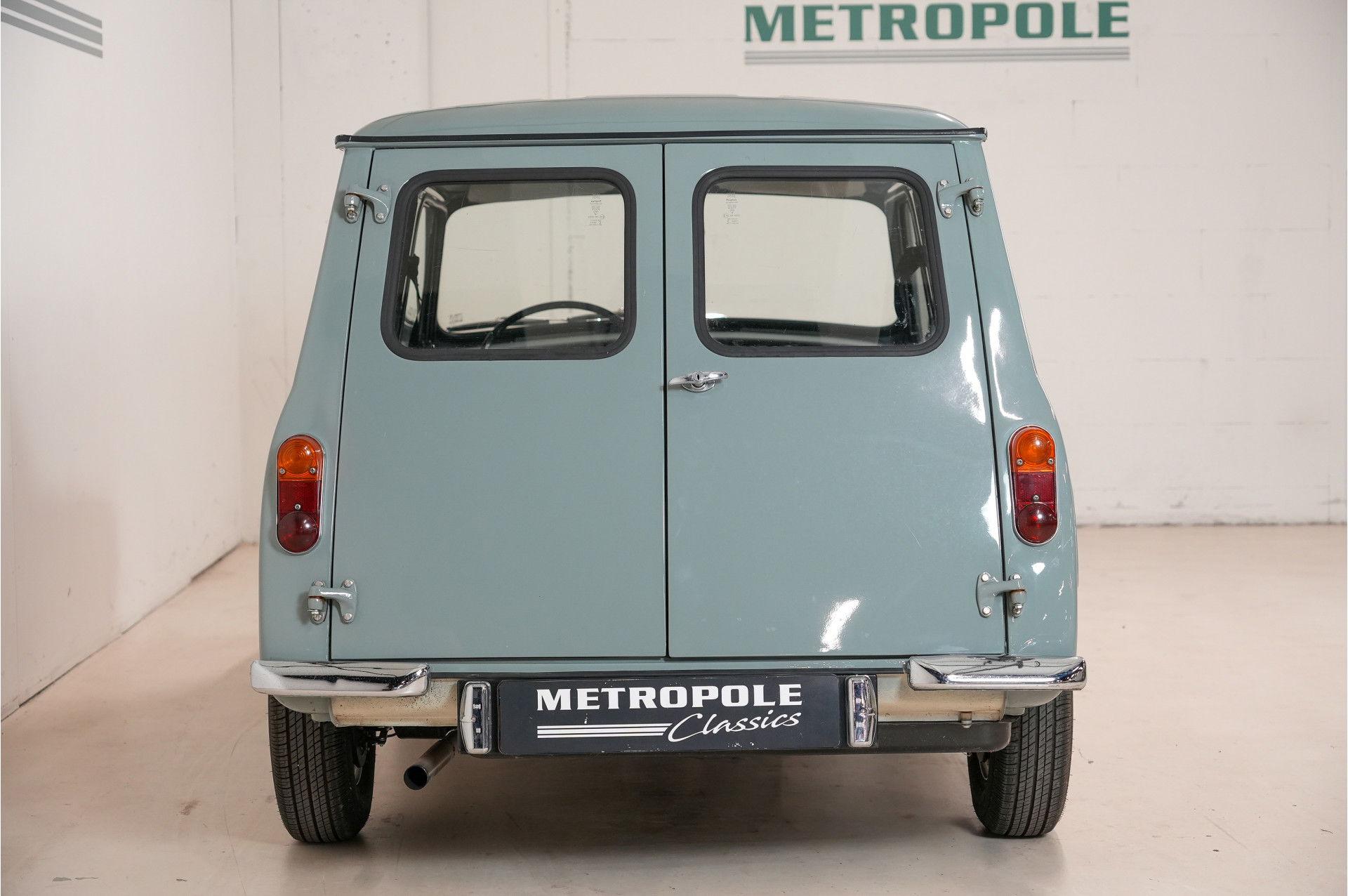
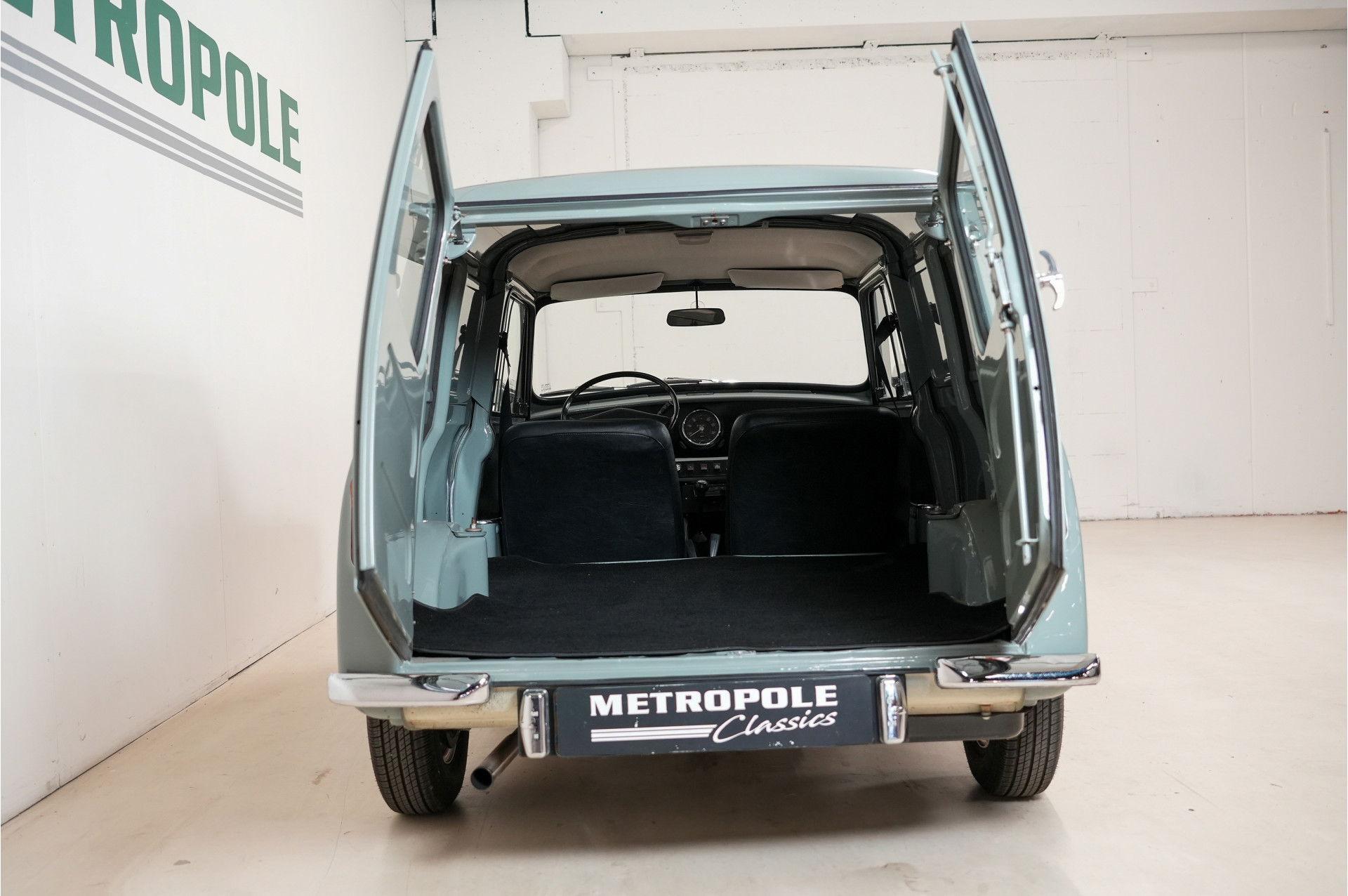
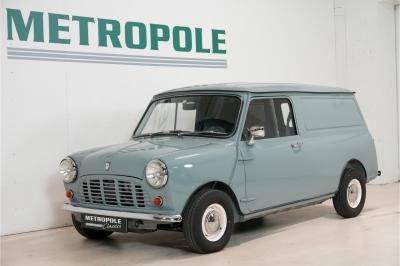
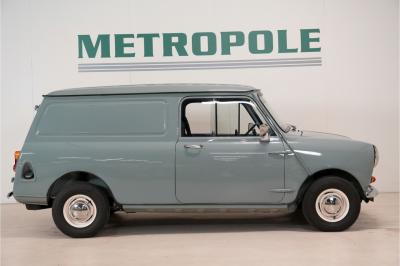
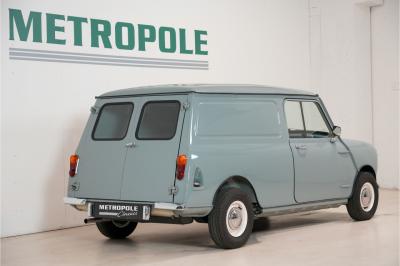
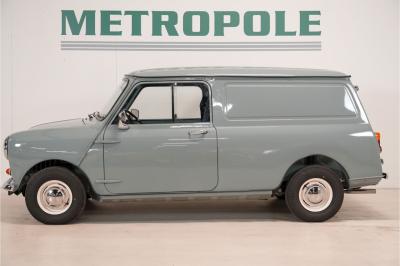
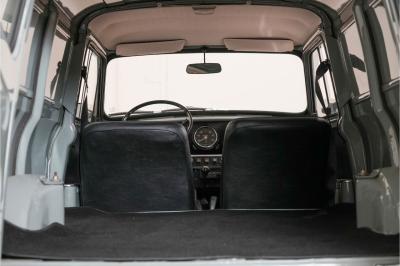
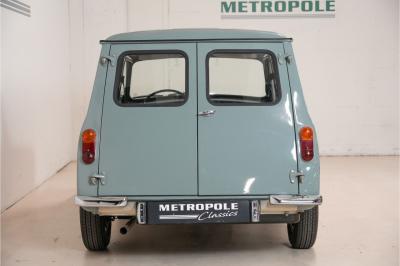
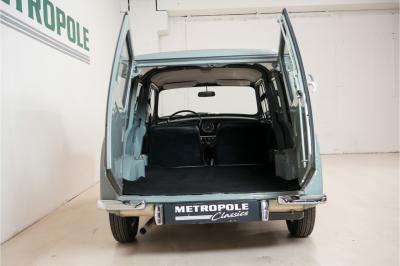
In addition to the two-door basic model, the Mini was also released as an estate/delivery van (Mini Van) and a pick-up (Mini Countryman) with a longer wheelbase.
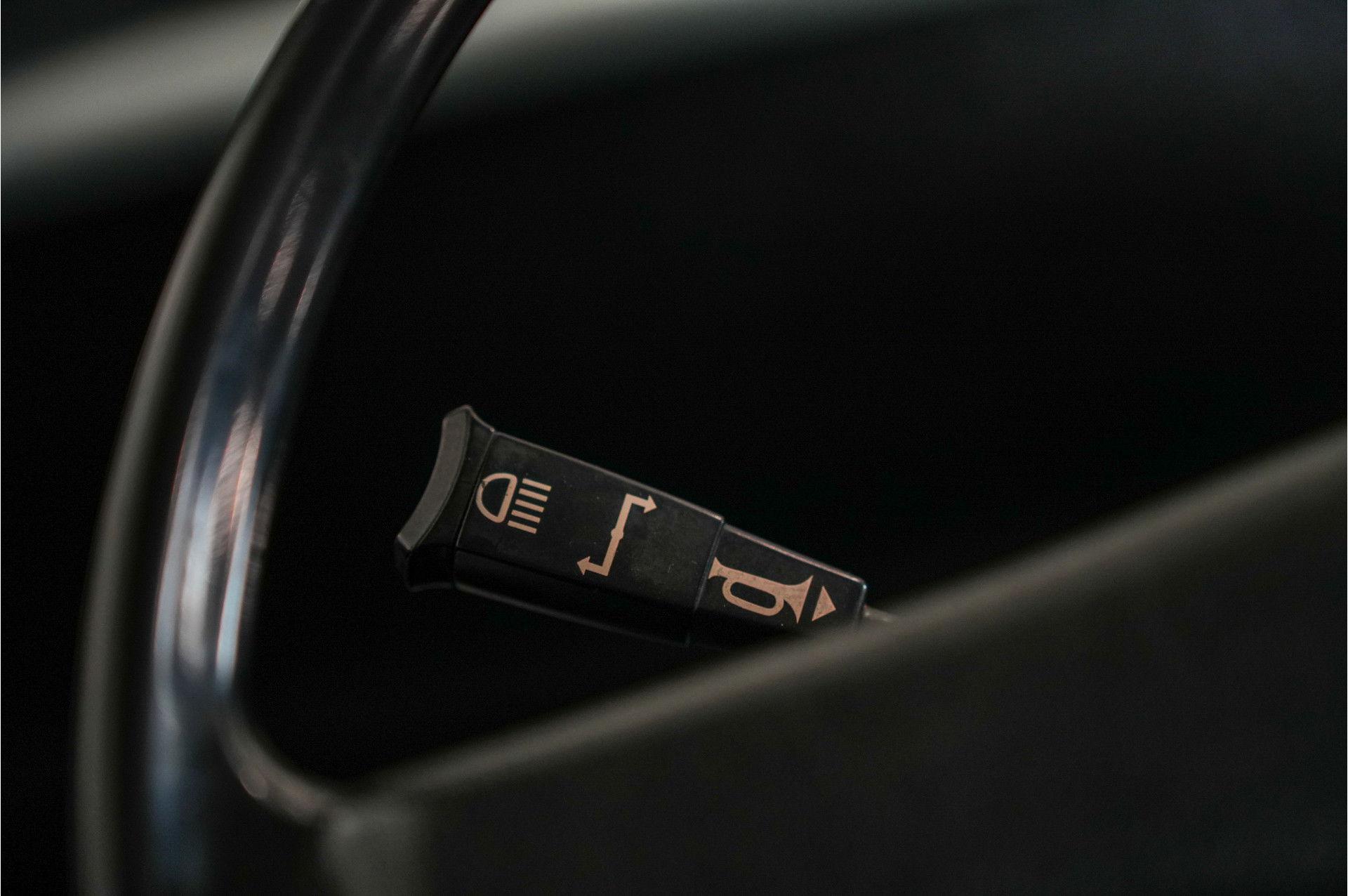
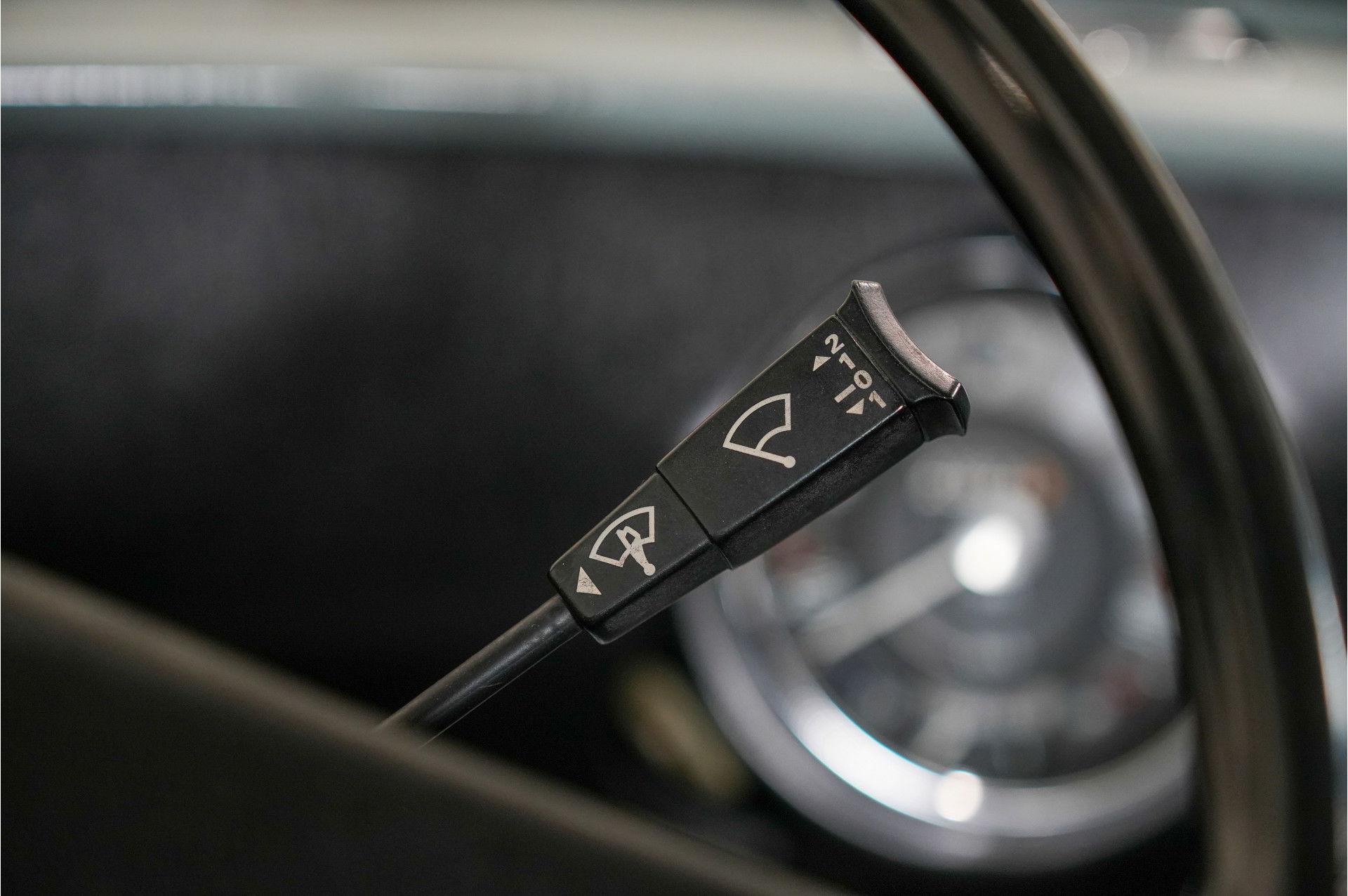
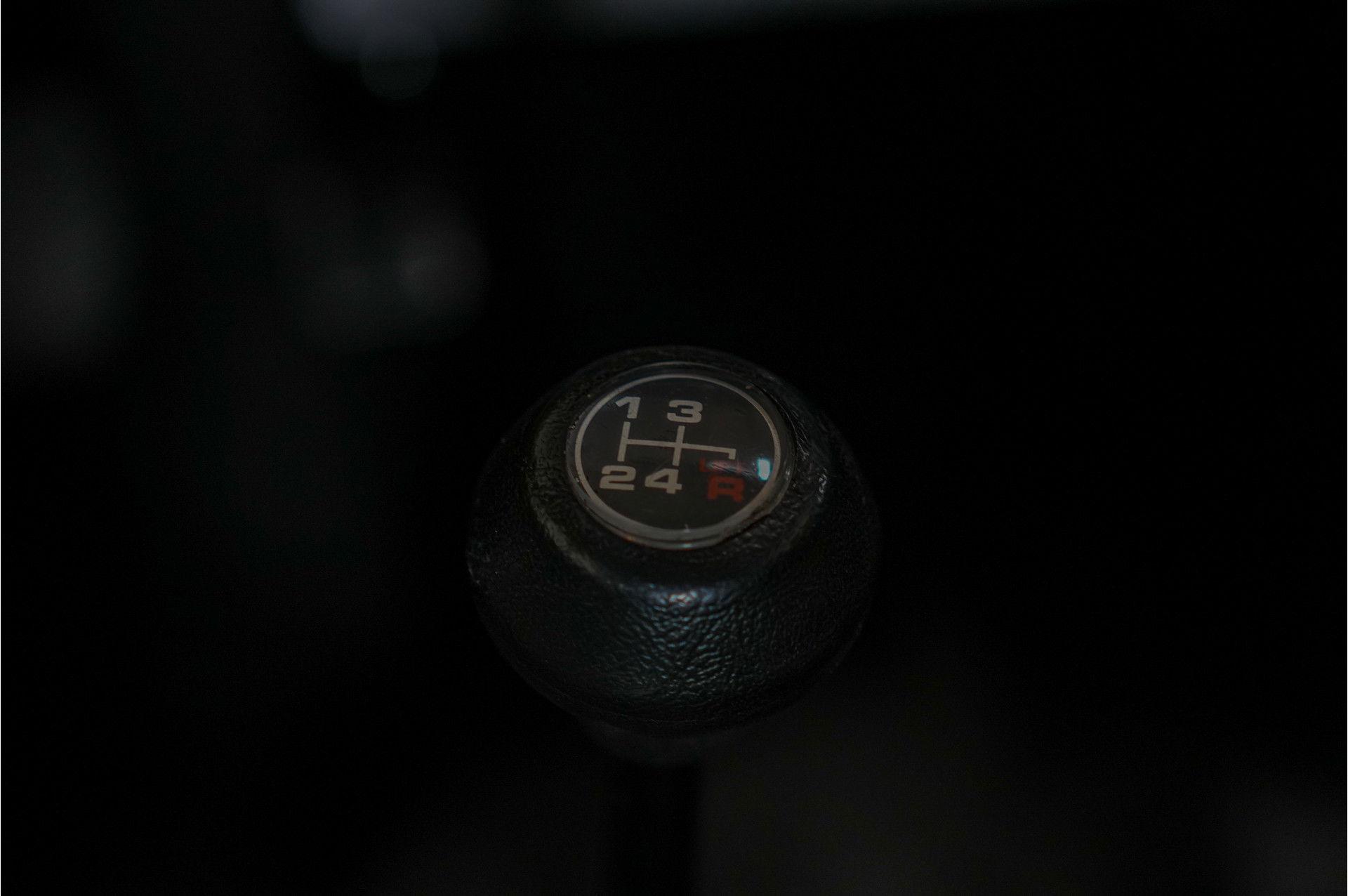
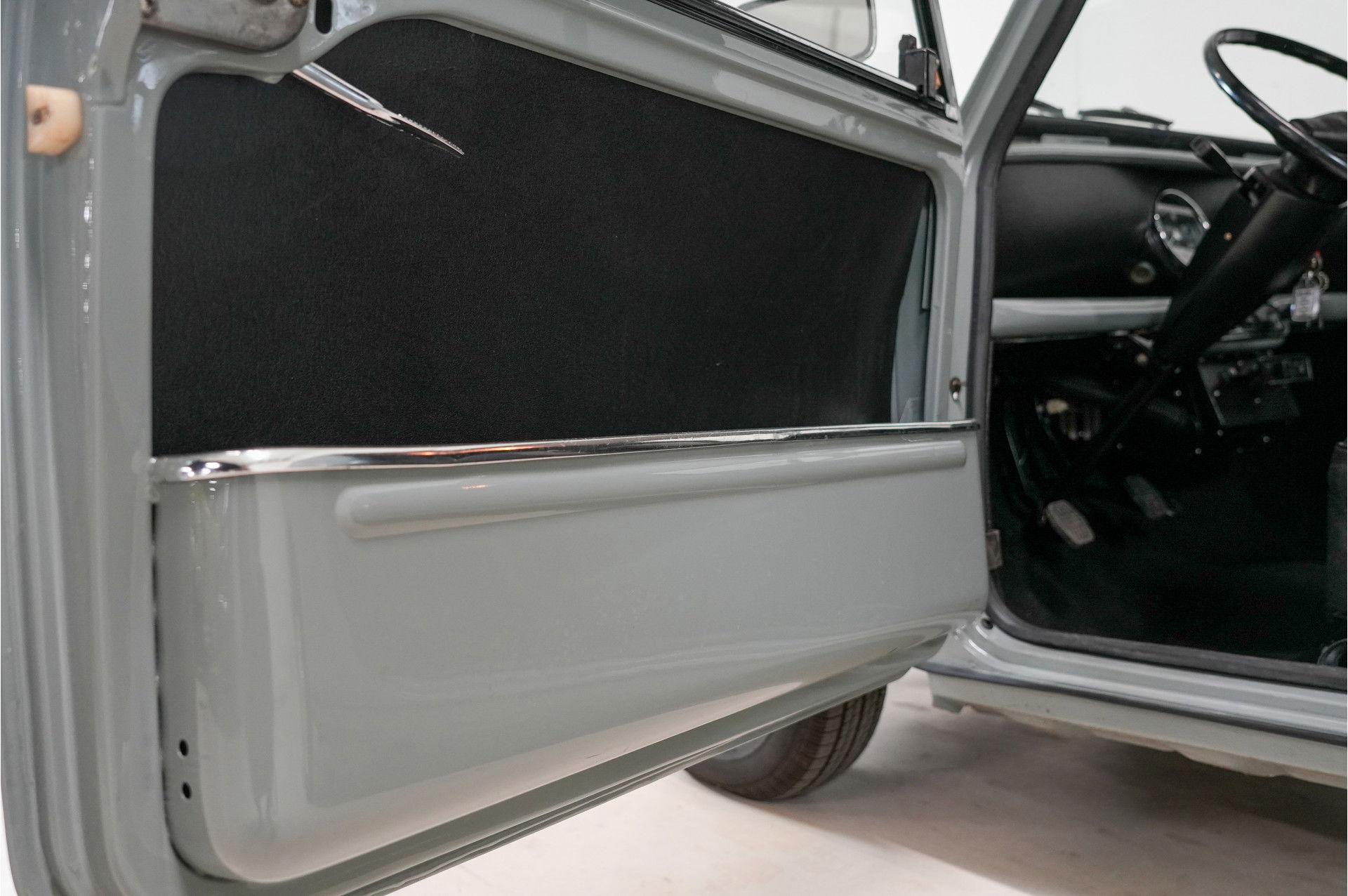
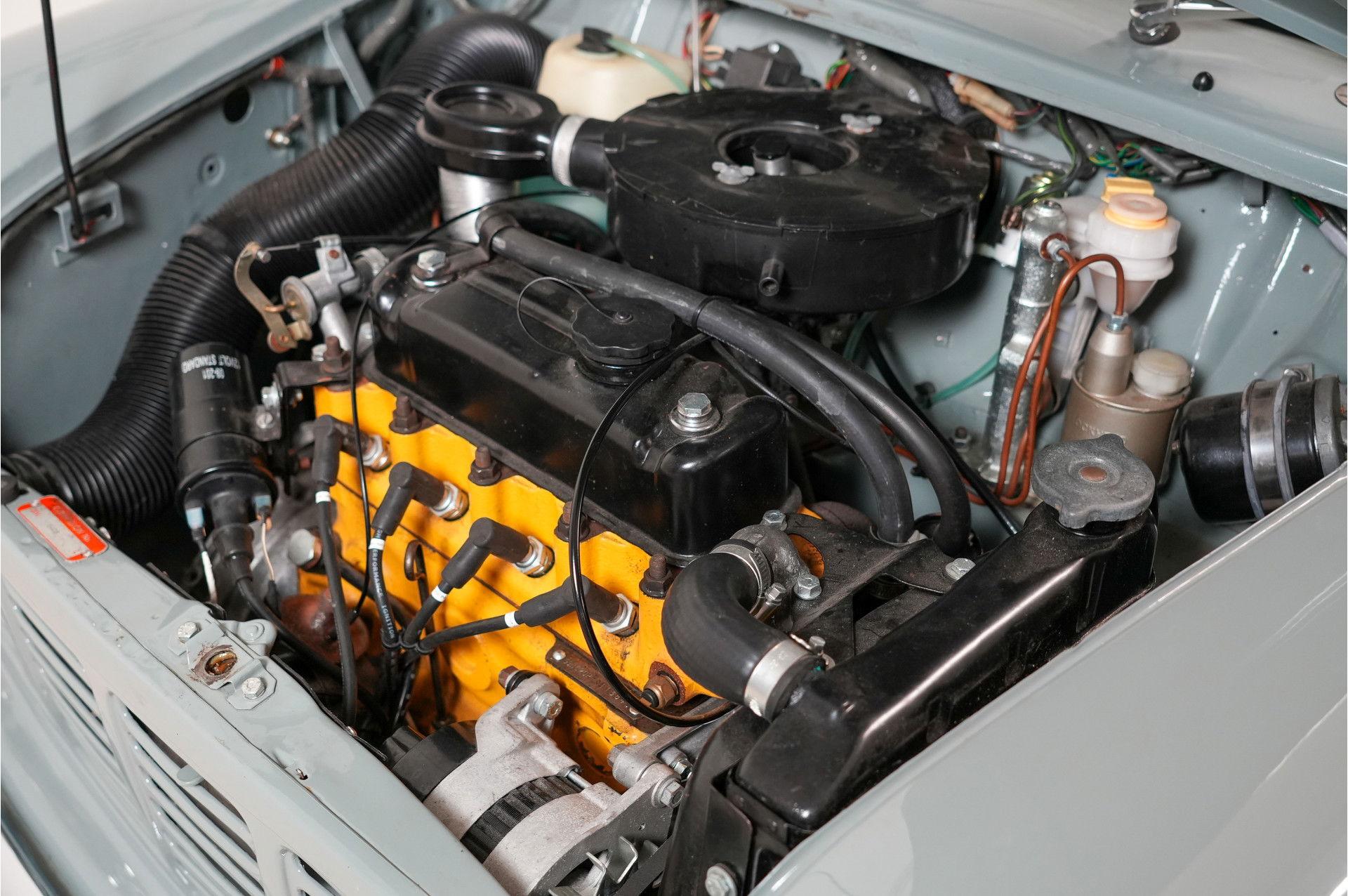
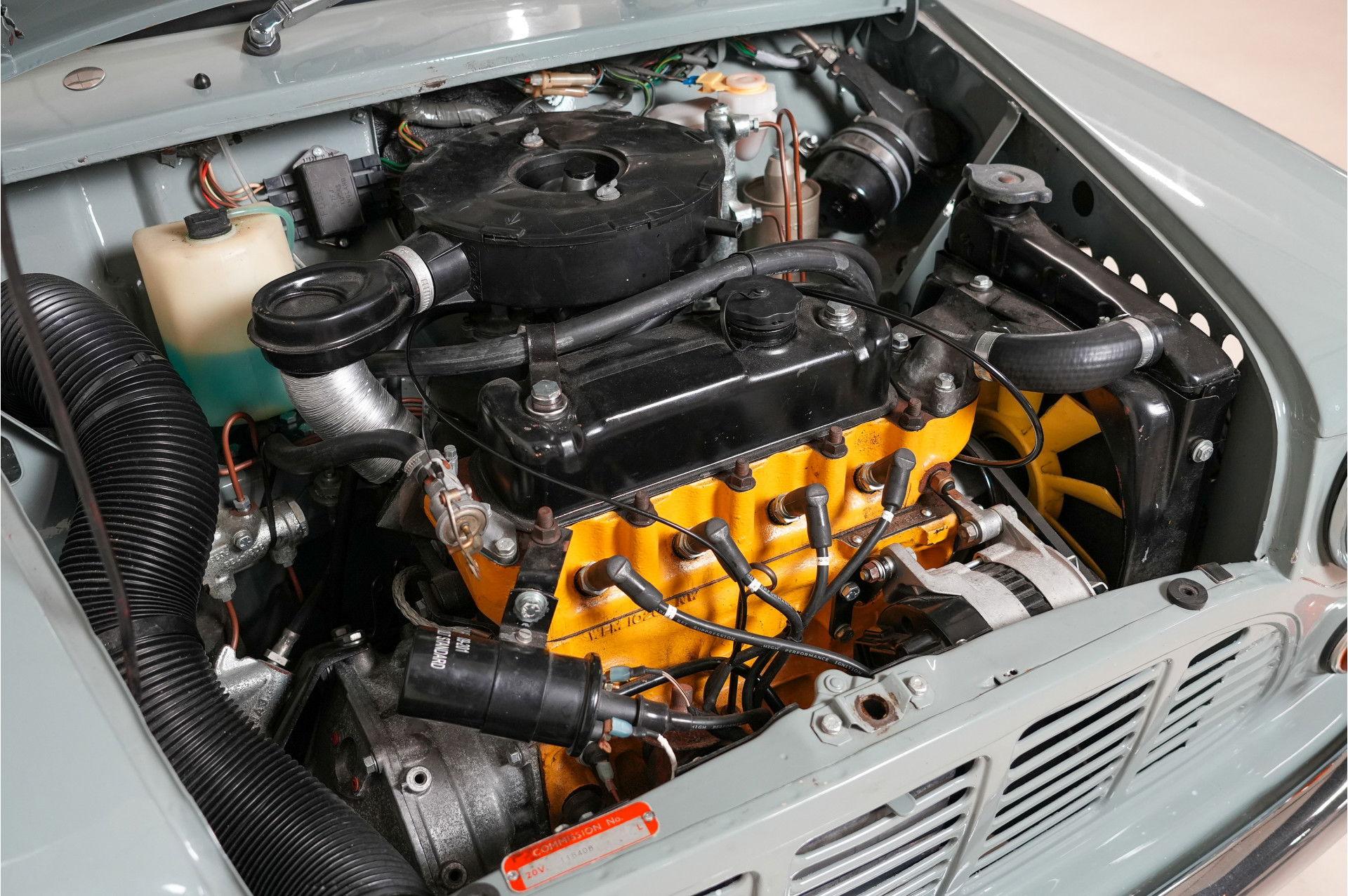
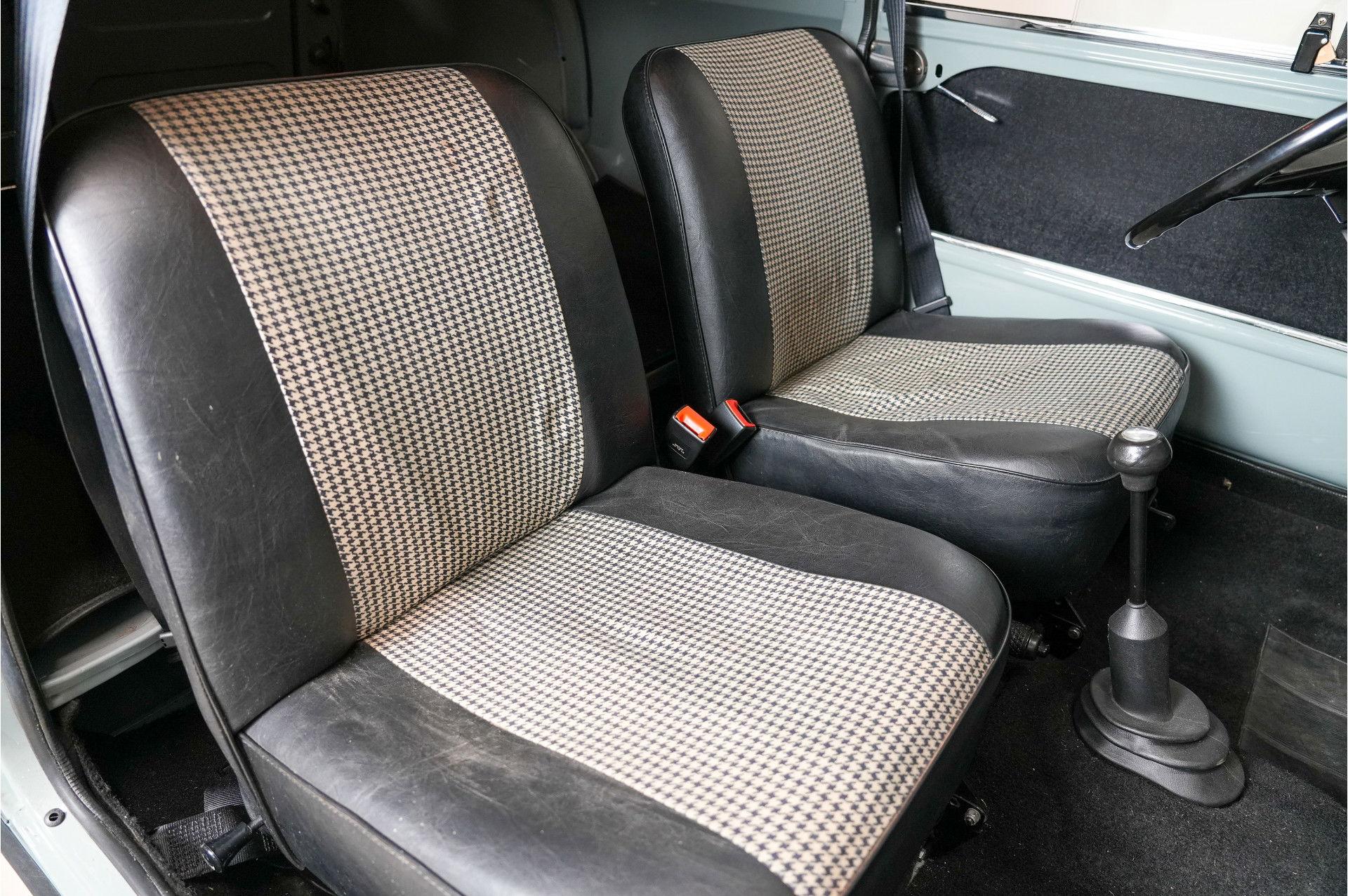
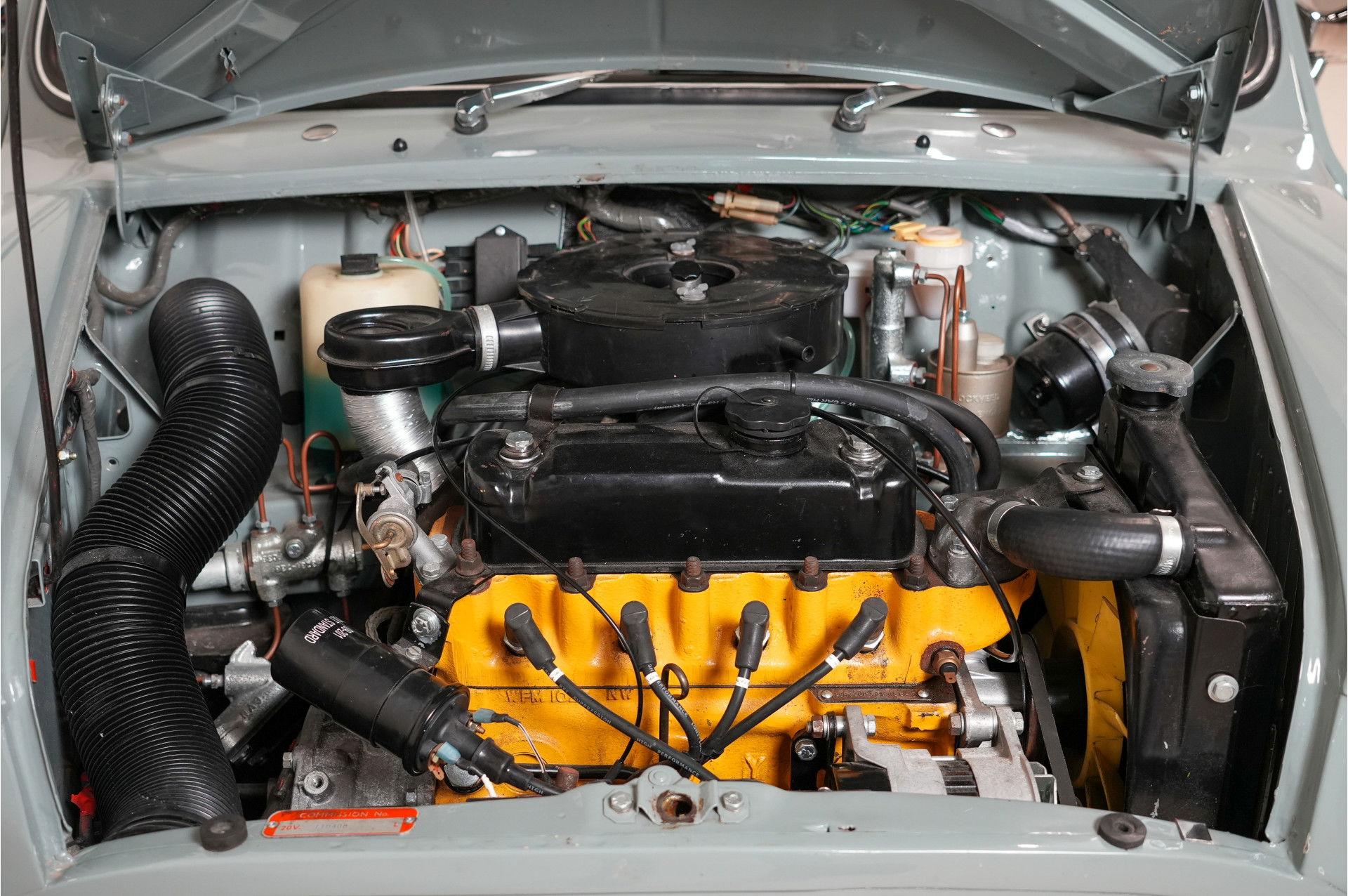
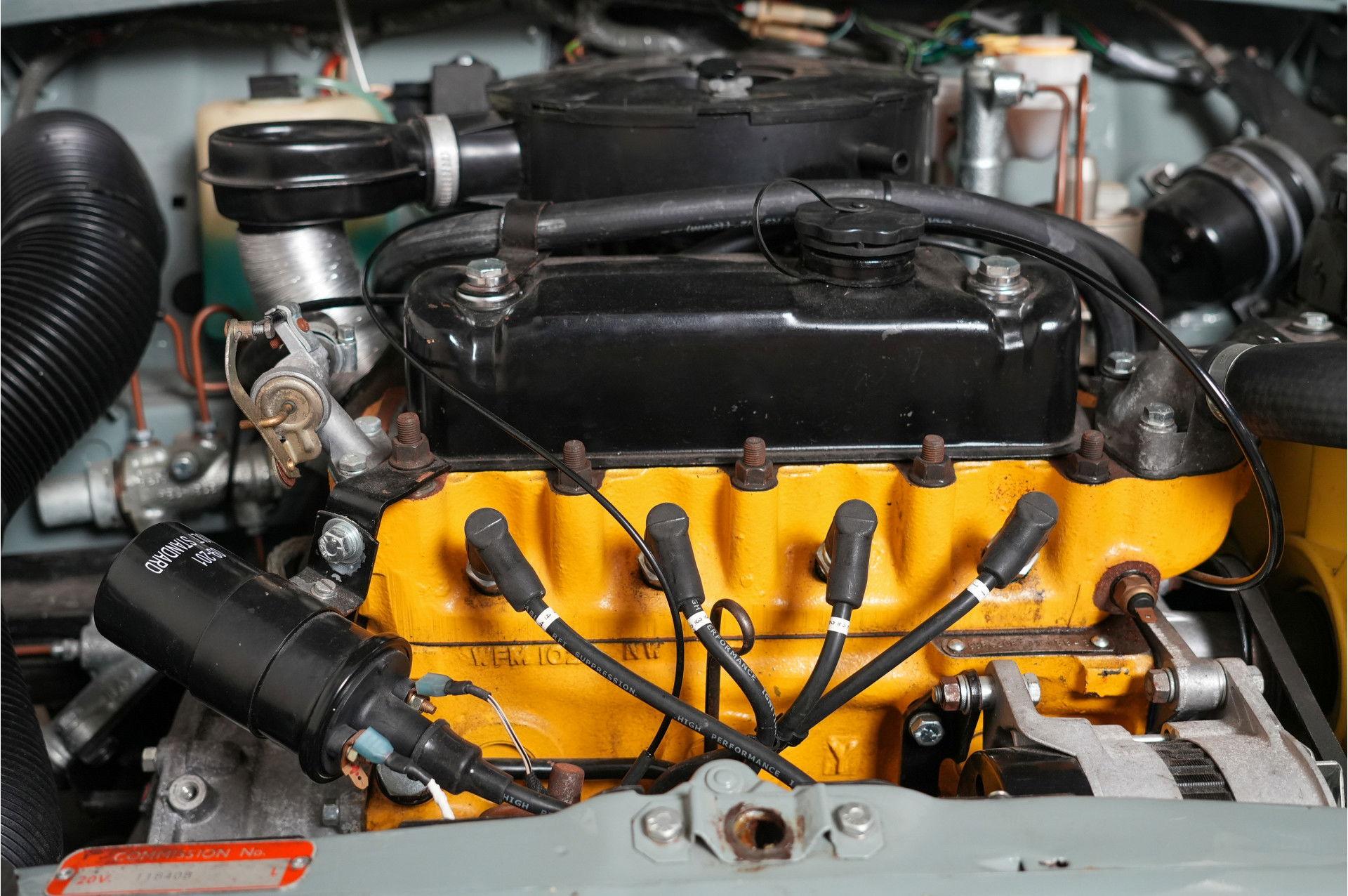
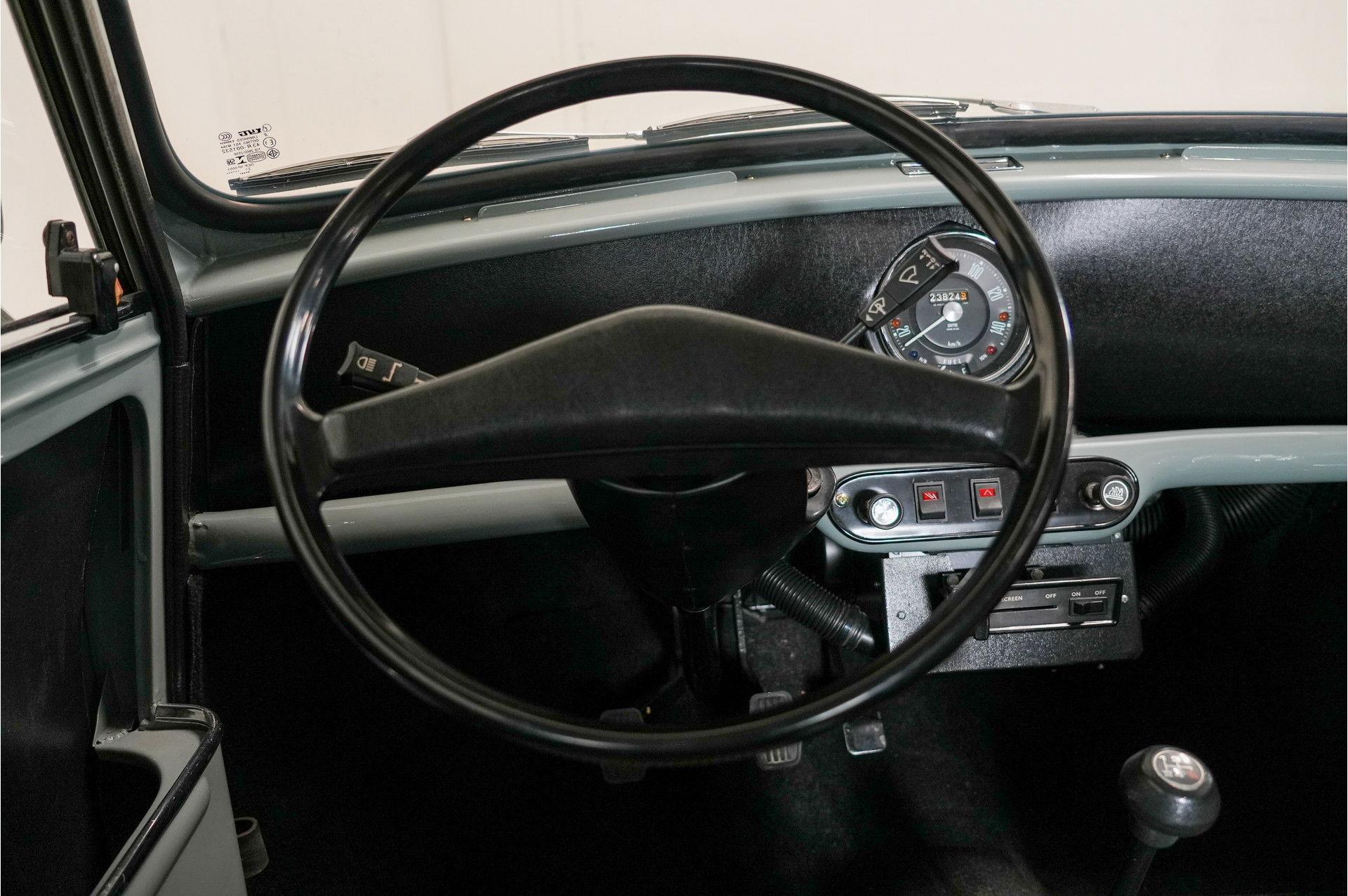
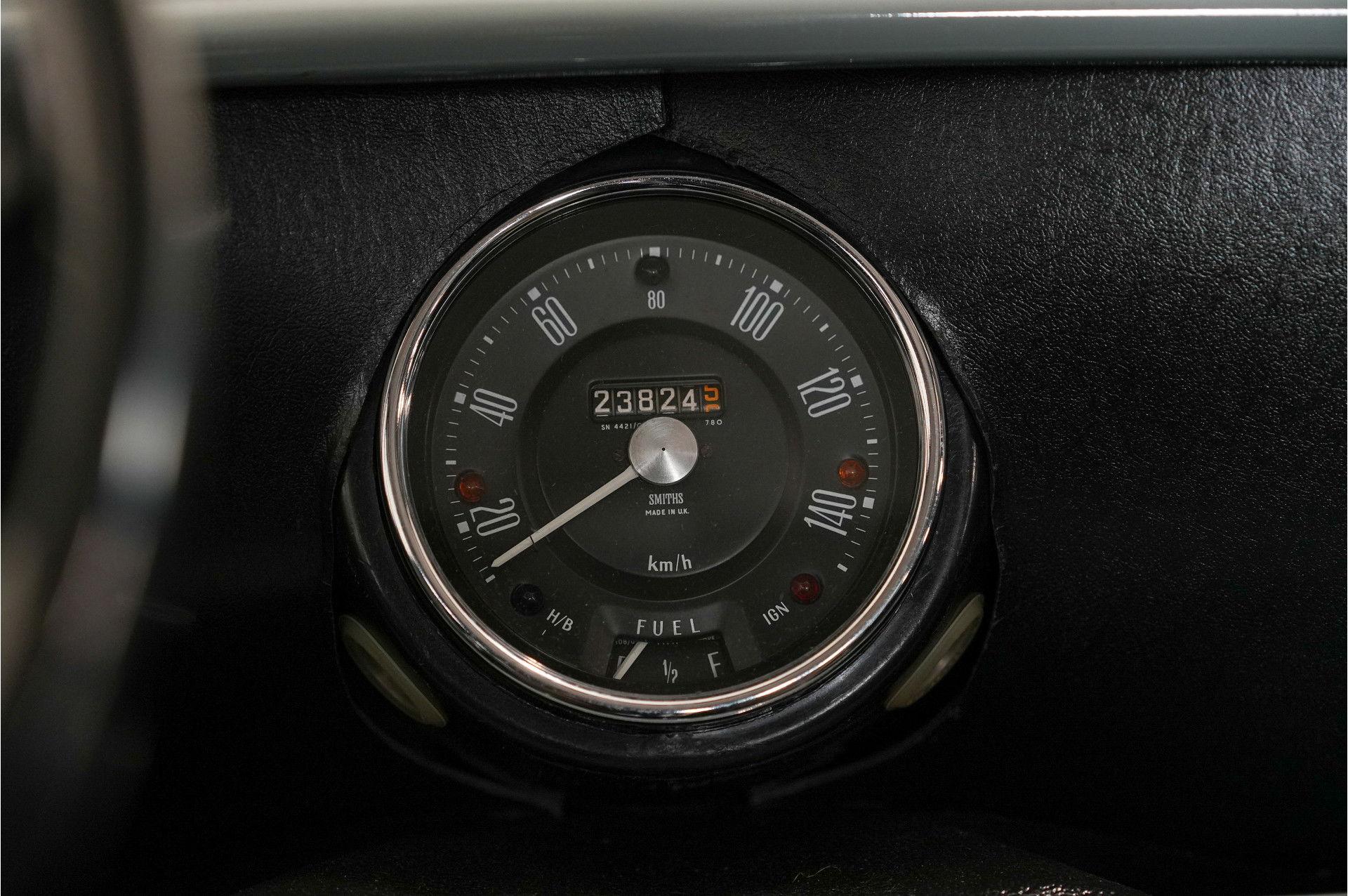
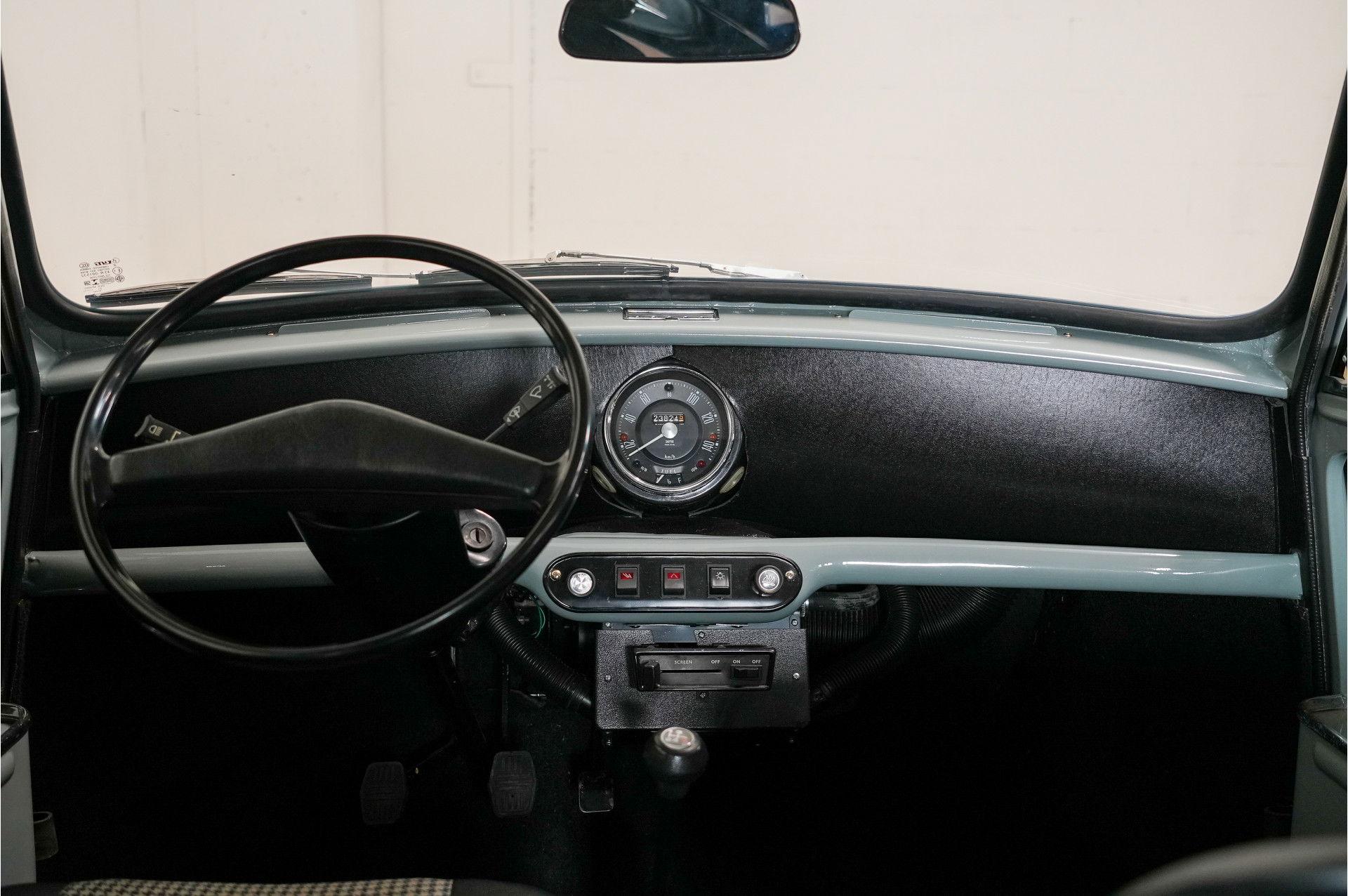
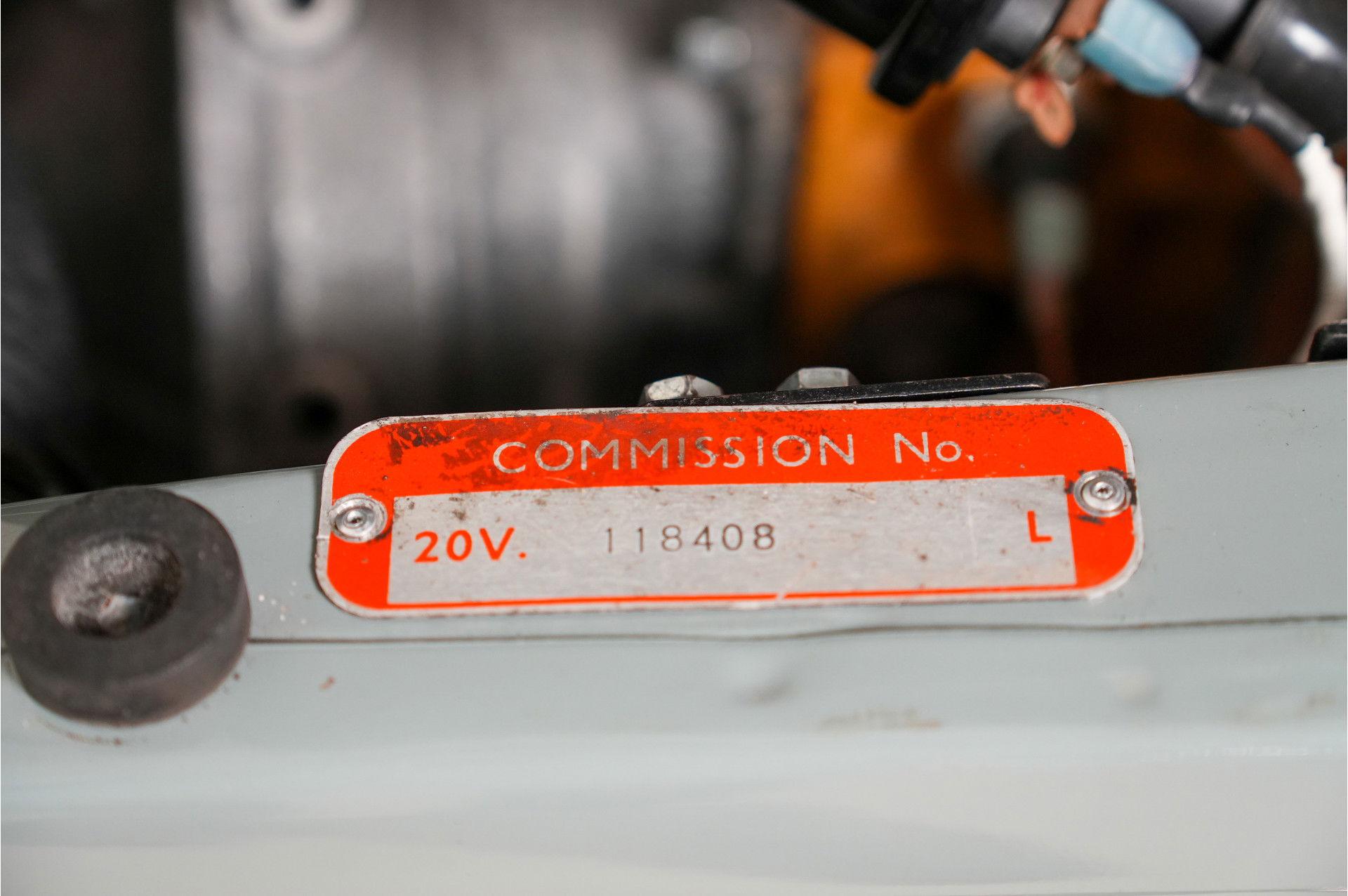
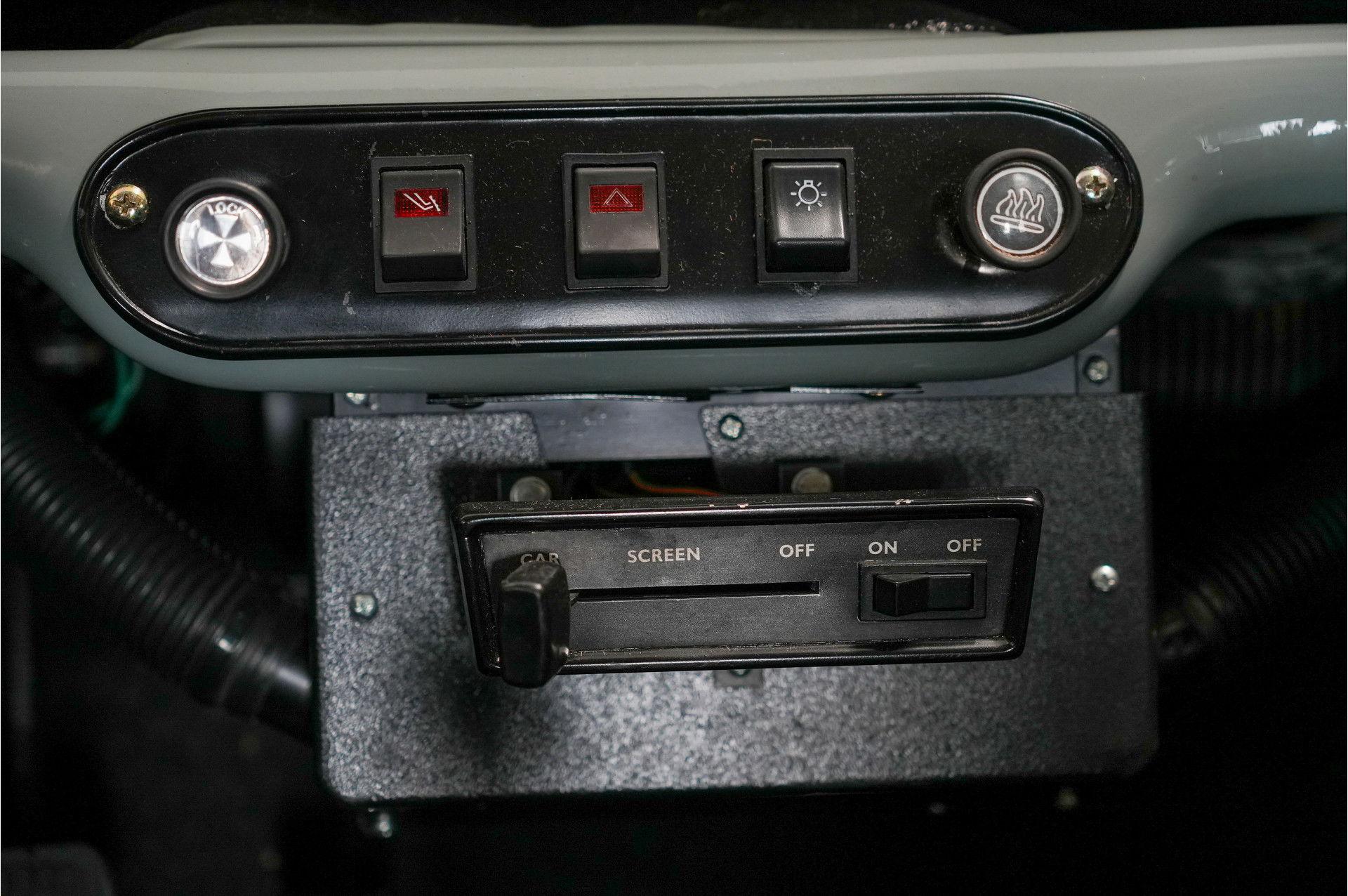
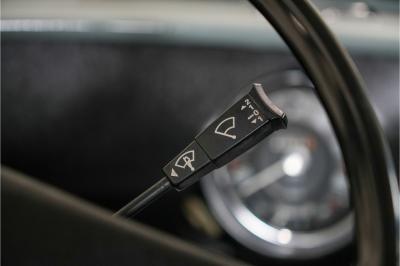
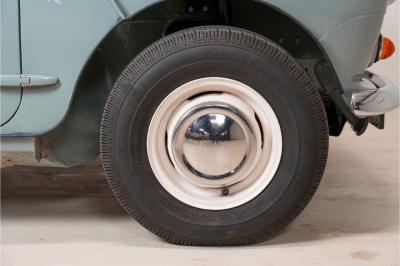
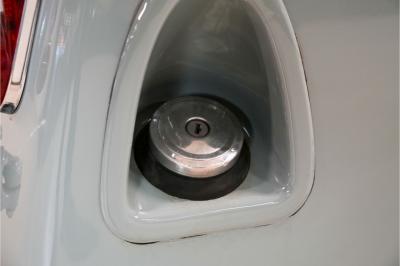
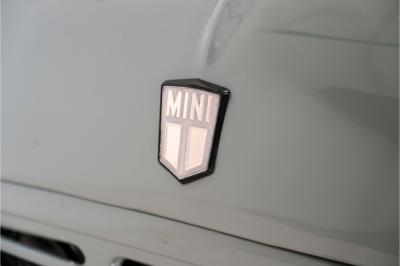
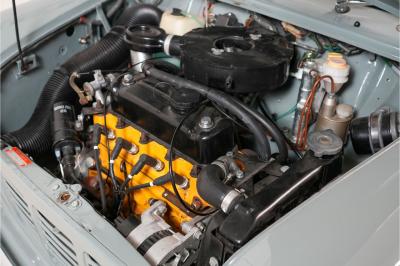
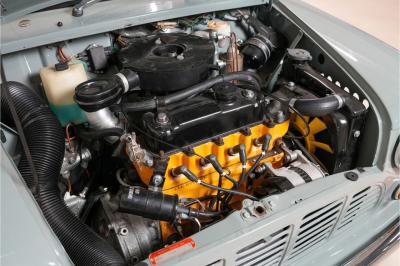
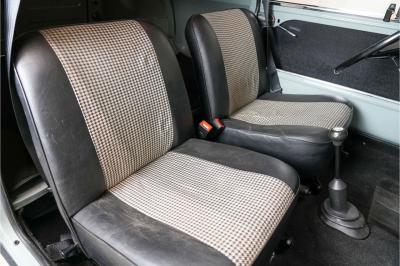
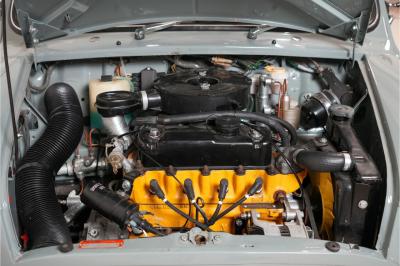
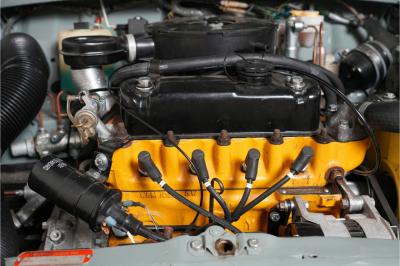
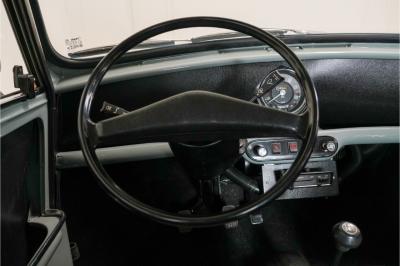
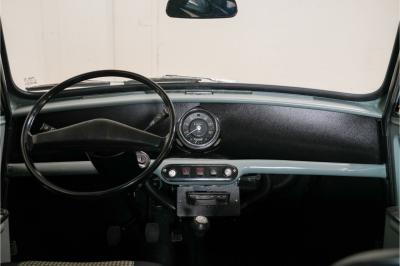
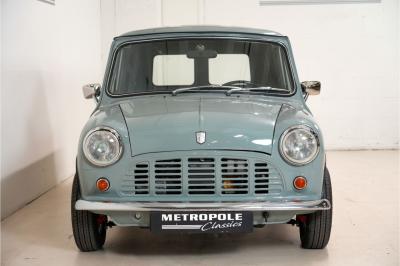
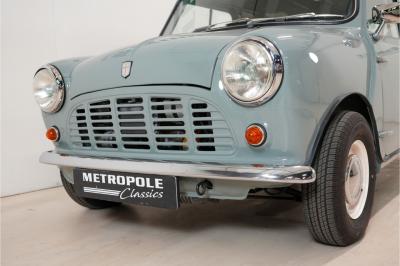
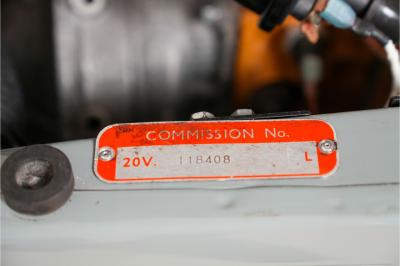
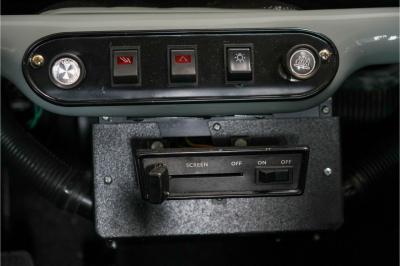
The Mini presented here is largely original, still with the same 848cc engine that was originally installed. The interior is exactly the same as it was, so it's original.
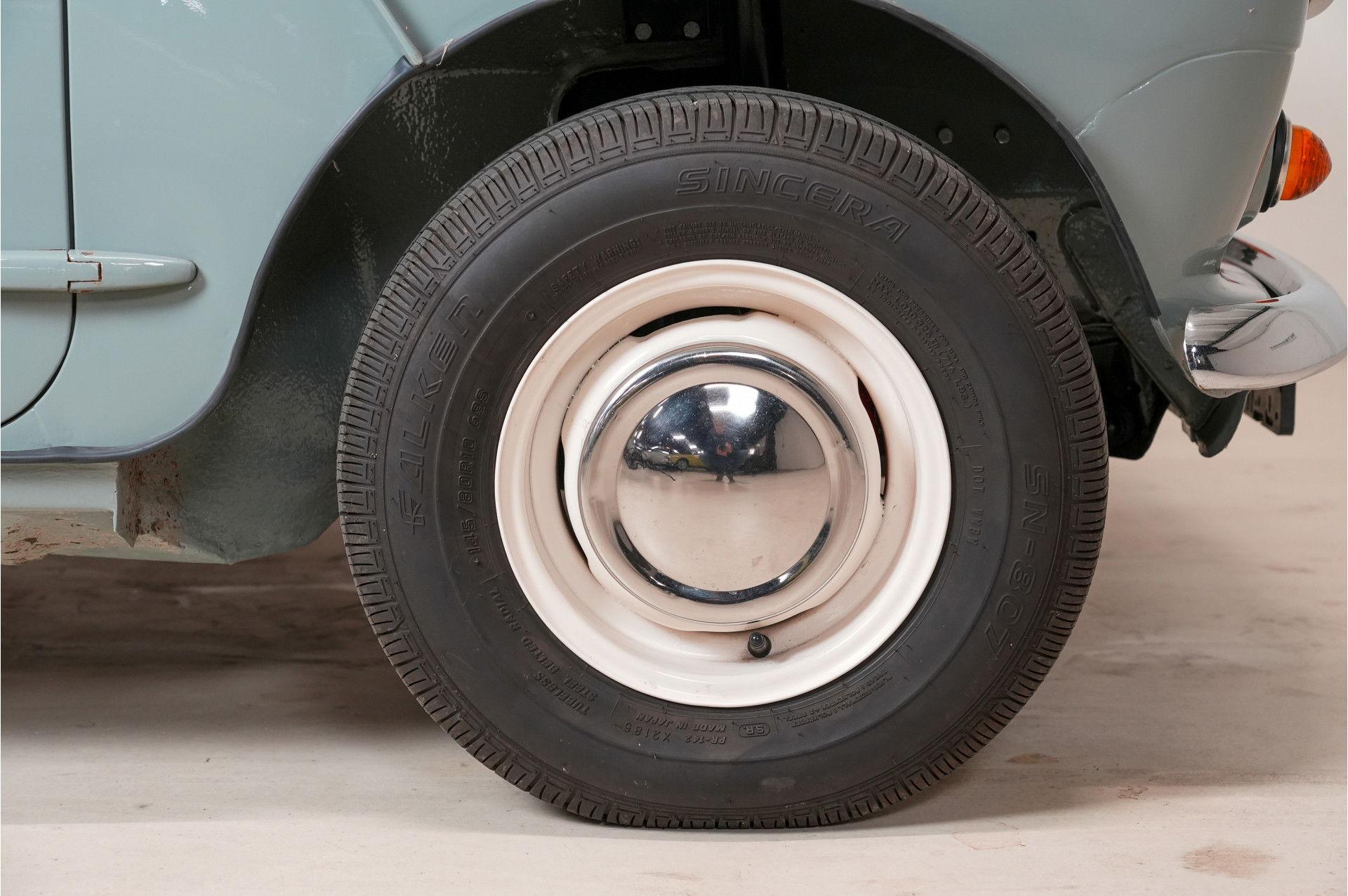
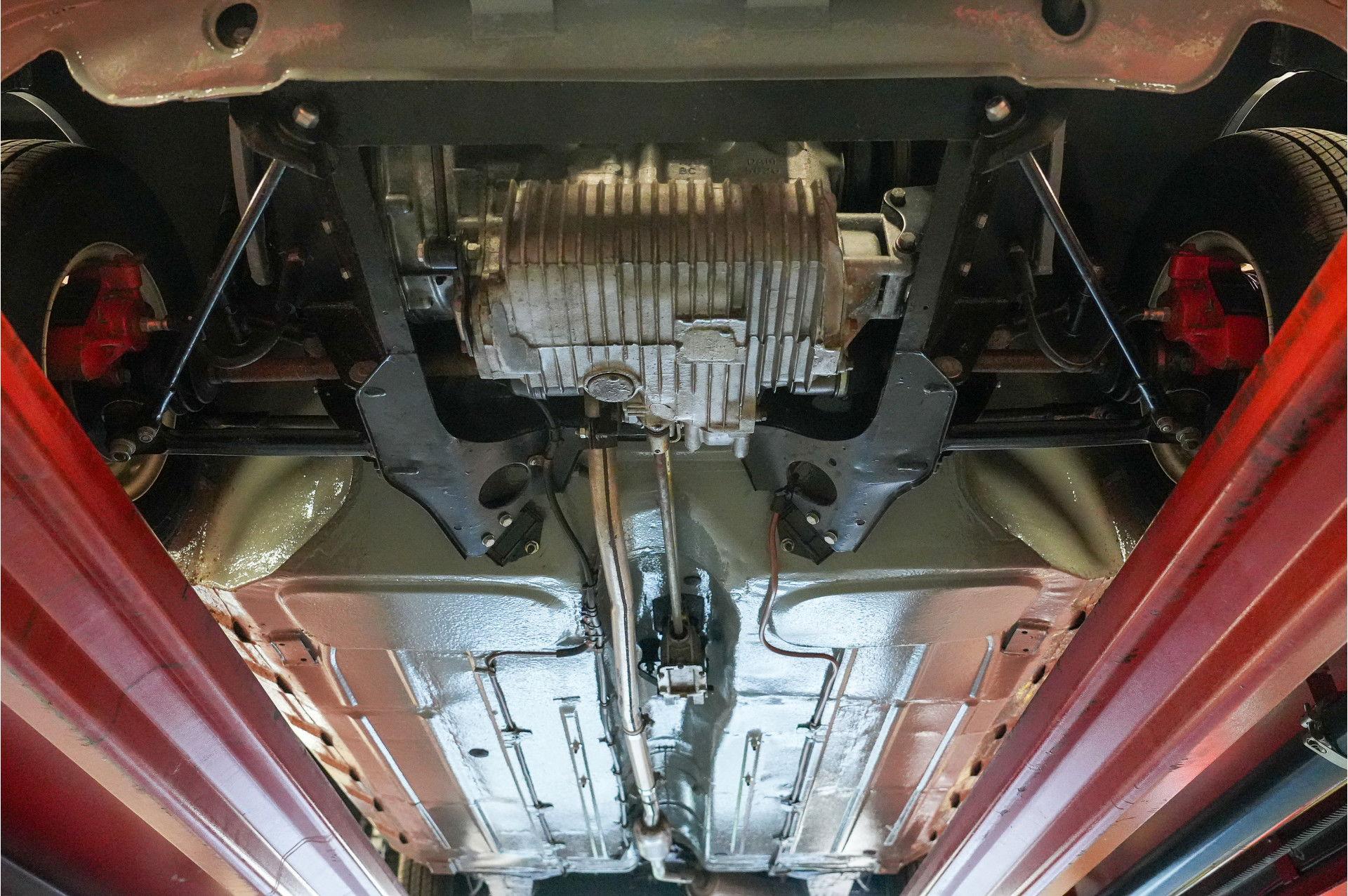
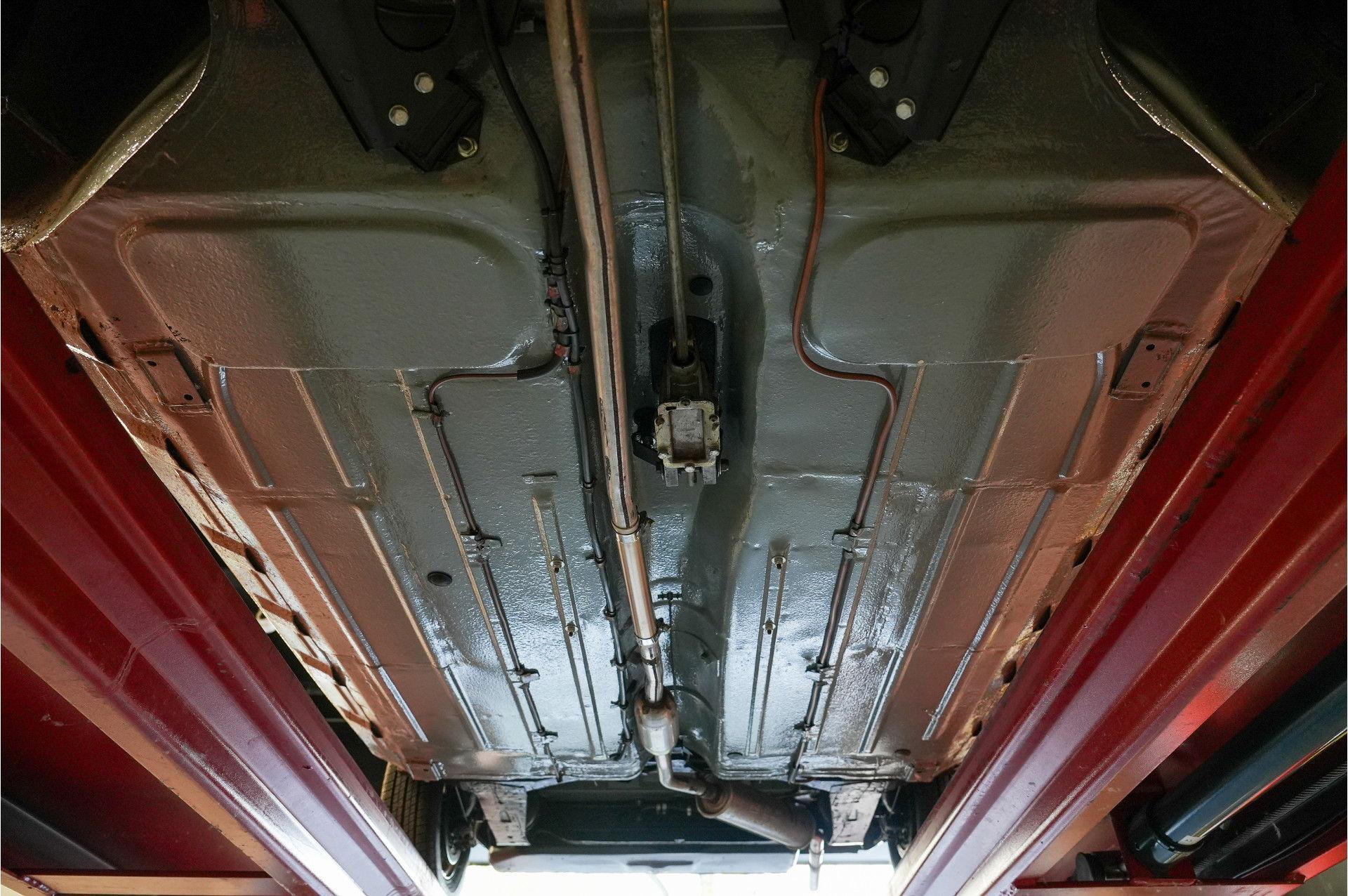
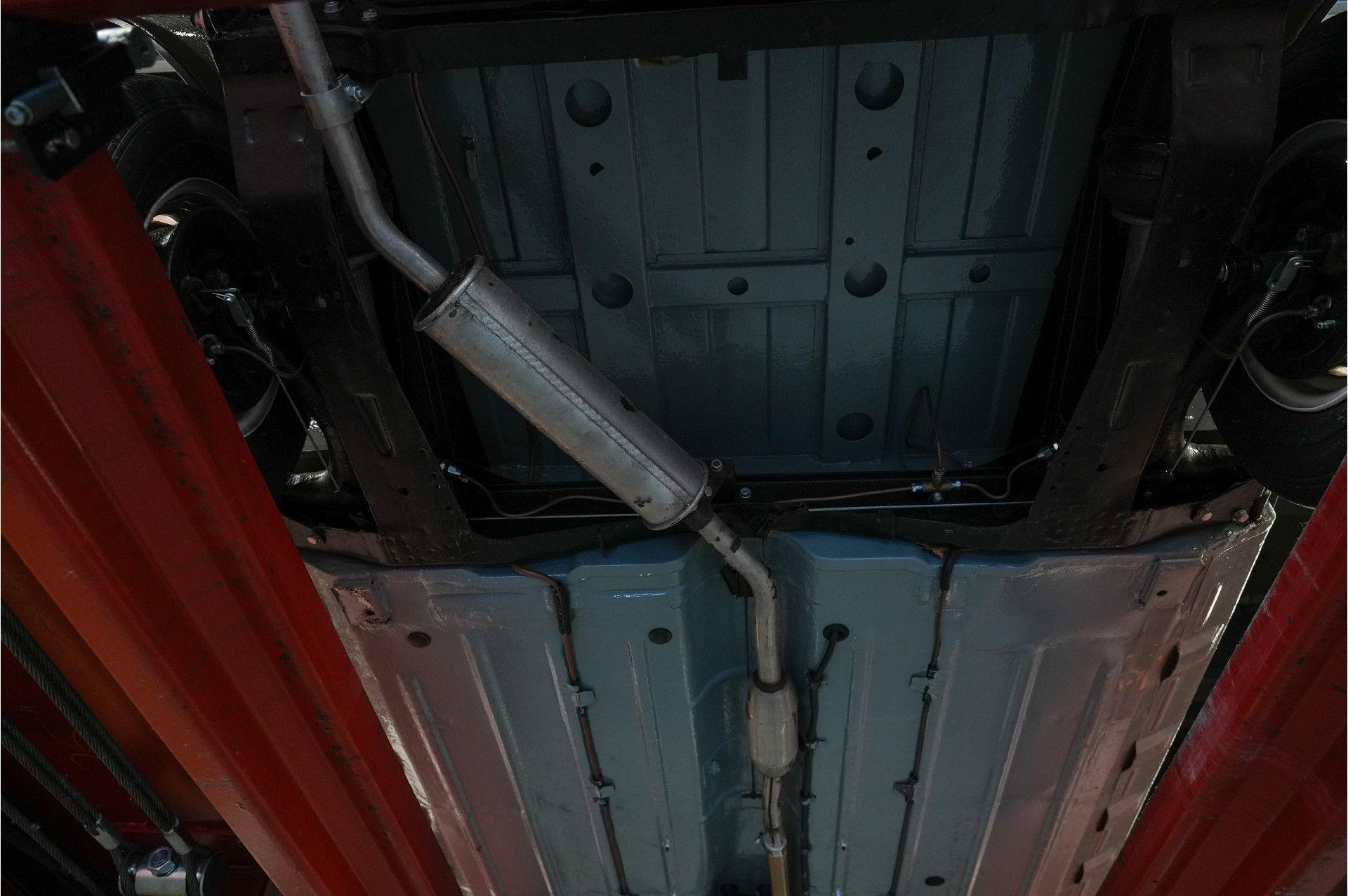
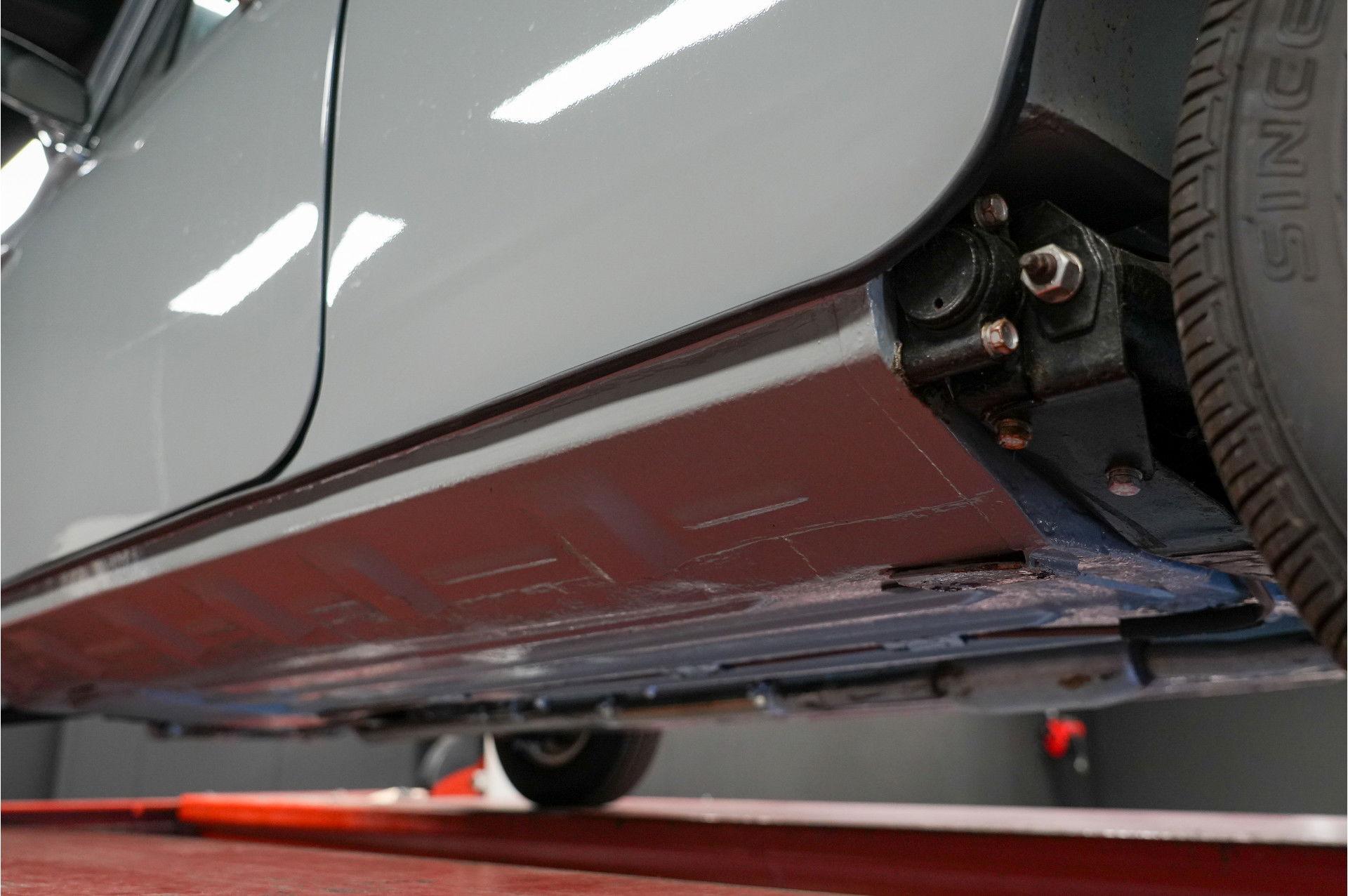
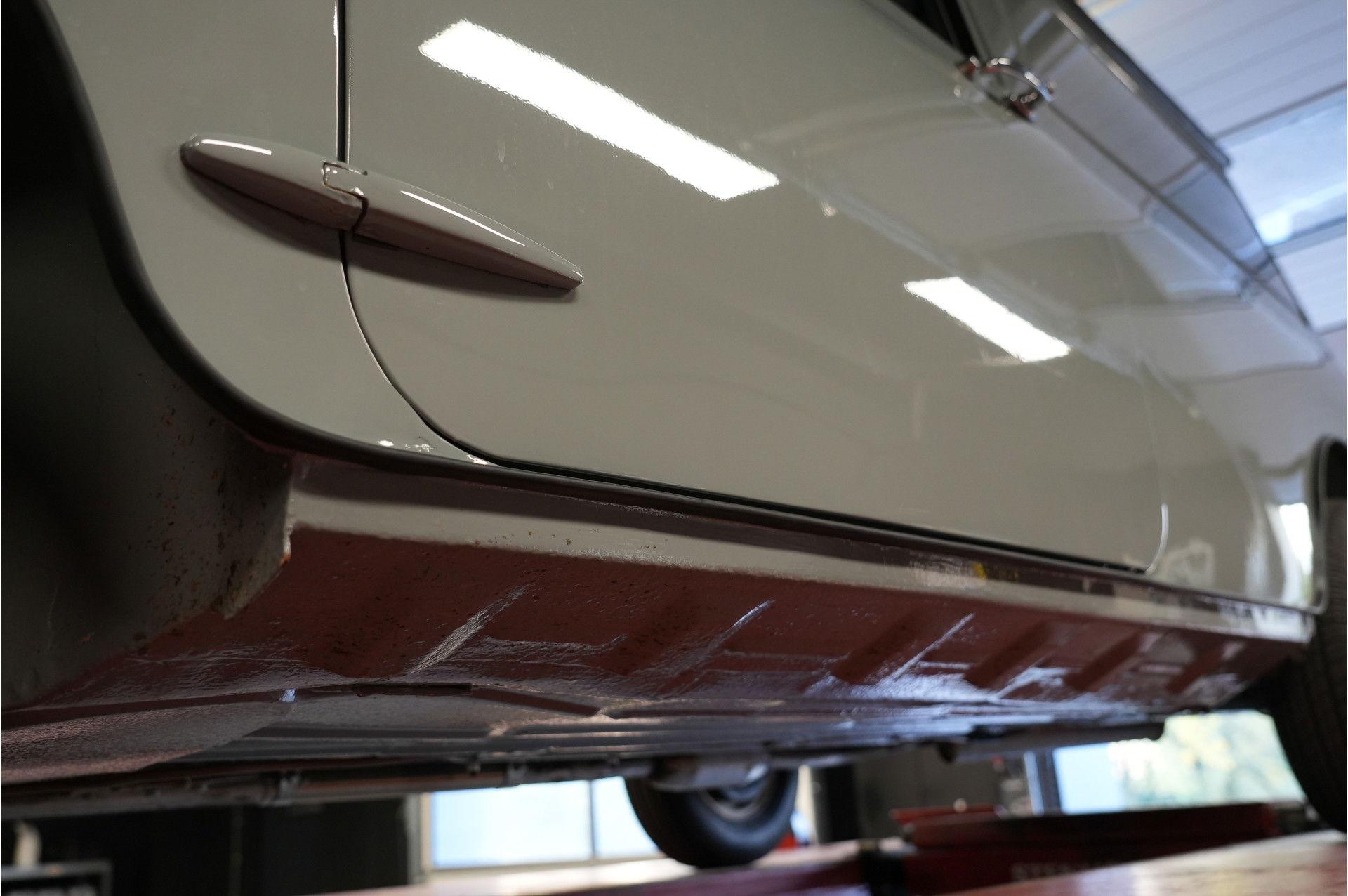
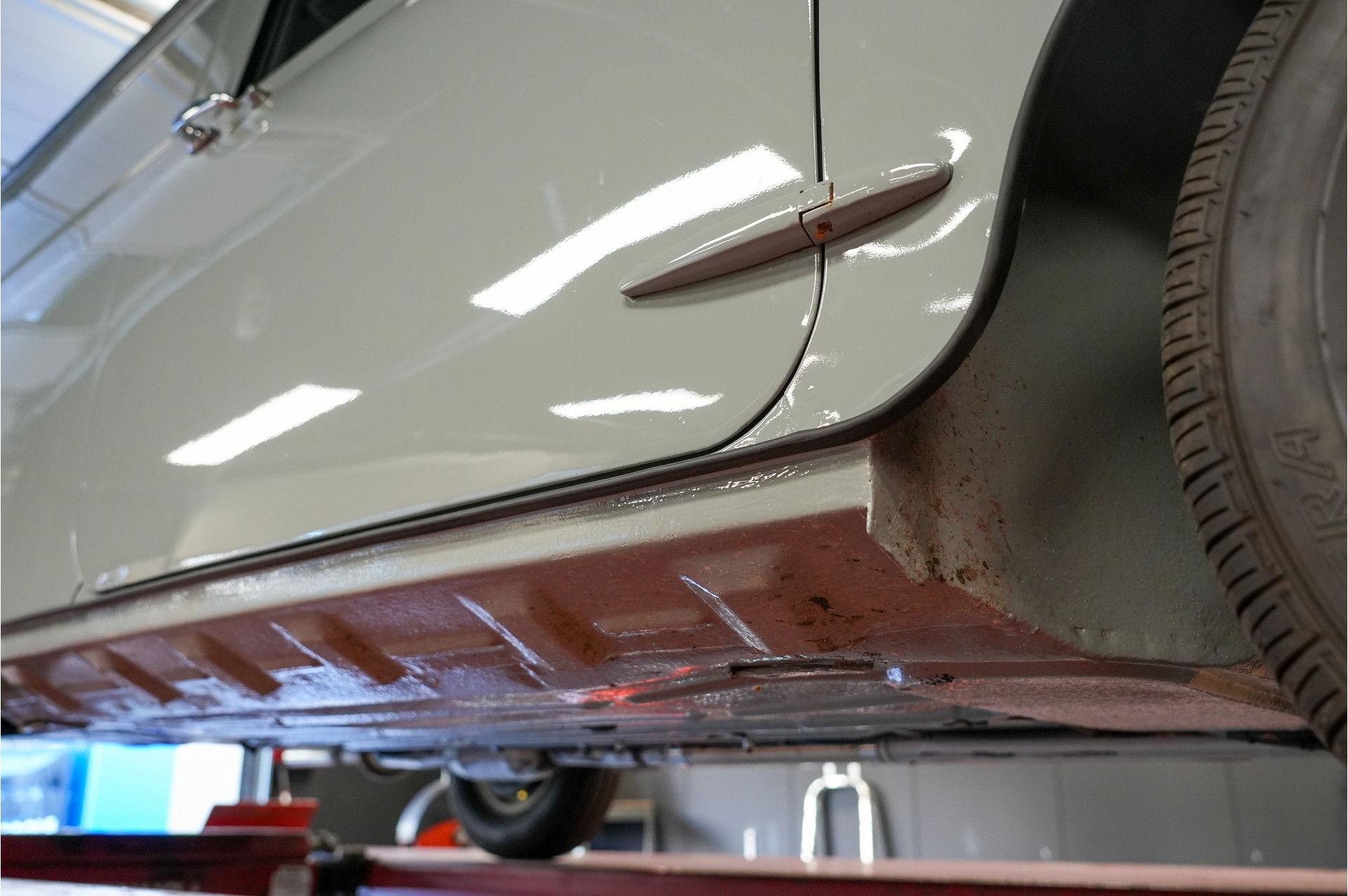
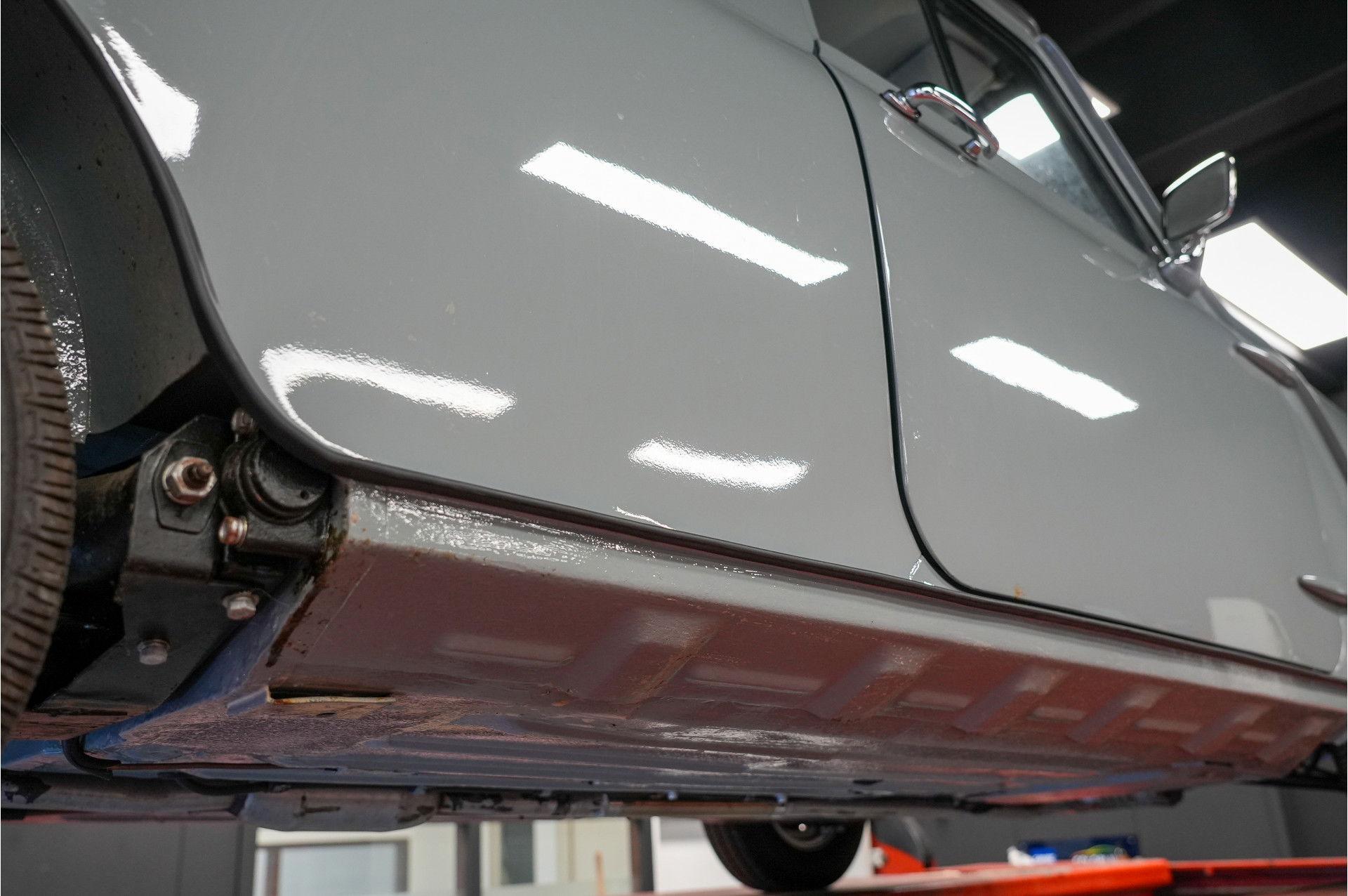
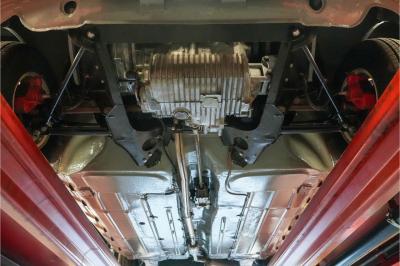
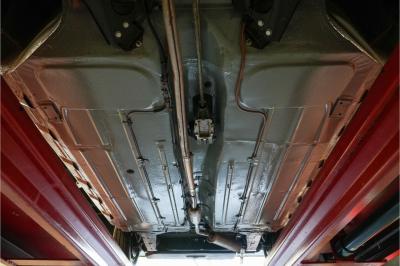
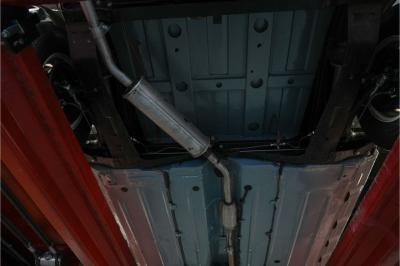
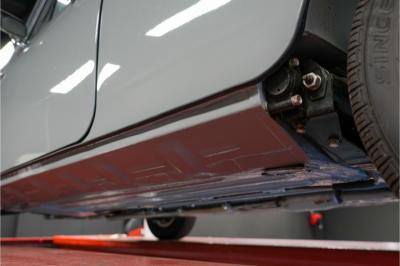
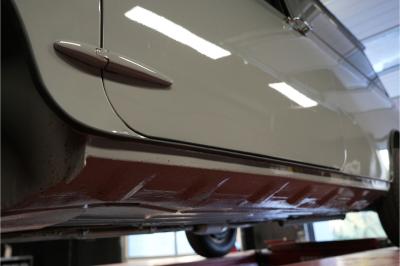
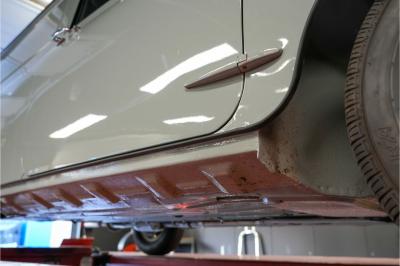
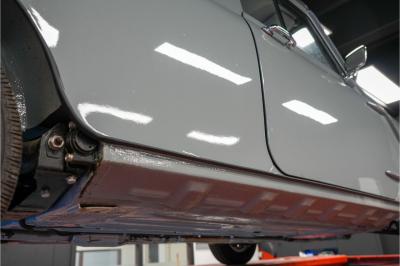
The underside is completely rust-free and looks excellent. Driving an original Mini is a unique sensation. The seams fit perfectly. This is the Mini Van for those looking for a perfect original.
Contact Us
