


































































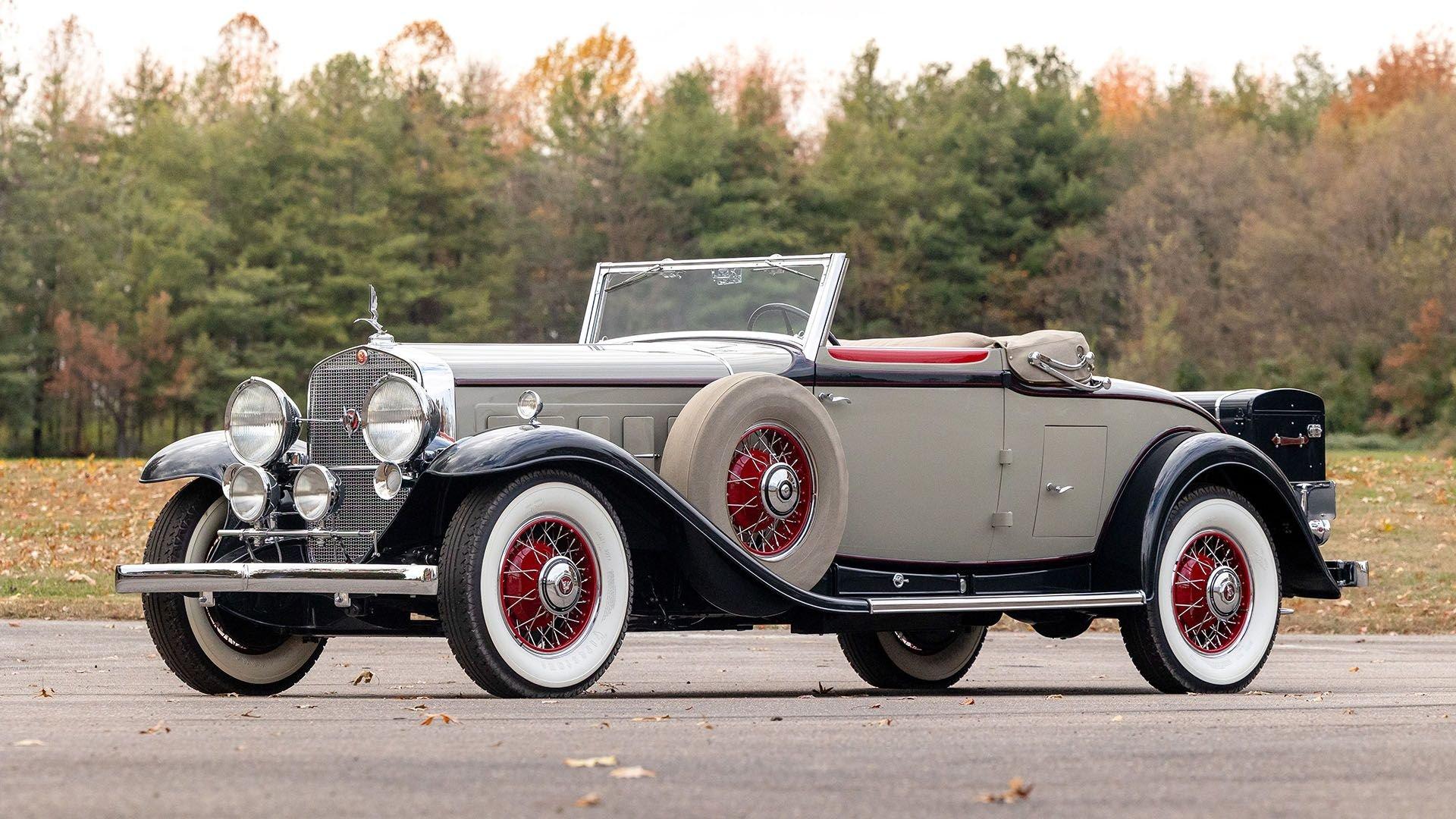
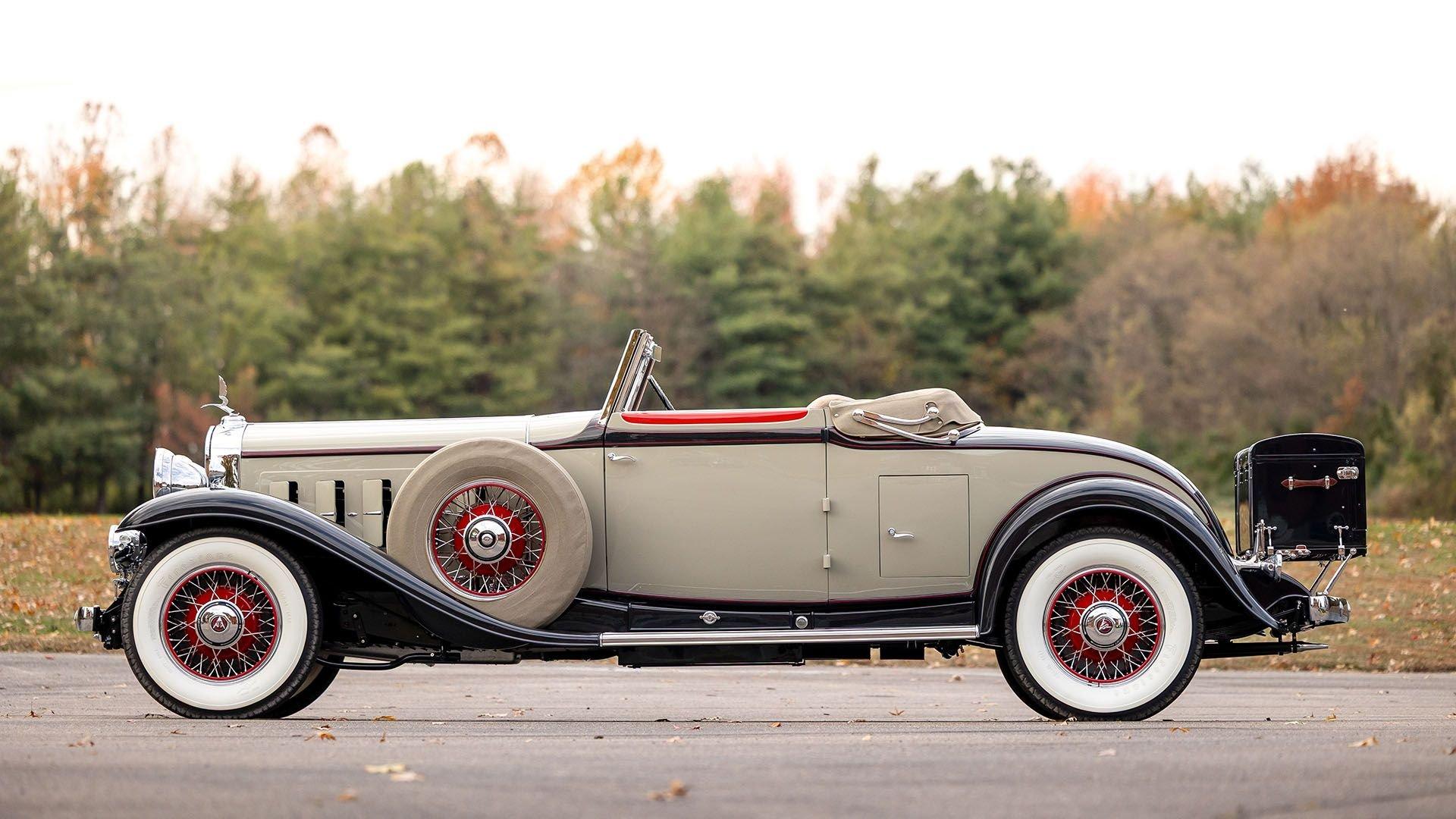
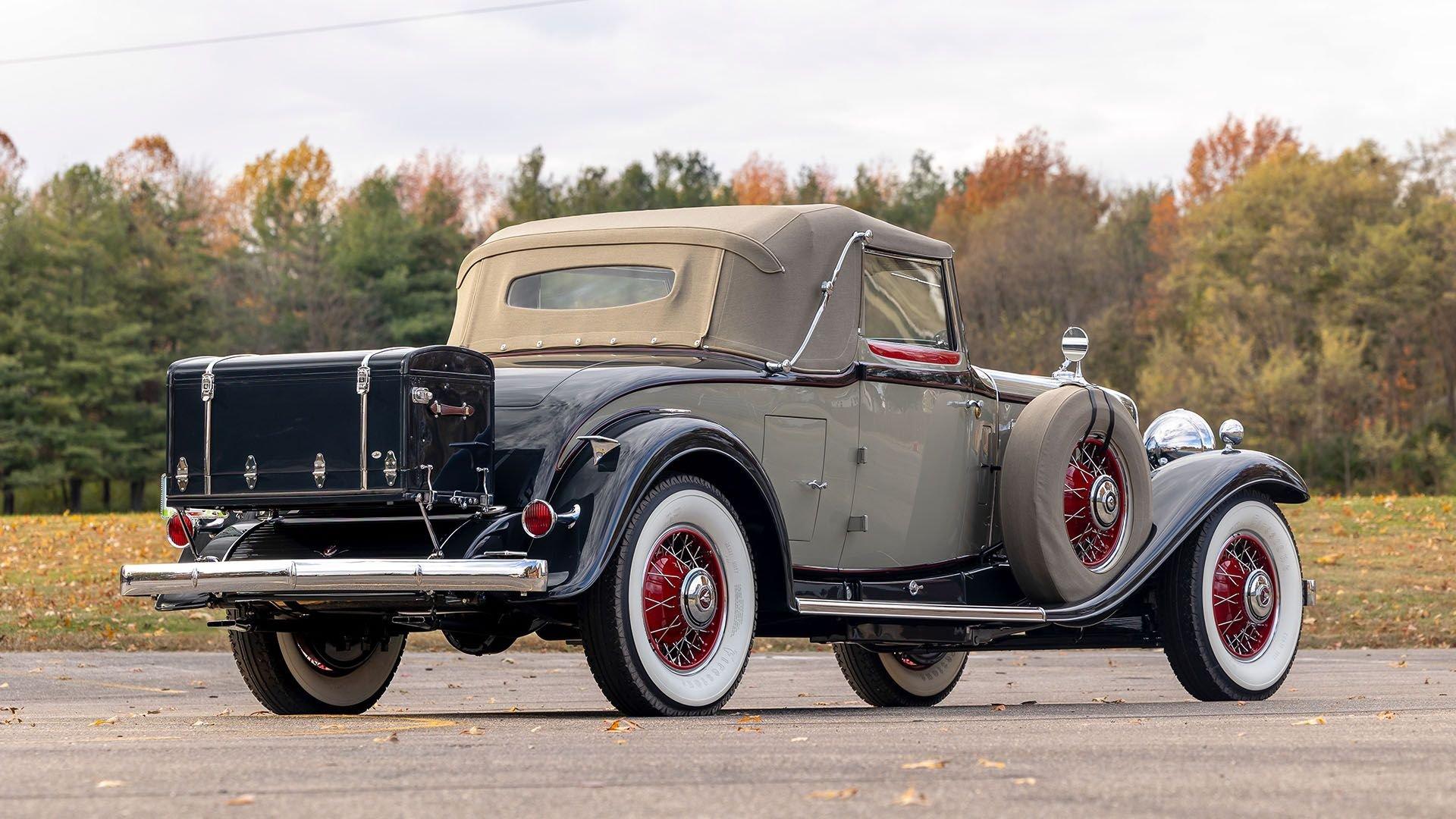
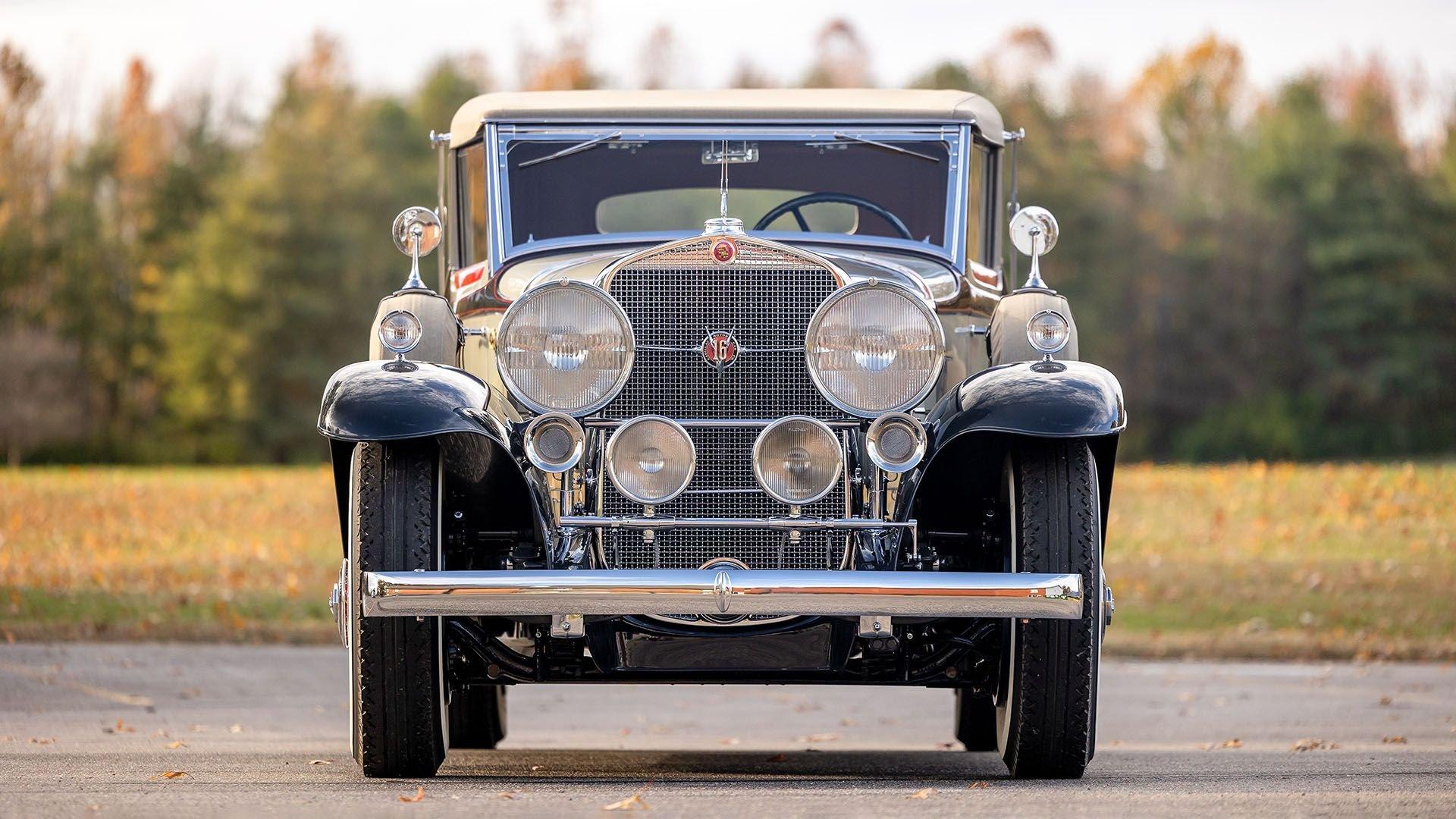
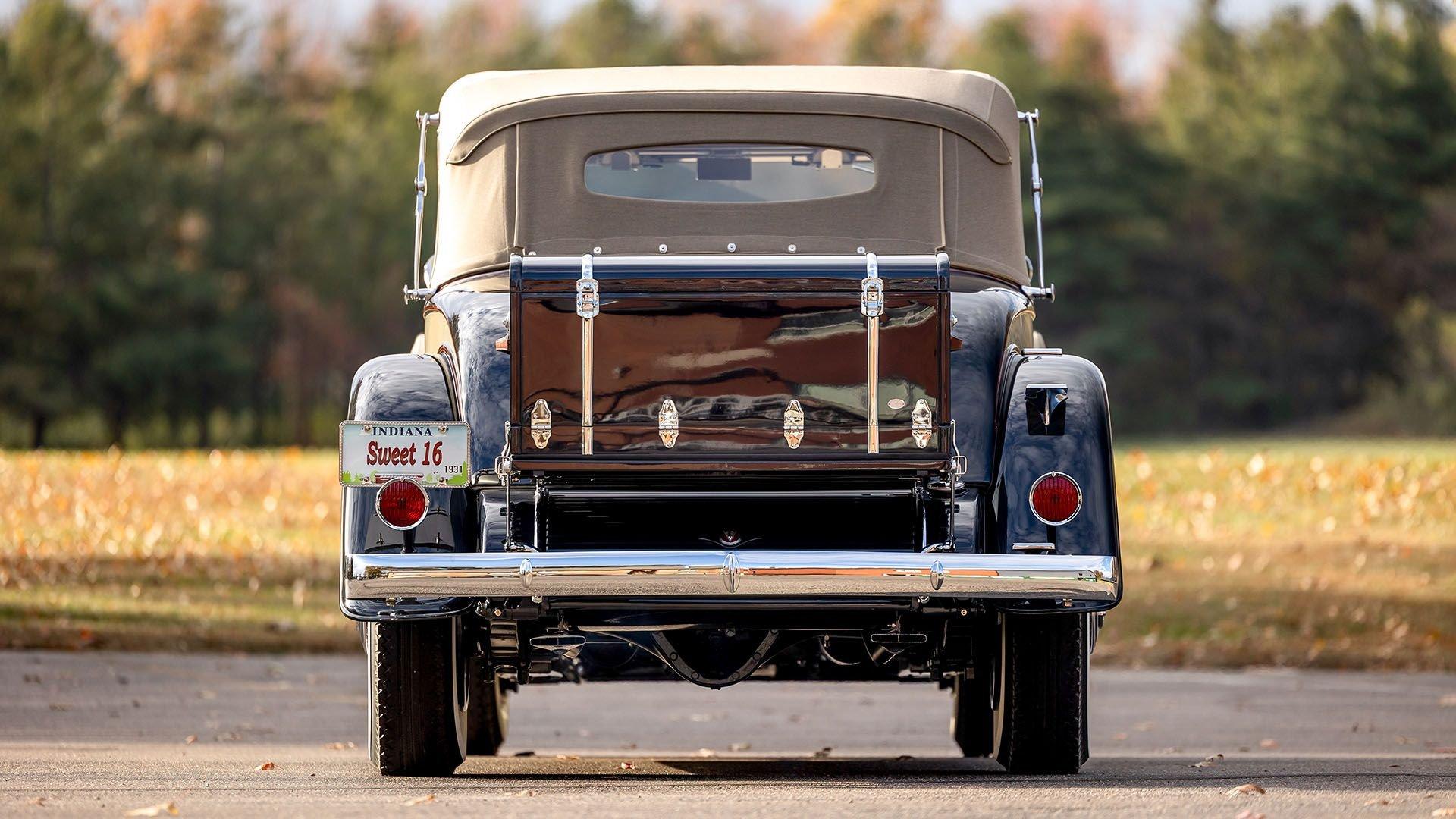
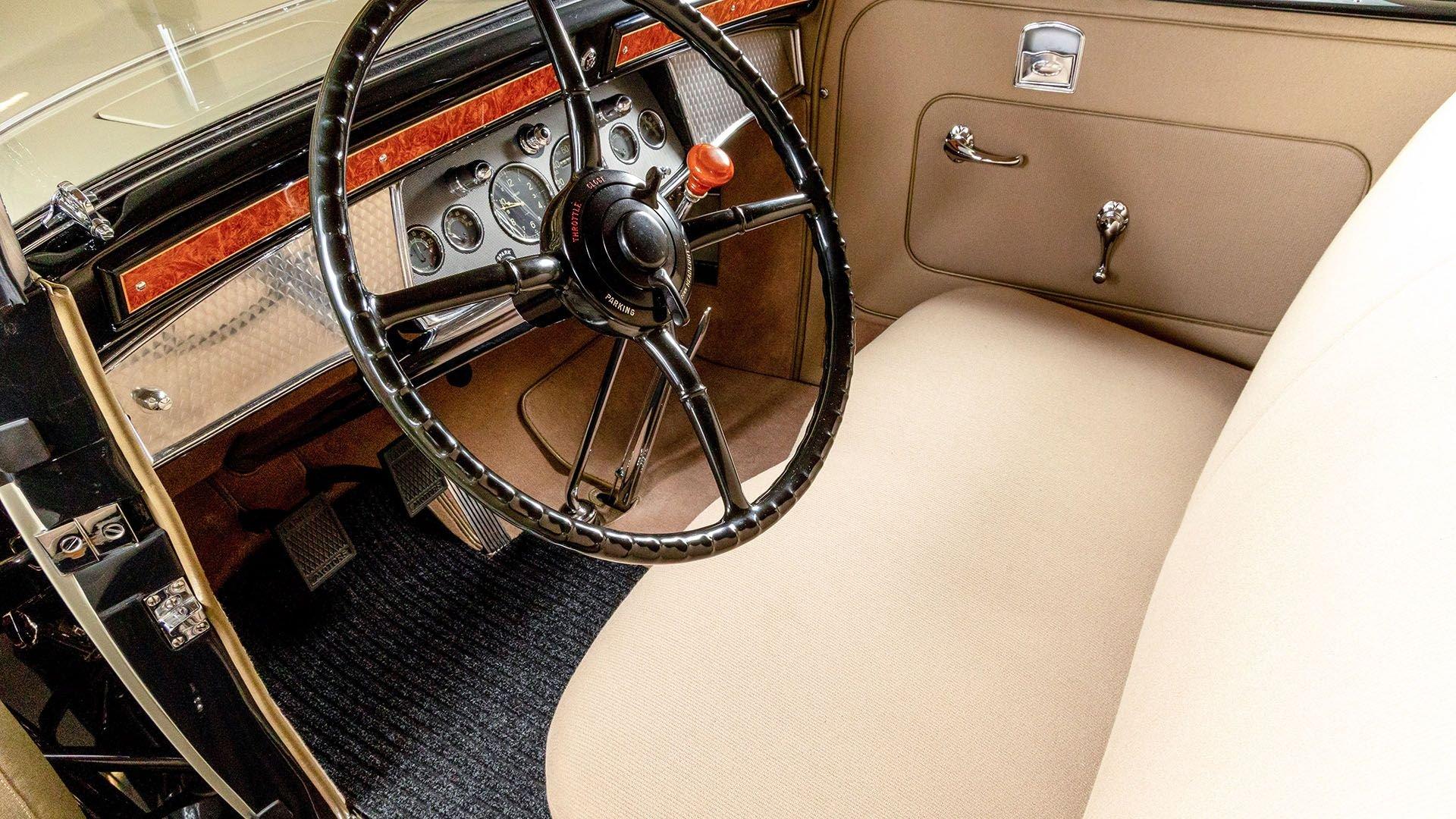
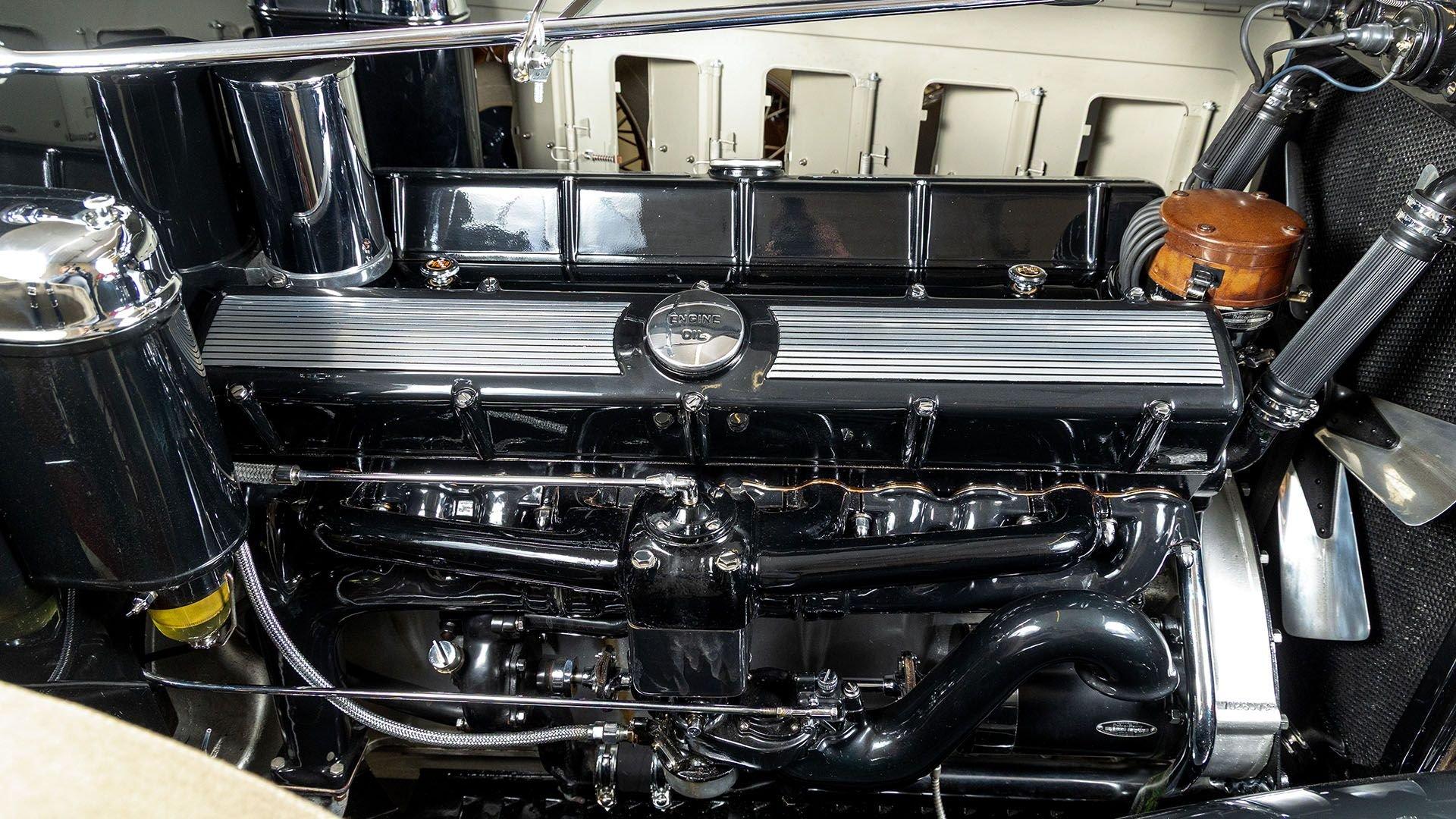
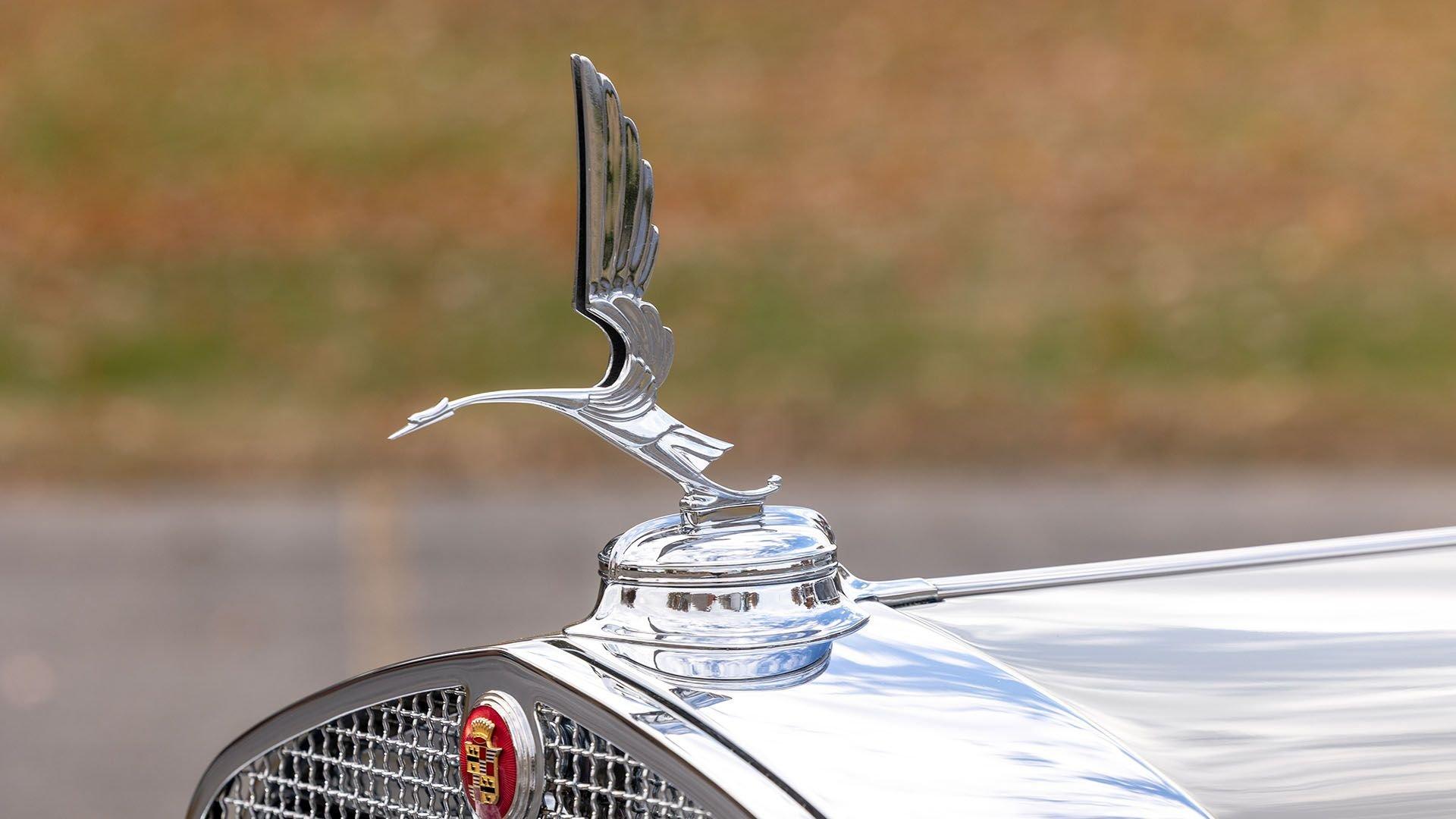
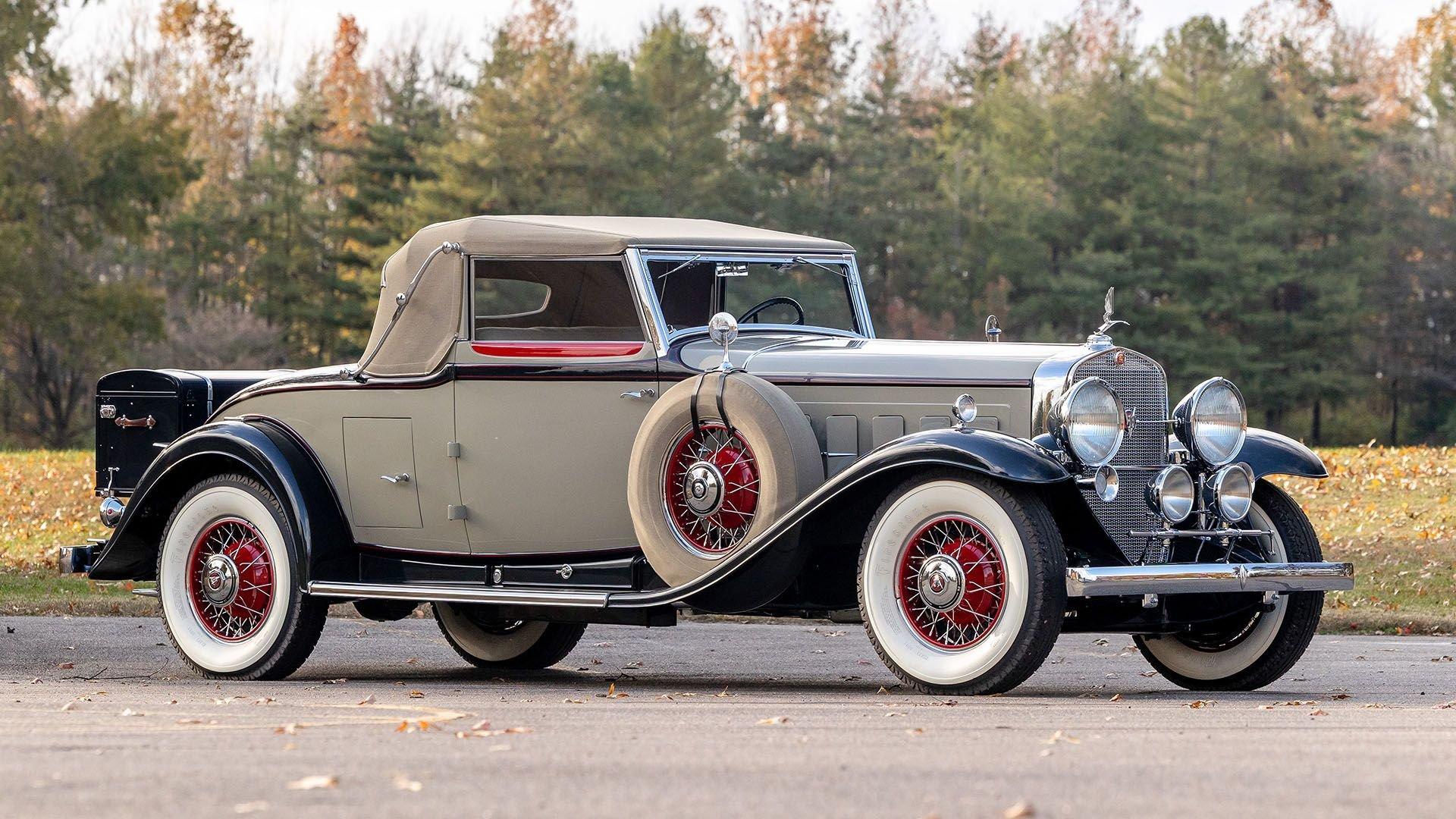
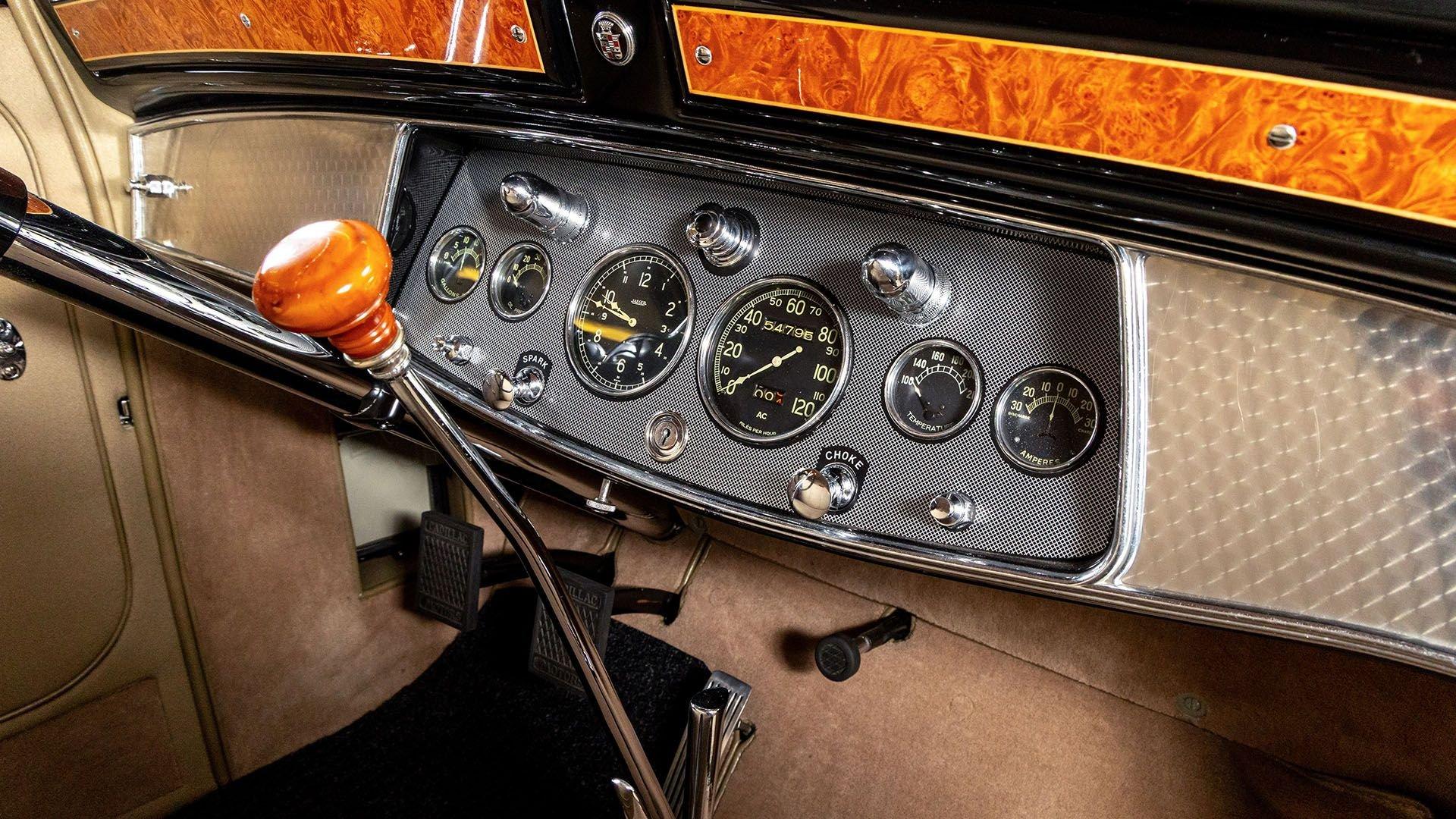
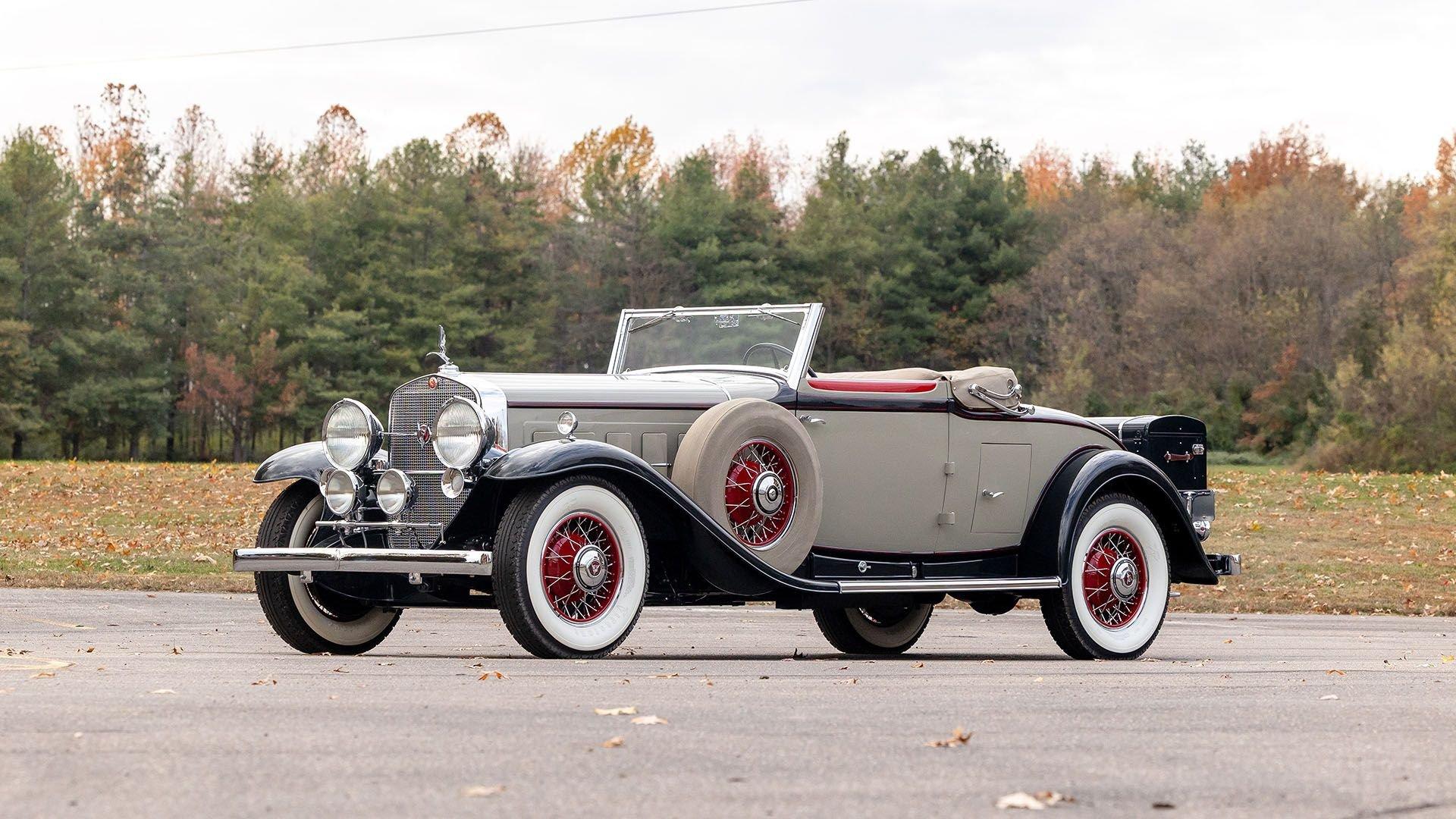
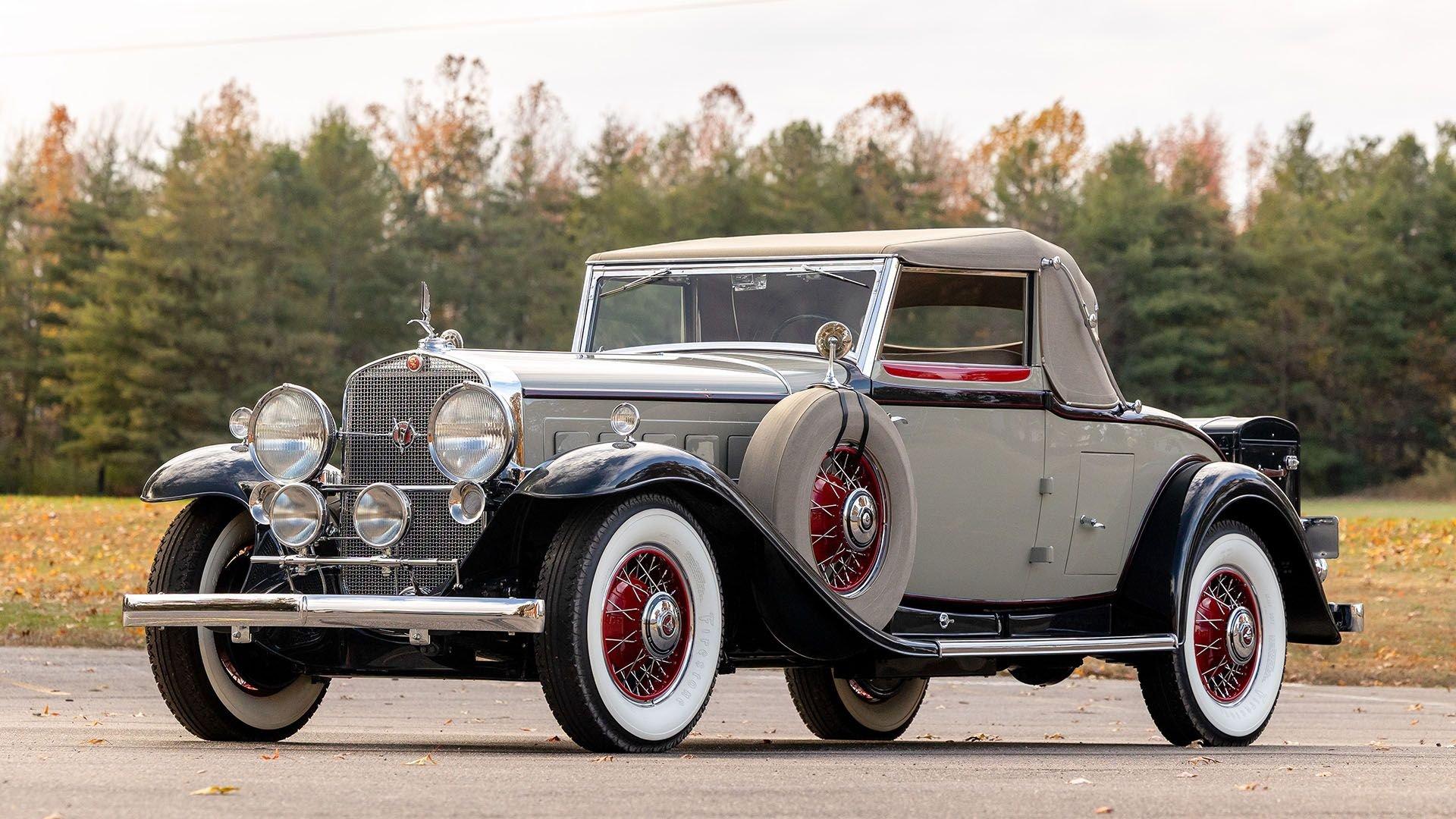
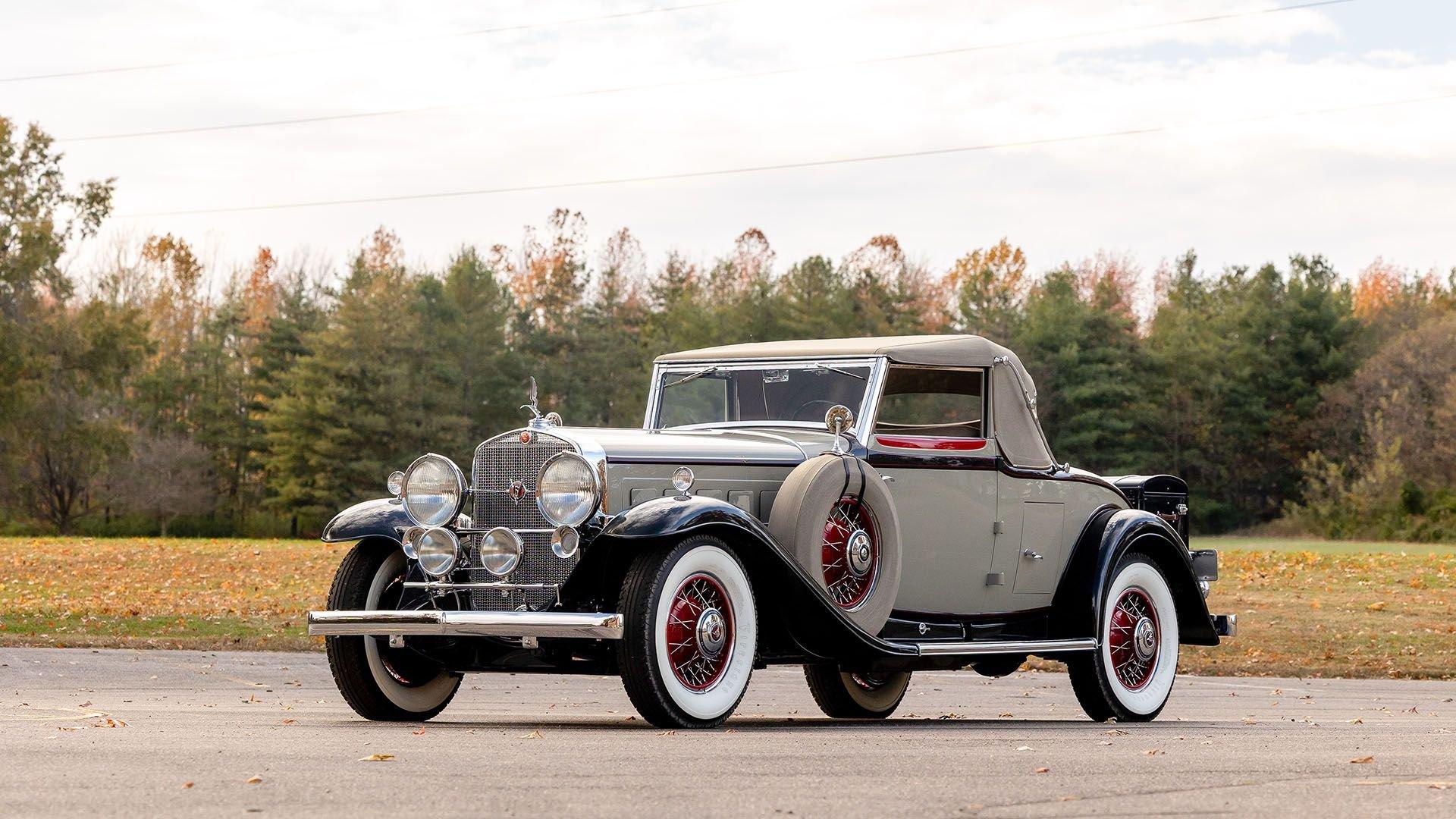
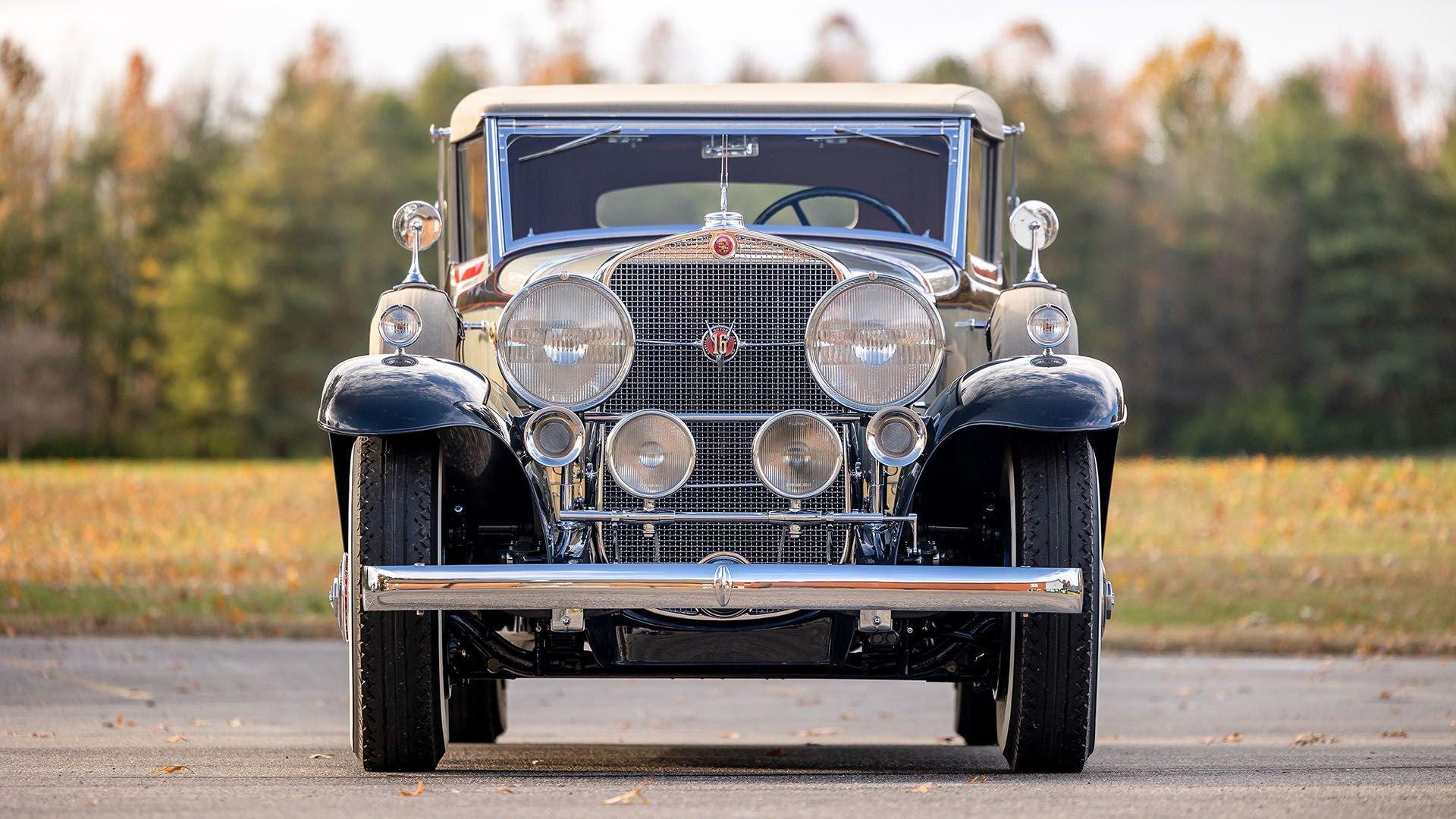
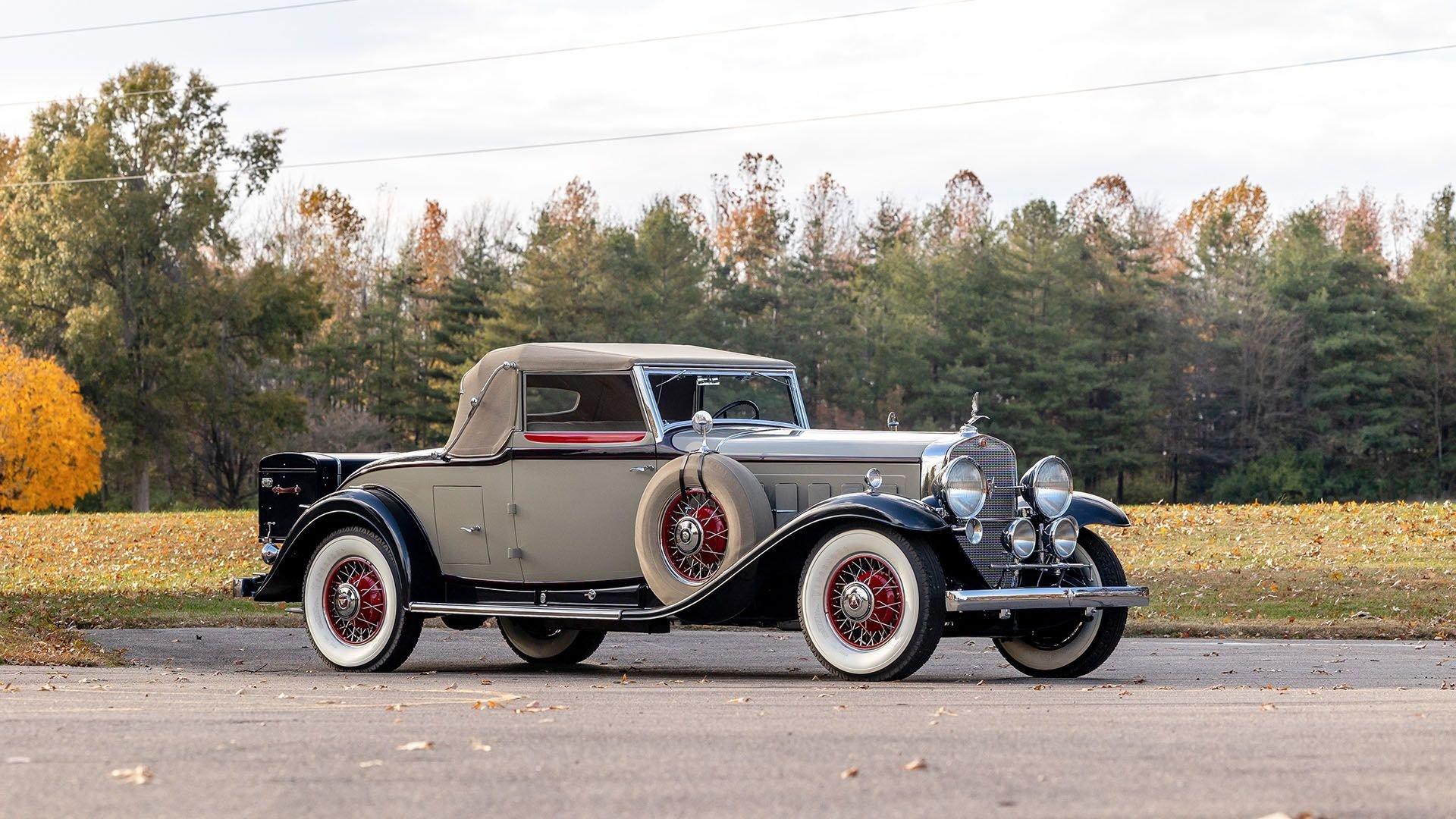
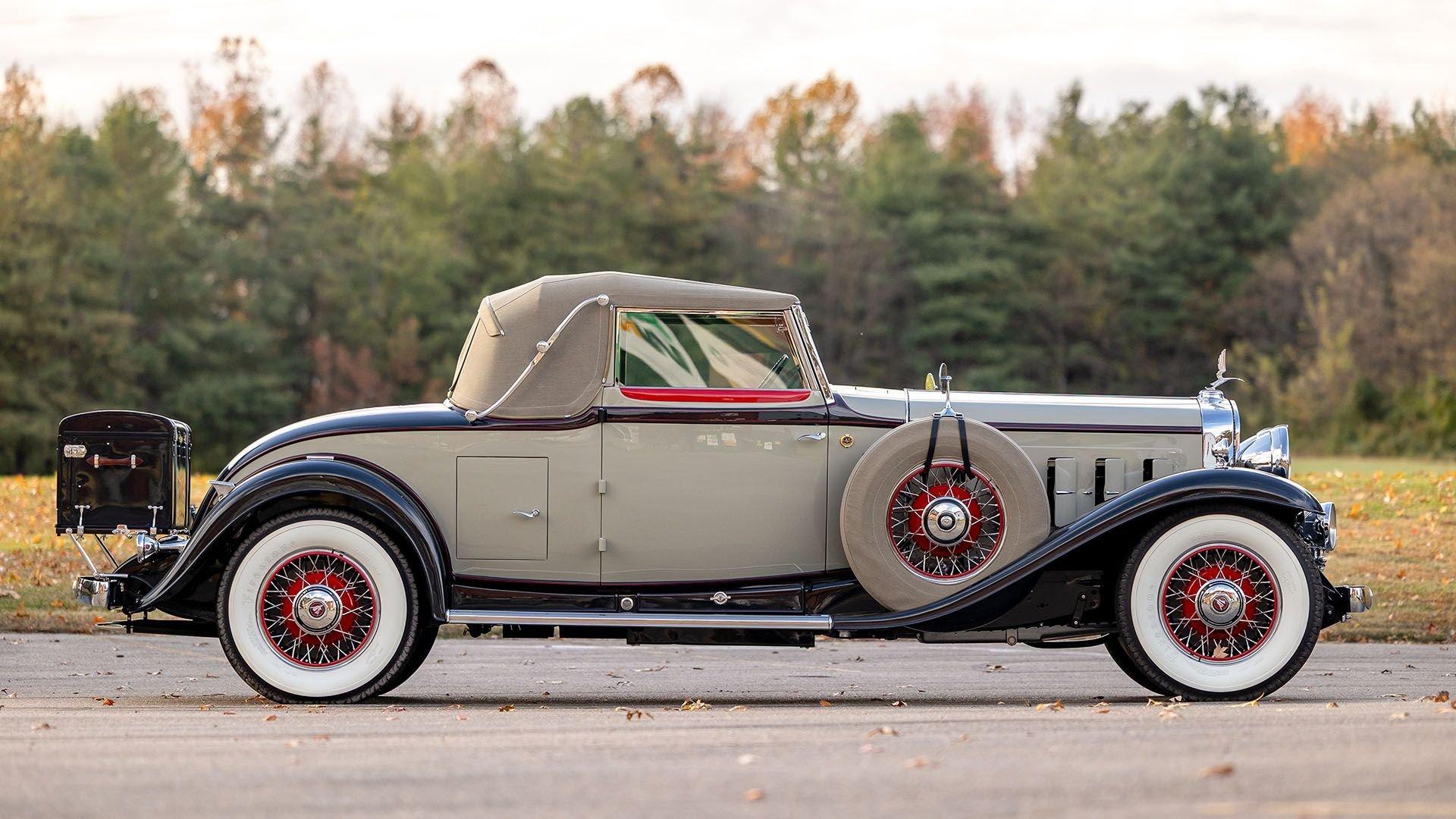
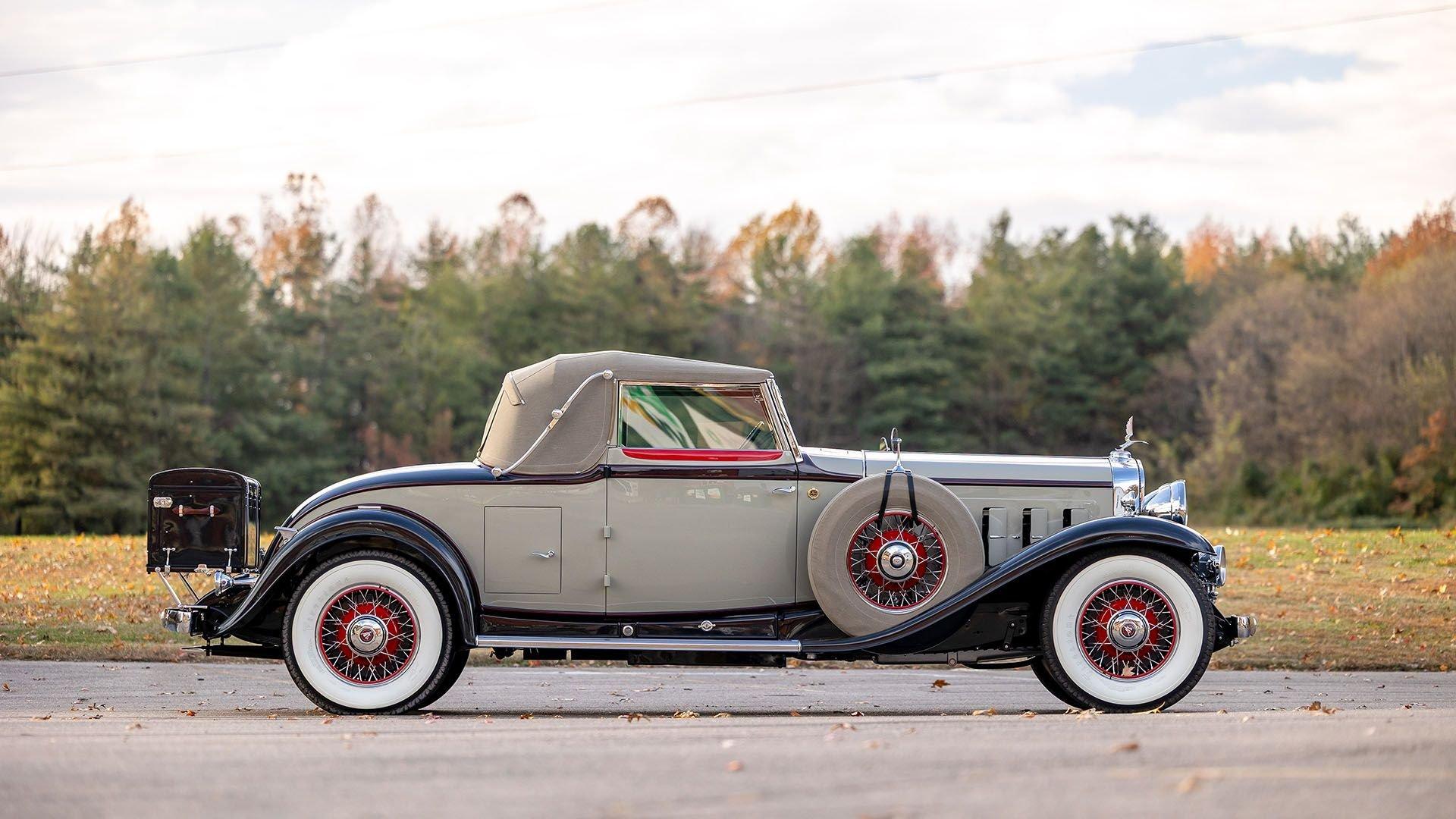
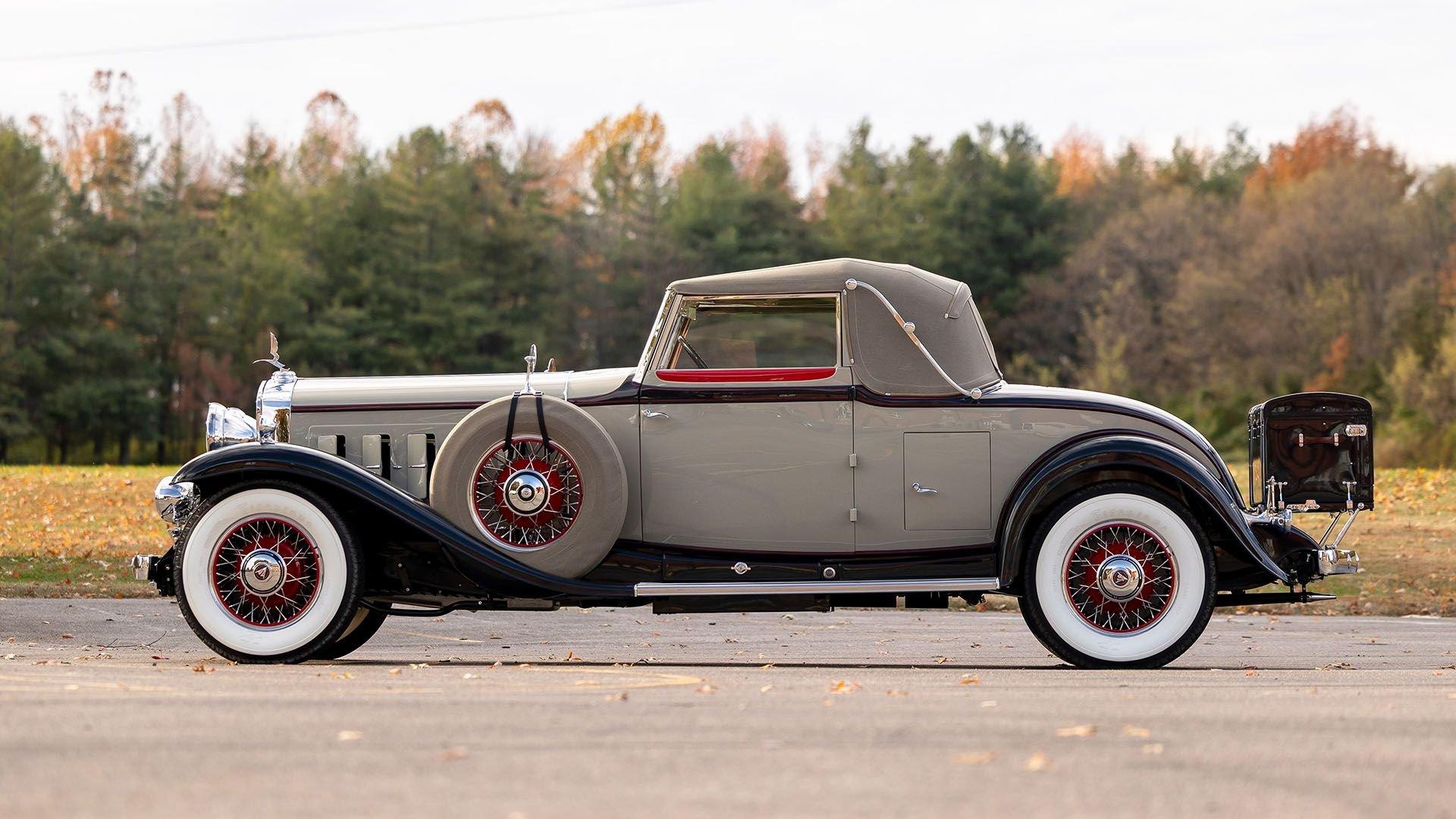
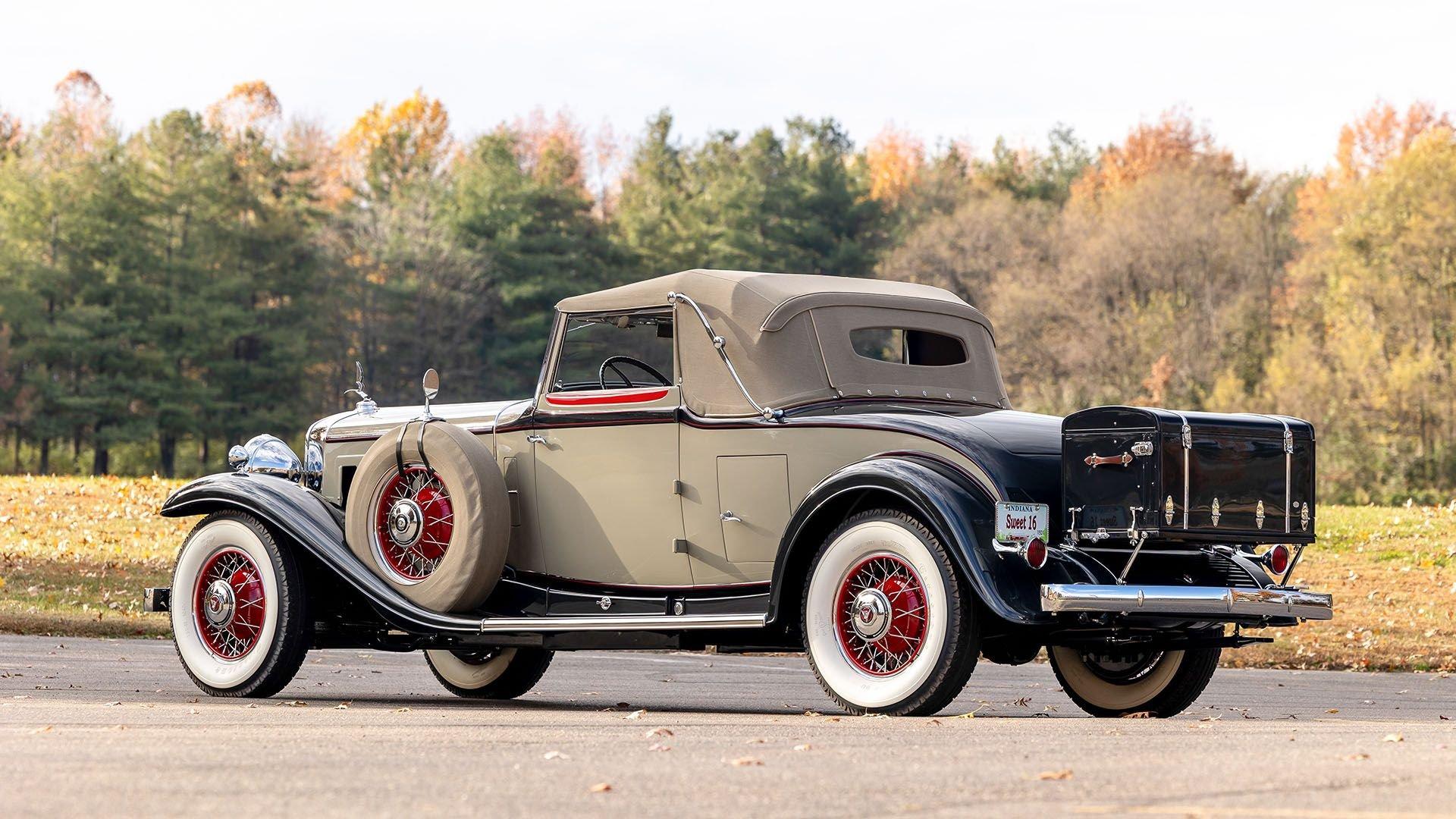
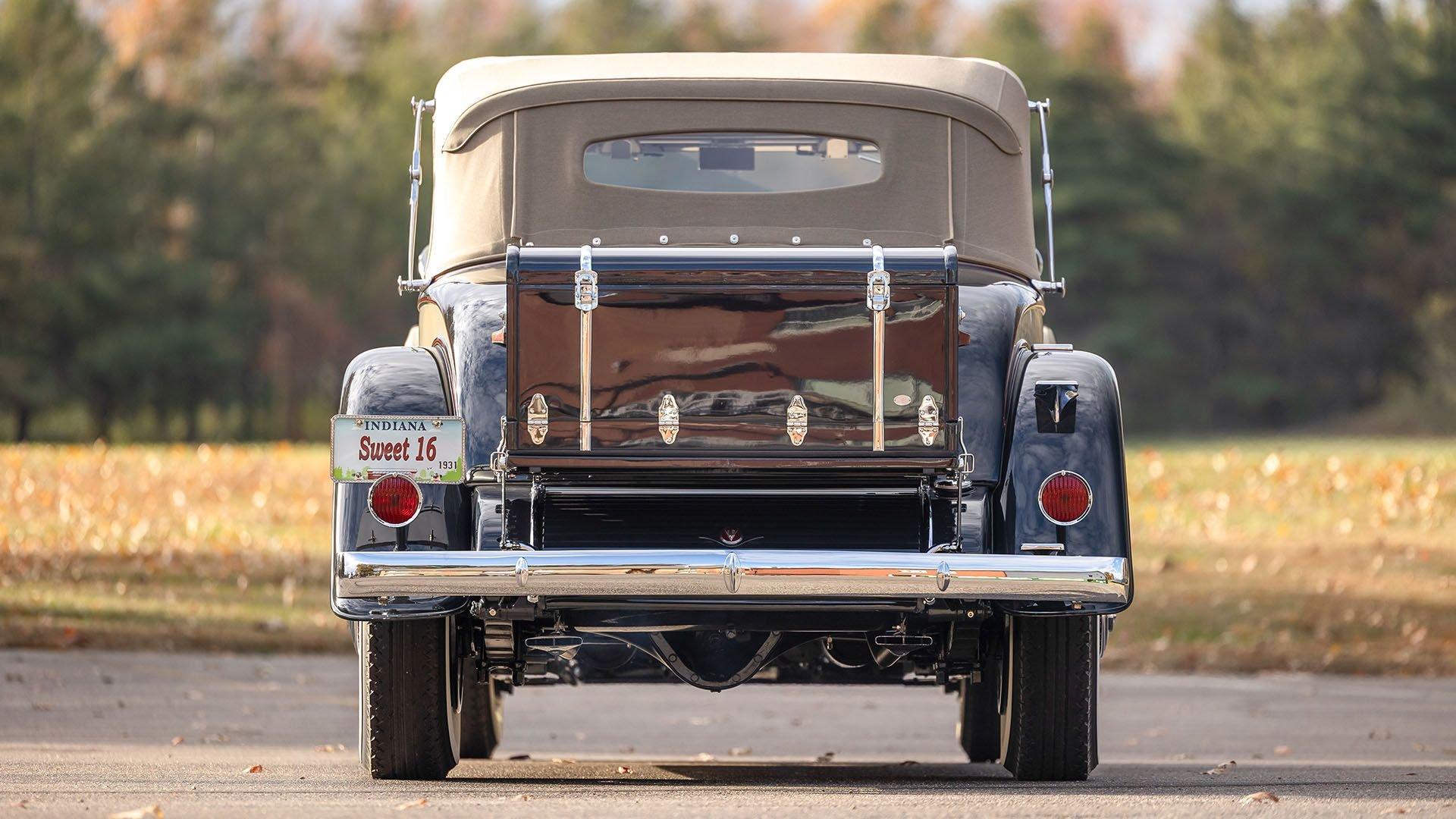
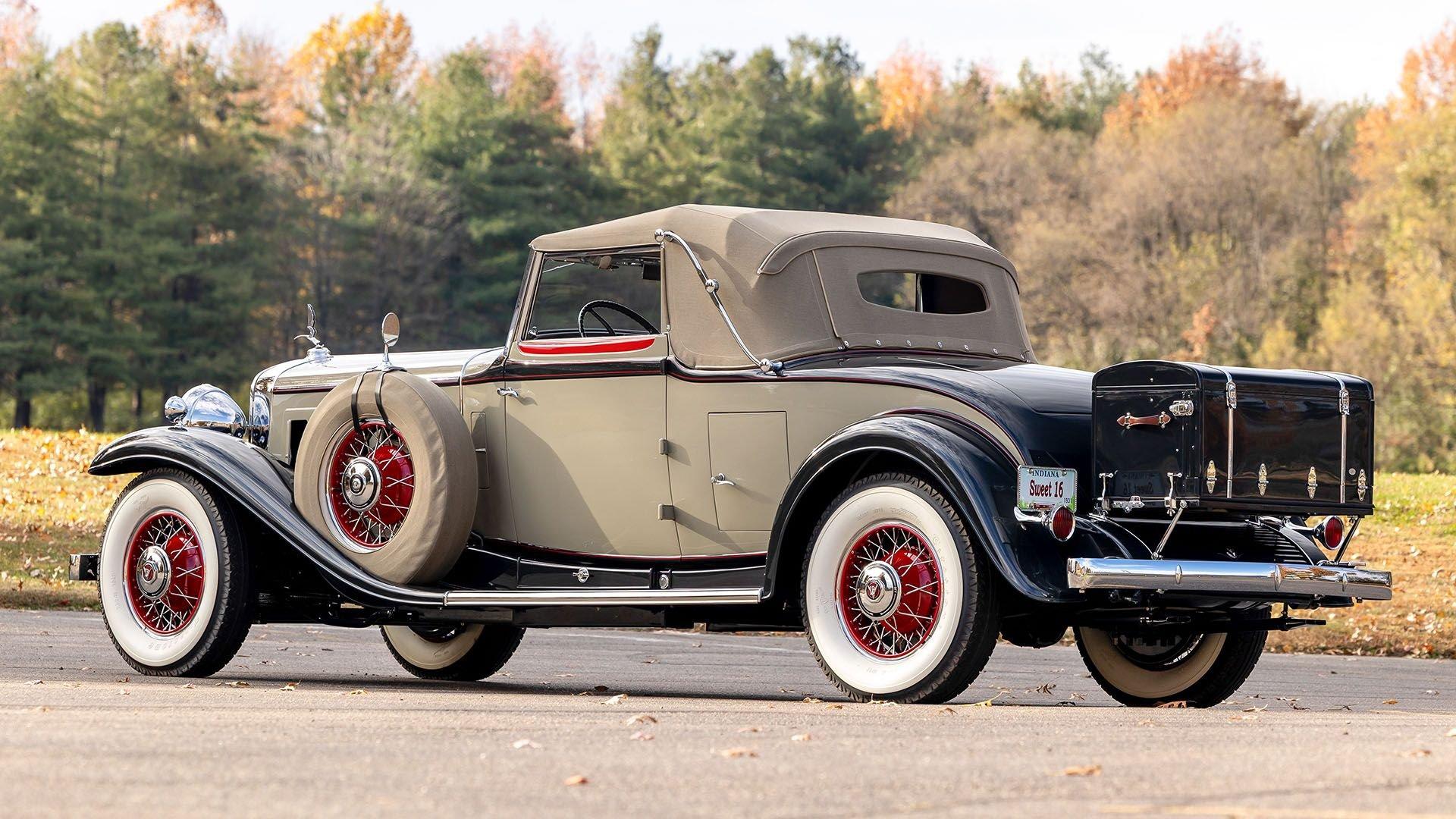
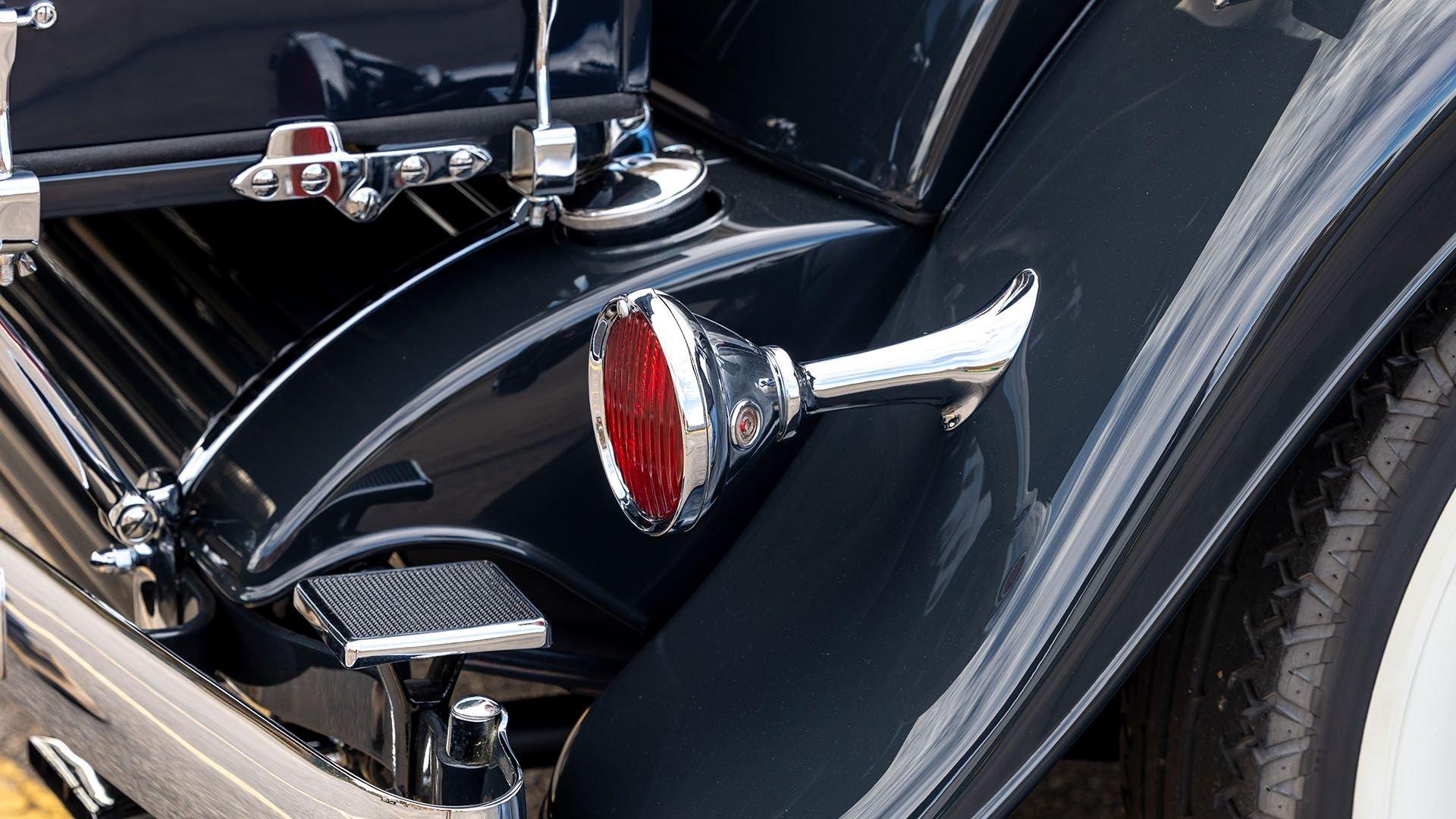
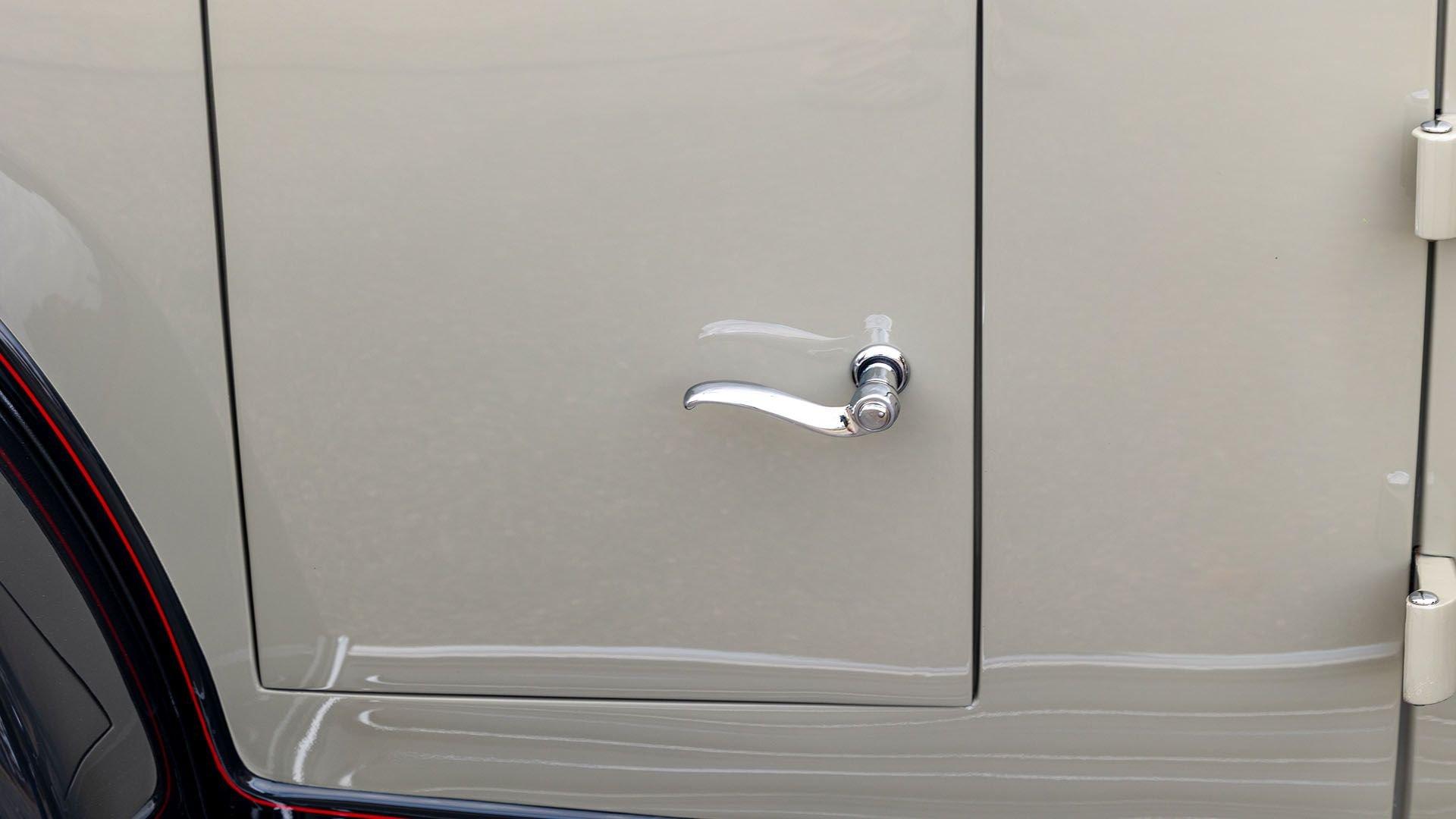
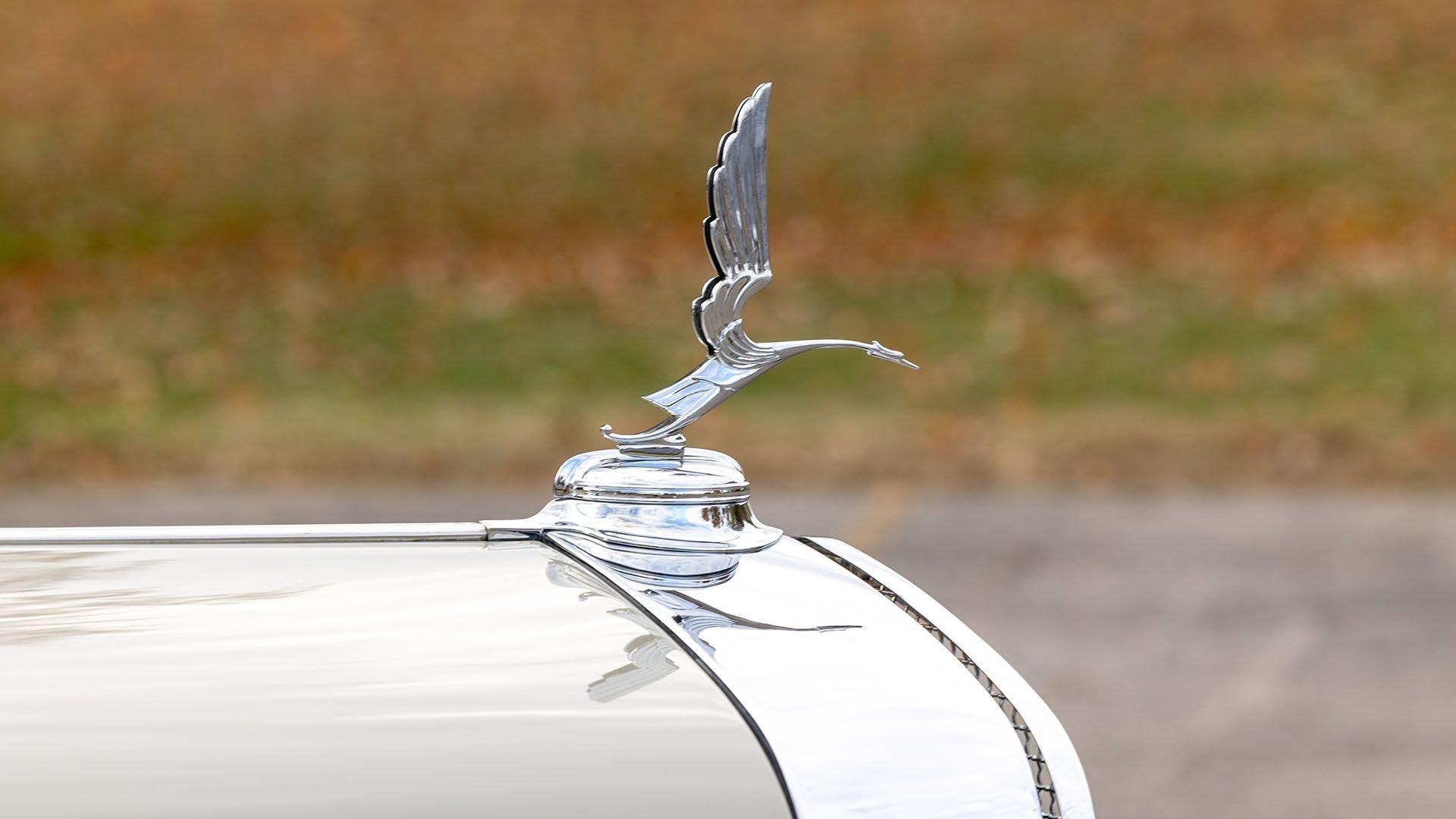
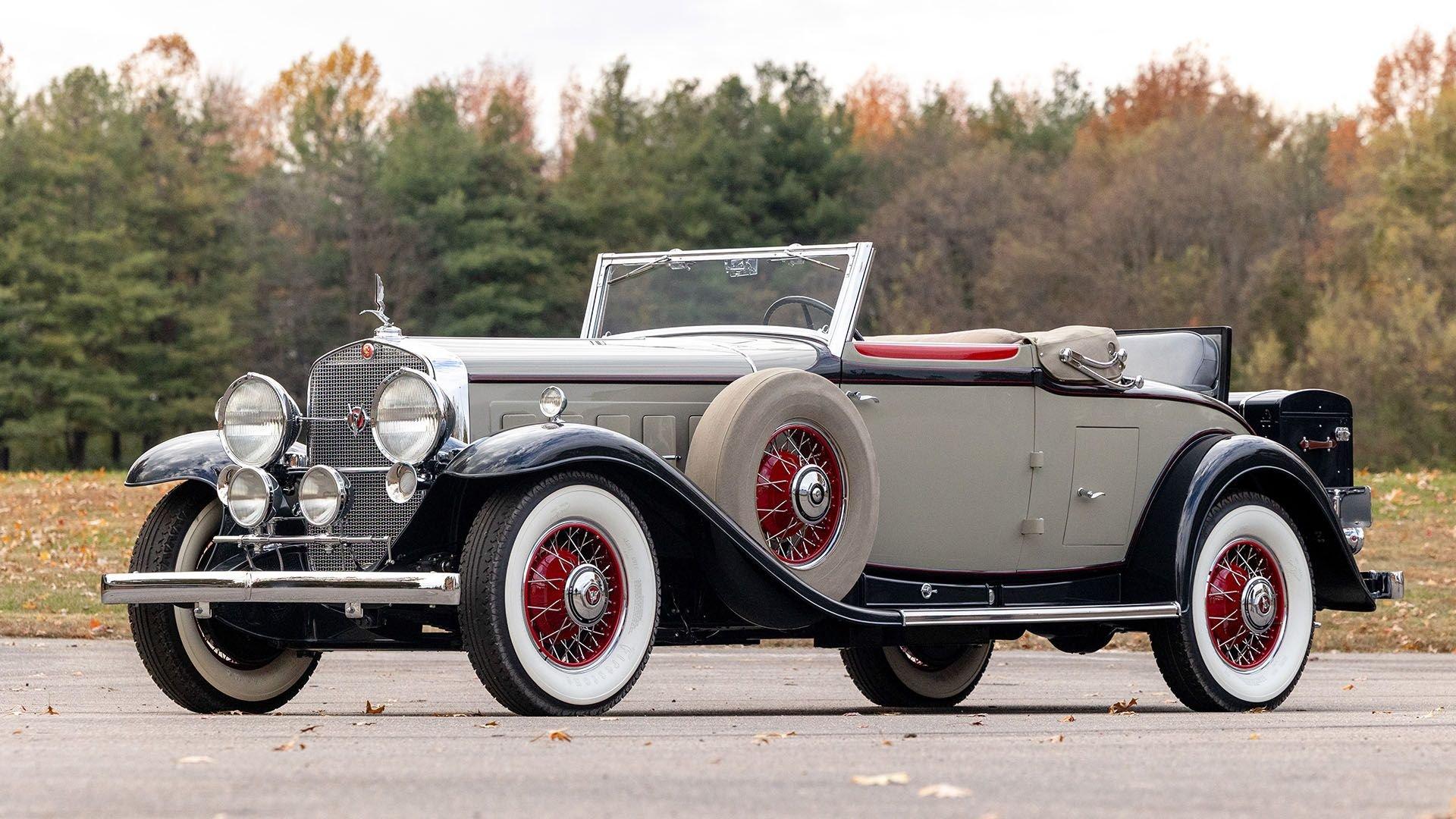
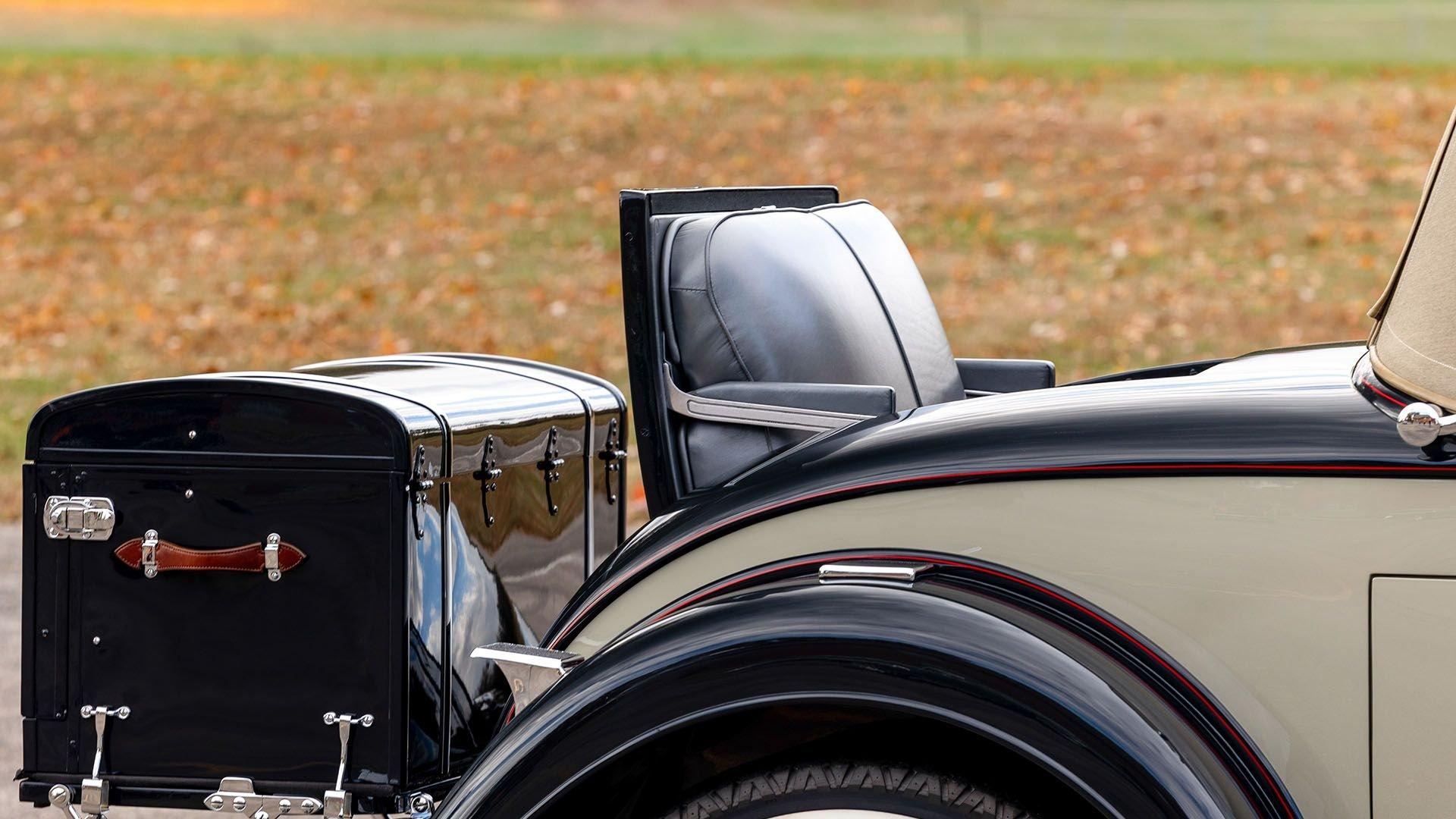
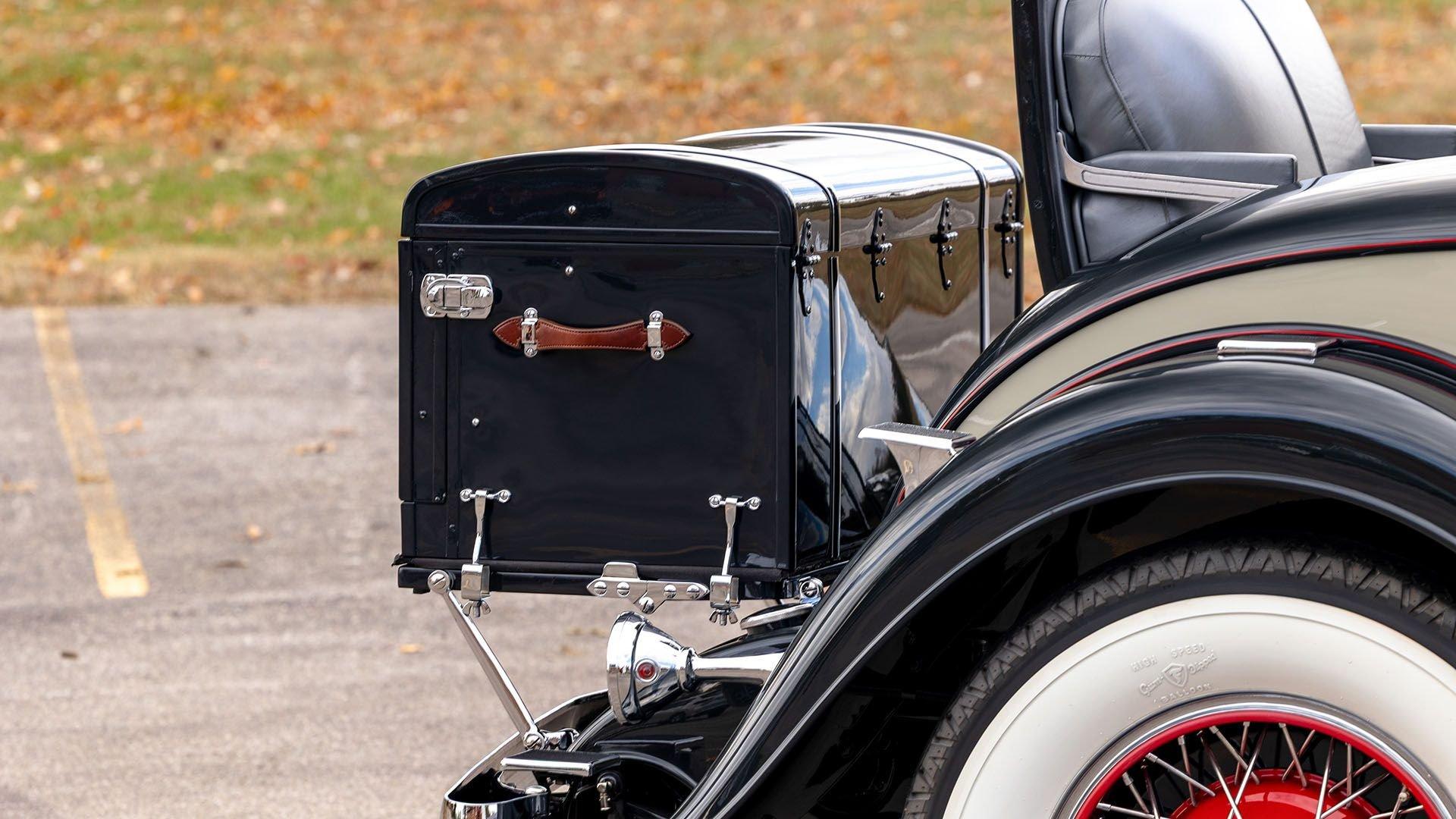
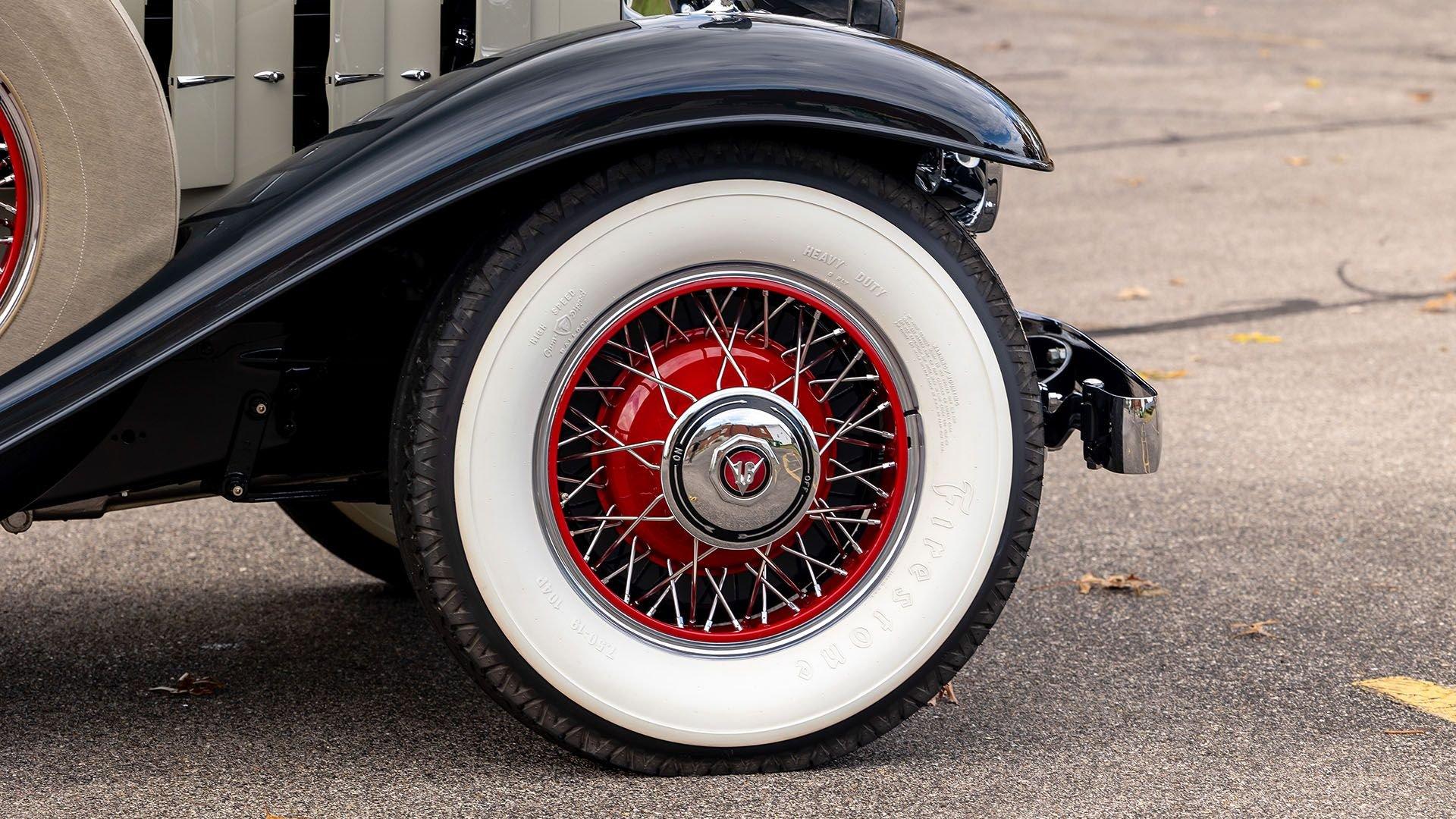
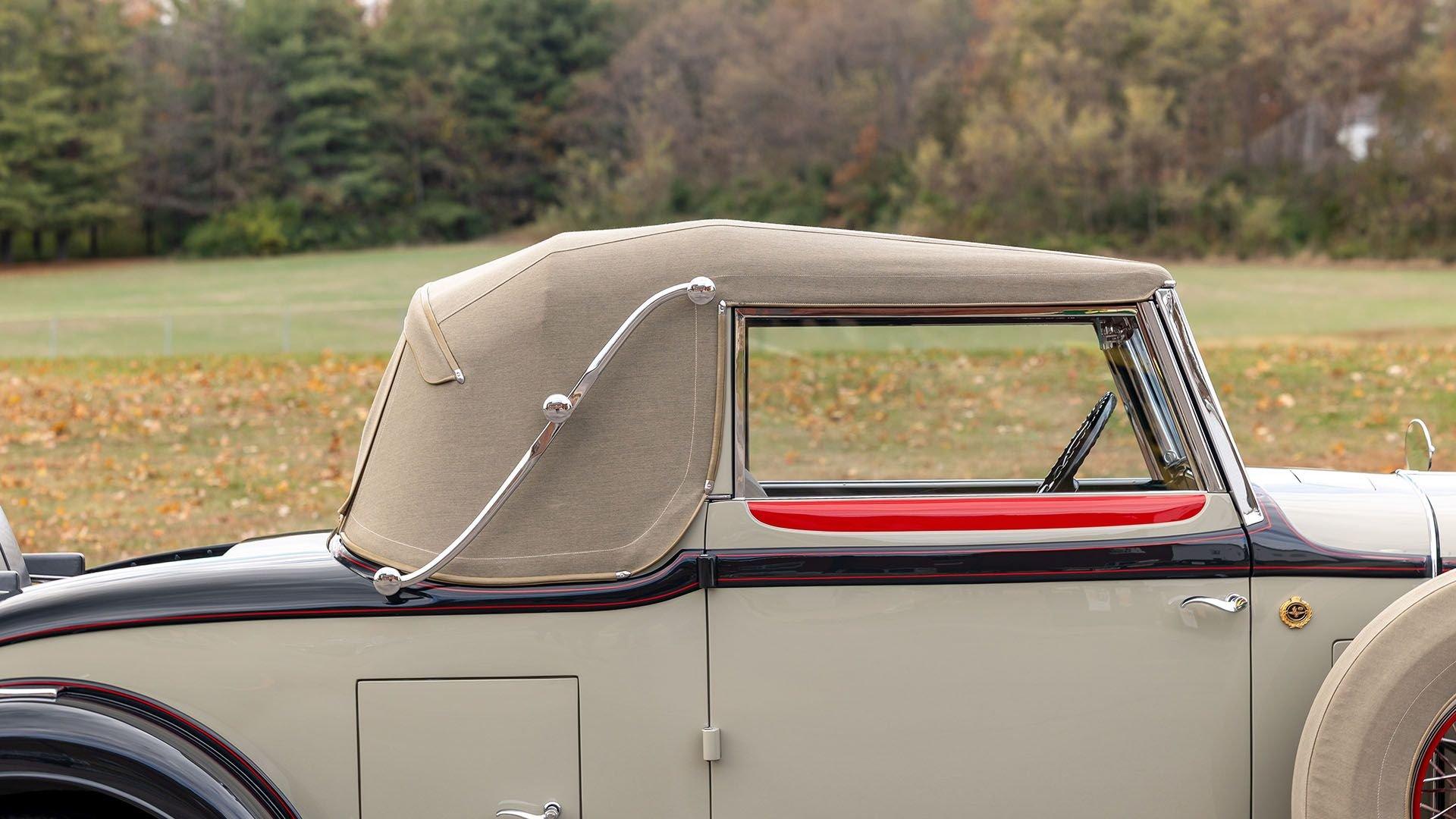
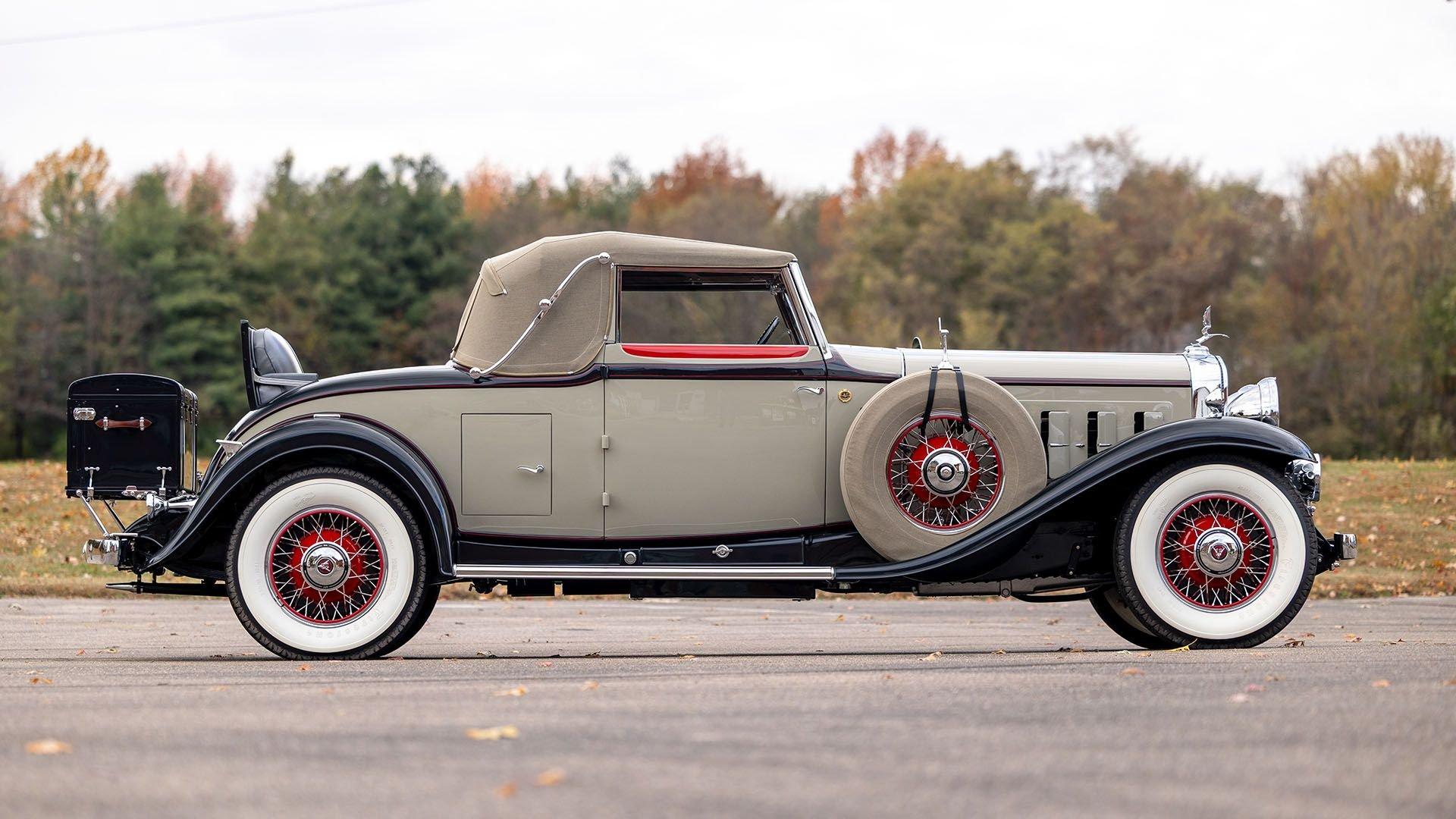
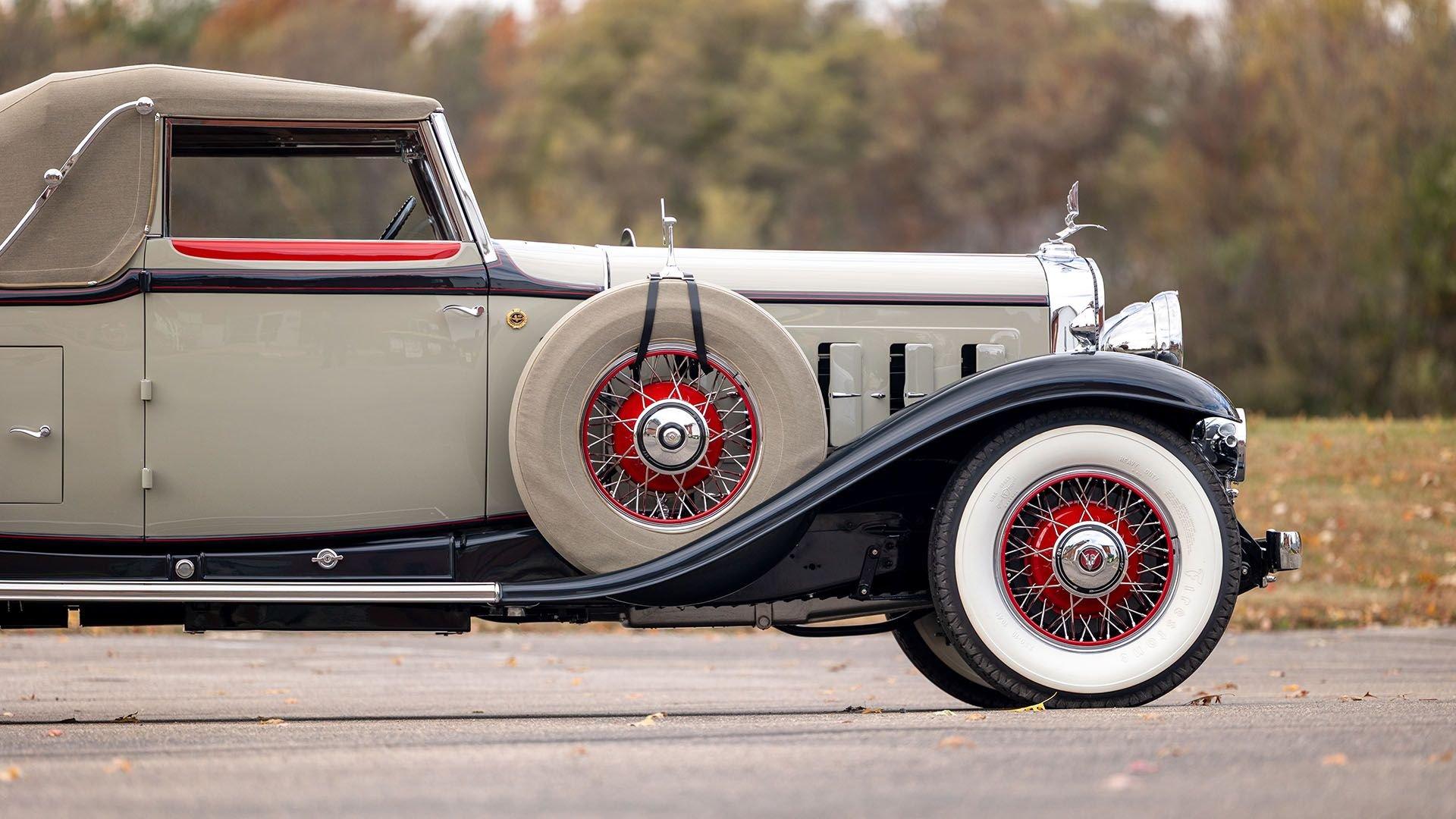
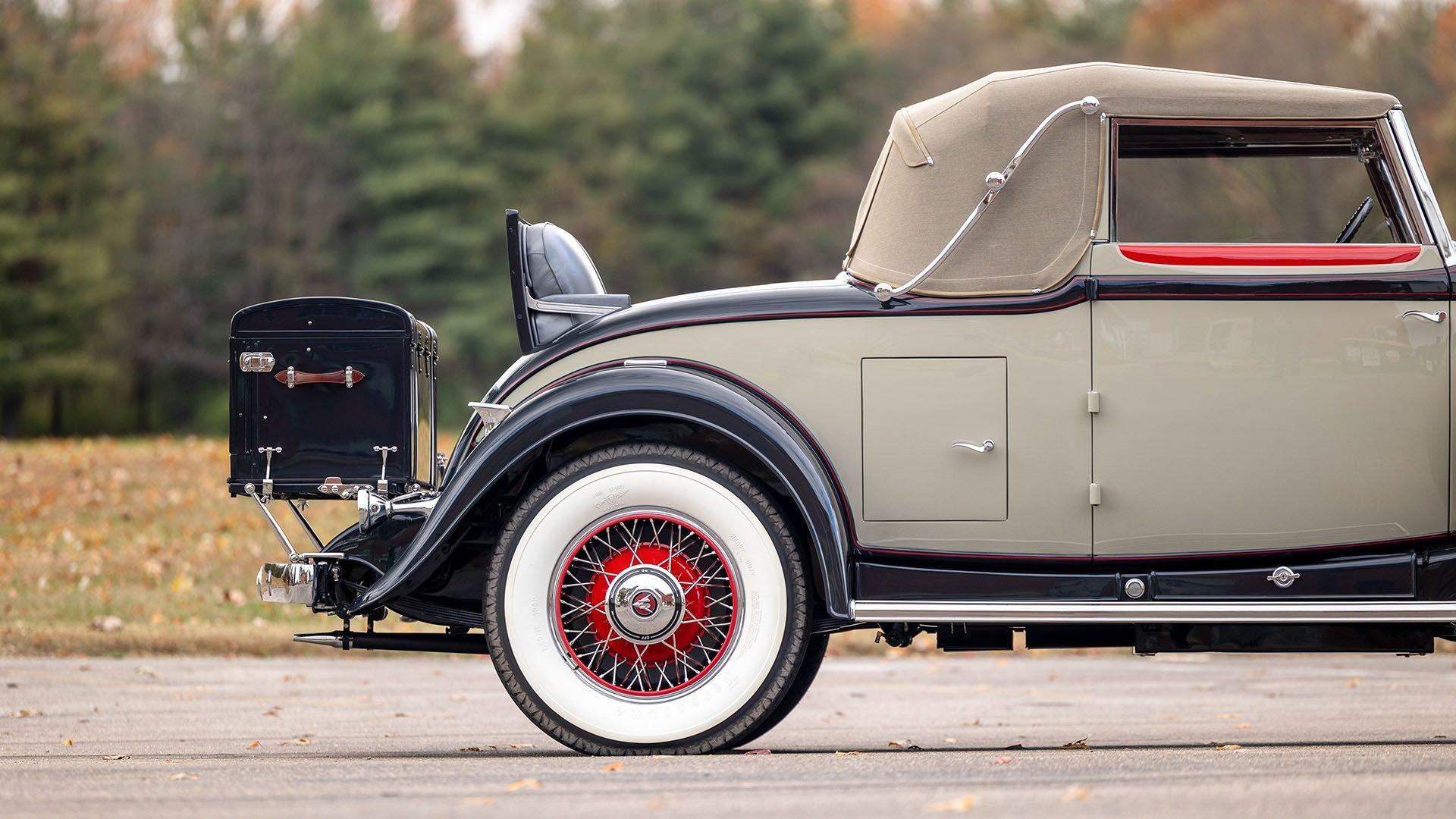
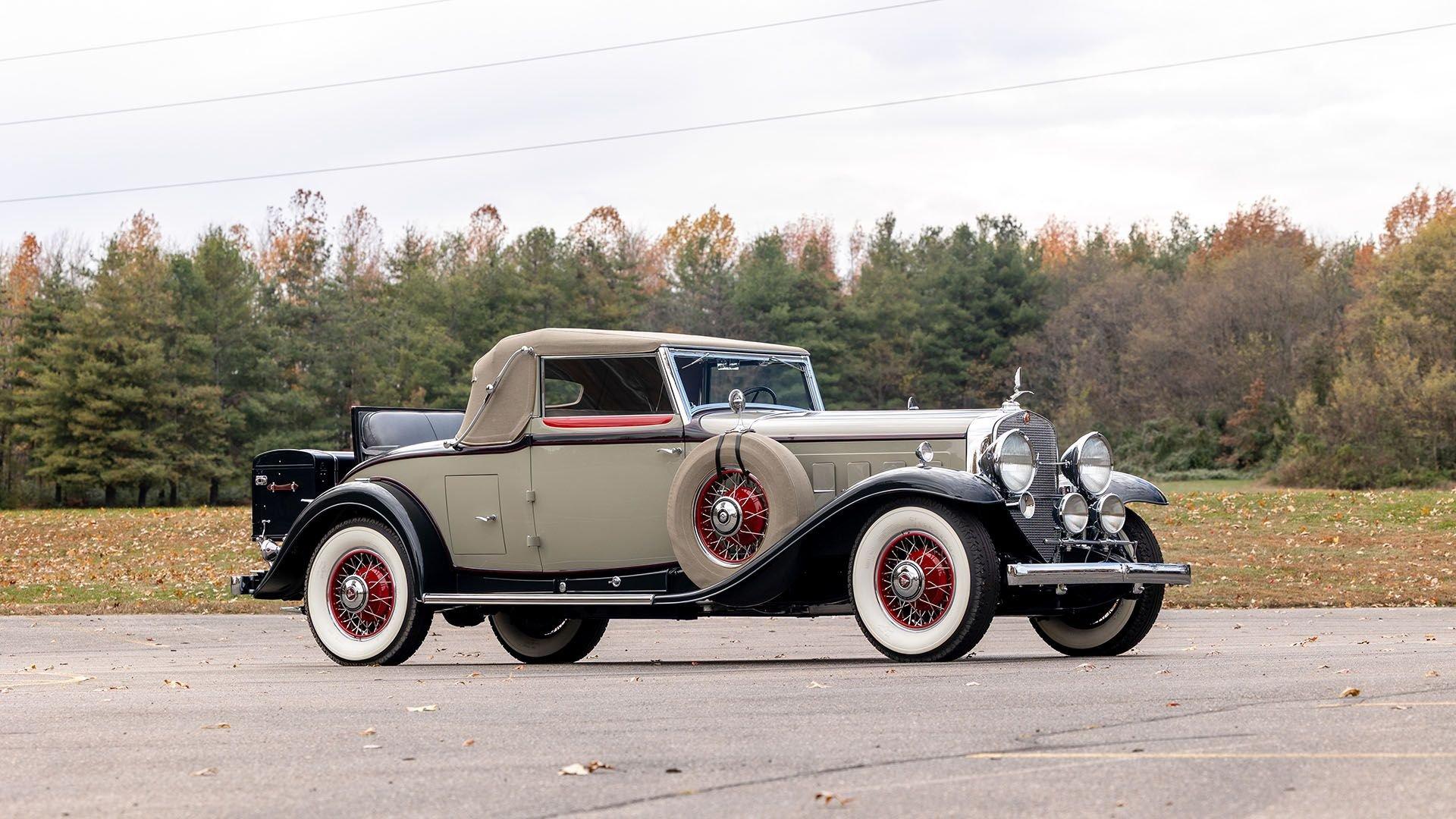
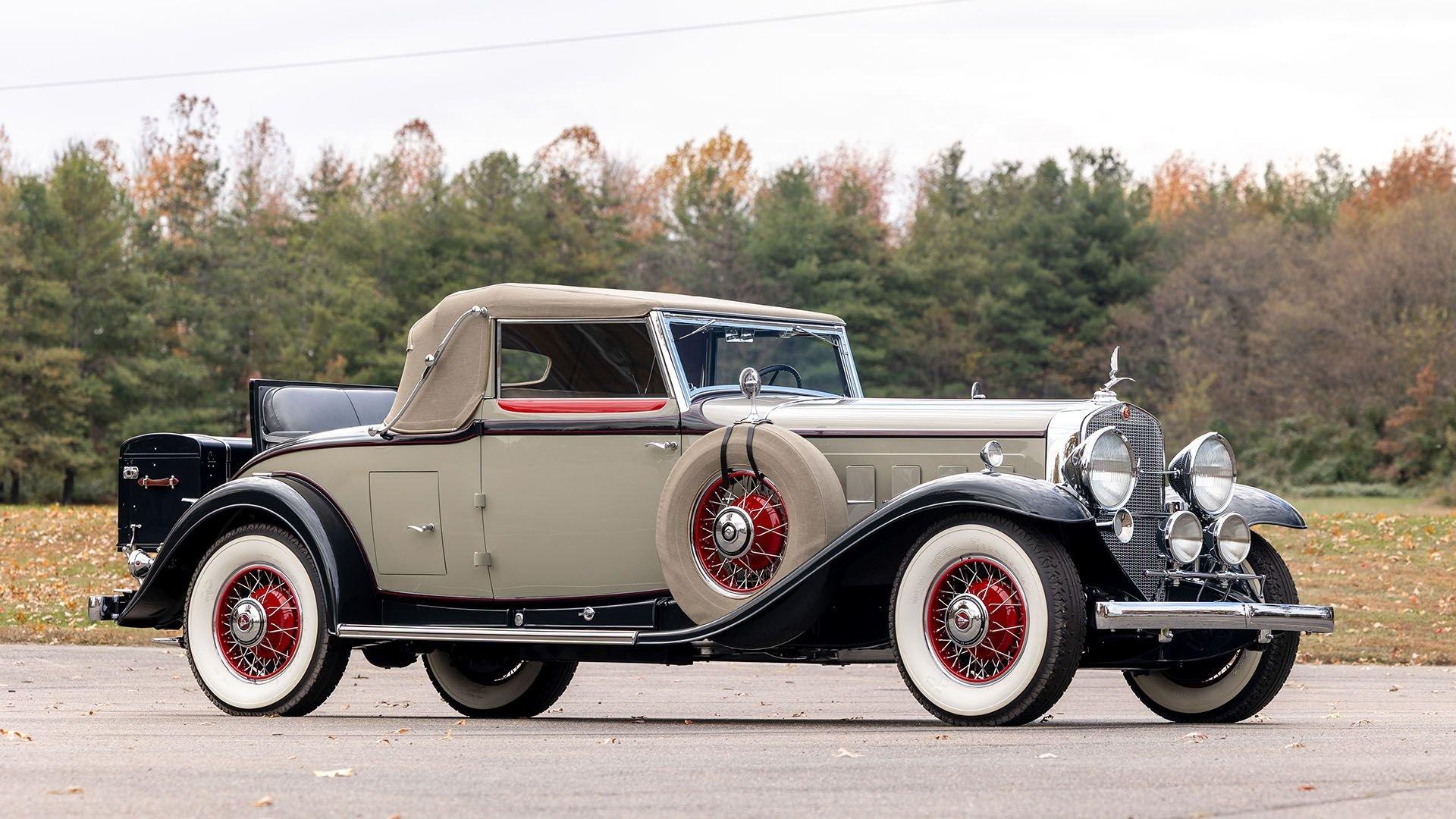
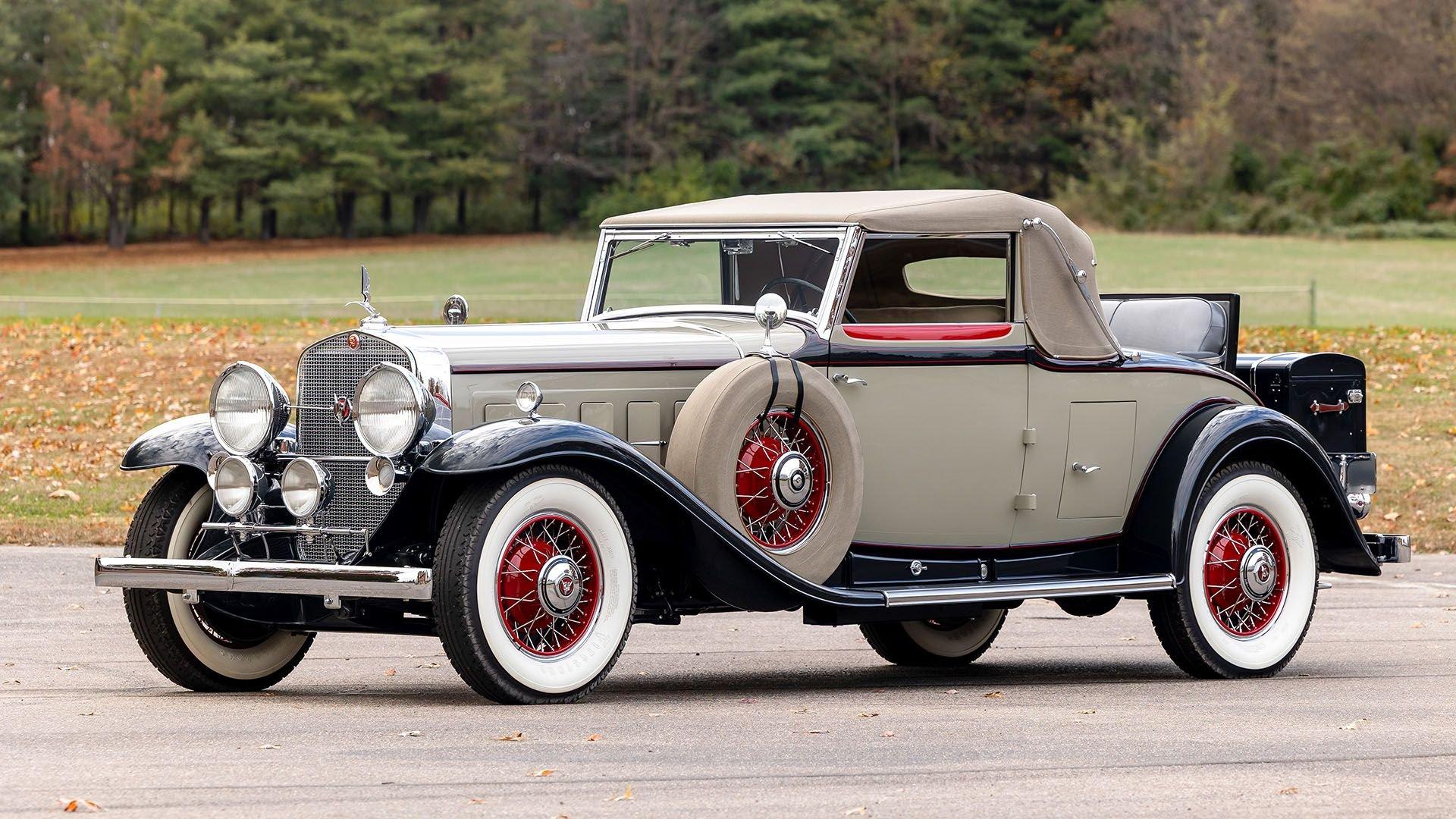
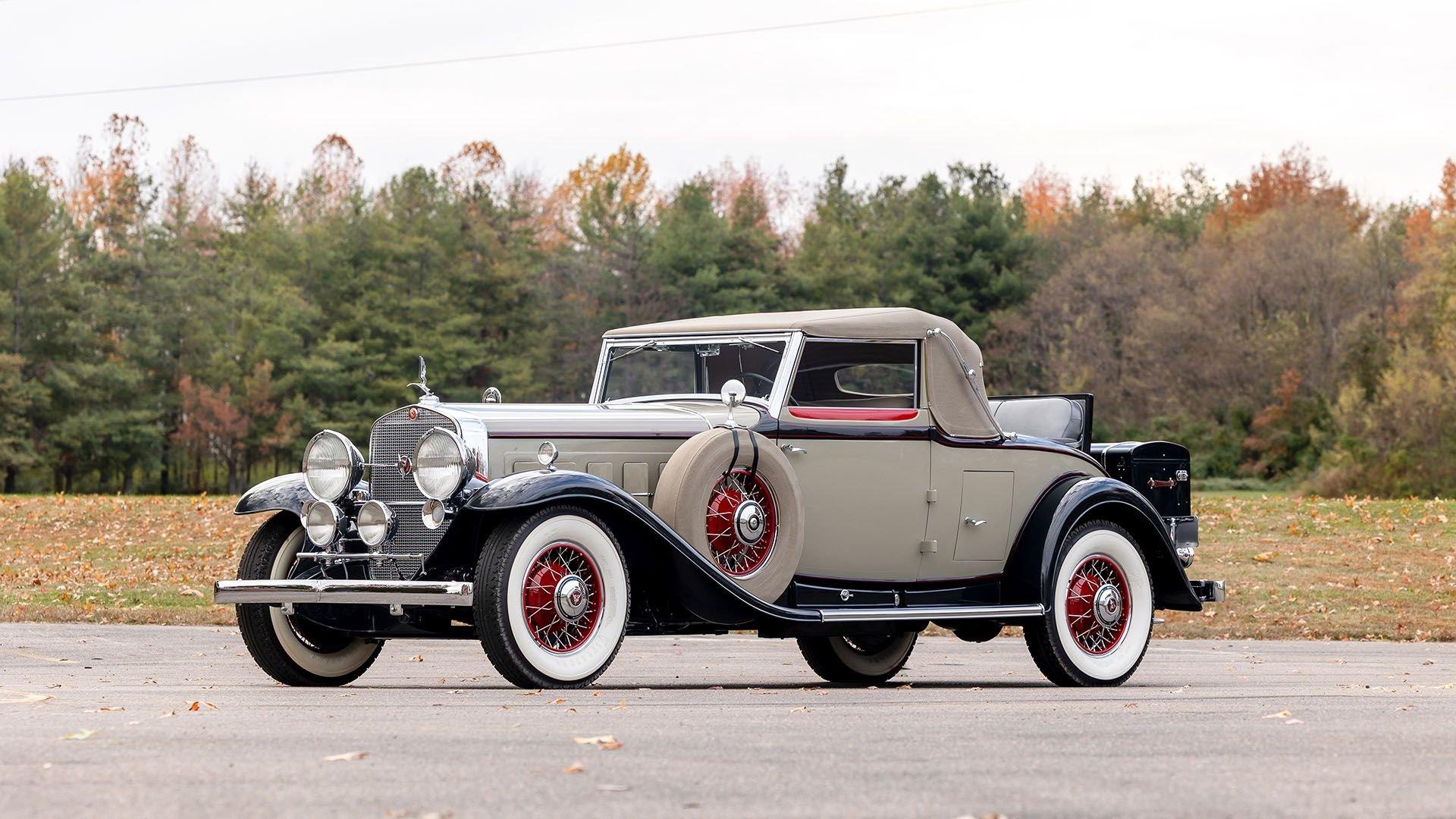
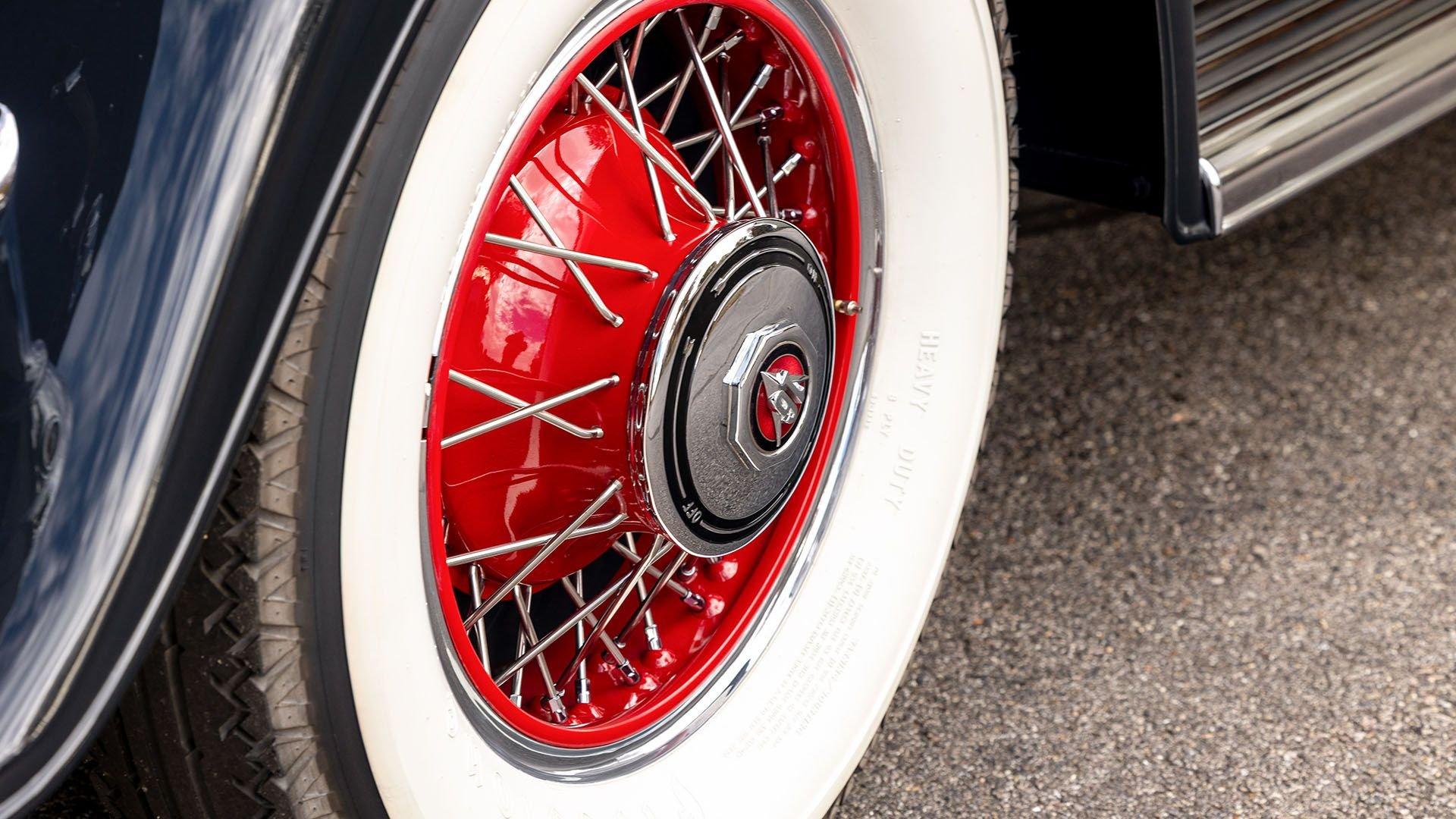
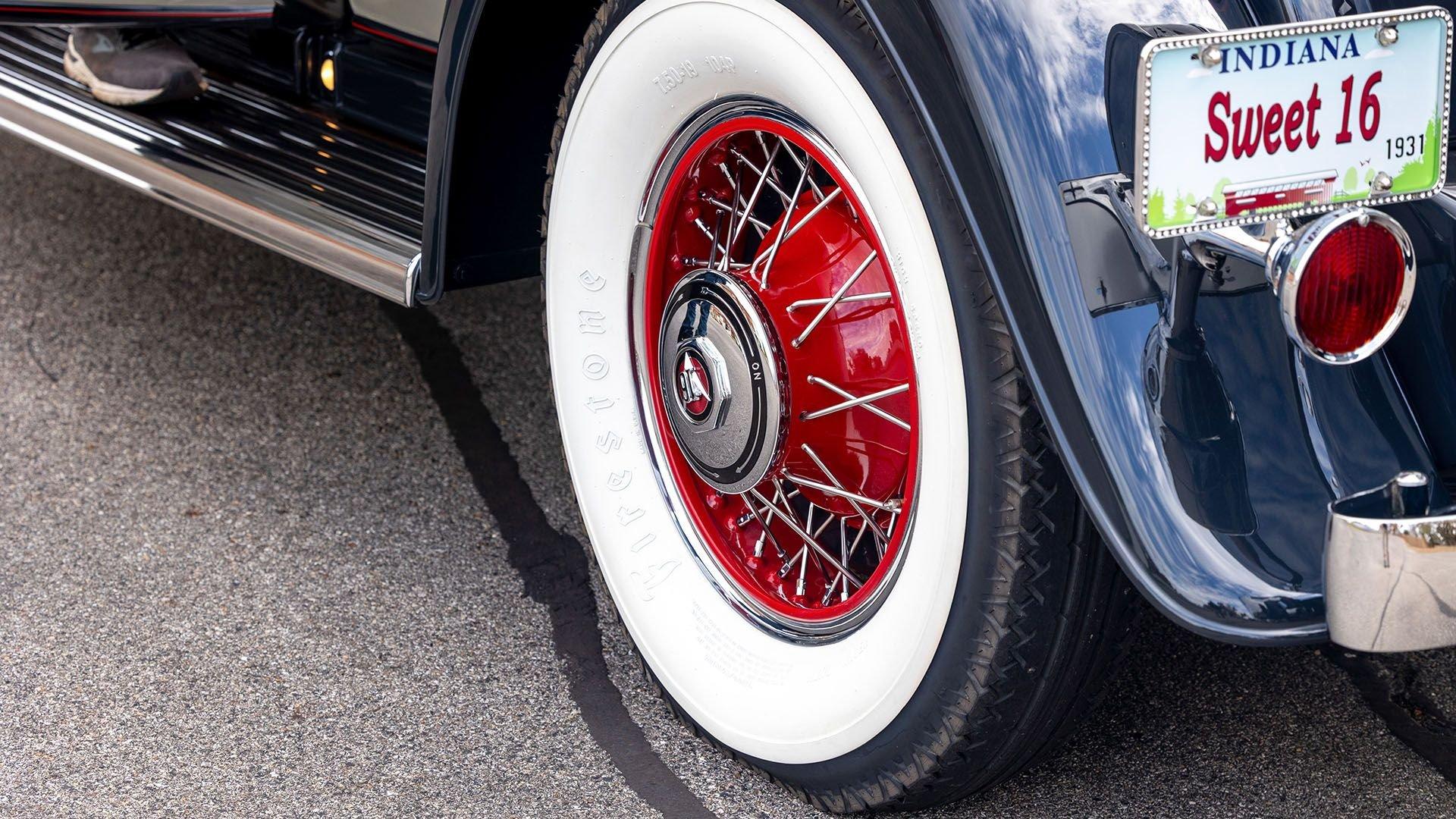
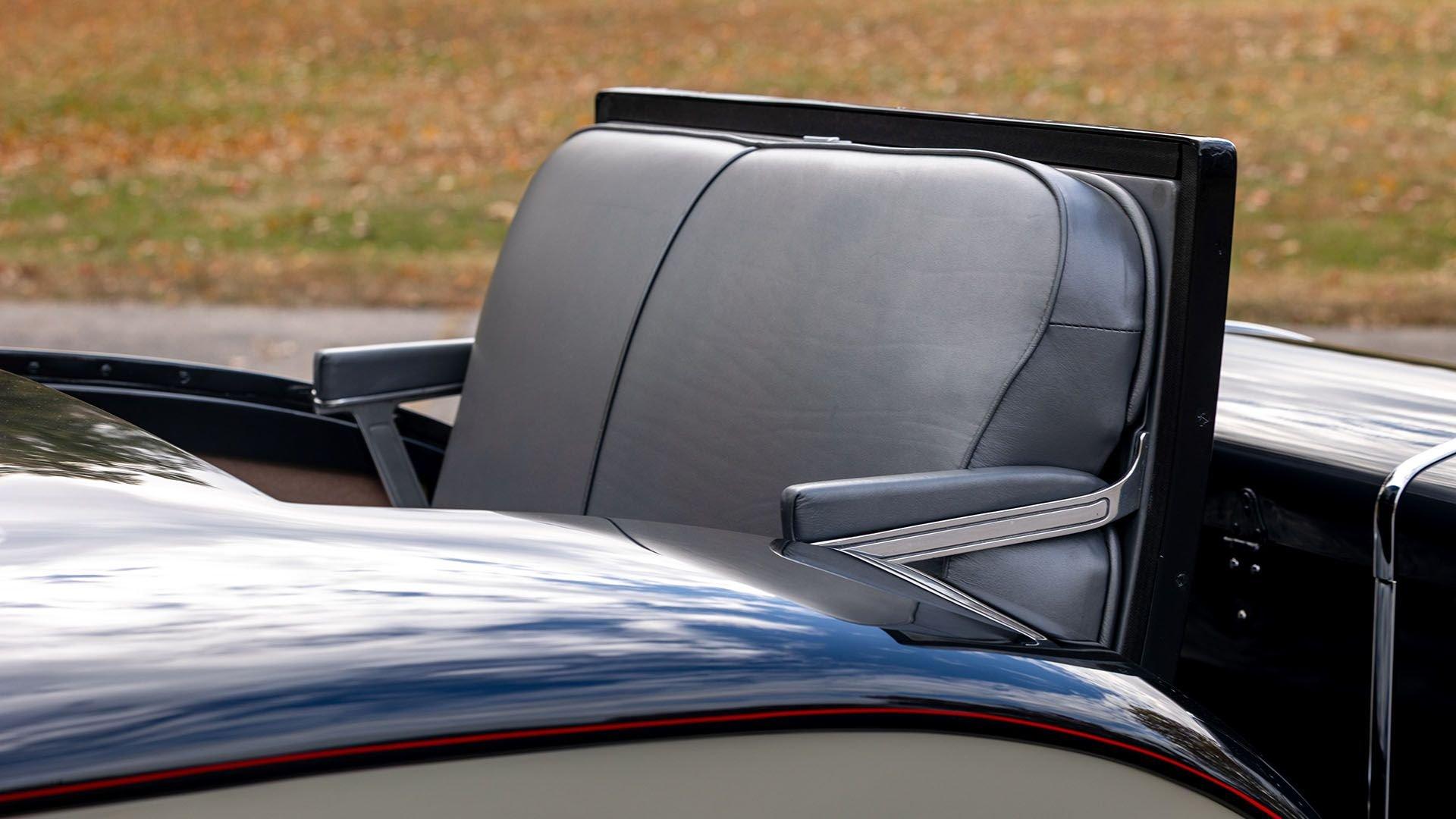
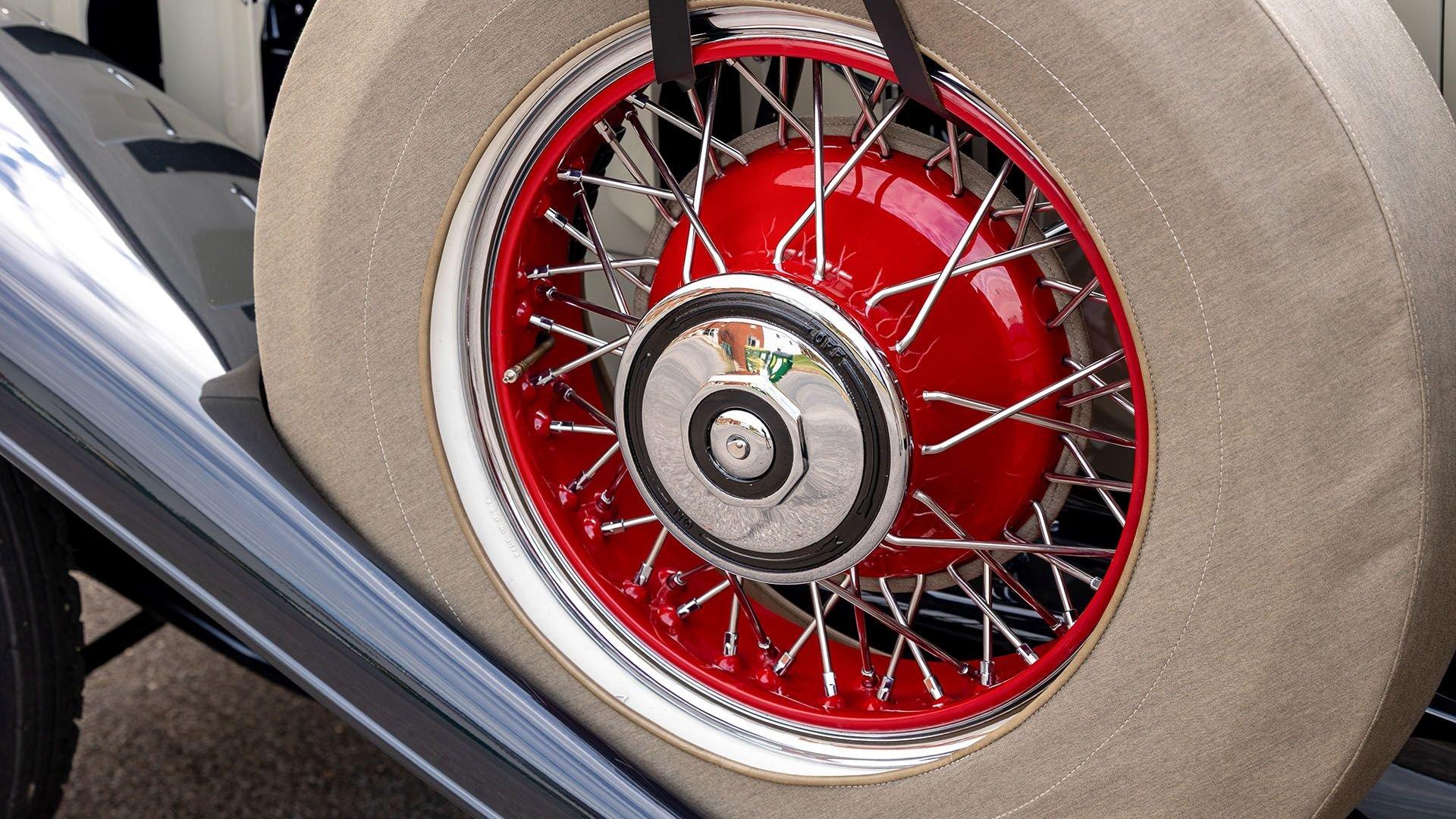
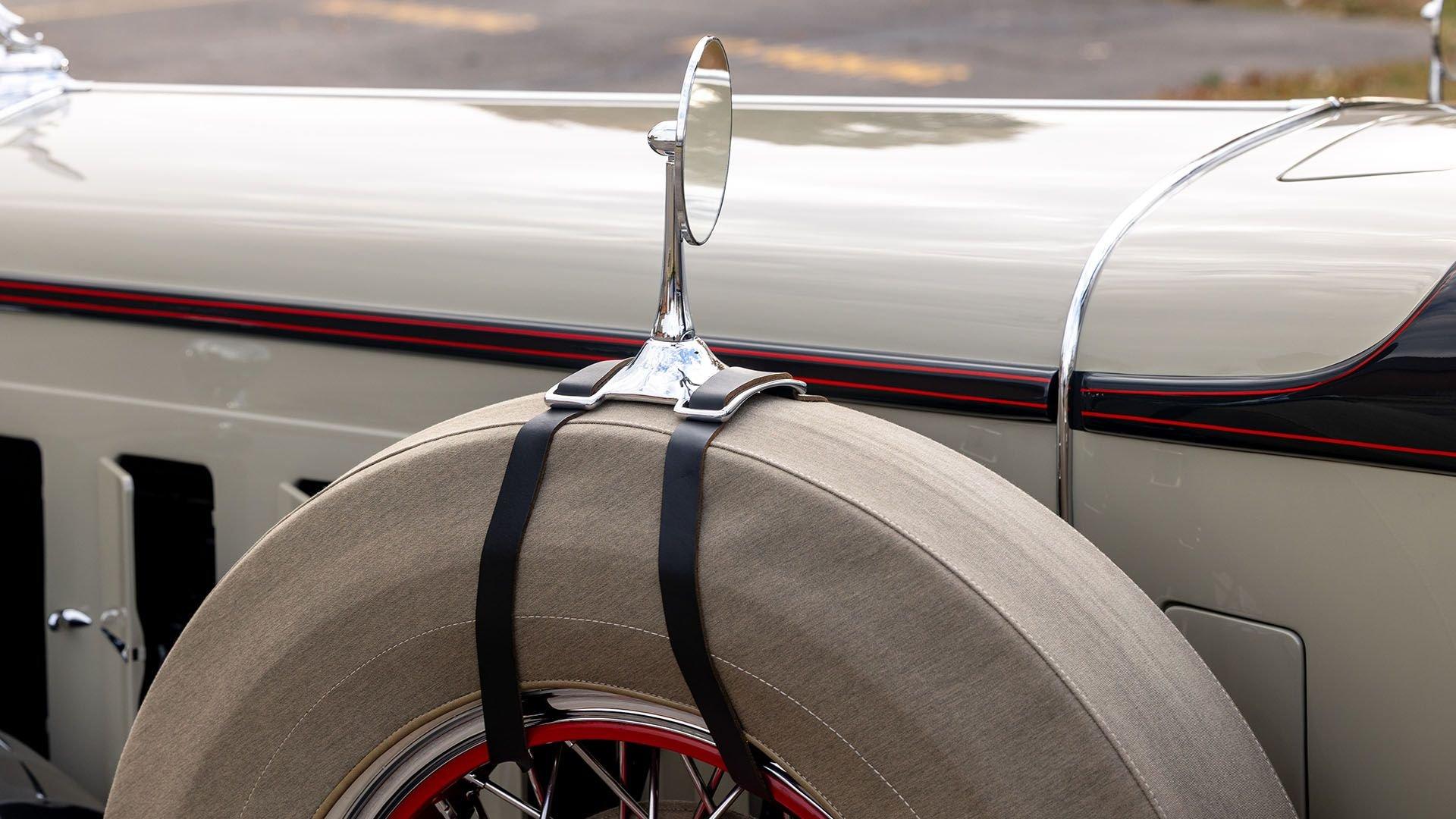
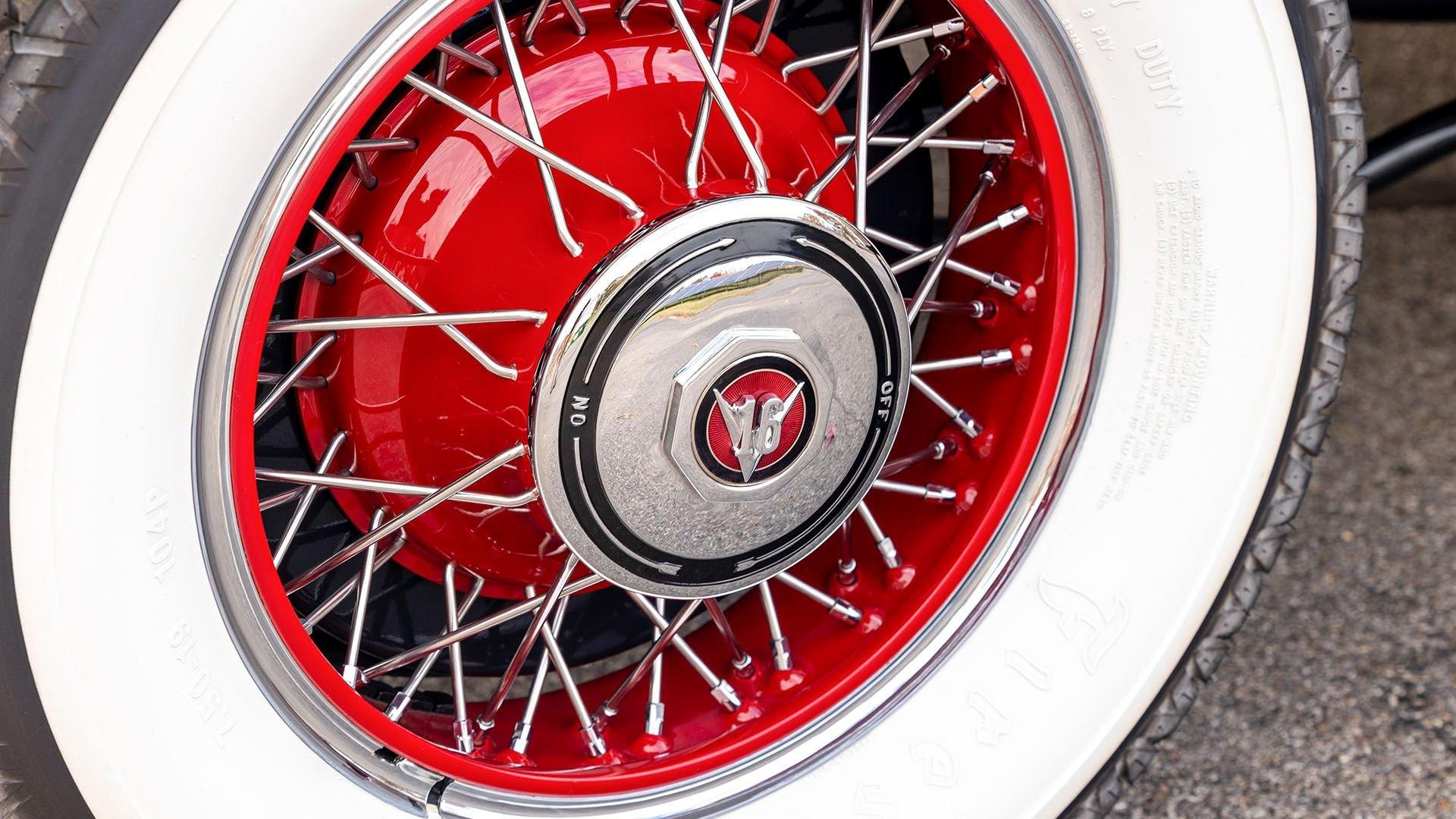
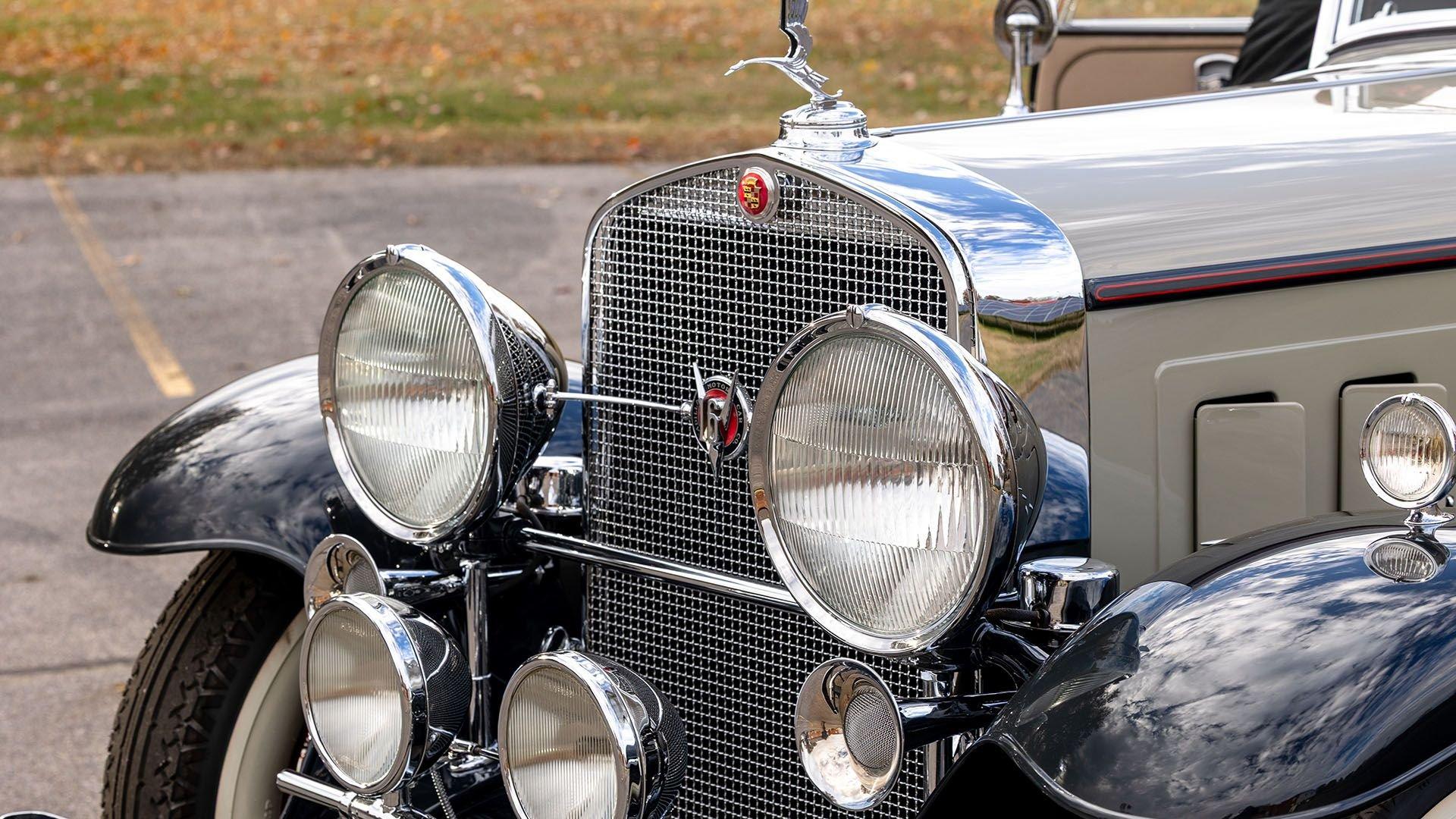
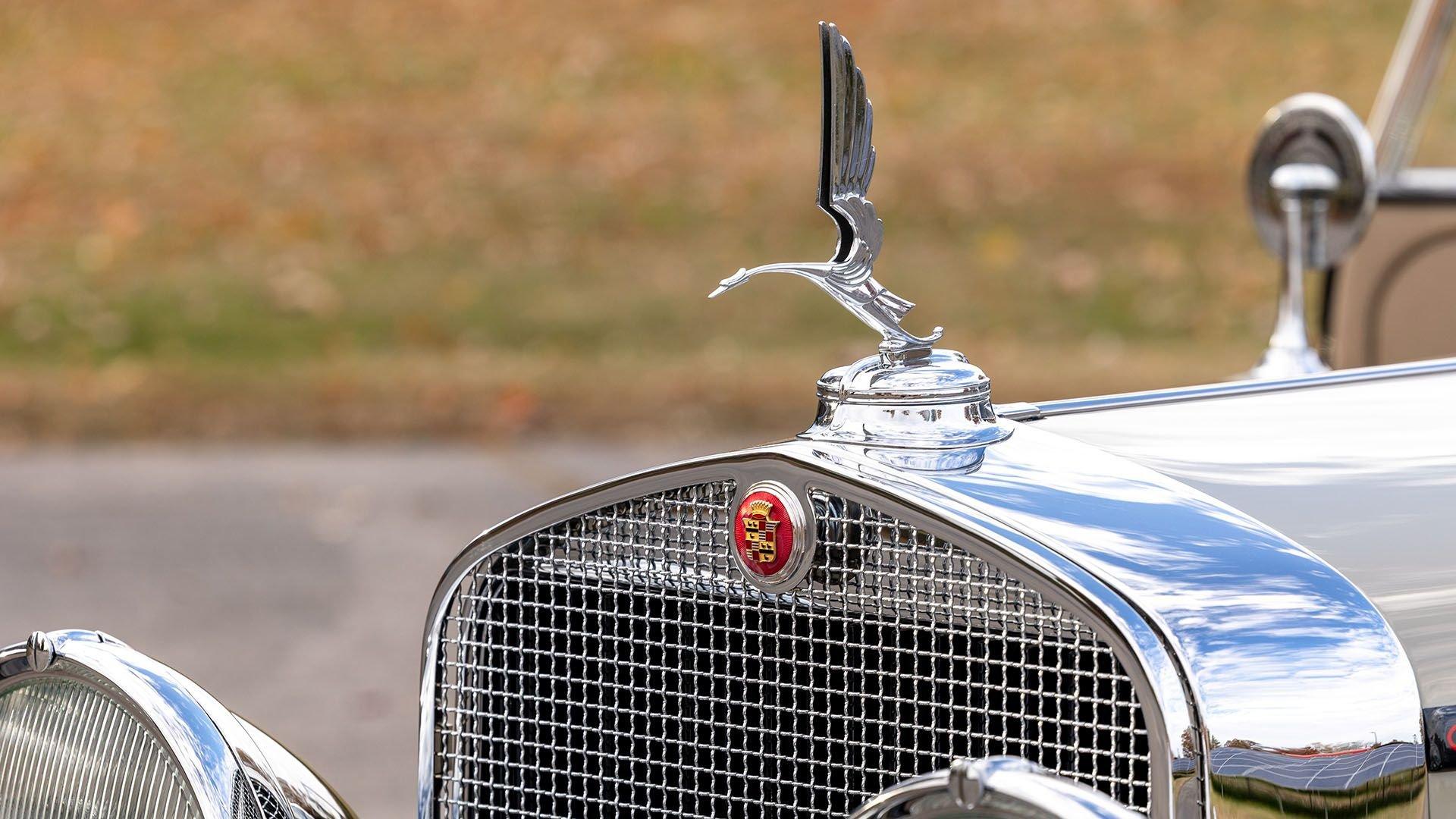
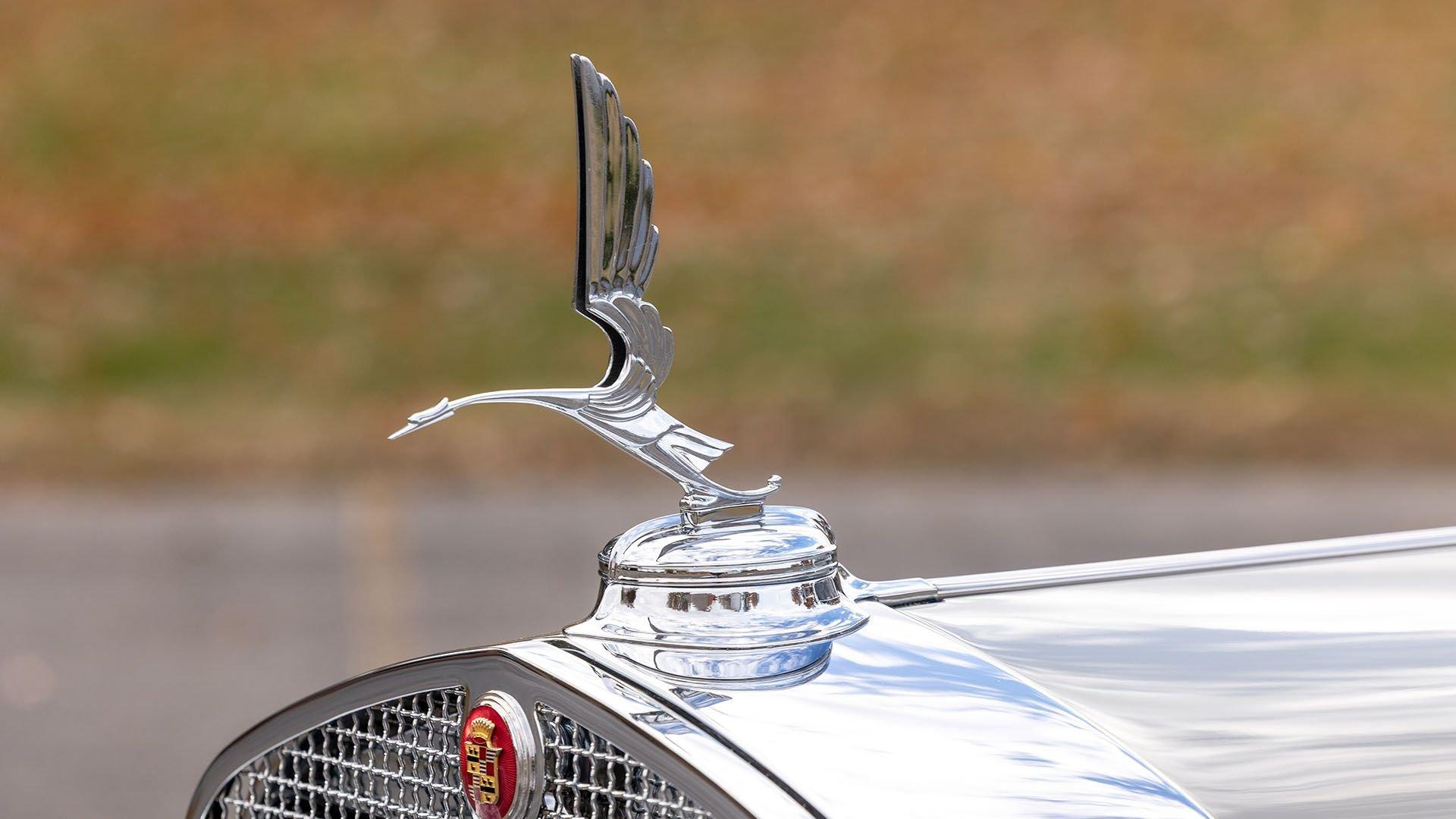
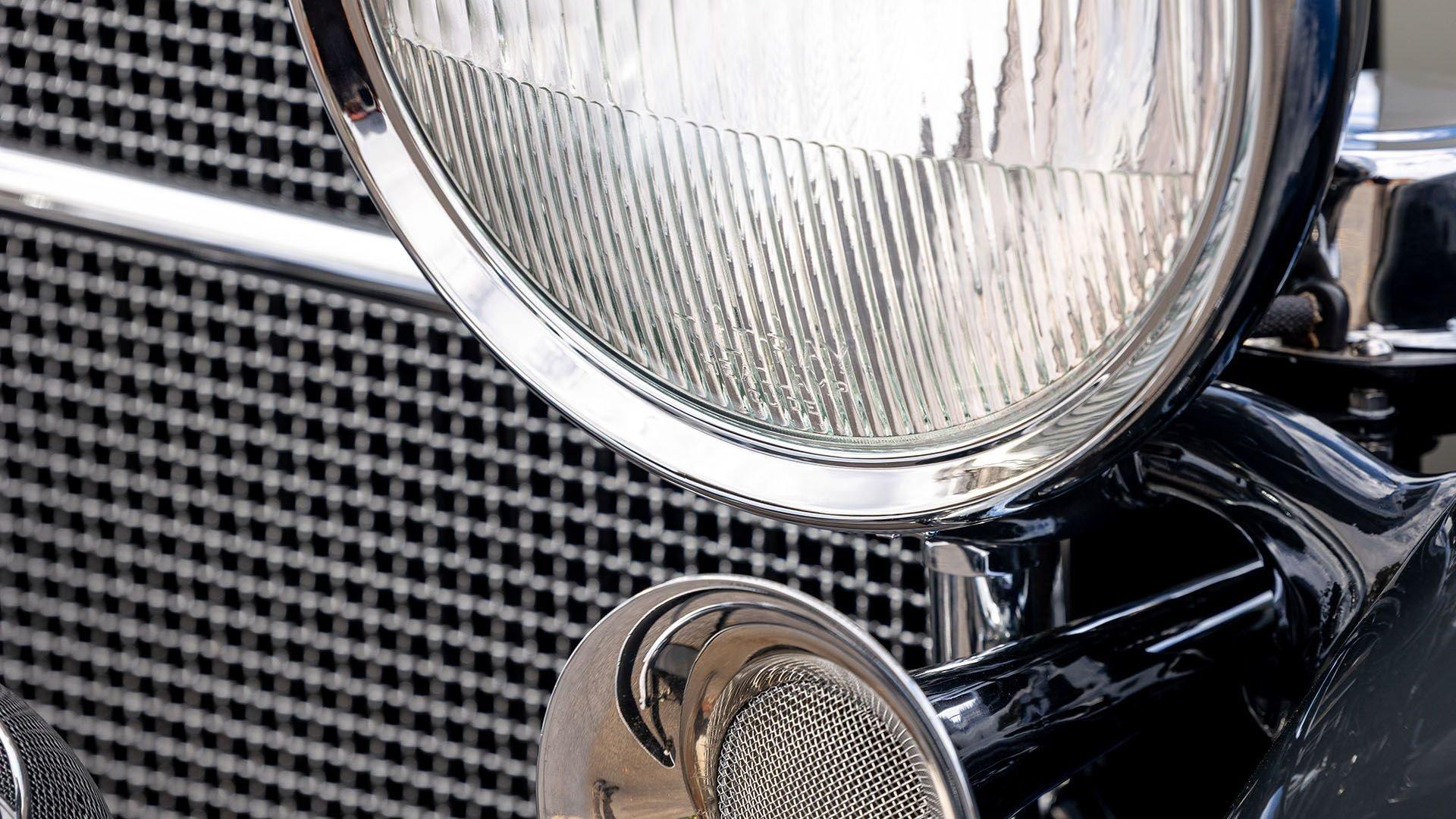
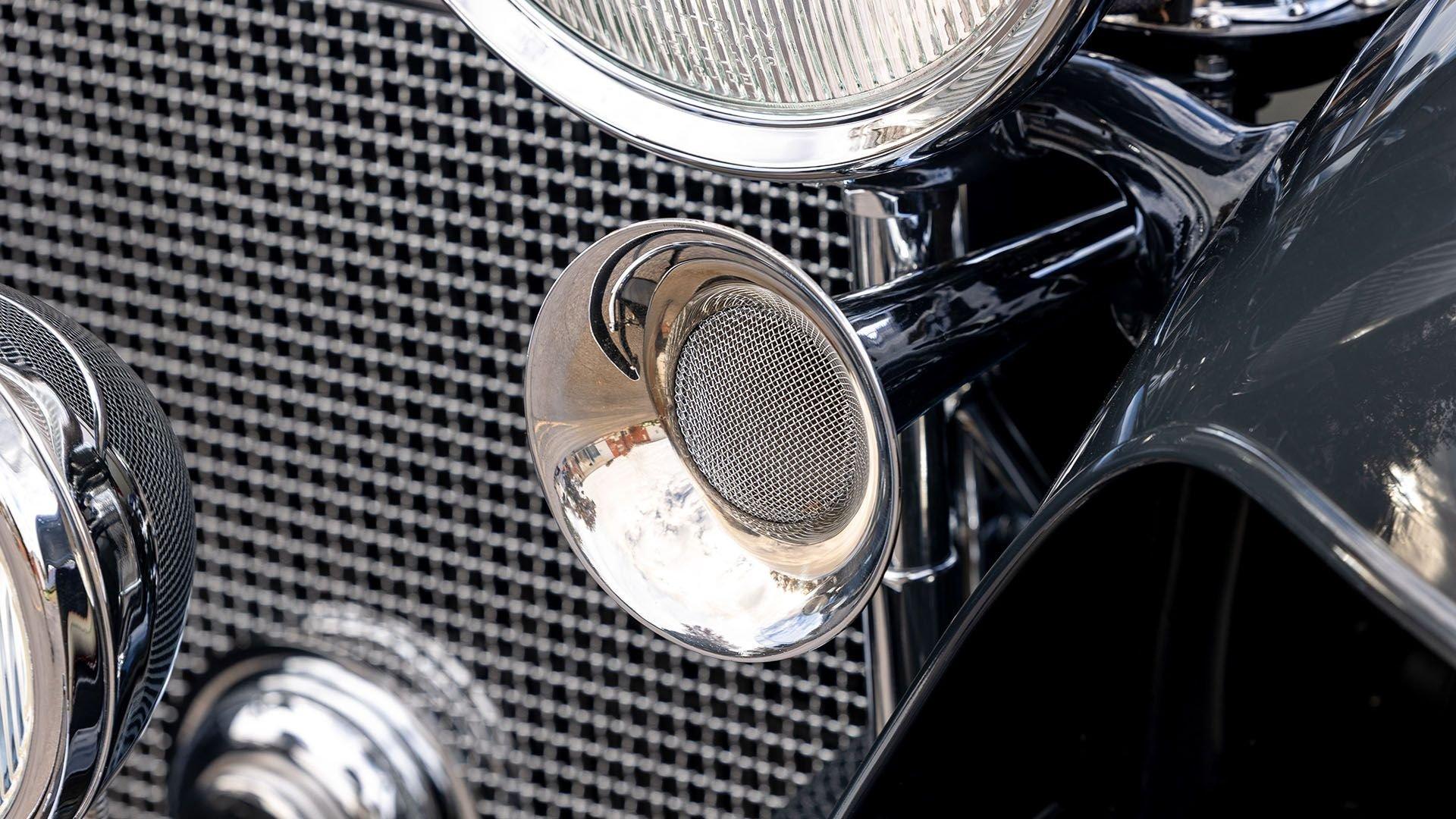
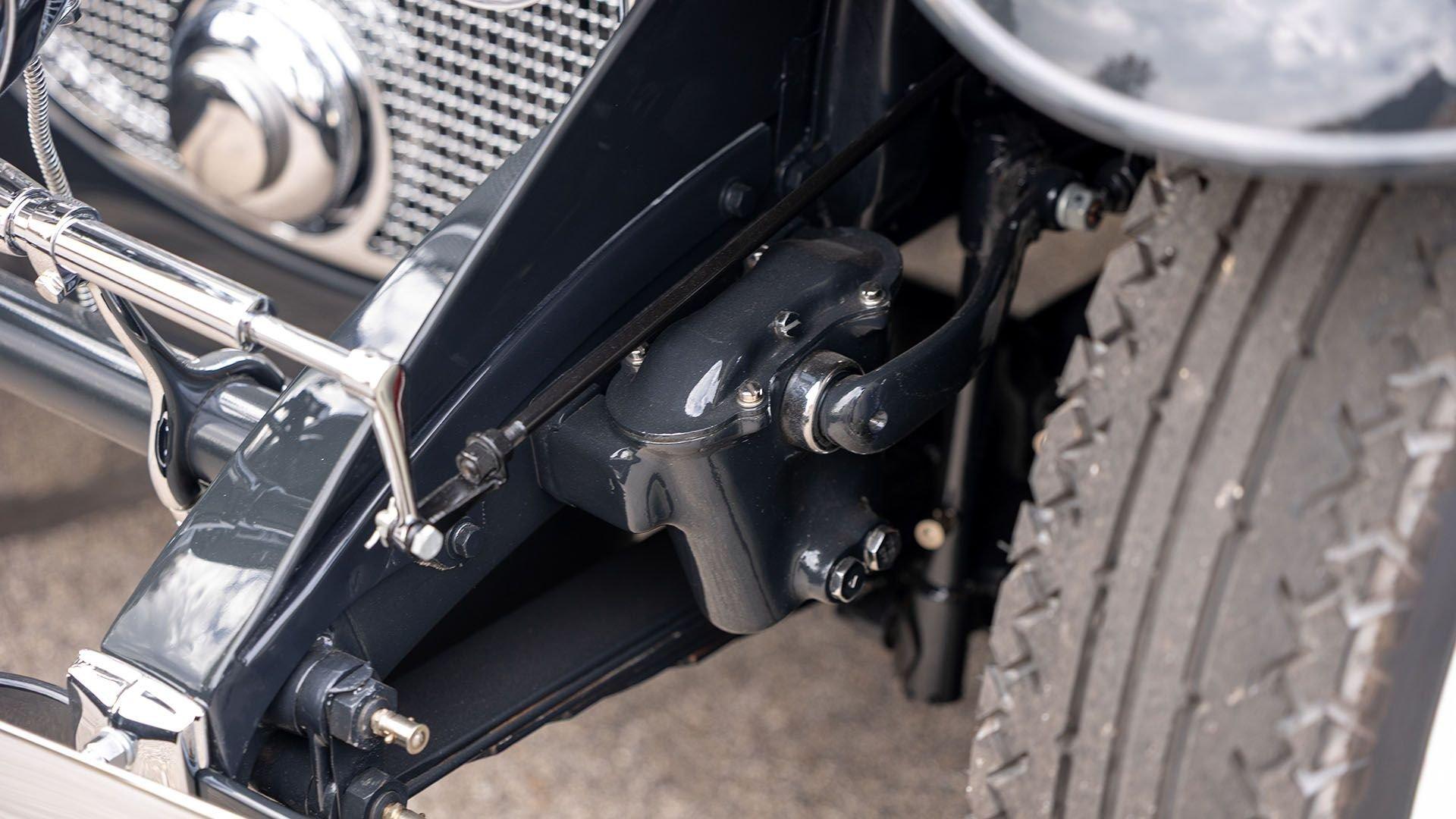
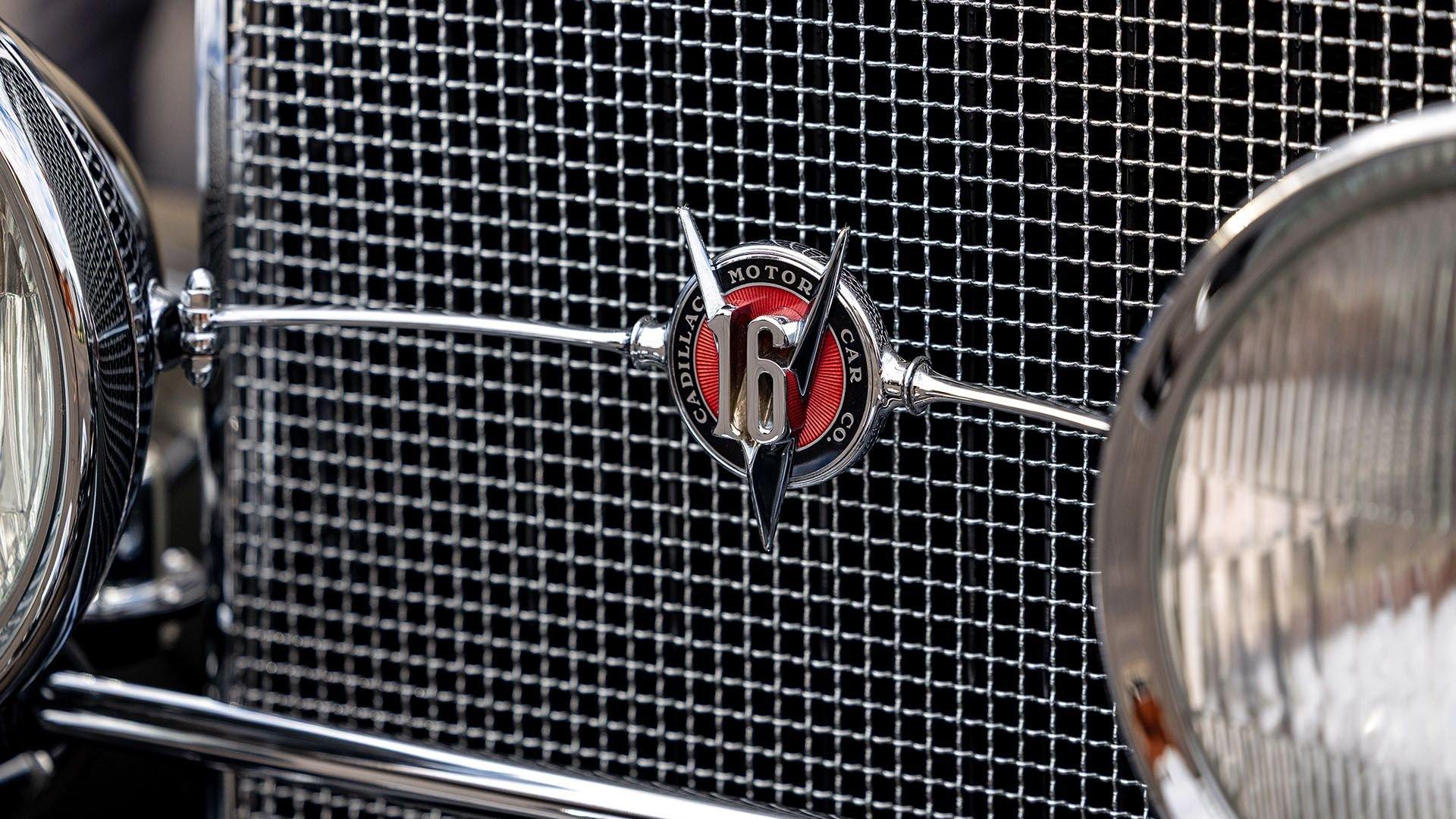
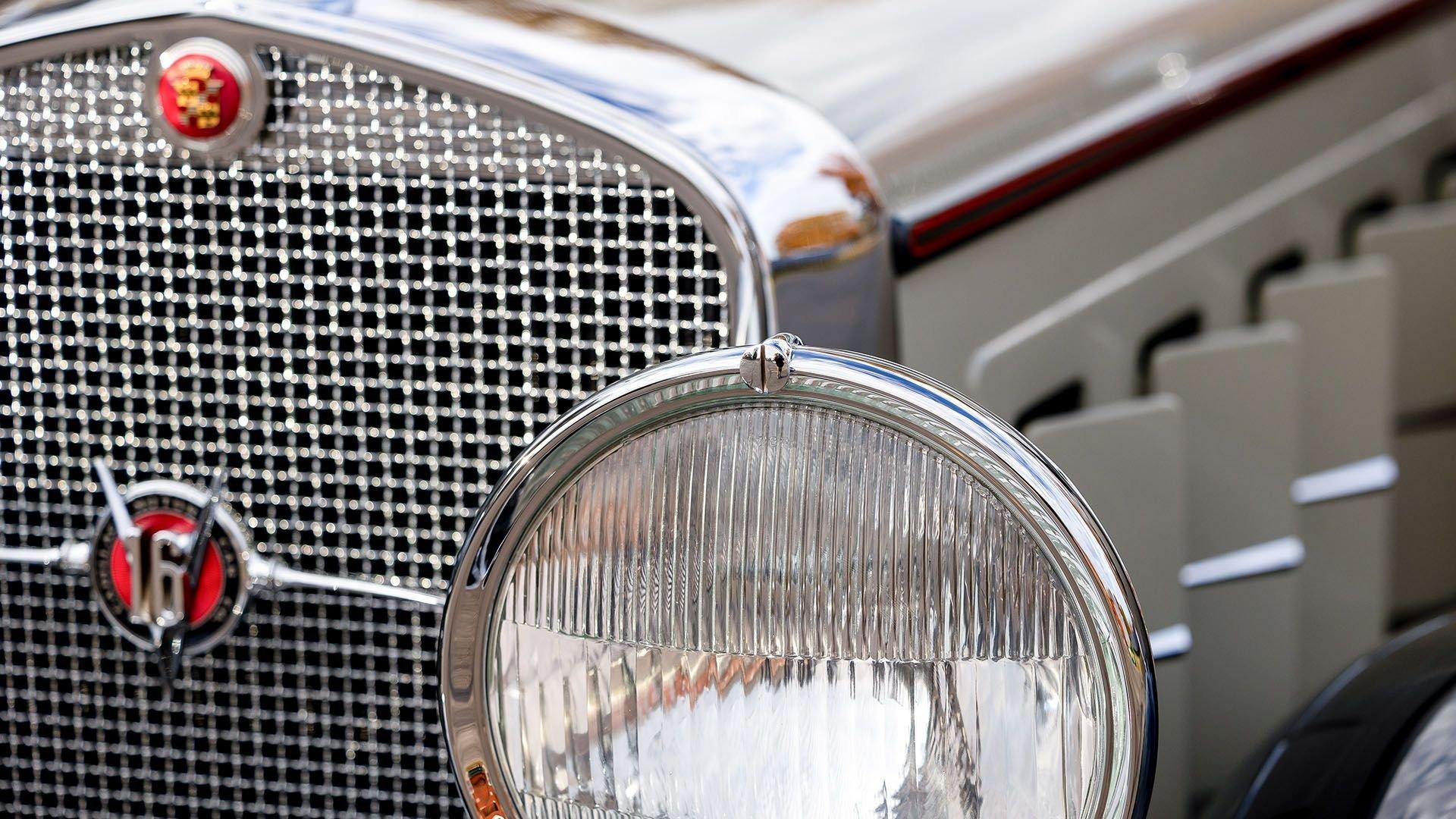
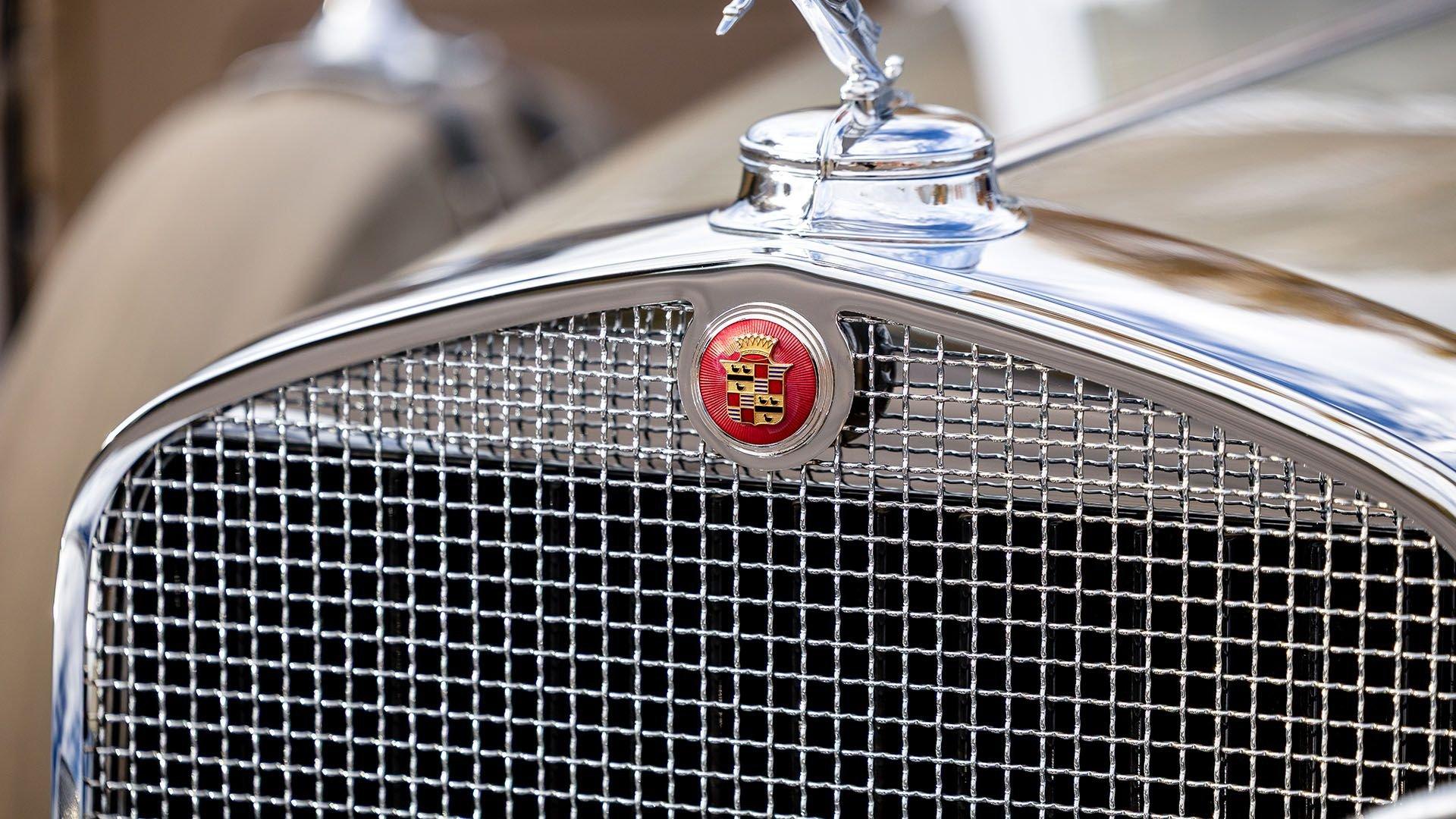
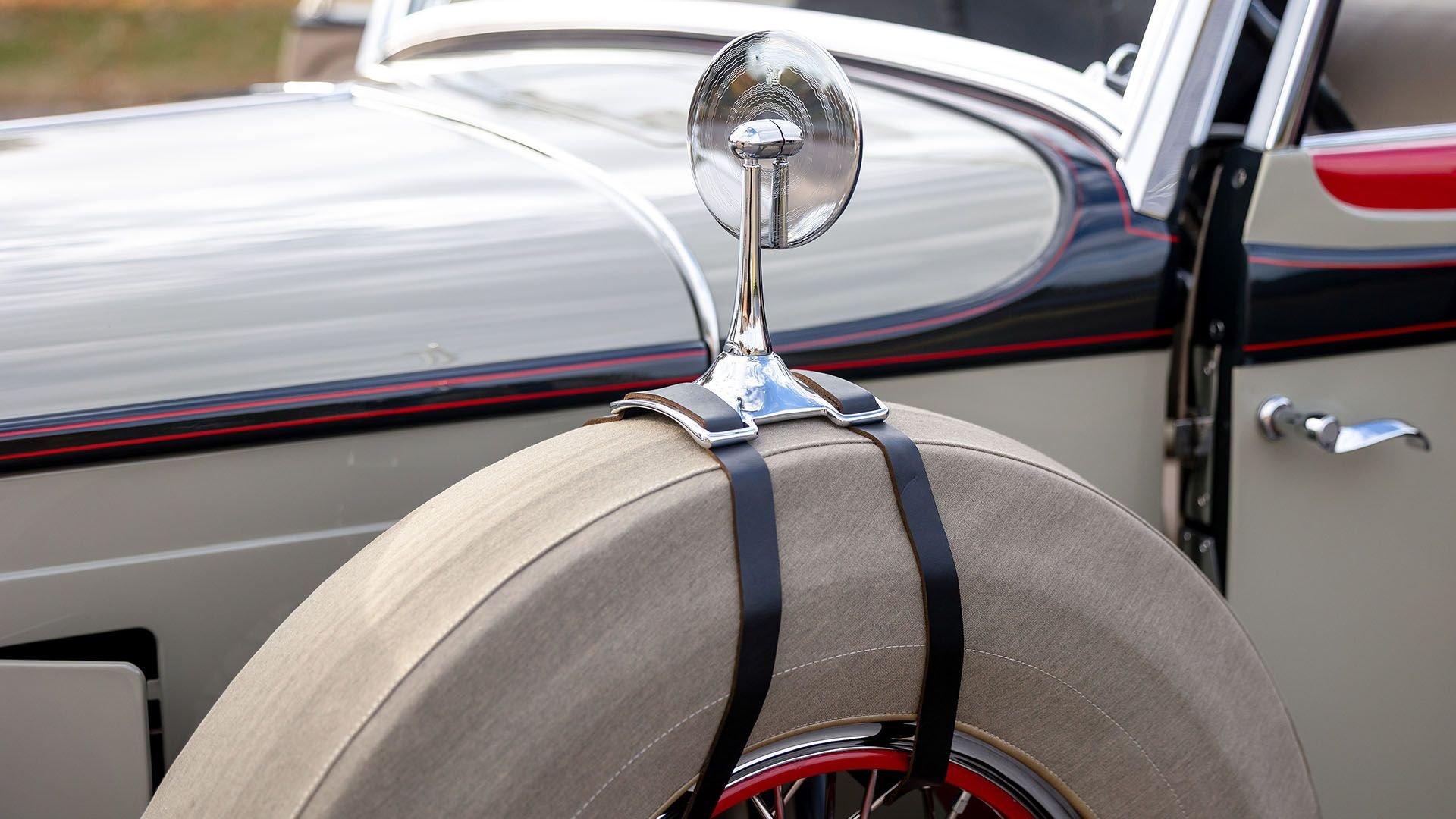
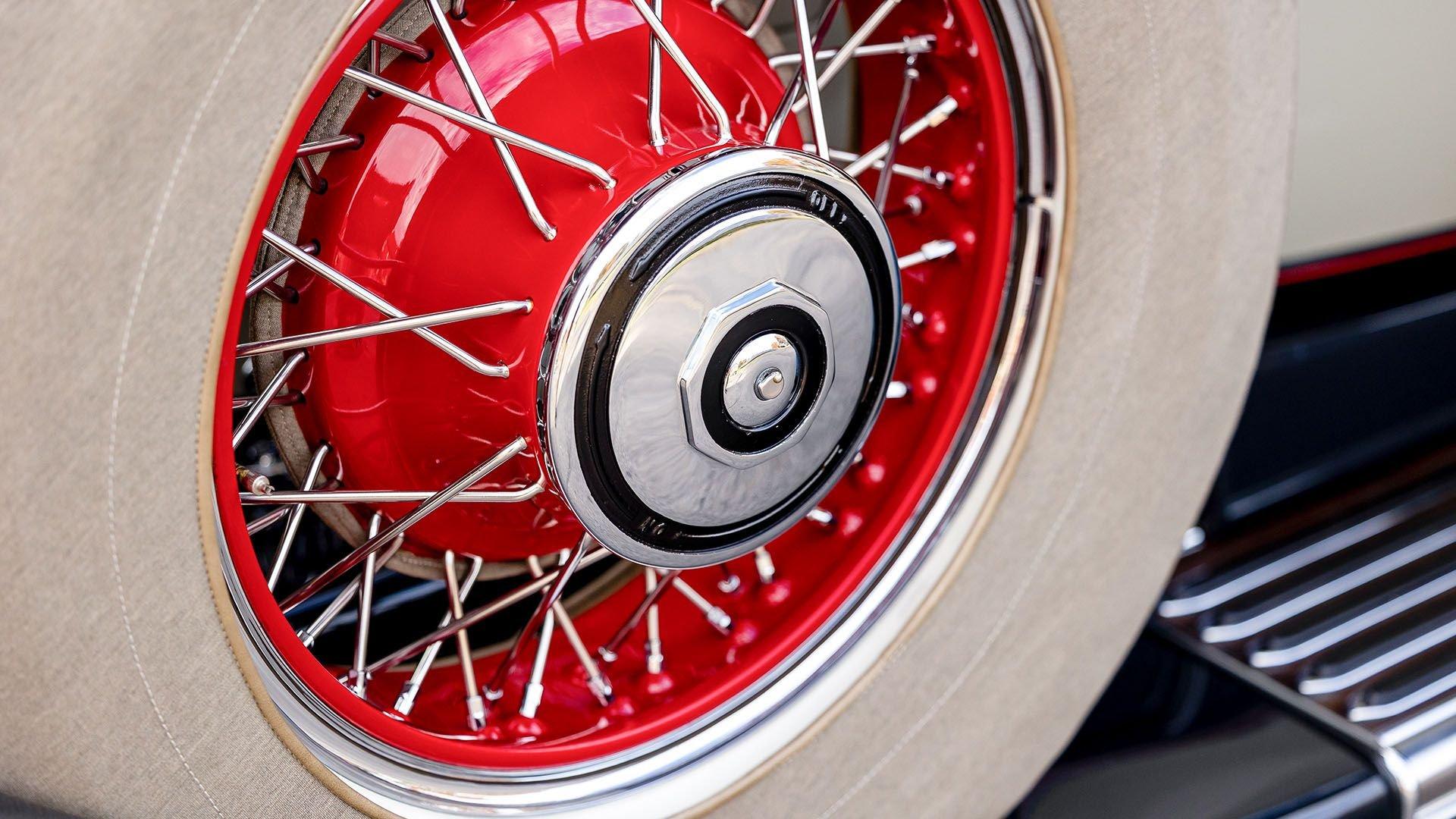
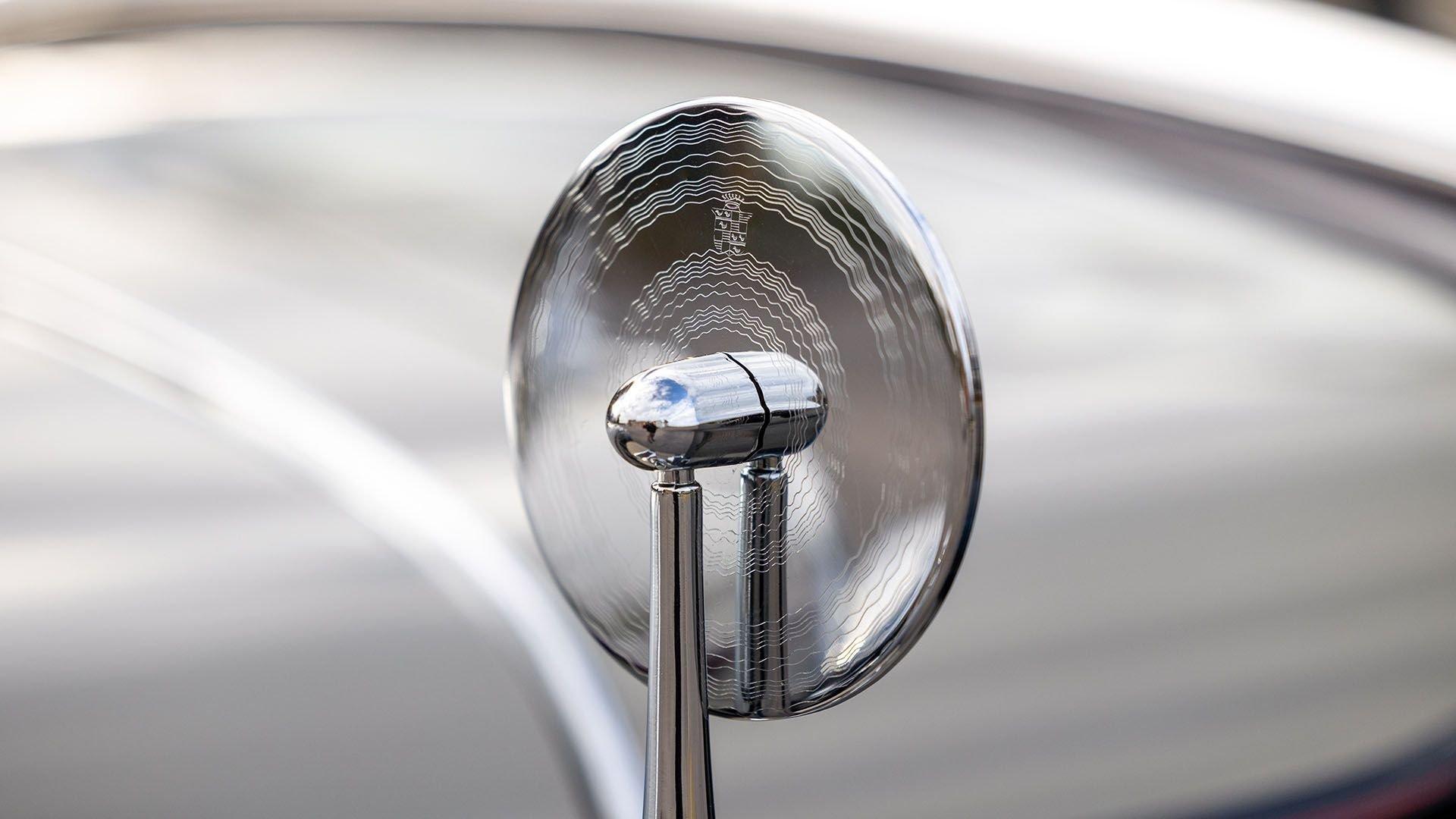
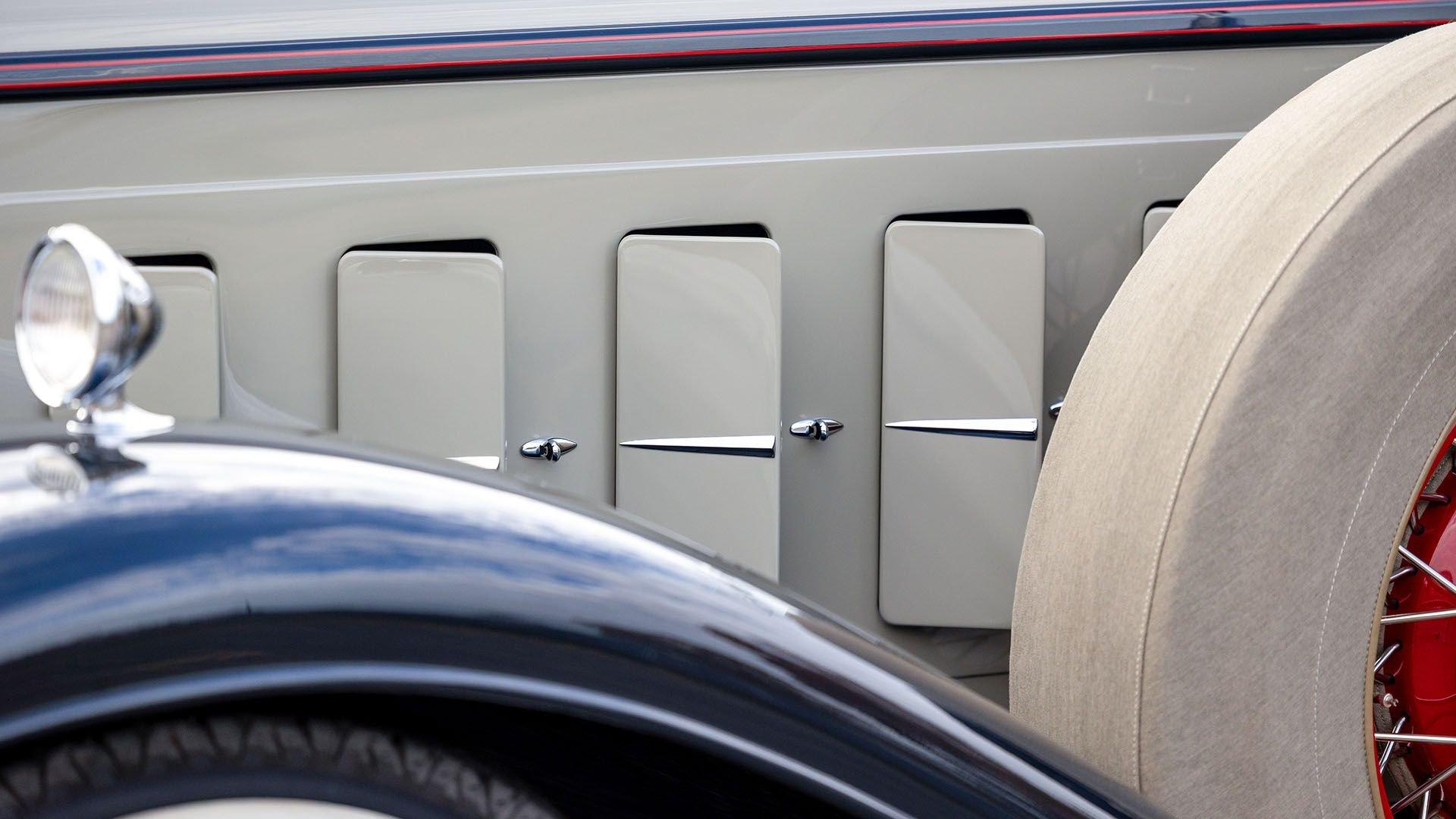
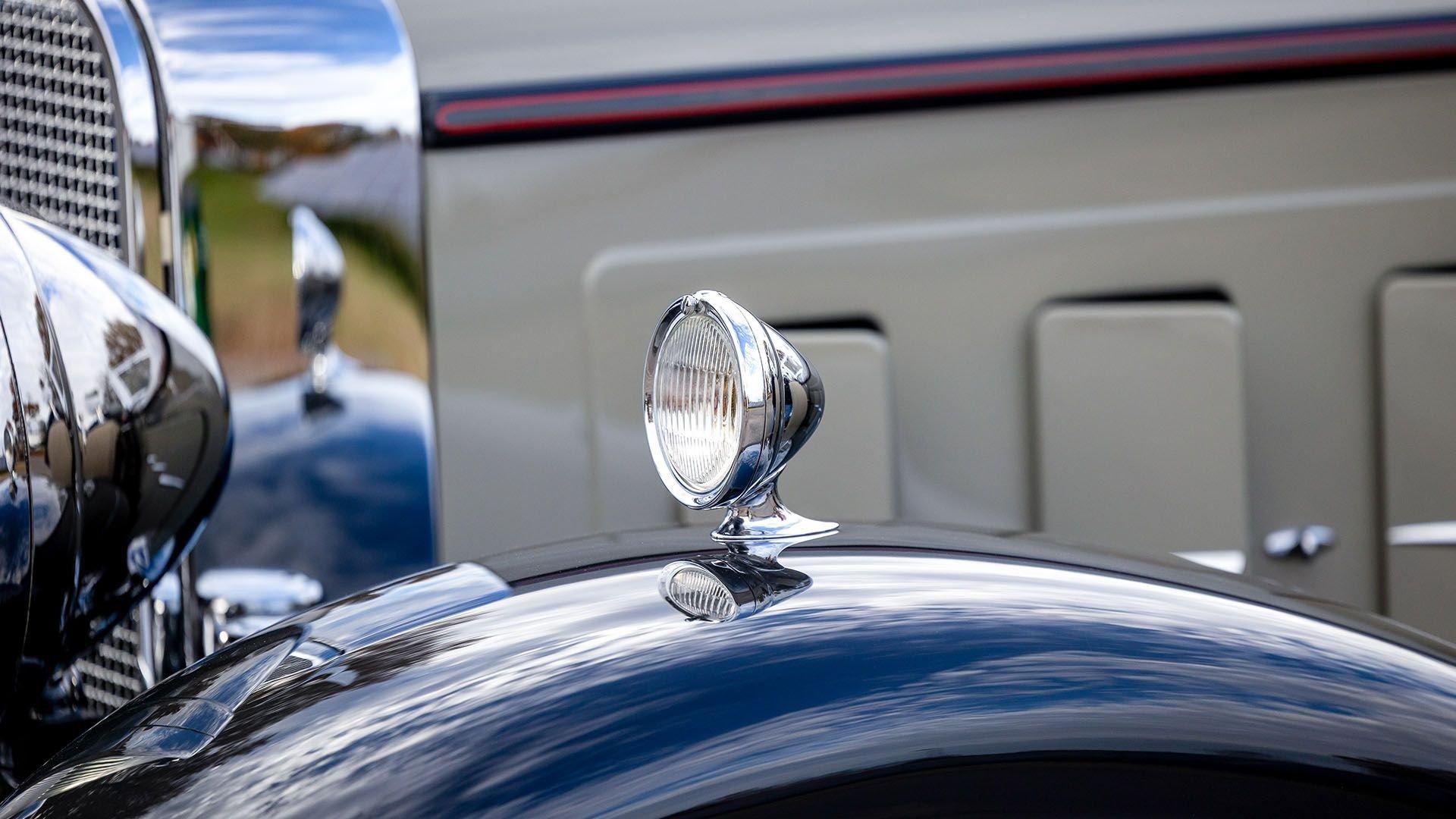
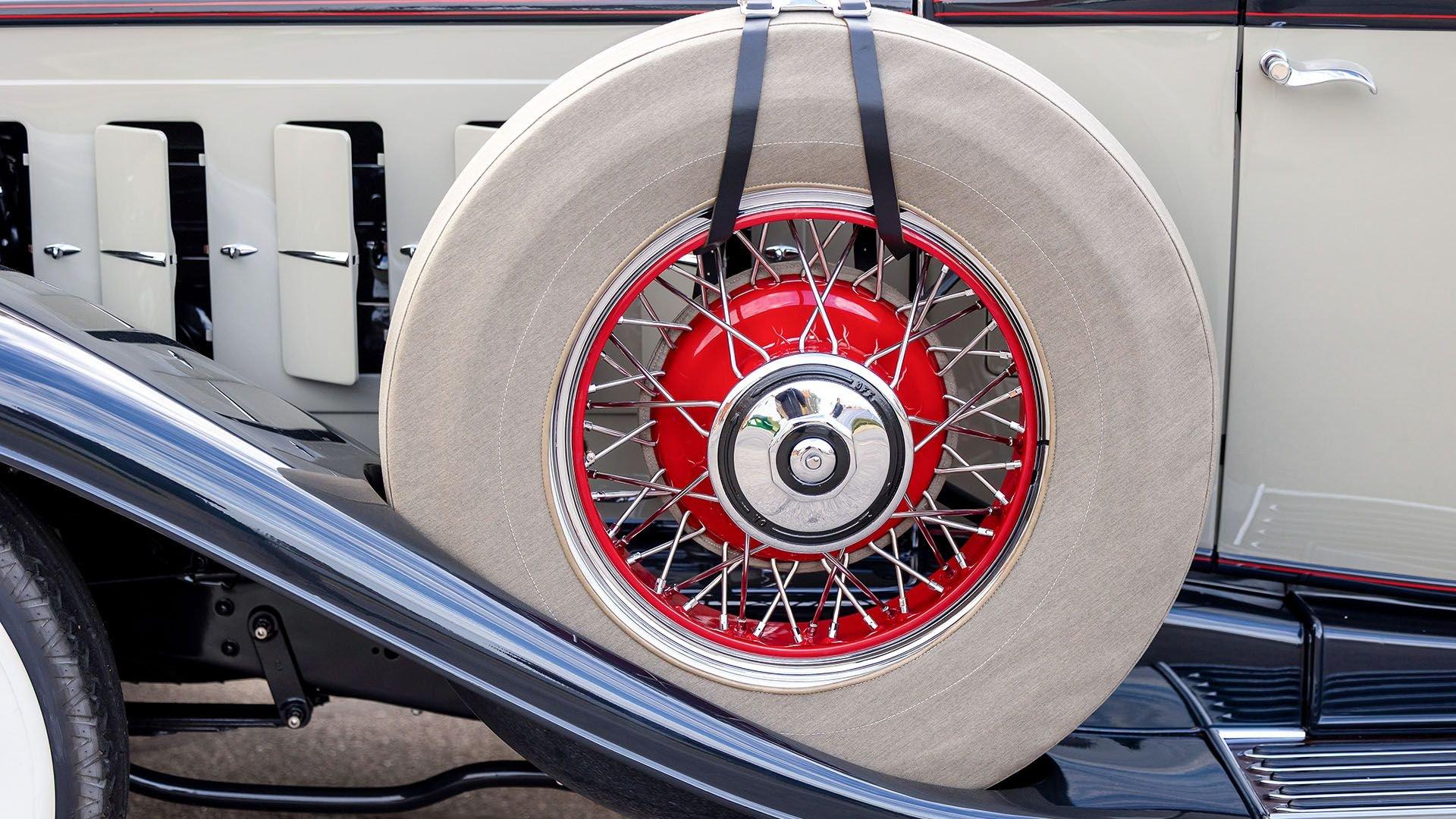
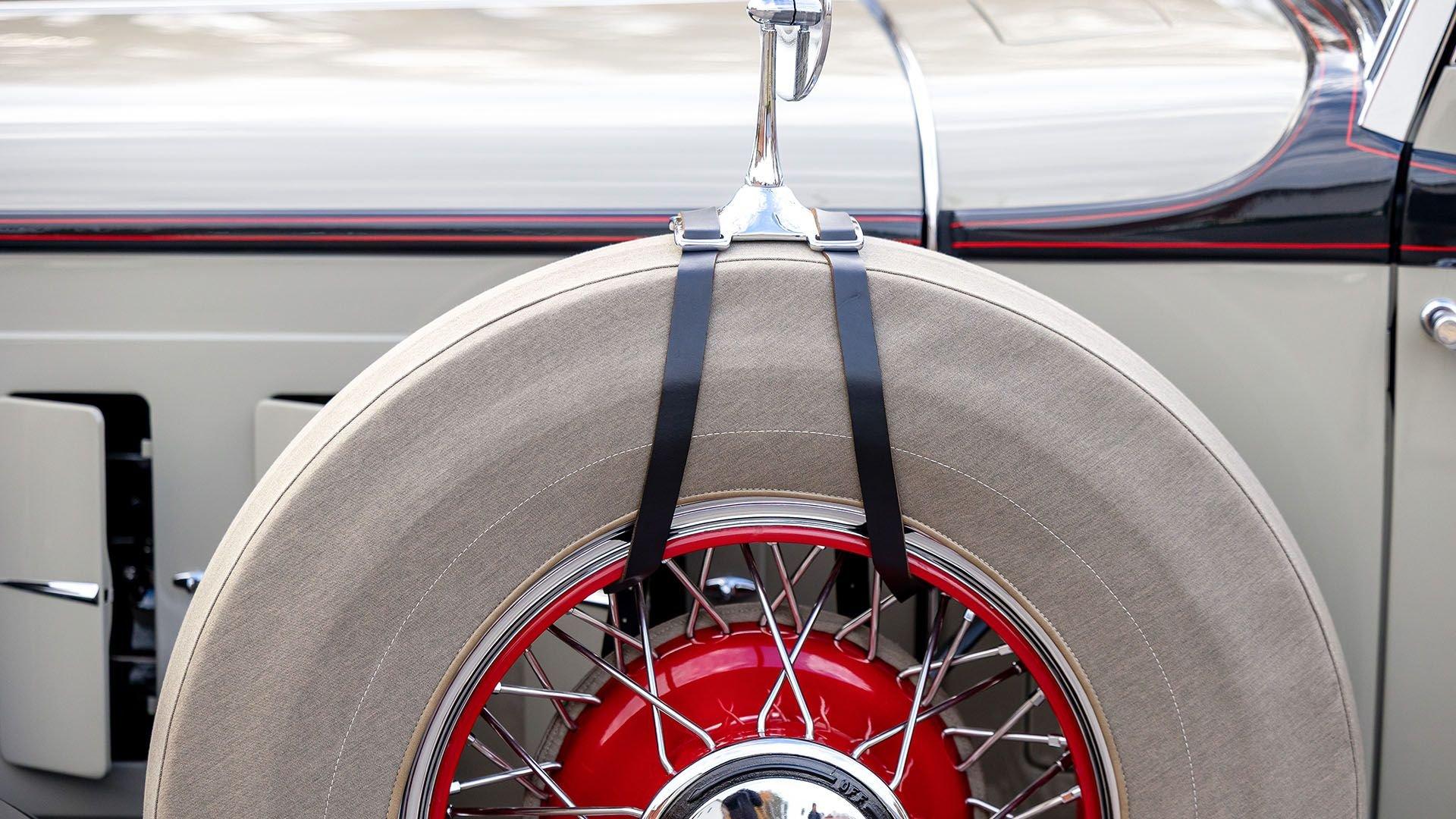
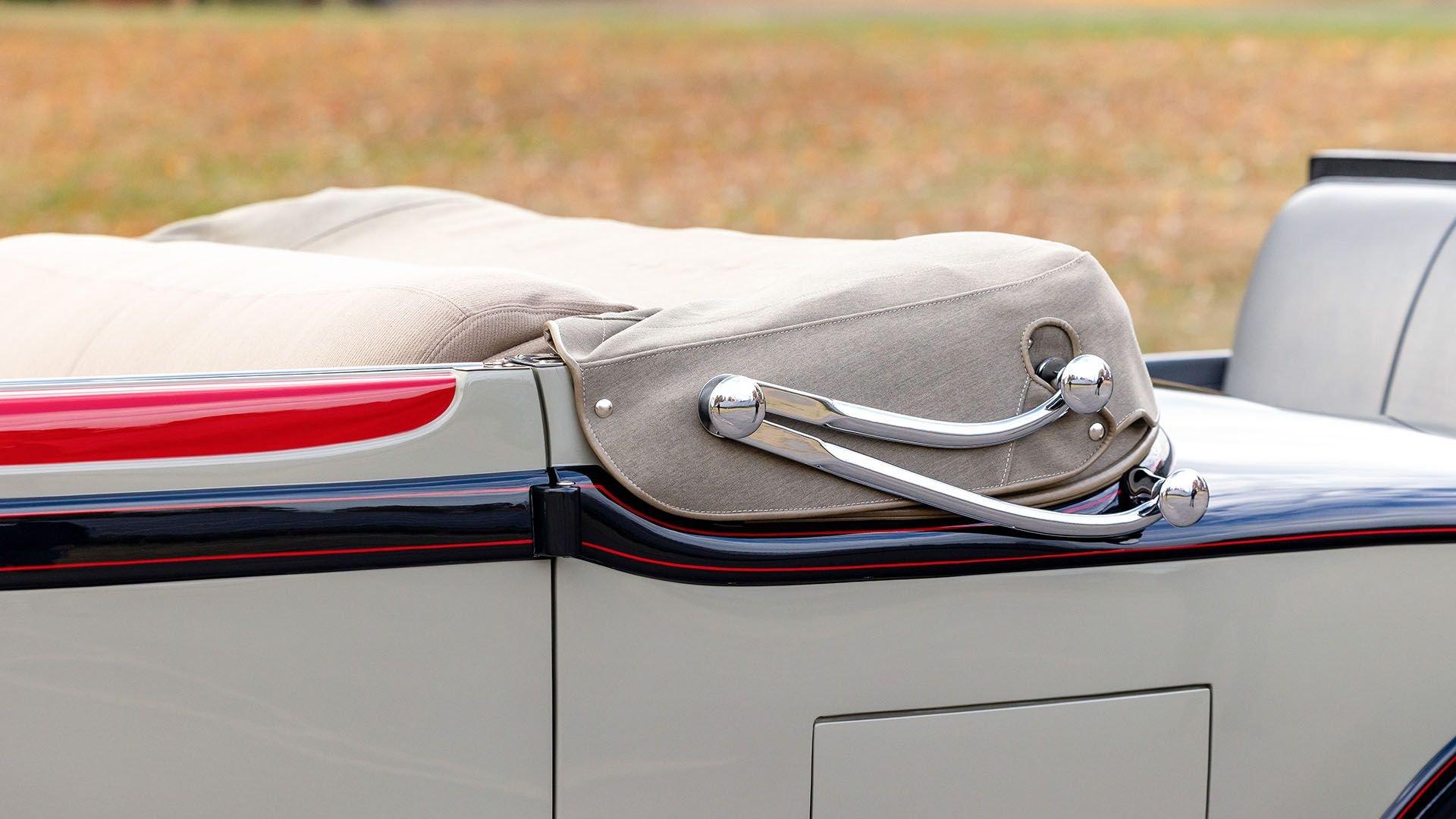
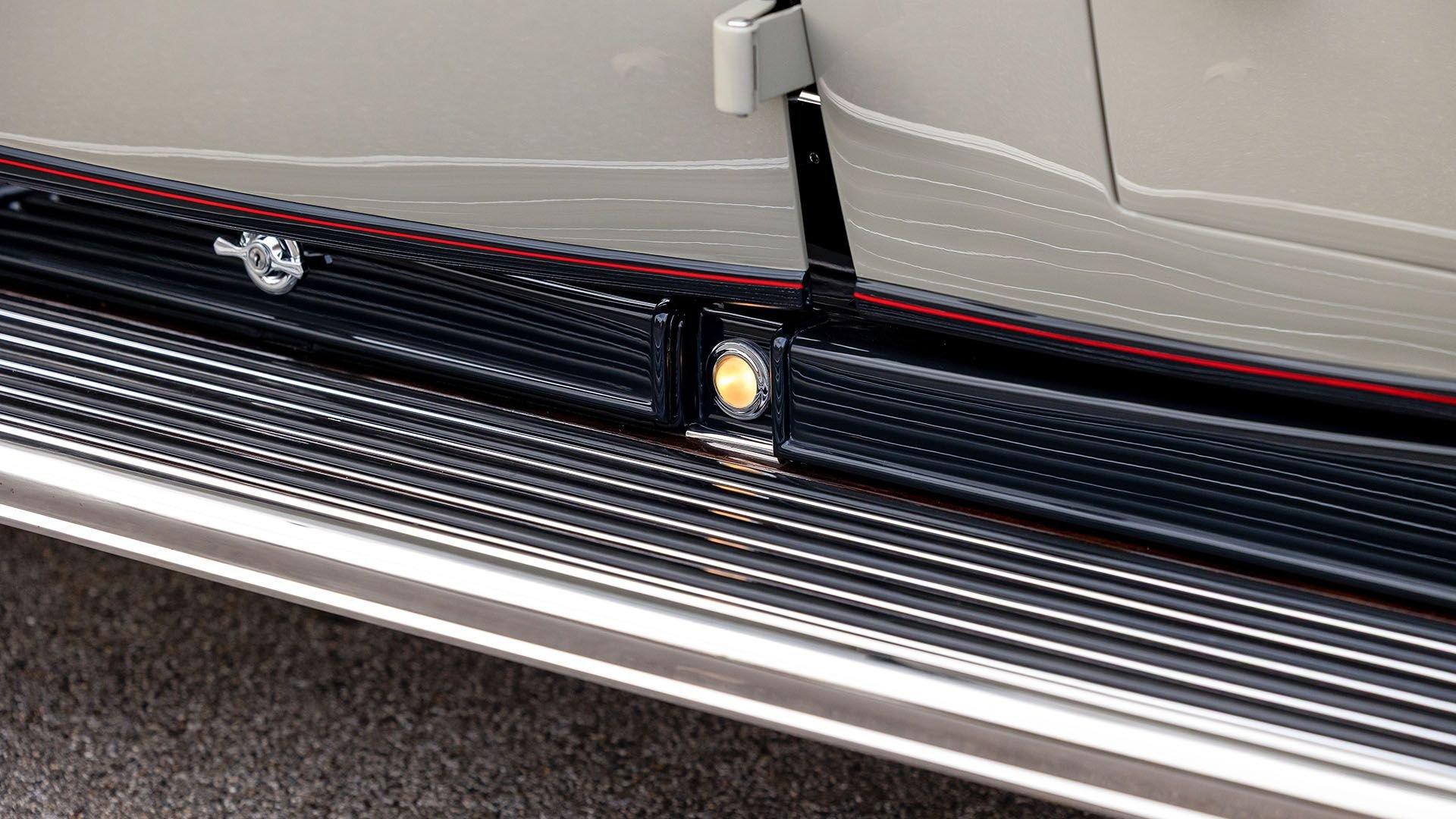
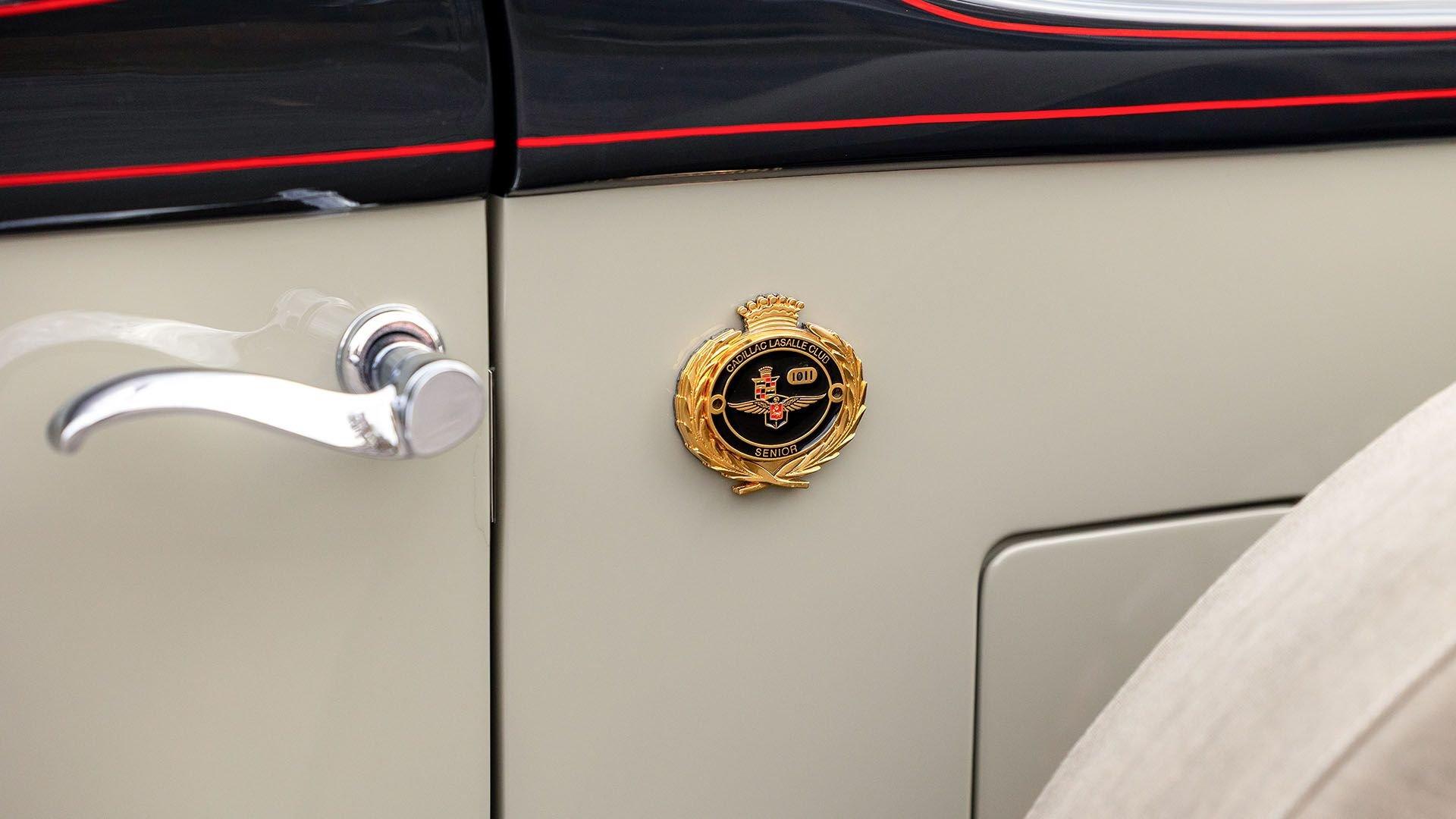
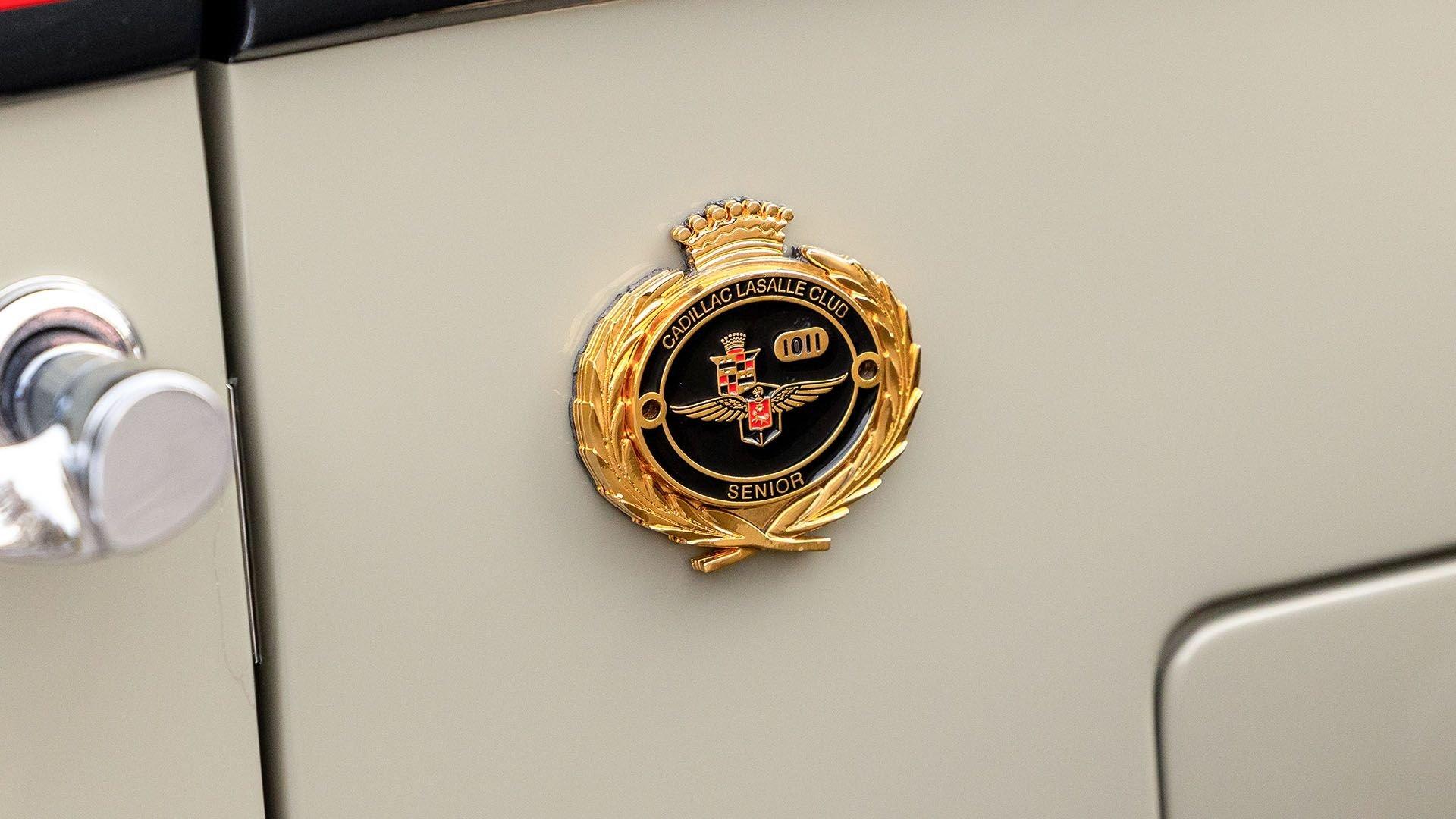
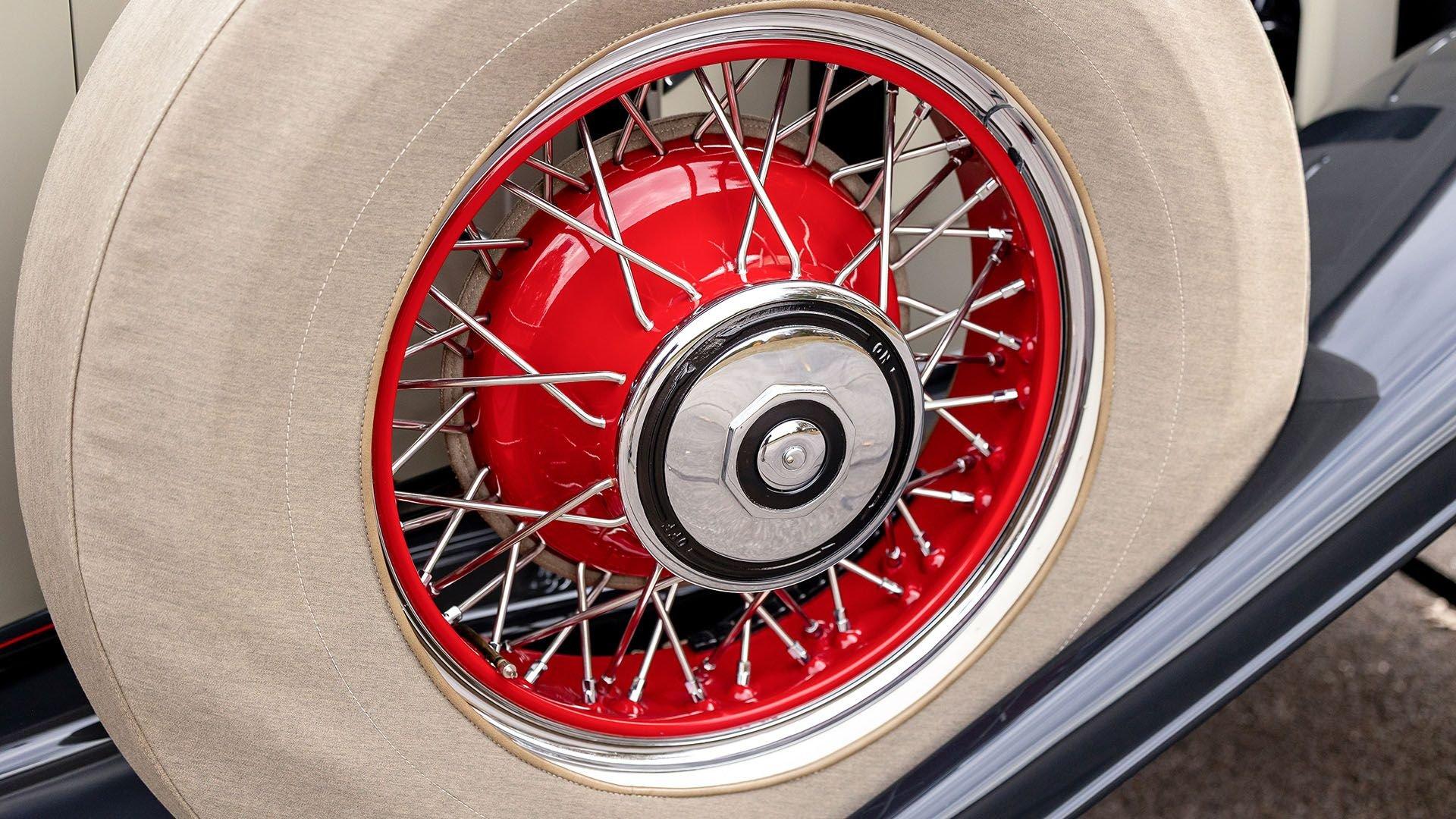
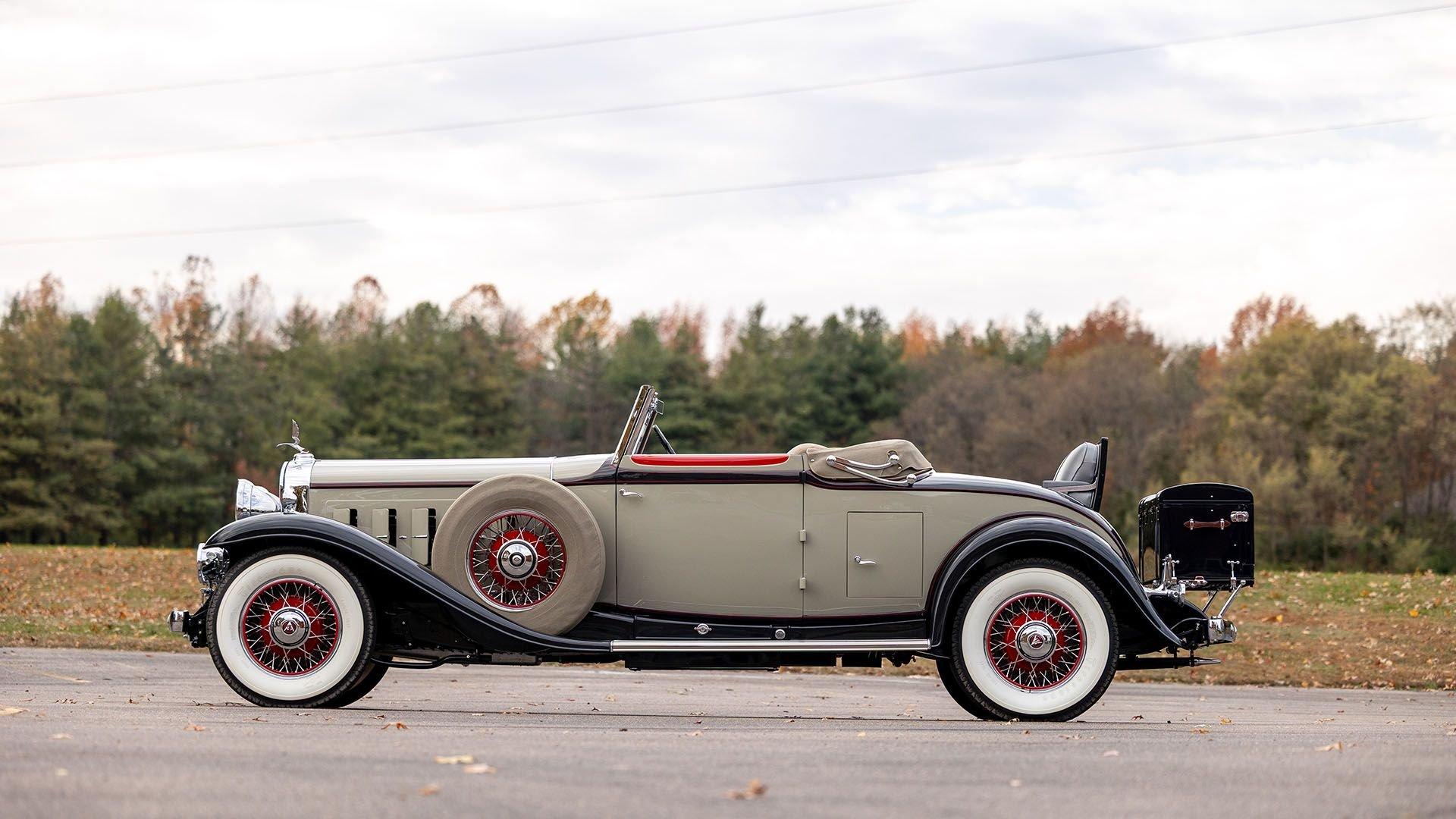
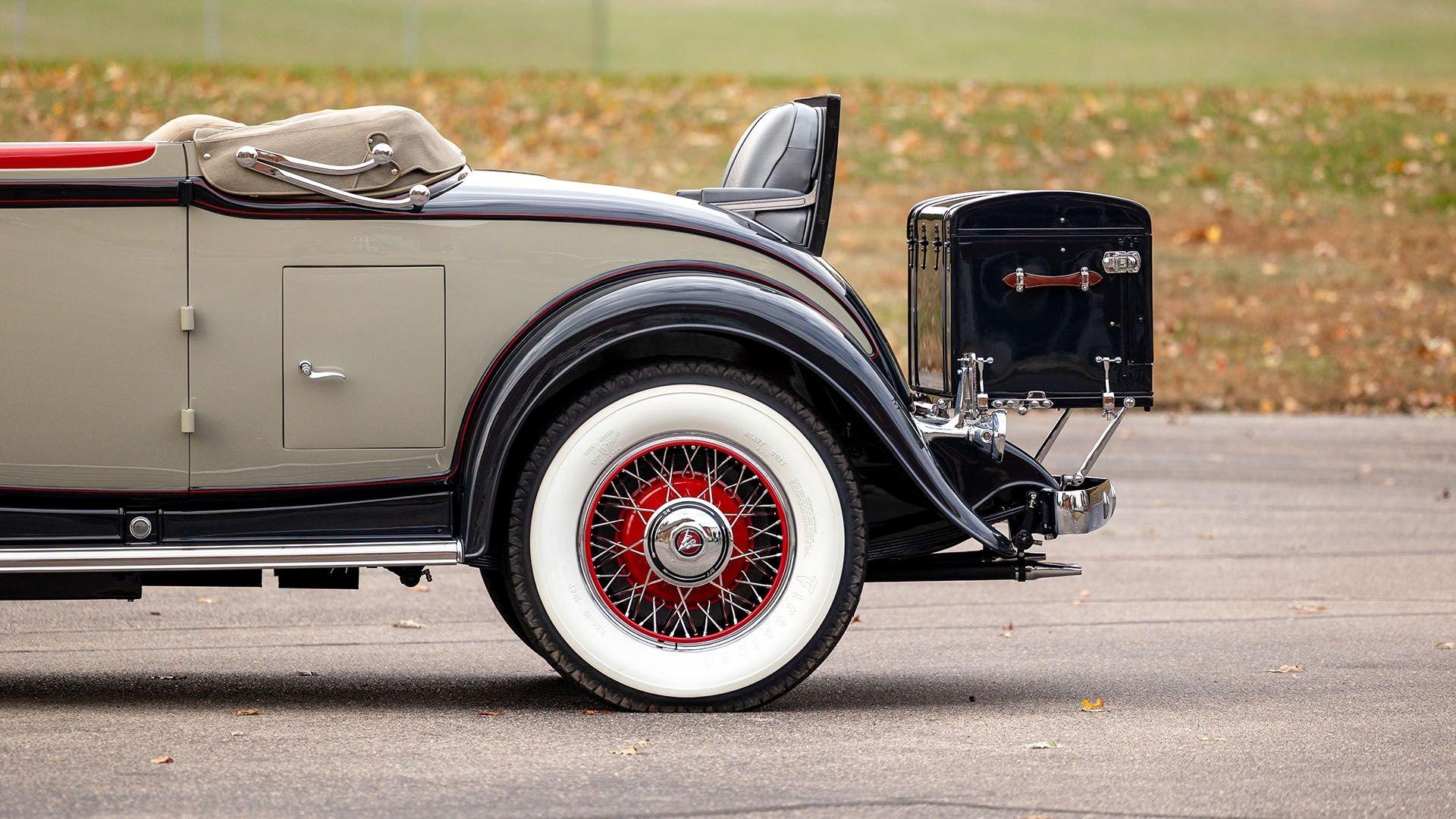
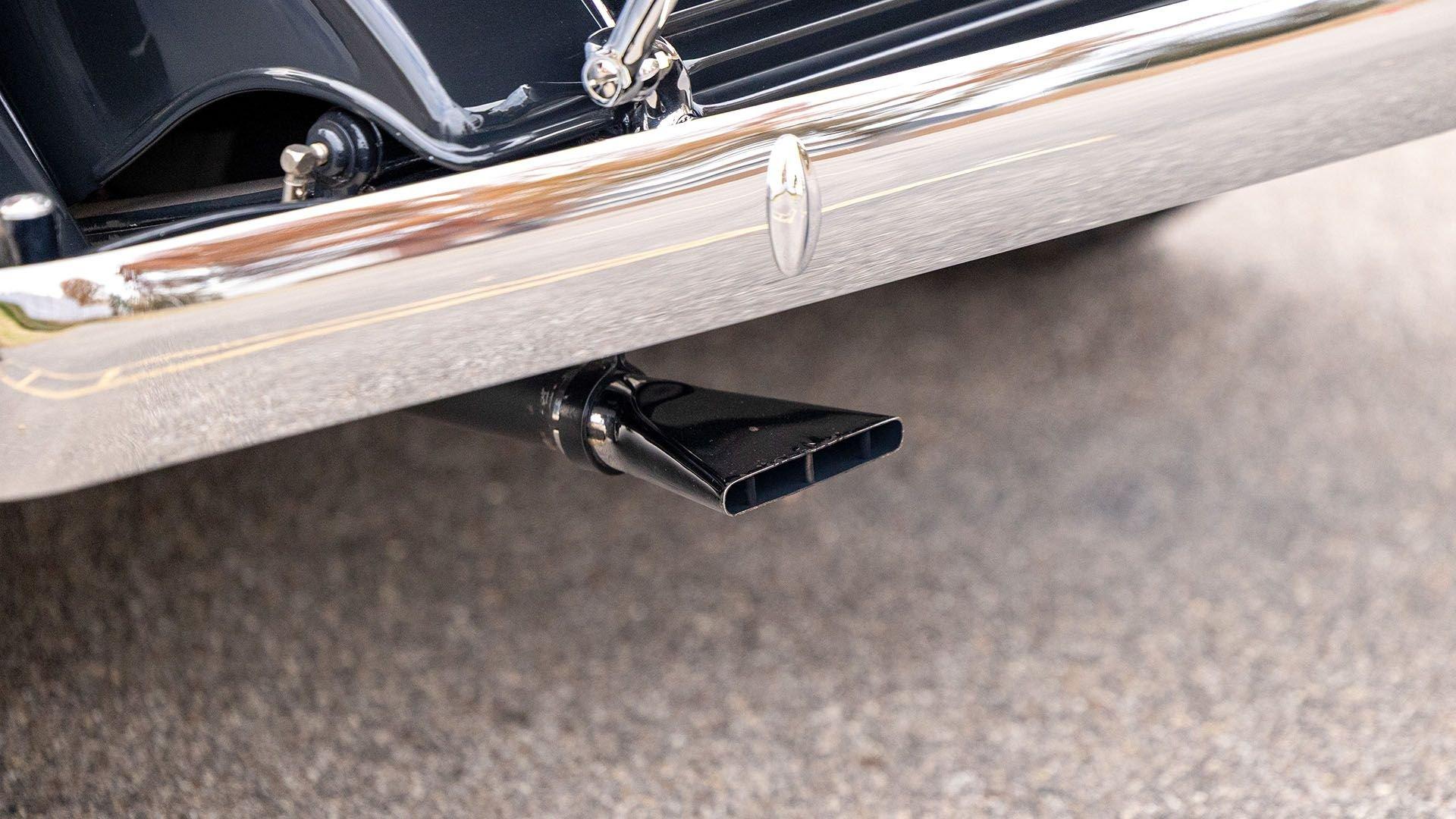
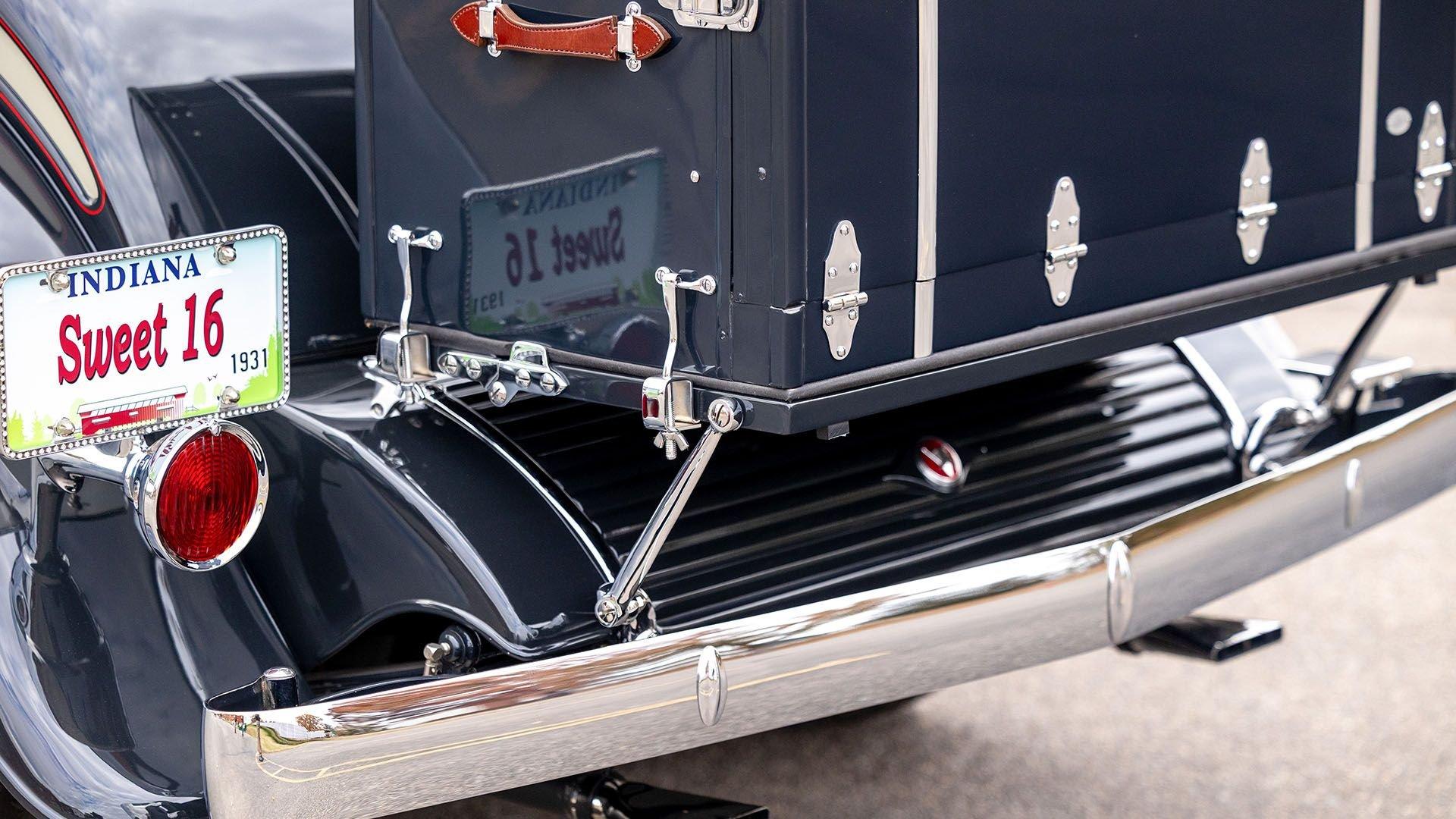
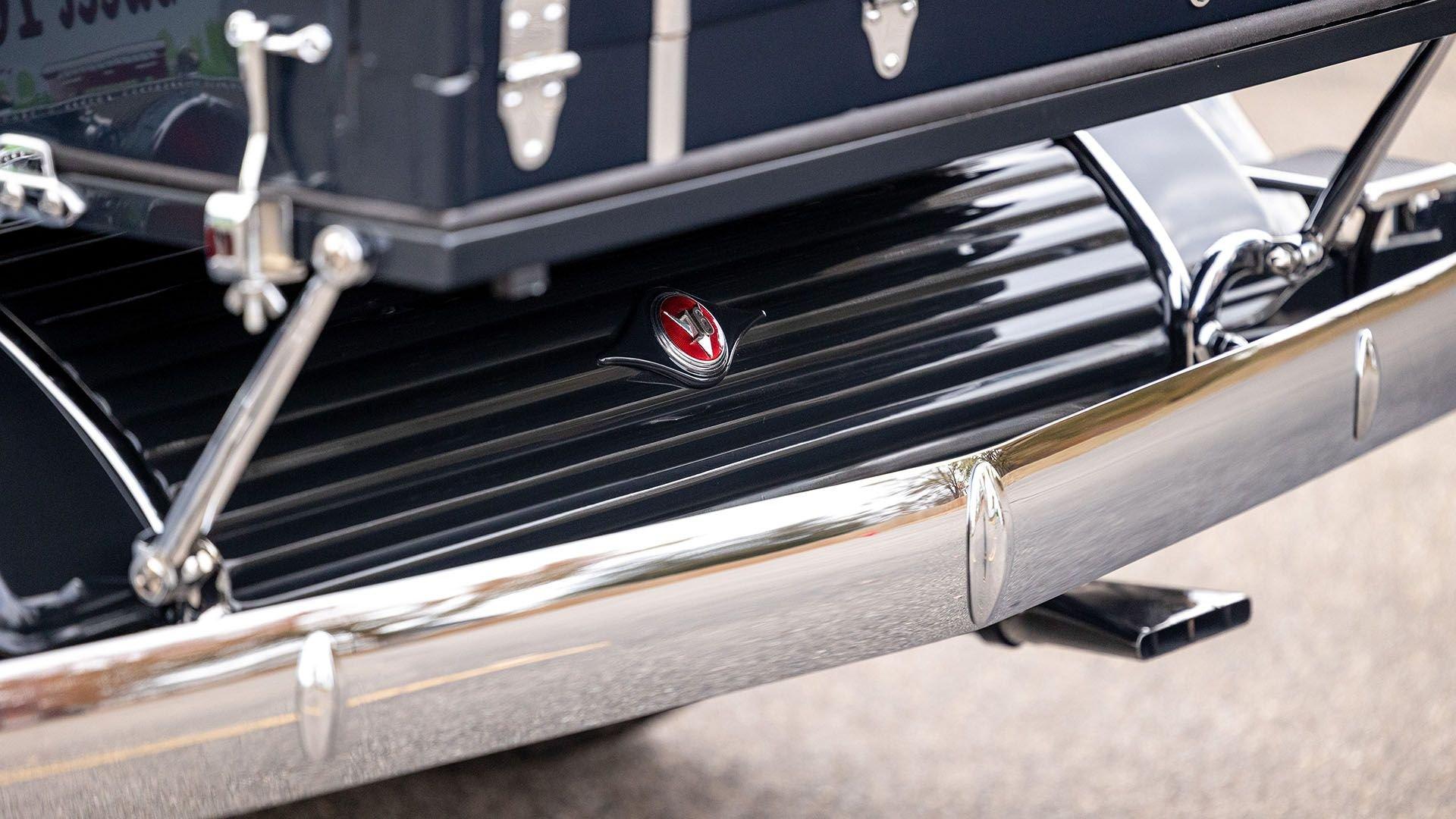
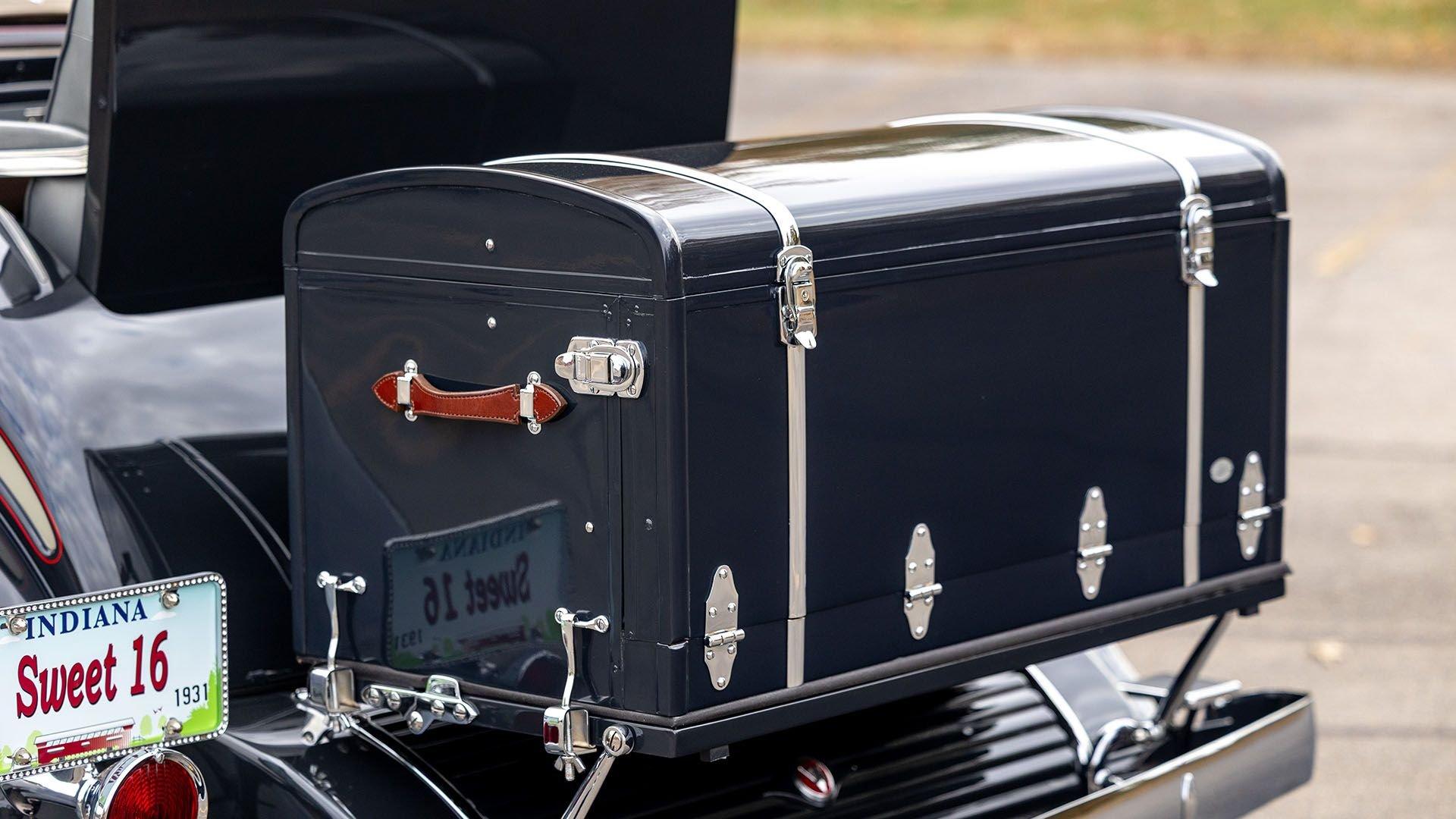
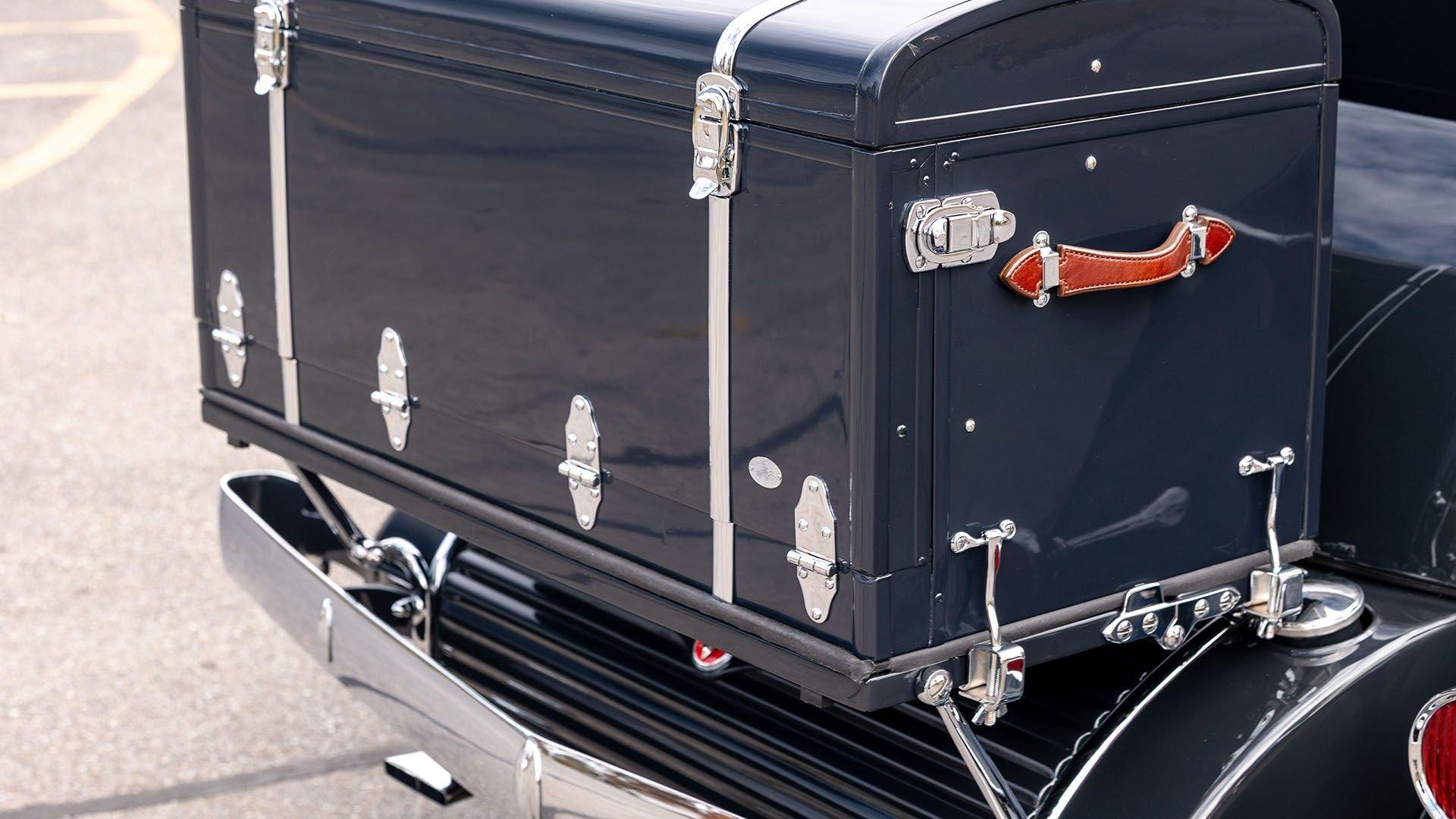
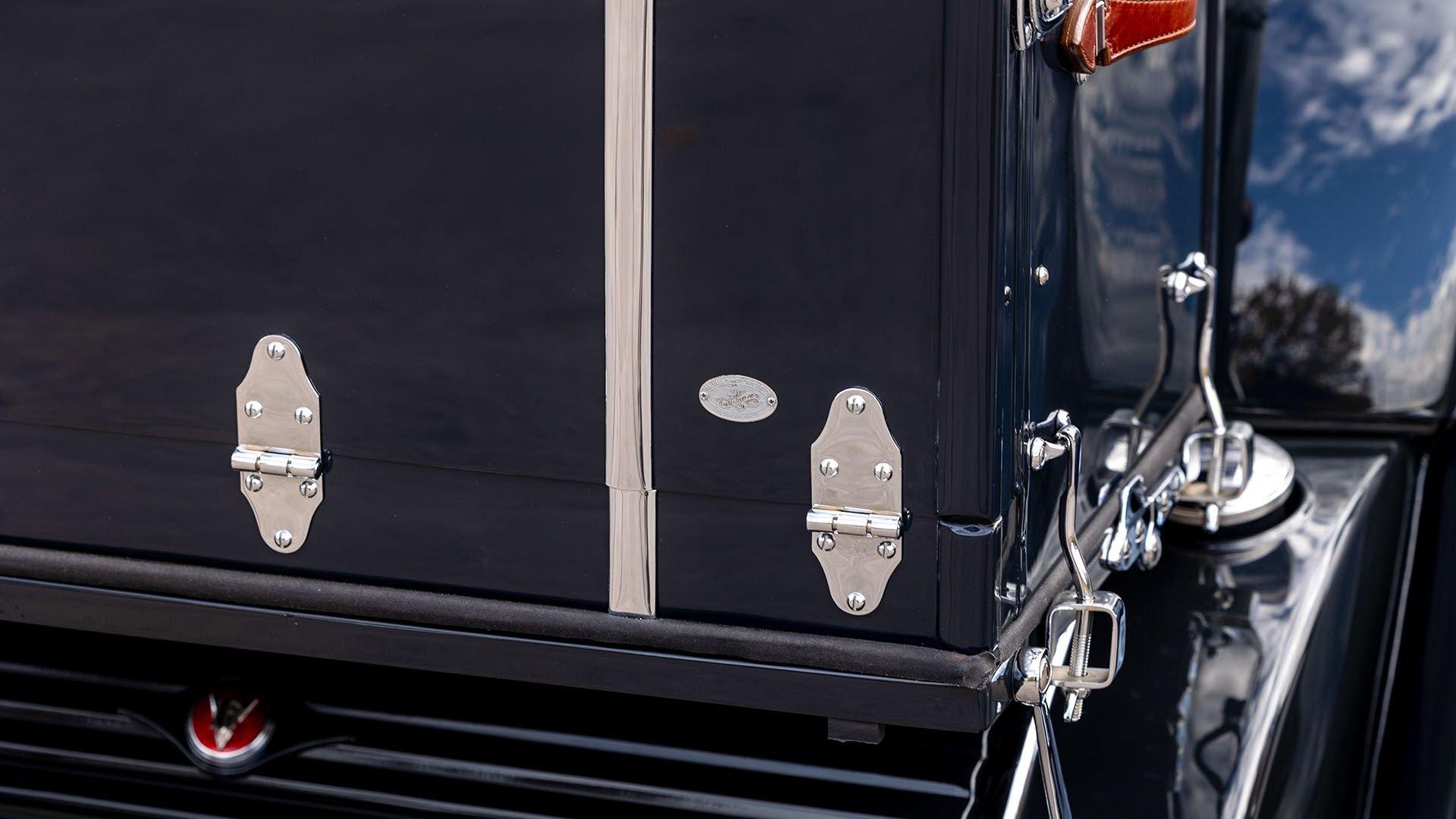
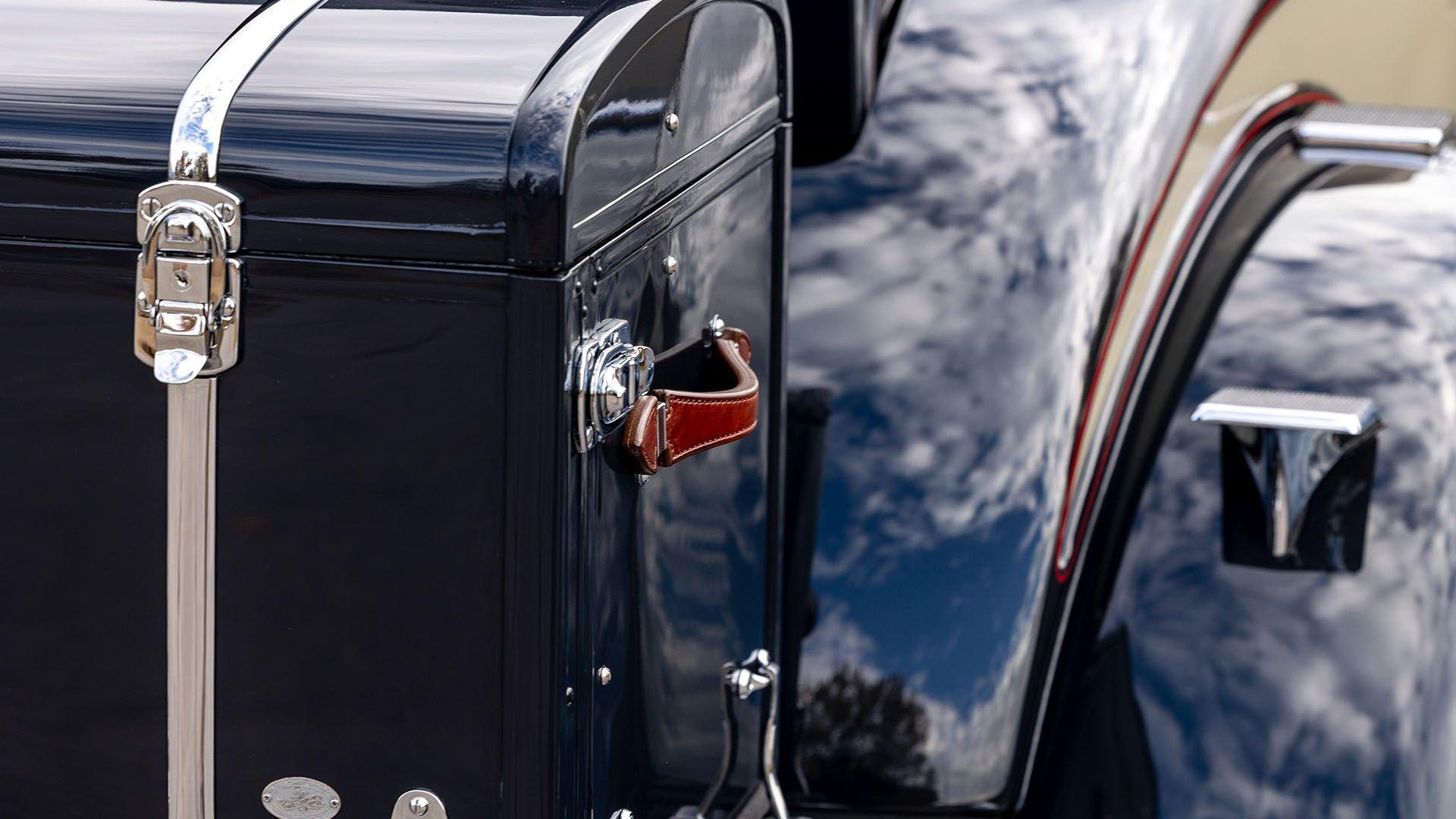
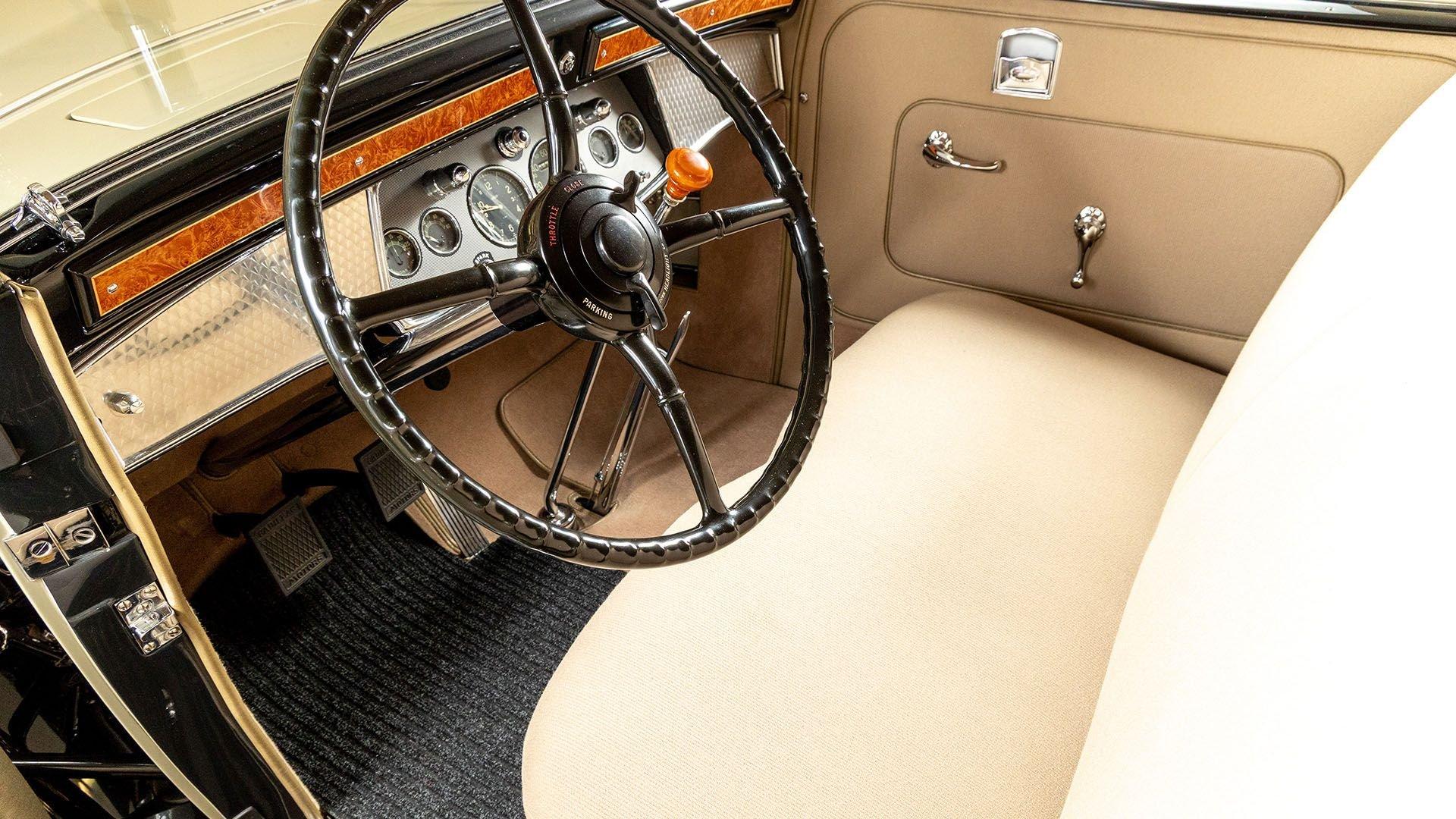
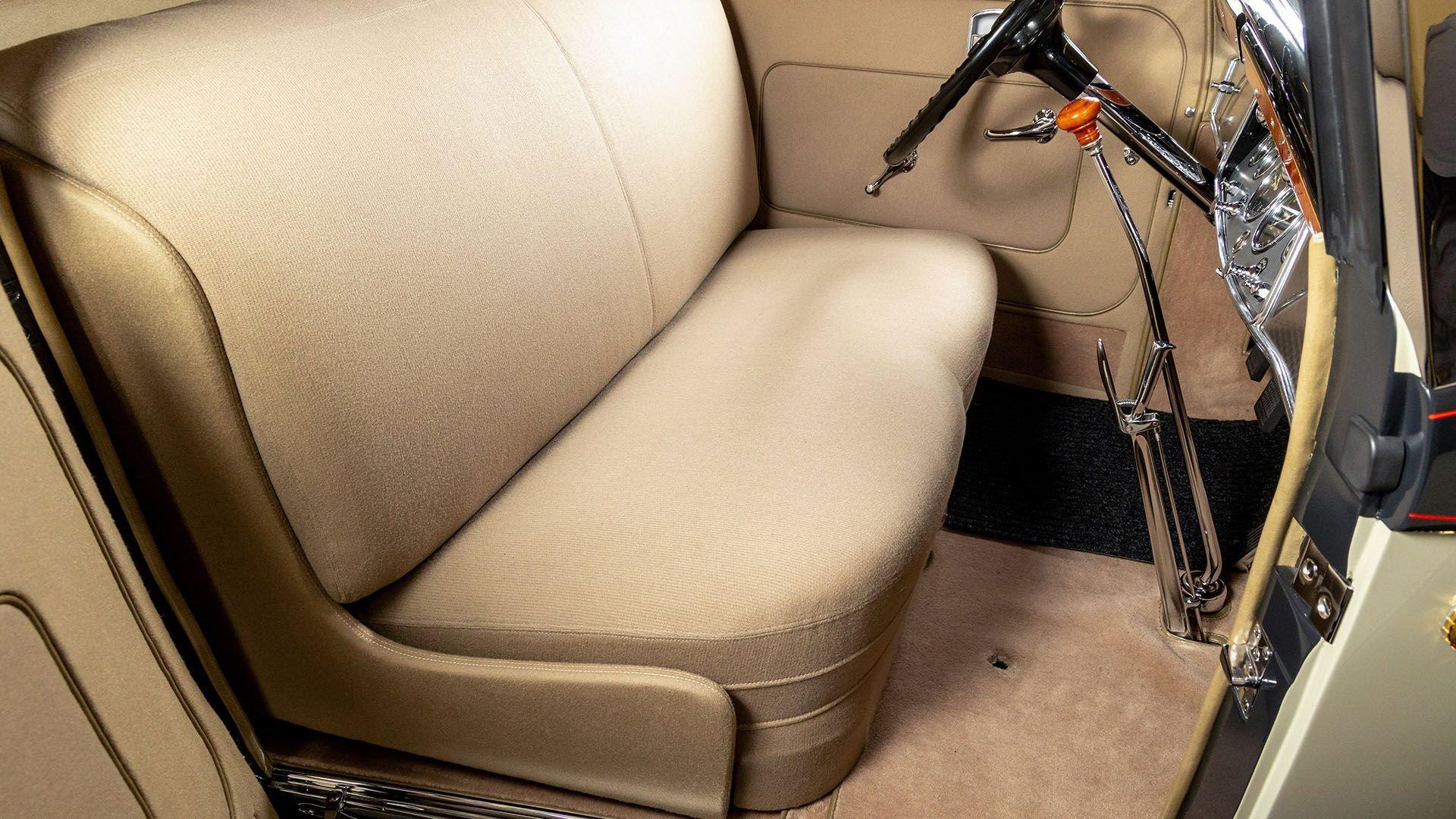
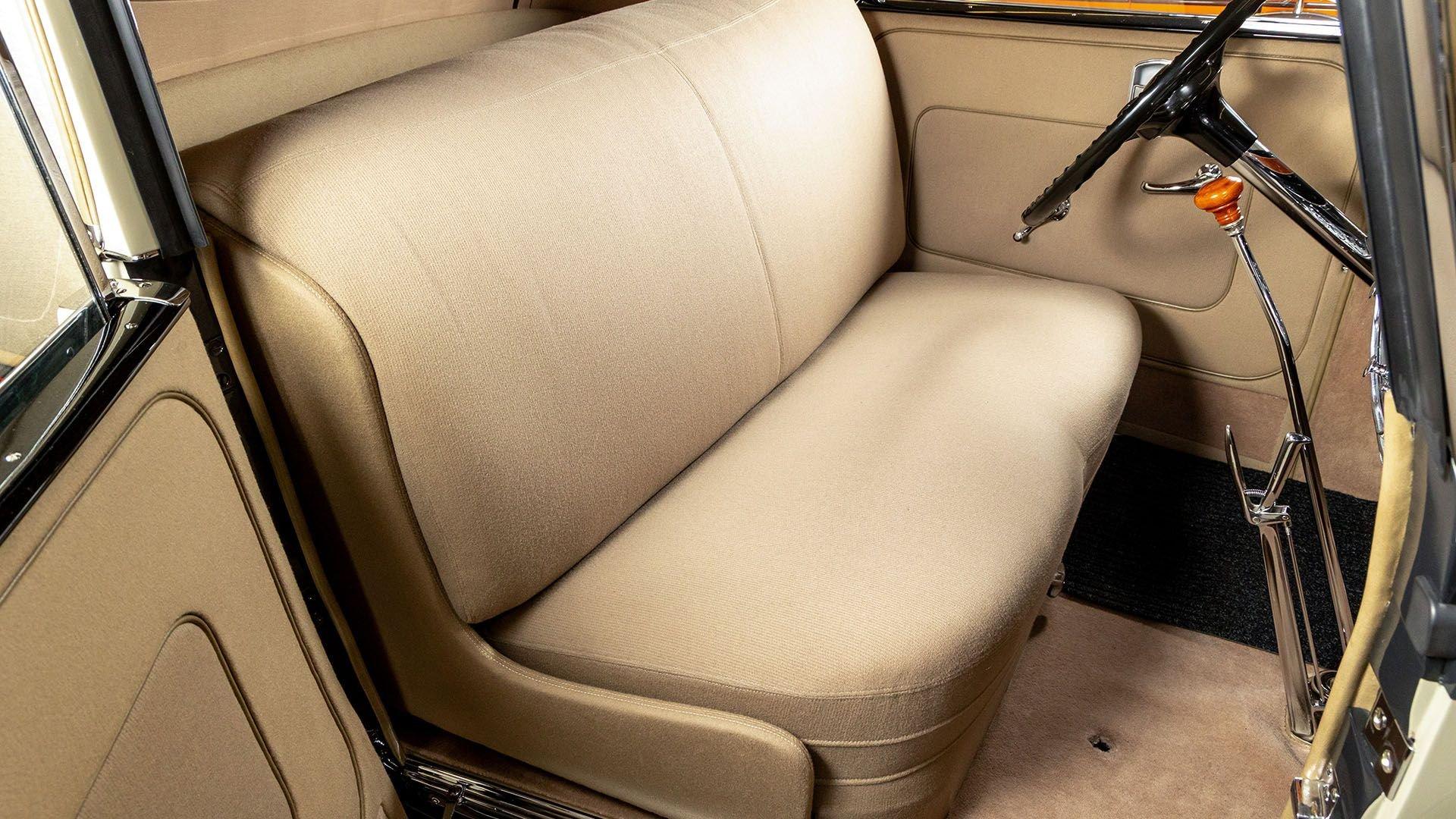


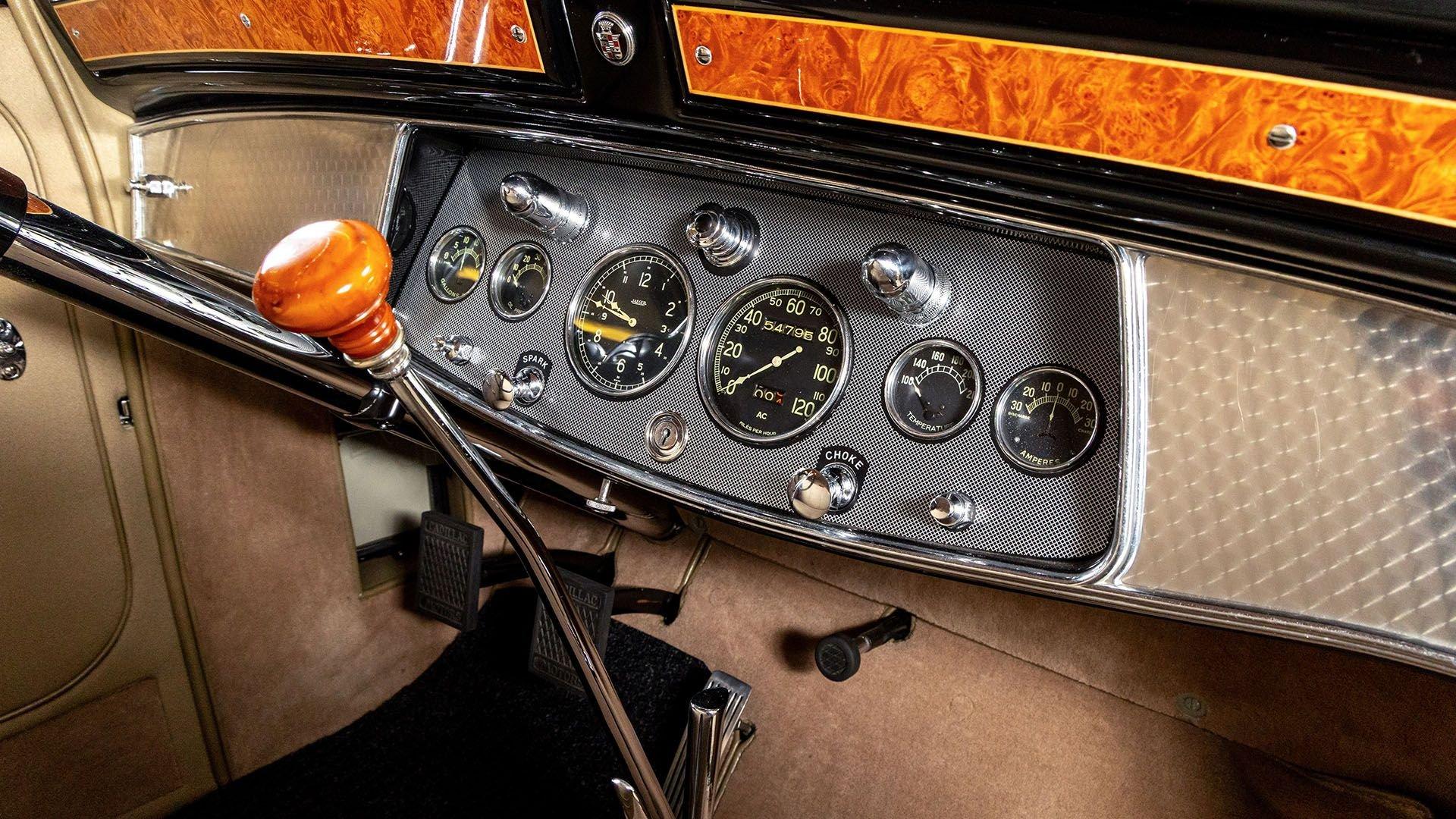
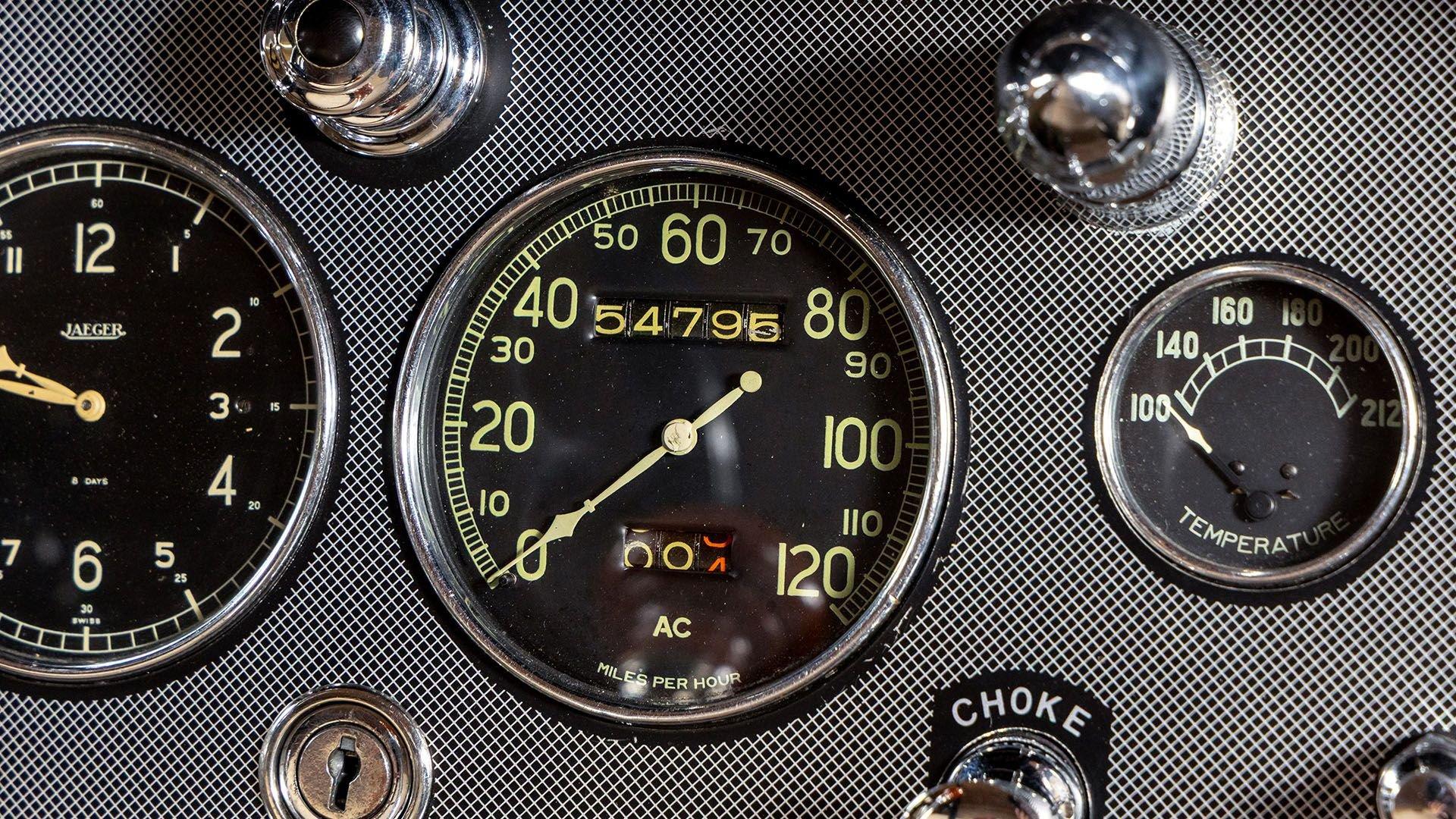
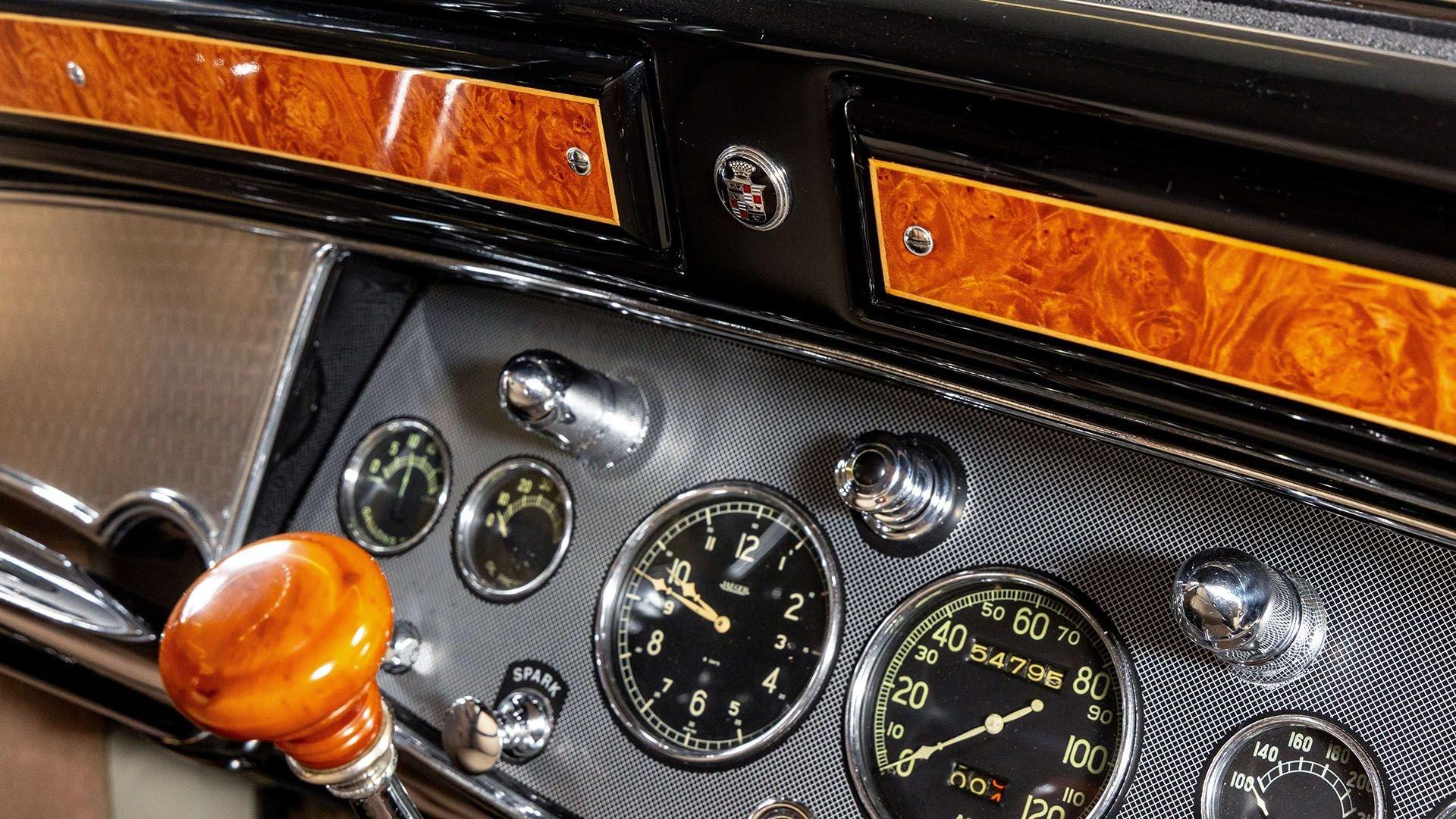
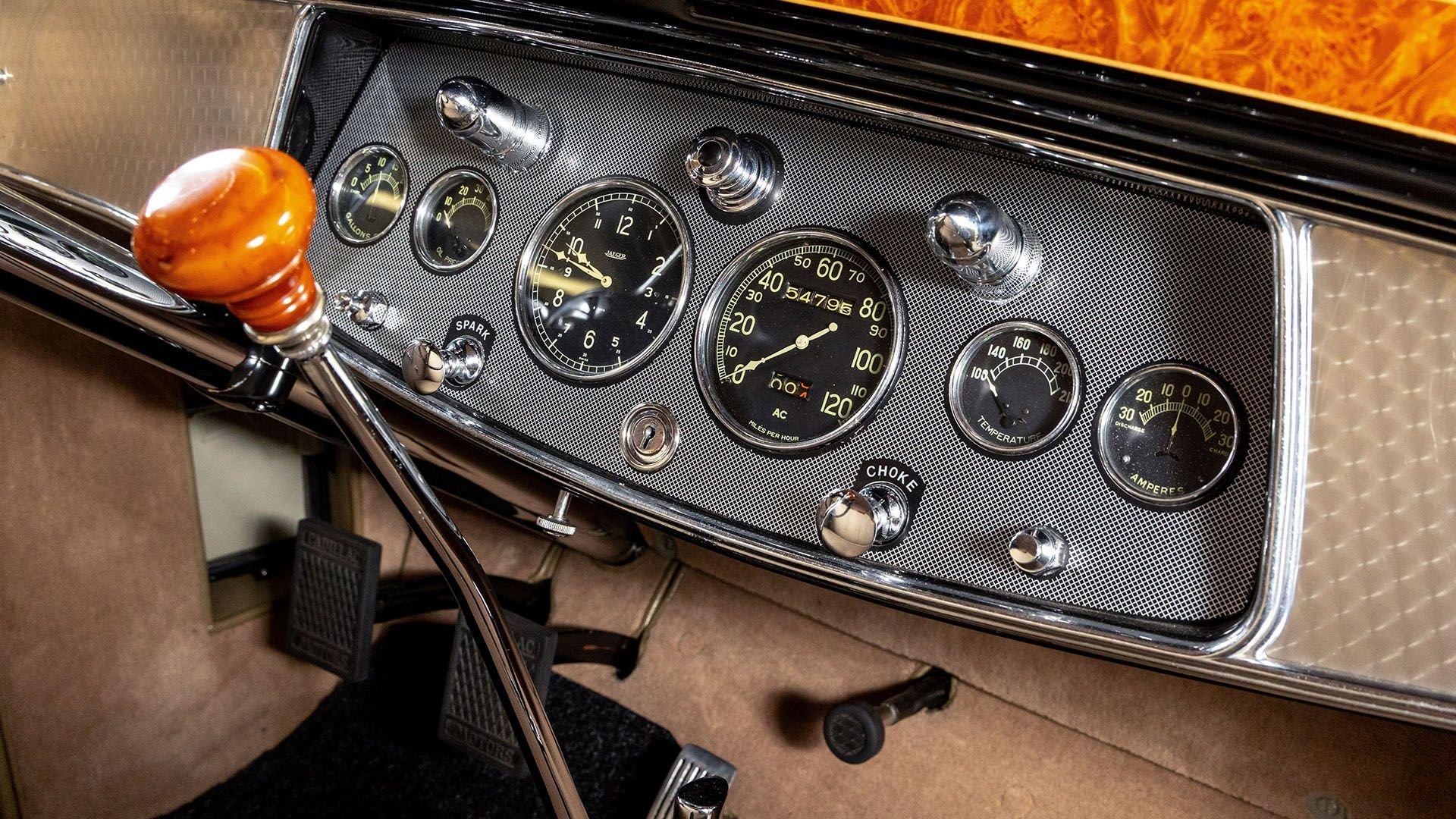
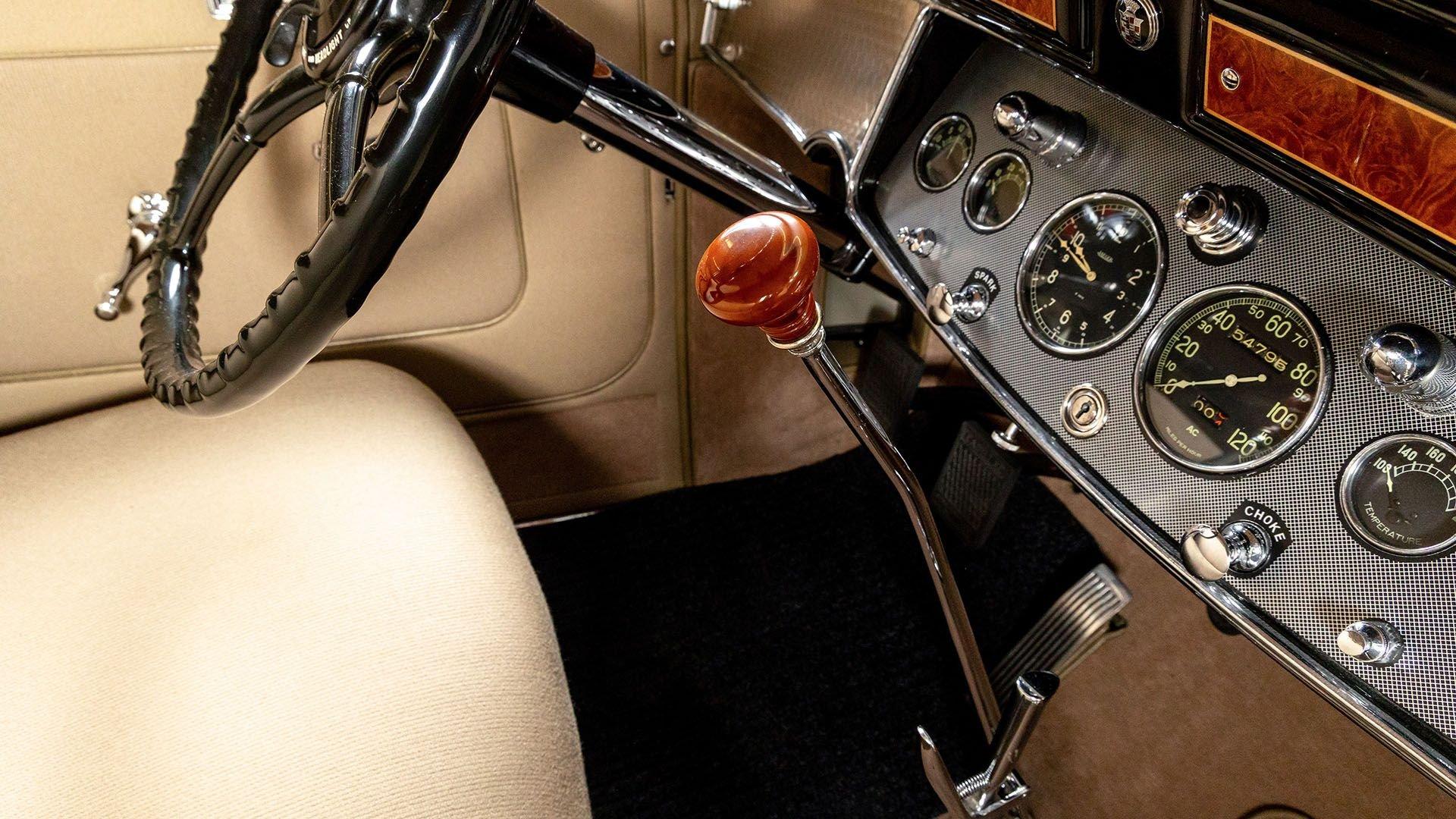
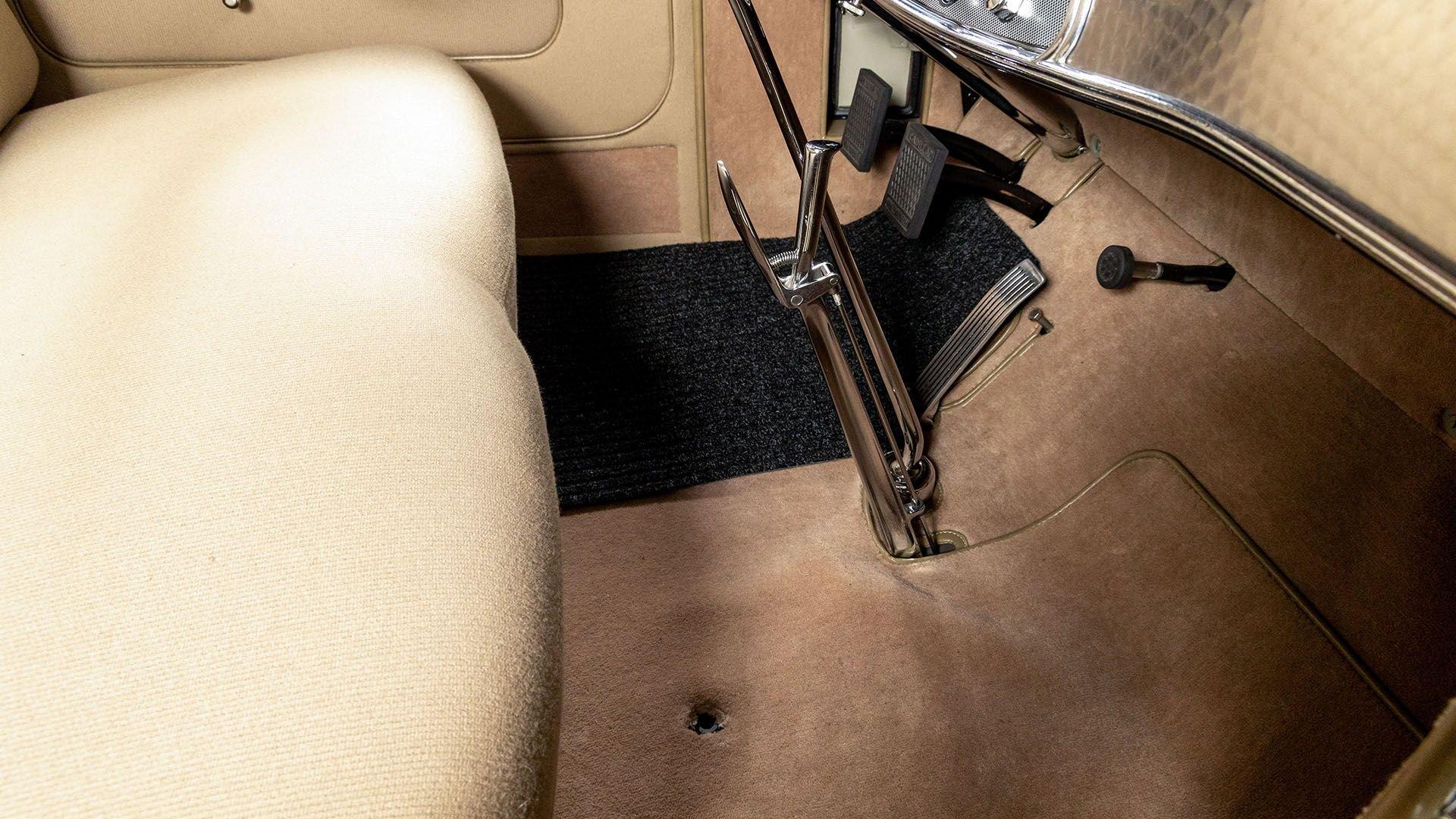
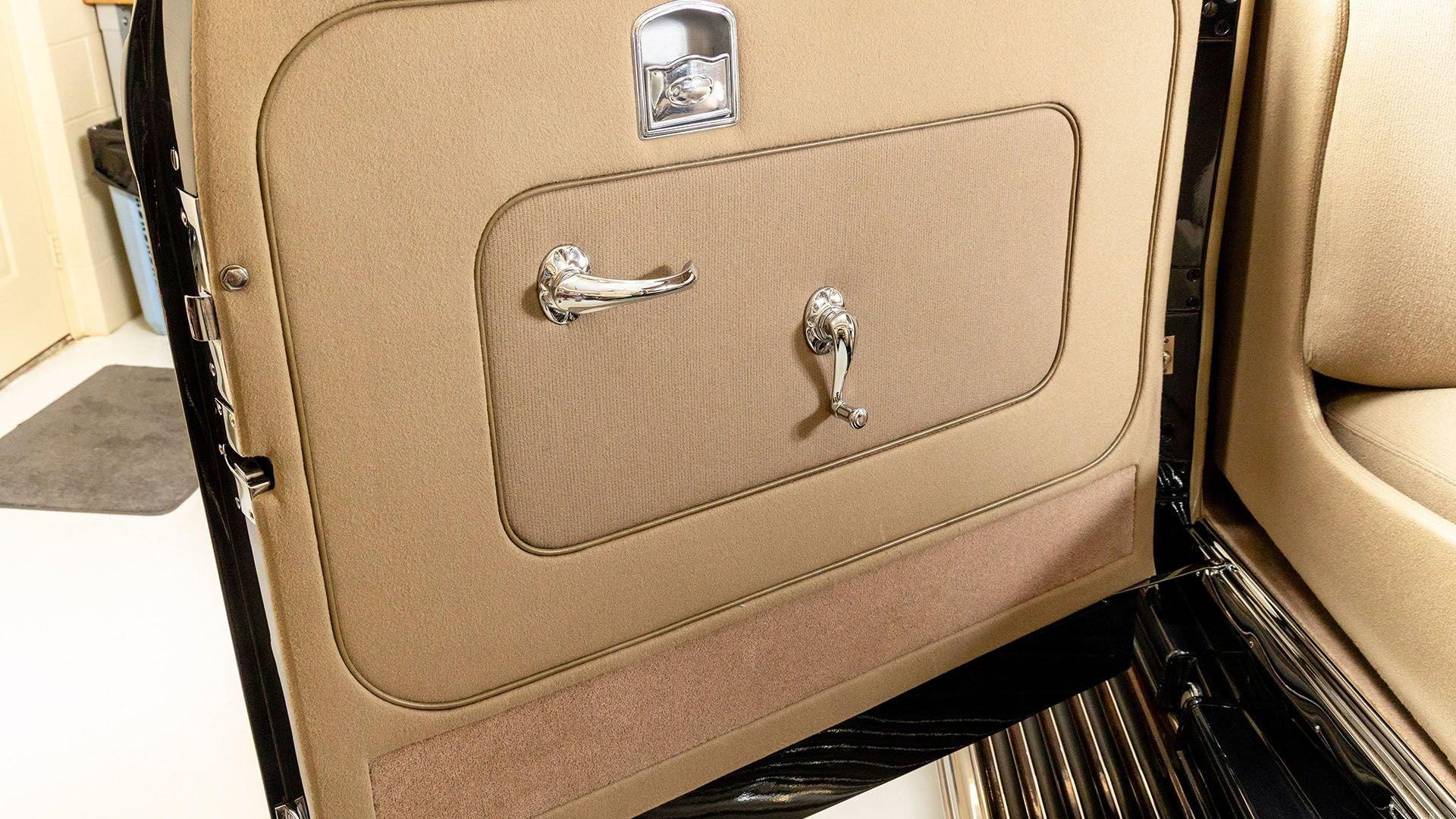
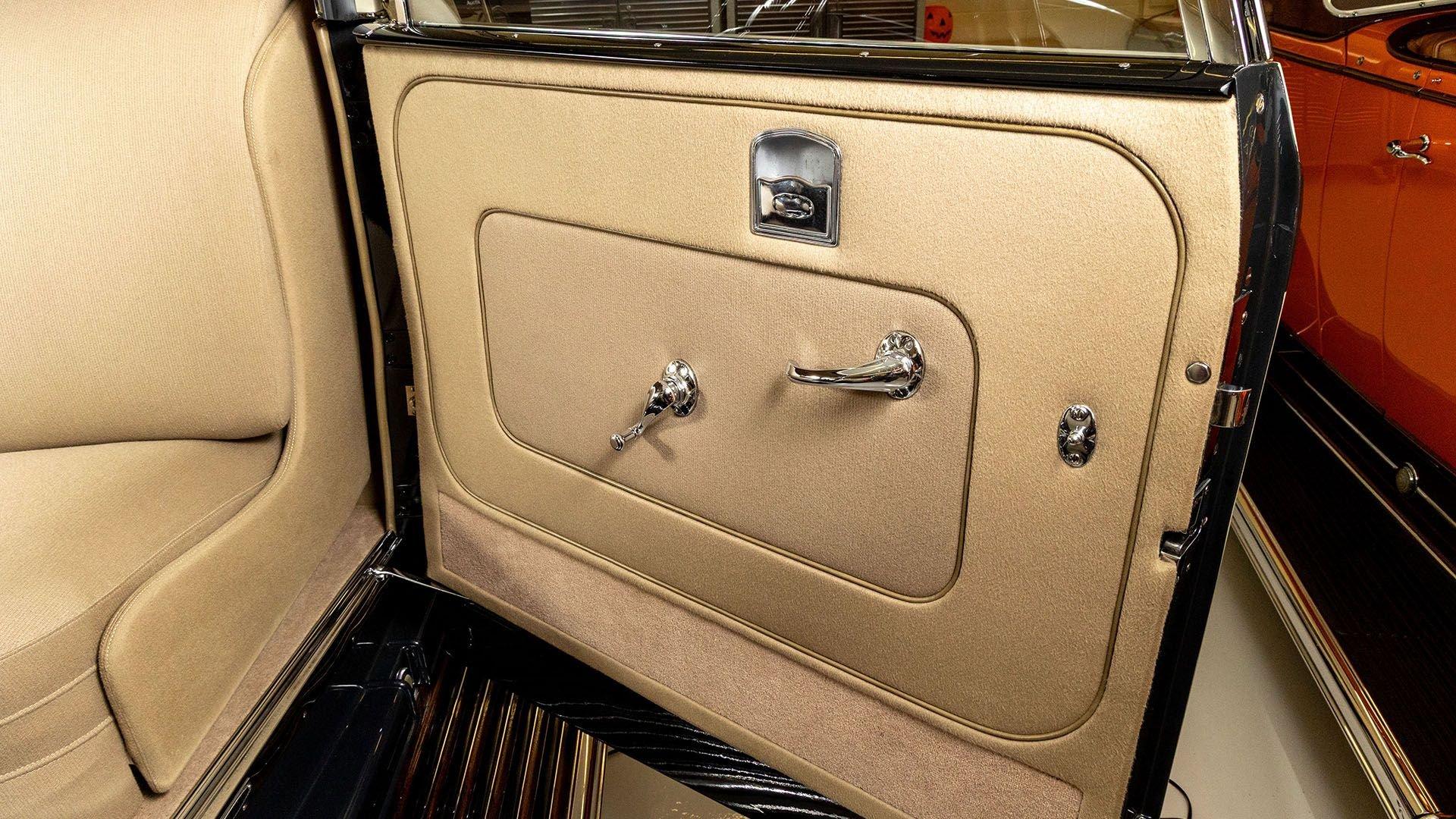
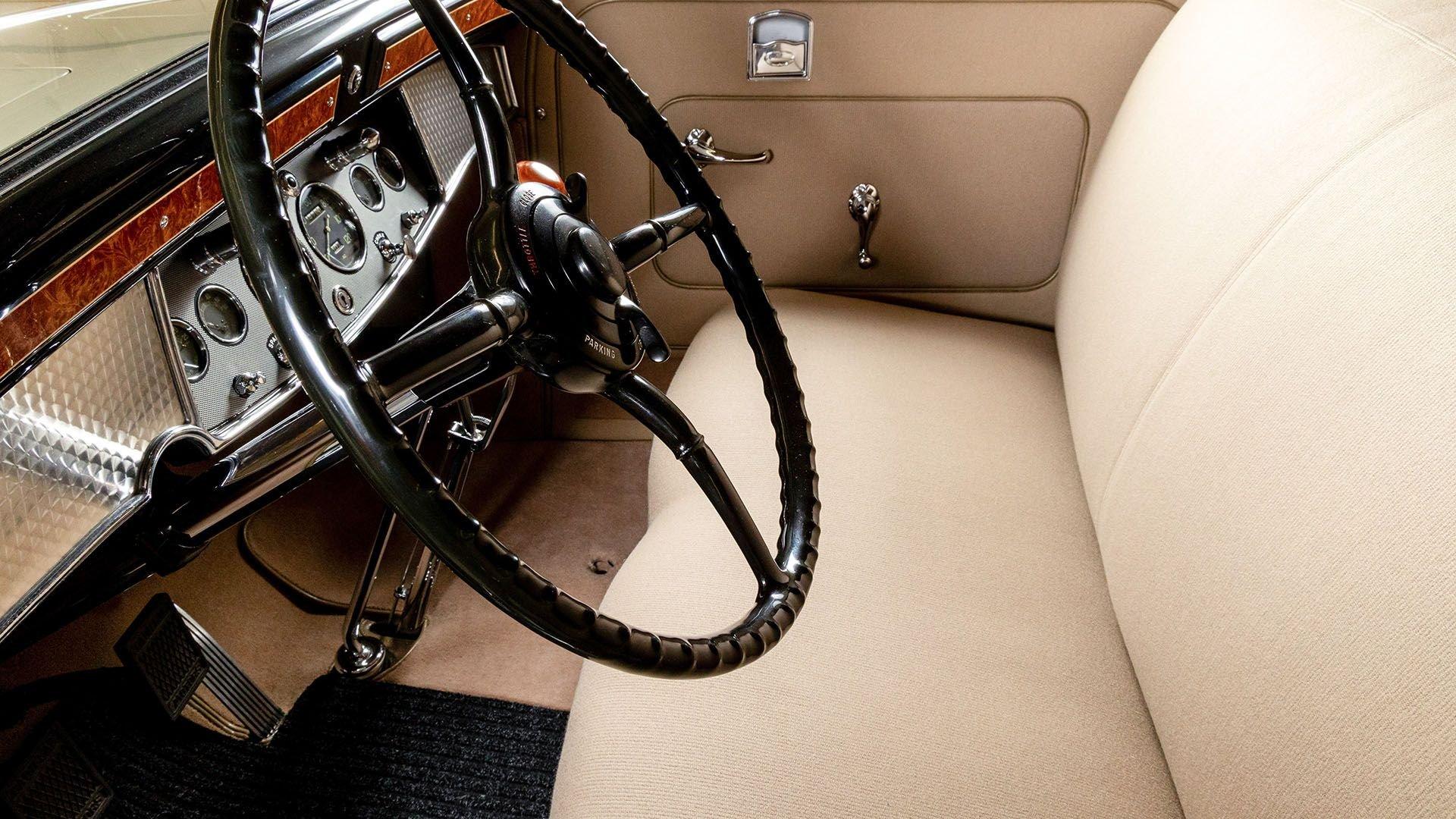
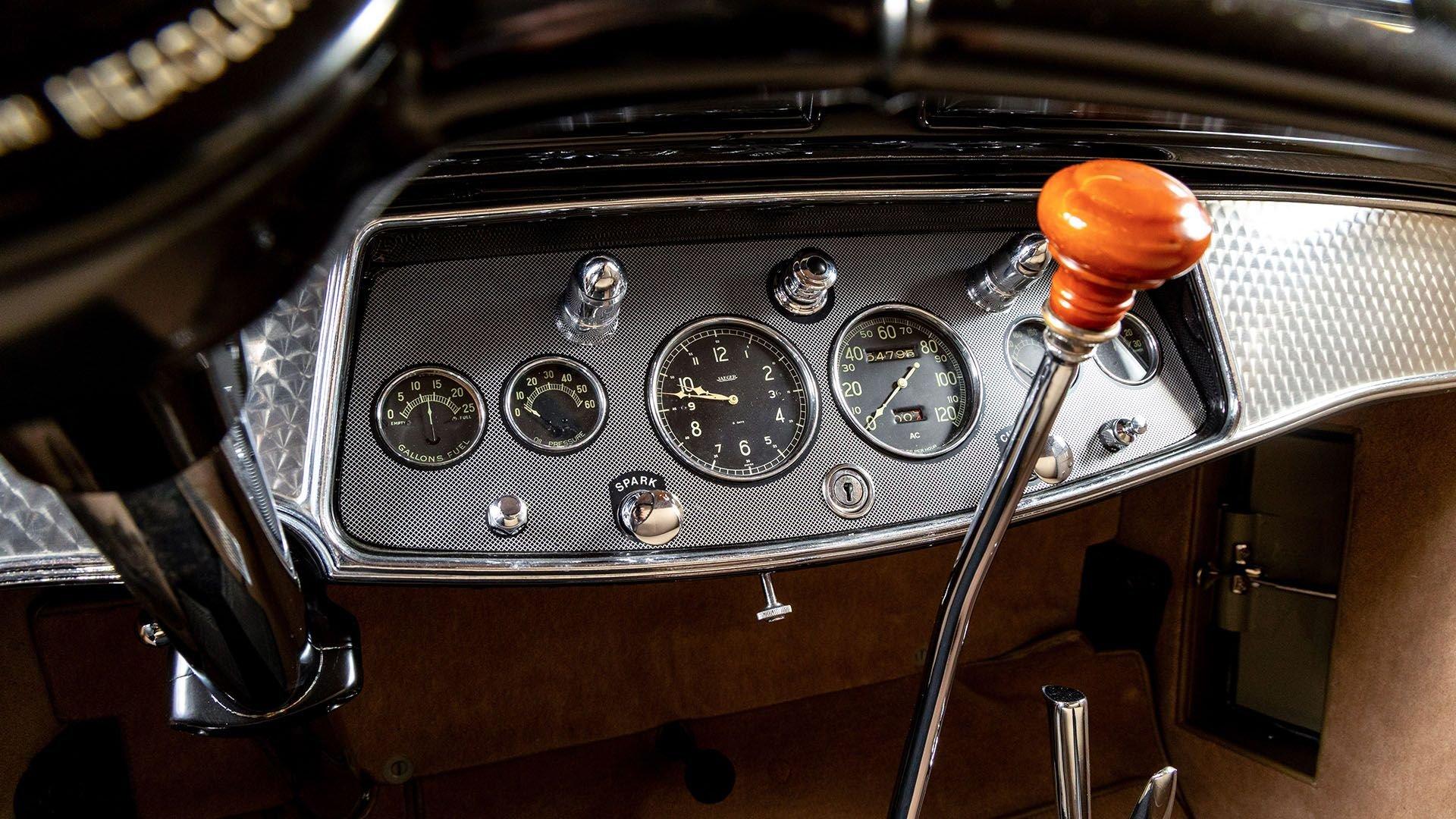
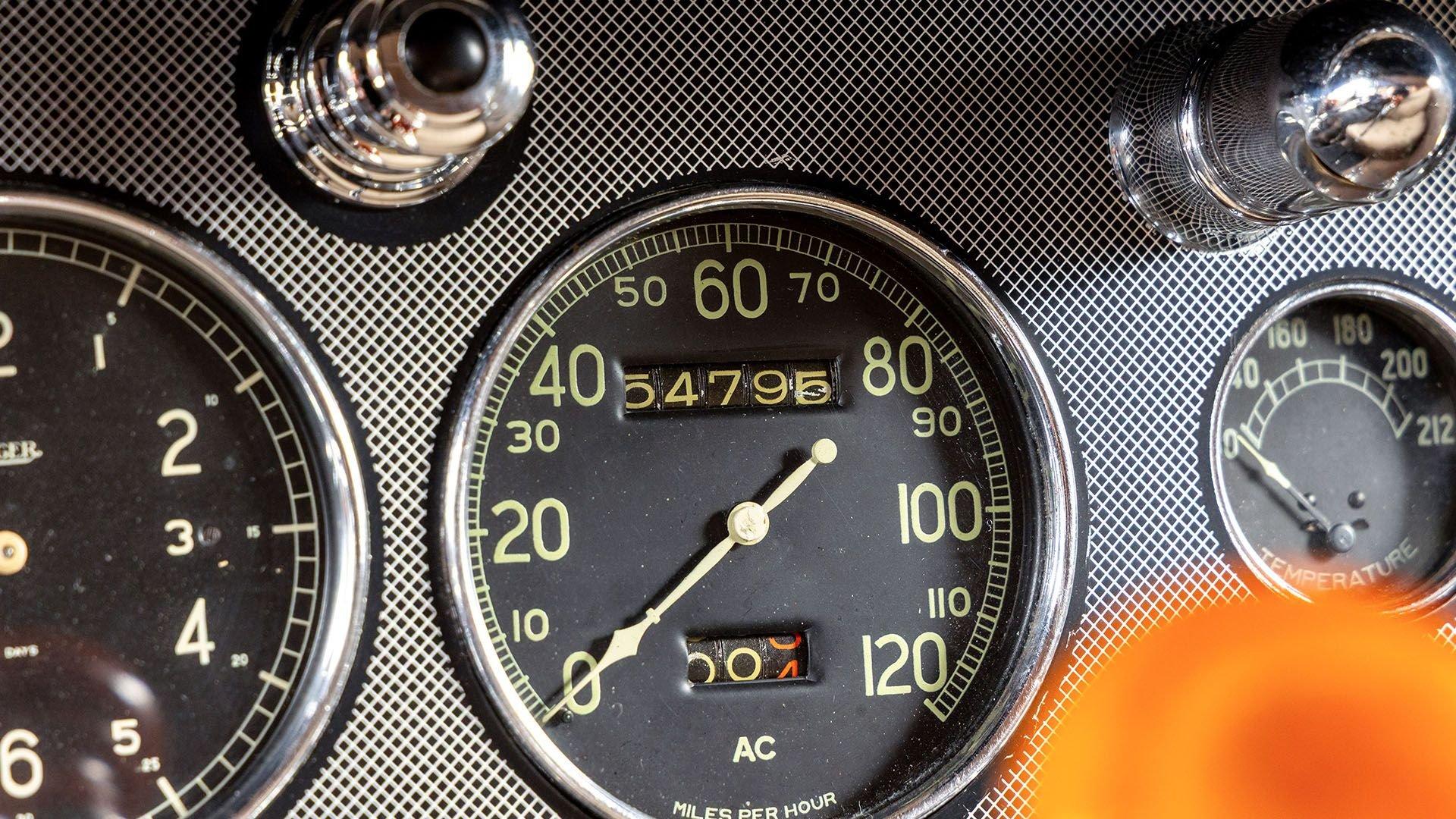
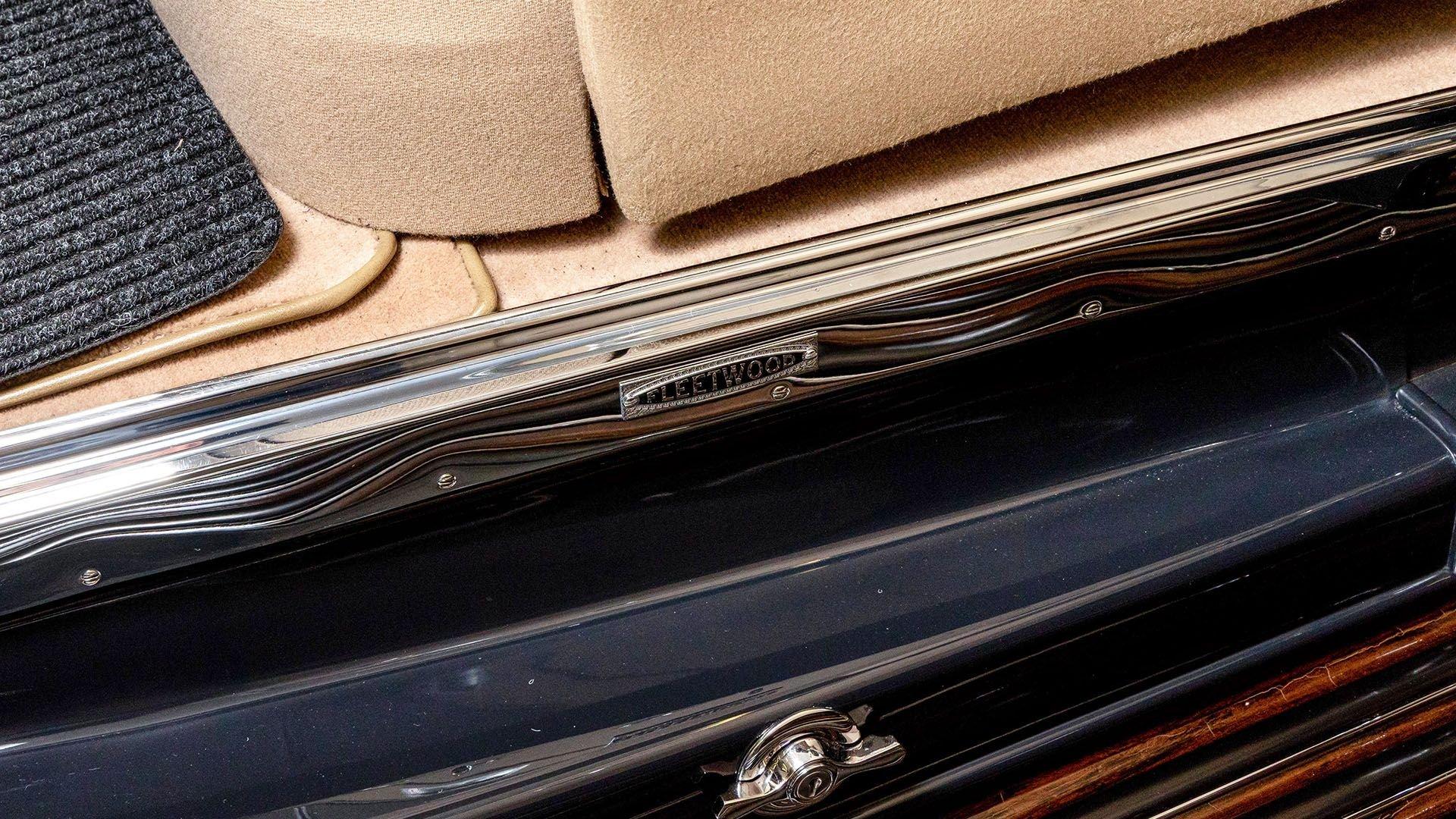
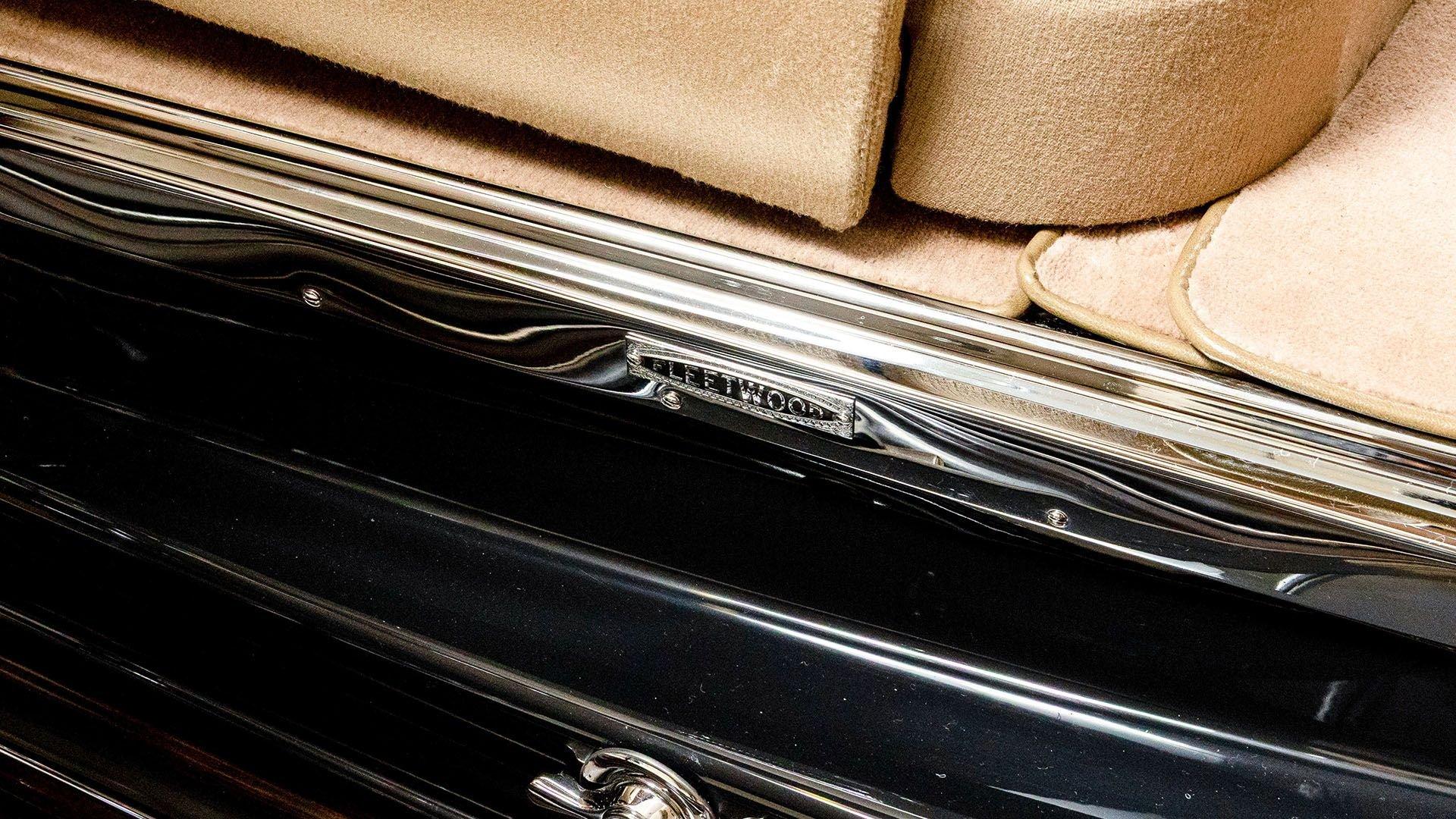
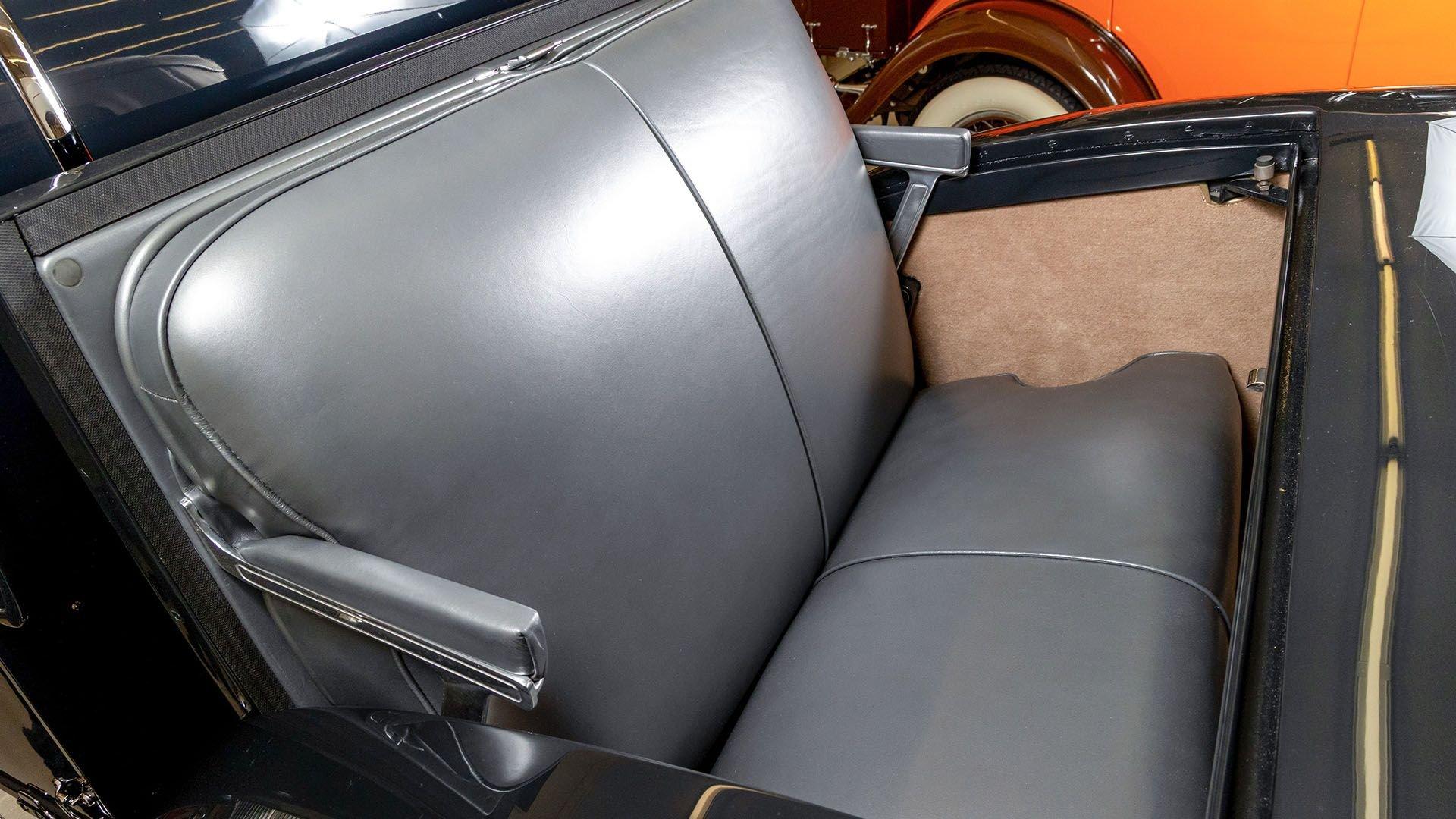
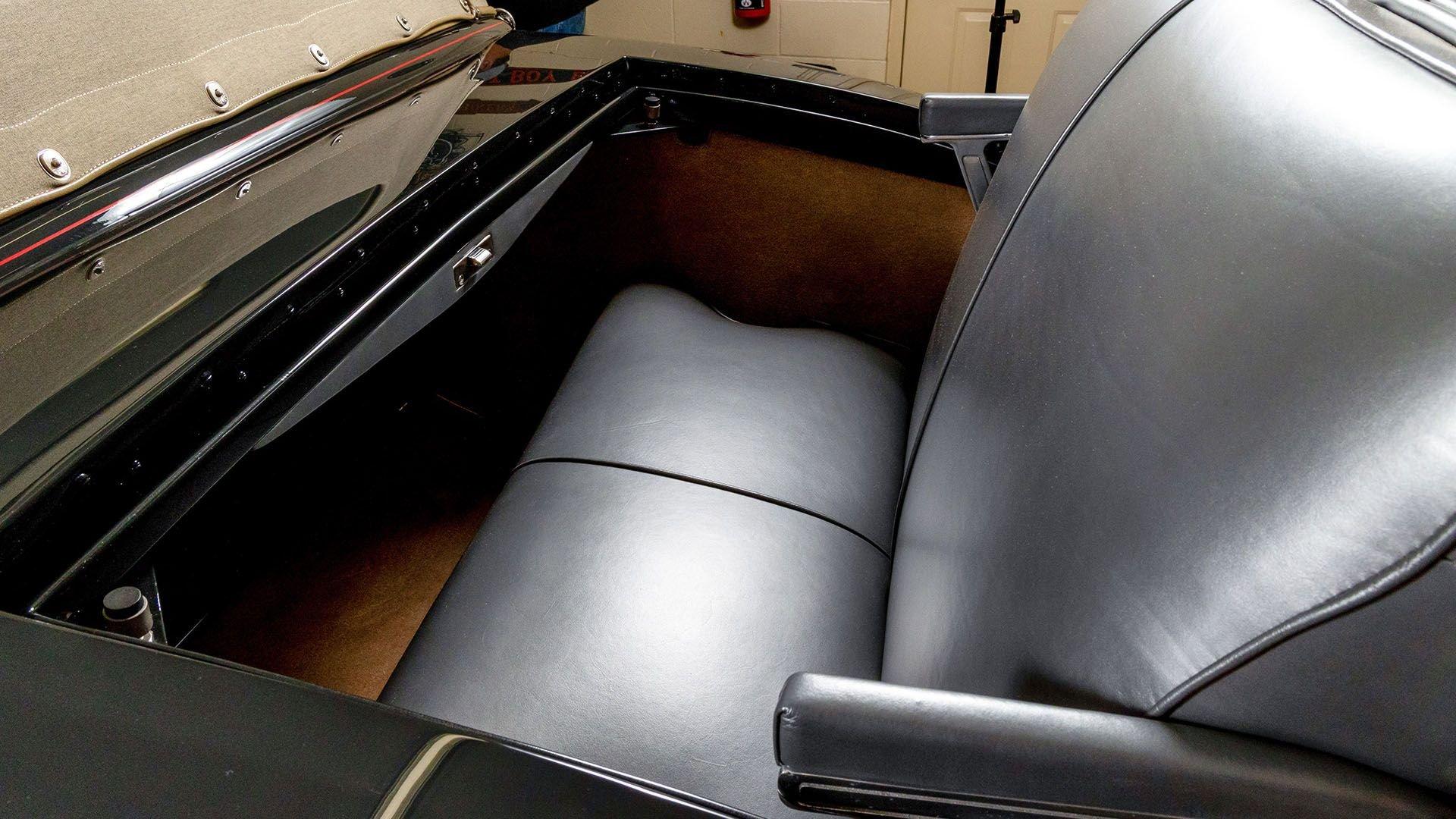
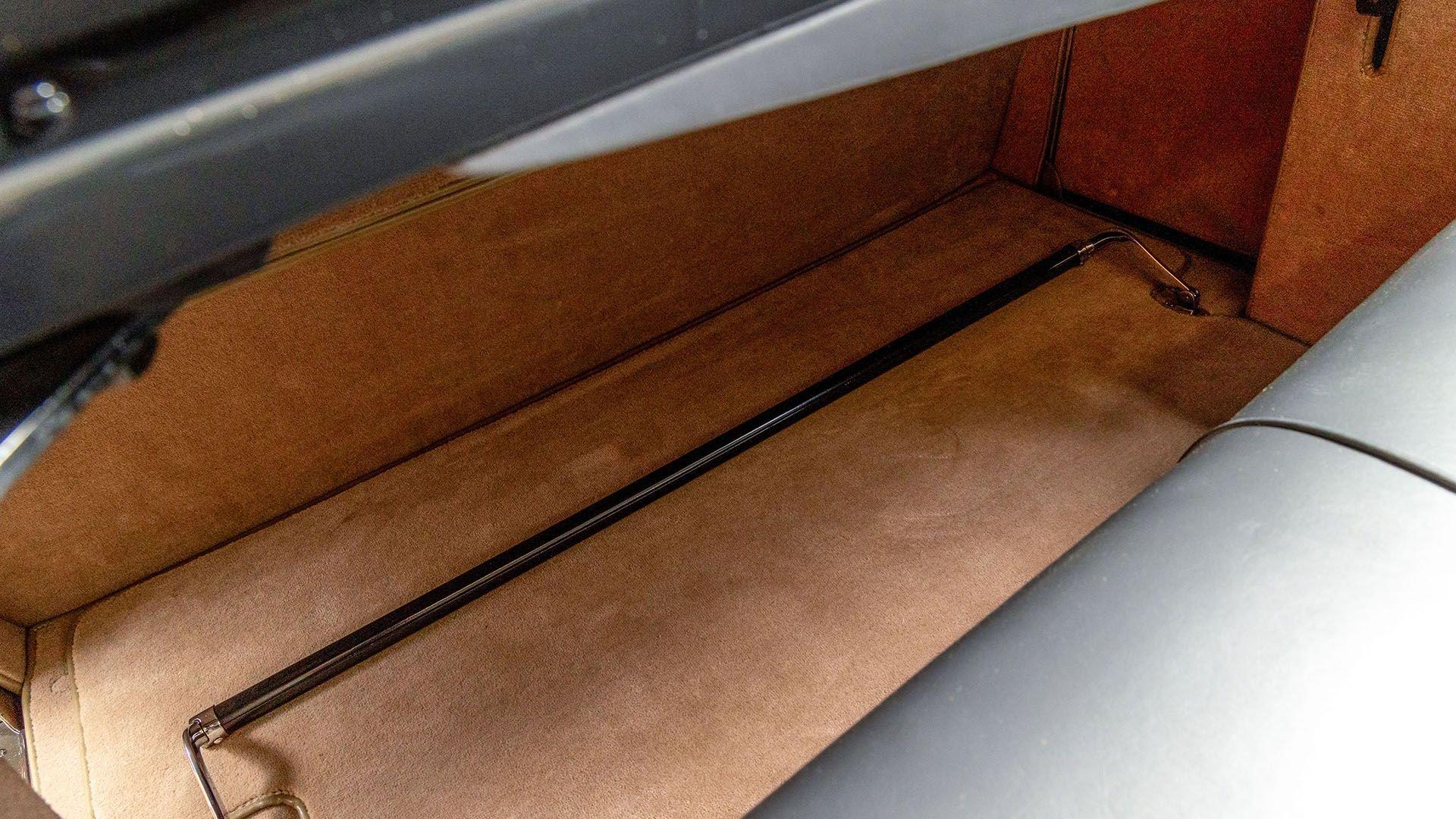
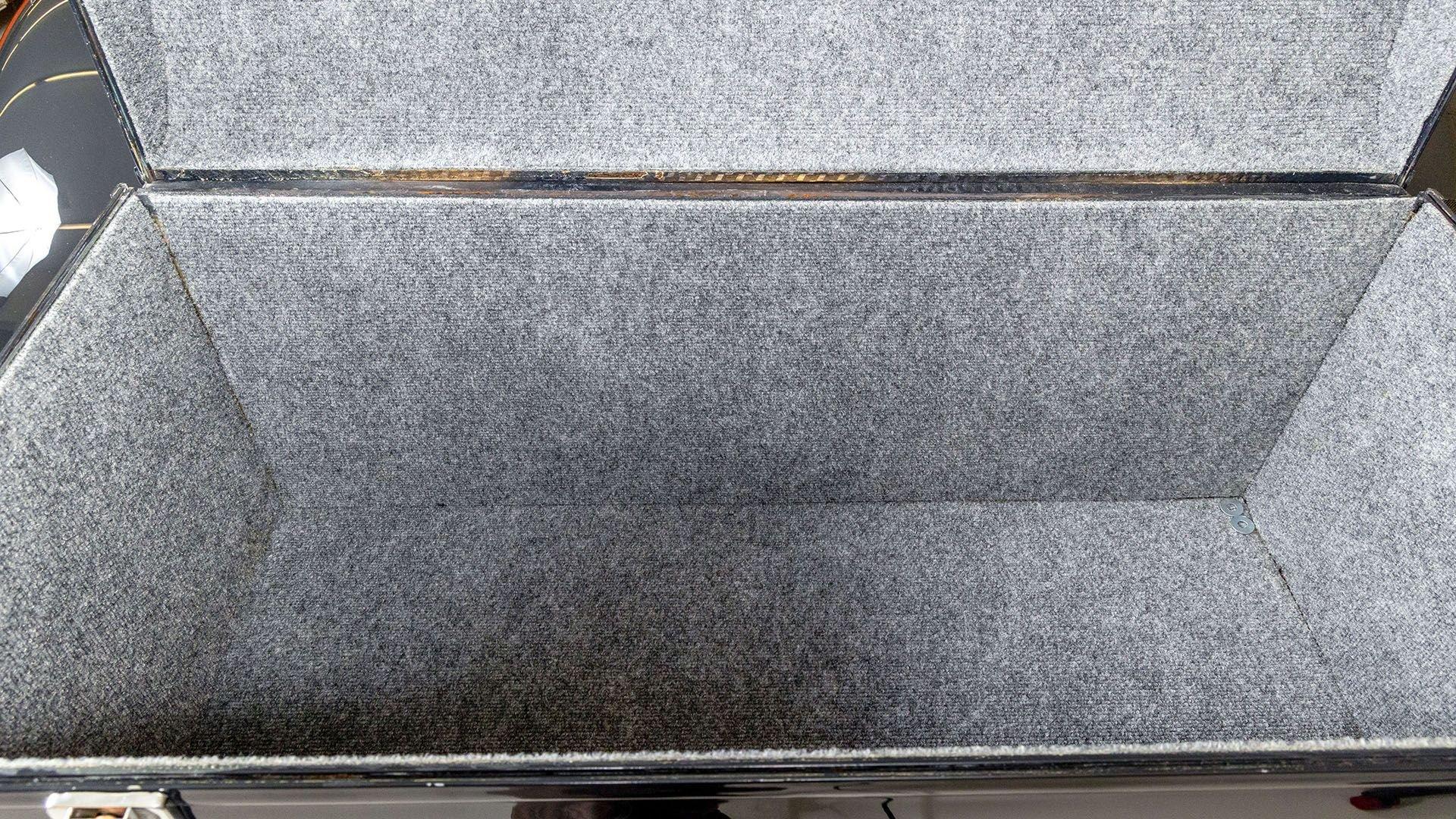

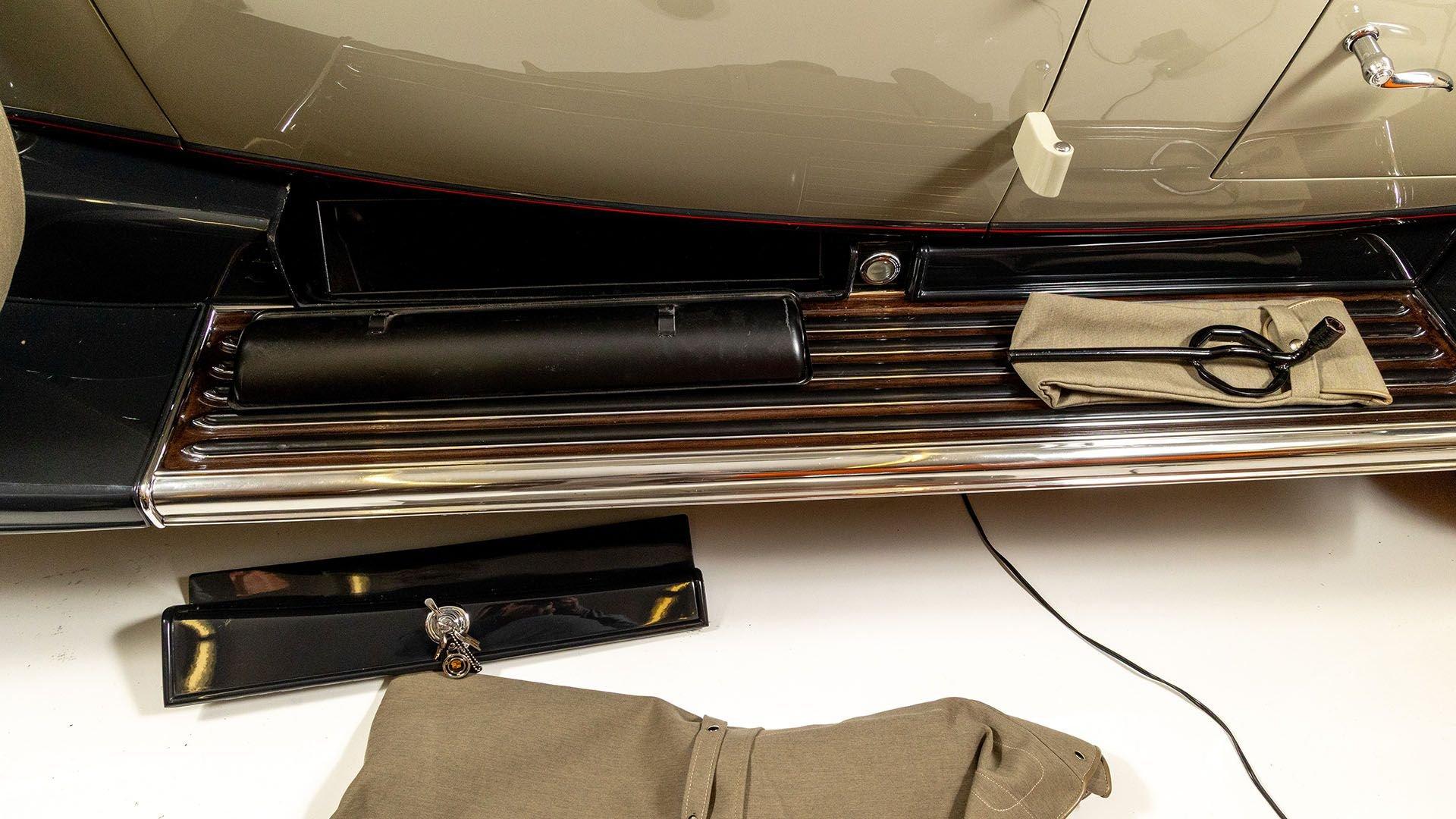
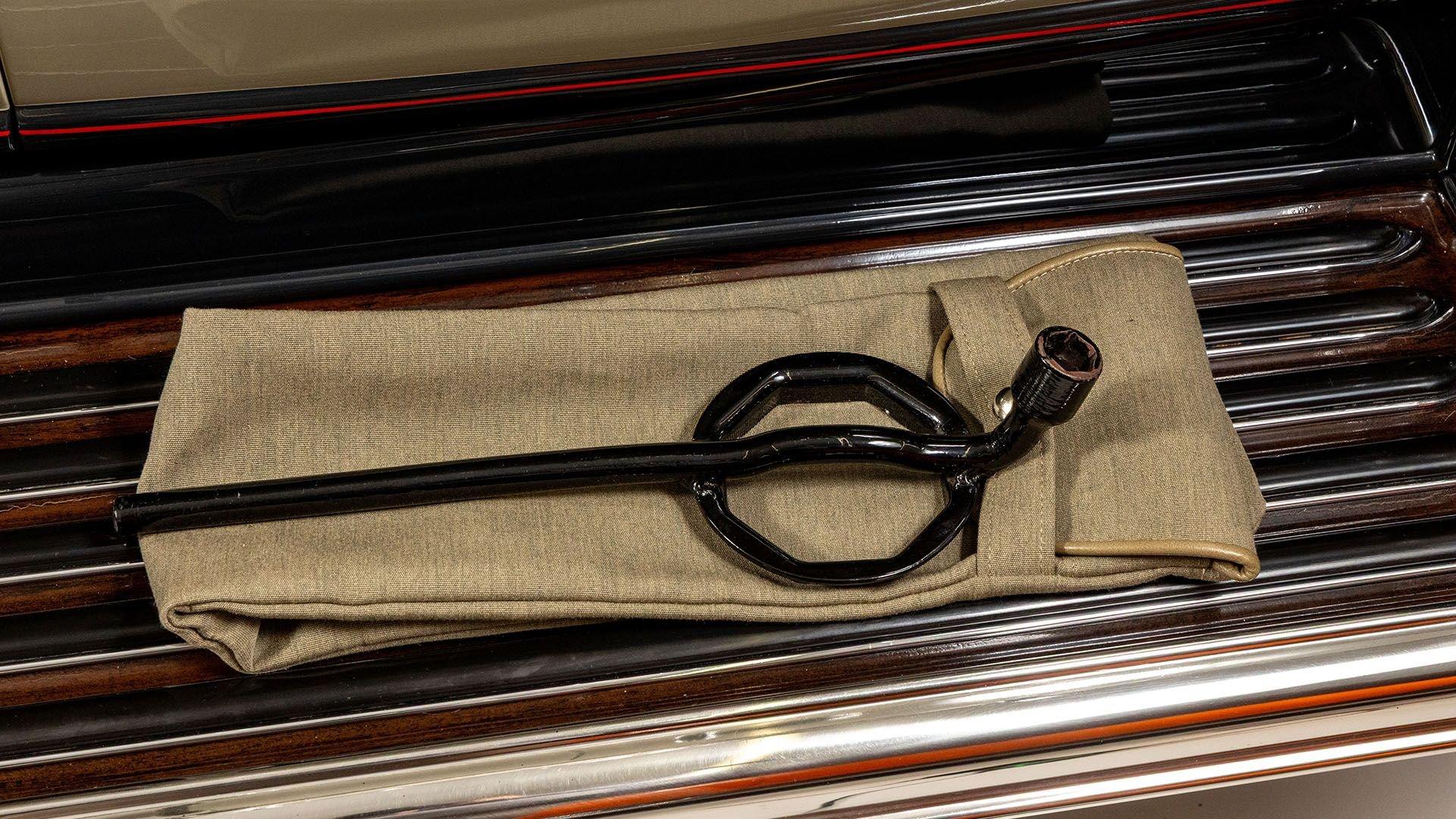
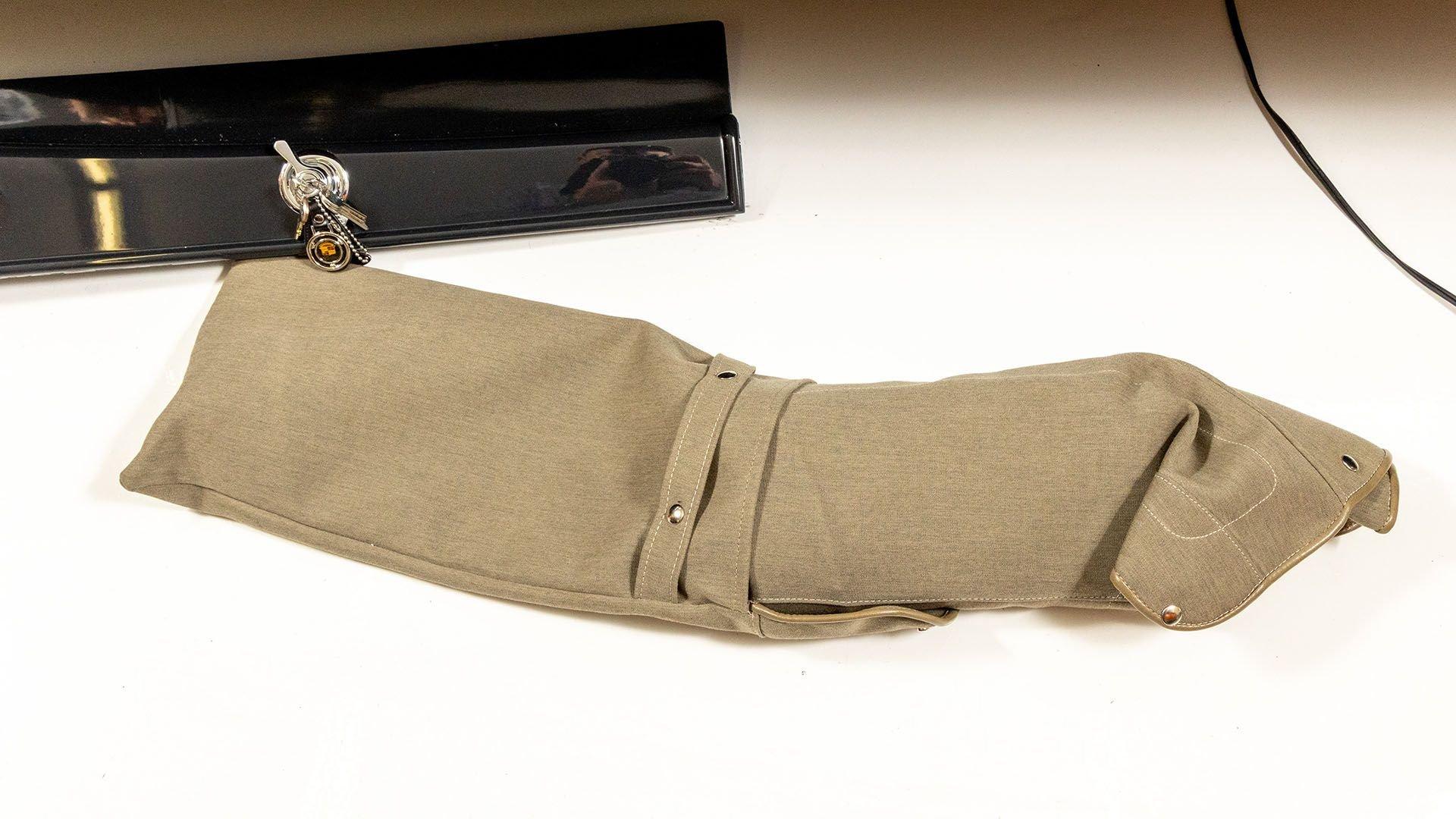
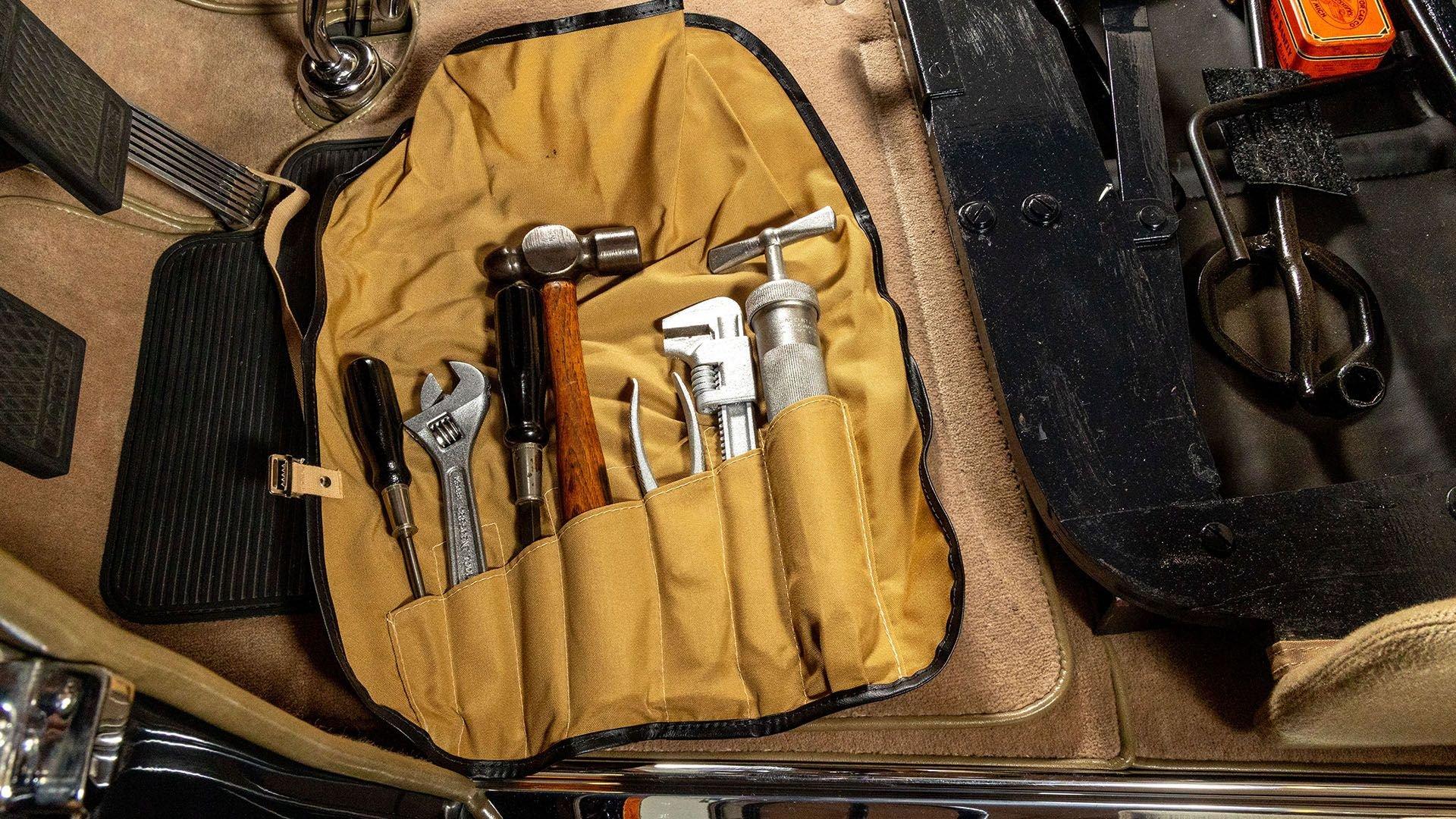
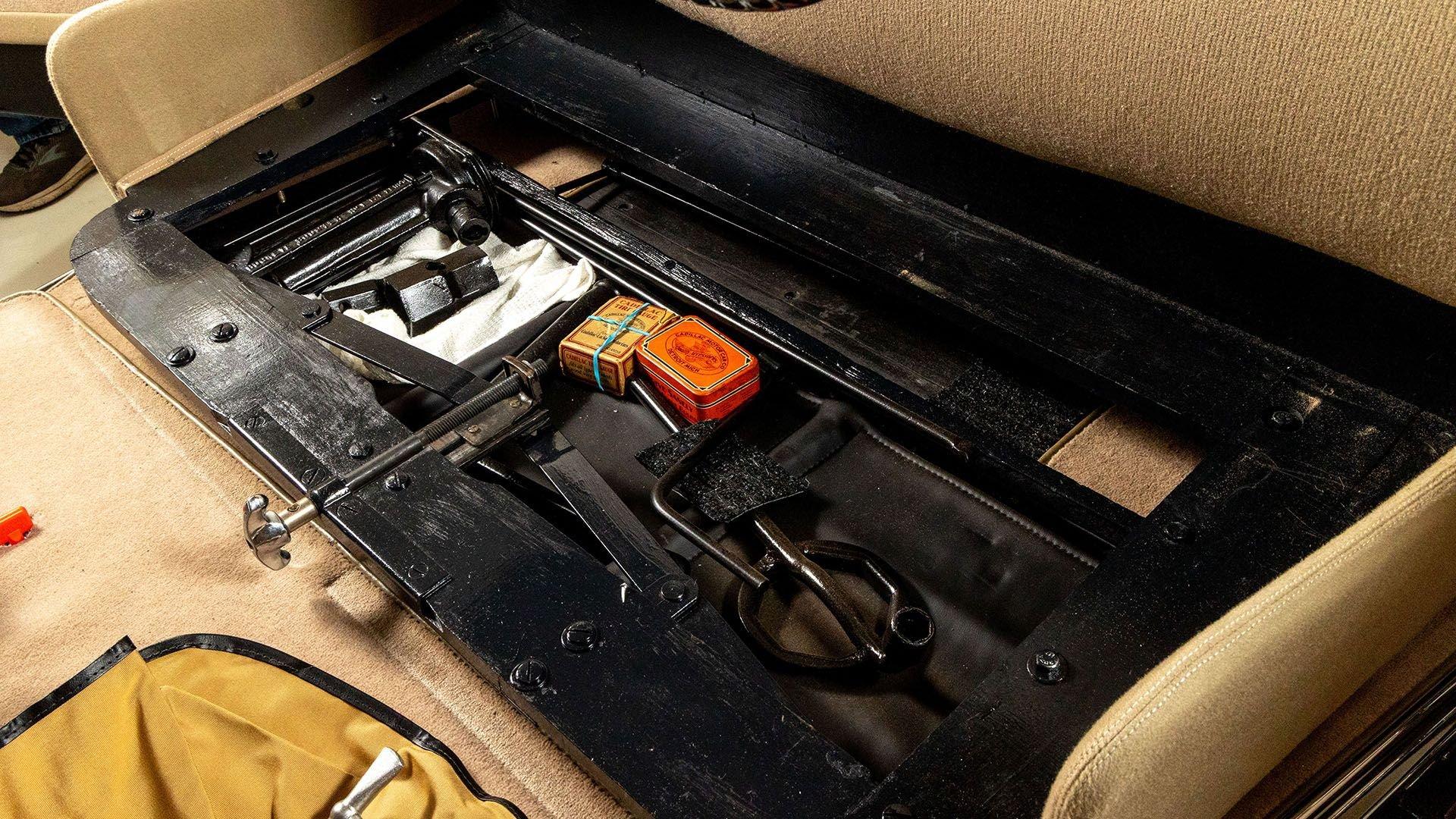
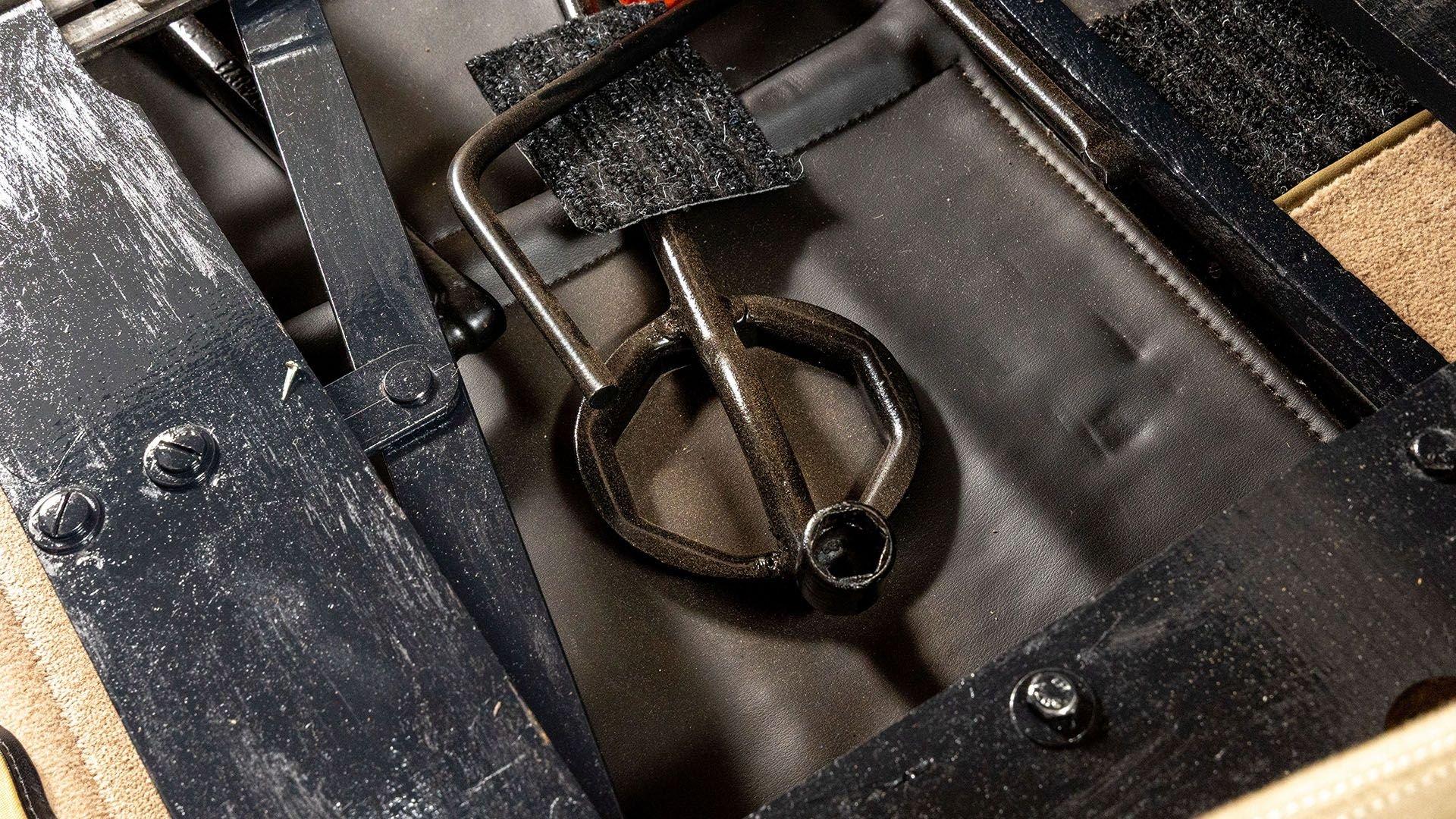
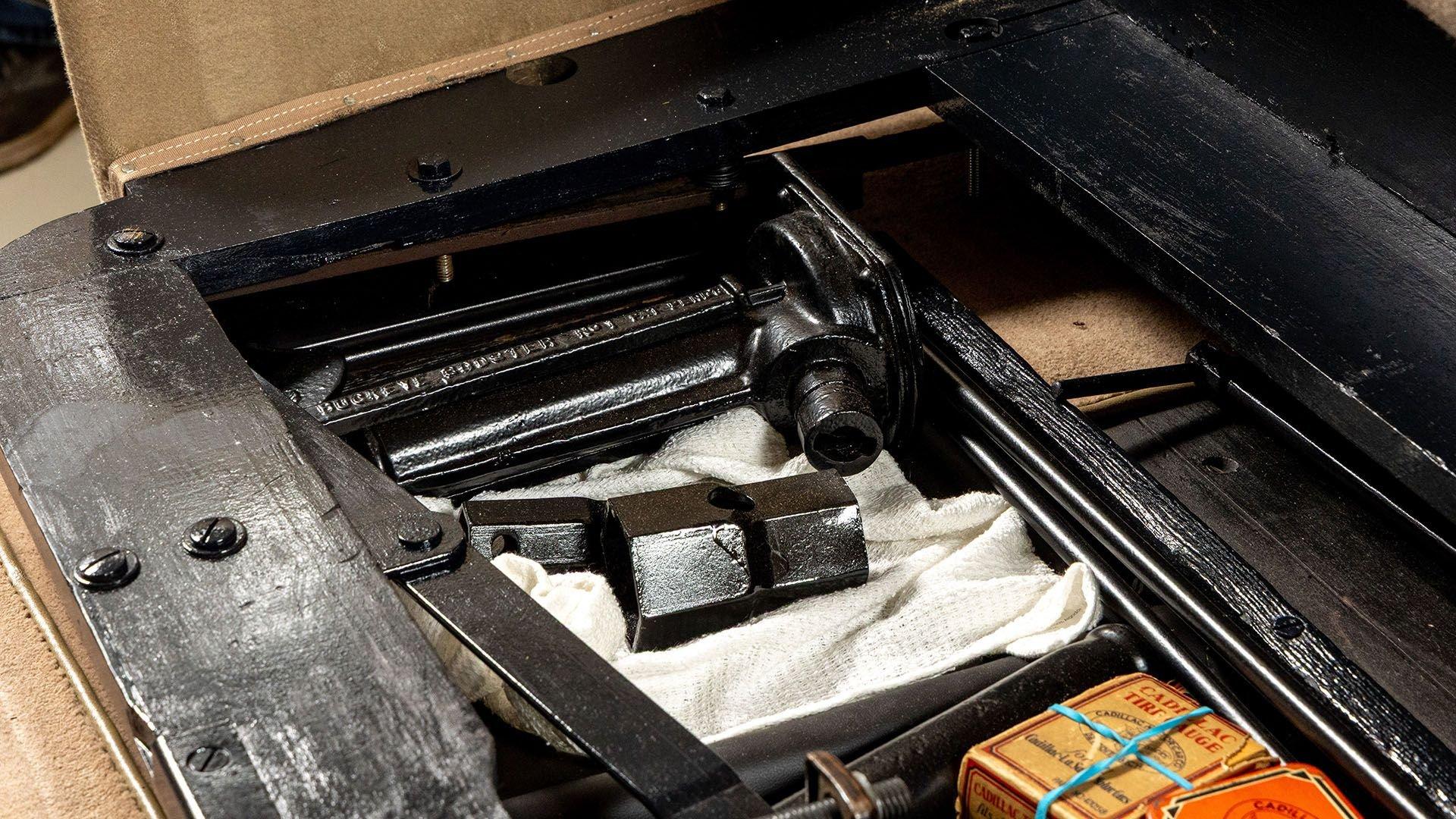
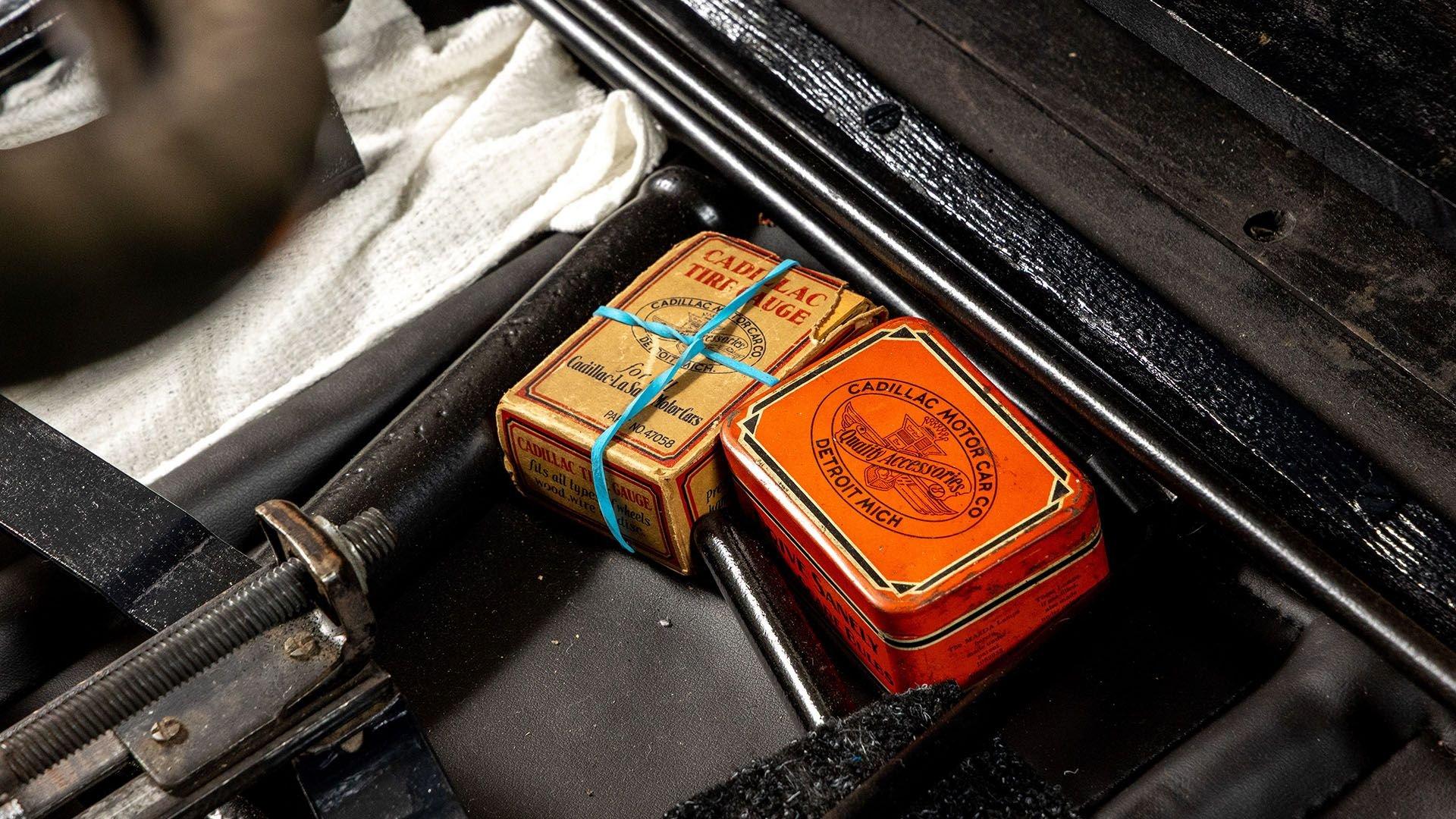
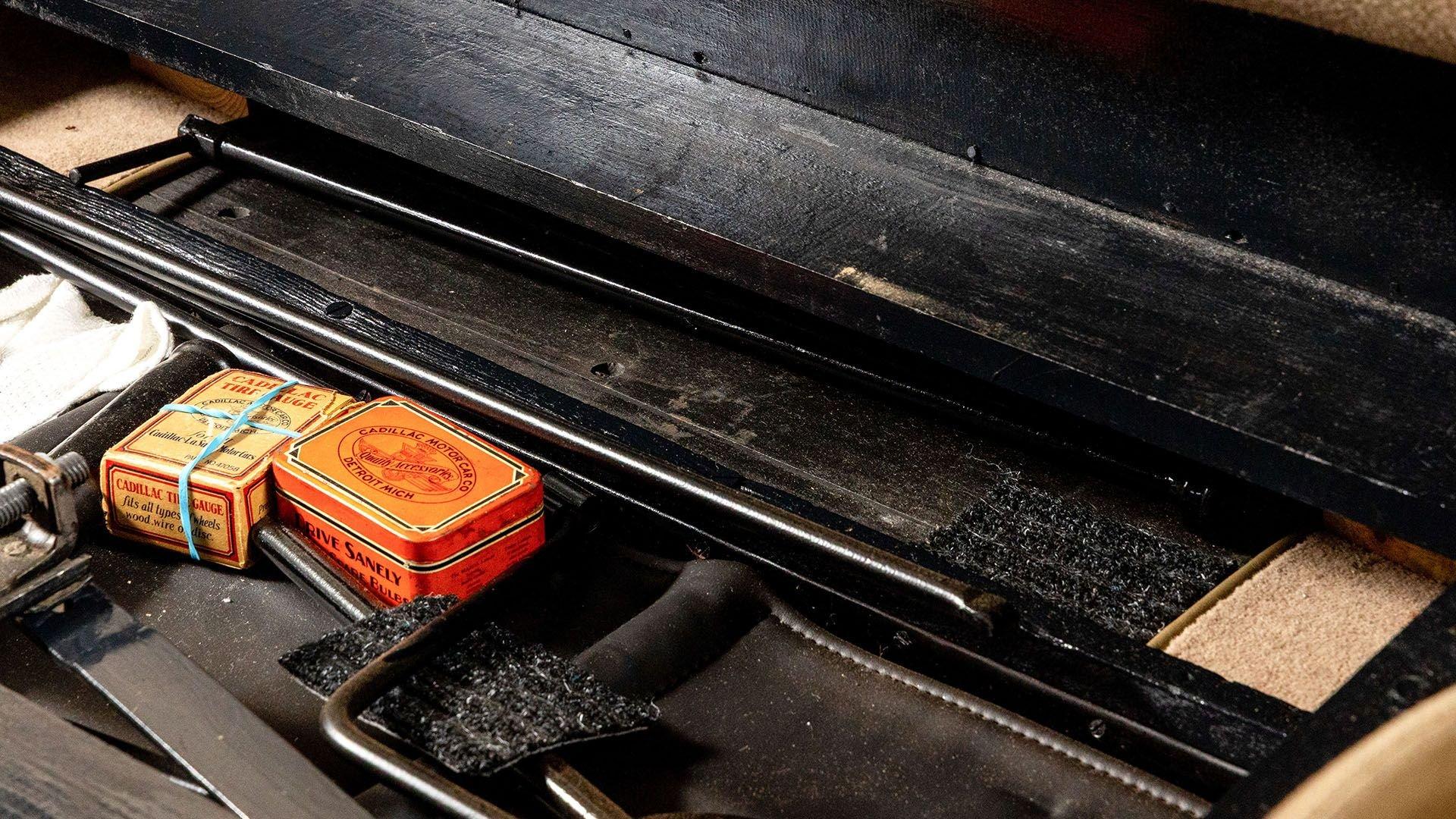
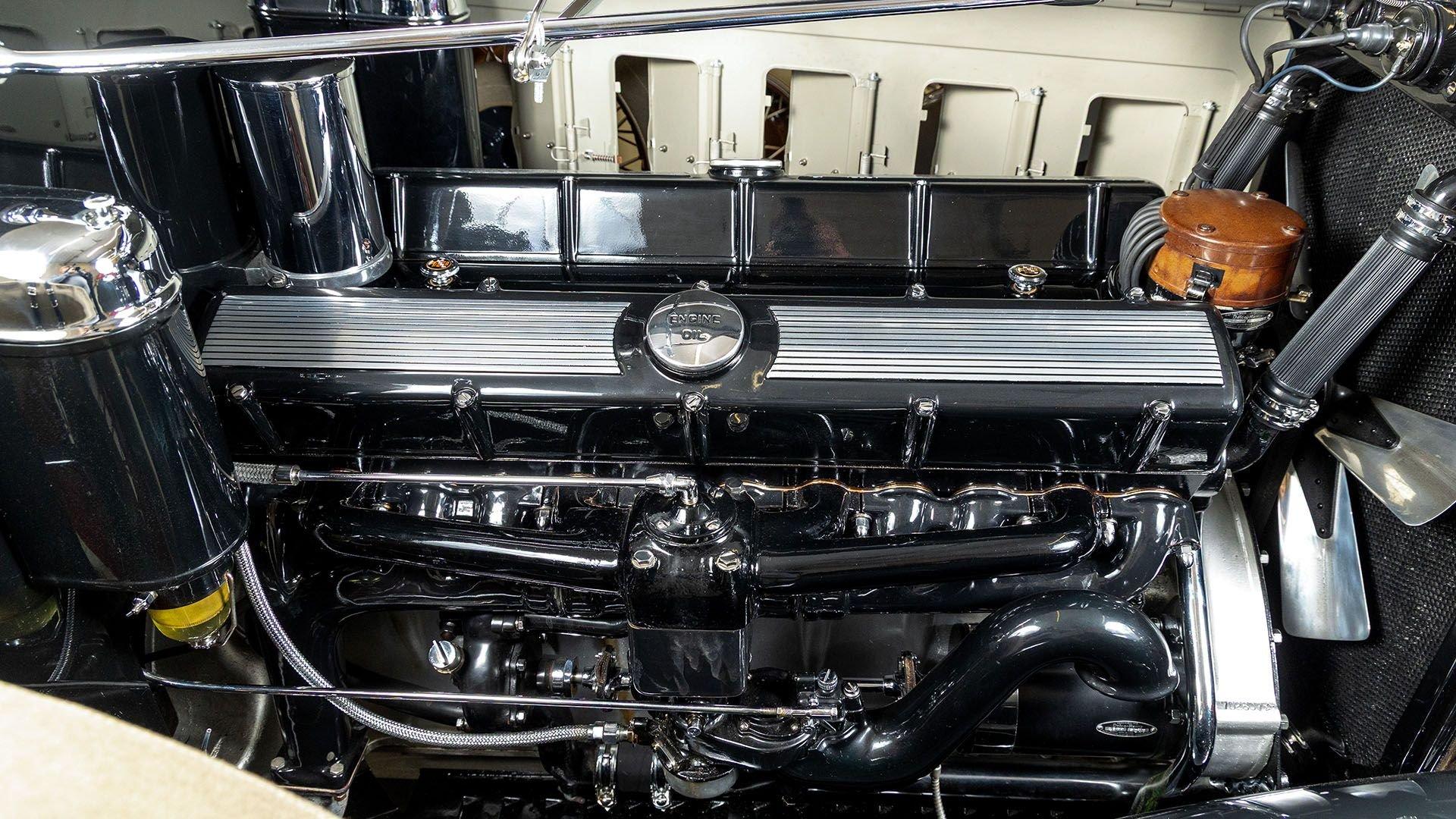
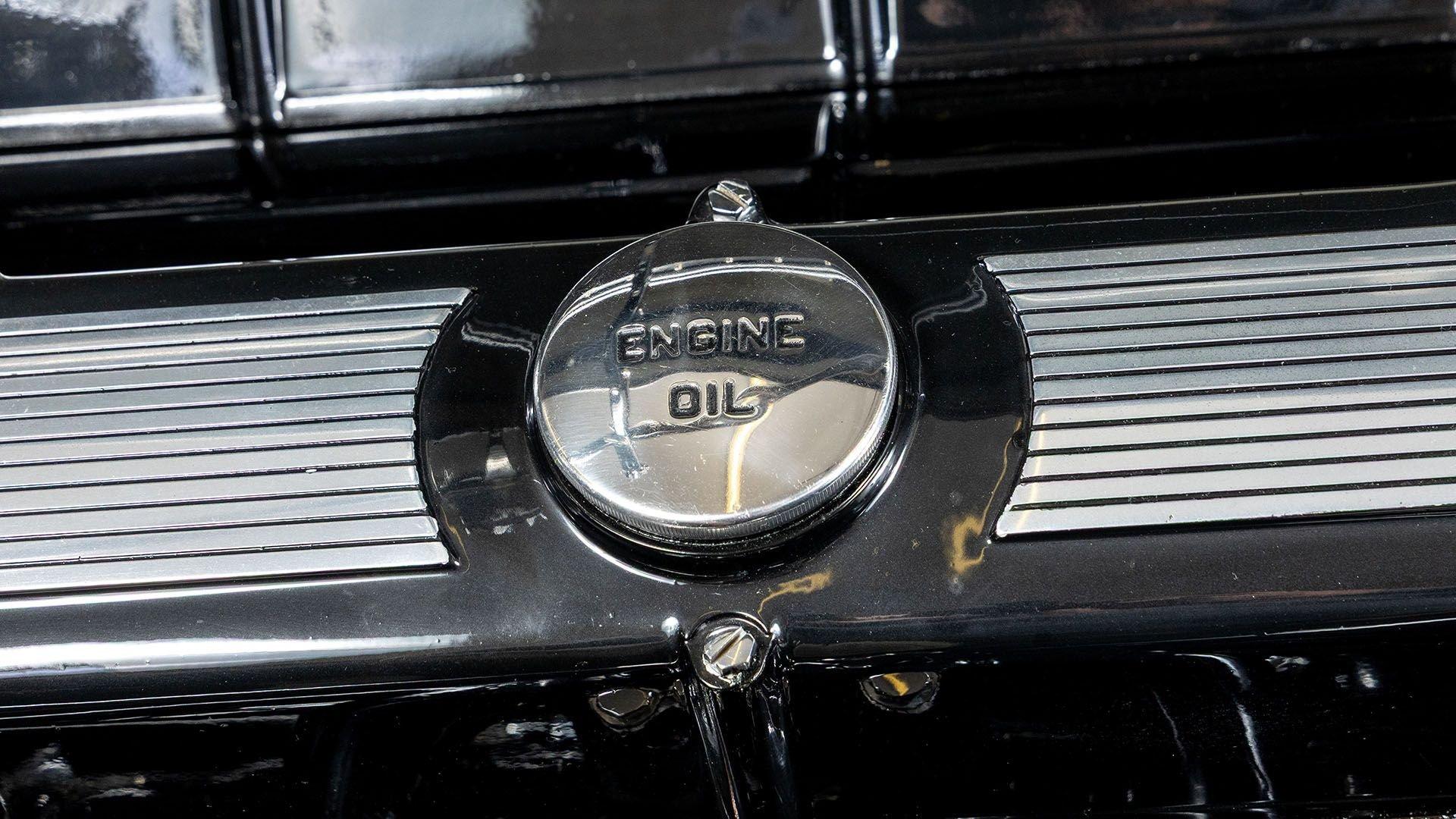
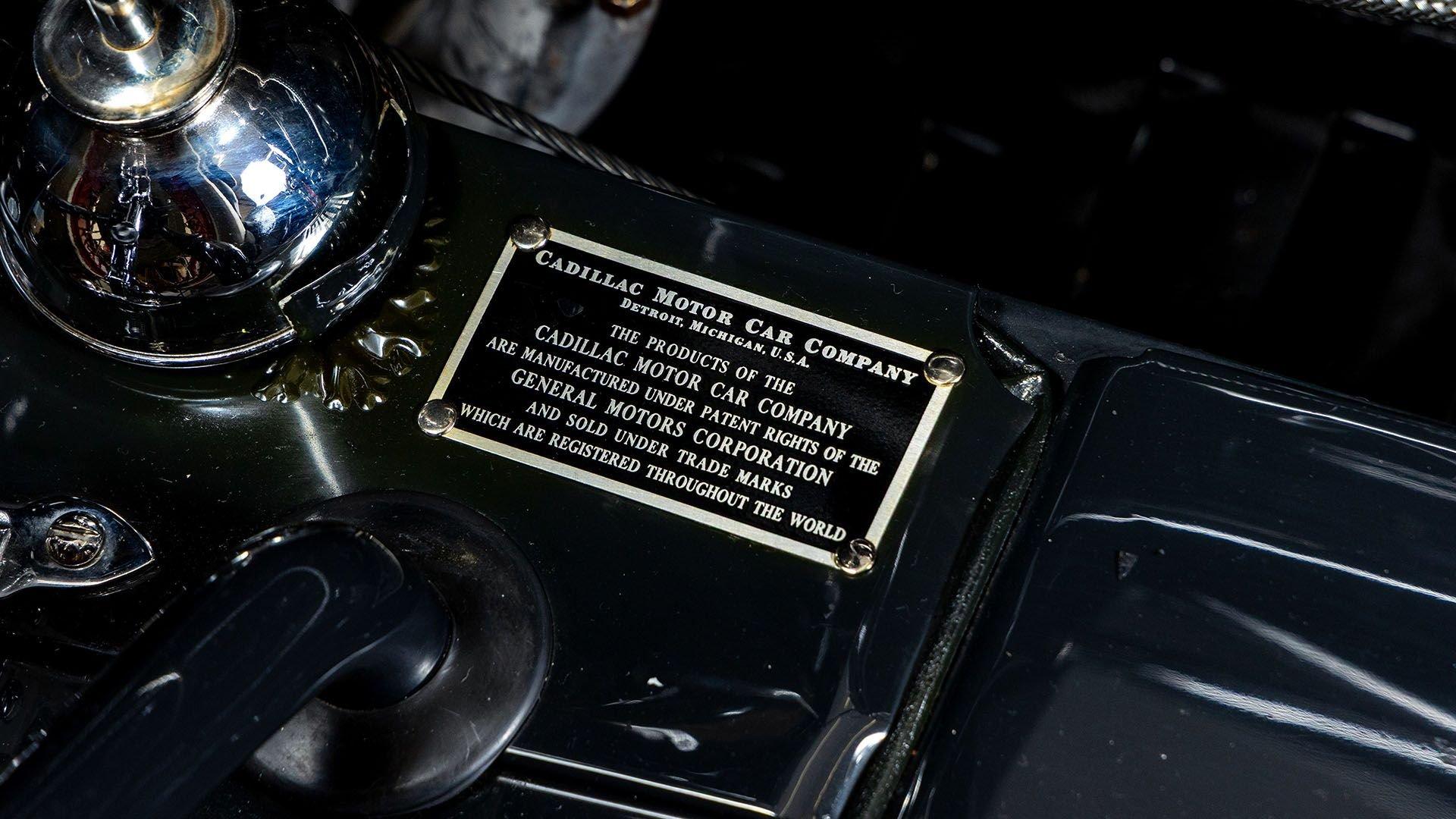
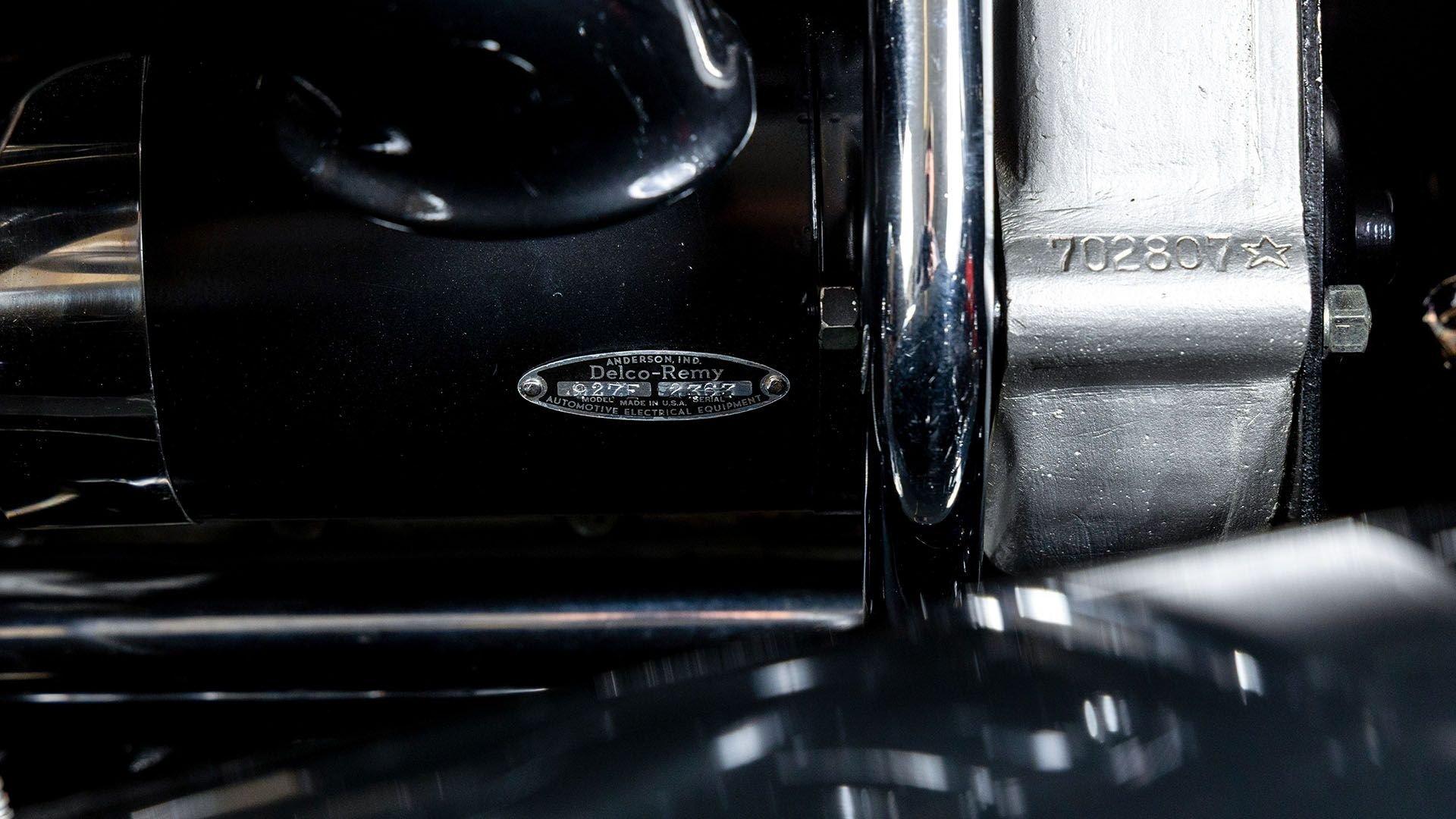
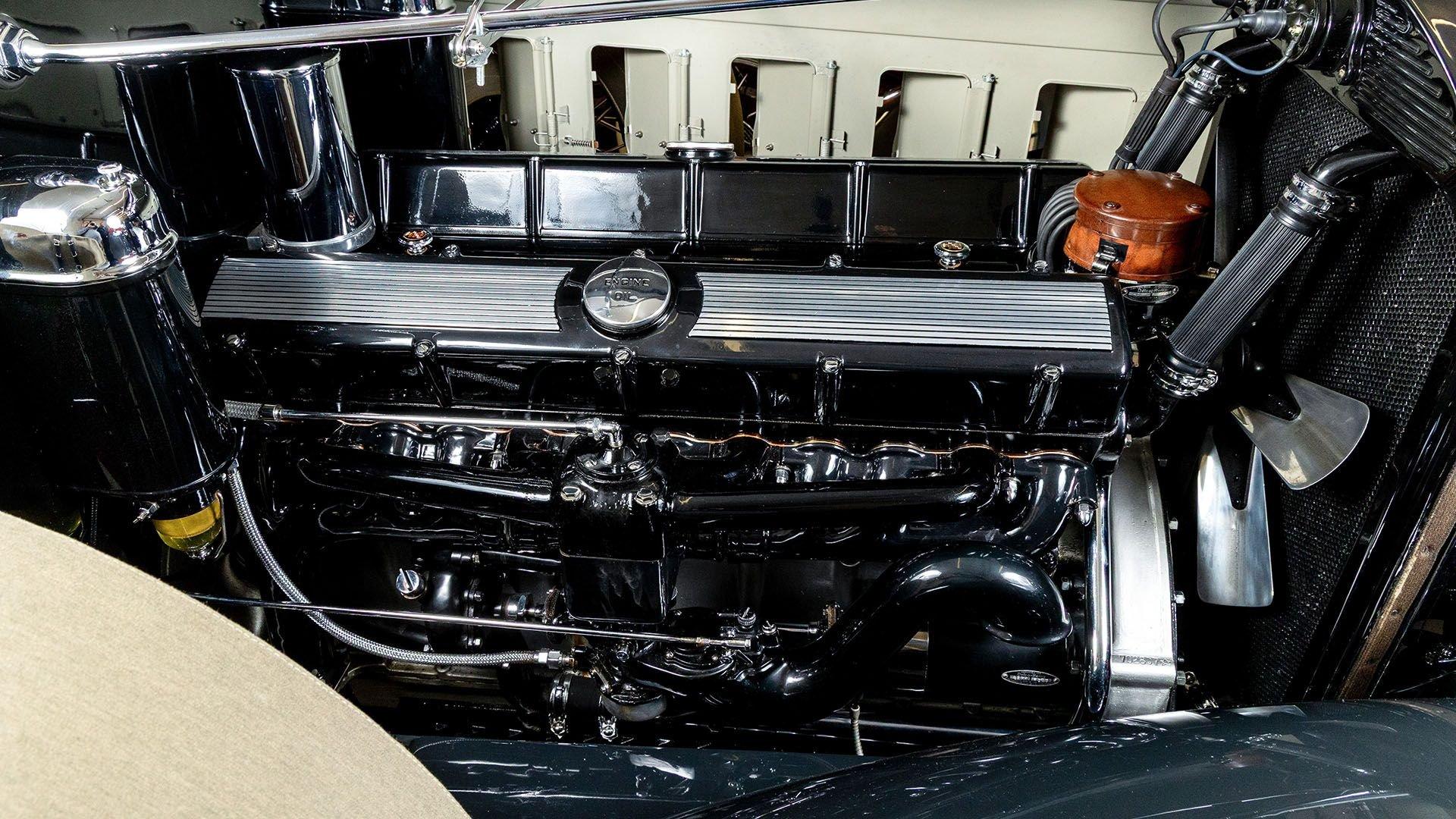
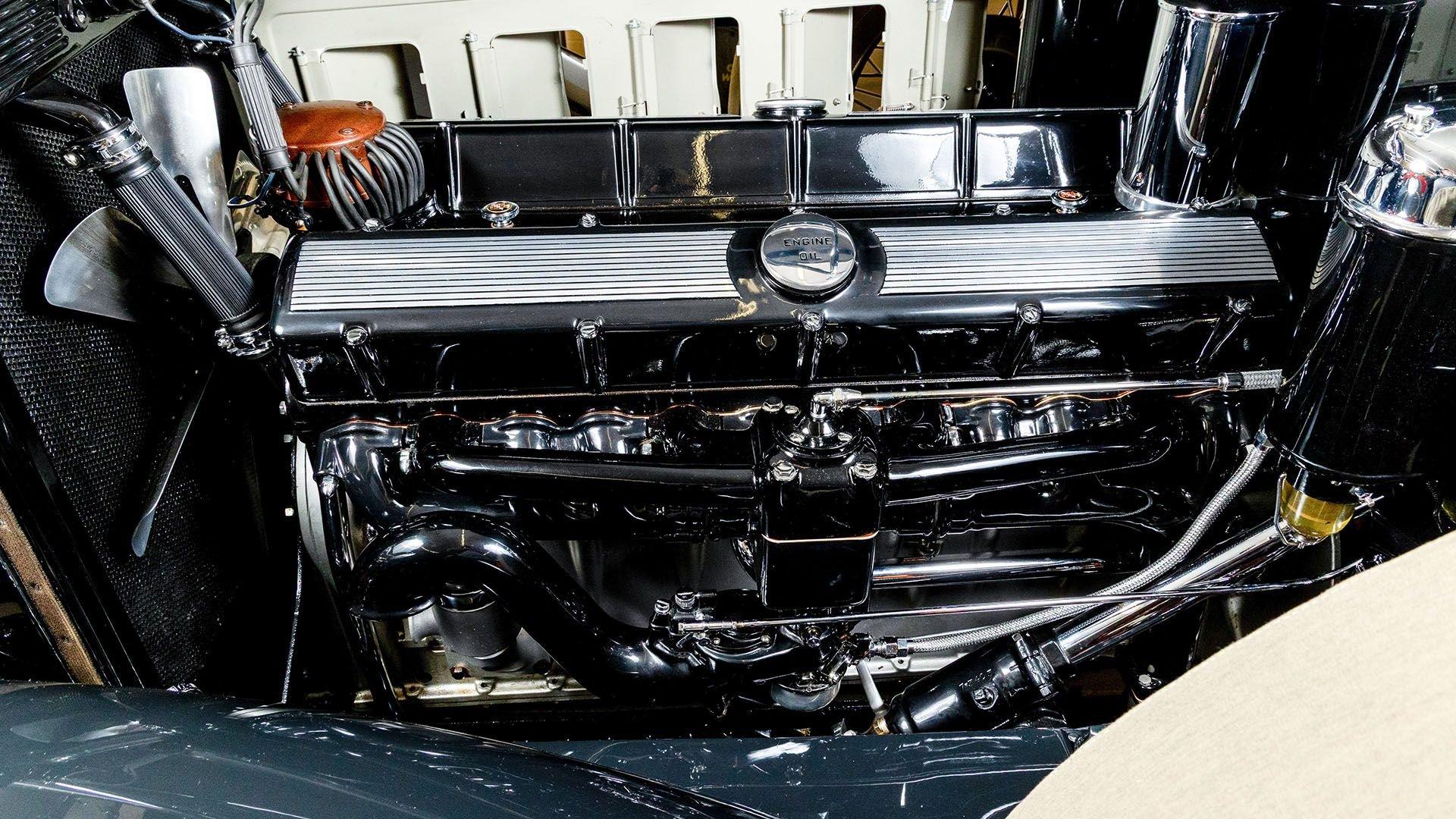
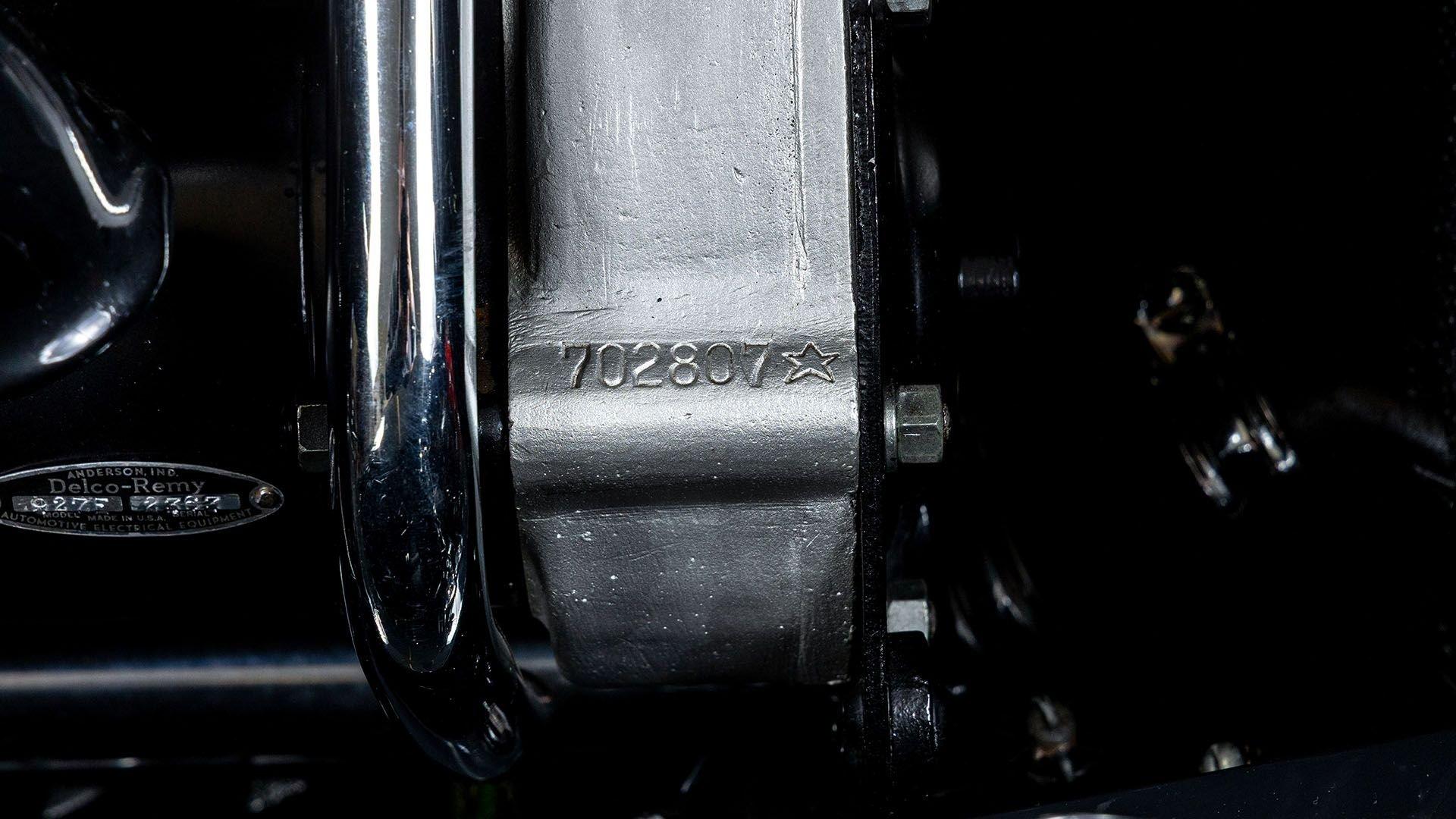
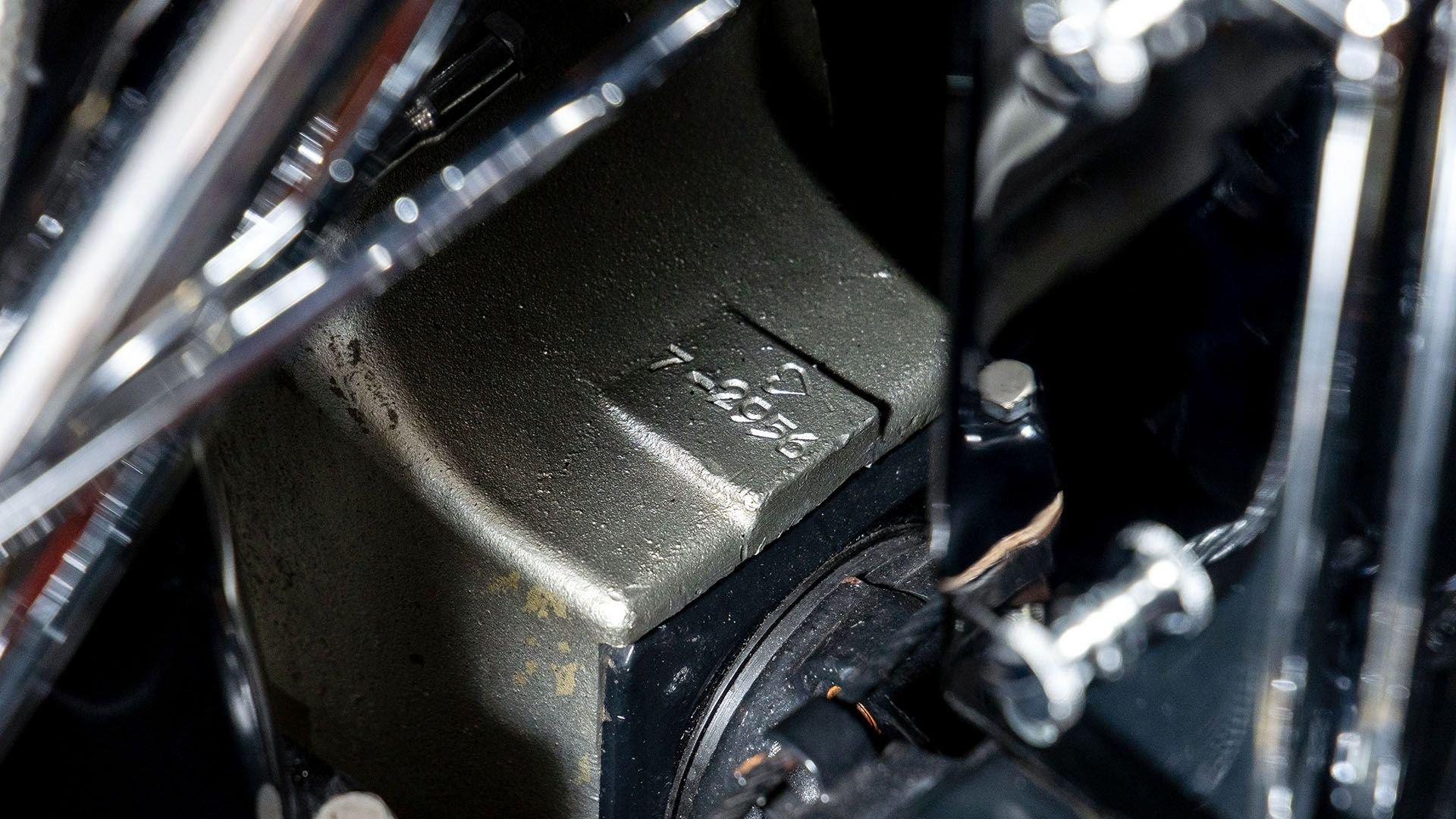
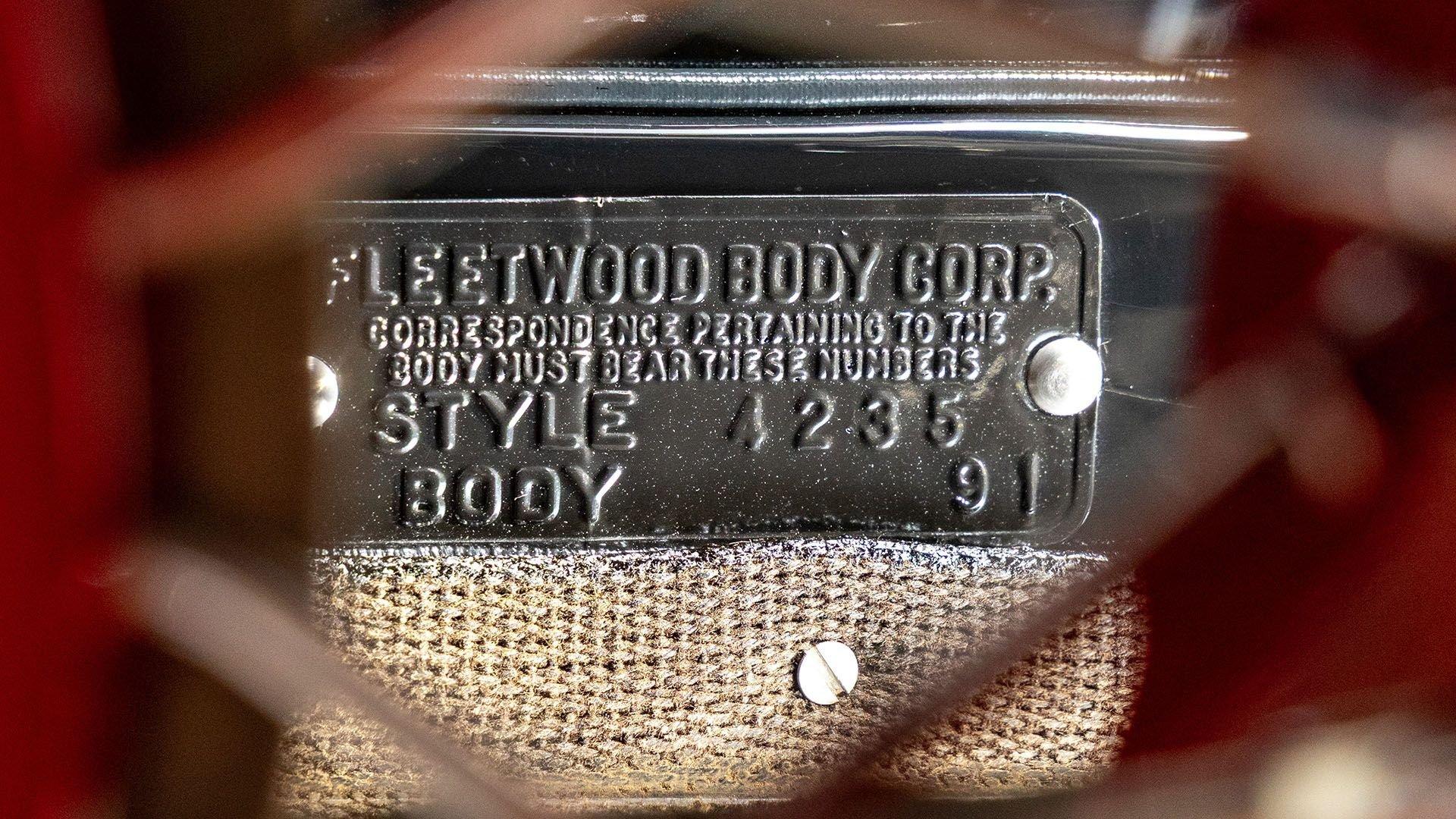
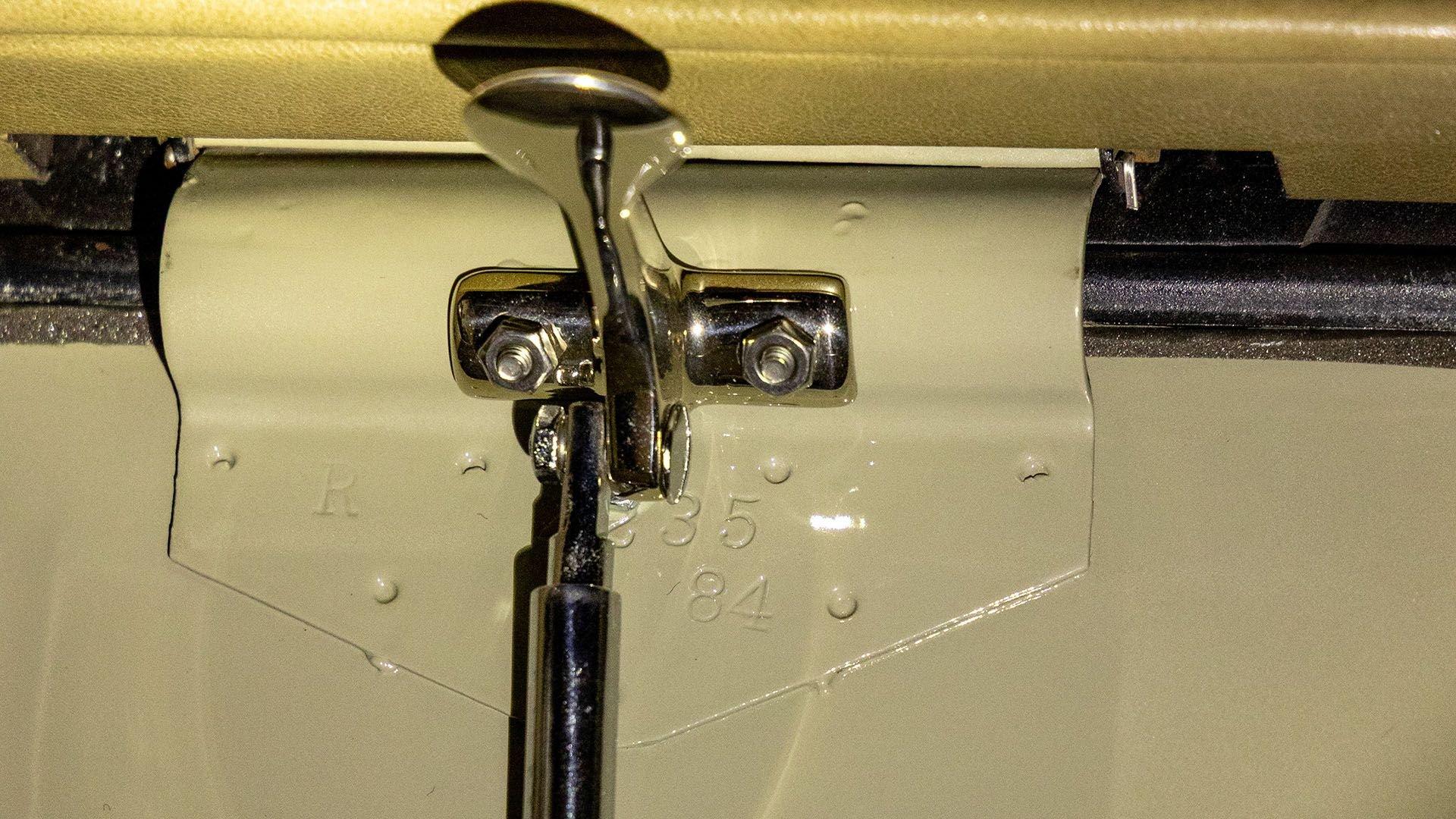
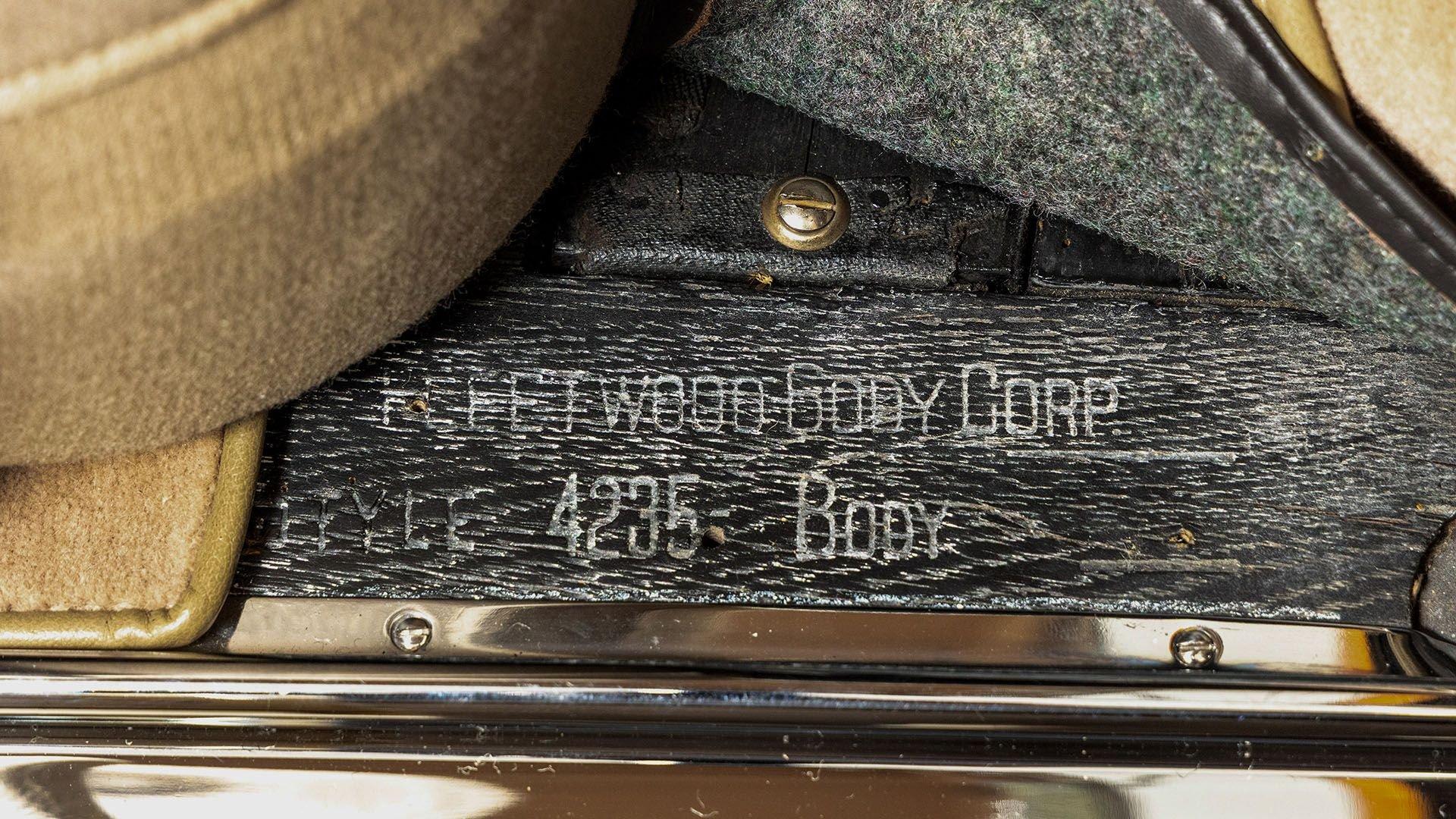
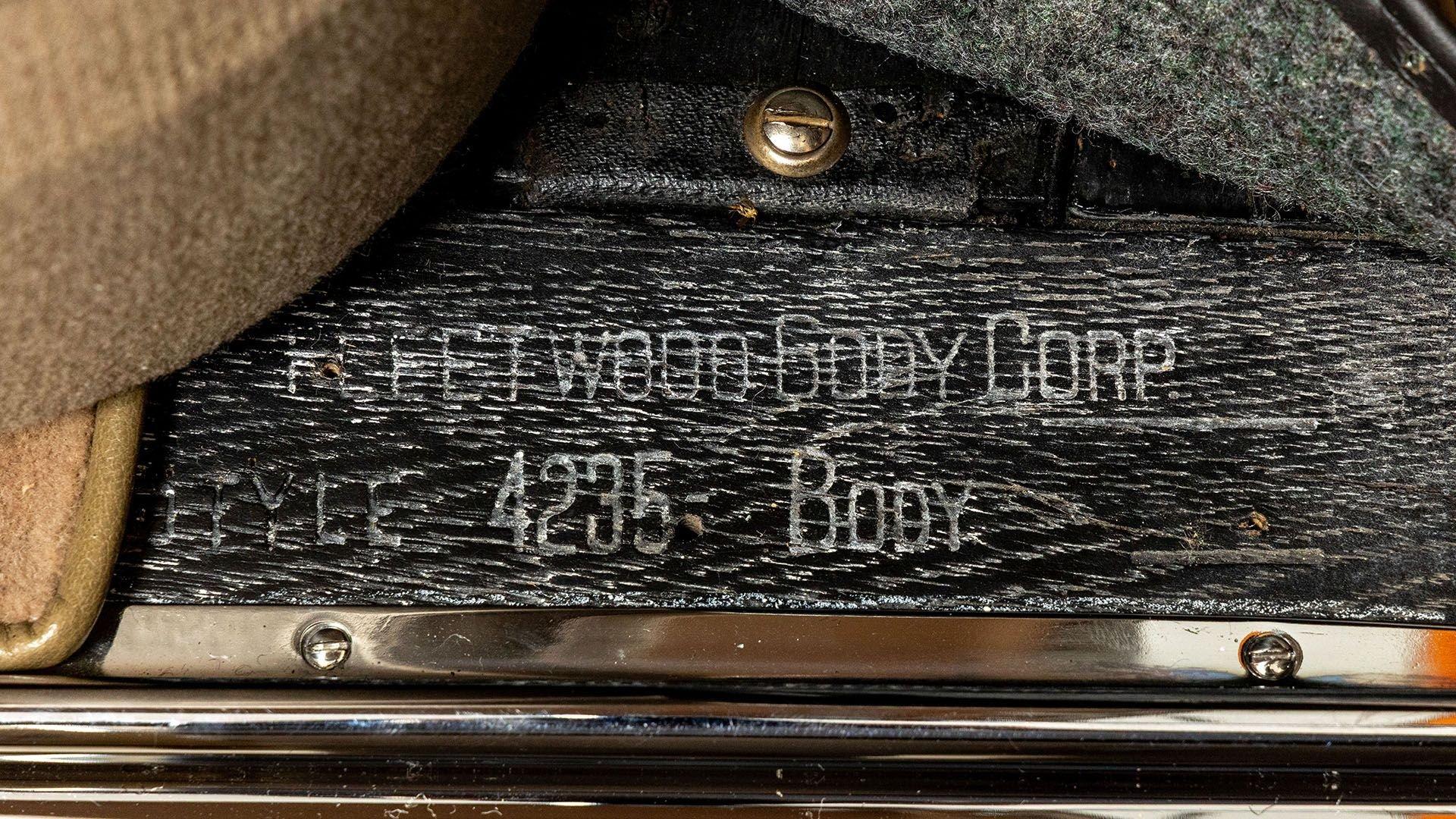
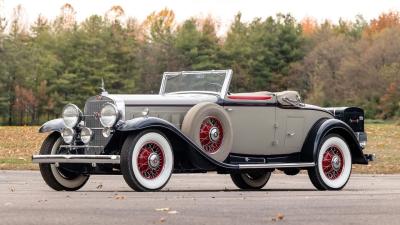
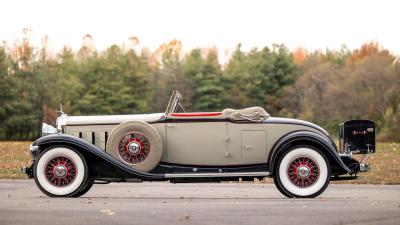
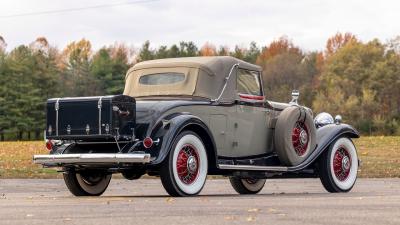
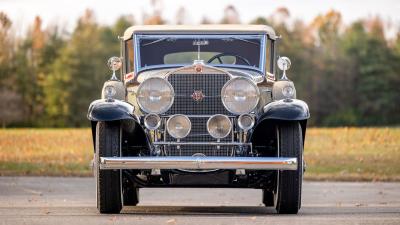
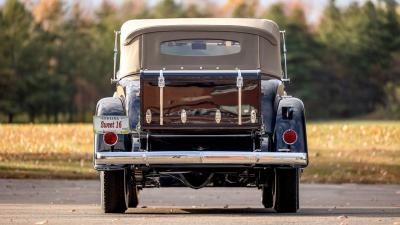
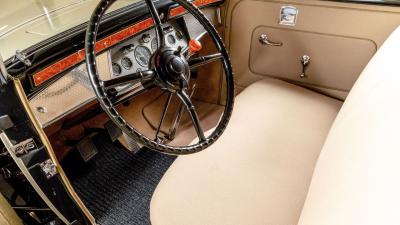
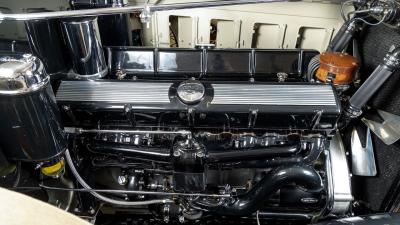
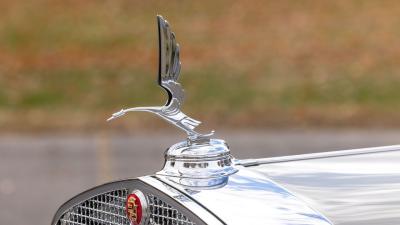
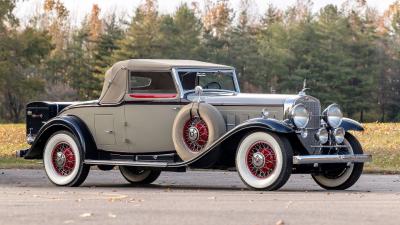
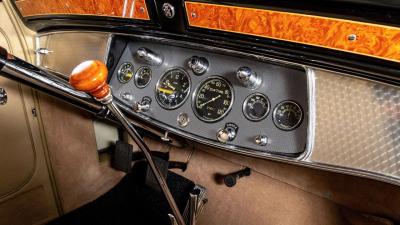
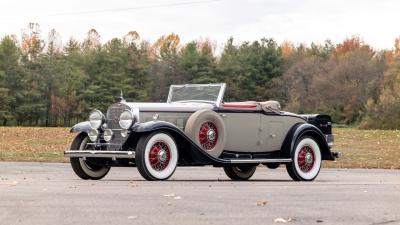
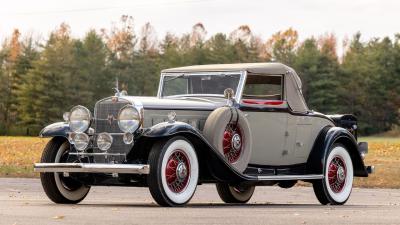
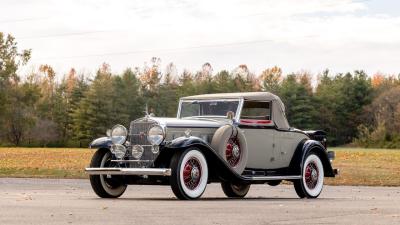
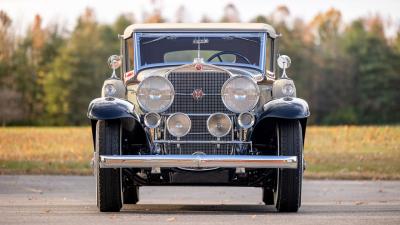
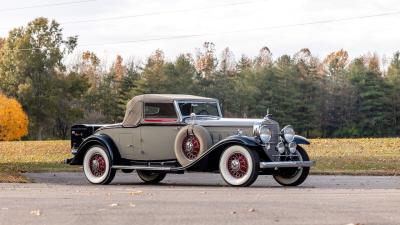
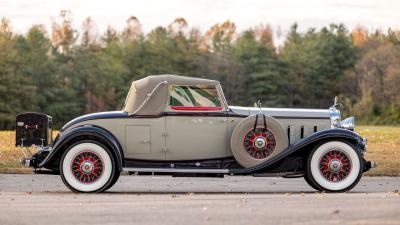
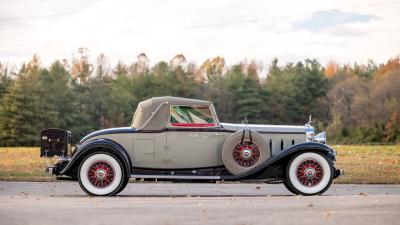
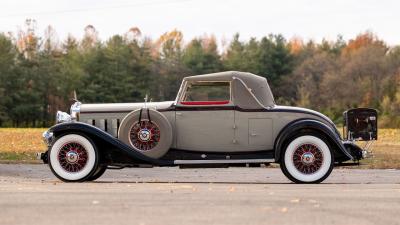
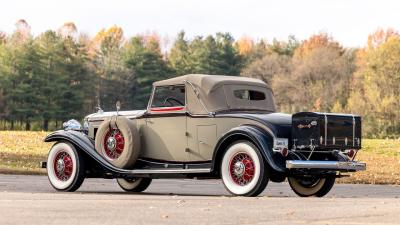
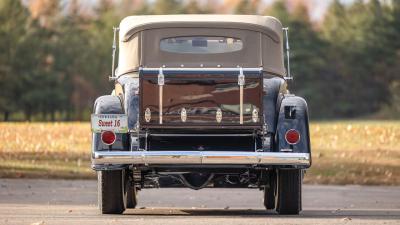
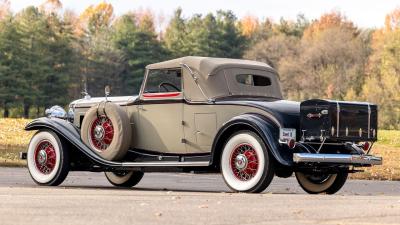
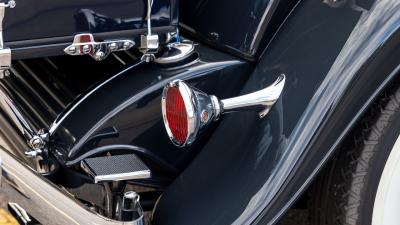
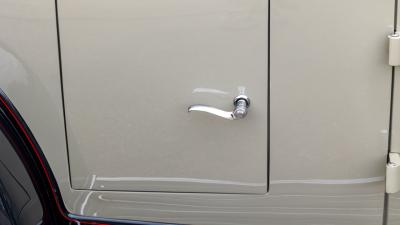
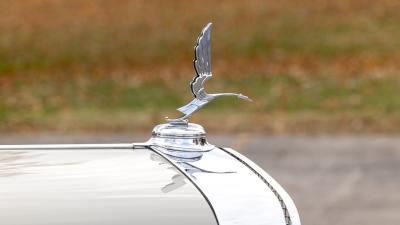
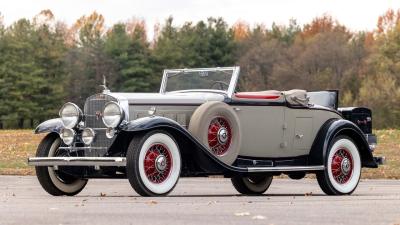
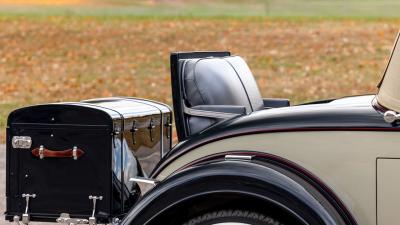
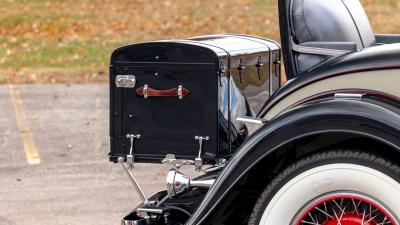
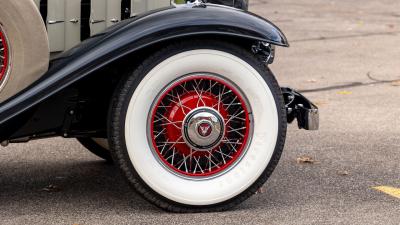
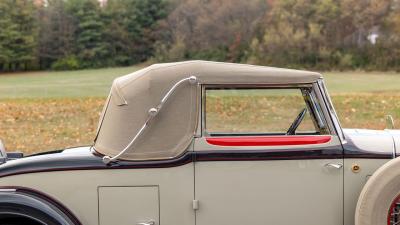
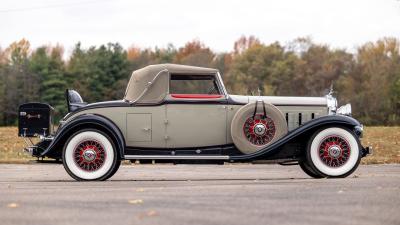
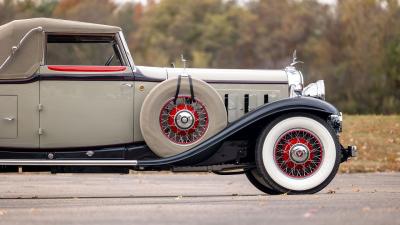
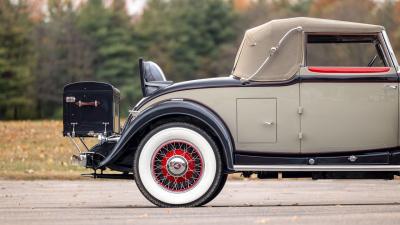
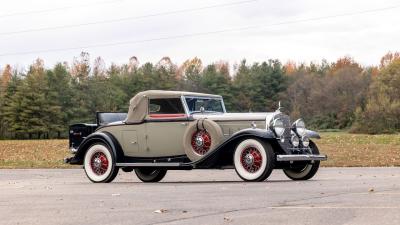
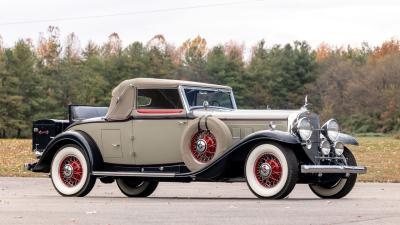
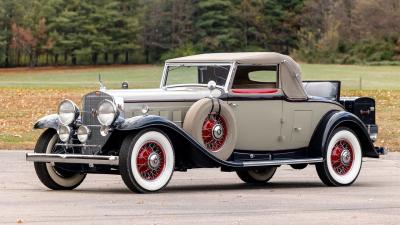
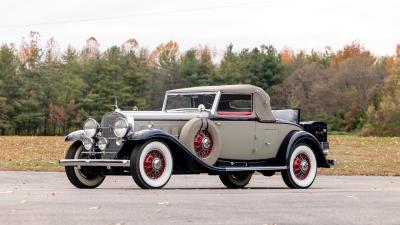
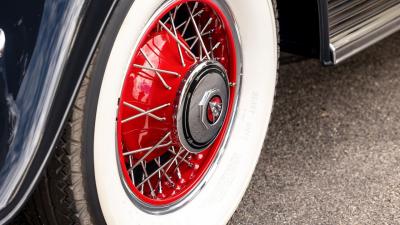
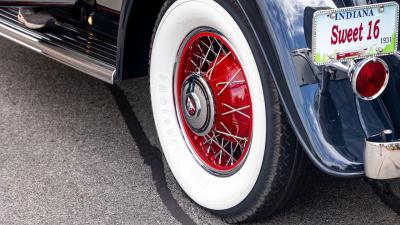
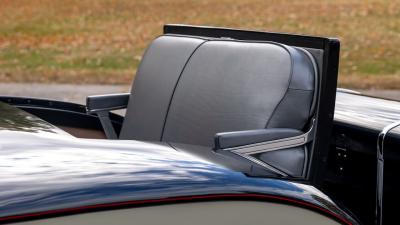
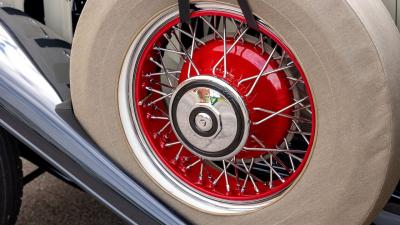
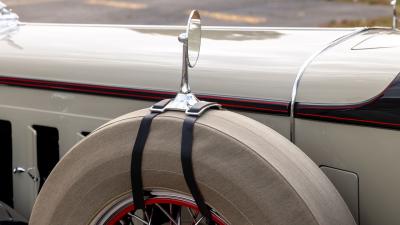
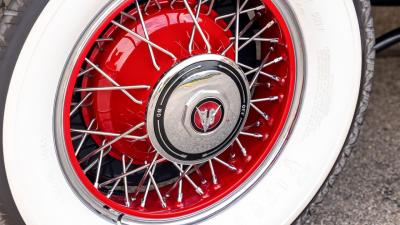
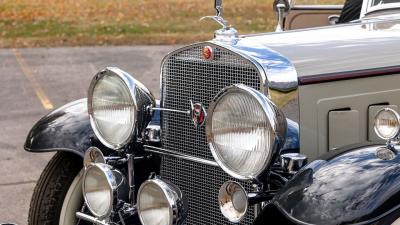
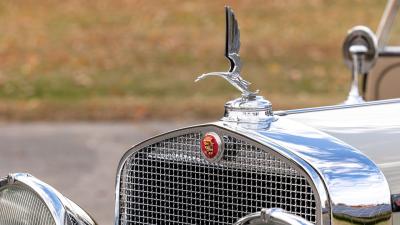
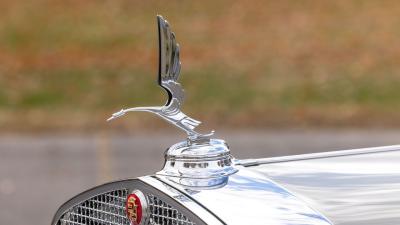
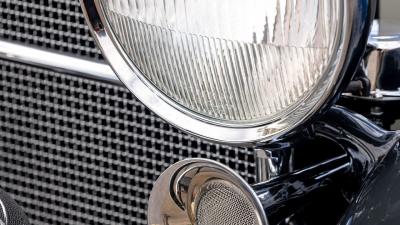
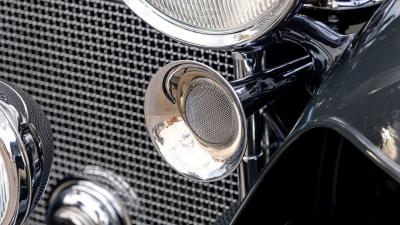
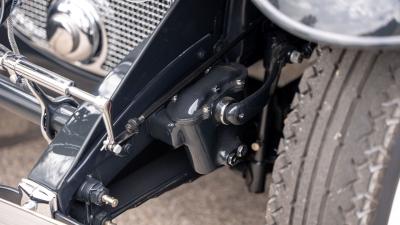
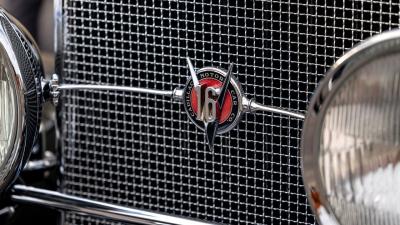
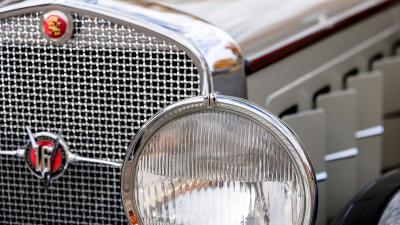
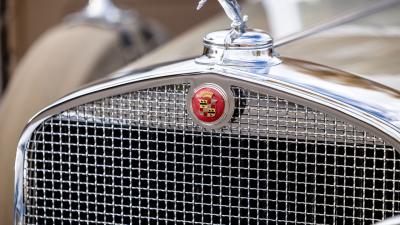
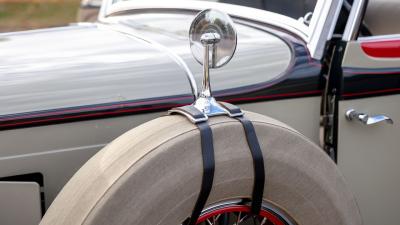
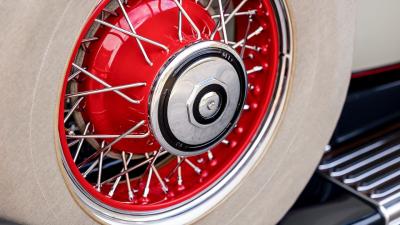
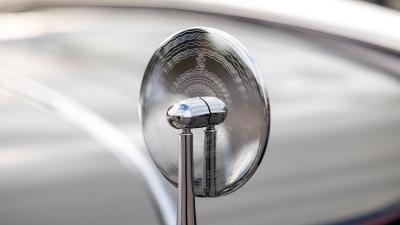
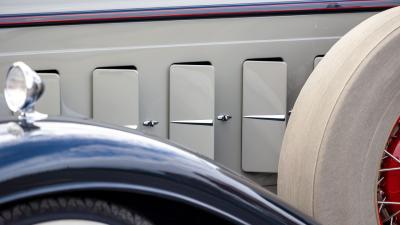
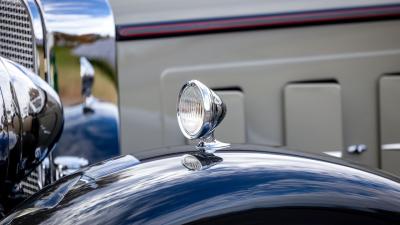
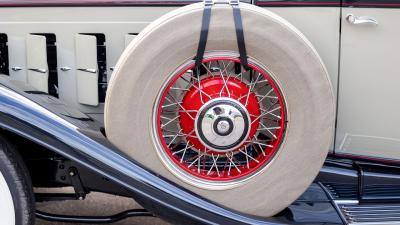
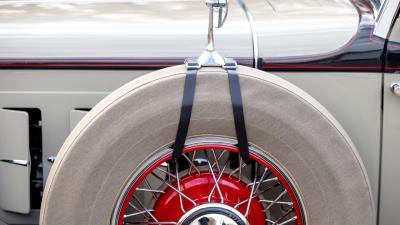
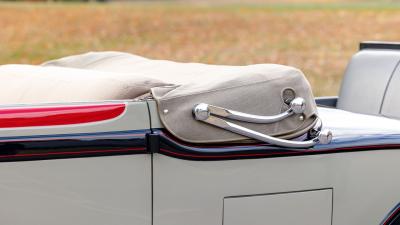
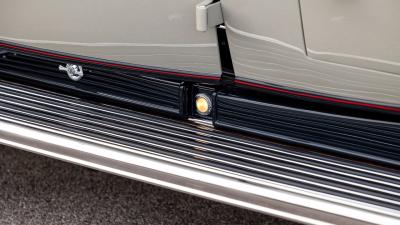
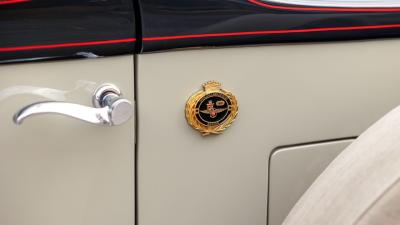
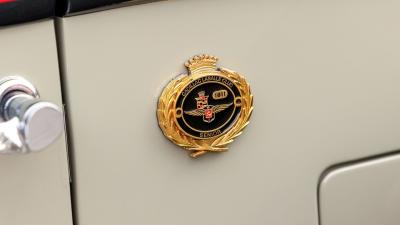
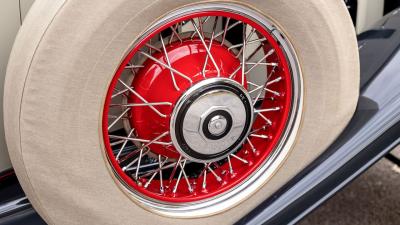
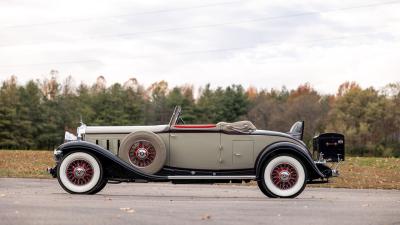
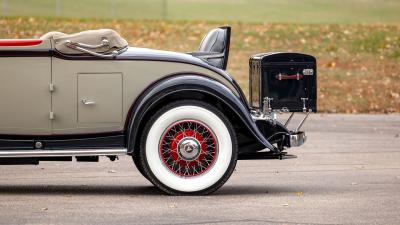
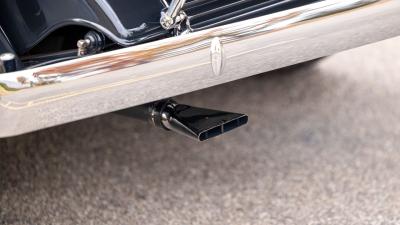
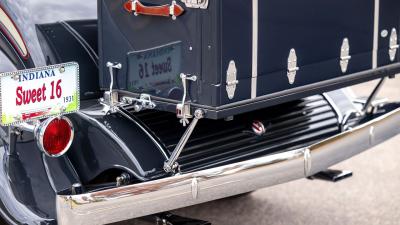
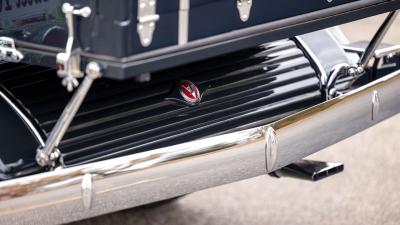
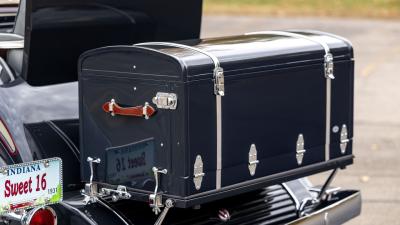
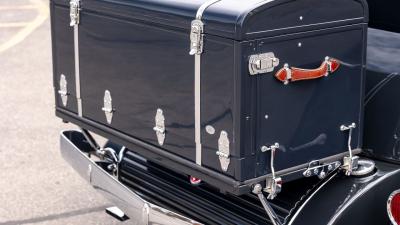
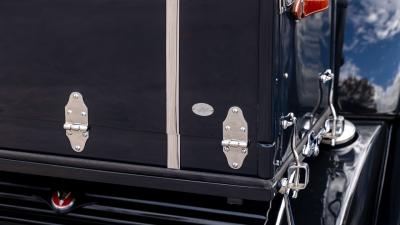
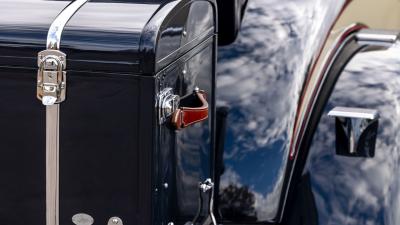
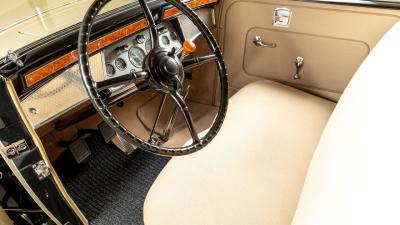
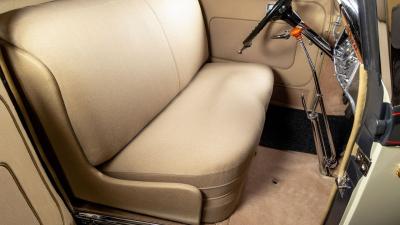
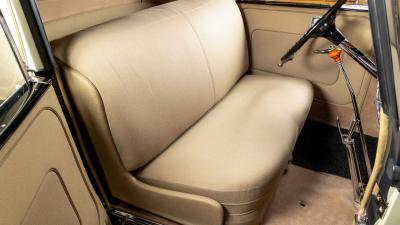
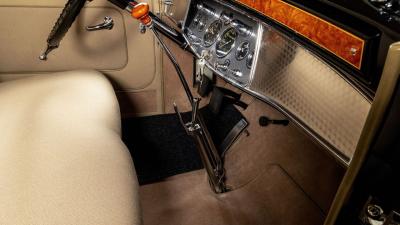
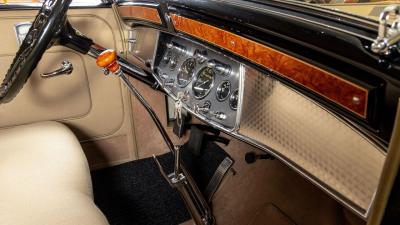
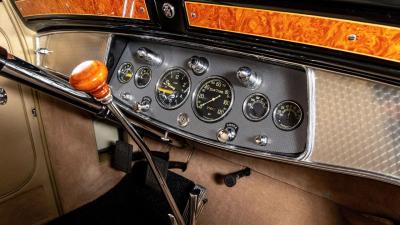
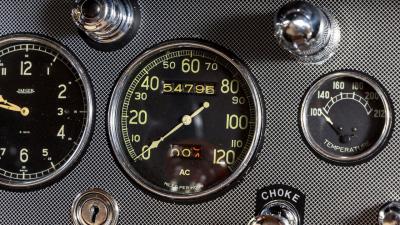
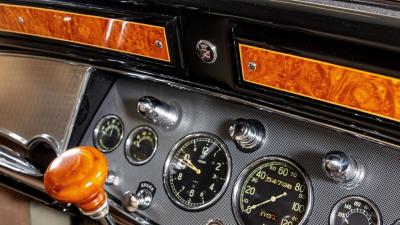
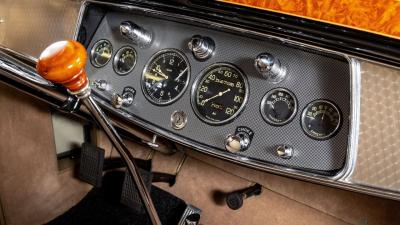
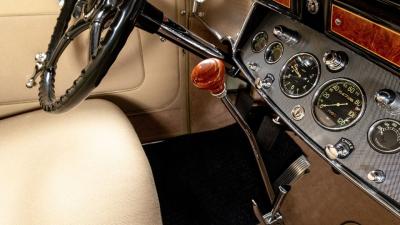
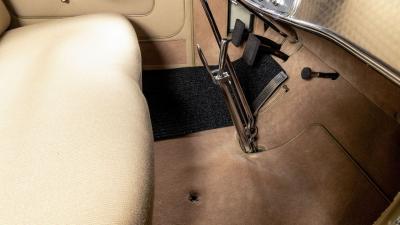
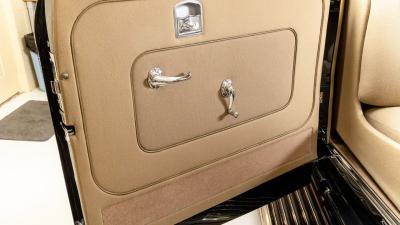
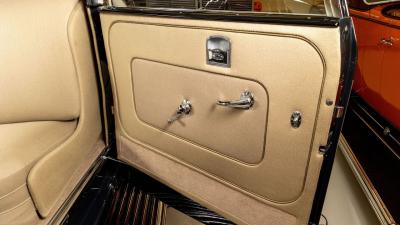
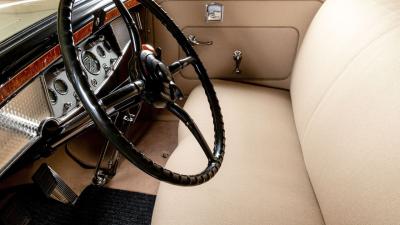
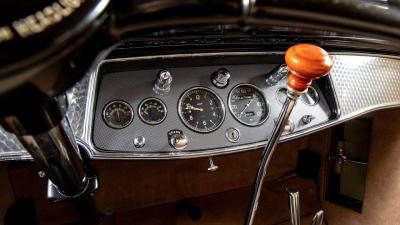
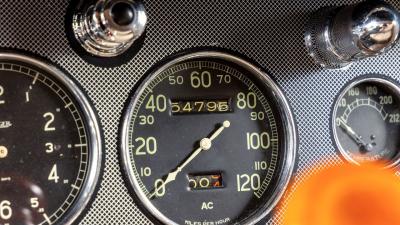
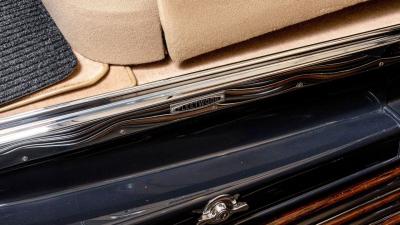
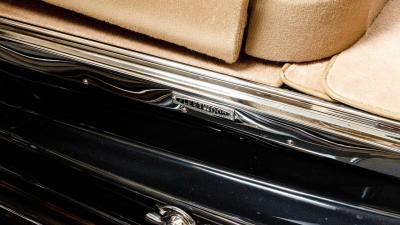
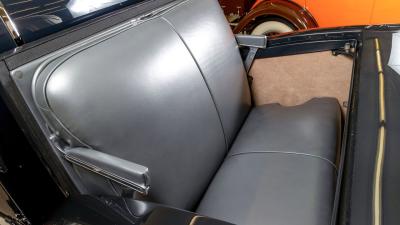
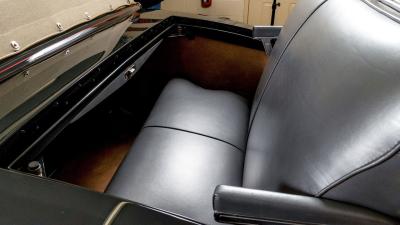
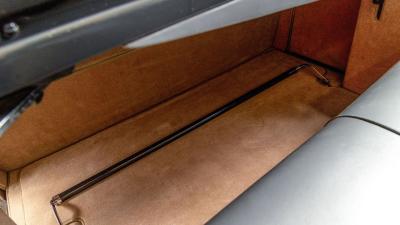
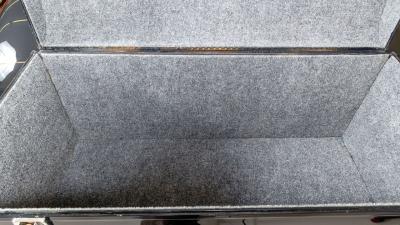
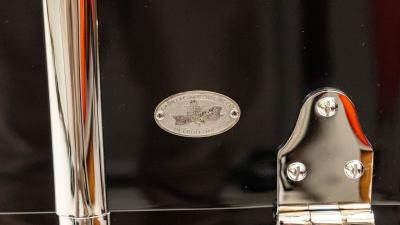
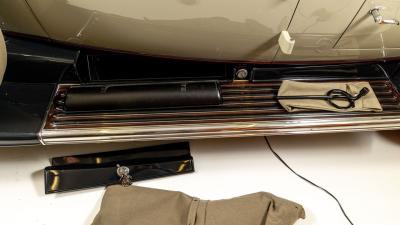
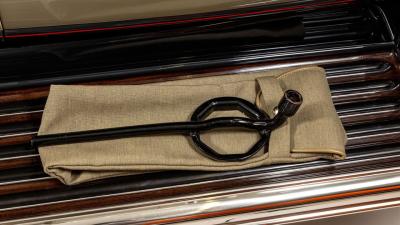
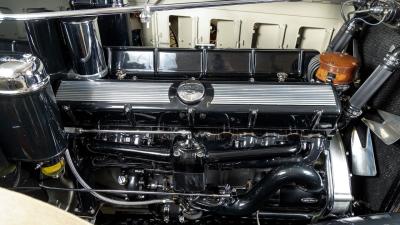
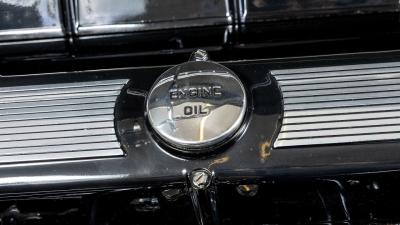
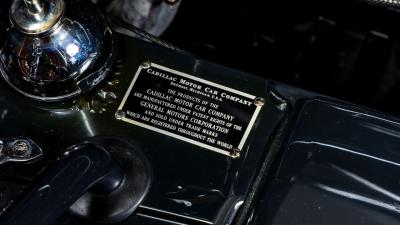
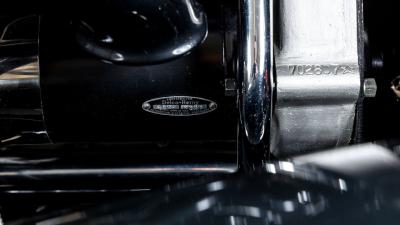
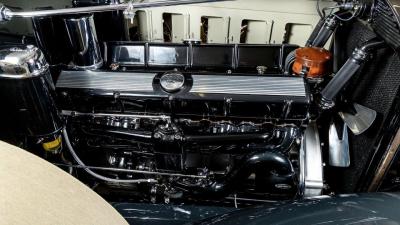
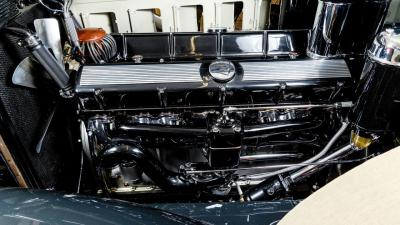
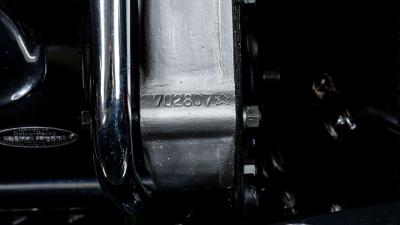
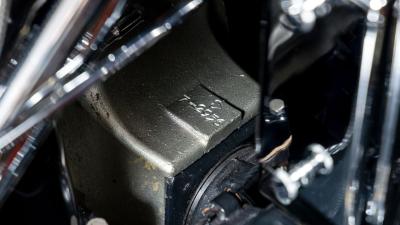
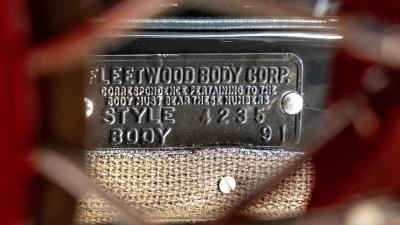
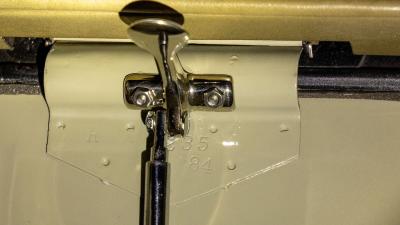
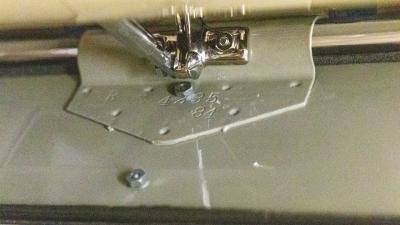
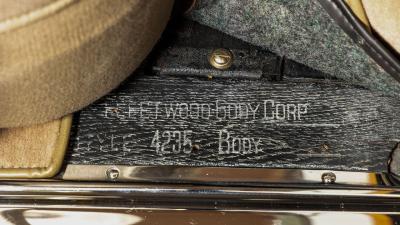
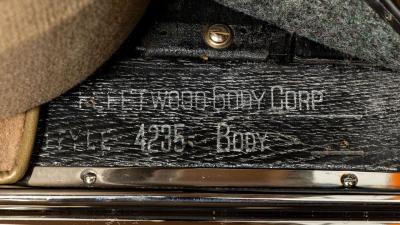
Engine No. 702807 Body No. 91 Fleetwood Style No. 4235 At a time when fours and sixes dominated the market and V8s were considered a luxury, Cadillac’s decision to introduce a sixteen-cylinder engine in 1930 was as audacious as it was revolutionary. Designed as the halo example of the brand’s "Standard of the World" reputation, the V-16 left competing engineers astounded, not only for its technical brilliance but also for its sheer visual elegance owing to Harley Earl, featuring concealed wiring, polished aluminum components, and beautifully ridged valve covers. Before this milestone, Cadillac’s chief rival, Packard, had ruled the luxury segment with an array of straight eights. In response, Cadillac’s president, Lawrence Fisher, launched an ambitious counteroffensive, enlisting the engineering talents of Owen Nacker, formerly of Marmon, who would shape Cadillac’s multi-cylinder future. The resulting V-16, with its sophisticated overhead-valve architecture, set a new benchmark in American luxury motoring, igniting a multi-cylinder rivalry among manufacturers. Following its debut at the New York Auto Show in January 1930, initial orders for the V-16 exceeded Cadillac’s highest expectations, despite the dire economic conditions and a lofty price range of $5,350 to $9,200—when a Ford Model A could be had for as little as $435. The Series 452 rode on a majestic 148-inch wheelbase, reinforced chassis, paired with power-assisted brakes, and a “Clashless” synchronized transmission. The bodies, primarily crafted by Fleetwood, reflected Harley Earl’s visionary Art and Colour Section styling, offering a dizzying 72 distinct variations! Customization was virtually limitless with interior materials like doeskin suede broadcloth, Venetian mohair, Bedford cord cloth, or fifteen different shades of leather. Just 3,251 Cadillac V-16s were built from 1930 to 1931, with the few surviving examples today offering a rare glimpse into one of the most exciting and ambitious eras in automotive history. This sporting V-16 wears style number 4235, enjoying the designation “Inside Drive Collapsible Cabriolet” and officially known as the Convertible Coupe. Commanding a princely $6,900 when new, the sleek two-passenger Convertible Coupe was defined by a dip in the belt line aft of the rear-hinged doors, allowing the convertible top to lie almost flush with the belt. Approximately 94 Cadillac V-16s left the Fleetwood plant in Pennsylvania wearing Convertible Coupe coachwork in 1931, with a mere seven examples thought to survive today. Chassis 7-2921 is one such example, much desired by collectors for the superior materials, craftsmanship, and construction methods employed by the skilled, long-tenured Fleetwood coachbuilders in Pennsylvania. This coachbuilt masterpiece was built expressly for exhibition at the 1931 Chicago Auto Salon, as confirmed by a copy of its original build sheet with a shipment date of 30 October 1930. The sheet records the V-16's factory build specifications including its two-tone Soissons Gray and Samarkand Gray finish with a Vermillion body stripe, Dupont Pointex top with headlining, Vermillion-finished wire wheels, and special equipment including two side-mounted spares, chrome-plated exhaust tips, two side-mounted mirrors, and a Heron radiator mascot. During the salon, it captured the attention of Pat Carr, a Casper, Wyoming hotelier who owned the Grand Central Hotel alongside oil interests in Texas and casino operations in South Dakota. Carr purchased the car immediately and returned with it to Casper. After several years of ownership, he passed the V-16 to his son, who reportedly drove it frequently on journeys between Wyoming and Texas. The Cadillac then passed to a Mr. Dolph of Goose Egg Springs, Wyoming. Dolph placed the car in storage, where it remained through World War II until Oscar Annis of Alcova, Wyoming, acquired it. He enjoyed the car both on his sprawling ranch and as local transportation over the next two decades before selling it in 1965 to Arvin Martensen of Loveland, Colorado. Martensen operated the Antique Auto House in Loveland, where the V-16 joined his impressive collection. Early in 1969, John Bergquist purchased the Antique Auto House and its entire inventory, including chassis 7-2921. Bergquist sold the Cadillac later that year to Lawton Clark of Amarillo, Texas. In 1976, renowned early Cadillac specialist "Cadillac" Jim Pearson acquired it, before it moved to Dick Gold of Minnesota in the mid-1980s. Gold, a former Classic Car Club of America president, was known for his exceptional collection of early Cadillacs. Throughout its time in Wyoming and later Colorado and Texas, the car benefited considerably from the region's predominantly arid conditions and low humidity, an ideal environment for the Cadillac’s preservation. After years of enjoyment with a Colorado-based caretaker, the Cadillac’s former owner Jim Pearson in Kansas City was commissioned to perform what was initially planned as a cosmetic refresh due to the car’s well-preserved state. The project, like many, evolved into a comprehensive, concours-level, nut-and-bolt restoration. When Pearson passed away during the work, his protégé Sonny Elliot, who had worked alongside Jim since age 17, assumed responsibility with his son Jeff. The Elliots’ restoration returned the matching-numbers V-16 to its original factory specification, concluding in 2019. The restoration returned the car to the original Soissons Gray and Samarkand Gray two-tone finish it wore at its Chicago Salon debut, complete with vibrant Vermilion-finished mail coach sills and matching pinstriping. The engine compartment houses the original 452 cu-in, twin-carbureted V-16 engine finished in stunning gloss black enamel, matched by an equally tidy undercarriage. Inside, the sumptuous tan cloth upholstery is complemented by matching wool carpets, a machine-turned dash panel, and exquisitely chromed switchgear. The car is also equipped with a folding soft top, dual golf club compartment doors, dual side-mounted spares topped with side-view mirrors, a leather-trimmed rumble seat with armrests, pivoting Pilot Ray headlamps, a Cadillac Heron radiator mascot, and a Cadillac trunk atop the rear trunk rack. Following its restoration, the Cadillac immediately began gathering concours accolades. Its show history is highlighted by a Third in Class award at the 72nd Pebble Beach Concours d’Elegance in 2023. Other distinctions include achieving Senior status at the 2022 Cadillac & LaSalle Club Grand National and winning Best in Show at the 2022 Gasparilla Concours. This superb Classic Era Cadillac is deserving of continued exposure on the show field under new ownership, where its quality would make it a serious contender for top honors at the world’s premier concours. Elegant, imposing, and powerful, the Cadillac Series 452A is undoubtedly one of the most desirable and seldom offered automobiles of the Classic Era. With its documented history from new, beautiful Pennsylvania-built Fleetwood body, award-winning restoration by Cadillac experts, and matching-numbers components, this Convertible Coupe must be one of the finest examples of the model extant.
Contact Us
