



























































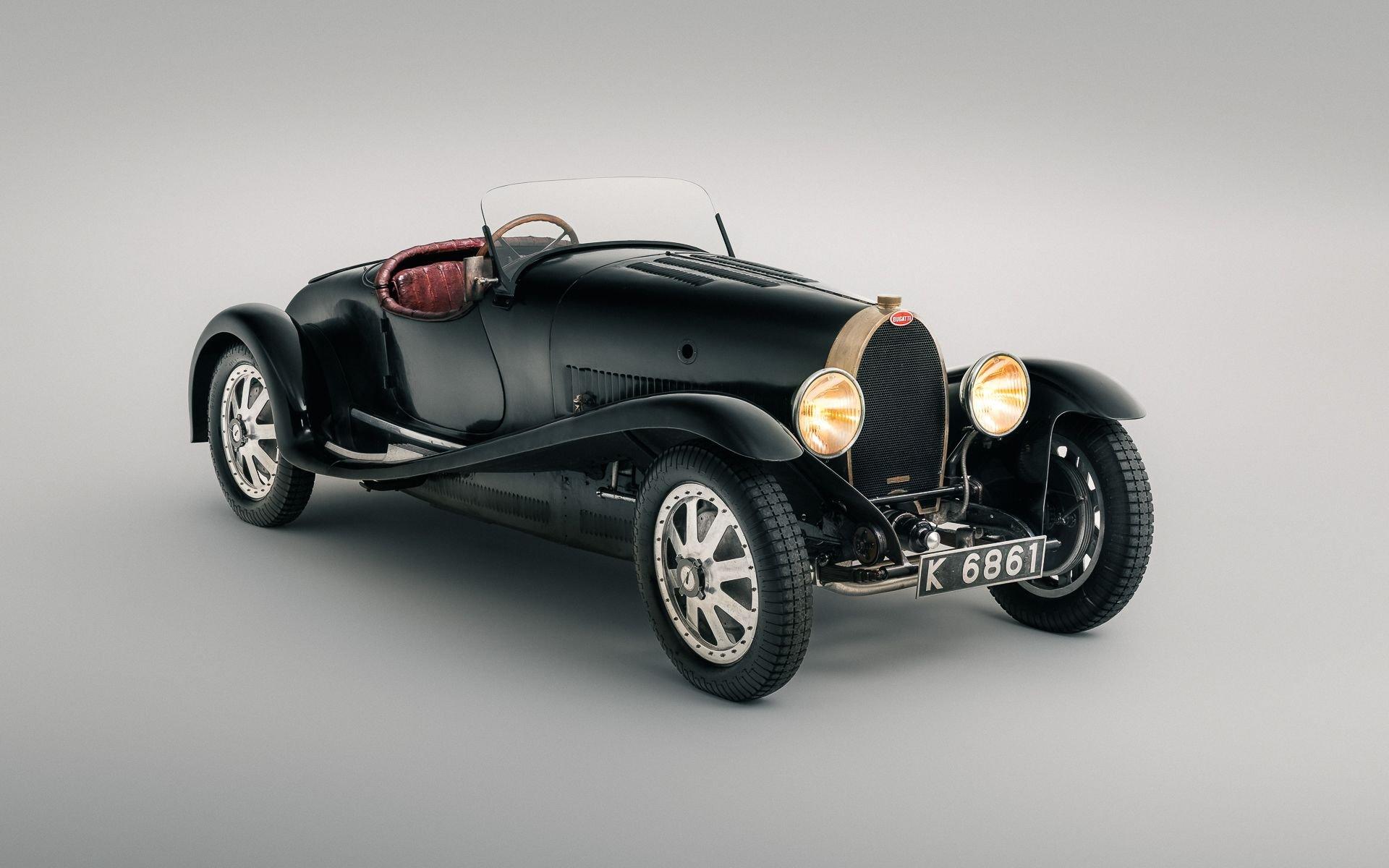
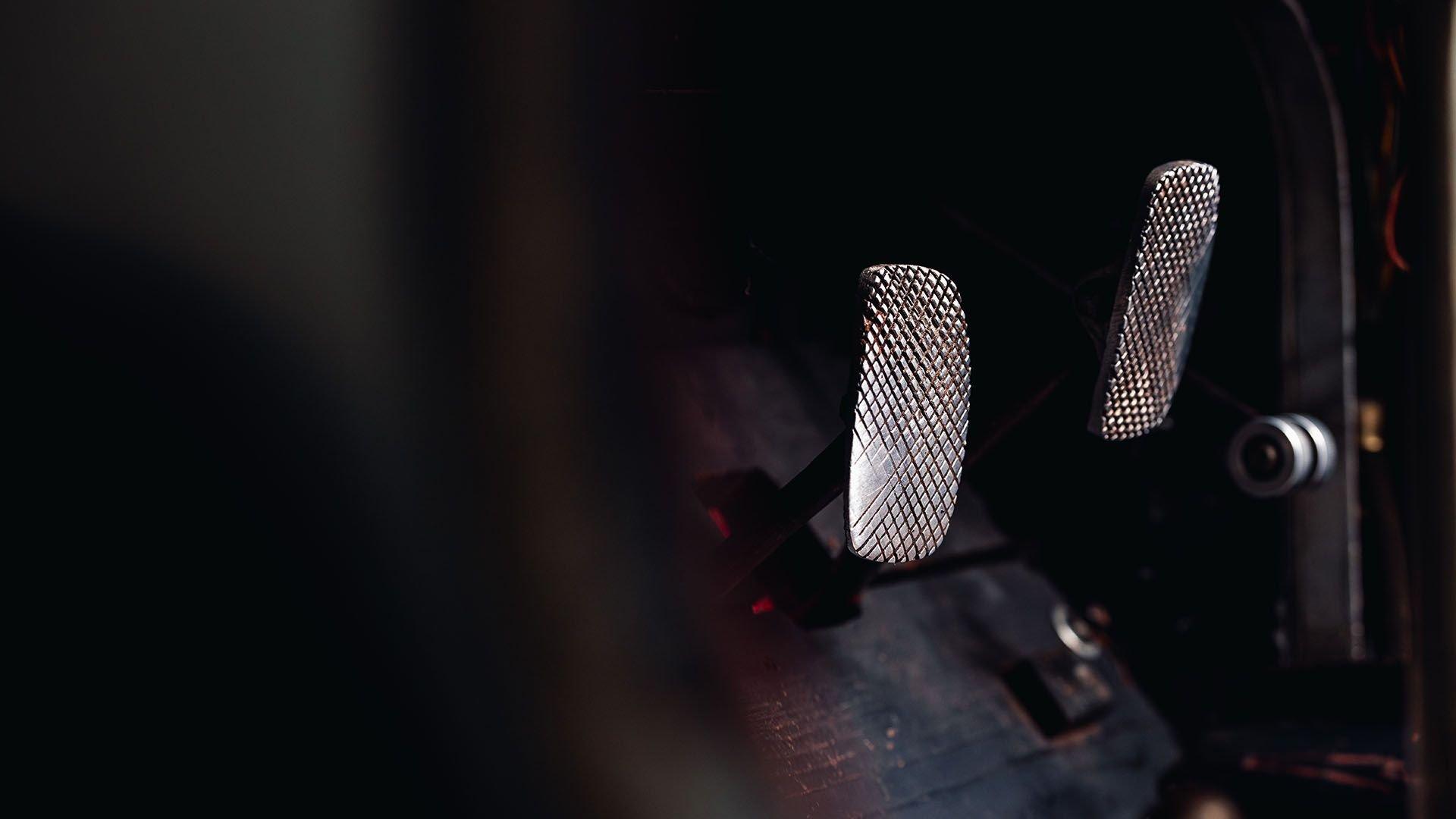
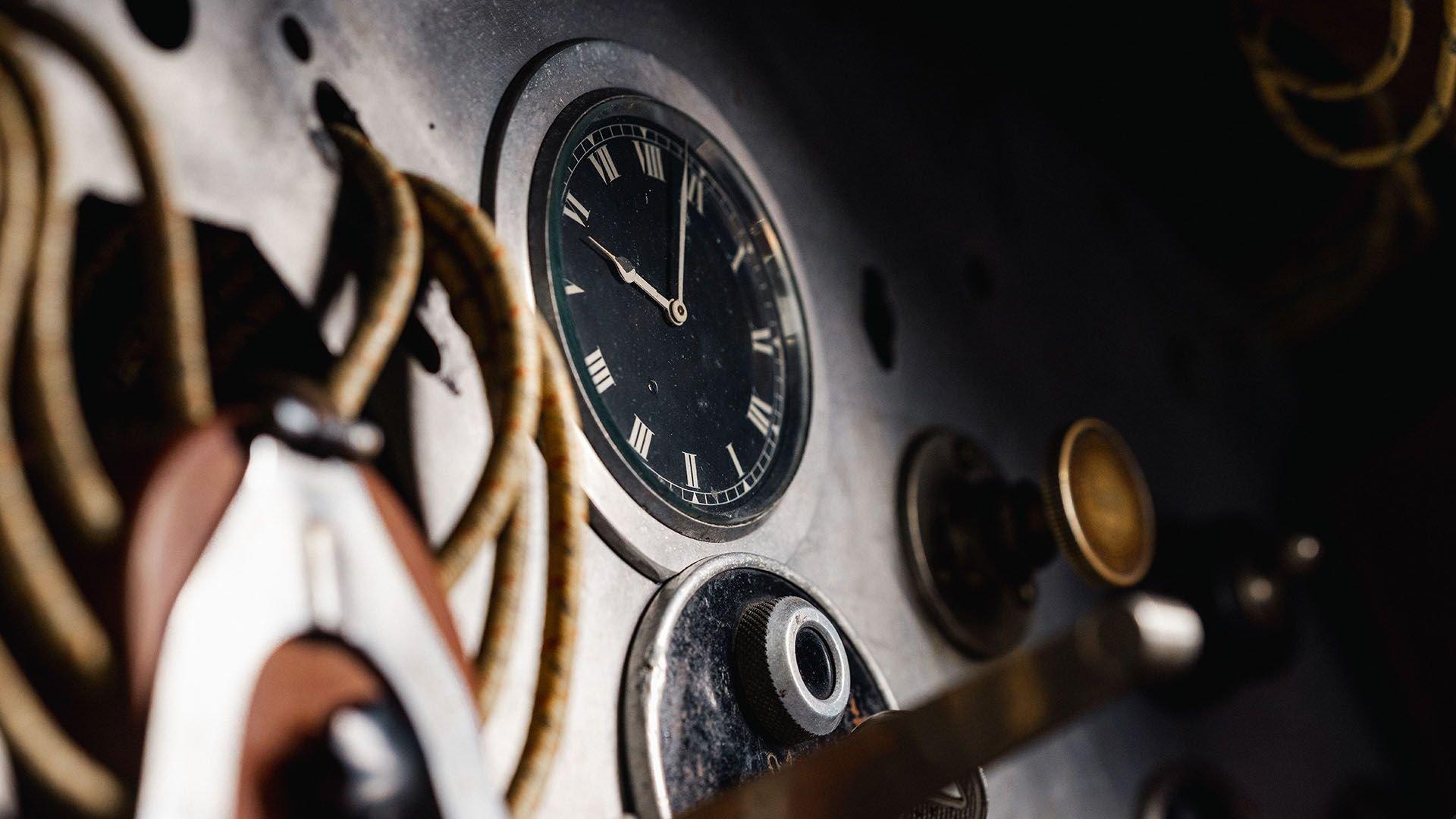
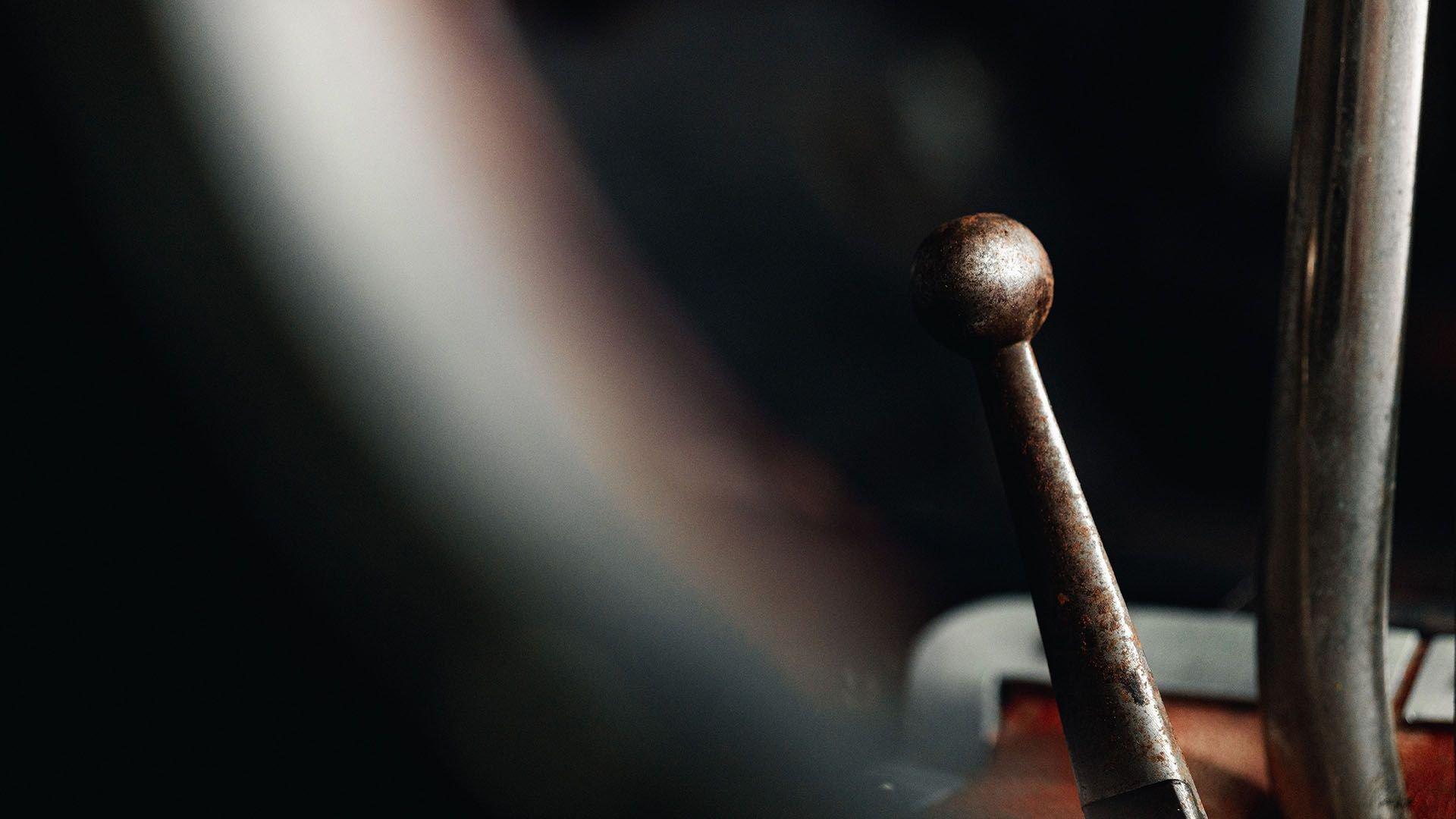
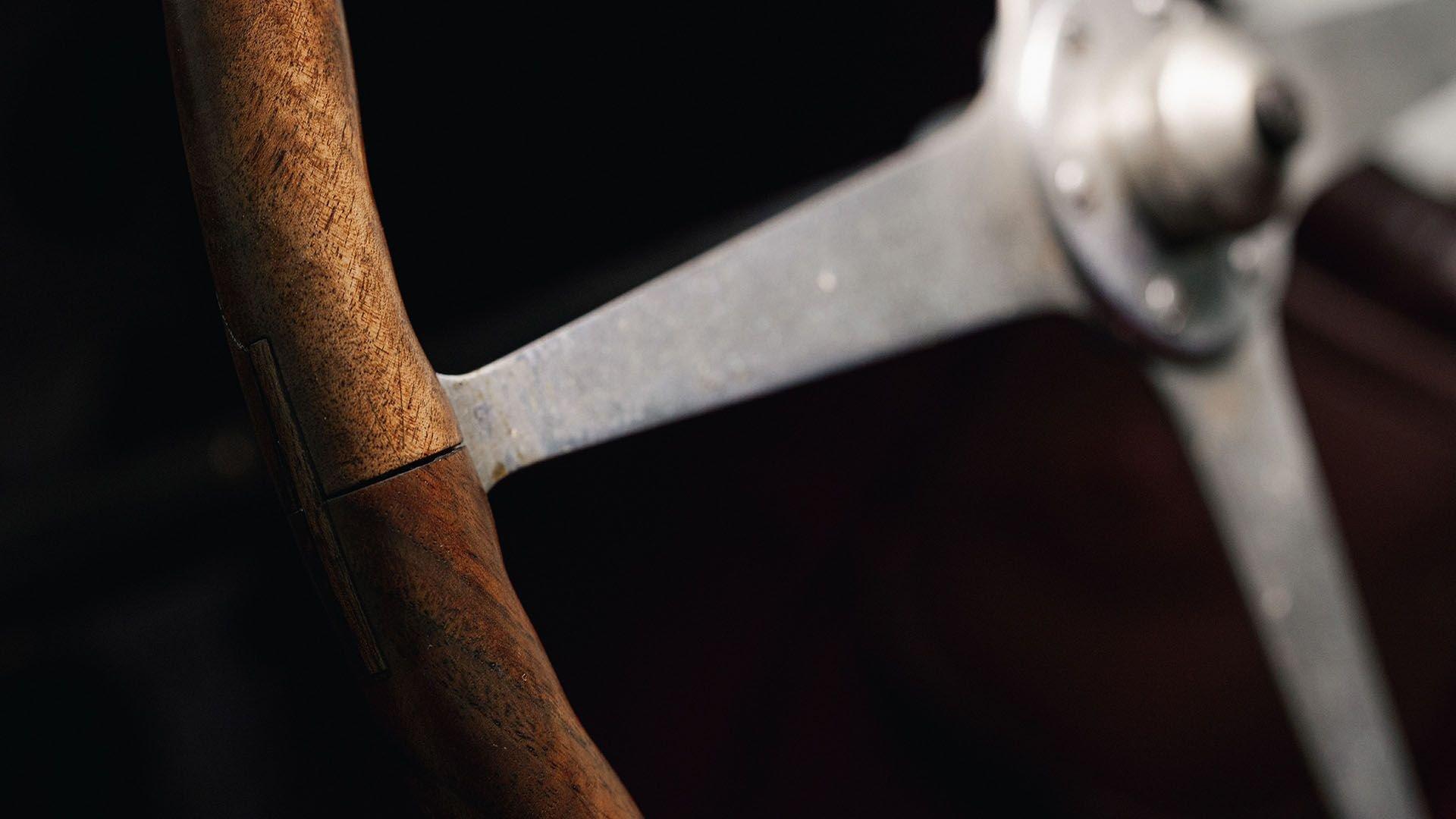
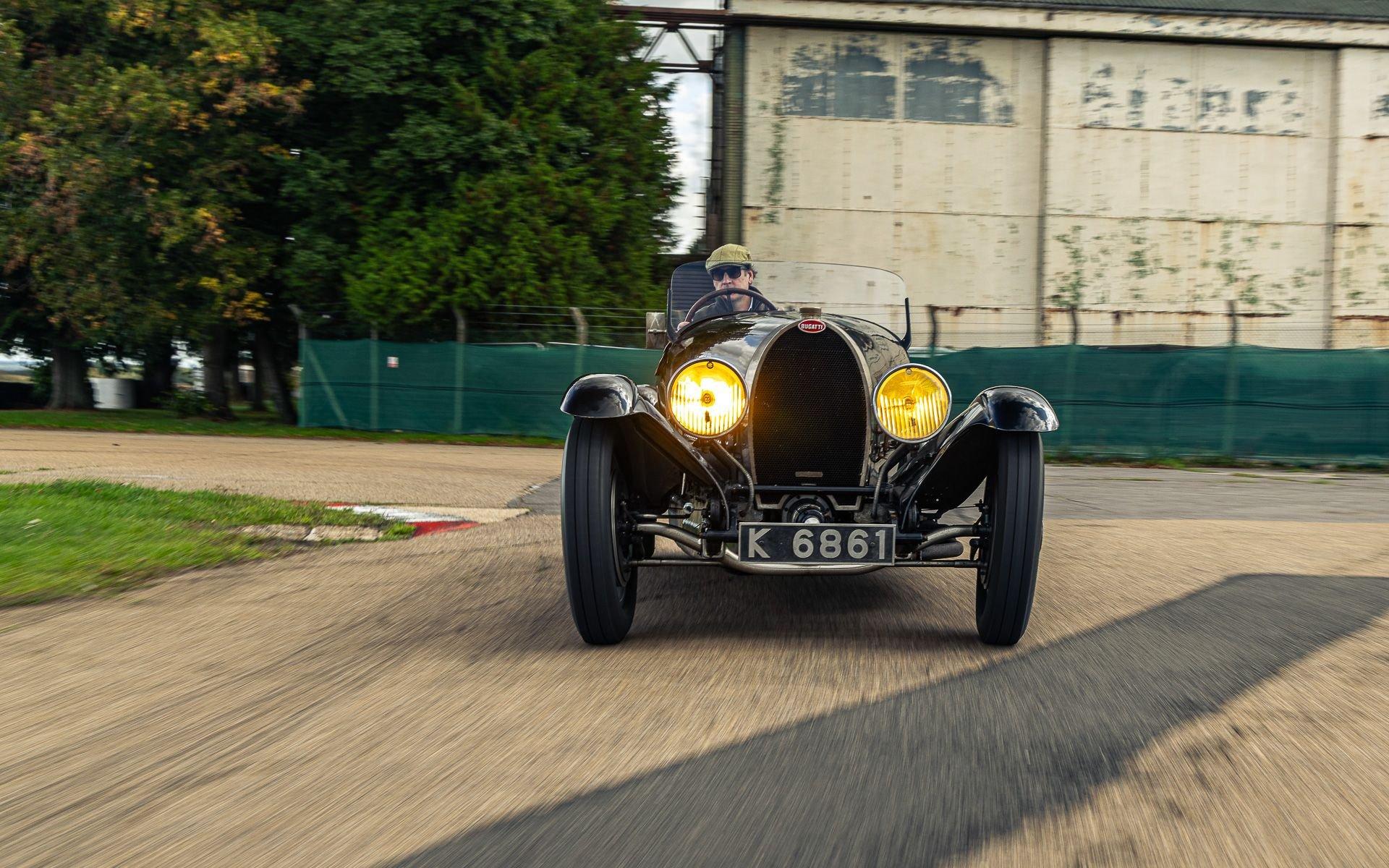
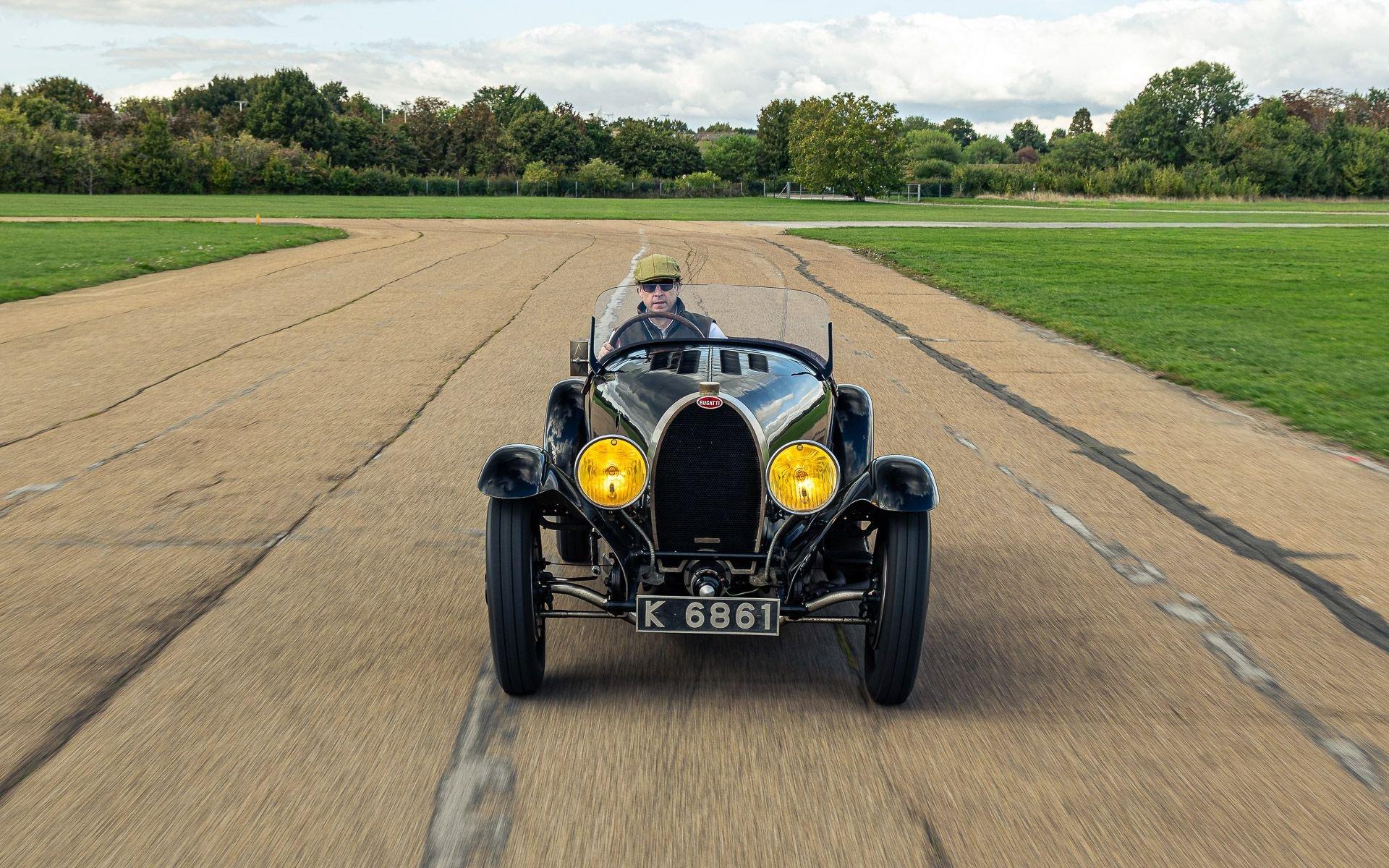
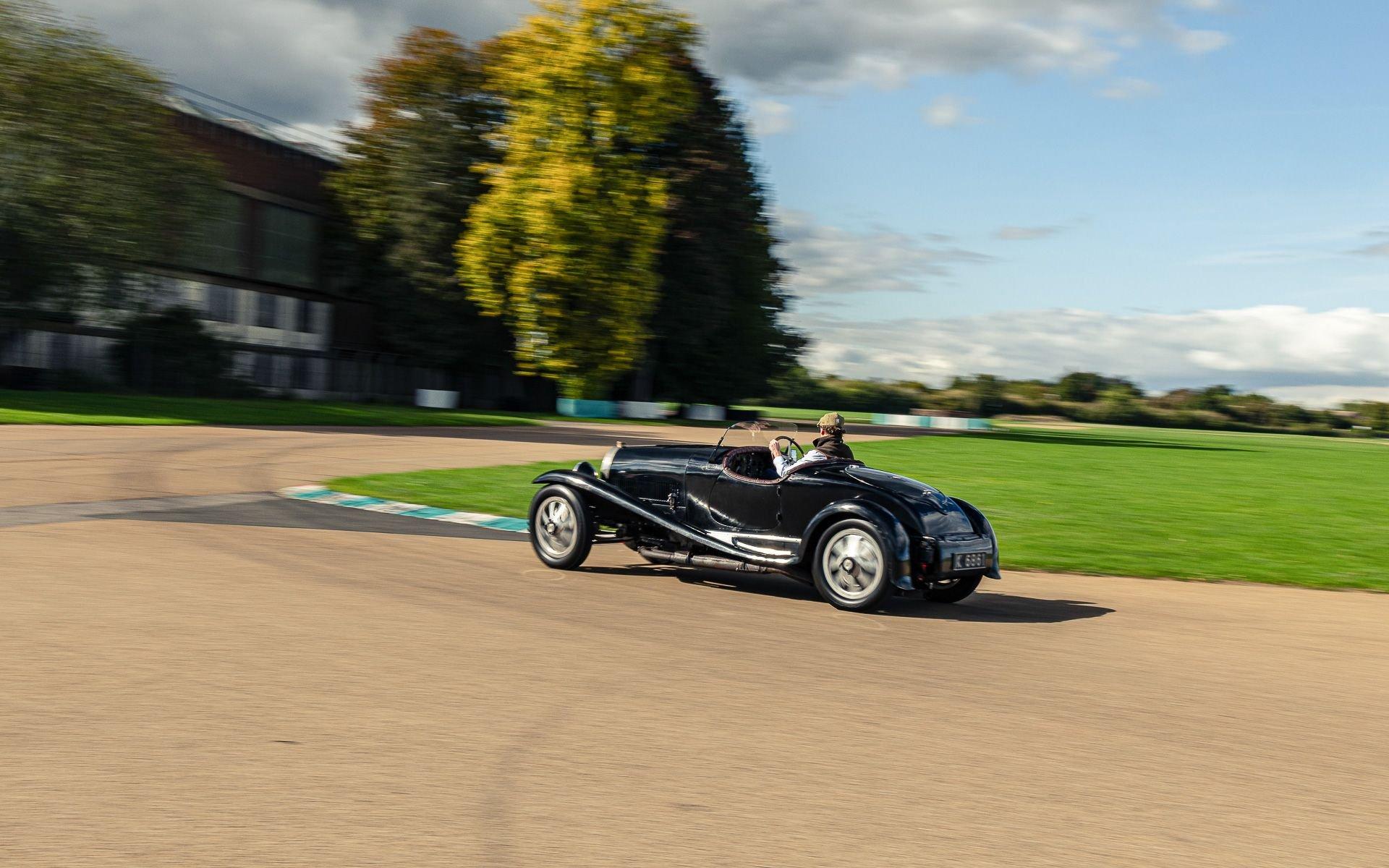
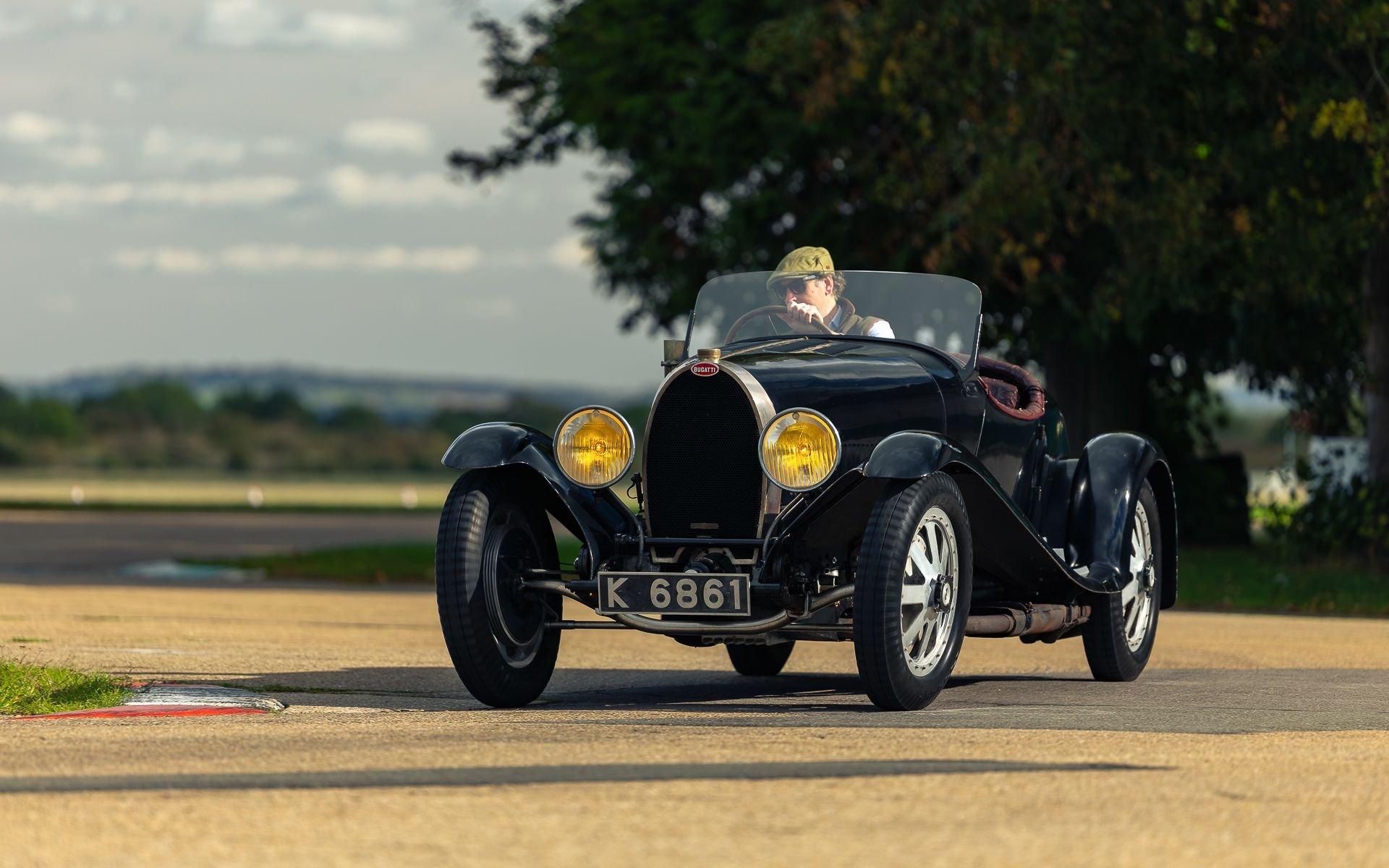
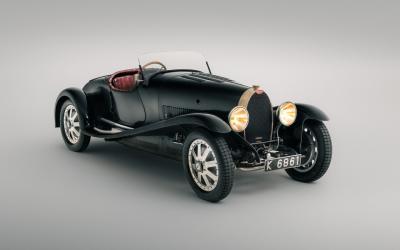
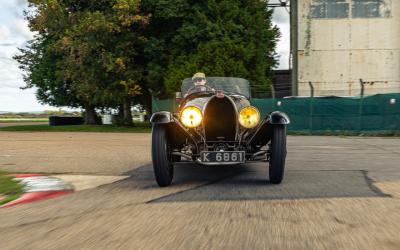
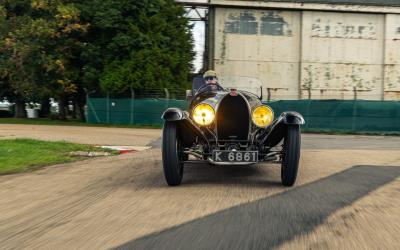
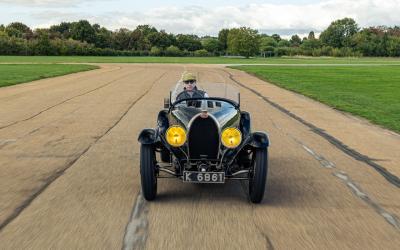
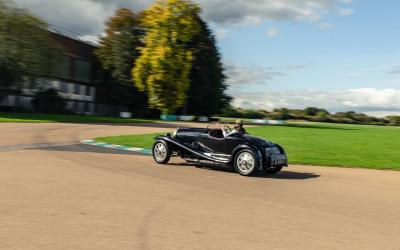
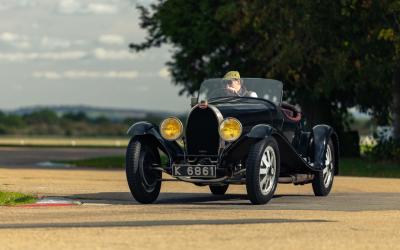
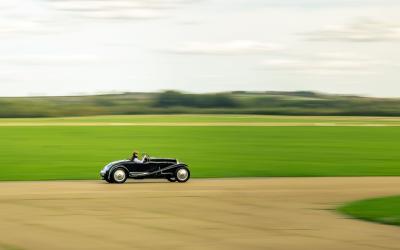
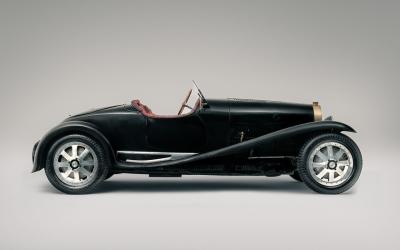
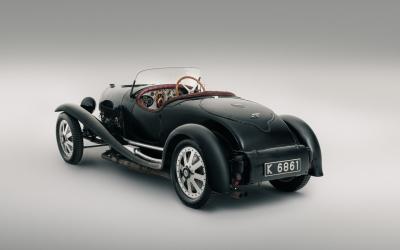
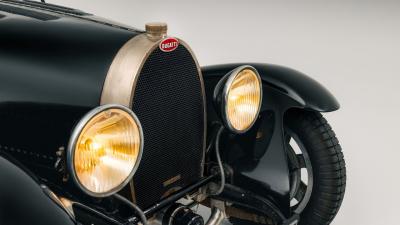
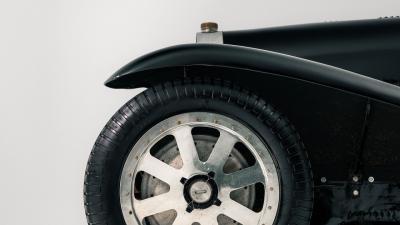
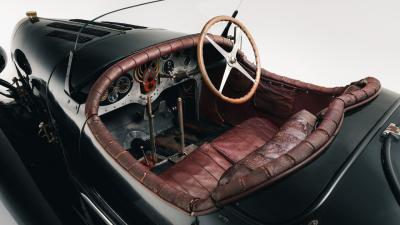
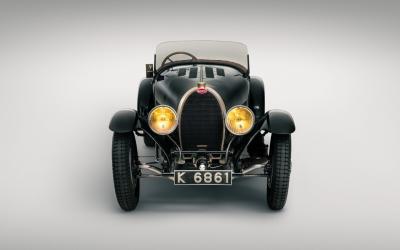
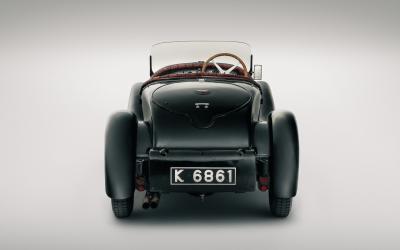
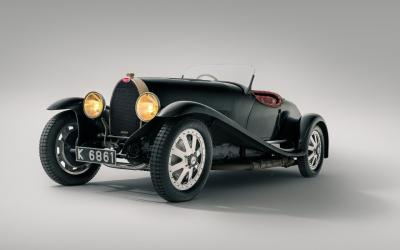
Chassis No. 43248
Matthys Body No. 2189
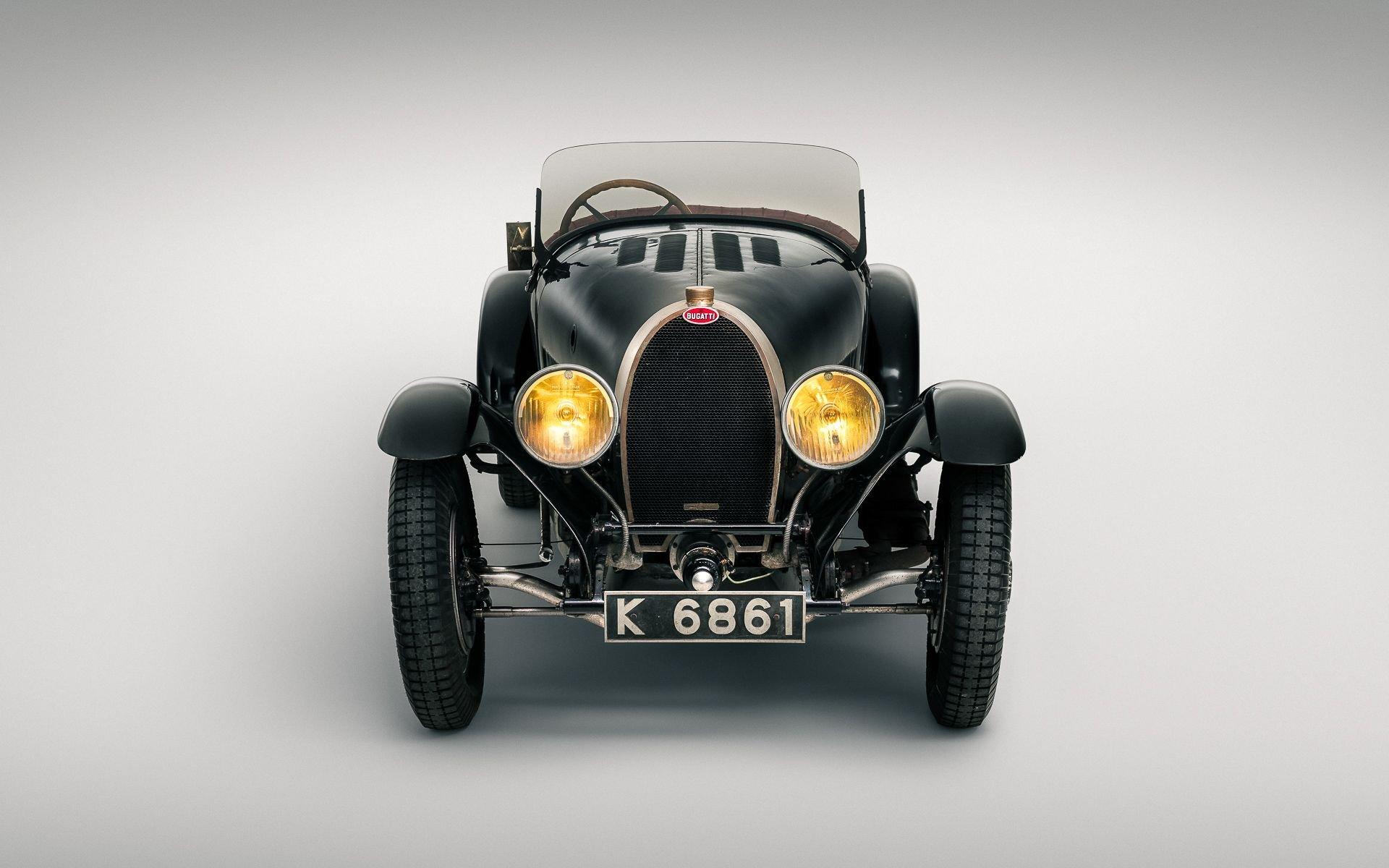
1927 was the year that saw Charles Lindbergh complete his first solo flight between New York and Paris, Antoine de Saint-Exupéry fly daily over the Mediterranean and the Sahara, and Robert Benoist, a former fighter pilot, win four of the five Championship Grand Prix. During that same year Ettore and Jean Bugatti presented to the world the fastest road car of its time: the Bugatti Type 43.
The 1920s embodied an era of cultural liberation, optimism, celebration, artistic avant-garde, and industrial modernization. This effervescence found its echo in the rise of two major sectors, automobiles and aviation, which would illuminate the decade with feats both on the road and in the air.
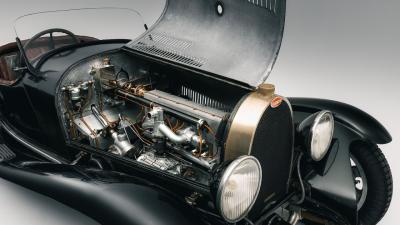
The Type 35B that would win the first Monaco Grand Prix in 1929, driven by William Grover-Williams, needs no introduction and the Type 35B owes its numerous successes, not only to the daring drivers who piloted the cars, but also to the power produced by its supercharged engine. It was this legendary engine that was fitted at the heart of the chassis of the Bugatti Type 43.
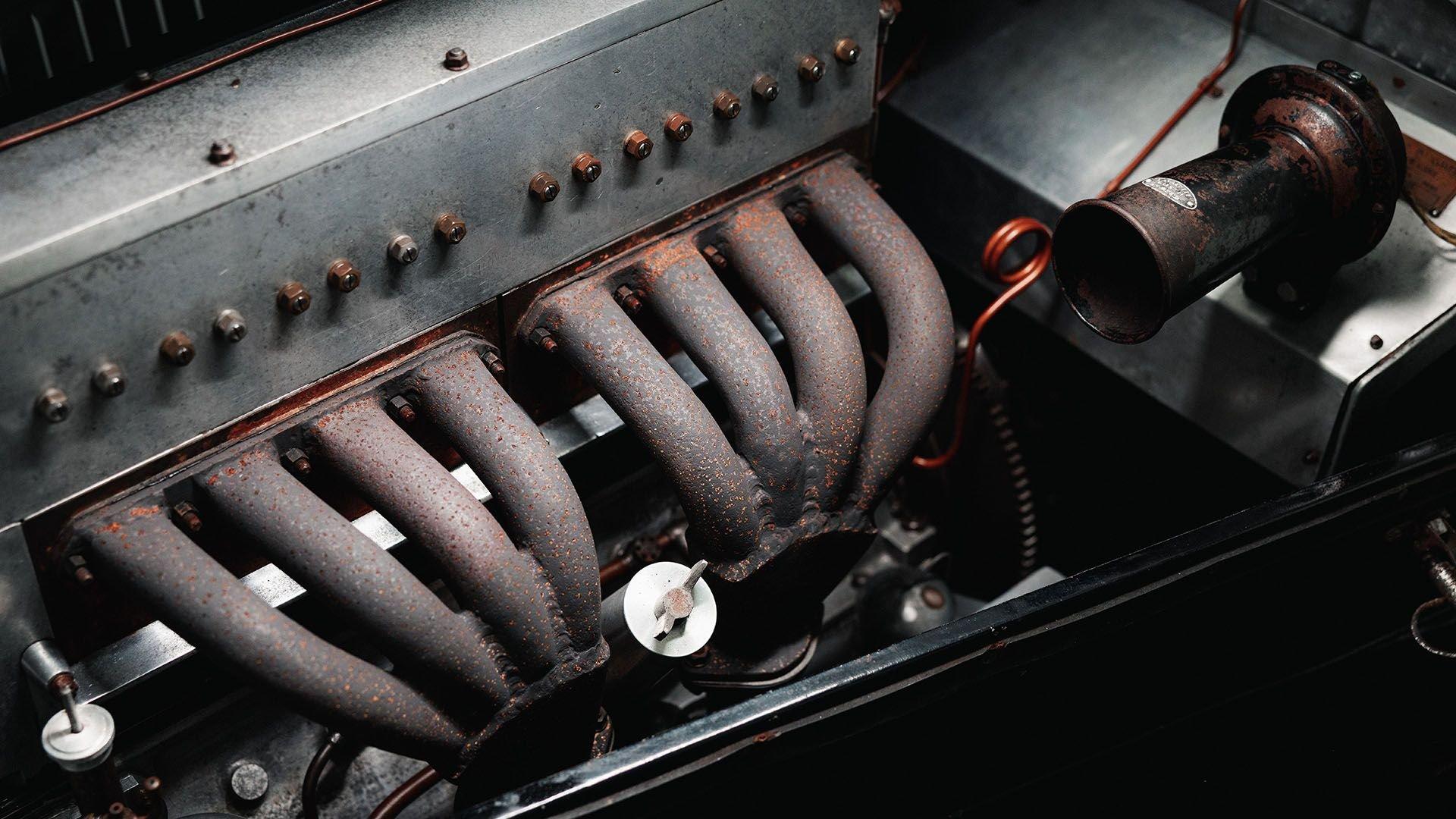
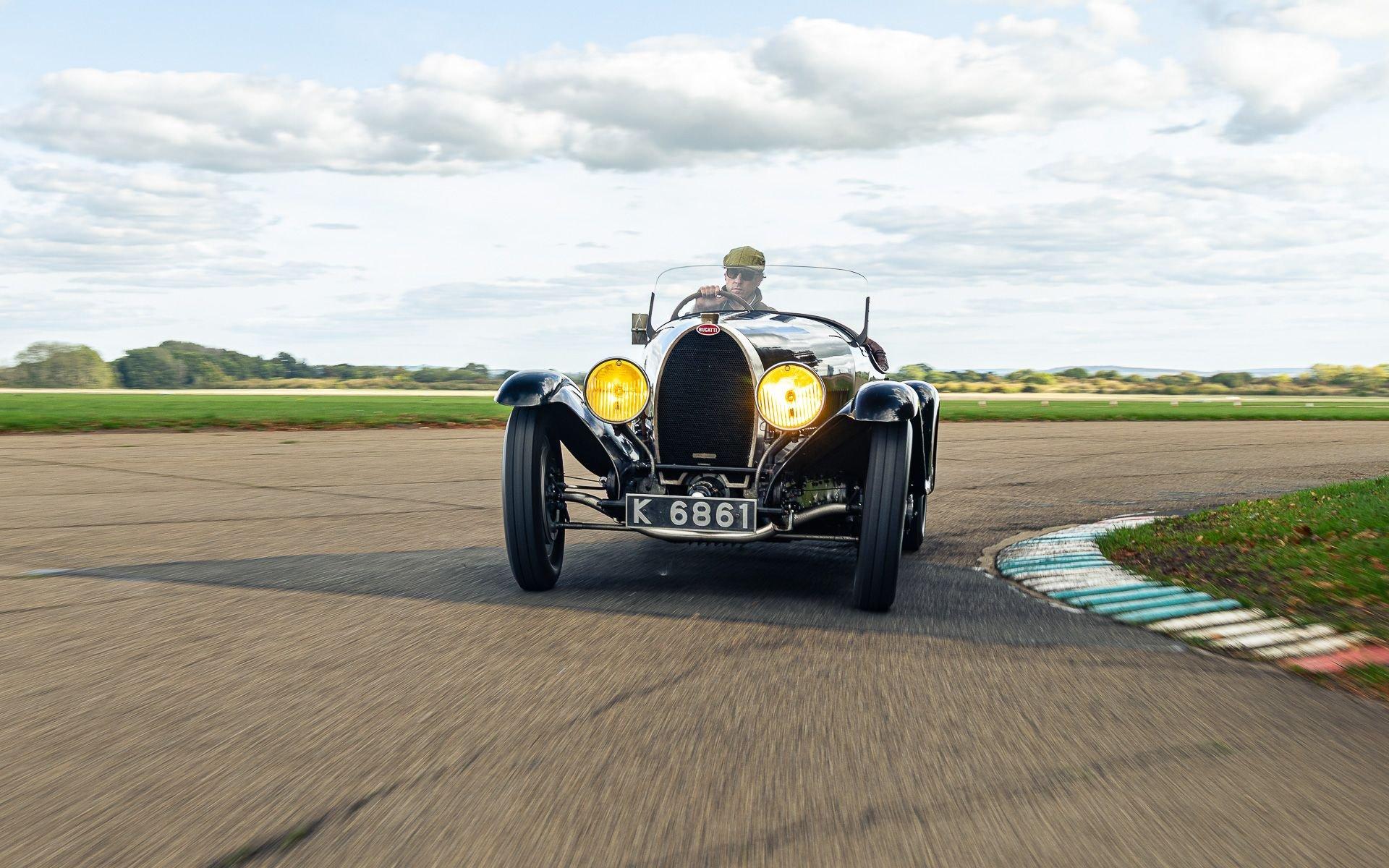
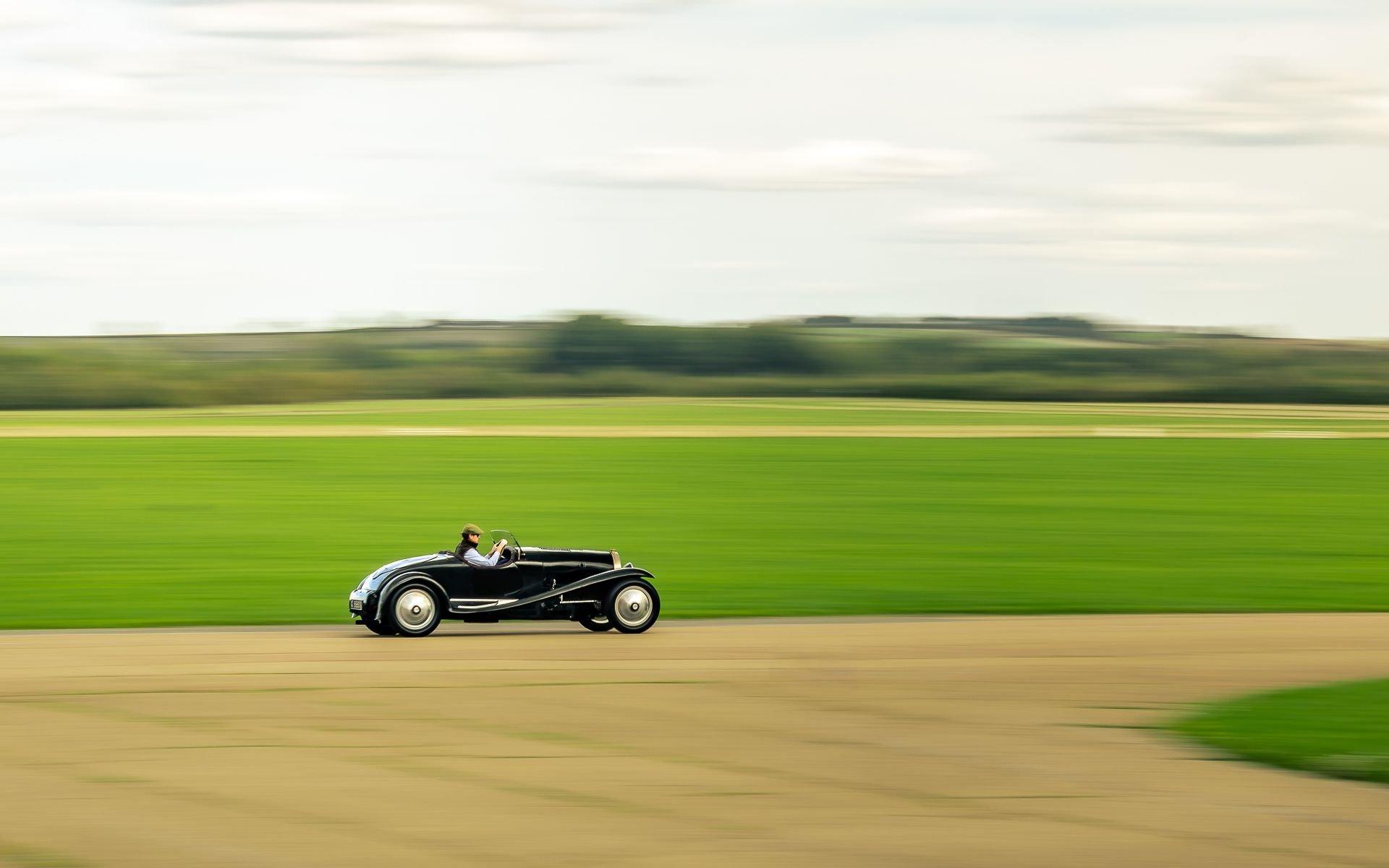
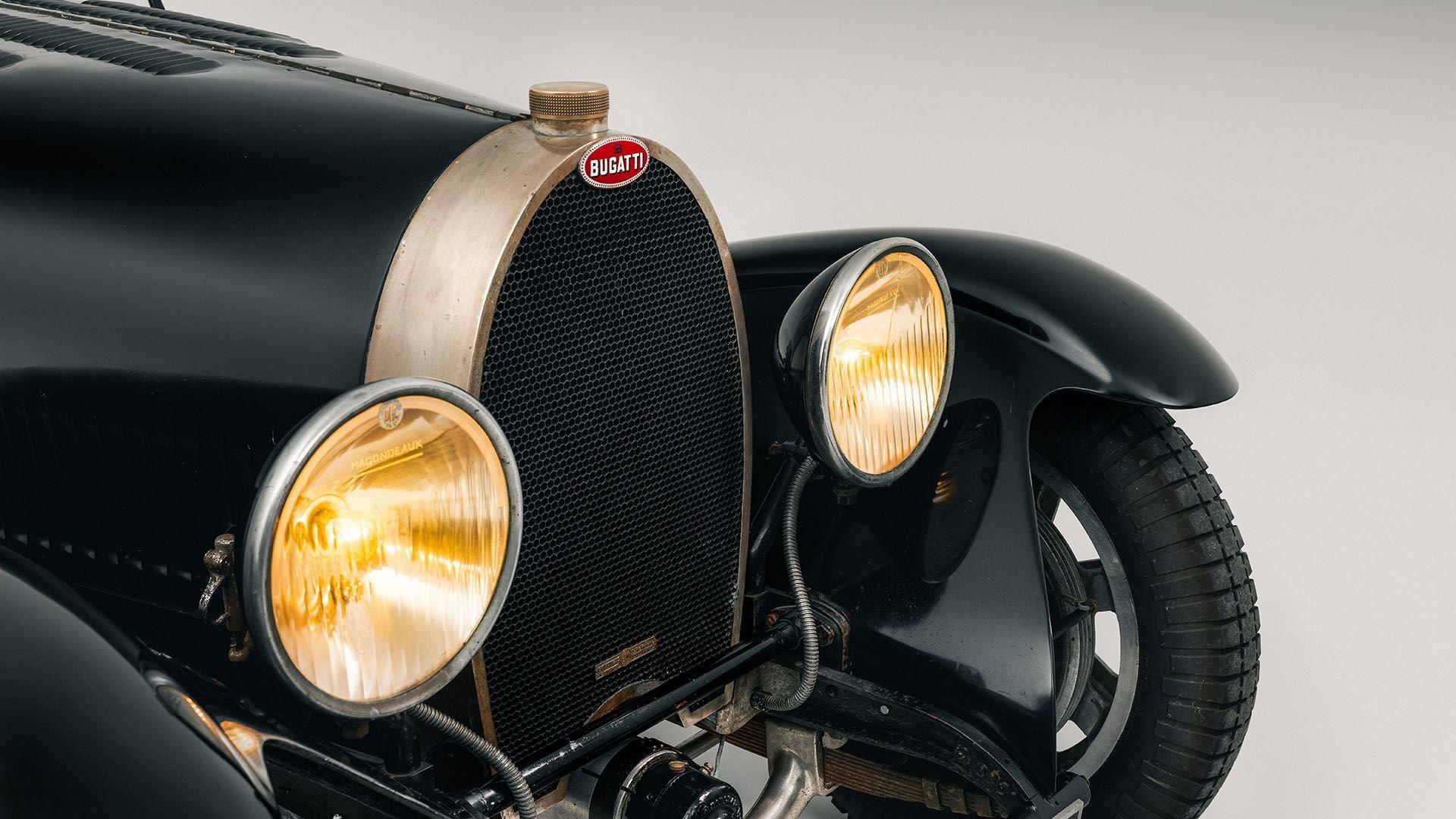
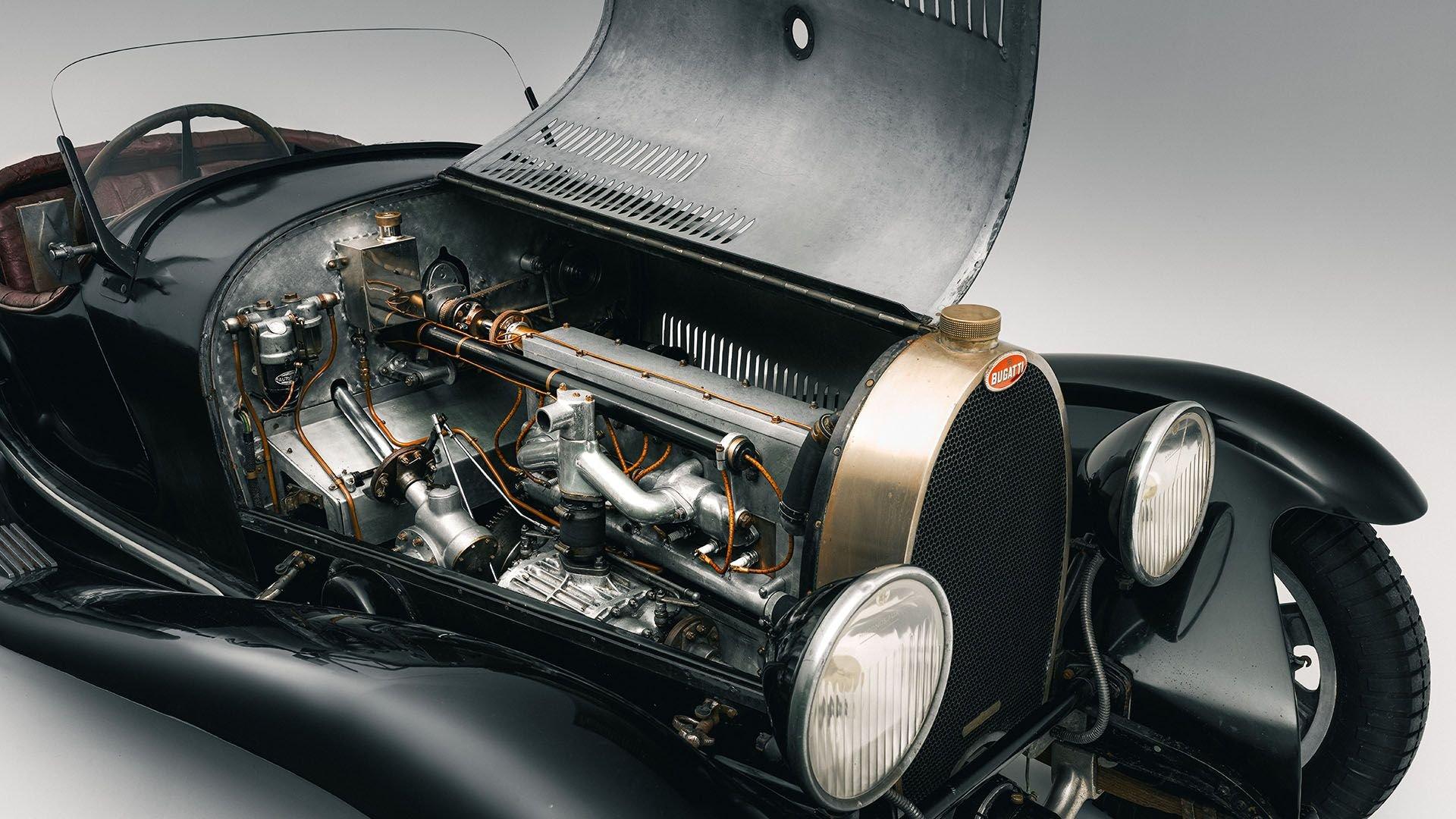
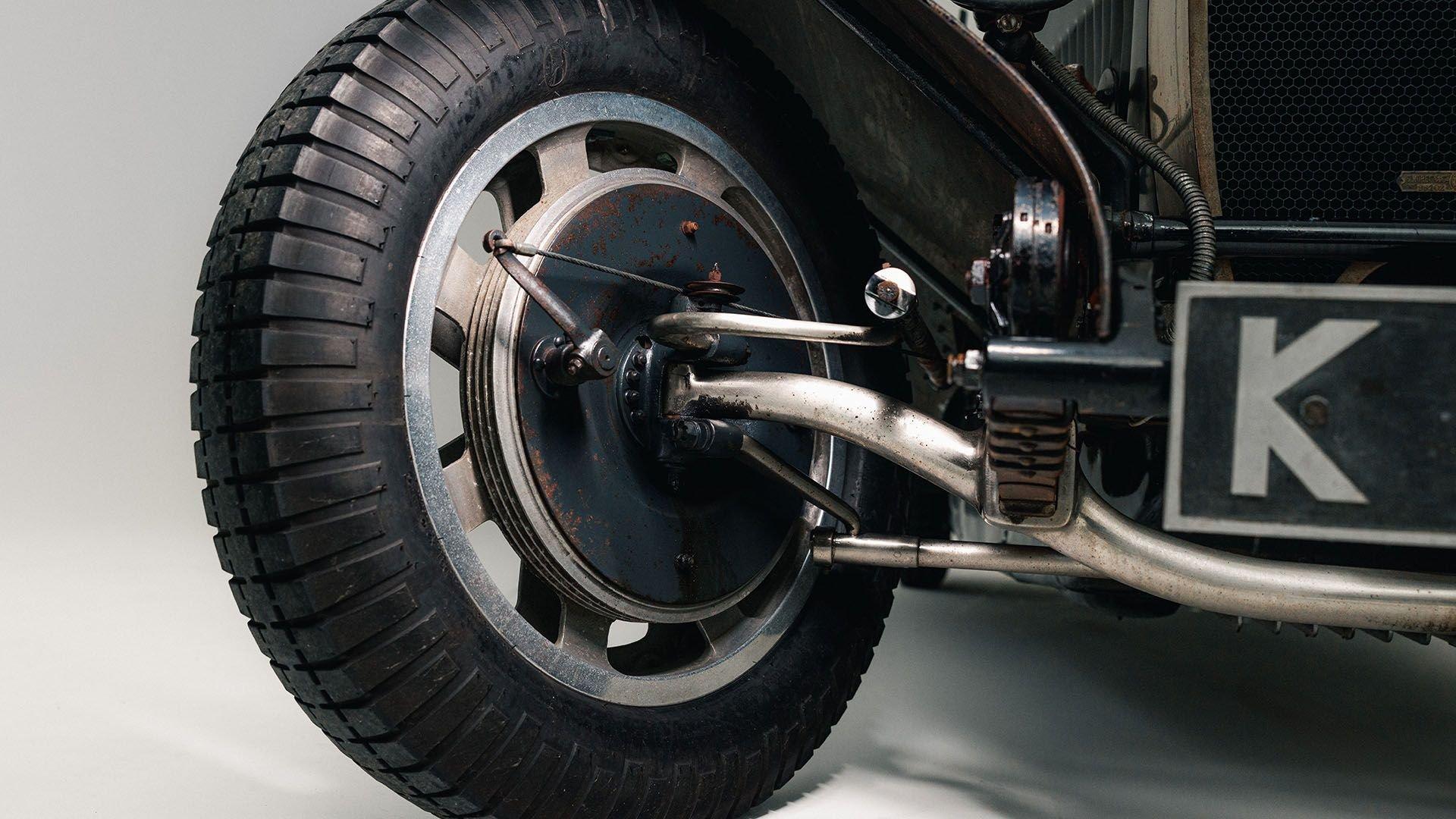
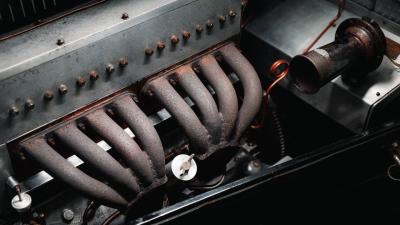
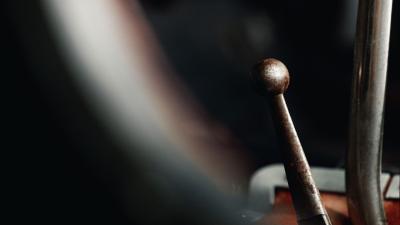
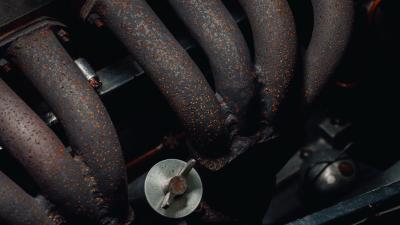
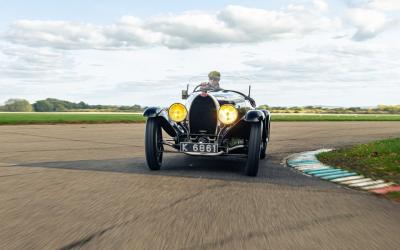
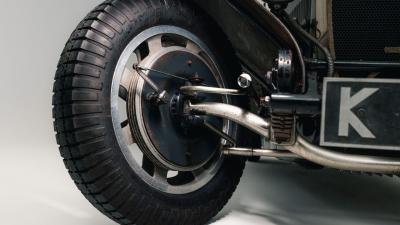
The engine in the Type 43 was the same 2.3-litre inline eight-cylinder overhead camshaft engine from the Bugatti Type 35B Grand Prix, albeit with a slightly more civilized compression ratio. From the Type 38 road-tourer, it borrowed the front and rear axles, steering system, and gearbox, with the gearbox's one-piece cast housing bolted directly to the chassis for added rigidity. This combination made the Bugatti Type 43 the brand's first road car with a supercharger, producing 120 horsepower and reaching 160 km/h, the fastest road car of its time.
Although intended for touring use, and despite a price equivalent to that of the Bugatti Type 35B, owners and even the factory soon began entering the Type 43 in competition. Three cars took the start of the 1928 Mille Miglia, raced by Tazio Nuvolari, Pietro Bordino, and Gastone Brilli-Peri, who finished 6th, 13th, and 16th respectively. That same year, three others entered the RAC Tourist Trophy, one of them driven by Louis Dutilleux and entered by the factory, finishing 9th.
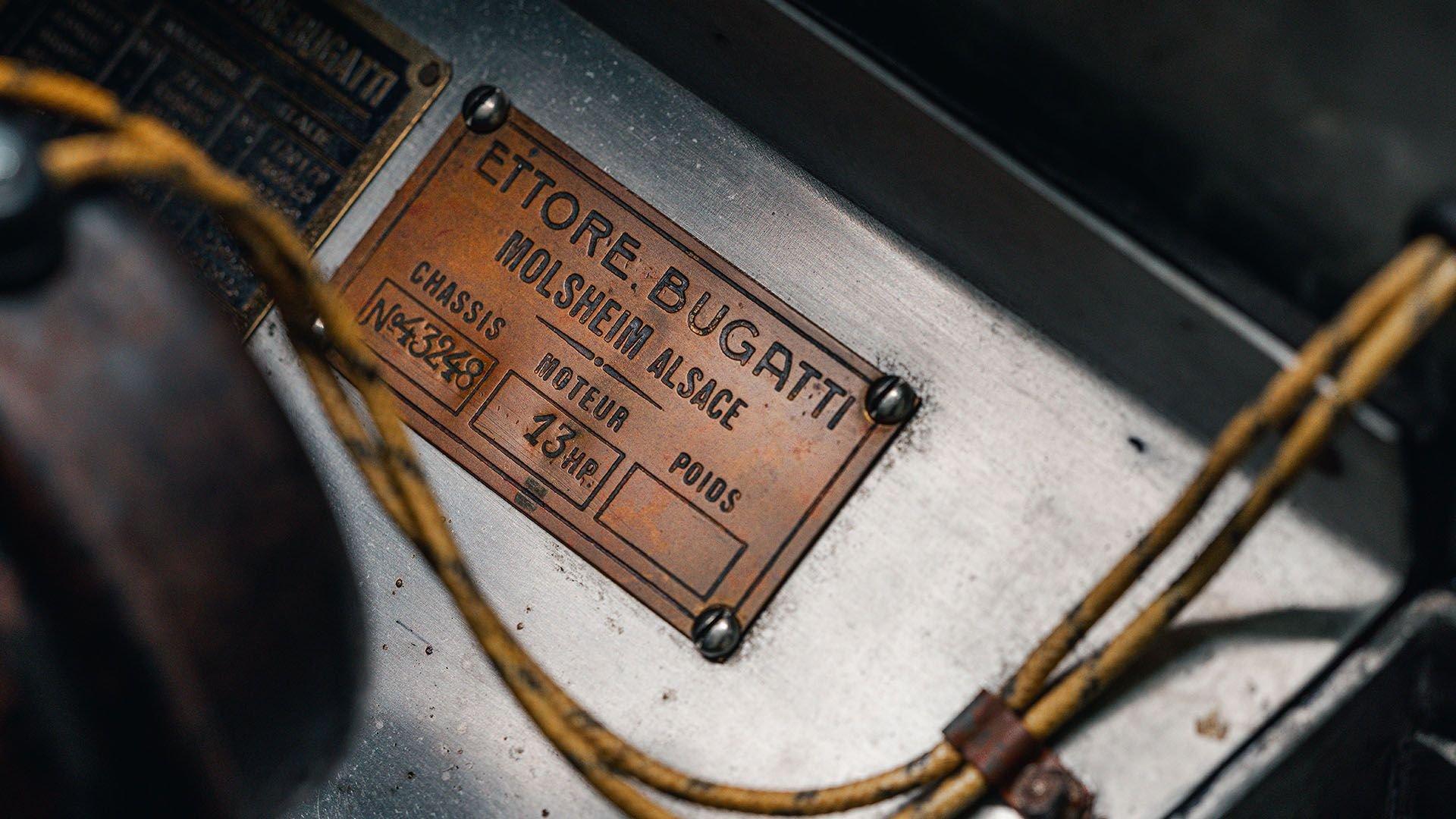
Chassis Number 43248
Of the approximately 160 examples produced, the Bugatti Type 43 chassis number 43248 was assembled in the Molsheim workshop and invoiced to the Belgian Bugatti agent Joseph Reinartz for the amount of 95,940 francs, then delivered new with a temporary two-seater body on 15 January 1929, to its first owner, Frédéric Deflandre, in the Sauheid-lez-Chênée region near Liège, Belgium.
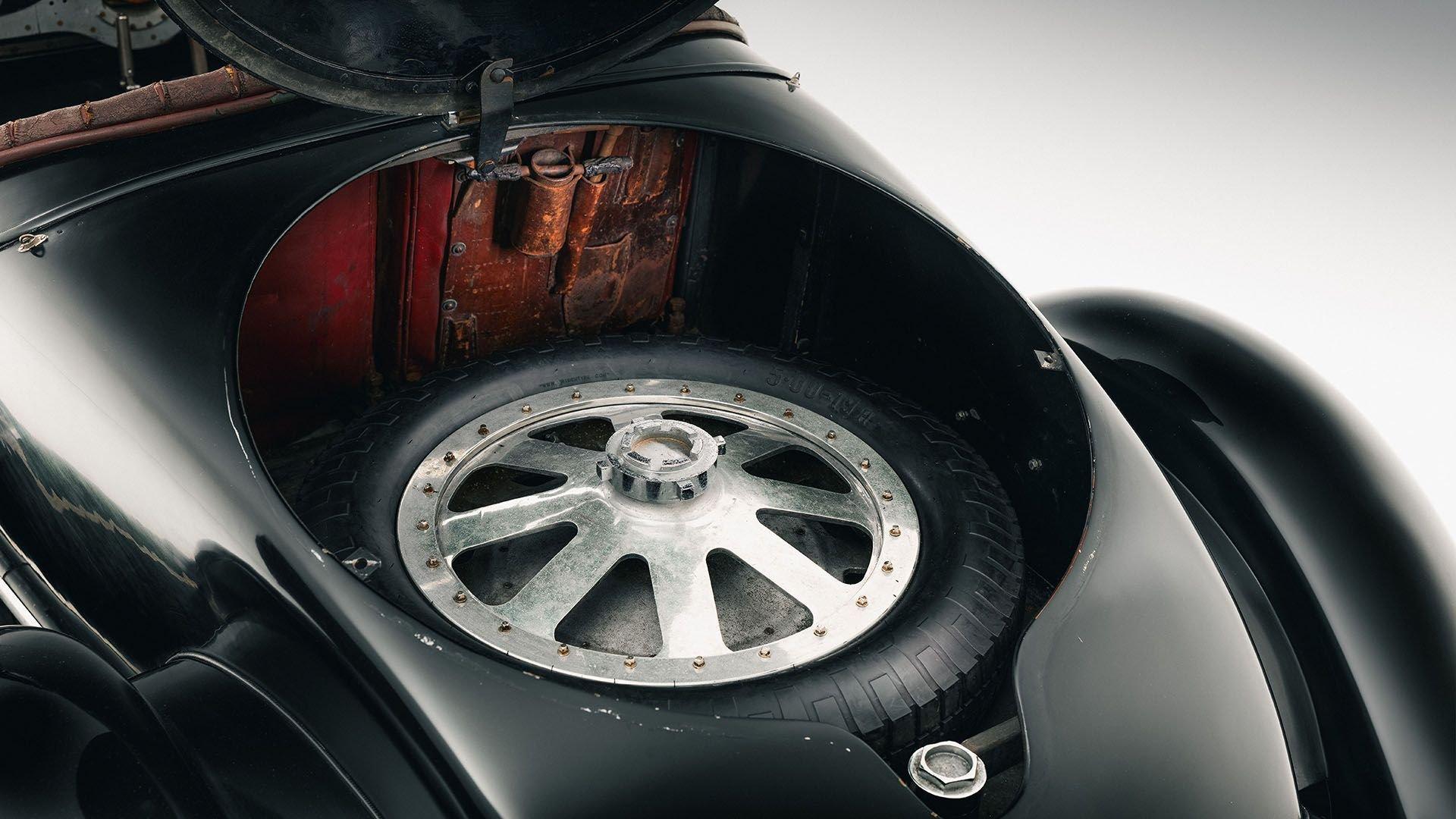
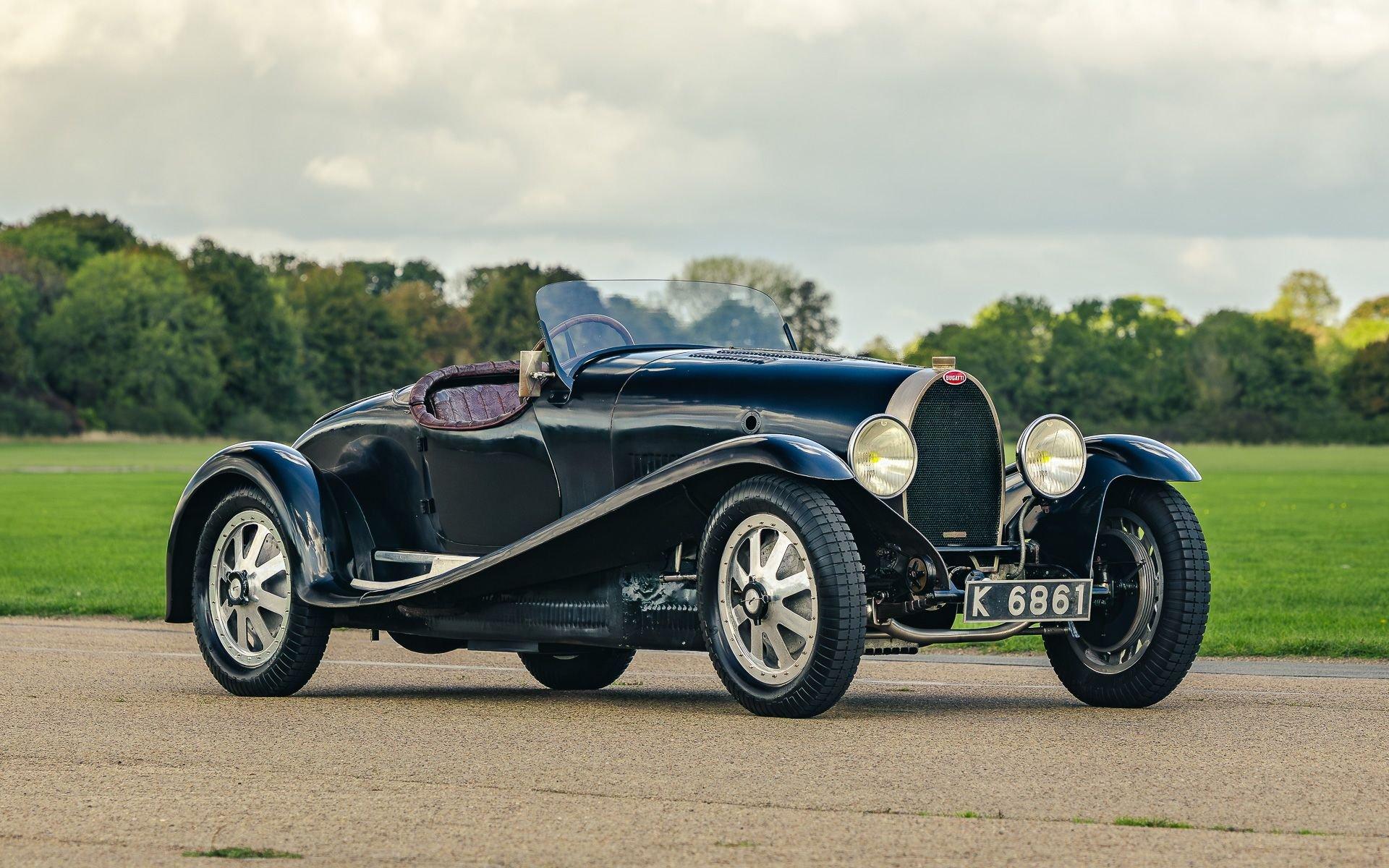
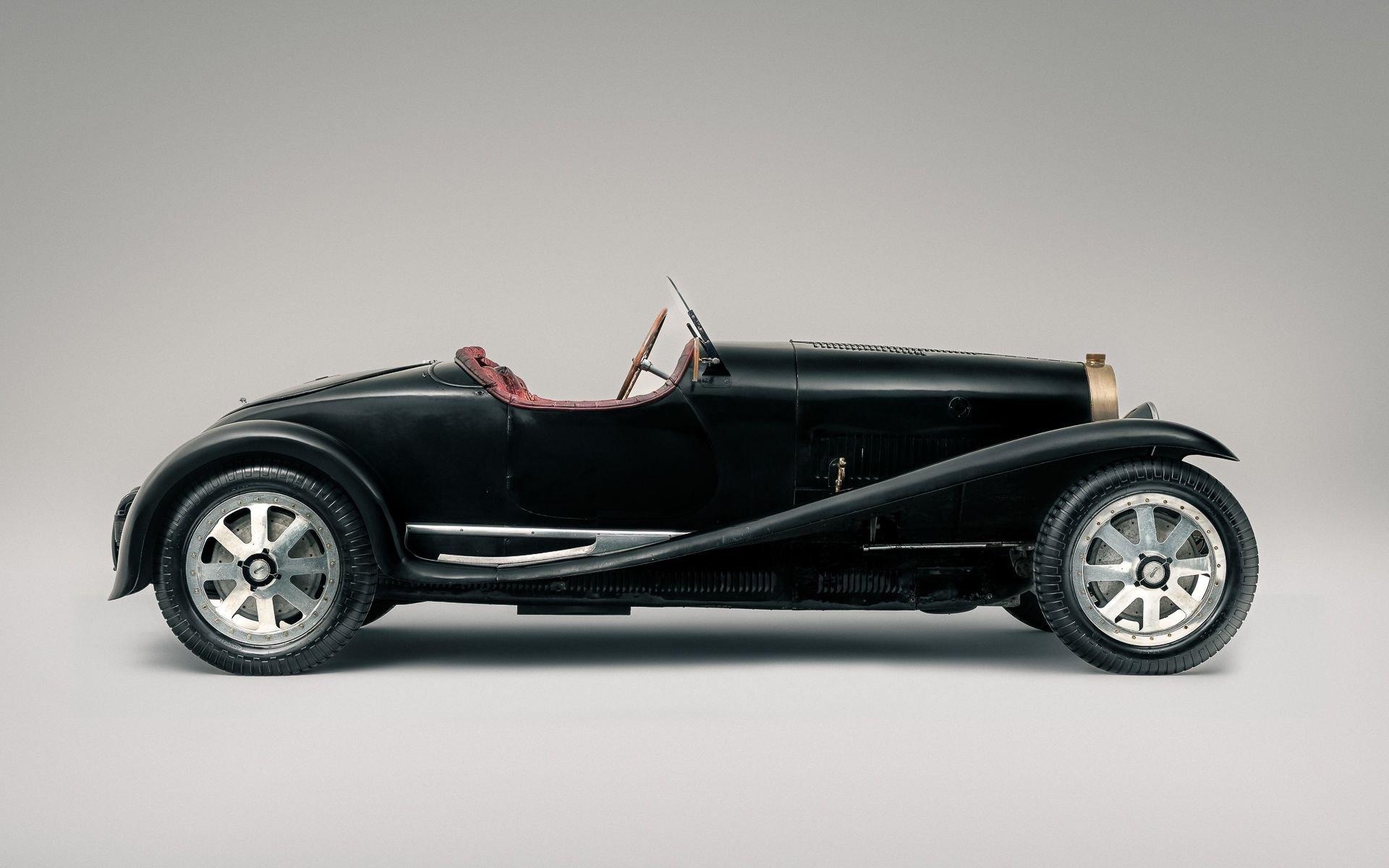
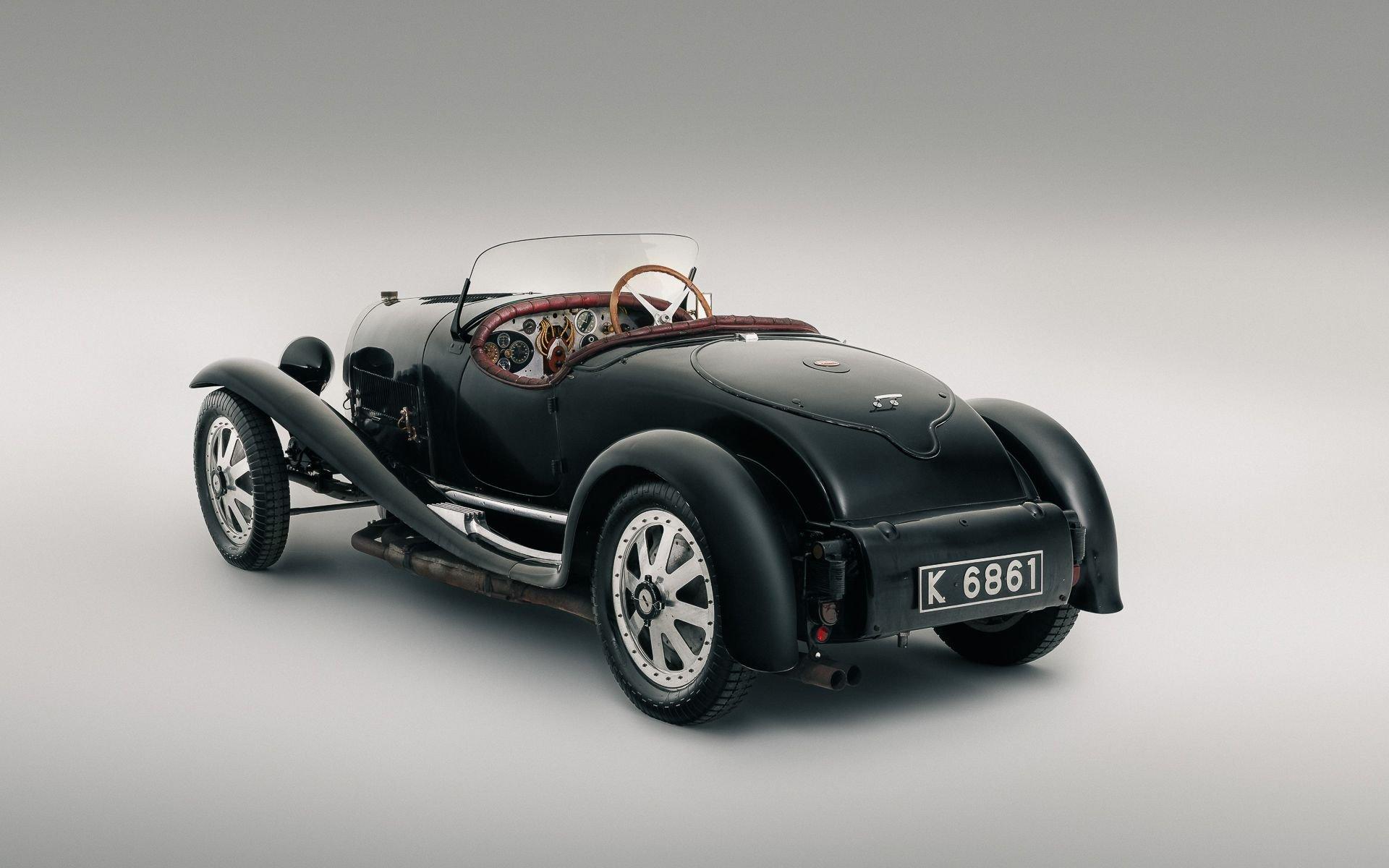
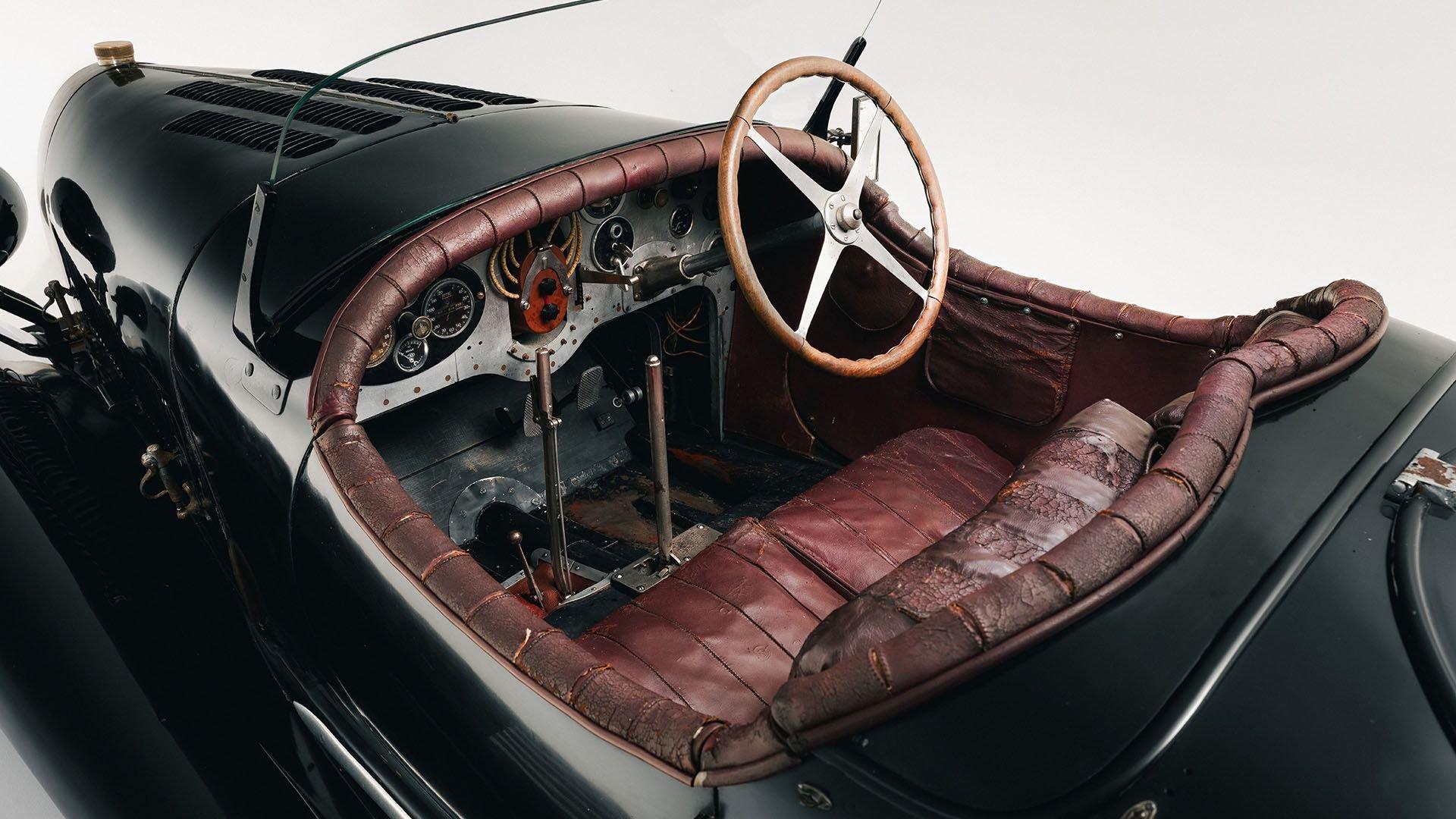
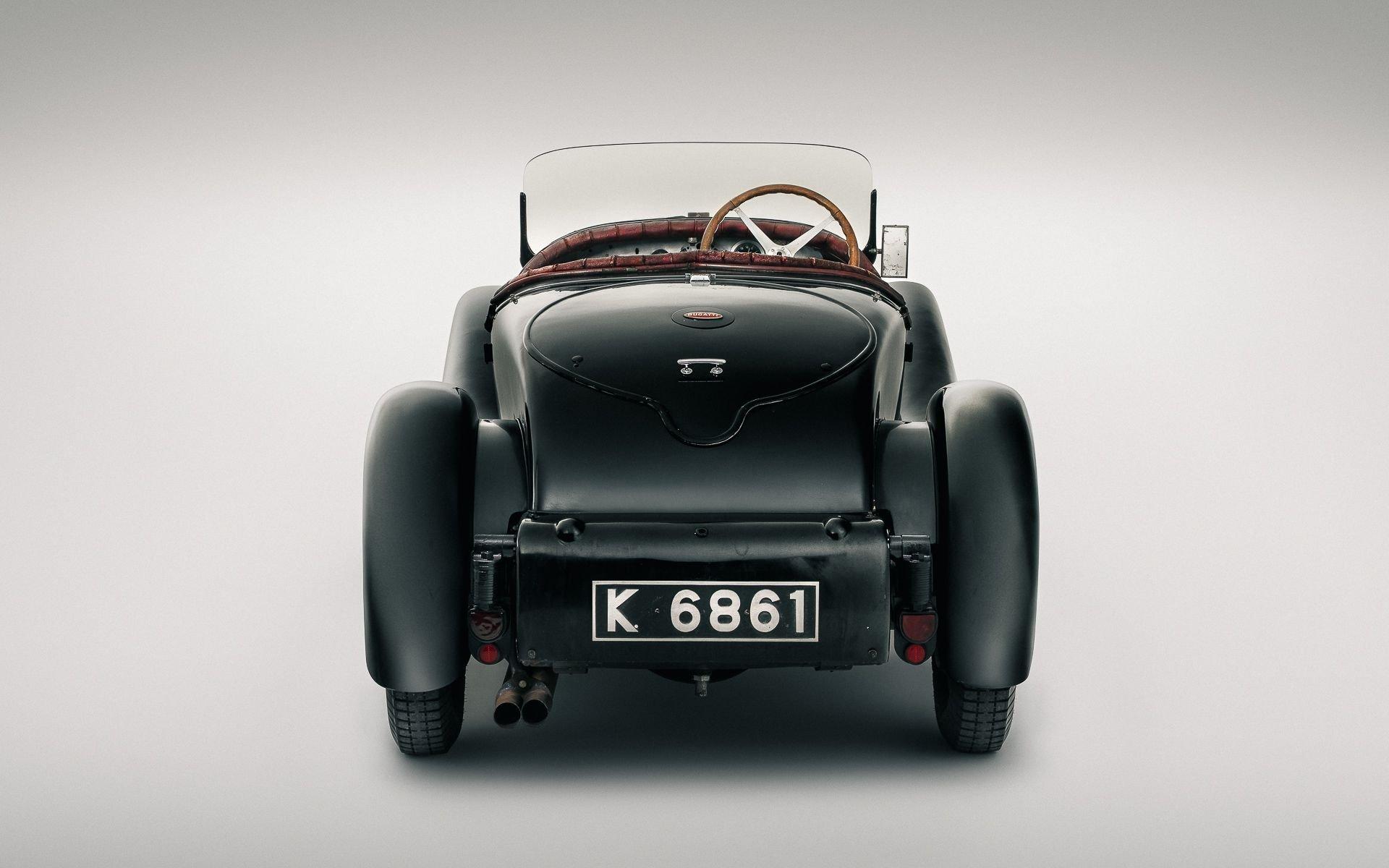
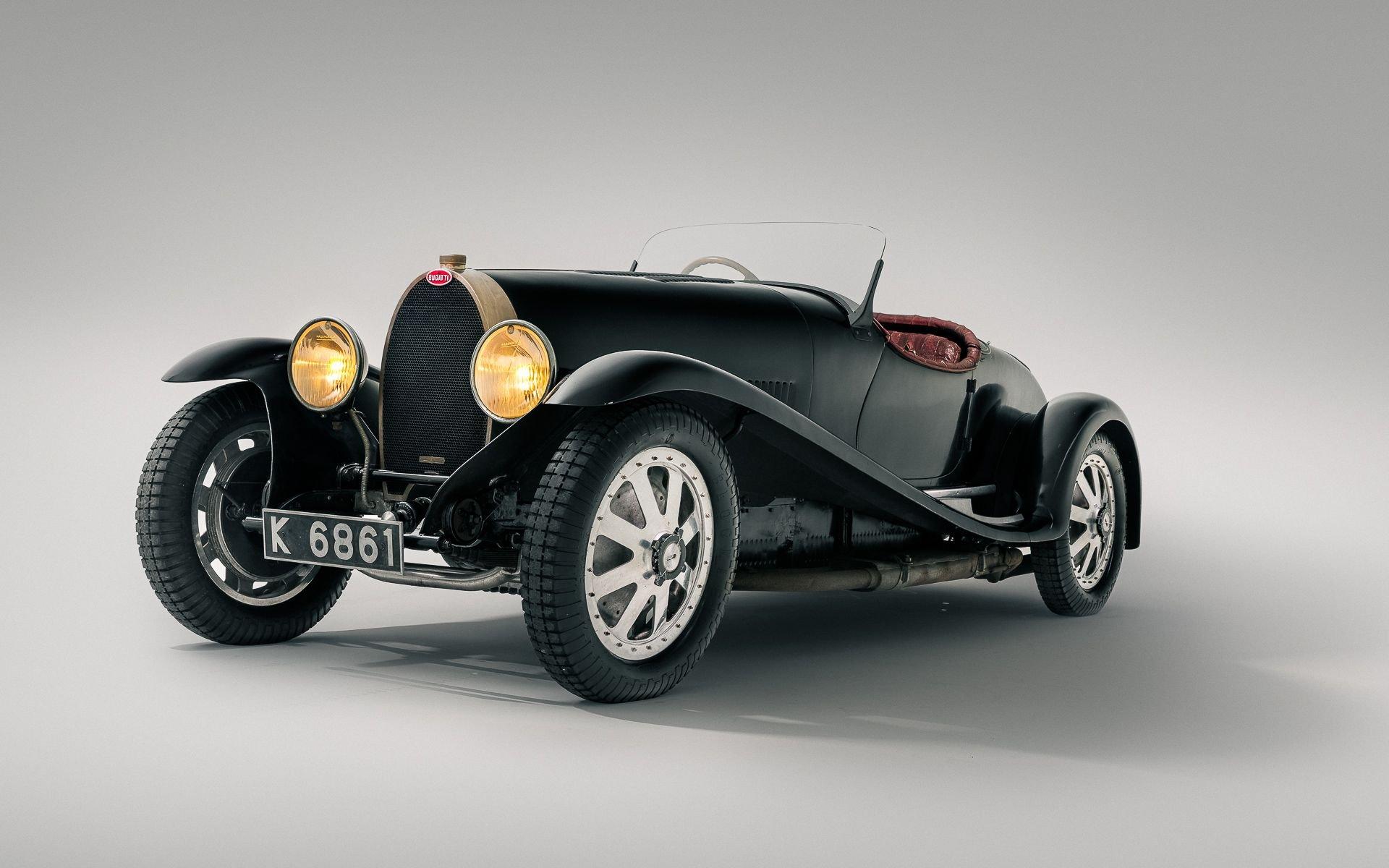
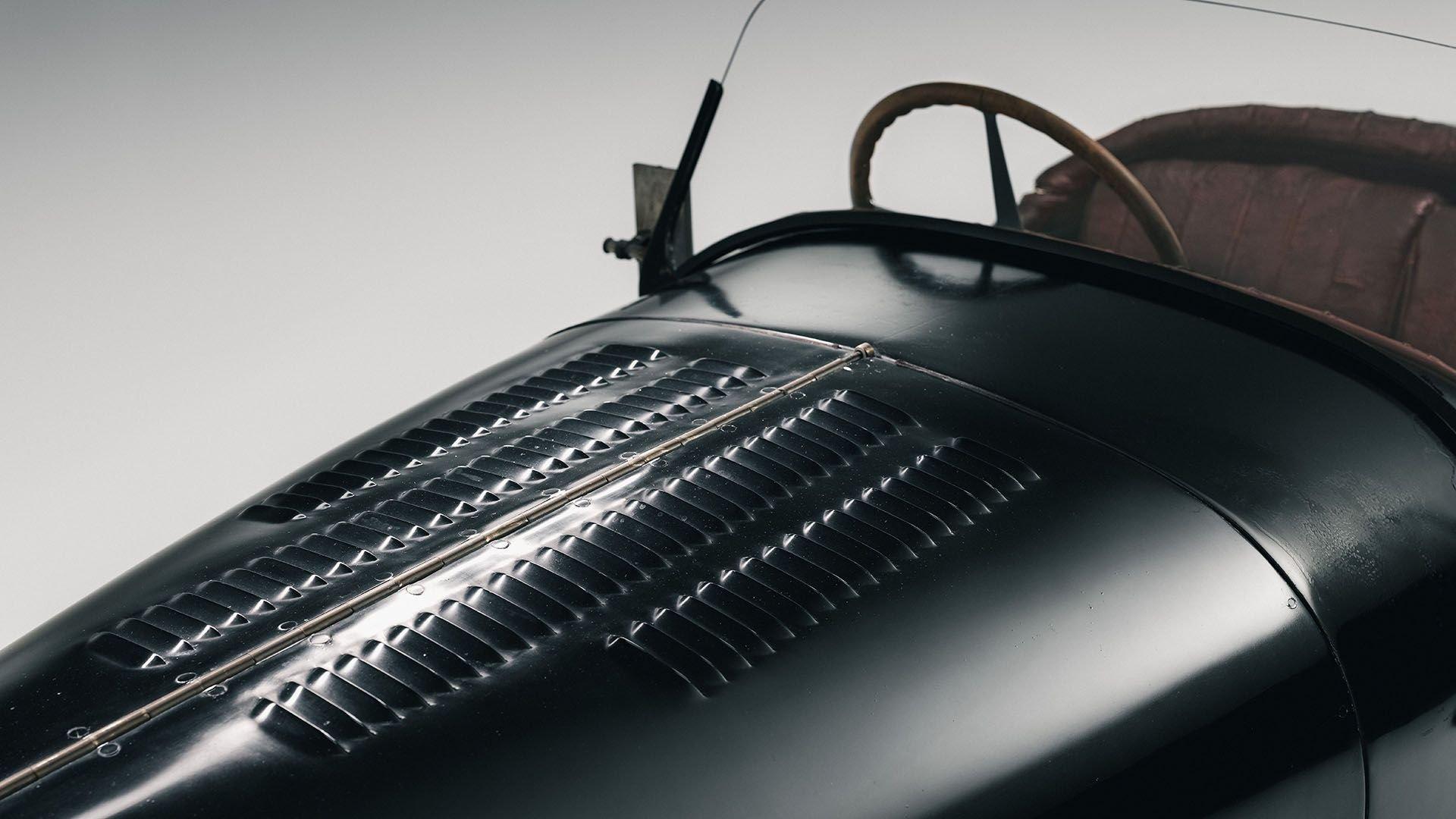
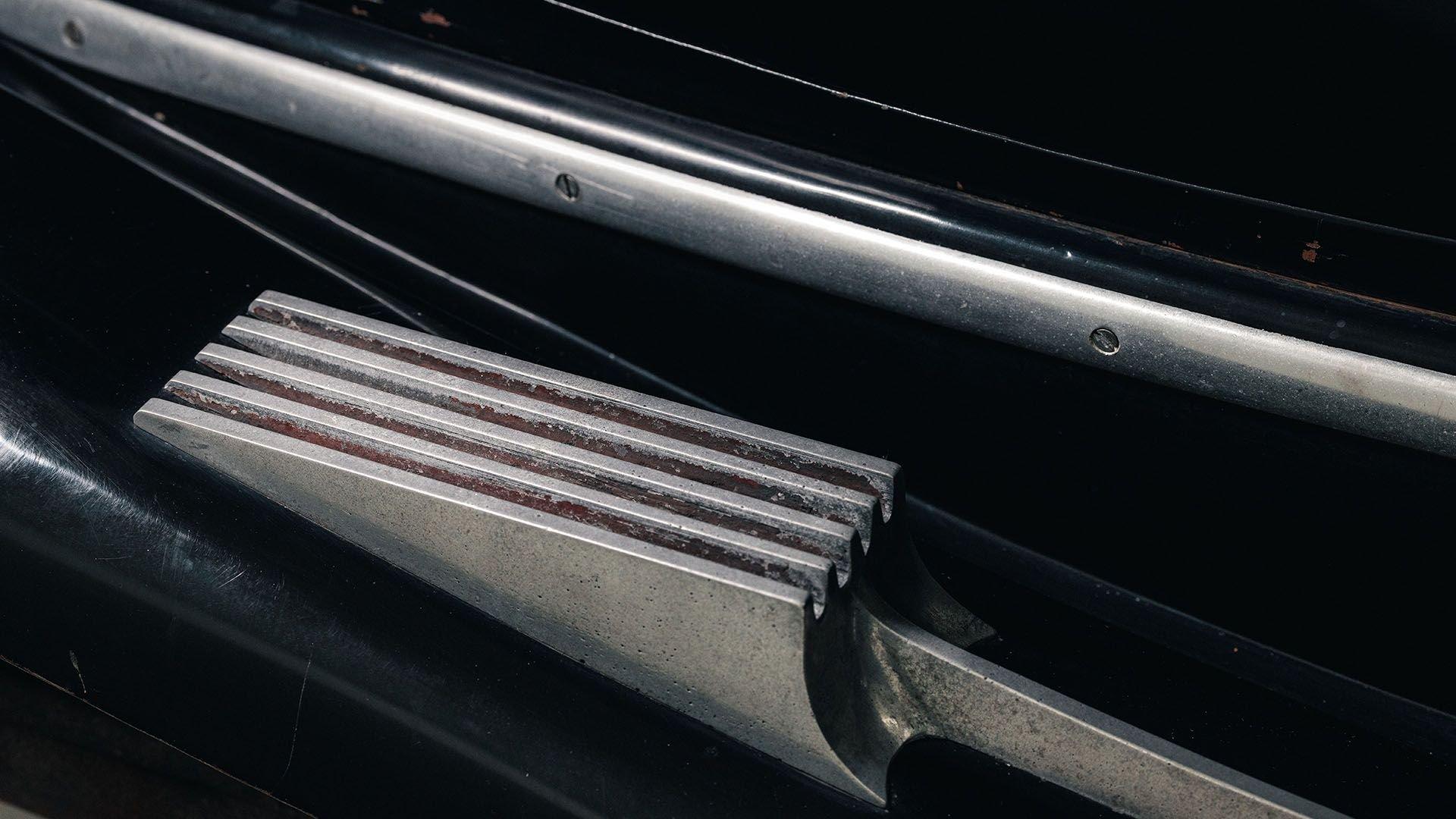
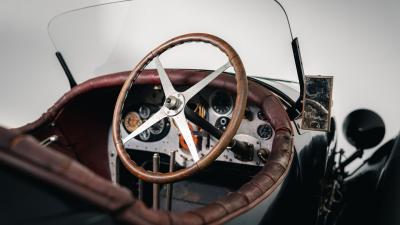
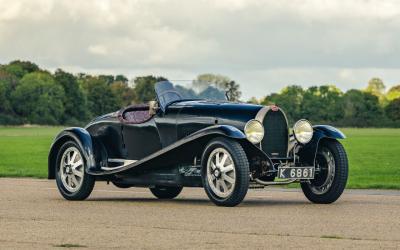
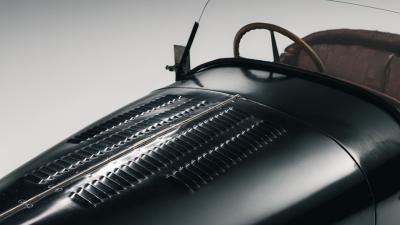
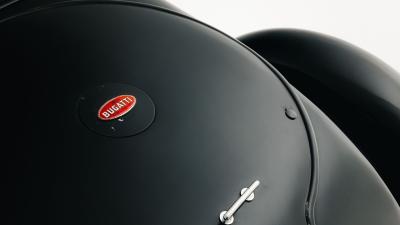
The chassis was entrusted in the early 1930s to the care of Belgian coachbuilder Eugène Matthys in Brussels, who bodied 43248 into a unique two-seat roadster with quintessentially early-1930s lines that foreshadow the later graceful Bugatti Type 55.
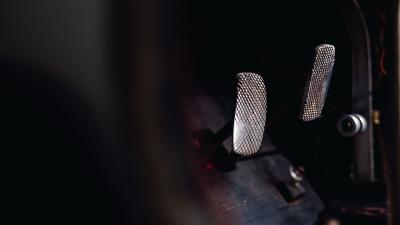
Before receiving the Matthys coachwork it still wears today, 43248 was fitted with a temporary body in its early years - was most likely of a sporting type. Upon close inspection of the original floorboards on the passenger side one can see that there was once fitted an auxiliary oil tank and hand pump, giving rise to the theory that the car may have been employed for light competition use early on, although the details of this are yet to be explored.
A great enthusiast of the marque, of which he would own at least five models, Frédéric Deflandre likely kept his roadster until the purchase of his new two-seater Bugatti Type 57 cabriolet in 1936.
Evidenced by a motor vehicle tax disc dated 1 October 1948, it appears that after the Second World War, the Bugatti roadster was located in the neighboring village of Angleur, in the hands of Edouard Hanquet. The roadster was then described as a “Chevrolet Type 43,” owing to the fact that it was by this point temporarily powered by a six-cylinder Chevrolet engine.
In 1965, during a classic car rally in the Belgian Ardennes, two young participants and collectors were approached by a man who told them of a Bugatti he was willing to let go for a modest price. André Monin, one of the two young men still with us today to recount the story went to the home of this gentleman, who turned out to be none other than Edouard Hanquet, to acquire the roadster. Living in Brussels, Mr. Monin loaded the Bugatti onto a trailer and brought it away from the region where it had remained since new.
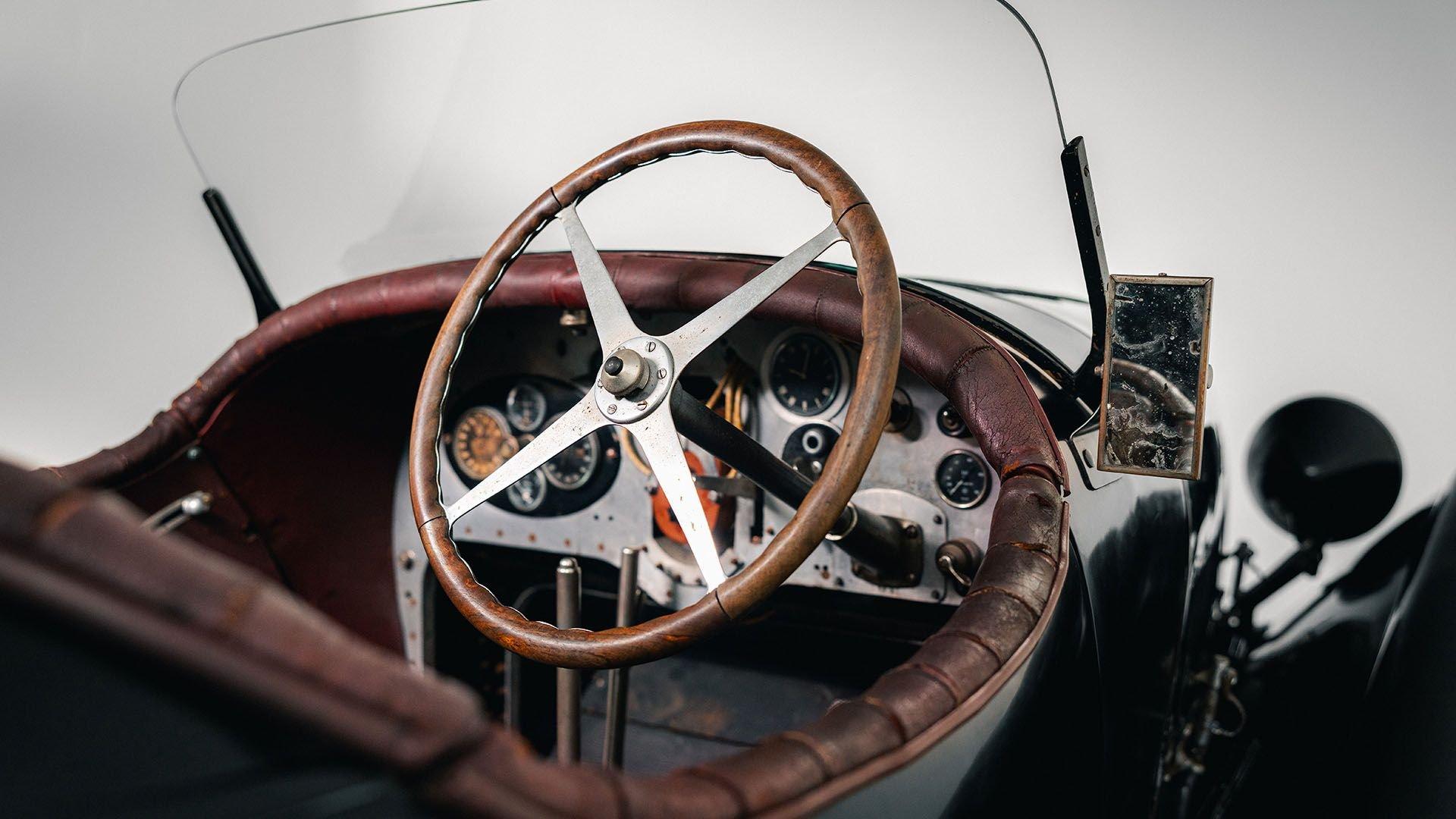
Monin, the owner of one and later two Type 38s, one of which was fitted with the original windshield from 43248, retained the Type 43 for over a decade, later parted with it in1978, selling it to coachbuilder Luc Janssens. The latter soon sold it to British dealer Keith Butti, who in turn passed it to the specialist in fine British cars Roland J. B. Duce in 1980, who then offered it for sale himself.
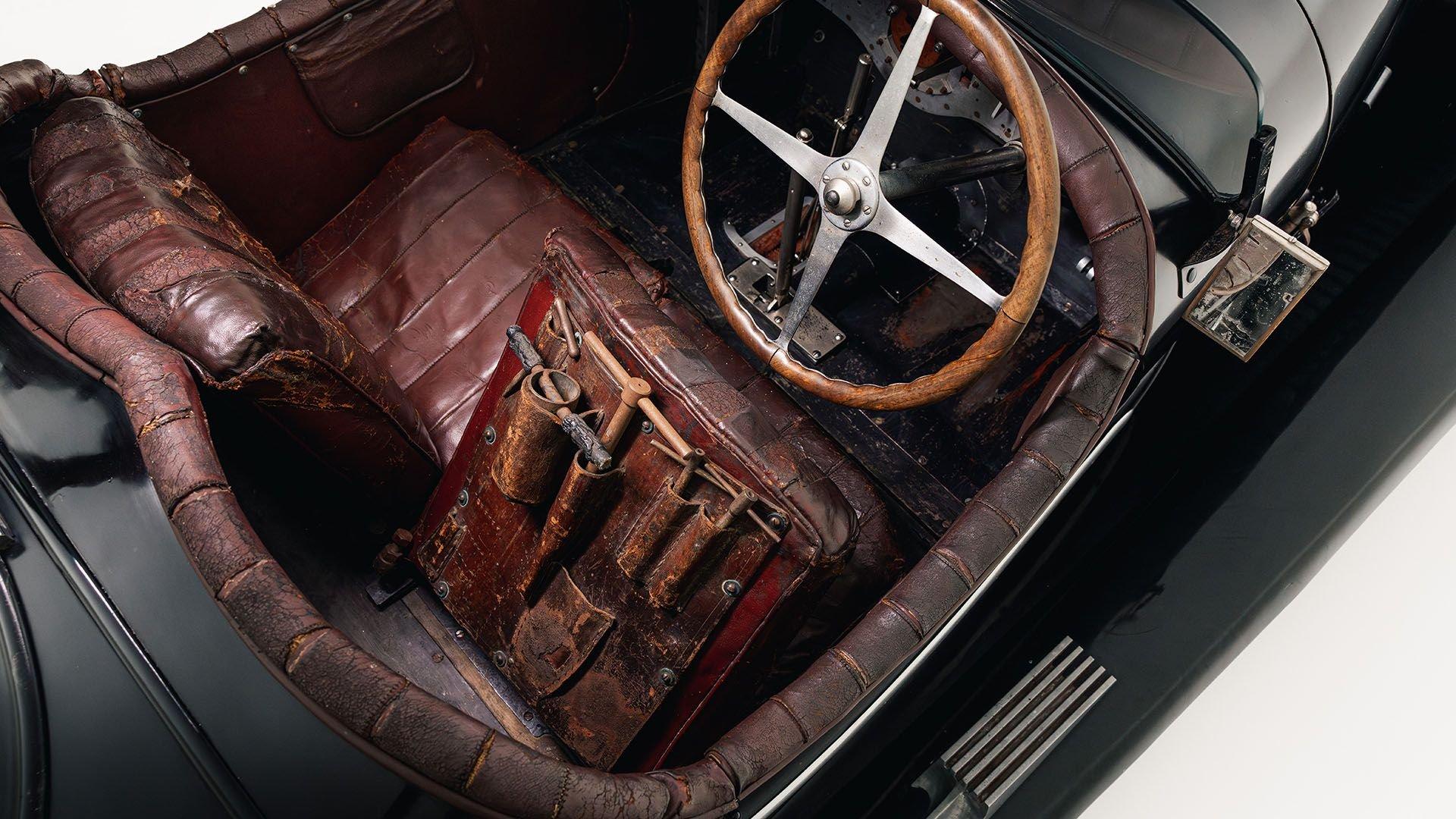
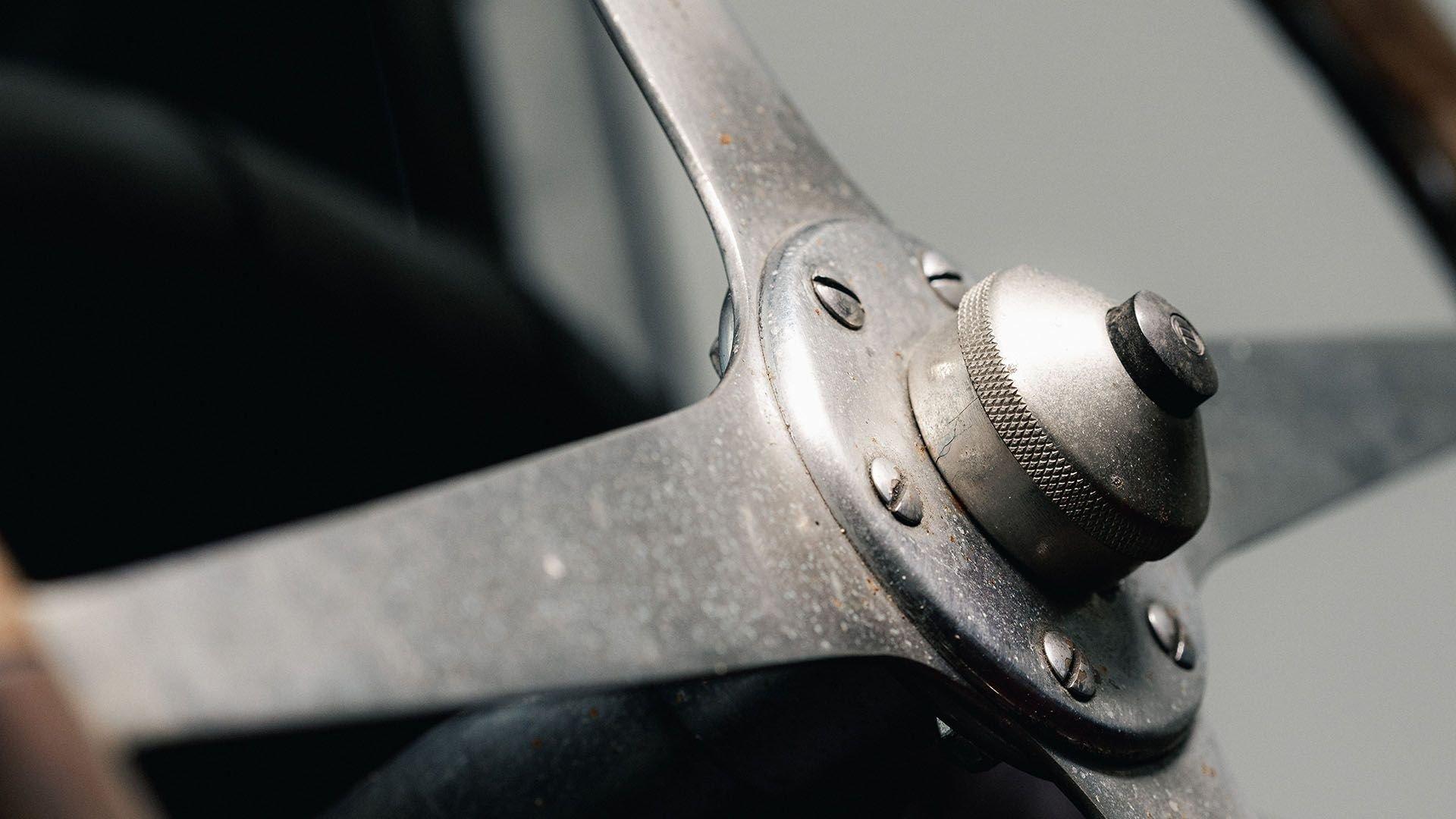
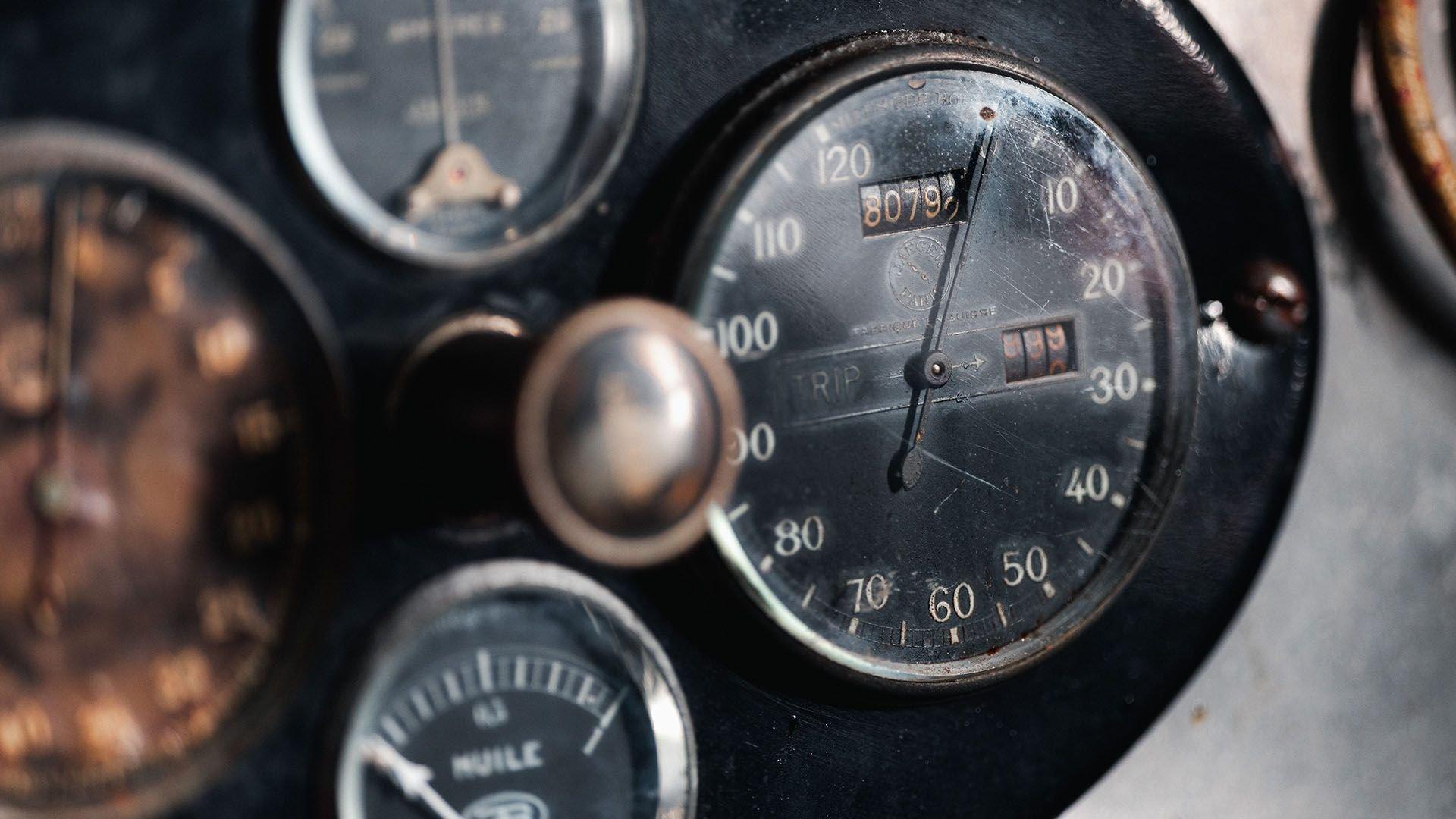
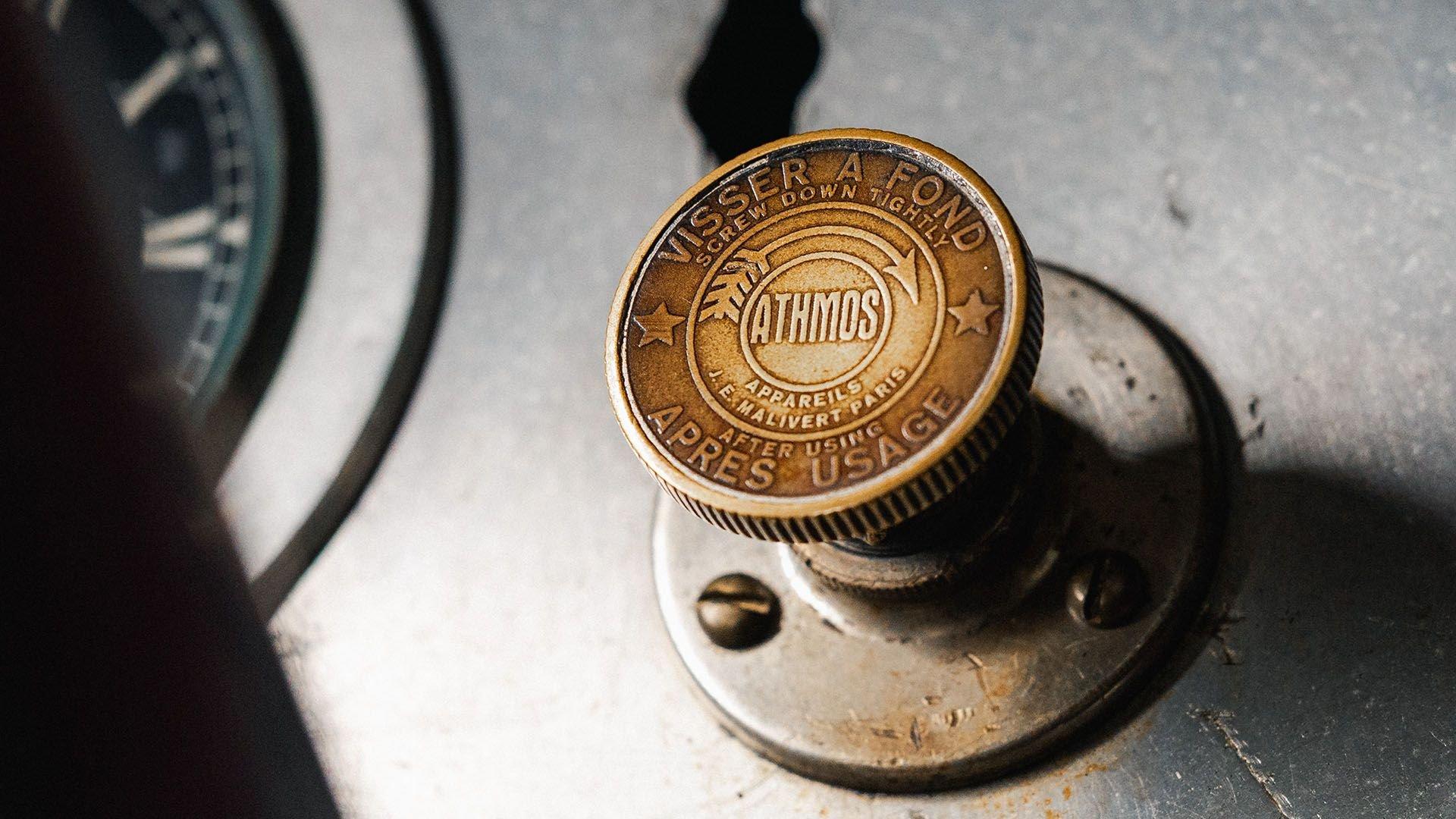
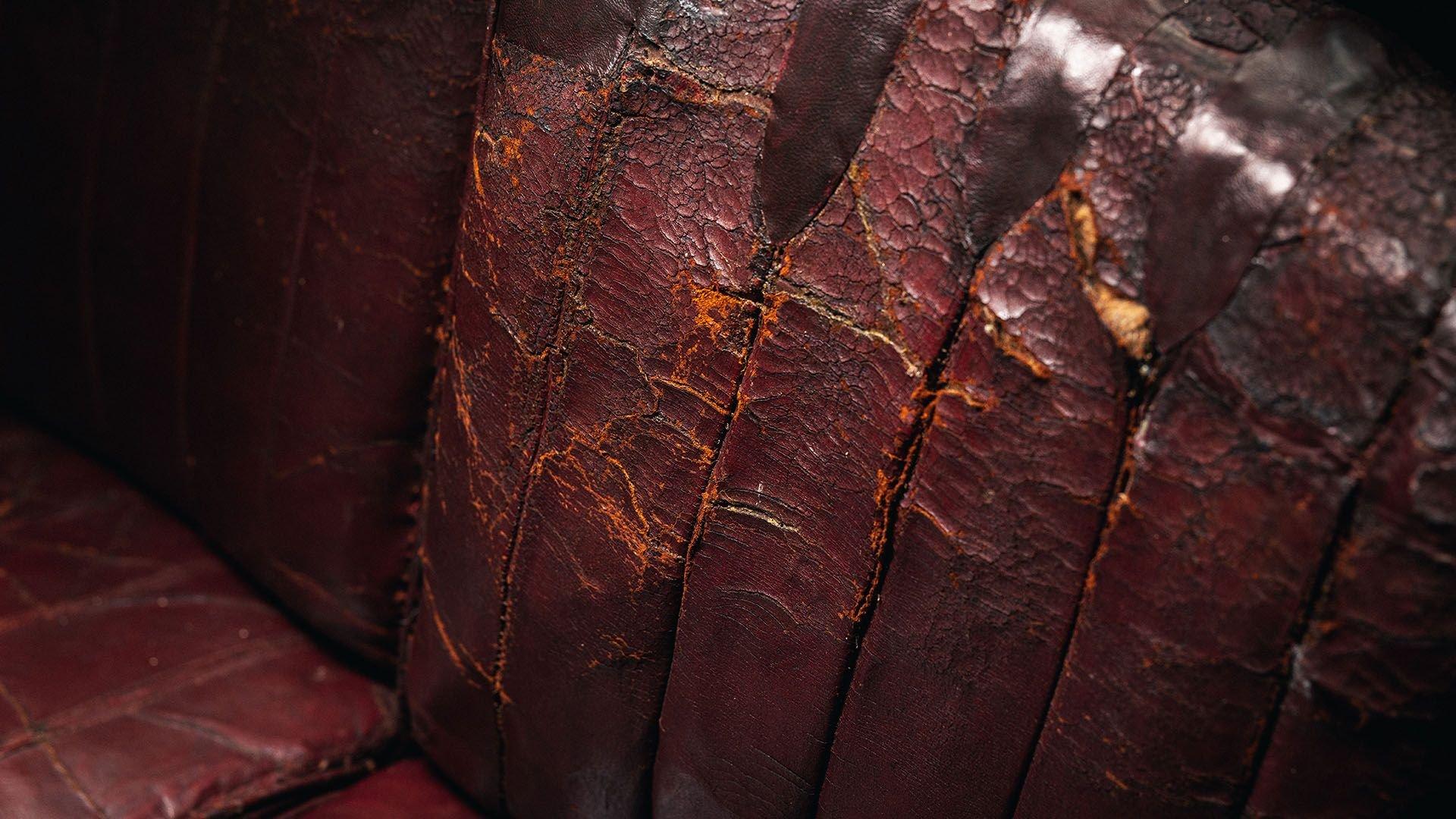
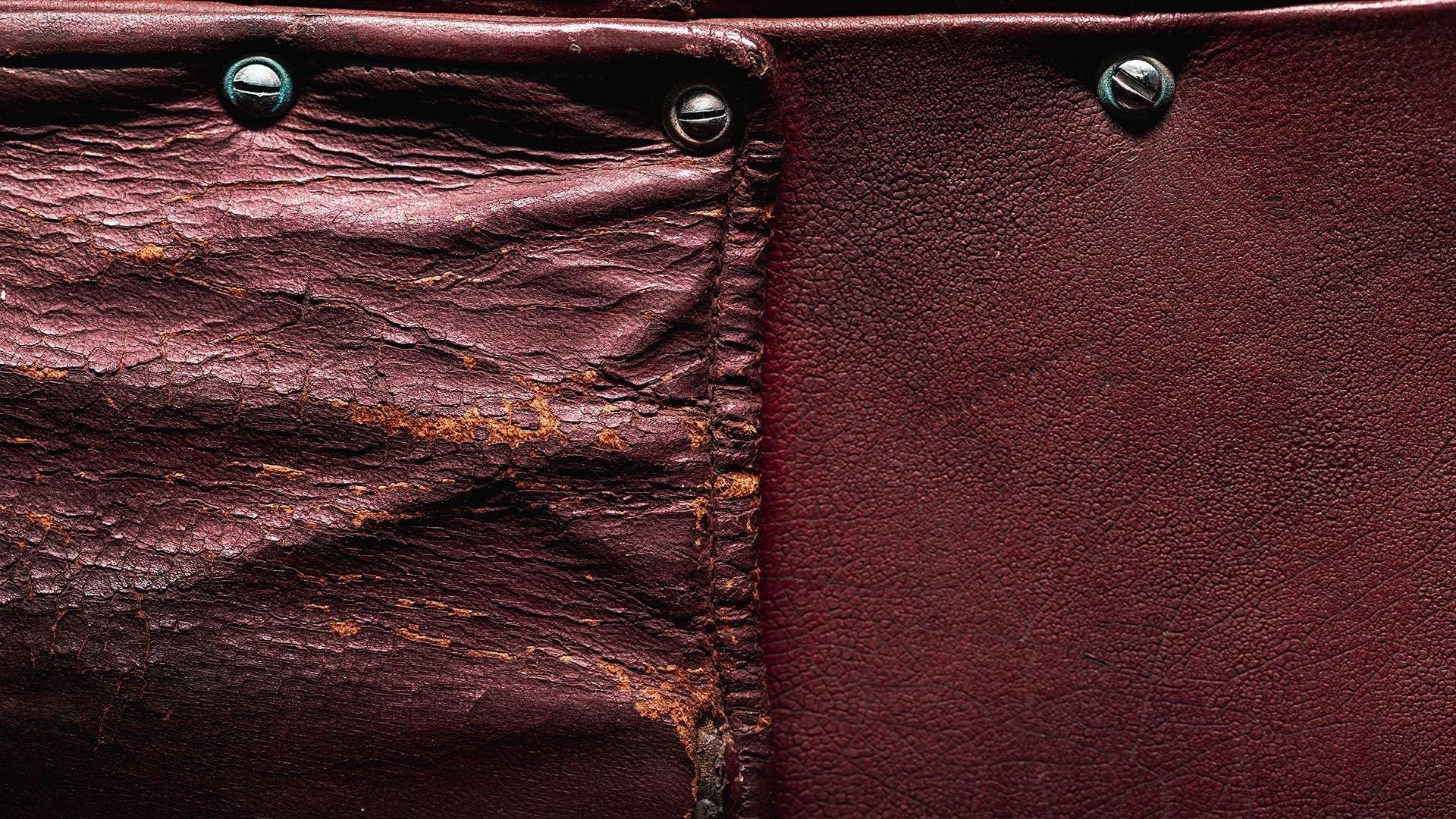
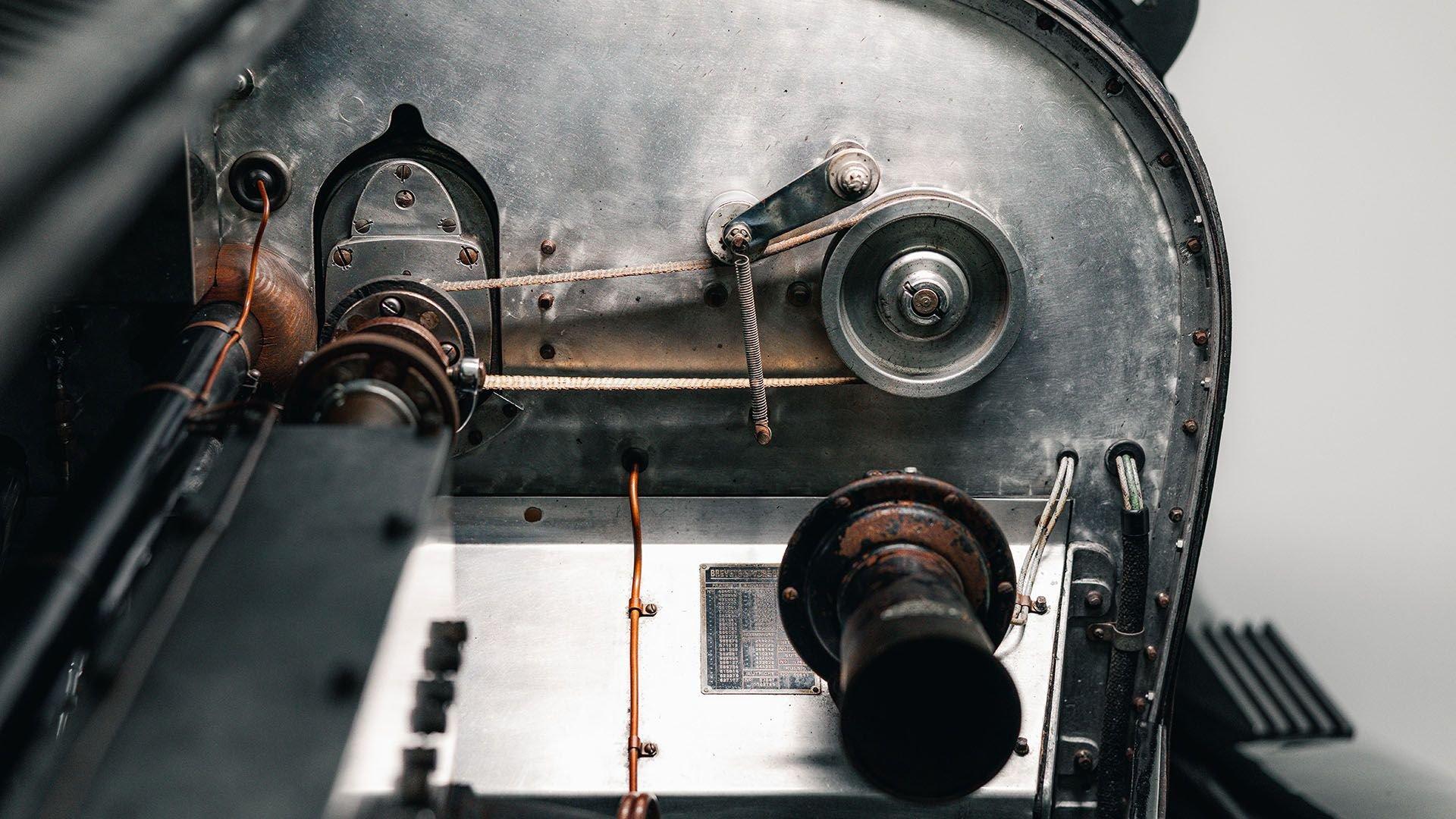
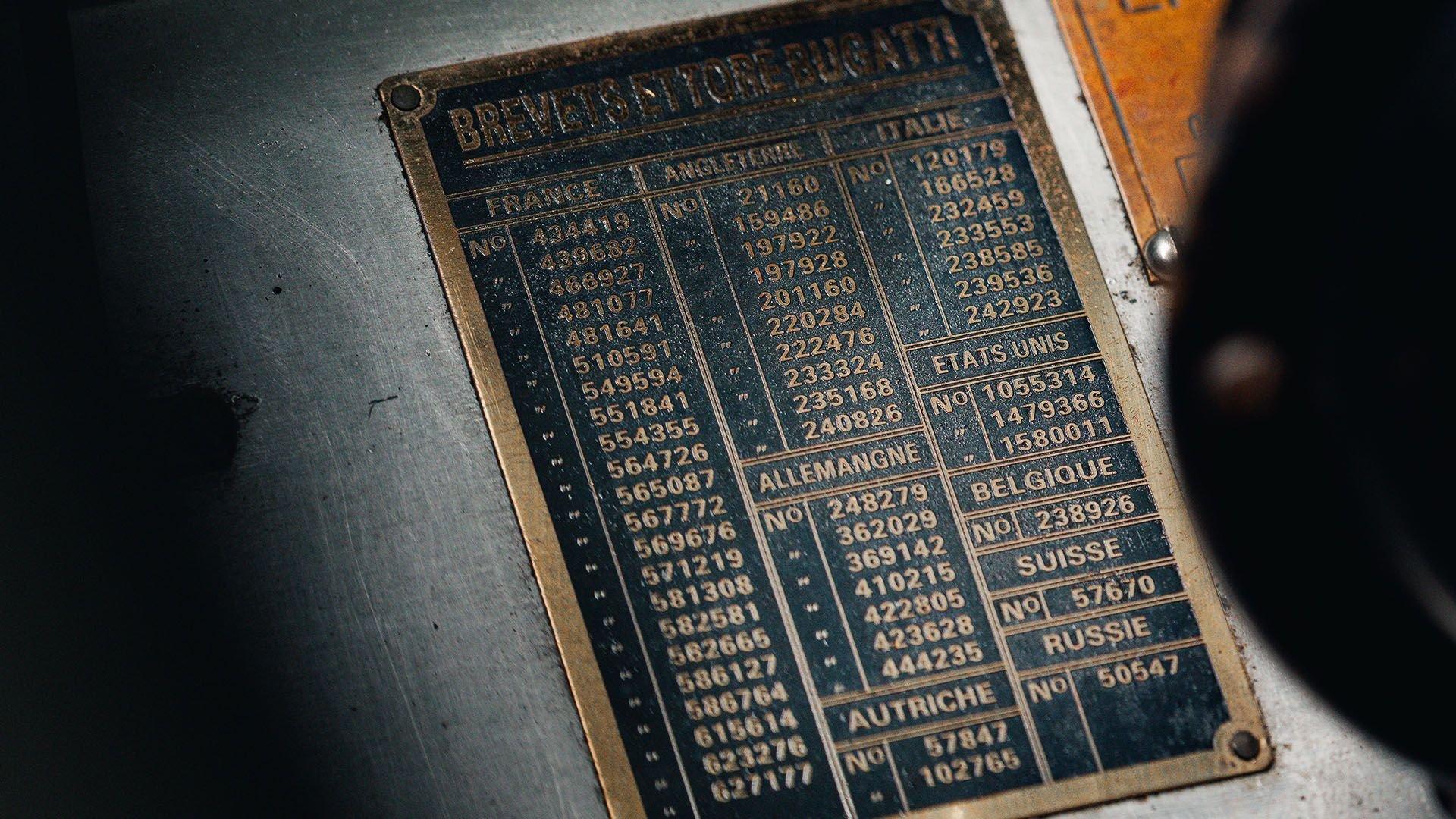
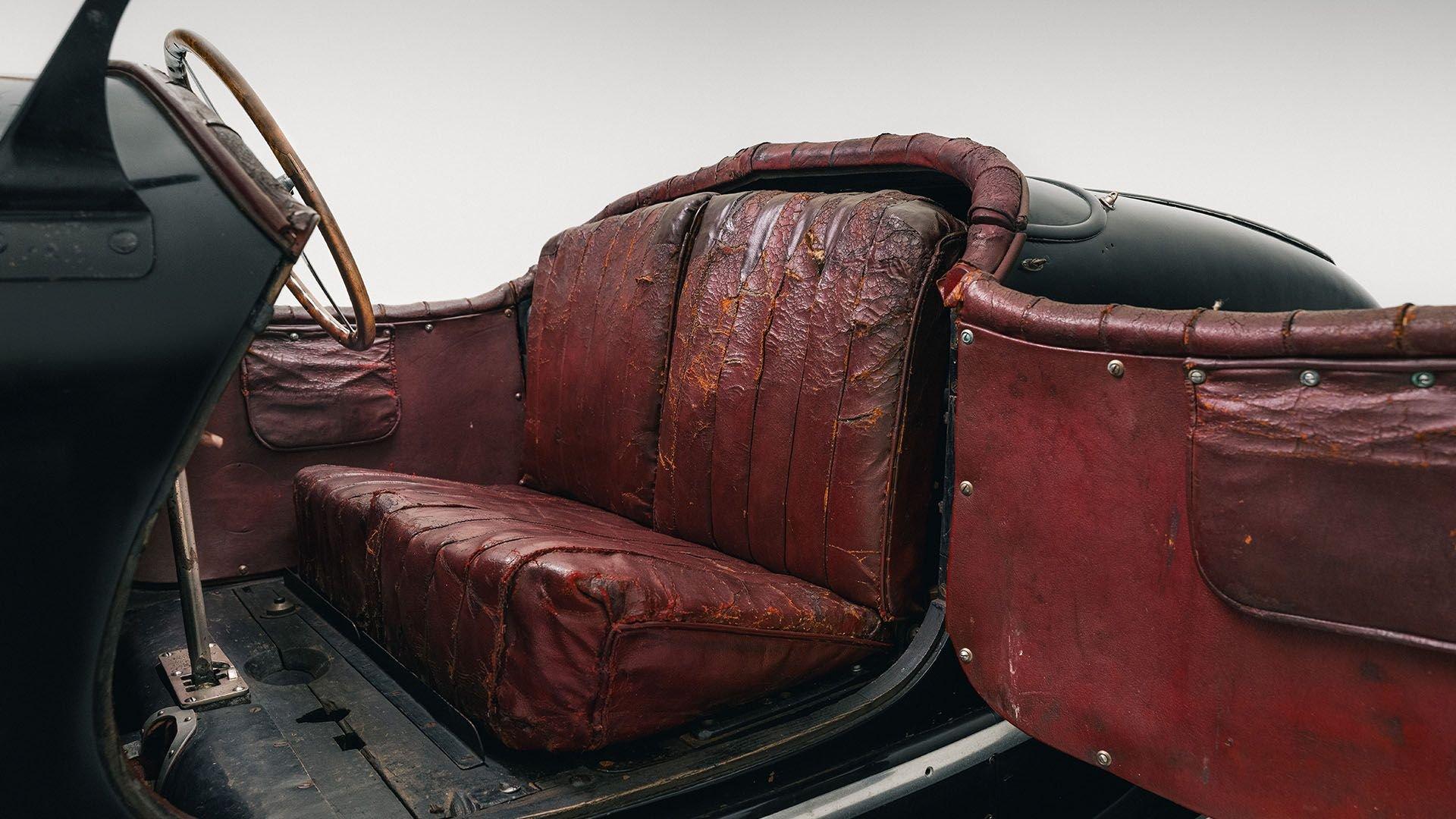
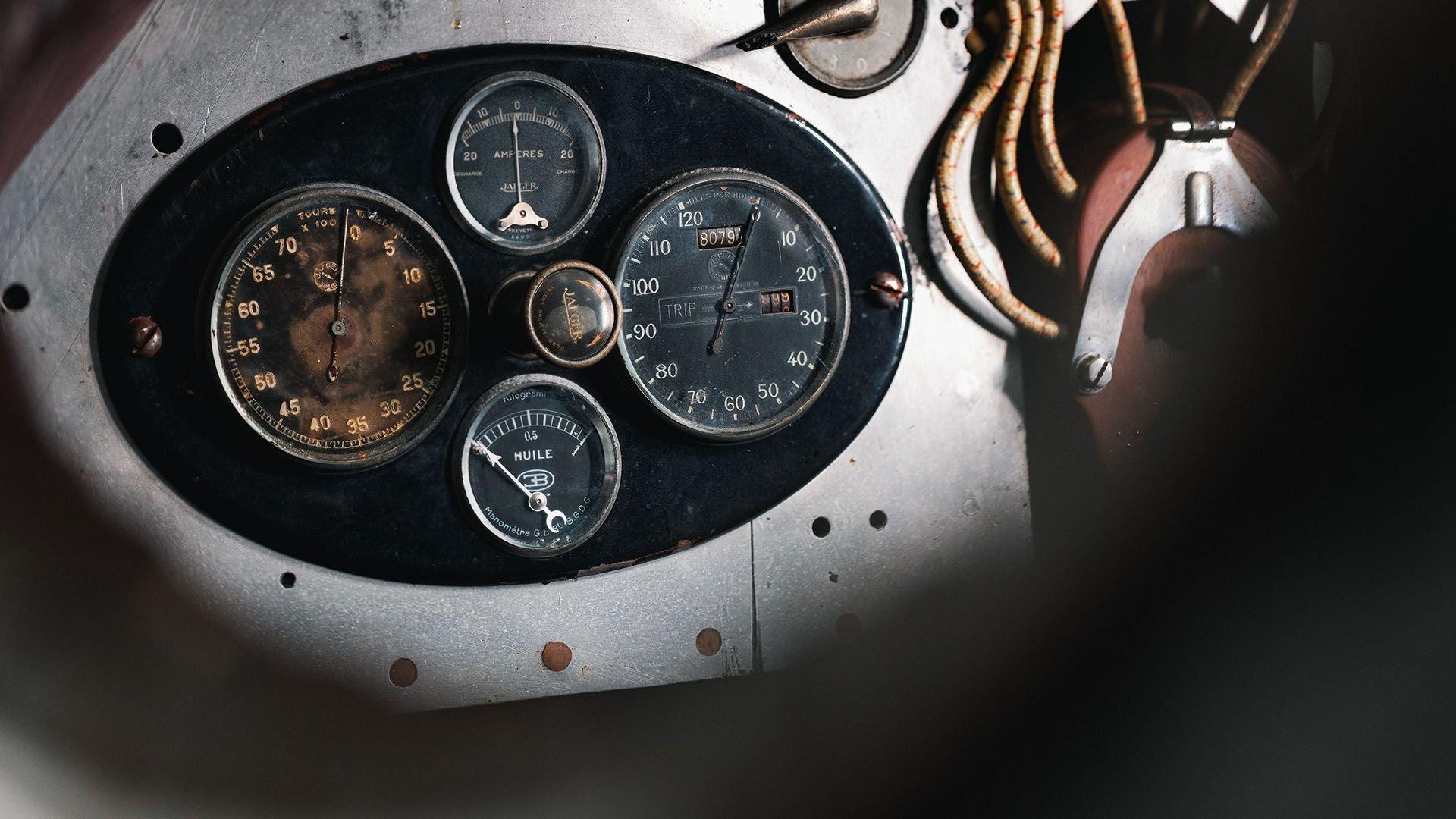
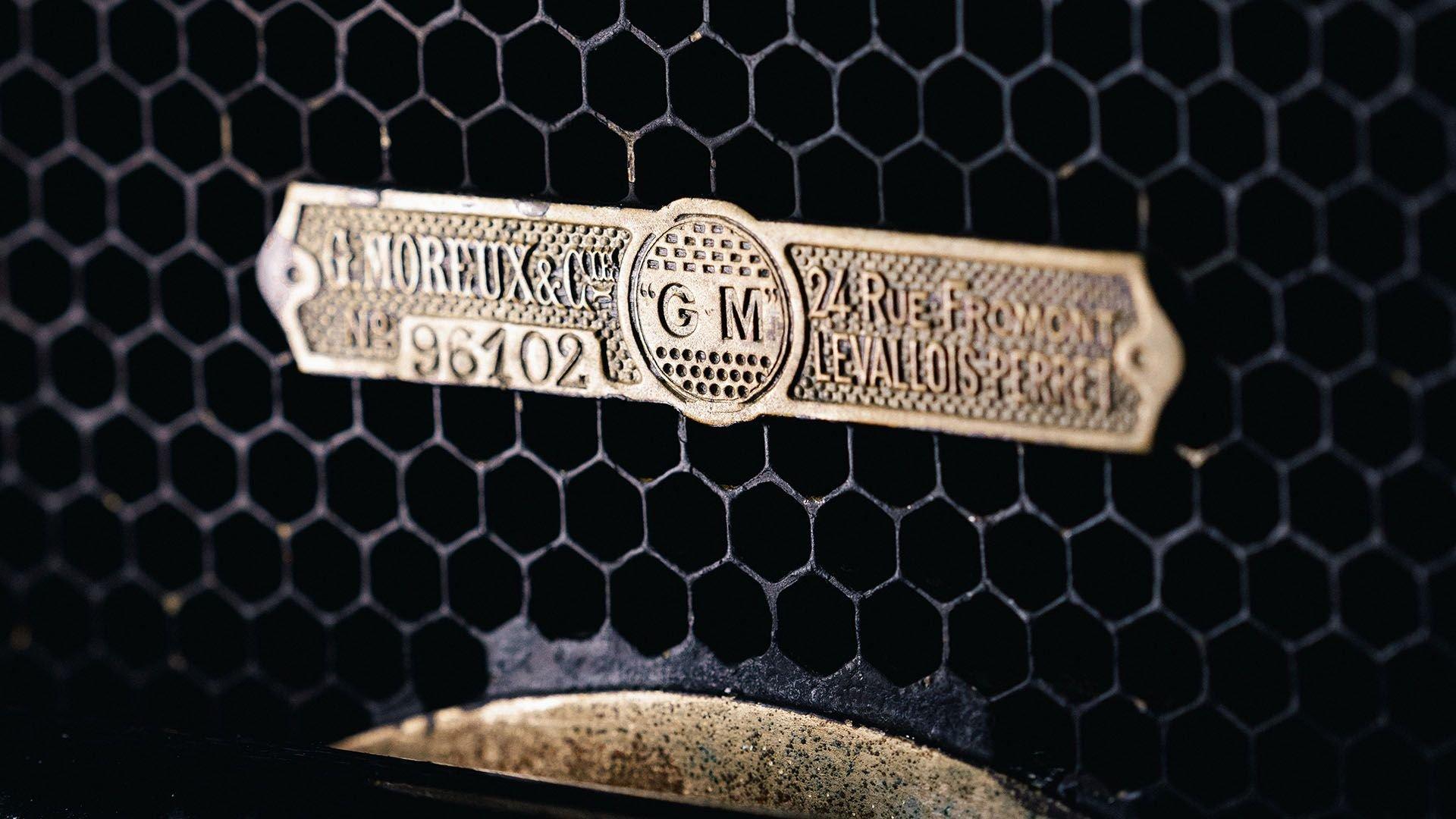
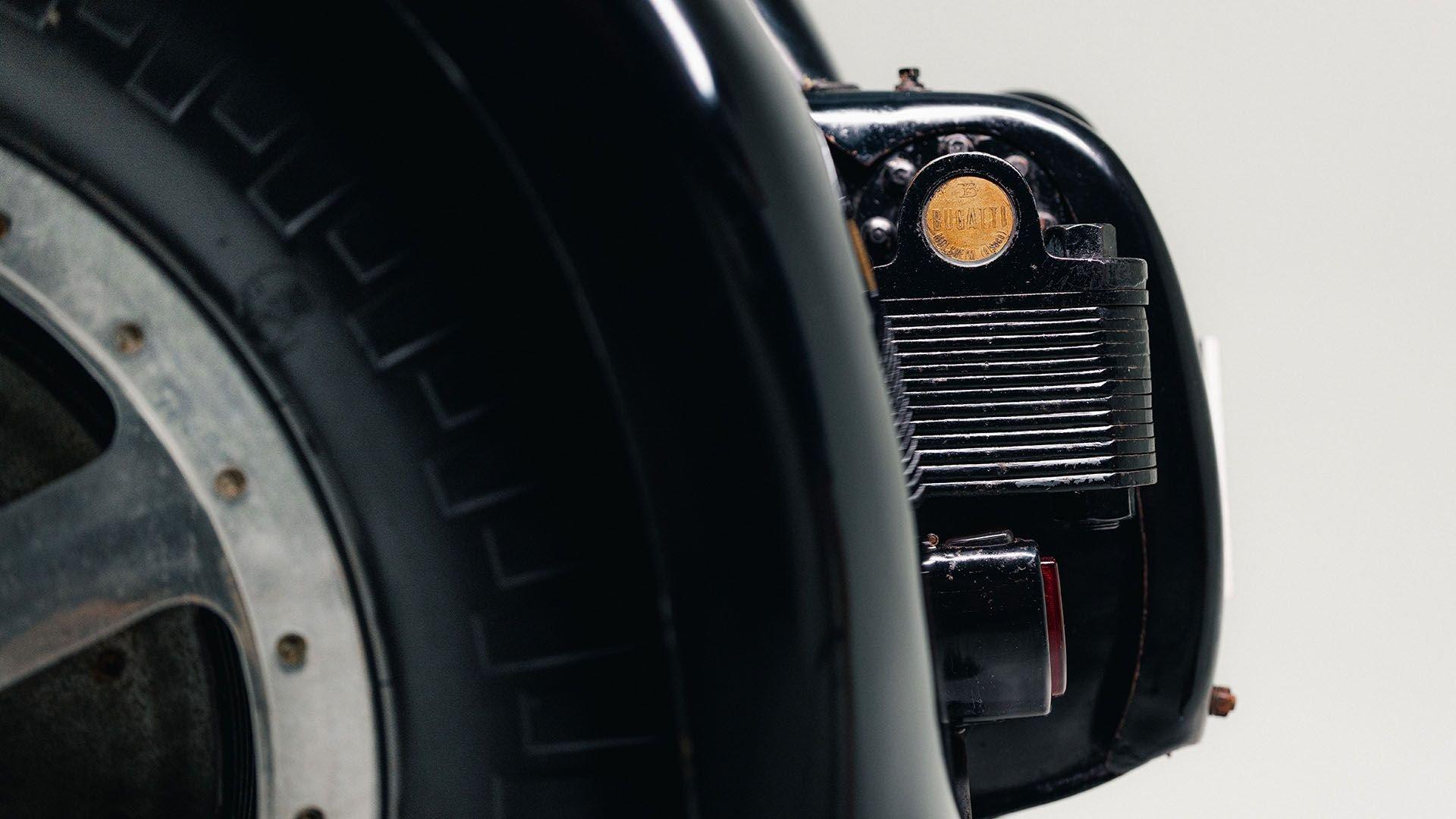
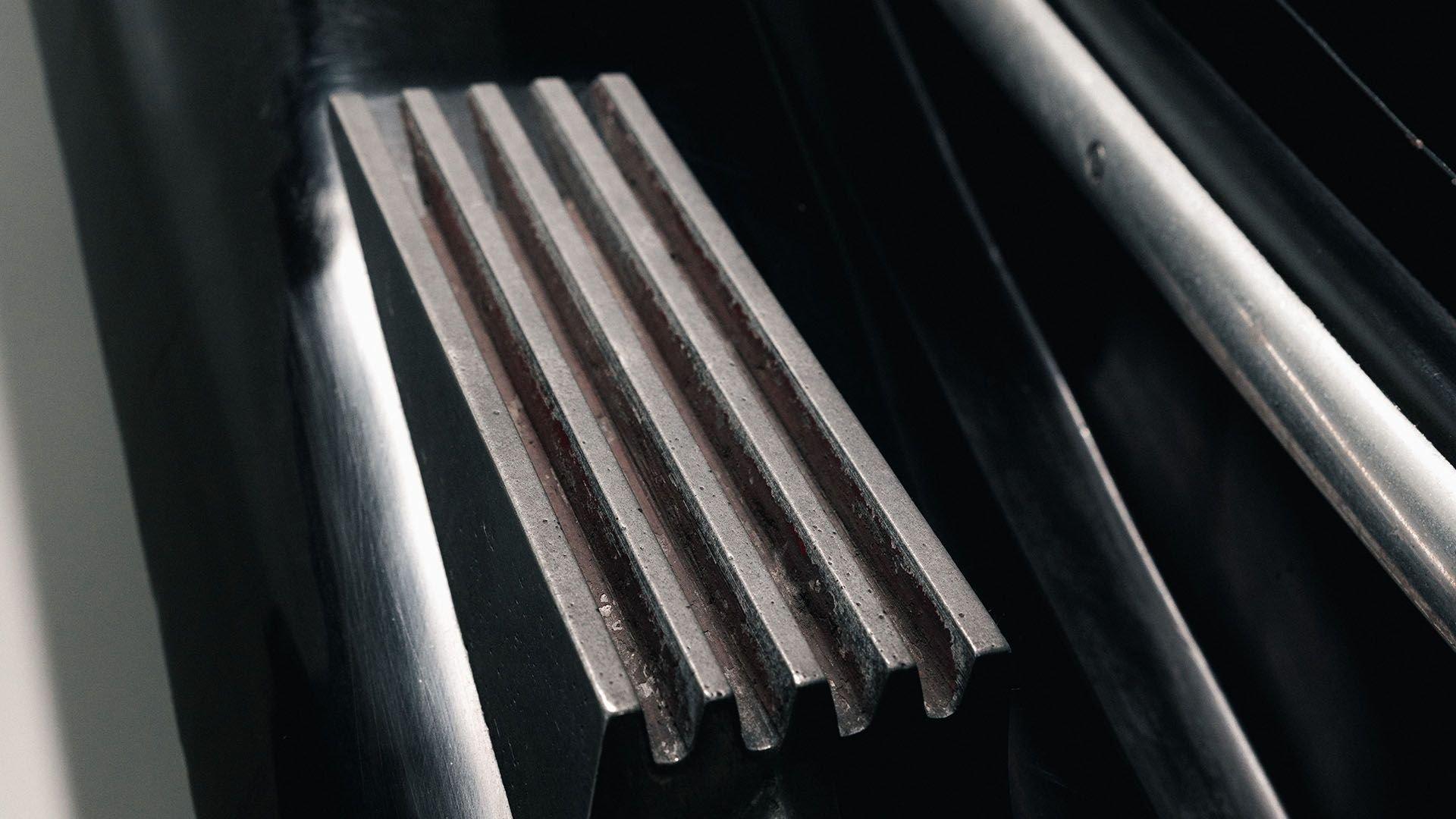
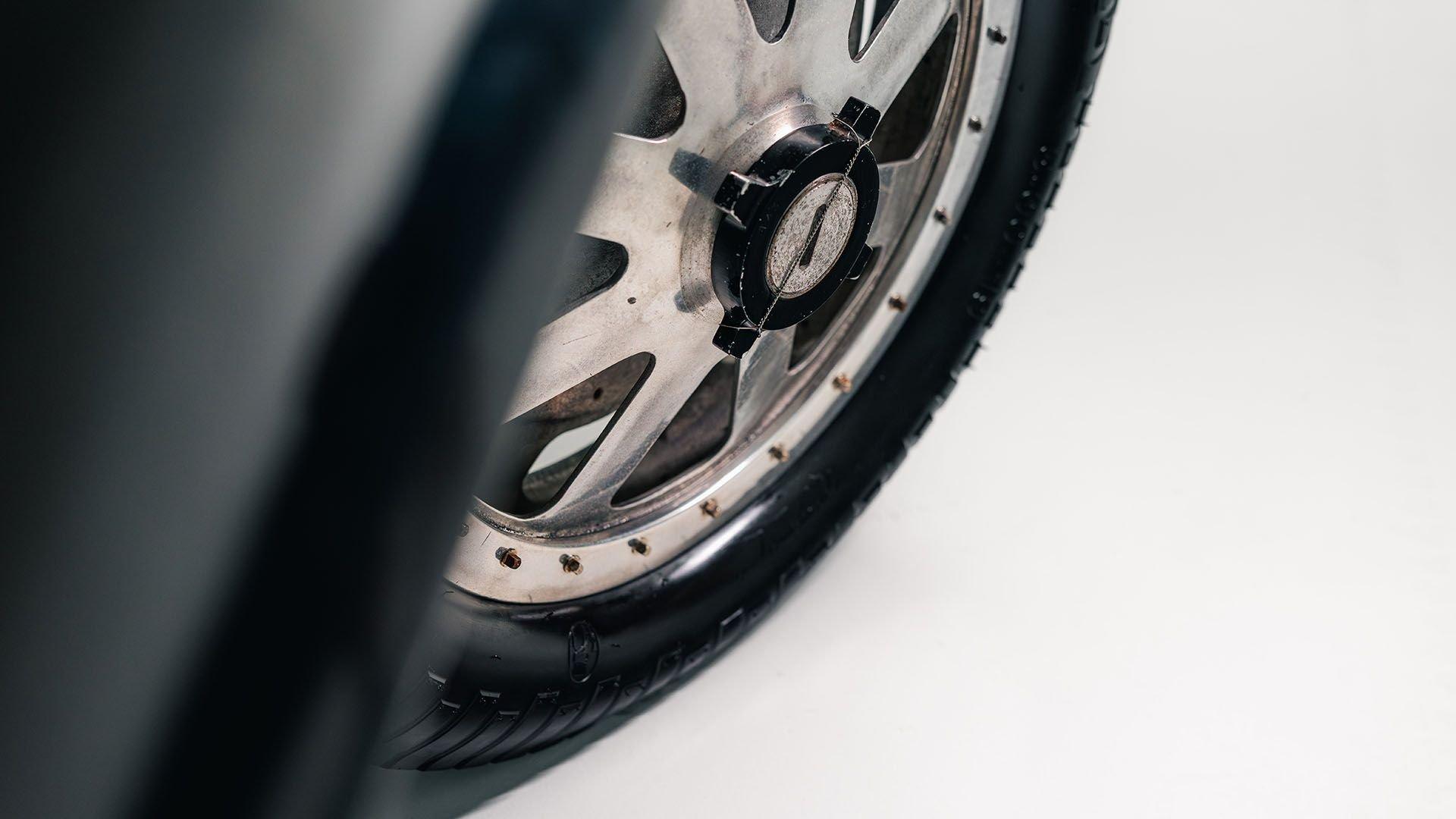
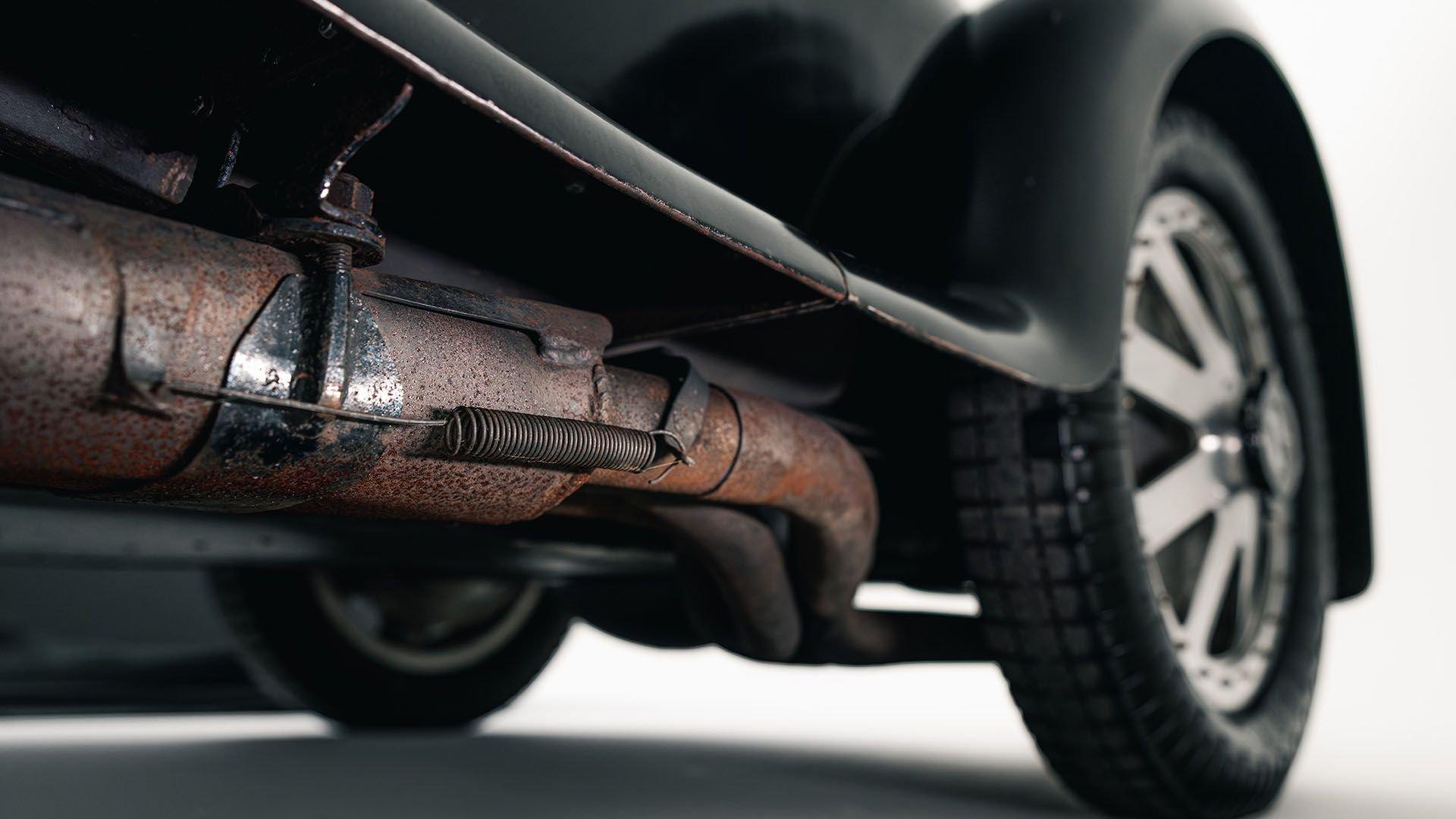
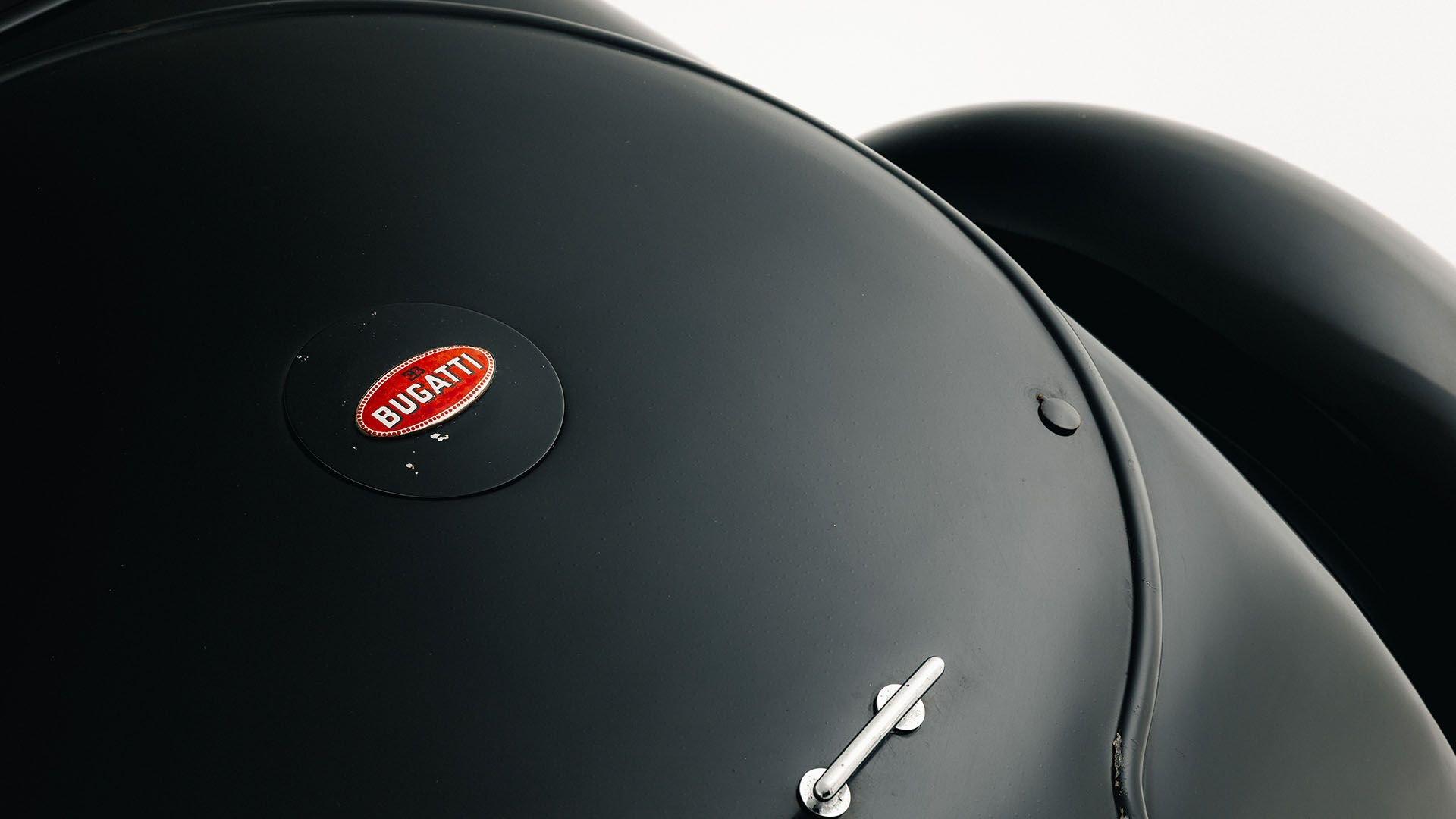
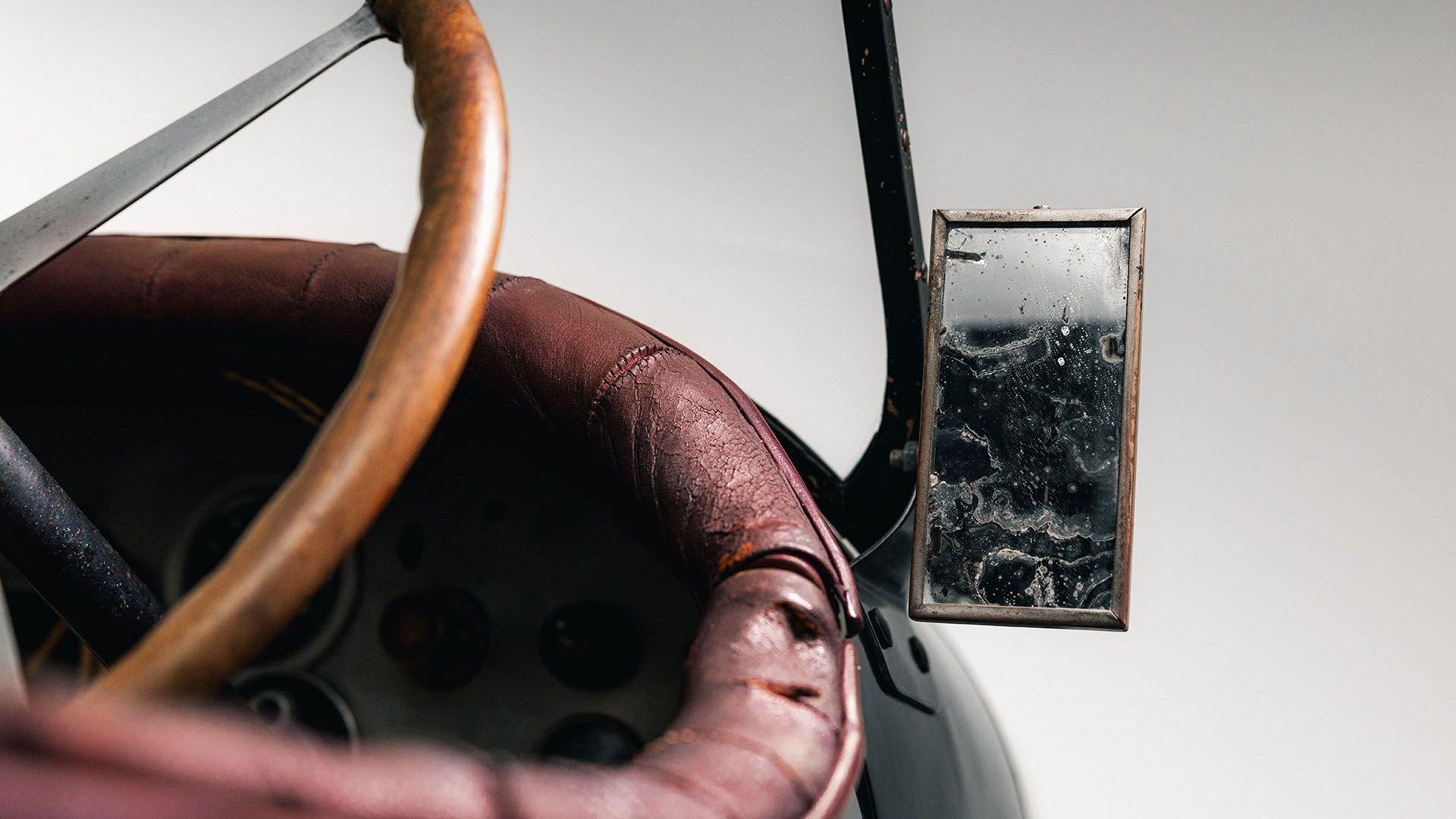
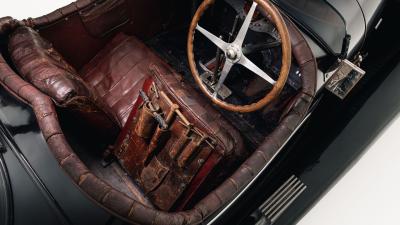
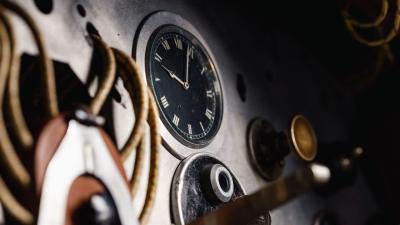
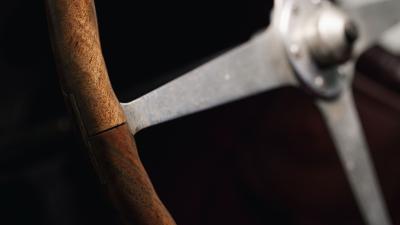
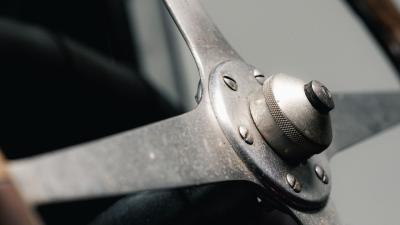
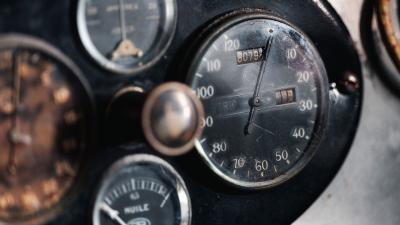
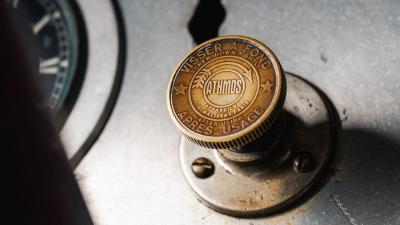
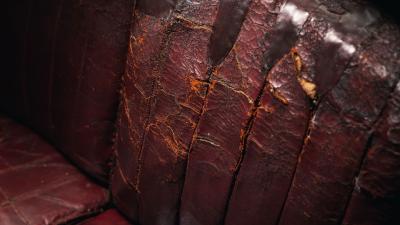
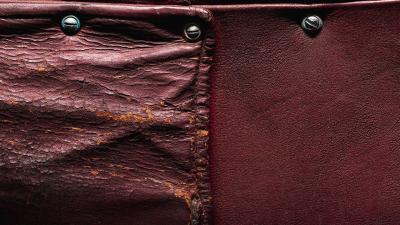
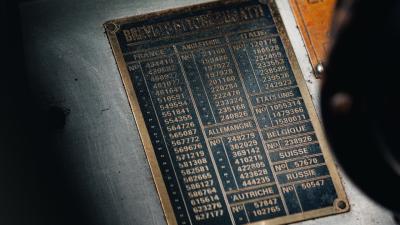
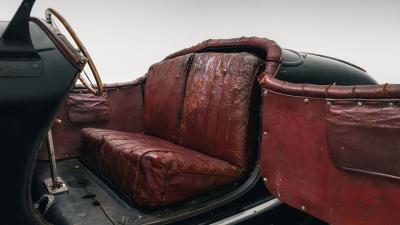
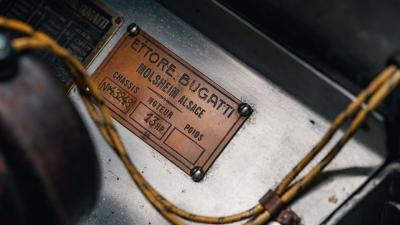
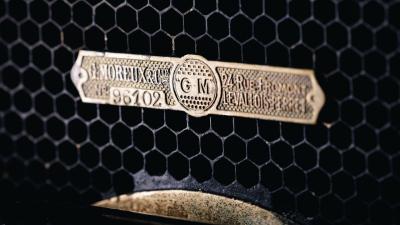
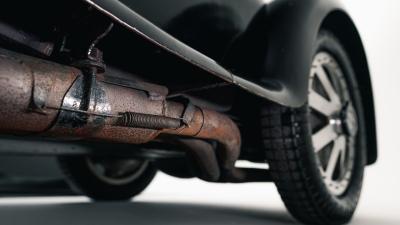
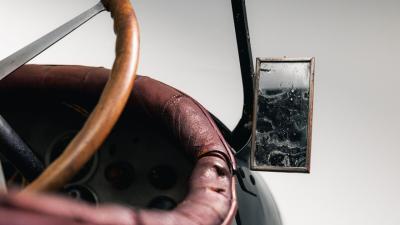
Spotted by one of England's greatest collectors of classic automobiles for its remarkable originality, Bugatti Type 43 chassis 43248 joined, in April 1981, the collection to which it still belongs today through family descent. The car was then presented with its one-off Eugène Matthys bodywork, the leather of its seats and doors in a most elegant burgundy shade, its chassis frame stamped 93, its brass identification plate engraved 43248, its front axle, both sides of its bulkhead, its rear axle stamped 95, its gearbox and cover numbered 93 and its radiator-all original, as per the accompanying Laugier report.
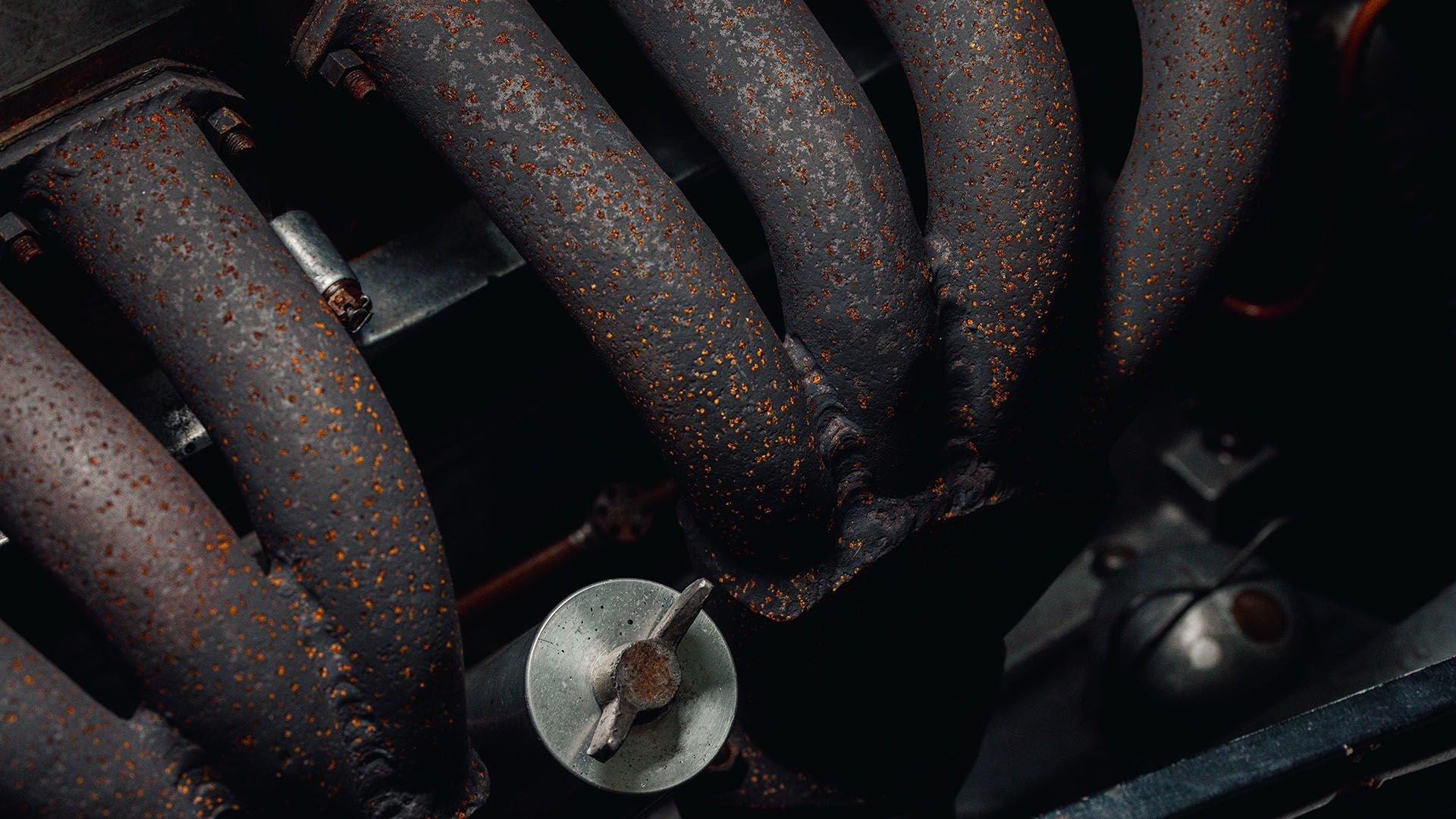
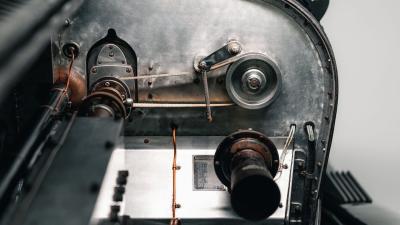
In order to return to car to a more mechanically authentic state and replace the Chevrolet engine that had been fitted to the roadster, its owner acquired from Hugh G. Conway -a prominent Bugatti authority whose legacy is still referenced today-a Type 43 engine, built from parts bearing different numbers, including an upper crankcase from a racing model numbered C28 which shows signs of basic repairs that have been made in the past.
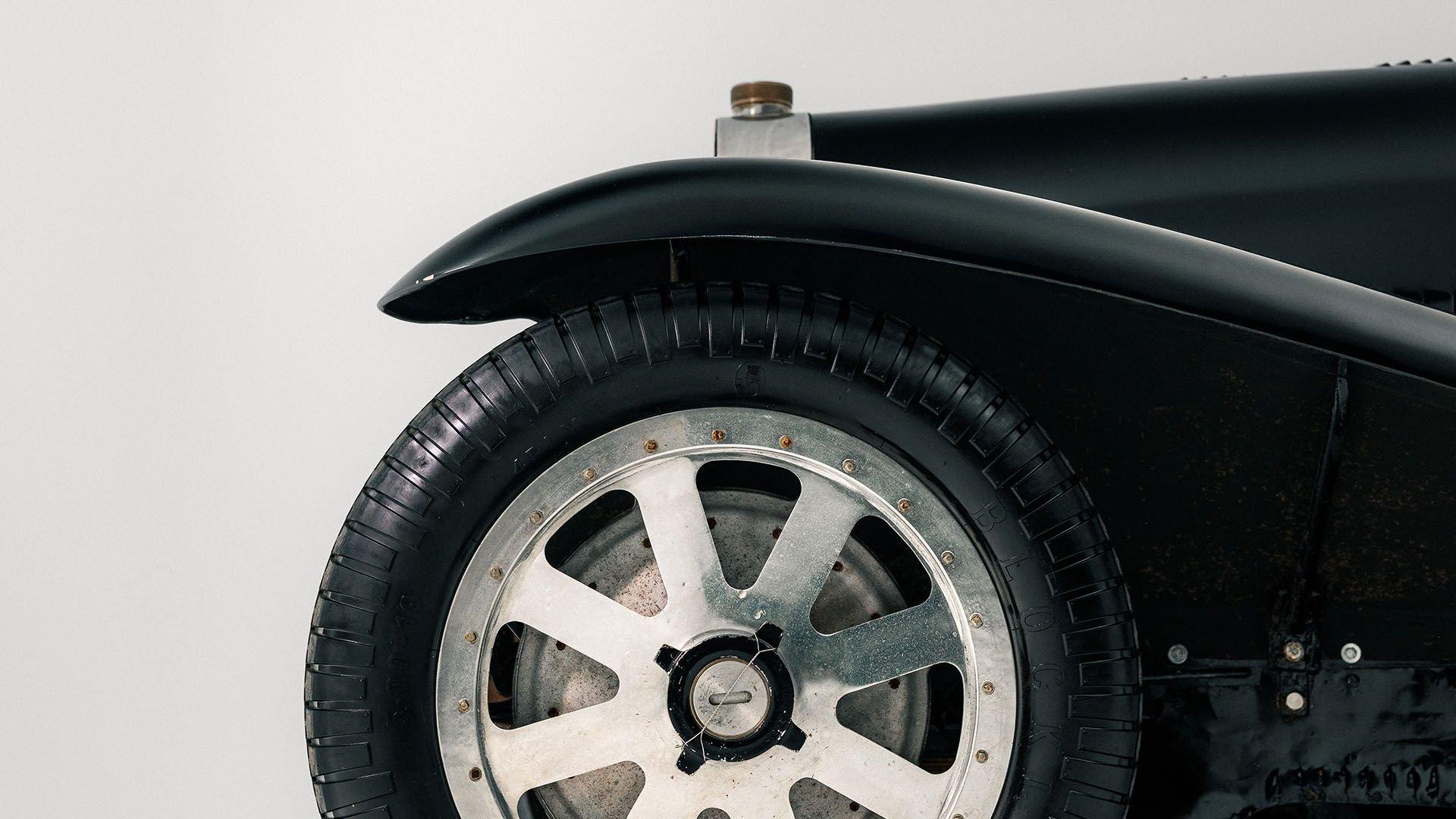
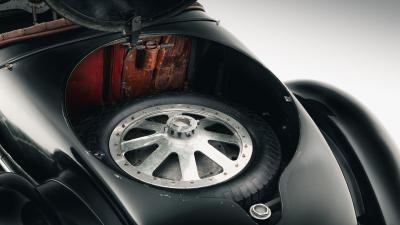
Over the past thirty years, it has undergone a series of carefully documented interventions, the full list of which is available in the file, including two new cylinder blocks, a rebuilt rear axle, a repaired wooden trunk floor, a replacement fuel tank, renewed iron drums, a radiator wiring harness, and a full repaint. The original leather was entrusted to The Leather Conservation Centre in Leicester, UK, for preservation rather than retrimming, with only a few minor patch repairs. Such comprehensive care ensures the car looks and performs beautifully today.
For the first time in nearly half a century, the Bugatti Type 43 chassis number 43248 is being offered for sale, an exceptional opportunity for Bugatti enthusiasts to acquire this unique roadster, with its sublime lines, unmatched performance, and rare authenticity.
Temporary Import: This lot is in Italy on a temporary import bond, which must be discharged by the Buyer either by directly re-exporting the Lot or by paying the relevant customs duty, import VAT and other applicable fees to permanently import the Lot into Italy or another European Union country as permitted. Any Lot subject to temporary import restrictions cannot be released from Broad Arrow's custody without the completion of these procedures. Customs charges will be assessed based on the Lot's value and according to the circumstances of each sale and may be payable by the Buyer either to Broad Arrow and/or directly to the relevant tax authority.
Documents: UK V5C
Contact Us
