































































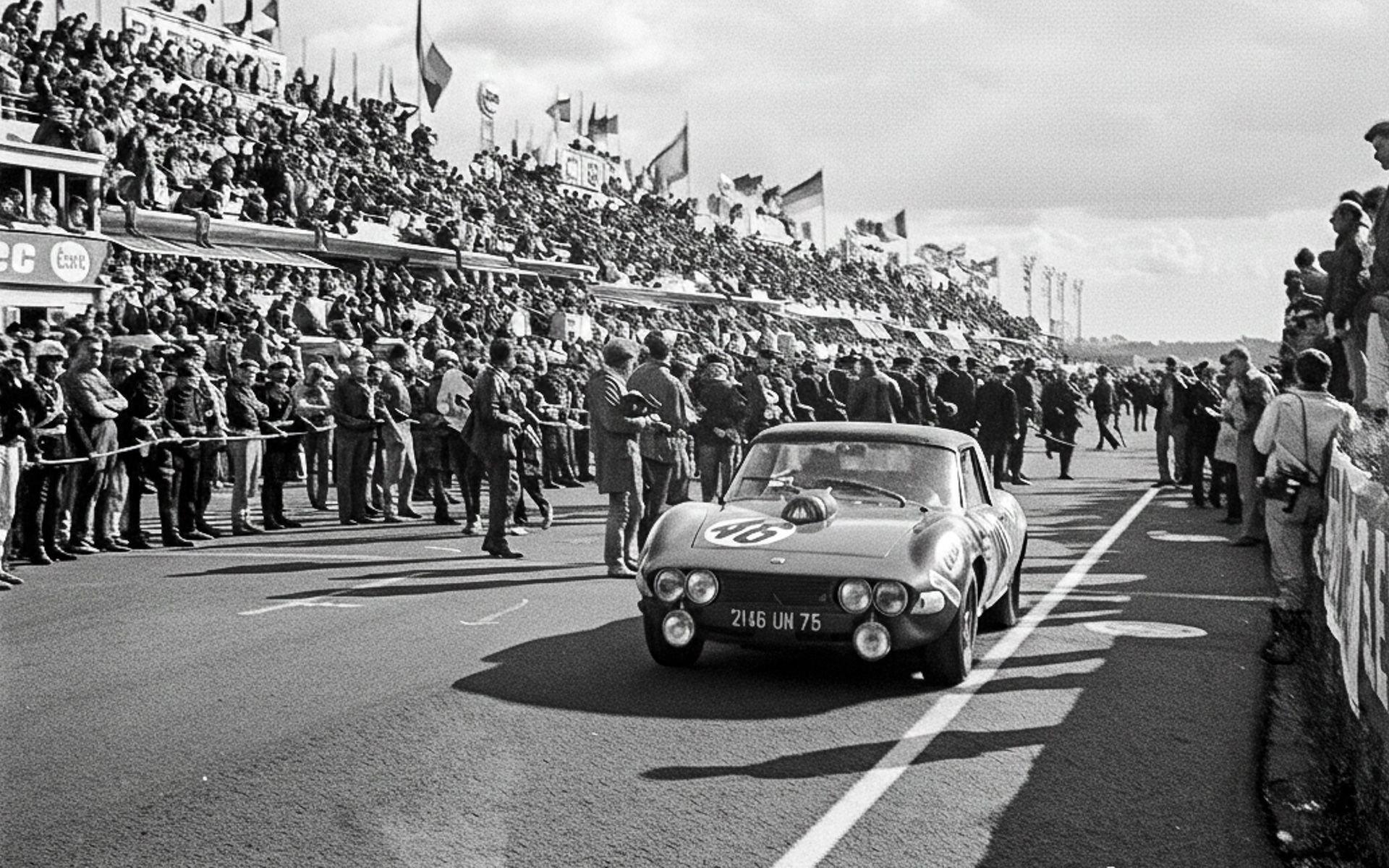
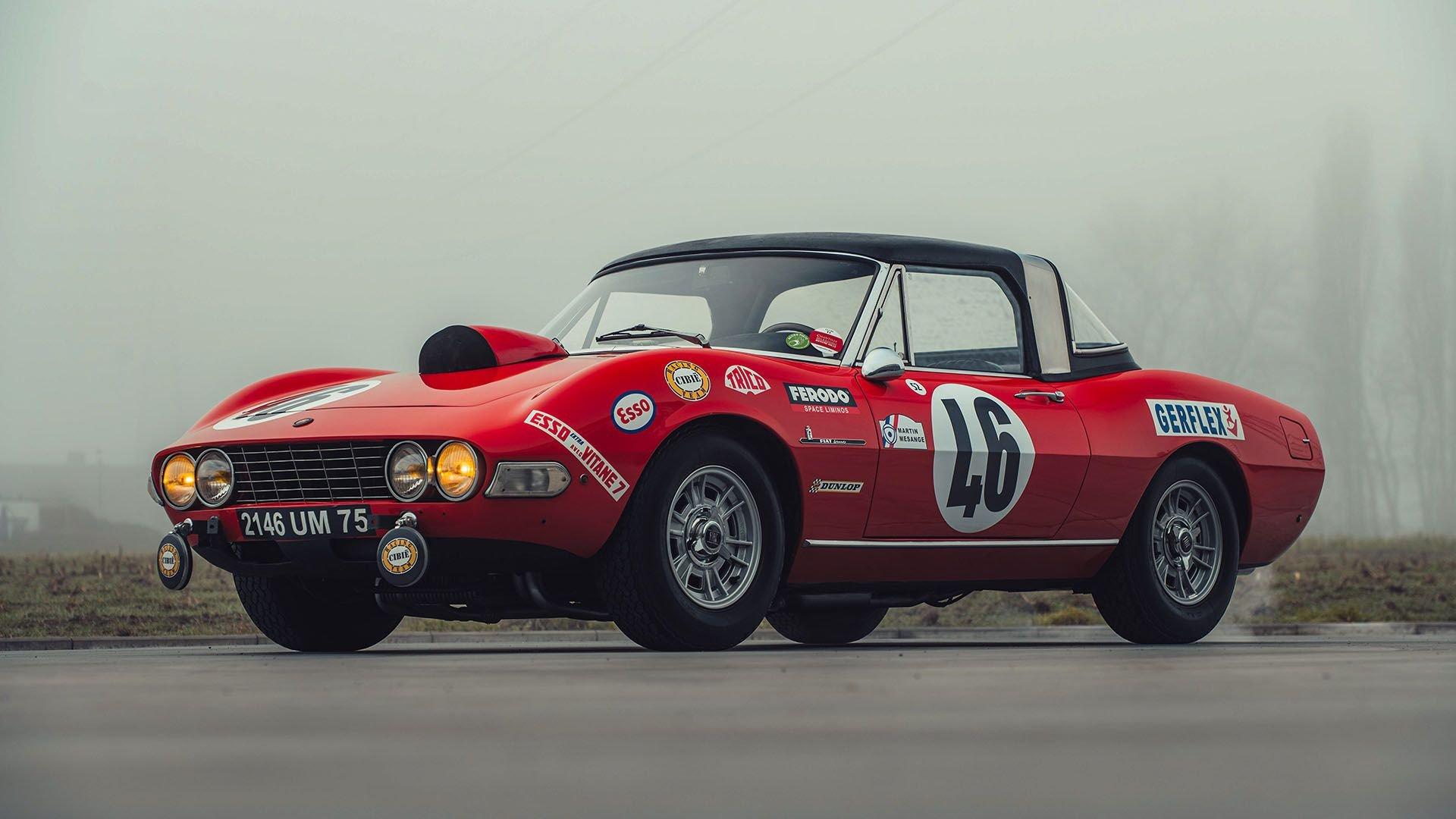
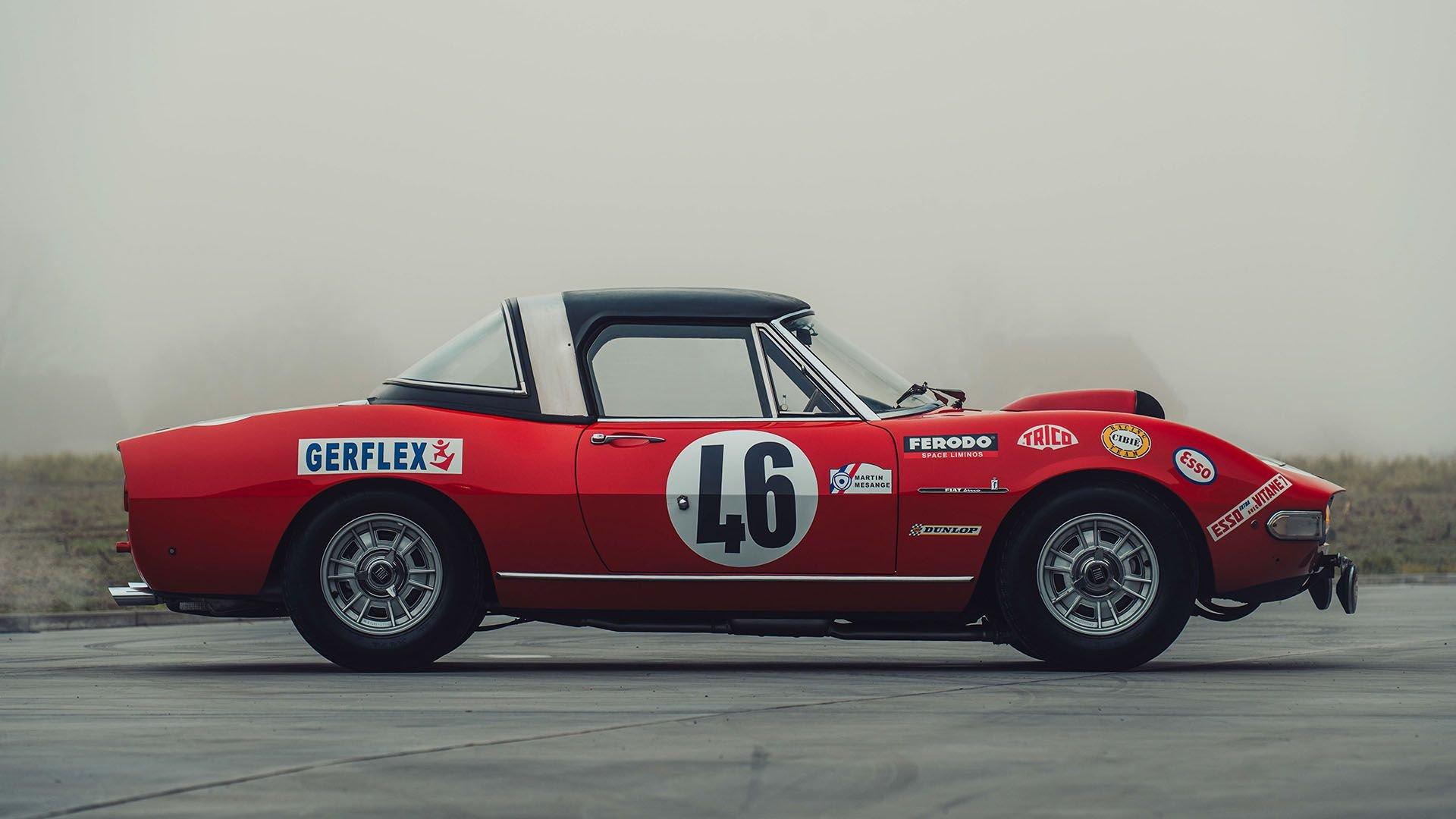
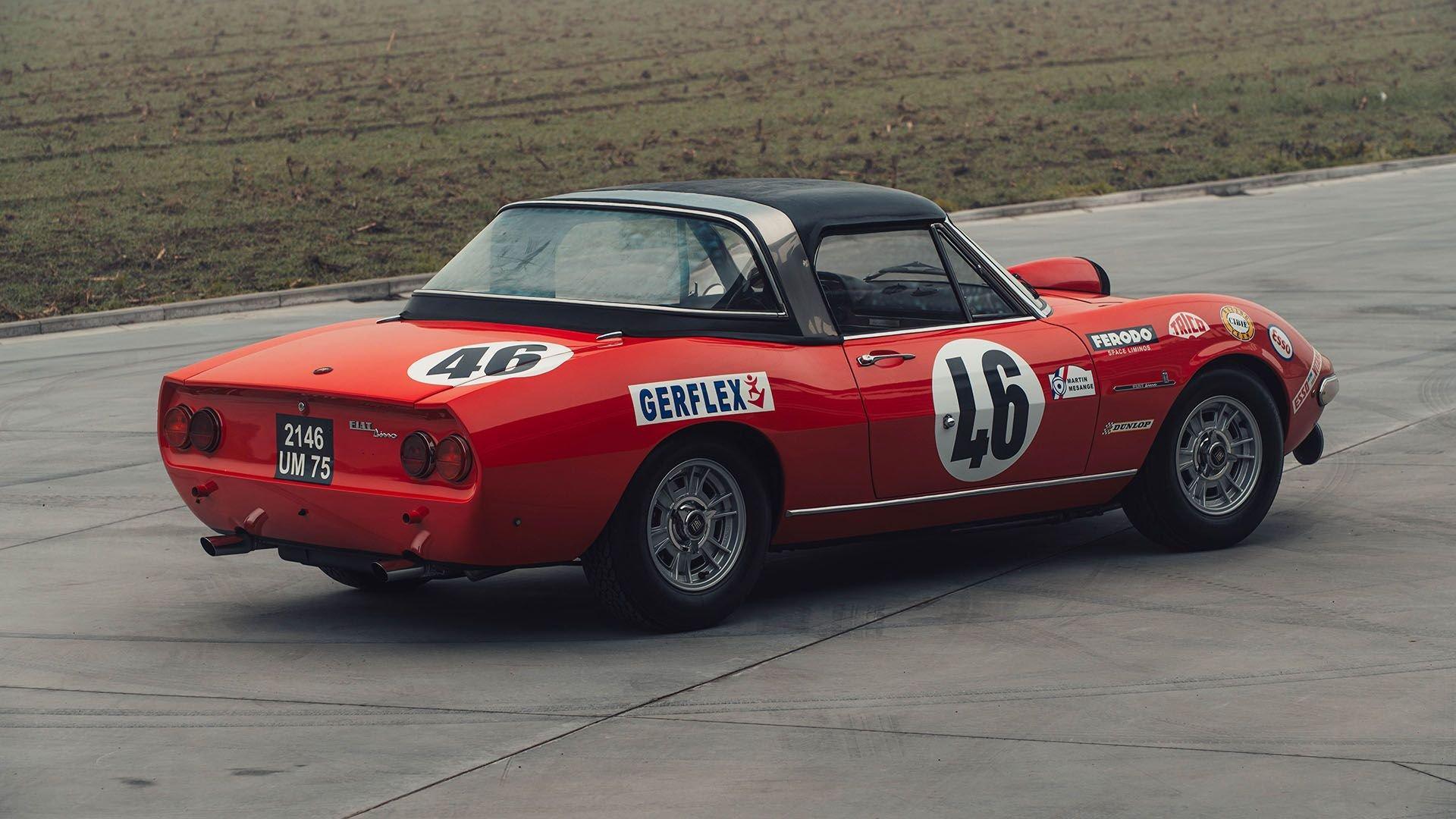
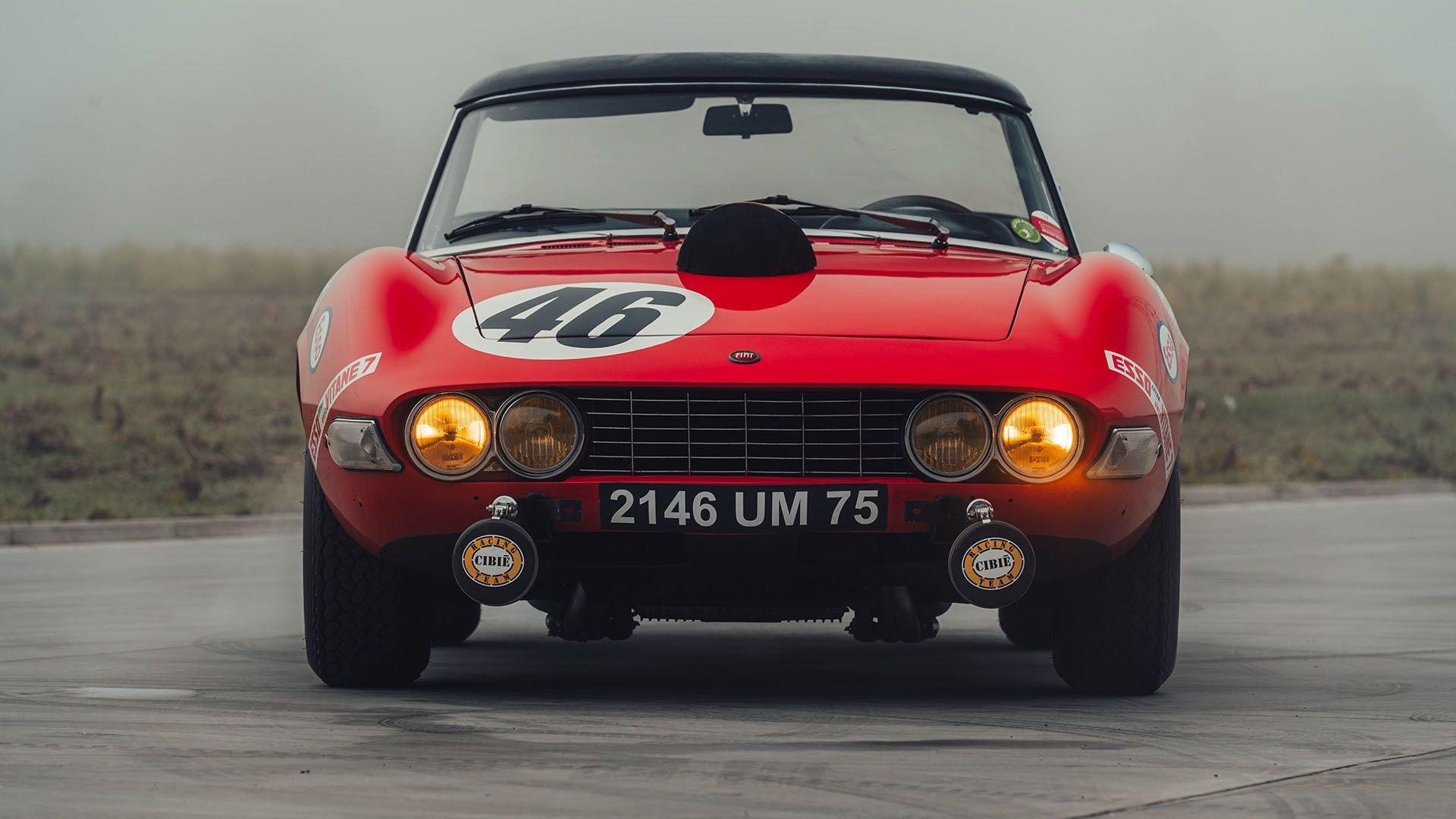
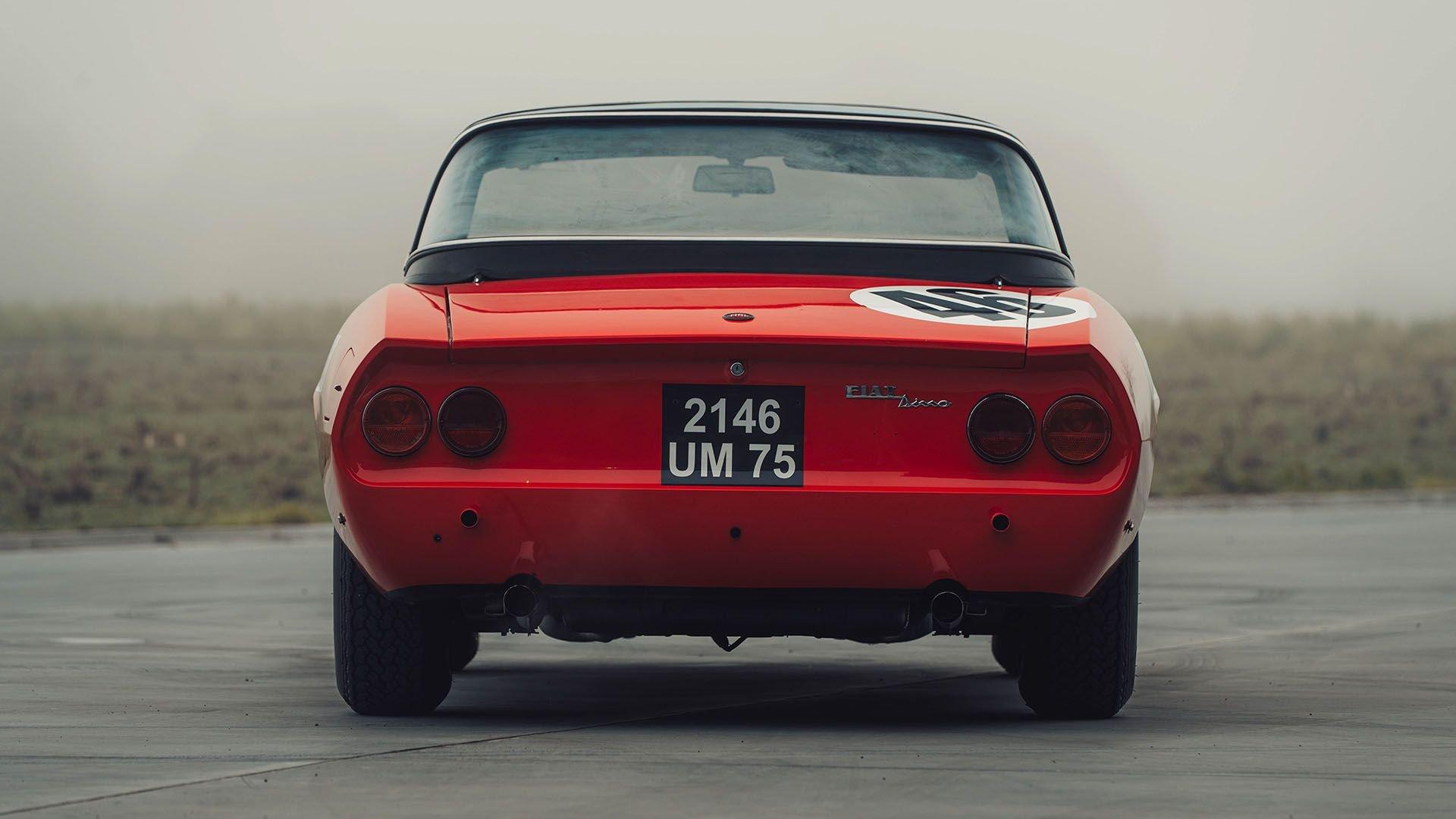
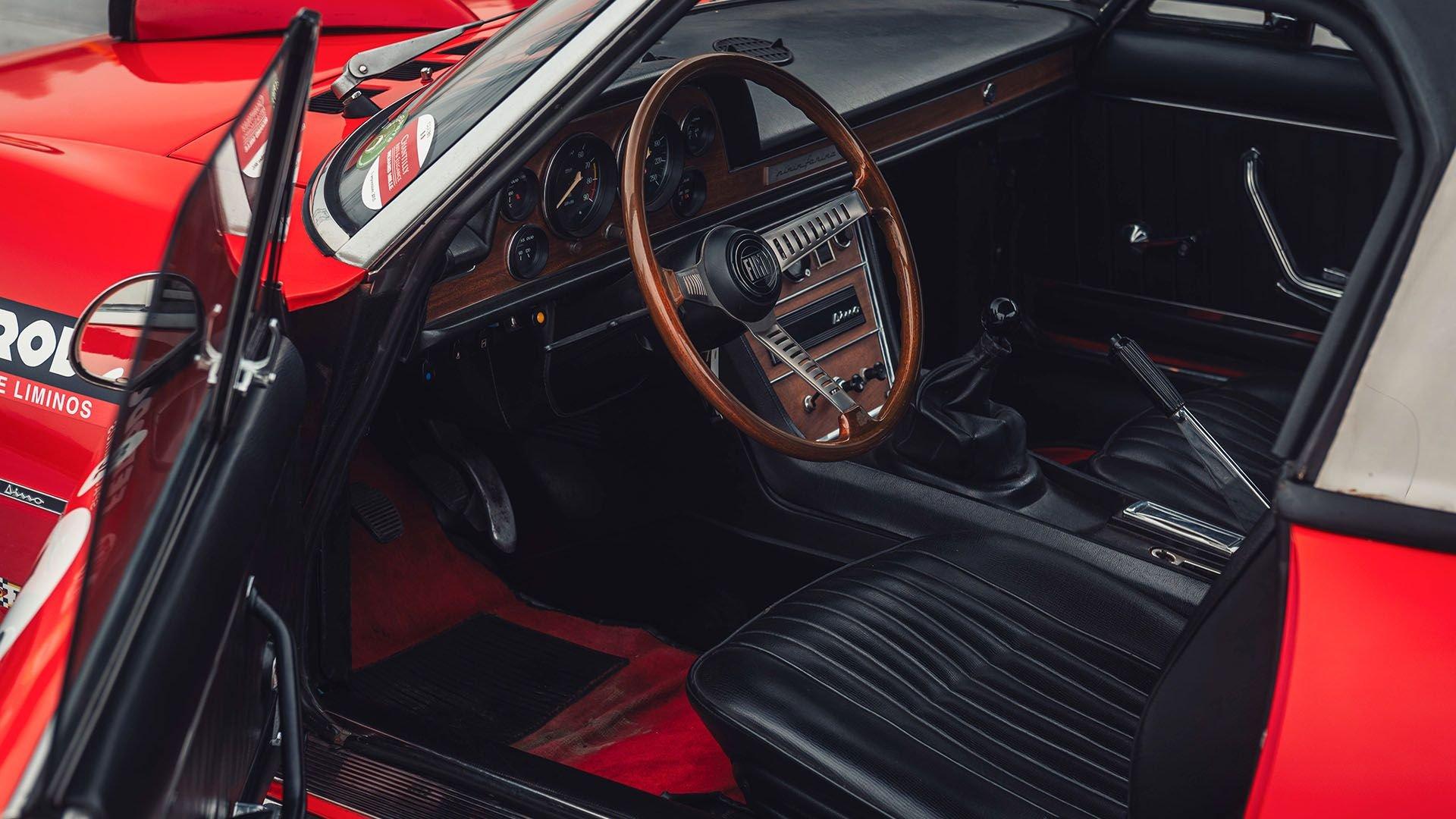
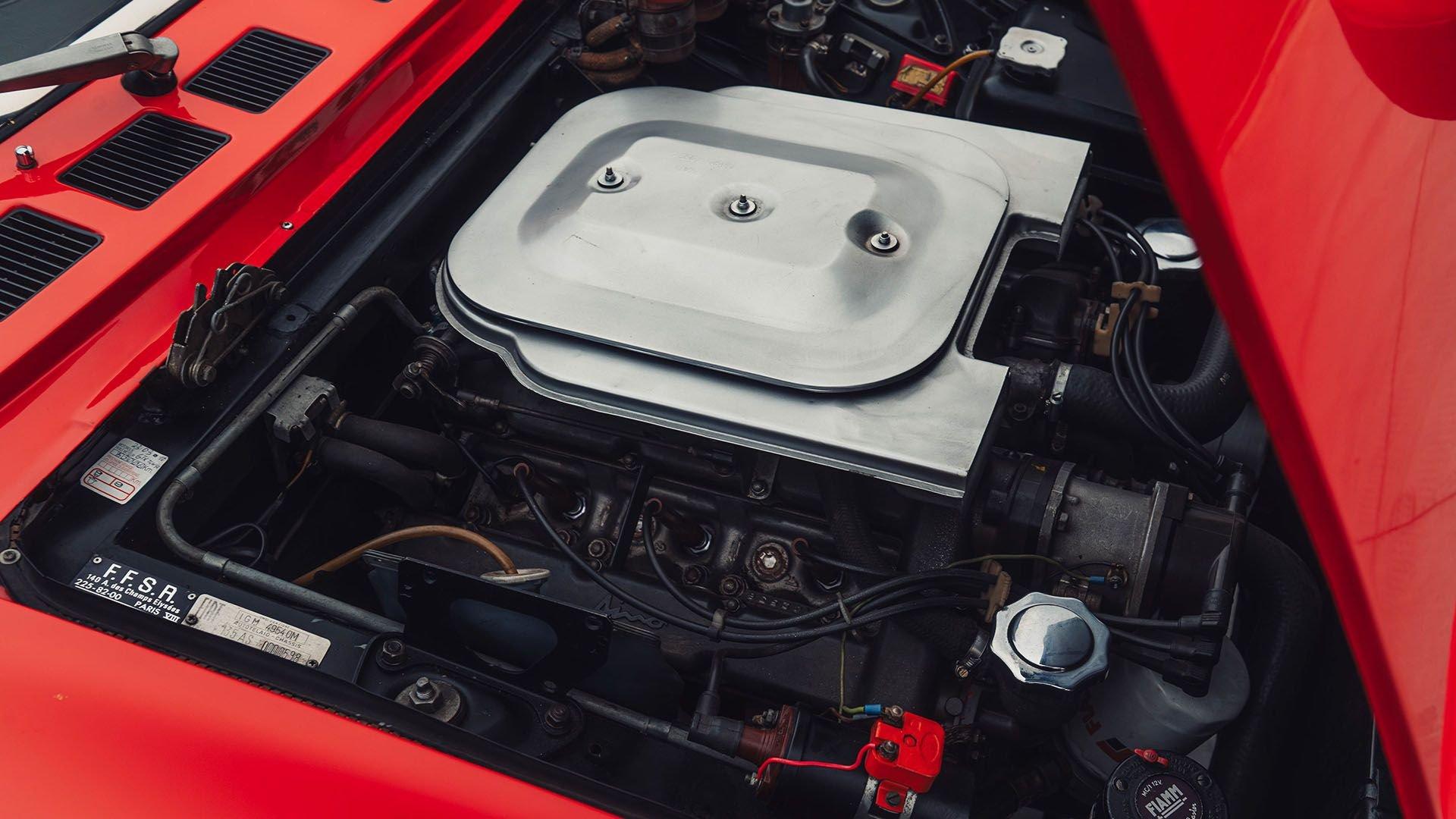
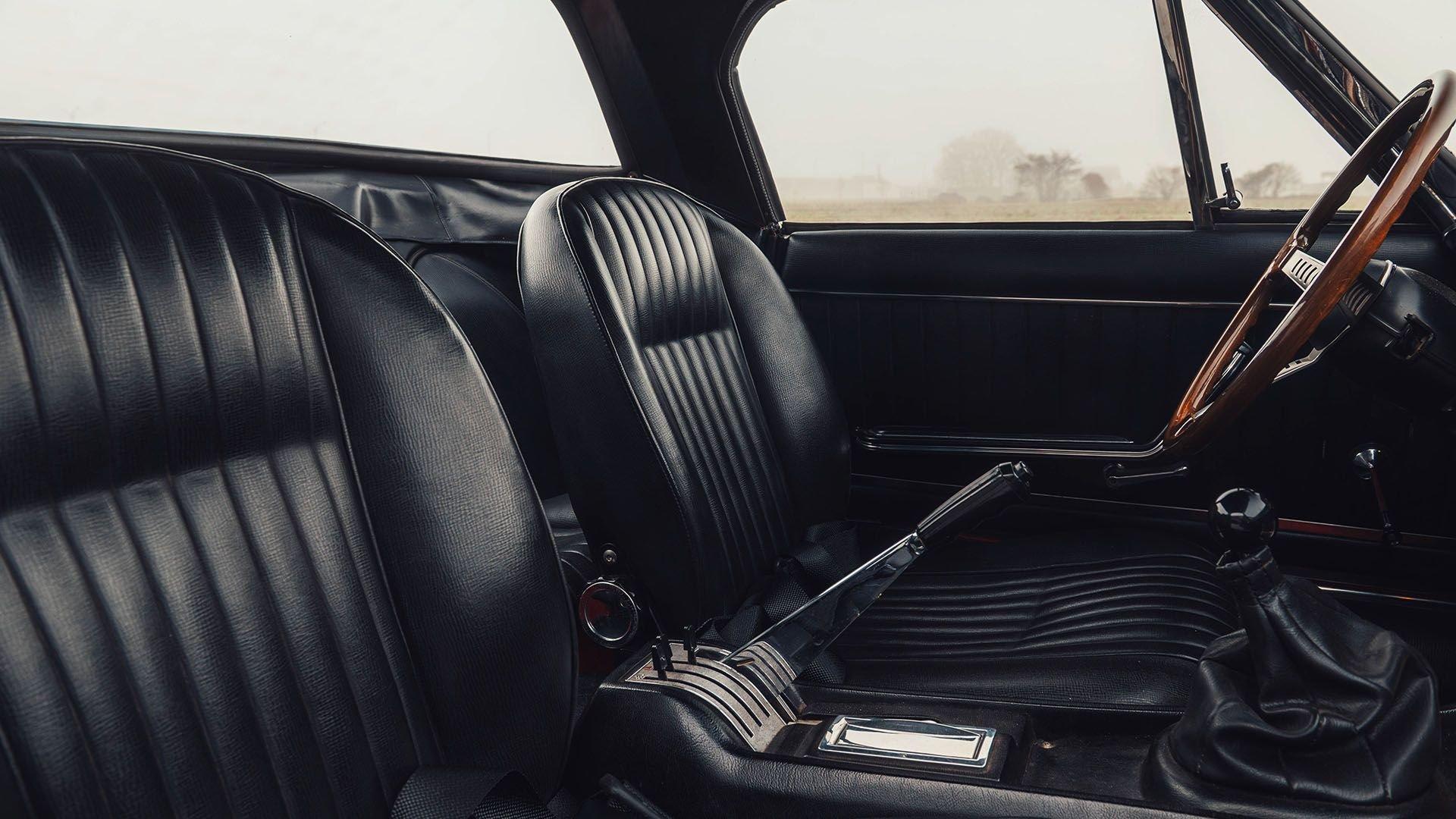
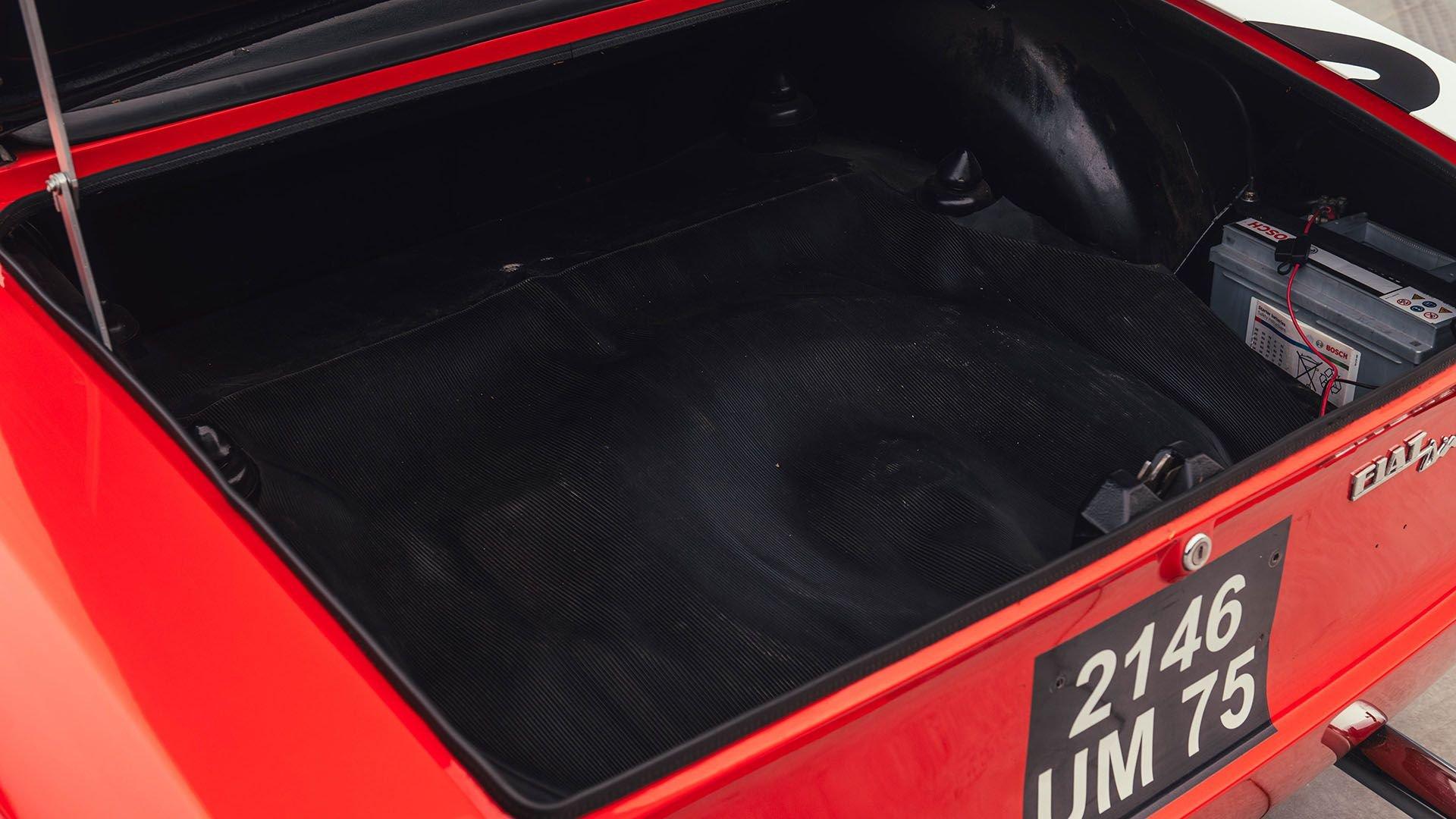
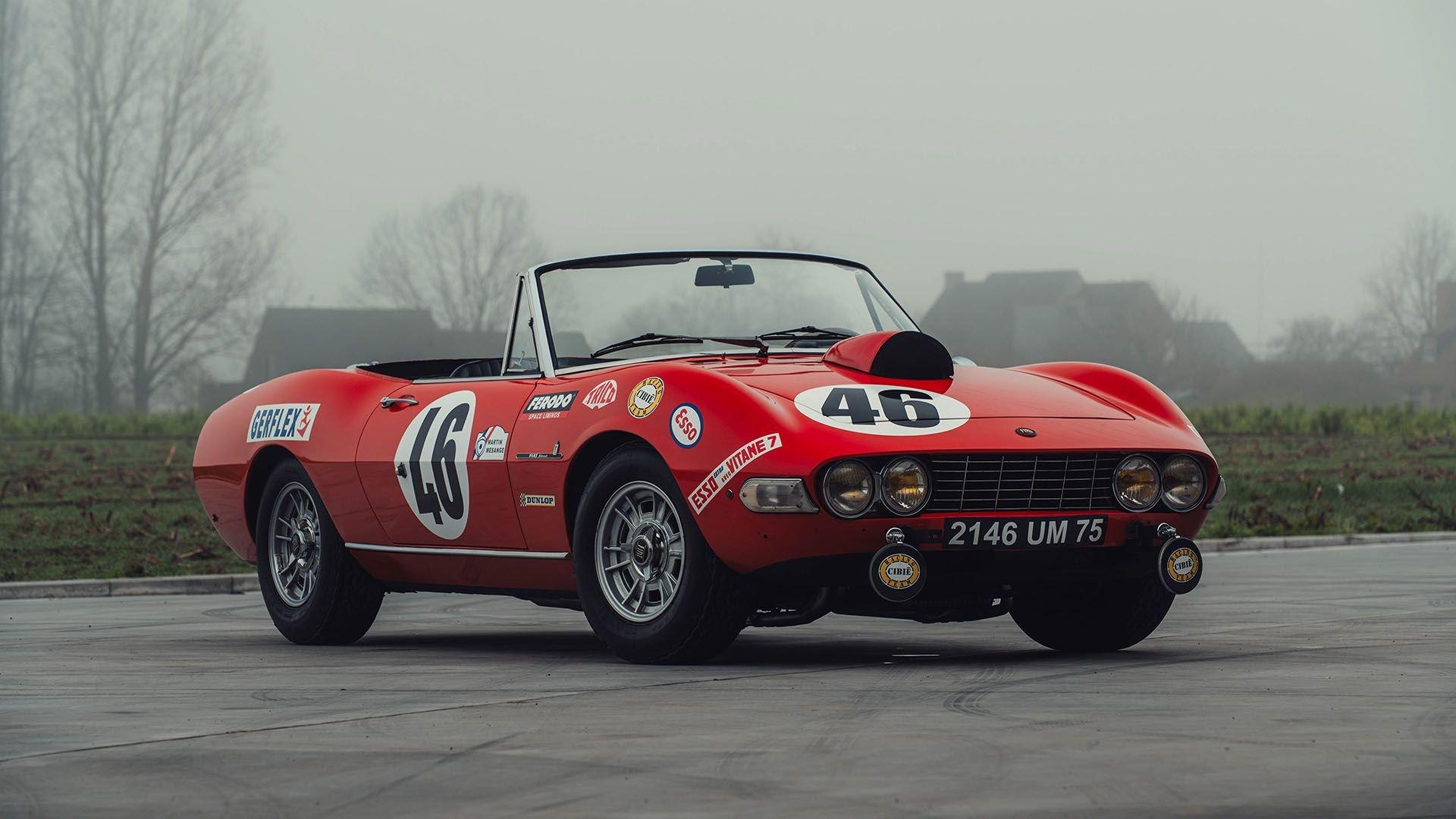
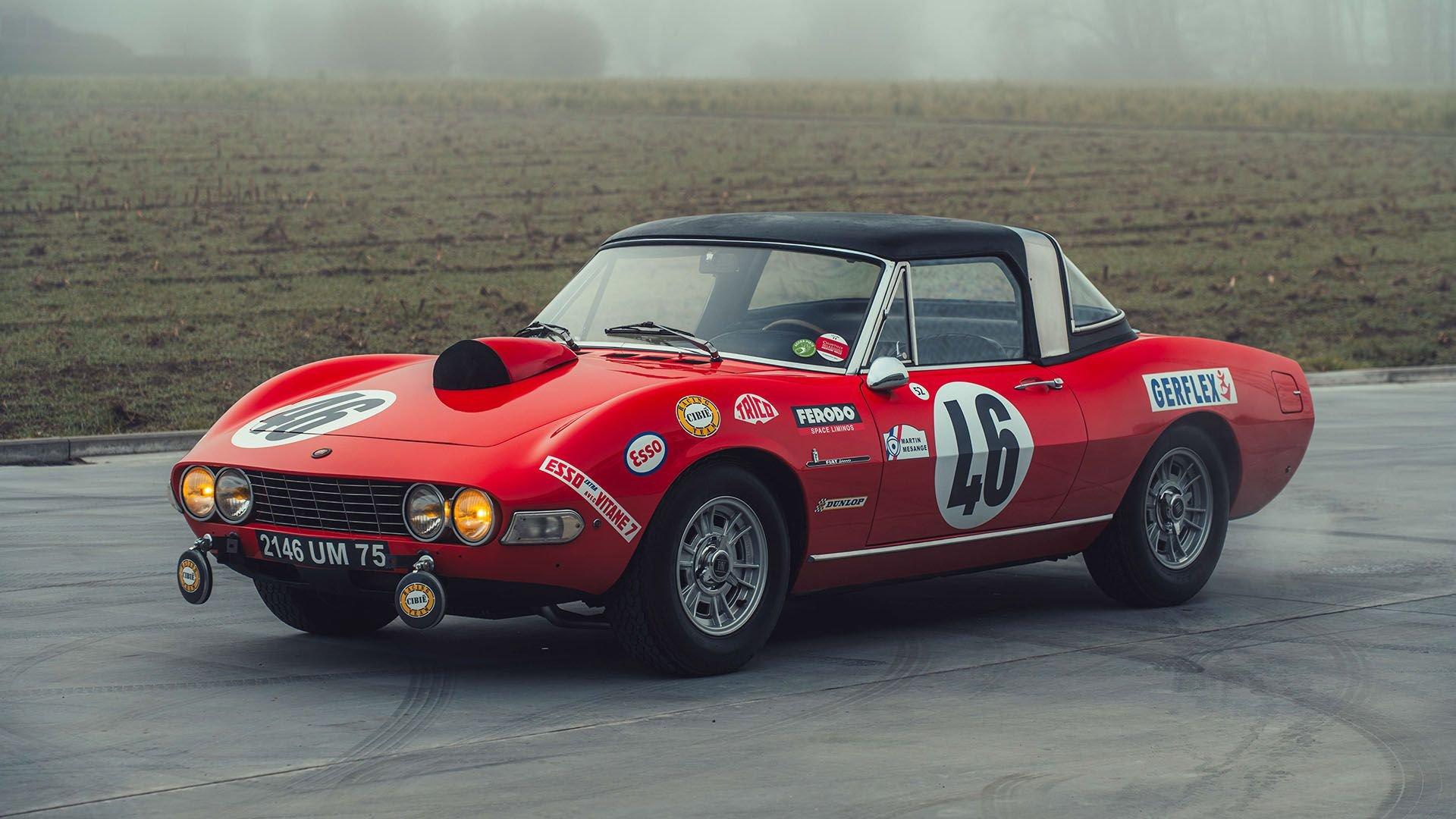
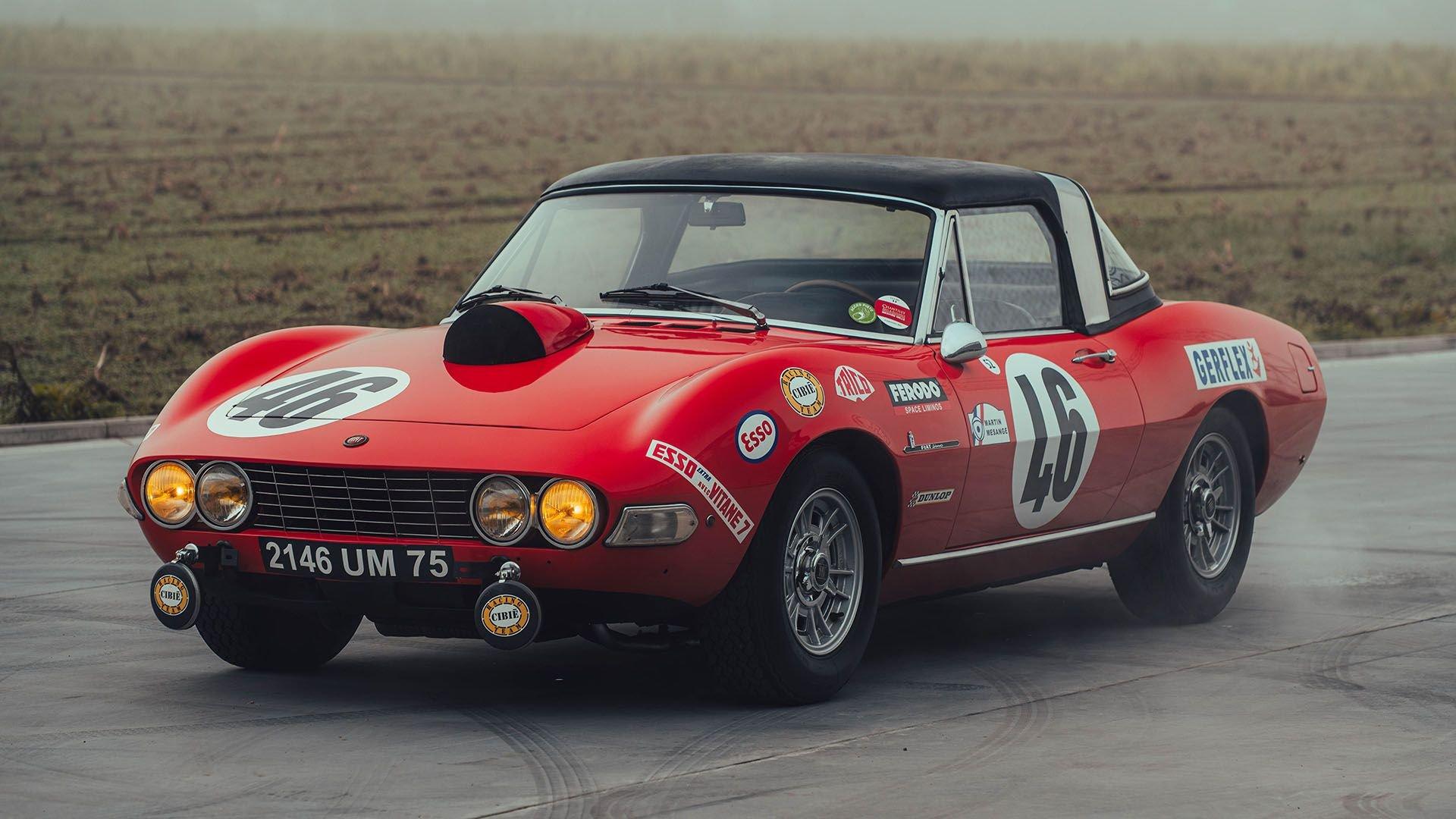
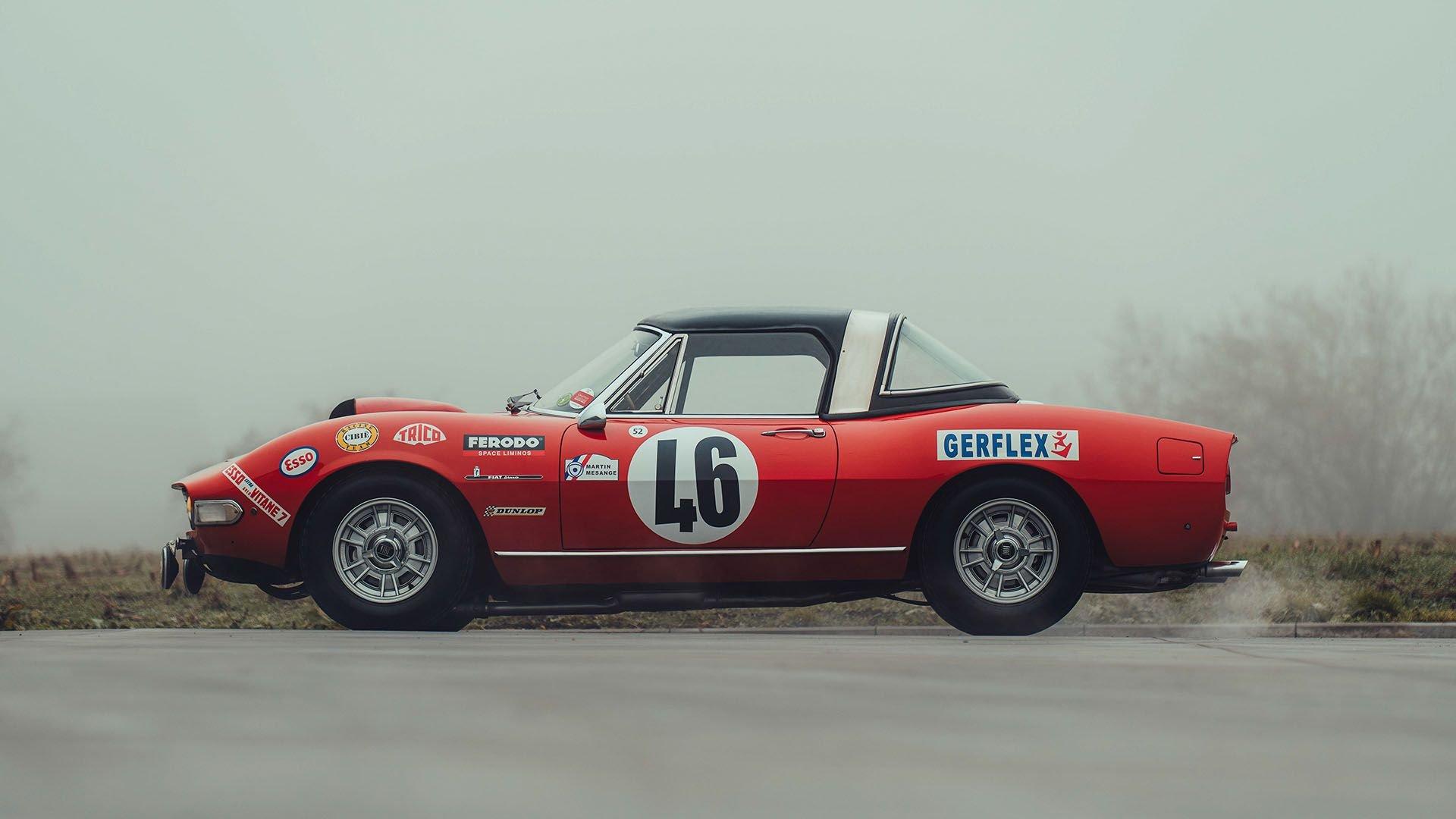
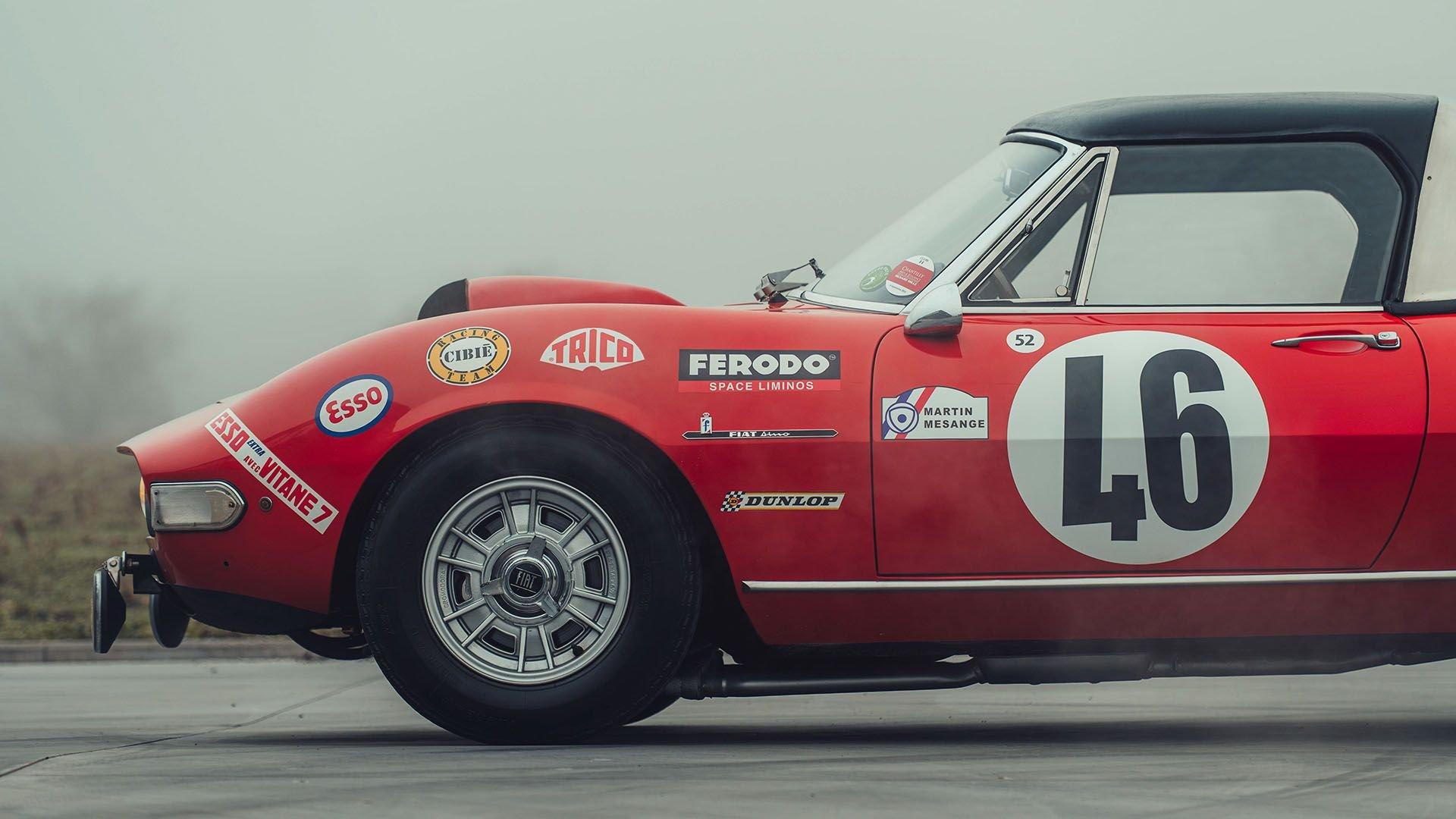
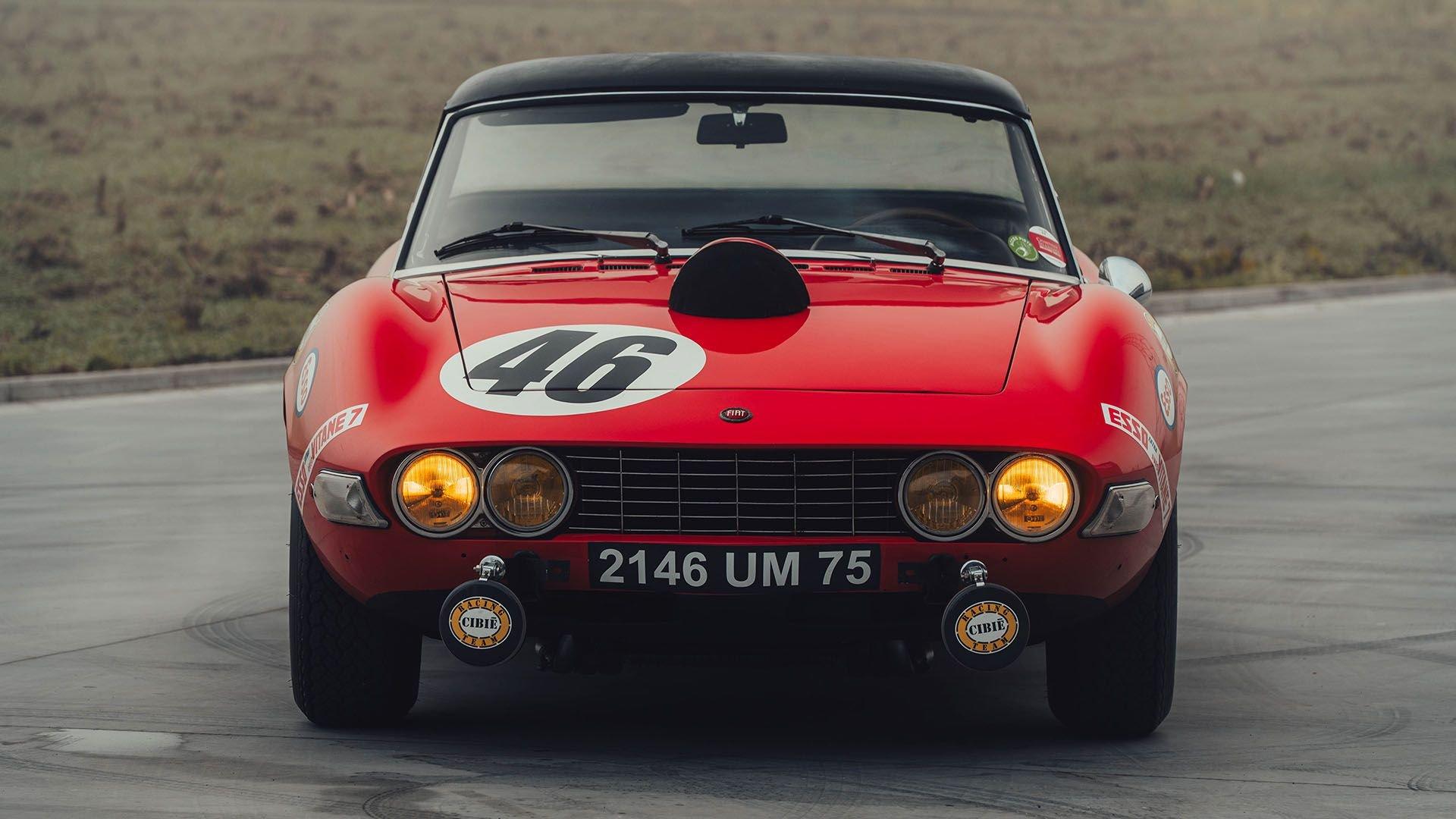
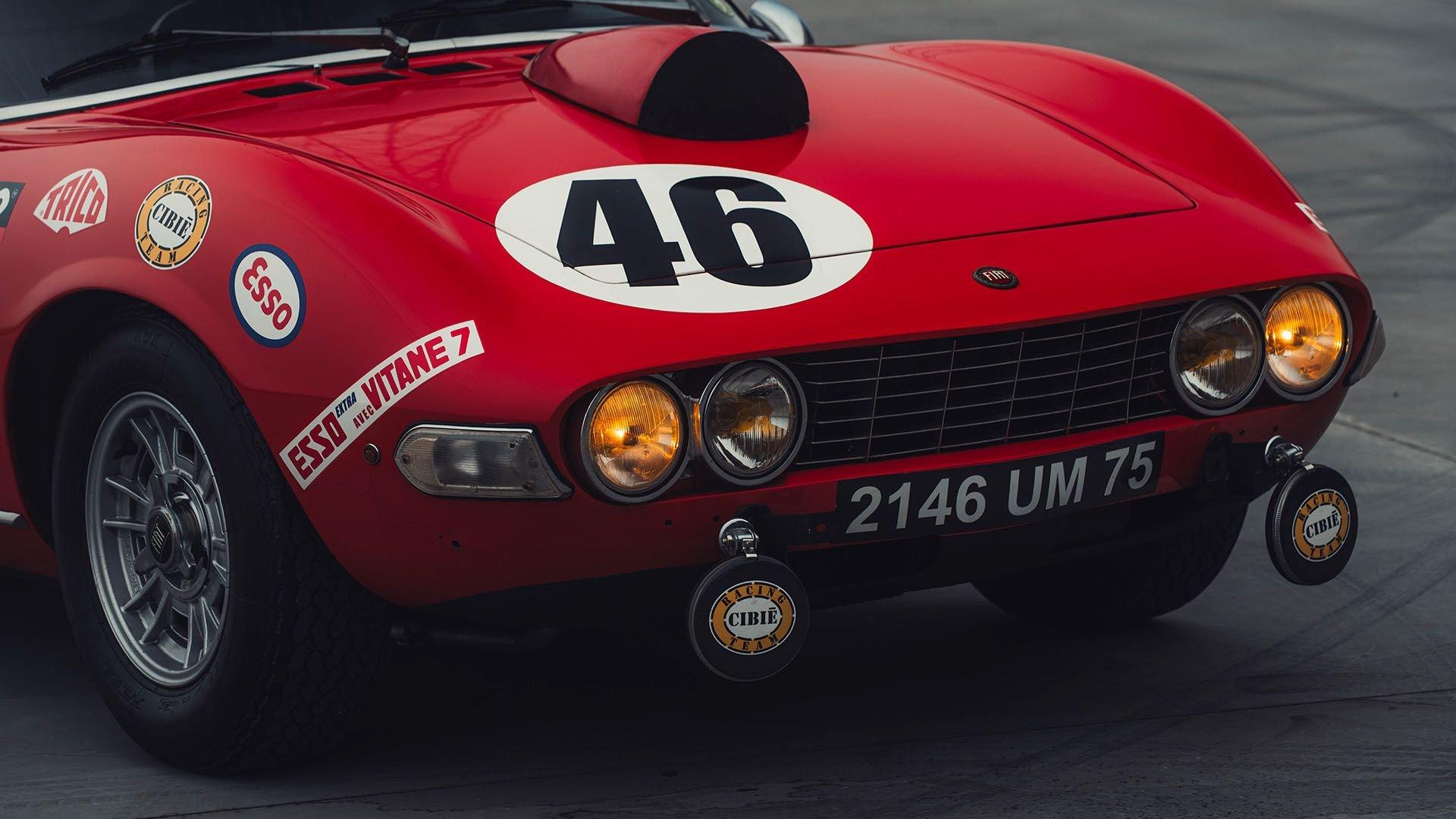
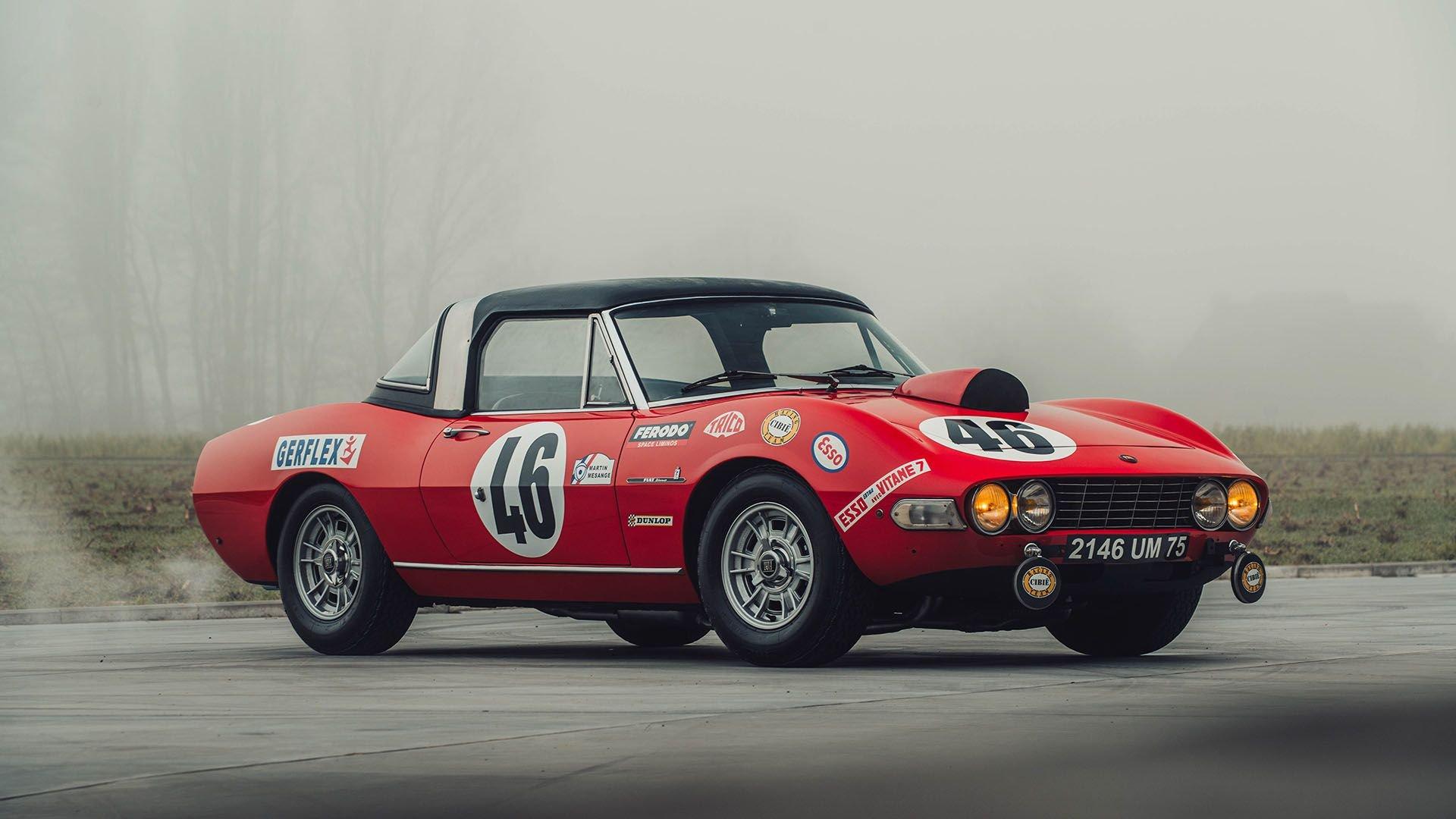
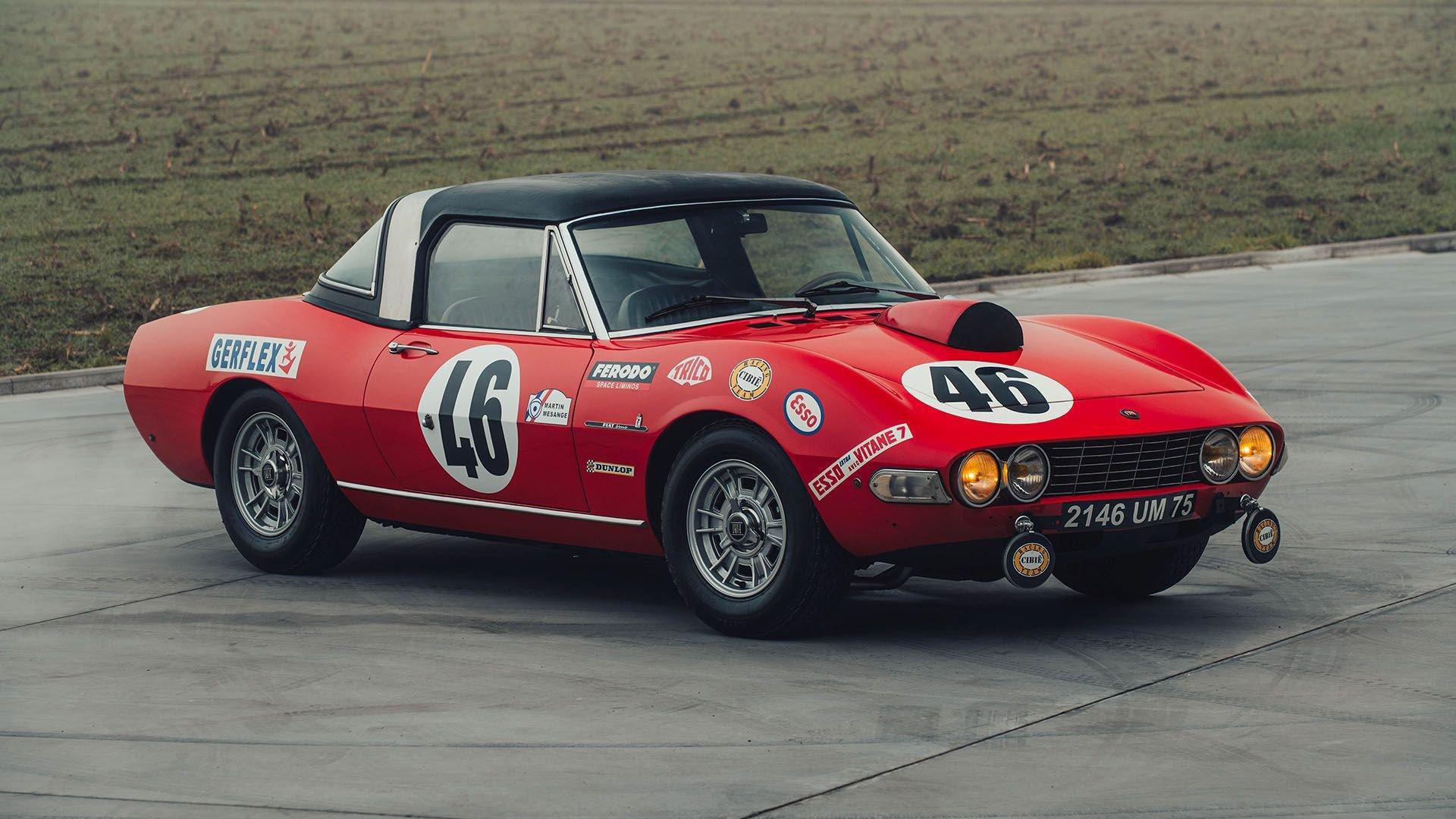
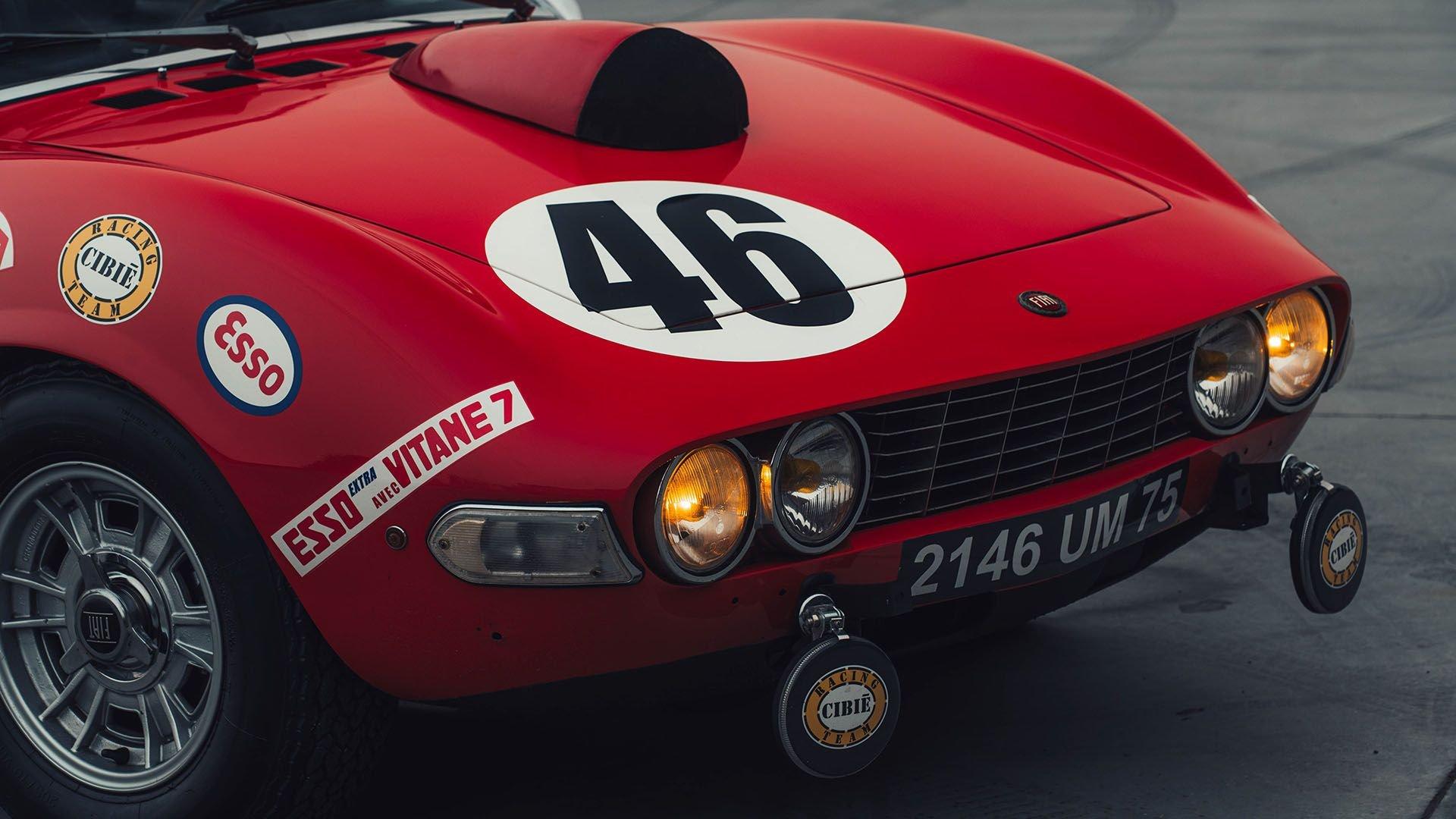
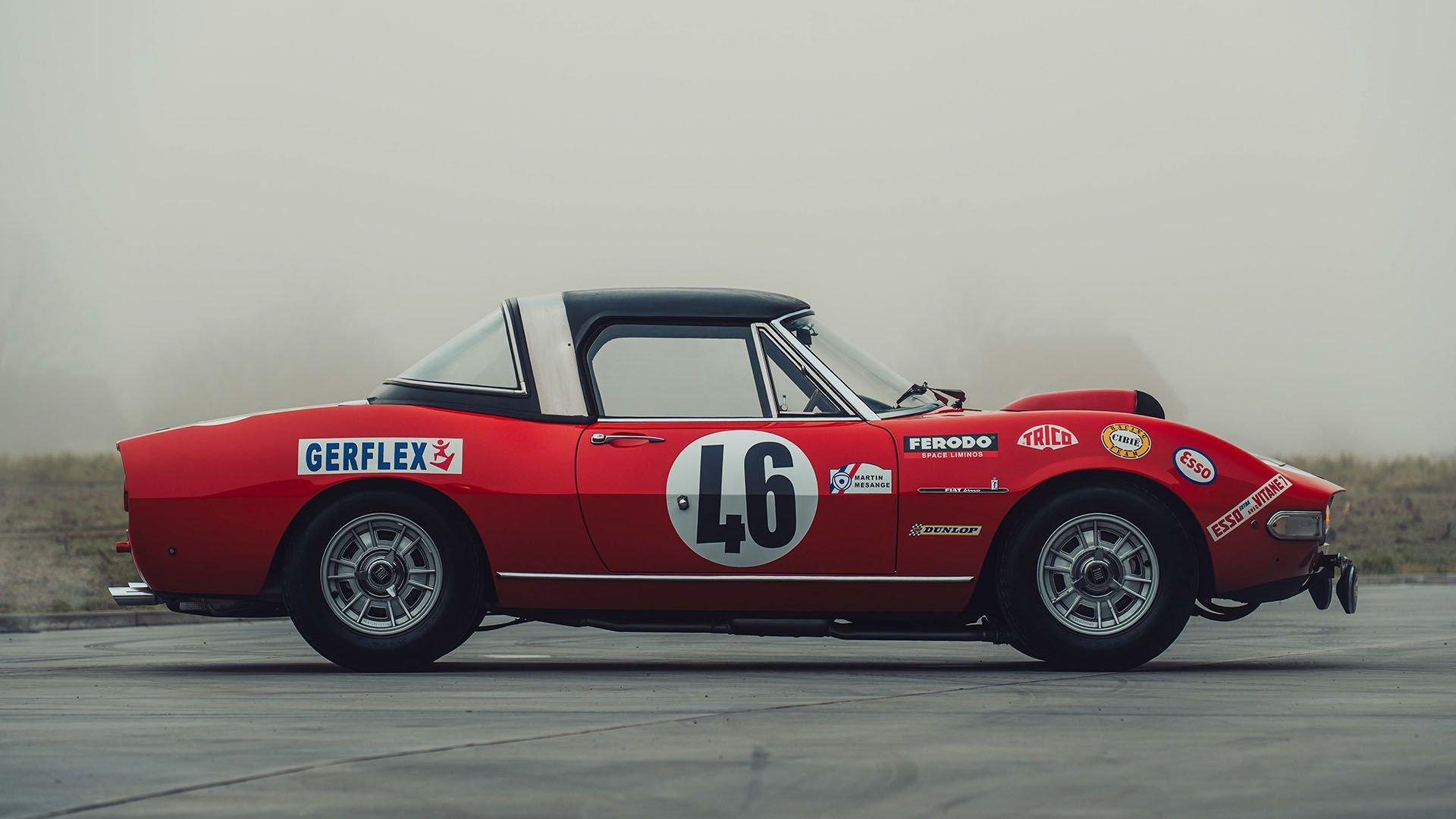
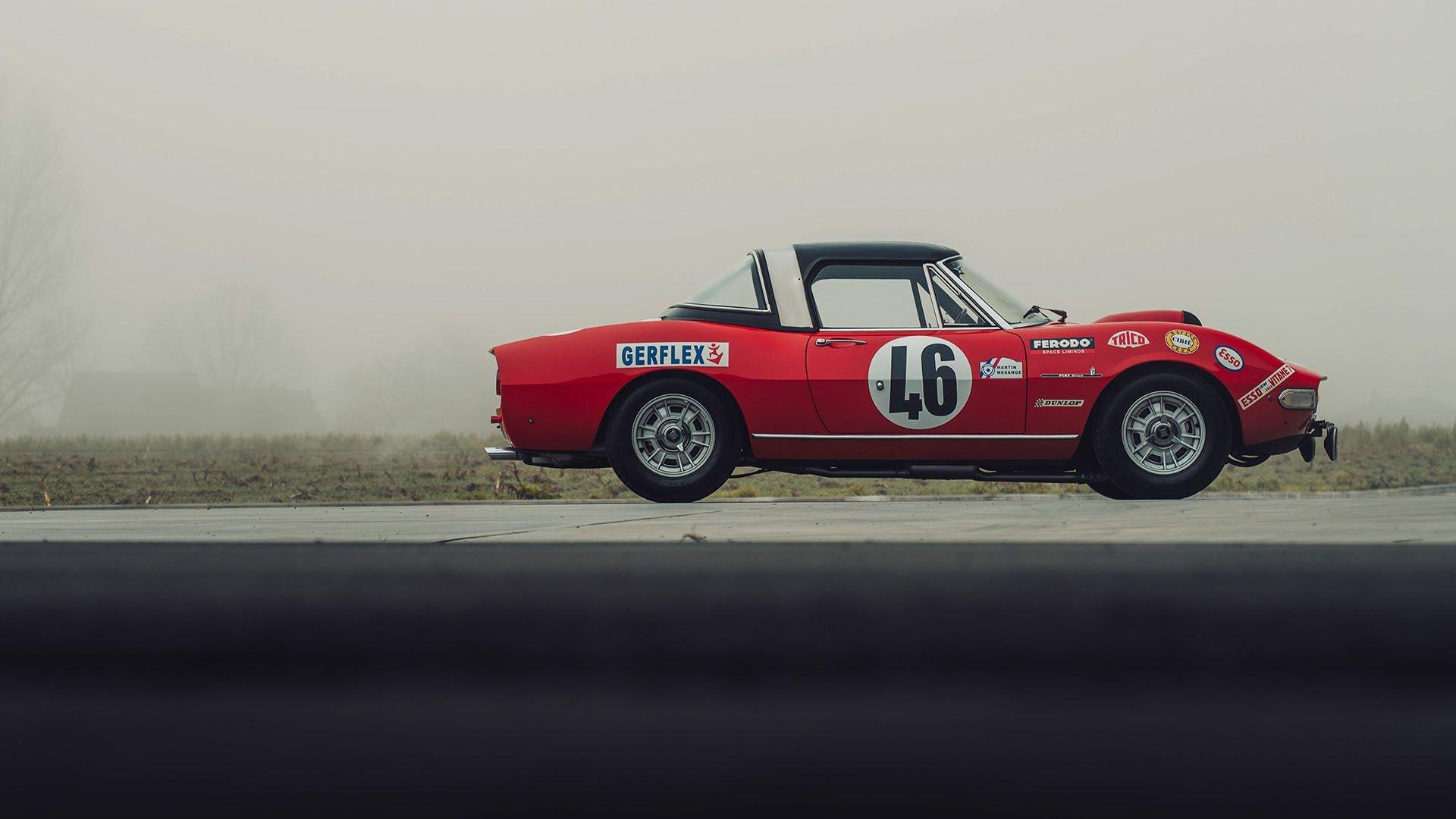
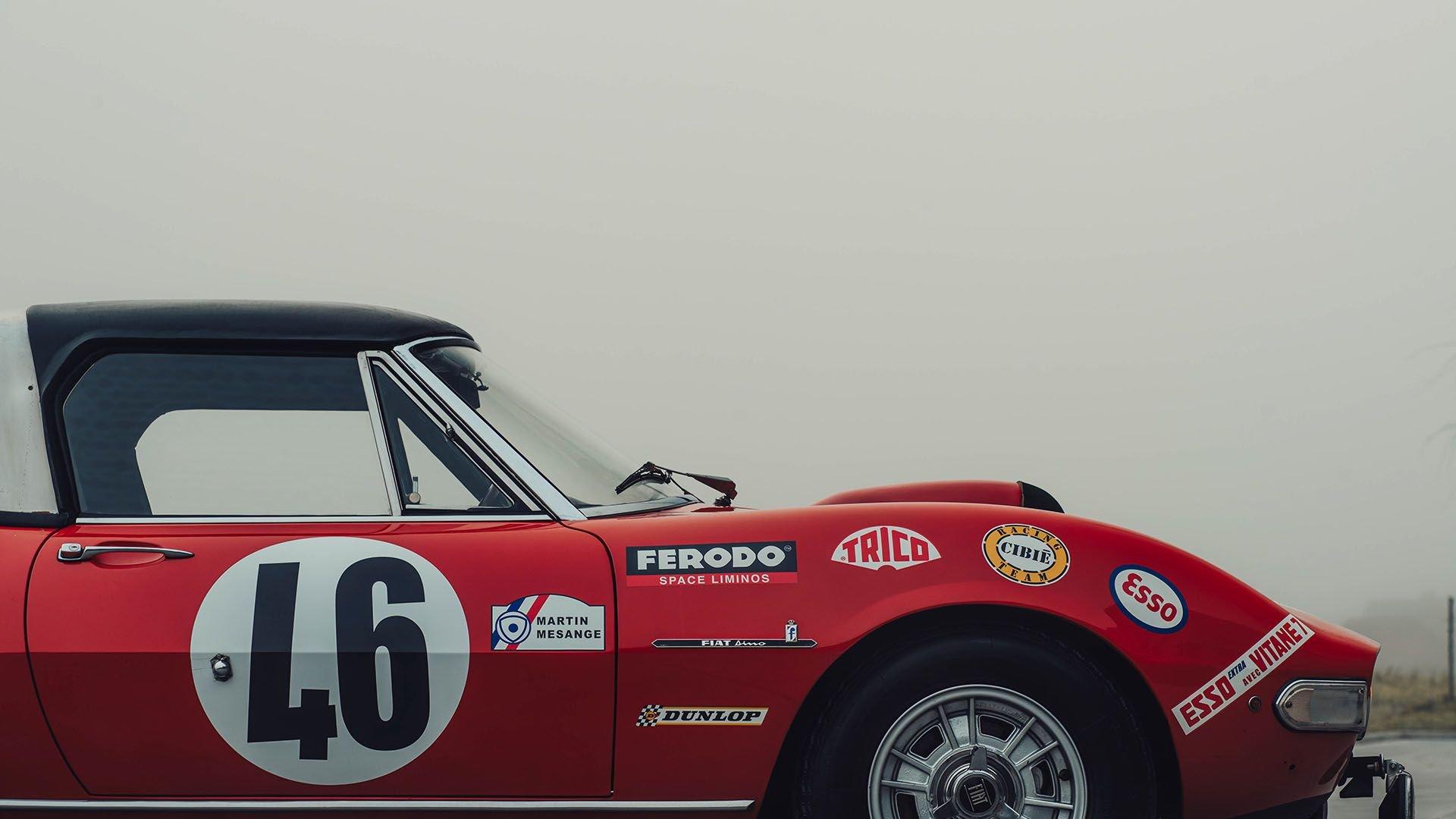
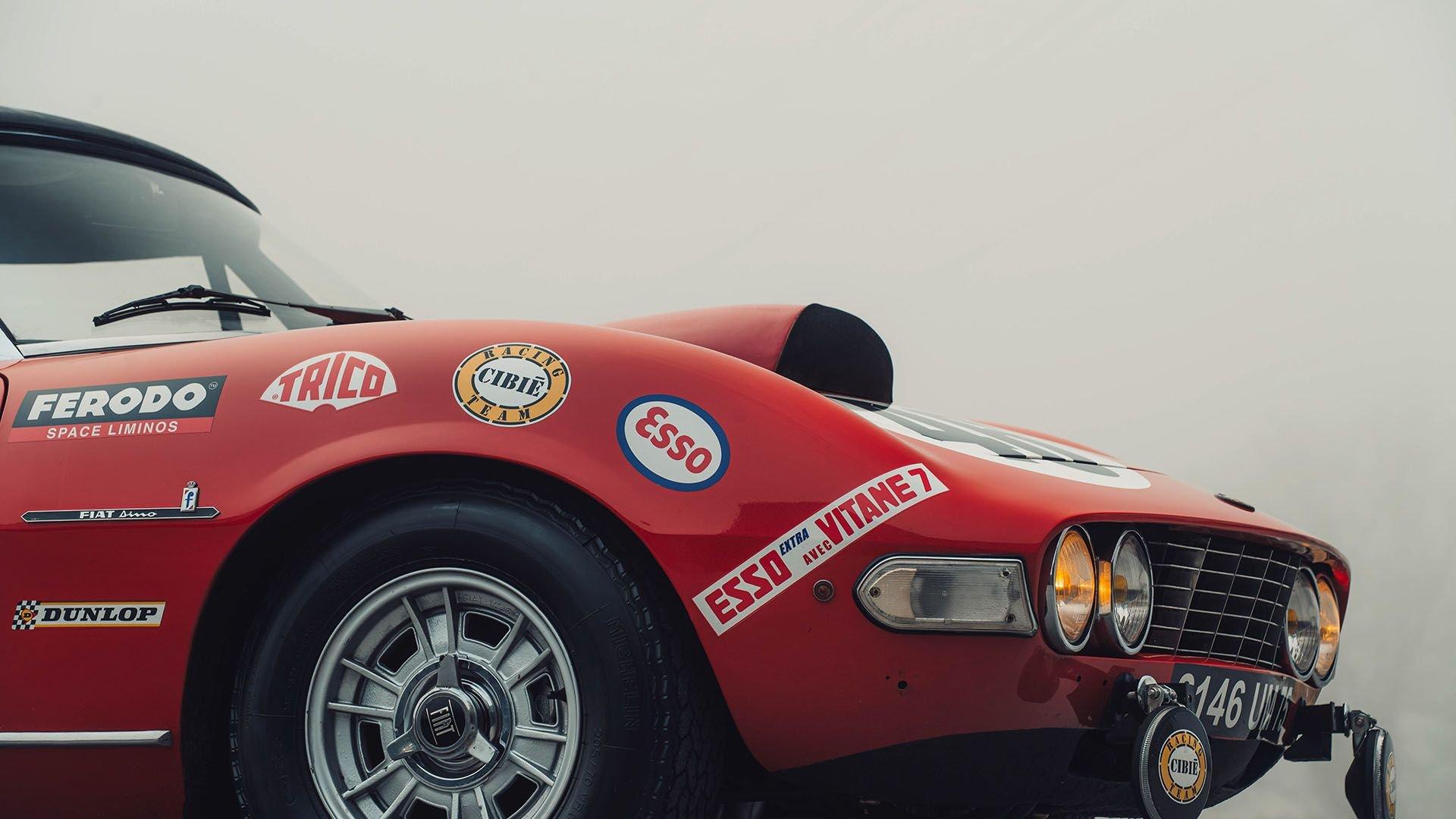
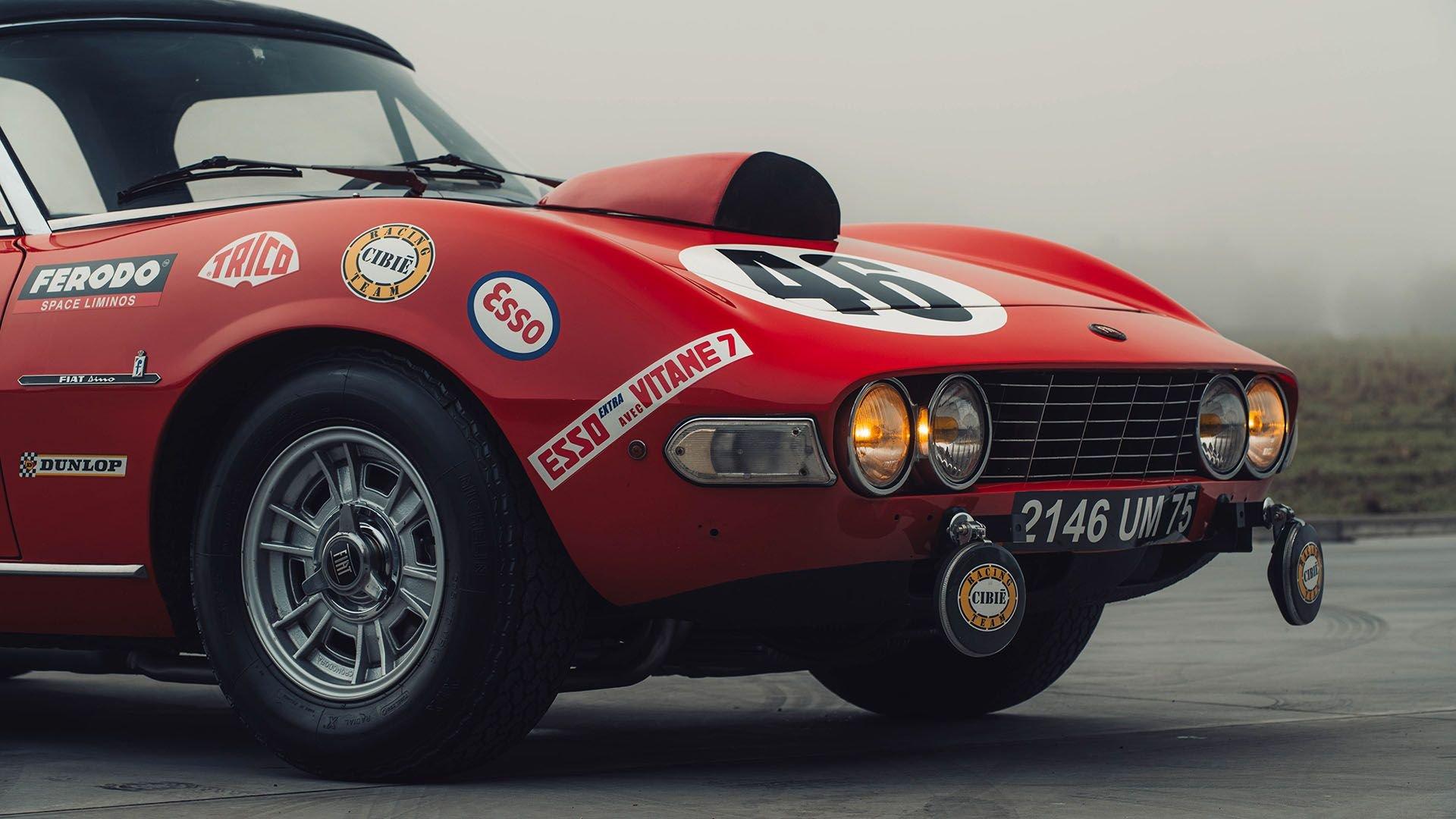
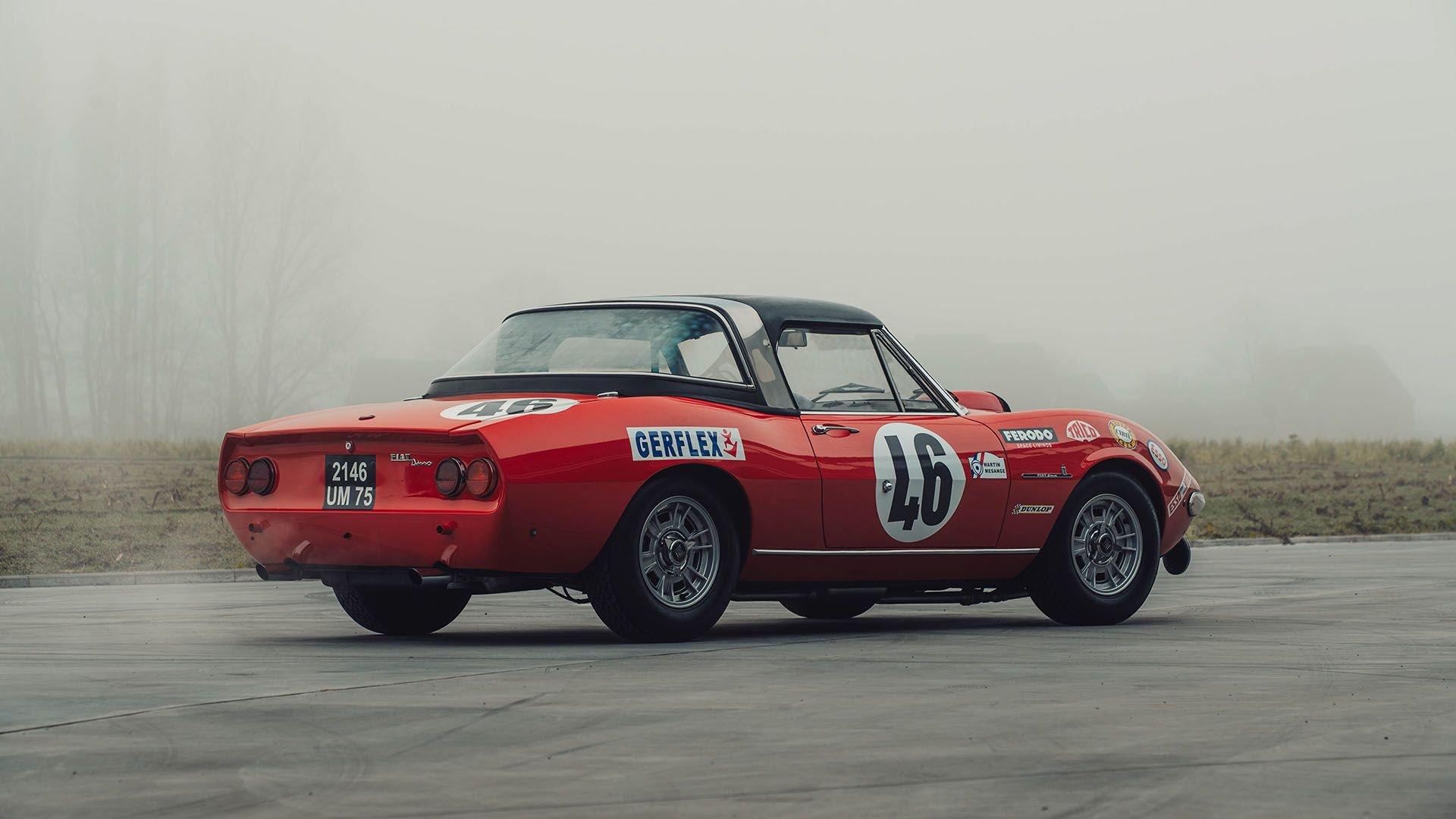
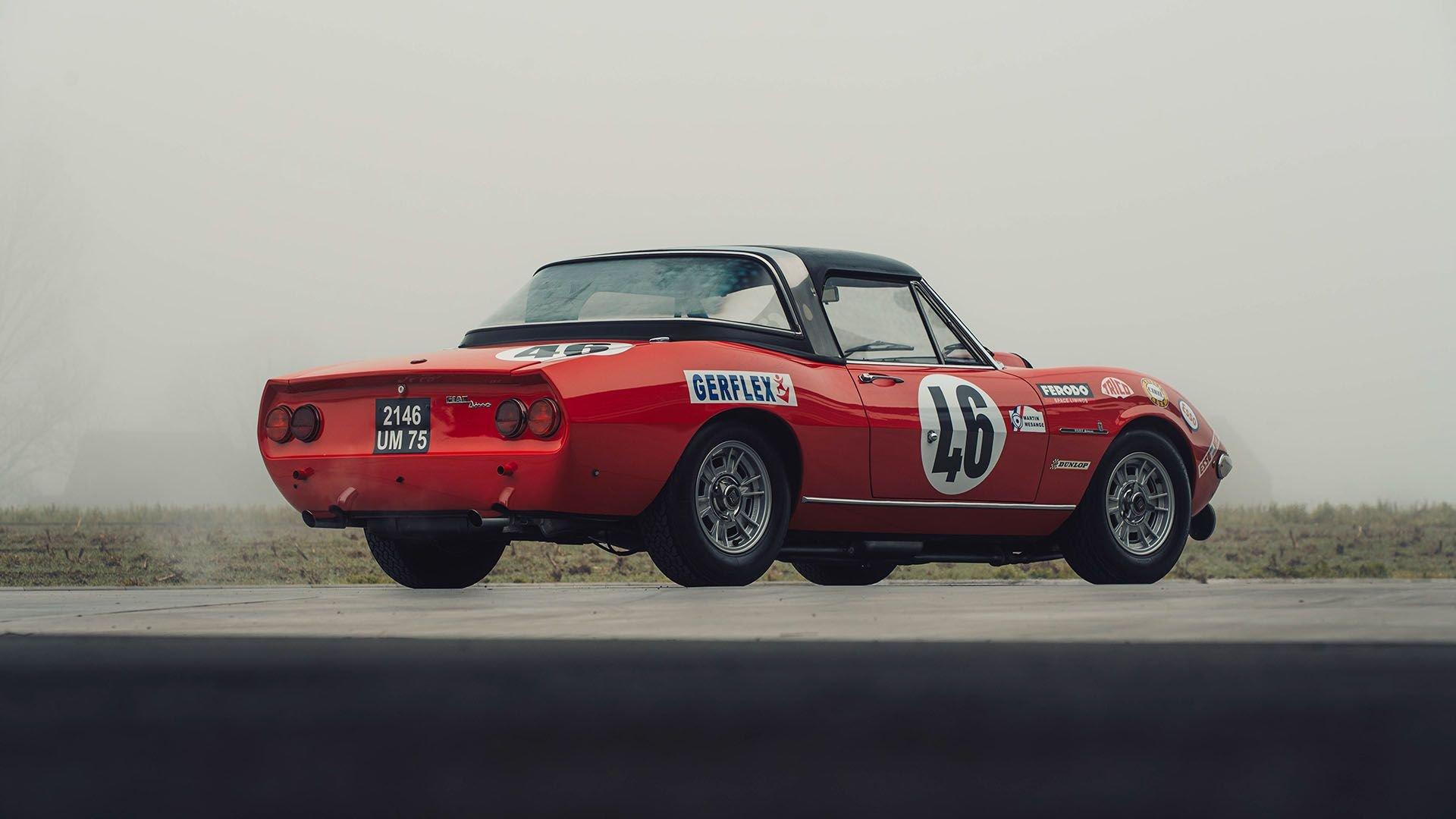
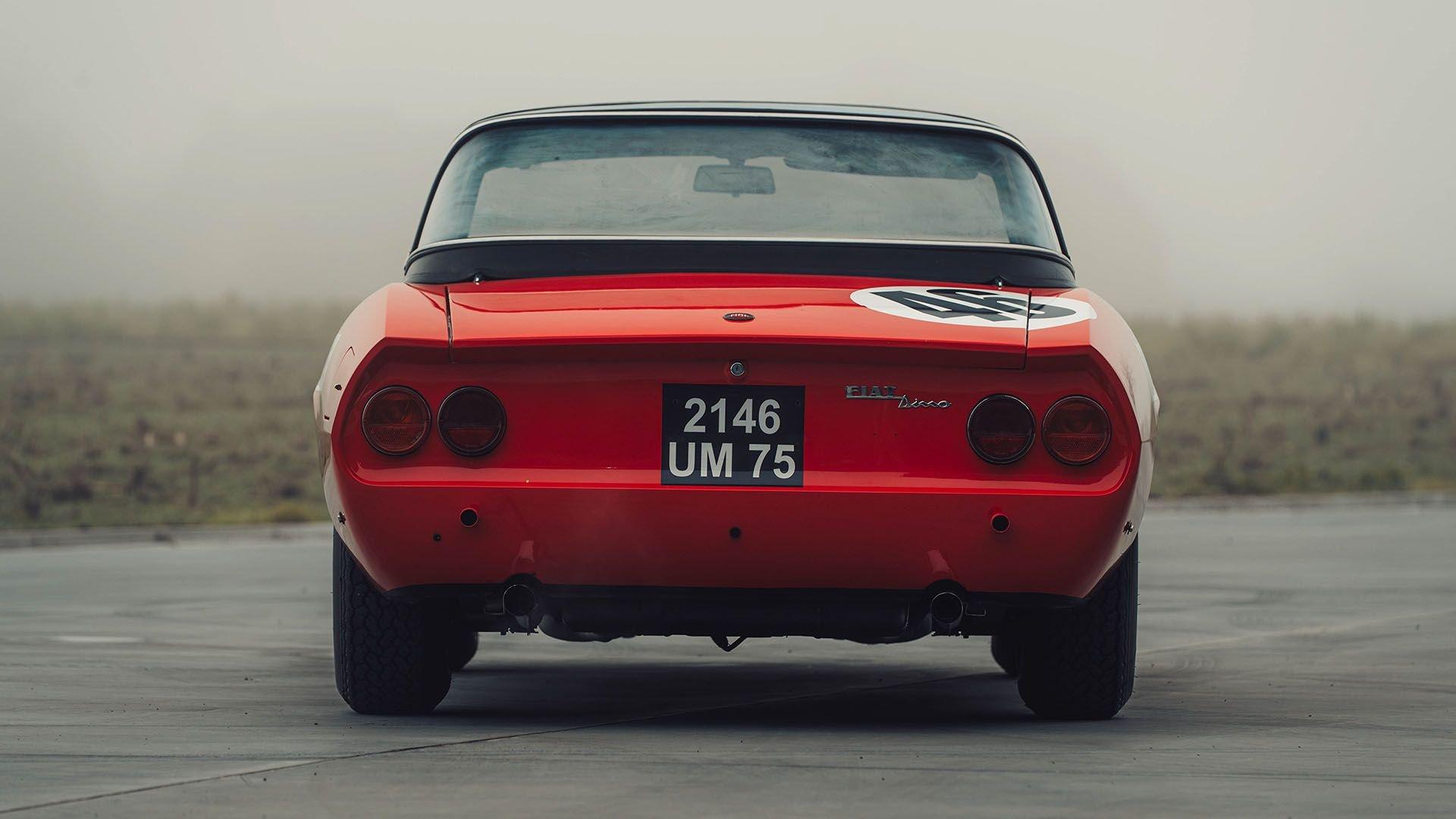
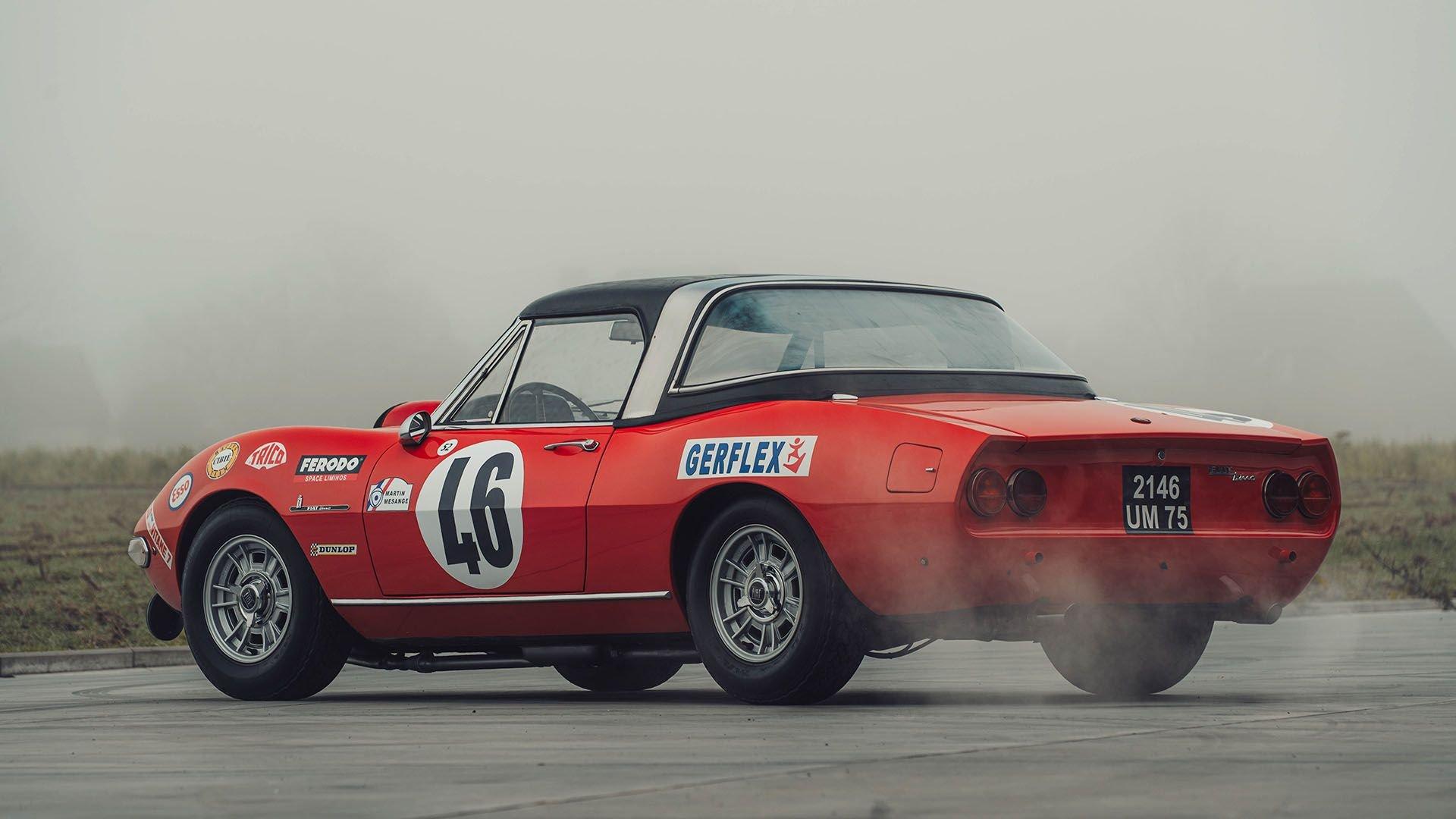
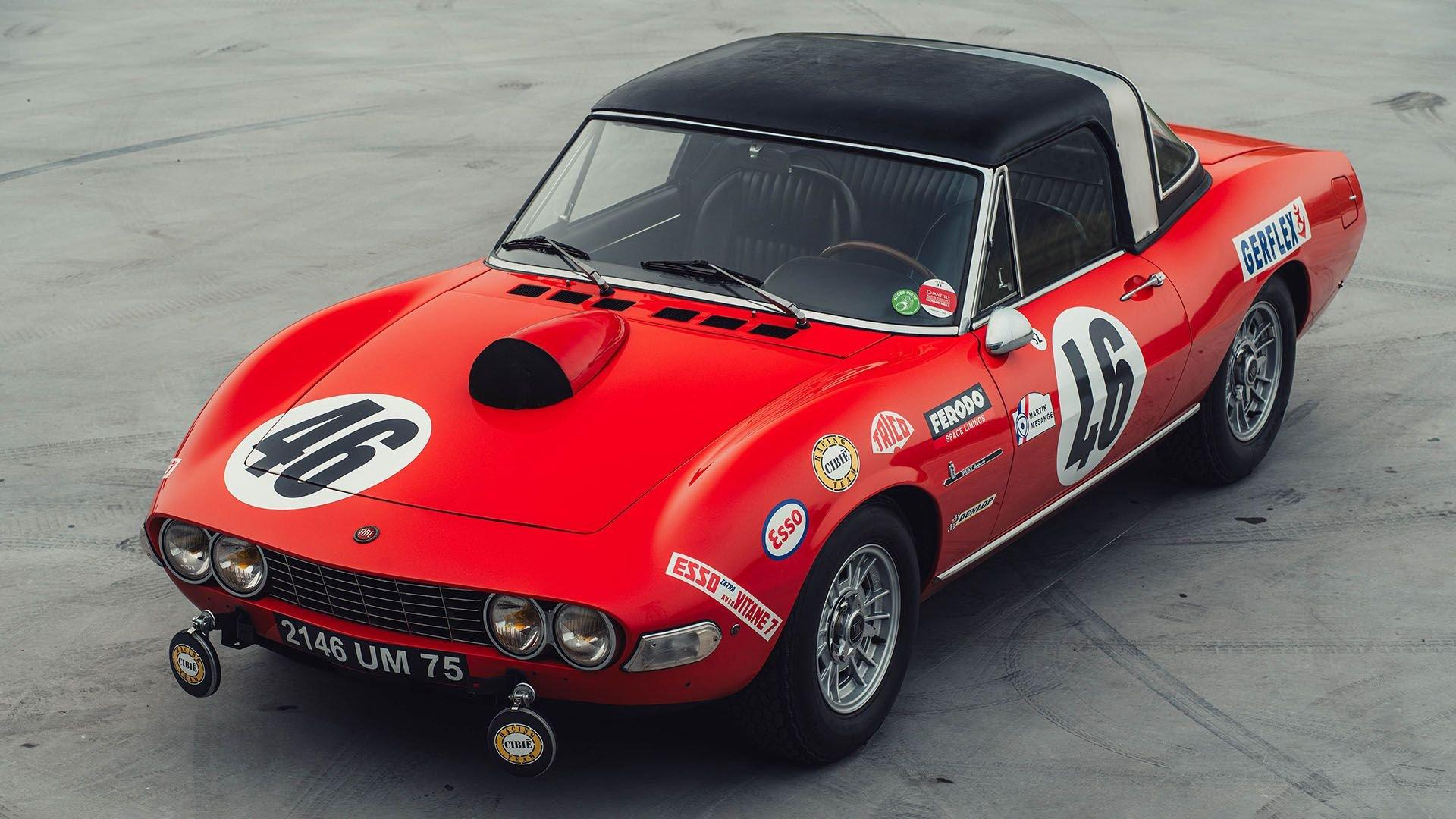
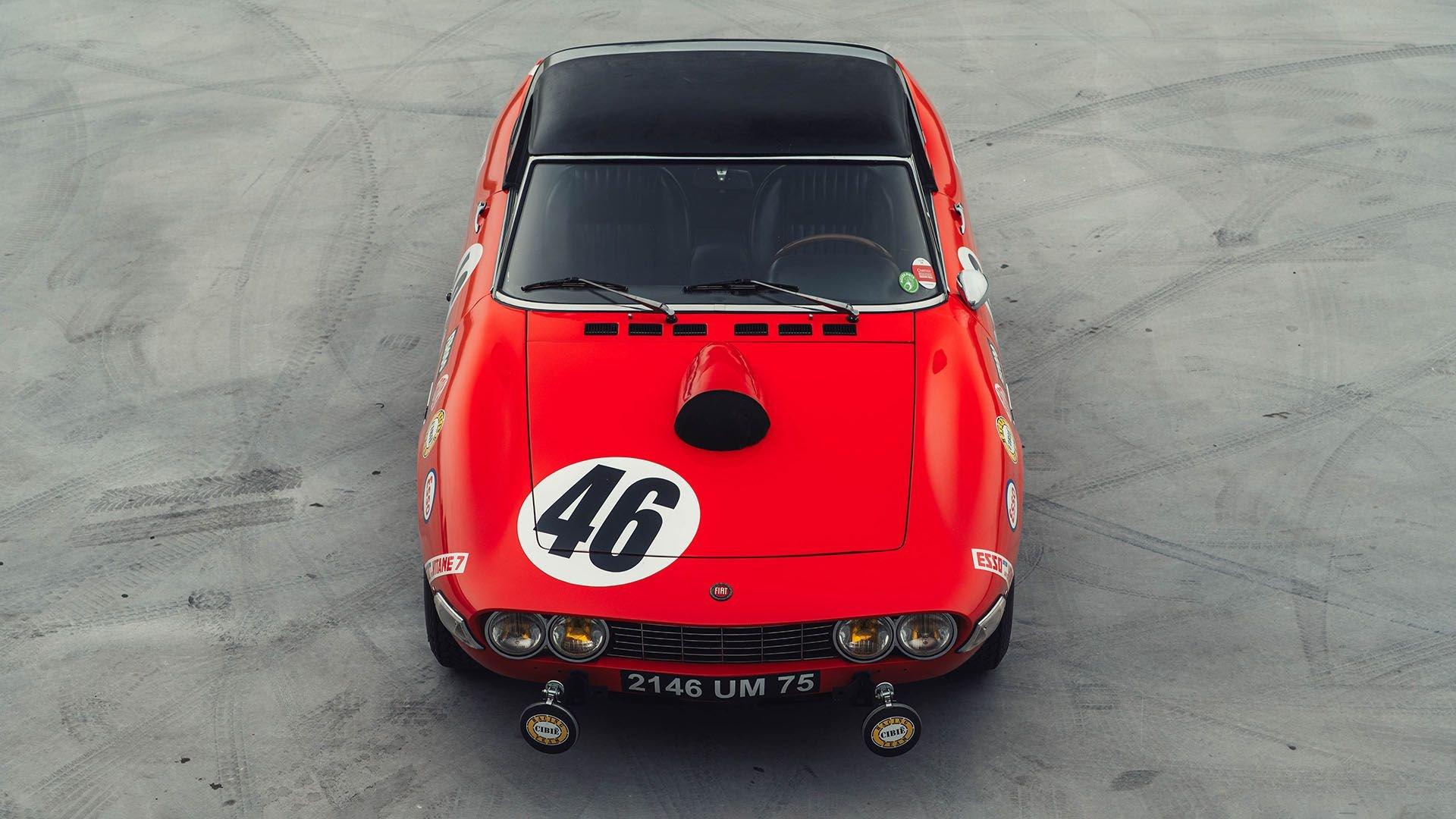
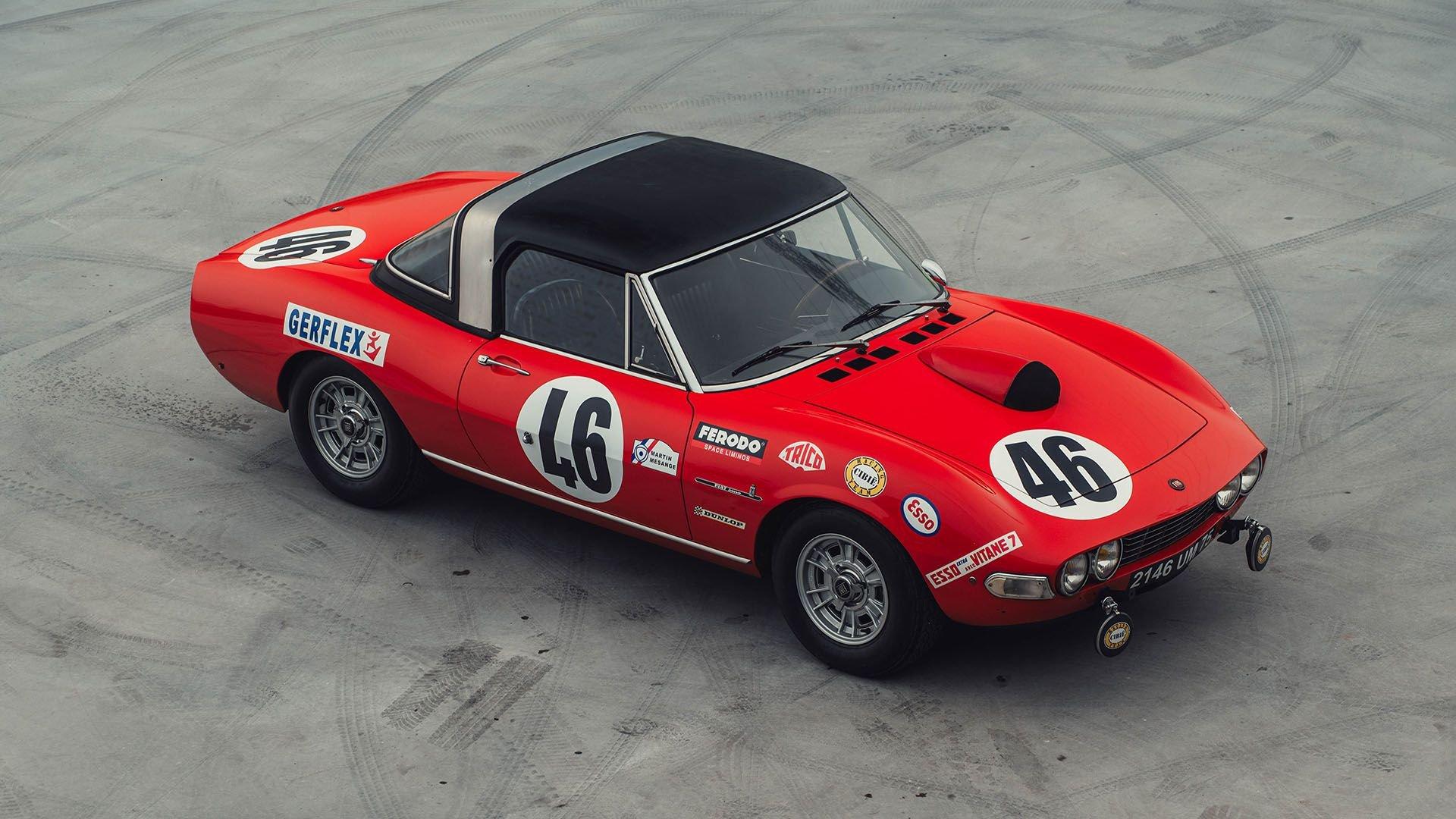
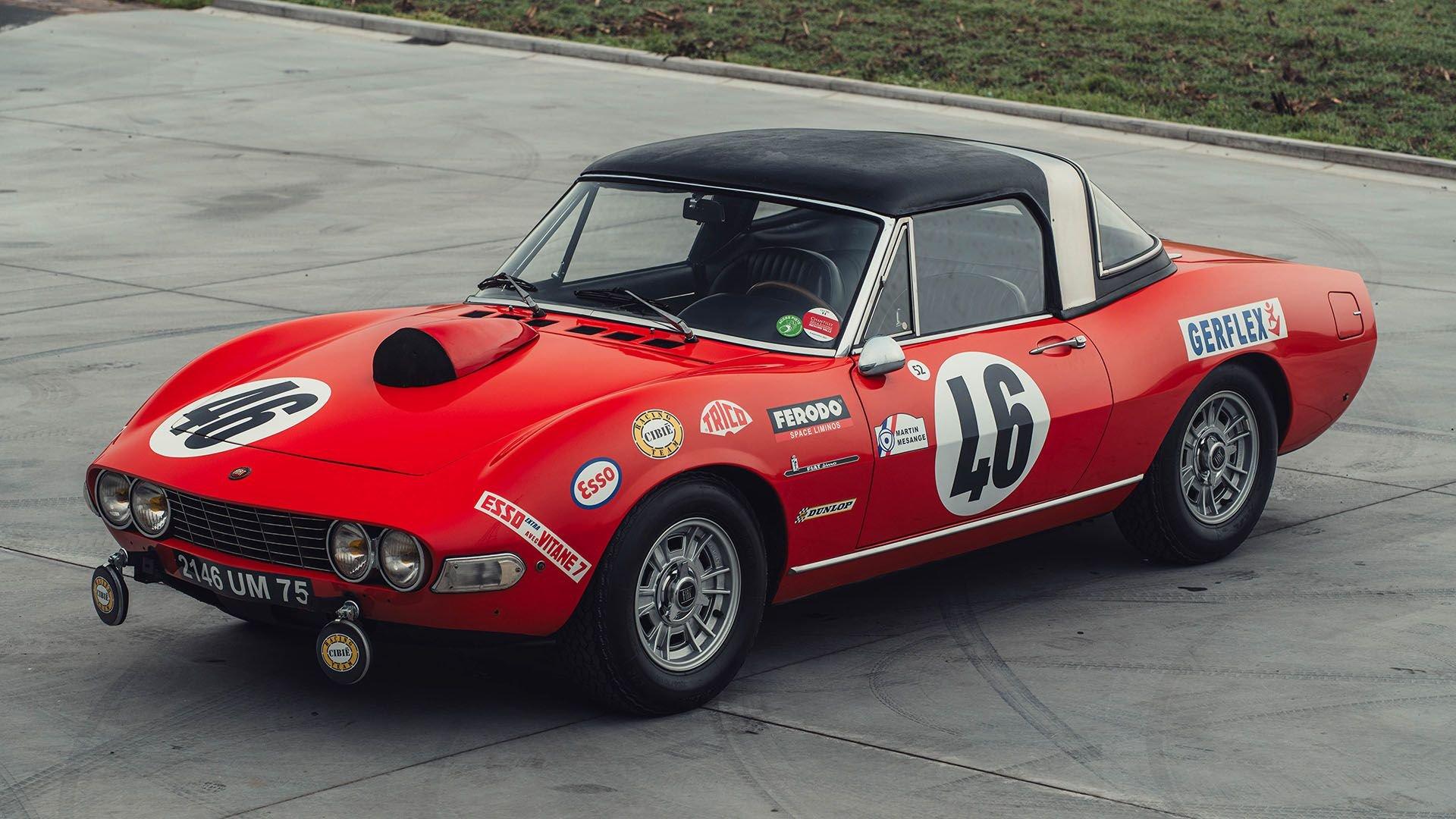
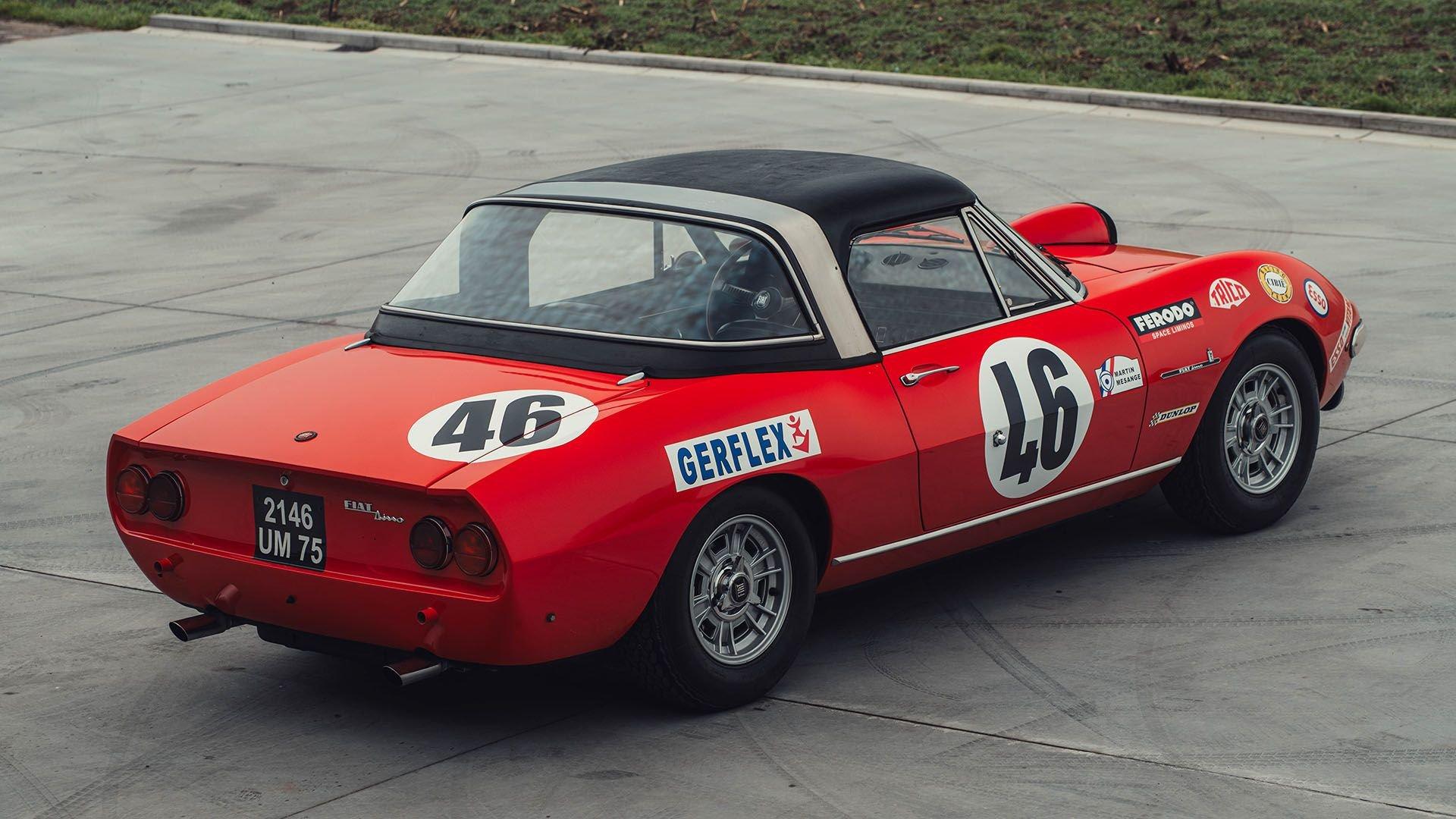
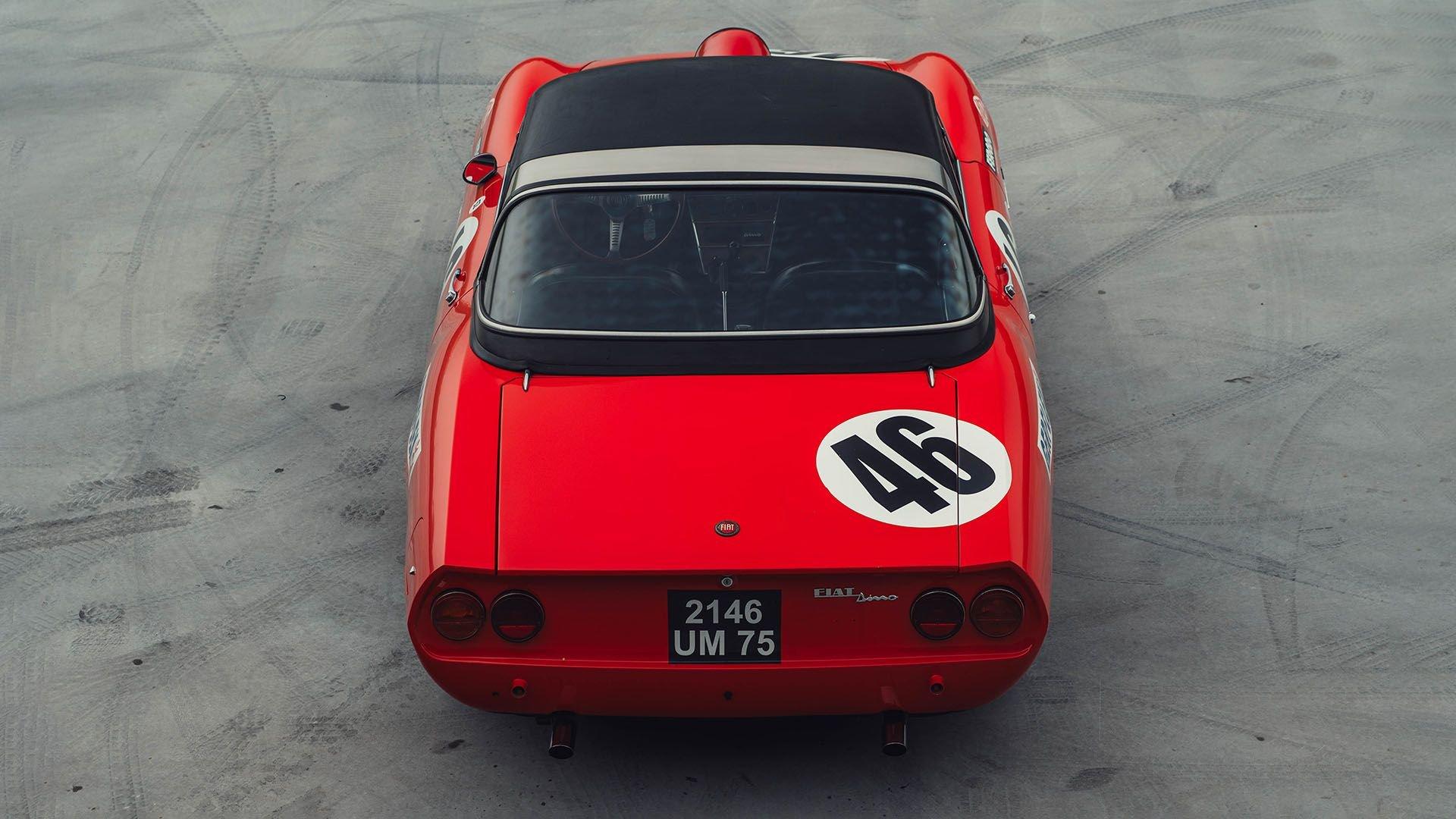
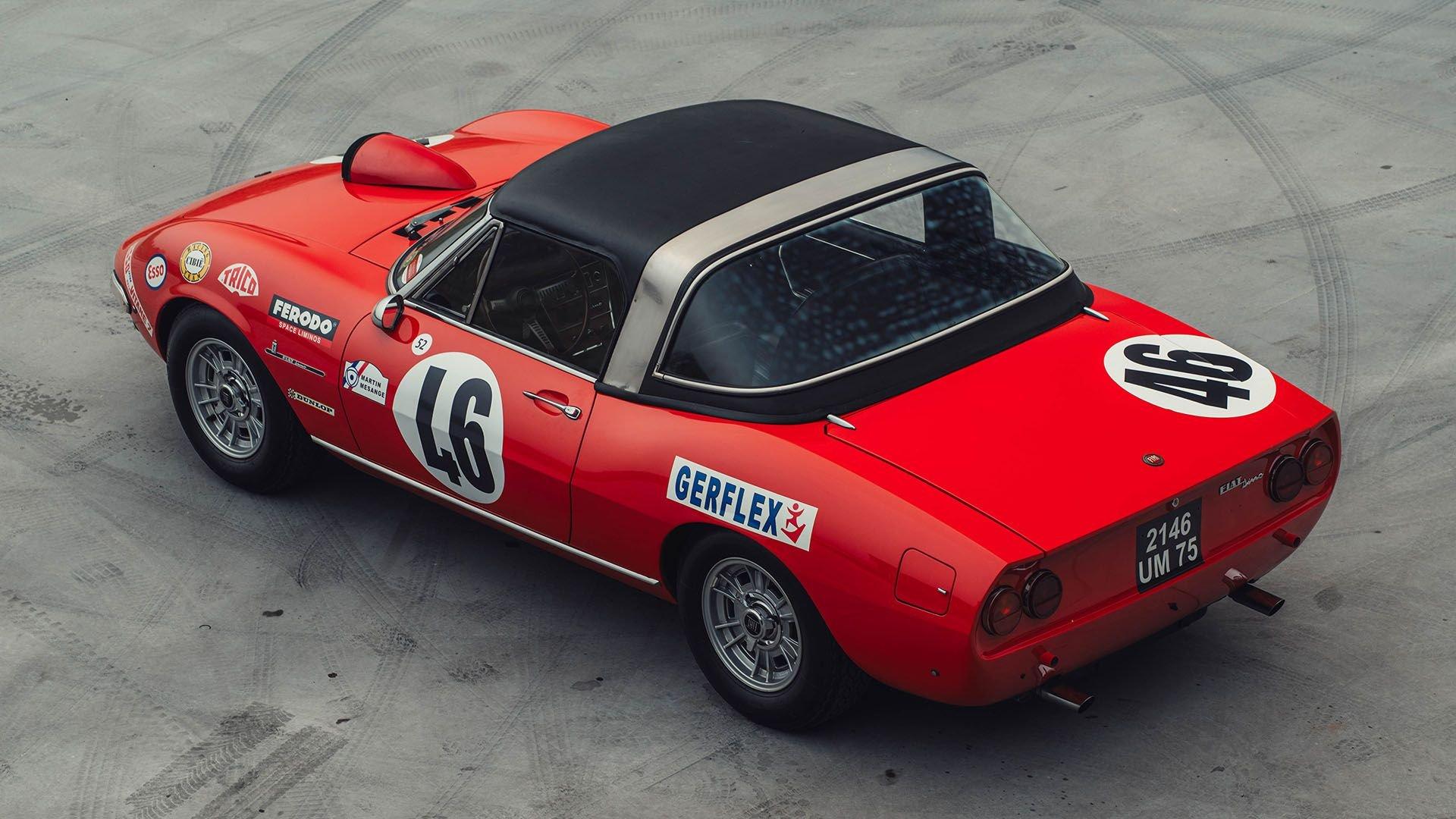
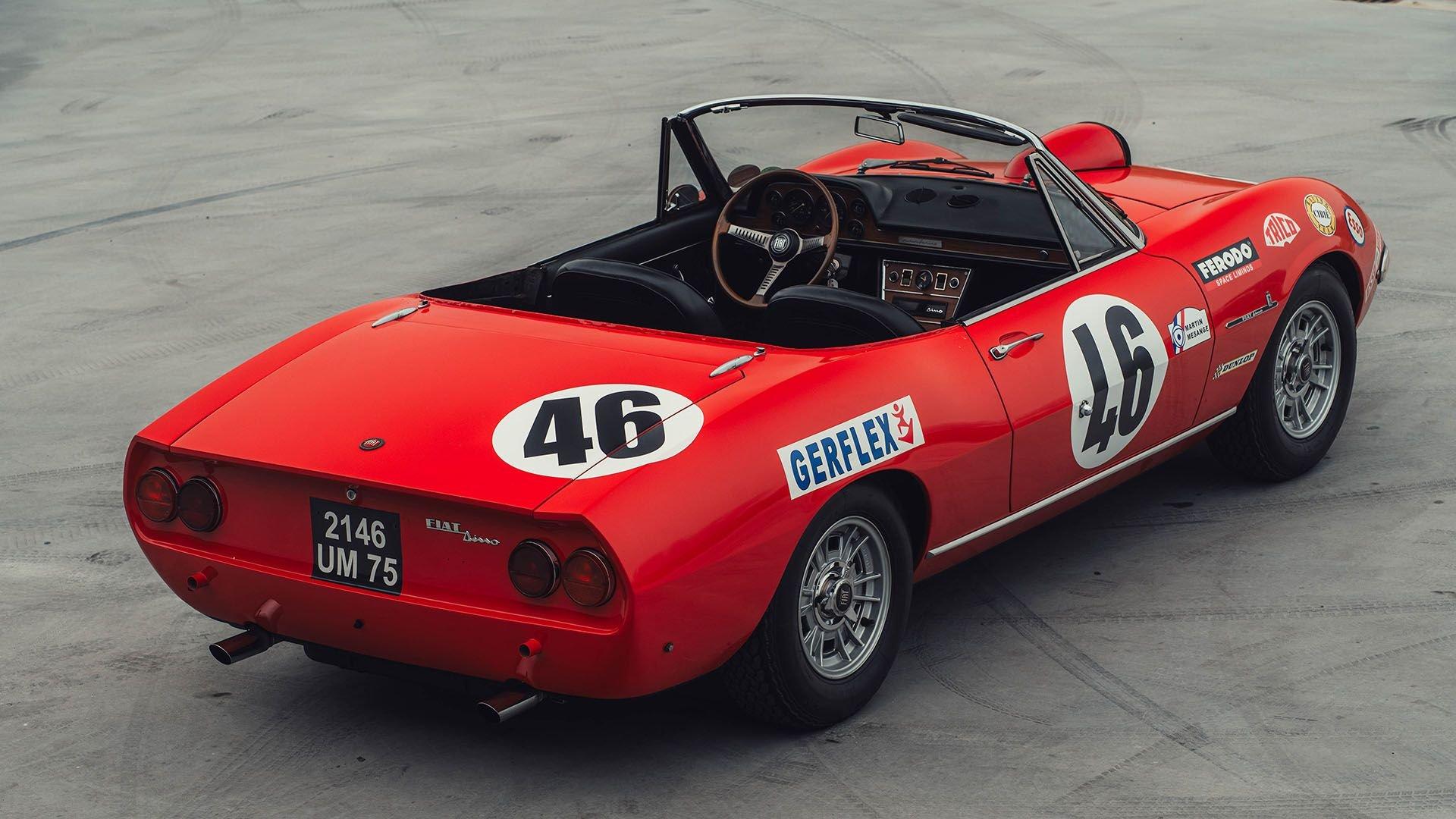
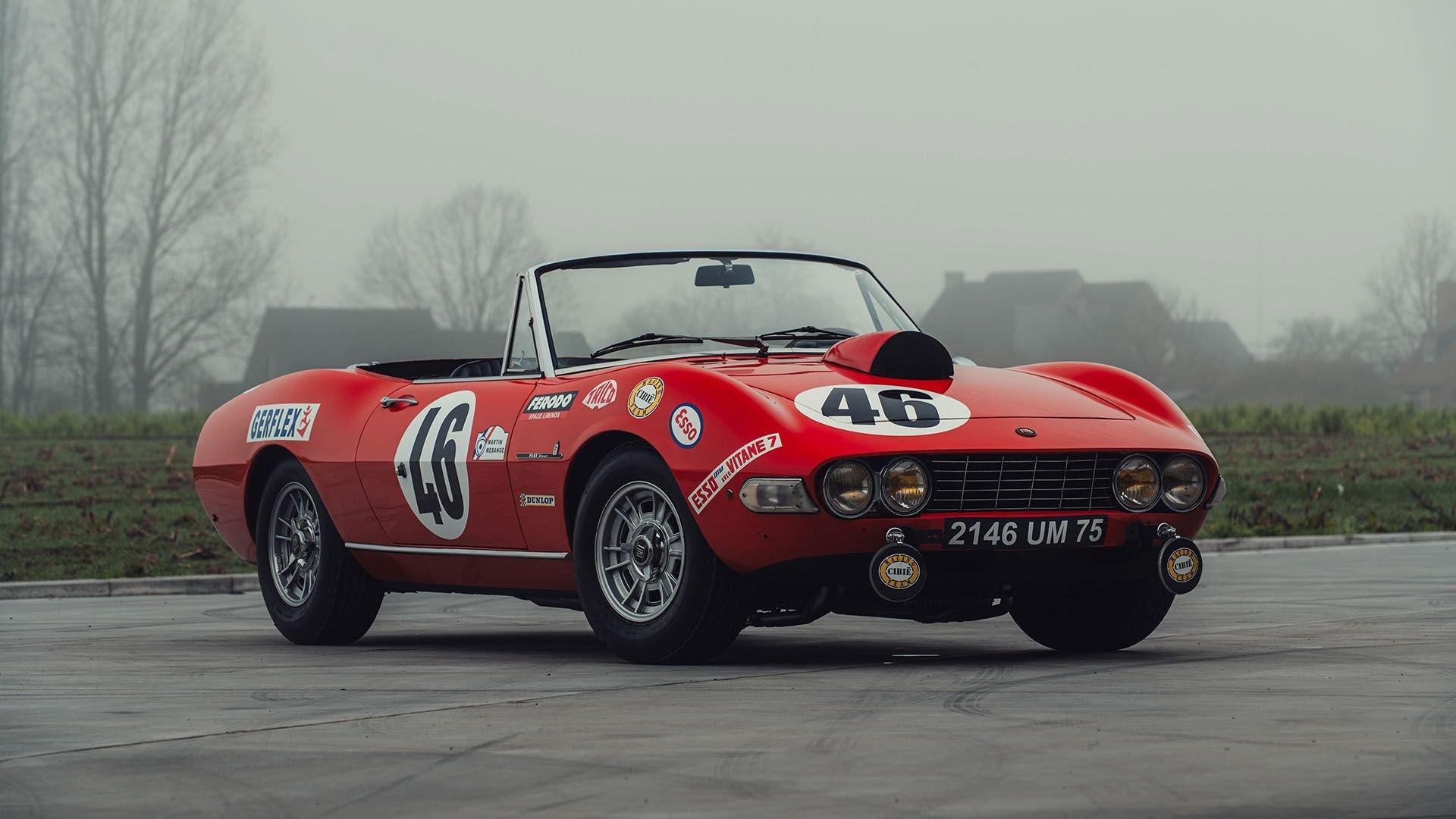
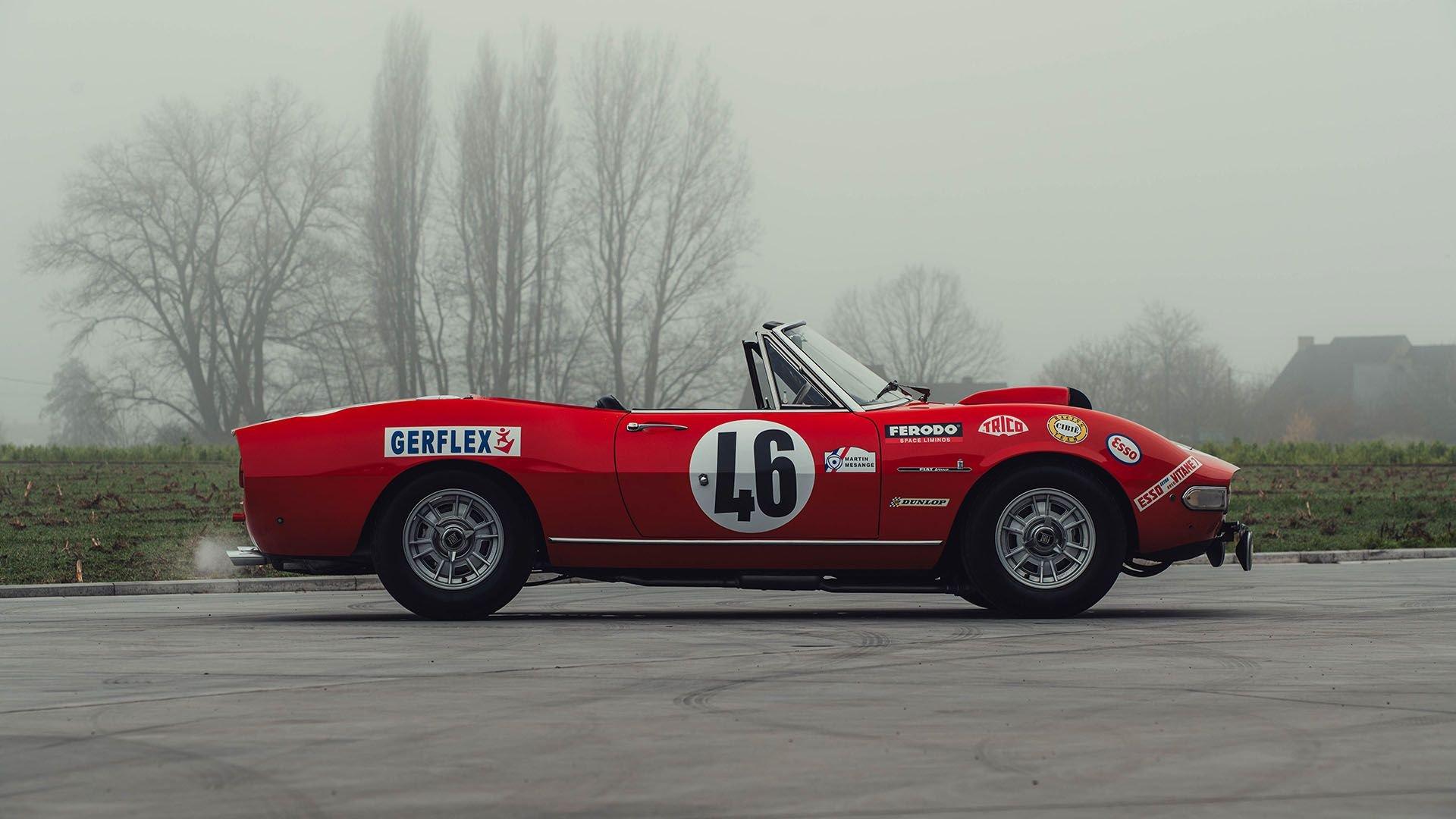
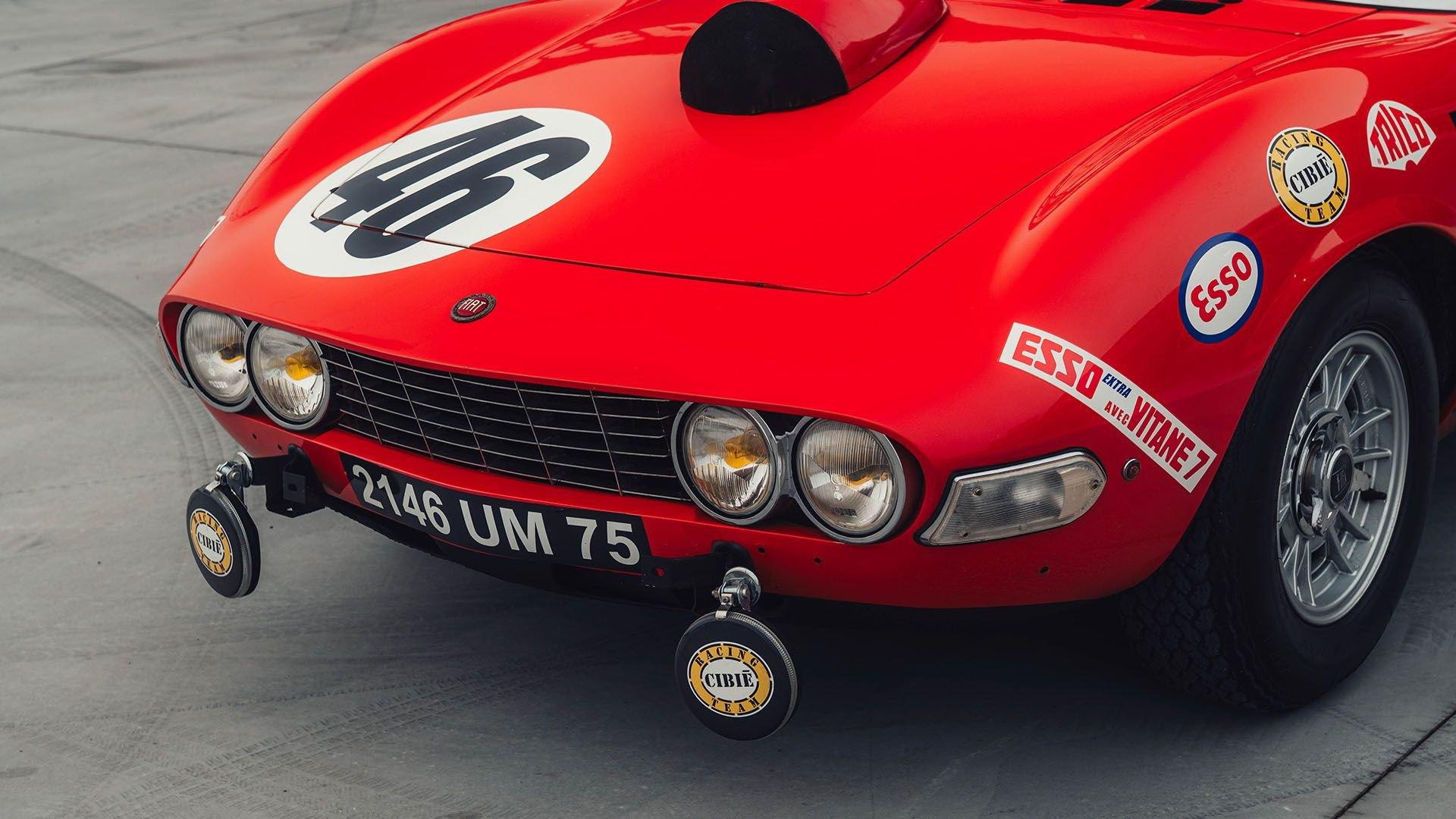
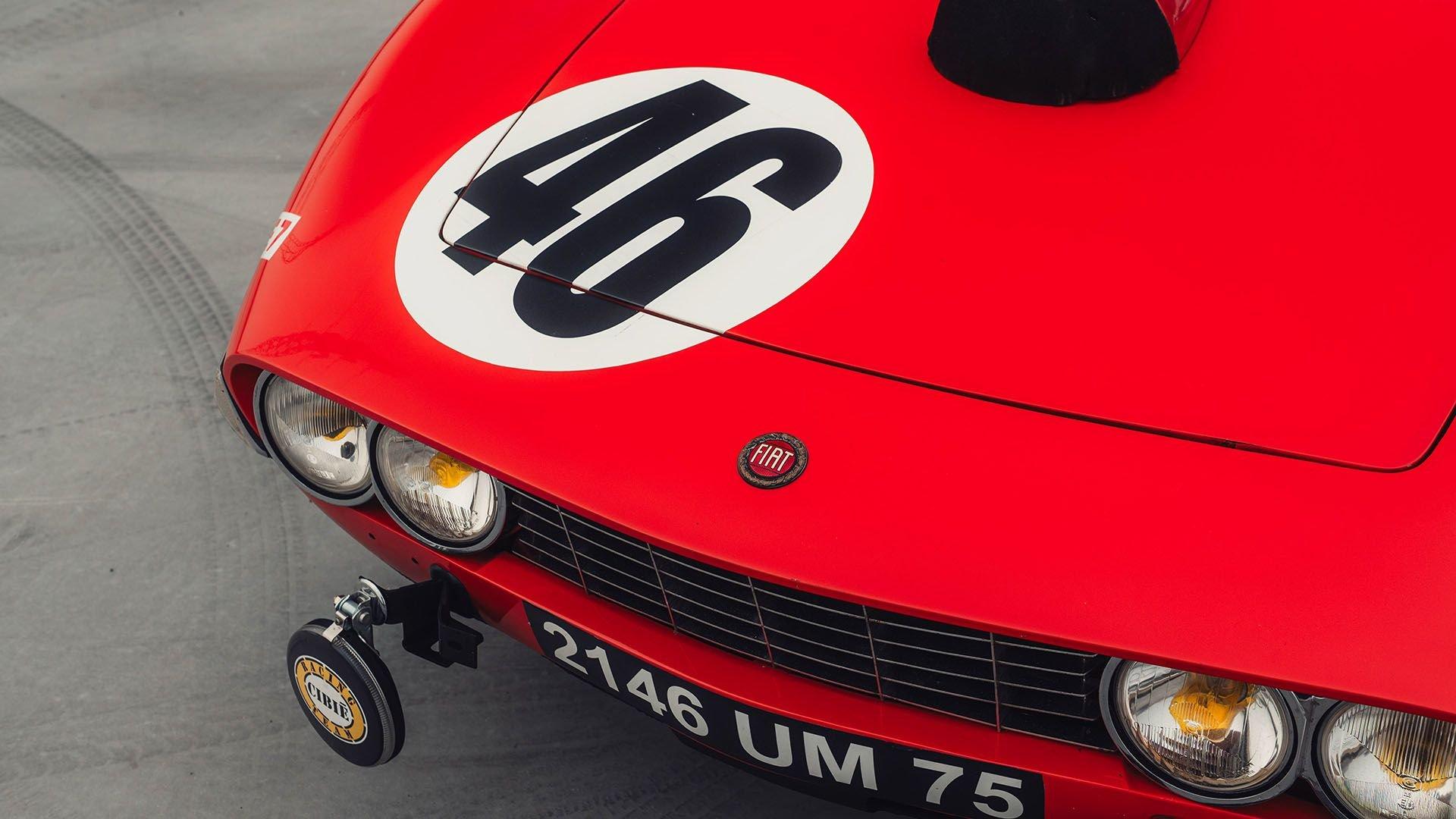
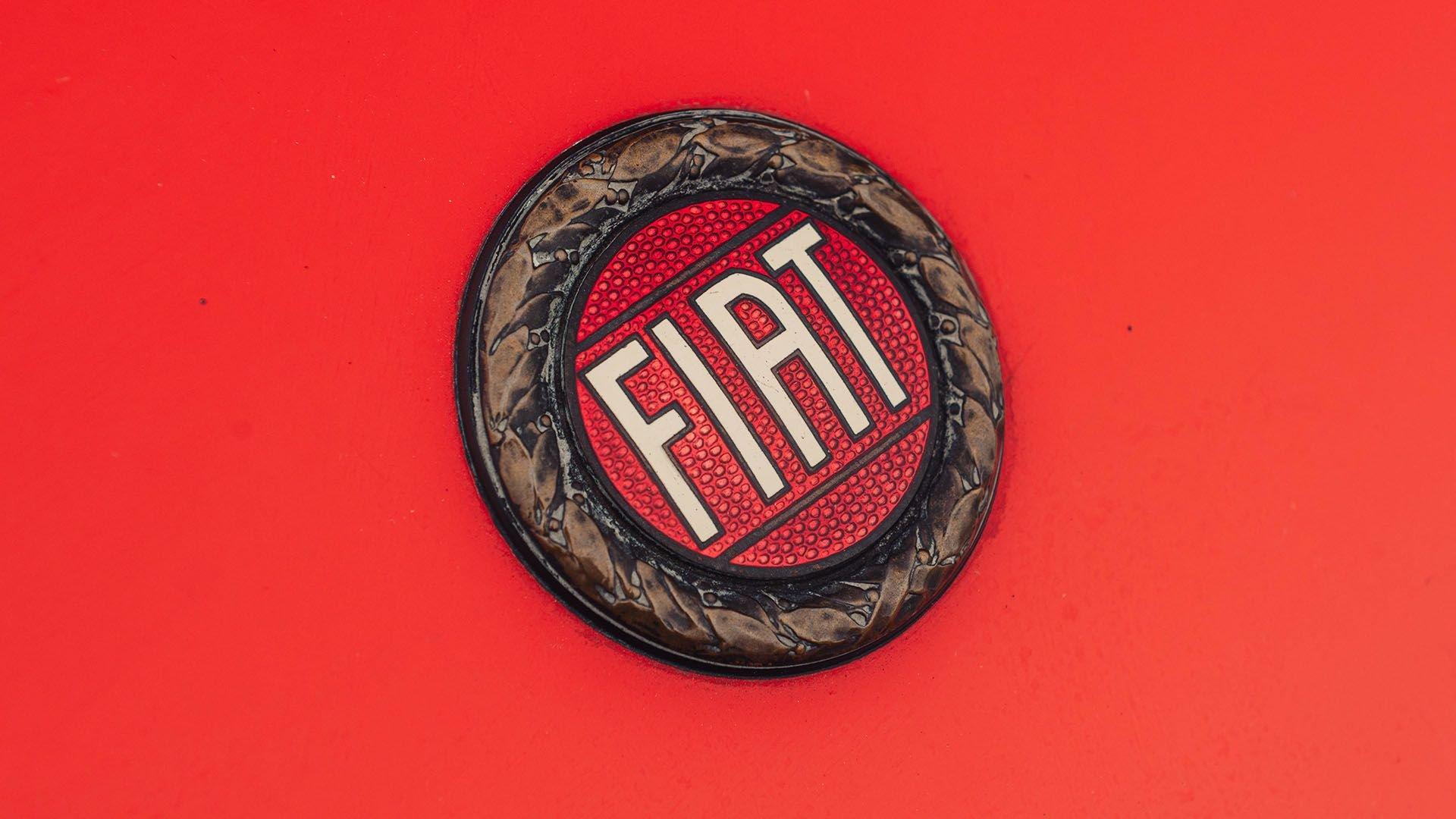
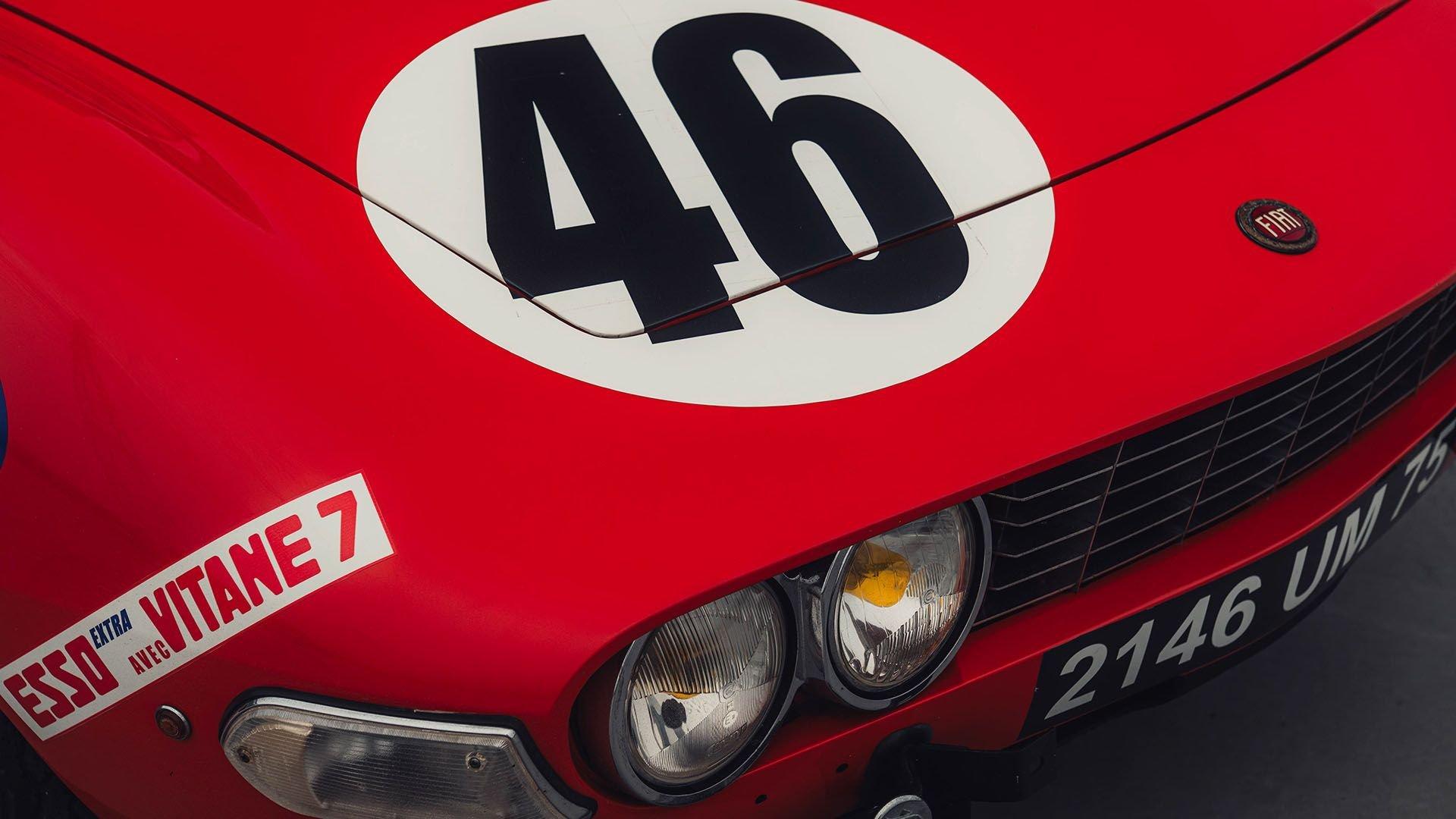
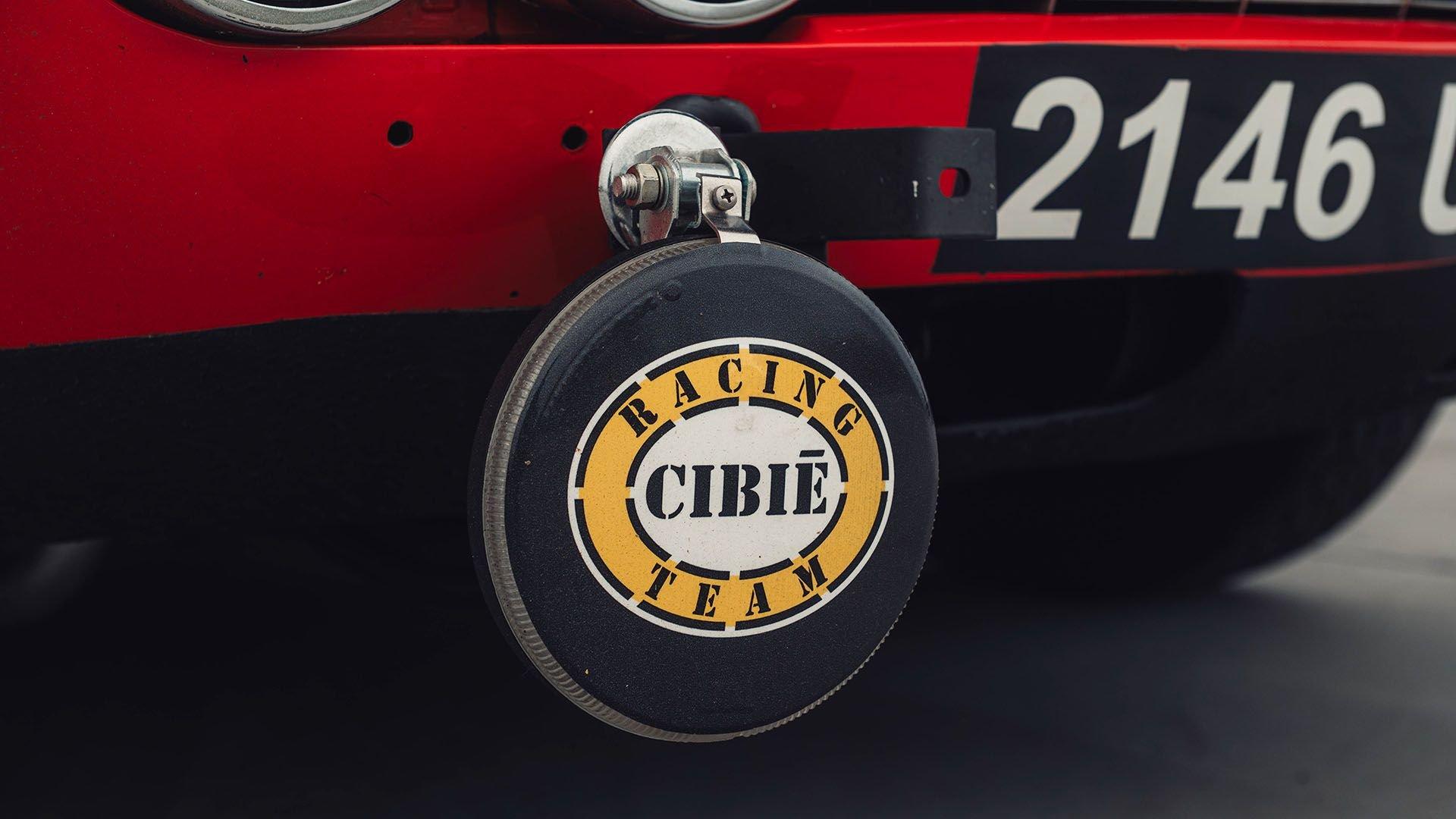
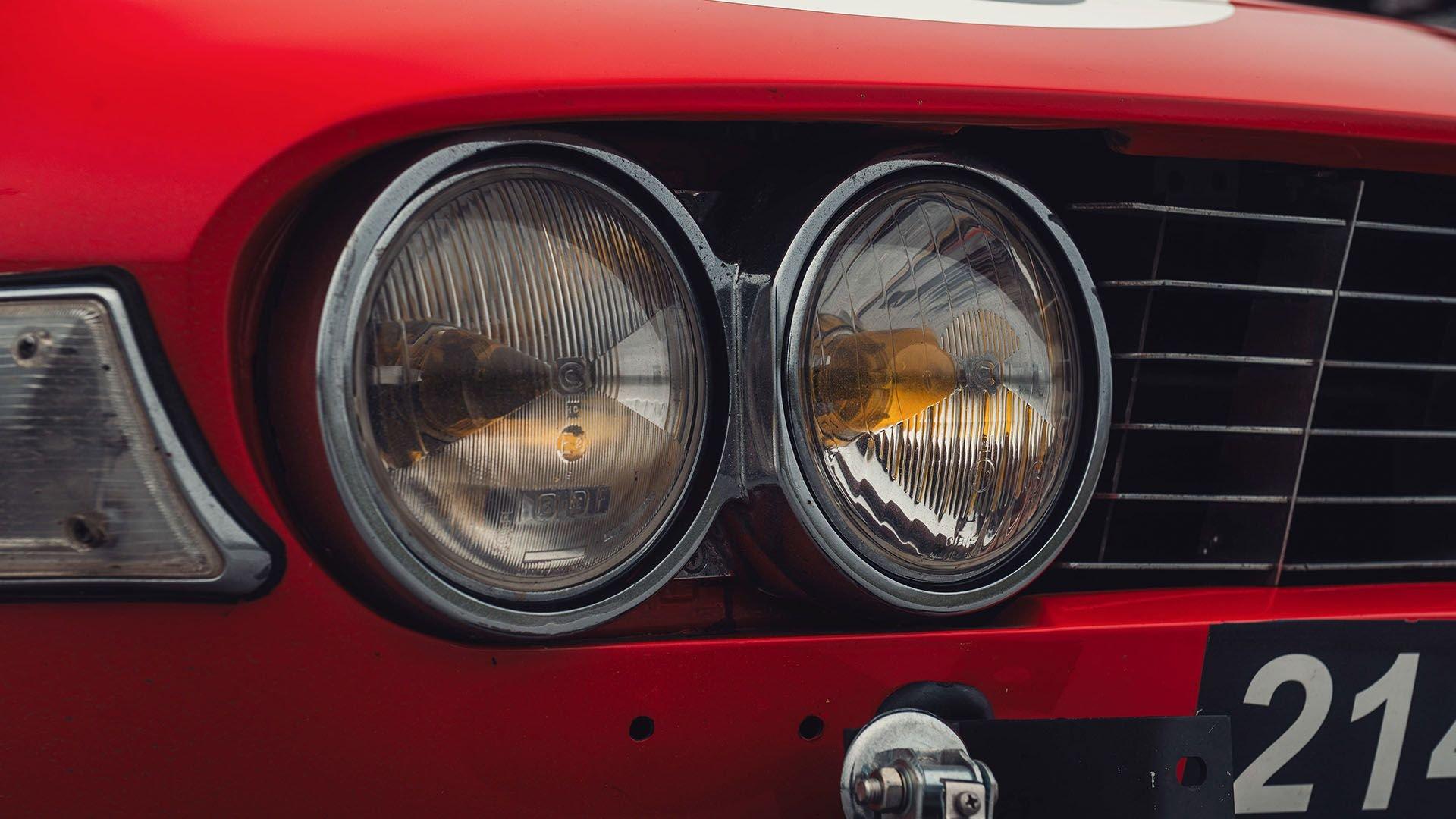
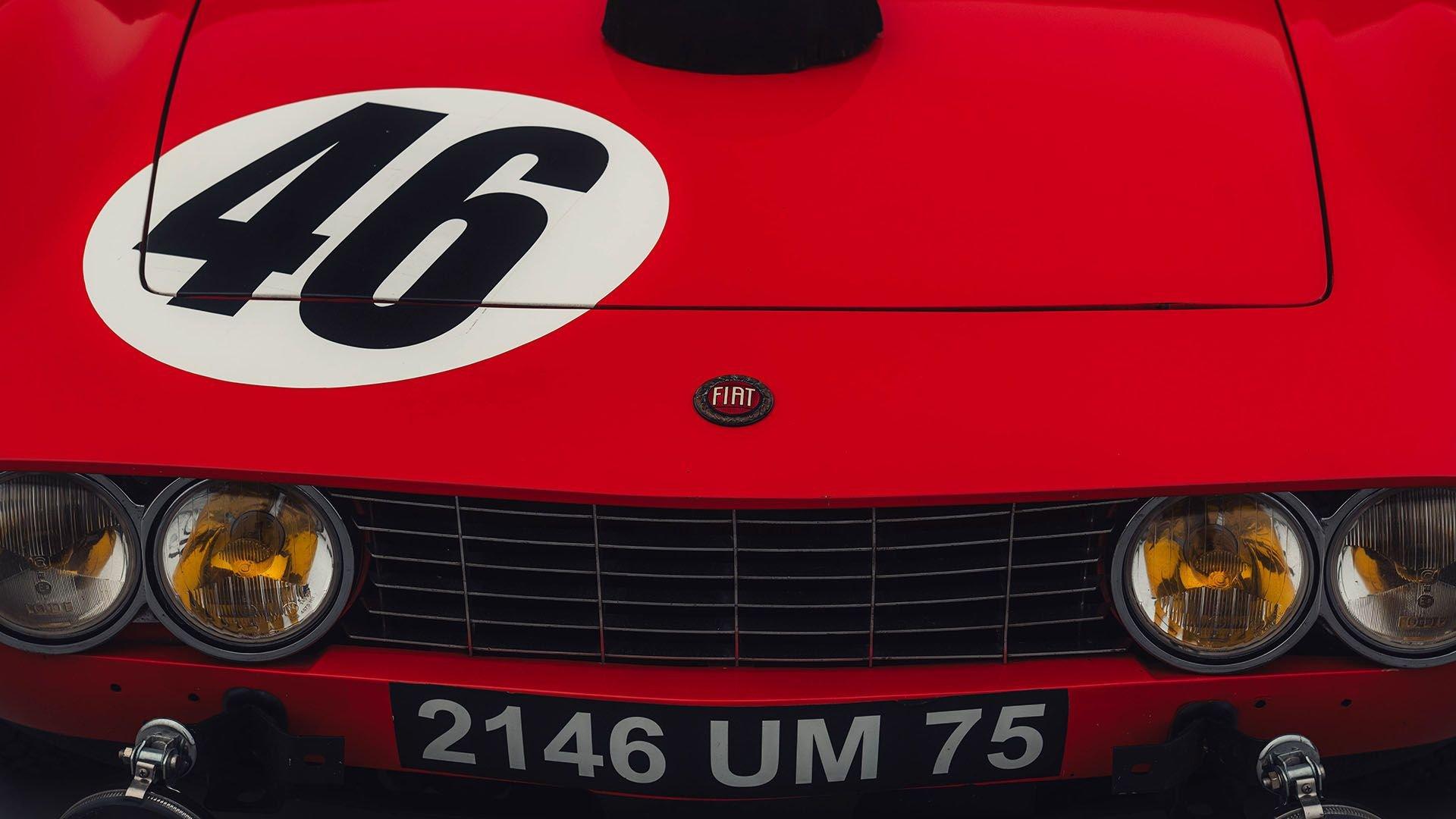
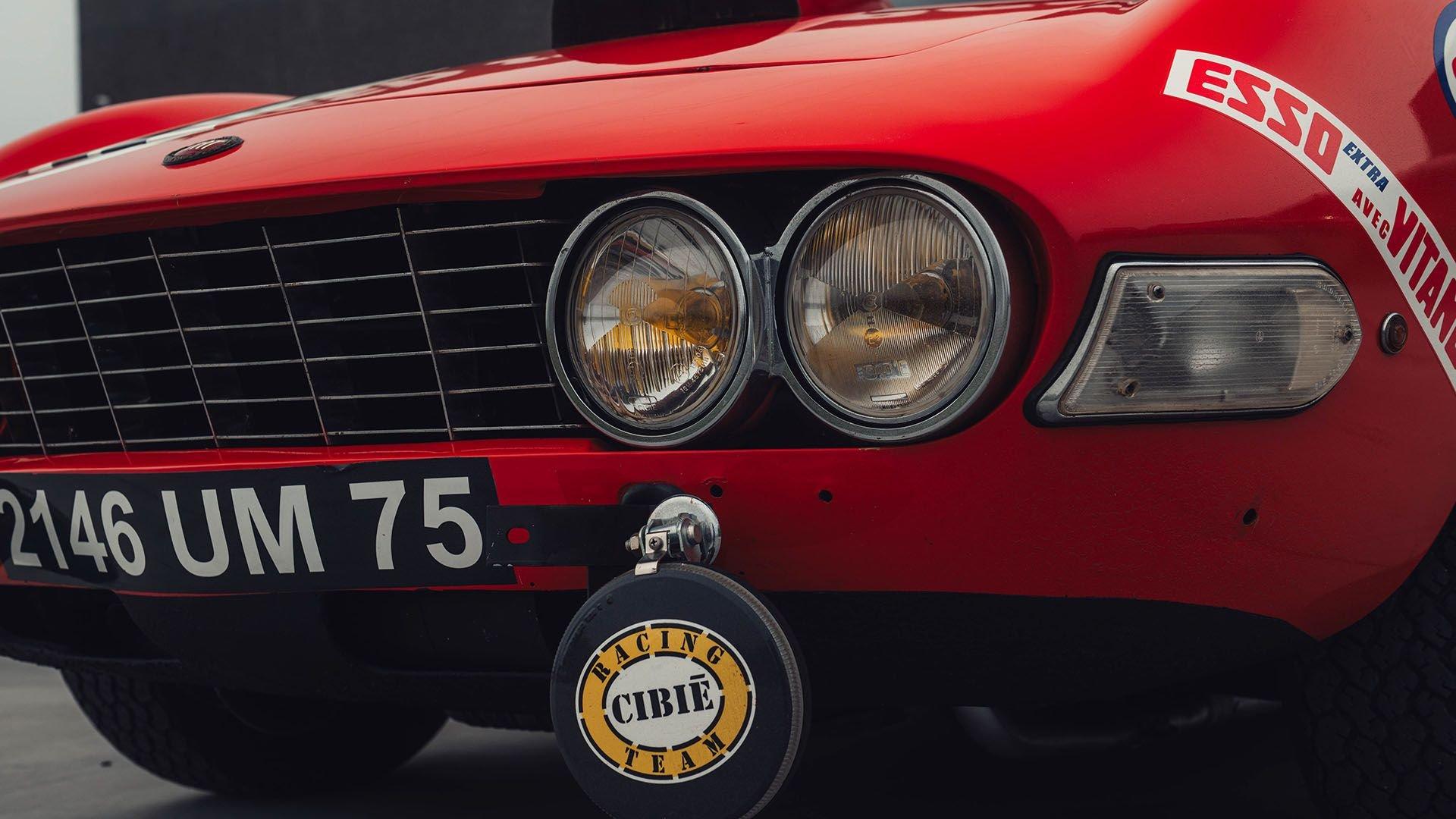
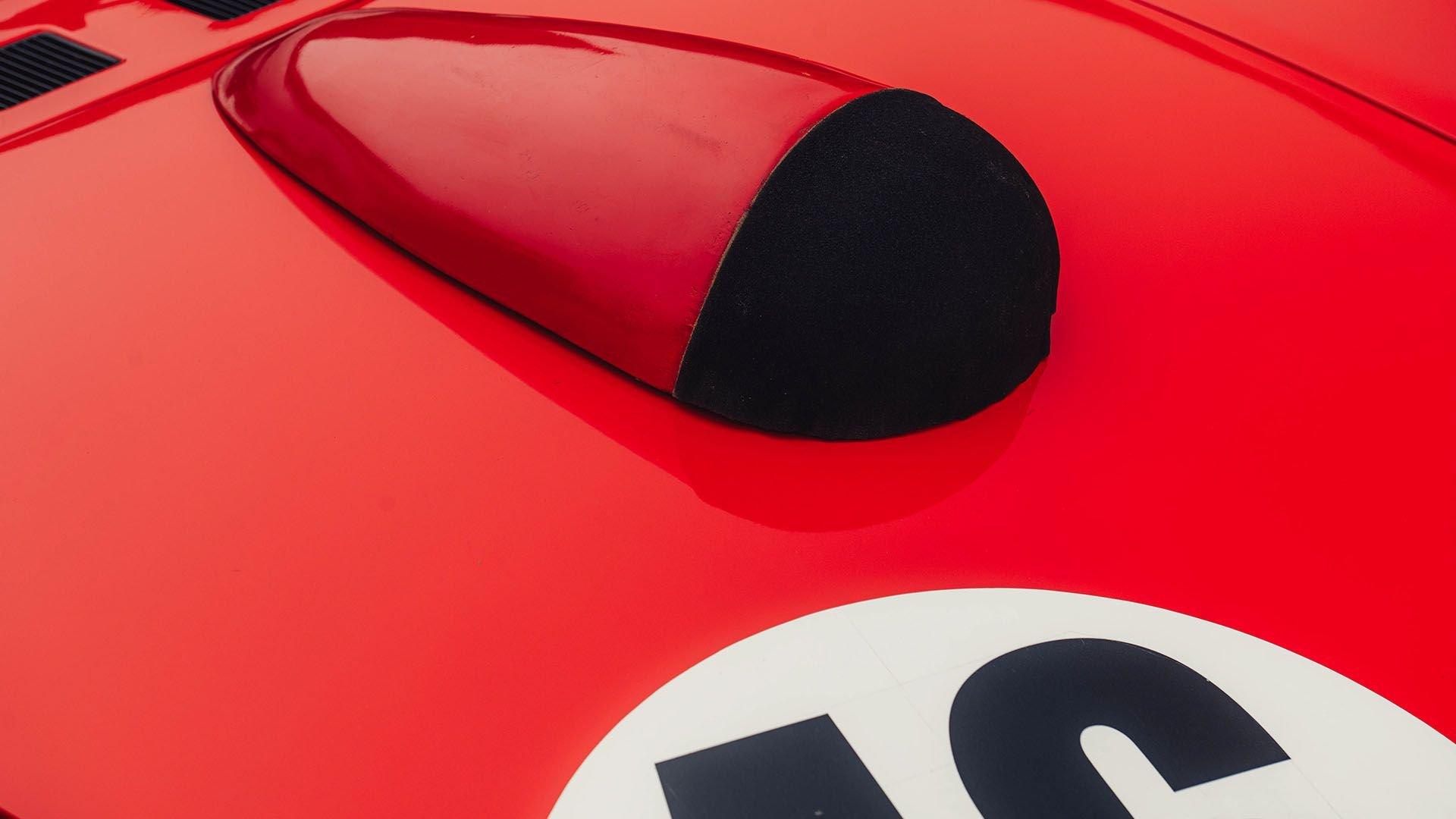
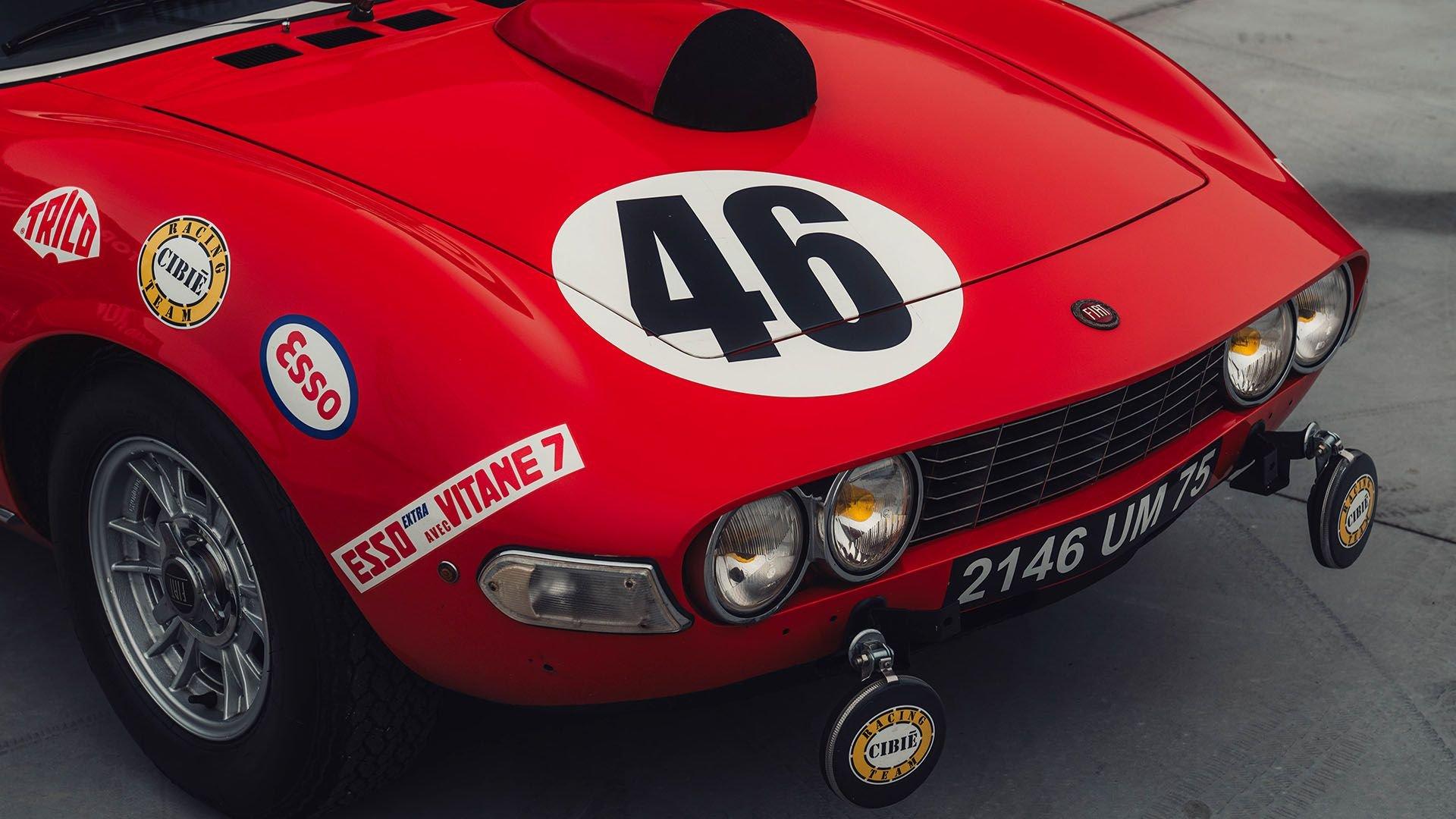
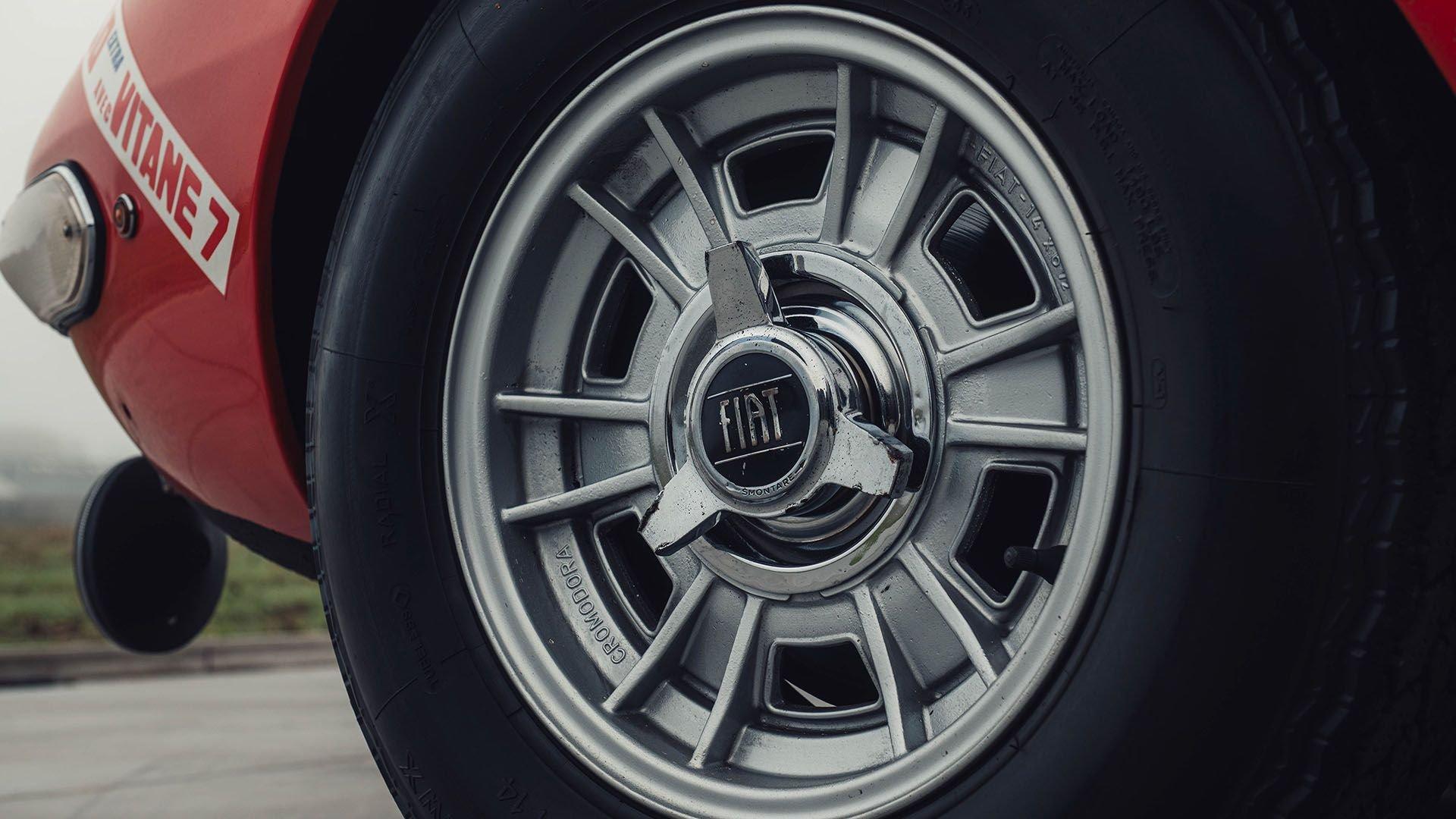
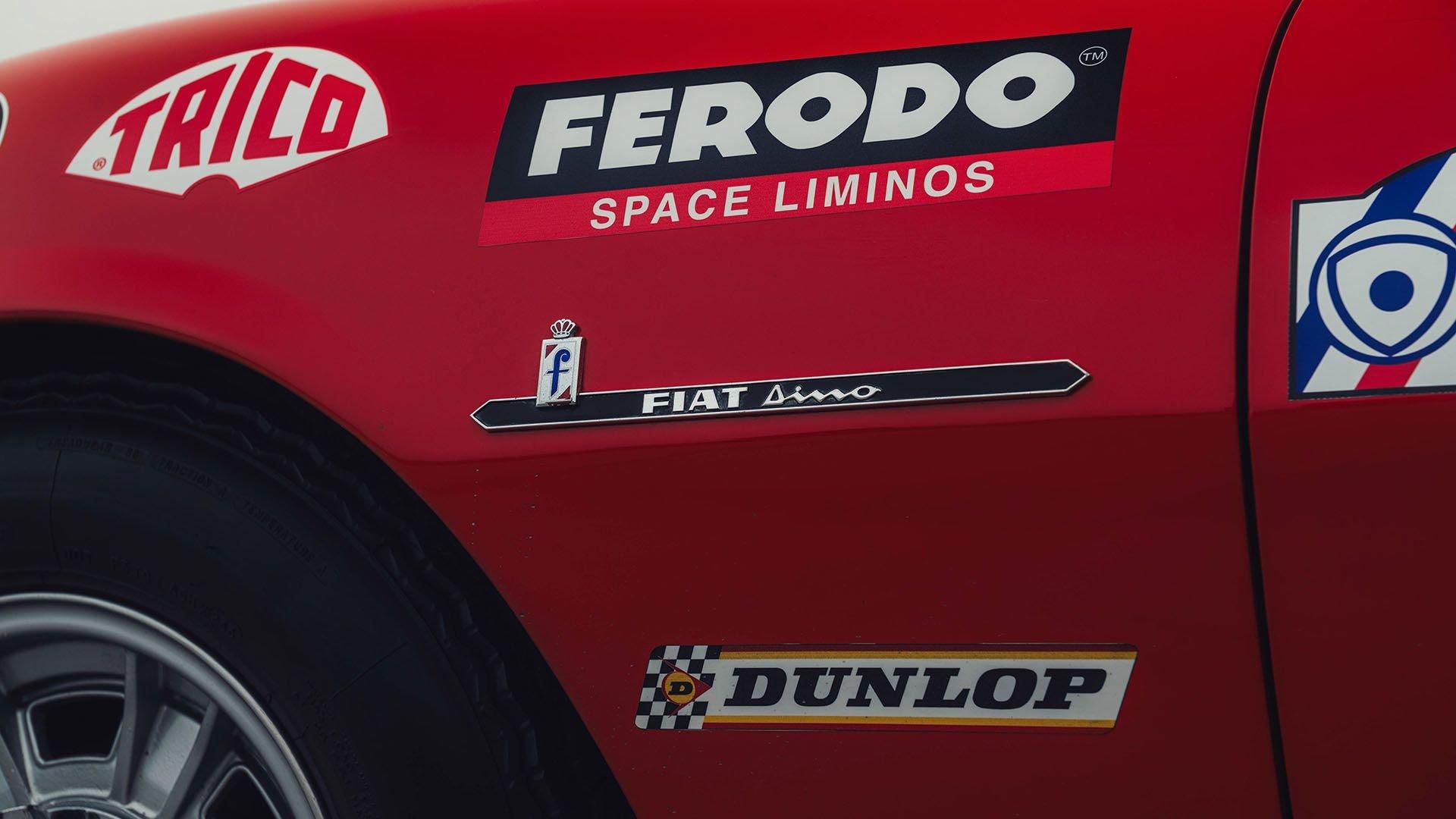
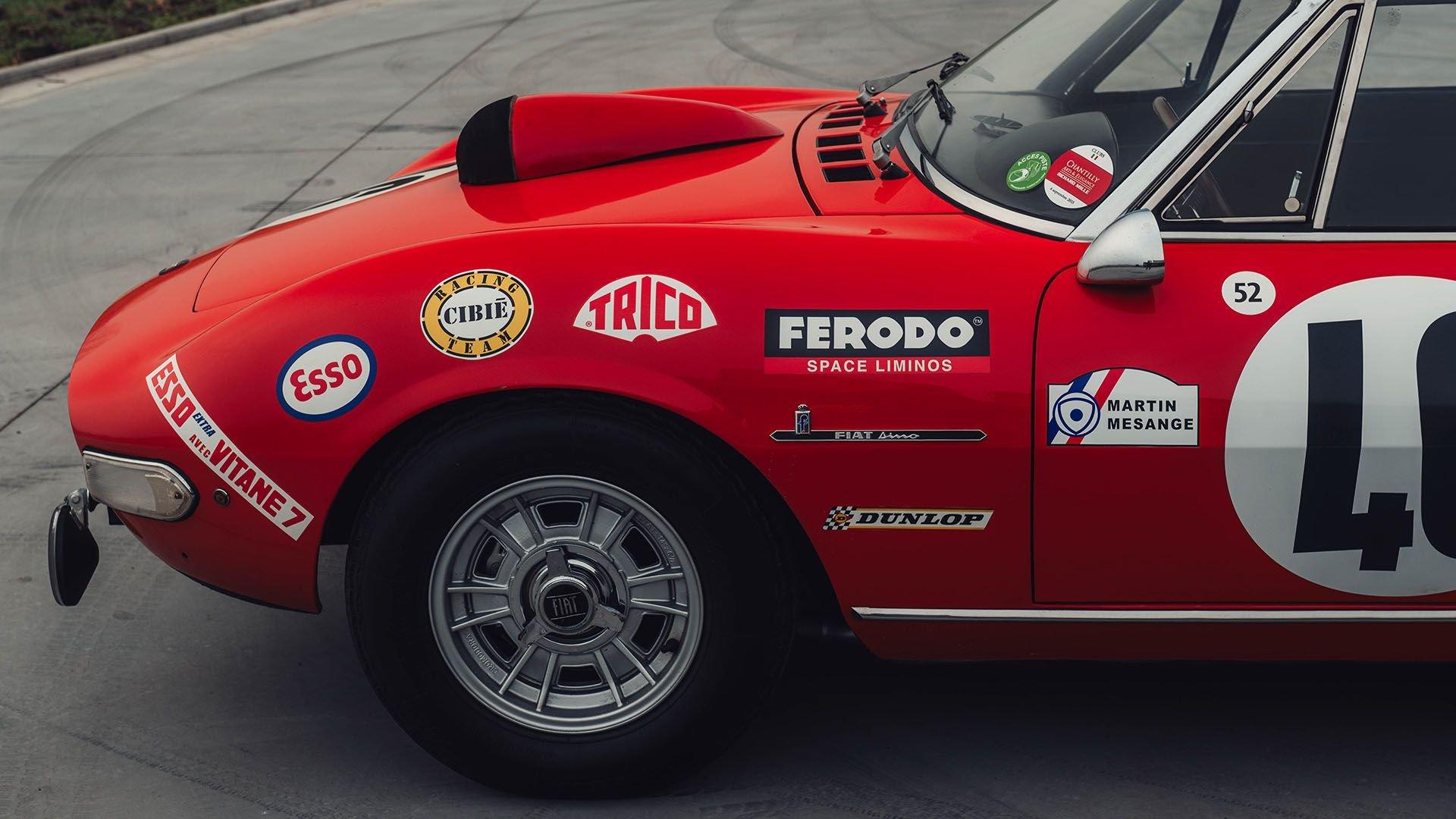
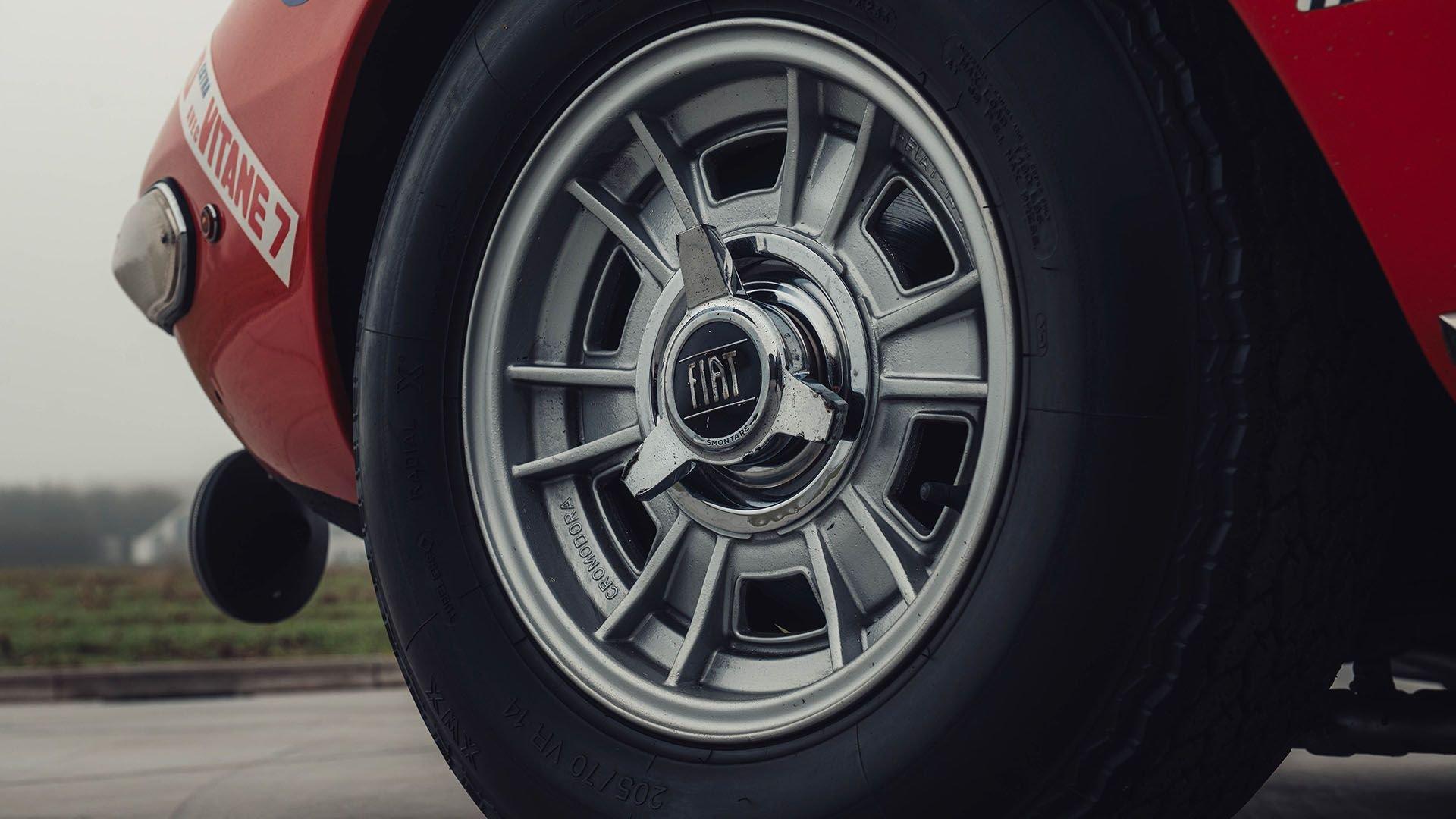
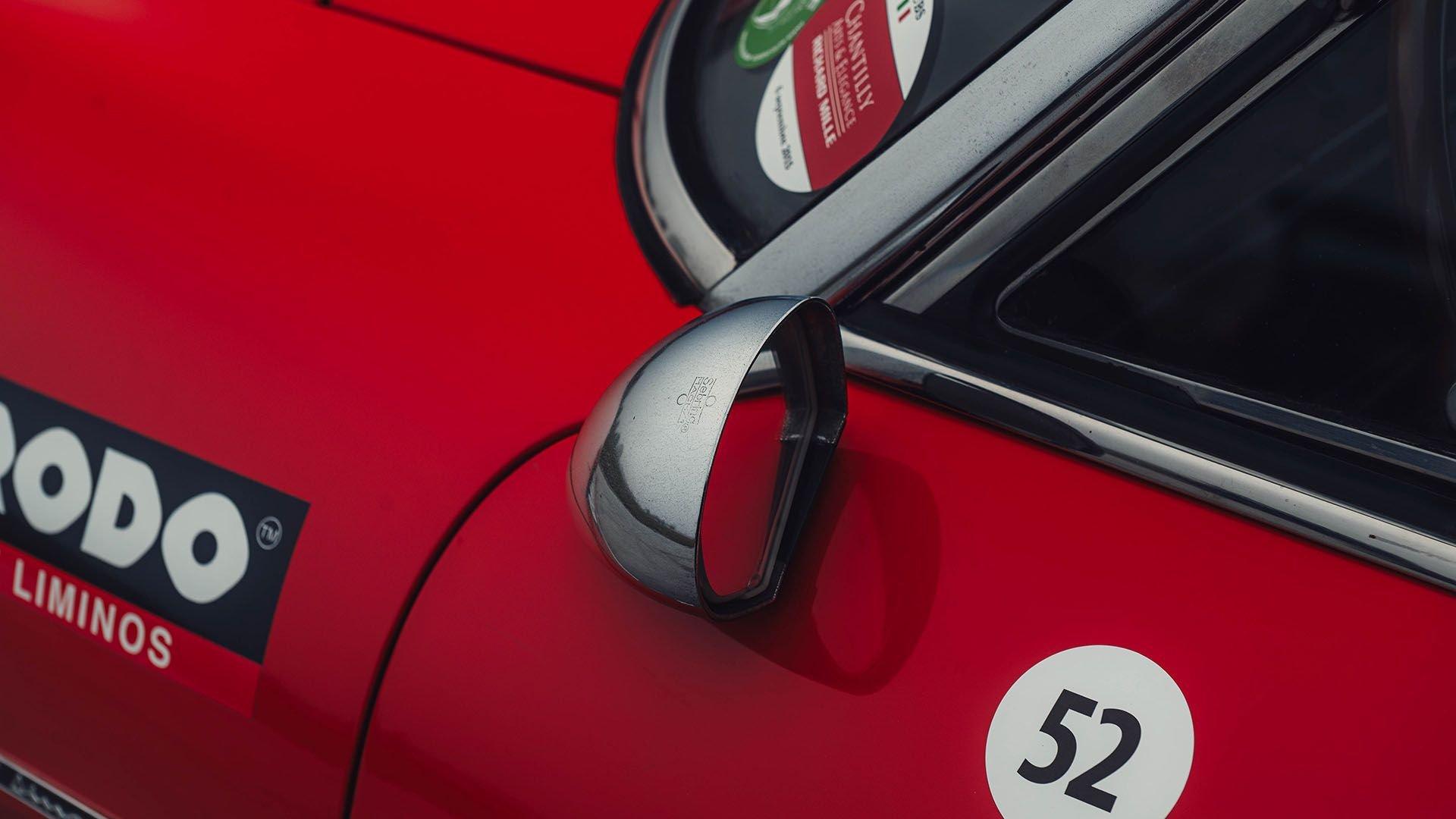
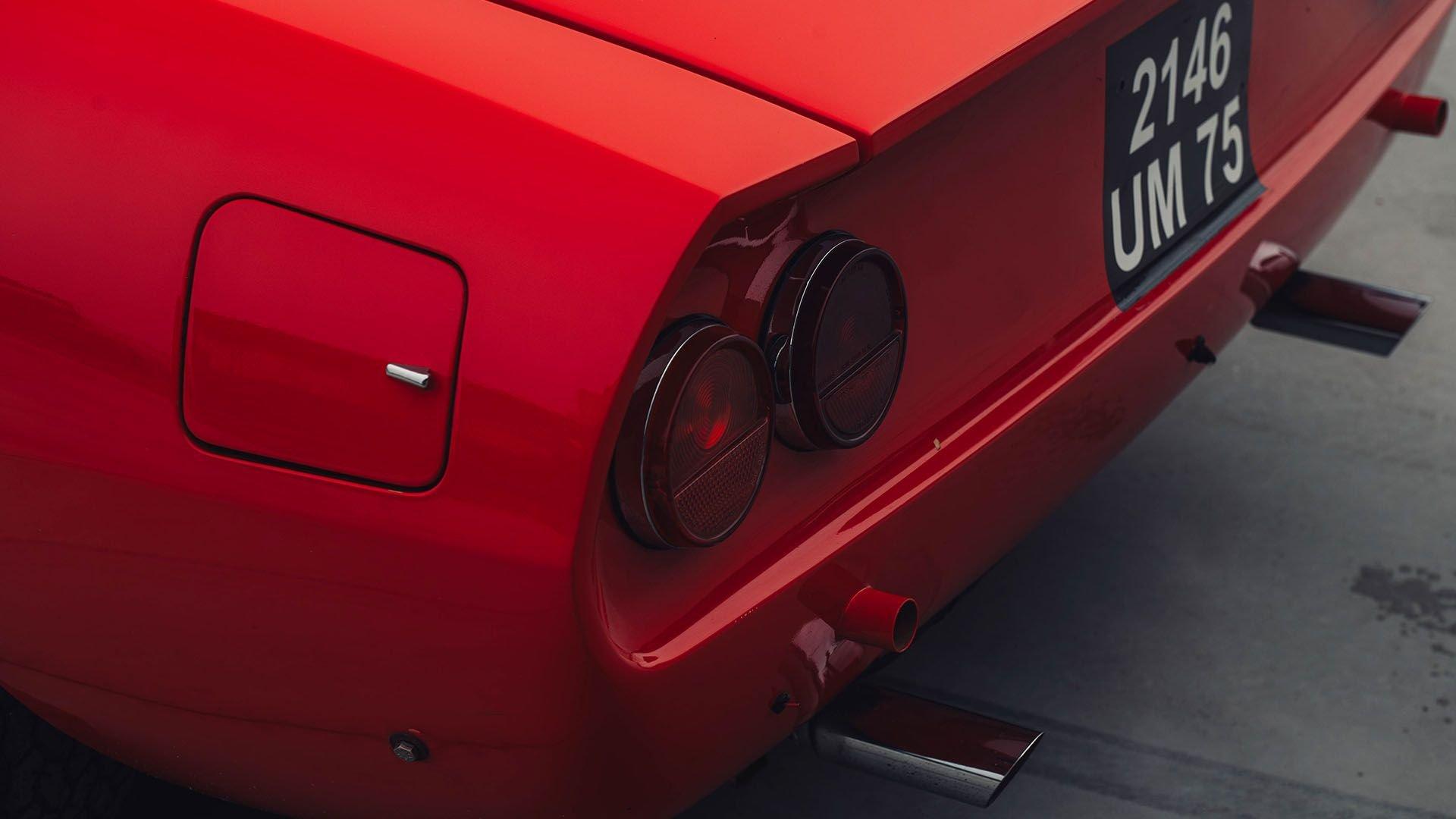
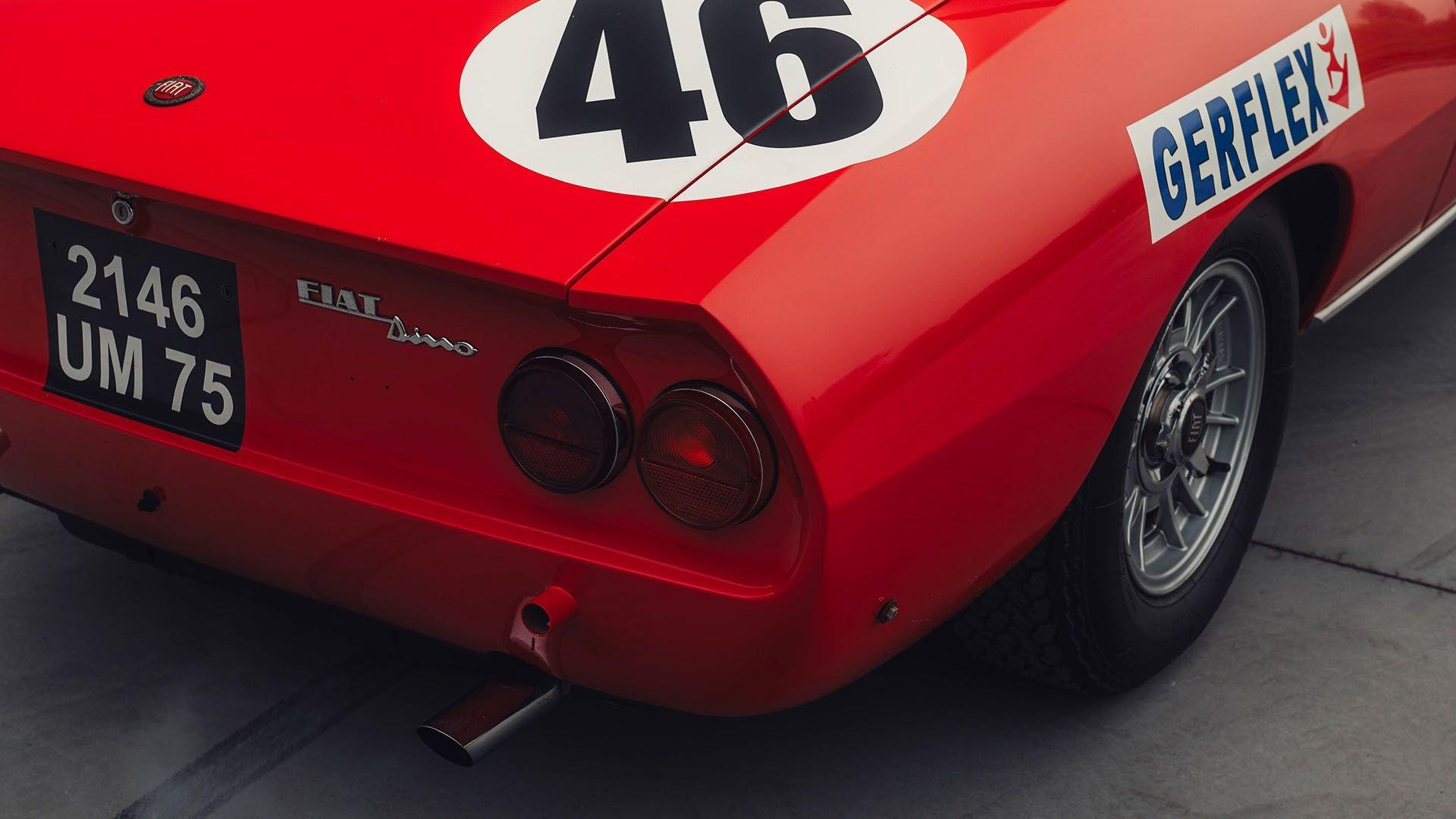
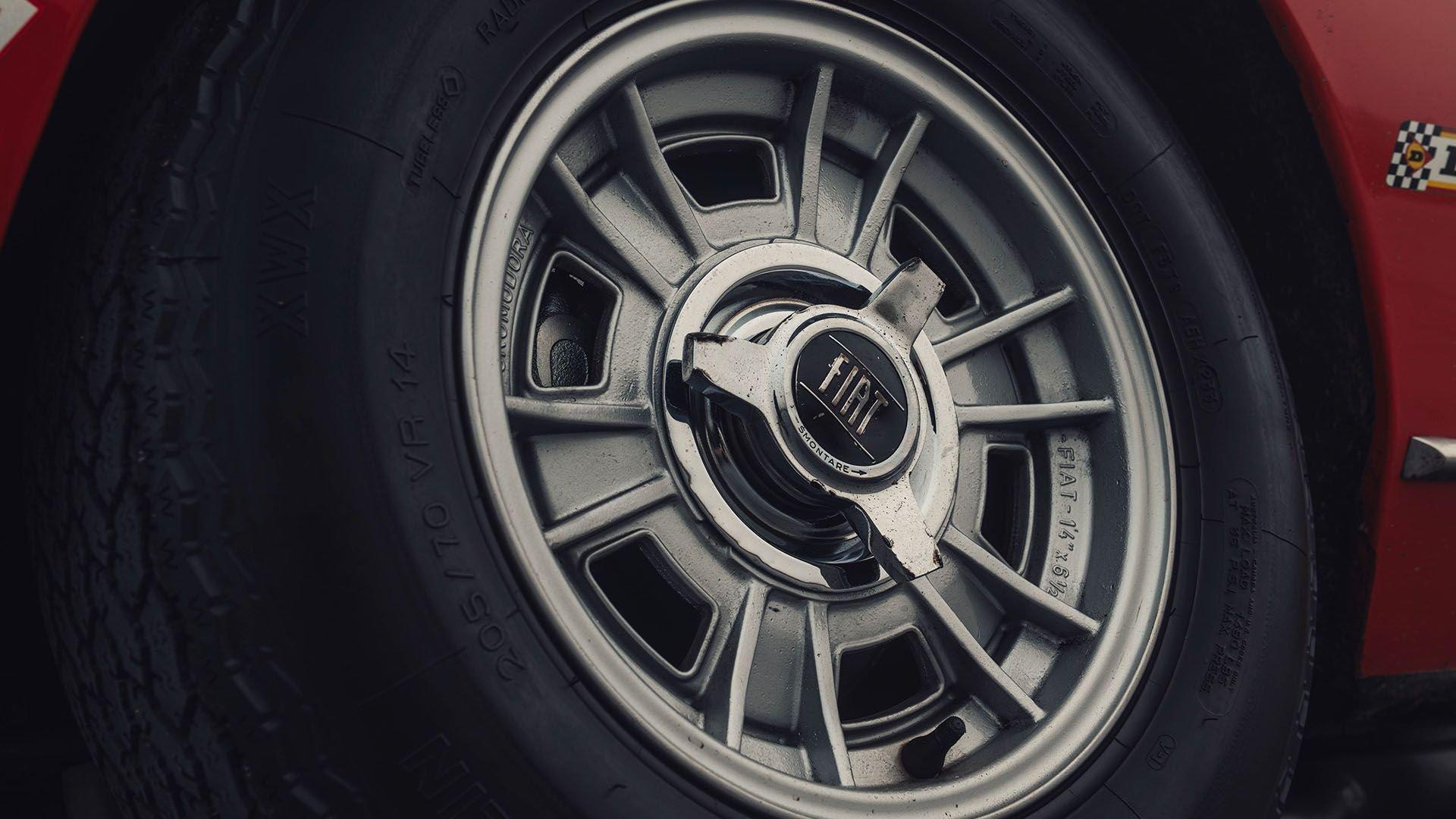
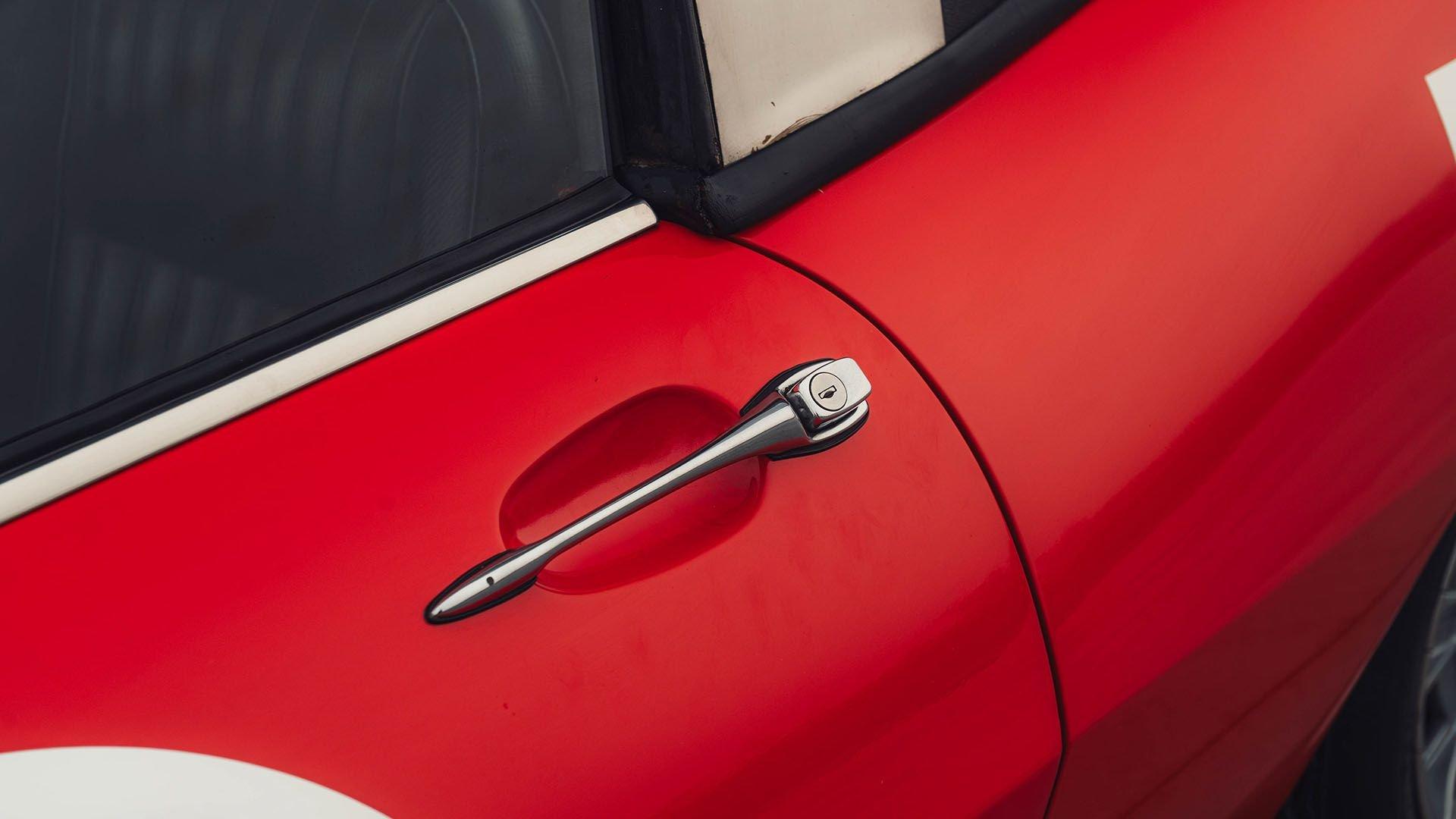
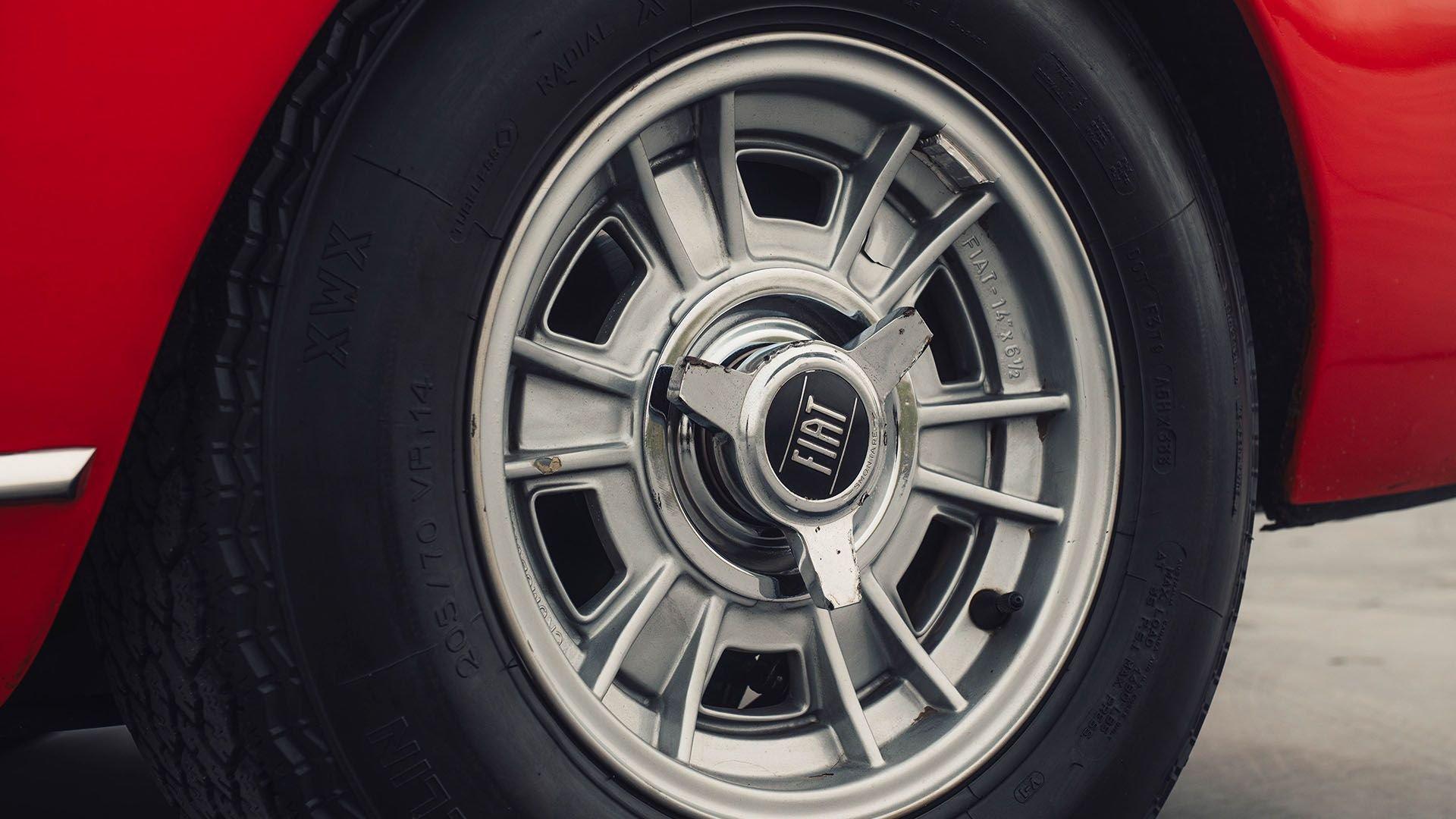
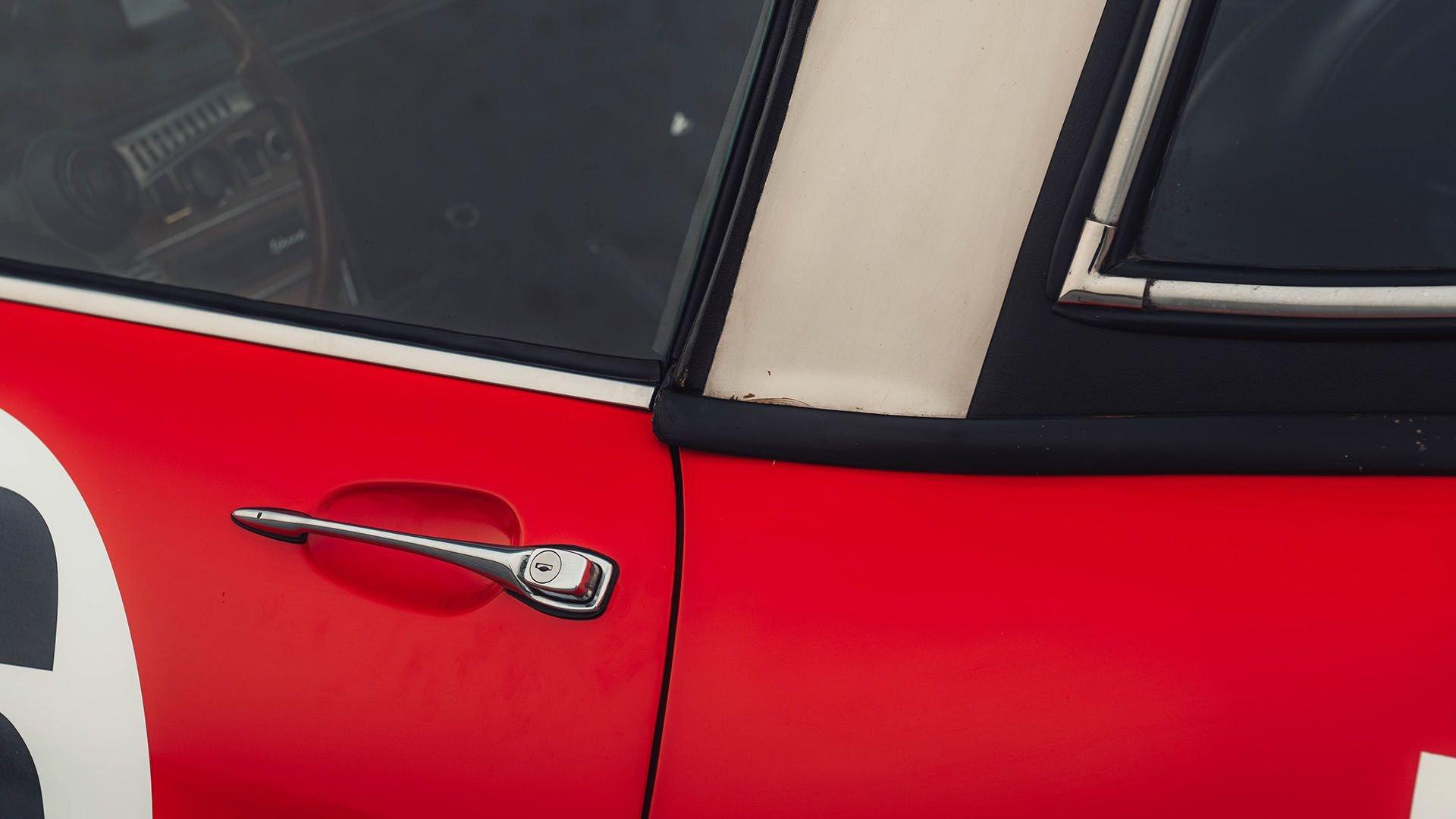
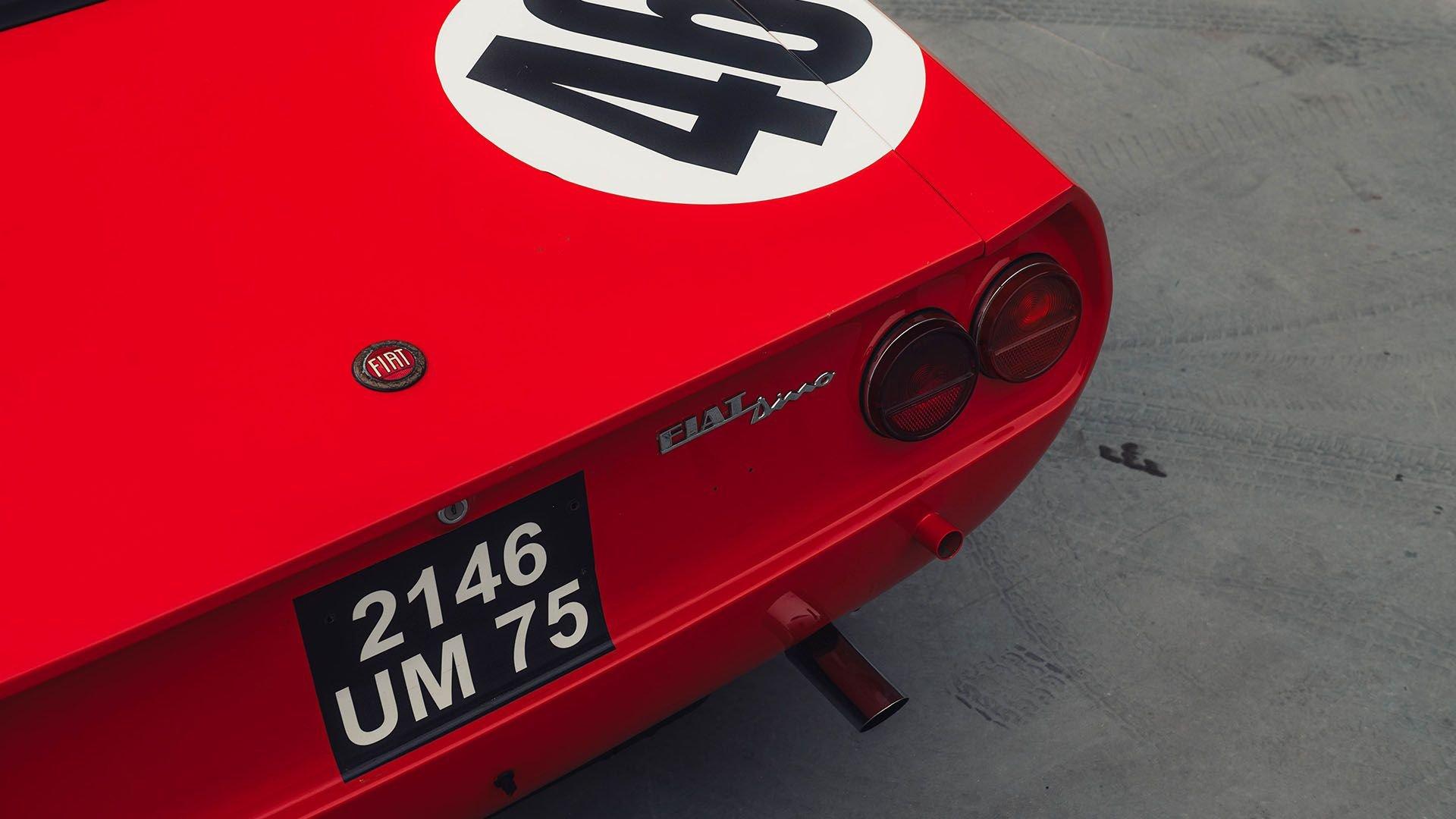
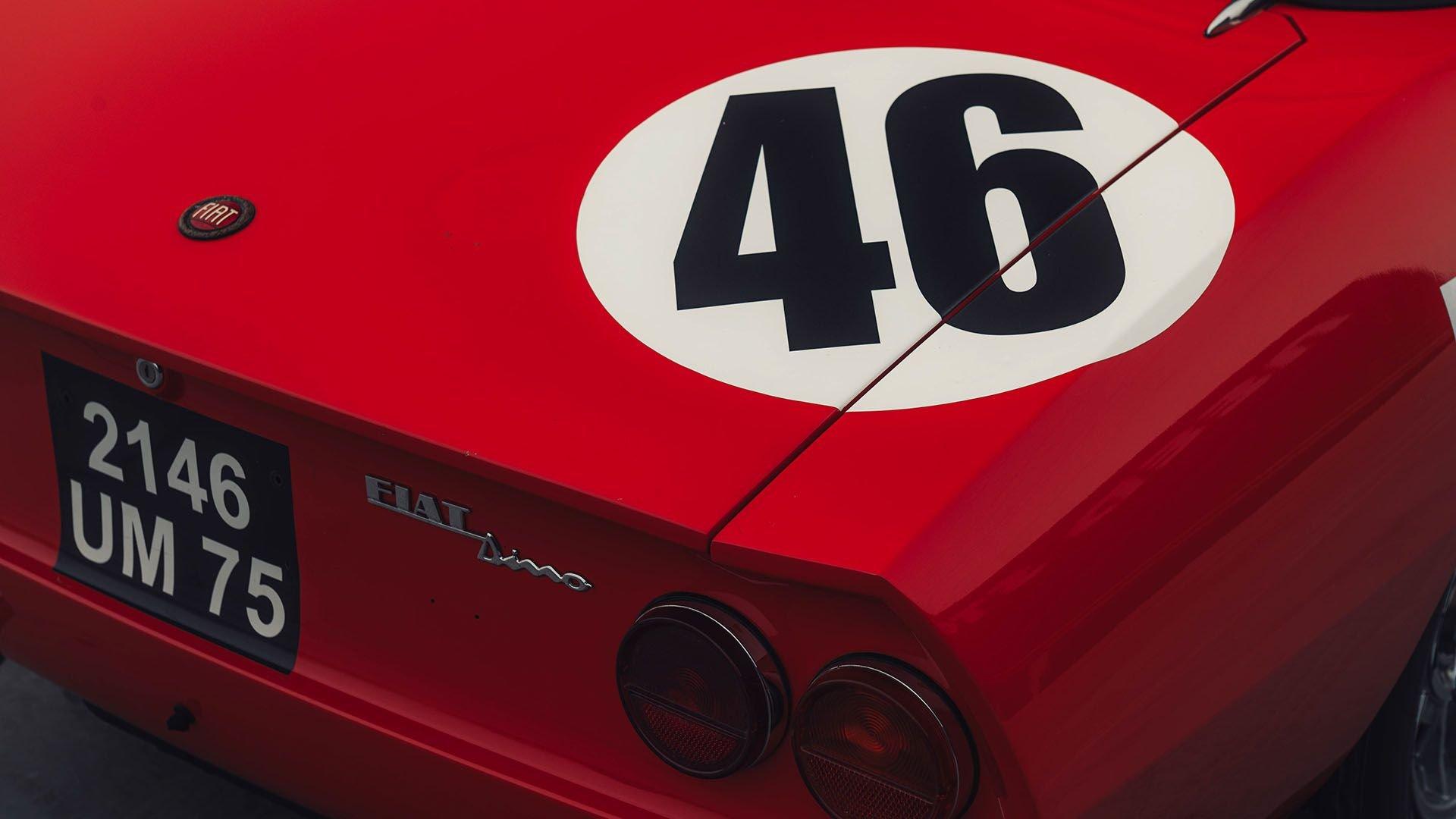
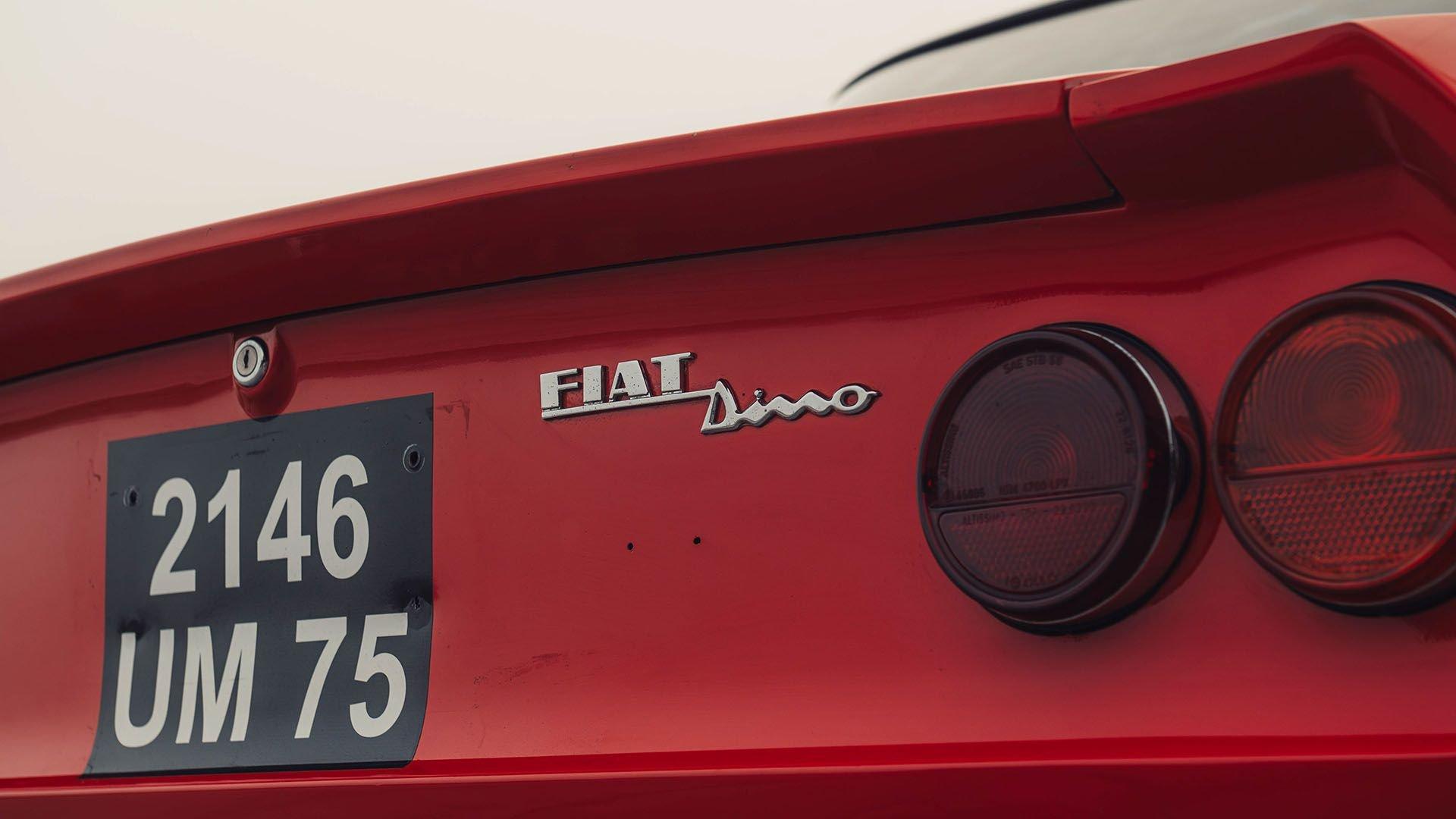
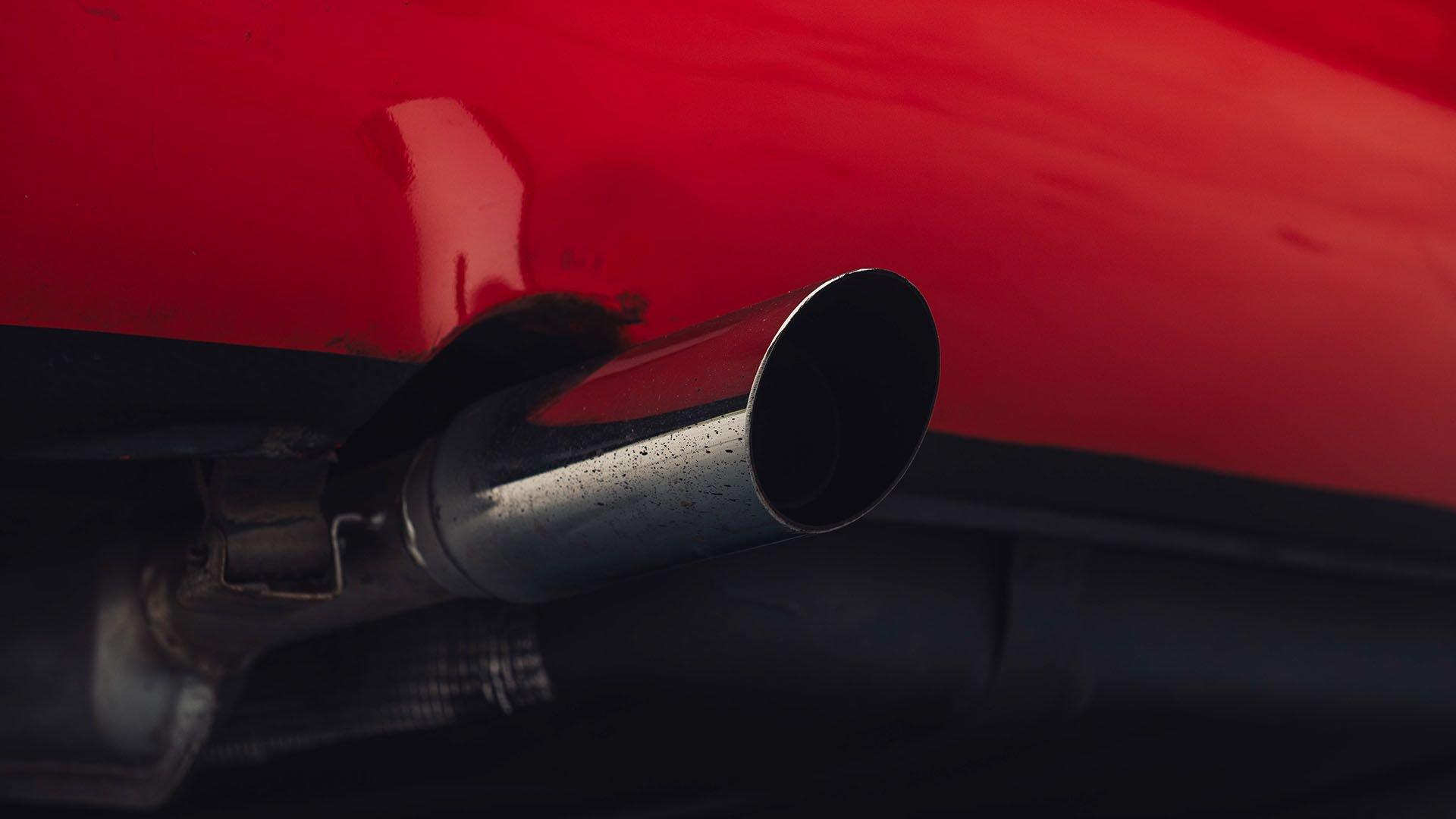
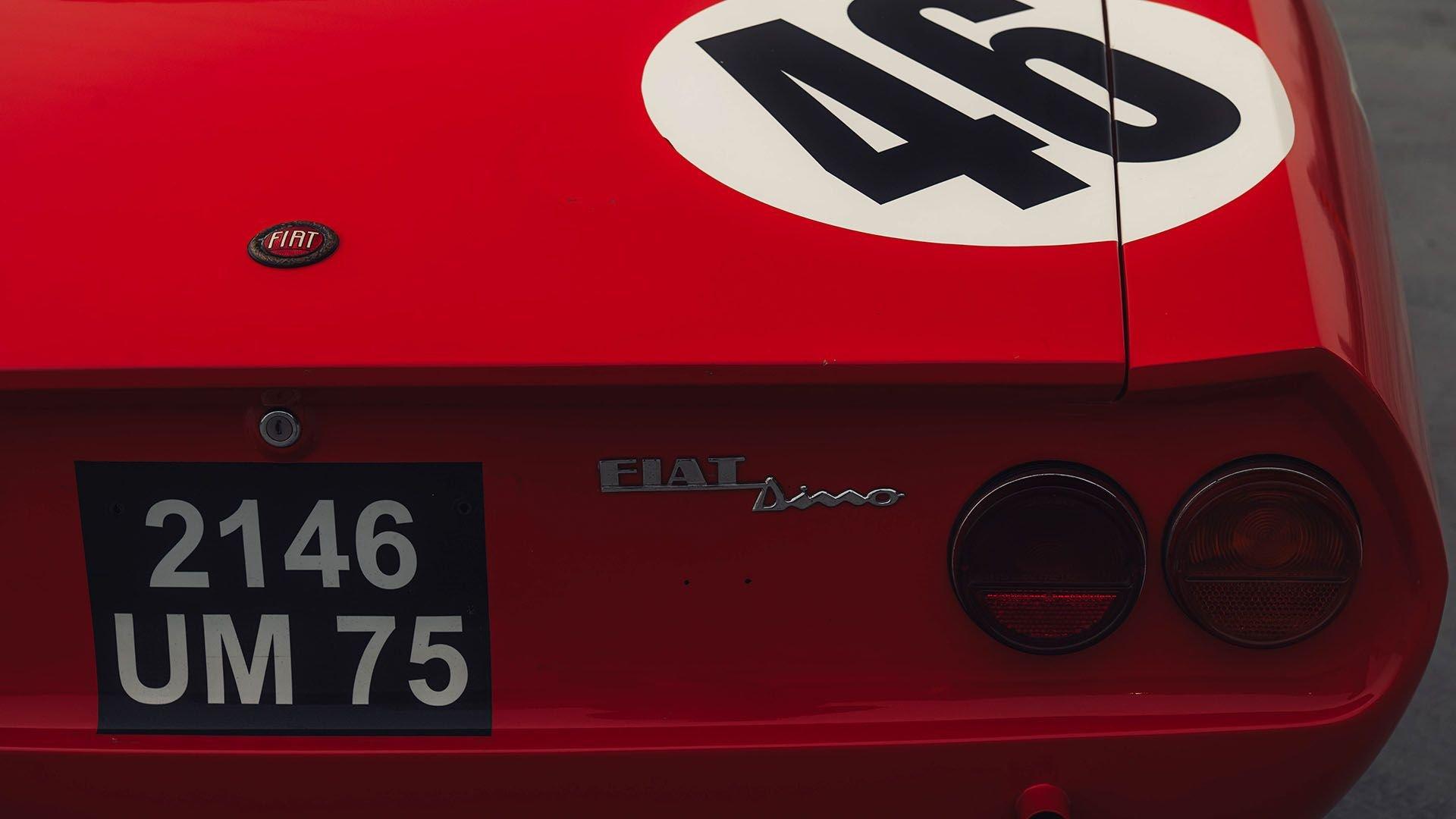
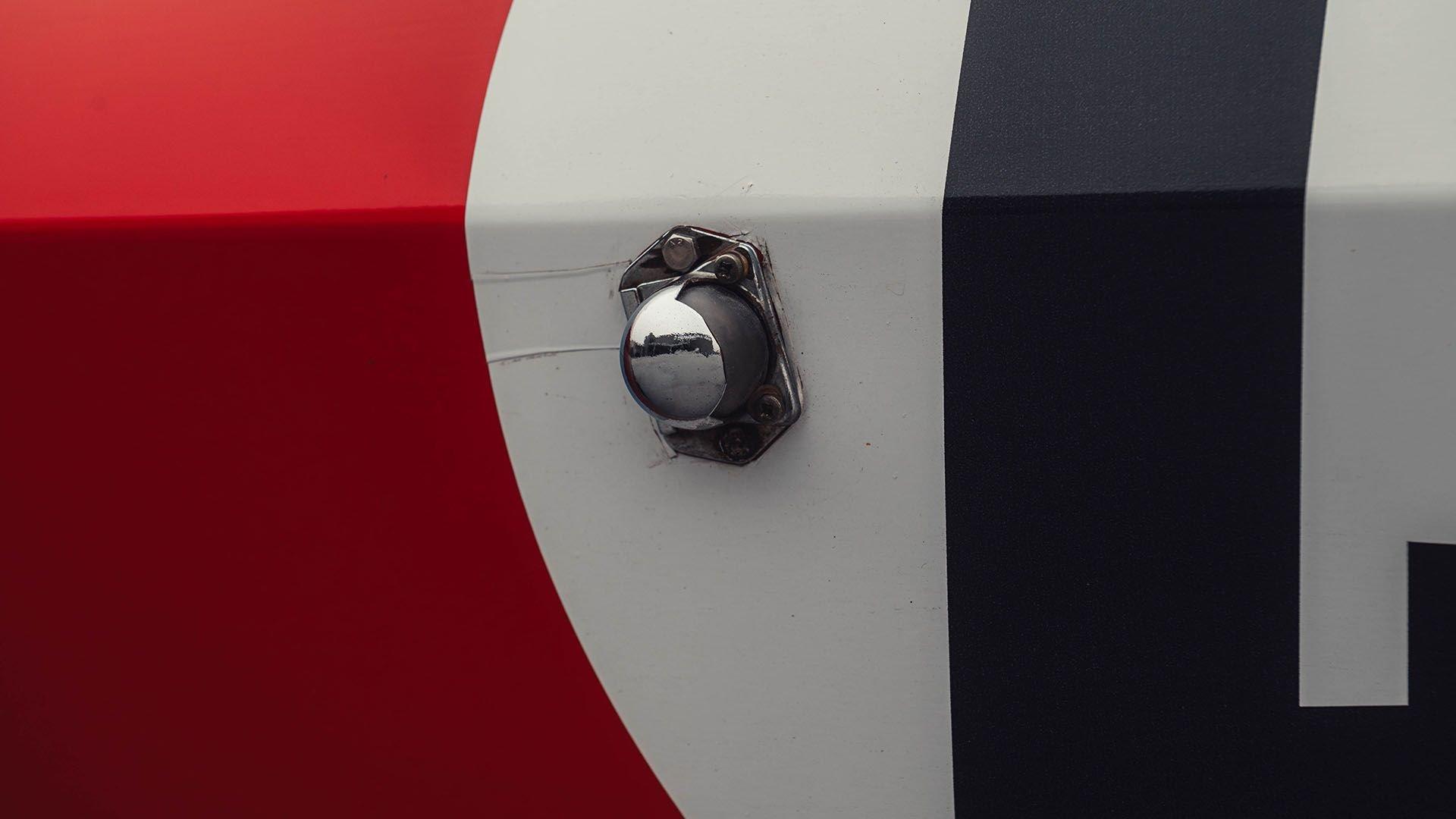
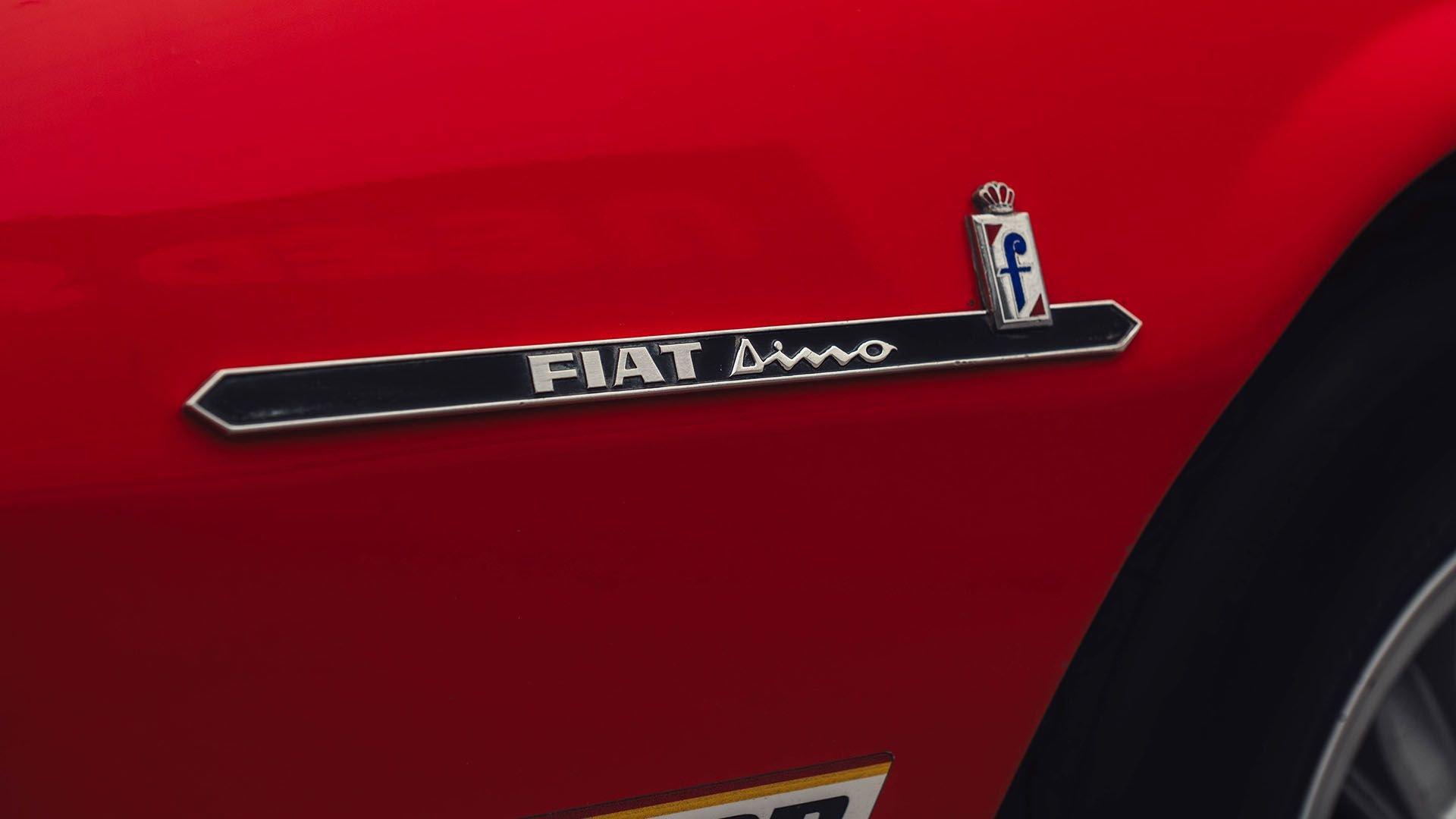
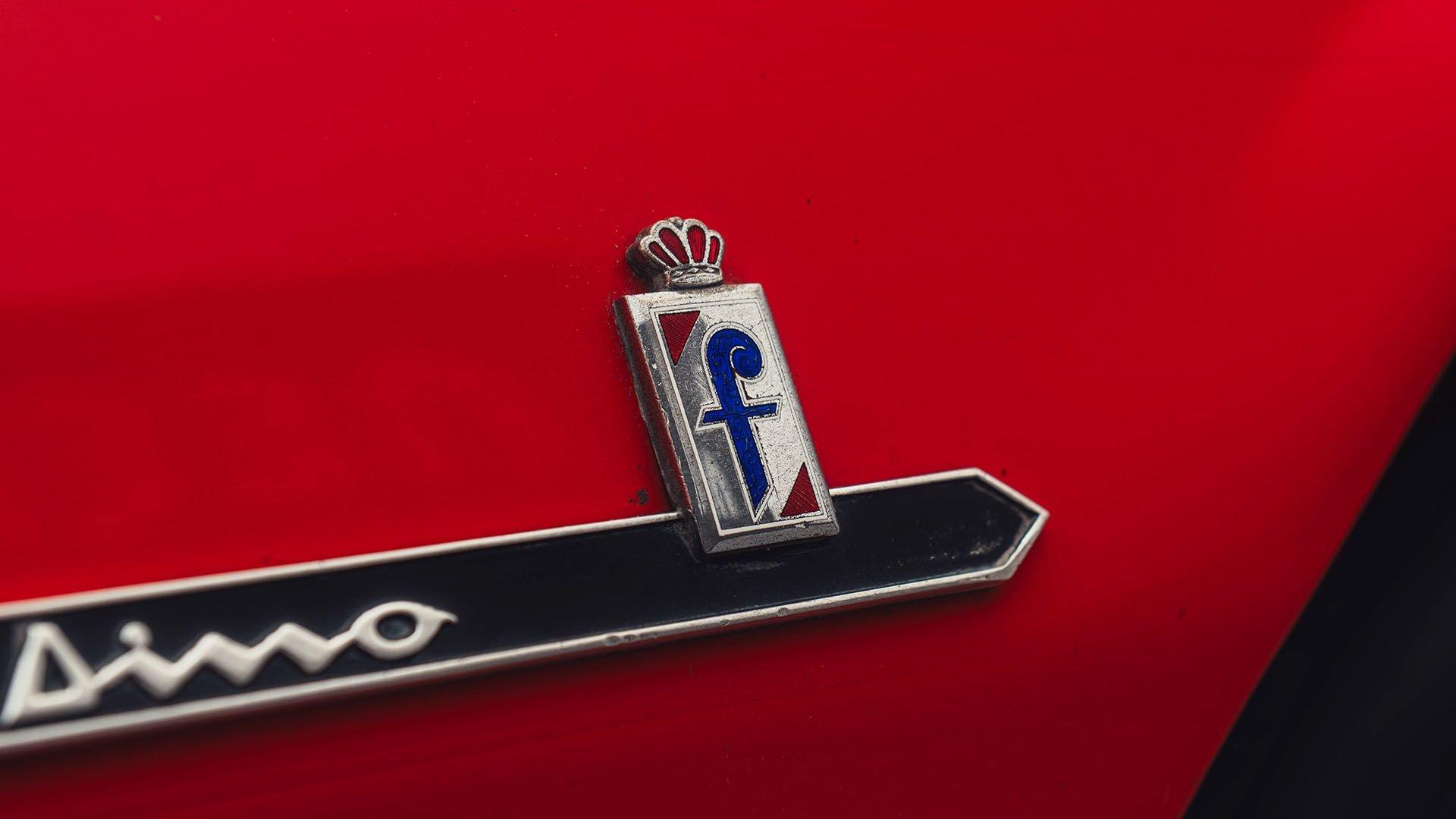
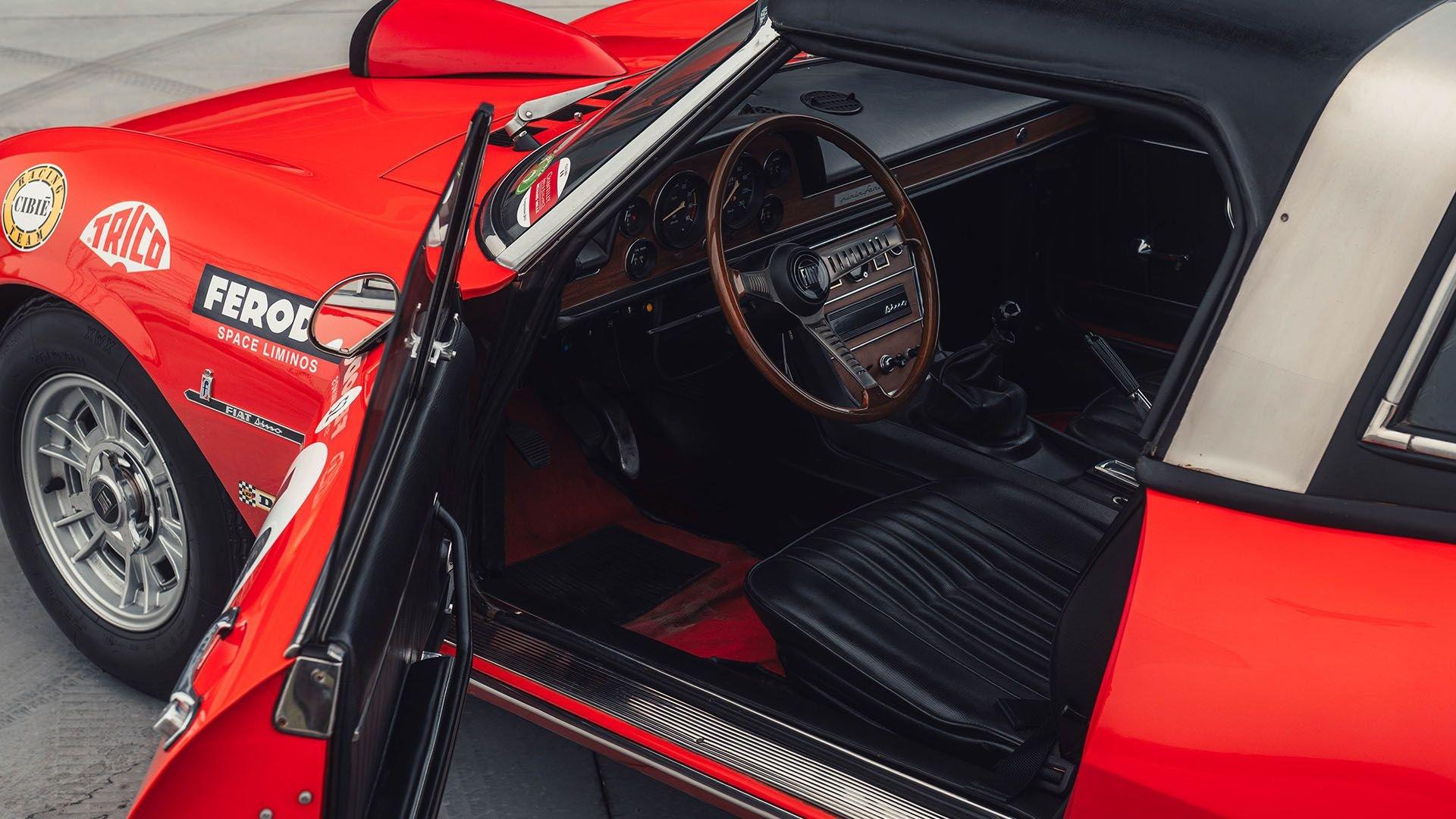
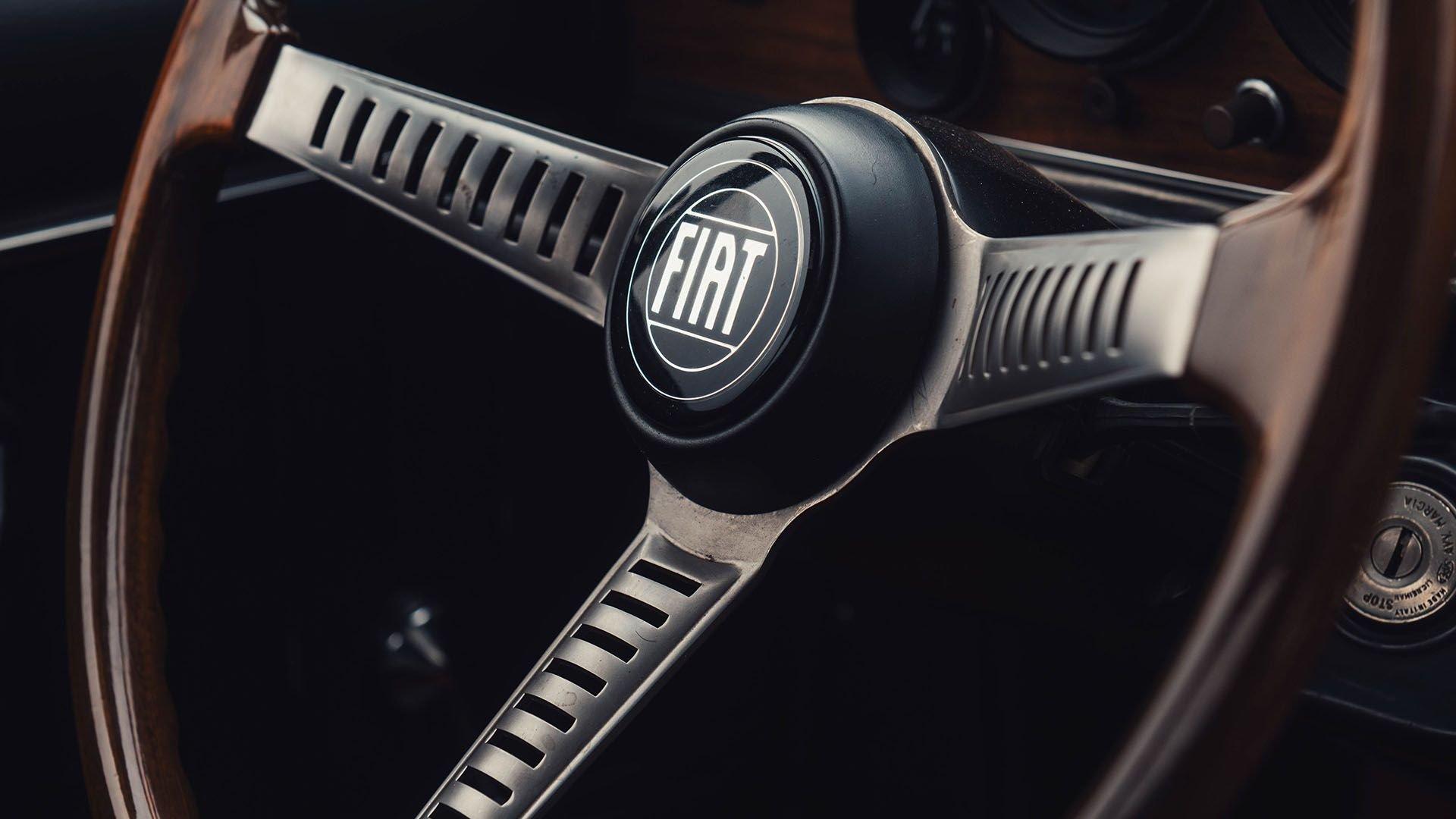
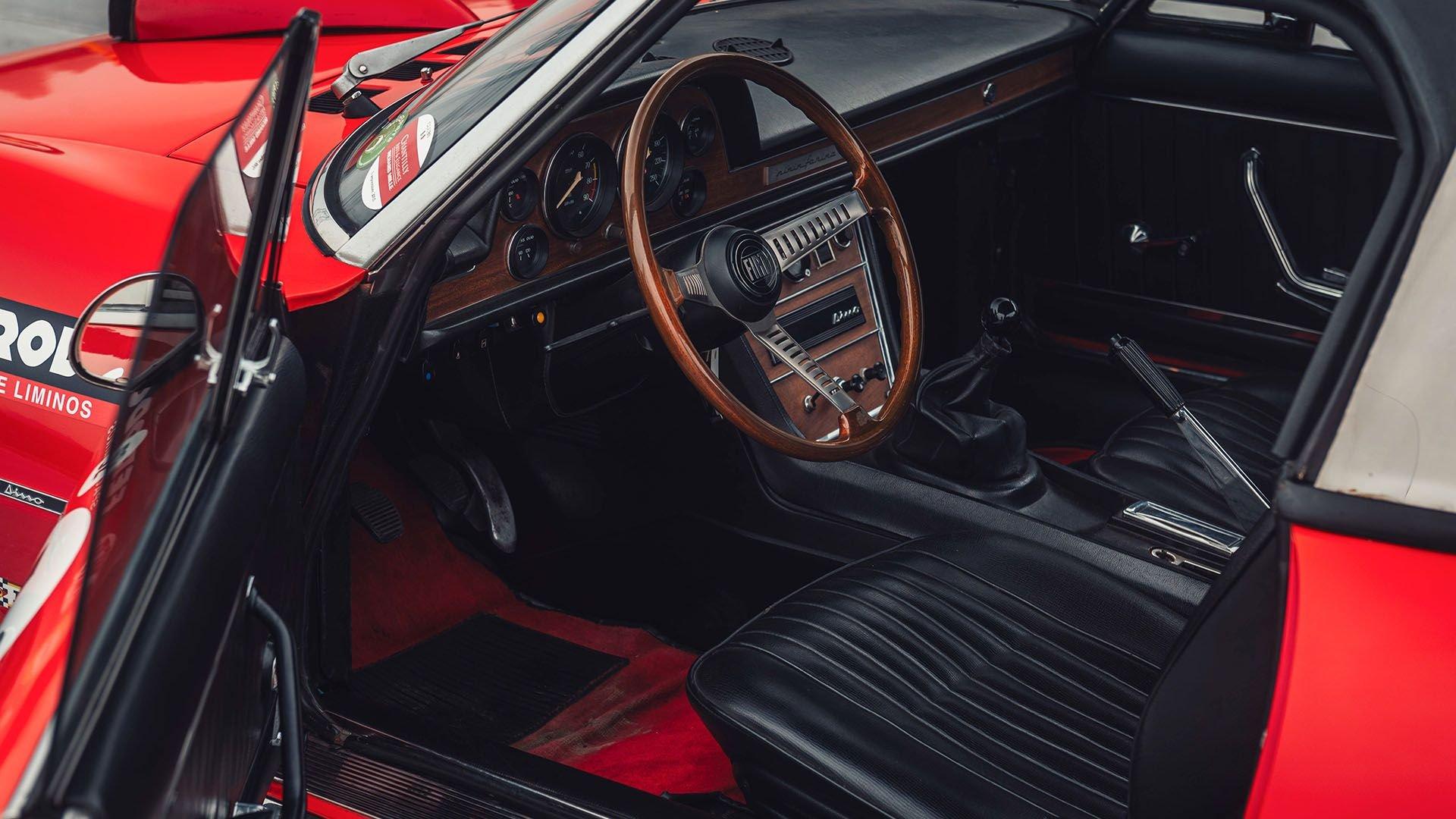
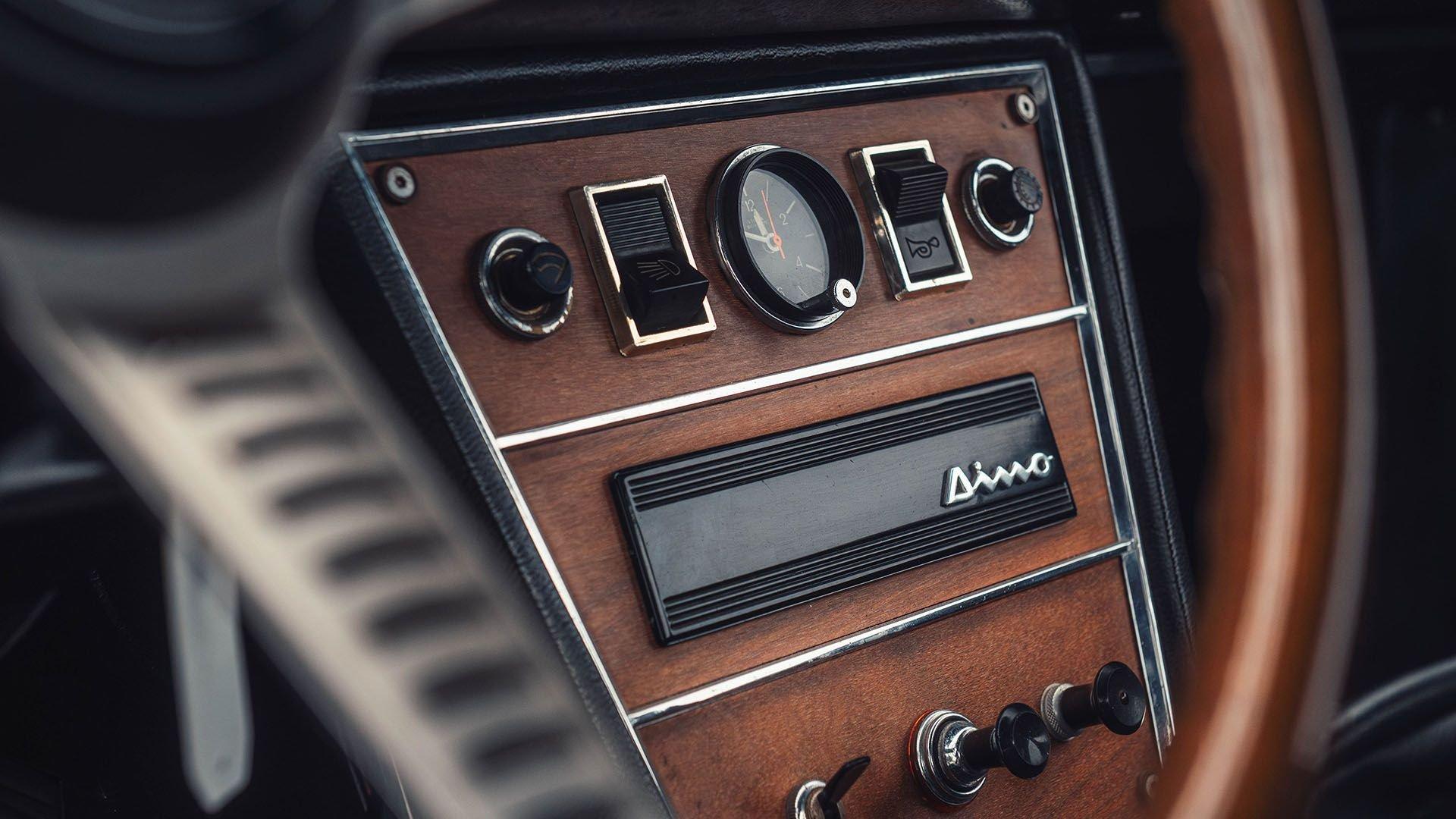
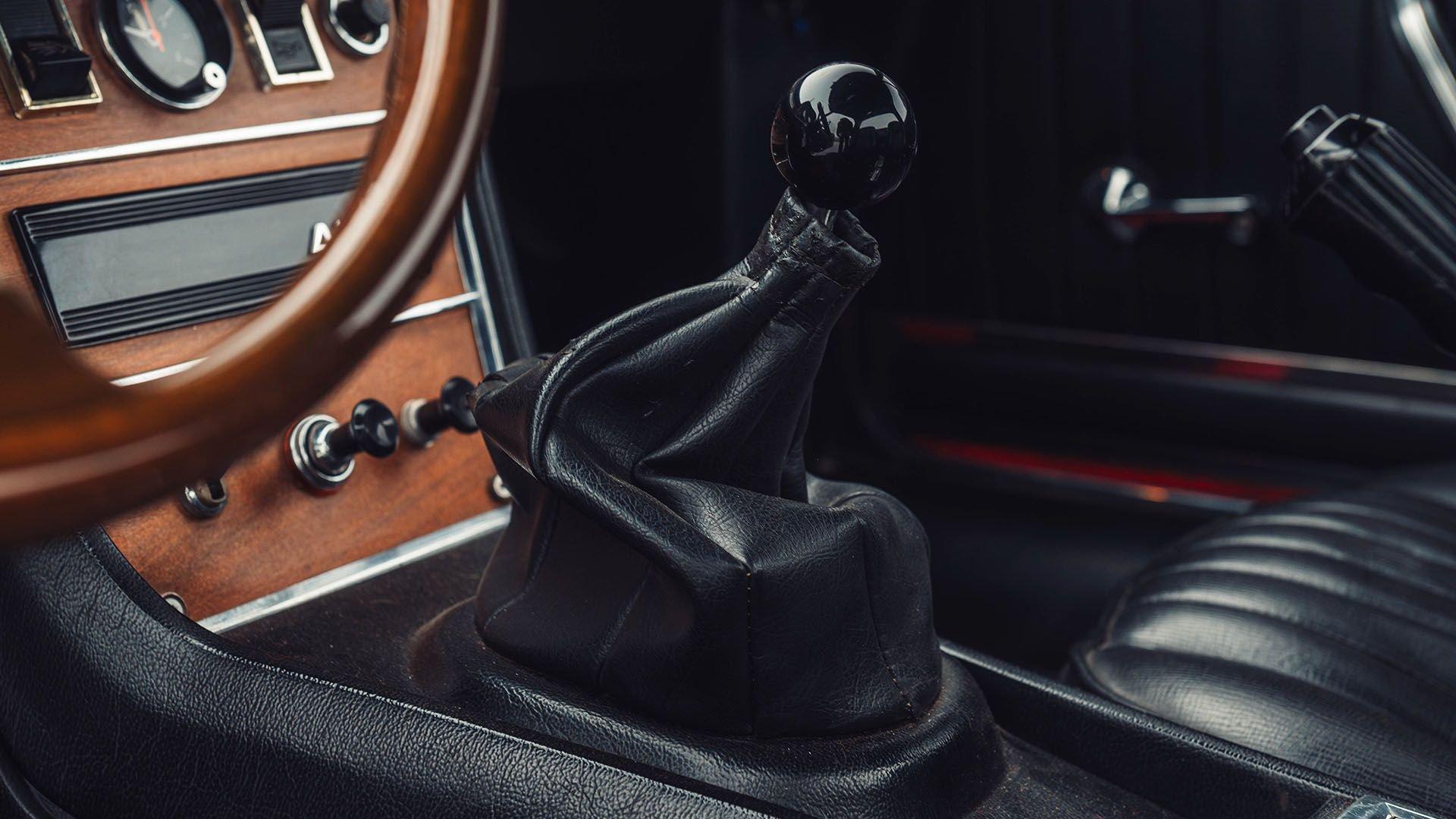
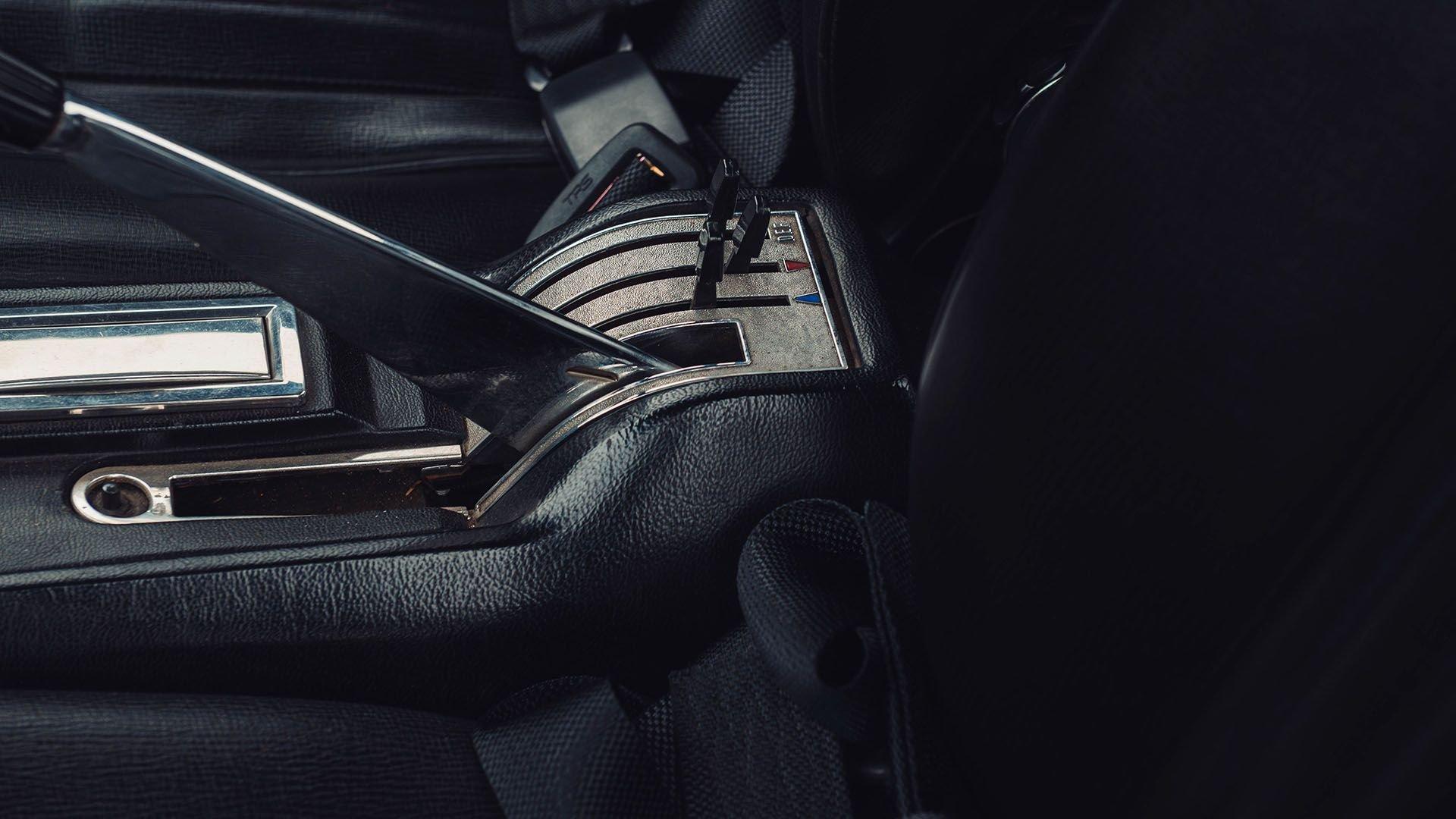
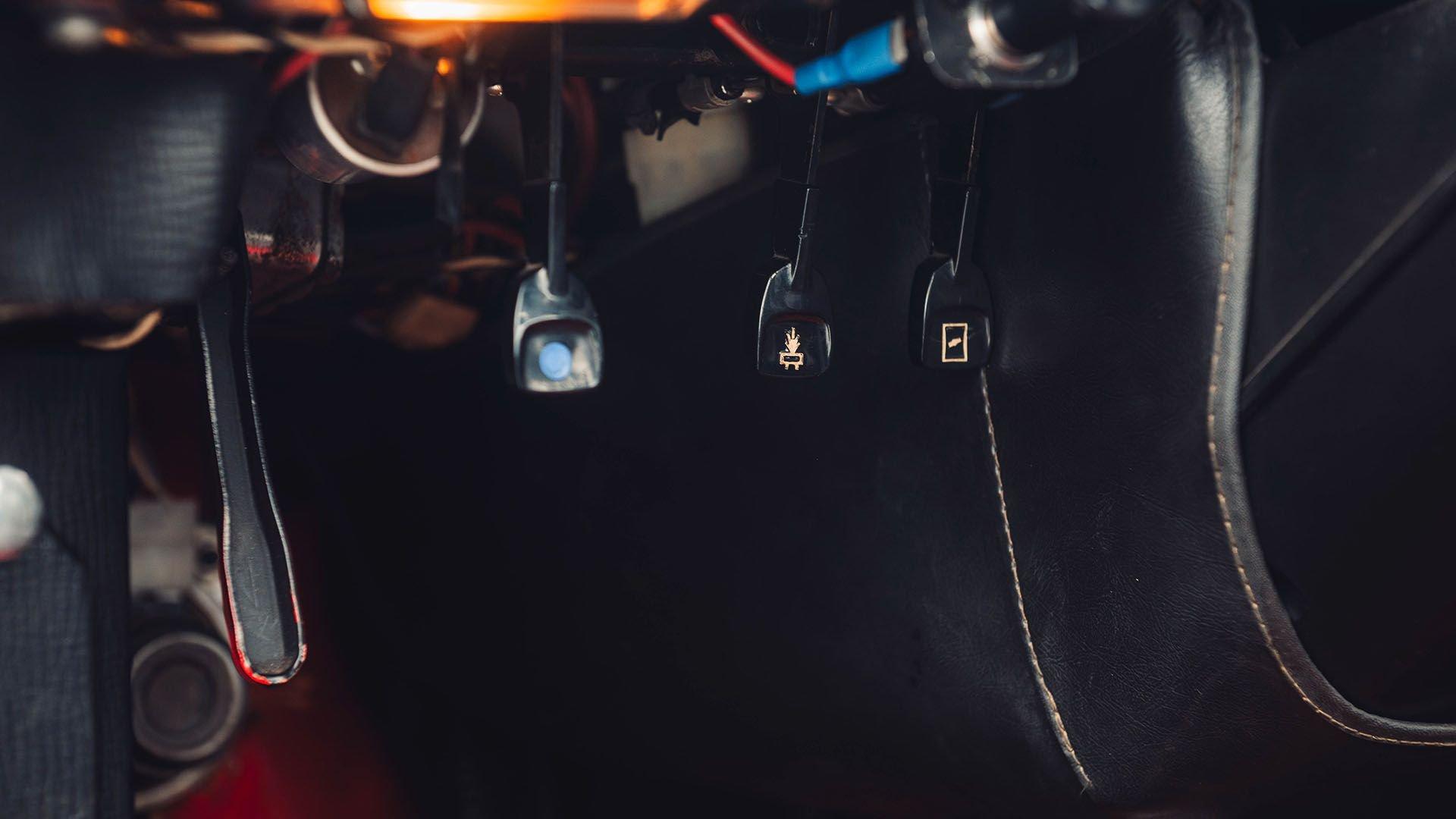
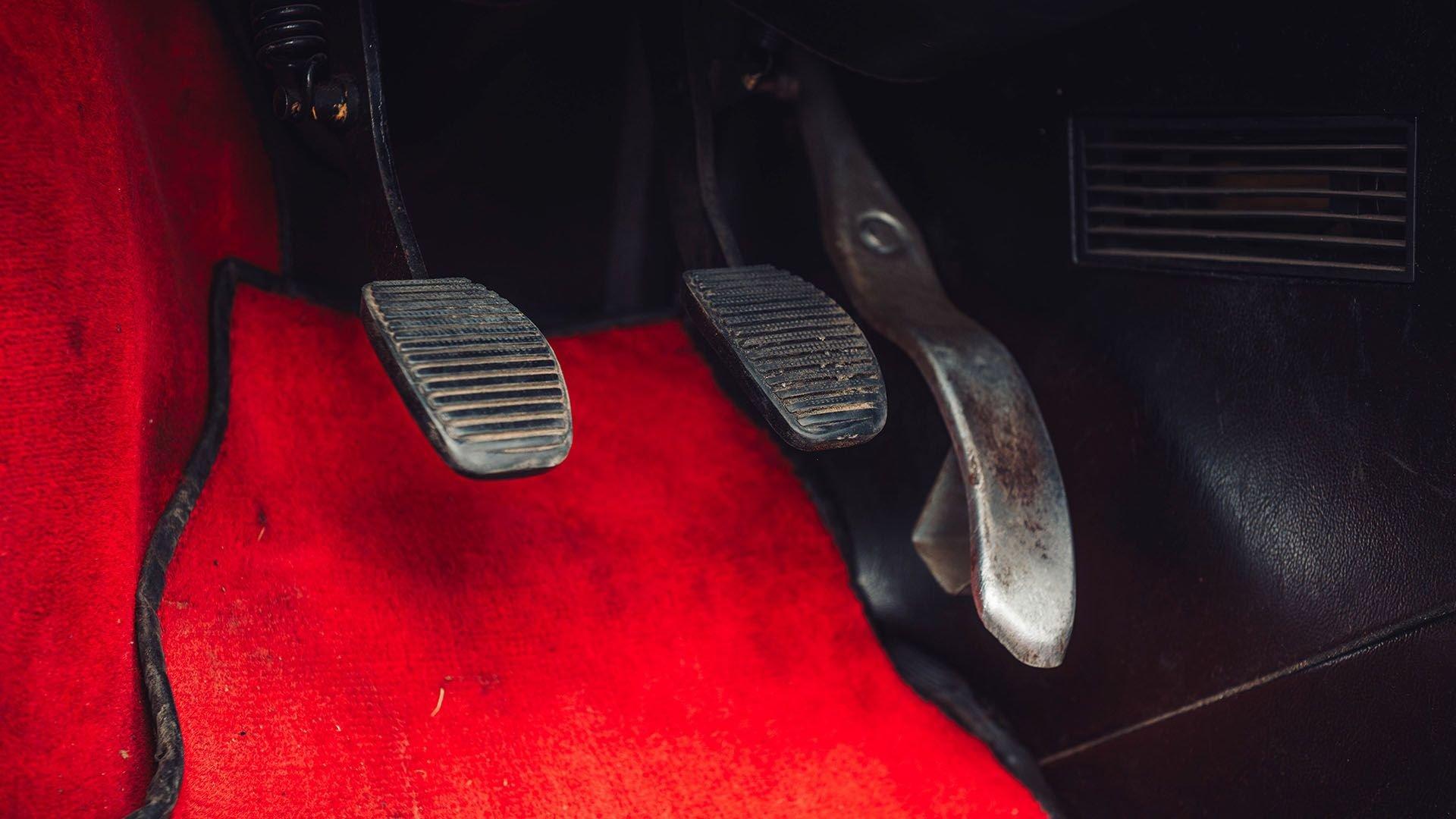
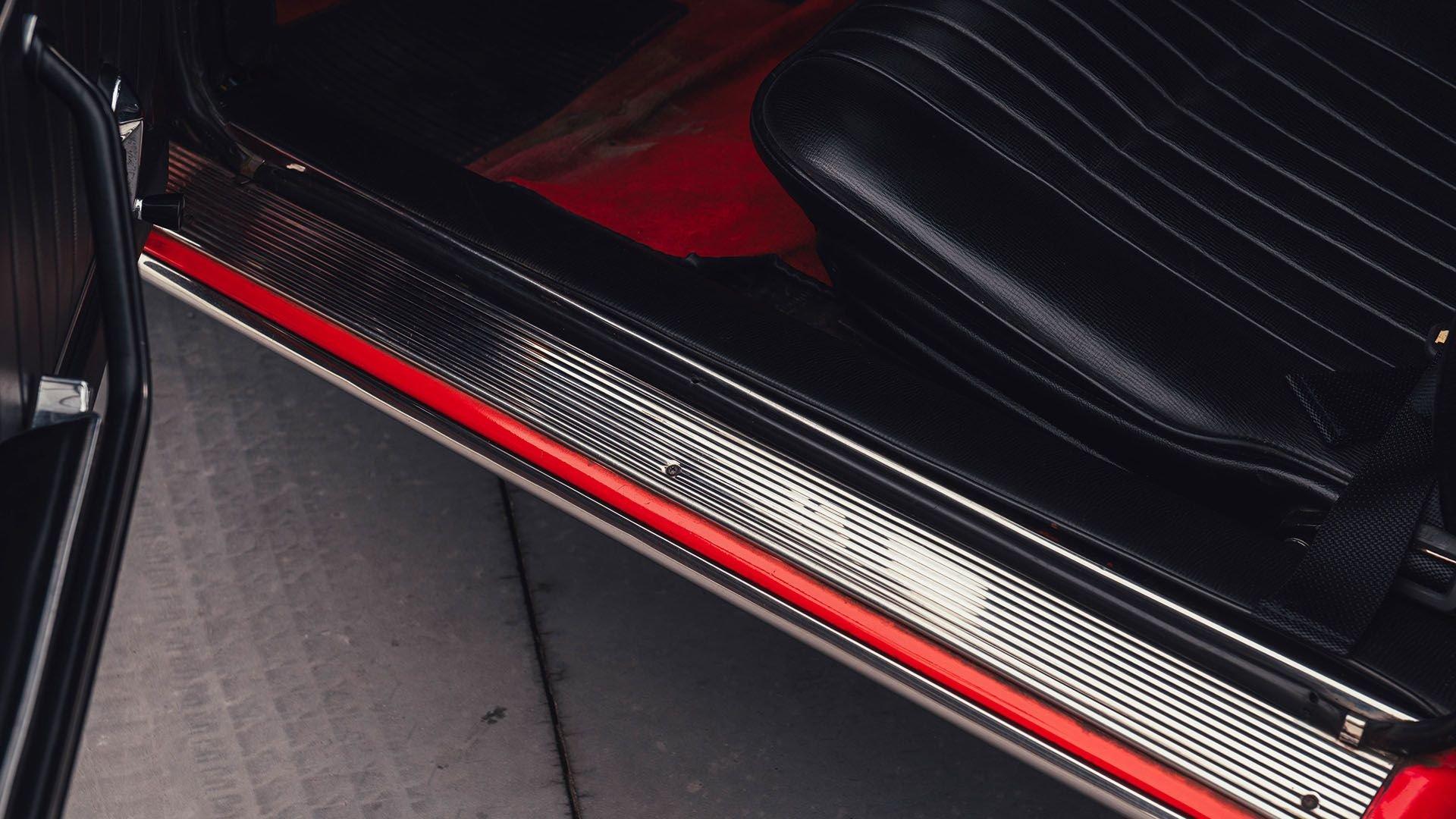
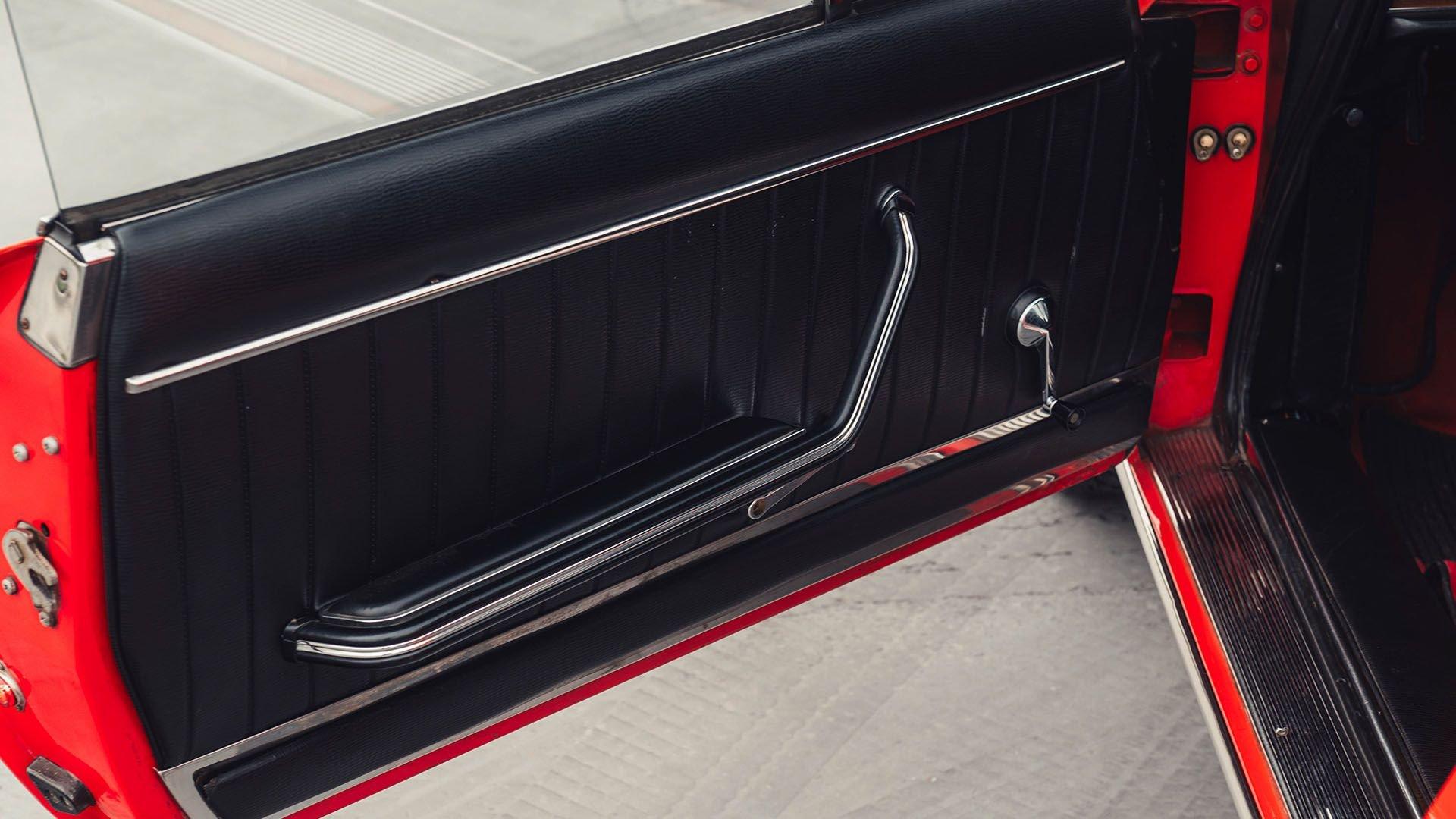
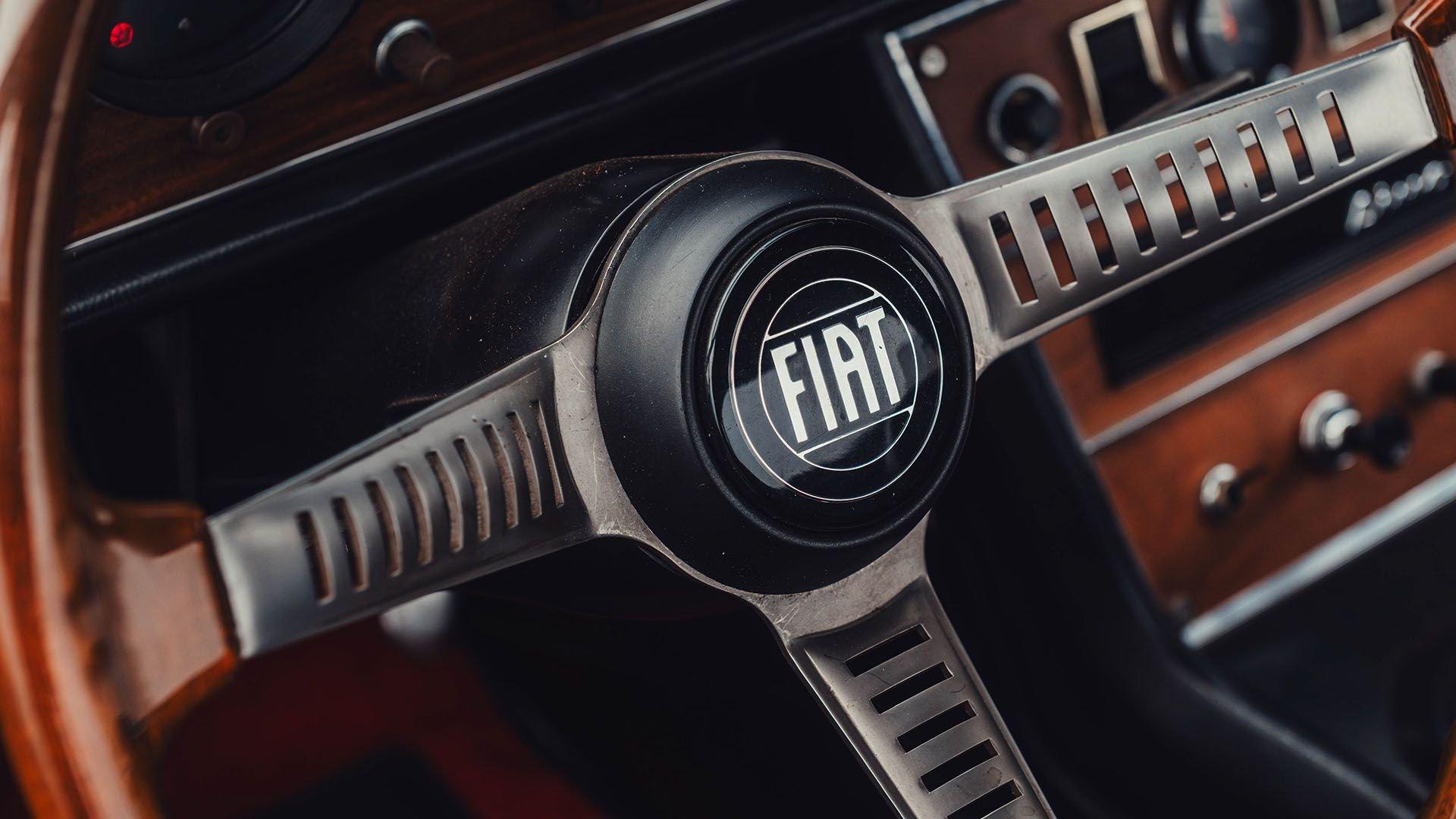
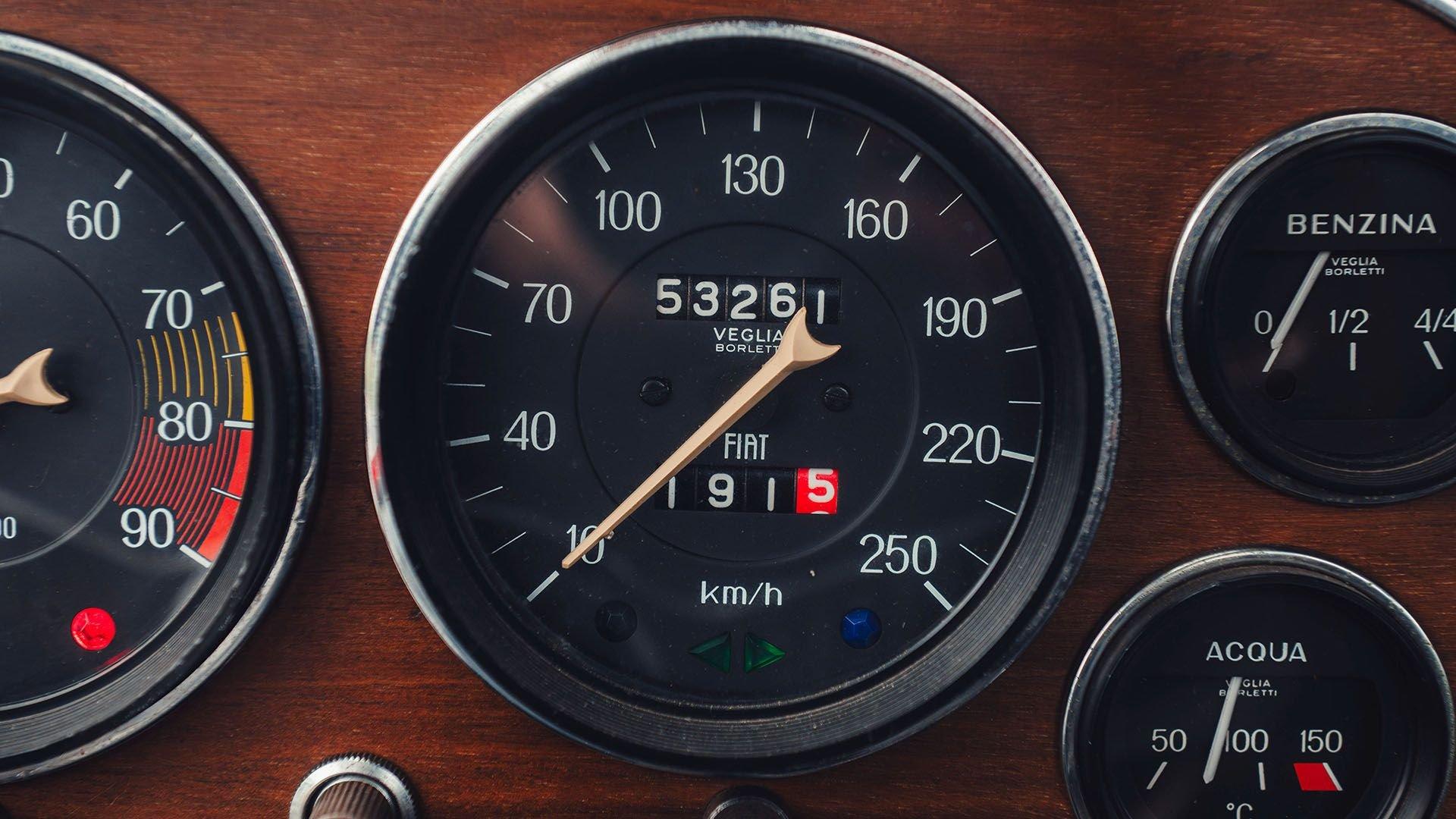
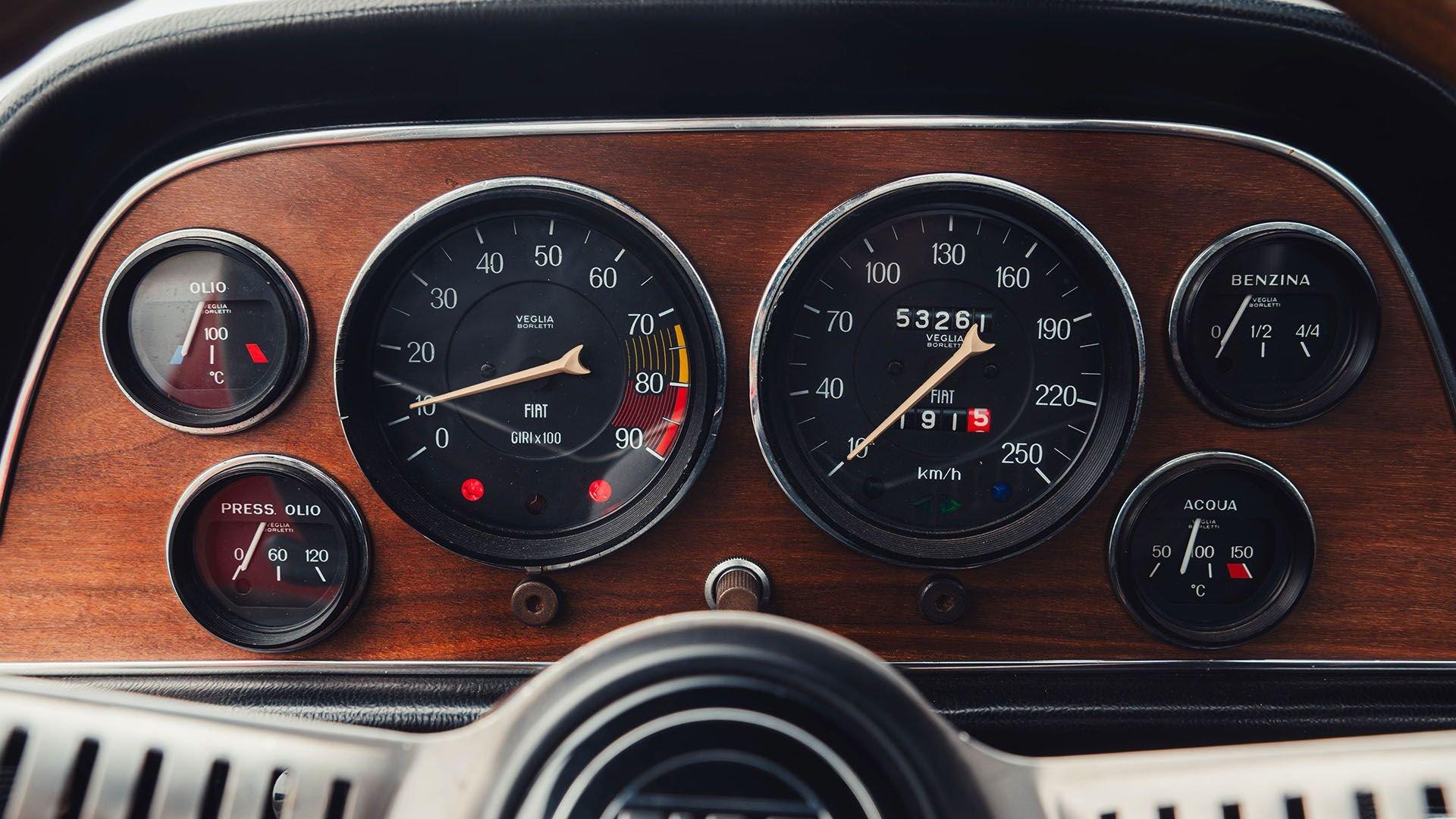
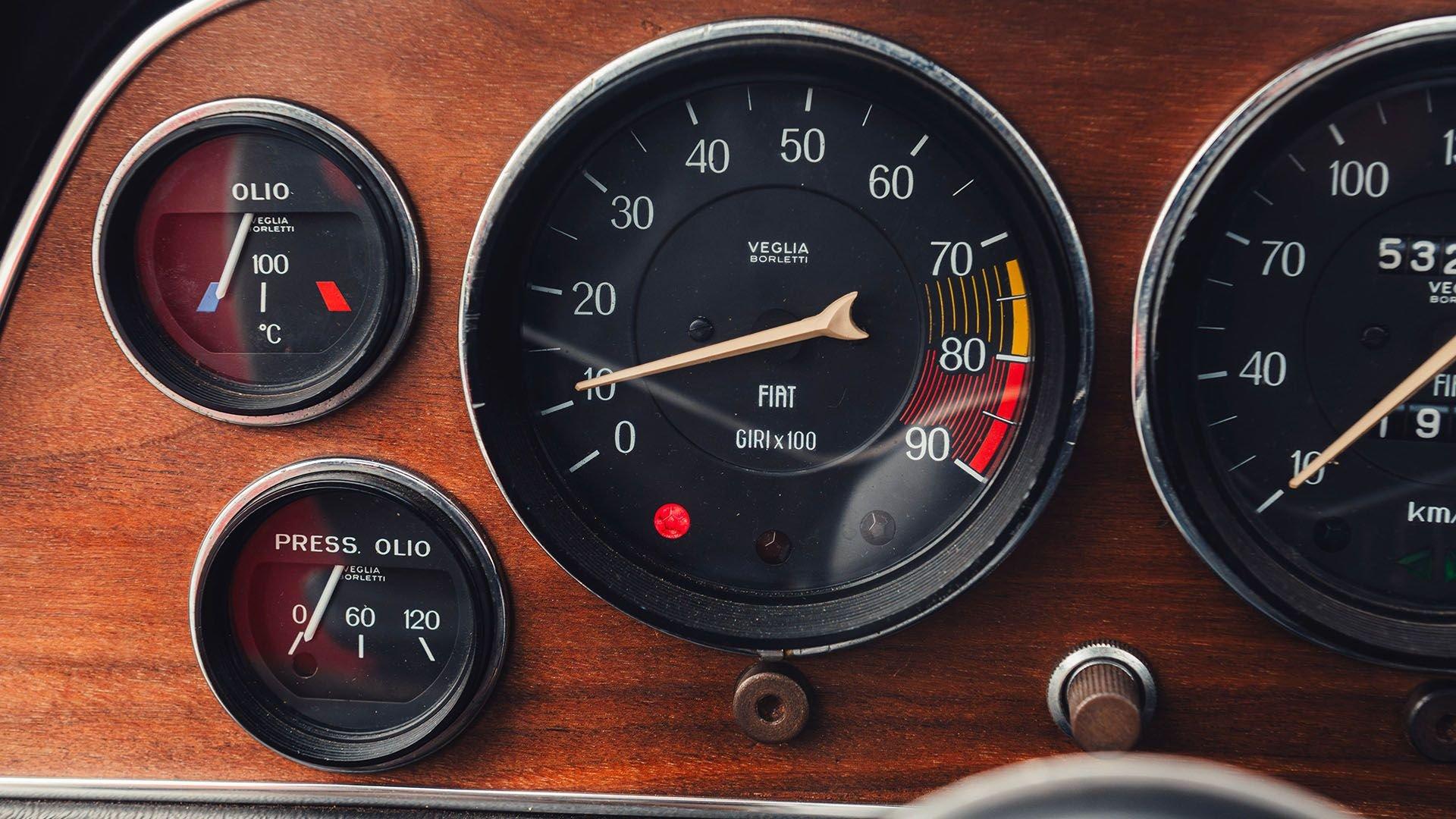
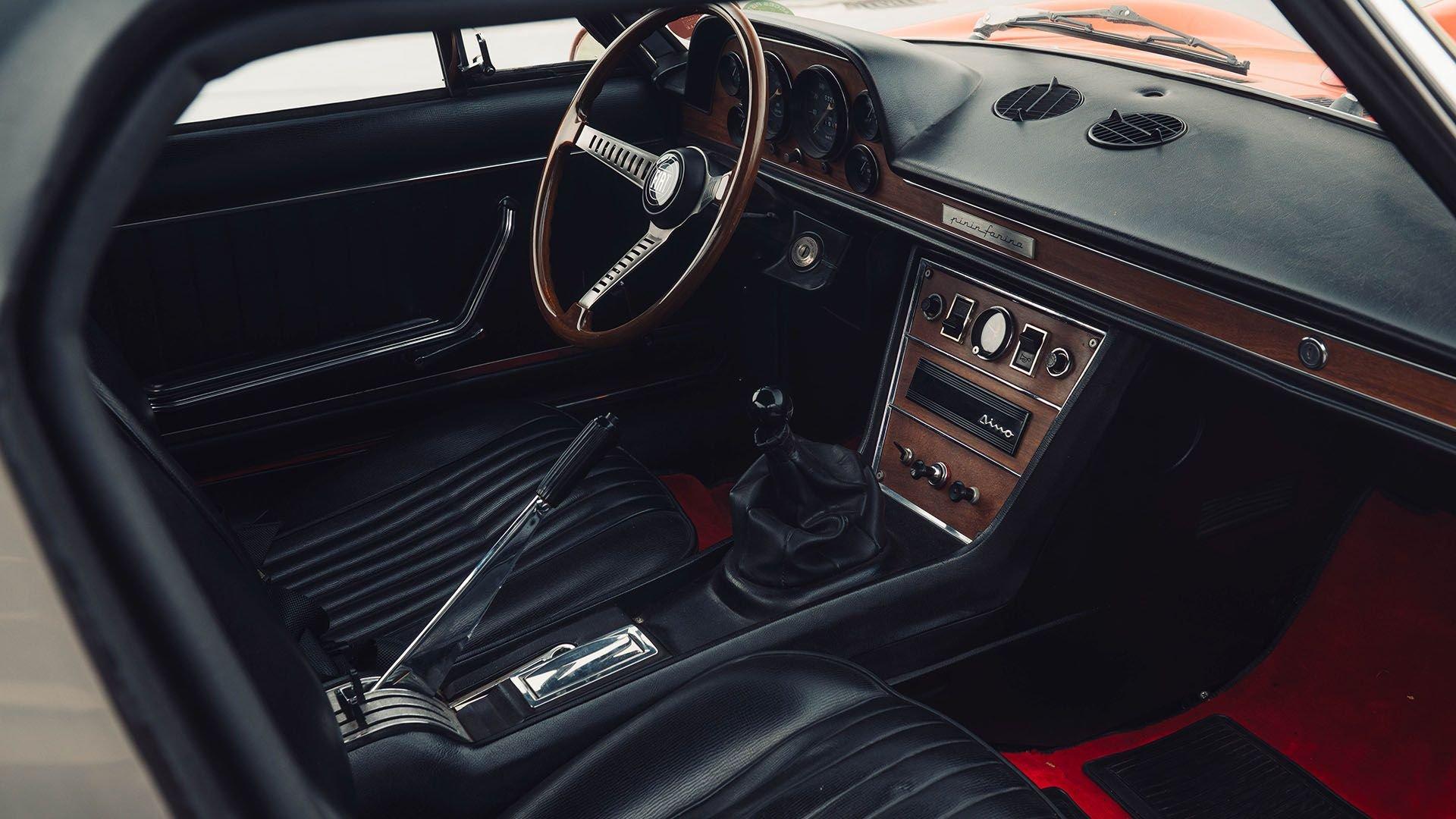
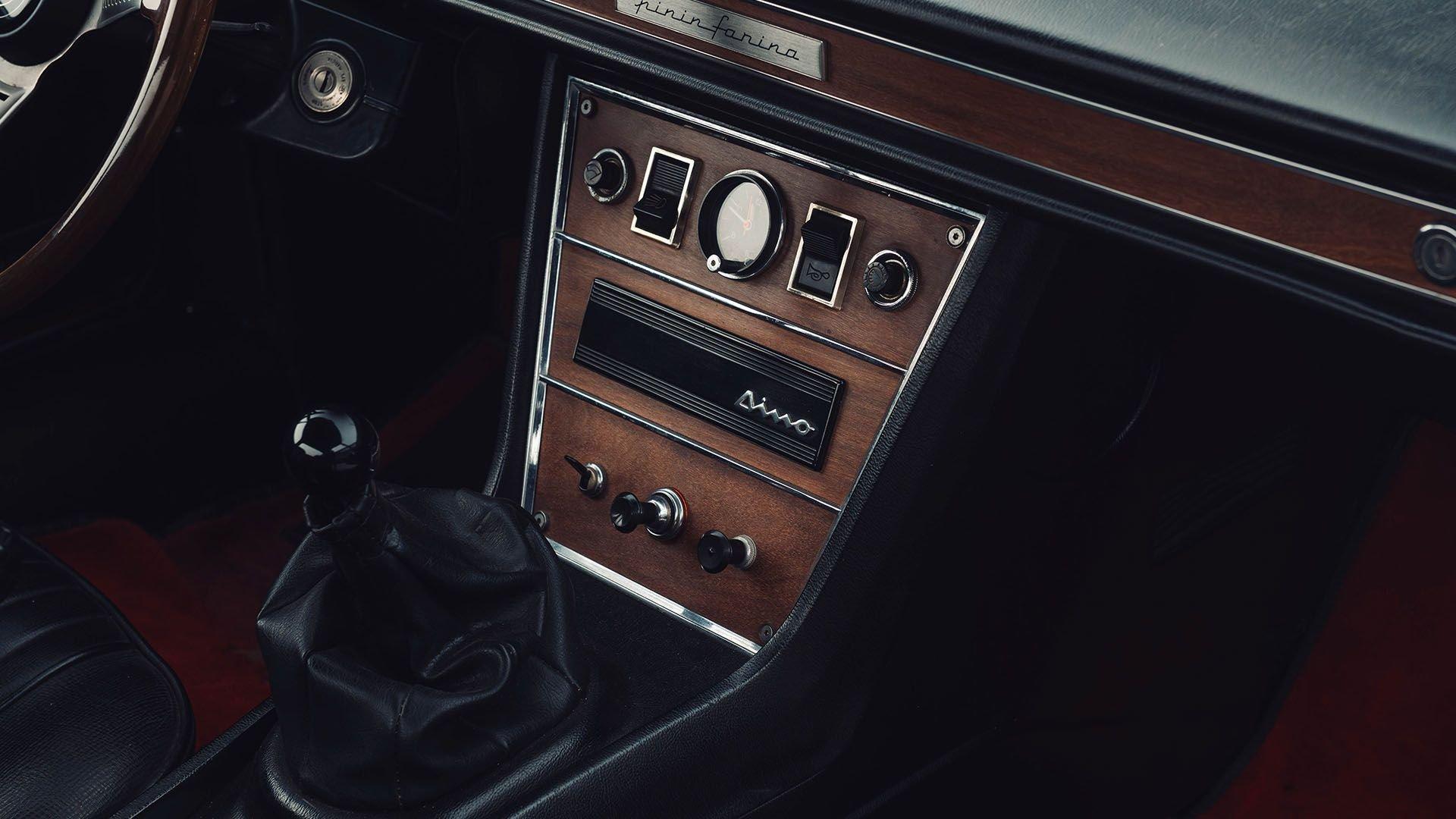
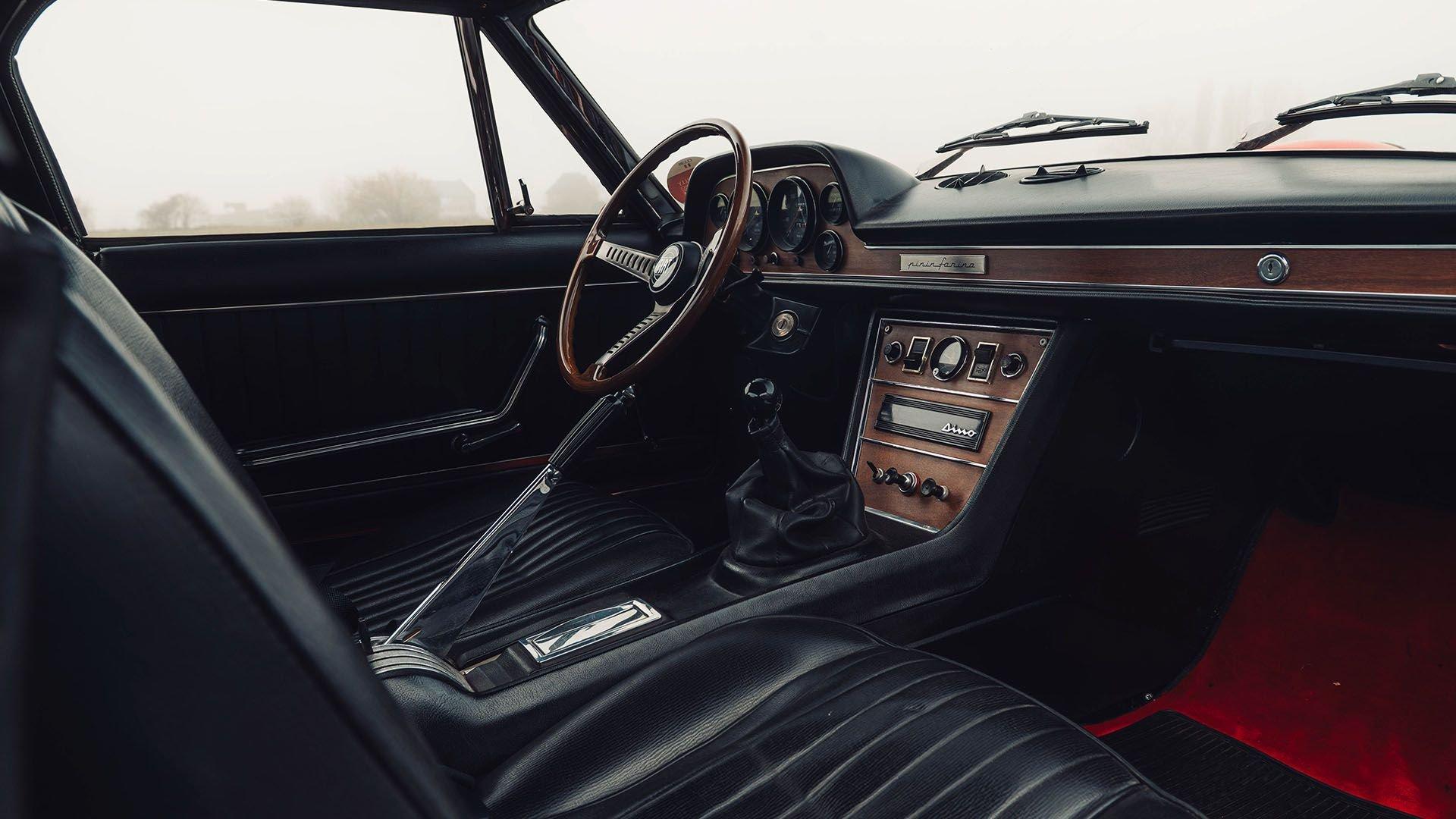
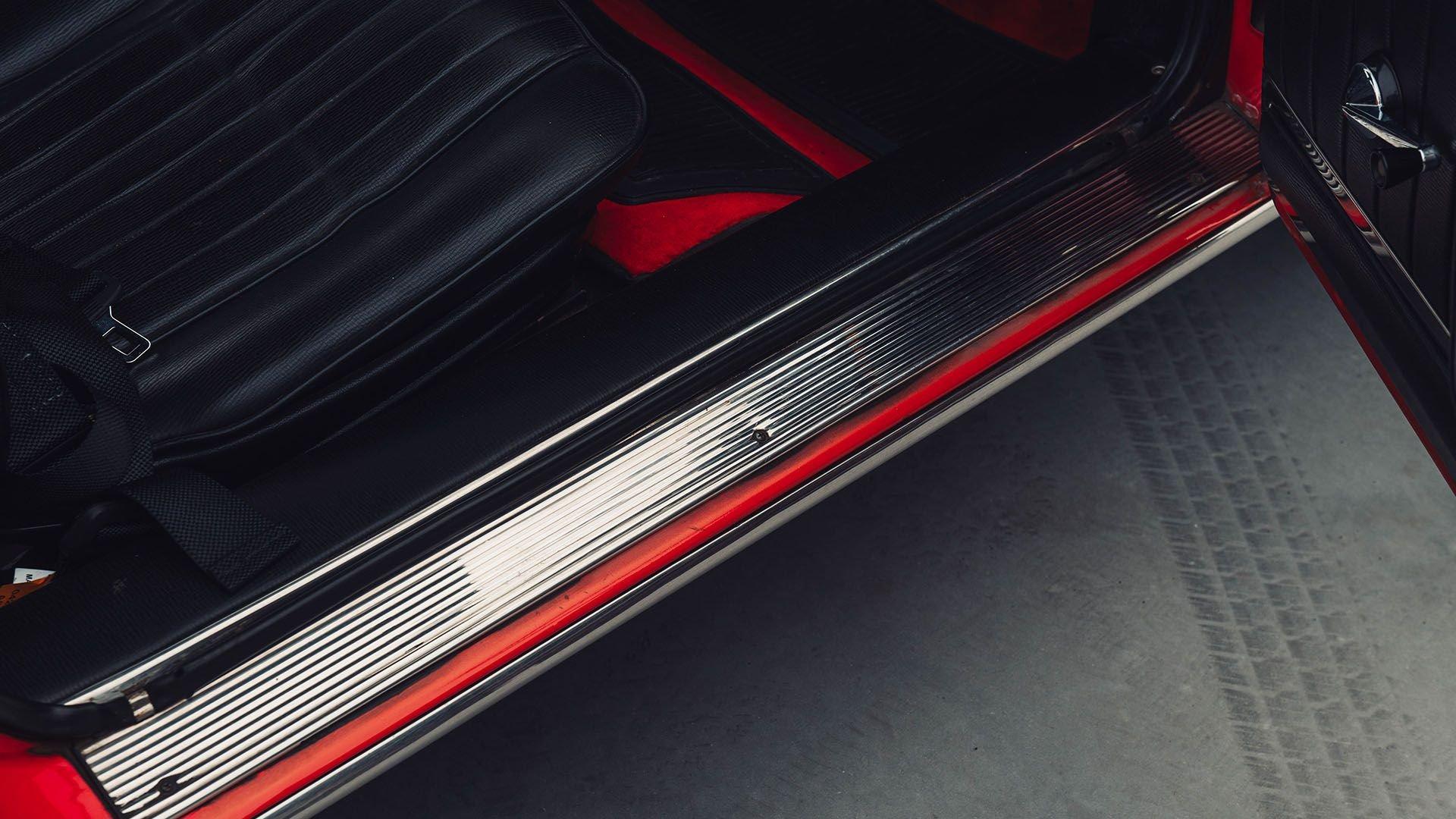
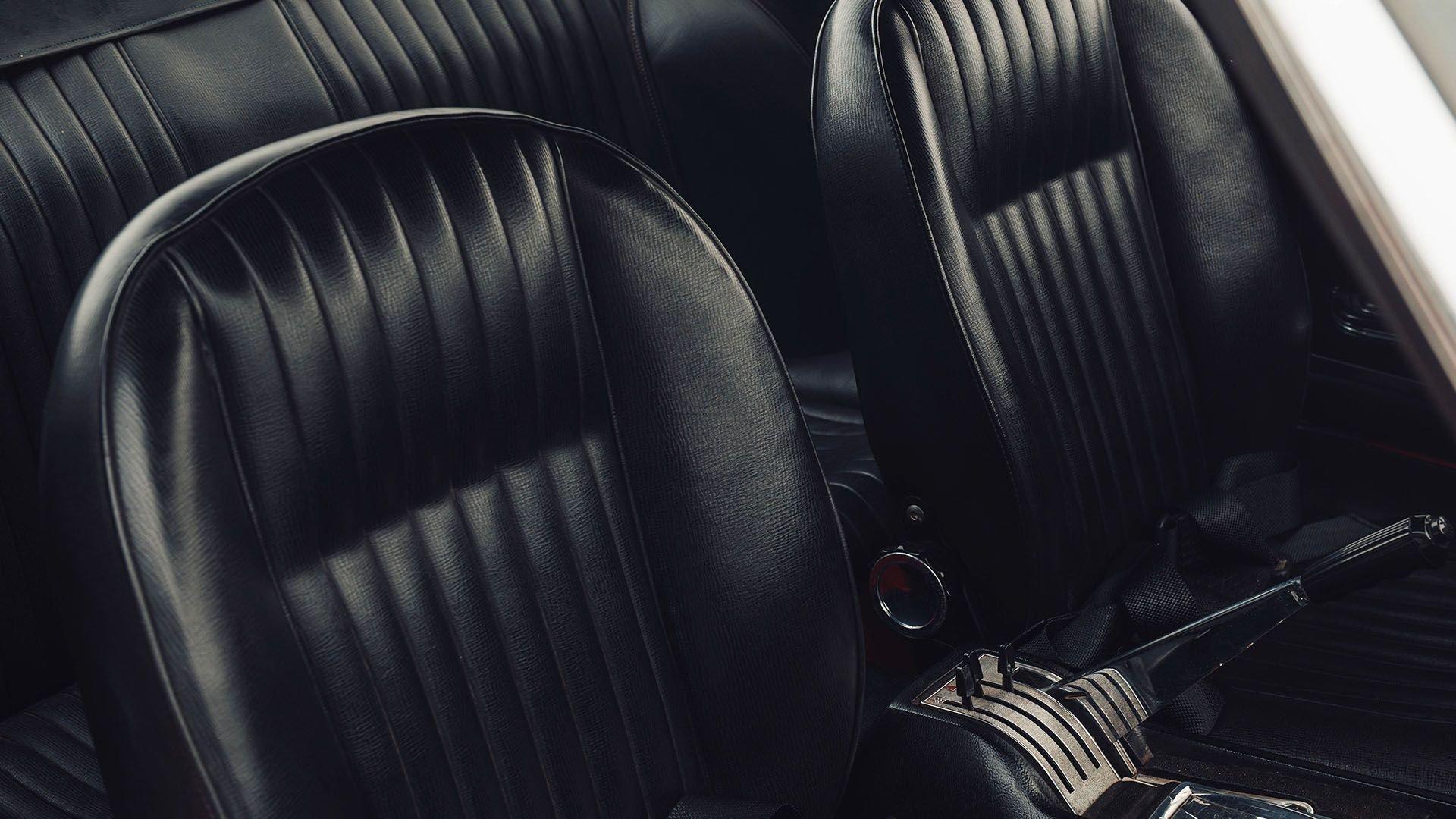
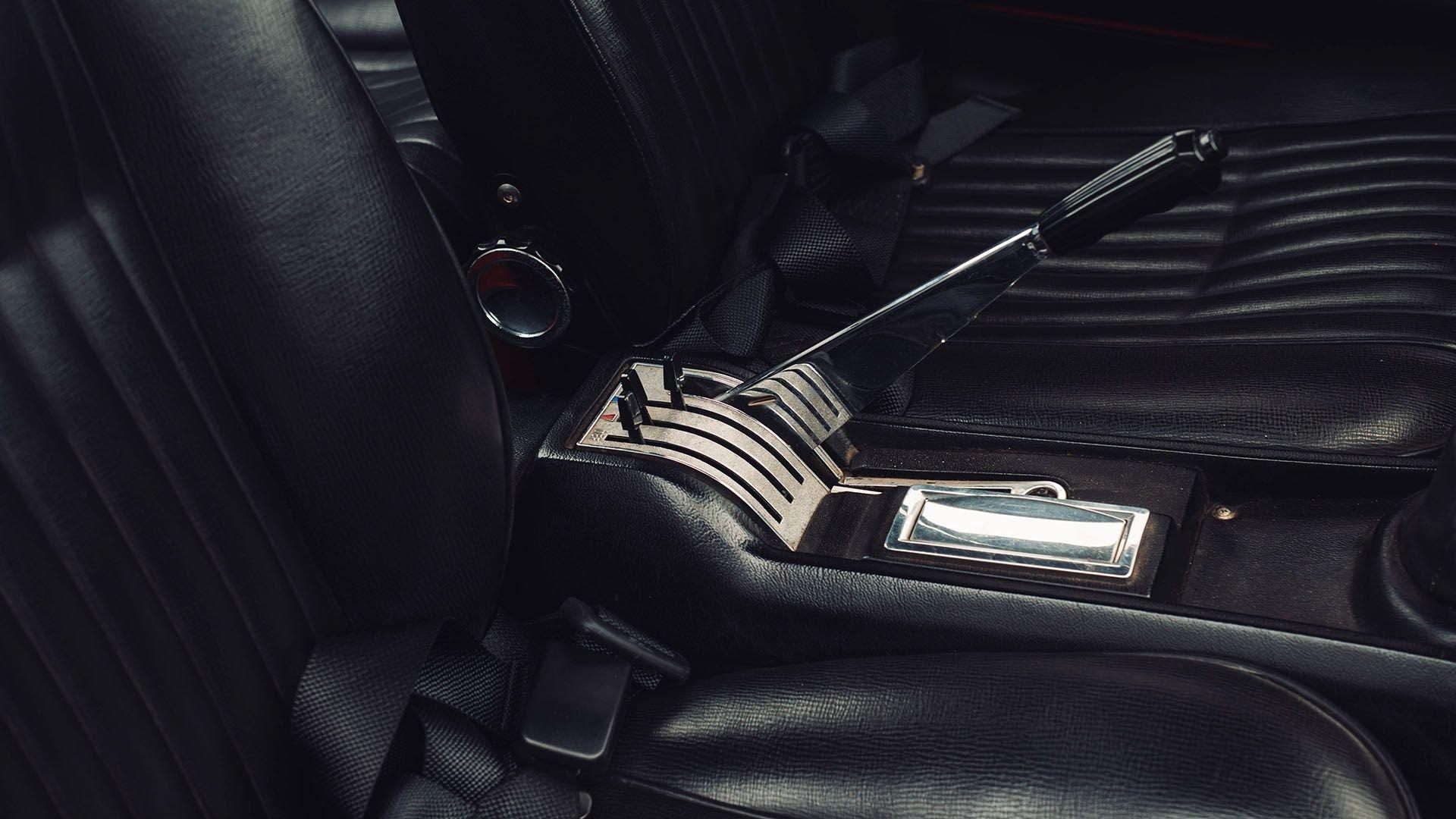
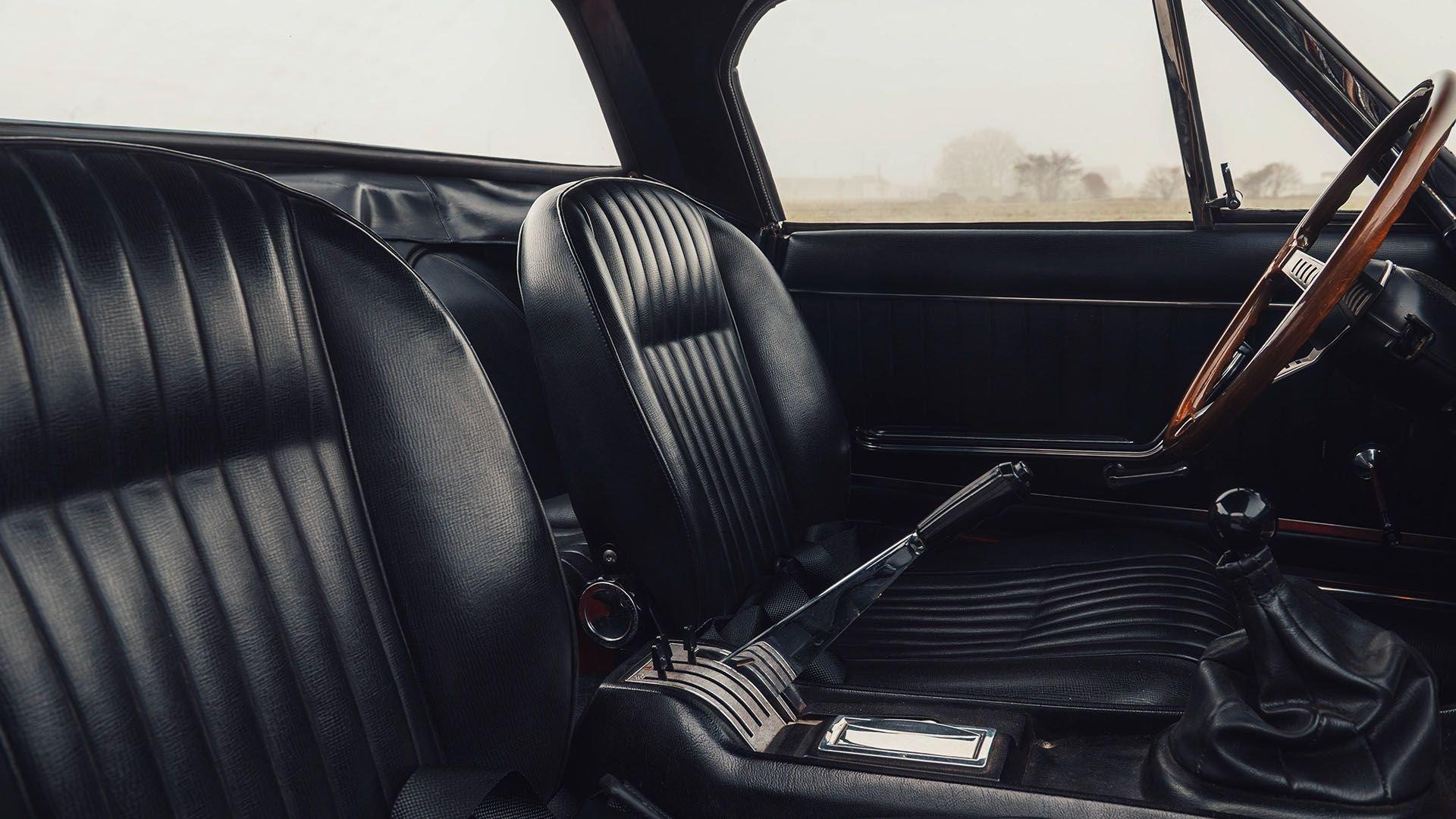
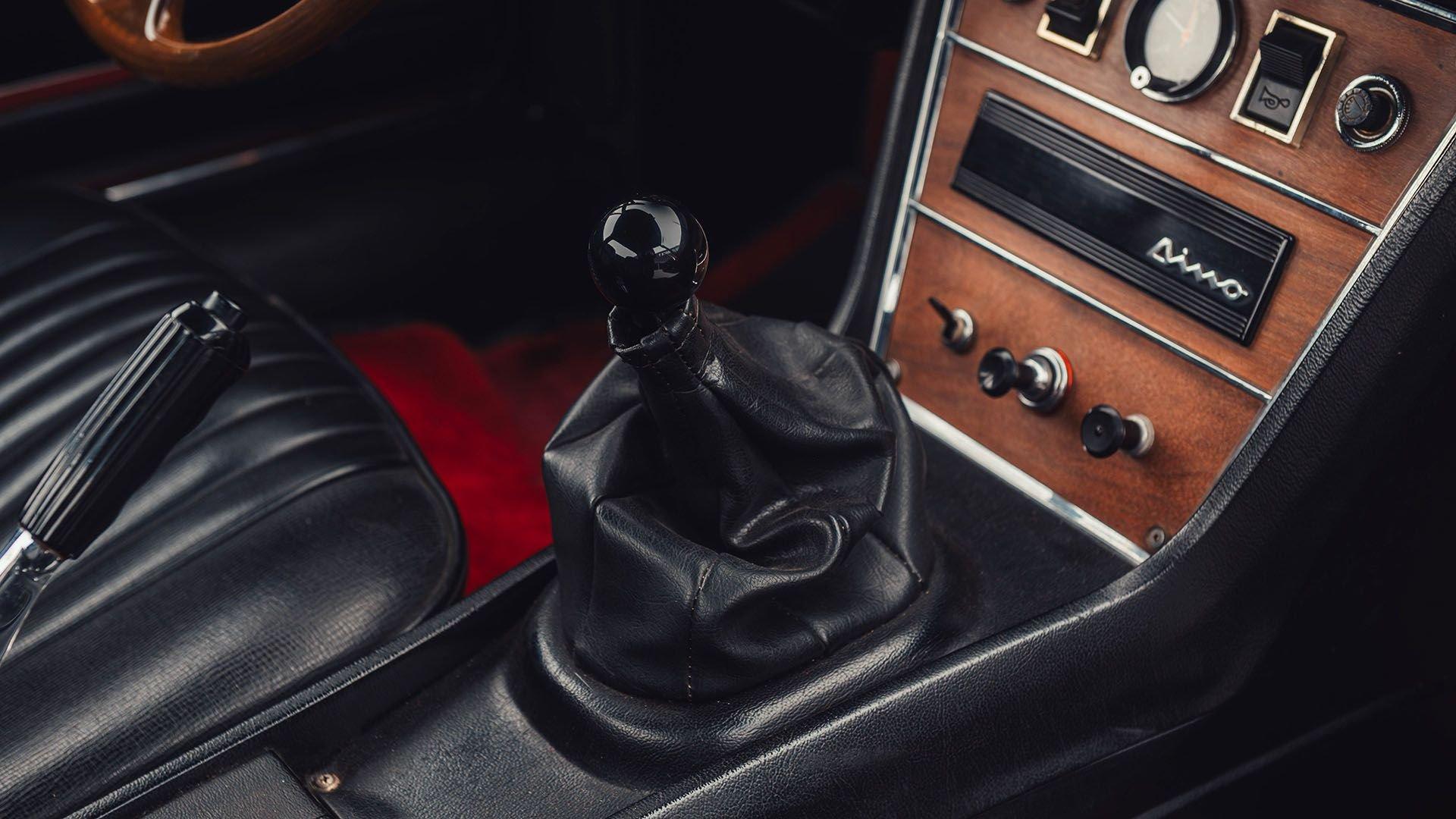
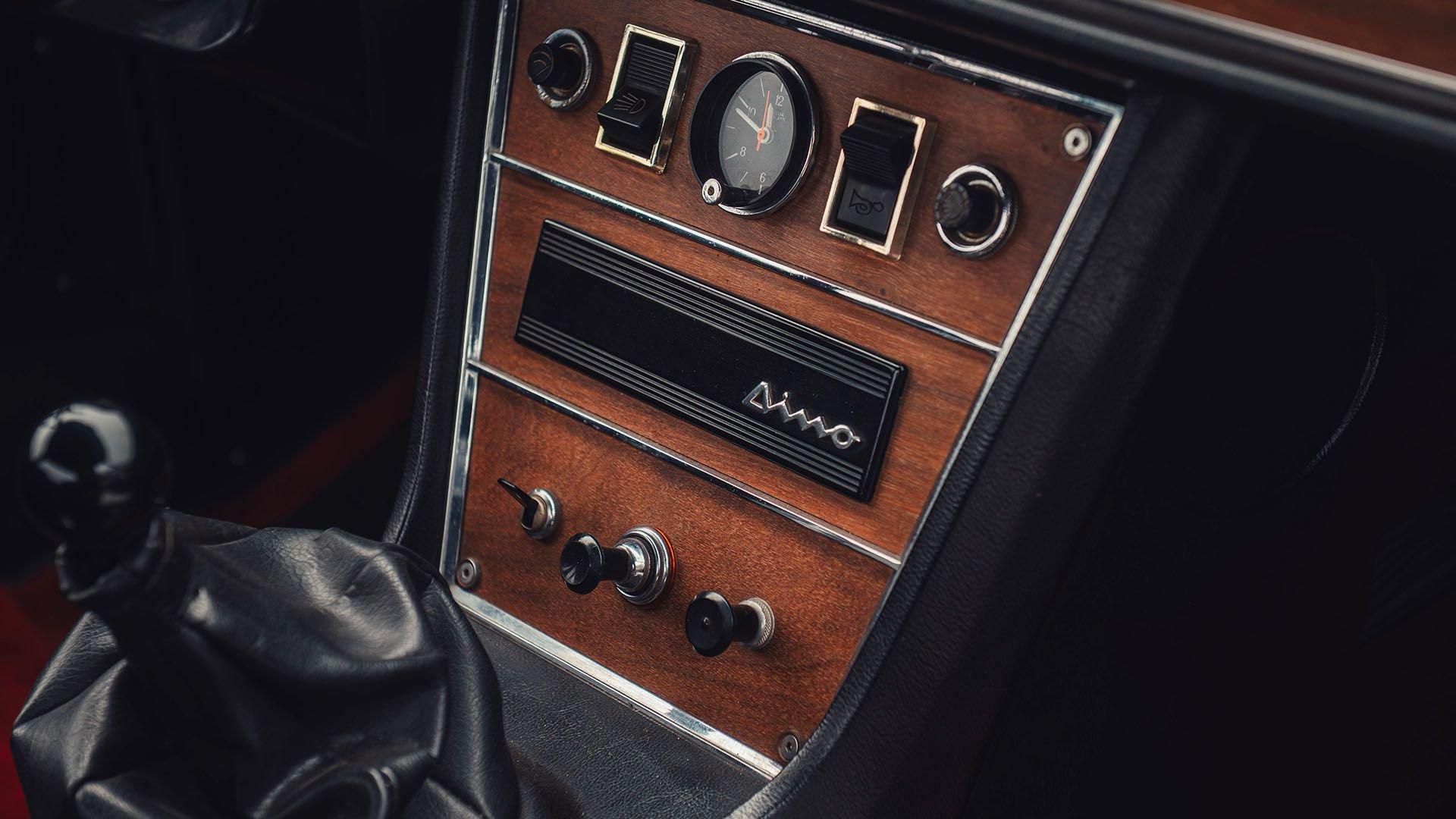
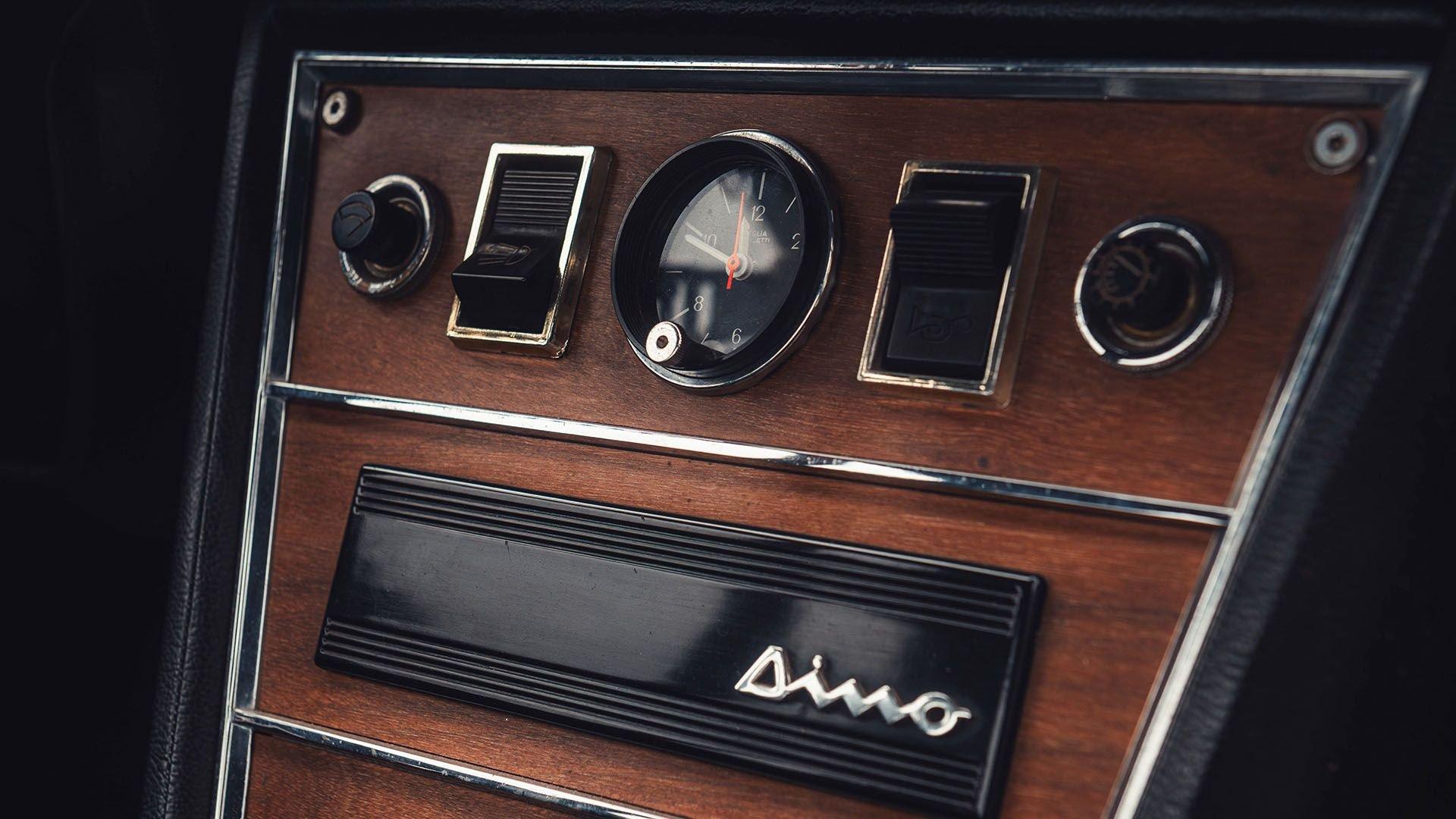
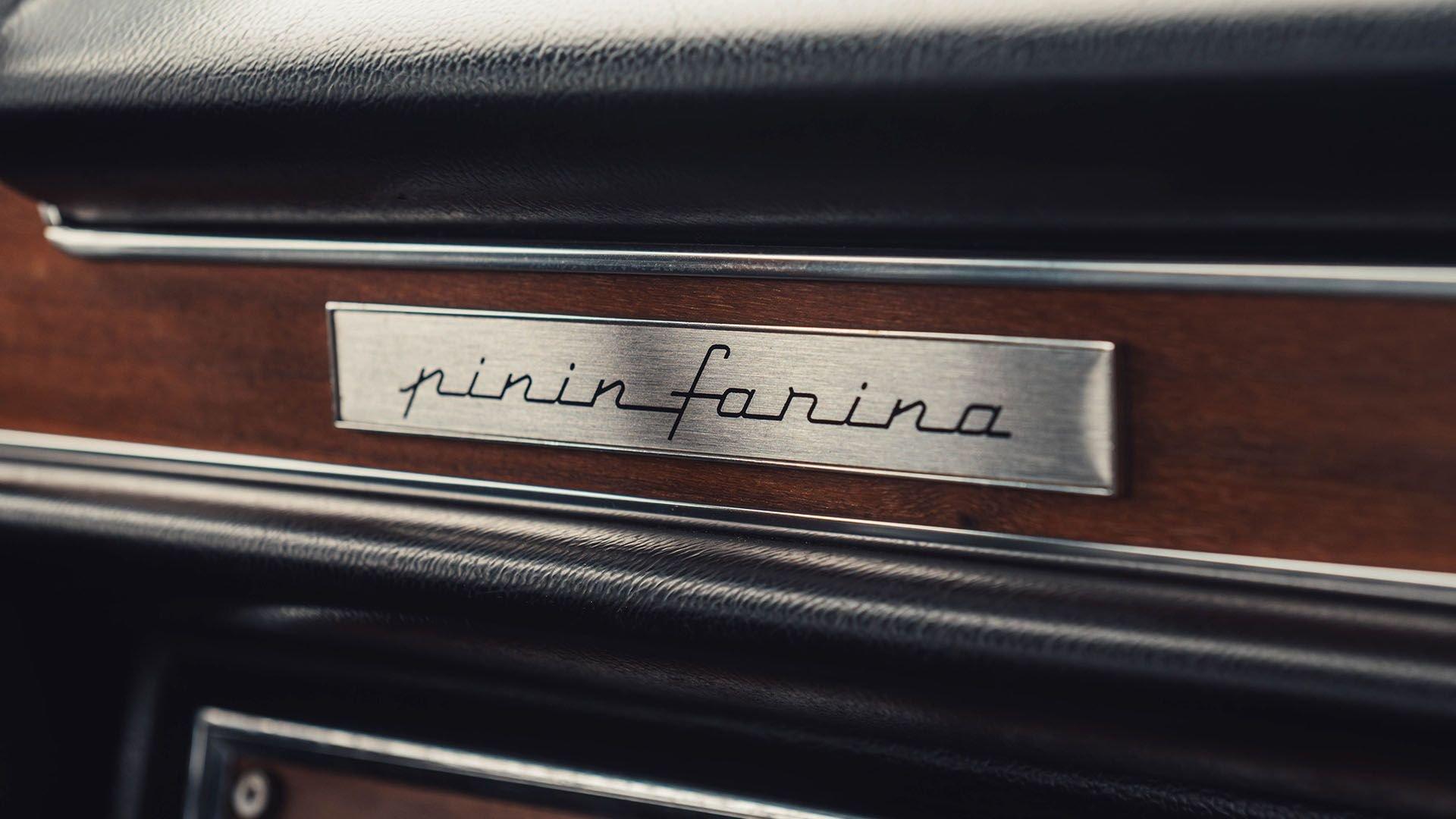
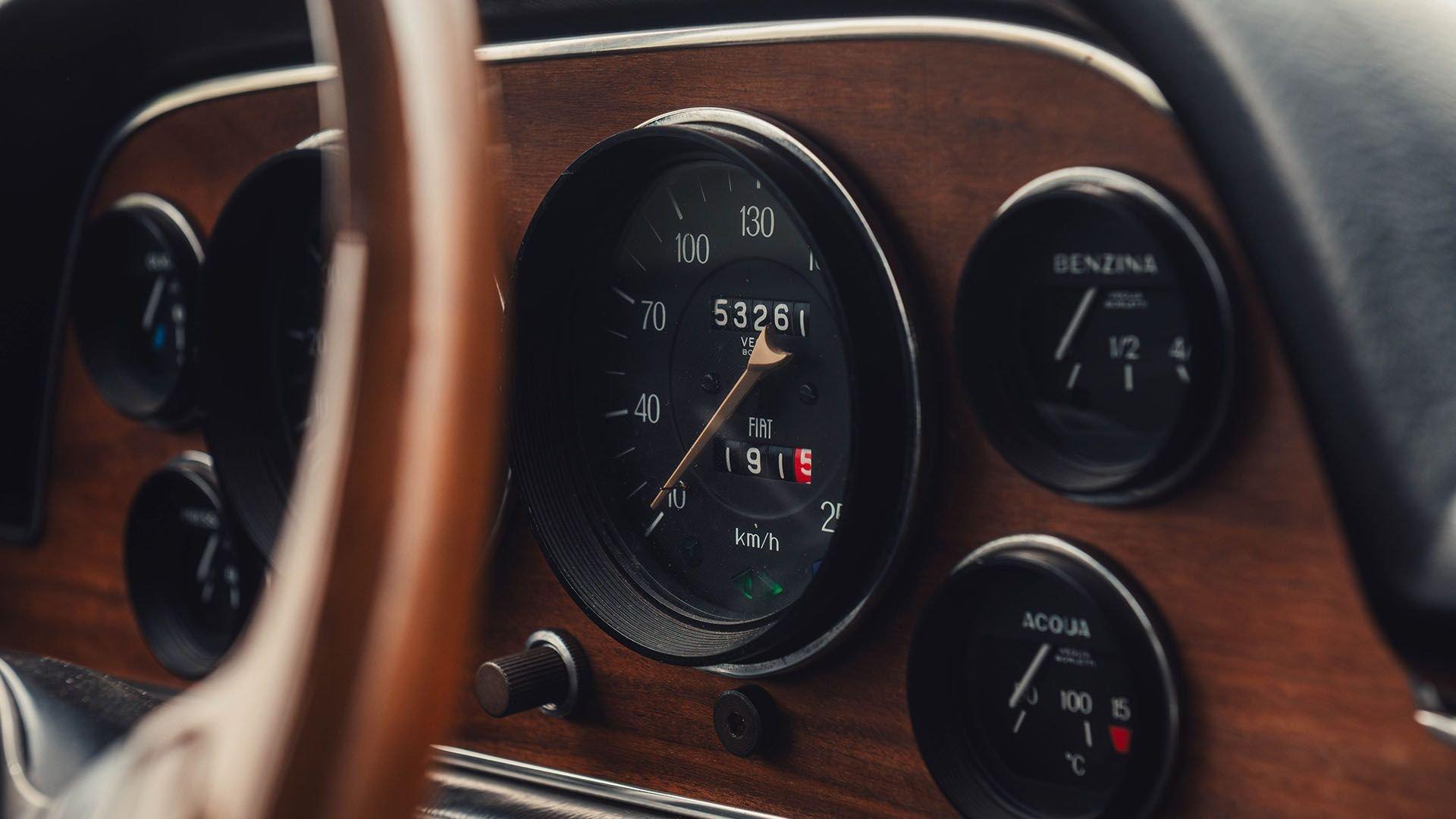
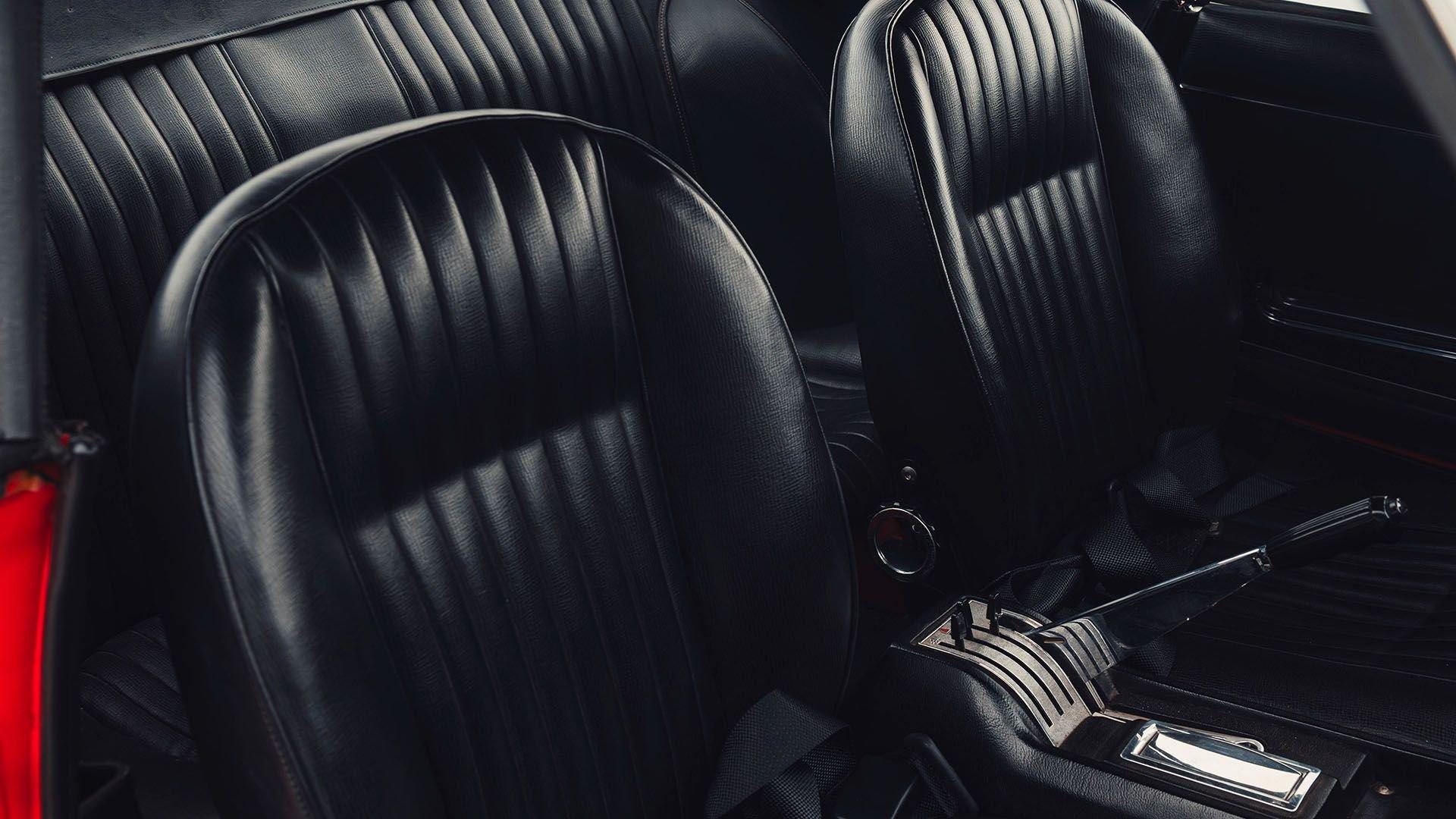
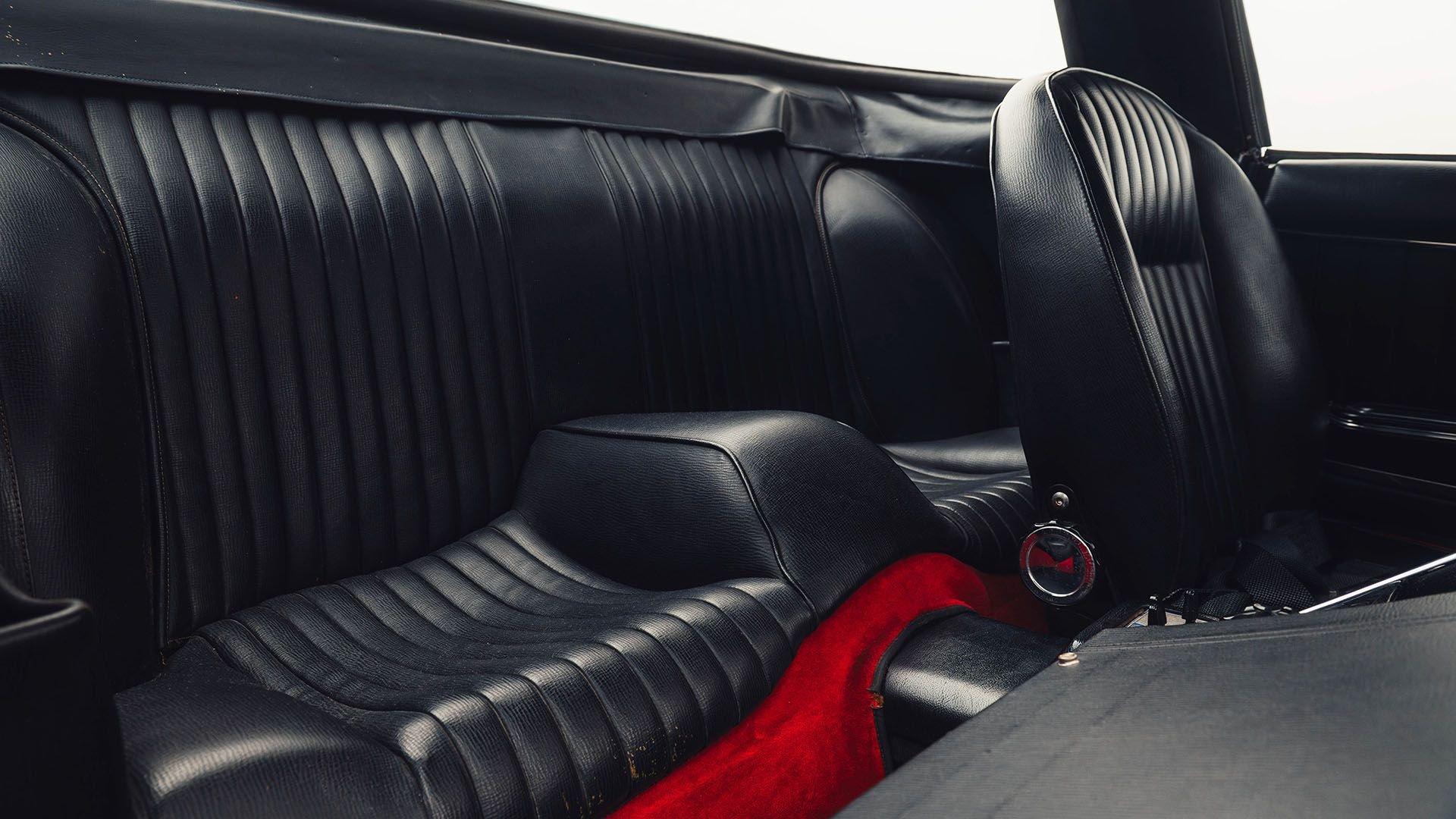
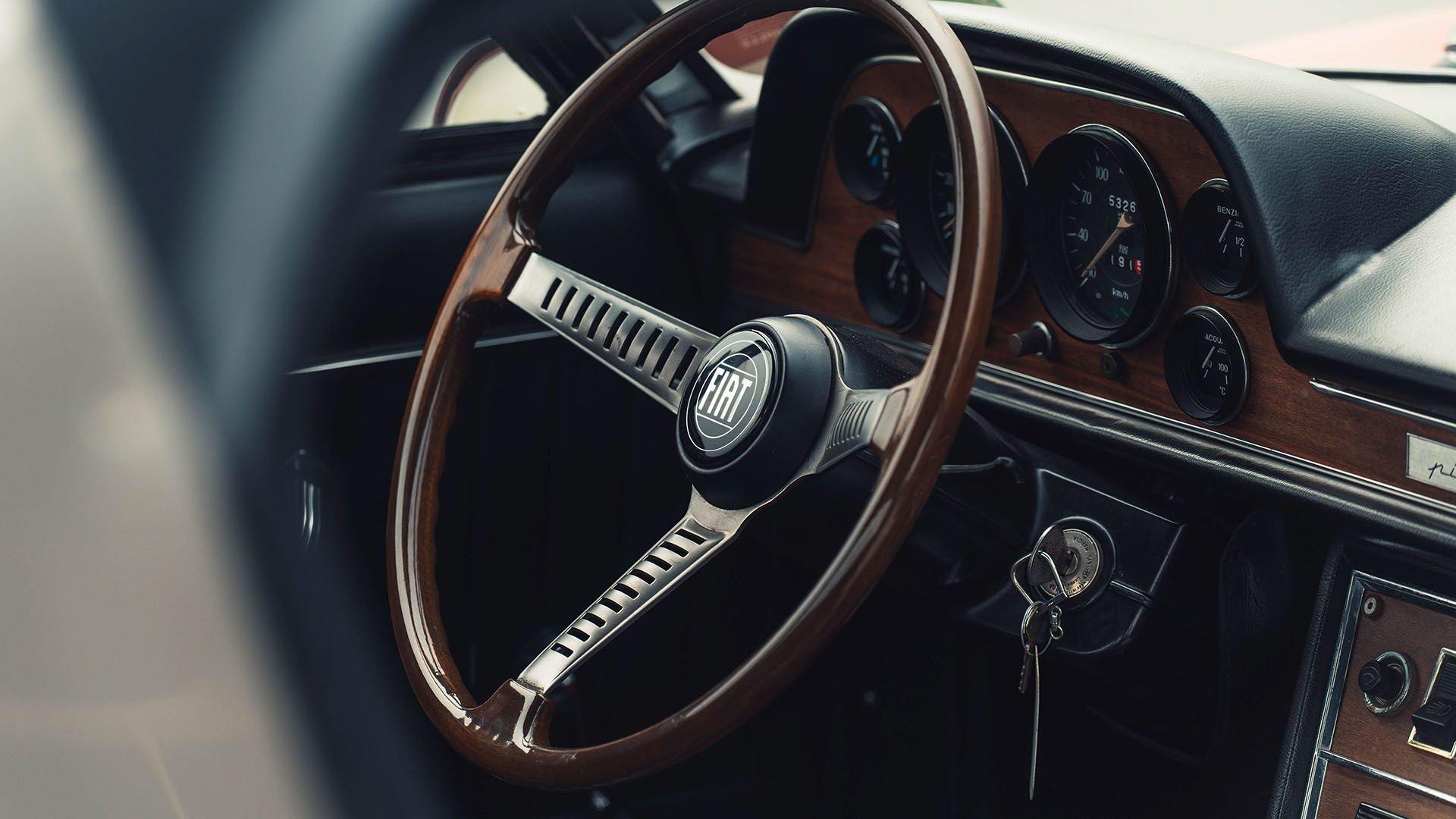
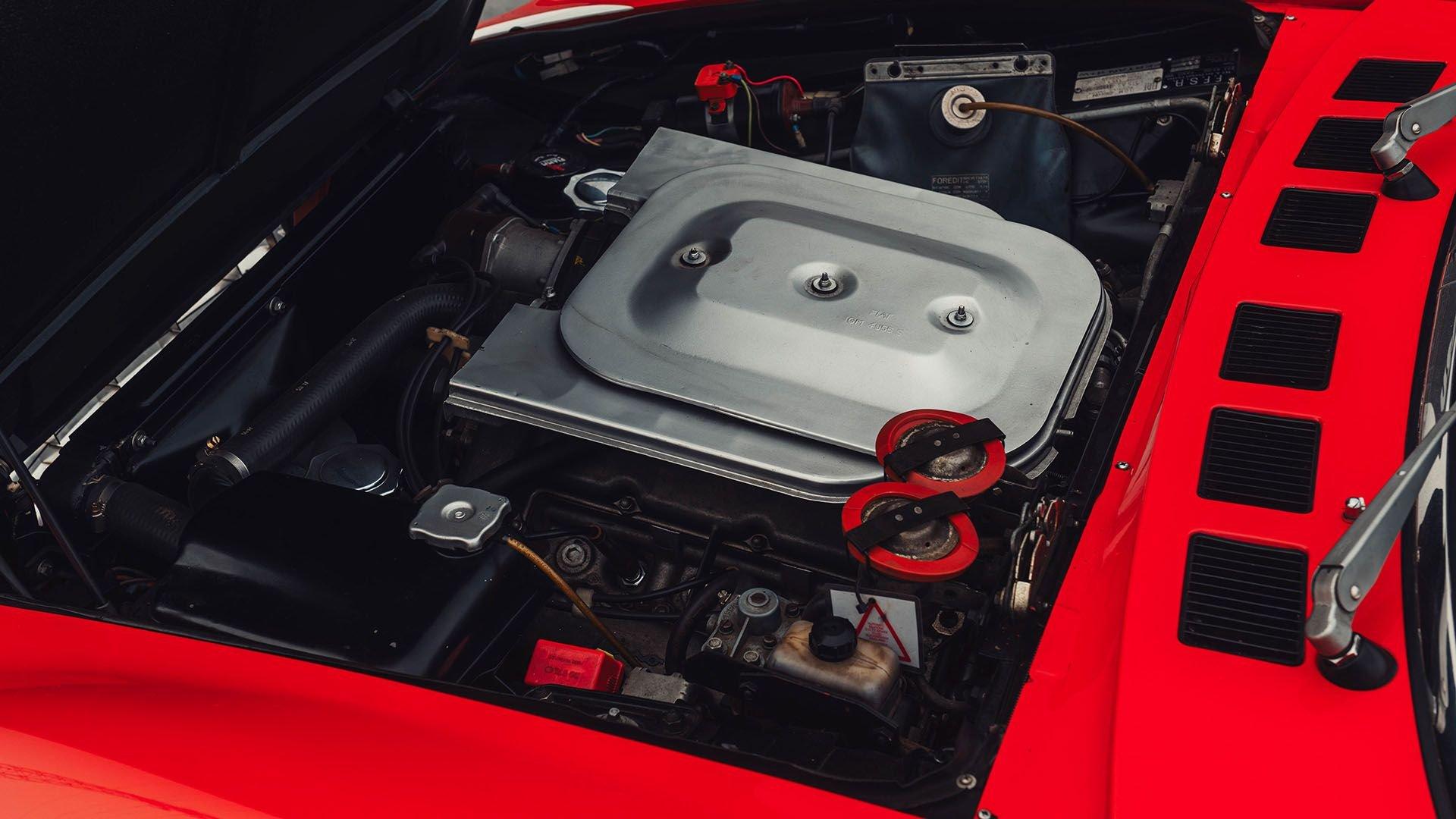
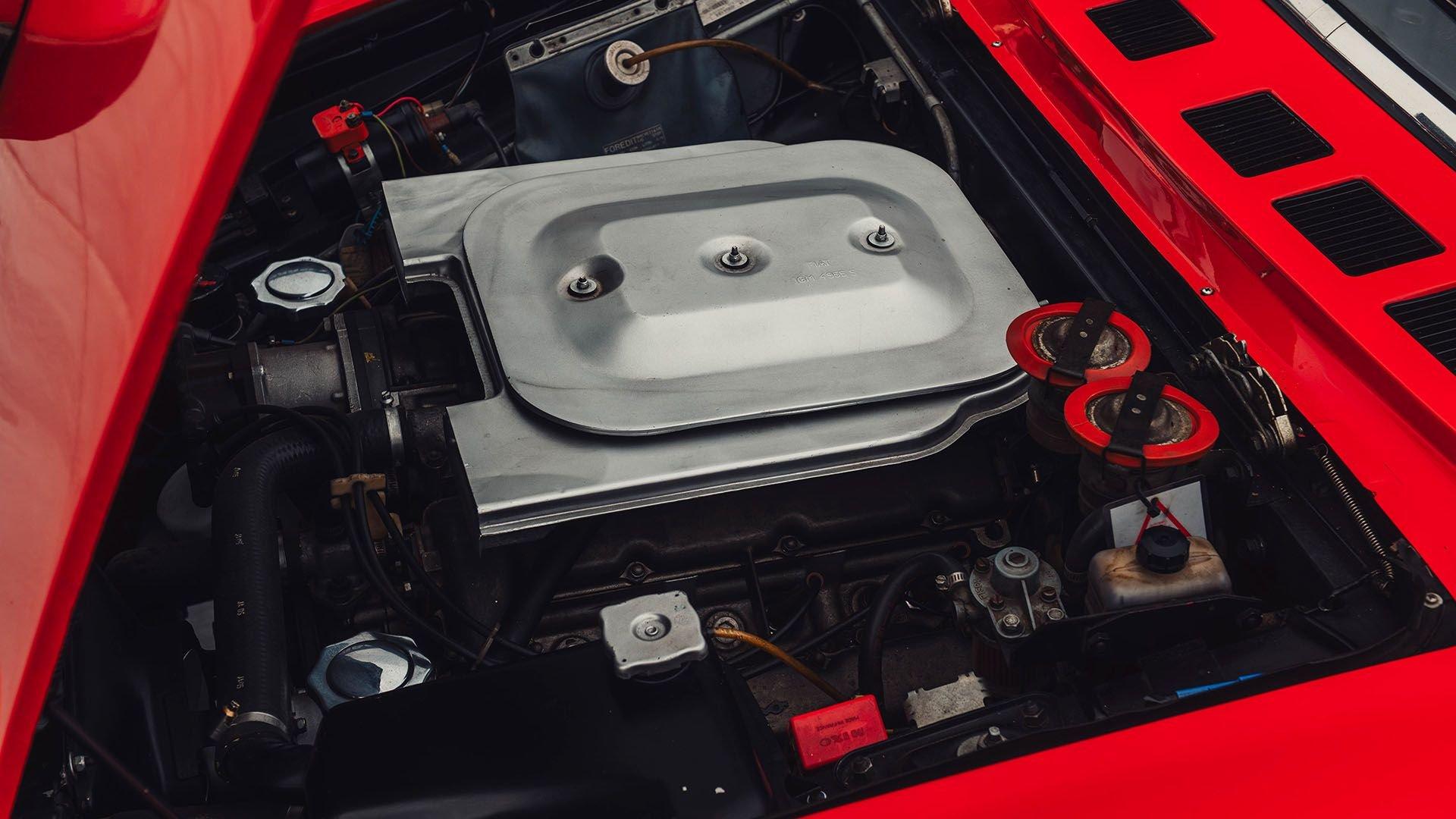
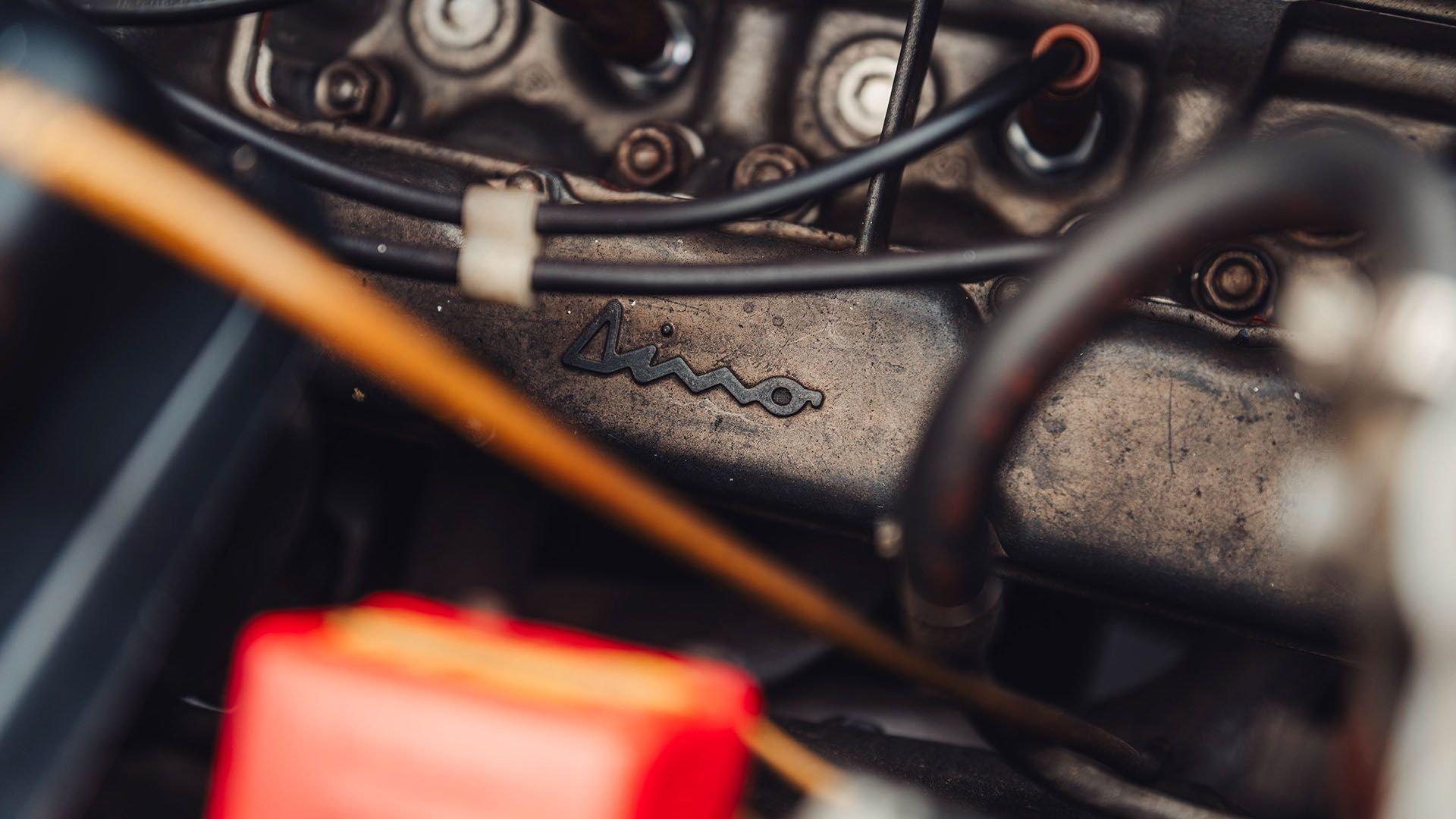
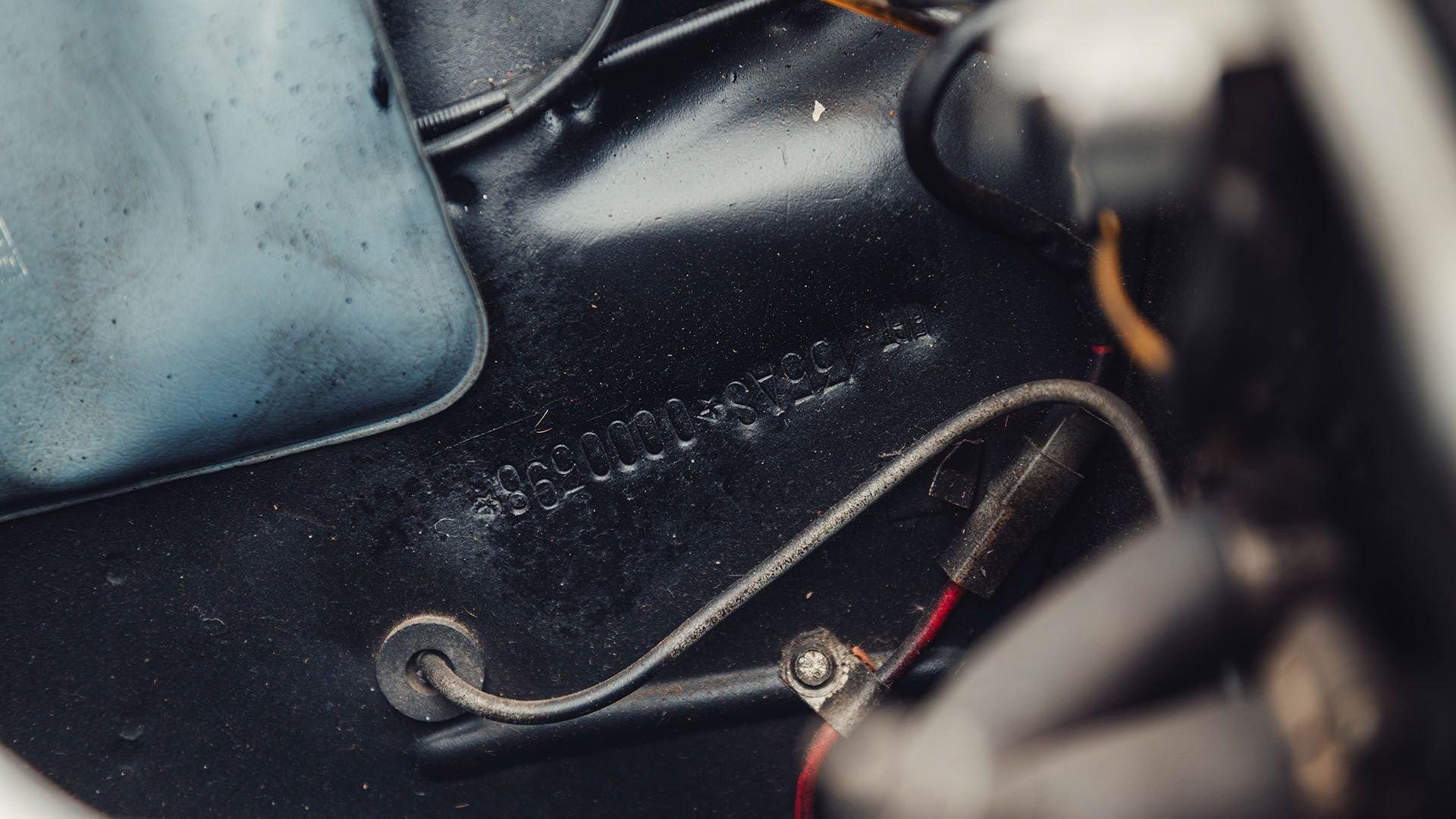
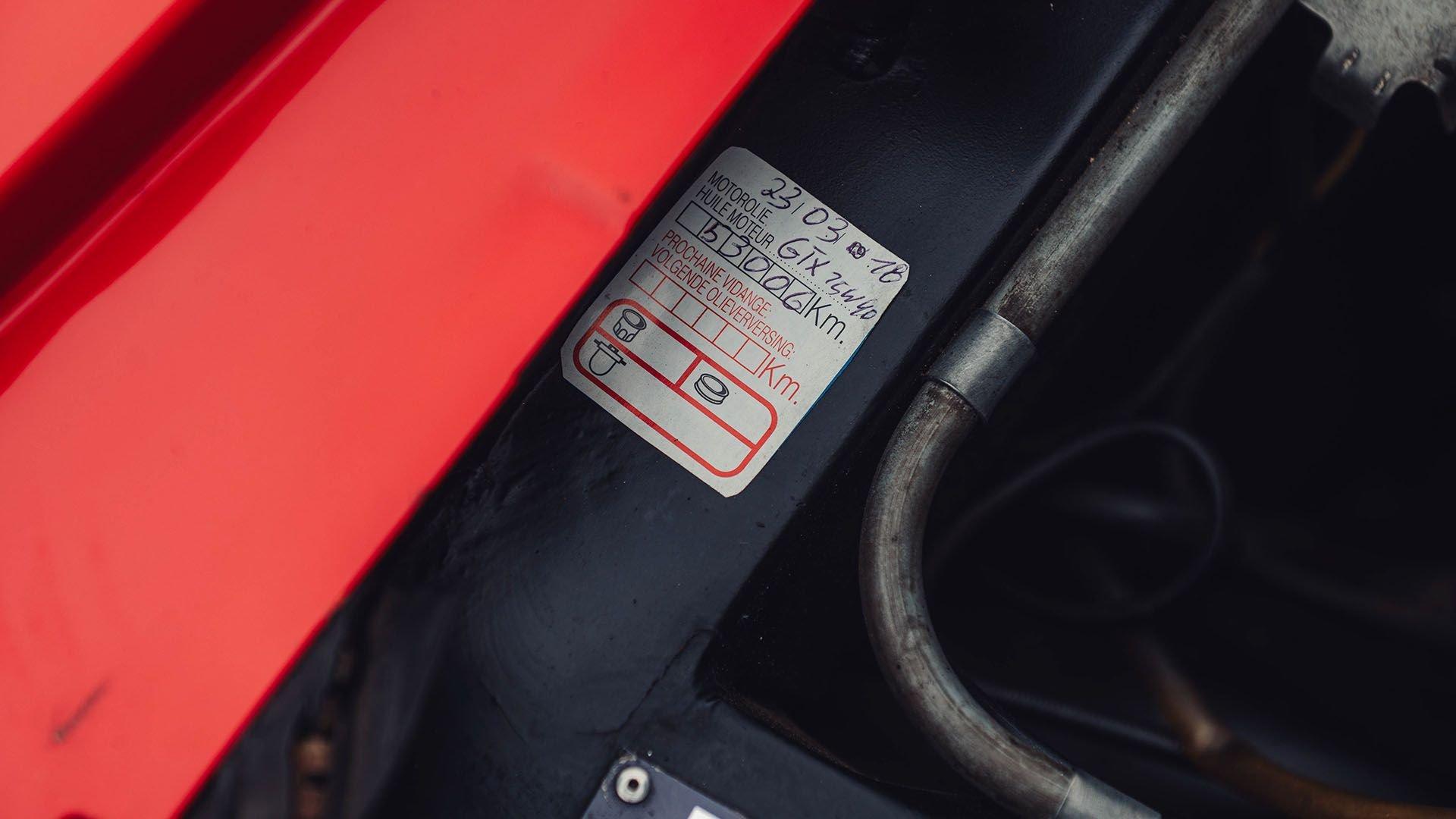
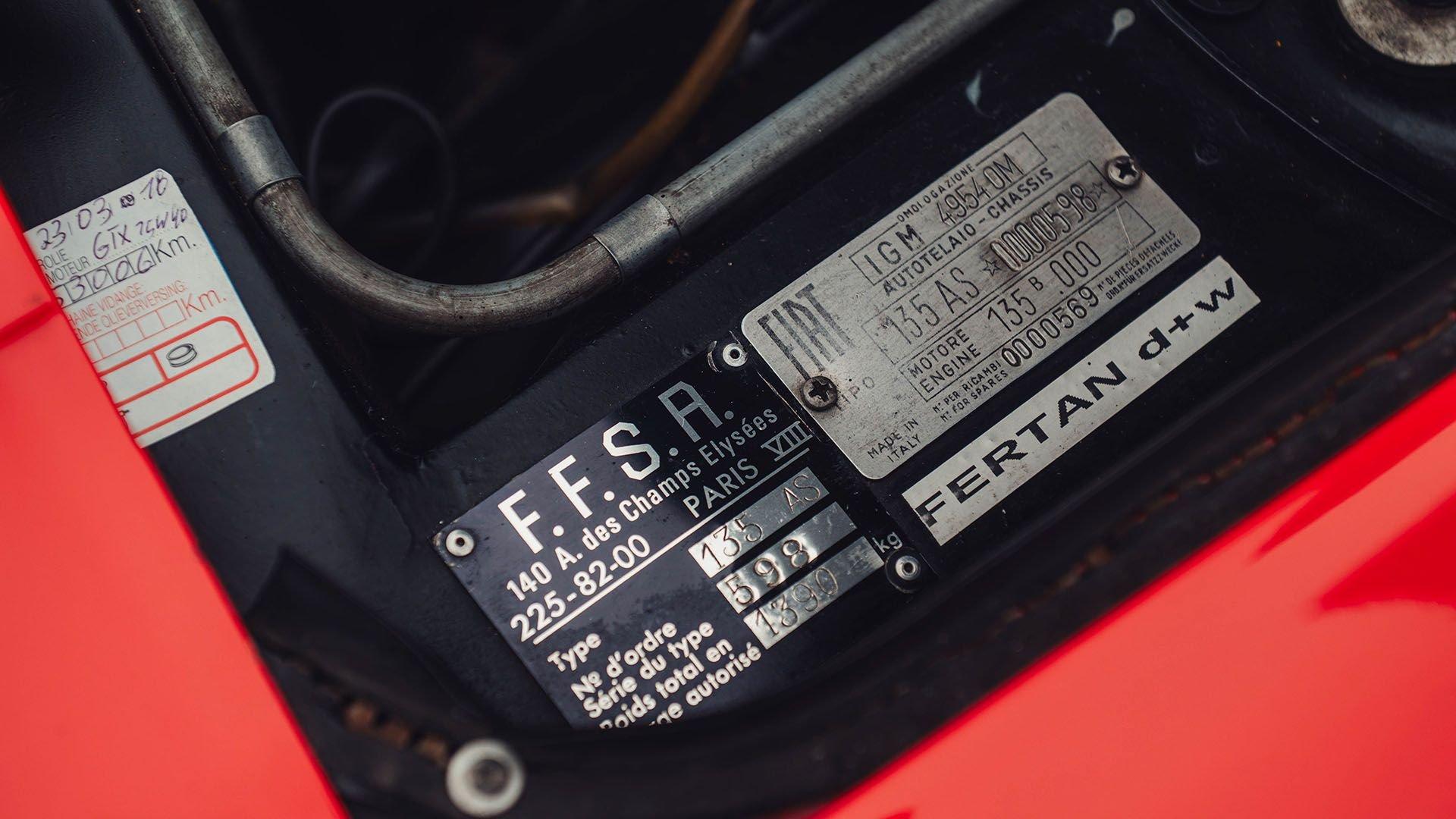
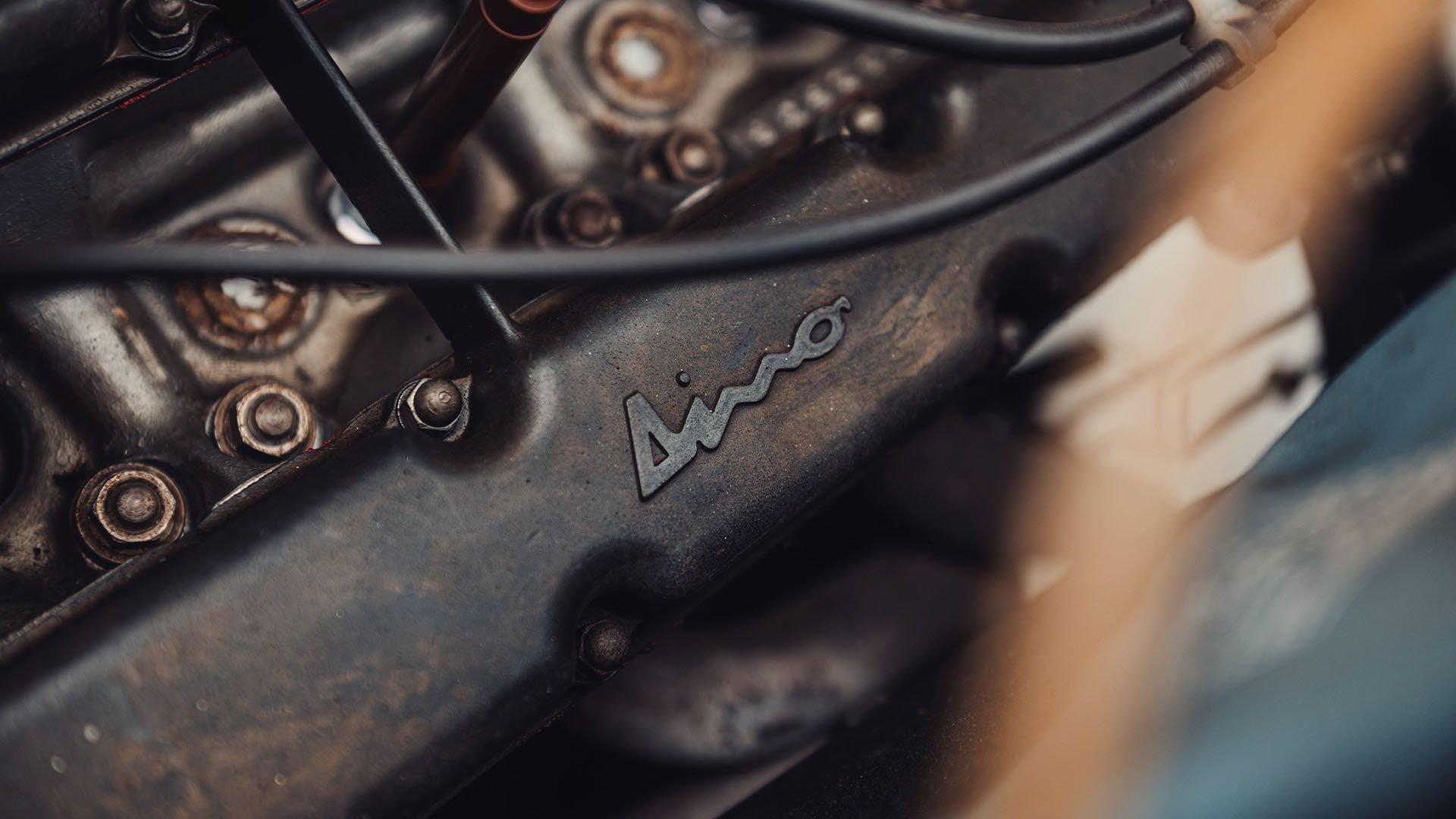
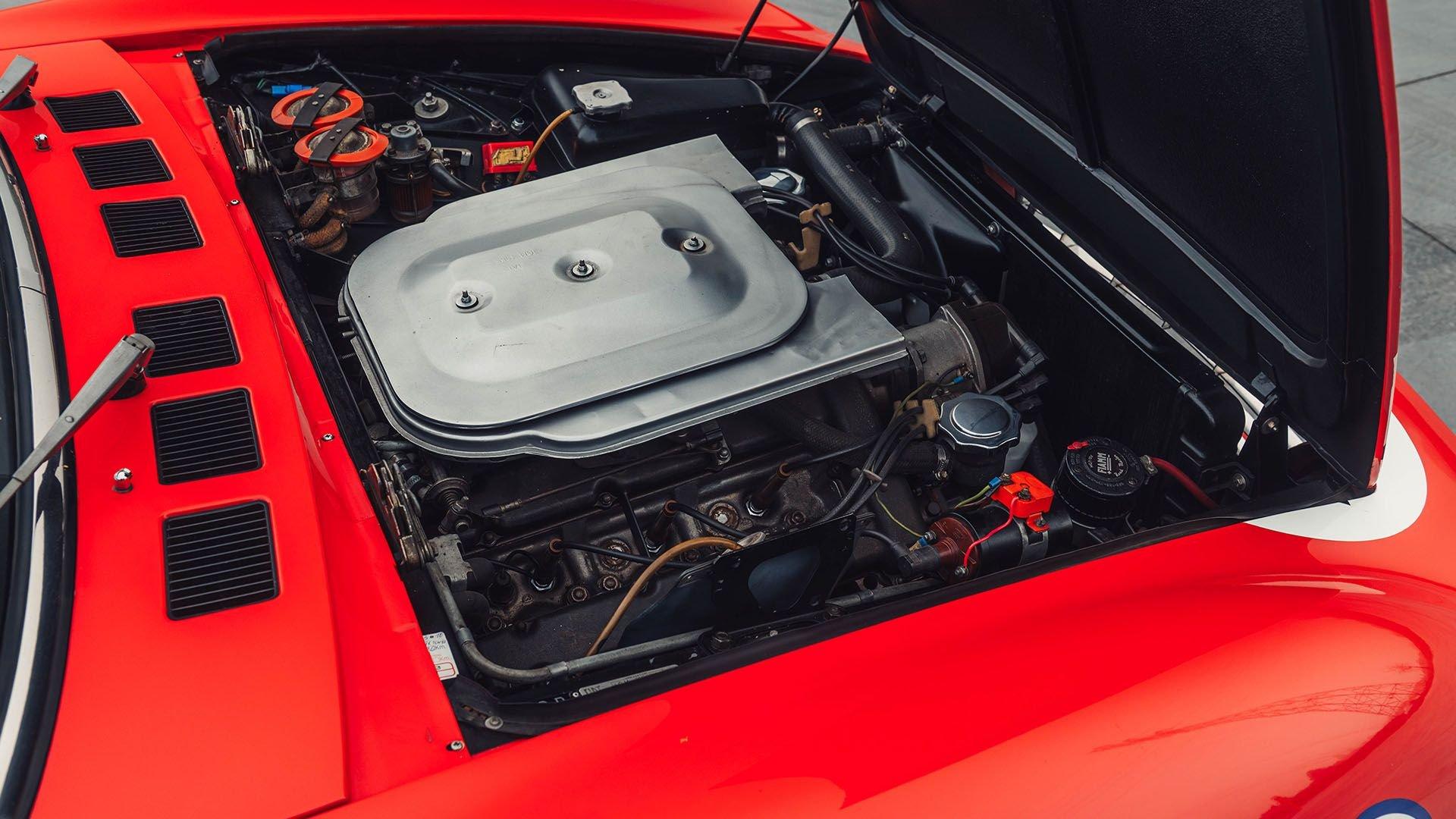
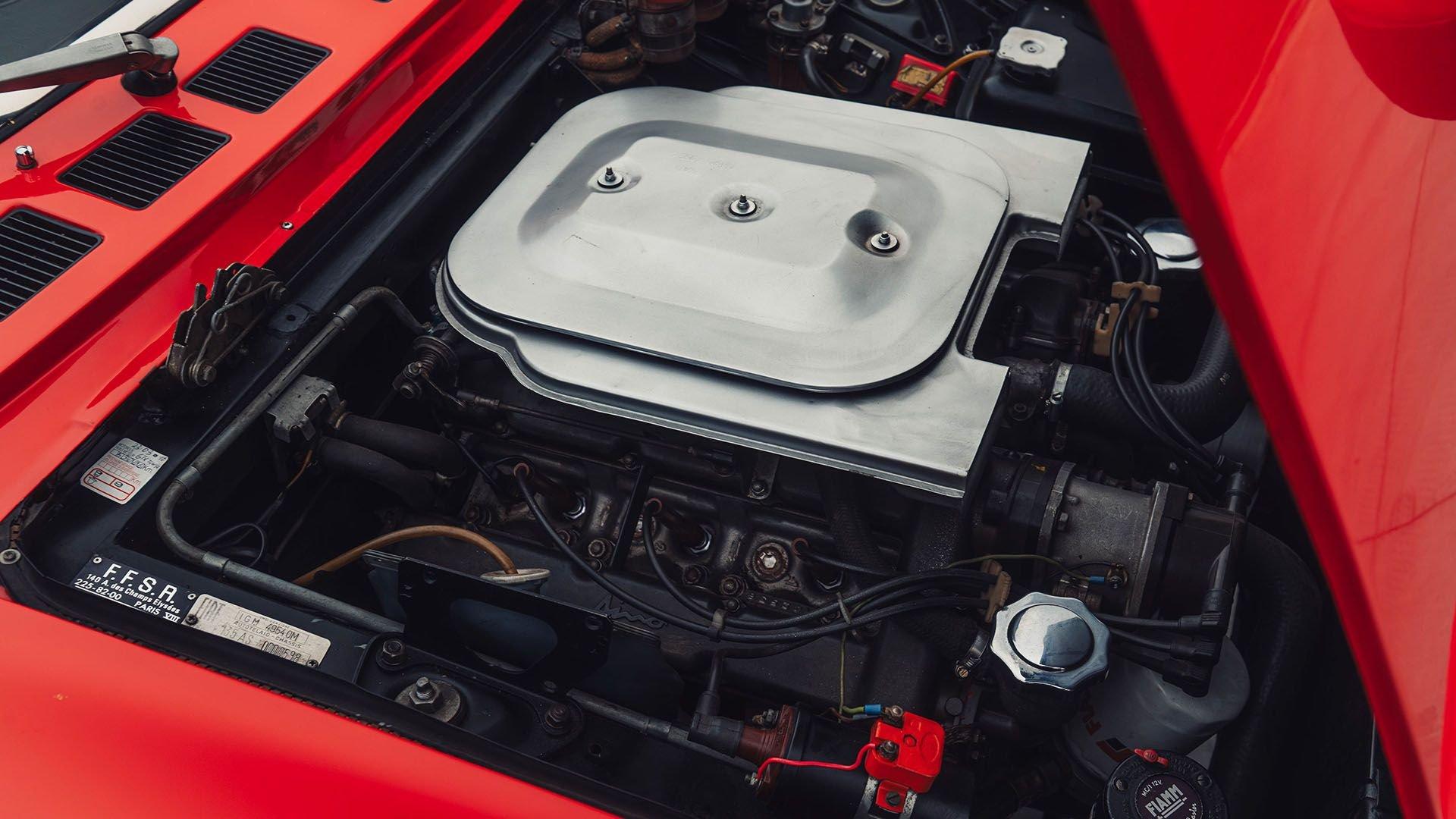
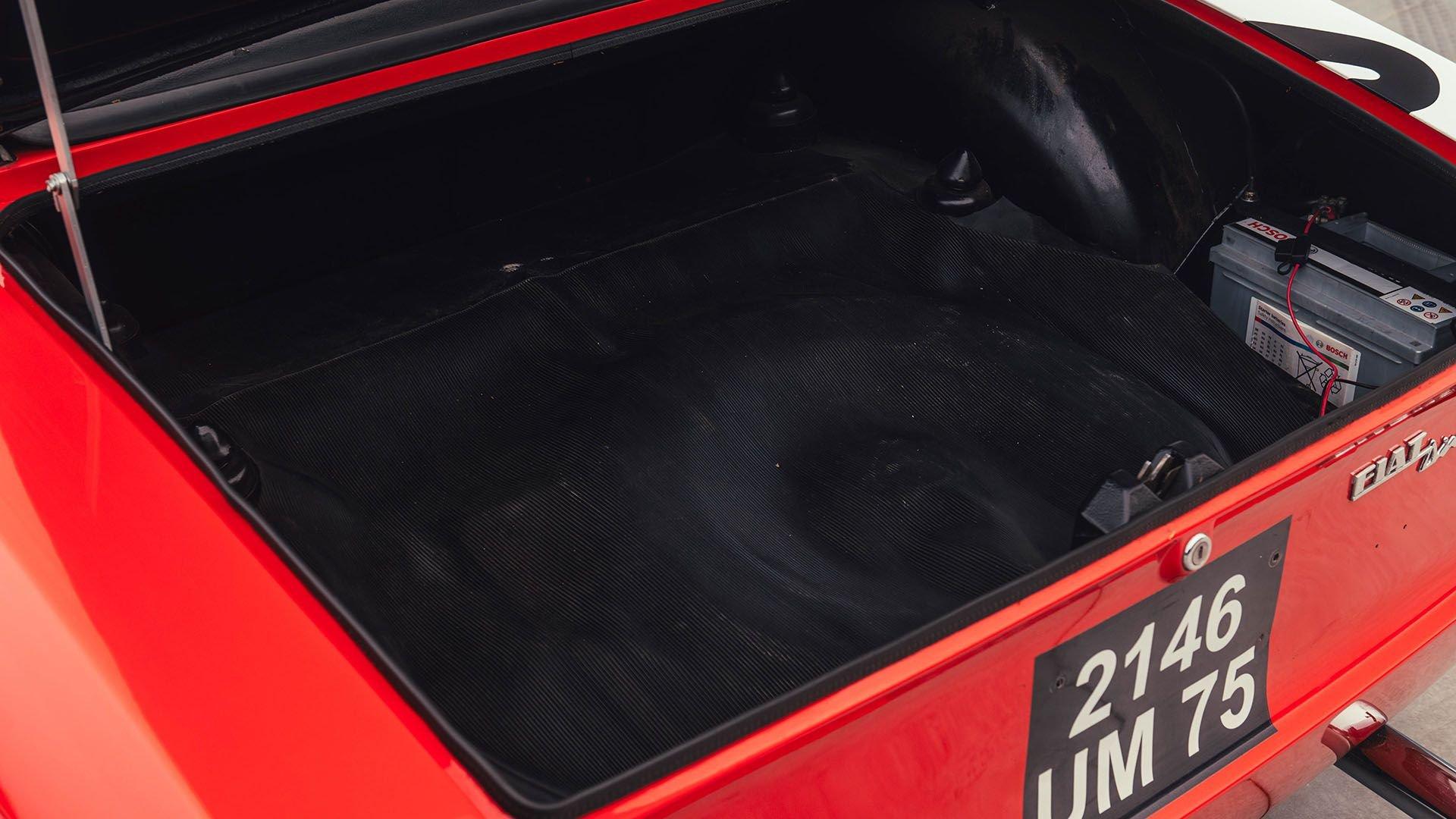
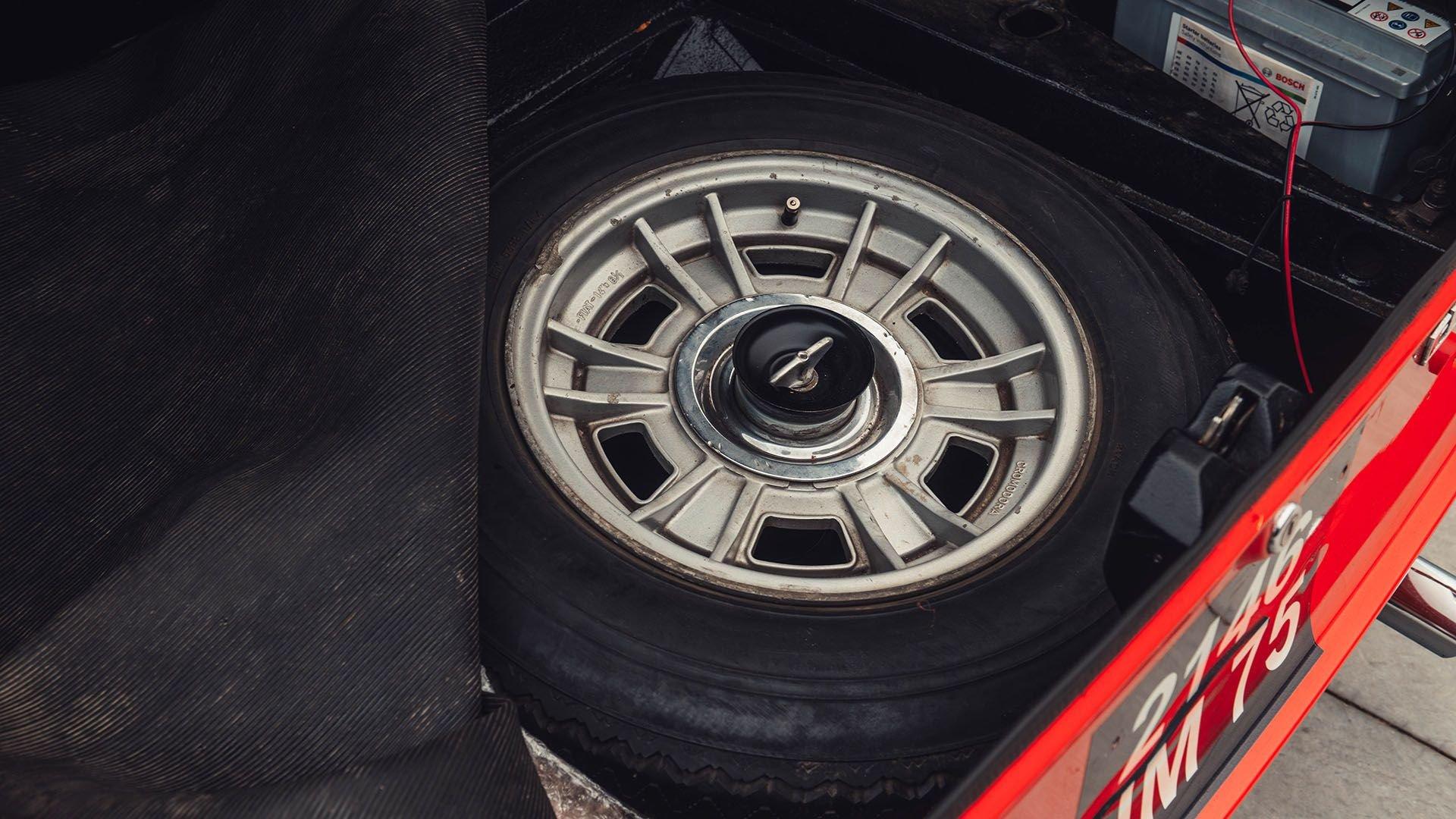
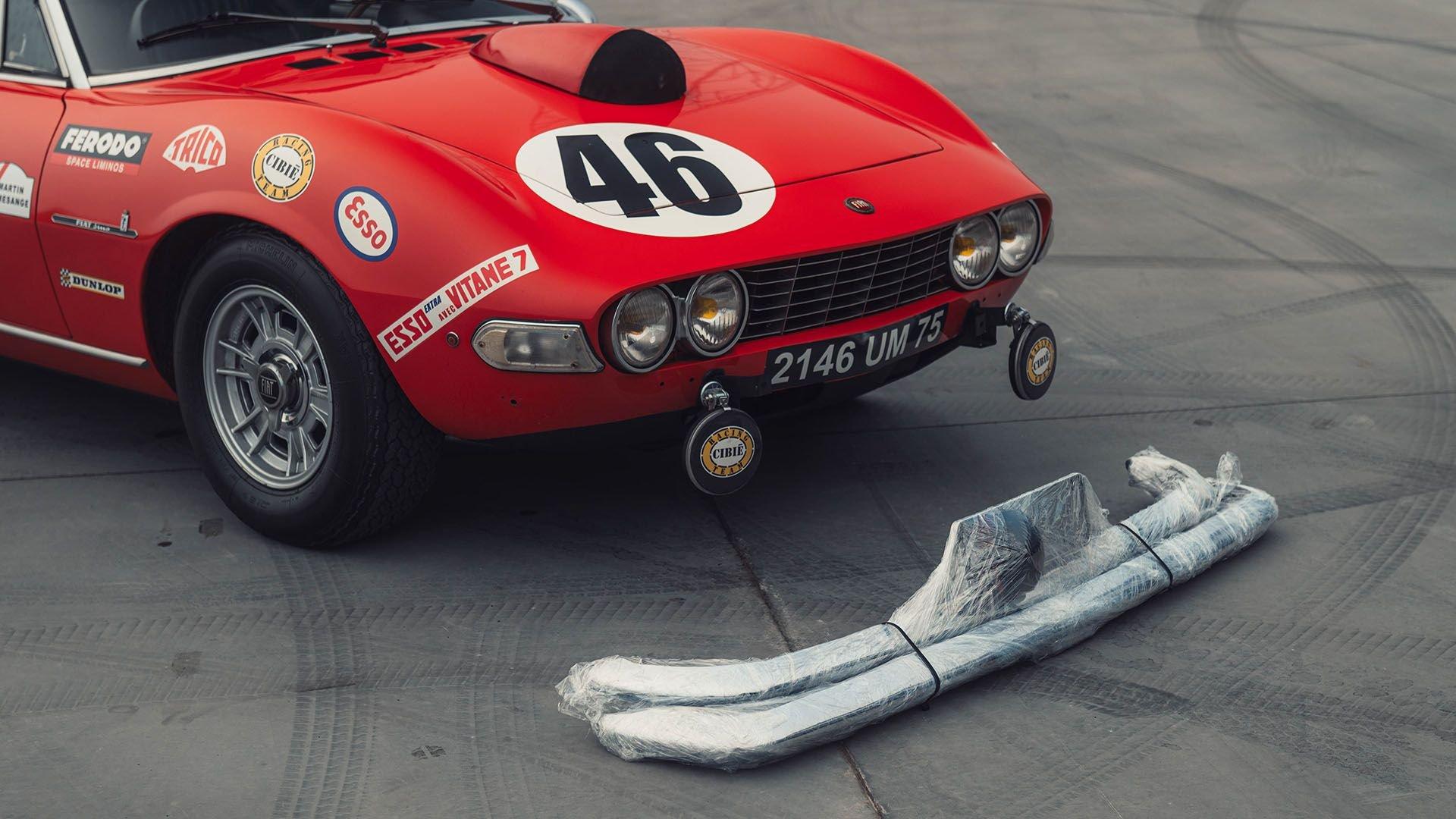
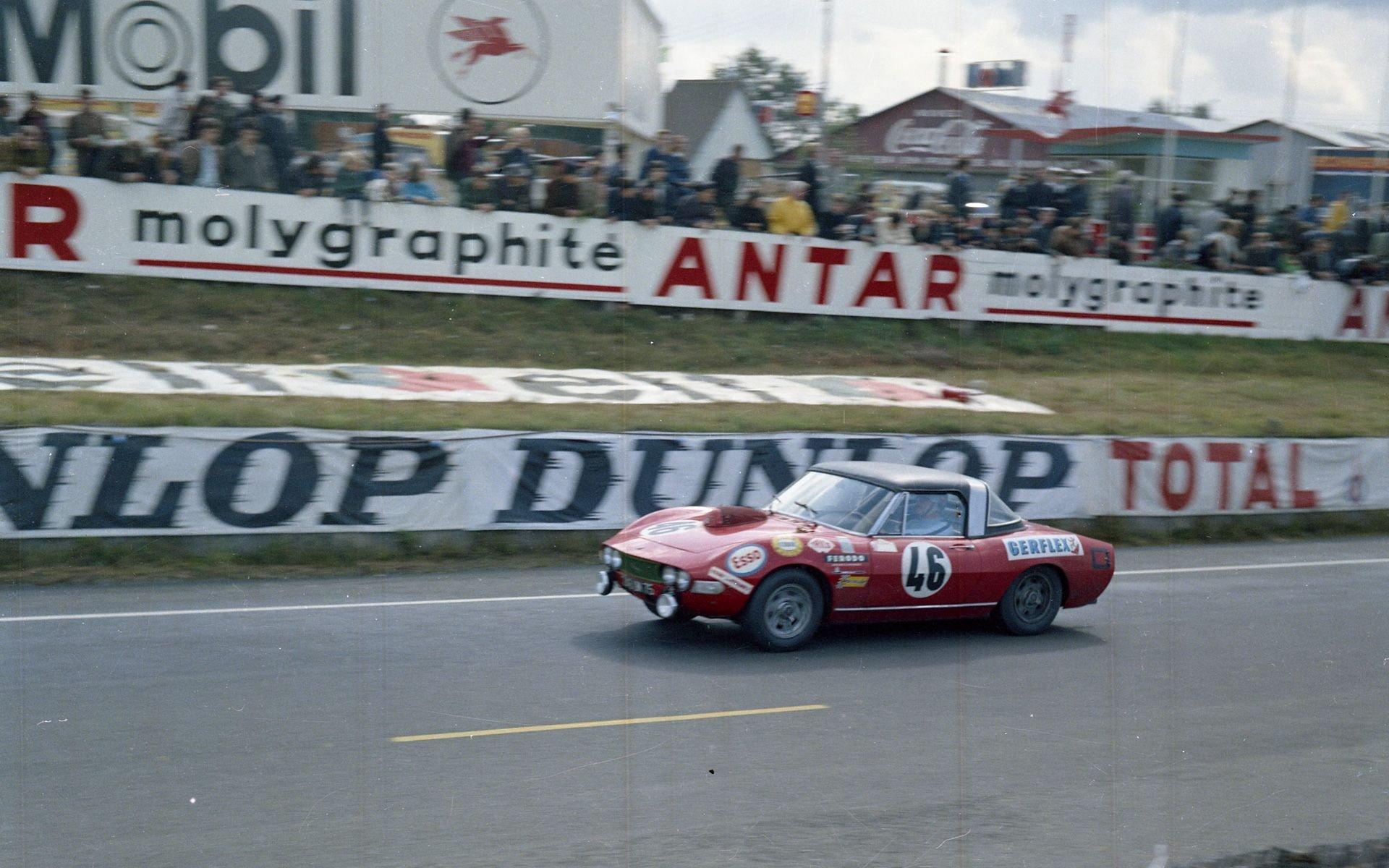
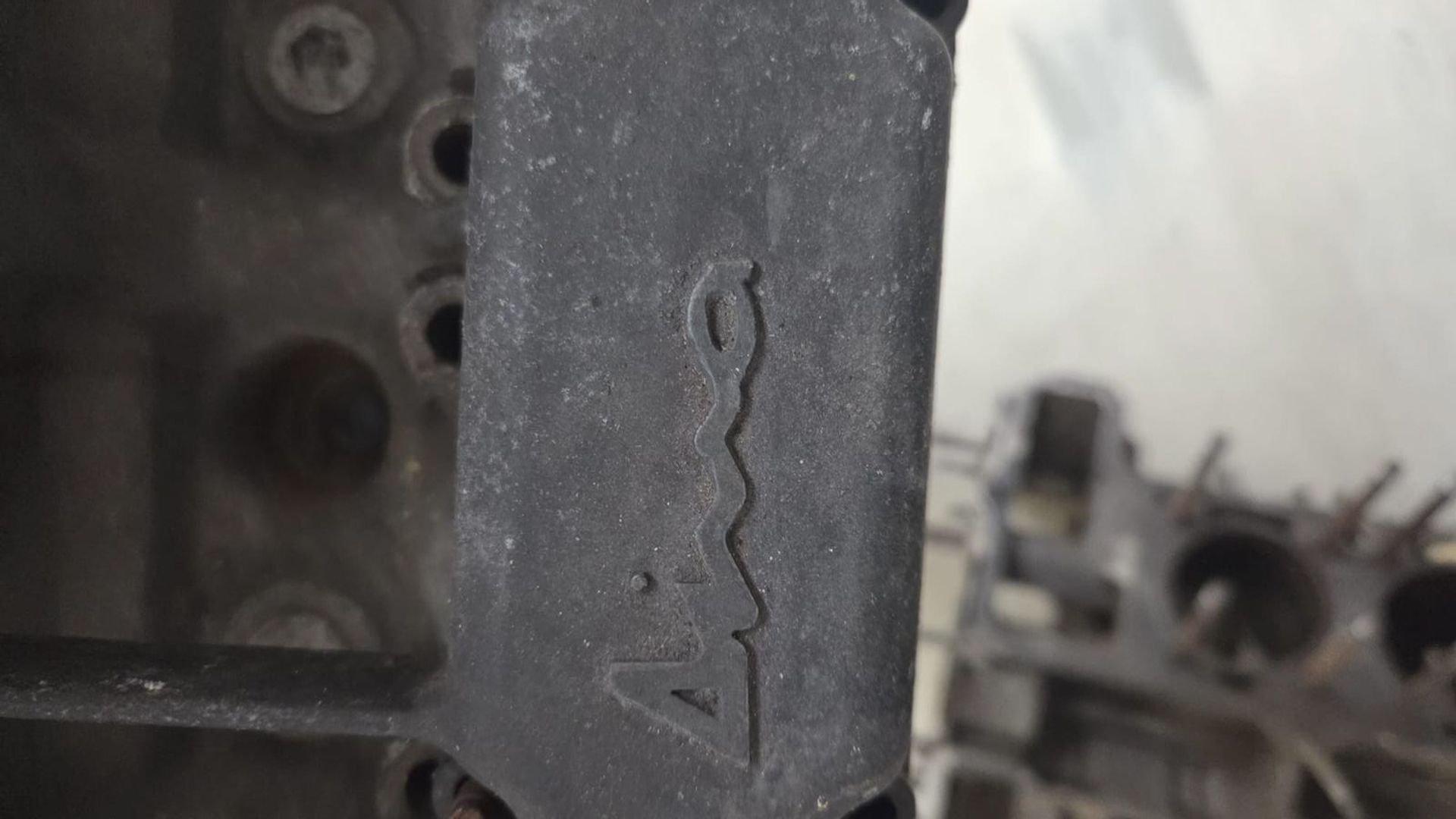
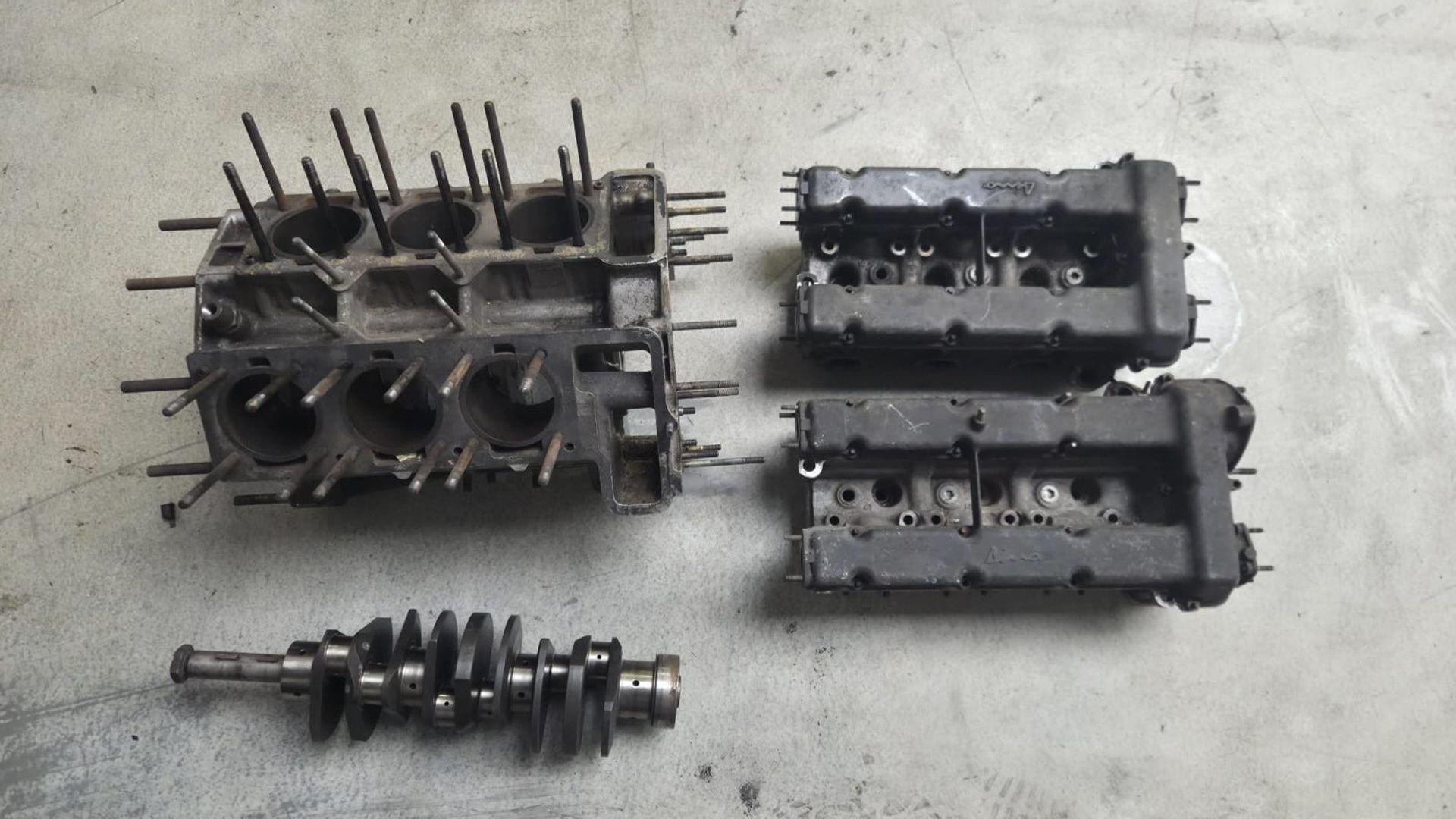
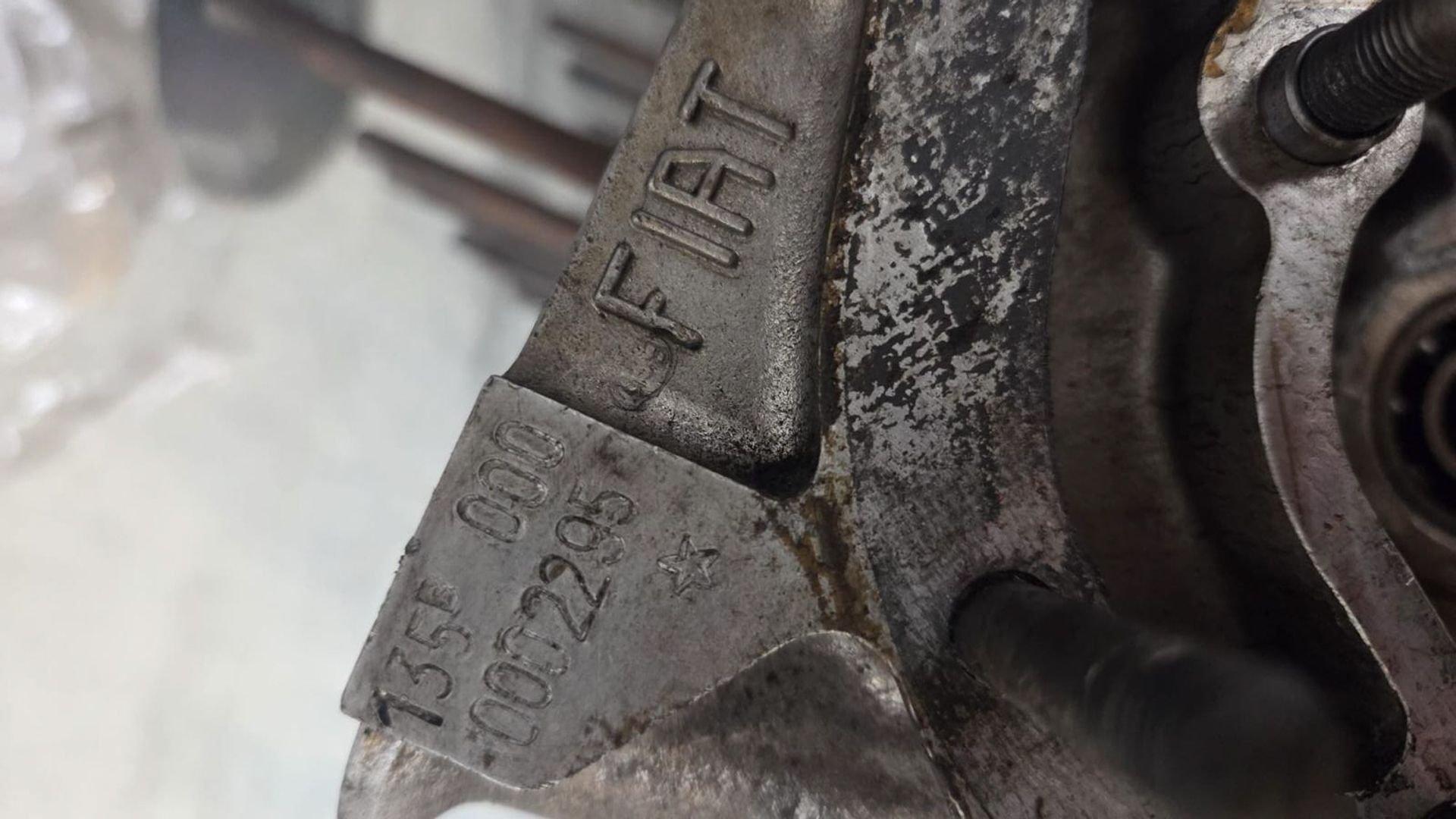
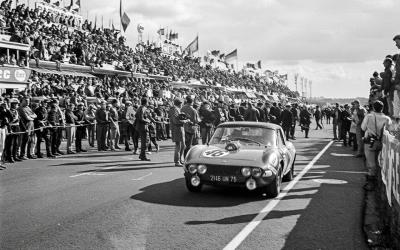
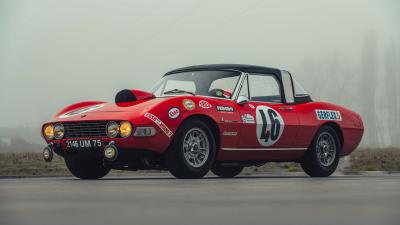
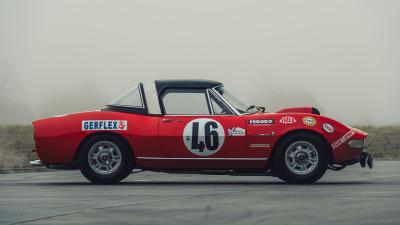
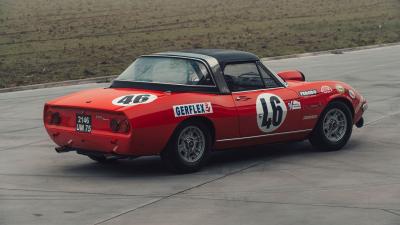
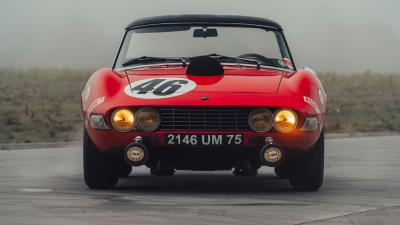
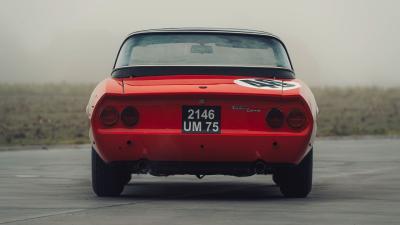
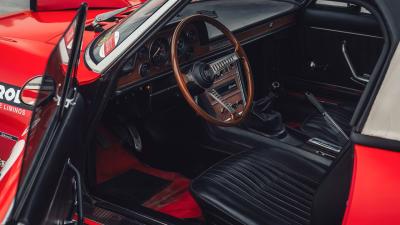
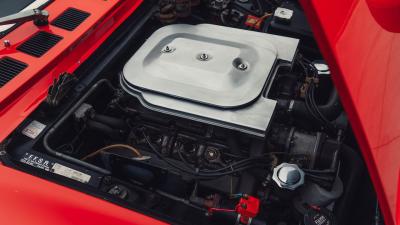
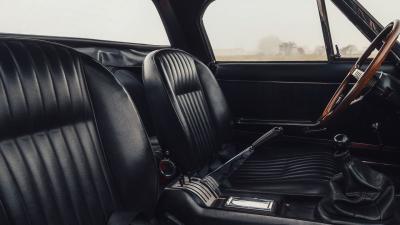
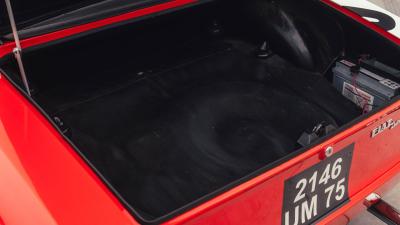
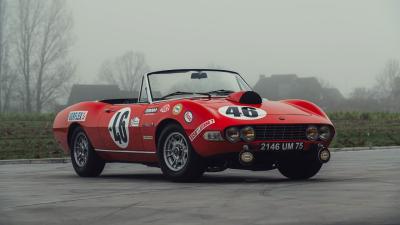
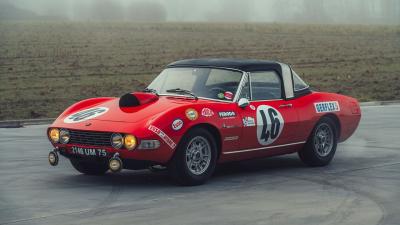
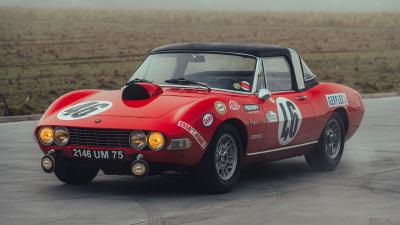
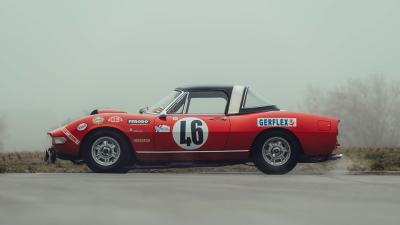
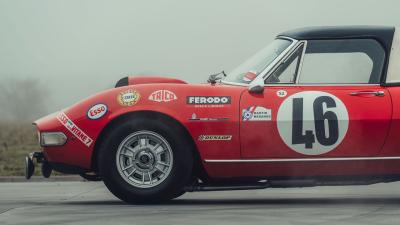
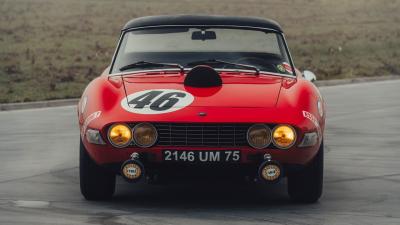
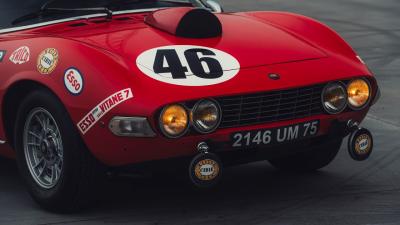
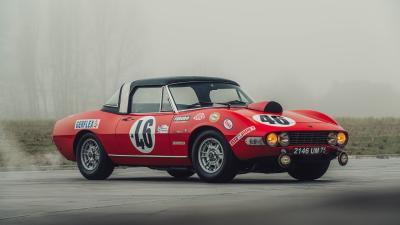
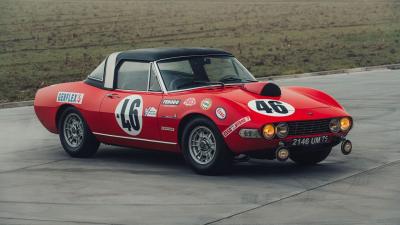
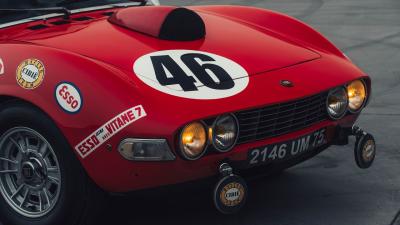
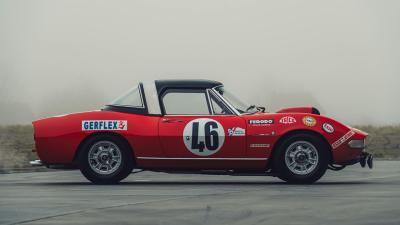
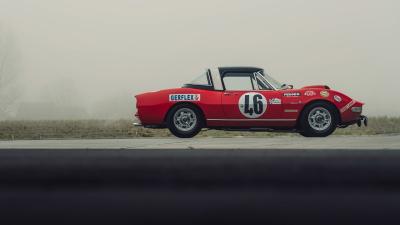
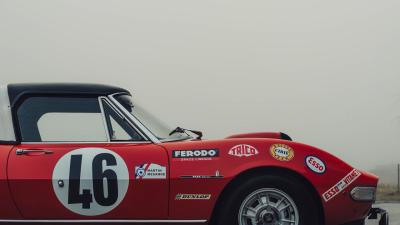
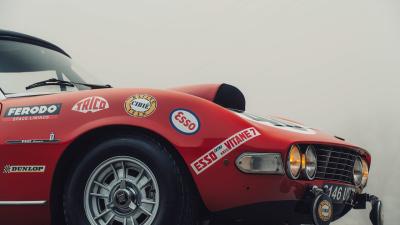
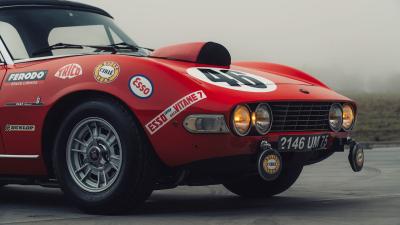
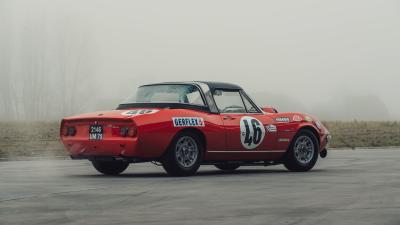
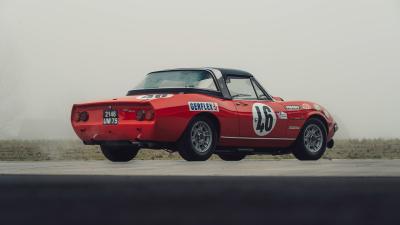
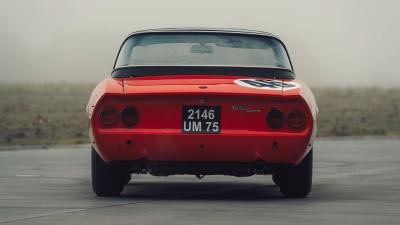
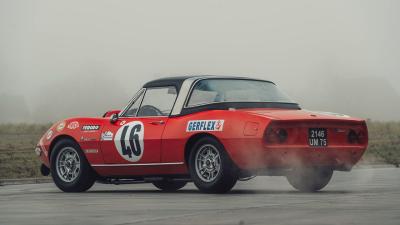
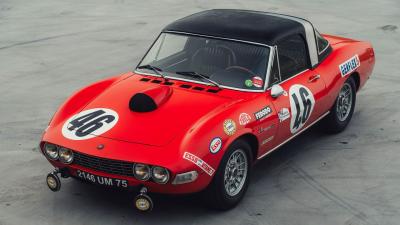
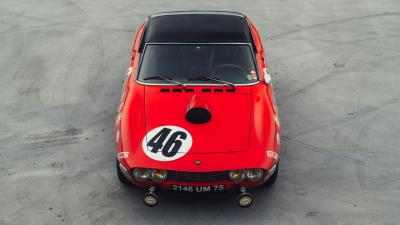
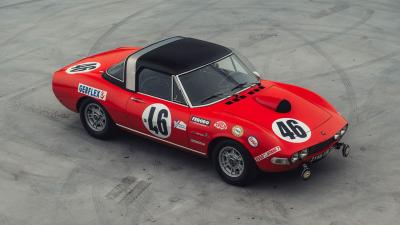
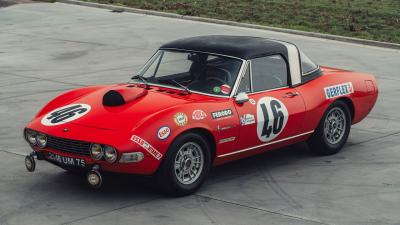
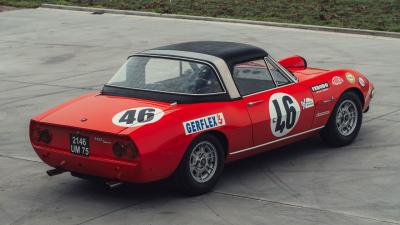
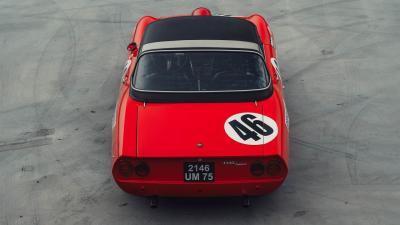
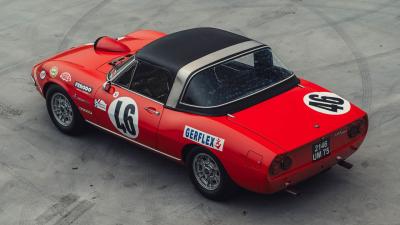
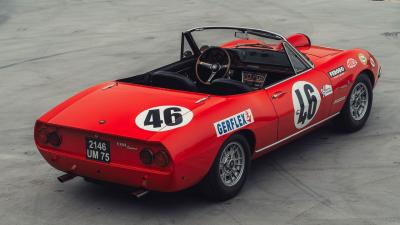
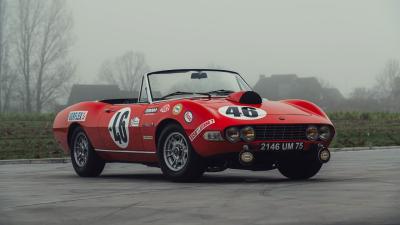
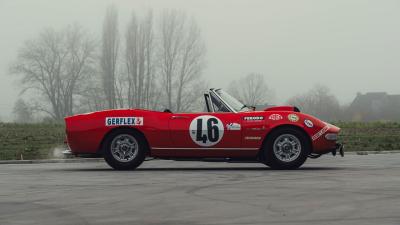
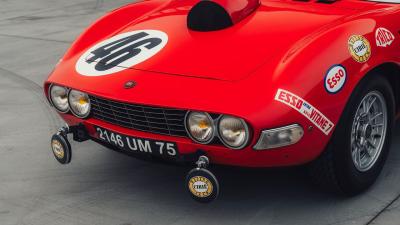
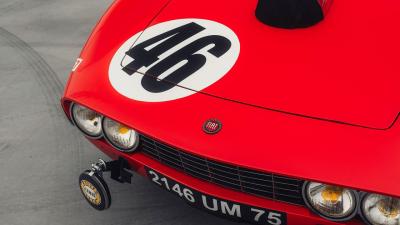
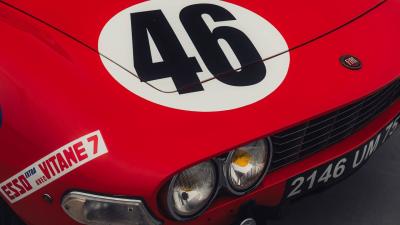
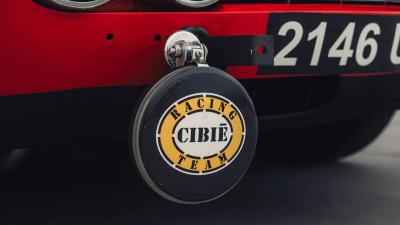
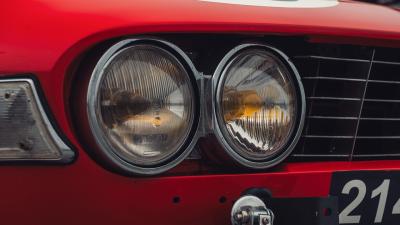
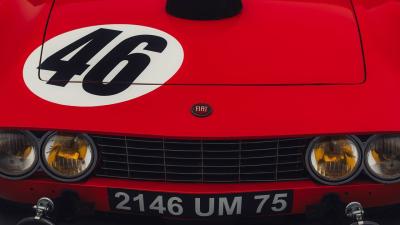
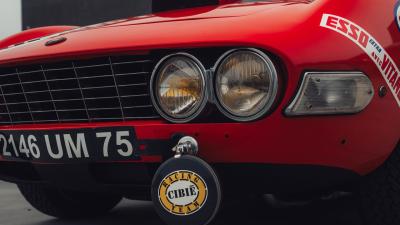
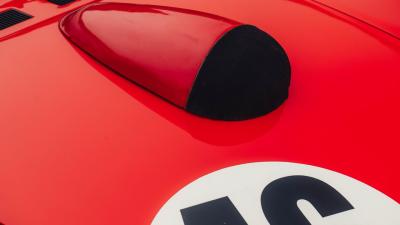
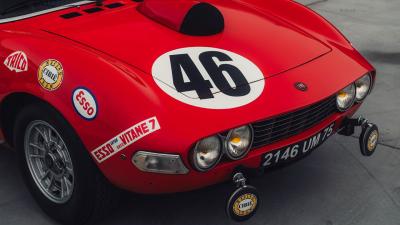
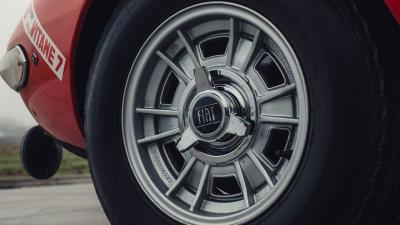
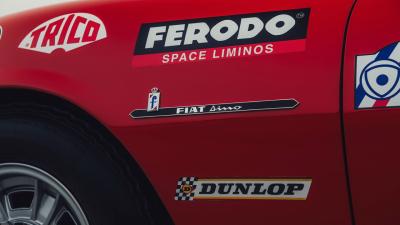
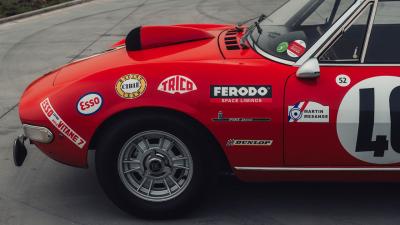
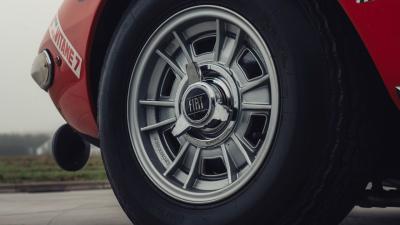
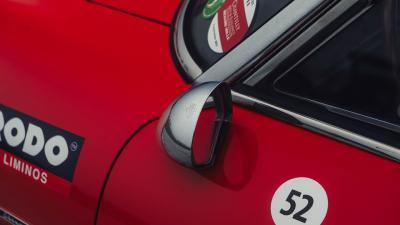
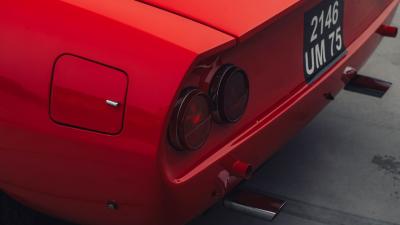
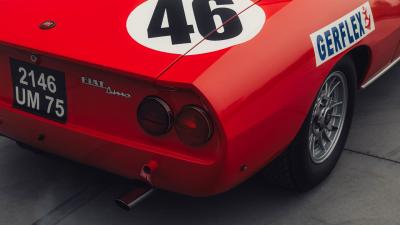
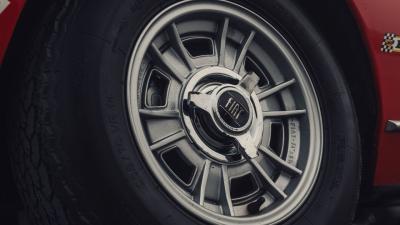
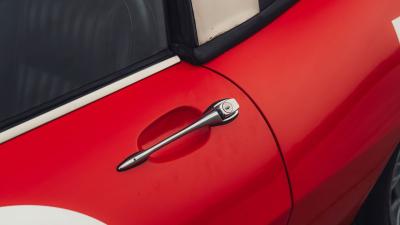
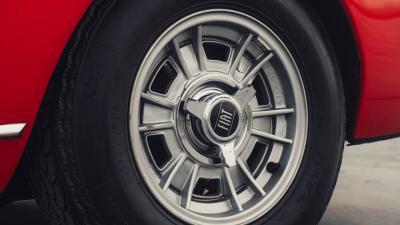
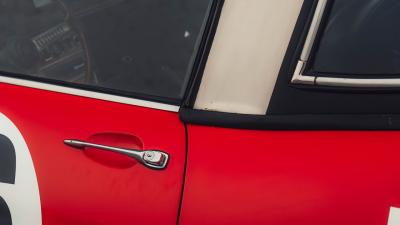
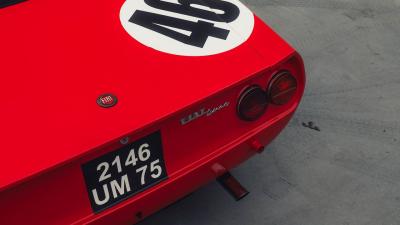
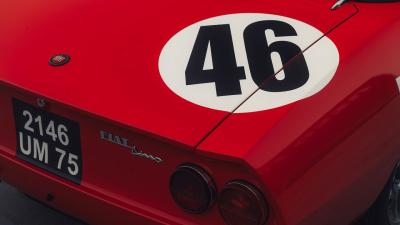
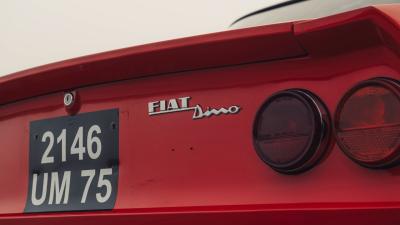
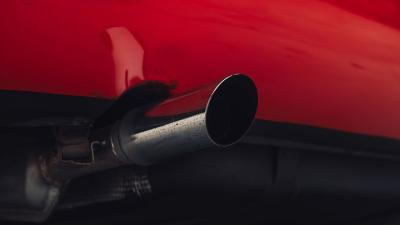
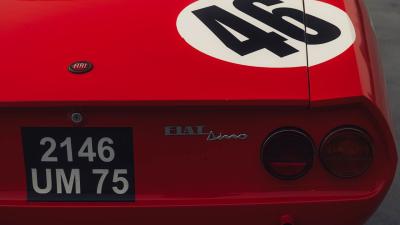
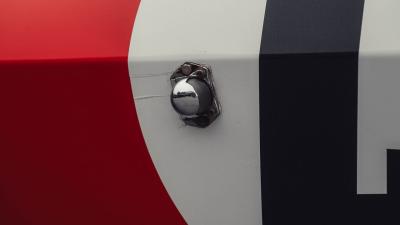
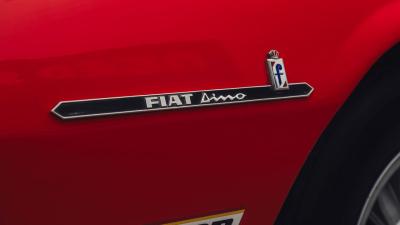
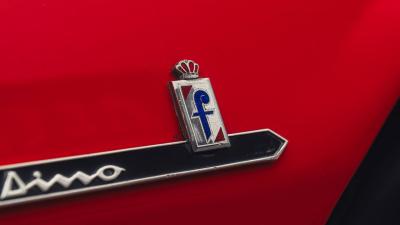
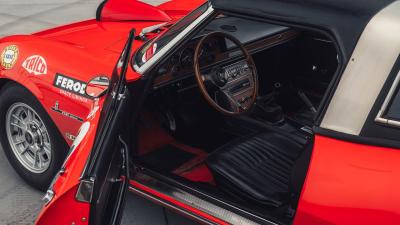
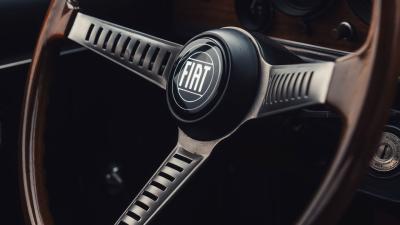
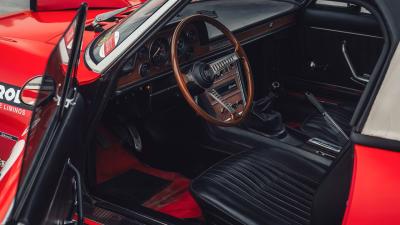
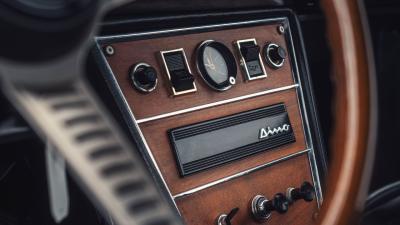
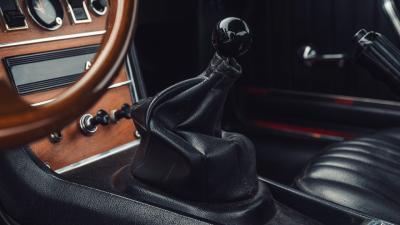
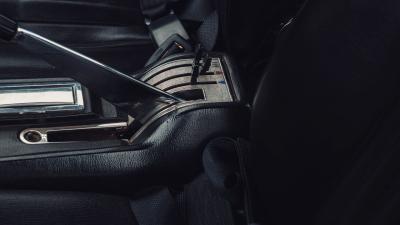
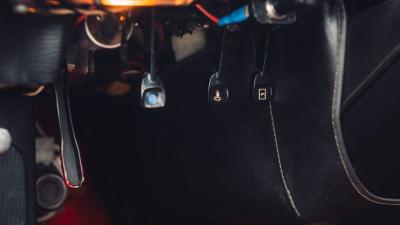
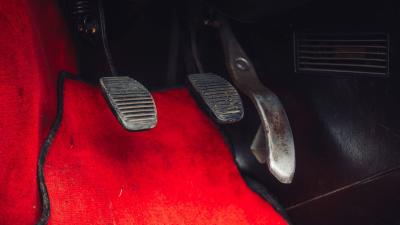
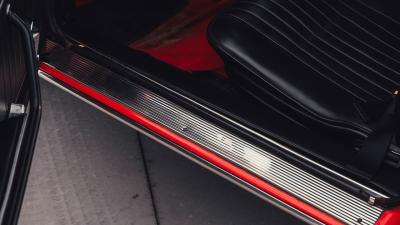
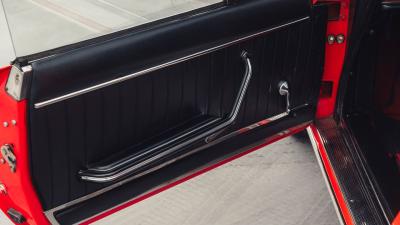
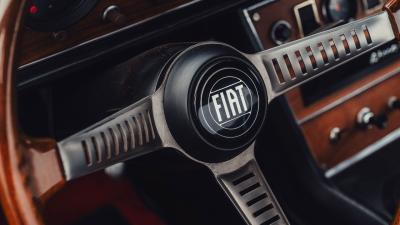
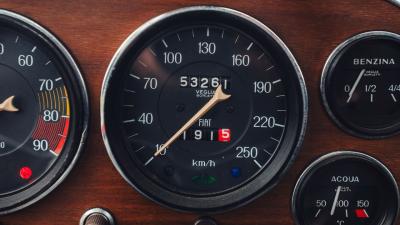
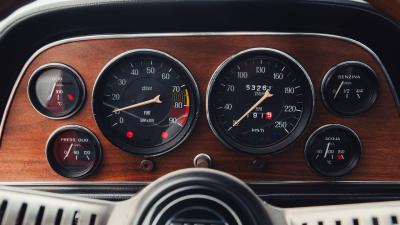
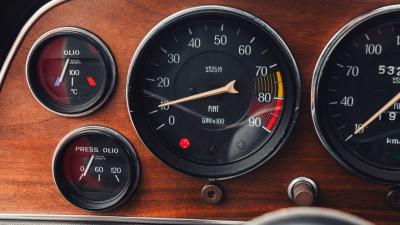
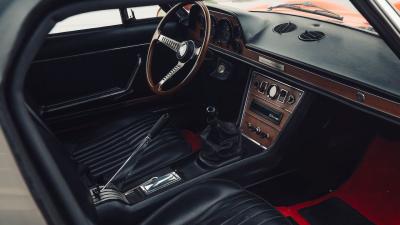
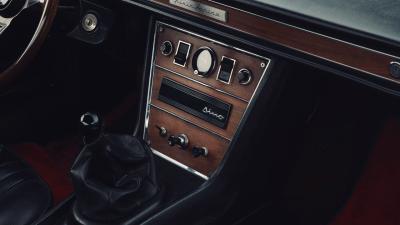
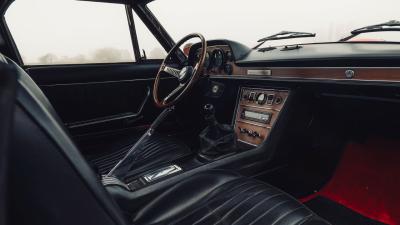
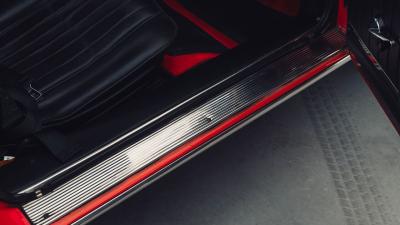
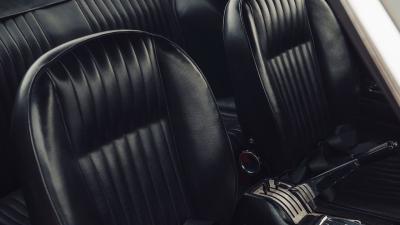
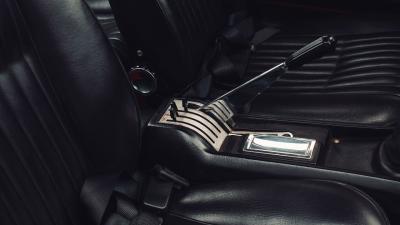
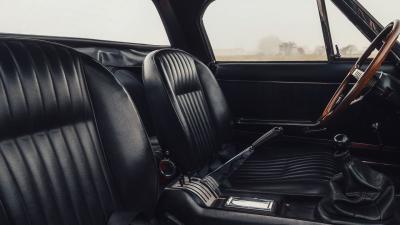
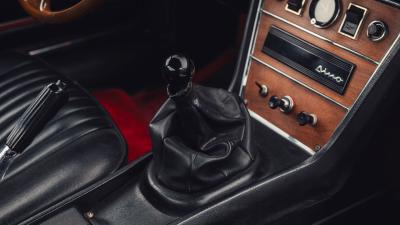
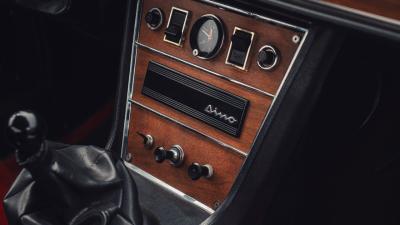
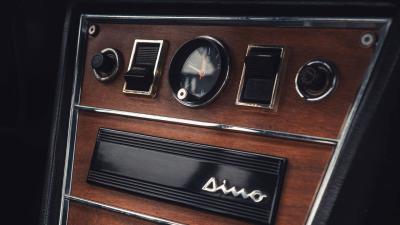
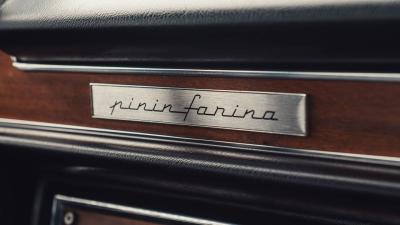
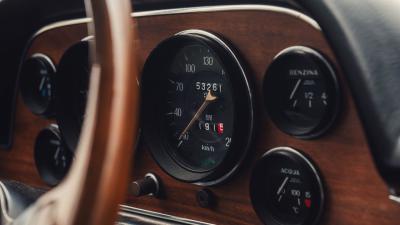
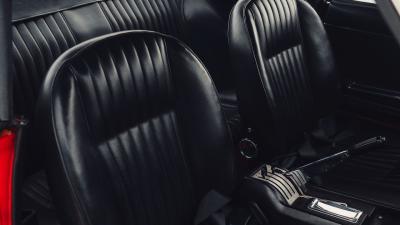
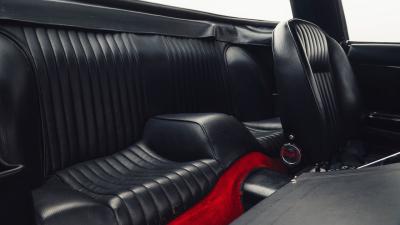
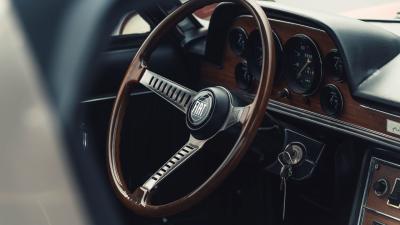
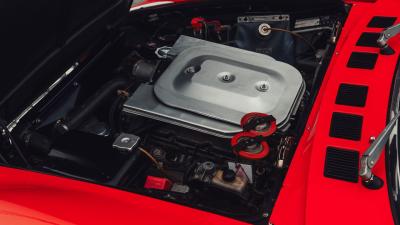
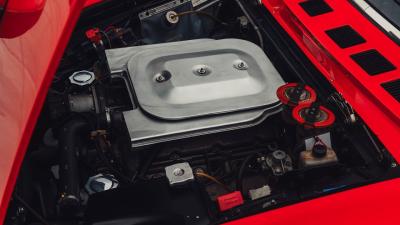
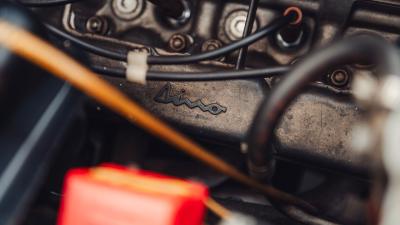
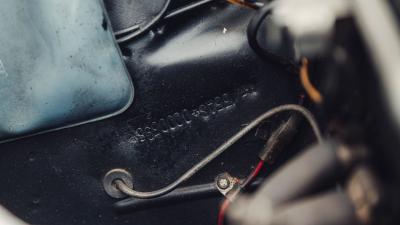
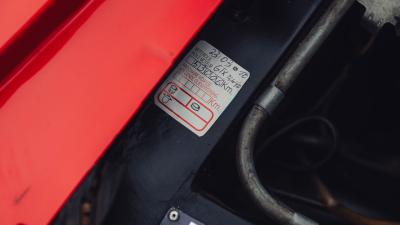
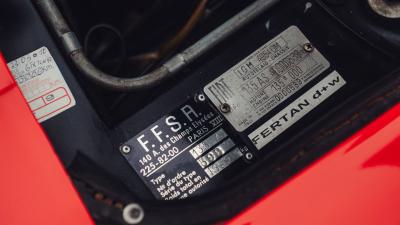
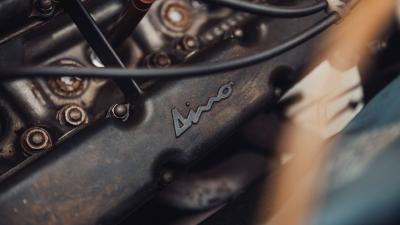
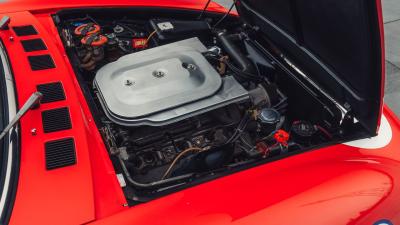
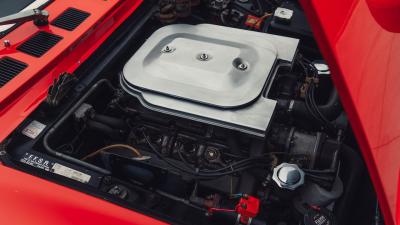
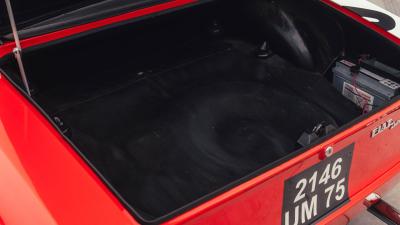
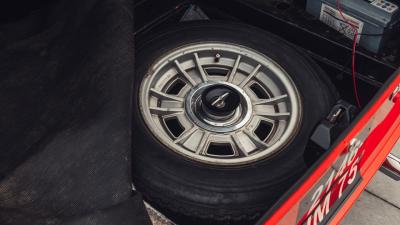
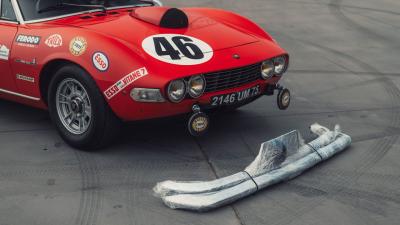
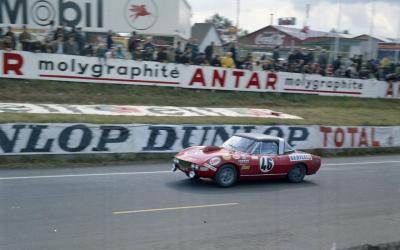
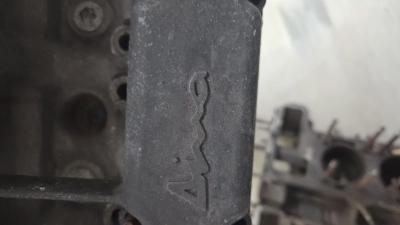
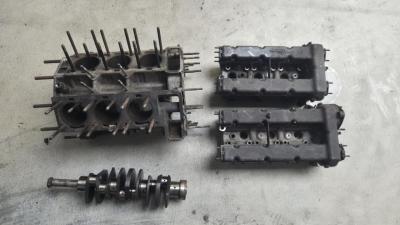
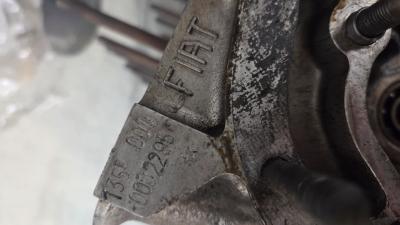
Chassis No. 135AS0000598 Engine No. 135B0000005041 and 135B0000002295 The Fiat Dino may just be the most captivating Fiat ever produced. Born from Ferrari’s need to homologate the Ferrari 166 Formula Two engine for the 1967 F2 season, it was the product of the very first collaboration between Enzo Ferrari and the Agnelli family of the Fiat empire. Fiat had the technical capacity to produce the 500 cars required for homologation, fitted with the 1,987 cc V6 engine in aluminum alloy, with three Weber twin-barrel carburetors, producing 160 horsepower, initiated by Dino Ferrari, the son of the Commendatore. The design of the 2+2 Spider body added a third name this formidable collaboration of Italian automotive history: Pininfarina. The most captivating Fiat ever produced had thus come to life. Many are familiar with this fantastic car and its story, yet few are aware that one took part in the 24 Hours of Le Mans and remains the only Fiat Dino ever to compete in the world’s most famous endurance race. The 1968 24 Hours of Le Mans Postponed to September that year, instead of the usual month of June, due to civil protests and widespread strikes that had brought France to the brink of revolution in May 1968, the start of the 24 Hours of Le Mans race was given at 3:00 PM on 28 September 1968. On the starting grid stood a Fiat Dino Spider with rarely seen hardtop, chassis number 0598, entered by Marcel Martin and Jean Mésange under the Ecurie Fiat-Abarth France team, created by the importer Abarth France. The previous year, the same crew had claimed a class victory at the wheel of an Abarth 1300 OT, enabling the firm to become World Champion in the Sports Car S1.3 category. Marcel Martin, an accomplished driver who had won numerous regional rallies in a Ferrari 250 GTO and 250 GT Berlinetta Competition S, was a true child of Le Mans. He had grown up alongside the circuit, witnessing the triumphs of the Ferrari 166 MM and 375 in 1949 and 1954, before competing himself in a Maserati 200 Si in 1958. Deeply connected to the circuit and the 24 Hours race, he would later serve as race director from 1981 to 2000. After three prior participations, Martin decided to enter the race one final time with his own Fiat Dino Spider registered in France on 6 December 1967 under road plates “2146 UM 75.” The engine was sent to Virgilio Conrero in Italy for preparation to produce 185 horsepower, and a large air intake was installed on the bonnet to feed the engine. The interior and seats were stripped to save 74 precious kilograms. This Fiat Dino—fundamentally a road car that would naturally have competed in GT—faced the 2.0-liter Sports Prototypes due to homologation rules that stipulated the fuel tank volume could not exceed 64 liters. Having valiantly achieved a lap average of 171.458 km/h during qualifying the day before, the car now set off against the Porsche 910 and the multiple Alfa Romeo T33/2s, carrying race number 46. Lap after lap went by, and shortly after nightfall, the engine began to run hot due to an ignition fault. Pit stops failed to resolve the issue, yet the rain that fell during the night helped stabilize the engine temperature and allowing the team to continue the race. The Fiat Dino and its driver passed in front of the Maison Blanche, accelerated down the Mulsanne Straight before adjusting their speed to tackle Mulsanne and Arnage corners, thrilling the spectators as they surged past the grandstands, and continued to lap the circuit. At the end of the 24 hours, the combination of pit stops and the caution required by the cooling issue cost the crew valuable time, and the regulations in force required them to cover roughly 200 additional kilometers to be classified. Having completed the endurance race and having covered 3,407.65 km and 253 laps of the circuit in daylight and nighttime, Martin and Mésange, these two children of Le Mans, finished 16th out of 54 competitors in overall distance, and despite the official result that left them unclassified, became a great local pride. After his participation in the 24 Hours of Le Mans 1968, according to his recollections several decades later, Martin returned the car closer to its original condition as a grand tourer, keeping of course the rare feature: the car’s hardtop (it should be noted there is – and there never was – a soft top with this example) and sold it. It was subsequently registered as 127 JG 73 from 1970 to 1988 in Savoie in the French Alps under two different owners, before crossing the Belgian border and joining the important collection of its current owner in 1997. Far from being forgotten, it was acquired for its historical importance, joining a significant collection and was preserved as a static exhibit, while still receiving proper care, including major mechanical maintenance in 1997 and a service in 2015, during which it passed the Belgian technical inspection and a Car Pass was obtained. After years of dry-storage the car has recently been checked over and started up with fresh liquids, fuel, etc. by the collection in-house mechanic, after having been mainly on static display for the past years. During its return to road configuration after the 24-hour race, it was fitted with a correct-type Ferrari Dino 2.0-litre V6 engine. The car also comes with its original matching-numbers engine block, which was fitted during Le Mans. Its extensive historical file, available for consultation, includes copies of the Le Mans entry documents: participation application, engine capacity verification certificate, scrutineering log, etc., as well as copies of contemporary press articles and photographs. Powered by its Ferrari engine and featuring its charming open 2+2 body designed by Pininfarina and fitted with a lovely sporty looking hardtop, the Fiat Dino Spider chassis number 0598 possesses all the attributes of a rare and highly sought-after model. Having become the only Fiat Dino ever entered in the 24 Hours of Le Mans, its participation gives it a unique place in the history of the world’s most famous endurance race and in automotive history. There is no doubt it will captivate the most discerning collectors. PREVIEW DETAILS: This lot will be available for viewing in person at Roland-Garros Stadium from Tuesday, 27th January 2026 to Friday, 30th January 2026. SALE LOCATION: France BUYER’S PREMIUM: 10% + VAT on the Hammer Price TITLE/REGISTRATION DOCUMENTS: Belgian Demande d'Immatriculation ADDITIONAL NOTES: N/A POST-AUCTION REMOVAL AND STORAGE: Following the auction, this lot will be removed from site and transferred to a third party storage facility outside of Paris, France. The removal fee of €520 + VAT will be charged to the buyer. Storage charges of €40 + VAT per lot per day will also be charged from Saturday, 31st January 2026.
Contact Us
