






























































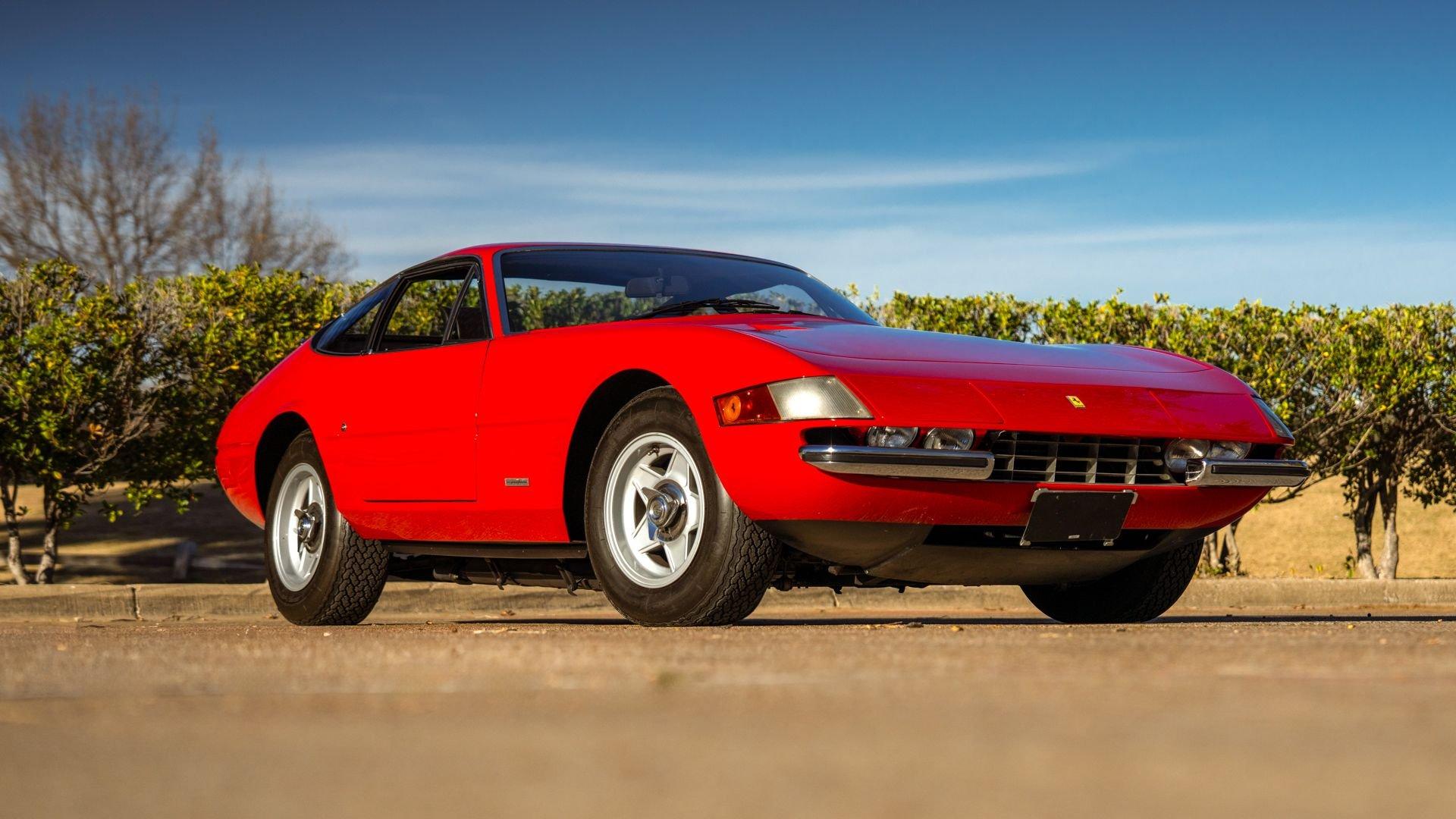
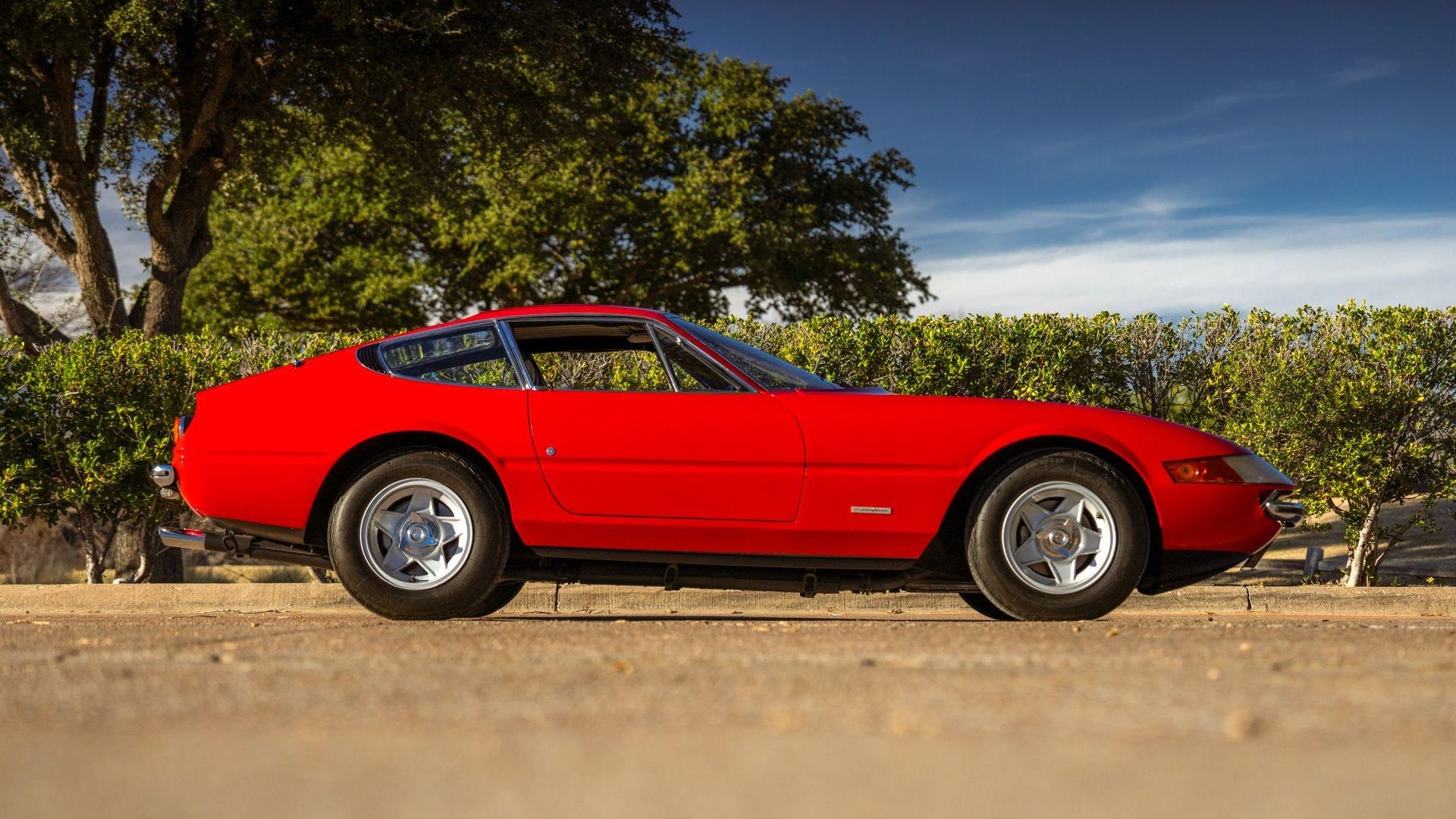
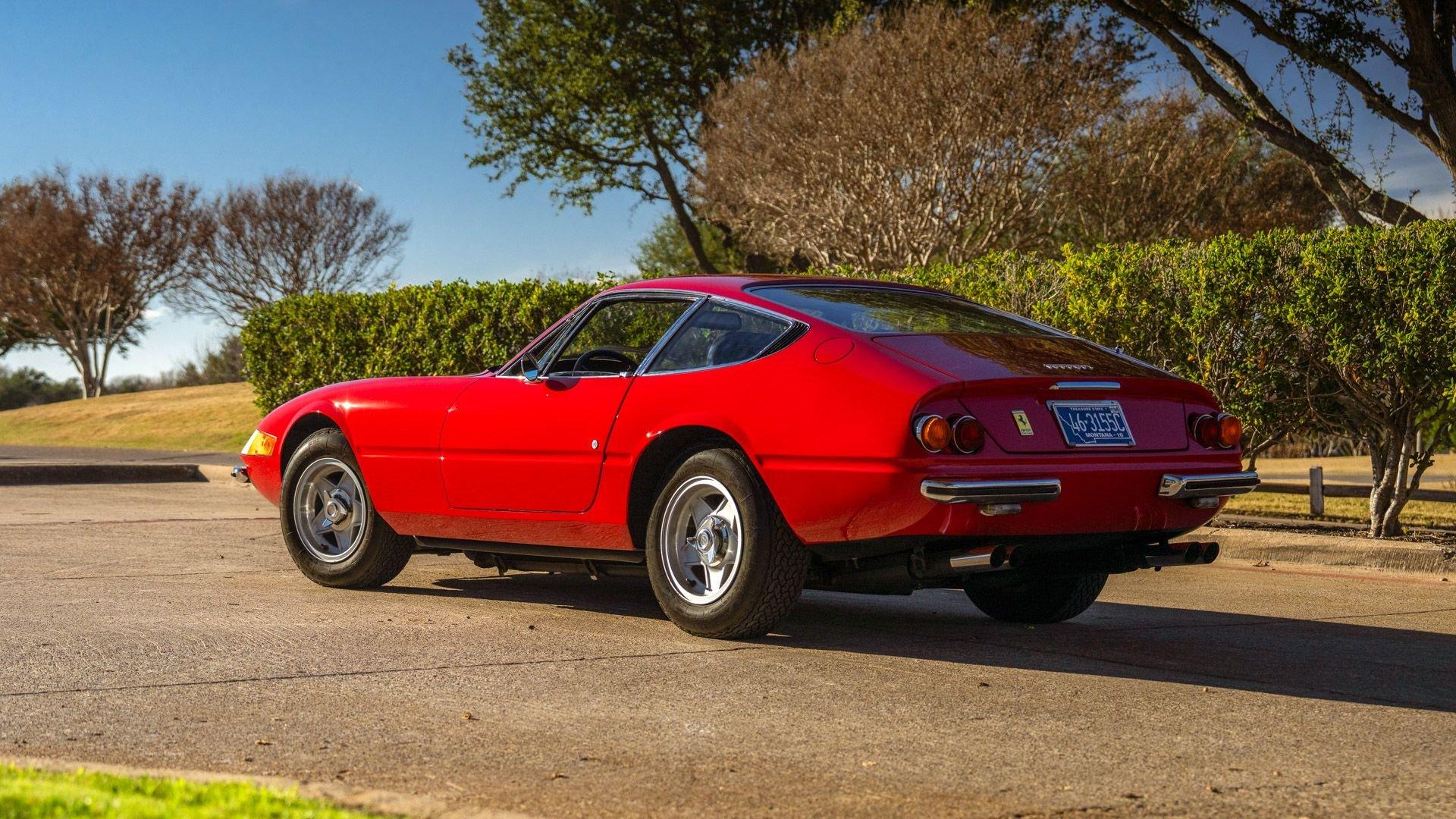
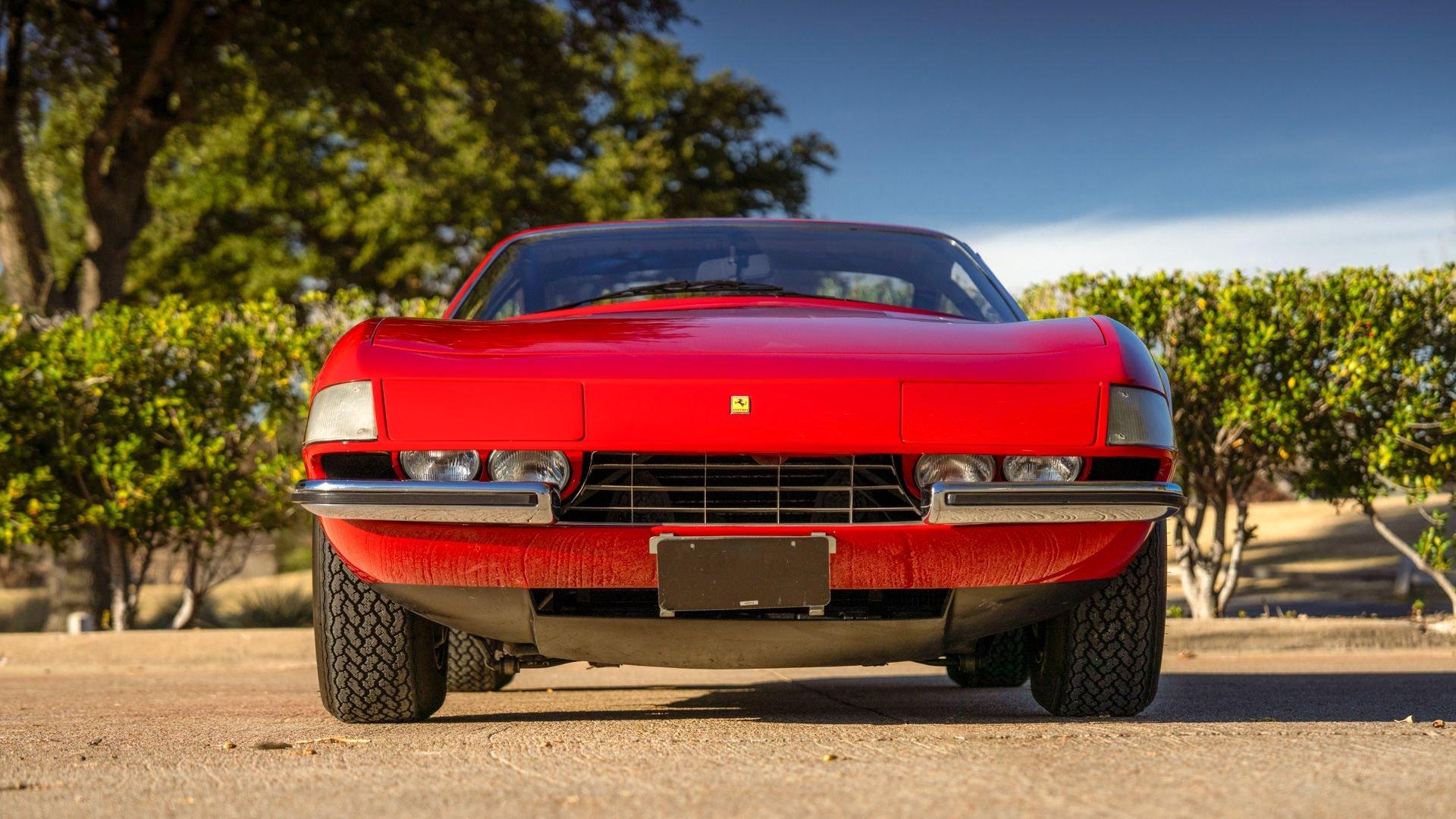
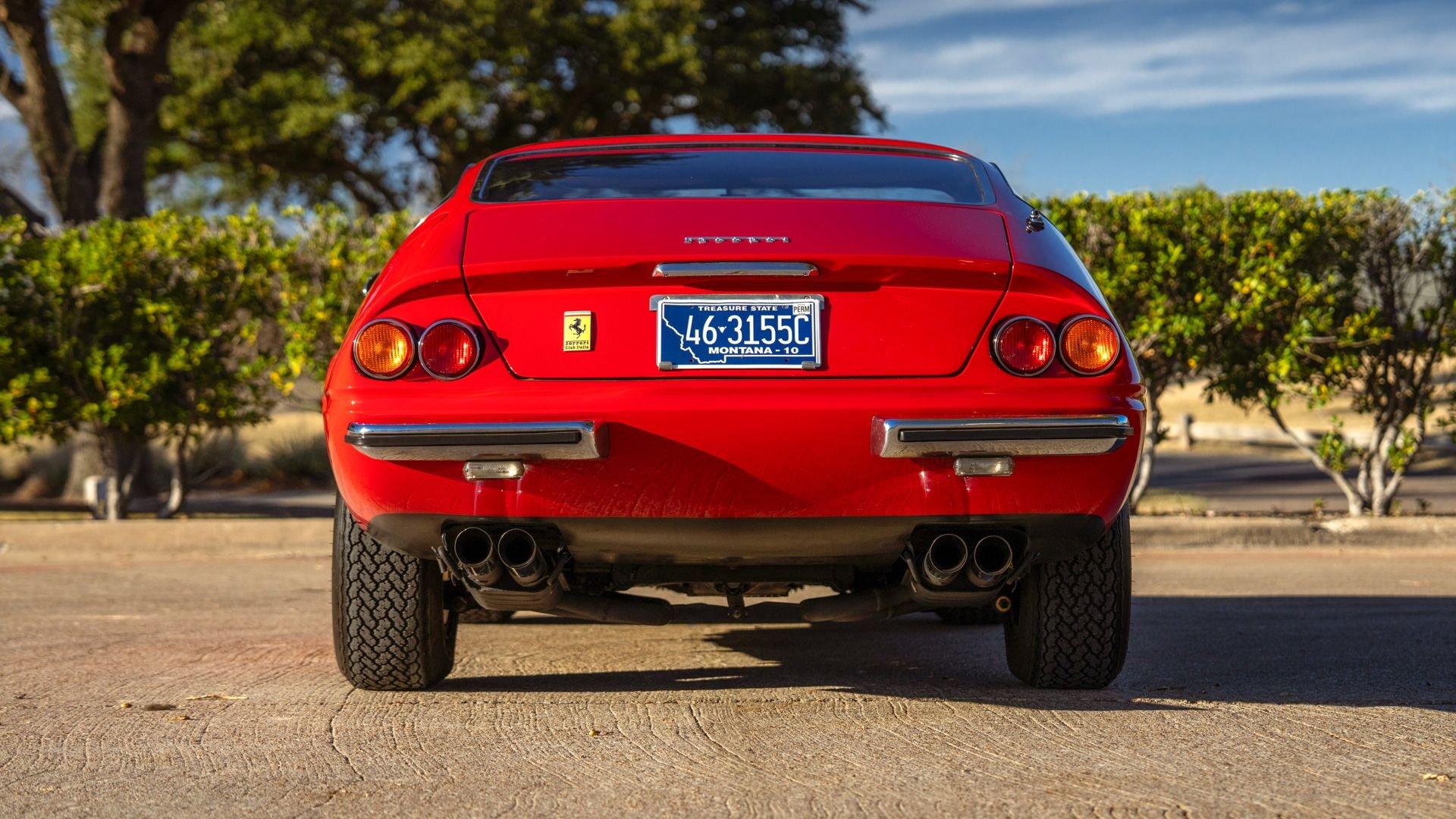
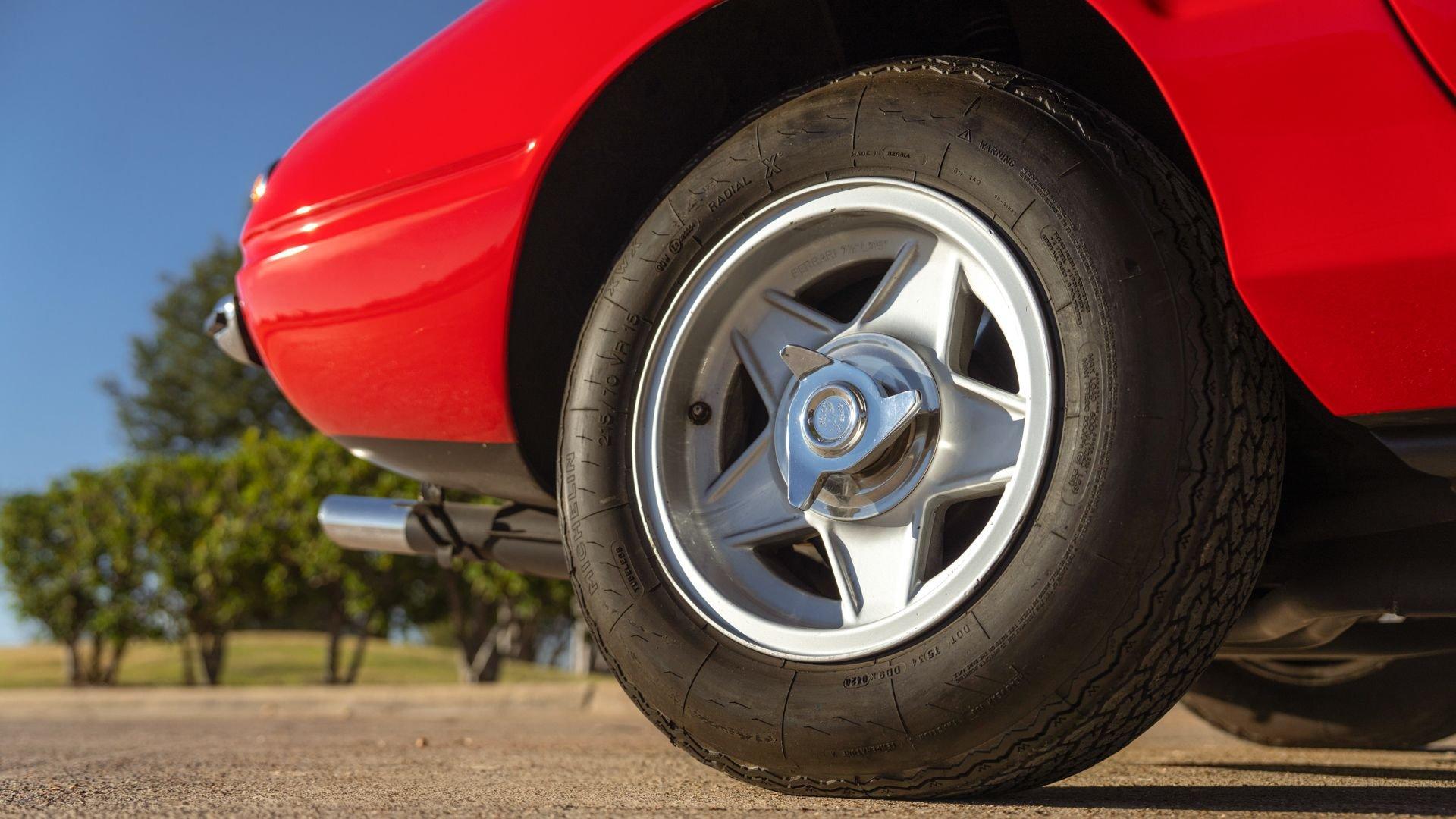
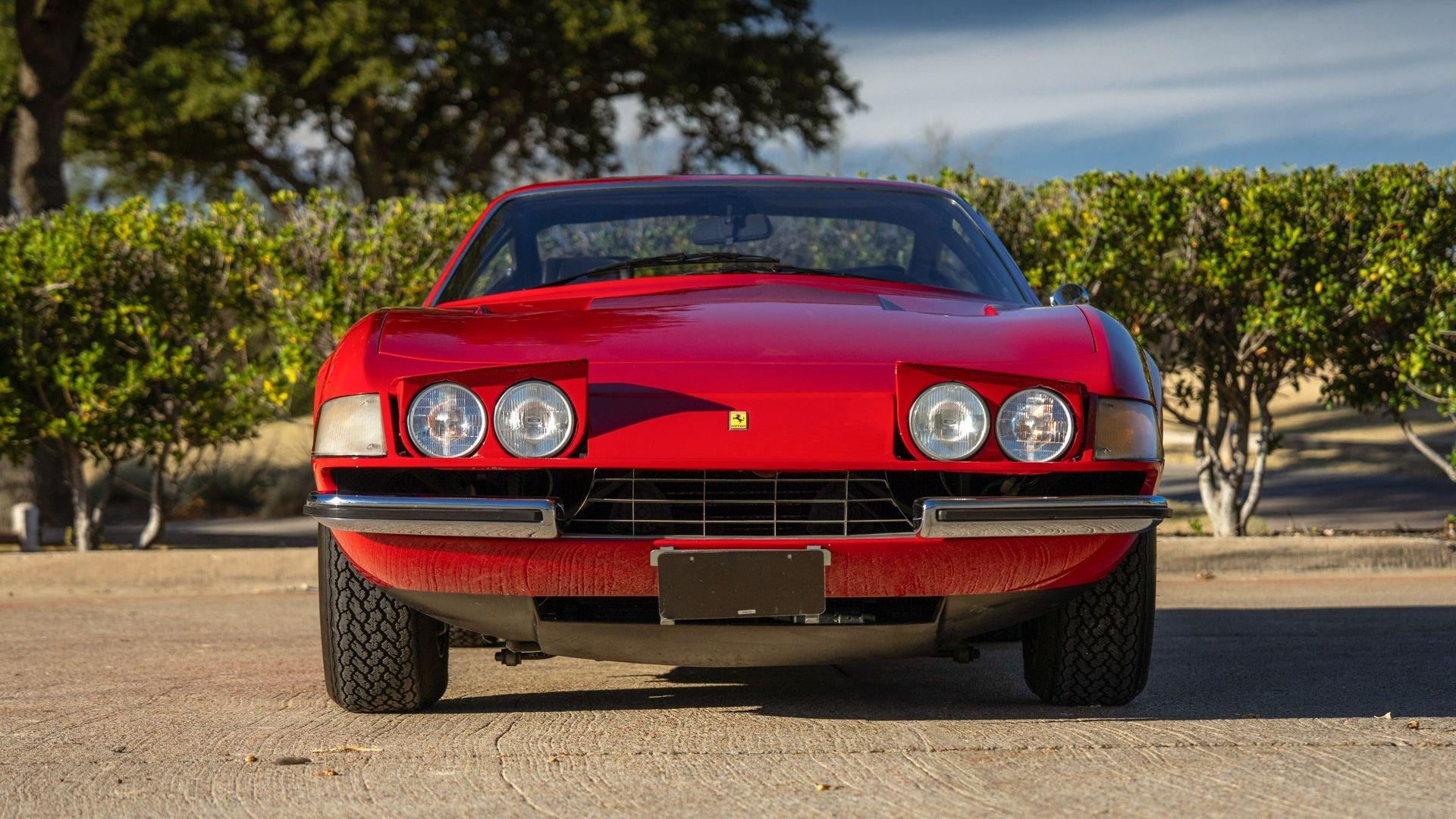
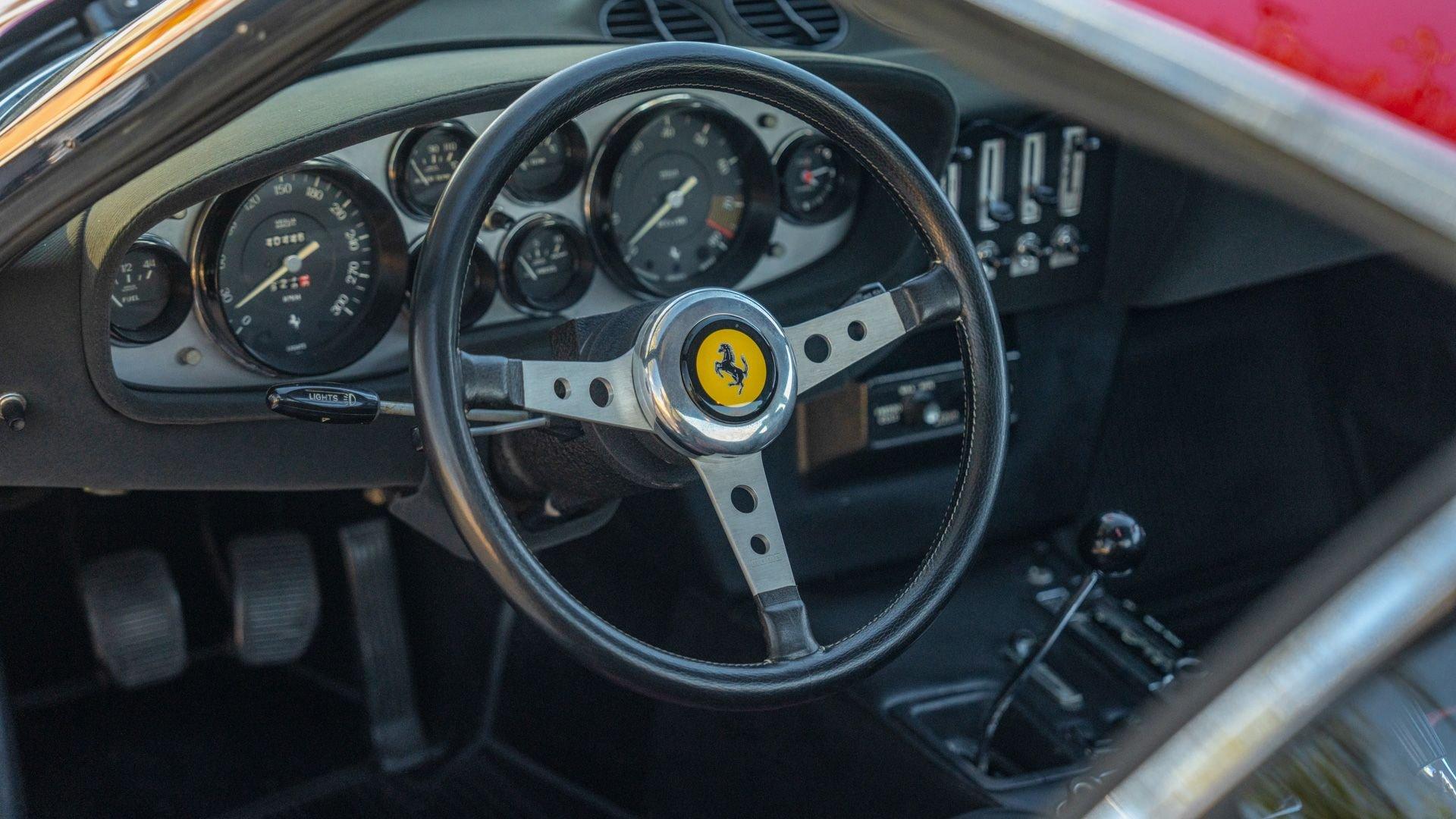
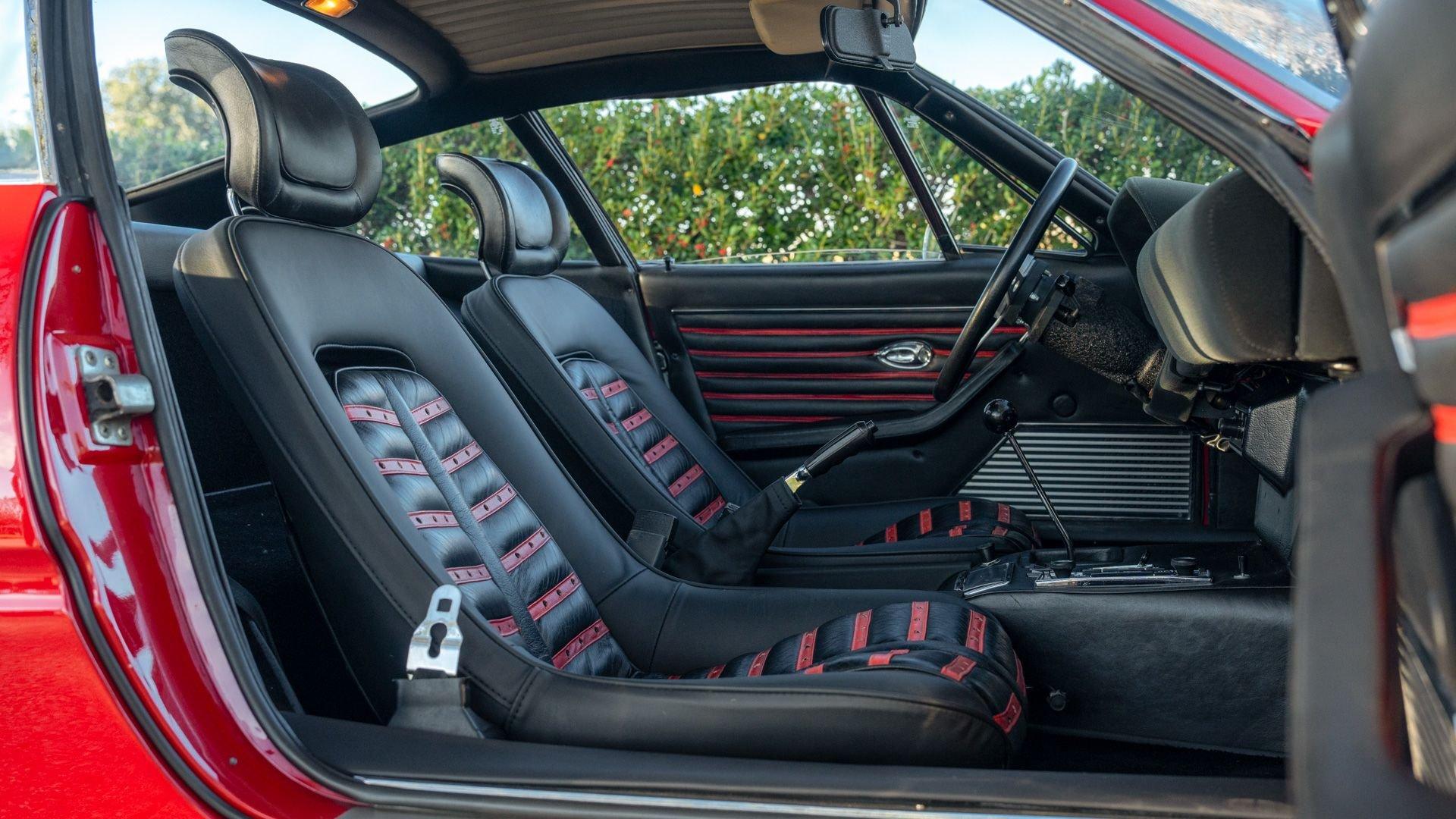
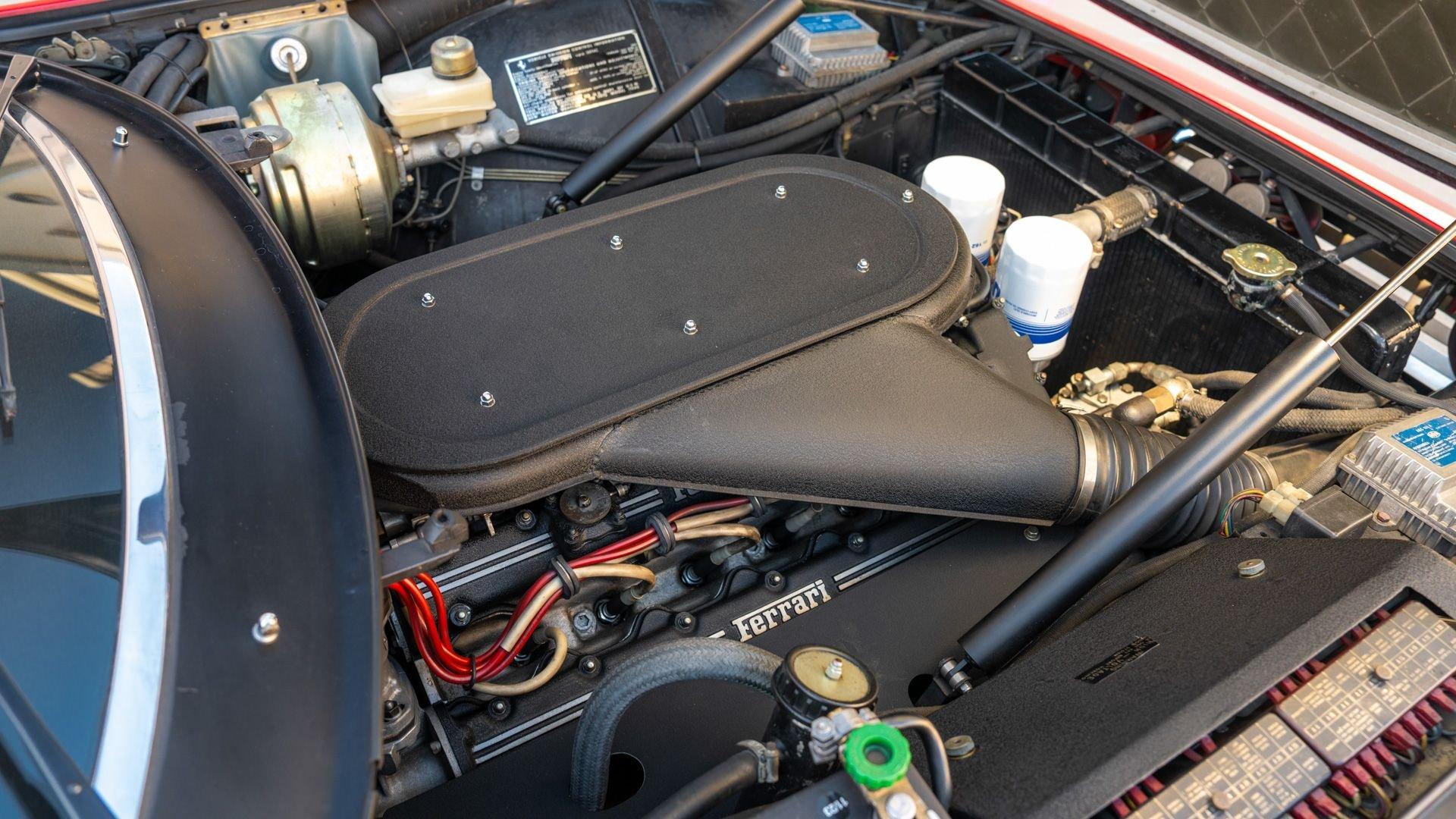
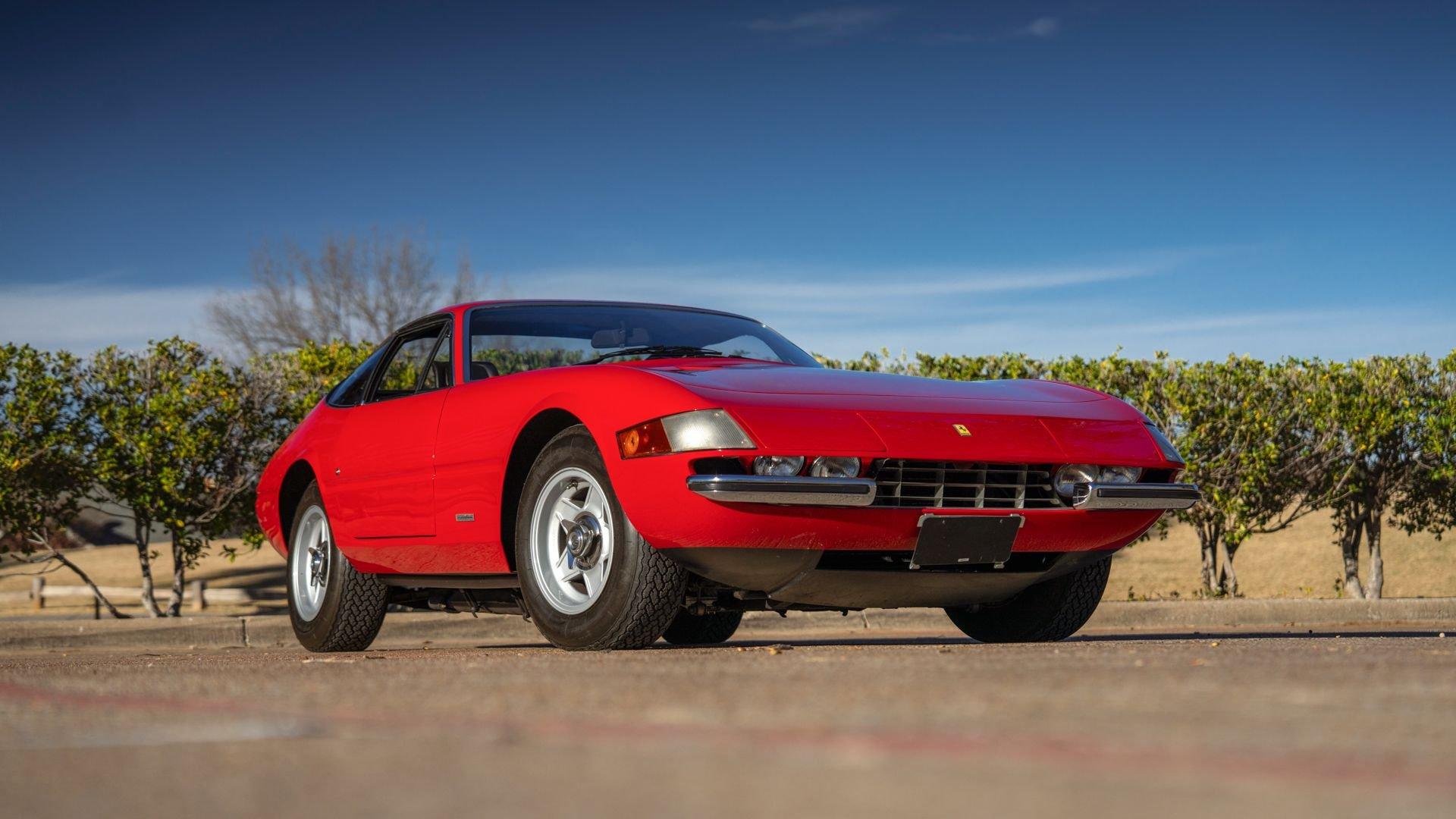
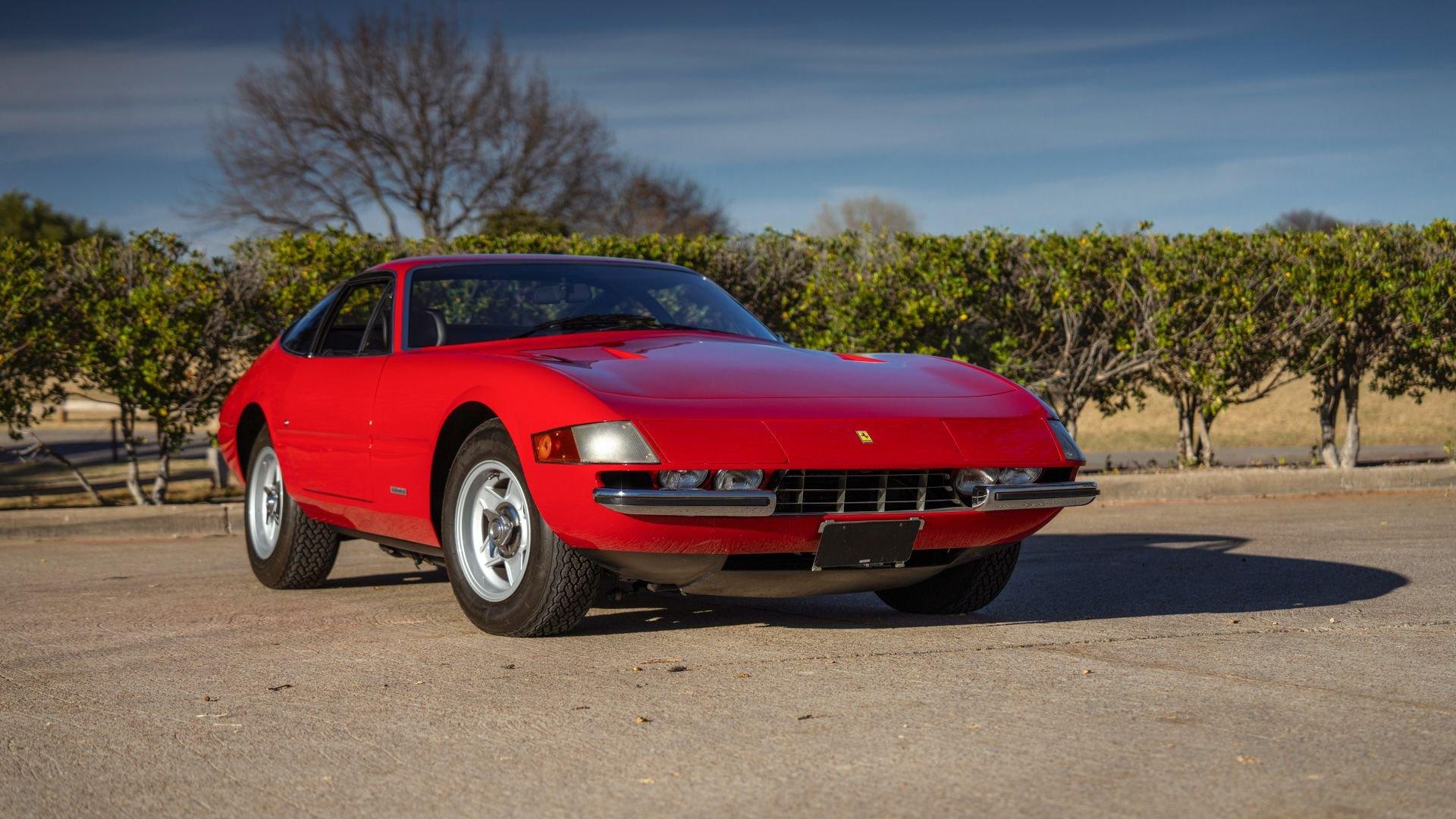
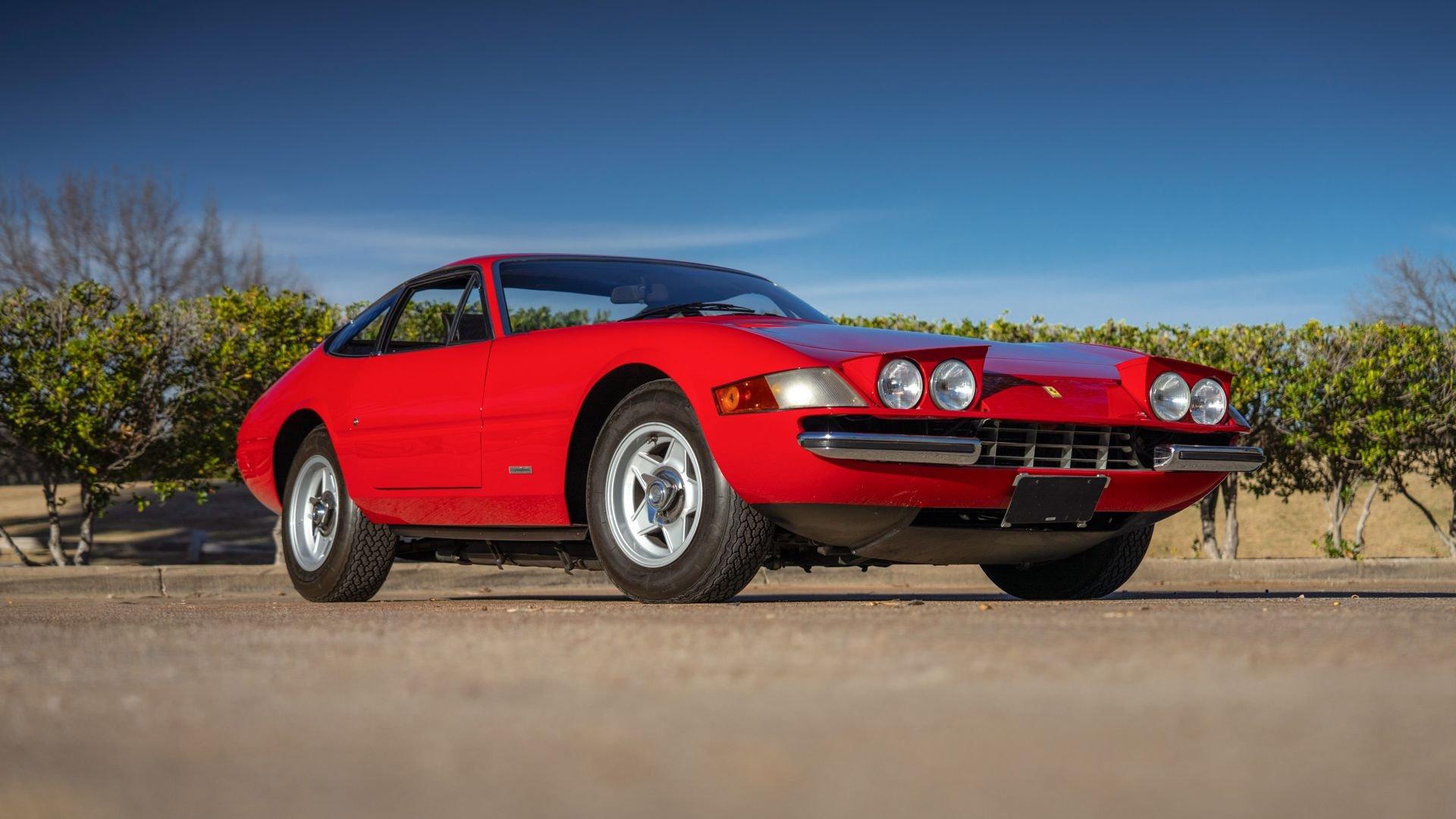
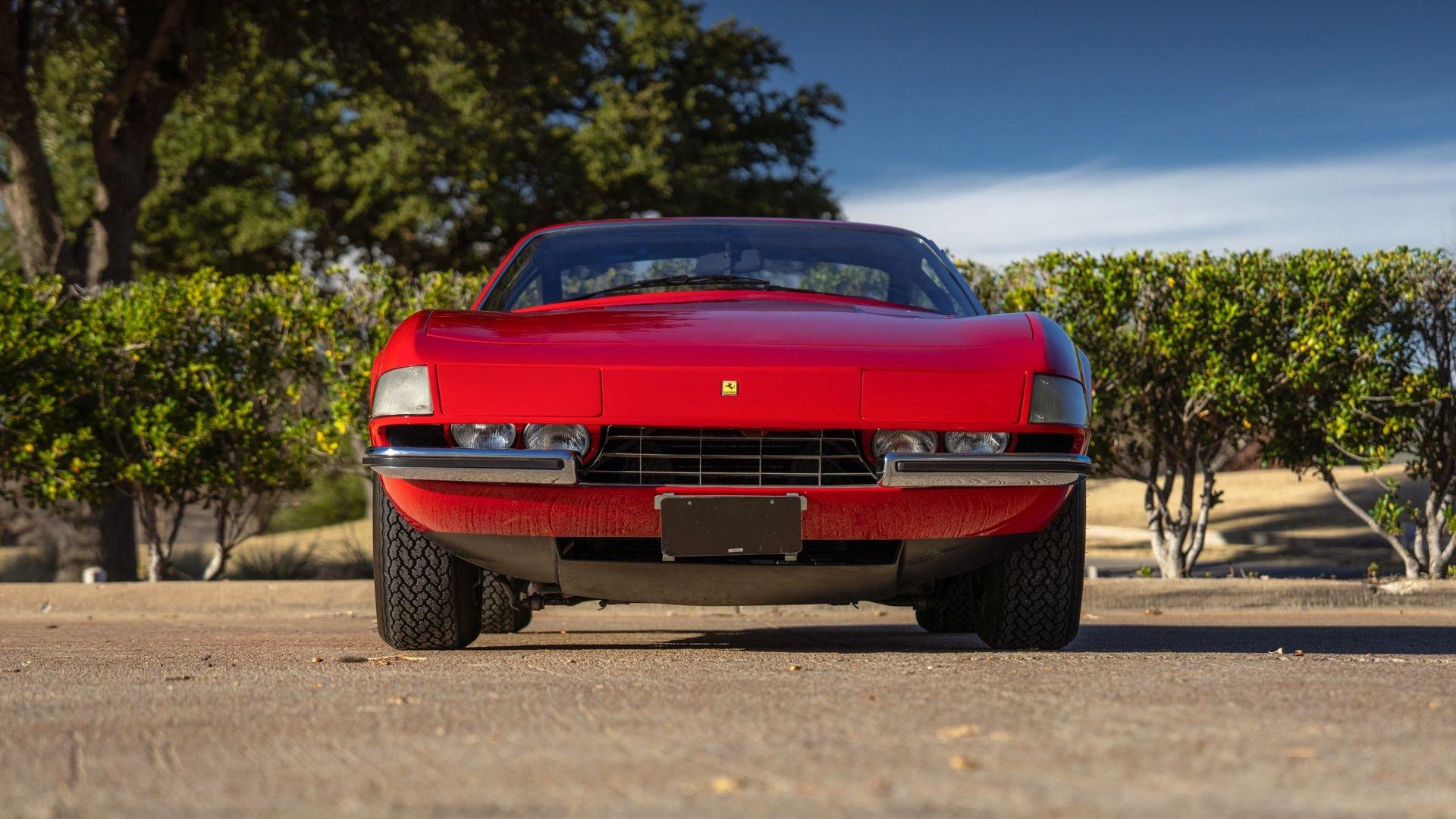
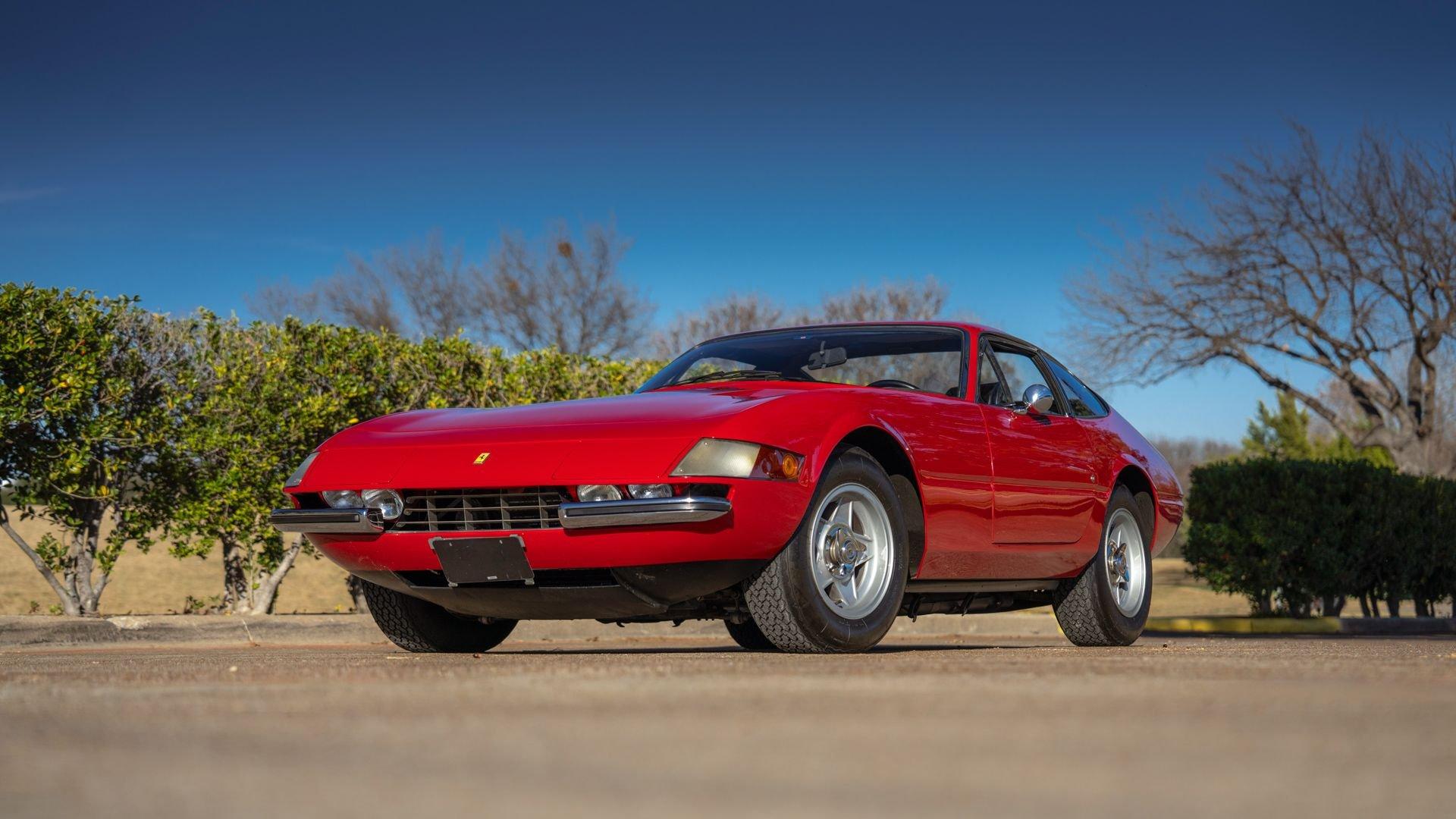
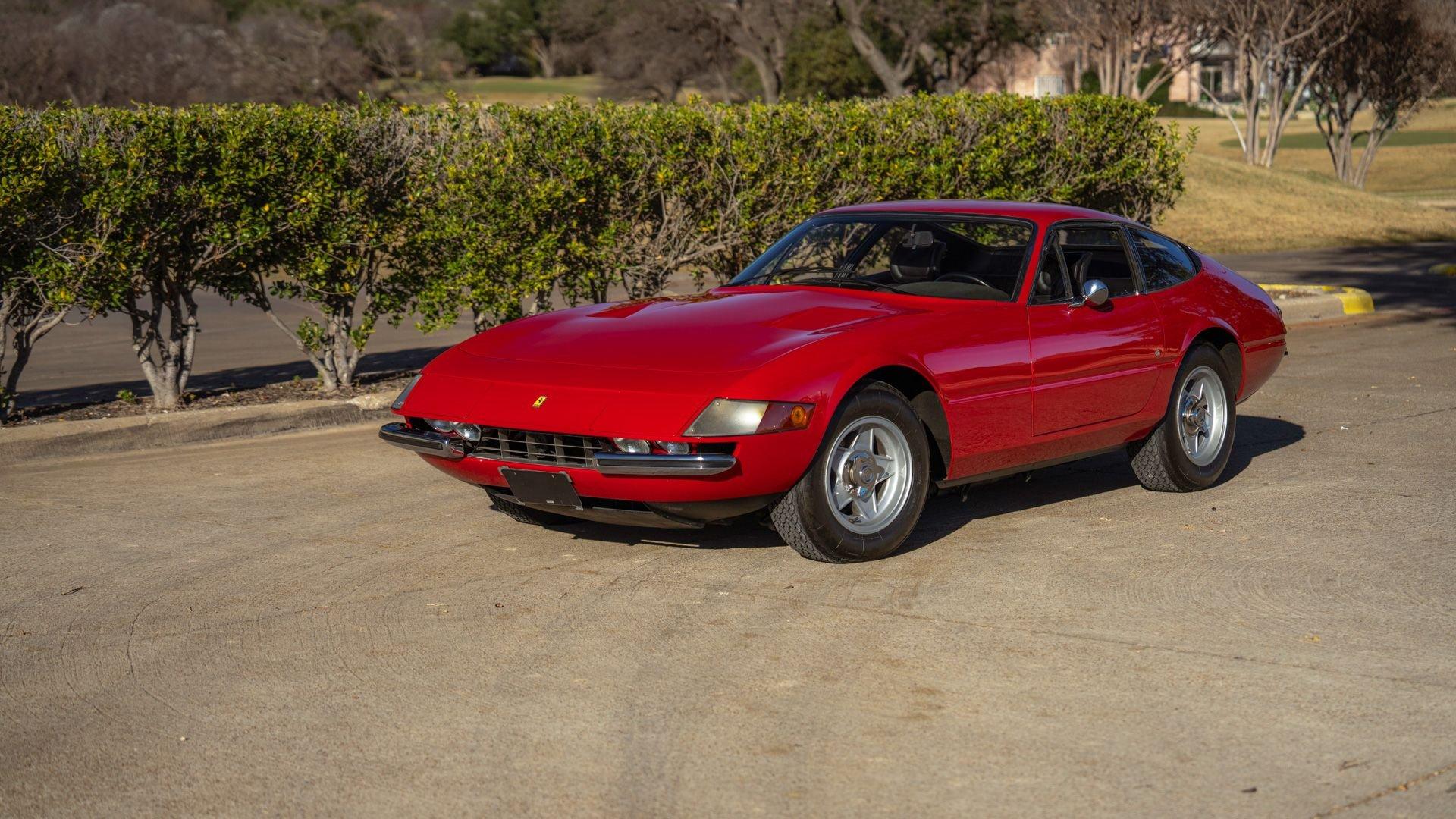
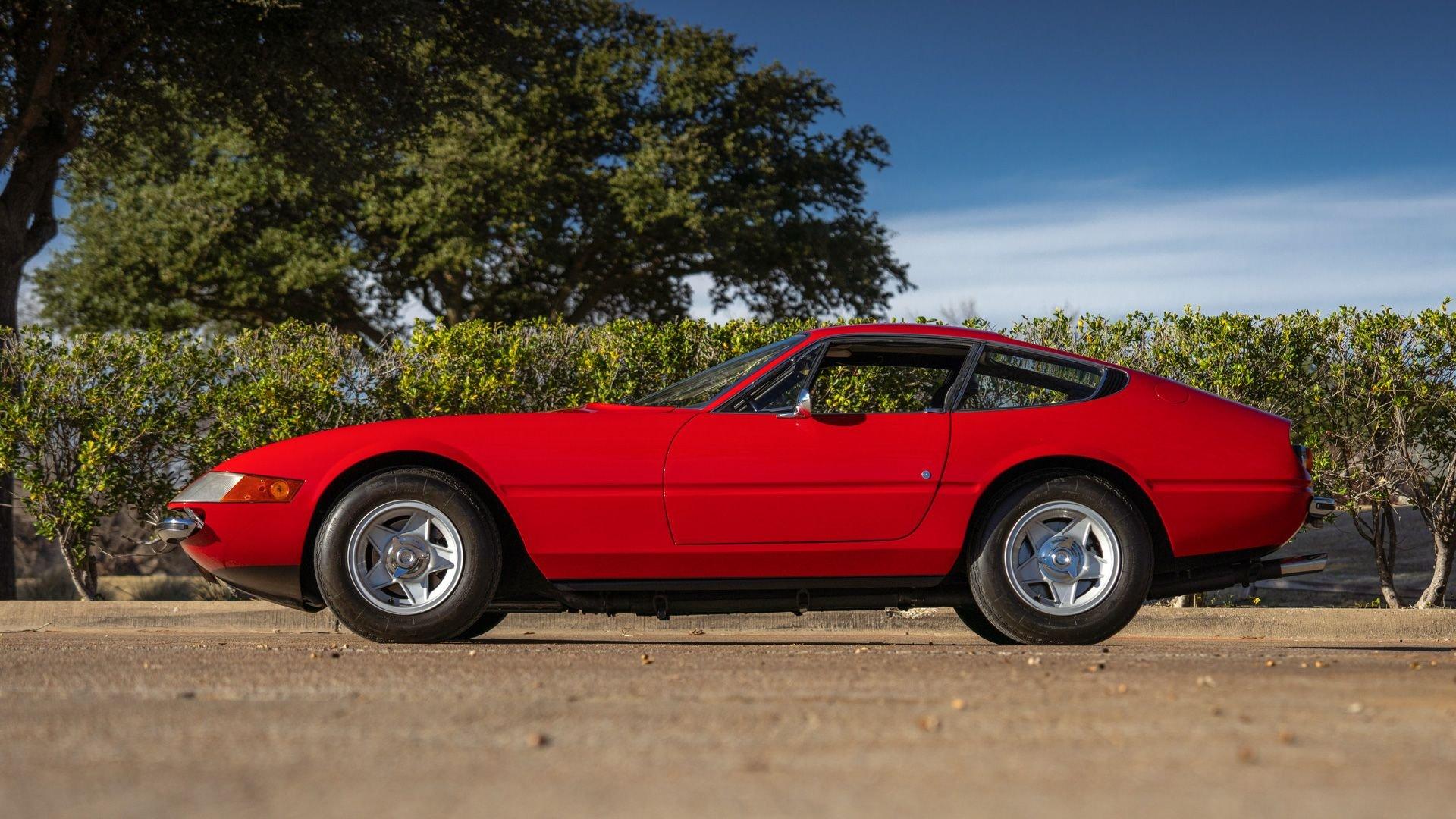
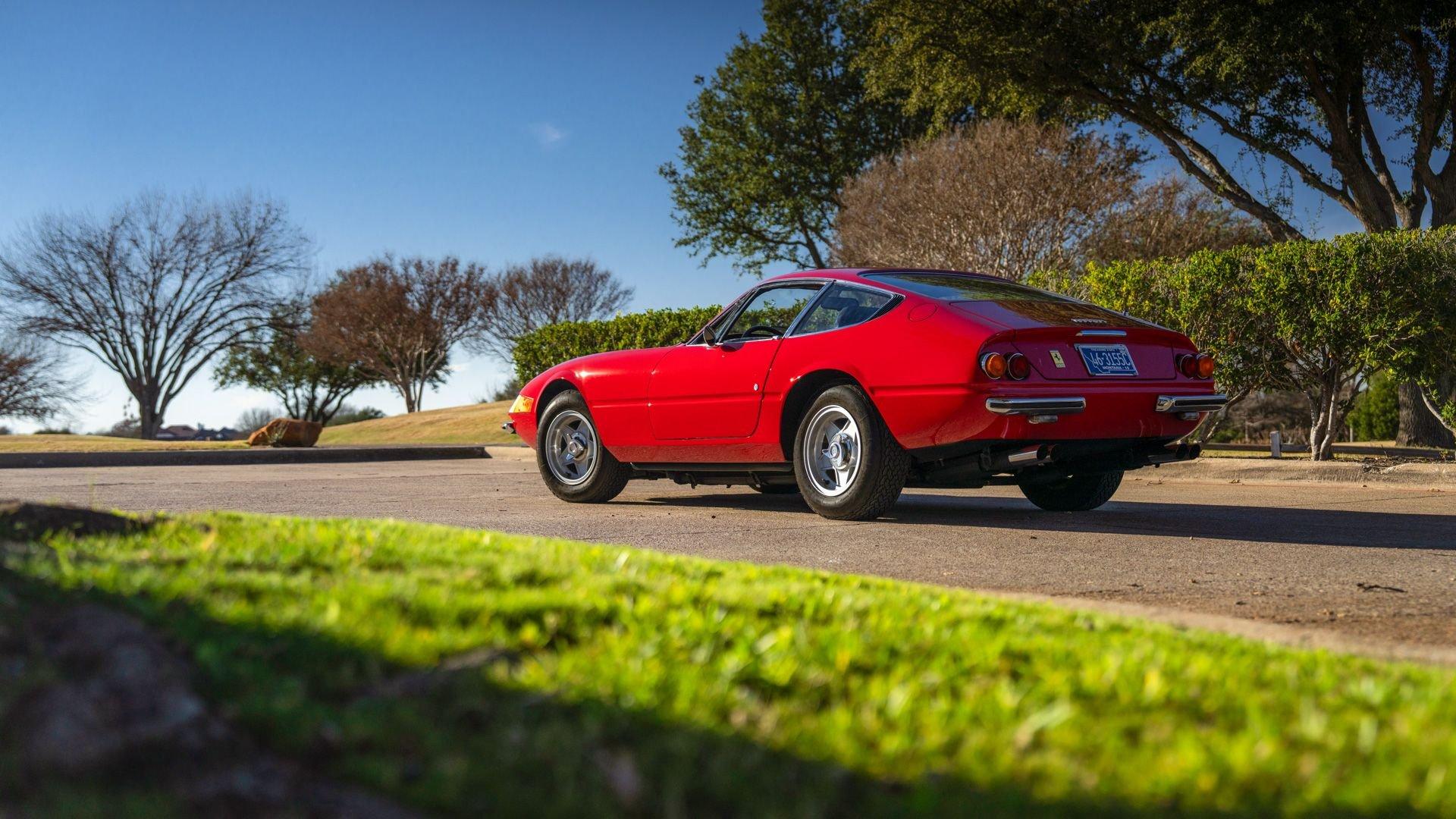
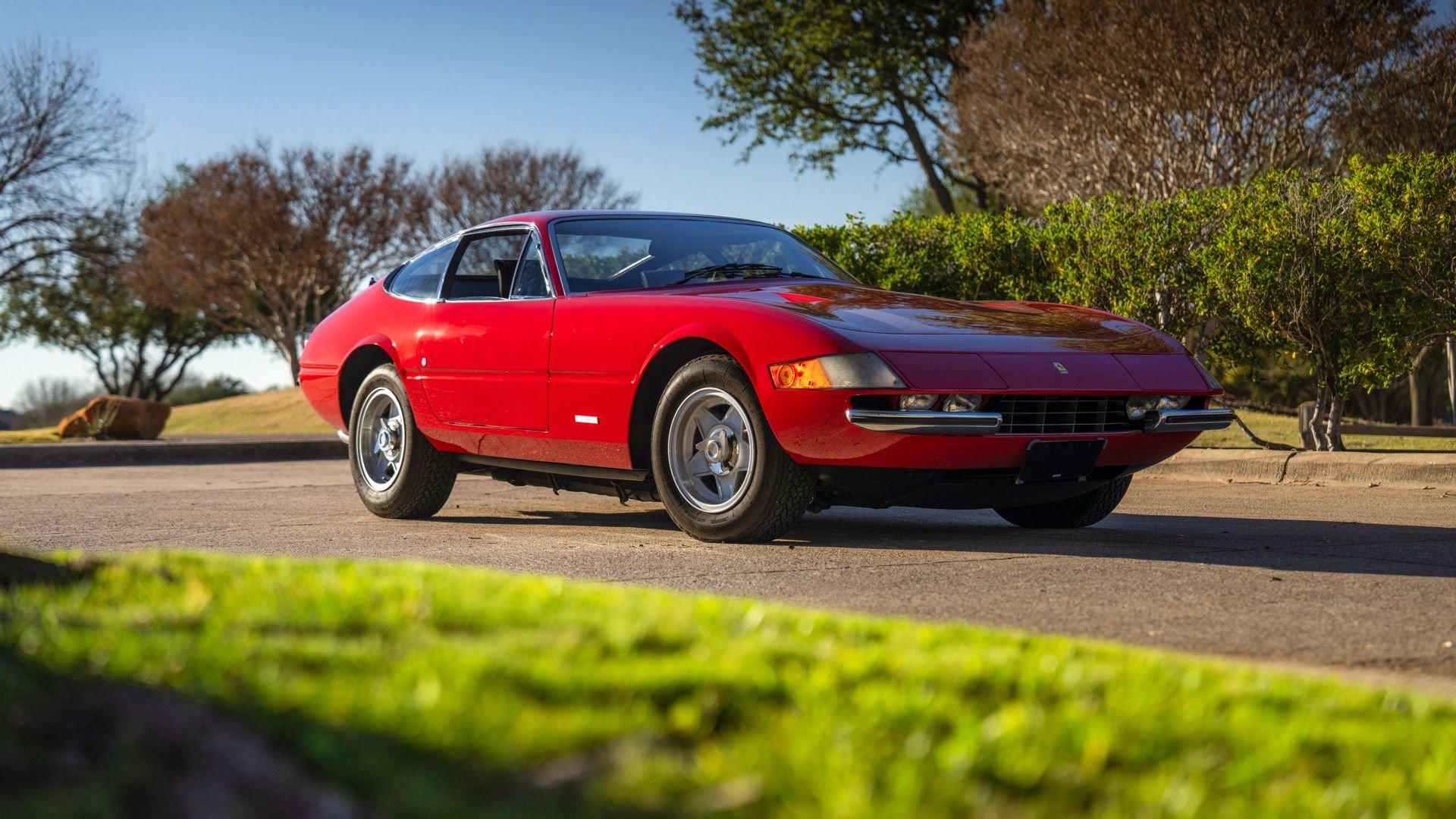
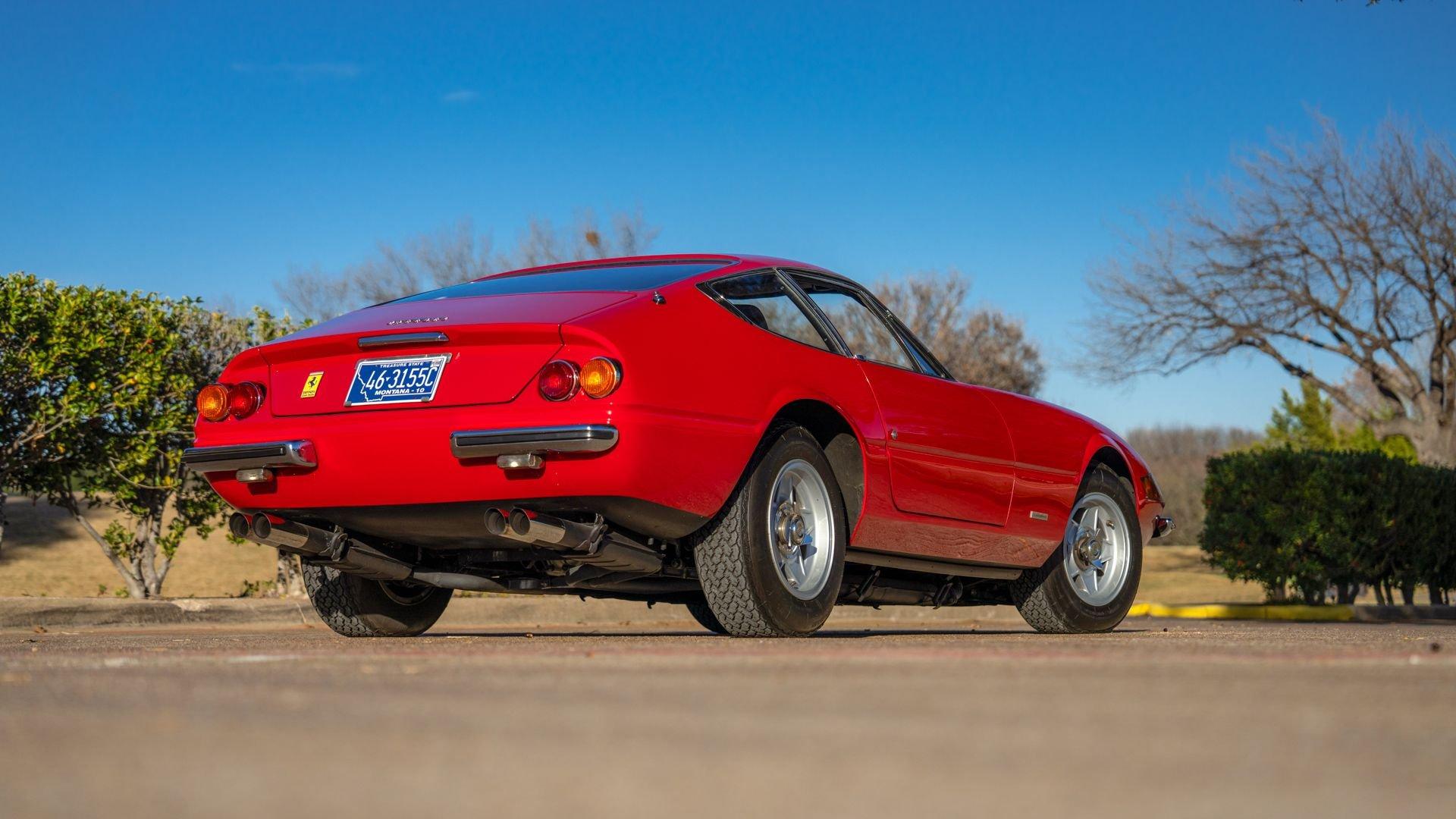
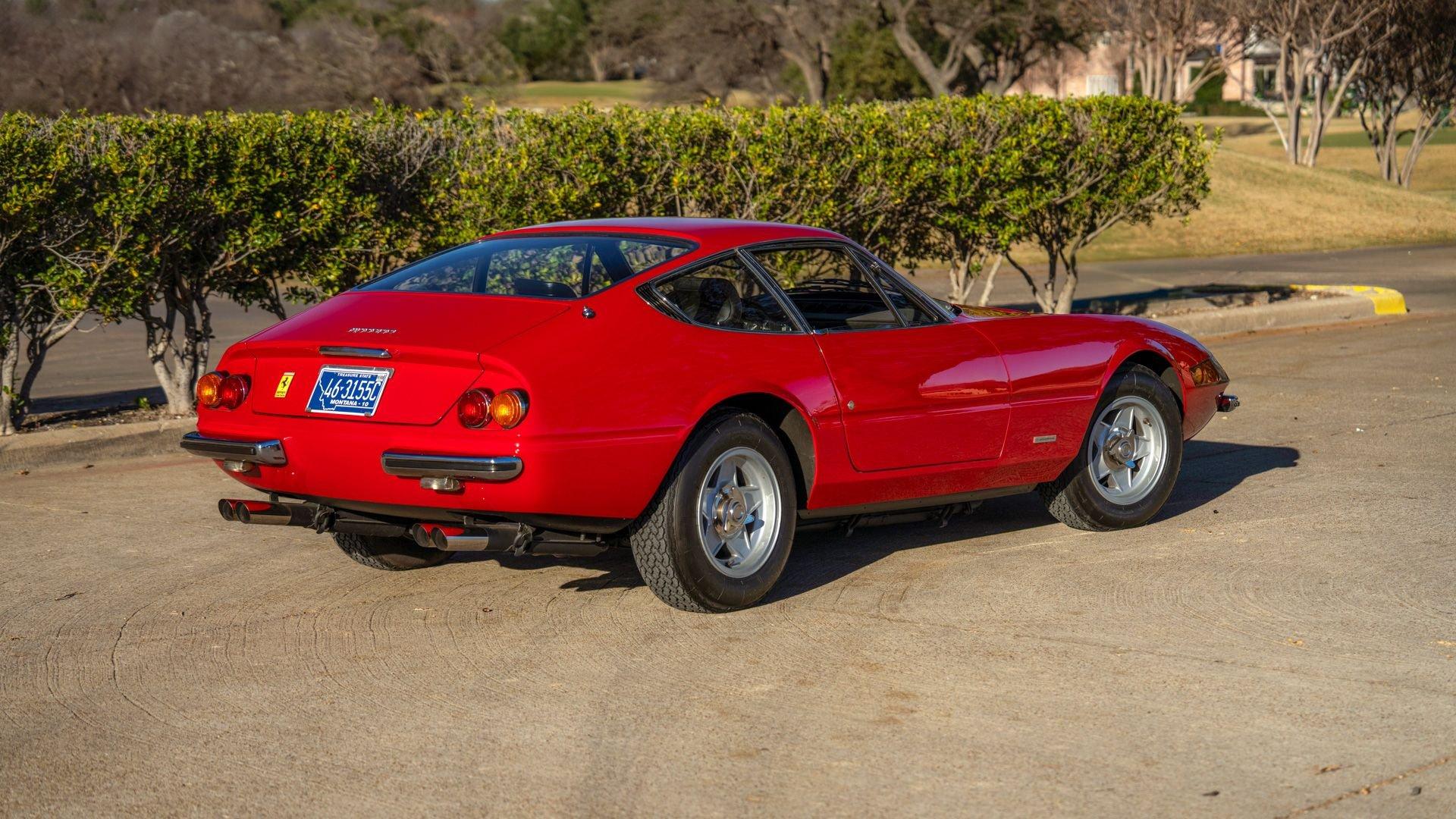
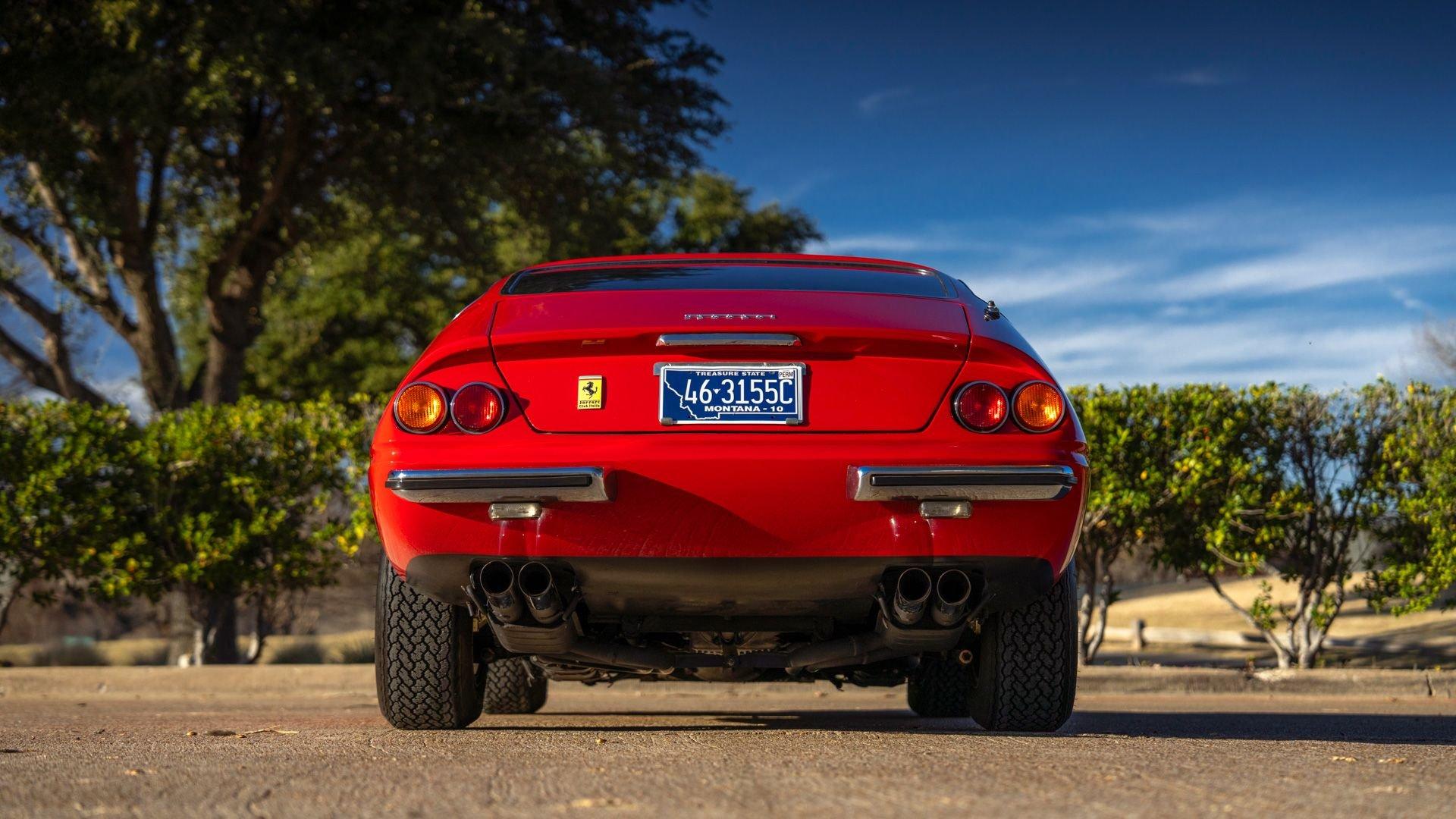
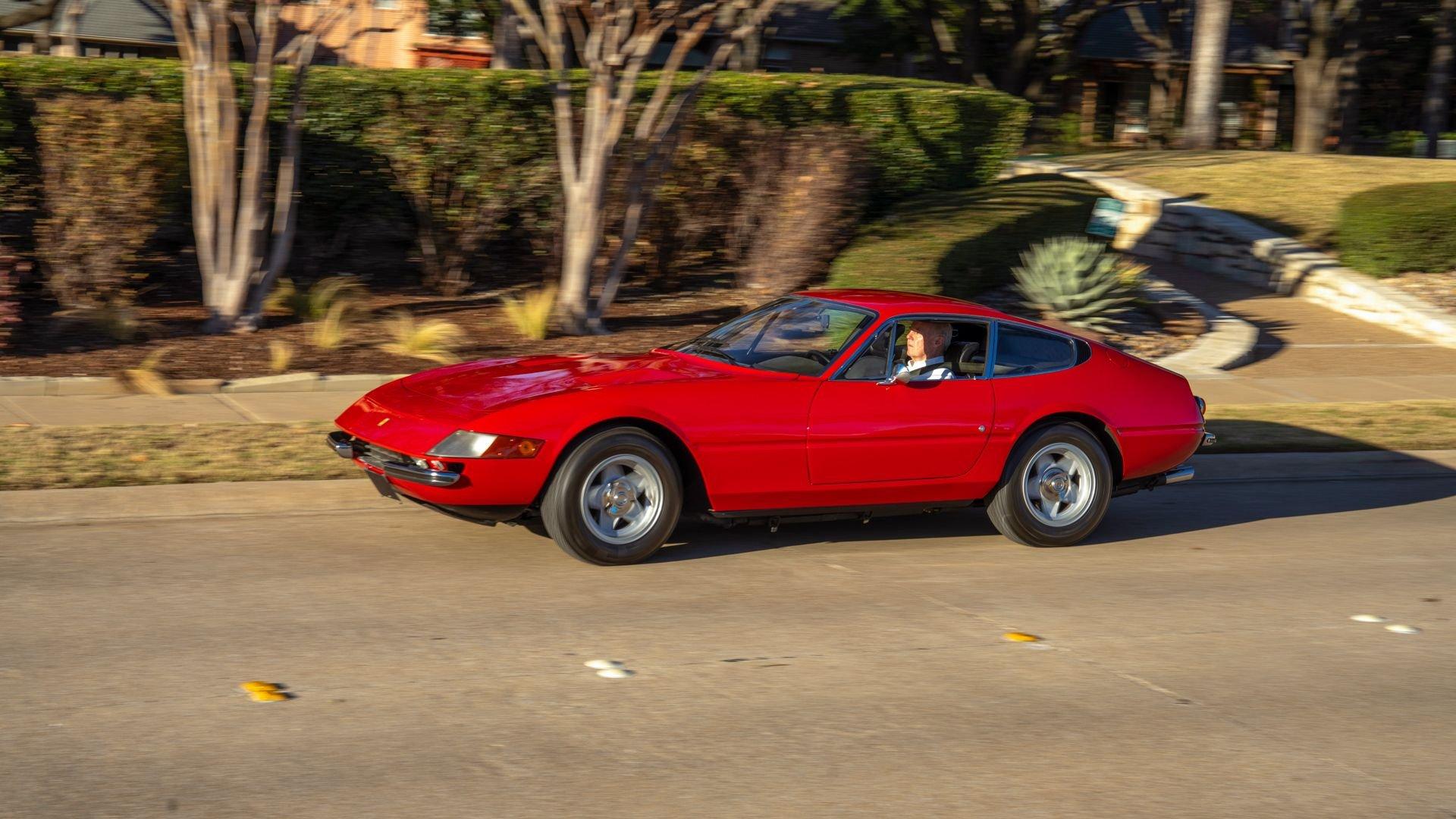
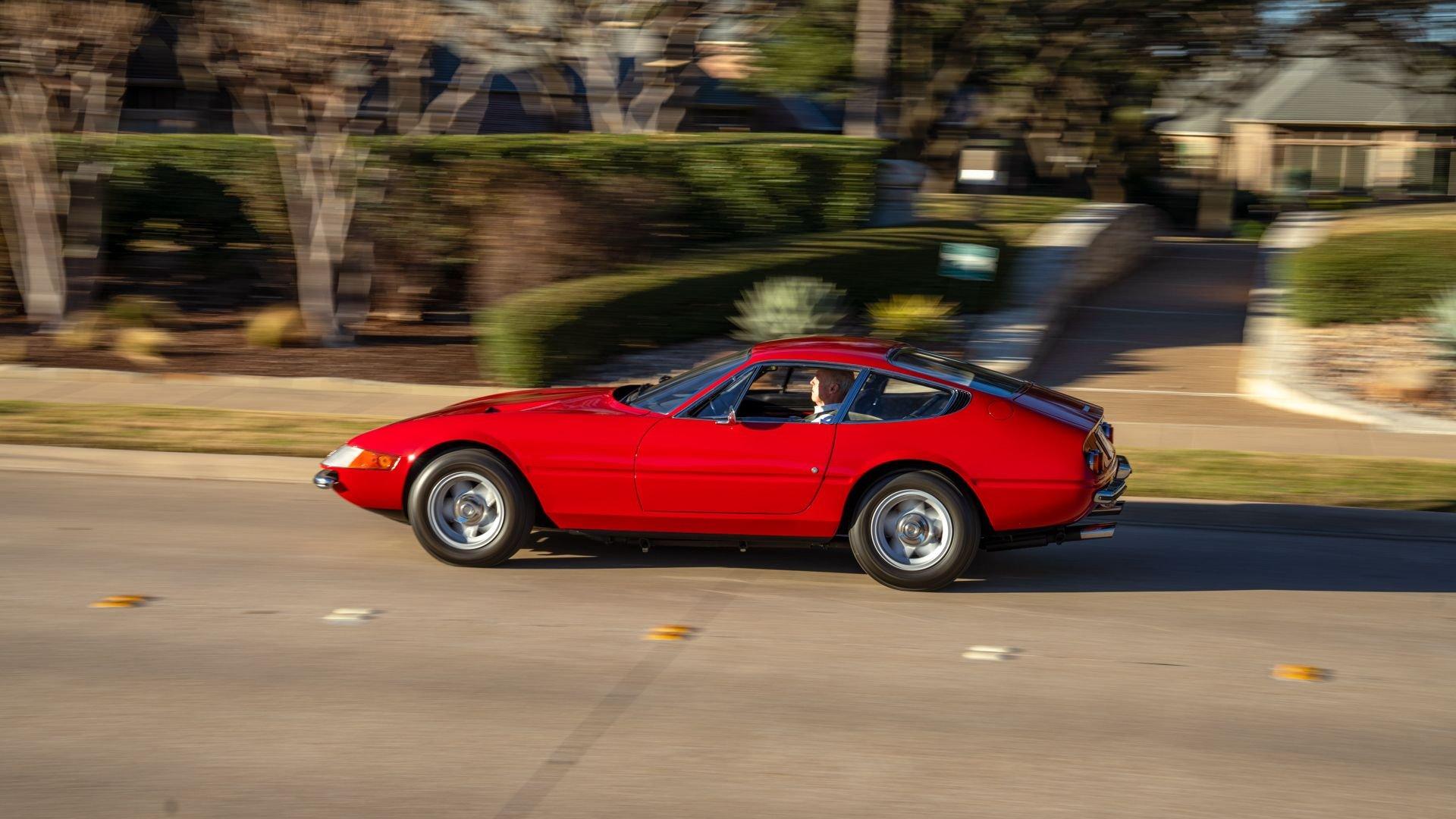
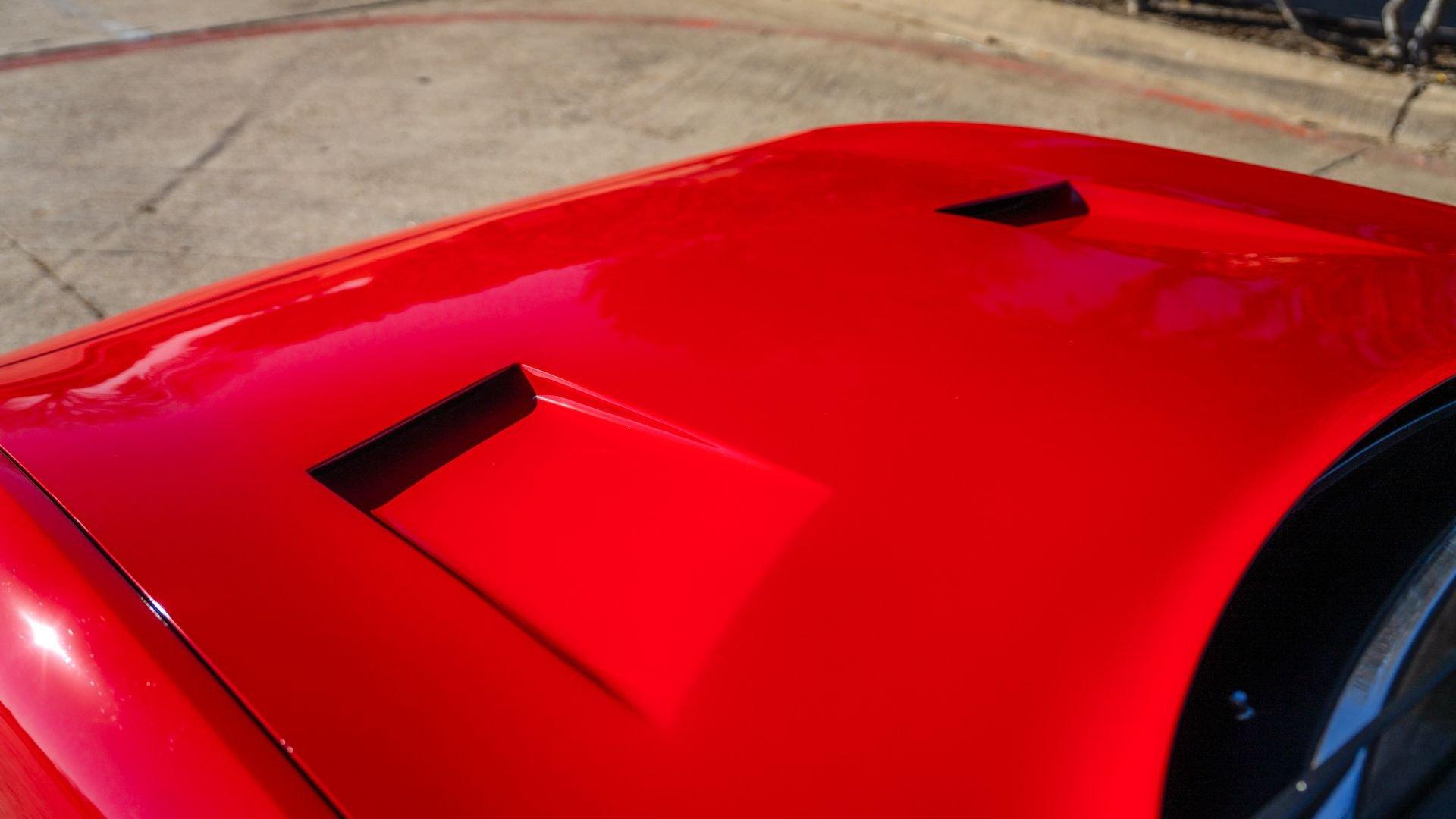
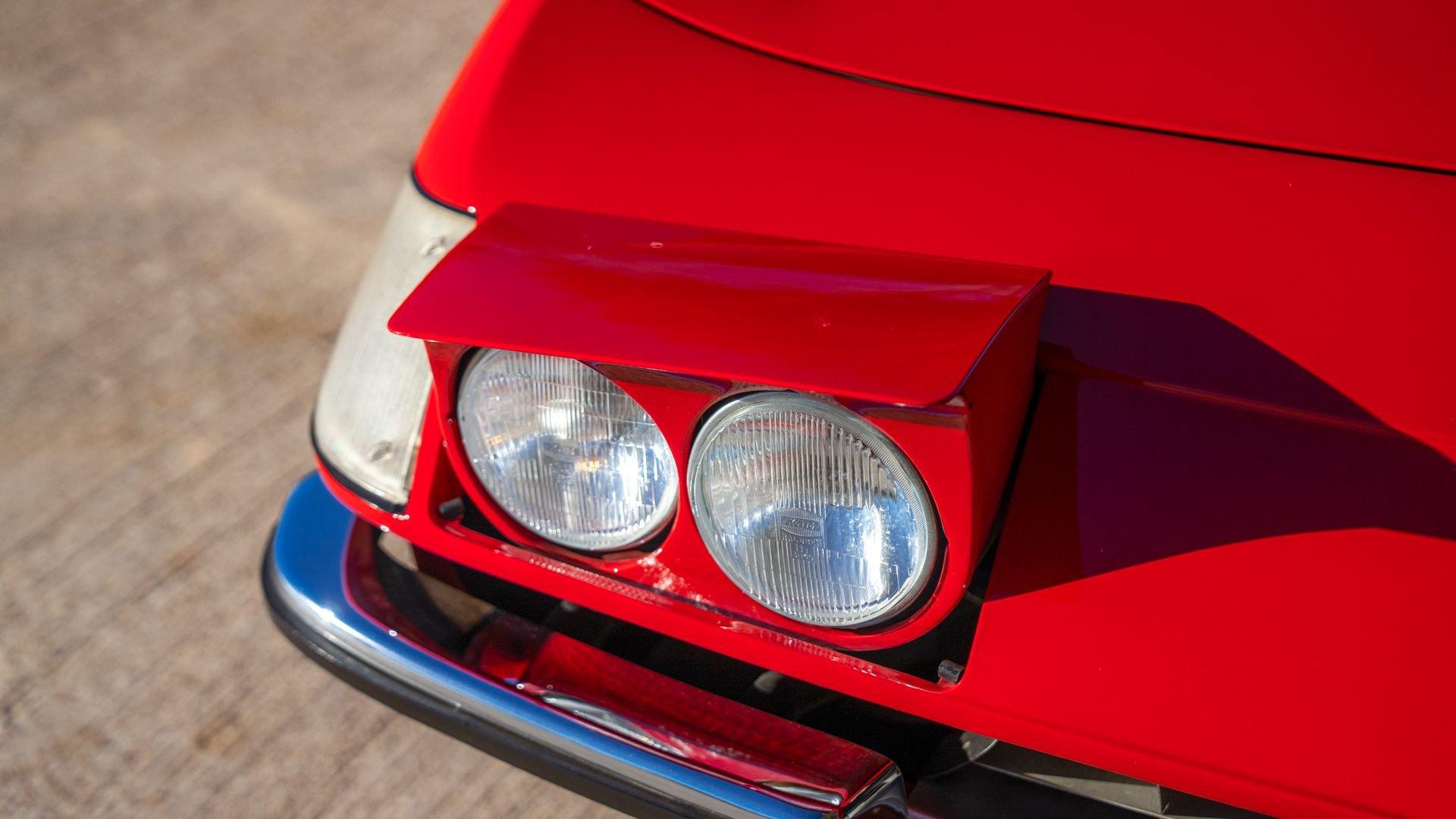
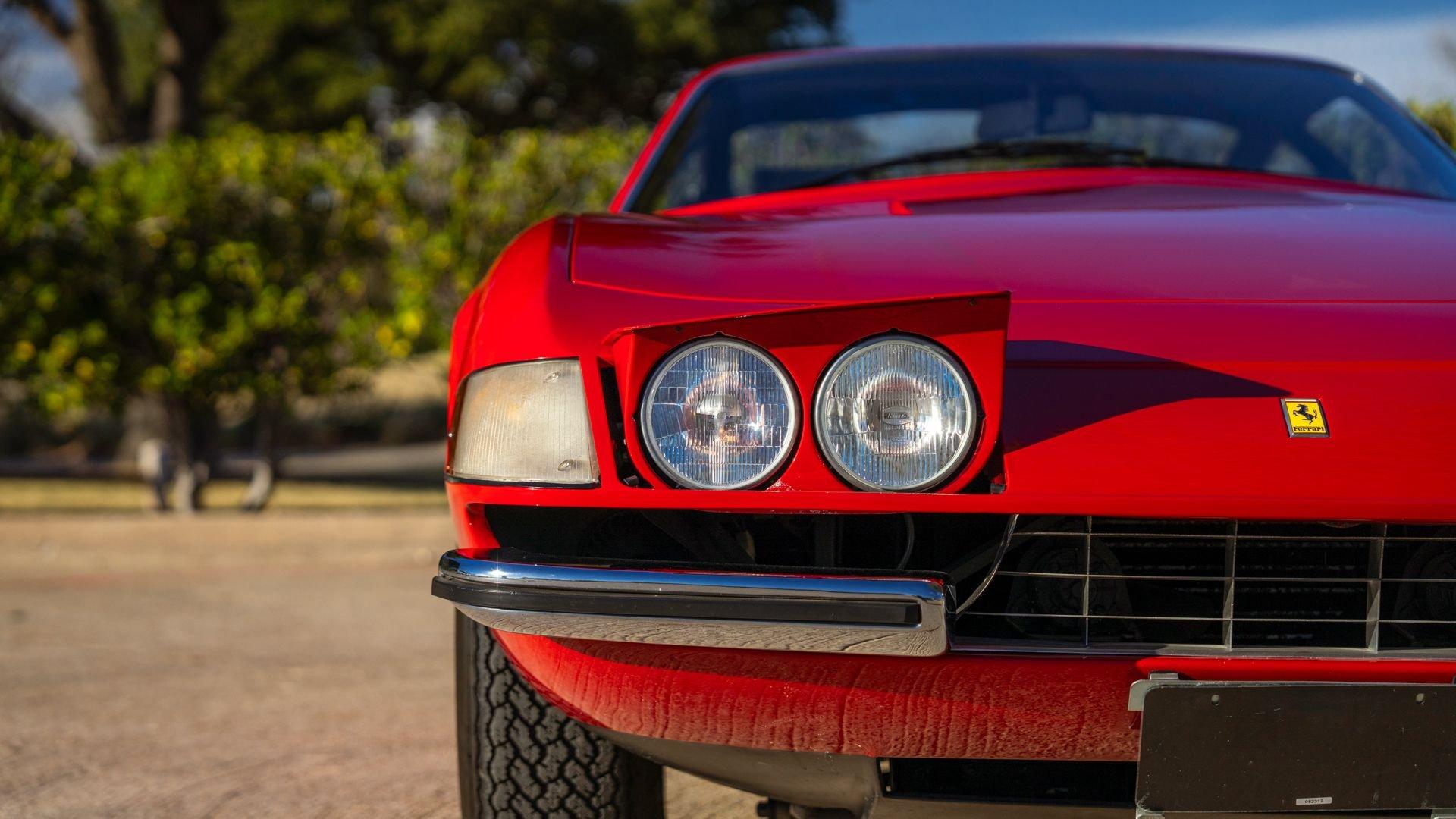
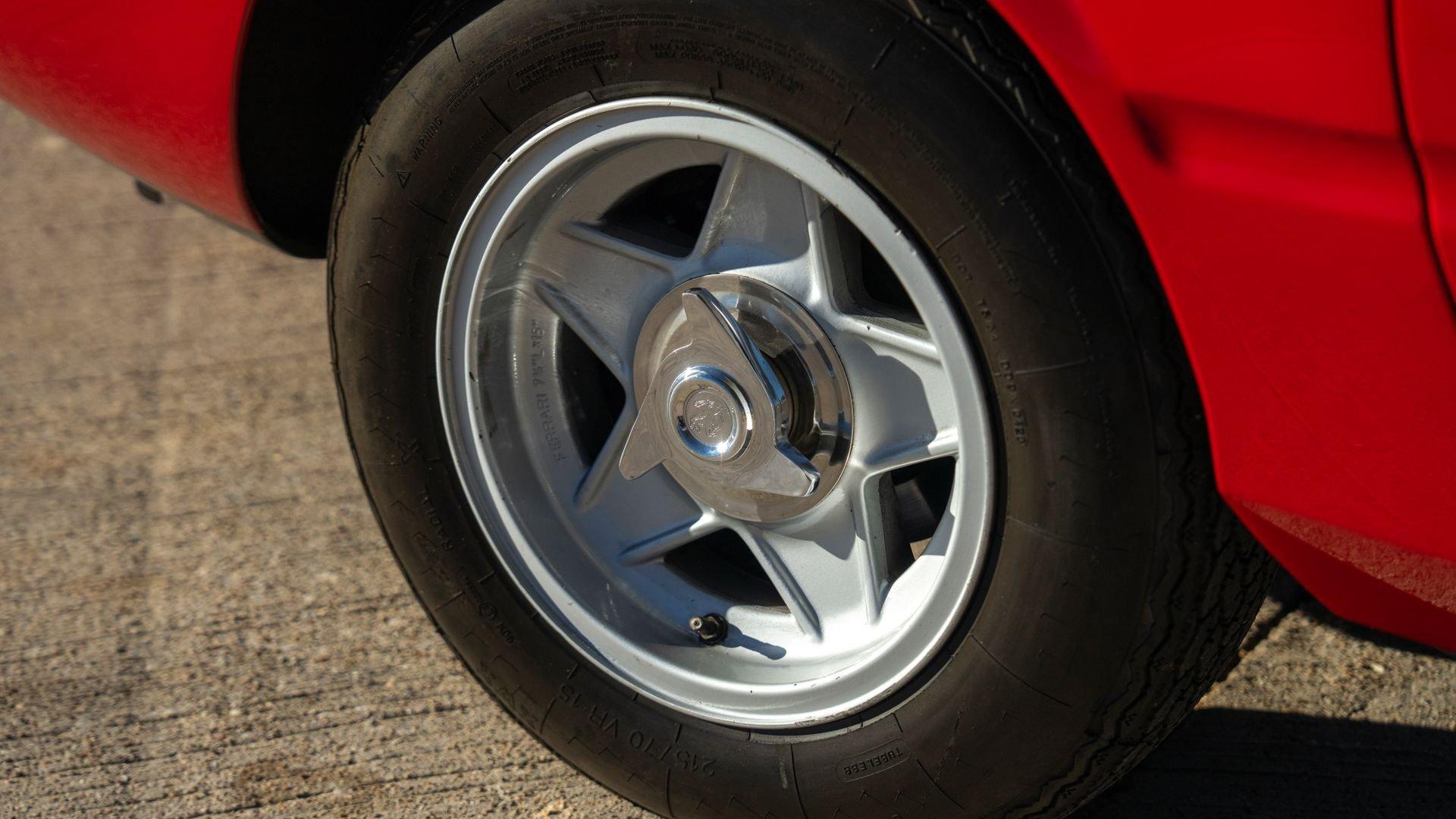
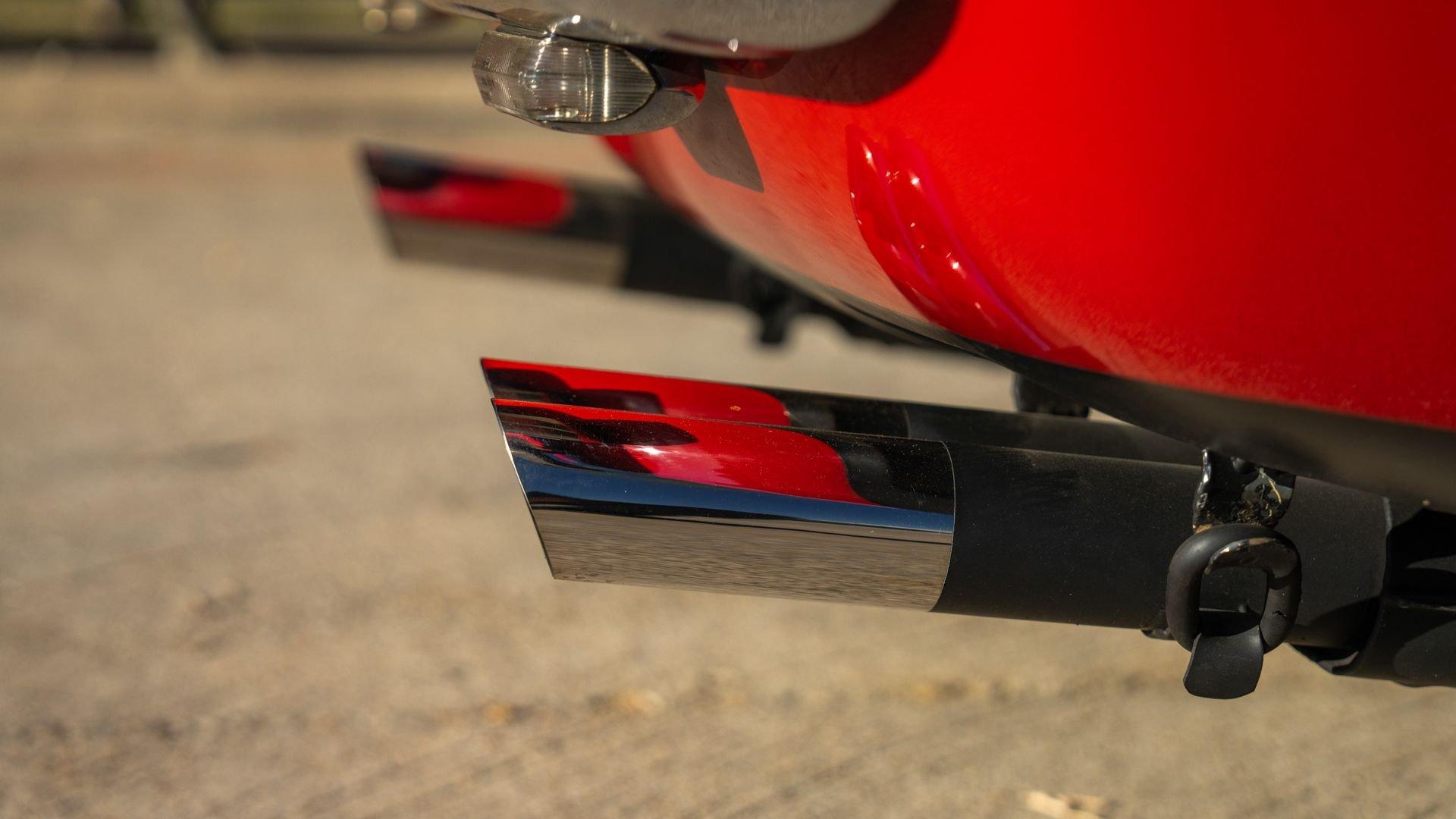
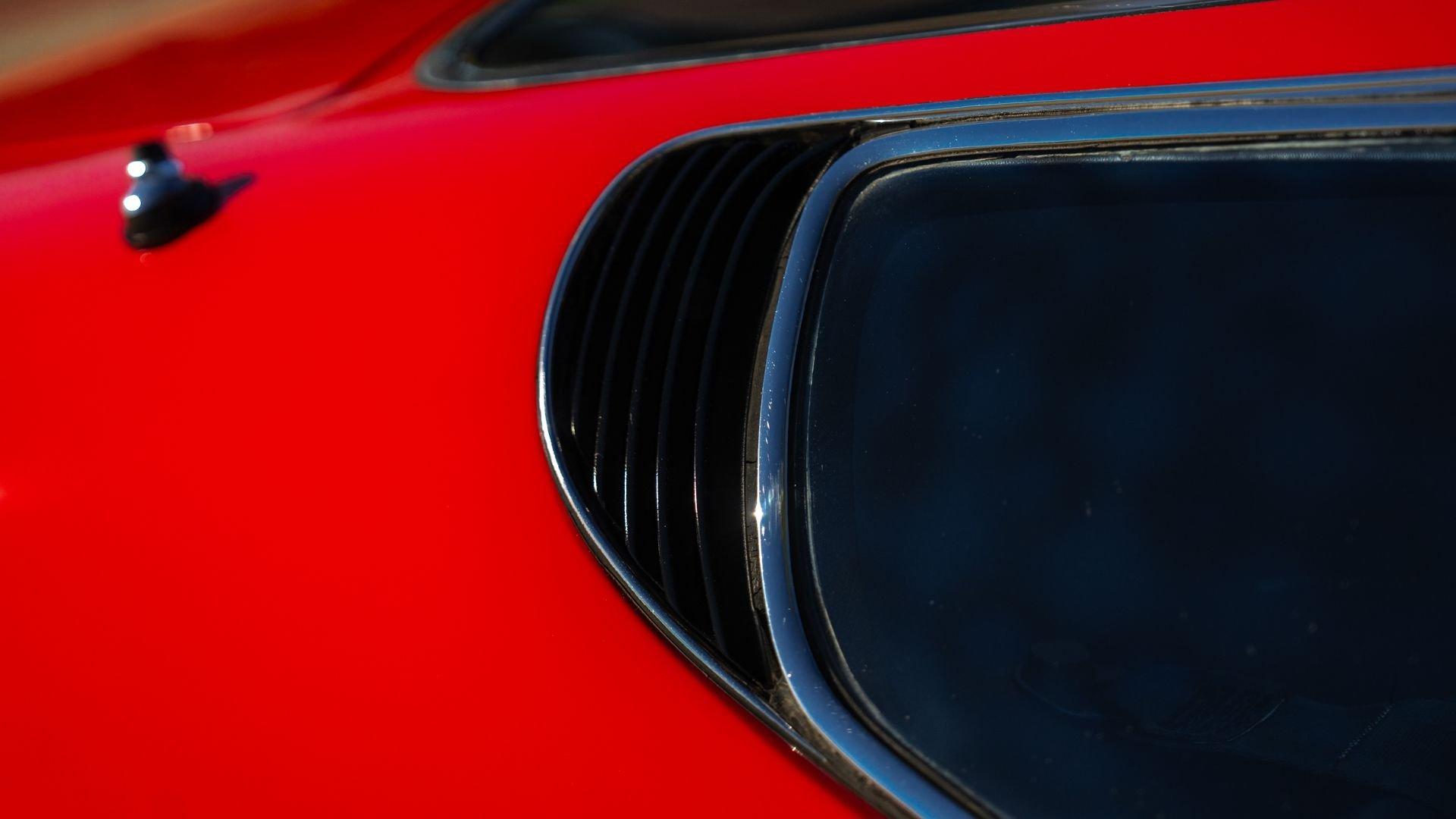
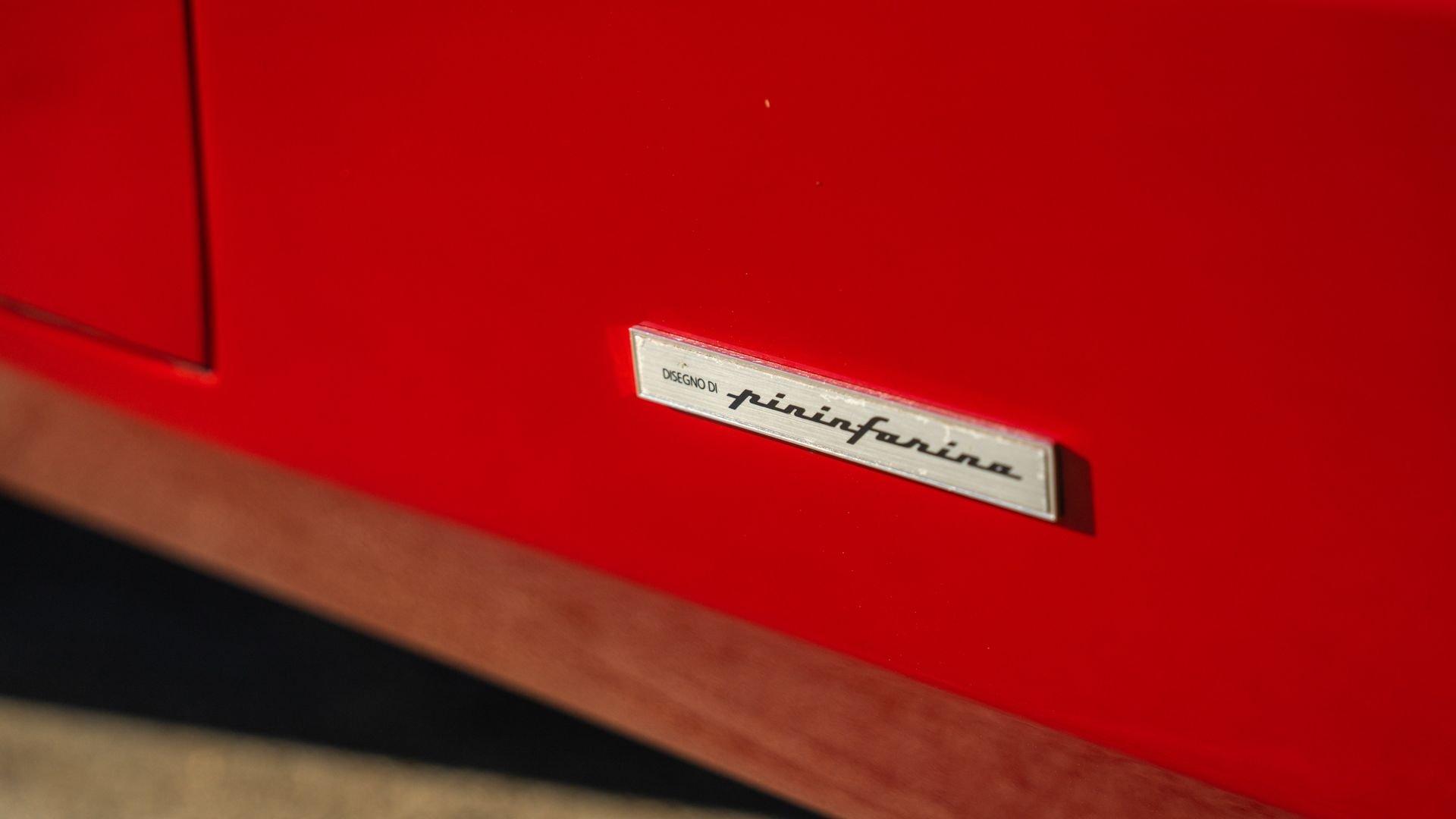
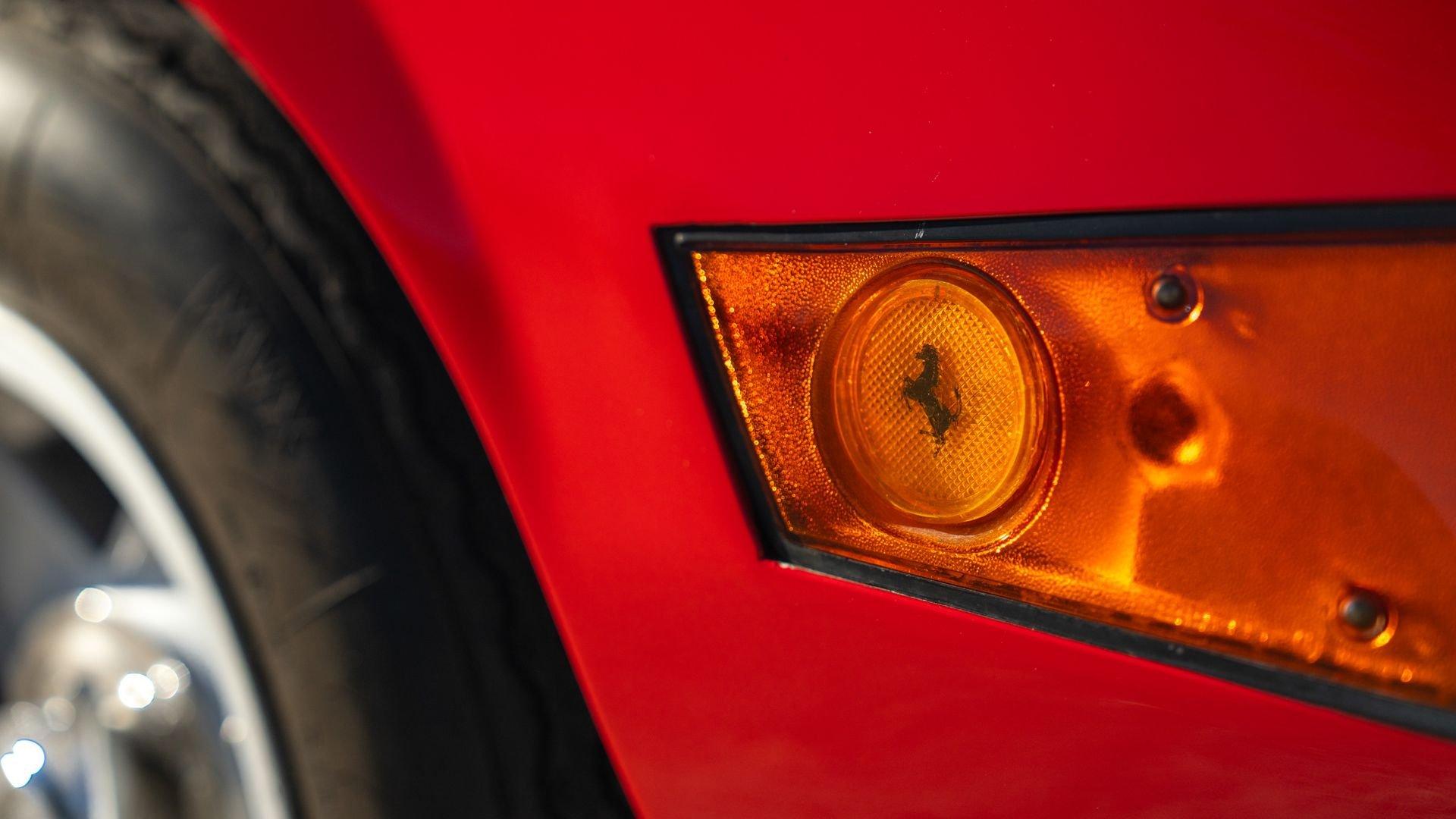
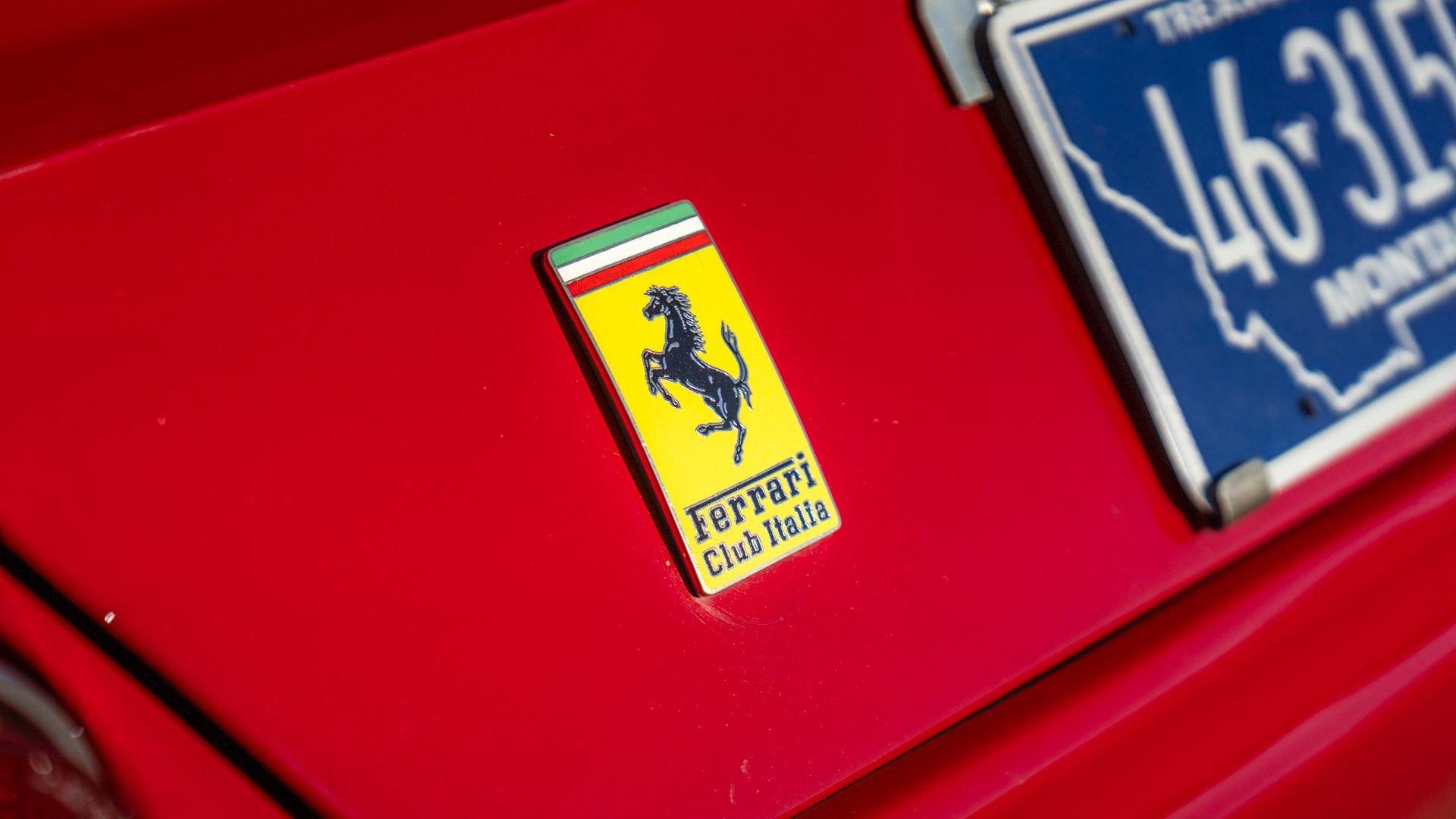
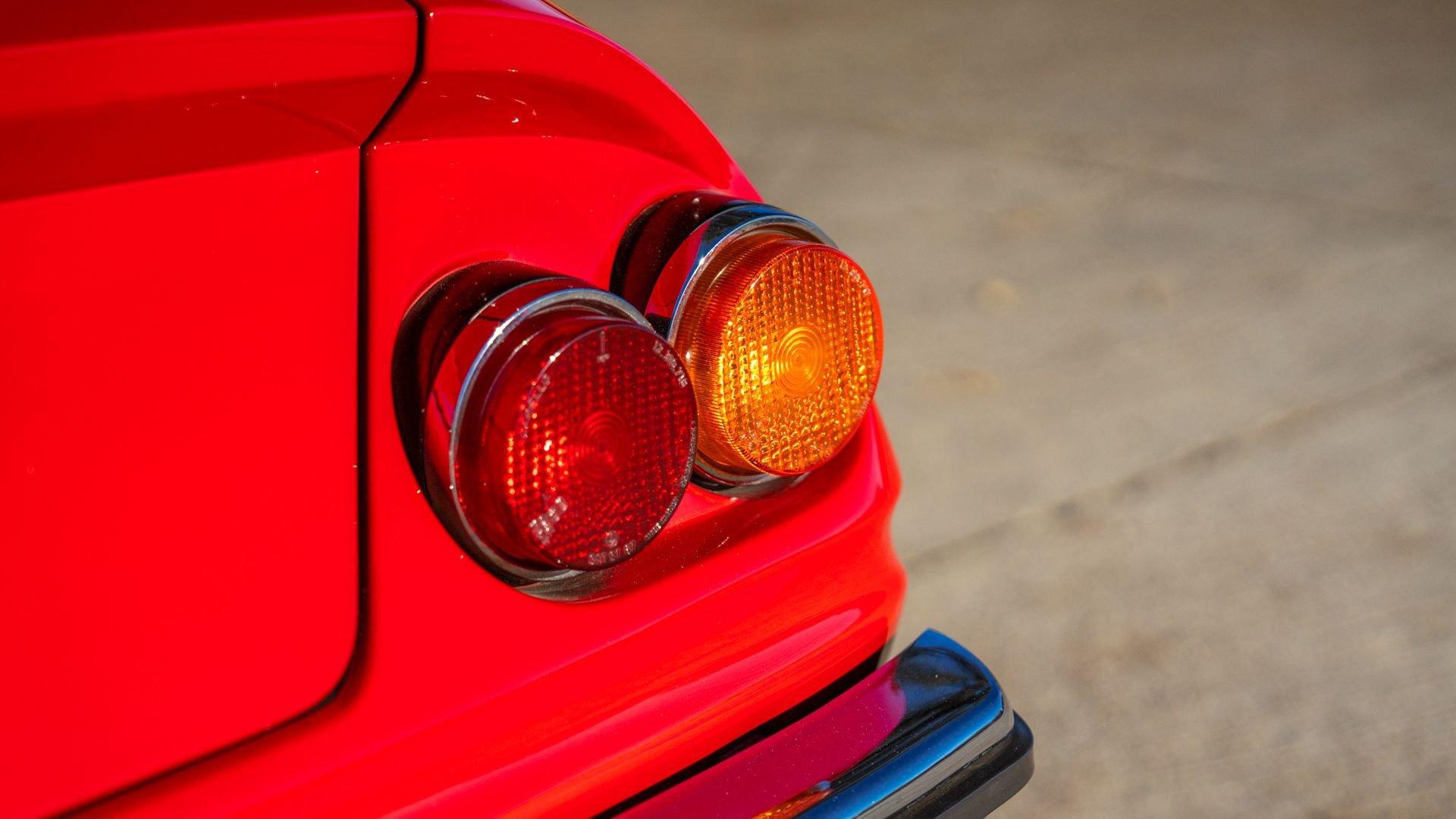
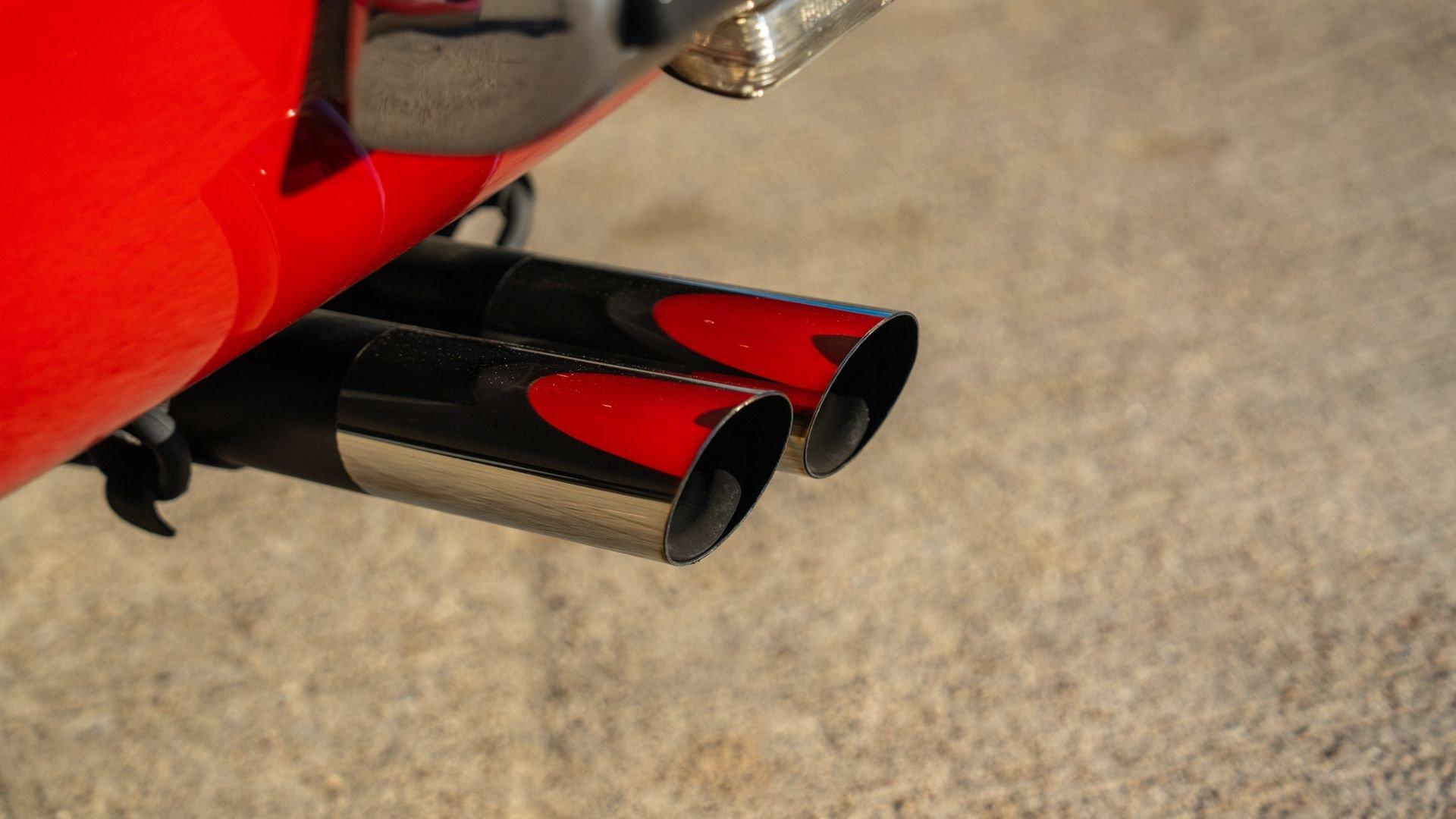
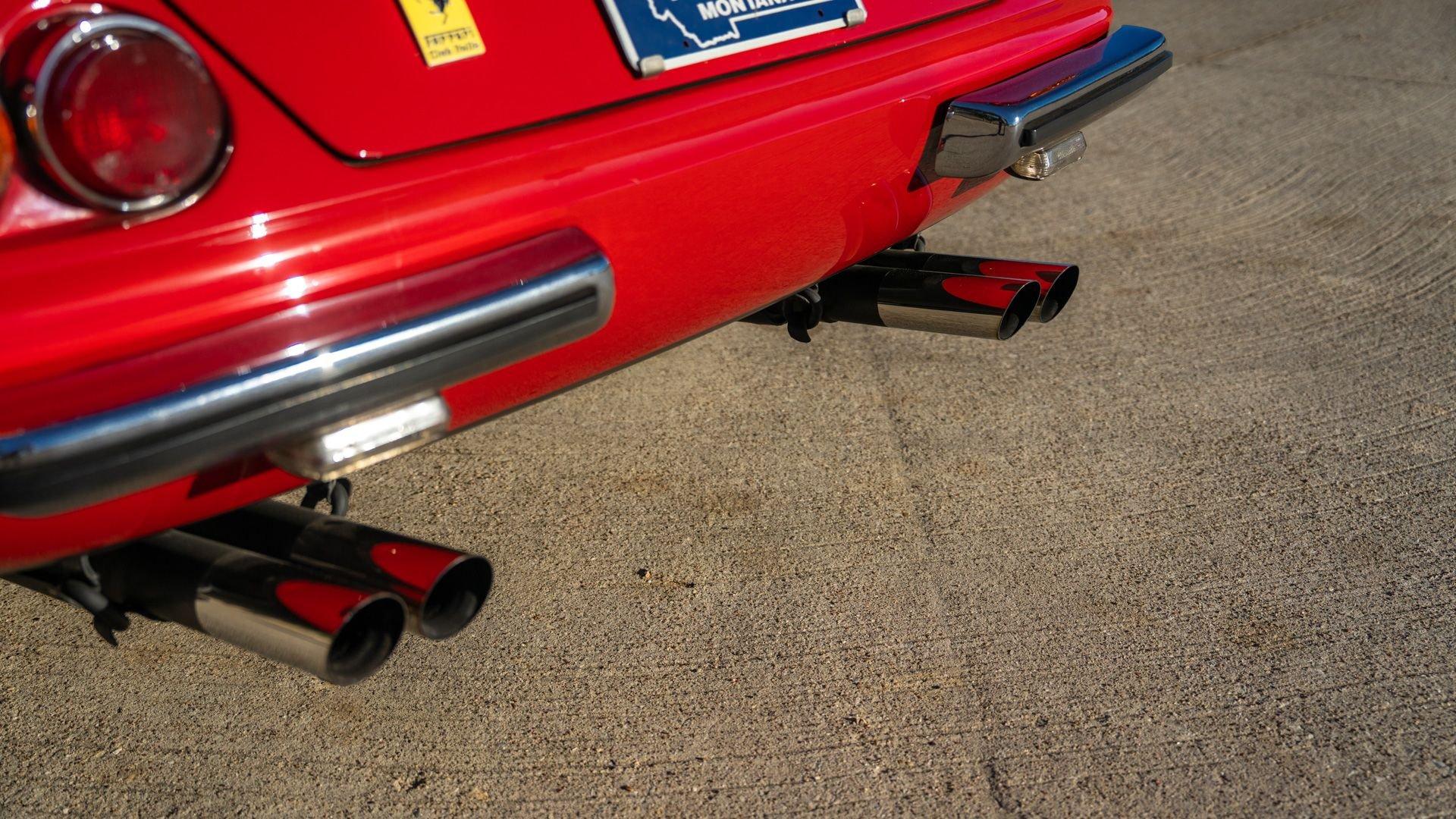
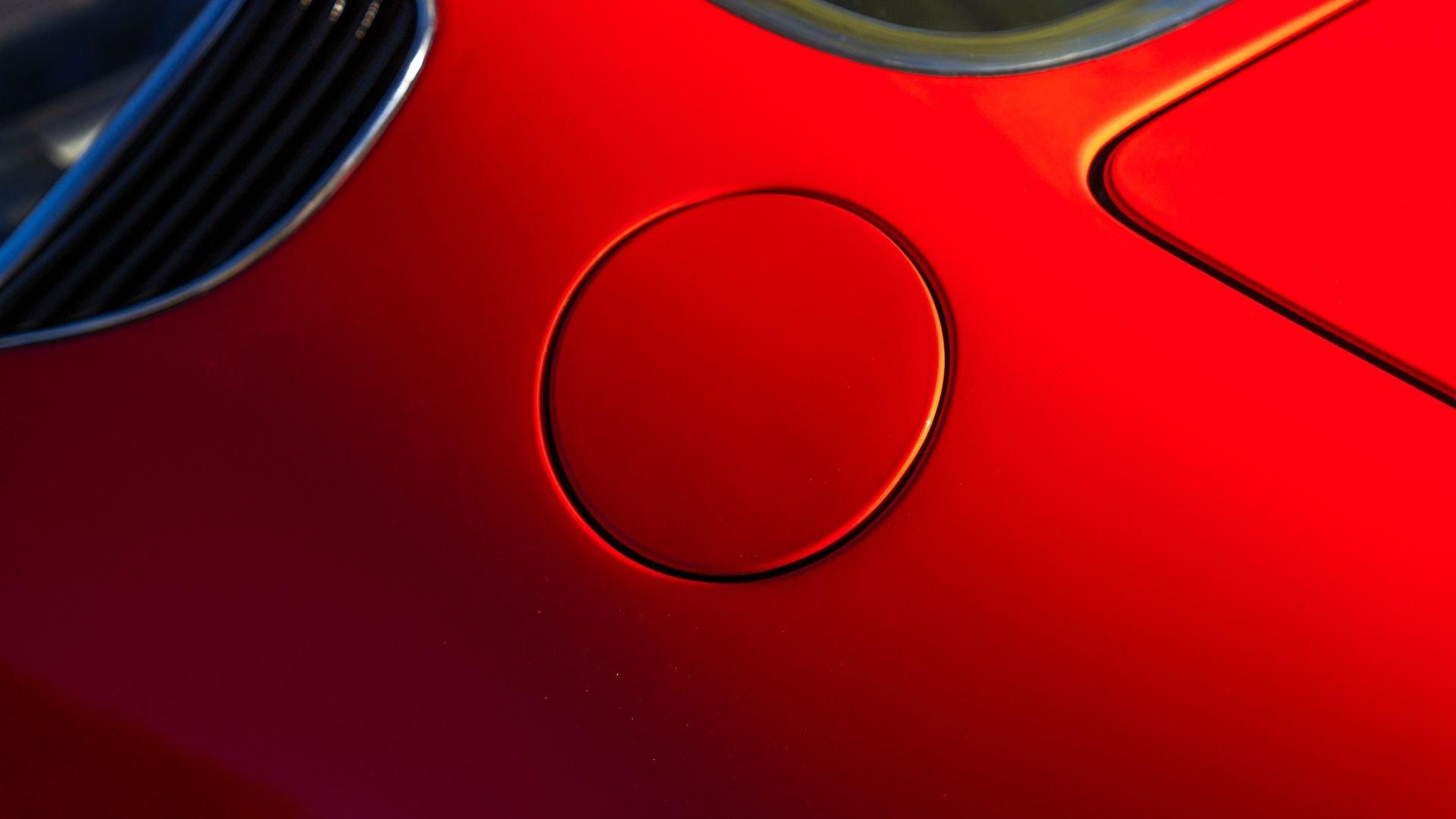
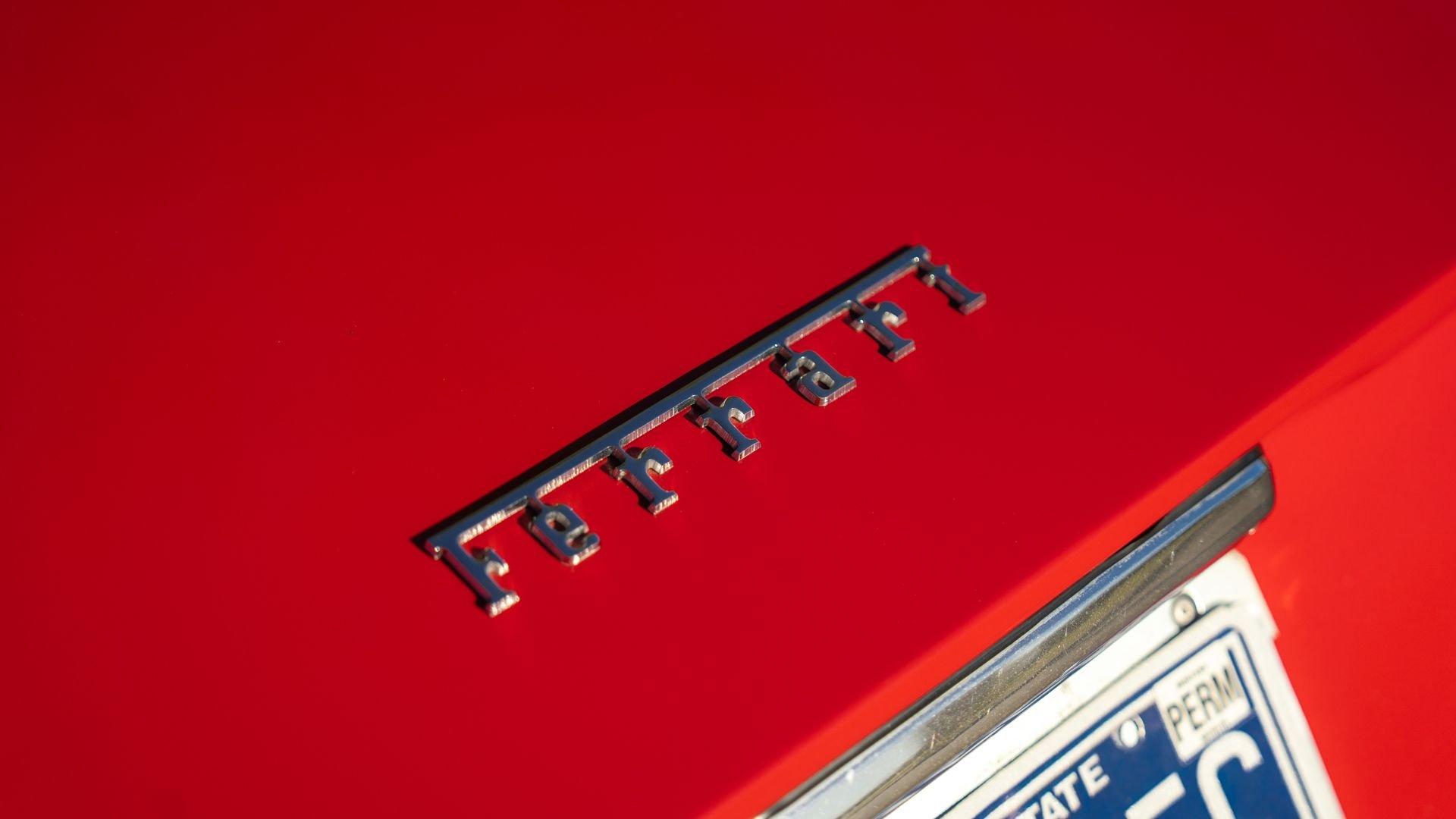
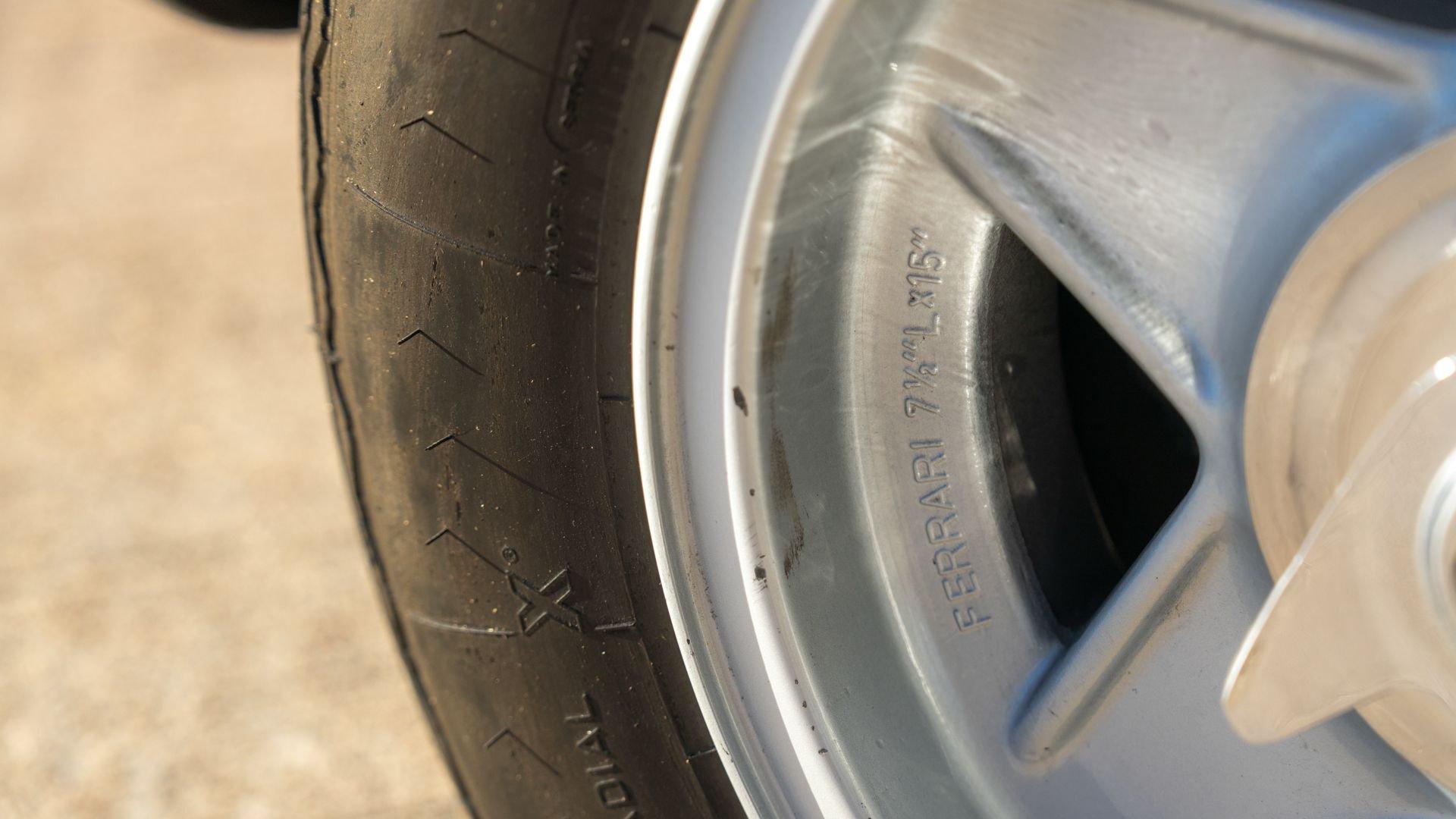
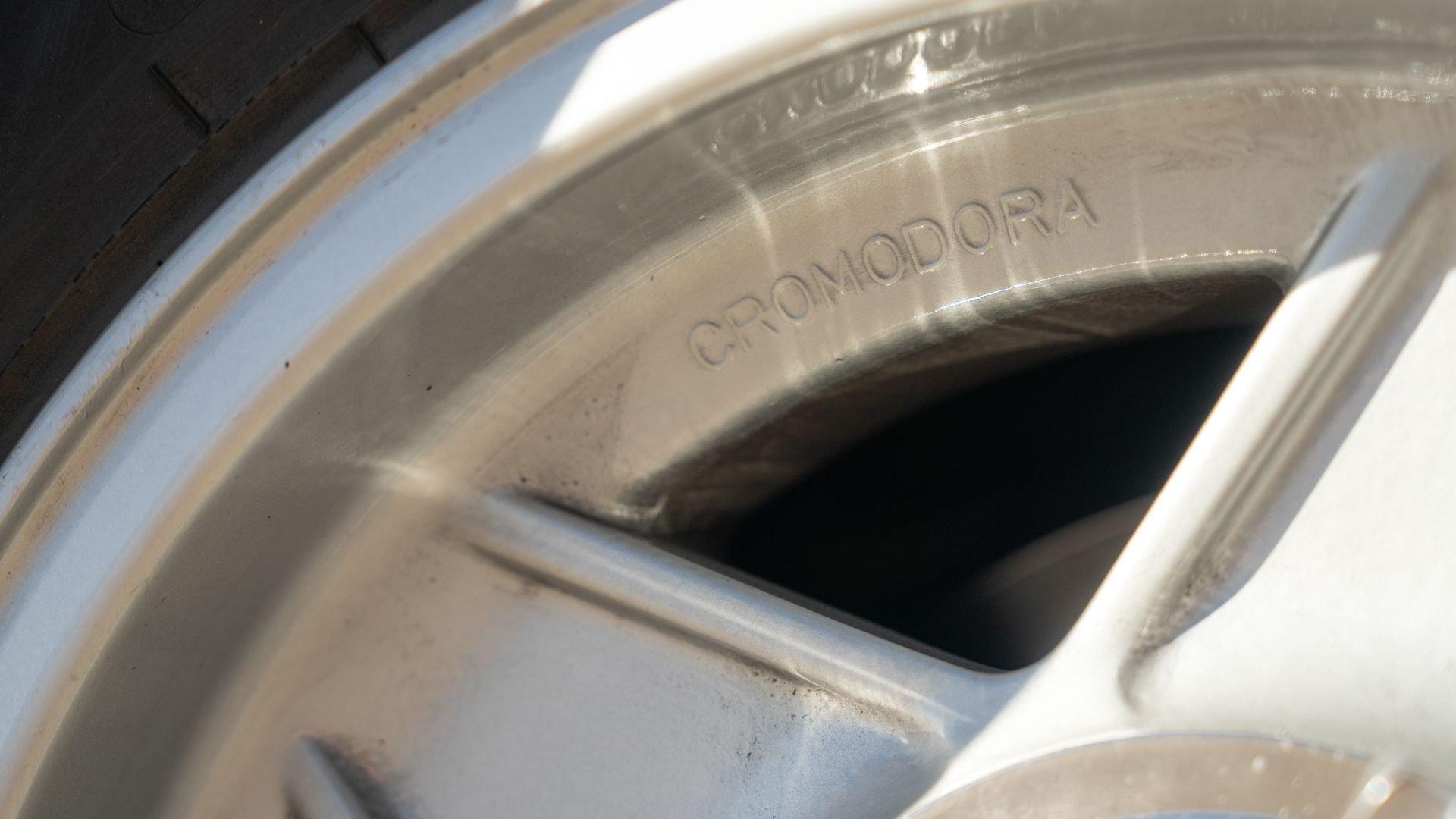
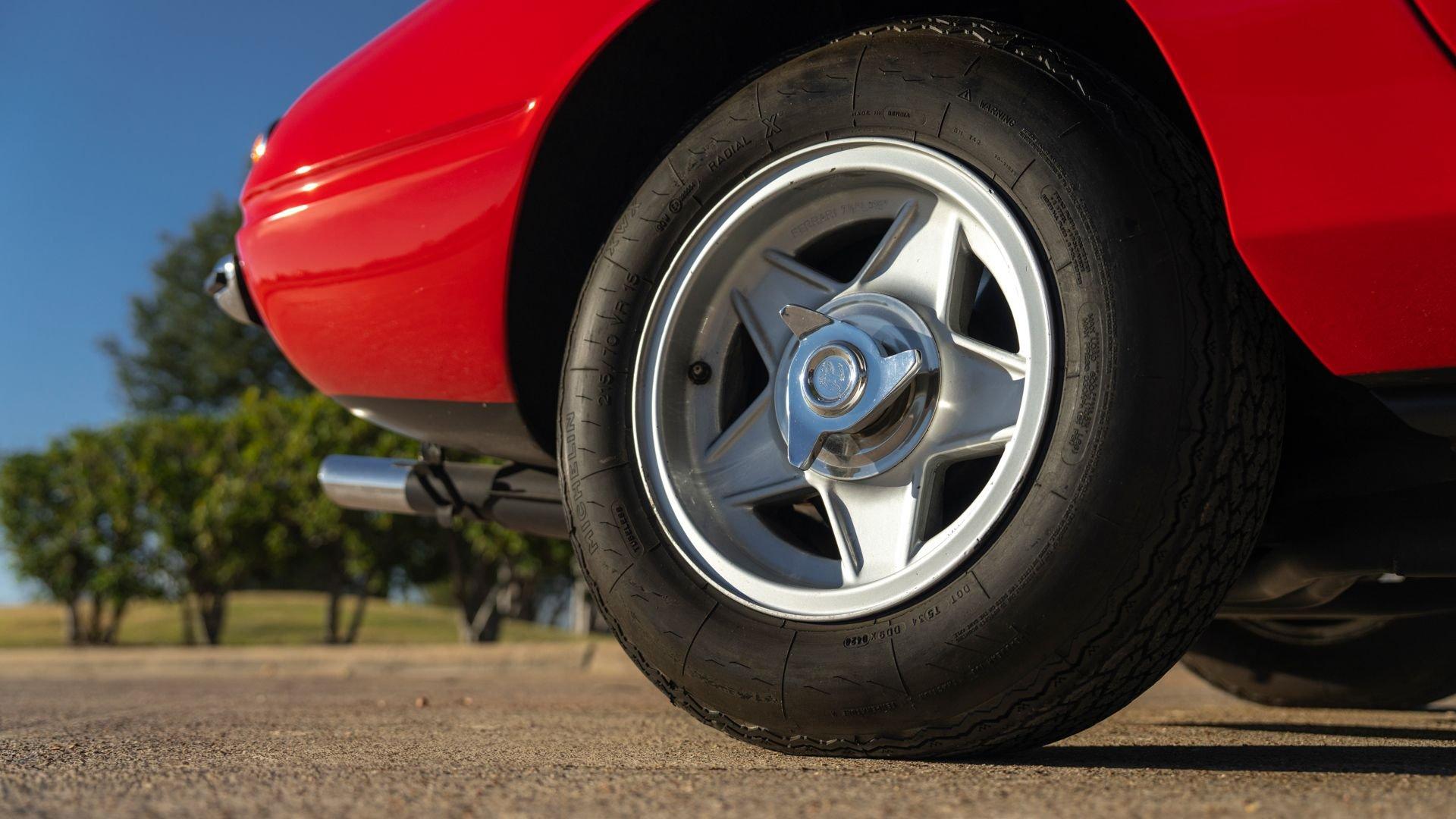
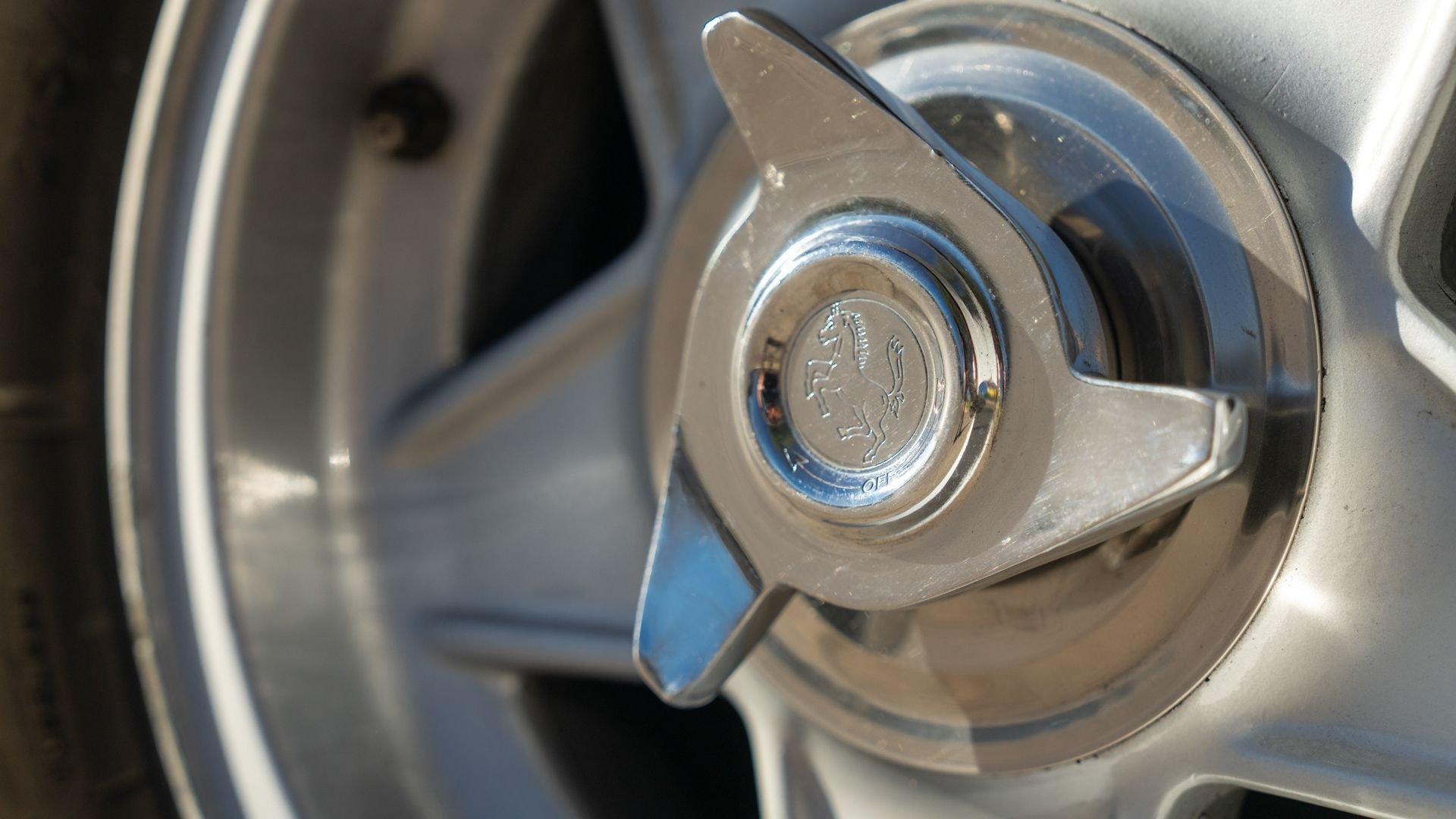
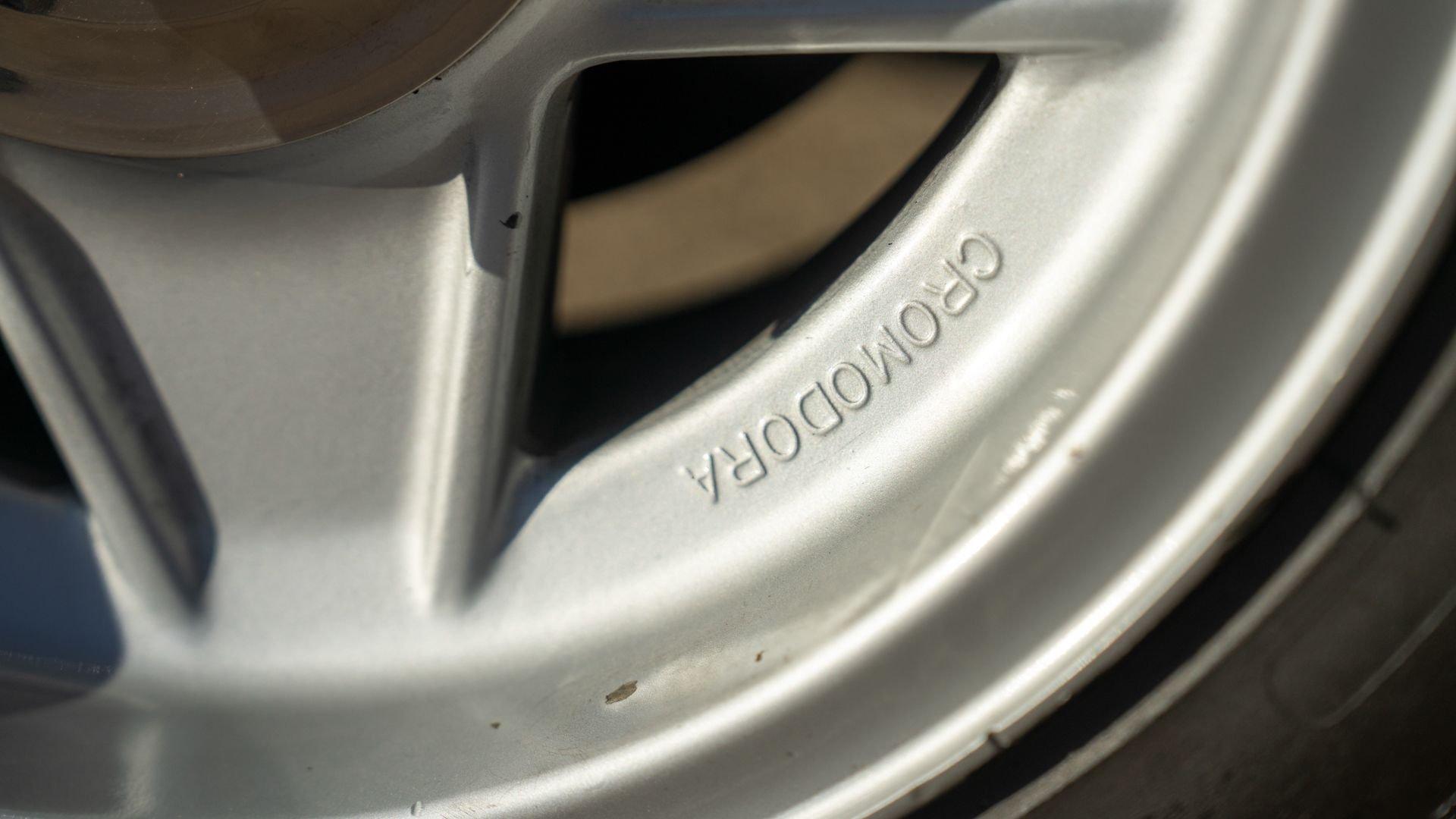
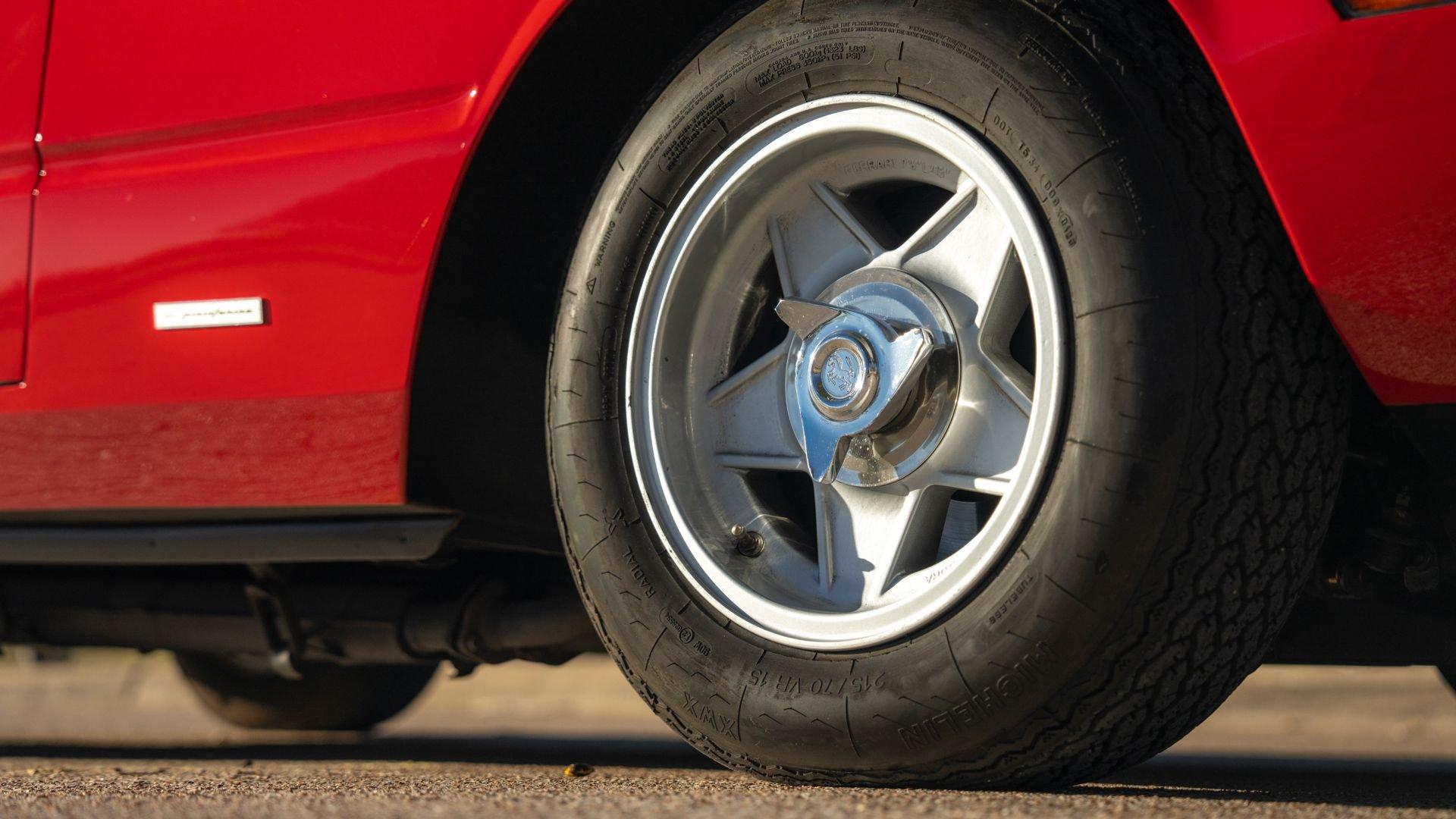
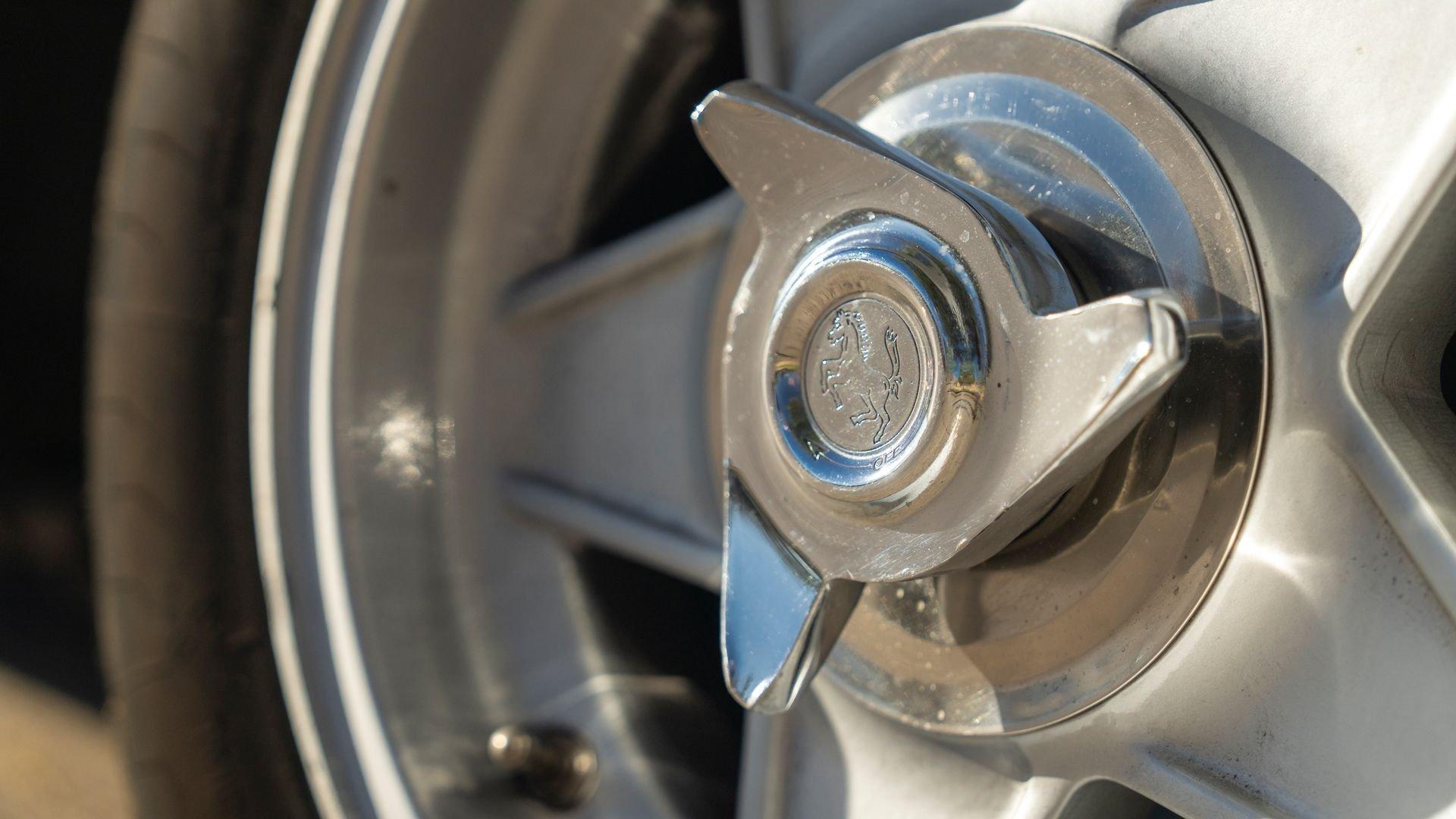
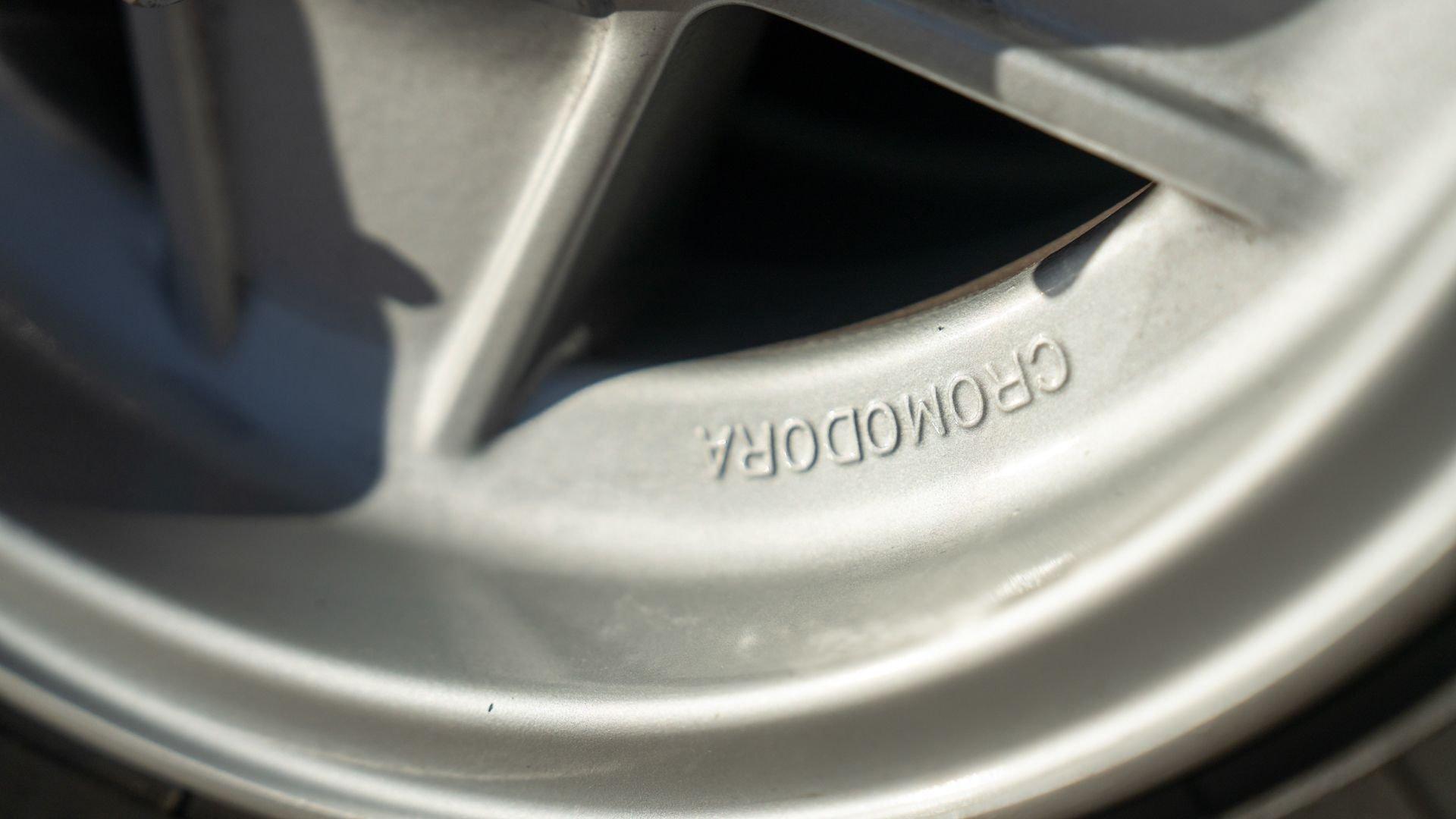
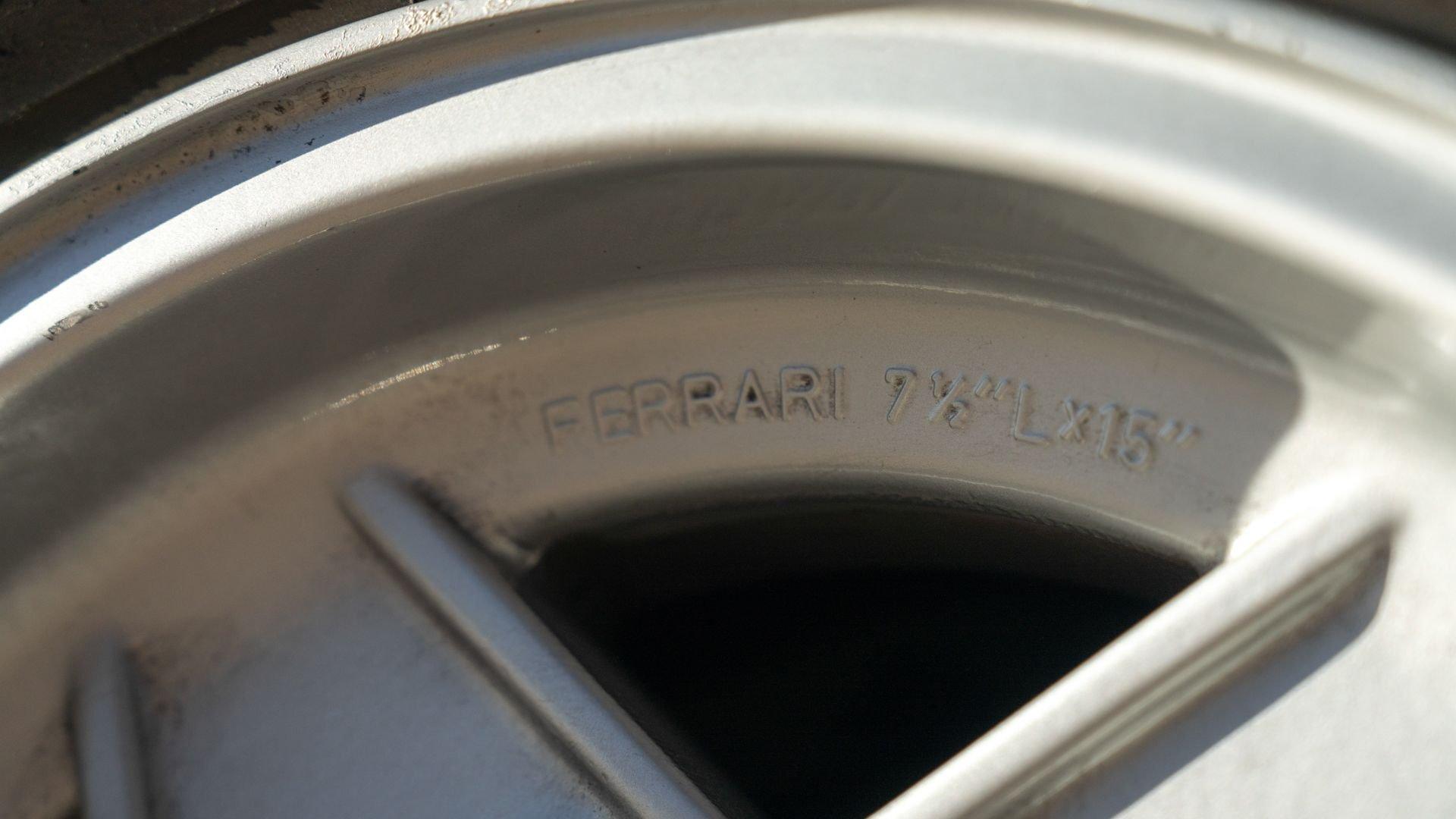
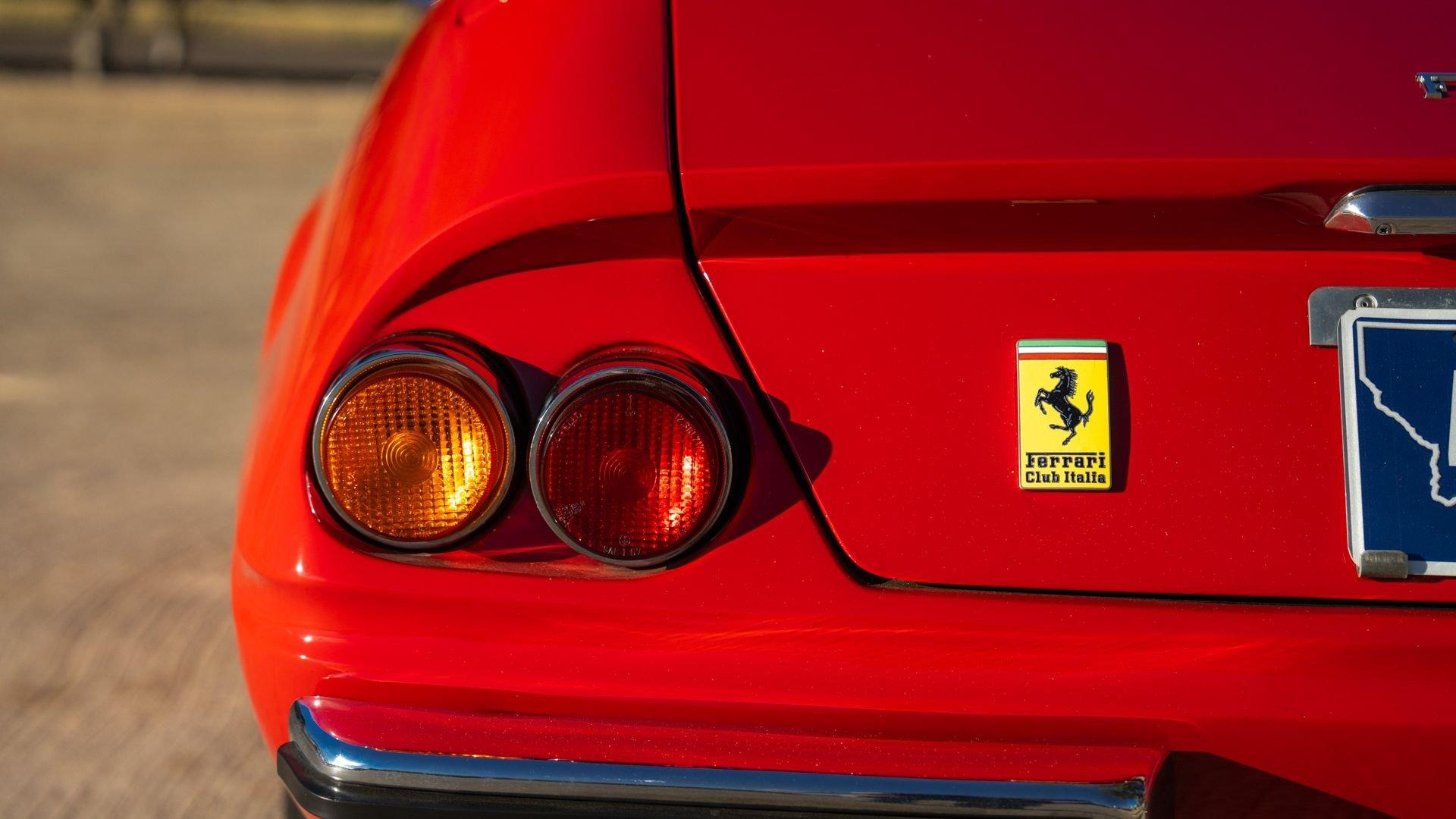
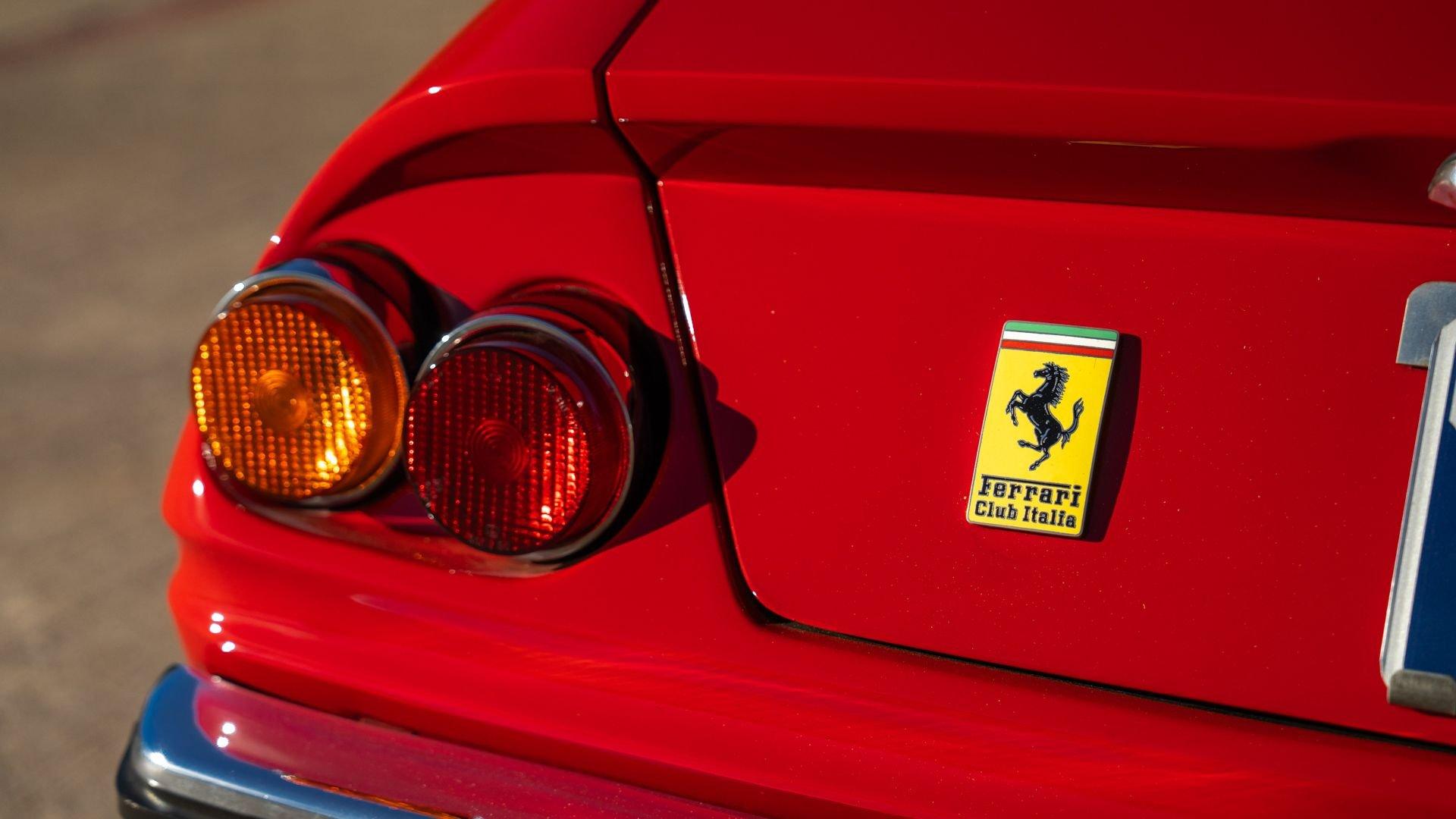
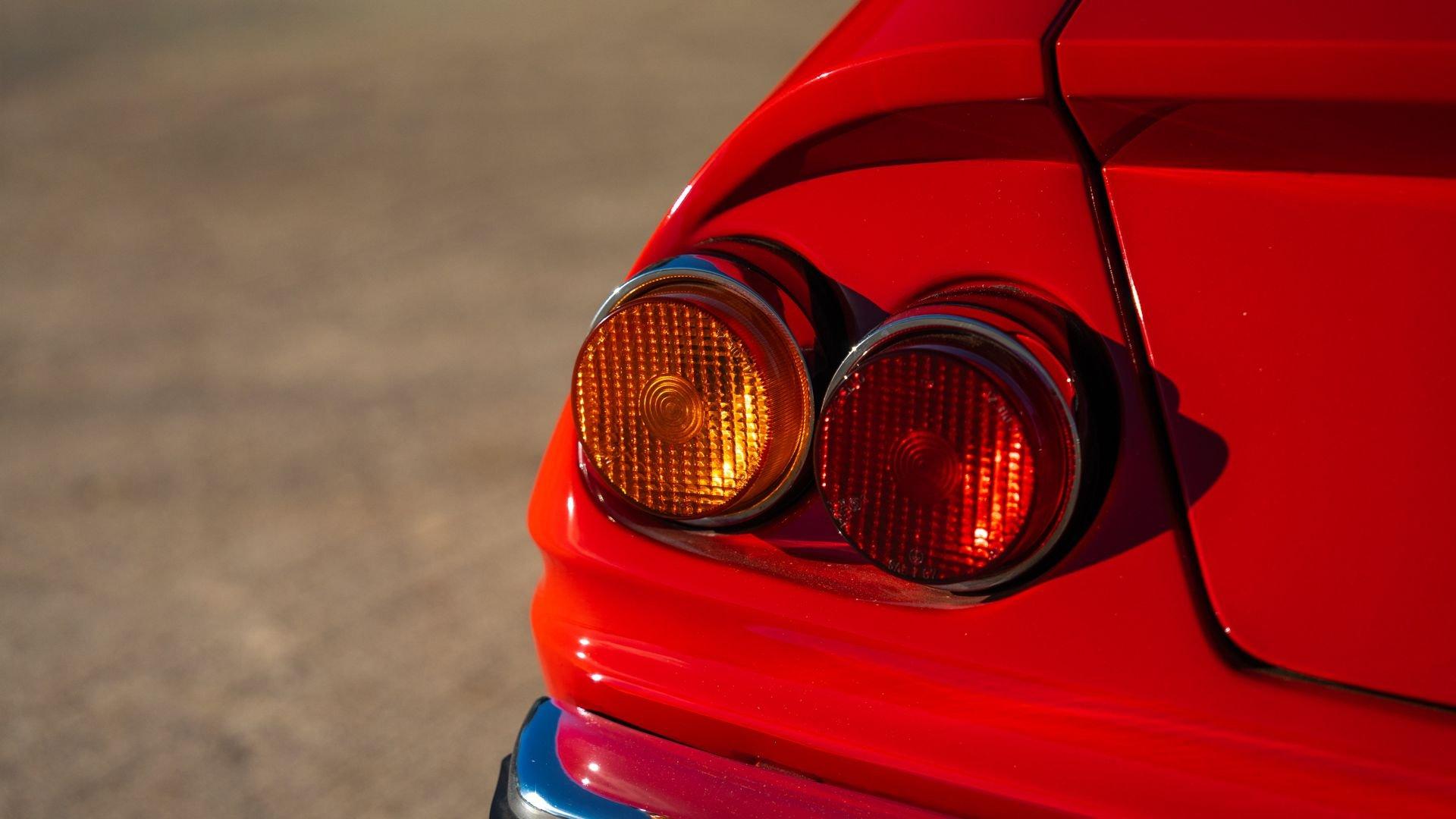
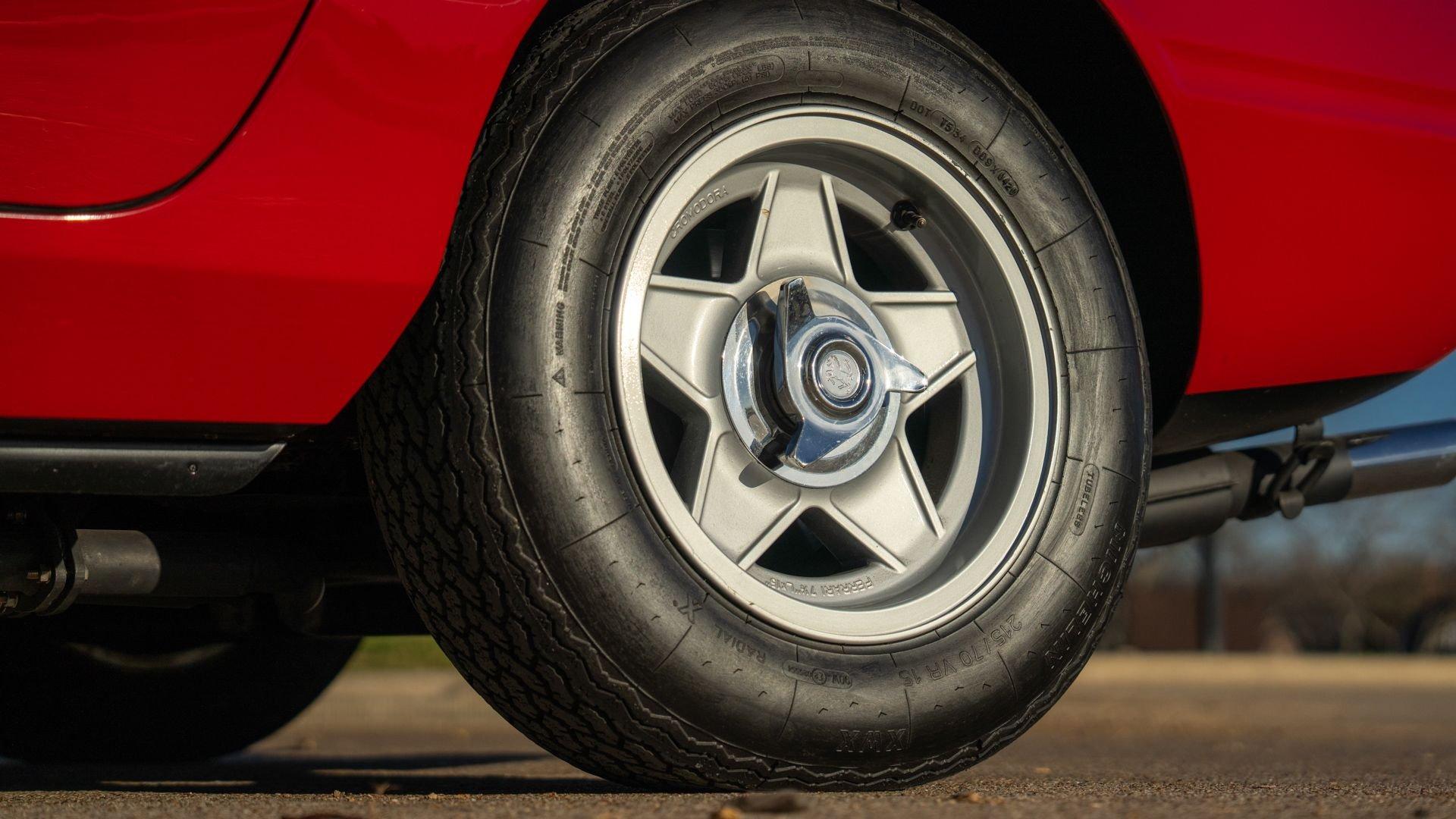
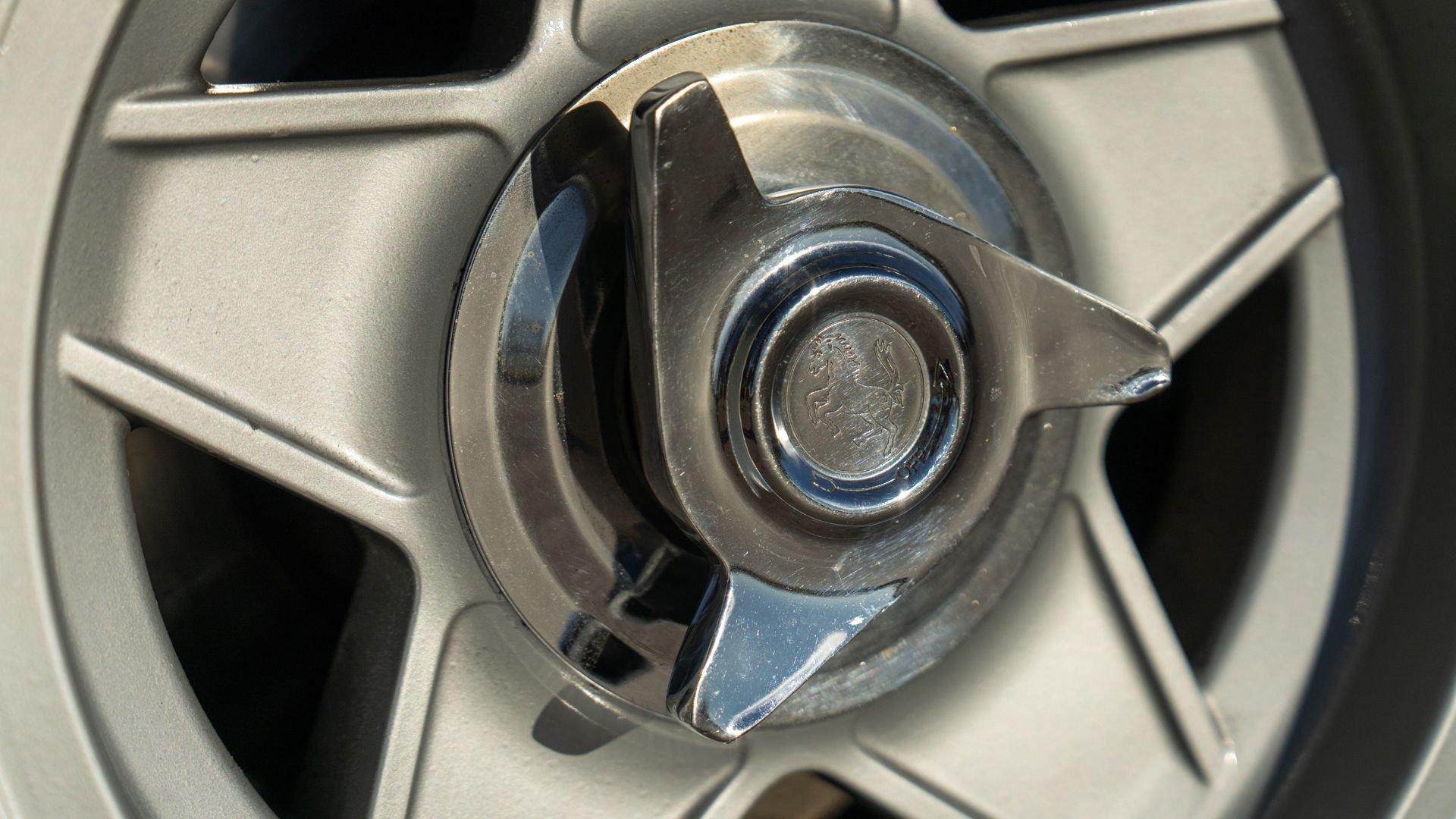
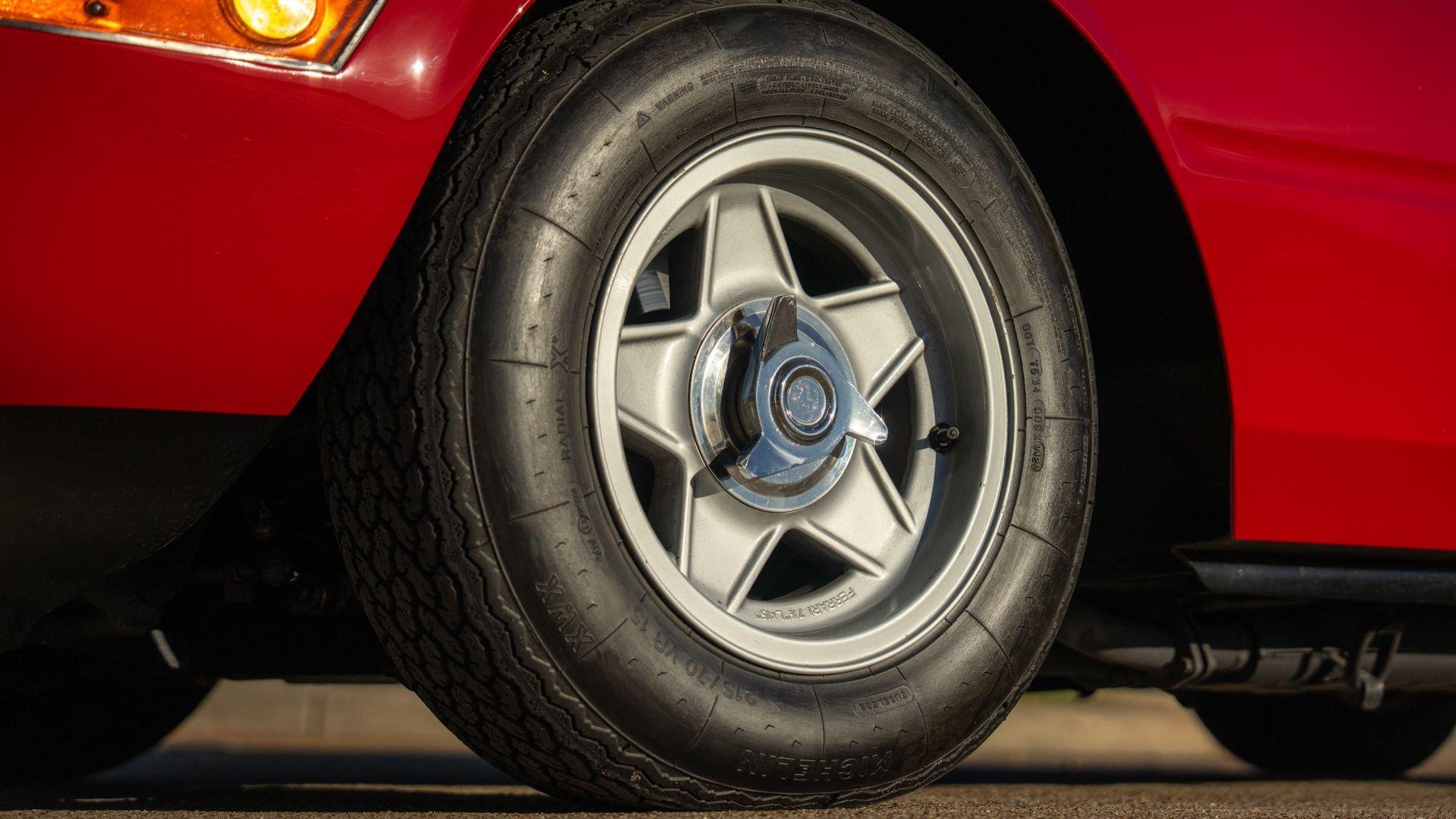
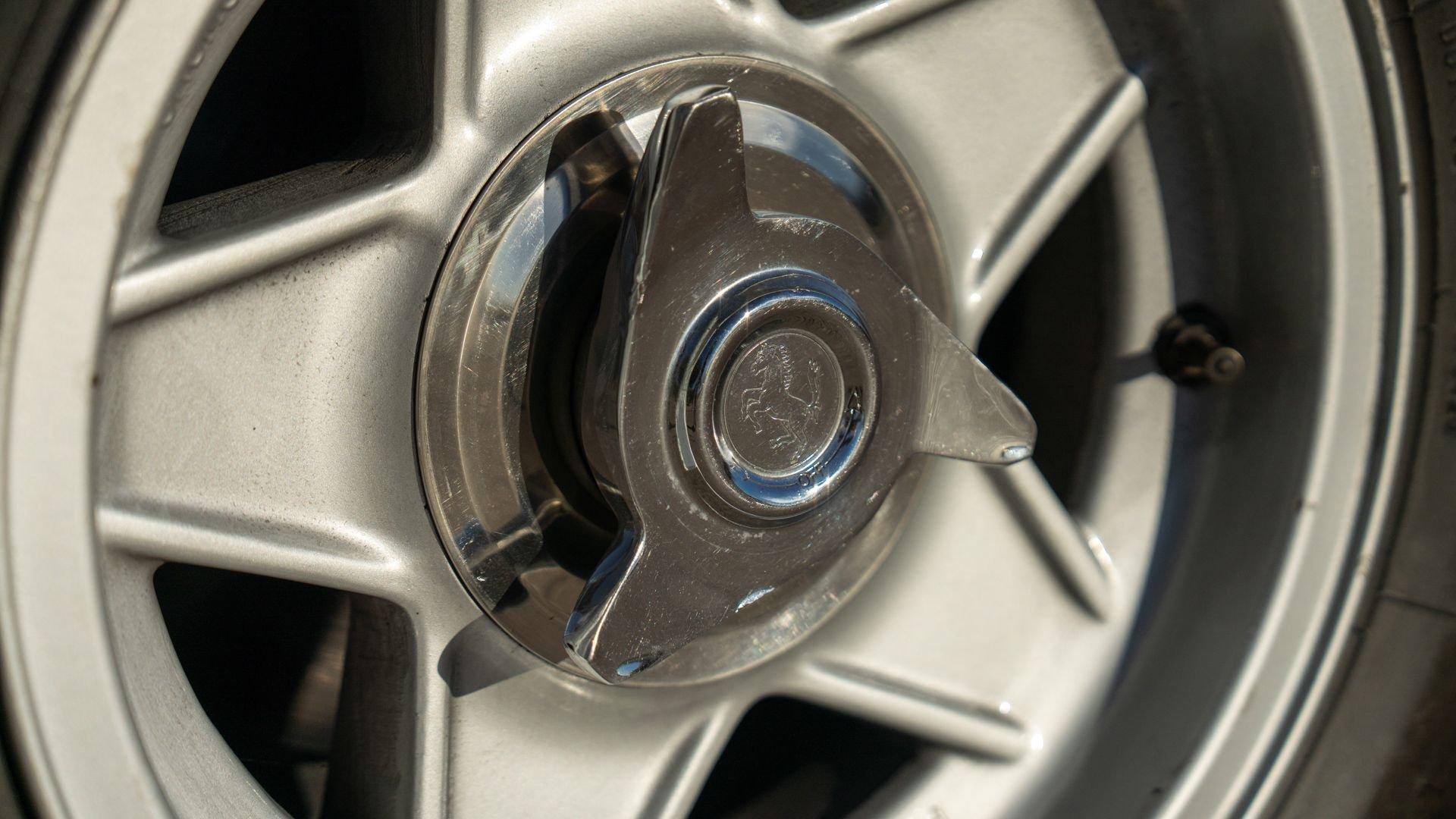
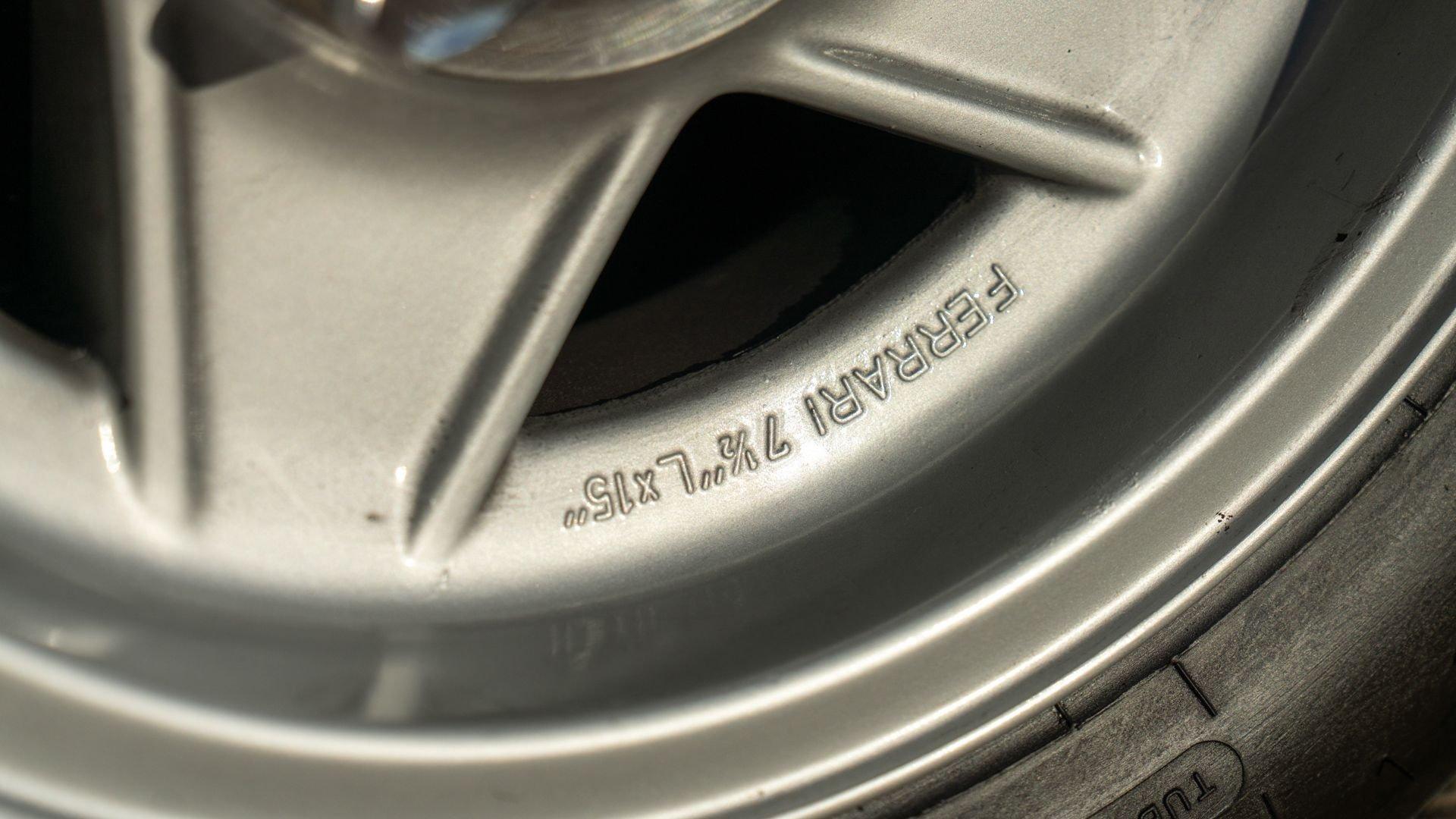
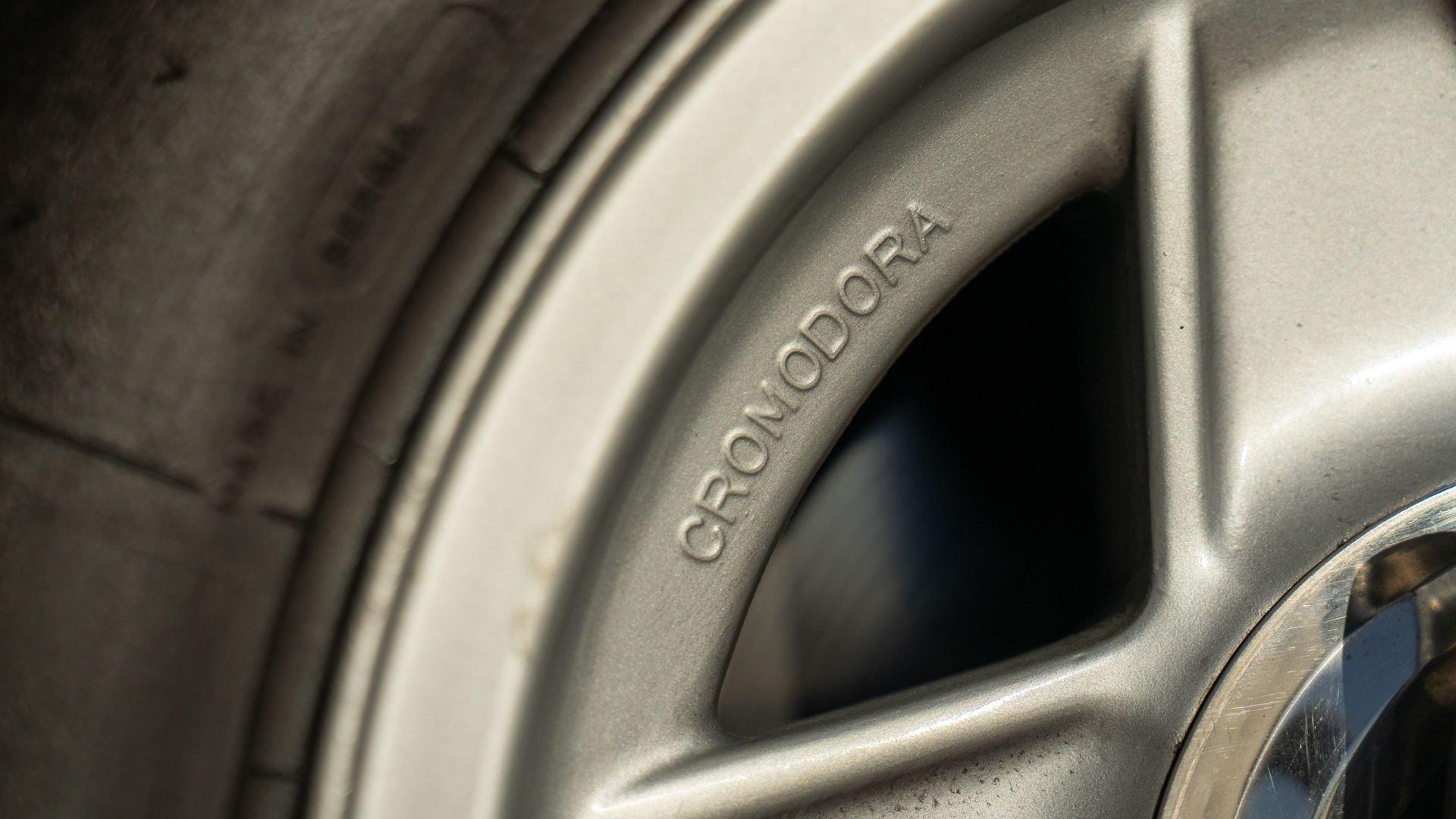
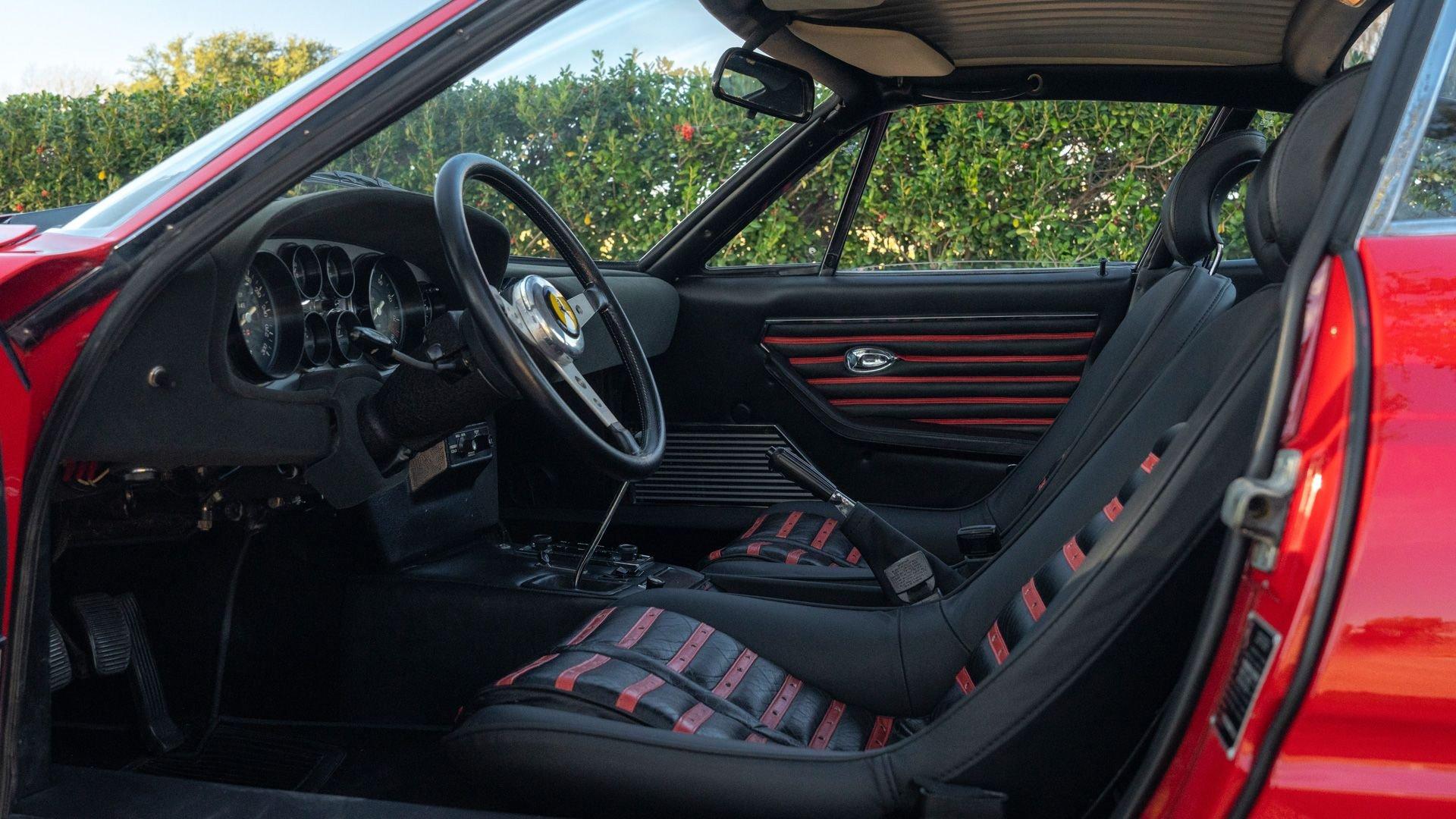
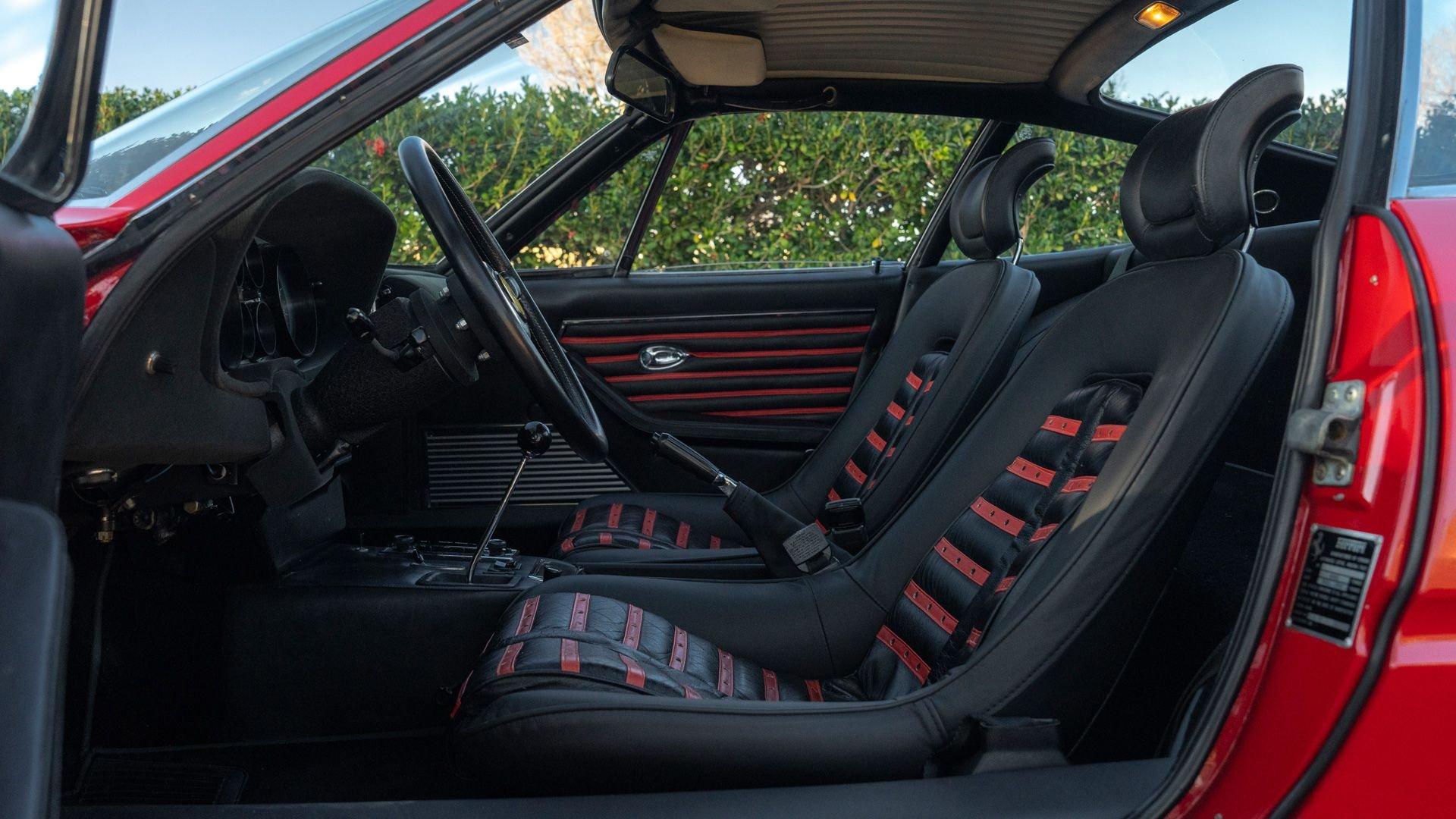
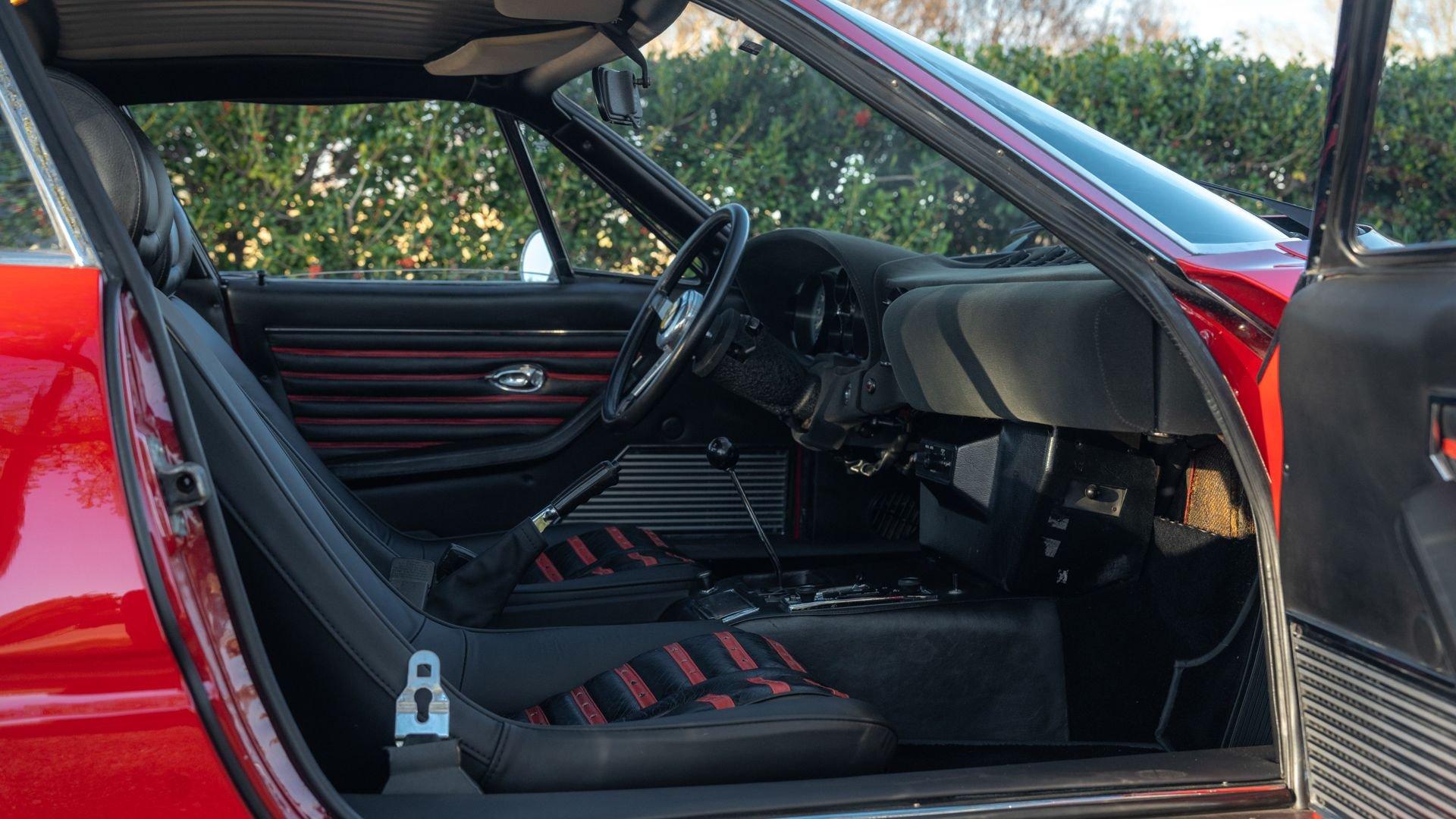
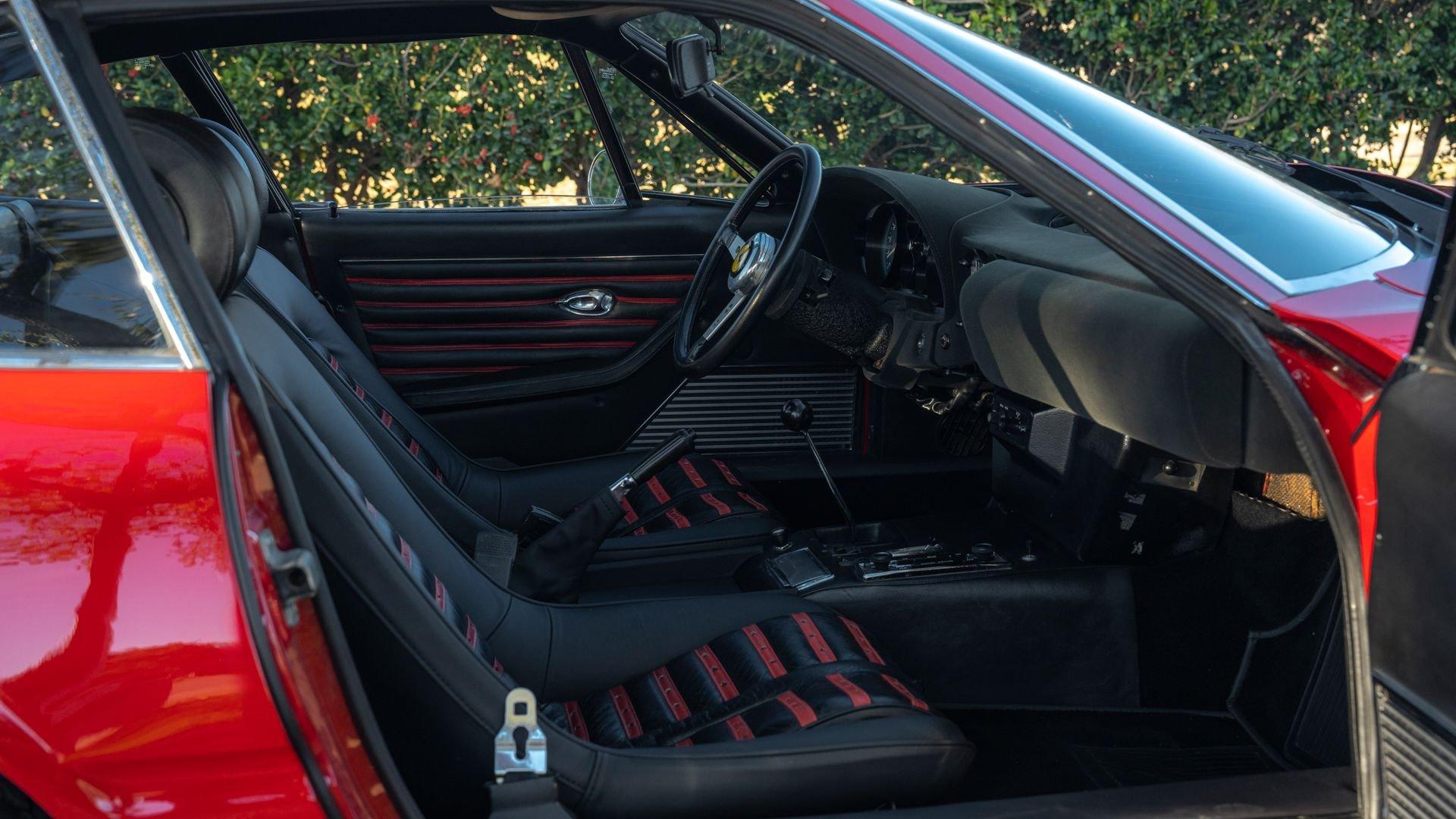
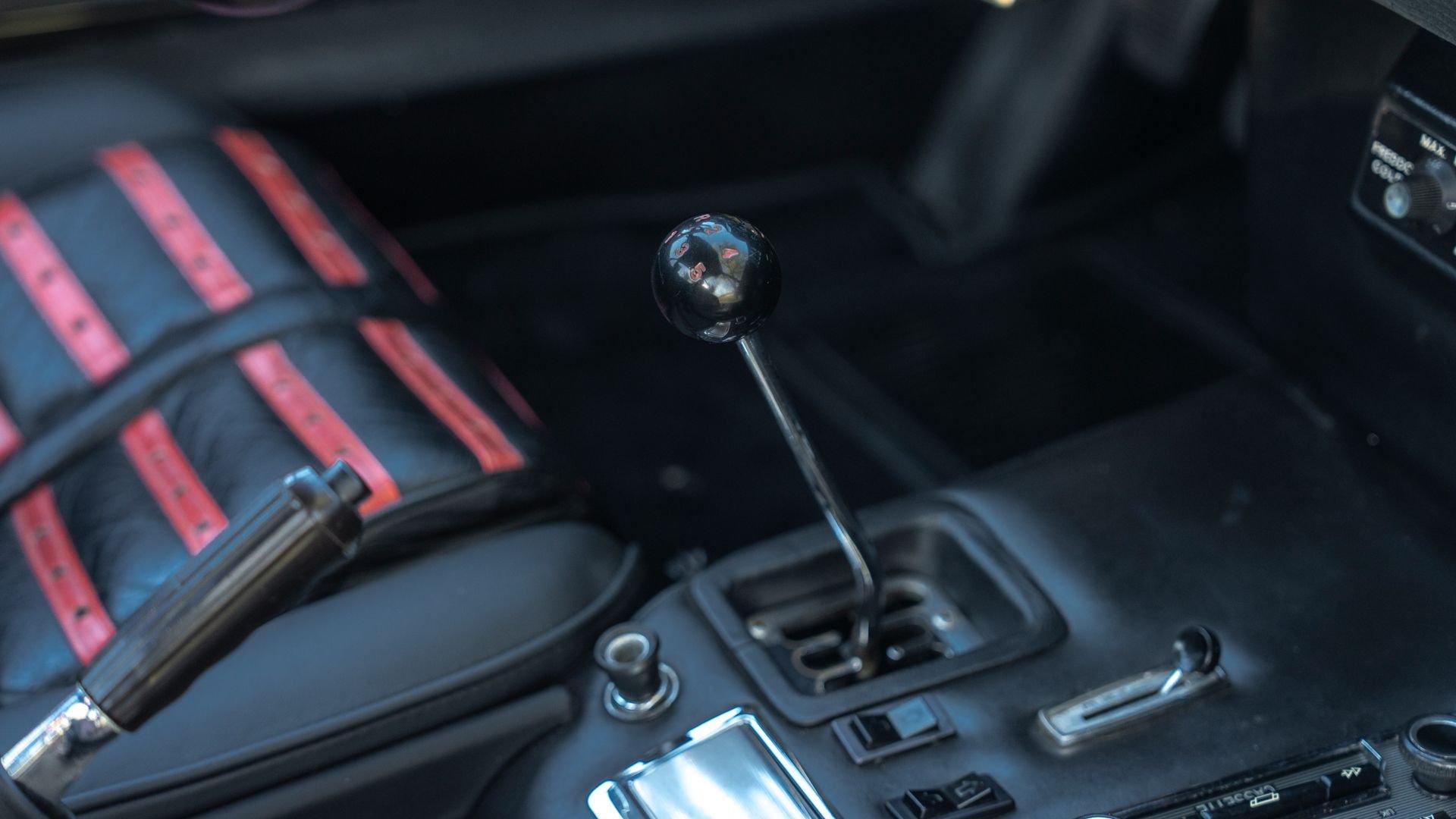
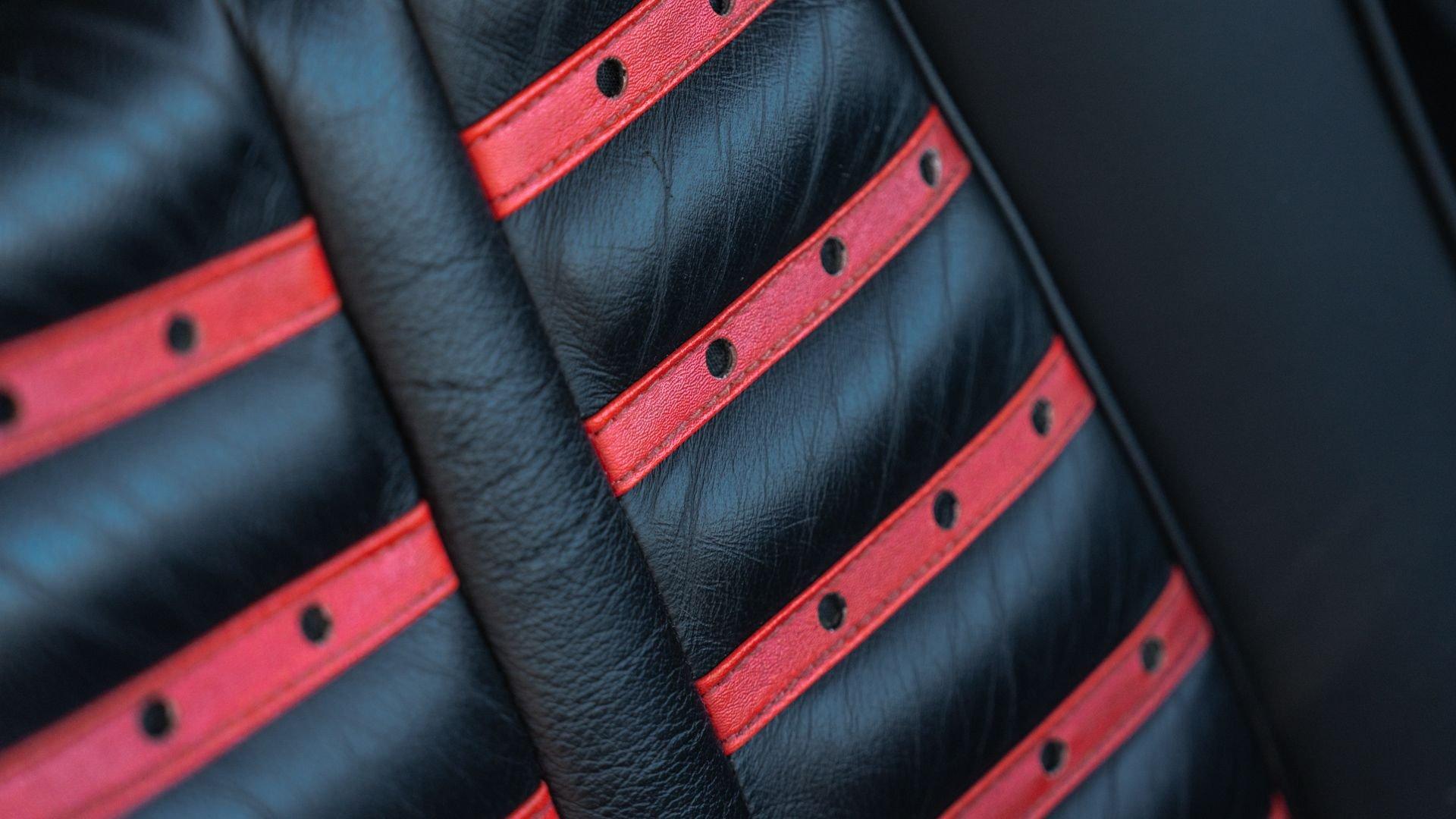
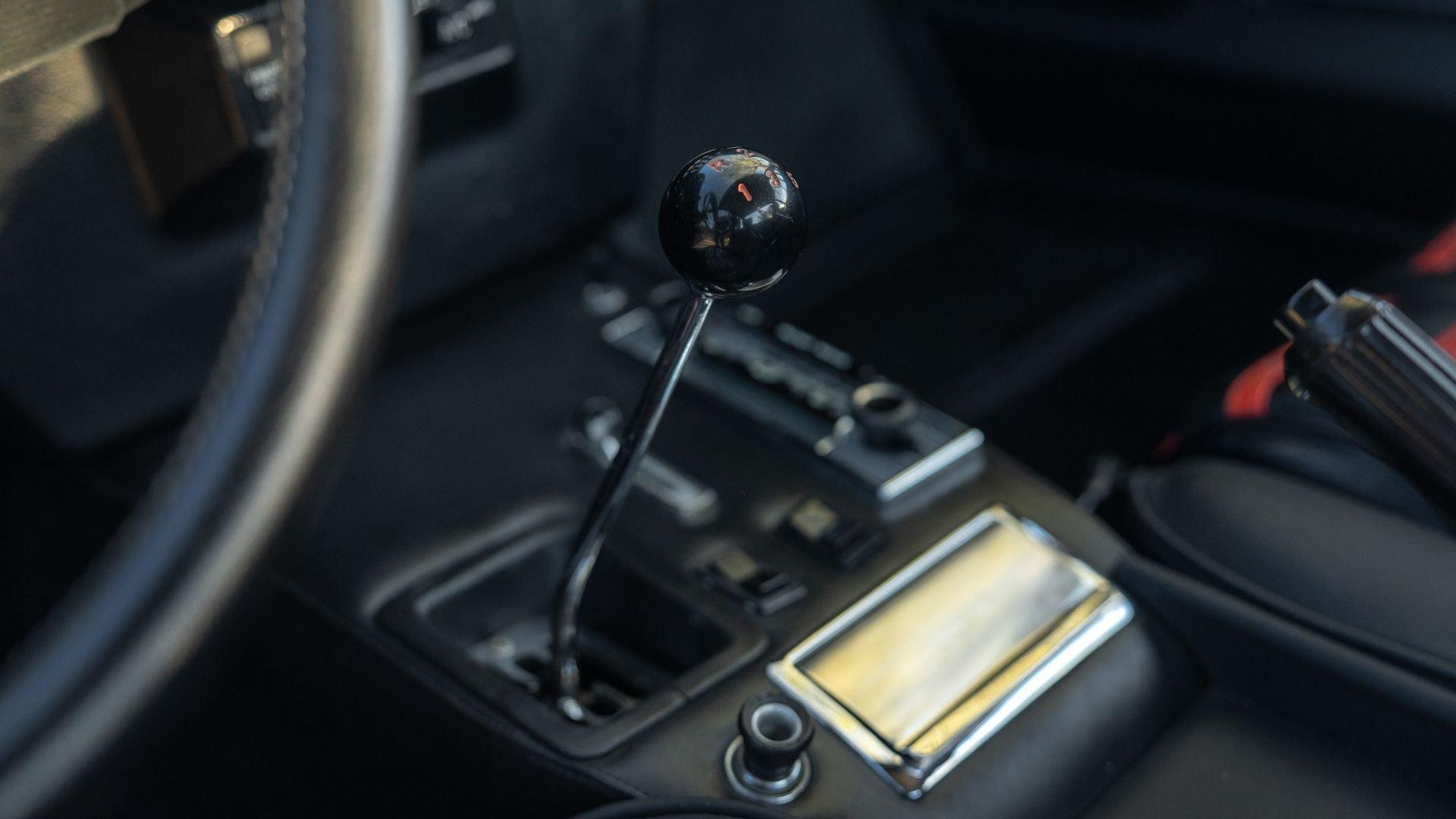
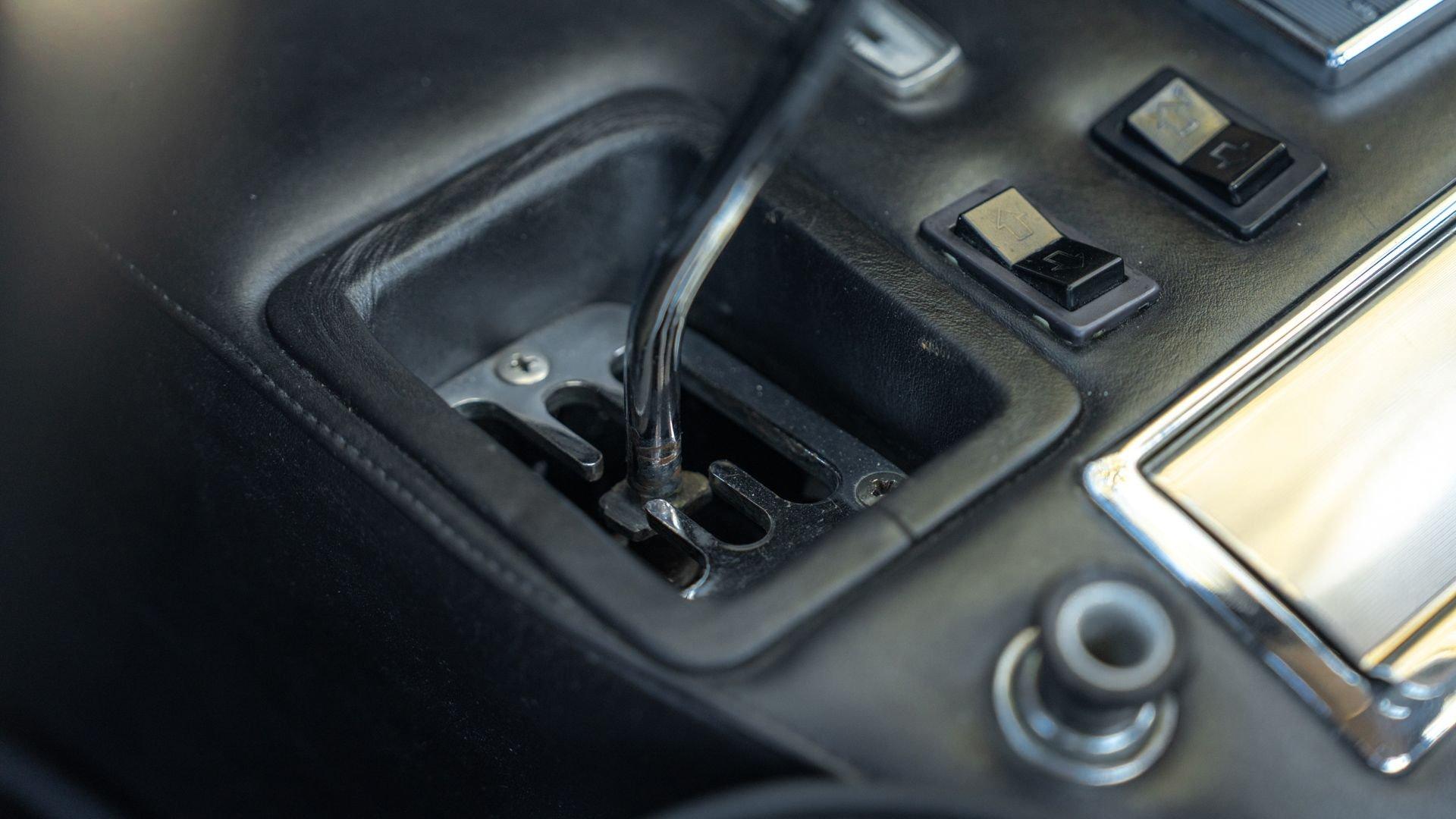
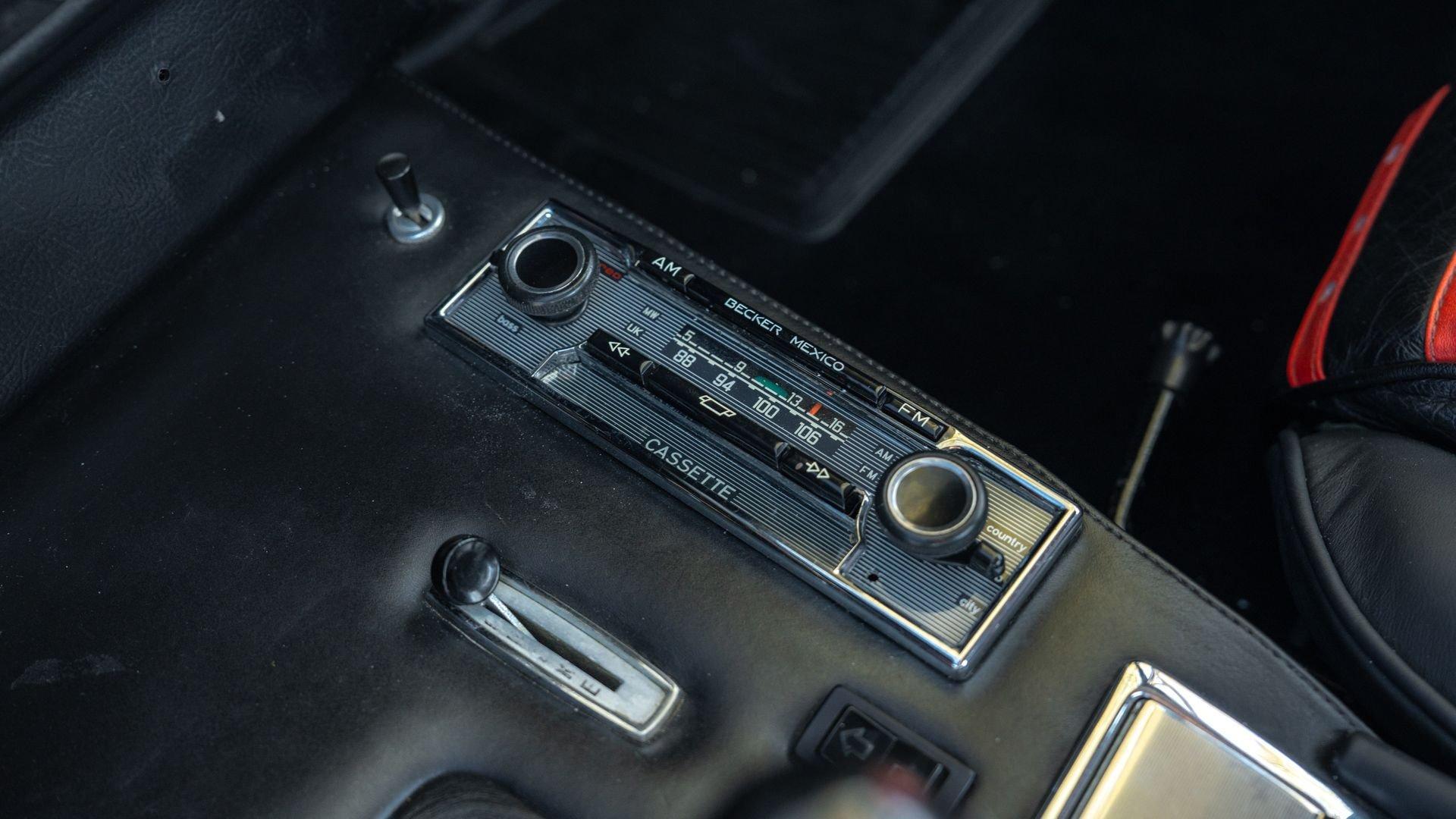
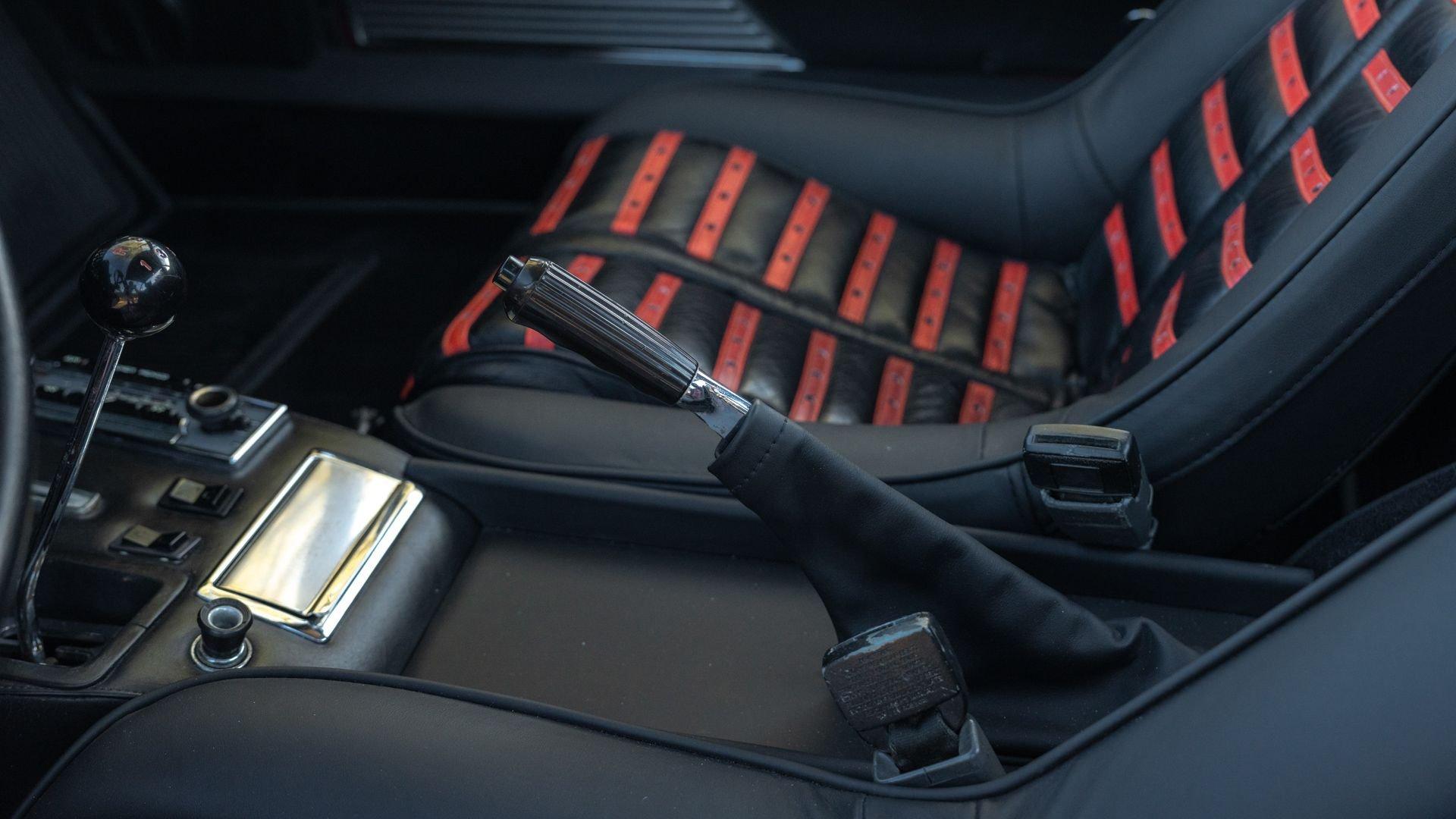
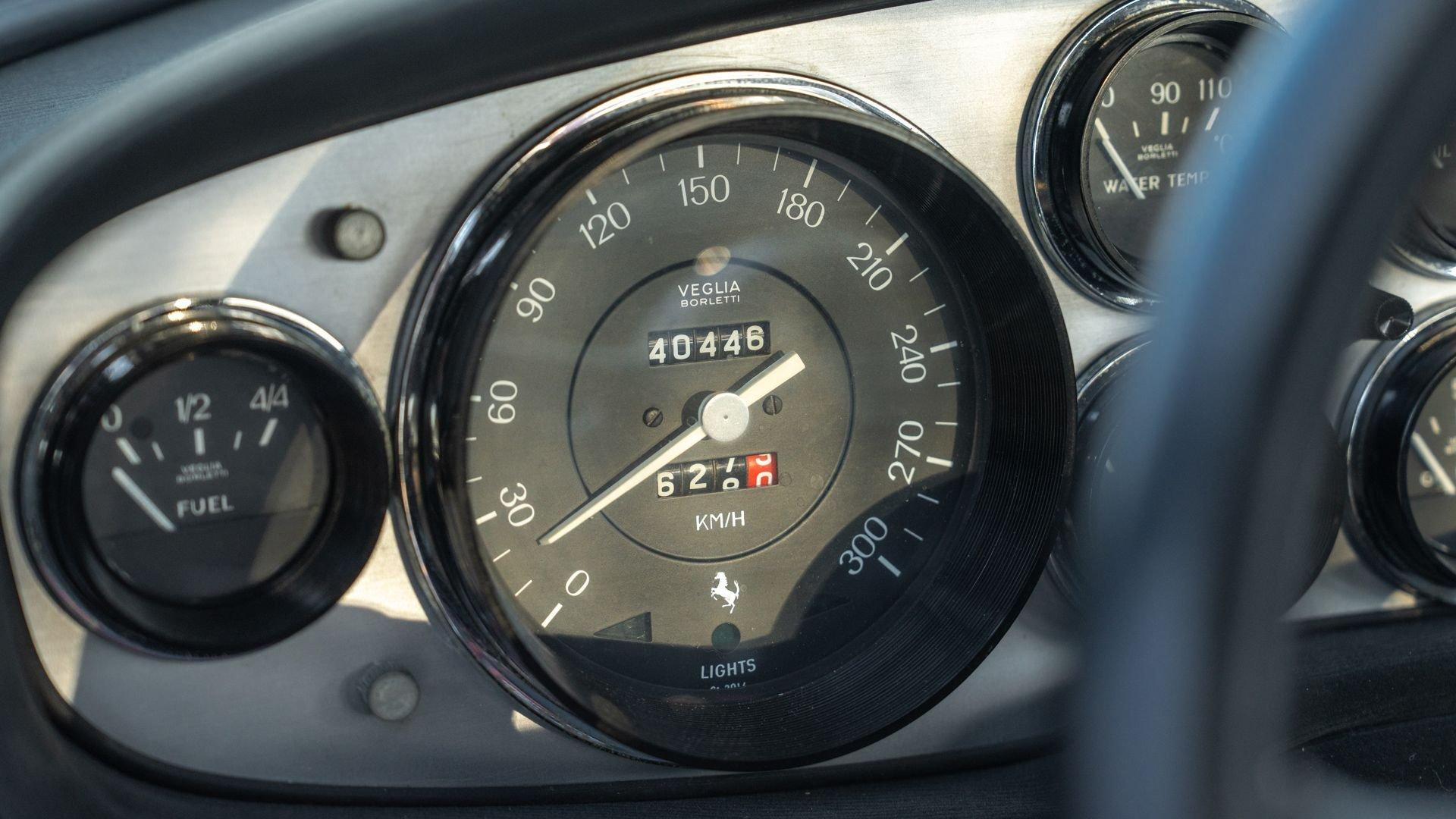
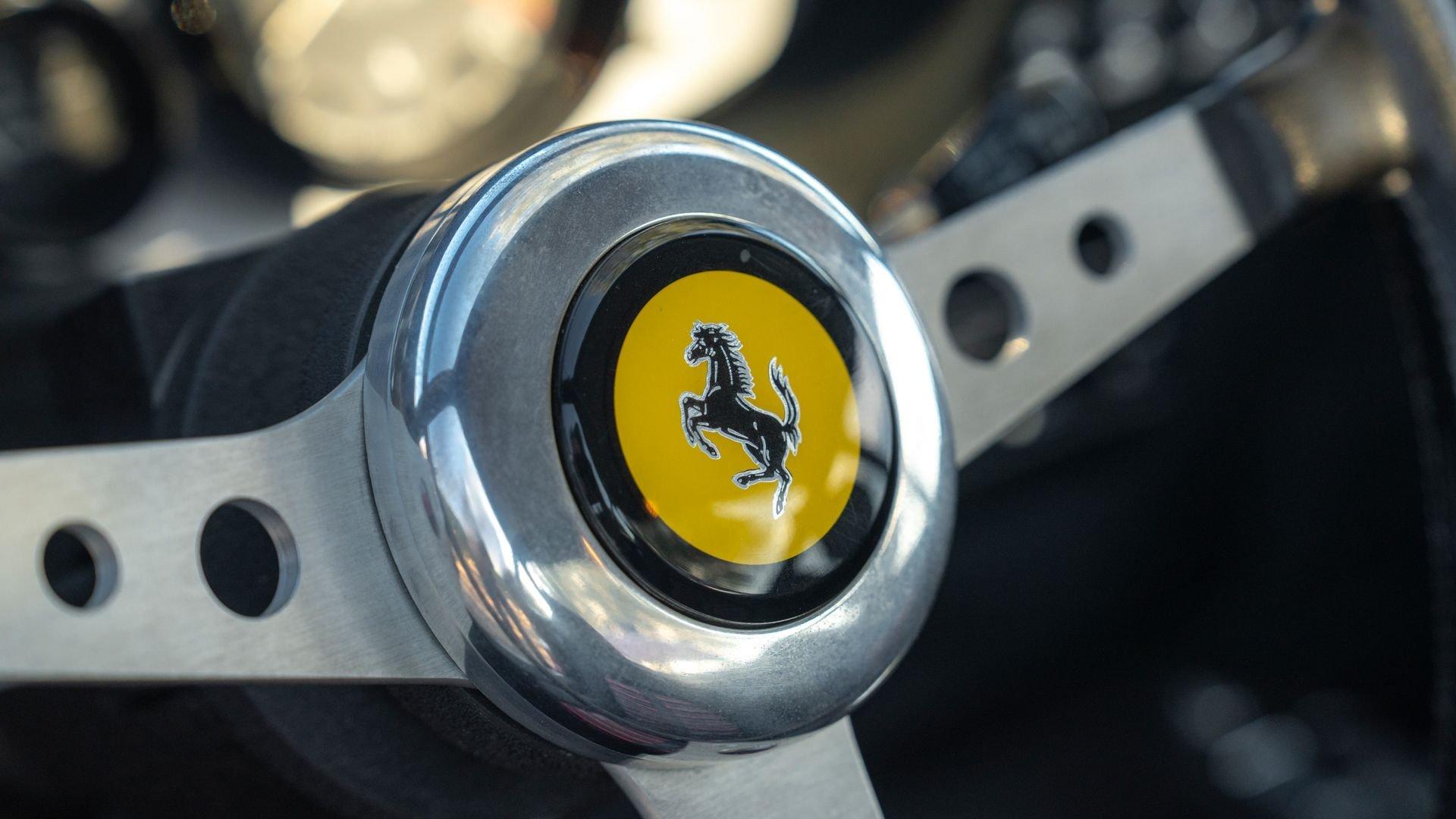
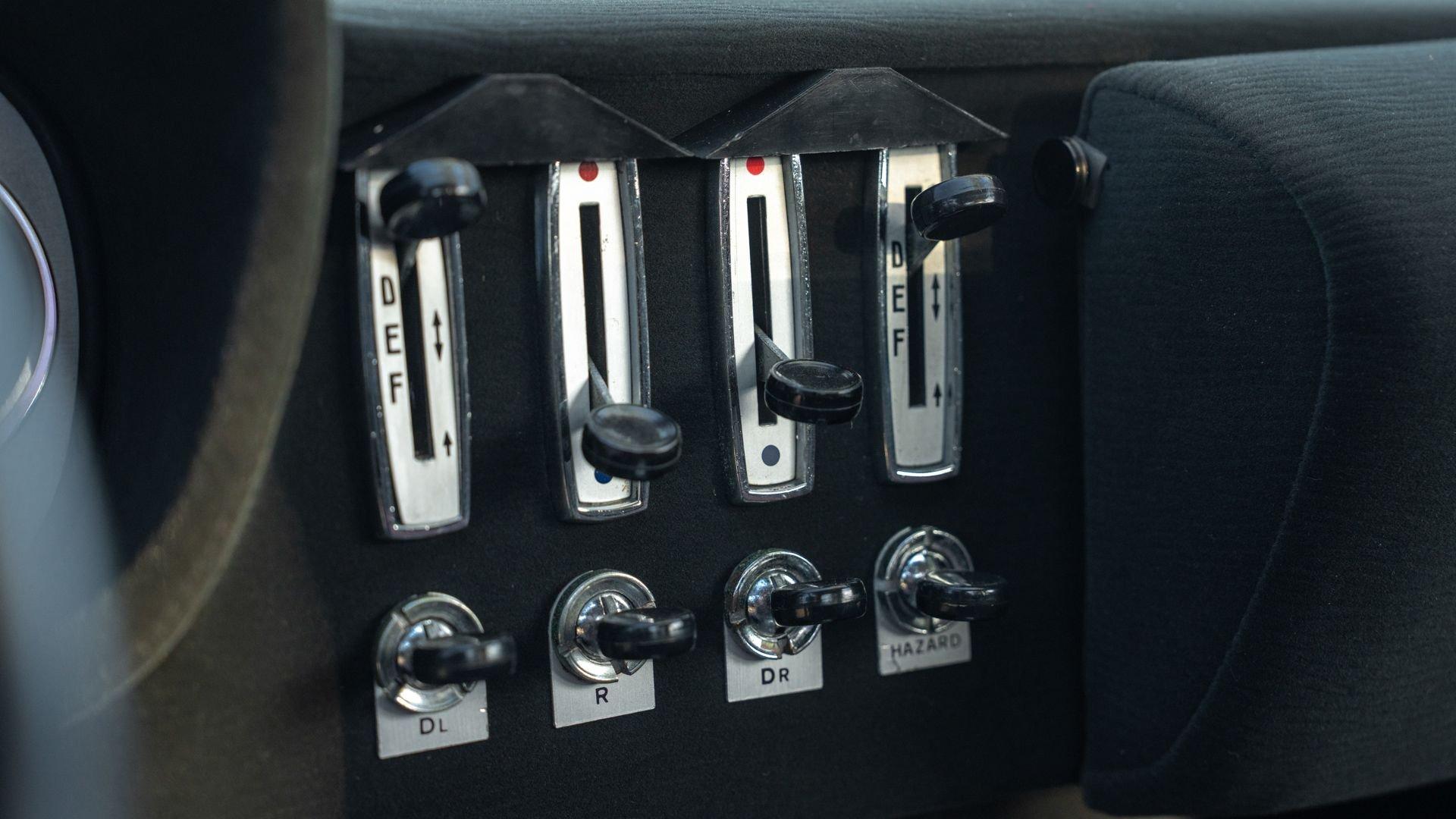
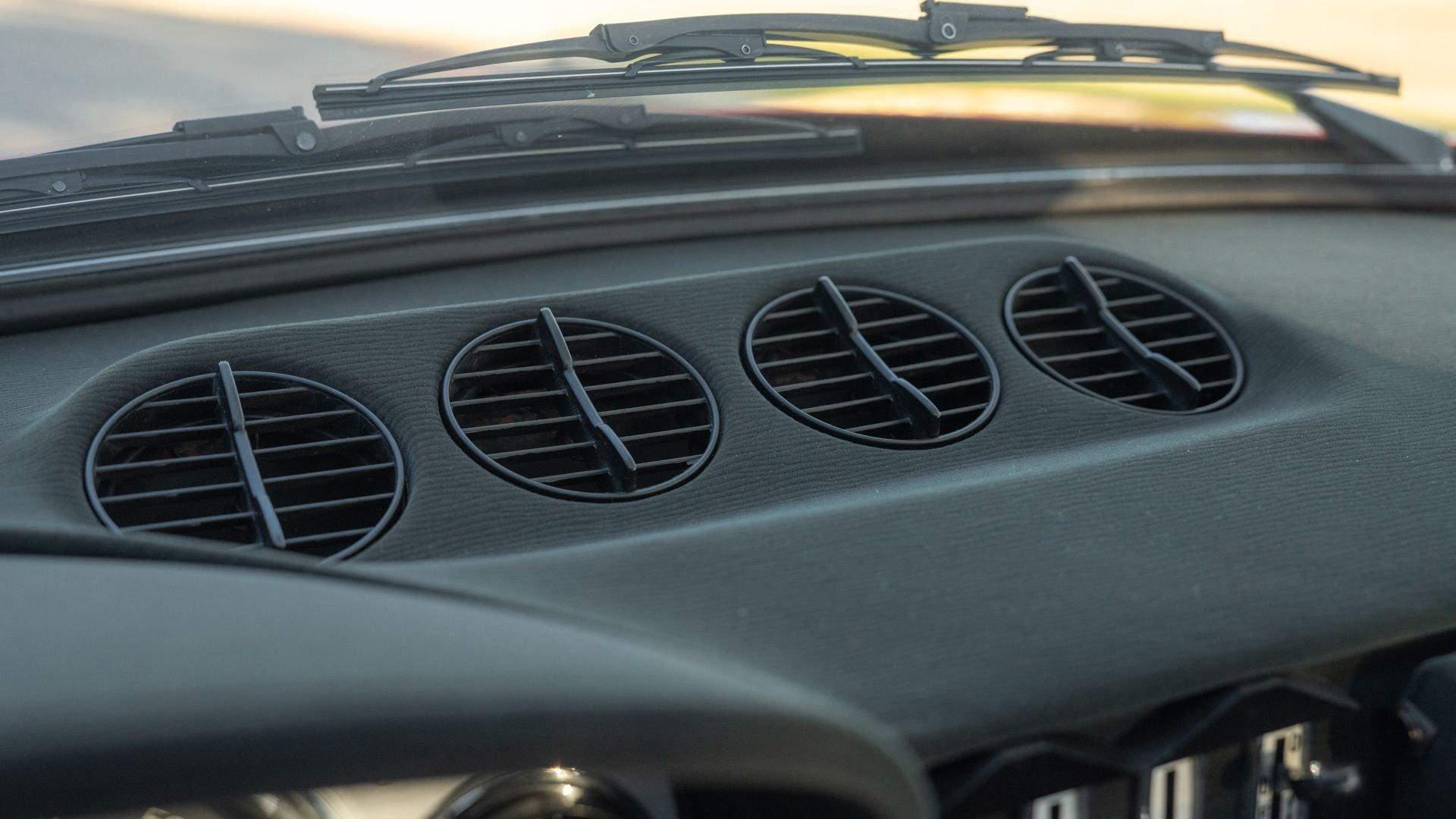
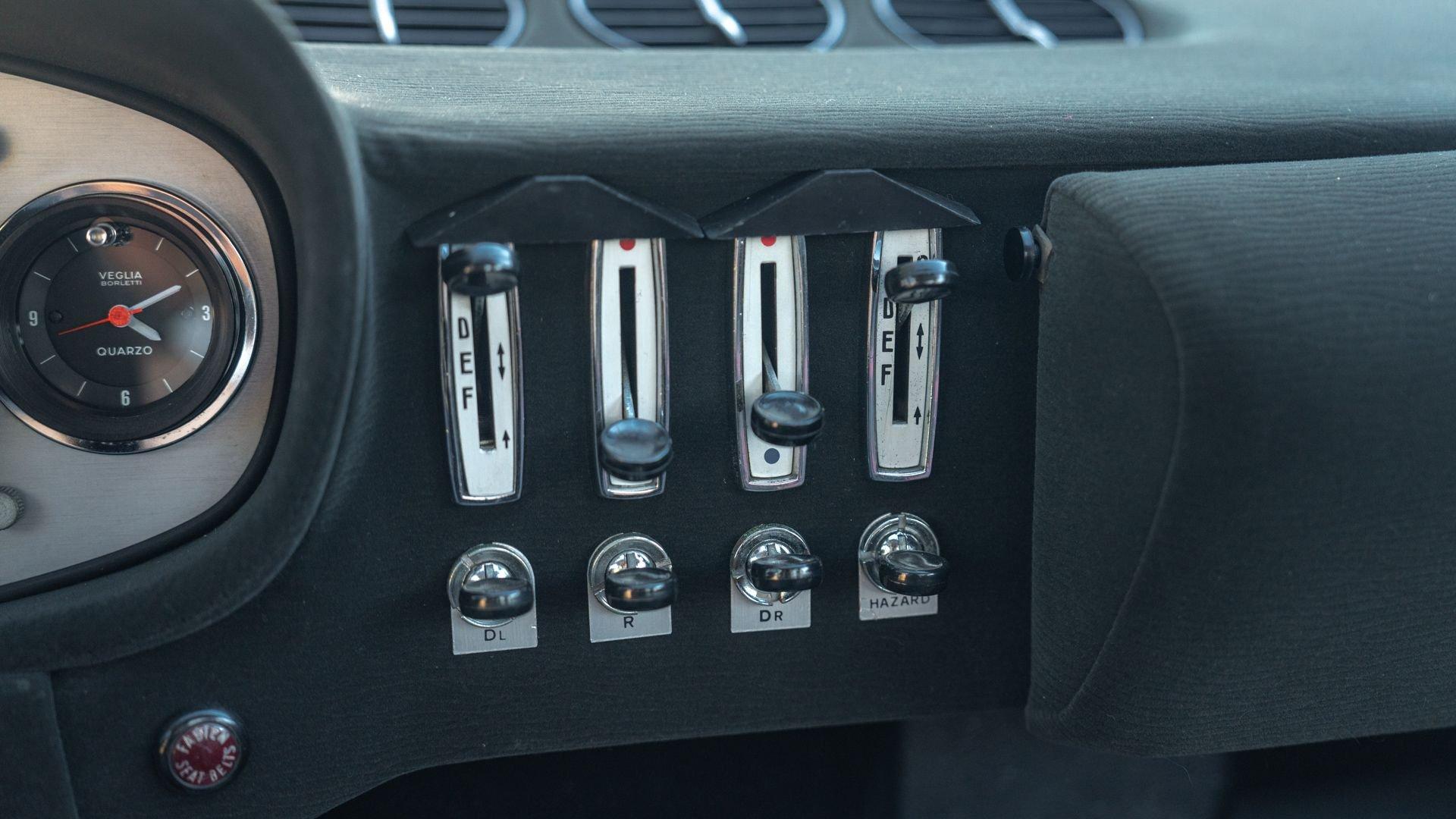
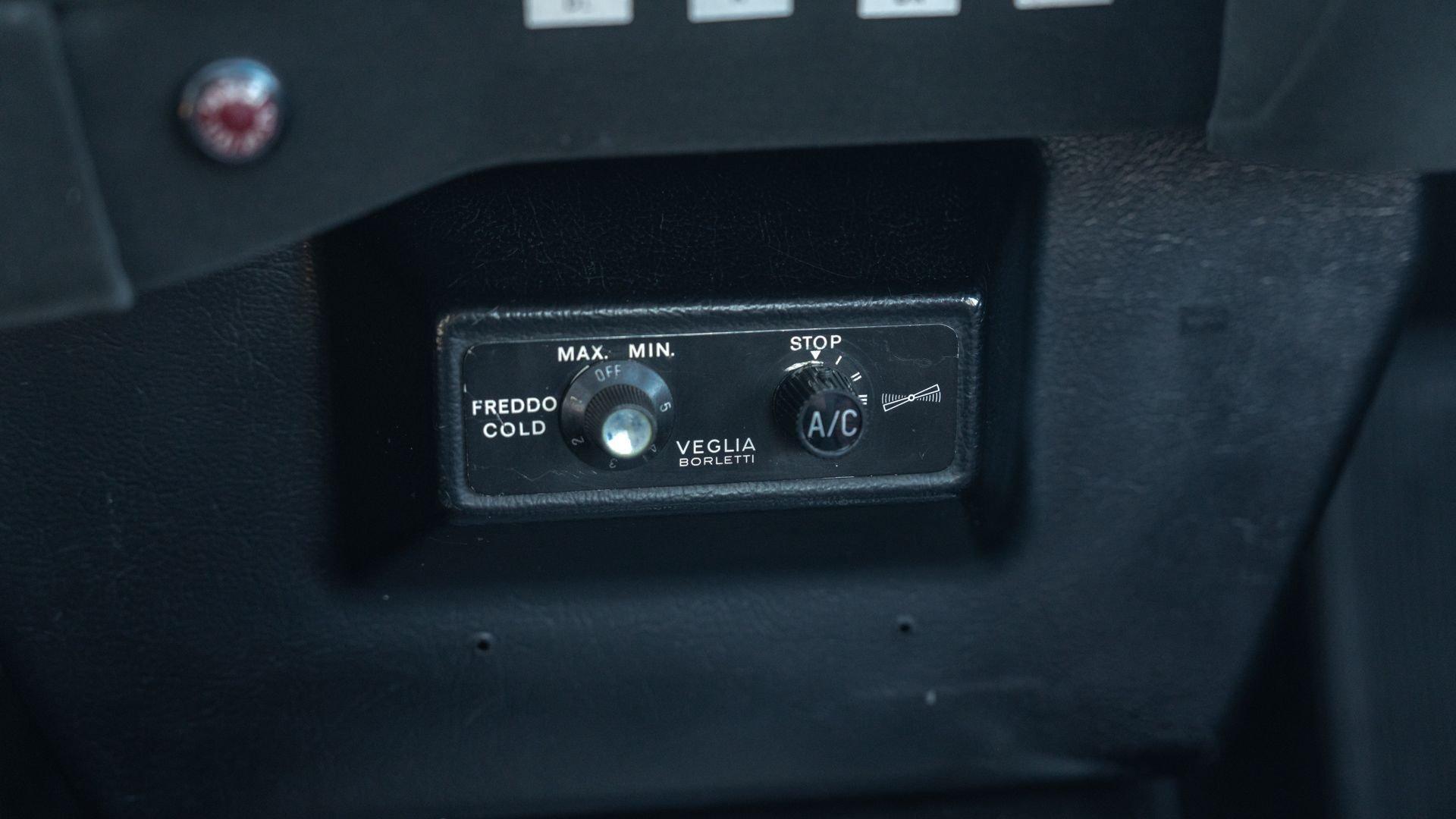
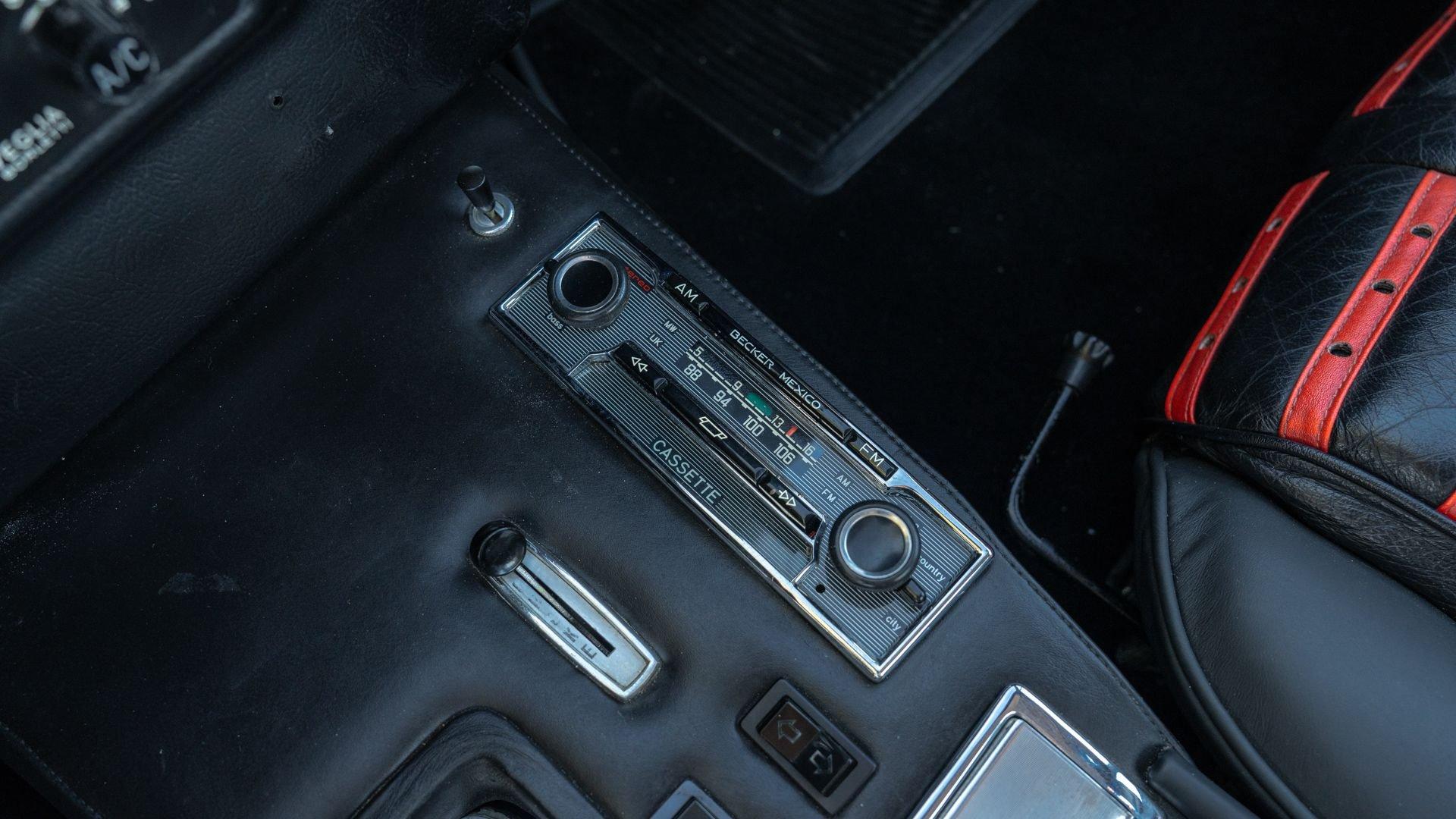
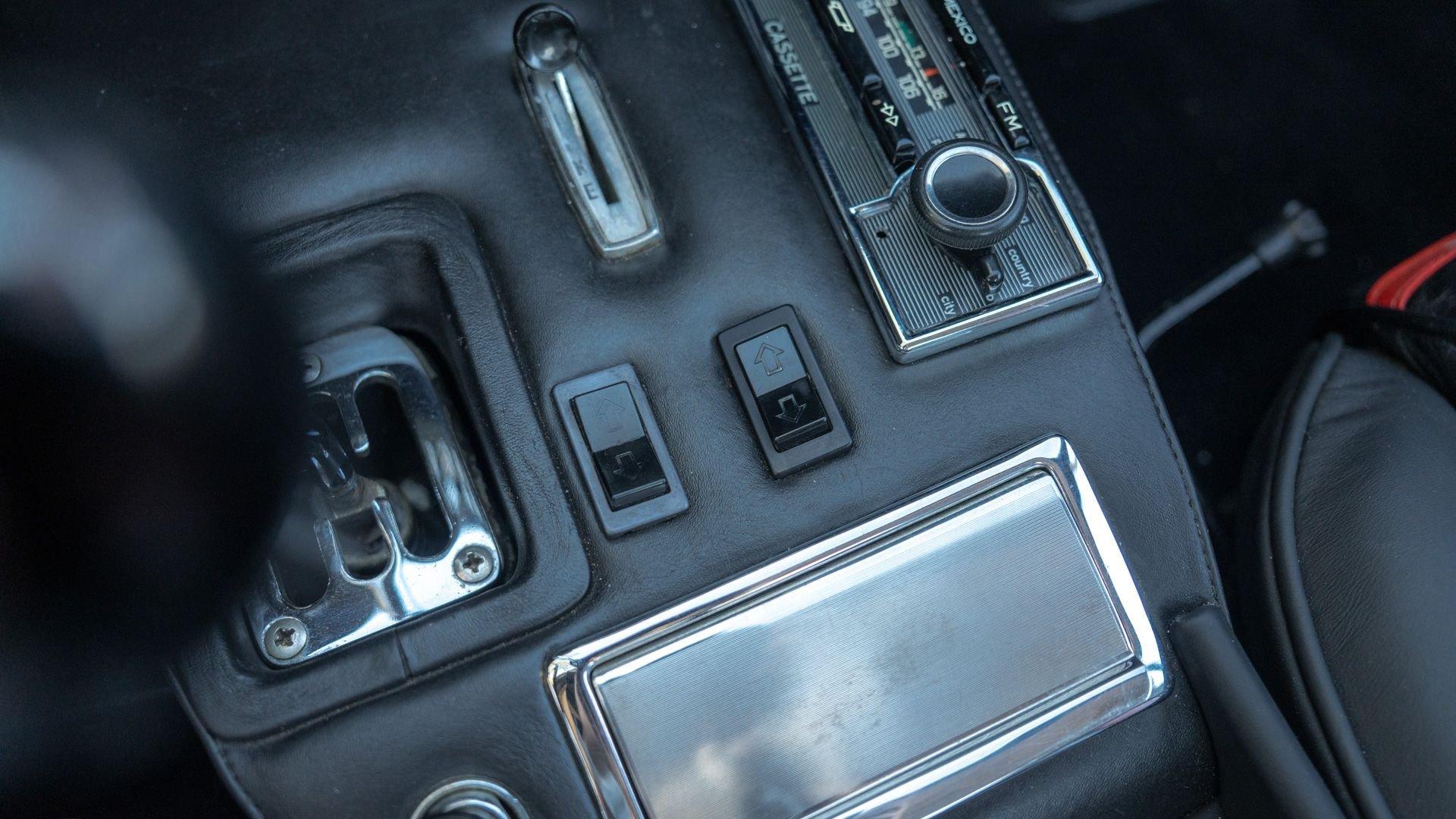
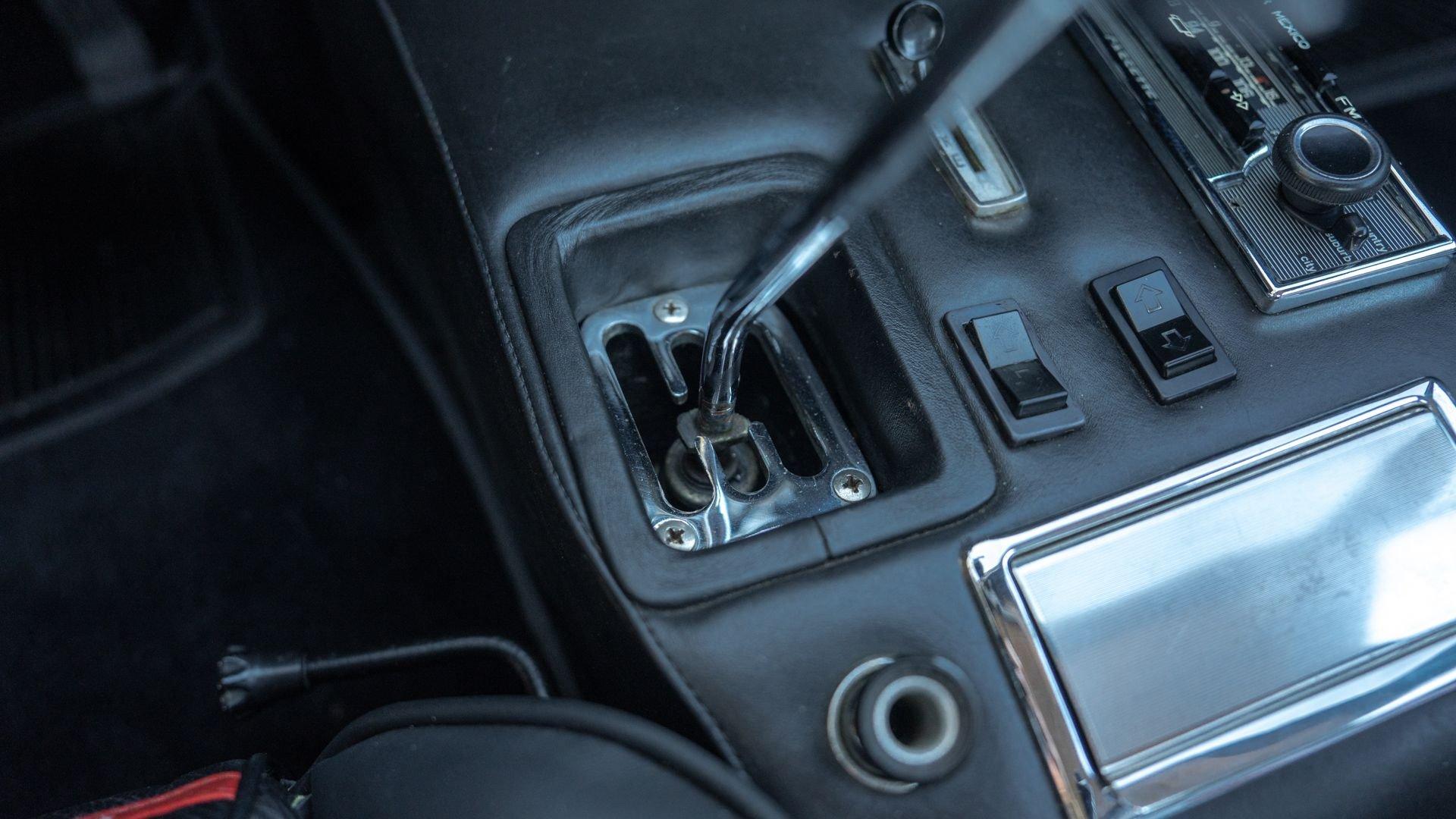
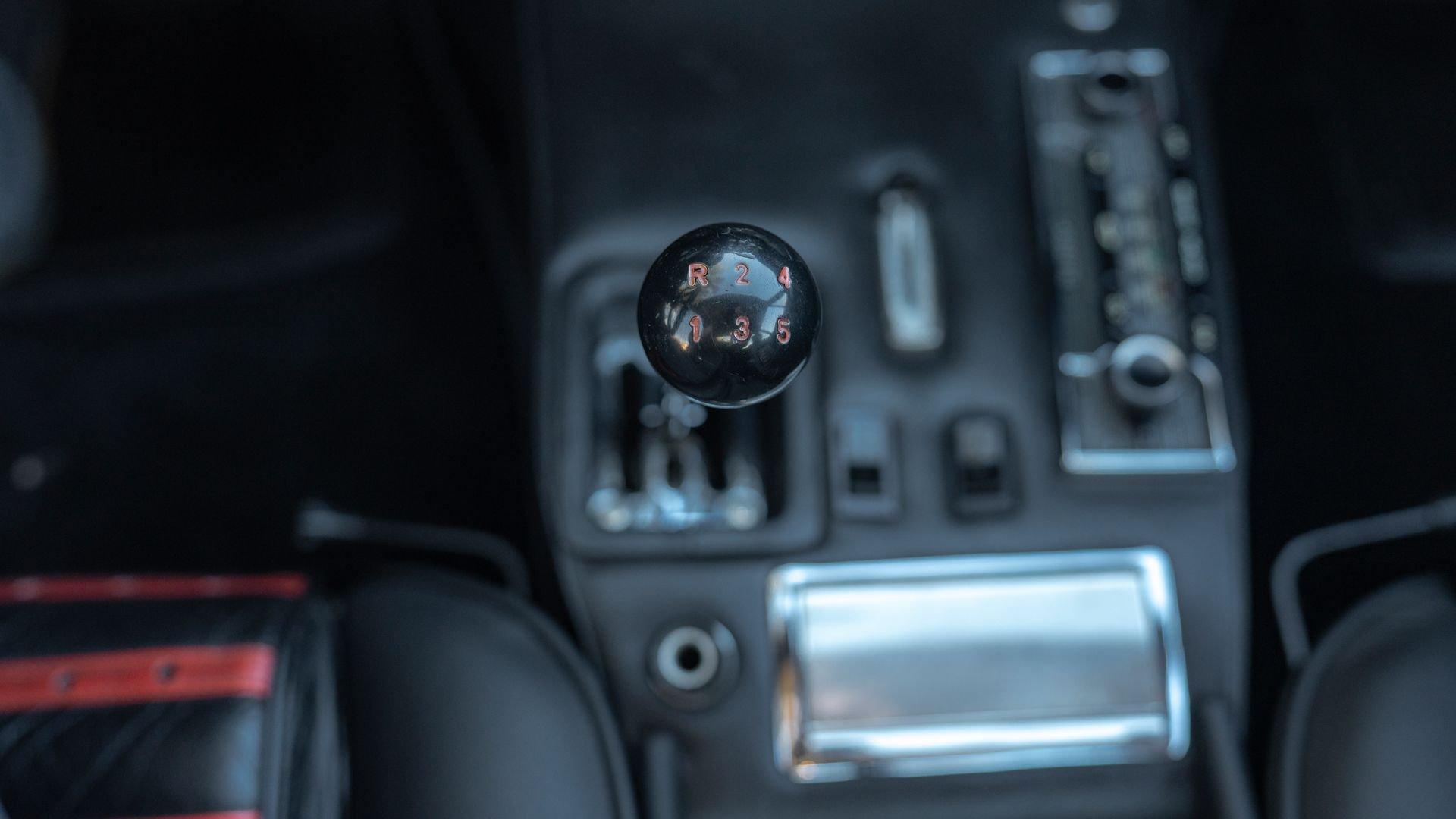
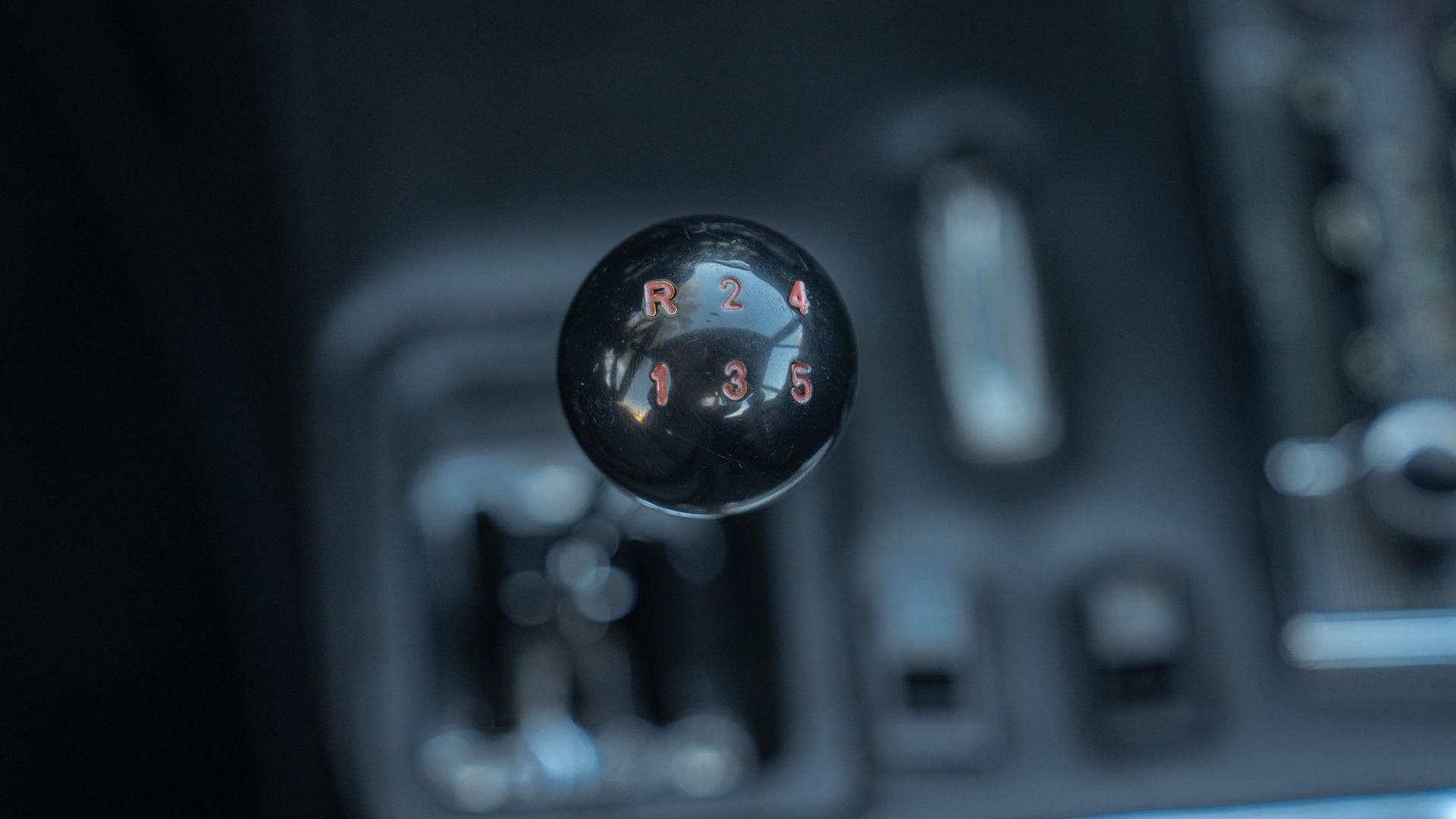
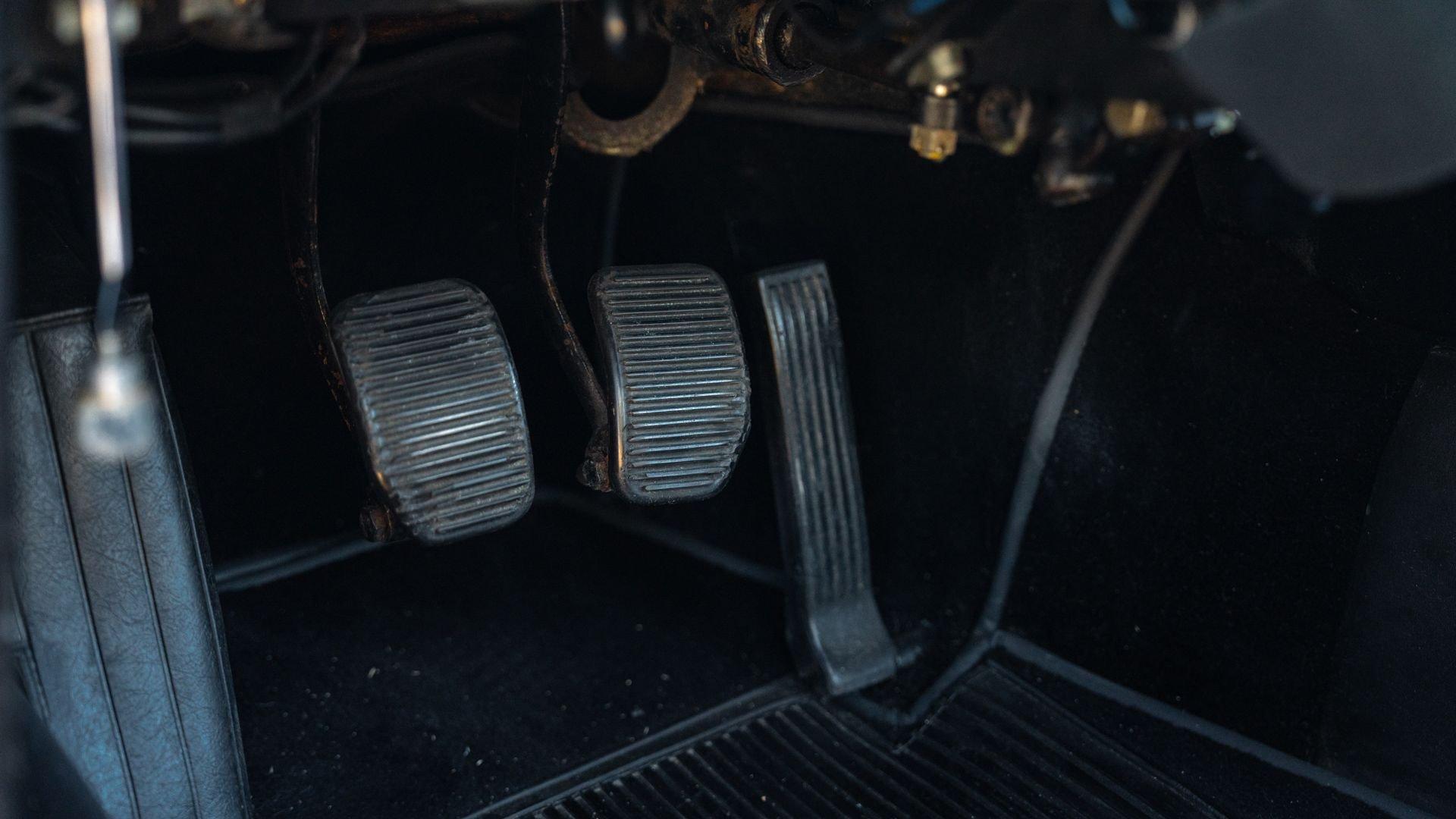
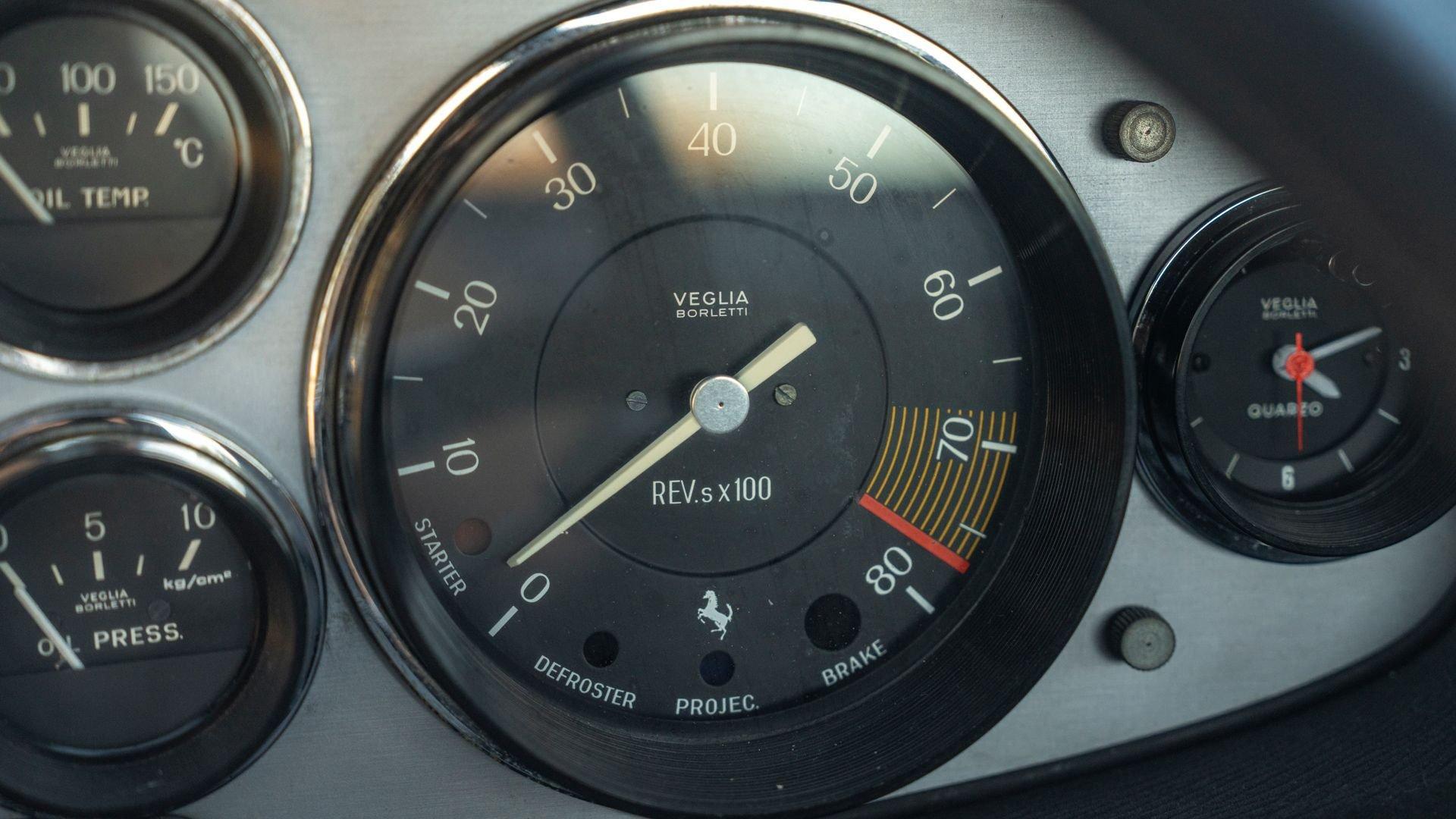
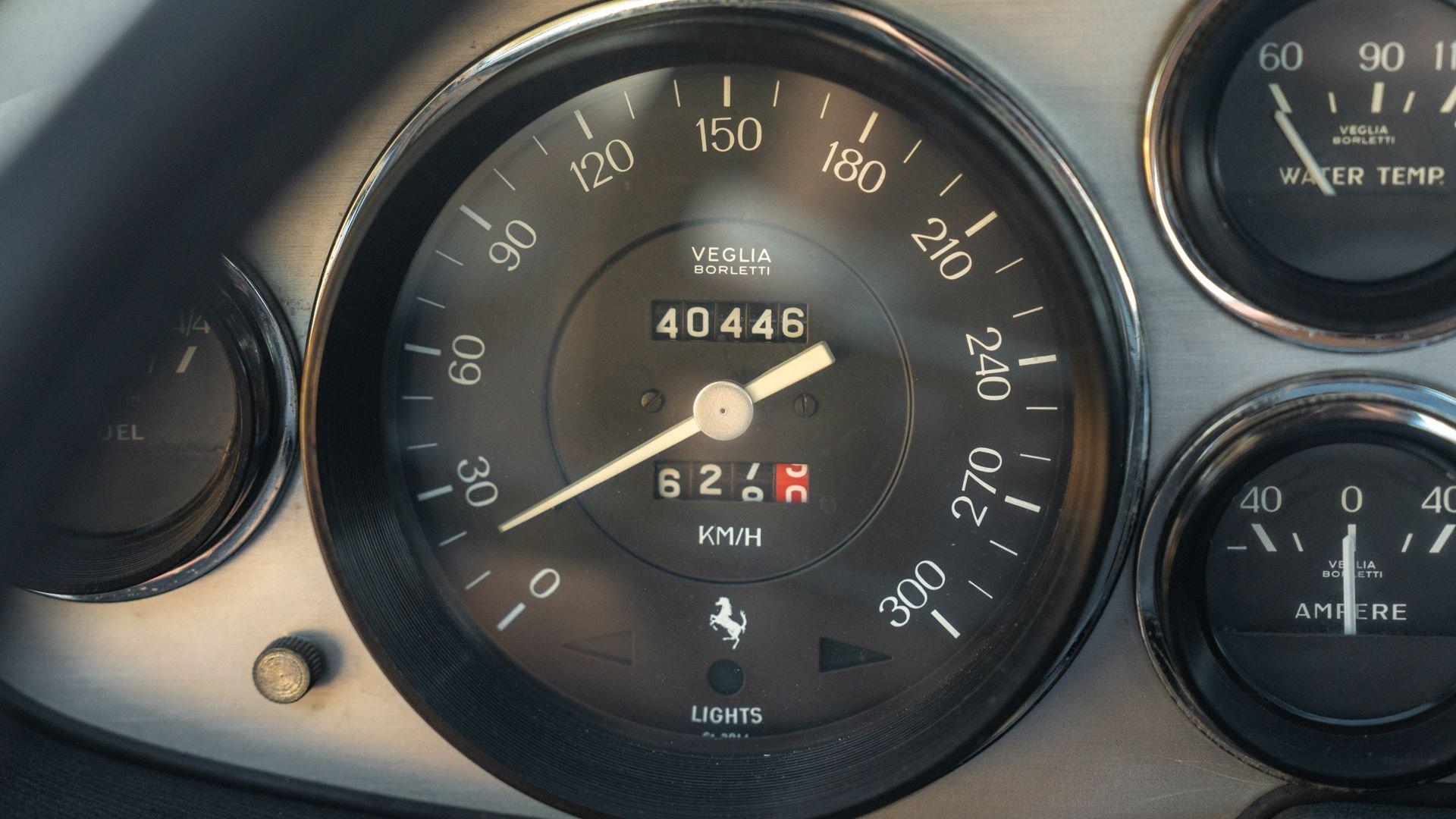
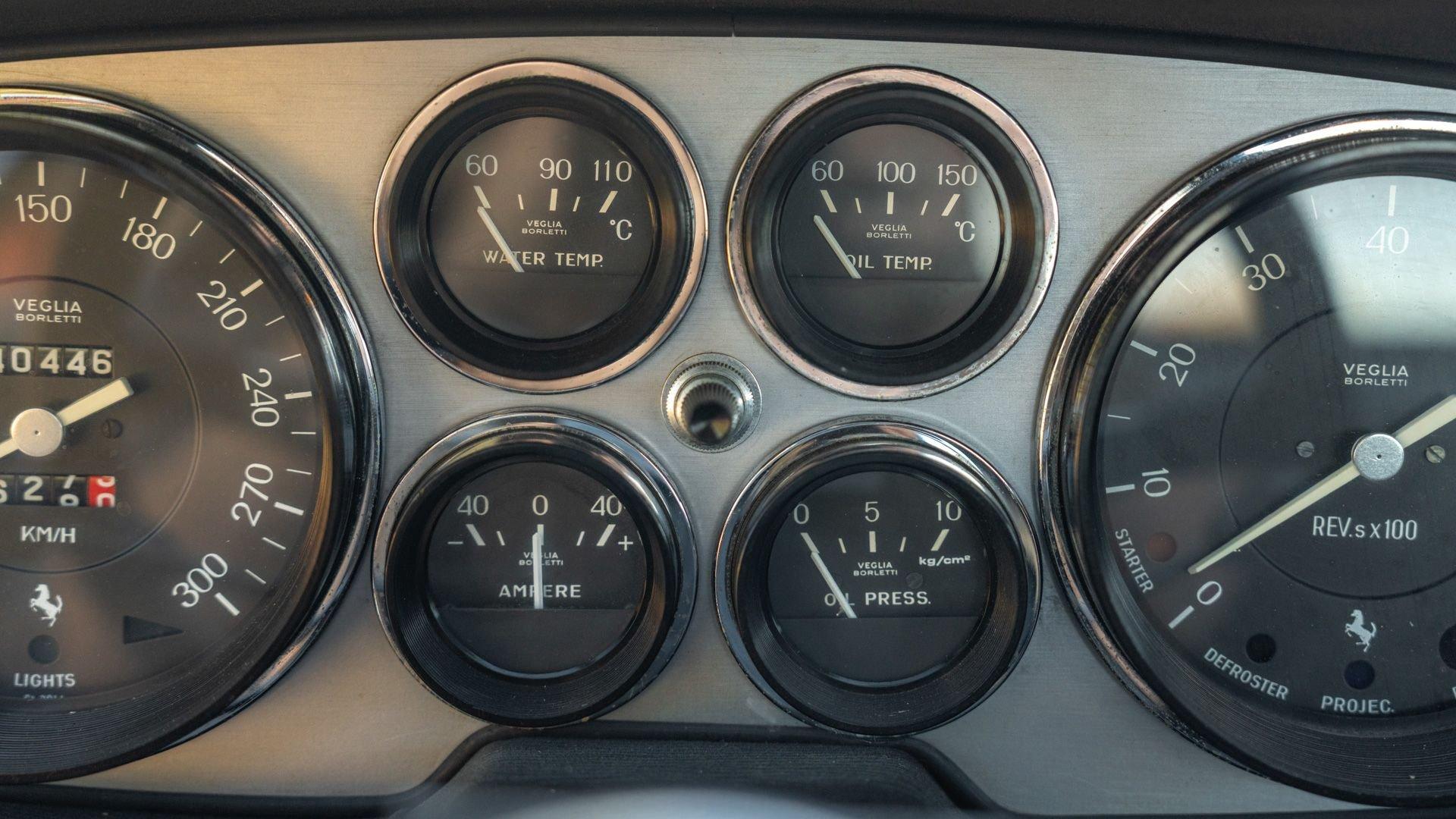
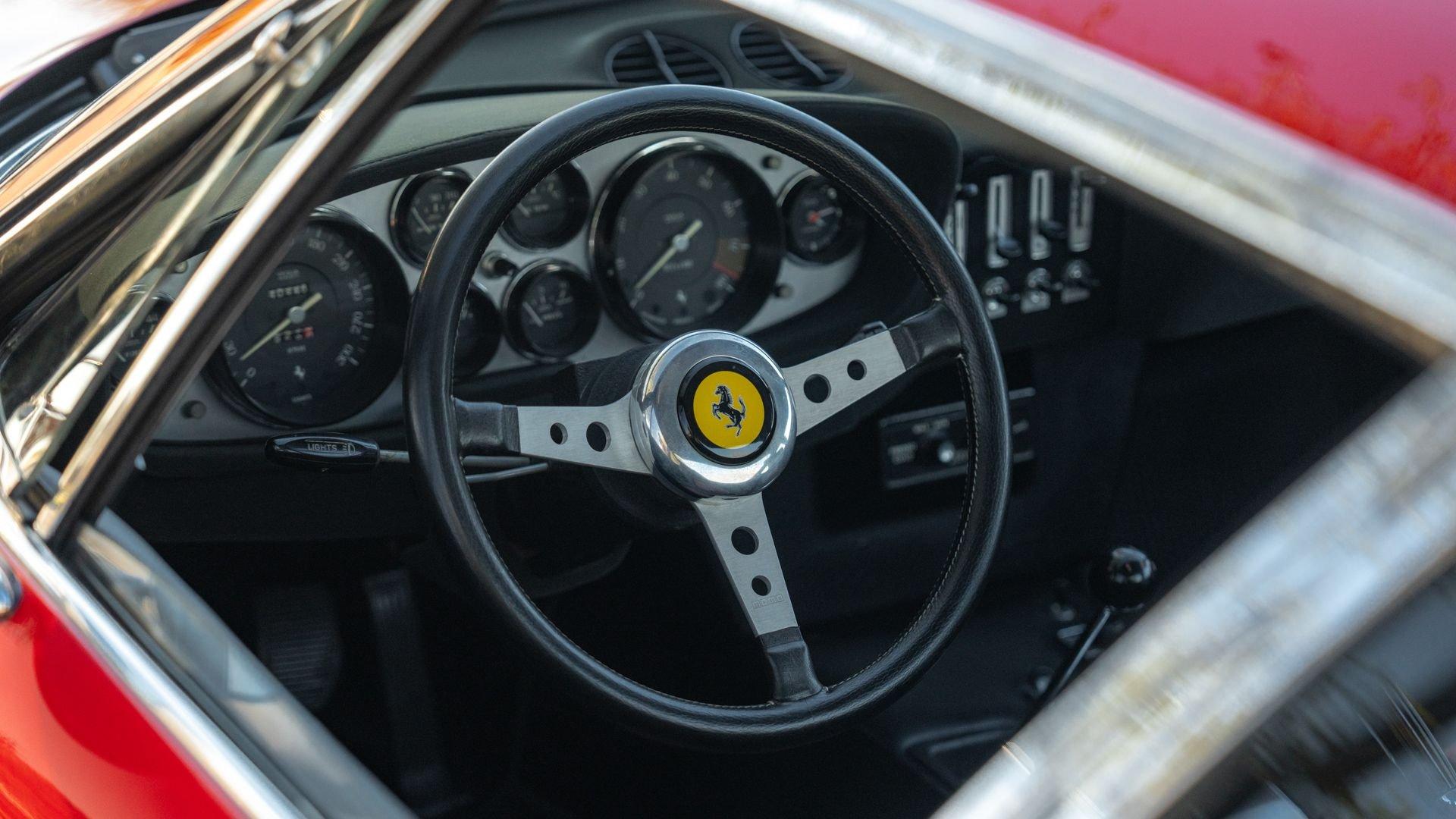
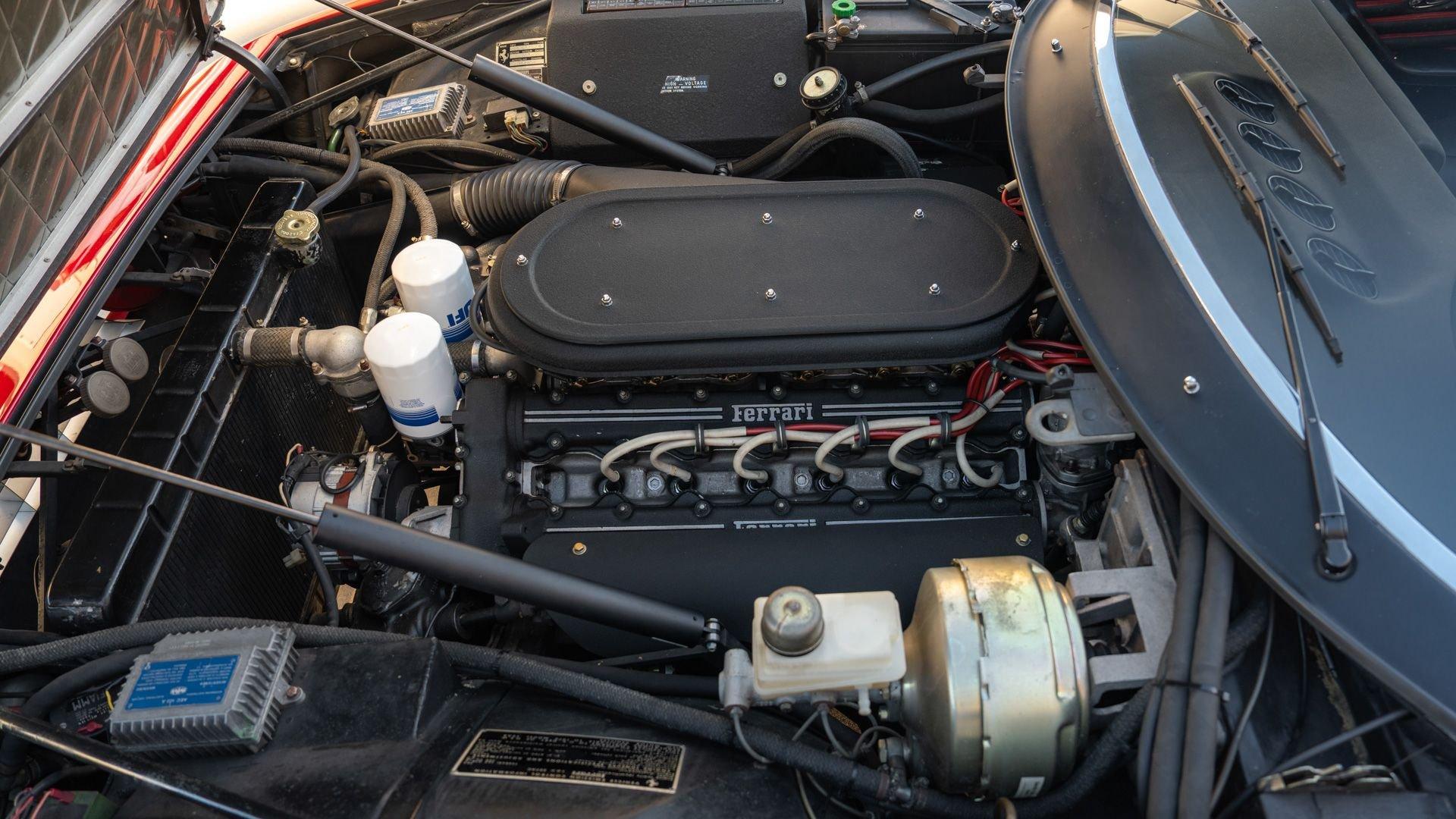
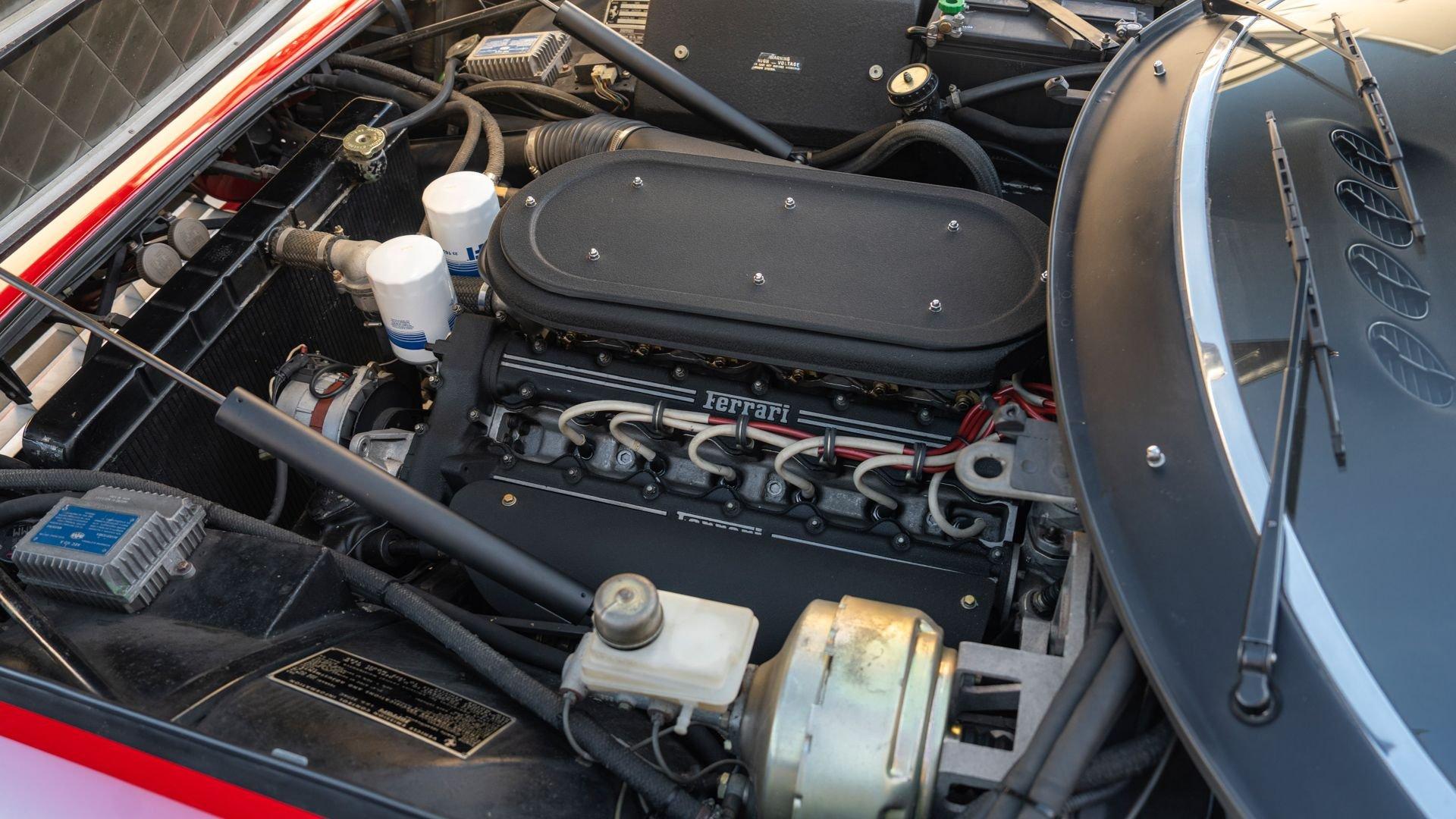
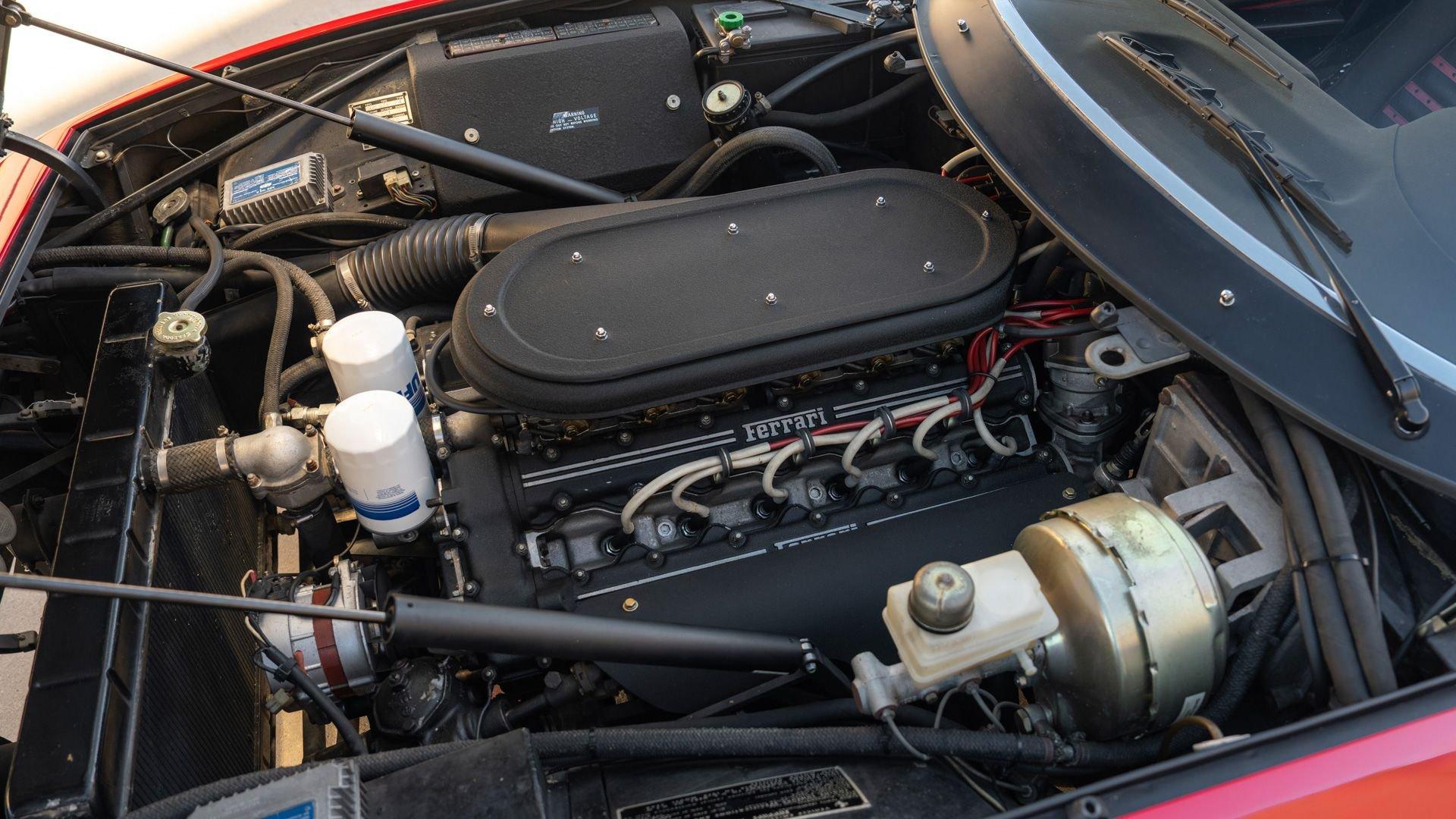
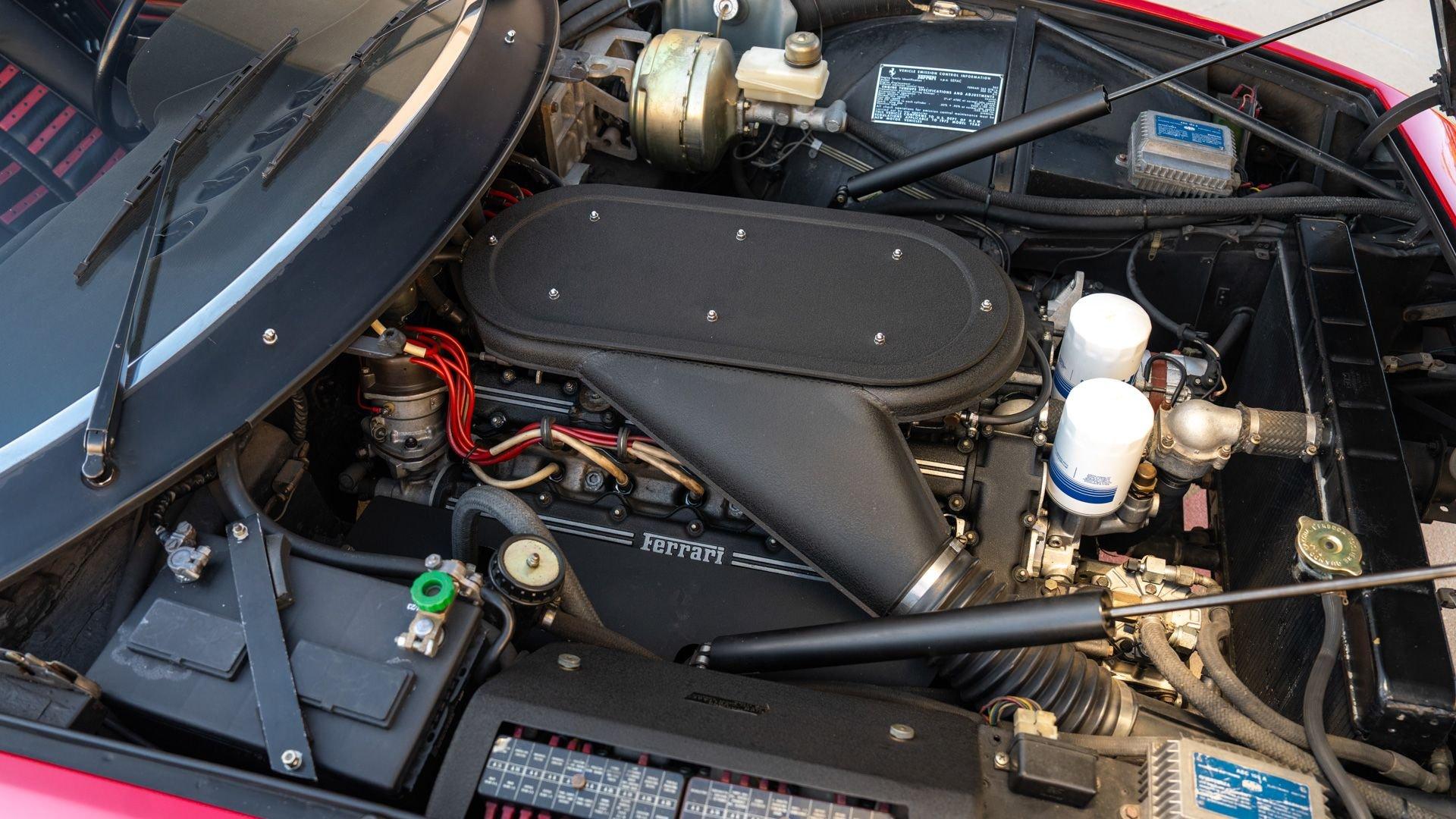
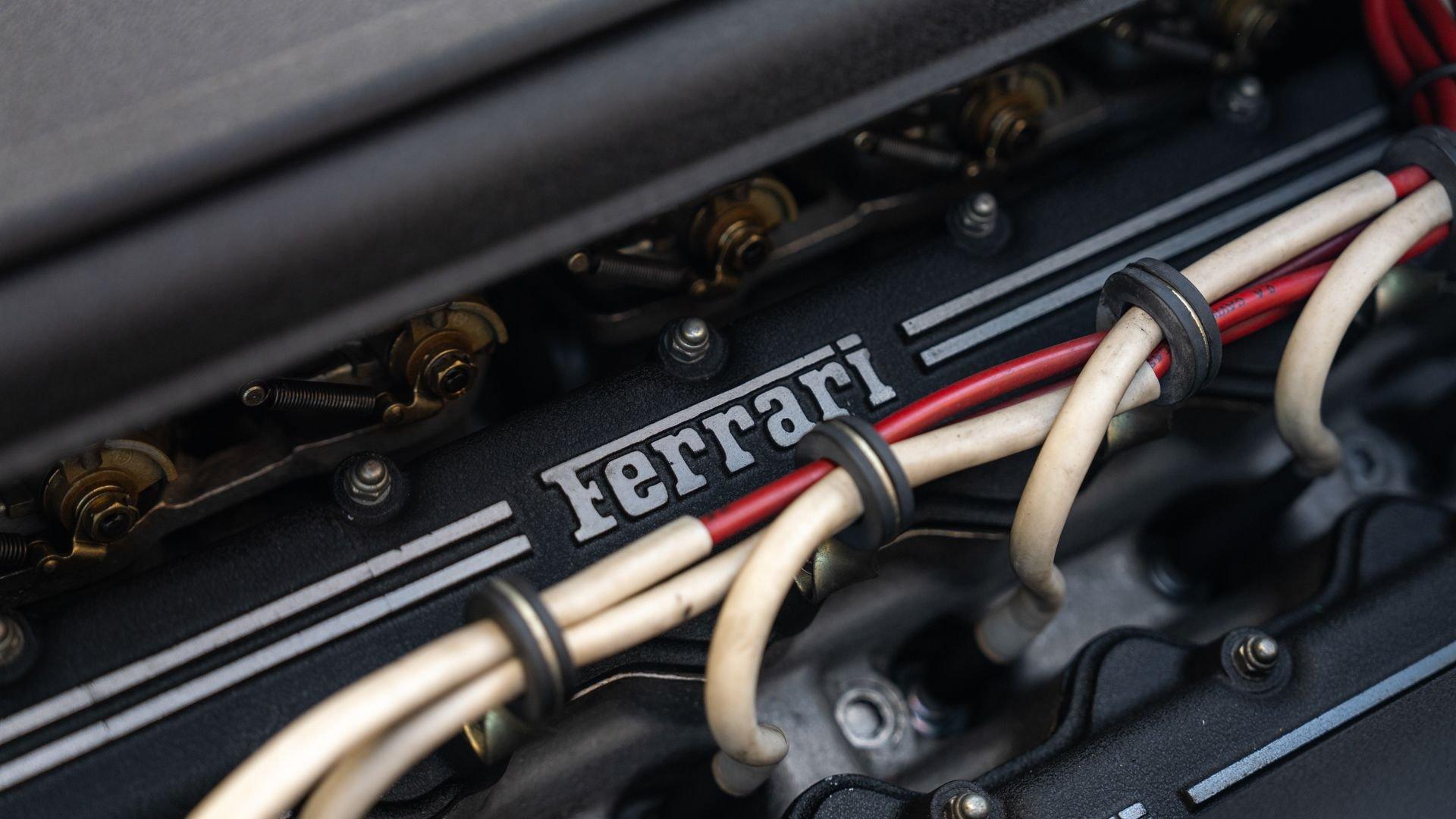
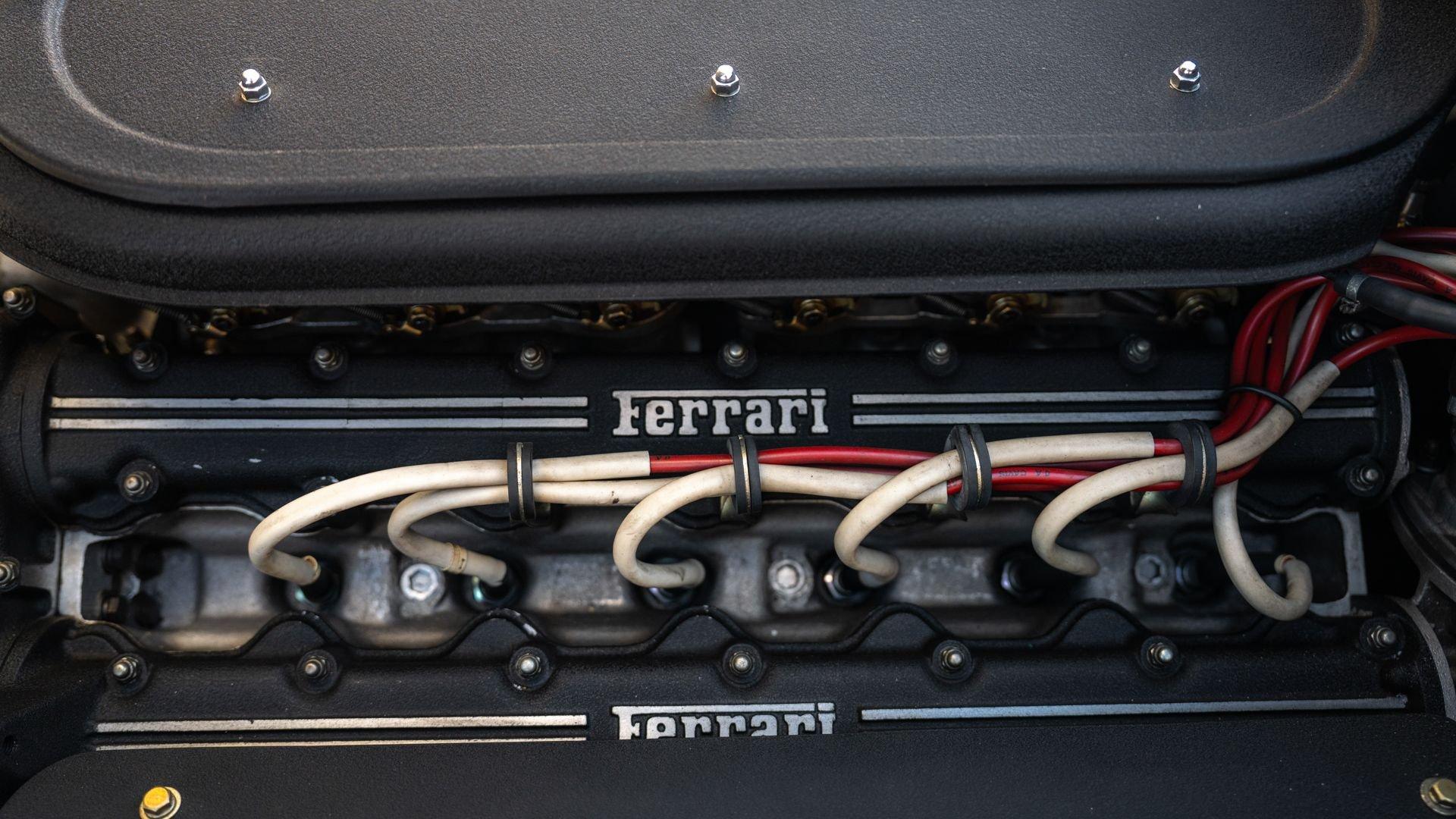
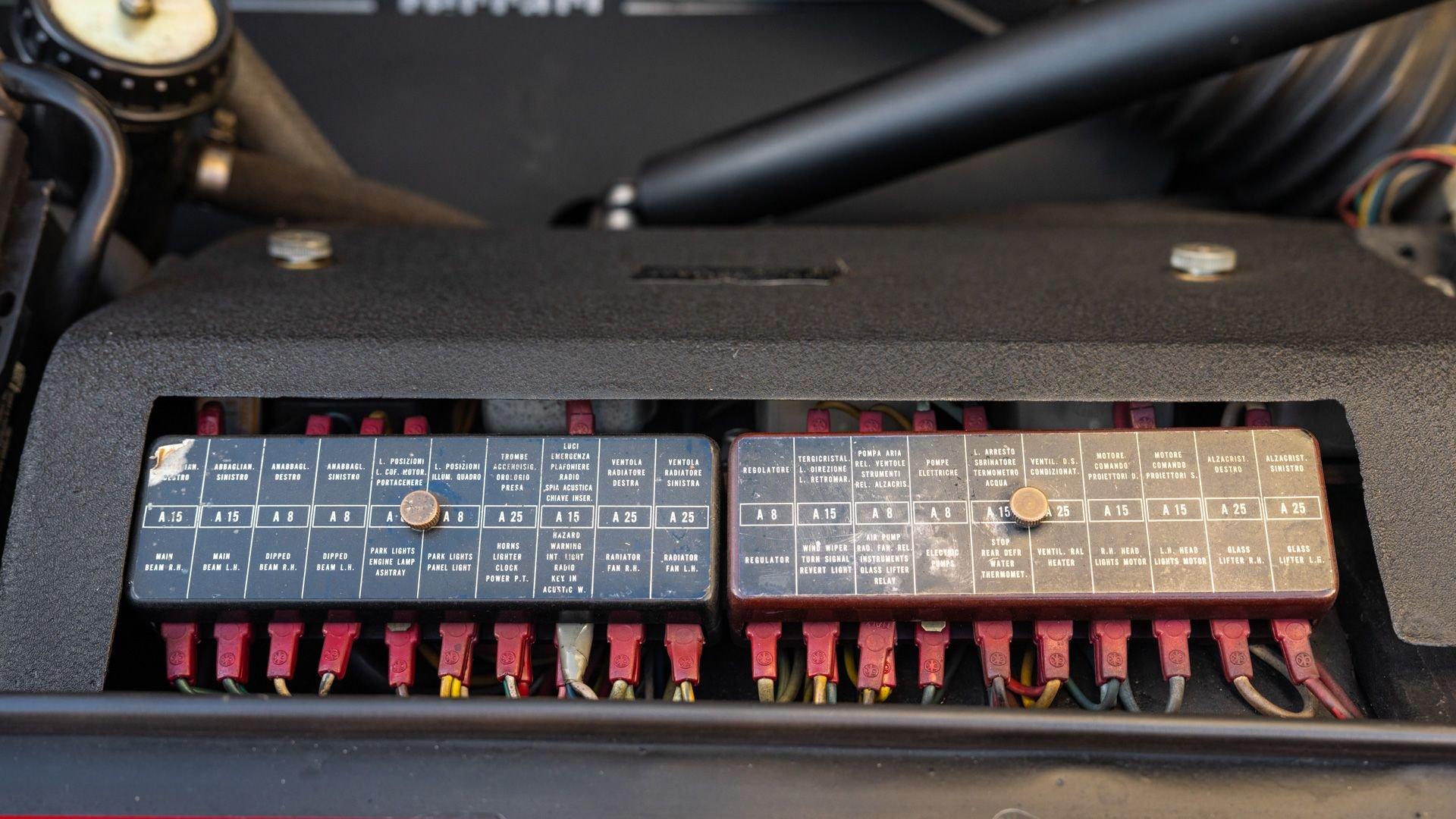
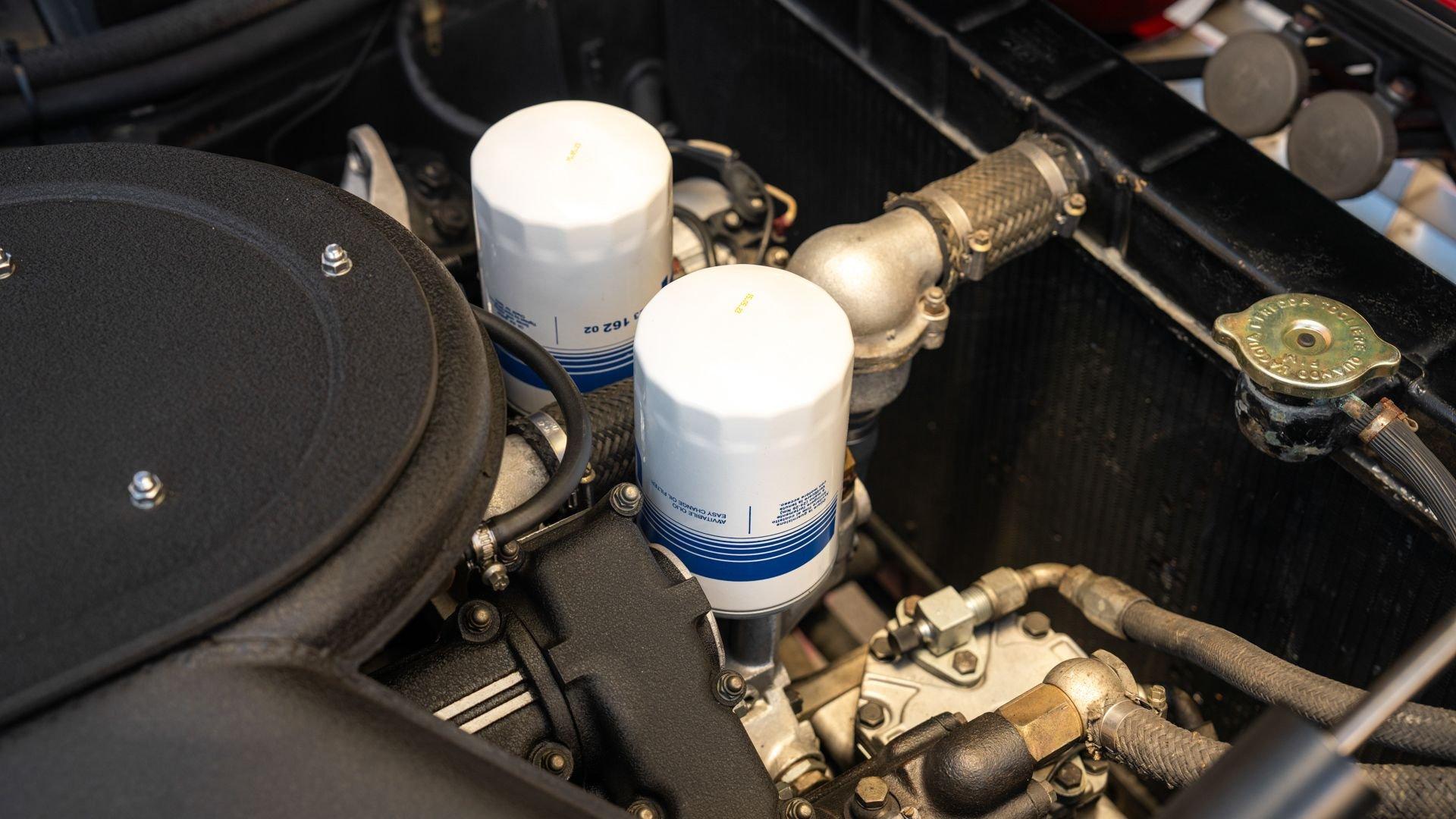
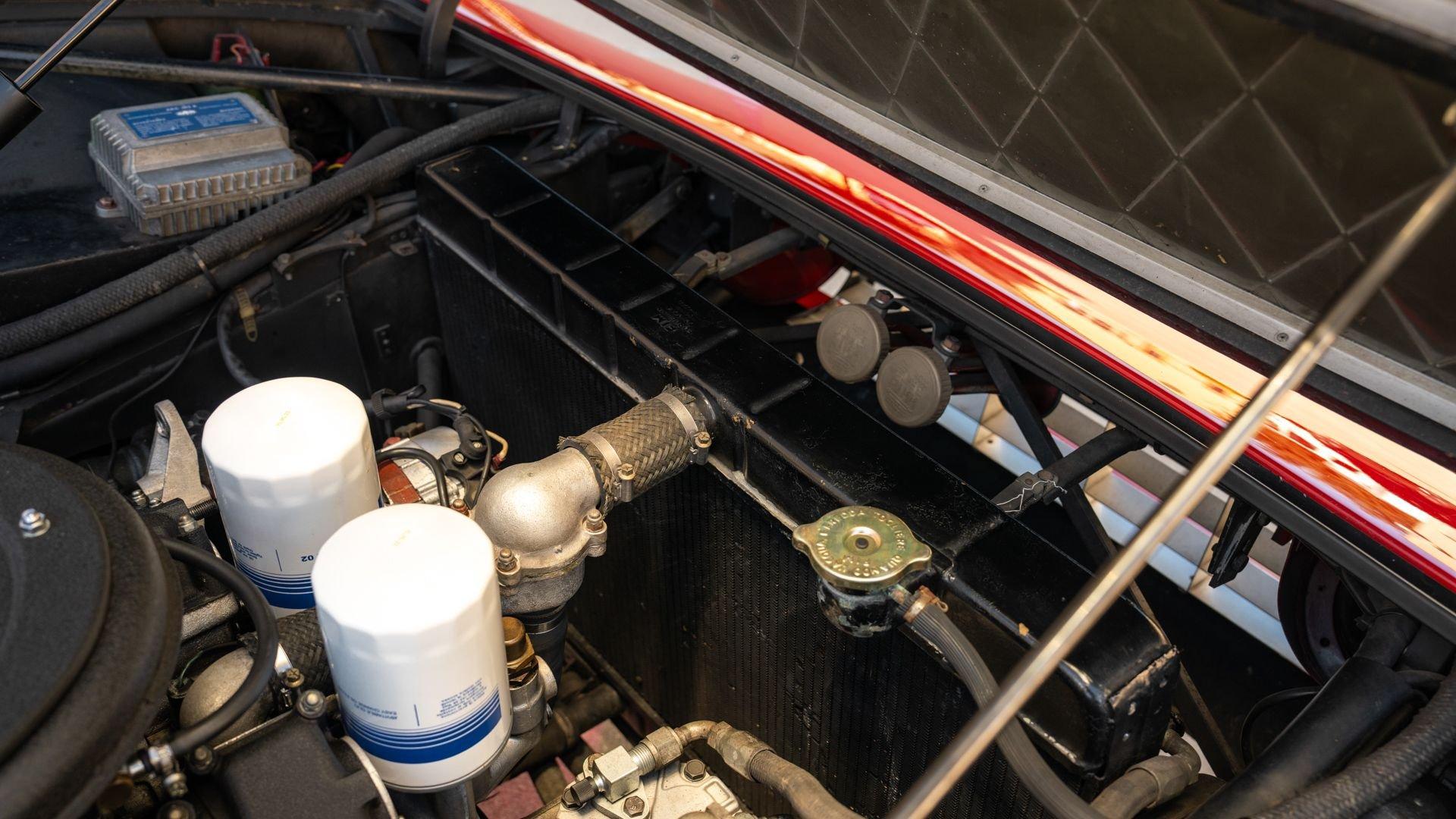
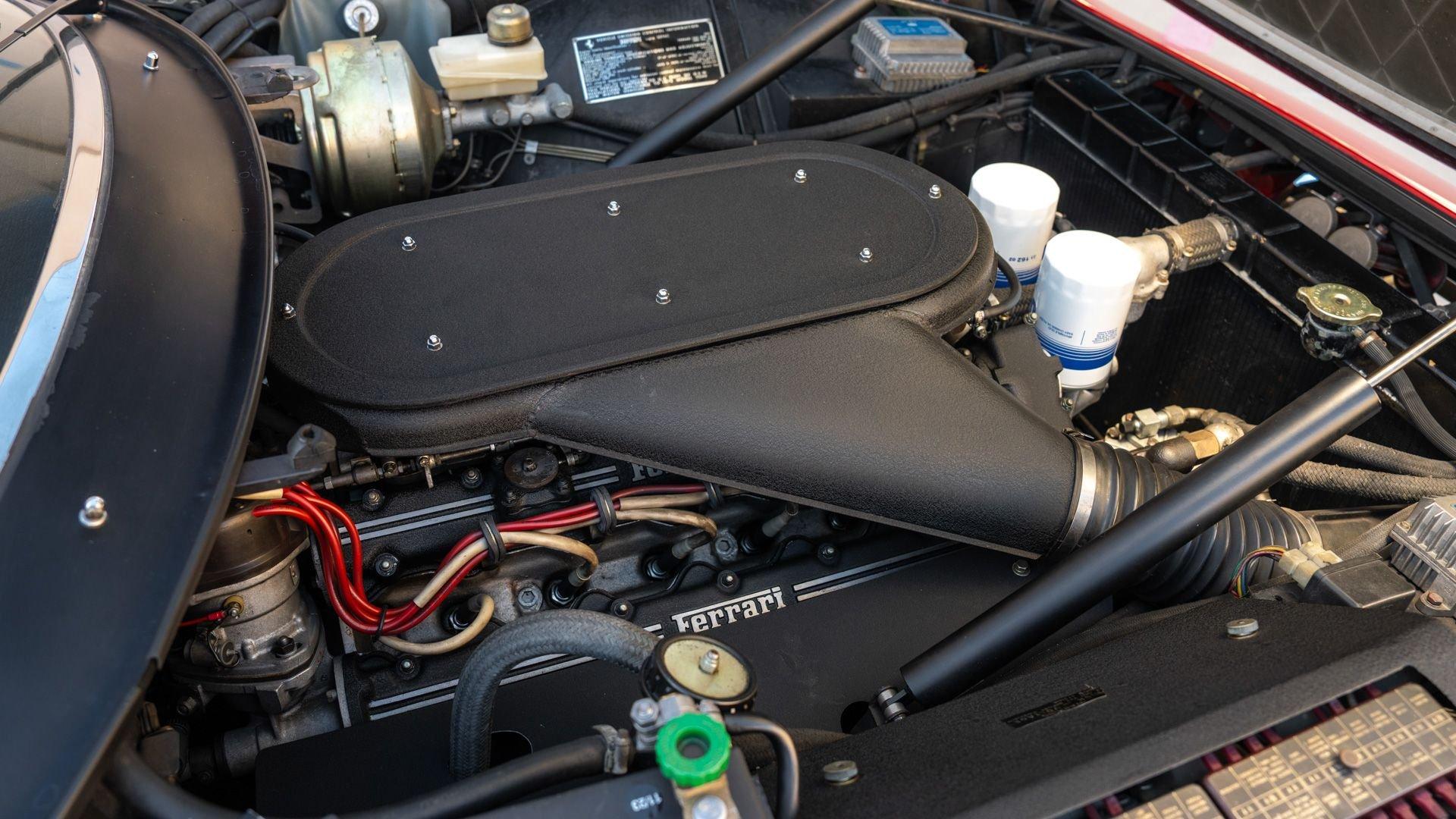
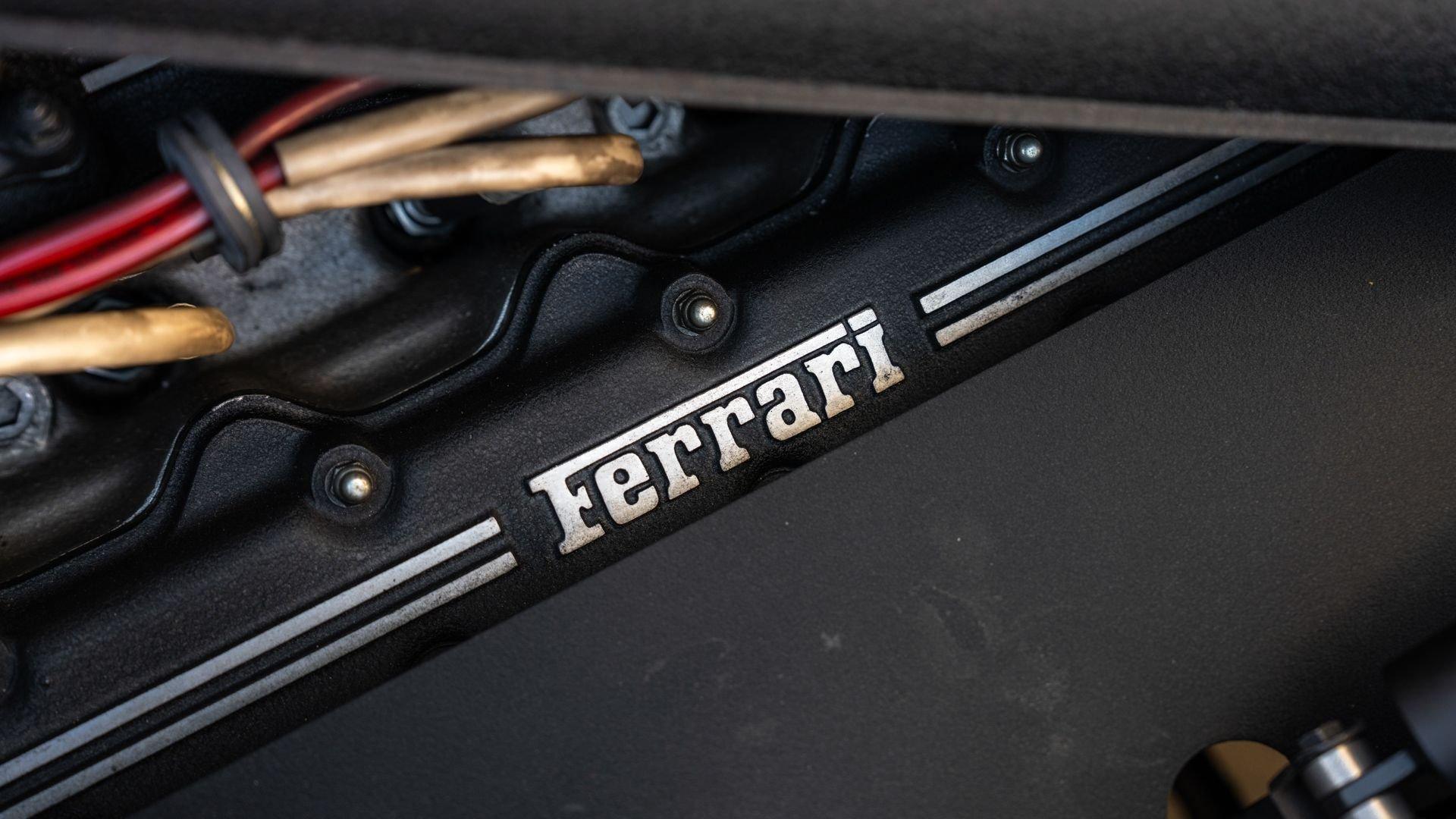
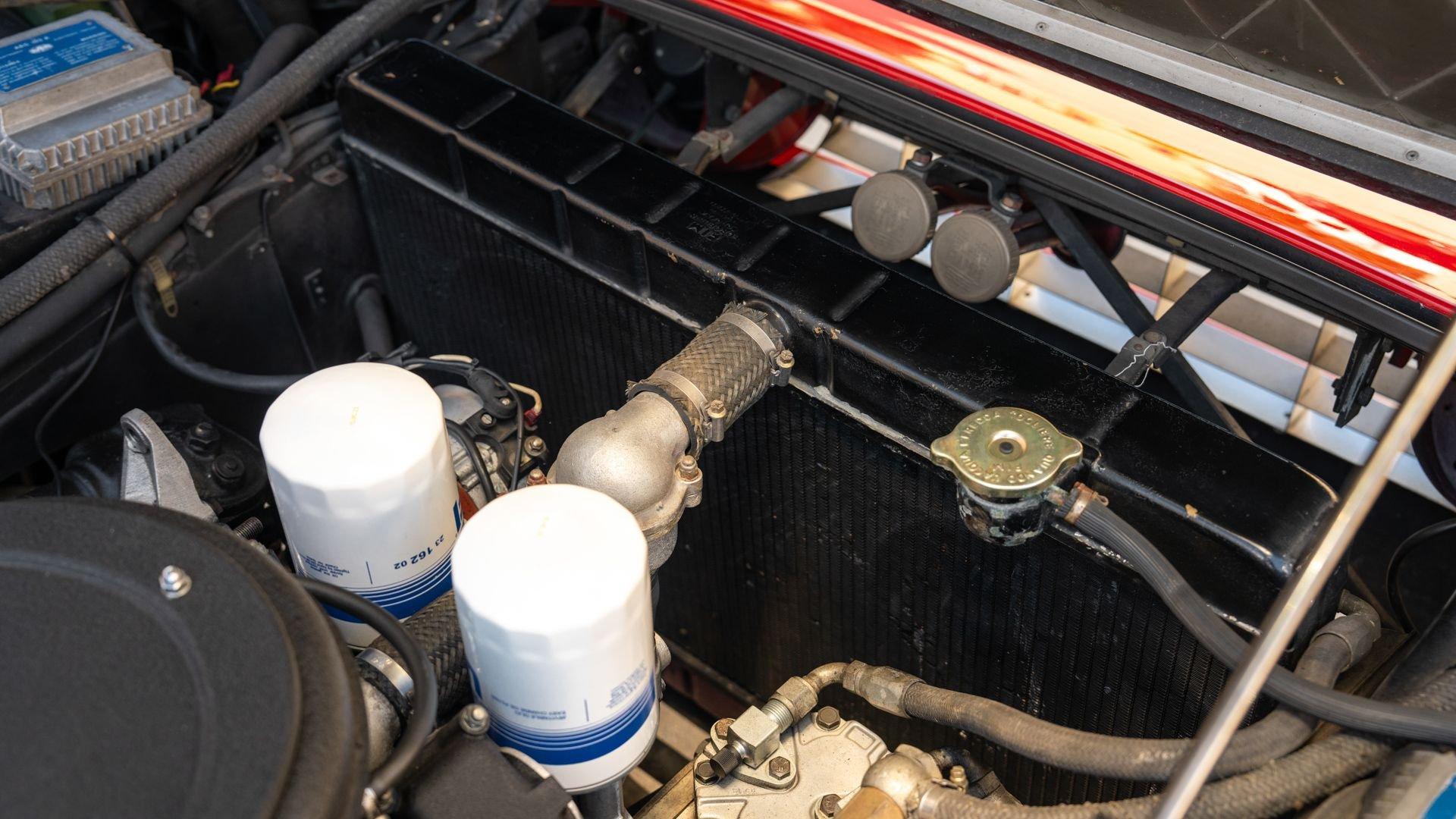
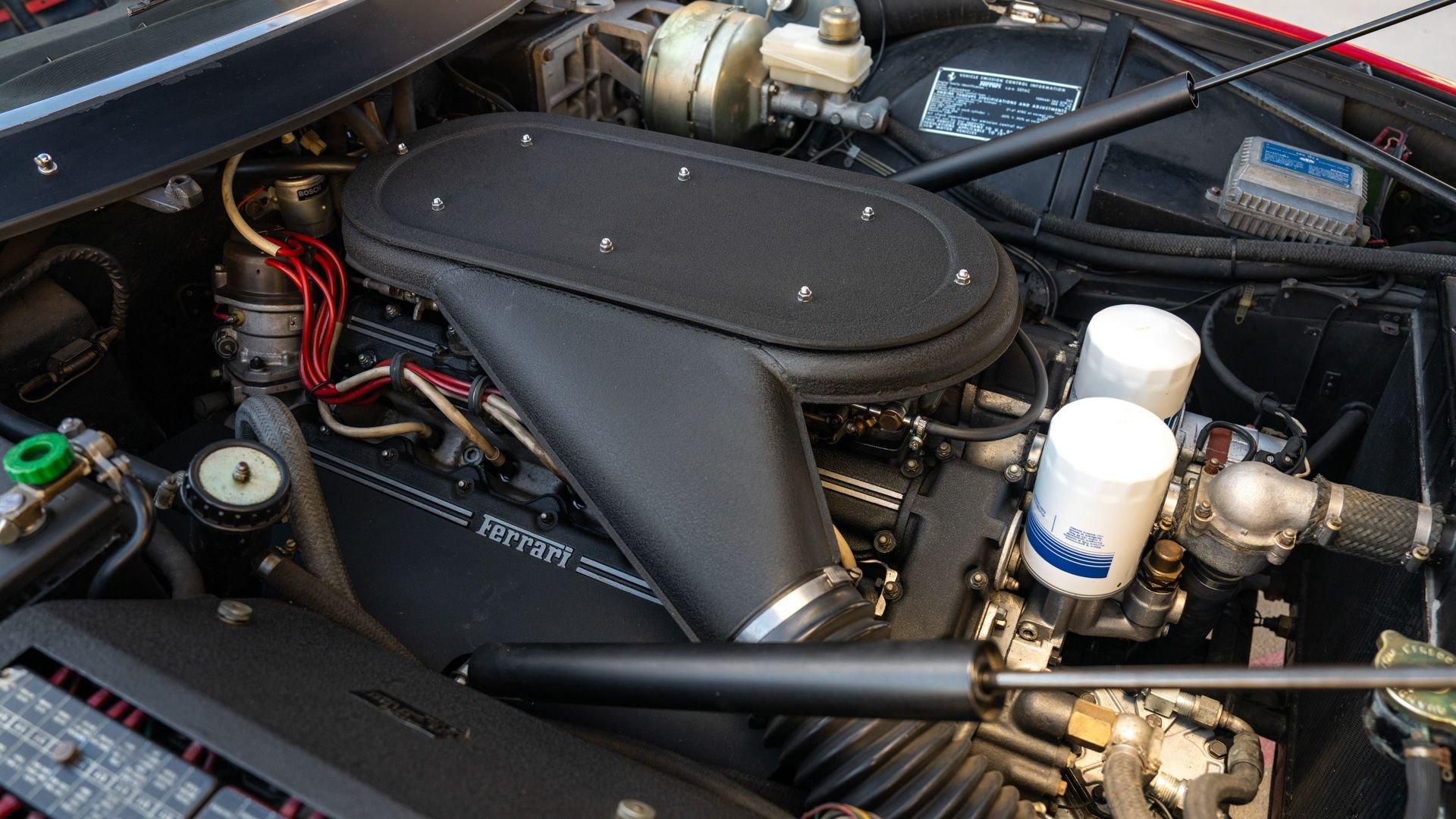
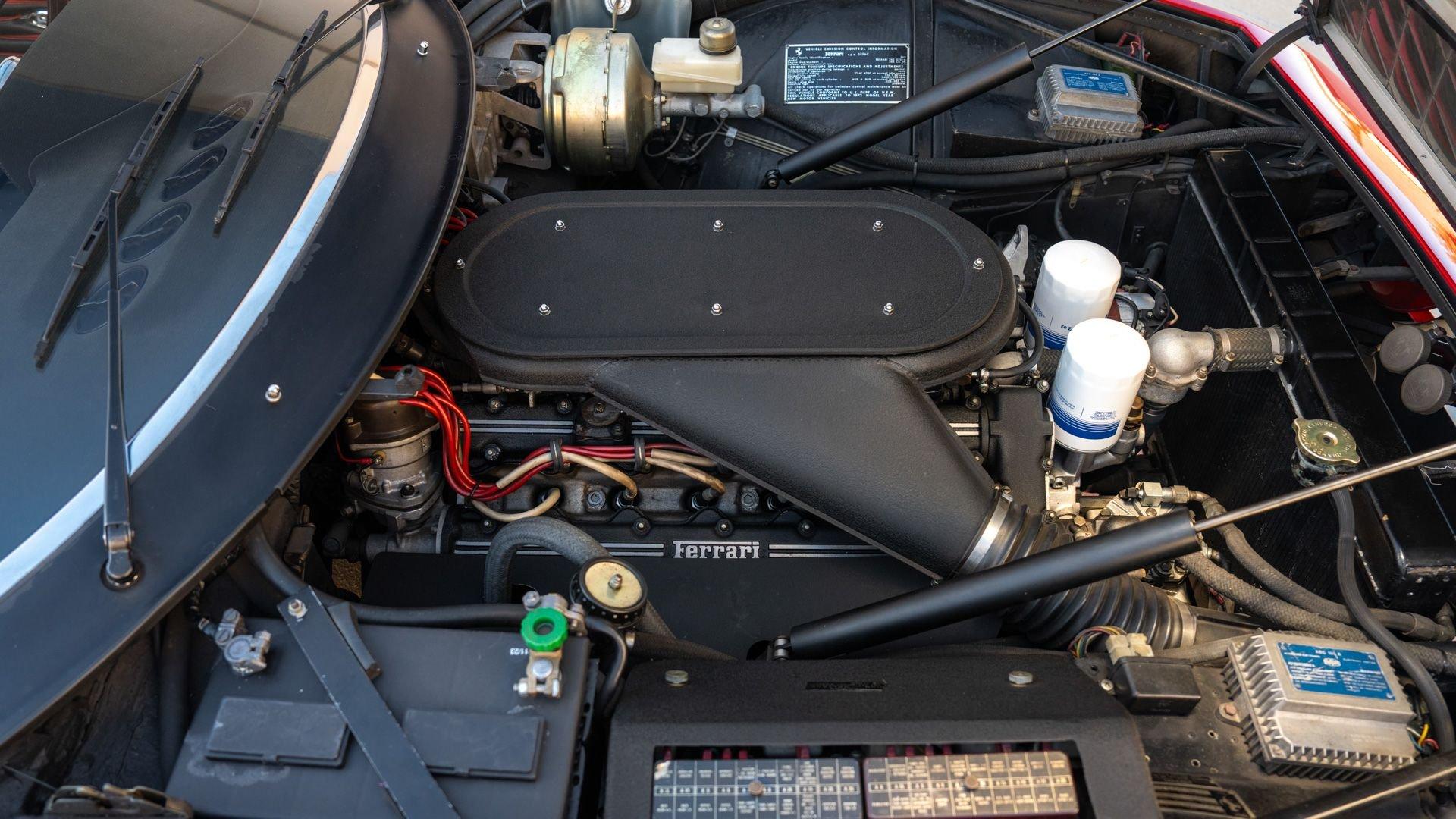
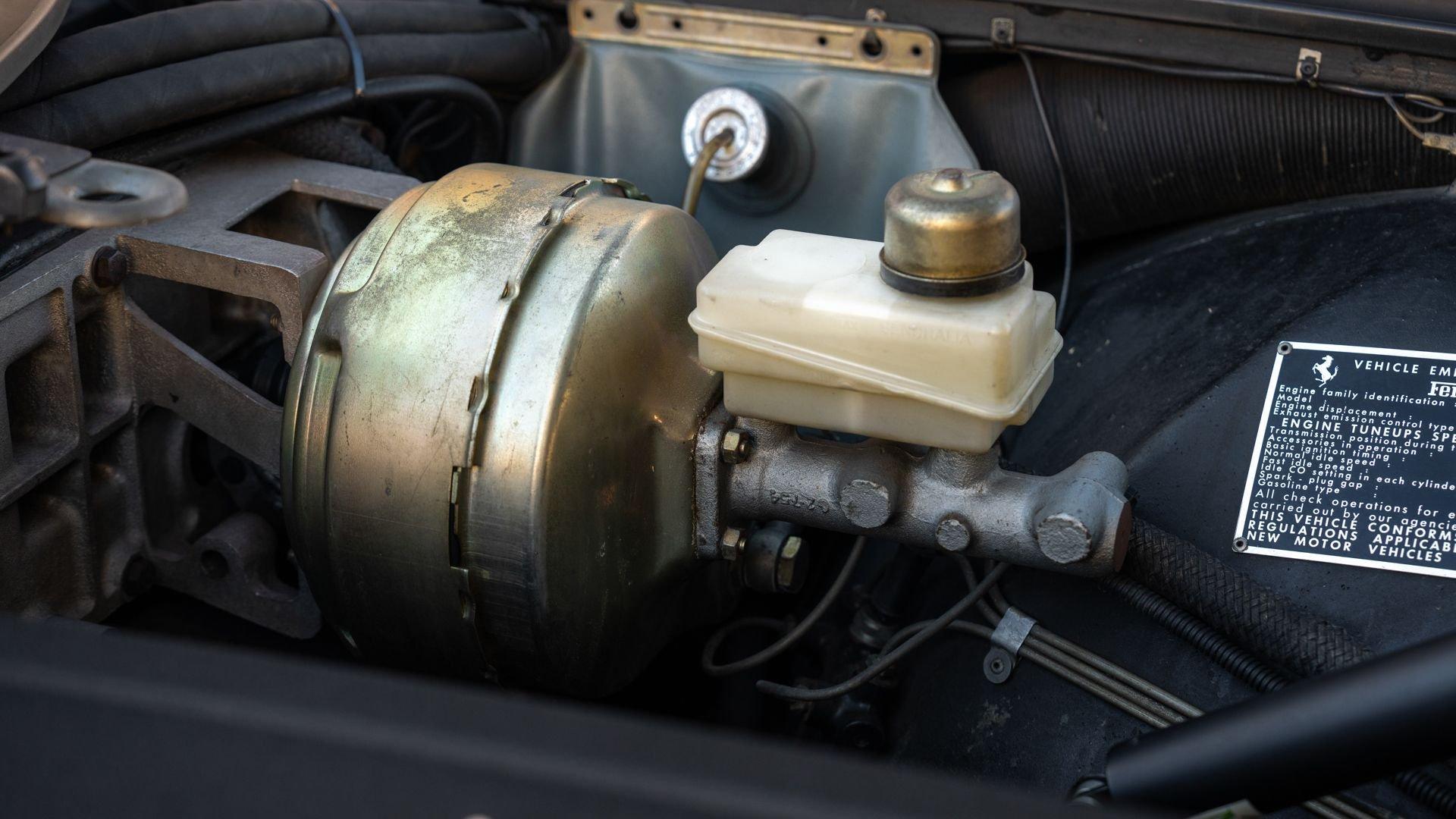
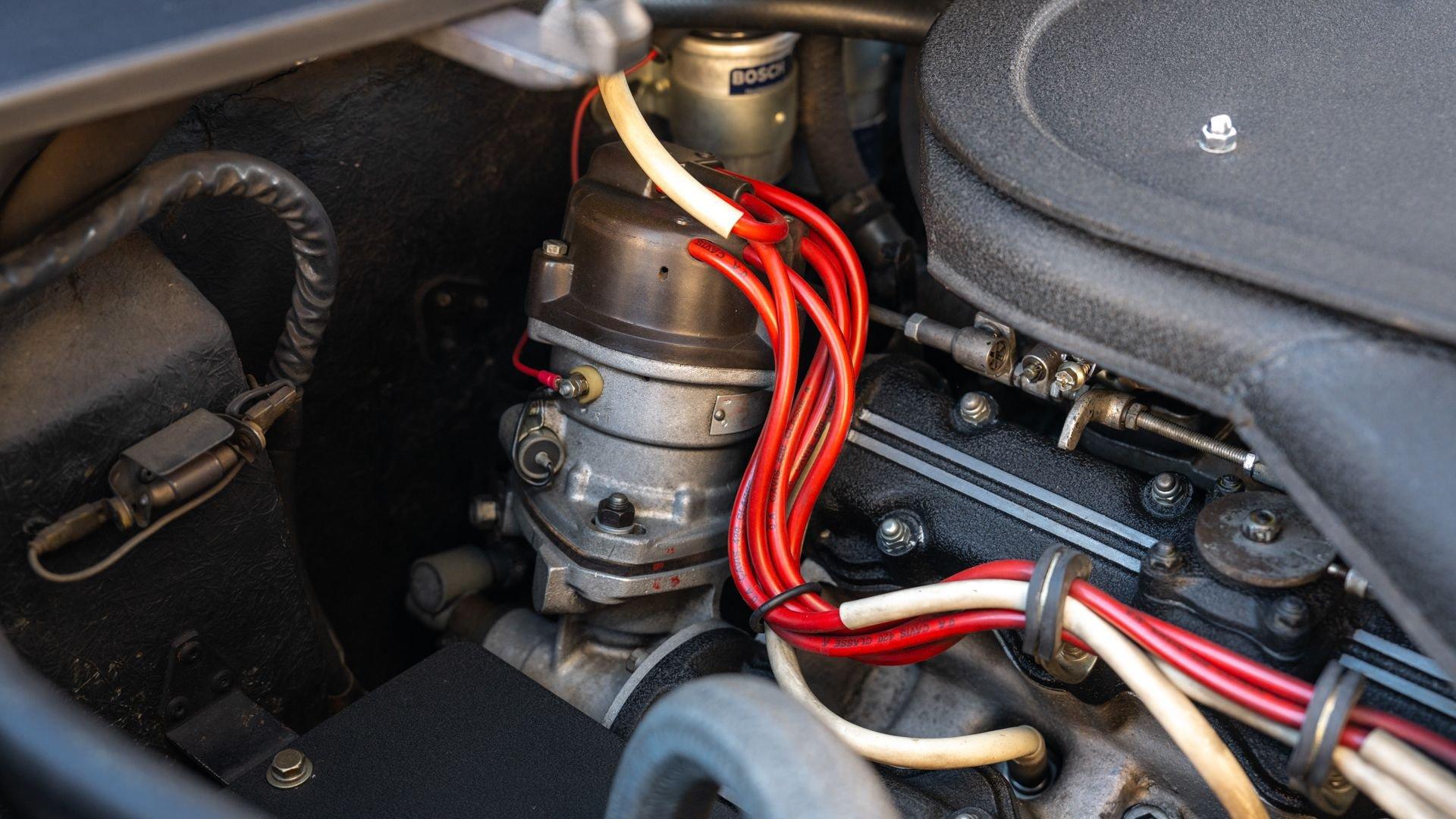
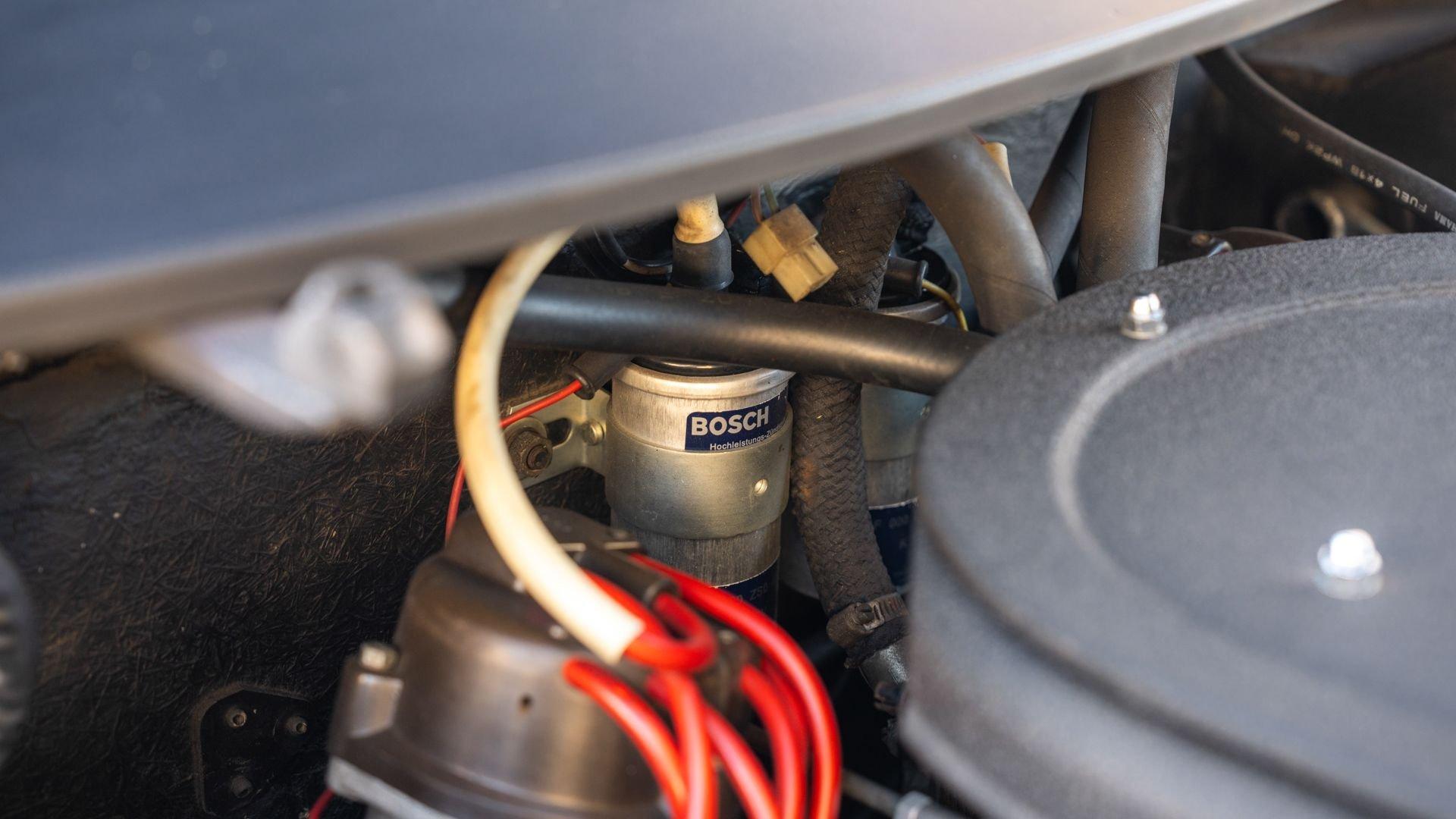
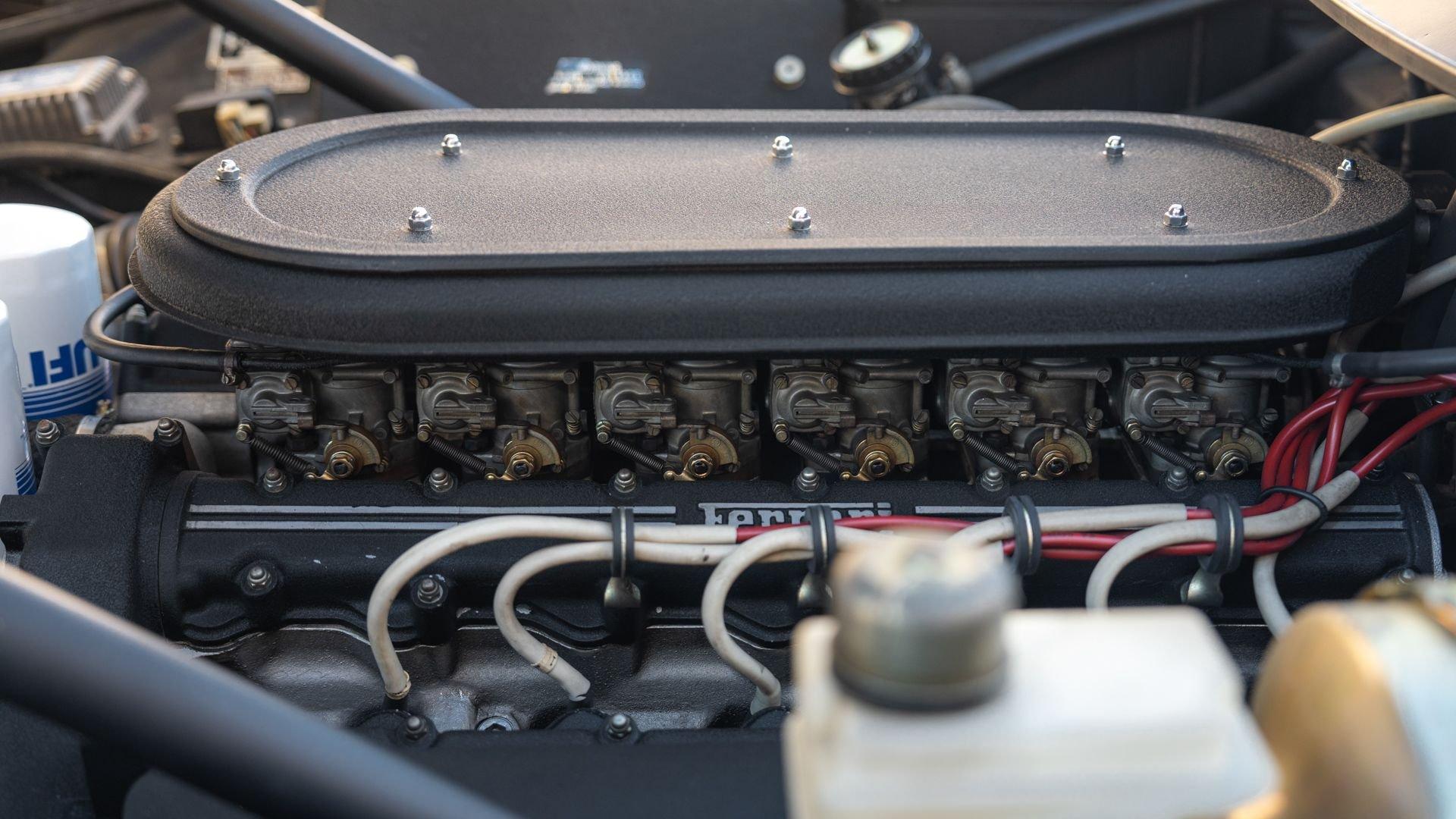
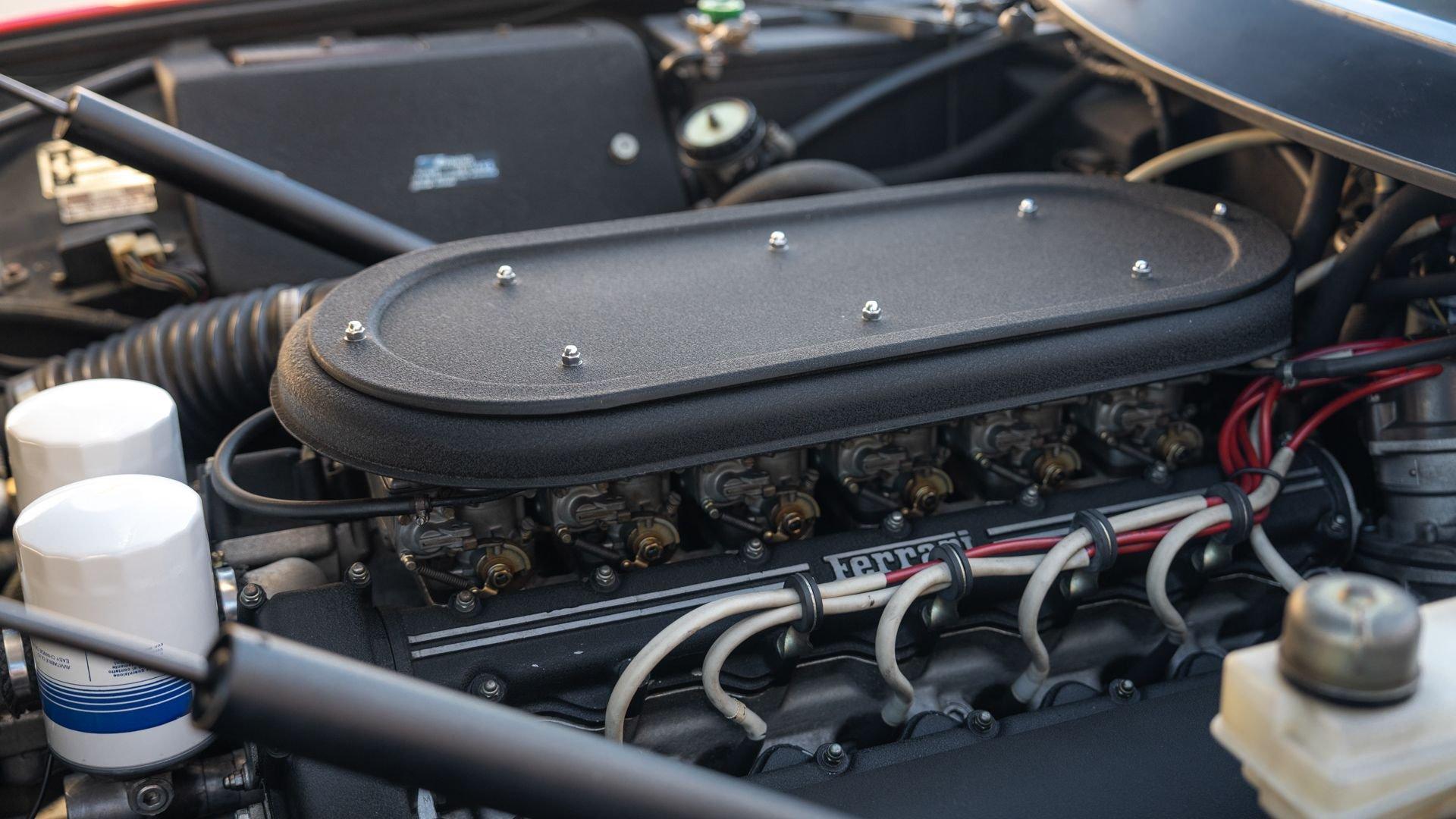
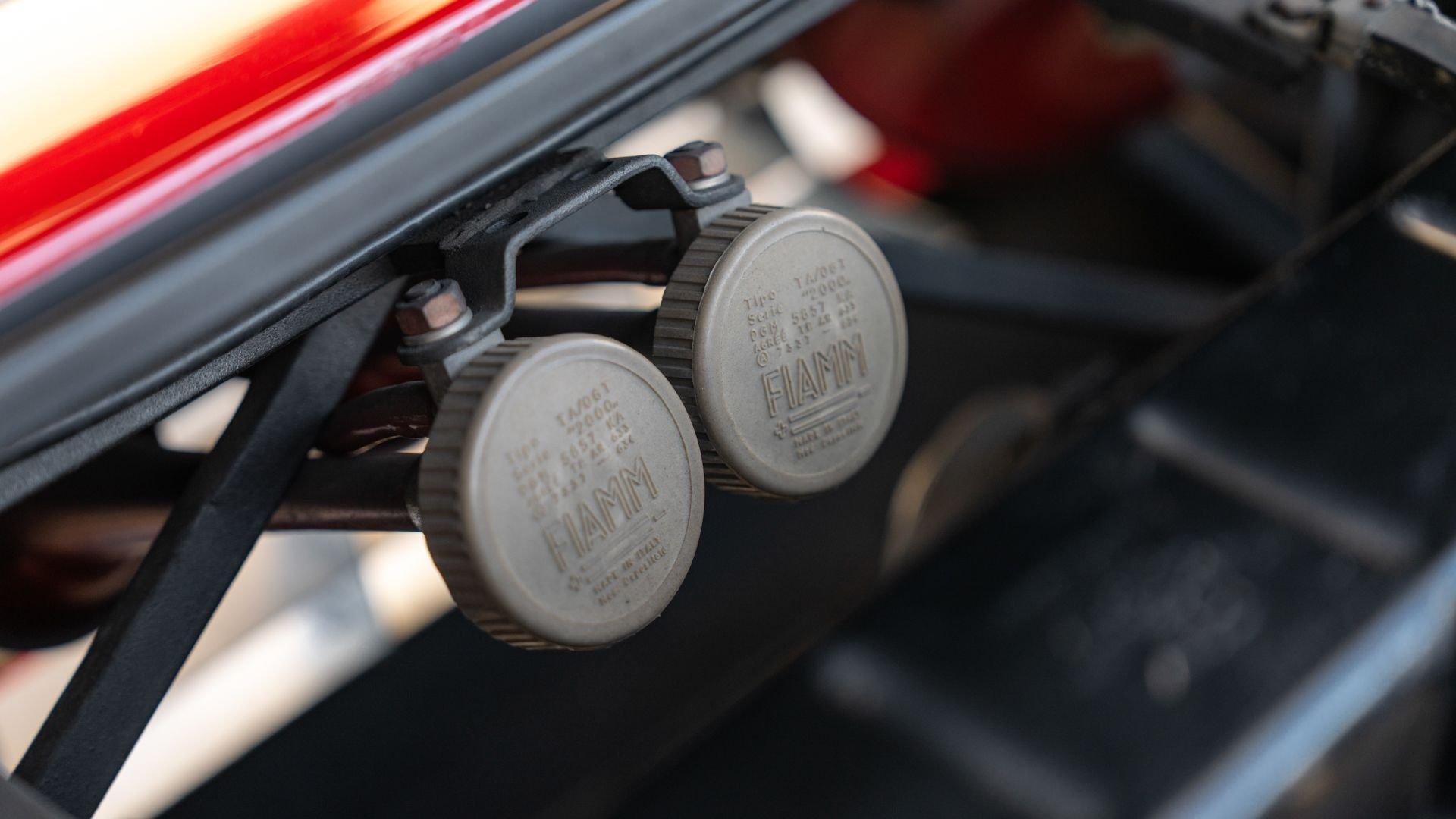
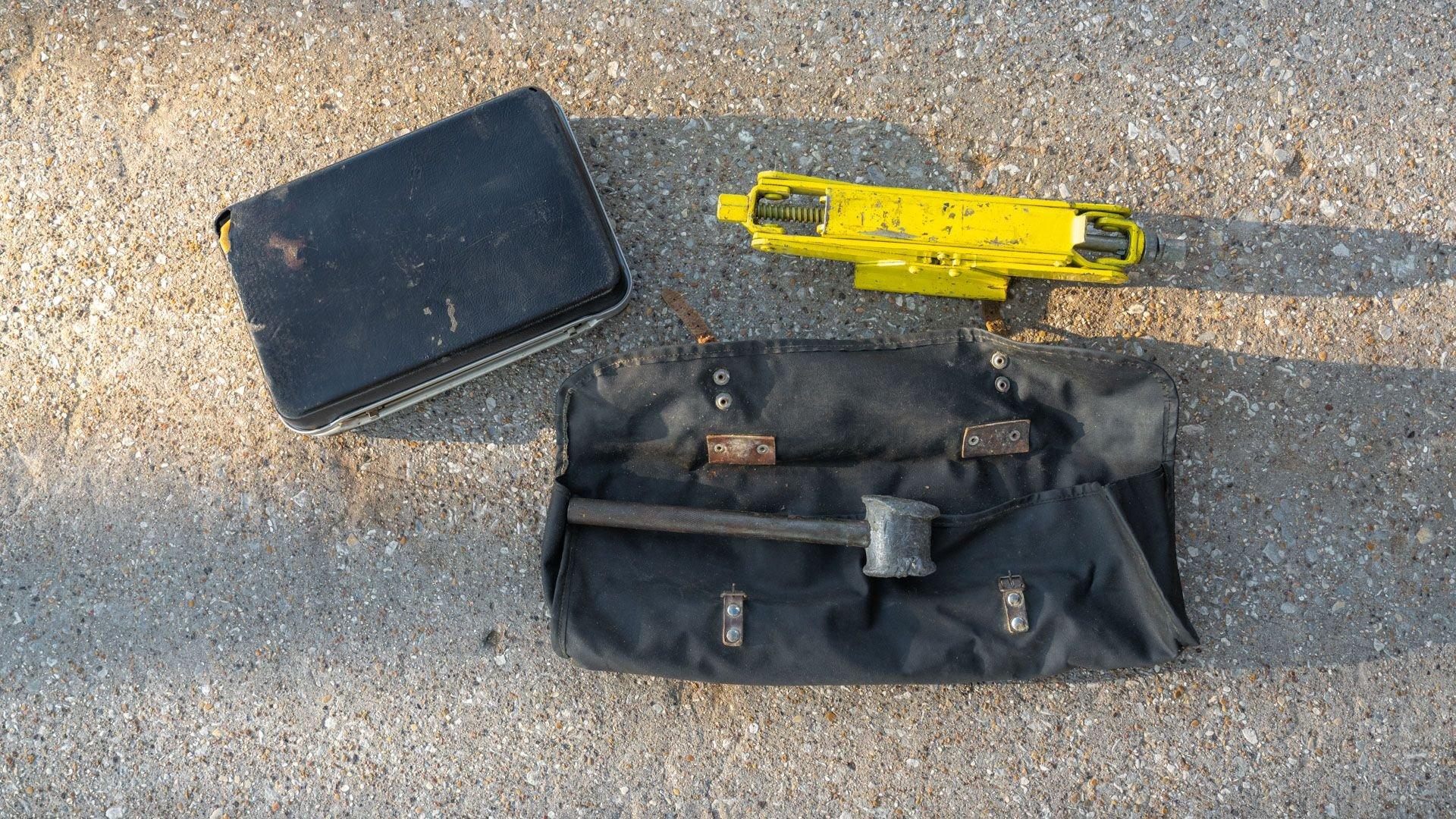
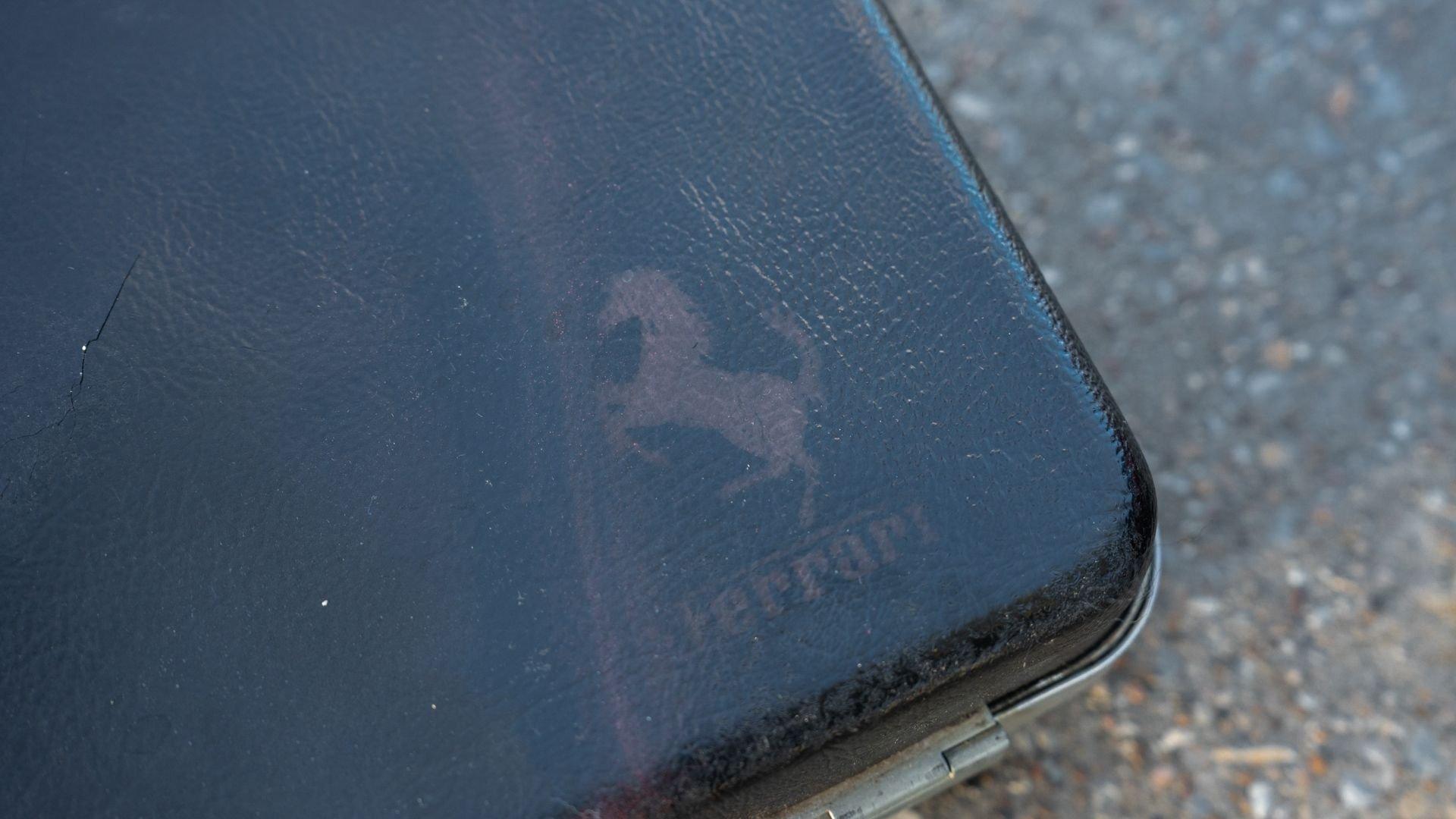
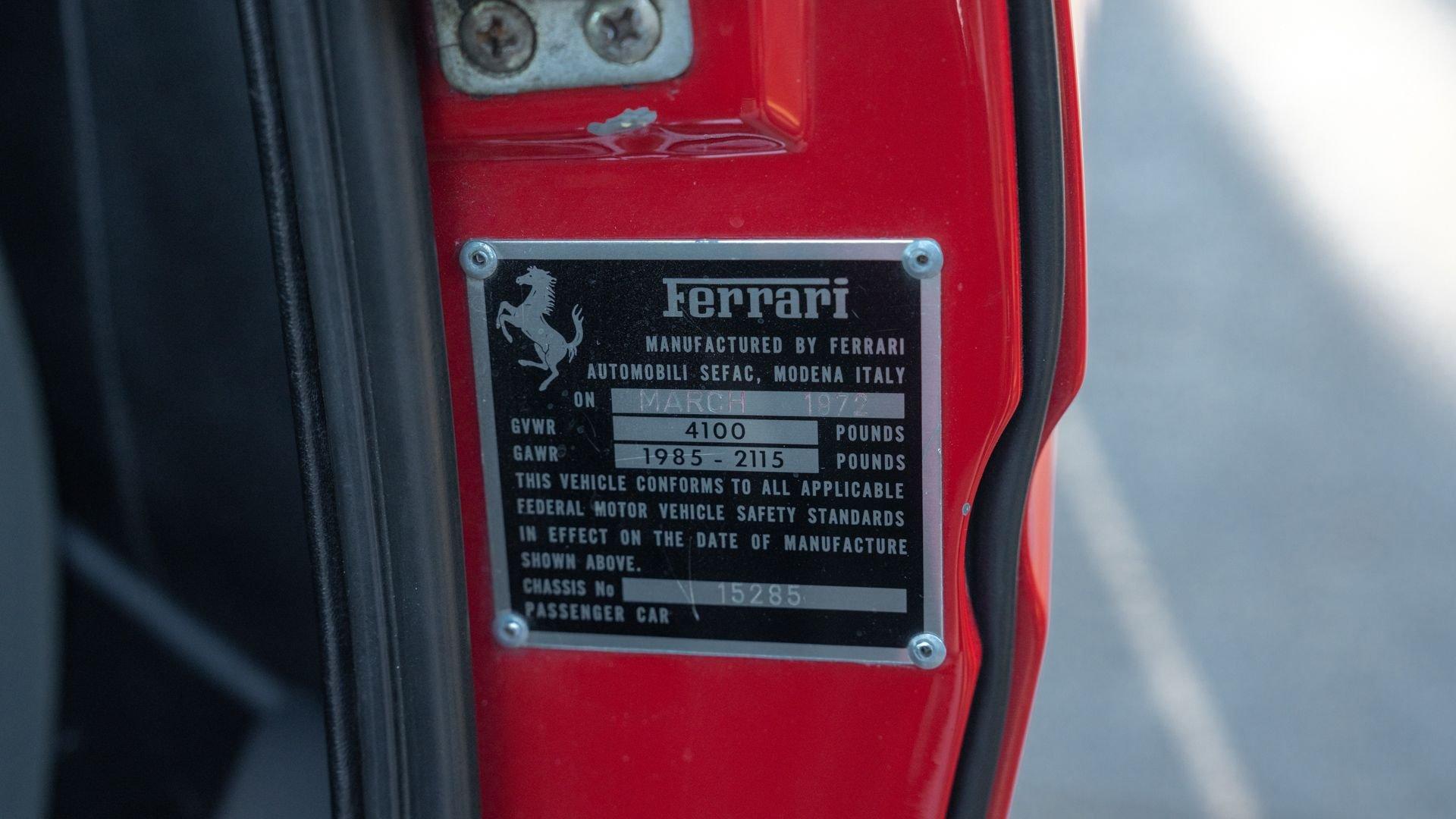
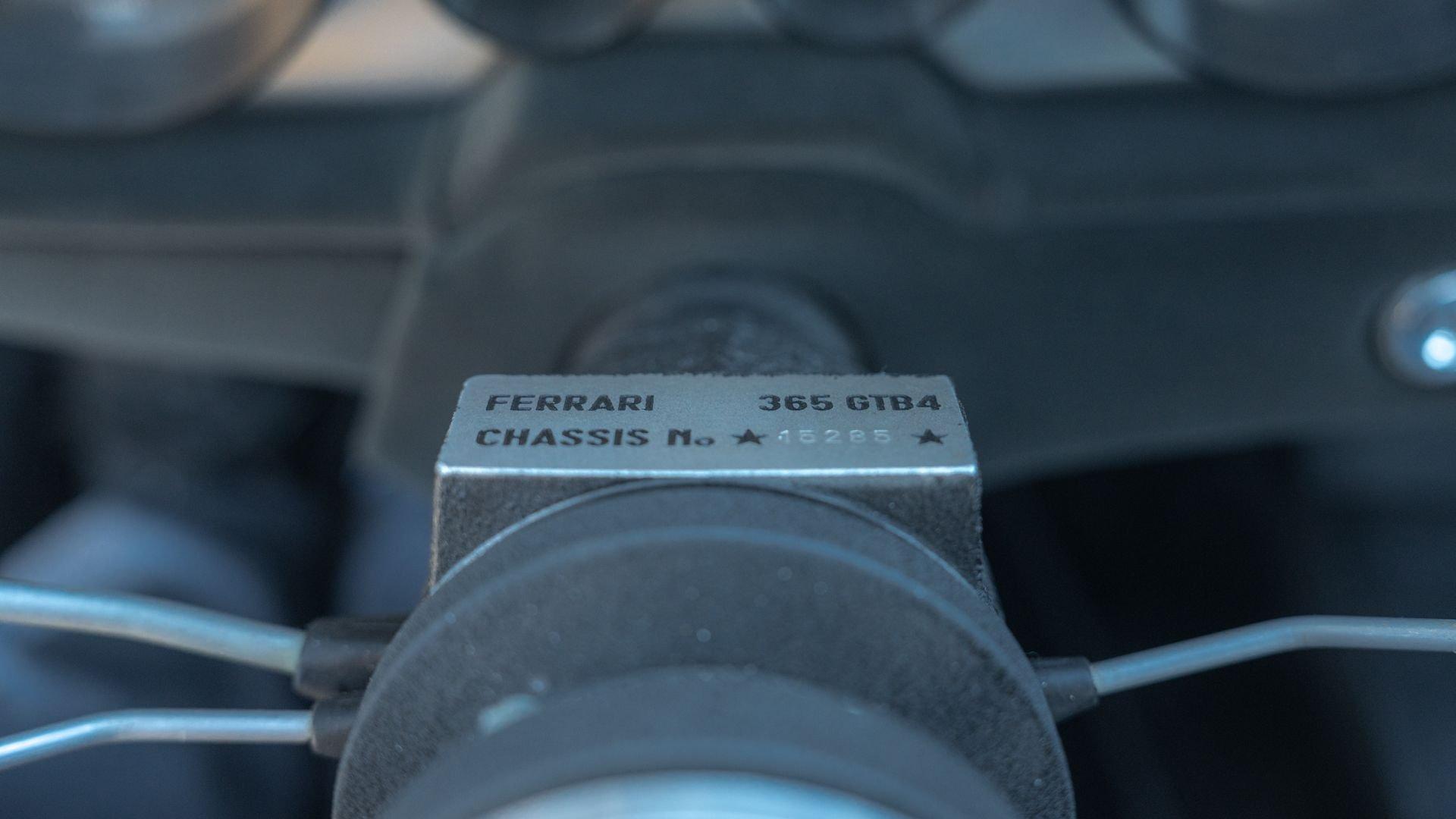
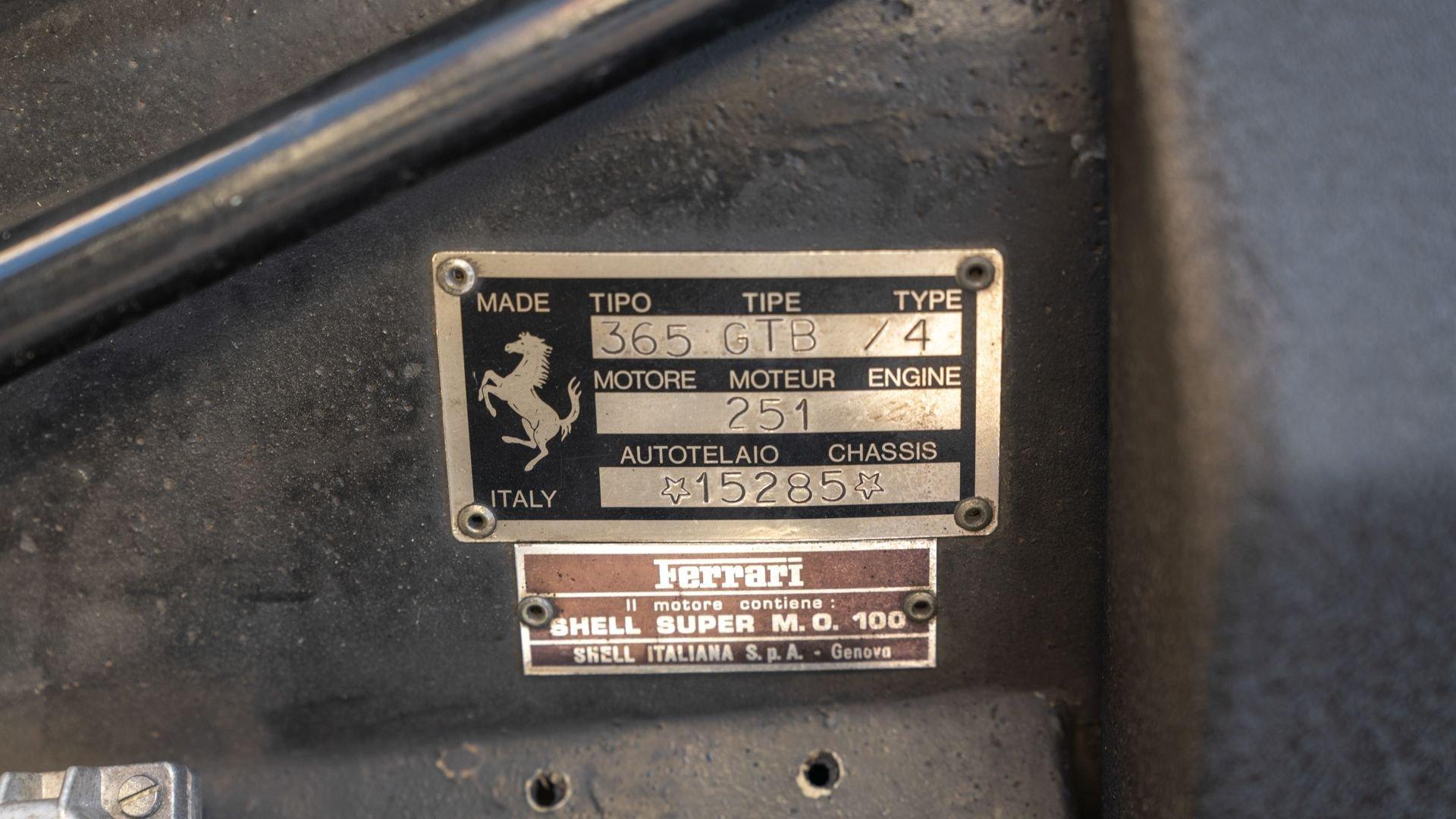
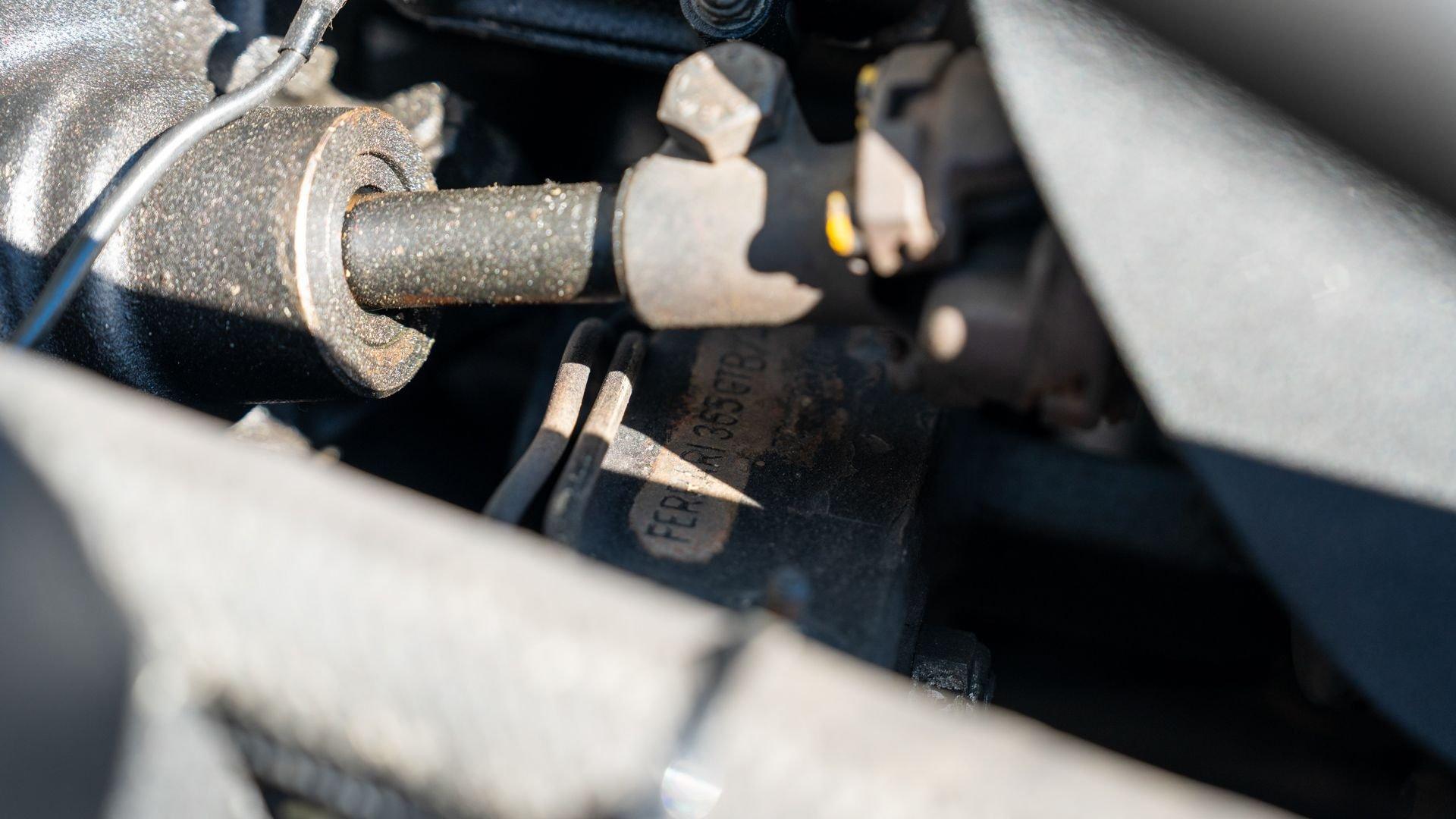
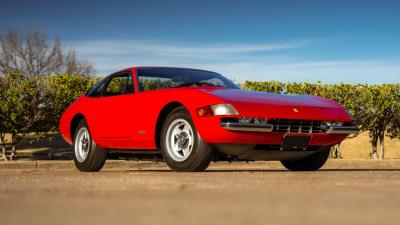
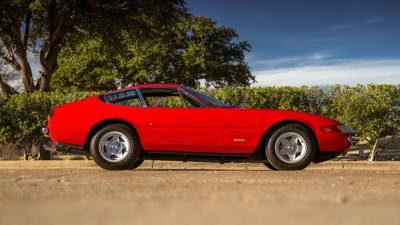
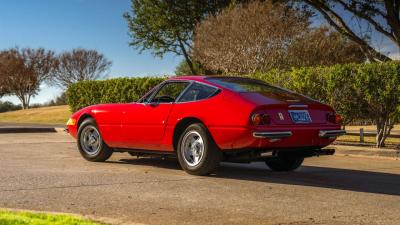
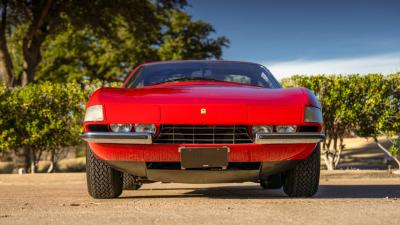
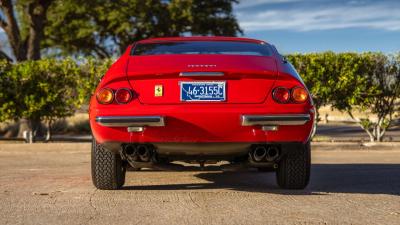
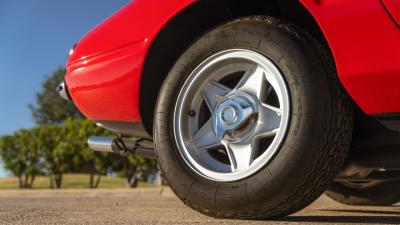
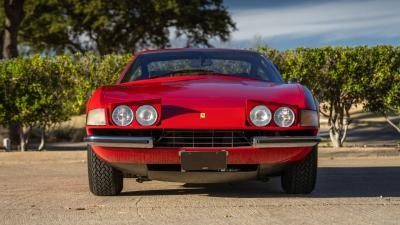
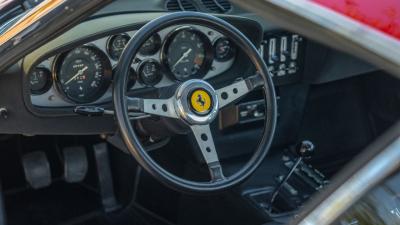
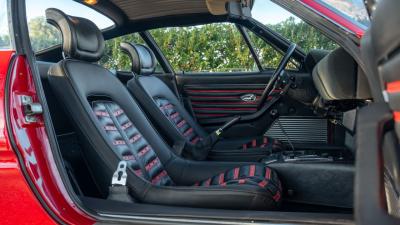
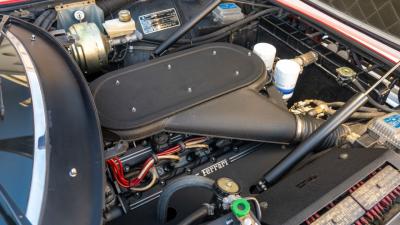
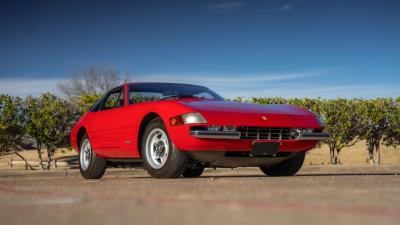
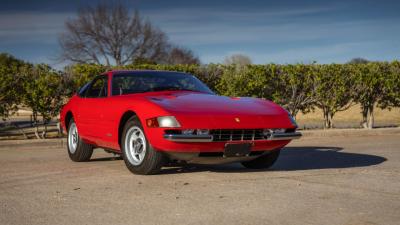
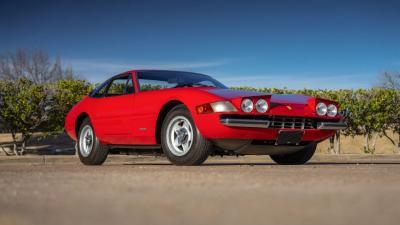
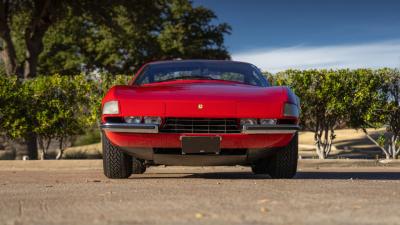
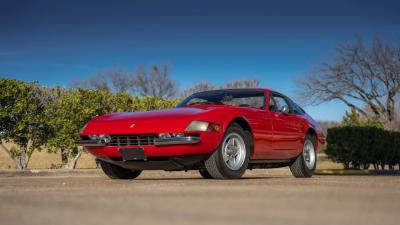
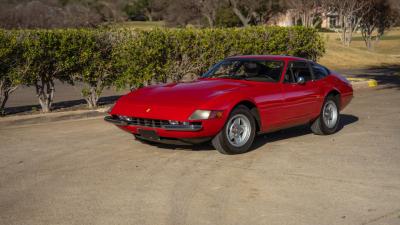
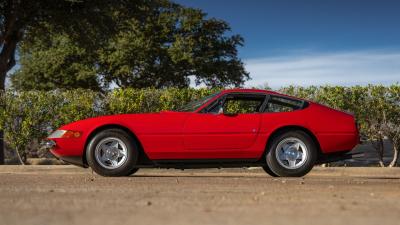
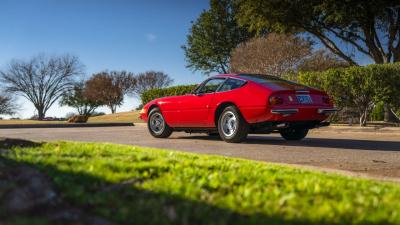
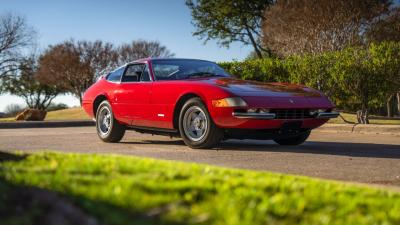
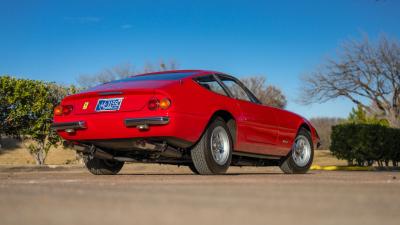
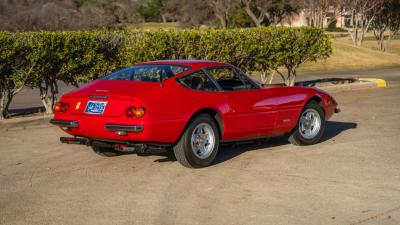
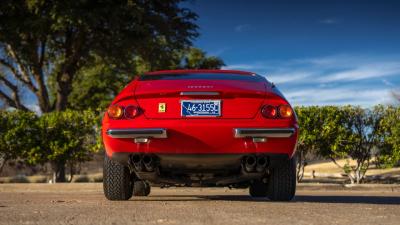
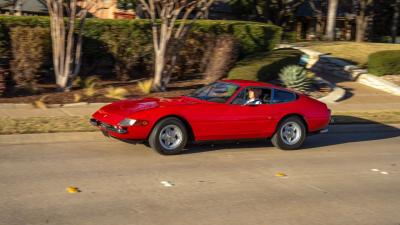
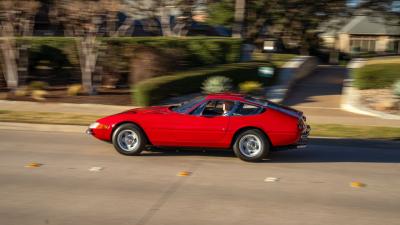
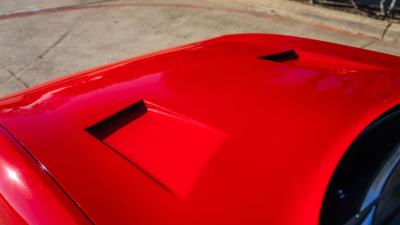
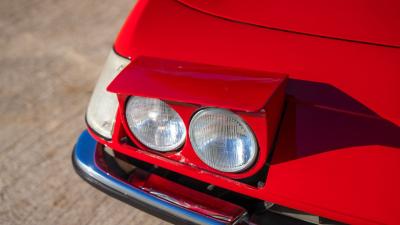
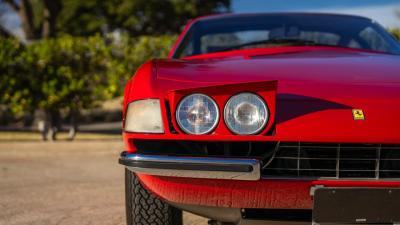
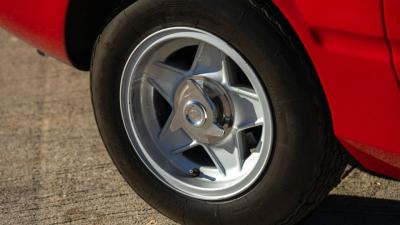
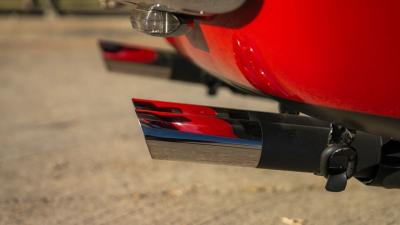
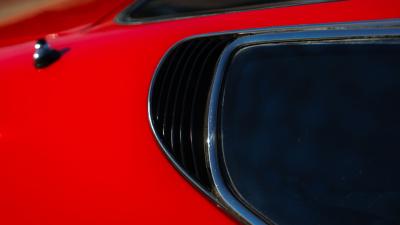
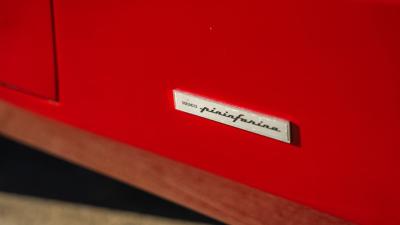
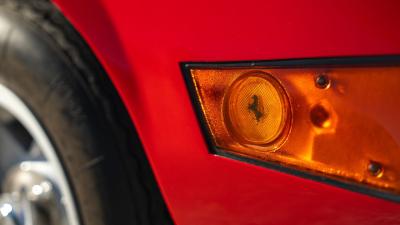
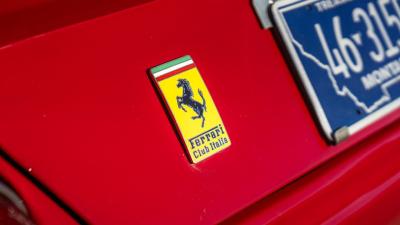
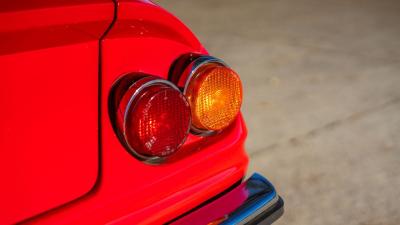
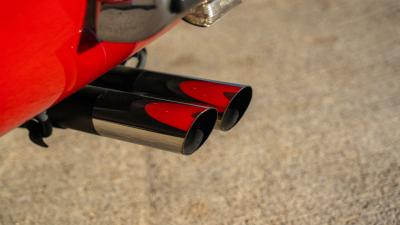
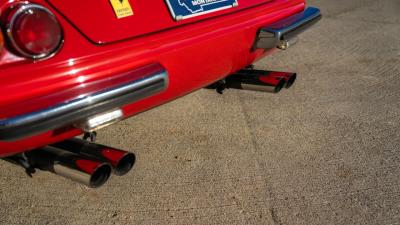
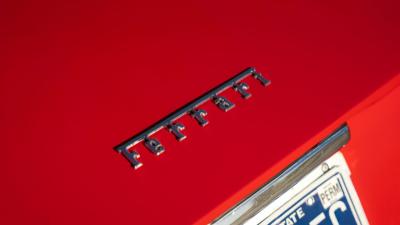
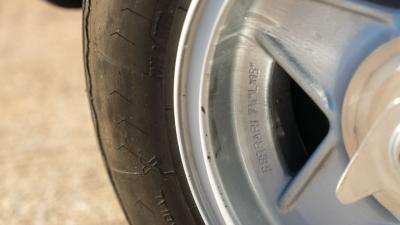
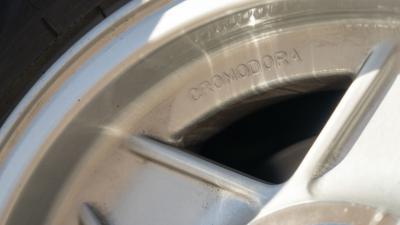
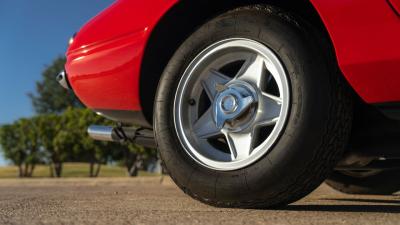
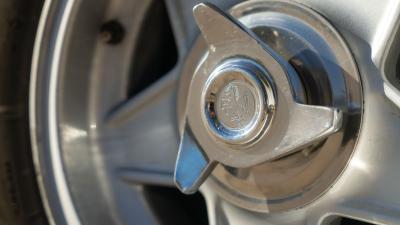
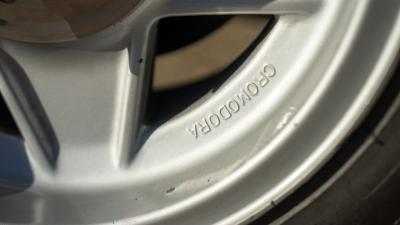
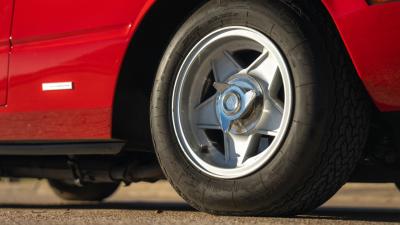
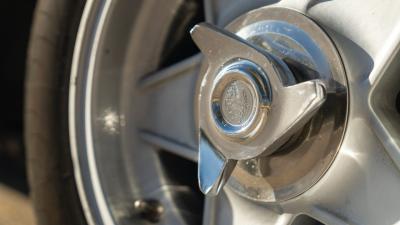
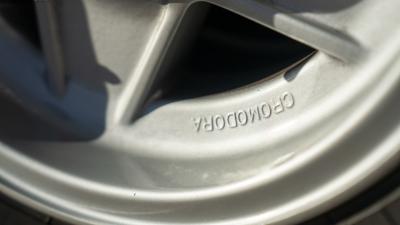
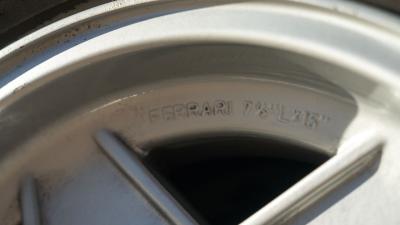
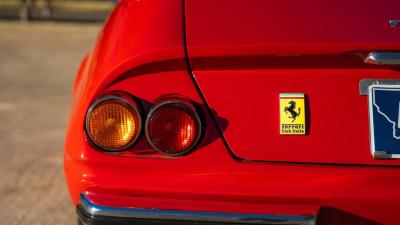
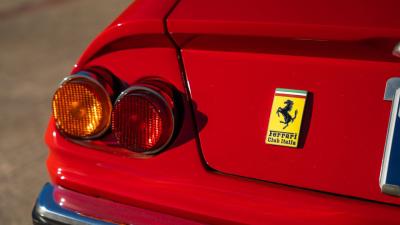
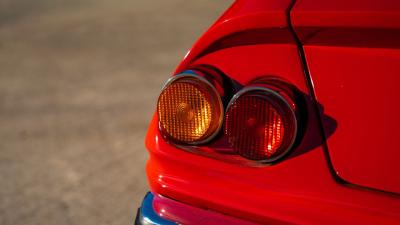
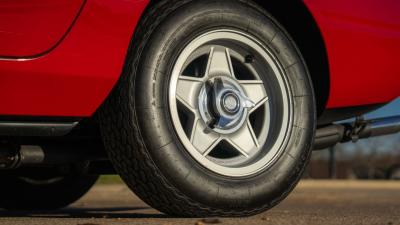
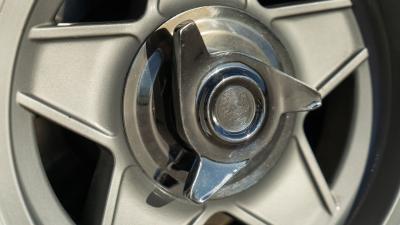
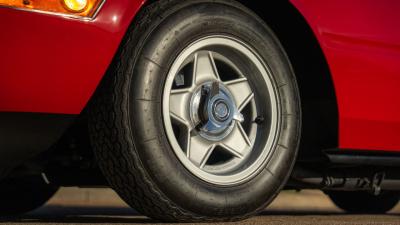
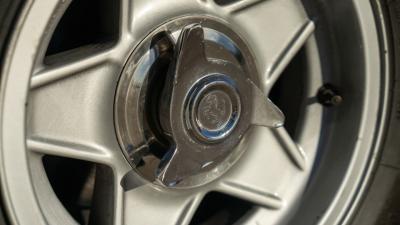
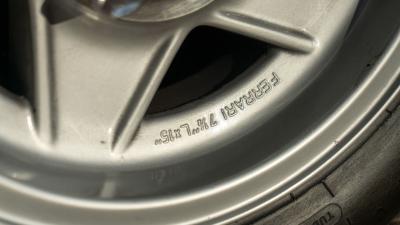
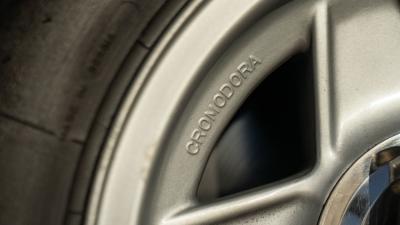
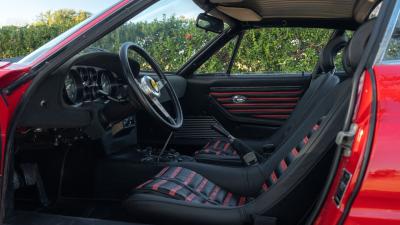
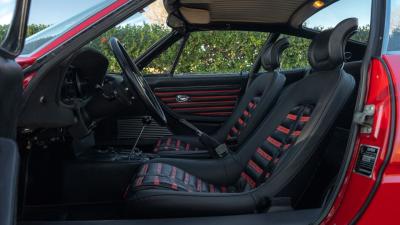
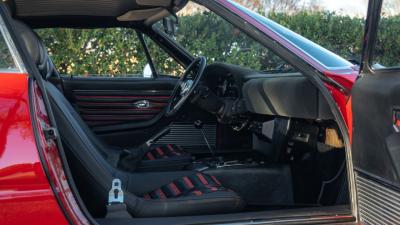
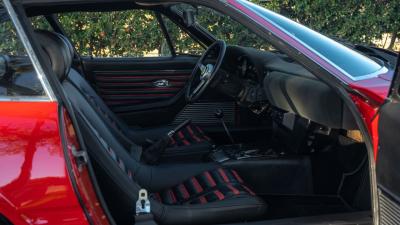
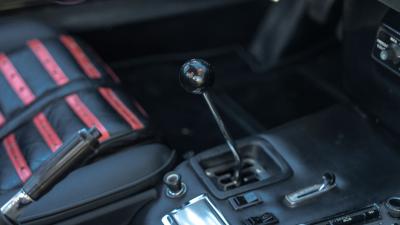
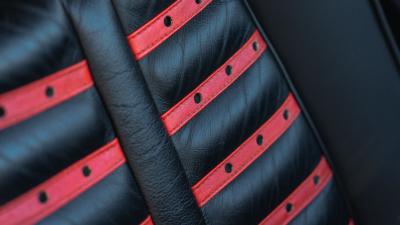
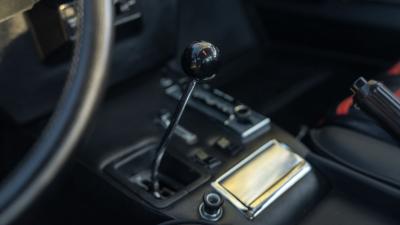
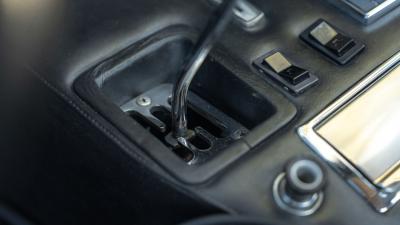
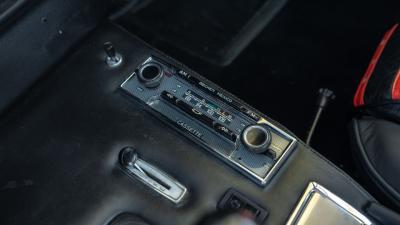
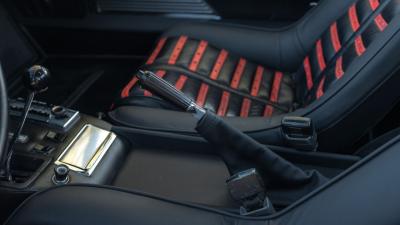
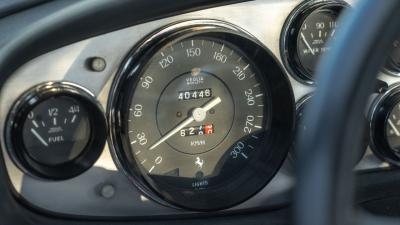
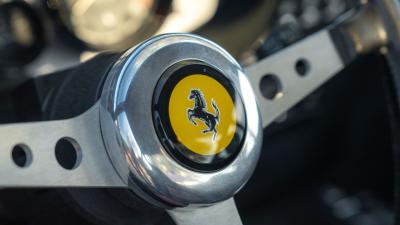
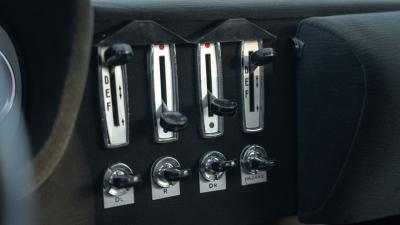
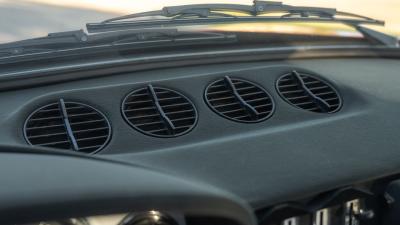
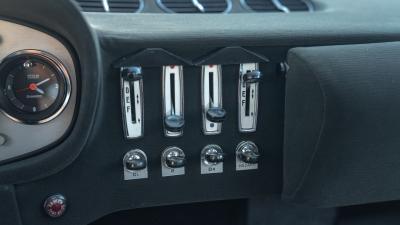
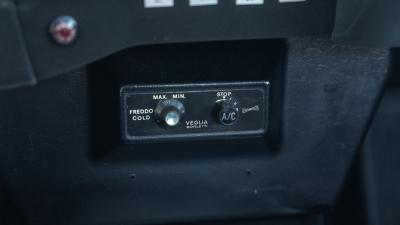
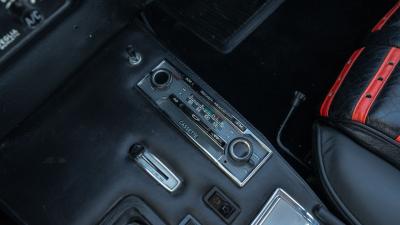
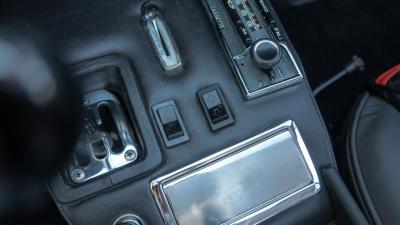
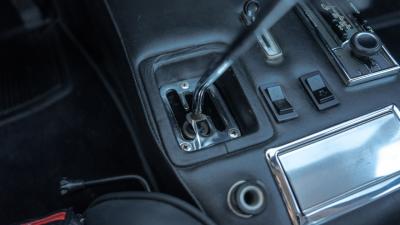
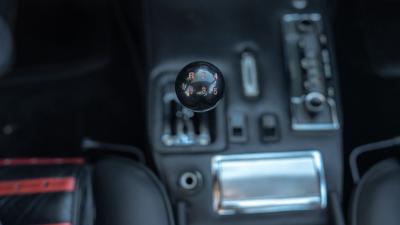
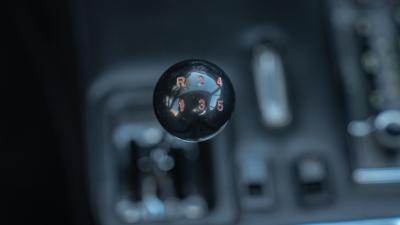
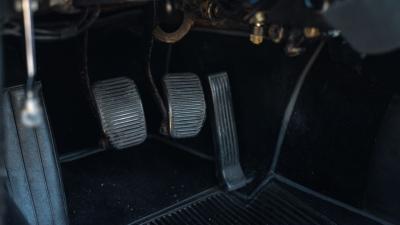
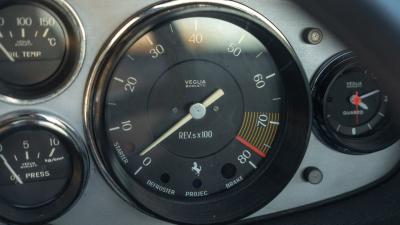
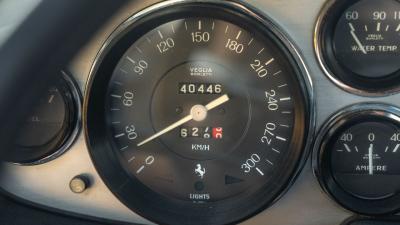
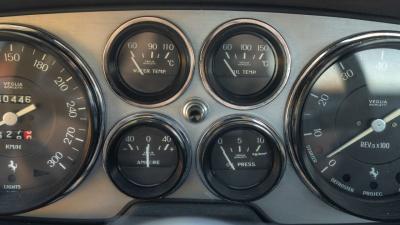
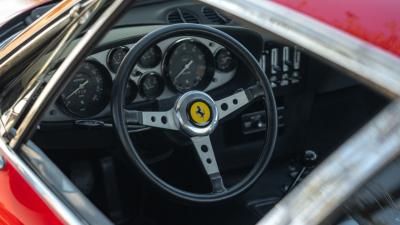
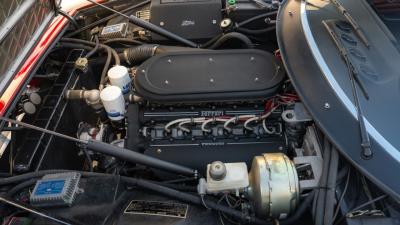
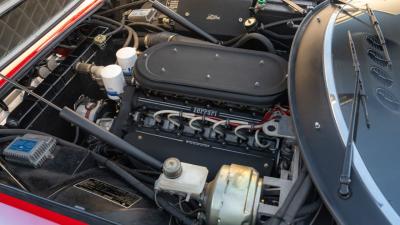
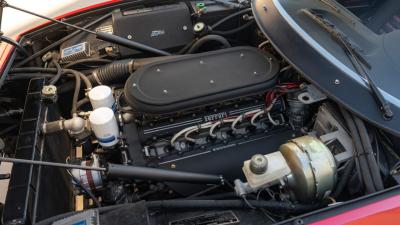
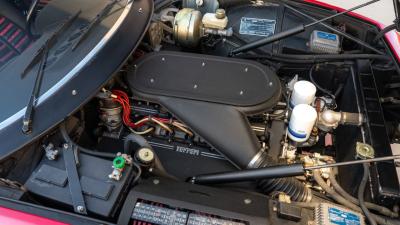
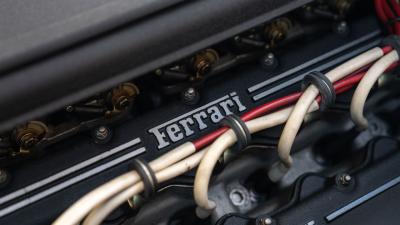
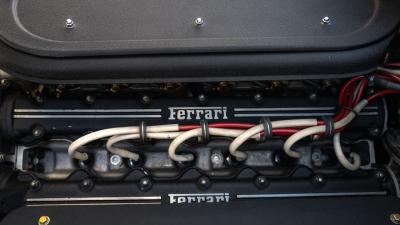
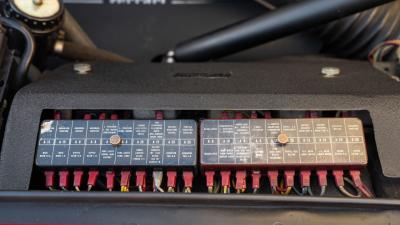
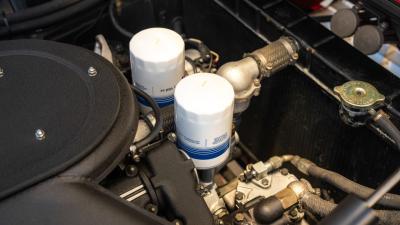
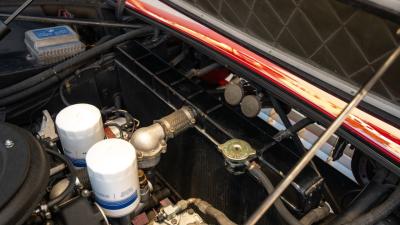
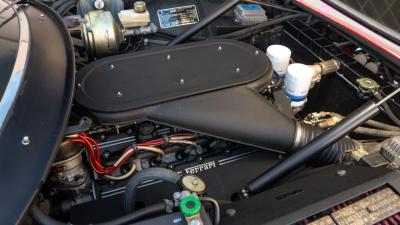
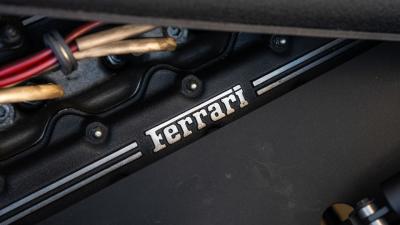
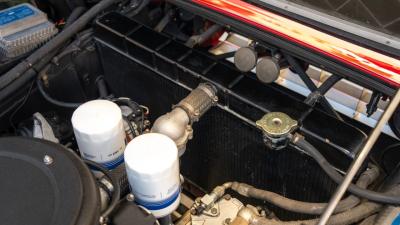
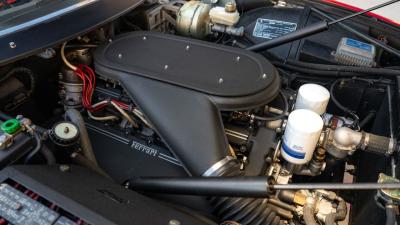
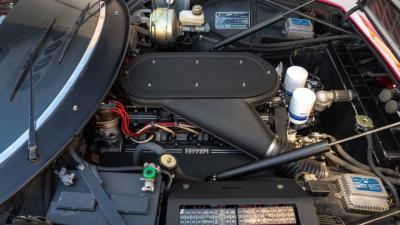
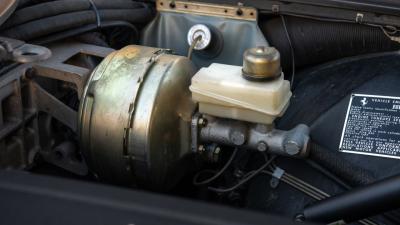
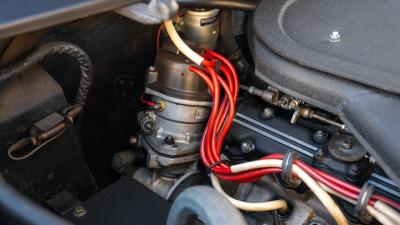
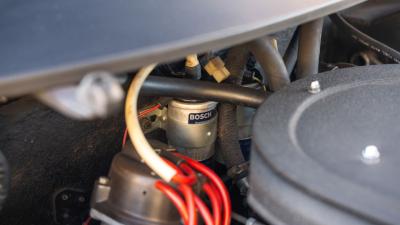
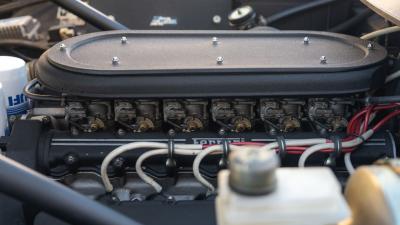
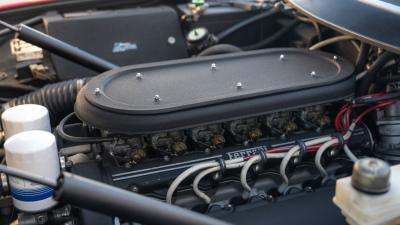
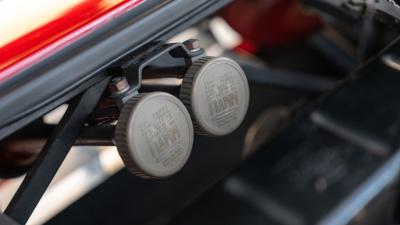
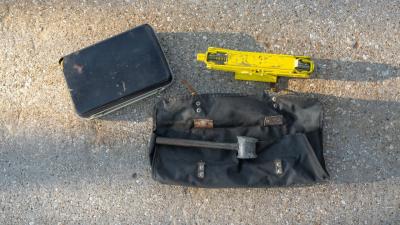
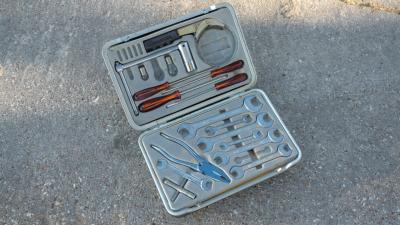
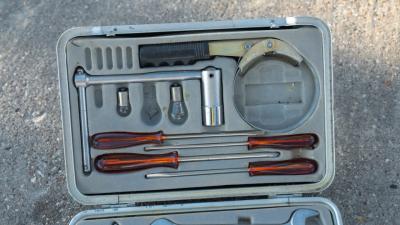
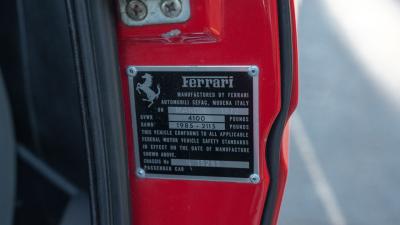
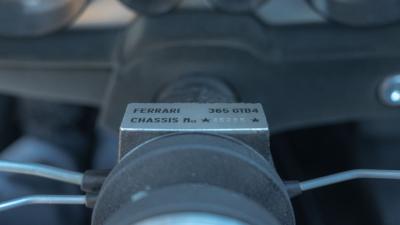
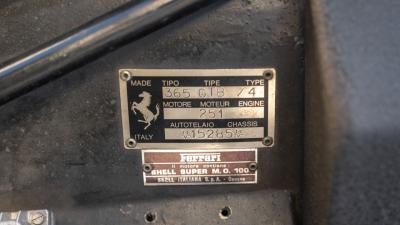
Chassis No. 15285 Engine No. B1796 Transaxle No. 874 "The Ferrari 365 GTB/4 is the best sports car in the world. Or the best GT. Take your choice; it's both," declared Road & Track in their contemporary road test of Ferrari's latest flagship. When introduced at the 1968 Paris Salon, the 365 GTB/4 Daytona represented the culmination of Ferrari's front-engine V12 berlinetta development and would be the last of its kind until the 550 Maranello arrived nearly 30 years later. With its aggressive Pininfarina-designed bodywork, 4.4-liter quad-cam V12 engine producing 347 horsepower, and a top speed exceeding 170 mph, the Daytona established itself as one of the fastest road cars of its era and remains one of Maranello's most coveted front-engine V12 Gran Turismos. Completed on 23 June 1972, Daytona chassis number 15285 was finished as a U.S.-market example and as such, was equipped with emissions equipment, air conditioning, power windows, and the federally mandated pop-up headlights that became standard worldwide from 1971 onward to meet American regulations. It originally wore the sophisticated pairing of Argento Metallizzato (Metallic Silver) paintwork over Nero (Black) leather with red seat inserts and was dispatched through the official Ferrari distributor Chinetti-Garthwaite Ferrari of Rosemont, Pennsylvania. The car's early American history is well-documented through the meticulous research of Ferrari historian Stanley Nowak along with Gerald Roush and his daughter Cathy Roush of the Ferrari Market Letter. The original owner is thought to have been David Harrah of Abington, Pennsylvania, who was confirmed to own the car by 1974. In 1979, with 7,500 miles recorded, it appeared at Harley Cluxton's Grand Touring Cars in Scottsdale, Arizona, before trading later that year to Checkered Flag of Millville, New Jersey. By 1981, Dr. Max Rubin of Alexandria, Virginia owned the car, describing it in the Ferrari Market Letter as a “de-smogged” U.S.-spec car retaining its original paint and interior when he sold it to B.J. Lyon of Mobile, Alabama with 18,200 miles. Lyon subsequently advertised the car in 1982 with a new Wilton wool carpet set and a detailed suspension, showing 18,700 miles. The Daytona then passed through noted Ferrari collector Marc Tauber of Morristown, Ne¬,.w Jersey, from 1982-83. After owning it for about a year, Tauber sold the Ferrari to Dr. Golden, a prominent collector in Michigan. Dr. Golden arranged for his full-time mechanic to meet Tauber in Morristown to take possession and drive the car all the directly back to Michigan, which he did without incident—a testament to the Daytona's grand touring capabilities. In 1987, Ed Waterman's Motorcar Gallery in Fort Lauderdale, Florida offered the car with 19,000 miles, and again in 1988 with 20,400 miles. In 1989, the Daytona left the U.S. for the first time when Roland Hachler of Bergdietikon, Switzerland acquired it. The car was subsequently offered at The Sportscar Auction in Geneva in May 1991 and again in Interlaken that September, still finished in silver and showing just over 25,000 miles. Sometime thereafter, chassis 15285 was exported to Japan, where it underwent an extensive refurbishment and a full conversion to European specifications in the early 2000s. This transformation included a conversion to European-specification lighting, replacement of the octagonal knock-offs with the more elegant three-eared spinners, and installation of European-specification Veglia Borletti instrumentation including a 300 km/h speedometer. During this restoration, the car was also refinished in its current Rosso Corsa livery and the interior was re-trimmed in as-delivered Nero leather with red seat inserts. The car remained in Japan until spring 2006, showing 30,643 kilometers at the time, when it was acquired and returned to the United States by Bill Noon of Symbolic Motors in San Diego, California. During this period, Noon drove the Daytona extensively, including a 200-plus mile trip to Julian, California for a rally and show at the Menghini Winery where it won a European Sports Cars class award as well as "Best Ferrari." It also participated in an FCA club event at Willow Springs with spirited laps on the main track. In late 2006, the car was sold to renowned Japanese collector Yoshiho Matsuda, celebrated for nearly three decades of sharing his remarkable cars with the public, first through his Porsche Museum of Japan, which displayed icons ranging from 917s and 908s to 934s, 935s, and 550 Spyders, and later through the Ferrari Museum of Art, home to models such as the 250 TR, 250 GTO, 250 SWB, and 312T Formula One cars before it closed in 2008. During Matsuda’s 15-year stewardship, only an additional 9,000 kilometers were added to the odometer, bringing the total to just under 40,000 kilometers. The car was reacquired by Noon and imported back to the United States in December 2020, at which point it was entrusted to David Nutley Automotive in San Diego, California for comprehensive inspection and service. Work included the replacement of the left rear axle boot, new spark plugs, and a complete rebuild of the rear brake calipers. A compression test at the time confirmed consistent results across all twelve cylinders, reported between 165 and 175 psi. Following its acquisition by the current Texas-based collector in 2021, with 39,818 kilometers indicated, the Daytona has since benefited from an intensive program of sorting and refinement by respected North Texas Ferrari specialists, including Norwood Automotive Italia, Tin Lizzy Affair, and Ferrari Dallas (formerly Boardwalk Ferrari). The engine bay was treated to dry-ice cleaning, with the process extending beneath the car to the drivetrain, engine, transmission, and transaxle. Inside, the cabin was comprehensively renewed with both seats removed and fully rebuilt with new diaphragms, webbing, and structural foam, complemented by fresh leather surrounding the Daytona inserts. The original carpeting was replaced with new wool carpeting trimmed in leather binding, while the dashboard was removed, its fiberglass repaired, and refinished in correct “mouse hair” material. A rebuilt Becker radio was installed and the original clock was rebuilt, with both now fully operational. Norwood also performed careful paint touch-ups concentrated within the door surrounds and hinges. Mechanical attention included mounting four new period-correct Michelin XWX tires in 2021, replacement of the air-conditioning compressor and conversion to R-134a, renewal of worn tie-rod ends followed by a front-end alignment, and a comprehensive brake-system renovation with rebuilt calipers, fresh fluid, and new front pads. Ferrari Dallas completed a final inspection and detailing in the summer of 2024. Also in 2024, Ferrari historian Marcel Massini compiled a history report confirming the car retains its original engine (no. B1796) and transaxle (no. 874). Today, chassis 15285 presents as a matching-numbers, well-documented Daytona, showing 40,446 kilometers (TMU) at cataloging with just over 10,000 kilometers added in current ownership. Presented in fine condition throughout, it would be an ideal candidate for FCA events or high-speed rallies such as the Copperstate 1000, with its recent cosmetic and mechanical sorting offering the next caretaker the rare pleasure of simply turning the key and enjoying the Daytona exactly as intended.
Contact Us
