
































































A Desirable 110 Pick Up Tastefully Enhanced By Bowler
Individually Numbered by Bowler
Upgraded Intercooler
External Roll Cage
JE Engineering Stage 2 Remap
Our man came back from his inspection smiling: “Altogether, a very solid car, but well used”, he grinned, although we think he might be being a bit harsh, because by ten-year-old Defender standards, it’s very good indeed.
Background
Introduced in 1983 and only modestly revised over the years, the Land Rover Defender has earned its place as one of the most influential vehicles of the 21st century. Able to trace its lineage back to the very first post-war Land Rover - and not a lot of squinting is necessary to bridge the seventy-year gap ‘twixt old and new - the Defender might not be the last word in civility but by heck it’s a survivor.
With its permanent four-wheel-drive system, lockable centre differential, live axles, and long-travel coil suspension, the Defender is as good off the beaten track as it is appalling on it. But no-one cares, because it has levers sprouting out of the floor, a big, bluff front, and only gets better with time; the Defender matures rather than ages, and any hard-won patina simply adds to the legend.
Available from the factory as a pickup, van, or station wagon, there is a vast array of companies out there who will turn yours into a motorhome, campervan, mobile crane, tray-back off-roader, or recovery truck. In fact, if you can imagine it, someone will have built it.
And the latter-day prettification and domestication of what was once a strictly utilitarian truck means that there are plenty of folk out there who can turn yours into the off-road equivalent of a Singer Porsche; tuned engines, gearbox swaps, Bentley-esque interiors, concours-quality resprays, and a full suite of fitted walnut cabinetry for your weapons and booze are just the start; if you can imagine it, it will be on a spec sheet somewhere.
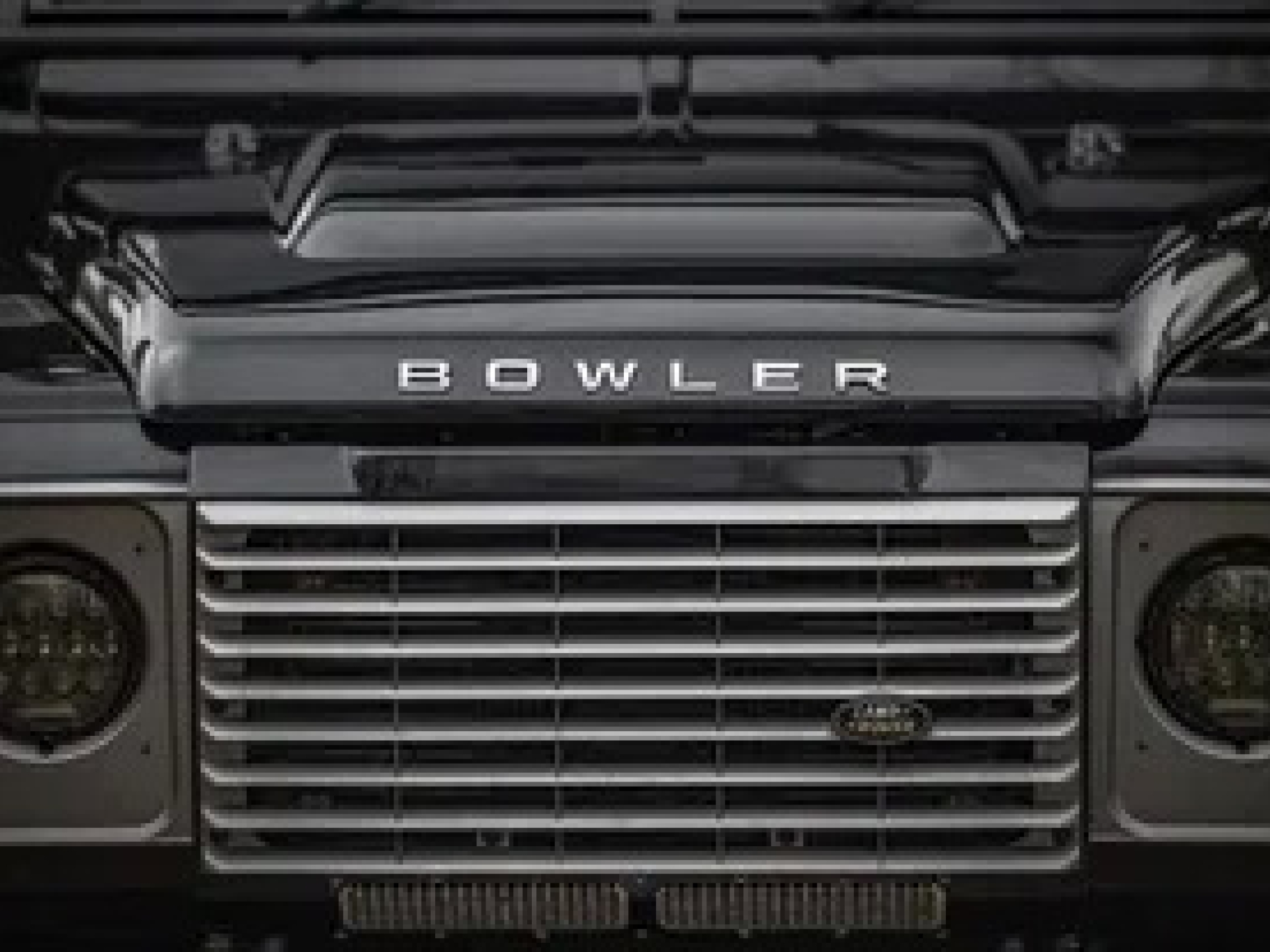
Or you could buy into the Defender’s motorsport heritage with a Bowler like this.
Overview
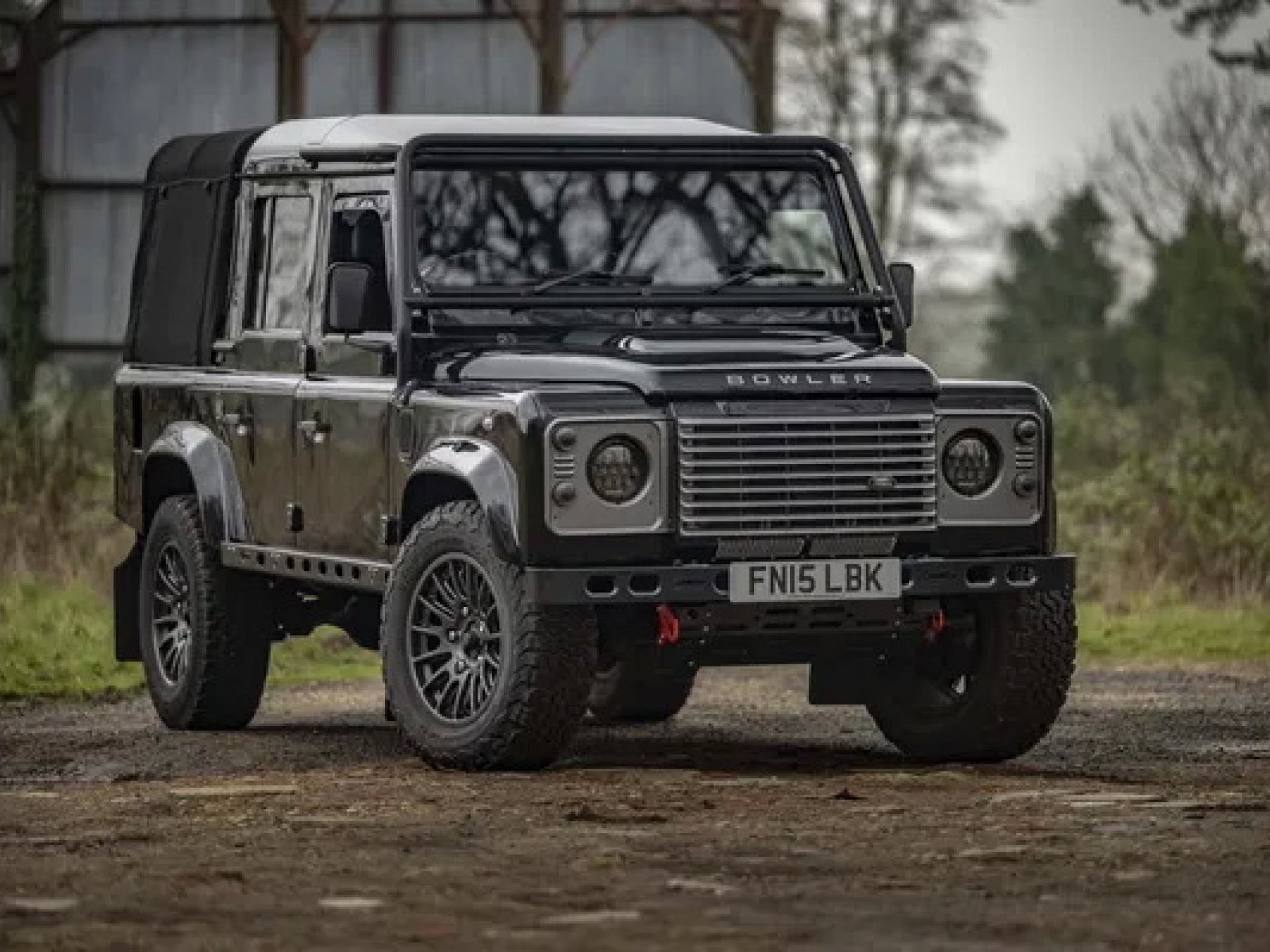
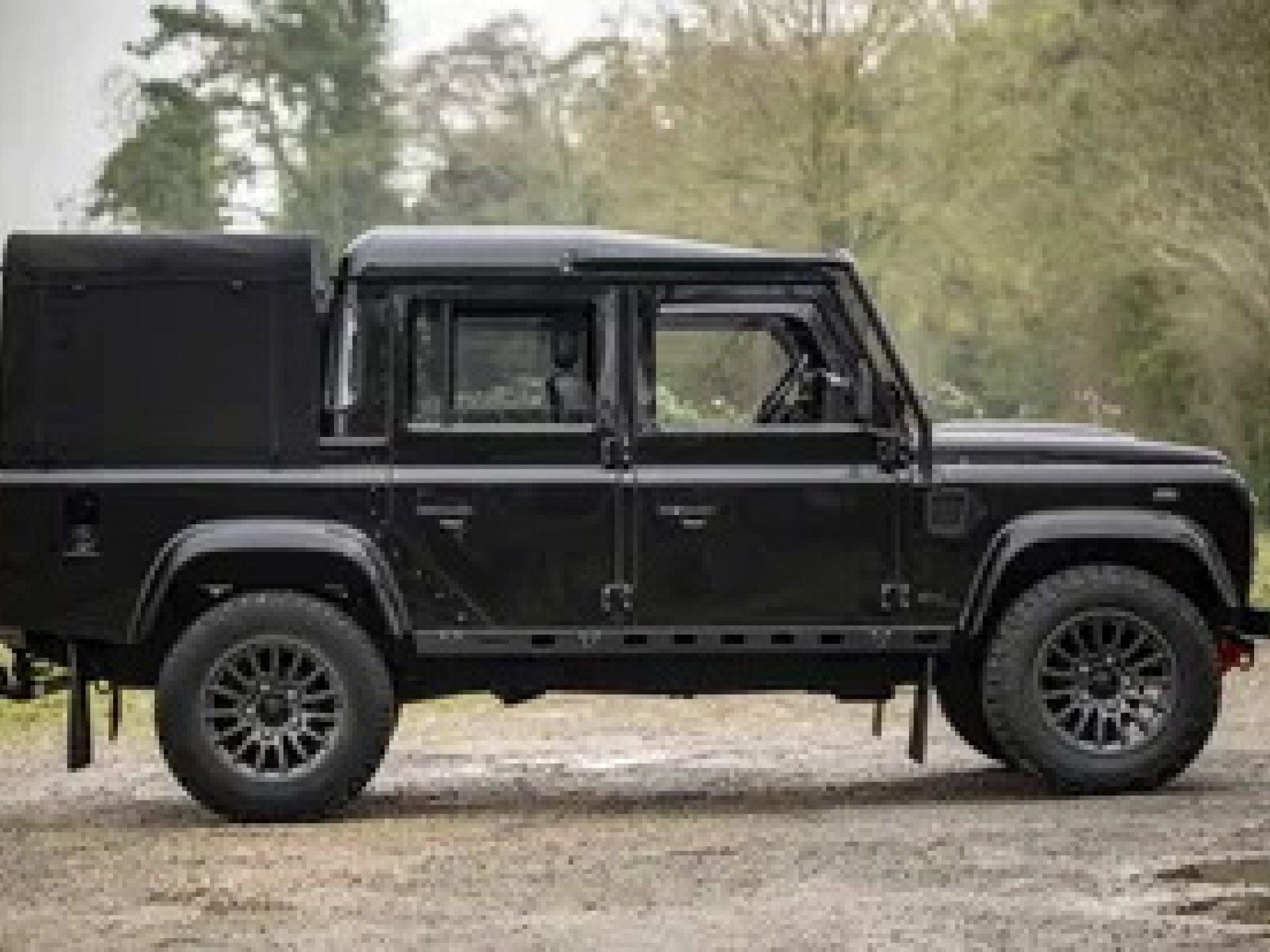
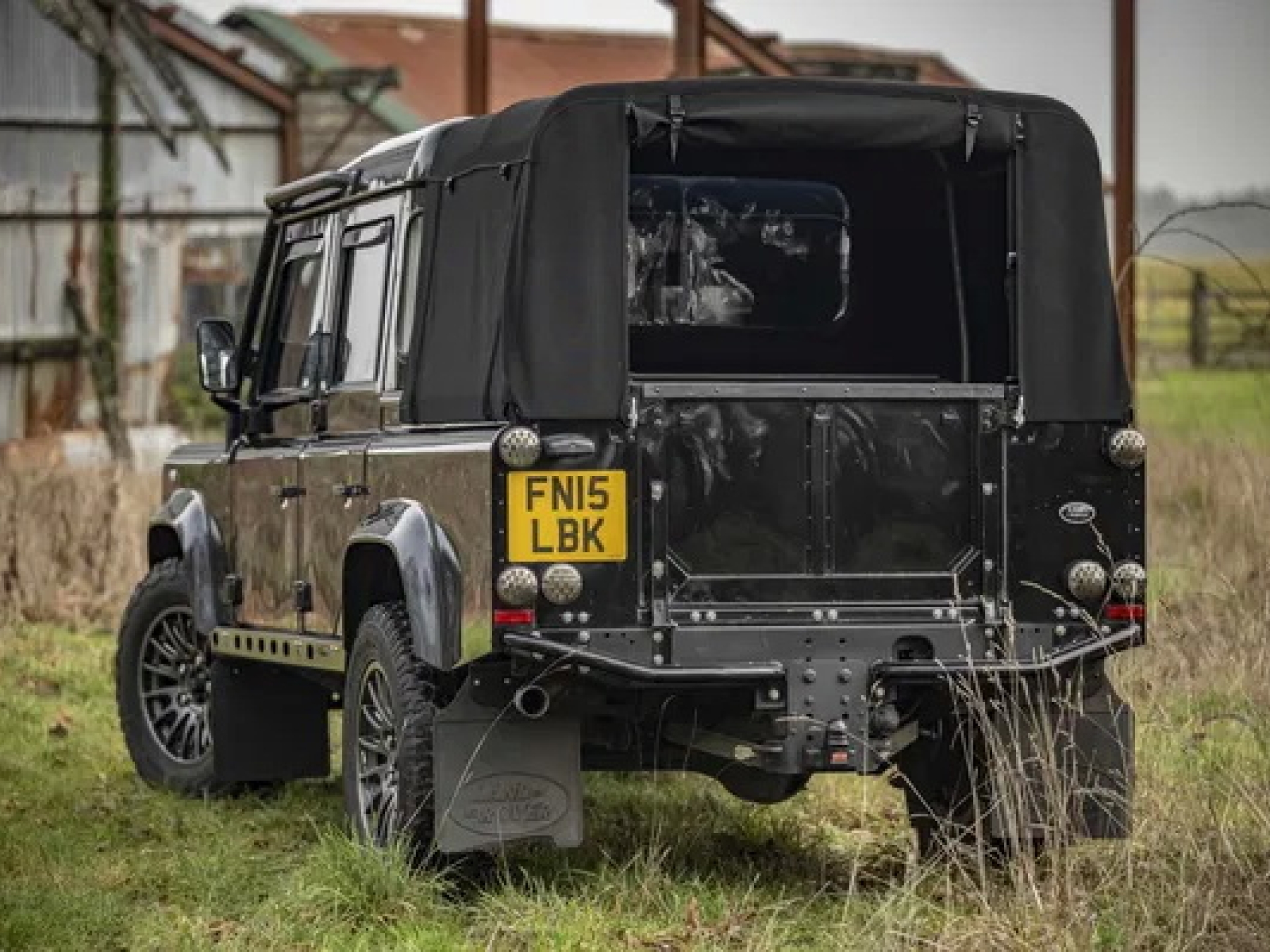
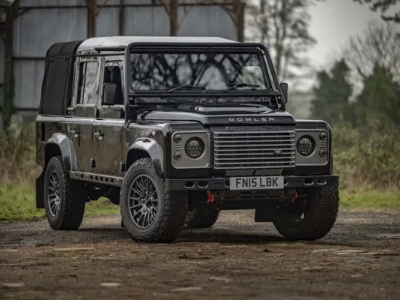
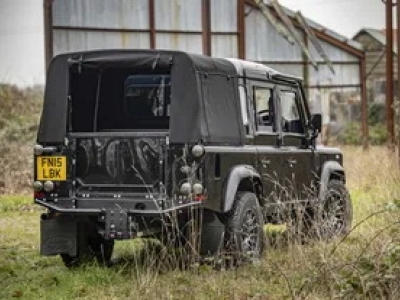
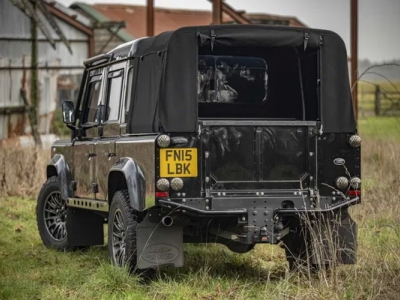
Individually numbered by Bowler Motorsport, the off-road legends who built this beast, ‘FN15 LBK’ started life as a Santorini Black 2015 Land Rover Defender double-cab pickup.
Bowler, off-road rallying stalwarts for eons and now part of the Jaguar Land Rover Group, concluded the base vehicle needed nothing more than an upgraded intercooler and a JE Engineering Stage 2 remap. The seller isn’t sure what the new power output is but research suggests it’s probably 180bhp.
As for the Defender’s appearance, Bowler is not the sort of firm to throw the parts catalogue at a vehicle to justify another zero on the sticker price; with decades of top-flight motorsport behind them, they know what works and, perhaps more importantly, what doesn’t – and, because they aren’t savages, they do it all with uncommon elegance.
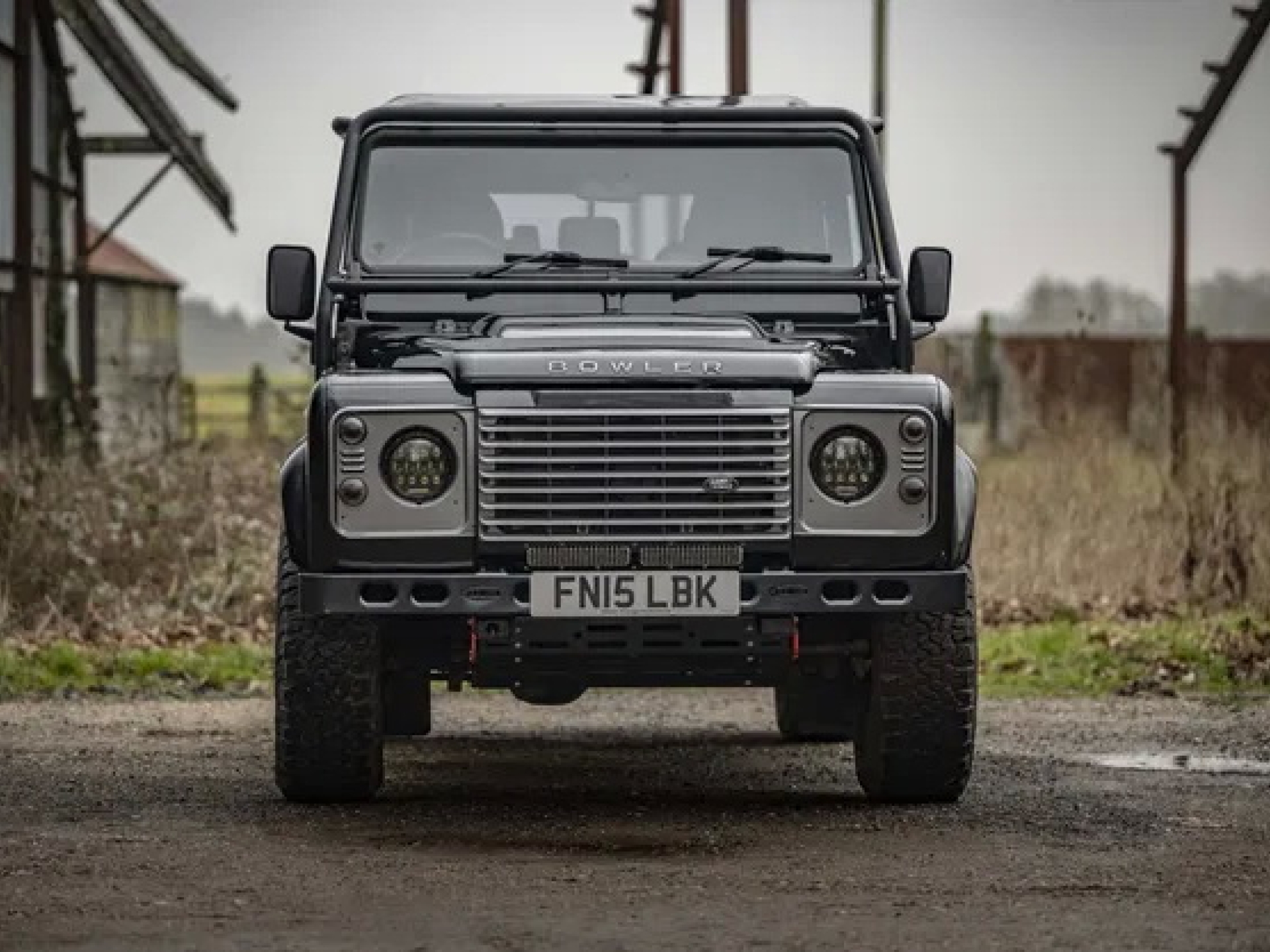
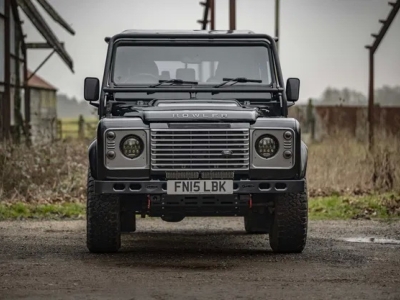
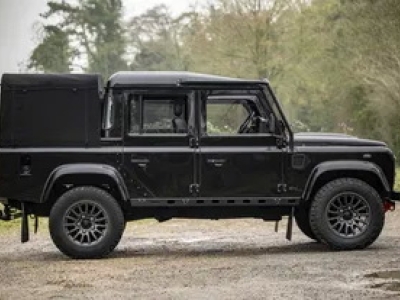
You’ll note, therefore, the heavy-duty front bumper with bright red recovery points underneath. The matching rock sliders along the sills, and the steering protection. Subtle, but gorgeous, eh?
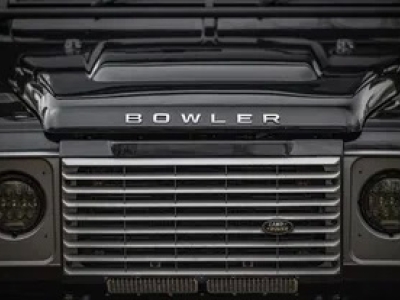
There’s a set of strong-but-lightweight 18-inch alloy wheels too, but no silly LED spotlamps on the roof because you aren’t Lara Croft. Besides, Bowler knows that simply uprating the headlamps makes them powerful enough for anything this side of the Dakar Rally.
And what a difference those few tweaks make; we’re fans of the standard 4x4, but these few changes elevate the experience to a completely different level.
Still showing just 75,000 miles on the odometer, the seller bought ‘FT02’ – the number Bowler gave it – in 2020. He immediately had it serviced and while he’s enjoyed owning and driving it, he’s come to realise he’s unlikely to use it as much it deserves.
Exterior
This is a helluva colour of any older car, but when a vehicle’s extremities are as vulnerable as those of a Defender, it’s a doubly brave choice – and yet, this one proves that Santorini Black (paint code 820) is a hard colour to beat with the right specification.
Because the improvements Bowler wrought turn it into the the automotive equivalent of a Highland Games athlete; no showy gym muscles, just sheer brawn.
It starts with the upgraded headlamps and surrounds, which sit above a perforated, lightweight-but-strong, front bumper. All are in excellent condition, as are the bright red recovery points and the steering guard.
The four corners are free of scuffs and scrapes too, as are the flared wheelarch extensions. The sill protectors, which match the front bumpers, are also free of damage, which is remarkable given their allotted role of preventing the Defender coming into contact with terra firma.
Even the external fasteners, which always rust, seem to have been replaced with stainless-steel versions.
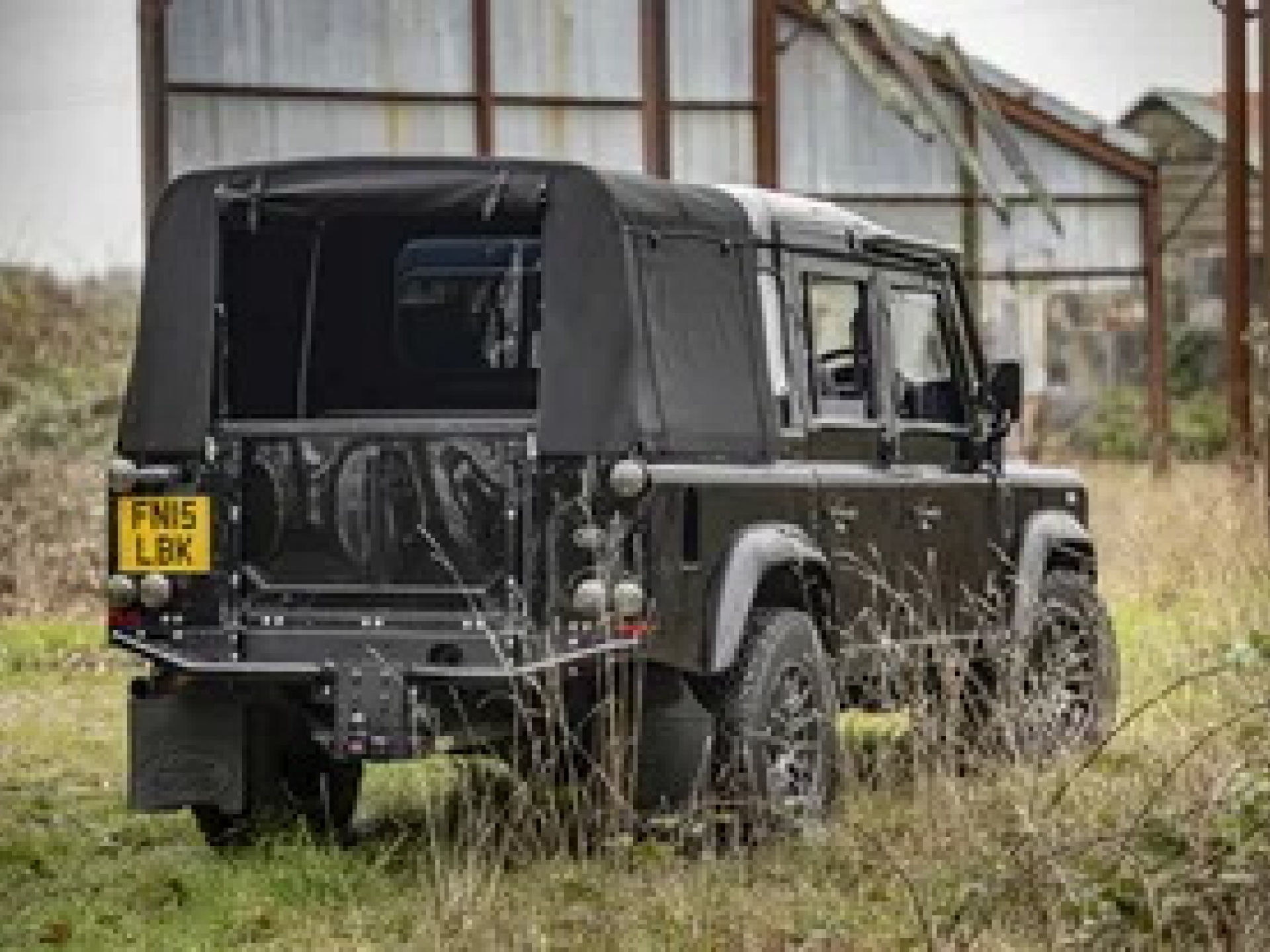
Steps and LED lights are fitted at the rear, and a hefty towbar allows you to recover or tow effortlessness.
Given the sheer scale of the tyres, it’s unsurprising to see that the lightweight 18-inch ‘Motorsport Edition’ alloy wheels are relatively unscathed, but then no kerb would stand a chance against rubber this vast.
Because the Defender sits on BF Goodrich All-Terrain KO2 tyres; a whopping 265/65R18 in size – or 32” in the Arctic Trucks-speak – they’d always be our tyre of choice for a 4x4 that’s actually going to be used in the mud and snow.
The front tyres were made in 2021 and are excellent, while the rear ones are older and have perished.
Nonetheless, we will never get tired of telling you that experience shows that matching high-quality tyres are an infallible sign of a caring and mechanically sympathetic owner who is prepared to spend the appropriate amount in maintaining their car properly.
The hood that covers the loadspace is in an excellent condition with no rips, tears, or other damage. All the buckles appear to have survived unscathed too, and the zips work as they should.
As for flaws, there are the usual minor stonechips to the bonnet, scuttle, front wings, and leading edge of the bonnet. Scratches make themselves known to both front wings, along the length of both sides, and across the rear end. You can also make out the lettering ‘Funky Tents’ on the bonnet from an old advertising decal.
Actual damage, always a risk with an off-road weapon like this, seems to be restricted to the nearside rear wing, both front wings, and the panels above both headlamps, all of which have minor dinks. The nearside door mirror case also has a crack in it.
The nearside rear mudflap has melted, presumable after coming into contact with the exhaust tailpipe. The other three mudflaps are in a good condition.
Rust has broken out on the external section of the (cosmetic) half-roll cage where the paint has cracked. A stonechip on the bonnet has also started to rust, and there is corrosion to the offside lower corner of the windscreen frame and the base of the nearside B-pillar.
Interior
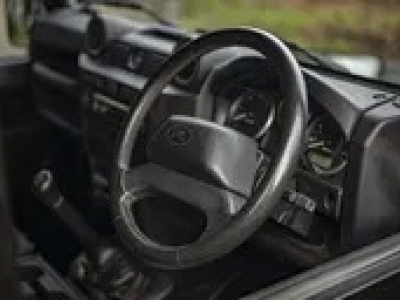
The half-leather interior has been left largely unadorned, which is fine because the factory cabin treads the line between family transport and utilitarian workhorse very well.
While this means you aren’t cossetted with deep-pile carpets, chrome knobs, and vast touchscreens, you get proper levers sprouting out of the floor that’ll still work decades after JLR has stopped releasing over-the-air updates for the new Defender.
There are thick rubber mats too, and because no one expects you to live like an animal, heated front seats and electric front windows. (The rear windows are manual, but when your kids moan just tell ‘em to think of it as arm day at the gym.)
Speaking of kids, all five seats have headrests and three-point seatbelts, and rear legroom is pretty good; throw in the canvas cover for the pickup bed to protect the dog/bicycles/football kit and a double-cab Defender makes a very practical family wagon indeed.
An Alpine headunit provides music and Bluetooth connectivity,
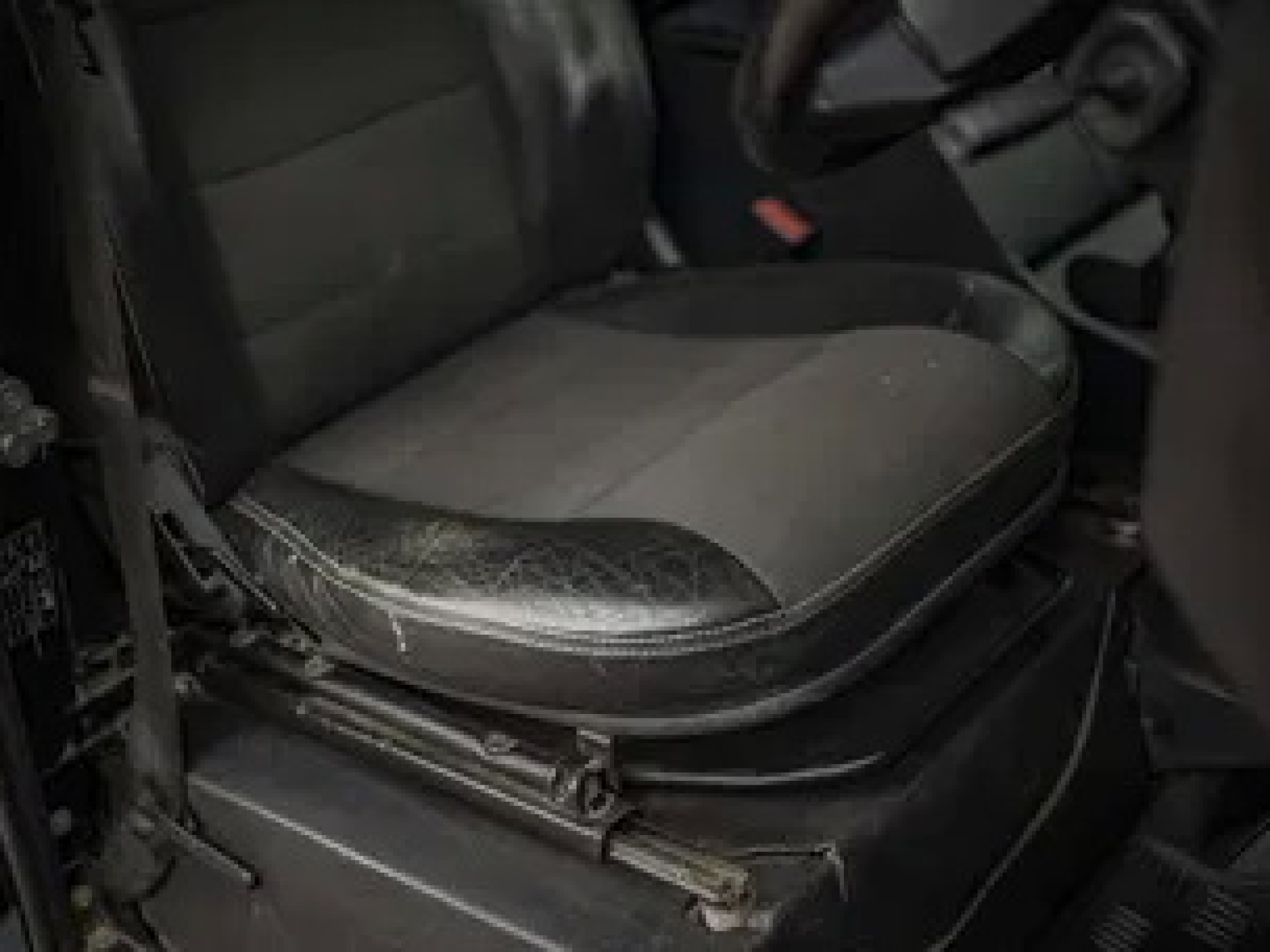
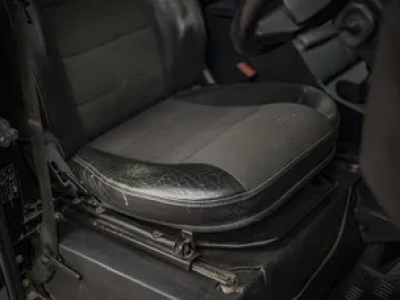
Cosmetically, the driver’s seat lets the side down a little but even then, it’s only general wear and tear that makes itself known by way of a few cracks to the half-leather, a gentle softening of the outer bolster, and a small split on the outer edge.
The cloth panel on the base of the central rear seat has a split in it and the outside edge of the nearside rear seat has a hole. The trim covering the front seat plinth has also seen better days, the steering wheel and the fabric panels of the seats are a bit grubby, and the rear loadspace has clearly been used to carry stuff as it is marked and dinked in places.
Finally, the nearside rear seatbelt is slightly damaged from being caught in the door.
Mechanical
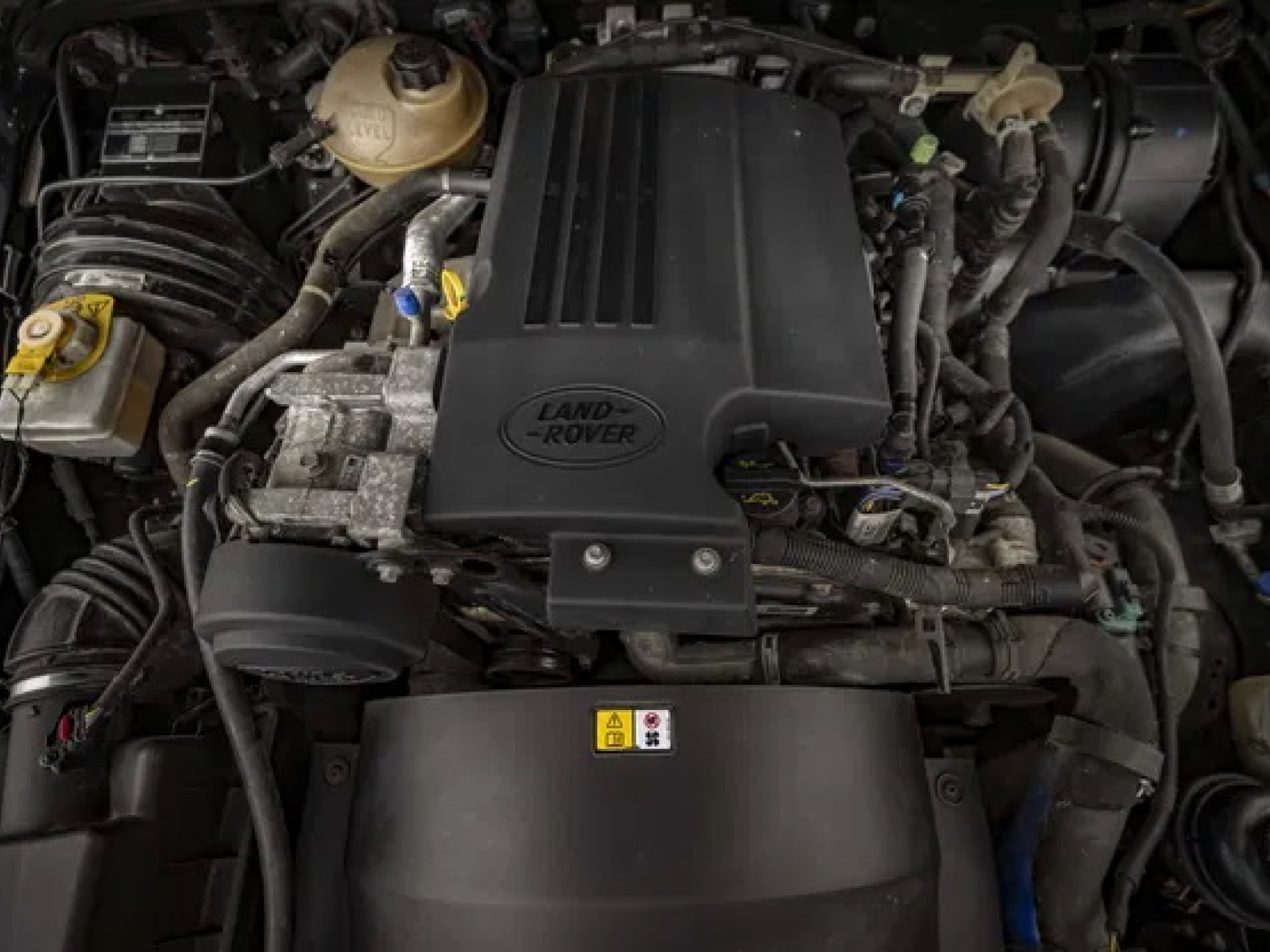
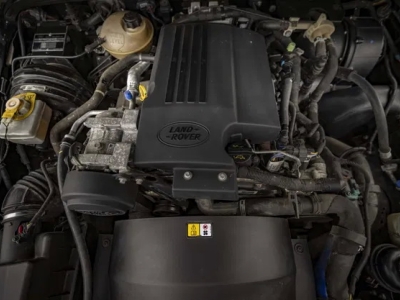
The 2.2-litre turbo-diesel engine is thought to develop around 180bhp thanks to the Stage 2 remap from JE Engineering. The seller reports that this makes “a tremendous difference” to the way the Defender drives, something our brief test drive confirmed.
Serviced when he first bought it back in 2020, while the Defender has covered fewer than 3,000 miles since, it’s now due another on the grounds of time elapsed.
The video shows it starts well, even from cold. It also idles and revs as it should, and it does it all without illuminating any dashboard lights or making any untoward noises or smoke.
As for its presentation, the engine bay is very tidy and needs nothing more than a good clean.
No MoT tester has ever mentioned structural corrosion, which isn’t a surprise because all we could spot underneath were rusty fasteners and brackets; even the exhaust system is a Land Rover O/E item.
History
The Bowler’s MoT, which is valid until January 2027, only lists advisories for the rear tyres, which will need to be replaced.
The recent Vehicle History Check is also clear, and the V5 is in the seller’s name. Sadly, that is the extent of the paperwork bar the invoice for the service we mentioned above as we are still awaiting the seller to drop the rest of the history in.
Summary
Our man came back from his inspection smiling: “Altogether, a very solid car, but well used”, he grinned, although we think he might be being a bit harsh, because by ten-year-old Defender standards, it’s very good indeed.
And it’s got pedigree; whereas some firms have cashed in on the Defender’s new-found cachet, Bowler has been around for decades, slugging it out at the pinnacle of off-road motorsport.
This is not a Chelsea tractor.
But then nor is it likely to have a Chelsea tractor’s price tag; we suspect the final bid will fall somewhere between £27,000 and £32,000, which is fine value for such a versatile and attractive vehicle.
Viewing is strongly encouraged, and this lot is located at THE MARKET HQ in South Oxfordshire. Viewings are STRICTLY BY APPOINTMENT and we are open weekdays (apart from Bank Holidays) between 10am - 12pm or 2pm - 4pm. To make a booking, please use the ‘Enquire About This Vehicle’ button on the listing. Feel free to ask any questions, or try our ‘Frequently Asked Questions’.
Contact Us
