



























































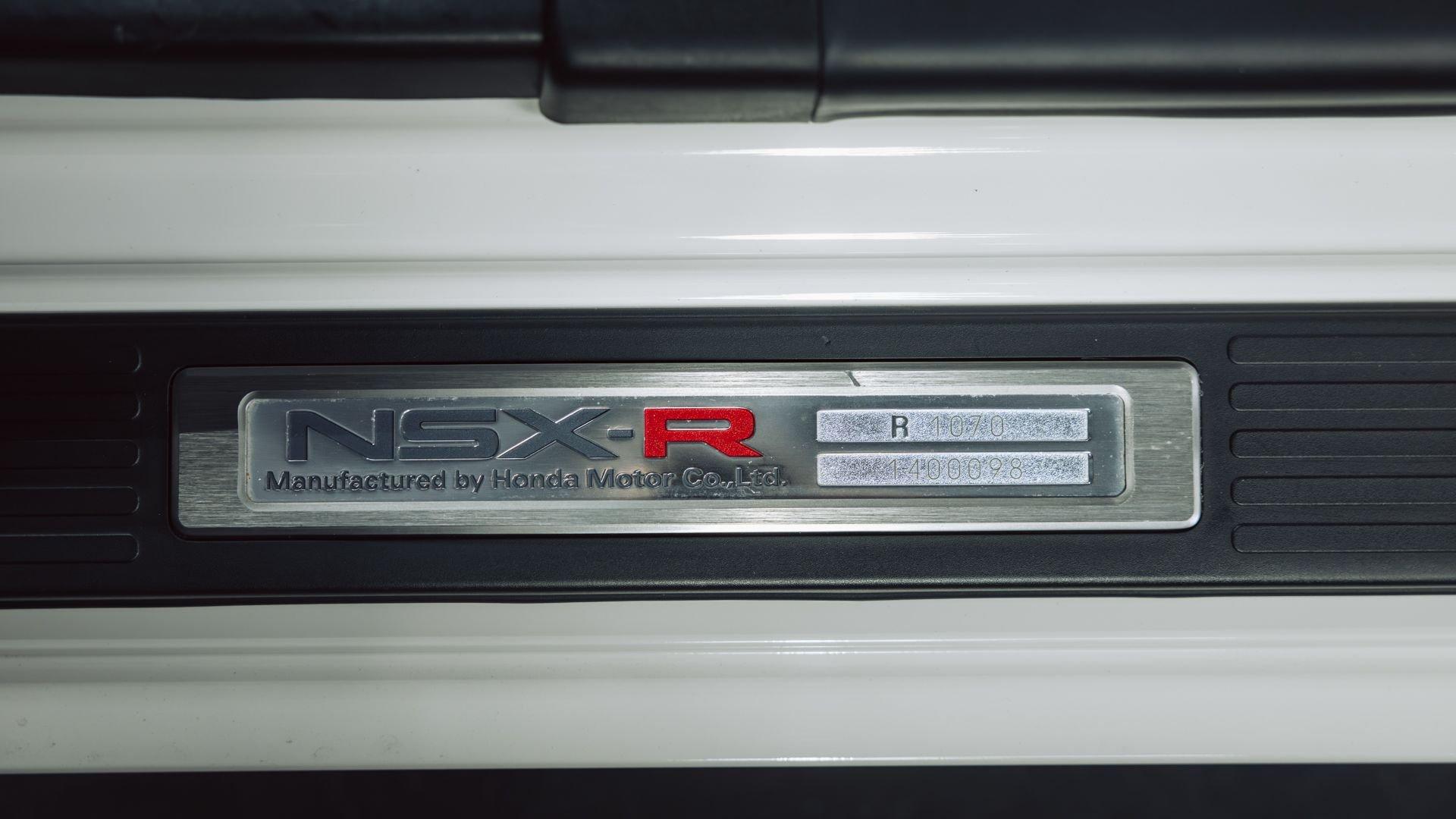
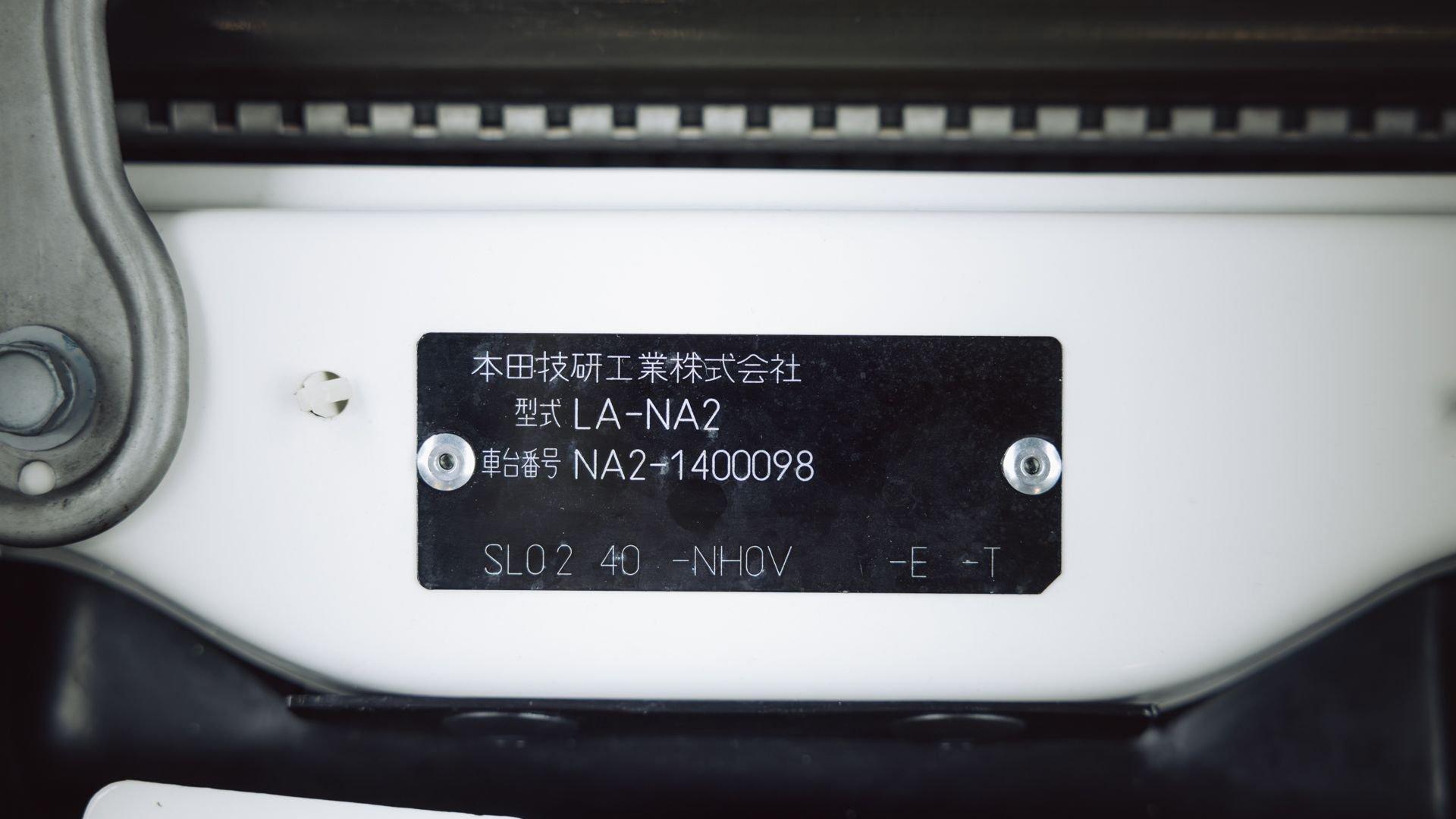
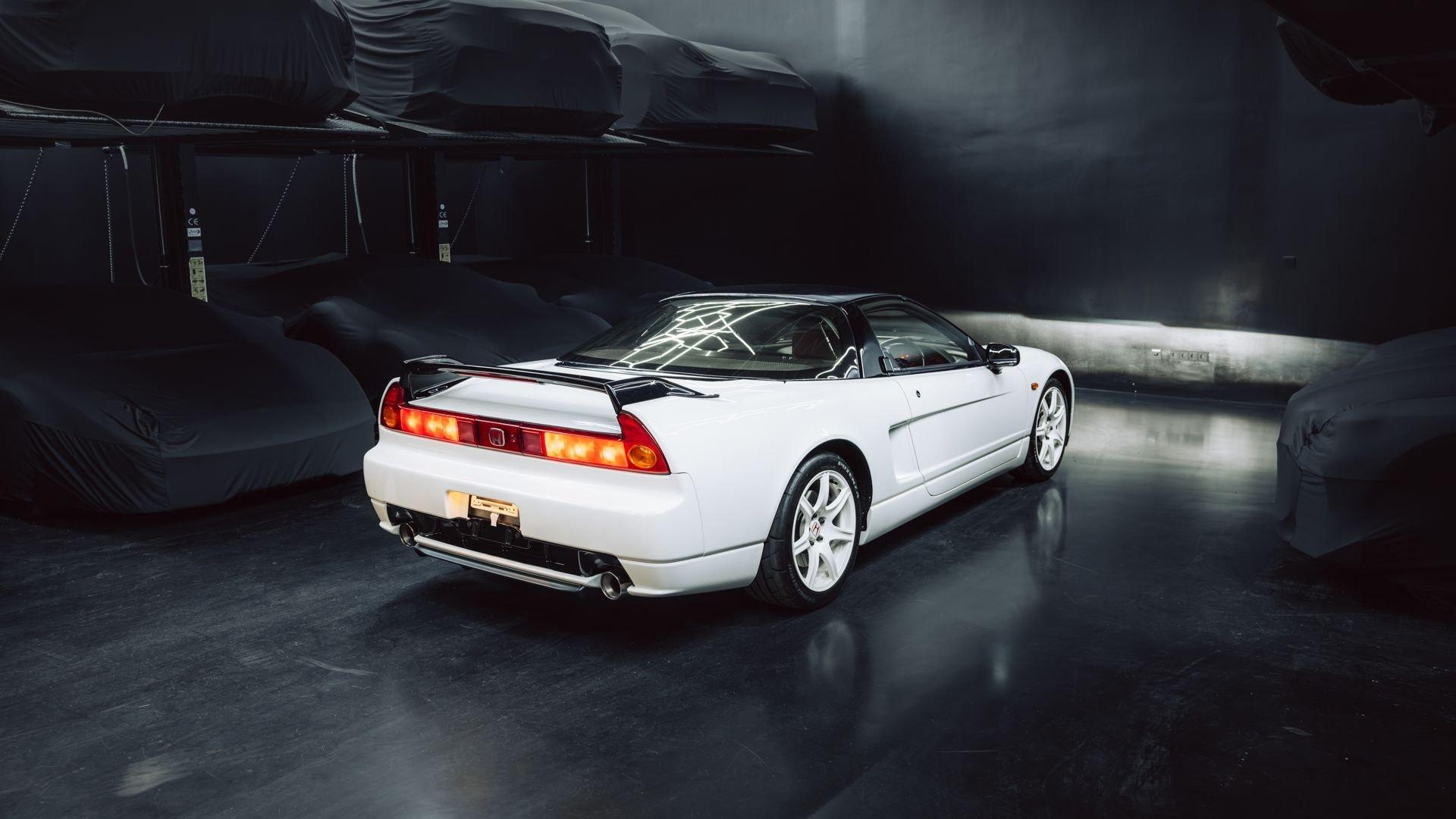

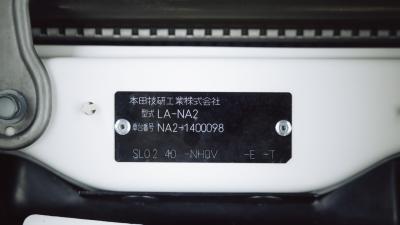
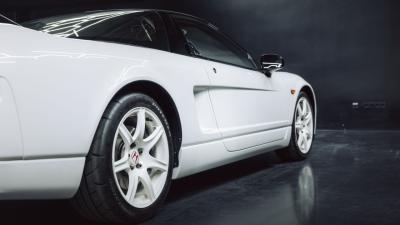
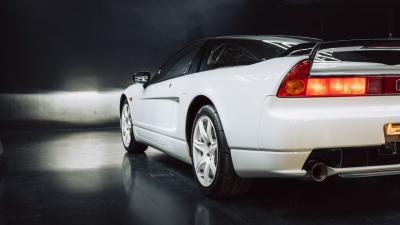
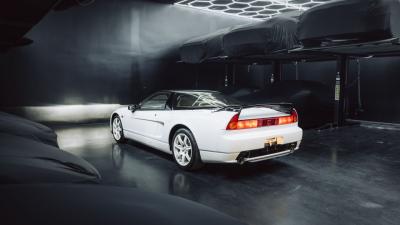
Chassis No. NA2-1400098
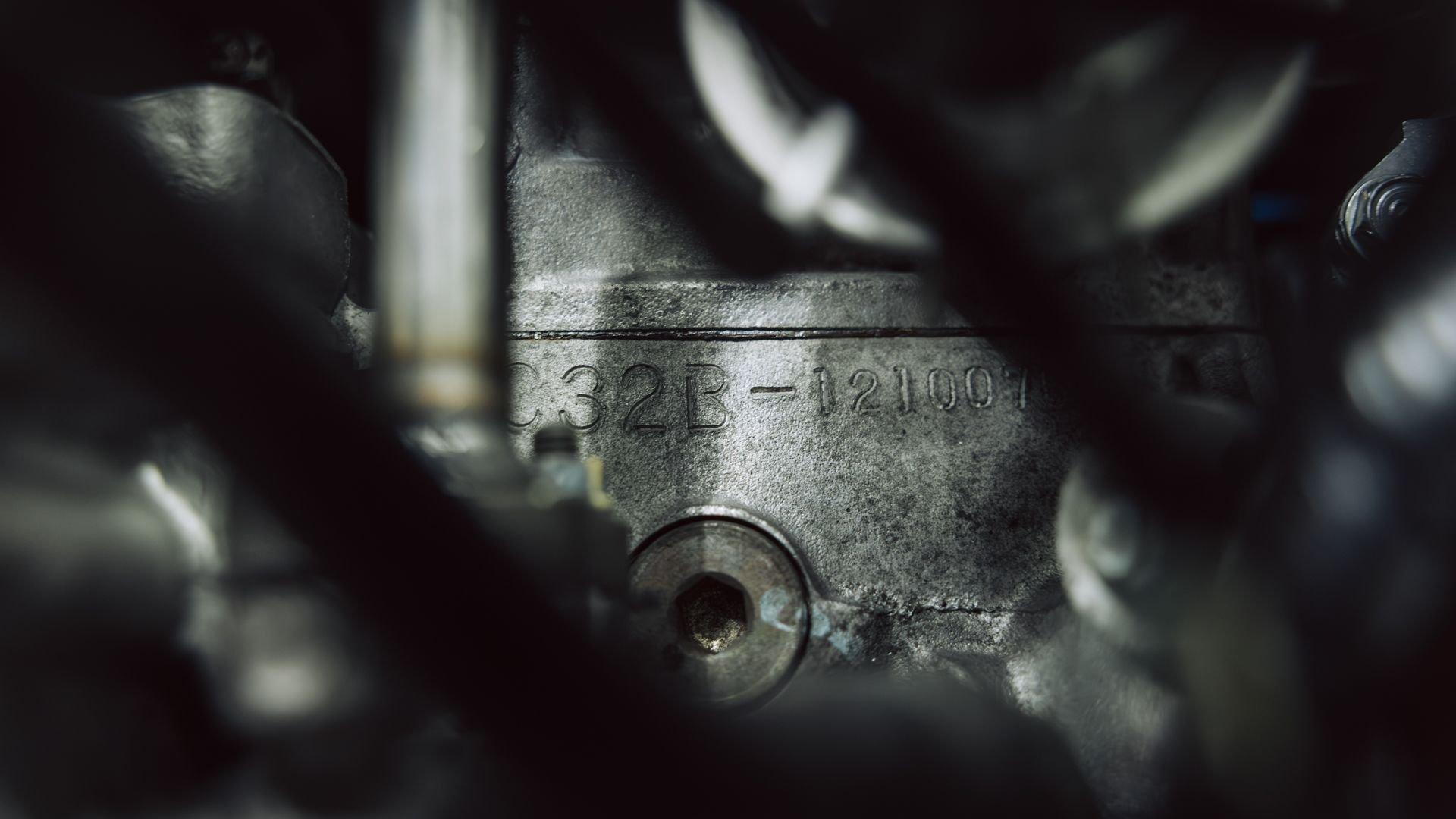
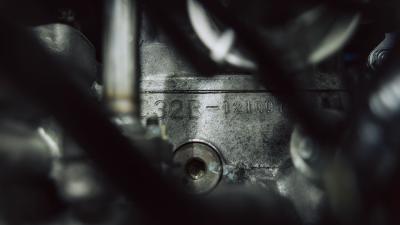
Engine No. C32B1210076
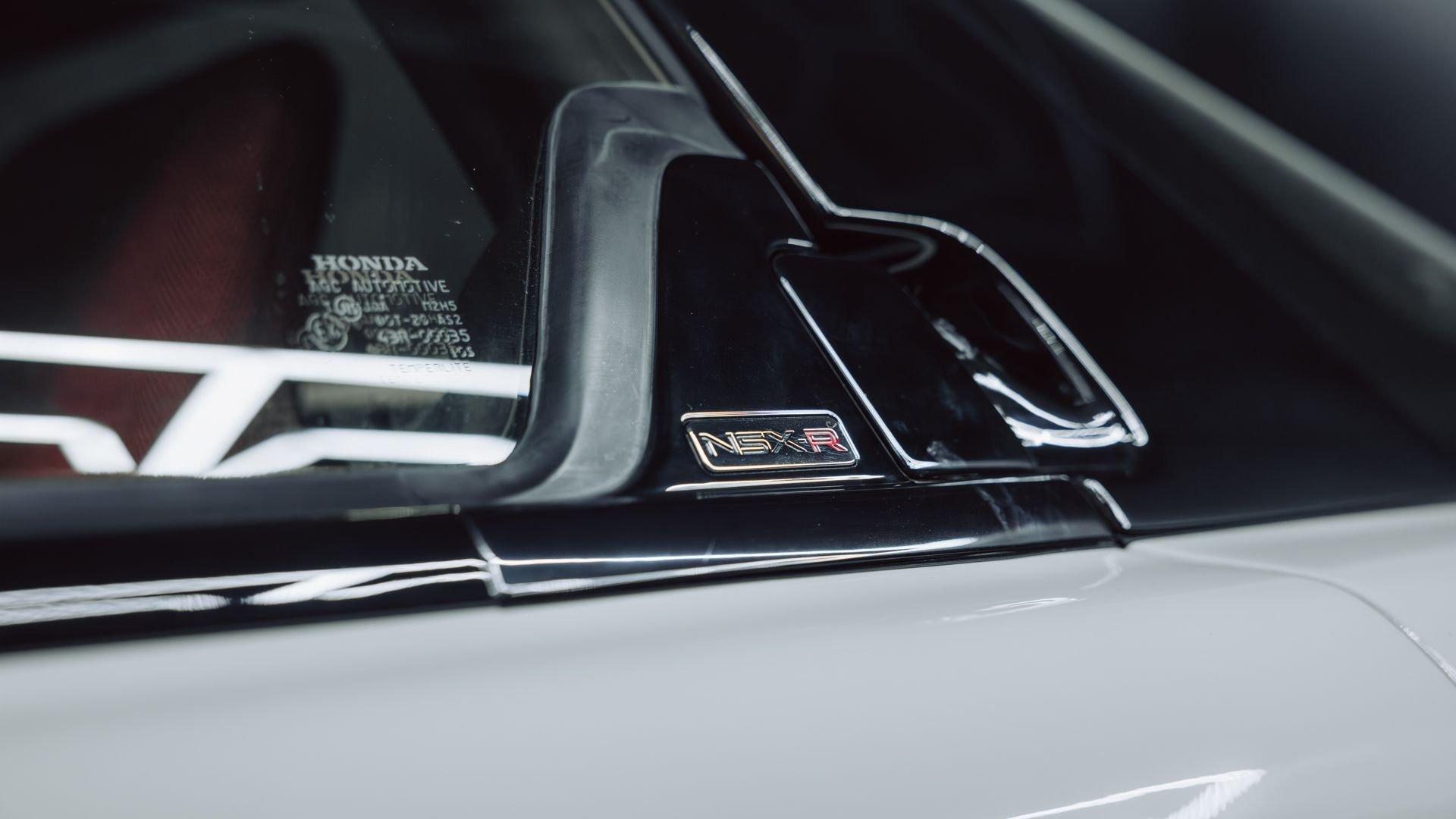
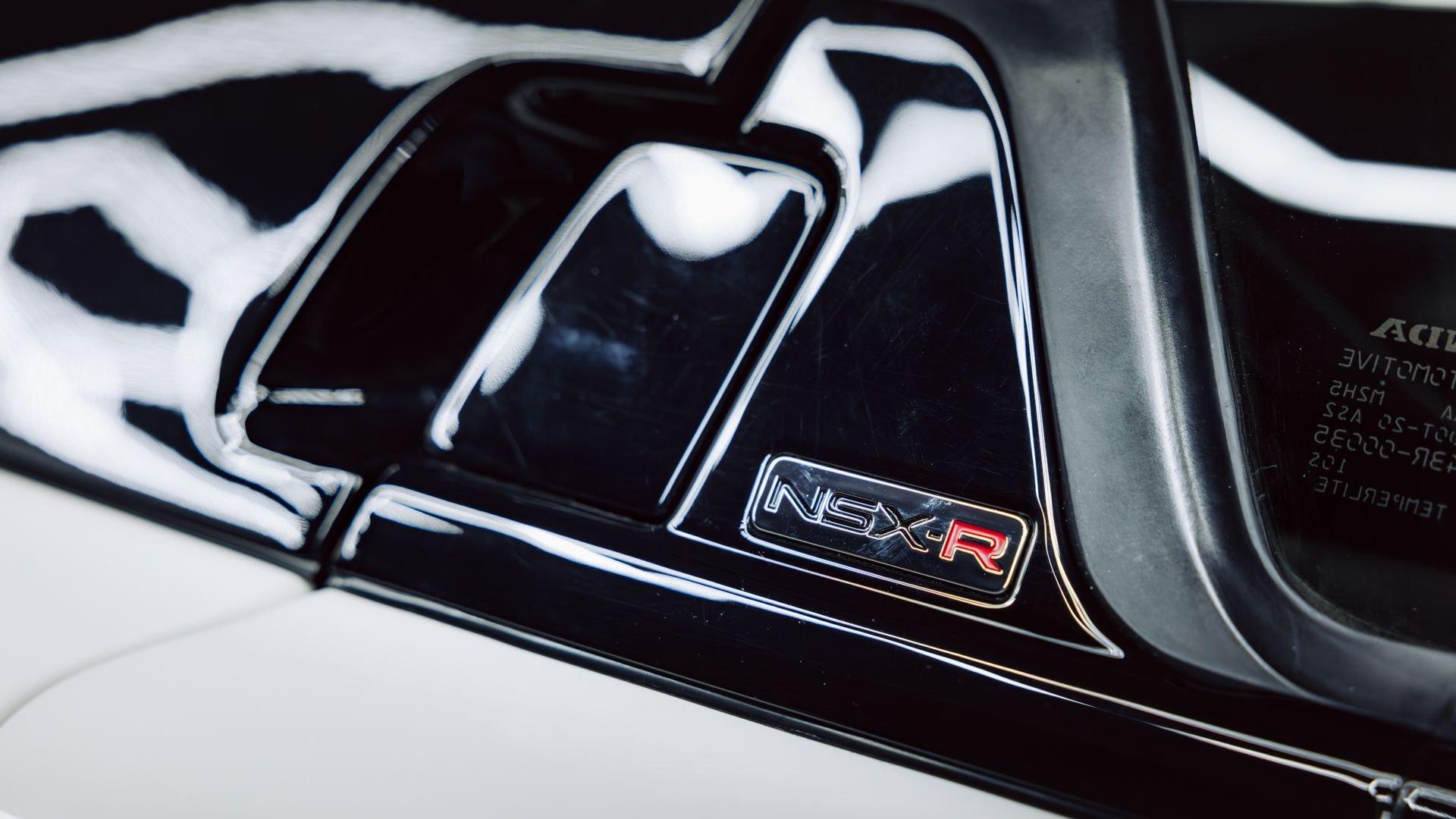
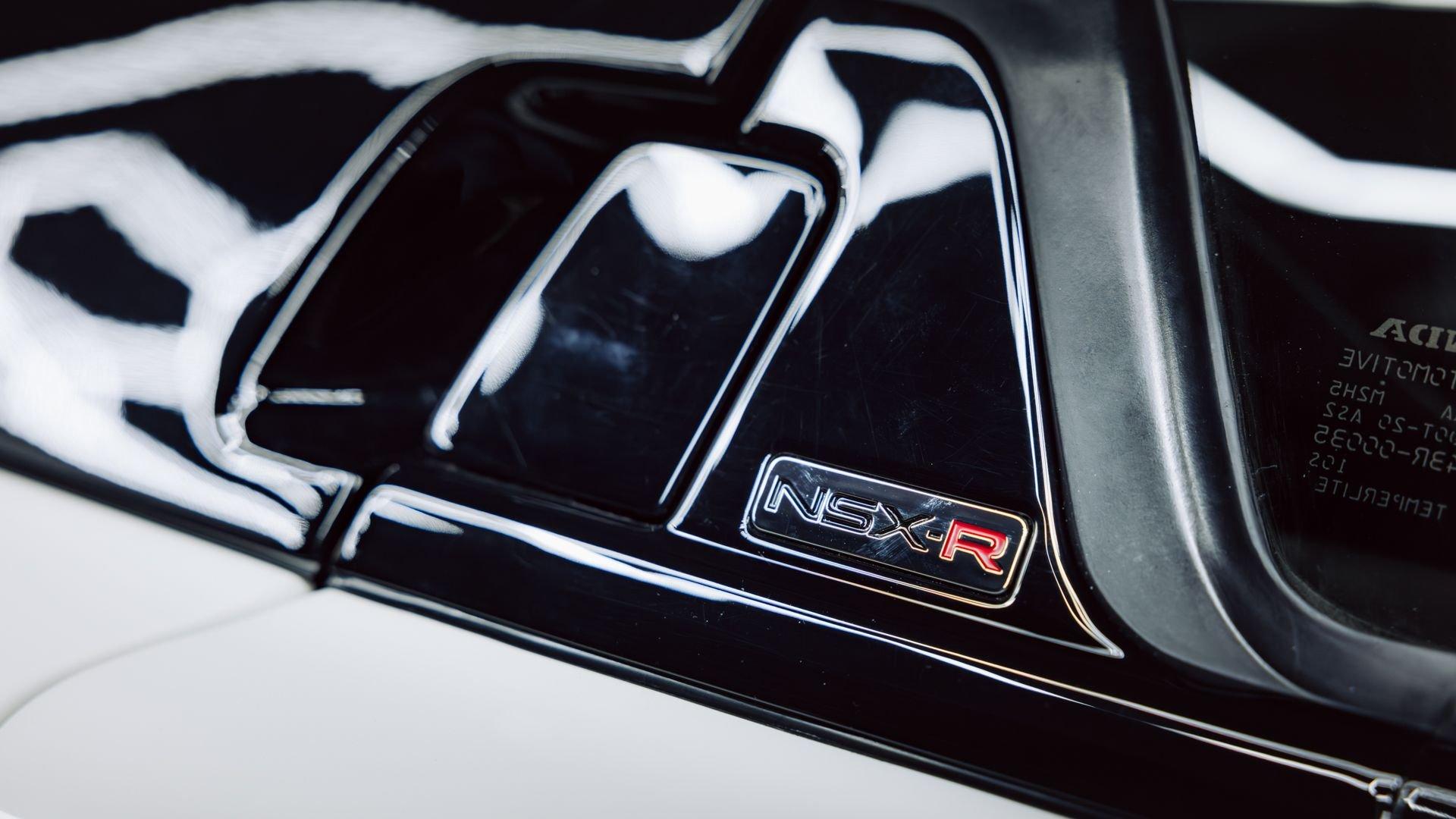
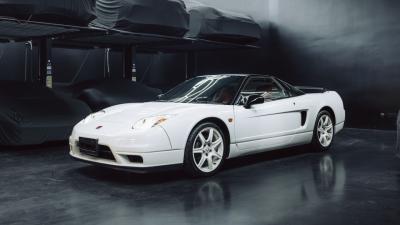
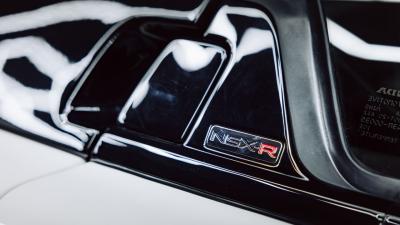
When the Honda NSX appeared on the supercar scene in 1989, the Japanese manufacturer caught its European rivals entirely flat-footed with a car that seamlessly integrated Formula One-derived technology with everyday usability. It immediately surpassed the Ferrari 348 and the 964-generation Porsche 911, with period comparison tests labeling the Honda superior thanks to its high-revving engine, excellent chassis, and above all, its un-supercar-like practicality. In response to lightweight, track-focused competition from the likes of the Carrera RS, Honda introduced the Japanese-market NSX-R in November 1992-arriving as a focused driver's car that eliminated excess weight and engineered with a more rigid chassis.
By the early 2000s, the performance car landscape had evolved considerably. Porsche had introduced a new water-cooled 996-generation 911 followed by its track-oriented GT3 model, while Ferrari had raised the bar in mid-engine performance with the technically advanced 360 Modena. Honda's answer was the second-generation NSX-R-internally designated NA2-arriving in May of 2002 exclusively for the Japanese domestic market. Although it was based on 1990s chassis architecture, its performance metrics and multiple performance car of the year awards against newer competition demonstrated the fundamental excellence of Honda's platform. This was dramatically illustrated when Japanese test driver Motoharu Kurosawa lapped the formidable Nürburgring Nordschleife in 7 minutes and 56 seconds-matching the time of Ferrari's purpose-built 360 Challenge Stradale despite the Honda being out-powered by its Italian rival by over 100 CV.
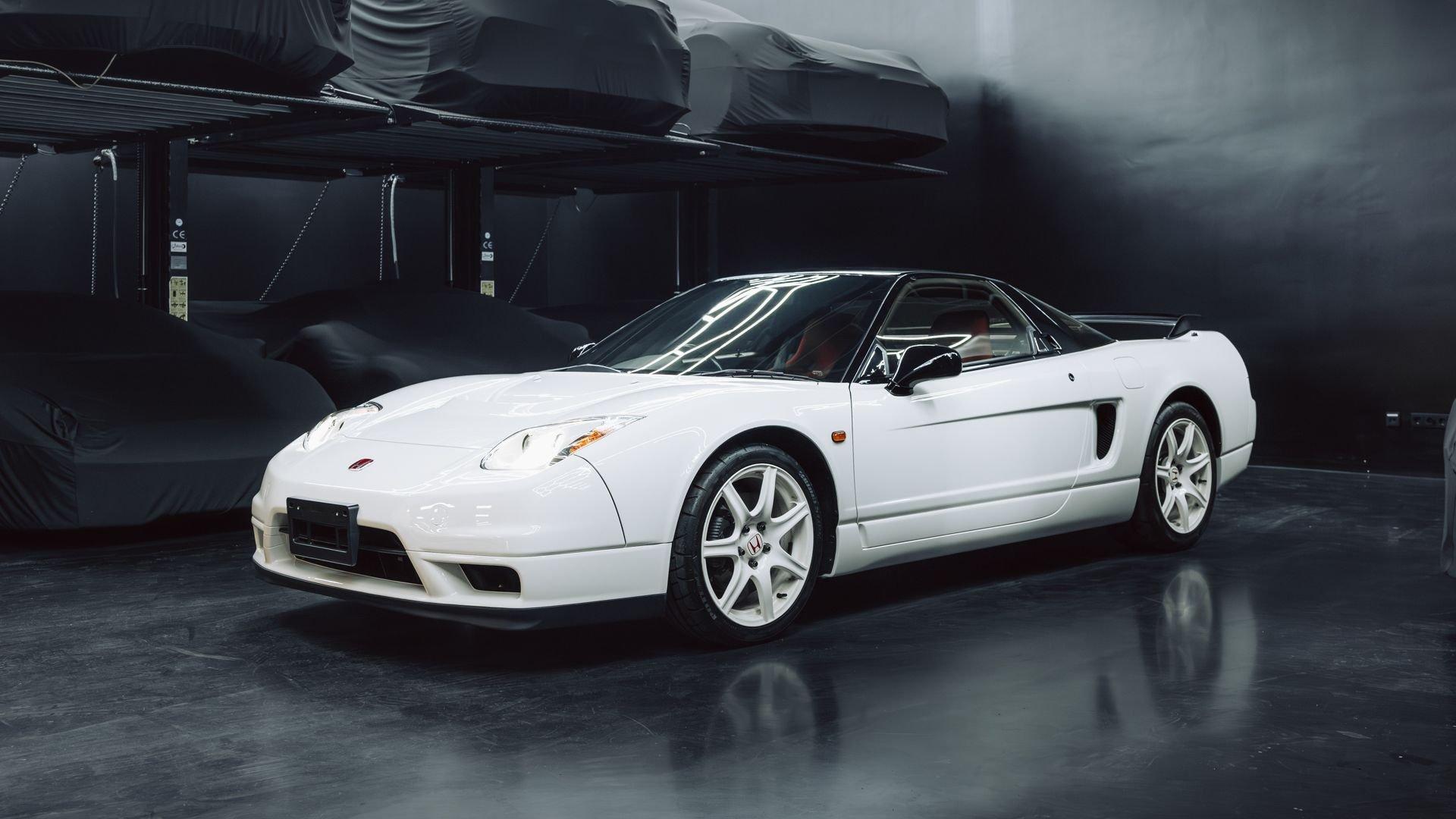
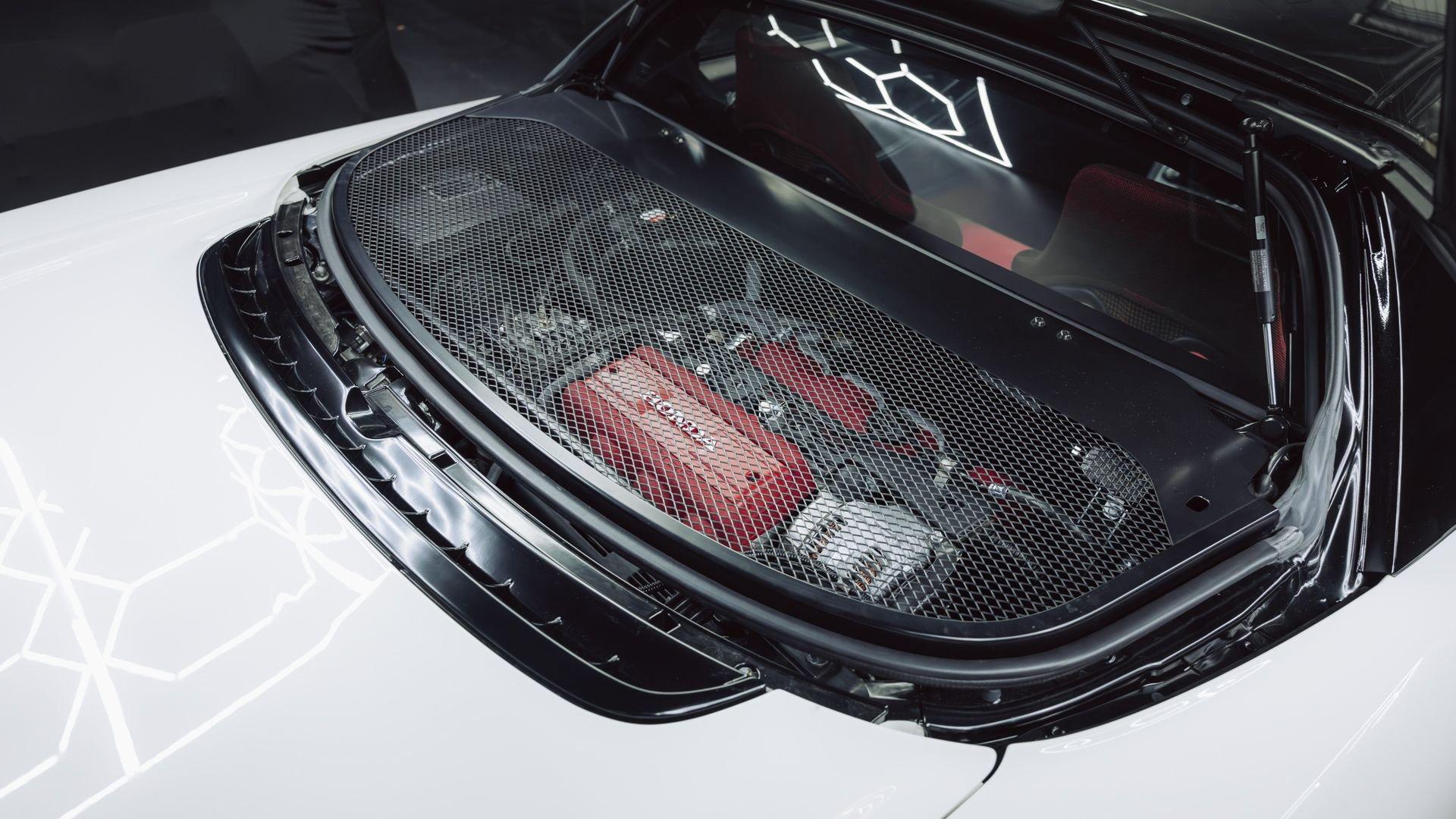
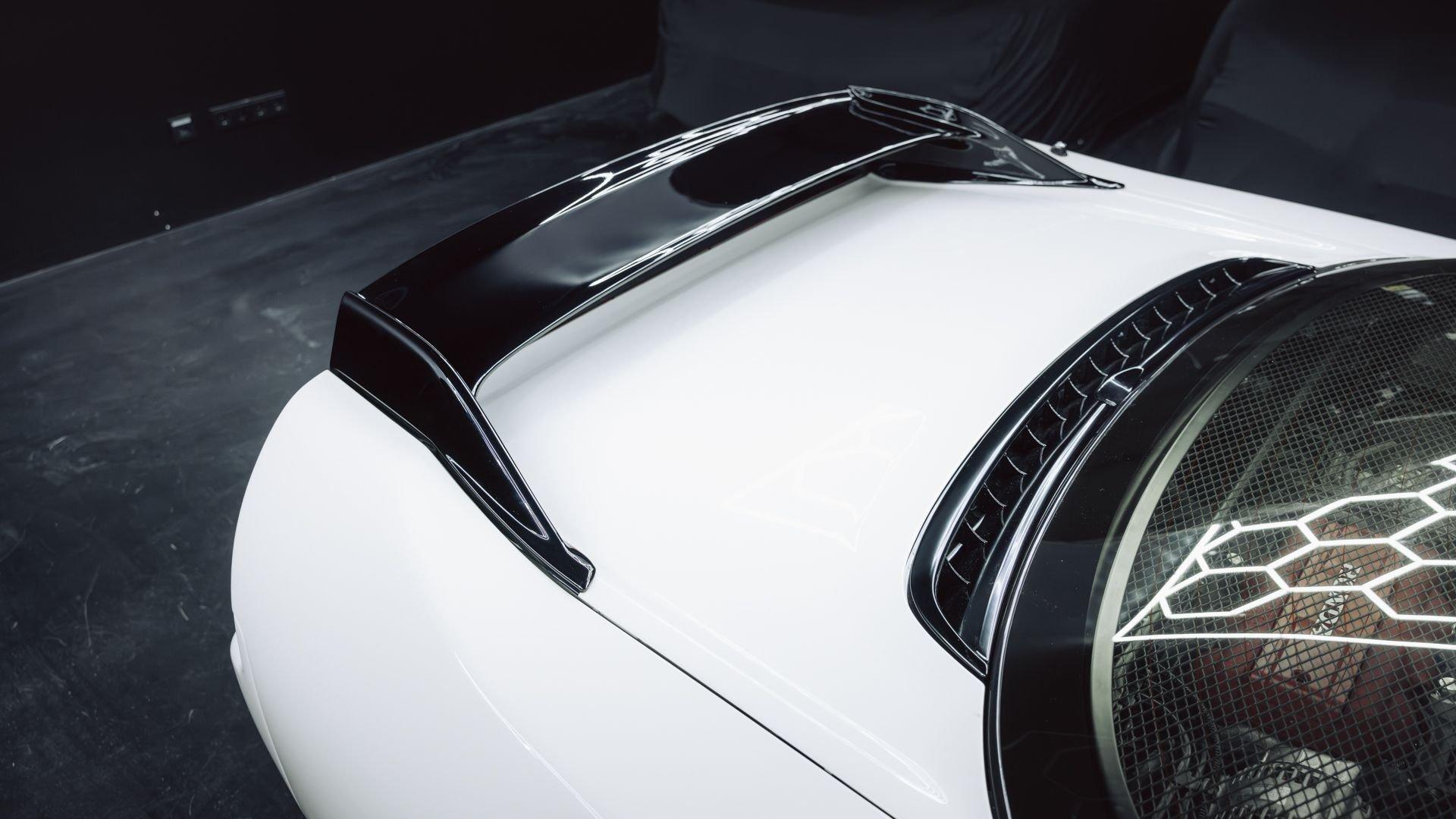
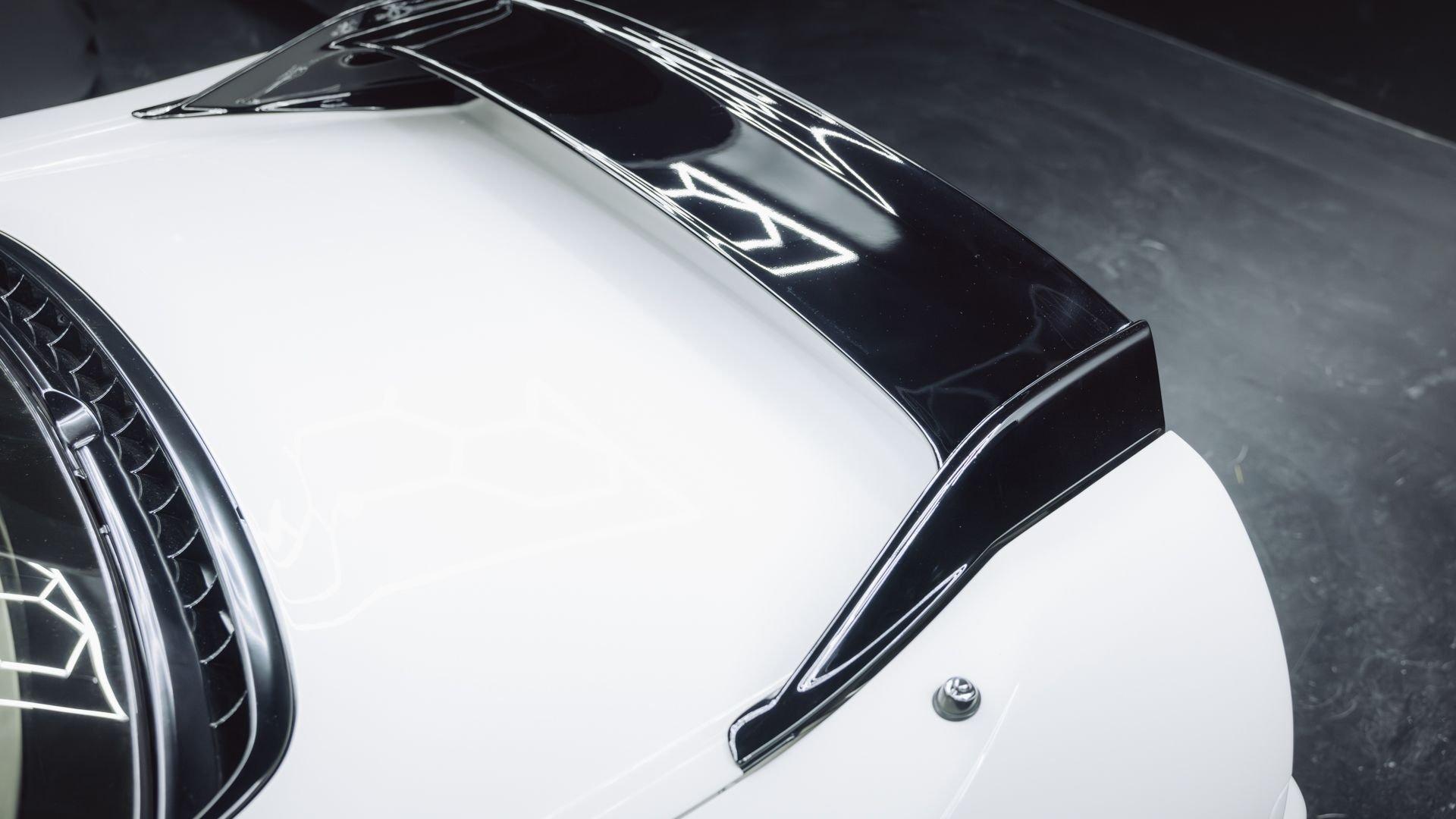
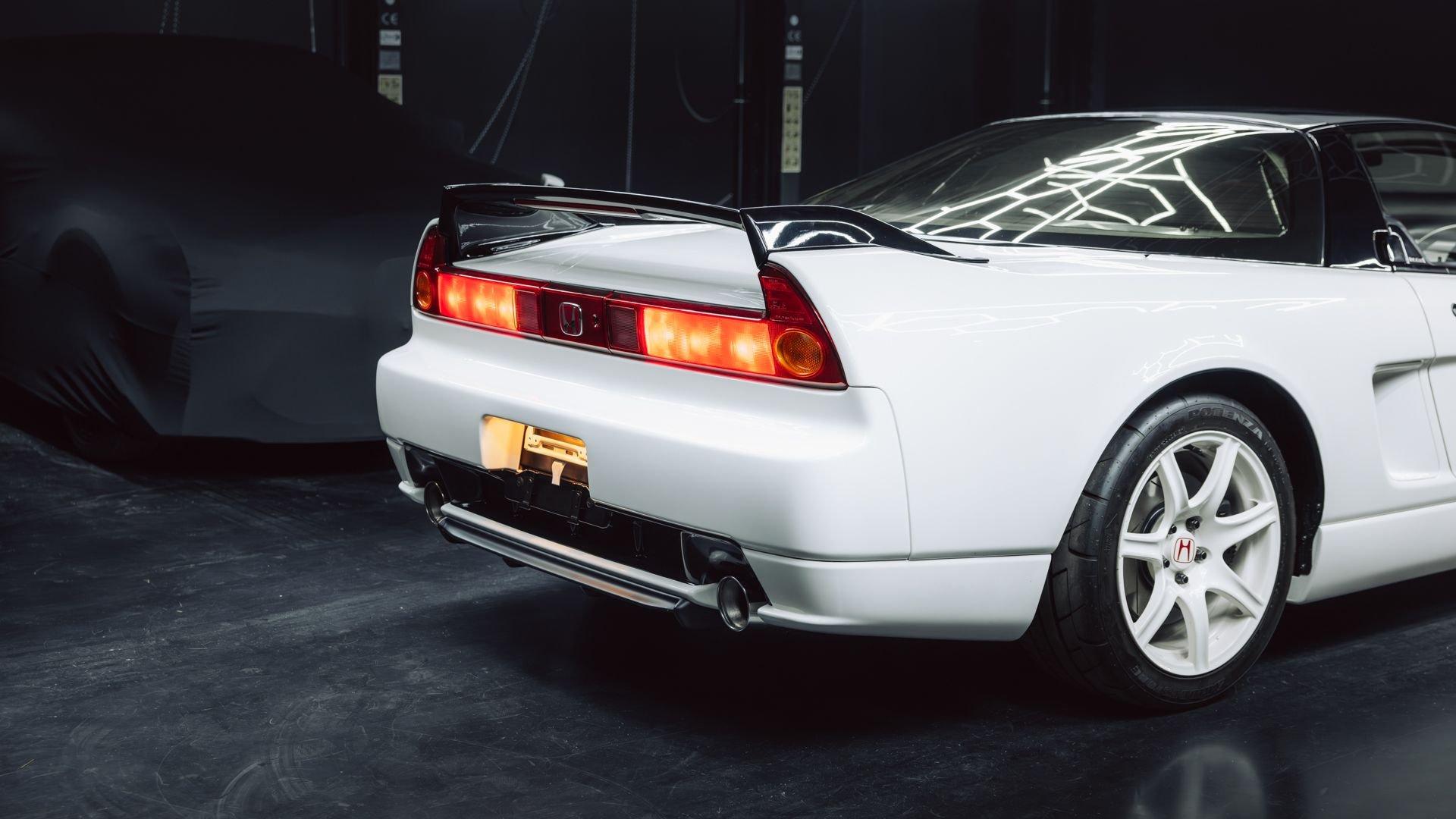
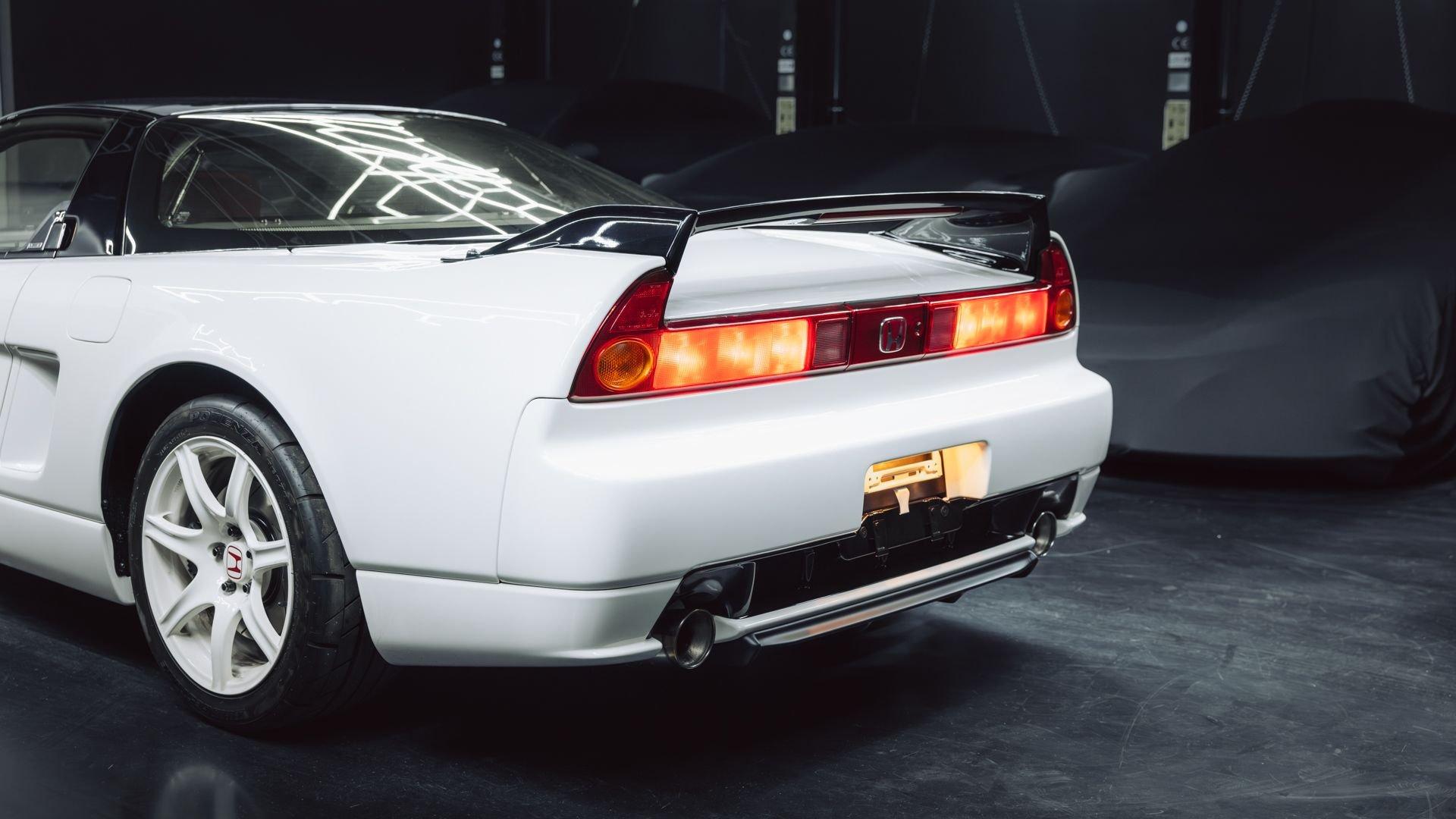
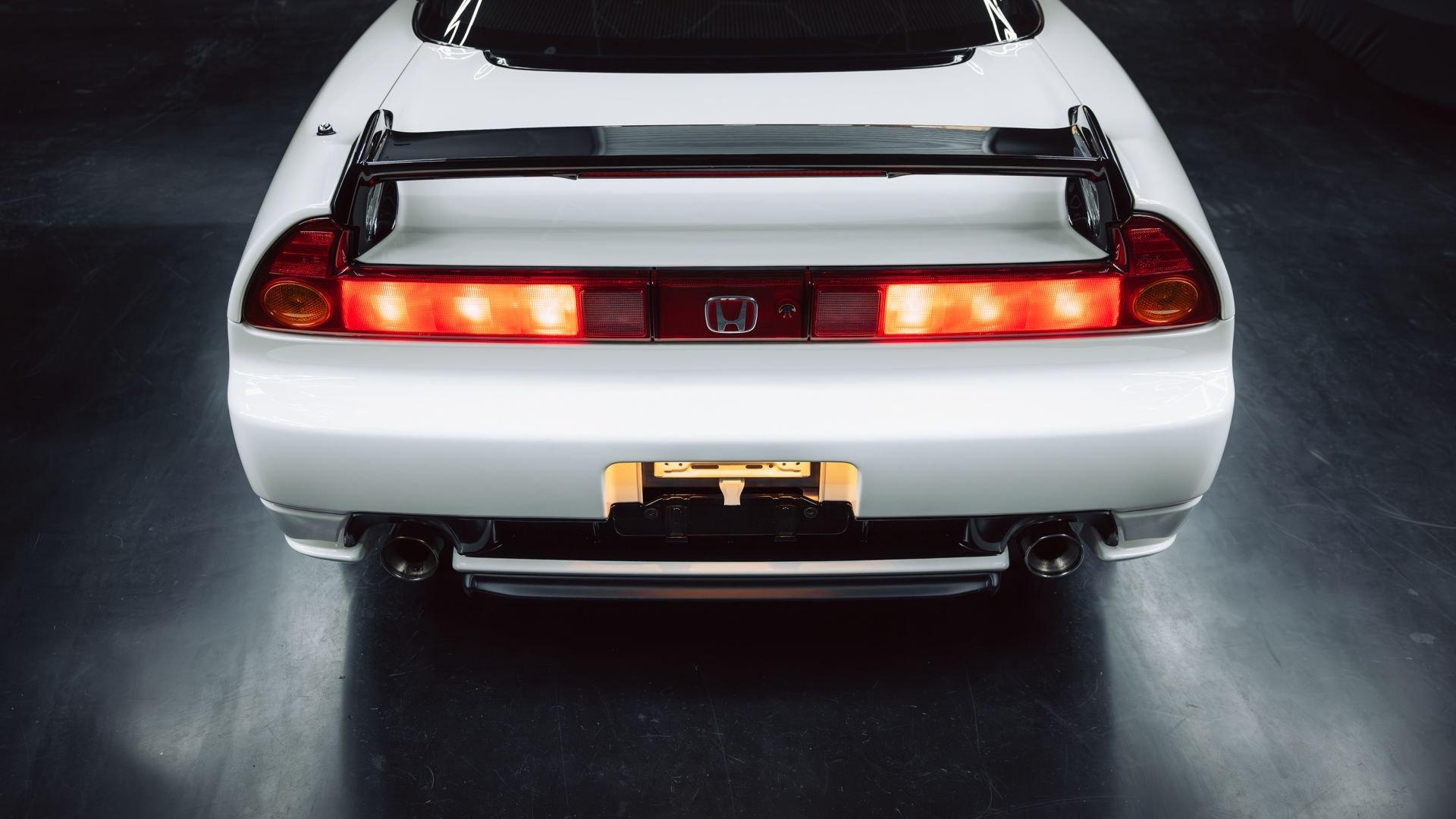
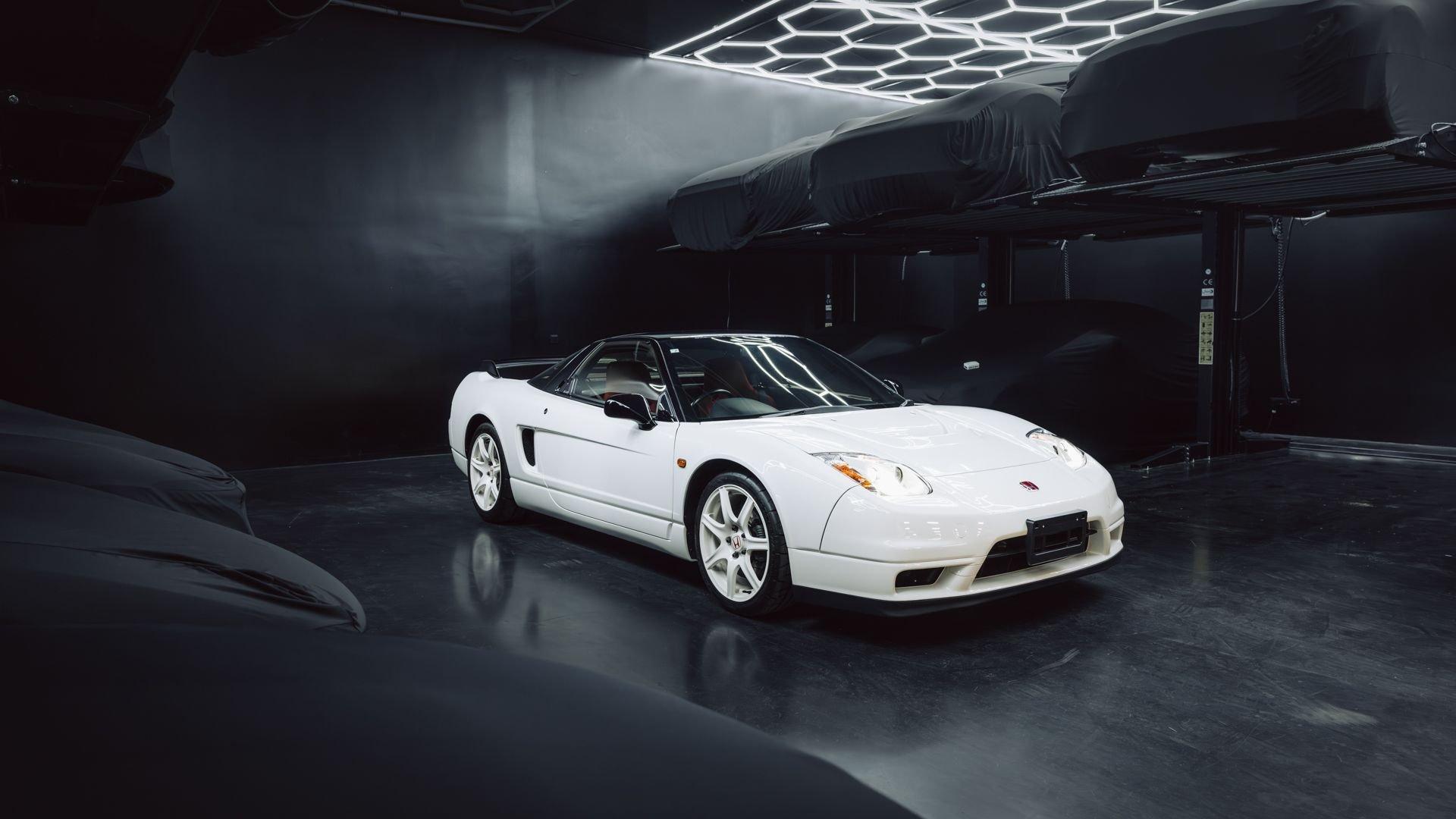
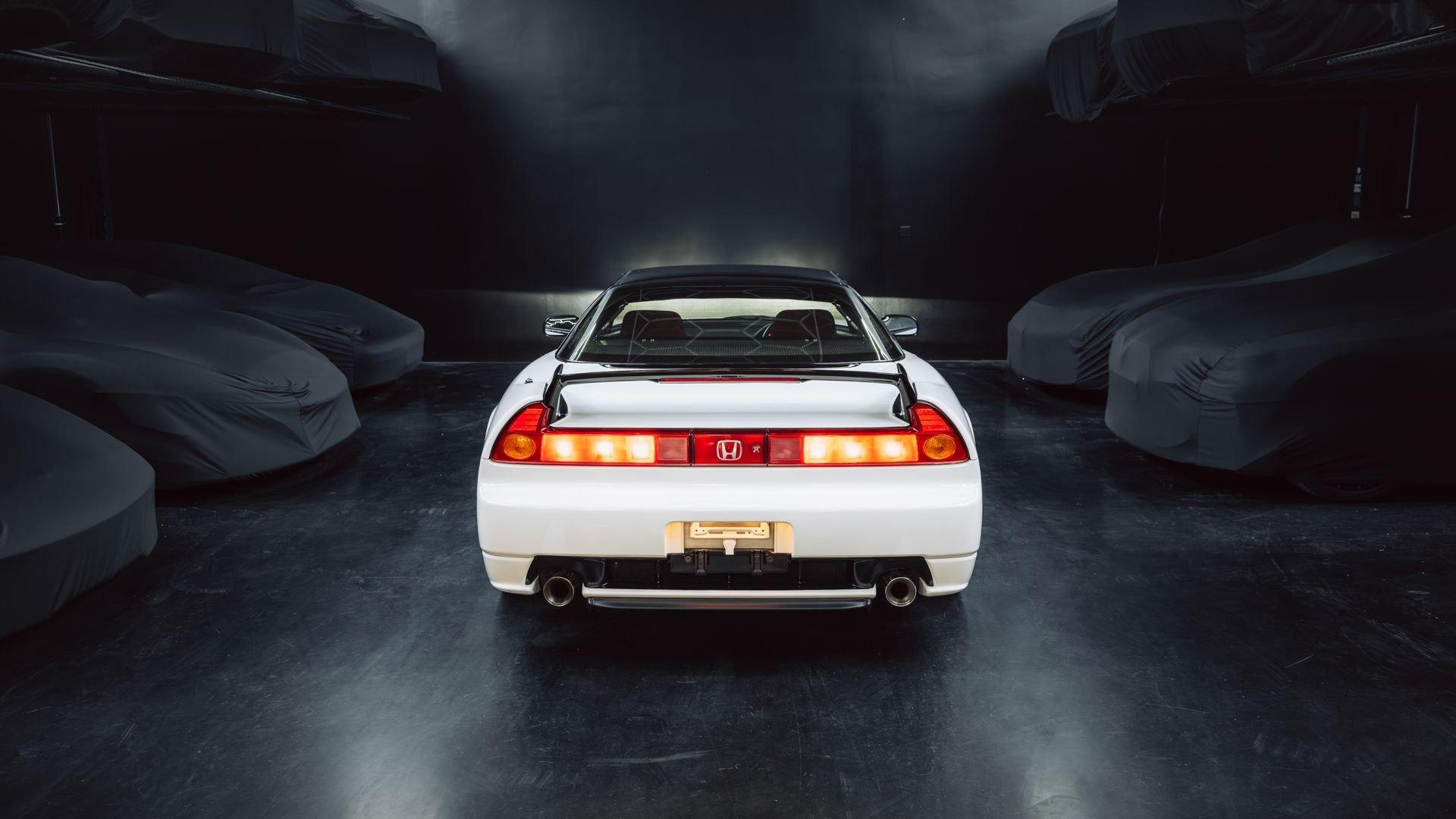
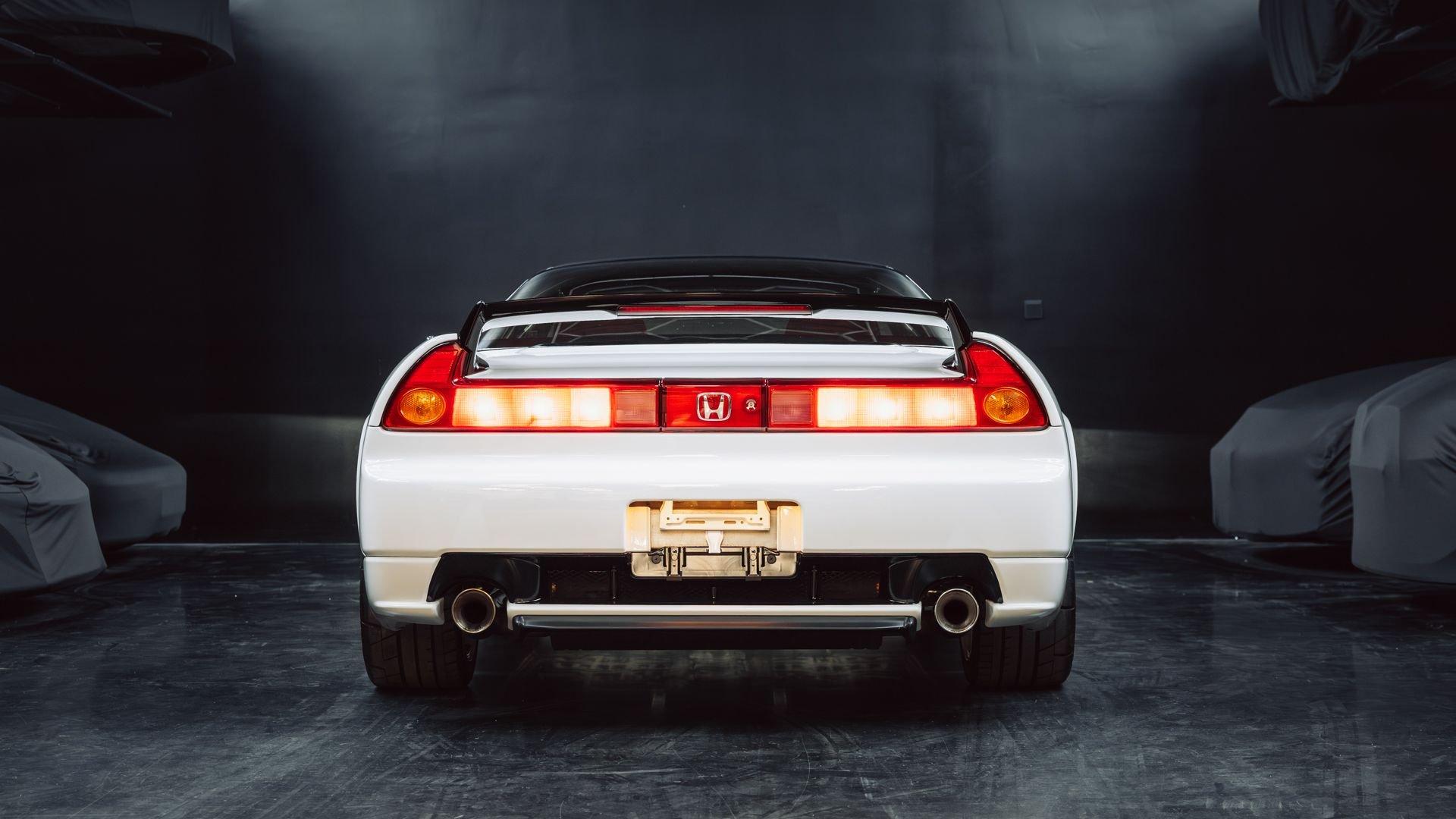
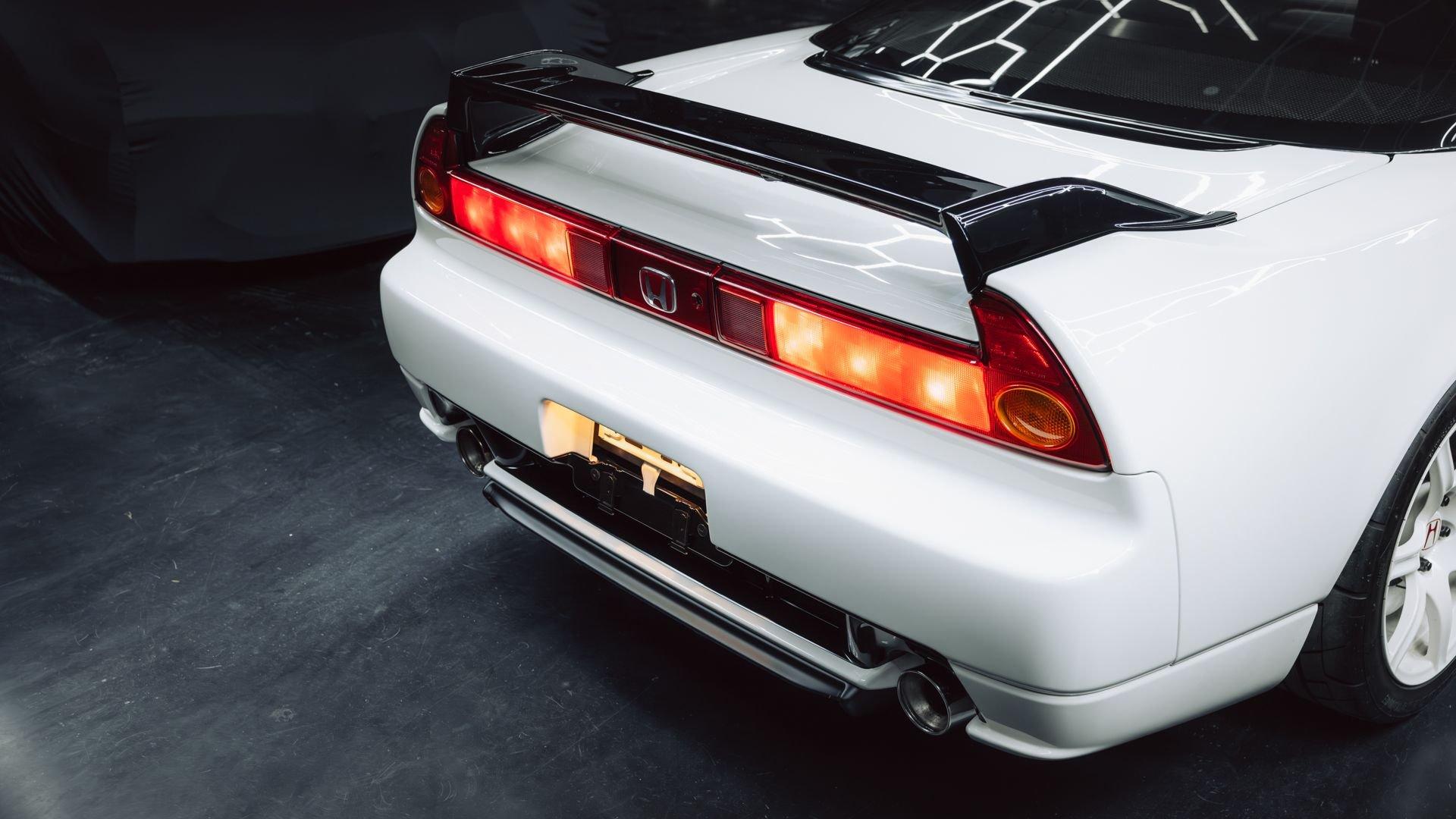
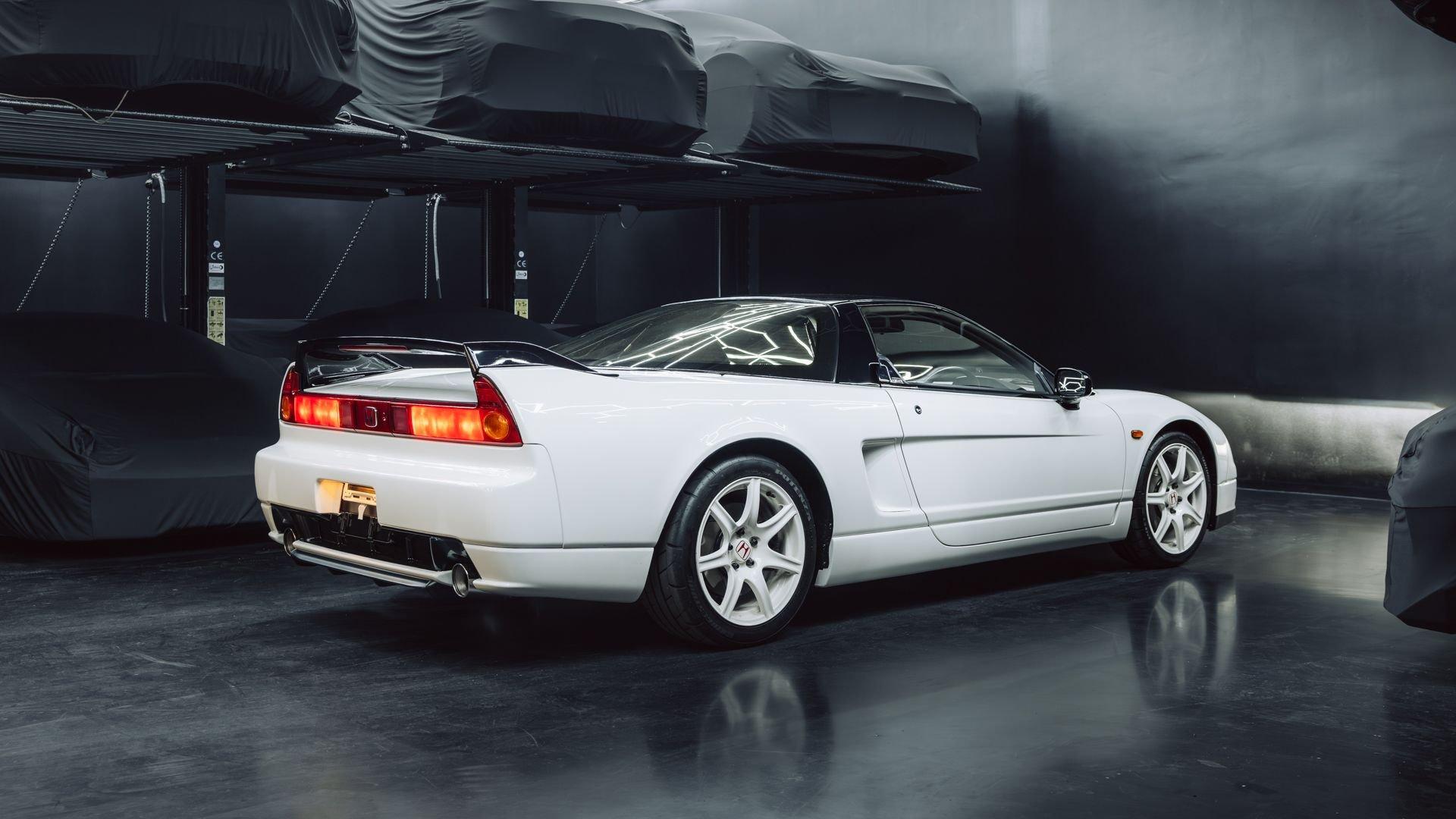
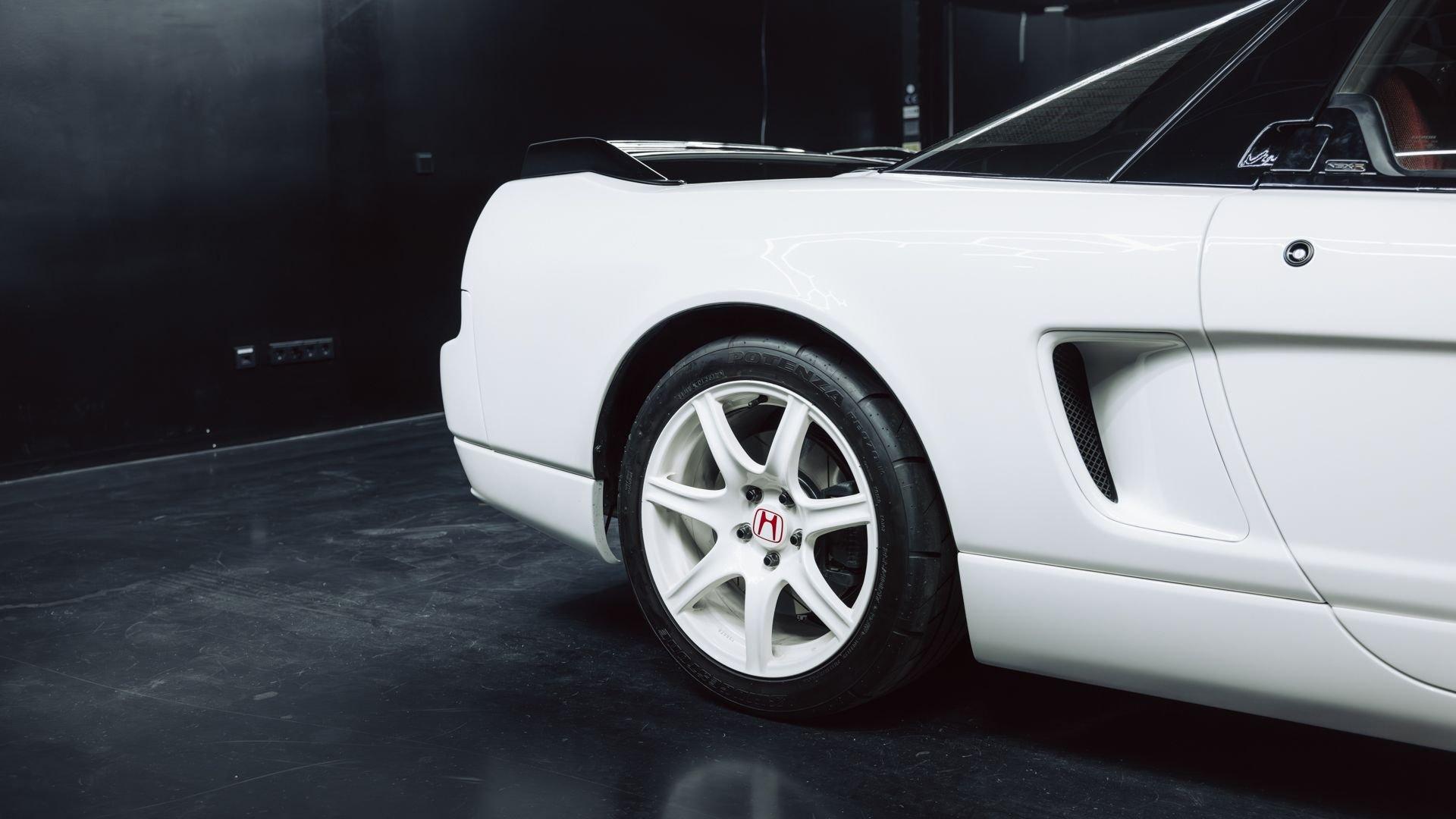
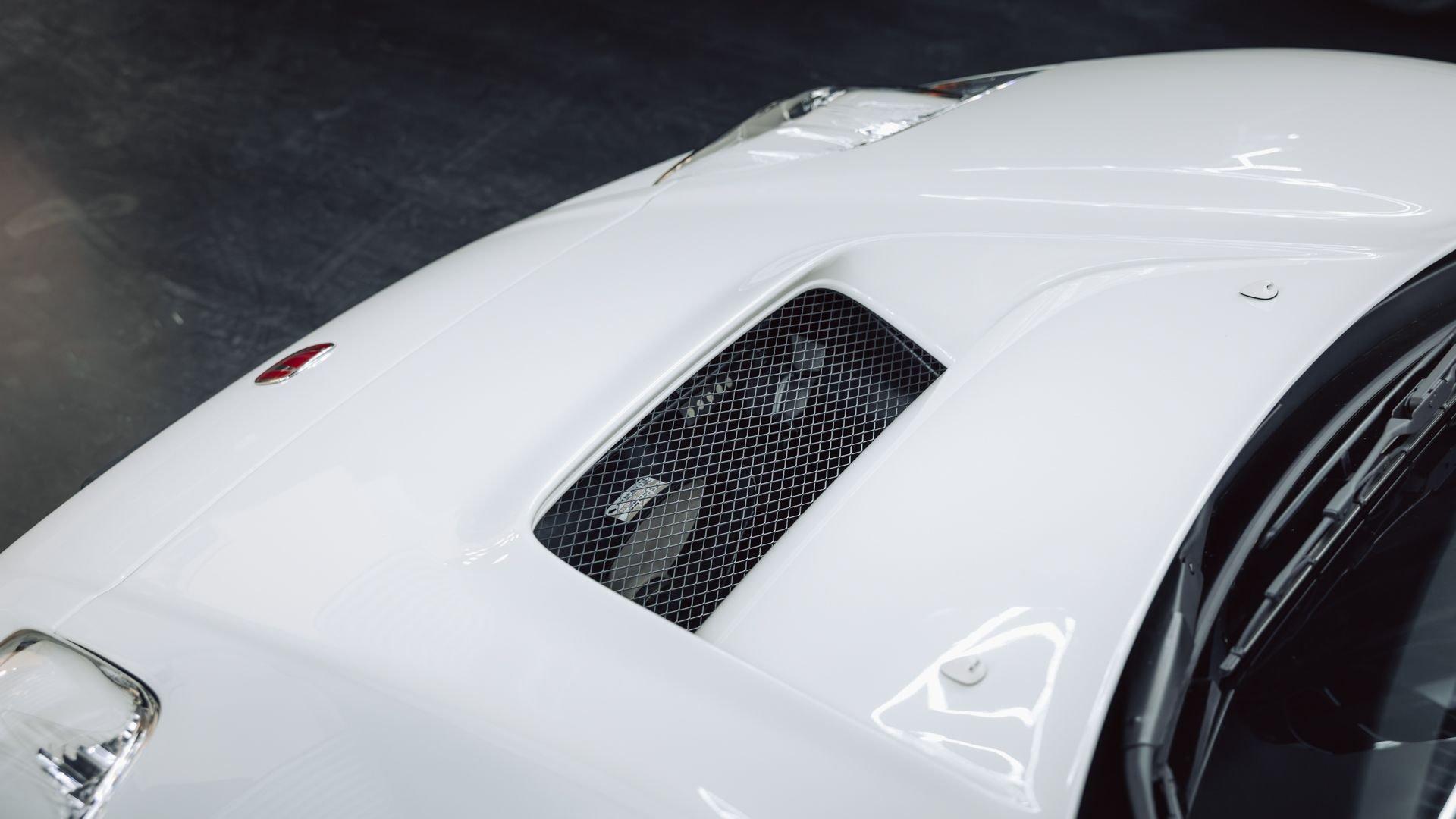
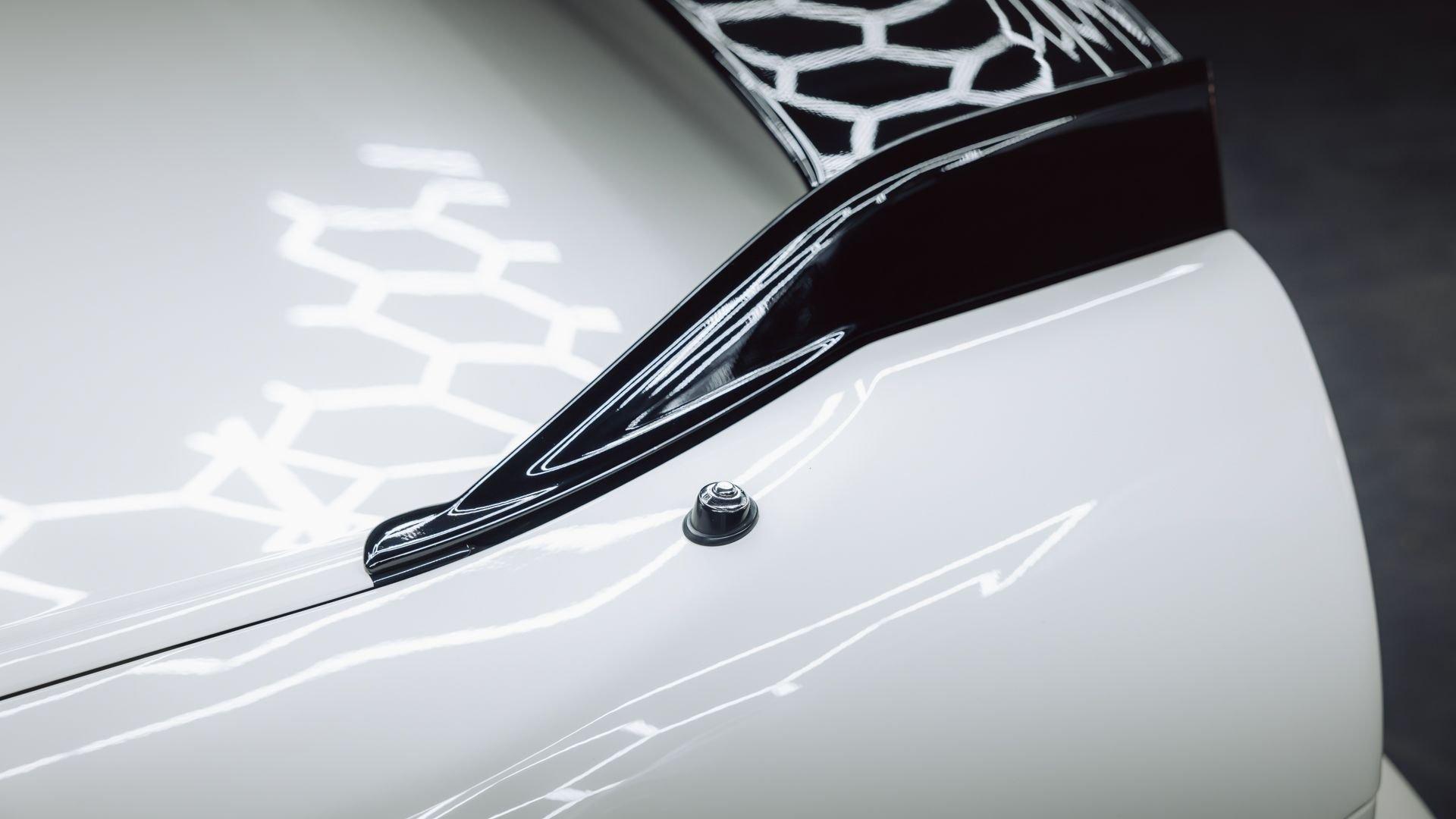
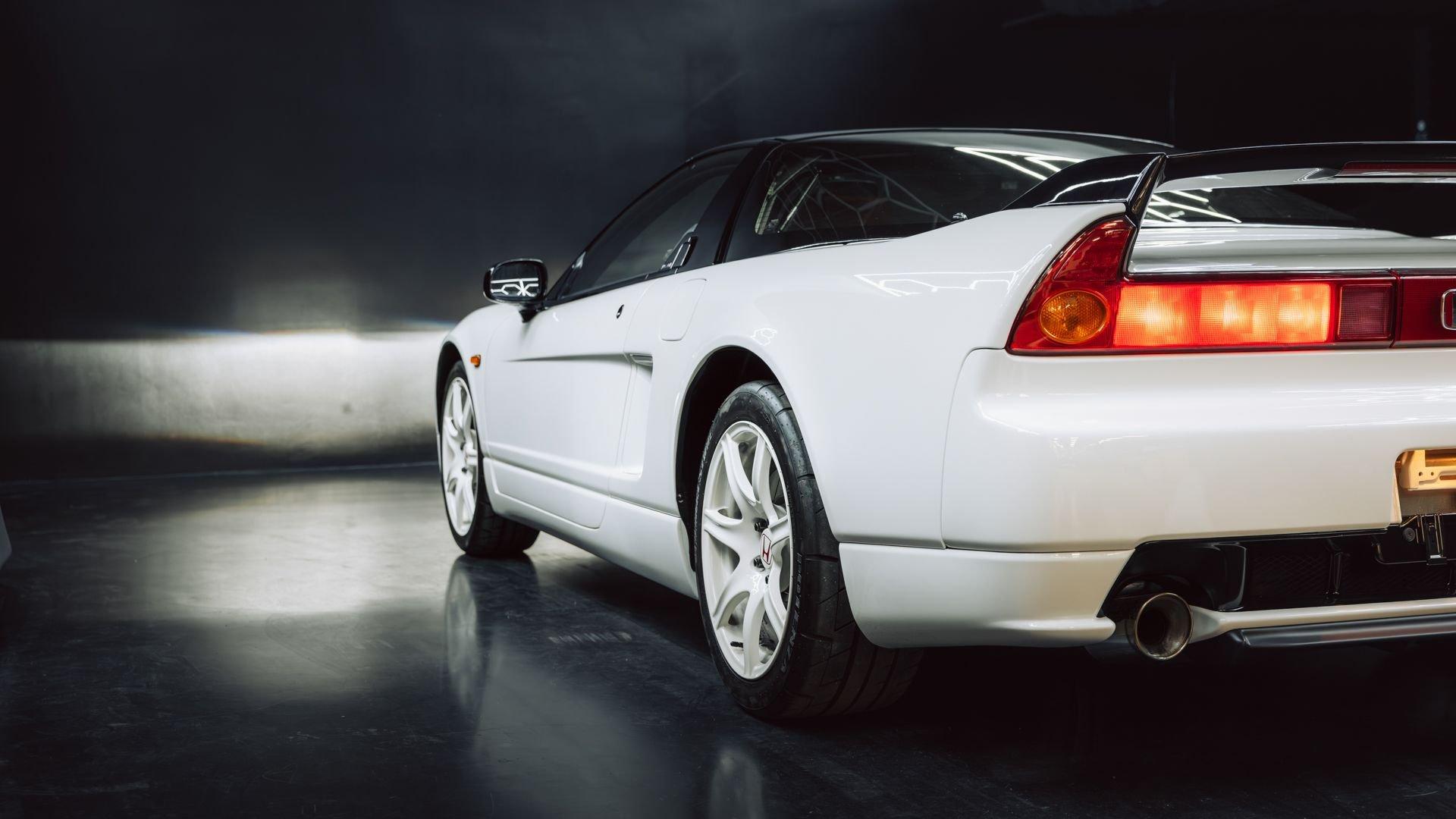
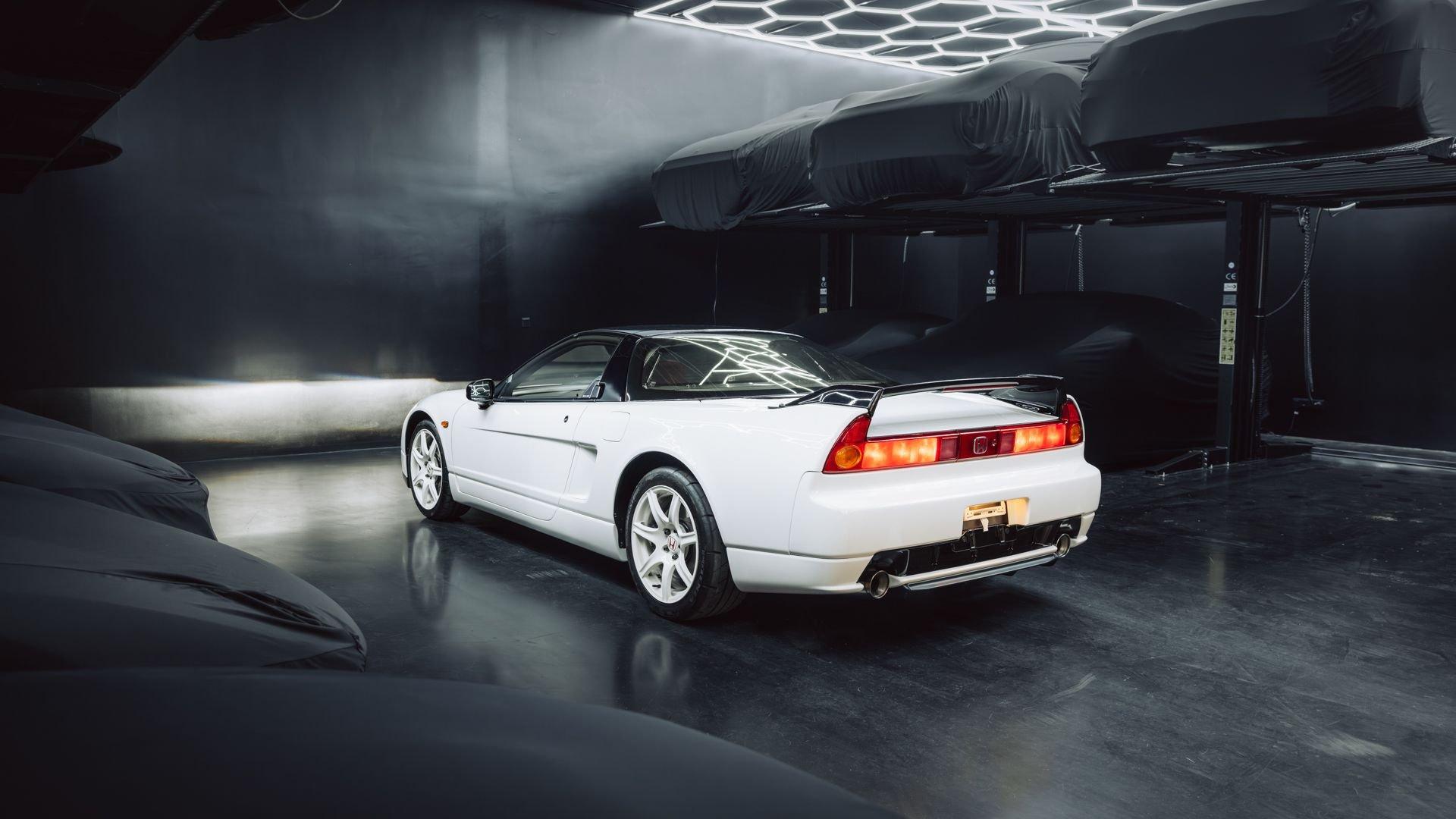
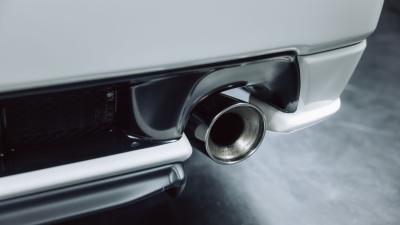
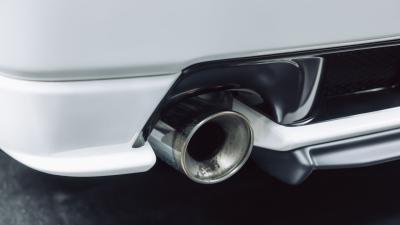
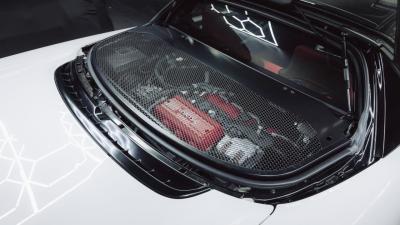
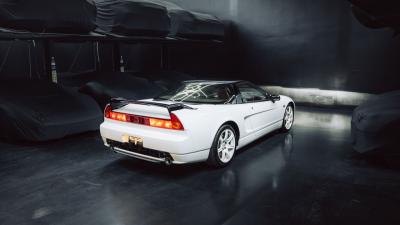
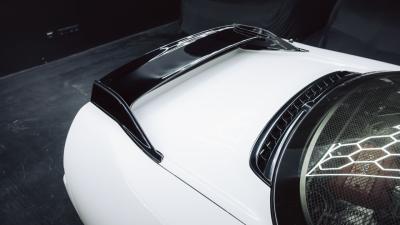
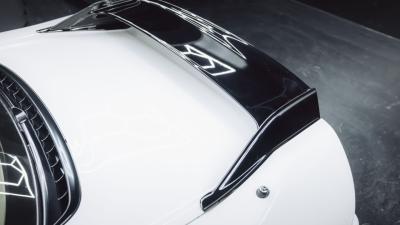
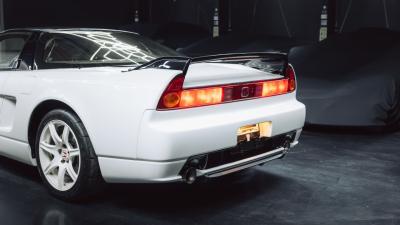
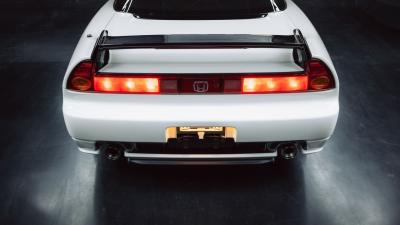
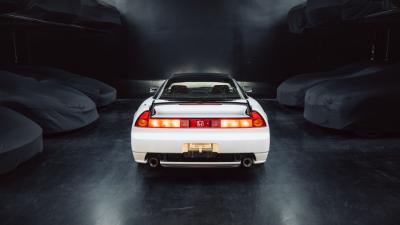
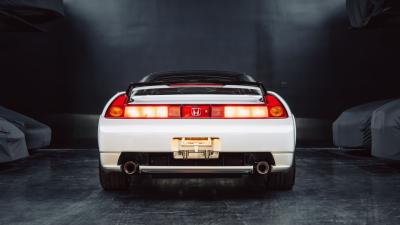
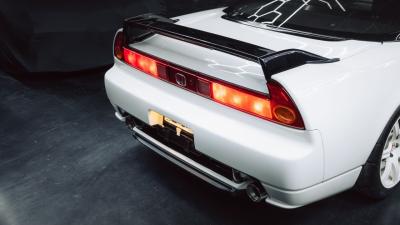
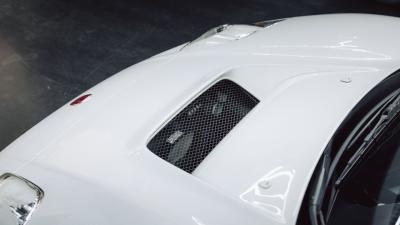
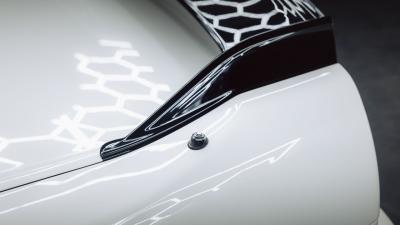
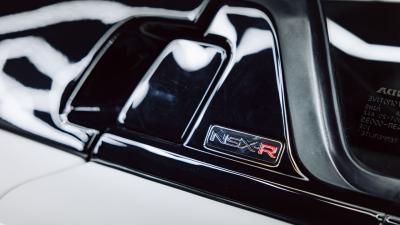
Representing the ultimate expression of Honda's Type R philosophy, the NA2 built upon the already exceptional NA1 NSX-R, with every aspect being refined over a decade of development. The new model featured extensive use of carbon fiber components, including a uniquely designed hood with outlet duct, rear diffuser, and the world's first one-piece hollow-form carbon fiber rear spoiler in a production vehicle. These aerodynamic enhancements created significant downforce-a rarity in street-legal cars-delivering exceptional high-speed stability.
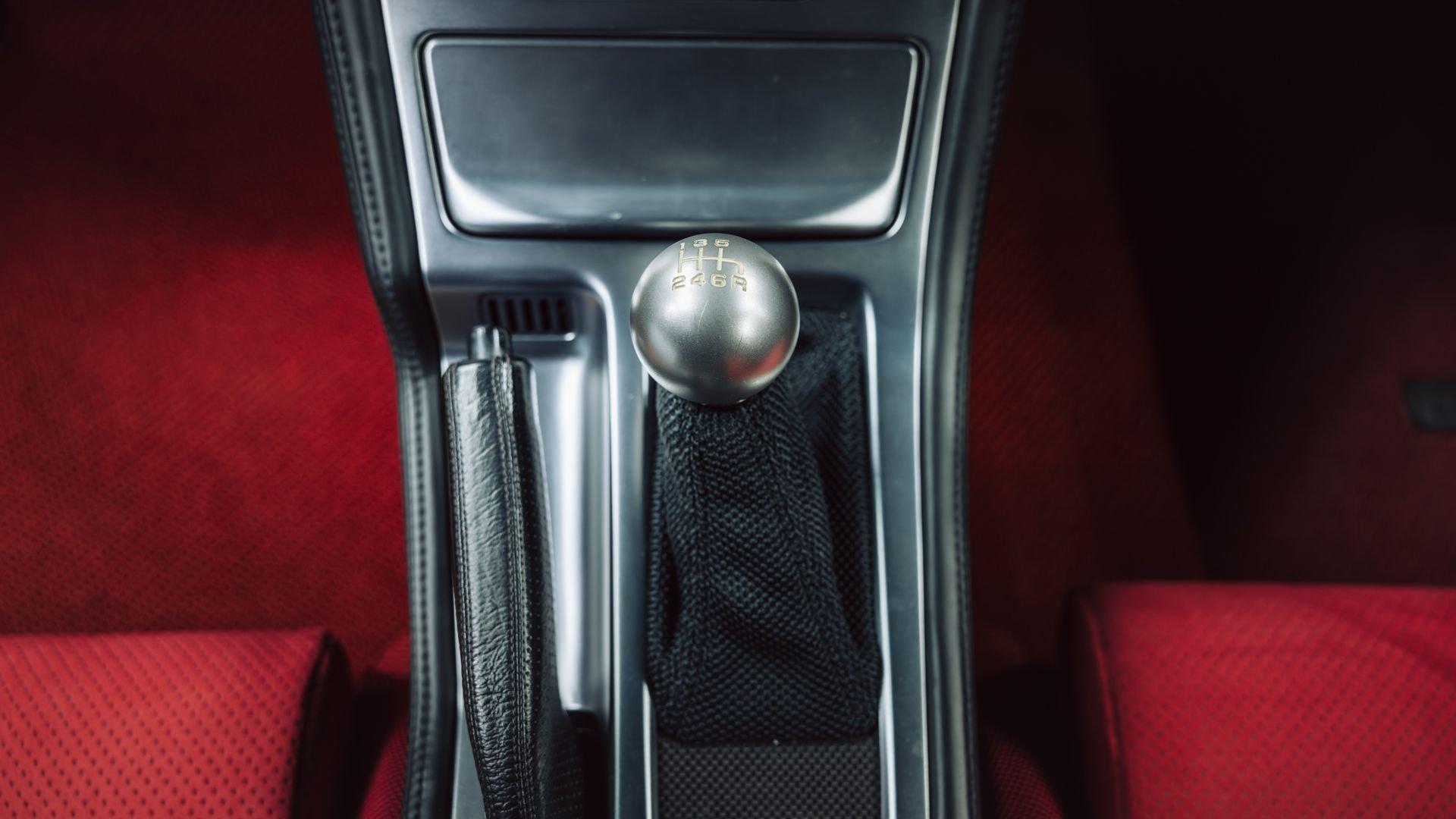
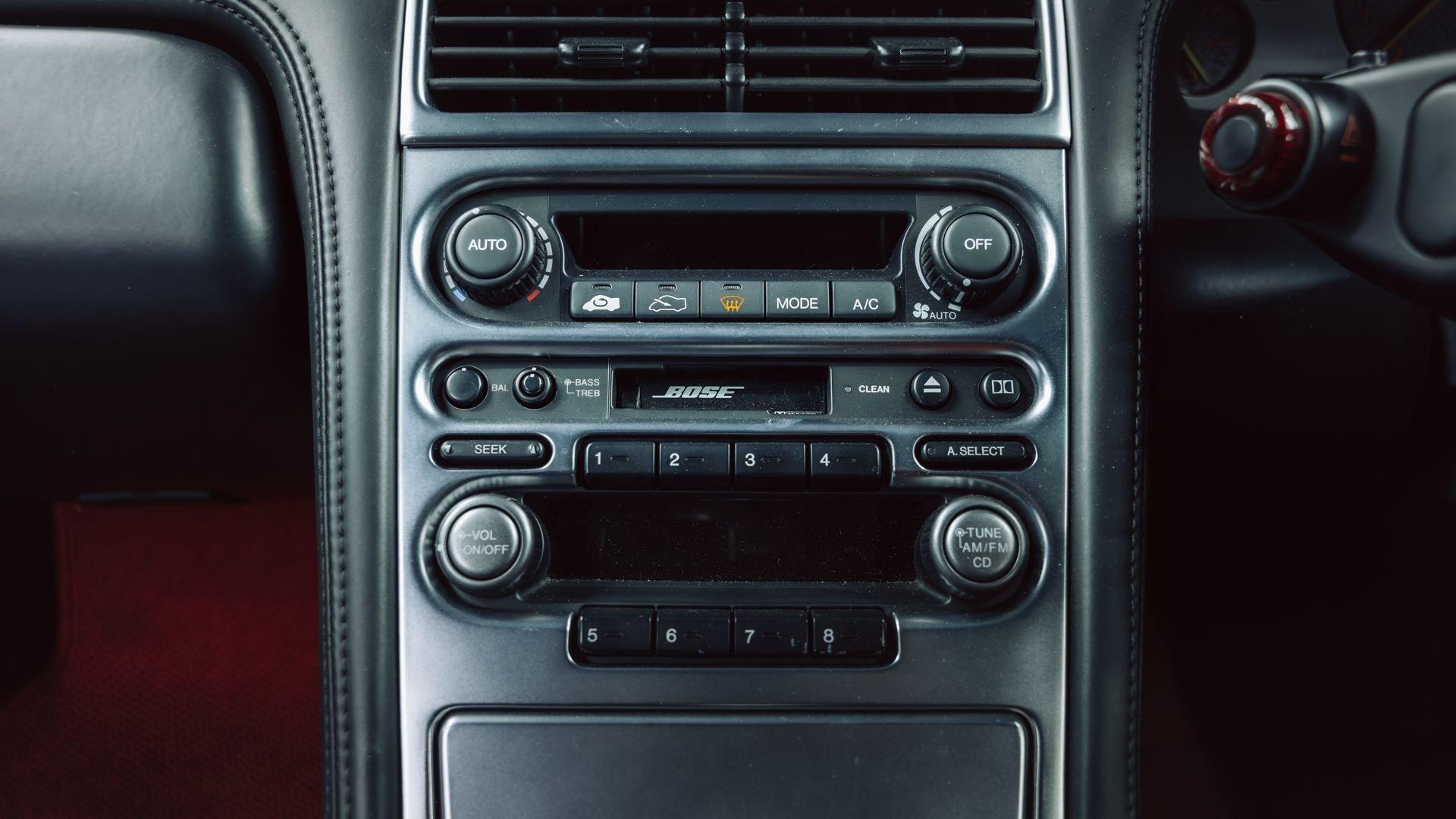
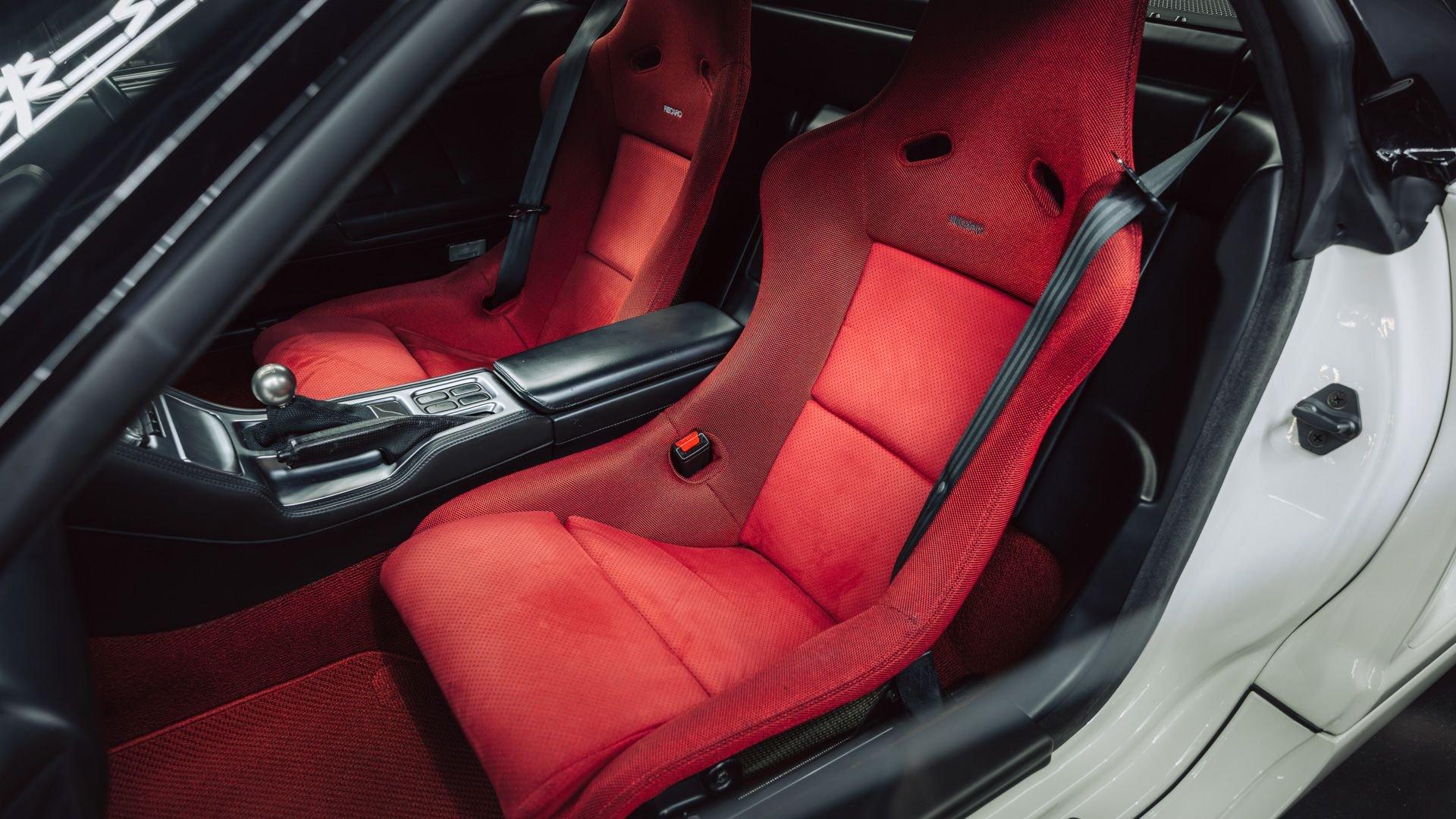
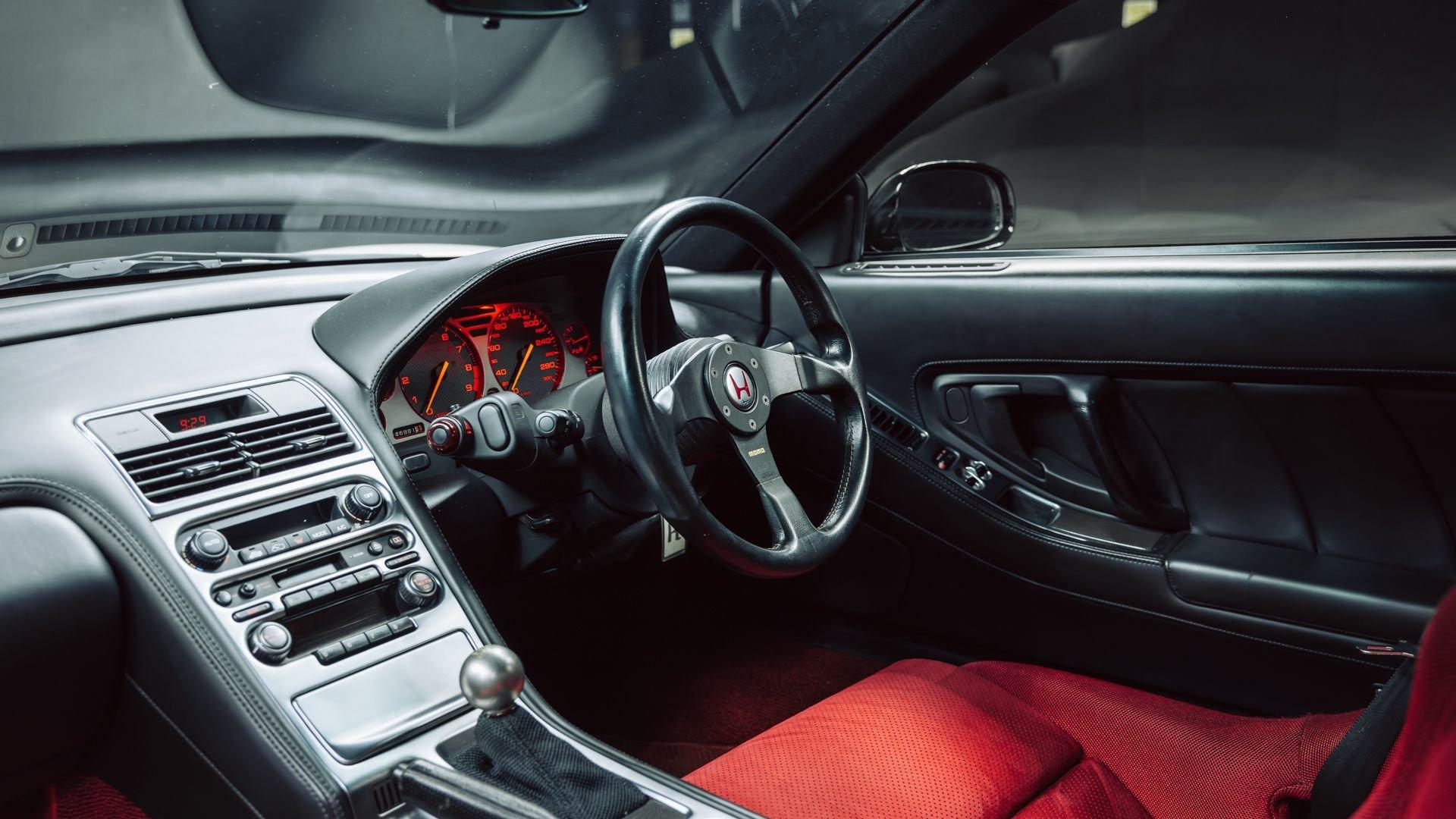
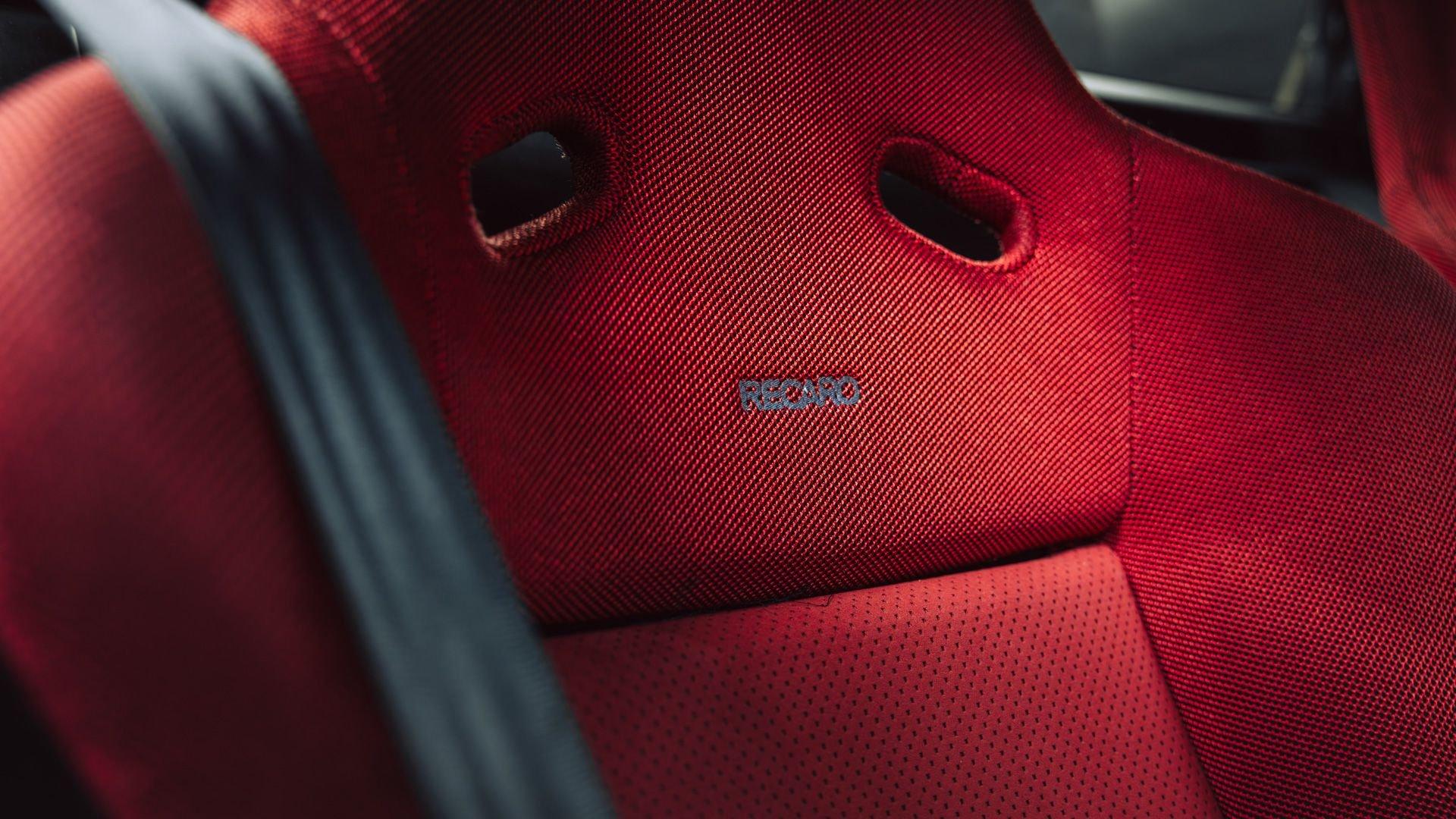
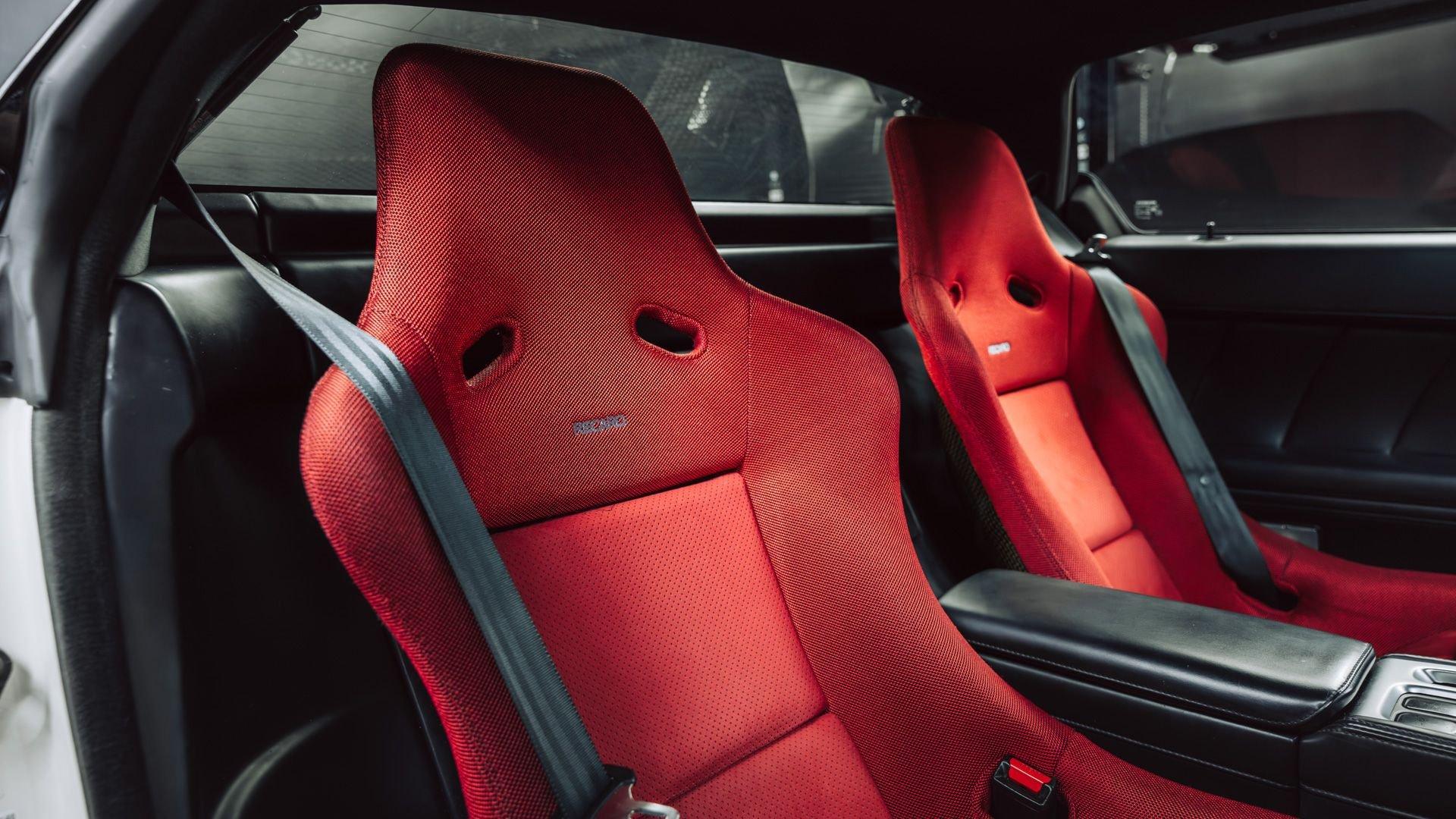
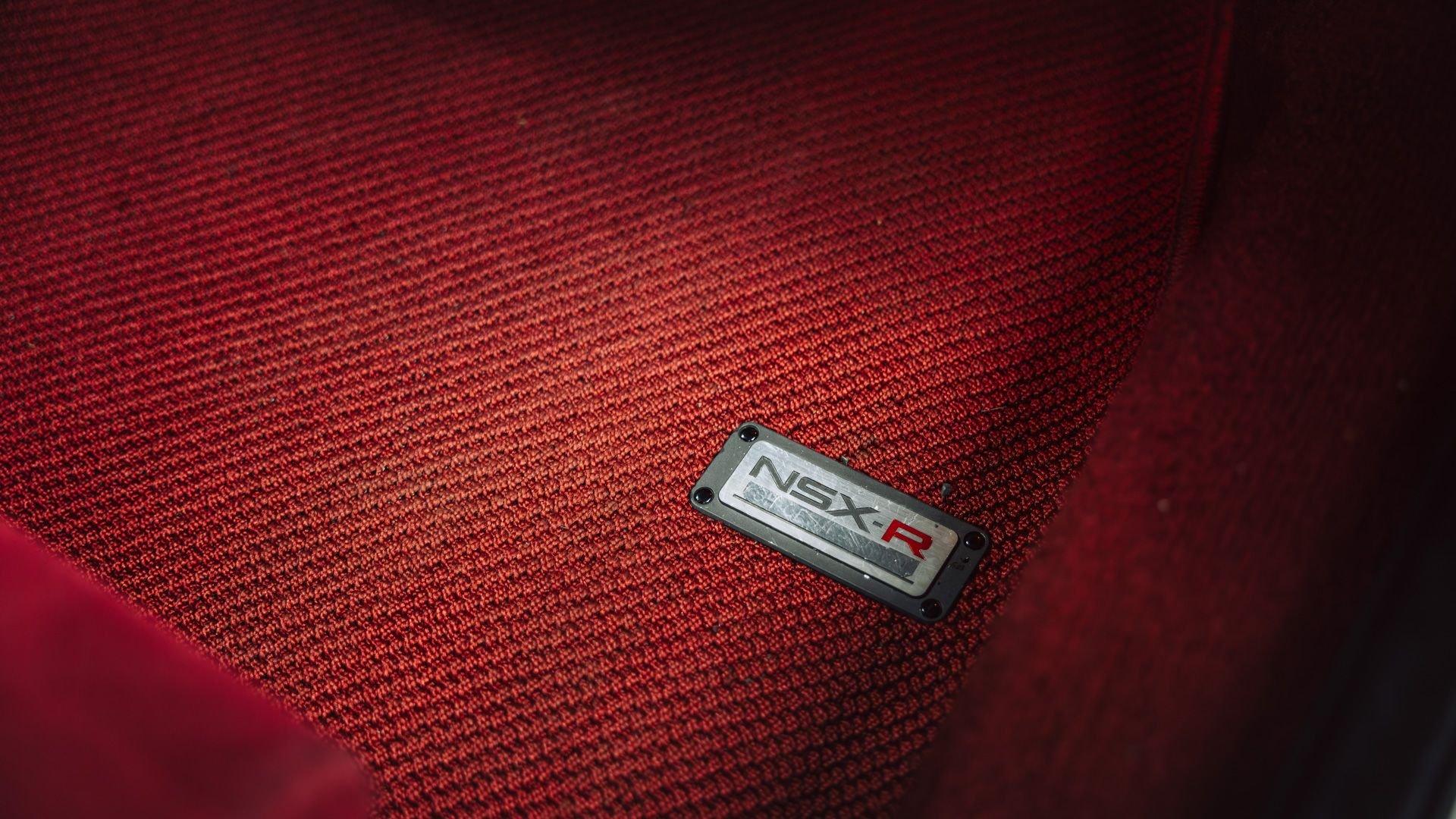
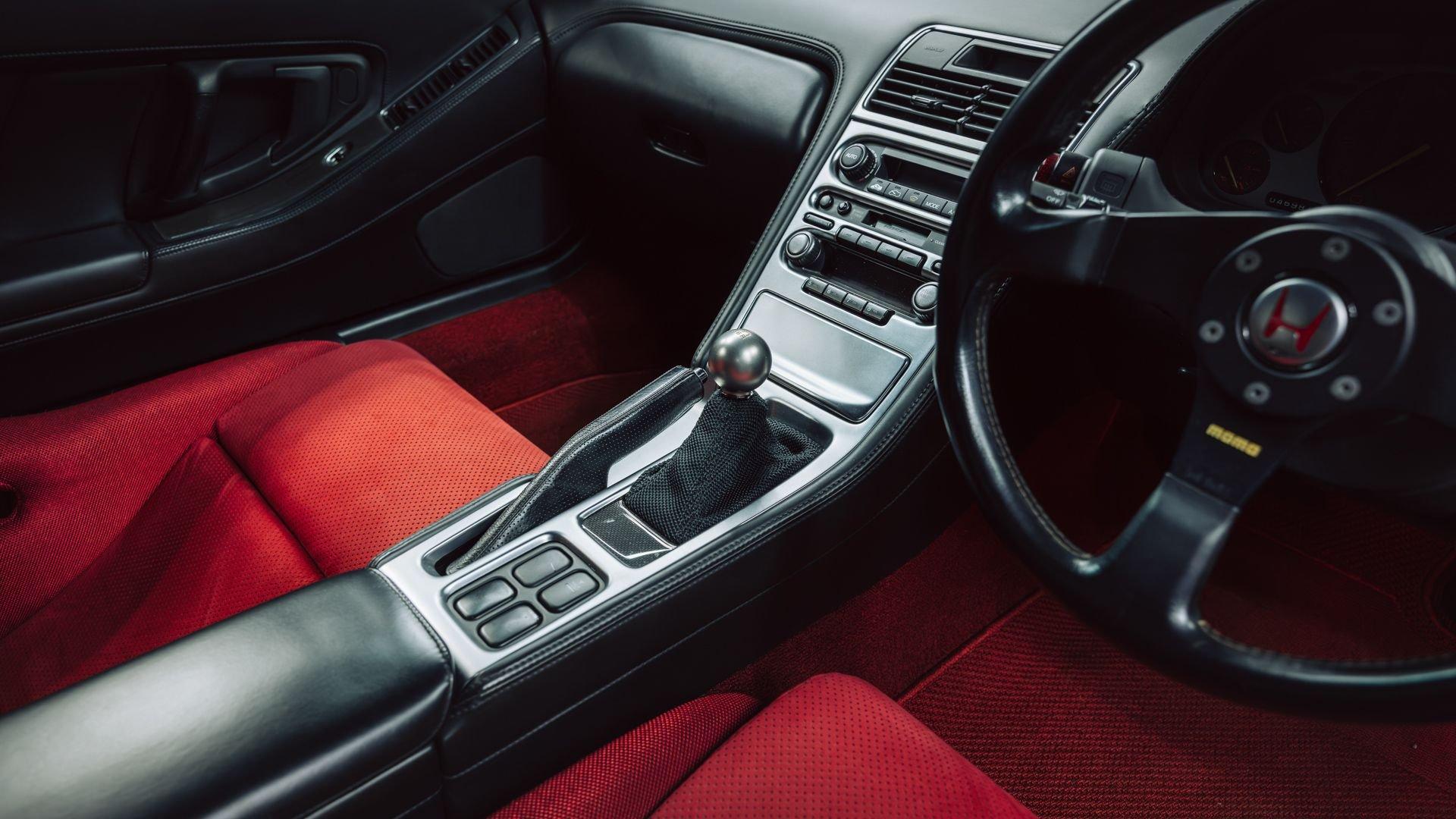
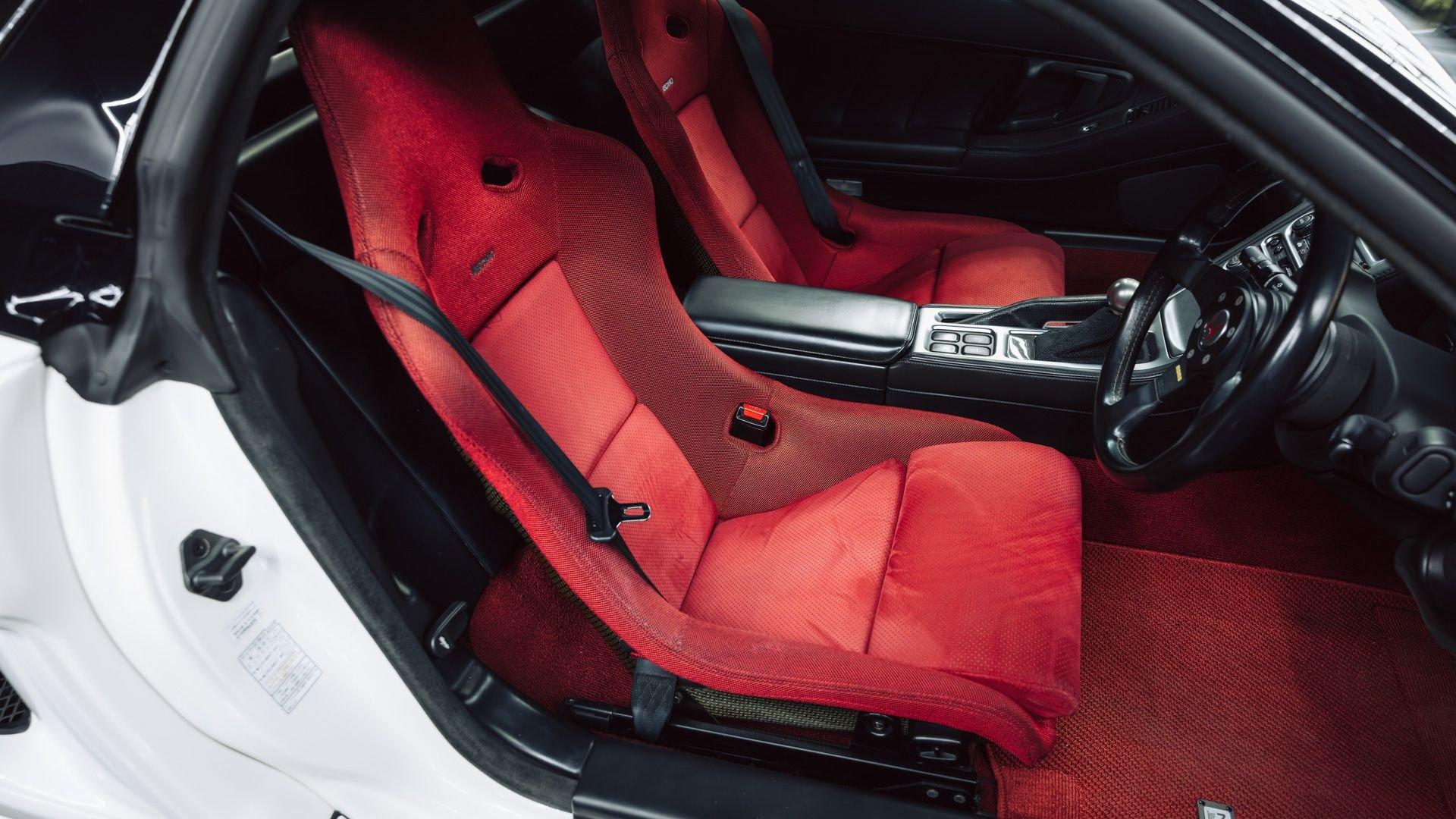
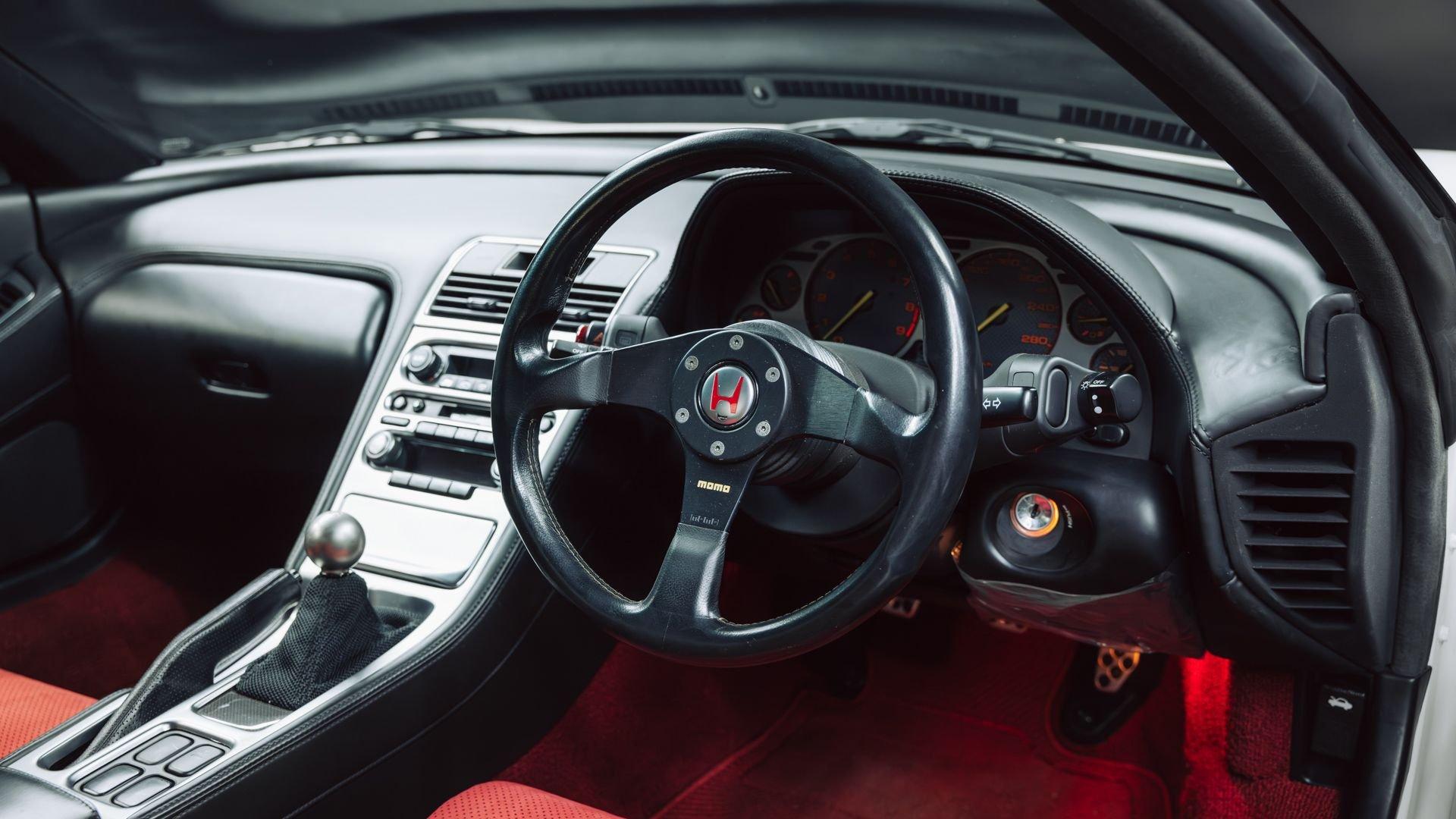
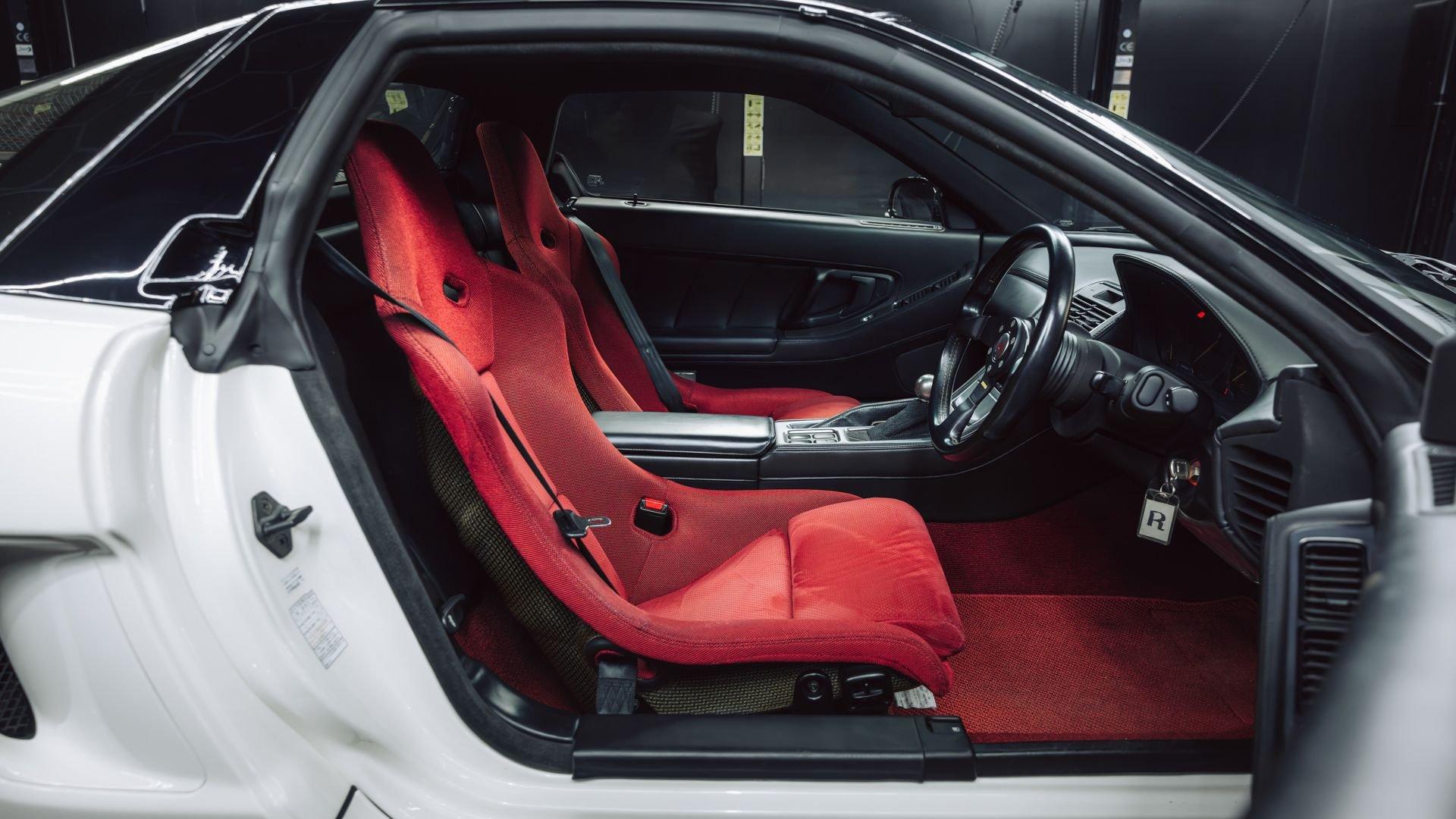
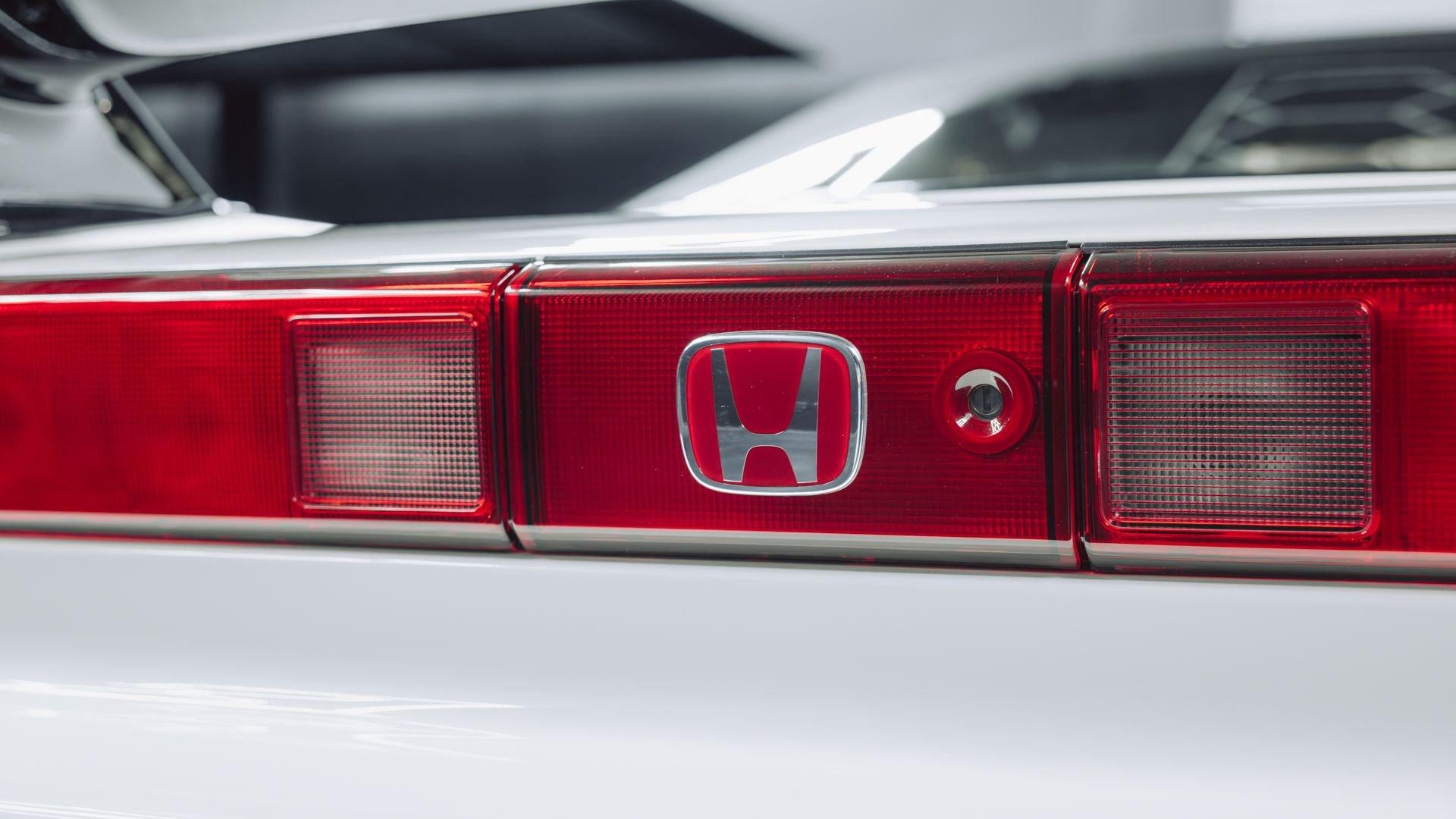
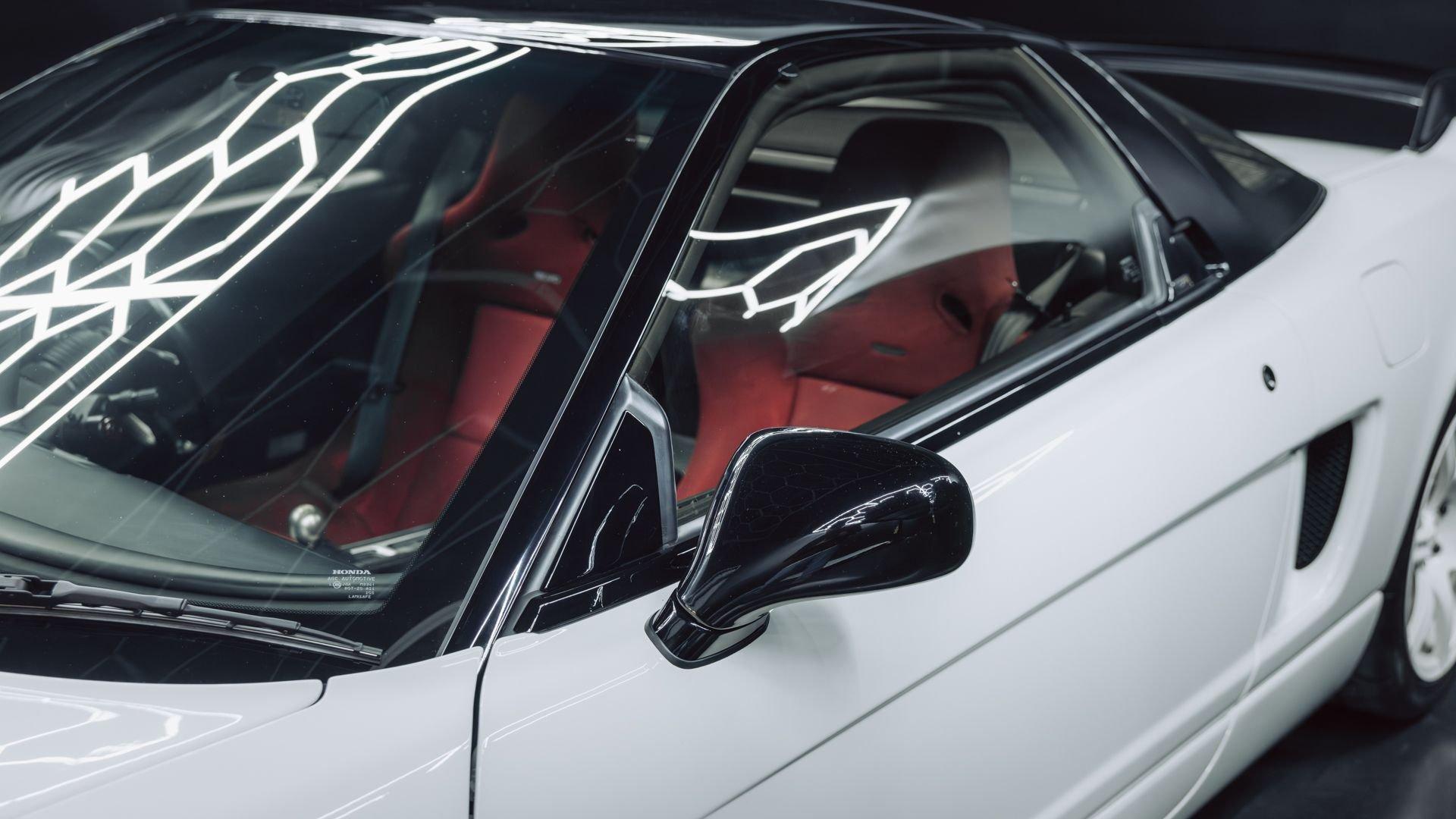
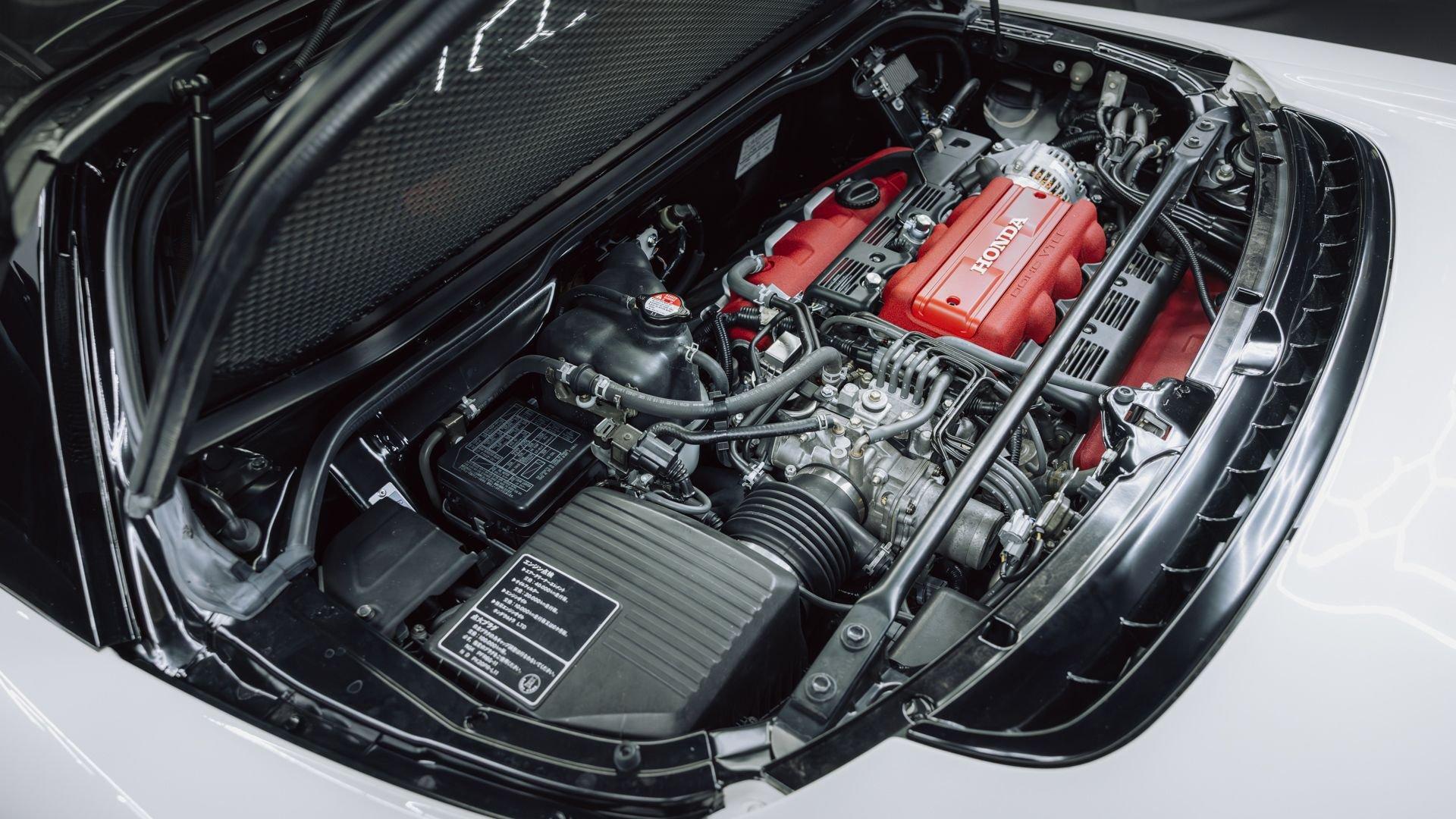
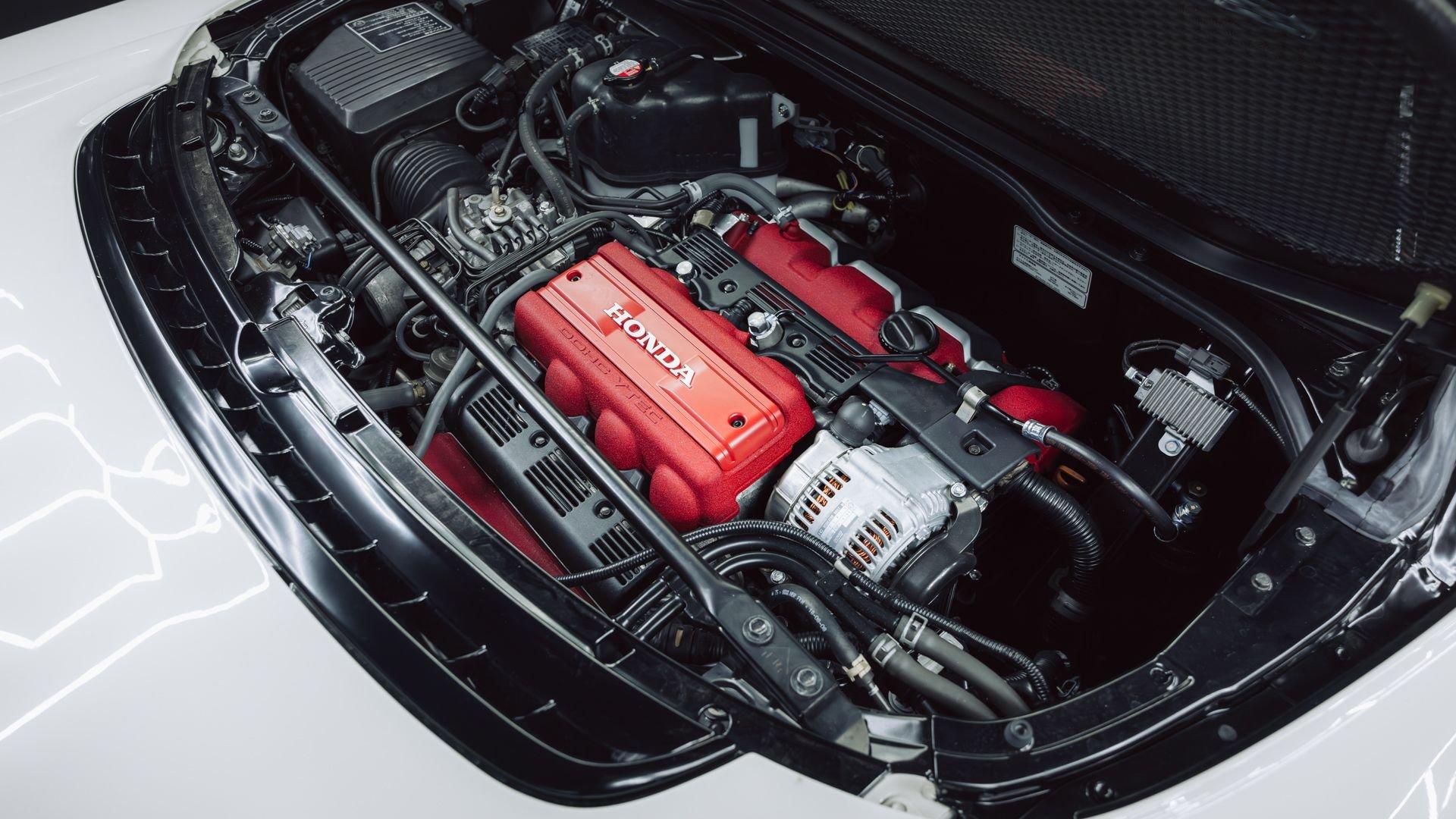
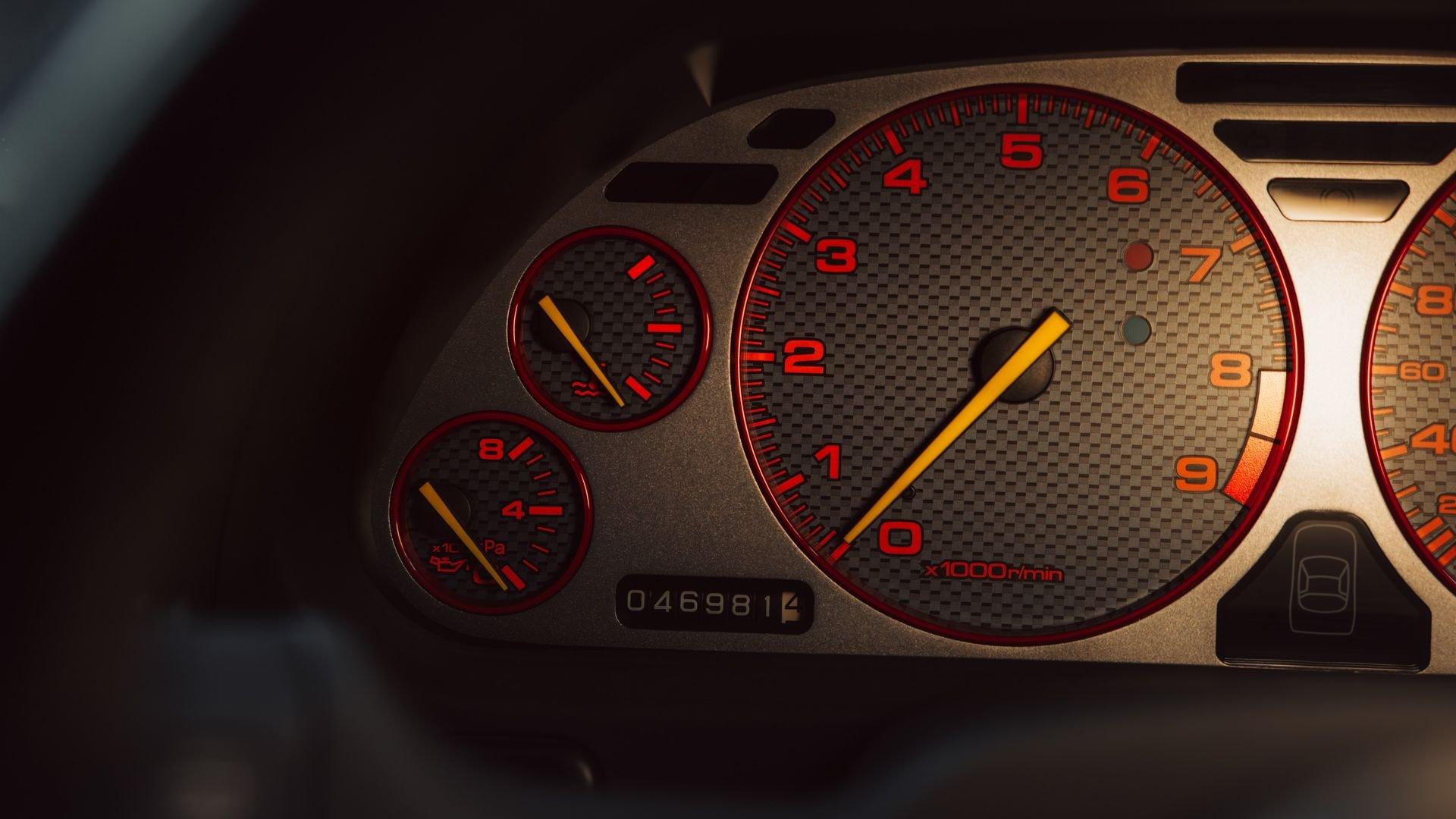
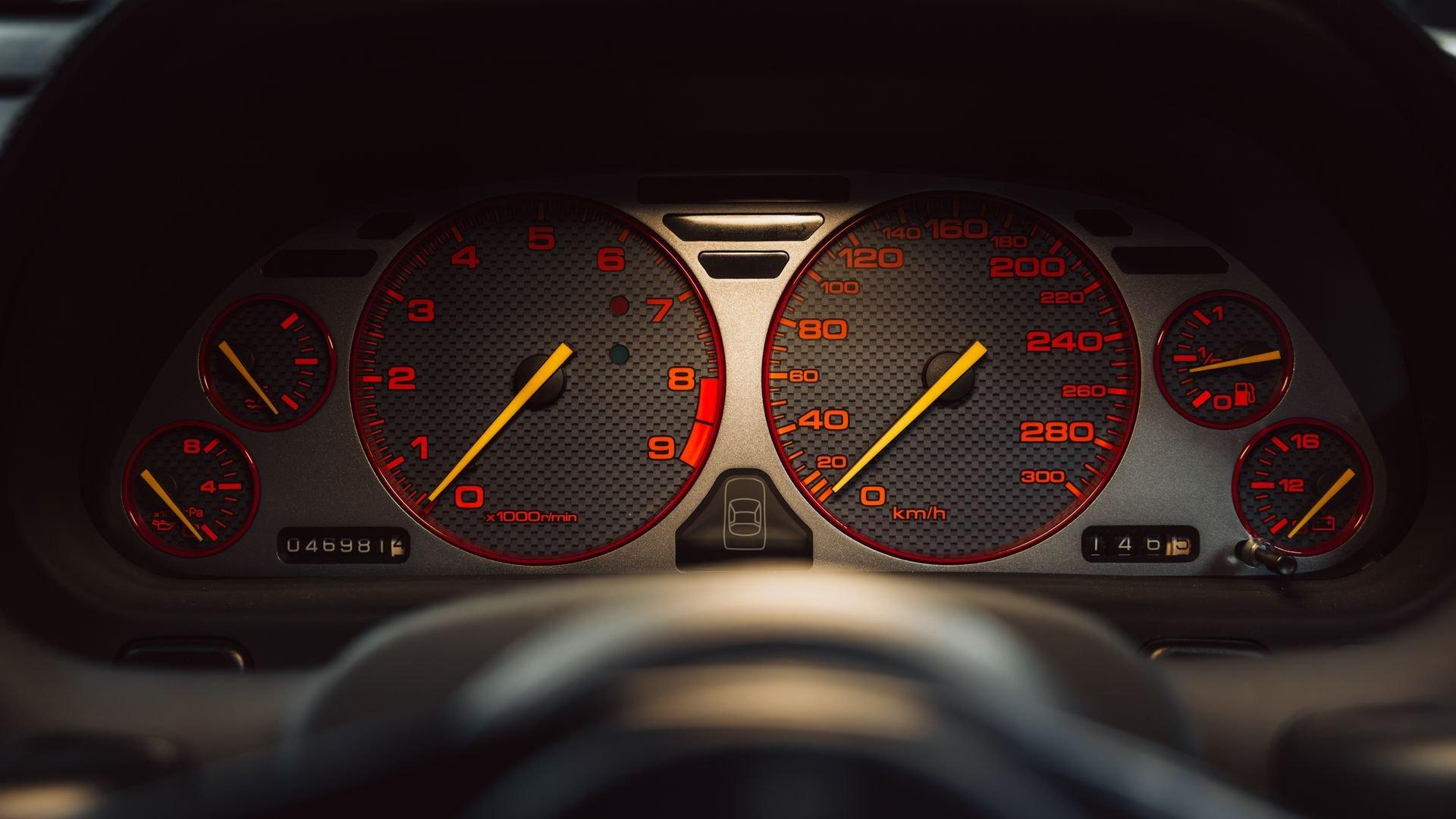
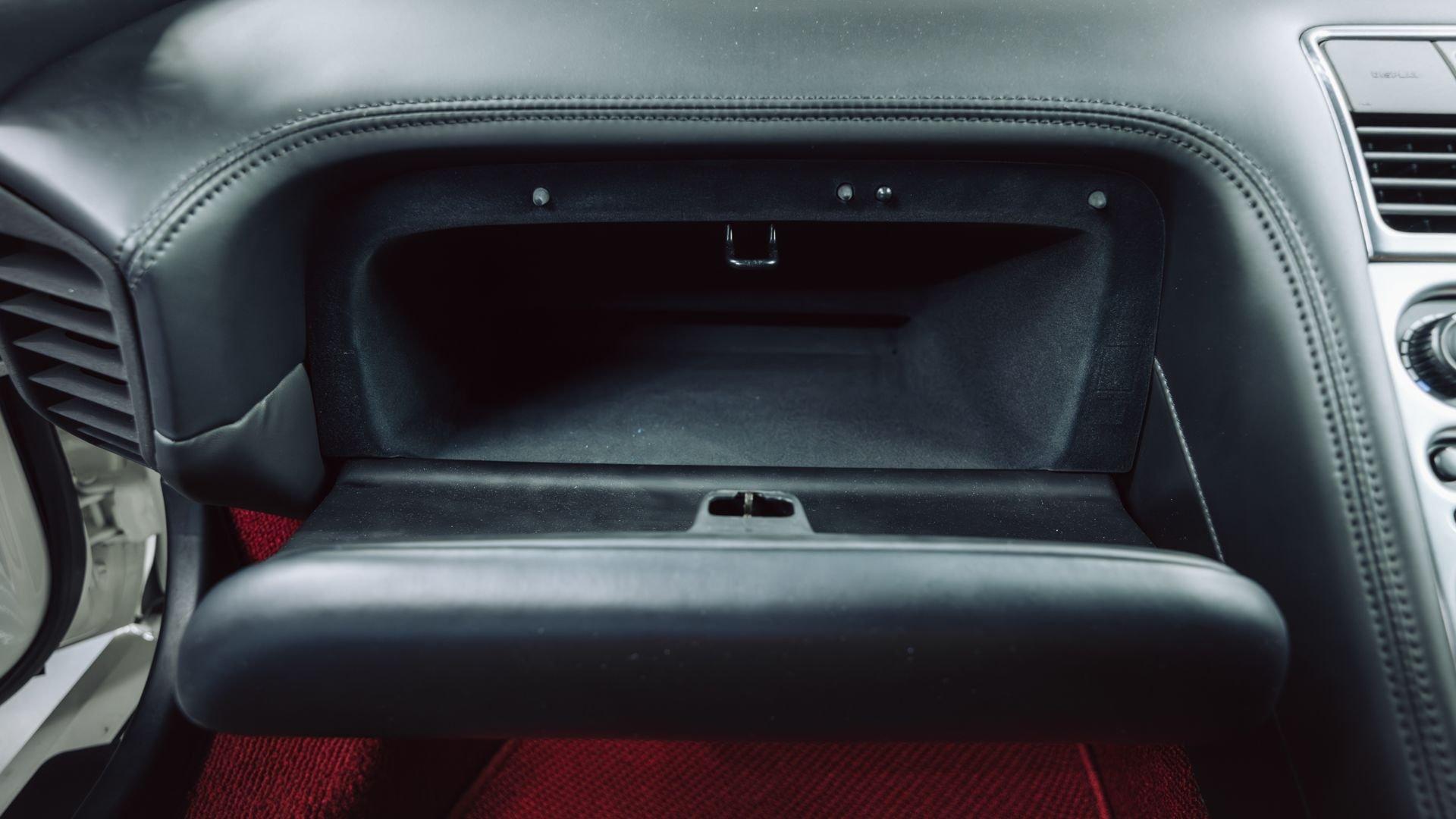
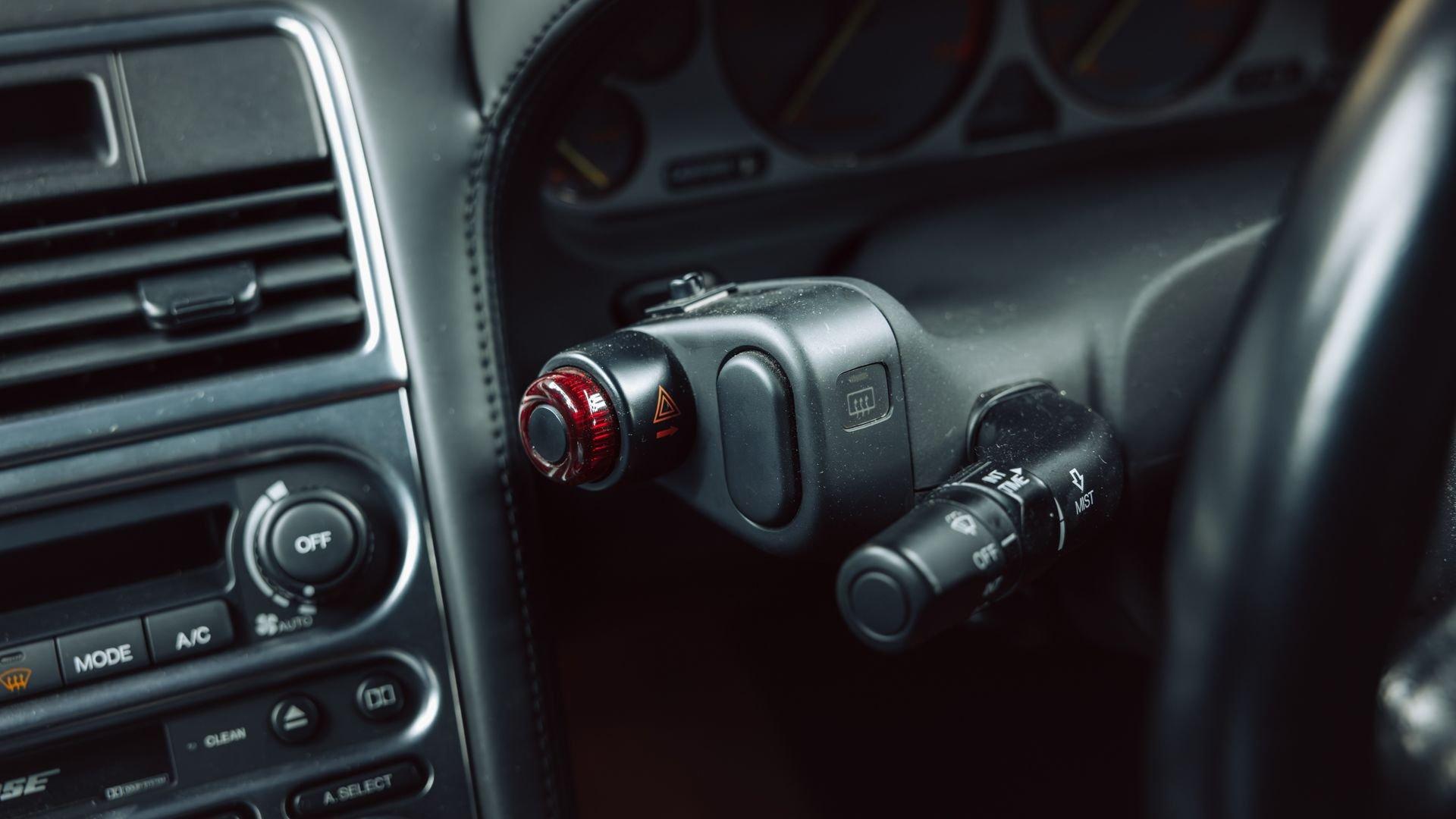
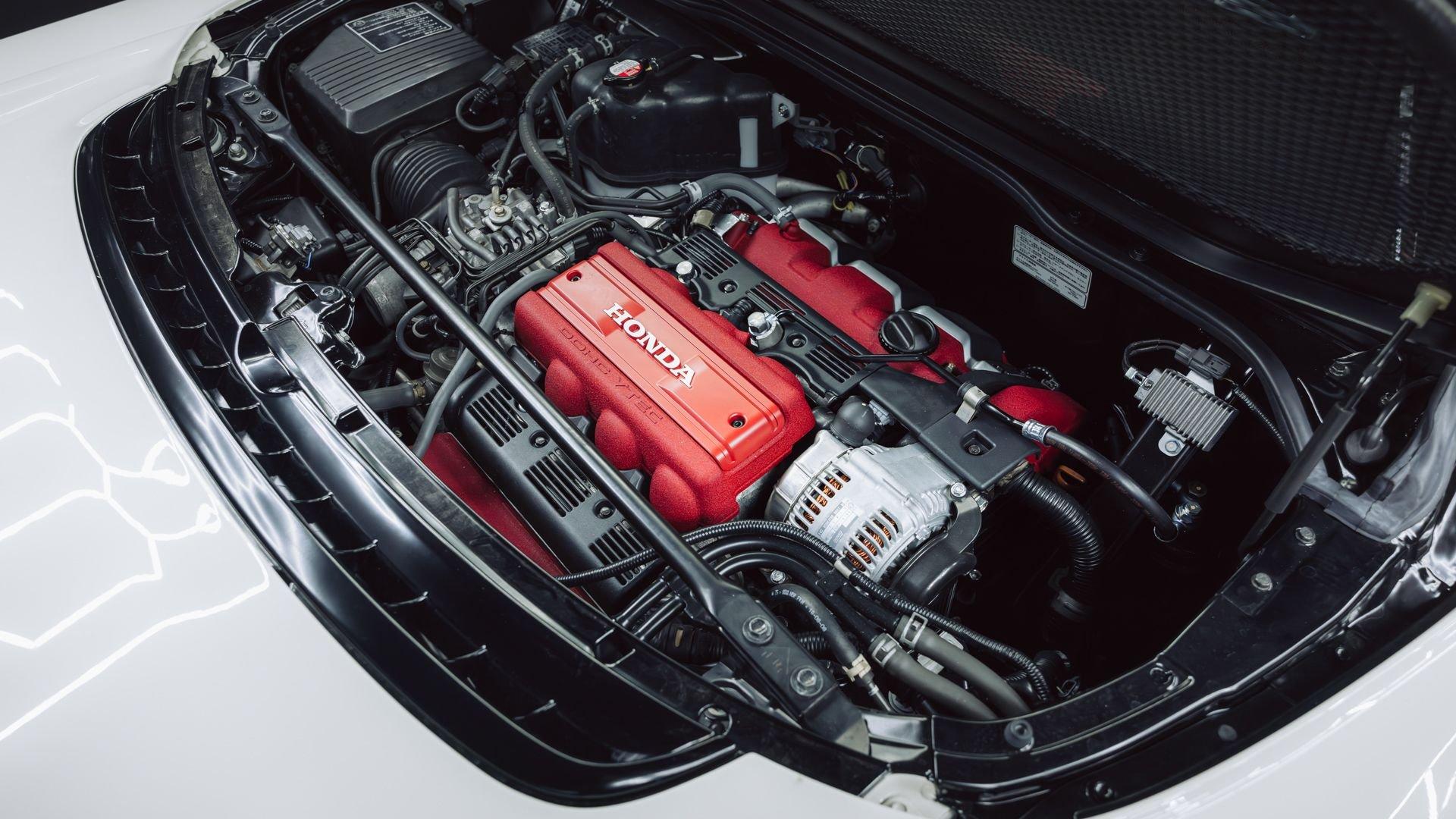
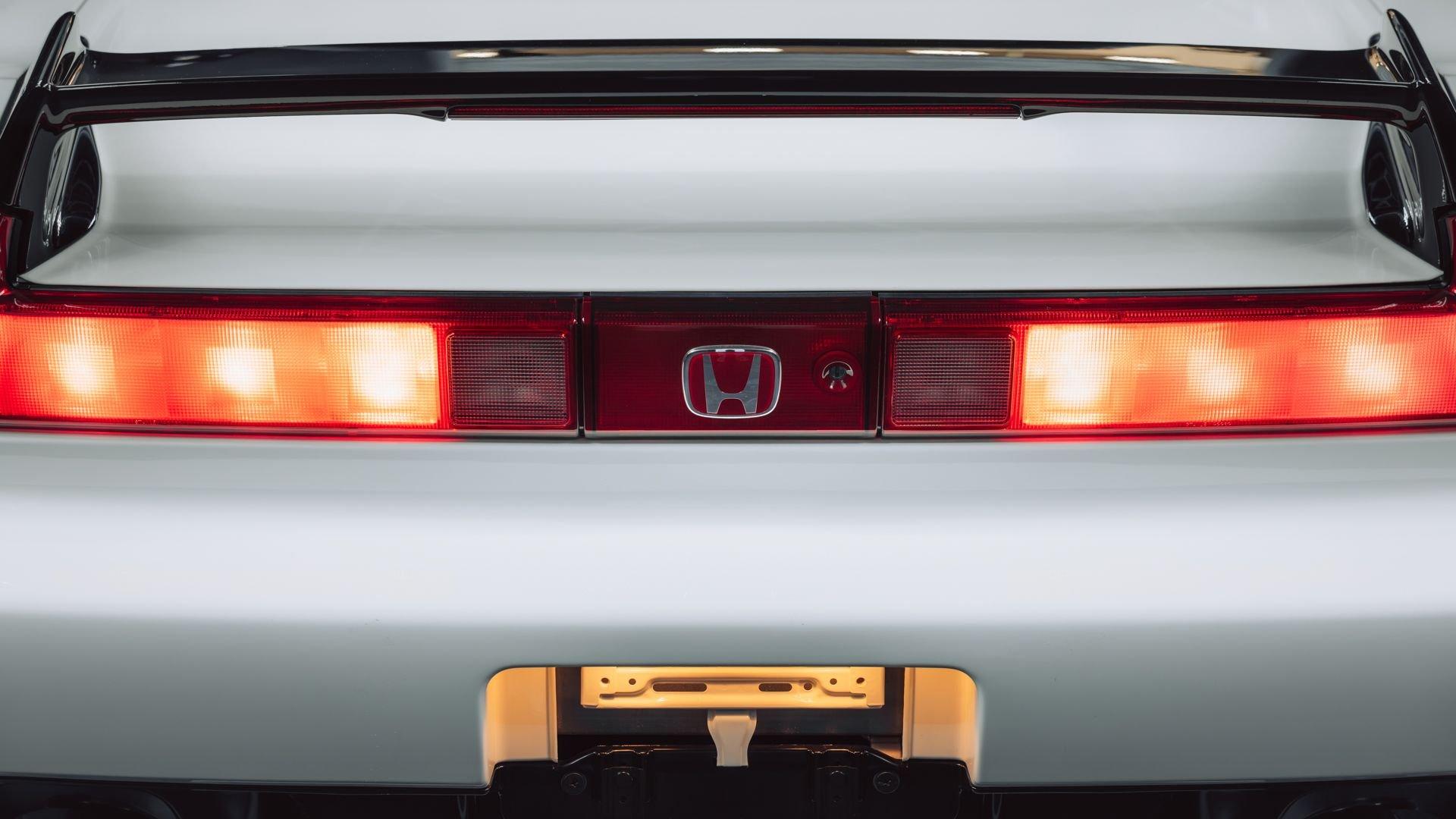
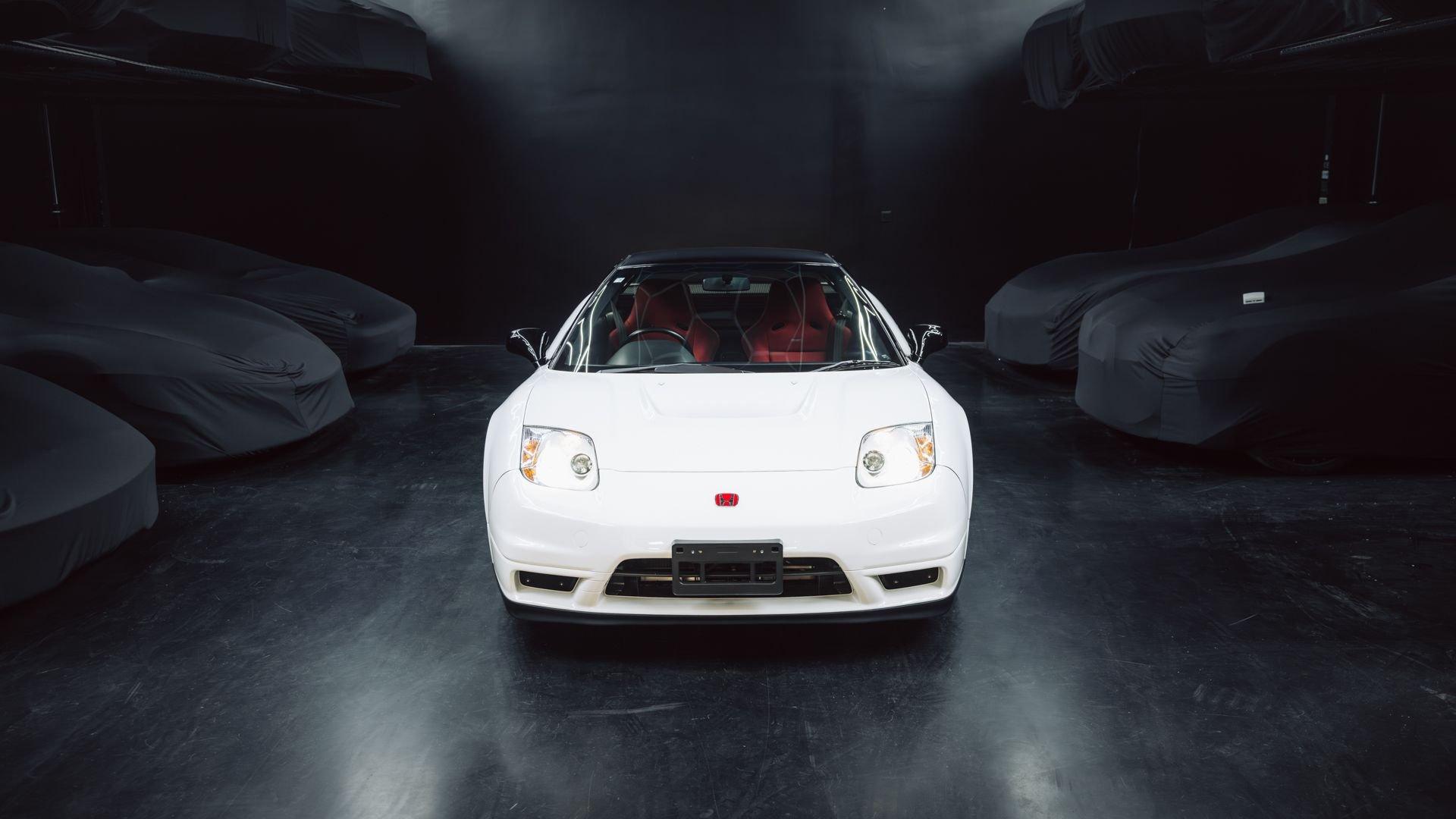
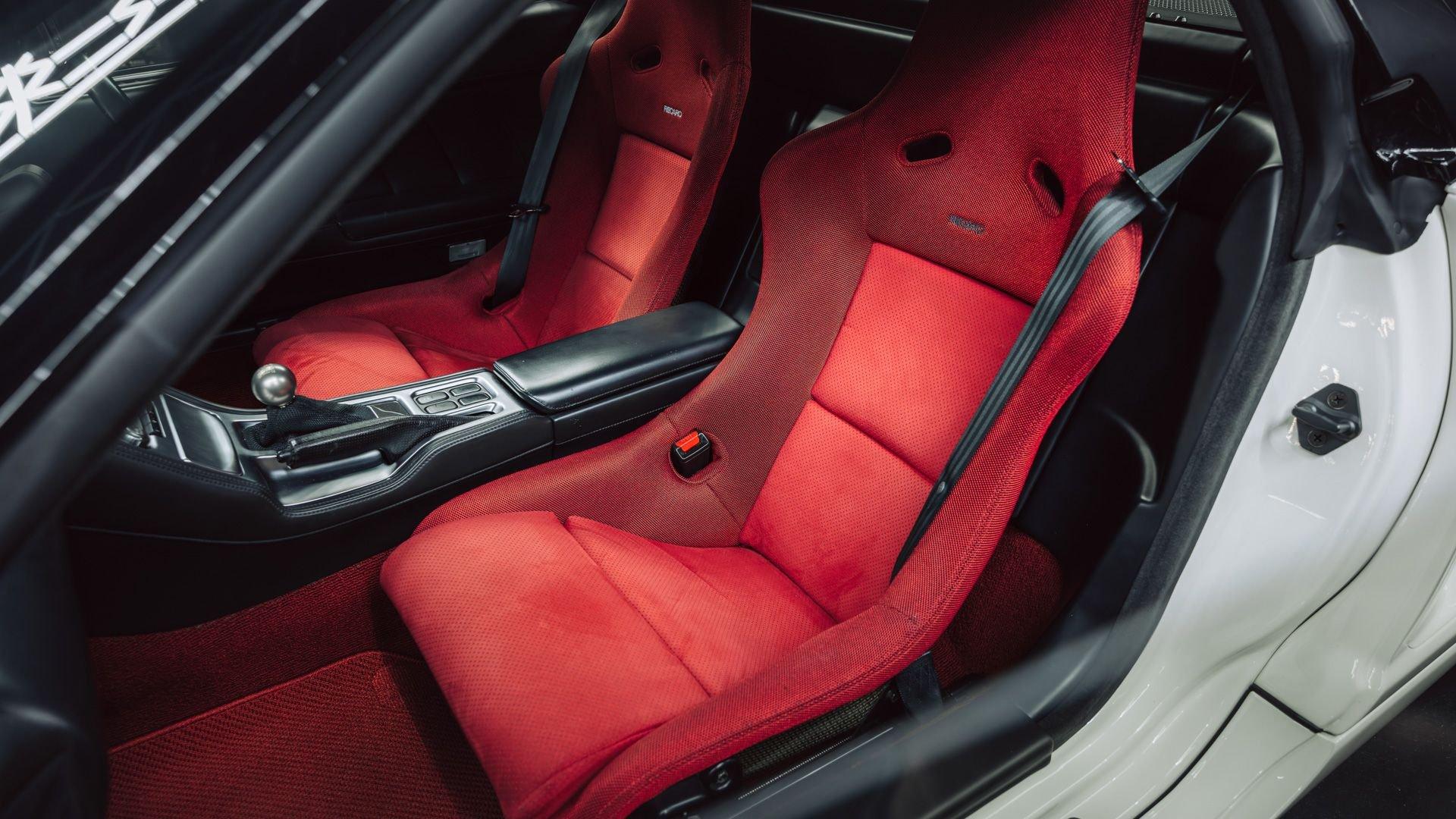
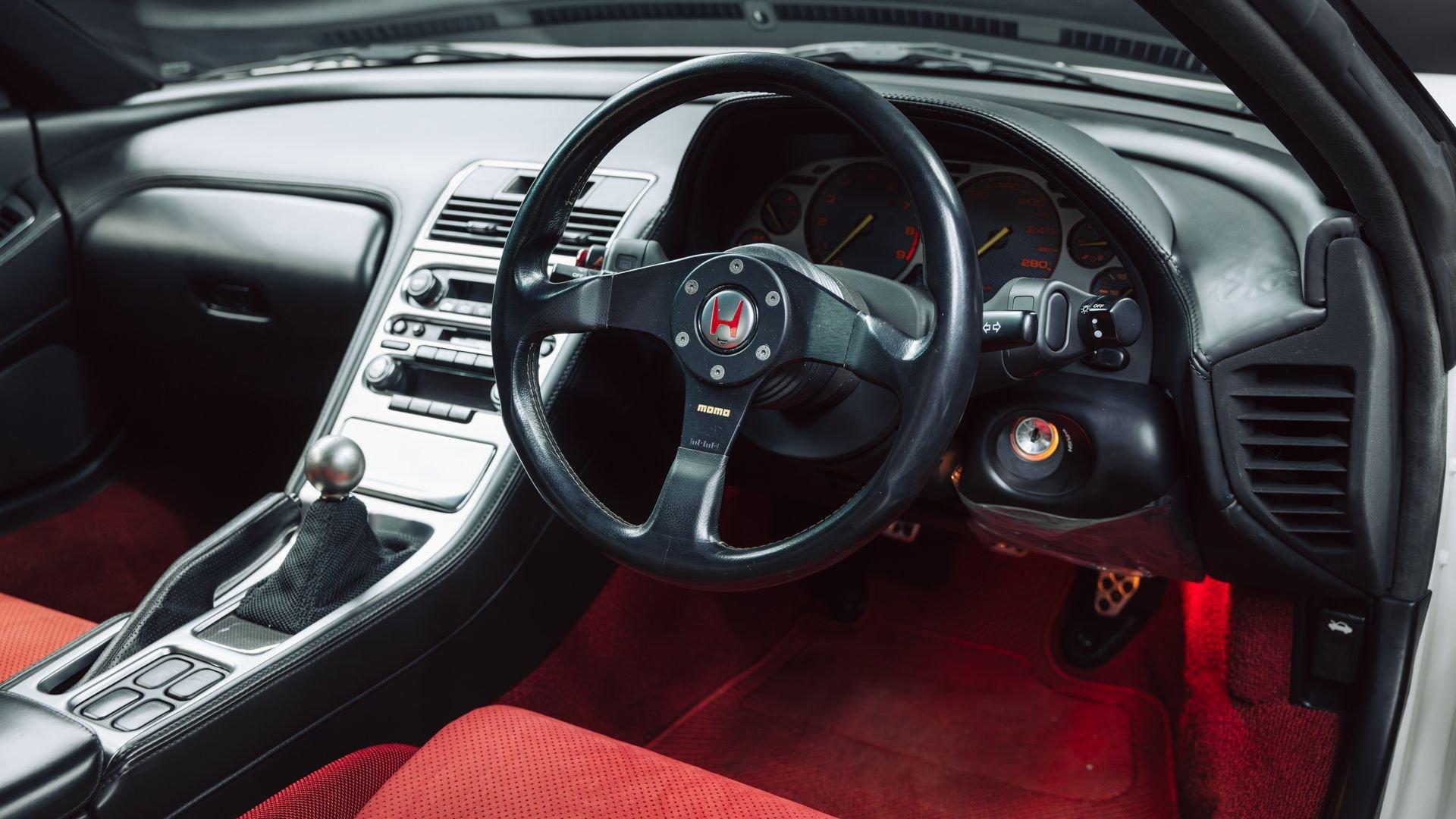
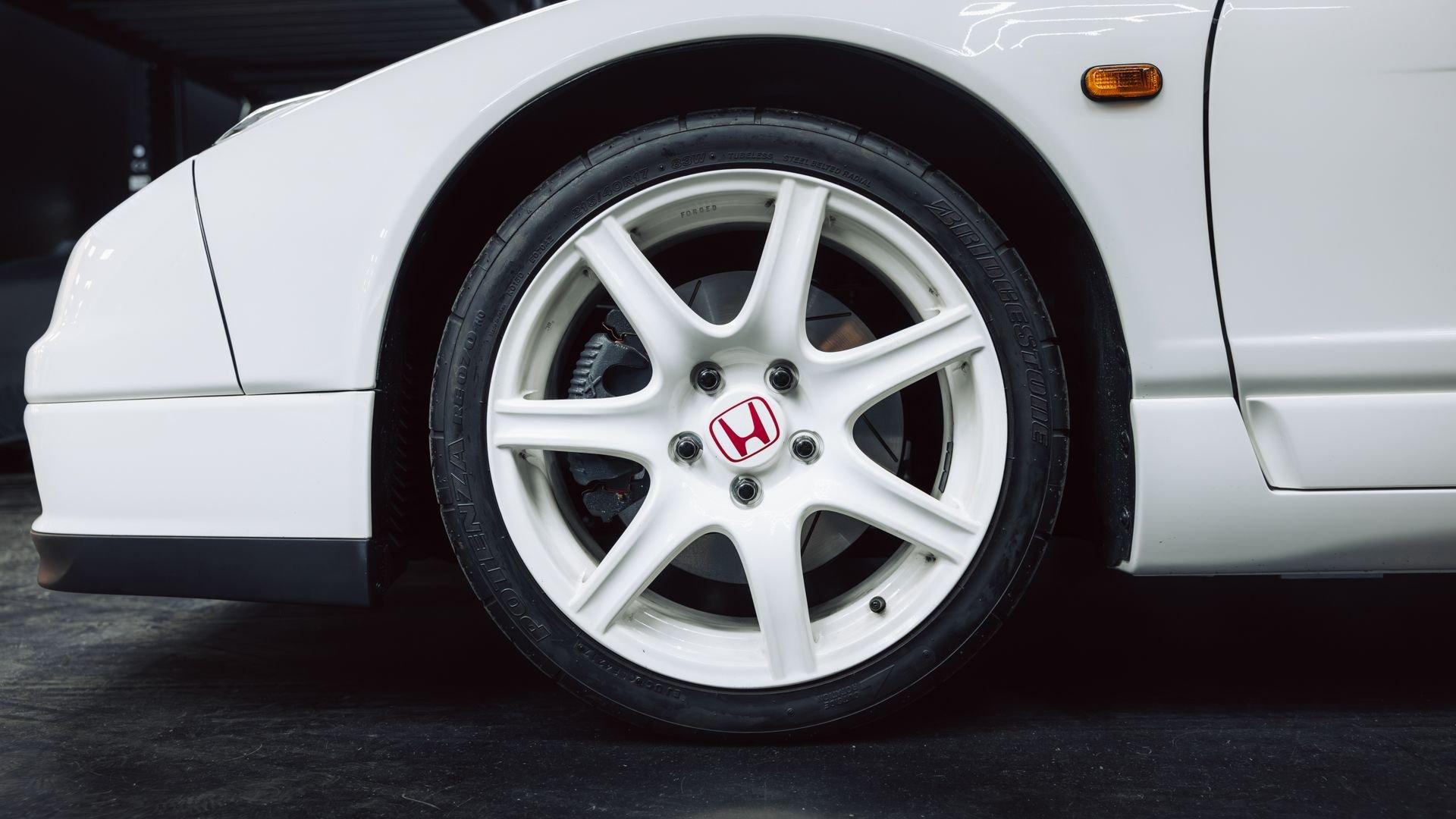
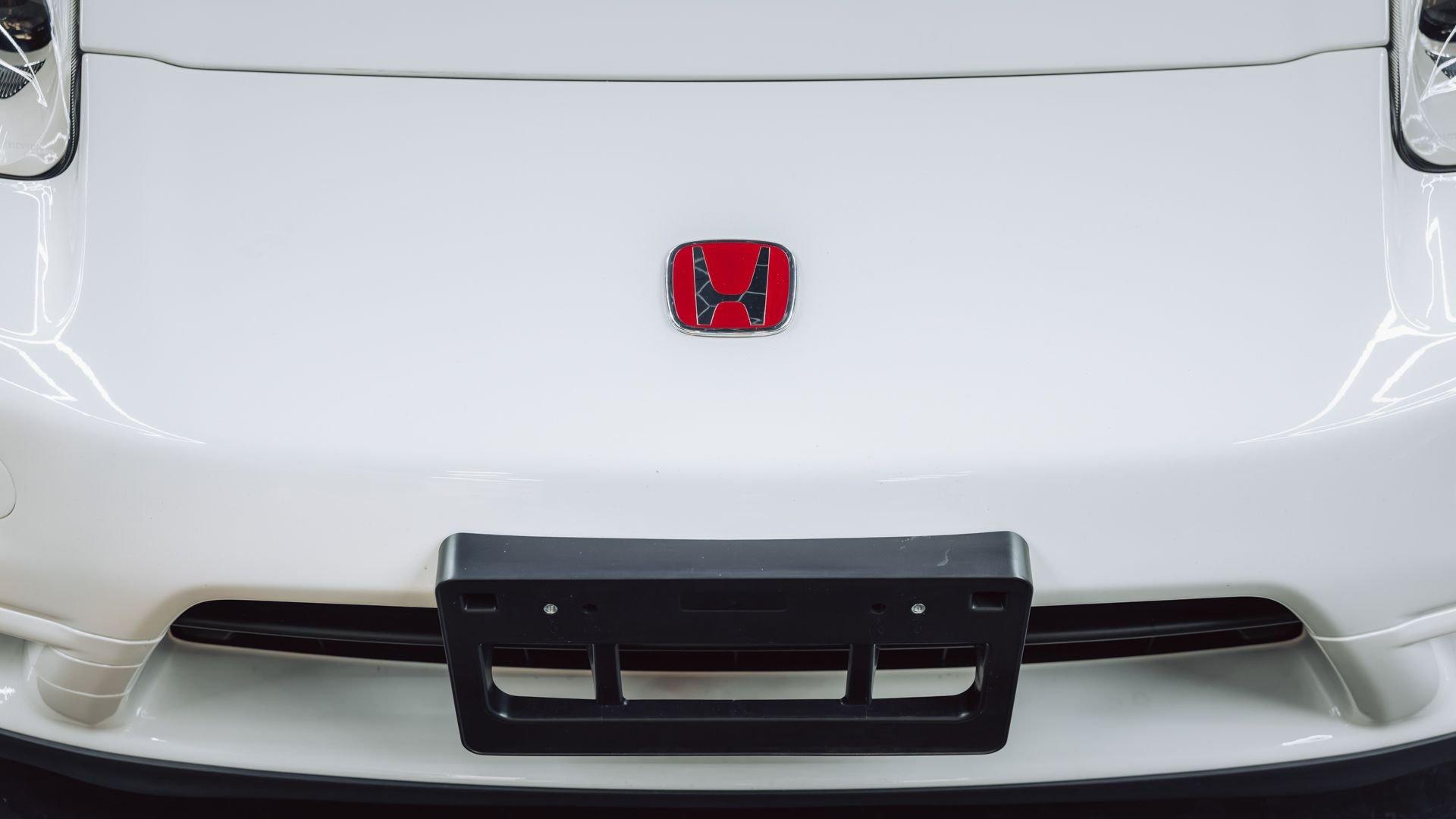
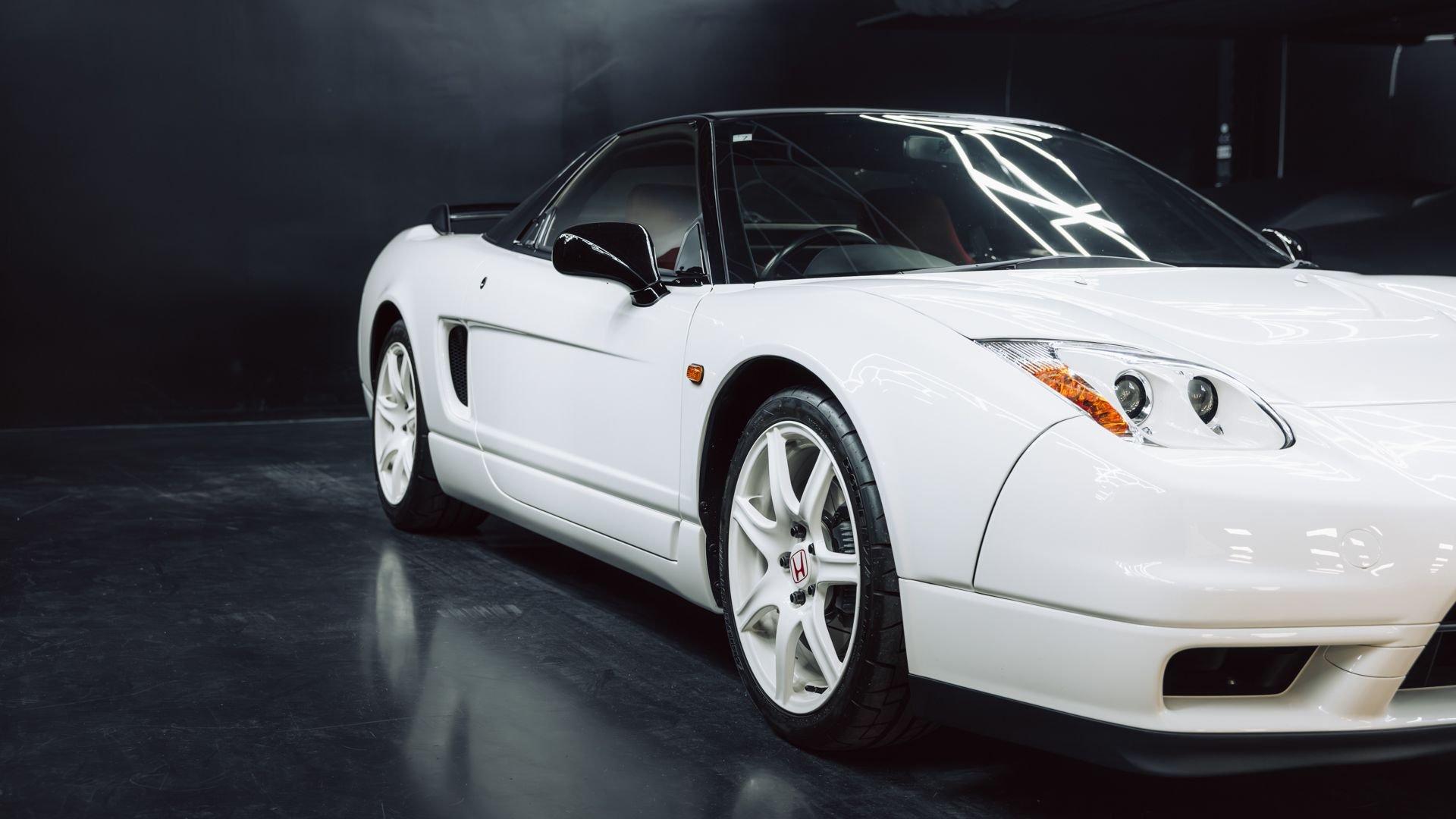
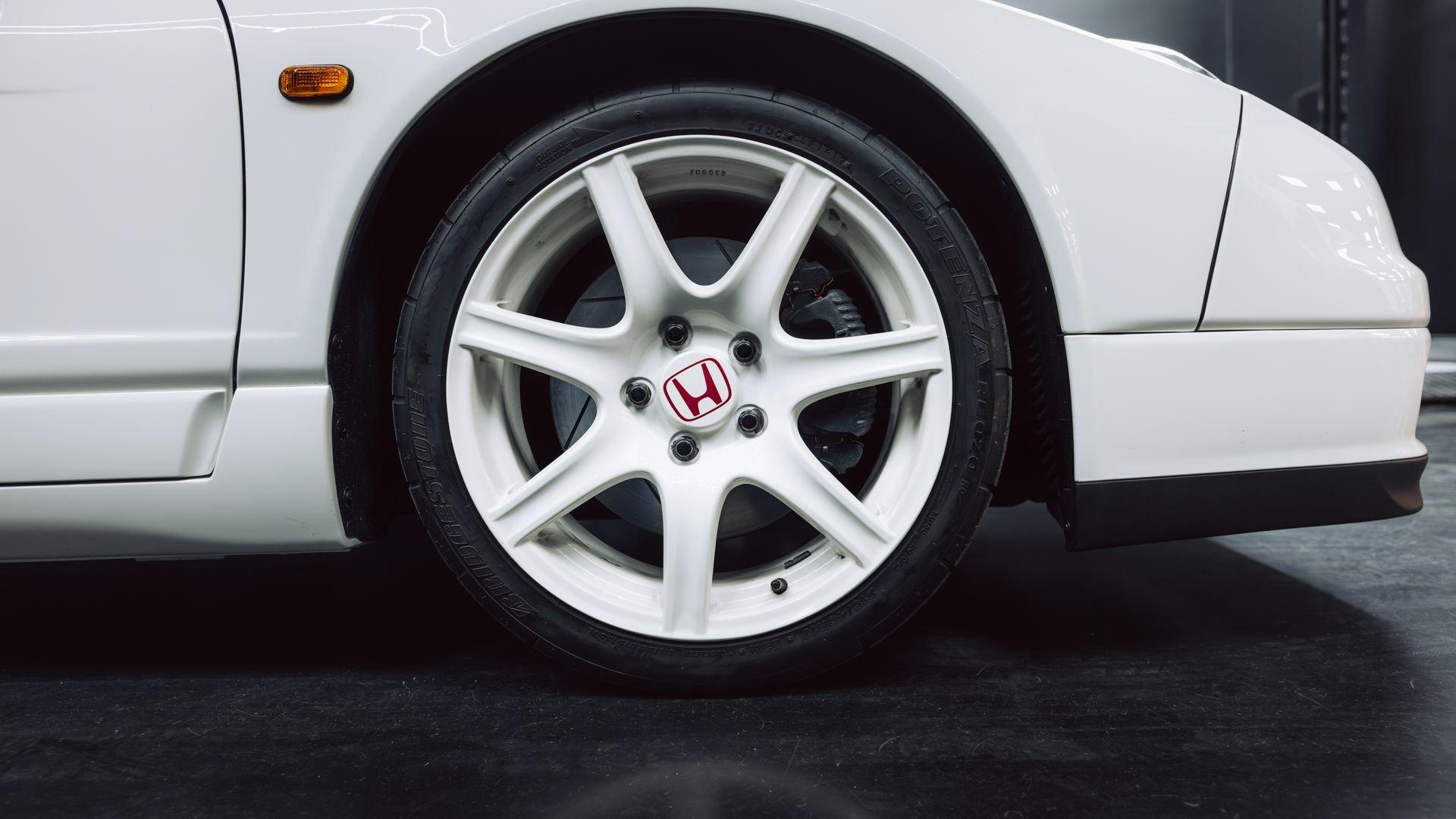
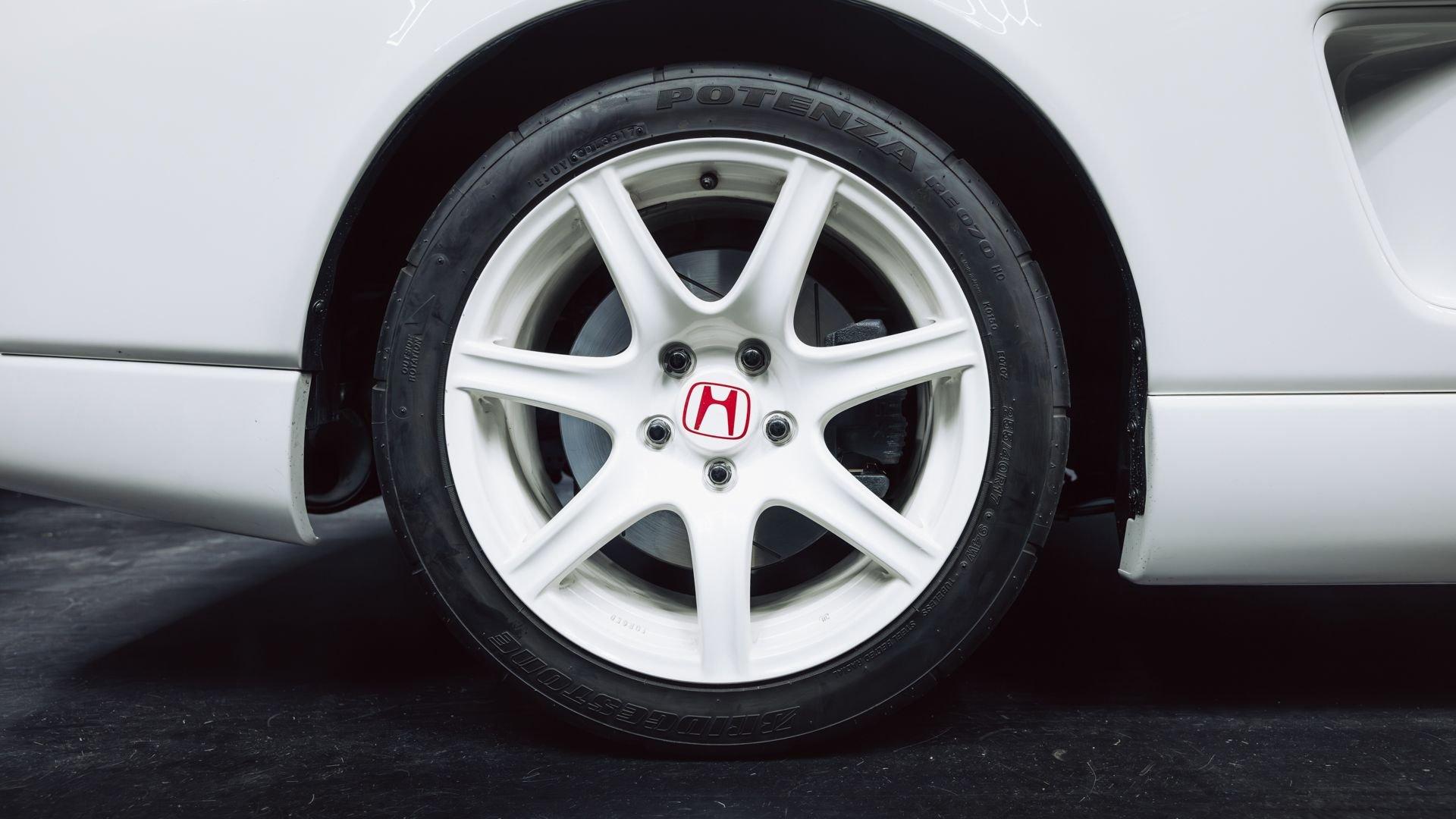
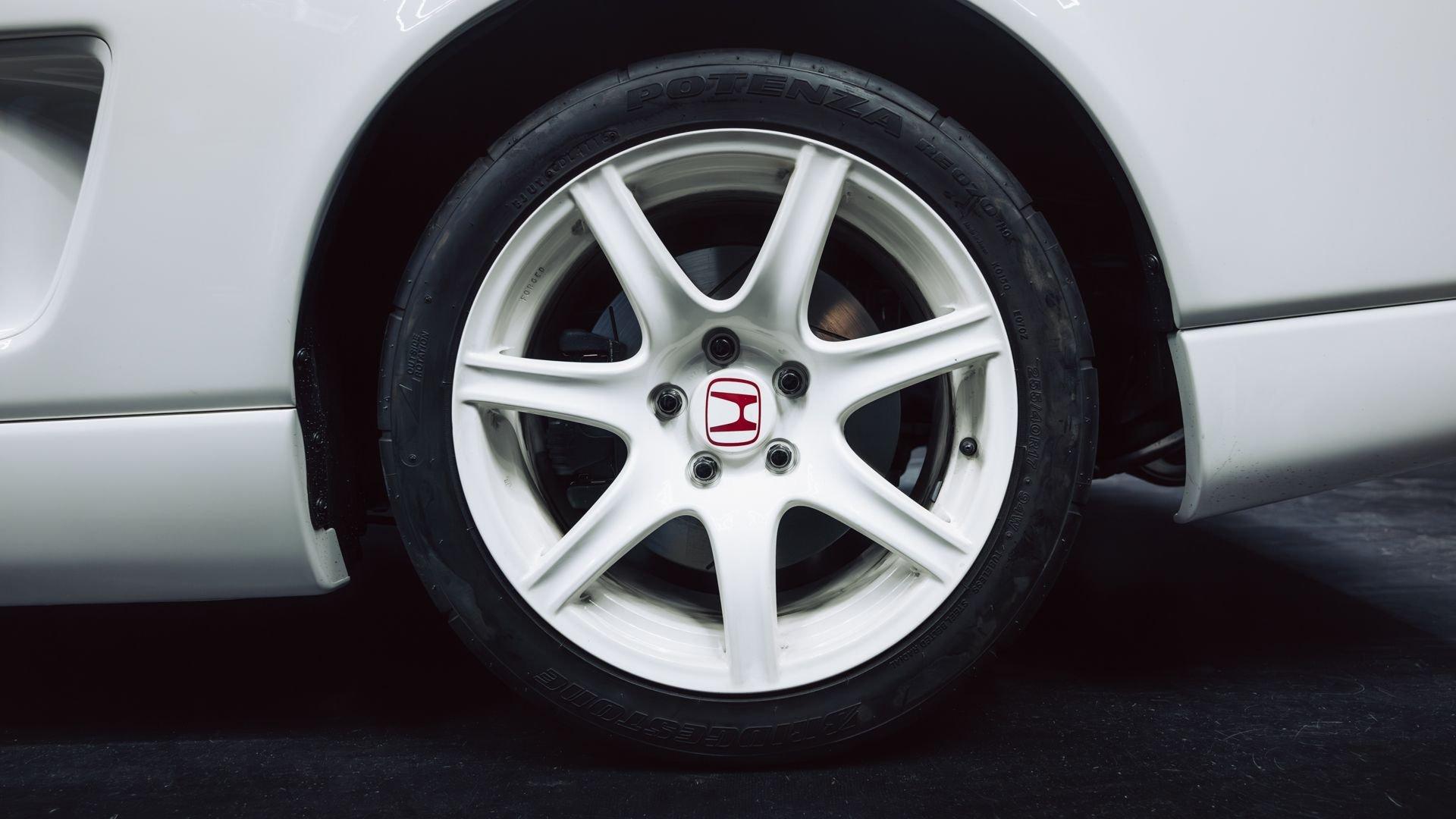
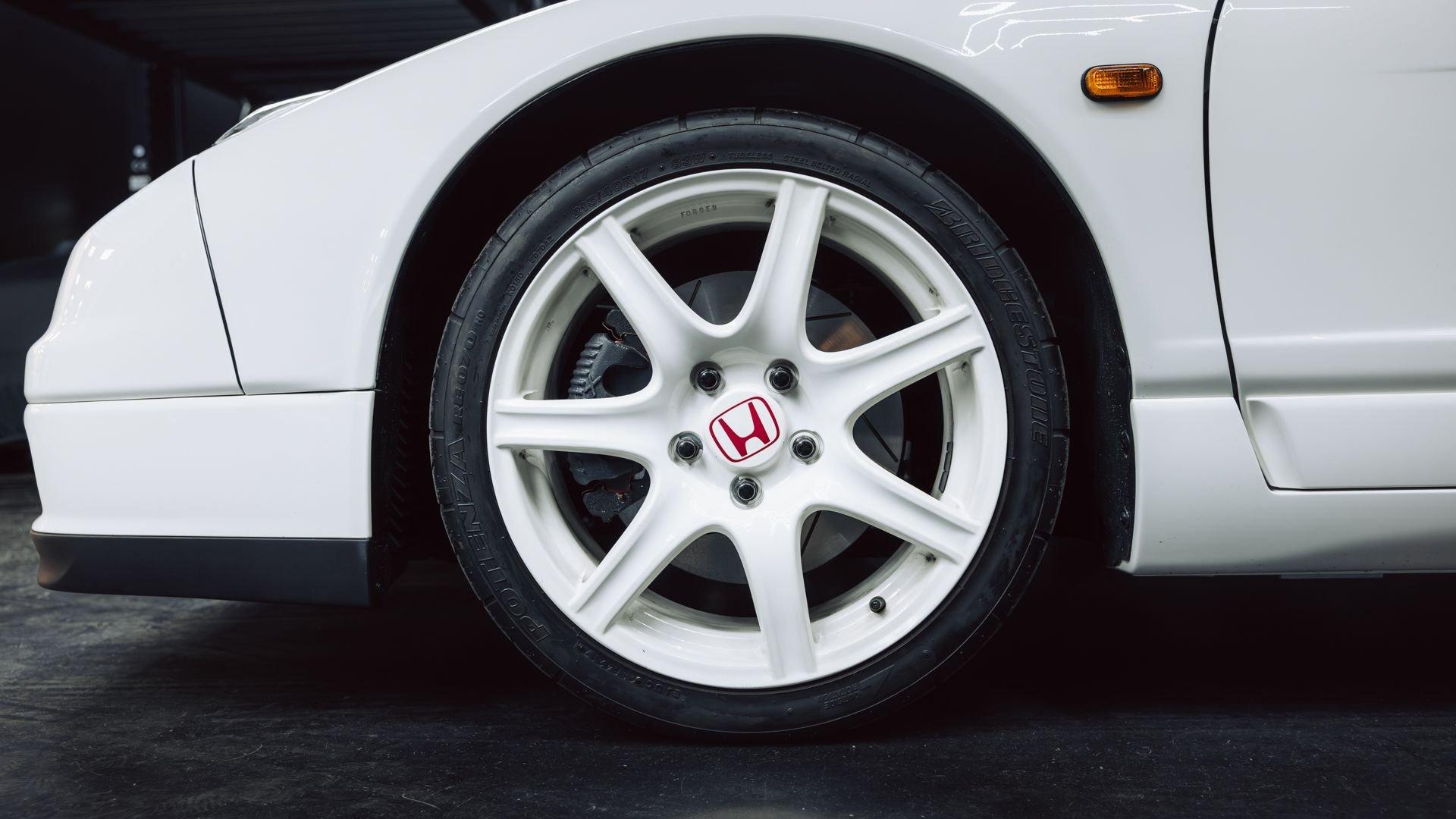
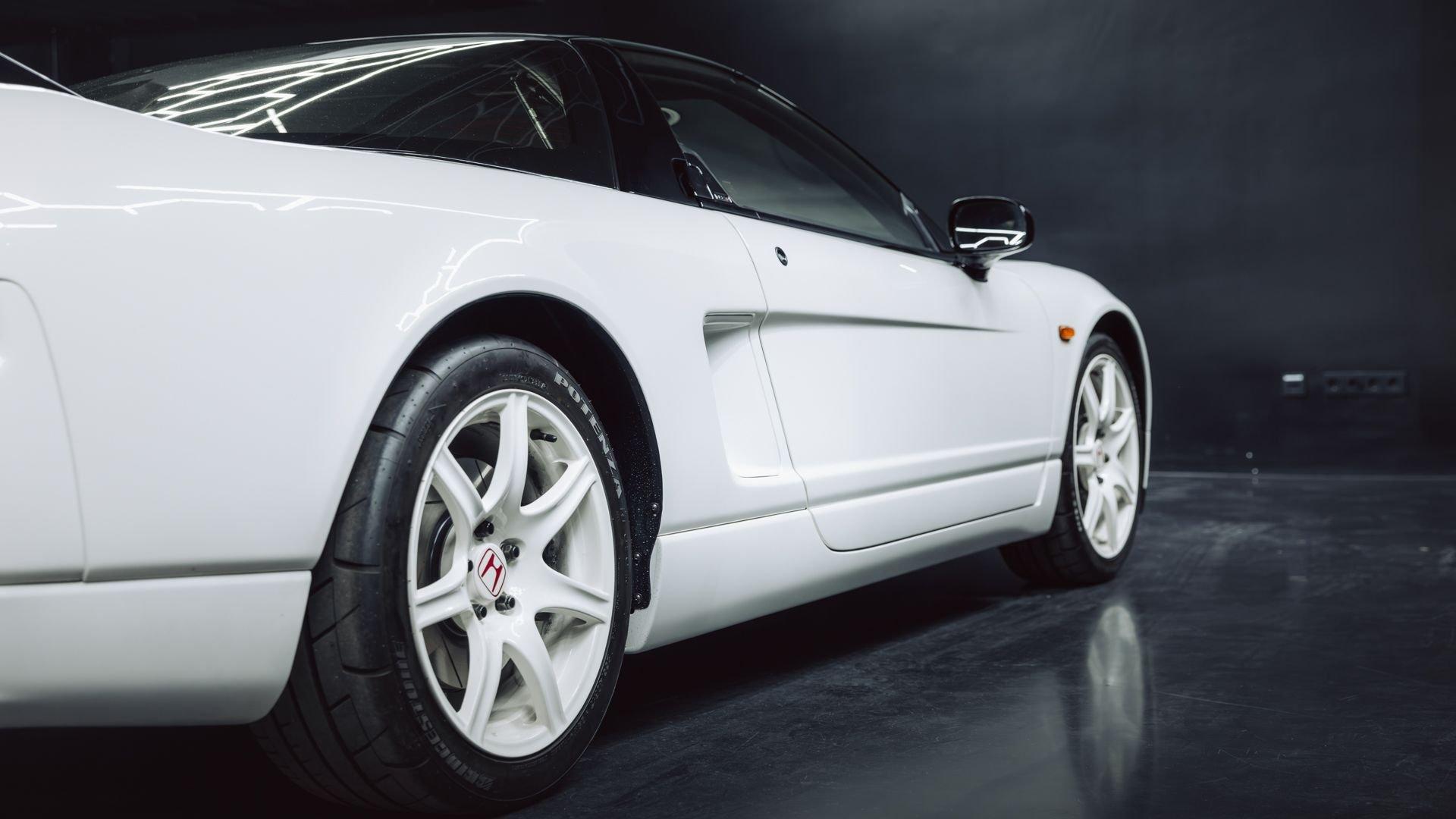
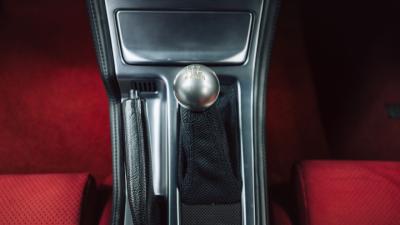
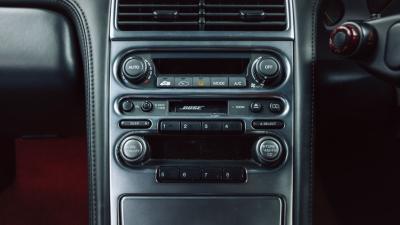
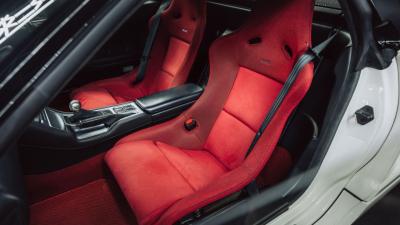
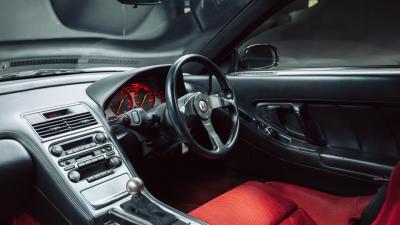
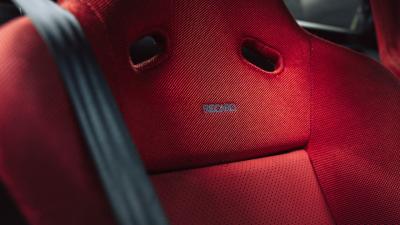
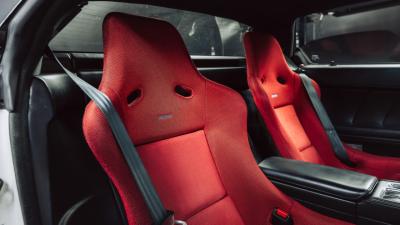
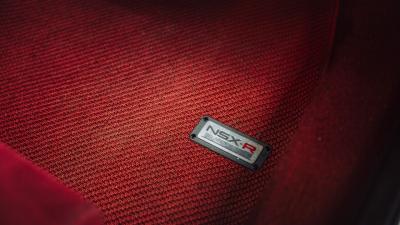
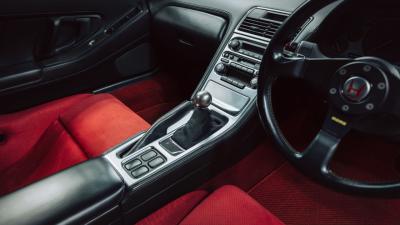
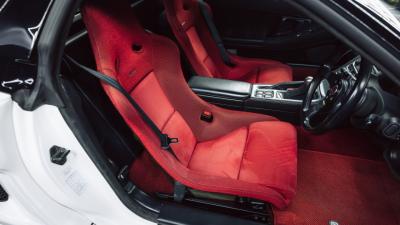
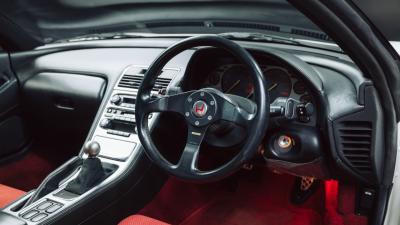
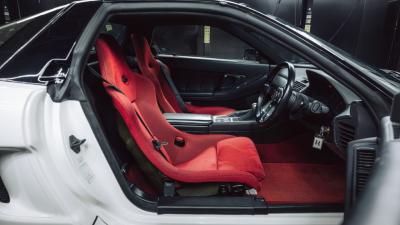
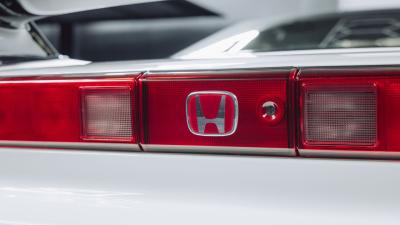
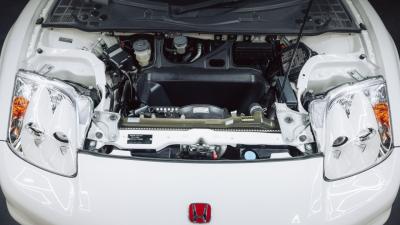
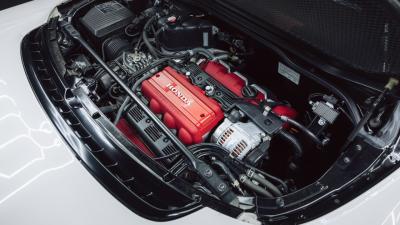
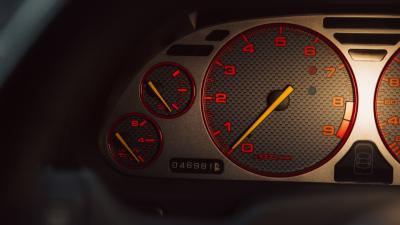
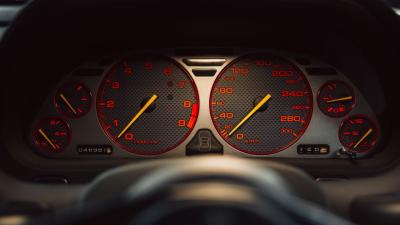
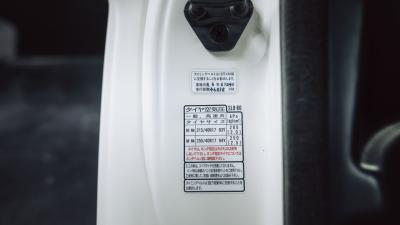
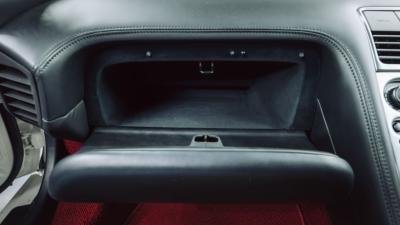
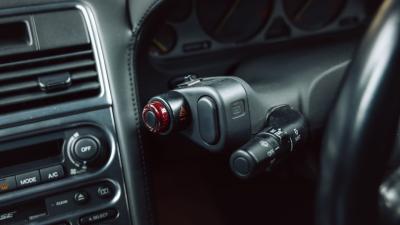
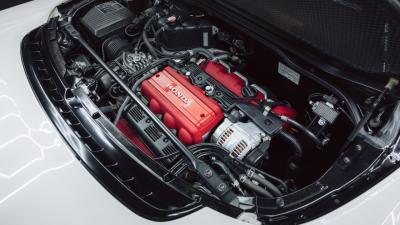
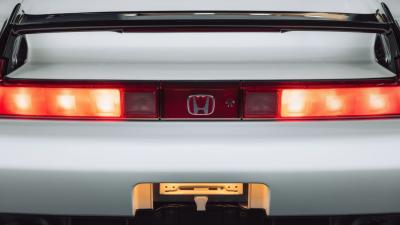
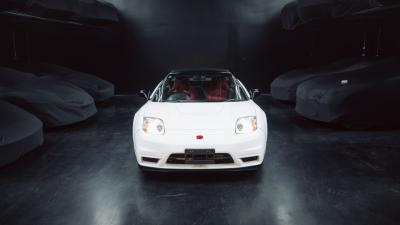
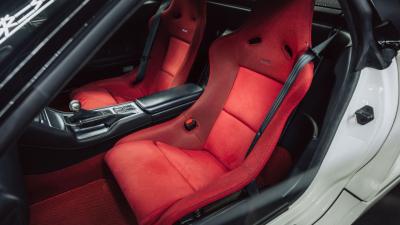
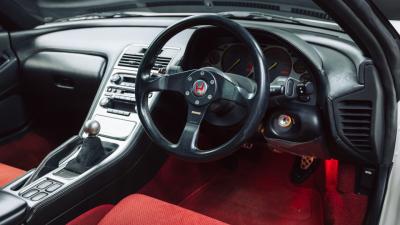
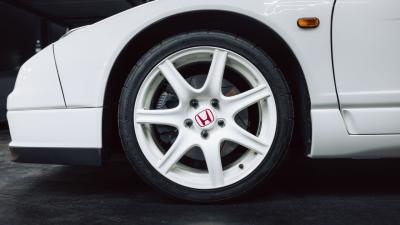
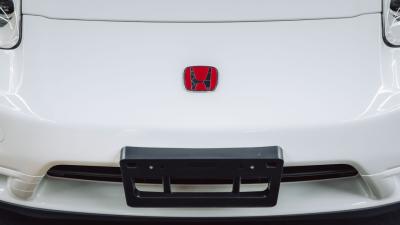
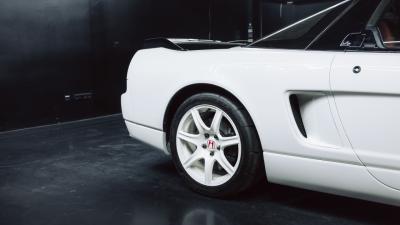
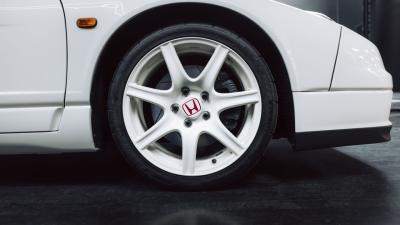
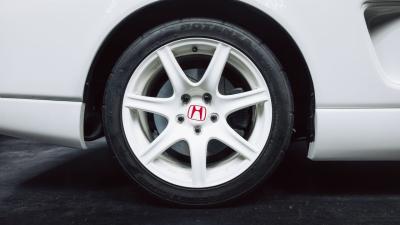
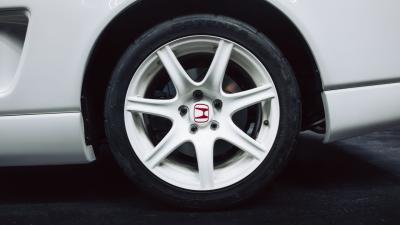
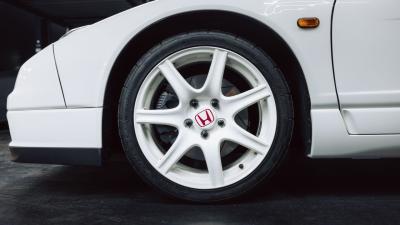
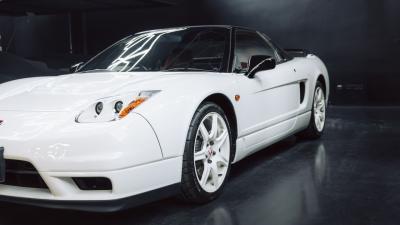
The larger 3.2-liter V6 DOHC VTEC engine, first introduced in 1998, received new racing-derived assembly techniques including a precision-balanced crankshaft, drive-by-wire throttle control, and a re-calibrated final gear ratio. These improvements yielded 290 CV-a 20-CV improvement over the original NA1-which was transmitted to the rear wheels via the improved six-speed manual transmission for a vastly superior drivetrain. While maintaining Honda's philosophy of handling precision over raw power, the chassis featured harder springs, increased damping, and firmer bushings to complement the Bridgestone Potenza RE070 high-grip tires on lightweight forged BBS wheels. The driver-focused interior included Recaro carbon fiber seats, a titanium shift knob, and special instrumentation, while retaining the red ''H'' emblem that had identified the original NSX-R.
Commanding a price of nearly 12 million JPY (or almost €90,000 in 2003), fewer than 140 examples of the 3.2-liter second-generation NSX-R were ever produced-less than one-third of total NA1 production. As a result, many collectors consider the NA2-generation NSX-R to be the most desirable Type R Honda ever made, and certainly one of the most collectible modern JDM performance cars.
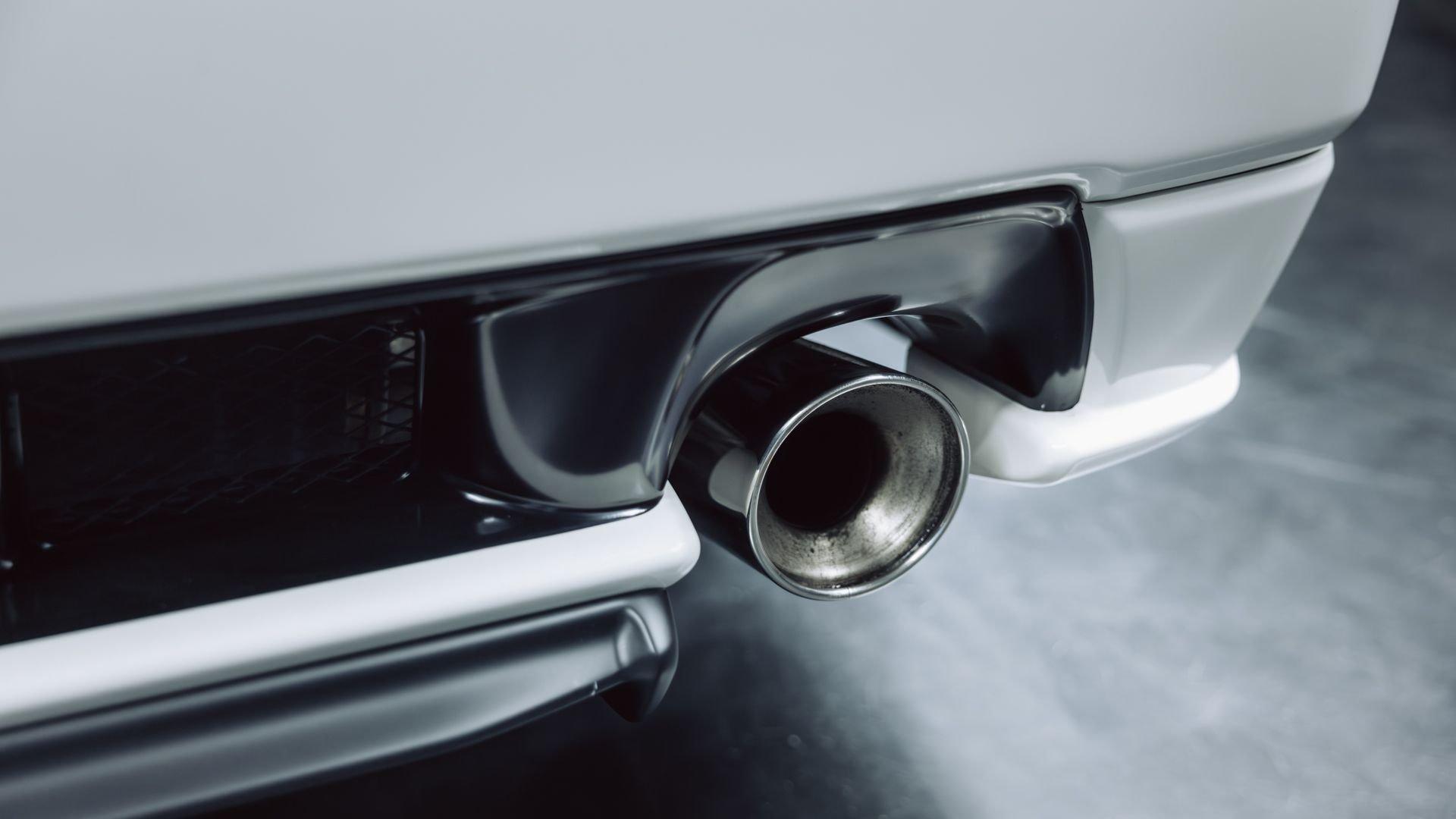
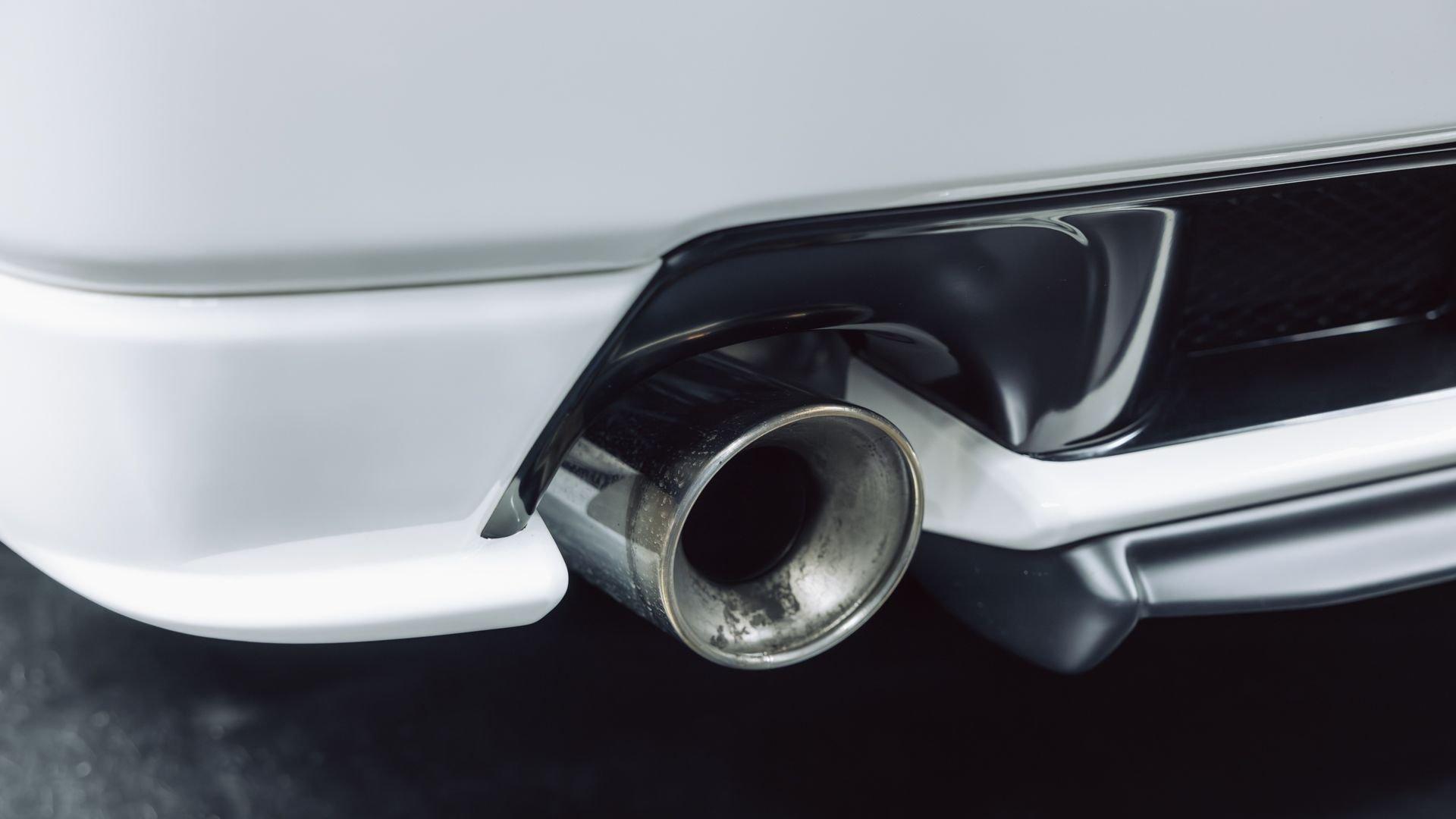
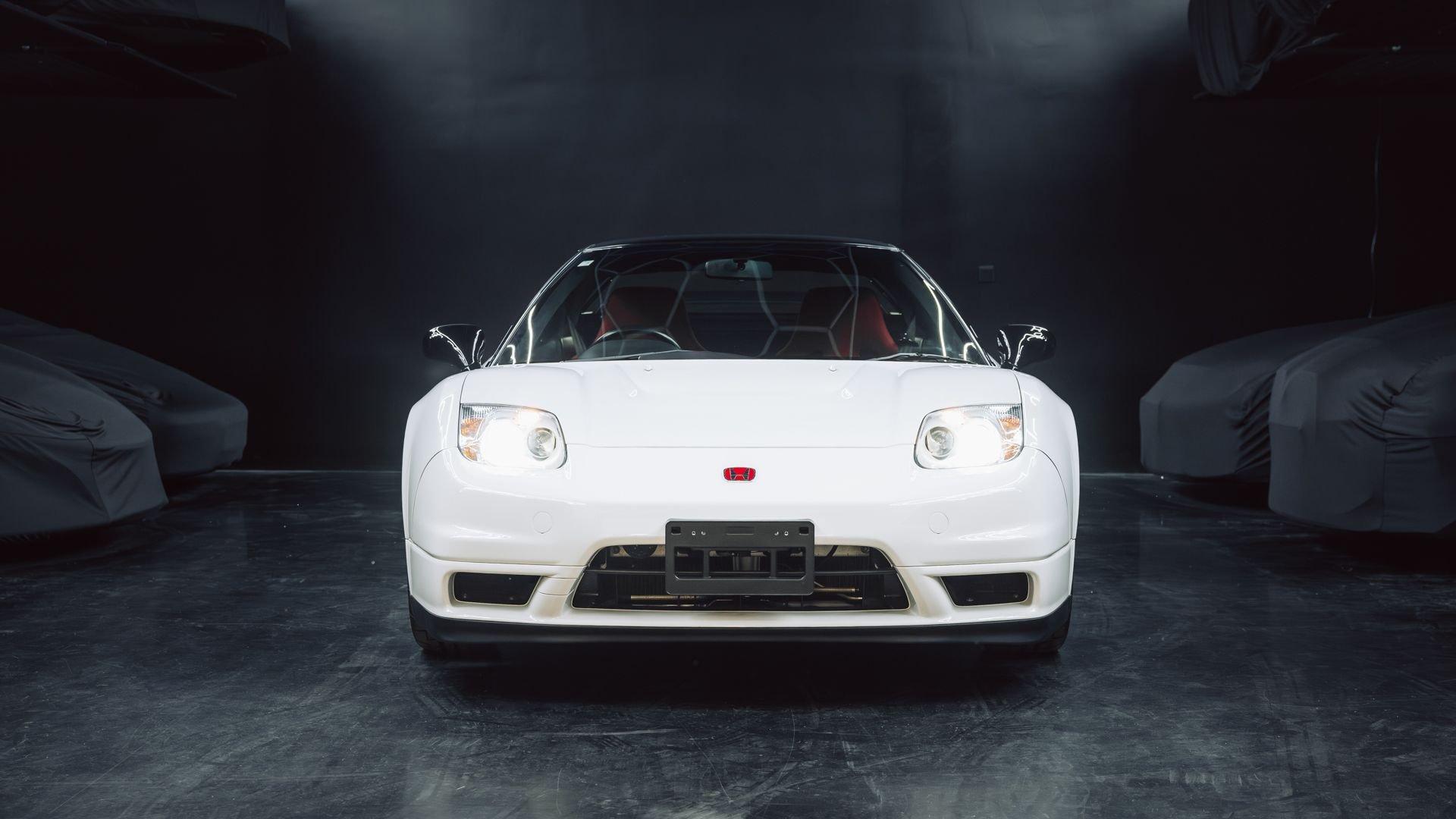
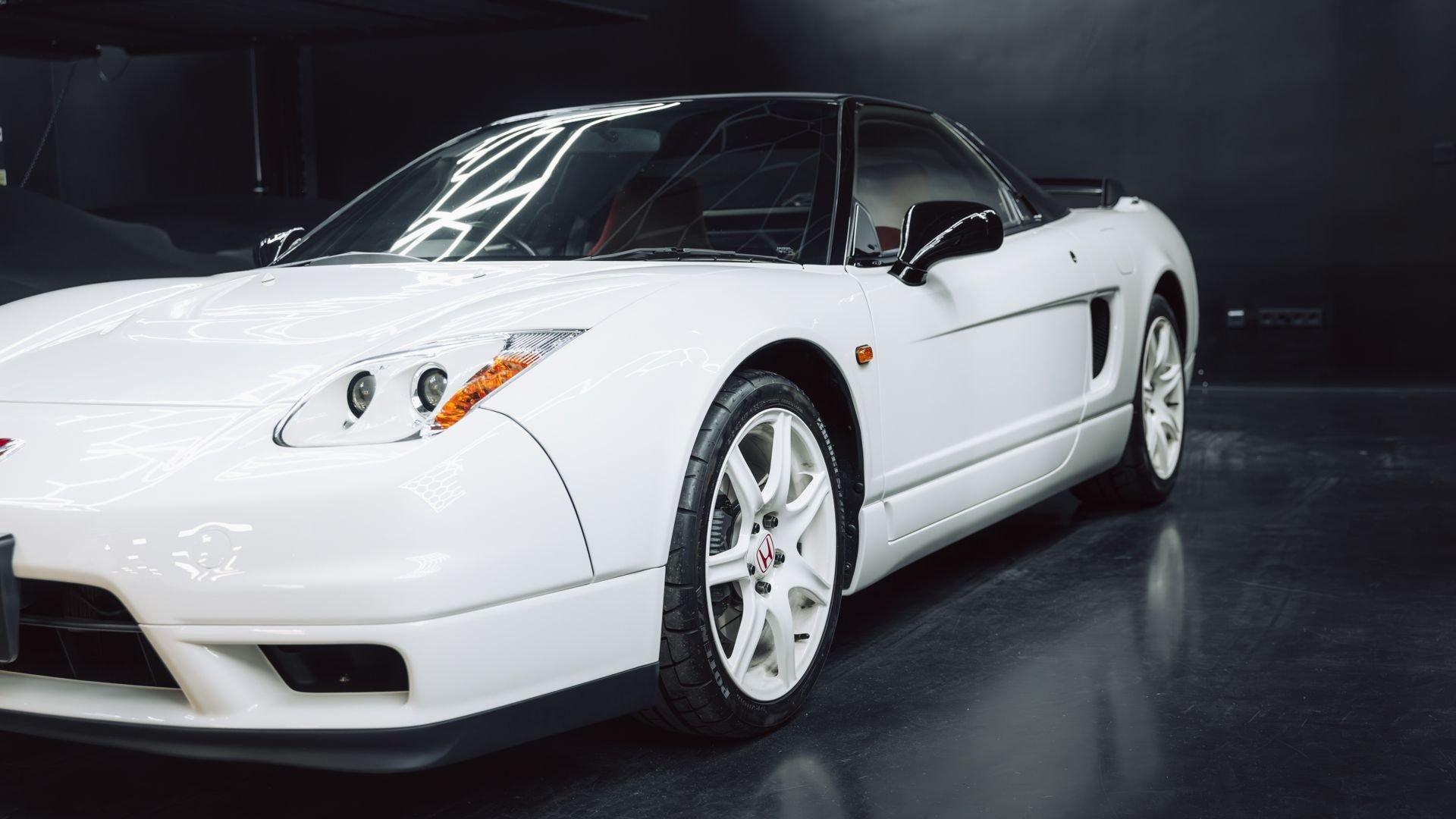
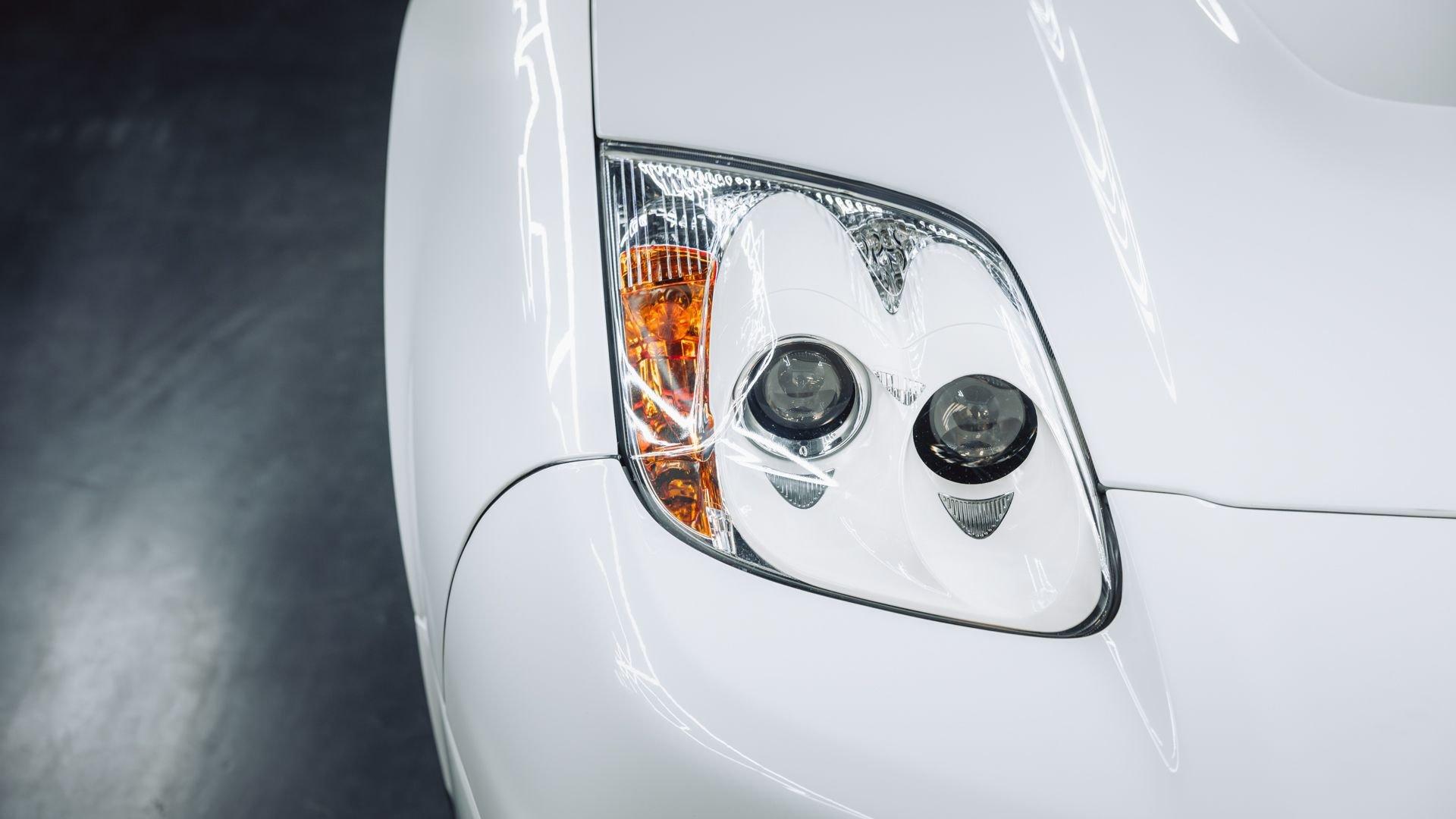
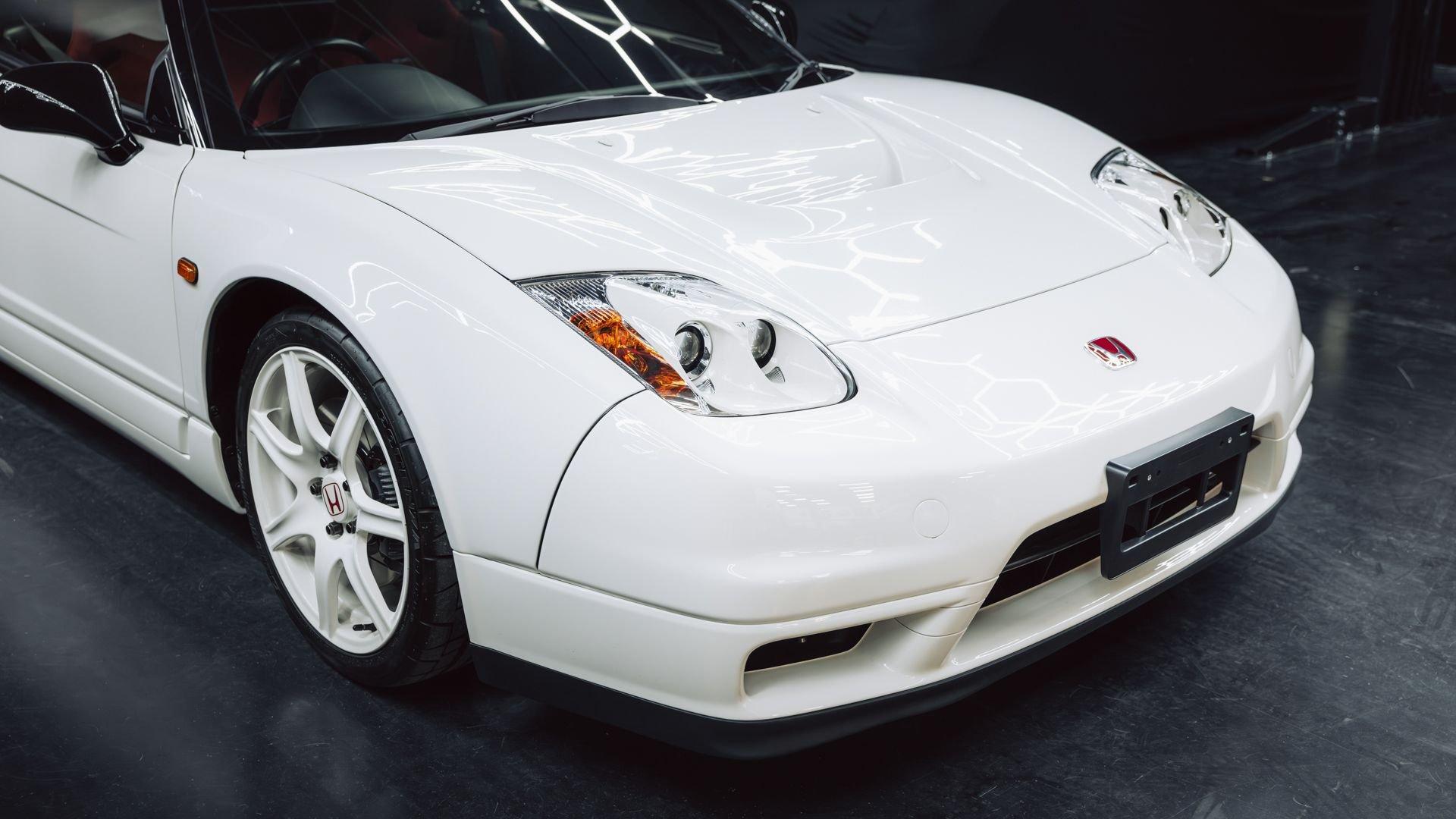
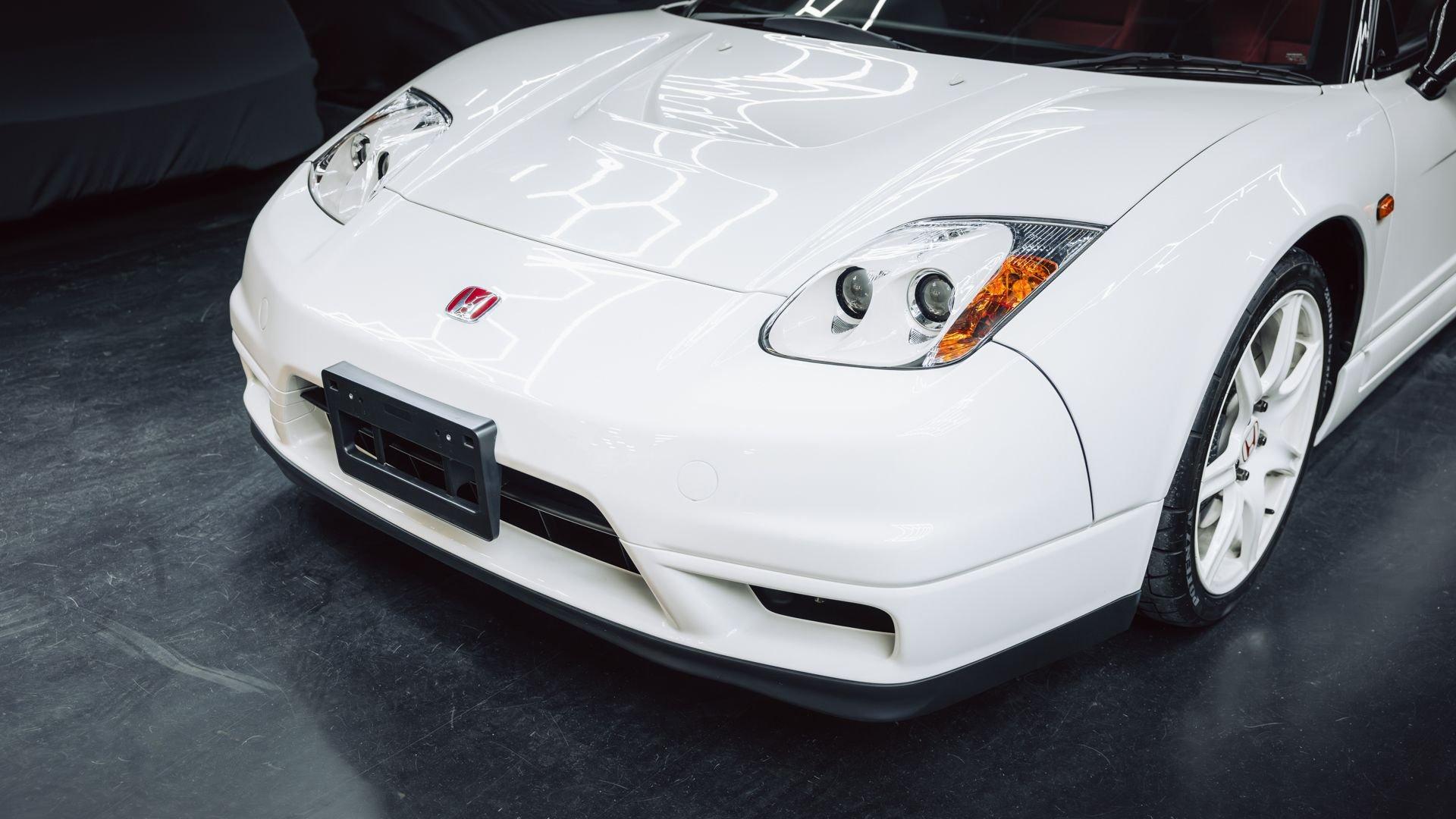
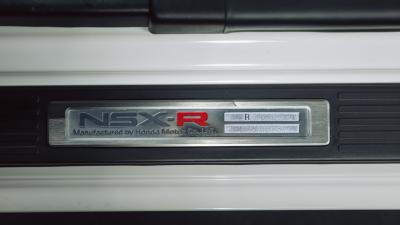
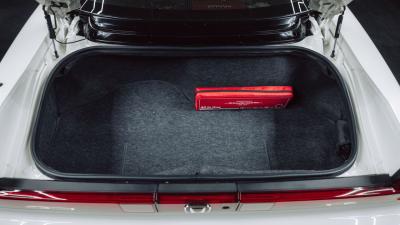
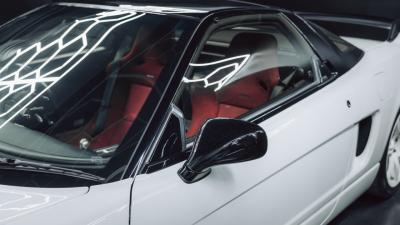
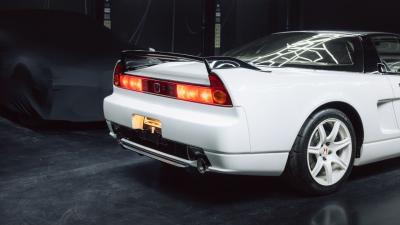
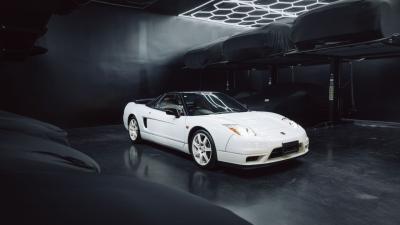
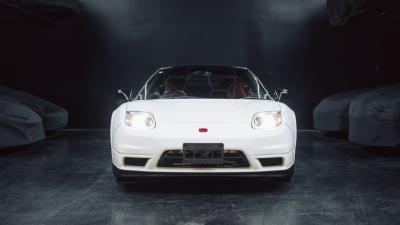
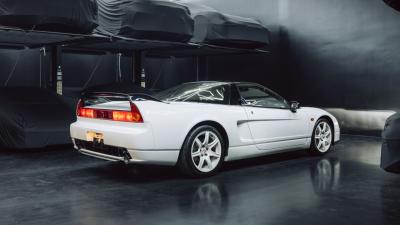
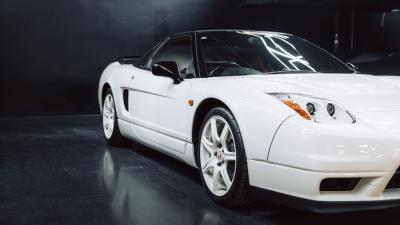
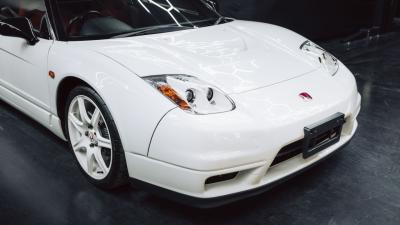
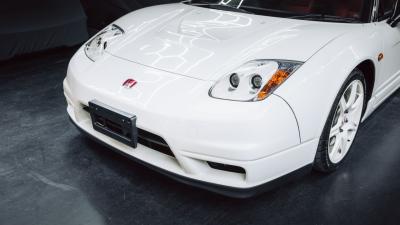
Sporting the quintessential specification of Championship White over a red Alcantara interior, this 2003 Honda NSX-R, chassis number 1400098, has only recently emerged from its home country. Its clean CarVX Report records first registration in April 2003 and multiple inspections in the 2020s.
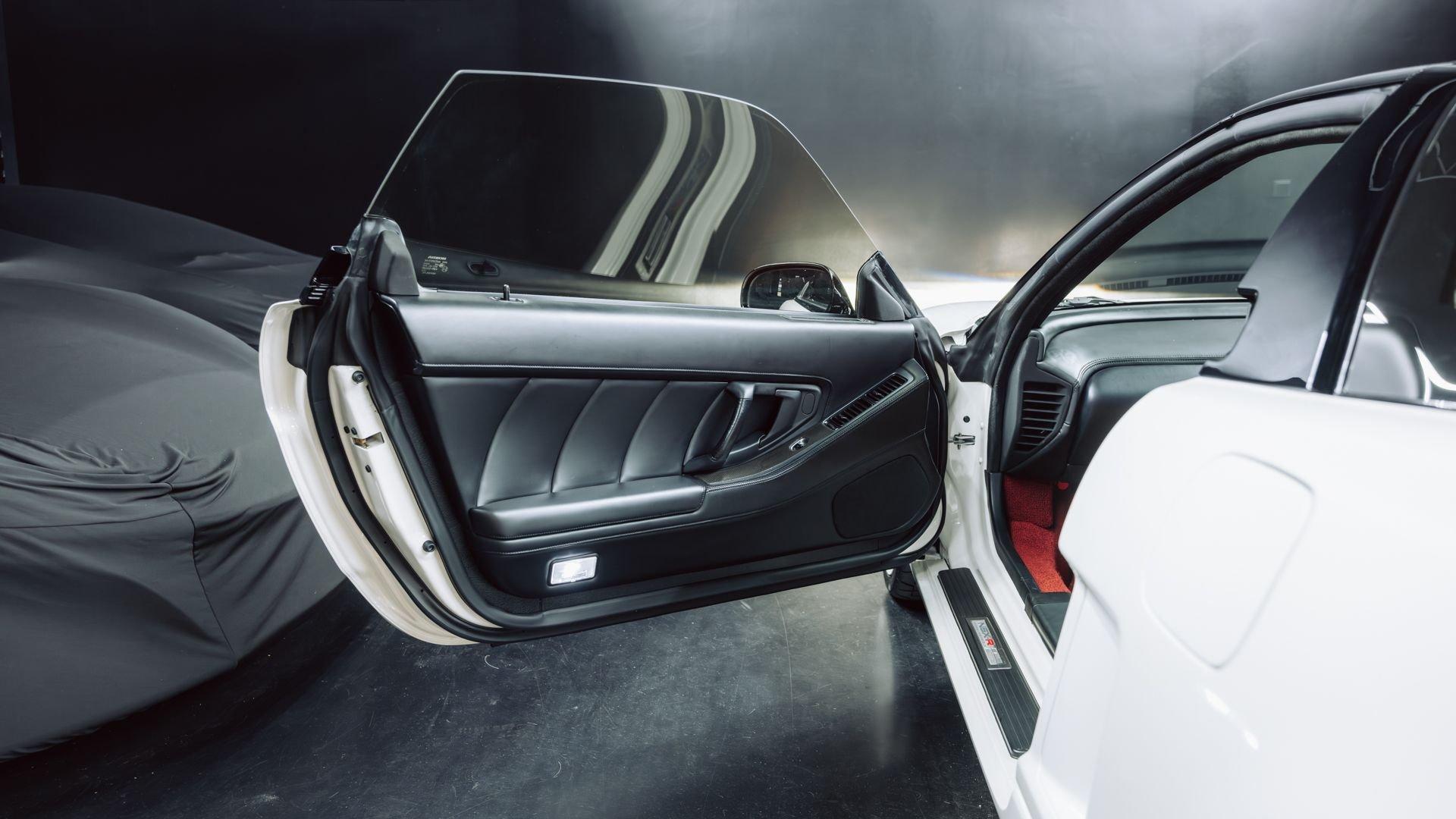
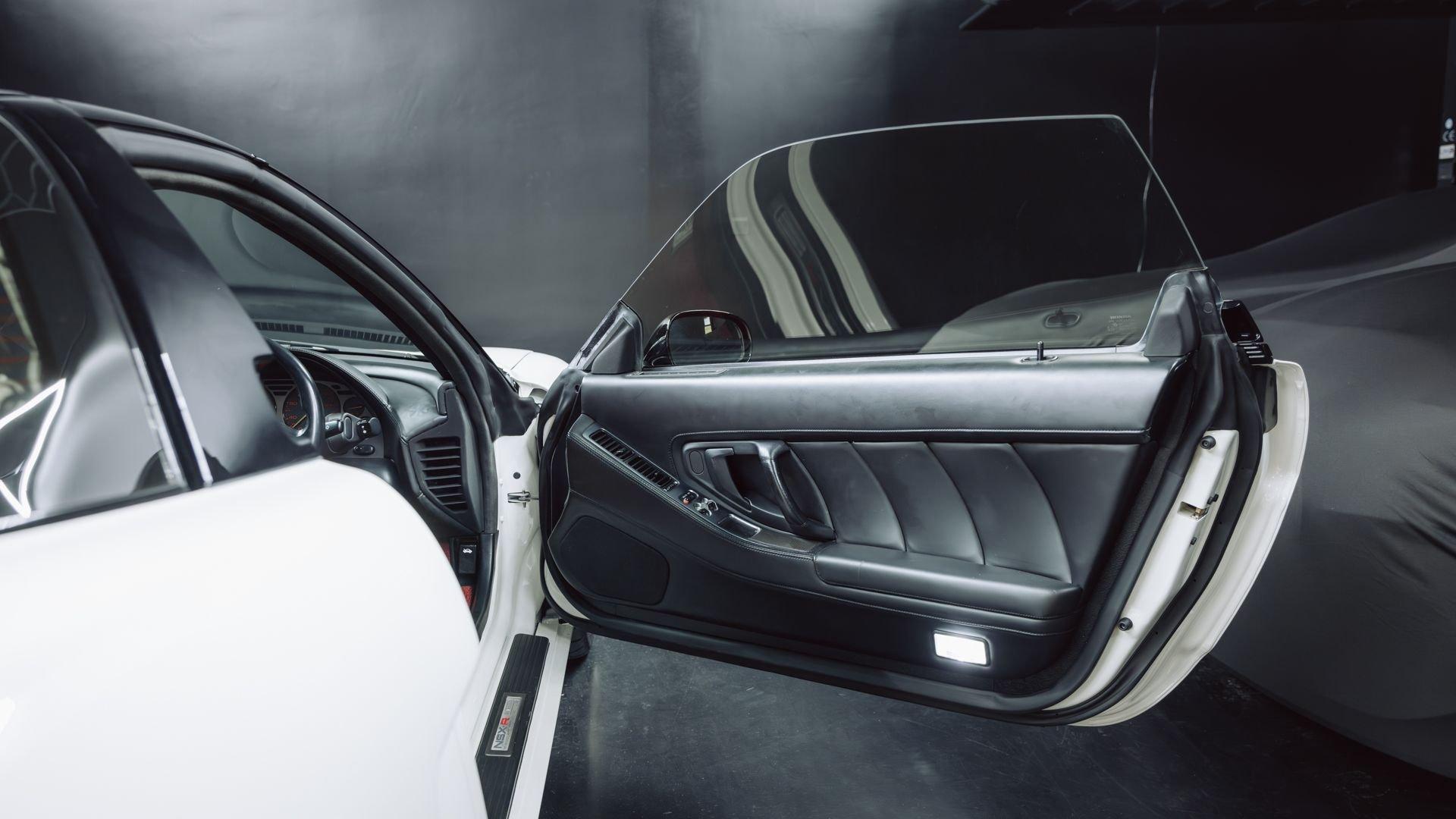
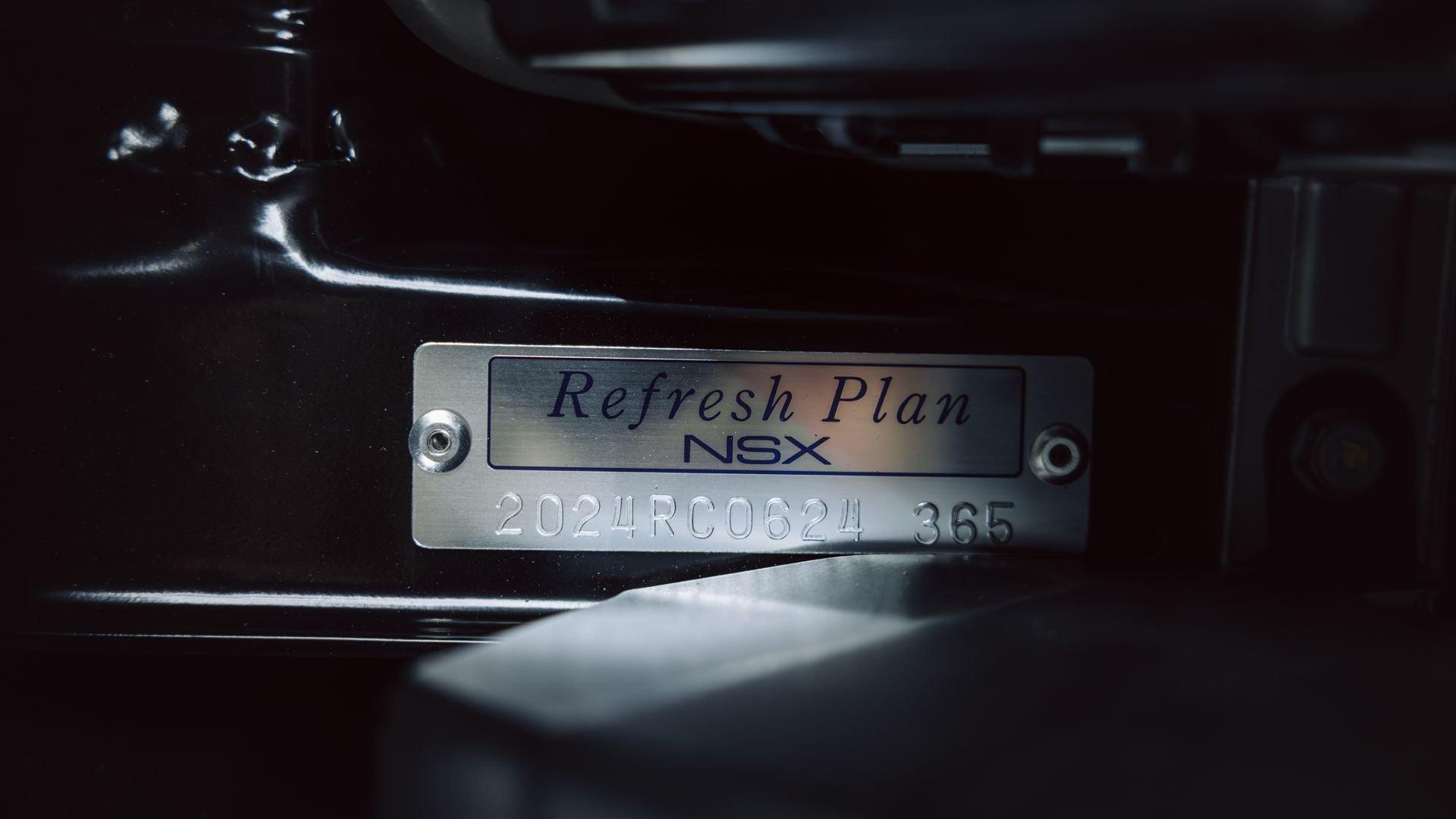
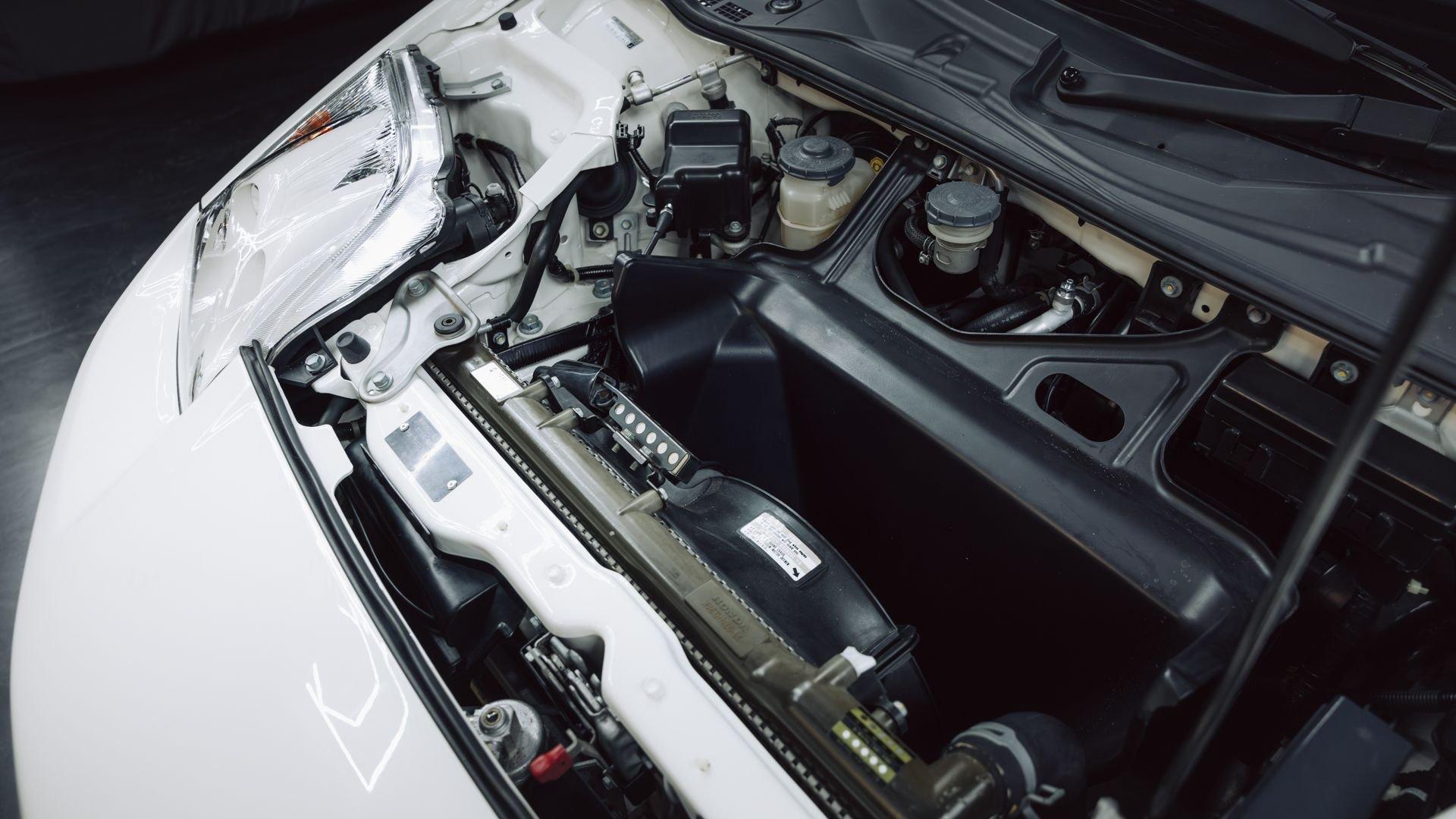
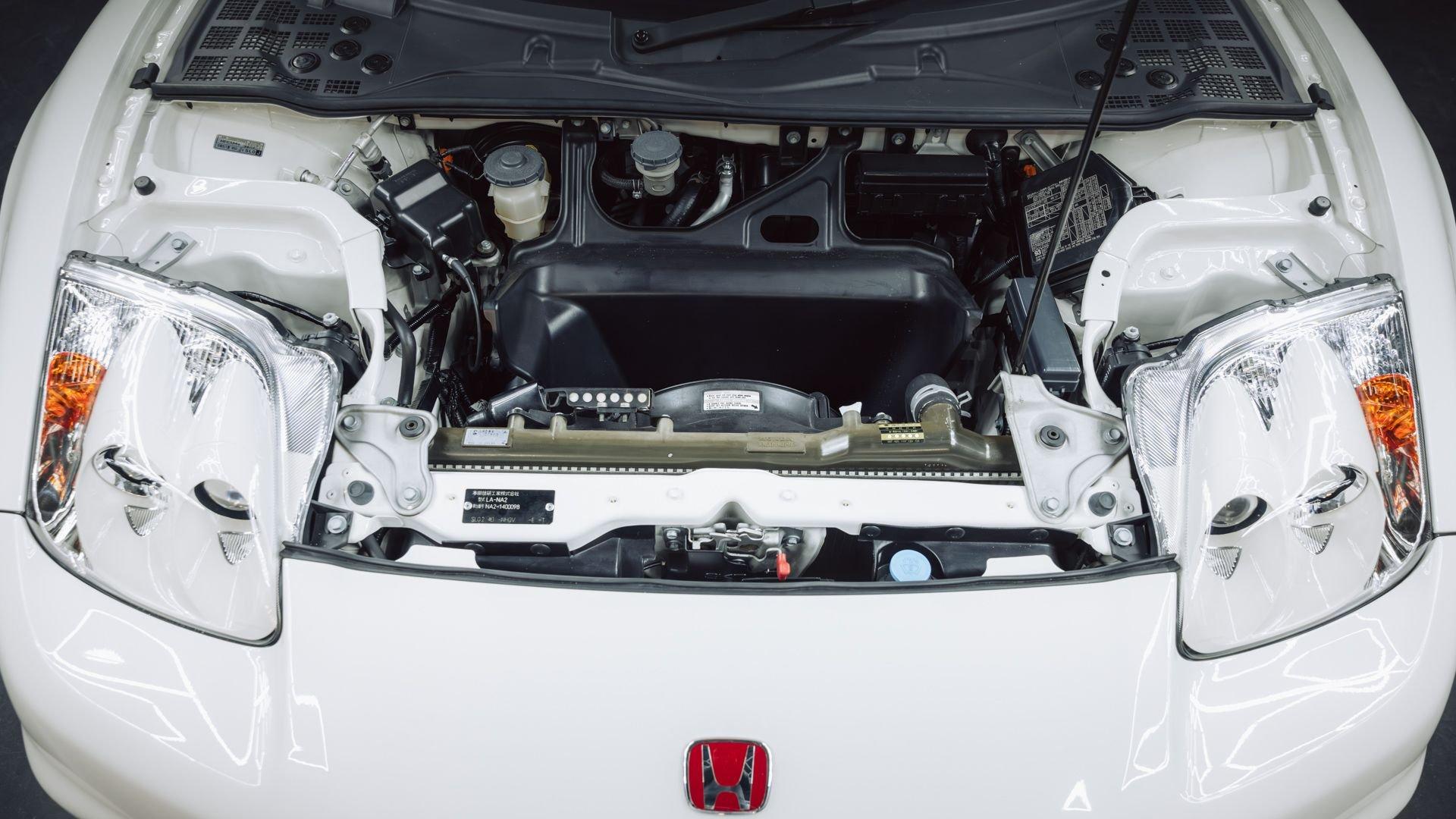
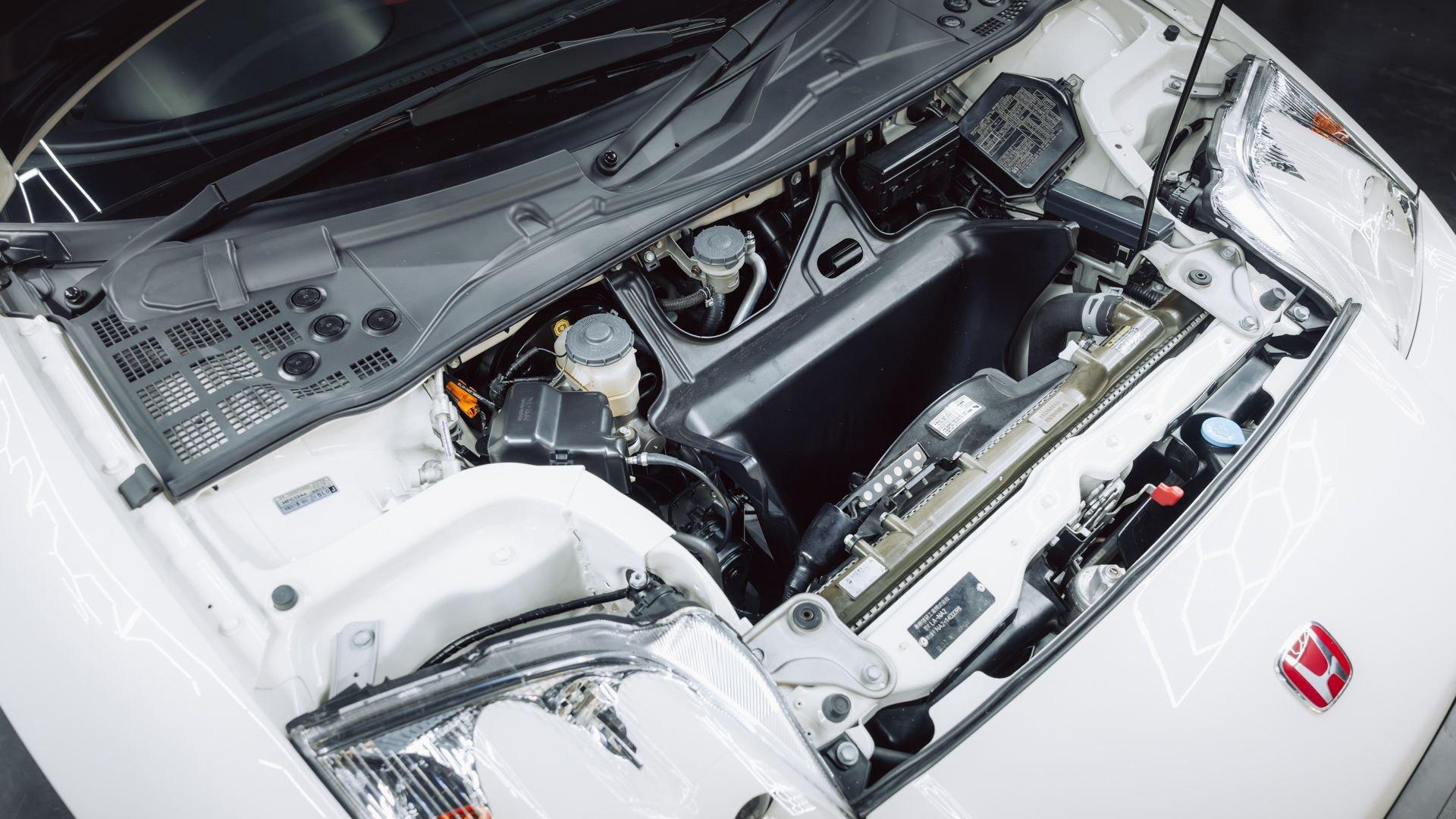
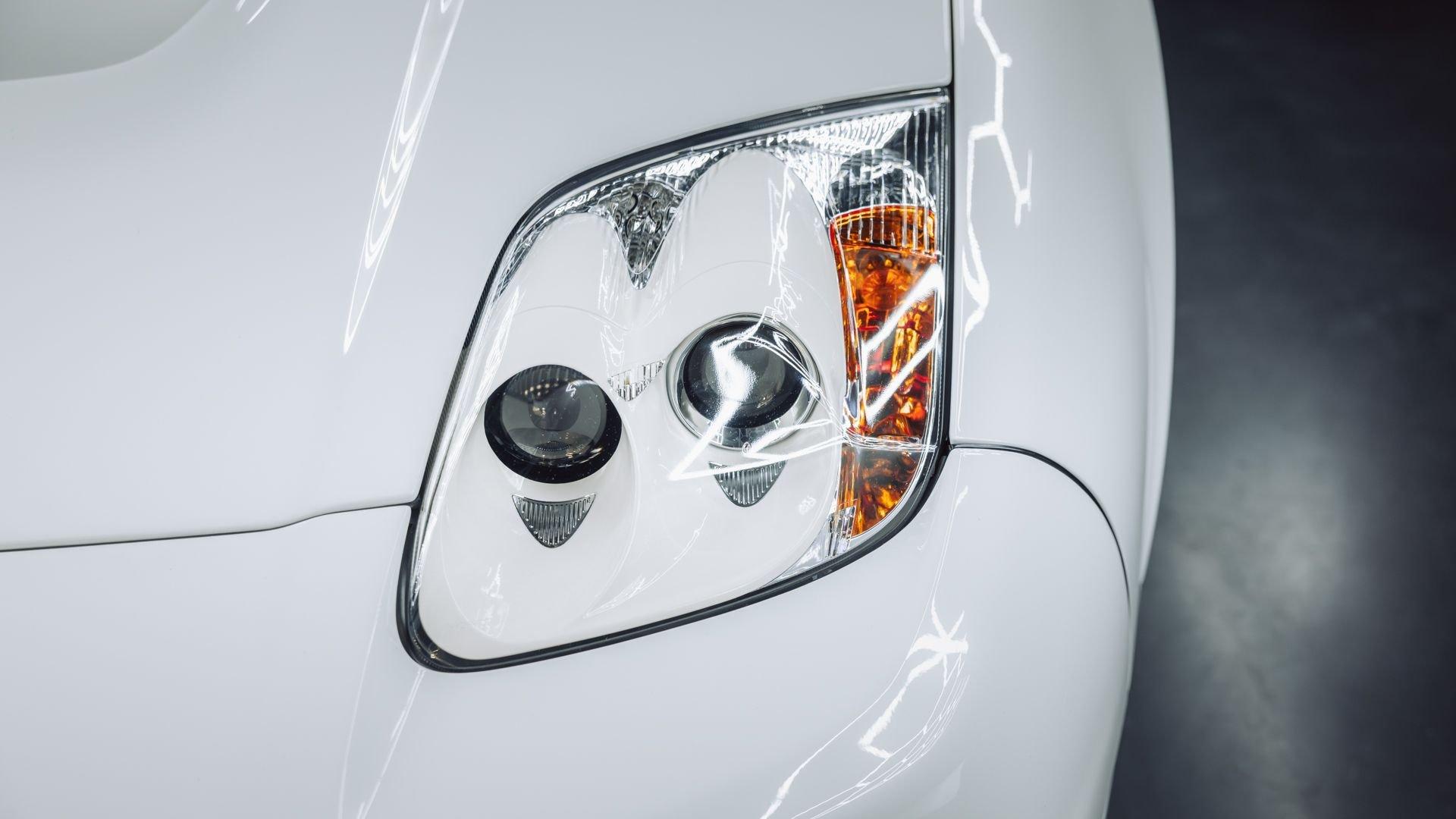
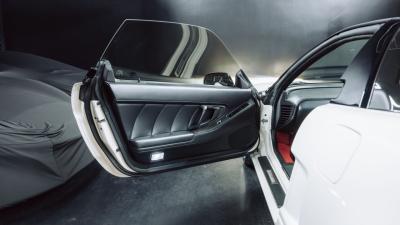
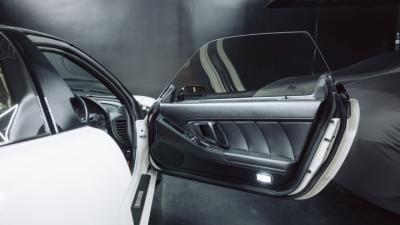
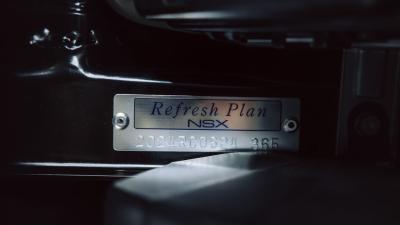
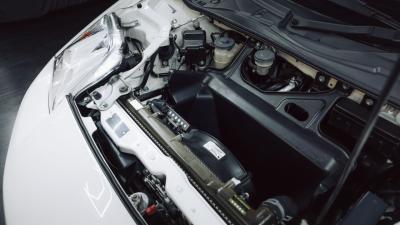
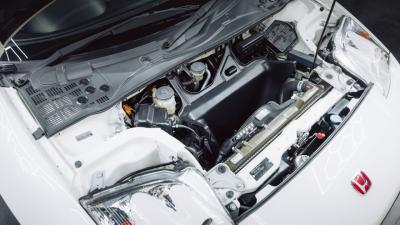
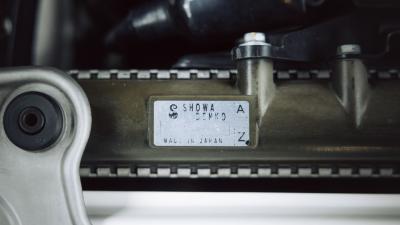
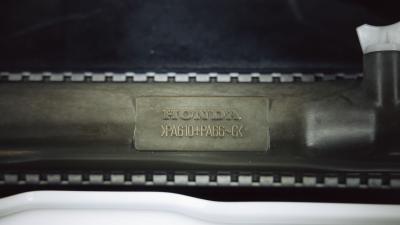
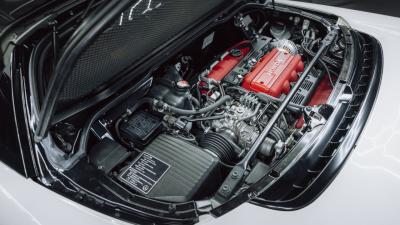
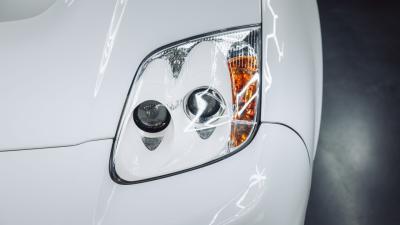
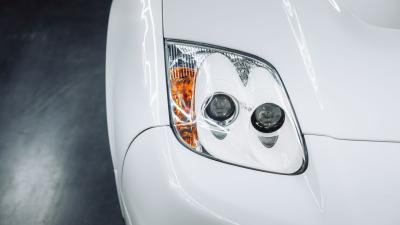
In 2022, chassis 1400098 was selected for the NSX Refresh Plan: Honda Japan's factory restoration program that features a several-year wait list. The consignor notes that the engine was removed and many of its components were refreshed. Its transmission was also overhauled with new synchronizers and bearings, and mated to a replacement clutch disc and release bearing. Its suspension was renewed with new upper and lower arms, bearings, and more. While the car was stripped of its critical components-the body, bumpers, side skirts, door mirrors, drip molding, and air intake were all repainted. Honda capped off its restoration by replacing its fuel and ABS systems as well as all the lights, door seals and trim, and window glass. This extensive rejuvenation was completed in 2023 and is marked by the coveted certification plaque in the engine bay.
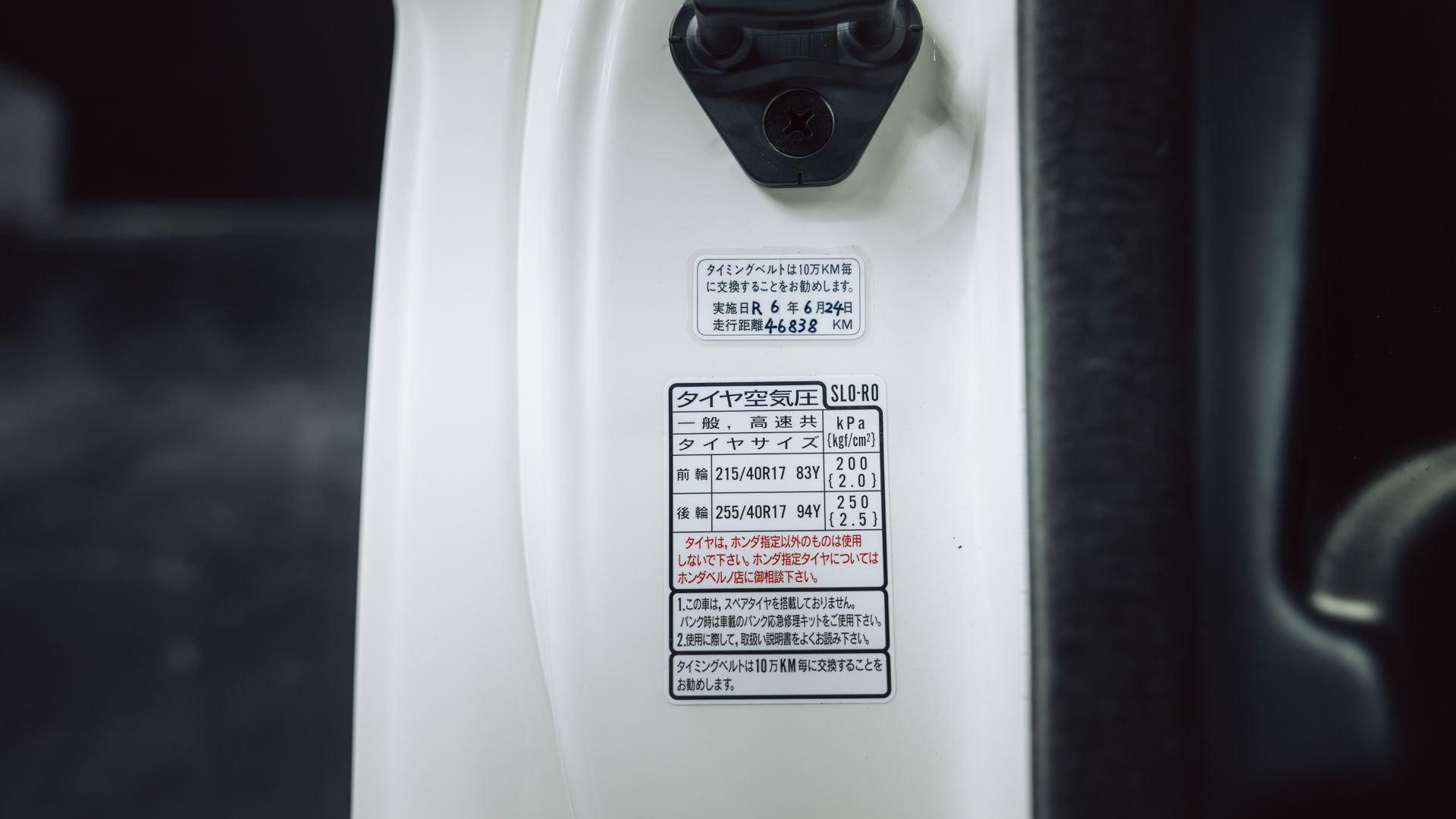
Chassis 1400098 was last registered in Gunma in January 2025 with just over 46.700 kilometers recorded, many of which had likely been accumulated on the world-renowned mountain roads the prefecture is known for. The NSX-R was exported to Germany at the end of that month when it joined the consignor's own meticulously curated stable of collector cars.
Already one of the most deified Japanese cars on offer, this 2003 Honda NSX-R is further distinguished by its recently completed, comprehensive restoration carried out directly by Honda. Its rarity, condition, and purpose make it equally appropriate as the apex of a curated Japanese car collection or as the unique weapon of choice to tackle the most legendary mountain roads.
VAT Qualifying: This lot is subject to VAT on the full purchase price (both the Hammer Price and the Buyer's Premium).
Documents: German Fahrzeugbrief
Contact Us
