




























































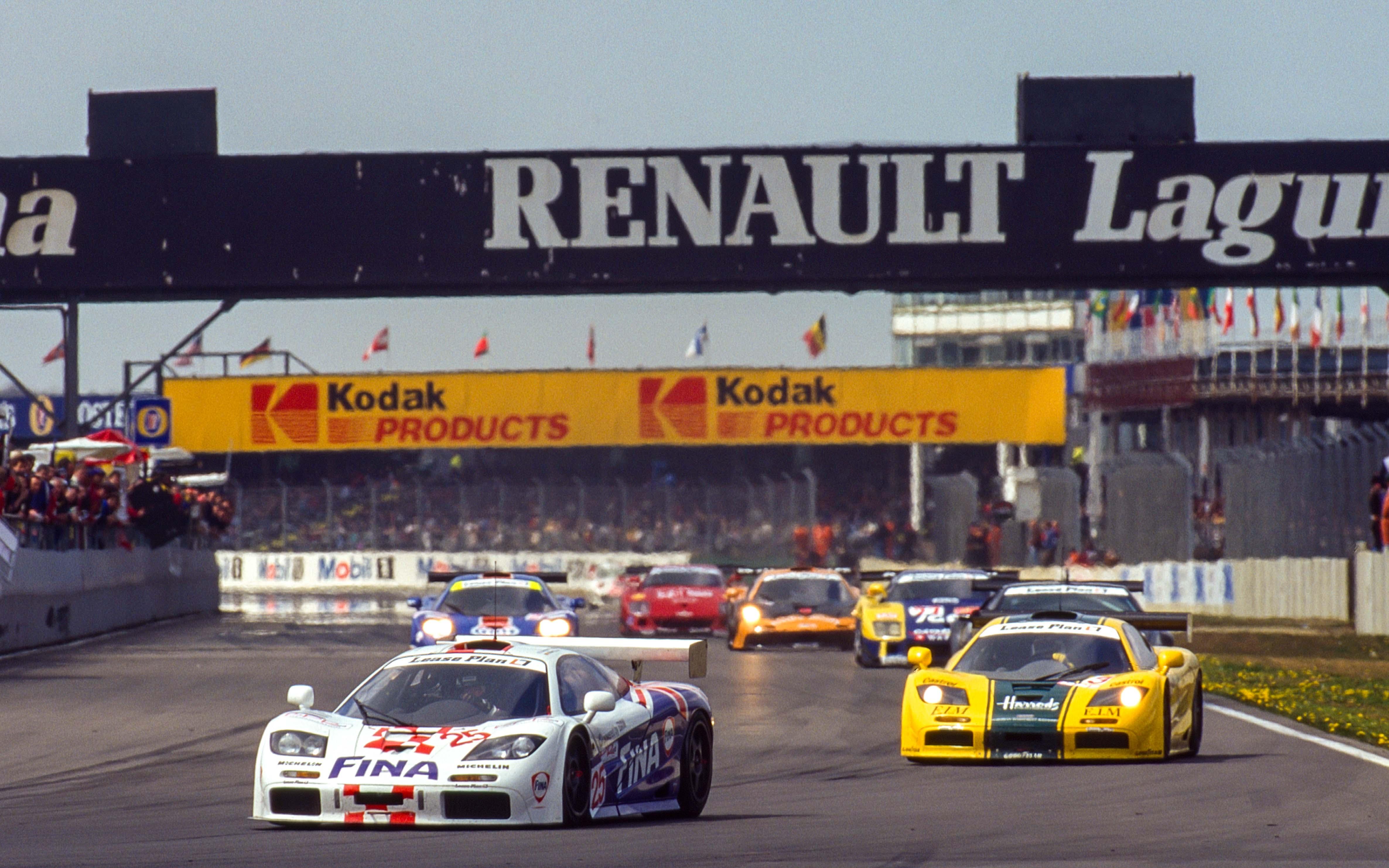
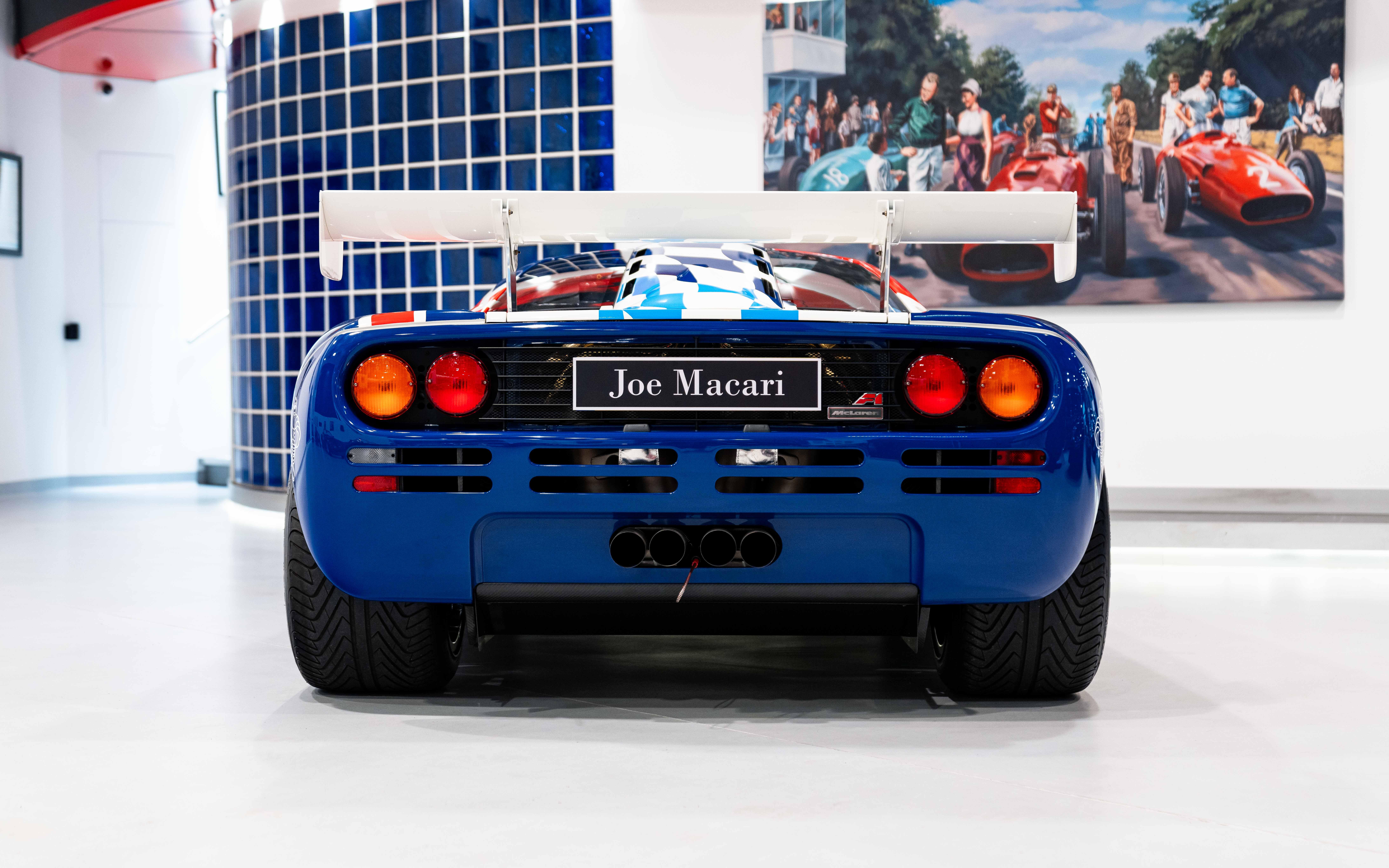
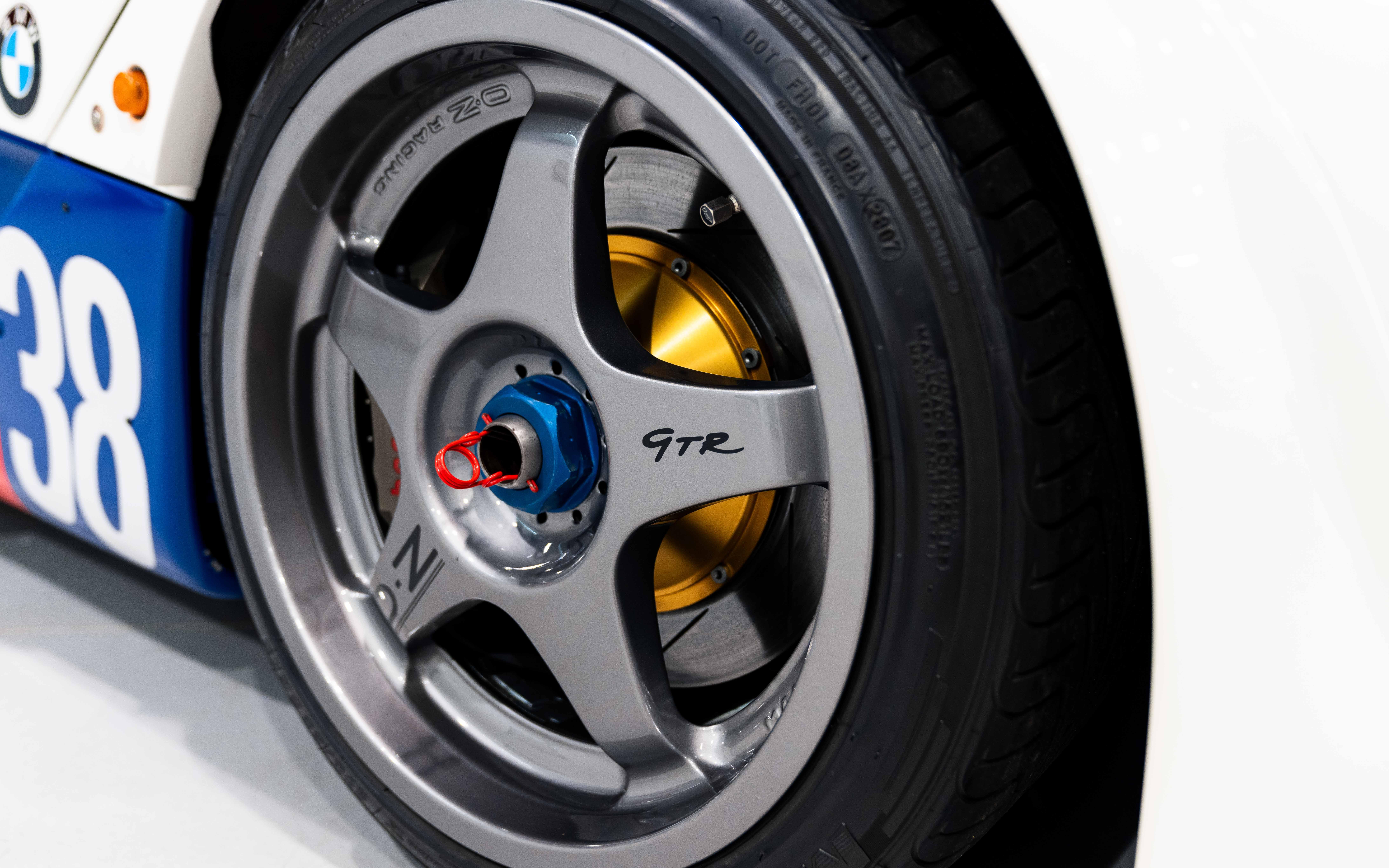
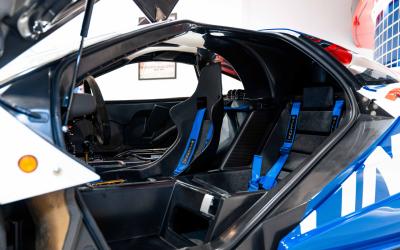
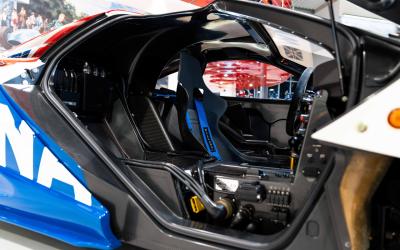
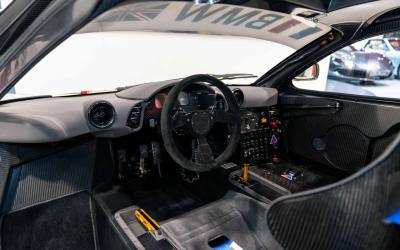
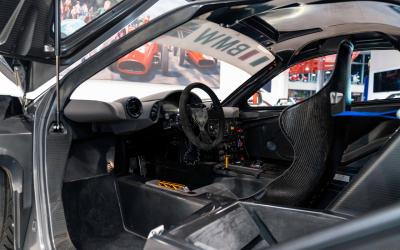
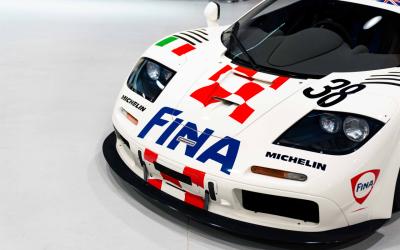
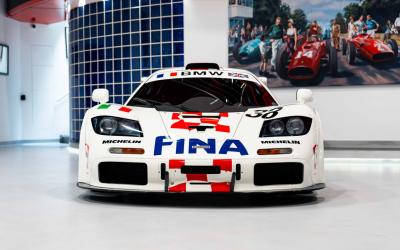
Although the McLaren F1 was never designed with racing in mind, a GTR competition version was eventually created for the 1995 season as the result of pressure applied by existing and potential customers such as Ray Belm and Thomas Bscher.
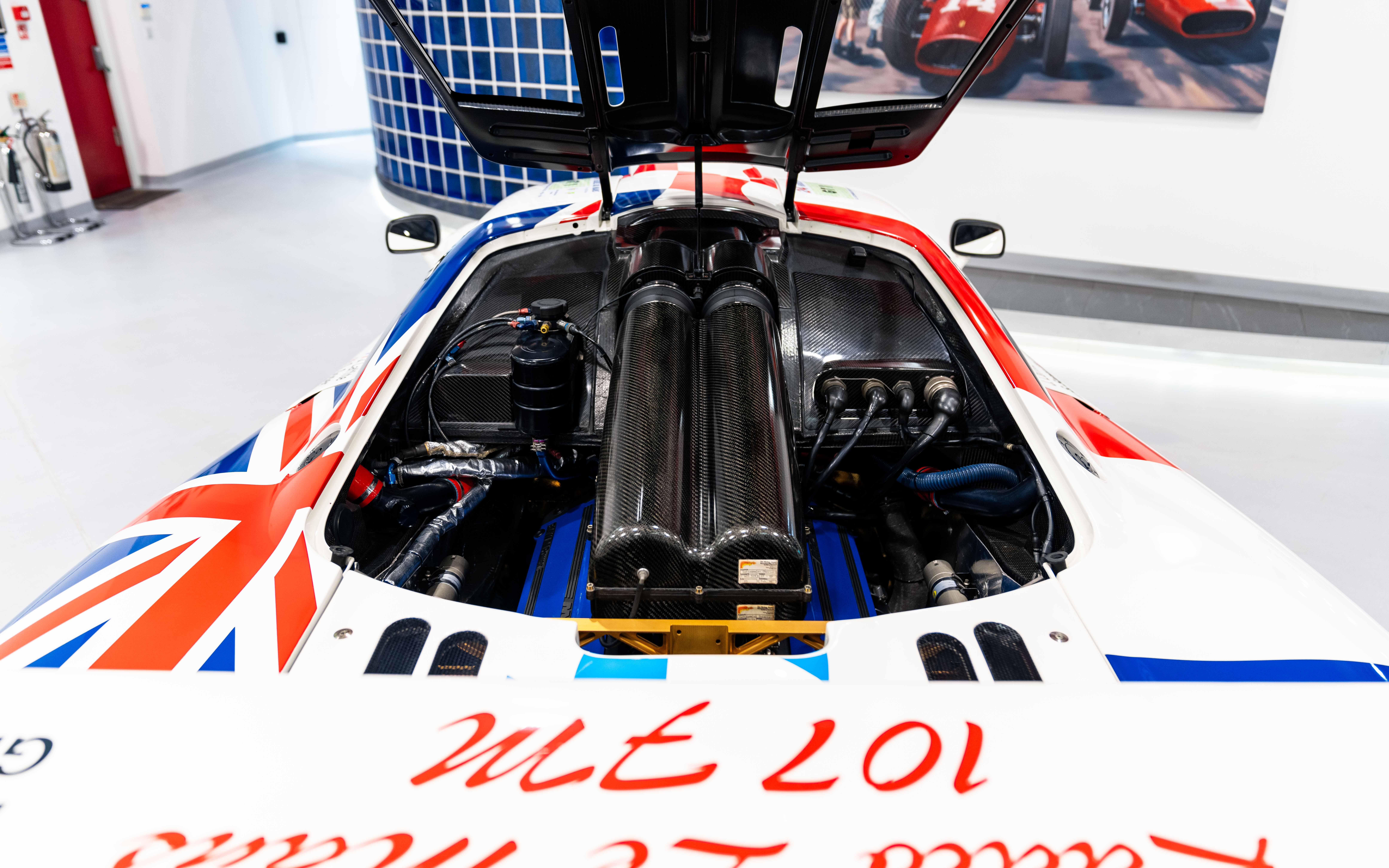
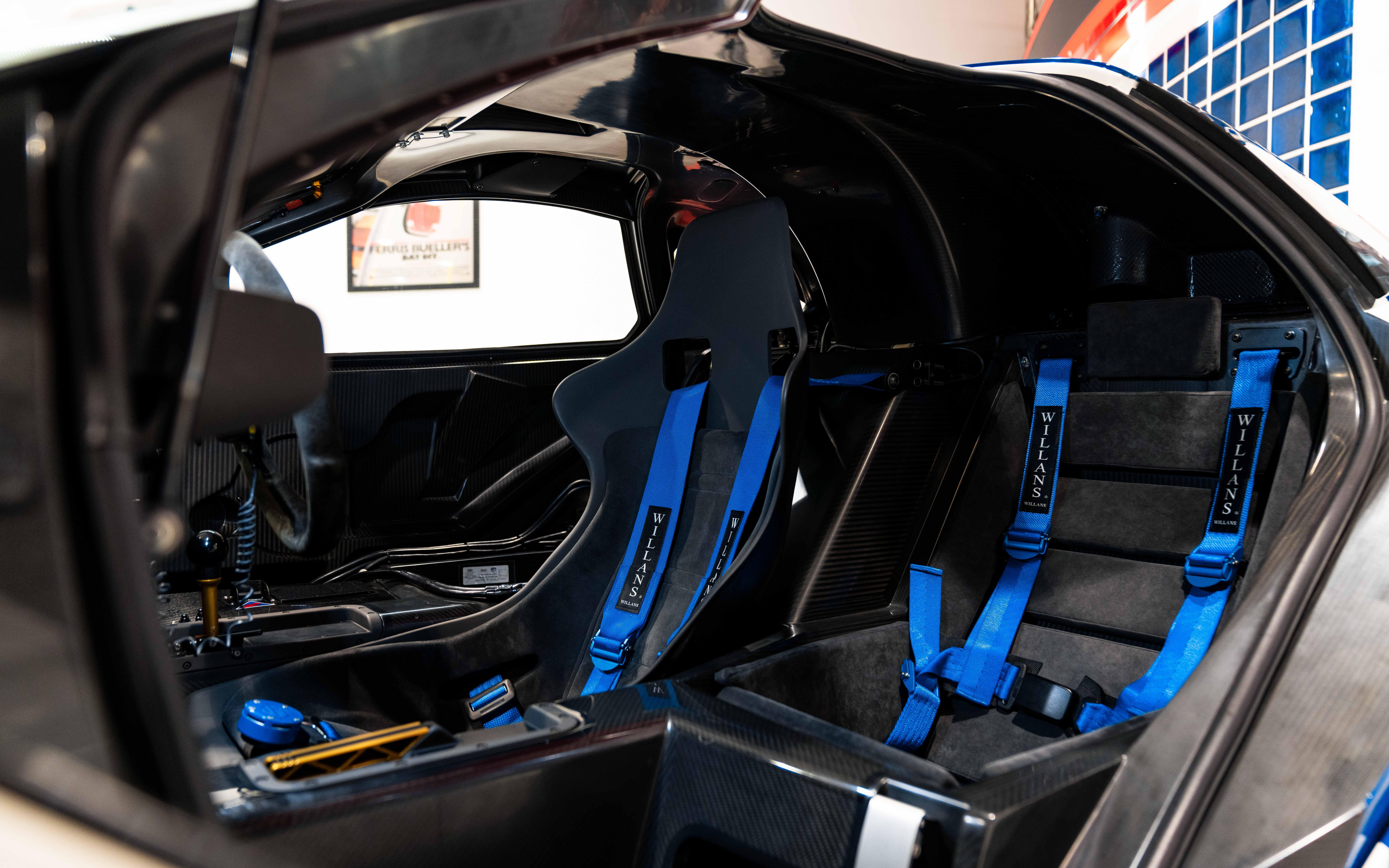
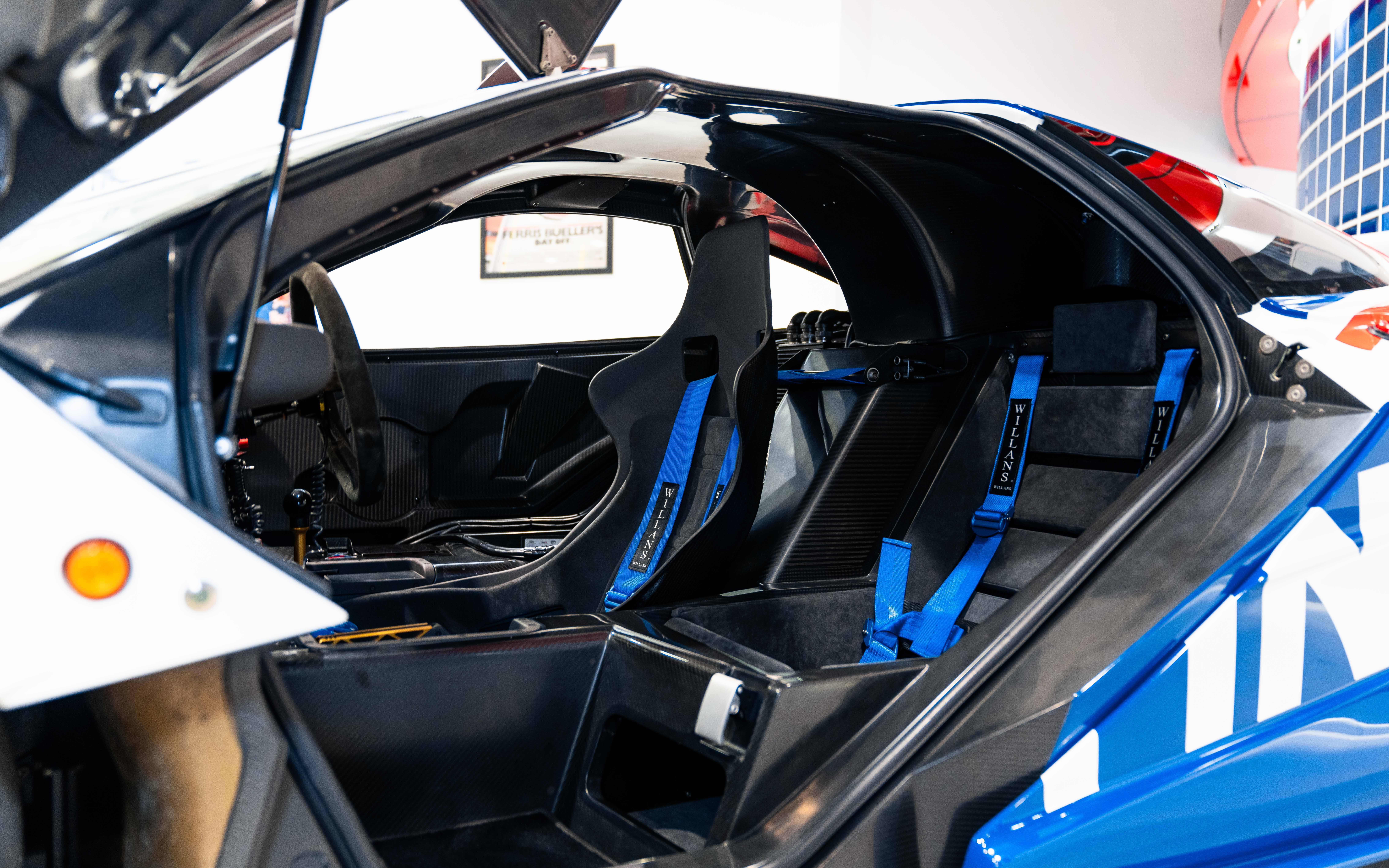
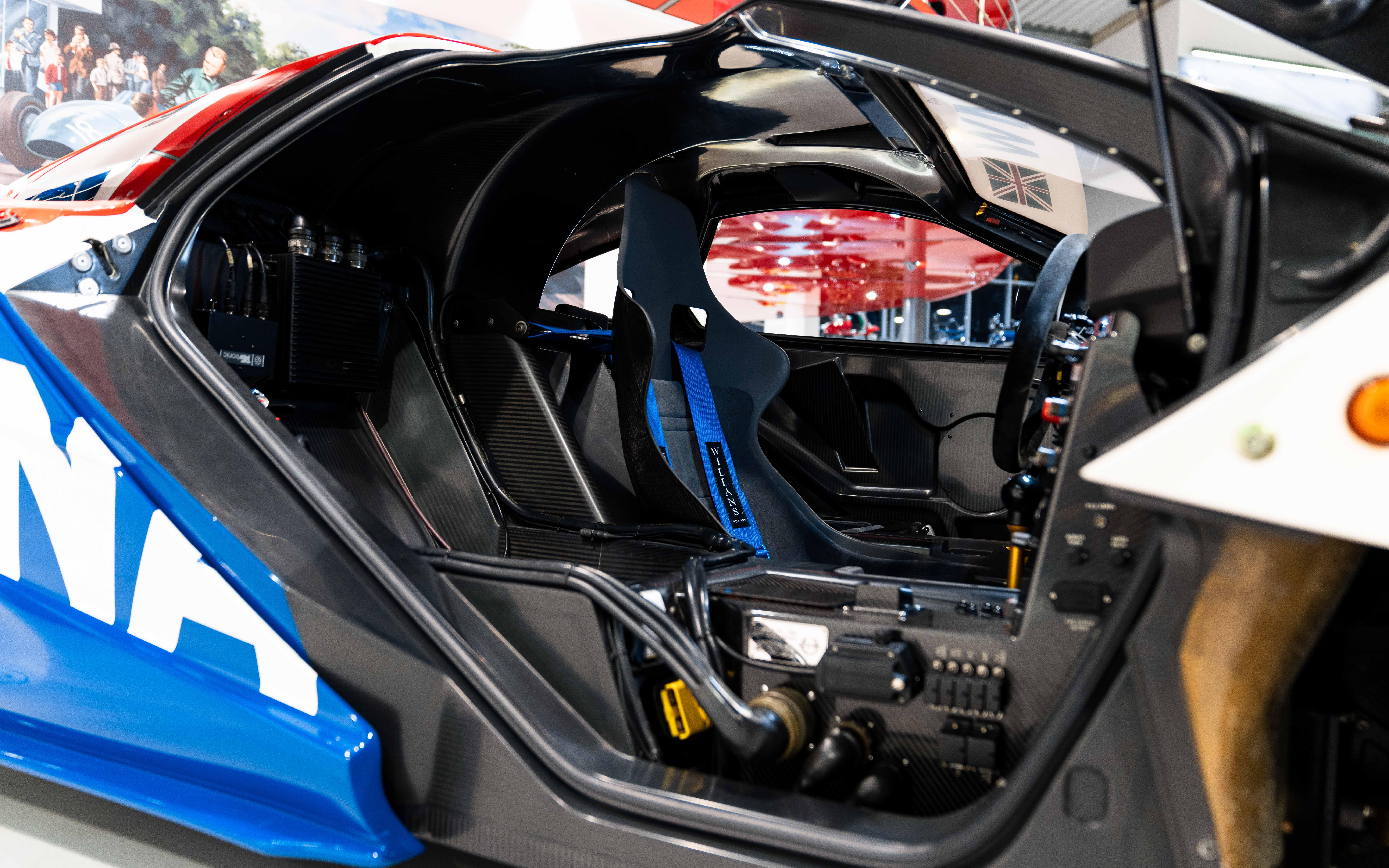
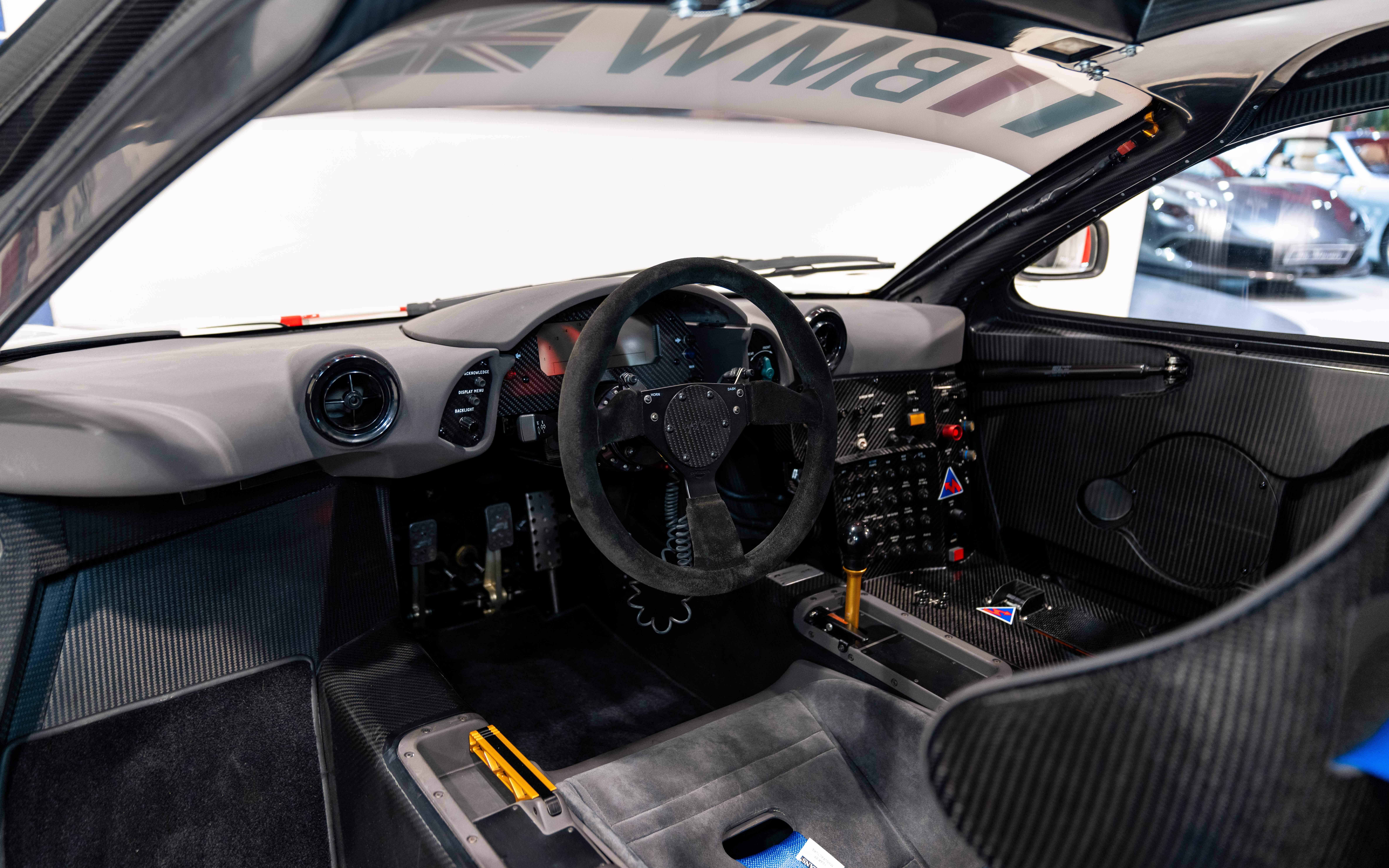
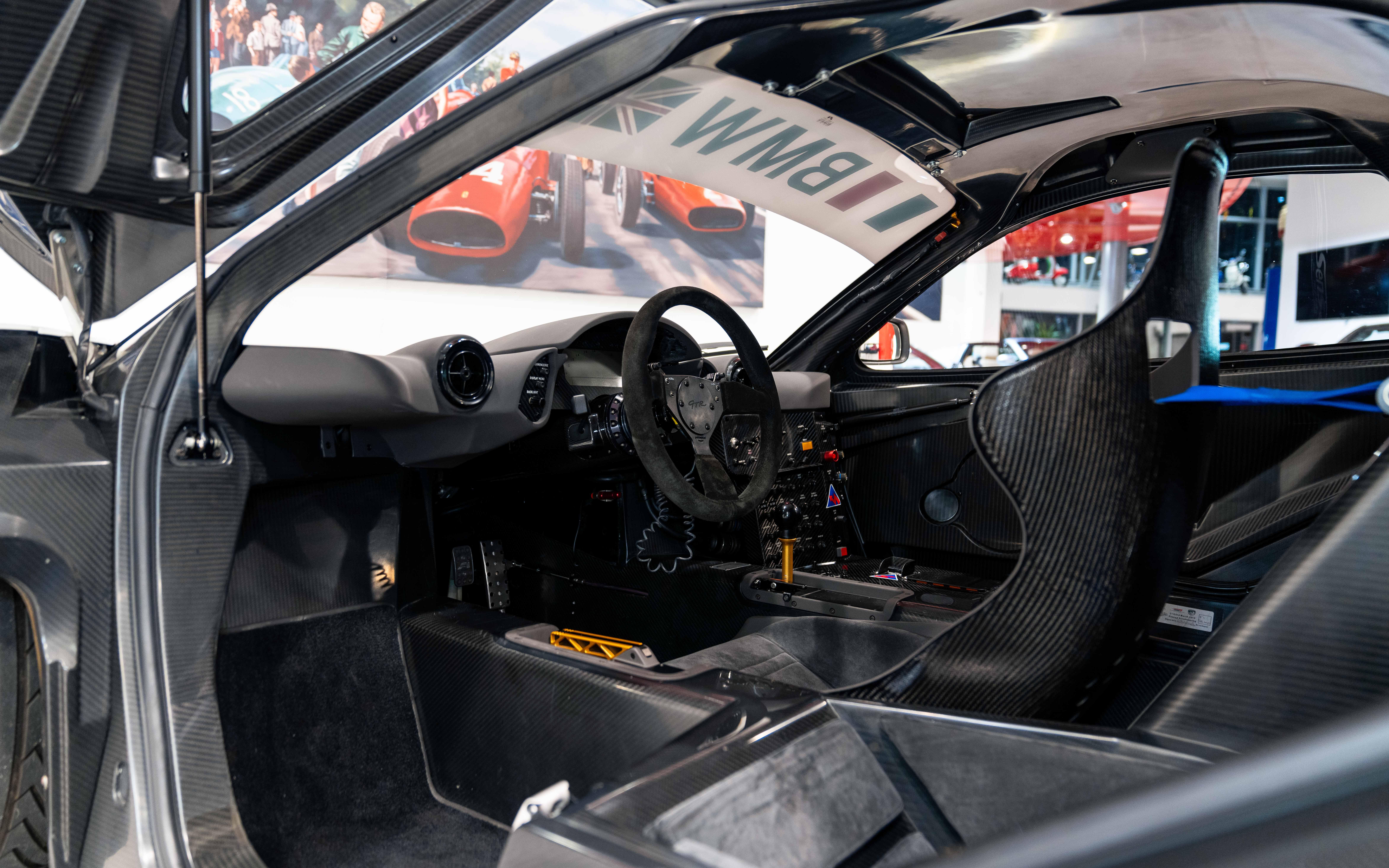
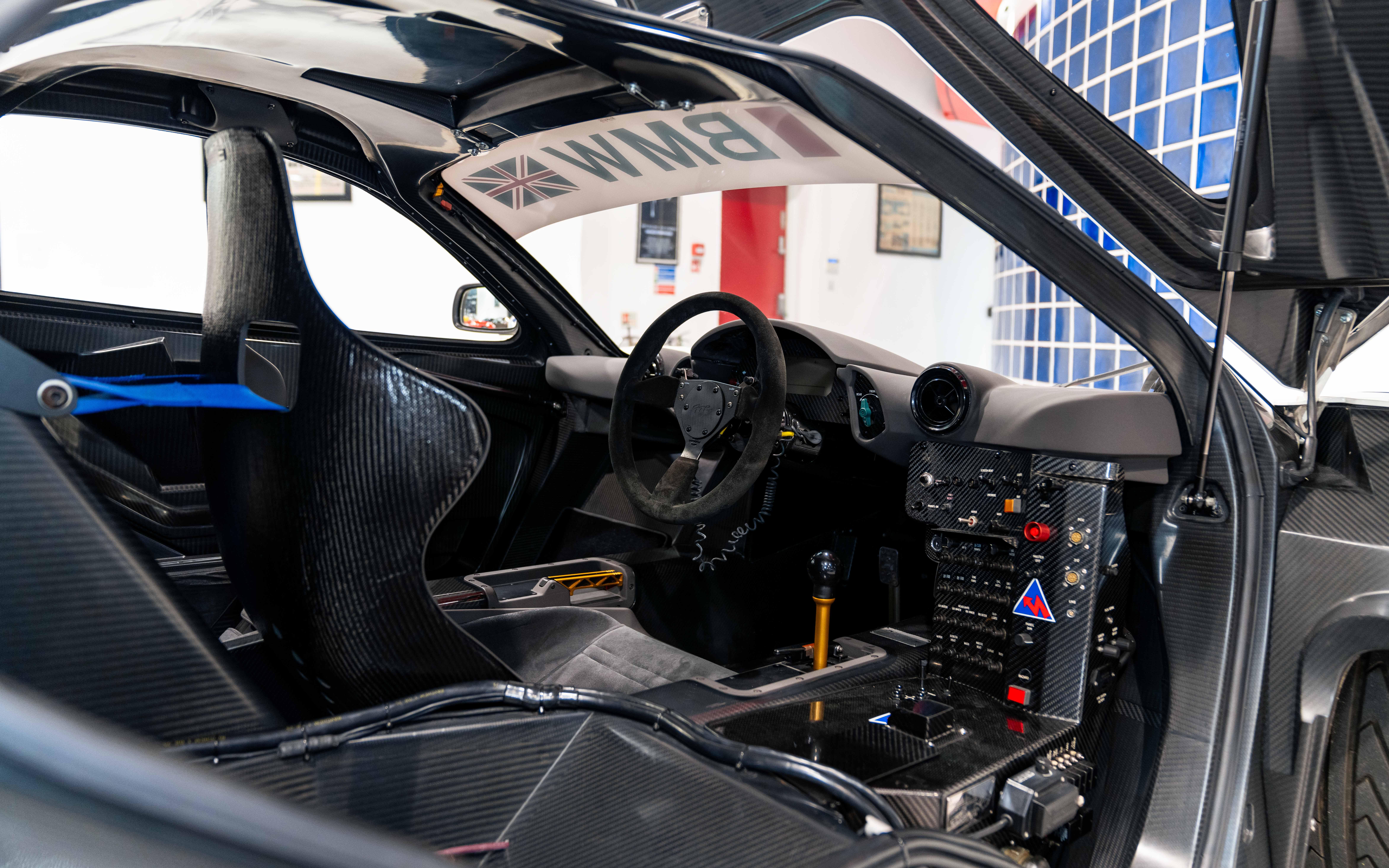
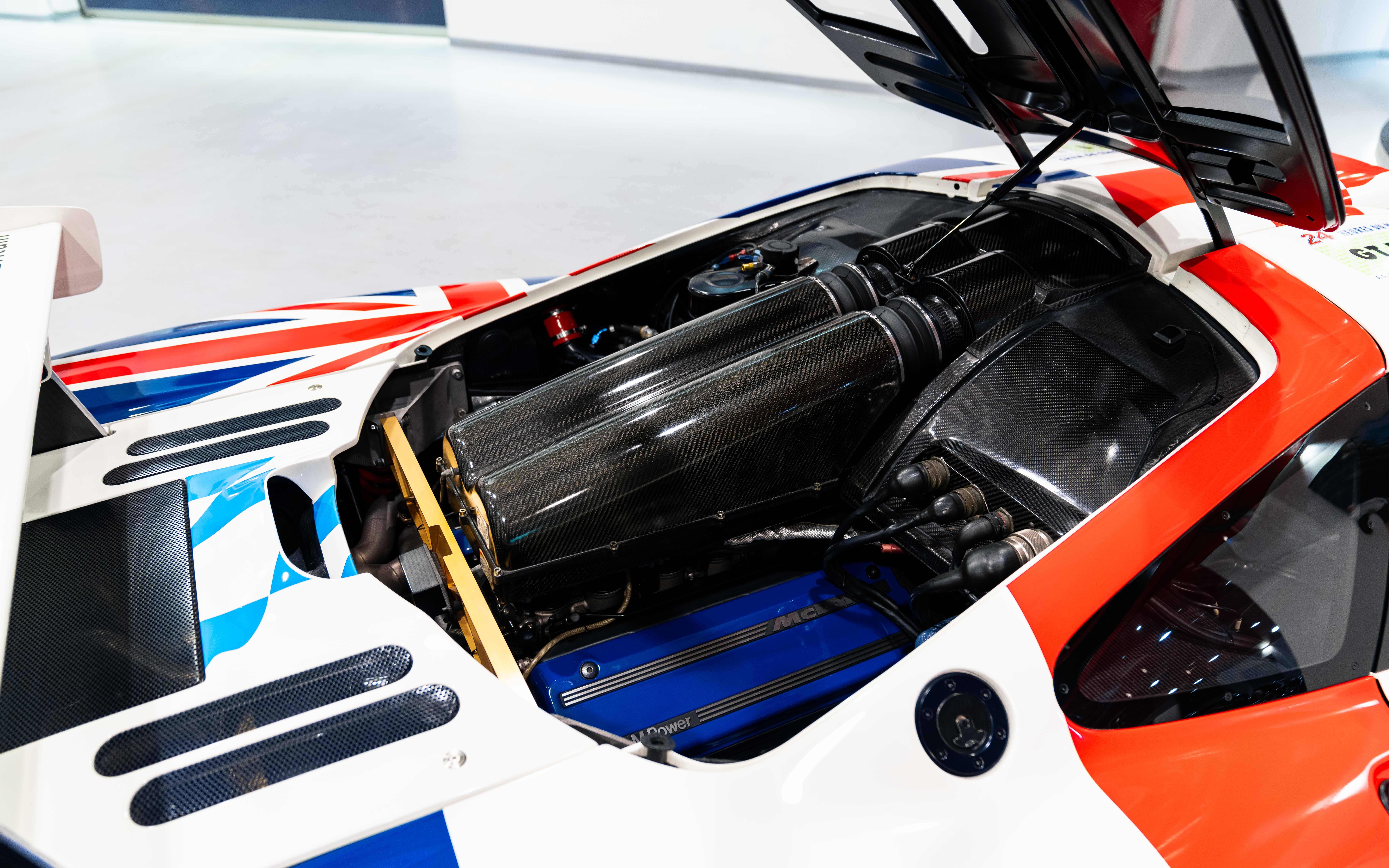
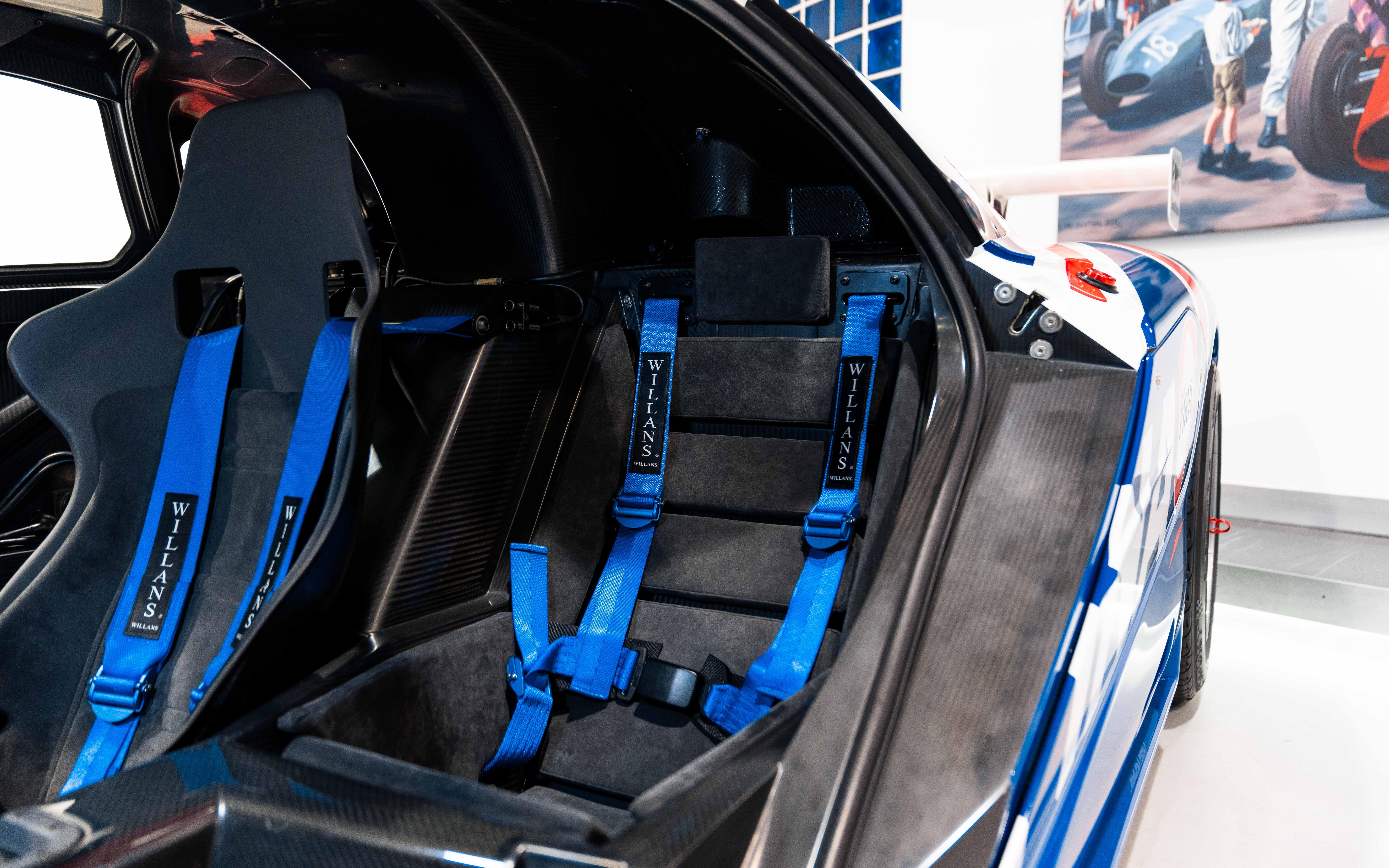
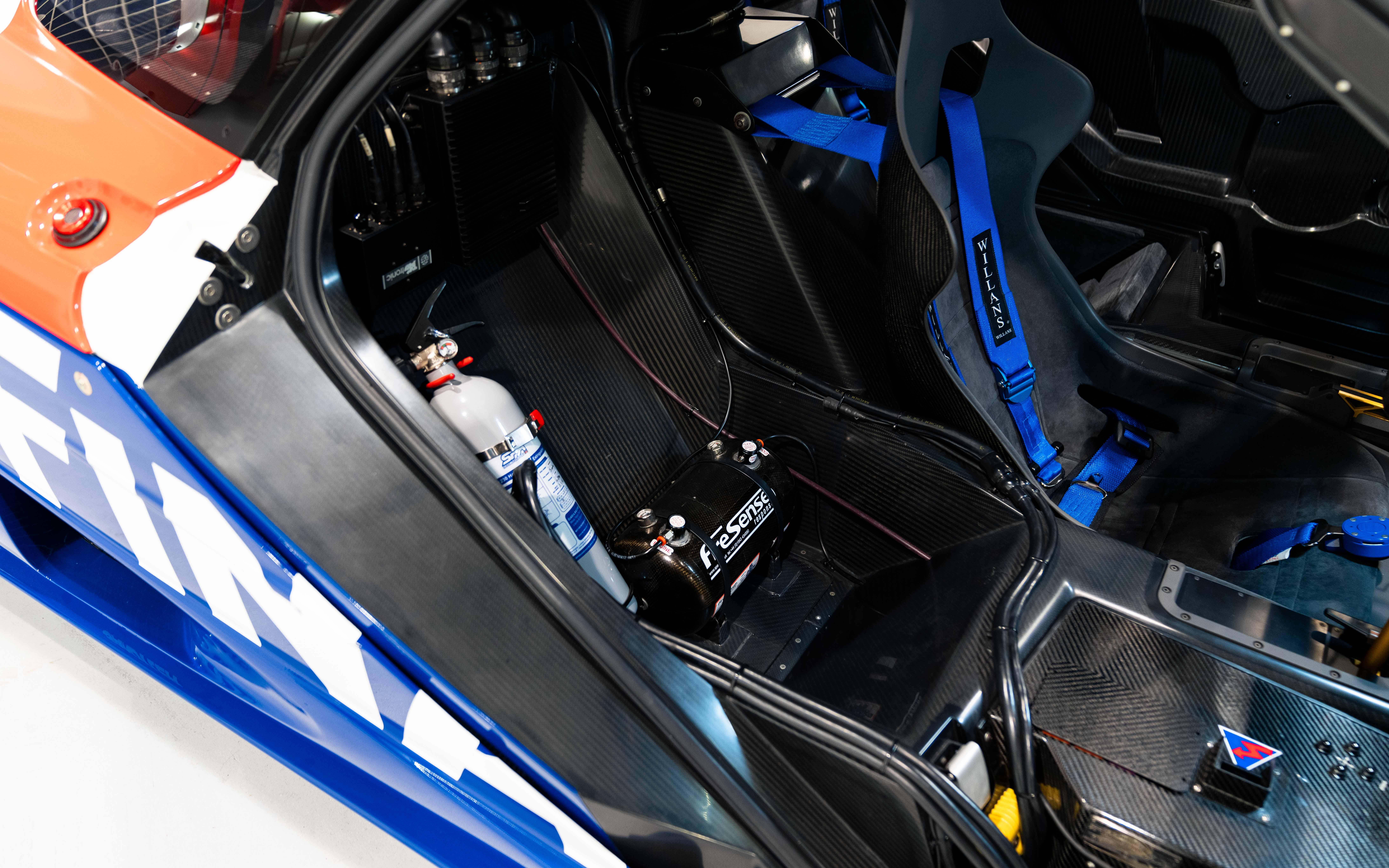
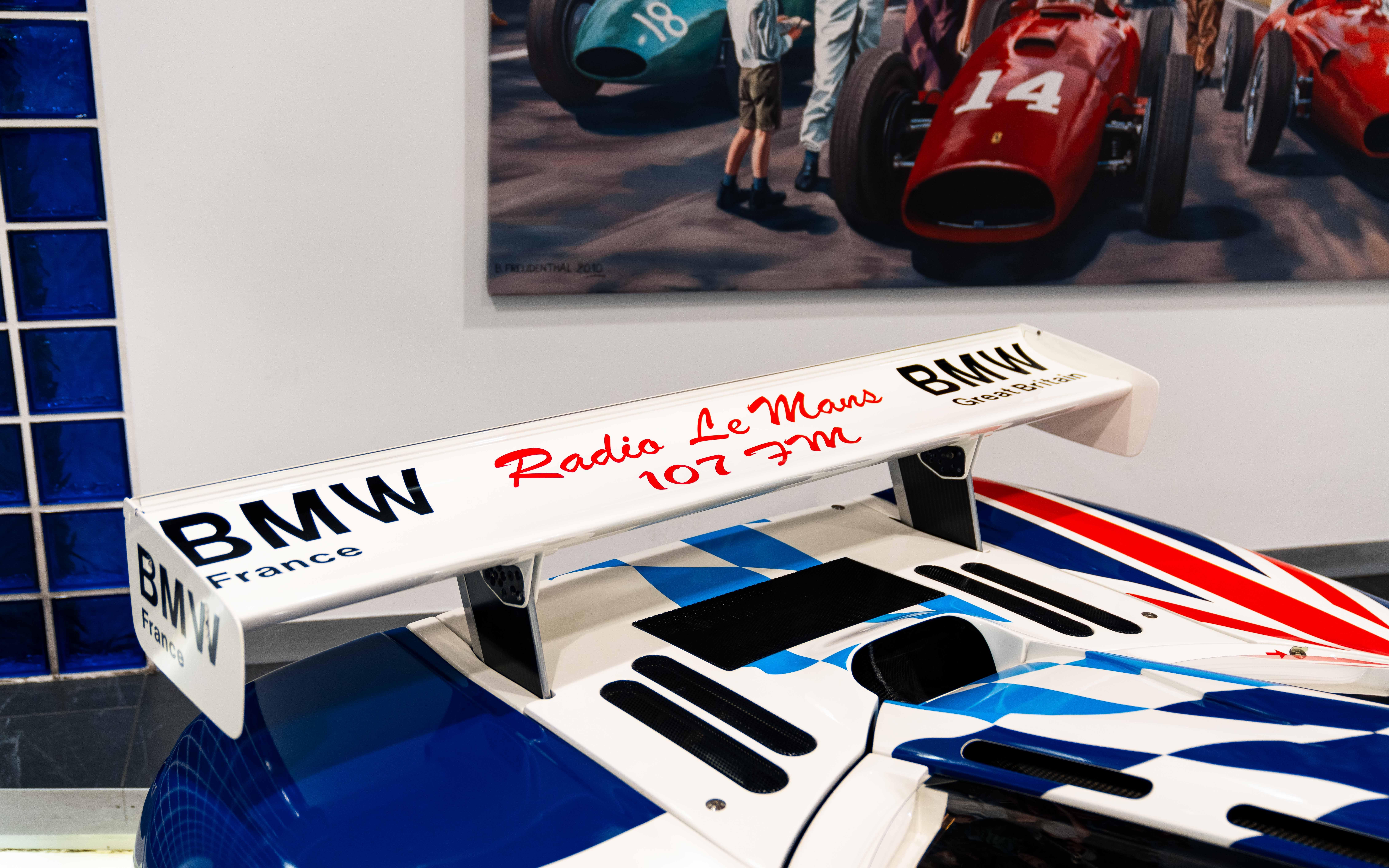
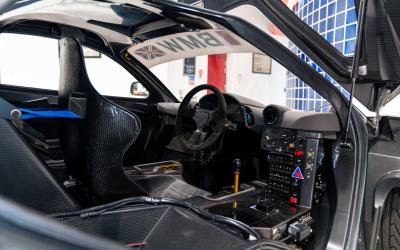
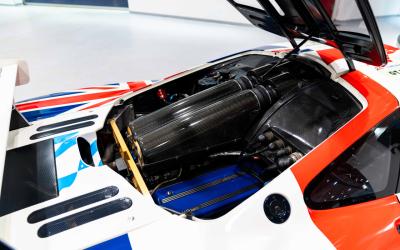
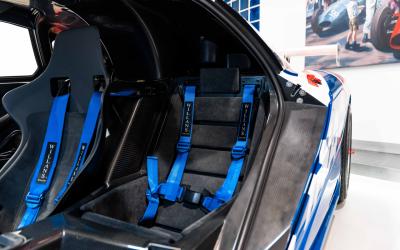
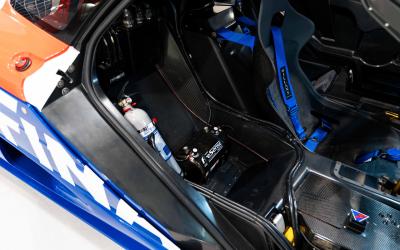
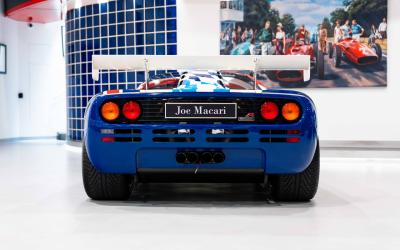
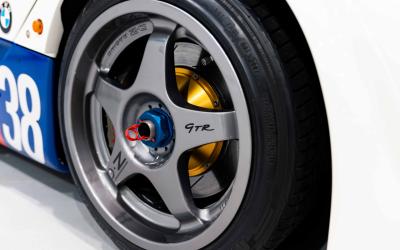
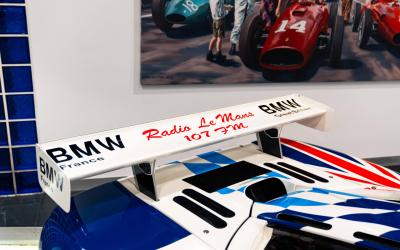
The new 'F1 GTR' was built to the international 'GT1' regulations, which meant it would also be eligible for the 24 Hours of Le Mans. Based on the already sublime F1 road car, little work was required to get the car to competition standard. Bodywork modification saw the addition of various cooling ducts. A large adjustable fixed wing was added to the rear of the car and carbon brakes replaced the stock units. The interior was stripped of all luxuries lowering the weight of the GTR by around 120kg. Regulations meant the BMW V12 was restricted to around 600 PS (592 hp; 441 kW), making the racing car less powerful than the road car, yet faster and nimbler due to the lowered overall weight. Features such as the central seating position, upwards opening doors and even the standard gearbox were retained.
A total of nine chassis would be built for the 1995 season, with #01R being retained by the factory as a test mule. Success came thick and fast for the newcomer and in the 1995 Le Mans 24-Hour race, GTRs finished 1st, 3rd, 4th and 5th places.
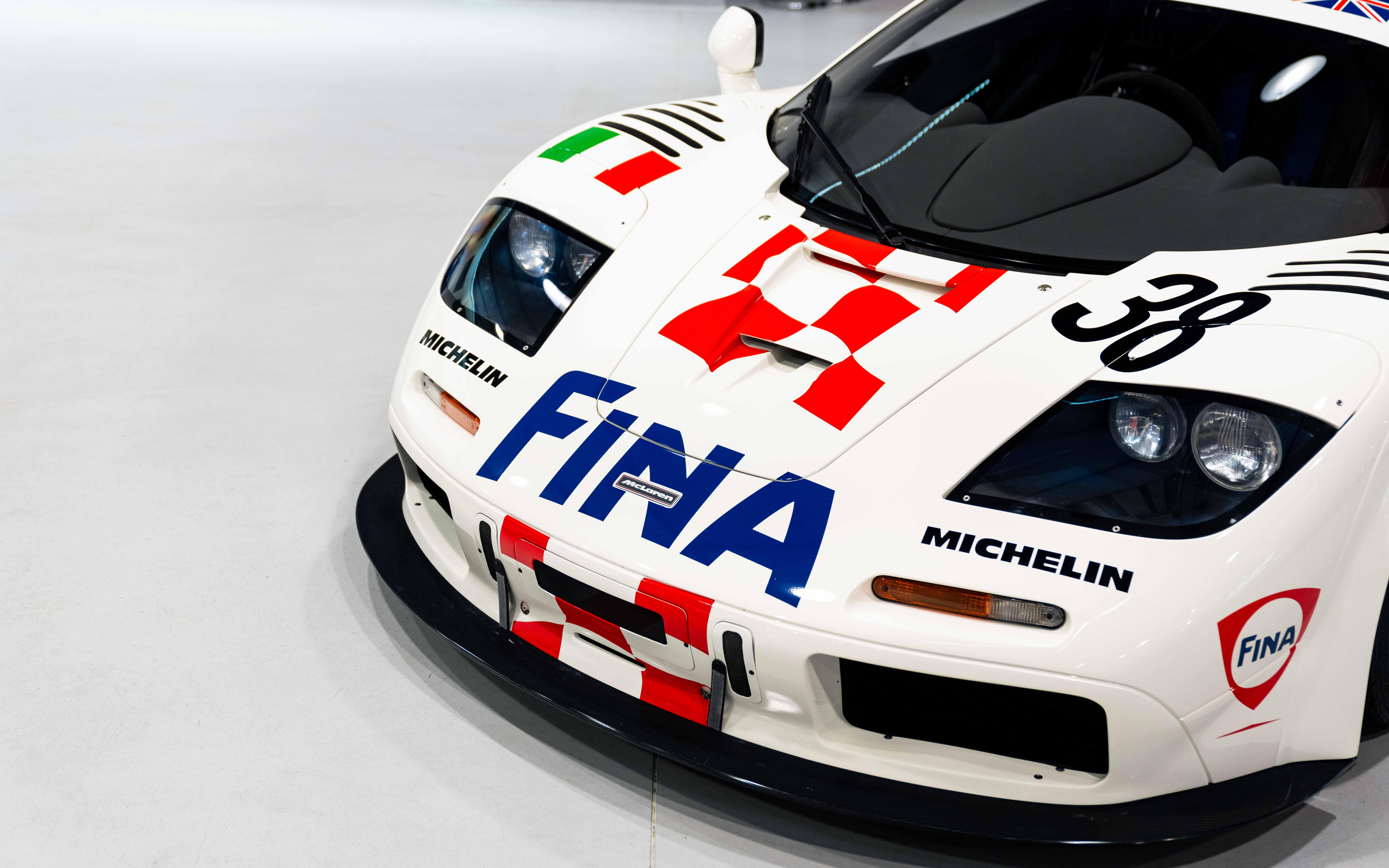
Following a near perfect season, McLaren allocated more time and funds to develop the F1 GTR further for 1996. Set-up changes saw ground clearance dropped a further 15mm at the front and a more aggressive chin spoiler affixed that stretched the overall length of the car by 80mm. Running an unchanged 600bhp engine, mechanical revisions to the '96 spec F1 were made in the form of an uprated gearbox housed in a lightweight magnesium casing. The gearbox featured stronger shafts, thicker wall casings and wider gear wheels. Weight of the car was also dropped from 1050kg to 1012kg and performance further improved. The F1 GTR 1996 was the fastest variant in terms of straight-line speed, hitting 330 km/h on the Mulsanne Straight at Le Mans in 1996. A further nine chassis were constructed and two of the existing nine cars were updated to the latest specification.
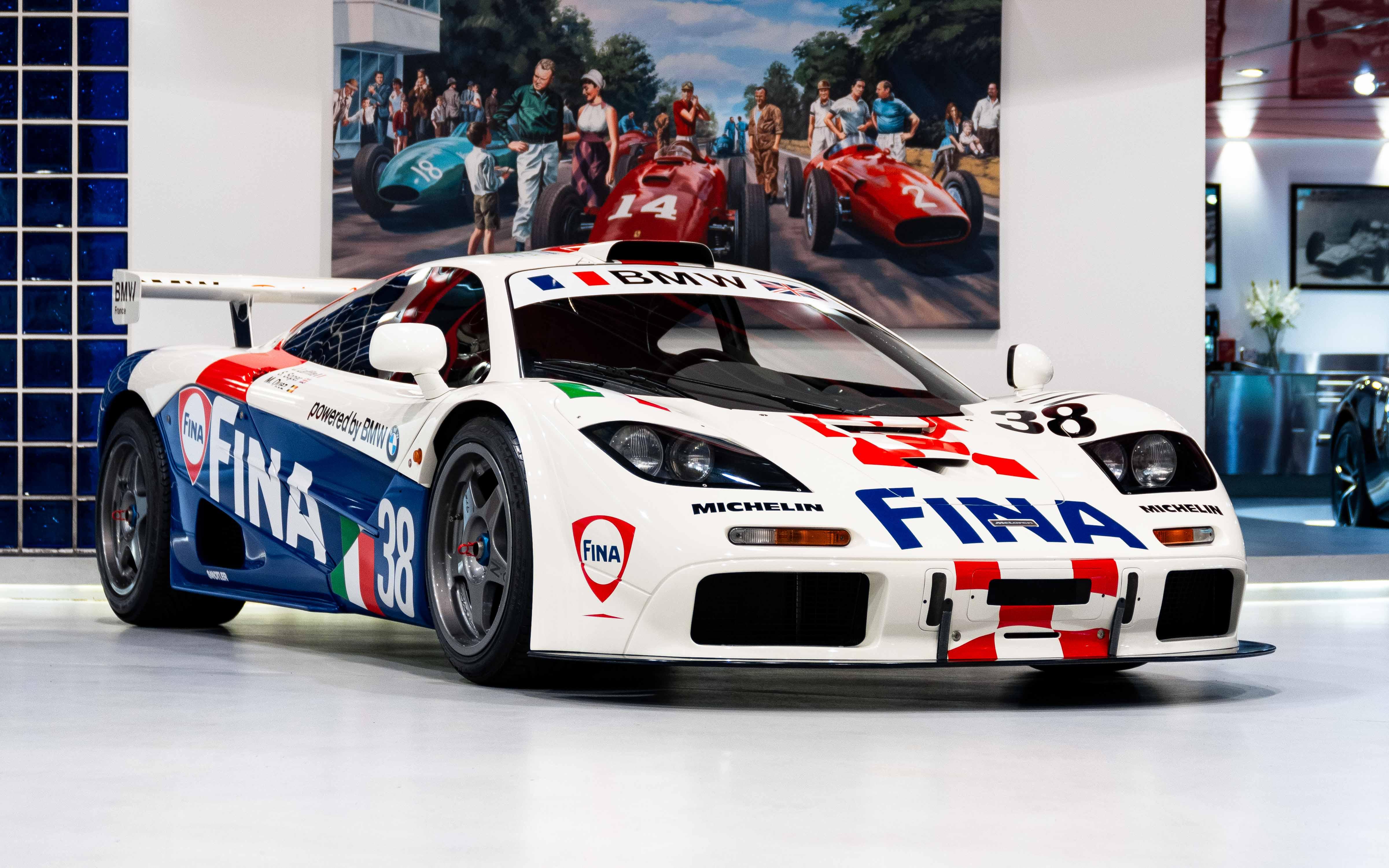
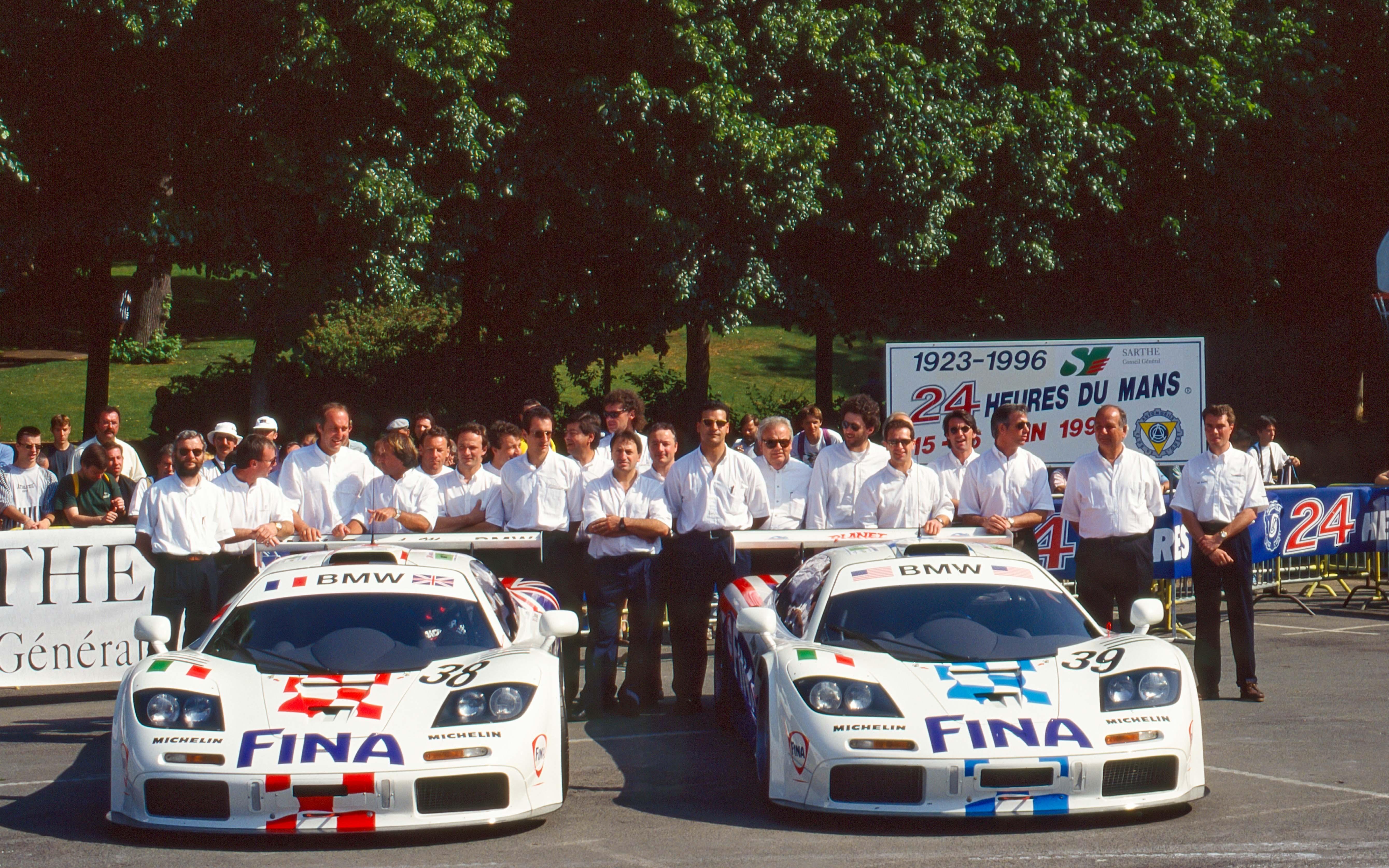
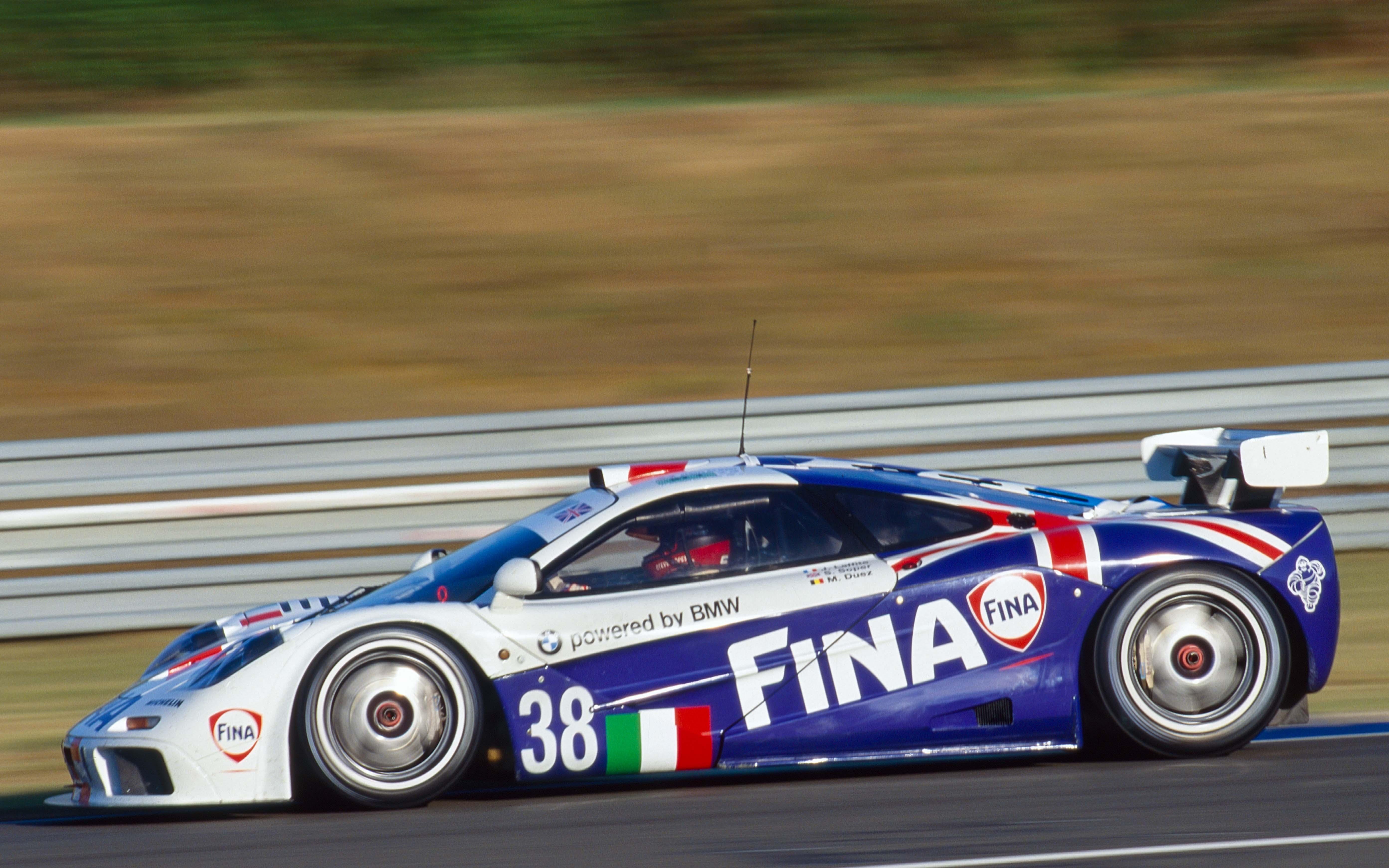
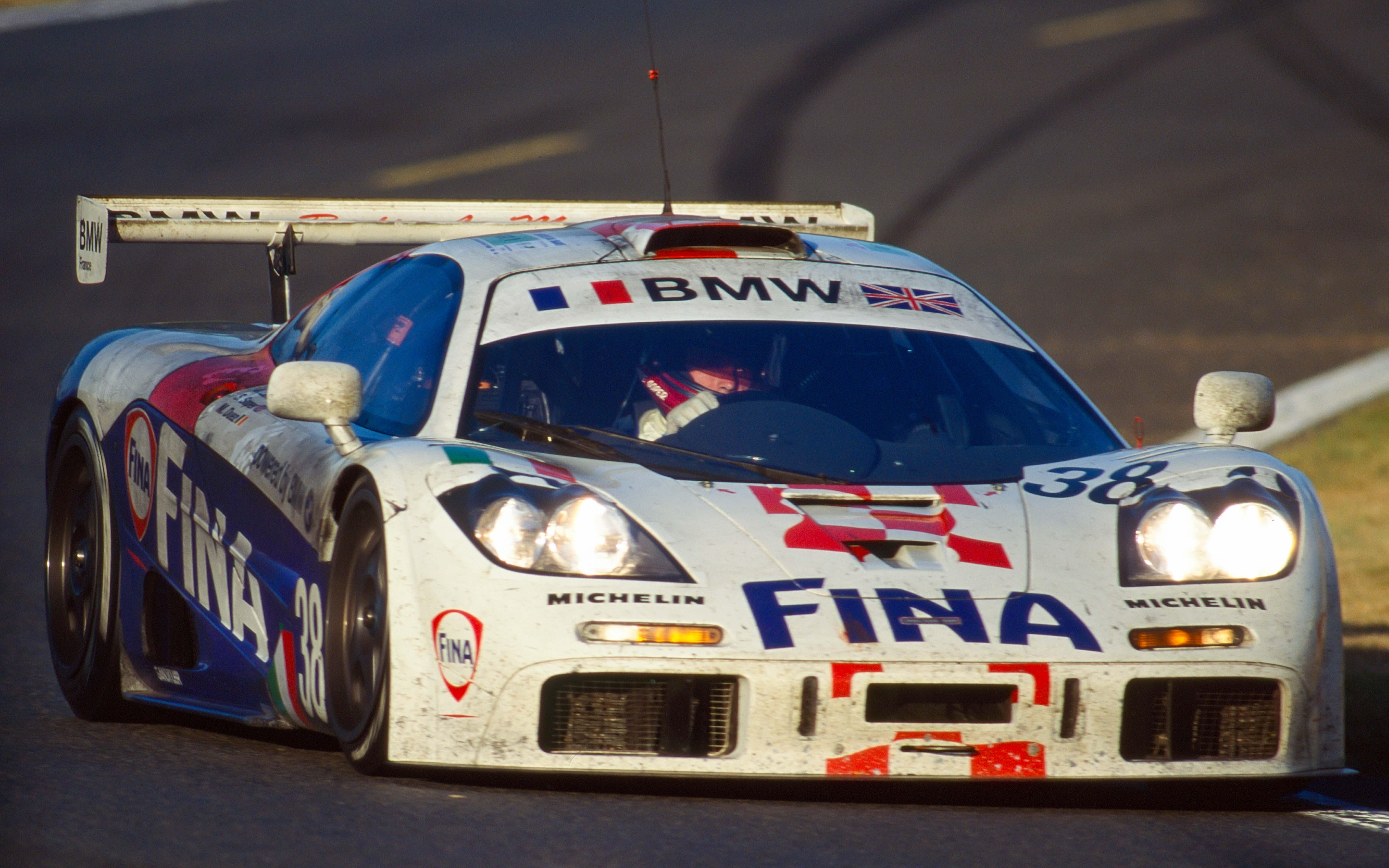
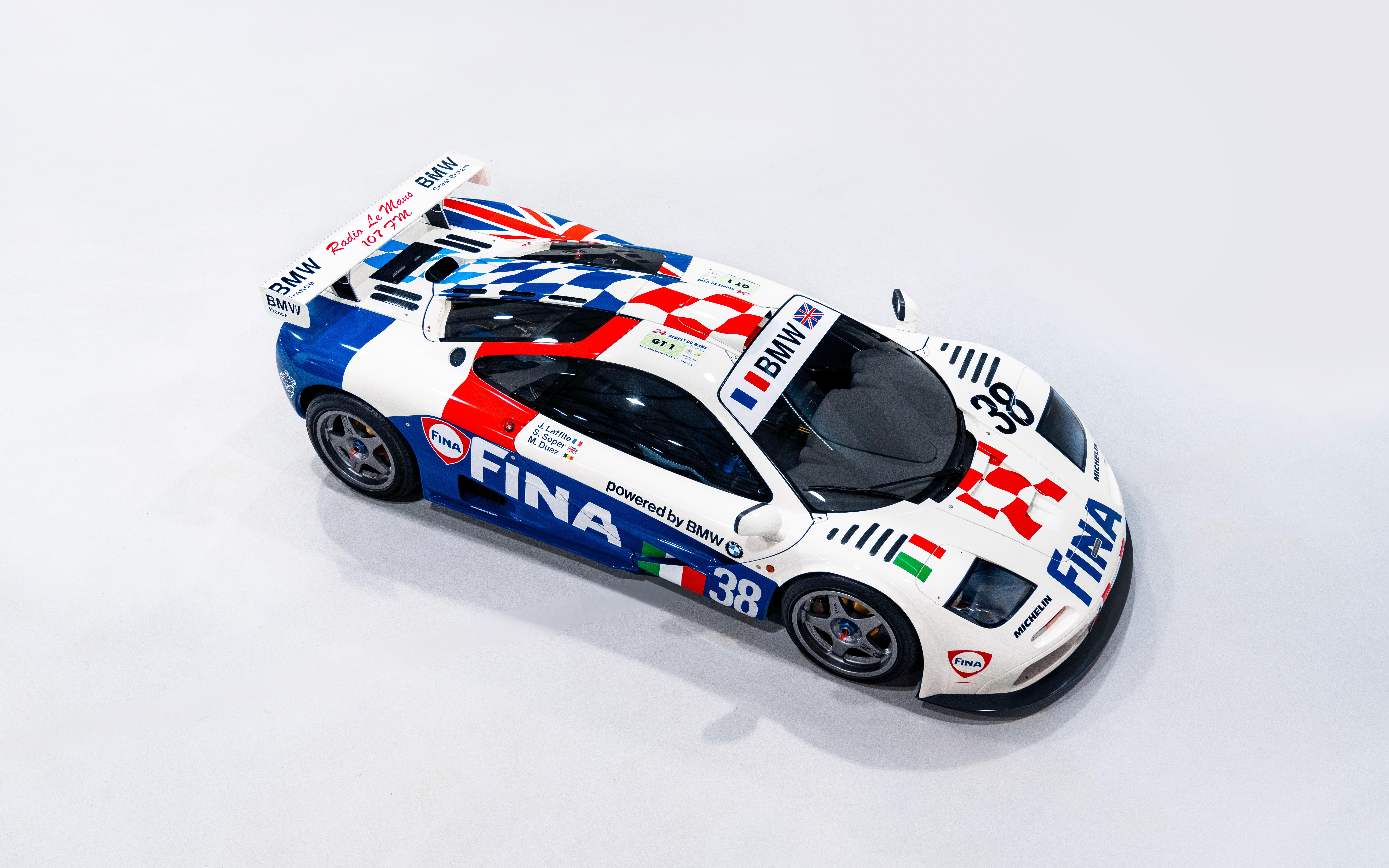
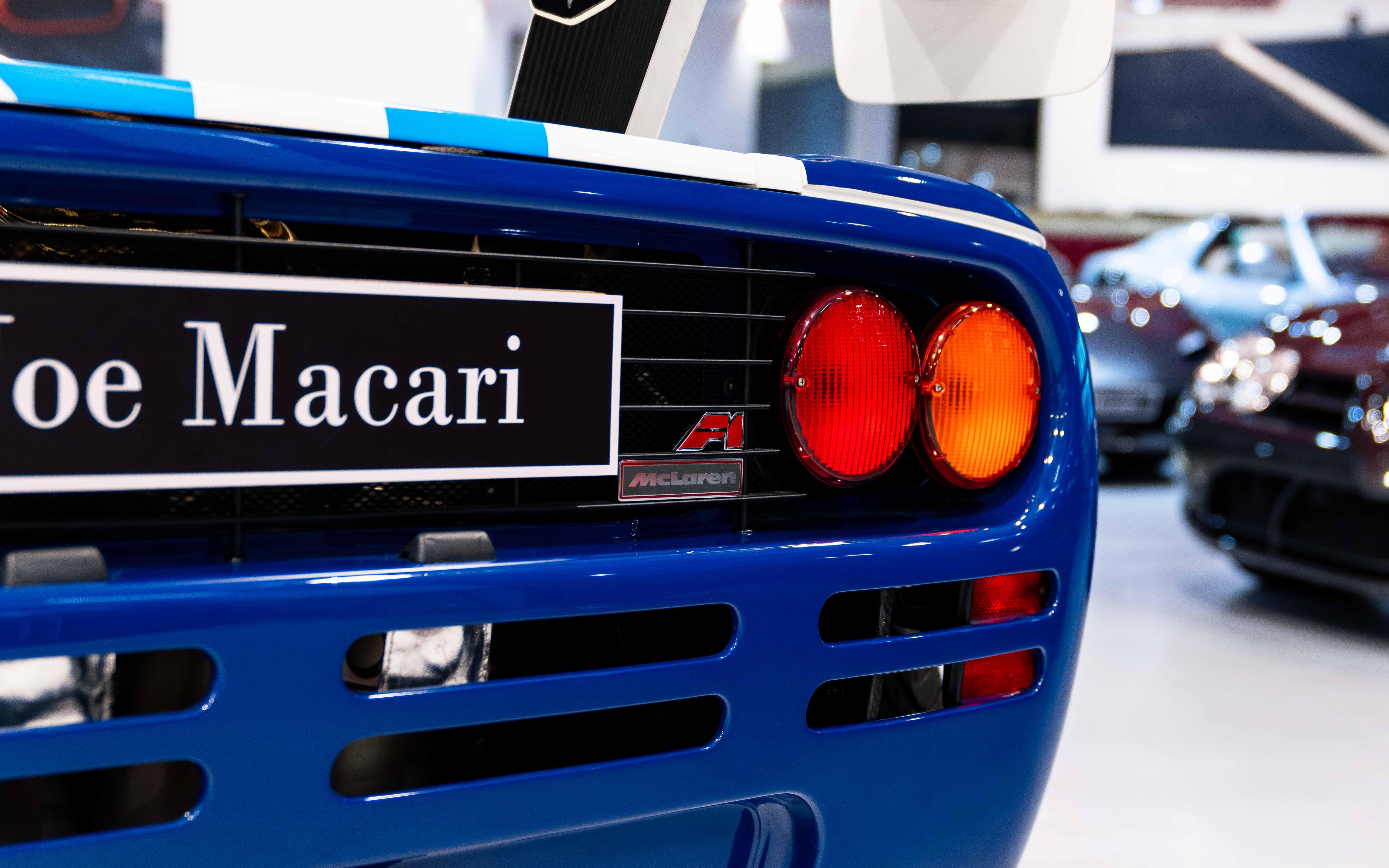
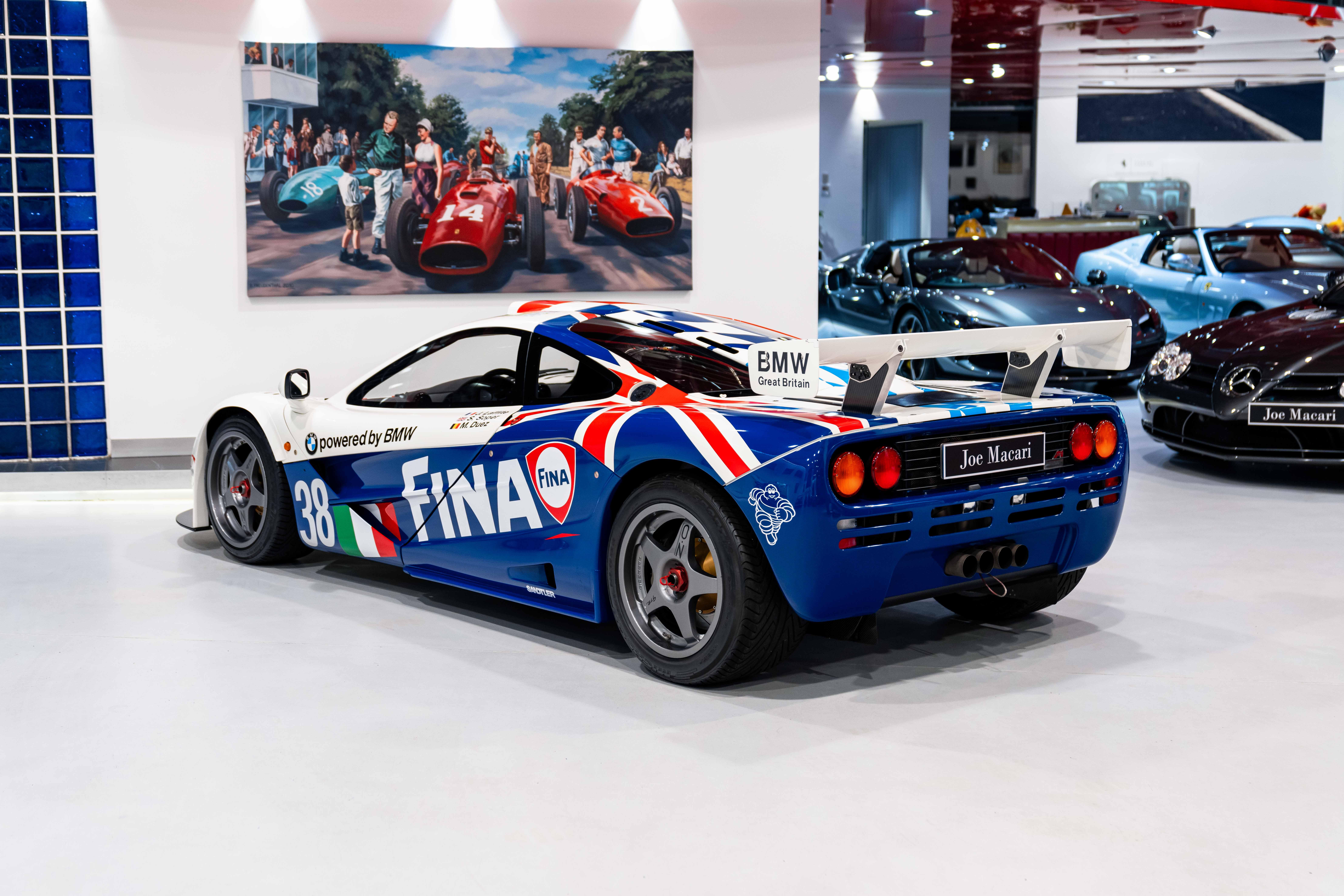
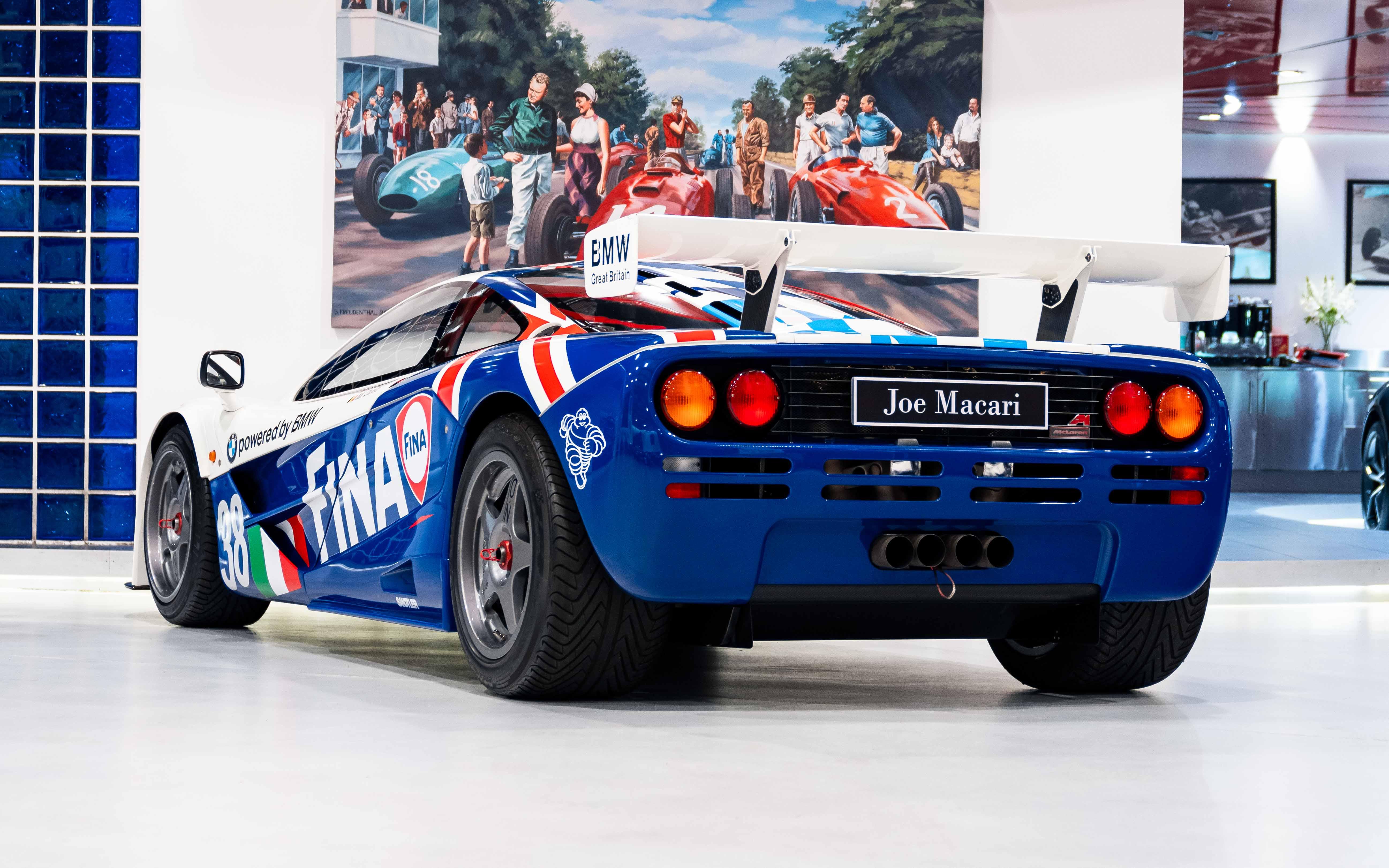
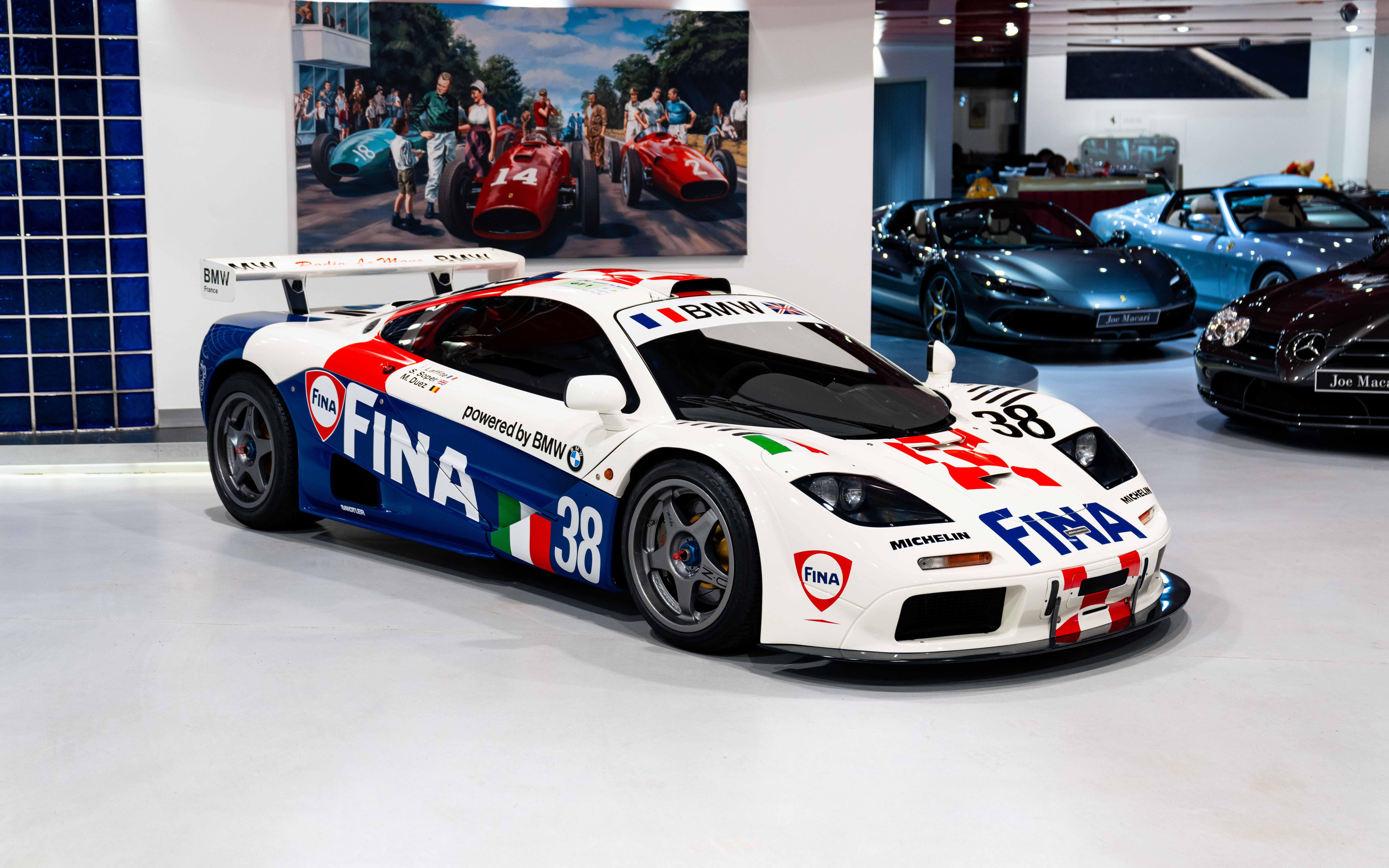
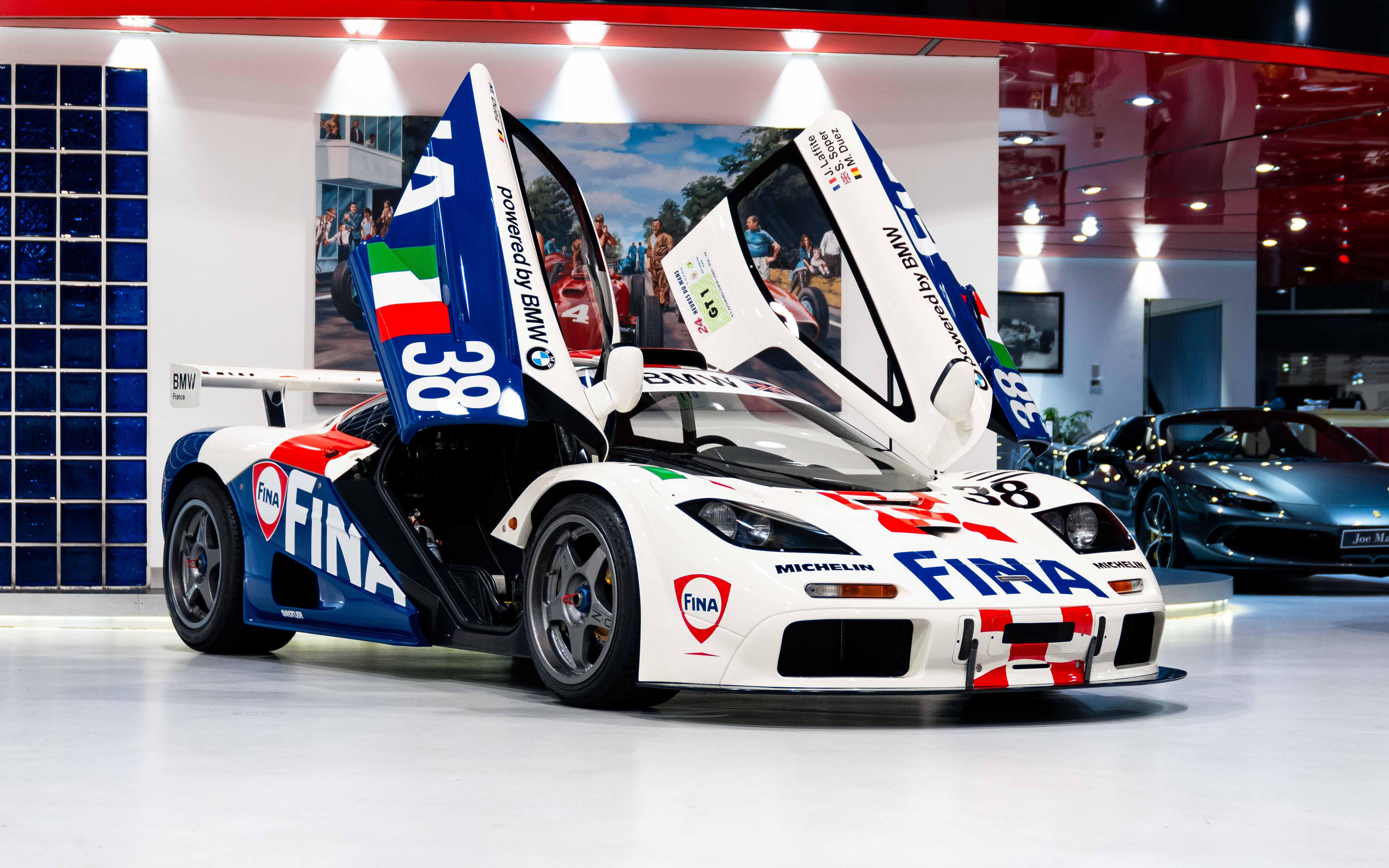
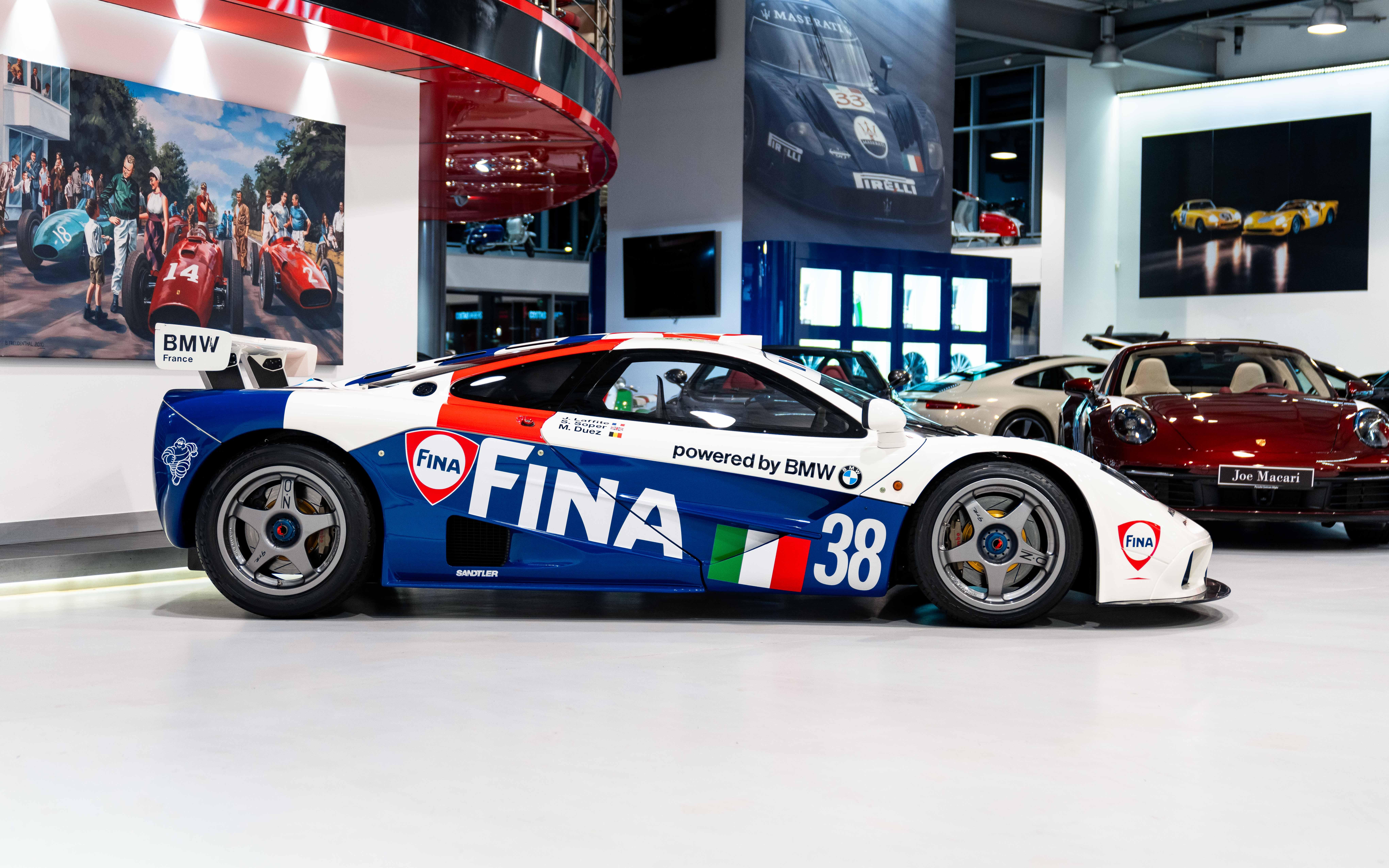
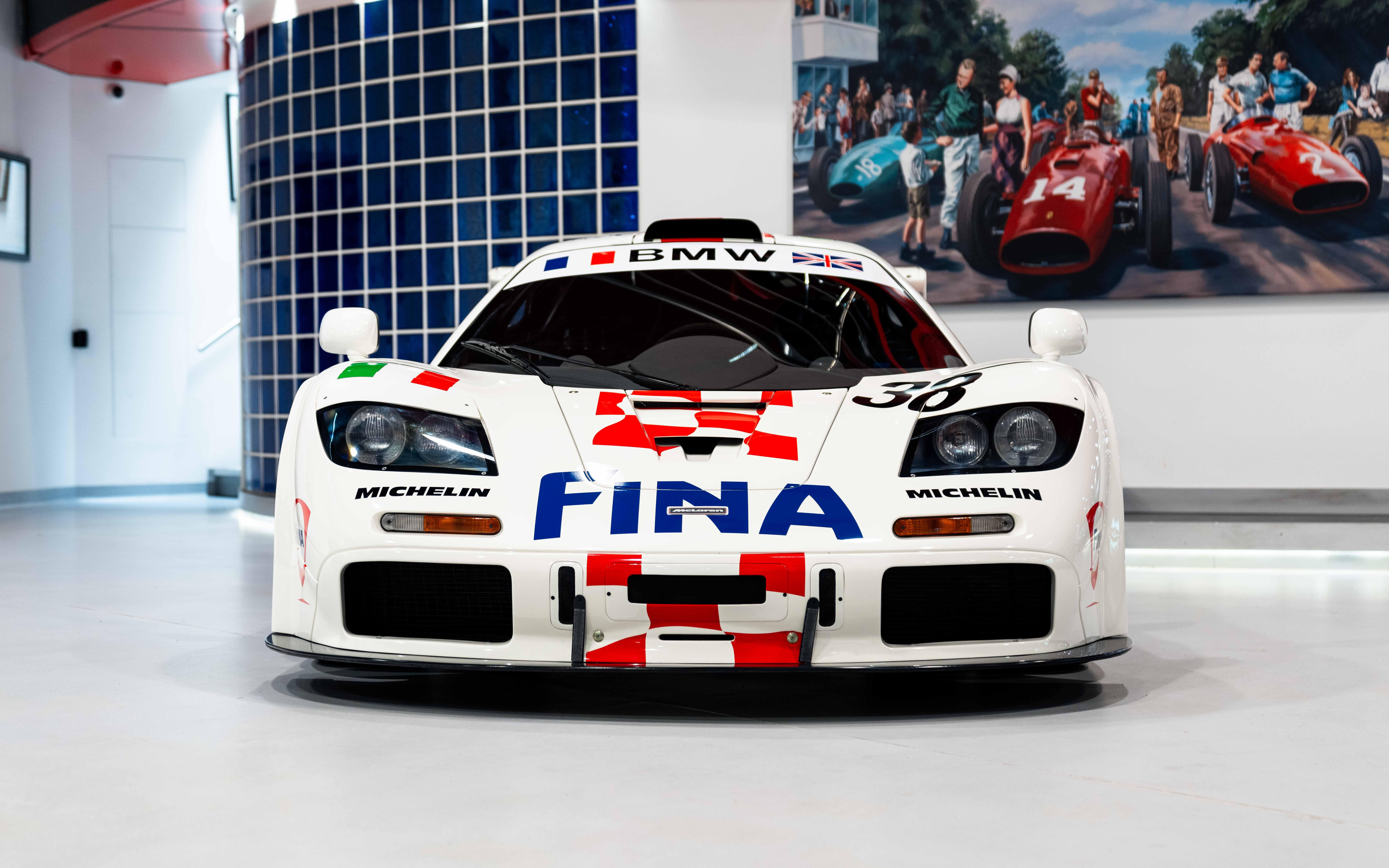
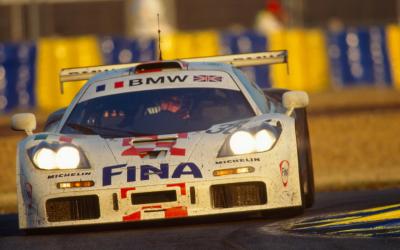
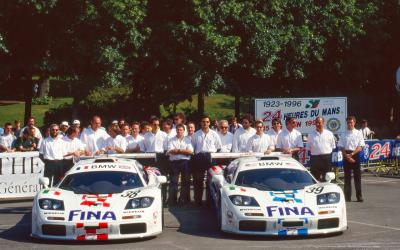
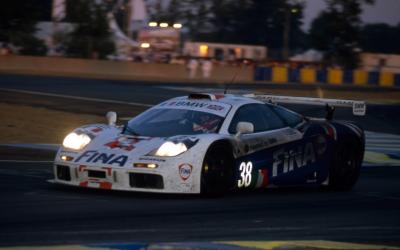
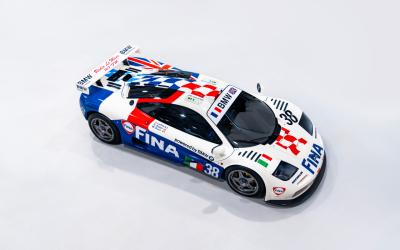
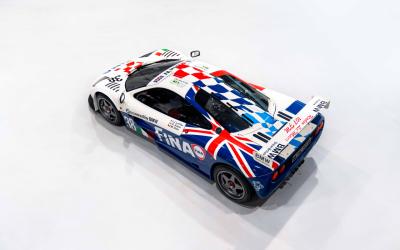
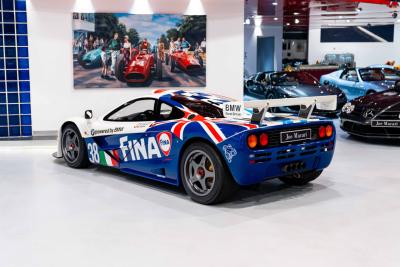
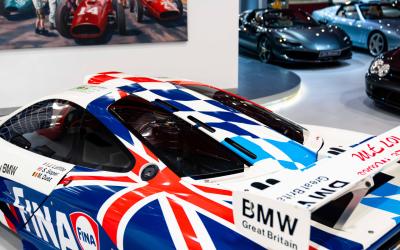
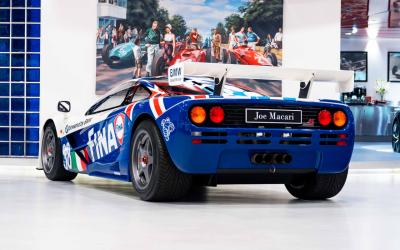
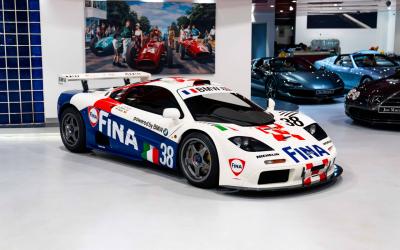
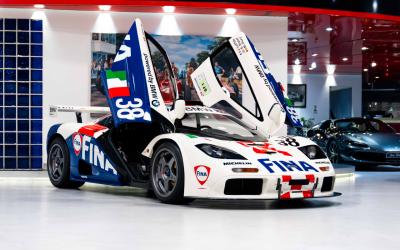
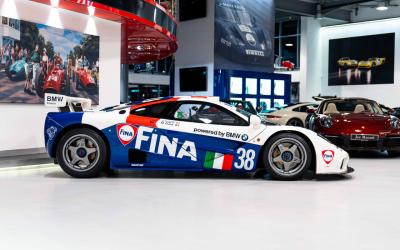
The car that we are honoured to present is chassis 16R, one of the final three examples of the nine ’96 spec GTRs. As the supplier of the engine that powered McLaren’s dominant F1 GTR, BMW Motorsport sought to showcase its role in the car’s success. For the 1996 season, BMW launched a semi-works effort at the Le Mans 24 Hours, ordering three of McLaren’s latest F1 GTRs: chassis 16R, 17R, and 18R.
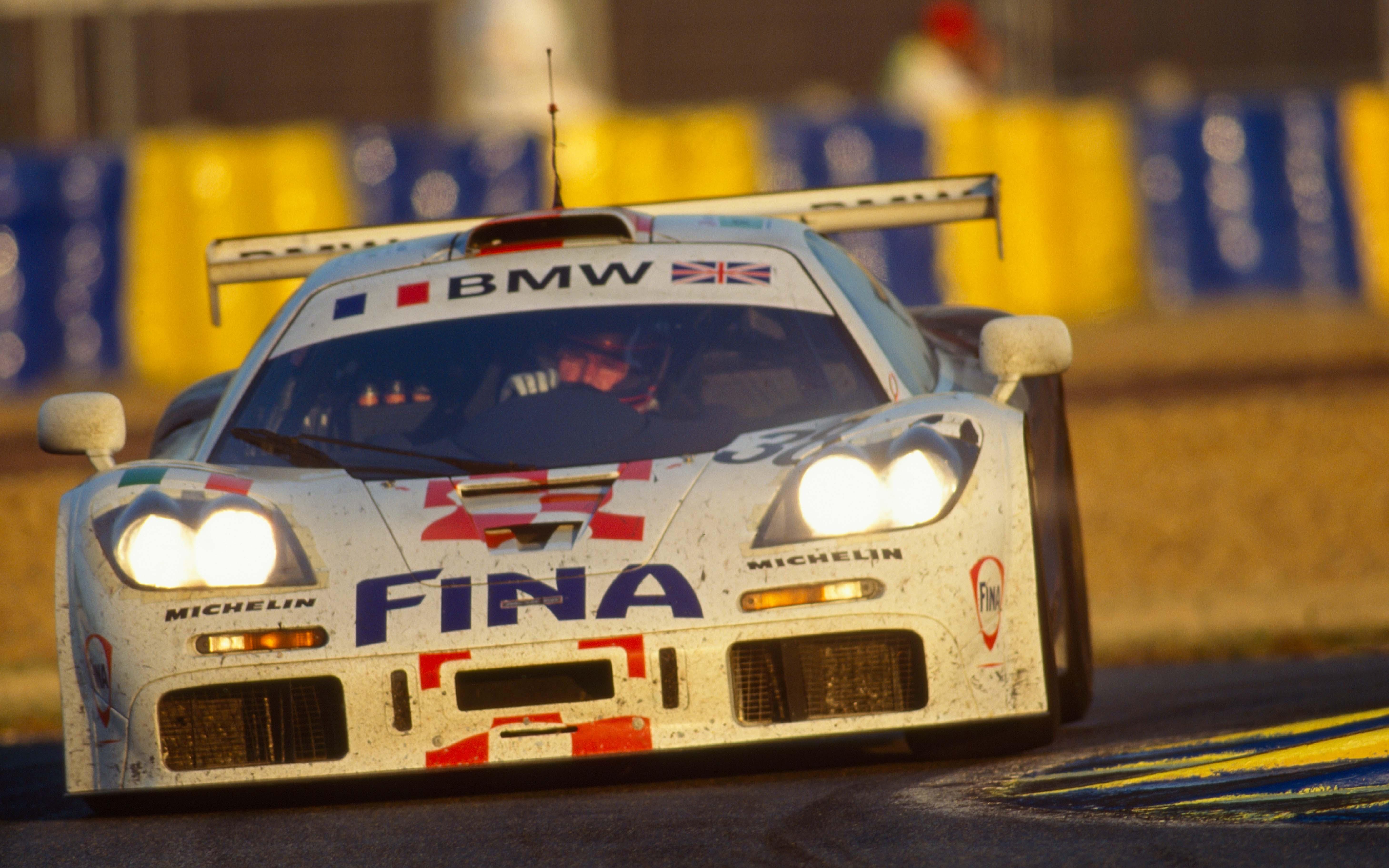
Chassis 16R and 17R were assigned to compete at Le Mans, while 18R was held in reserve. To manage the campaign, BMW enlisted Team Bigazzi, a respected Italian outfit already handling BMW’s German Super Touring programme. The cars were backed by BMW's long-time sponsor, Fina.
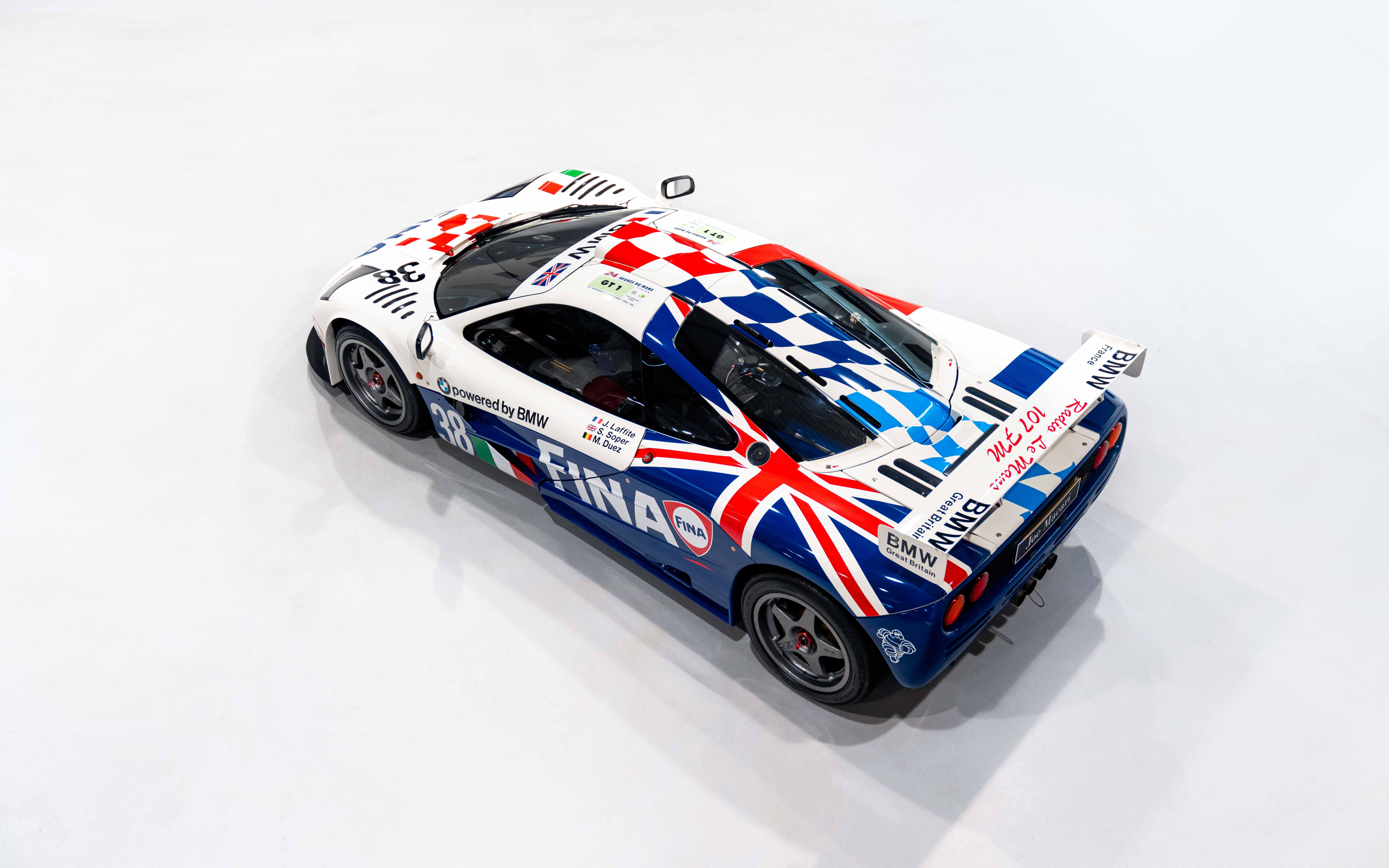
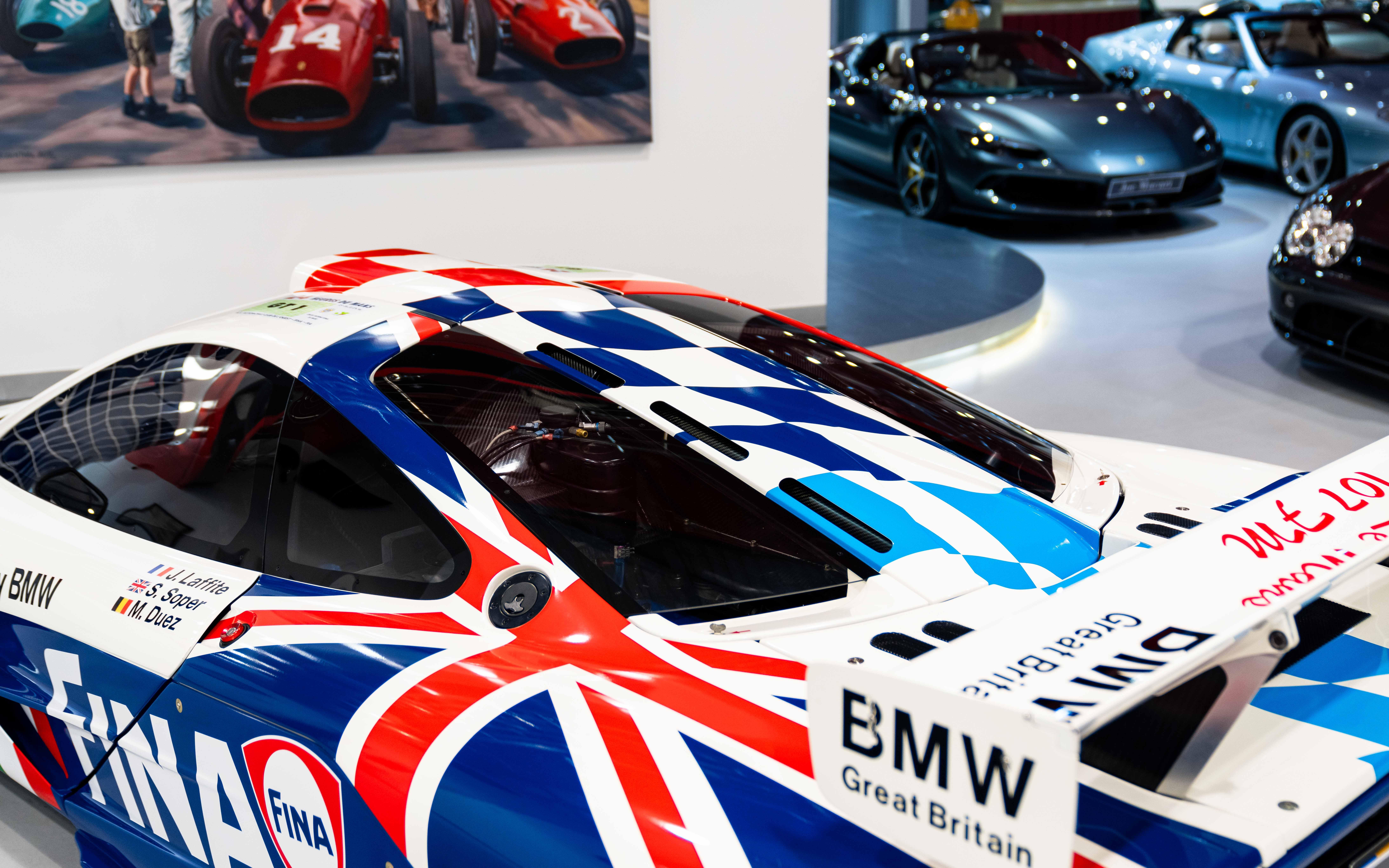
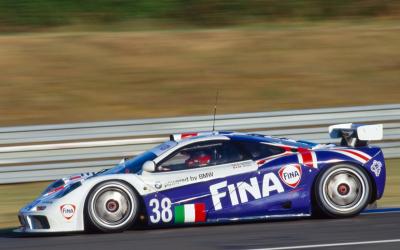
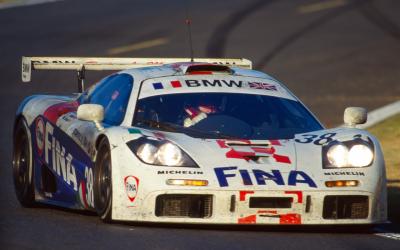
The build-up to Le Mans began with pre-qualifying at La Sarthe, where 16R was driven for the first time by Steve Soper. It then participated in the Silverstone 4 Hours as a preparatory race, sporting its Union Flag/La Tricolore Le Mans livery. At Silverstone, Jacques Laffite and Marc Duez gave it a light shakedown, finishing 11th overall.
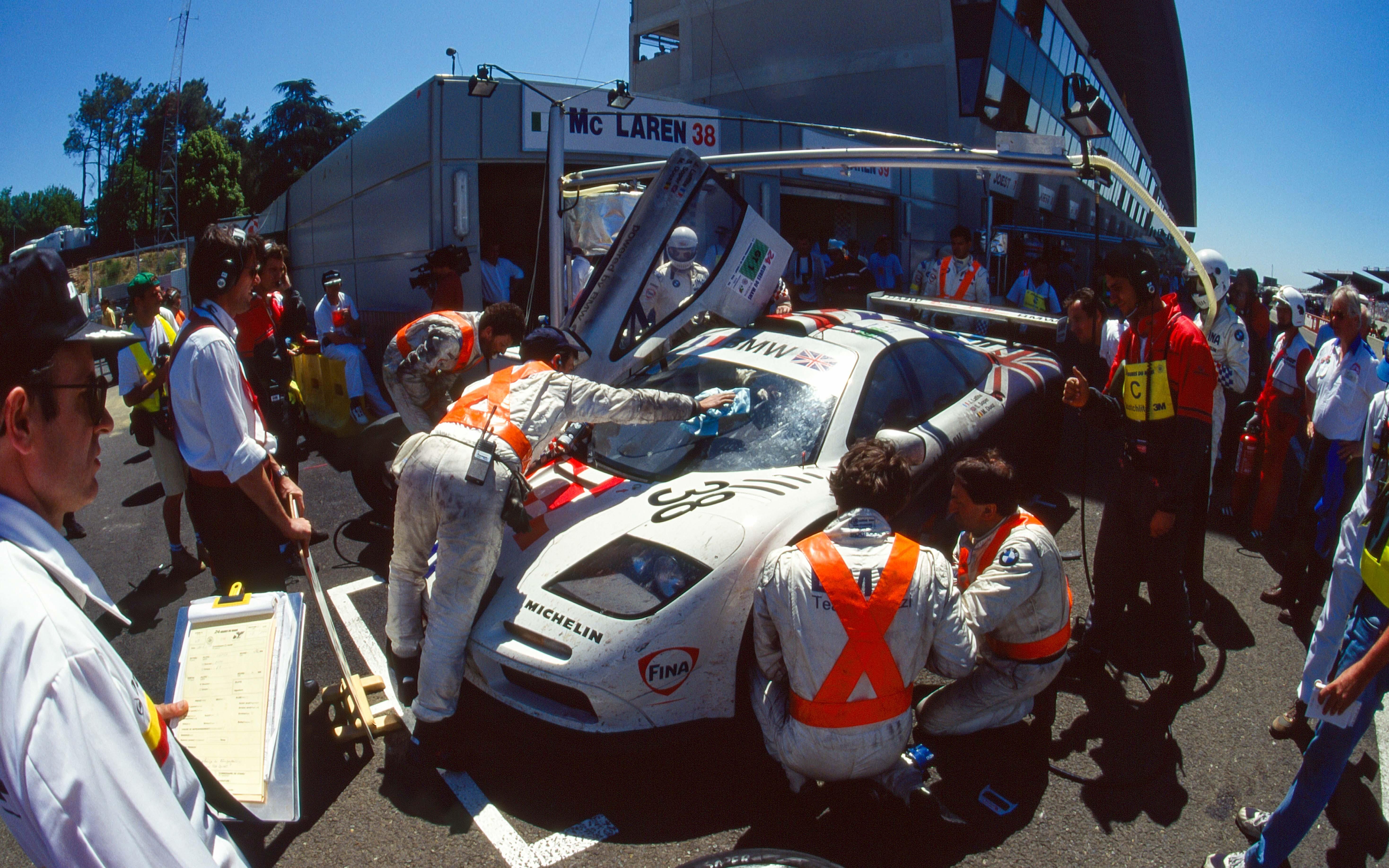
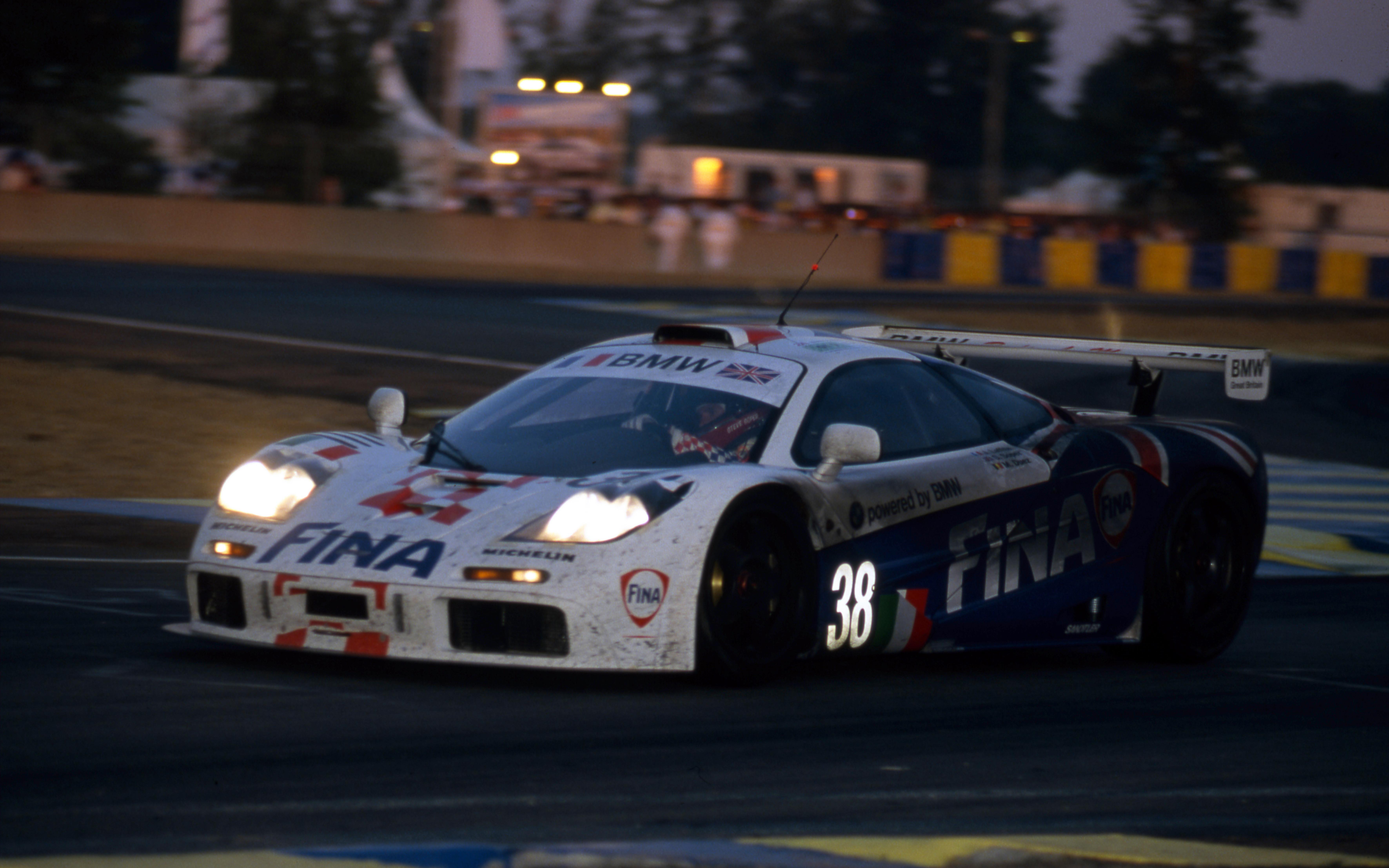
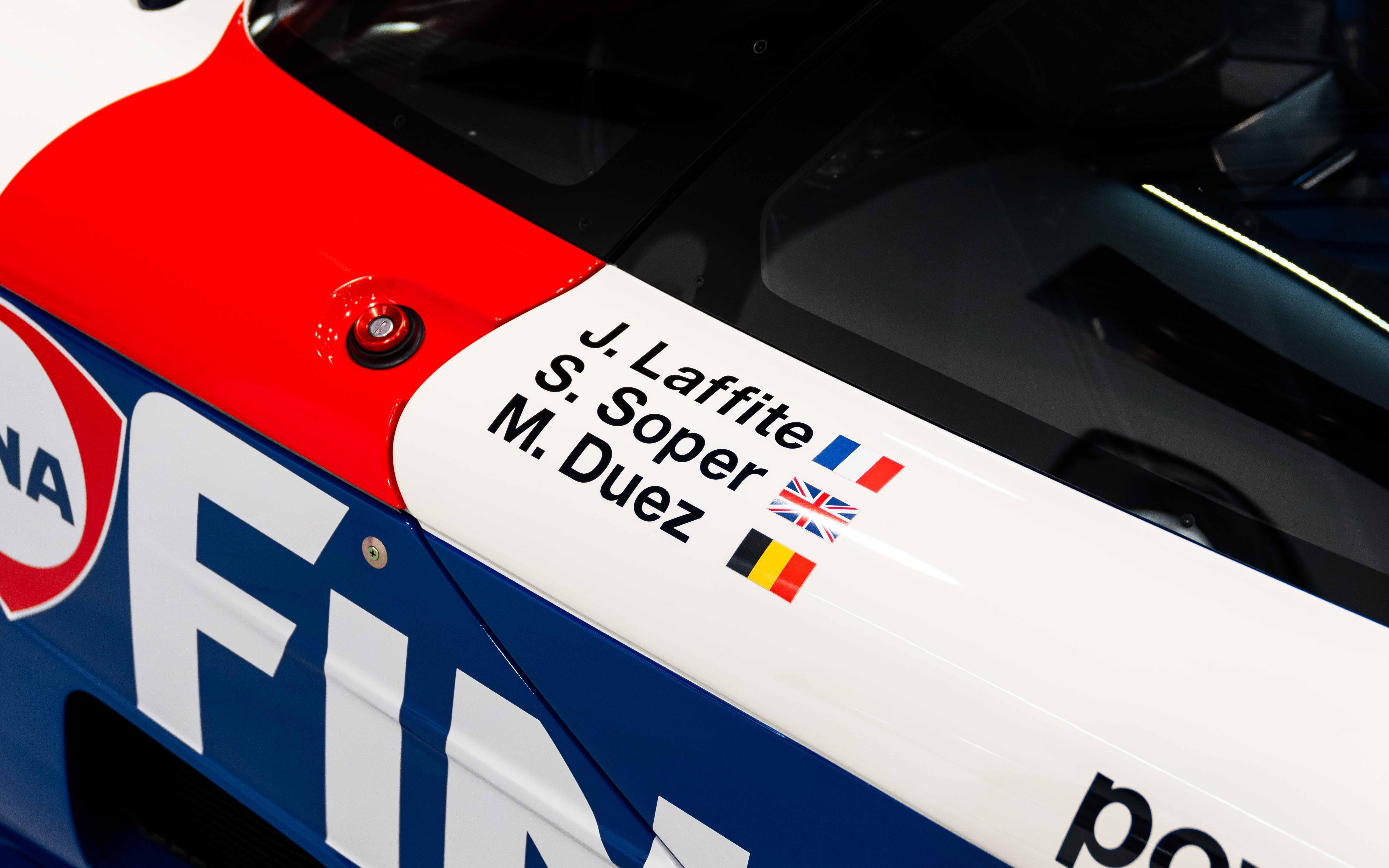
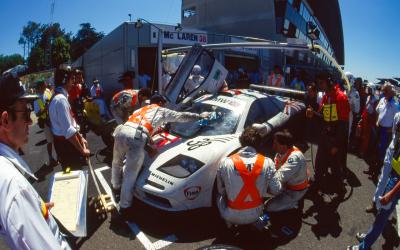
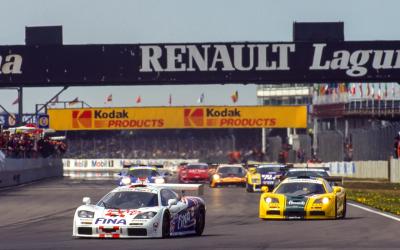
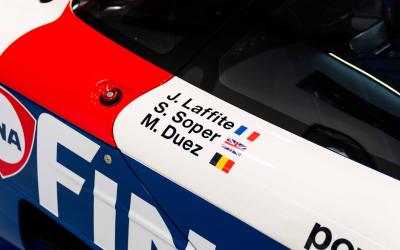
For the 1996 Le Mans 24 Hours, 16R was designated as the Anglo-French entry, driven by Jacques Laffite, Marc Duez, and Steve Soper. Meanwhile, 17R was the American entry, adorned with Stars and Stripes and piloted by Johnny Cecotto, Nelson Piquet, and Danny Sullivan. After a gruelling race, 16R finished 11th overall and 10th in the highly competitive GT1 class. Following Le Mans, both 16R and 17R were retired from active competition, while the spare 18R participated in three end-of-season races in Brazil.
Unlike its counterparts, which were retained by BMW, 16R was sold after its Le Mans campaign. It found its way into the hands of GTC Motorsport owner Ray Bellm, who converted the car for road use with Lanzante and then offered it for sale in 2003. The car was then acquired by Australian IBM executive Tony Raftis, who brought it to the southern hemisphere. A few years later, 16R returned to the UK after Raftis purchased McLaren F1 road car chassis 009.
Over the years, it has graced numerous prestigious events, including the 2015 Goodwood Members' Meeting, the 2020 Hampton Court Concours d’Elegance, and the 2024 Fuoriconcorso. It has been extensively cared for by Lanzante and McLaren with regular maintenance and invoices dating back to 1998. Contact us now for more information or to arrange a viewing.
Contact Us
