



























































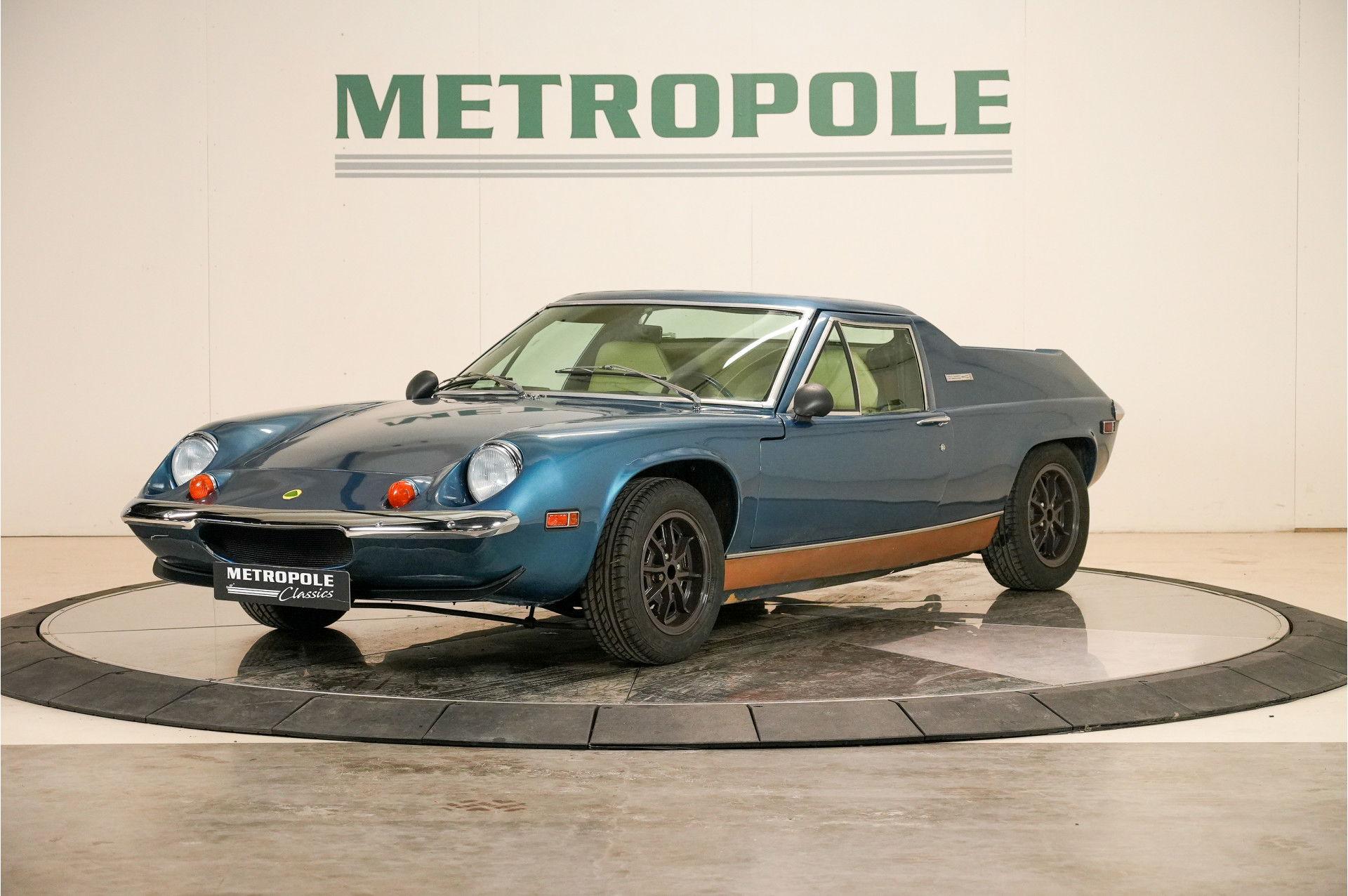
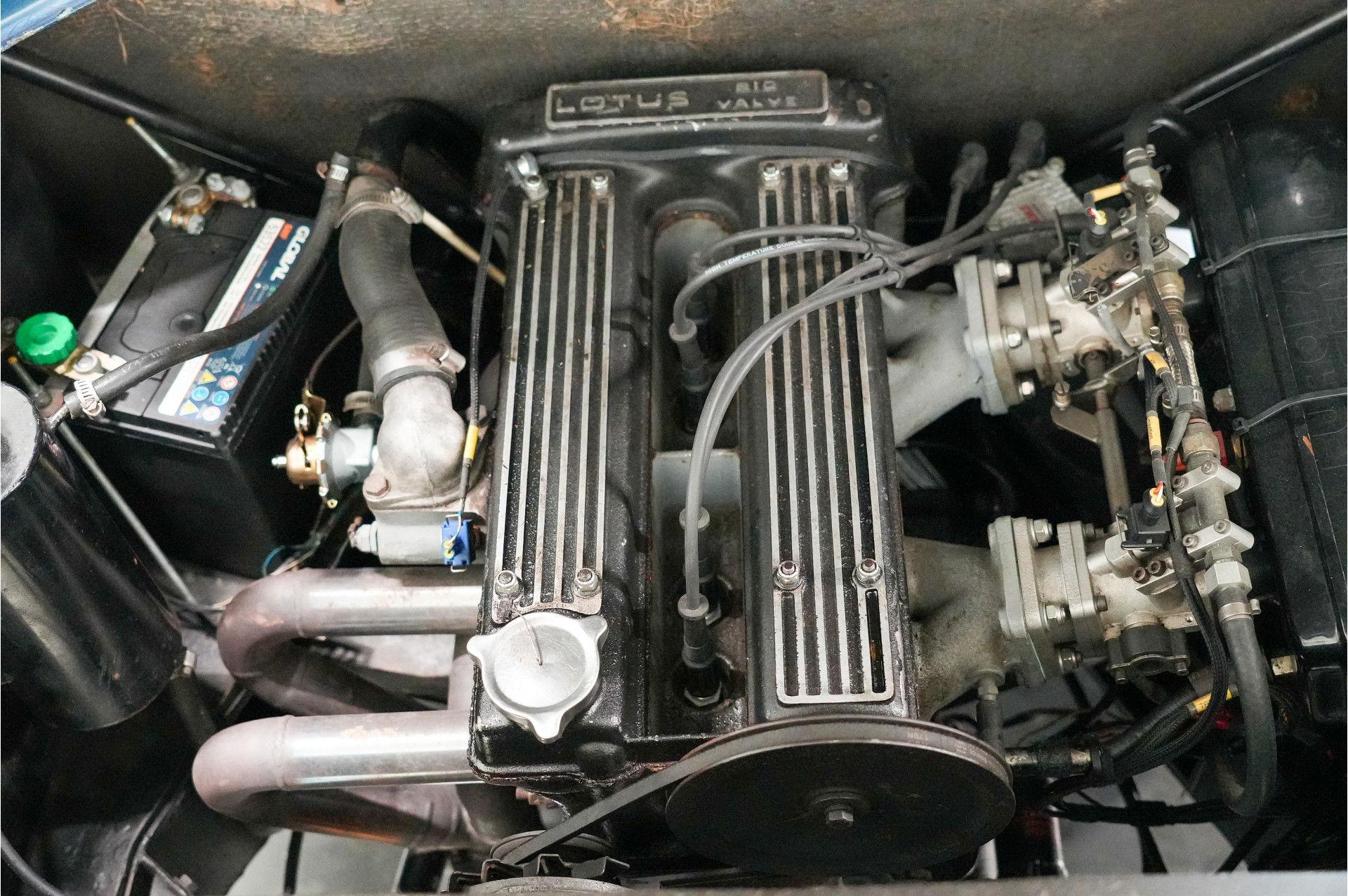
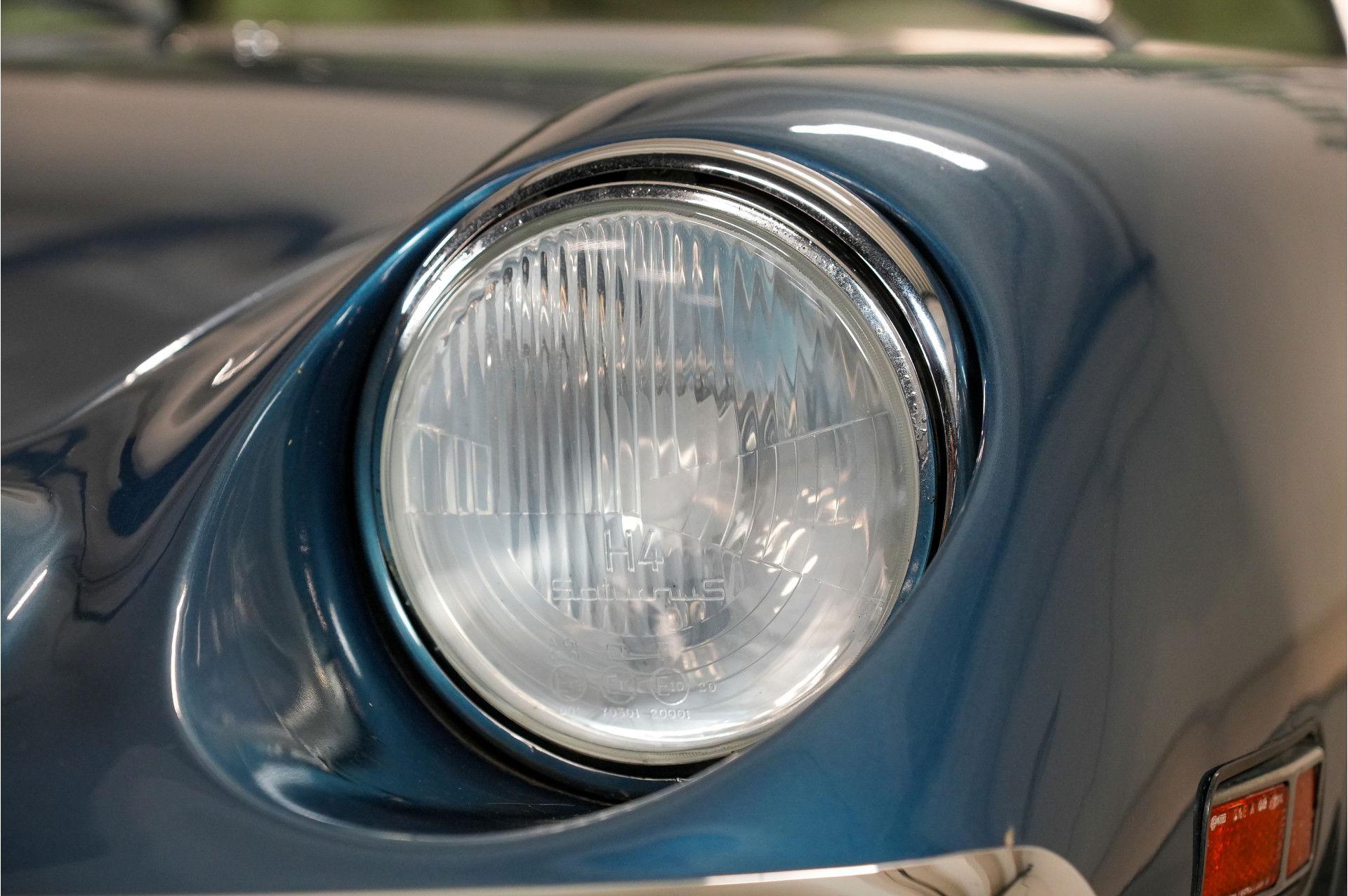
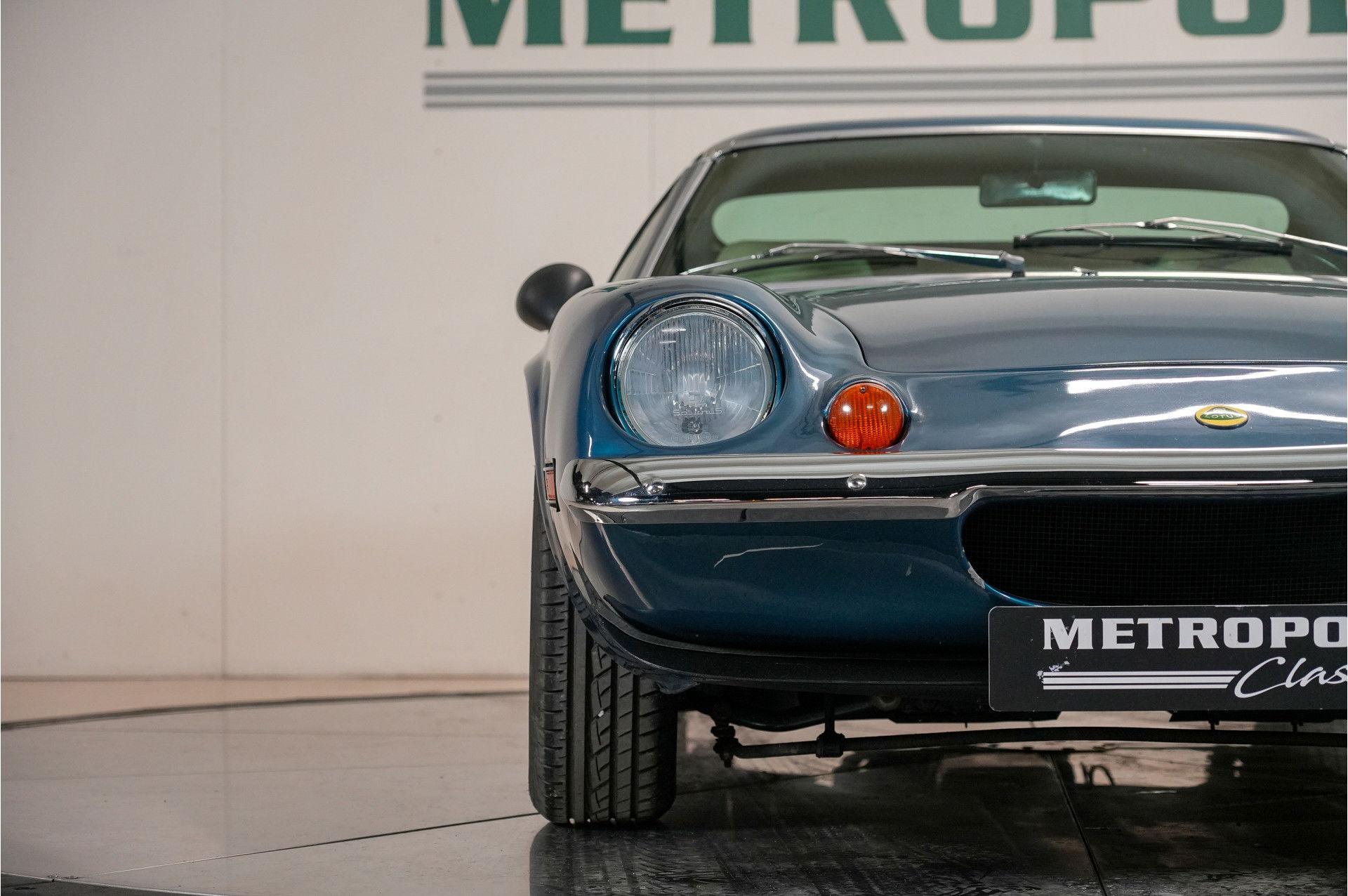
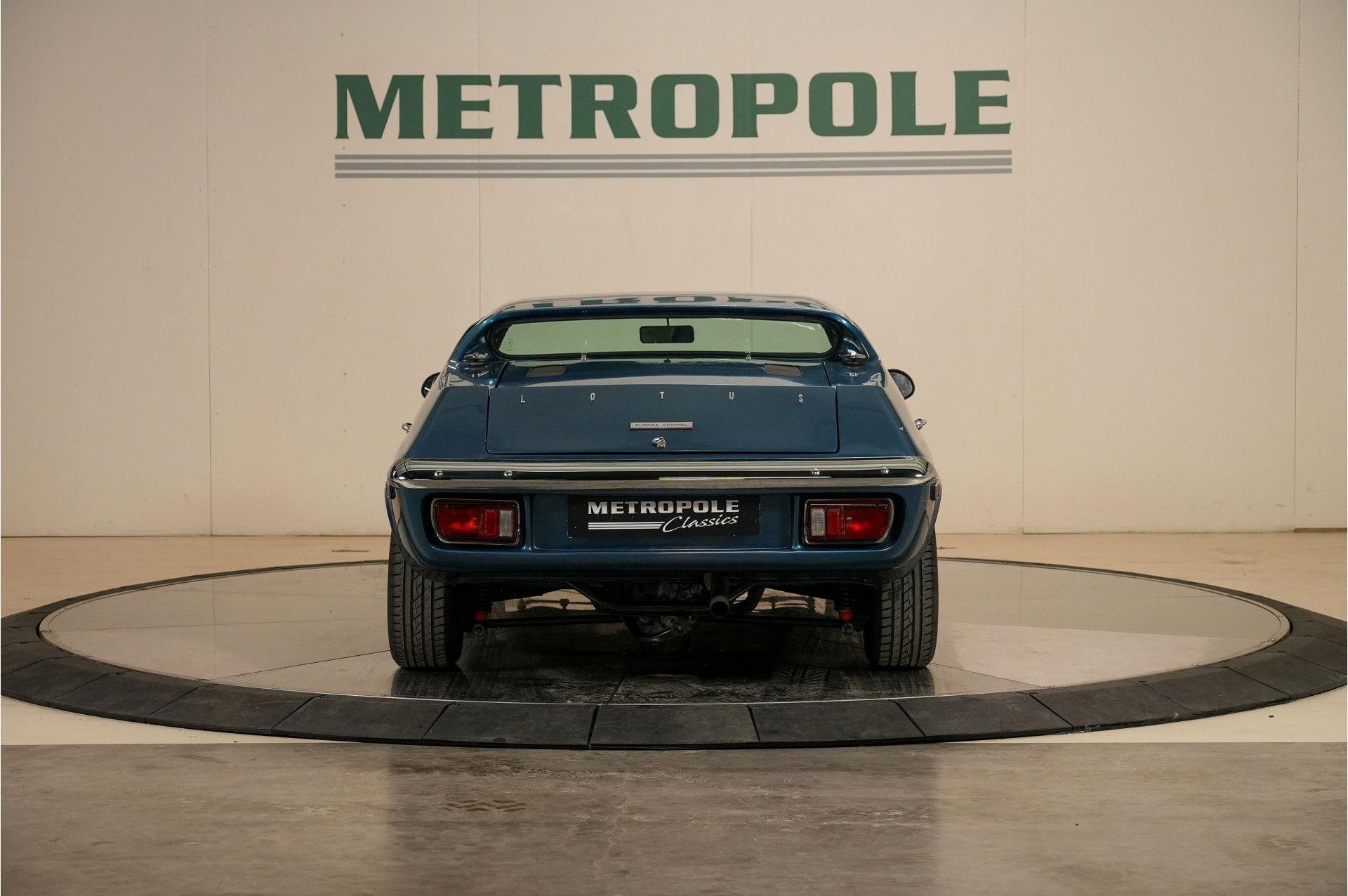
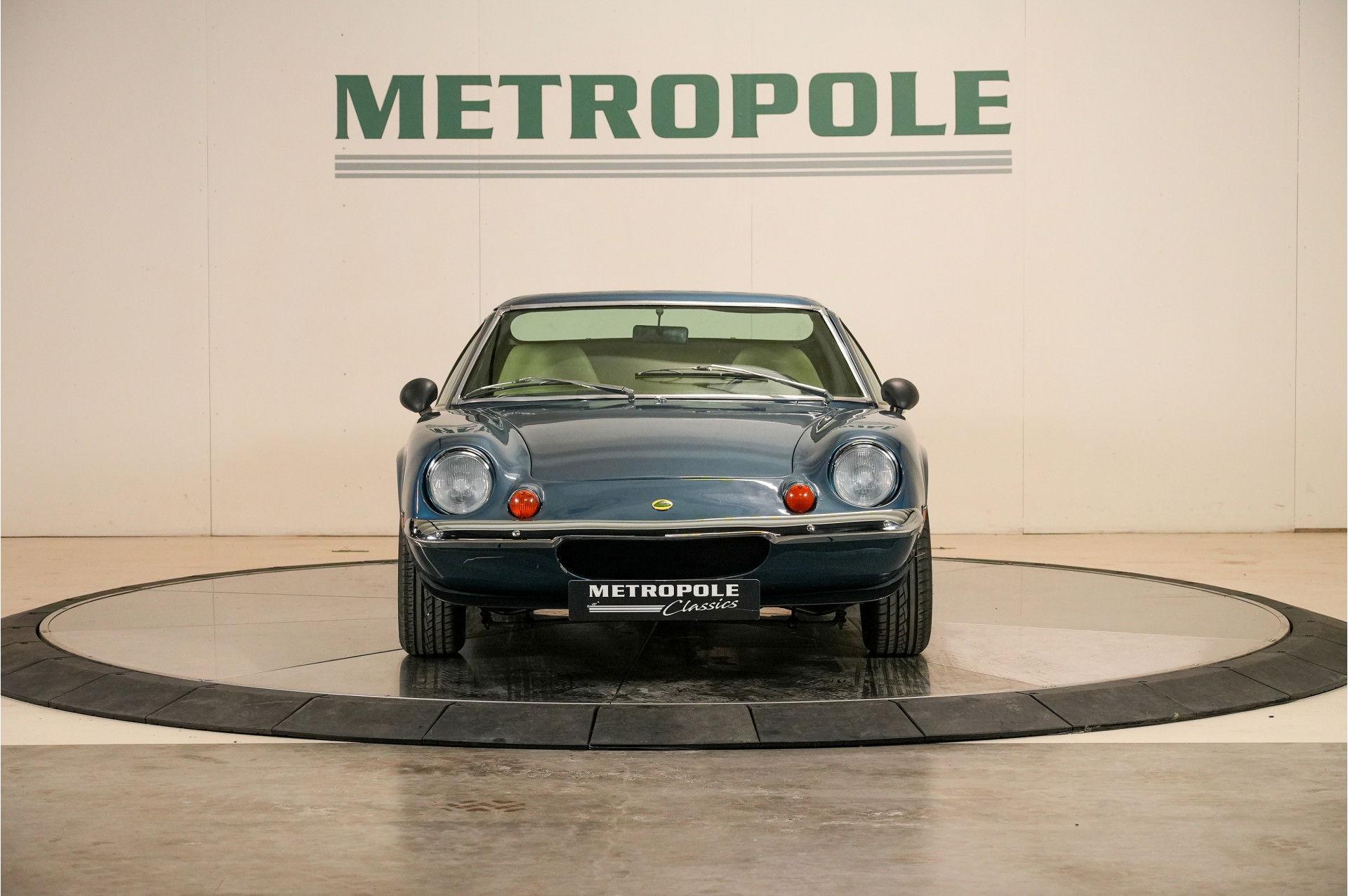
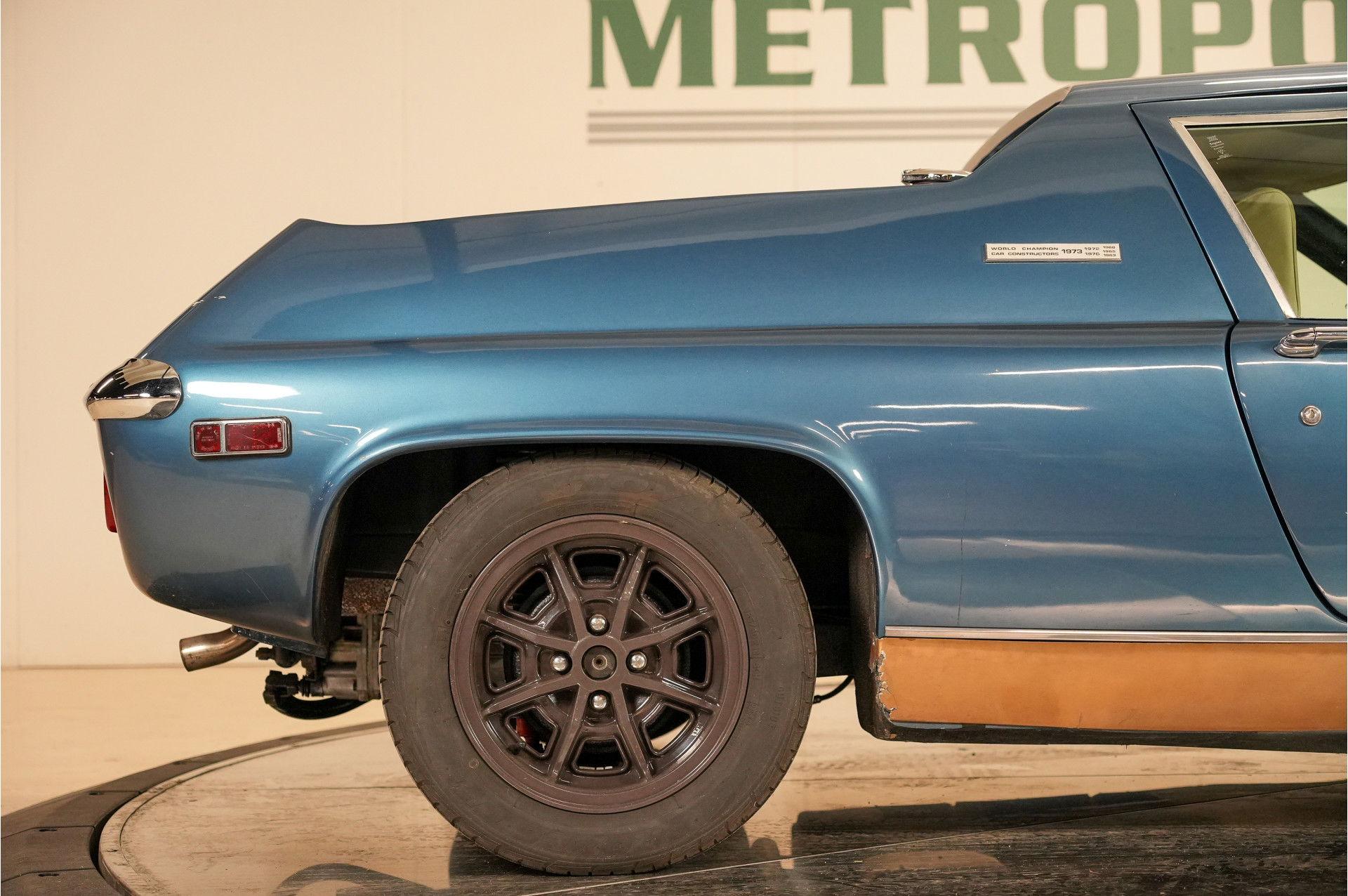
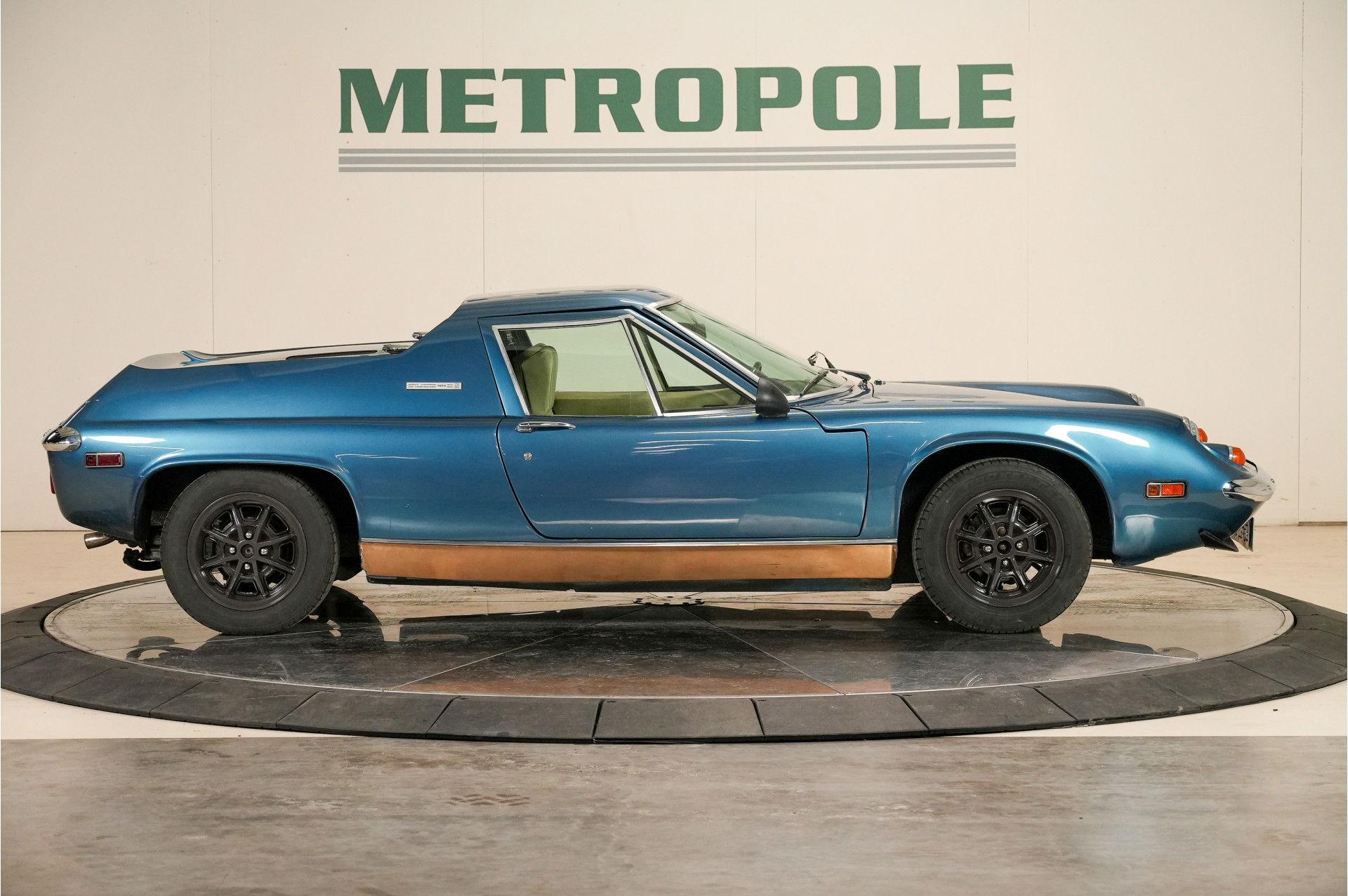
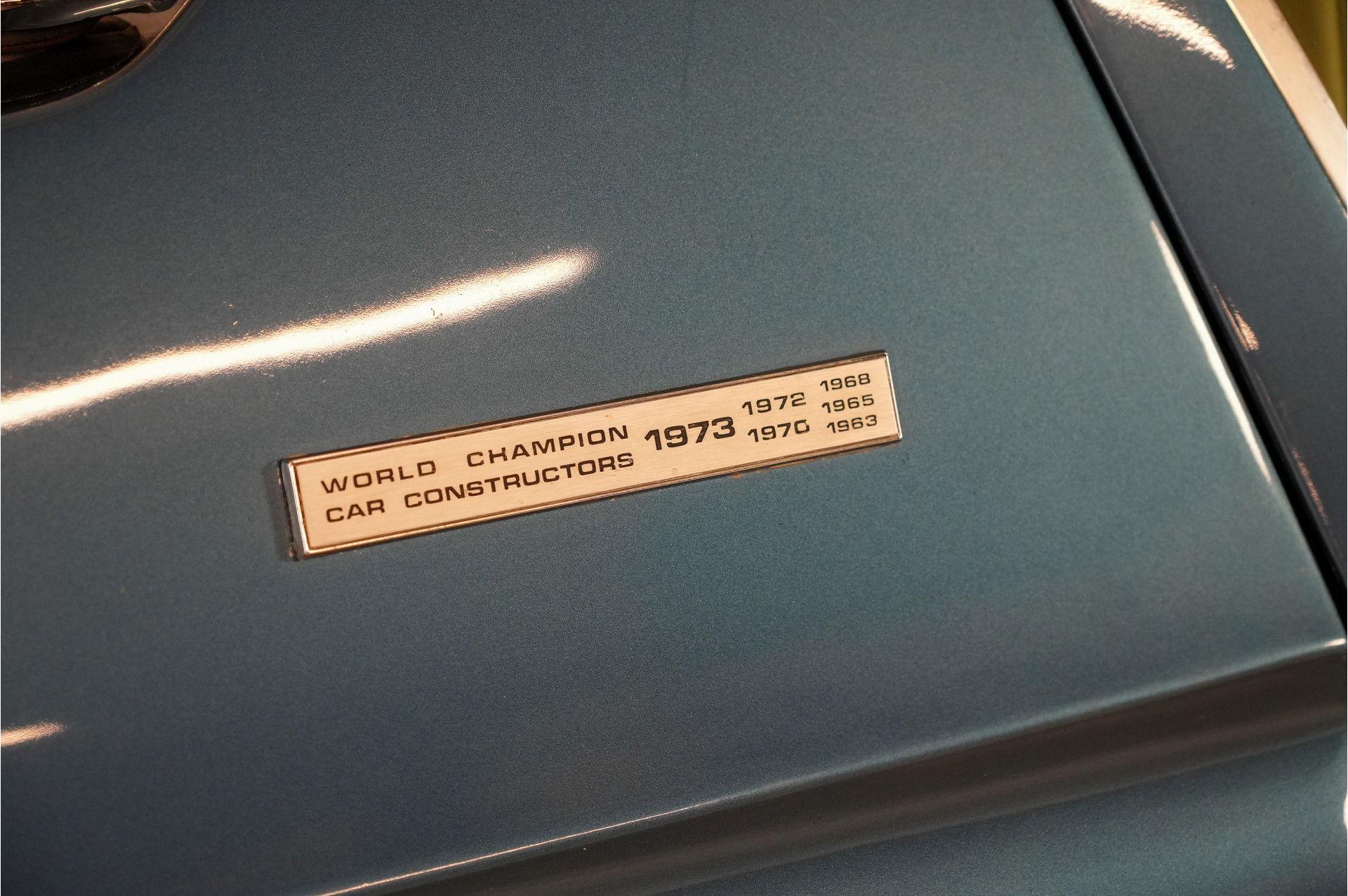
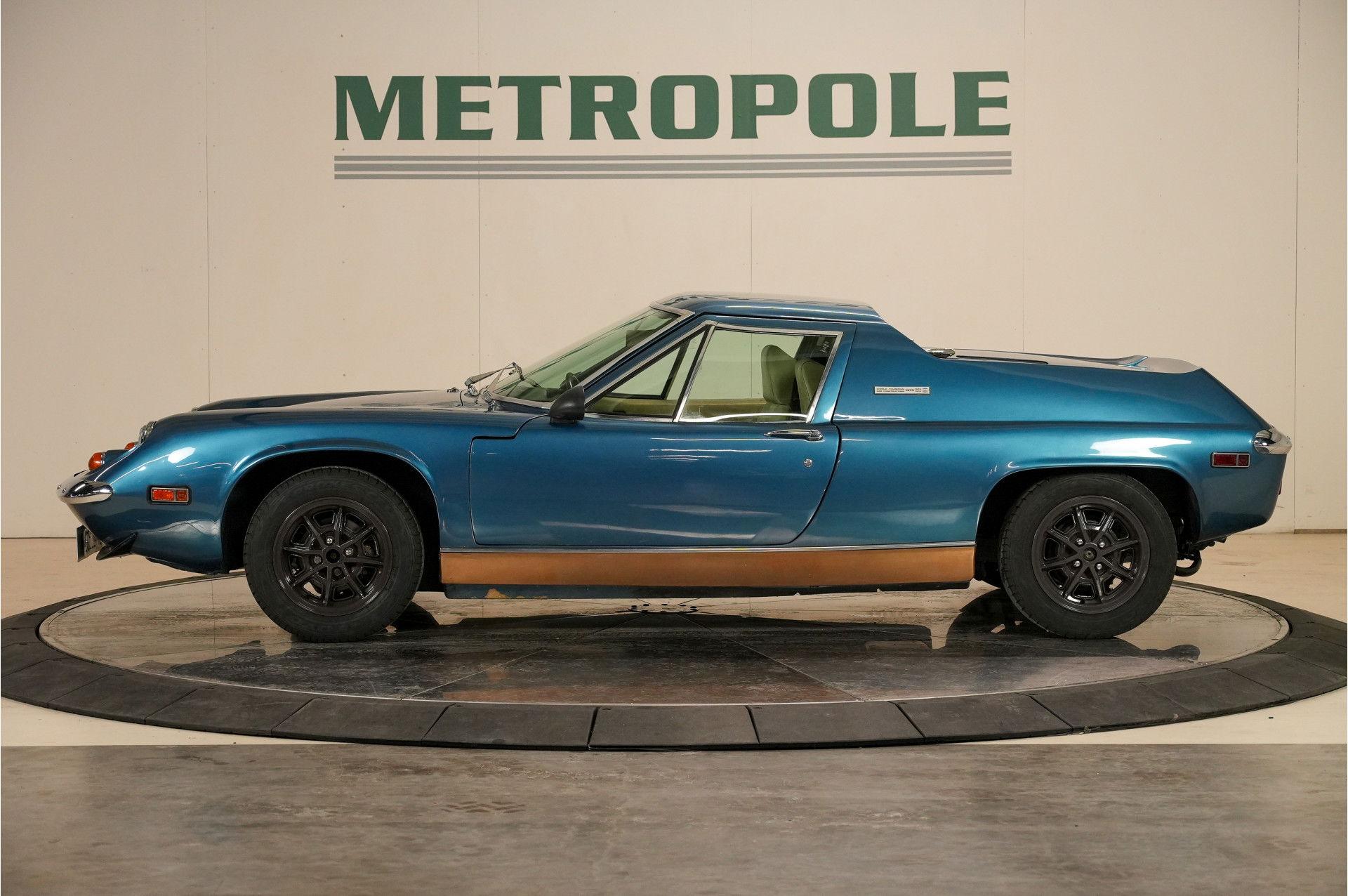
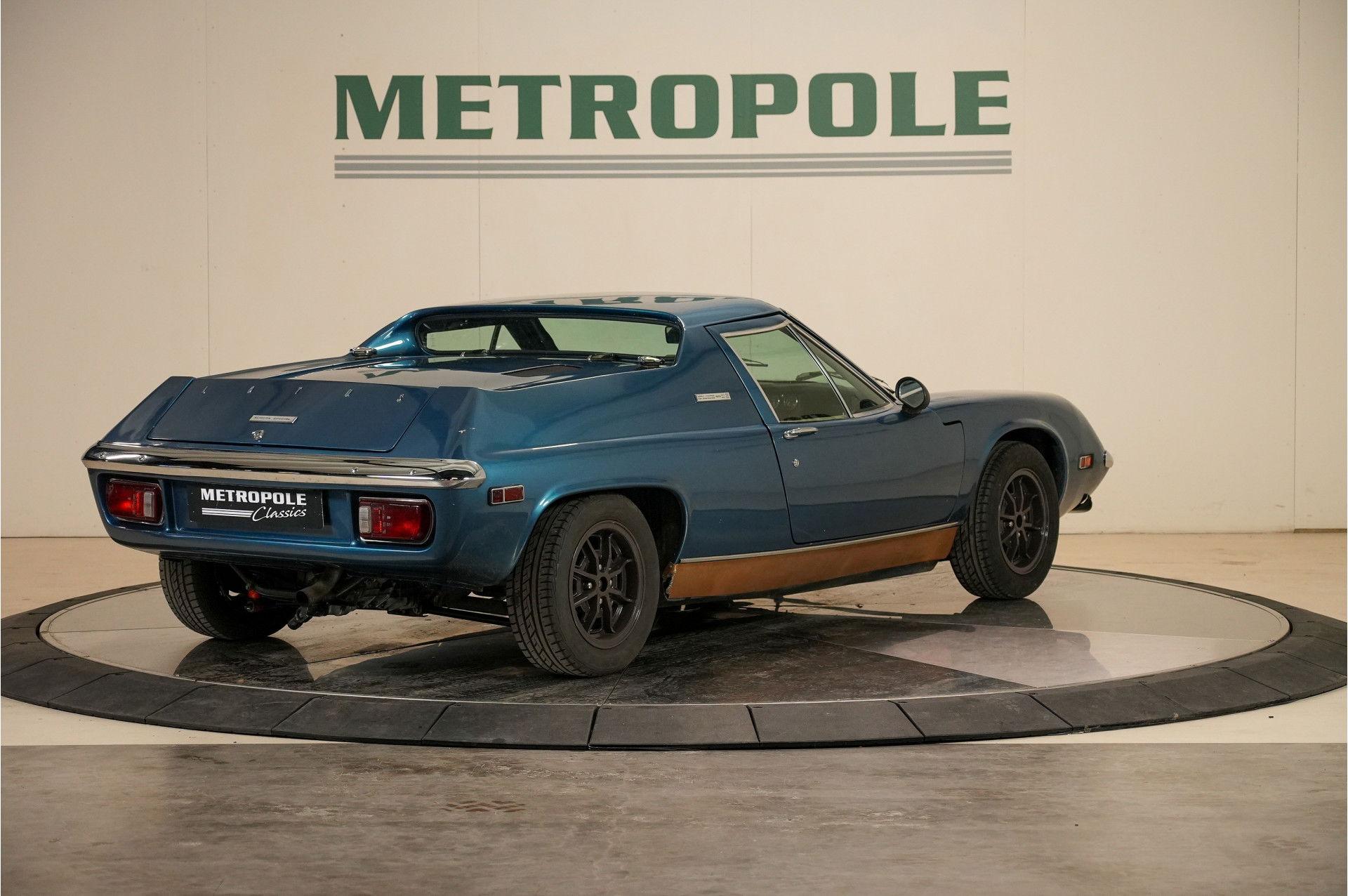
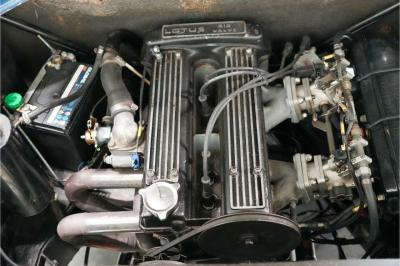
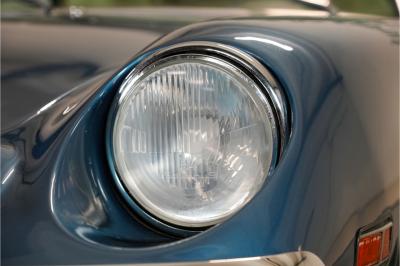
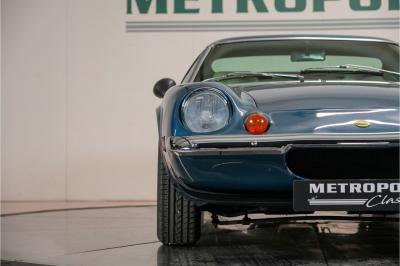

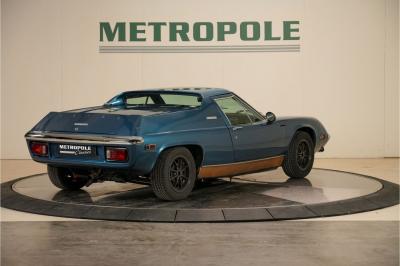
In 1971, the Type 74 Europa Twin Cam was released to the public, featuring a 105 hp, 1557 cc Lotus-Ford Twin Cam engine (113 hp for the American "Federal" version with standard emissions control and a Big Valve engine with Stromberg carburetors, until the end of production) and redesigned bodywork for improved rearward visibility. Initially, it was available with the same gearbox as the previous models. After stocks ran out in 1972, a new, more powerful Renault four-speed gearbox (Type 352) was introduced. Mike Kimberley, later CEO of Group Lotus and newly appointed engineer at Lotus, was appointed chief engineer of the Europa TC project. 1580 Europa "Twin Cam" units were delivered before Lotus switched to a 126 hp "Big Valve" version of the engine.
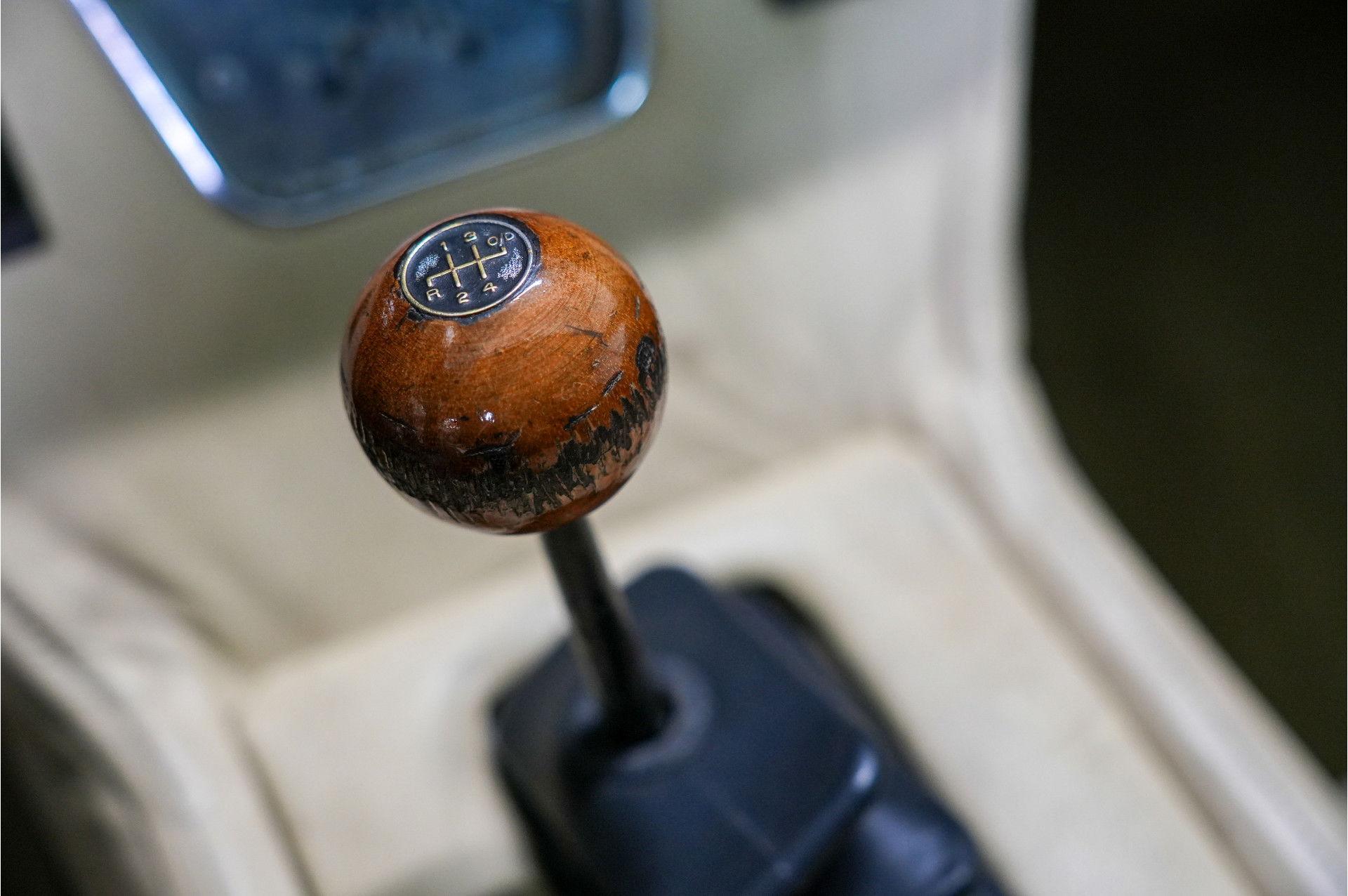
In Europe and the rest of the world, the Big Valve "Europa Special" version was equipped with a Dell'Orto carburetor version of the same engine. It also offered a new Renault five-speed gearbox (Type 365) as an option. The car weighed 740 kg (1,600 lb); Motor Magazine tested a UK Special and achieved a top speed of 123 mph (198 km/h), a 0-62 mph (0-100 km/h) time of 6,6 seconds, and a quarter-mile time of 14,9 seconds. In the US version of the Europa Special, where the federalized version of the Big Valve had already been introduced in the Twin Cam model, the only changes were larger brakes and the optional five-speed gearbox, which would become standard on the Special in 1974.
A total of 4.710 Type 74s were produced, of which 3.130 were designated "Special".
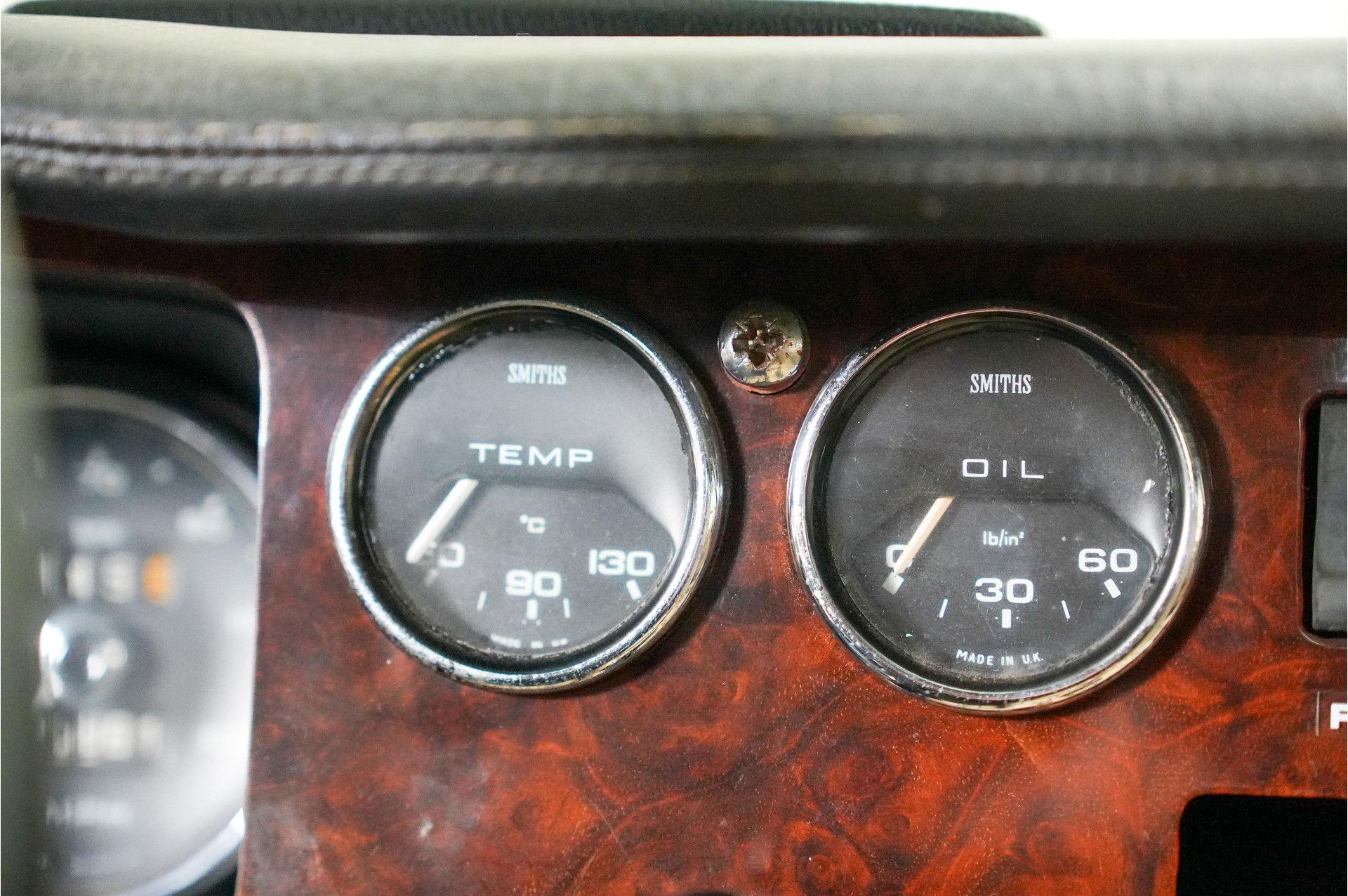
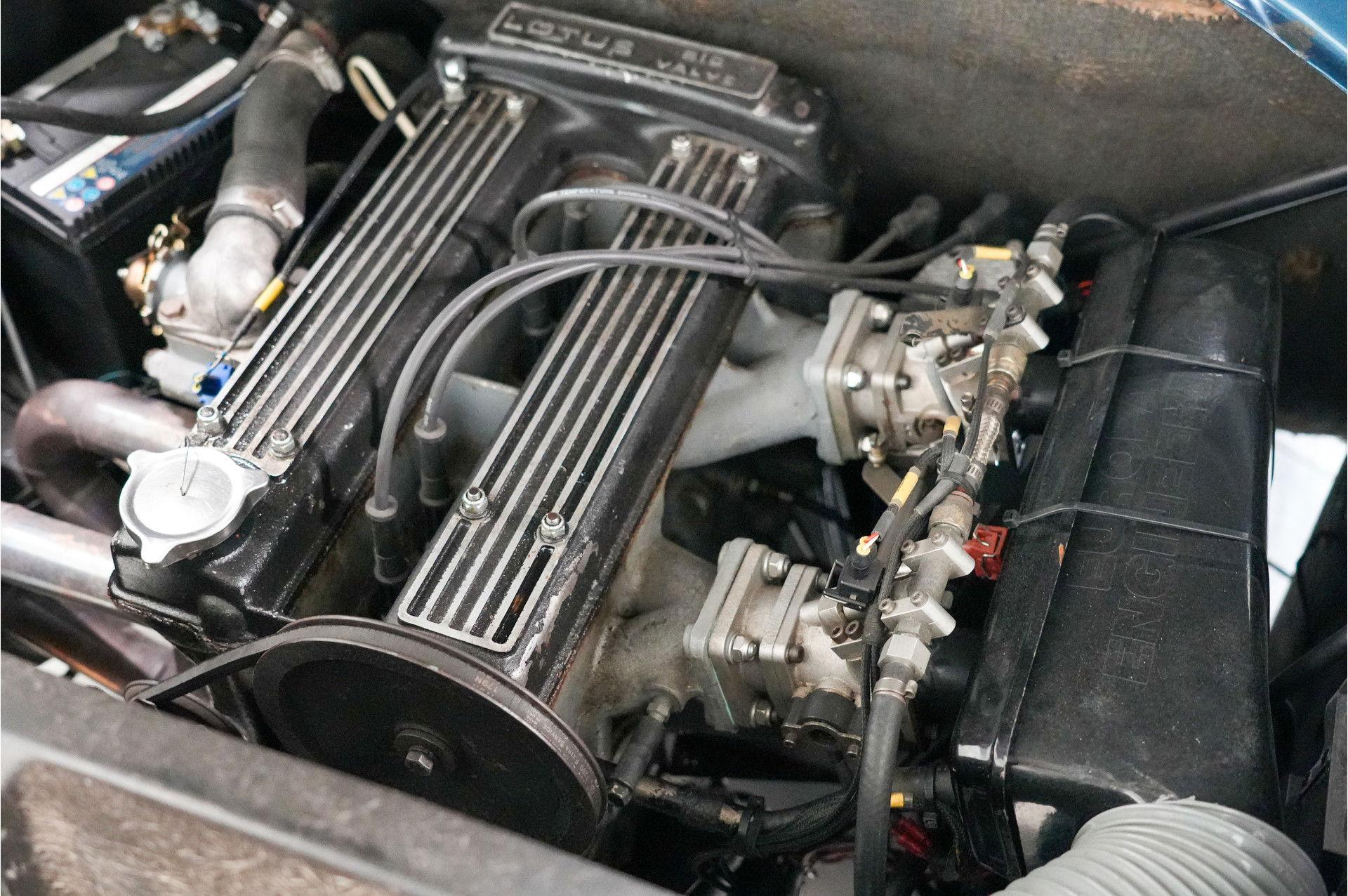
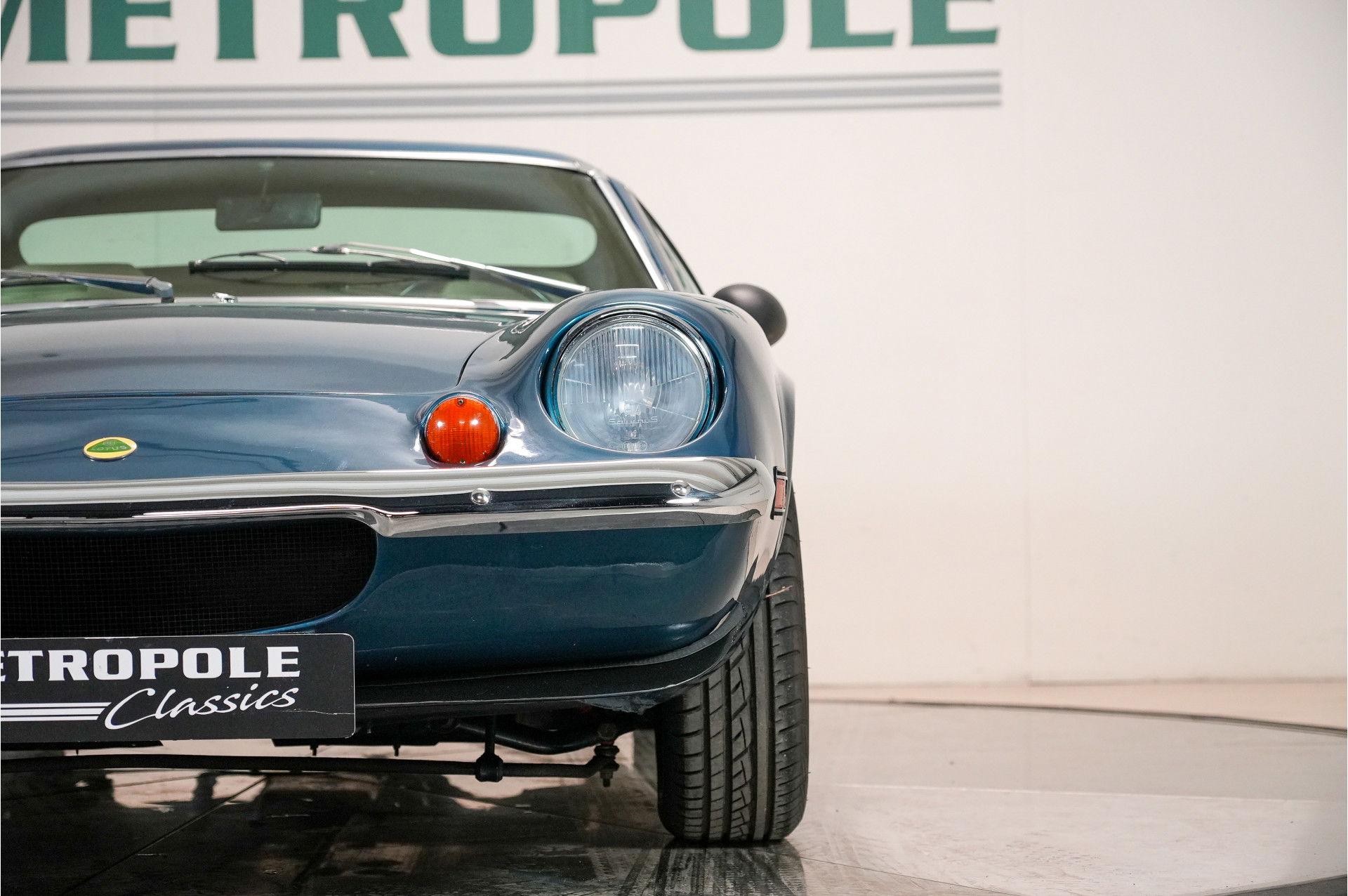
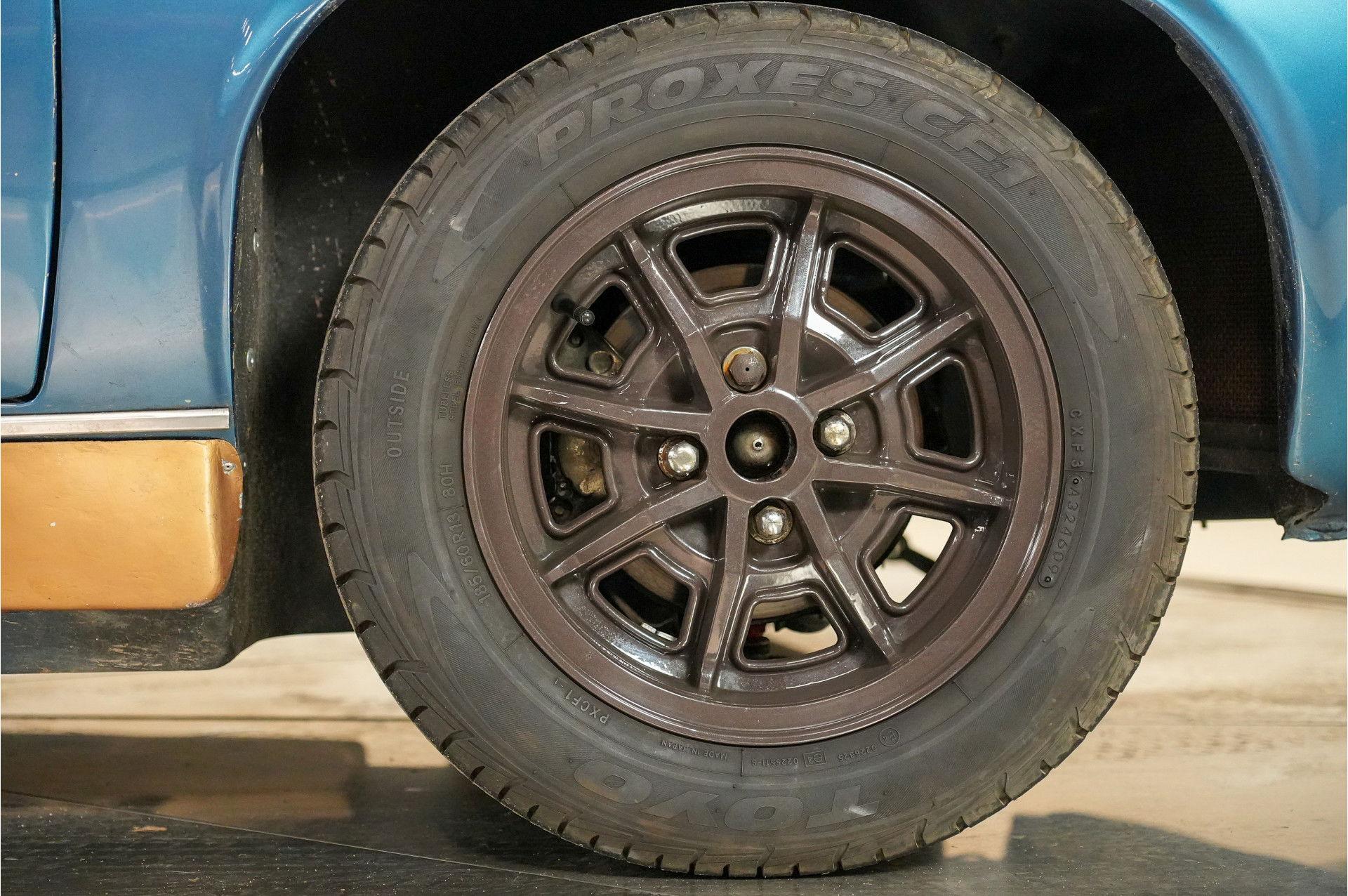
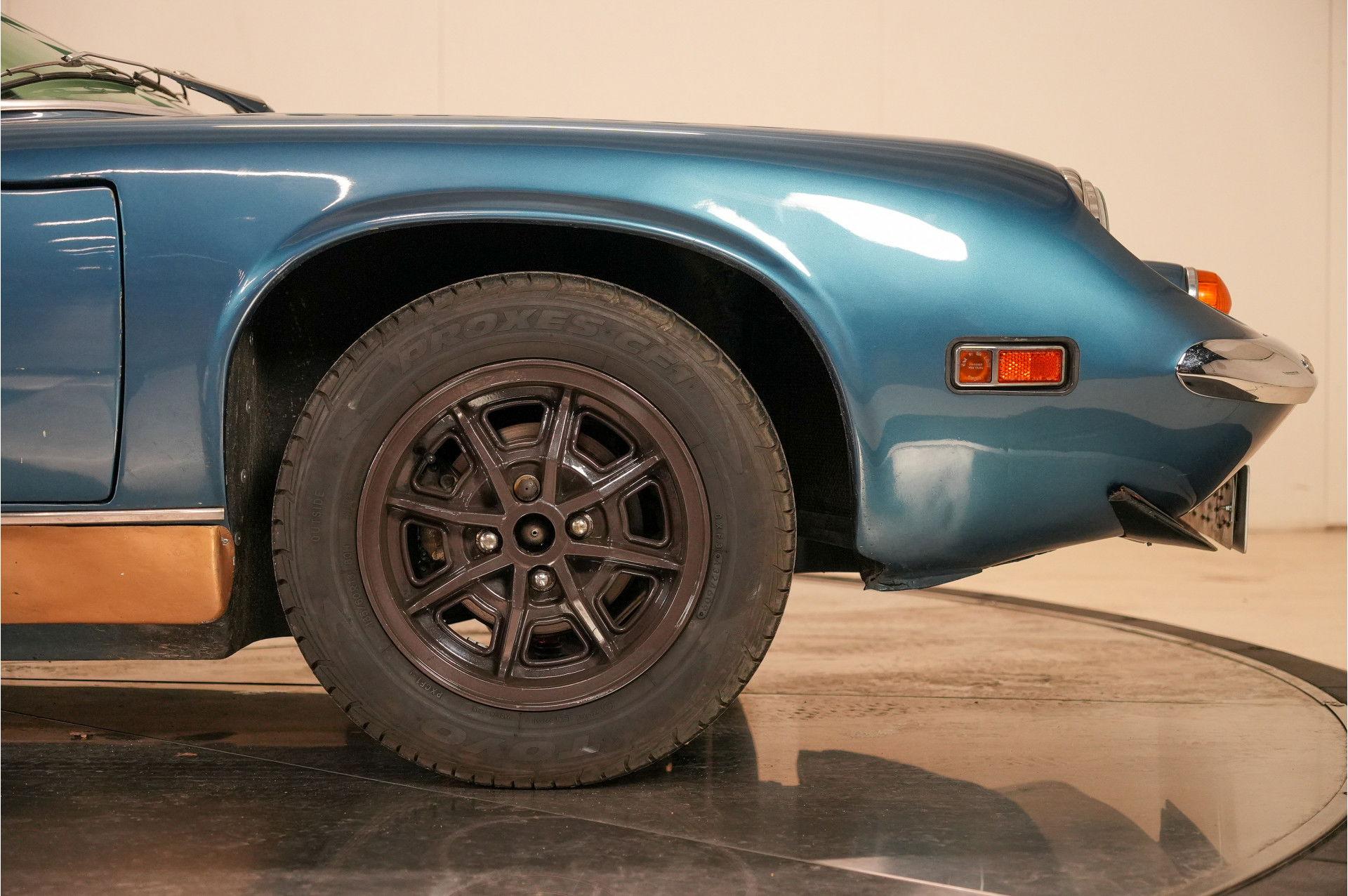
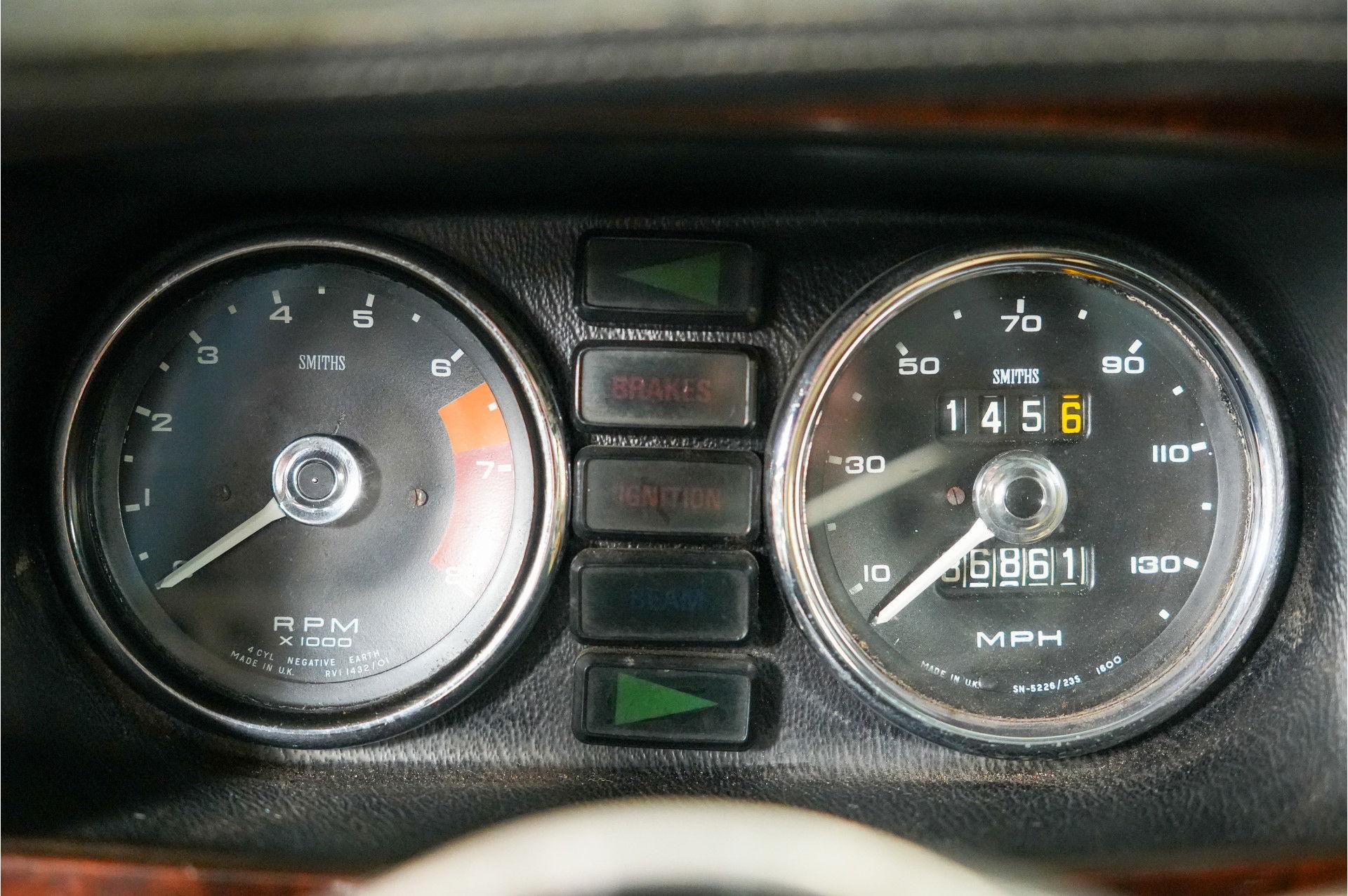
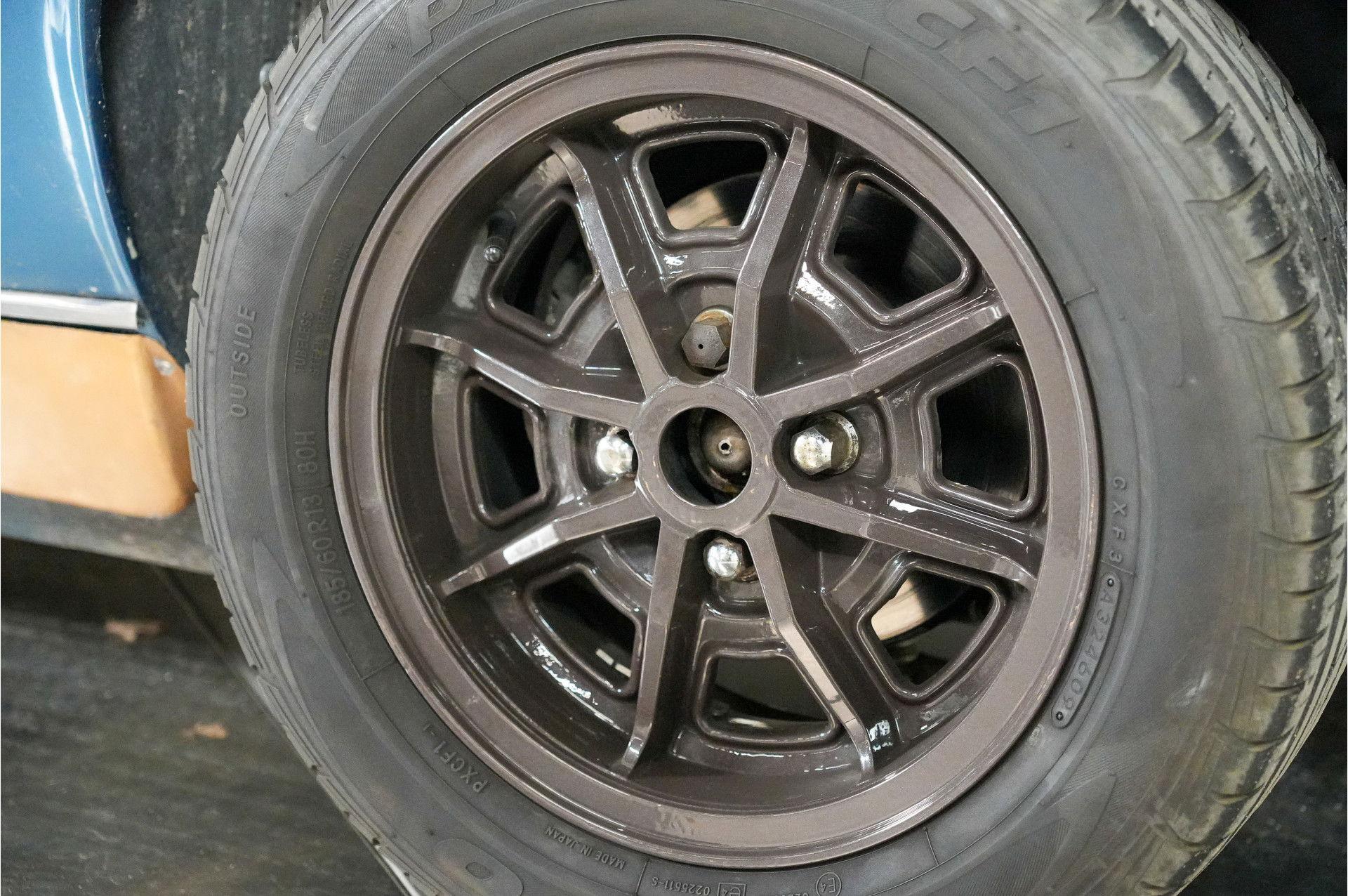
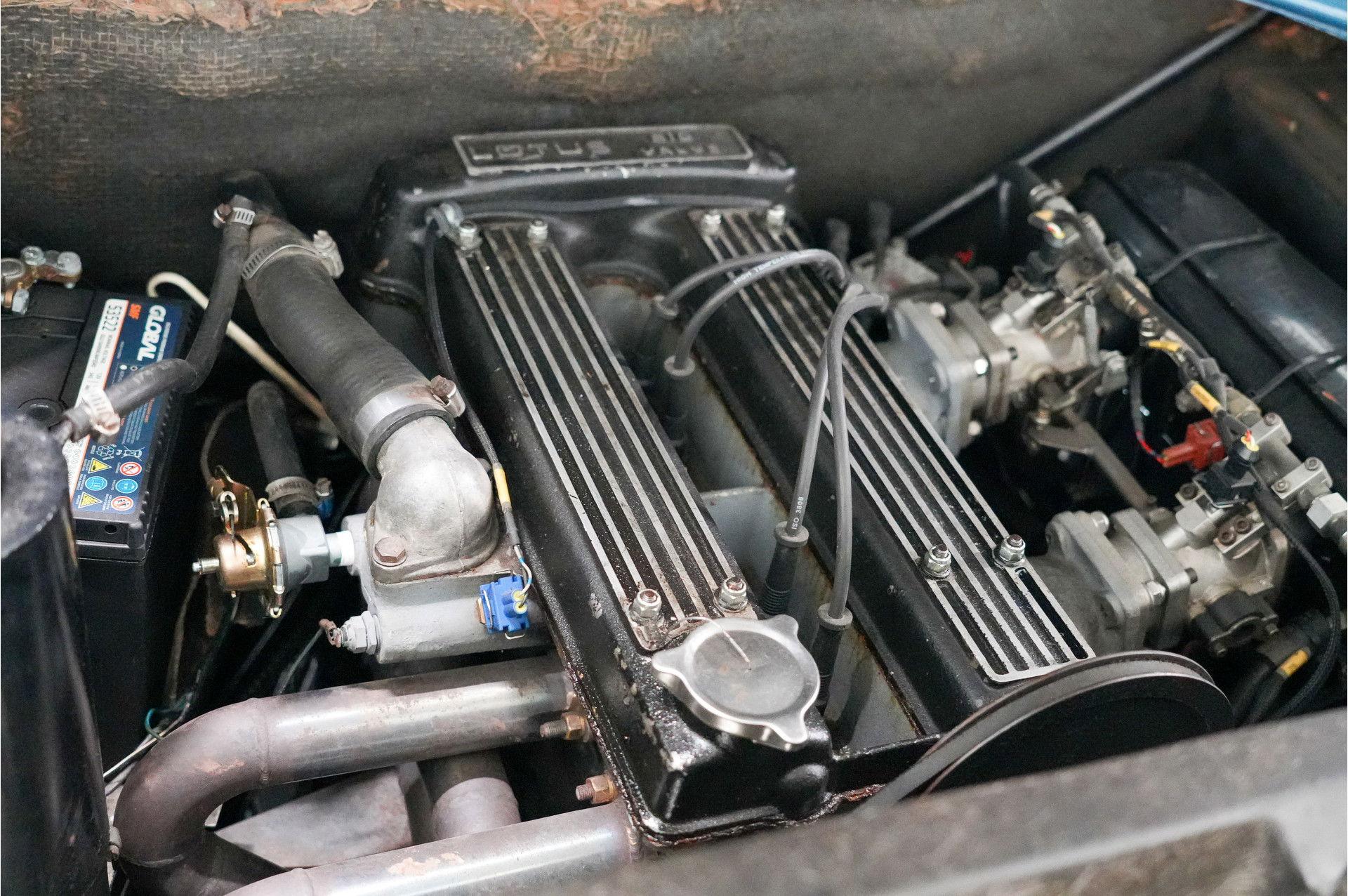
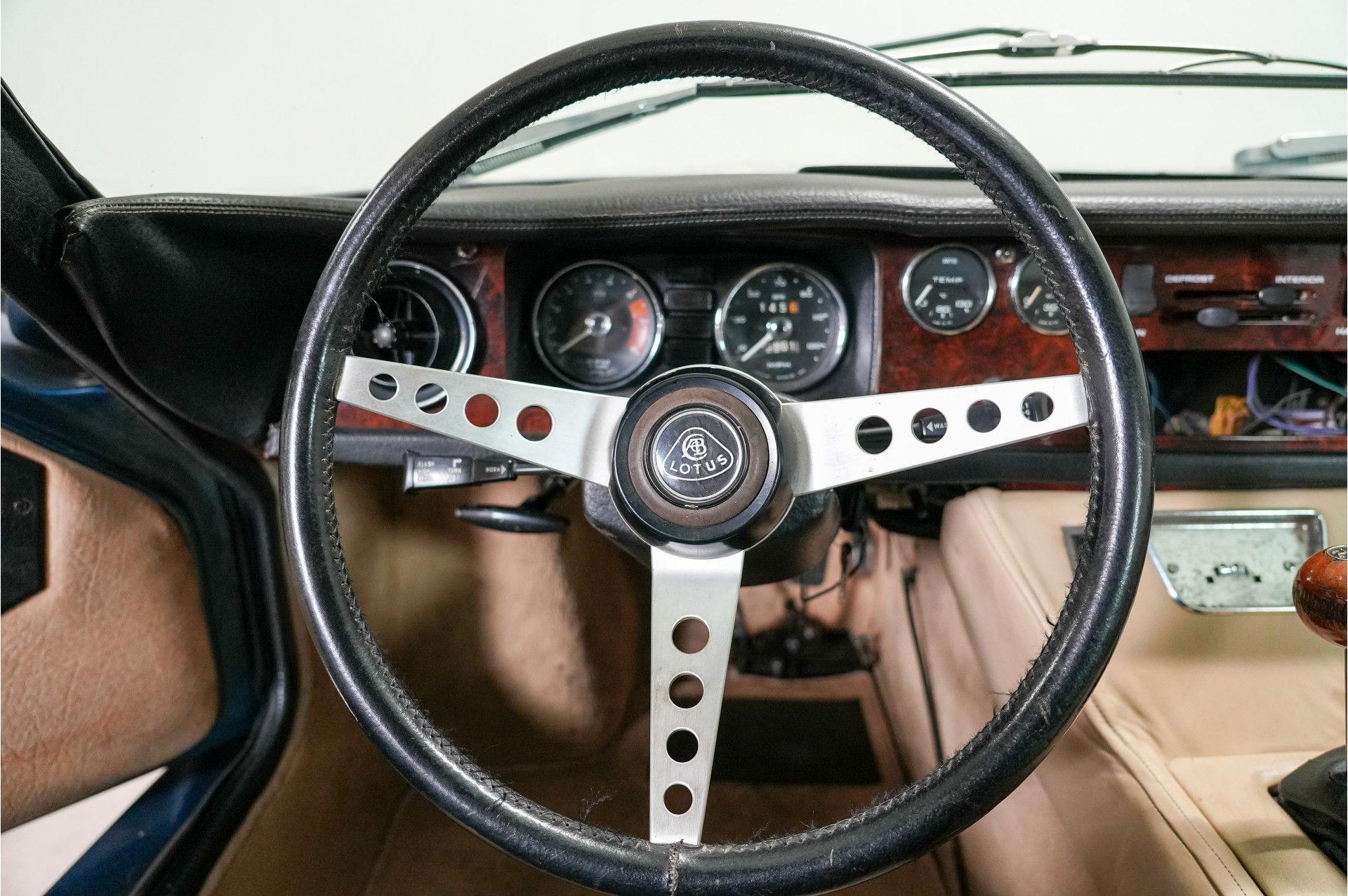
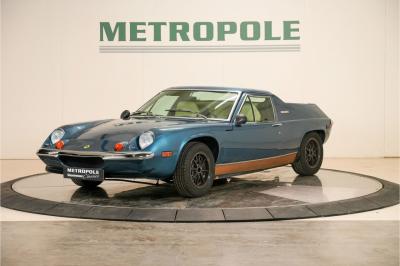
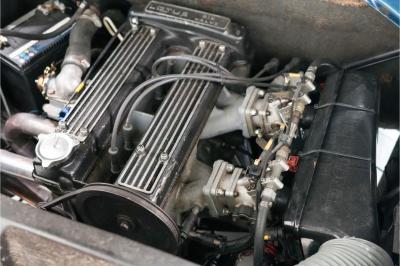
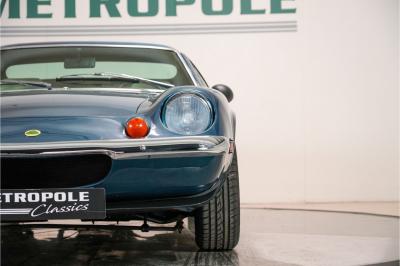
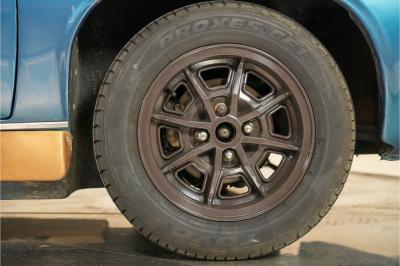
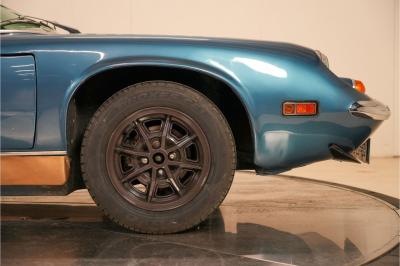
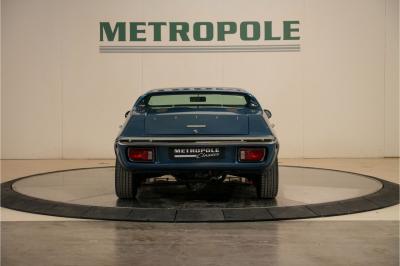
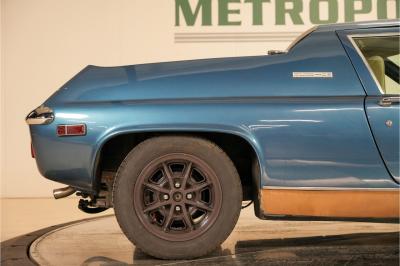
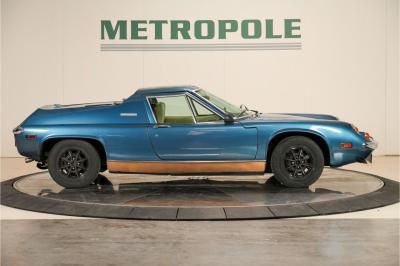
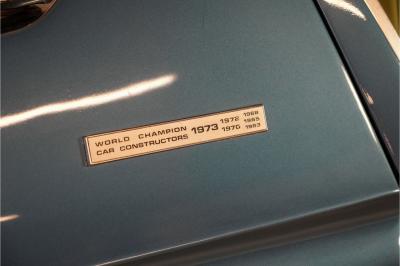
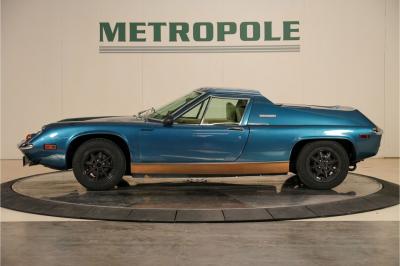
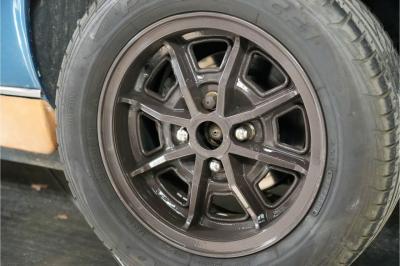
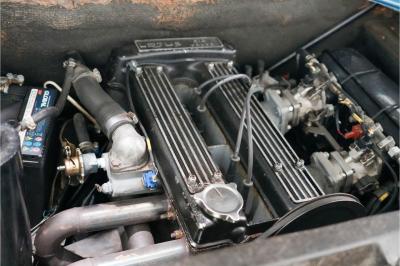
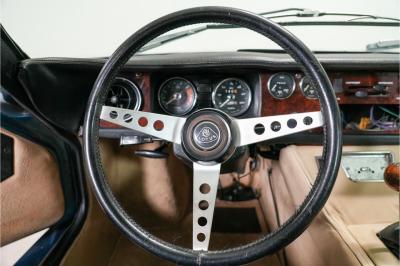
The Lotus presented here is a Twin Cam model, meaning it has dual overhead camshafts. This is the most powerful engine ever produced in the Europa. This engine features a KMS injection system instead of the twin Dell Orto carburetors. This makes the engine run smoother and also starts better. We also see black rims and leather upholstery. A very nice and good Europa for the enthusiast.
Contact Us
