

























































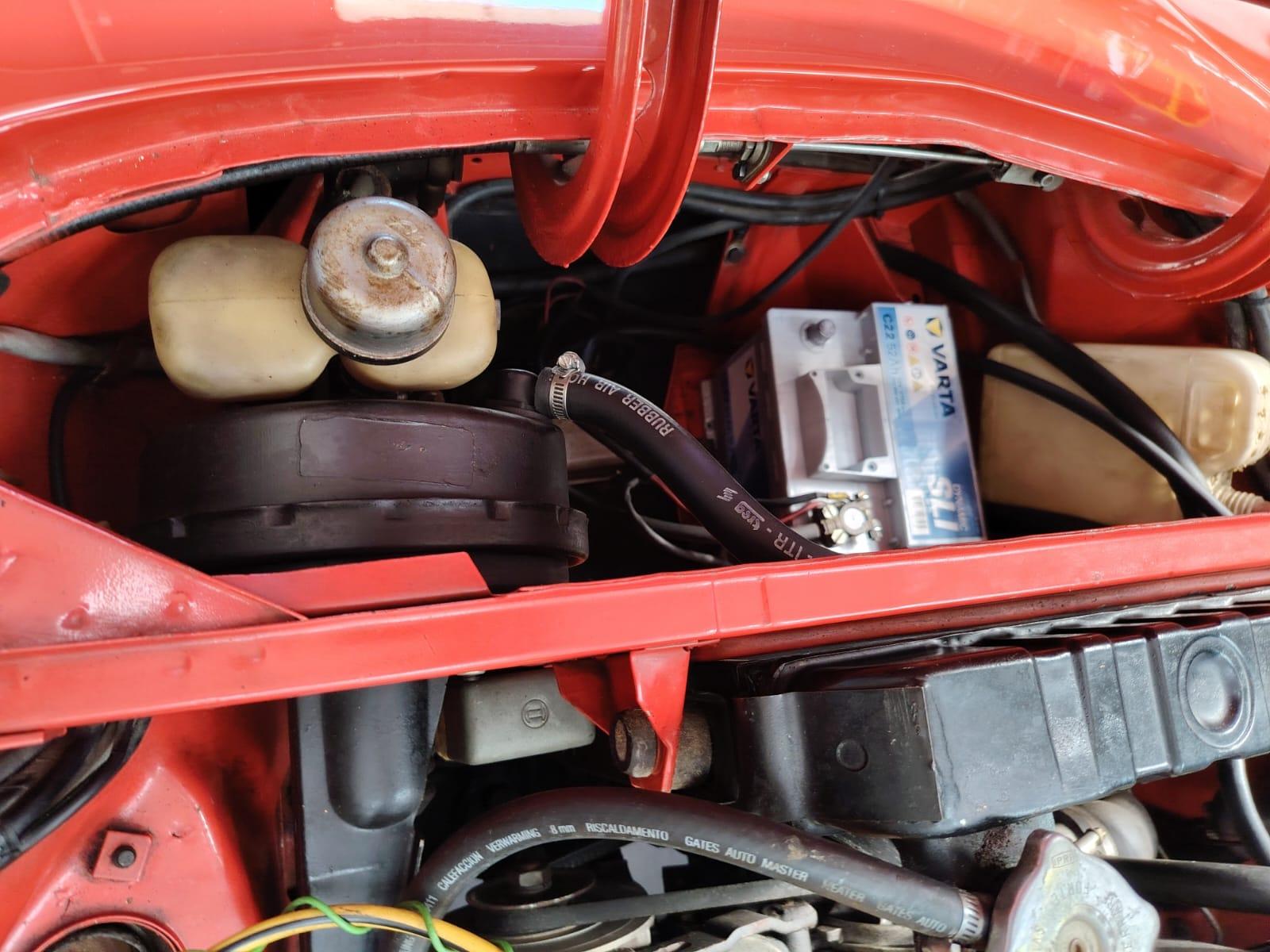
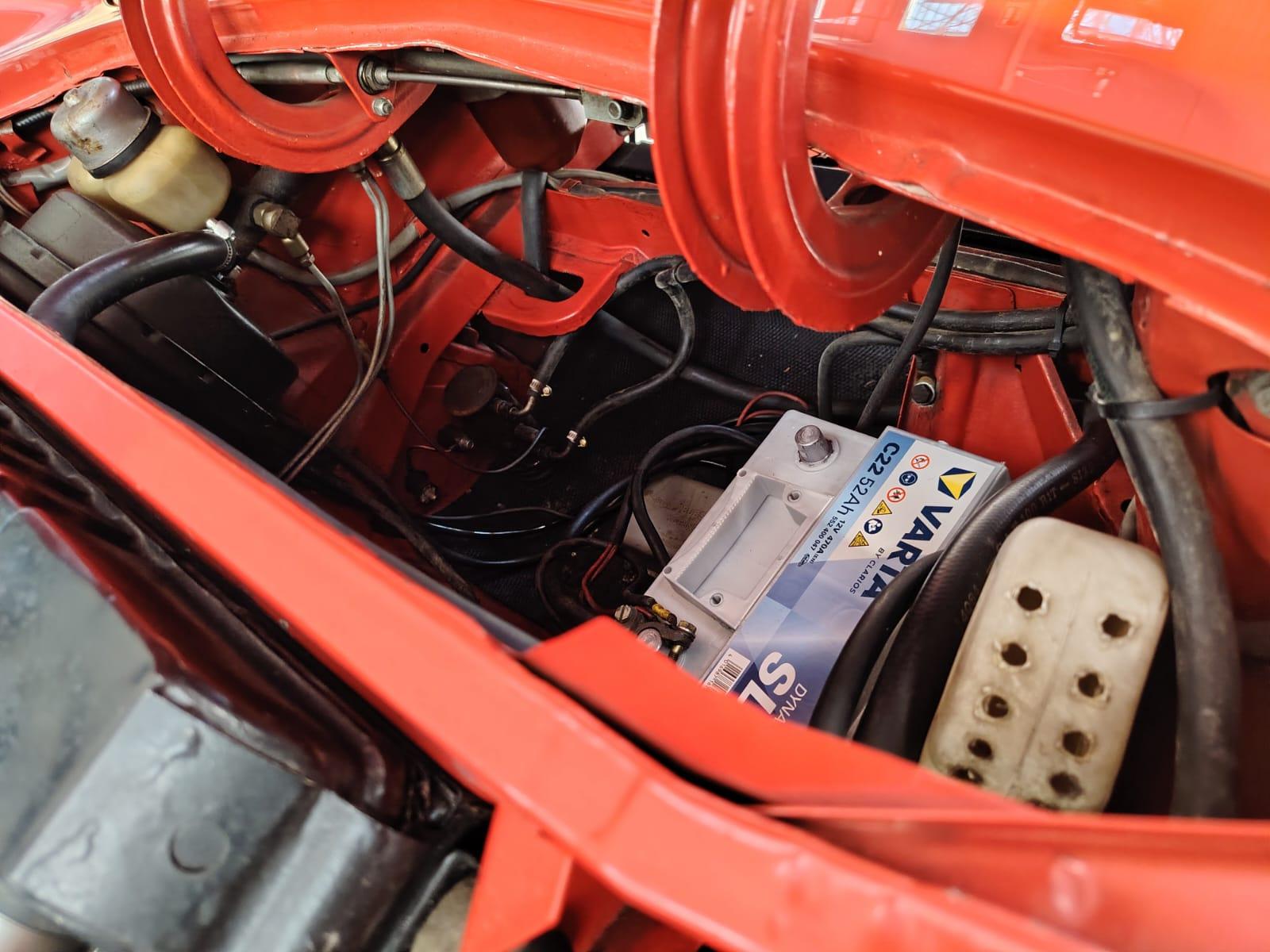
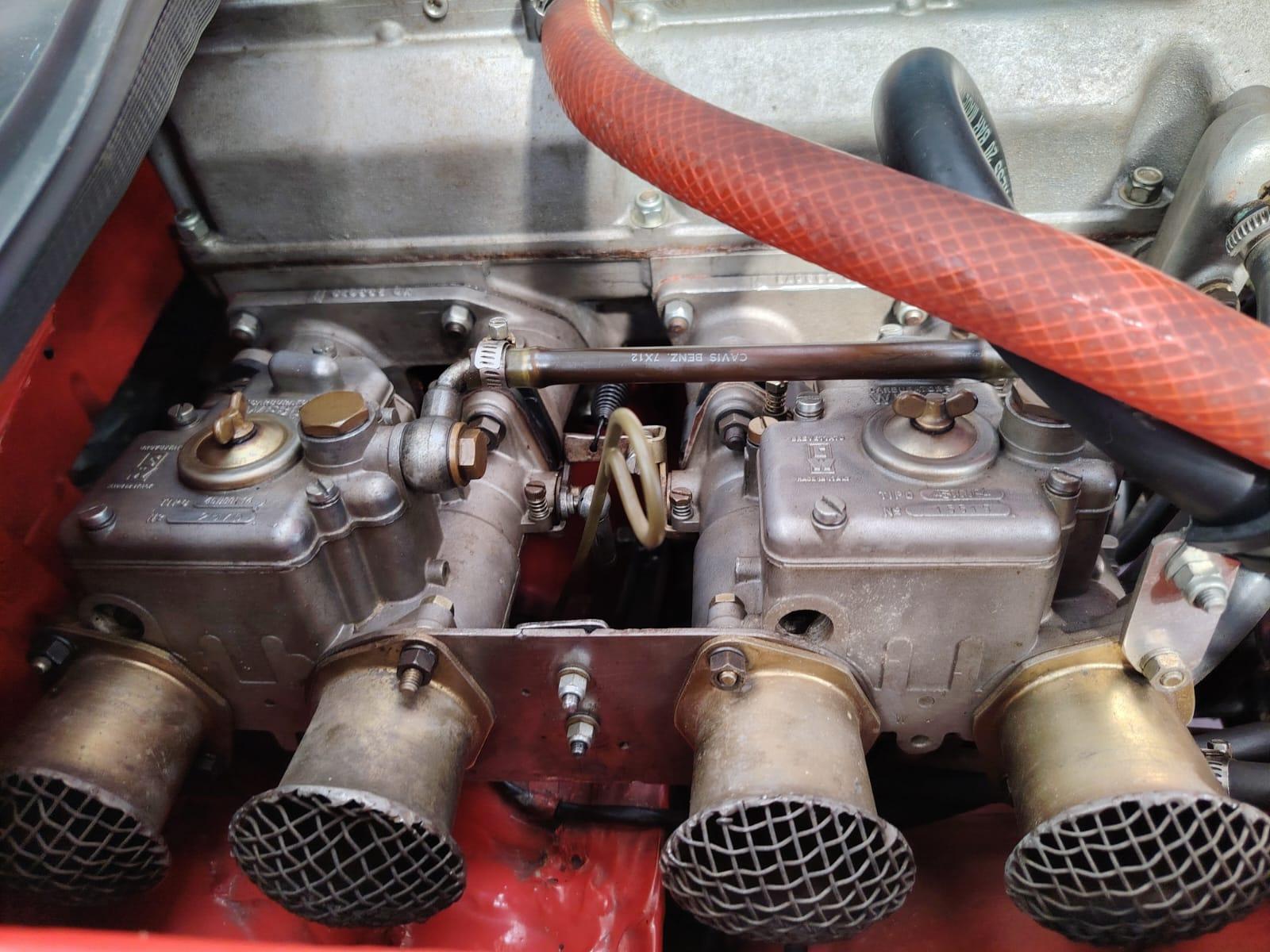
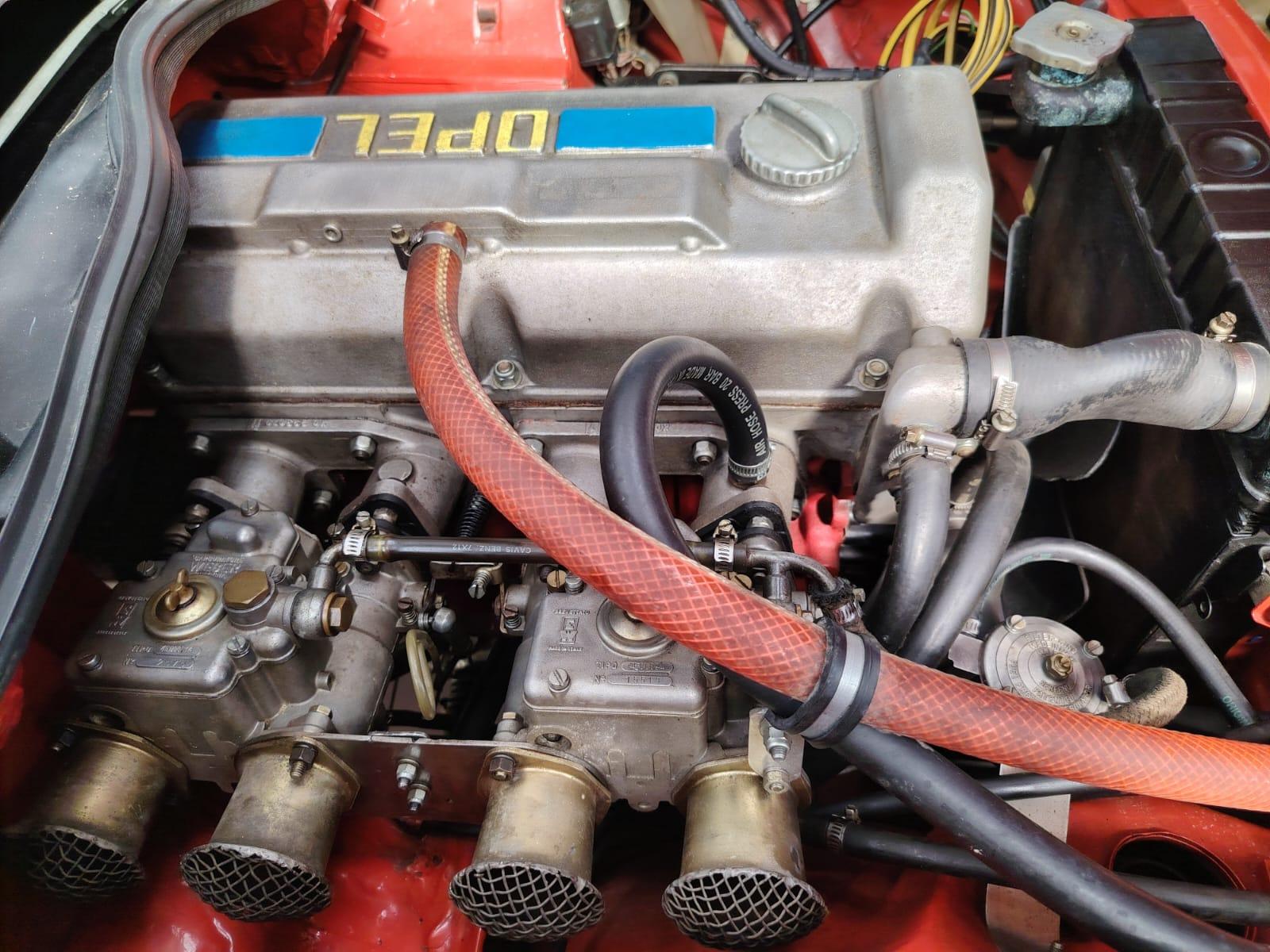
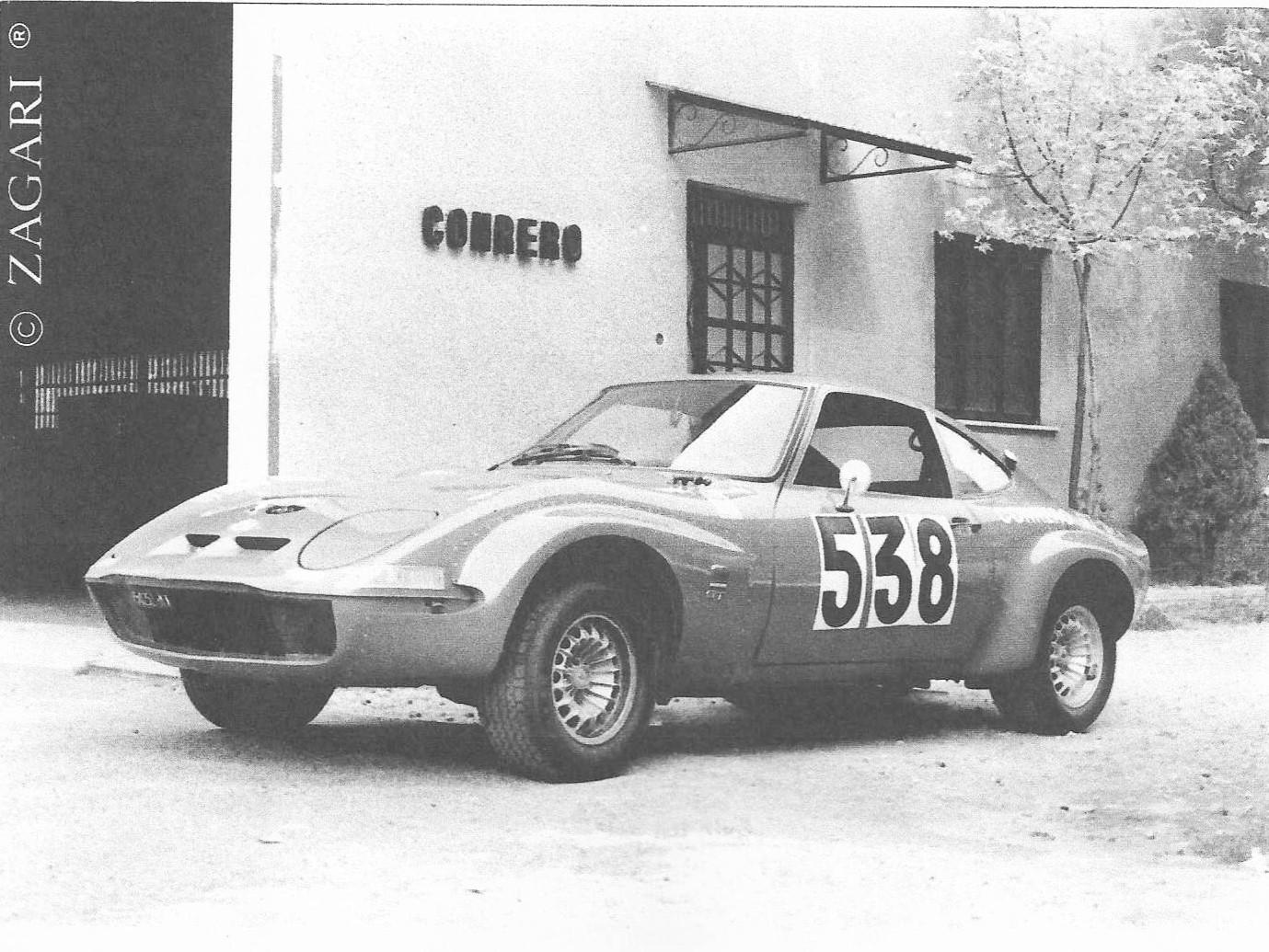
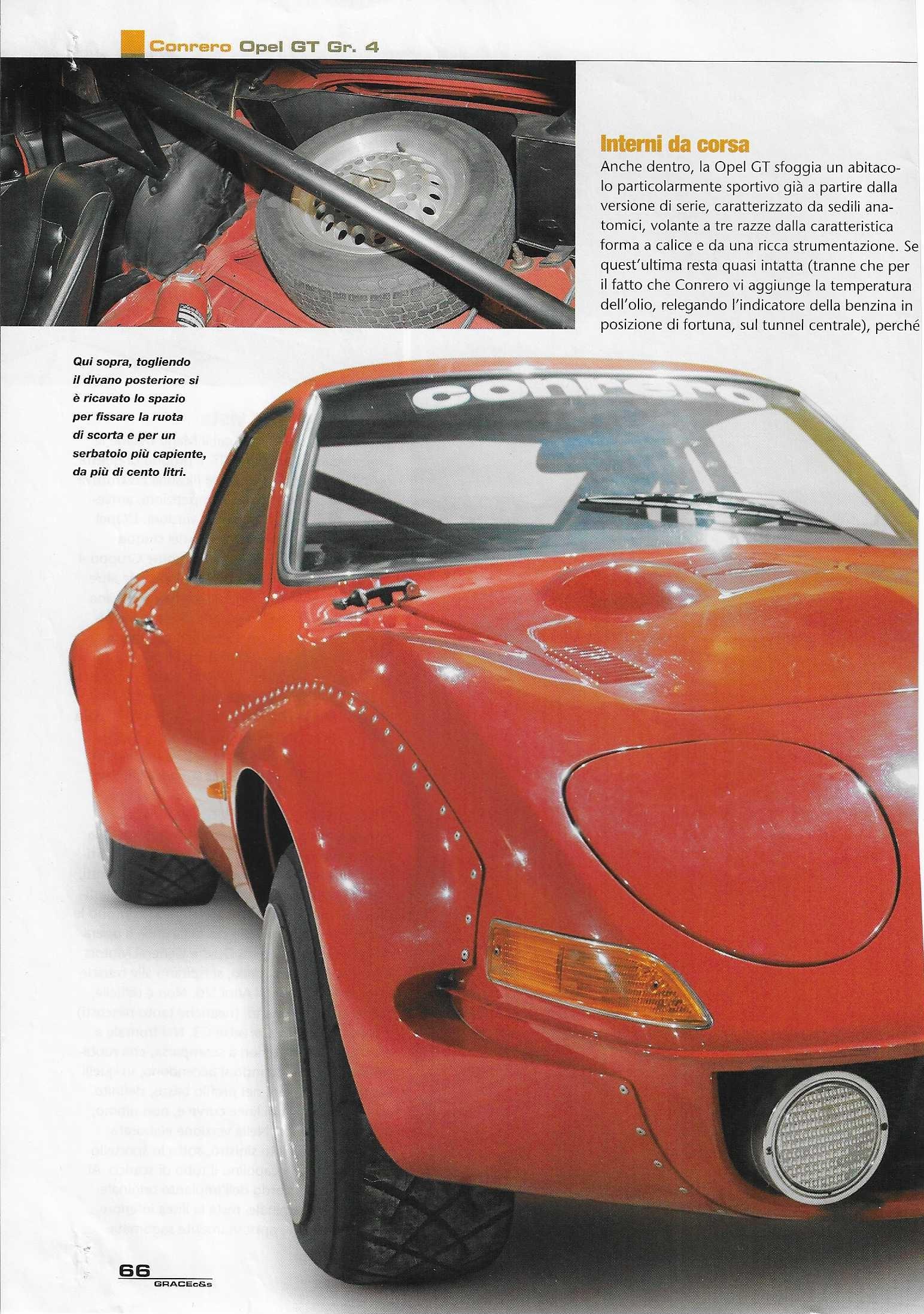
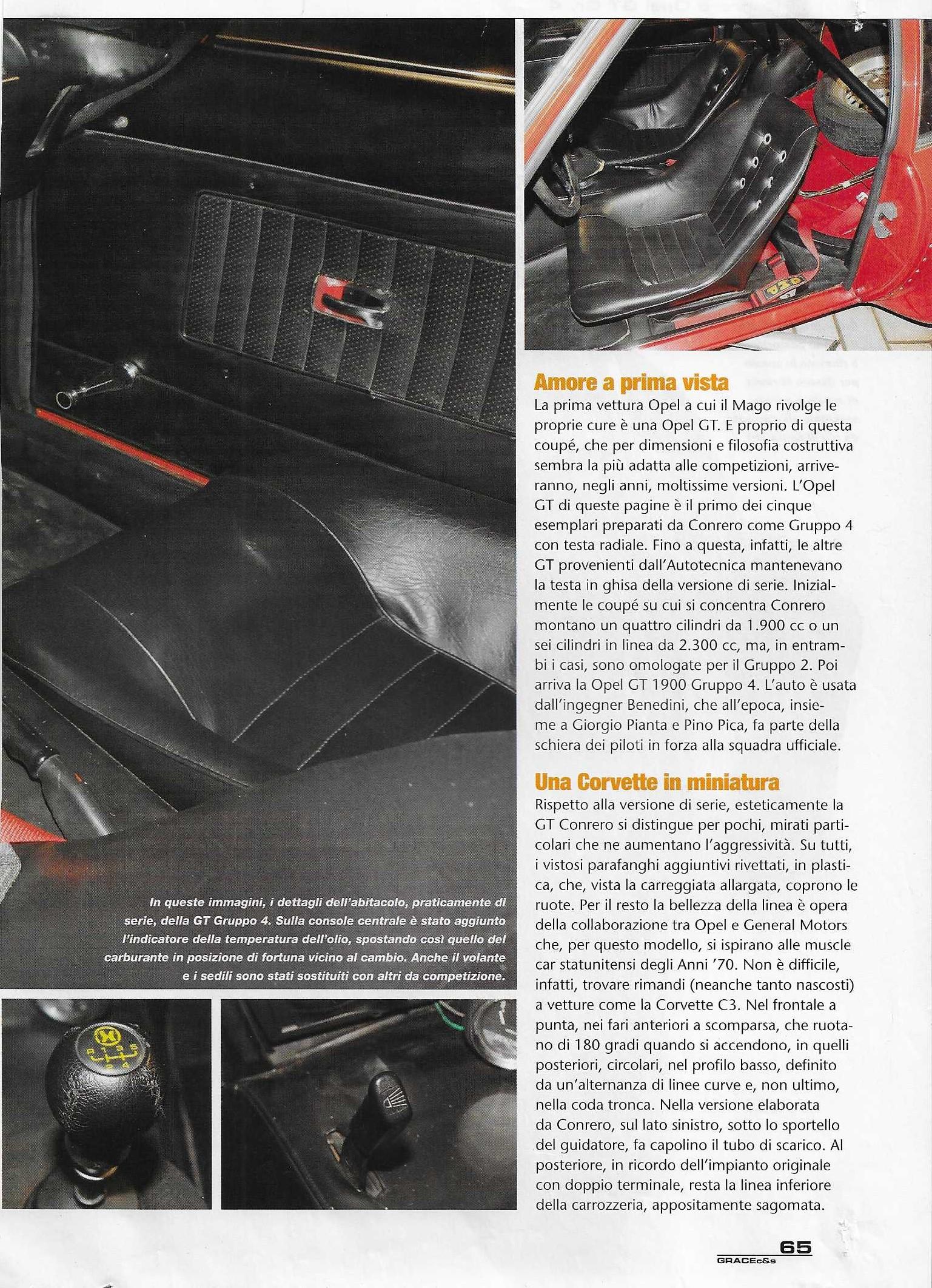
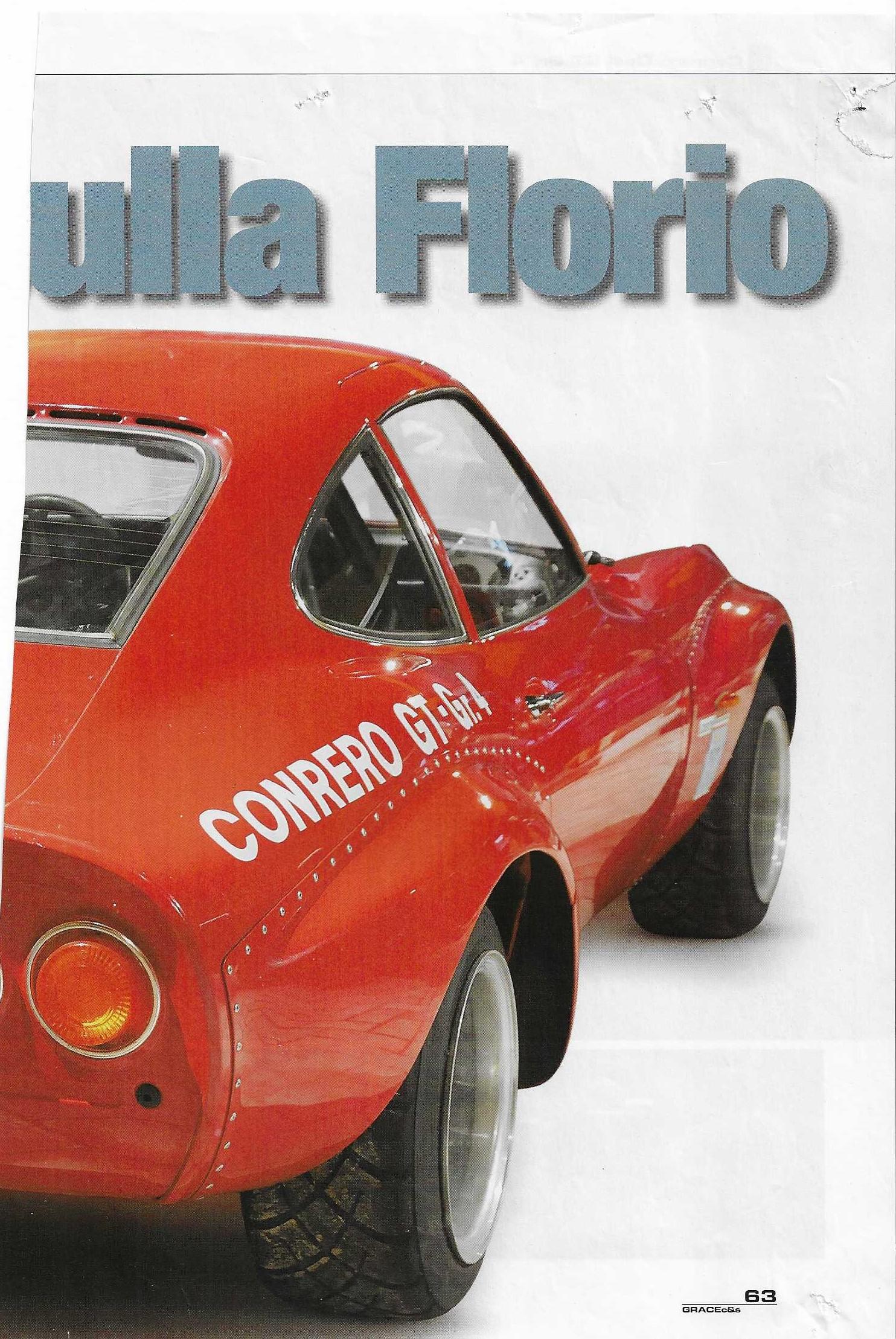
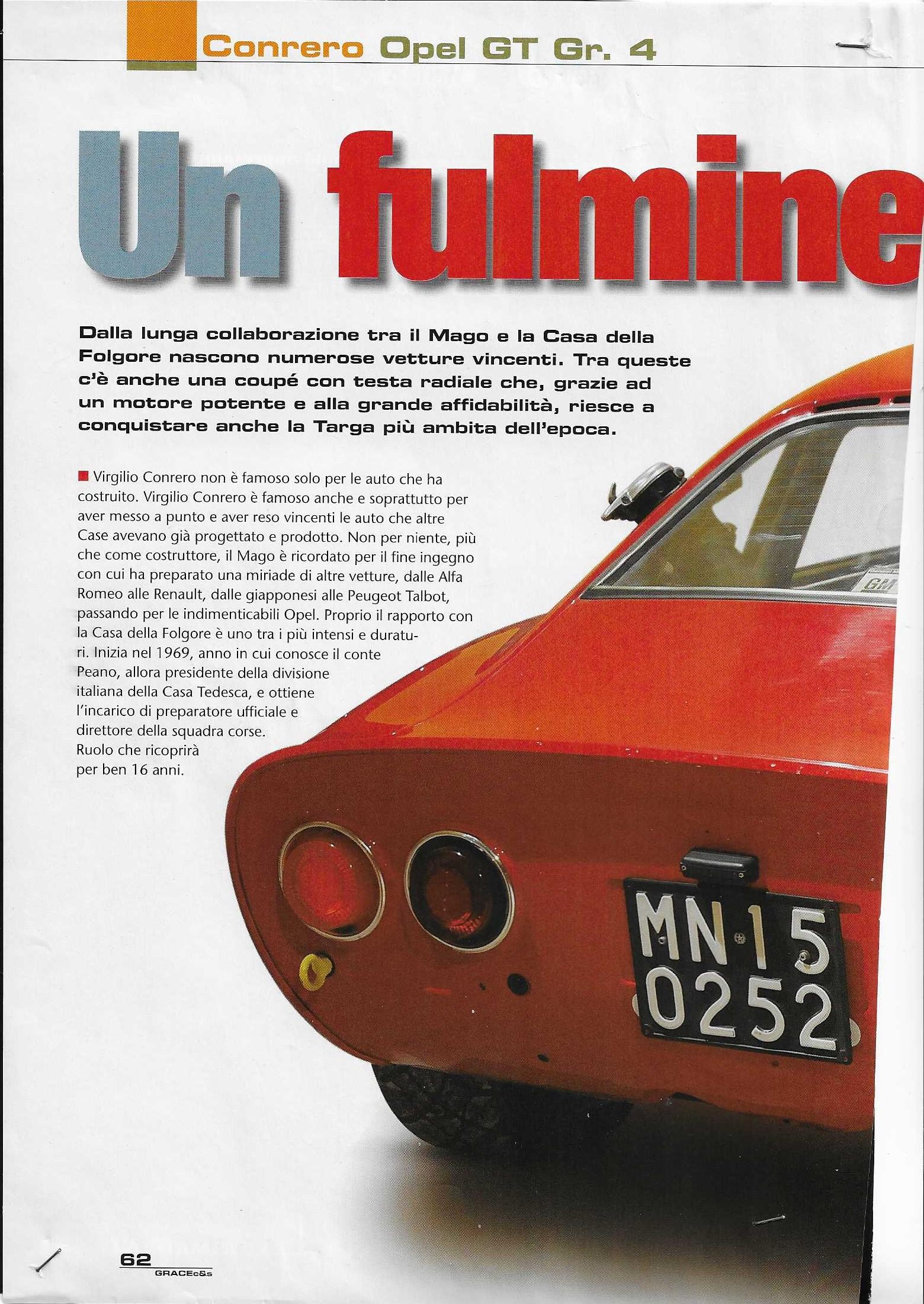
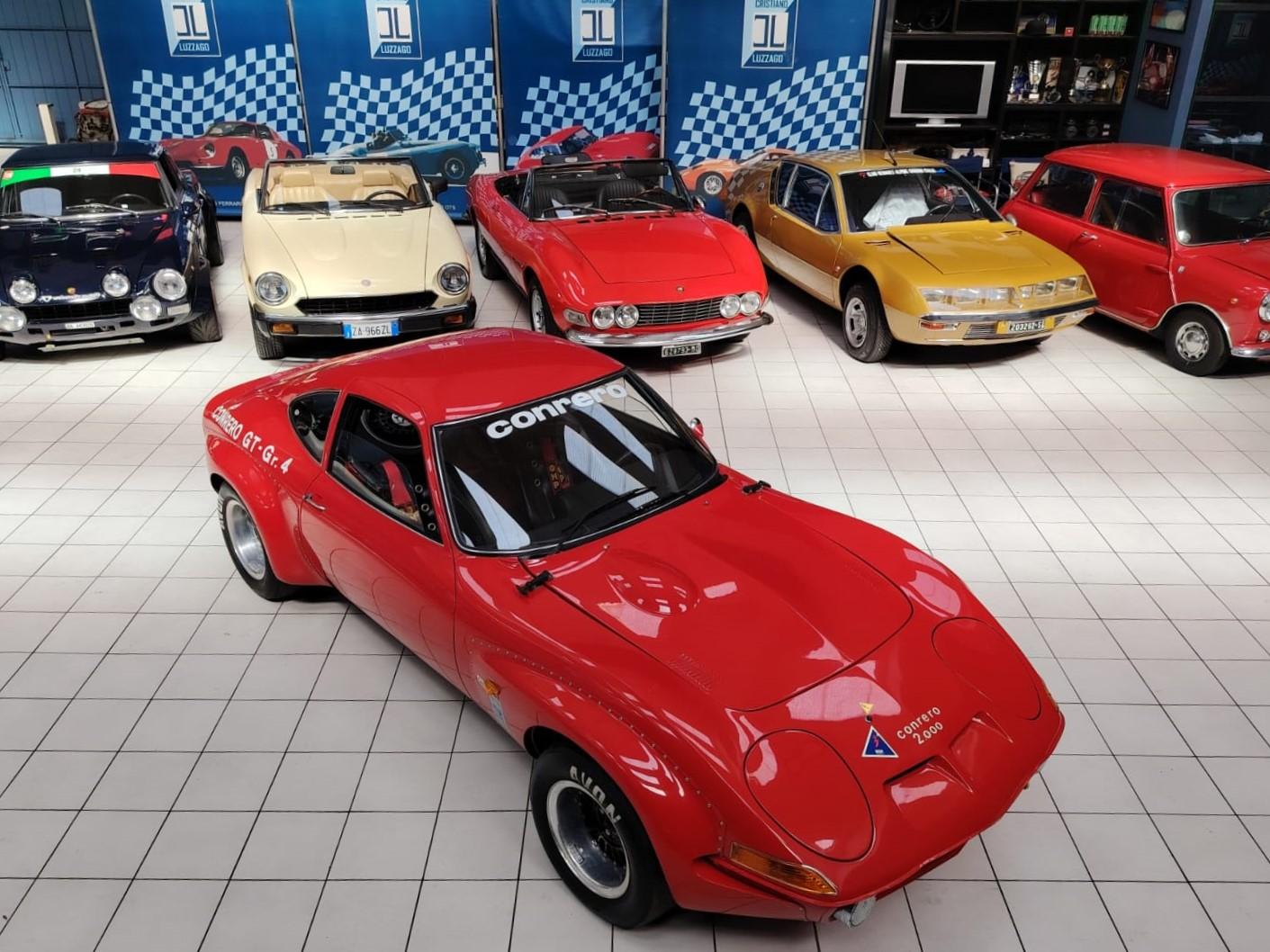
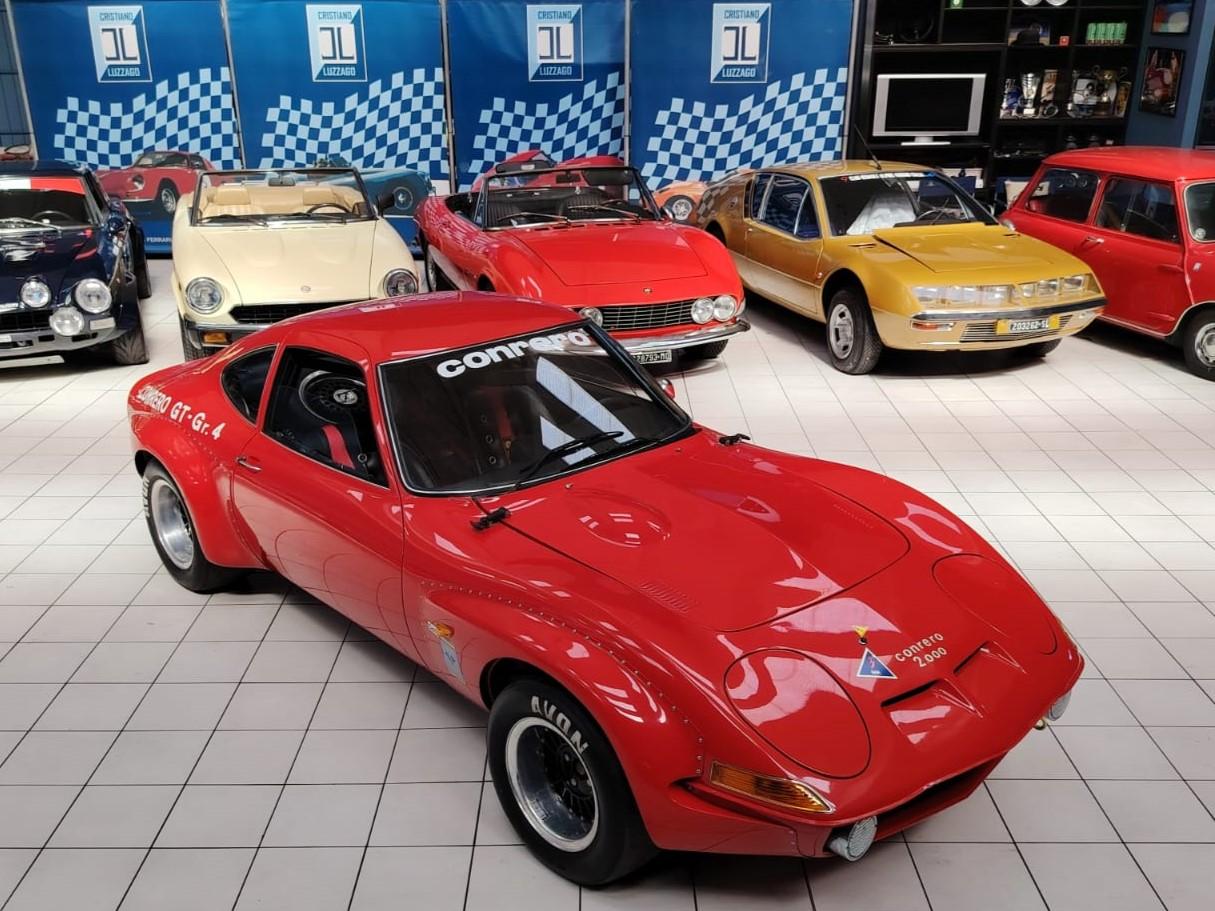
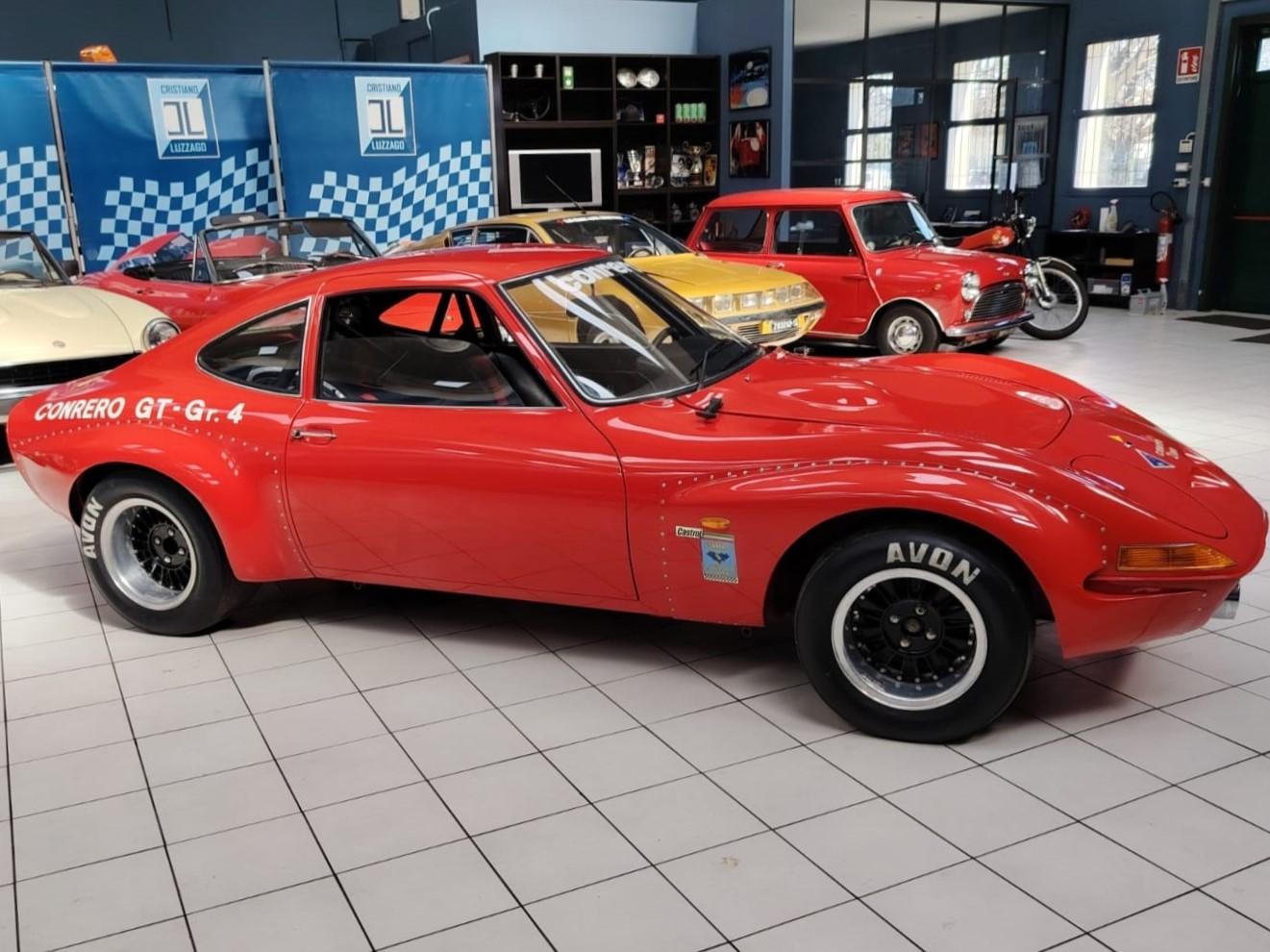
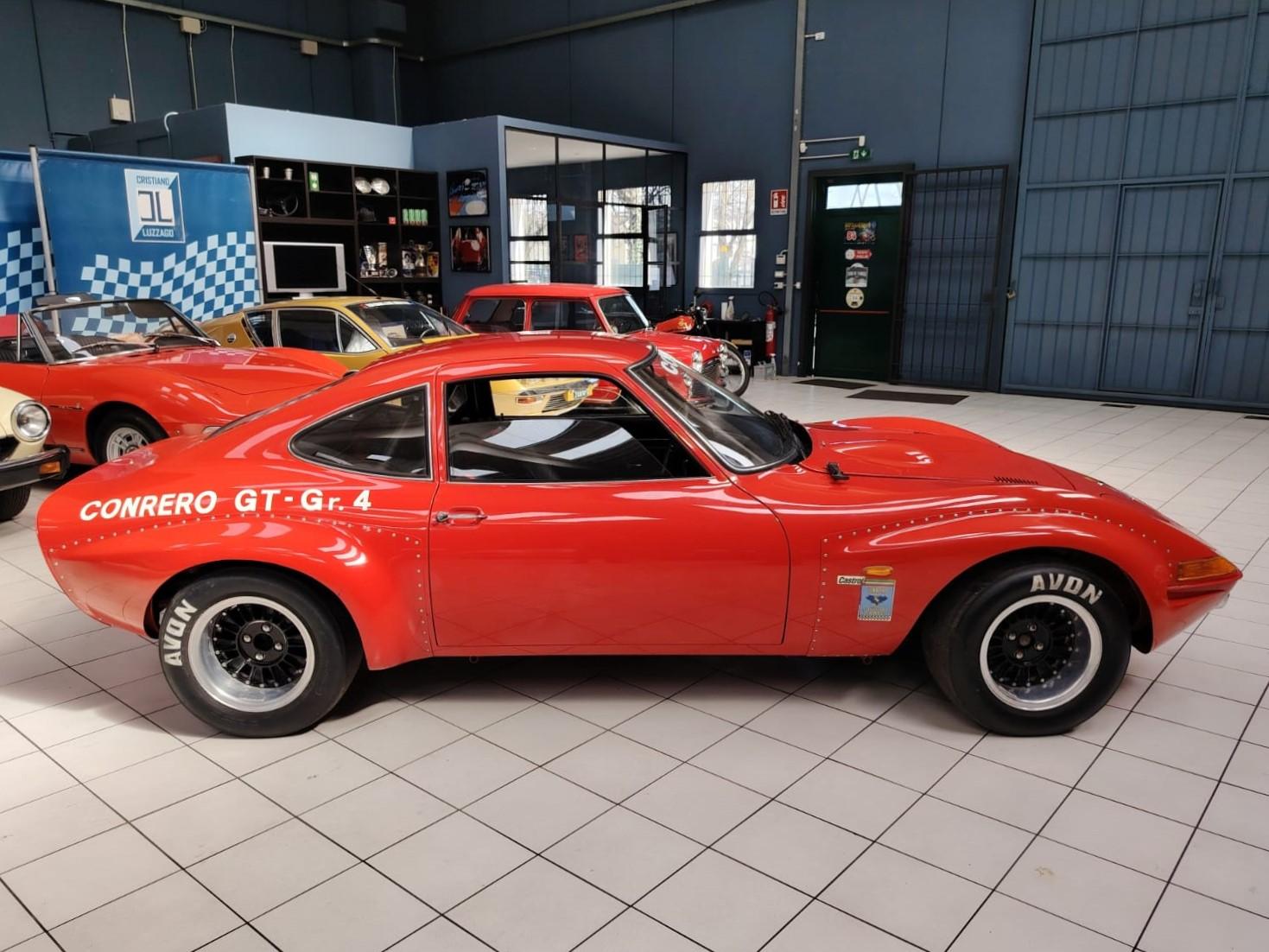
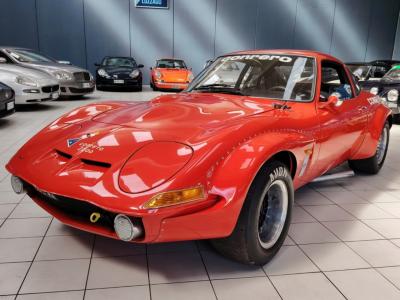
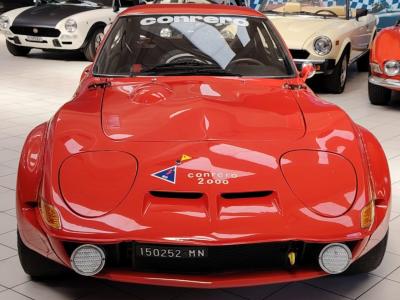
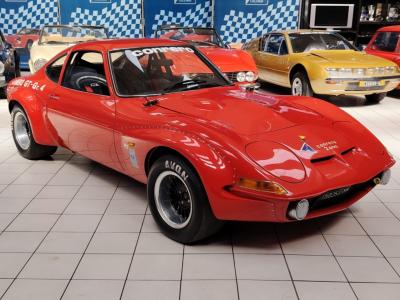
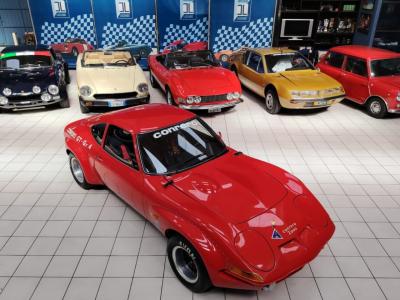
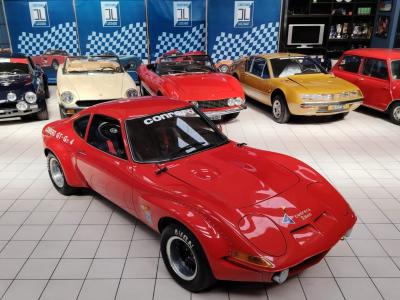
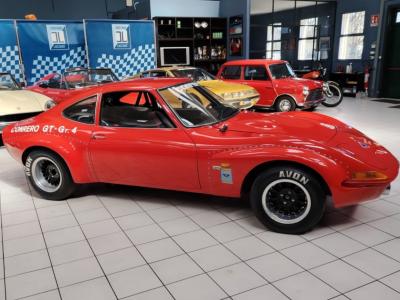
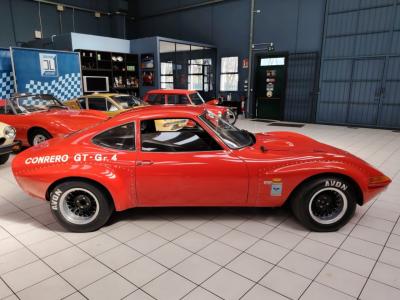
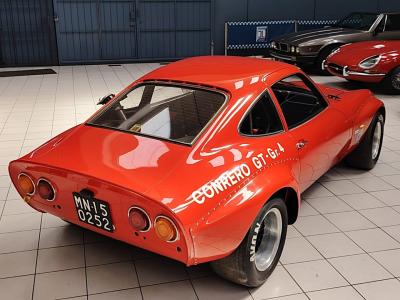
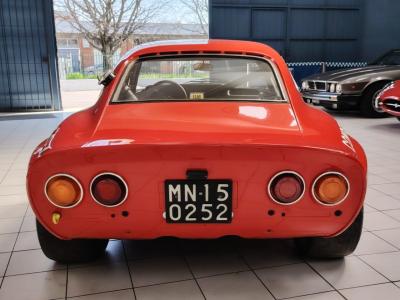
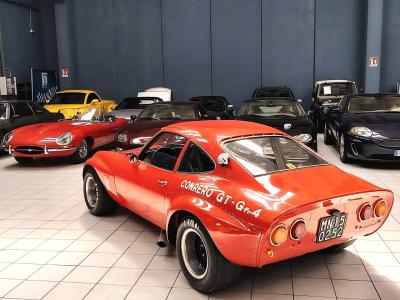
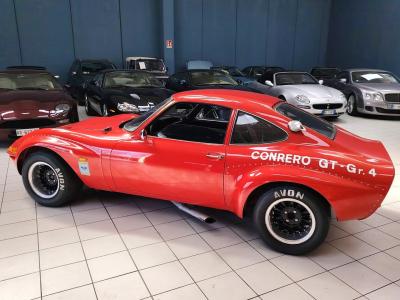
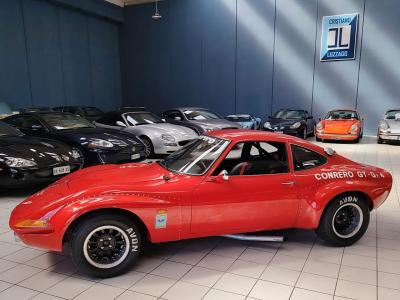
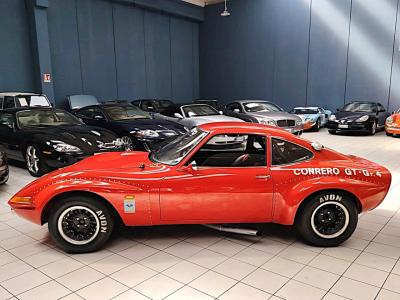
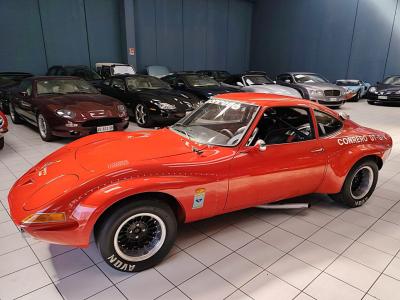
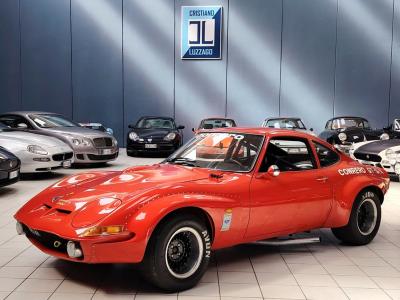
Make: Opel
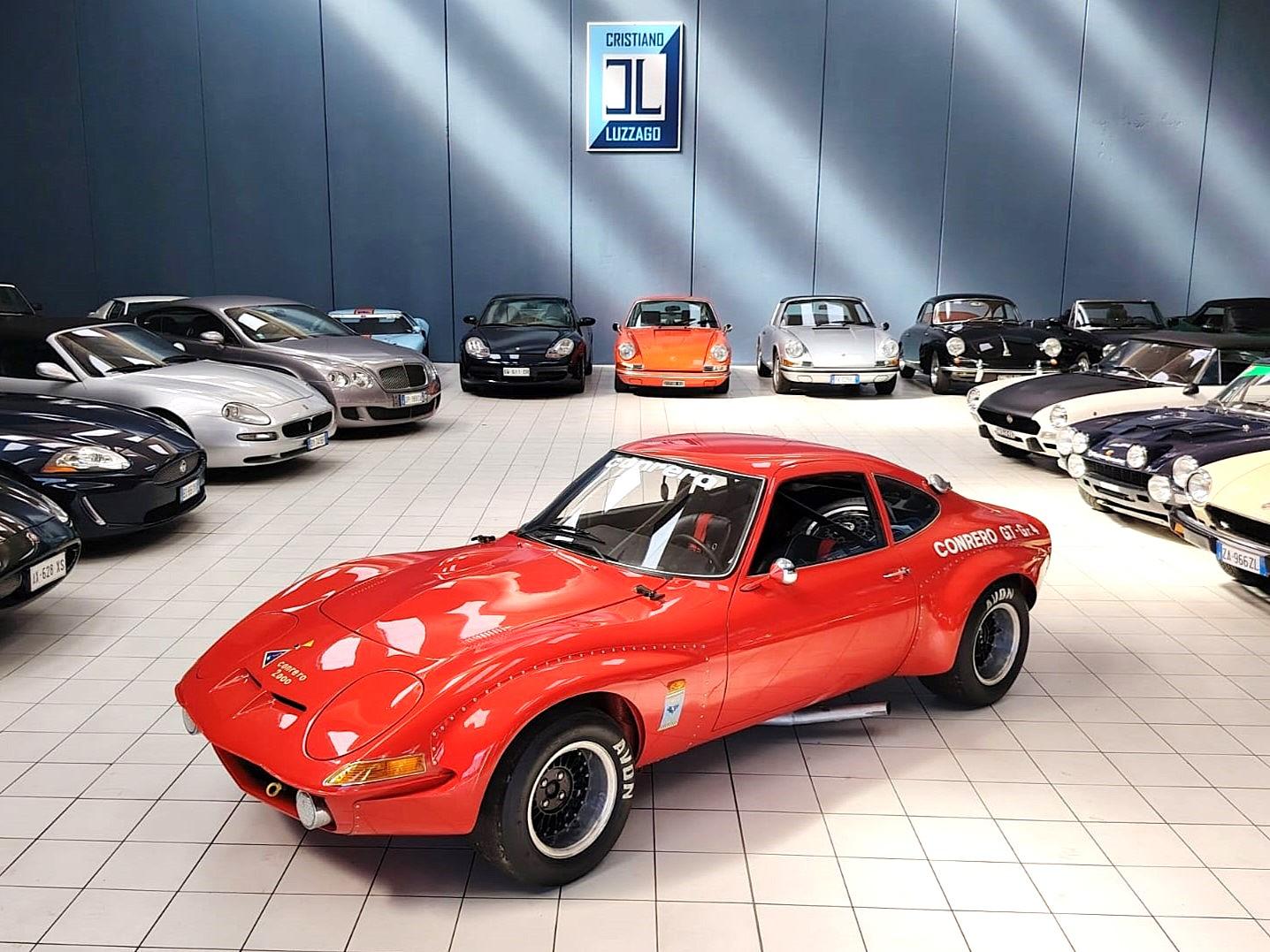
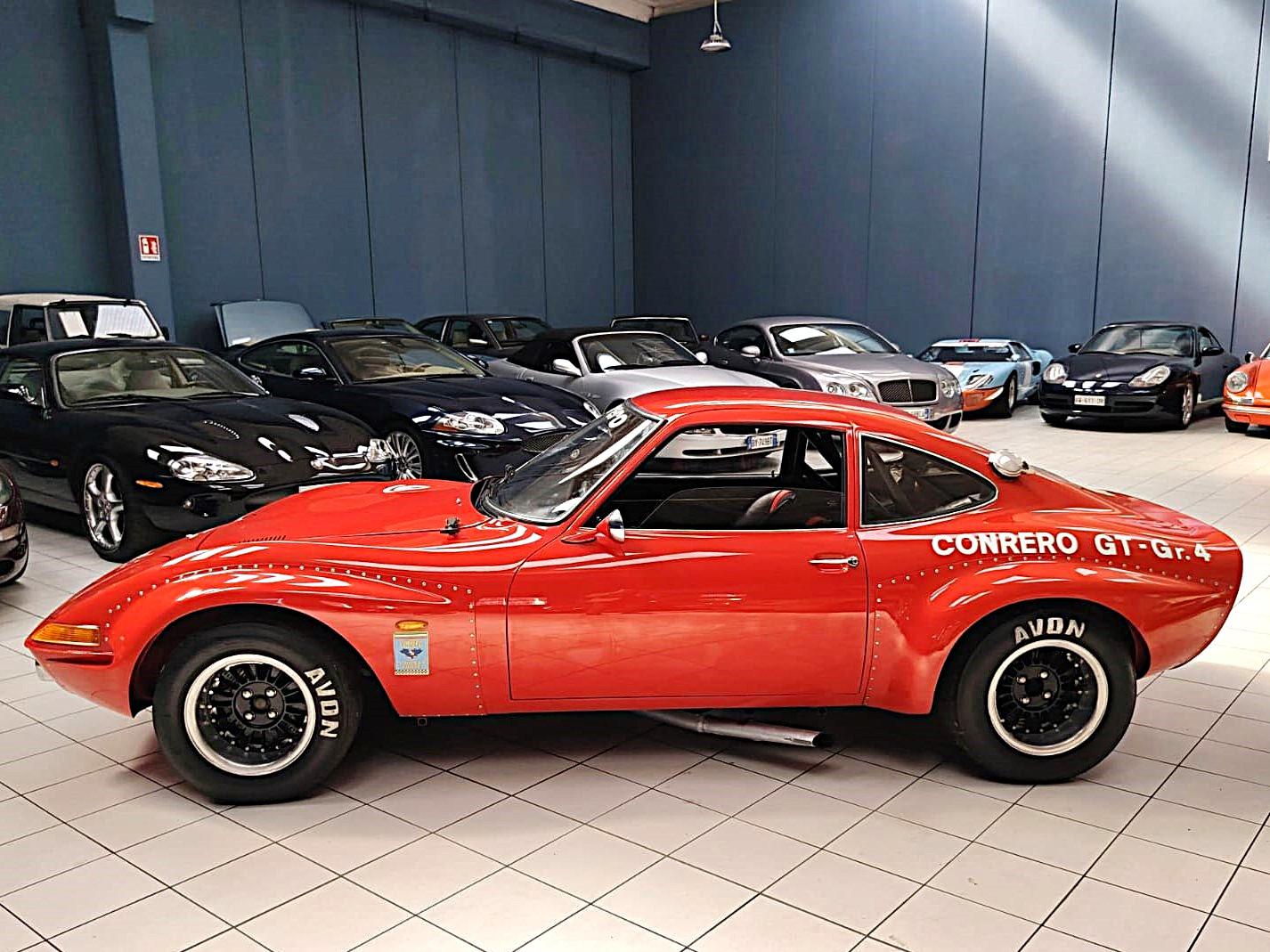
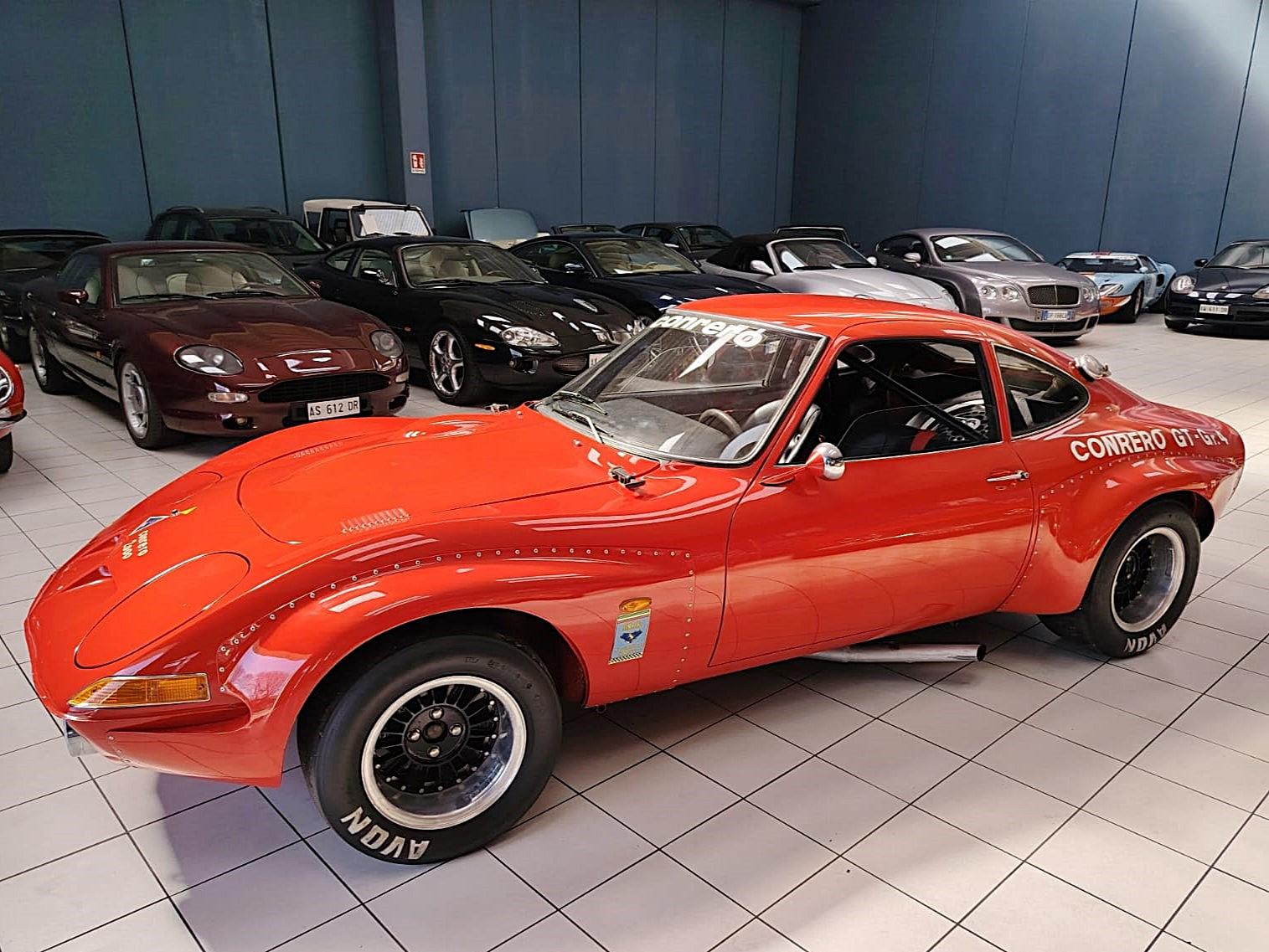
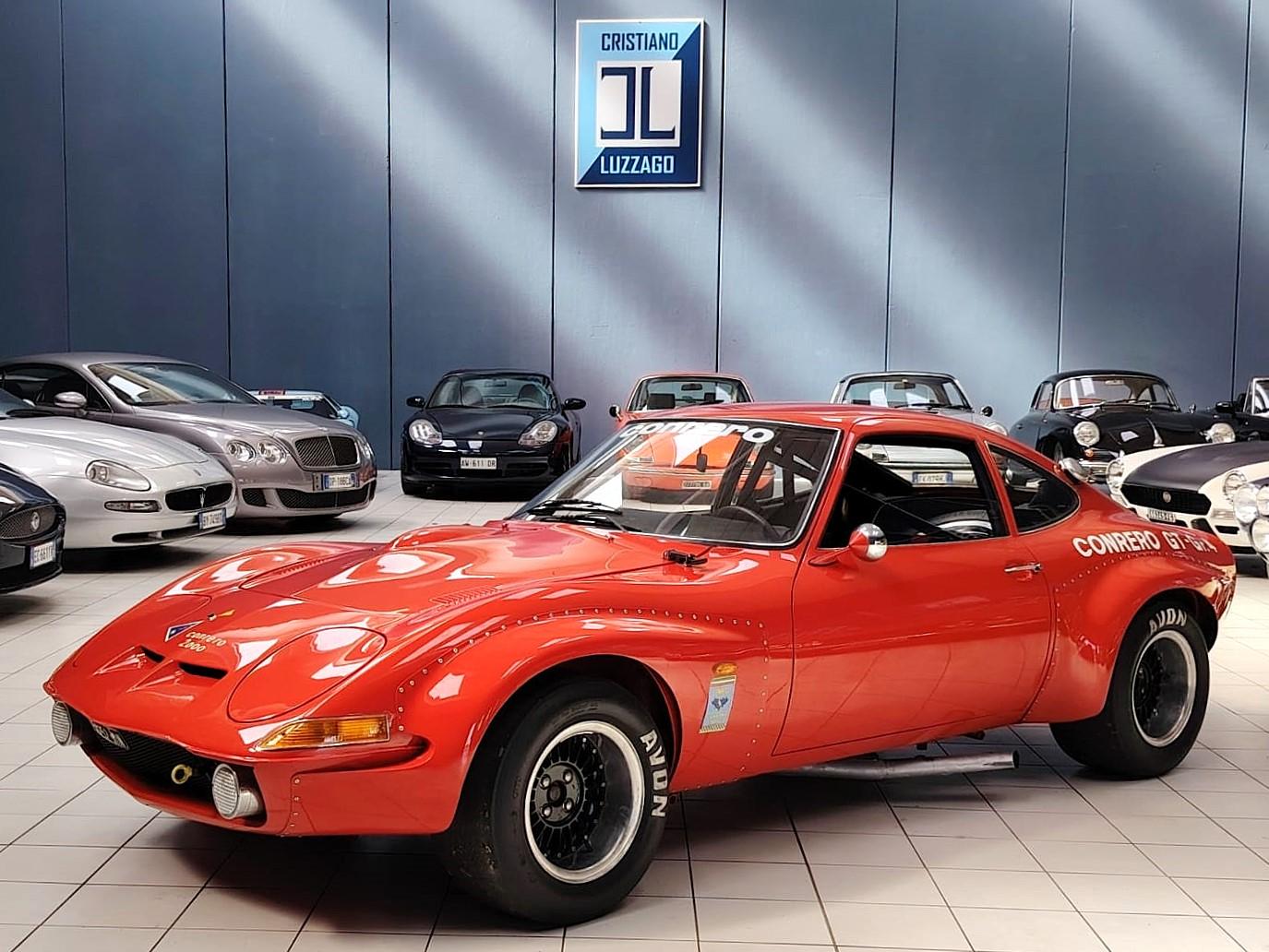
Model: 1900 GT Group 4 Conrero
Year: 1970
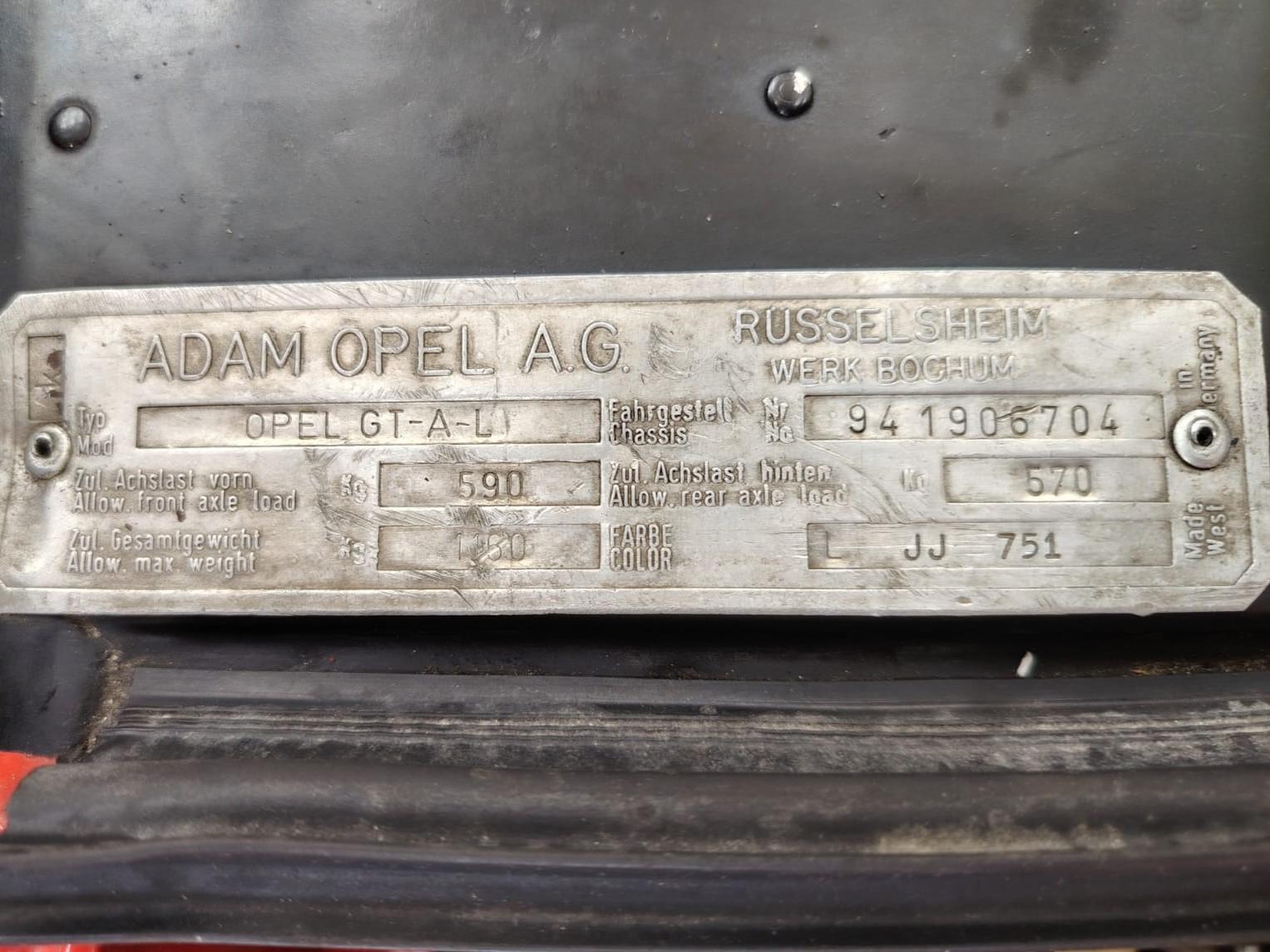
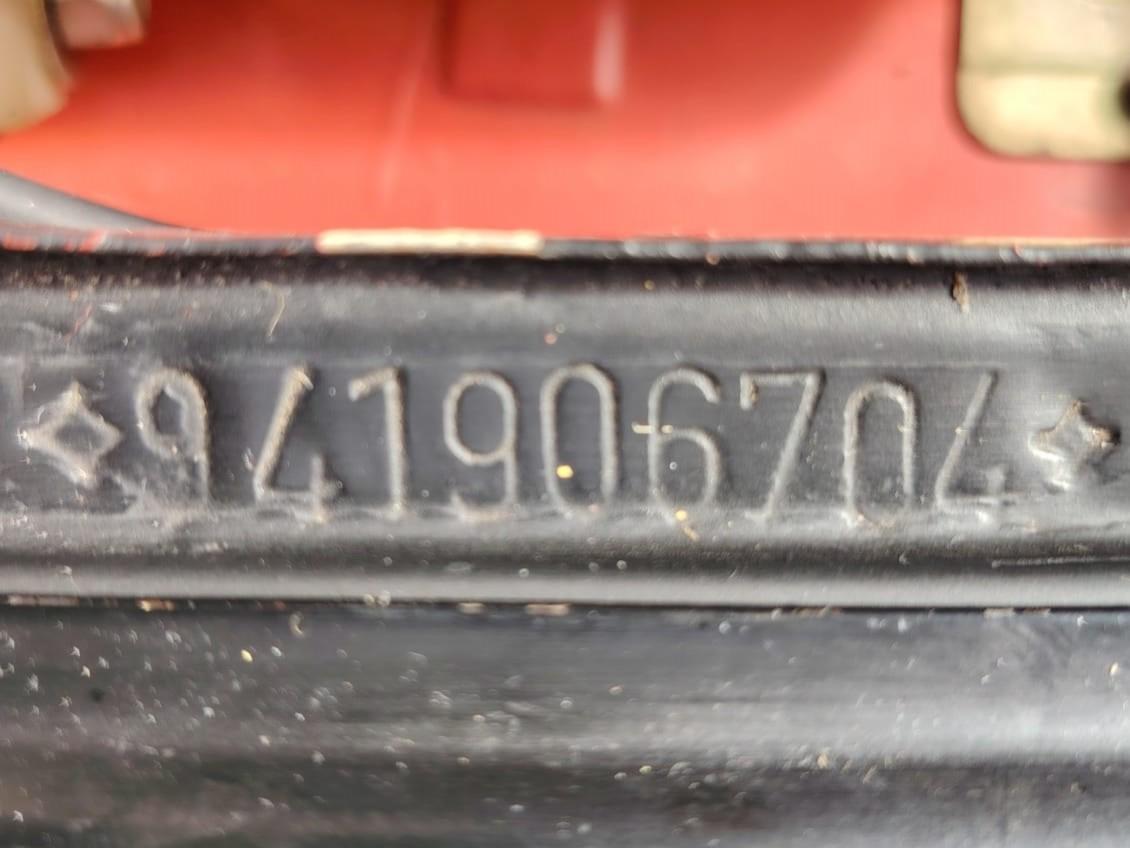
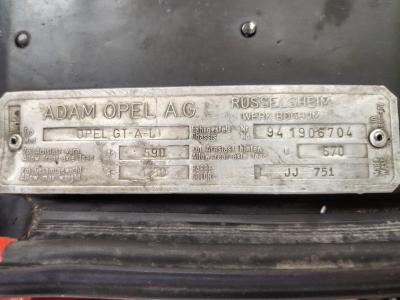
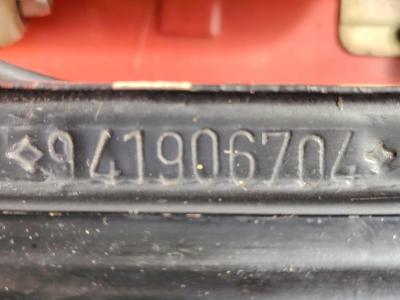
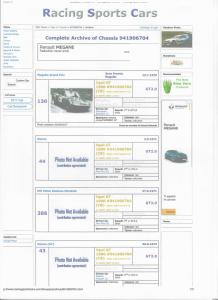
Chassis: VIN 941906704
Engine capacity: 1900 cc
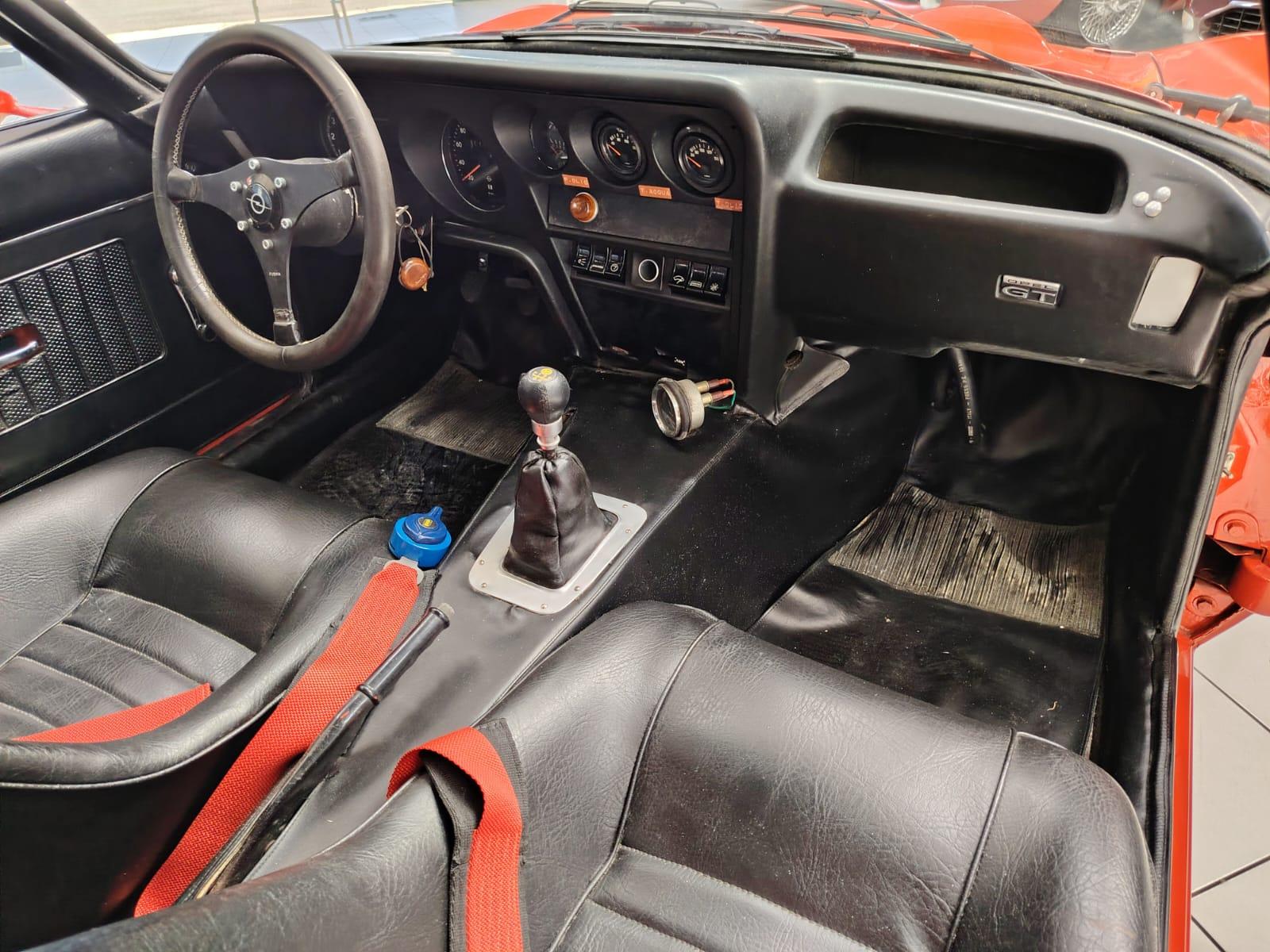
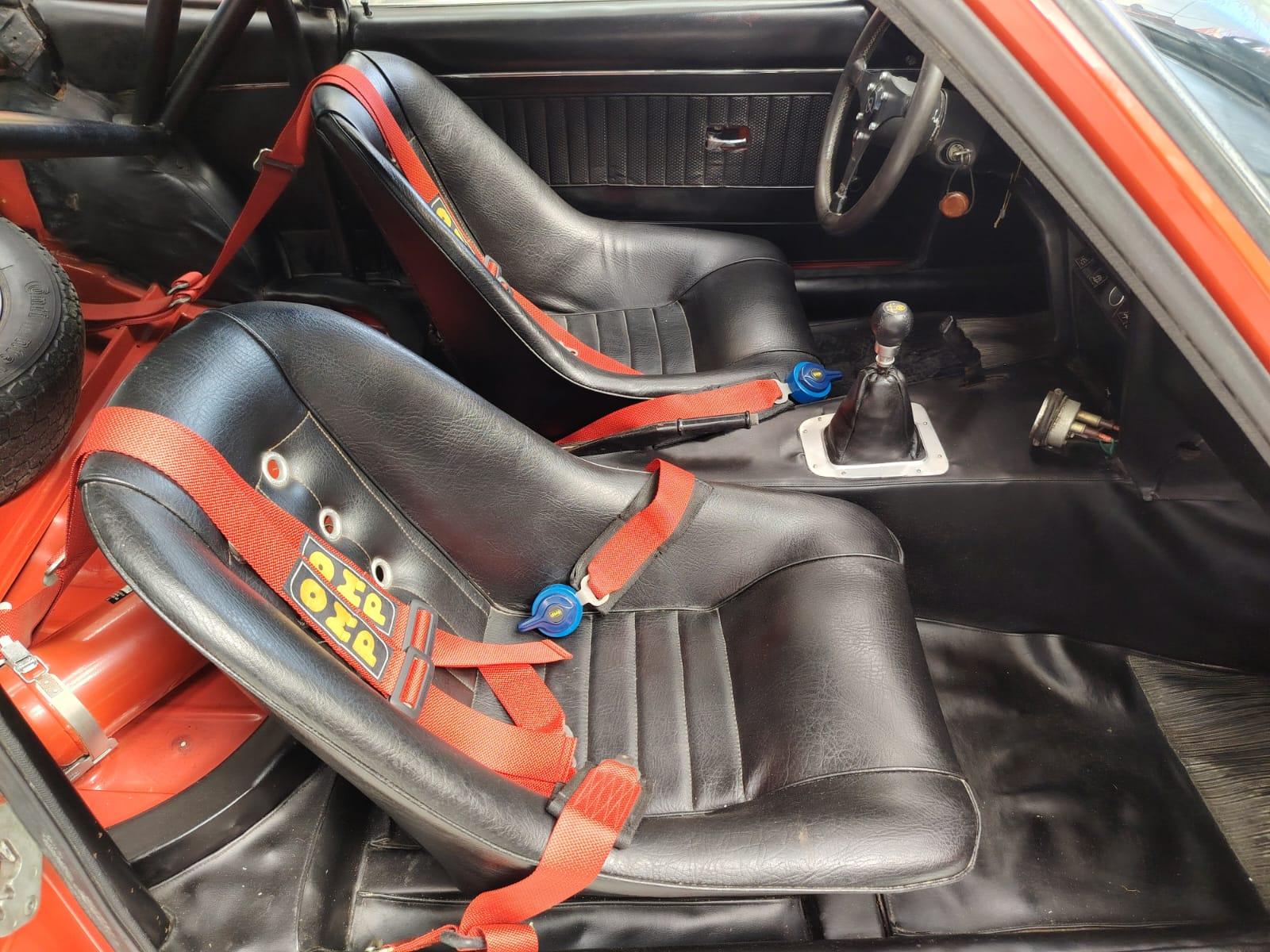
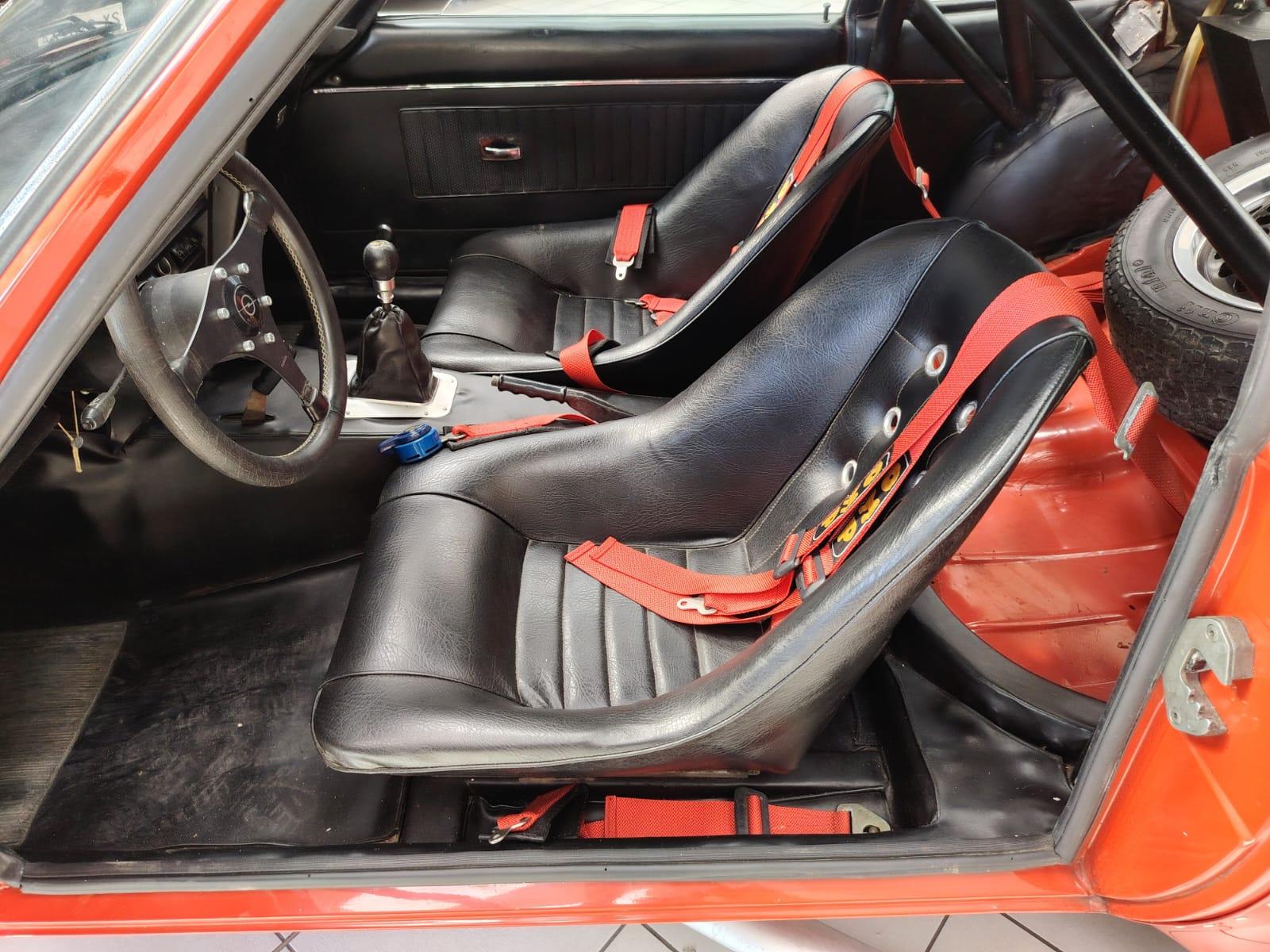
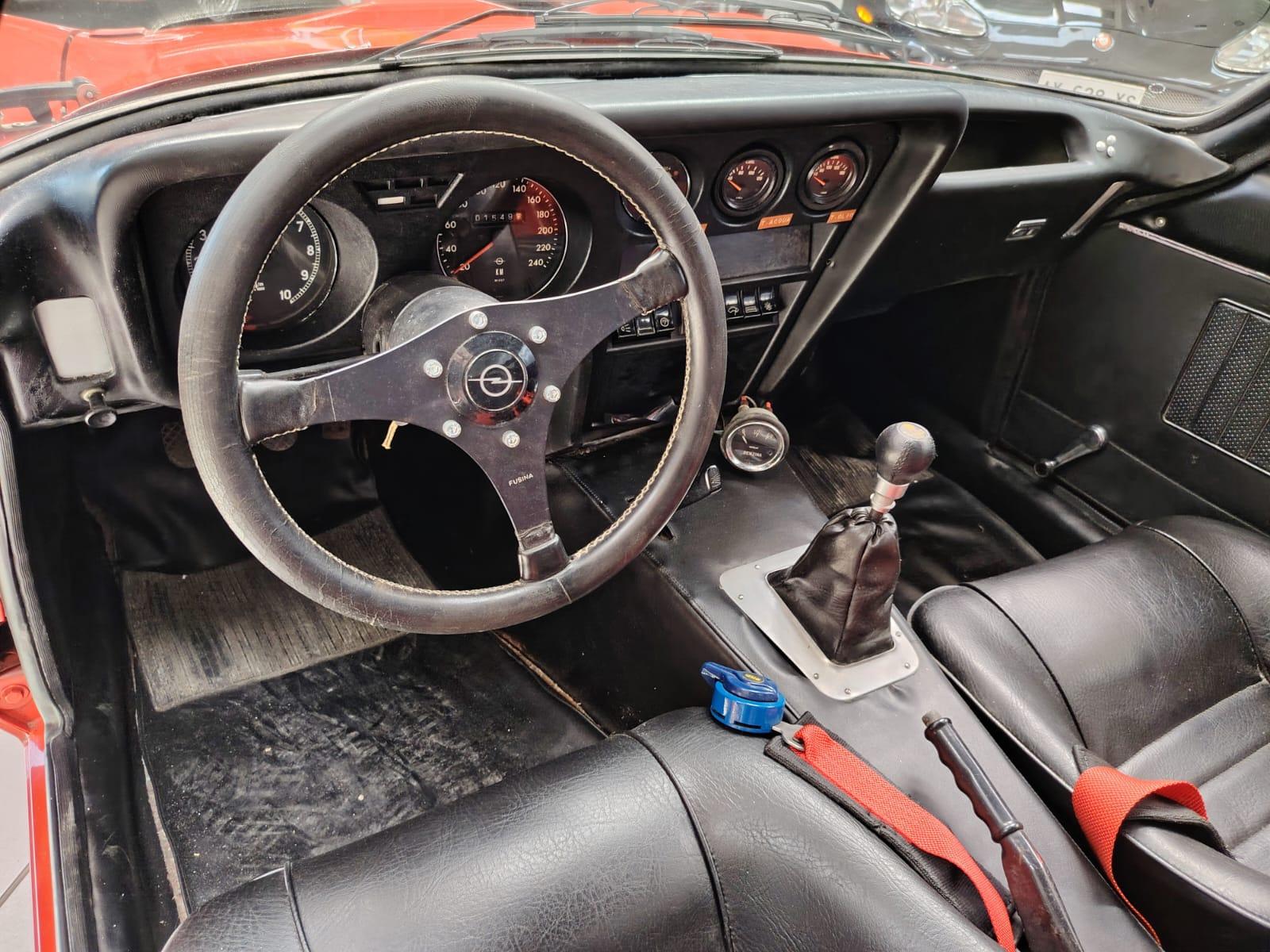
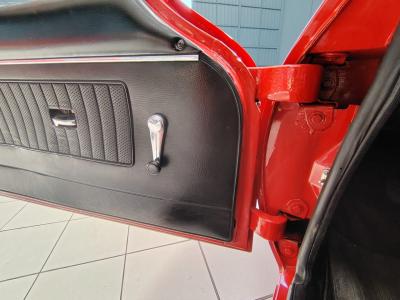
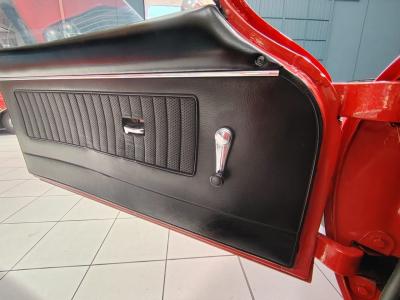
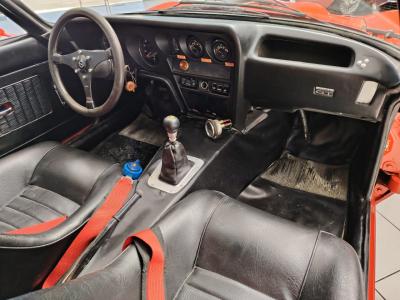
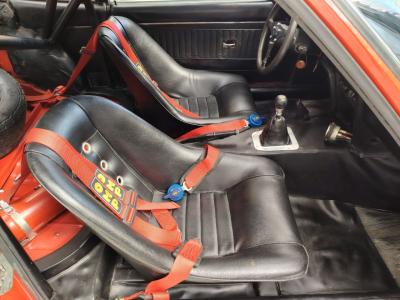
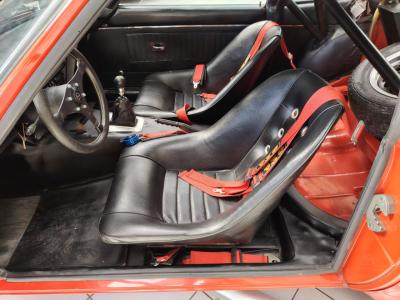
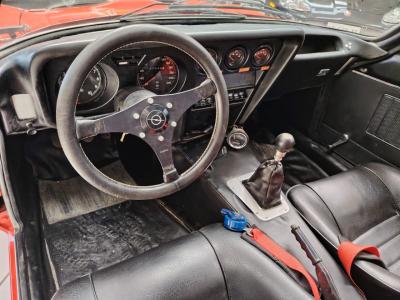
Interior: Black Fusina
Here are the key highlights of the history of this car and its challenge to Porsche:
The Genesis and the Challenge to Porsche
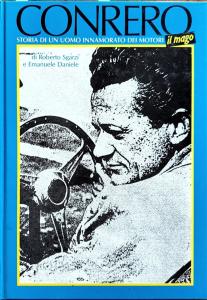
In 1970, the Italian Opel DELER Romano Artioli entrusted Virgilio Conrero (nicknamed “the Magician”) with the task of transforming the small and elegant Opel GT into a true “giant killer.” The declared goal was to counter the dominance of the Porsche 911 in national and international competitions.
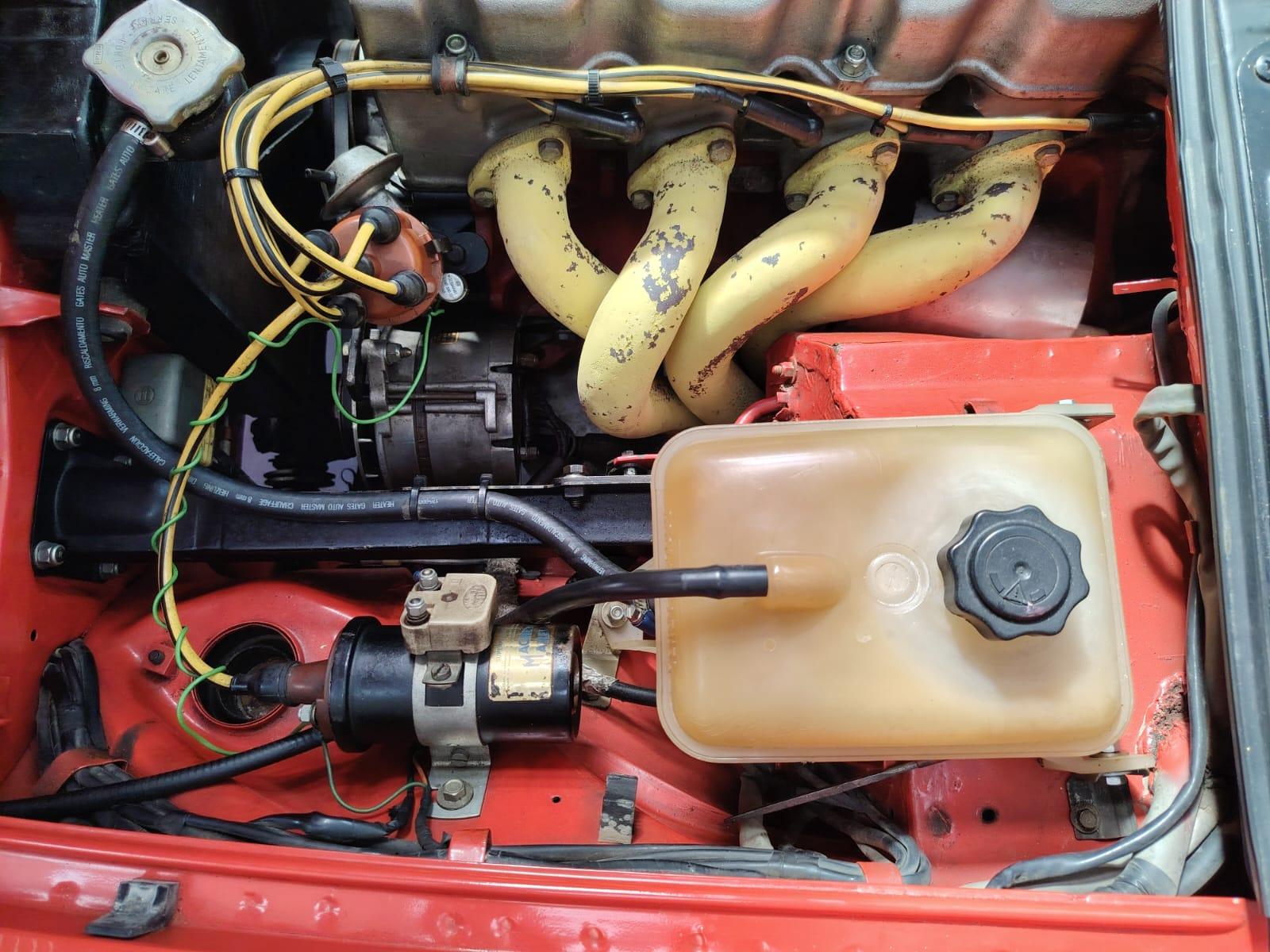
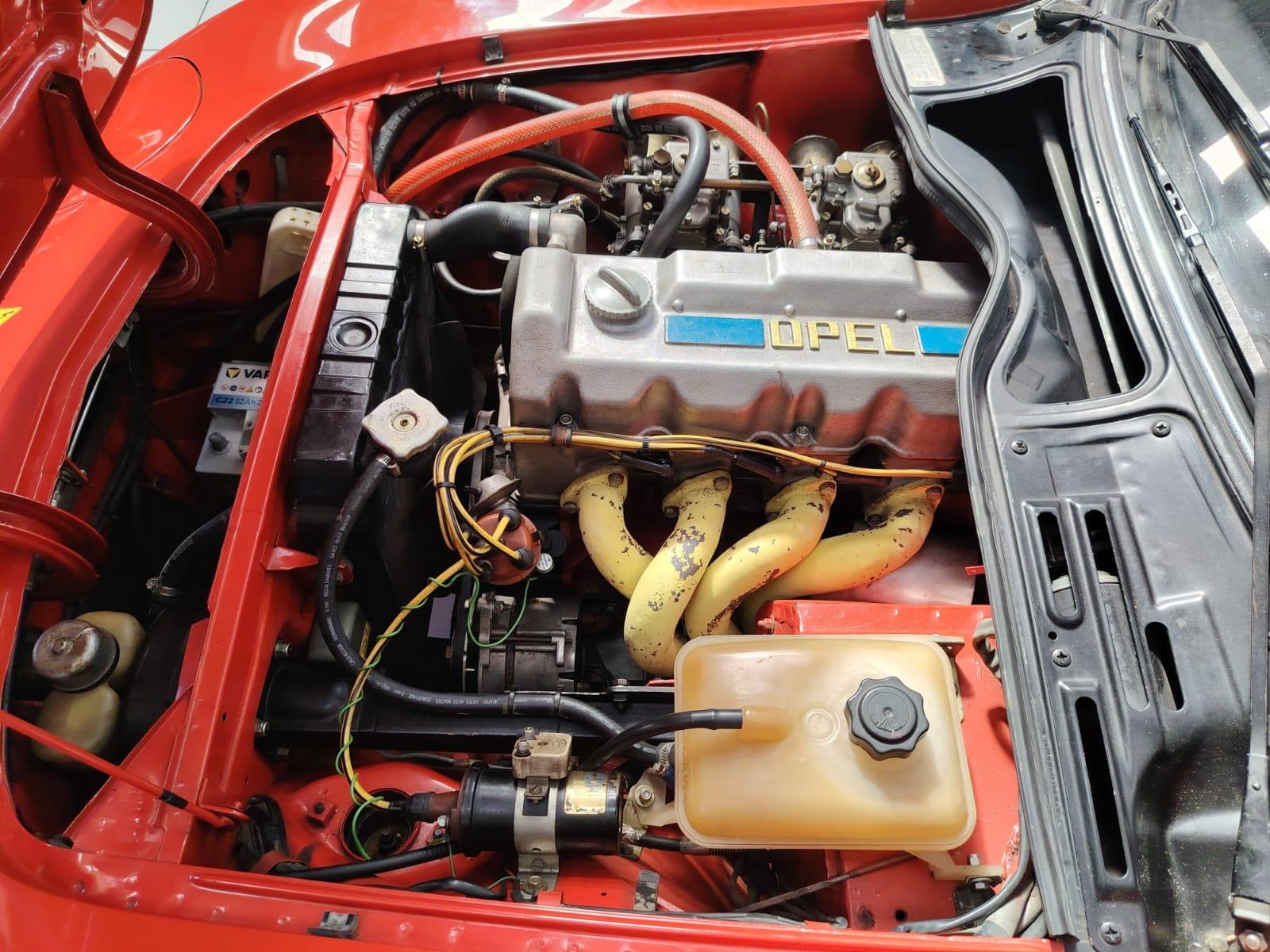
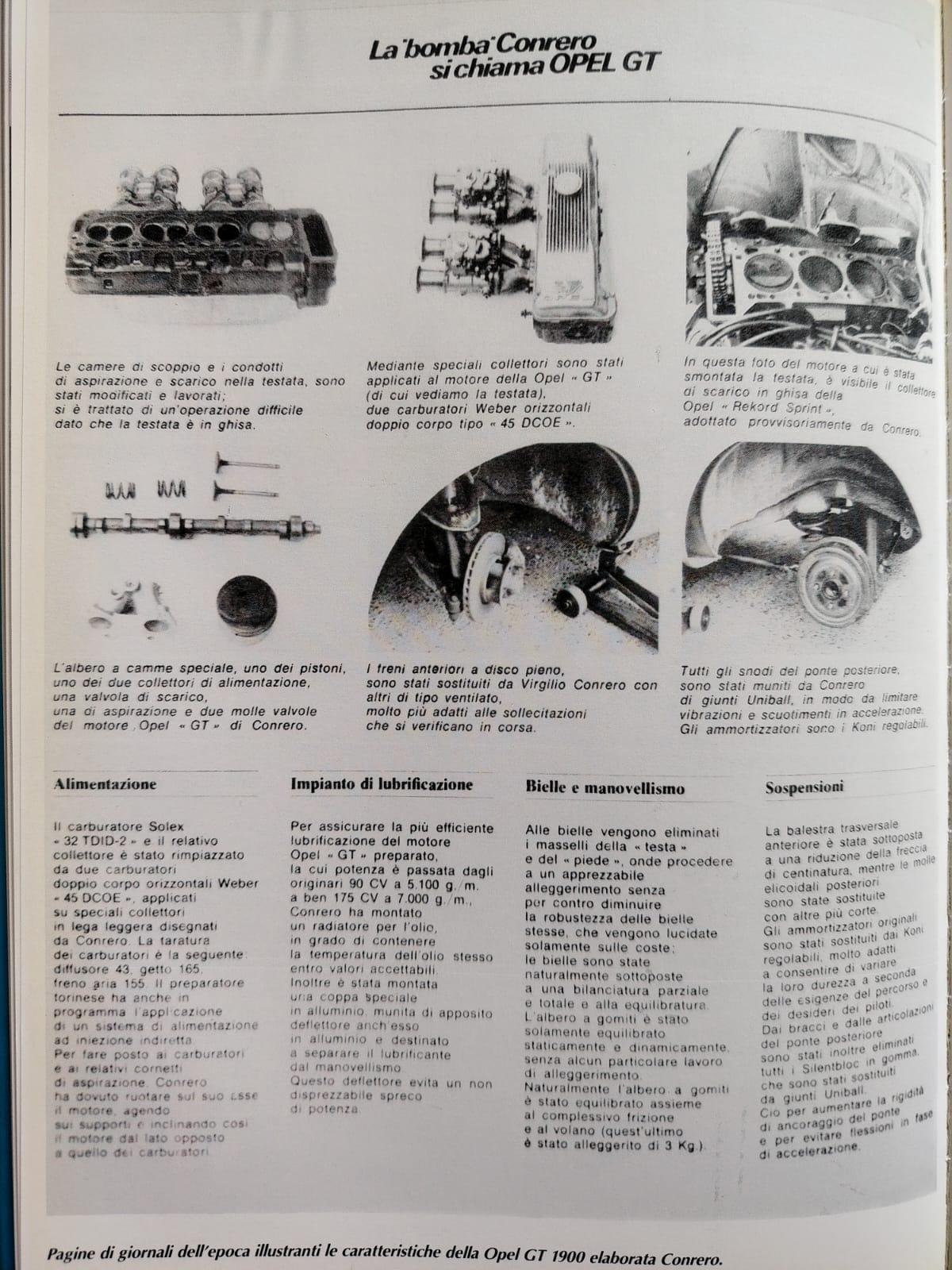
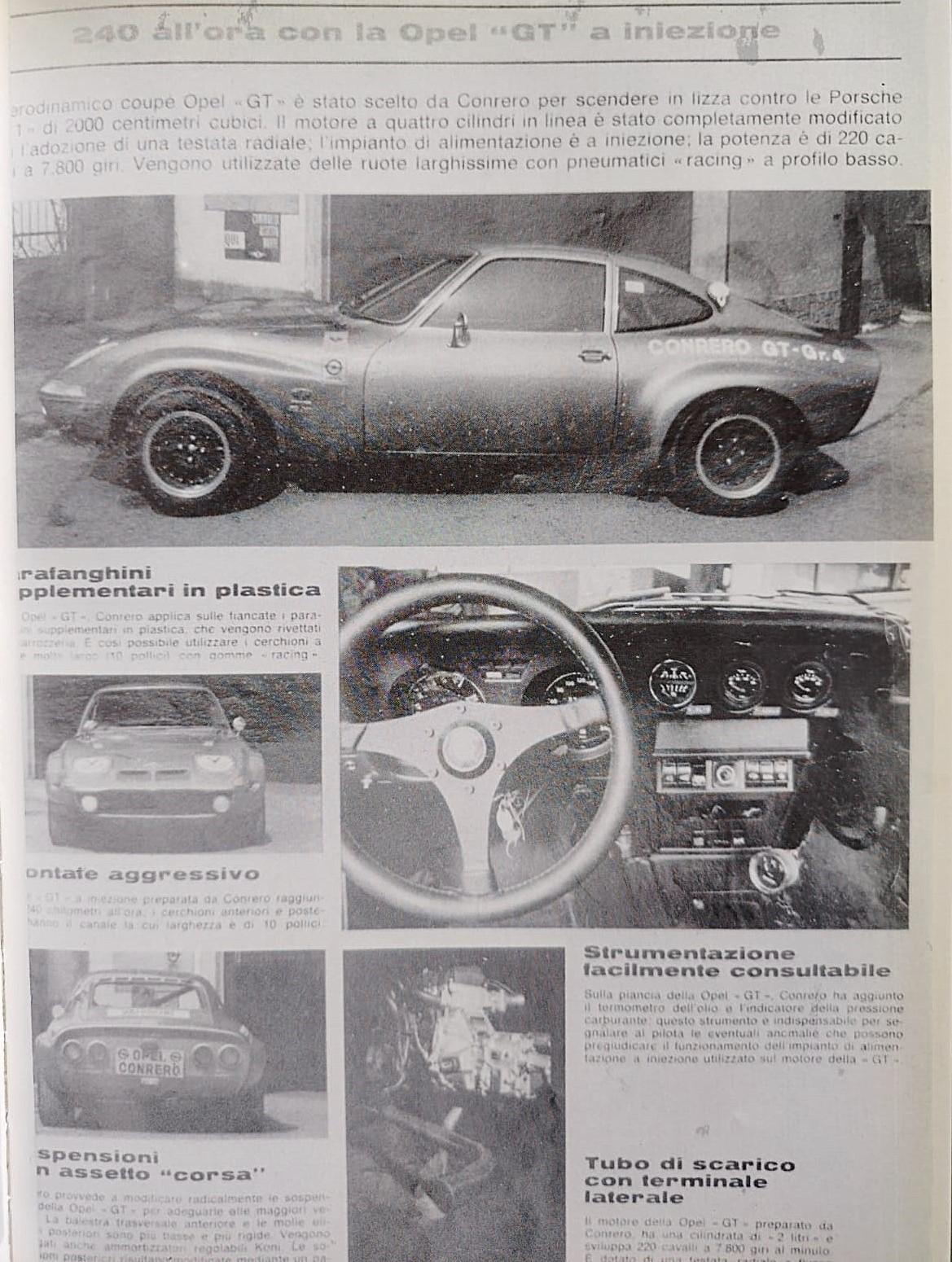
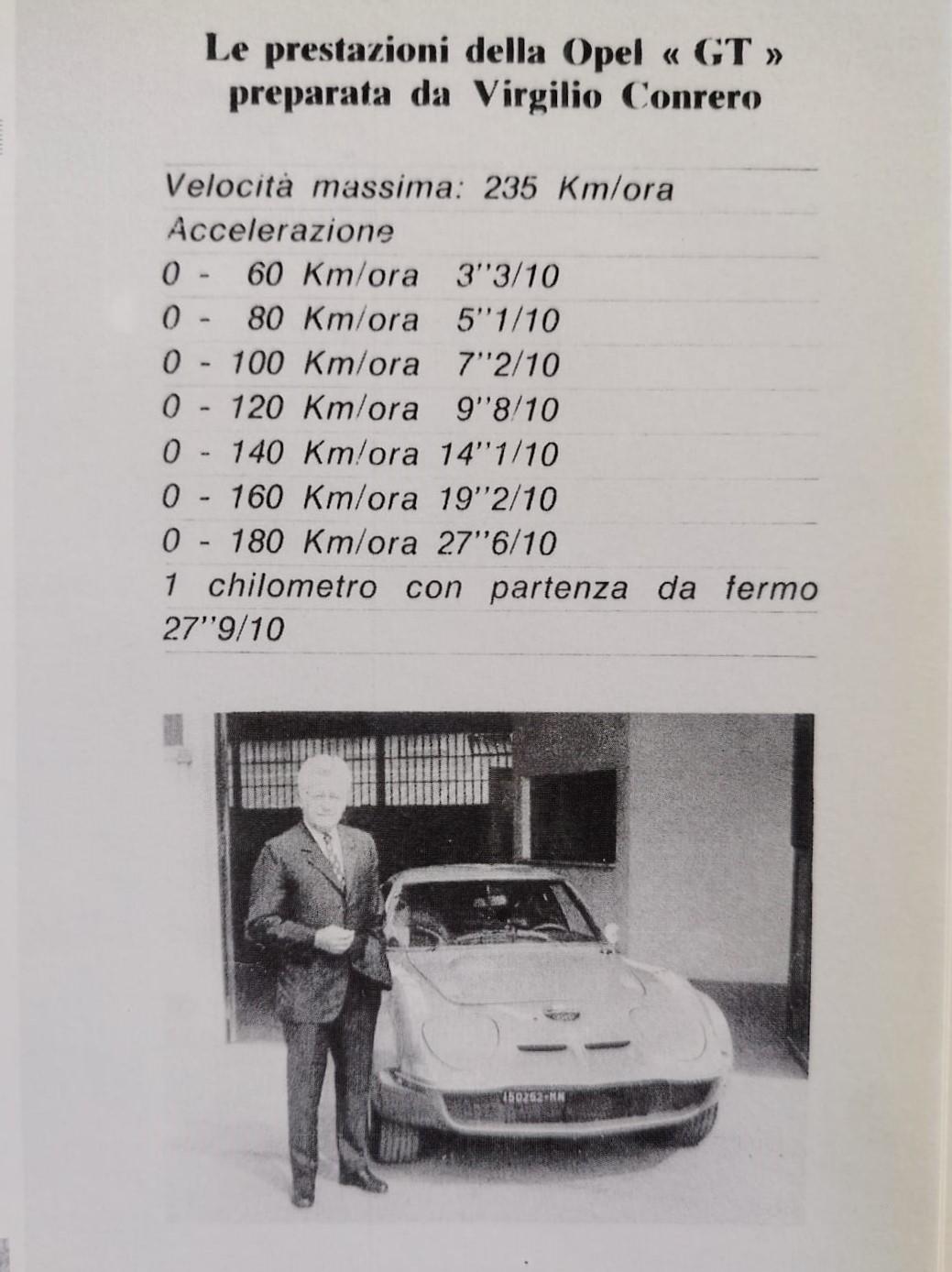
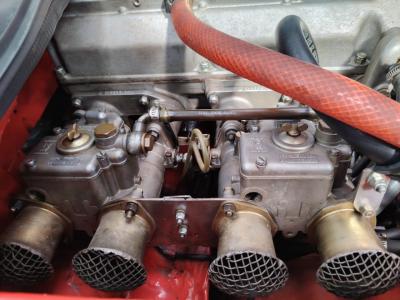
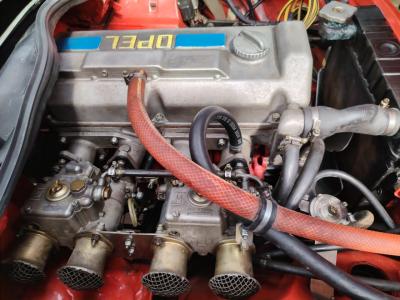
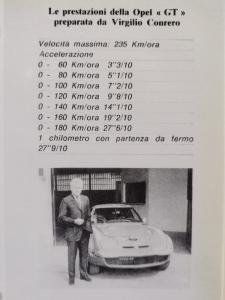
Despite initial skepticism—due to the fact that the Opel GT had not yet been homologated in Group 4 and initially had to compete as a prototype—Conrero managed to achieve a technical miracle. The 1900 engine was increased from 90 hp to over 180-190 hp (later versions reached 225 hp) thanks to the adoption of special cylinder heads, Kugelfischer mechanical fuel injection, and meticulous balancing.
Giampaolo Benedini and Success at Mugello
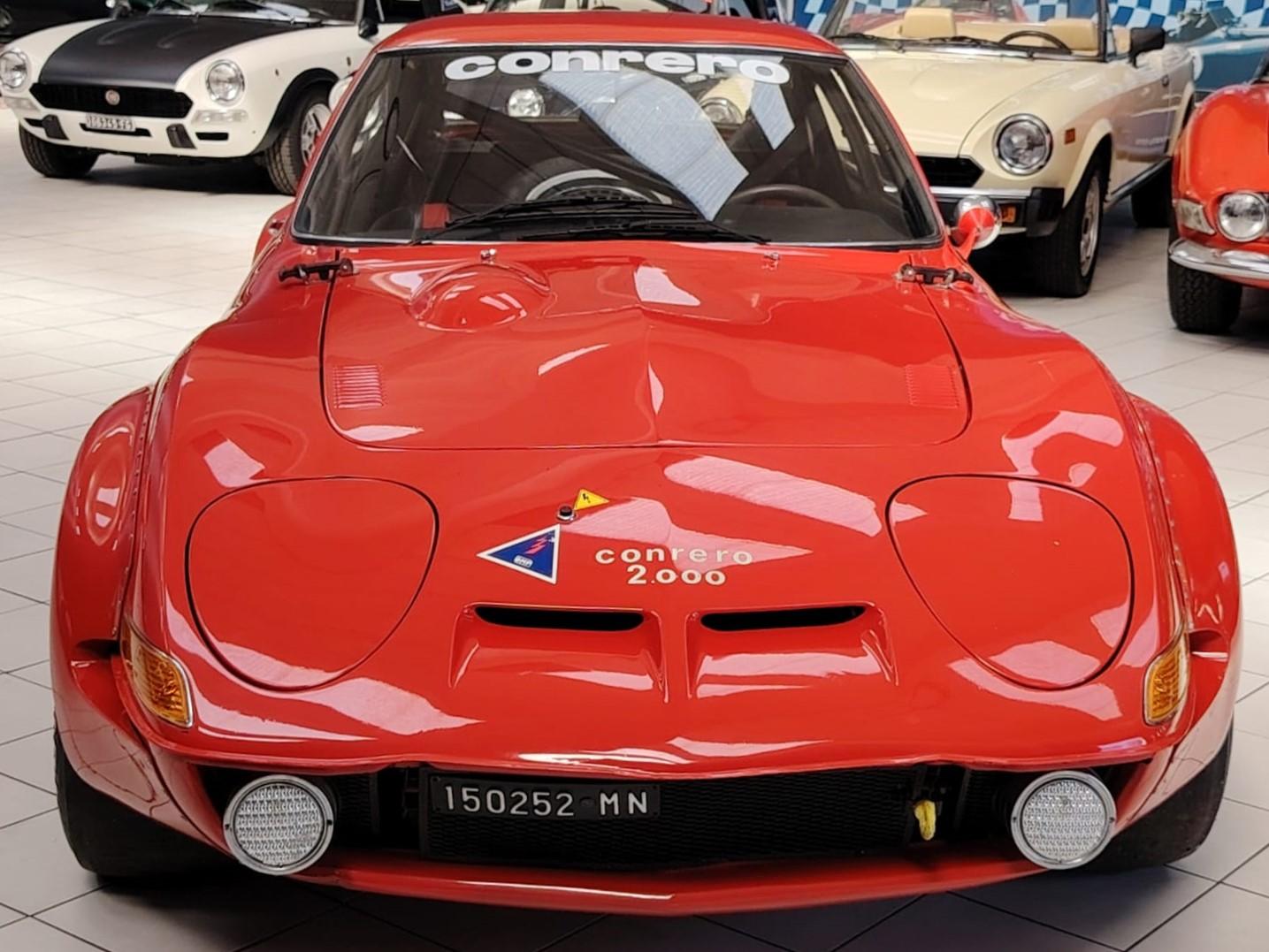
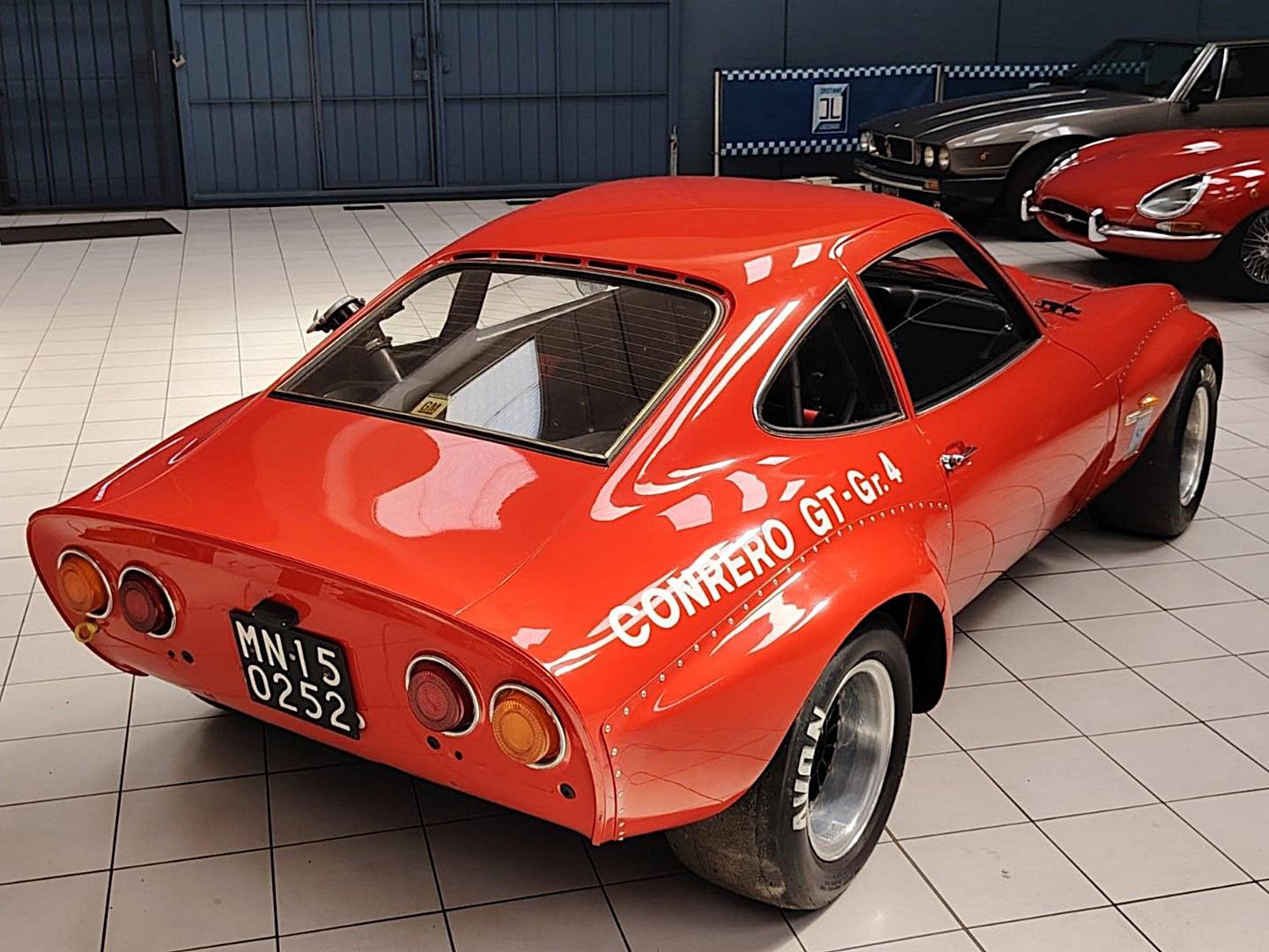
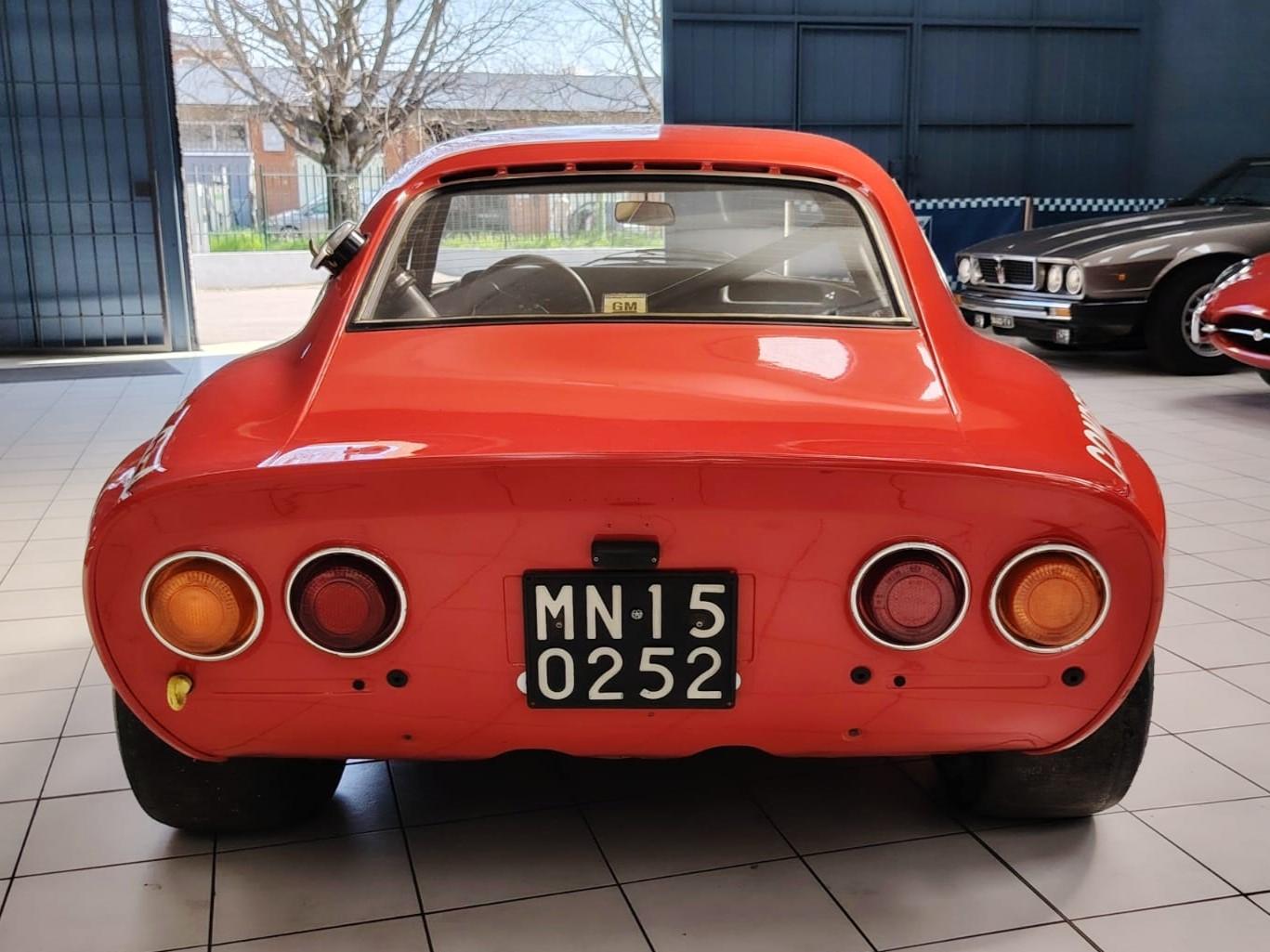
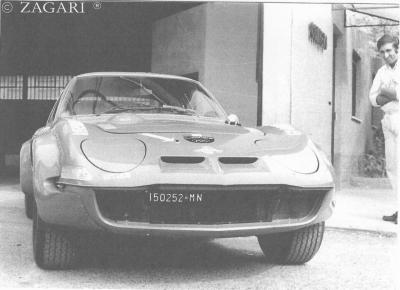
The example with license plate MN 150252 is historically linked to Giampaolo Benedini, a driver and architect from Mantua (also known for later designing the factory and the aesthetics of the Bugatti EB110).
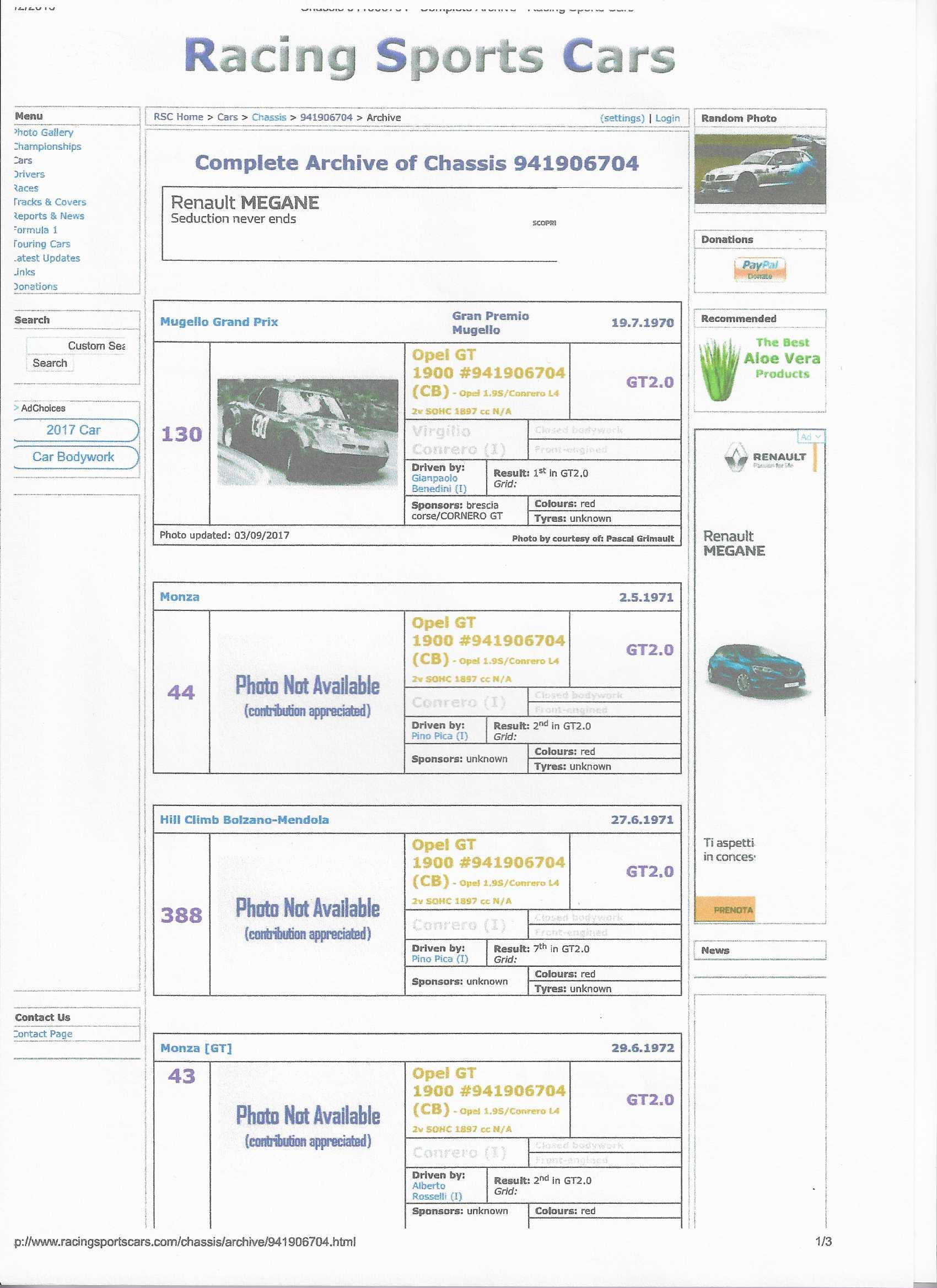
1970: At the Mugello Circuit (the original road course), Benedini drove this Opel GT masterfully, winning the Group 4 2000 class. It was a crucial victory that demonstrated how the “small European Corvette” could actually outperform the Porsche 911 S.
Targa Florio: Although MN150252 was already a protagonist in 1970, the Conrero-Opel GT pairing reached its peak the following year (1971) at the Targa Florio with the Calascibetta-Monti crew, who prevailed over numerous factory and private Porsche entries.
Historical References and Documentation
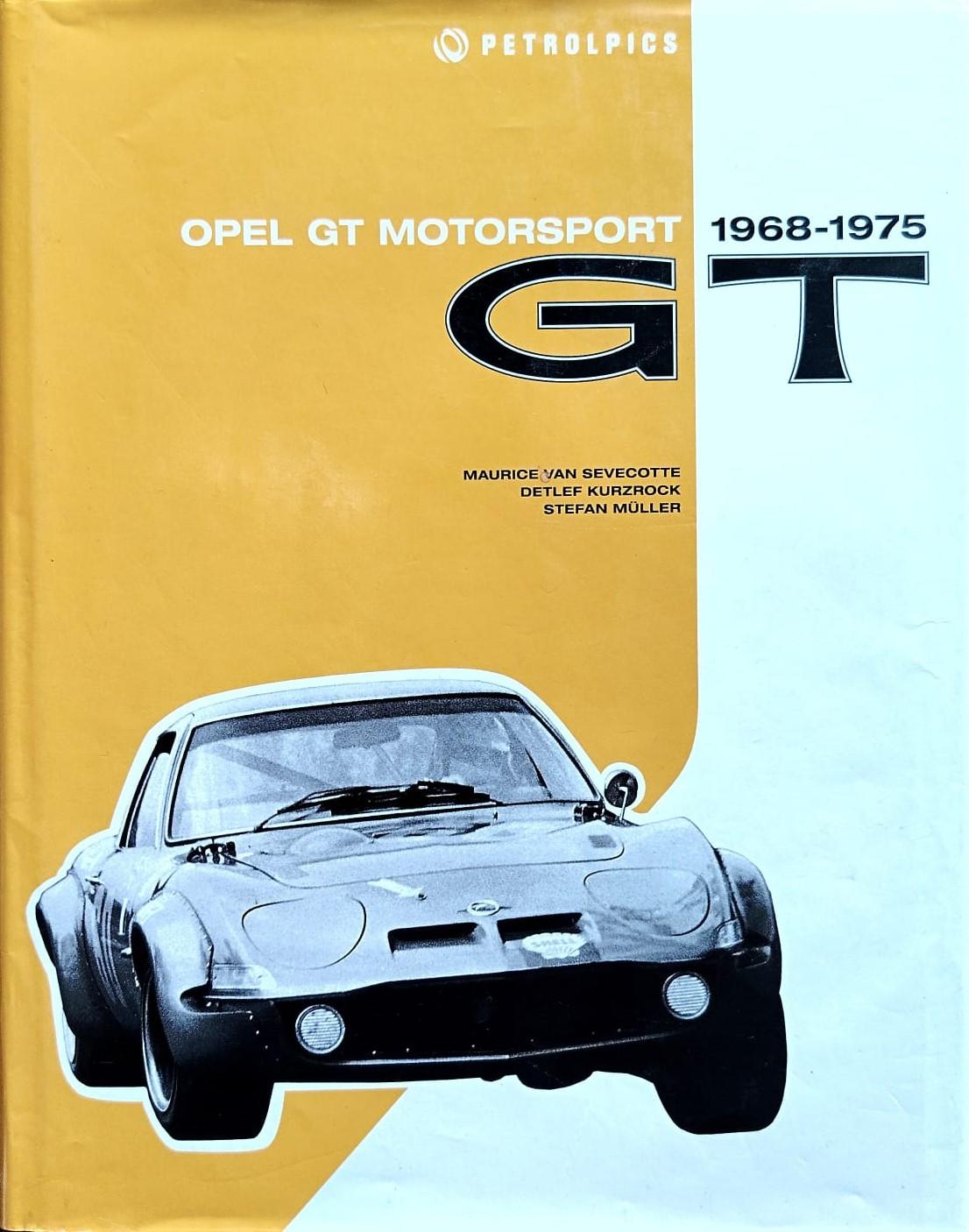
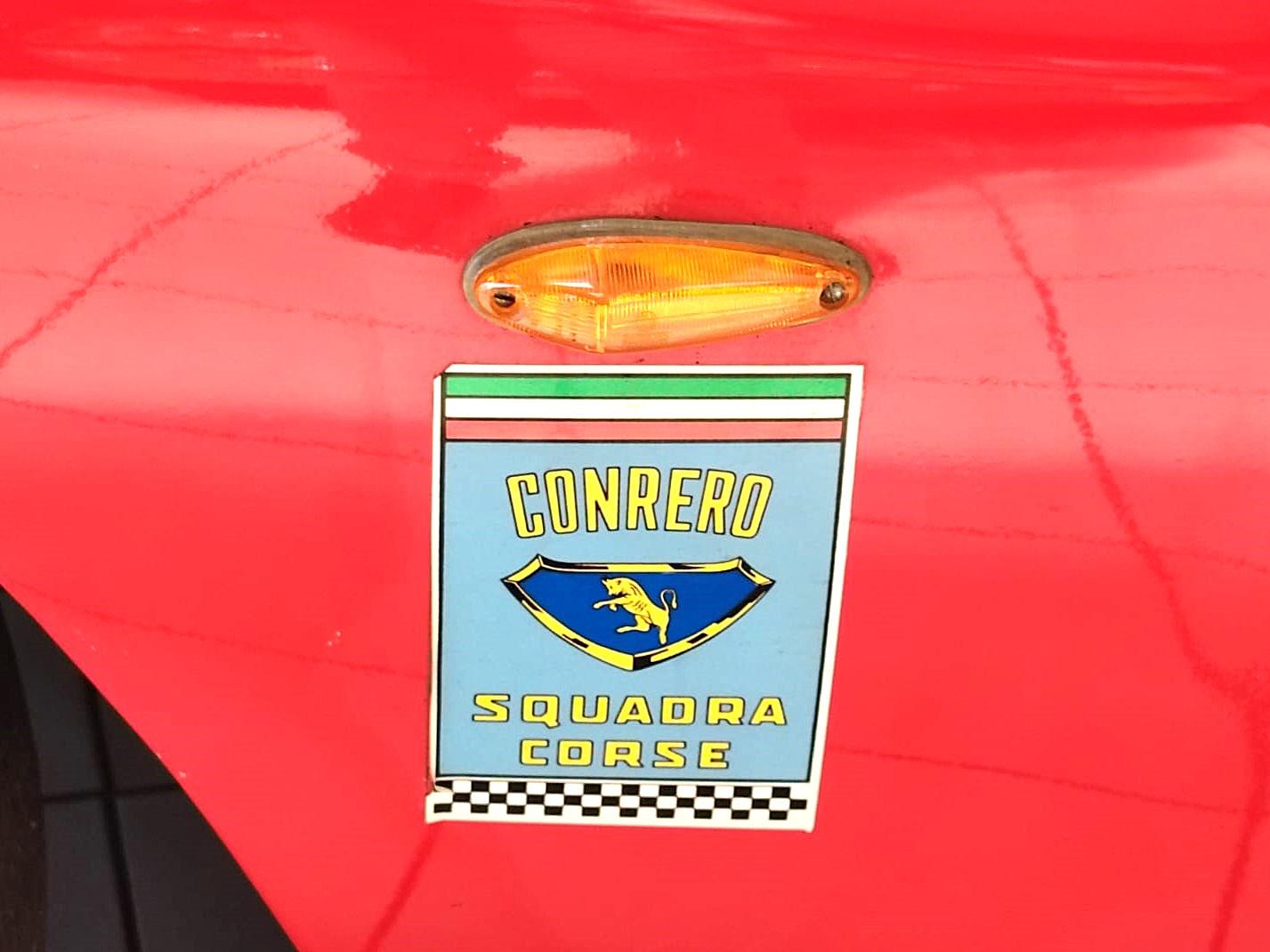
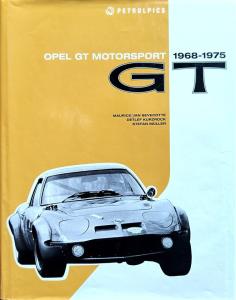
This specific car is recorded in Opel motorsport historical registers (such as the seminal work “Opel GT Motorsport: 1968-1975” by Maurice van Sevecotte) as one of the official units managed by the Conrero Squadra Corse based in Mantua.
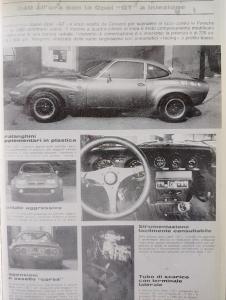
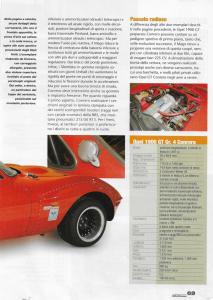
Contemporary articles in magazines such as Autosprint and Ruoteclassiche (in special issues dedicated to Conrero) describe the surprise of Porsche drivers at being chased or overtaken by a car that, on paper, had started as an outsider.
Documentation and Period Articles
The achievements of this car were widely documented by the Italian specialized press, particularly between 1970 and 1971:
1. Autosprint (1970): The magazine devoted several reports and race chronicles to the Italian Speed Championship. After the 1970 Mugello Circuit, it highlighted how the Conrero-prepared Opel GT driven by Giampaolo Benedini managed to break the dominance of the Porsche 911 S in the up-to-2000cc class.
2. Quattroruote: In some issues of the period, Conrero's Opel GT was presented as an example of a “total transformation,” where a road-going GT derived from Kadett mechanics became a true track beast capable of 190 hp.
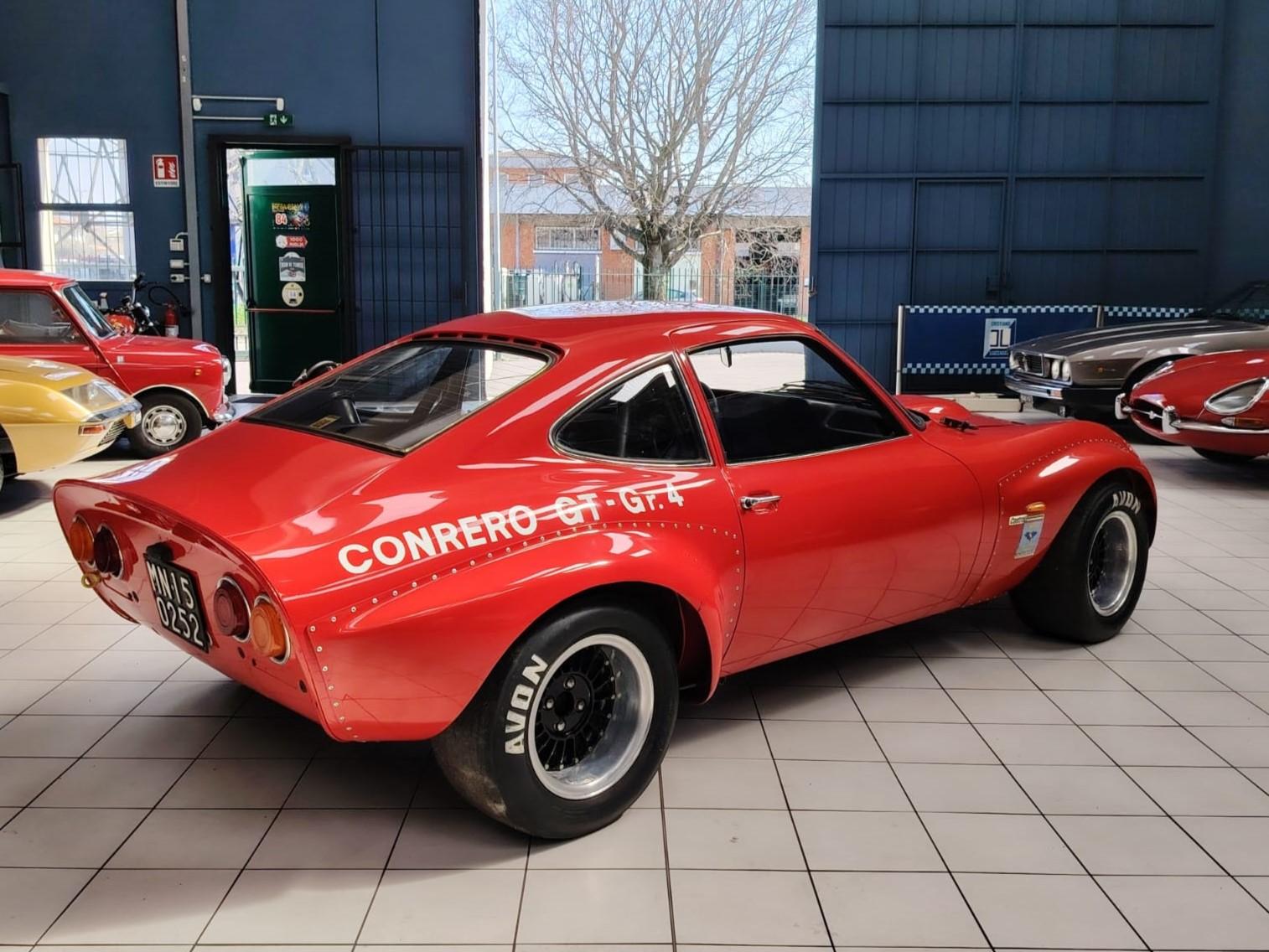
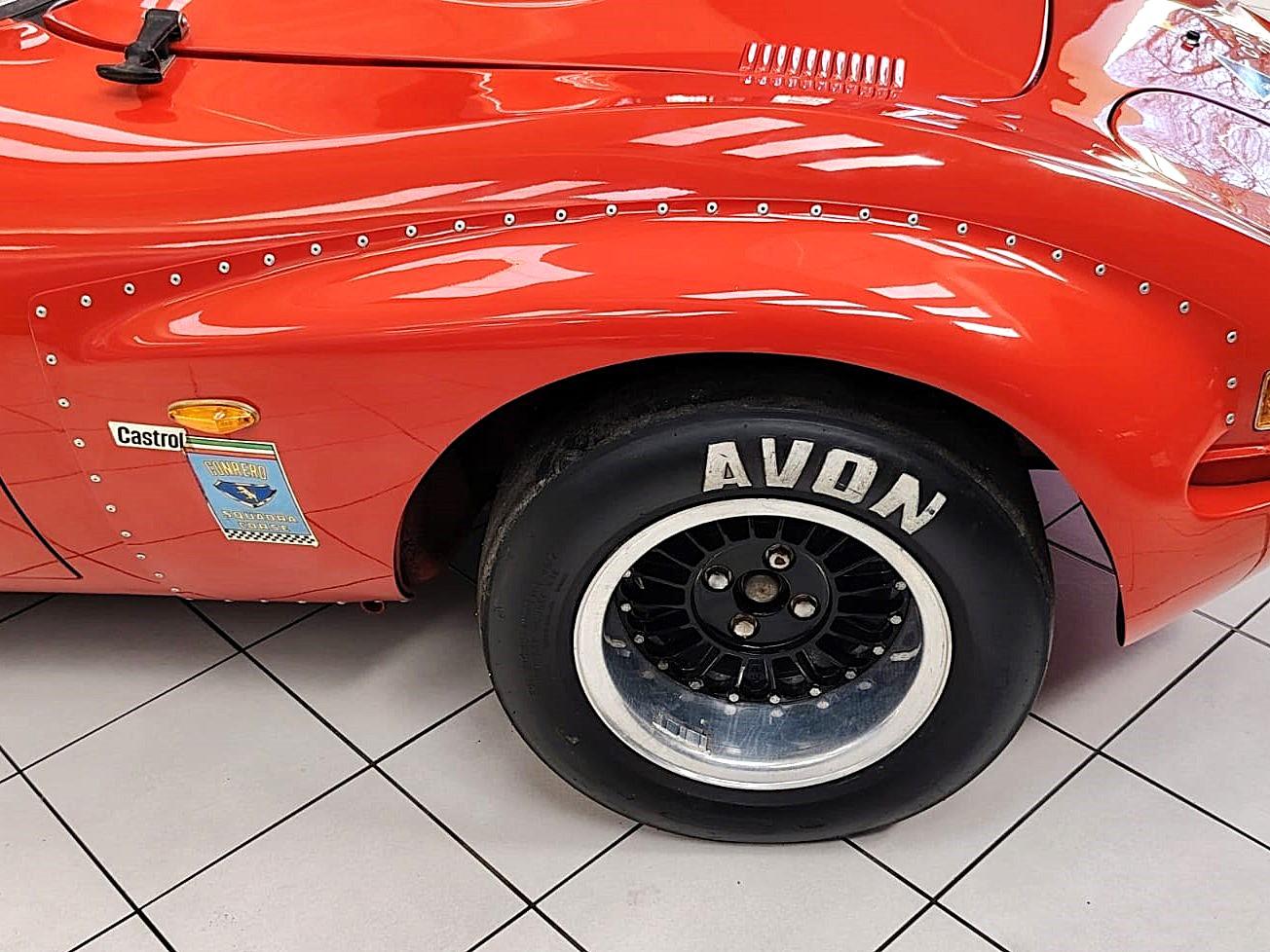
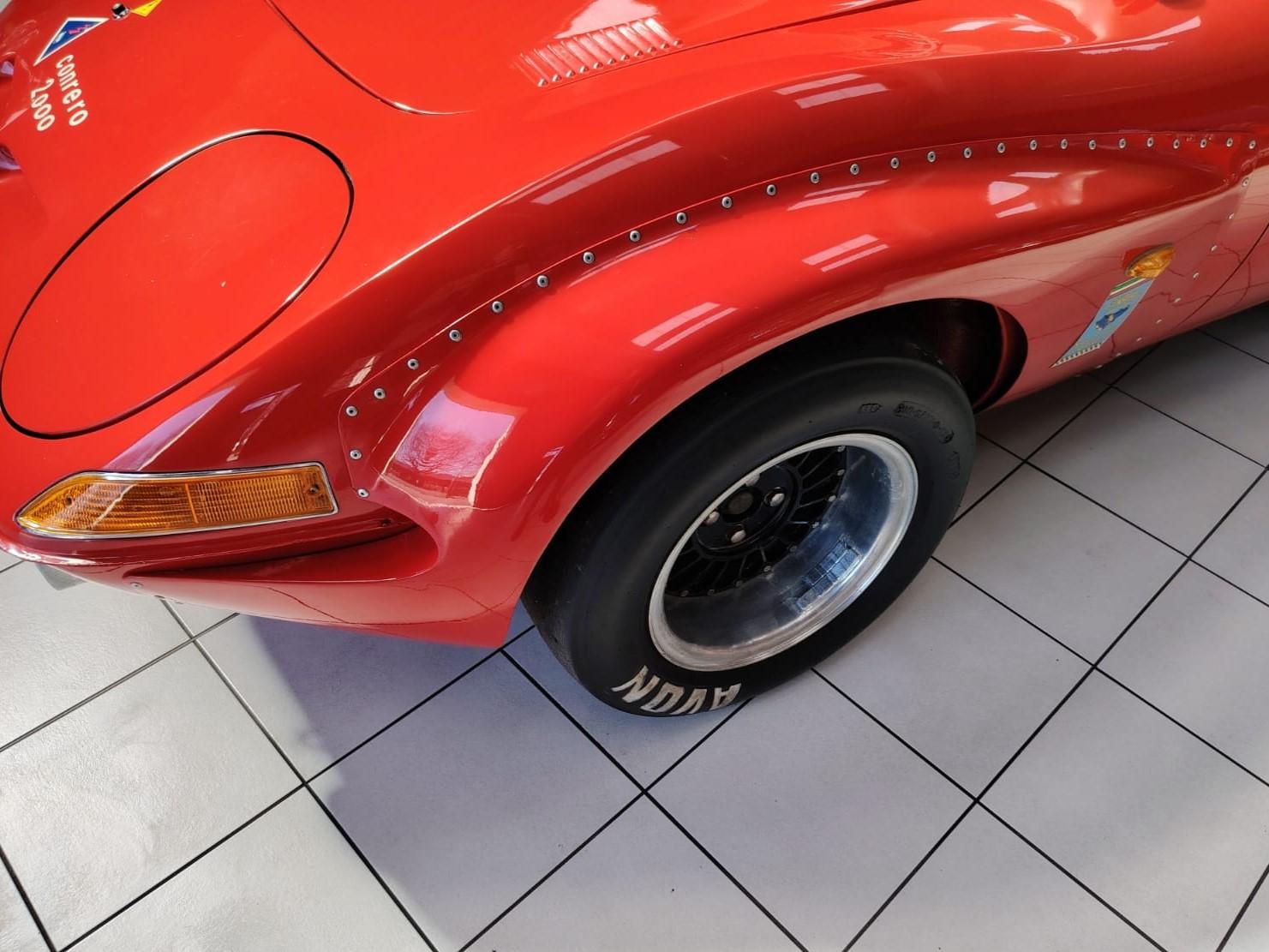
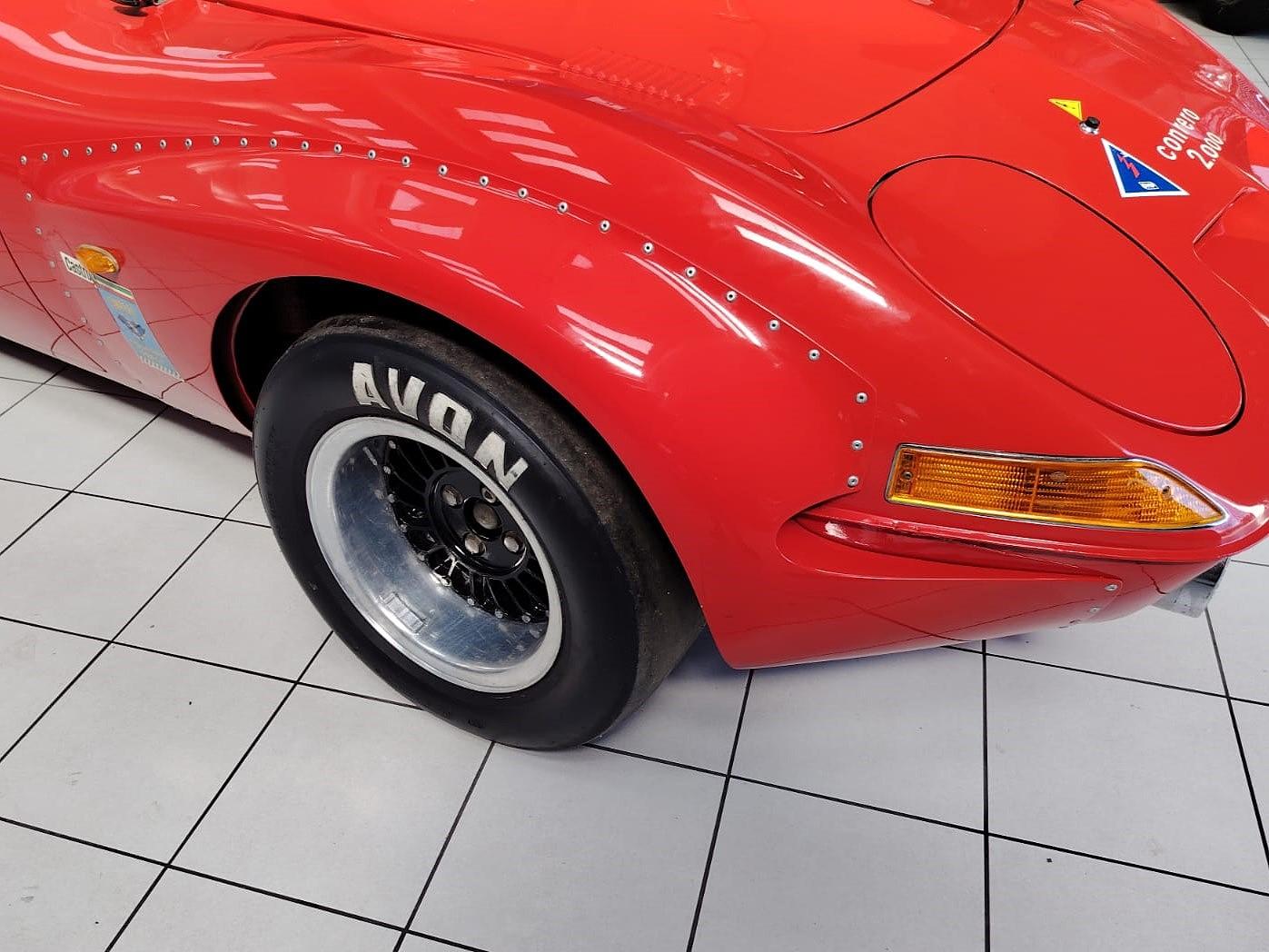
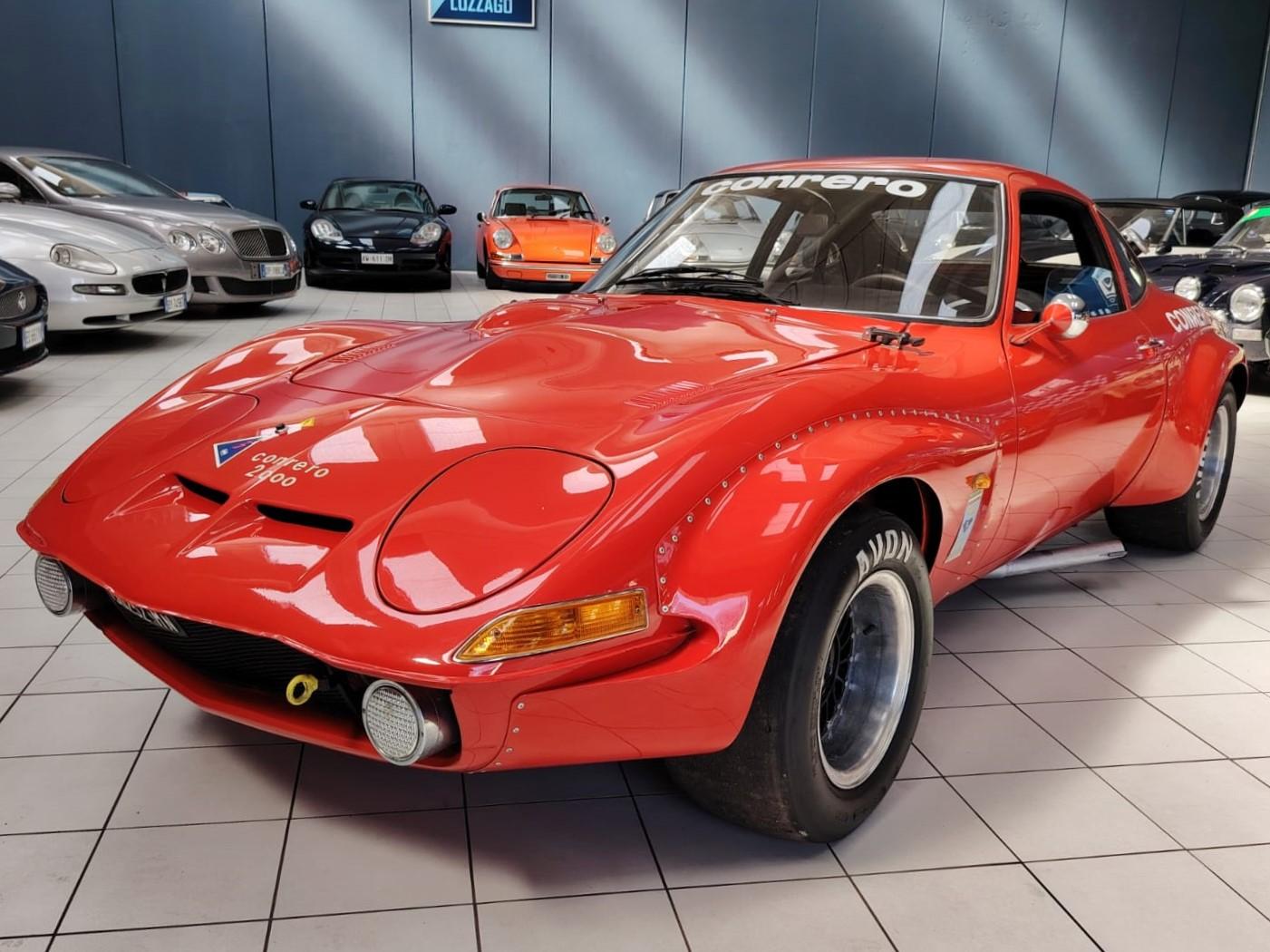
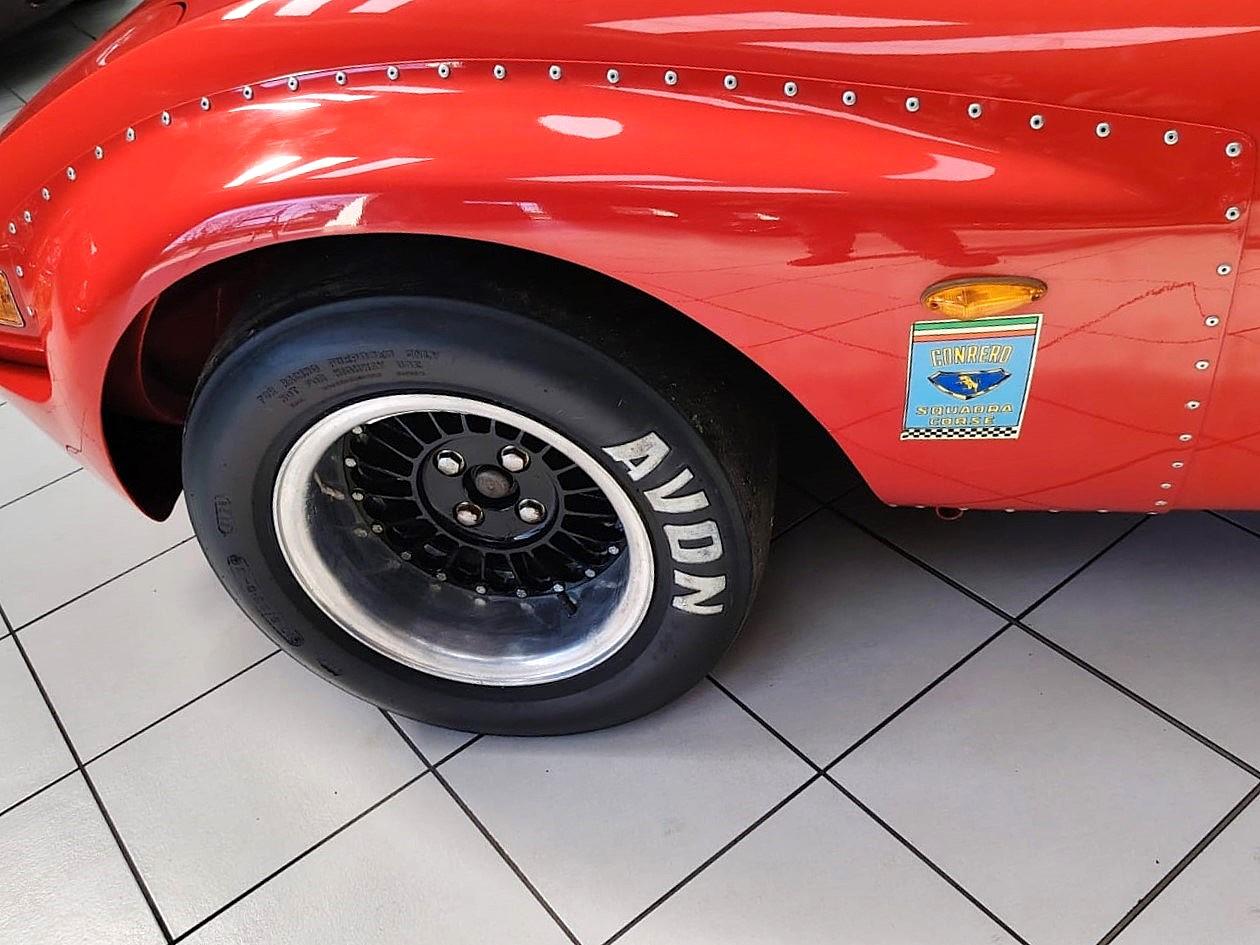
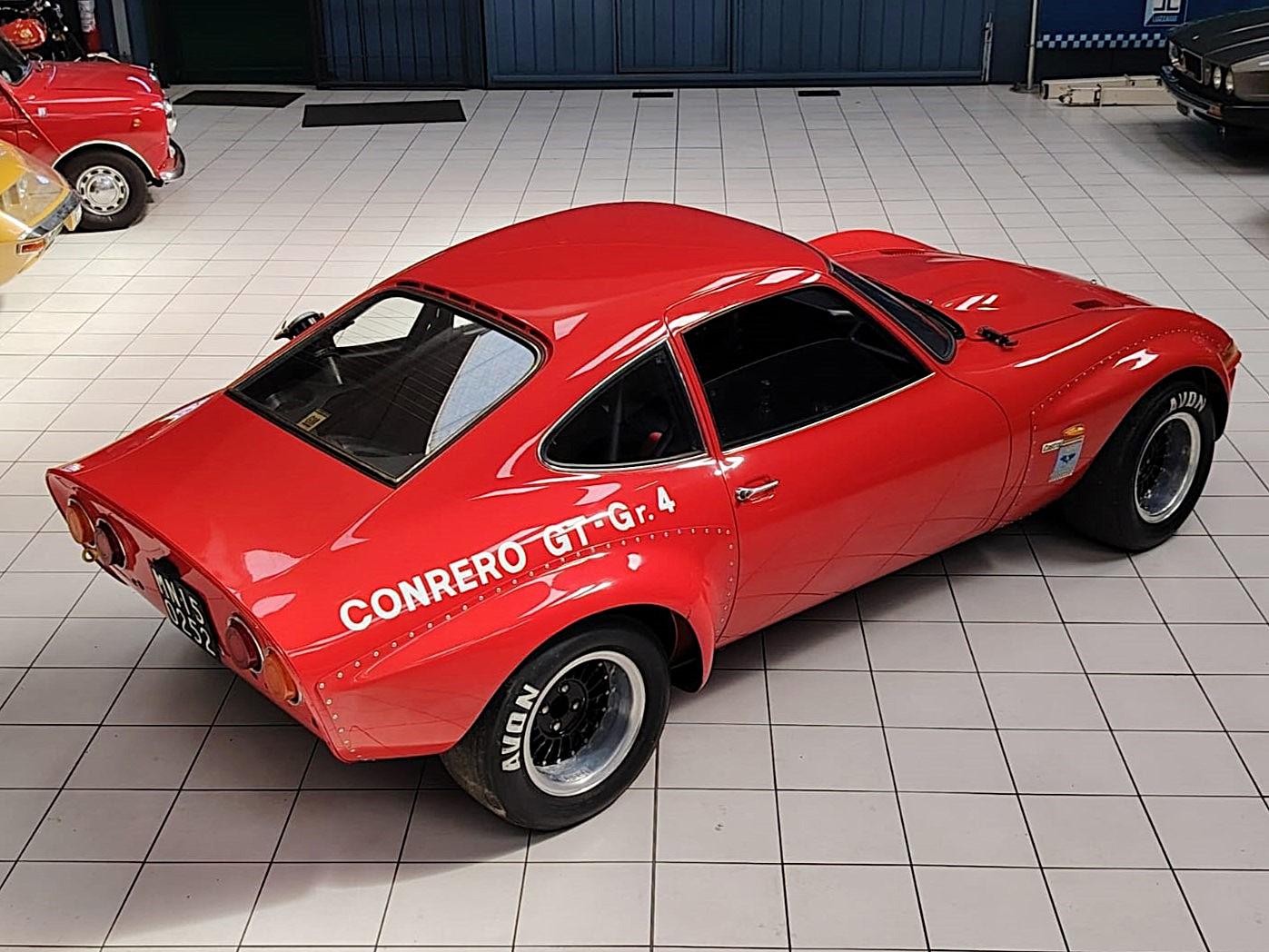
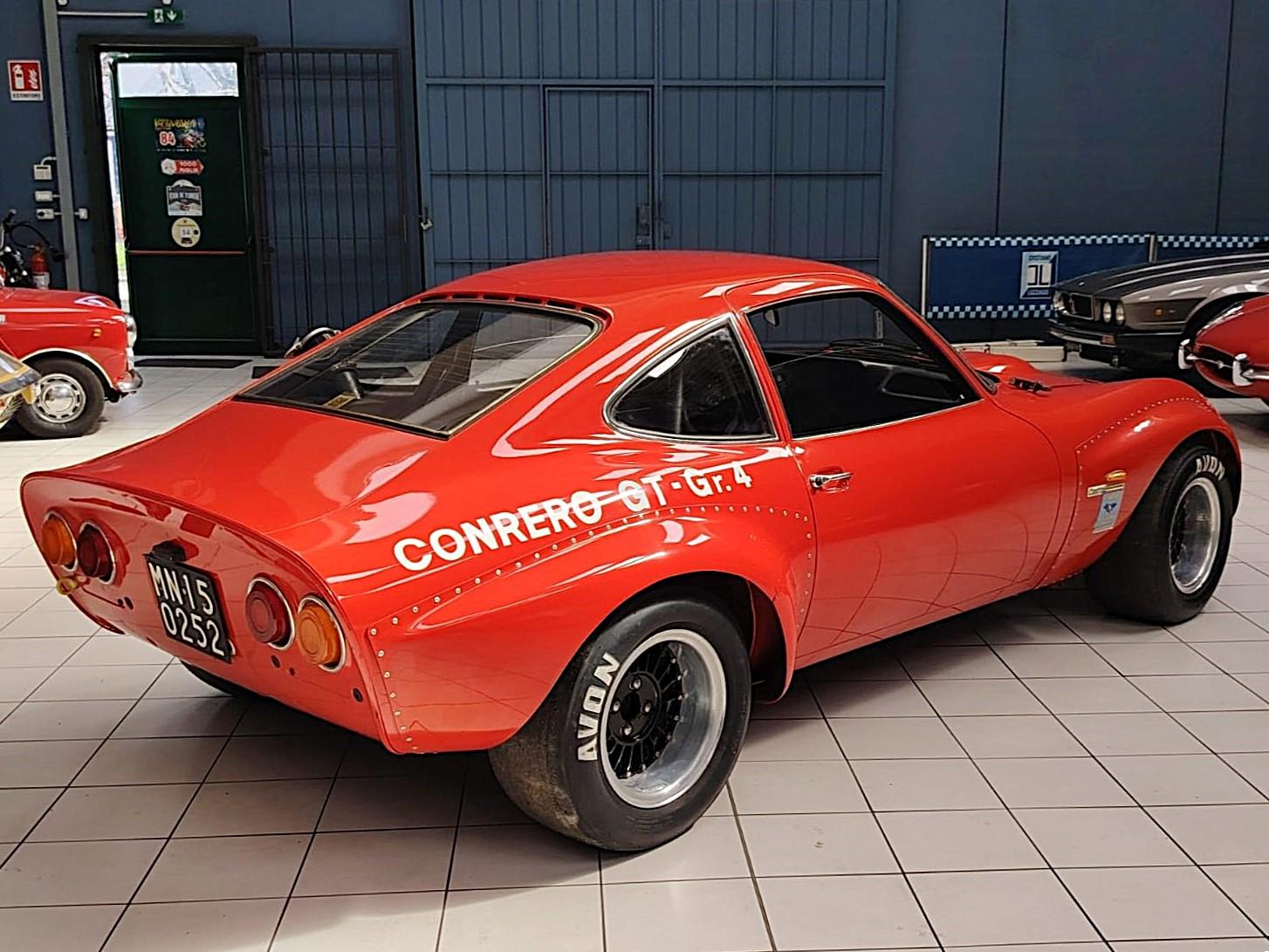
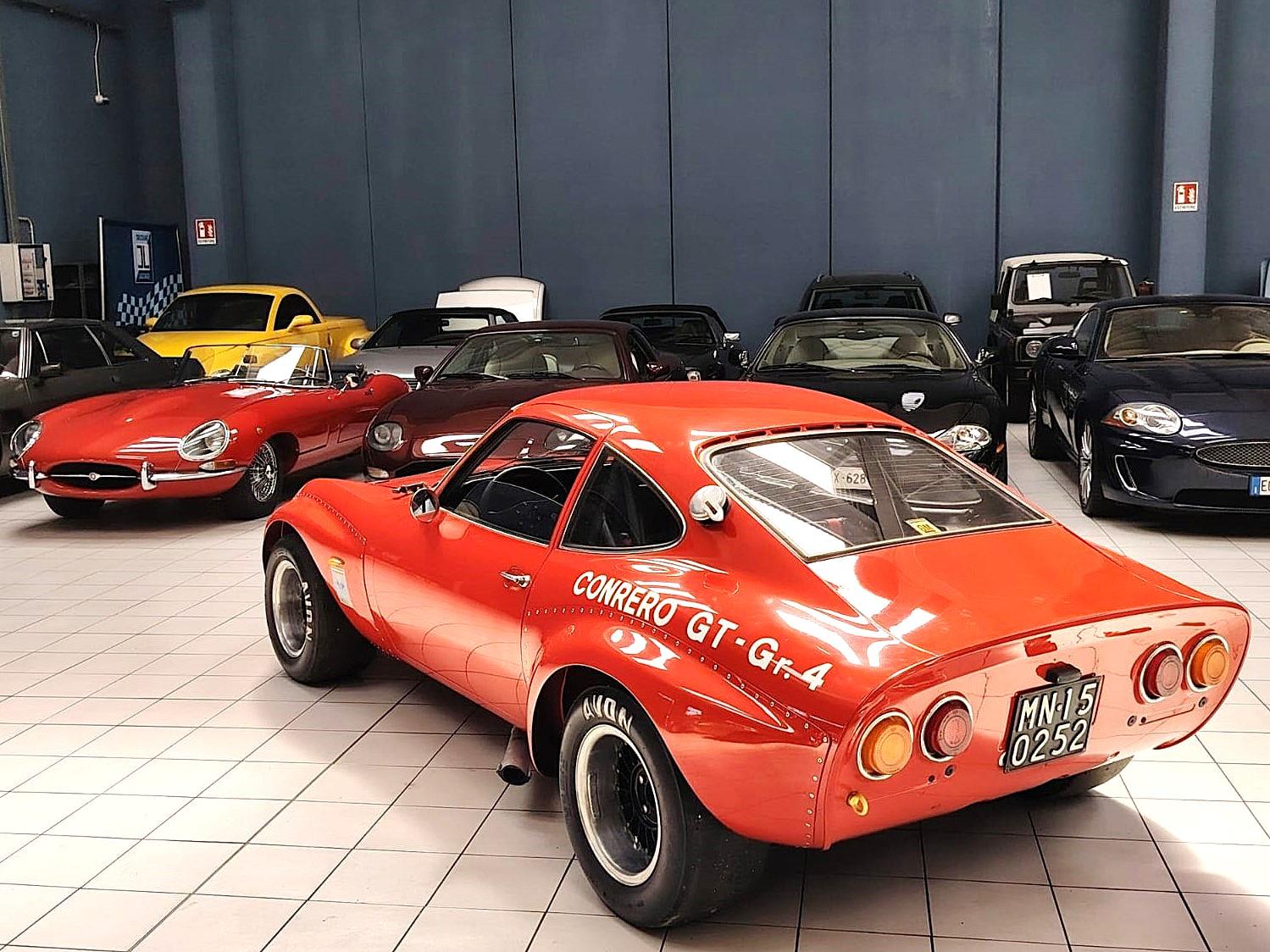
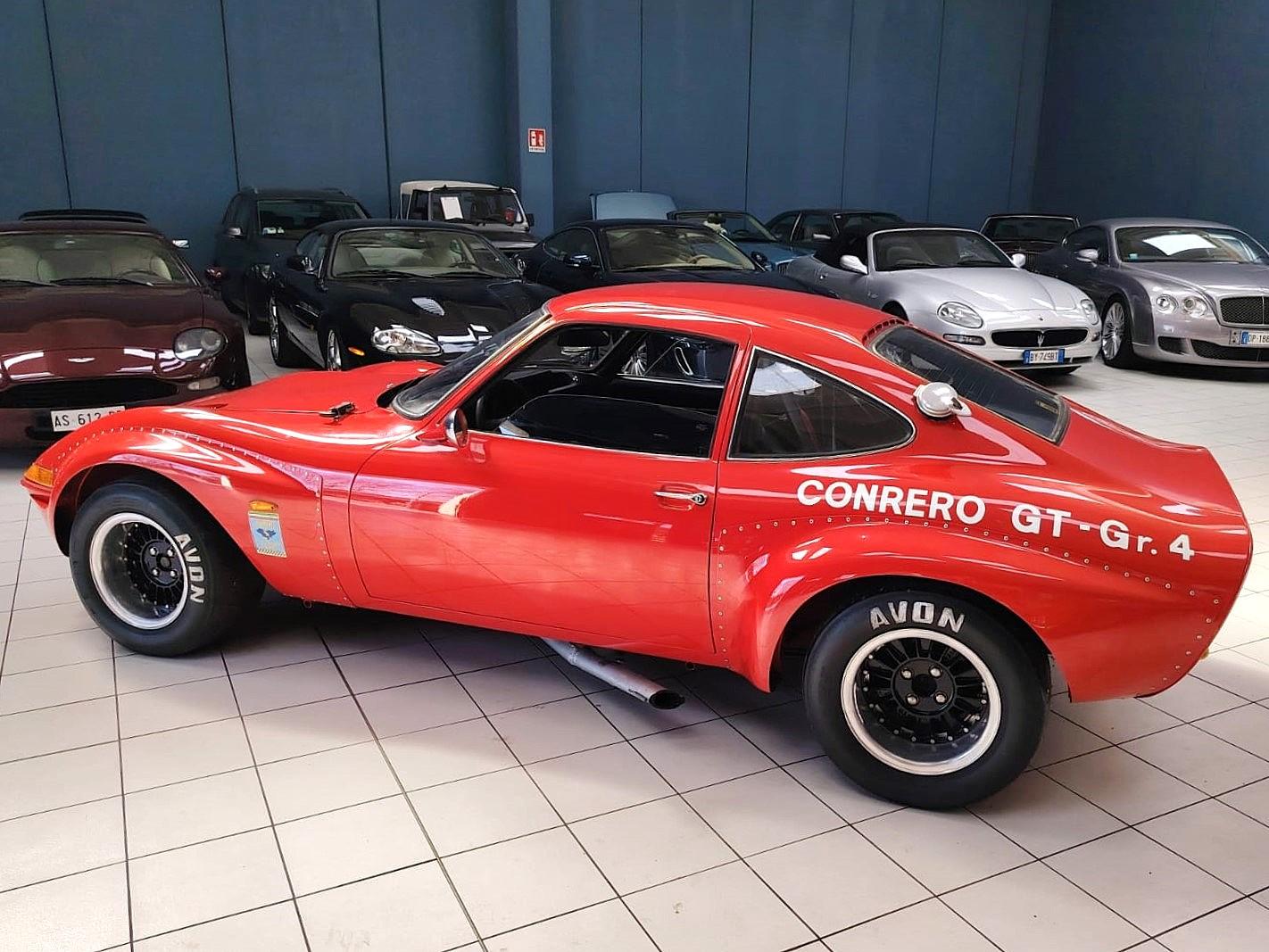
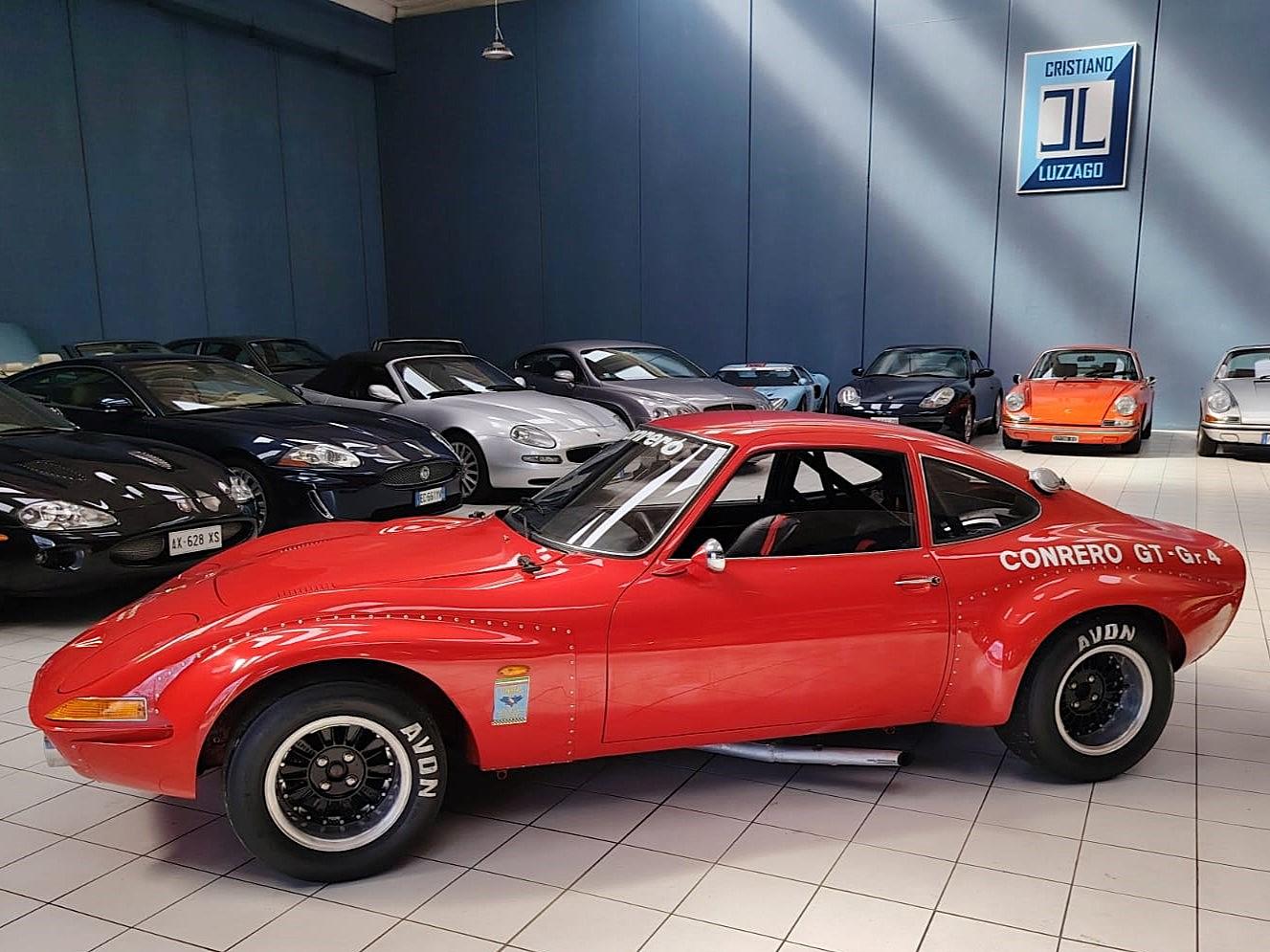
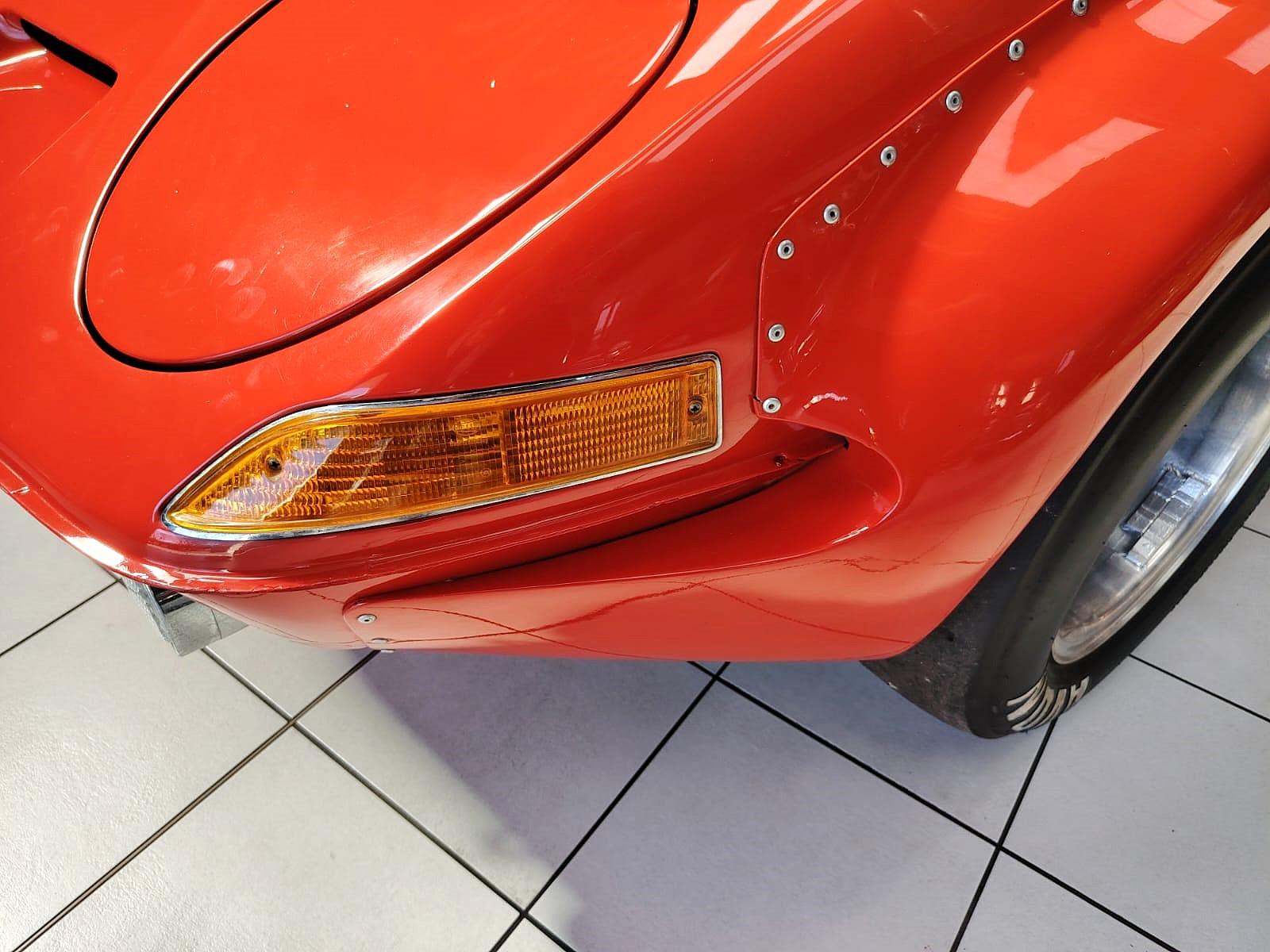
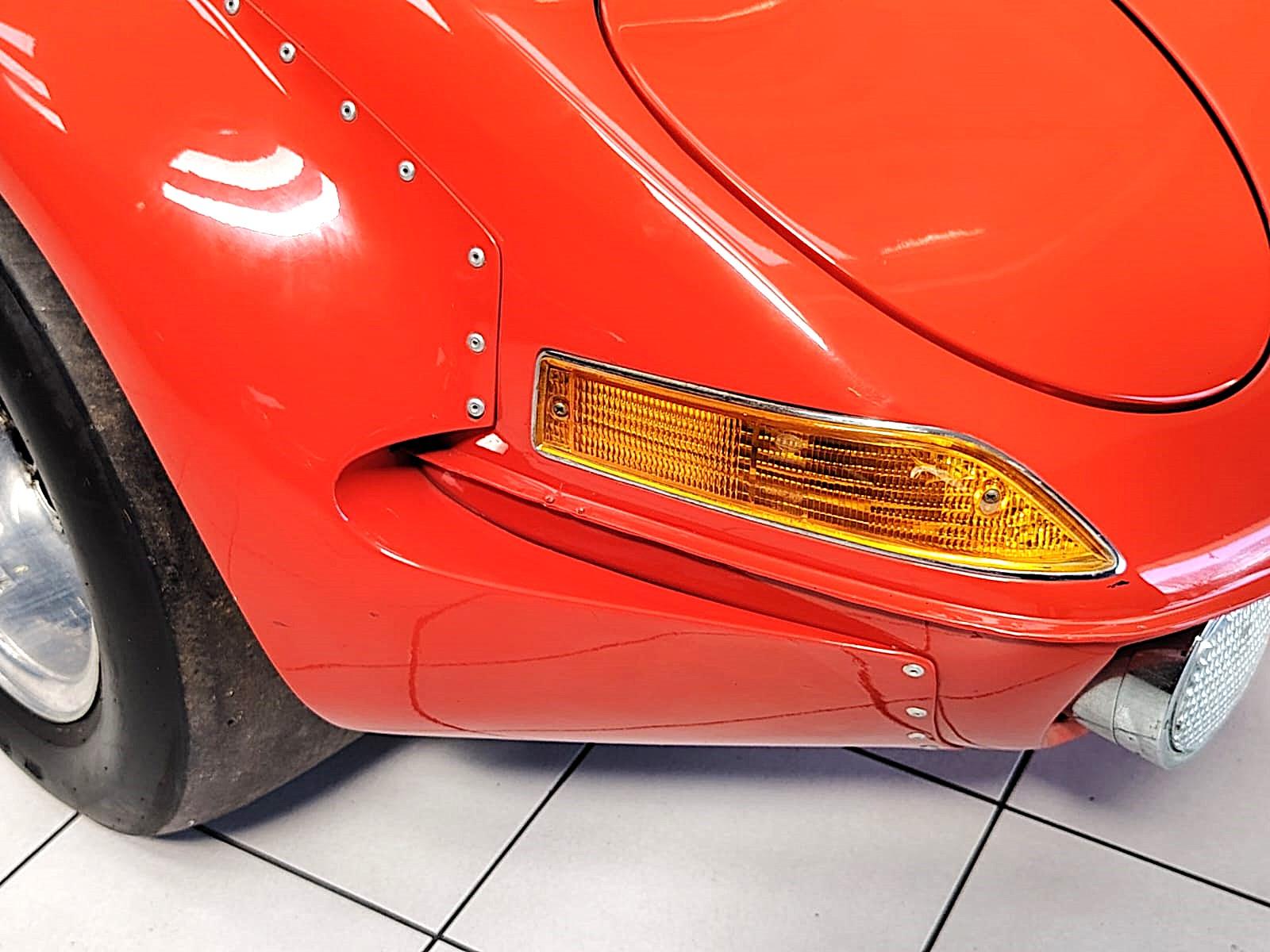
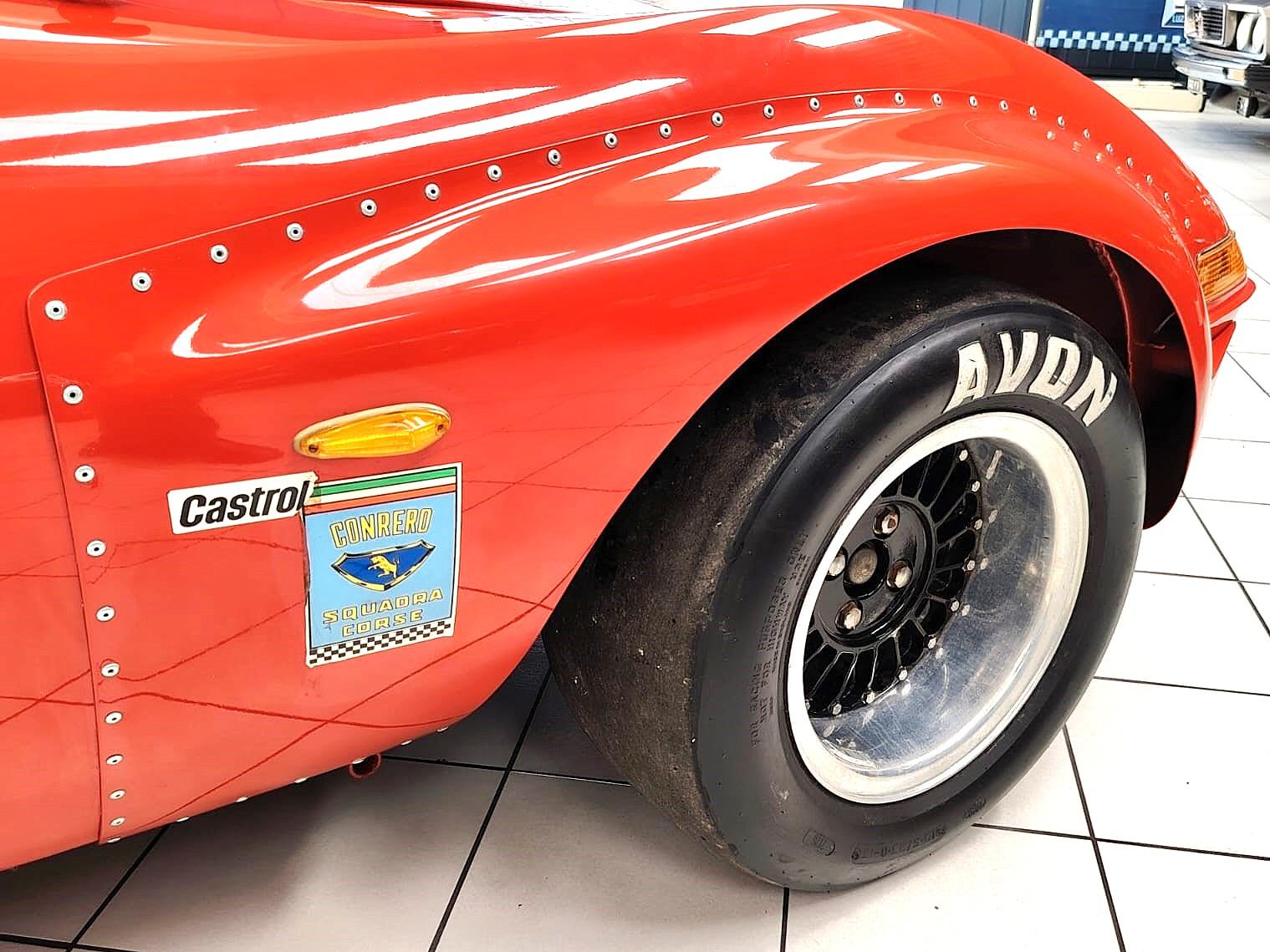
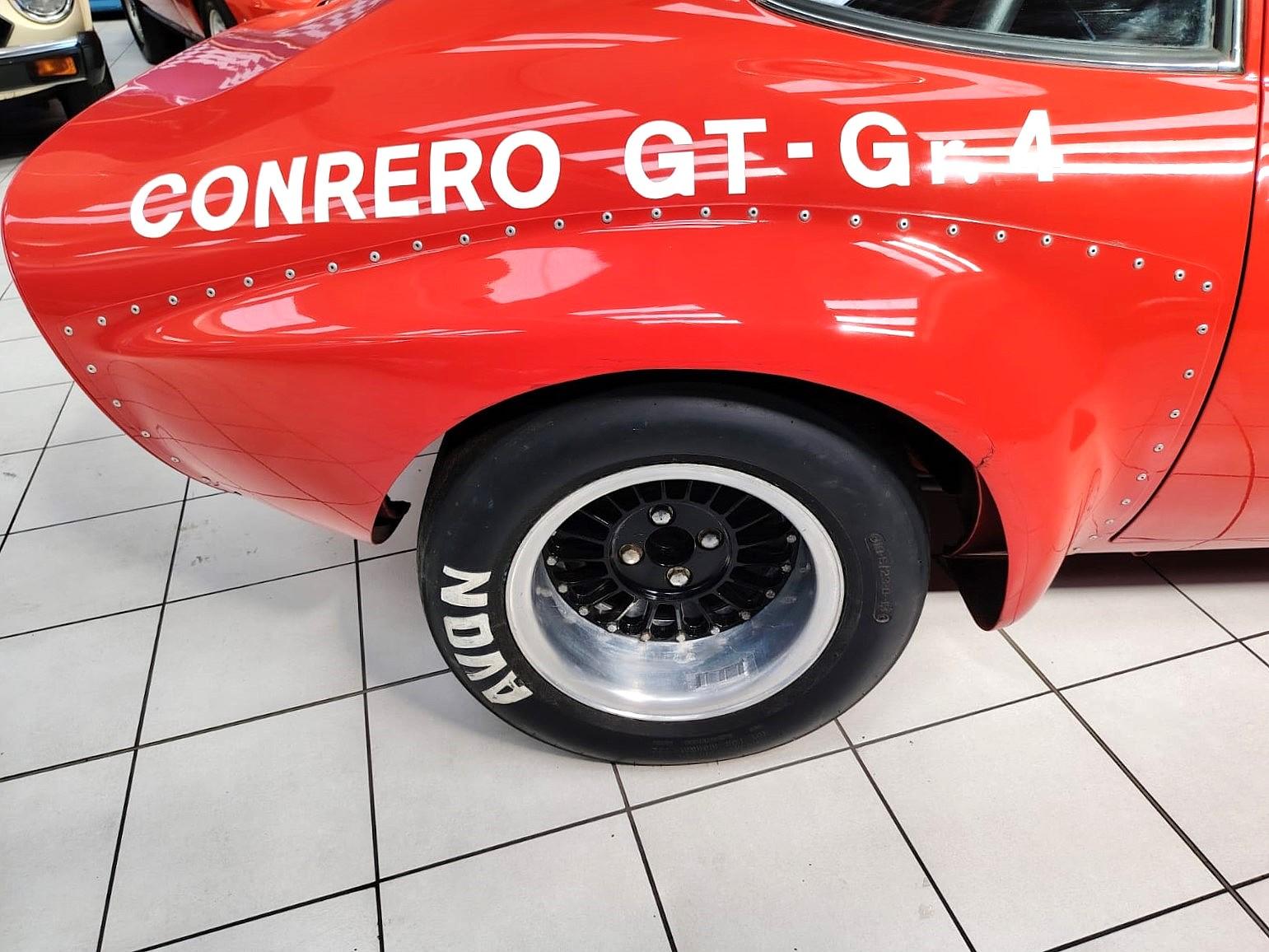
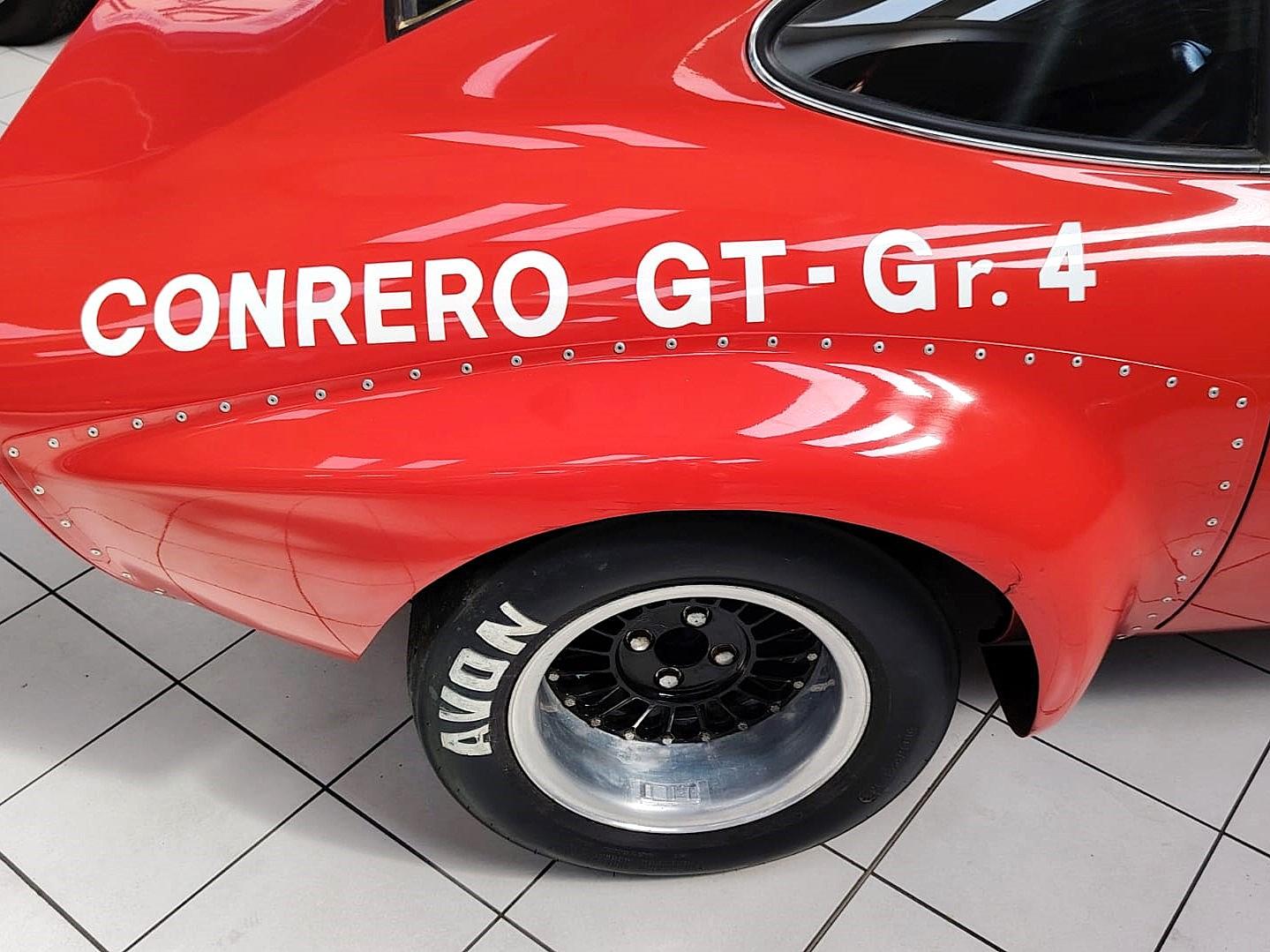
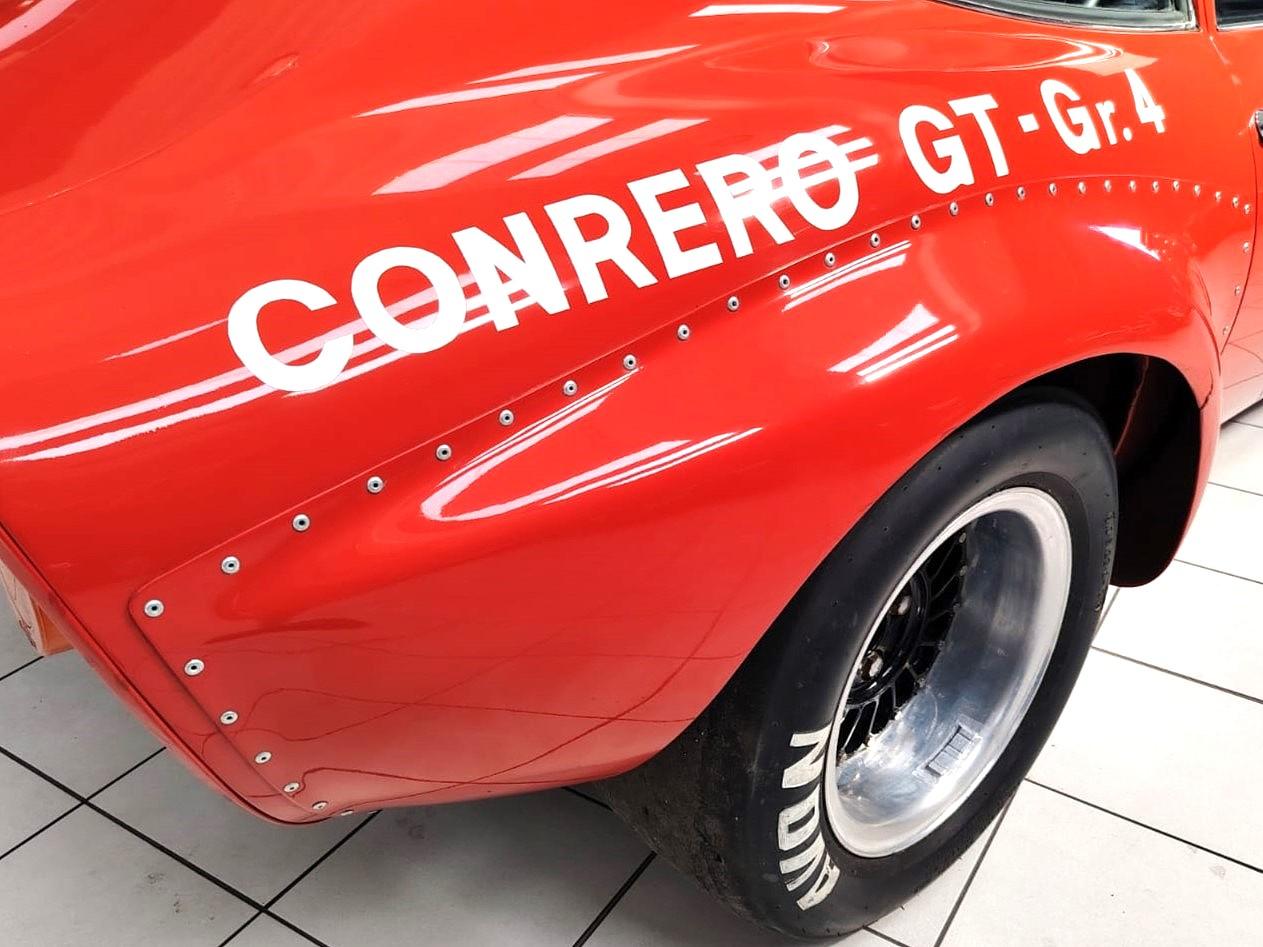
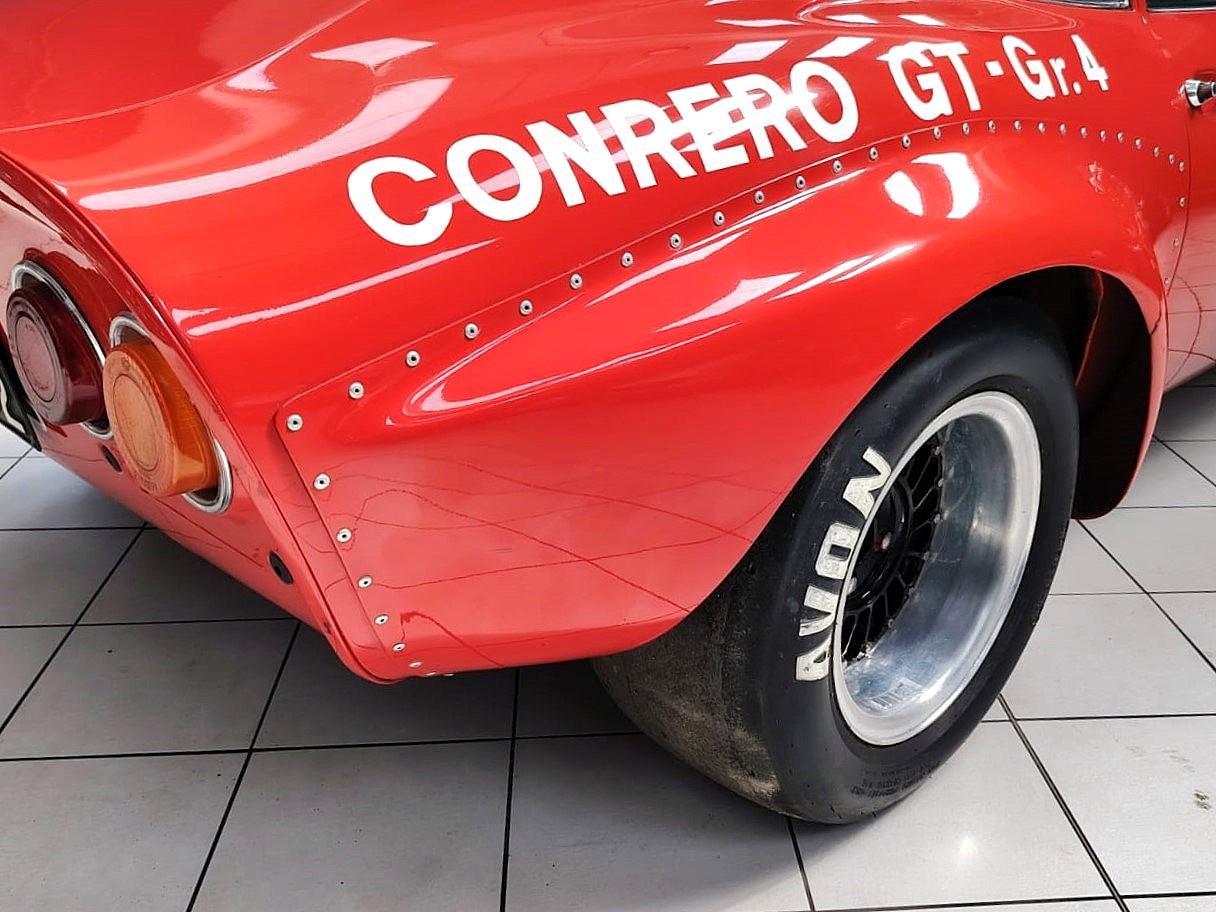
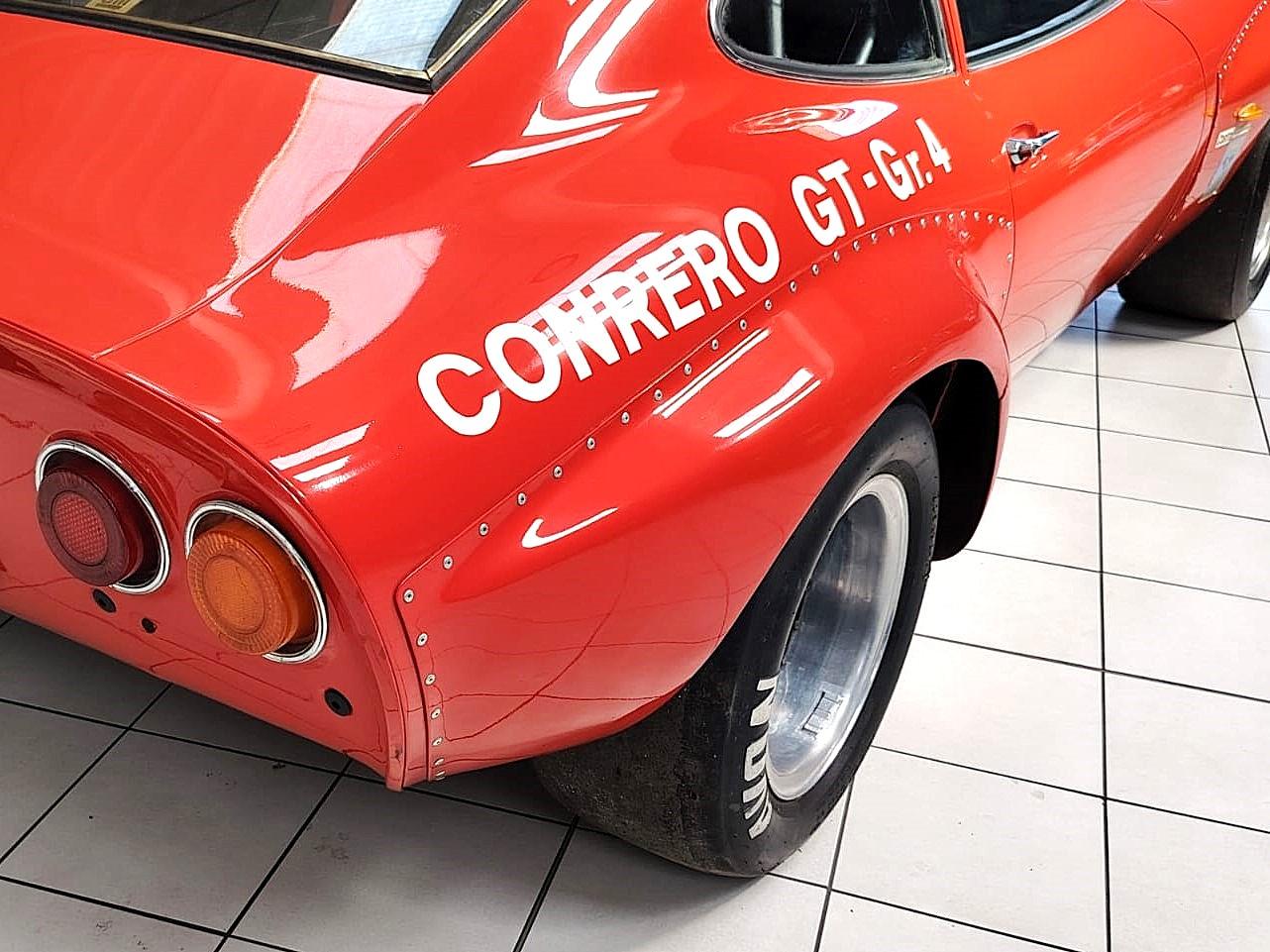
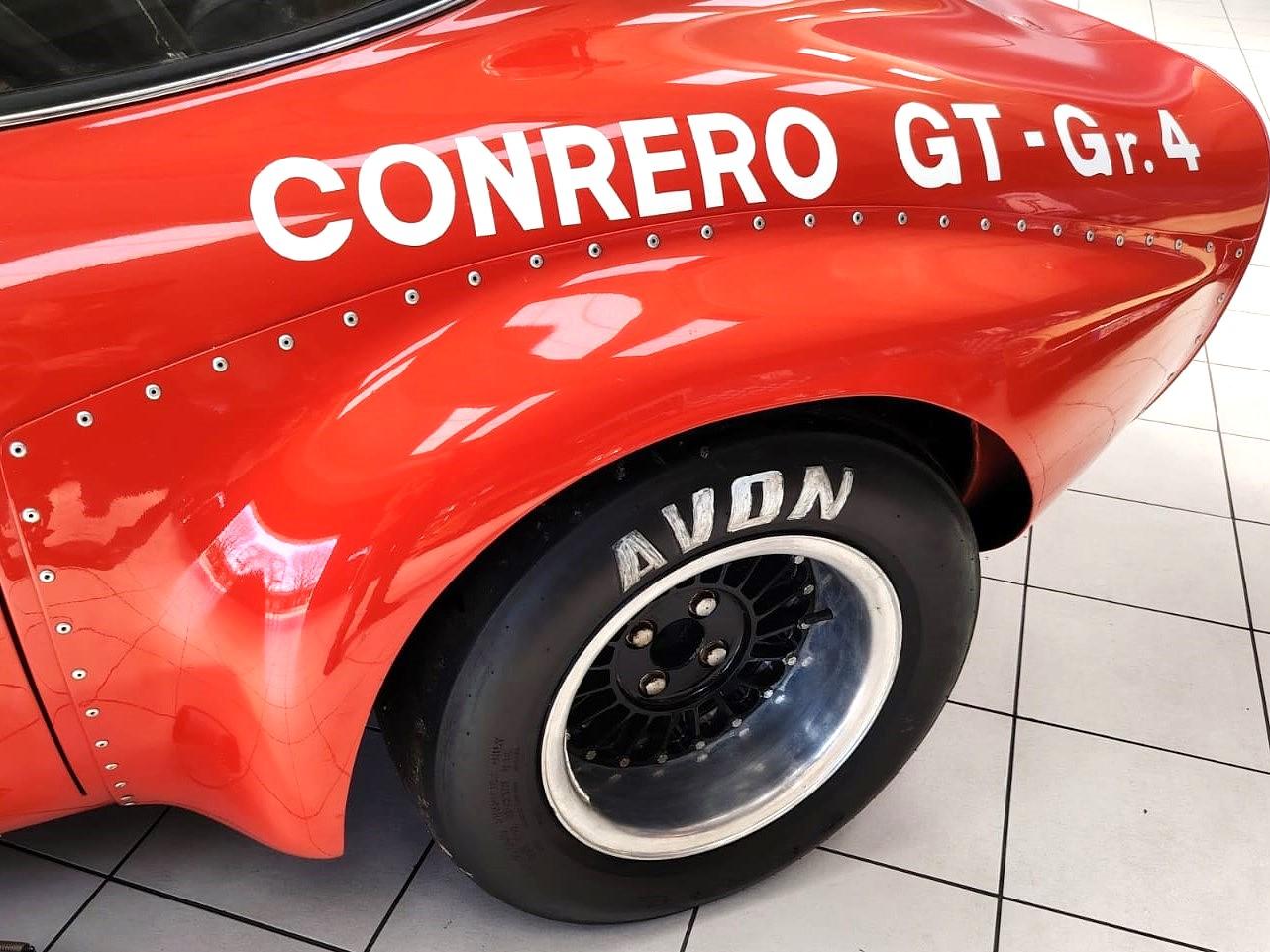
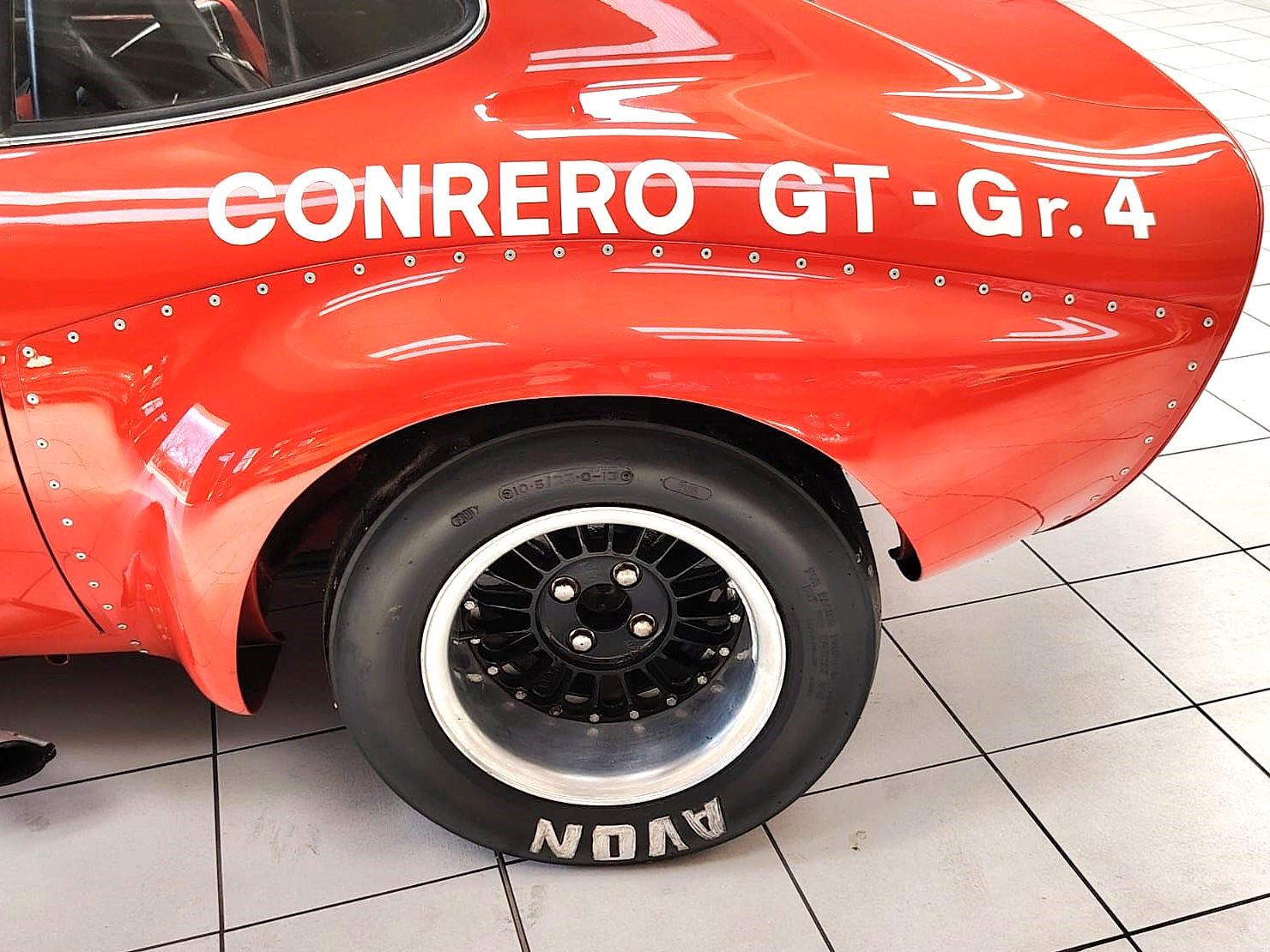
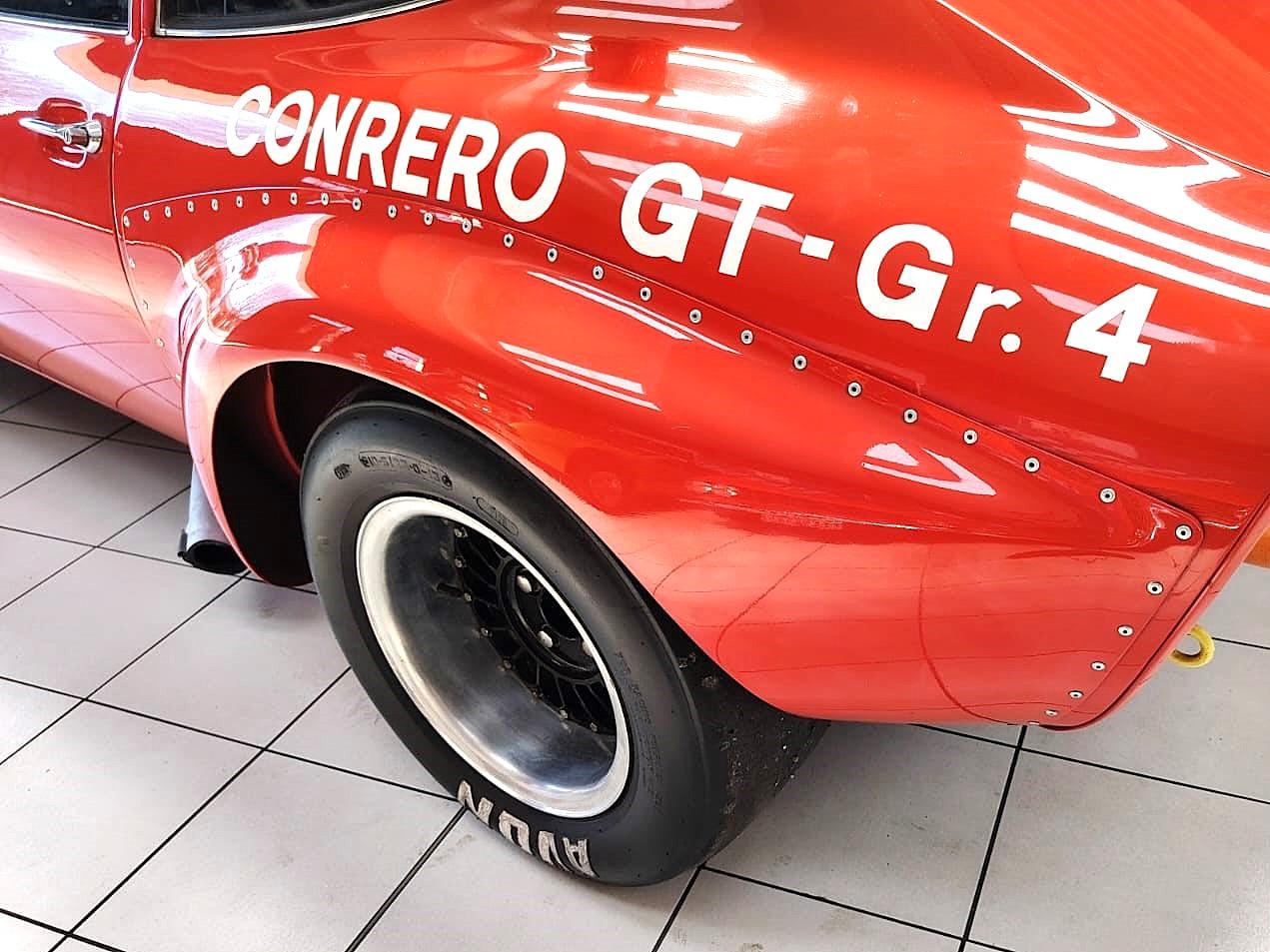
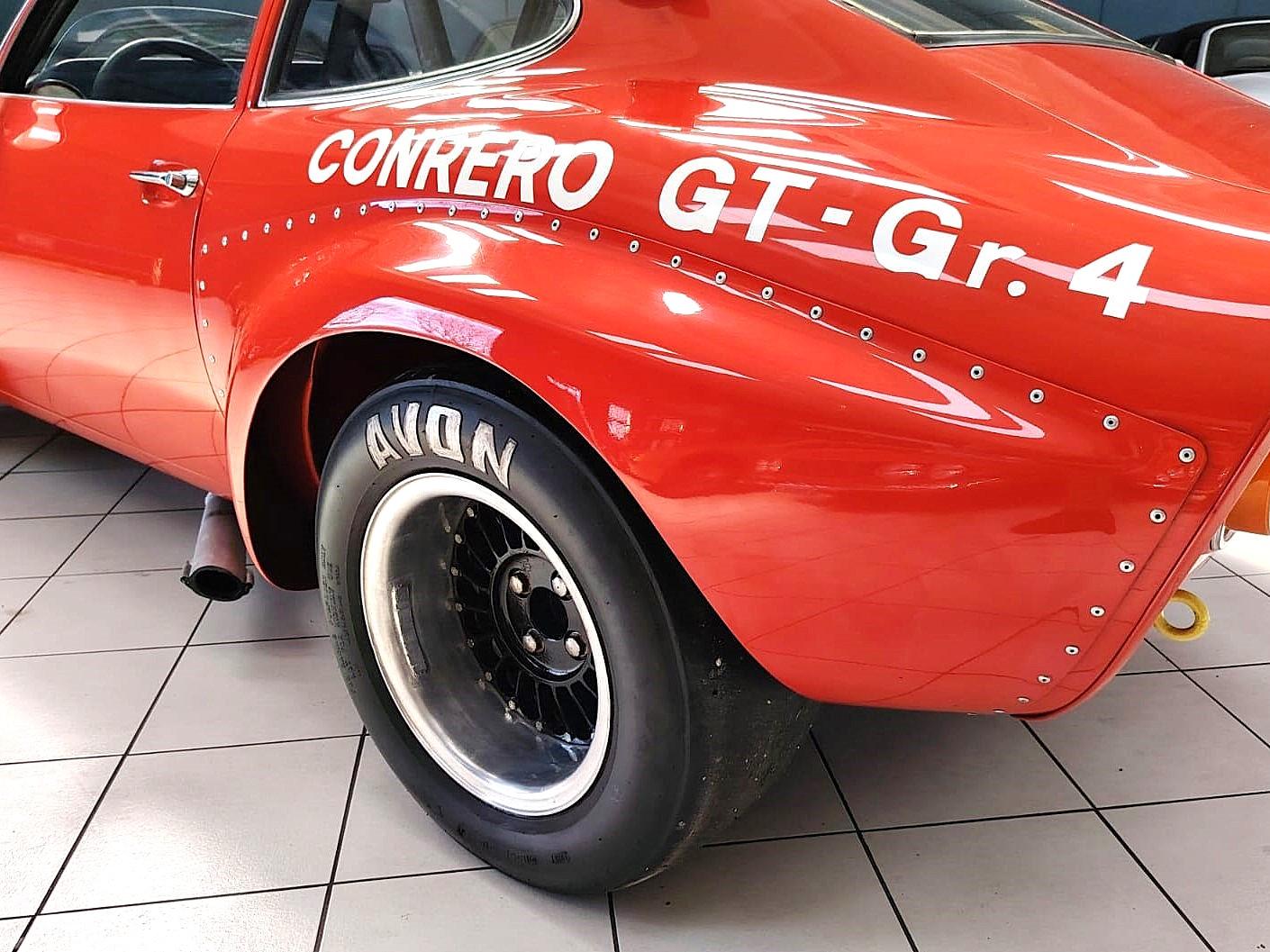
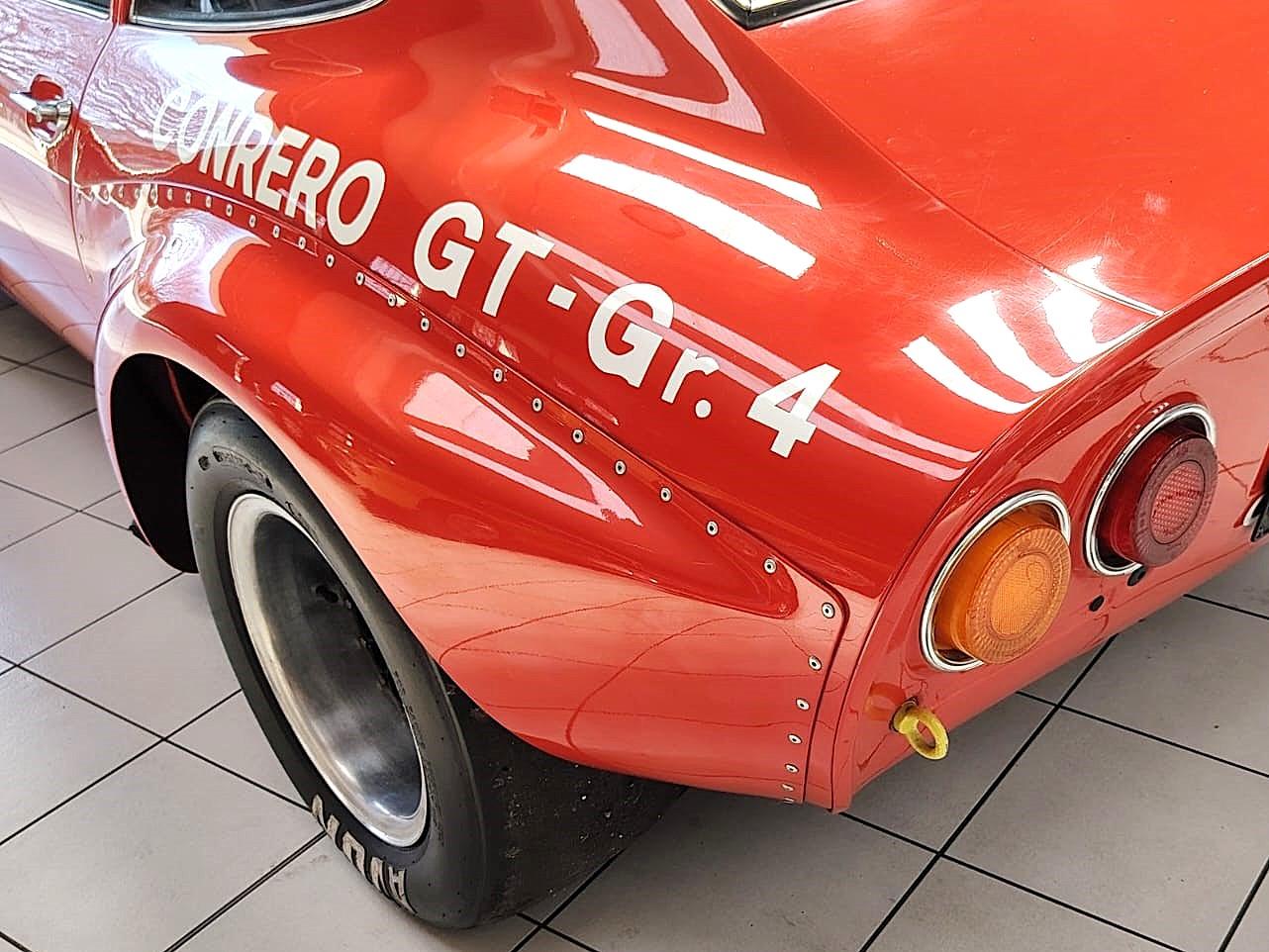
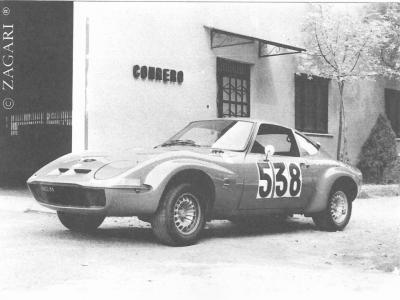
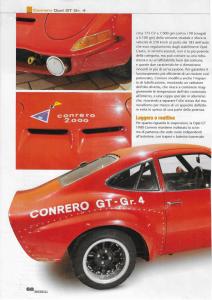
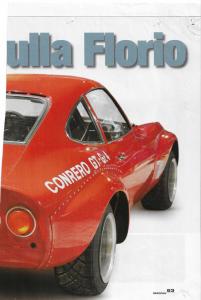
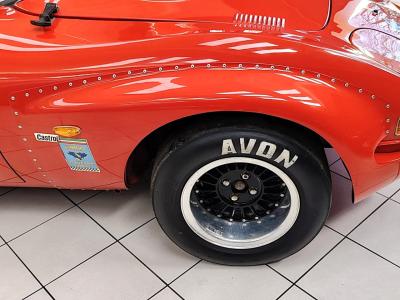
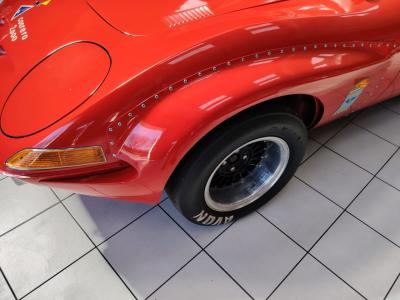
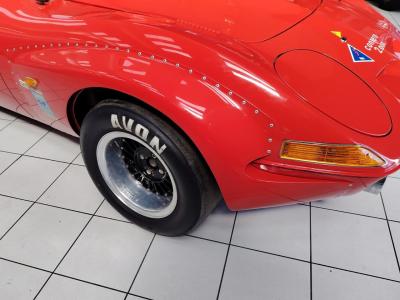
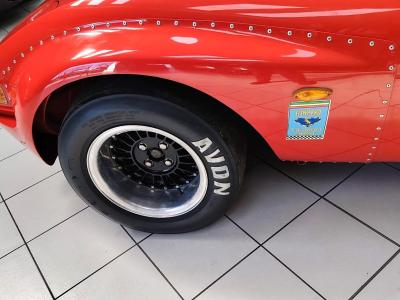
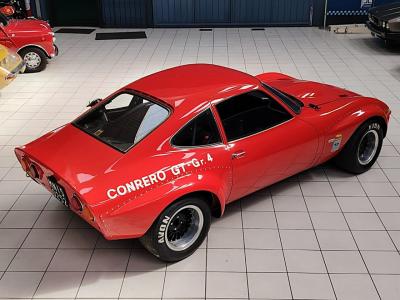
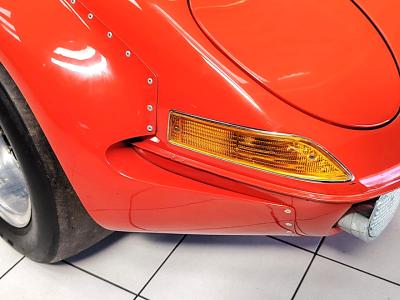
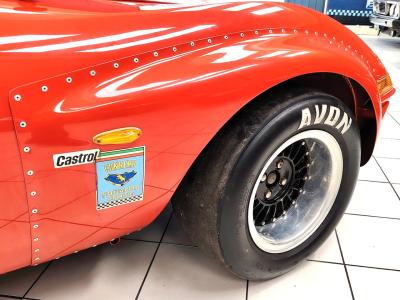
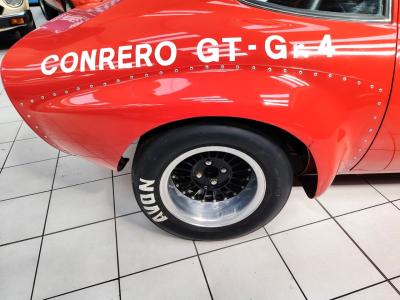
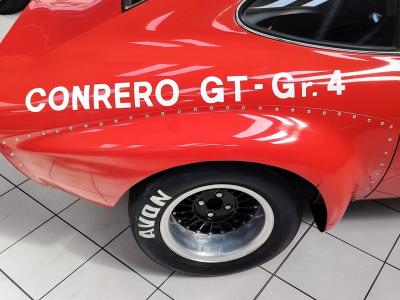
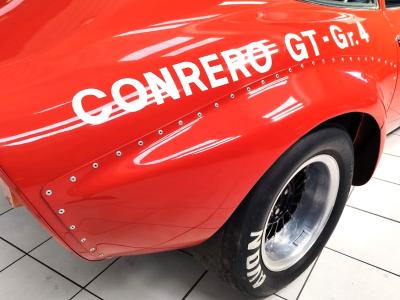
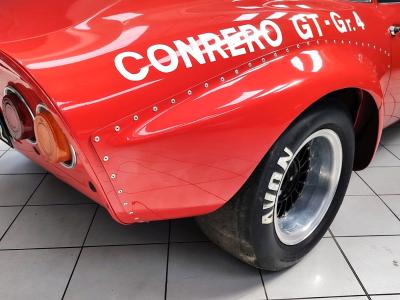
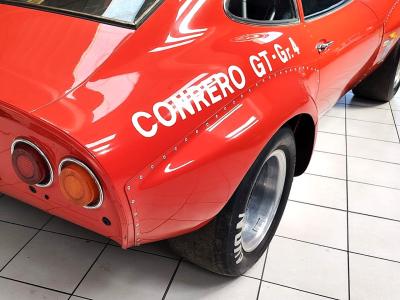
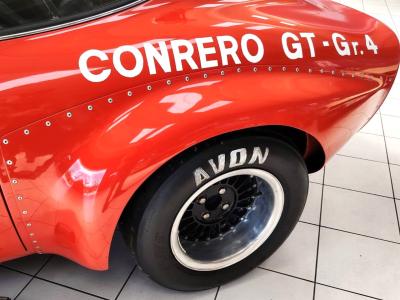
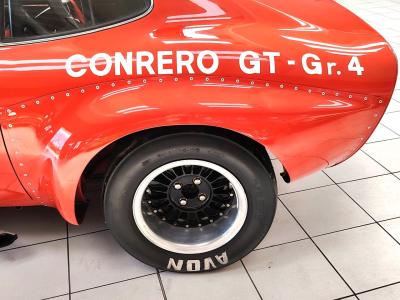
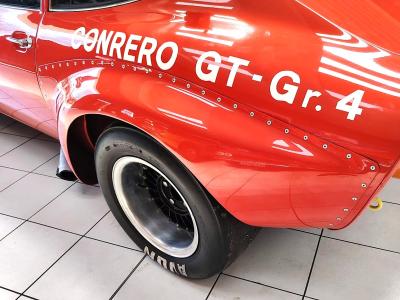
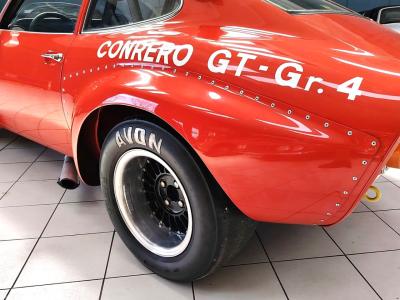
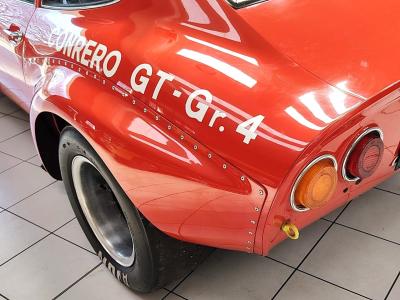
3. Ruoteclassiche (Special Issues): In more recent times, the magazine has dedicated extensive features to Virgilio Conrero's history, citing MN150252 as one of the “official” cars of the Mantua-based team, often photographed with its characteristic riveted flared wheel arches.
Curiosity about Giampaolo Benedini
The Mantuan driver was not only fast on track but also had a keen eye for design. His experience with the Conrero Opel GT helped create that link between extreme engineering and aesthetics that later led him to define the style of the Bugatti EB110. MN150252 remains one of the most significant cars of his racing career.
The racing biography of Giampaolo Benedini with the Conrero Opel GT (and particularly with the car bearing plate MN150252) tells the story of how a driver-architect helped transform a “small lounge sports car” into a war machine capable of humiliating the most renowned Porsche 911s.
Here are the key stages of his journey with this car:
1. The Debut and Conrero's Trust (1969Benedini was one of the drivers directly chosen by the Opel importer and Virgilio Conrero for the official debut of the racing team. Alongside giants such as Giorgio Pianta and Pino Pica, he began competing in hill climbs in 1969. In this early phase, the Opel GT had around 165 hp, but Benedini immediately demonstrated exceptional driving sensitivity—essential for handling a short-wheelbase, rear-wheel-drive car on mountain roads.
2. The Mugello Feat (1970)
The peak moment for the Benedini-MN150252 pairing came in 1970 at the Mugello Road Circuit (67 km of curves and elevation changes between Scarperia, Firenzuola, and the Giogo Pass).
The Victory: Benedini triumphed in the Group 4 2000 class.
The Meaning: It was not just a class win, but a political and technical statement. His Opel GT maintained a pace that the Porsche 911 S (the overwhelming favorites) could not match on tight, twisty sections. The MN150252 was lighter, lower, and incredibly more agile.
The Evolution: Thanks to Benedini's feedback, Conrero refined the Kugelfischer mechanical fuel injection, bringing power close to the 190 hp threshold.
3. The Targa Florio (1971)
Although the 1971 class victory is often associated with Calascibetta-Monti, Benedini played an integral role in development and took part in the 1971 Targa Florio paired with G. Marotta (car number #52).
That year, Benedini's Opel GT was one of the most admired cars at scrutineering in Cerda, due to its “exaggerated” fender flares and the meticulous attention to detail typical of the Conrero style.
4. The Driver-Architect
What makes Benedini's biography unique is his dual identity. While racing for Conrero, he was already shaping his career as an architect. This technical mindset made him the ideal test driver: he could explain to Conrero with millimetric precision how the car reacted to load transfers.
Years later, this same vision would lead him to design the Bugatti EB110, carrying with him the DNA of extreme engineering learned in Conrero's workshops.
General description and historical significance
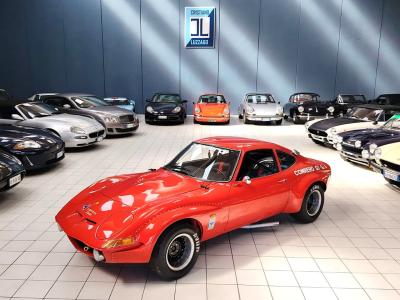
An extraordinary example of Opel 1900 GT Group 4 prepared by Virgilio Conrero, a legendary figure in Italian motorsport engineering and a key player in touring and GT racing during the 1960s and 1970s.
This car represents one of the most fascinating racing evolutions of the Opel GT, converted to FIA Group 4 specifications, the category dedicated to highly modified grand touring race cars.
Produced in extremely limited numbers, the Conrero Group 4 version is now considered a true rarity and a symbol of the golden era of European touring car racing.
Provenance and historical certifications
Sold new by the Garage 1000 Miglia in Bolzano, an official Opel dealer, the car was first registered on August 1st, 1970 in Mantua and owned by racing driver Giampaolo Benedini.
Of exceptional importance is the fact that the car still retains its original license plates and first registration documents, providing strong evidence of authenticity and historical continuity.
Over time, it has belonged to prominent figures in the automotive world and renowned collectors, who have carefully preserved its originality.
The car comes with extensive historical documentation, certifying:
authenticity
provenance
original configuration
sporting and collector significance
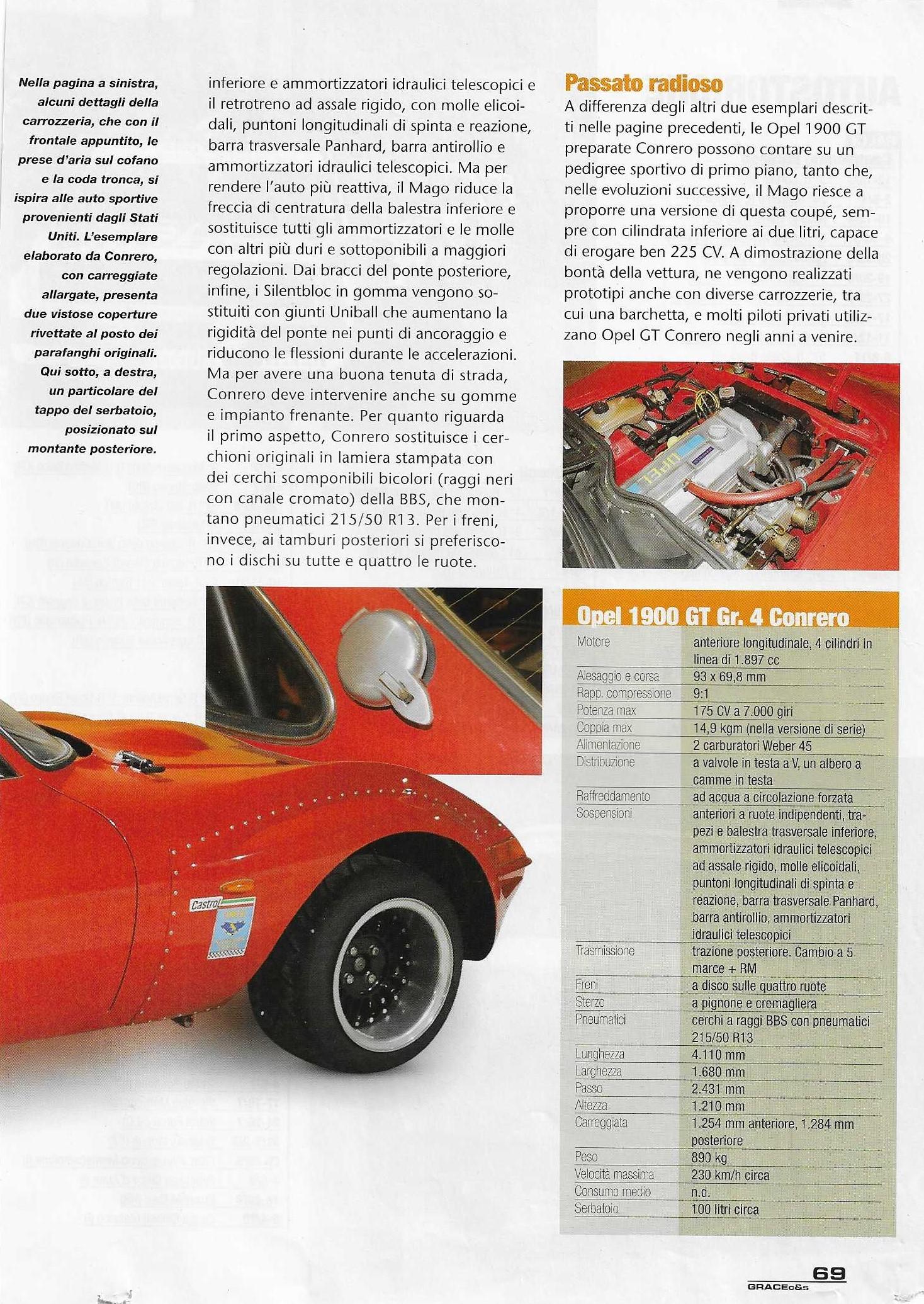
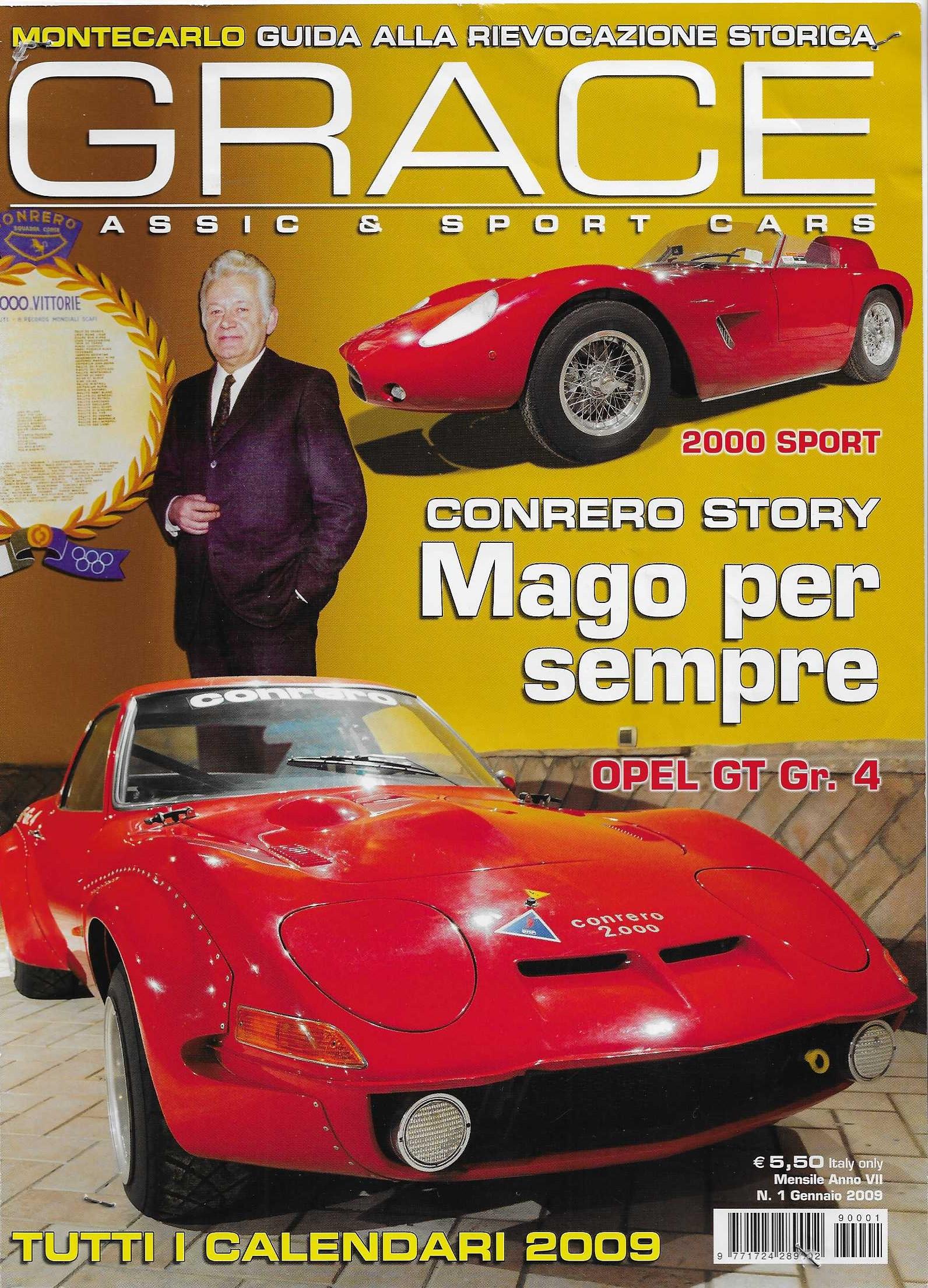
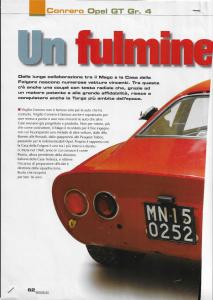
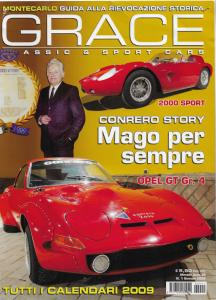
It was also featured in a major editorial in “Grace” magazine (January 2009), further enhancing its historical traceability and prestige.
Technical specifications and Group 4 configuration
Originally a compact sports coupe, the Opel GT was transformed by Conrero into a competitive race car.
Key technical features include:
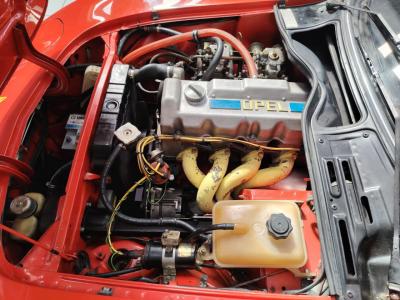
Inline 4-cylinder 1900 cc engine, extensively modified
Significant power increase over the standard version
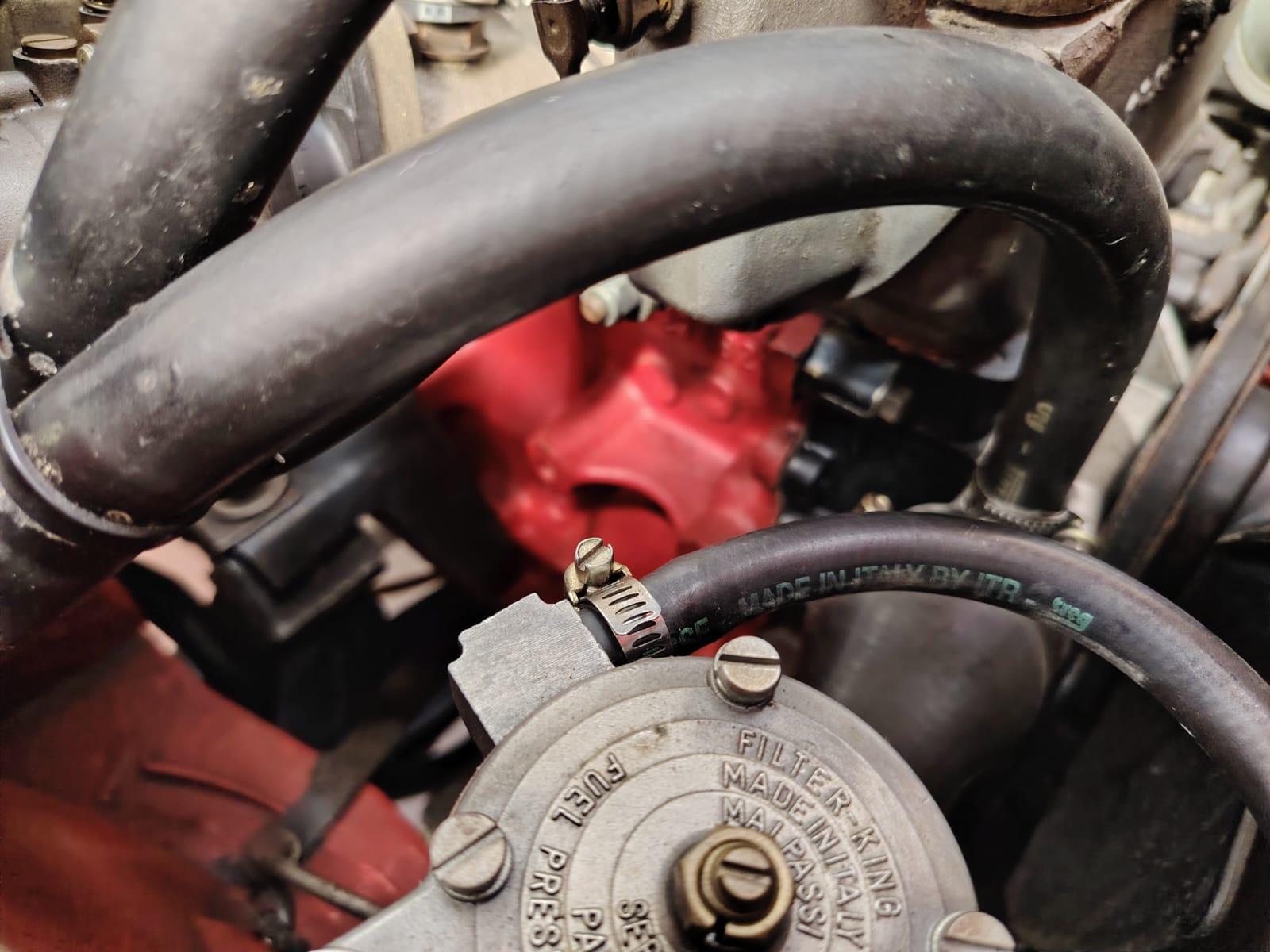
Upgraded carburetors and fuel system optimization
Lowered and stiffened racing suspension
Enhanced braking system
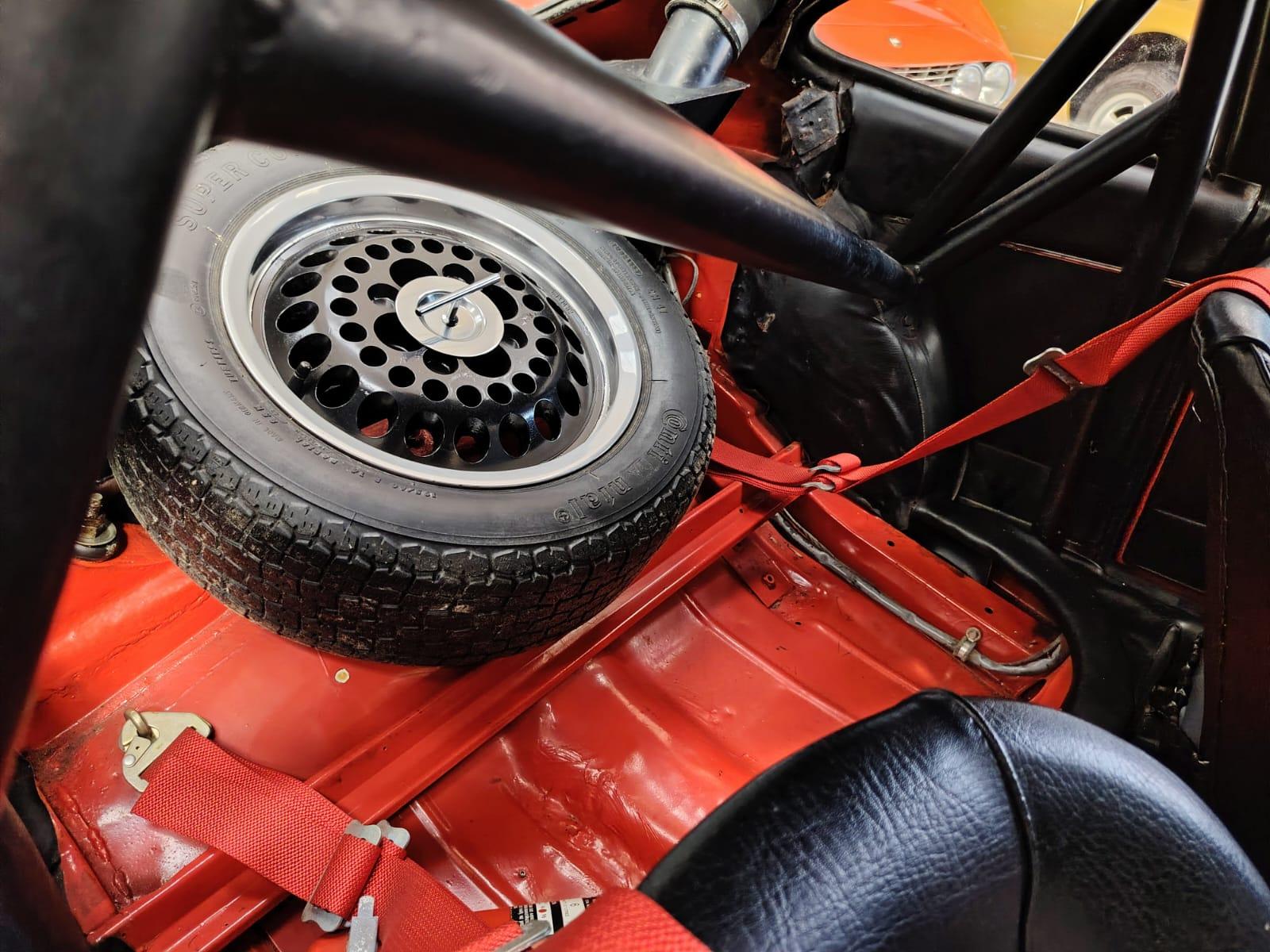
Weight reduction for competition use
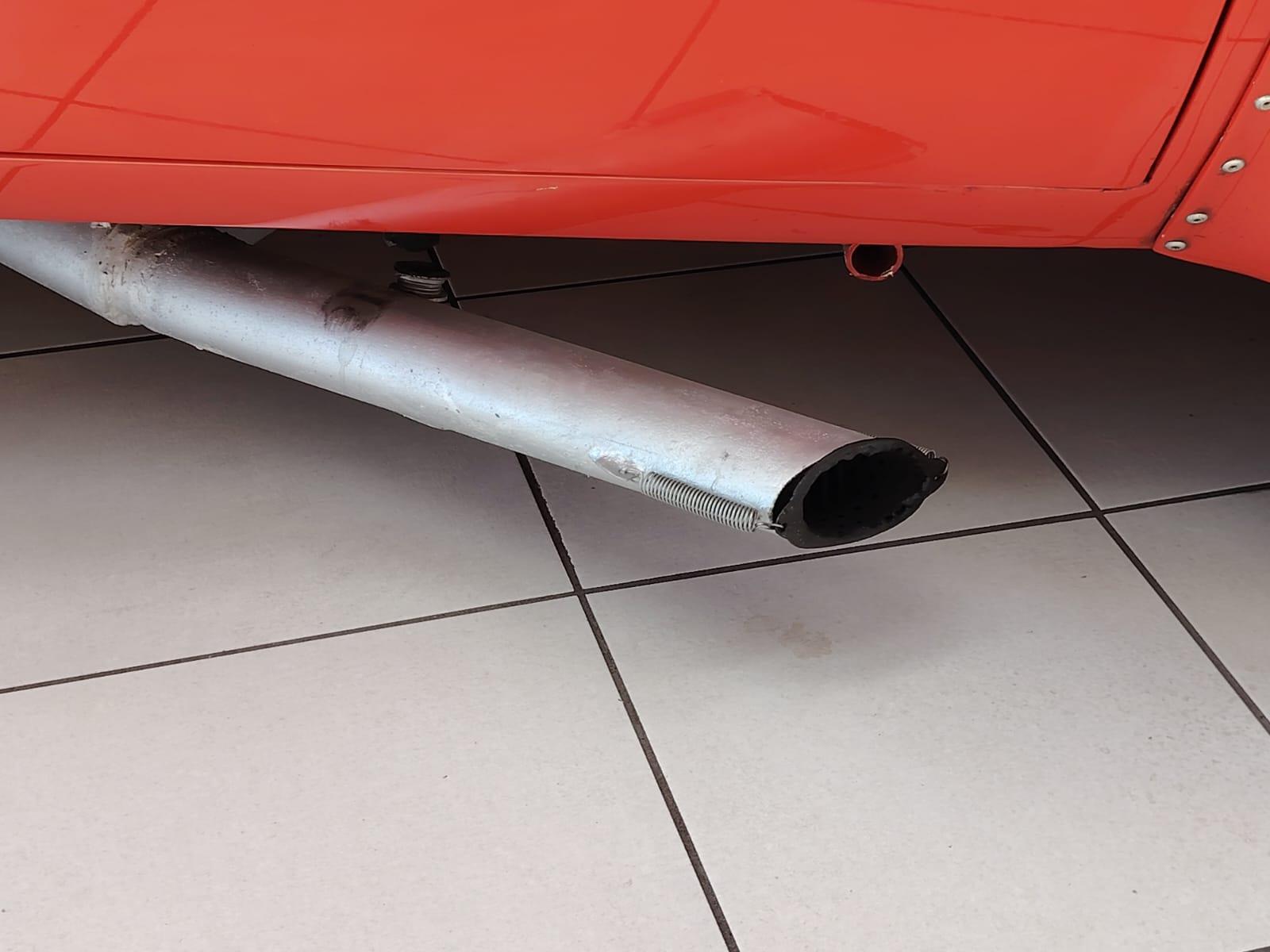
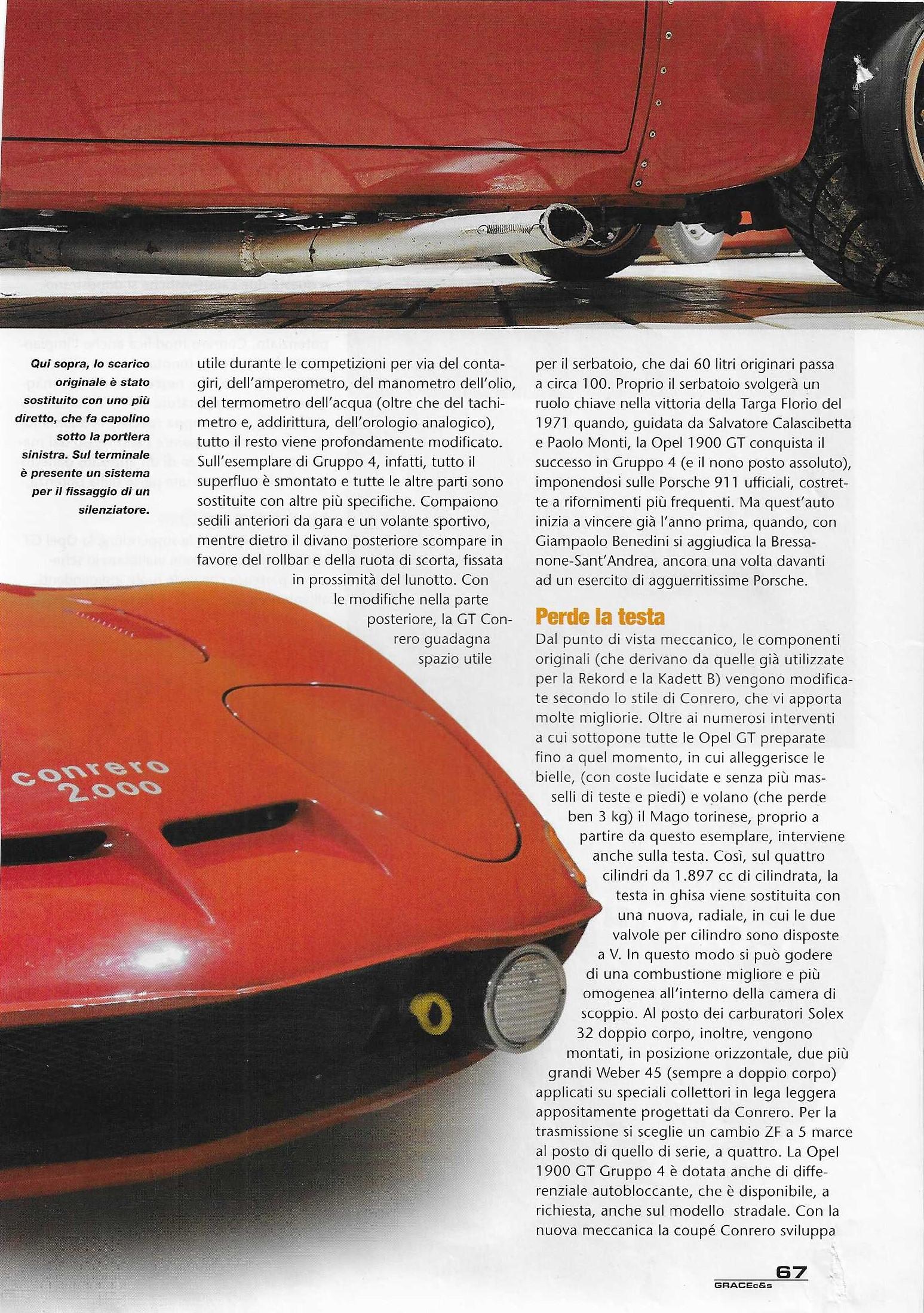
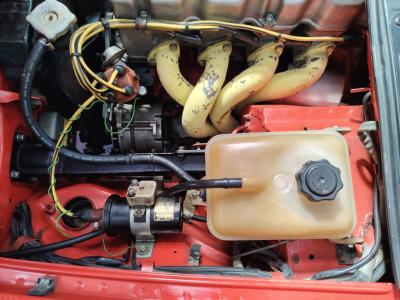
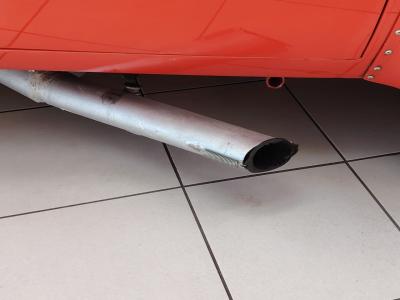
High-performance exhaust system
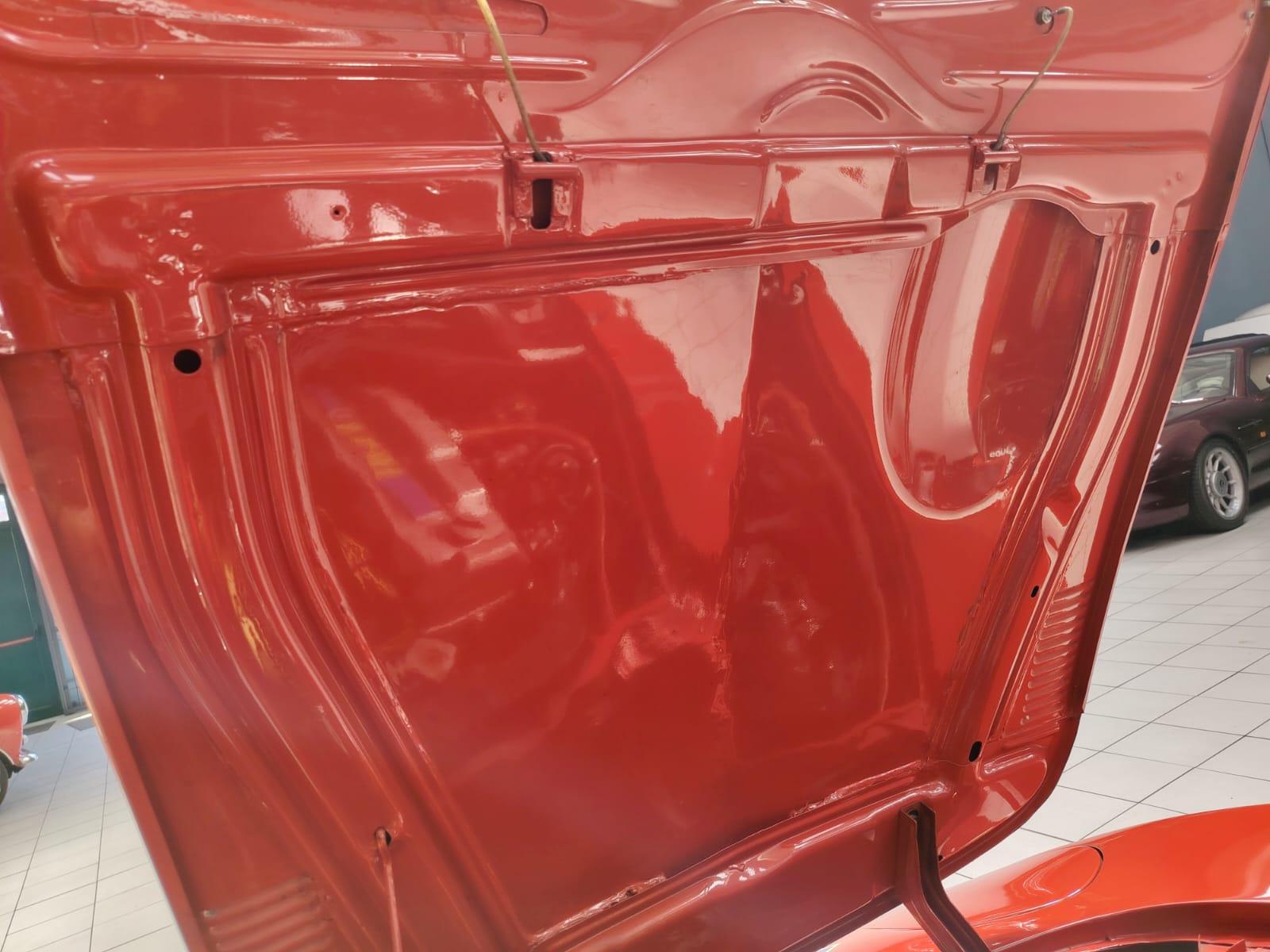
Aerodynamic and Group 4-specific modifications
Rarity and collector value
The Opel 1900 GT Group 4 Conrero is extremely rare and highly sought-after.
This particular example stands out due to:
complete documentation
original plates and registration papers
verified provenance
collector and historical significance
magazine publication
A true collector's piece and a remarkable testimony to Conrero's racing Opel legacy.
Historical Insights
The 1000 Miglia Garage and the talented Alberto Dona
When Romano Artioli, an Opel dealer and owner of the “1000 Miglia” garage in Bolzano, received his first Opel GT at the General Motors dealers' presentation in Rome in early 1969, he recognized that the brand's image was becoming more sporty and that this would attract younger customers.
He immediately fell in love with this elegant Opel and drove the car from Rome to Bolzano at high speed along the old winding roads of the Mille Miglia.
He found the car enjoyable, with well-balanced handling characteristics.
Artioli, president of the Italian GM dealers, wasted no time in visiting Virgilio Conrero, whom he had known for a long time, and asked him to prepare the Opel GT on behalf of the dealers' organization.
At that time, Conrero was still very much an Alfa man, and he declined, as he did not believe the car stood much chance against the 4- and 6-cylinder Porsches, and it had not yet been homologated in Group 4.
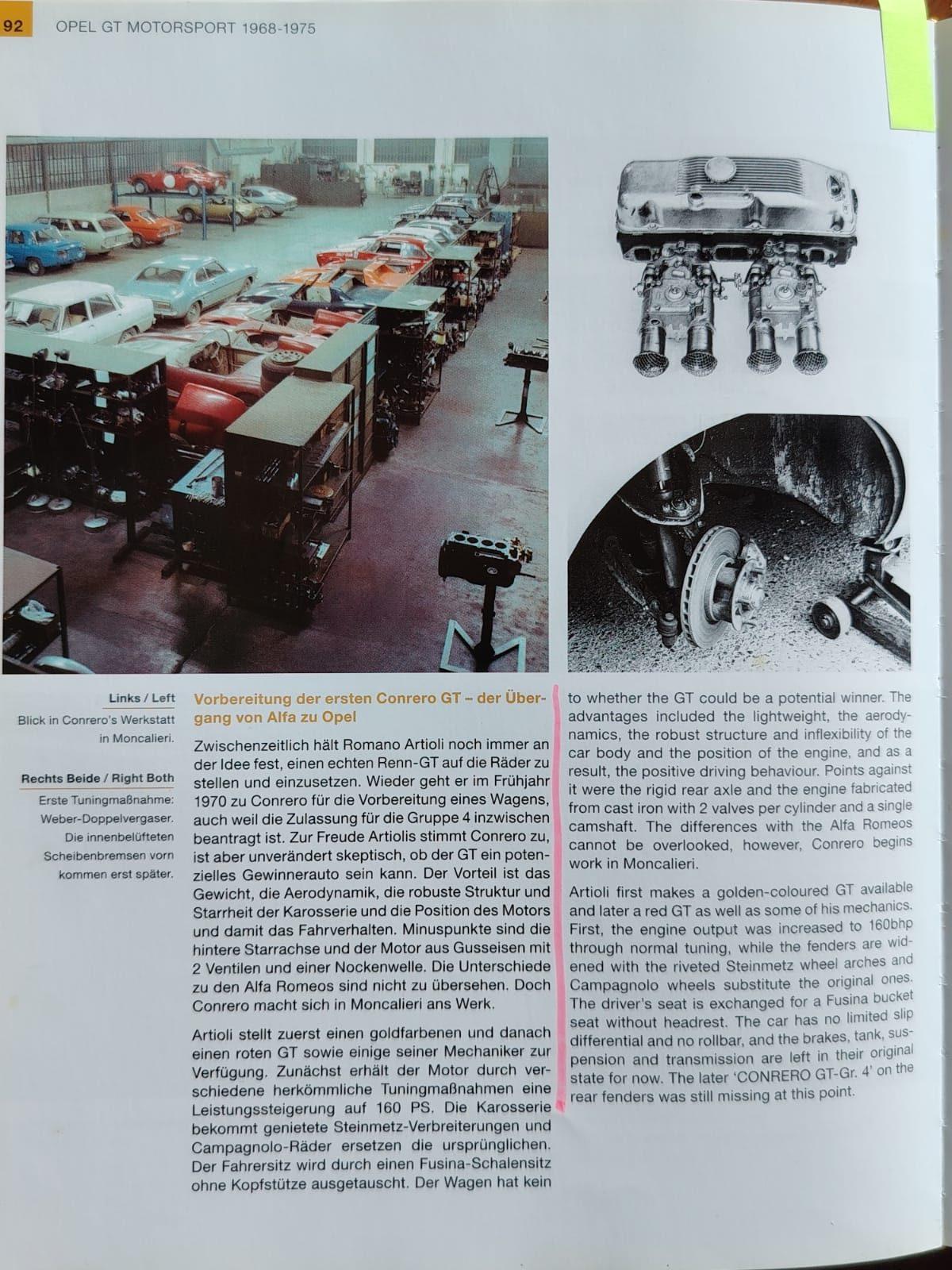
The preparation of the first Conrero GT, the transition from Alfa to Opel
Meanwhile, Romano Artioli continued to embrace the idea of a true GT race car and entering it into competition.
Once again, in the spring of 1970, he returned to Conrero to discuss preparing a car, which by then had been approved for Group 4.
To Artioli's delight, Conrero agreed, though he remained skeptical that the GT could be a potential winner.
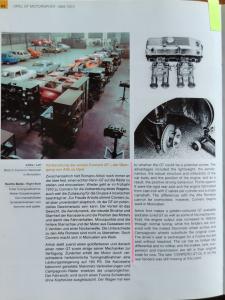
Its advantages included low weight, aerodynamics, robust structure and body rigidity, as well as engine placement and, consequently, positive handling.
Against it were the rigid rear axle and the cast-iron engine with 2 valves per cylinder and a single camshaft.
The differences compared to Alfa Romeo could not be ignored; nevertheless, Conrero began work in Moncalieri.
Artioli first provided a gold-colored GT and later a red GT, along with some of his mechanics.
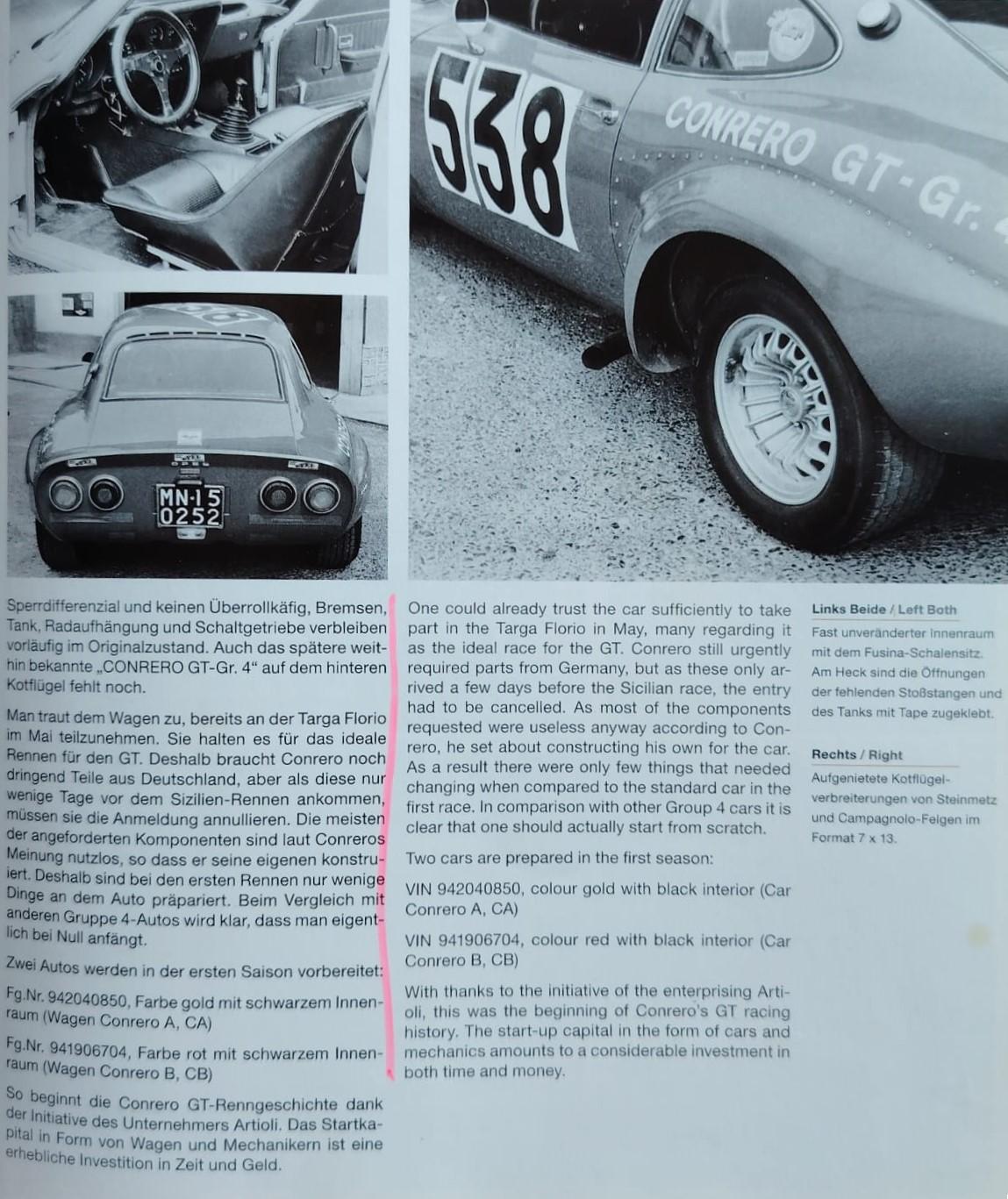
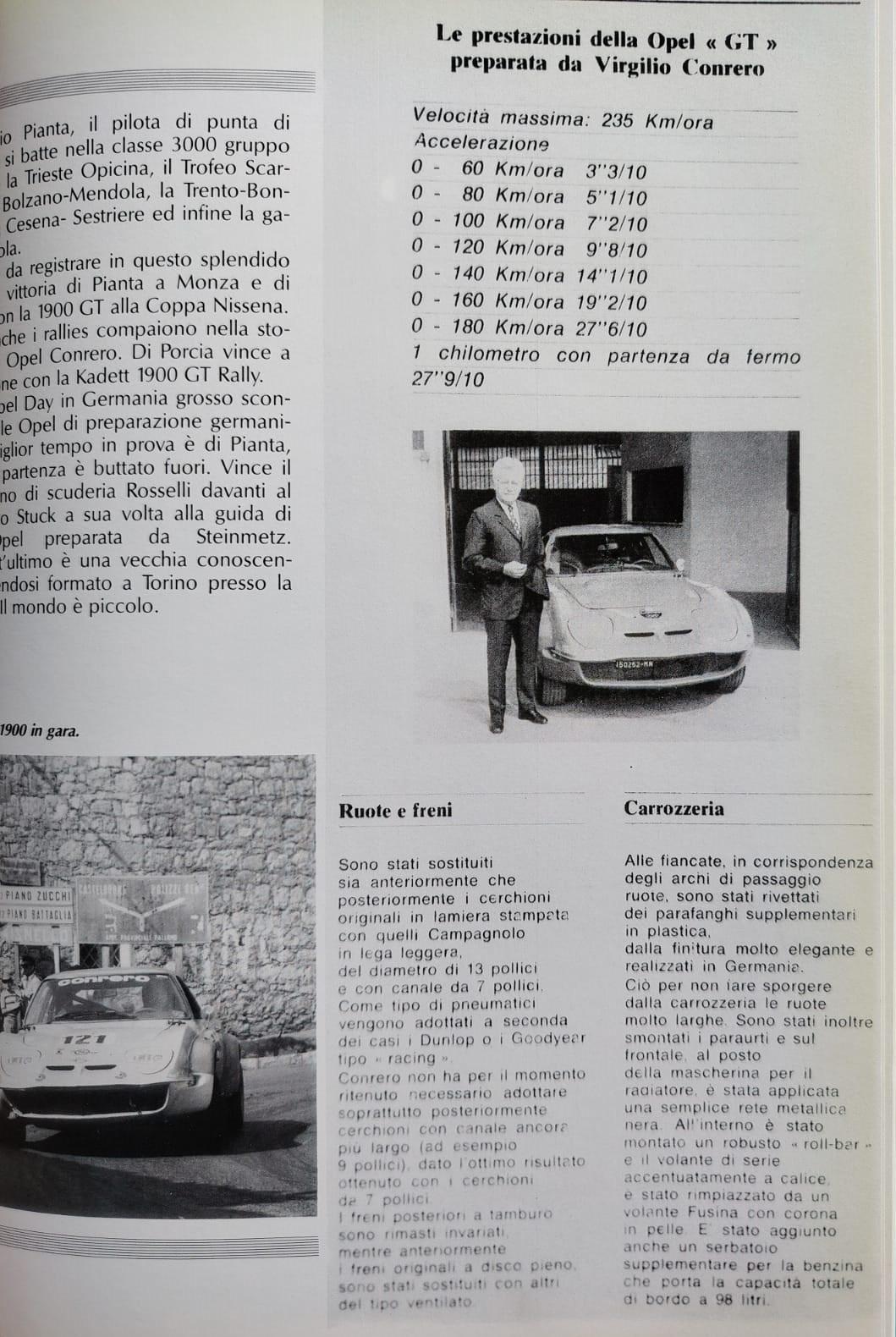
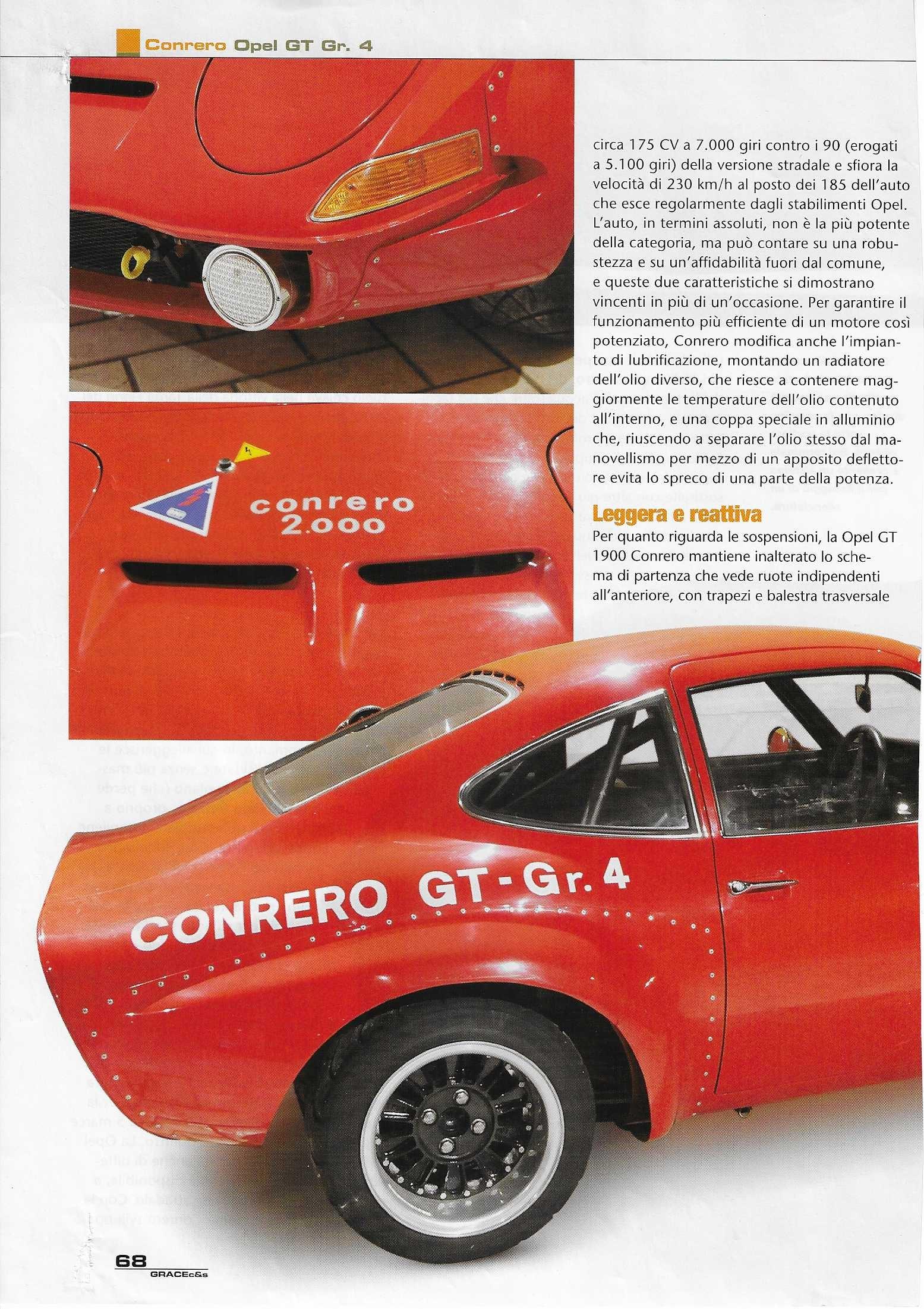
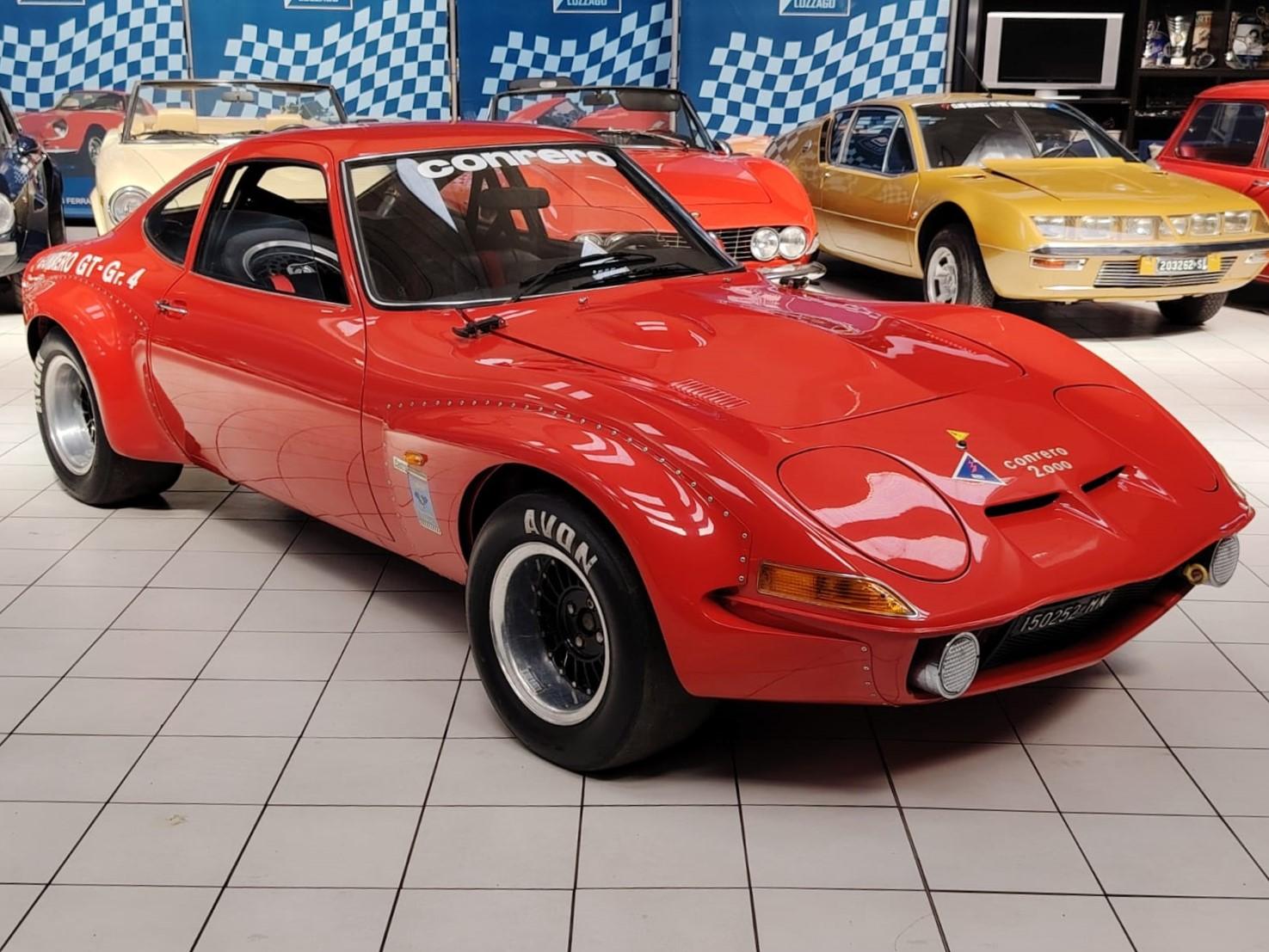
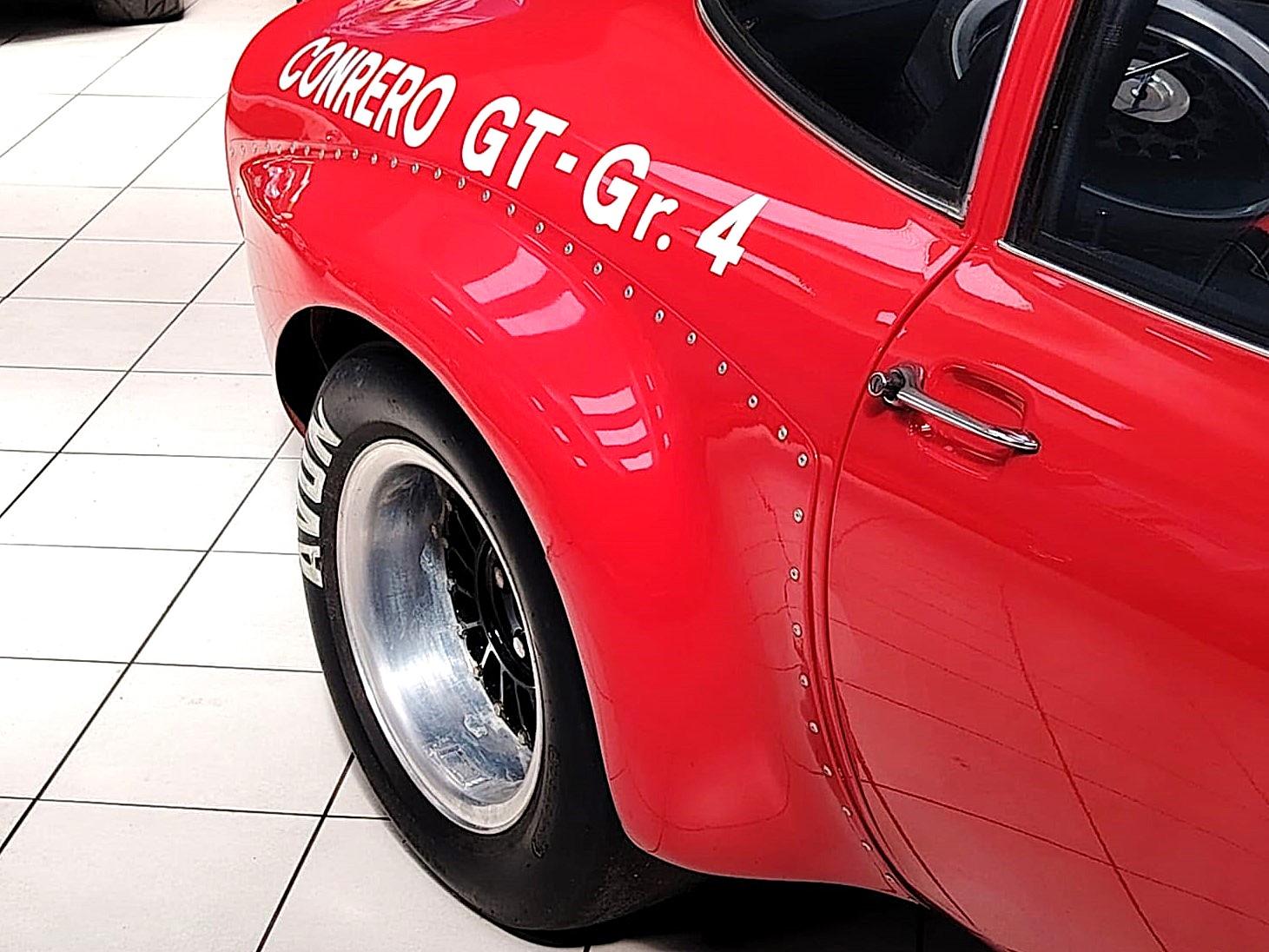
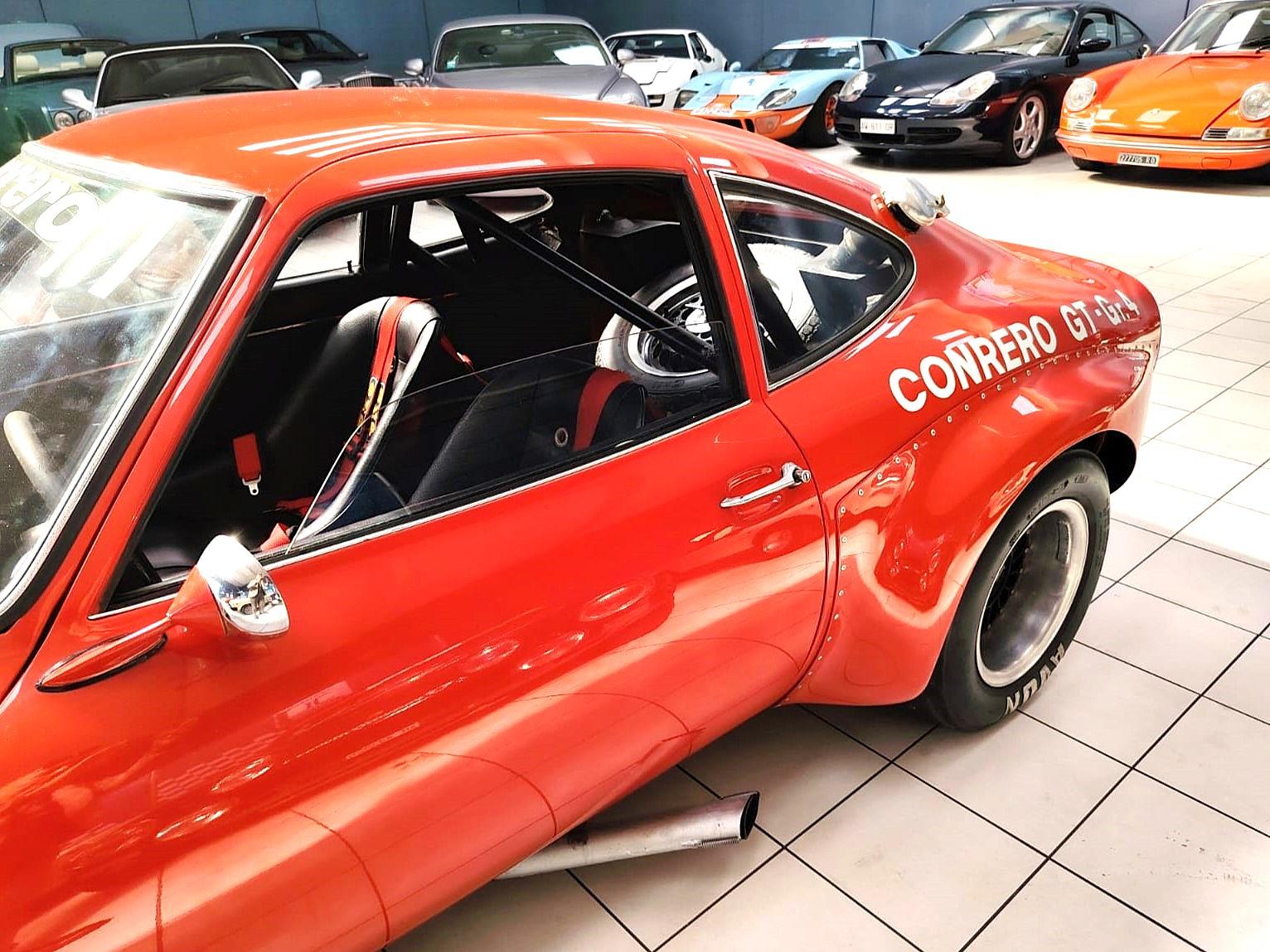
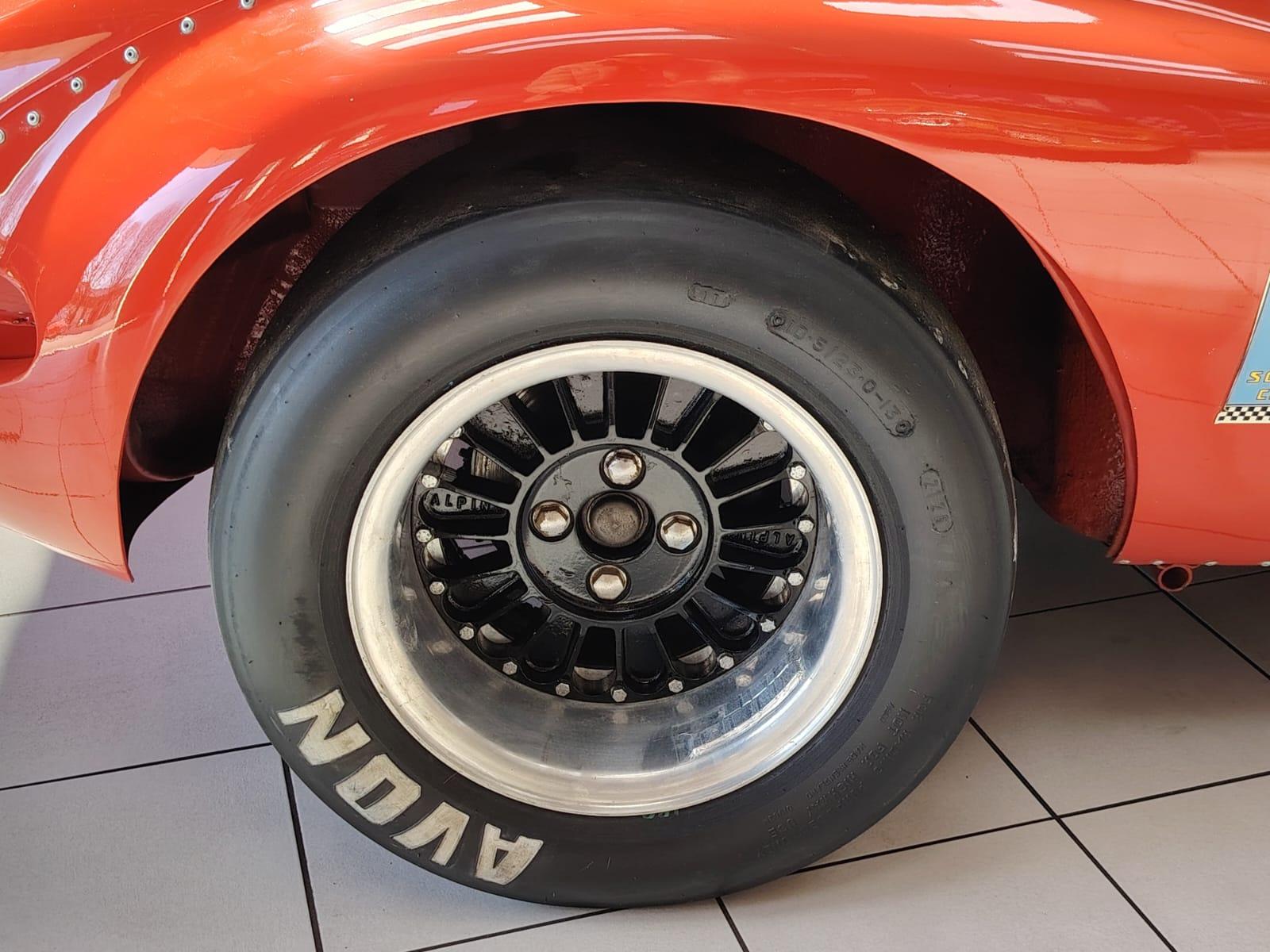
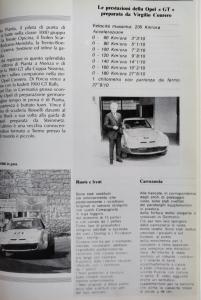
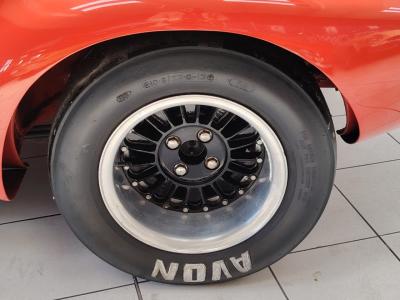
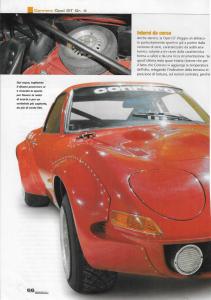
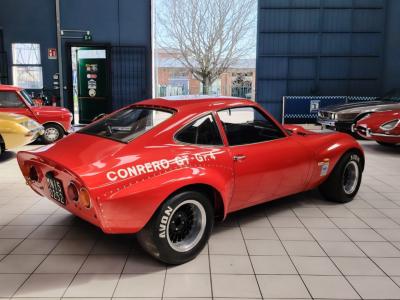
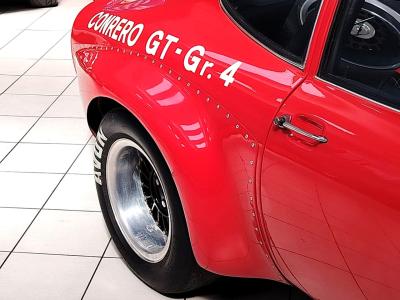
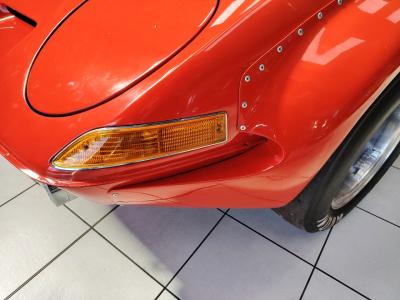
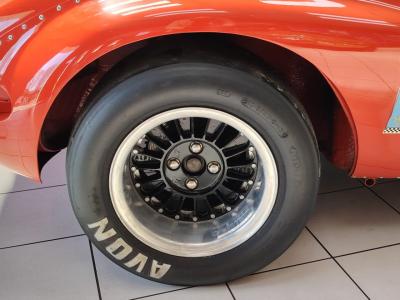
Initially, engine power was increased to 160 hp through standard tuning, while the fenders were widened with riveted Steinmetz wheel arches and Campagnolo wheels replaced the originals.
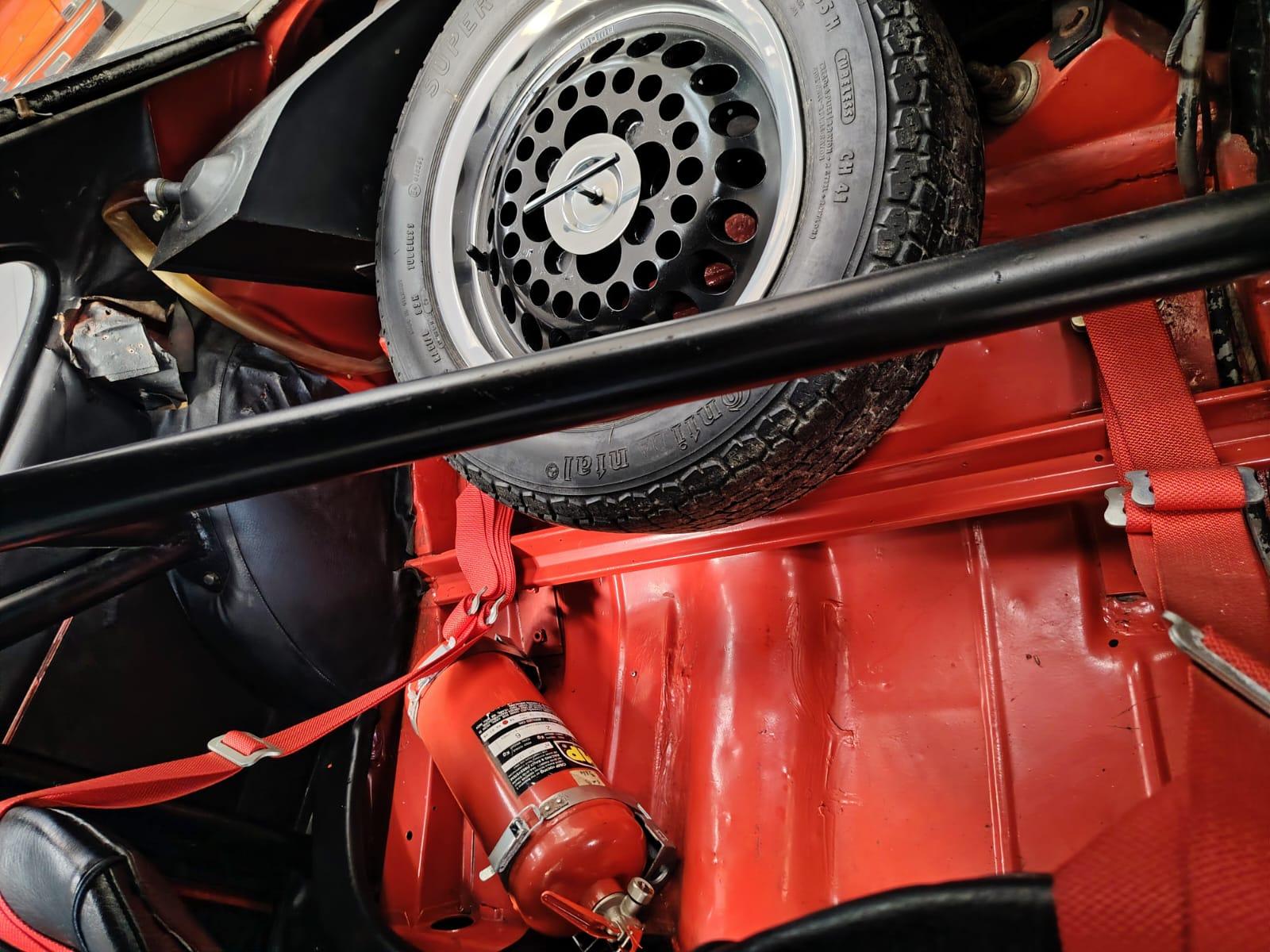
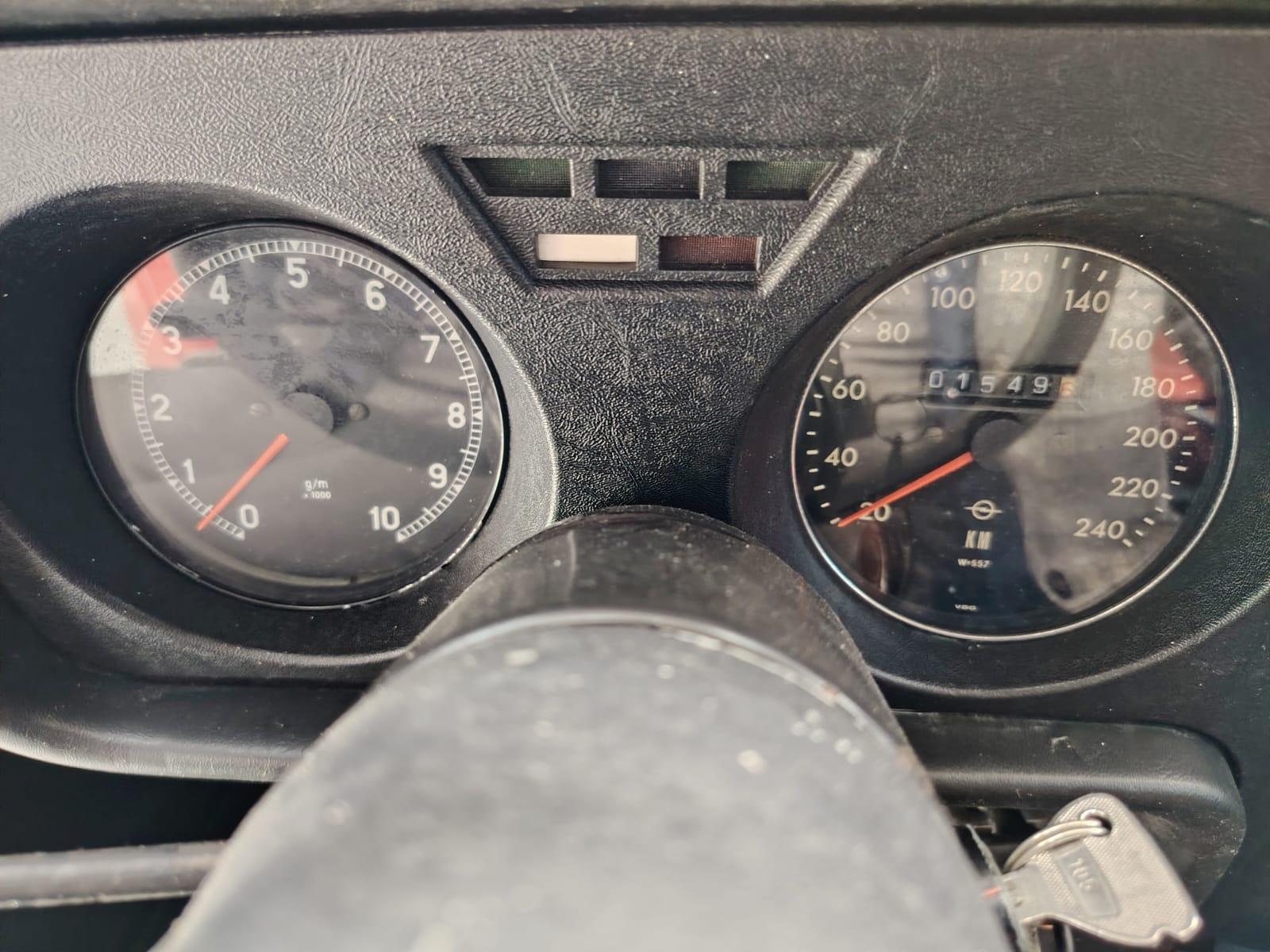
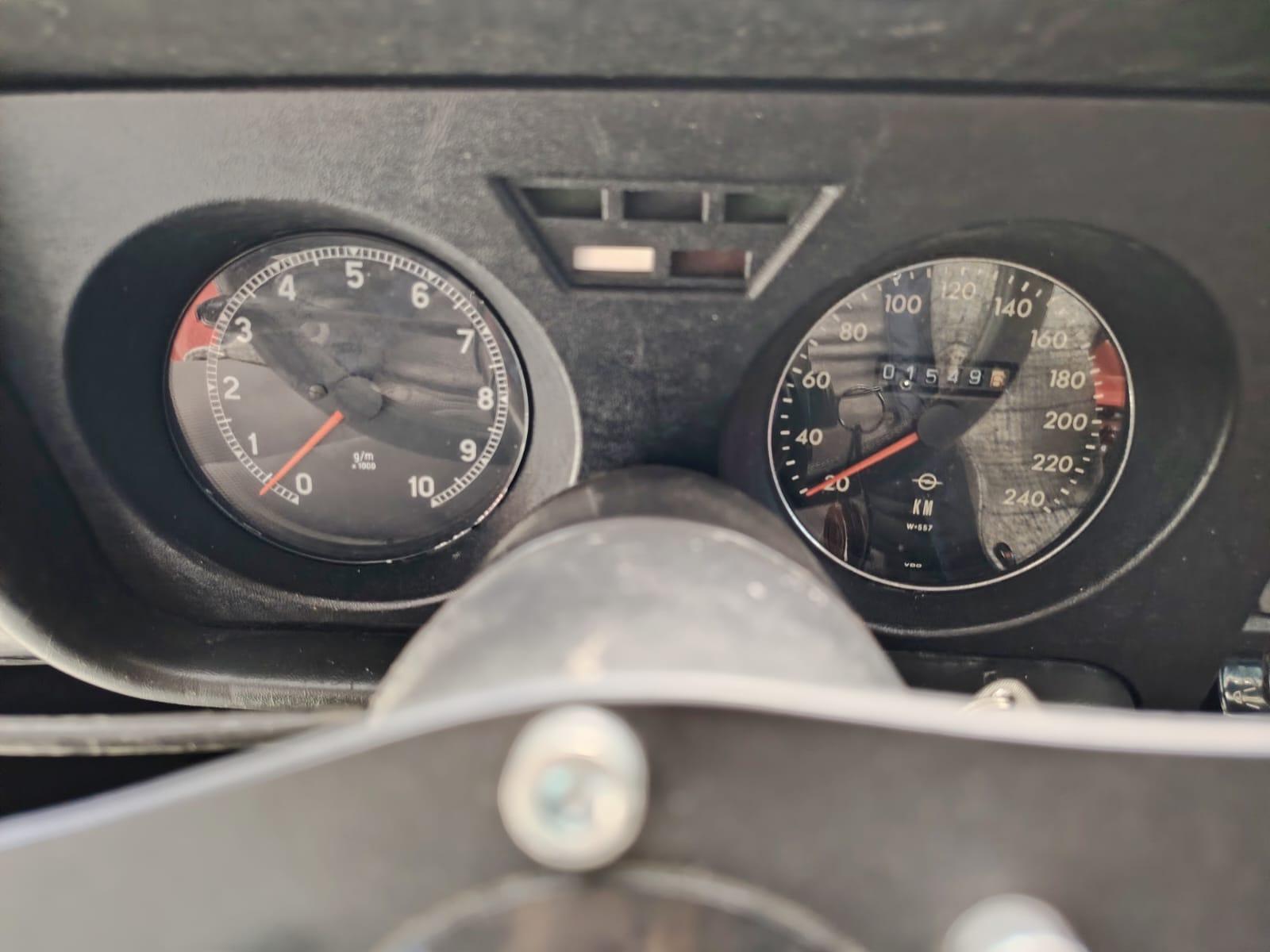
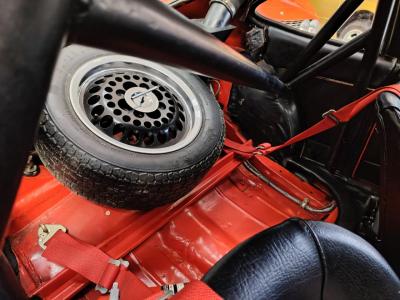
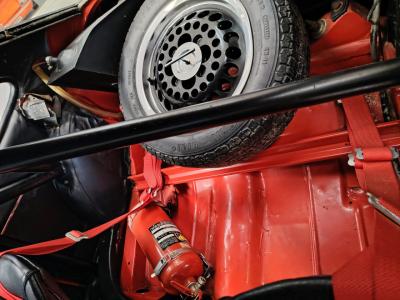
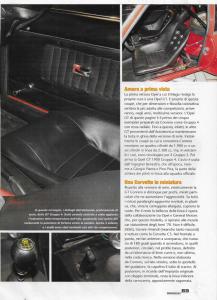
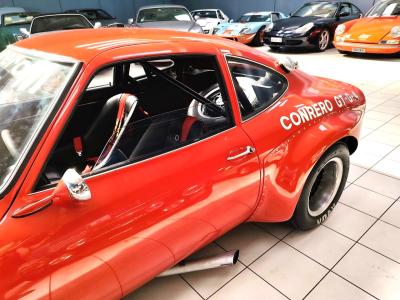
The driver's seat was replaced with a Fusina bucket seat without a headrest.
The car had no limited-slip differential and no roll bar, and the brakes, fuel tank, suspension, and transmission were initially left in their original state.
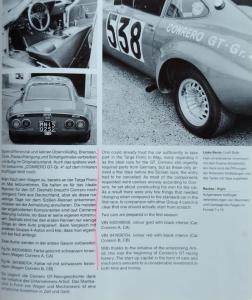
One could already trust the car enough to enter the Targa Florio in May, considered by many the ideal race for GT cars.
Conrero still urgently needed parts from Germany, but since they would arrive only a few days before the Sicilian race, the entry had to be canceled.
Since most of the required components were deemed unnecessary by Conrero, he began building his own parts for the car.
As a result, only a few things needed to be changed from the standard car for the first race.
Compared with other Group 4 cars, it was clear they effectively had to start from scratch.
Two cars were prepared in the first season:
VIN 942040850, gold color with black interior (Conrero A)
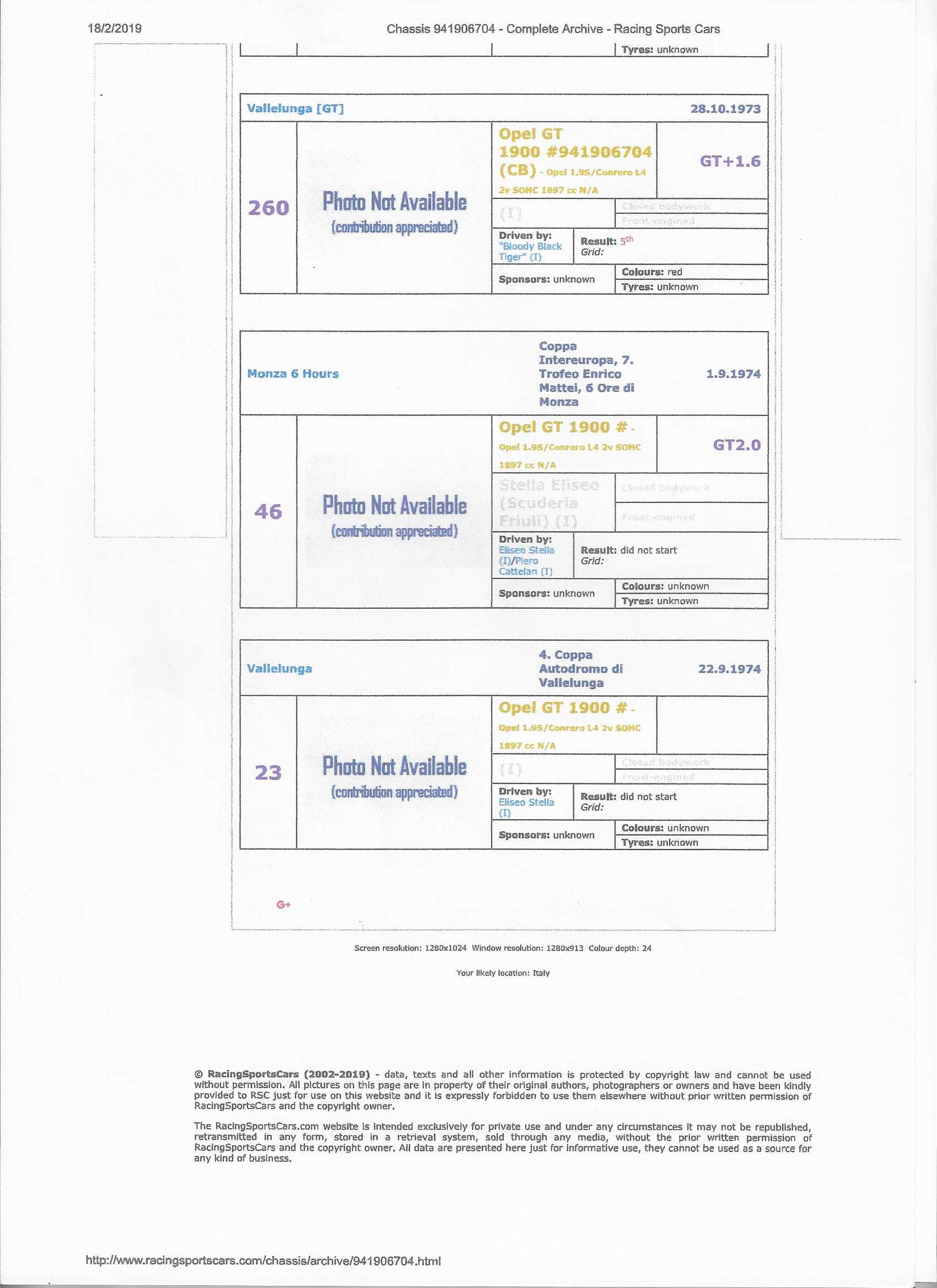
VIN 941906704, red color with black interior (Conrero B)
Thanks to the enterprising Artioli, this marked the beginning of the Conrero GT racing history.
The initial capital, in the form of cars and mechanics, represented a considerable investment in time and money.
Races in 1970
Bolzano-Mendola “Corsa della Mendola” 1970
For the first time, on June 28, a Conrero Opel GT took part in a race near Artioli's garage.
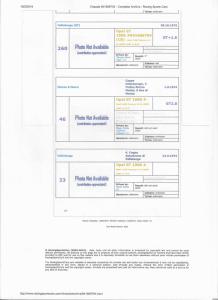
Both GTs were entered before modifications were completed, one with local driver Augusto de Paoli (#246) from Merano, and the other with Gianpaolo Benedini (#250).
However, only the gold car actually competed, with De Paoli at the wheel.
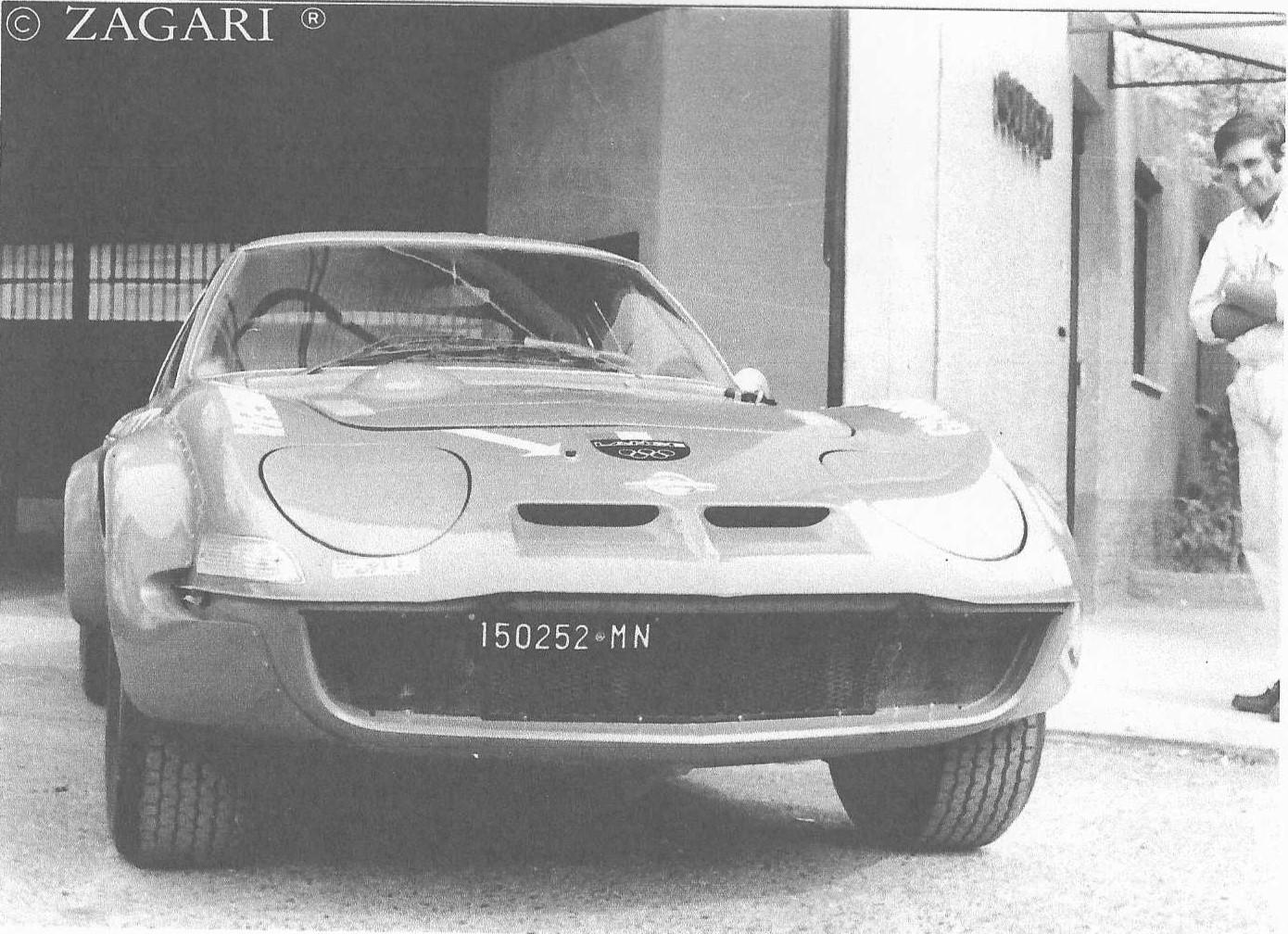
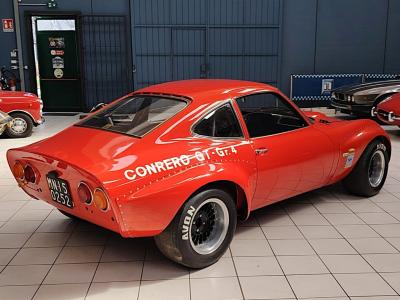
Curiously, according to sales documents, both cars had been sold by the 1000 Miglia garage to those drivers, resulting in the following plates: the red car (MN150252) from Mantua, where Benedini lived, and the gold car (BZ134426) from Bolzano, belonging to De Paoli.
While qualifying took place in the rain on Saturday, the race on Sunday was run in dry conditions.
De Paoli's report on the car was not very favorable, as it moved erratically and the original brakes were terrible.
Over the 14.4 km mountain course, the brakes barely worked and the pads were completely worn out.
Despite these issues, the car managed to finish fourth in the 2.0-liter class thanks to the driver's familiarity with the course, allowing him to beat several Porsches.
Mugello Grand Prix 1970
In 1970, the Grand Prix was held for the last time at Mugello, a road circuit dating back to 1920, often called the “Mini Targa Florio,” which included part of the Mille Miglia route.
Modern safety regulations brought an end to this chapter of Italian motorsport history.
The 1970 race was part of the European Championship for sports cars and prototypes up to 2.0L, as well as GT cars.
That year, the distance was reduced from 8 to 5 laps for more than 100 cars, including teams like Abarth, Lola, and Chevron, alongside Porsche, Alfa Romeo, and Lancia.
Conrero was confident in the cars' progress over the previous 14 days: gears had been changed, new springs and shock absorbers installed, and repositioned higher on the rear axle.
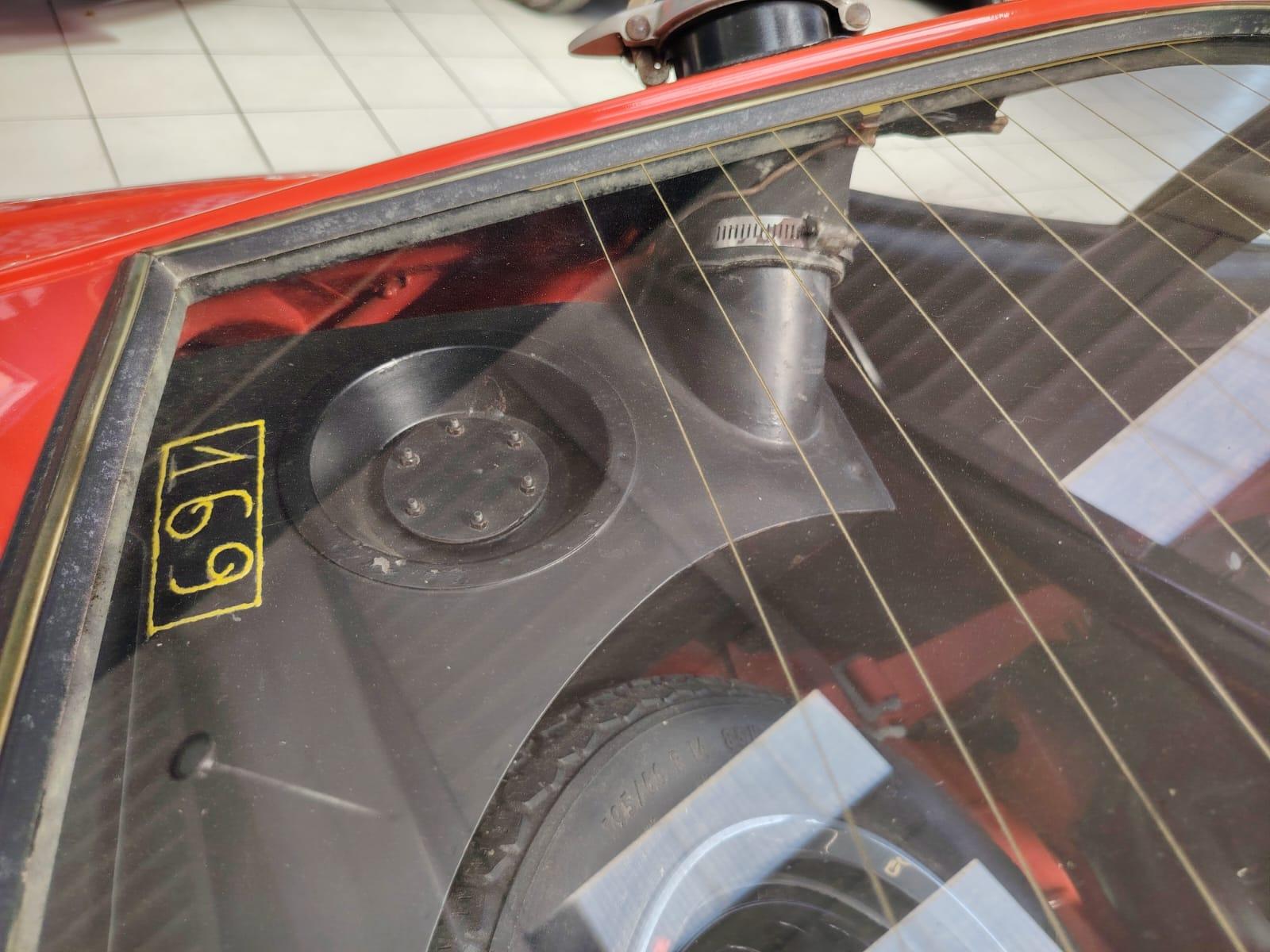
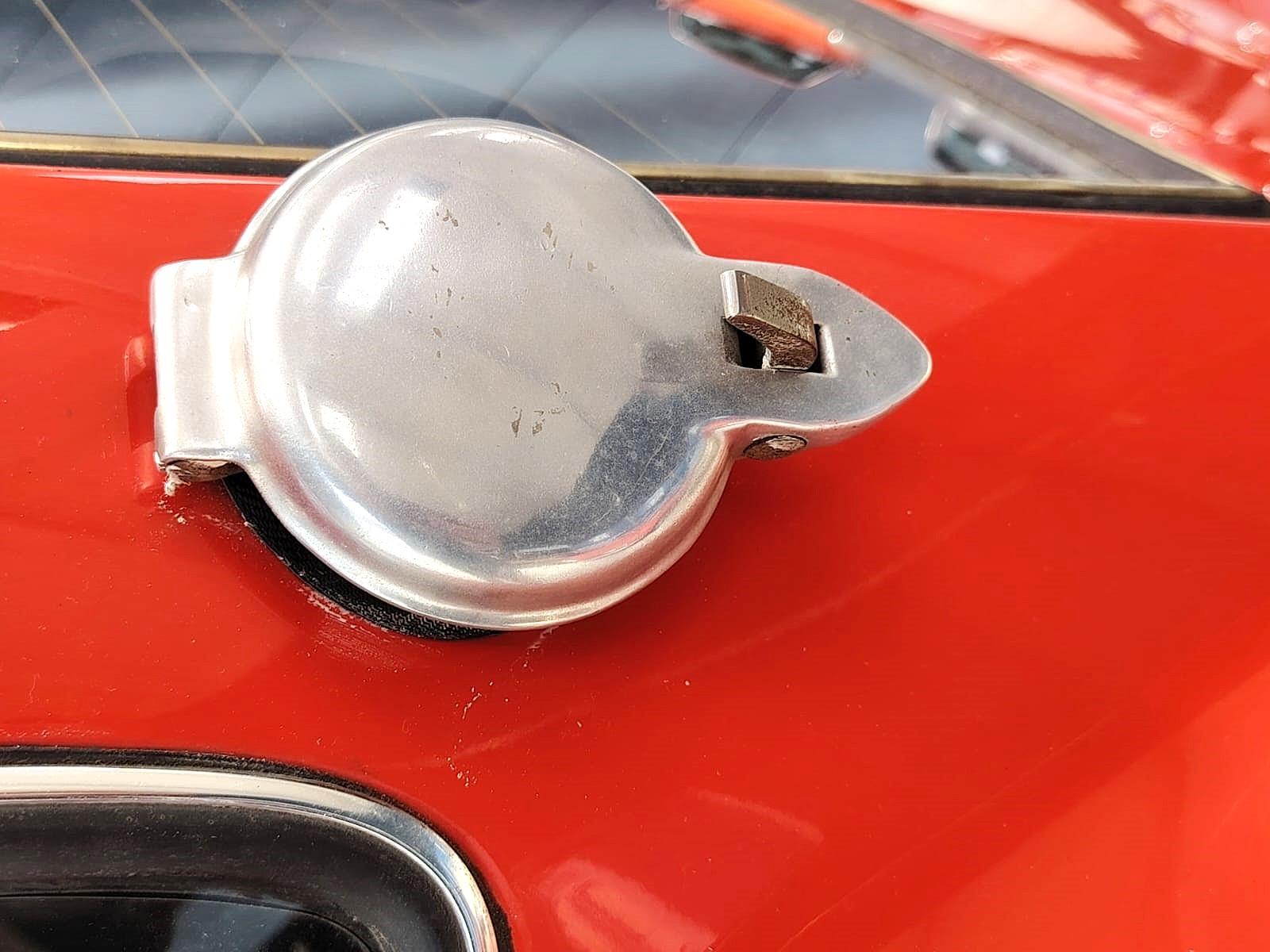
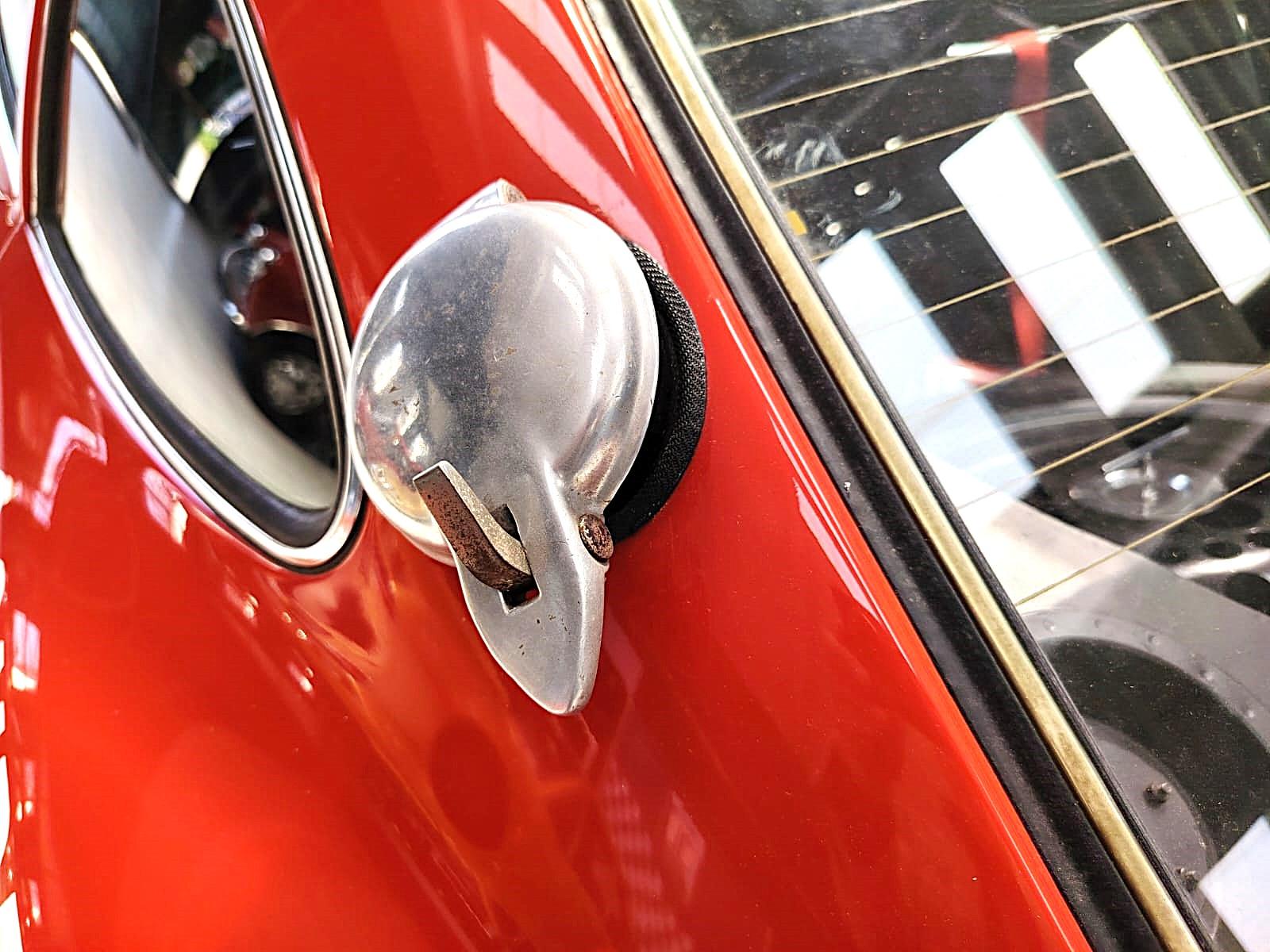
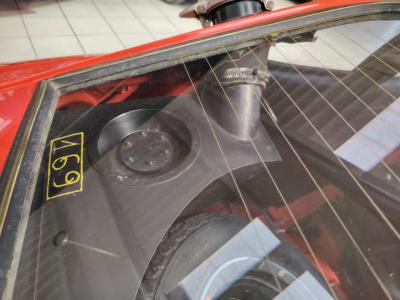
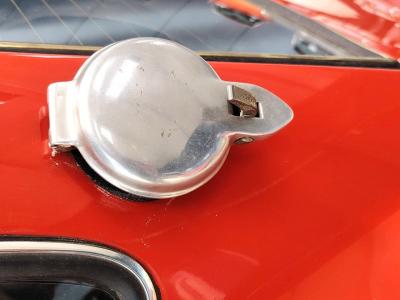
Lateral movement of the rear axle under load was prevented by installing uniball joints, and a larger fuel tank with C-pillar filling was added.
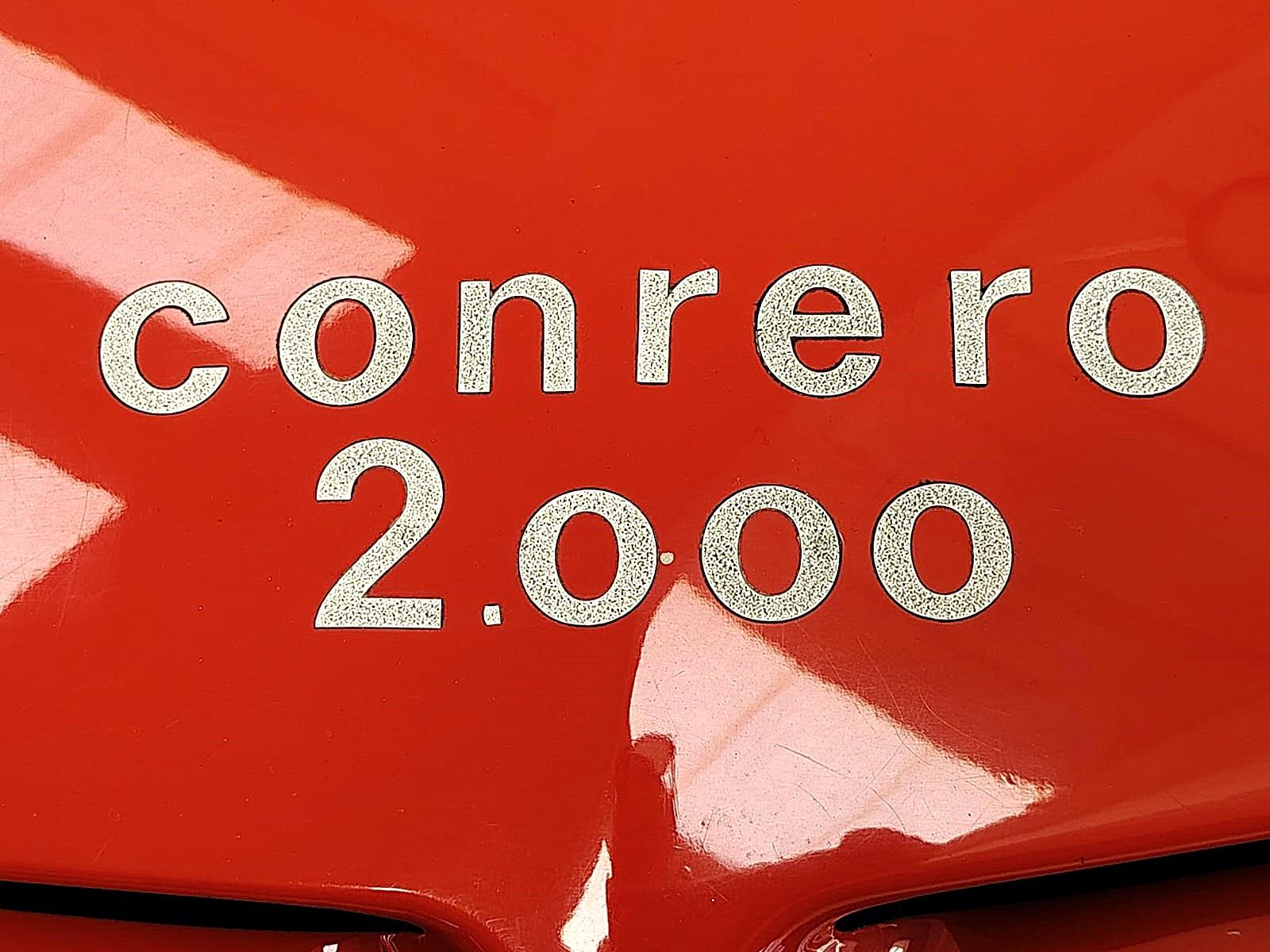
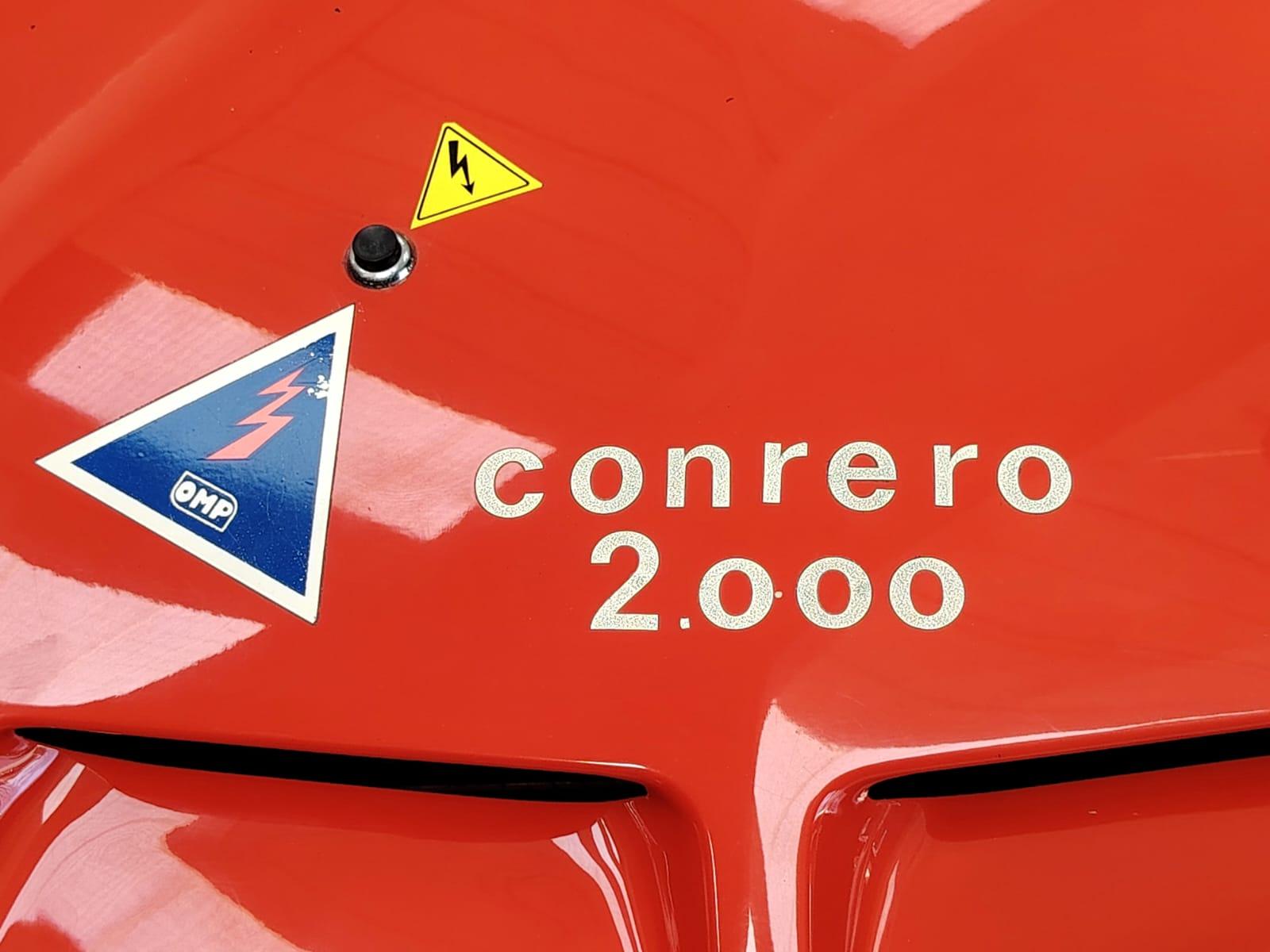
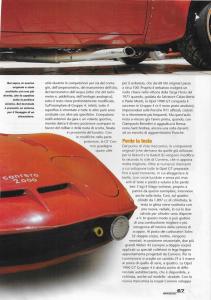
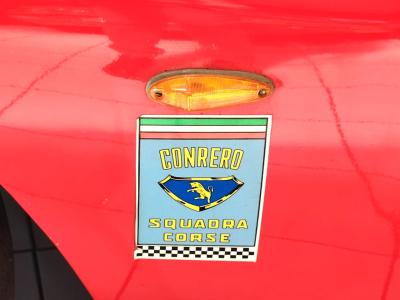
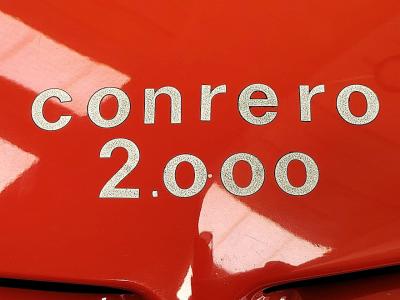
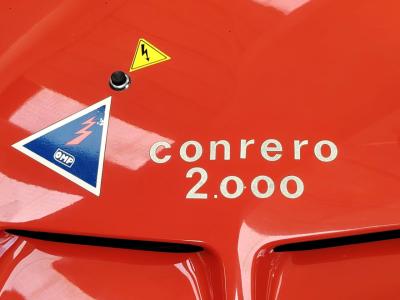
For the first time, Virgilio placed white stickers on the rear fenders reading “CONRERO GT-Gr.4” as a signature of his work.
The red GT now showed a peak output of 174 hp on the dyno.
Both GTs were entered so late they were not even included in the official program.
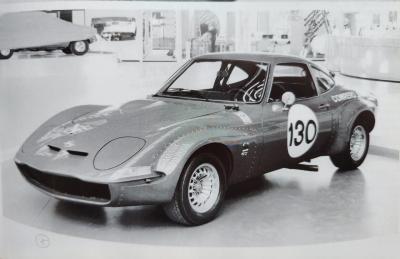
Even so, they were assigned race numbers: 128 for the gold GT driven by De Paoli, and 130 for the red GT, newly revised, driven by Benedini.
It was Opel versus an army of Porsches.
During practice, the car still had the original brakes fitted, but De Paoli was not only a great driver but also a skilled mechanic.
He recalled that Steinmetz had requested ventilated brakes, which arrived by air only on the day of practice, forcing him to work late to install them on both cars.
Due to the long distance (66.2 km), illegal practice sessions had been repeatedly organized in the weeks before the race, but after a fatal accident, police were deployed along the entire route to prevent them.
Nevertheless, De Paoli was given a standard GT, which he drove with his pregnant wife so she could take notes for the race.
When stopped by police and asked if he was a driver, he pointed to his wife and said they were tourists.
They continued their journey, but due to the heat, numerous corners, and pregnancy, the woman felt unwell.
Once again, the brakes were completely worn out by the end of the trip.
Unfortunately, all their efforts went unrewarded, as De Paoli was forced to retire on the second lap of the race on Sunday, July 19, due to valve damage.
Meanwhile, Giampaolo Benedini drove impressively and finished in first place, beating 12 Porsches (911 and 914/6).
Autosprint magazine featured the headline: “Opel beats Porsche.”
The fuel tank proved to be a major advantage, allowing the driver to complete the race without refueling.
Porsche, on the other hand, had to stop to refuel and change drivers.
The finish was very close, with the GT just over 7 seconds ahead of the second-place Porsche.
Brake performance remained the main issue: “With these brakes, slowing down was impossible,” Benedini told Artioli in the pits after finishing.
Artioli replied: “If you had better brakes, you wouldn't have gone so fast in the corners—and you wouldn't have won.”
Only then did Benedini realize he had beaten all the Porsches and was the new, radiant winner.
The overall winner was Arturo Merzario in an Abarth 2000.
Turin Motor Show 11/8/1970
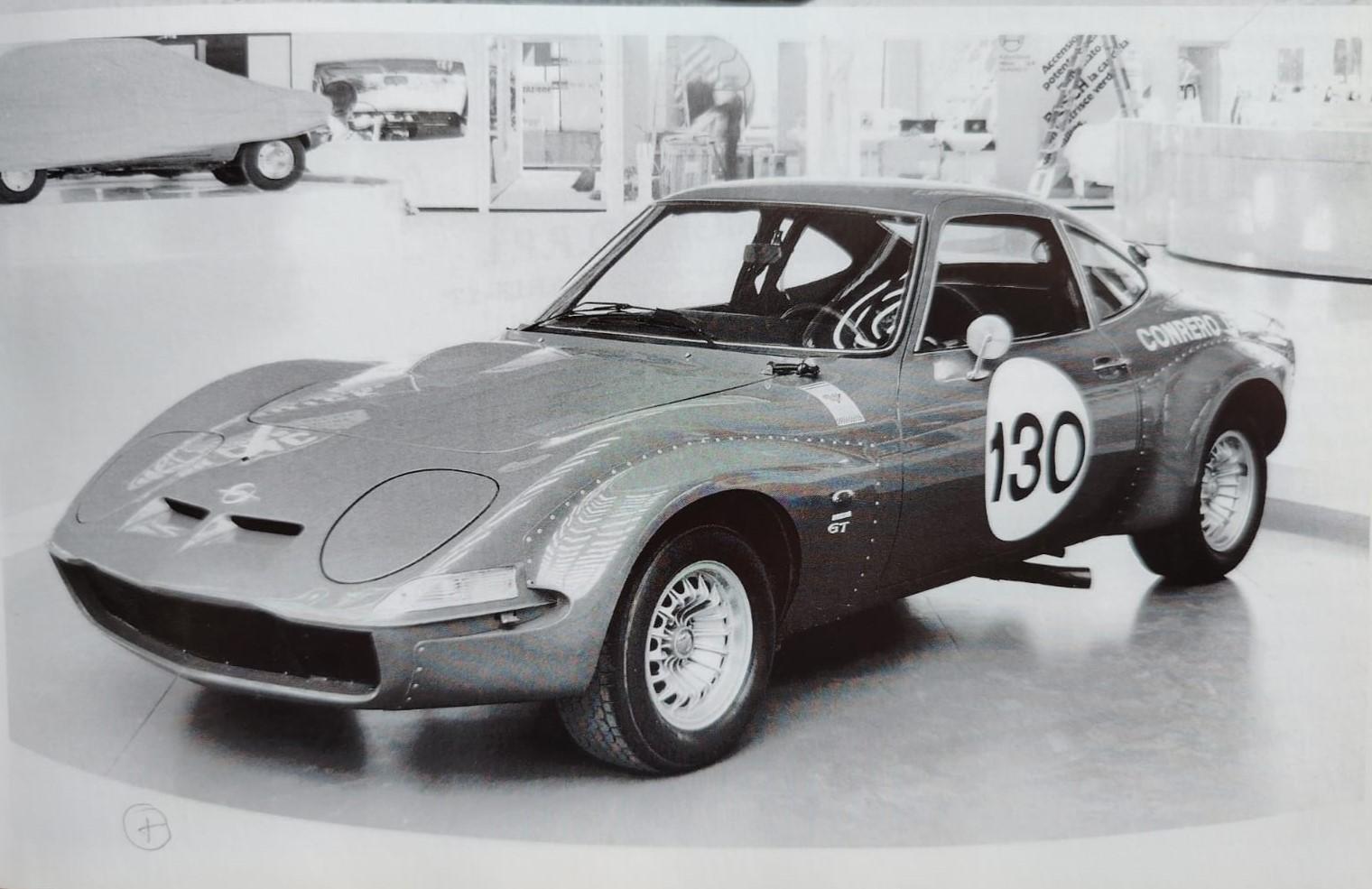
Conrero was honored at the 1970 Turin Motor Show with the red GT at the center of the Opel stand, surrounded by Manta and Ascona models.
The car proudly displayed its Mugello-winning number 130, now black on a white background, and for the show, a second Fusina bucket seat had been installed.
Perhaps GM Italy was already considering forming its own Opel team, as discussions took place regarding Conrero's final separation from Alfa and the expansion of Opel activities.
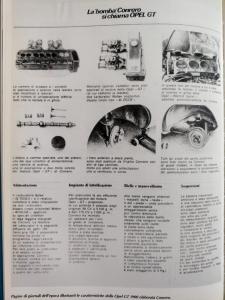
Meanwhile, articles about the new cars appeared, with Autosprint writing “Opel made Conrero” and Autorama declaring “The Conrero bomb is called Opel GT.”
Races in 1971
Coppa A.C. Verona Monza 1971
The team chose the Coppa A.C. Verona at Monza, a round of the Italian championship for Group 2, 4, and 5 vehicles in early May, as the first race of the season.
This was an ideal event to finalize preparations for the Targa Florio.
Three drivers were listed in the program: Paolo Monti (#43) and Pino Pica (#44, CB car), but only two GTs competed against 11 Porsches (10 911s and one 914/6).
Group 4 over 2.0L and Group 5 up to 2.0L raced together.
Pica demonstrated professionalism and the GT's potential by finishing second in class behind Gabriele Gottifredi in a Porsche 911T.
The race ran at an average speed of 172 km/h, with top speeds reaching 180 km/h, but no result is recorded for the second GT.
The third race of the day was particularly interesting for the Conrero team, as the Conrero Commodore appeared in an Italian race for the first time (its debut had been in Barcelona, where Doncell won).
Pianta won his group and class, while the second Commodore, driven by Giancarlo Gagliardi, suffered mechanical problems in ninth place and retired.
Contact Us
