



























































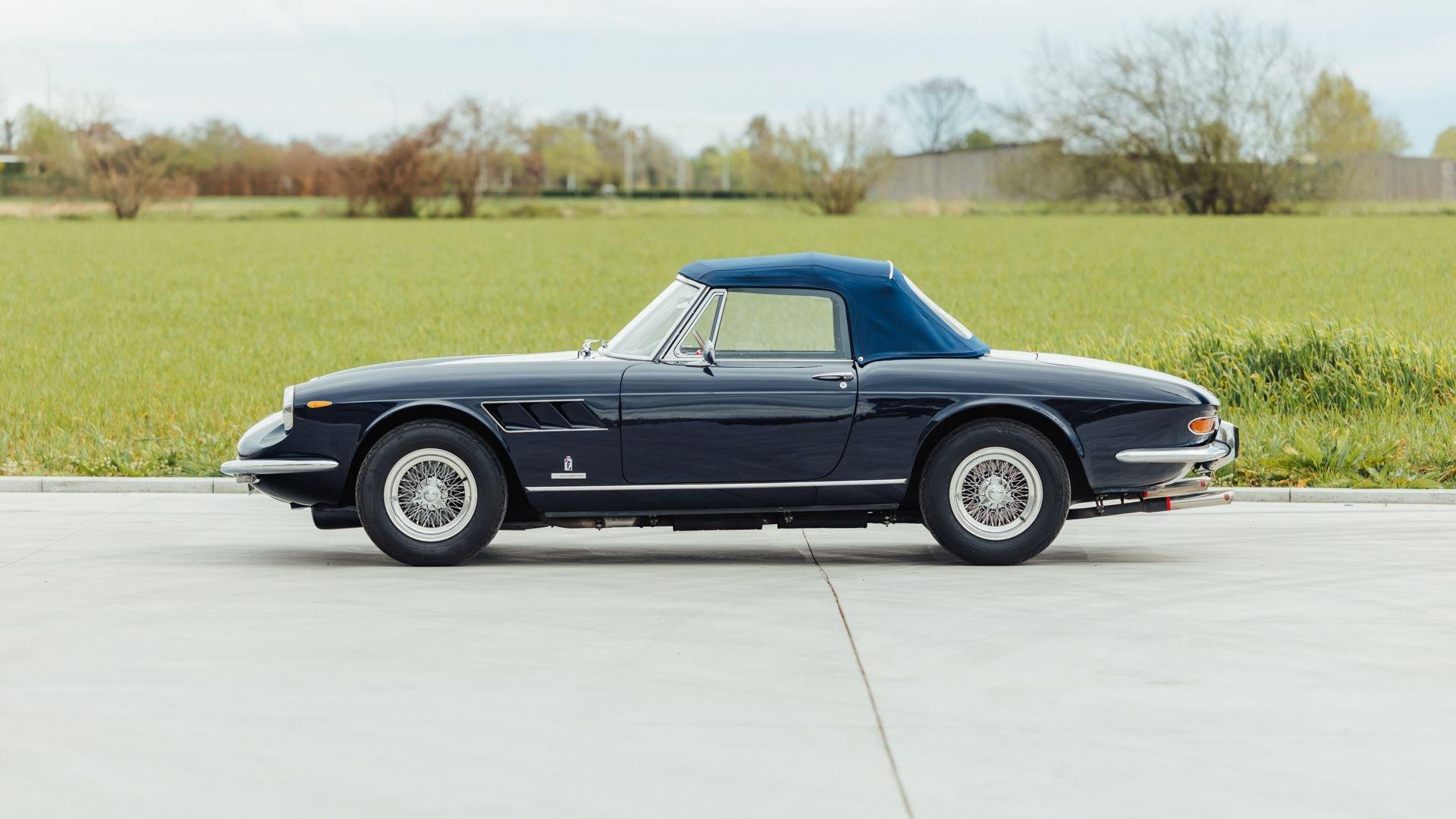
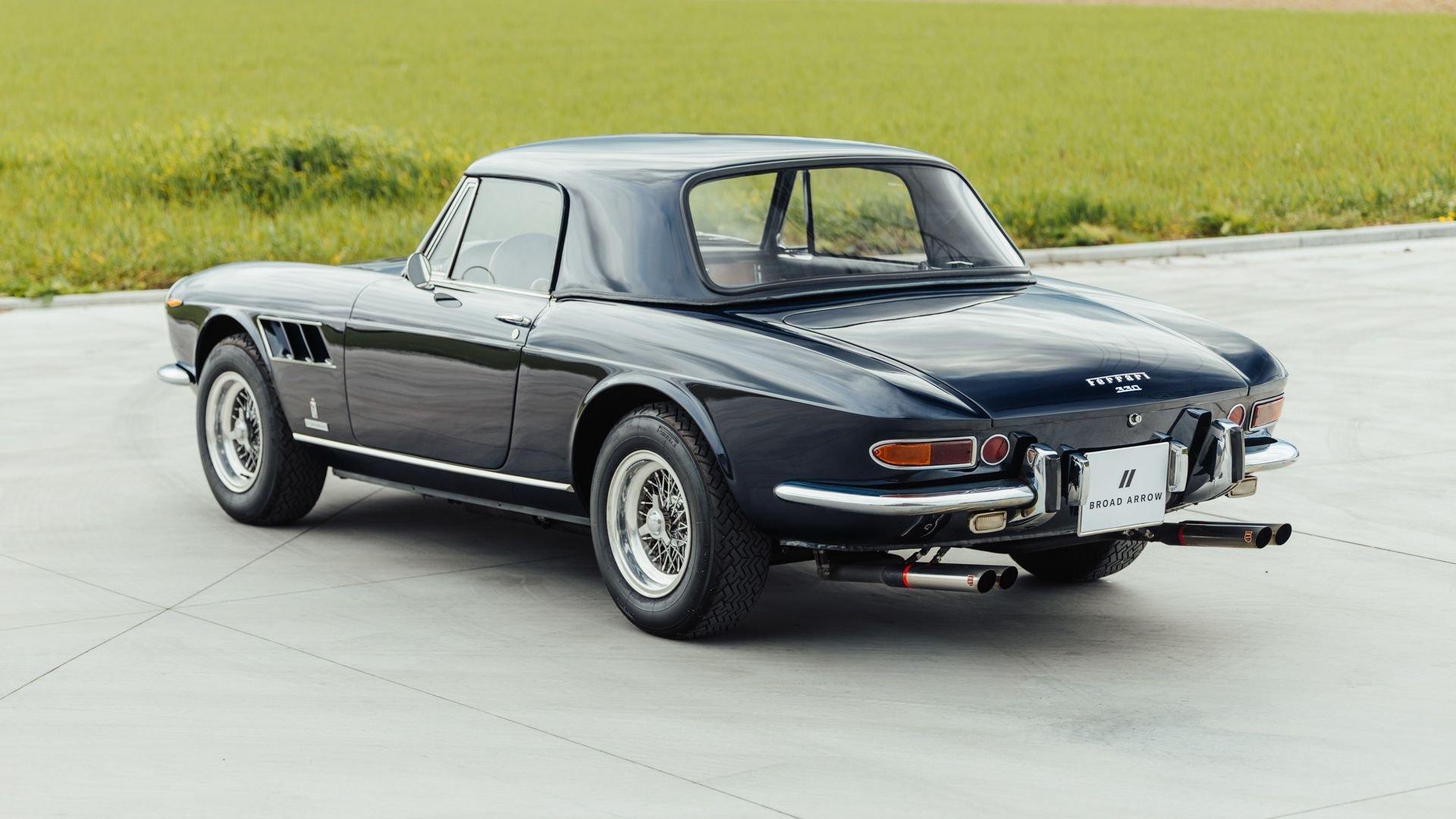
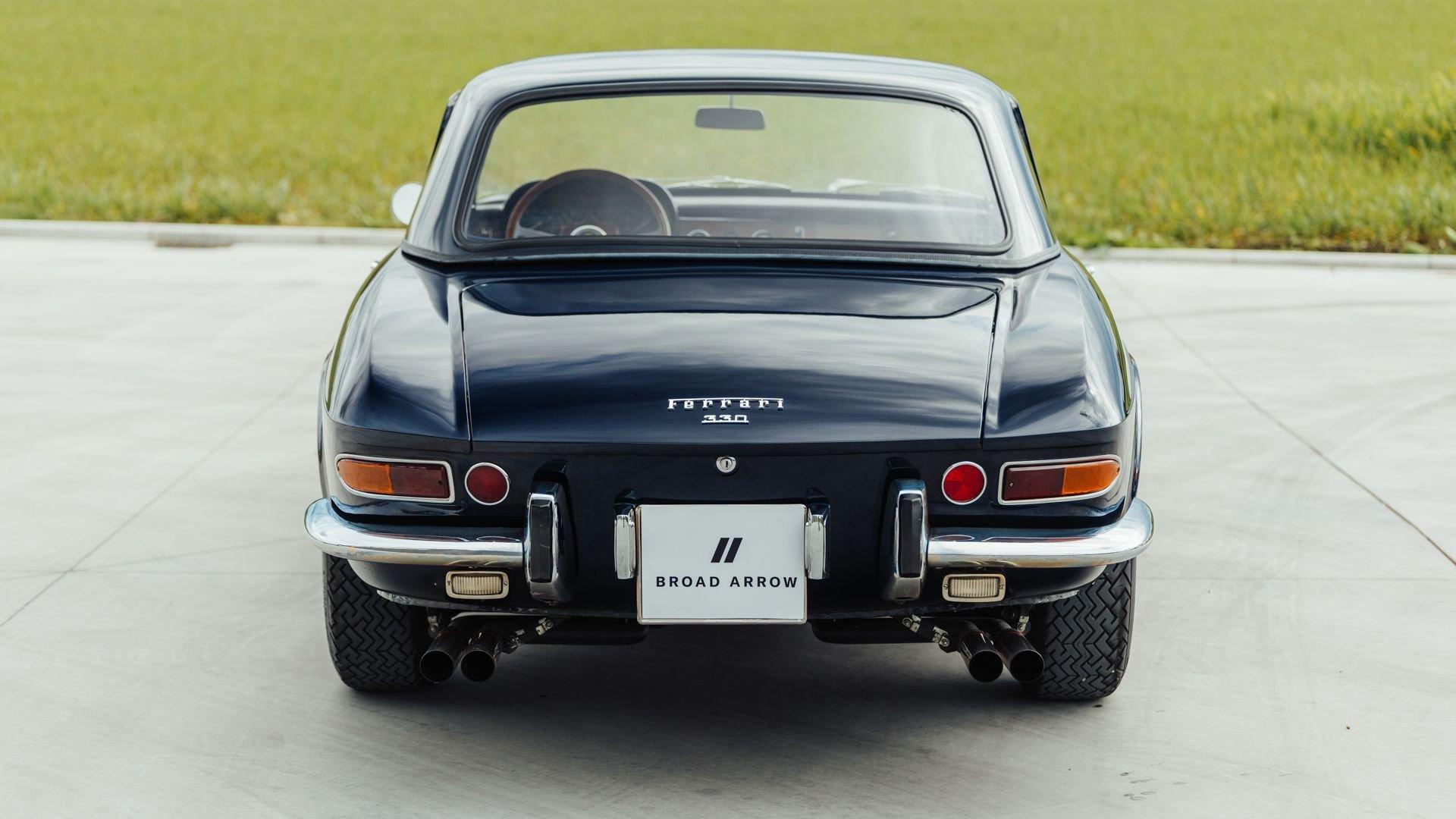
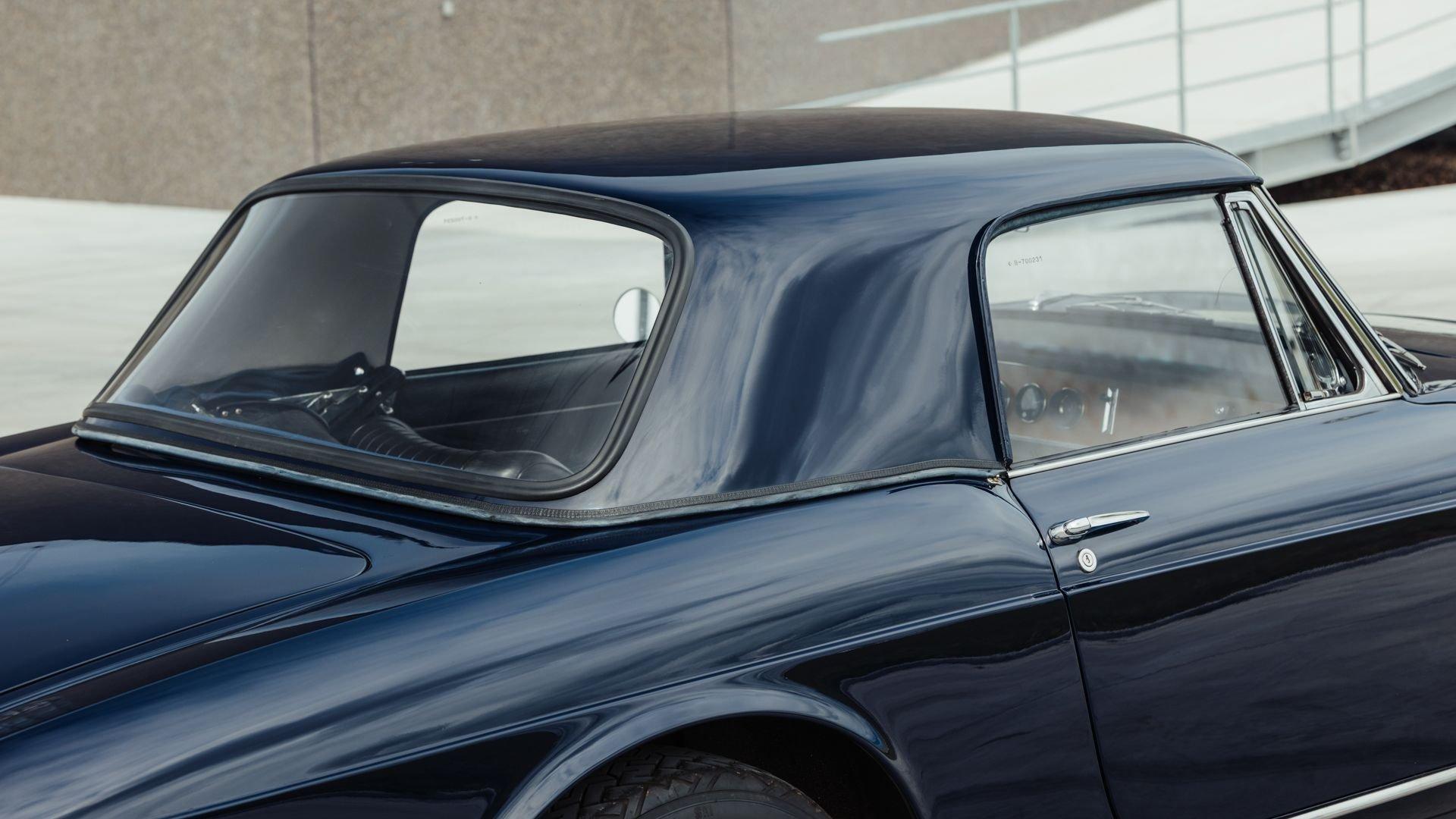
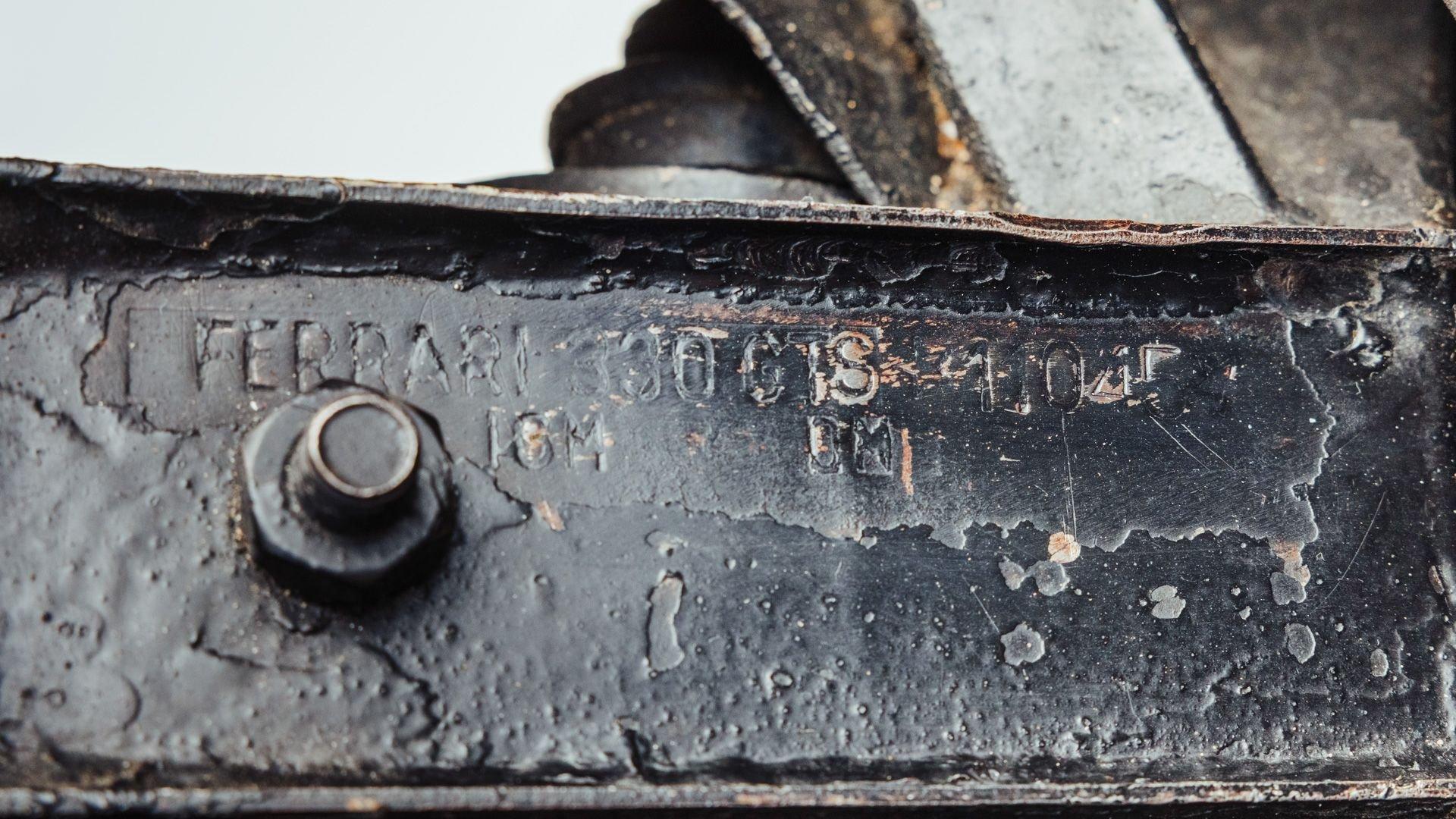
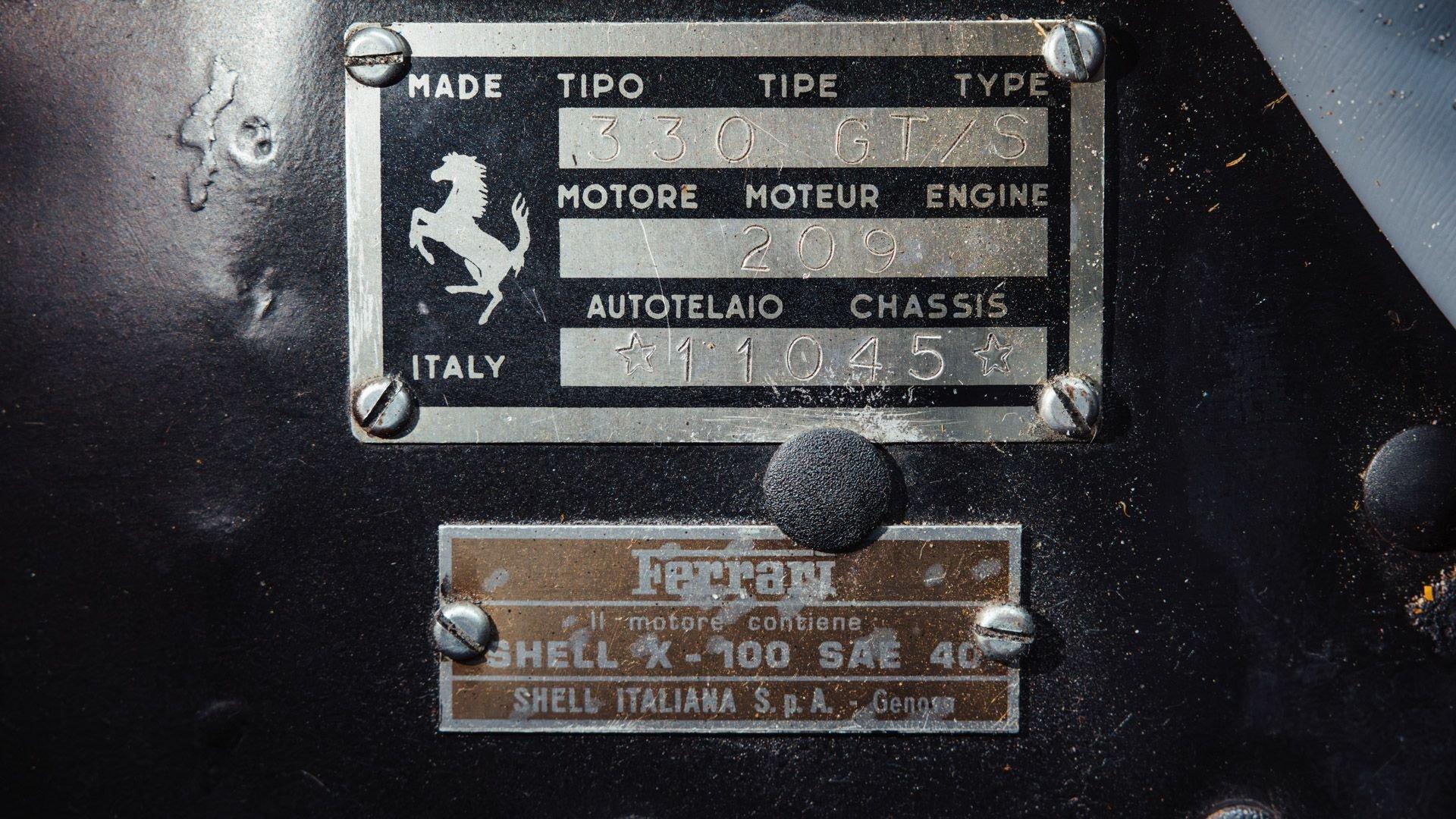
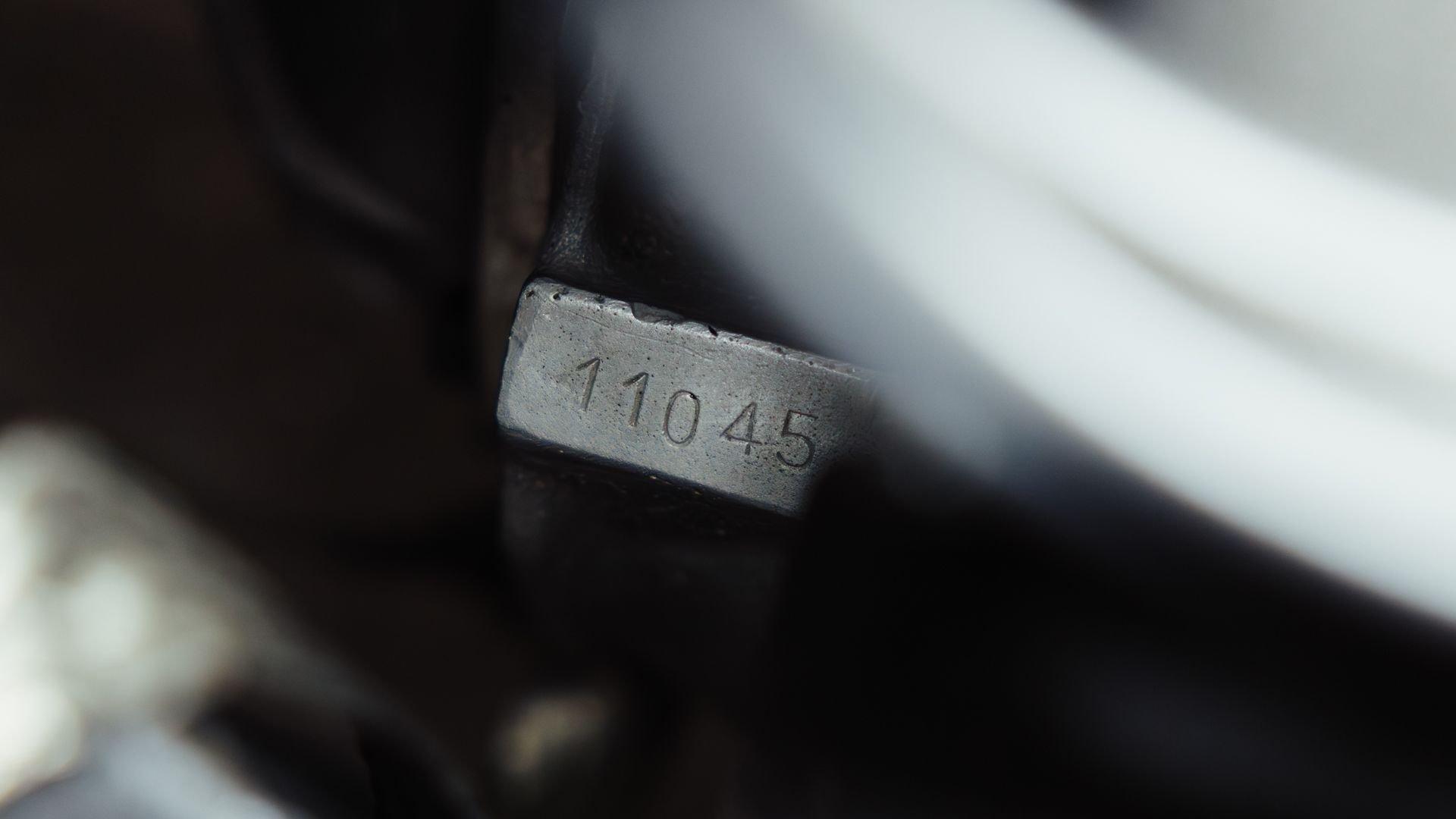
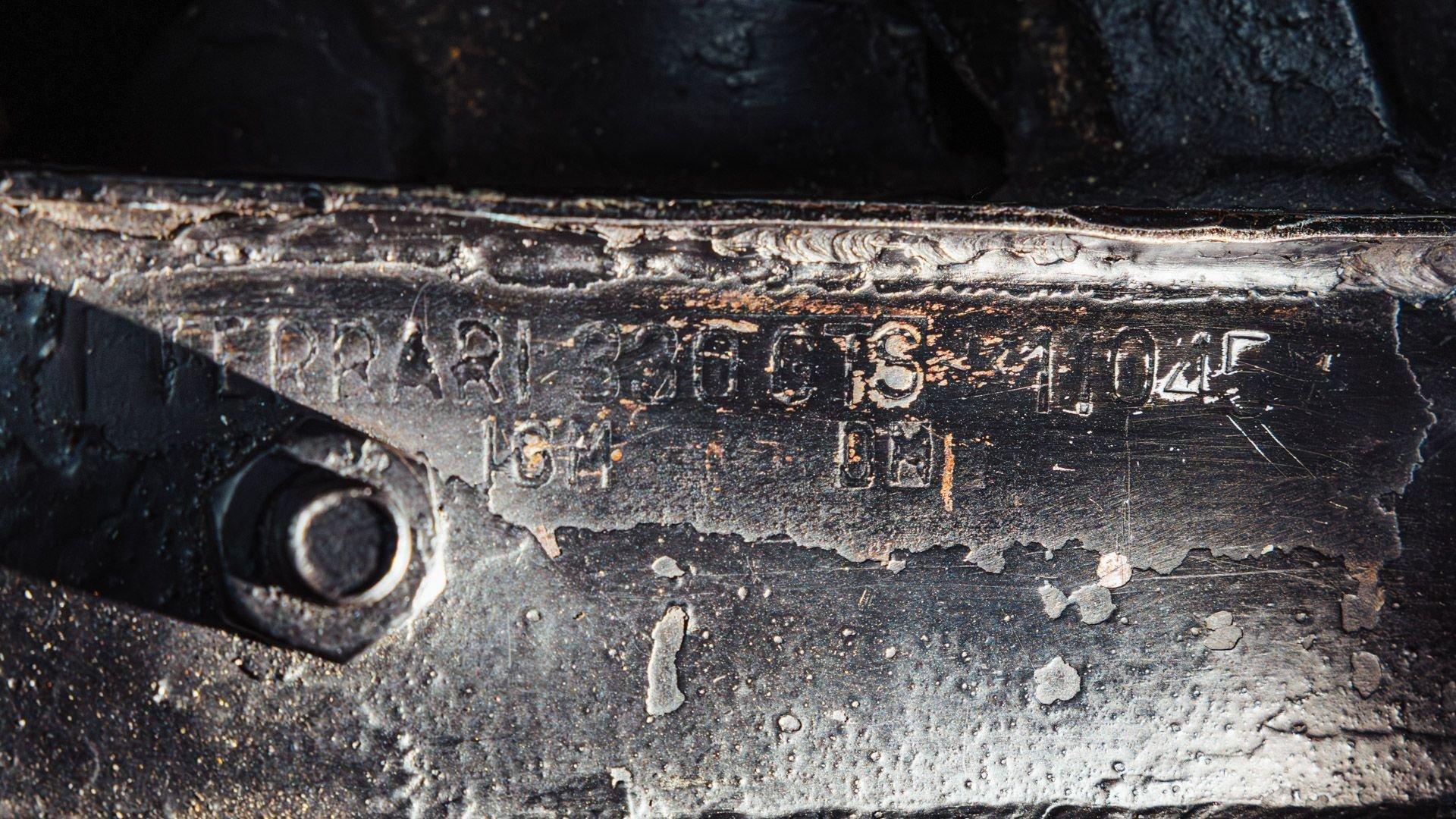
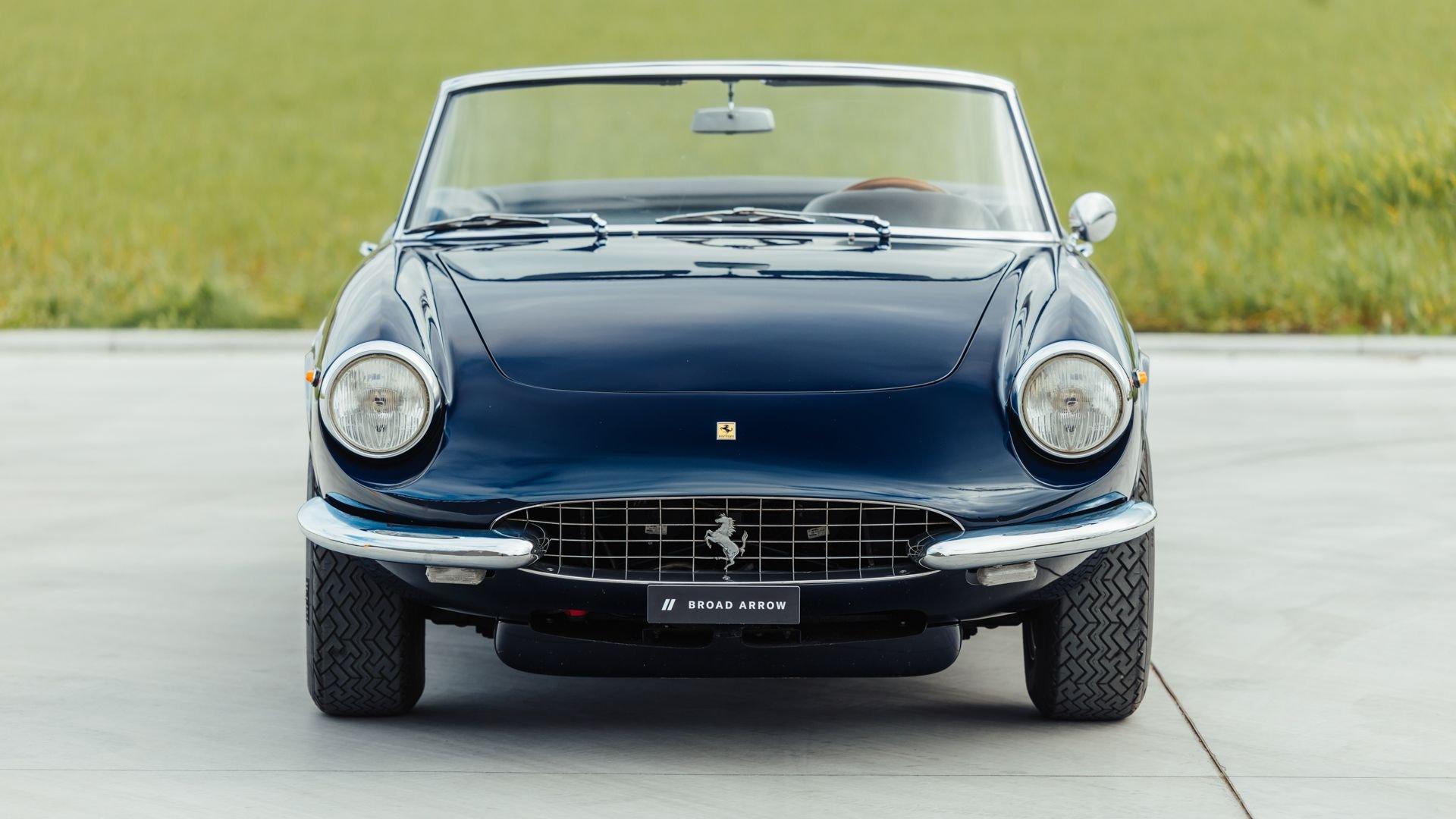
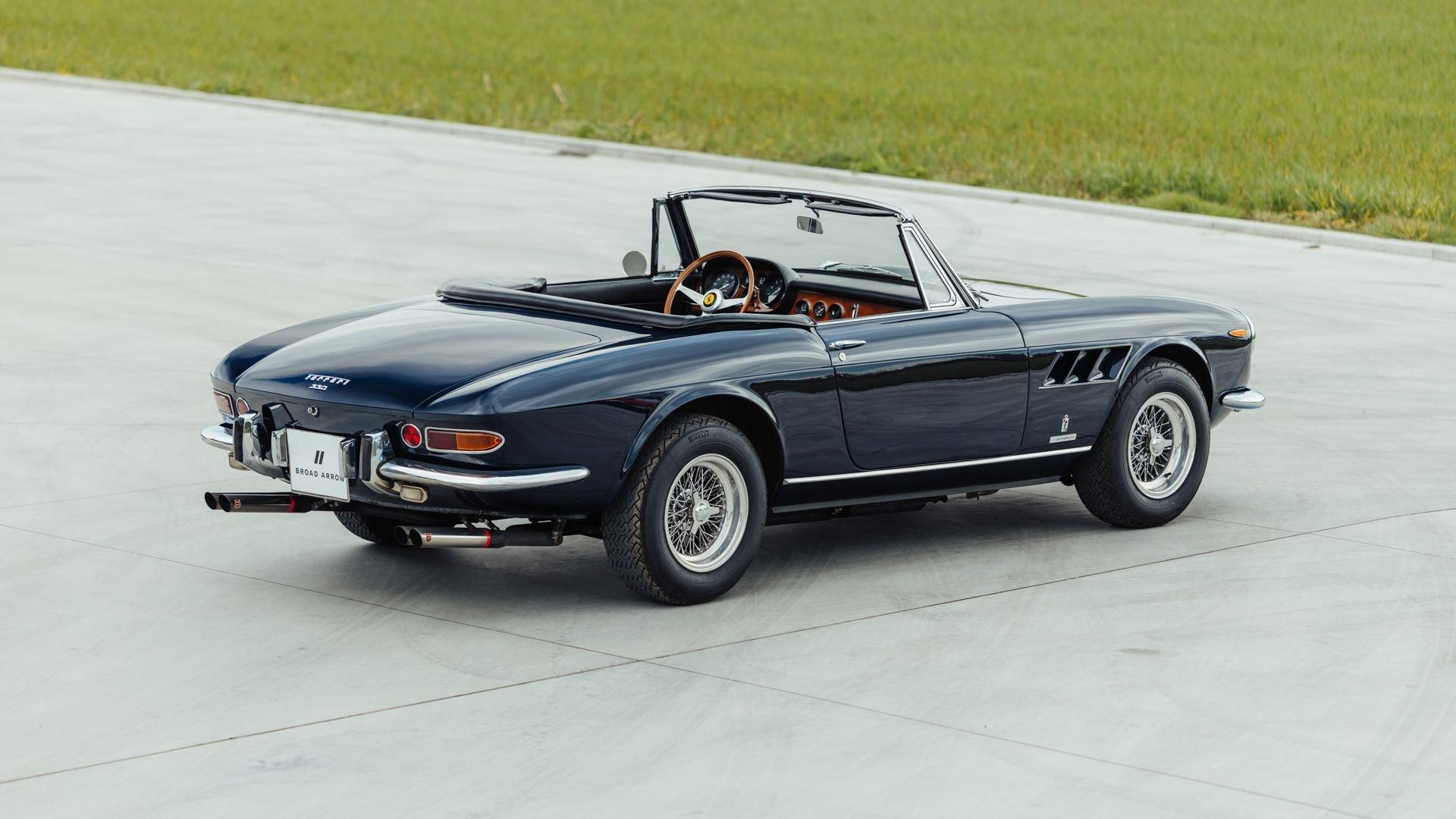
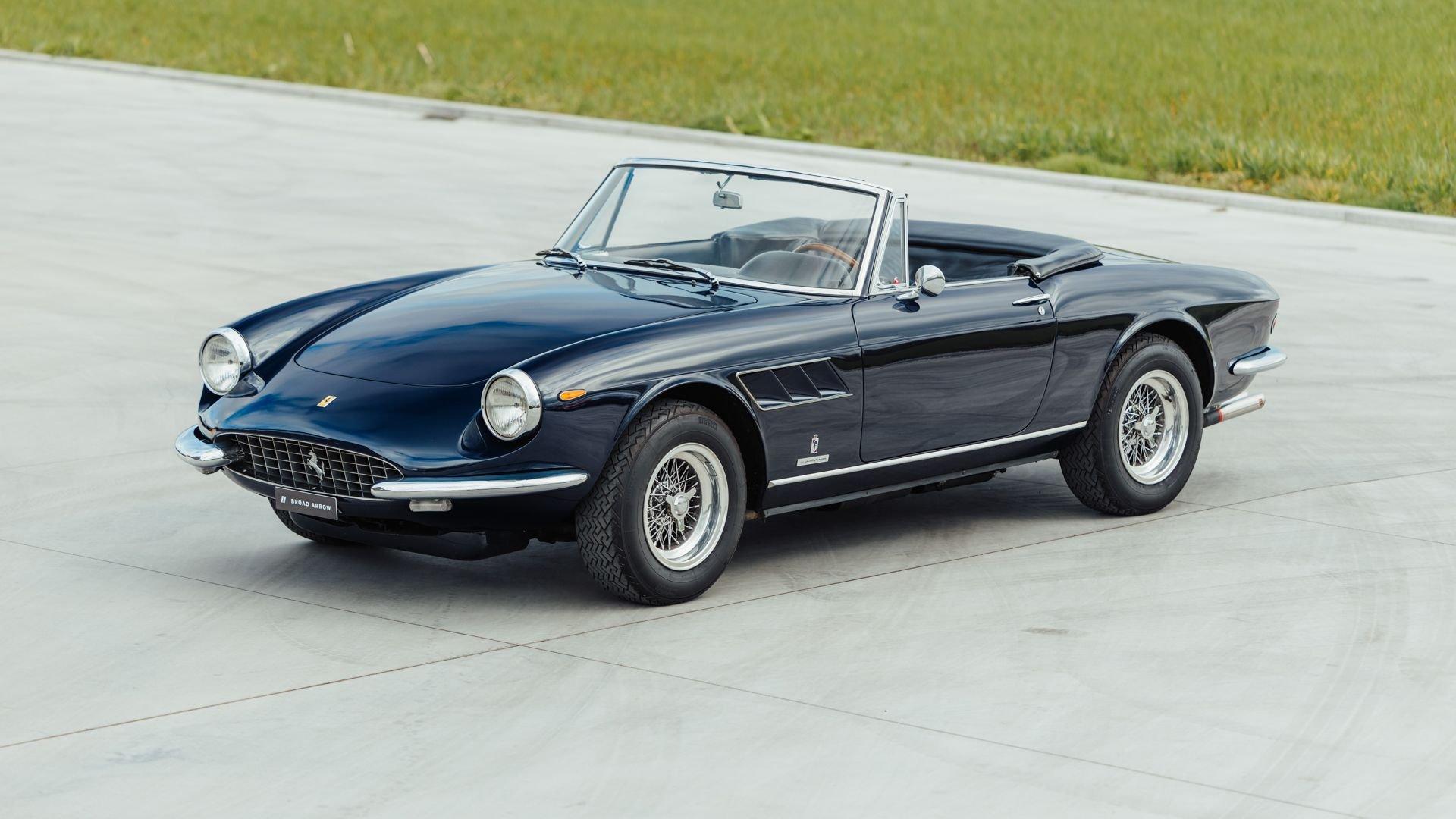
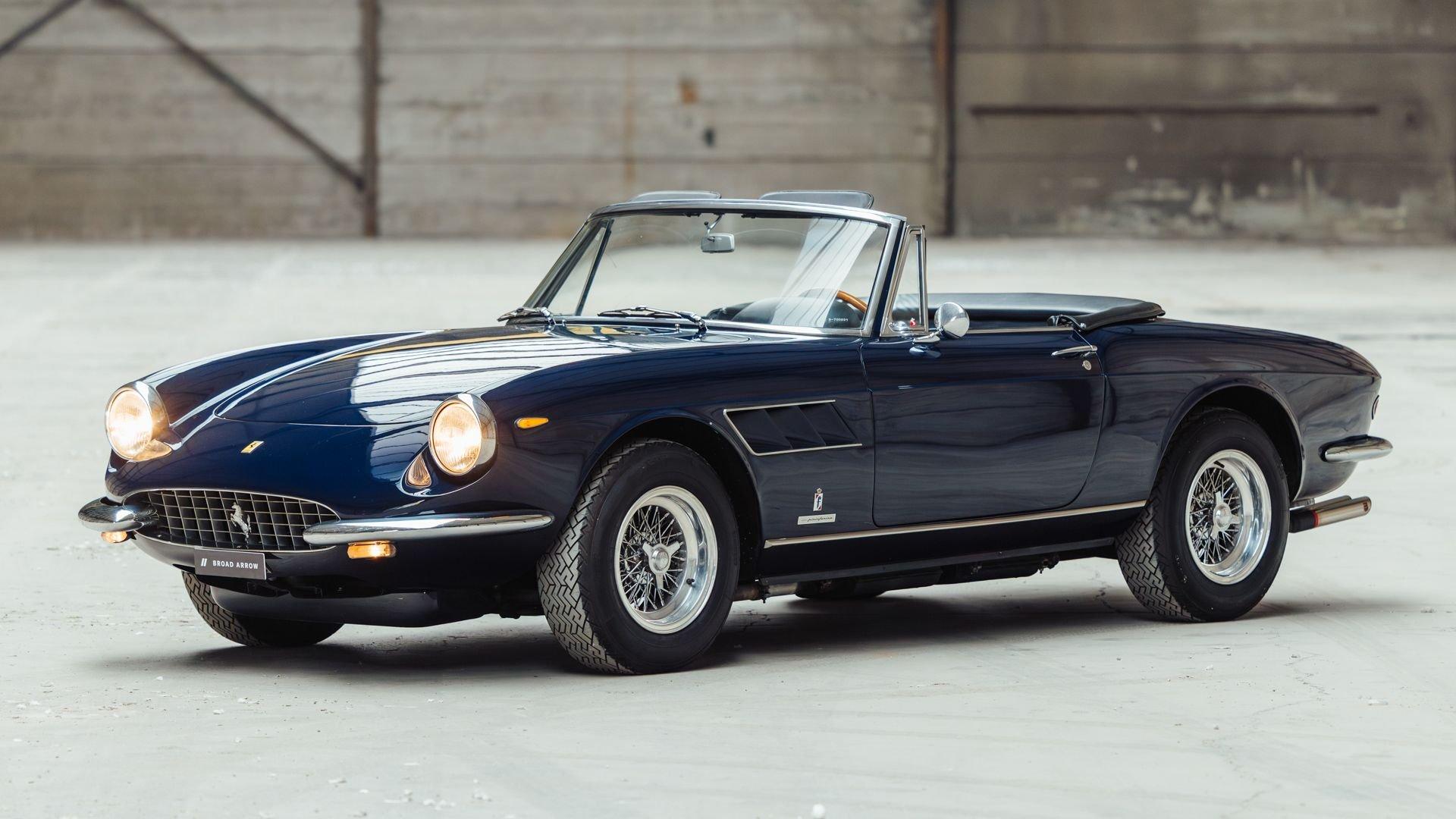
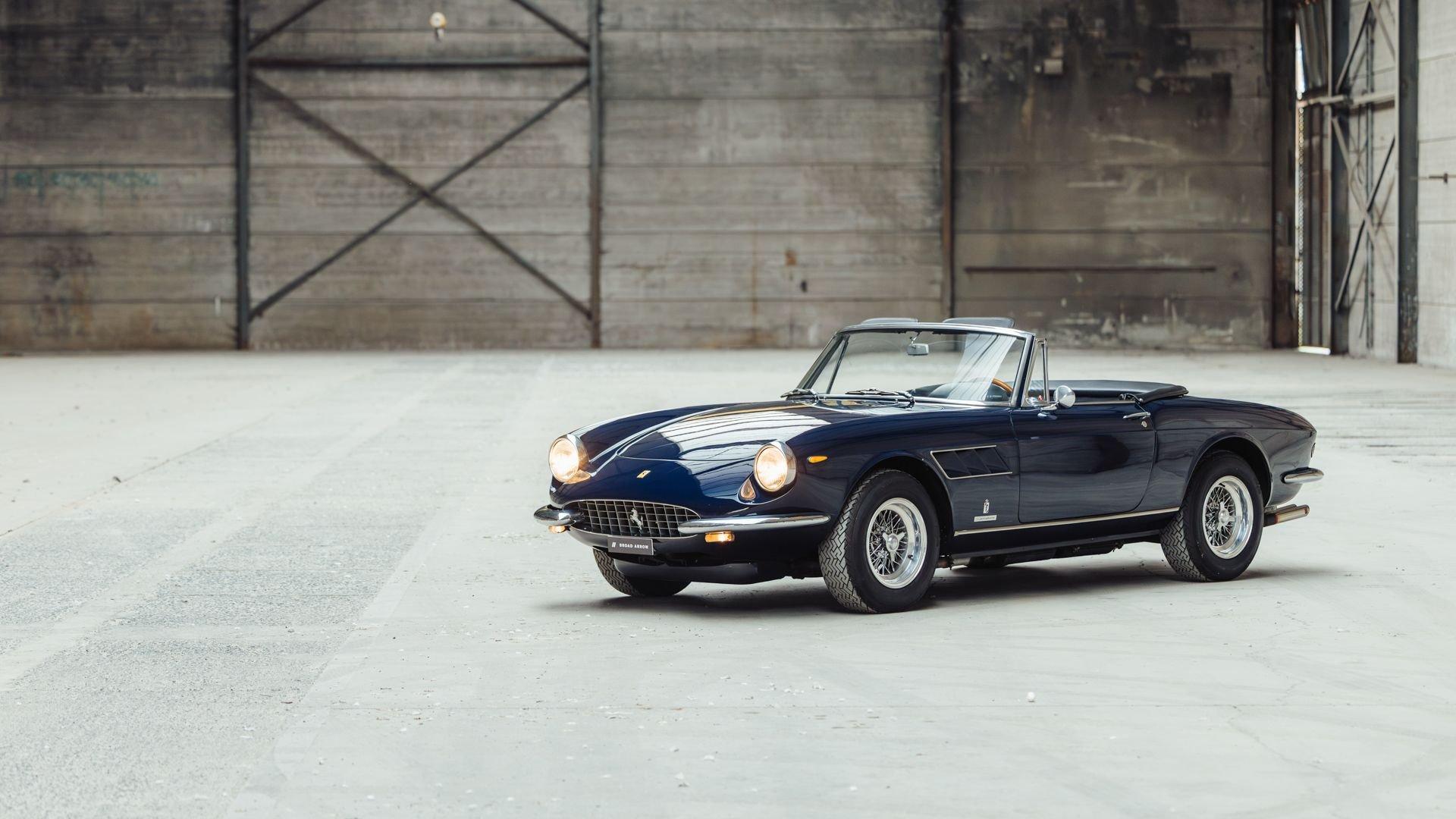
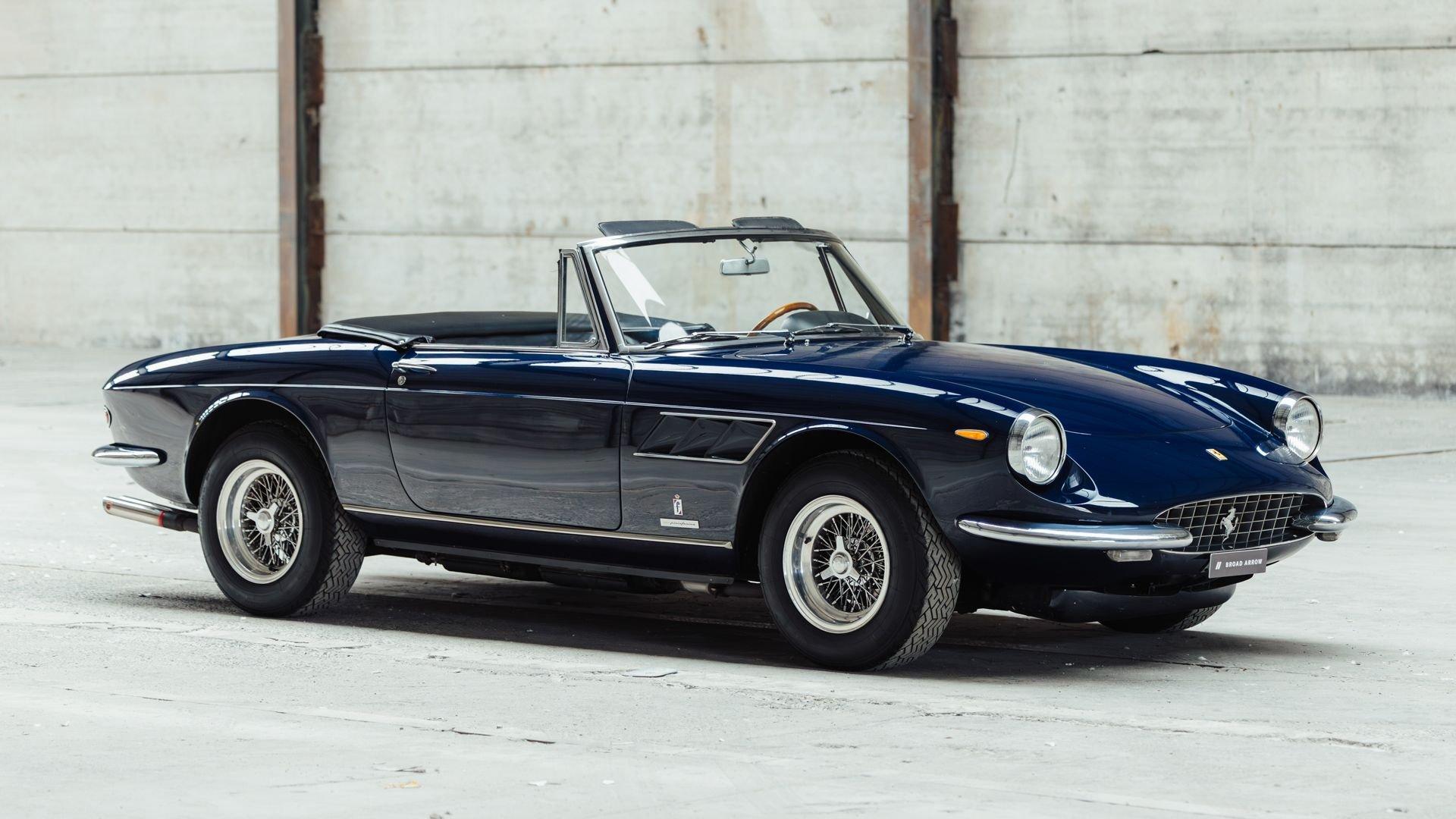
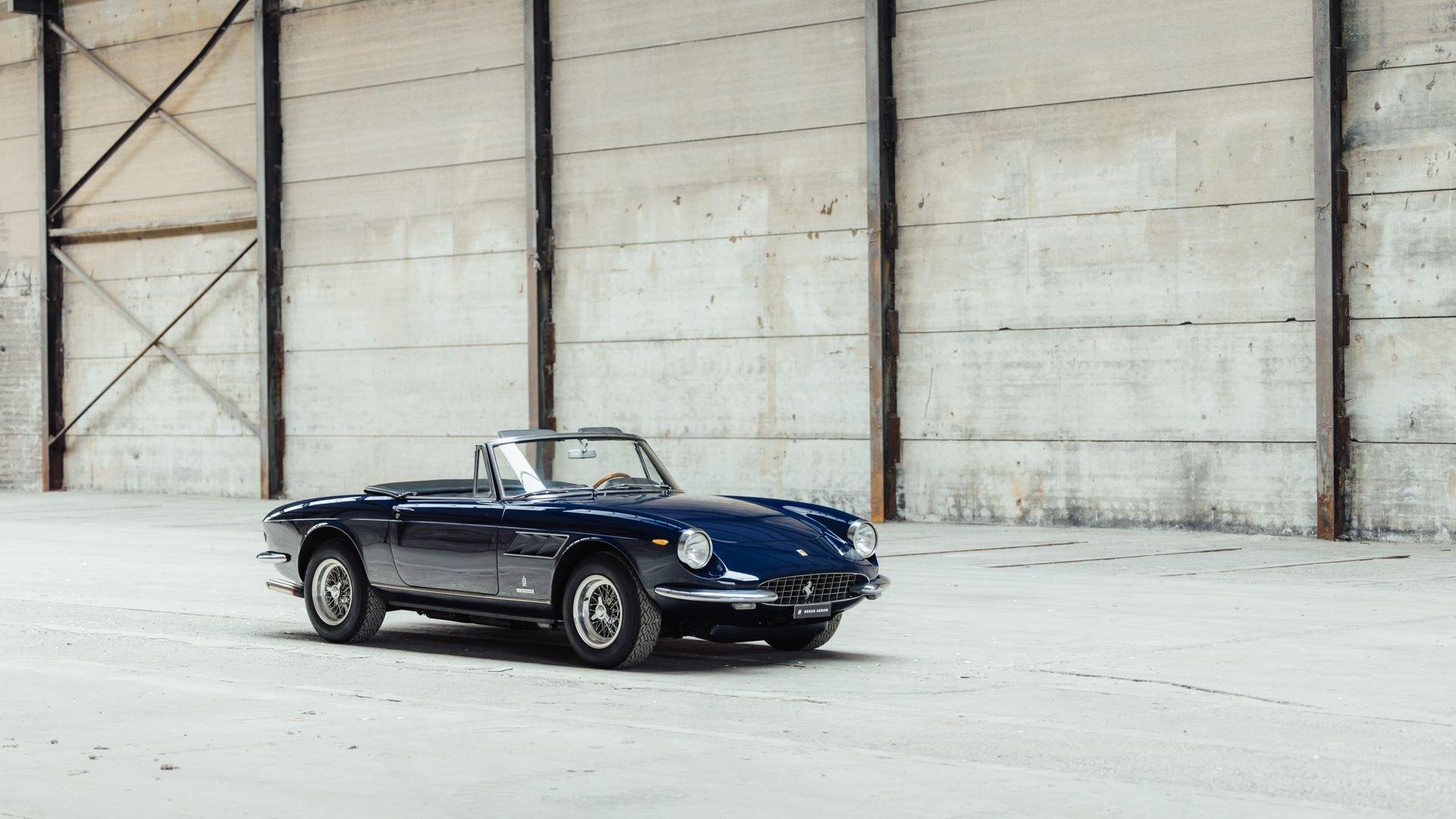
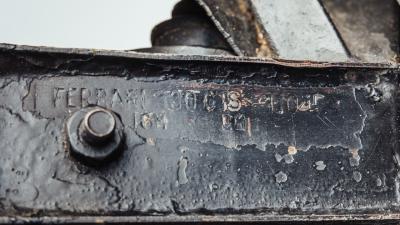
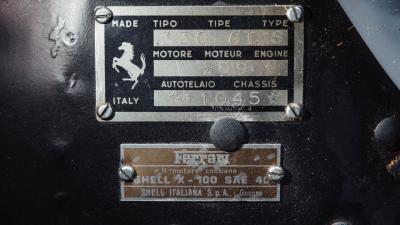
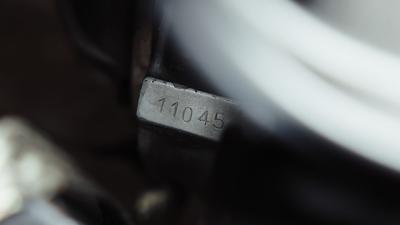
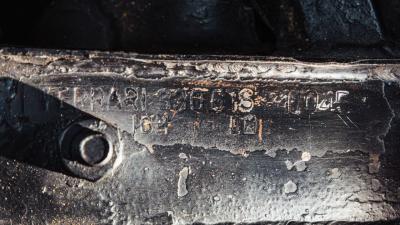
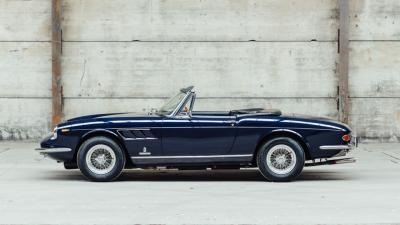
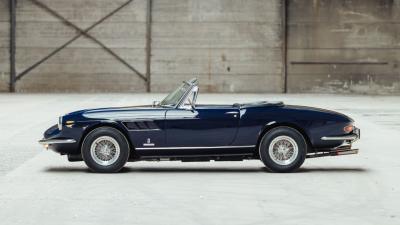
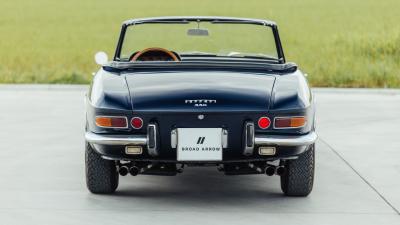
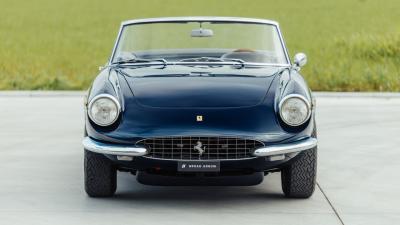
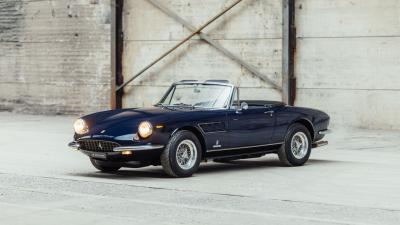
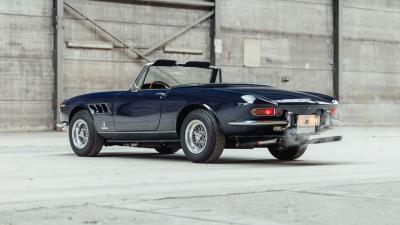
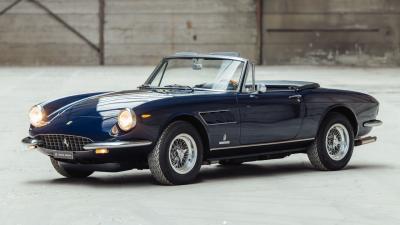
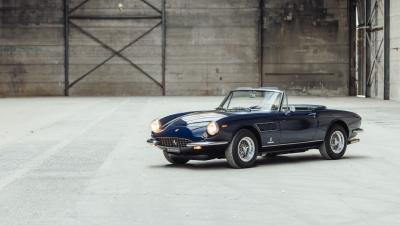
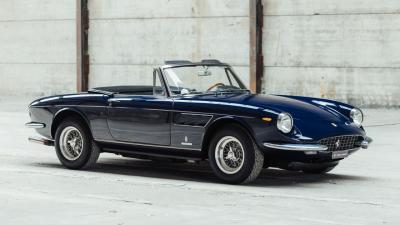
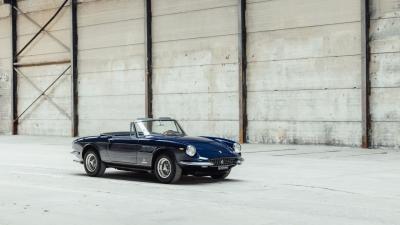
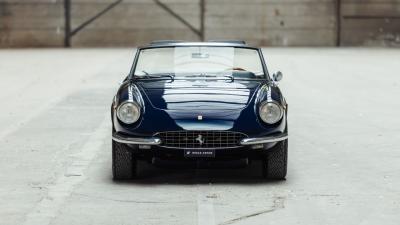
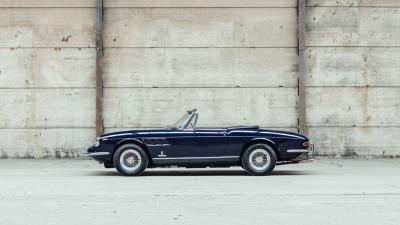
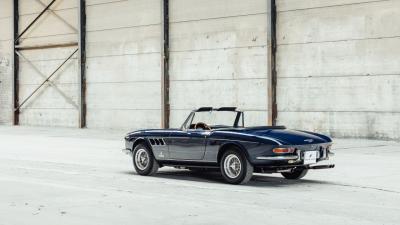
Chassis No. 11045
Engine No. 11045 (Internal No. 824 IR)
Transmission No. 824 IR
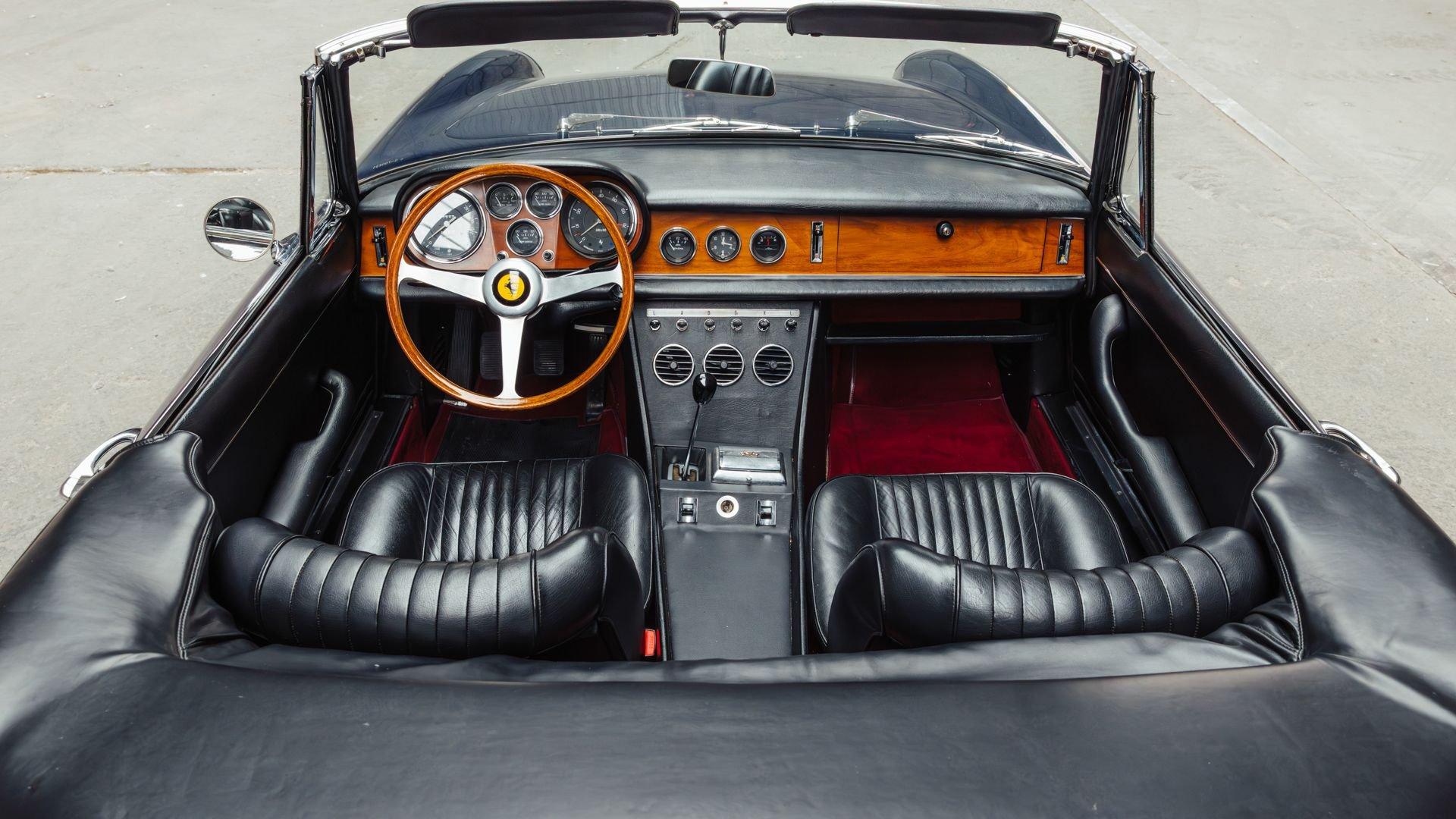
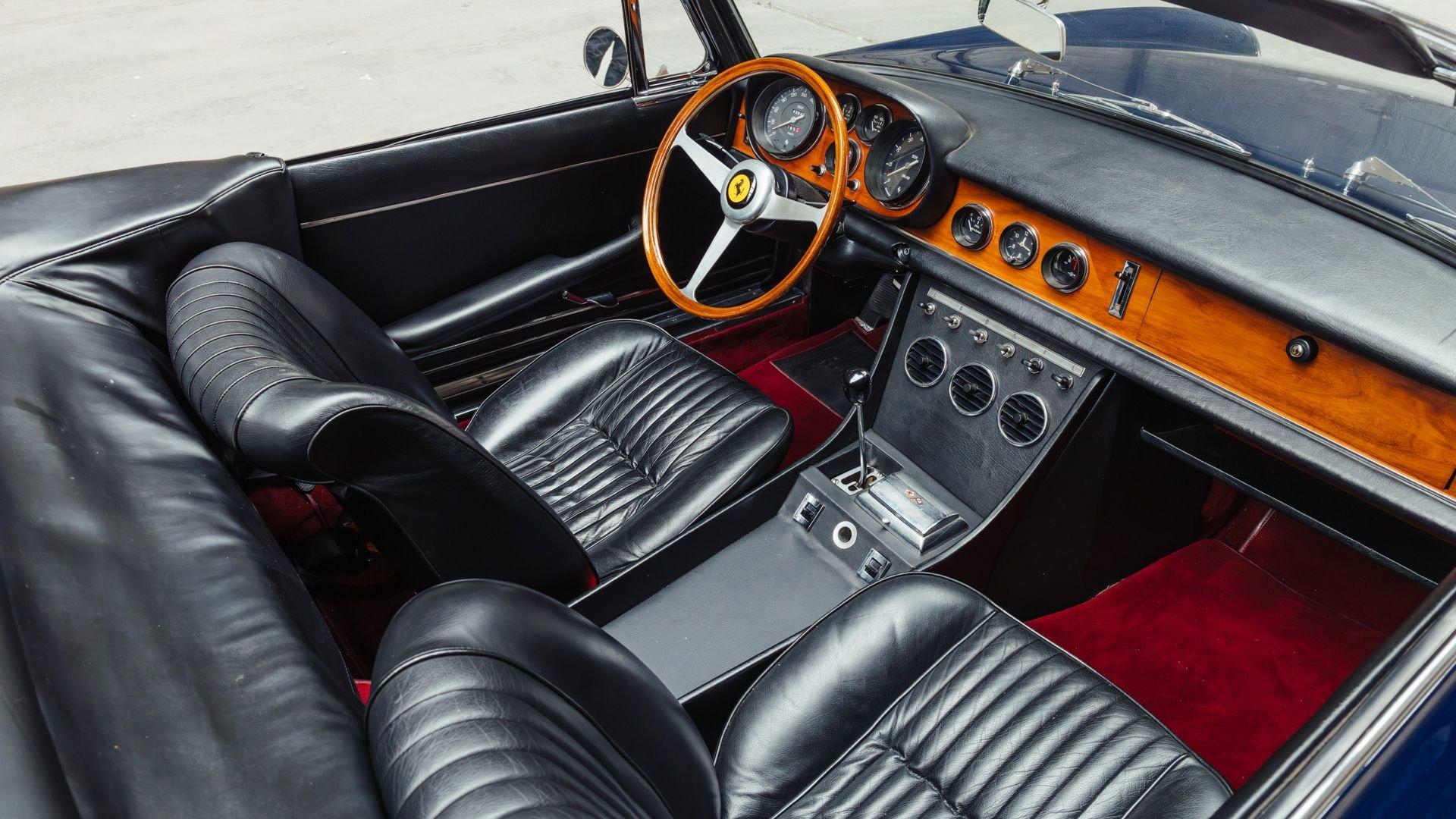
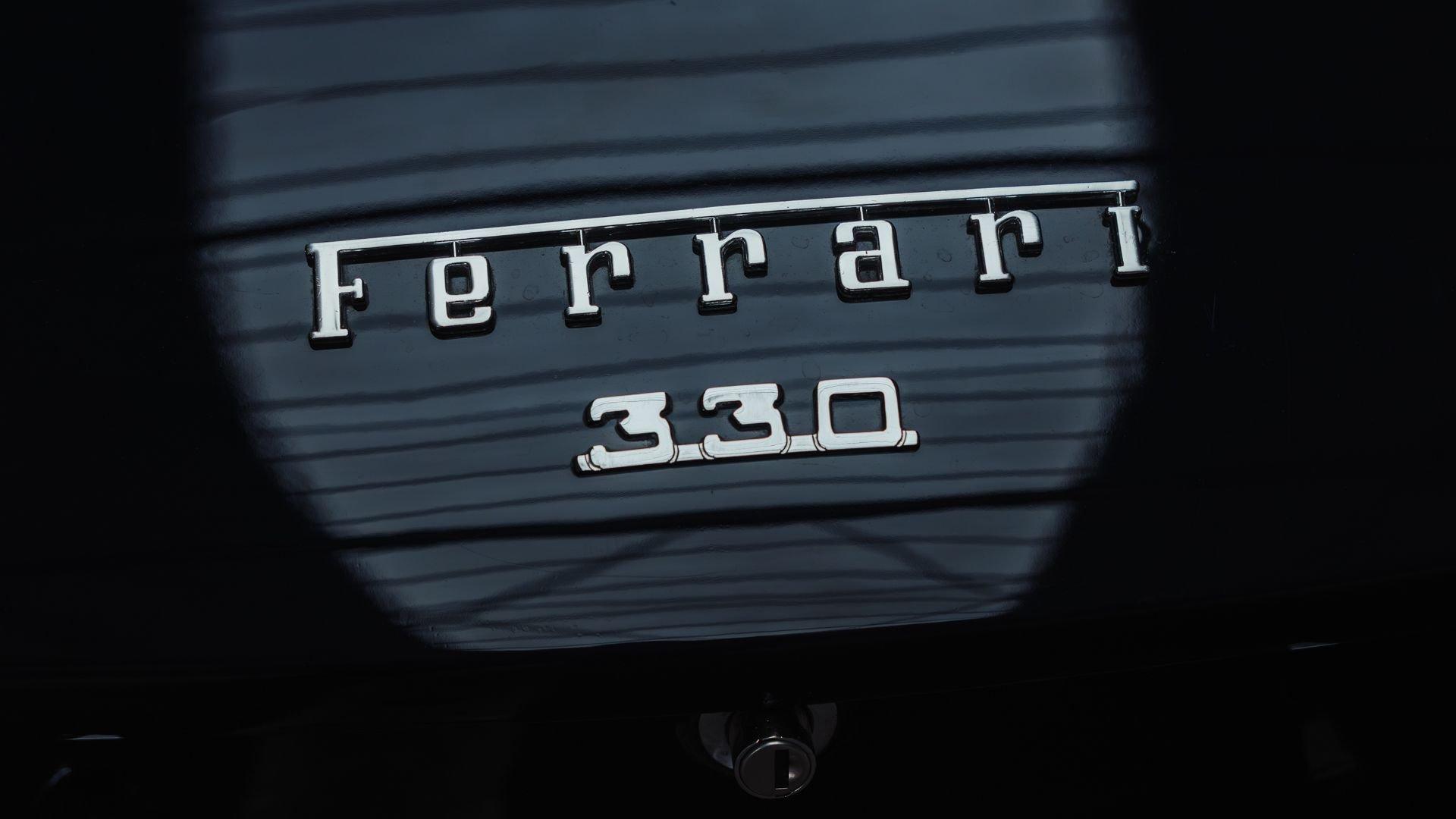
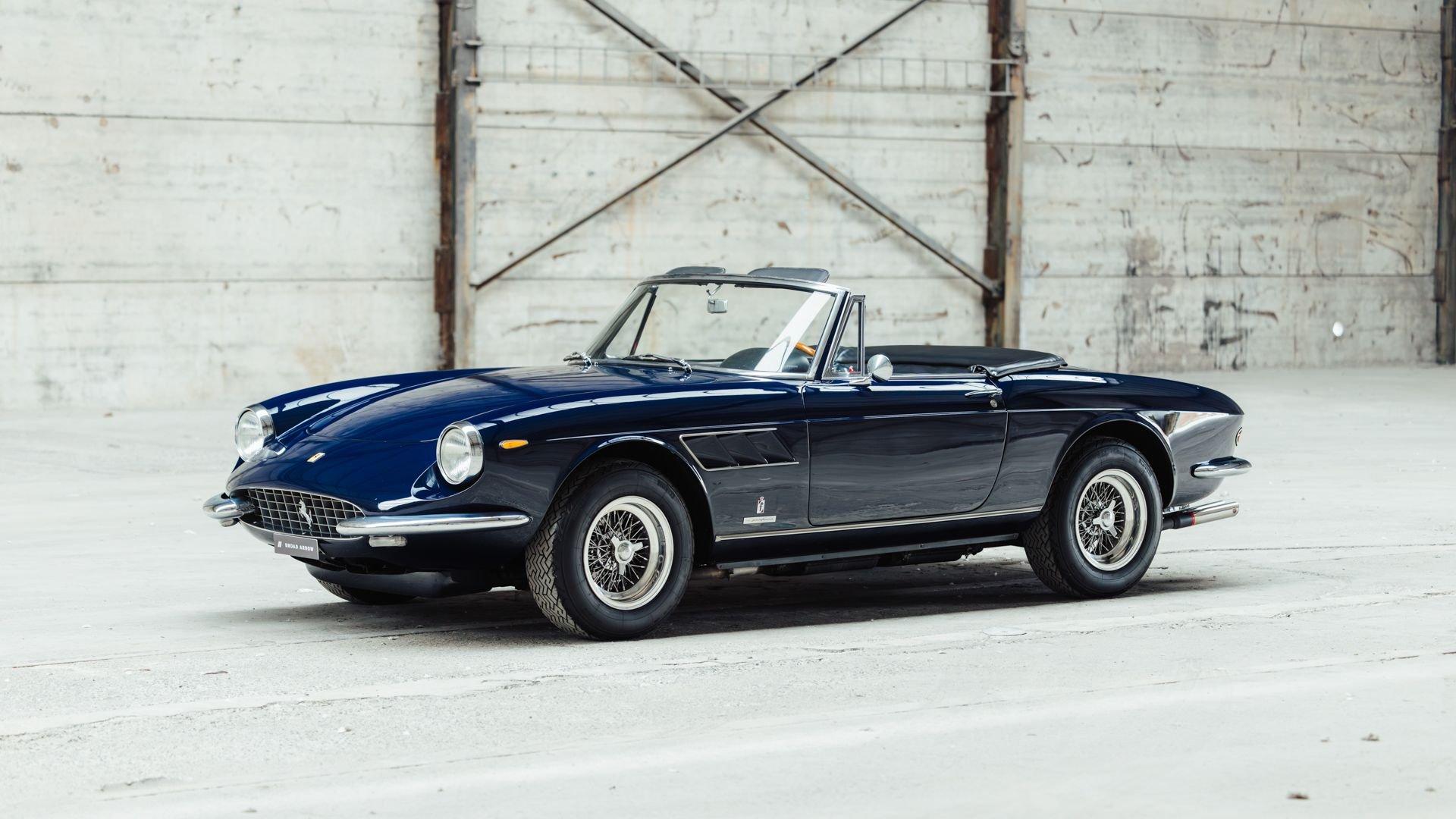
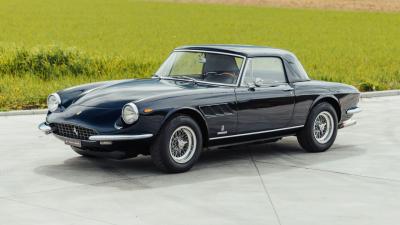
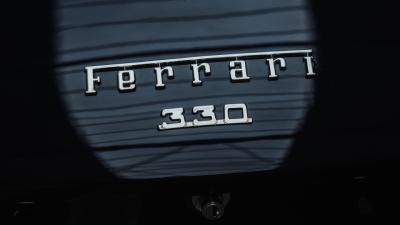
At the end of April 1968, visitors to the Salón Internacional del Automóvil in Barcelona, Spain, were treated to the sight of the Ferrari 330 GTS, the successor to the 275 GTS in Ferrari's model range, and it was this very chassis number 11045, finished in Grigio Argento over a Blue leather interior, that Ferrari had shipped through T.A.Y.R.E., its official Madrid importer, to be exhibited there.
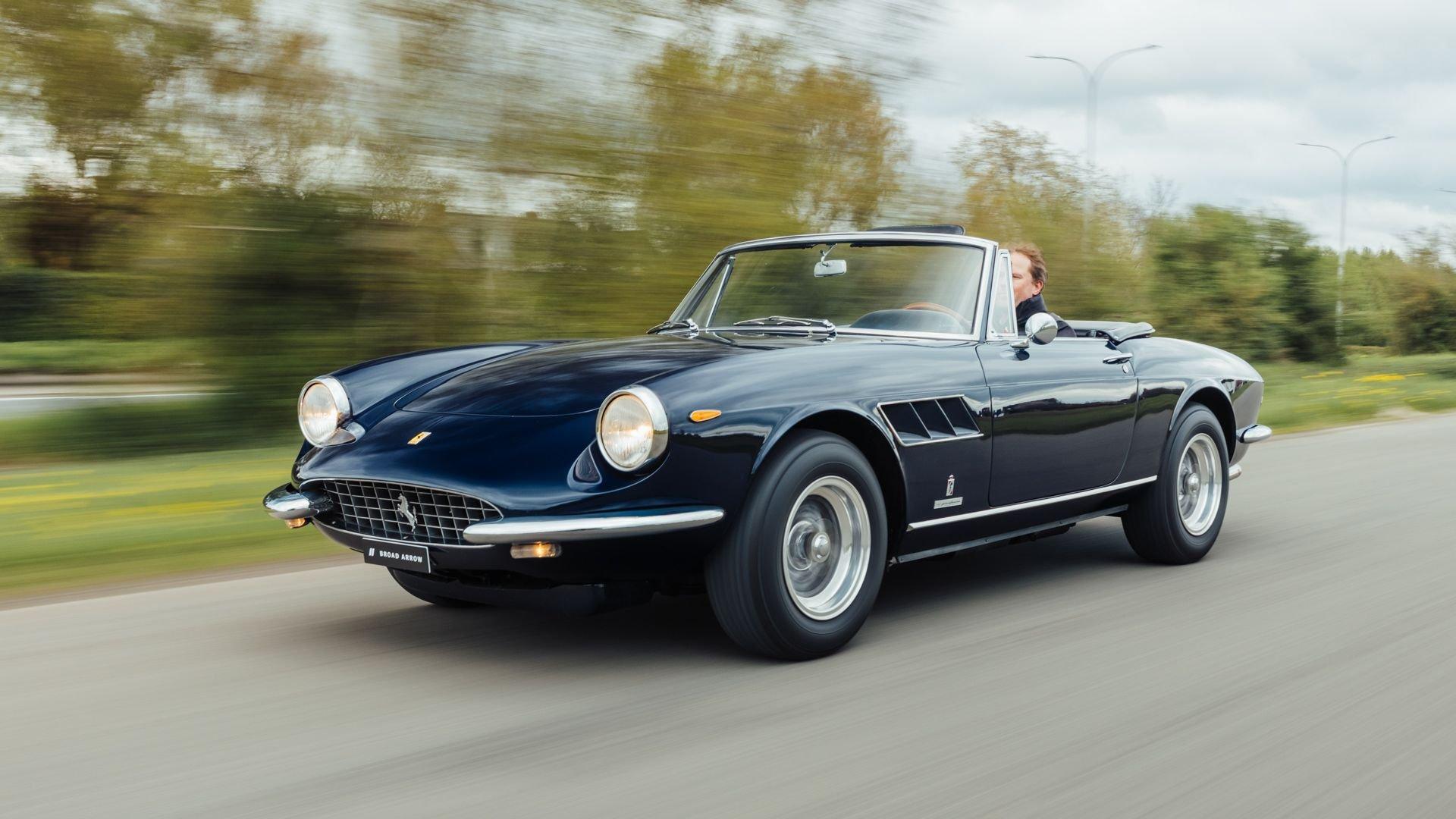
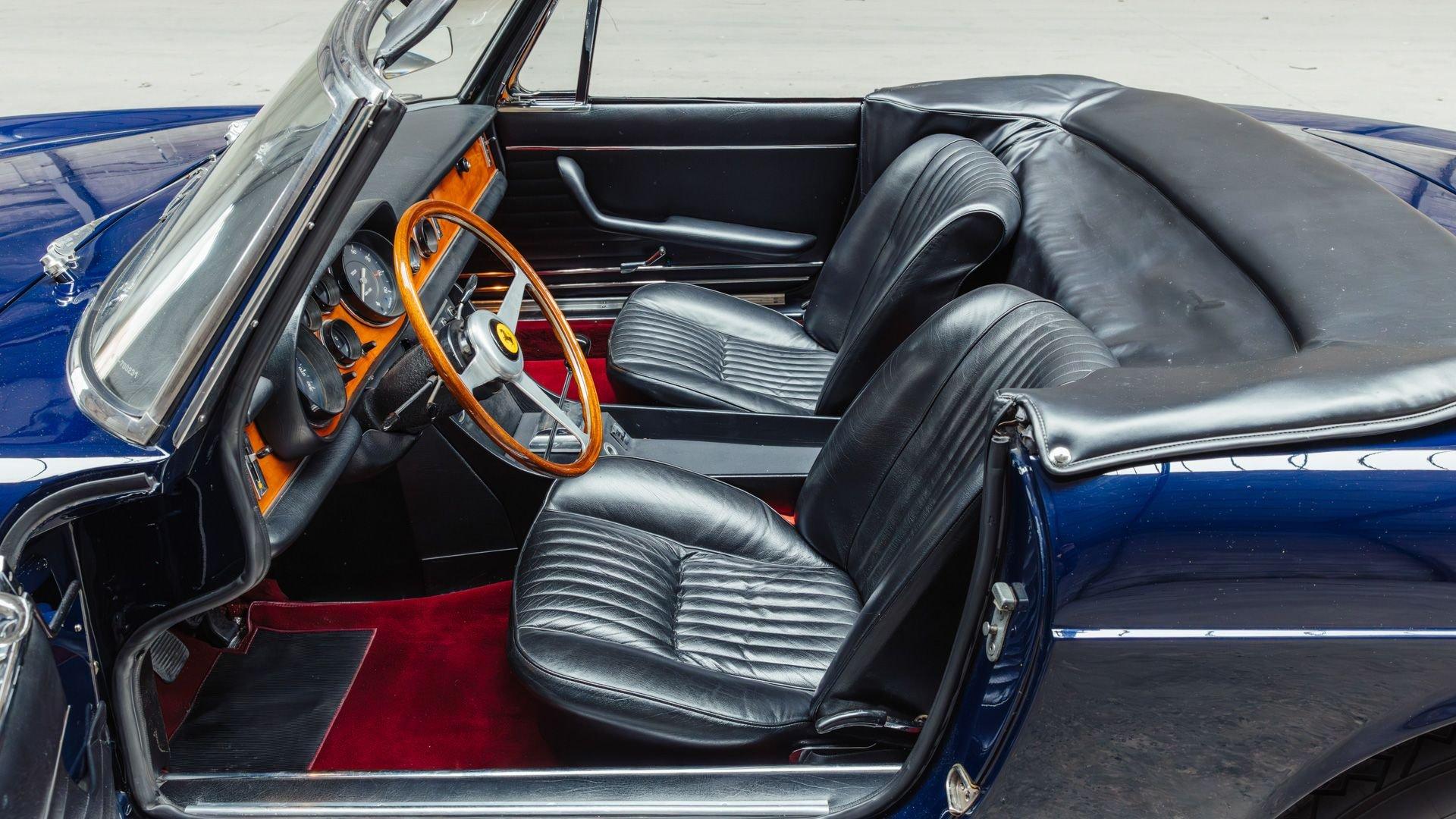
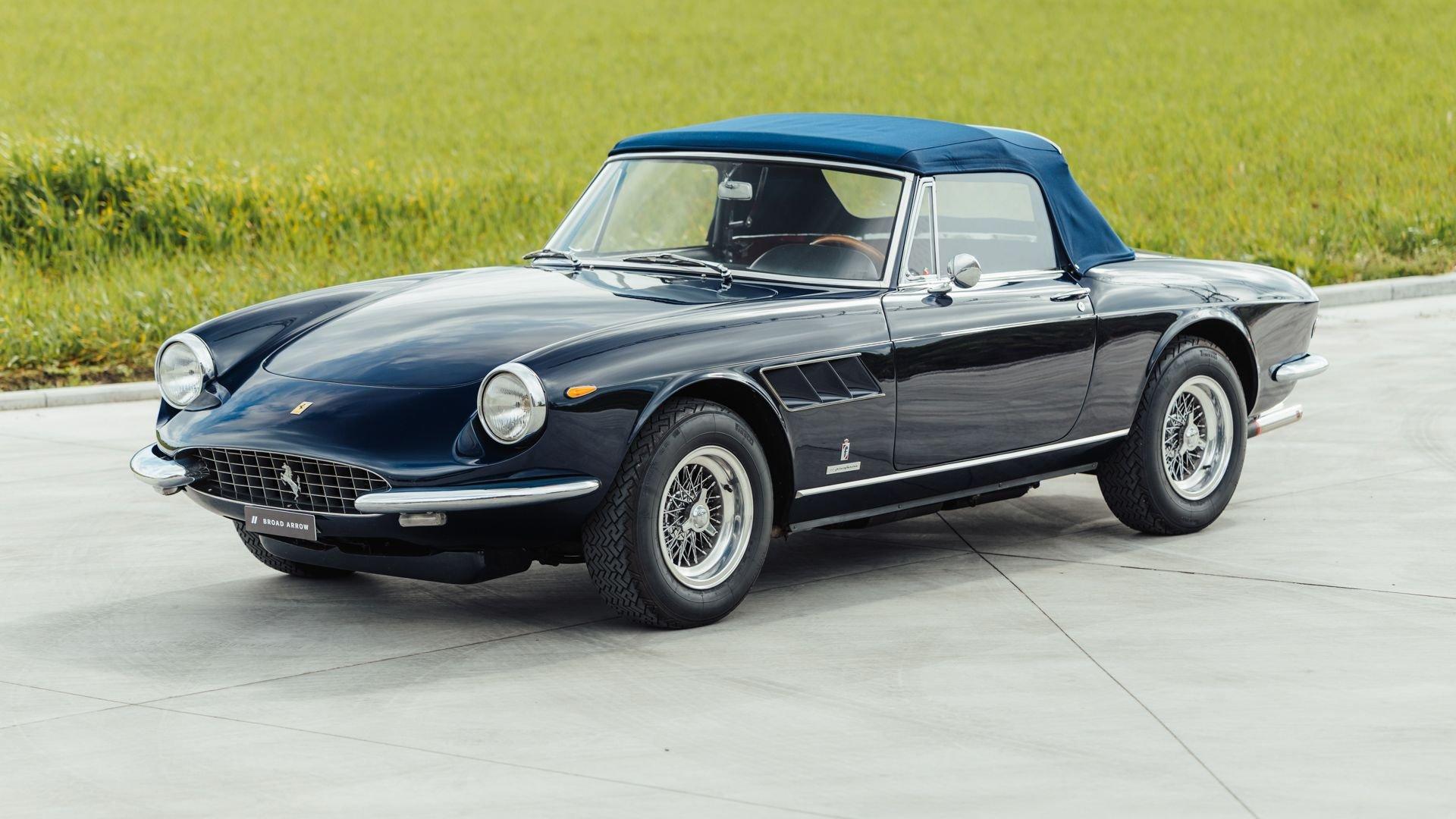
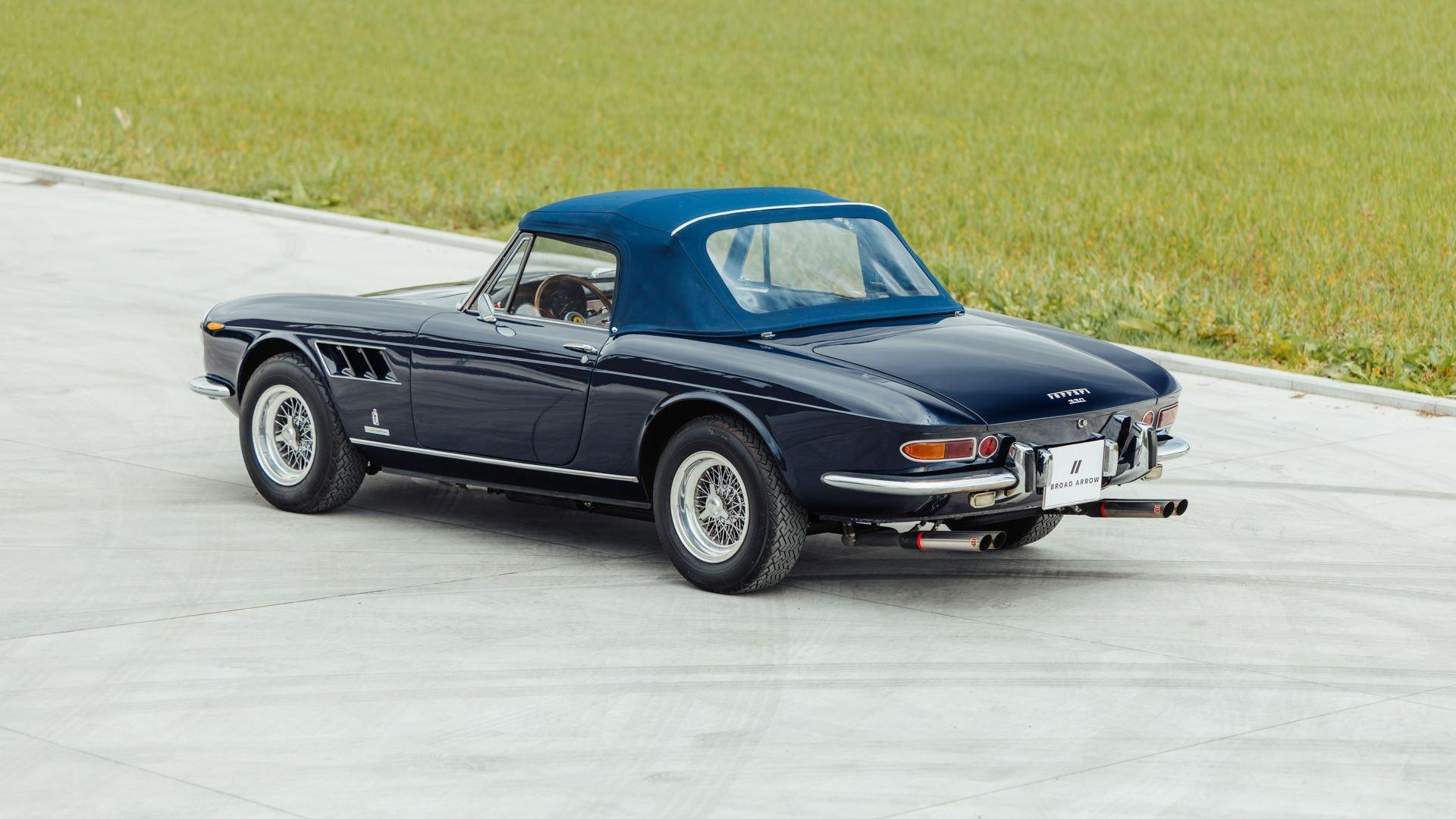
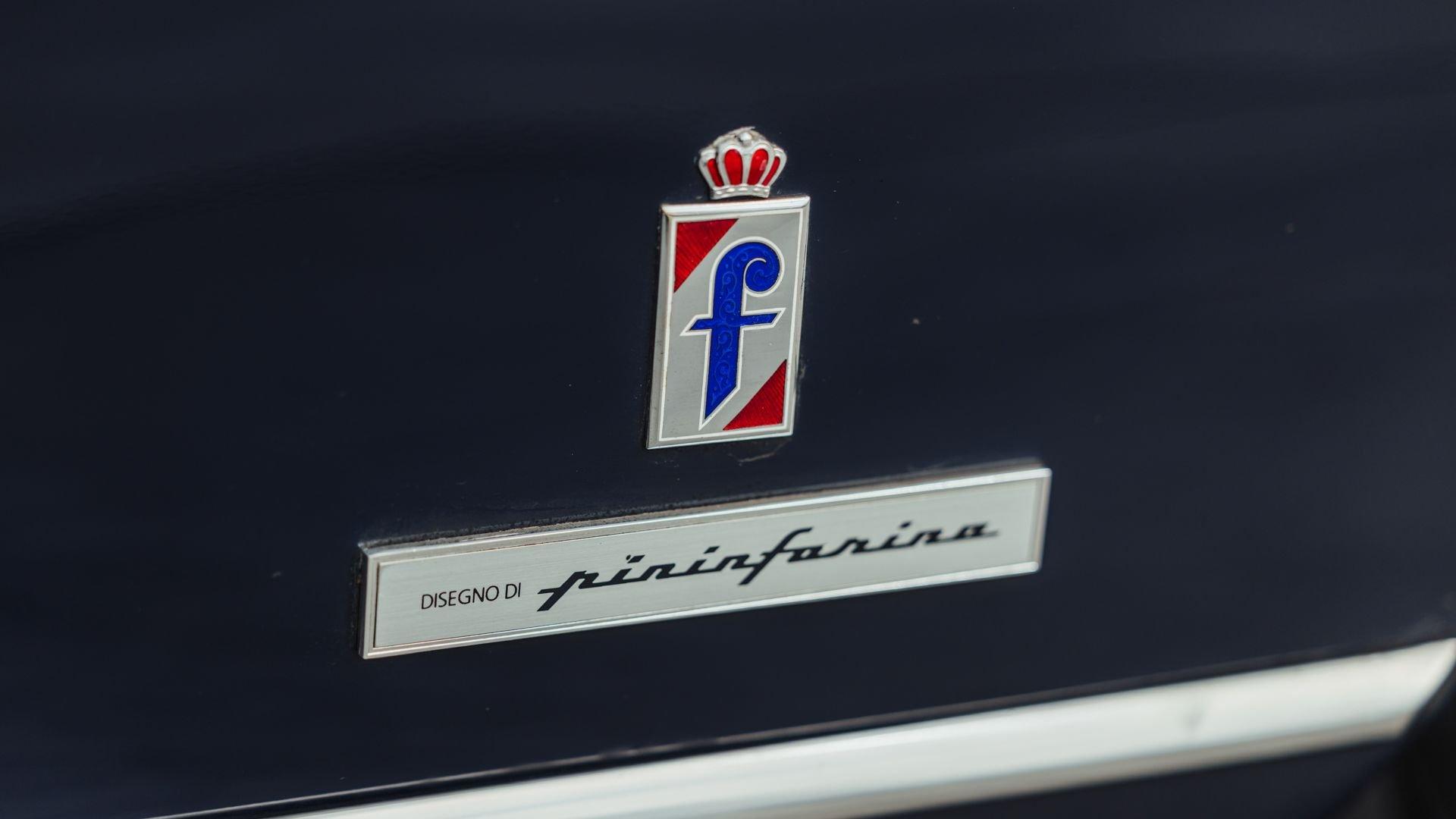
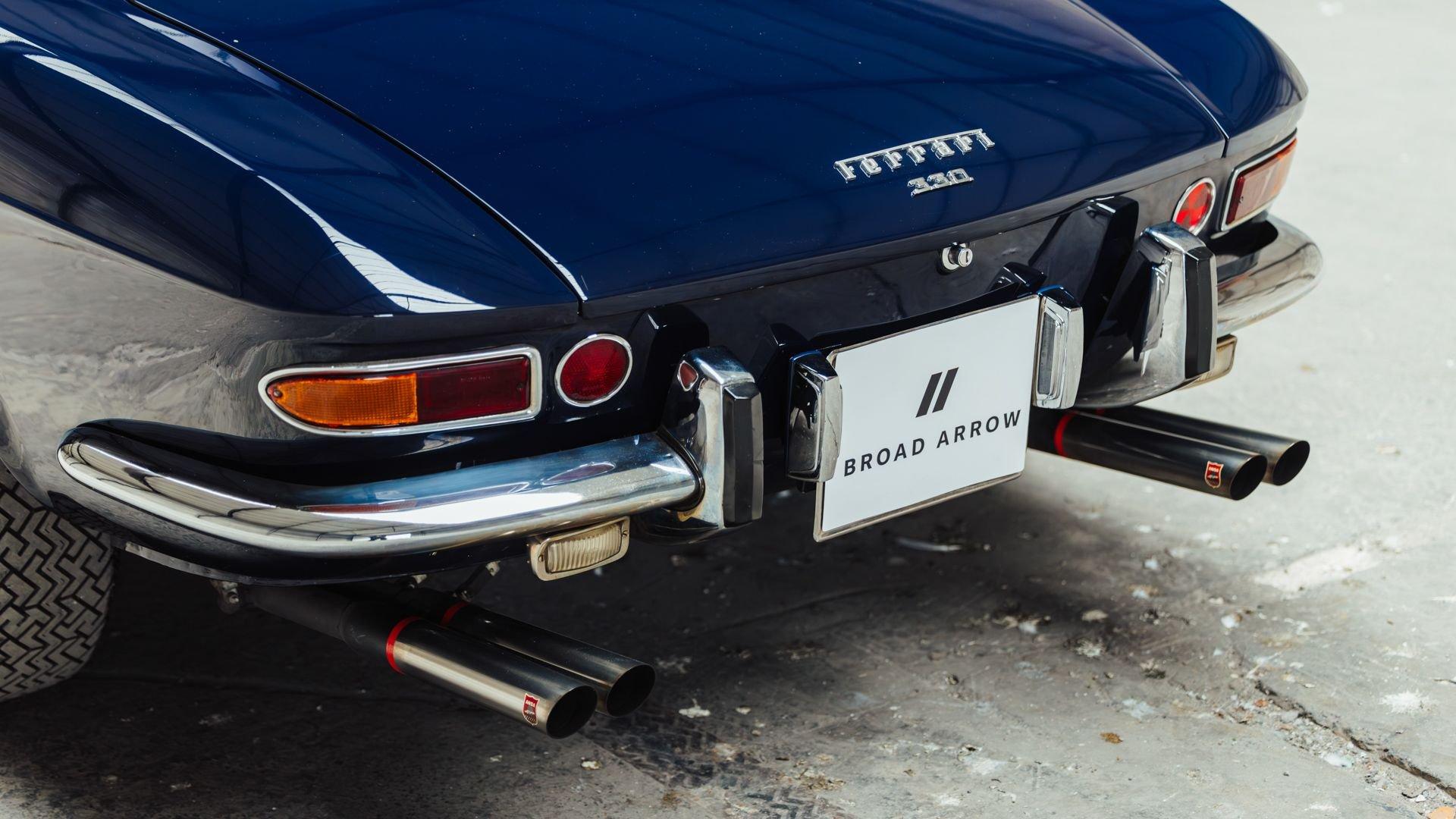
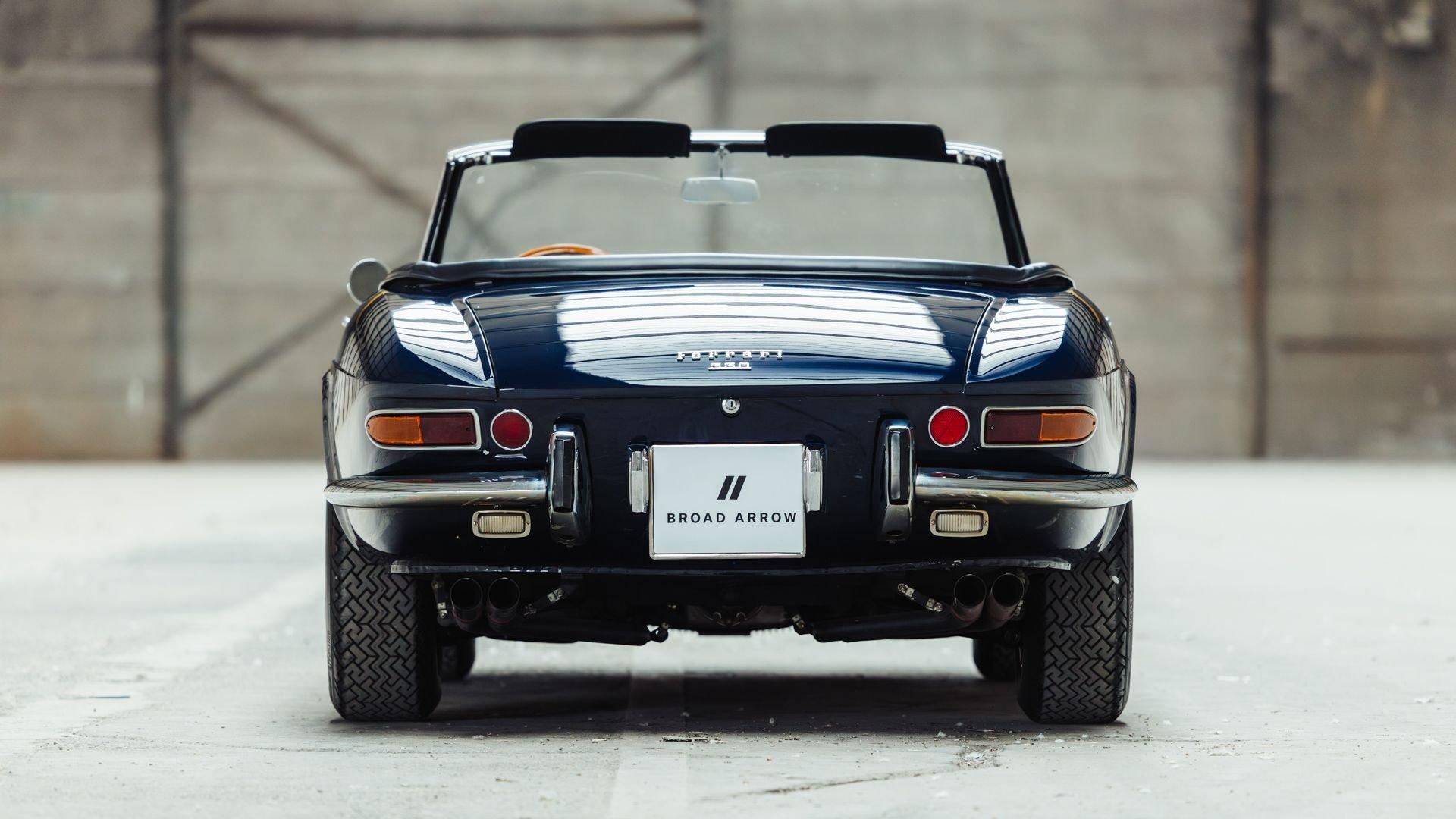
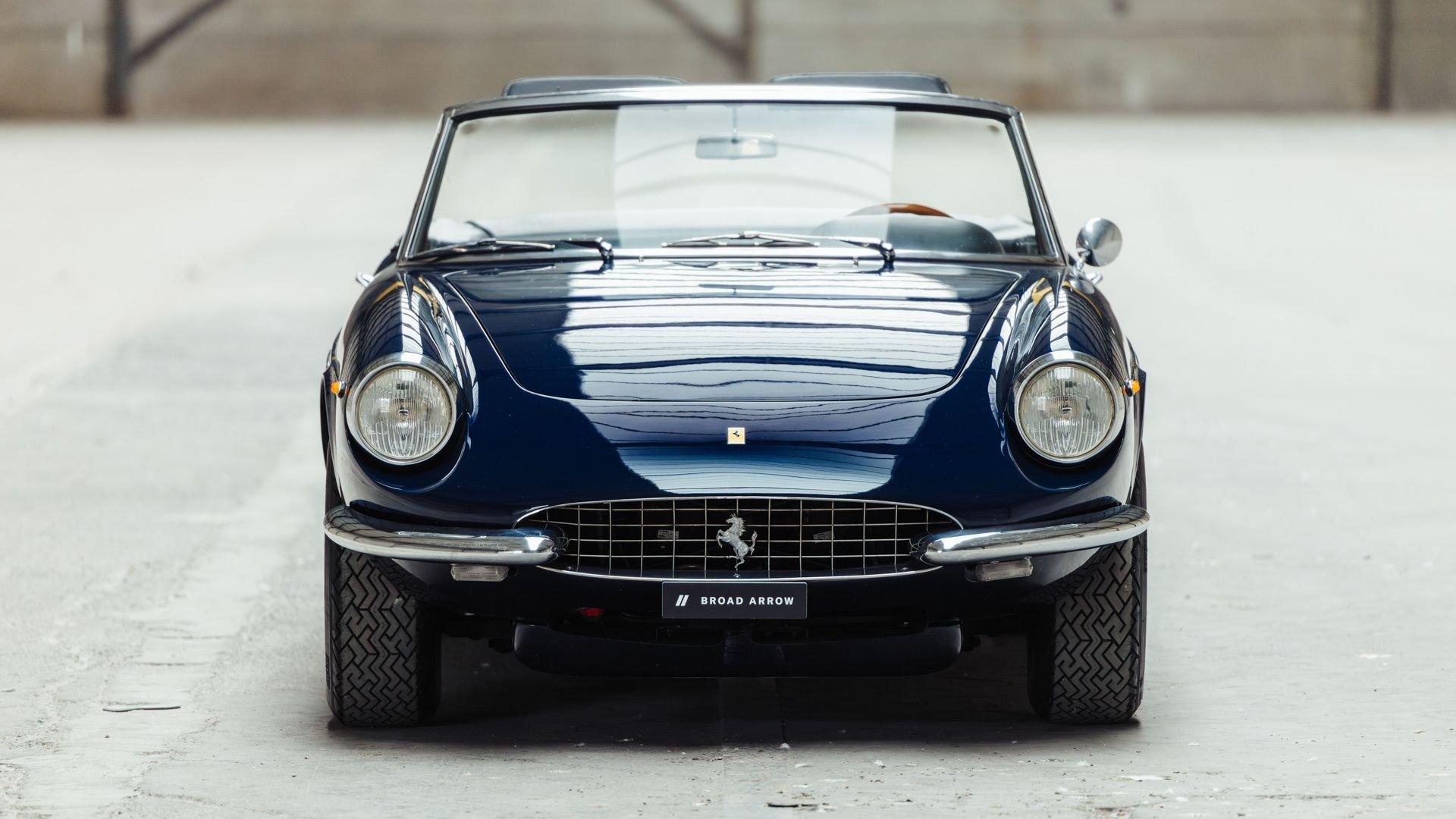
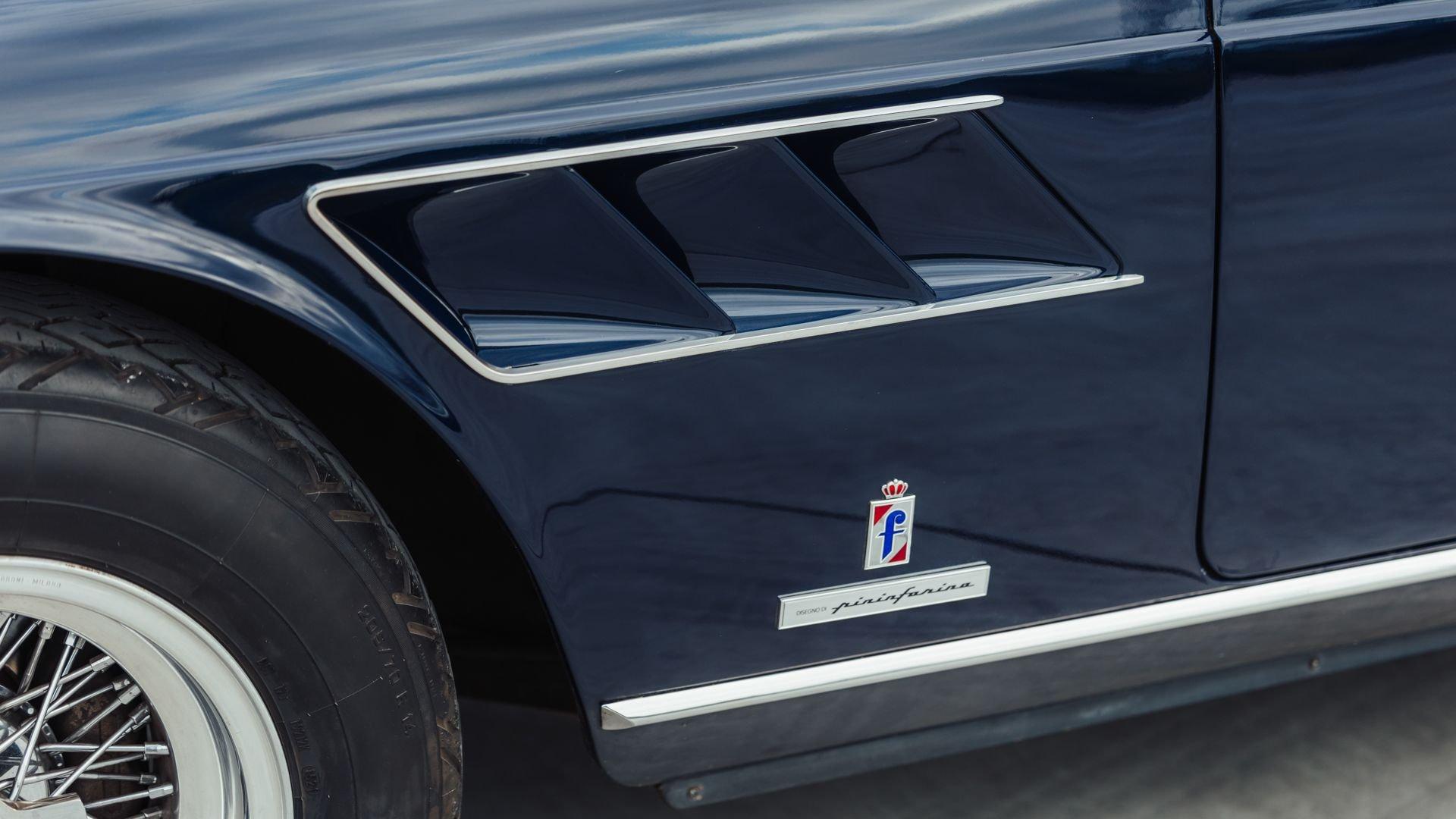
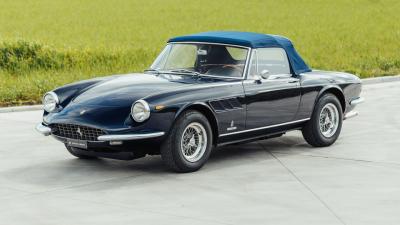
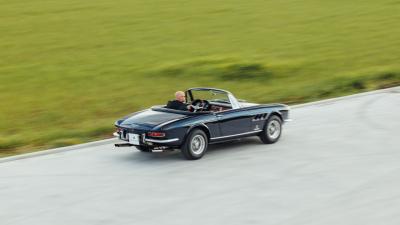
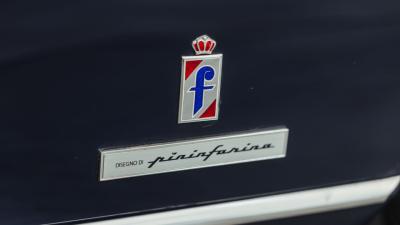
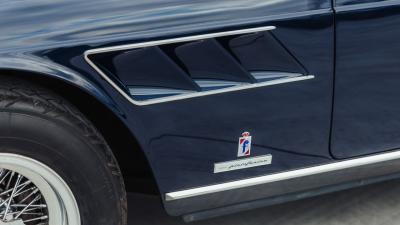
Unveiled at the Paris Motor Show in 1966, just six months after the GTC of which it was the open Spider variant, the beautifully Pininfarina-designed and assembled 330 GTS was essentially identical to the Coupé in every respect, with only minor revisions to accommodate a folding soft top fastened by two clips on the windscreen rail. A model conceived with a very specific clientele in mind, it was neither as ostentatious nor as performance-oriented as the thoroughbred 275 GTB of 1964, nor as plush as the 330 GT 2+2 introduced that same year.
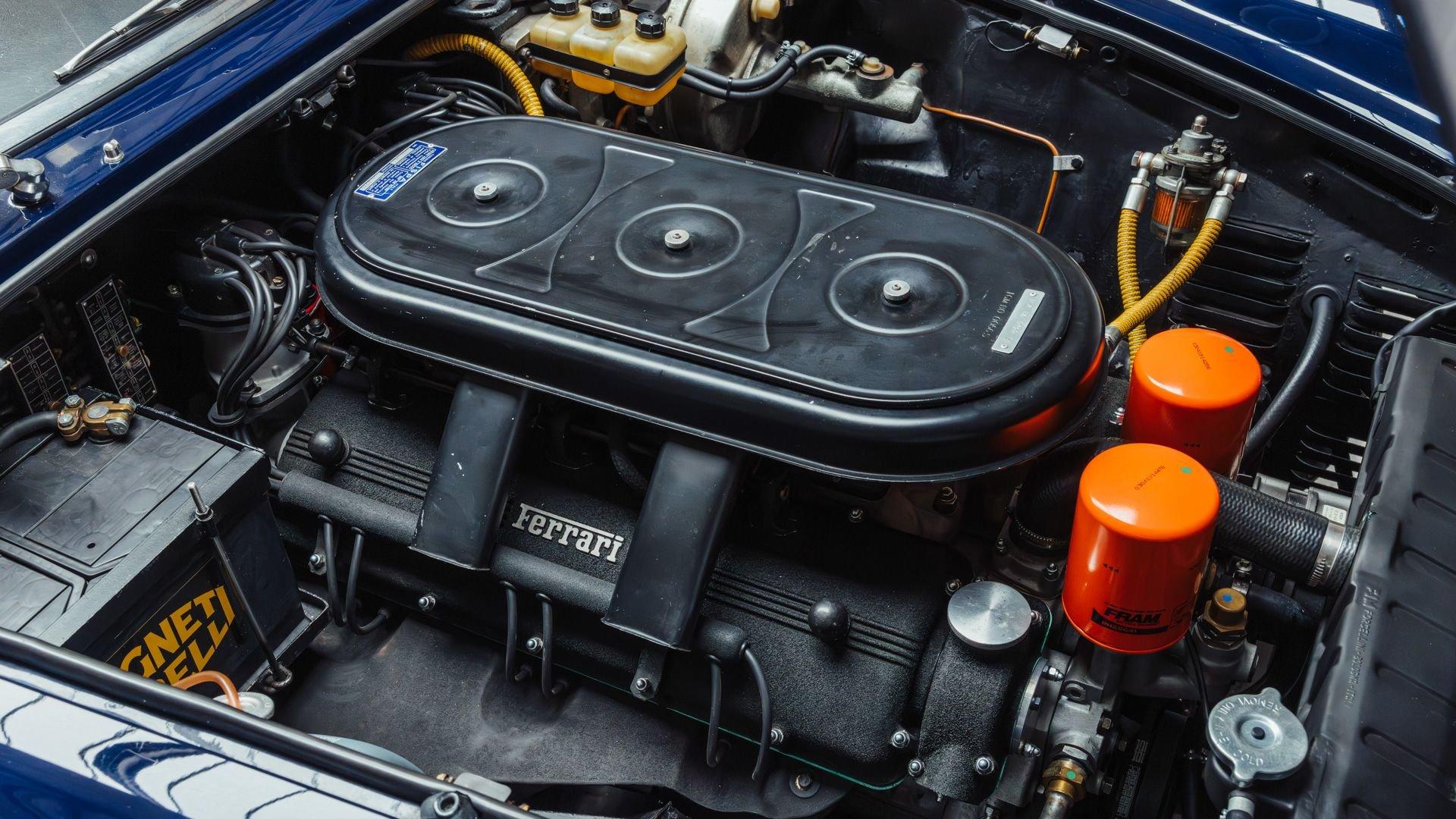
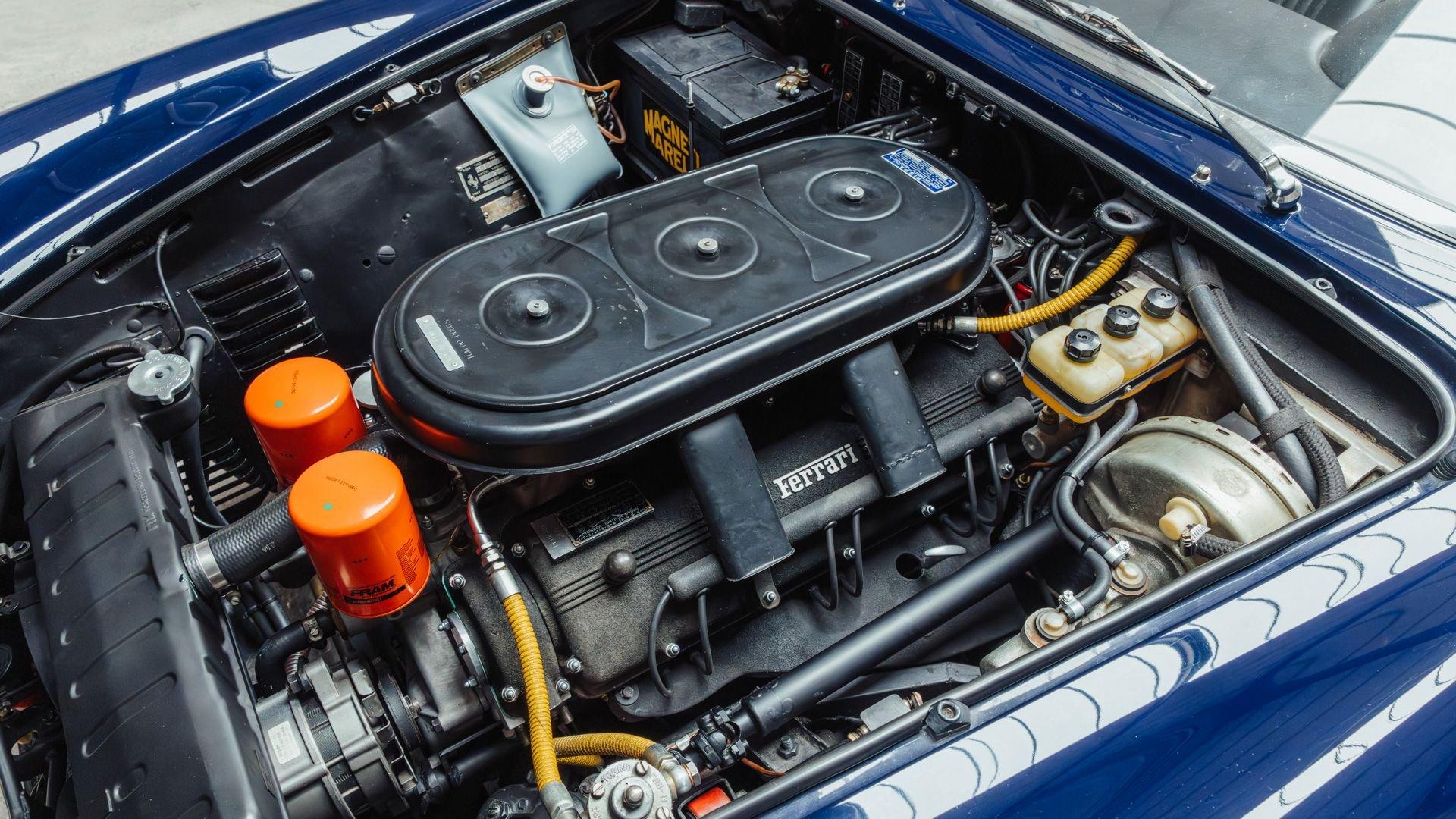
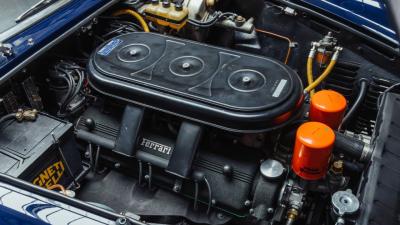
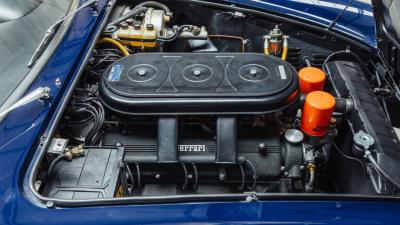
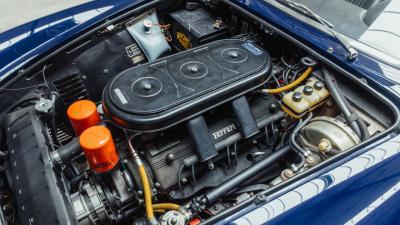
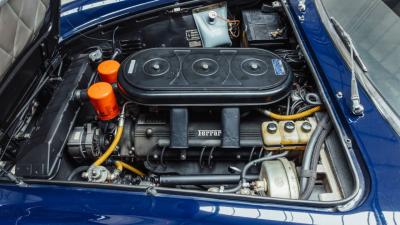
The GTC had brilliantly combined the finest aspects of both upon its introduction in 1966, blending the glorious 4.0-liter twin-cam V12 engine of the 330 GT 2+2 with the shorter wheelbase of the 275 GTB to create a supremely luxurious grand tourer - regarded by some as the true successor to the 250 GT Lusso. It is upon these exceptional foundations that the 330 GTS was built, inheriting all the mechanical refinement and elegance of its closed sibling while offering the unmatched pleasure of open-air motoring.
Reviews of the new model were overwhelmingly positive, with Road & Track famously urging its readers in their road test: ''Go ahead, give yourself a treat, buy one.'' Yet on account of its astronomical price tag, production came to a halt after 1969. A mere 99 examples were built, making it one of the rarest and most desirable production models of the period.
Sold through Jaume Berge, an authorized Ferrari dealer in Spain, to its first owner, the Count of Godó in Barcelona, the car was first registered on 30 May 1969, in the name of his sister, Mercedes Godó-Salsas. The car, whose history has been thoroughly documented by specialists, was subsequently sold in 1976 to Miguel Vidal Tena, of Ontinyent, Valencia, Spain, whose digital copies of his registration title and tax identification card are on file.
Miguel Vidal Tena kept the 330 GTS until his passing in 1988. The car, which was by then in need of restoration, was sold by the estate executor to Mr. Ferrero. Some photographs from that period are included in the file.
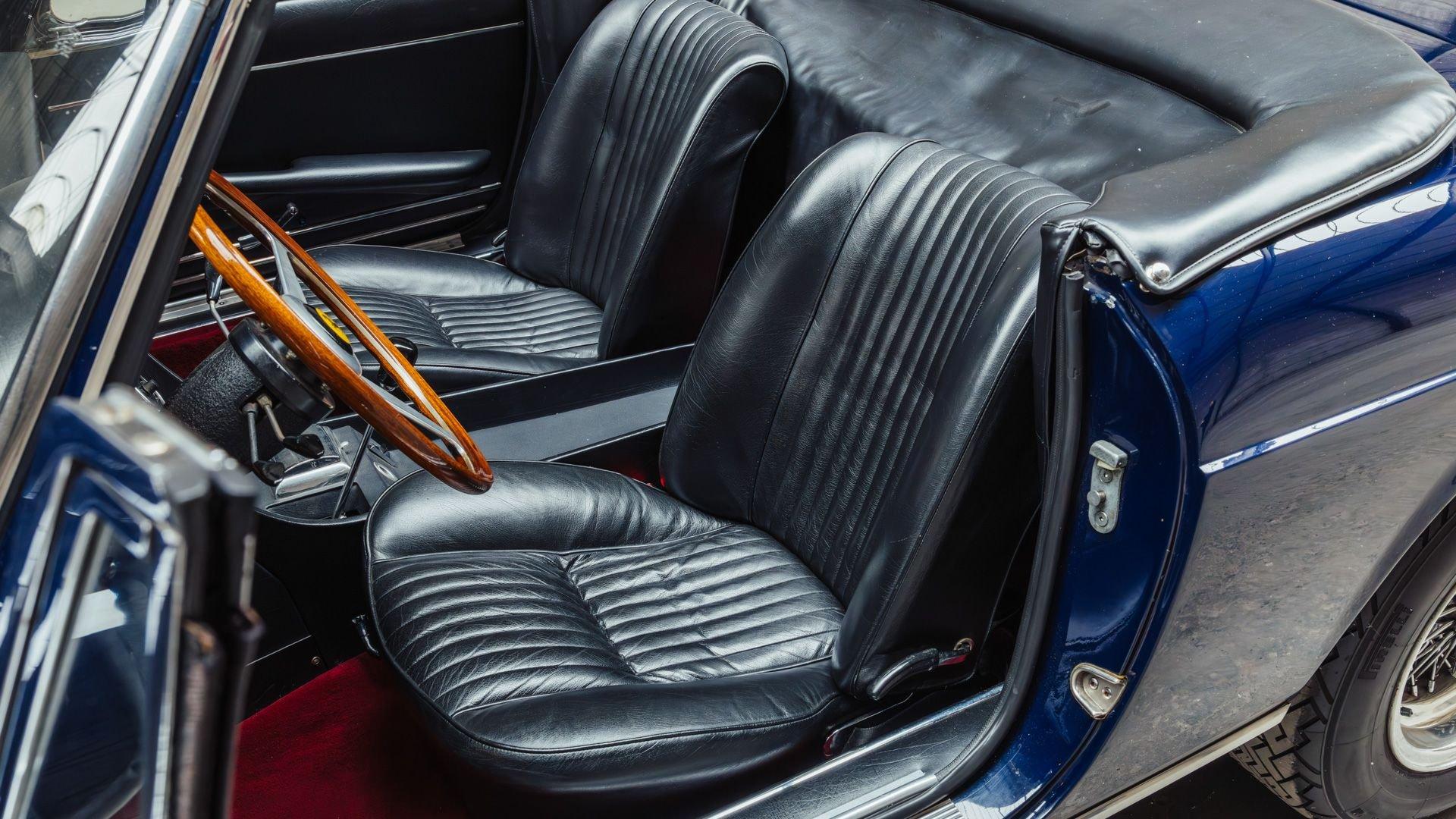
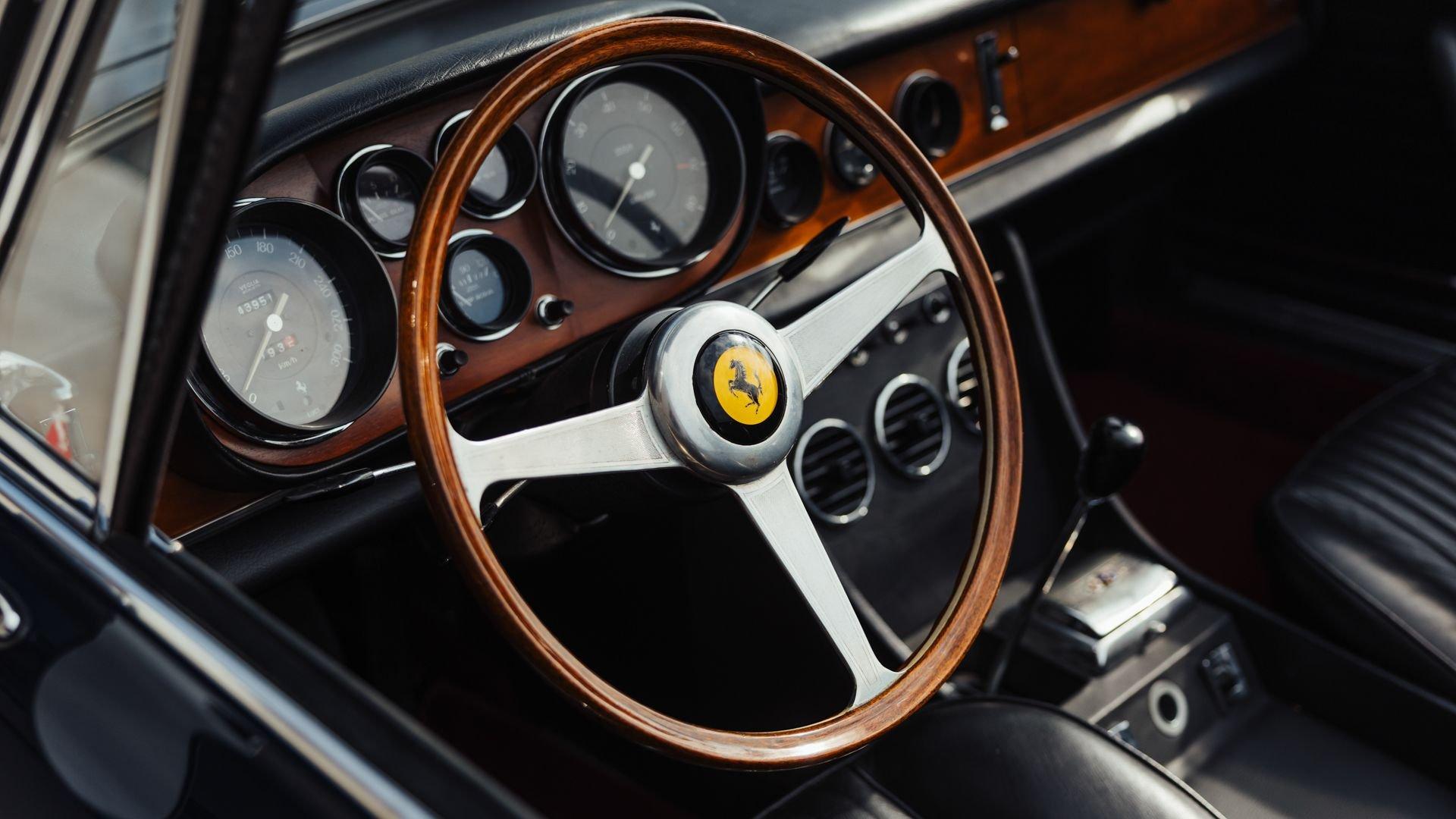
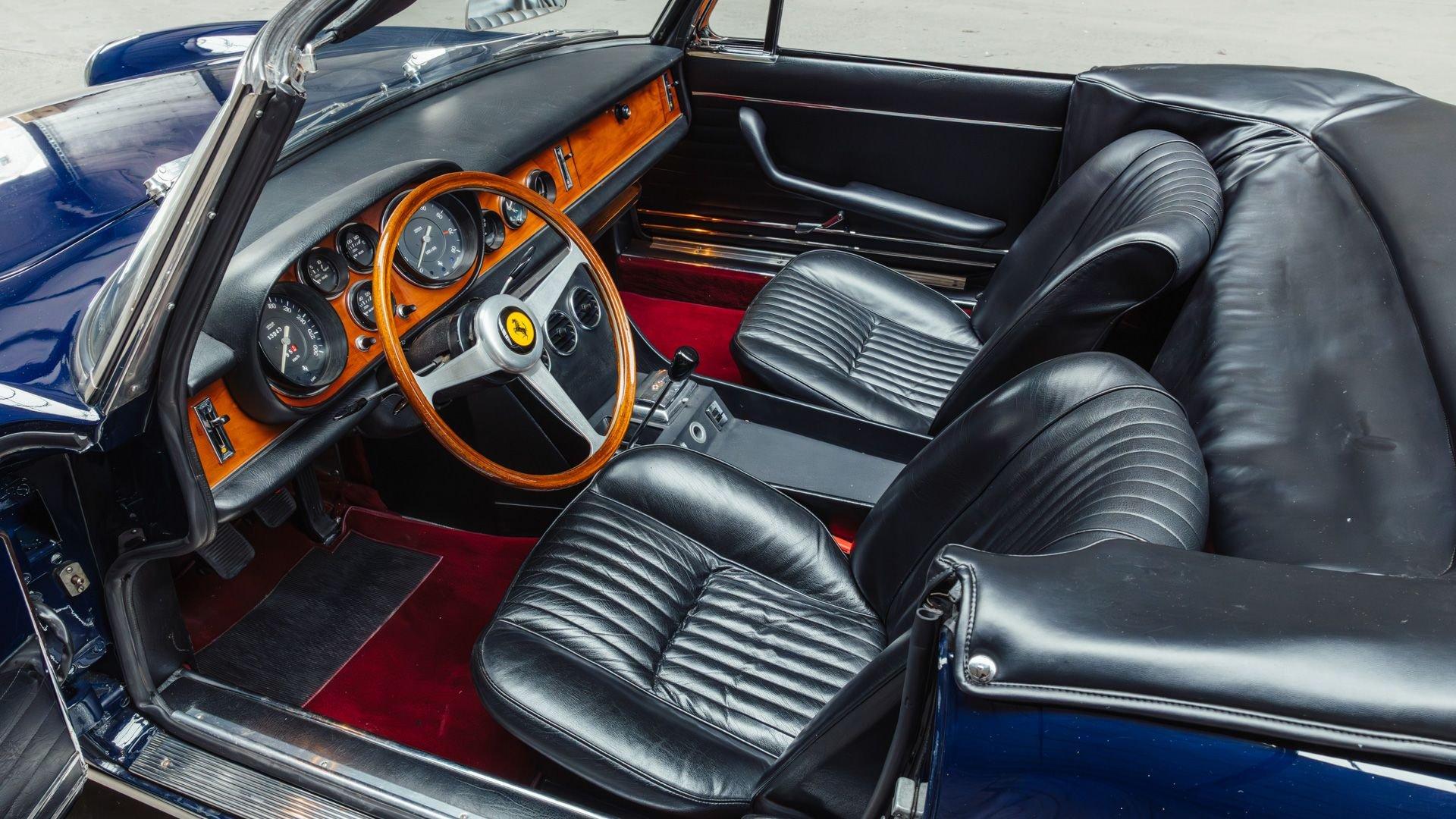
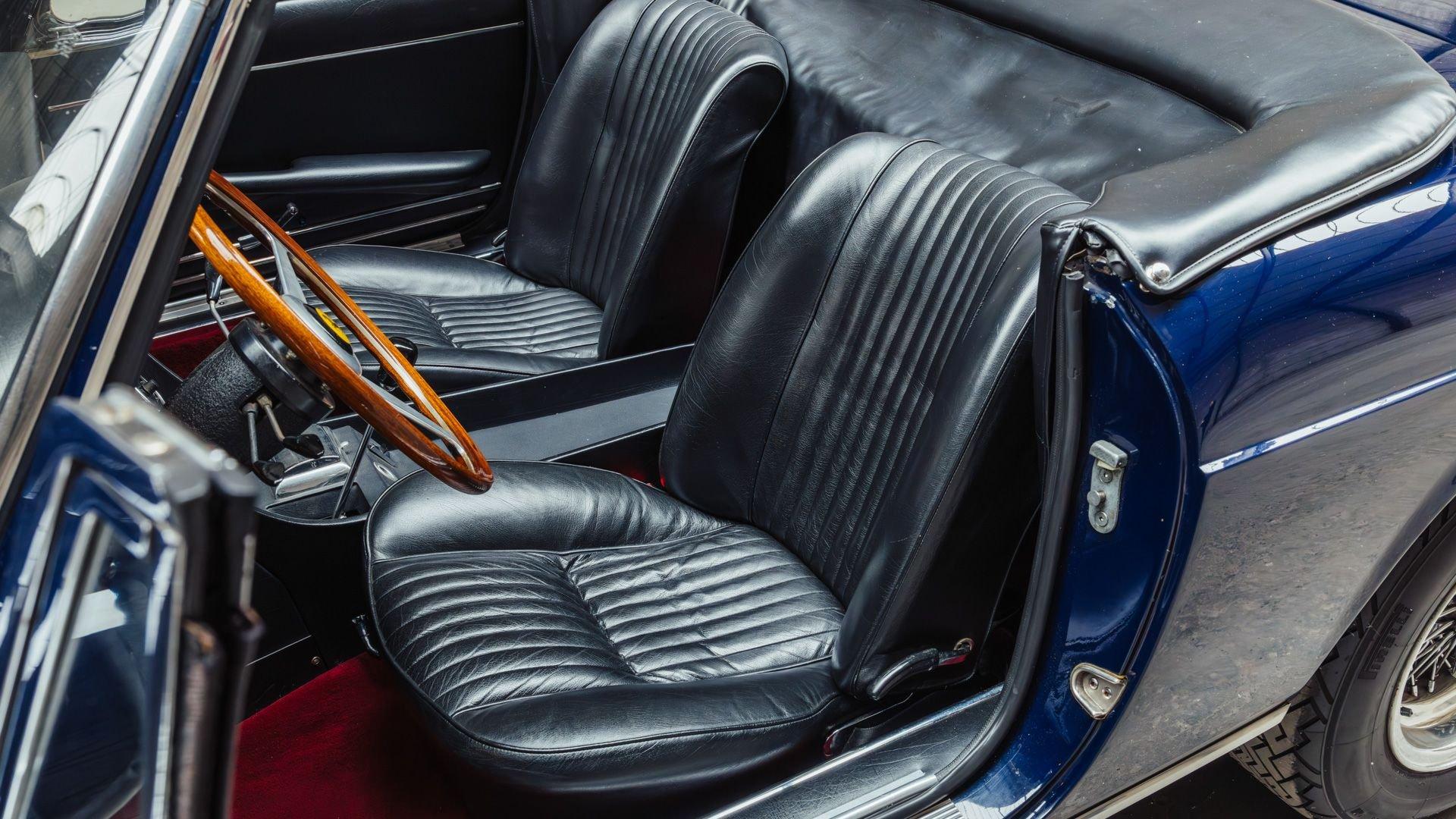
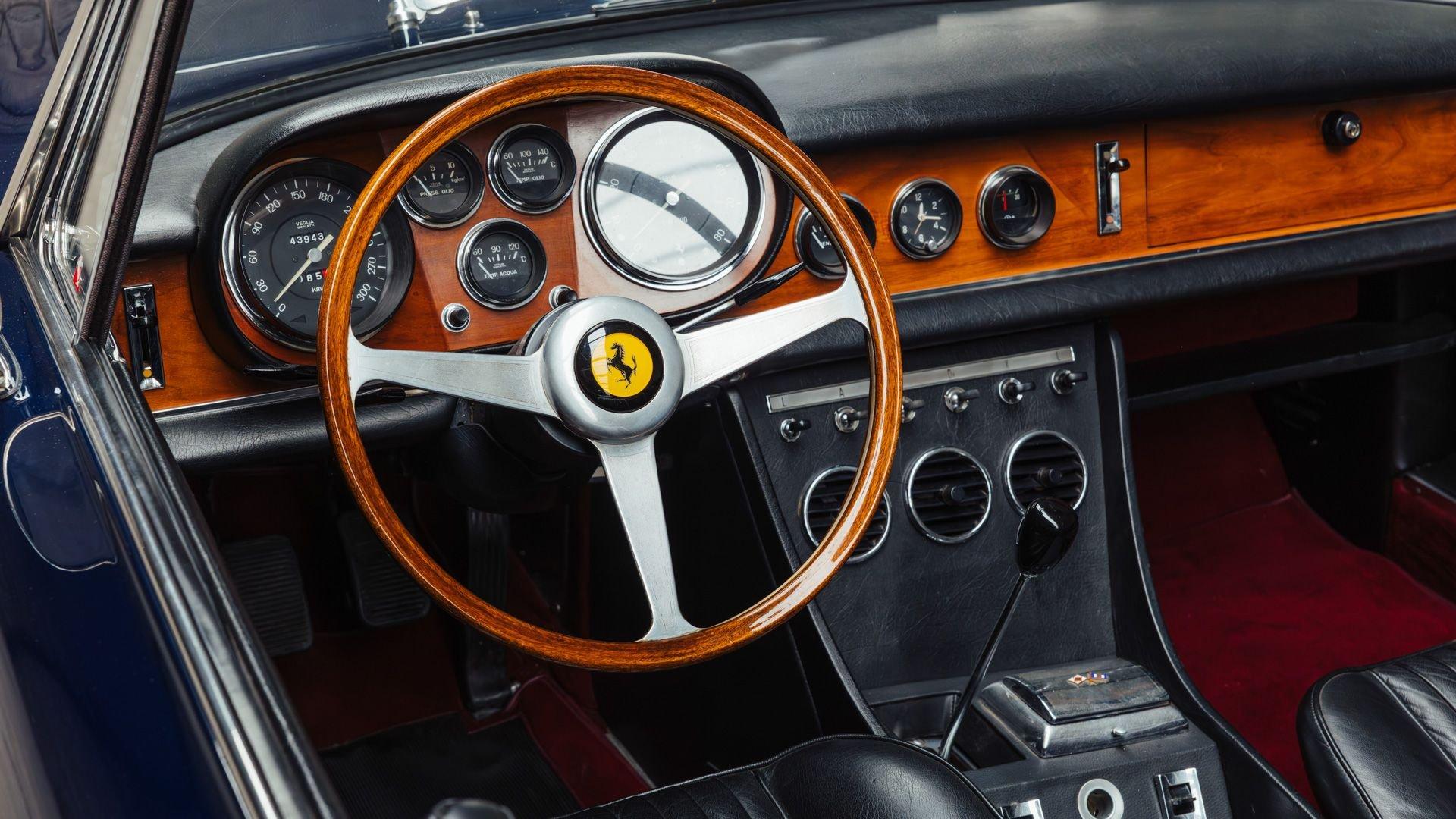
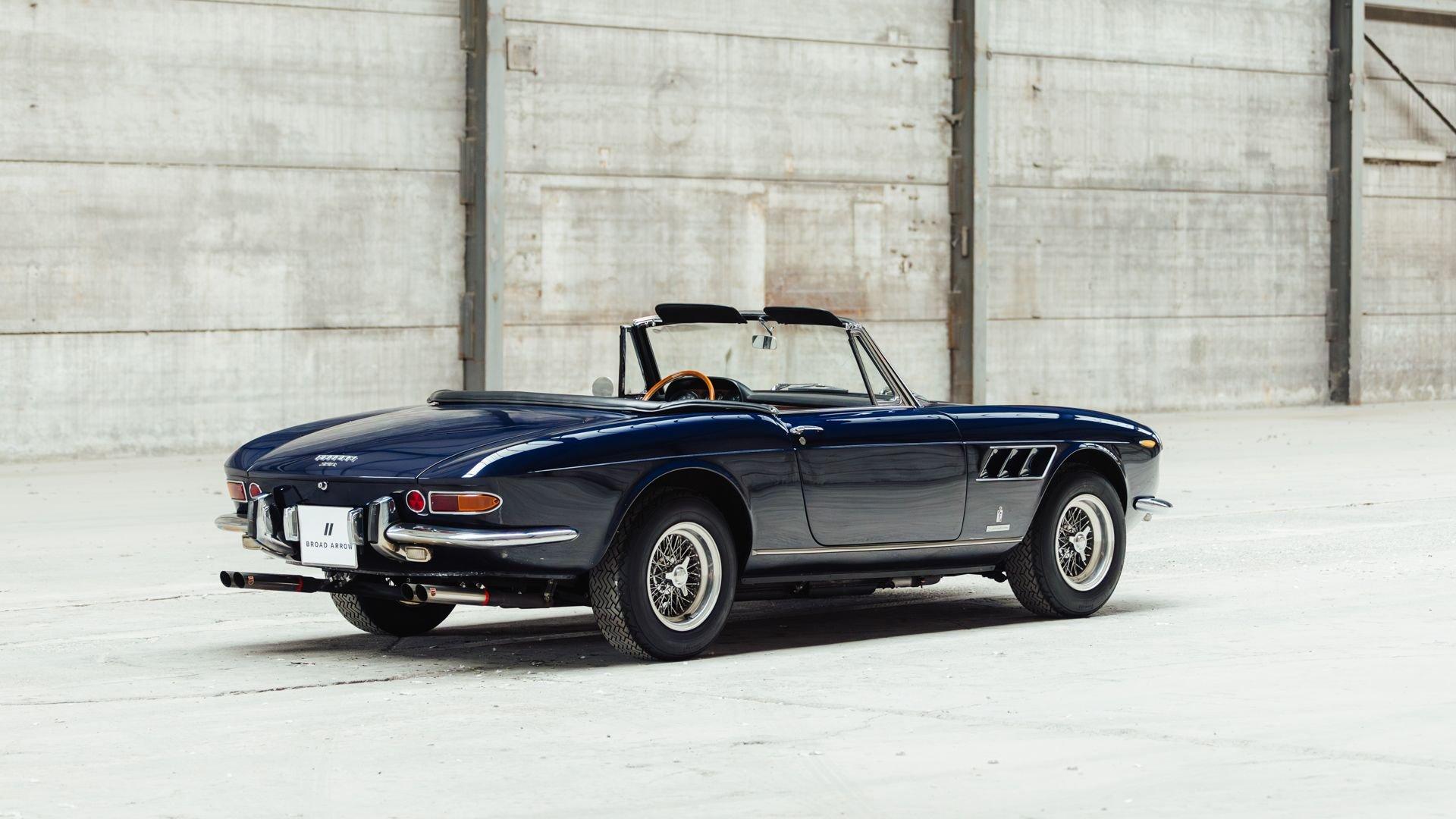
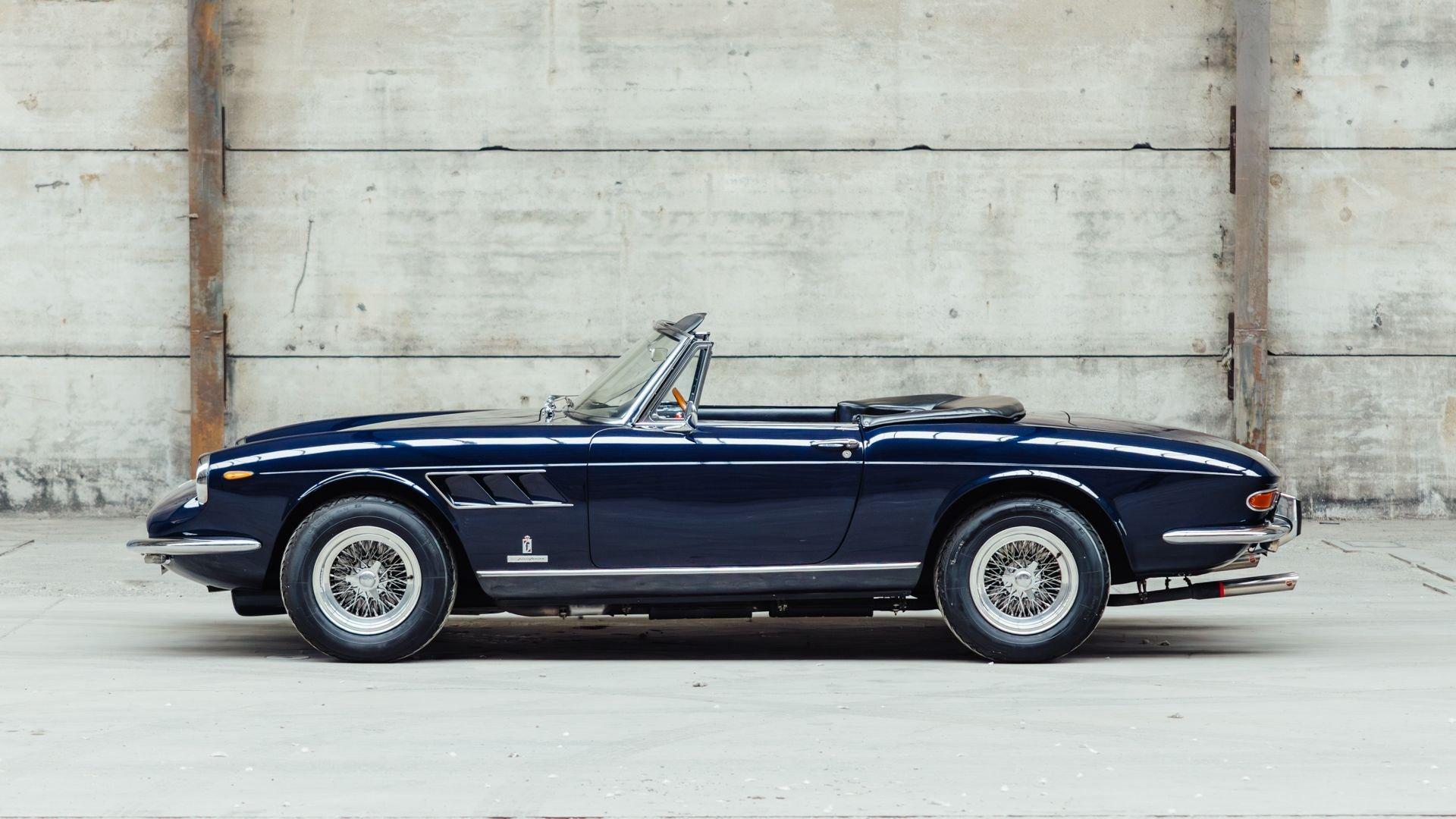
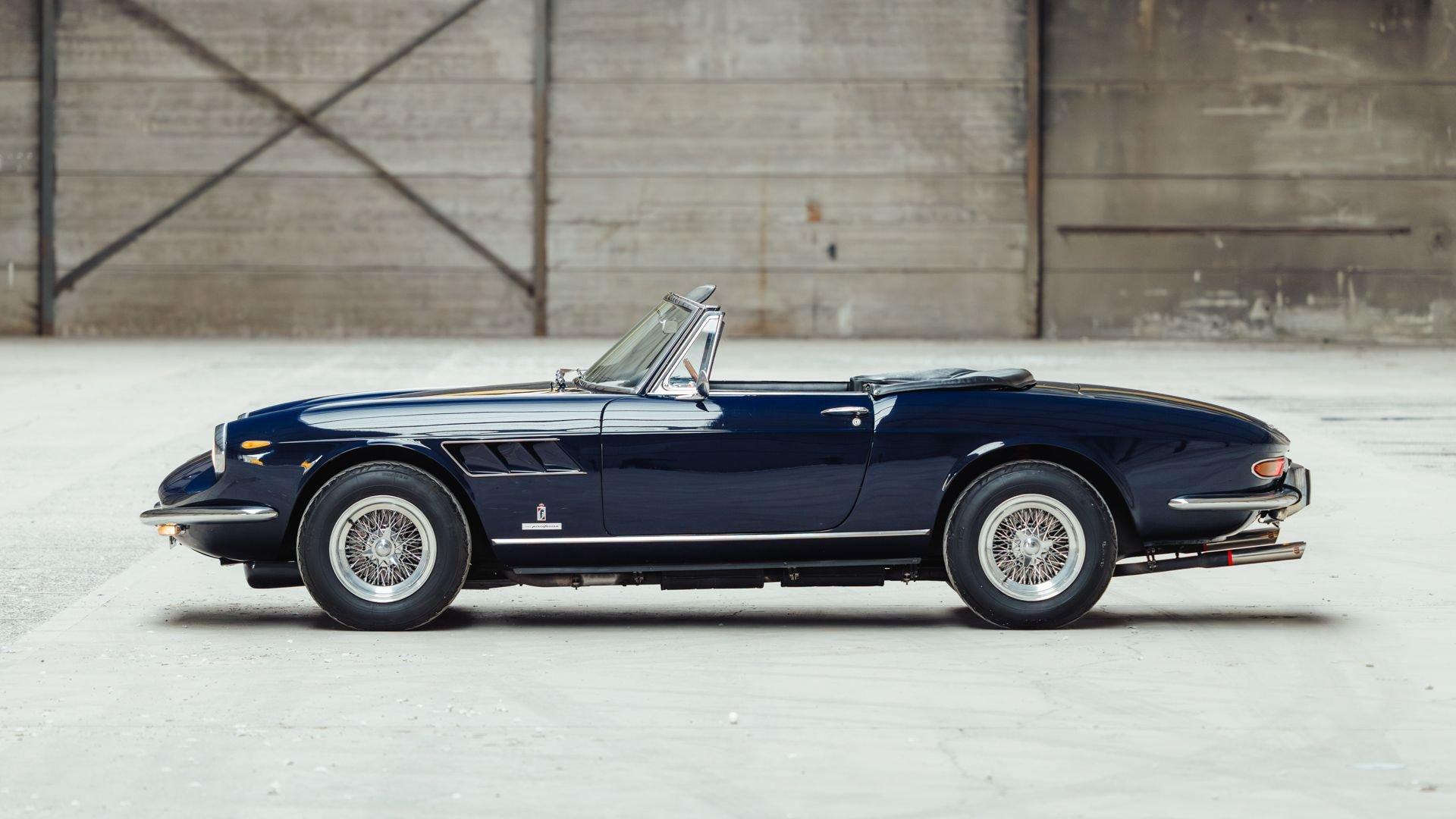
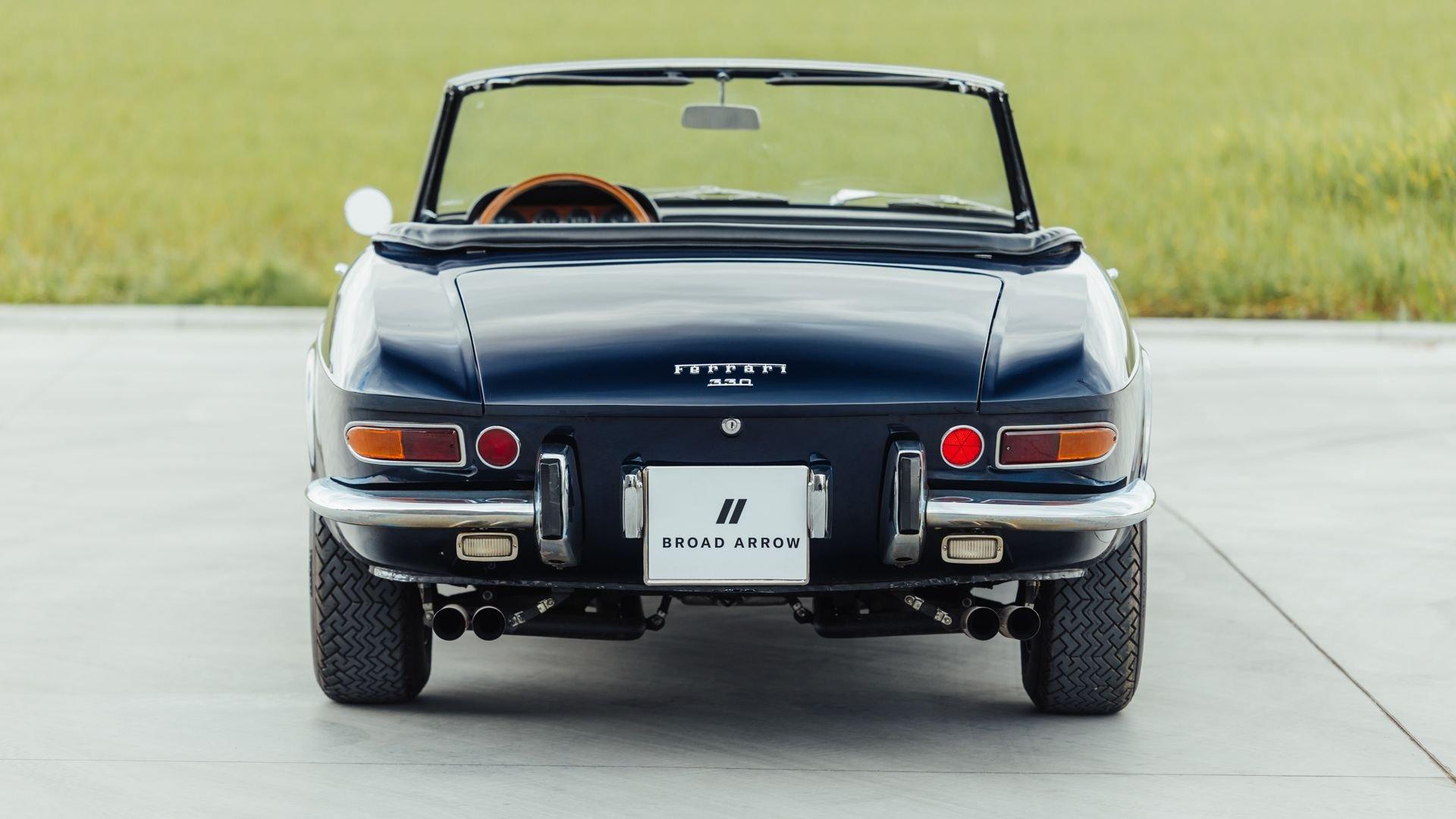
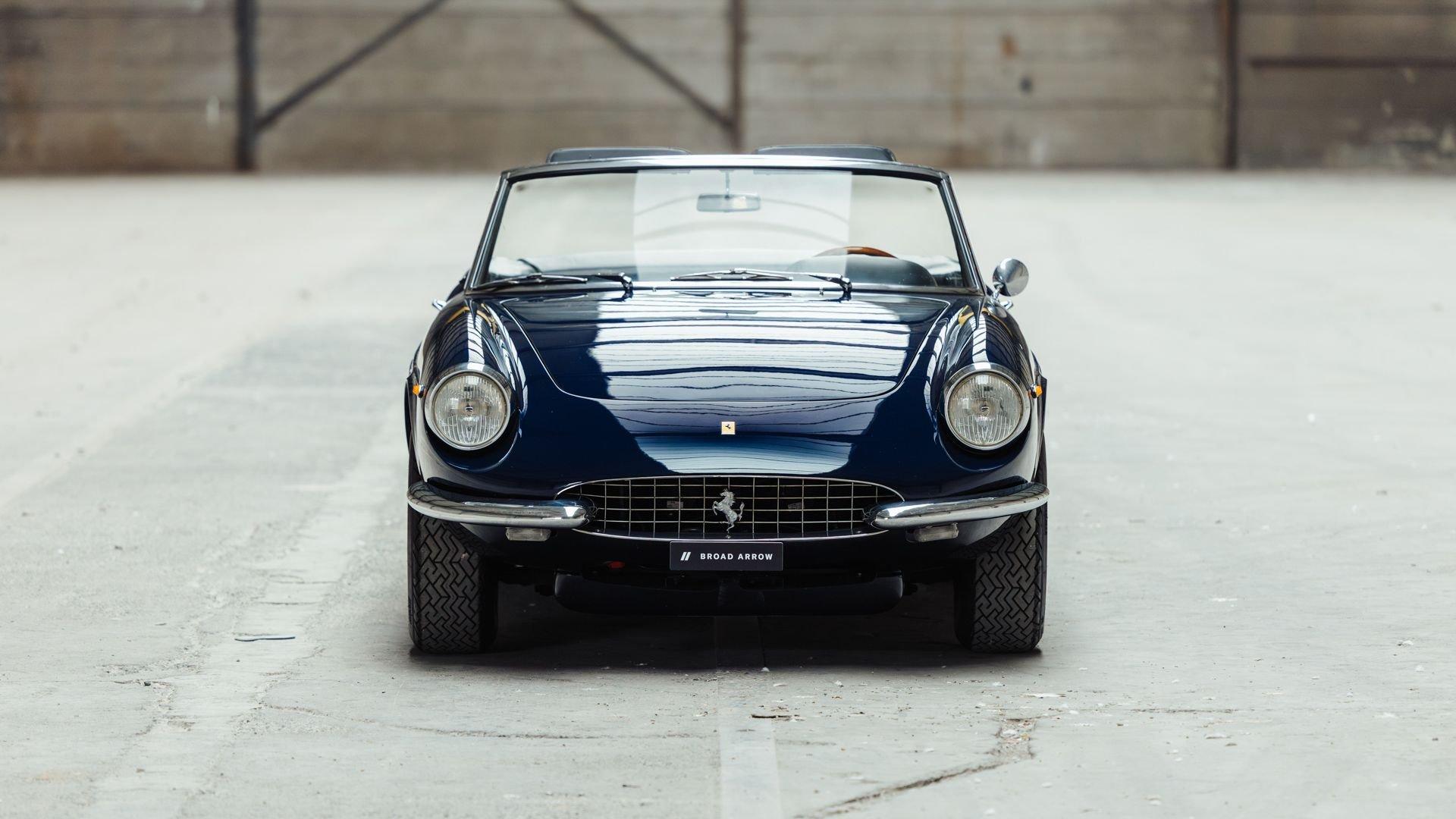
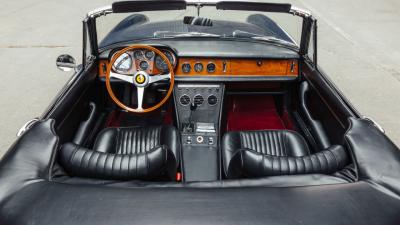
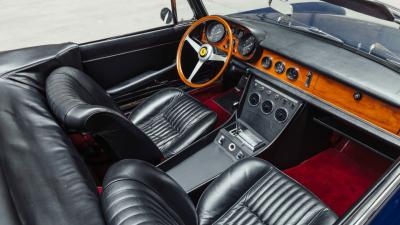
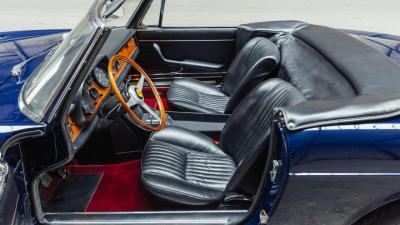
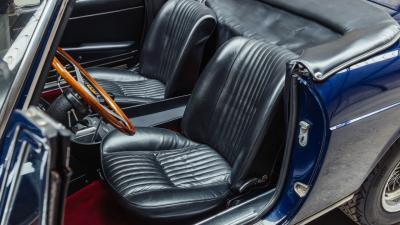
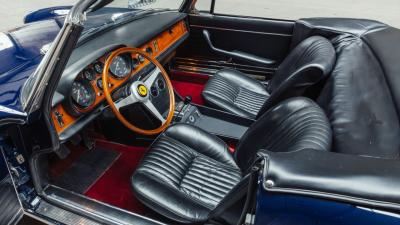
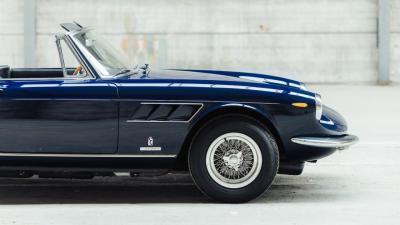
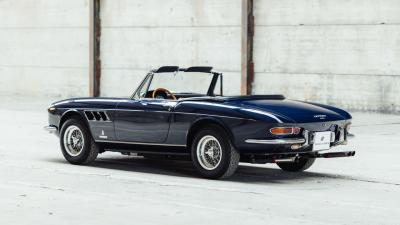
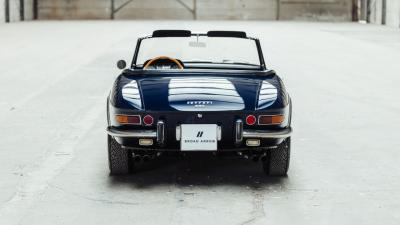
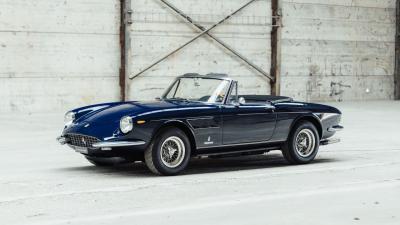
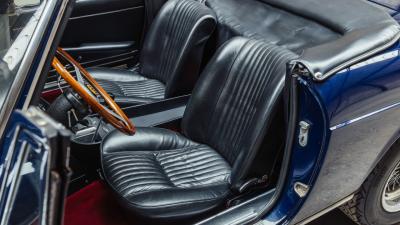
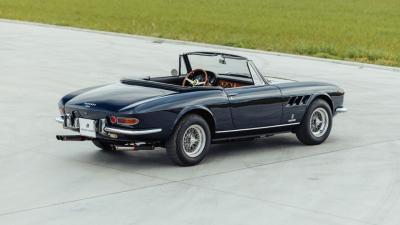
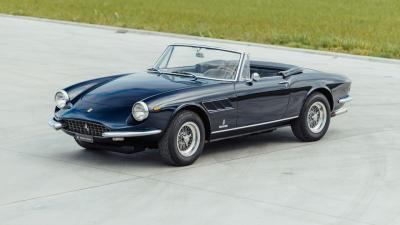
During the 1990s, the car underwent a full restoration in Spain. It was at this time that the refined color combination of dark blue over black leather, by which it is known today, was chosen and applied.
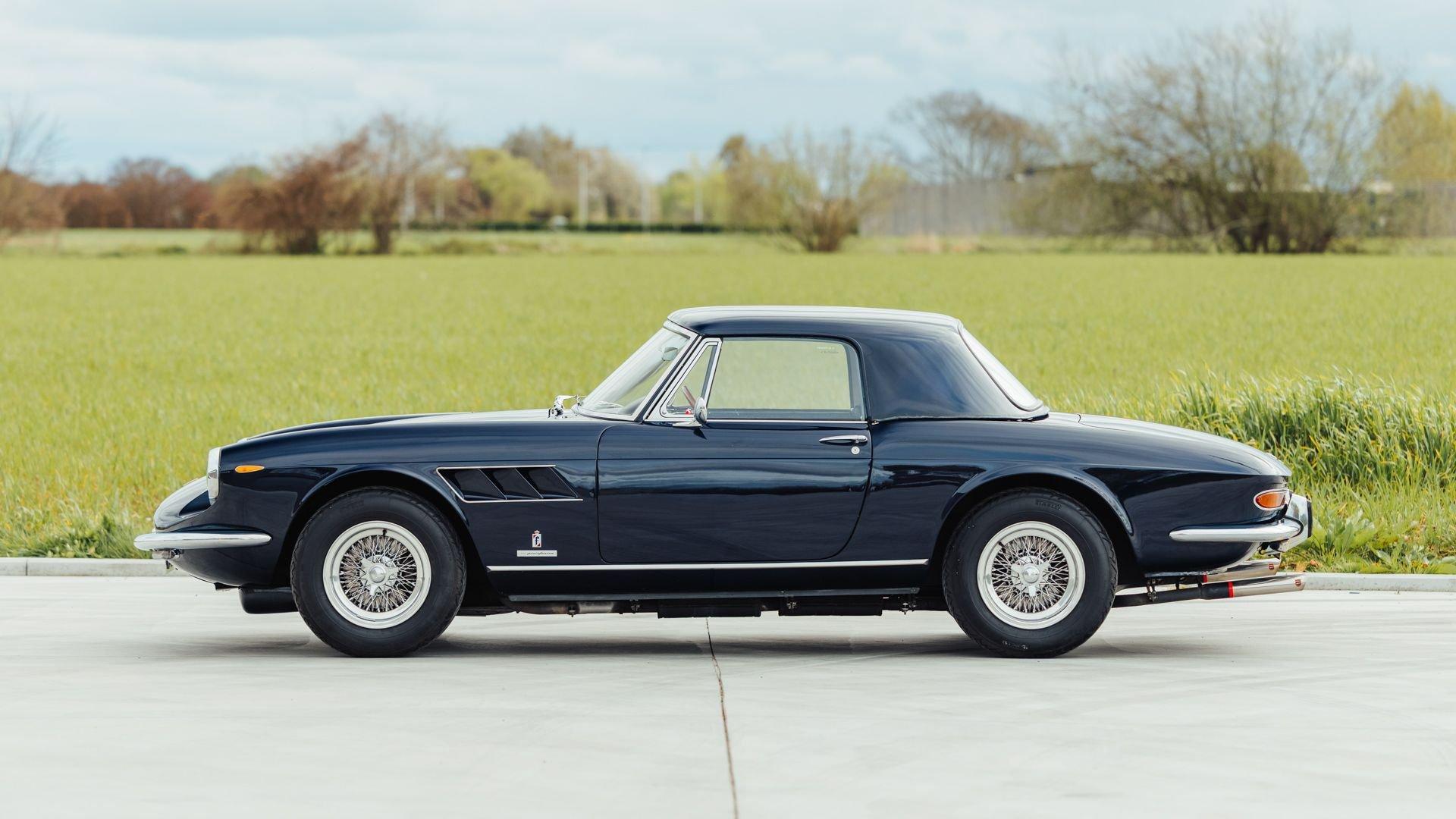
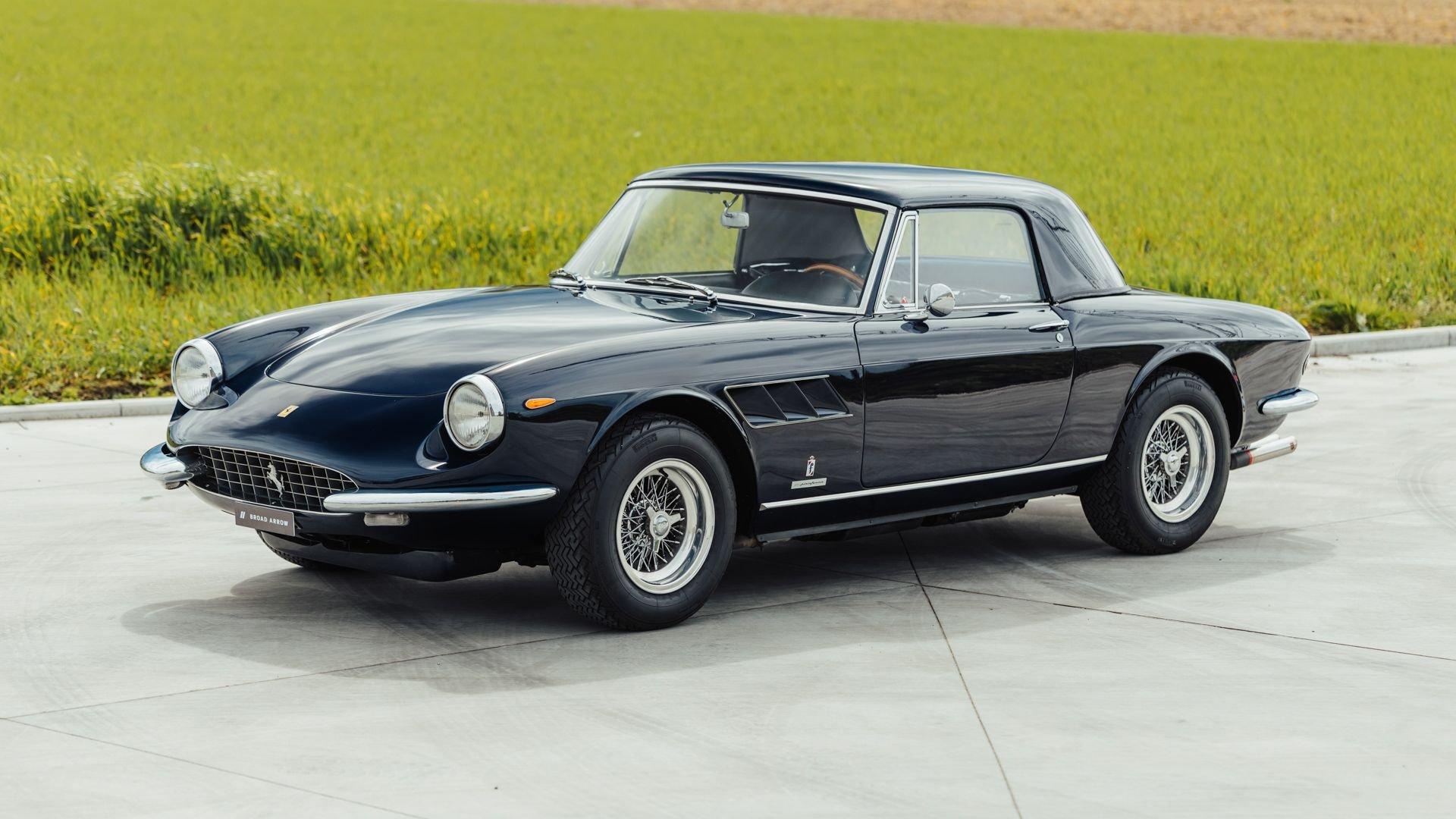
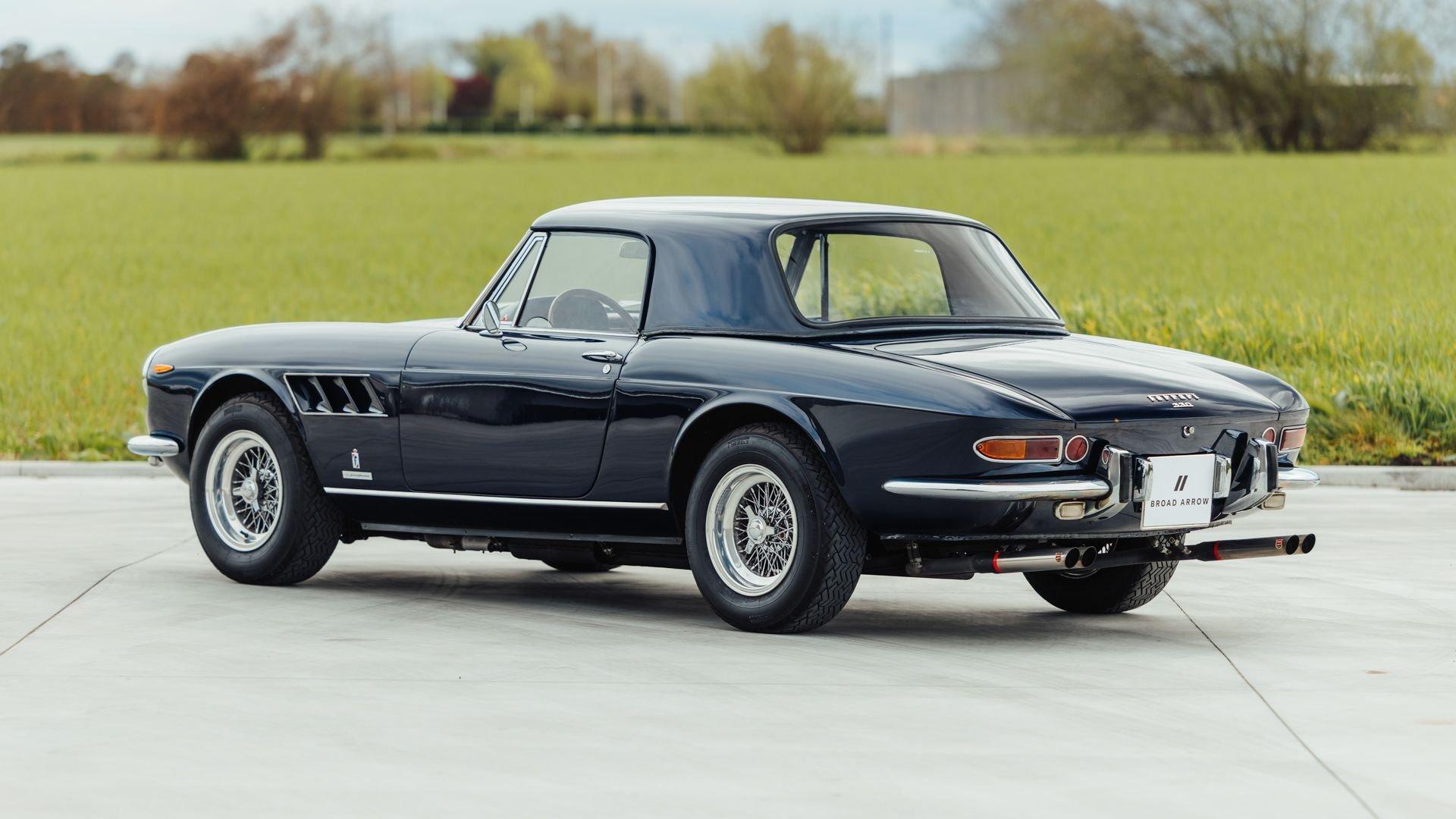
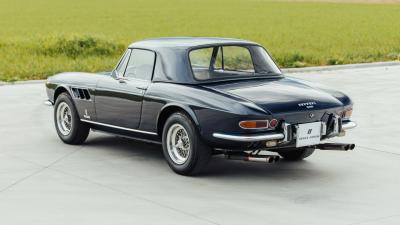
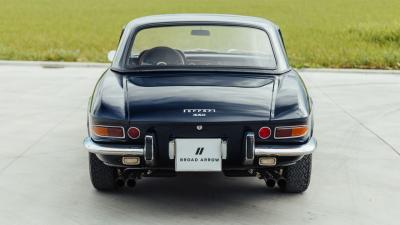
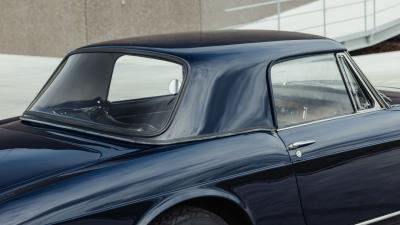
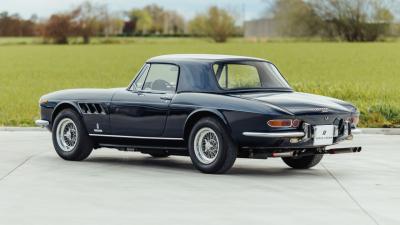
Chassis 11045 was originally fitted with a very rare hardtop, it is believed only a handful of 330 GTSs were ever delivered with this rare and desirable optional feature. On the pre-restoration archive photos, when the car was still wearing its original color scheme, the hardtop is clearly visible, and today still comes with the car.
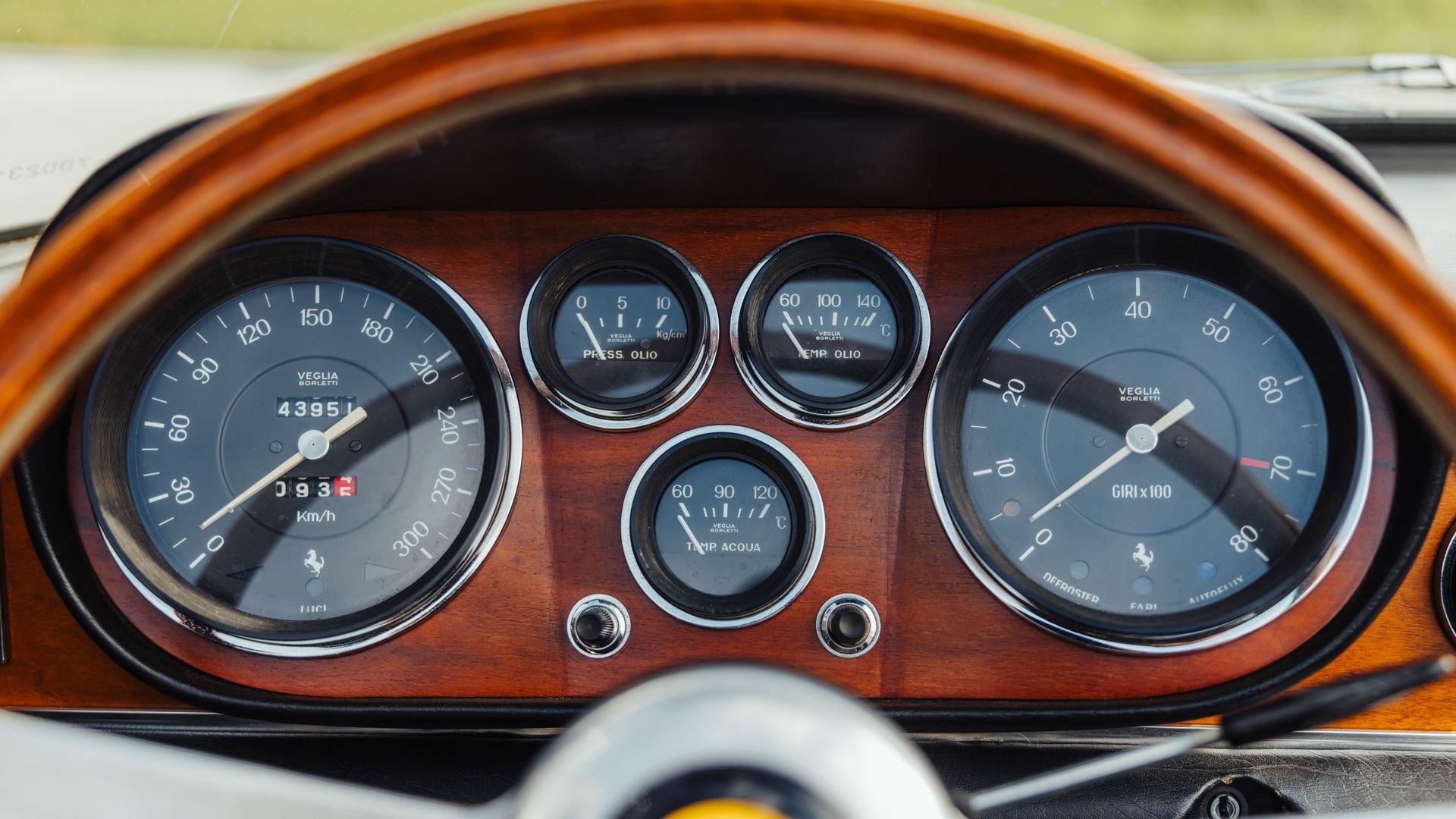
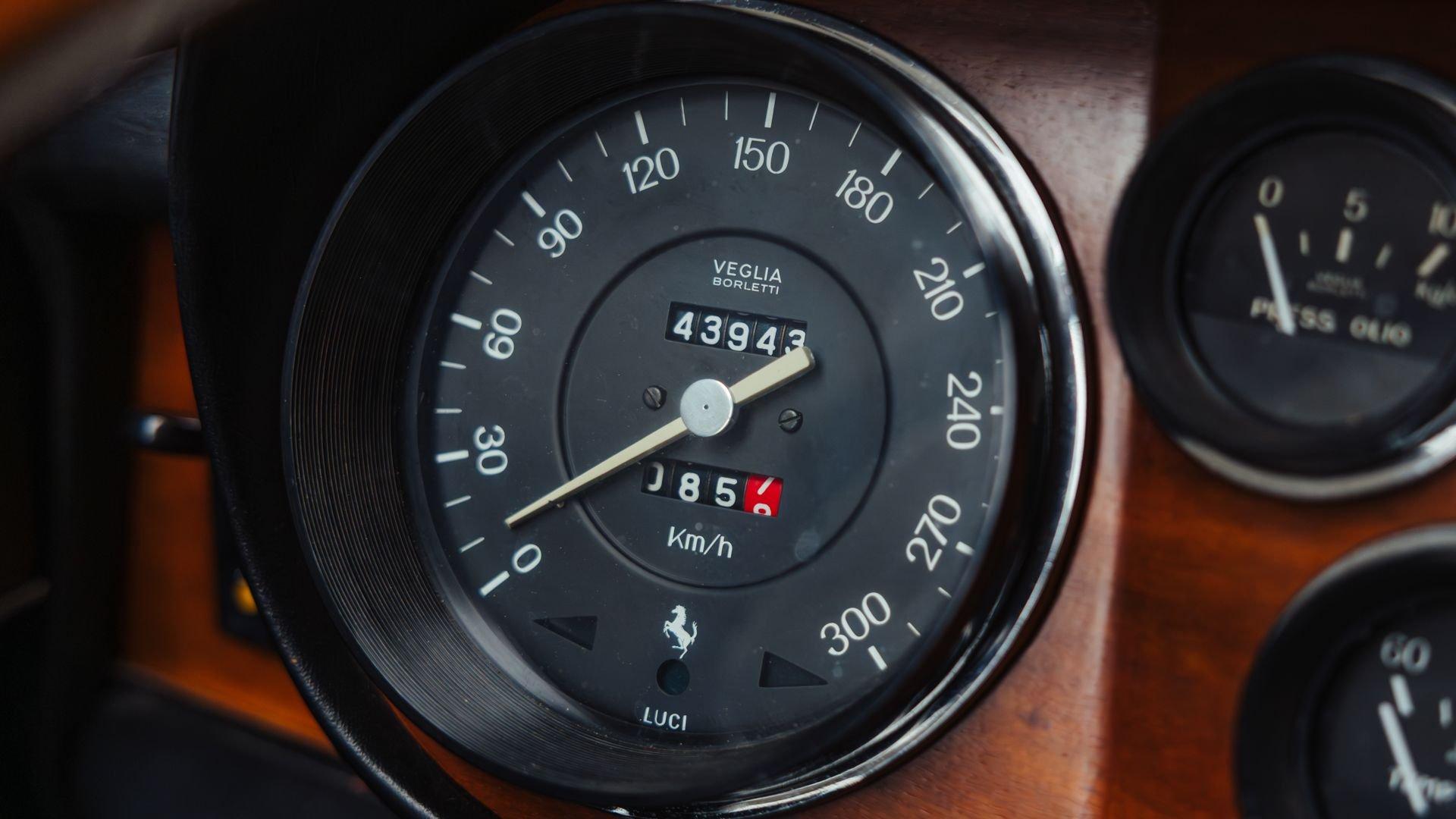
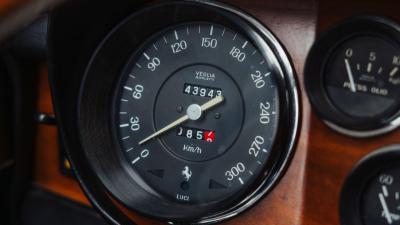
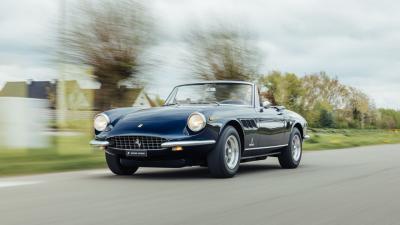
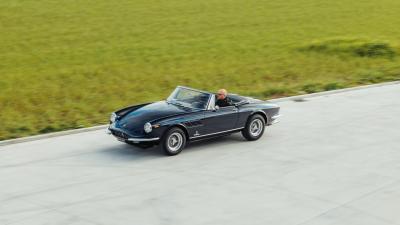
In May 2001, the car left Spain, passing through several hands in Switzerland and France before finding, that same year, the owner who would keep it until today in the Netherlands. There, its owner, a dedicated Ferrari collector, enjoyed it to the fullest, taking it to numerous classic events, adding many miles to its odometer, and carefully looking after his beloved 330 GTS with no expense spared over the past 25 years. Throughout this period, the car was maintained with great care and at considerable expense by Italauto, a well-regarded Dutch specialist in Ferrari and Maserati. A comprehensive file running to several dozen pages details the expenditures and work carried out, both mechanical and cosmetic, on the 330 GTS every year from 2001 to 2025, for a total amount of over €250.000! These invoices are available for review.
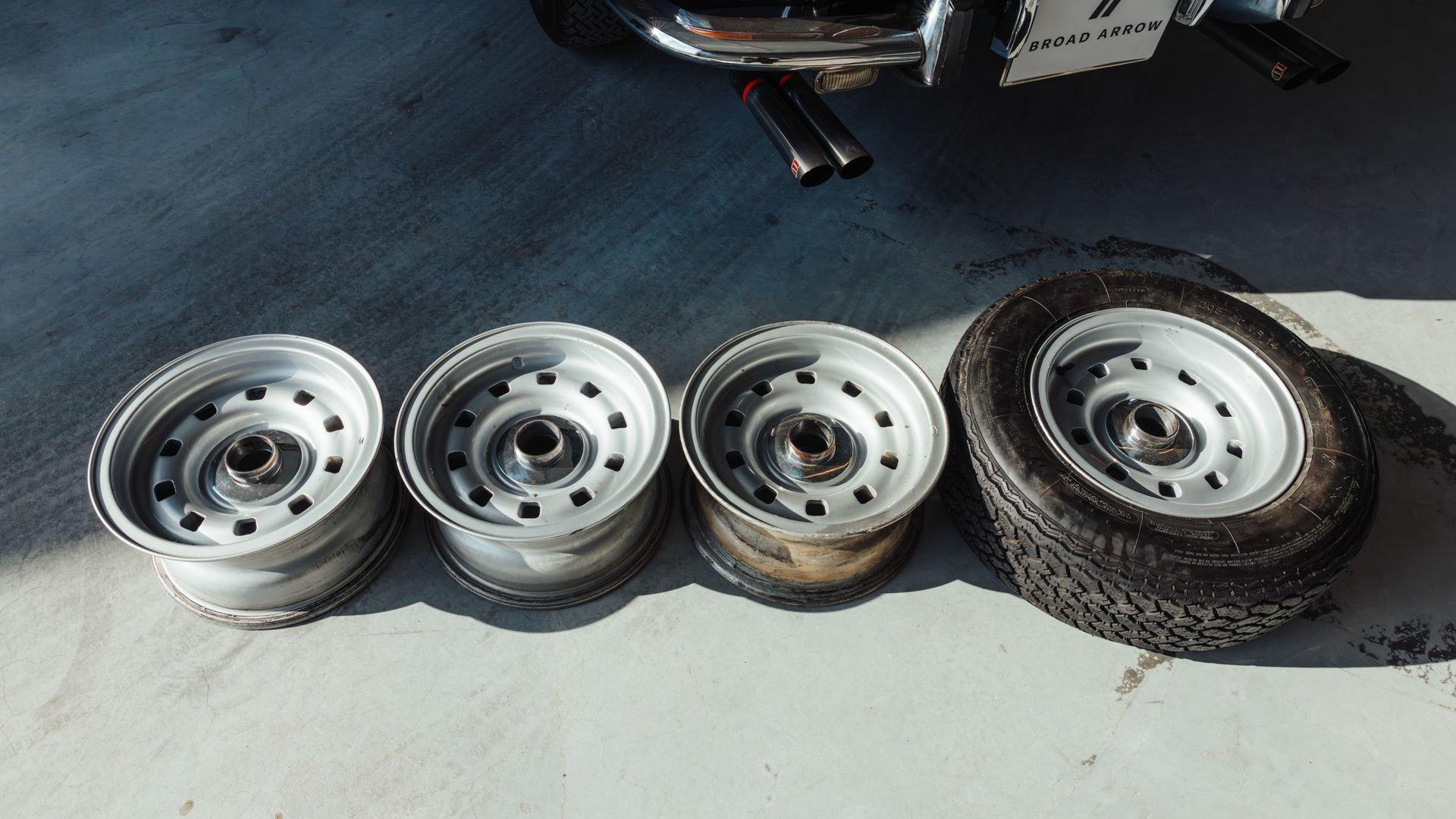
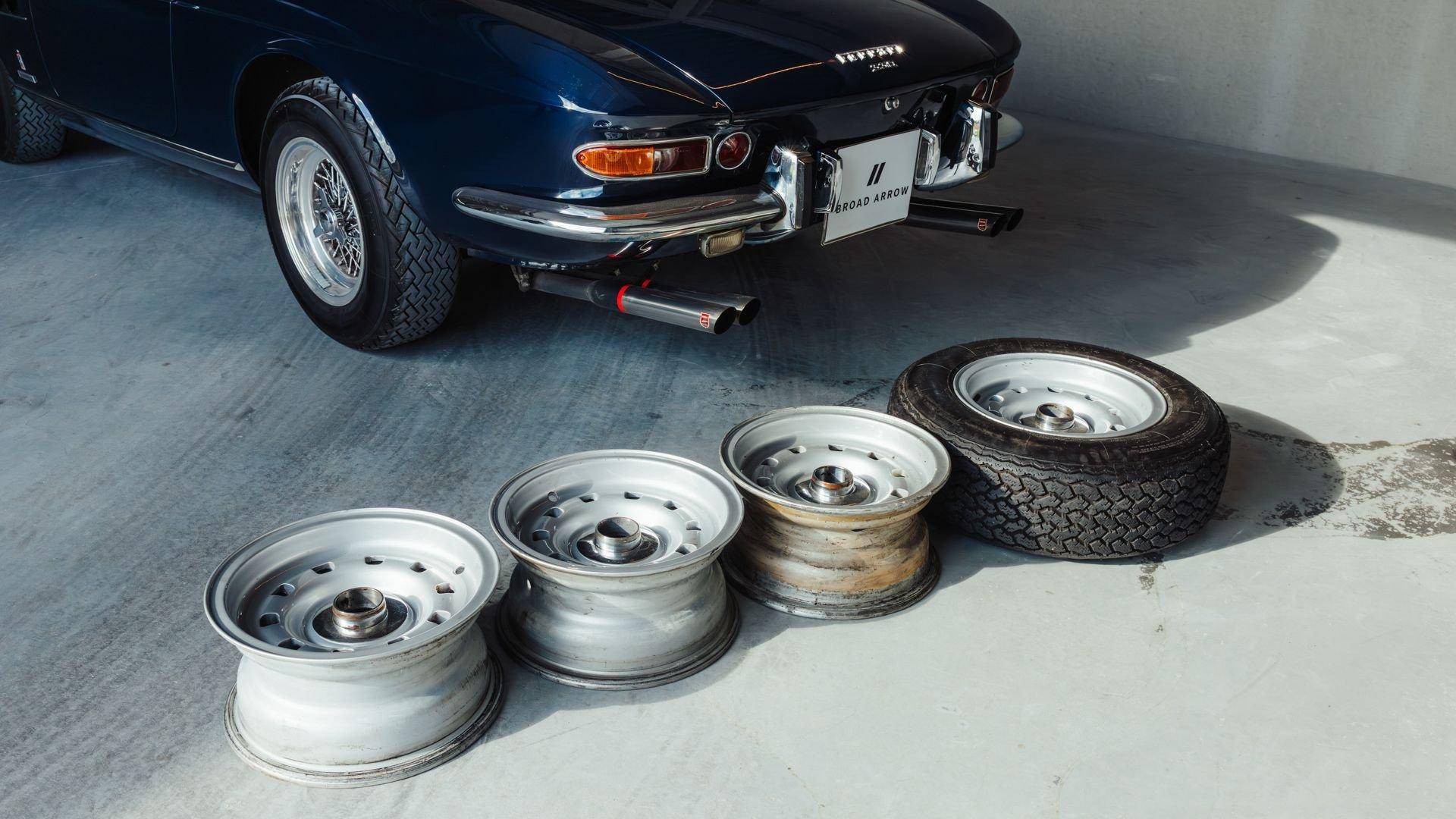
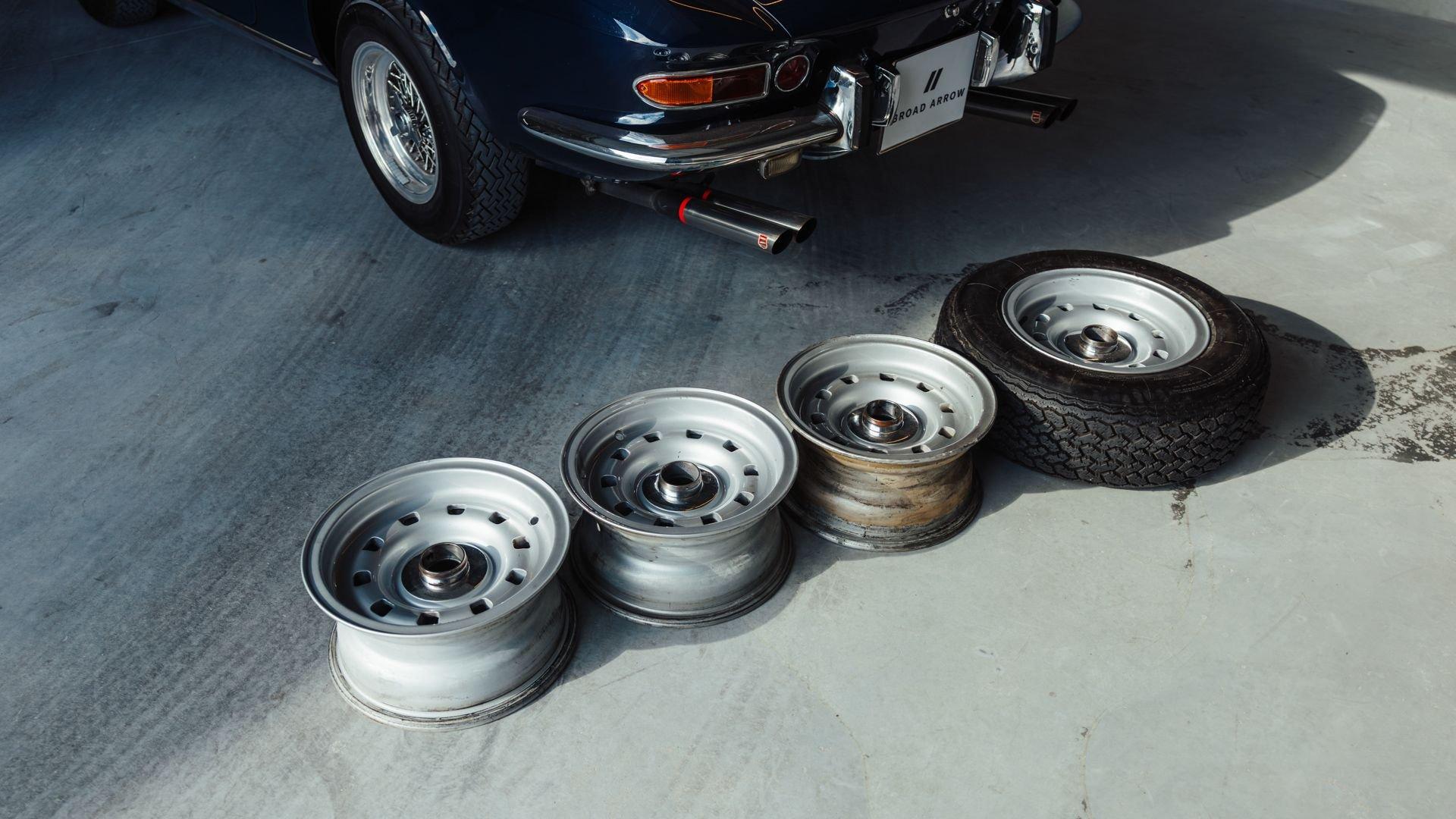
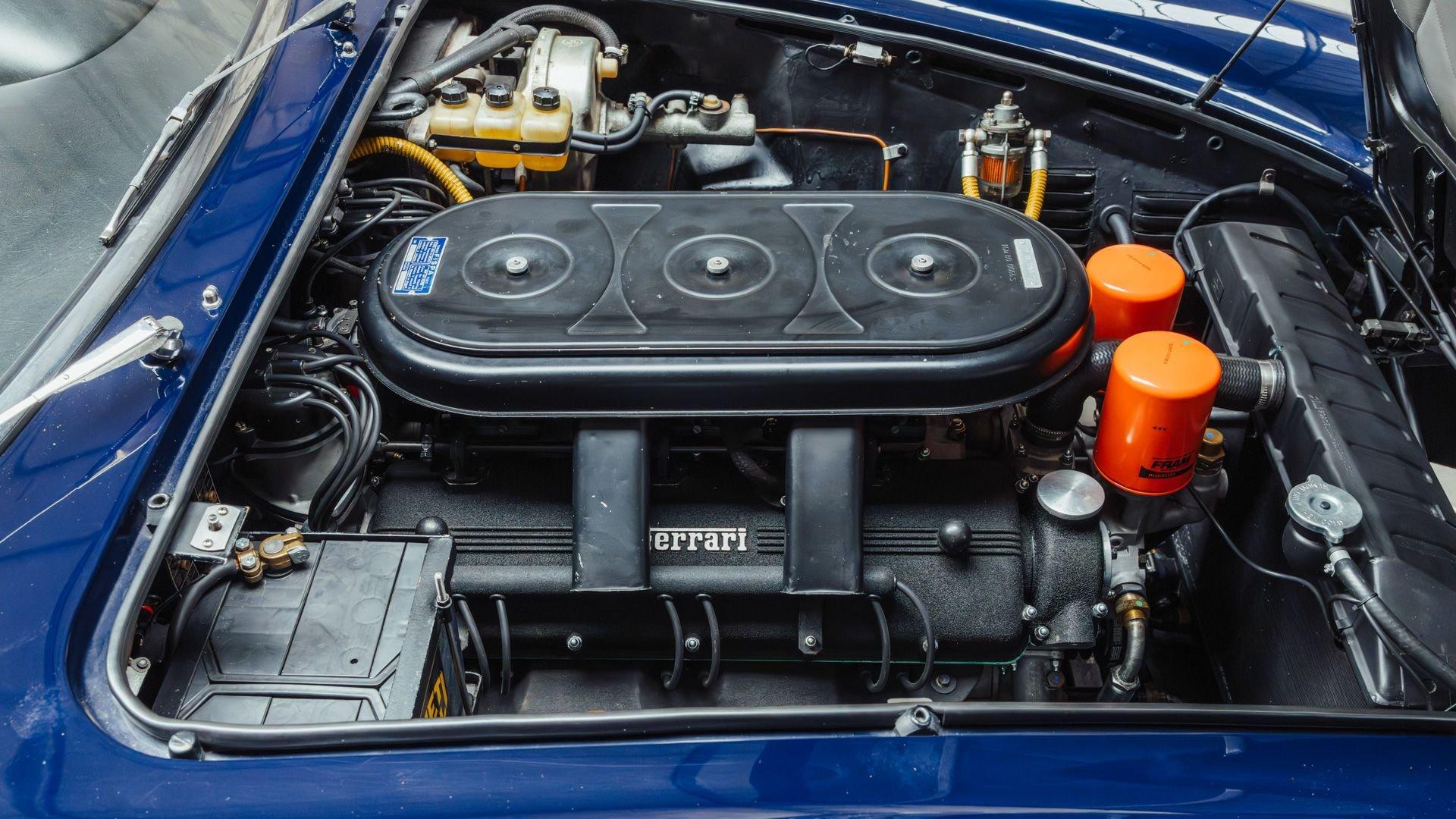
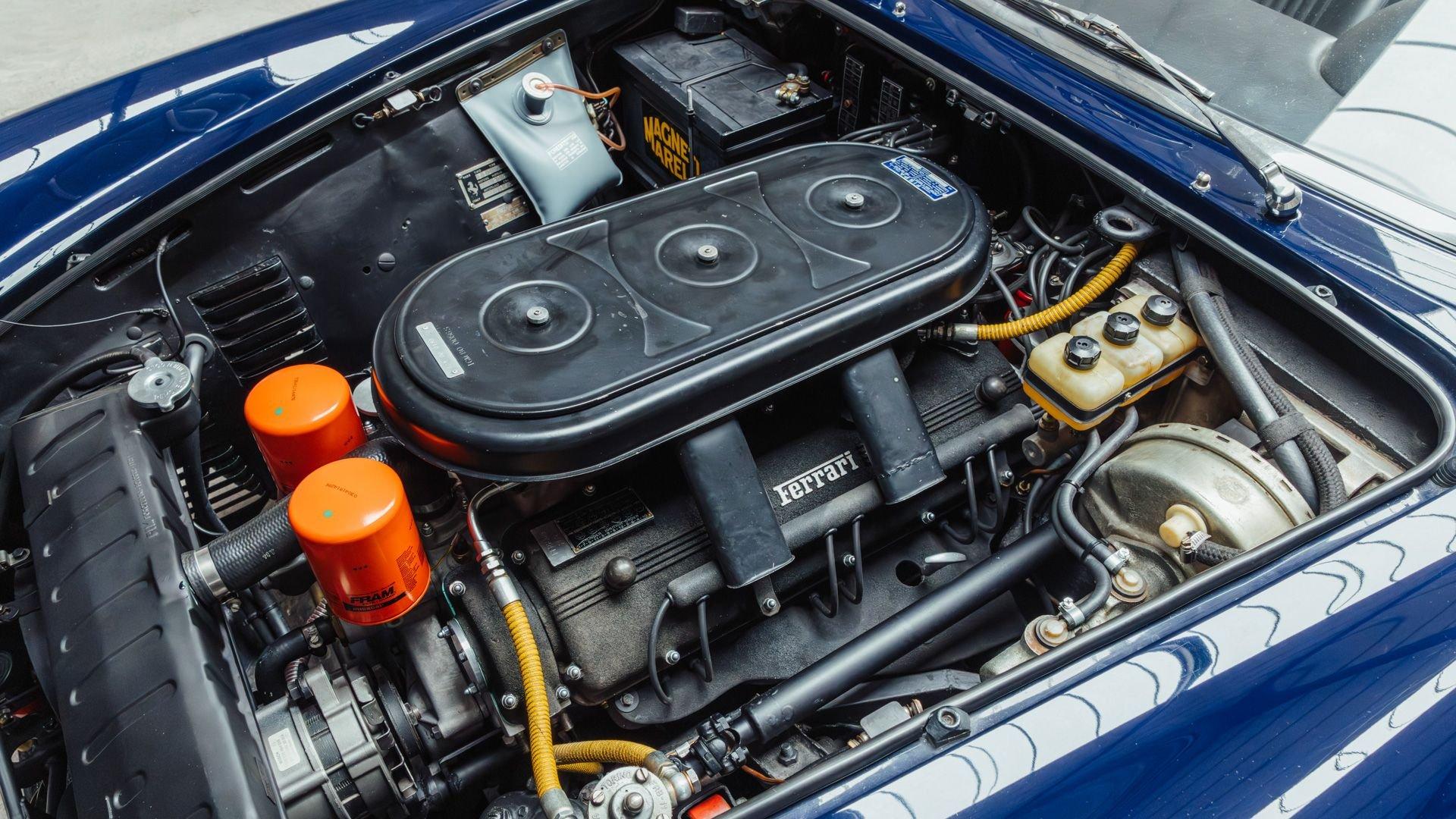
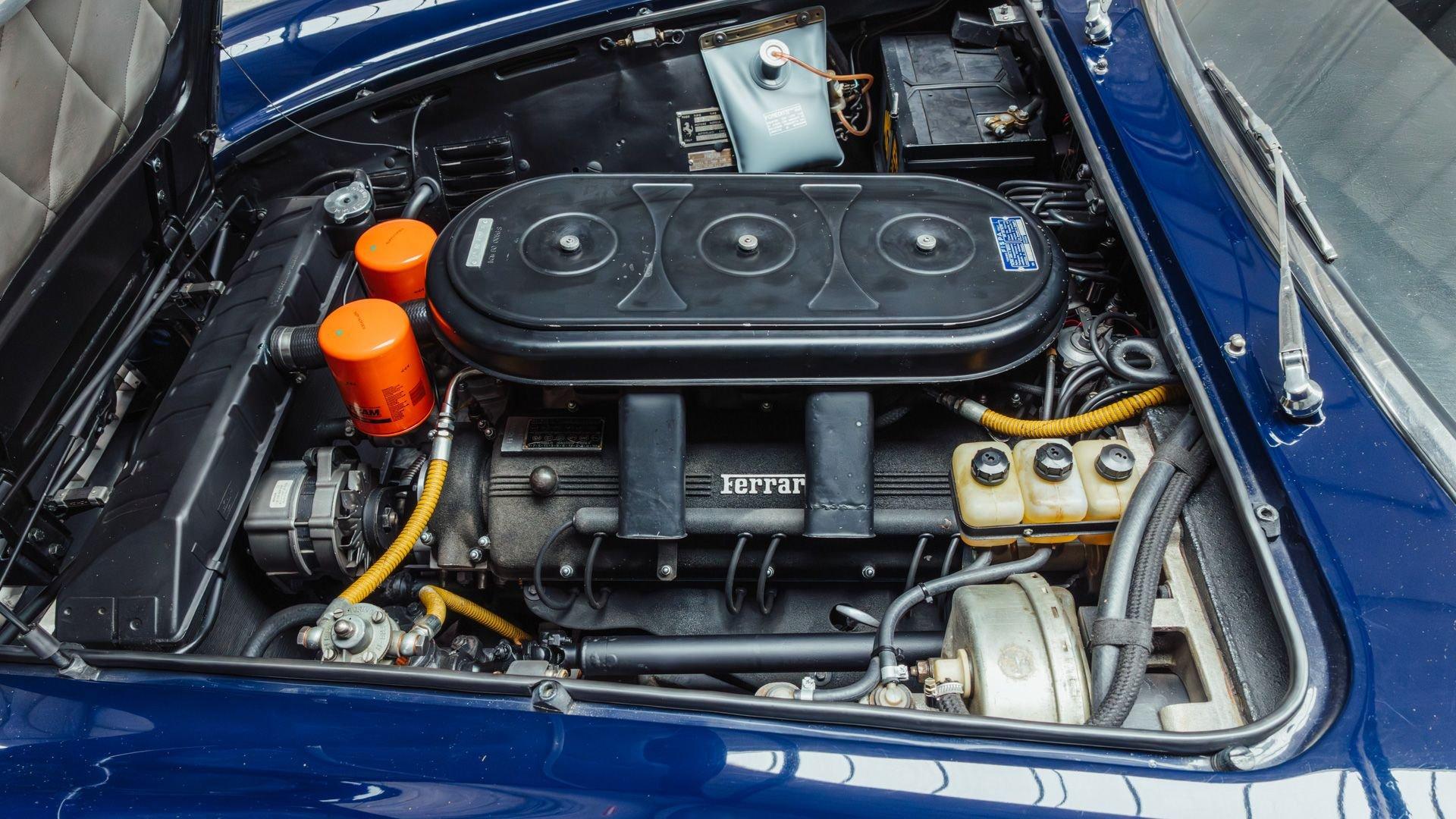
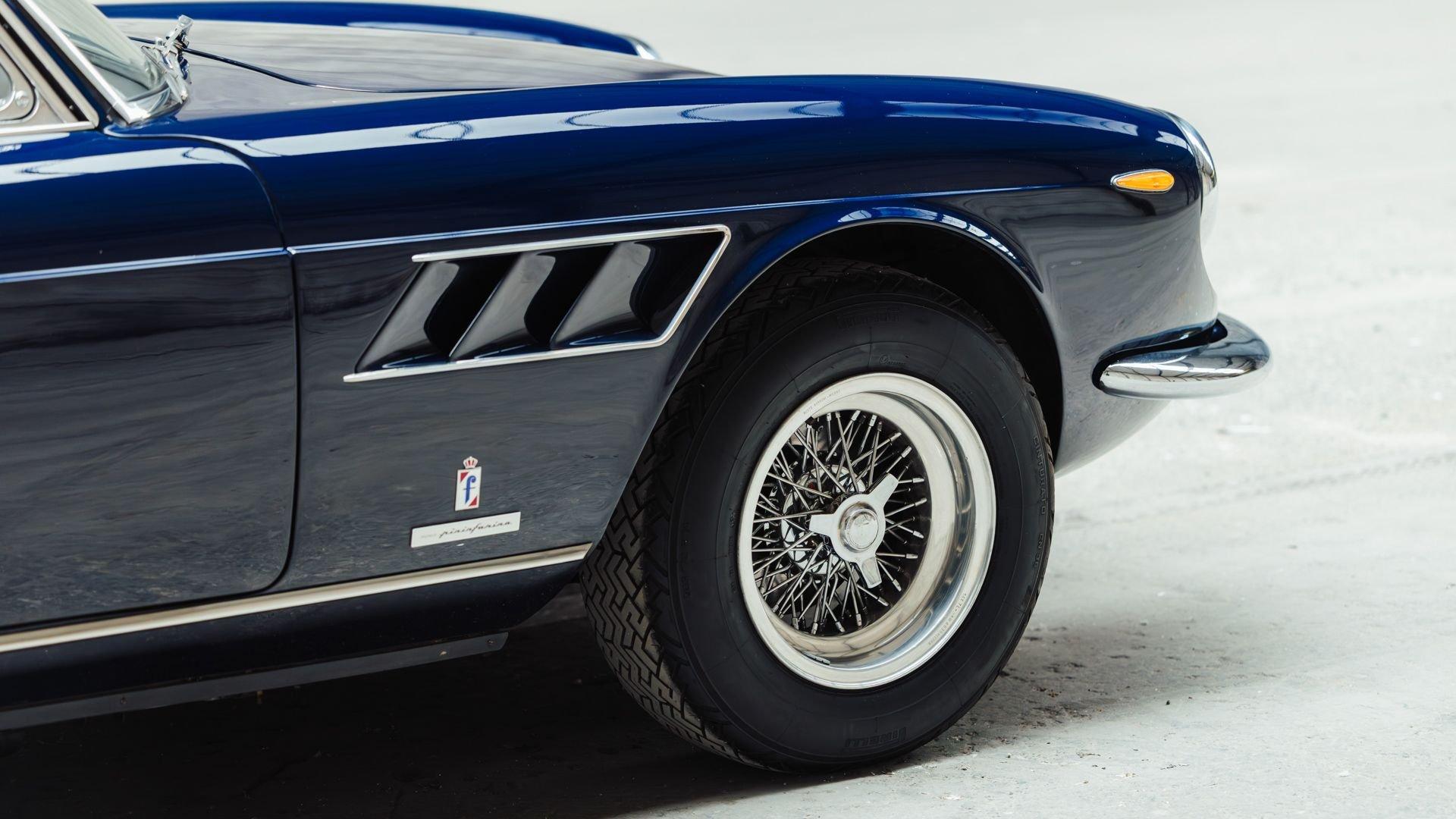
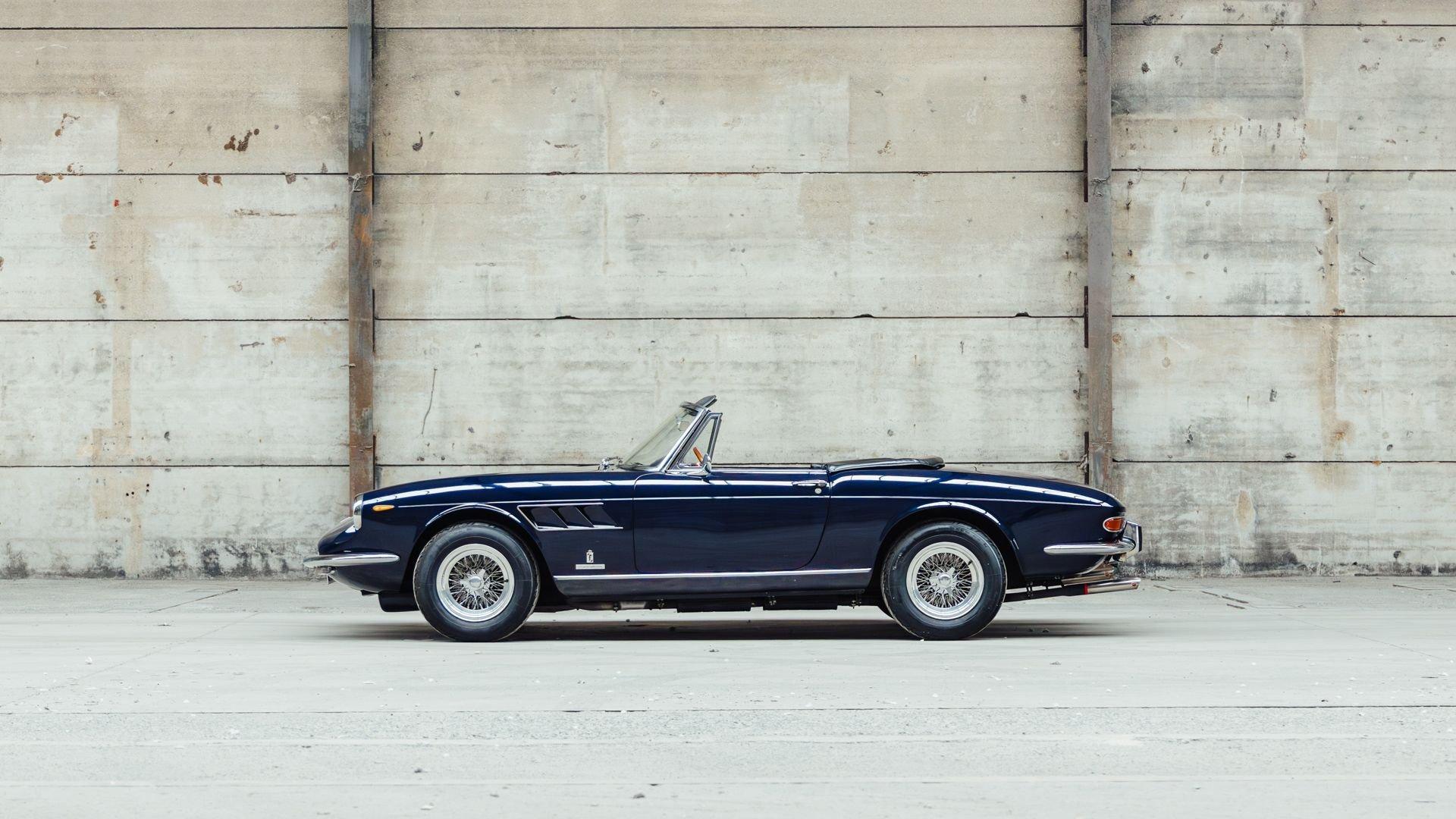
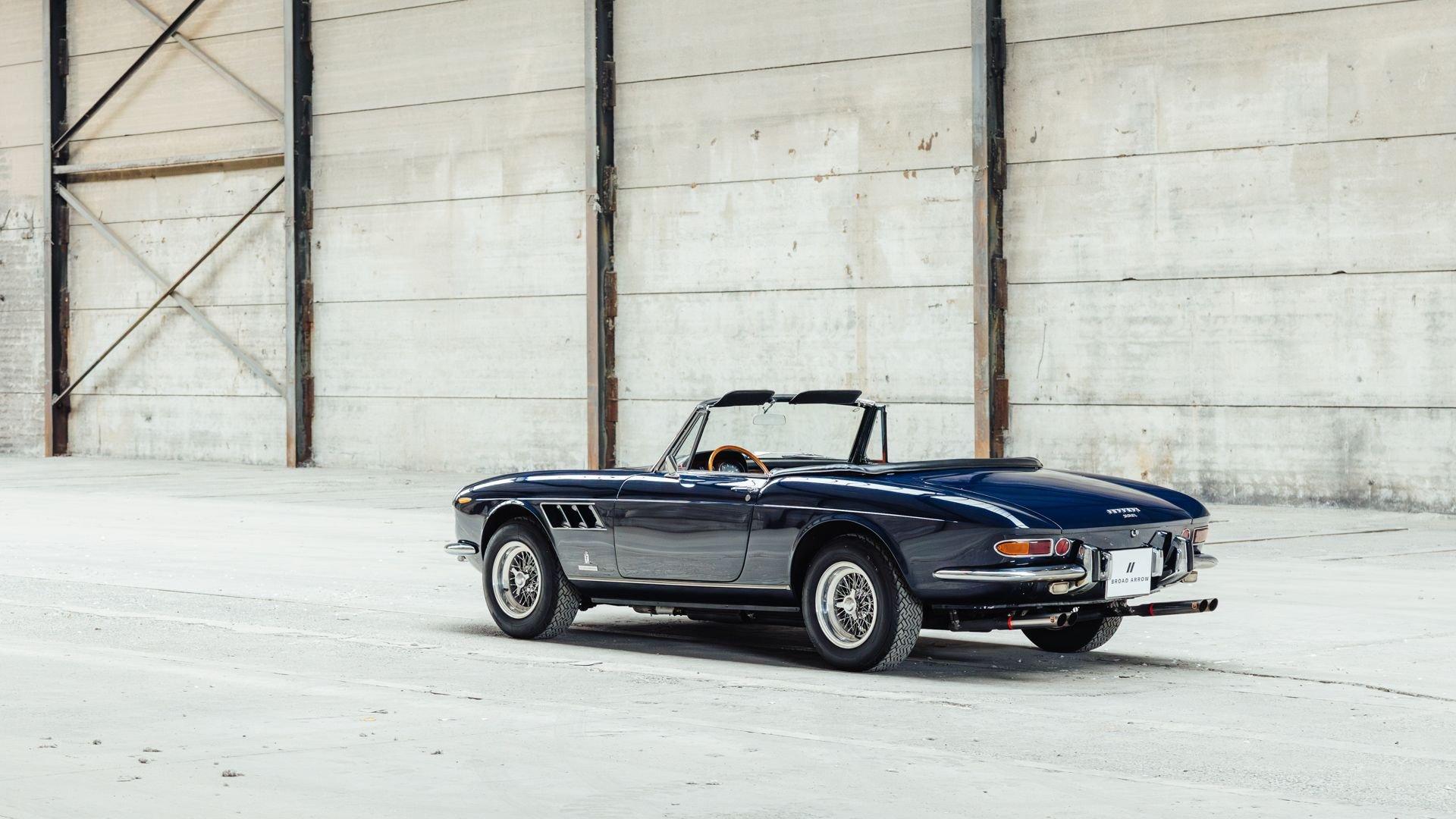
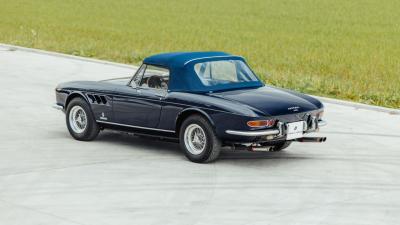
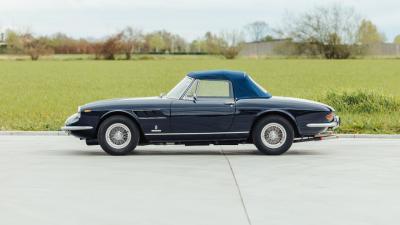
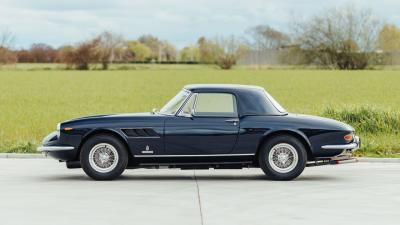
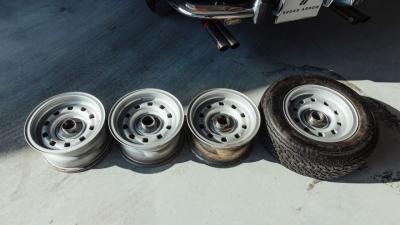
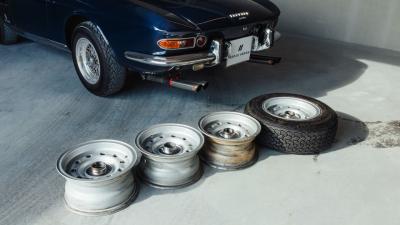
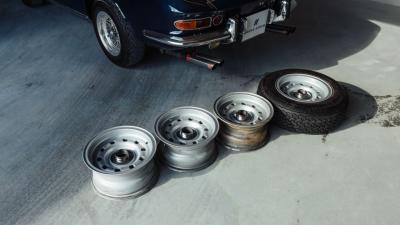
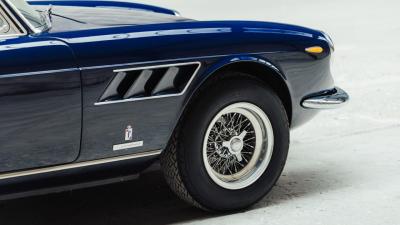
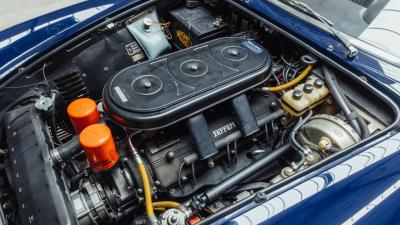
Among the works carried out, notable highlights include a full respray in 2005 and the fitting of Borrani wire wheels, which were available as a factory option at the time and are fitted to the car today. The four original wheels are also included in the sale and come with the car. Most significantly, a major mechanical restoration campaign was undertaken in 2016 at a cost of nearly €60.000, encompassing a complete and meticulous engine rebuild with a new crankshaft, along with running gear, brakes, shock absorbers, clutch, radiator, steering, electrical system, and thermal insulation, among others. As previously noted, full documentation of these works is available for inspection.
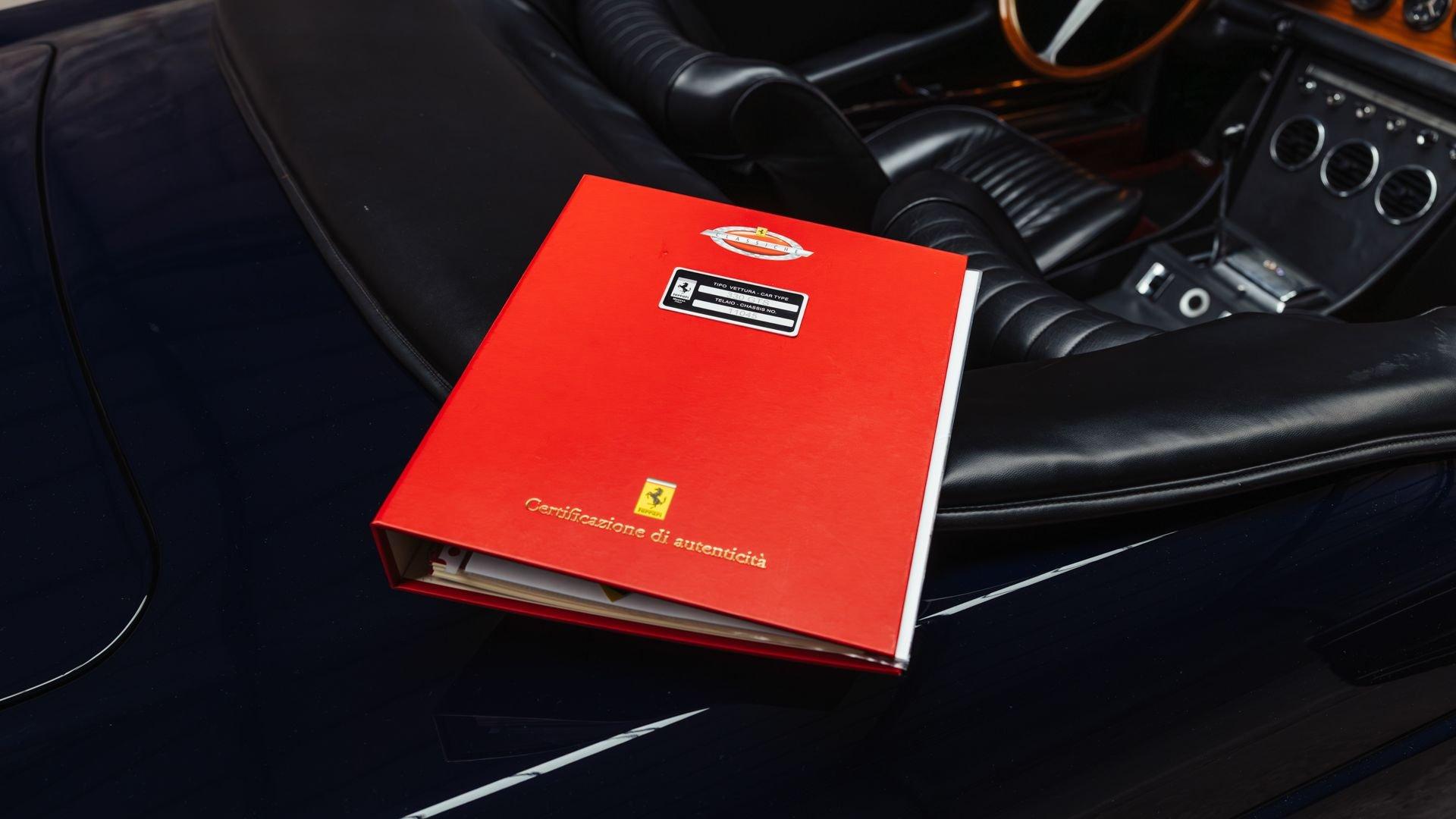
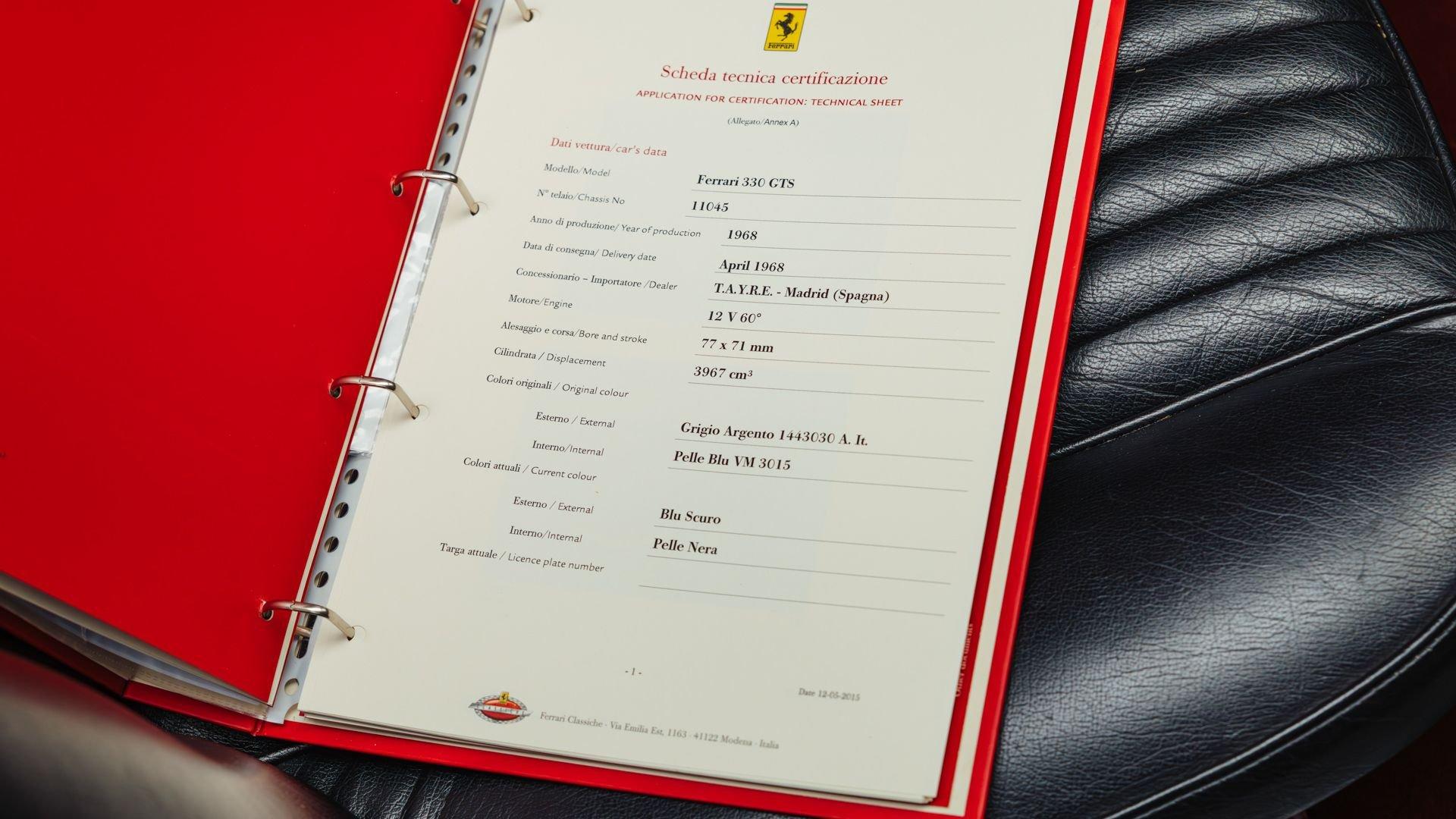
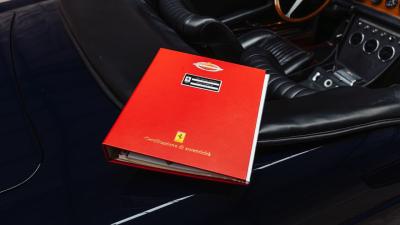
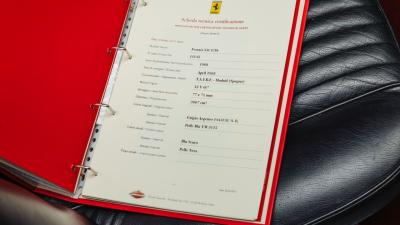
In 2015, the car was submitted to Ferrari Classiche and awarded its Red Book certificate of authenticity by Ferrari S.p.A. of Modena. Its chassis, engine, and transmission are presented as original, never replaced, retaining their matching numbers stamped in their original positions. The body is likewise certified as original, and the suspension, brake system, and wheels are of the correct original type and specification. More recently, in 2023, the engine seals were revisited, with the carburetors cleaned and the car serviced. The most recent invoice issued by Italauto dates from 2025.
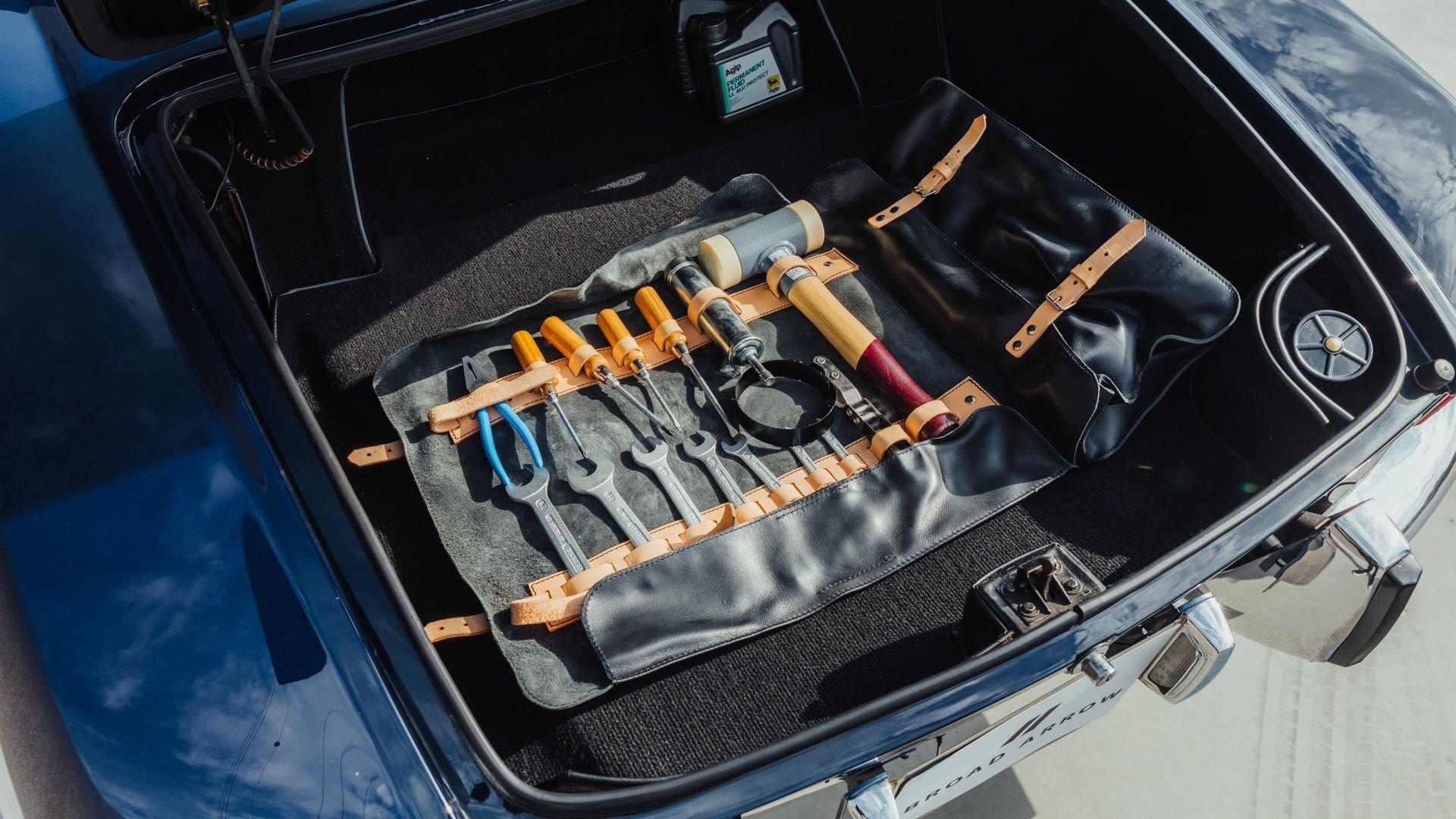
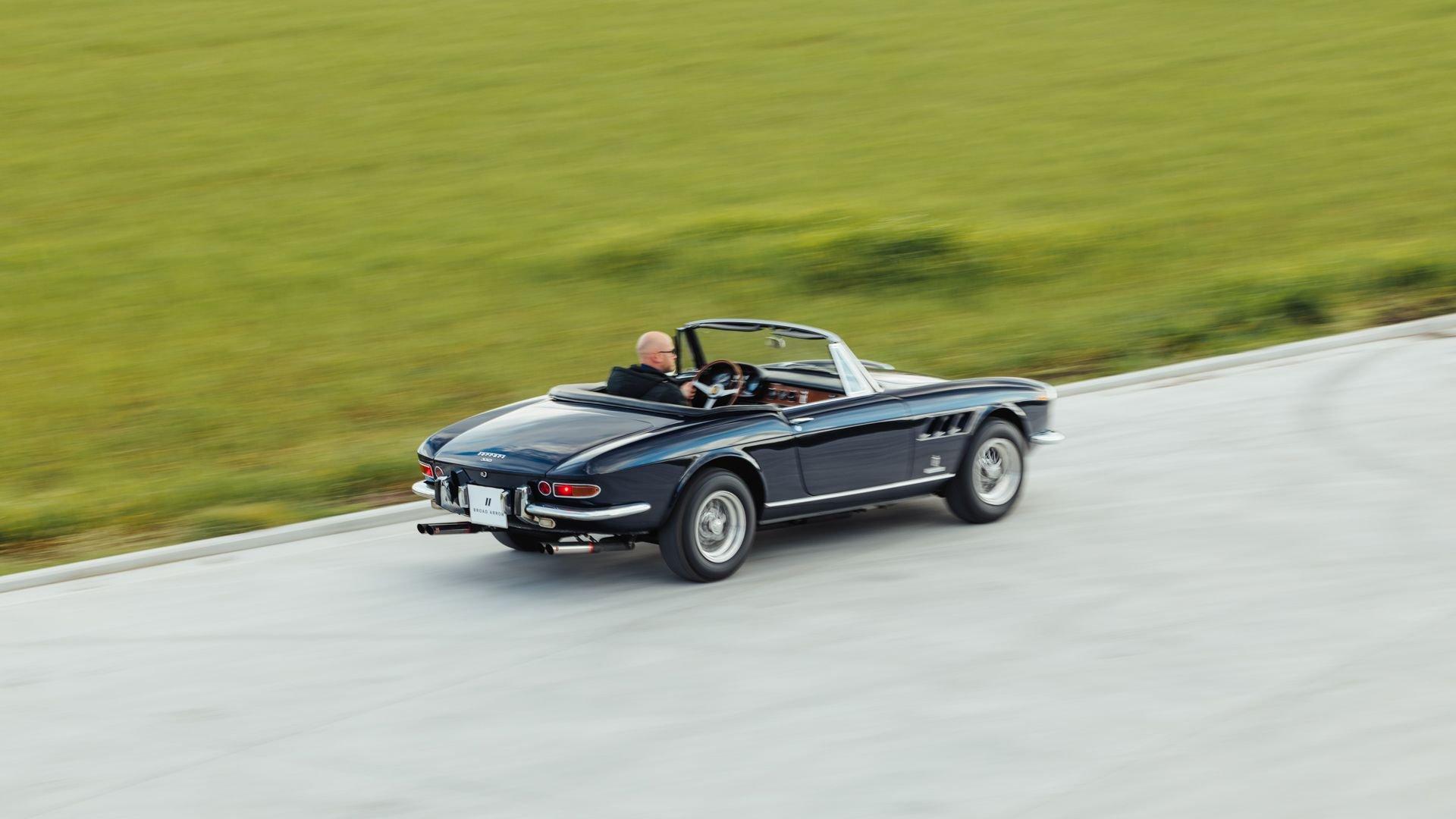
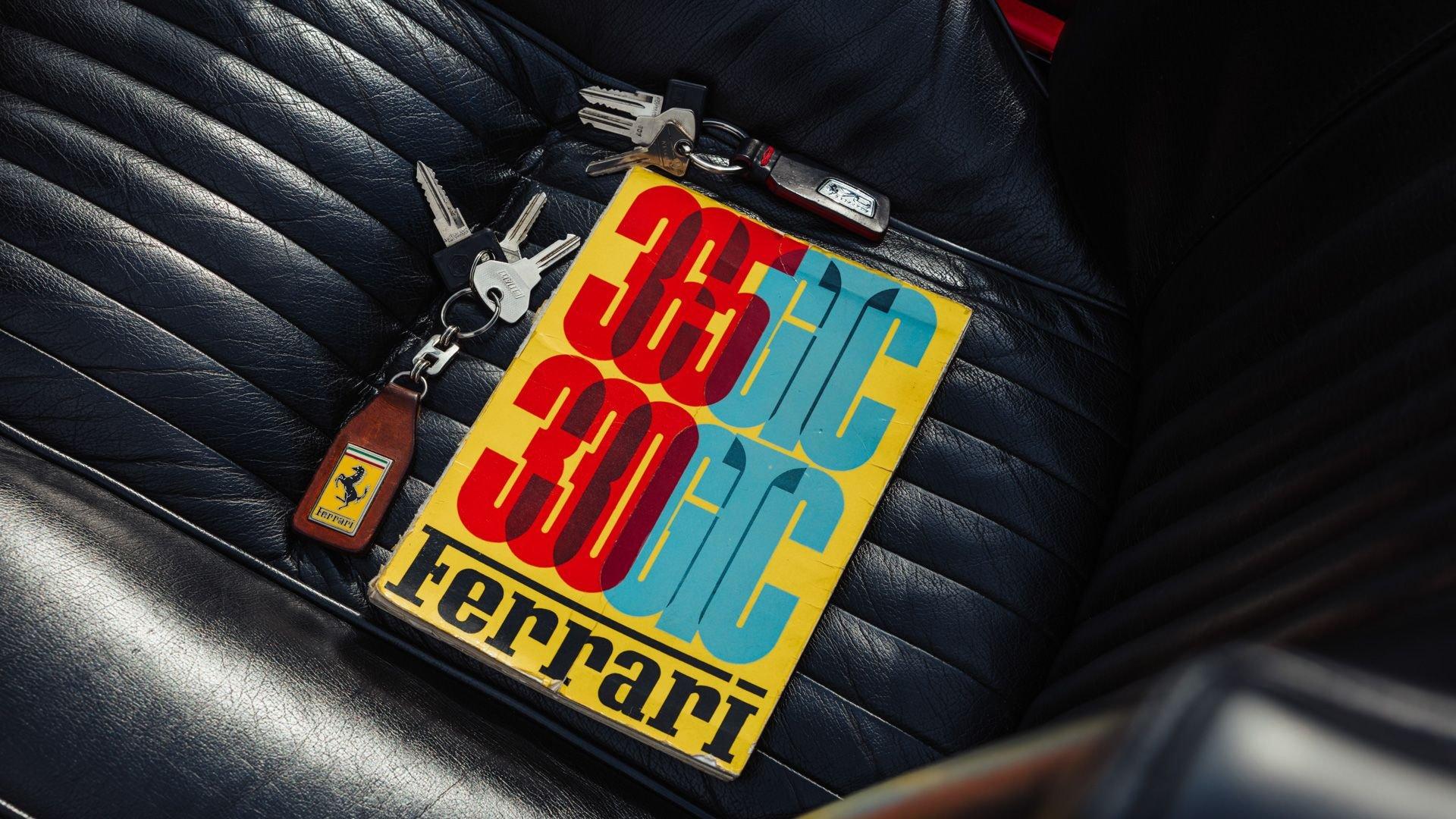
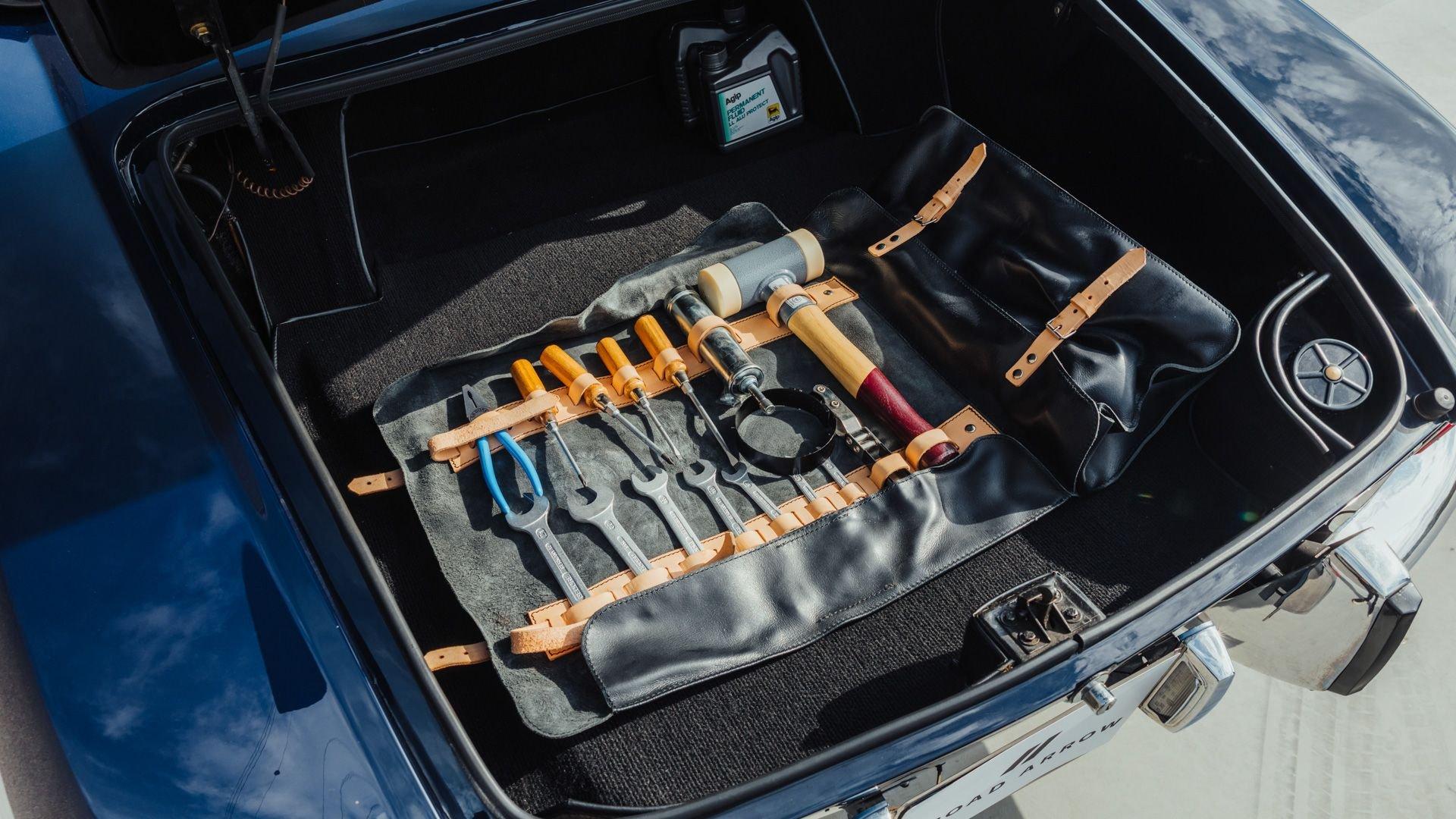
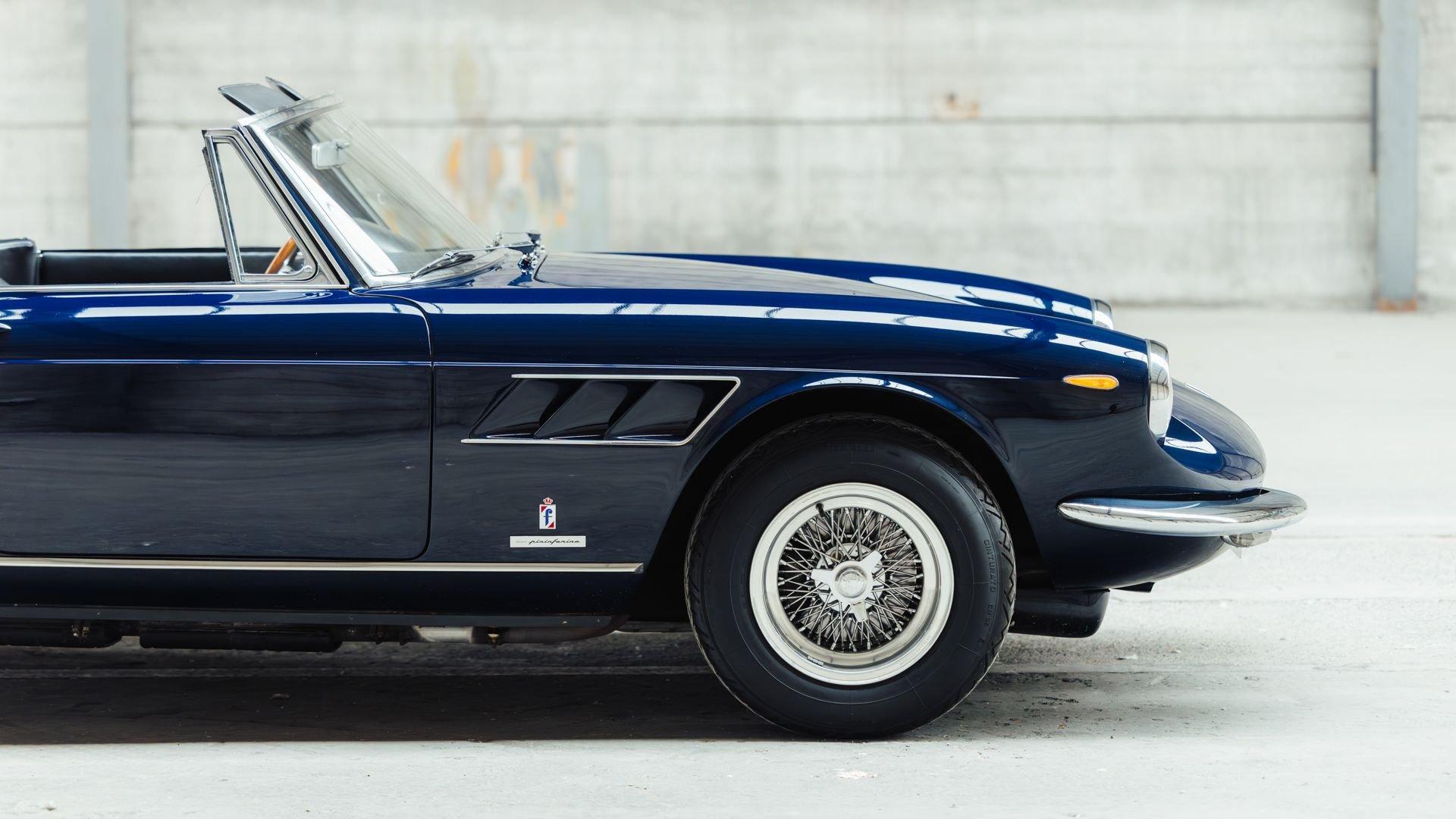
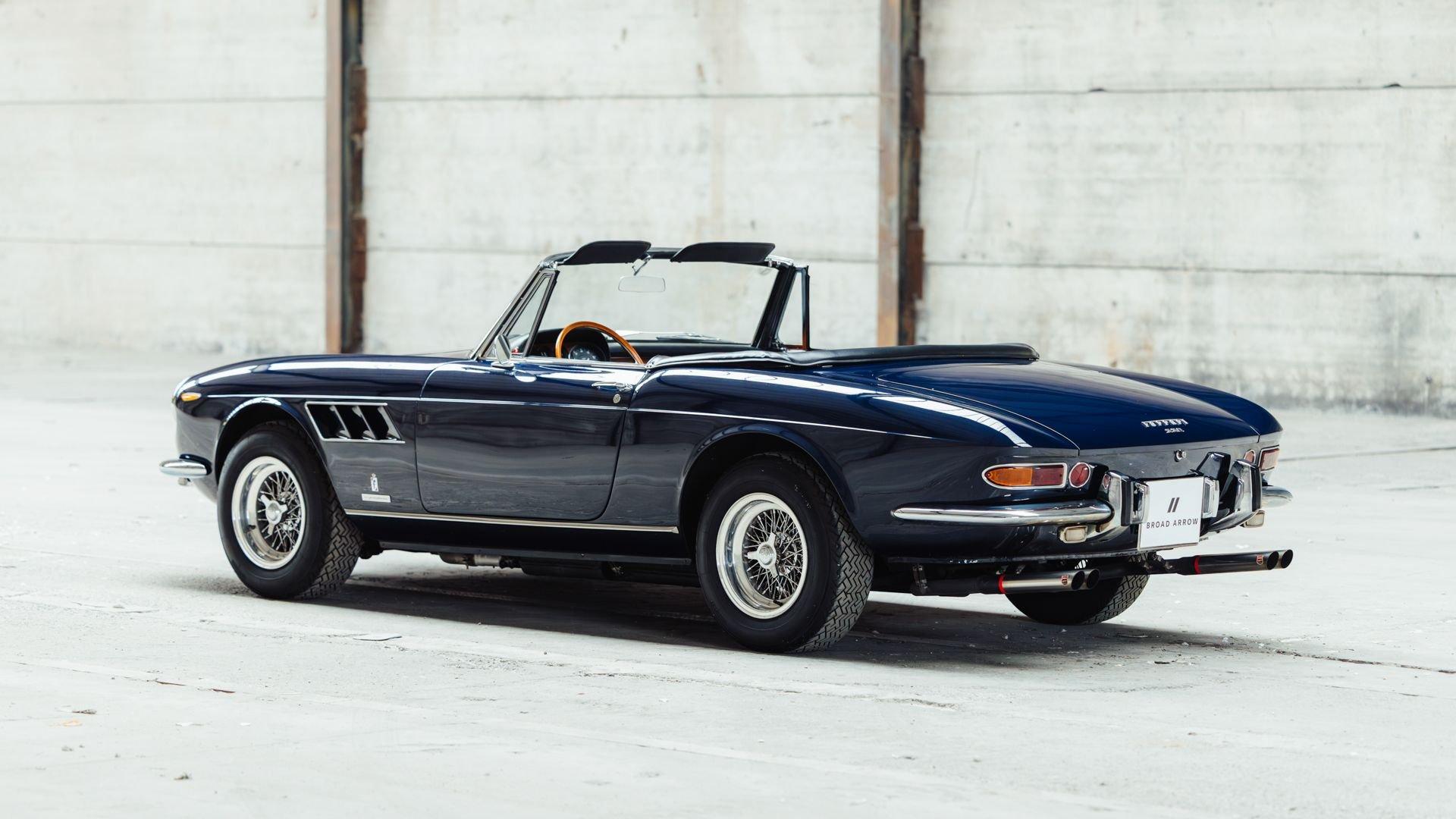
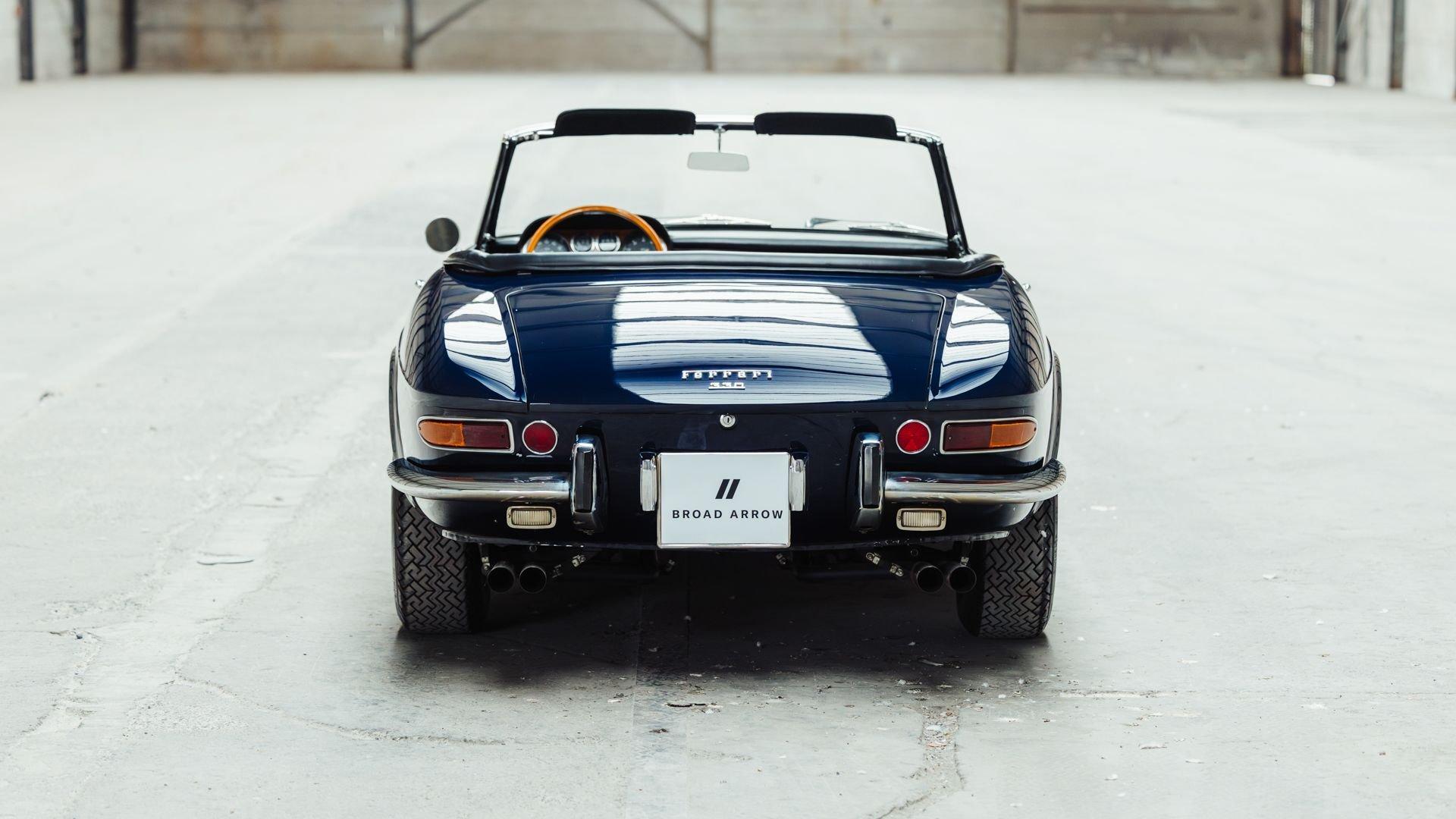
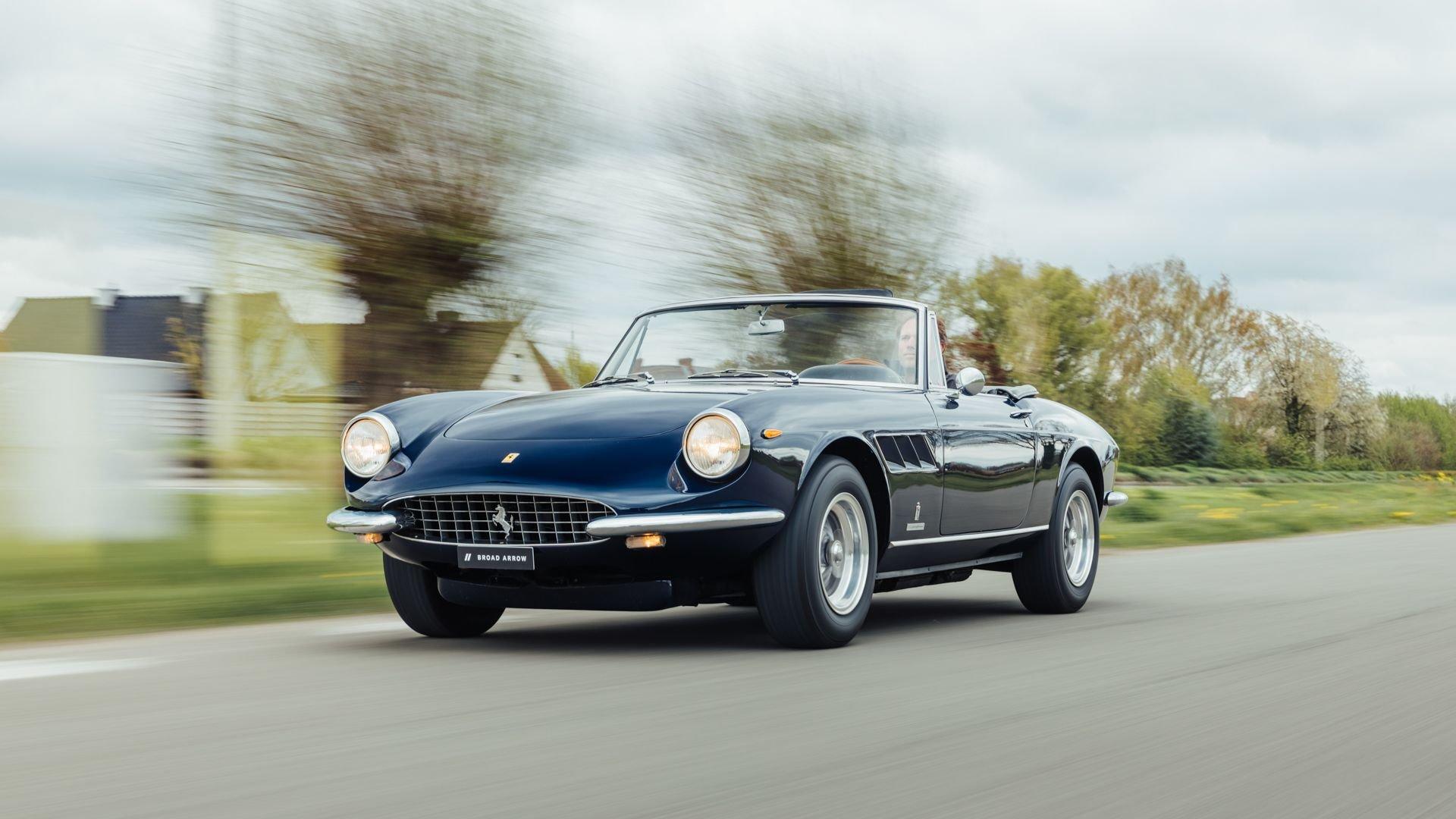
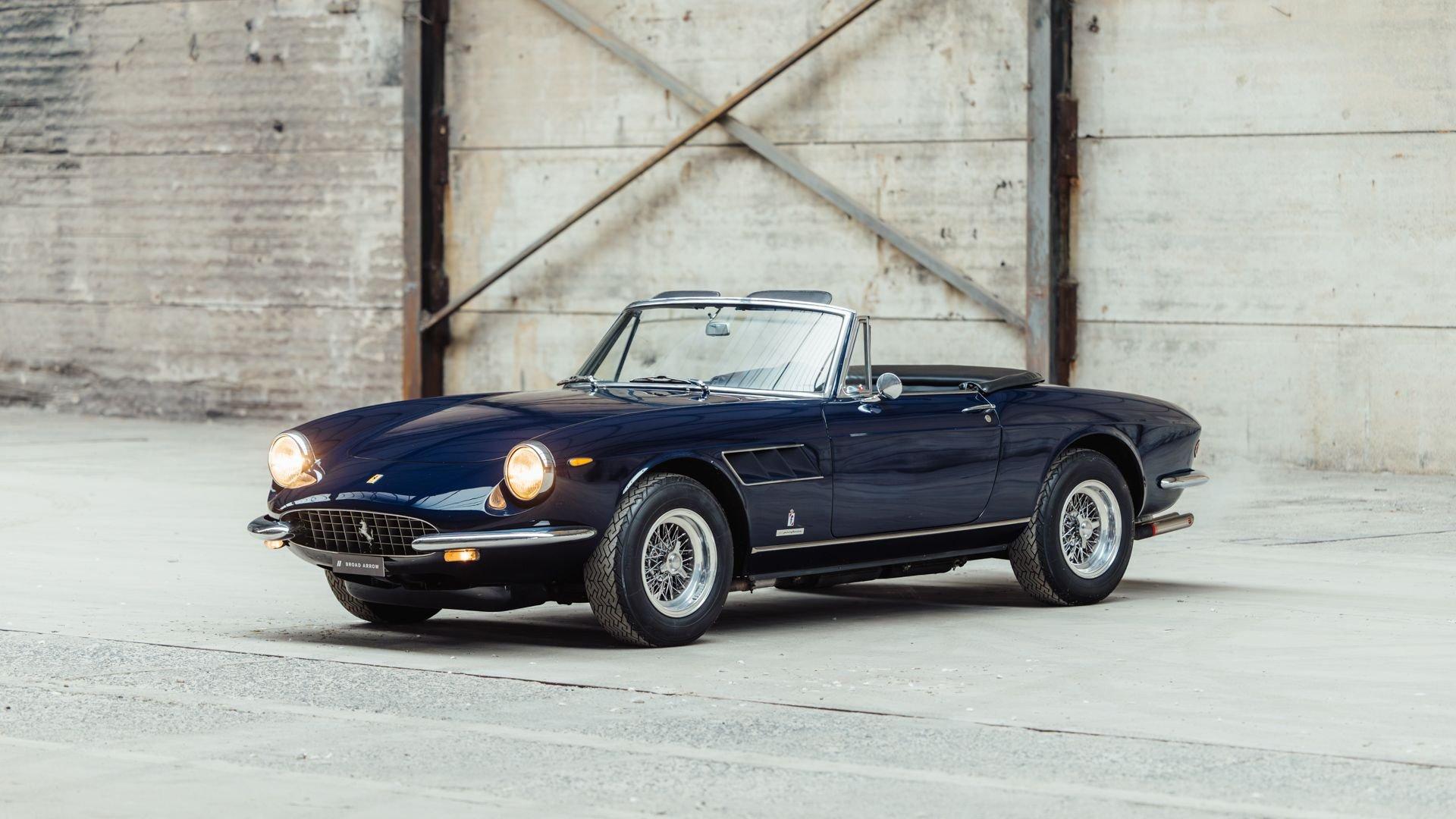
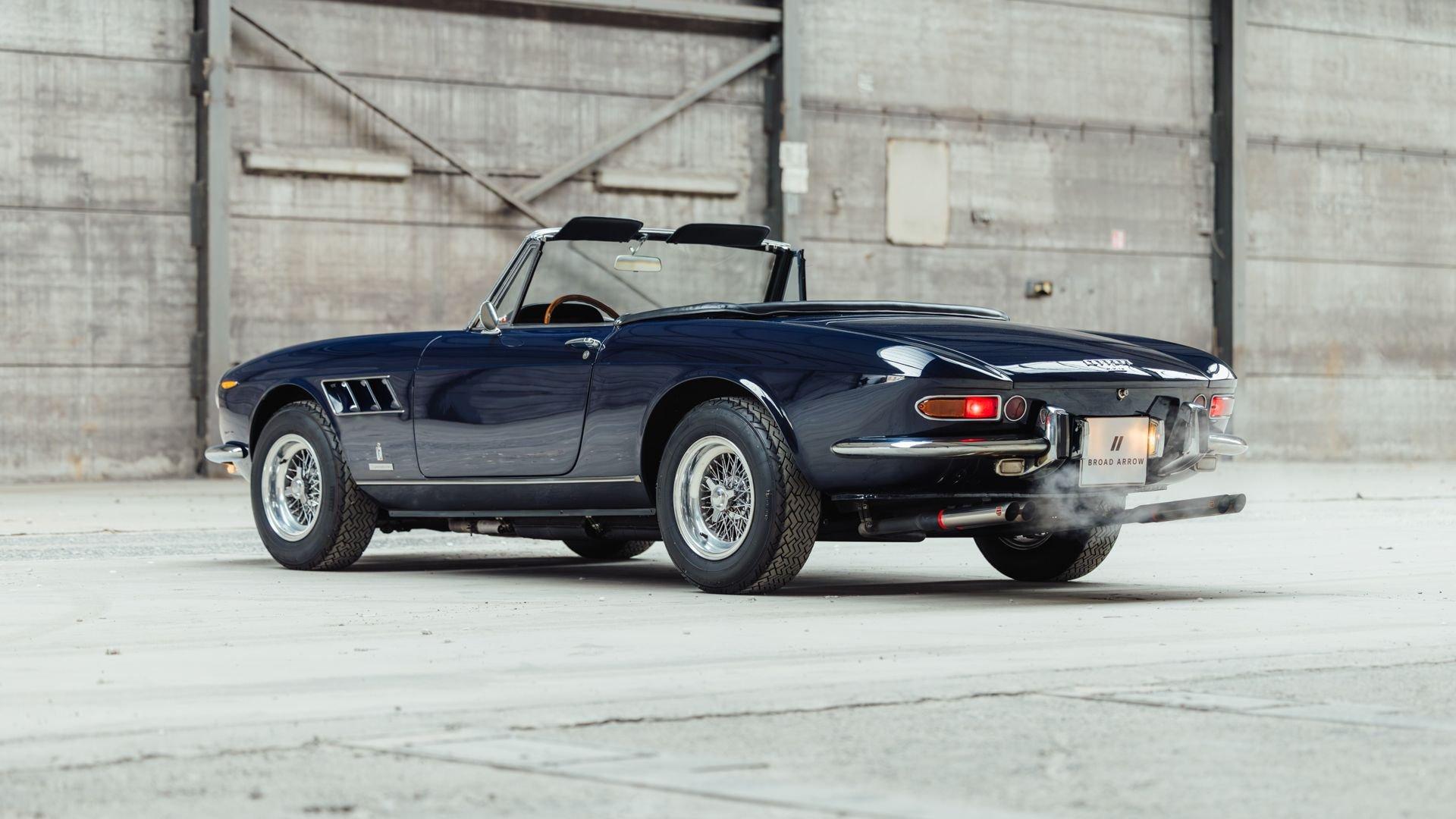
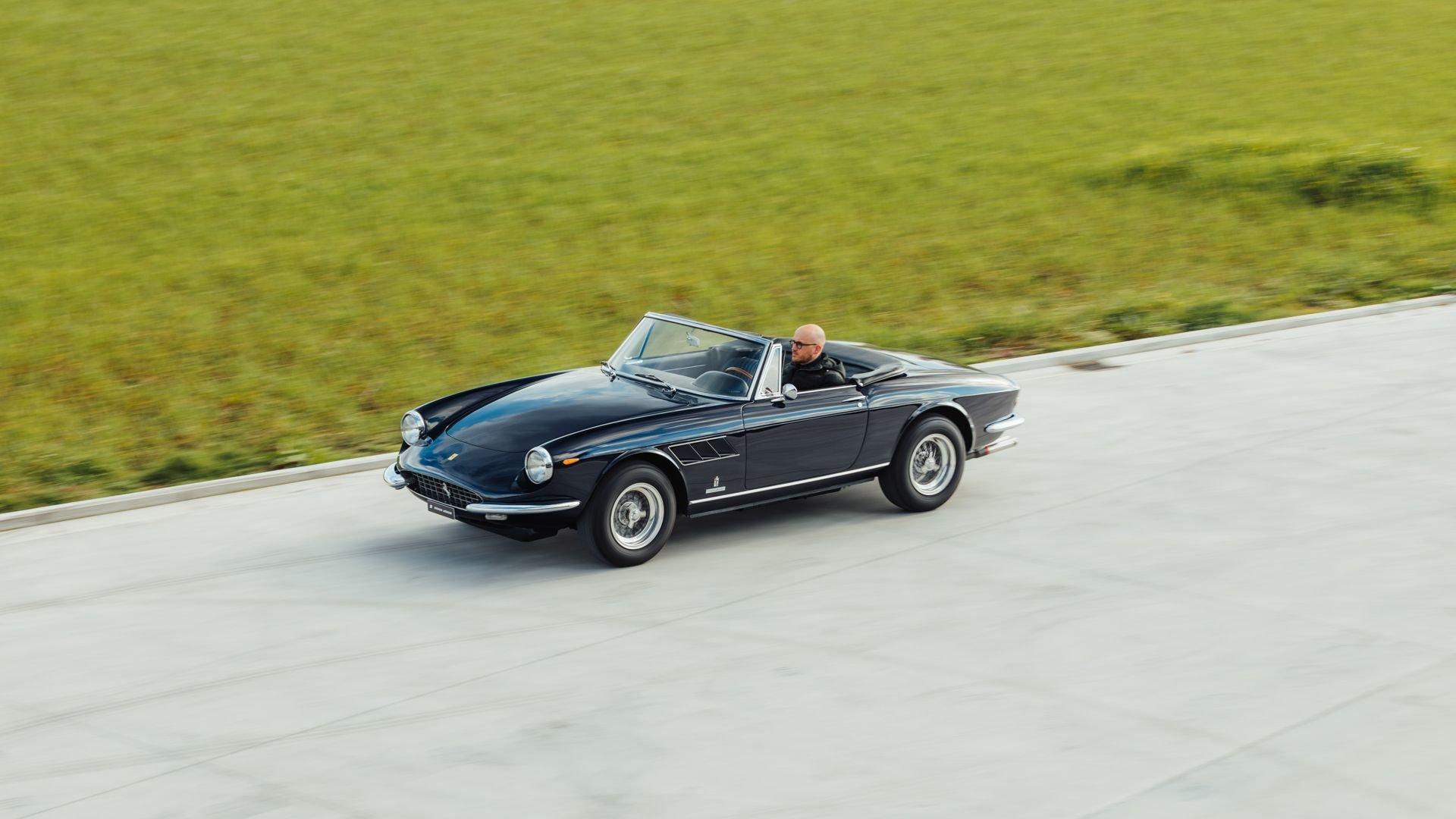
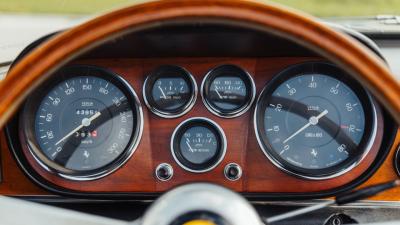
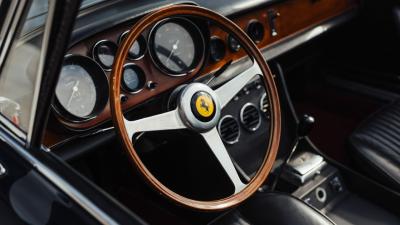
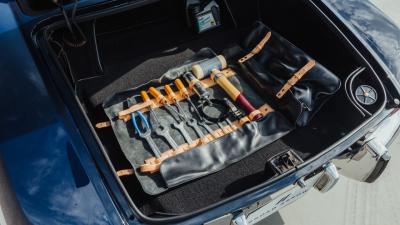
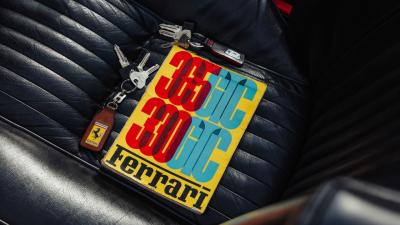
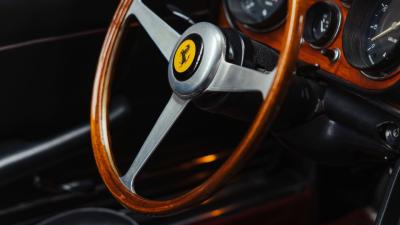
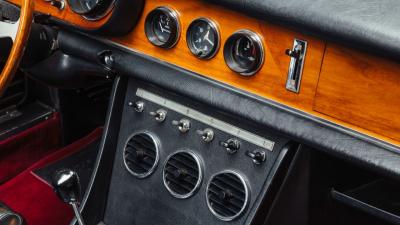
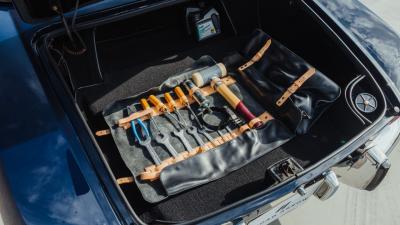
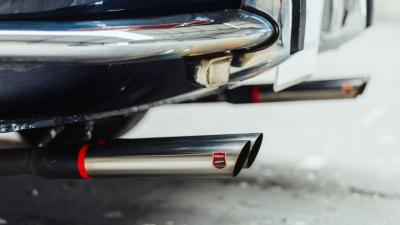
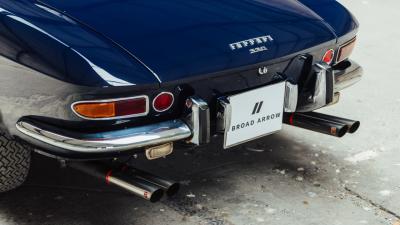
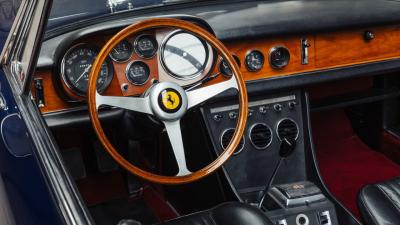
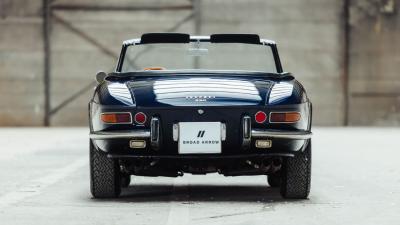
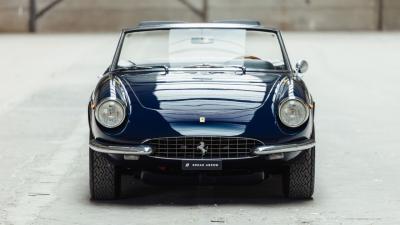
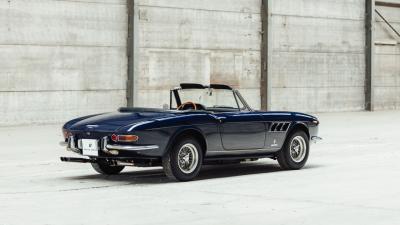
Proudly displayed next to the owner's 330 GTC in the same color combination, this 330 GTS was of course the crown jewel of his Ferrari collection. One of the most desirable and sporty open top V12 Colombo-engined Ferraris, this fully matching-numbers Ferrari 330 GTS, with rare hardtop from new, whose history is distinguished by its appearance at the Barcelona Motor Show, is a fine example from the exclusive run of only 99 produced. Presented in Blu Scuro over a black leather interior, with a blue cloth hood and Borrani wire wheels, it is accompanied by a full tool roll, four original Campagnolo light-alloy wheels, together with a wealth of supporting documentation, including the extensive 25-year service and restoration file documenting over €250.000 of work spent on the car, its Ferrari Red Book, a report by prominent Ferrari historian Marcel Massini encompassing the aforementioned period Spanish documents, all preserved in digital form, as well as the Certificate of Recognition issued on 30 May 1968.
Ownership Interest: Please note that Broad Arrow has an ownership interest in this Lot in whole or in part.
Documents: Dutch Kentekenbewijs
Contact Us
