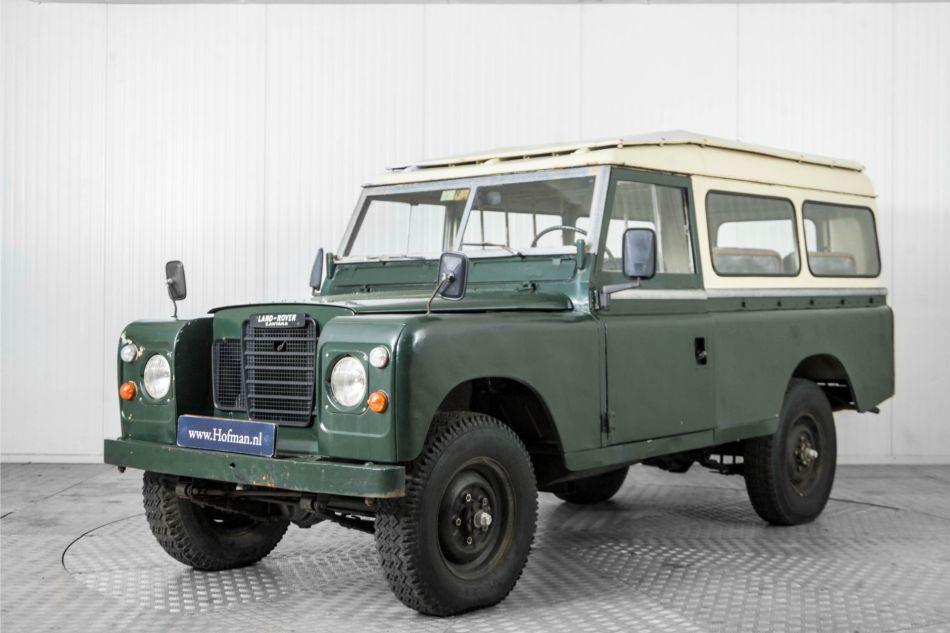
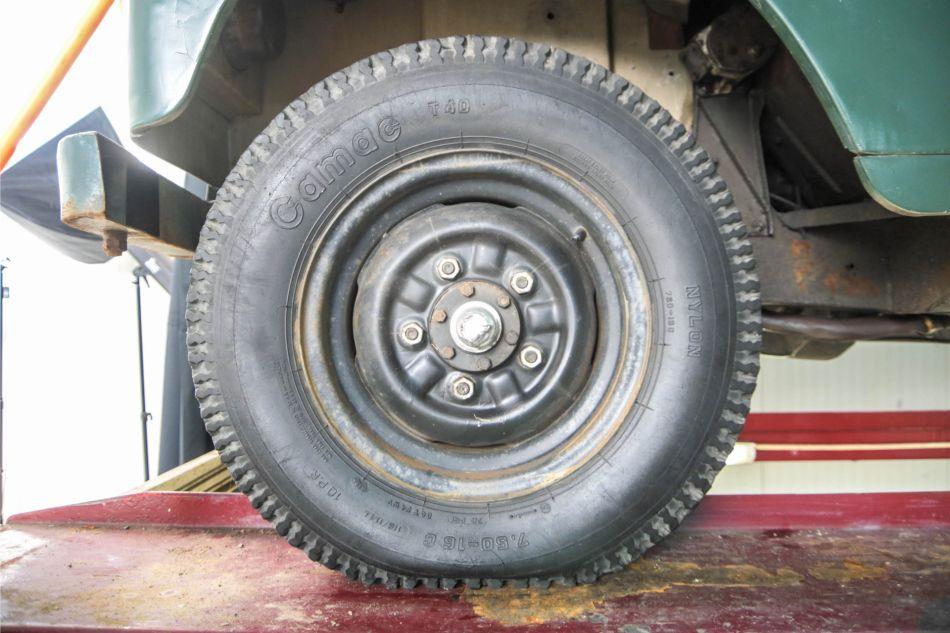
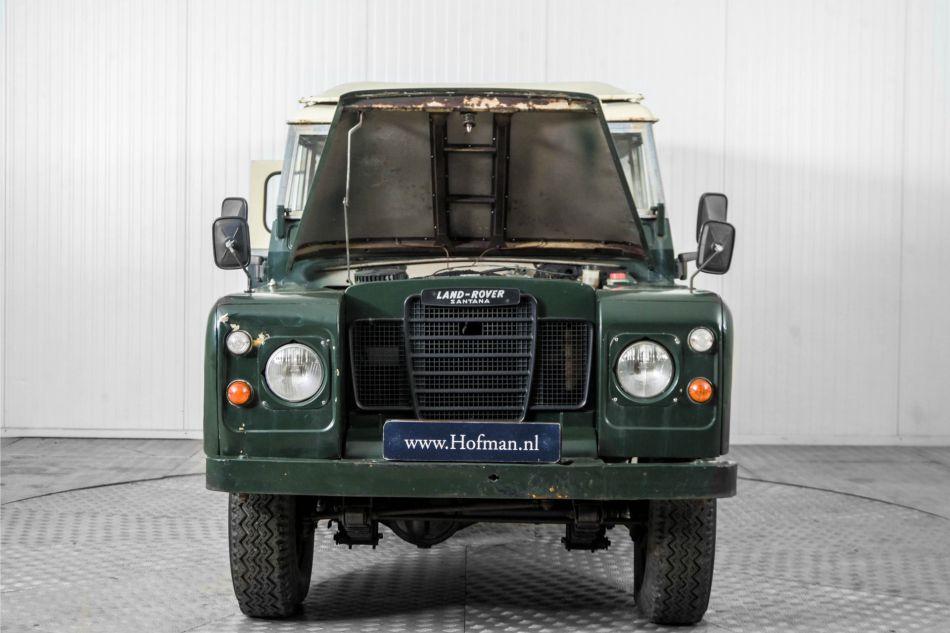
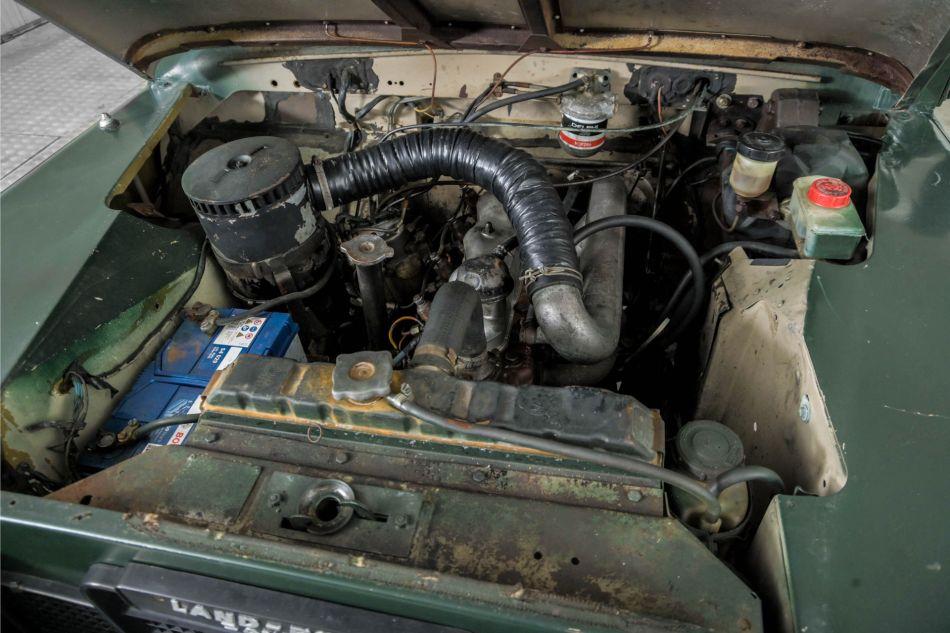
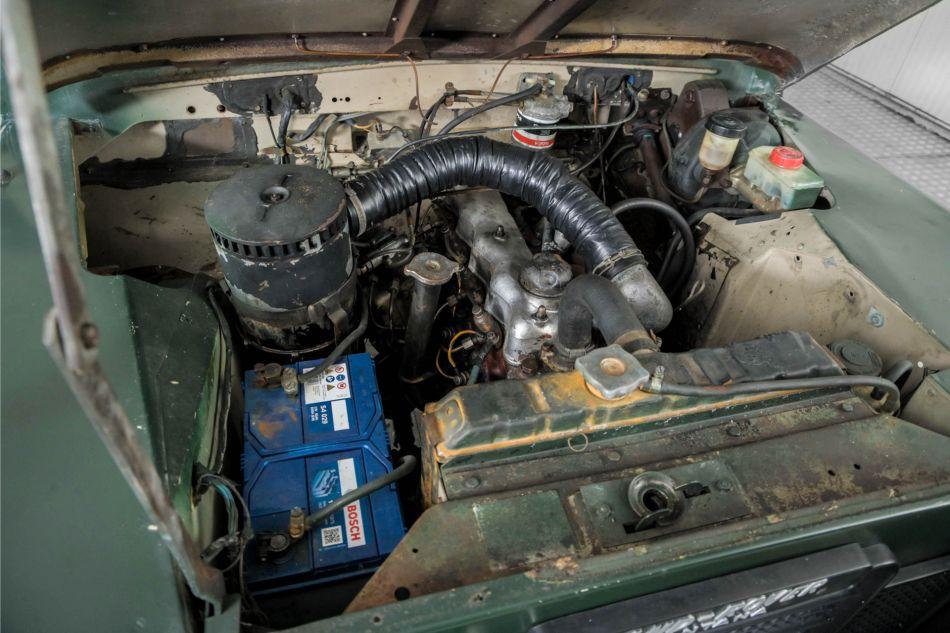
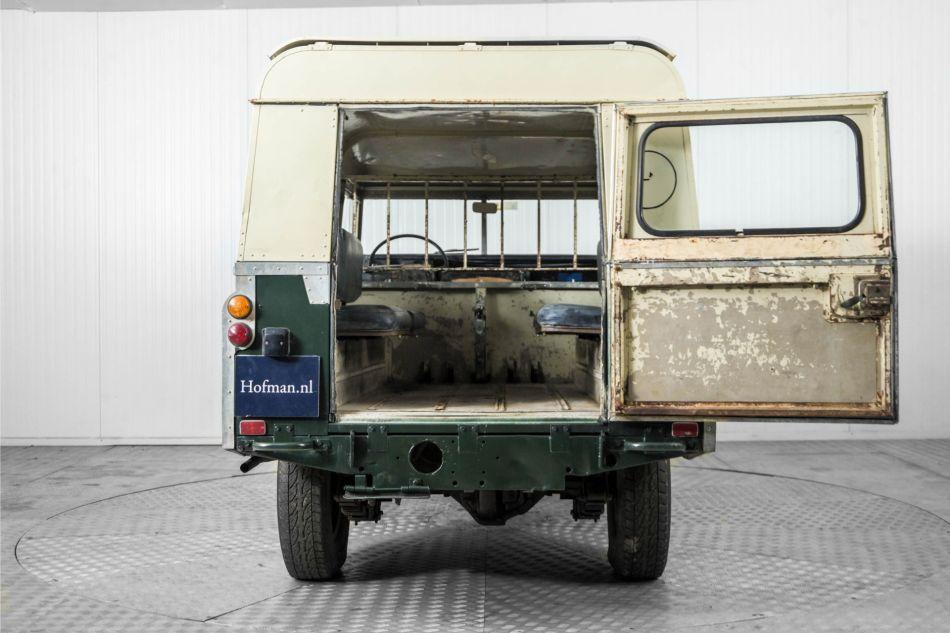
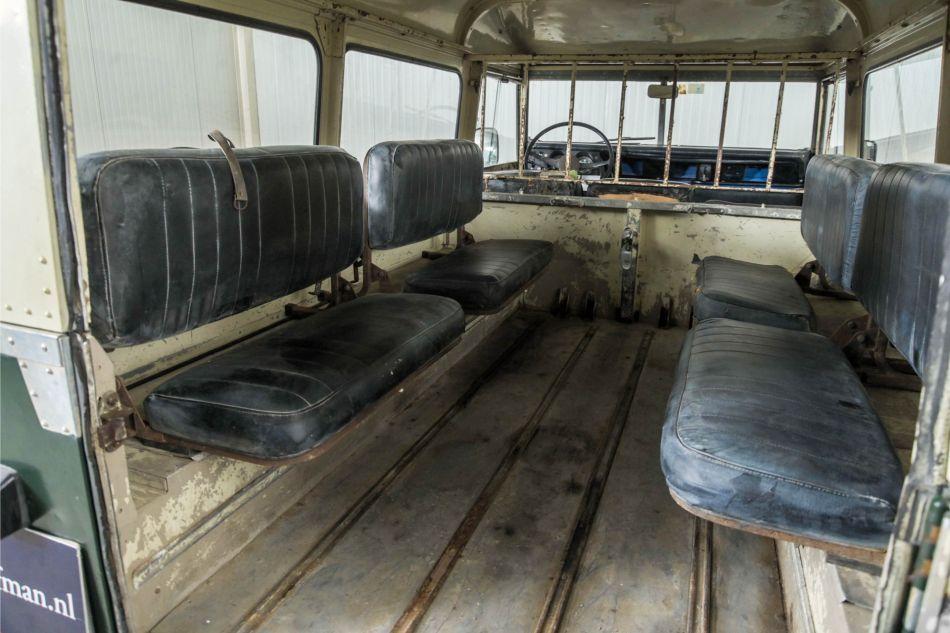
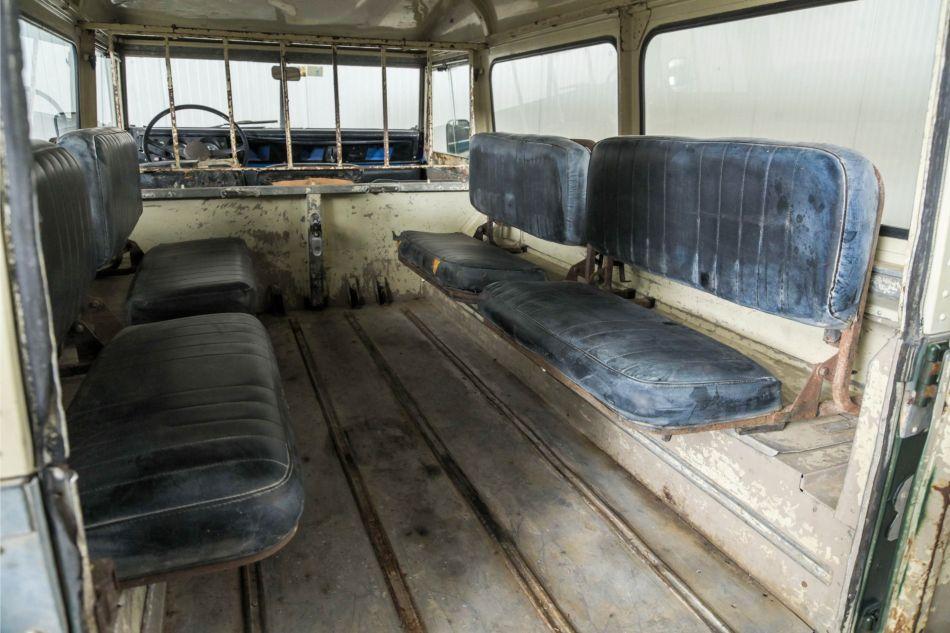
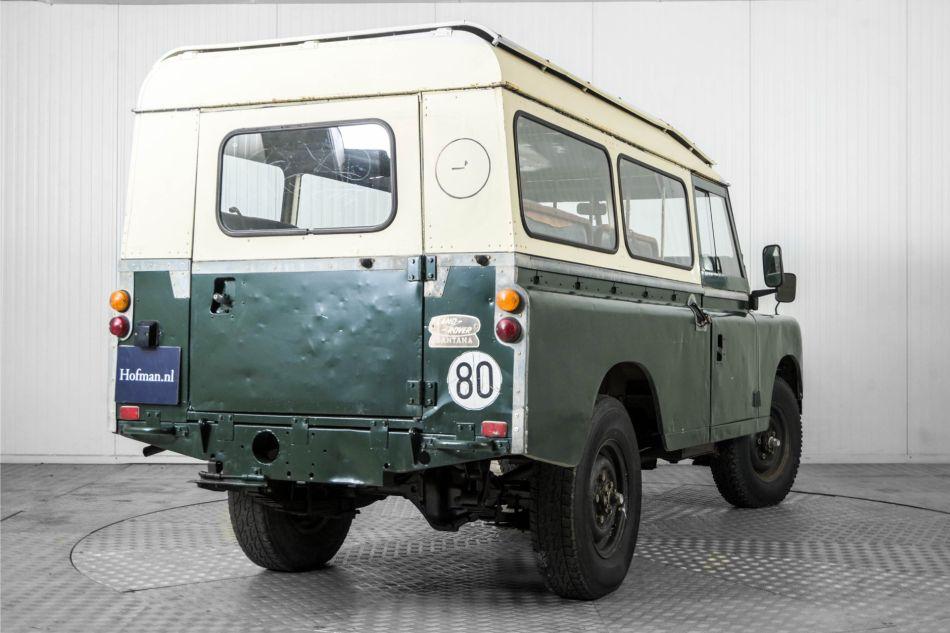
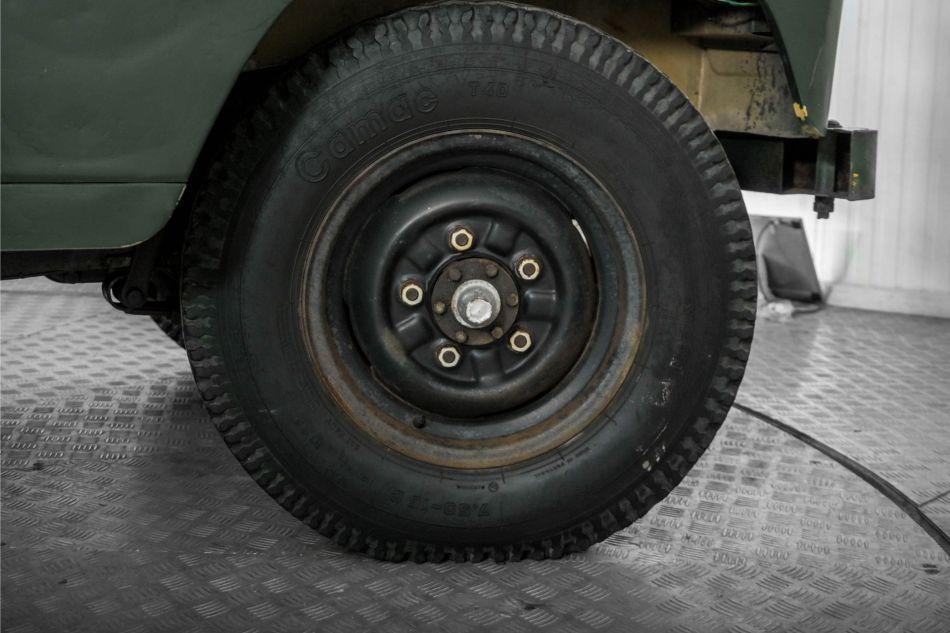
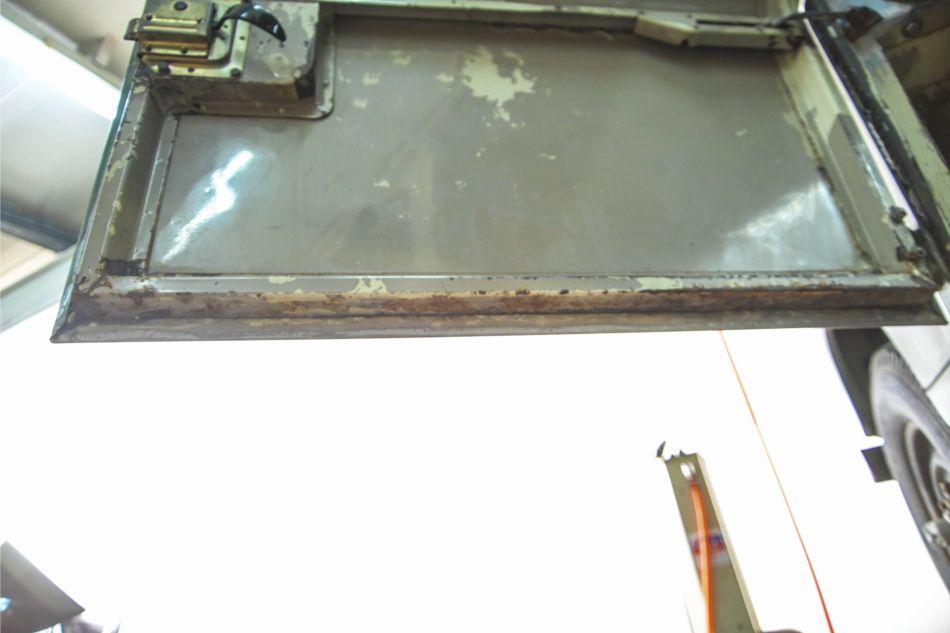
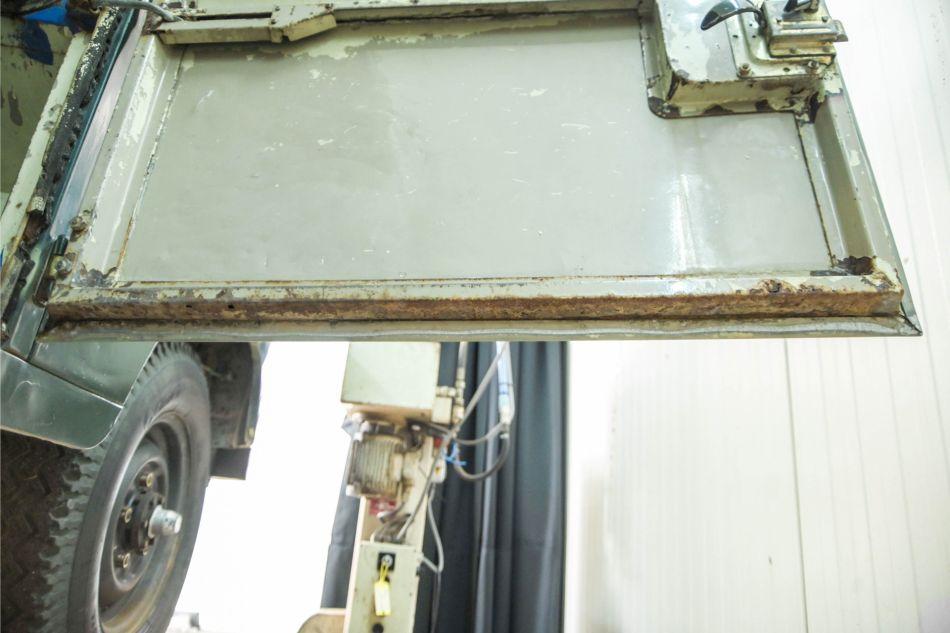
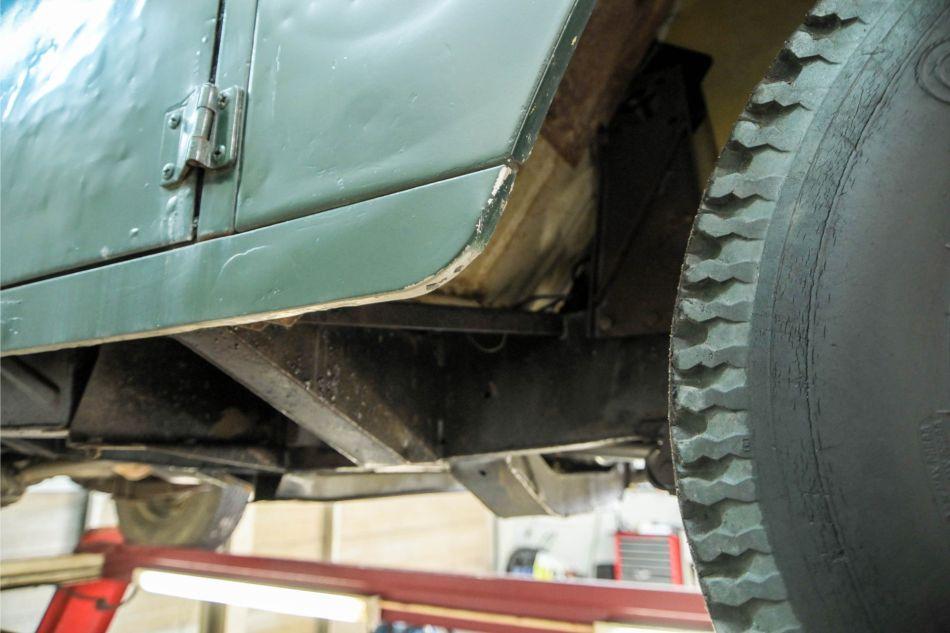
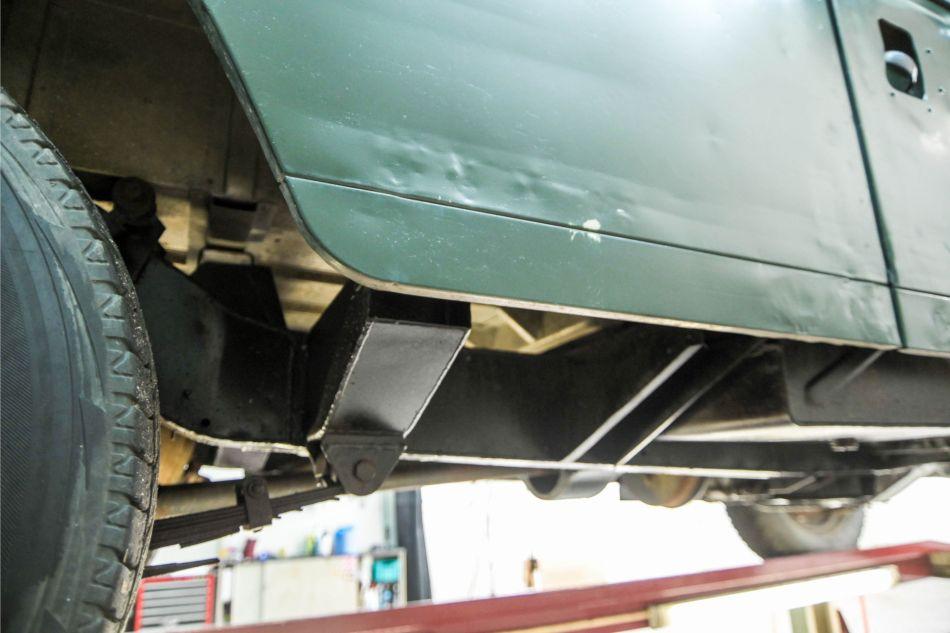
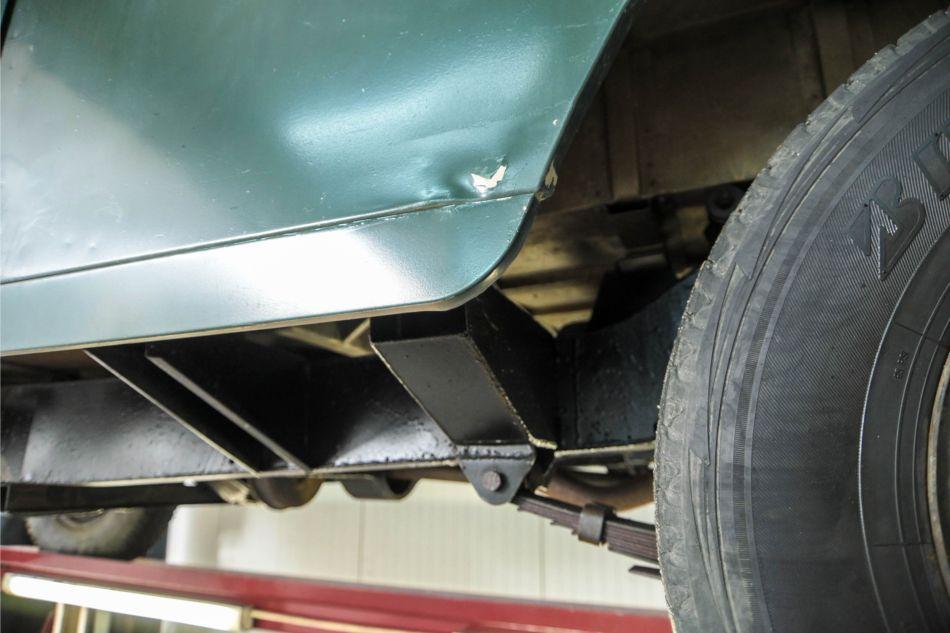
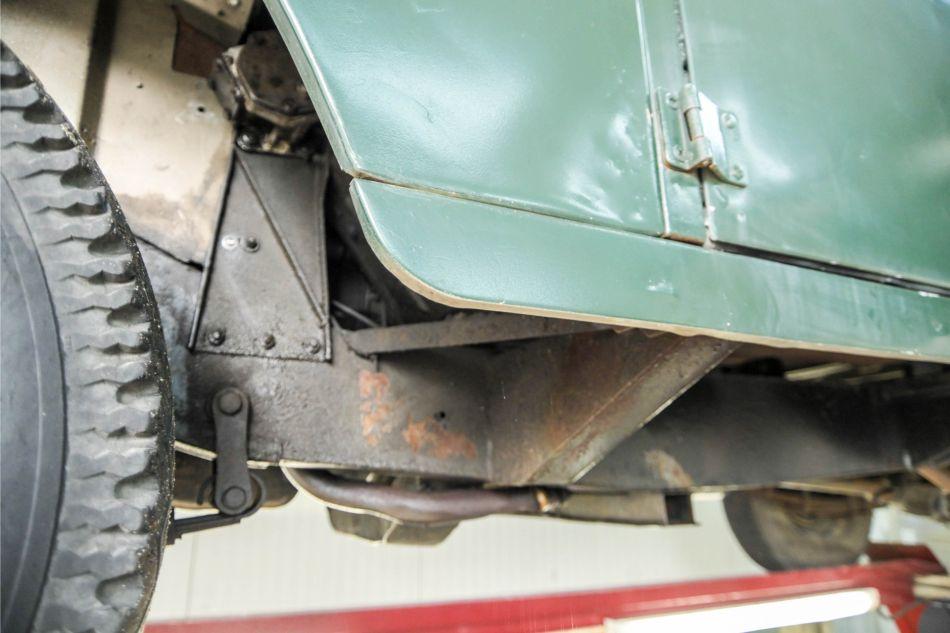
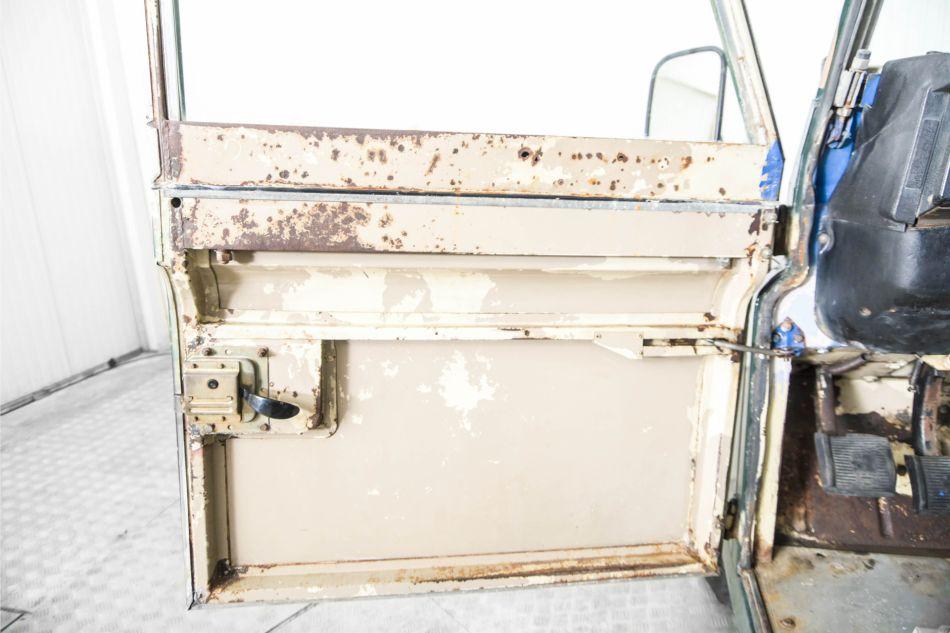
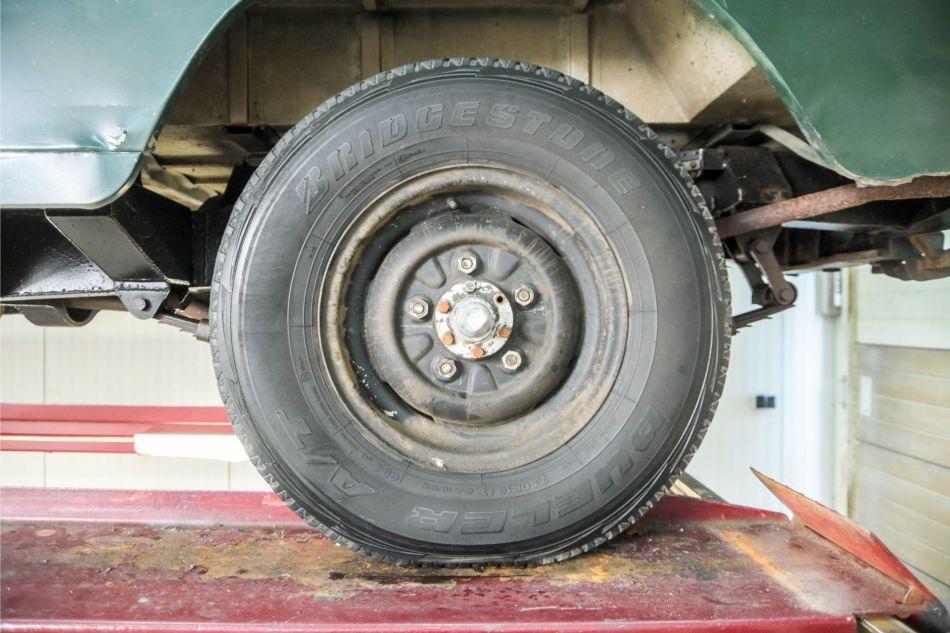
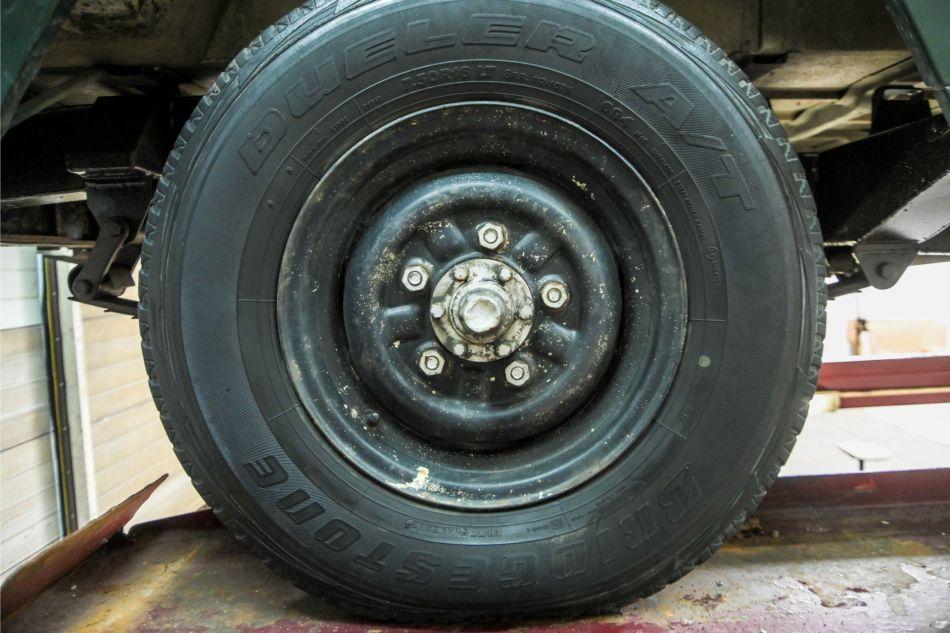
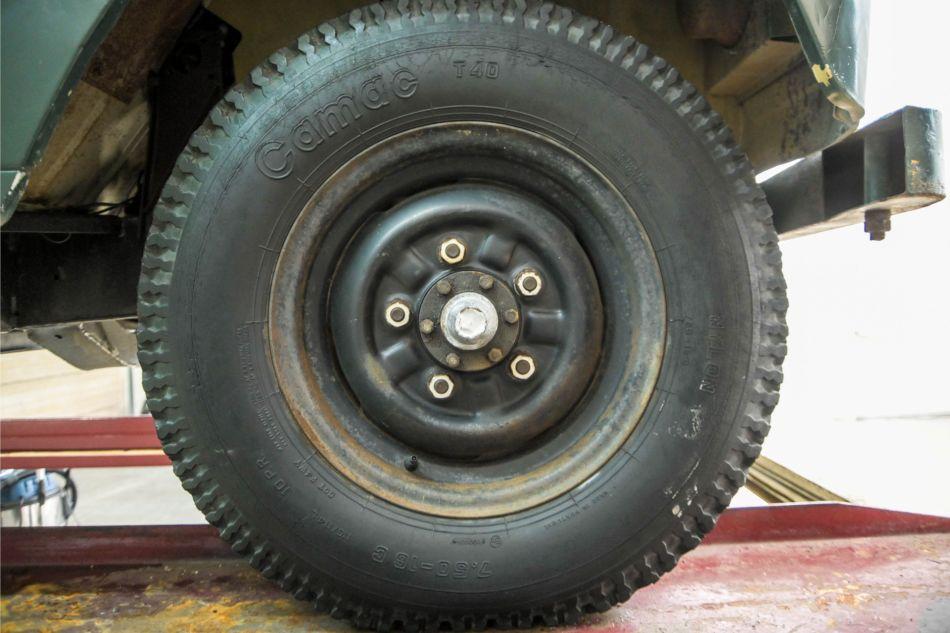
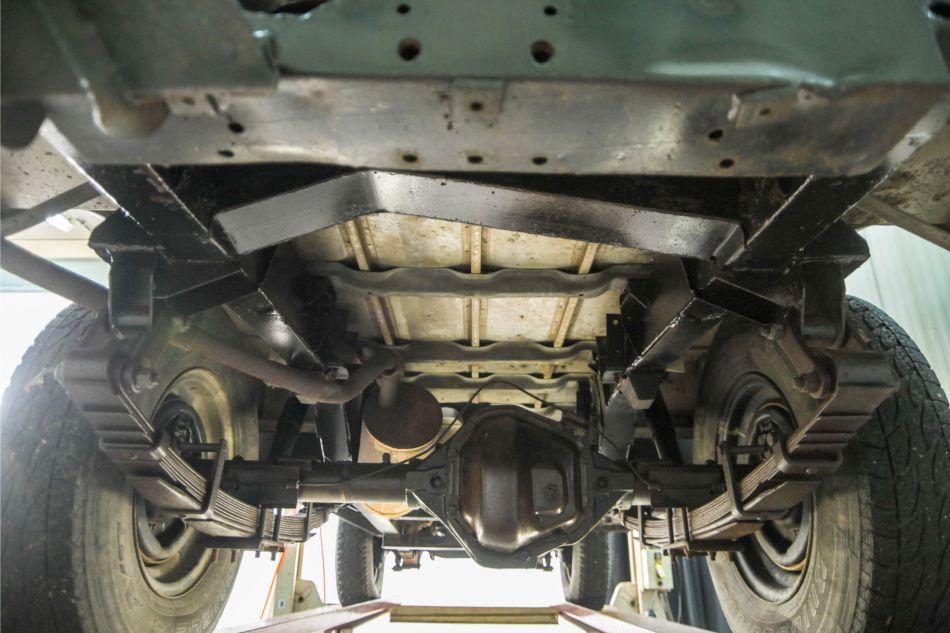
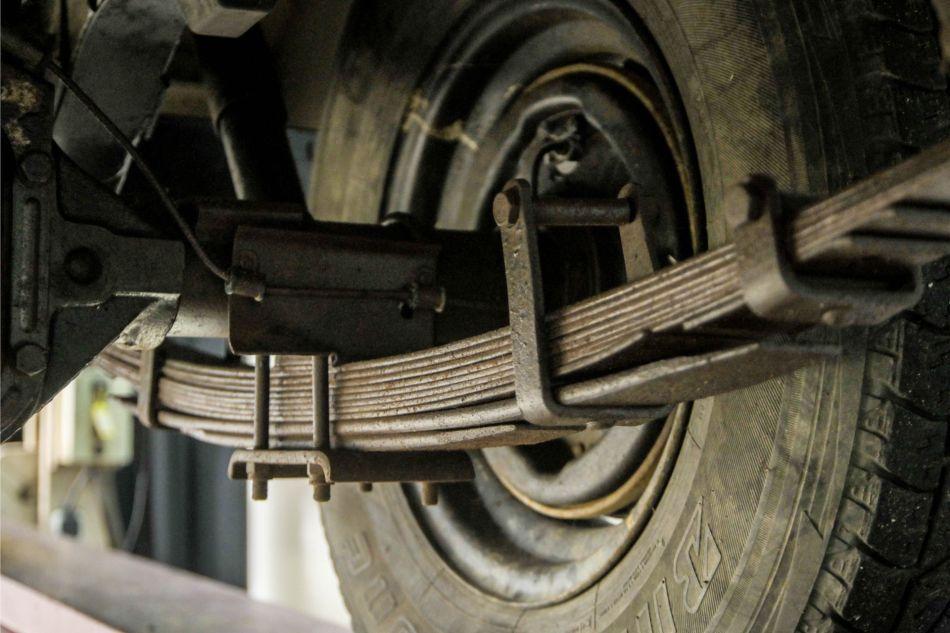
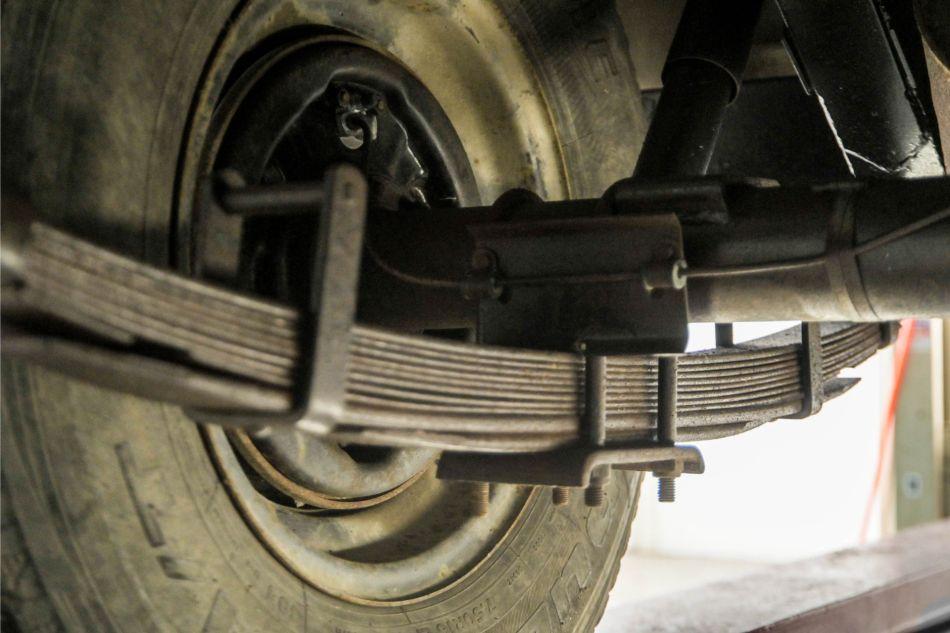
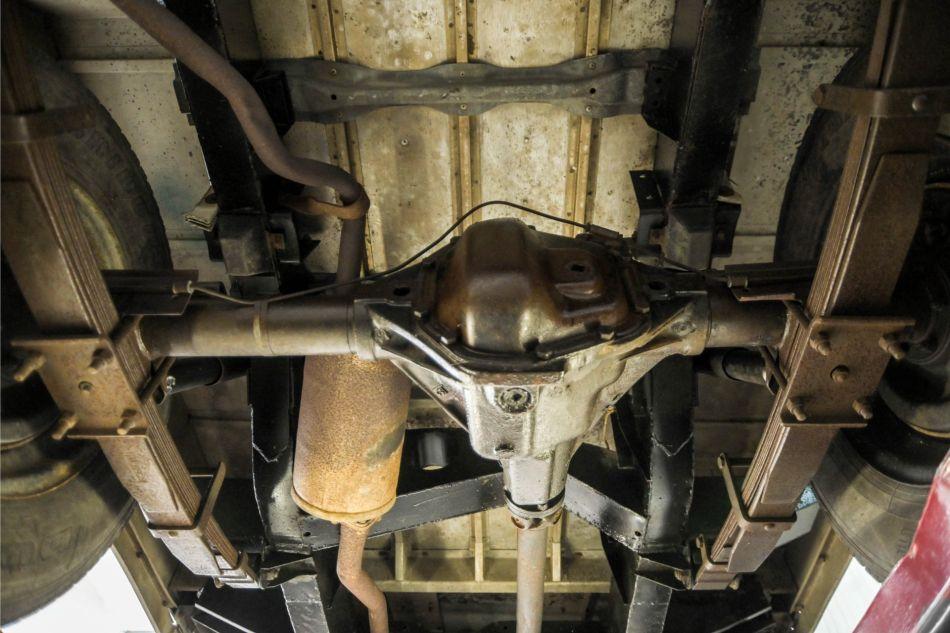
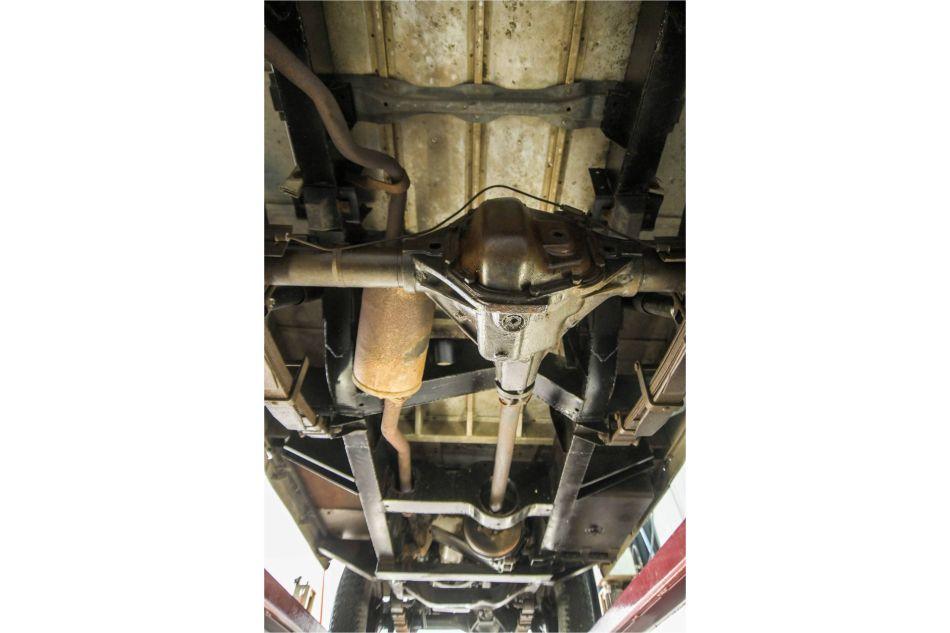
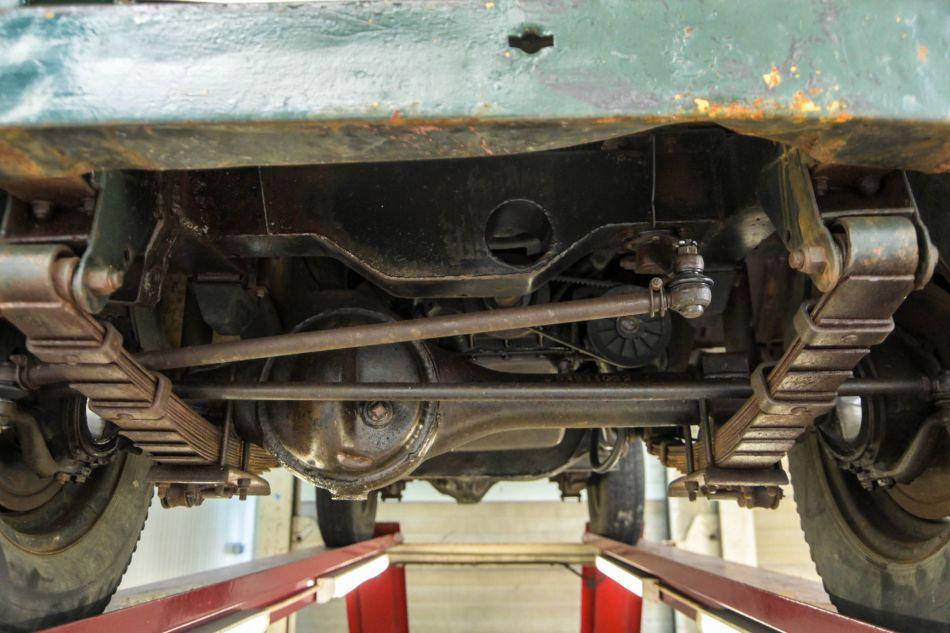
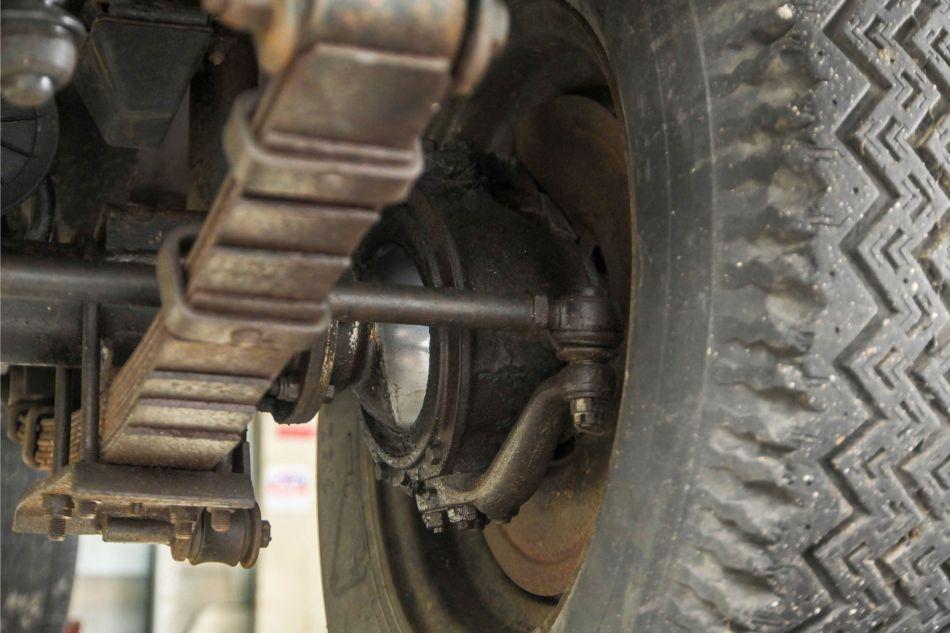
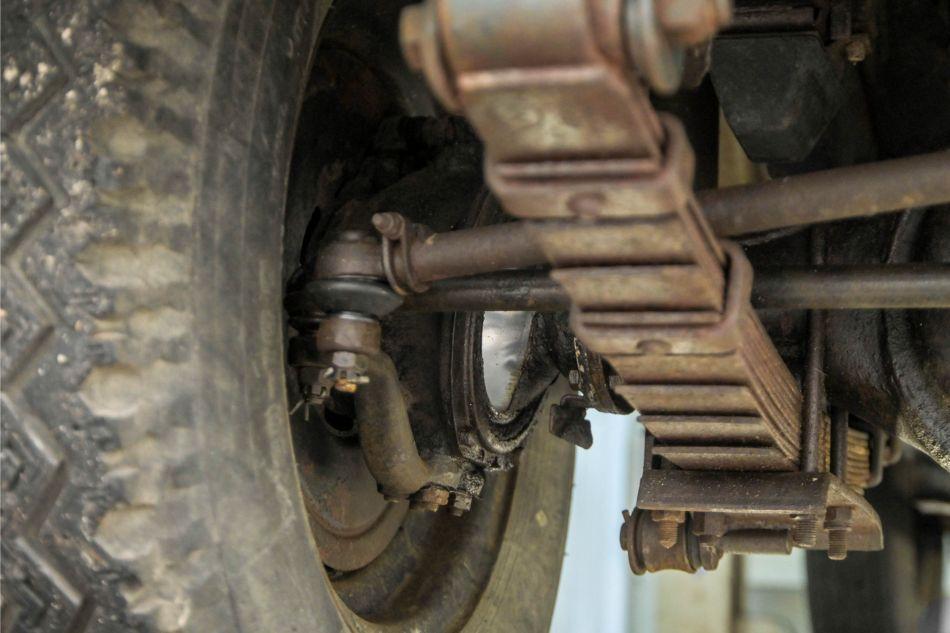
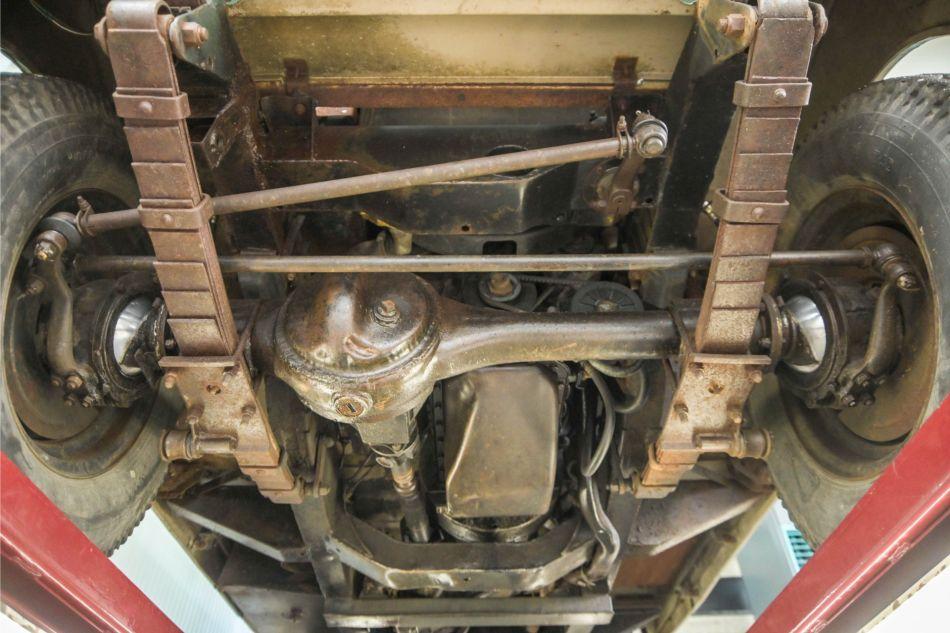
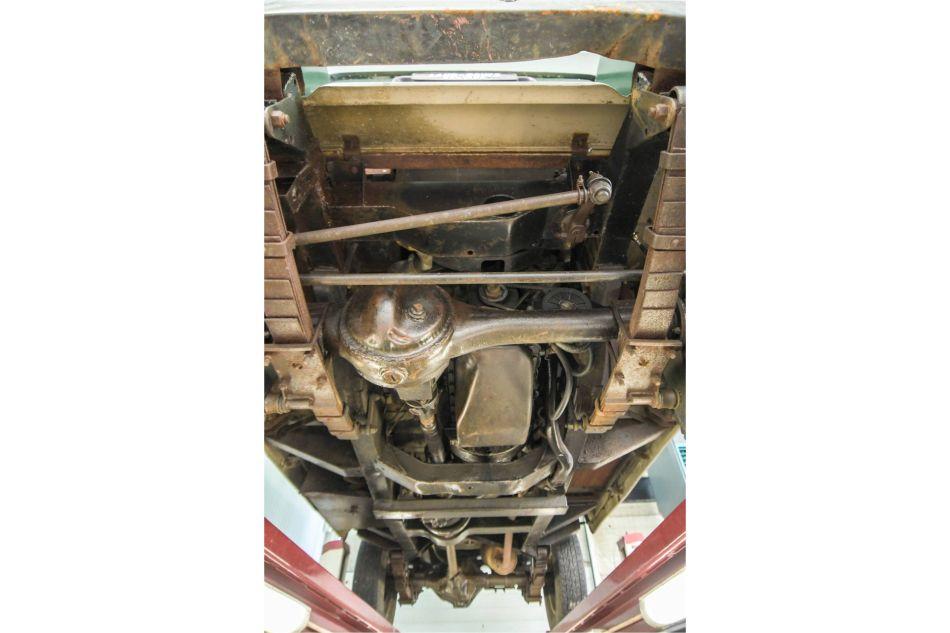
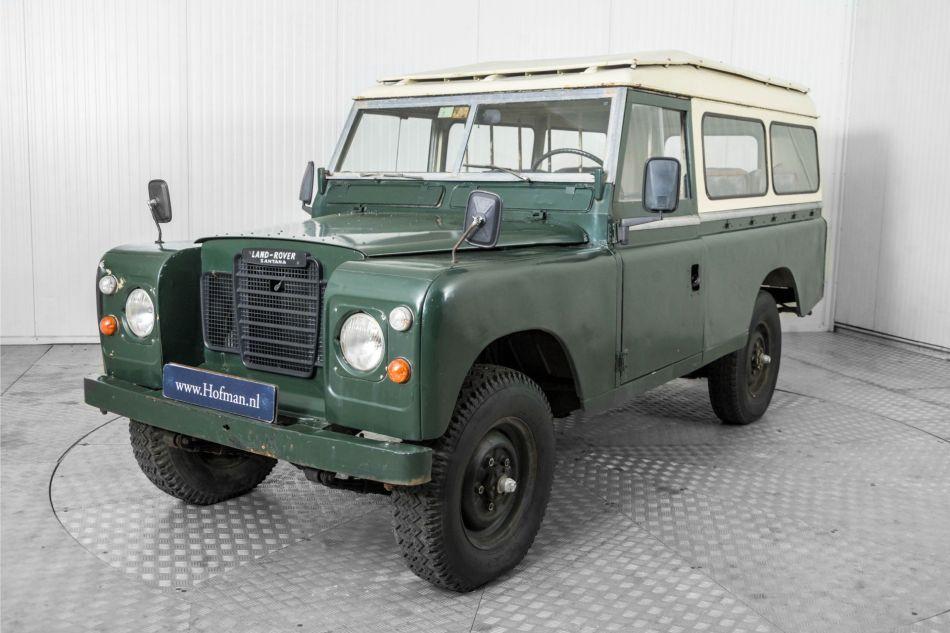
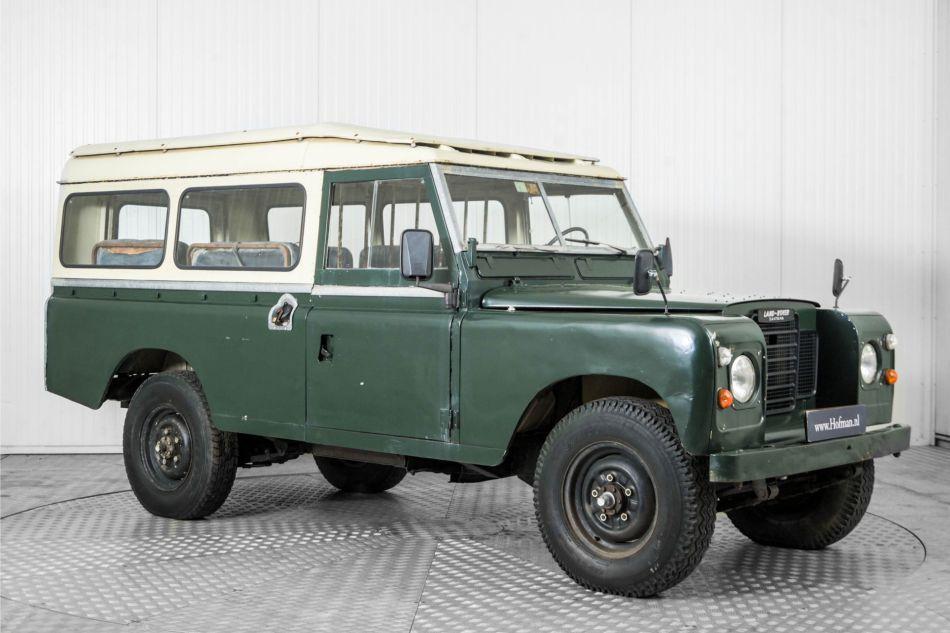
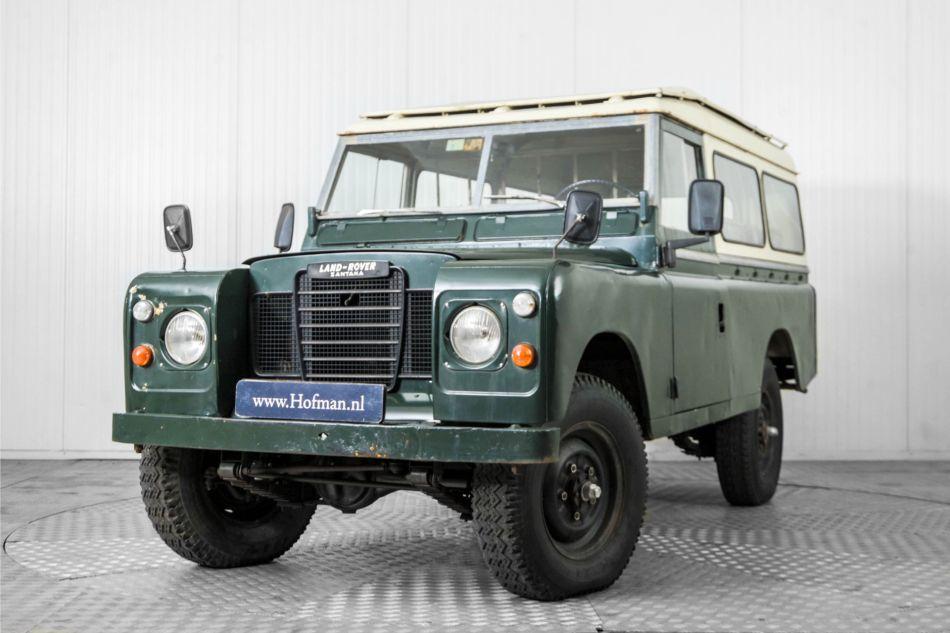
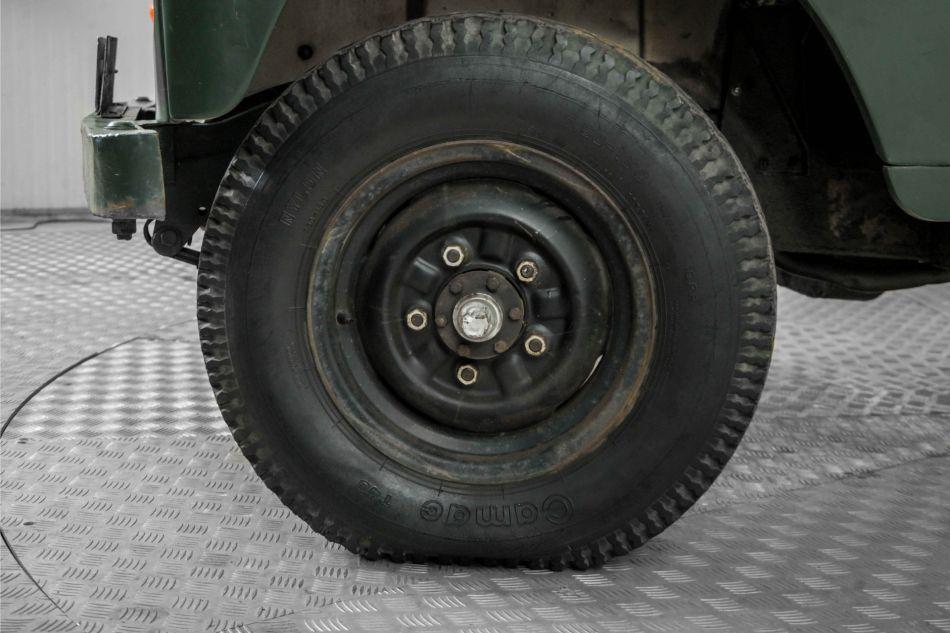
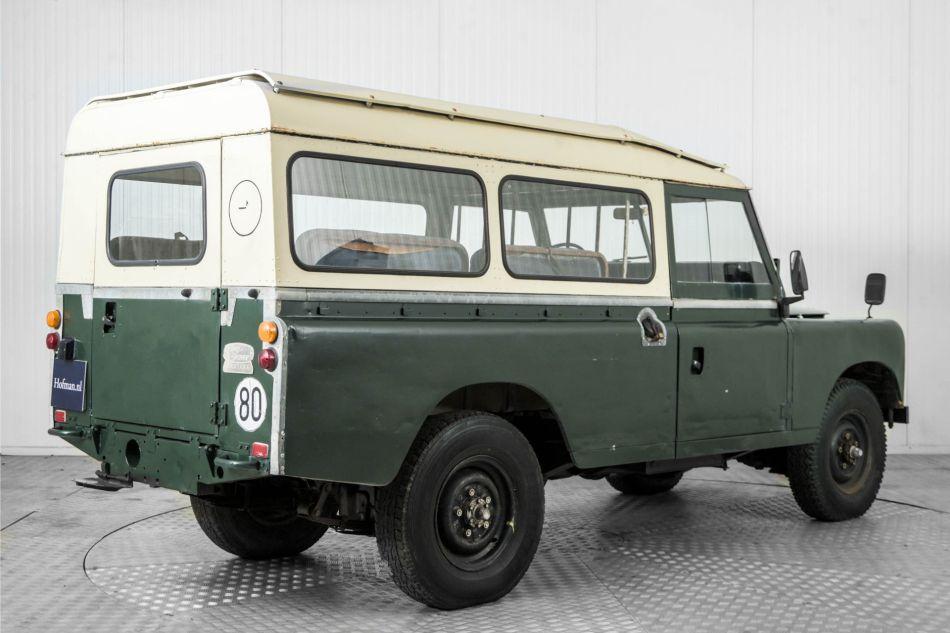
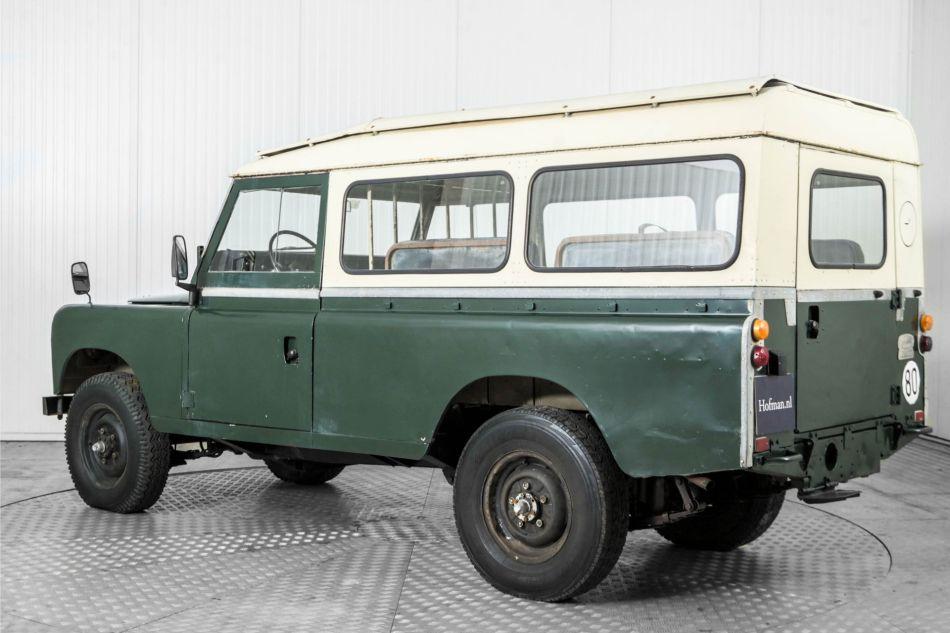
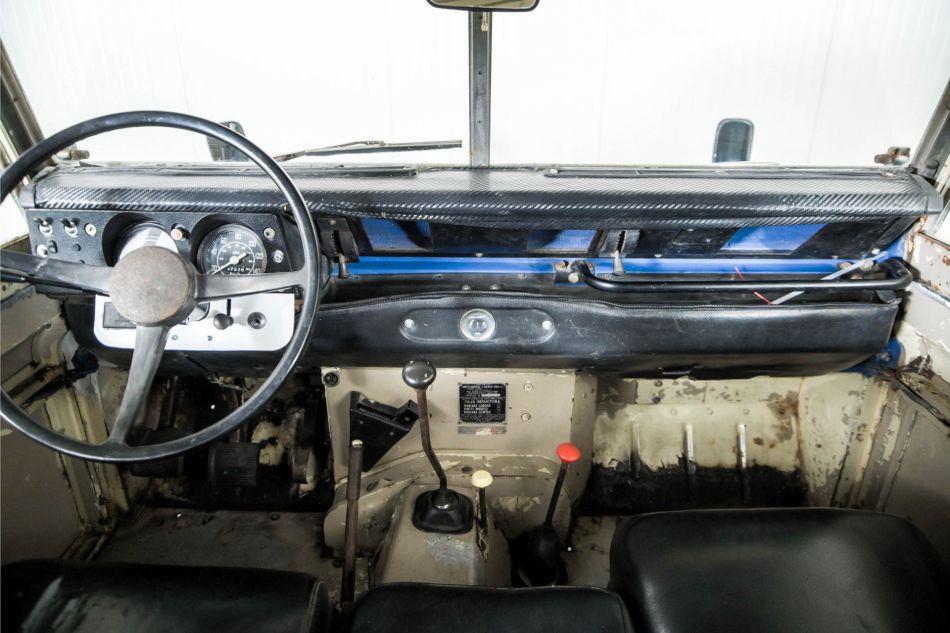
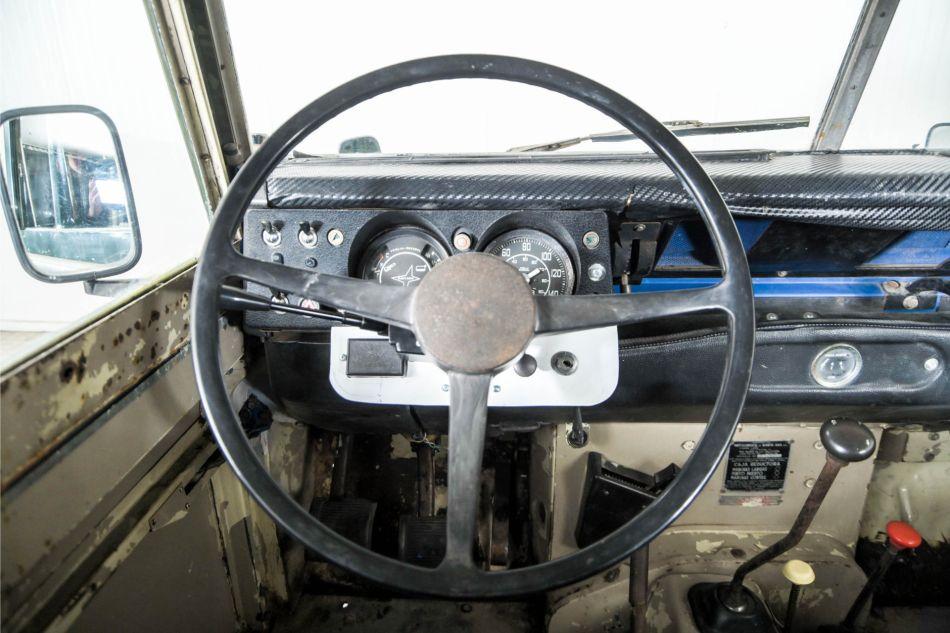
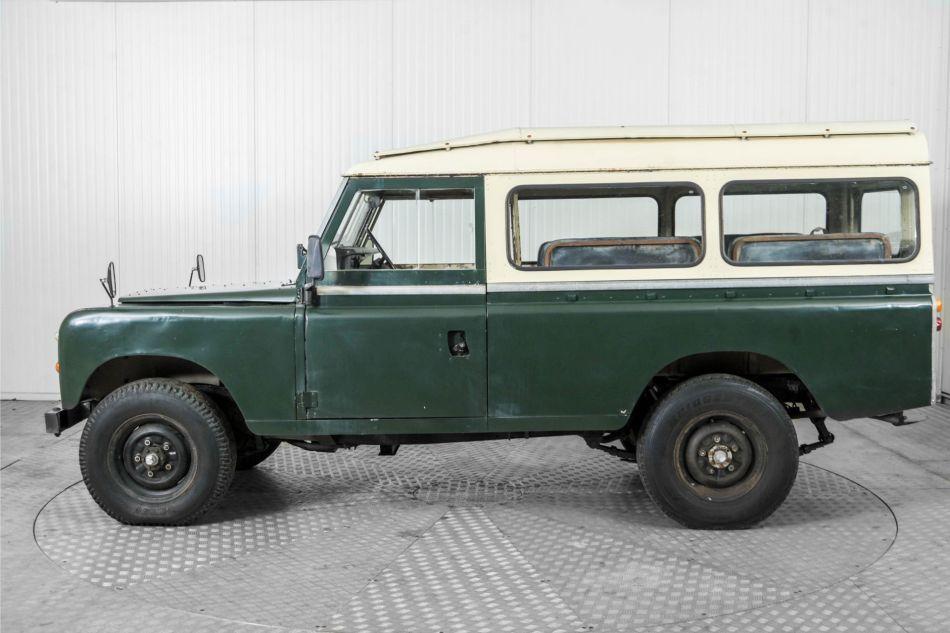
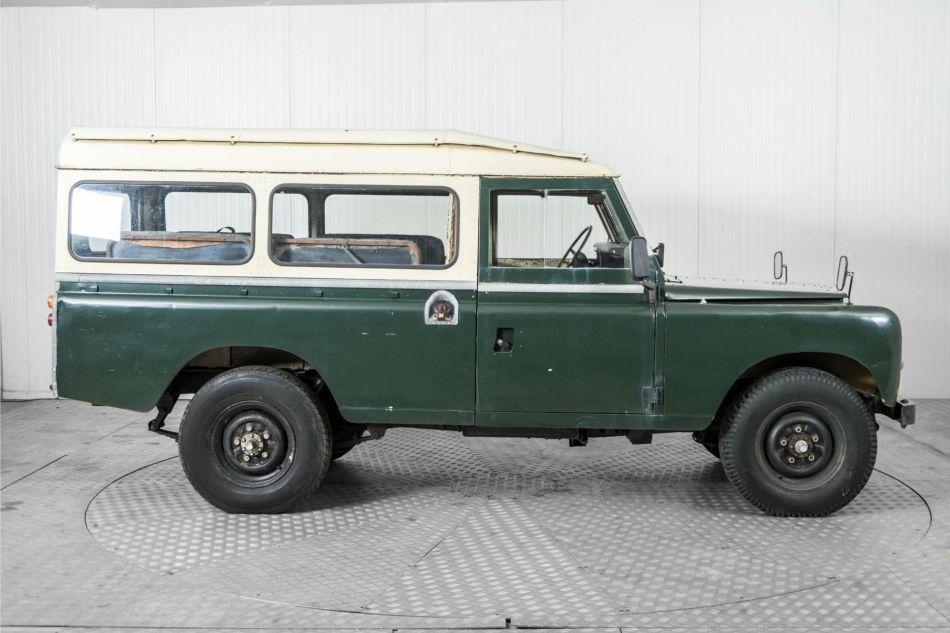
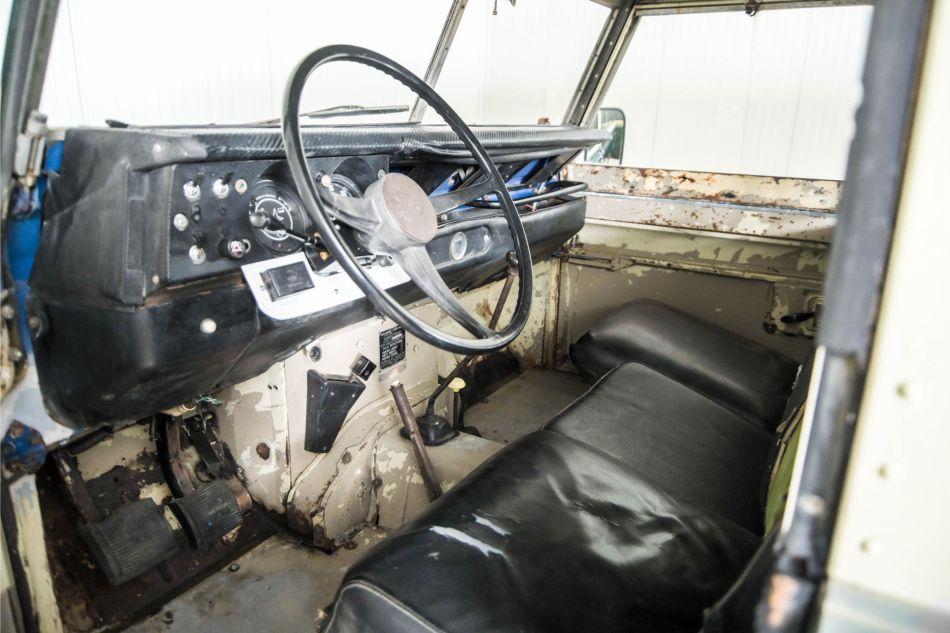
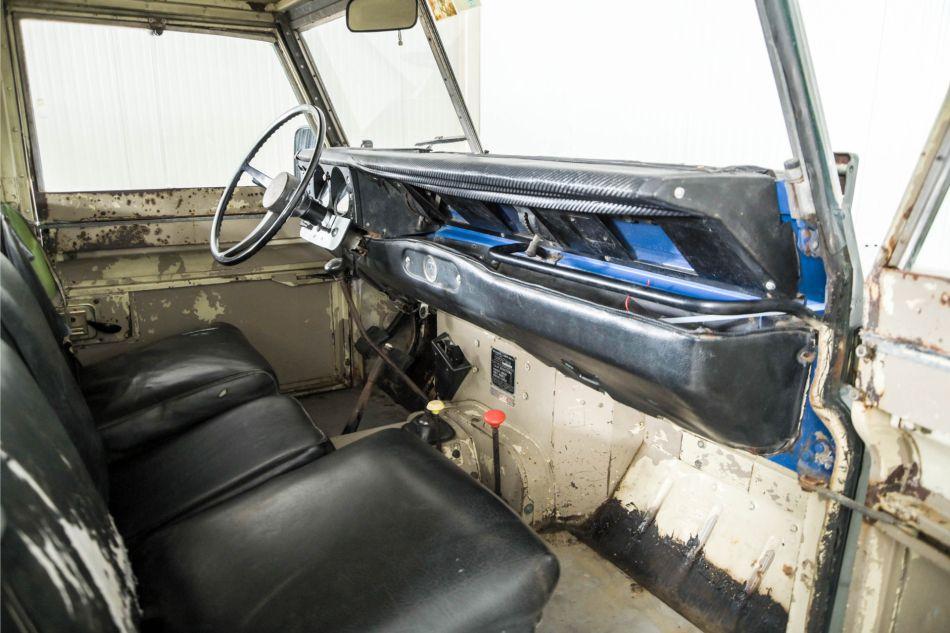
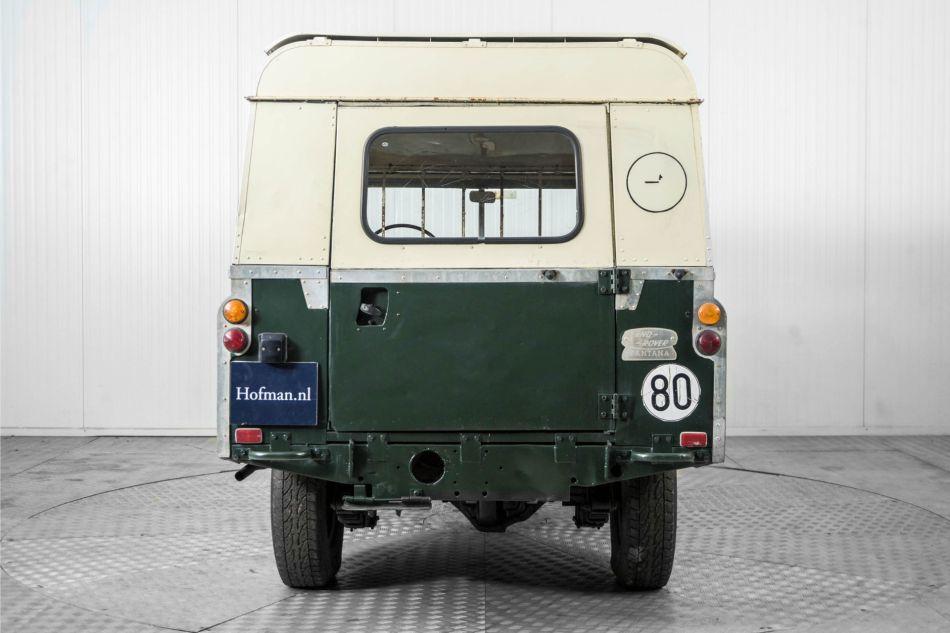
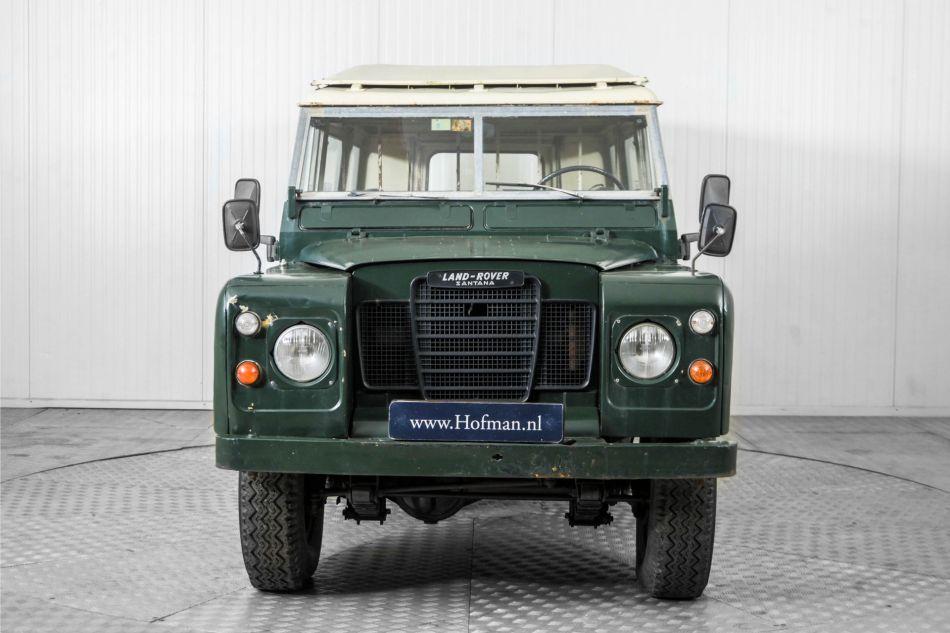
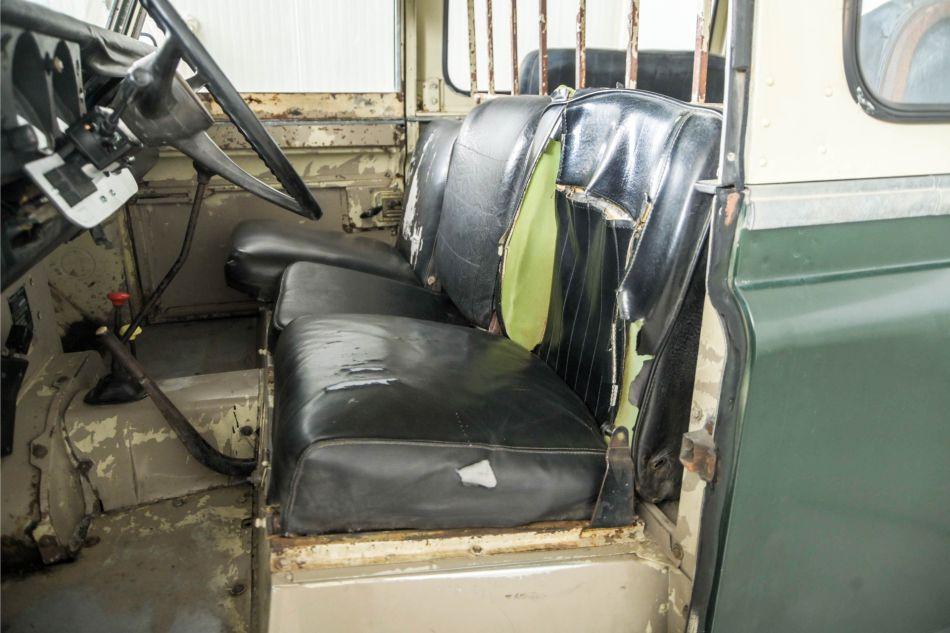
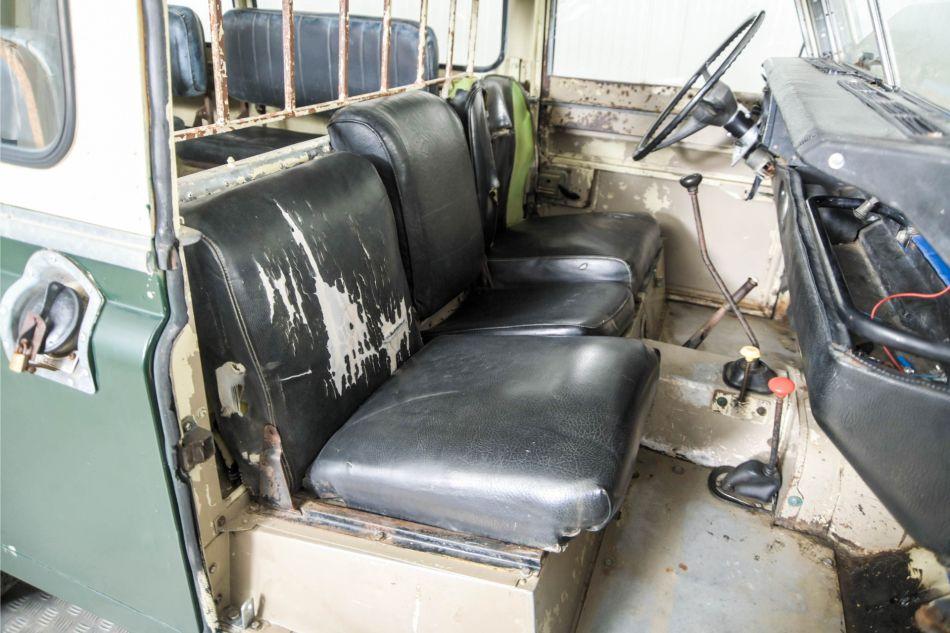
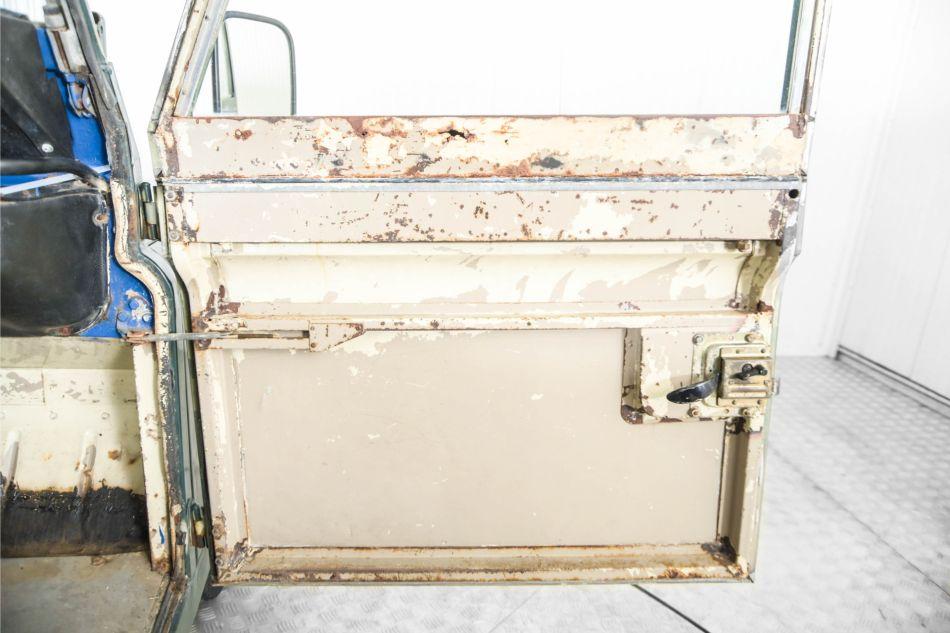
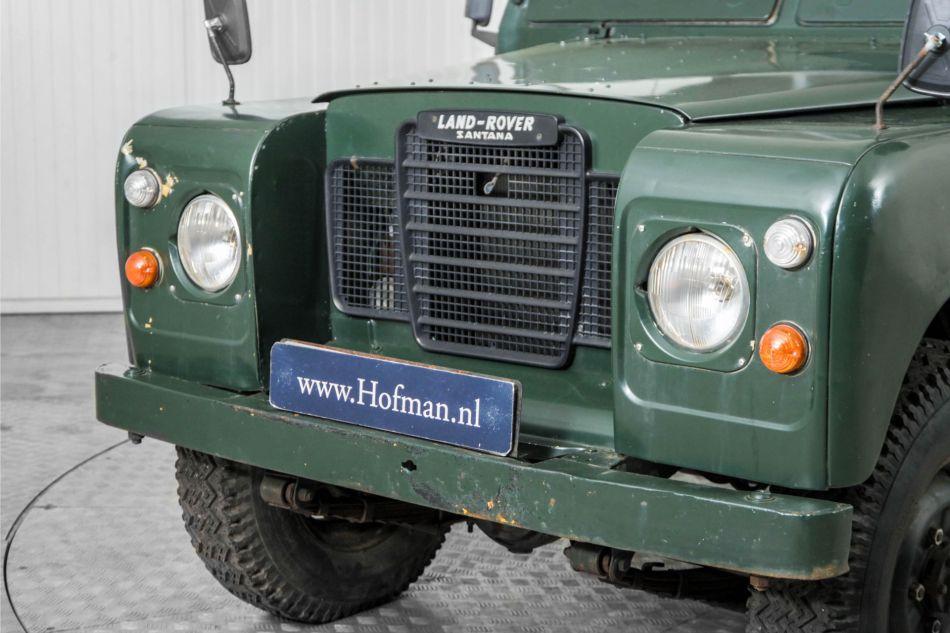
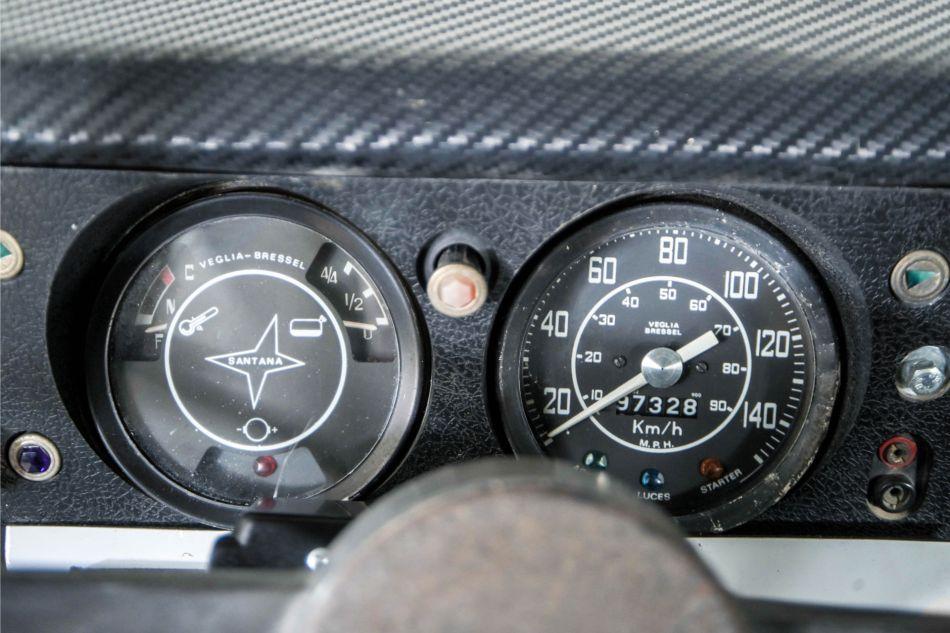
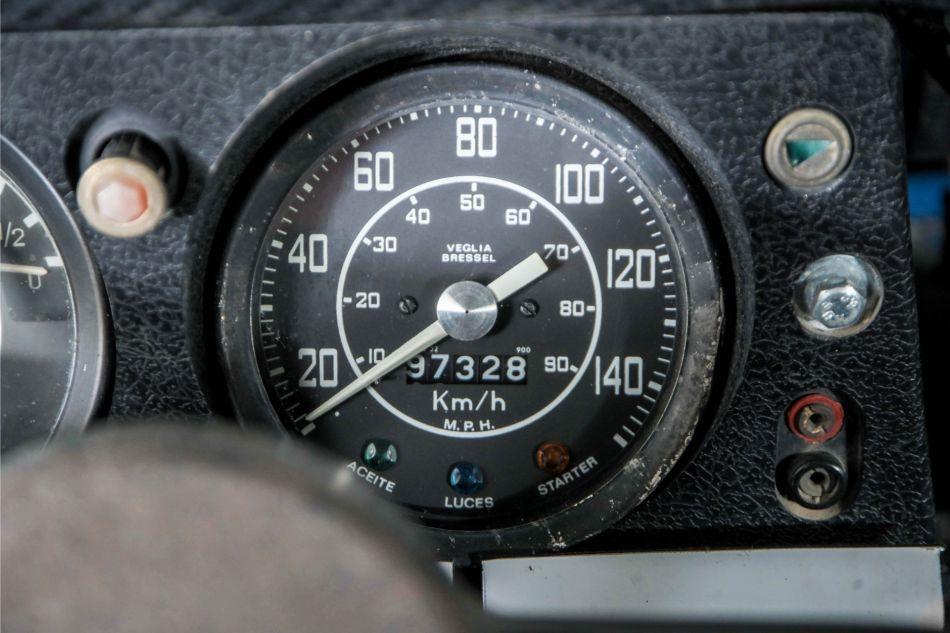
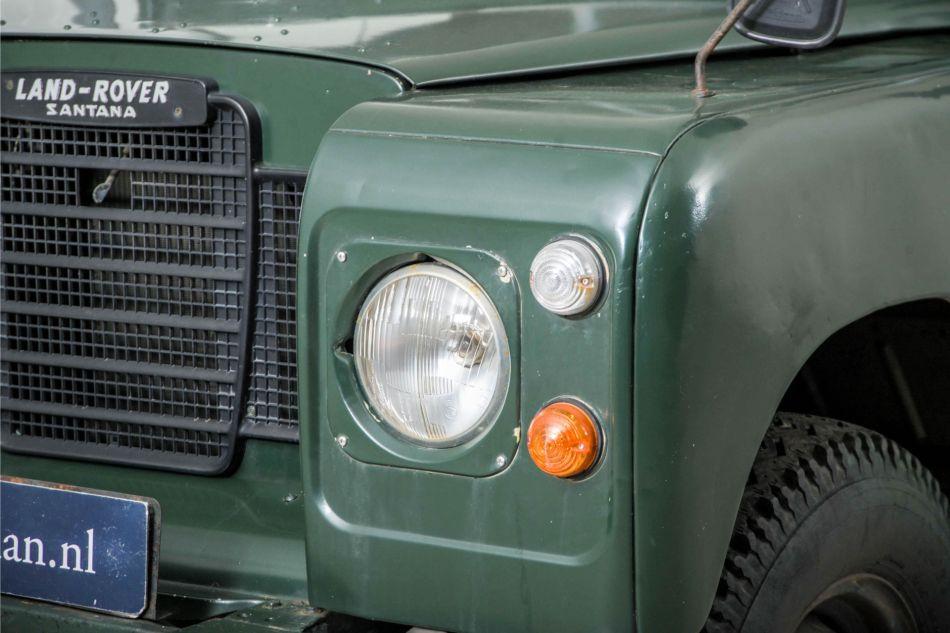
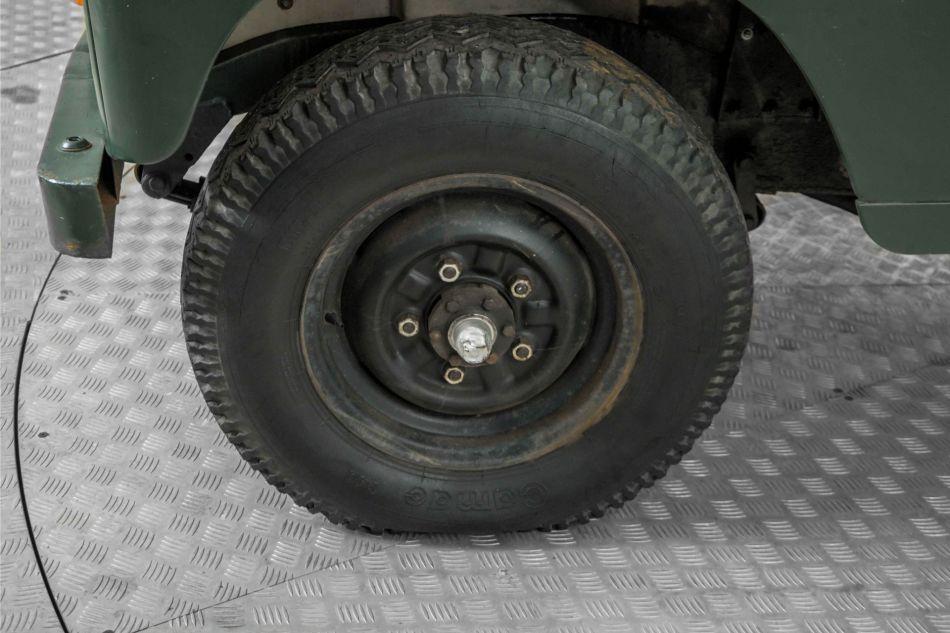
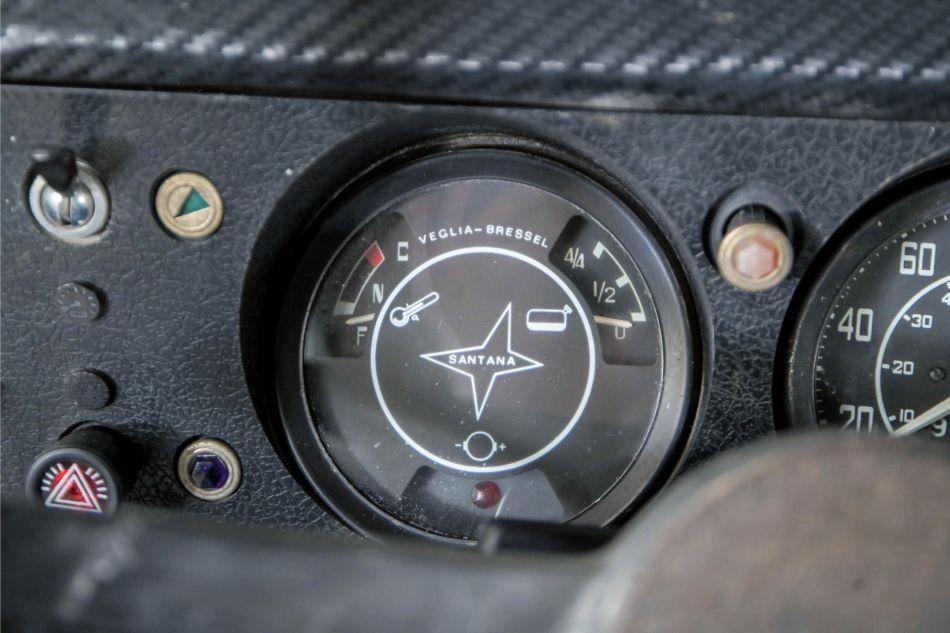
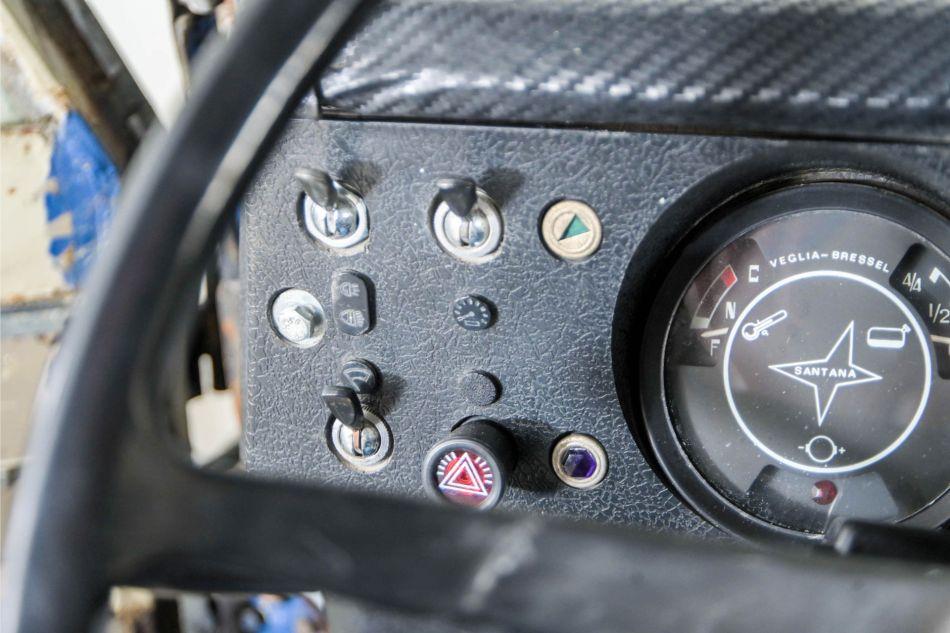
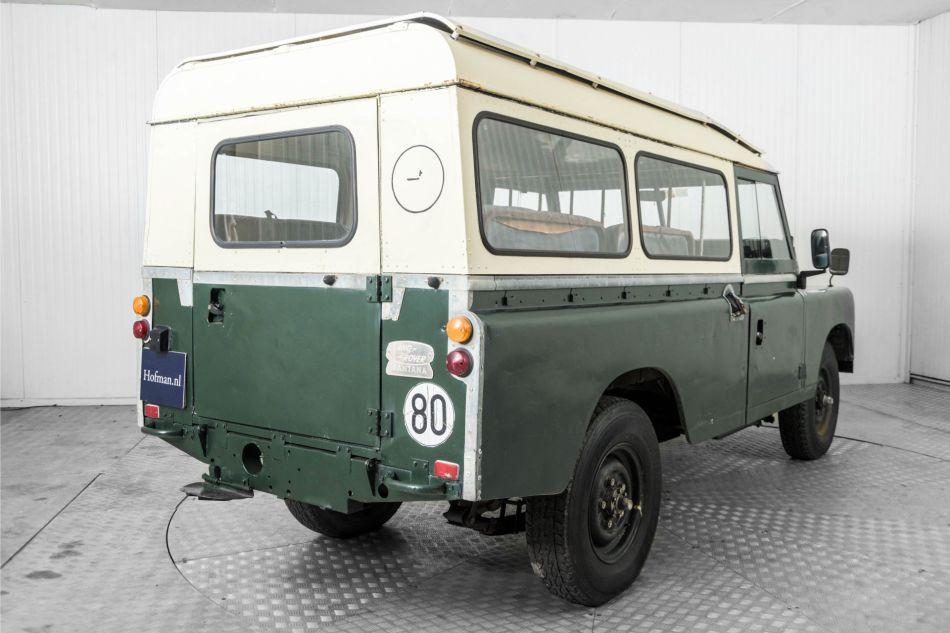
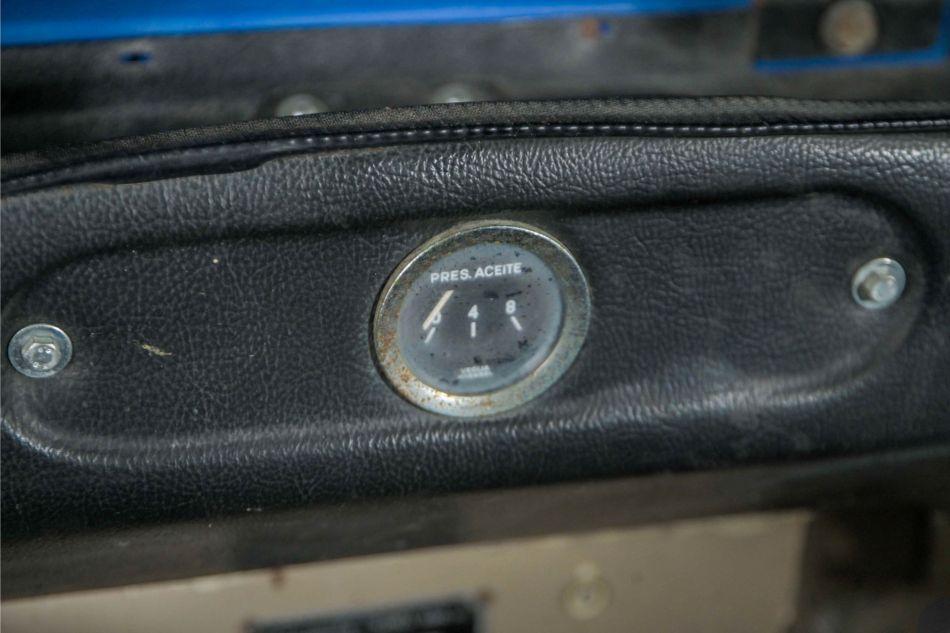
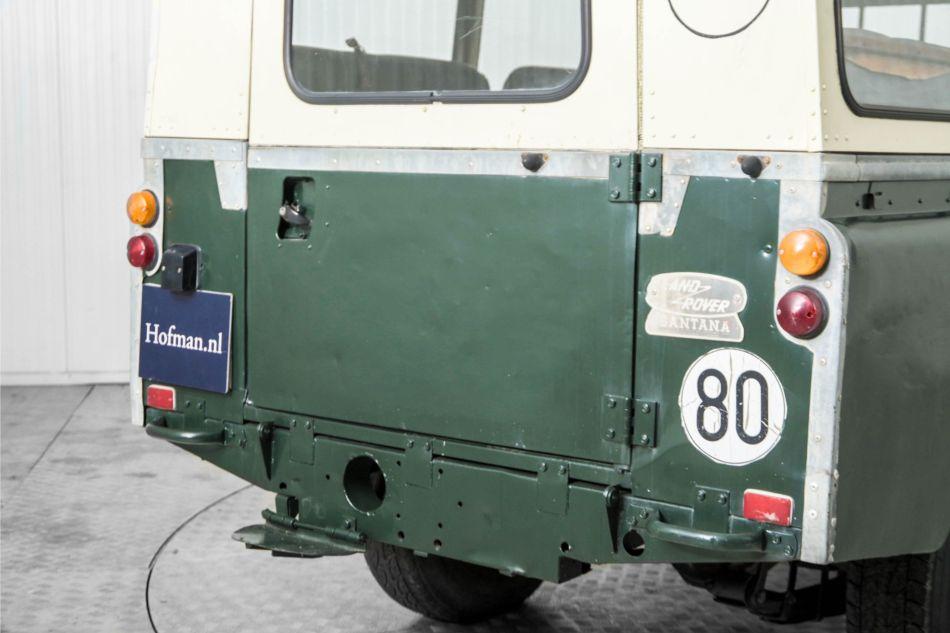
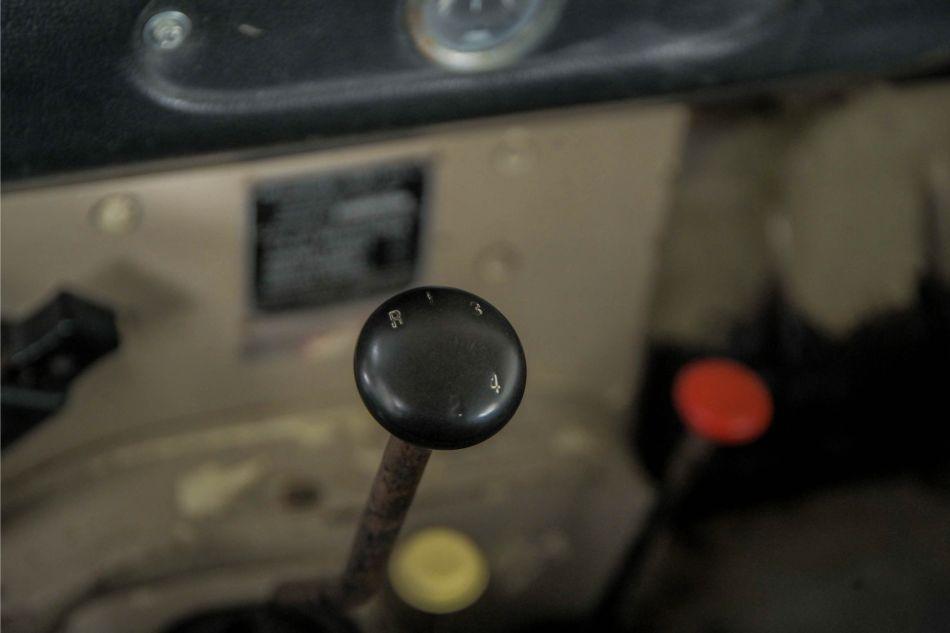
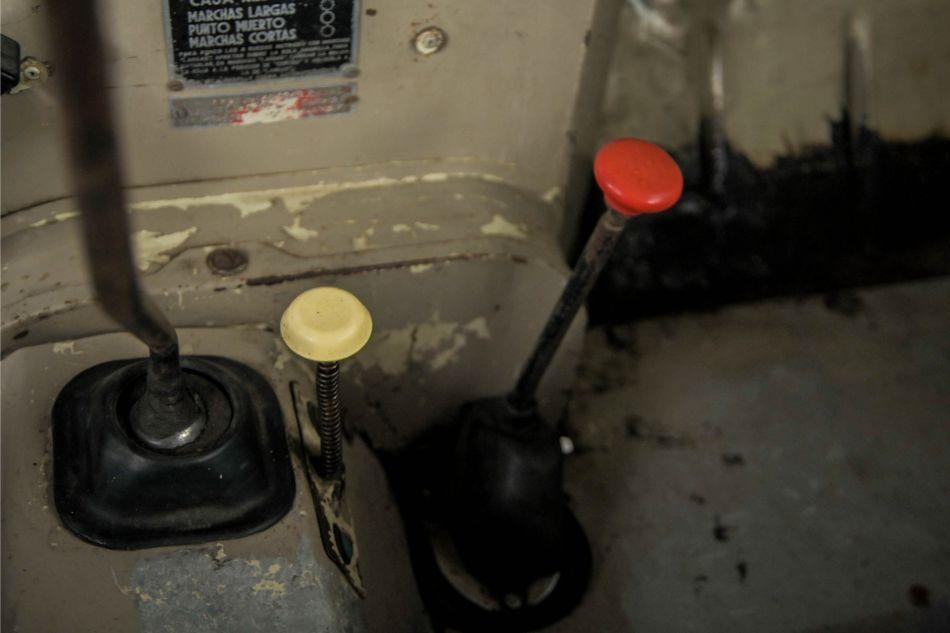
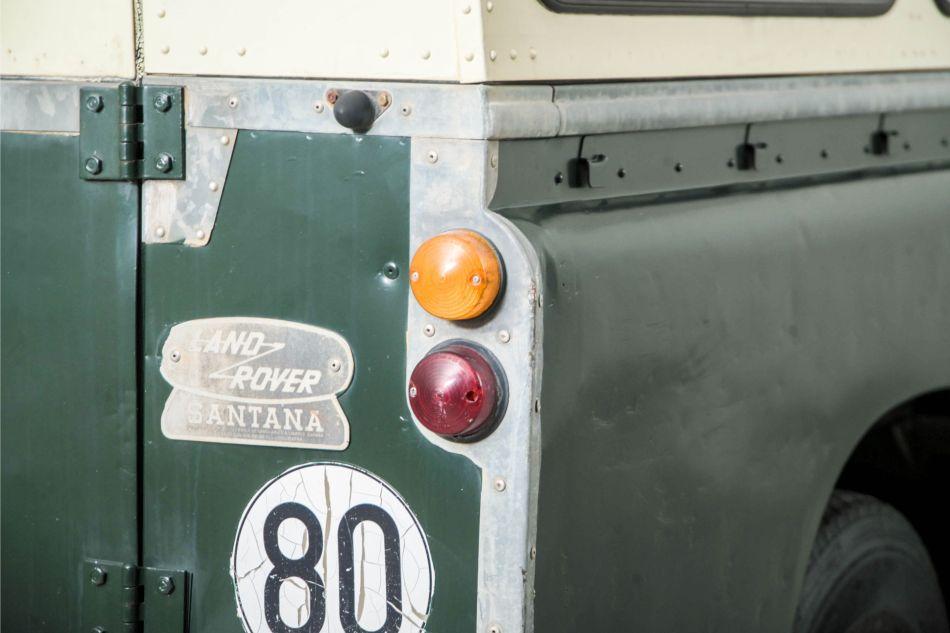
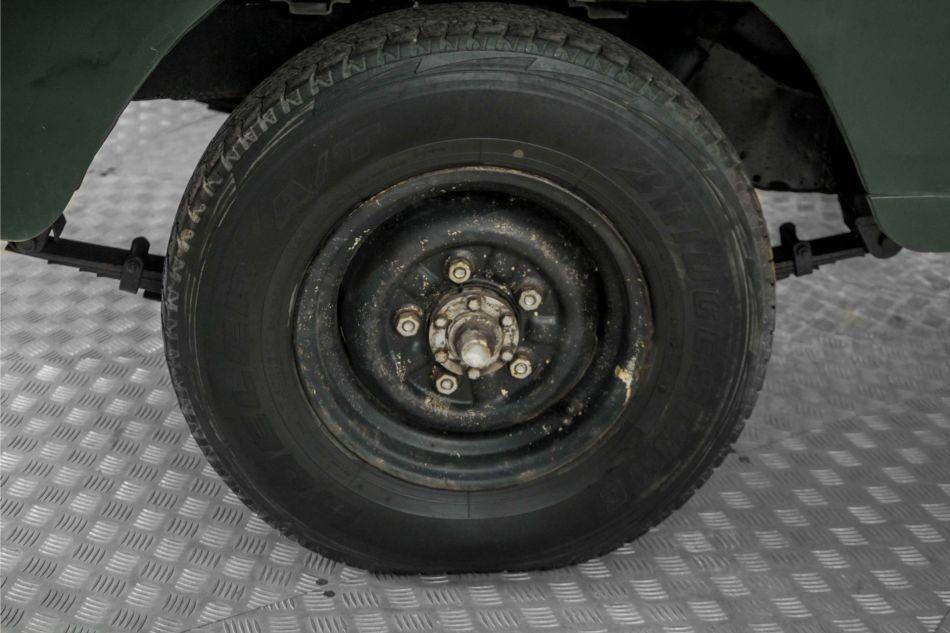
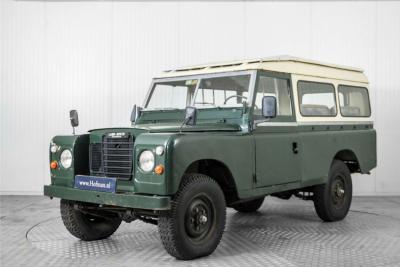
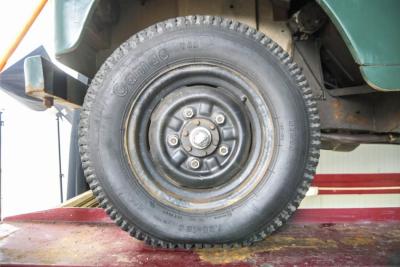
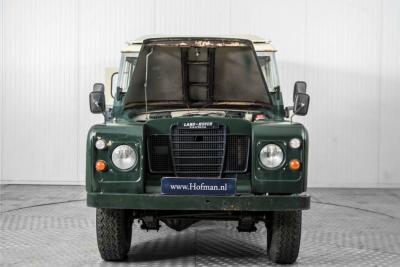
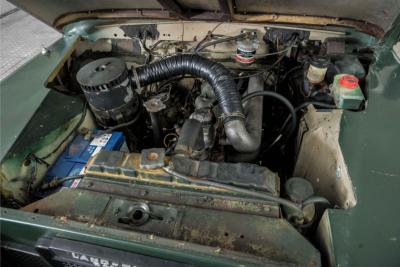
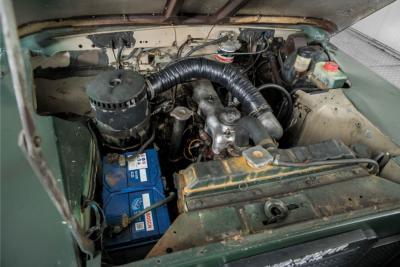
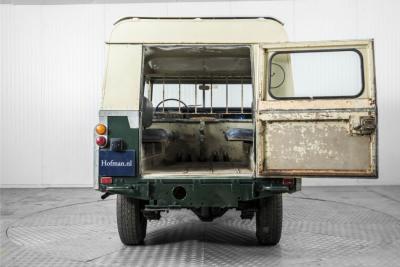
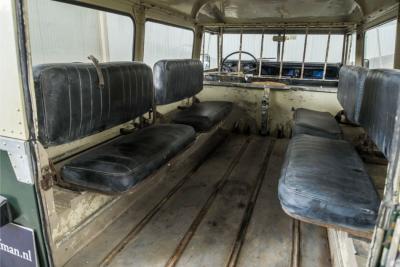
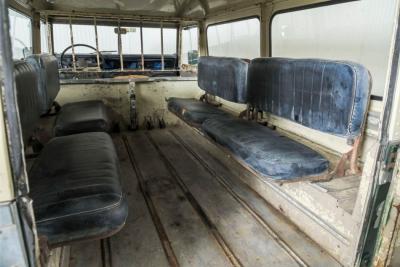
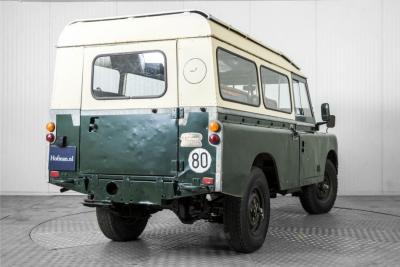
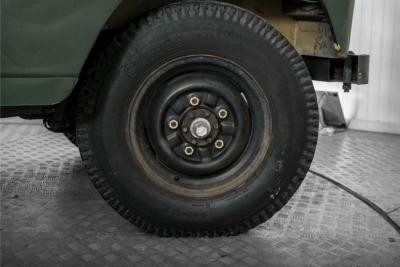
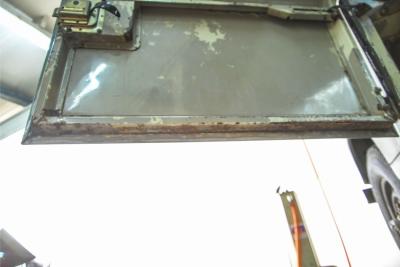
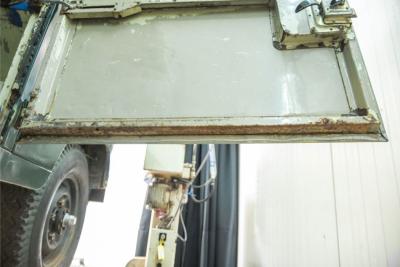
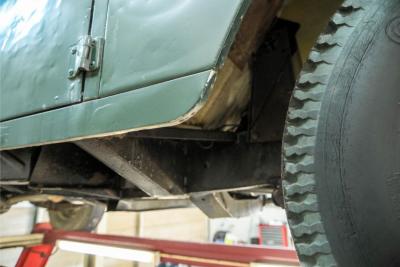
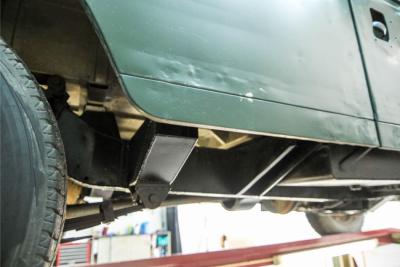
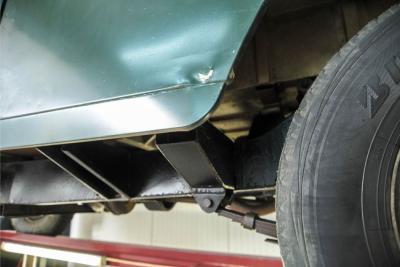
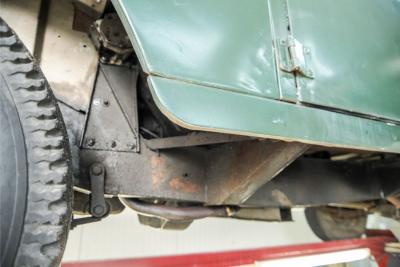
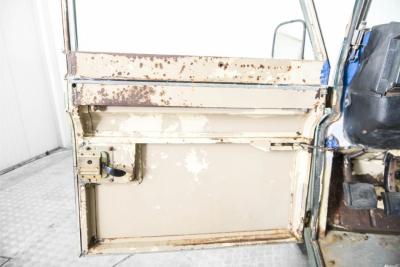
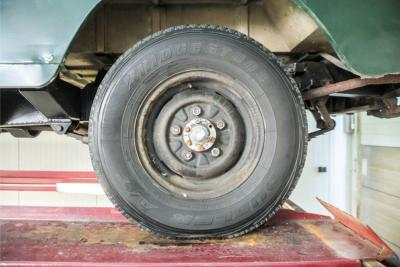
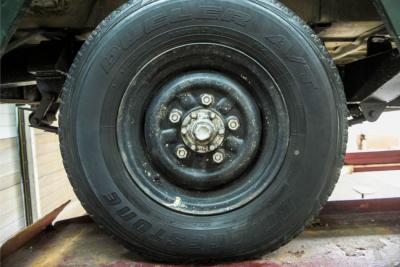
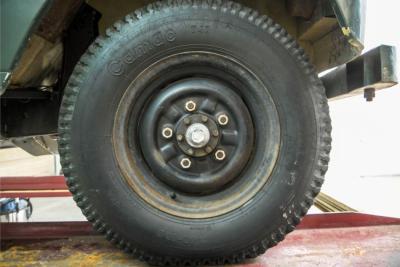
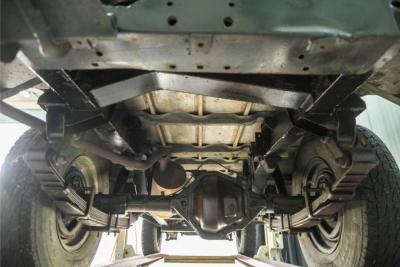
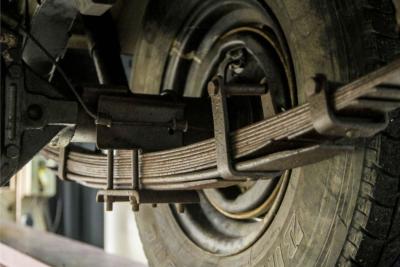
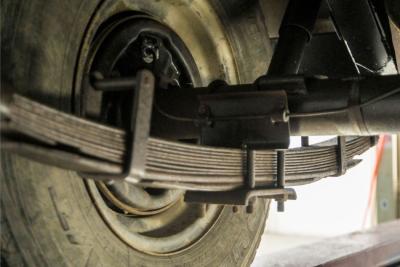
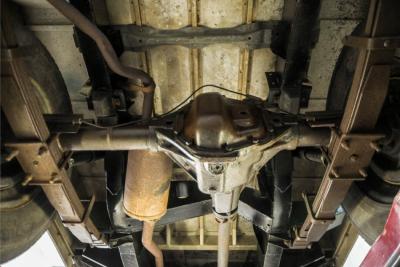
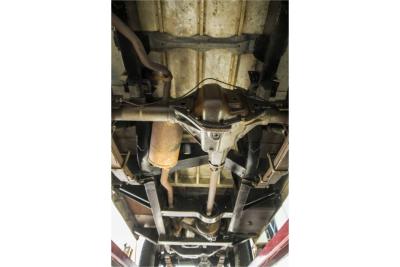
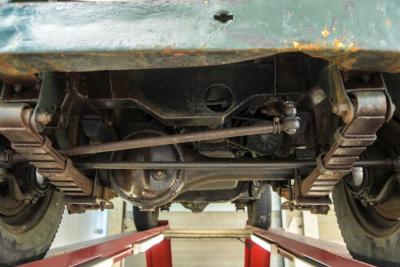
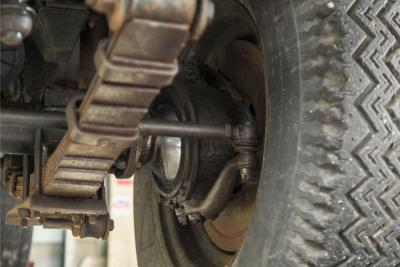
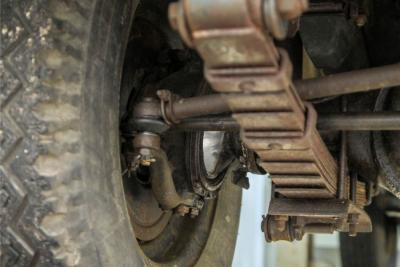
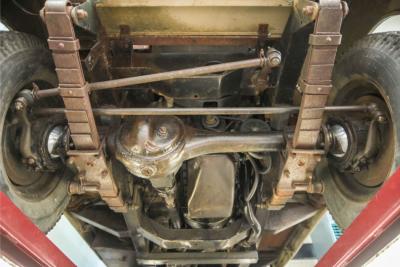
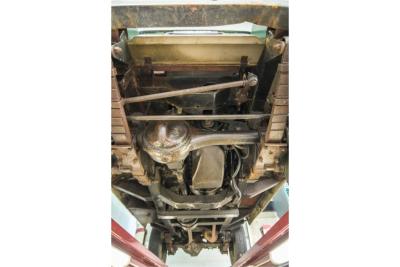
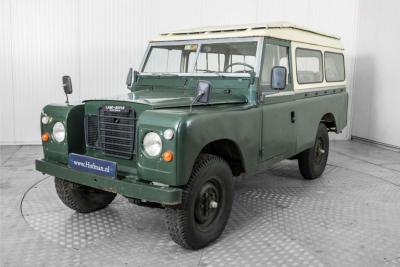
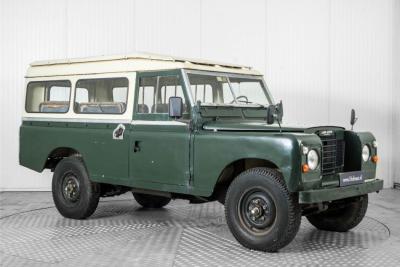
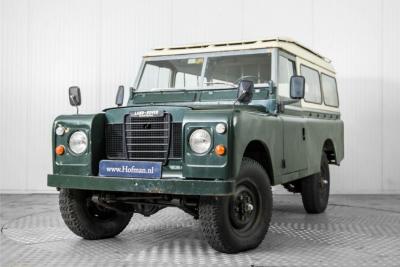
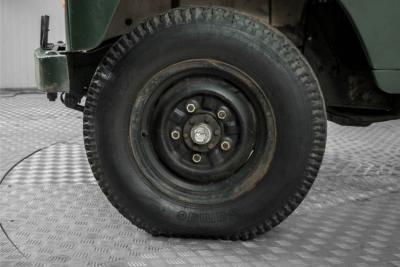
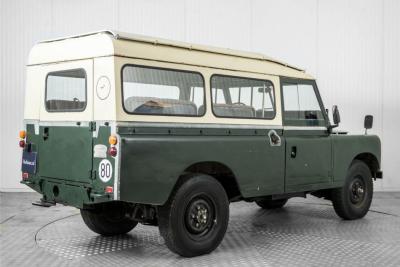
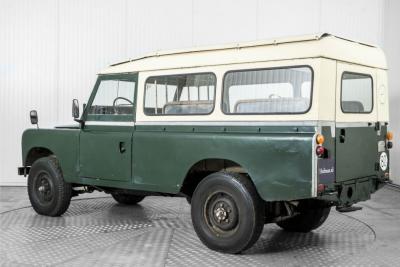
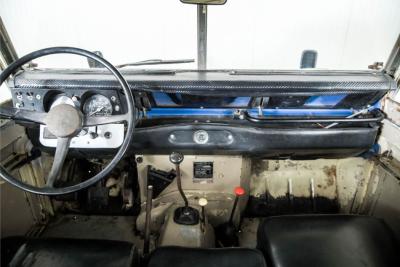
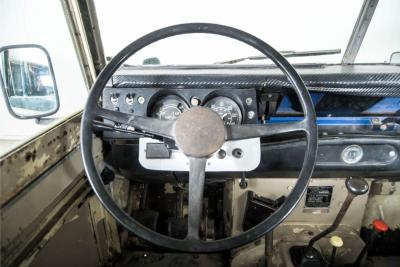
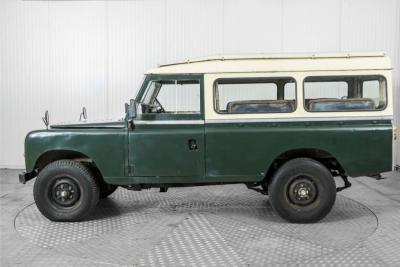
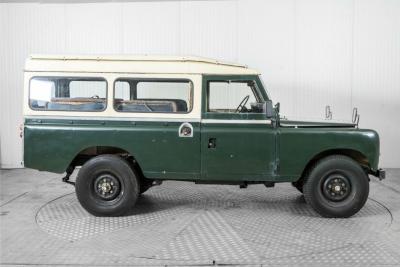
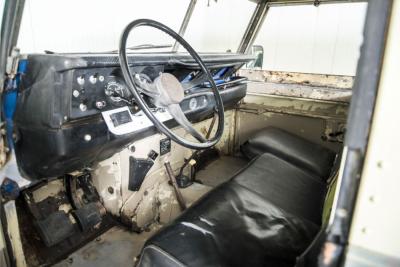
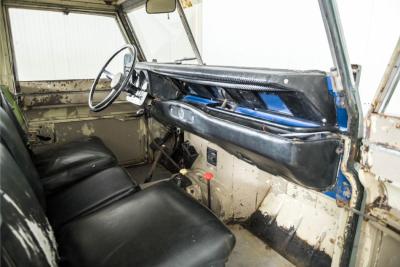
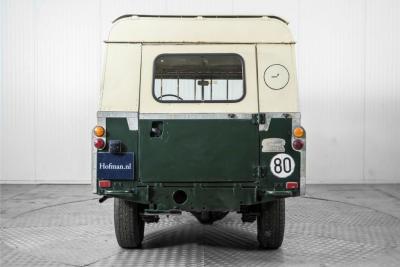
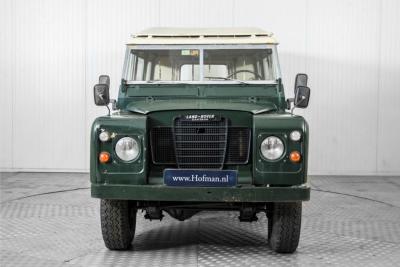
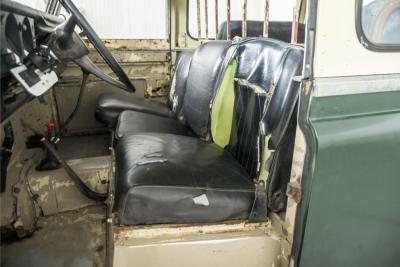
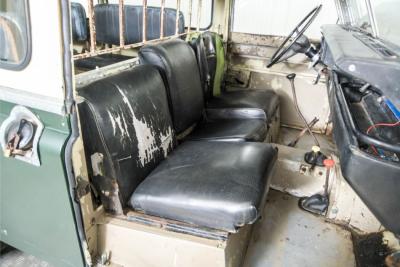
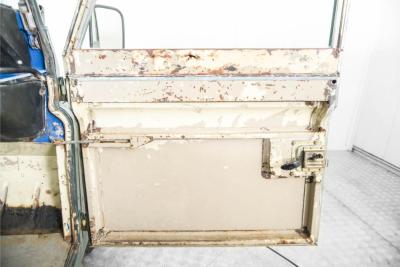
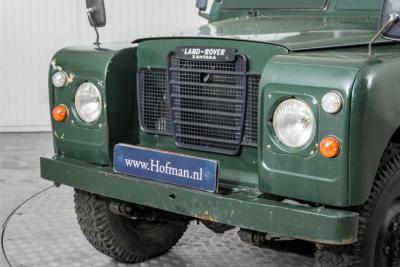
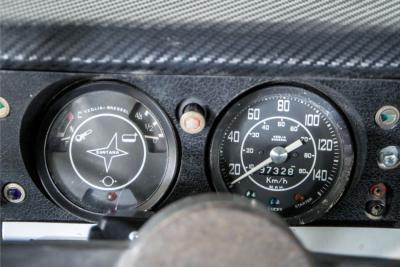
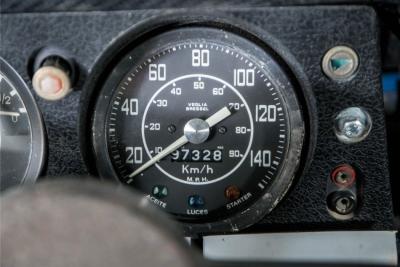
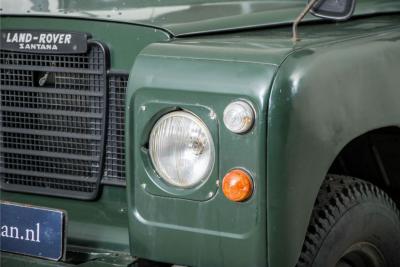
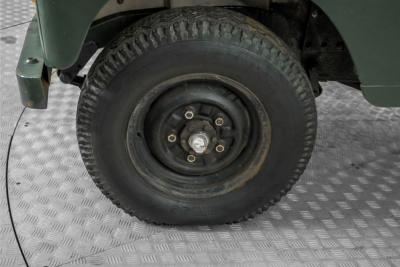
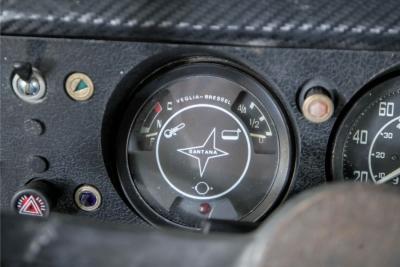
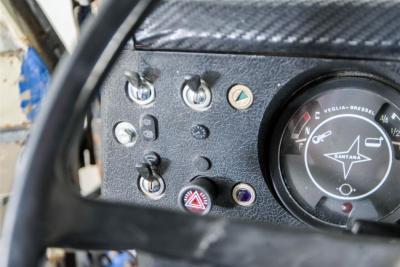
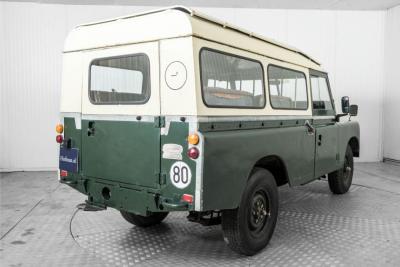
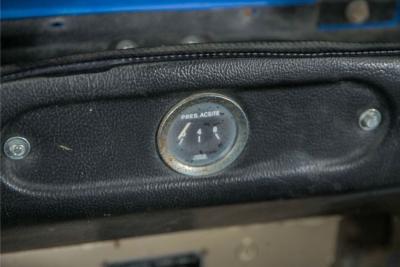
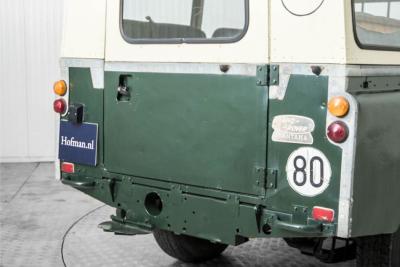
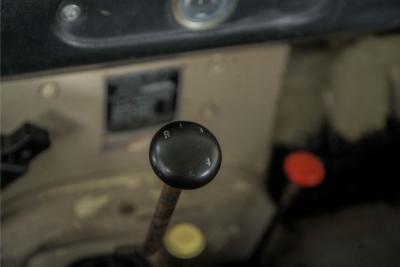
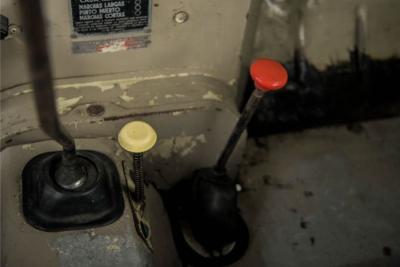
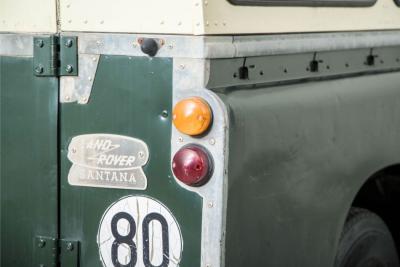
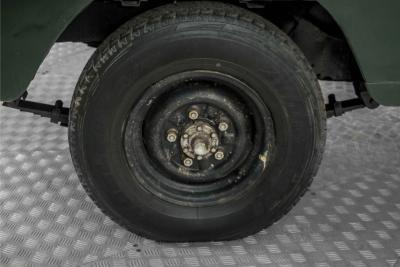
For sale: a Land Rover Santana 109 Diesel, a classic 4x4 with character. A robust and reliable 4x4 featuring pure engineering, built for adventure and work in tough conditions. This Santana is based on the legendary Land Rover Series models and is renowned for its simplicity and indestructibility. No unnecessary electronics – just solid engineering that keeps going. This car is perfect for enthusiasts, collectors or anyone looking for a unique off-roader for recreational use or restoration. It is a Spanish import and therefore has a nice rust-free base. The 4-cylinder diesel engine runs smoothly, and the gearbox shifts well. The brakes need to be checked before the vehicle is roadworthy. Since 1956, Santana has built Land Rover off-road vehicles under licence, most of which were manufactured without imported parts from the British parent factory. Santana produced various models and was also very popular with farmers and livestock breeders outside Spain. There were hardly any competitors on the domestic market at the time, as Santana was the sole manufacturer of off-road vehicles in Spain. Competitors in the automotive sector were all licence holders or joint ventures with foreign companies, including Renault (known as FASA in Spain), Citroën and FIAT (known as Seat in Spain). The reason for this was high customs tariffs and import quotas during the Franco era. As a result, importing new foreign cars was almost impossible and the Spanish market for independently developed product lines was very small. In 1958, in parallel with the model change at Land Rover, the first Series II models rolled off the production lines in Linares: 88 and 109 hardtops with two-litre petrol and diesel engines. Exports began in 1962. The focus was on North African and Latin American countries. In 1981, the Santana 2000 was unveiled, a thoroughly revised Land Rover 101 Forward Control with a load capacity of two tonnes. This was followed in 1982 by the Cazorla – outwardly almost a Defender, with a six-cylinder engine, overdrive, power steering and three windscreen wipers on the enlarged one-piece windscreen. The removal of the ventilation flaps beneath the windscreen allowed the dashboard to be completely redesigned. In 1983, the partnership with Land Rover was terminated and, with the 2500 series, substantial changes were made to the existing models. The Super T introduced, among other things, the first turbo-diesel variant of the 2.25-litre engine, with an output of 75 hp and torque of 180 Nm – three years before the British turbo-diesel. The transition to the much more responsive parabolic springs represented a modern evolution of the robust leaf spring suspension.Te koop een Land Rover Santana 109 Diesel ,klassieke 4x4 met karakter. Een robuuste en betrouwbare 4x4 met pure techniek, gebouwd voor avontuur en werk onder zware omstandigheden. Deze Santana is gebaseerd op de legendarische Land Rover Series-modellen en staat bekend om zijn eenvoud en onverwoestbaarheid. Geen overbodige elektronica - gewoon degelijke techniek die altijd blijft doorgaan. Deze auto is perfect voor liefhebbers, verzamelaars of iemand die een unieke terreinwagen zoekt voor recreatief gebruik of restauratie. het betreft een Spaanse import, en heeft daardoor een mooi roestvrije basis. De 4 cilinder dieselmotor motor loopt mooi , de bak schakelt goed. Voor het rijklaar maken moeten de remmen worden nagezien. bouwde Santana sinds 1956 terreinauto's van Land Rover in licentie die grotendeels werden vervaardigd zonder geïmporteerde onderdelen van de Britse moederfabriek. Santana produceerde verschillende modellen en was ook buiten Spanje erg populair bij landbouwers en veehouders. Concurrenten waren er toen nauwelijks op de binnenlandse markt, aangezien Santana de enige producent van terreinauto's in Spanje was. Concurrenten in de autosector waren allemaal licentiehouders of joint ventures met buitenlandse bedrijven, onder andere Renault (in Spanje FASA), Citroën en FIAT (in Spanje Seat). De reden hiervoor waren hoge douanetarieven en importquota tijdens de Franco-tijd. Daardoor was de import van buitenlandse nieuwe auto's bijna onmogelijk en de Spaanse markt voor zelfstandig ontwikkelde productlijnen erg klein. In 1958, parallel aan de modelverandering bij Land Rover, rolden de eerste Series II-modellen uit de fabrieken in Linares: 88- en 109-hardtops met de tweeliter benzine- en dieselmotoren. In 1962 begon de export. De focus lag op Noord-Afrikaanse en Latijns-Amerikaanse landen. In 1981 werd de Santana 2000 gepresenteerd, een grondig herziene Land Rover 101 Forward Control die een laadvermogen van twee ton had. In 1982 volgde de Cazorla - uiterlijk bijna een Defender, met zescilindermotor, overdrive, stuurbekrachtiging en drie ruitenwissers op de vergrote eendelige voorruit. Vanwege het wegvallen van de ventilatiekleppen onder de voorruit kon het dashboard volledig opnieuw worden ontworpen. In 1983 werd de samenwerking met Land Rover beëindigd en met de 2500-serie werden substantiële wijzigingen aangebracht aan de bestaande modellen. Met de Super T werd onder andere de eerste turbodiesel-variant van de 2,25 litermotor, met een vermogen van 75 pk en een koppel van 180 Nm, geïntroduceerd - drie jaar voor de Britse turbodiesel. De overgang naar de veel zachtere reagerende parabolische veren vormden een moderne doorontwikkeling van de robuuste bladveerophanging.