



























































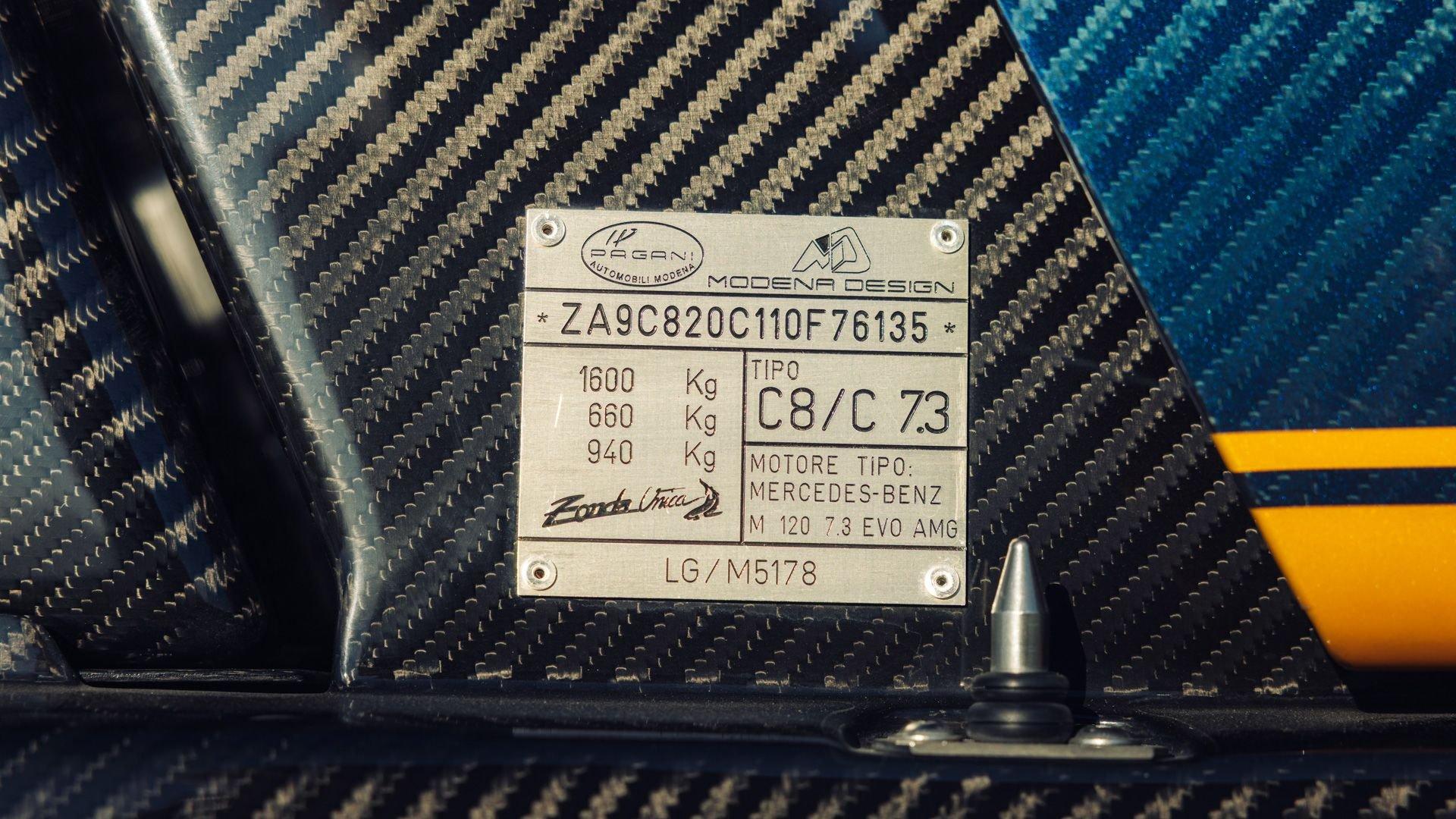
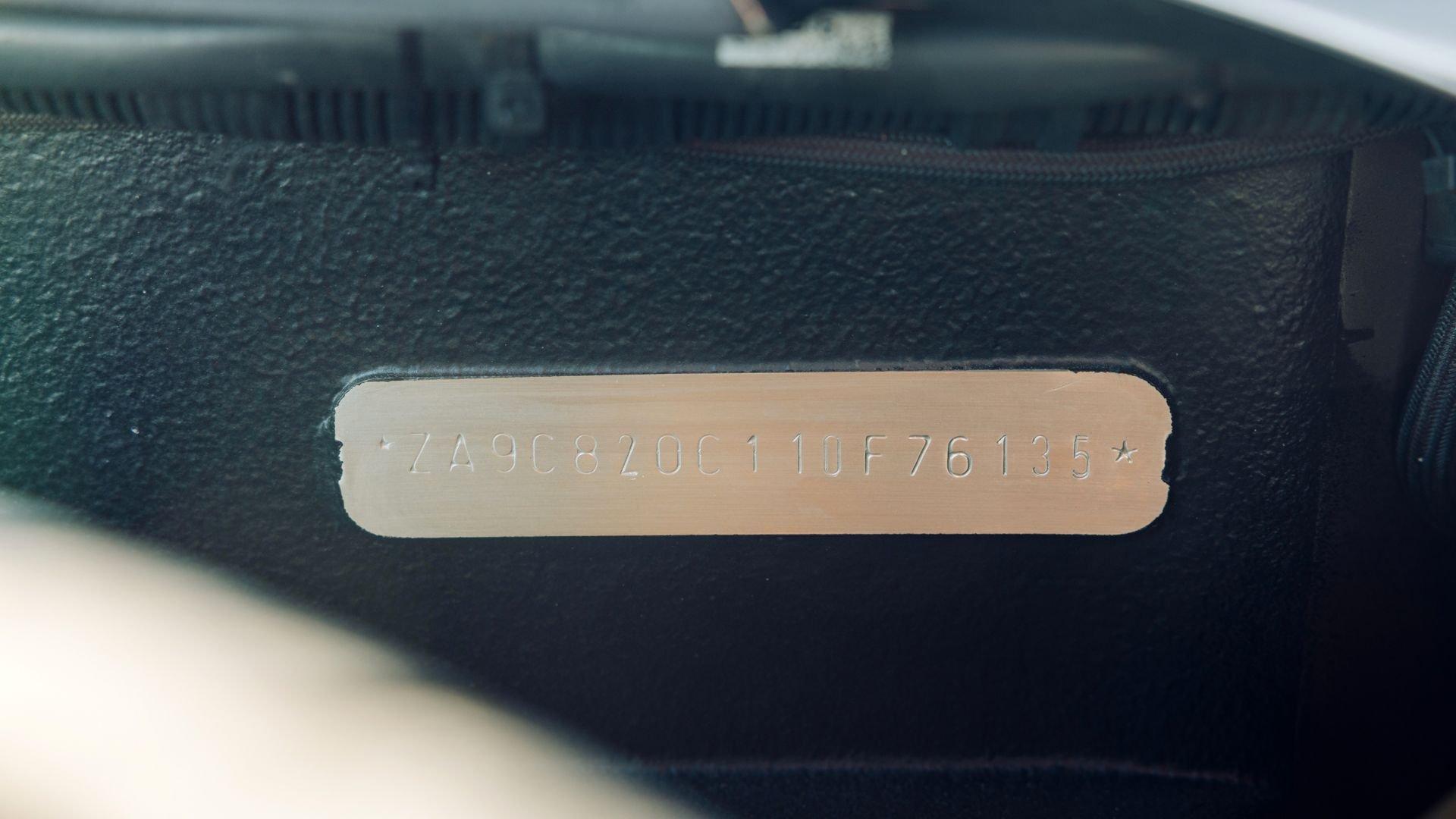

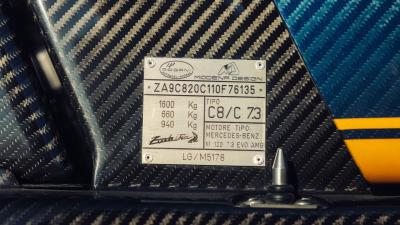
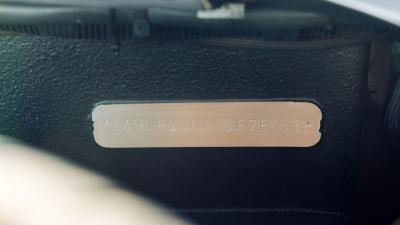
Chassis No. ZA9C820C110F76135
Few modern cars have gripped the automotive industry as swiftly and permanently as the Pagani Zonda. As the inaugural creation of Pagani Automobili, the Zonda immediately redefined expectations for a hypercar. Now more than two decades on, it remains one of the most revered machines of the new century and its mystique, exclusivity, and desirability continue to reach new heights.
The Zonda story began with the lifelong vision and raw artistic and mechanical talent of Horacio Pagani. The Argentinian-Italian son of a baker and artist, Horacio was enamored by the automobile from a young age. He was equally obsessed with the construction and engineering of cars as he was with their beauty; a devout follower of Leonardo da Vinci's philosophy that form and function should exist in harmony. Horacio cut his teeth in the industry building Renault-powered Formula Two cars, where he was discovered by his future mentor Juan Manuel Fangio. With a letter of recommendation from The Maestro in hand, Pagani moved to Italy and began working at Lamborghini. Here he quickly rose through the ranks, moving from mopping floors to leading Lamborghini's composites department within a few years. Horacio designed the Countach Evoluzione-the first Lamborghini built completely from lightweight composite materials-as well as the Countach 25th Anniversary and parts for the Diablo TE30, before leaving to start his own composites consulting firm in 1988.
Finally founding Pagani Automobili in 1992, Horacio began to realize his lifelong dream of creating his own bespoke, no-compromise supercar. Just two years later, Pagani presented his design to Dieter Zetsche at Mercedes-Benz, whose enthusiasm for the concept secured Pagani's partnership with Stuttgart that continues to supply Mercedes-AMG V12 powerplants today. Initially conceived as the “Fangio F1” in tribute to Horacio's friend and mentor, the project was renamed following the Formula One luminary's passing in 1995. Thus the Pagani Zonda was born, its name and form inspired by the powerful Argentine wind from which it takes its title.
After seven years, the production-ready Pagani Zonda C12 debuted at the 1999 Geneva Motor Show. Its design was an instant hit, drawing equal inspiration from fighter jets and the Sauber Mercedes Silver Arrows Group C race cars. Fitted with a 6.0-liter V12, five-speed manual transmission, and ultra-lightweight carbon fiber monocoque chassis, the original Zonda was supremely capable: zero-to-100 km/h in an astonishing 4.2 seconds and a top speed of 297 km/h. The interior, unforgettable; whether trimmed in carbon fiber, aluminum, or leather, each component was thoughtfully sculpted to belong in either aerial combat or a modern art museum. The public was immediately captivated, yet skeptical. Could this audacious newcomer from Modena truly rival the era's elite supercar titans such as Porsche and Ferrari?
As the Zonda platform matured, the dissonance metamorphosed into praise and accolades from those lucky enough to get behind the wheel. Its sweeping collection of awards included Evo Magazine's 2001 “Car of the Year,” Car Magazine's 2002 “Performance Car of the Year,” and several consecutive glowing reviews from Top Gear that established the Zonda as the next bedroom wallpaper supercar for a new generation of collectors.
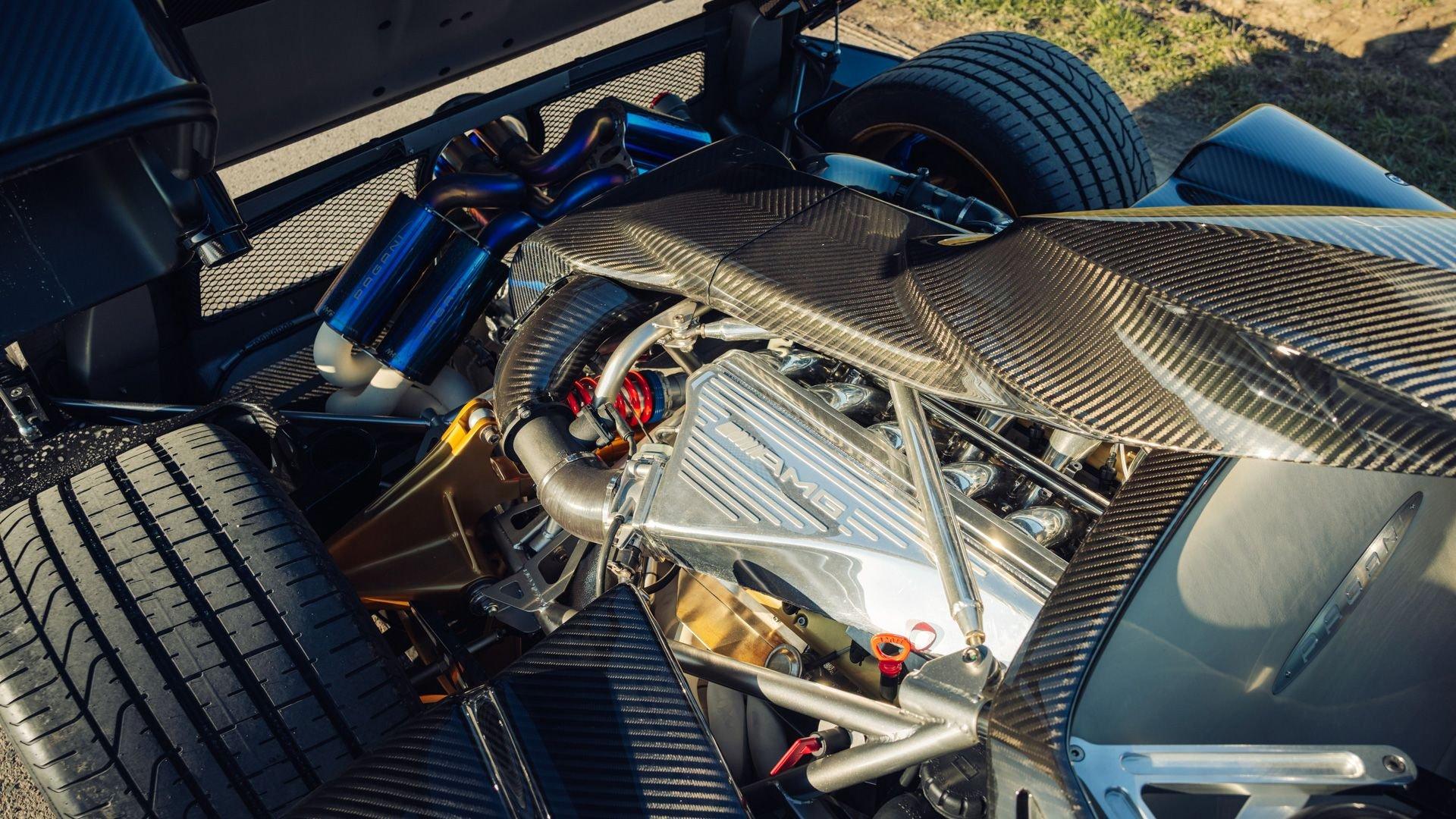
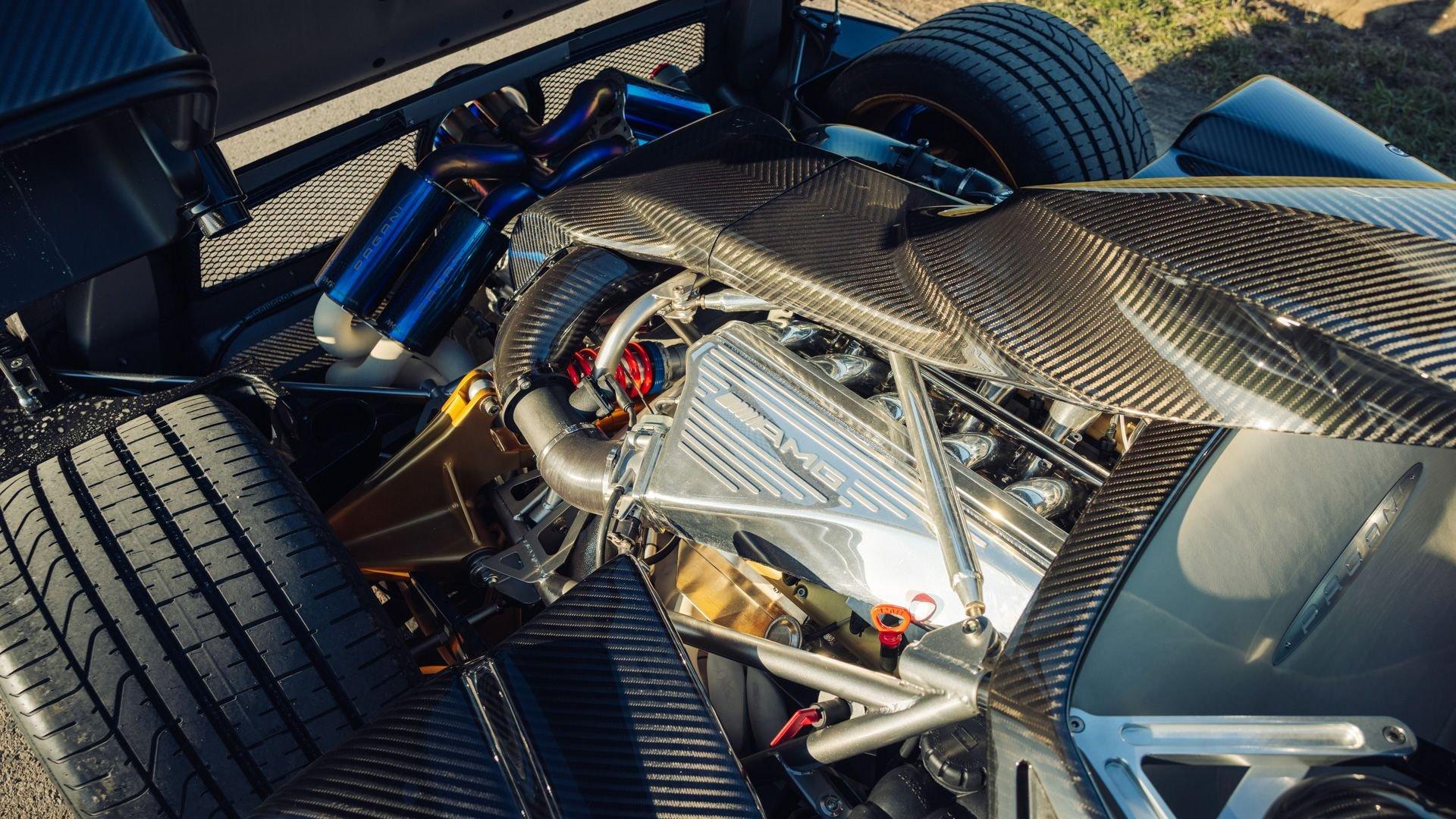
Horacio continued to refine his creation for the next 25-plus years, with each series and one-off creation receiving new technology, better performance, and their own lore. Yet, the Zonda formula persisted throughout each build: powered by a naturally-aspirated AMG-produced and tuned V12, a carbon fiber body completely hand-built at Pagani's headquarters in San Cesario sul Panaro, both an exterior and interior that echoed the tenets of da Vinci, and a specification tailor-made to each individual customer.
Today the Zonda family tree is wholly diverse, from the heavily revised Zonda F to the Nürburgring-conquering Zonda R. Even though Horacio has shifted his attention to newer models such as the Huayra and Utopia, the Zonda dynasty has endured, with the Arrivederci-the final example built on a new Zonda chassis-unveiled in 2025. Just 140 road-legal Zondas exist, each a rolling canvas Pagani encourages their owners to enjoy, perfect, and evolve.
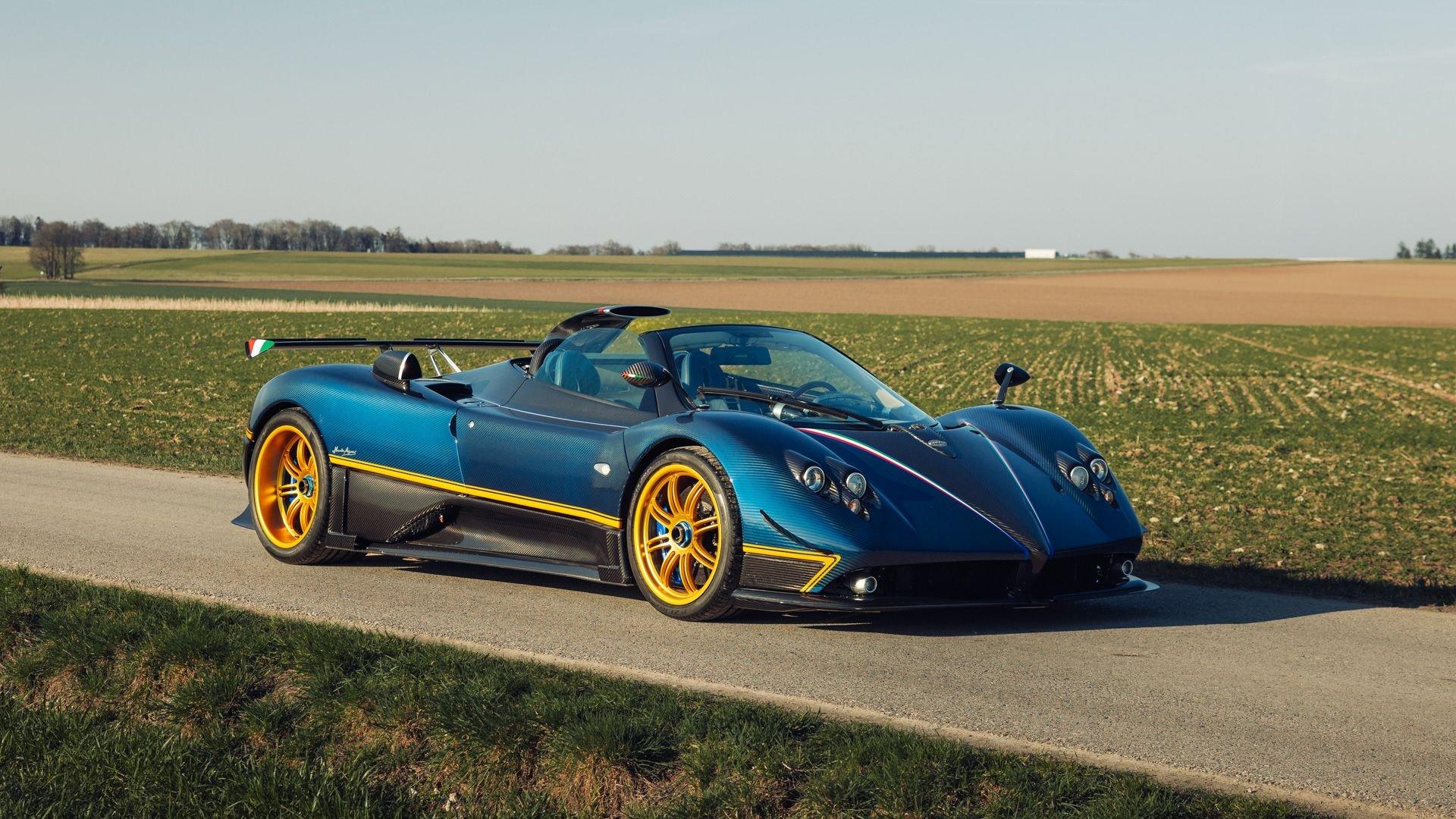
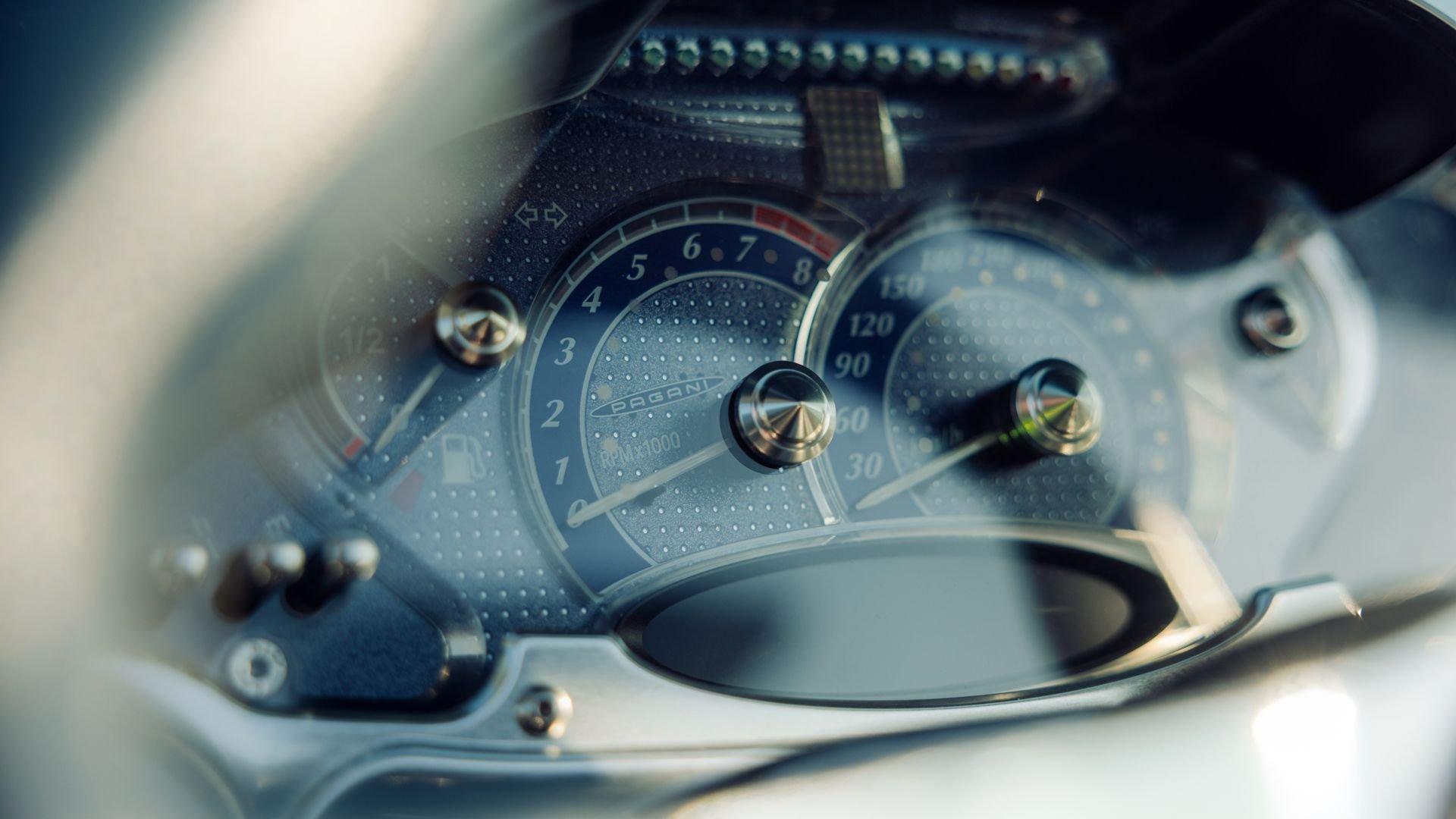
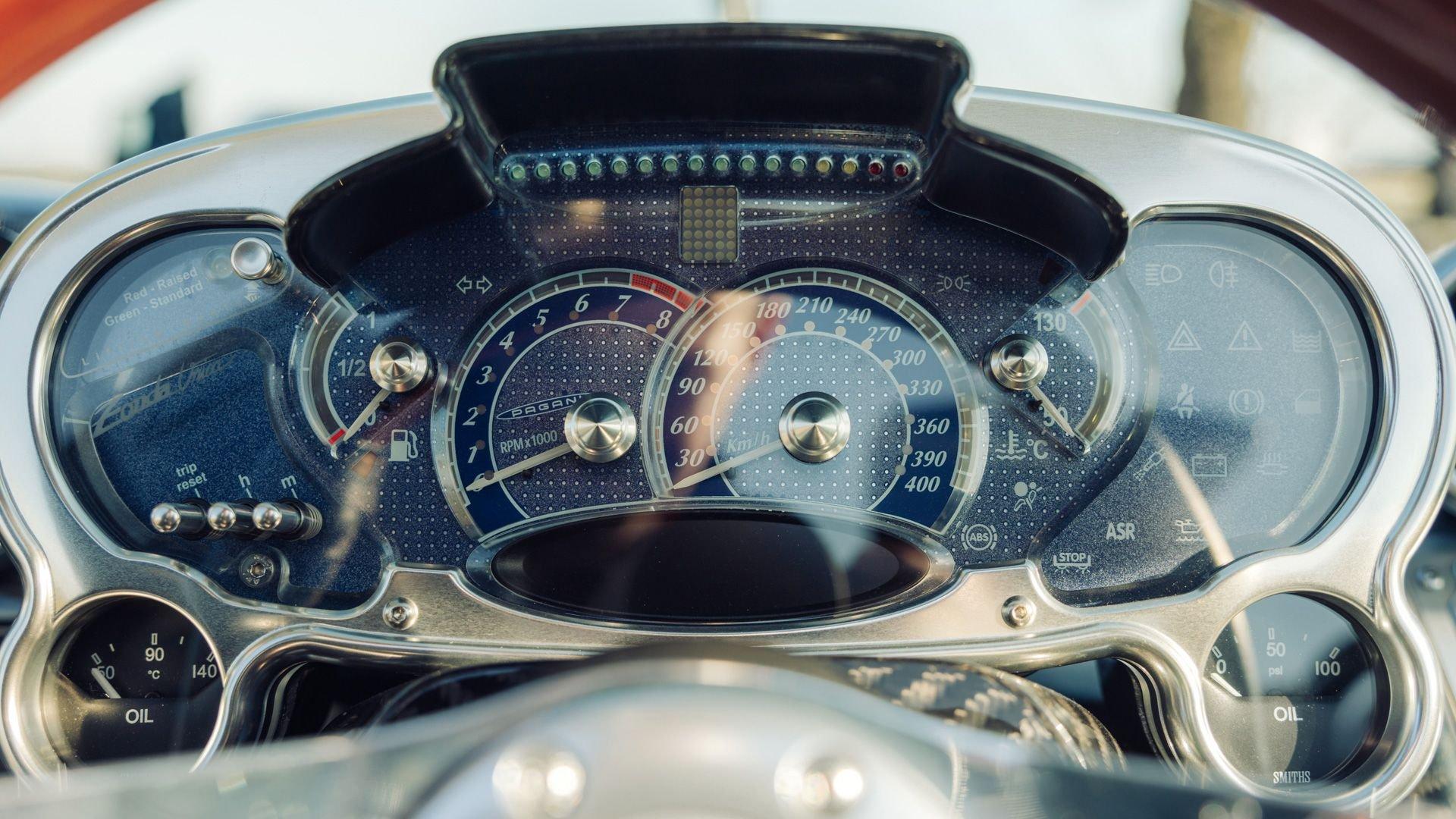
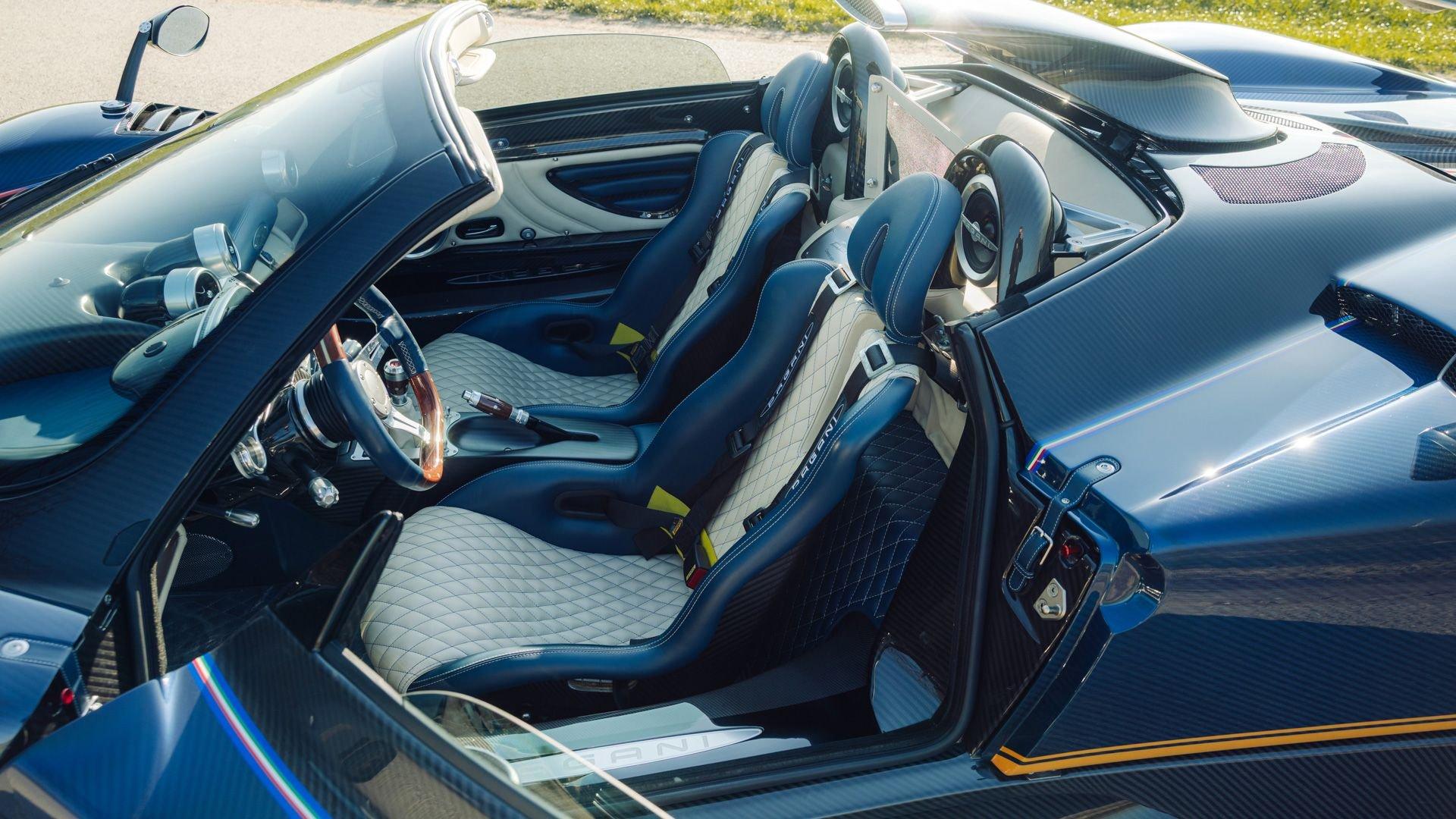
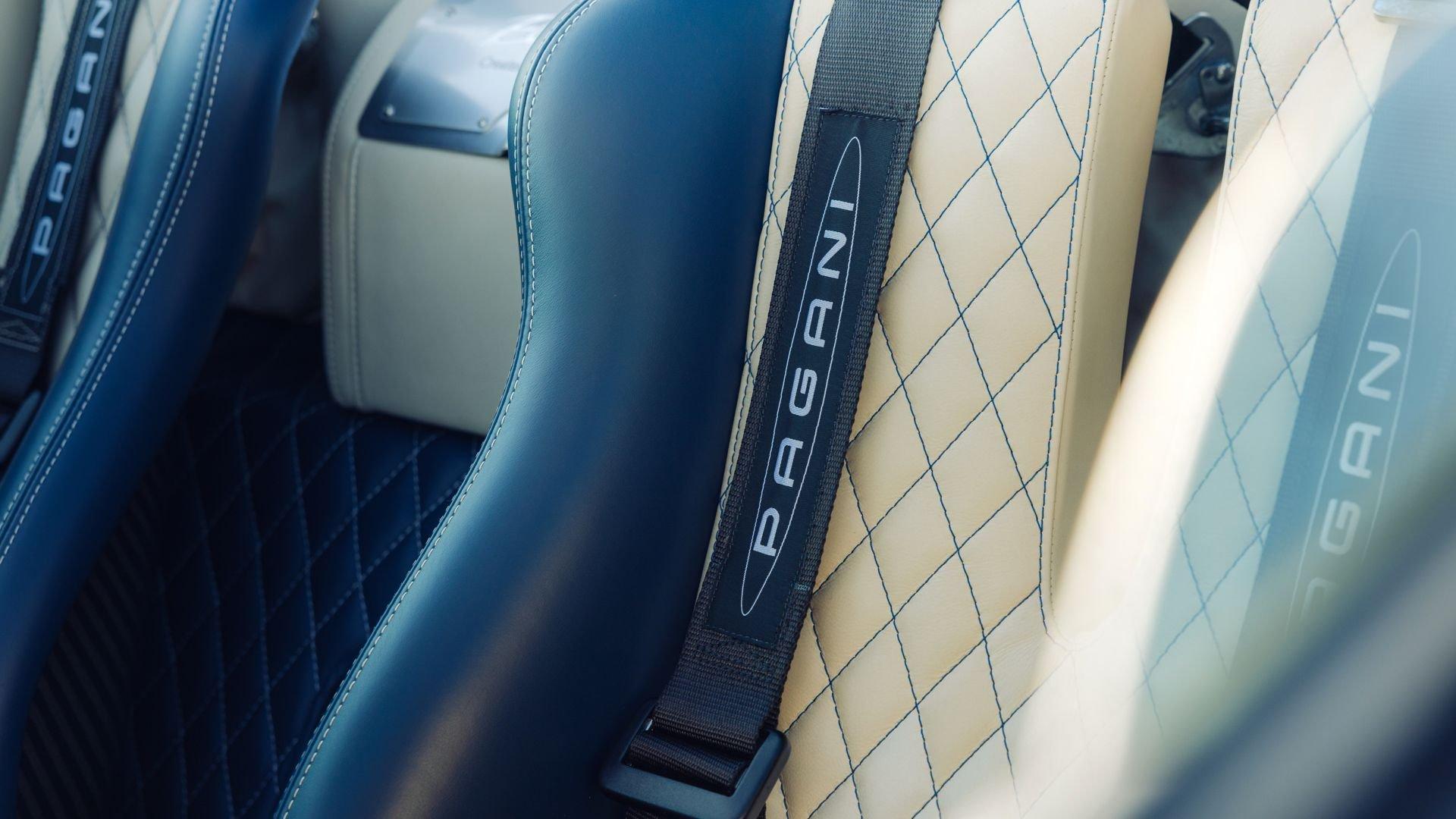
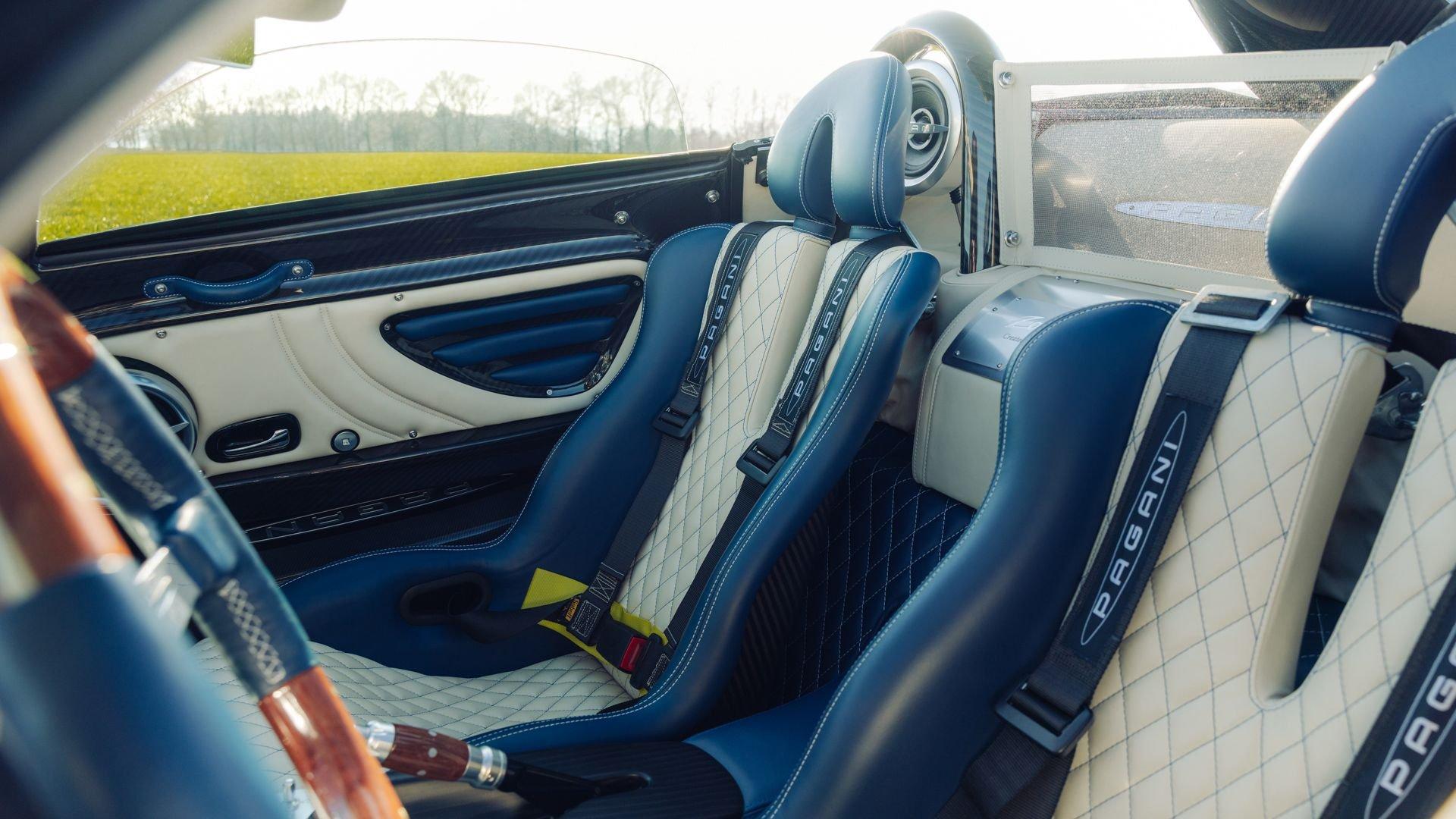
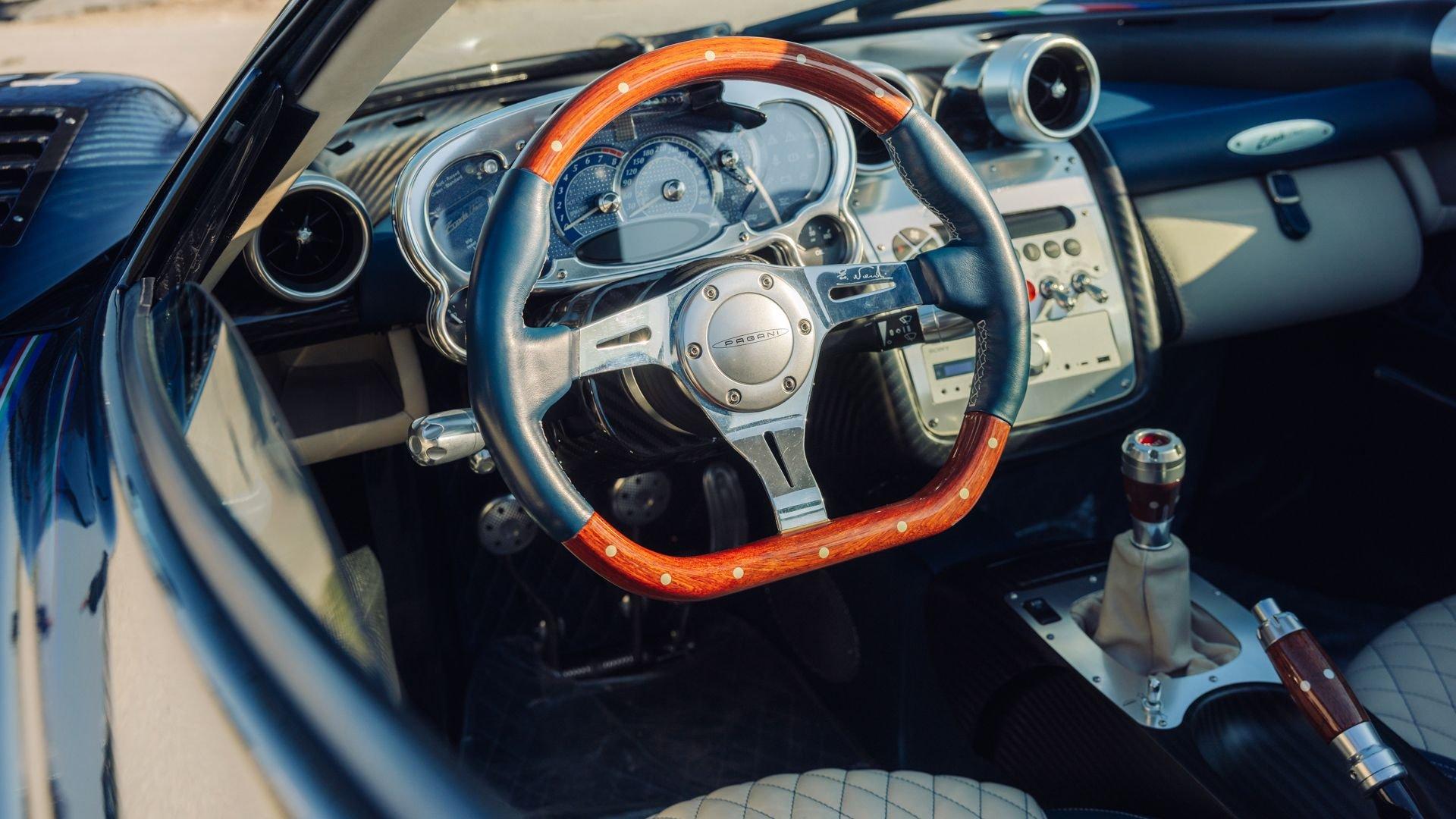
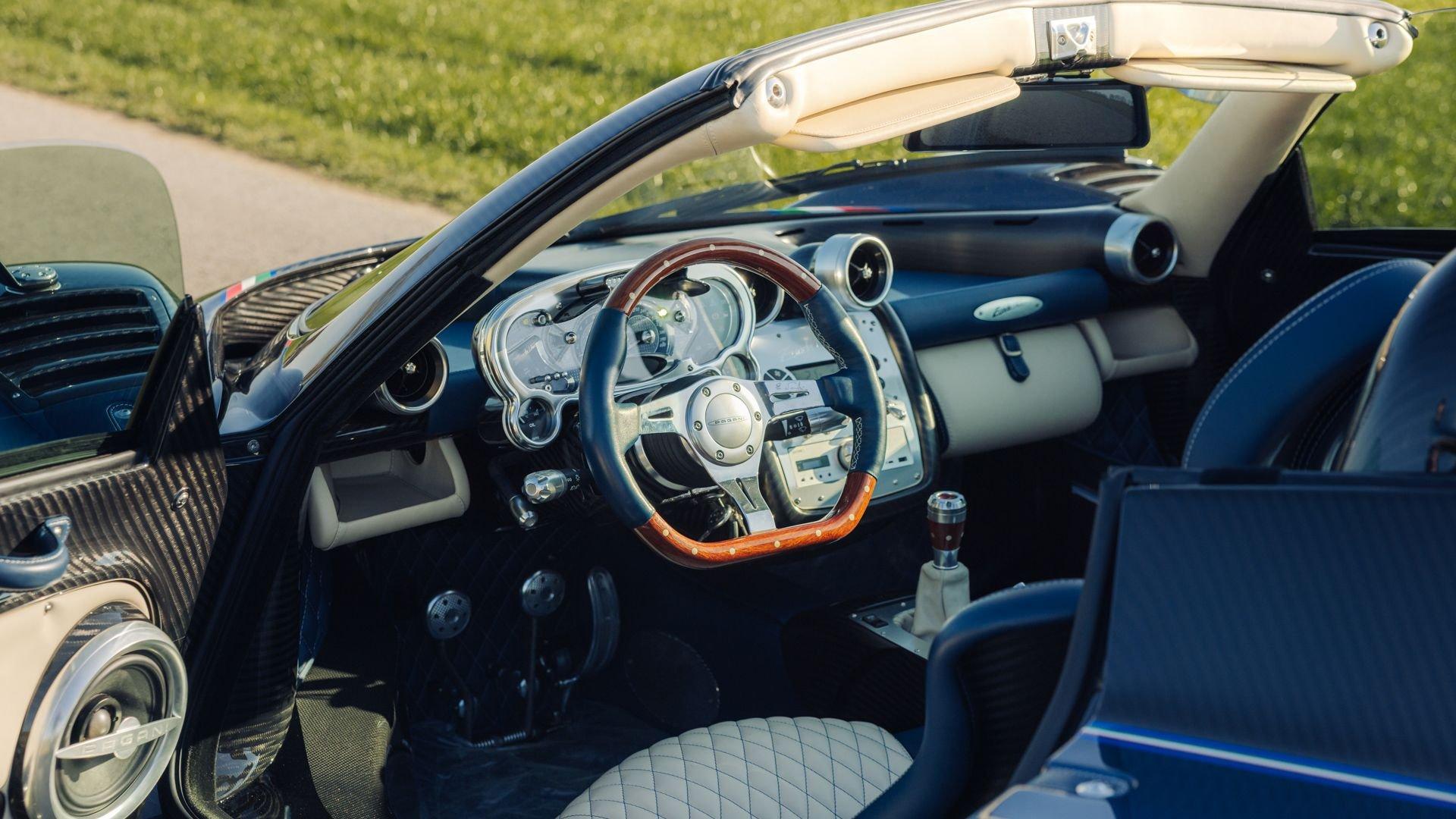
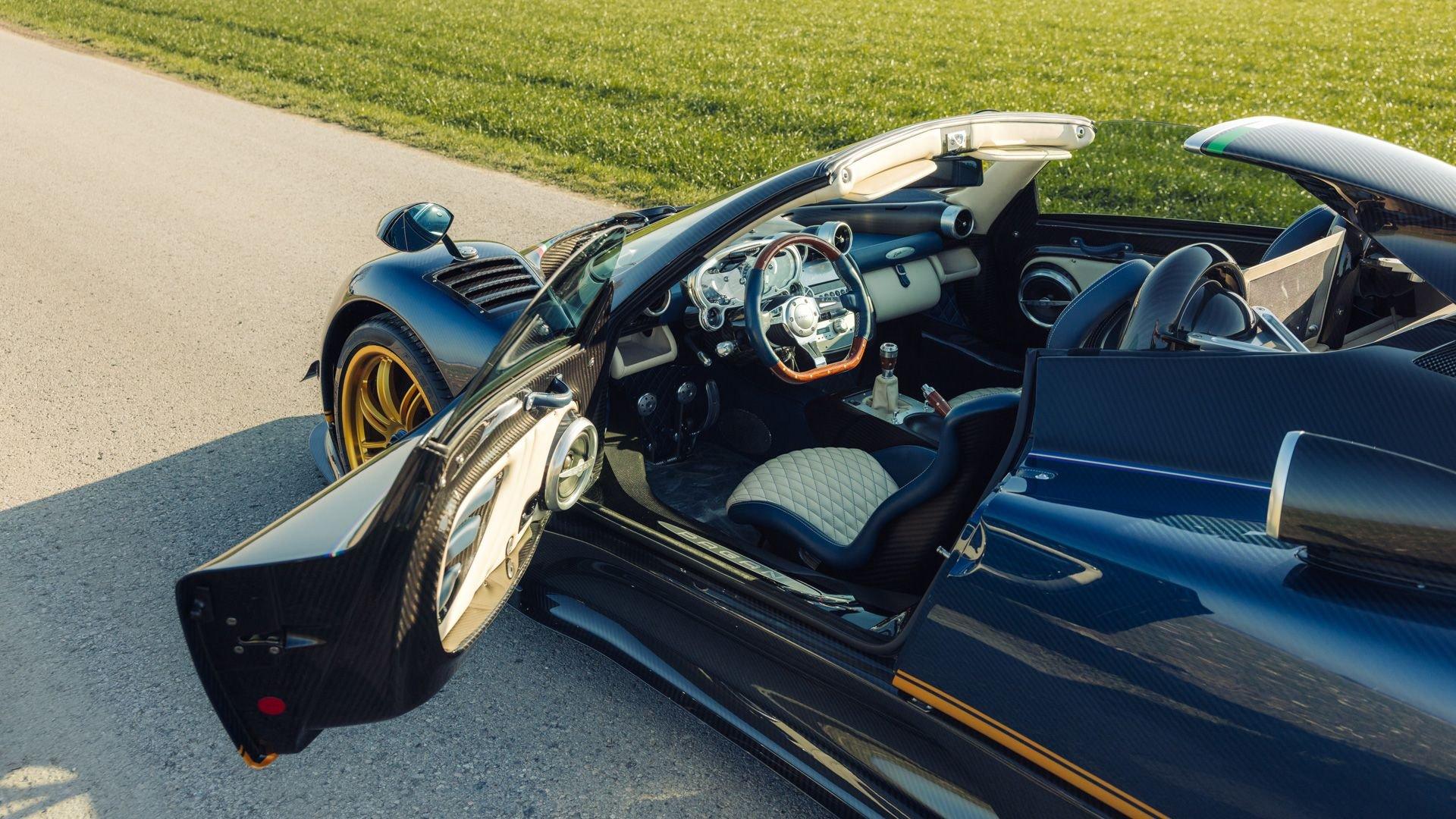
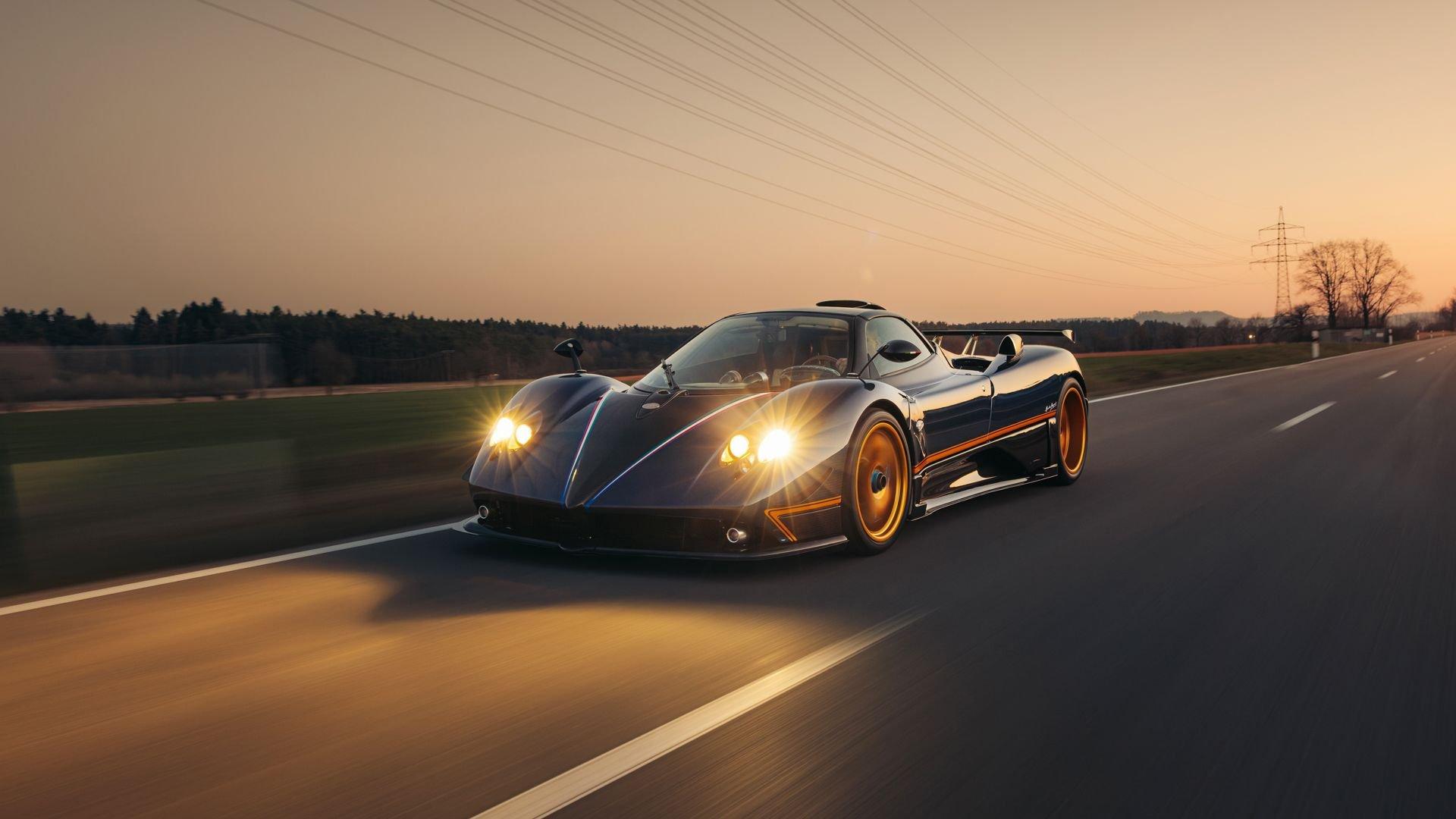
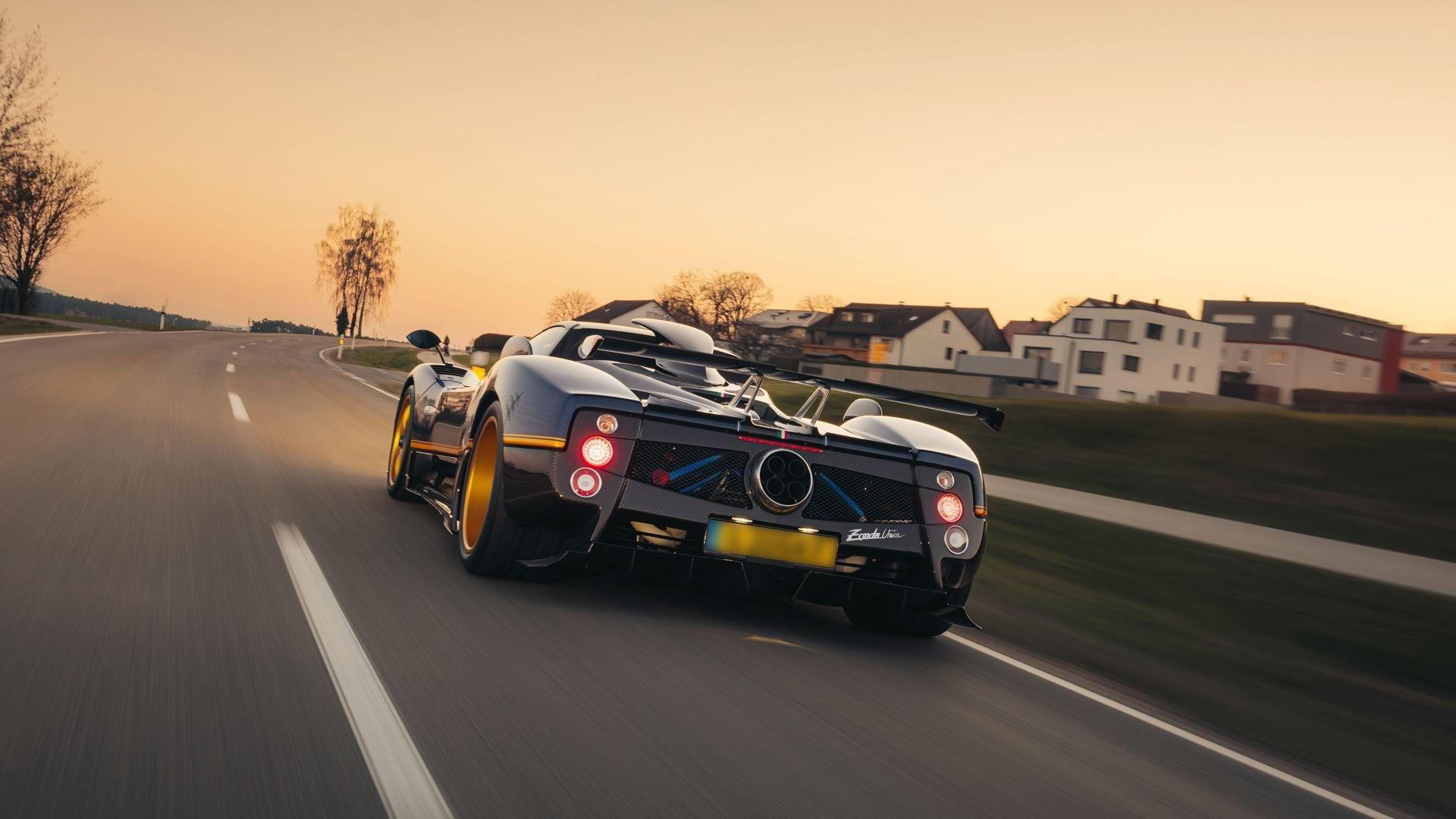
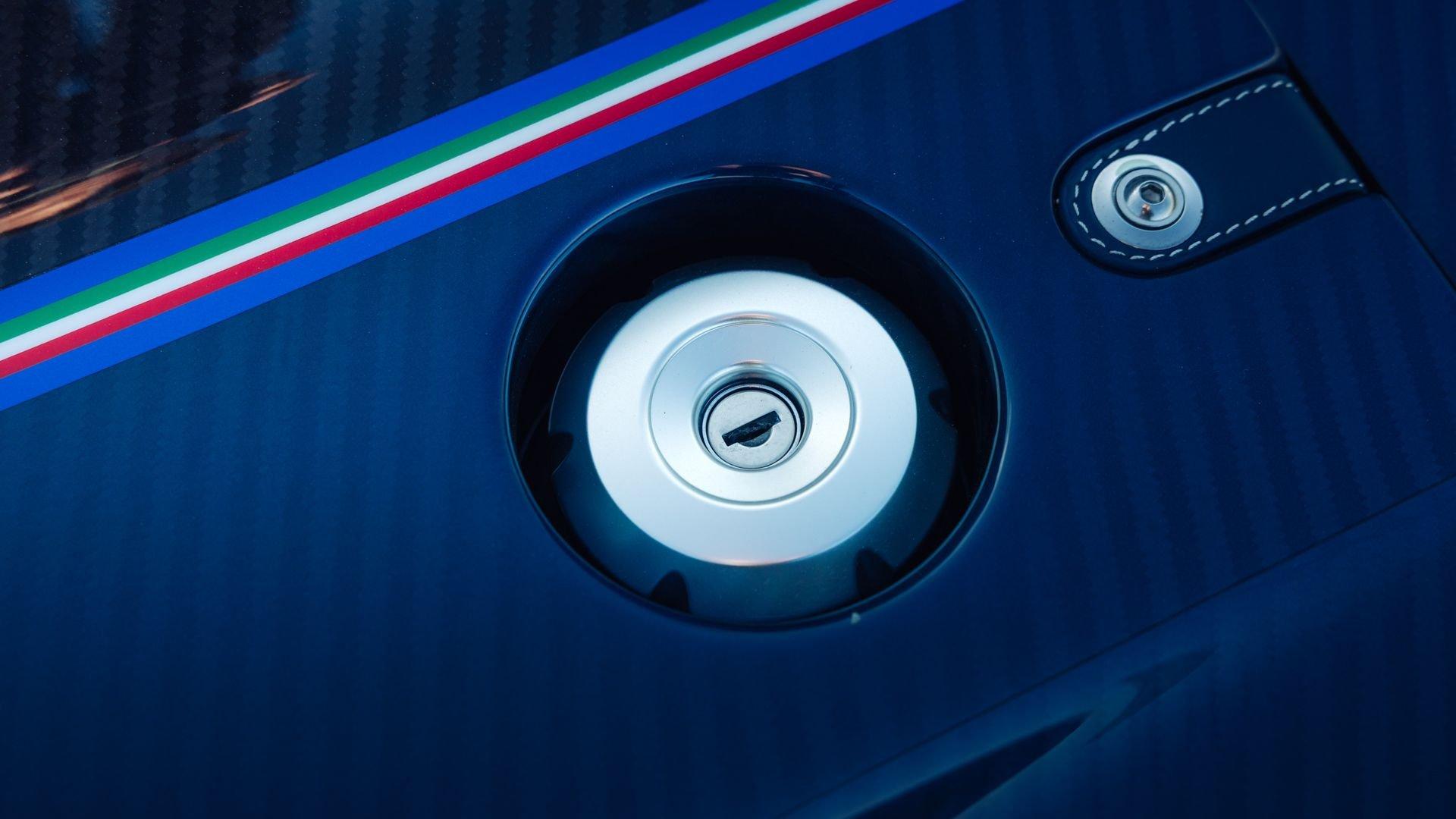
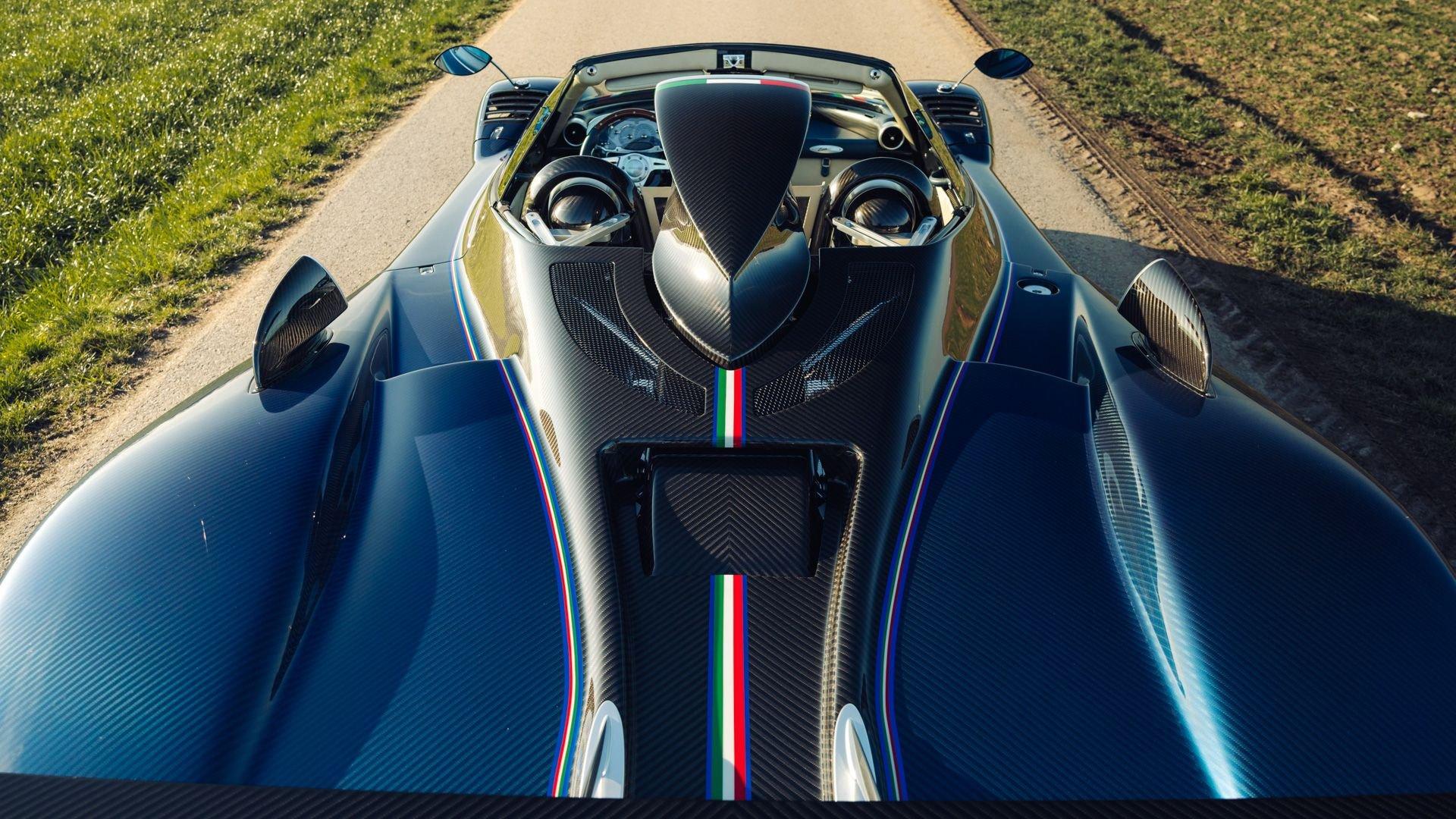
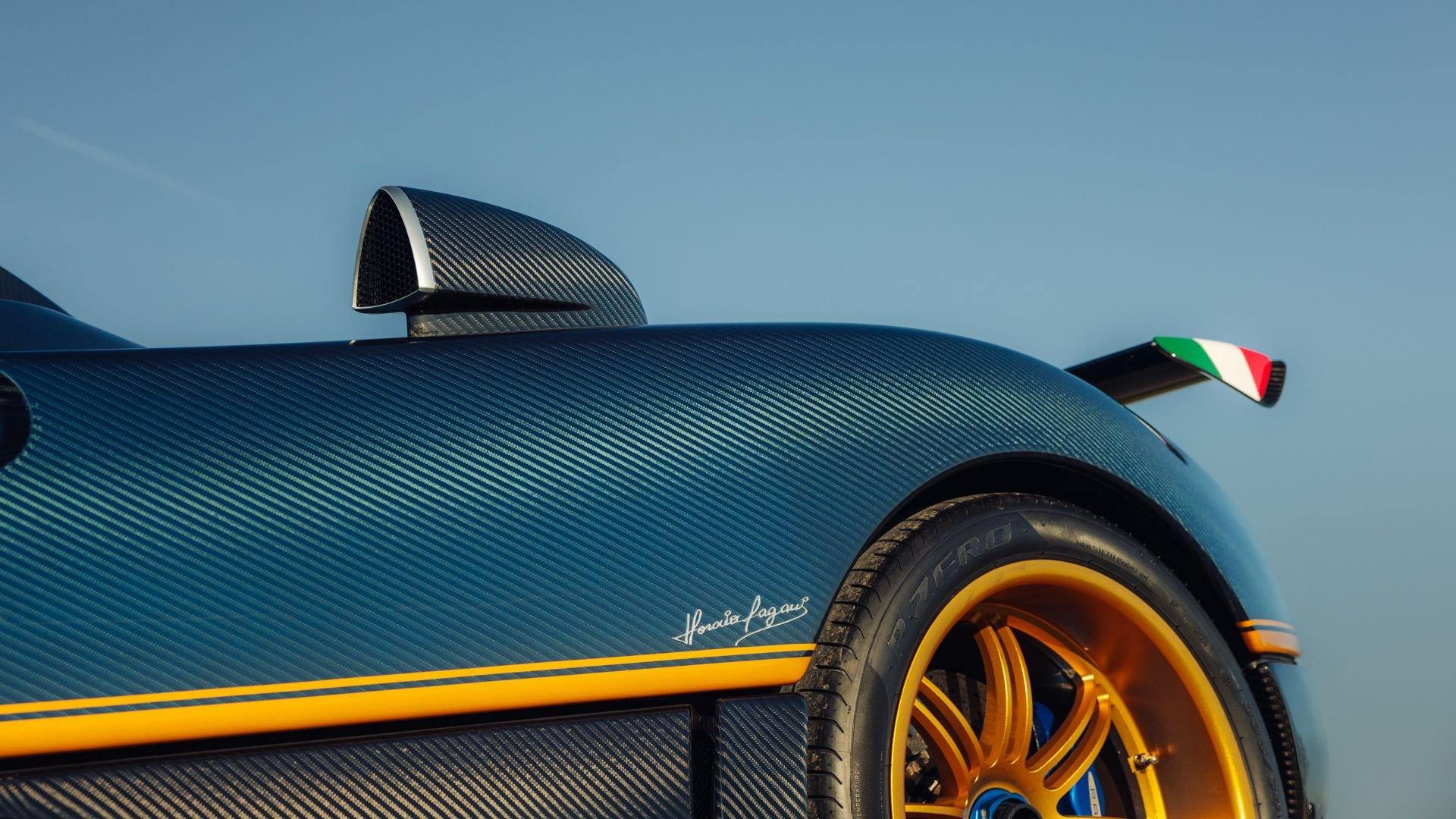
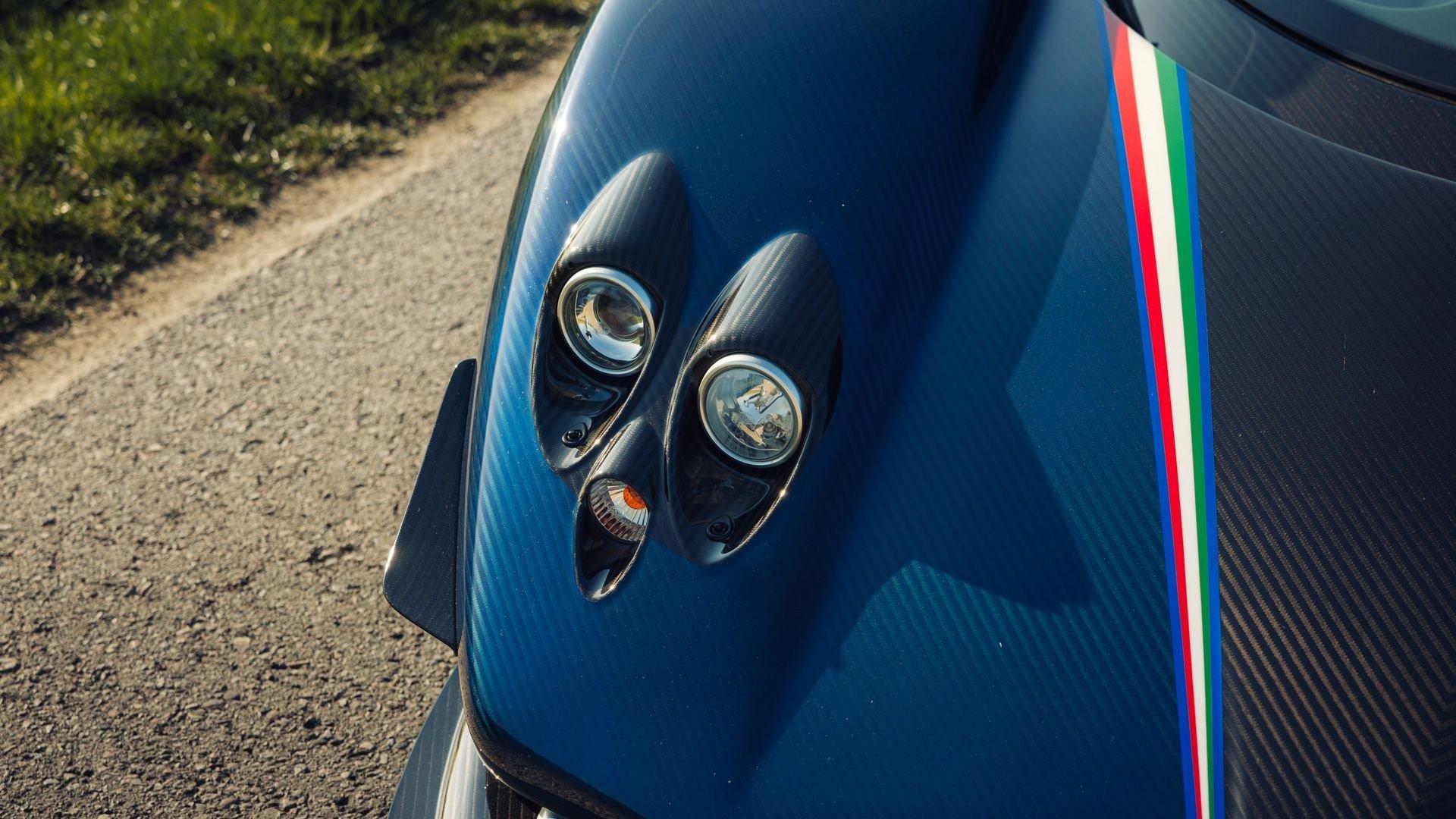
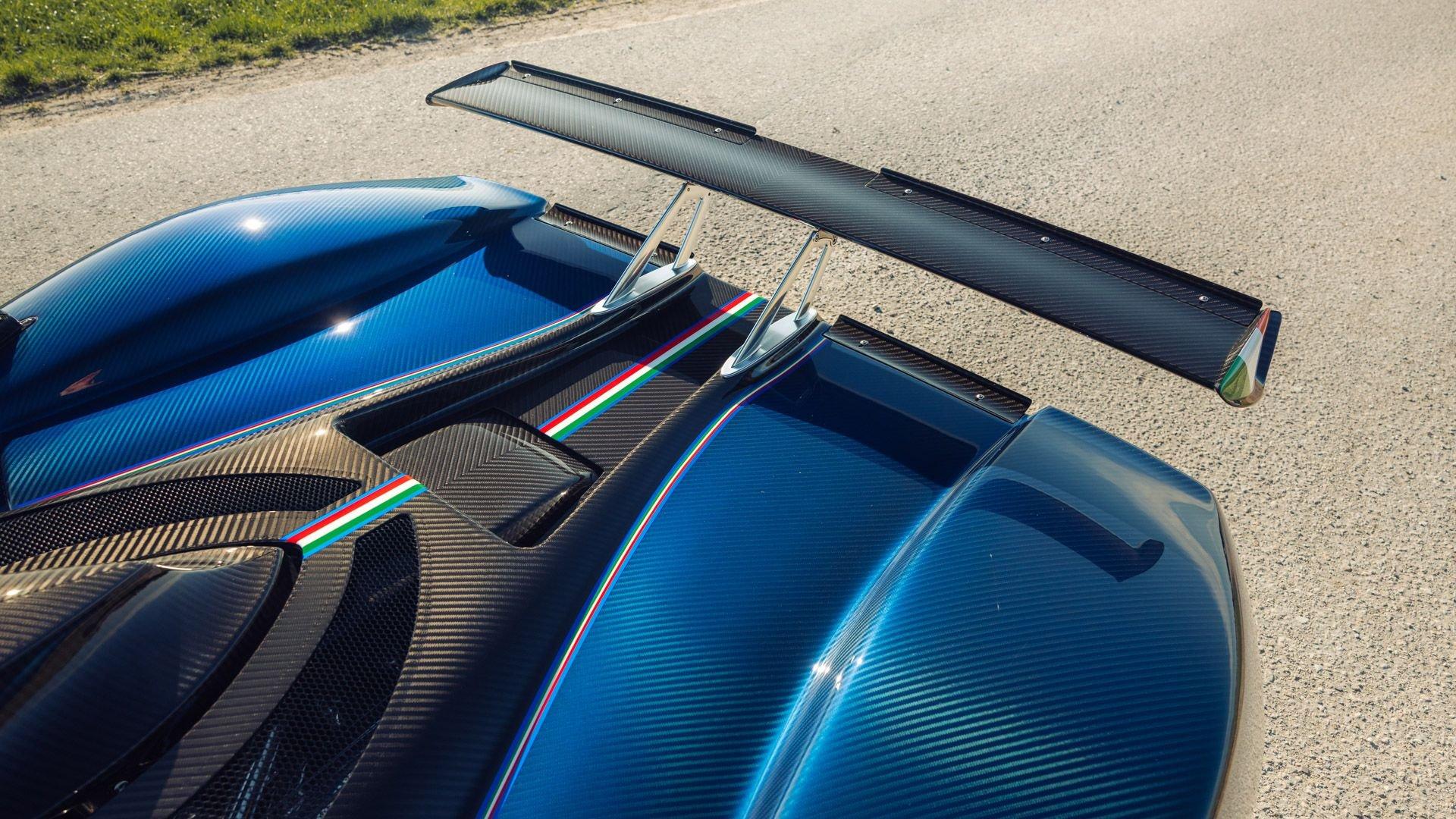
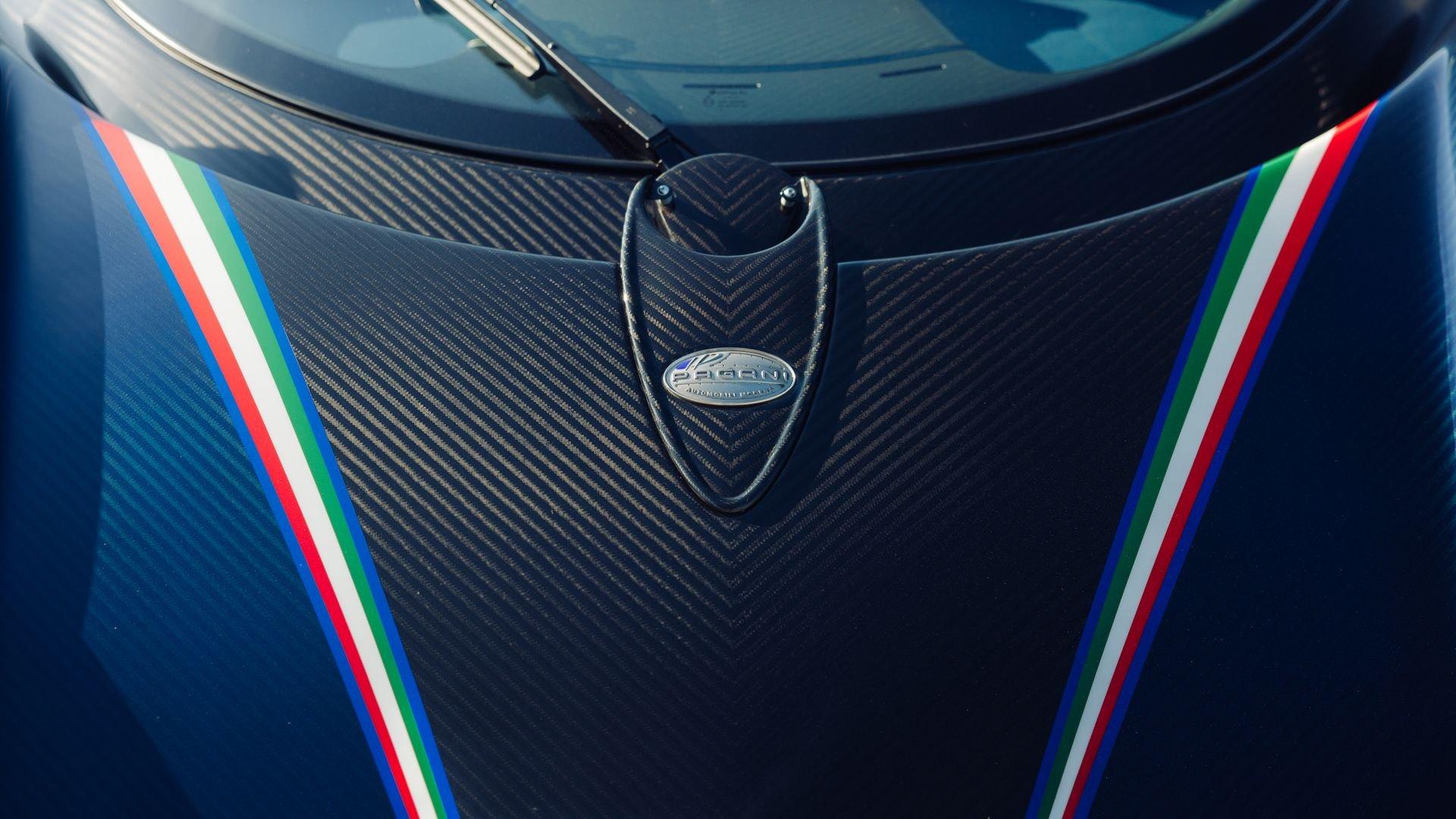
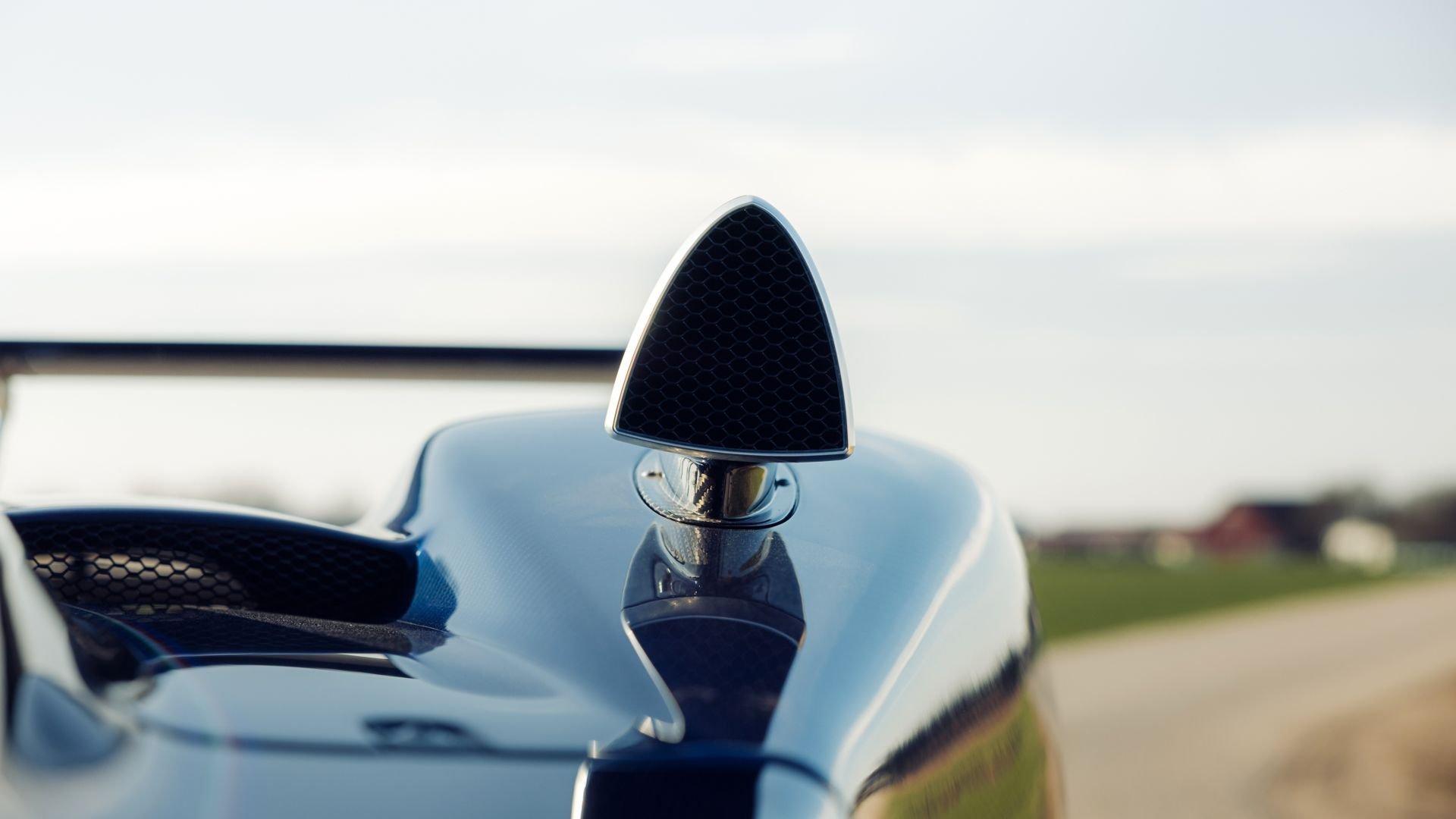
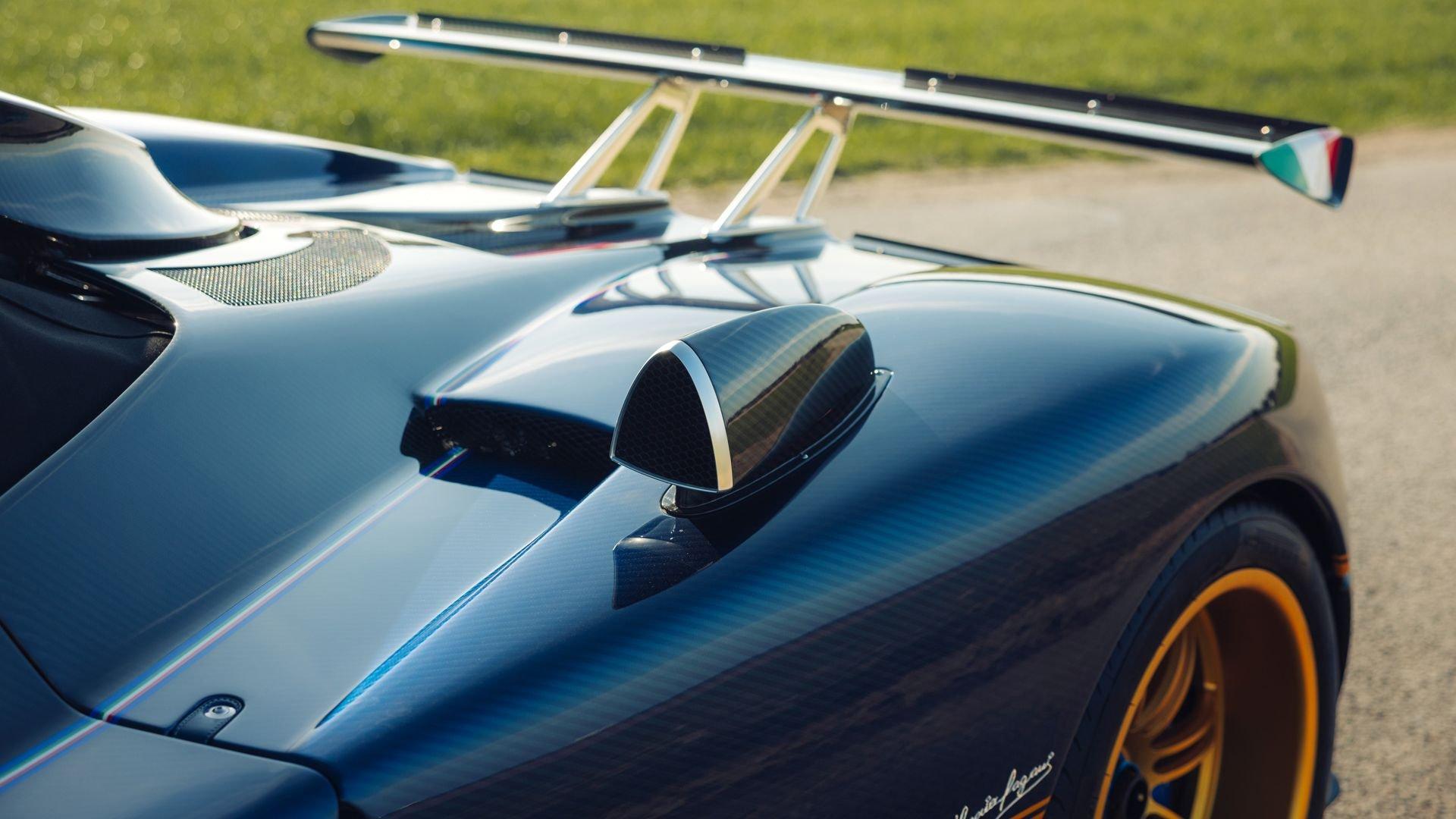
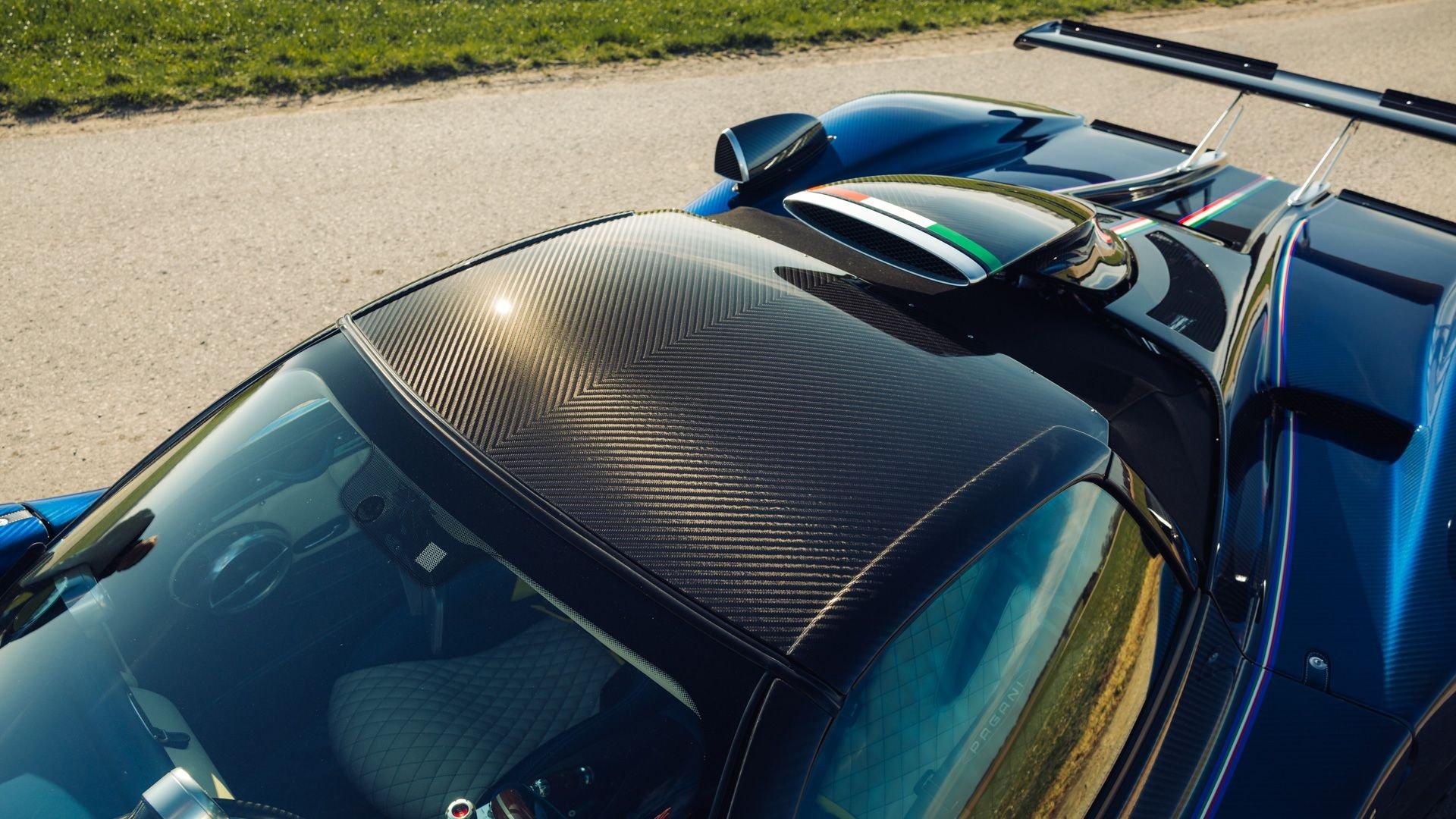
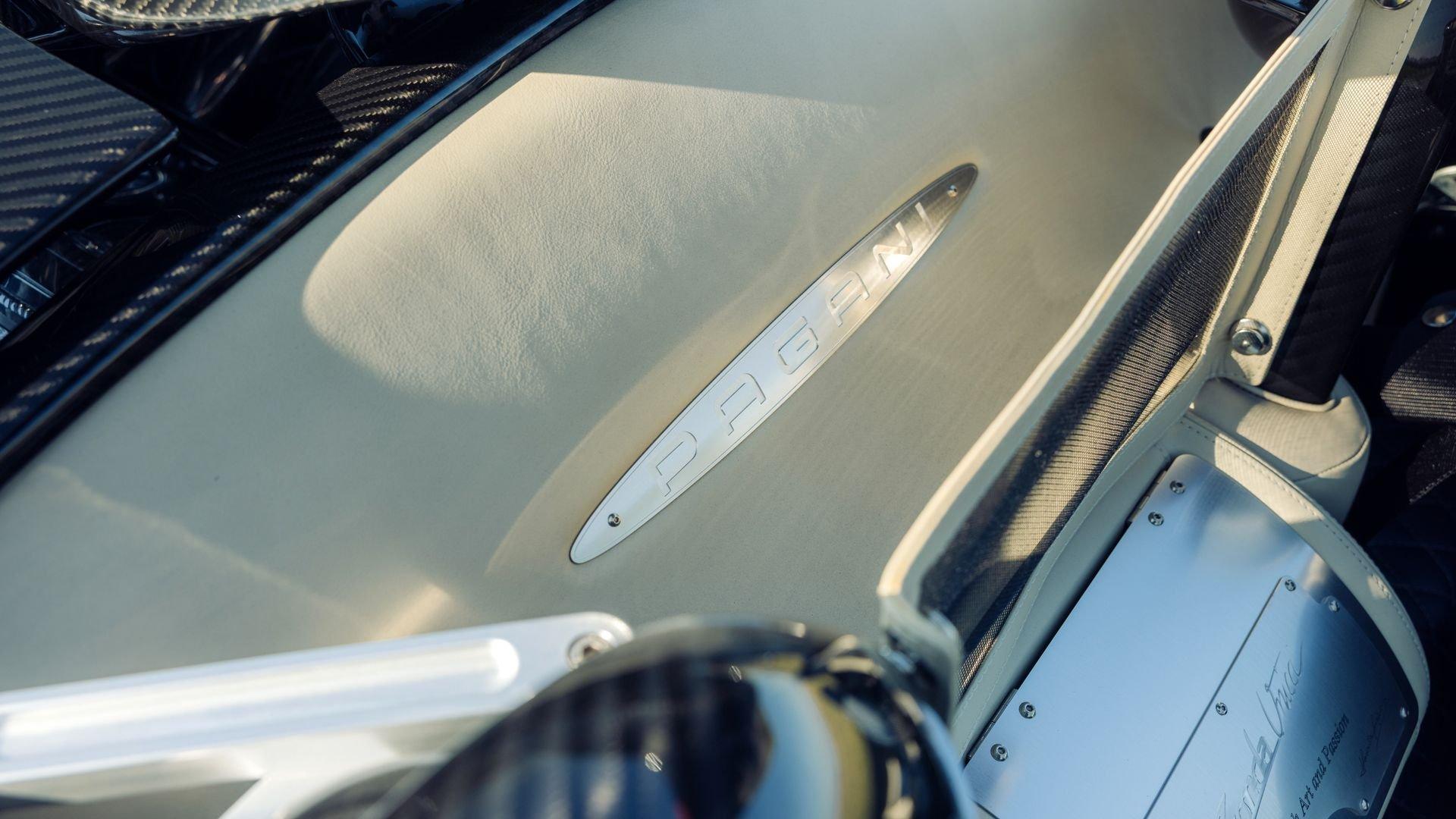
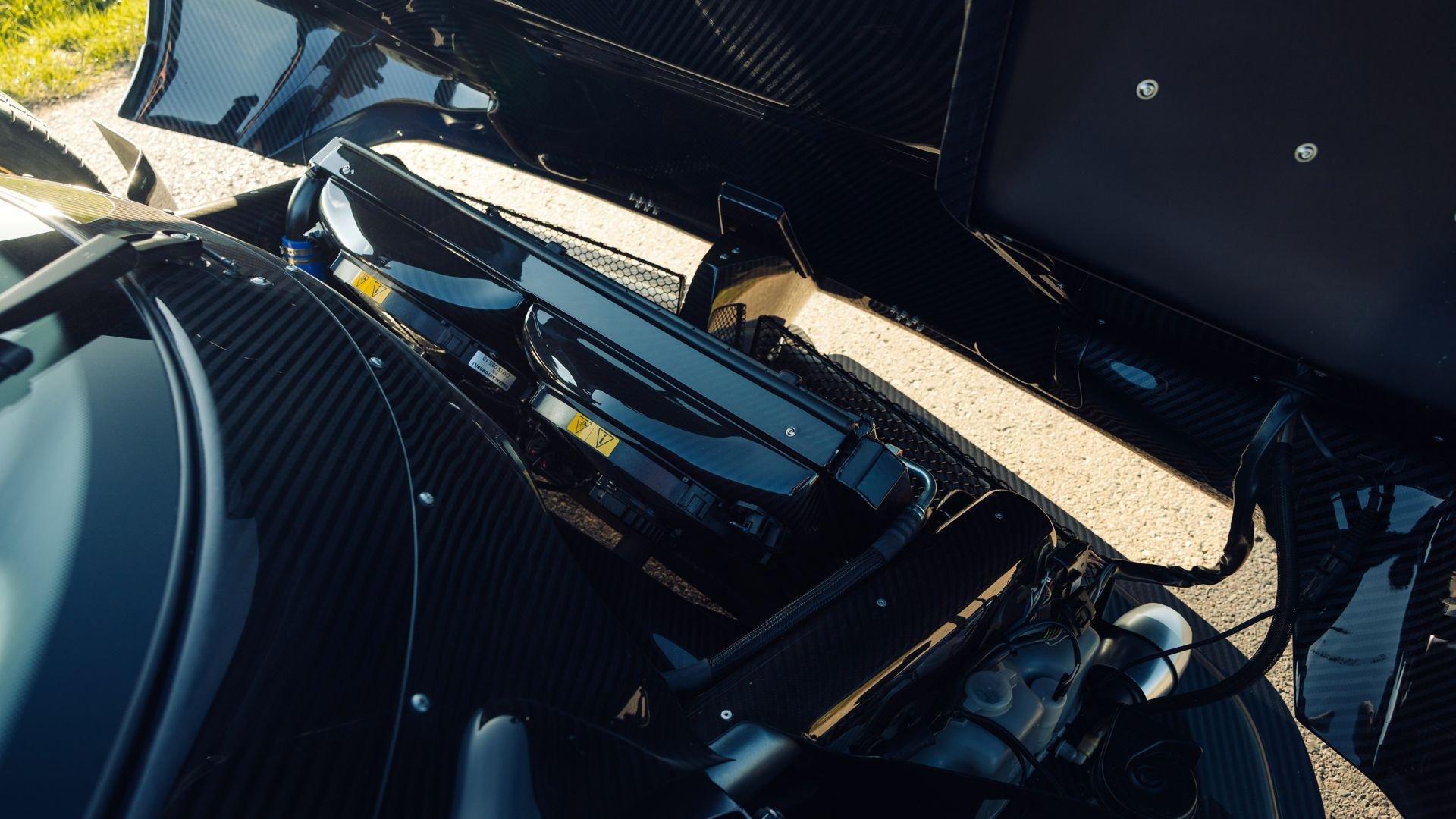
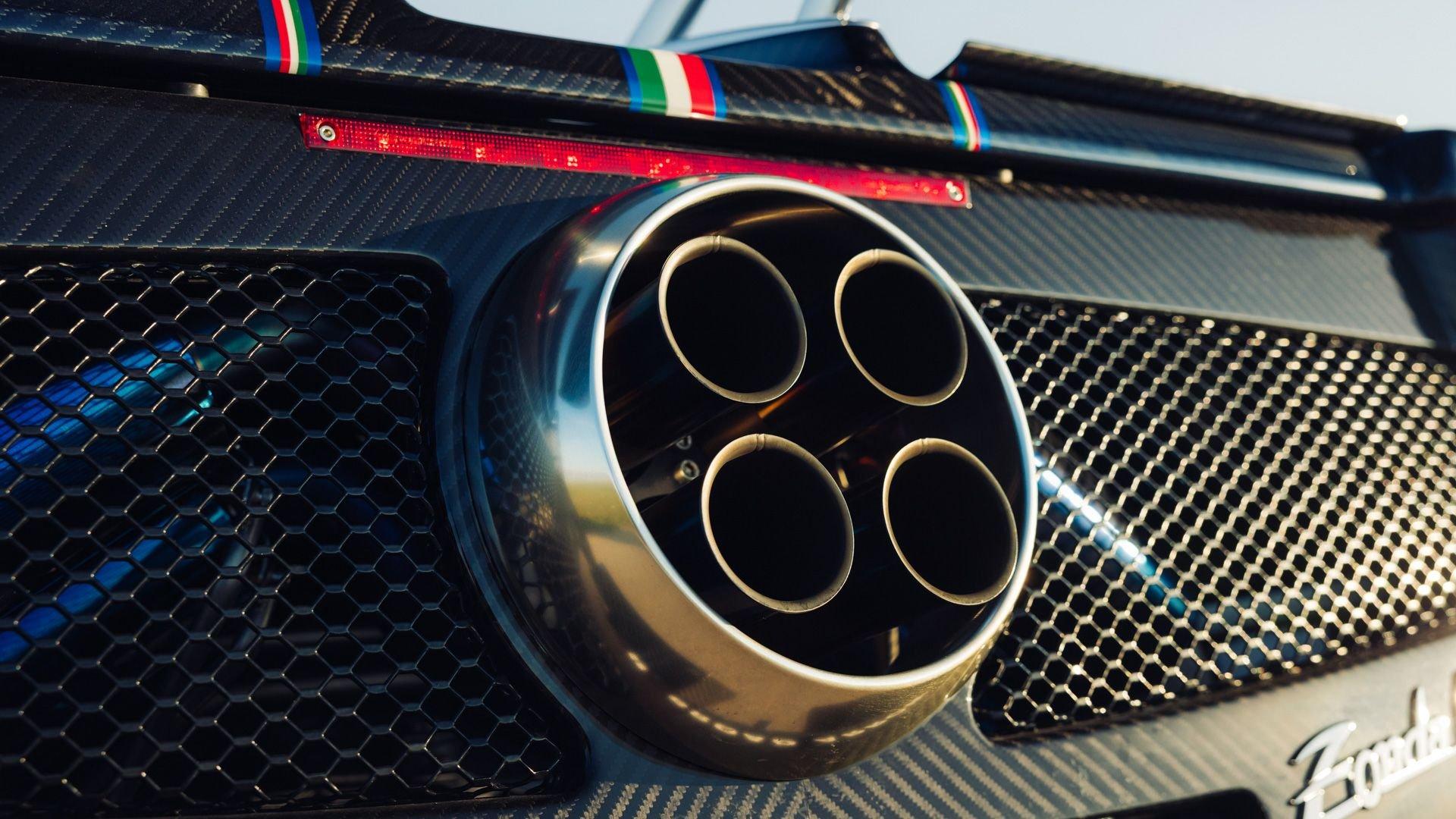
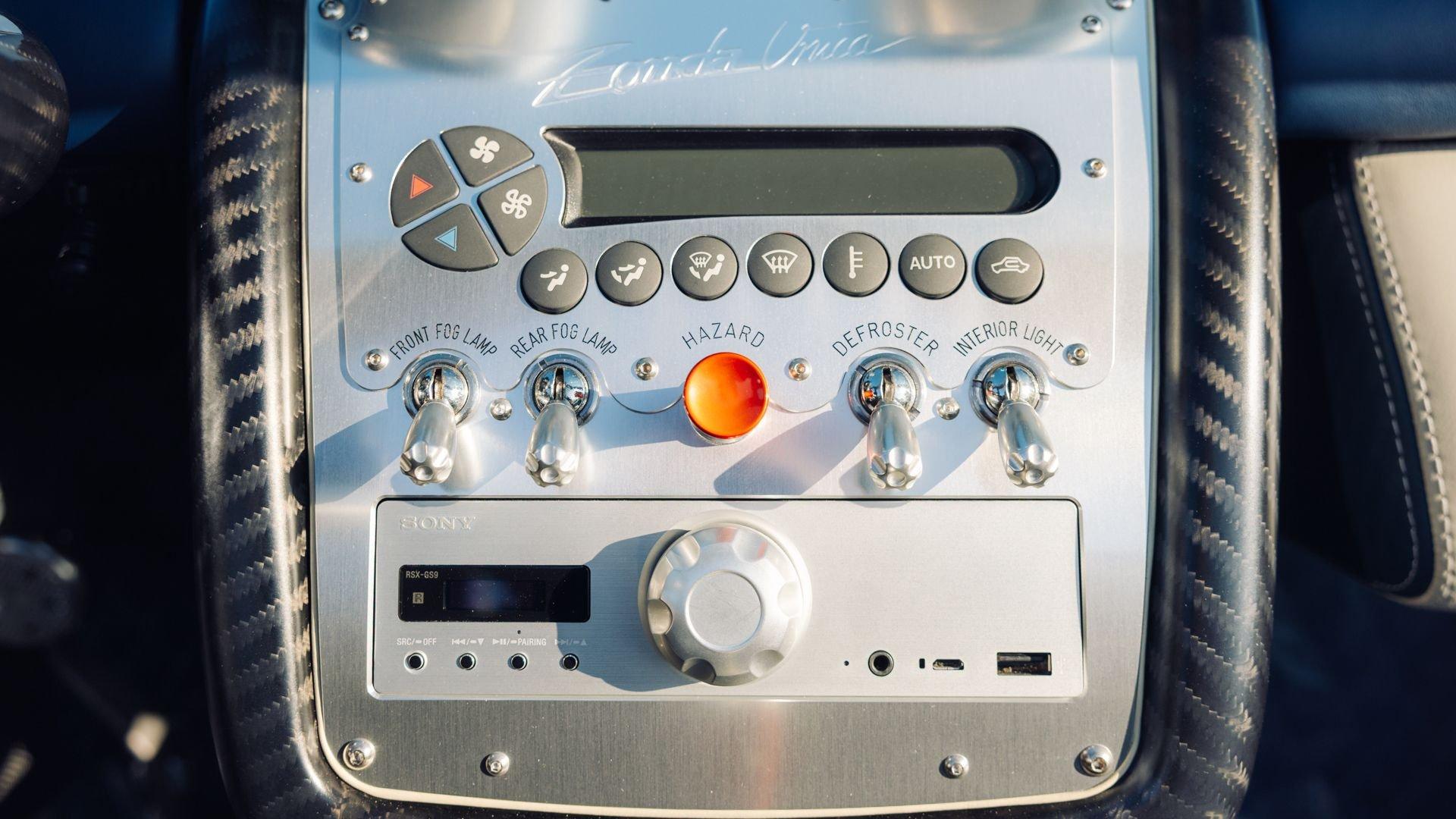
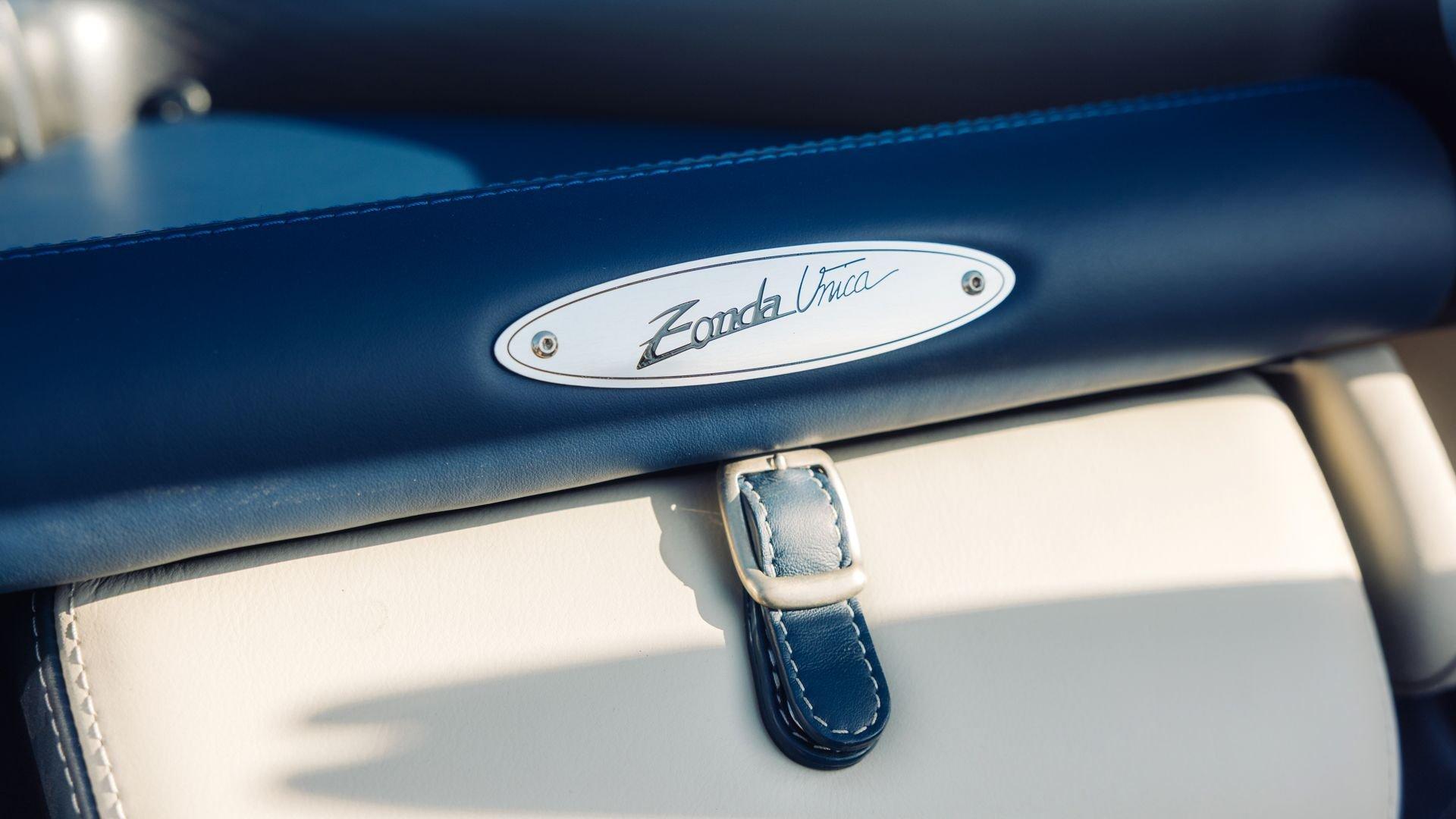
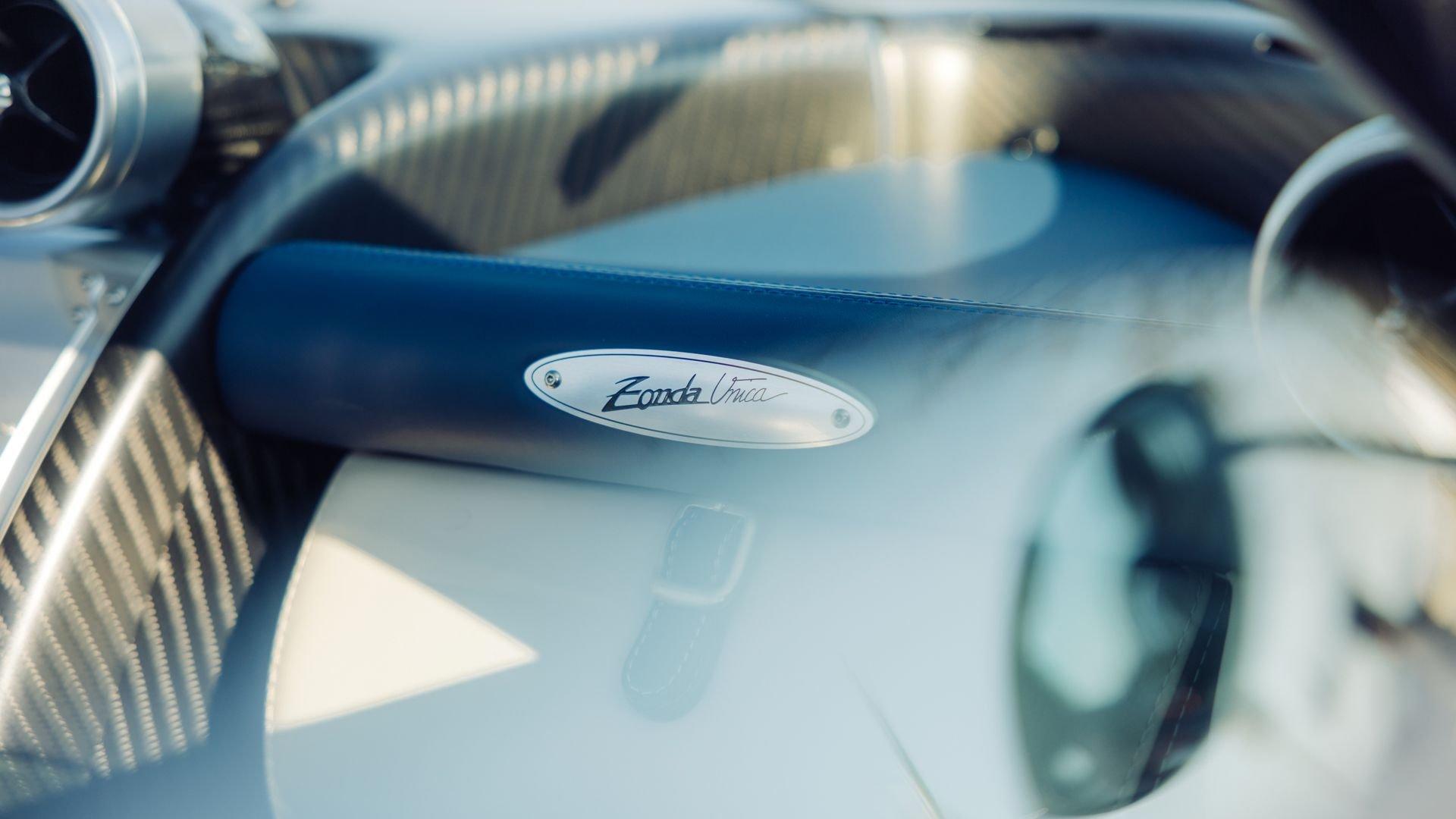
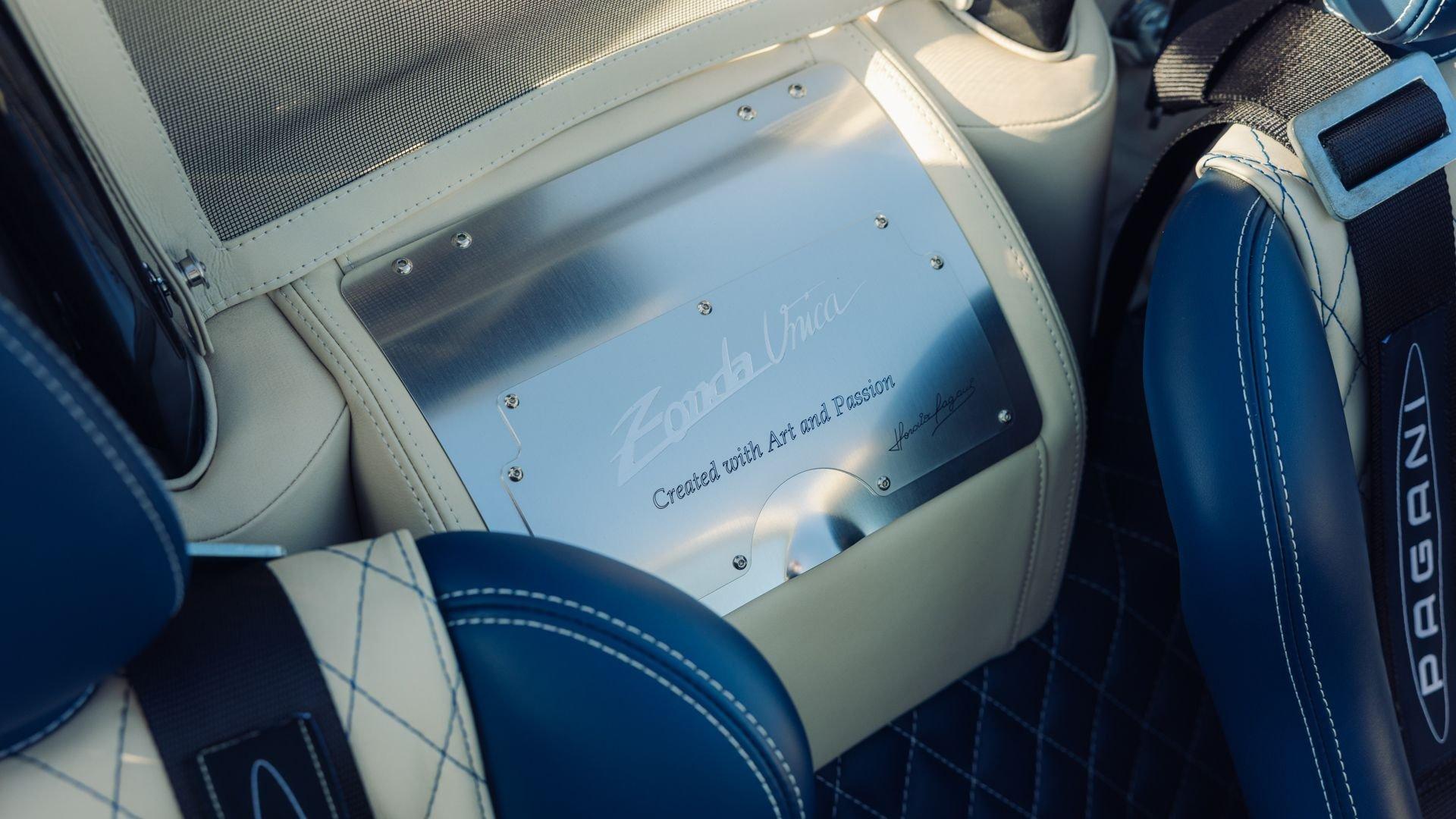
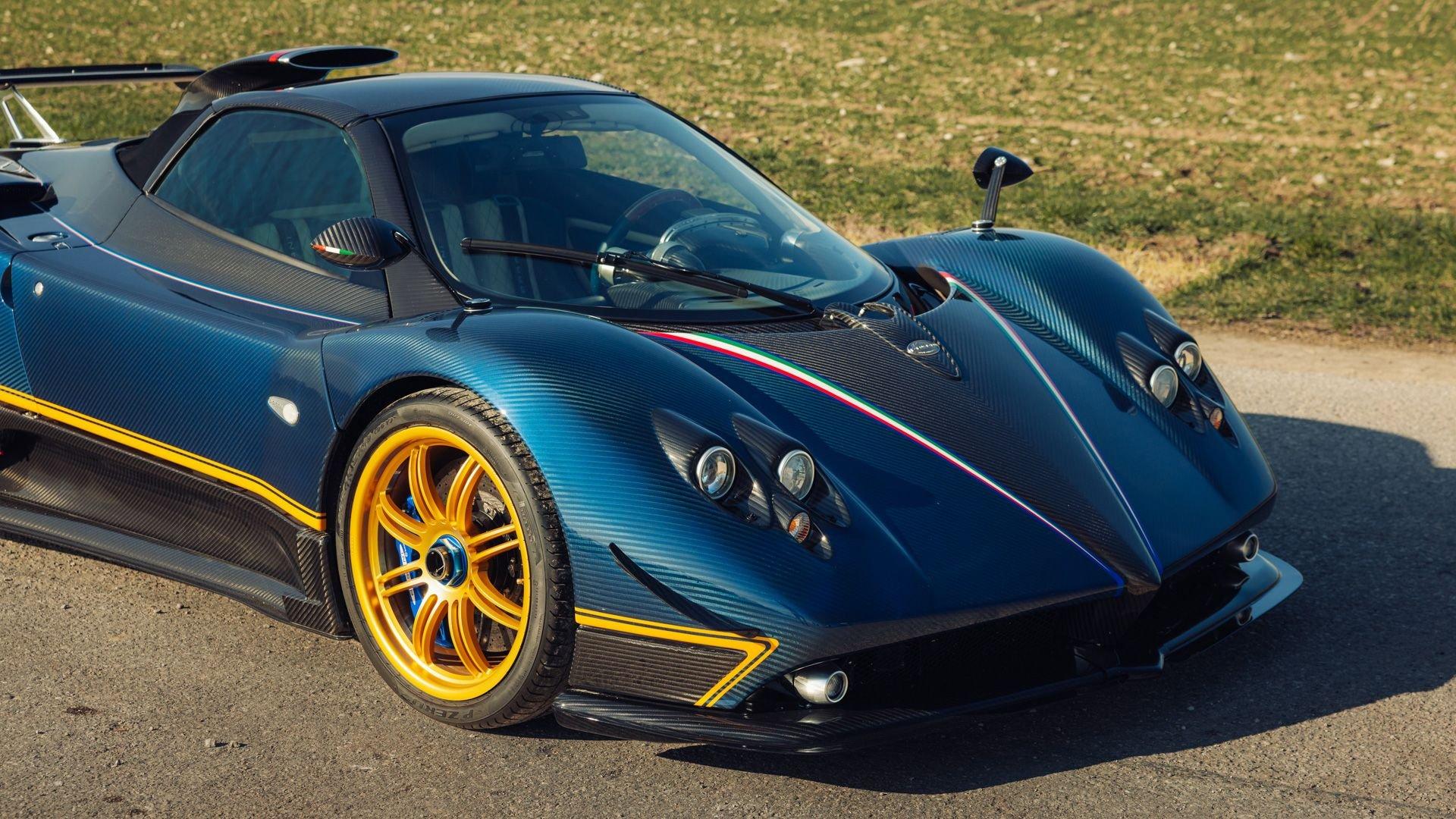
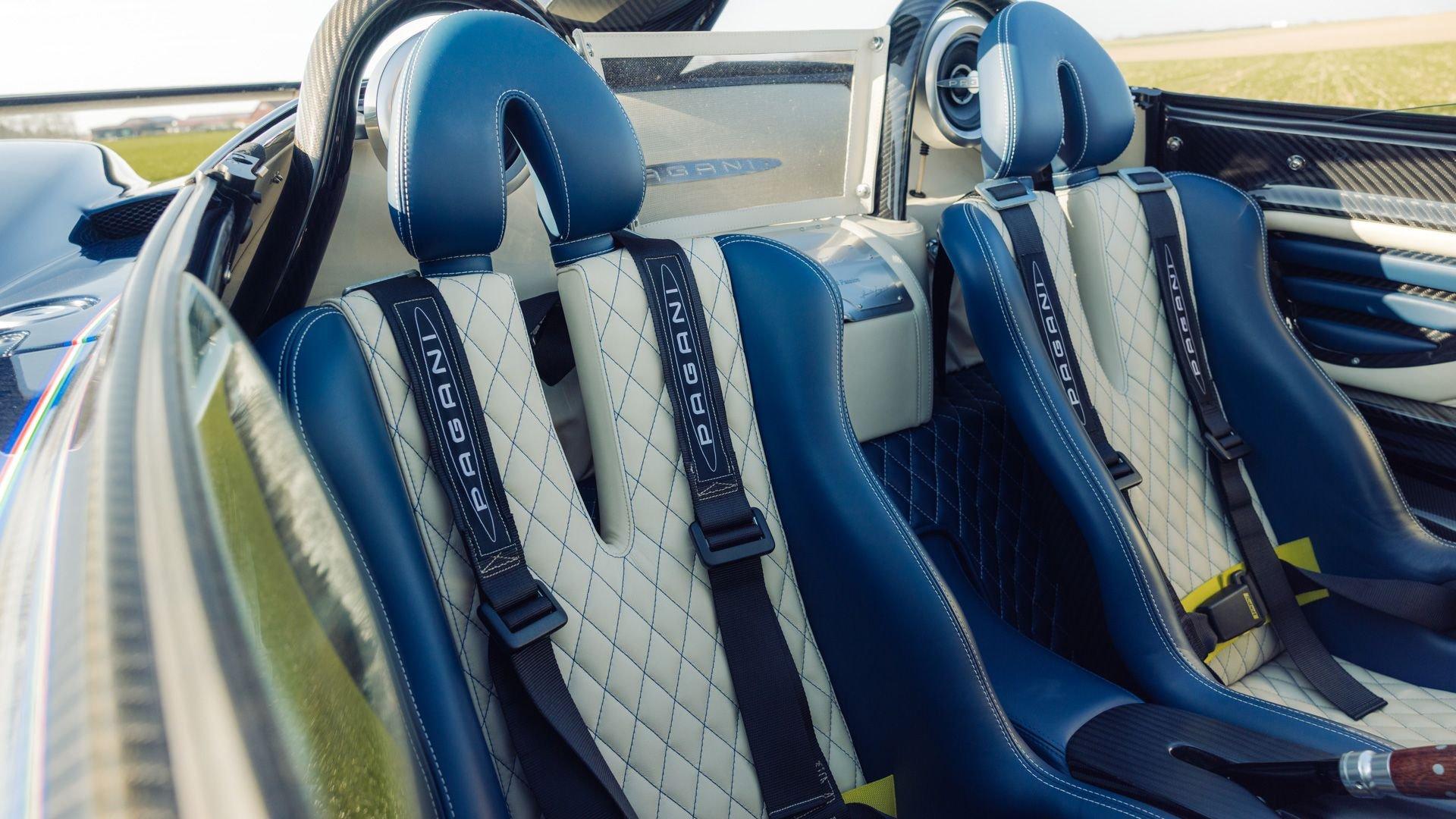
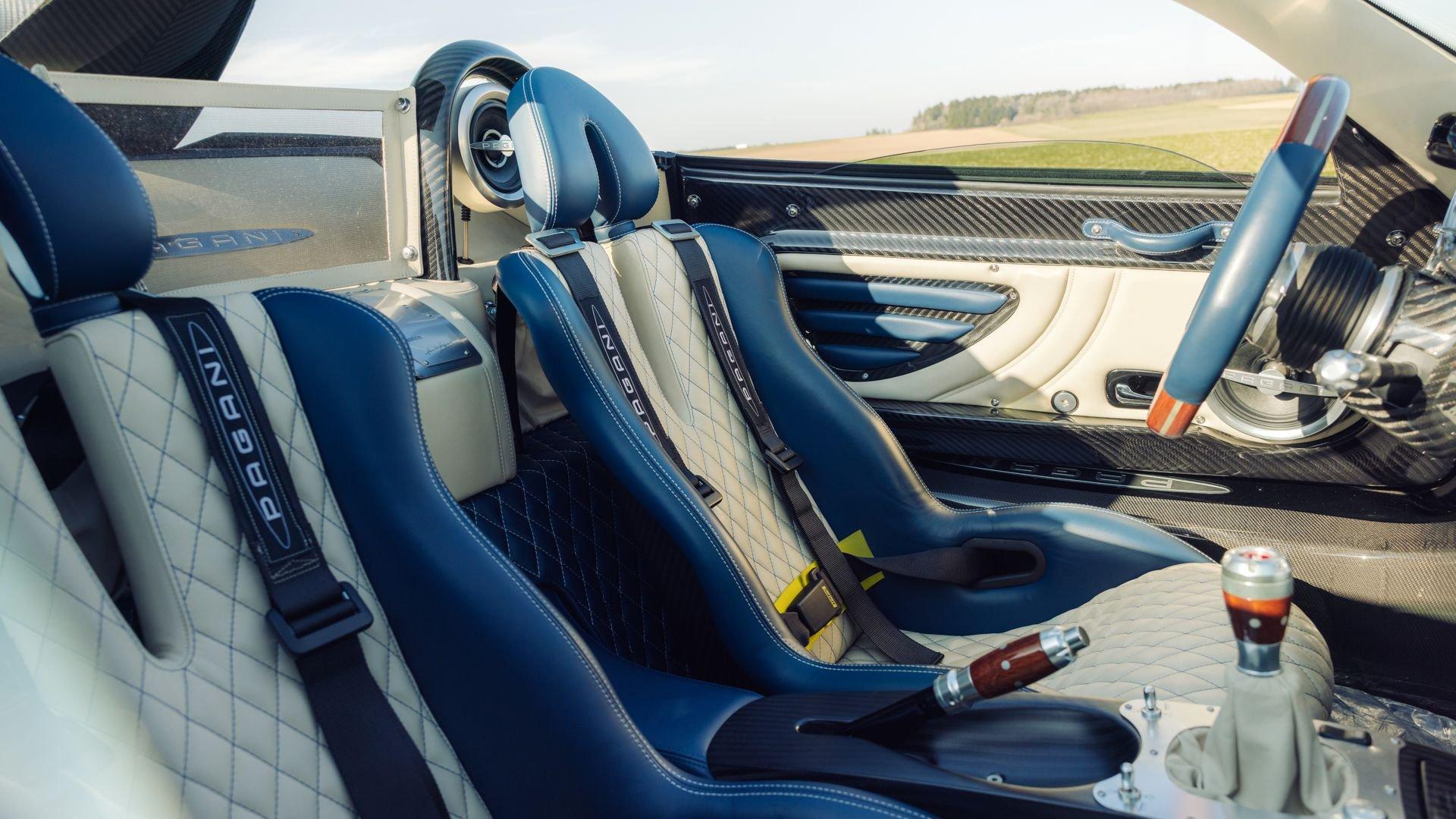
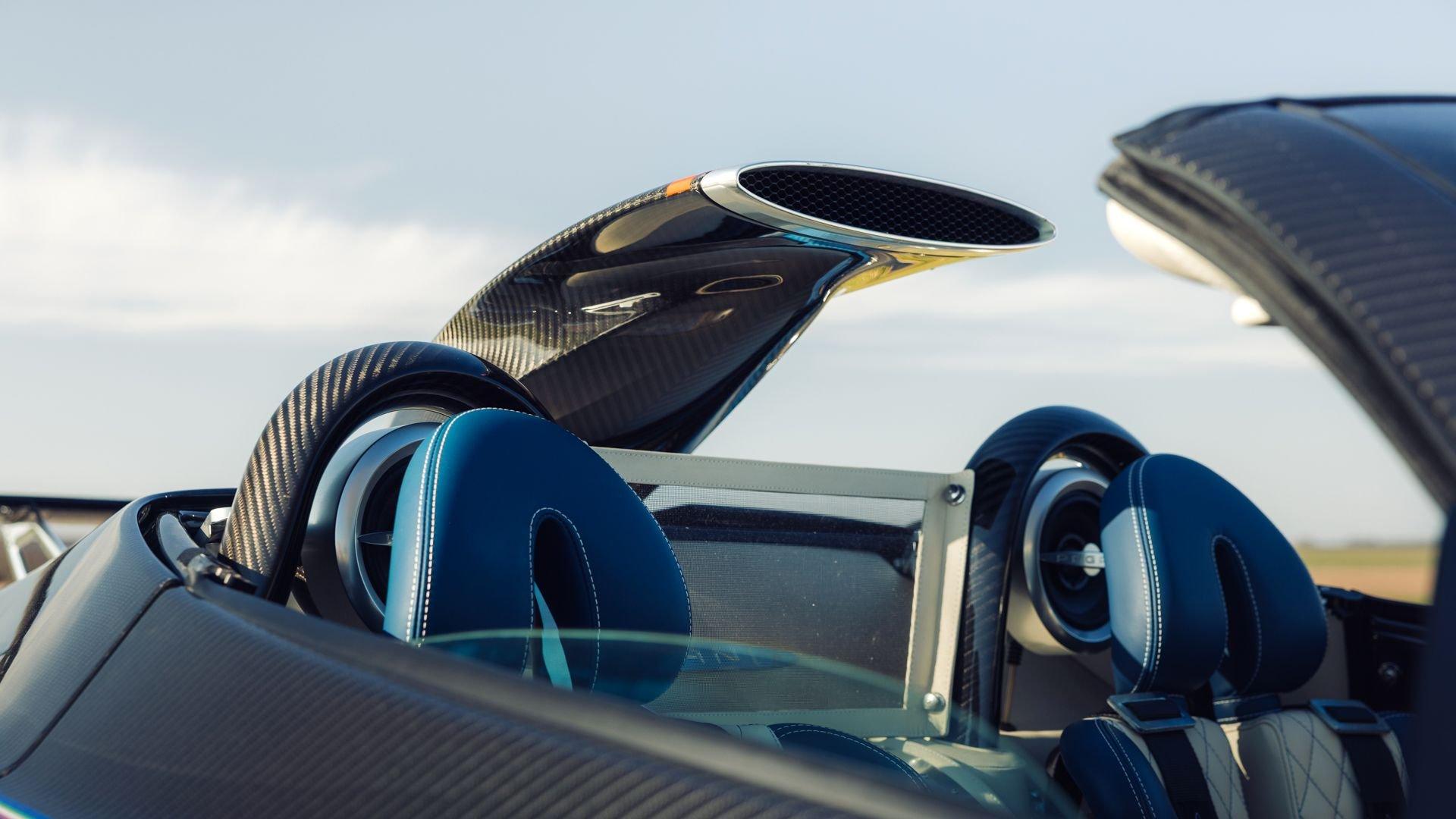
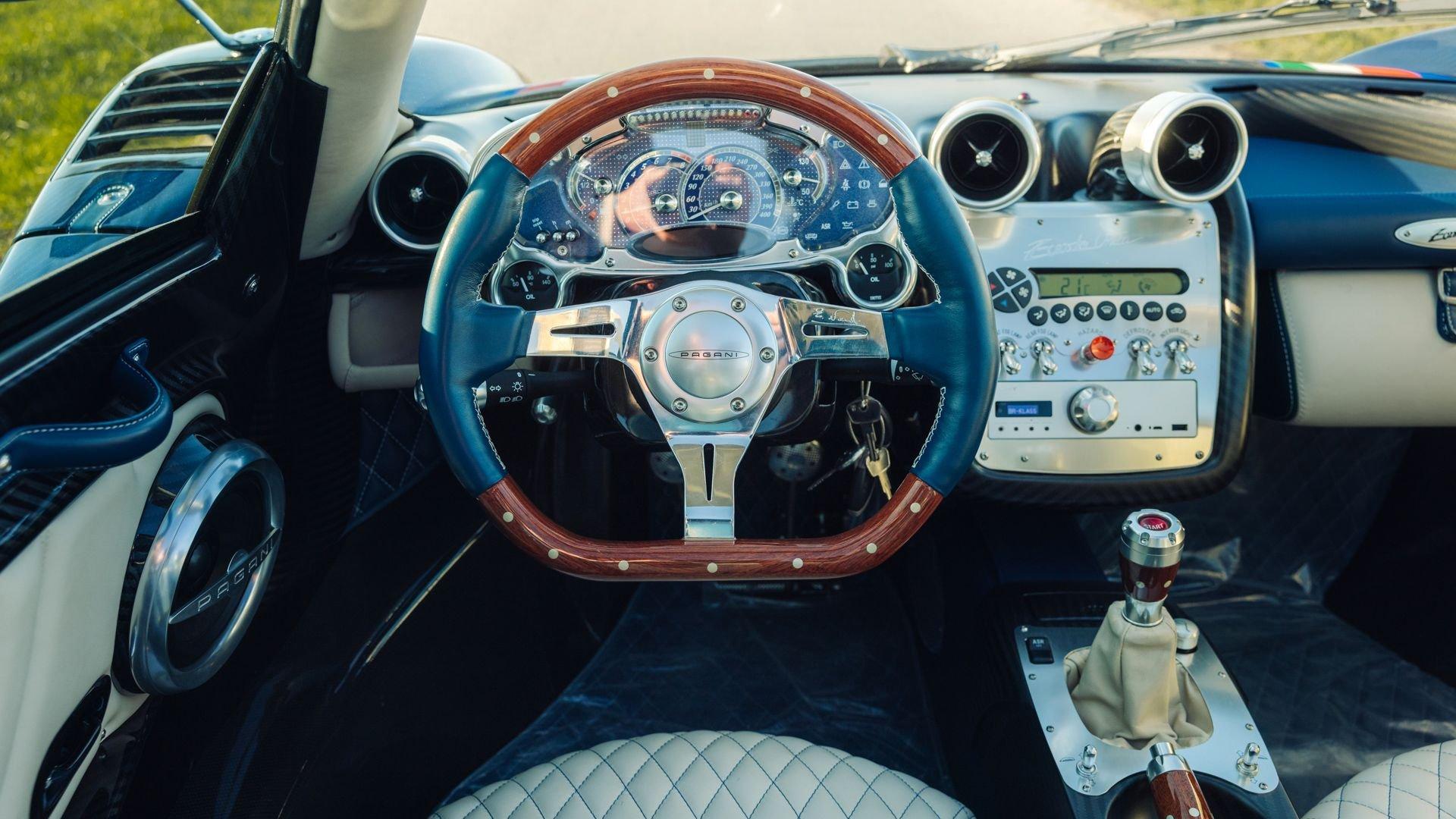
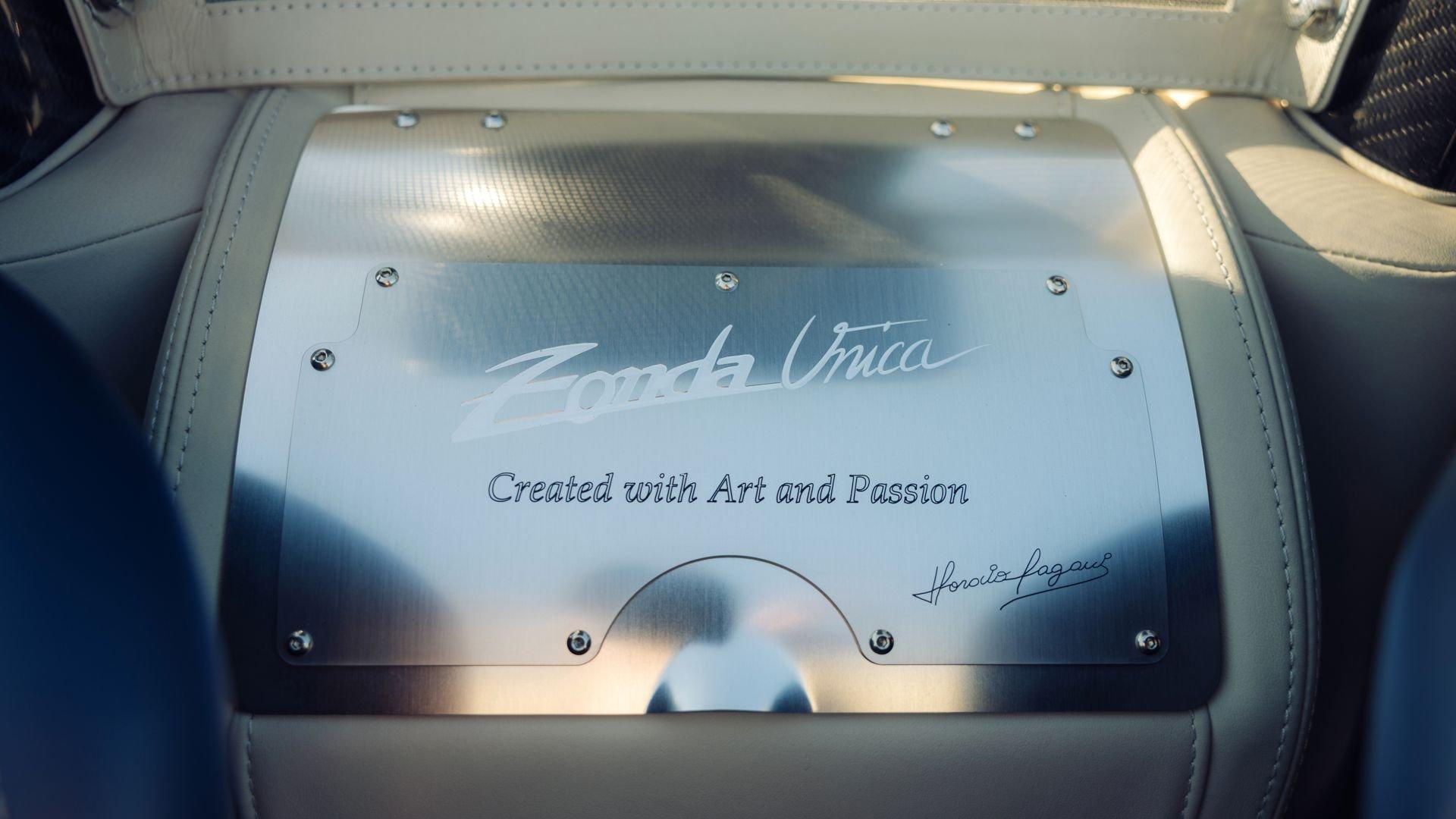
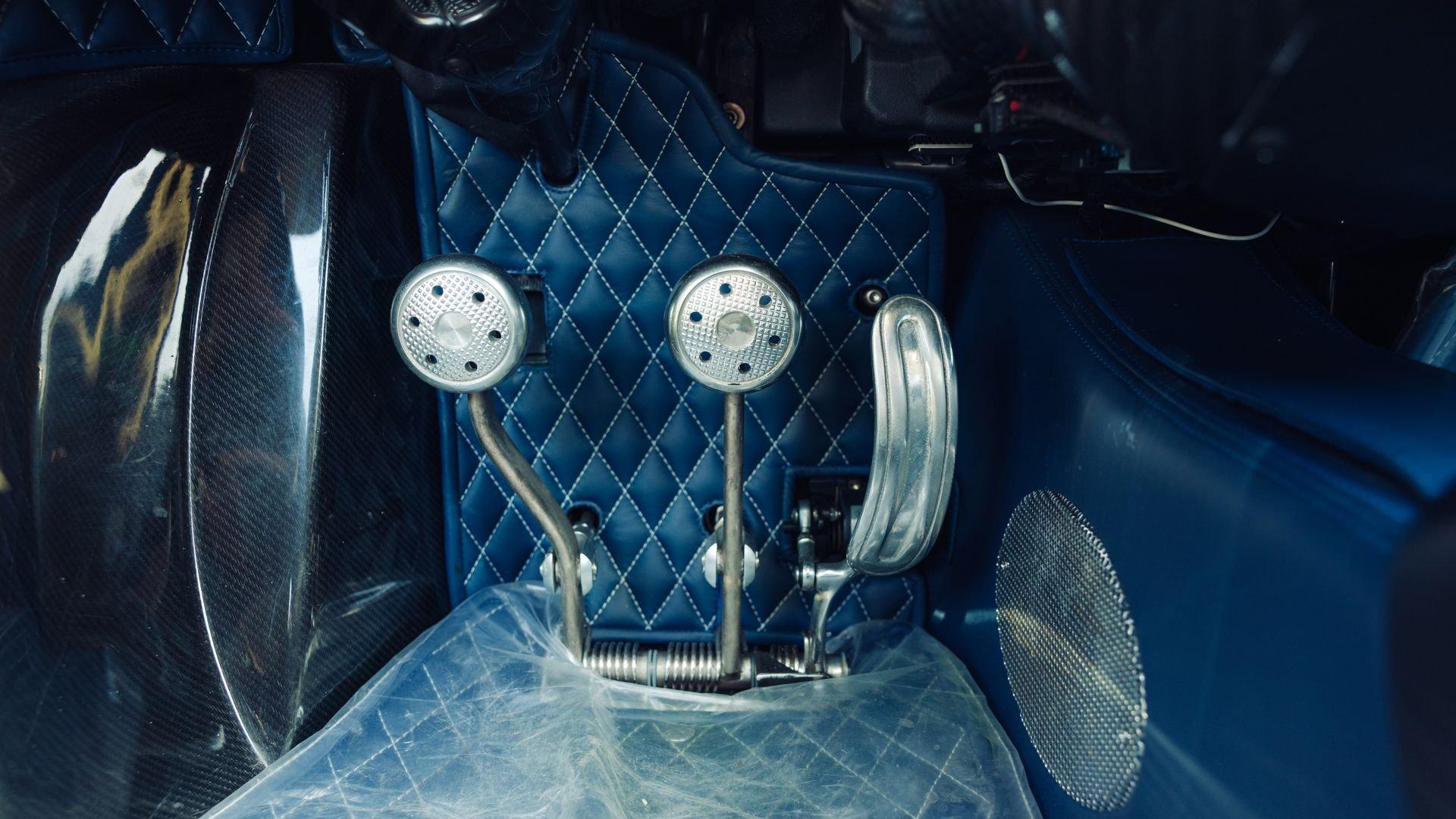
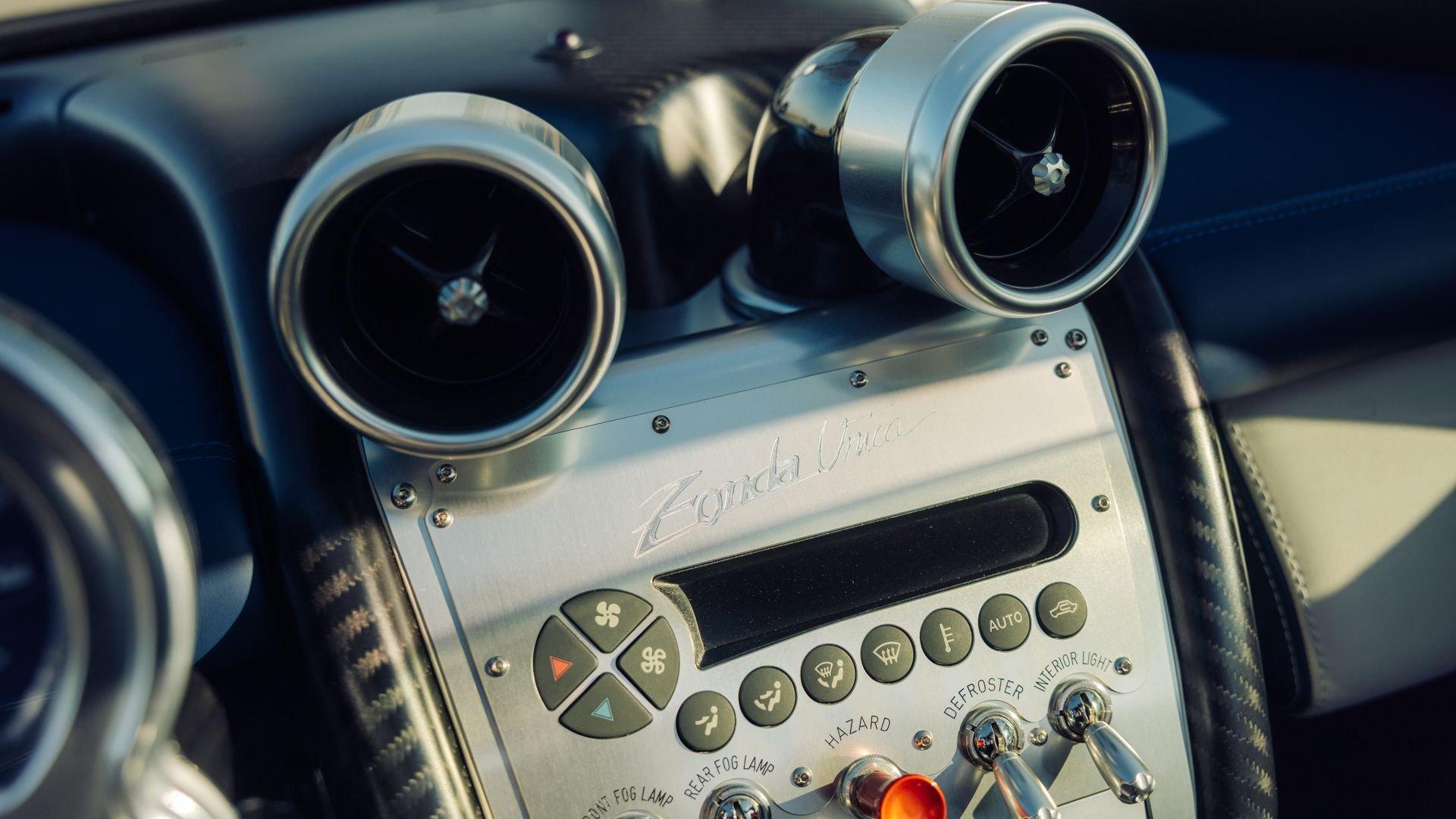
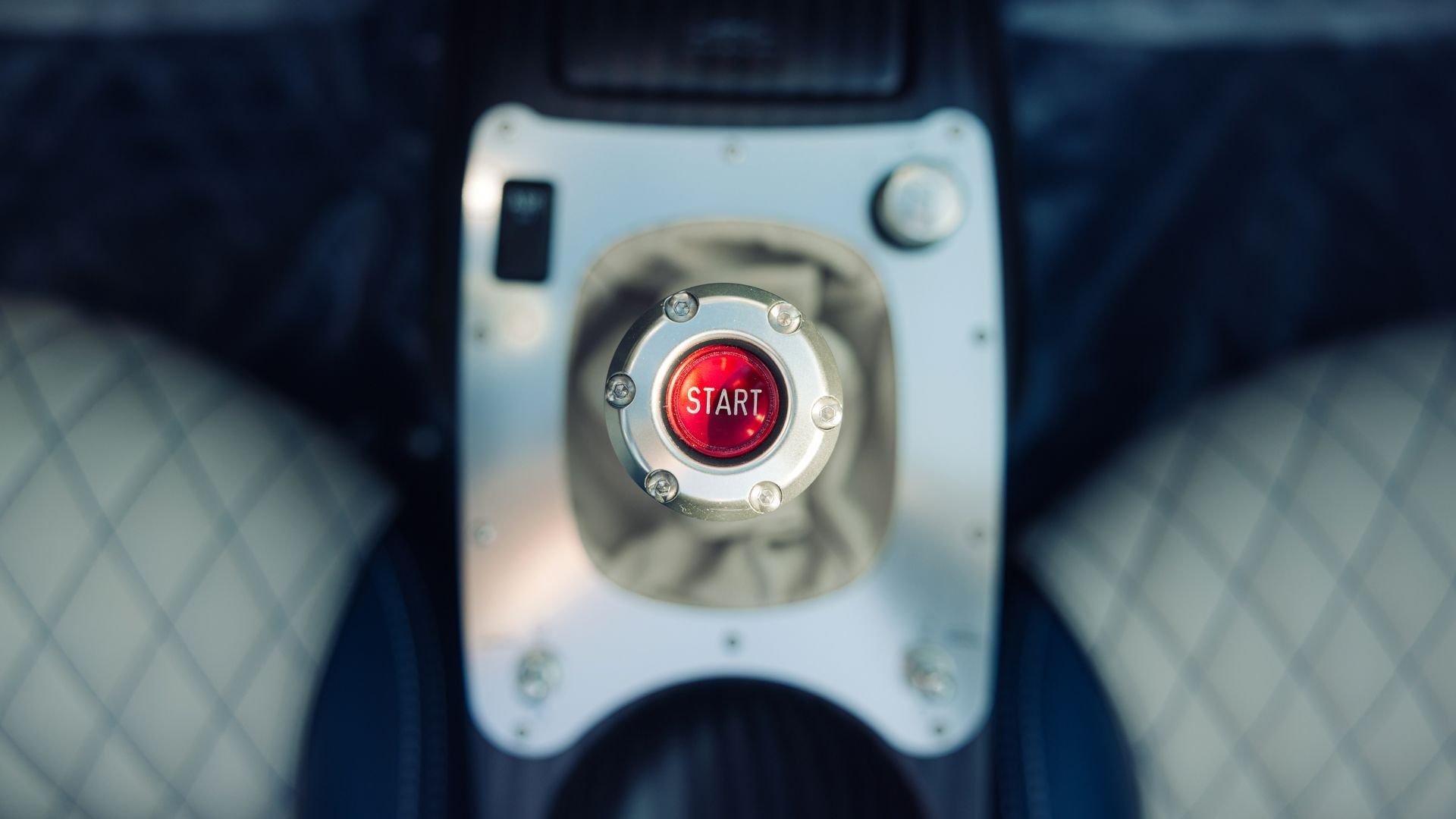
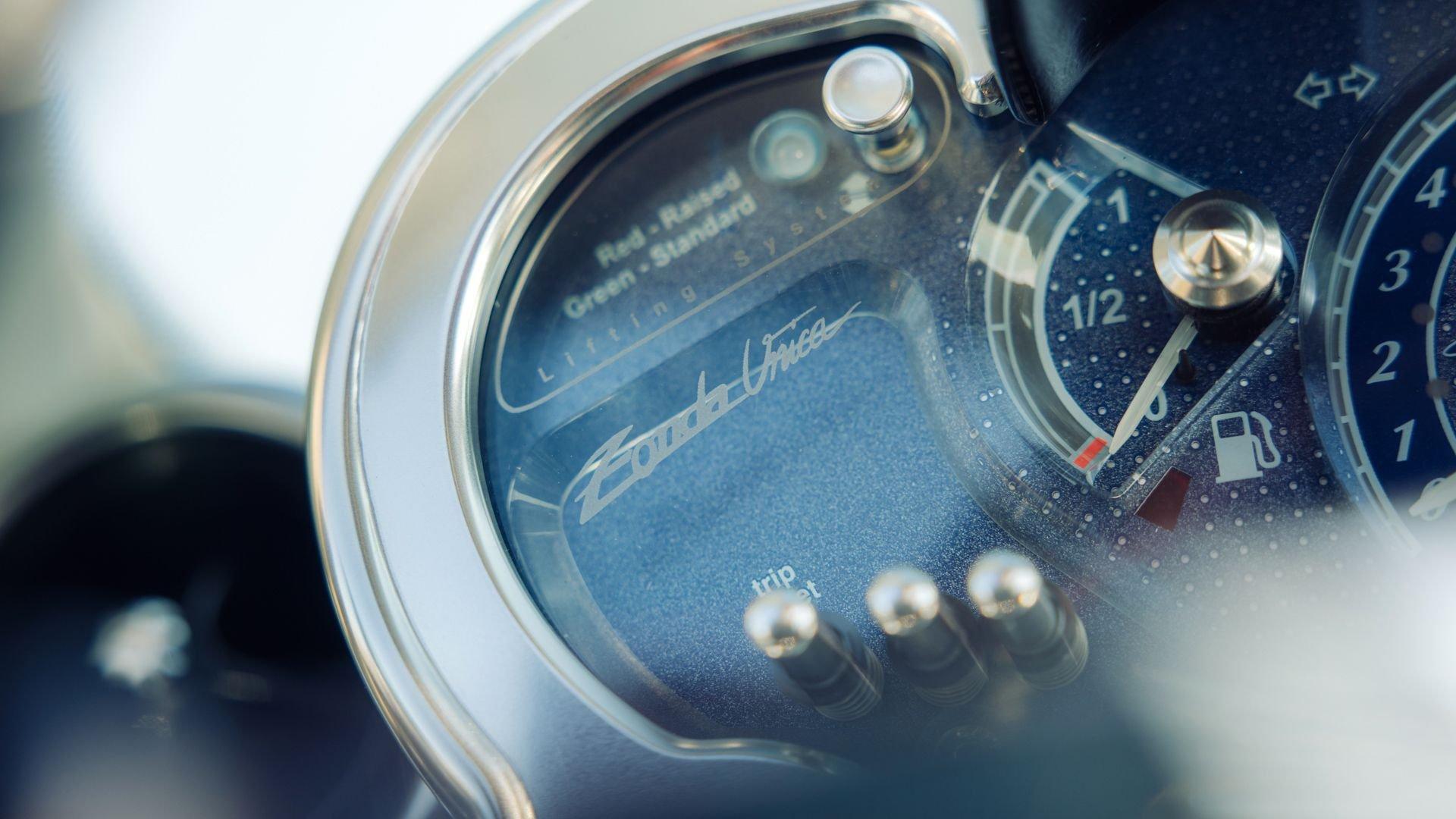
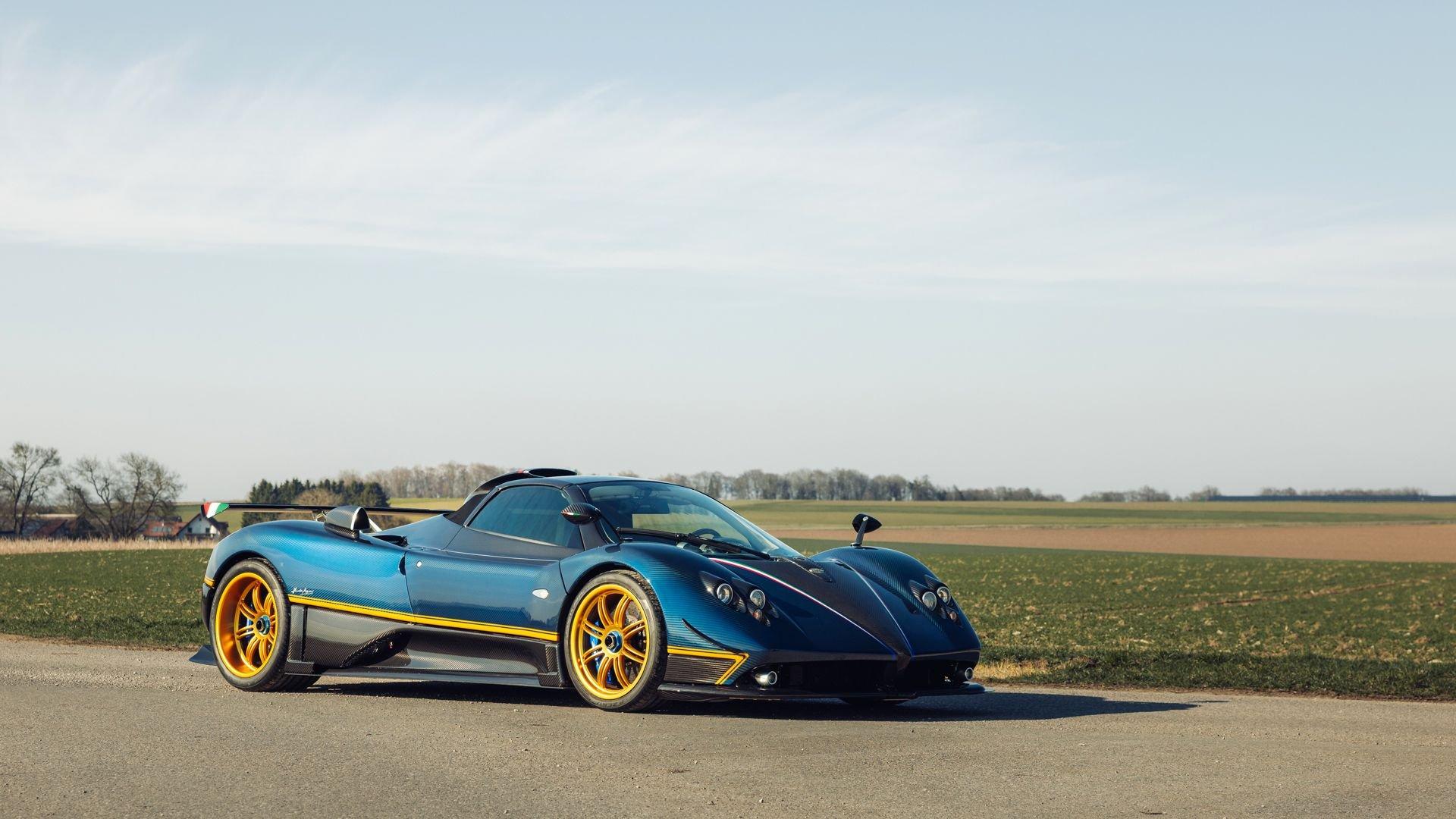
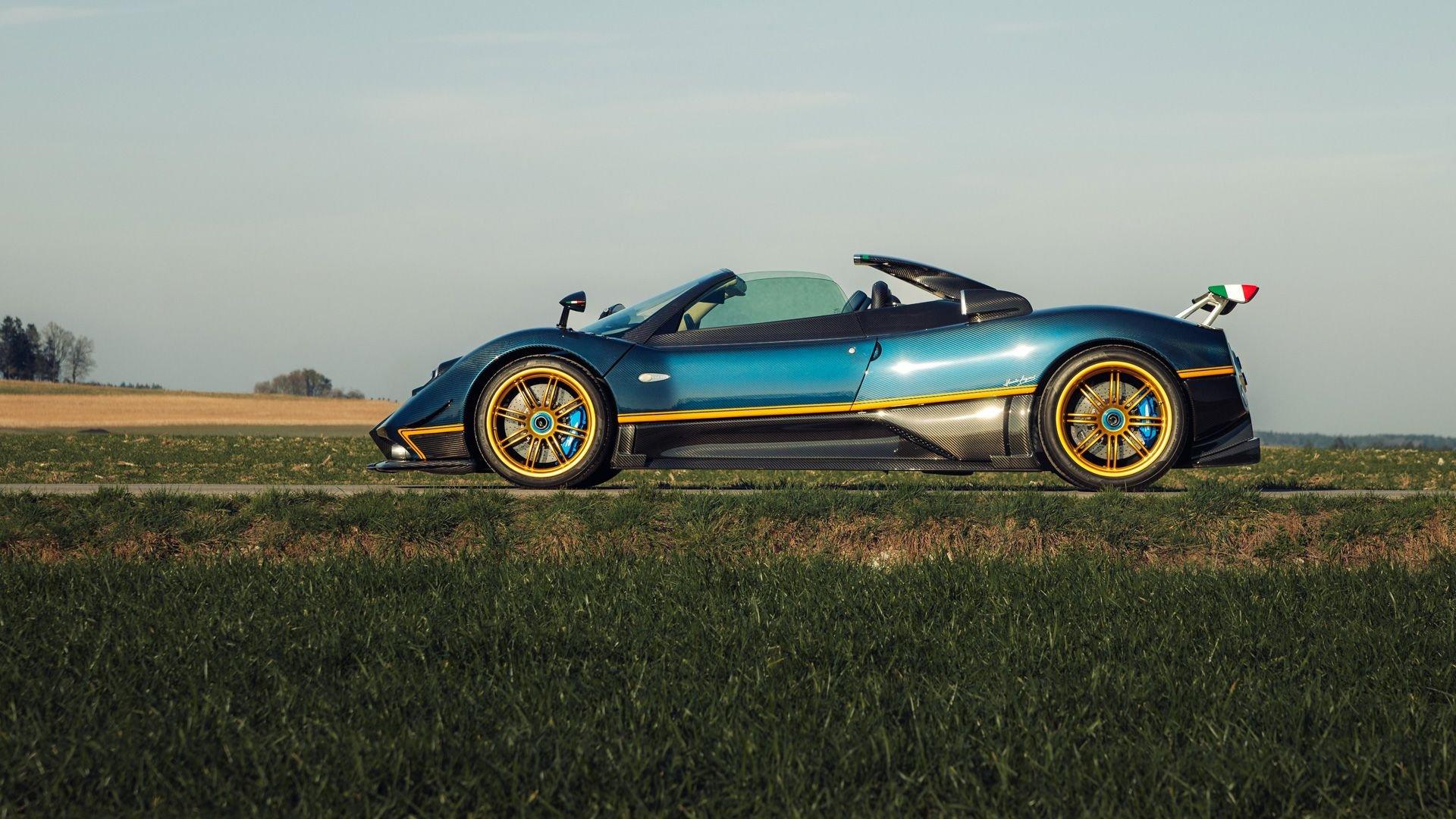
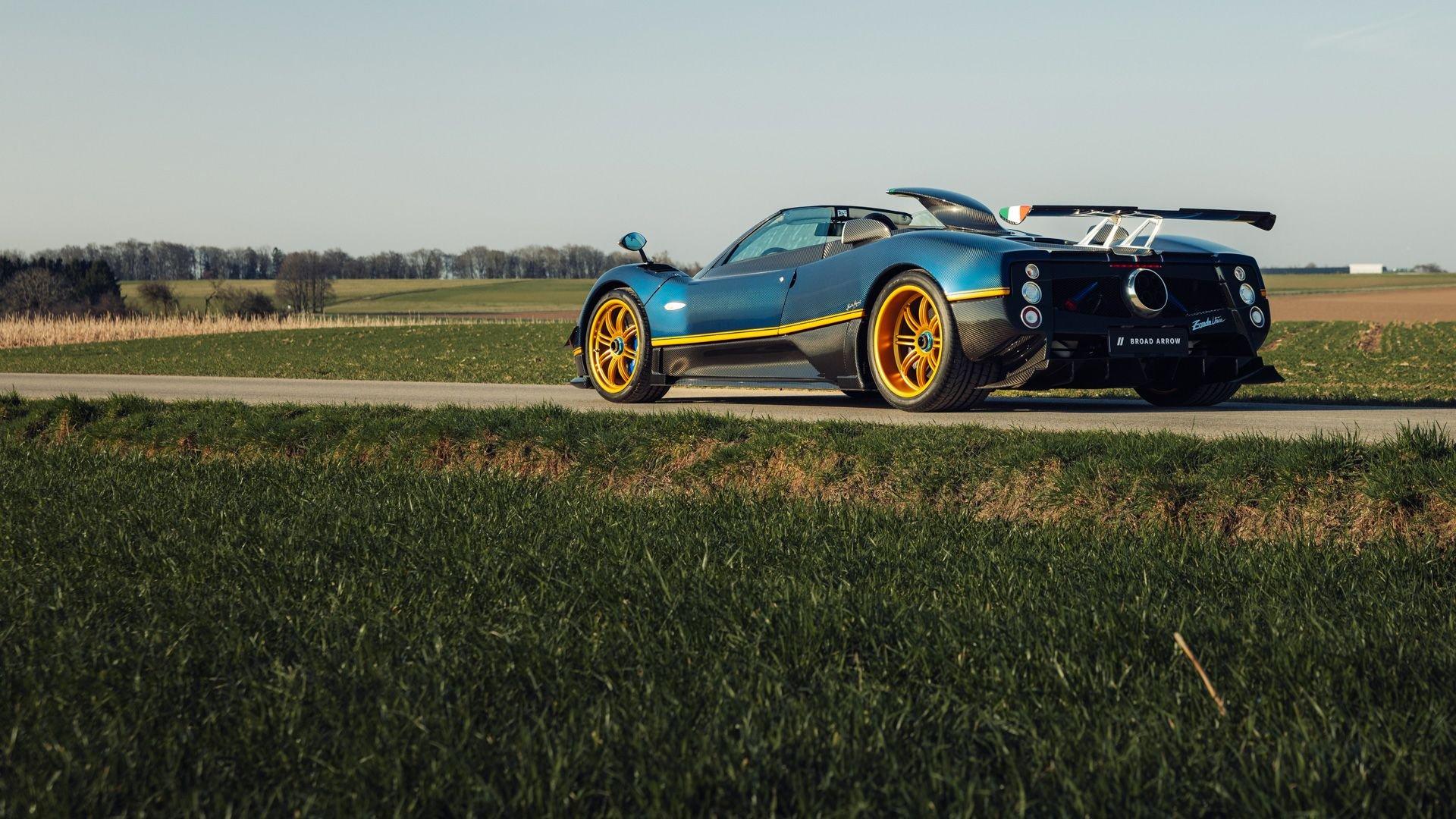
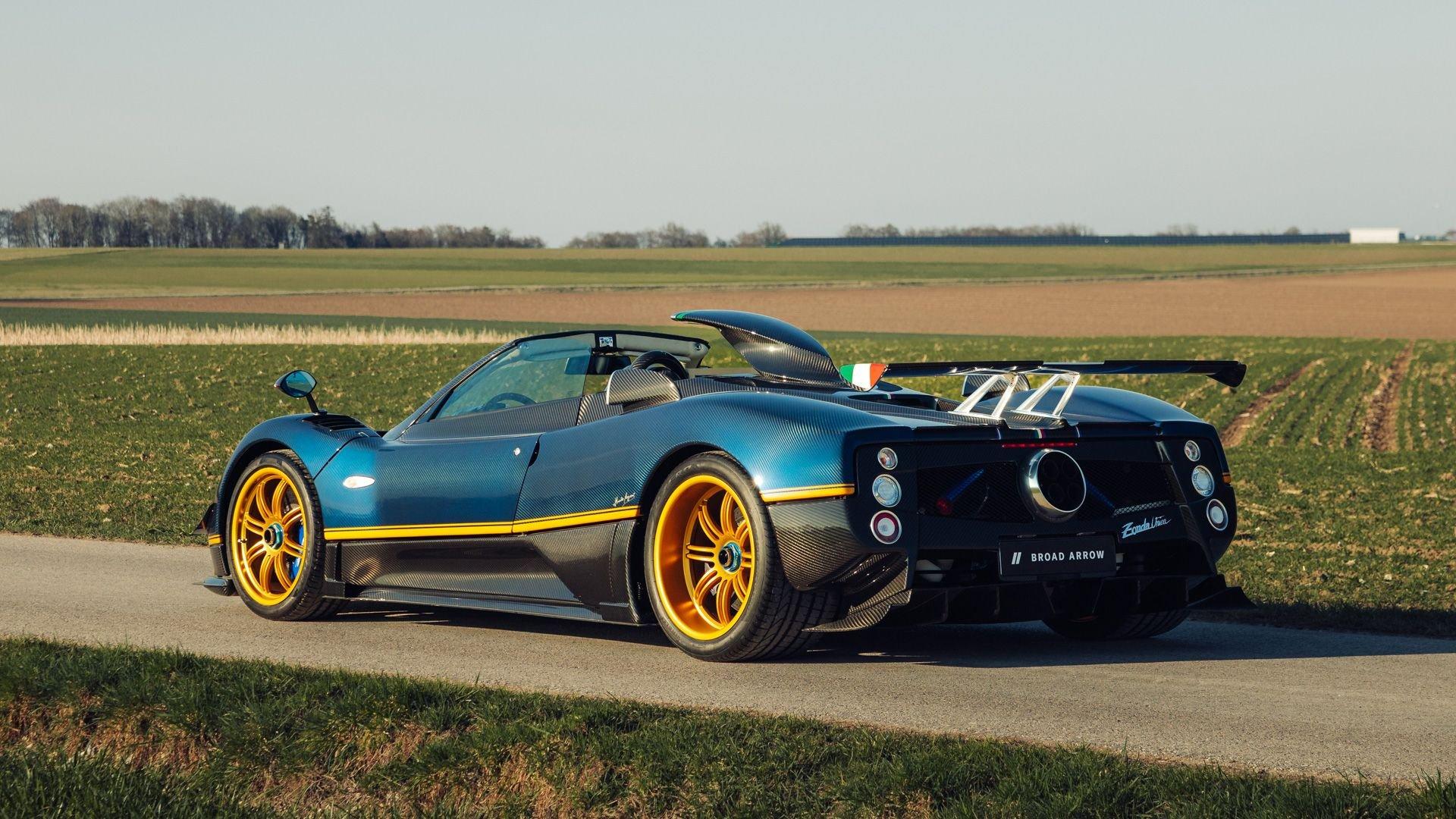
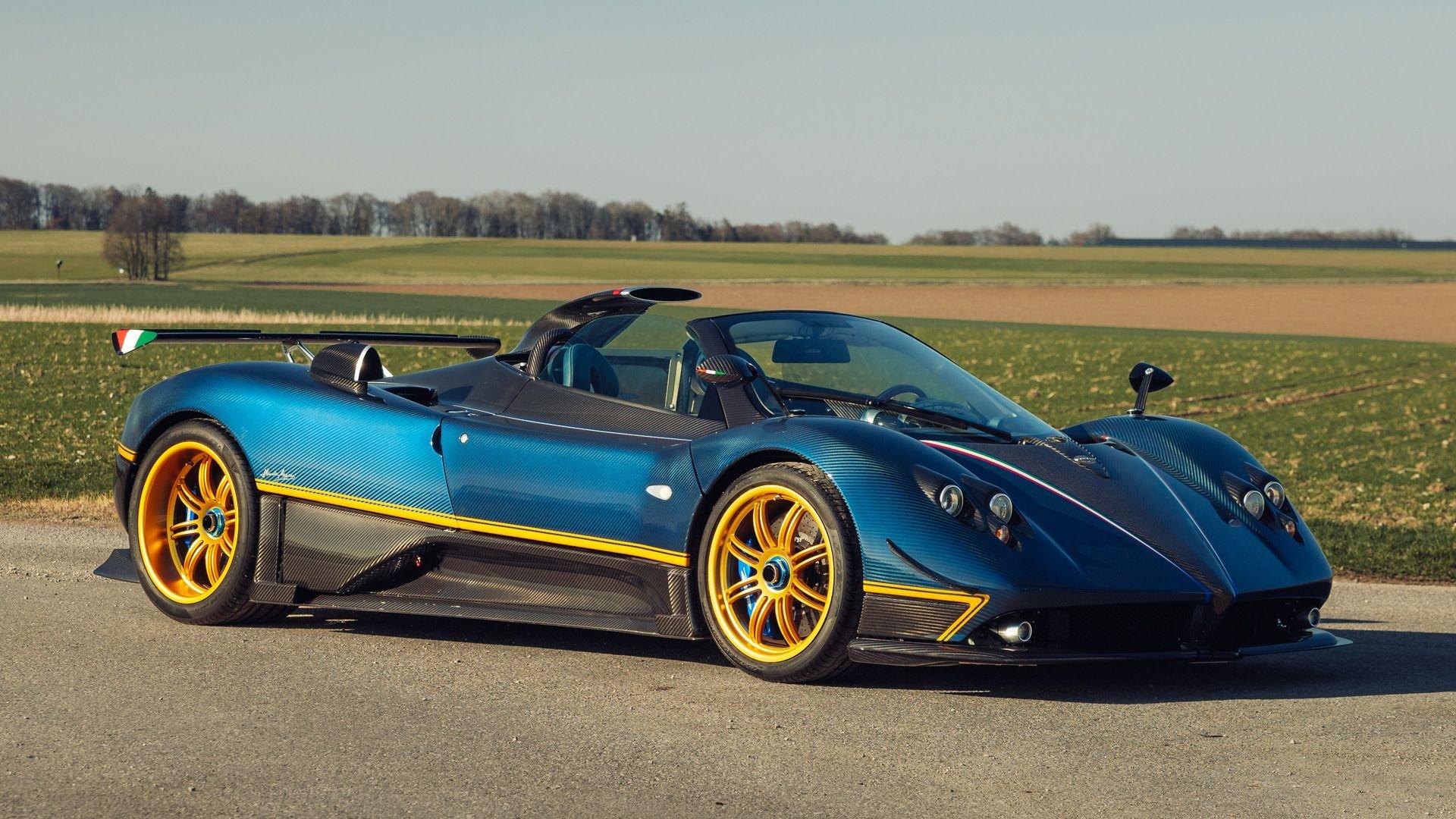
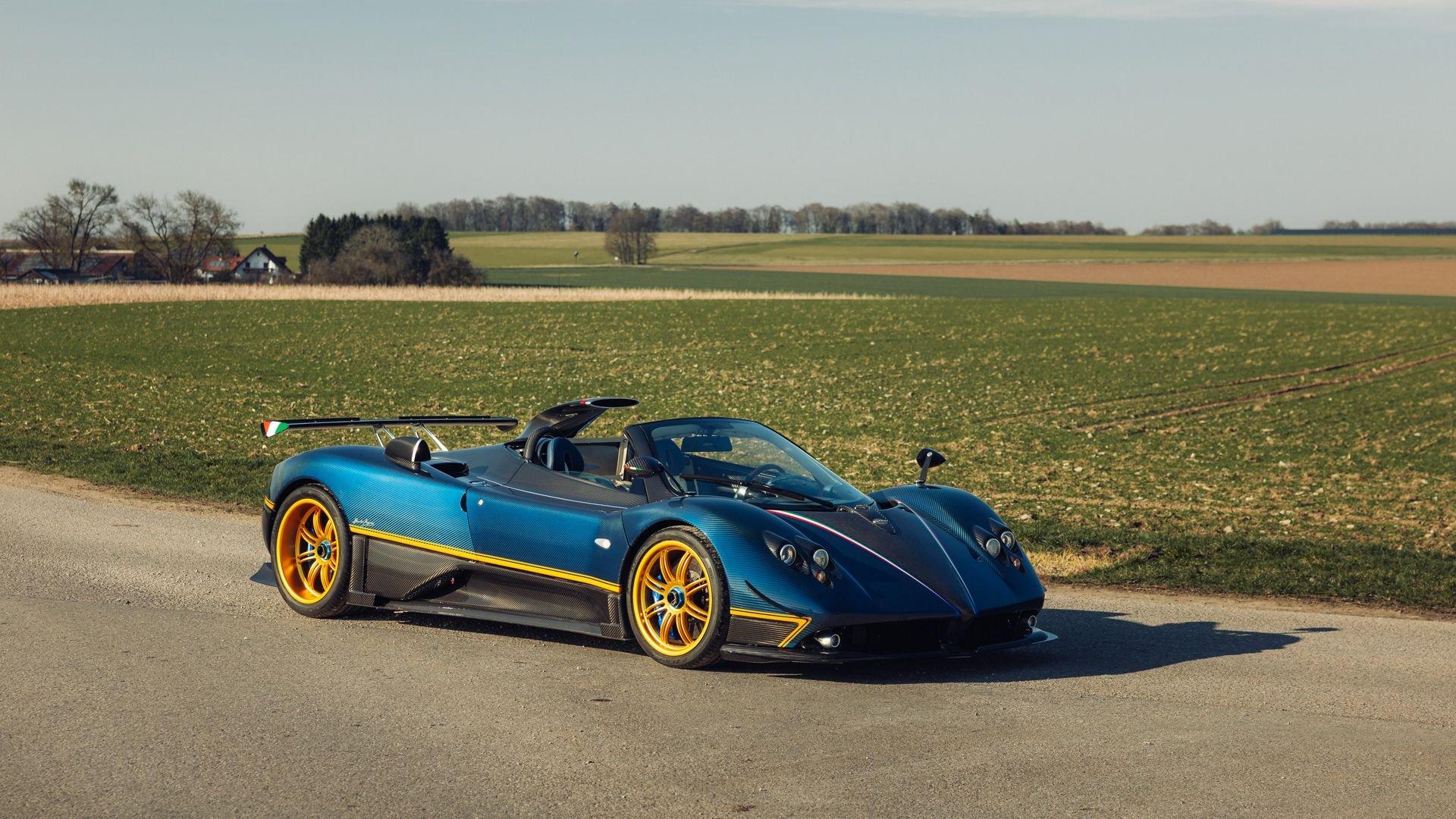
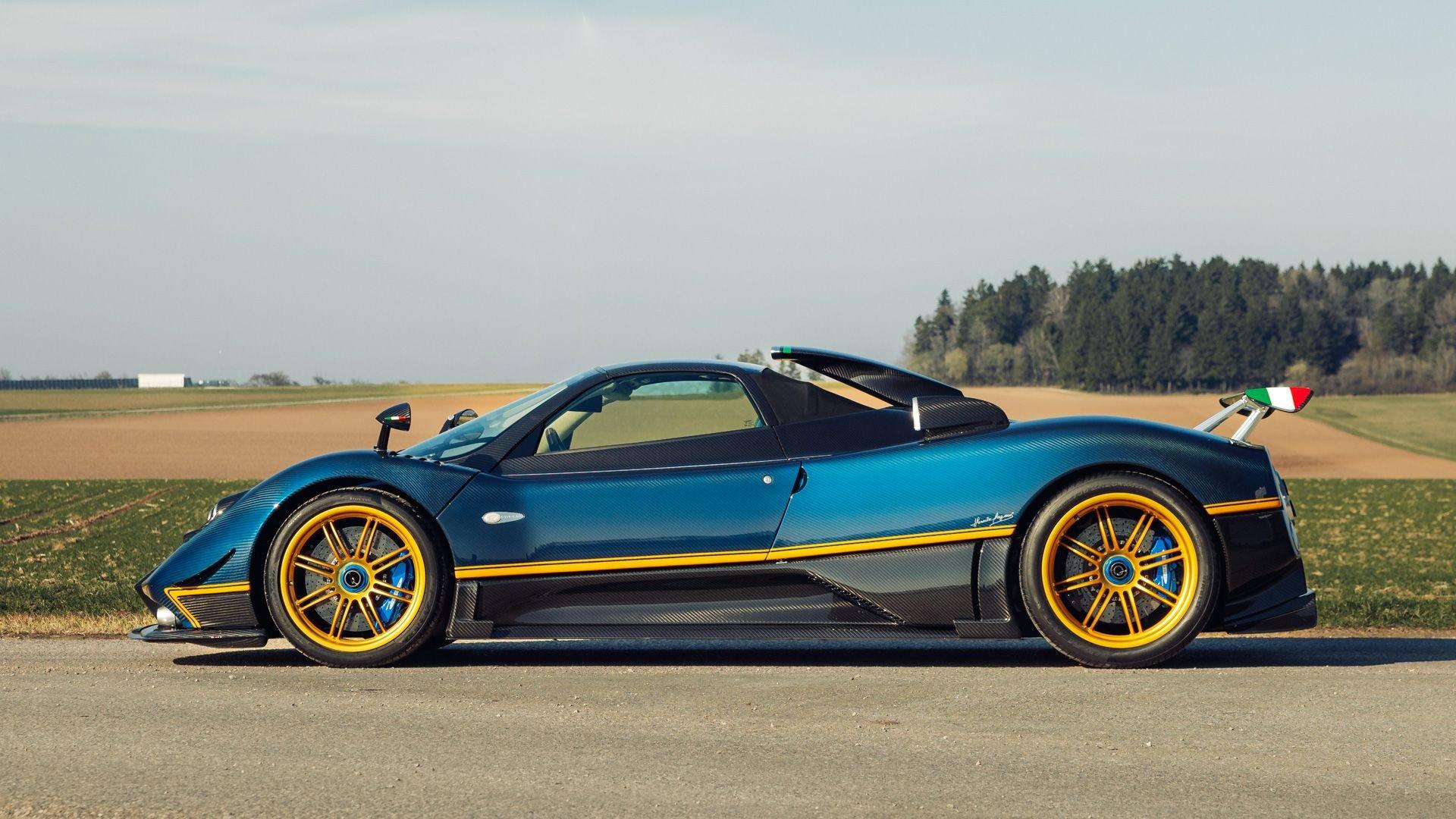
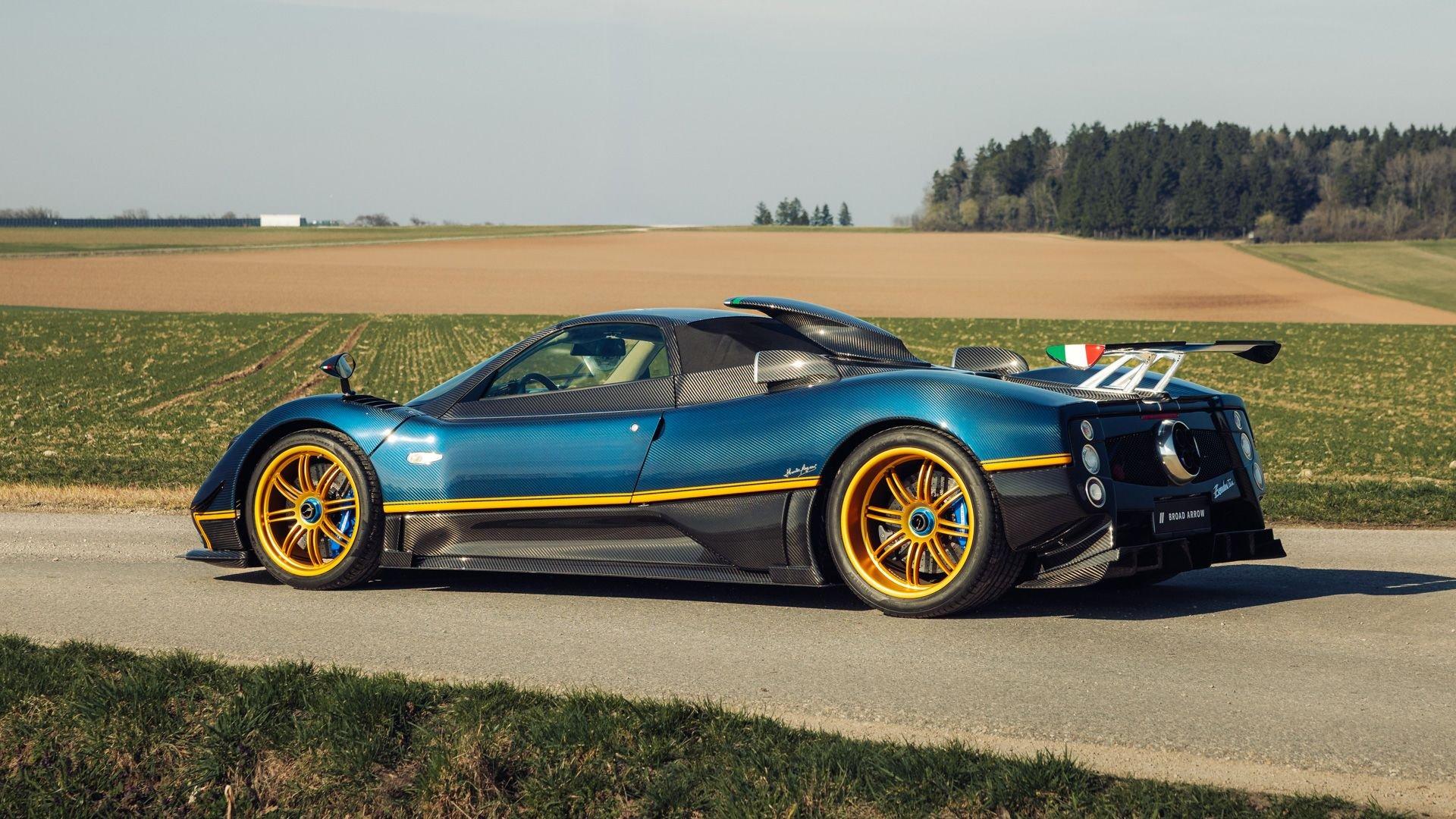
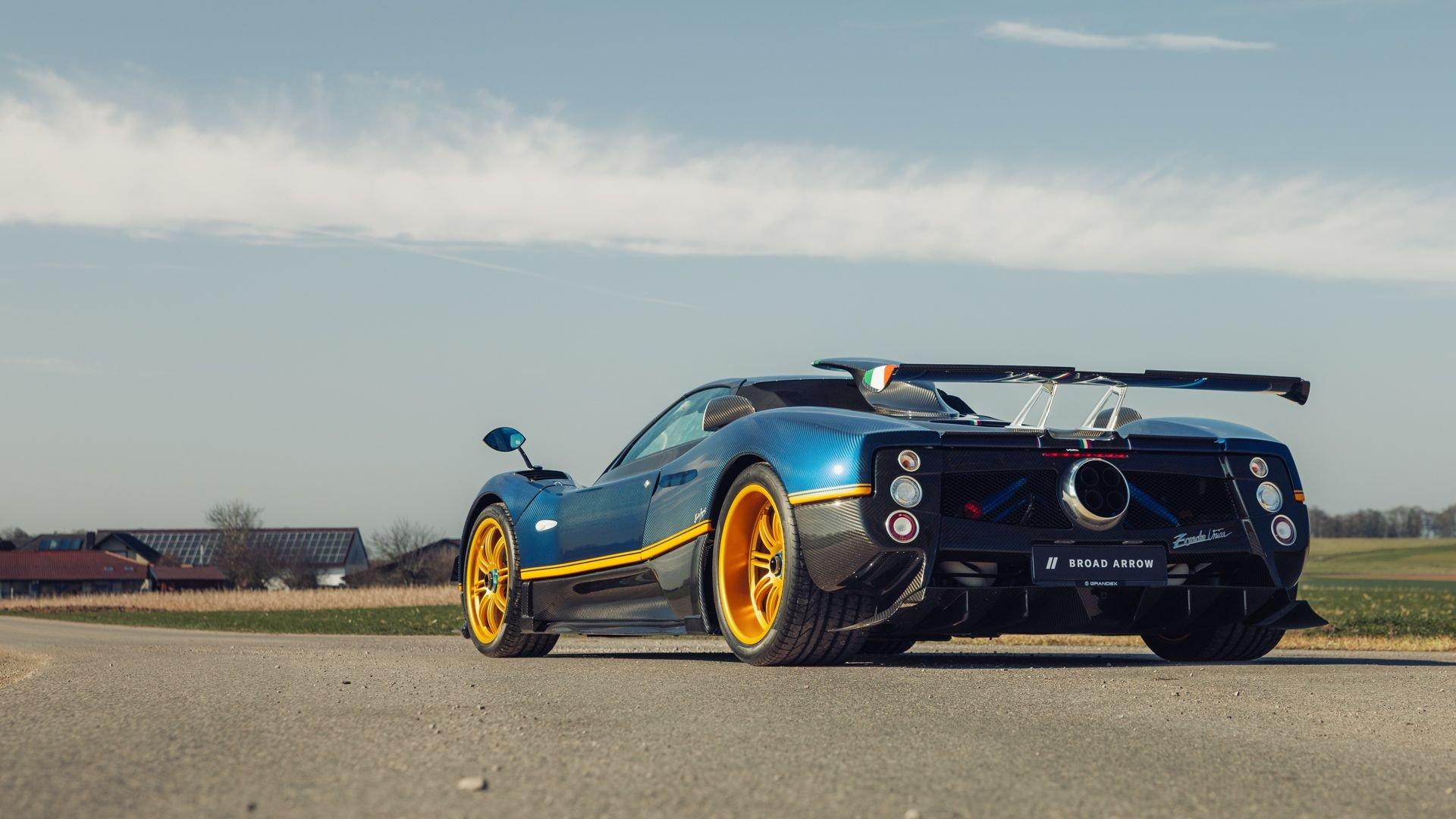
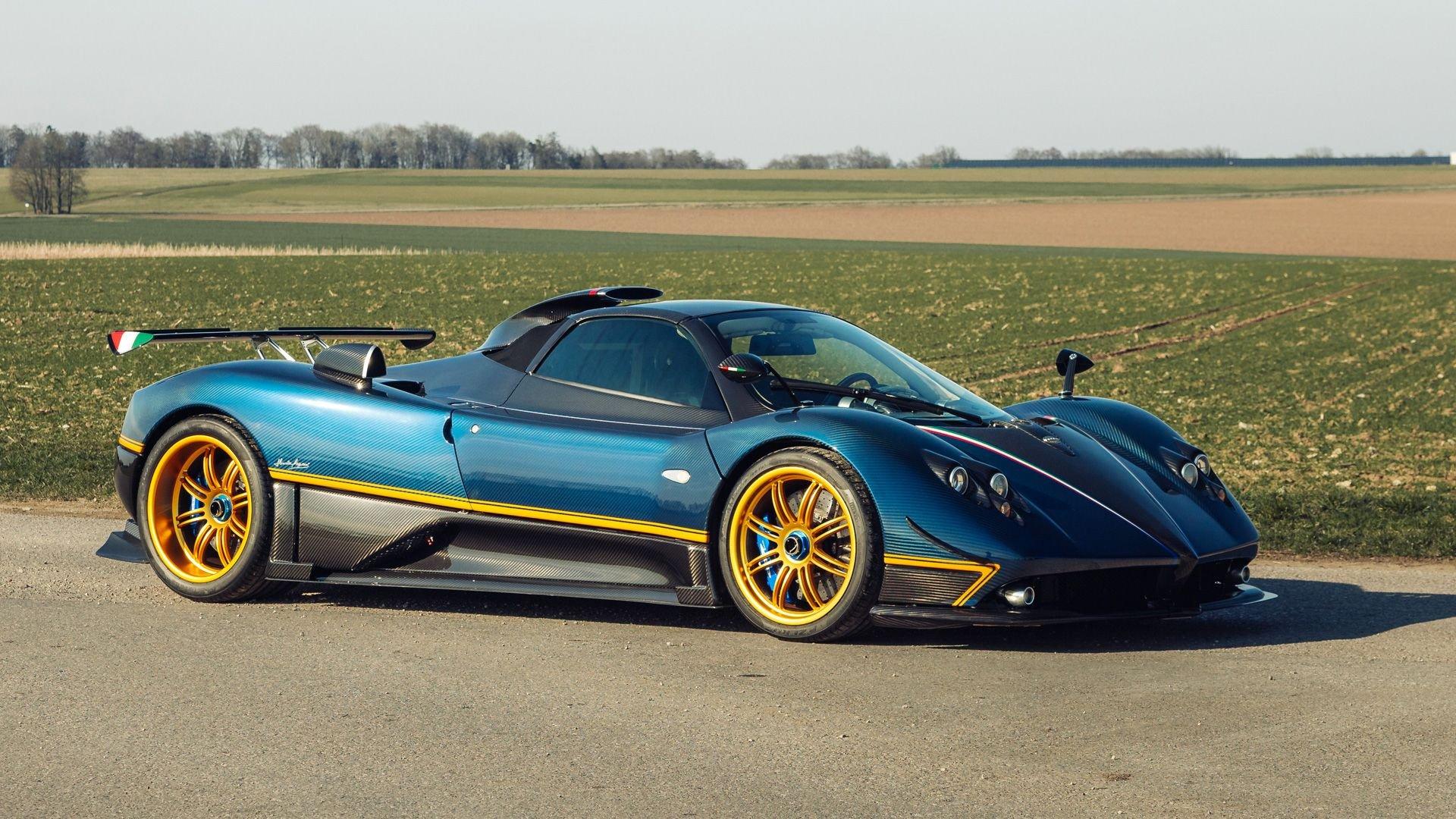
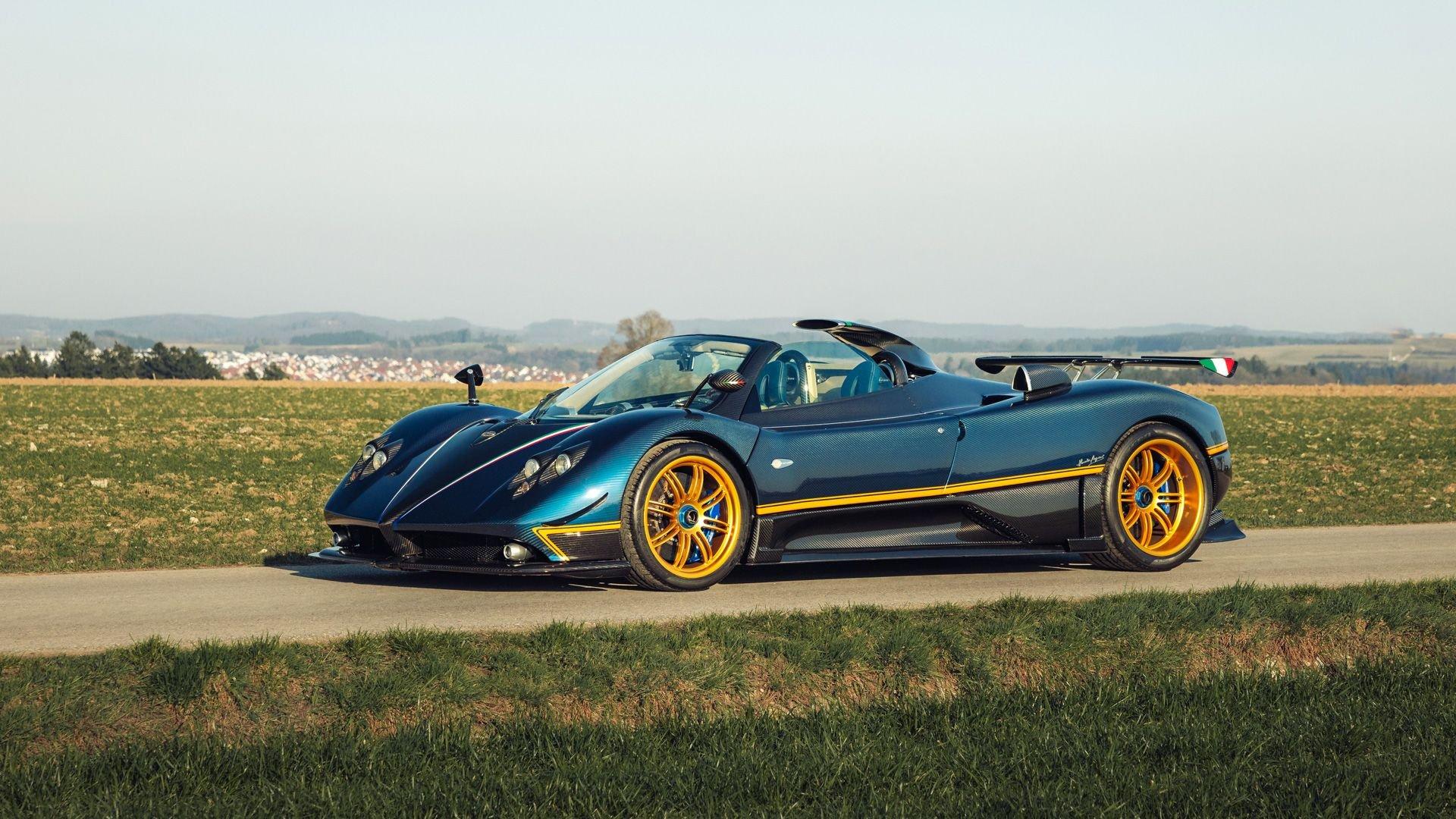
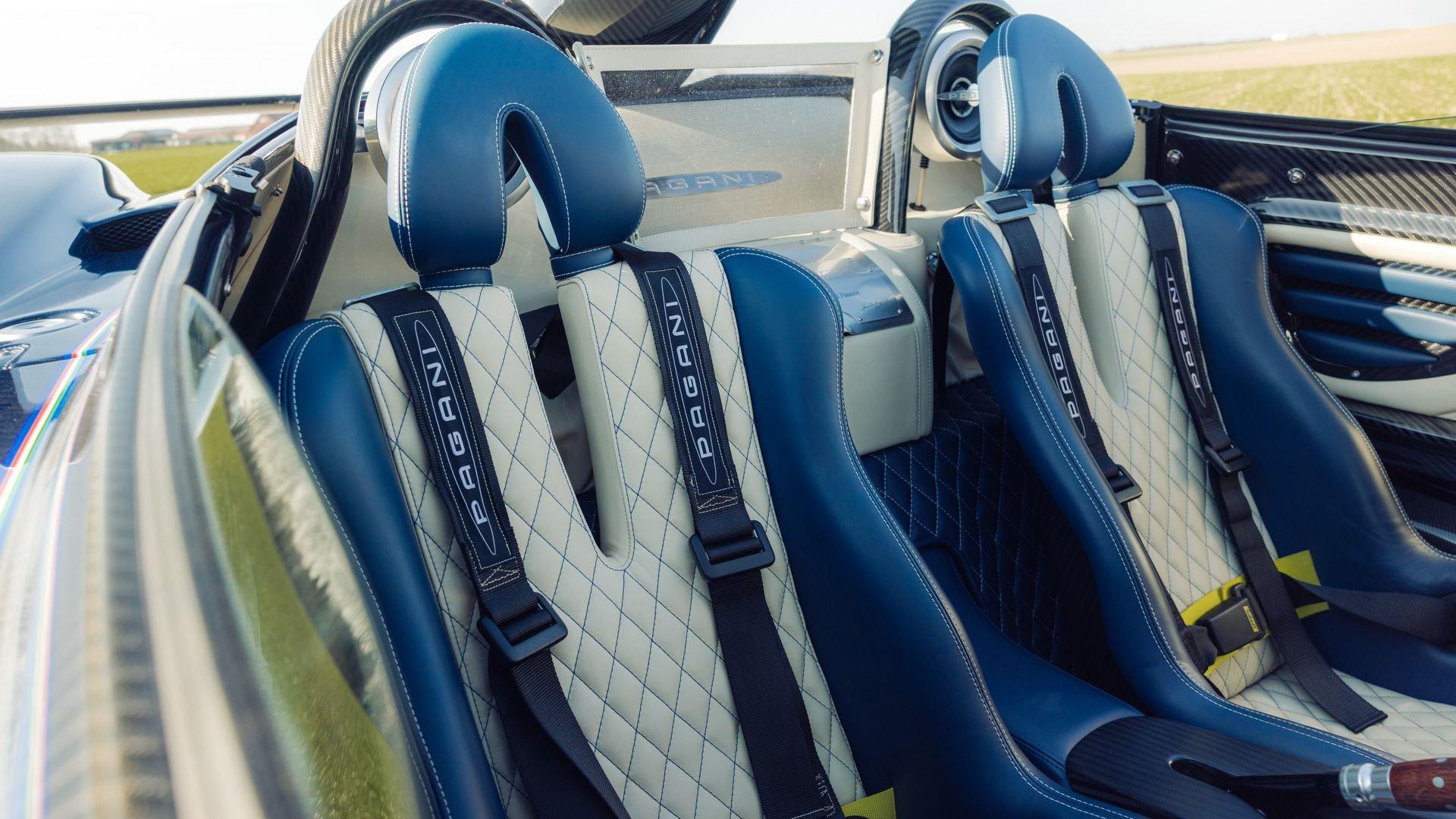
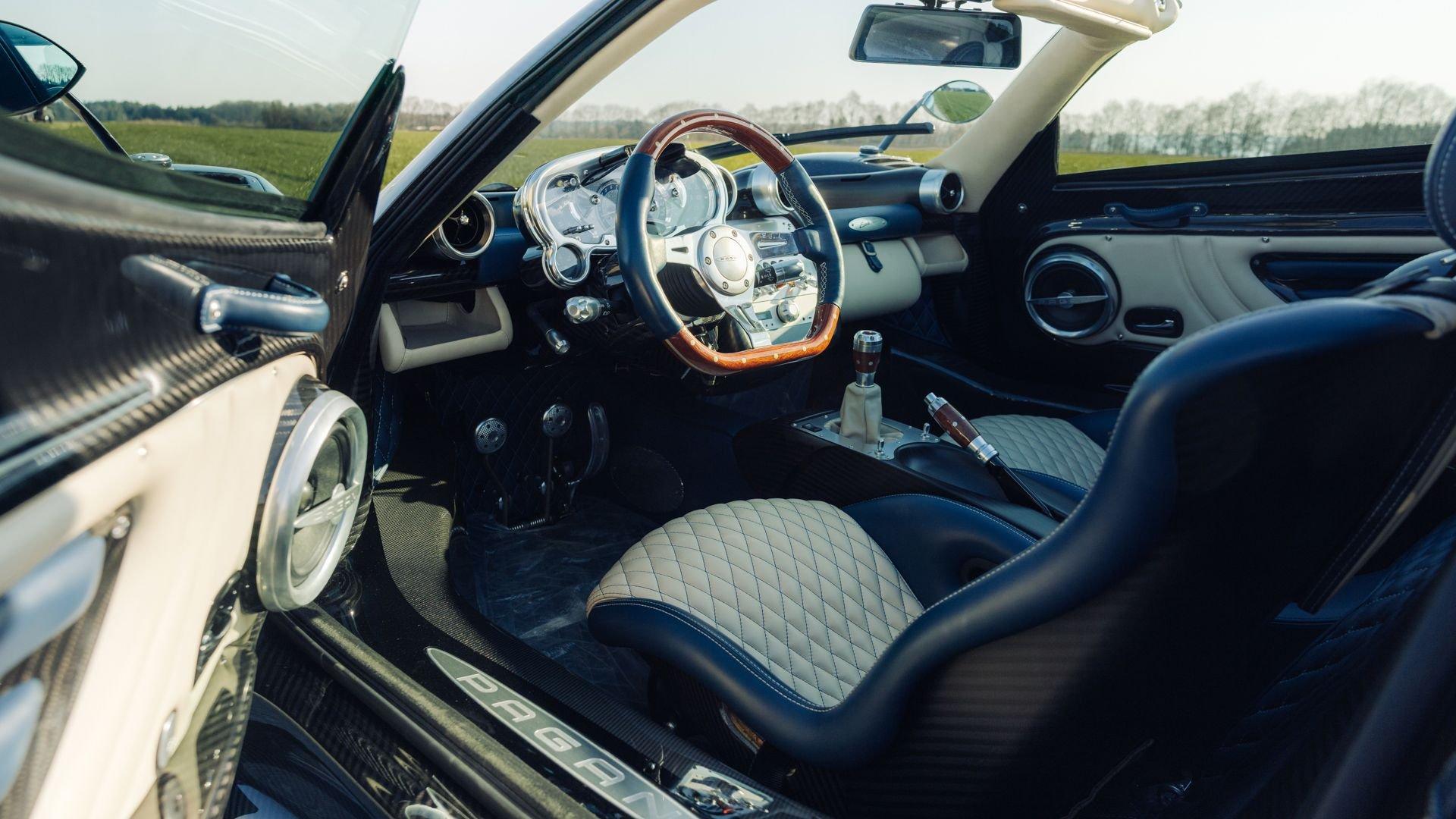
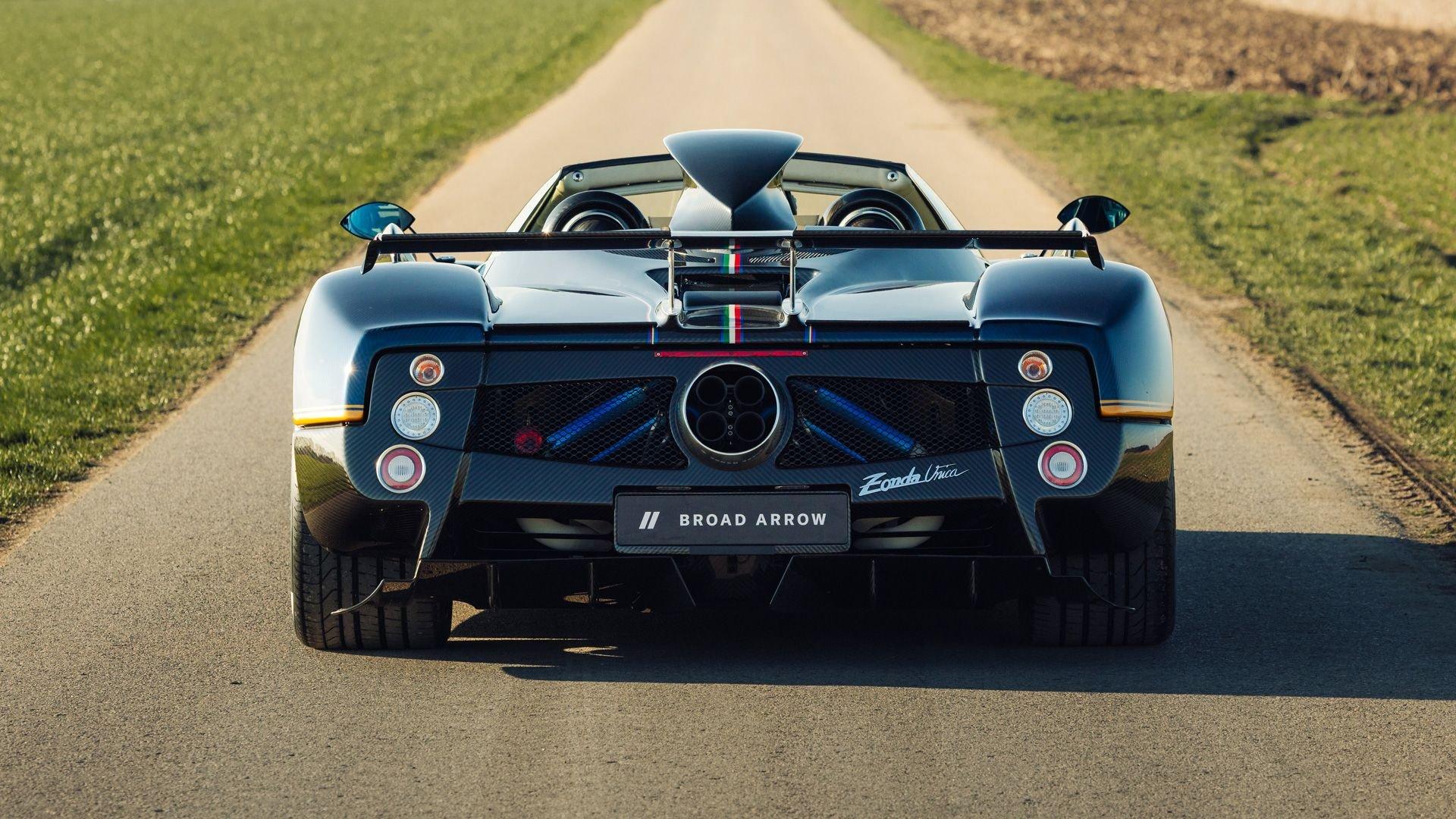
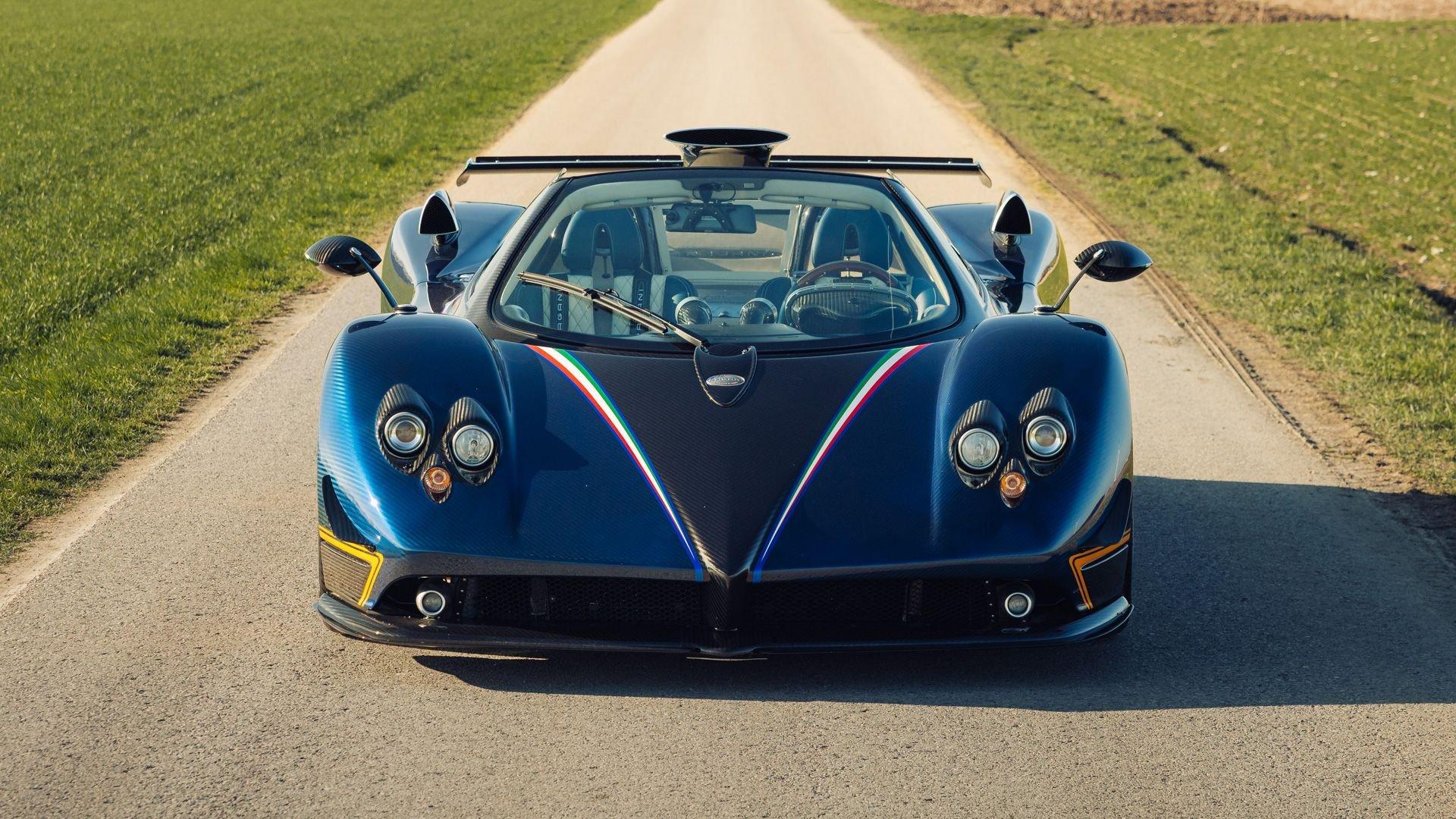
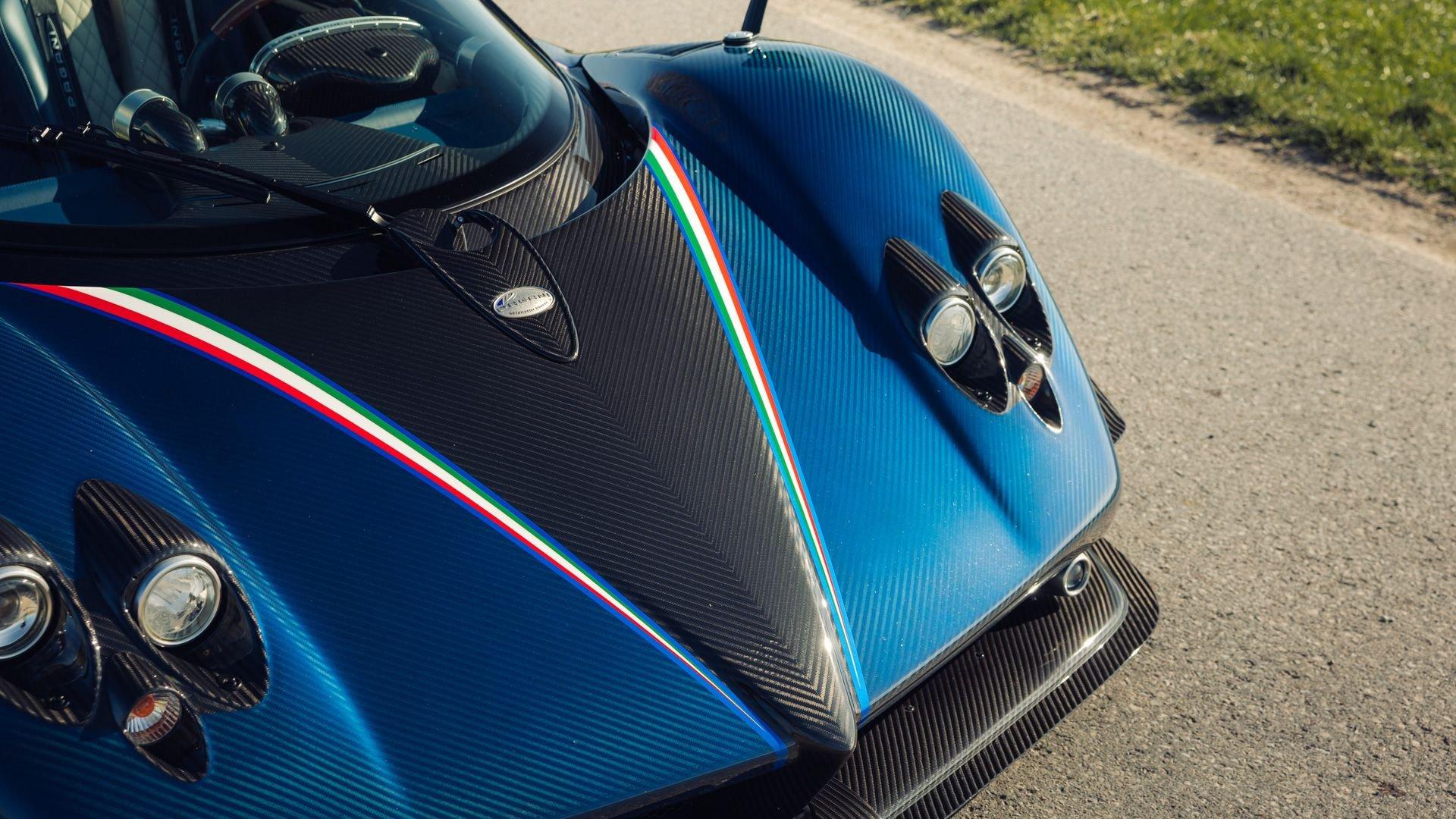
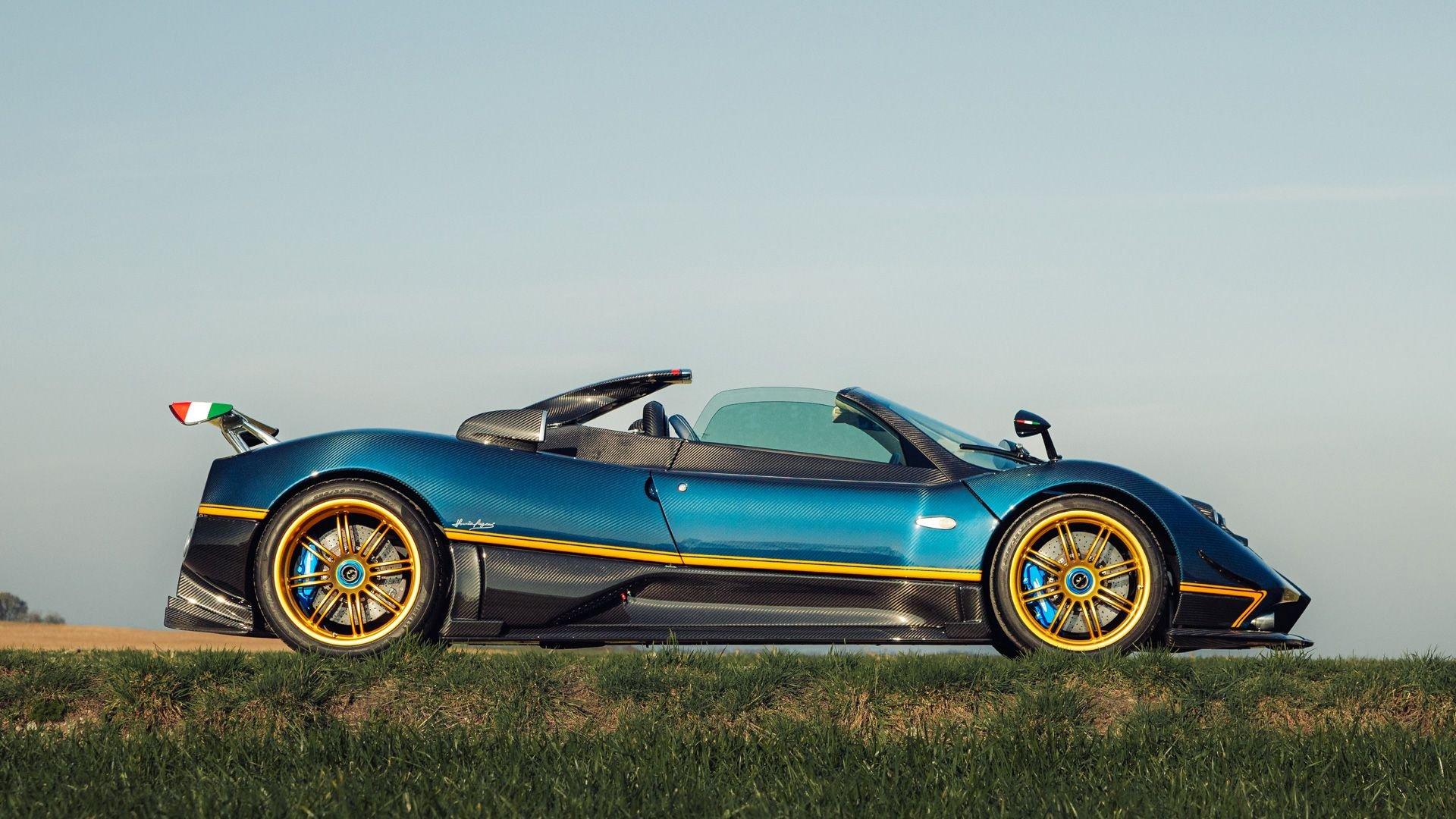
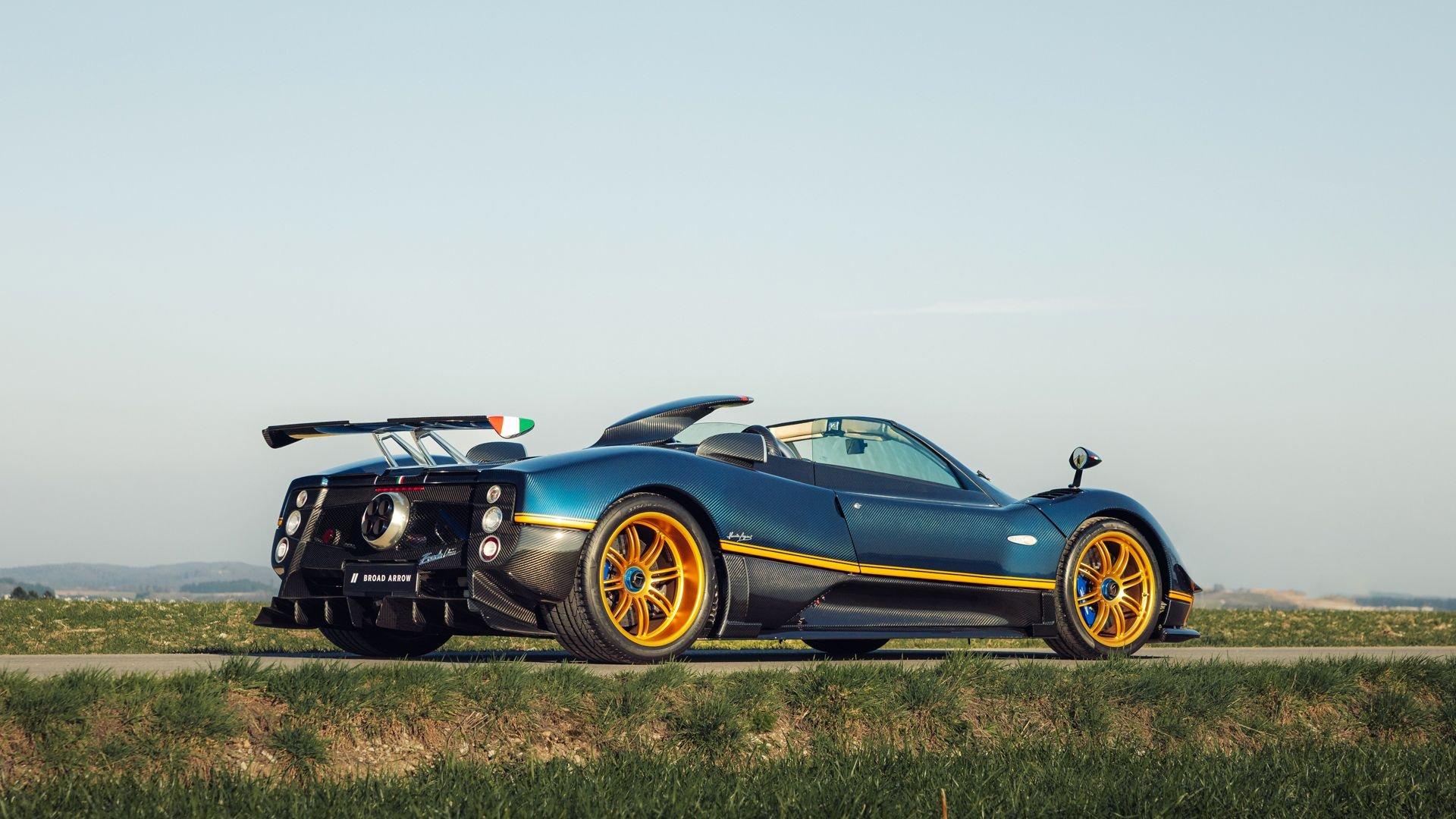
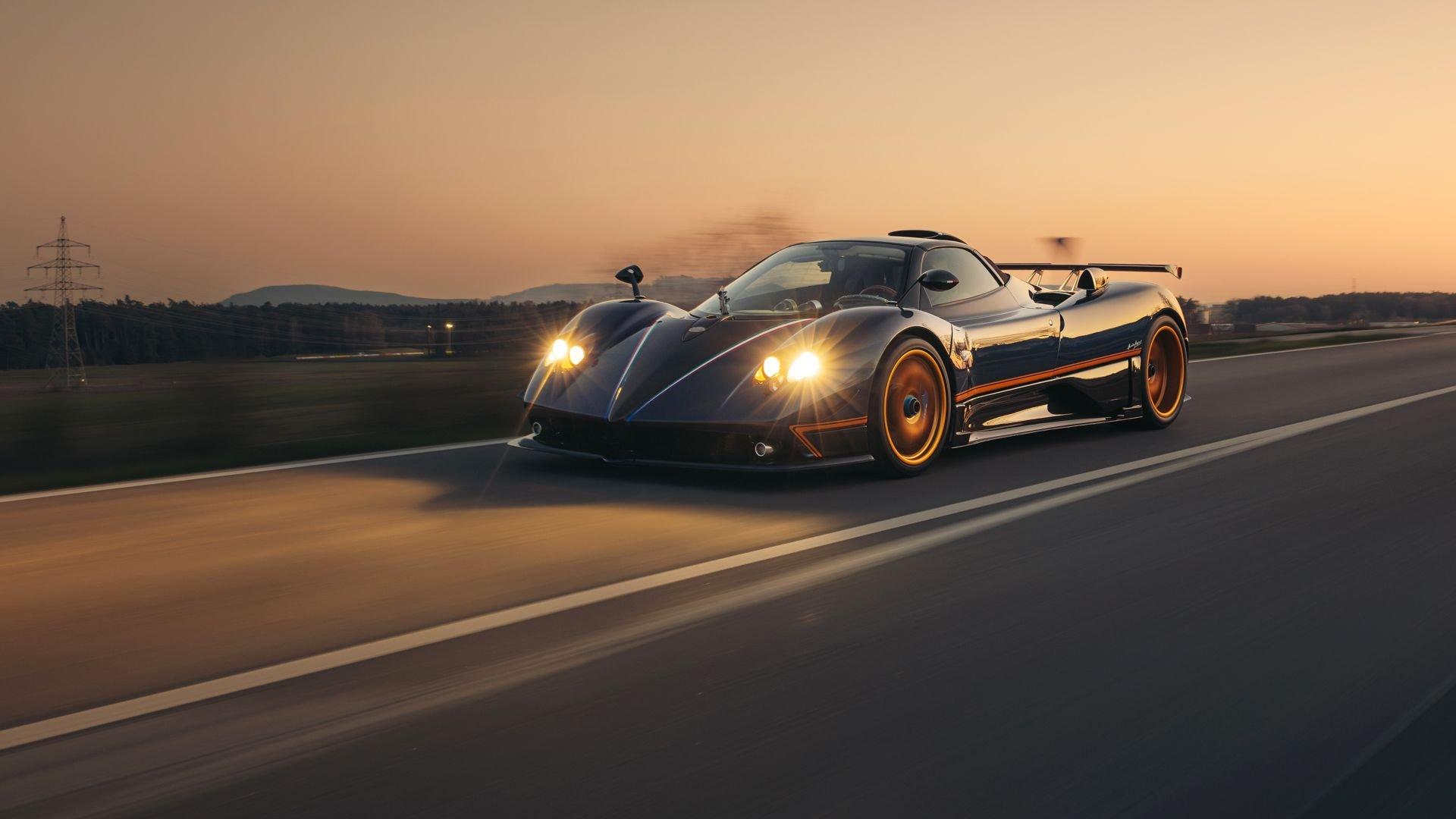
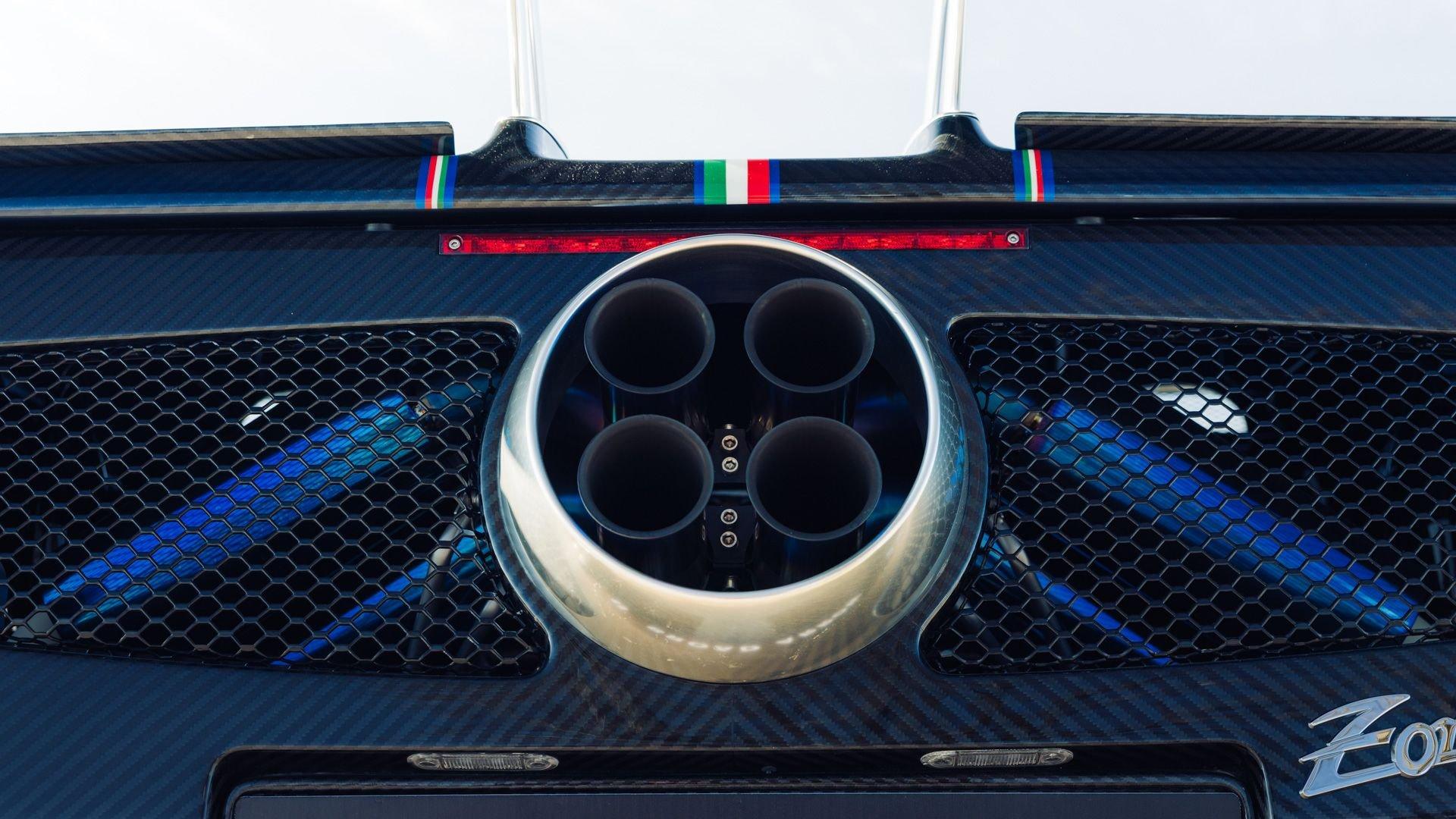
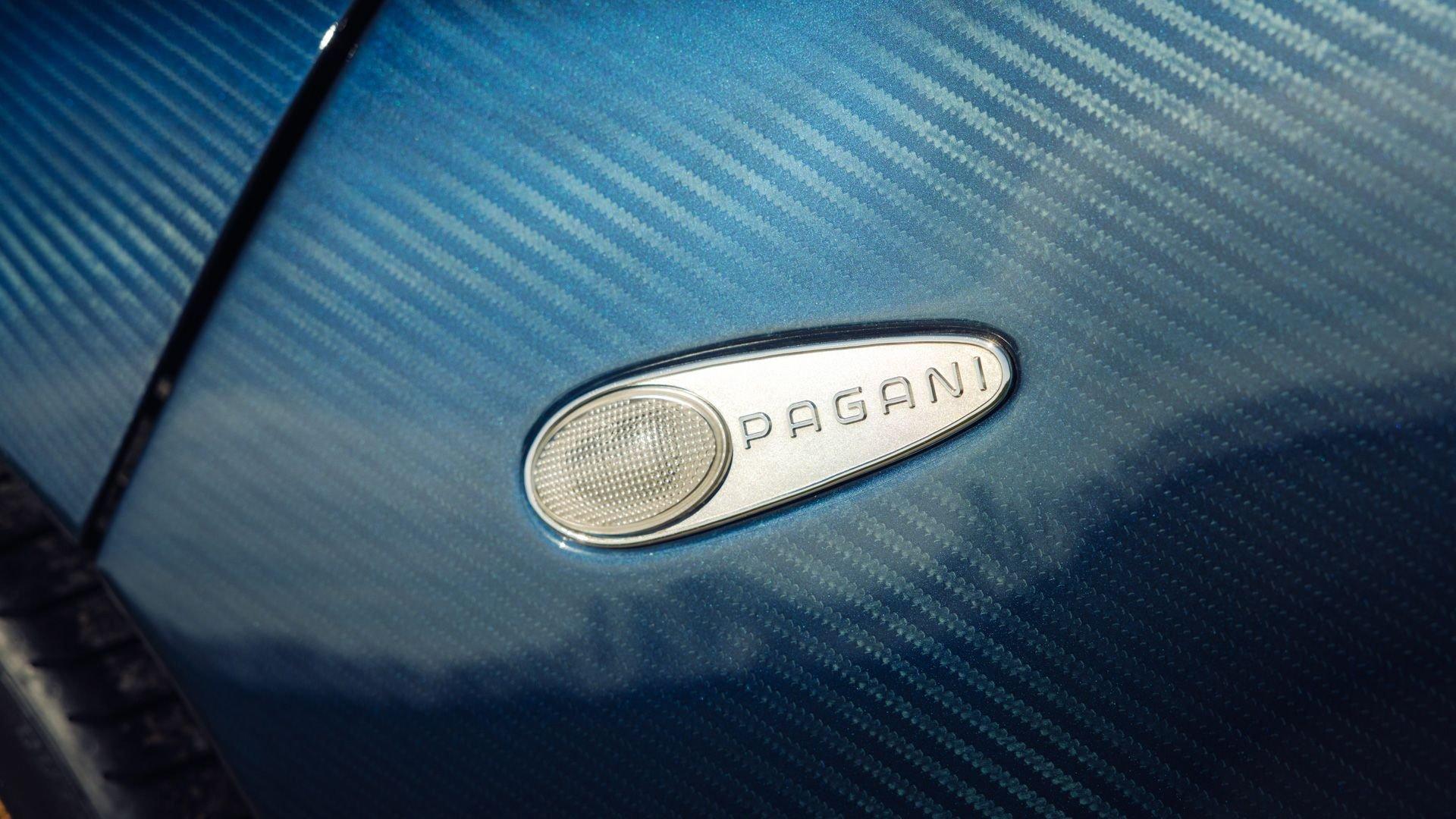
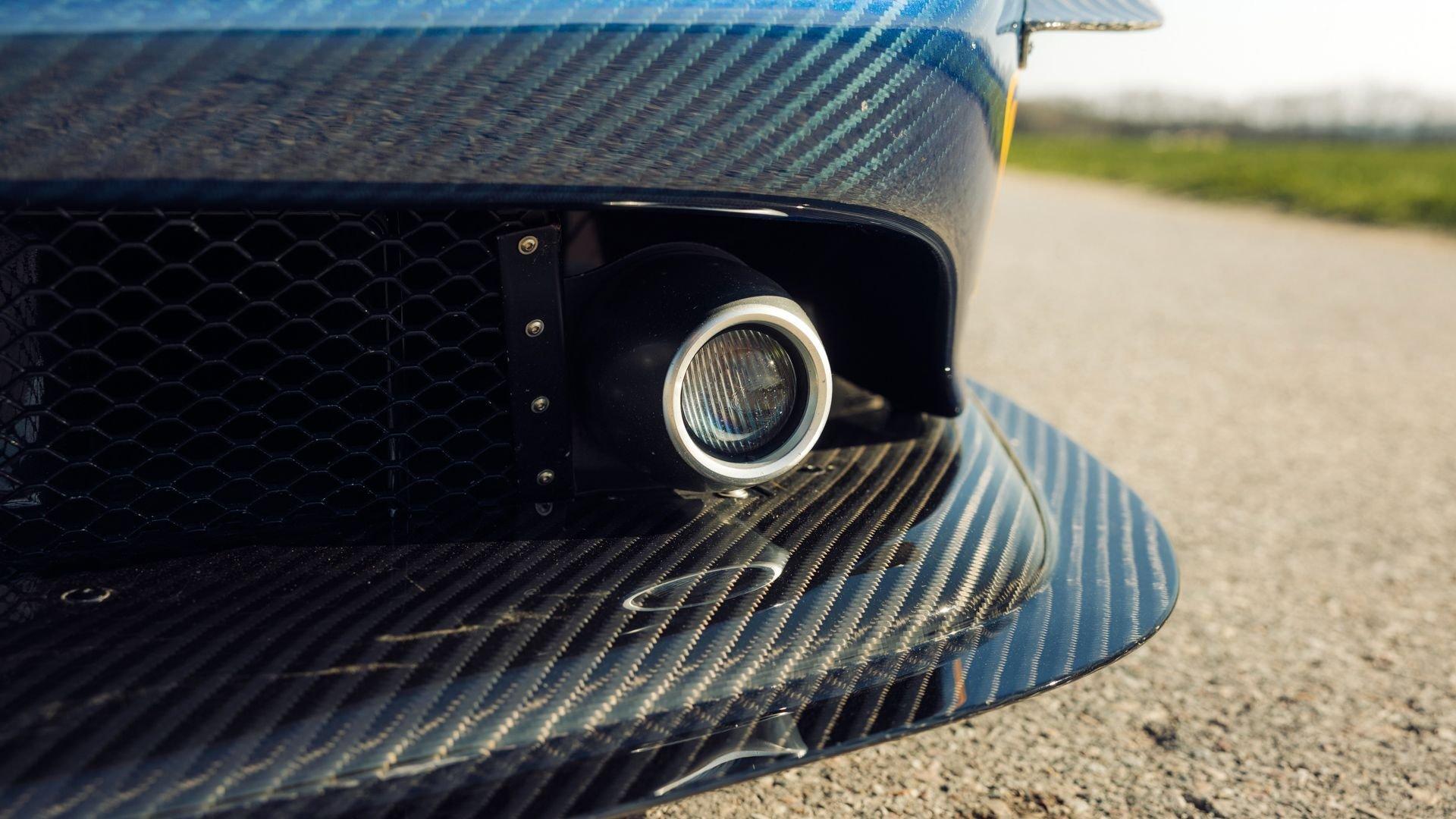
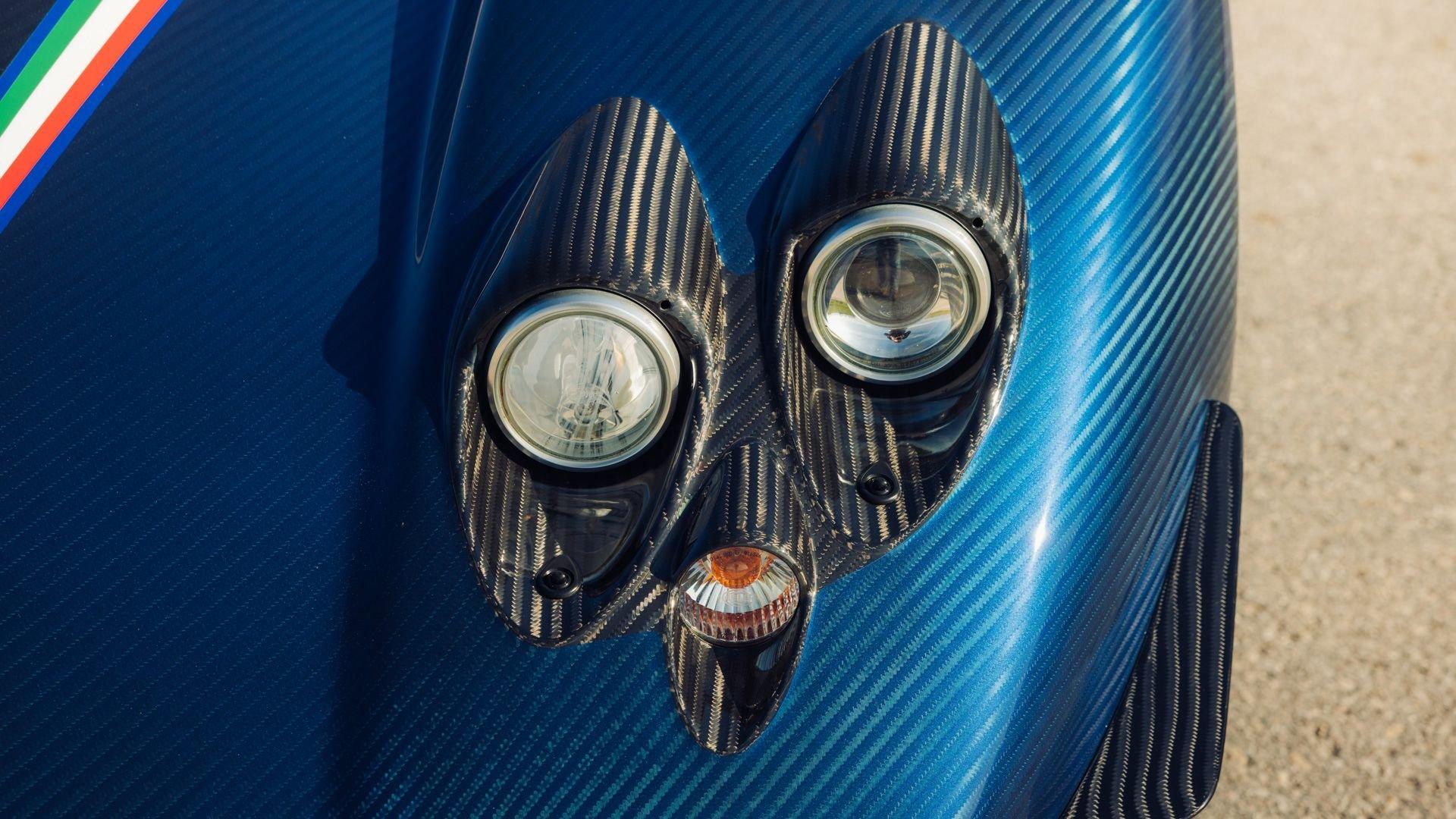
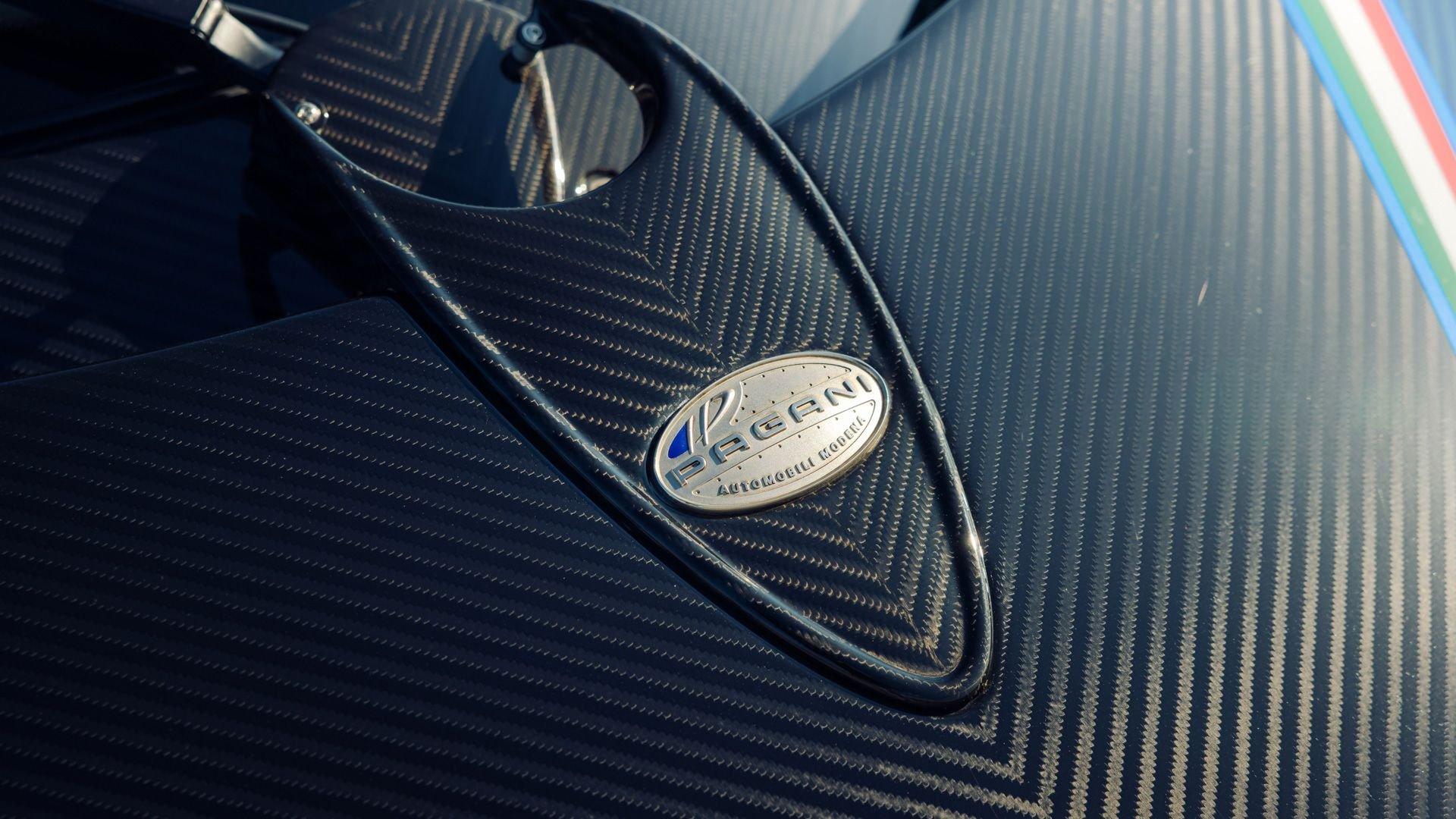
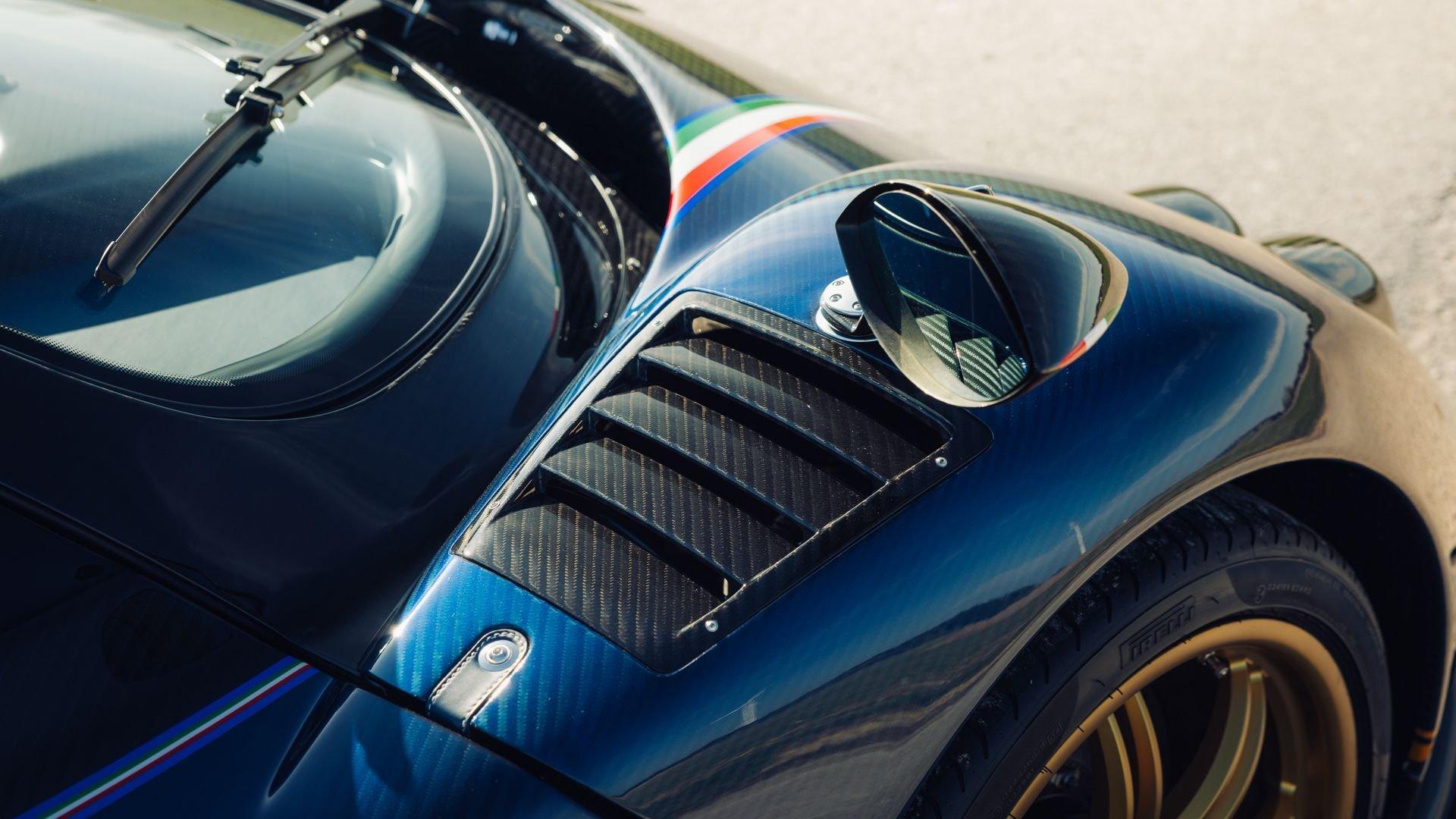
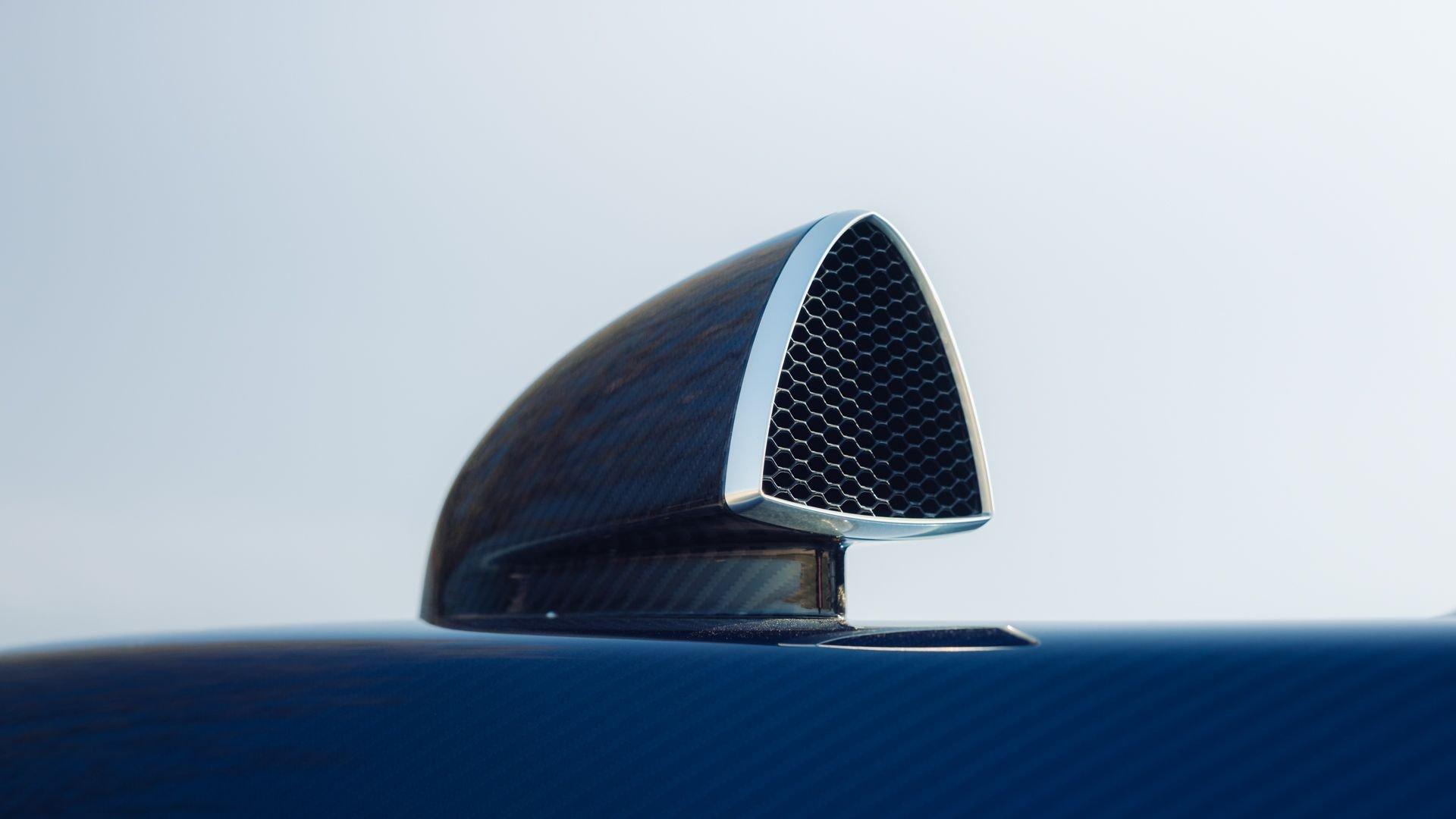
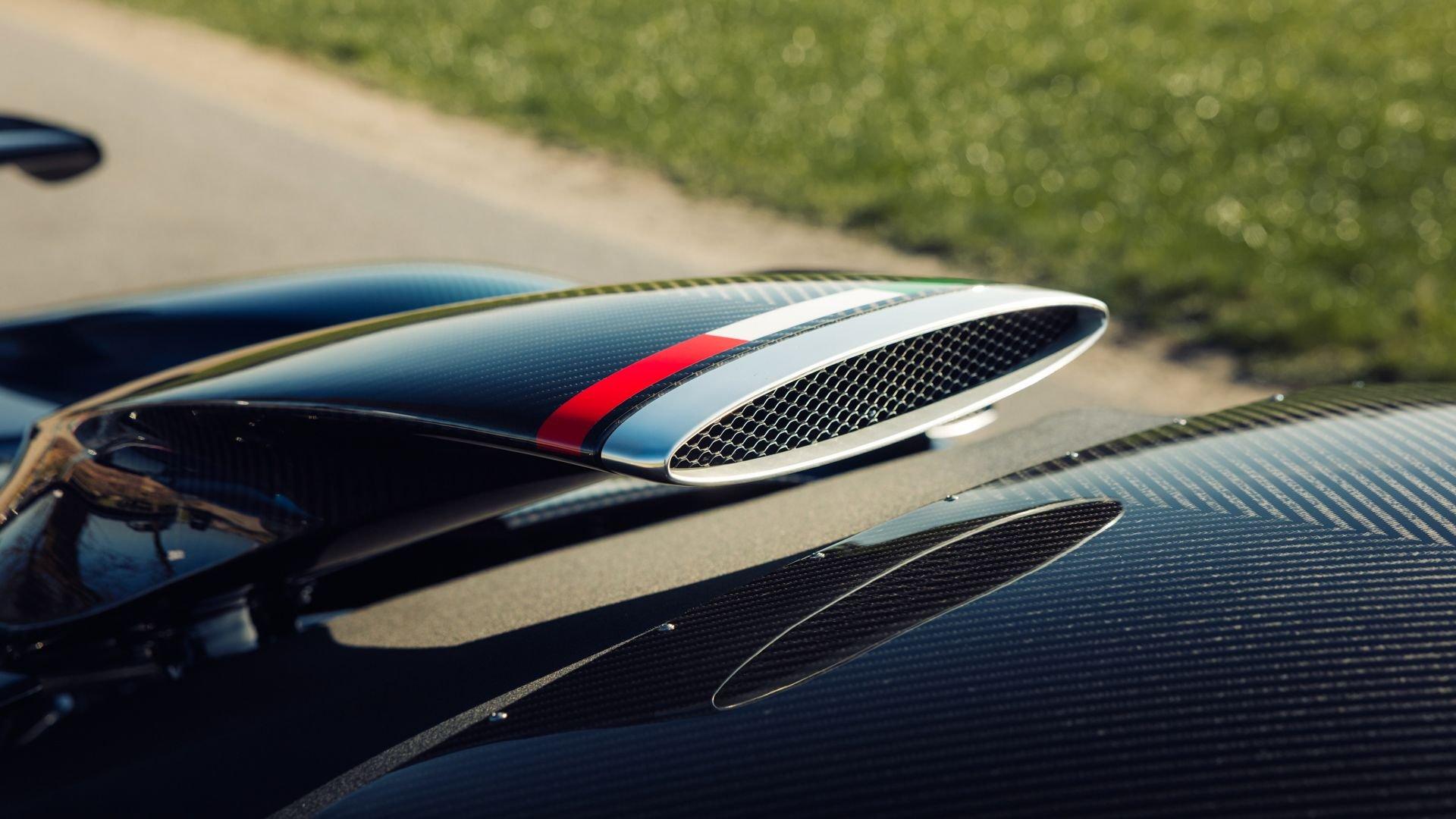
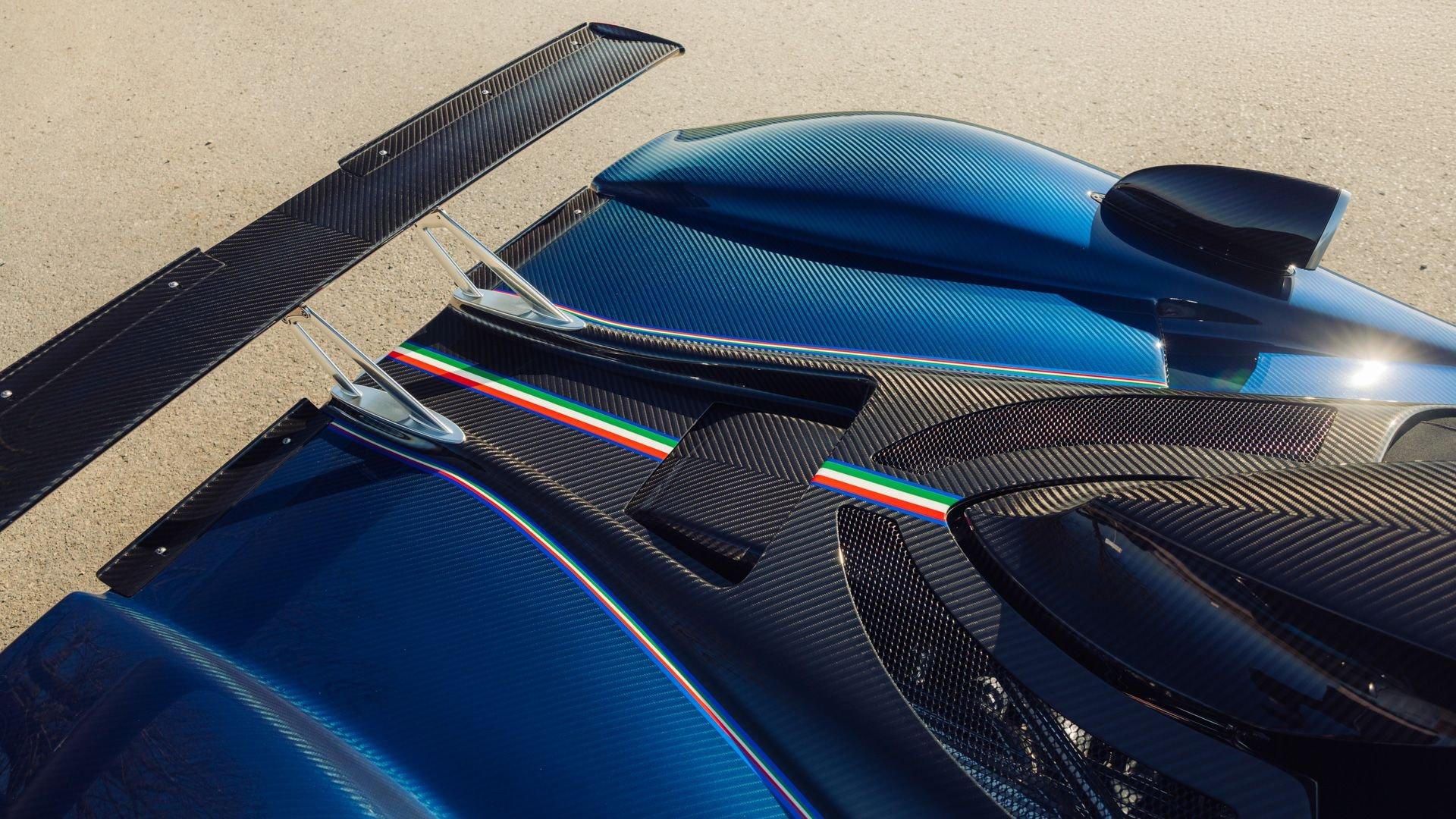
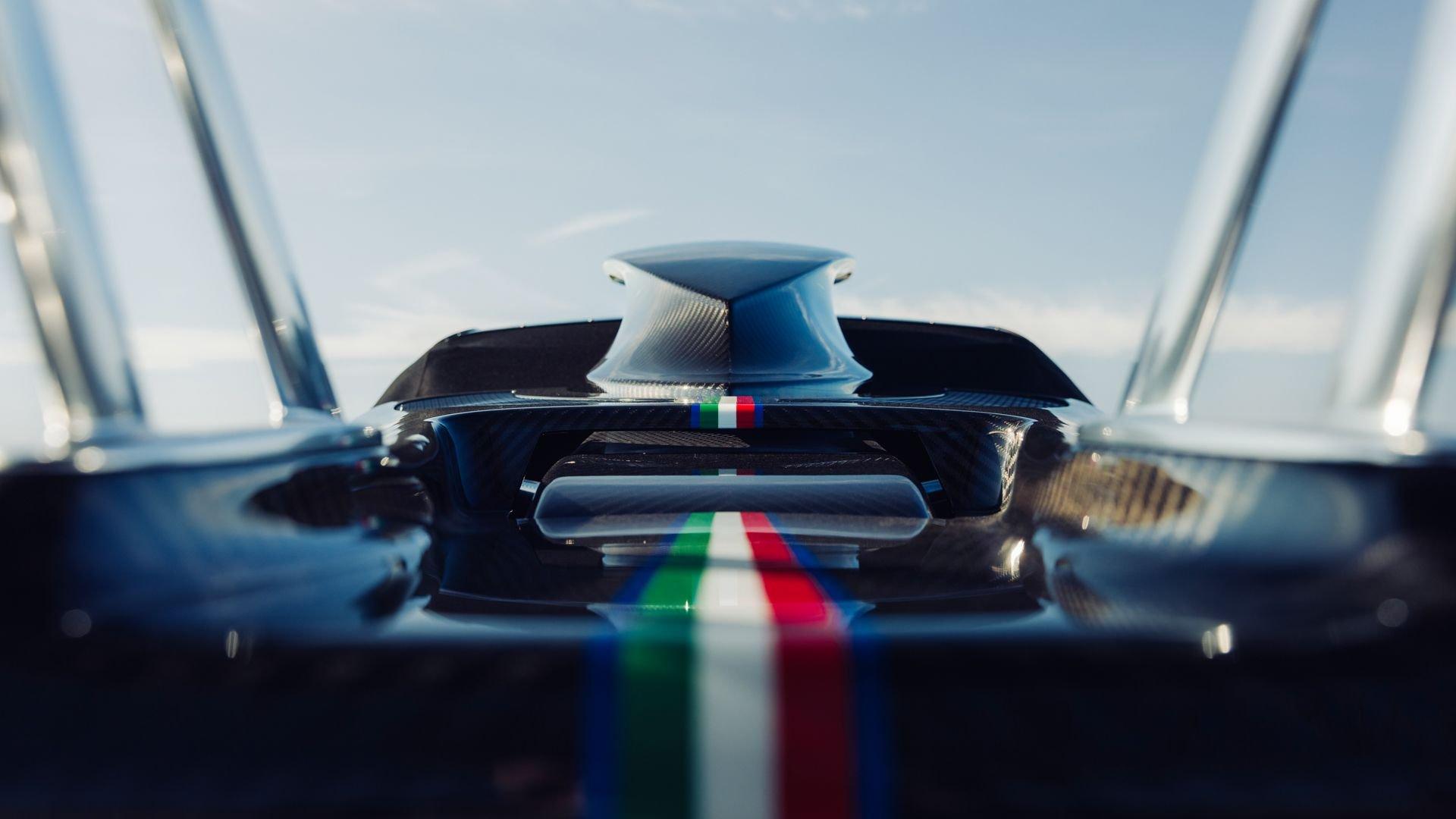
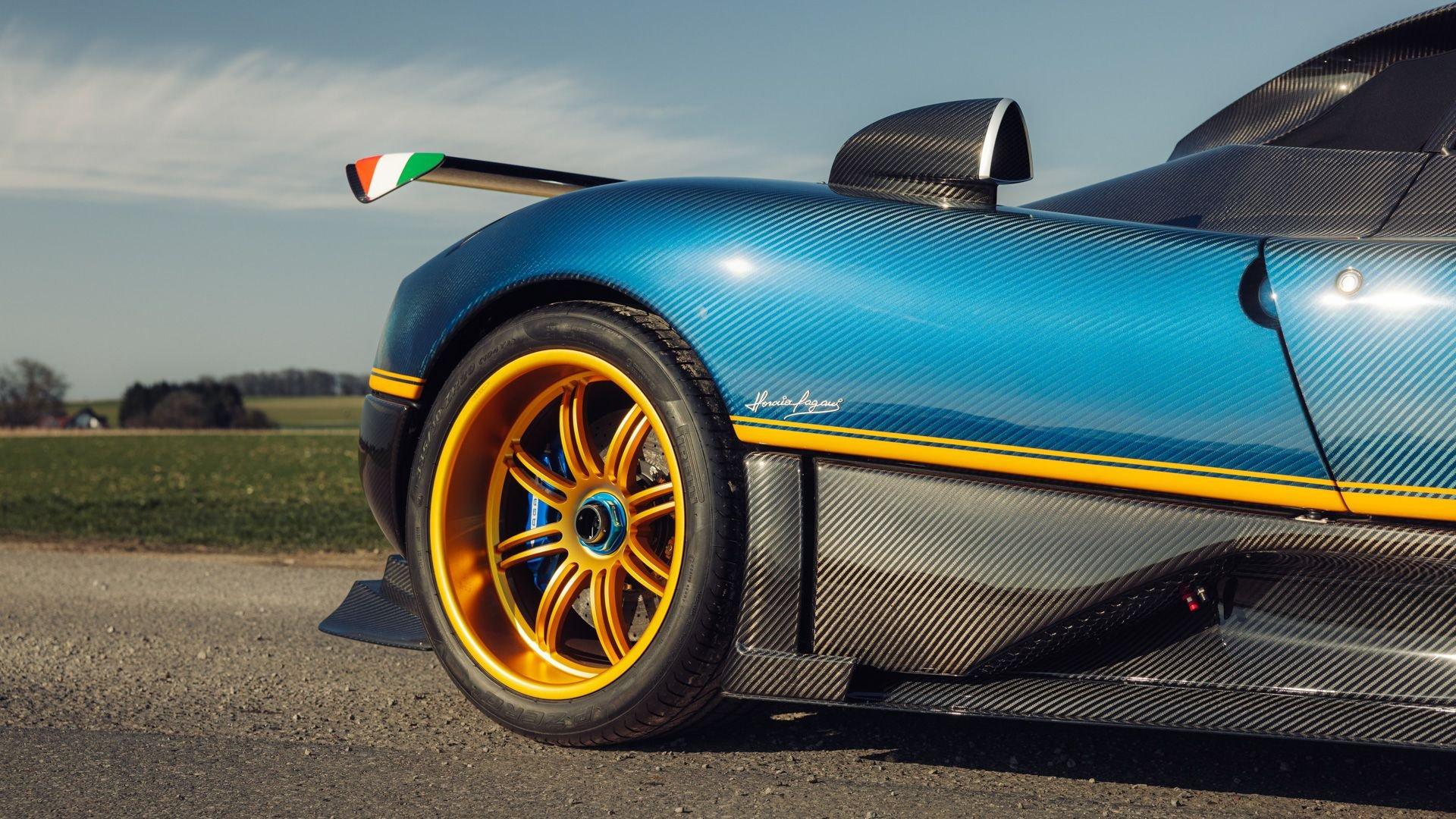
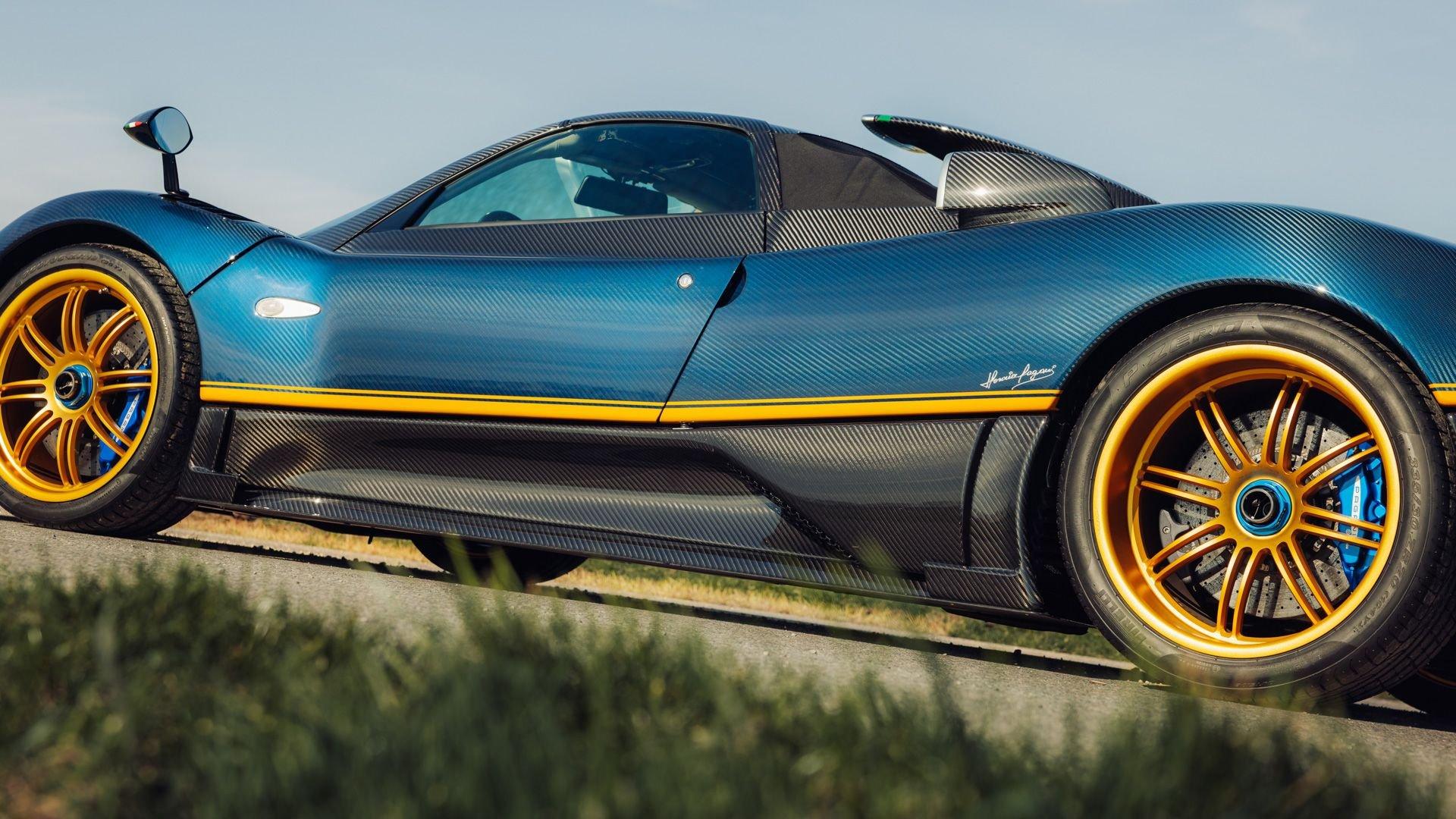
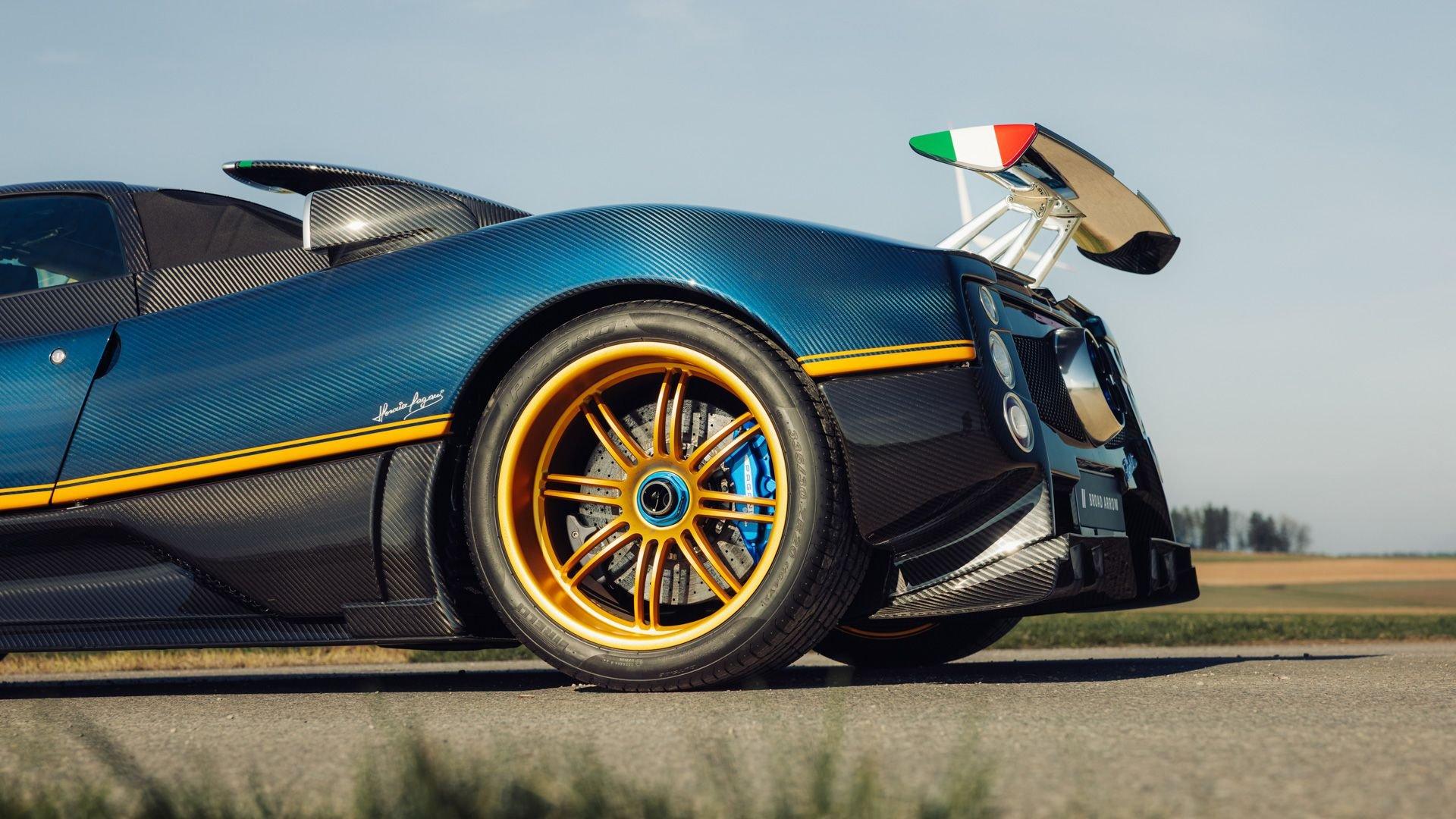
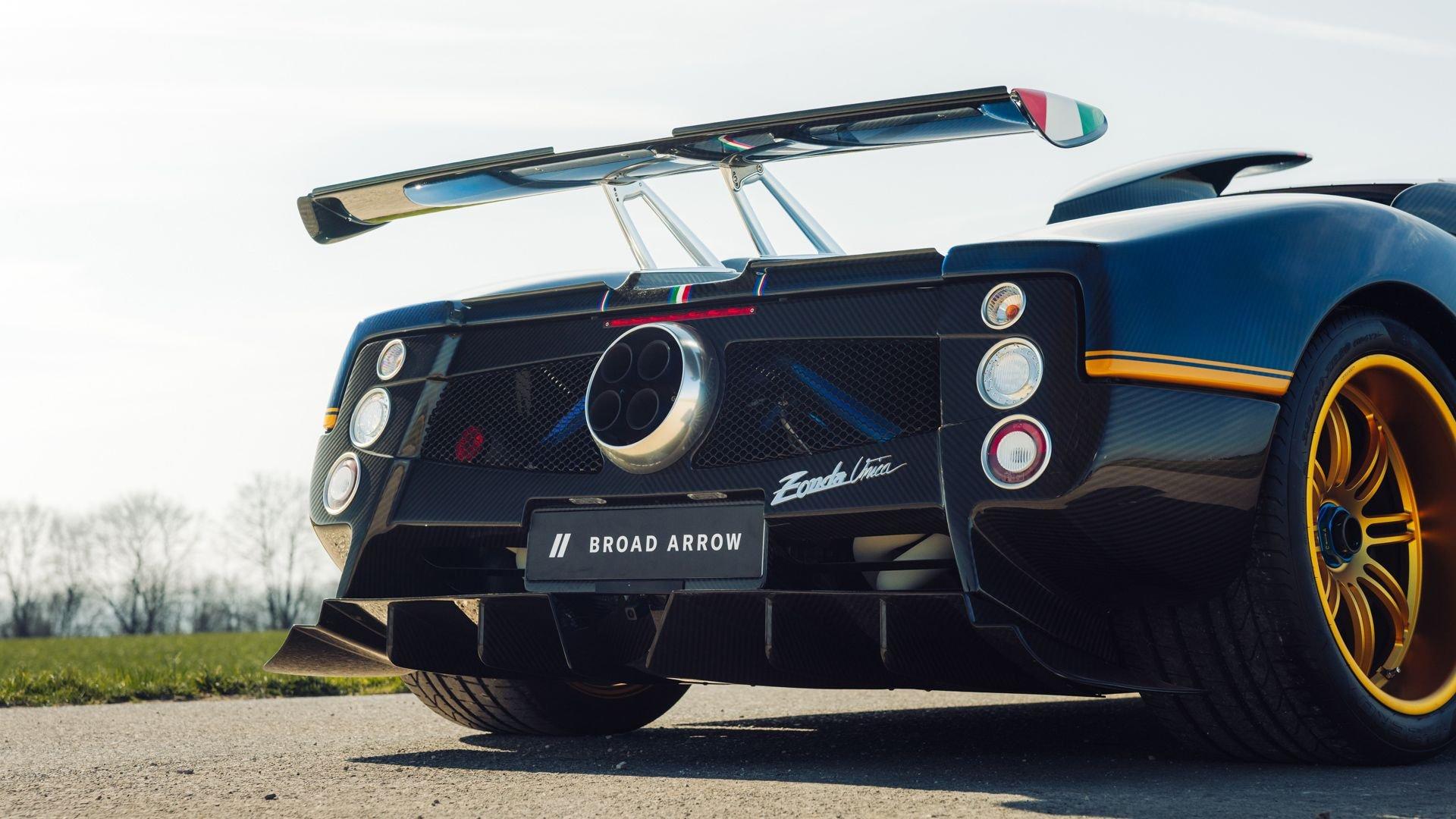
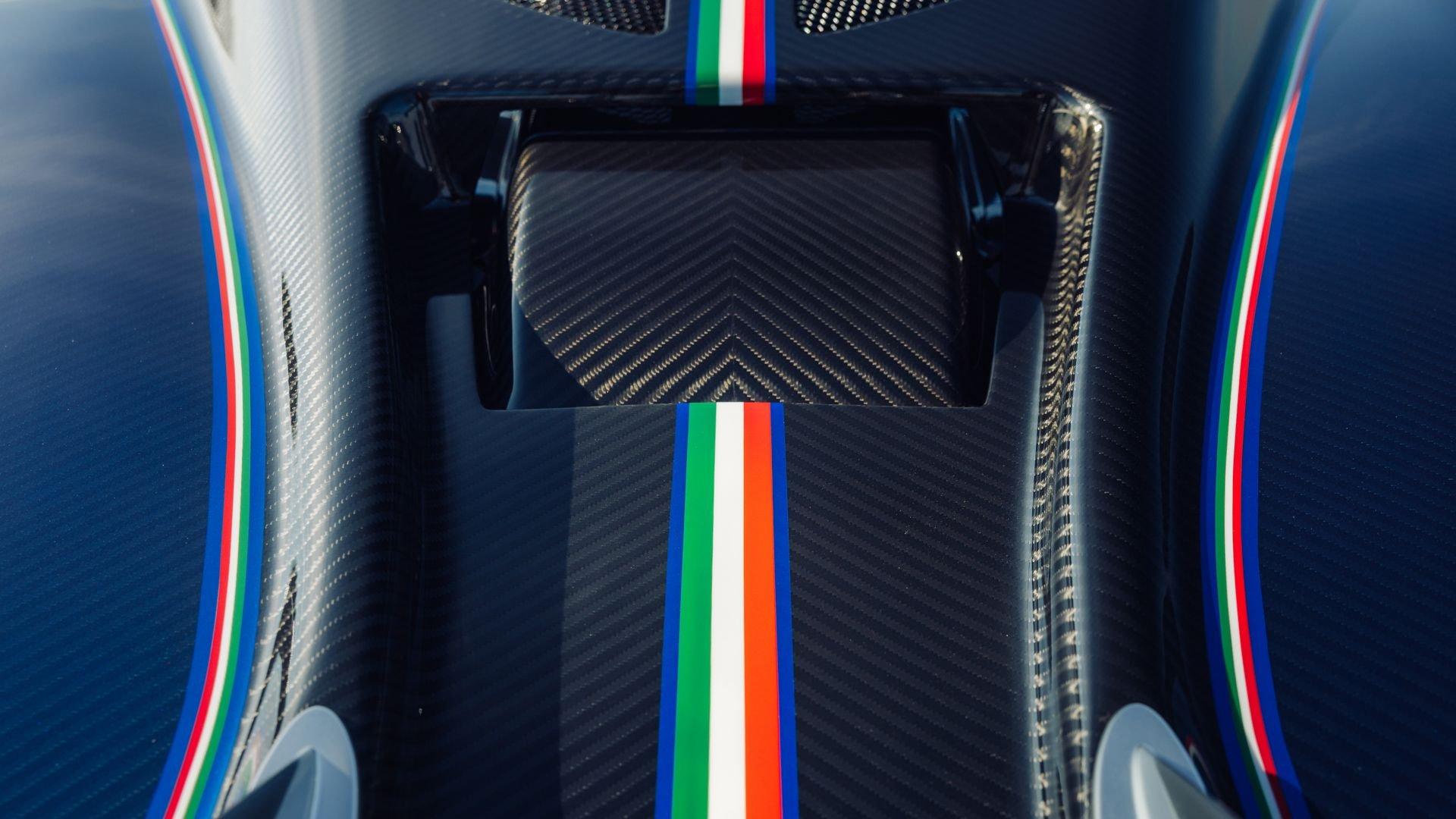
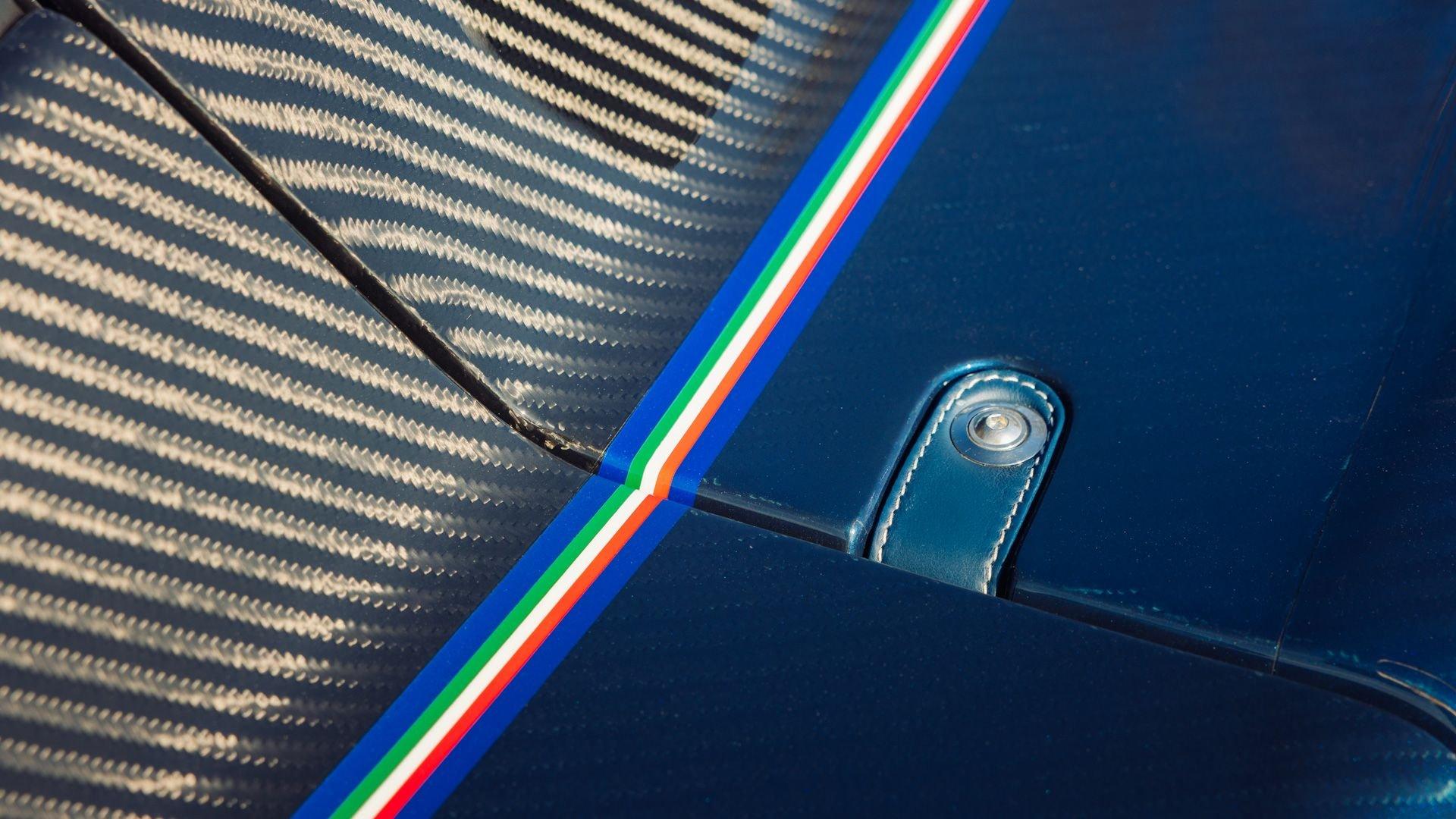
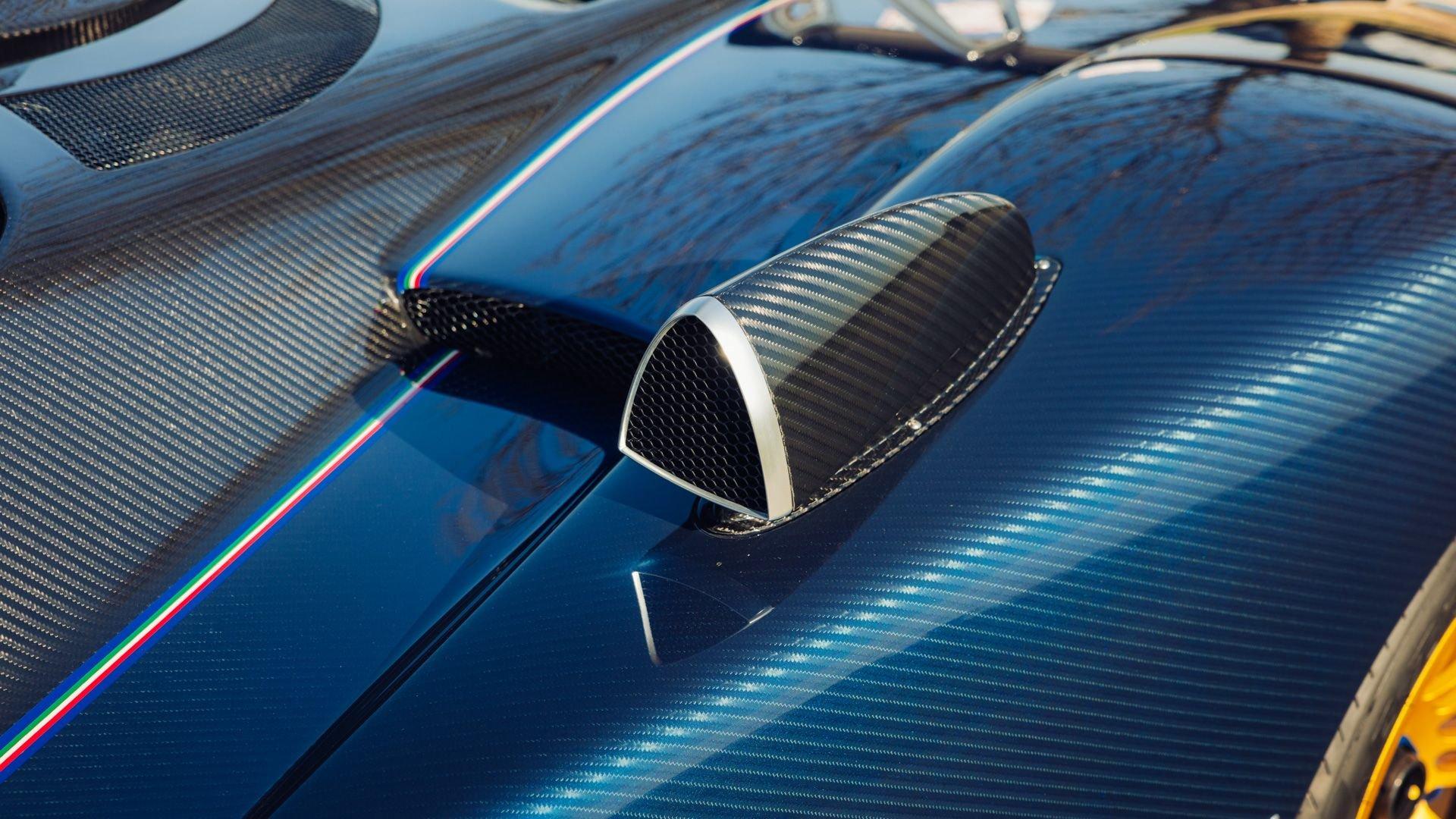
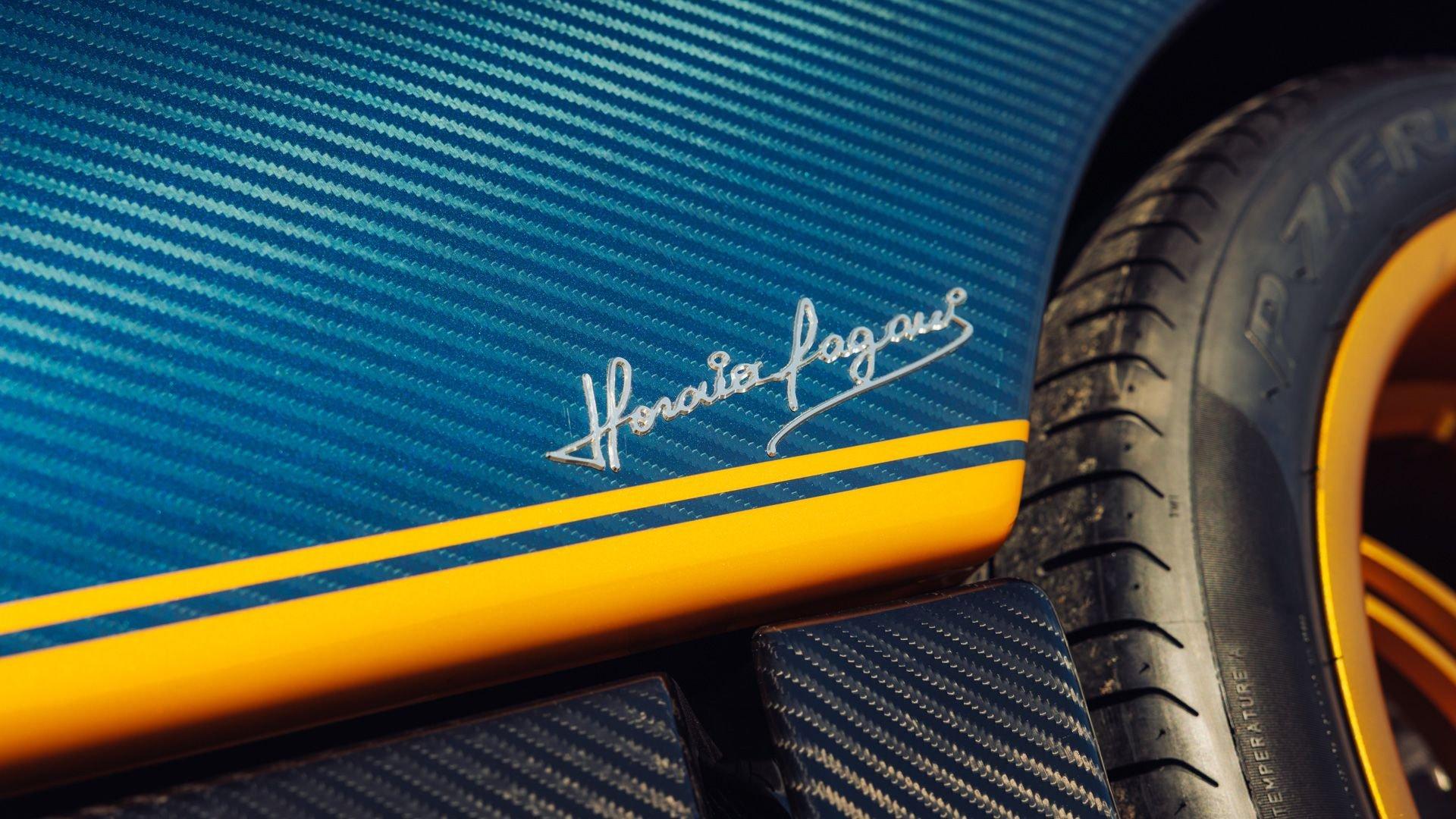
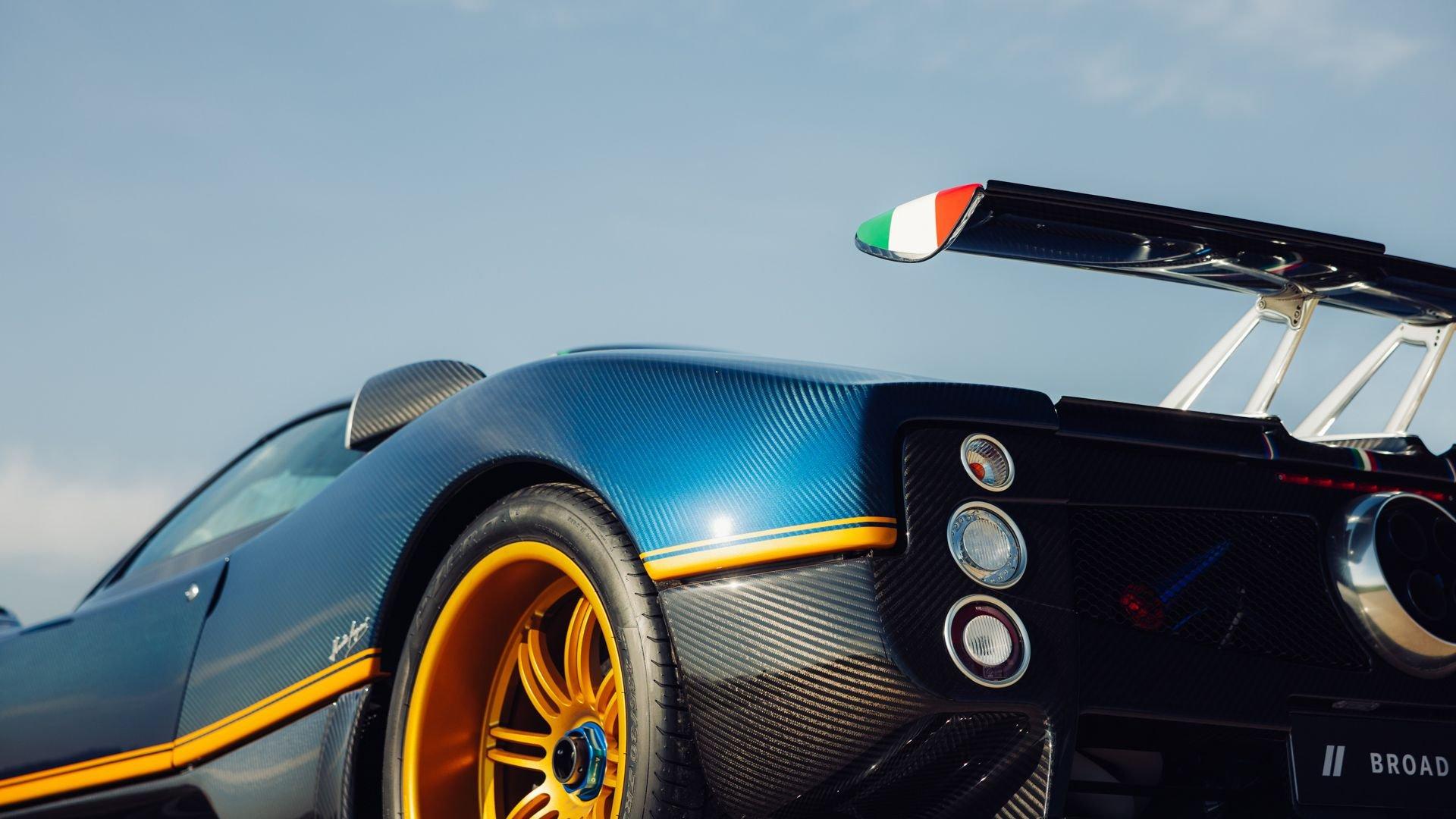
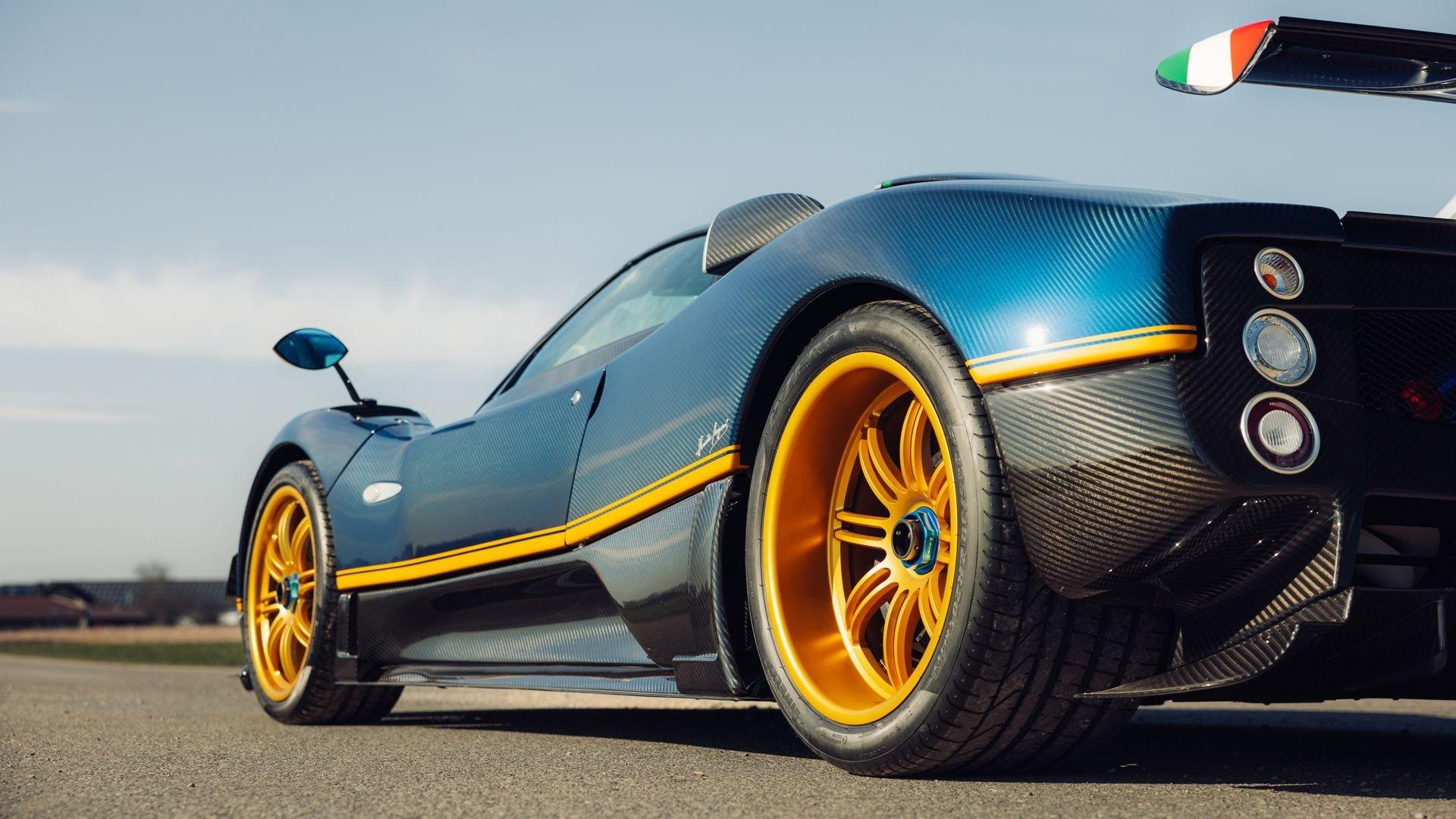
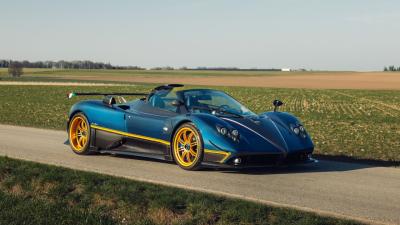
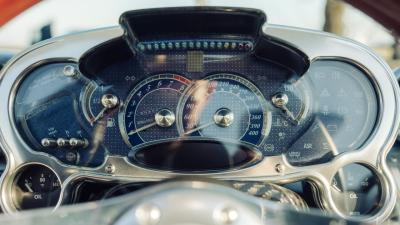
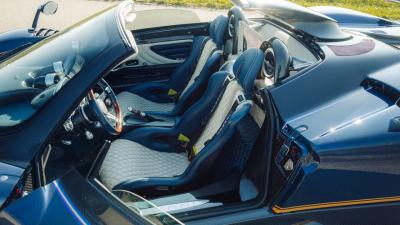
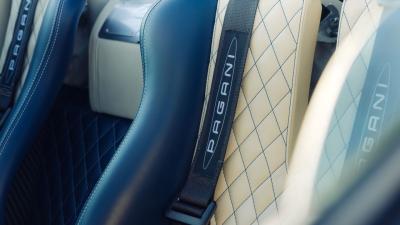
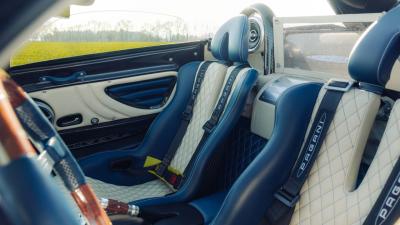
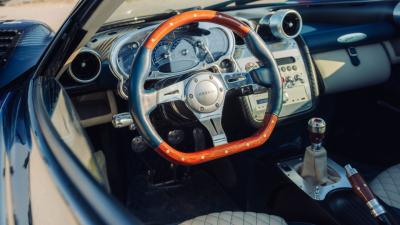
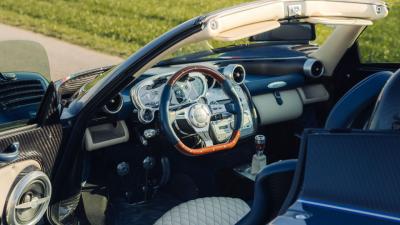
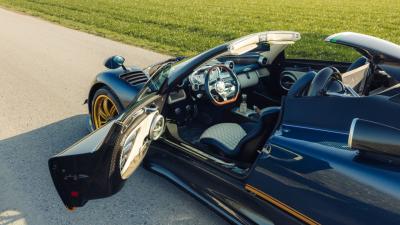
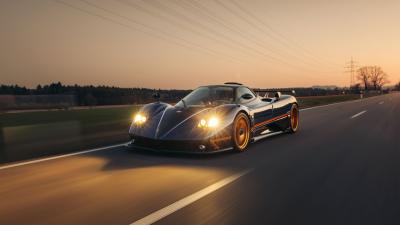
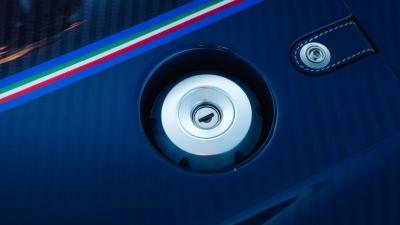
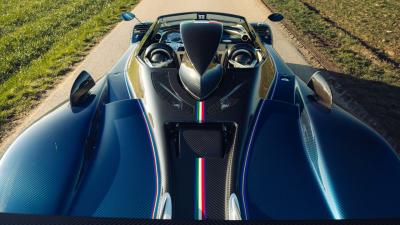
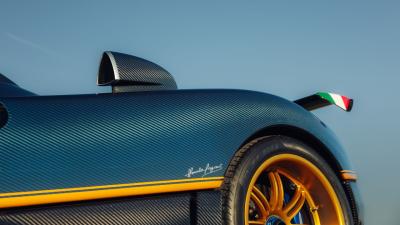
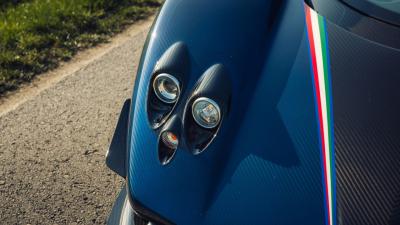
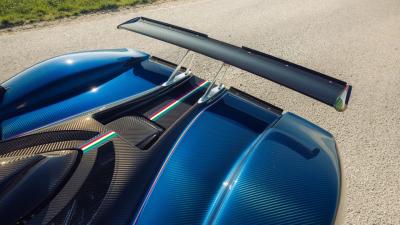
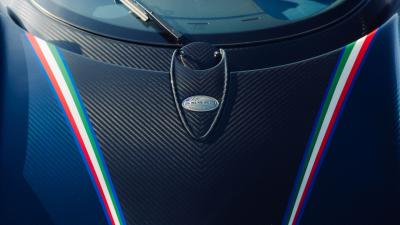
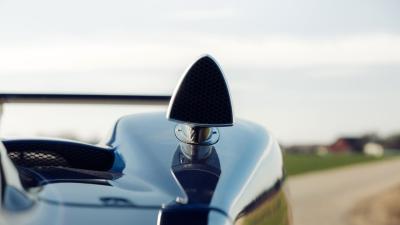
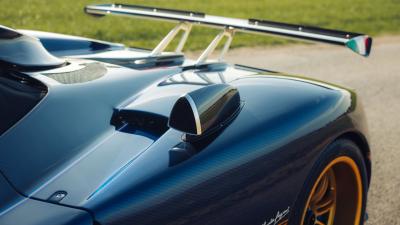
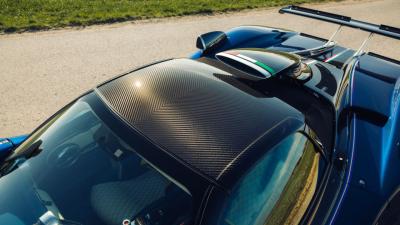
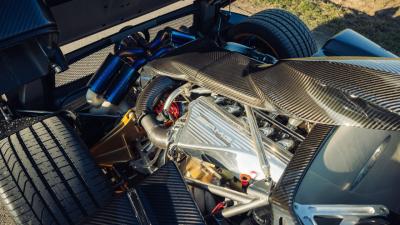
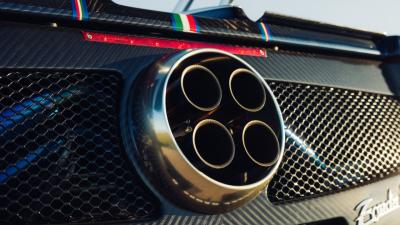
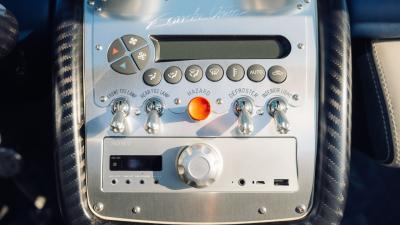
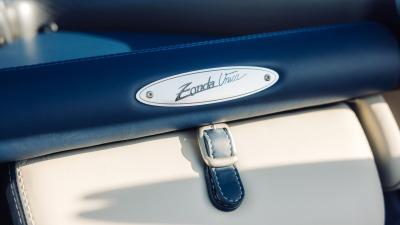
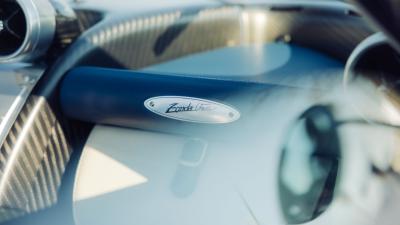
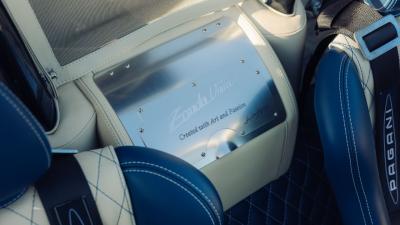
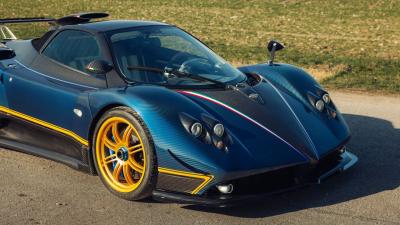
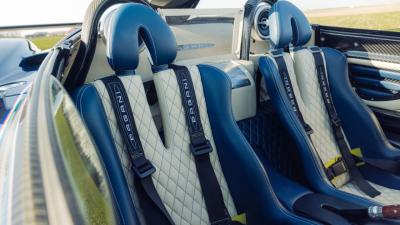
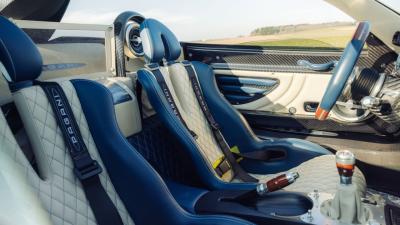
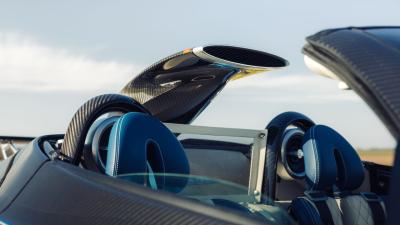
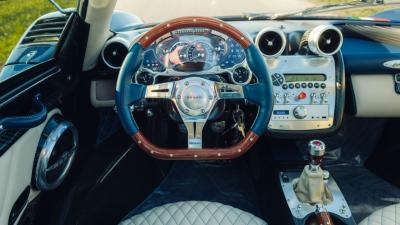
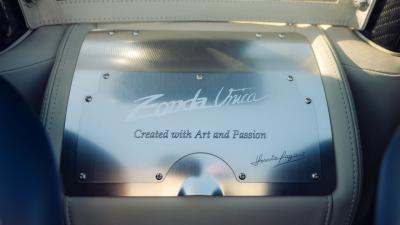
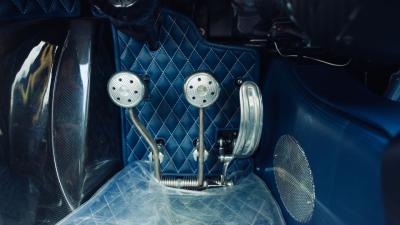
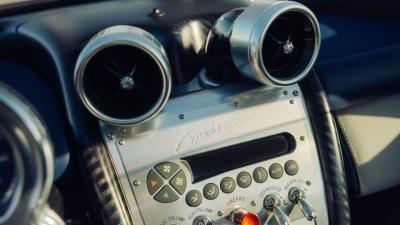
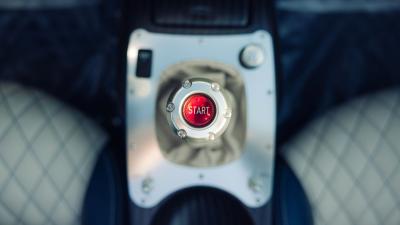
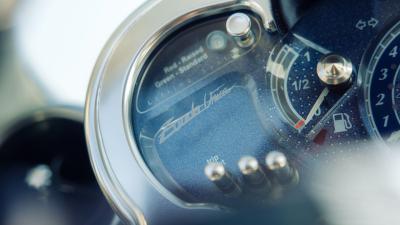
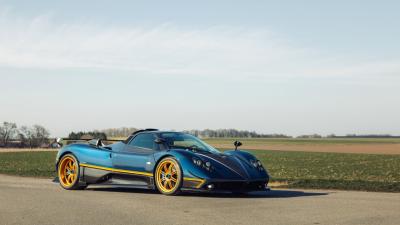
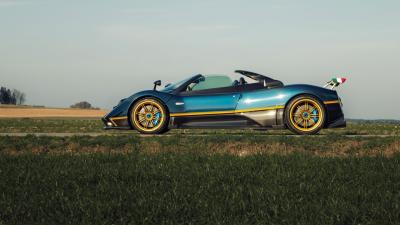
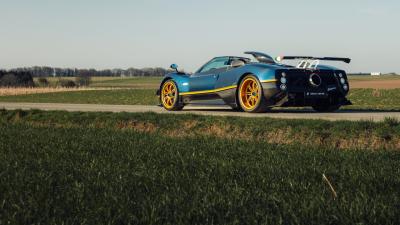
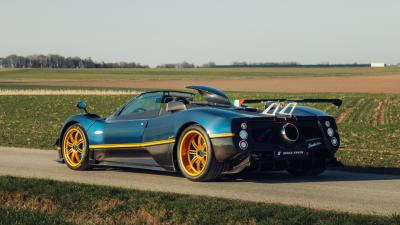
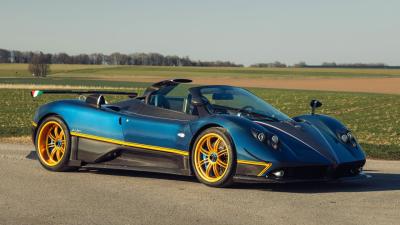
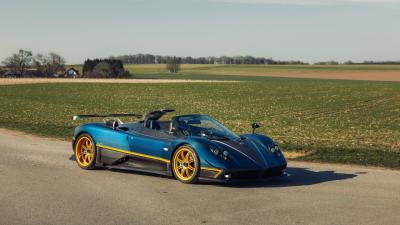
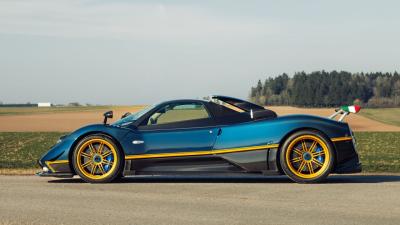
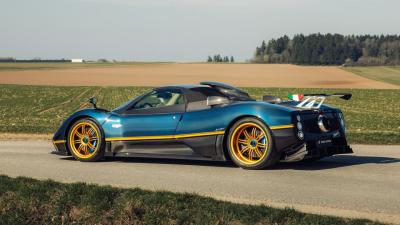
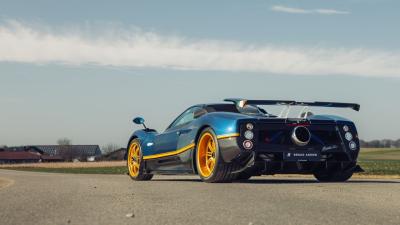
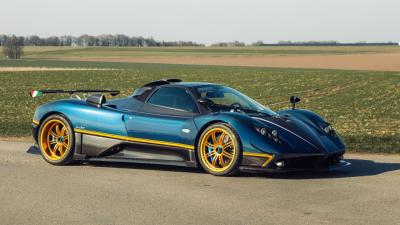
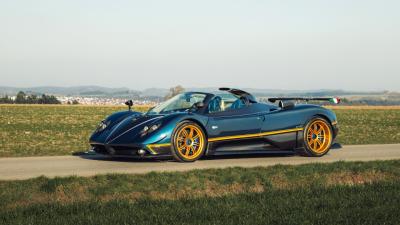
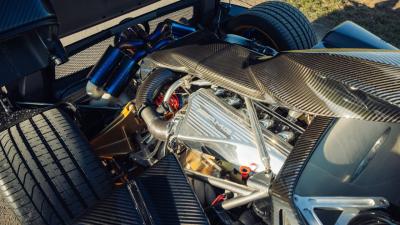
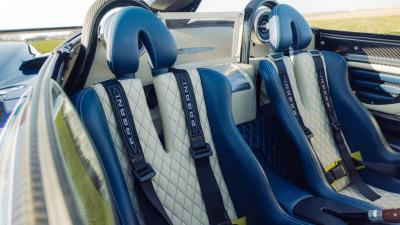
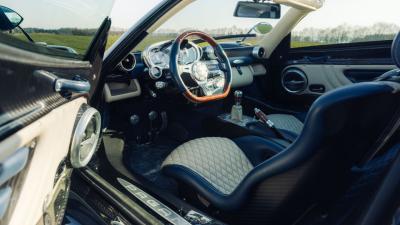
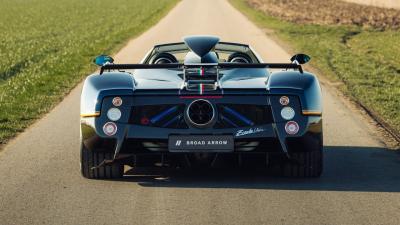
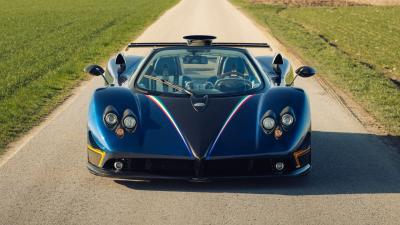
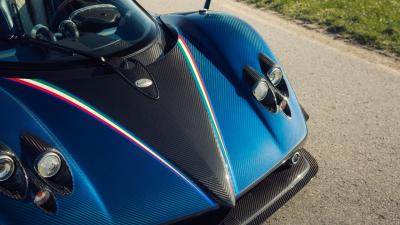
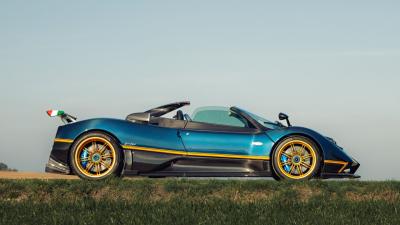
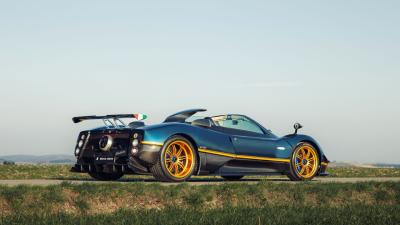
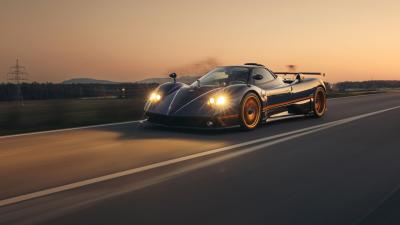
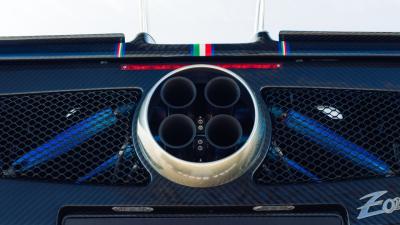
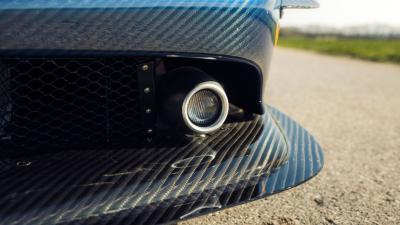
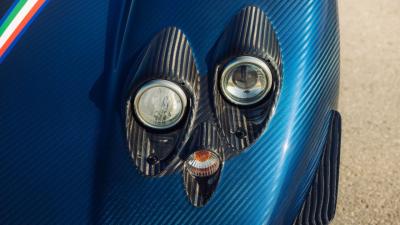
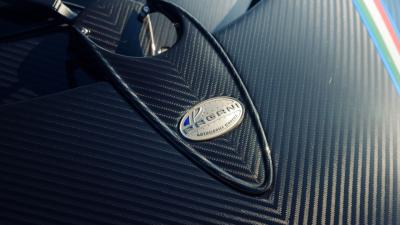
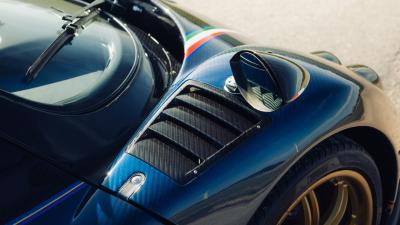
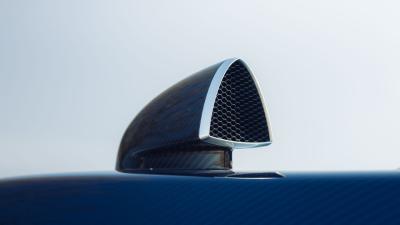
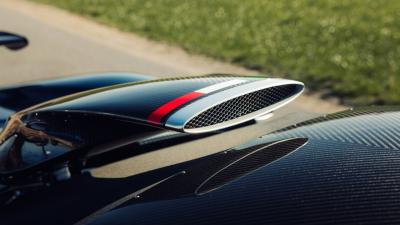
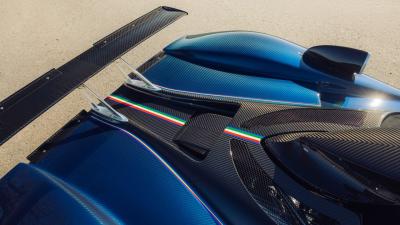
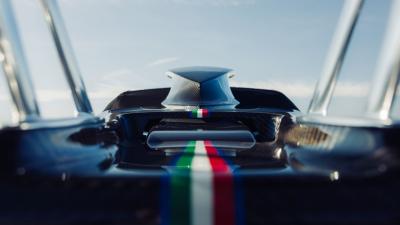
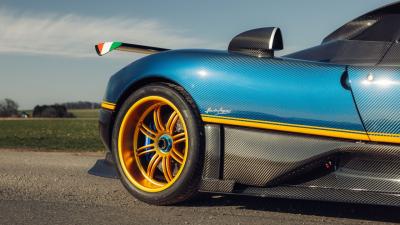
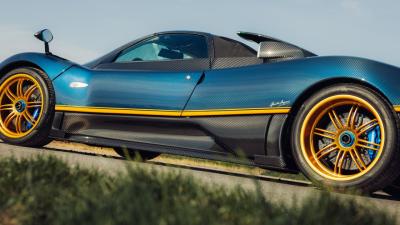
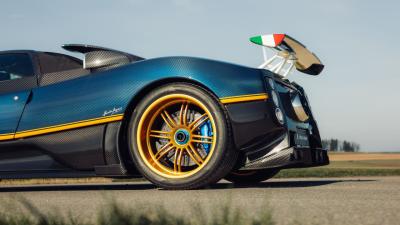
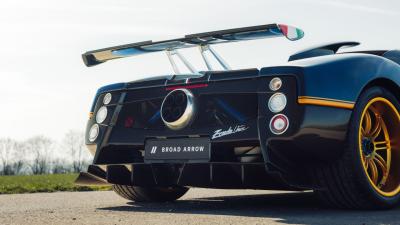
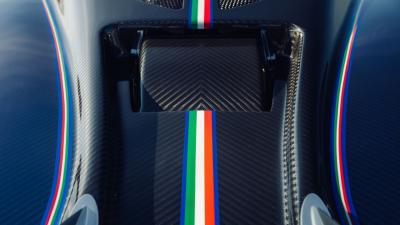
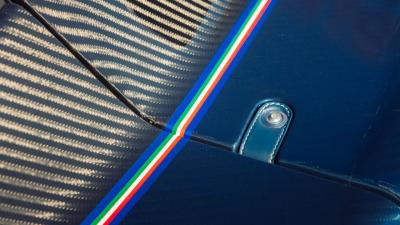
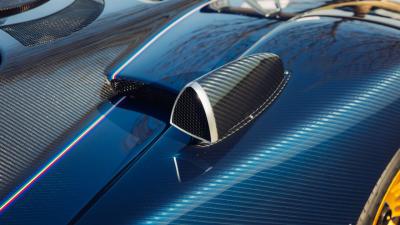
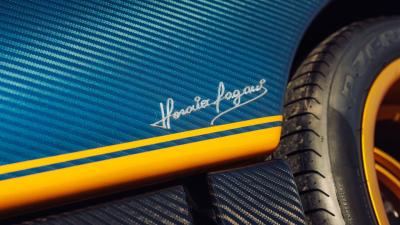
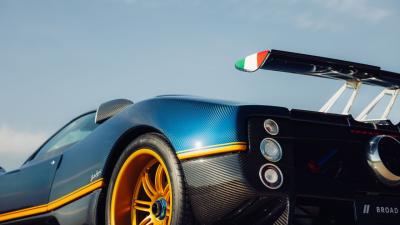
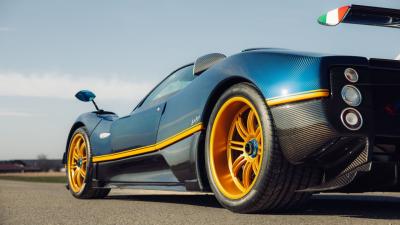
The 2018 Pagani Zonda Unica Roadster offered here is a truly singular creation from Pagani Automobili. Originally commissioned by the founder of Top Car Design in Spain, this example was crafted by Pagani Unico, Pagani's bespoke division, as part of a series of one-off orders that make up the Pagani Zonda One-Off Series. The Unica Roadster shares its aerodynamic components with the Zonda Cinque, the road-legal and refined evolution of the track-only Zonda R. It is powered by an AMG-sourced V12 producing 604 CV through an immensely desirable six-speed manual transmission. The Blue Carbon finish recalls that of the highly acclaimed Zonda Tricolore, and is complete with gold accents that extend along its flanks and to the wheels, as well as tricolor Italian flags on the rear wing end plates. Its cockpit provides a perfect harmony of blue and white contrasts, featuring blue seats with quilted white inserts, blue quilted floor mats with white contrast stitching, jewel-like milled aluminum switchgear and instruments, all tied together by a blue leather-and-wood steering wheel.
Accompanying registration on file indicates that chassis 76135 was first registered on 12 August 2018. TopCar Design subsequently featured the Unica at the Supercar Owners Circle in Switzerland in 2018, again at Andermatt in 2019, and once more at Supercar Owners Circle 2020. Period social media also captured Horacio Pagani himself driving the car down a Swiss airstrip. The factory service booklet records three completed services, each stamped by Pagani Automobili SpA at San Cesario sul Panaro, the initial service conducted in June 2020, a second service in December 2021, and the most recent in February 2023.
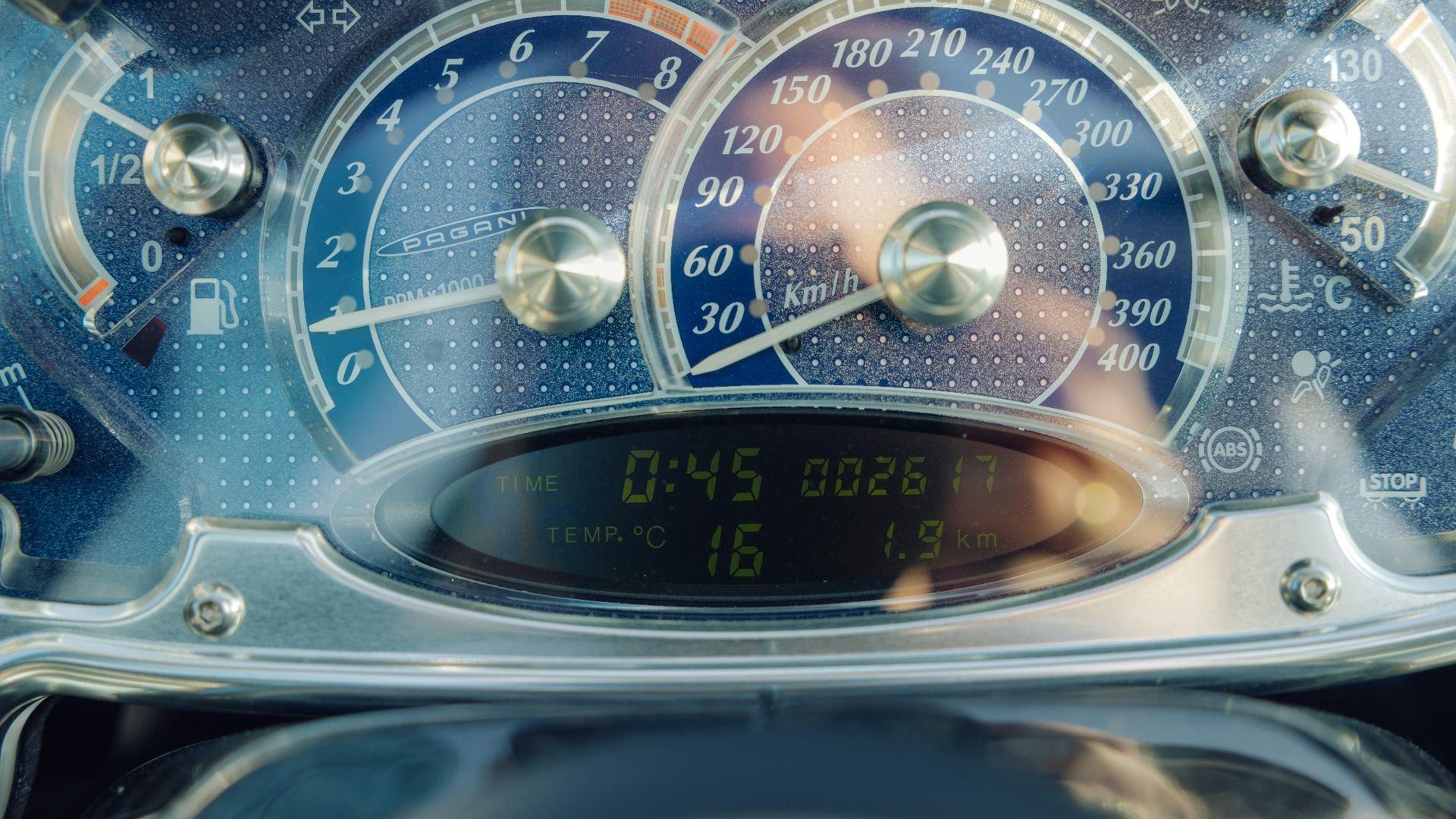
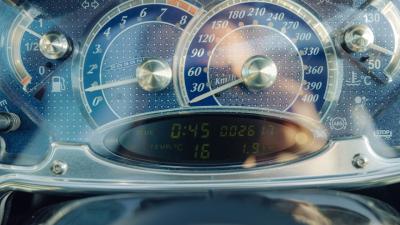
At the time of cataloging, chassis 76135 shows just 2,617 kilometers. This is a Zonda whose specification almost entirely mirrors that of the limited-production Tricolore-one of the most revered variants in the model's history. The specification is near-identical in concept and visual execution, the sole meaningful distinctions being the open Roadster body and, more significantly, the six-speed manual transmission-a feature rarer, and by most accounts, even more desirable than the Tricolore. Though the car carries no official Tricolore designation, it is in every meaningful sense that car reimagined in open-top form, retaining the drama of the Roadster silhouette married to the iconography of one of Pagani's most celebrated limited editions. Of just 140 road-going Zondas produced, the Unica is arguably the most dramatic interpretation of this important model ever created.
Temporary Import: This lot is in Italy on a temporary import bond, which must be discharged by the Buyer either by directly re-exporting the Lot or by paying the relevant customs duty, import VAT and other applicable fees to permanently import the Lot into Italy or another European Union country as permitted. Any Lot subject to temporary import restrictions cannot be released from Broad Arrow's custody without the completion of these procedures. Customs charges will be assessed based on the Lot's value and according to the circumstances of each sale and may be payable by the Buyer either to Broad Arrow and/or directly to the relevant tax authority.
Documents: Gibraltar Certificate of Registration
Contact Us
