


























































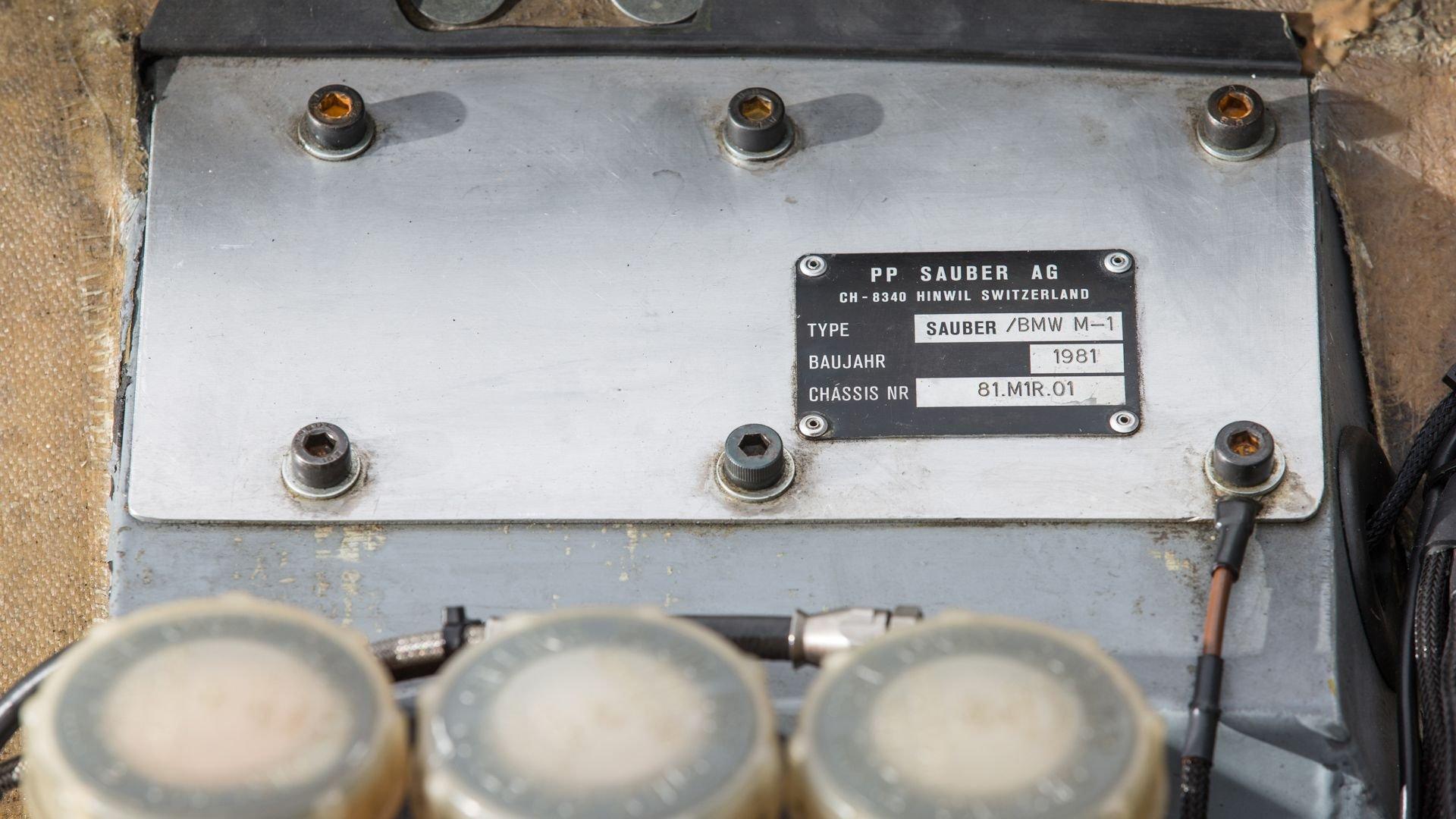
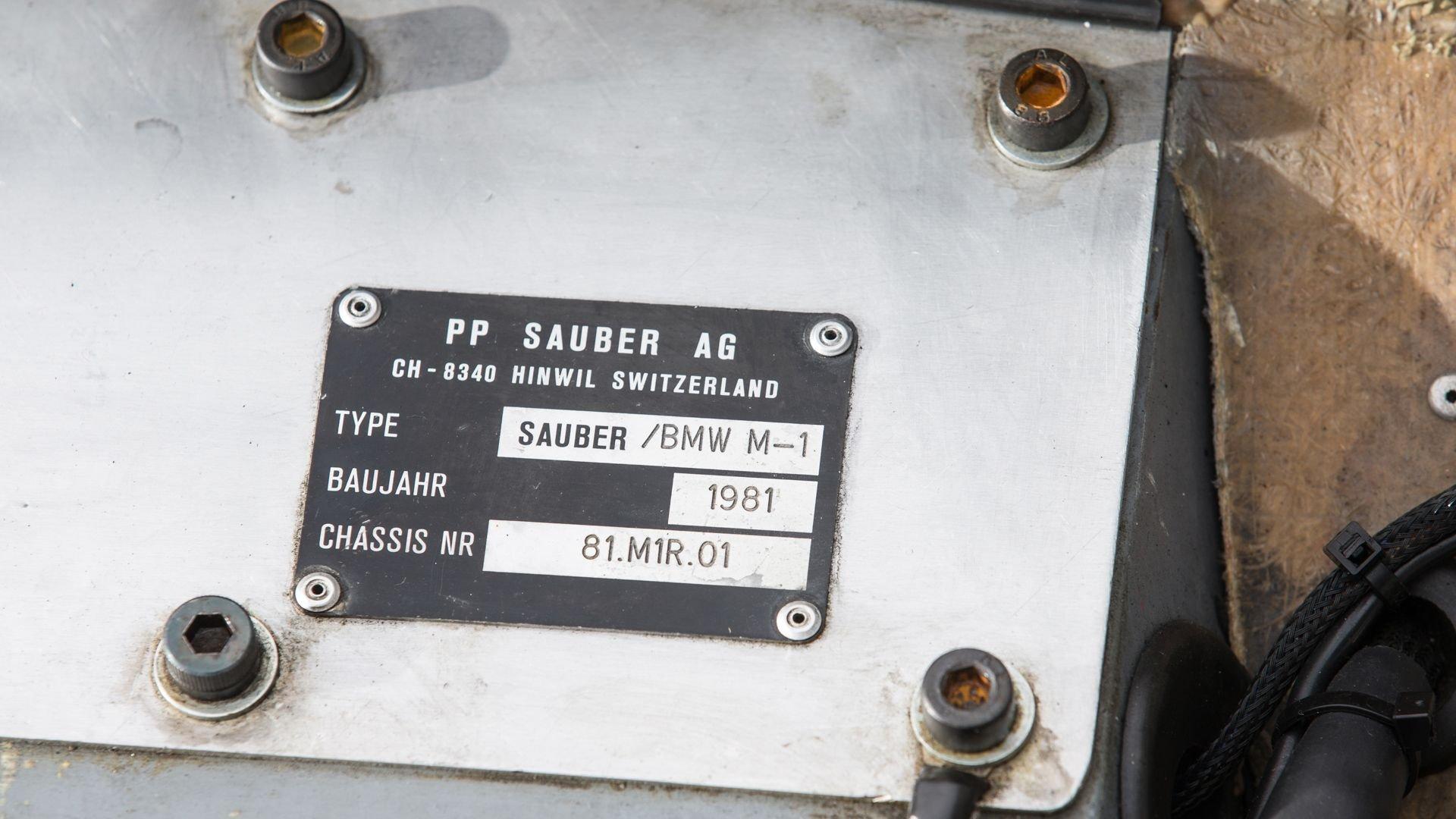
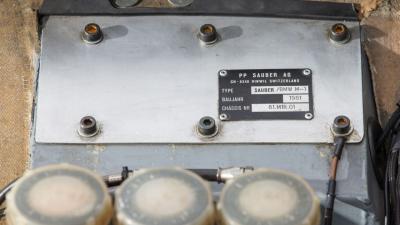
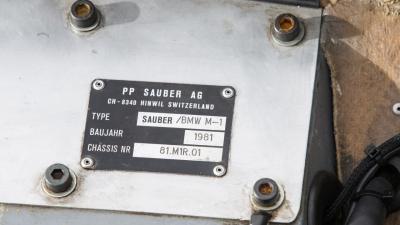
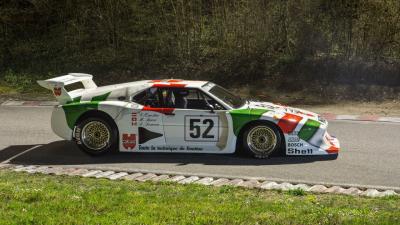
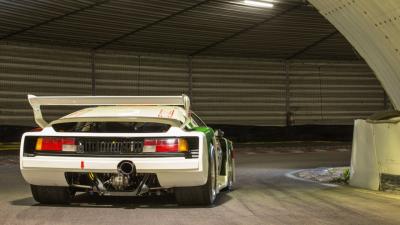
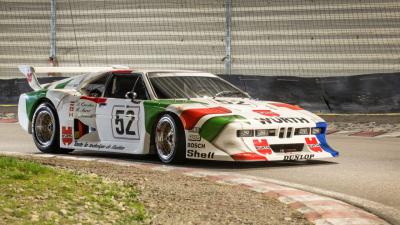
Chassis No. 81.M1R.01
Engine No. M88/1-507
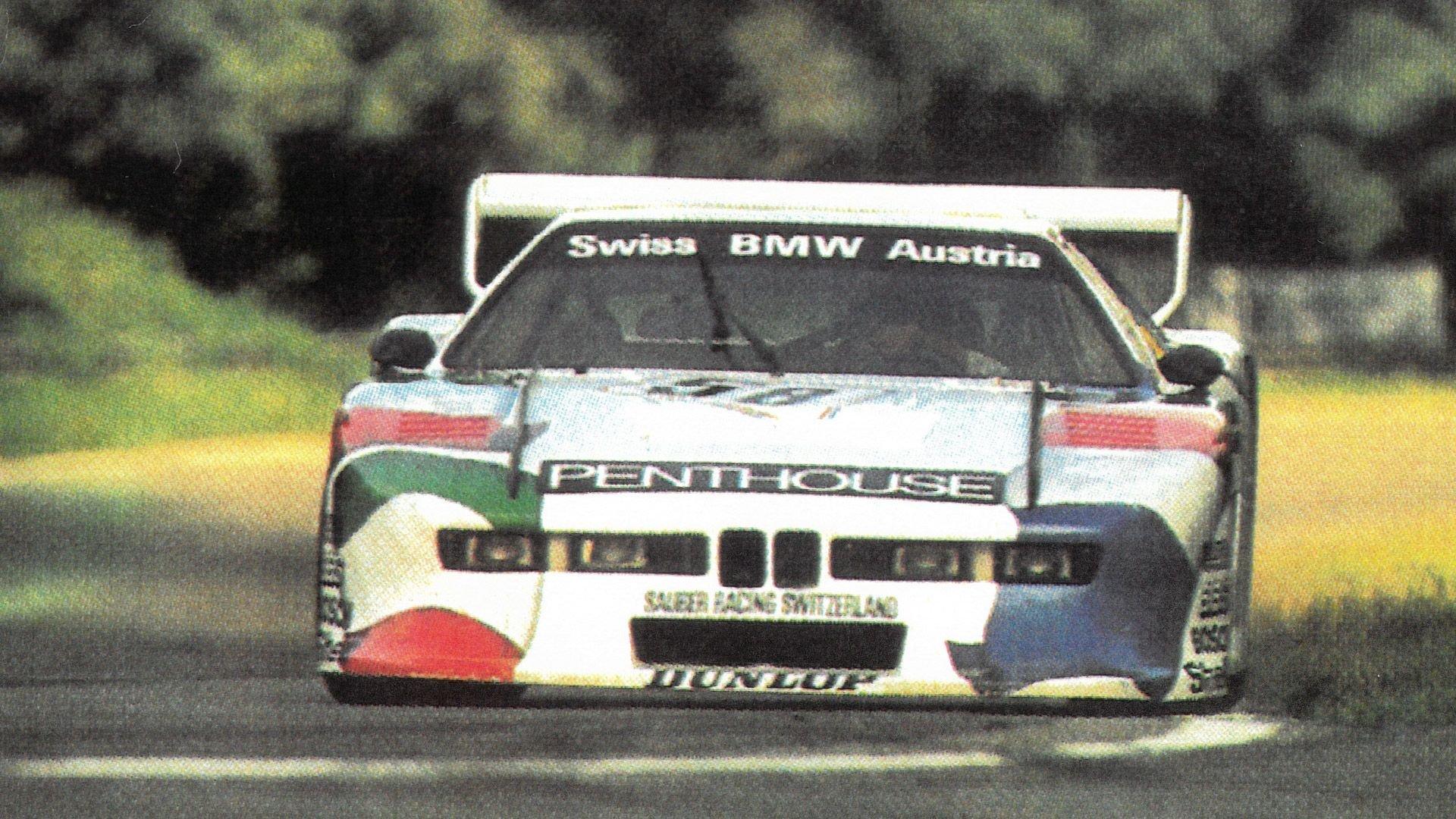
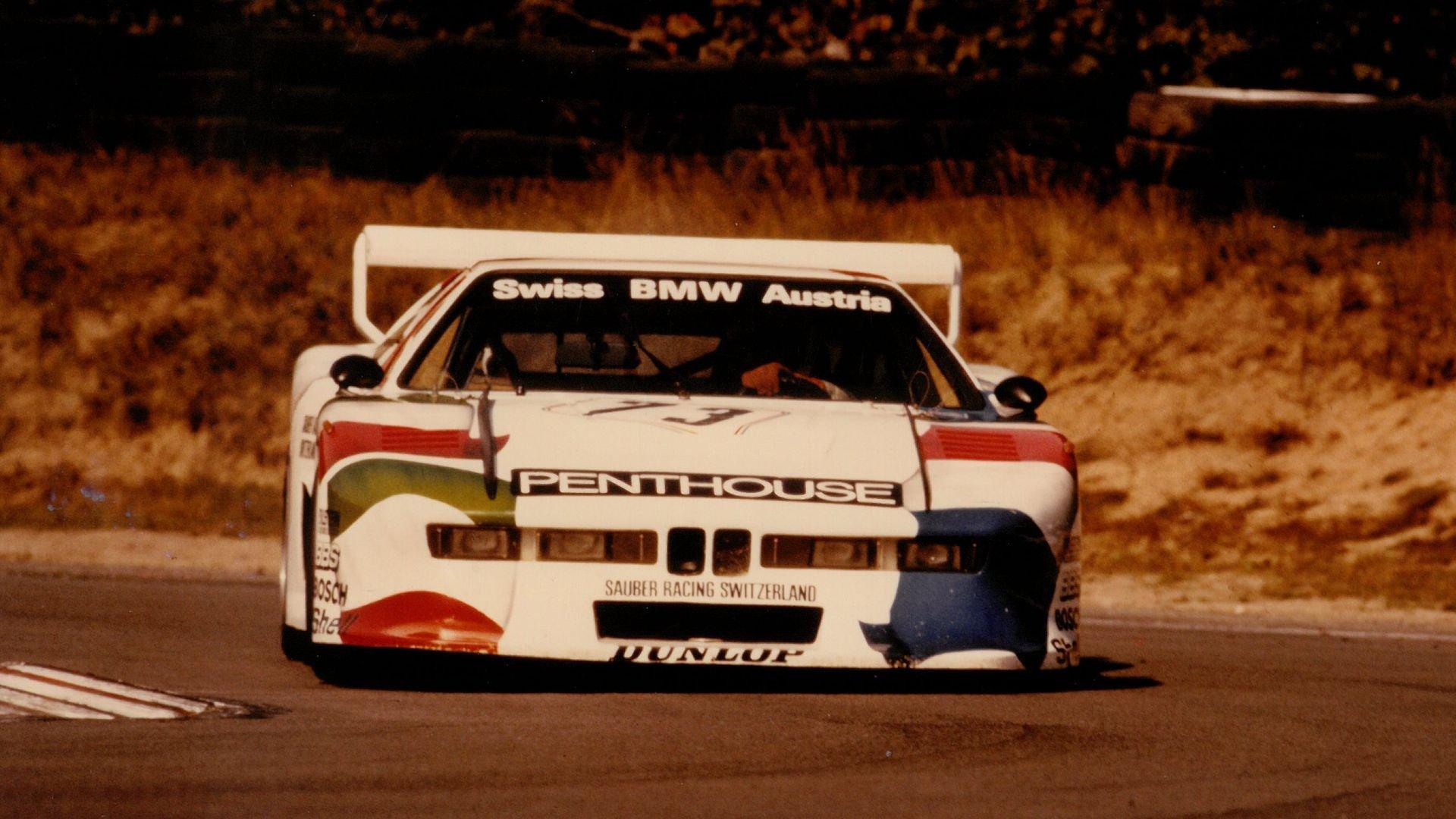
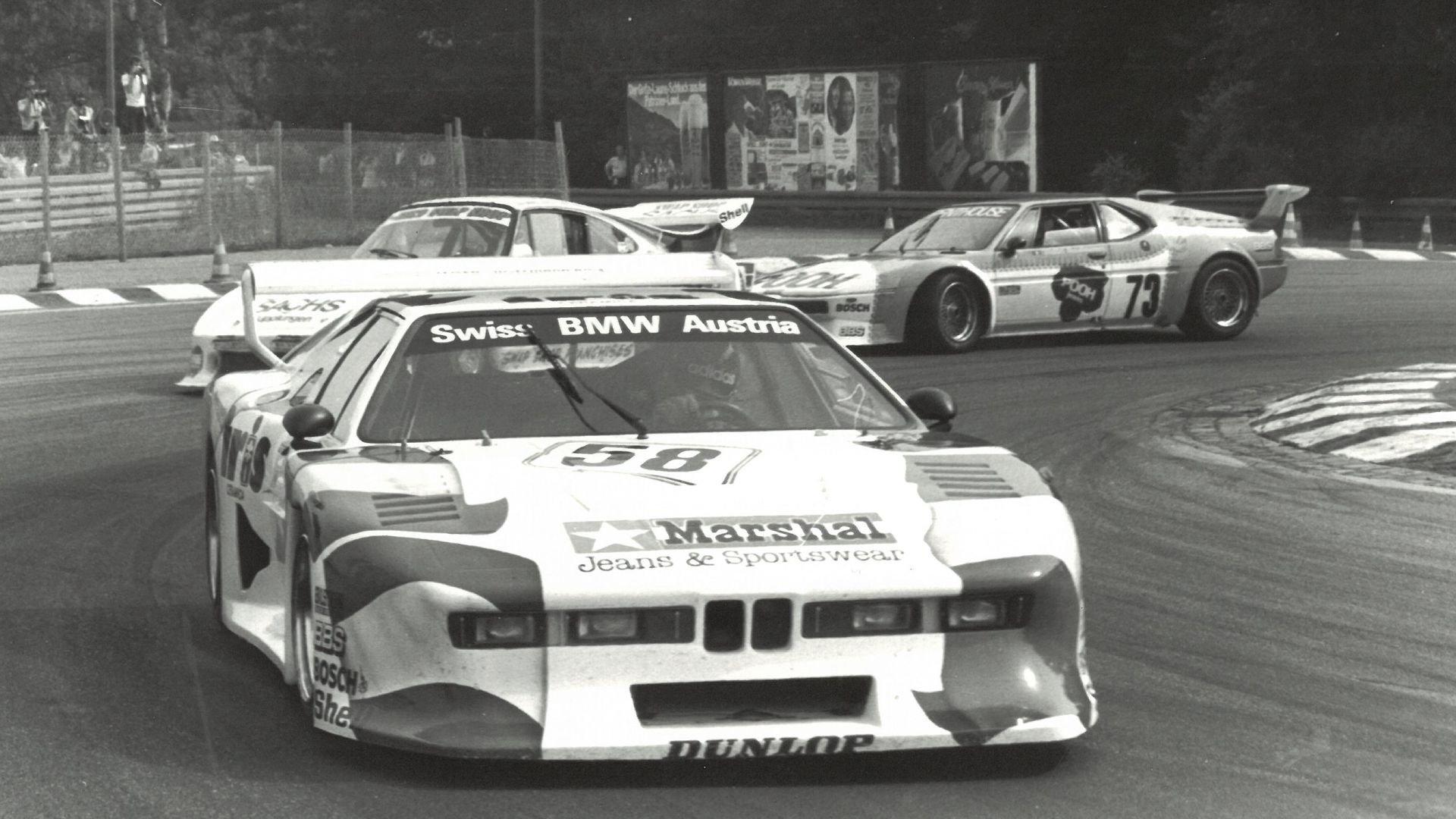
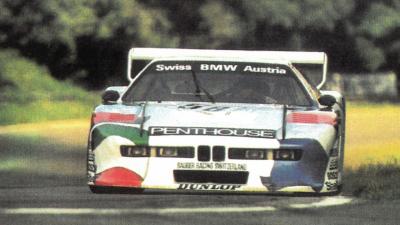
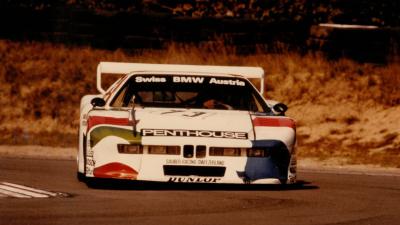
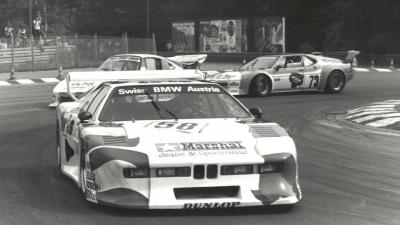
Covering the 1981 Nürburgring 1000 km, the May 28 issue of Autosport was unequivocal: ''Of most technical interest were two new Group 5 BMW M1s, both built by the Sauber Team and driven by Stuck/Piquet and Surer/Quester, qualifying fifth and tenth respectively [...] both were highly spectacular and beautifully prepared.'' In spring 1981, the automotive press already cast the BMW M1 as Porsche's most credible Group 5 challenger. 1981 Formula One World Champion Nelson Piquet, at the wheel, didn't mince words: ''It feels much better than the Group 4 Procar I drove [...] it's about 15–20 seconds a lap quicker, and we've got a real shot at winning.''
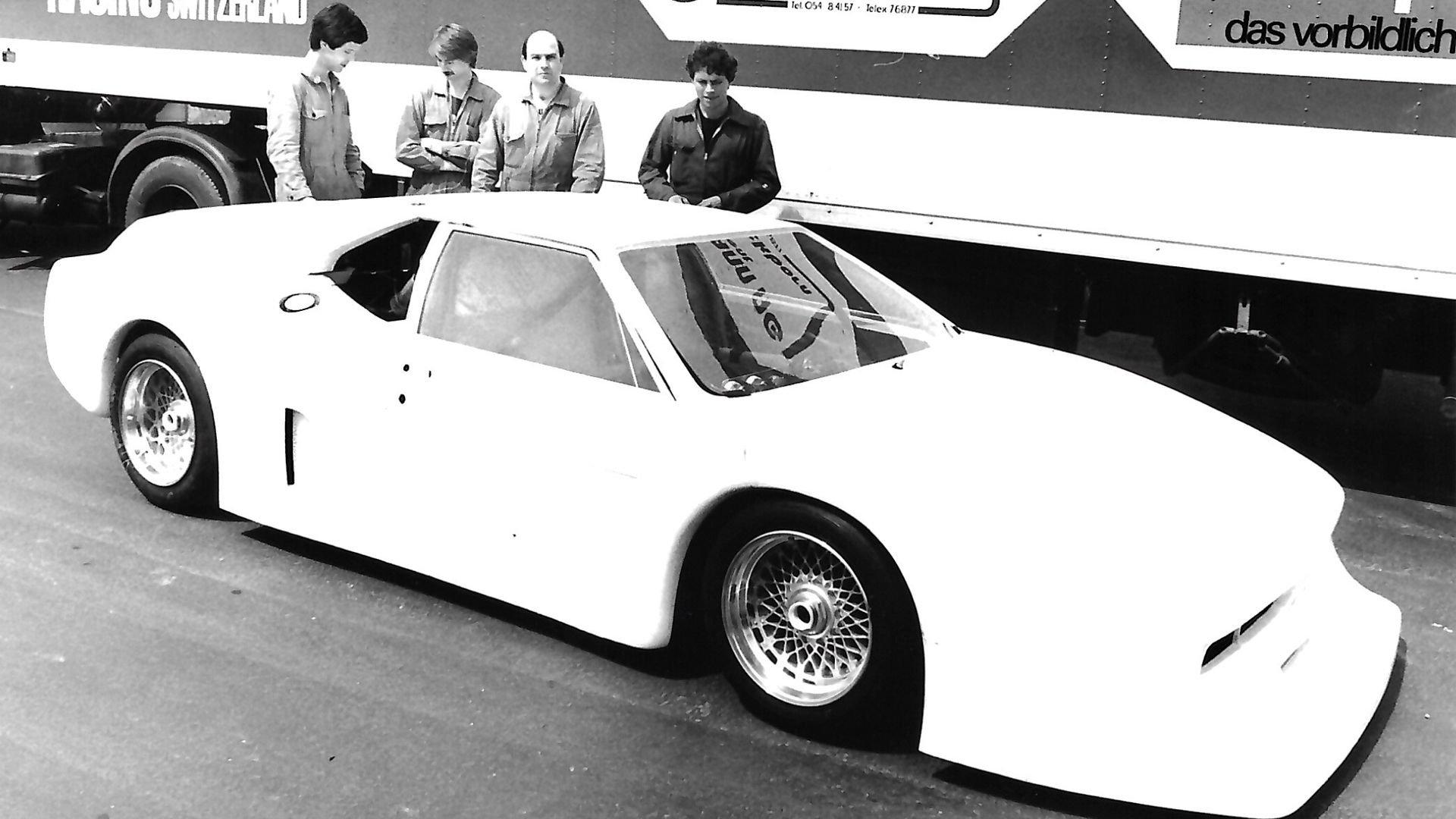
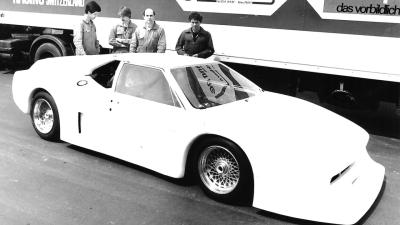
Both the Sauber and GS Tuning entries, built from the ground up by Sauber Motorsport with BMW support, were the only two BMW M1s purpose-built for Group 5. Without a doubt the globally famous Swiss engineering outfit, Sauber Motorsport AG, needs no introduction yet the company's lesser-known early history predates Formula One by over two decades. Founded by Peter Sauber in 1970, the company earned its place among motorsport's most respected constructors through endurance racing, culminating in overall victory at the 1989 24 Hours of Le Mans partnered with Mercedes-Benz, before joining the F1 circuit in 1993.
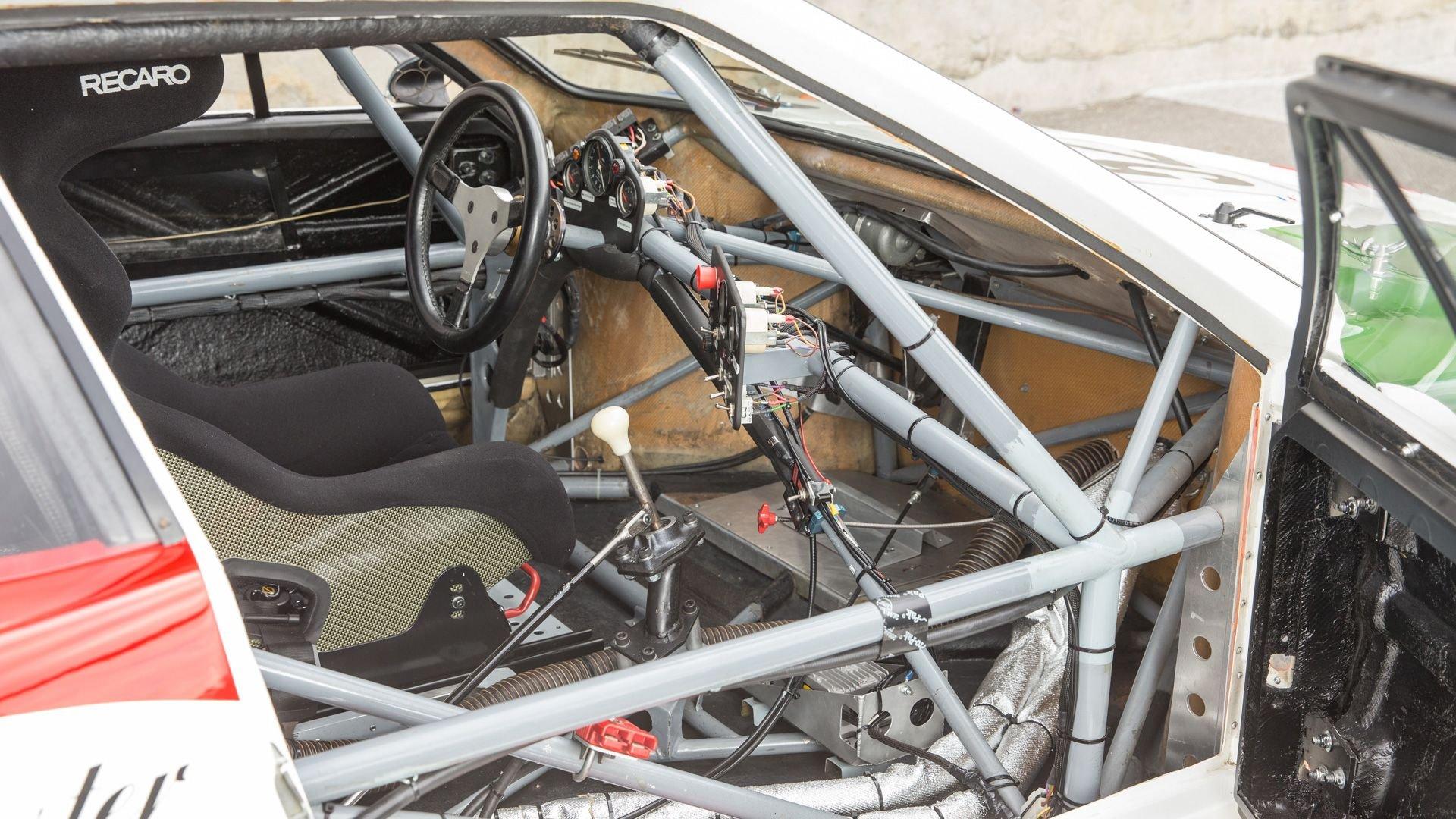
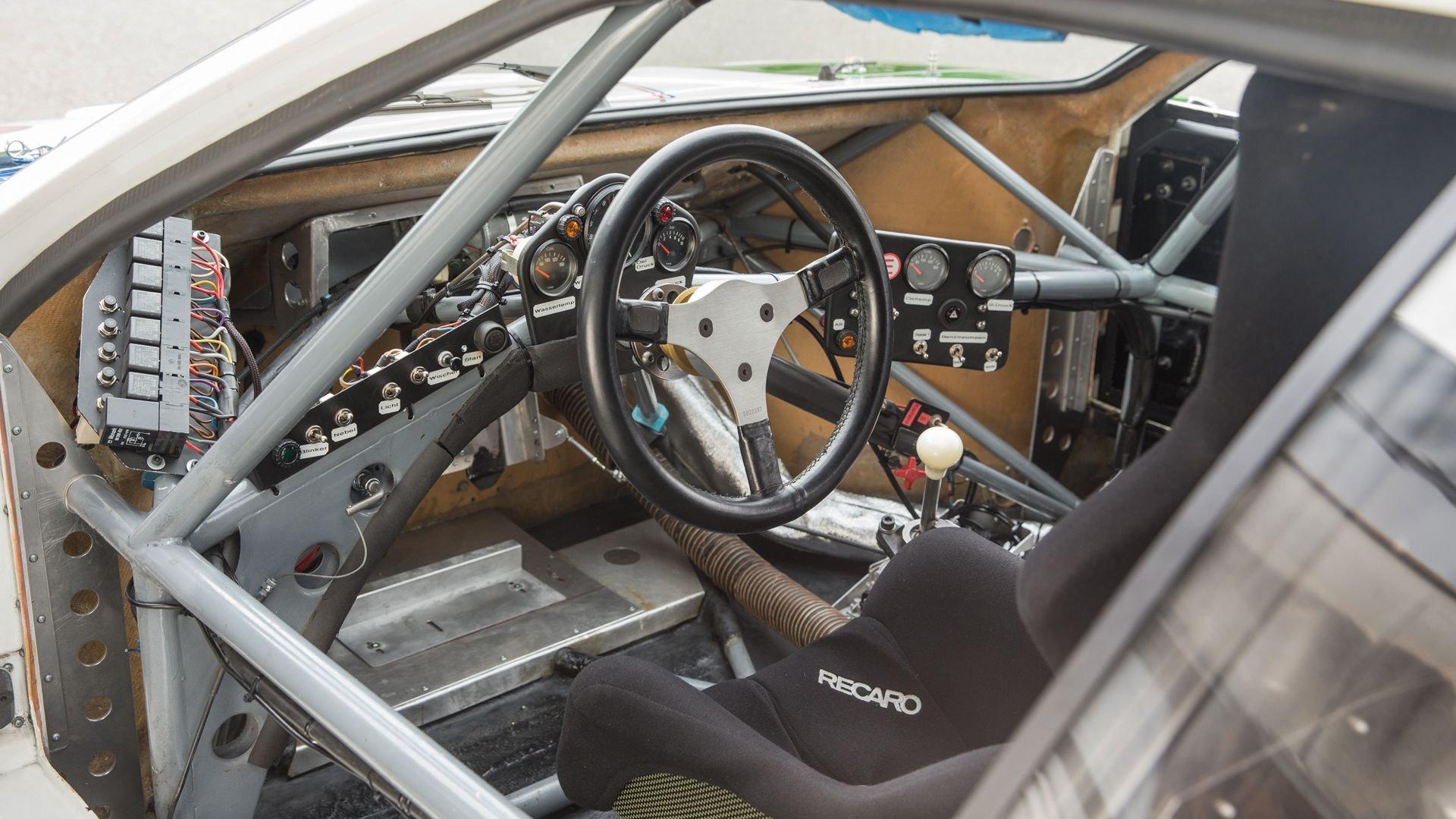
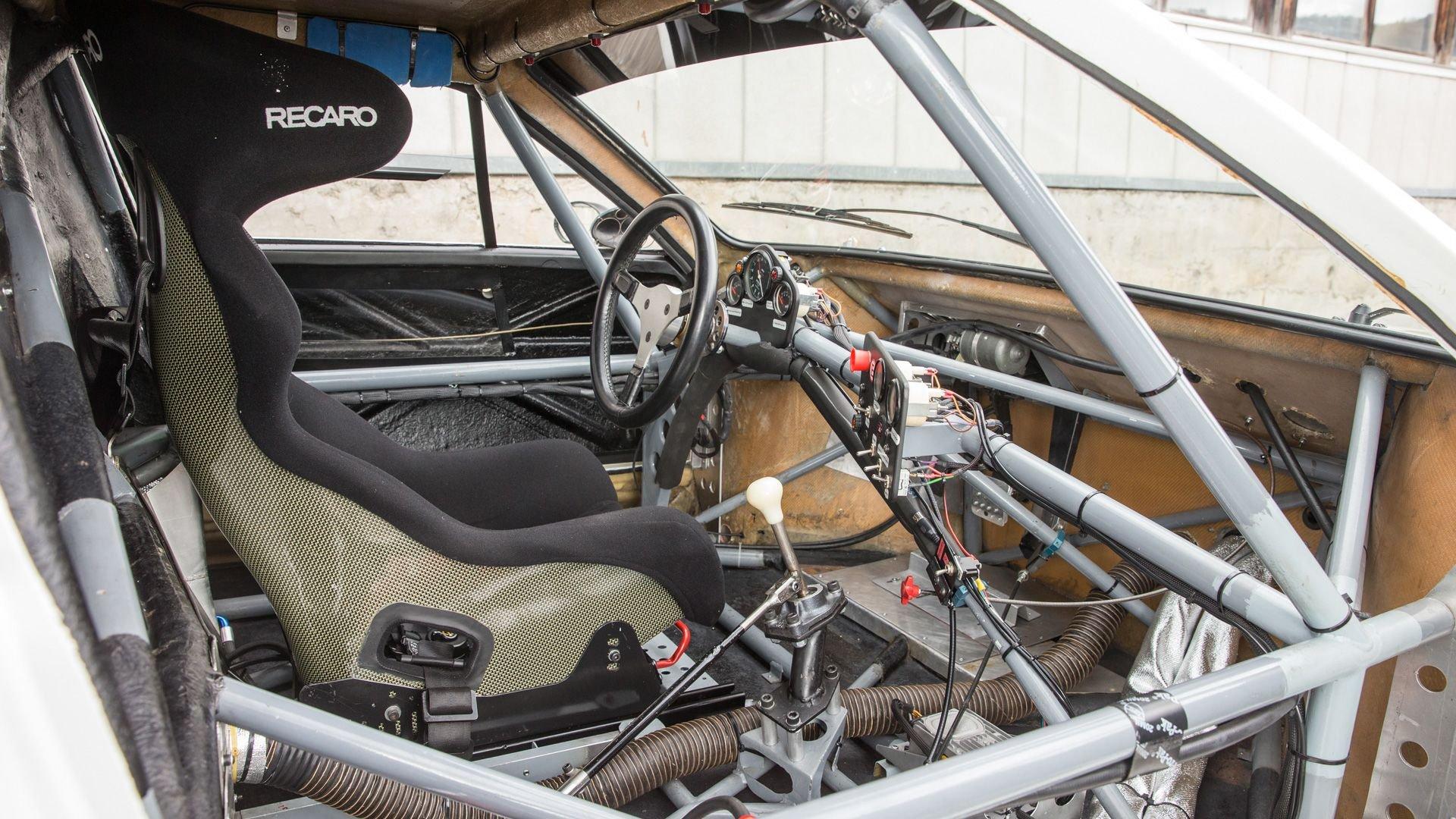
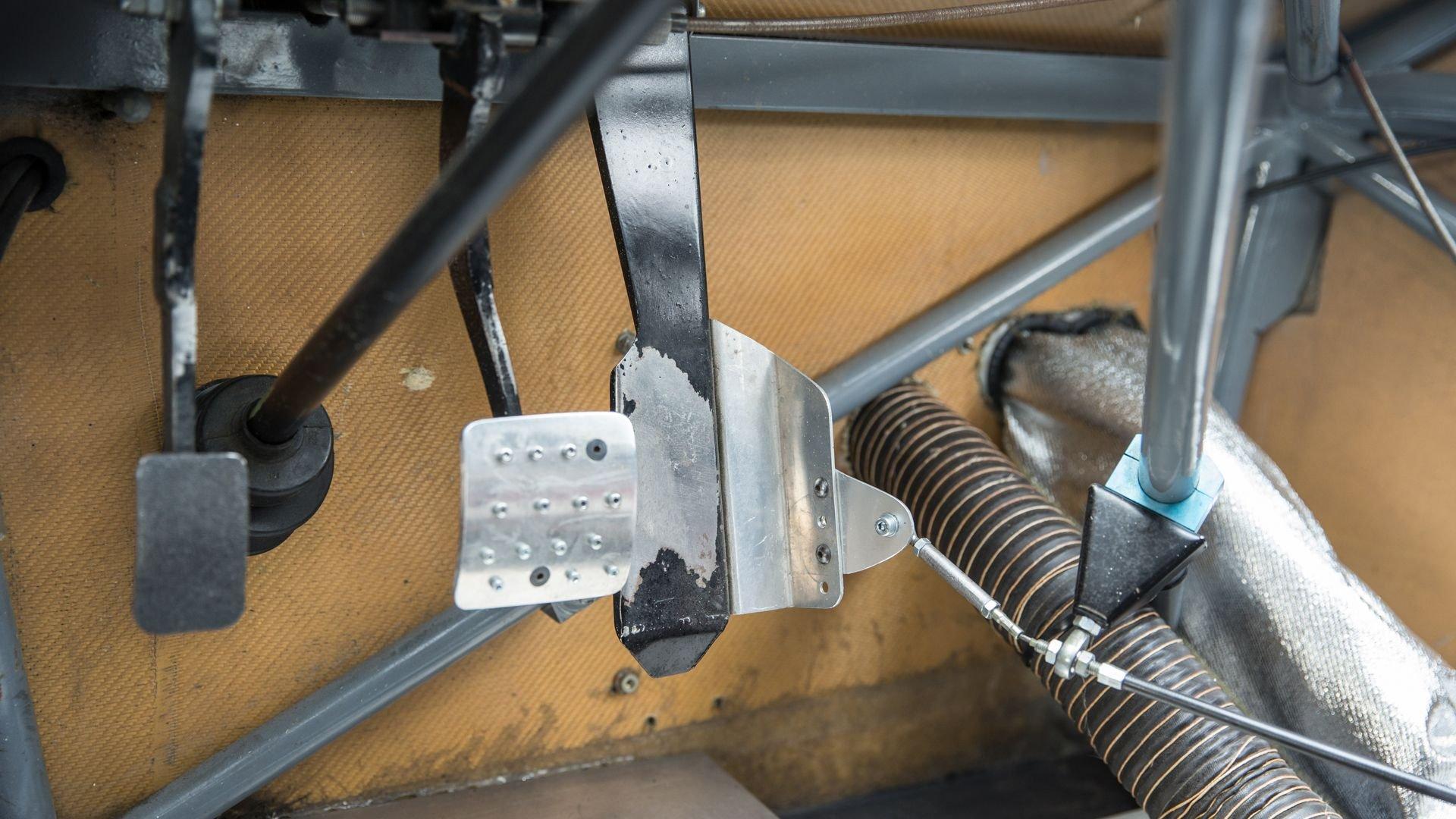
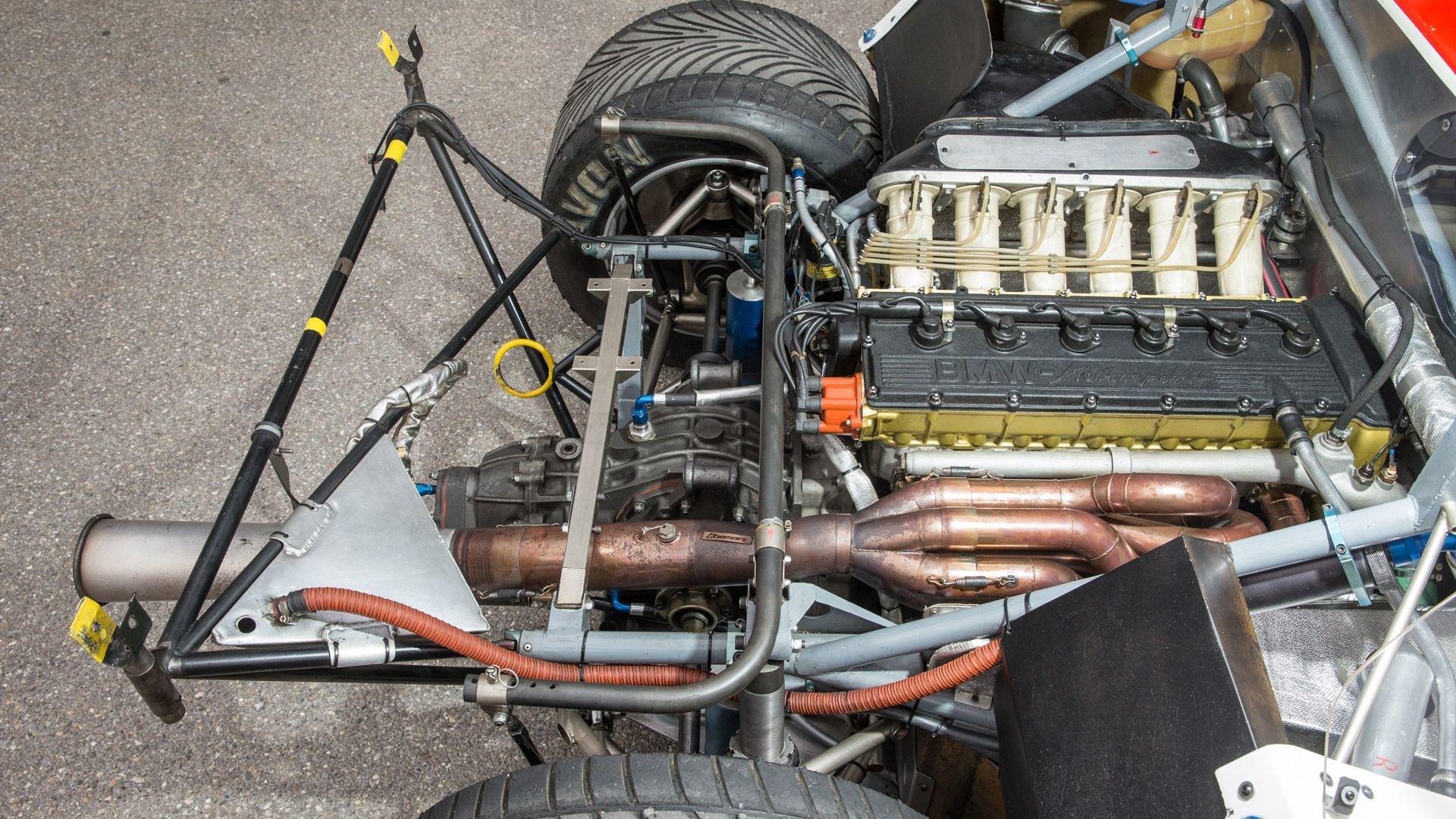
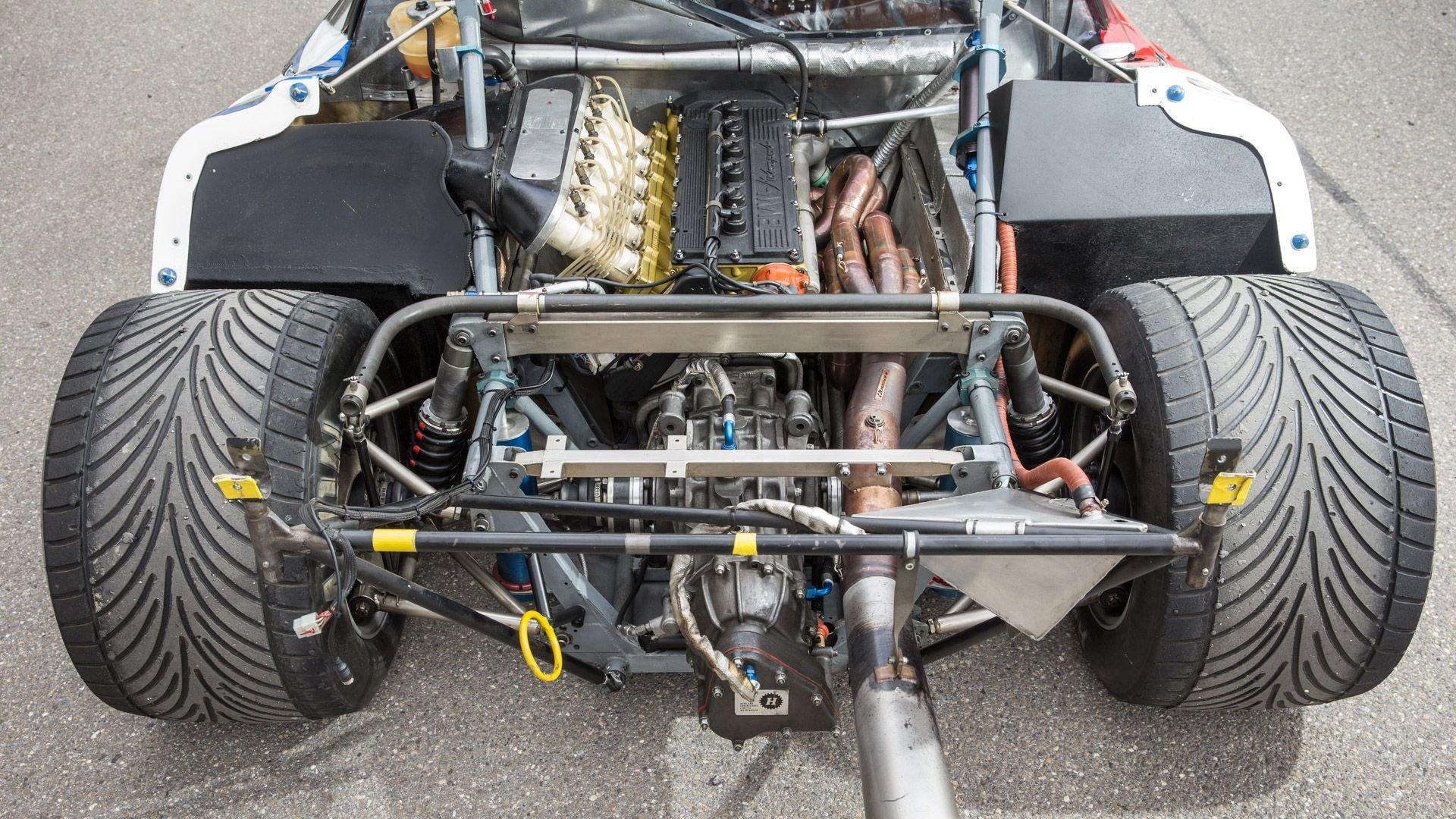
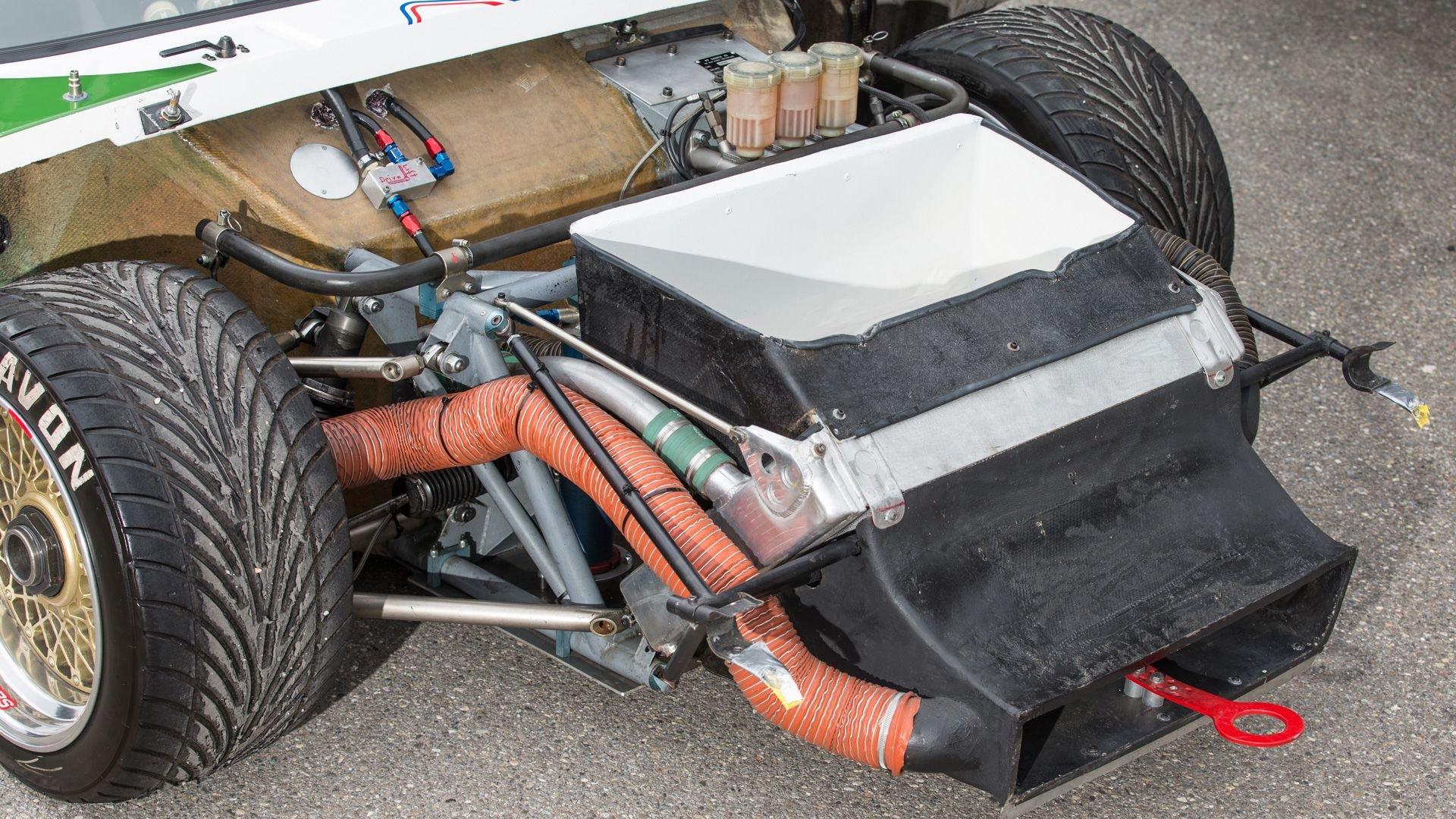
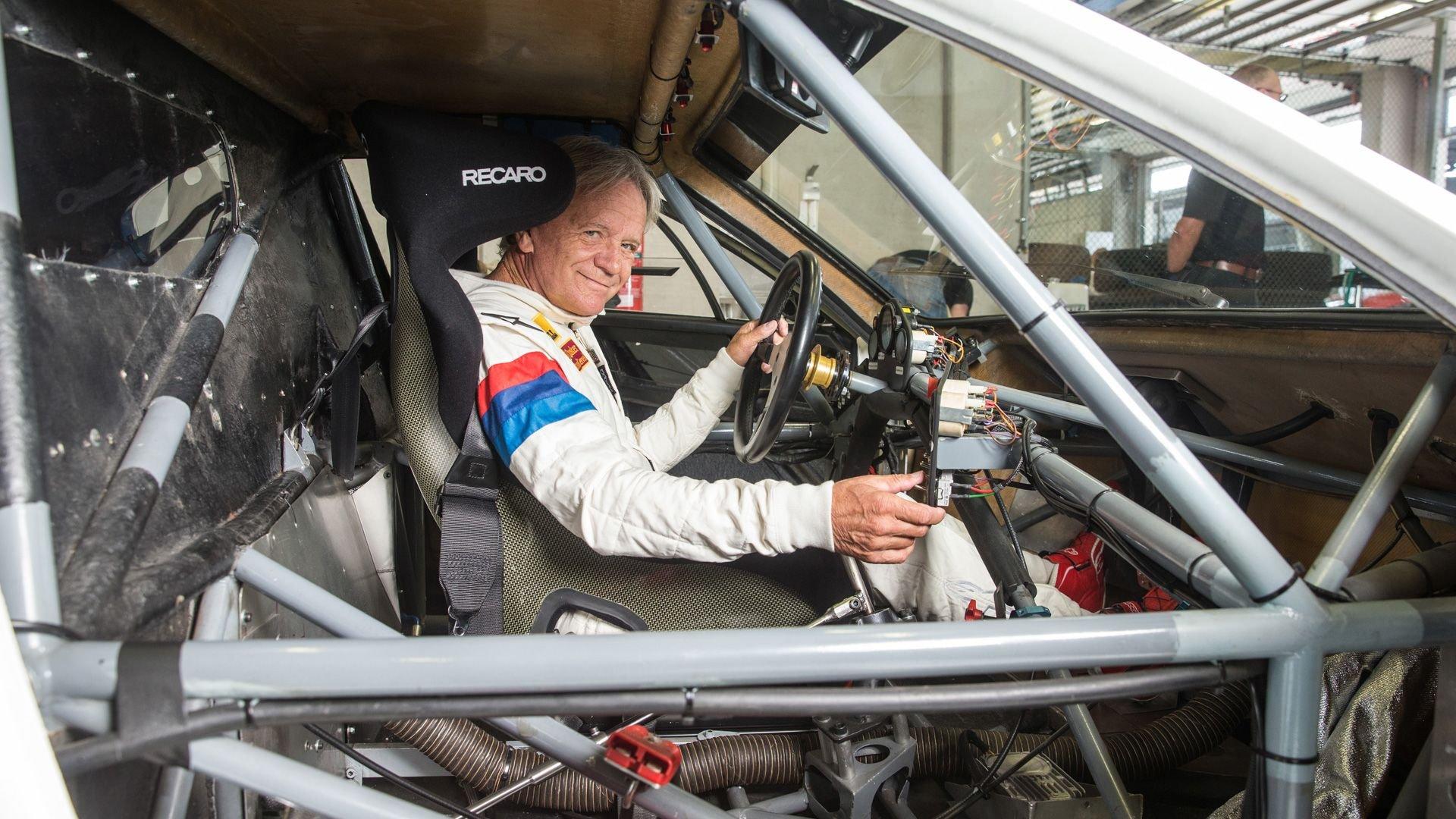
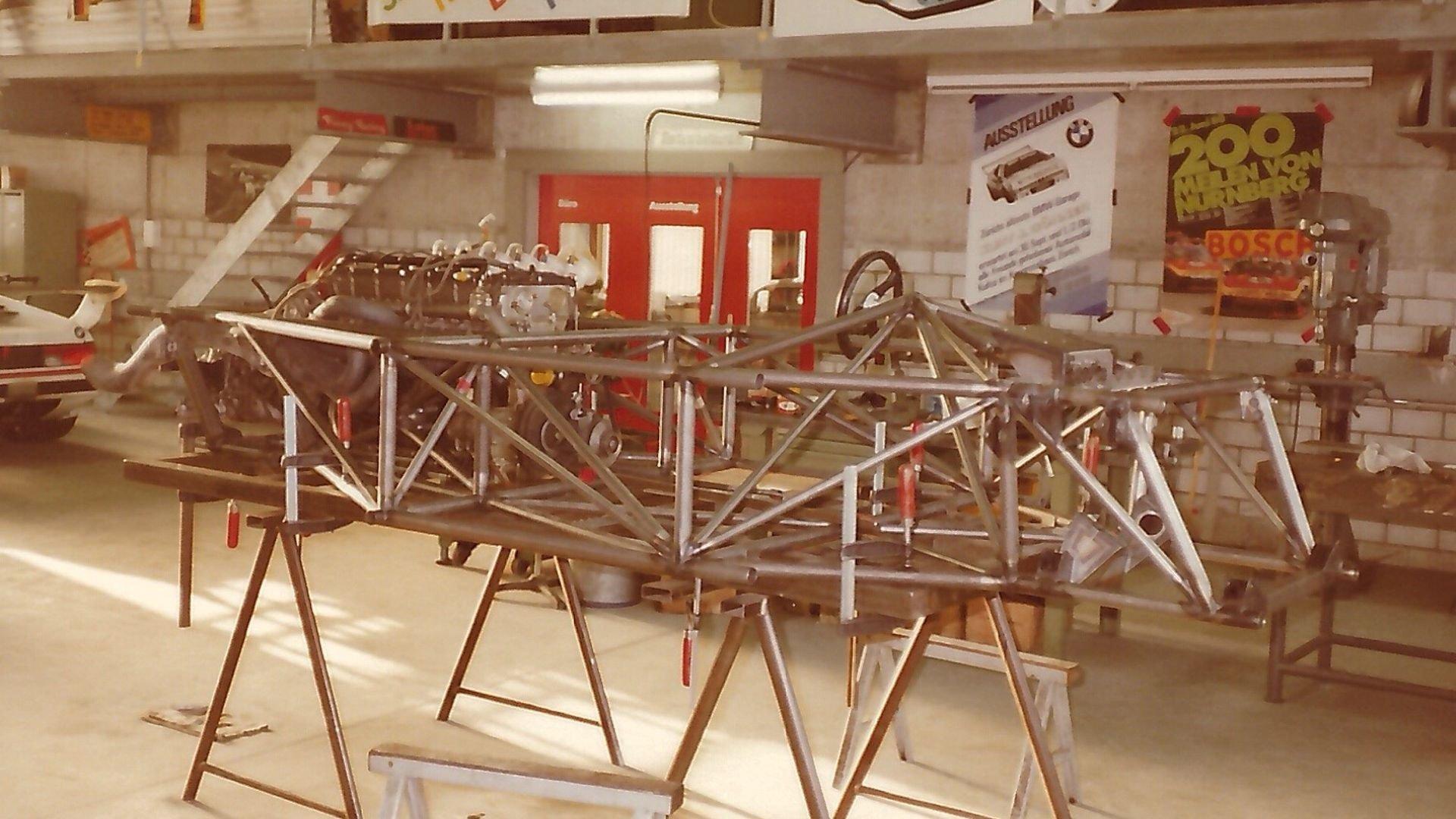
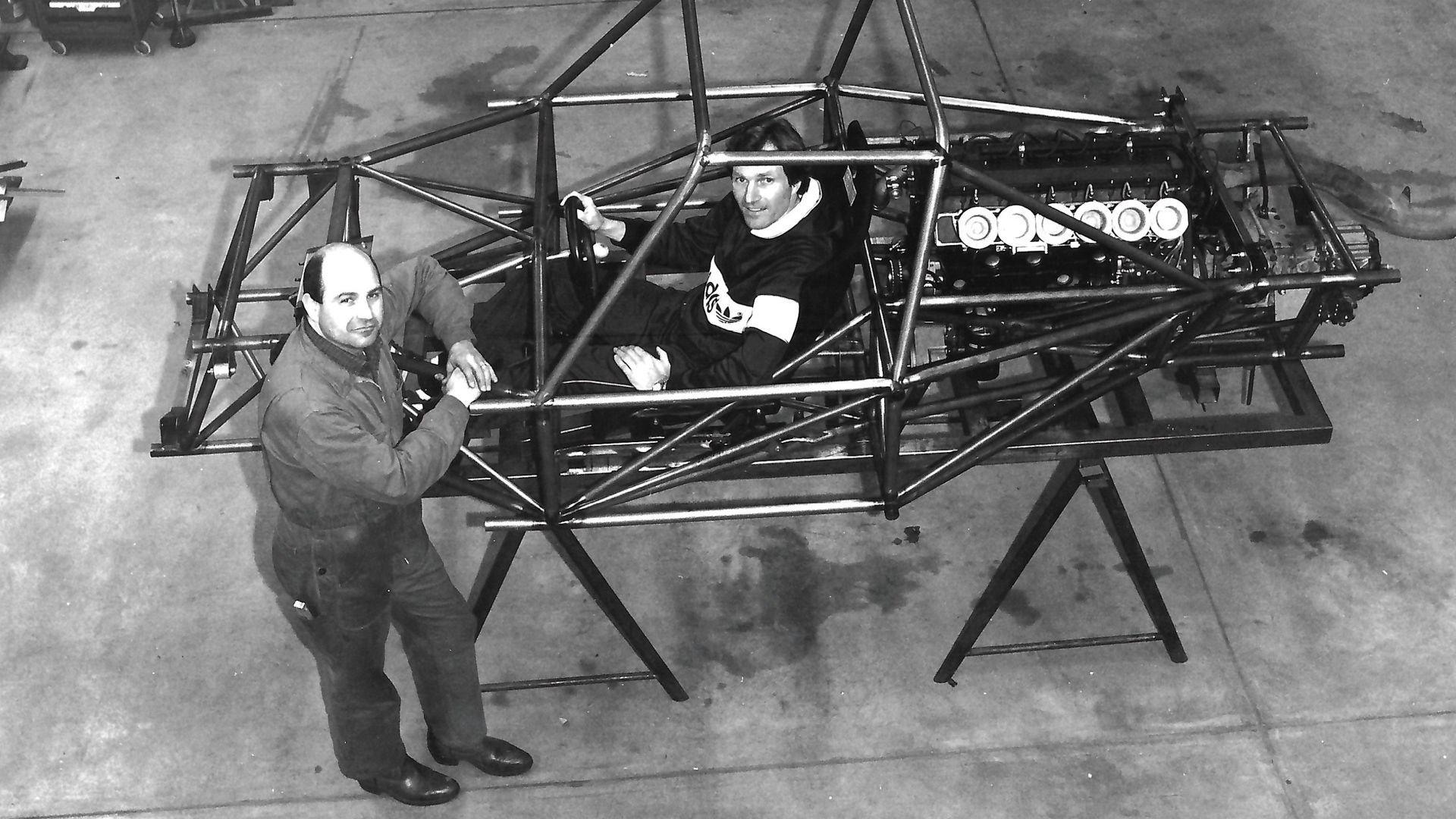
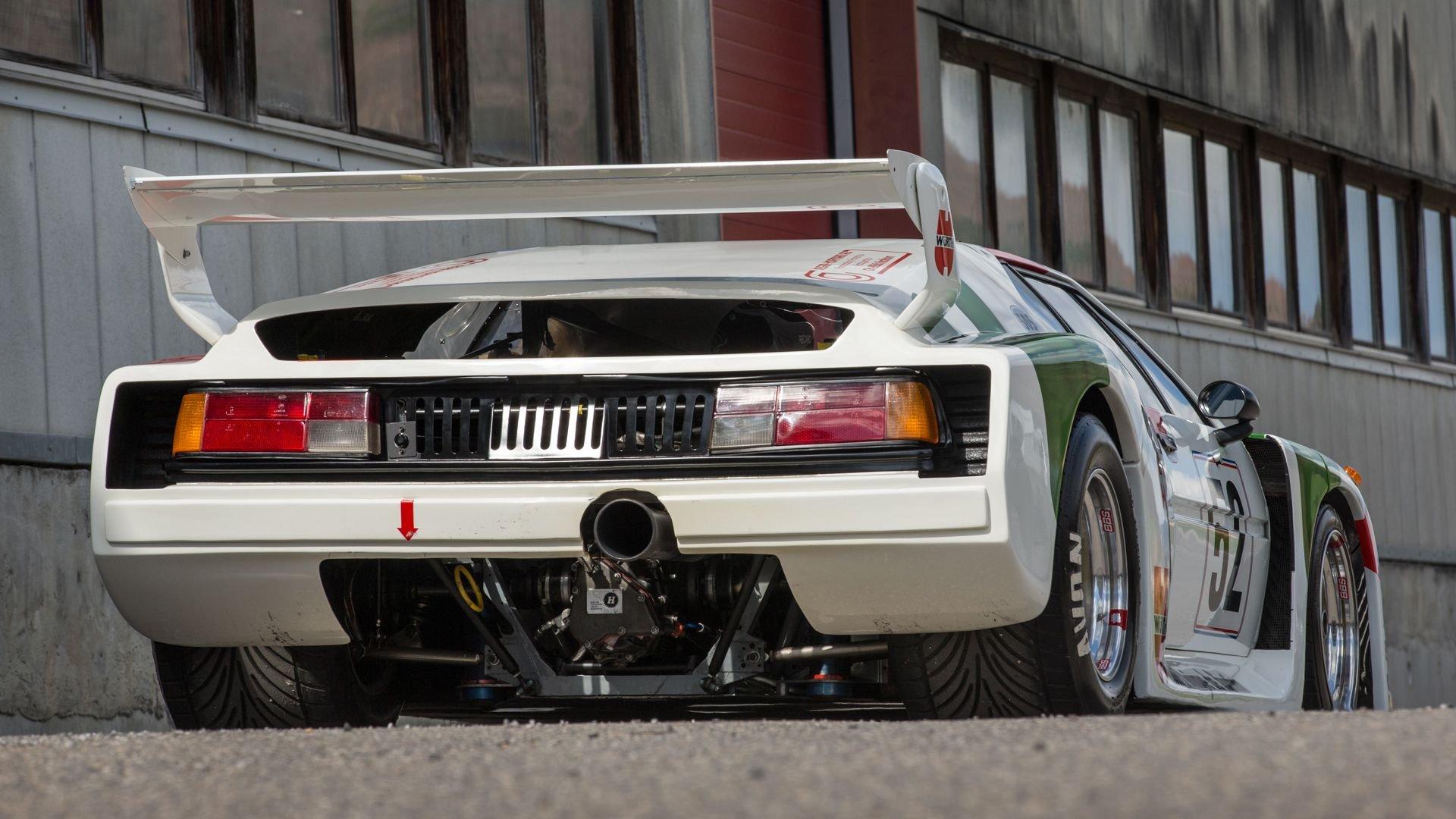
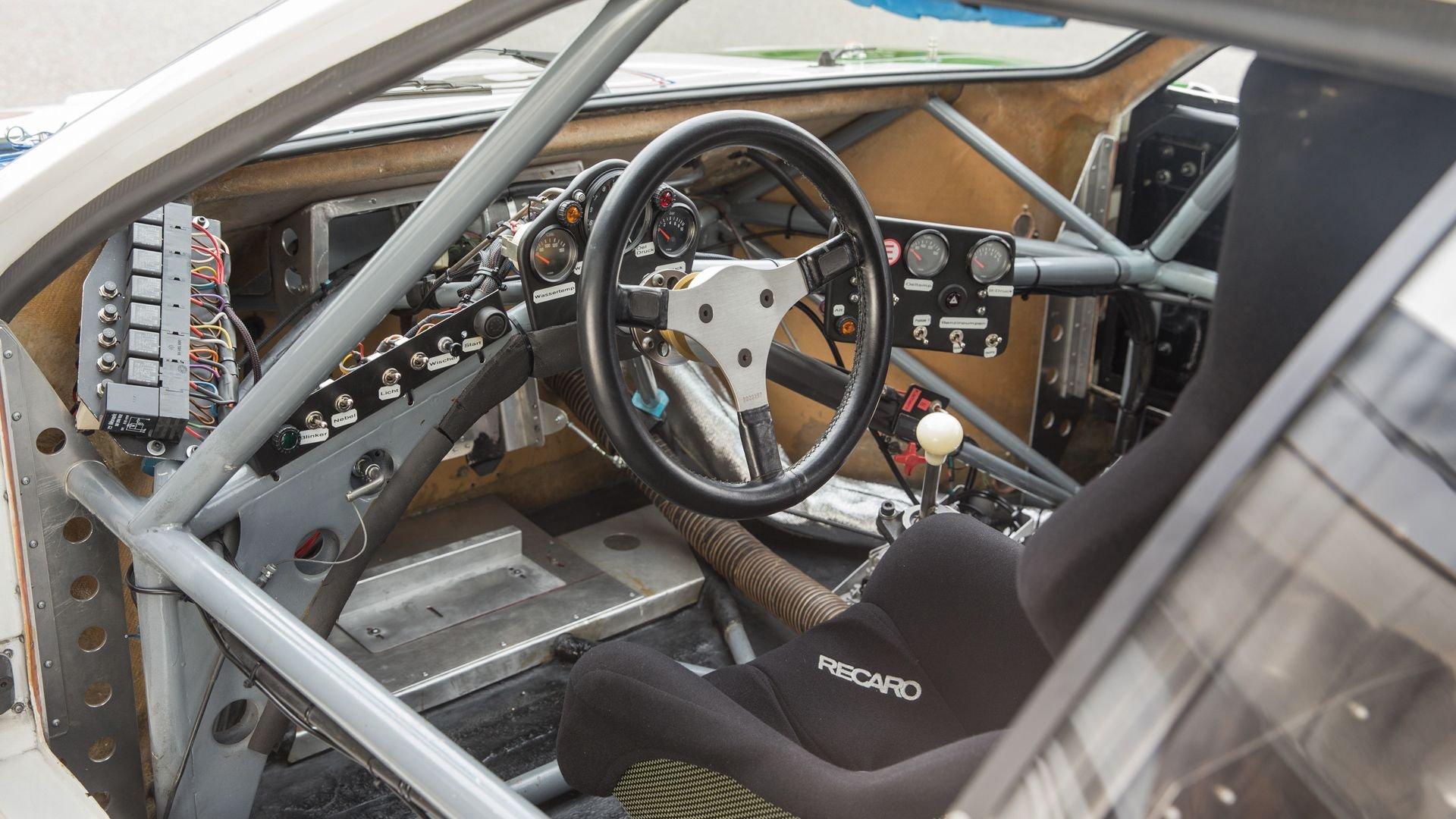
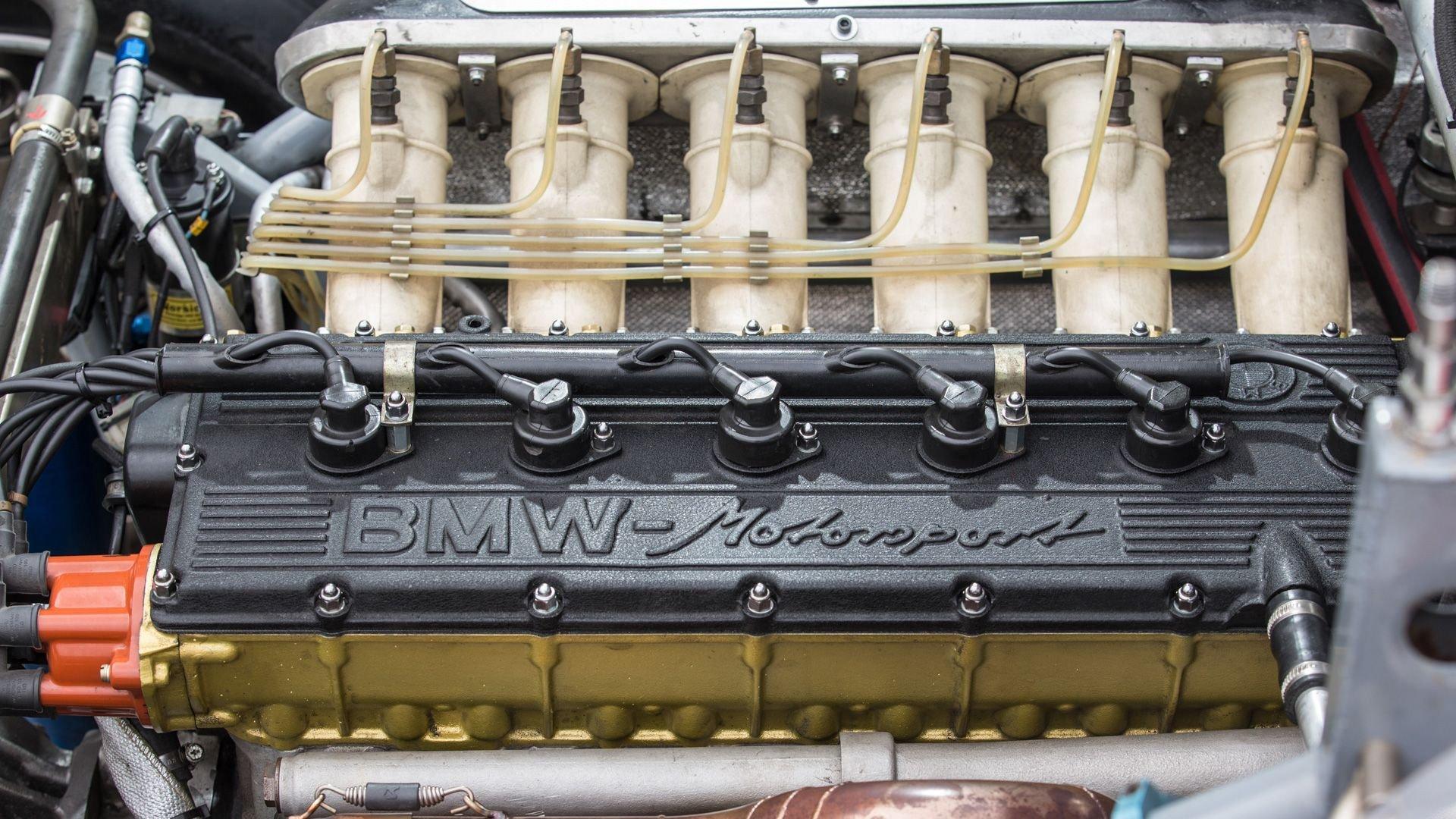
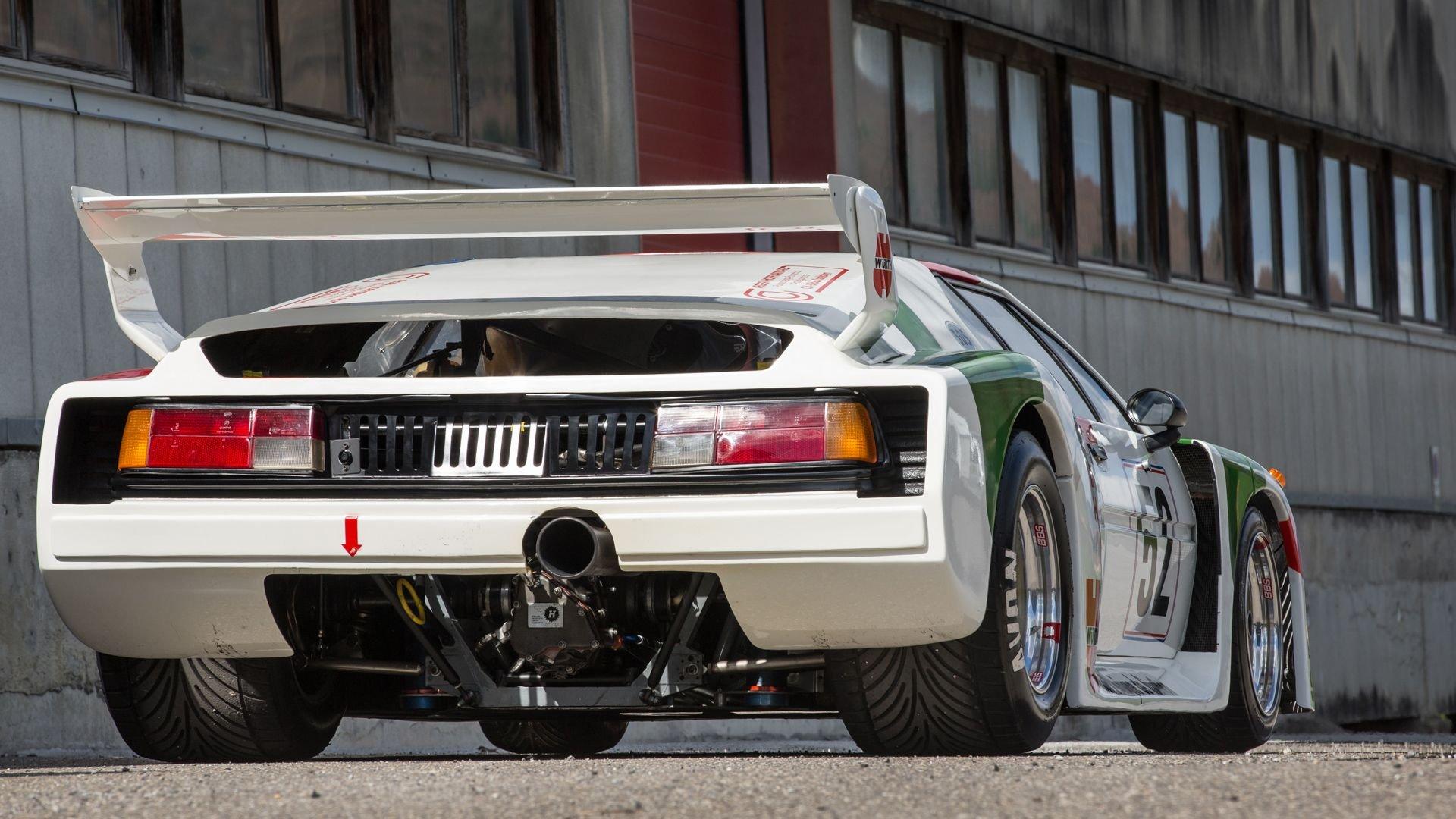
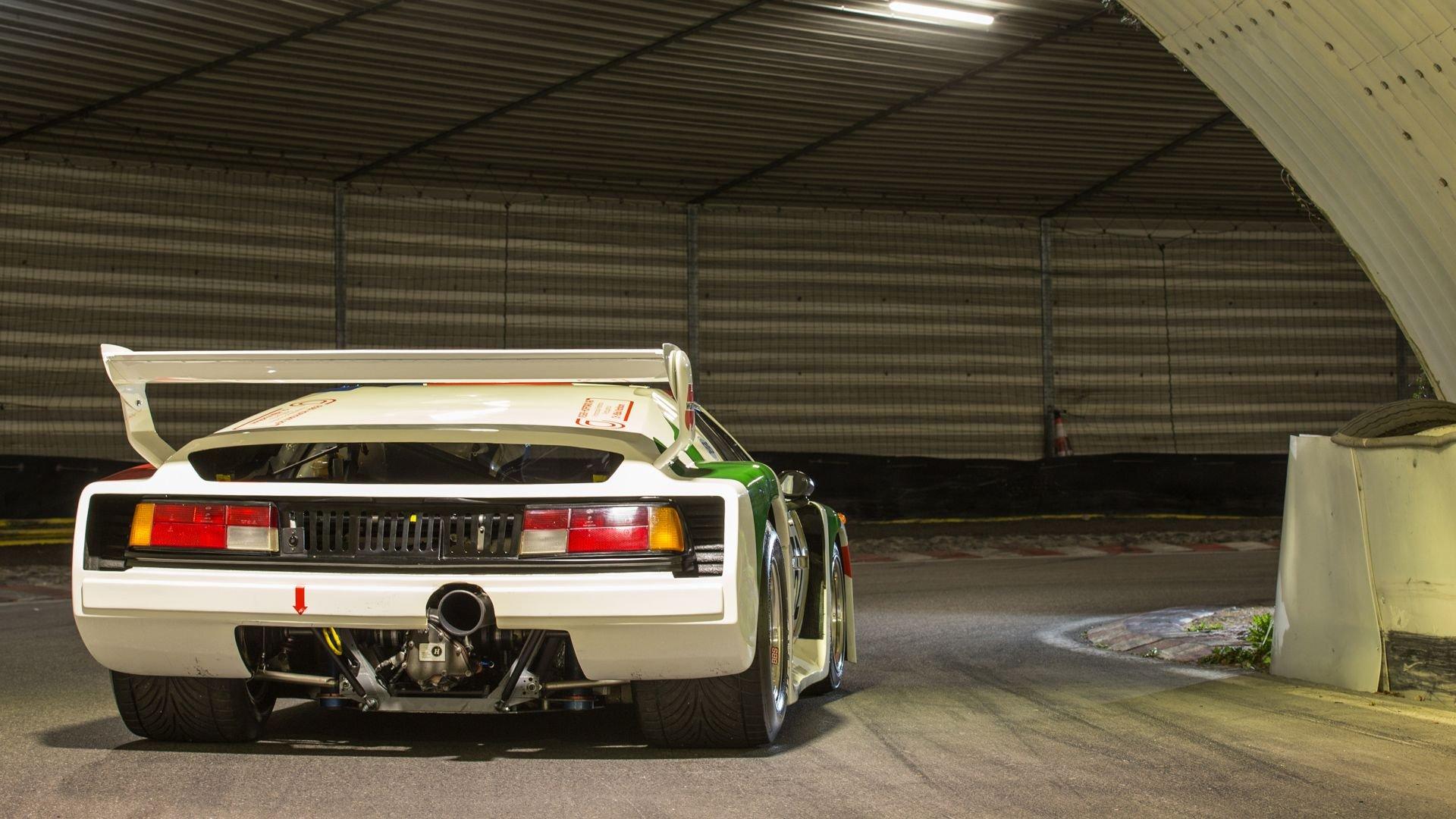
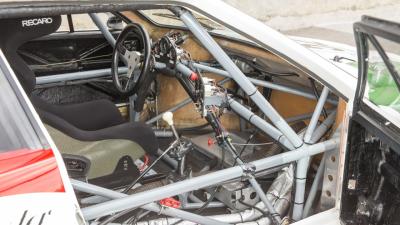
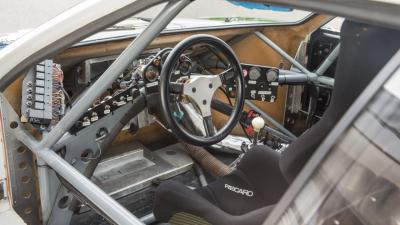
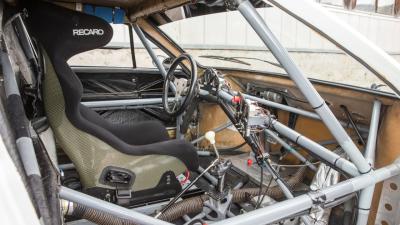
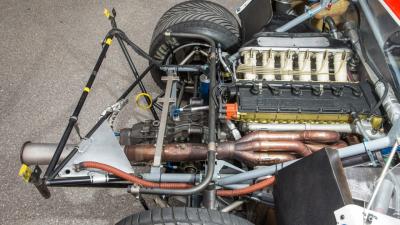
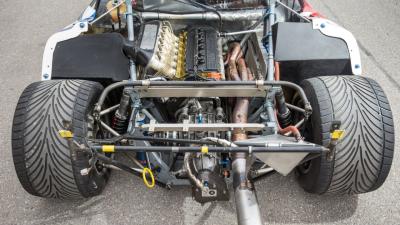
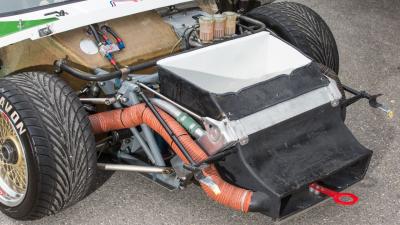
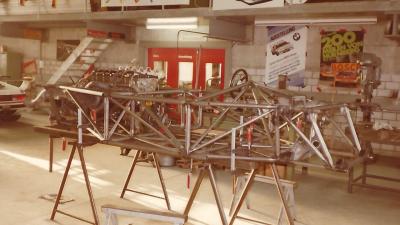
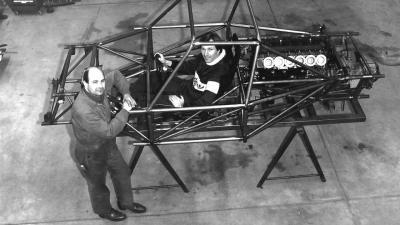
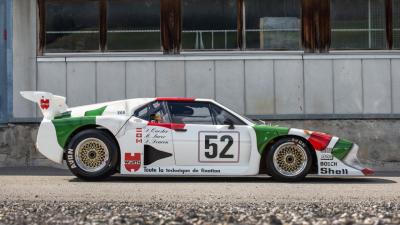
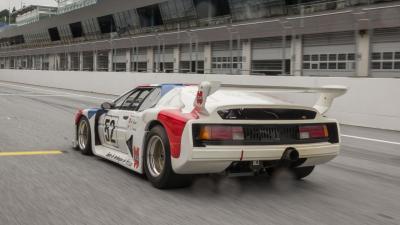
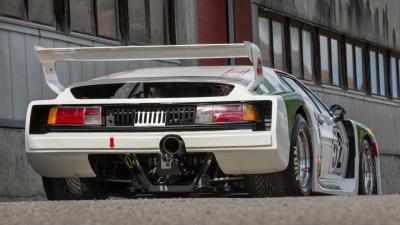
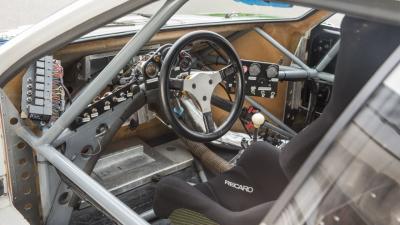
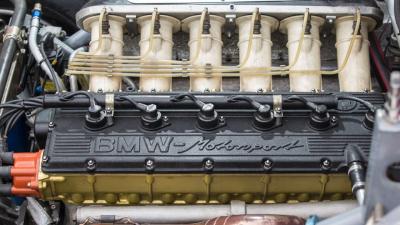
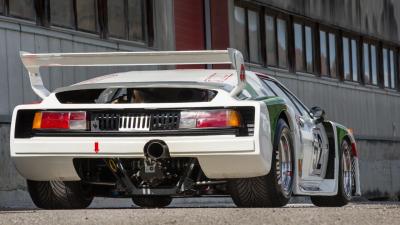
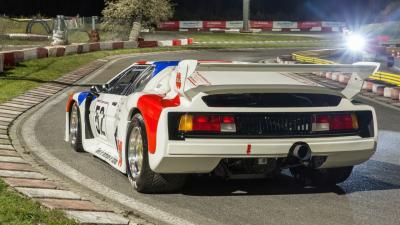
Built over the winter of 1980–81, M1 chassis number 81.M1R.01 was one of two M1s produced by Sauber, drawing on its Procar experience, with the World Endurance Championship firmly in its sights. Part of the comprehensive file offered with the M1, the engineering process is extensively documented with countless hand drawings detailing all the components that went into the car. It distinguished itself from the Procar specification through a lighter tubular steel spaceframe chassis-as shown in a summary page listing every tube required for the chassis, weighing in at just 100 kg compared to 194 kg for the Procar-combined with more aerodynamic carbon fiber bodywork, shedding 150 kg over its predecessors. Power came from an M88/1 3.5-liter inline six-cylinder producing upward of 470 PS.
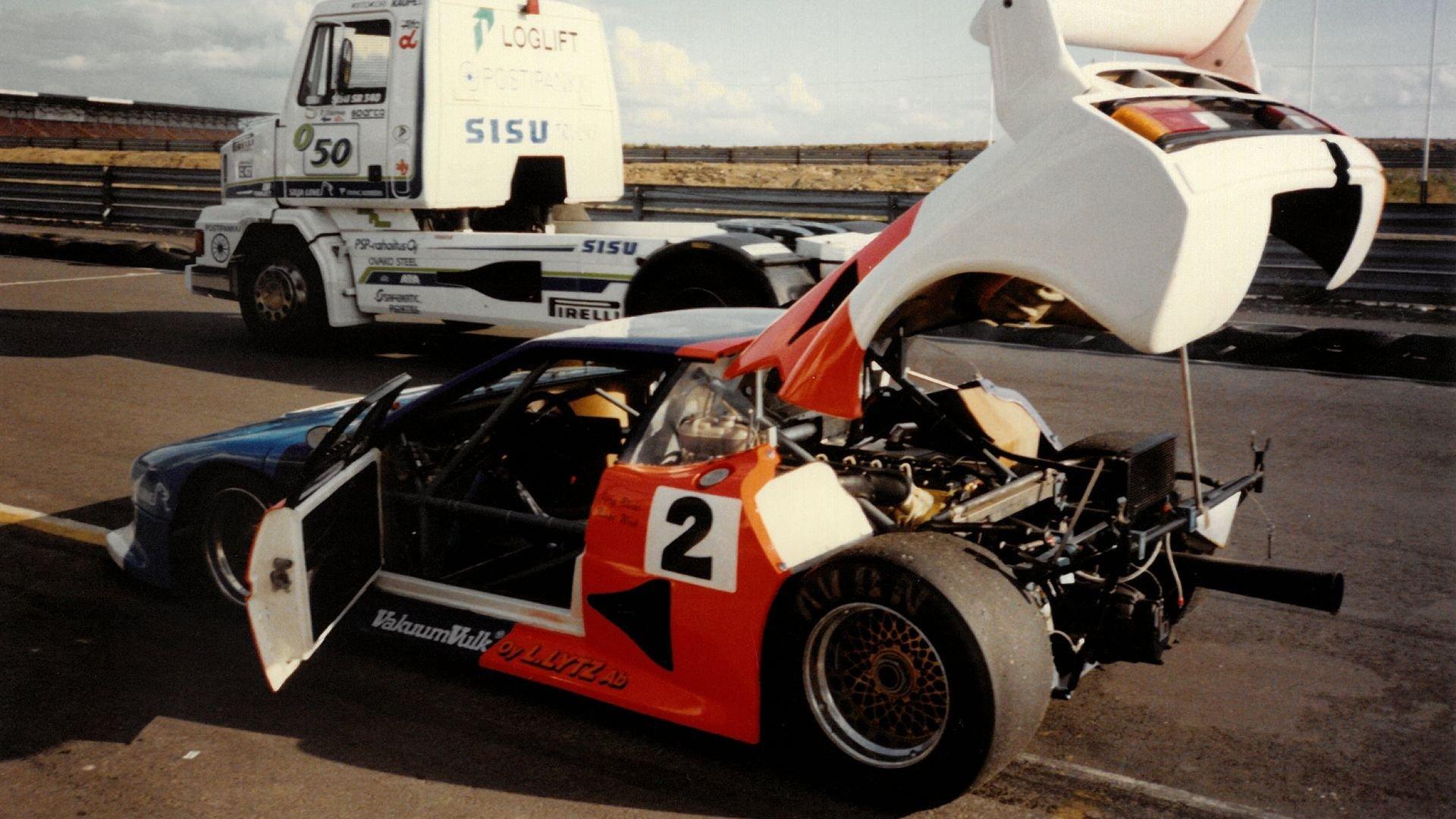
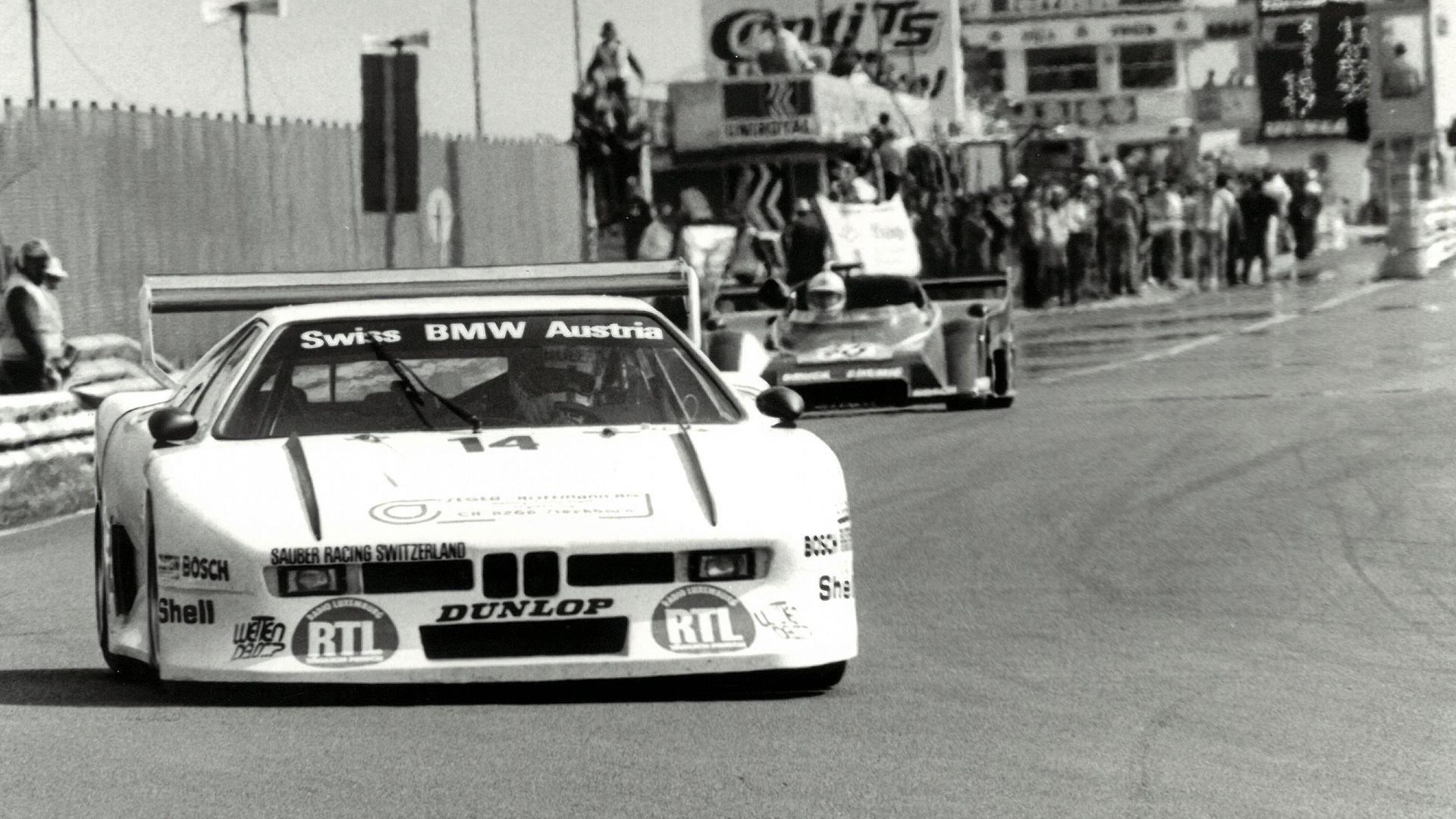
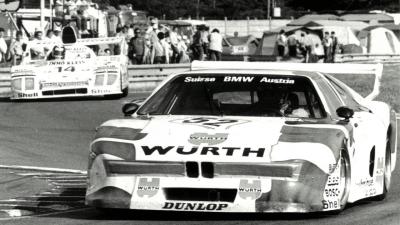
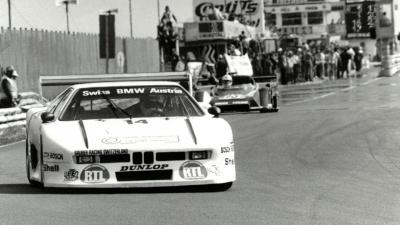
Chassis 81.M1R.01 made its World Endurance Championship debut in May 1981, starting the ADAC Nürburgring 1000 Kms as car number 14, driven by Marc Surer and Dieter Quester, both closely involved in its development. Though running as high as third at one point-just behind its sister GS Tuning entry-the car ultimately finished 13th, retiring after losing an exhaust pipe, while 81.M1R.02, driven by Hans-Joachim Stuck and Nelson Piquet, went on to take the win.
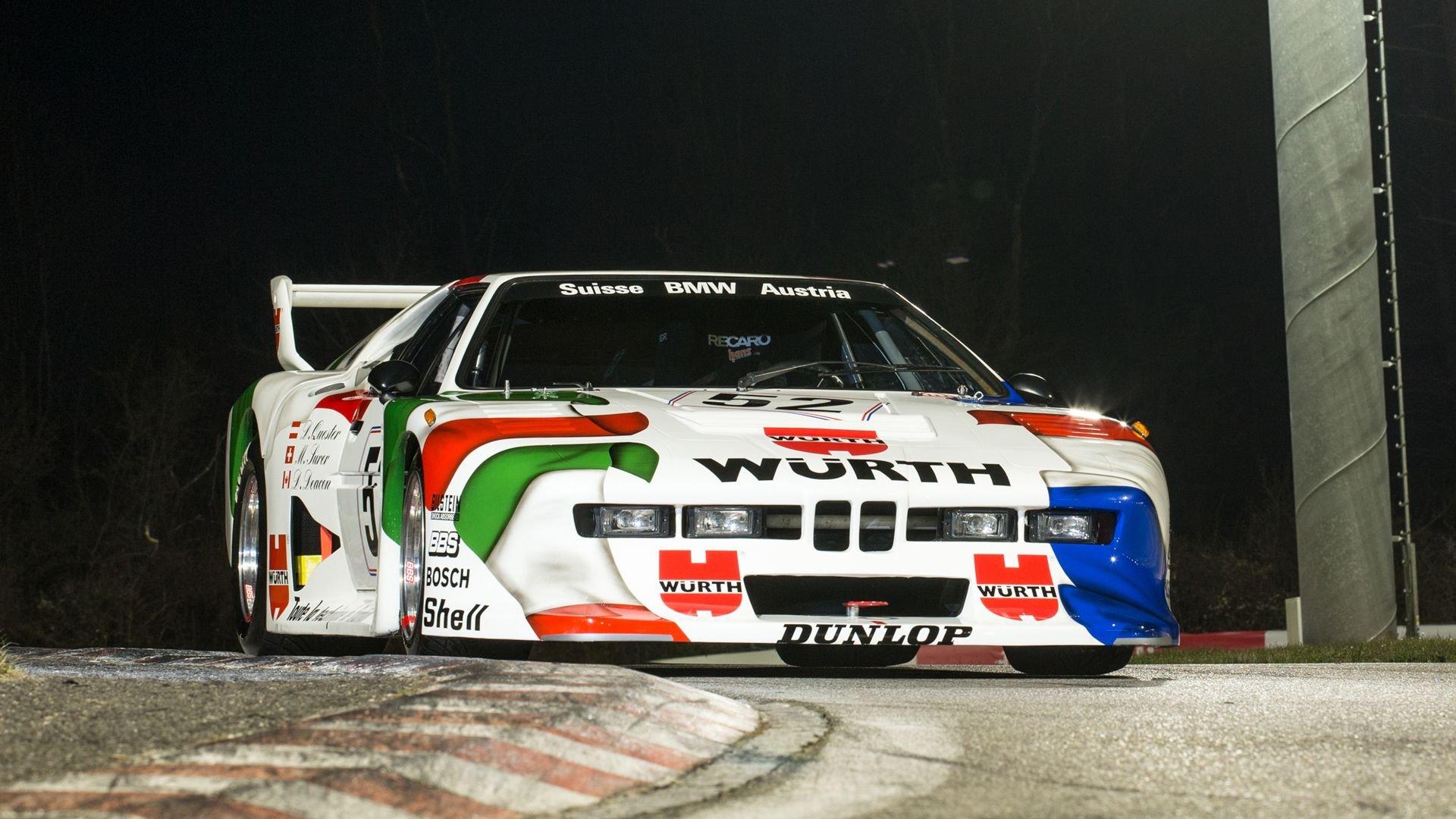
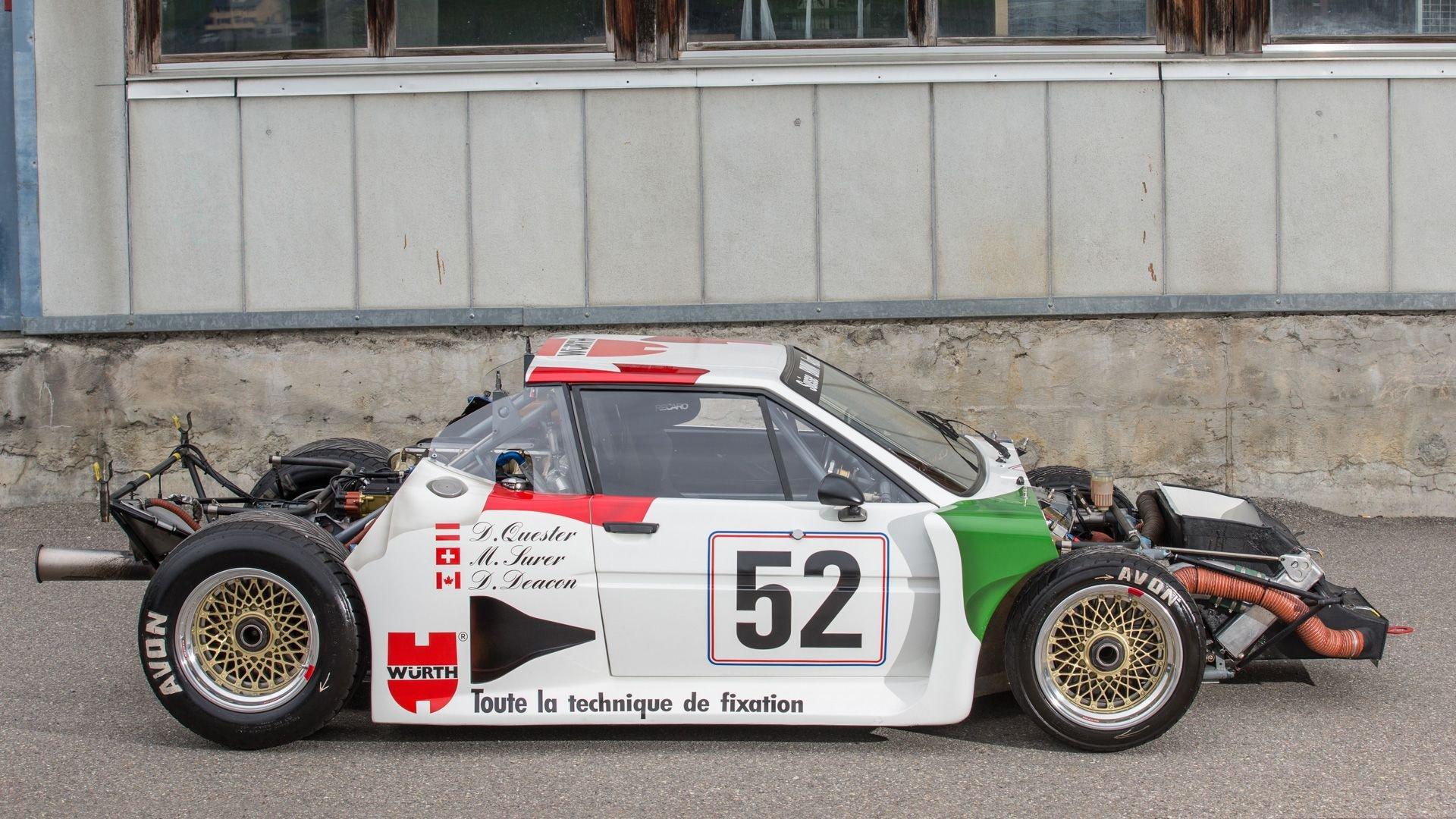
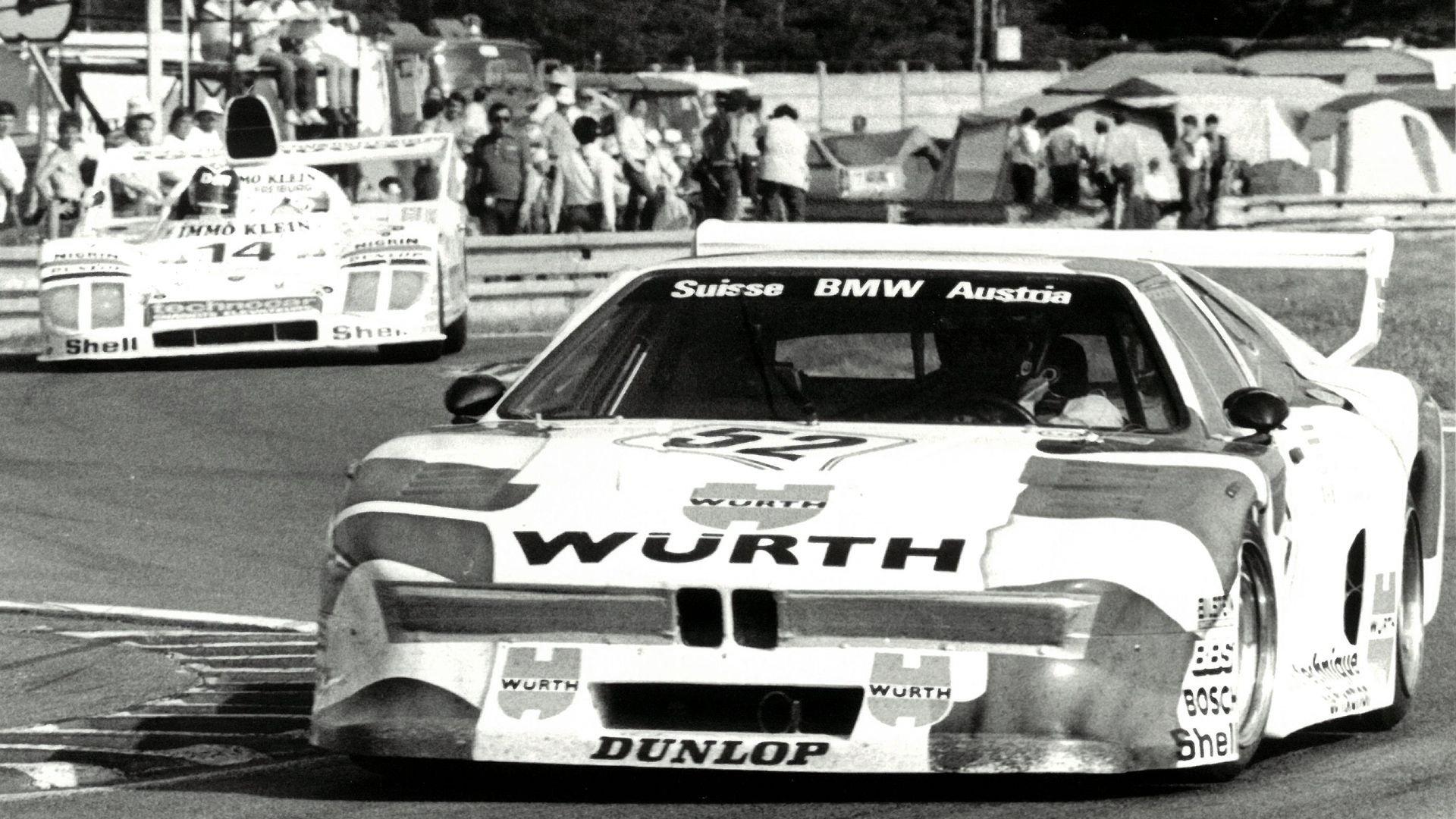
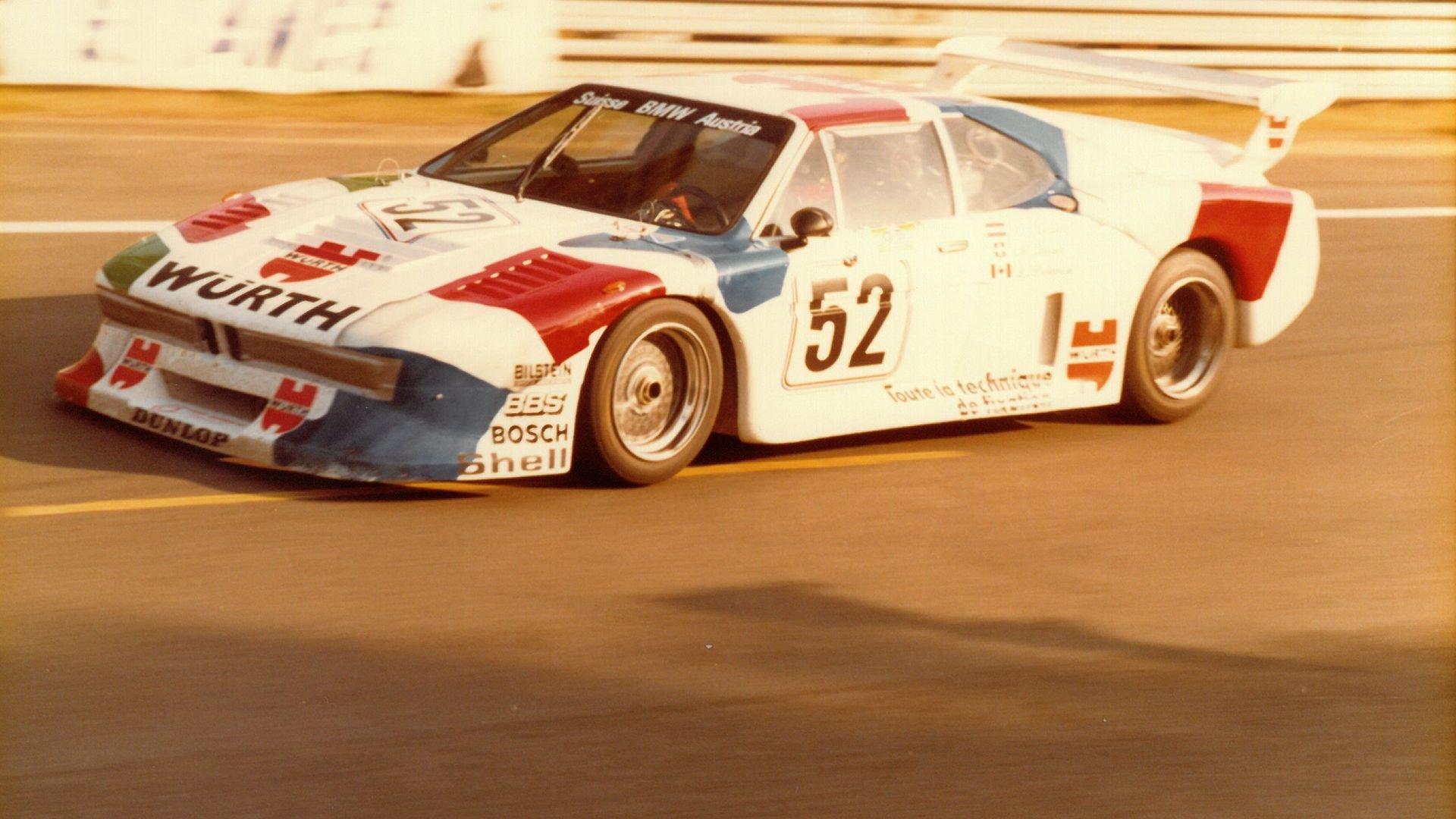
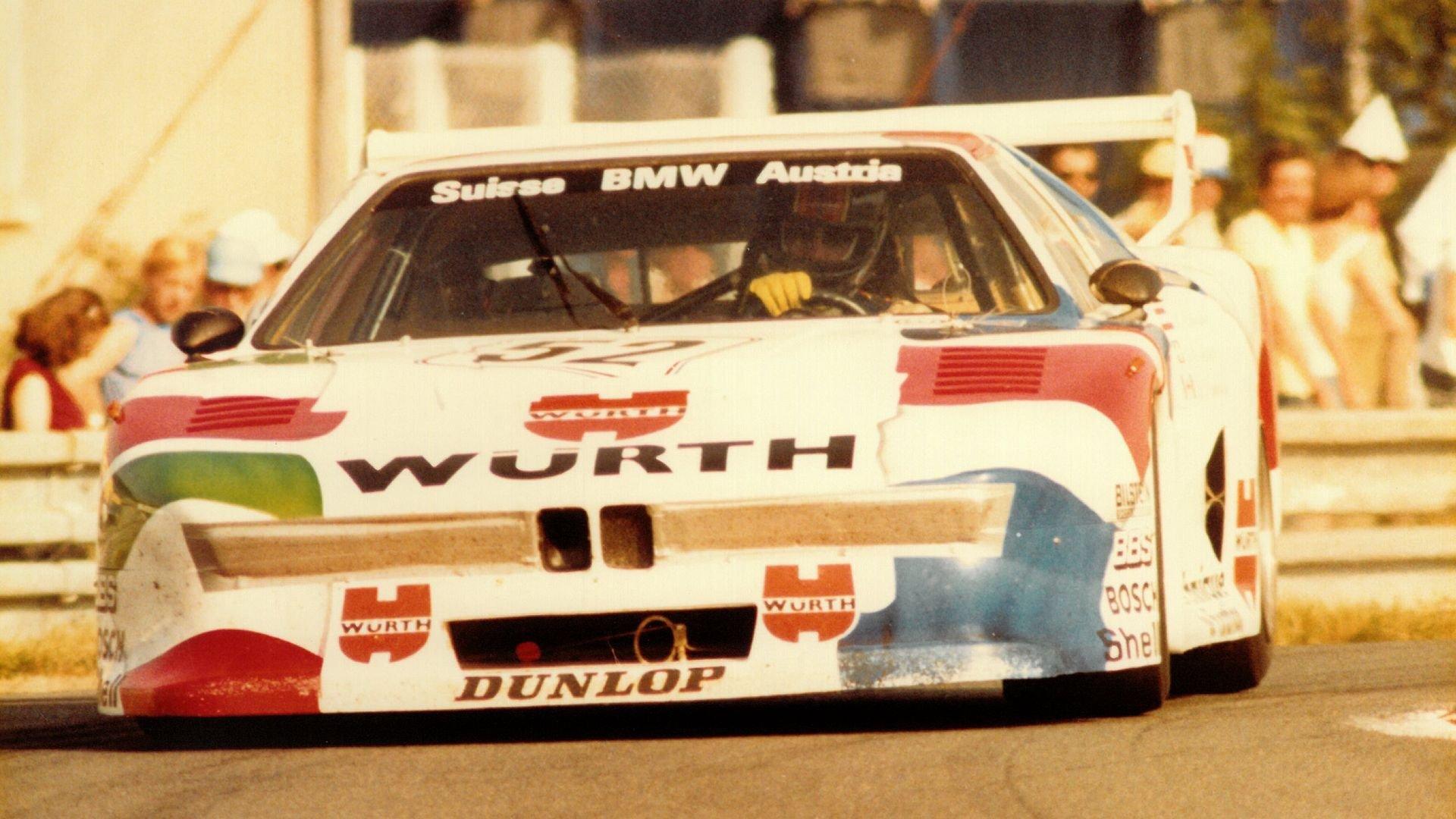
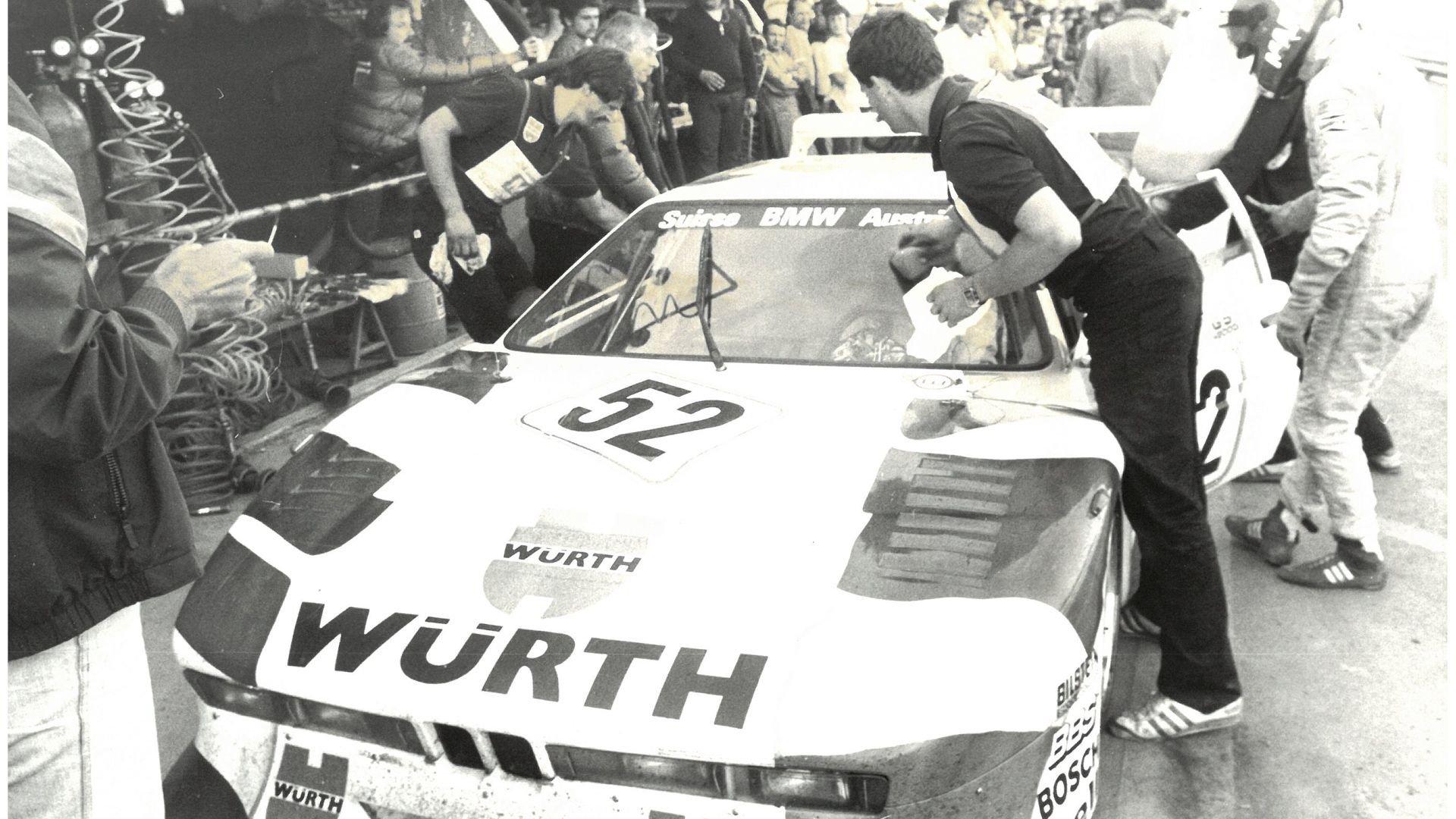
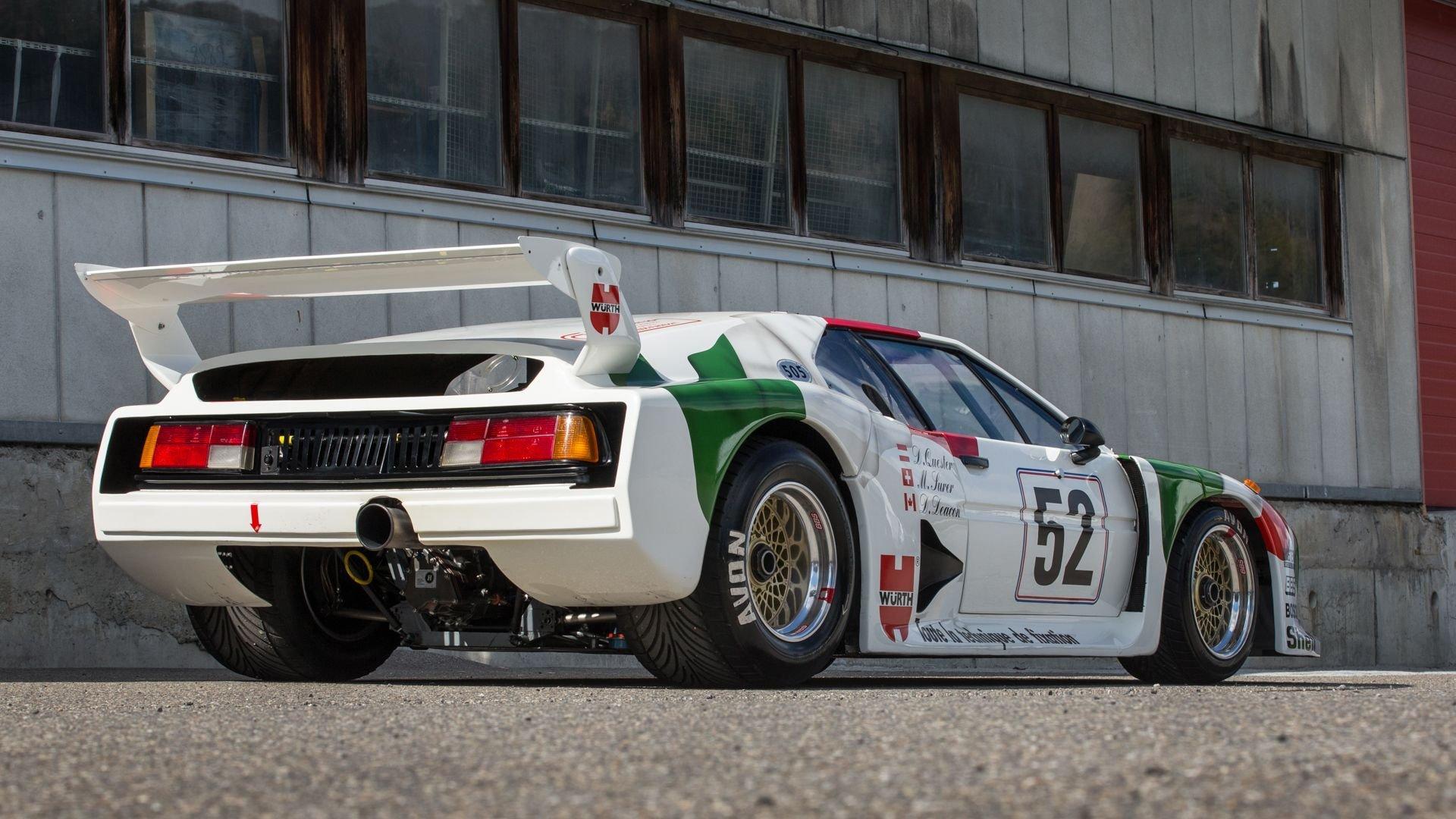
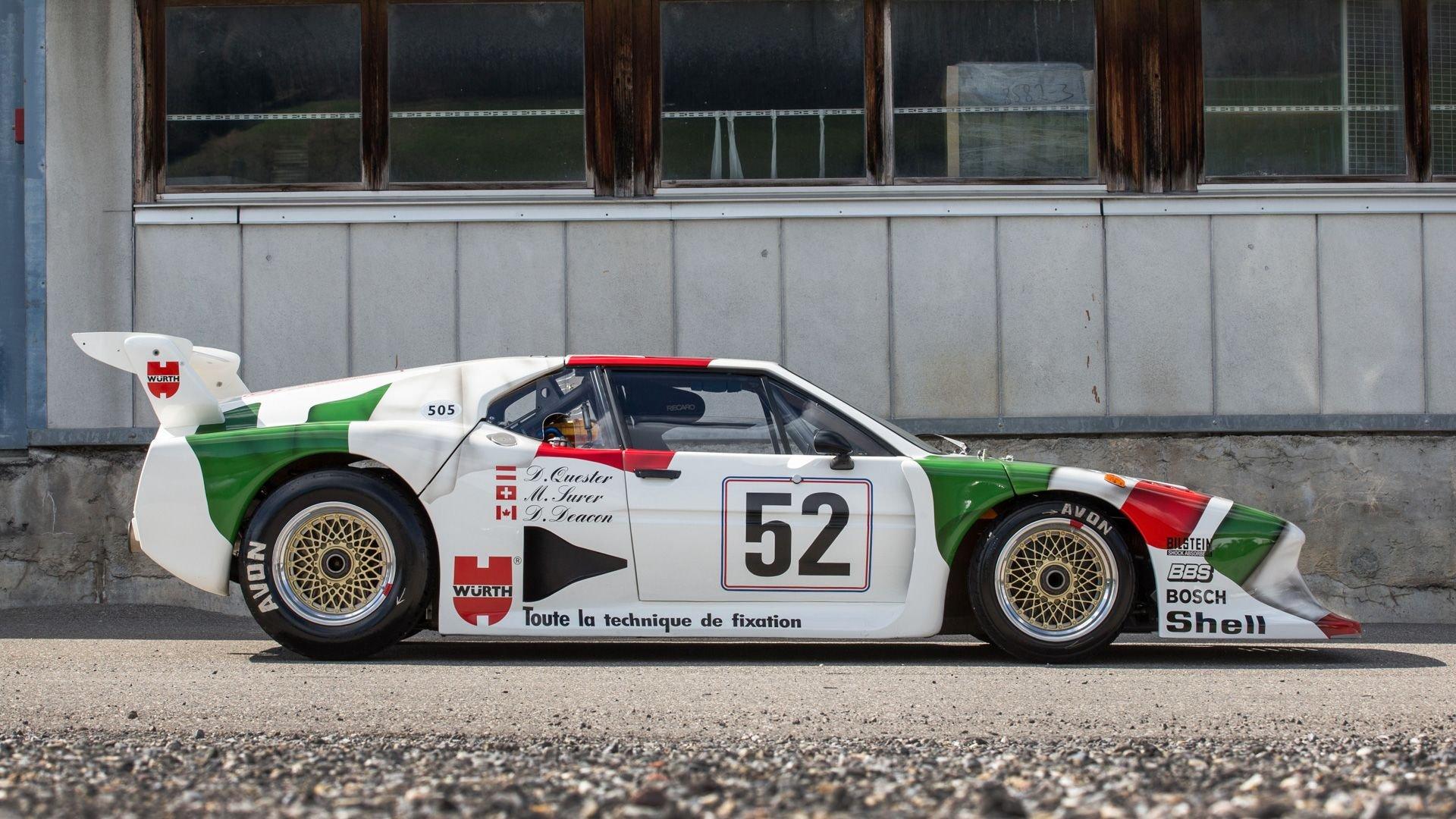
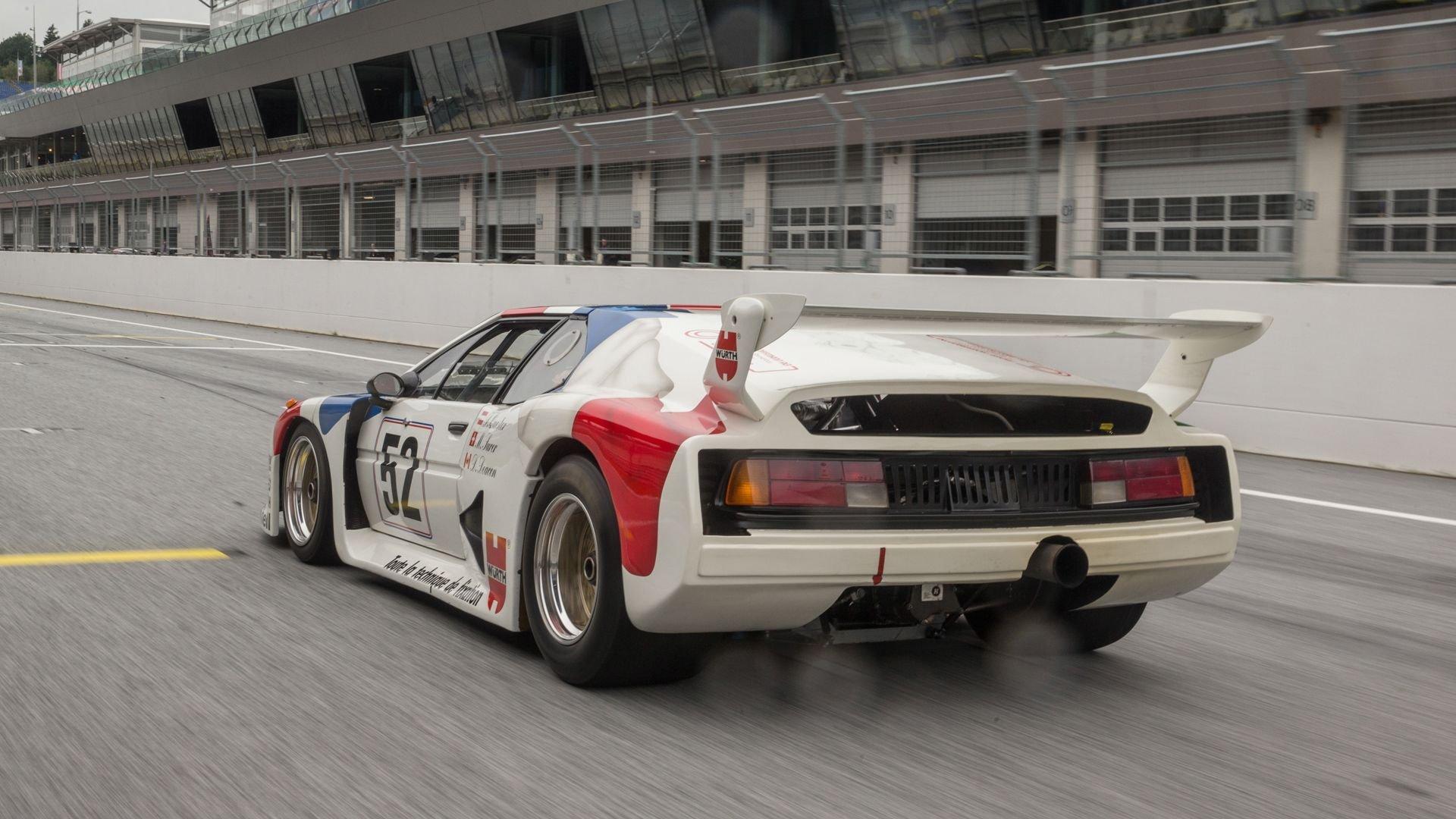
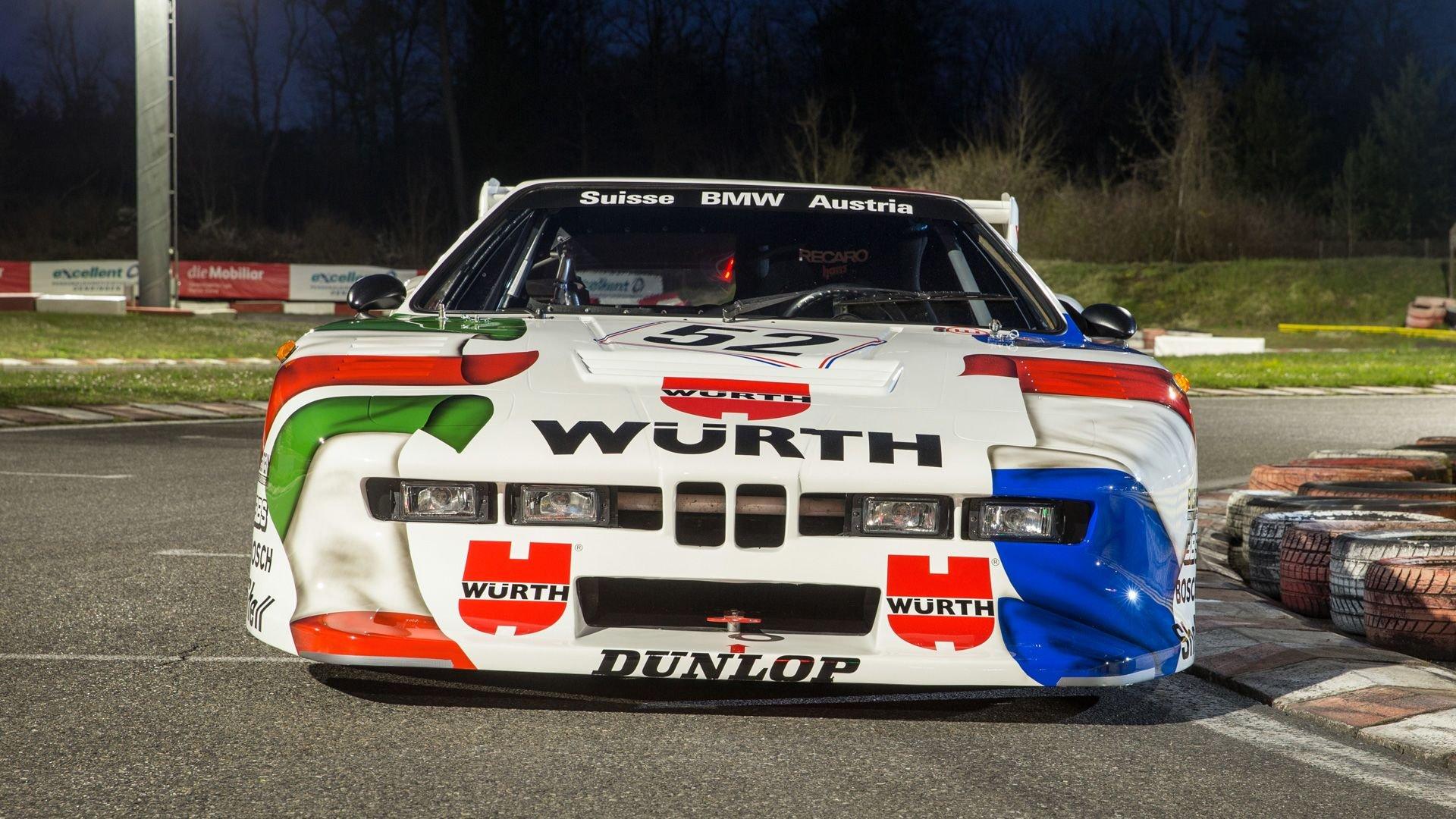
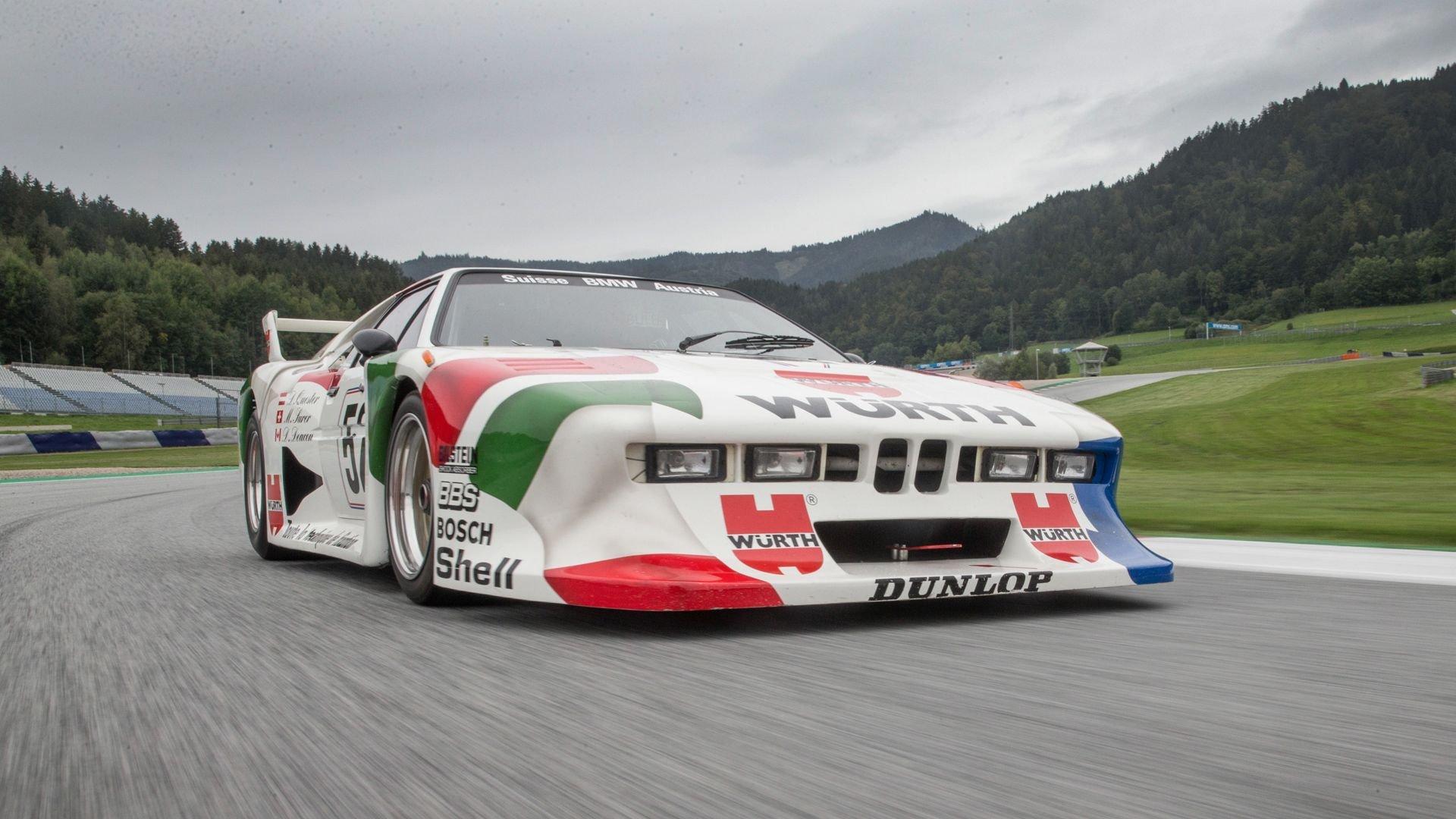
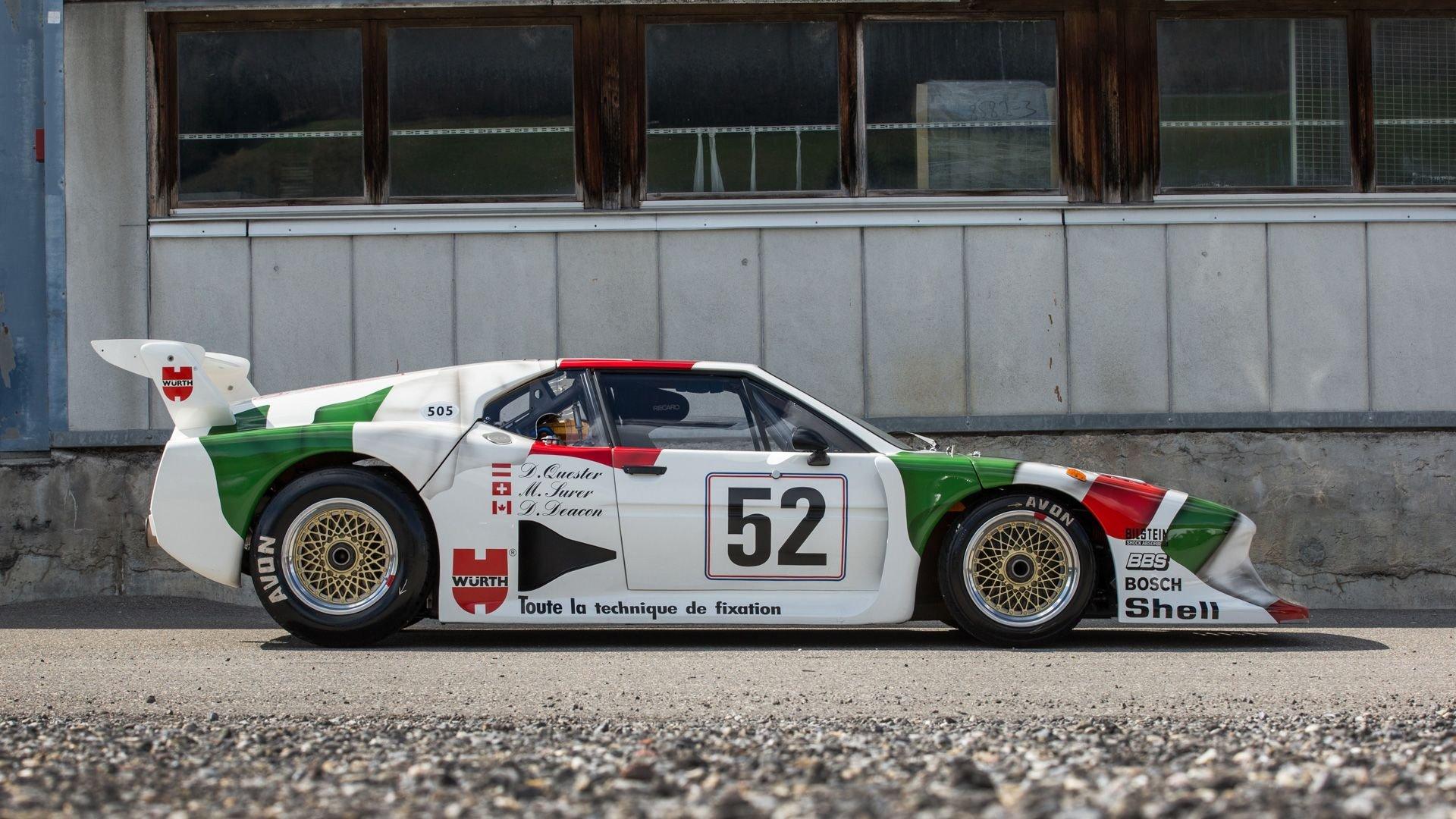
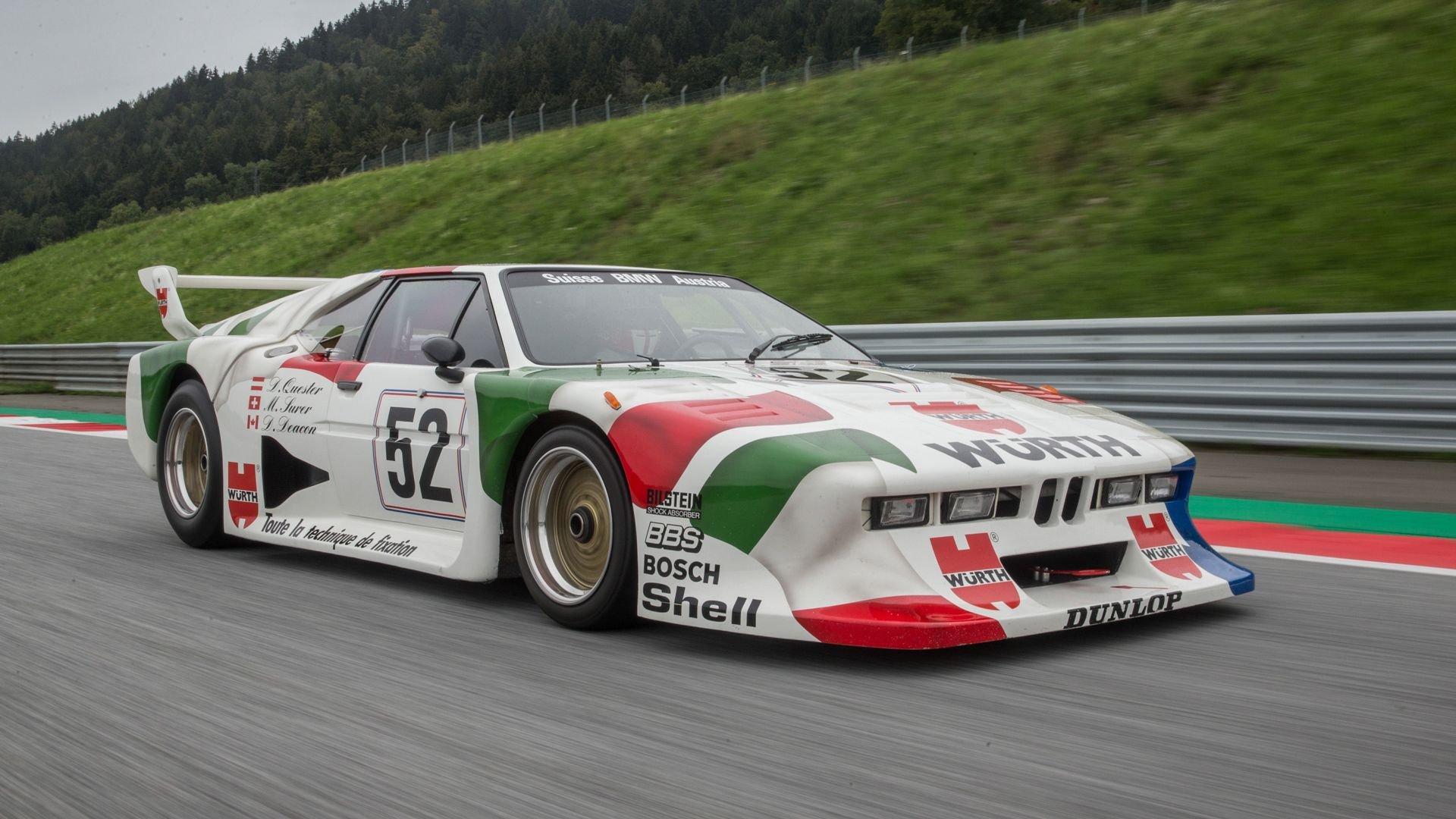
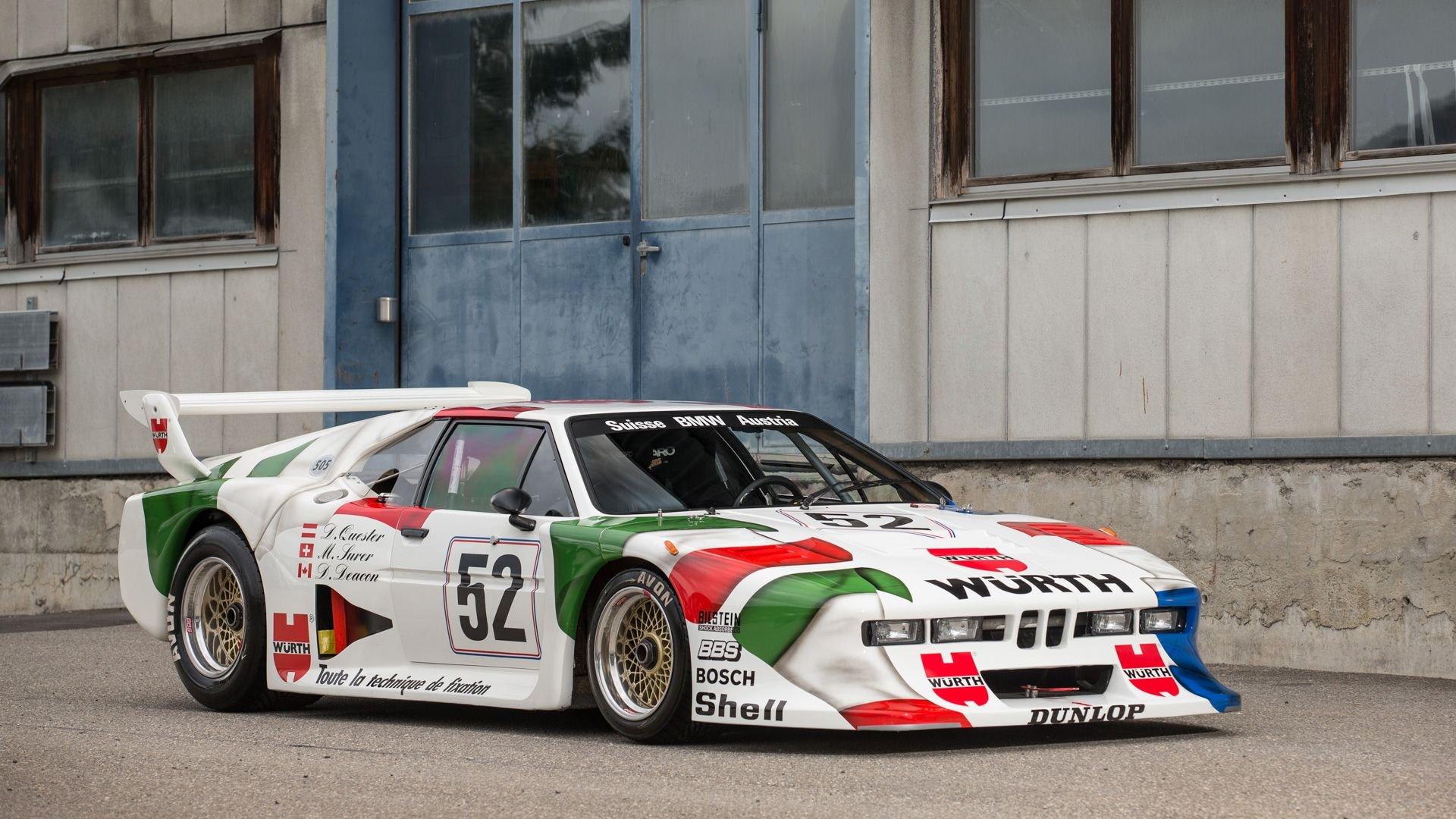
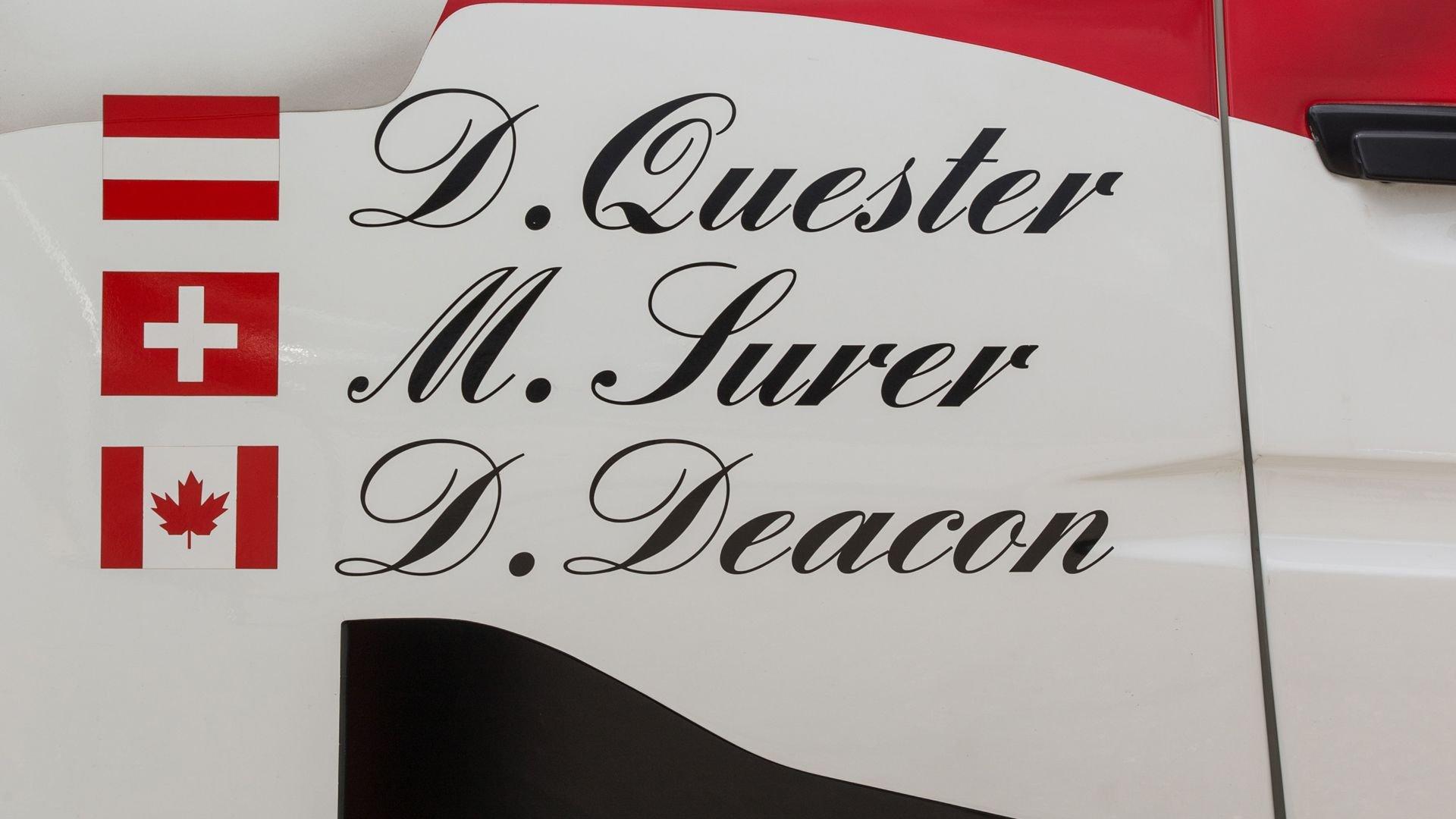
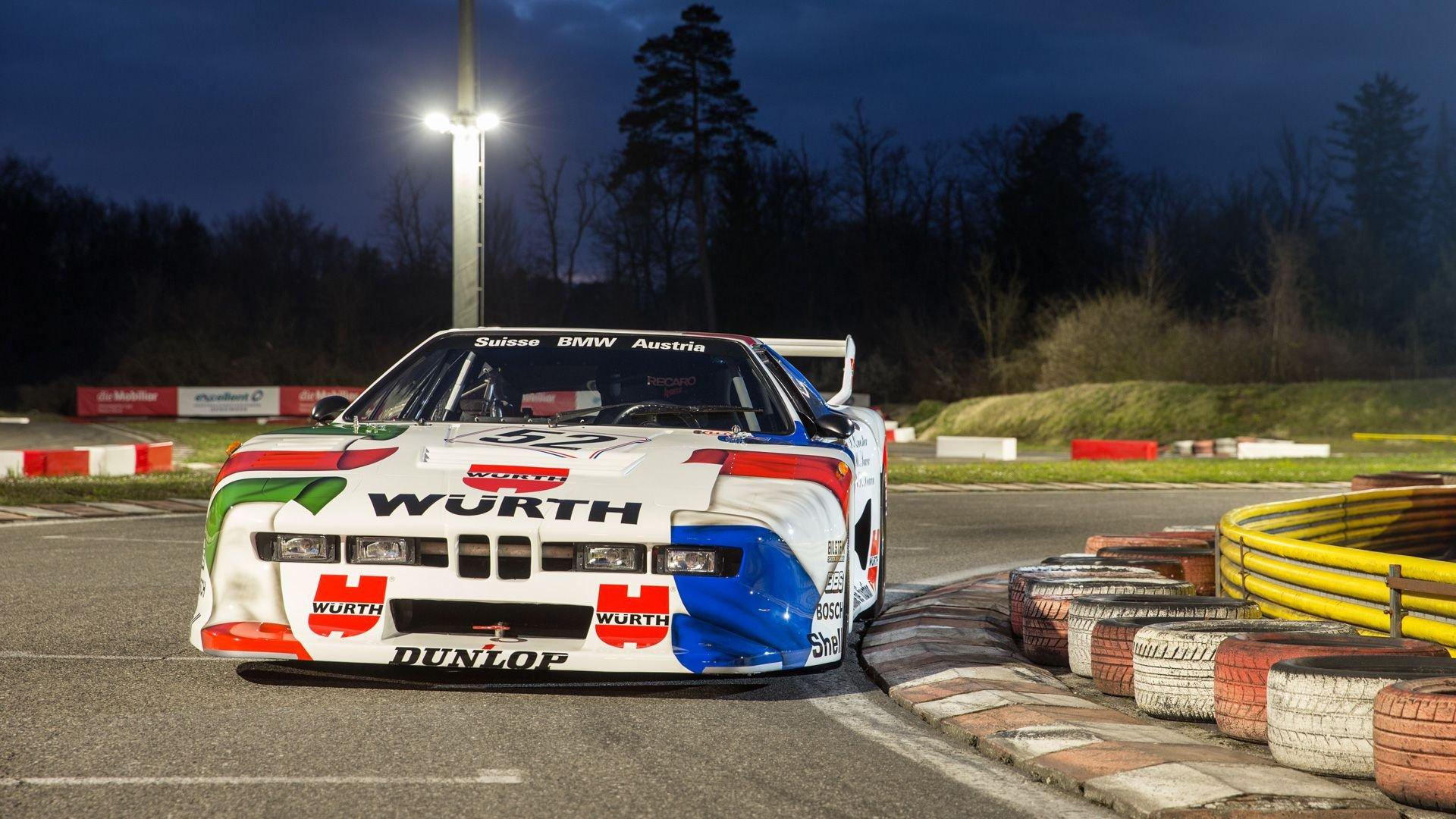
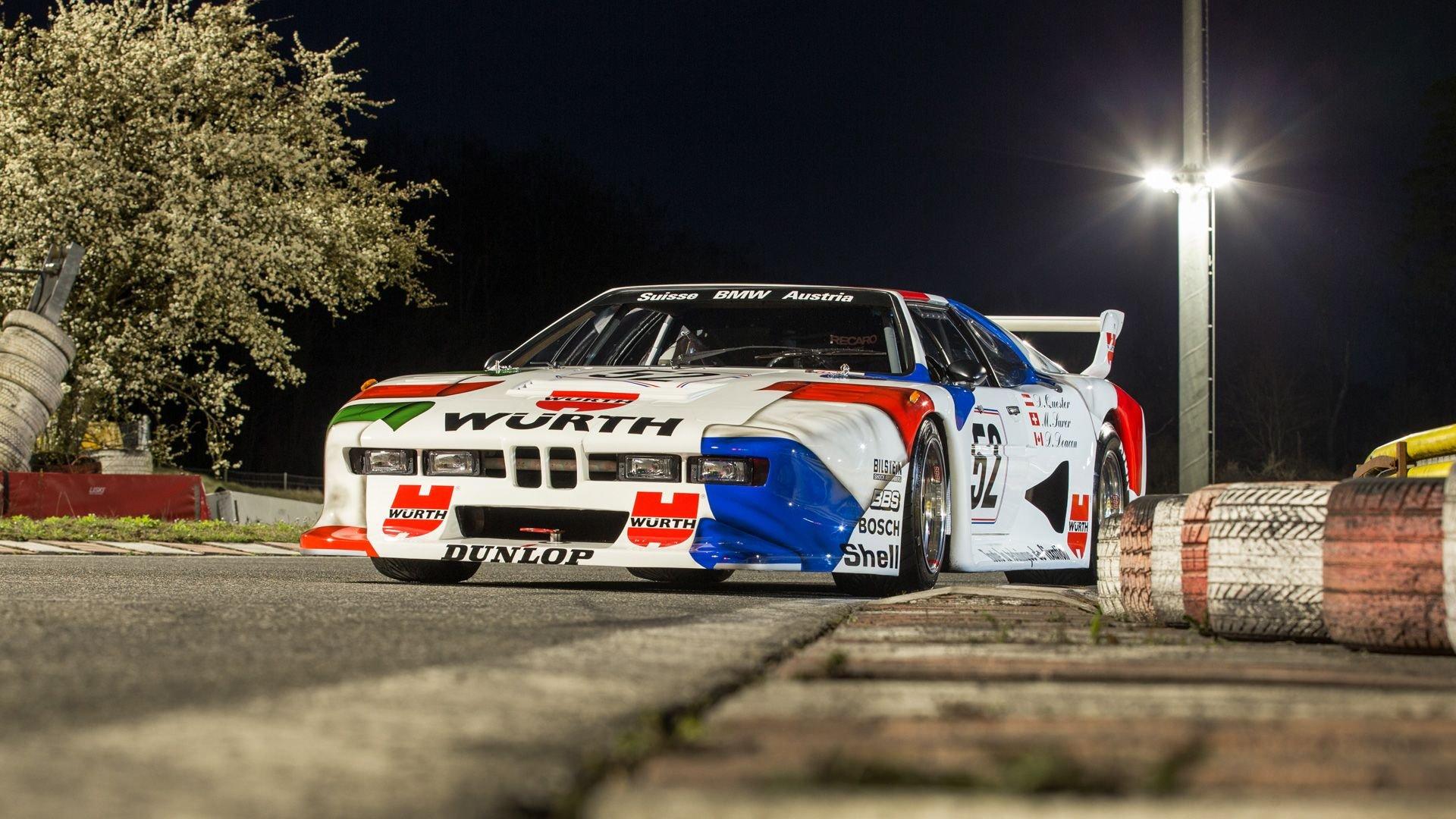
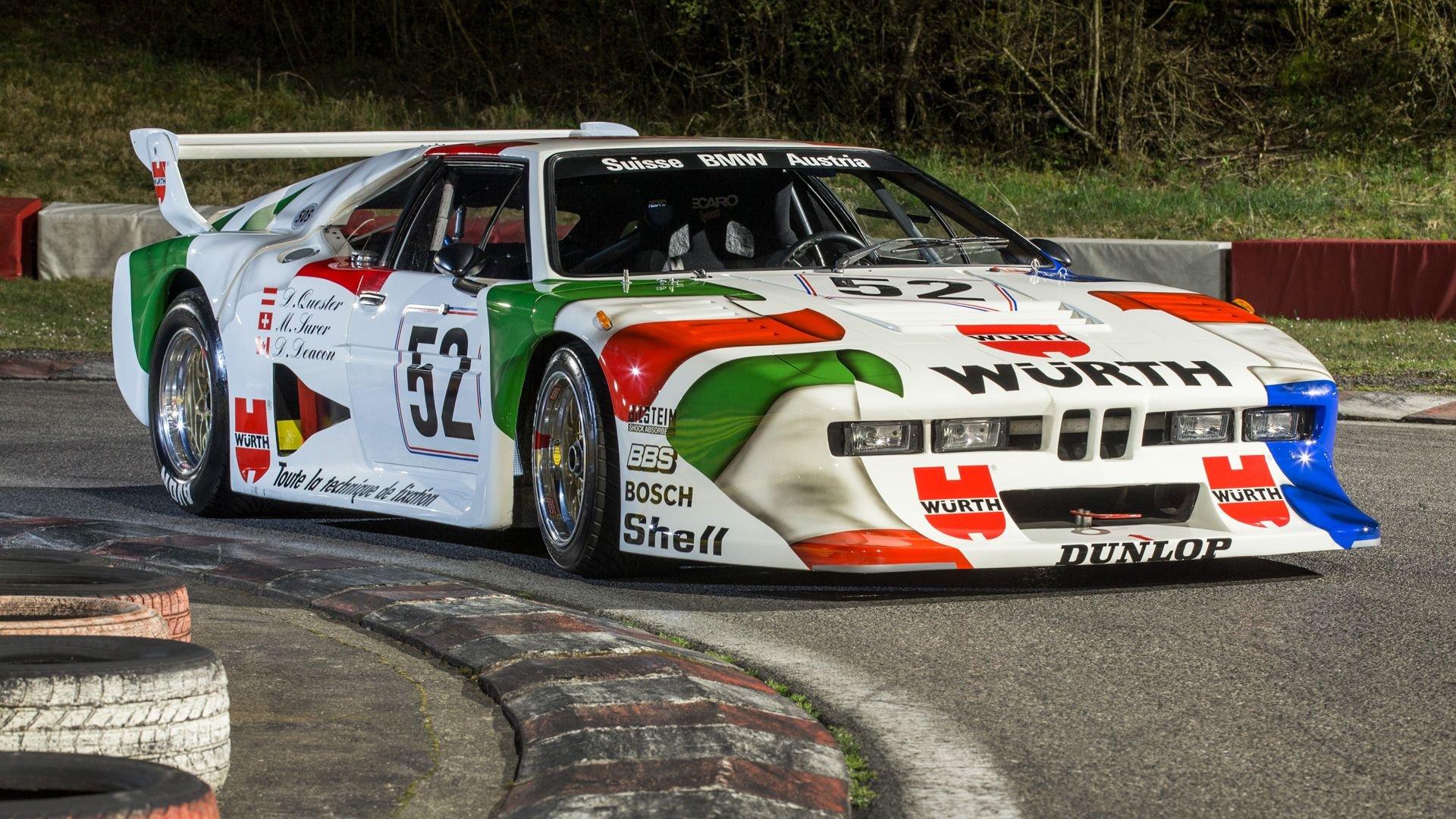
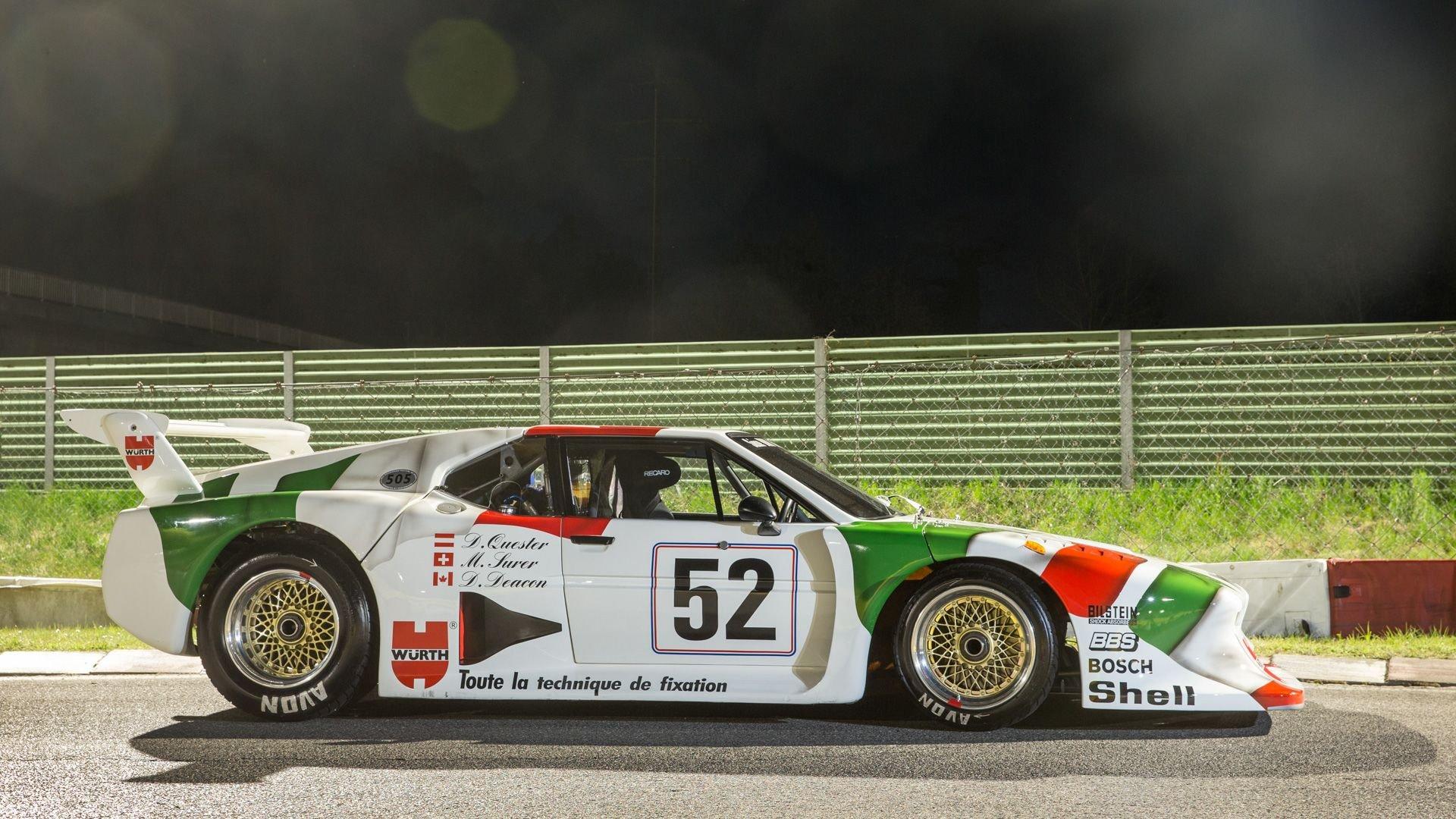
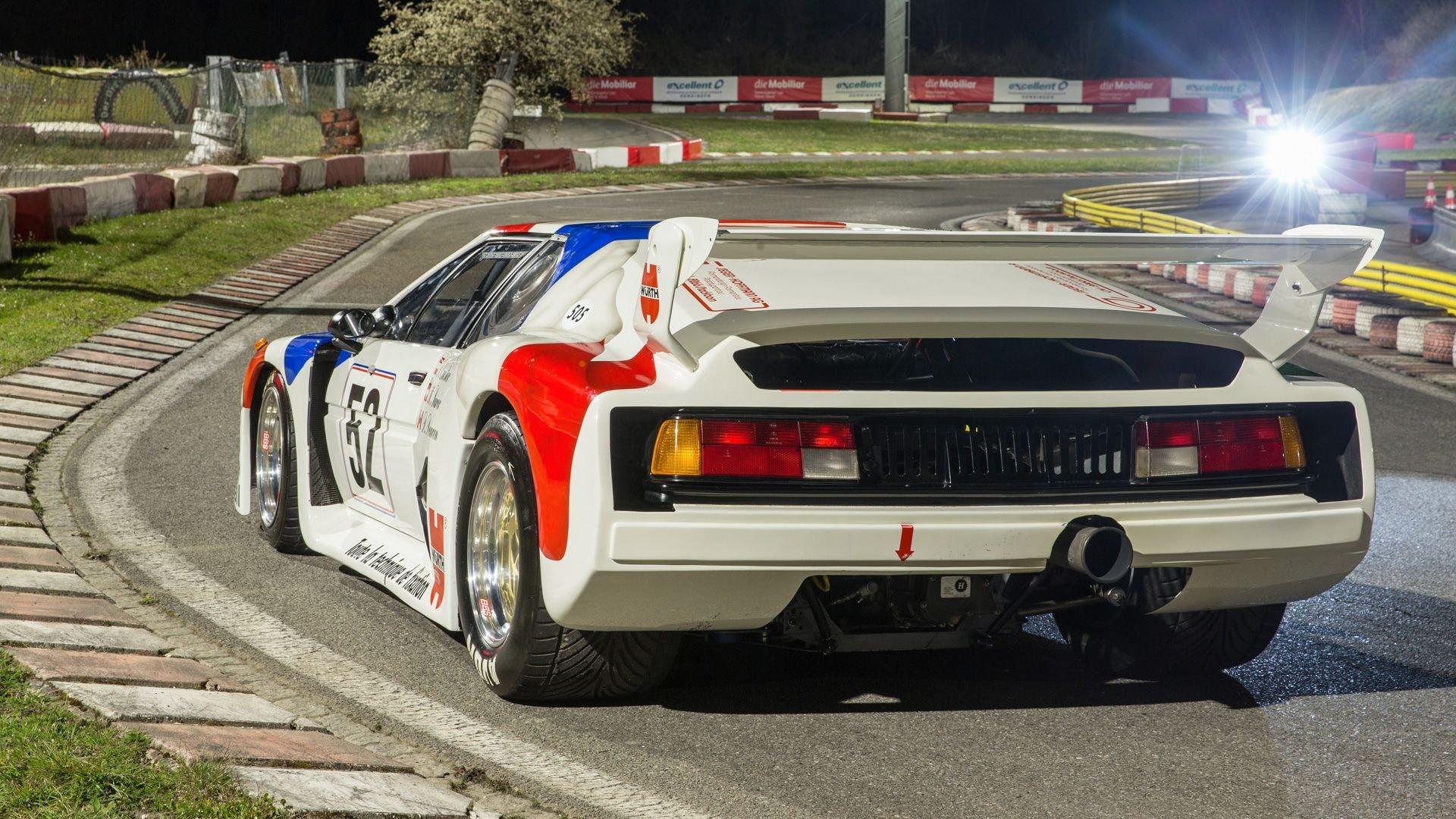
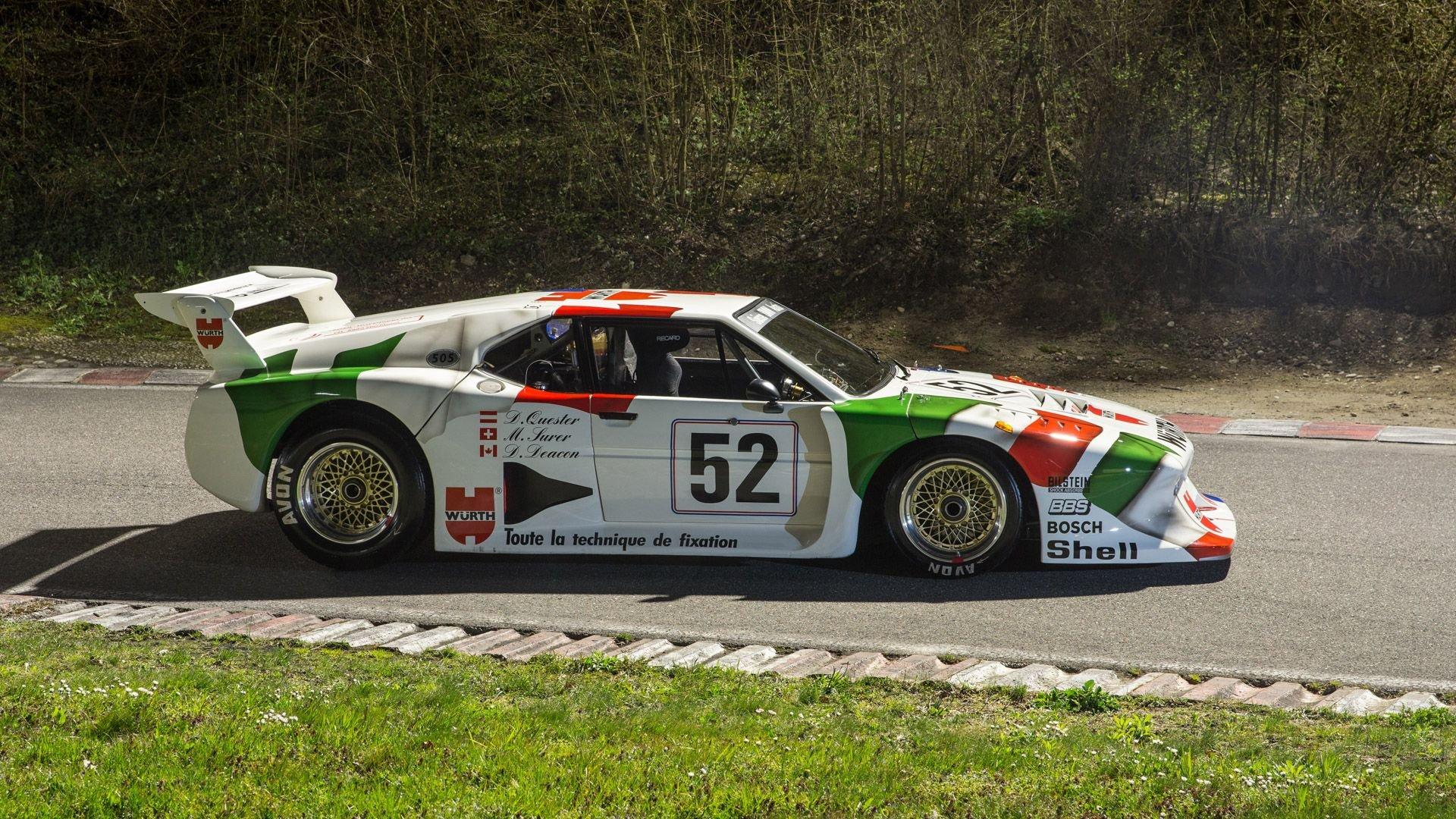
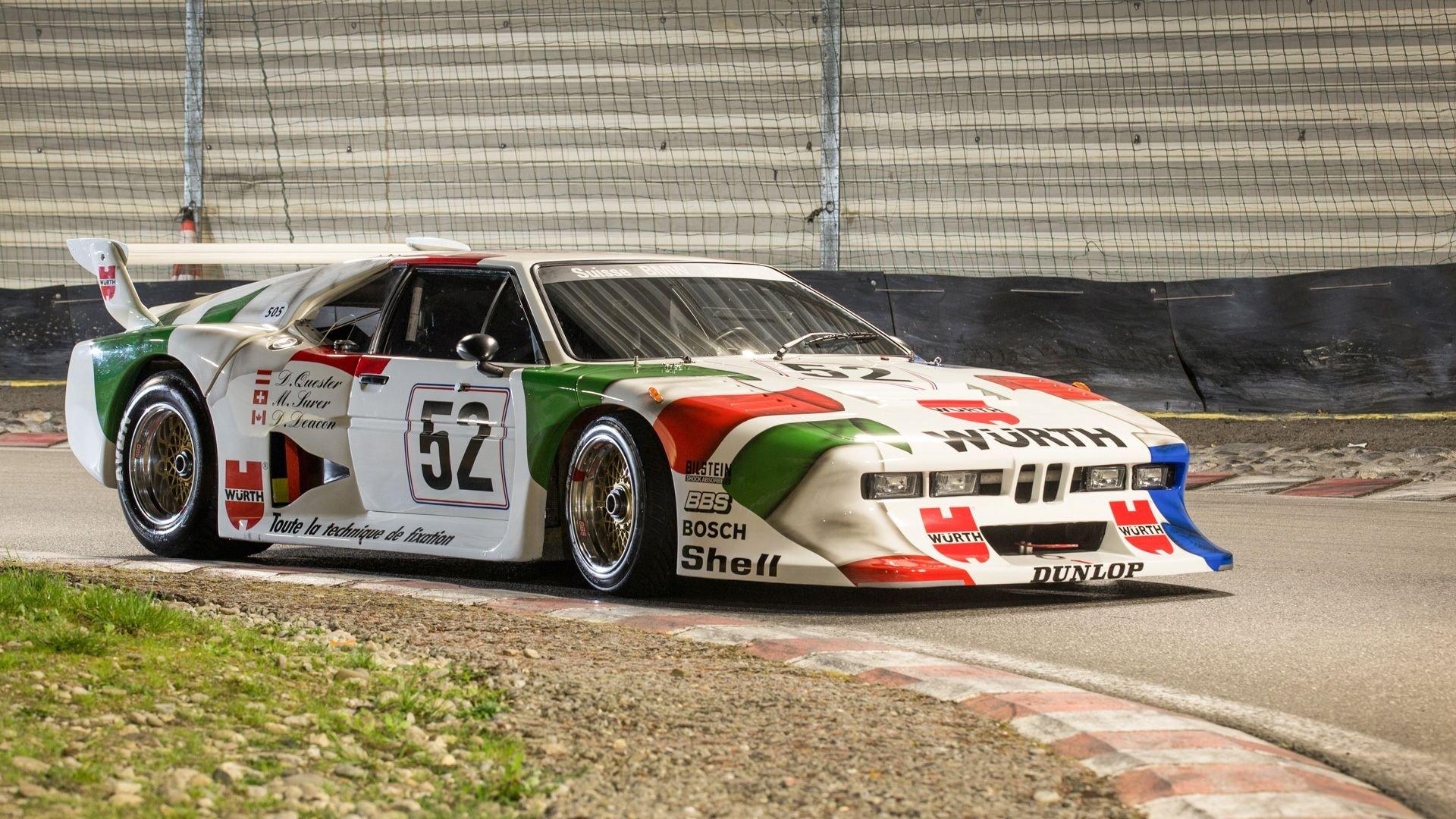
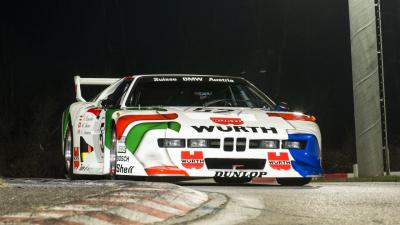
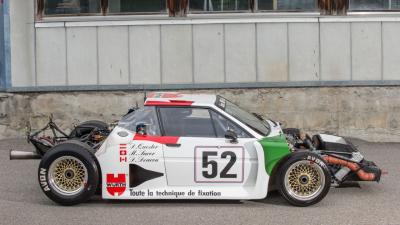
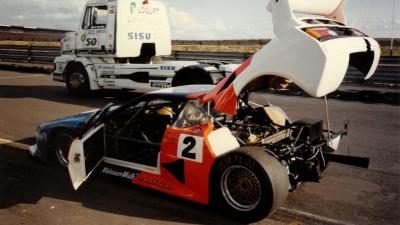
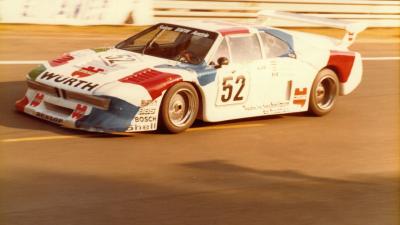
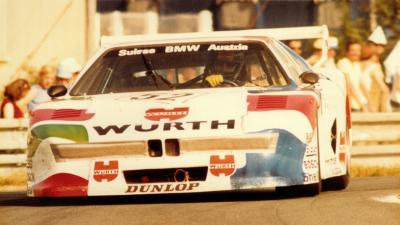
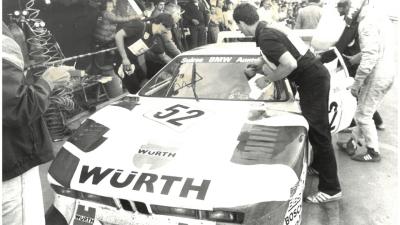
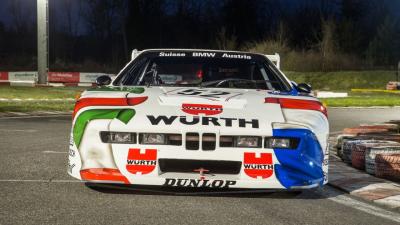
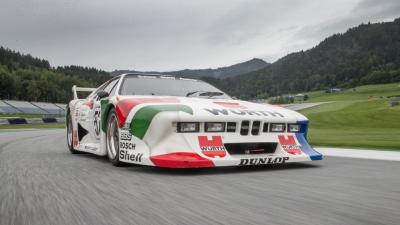
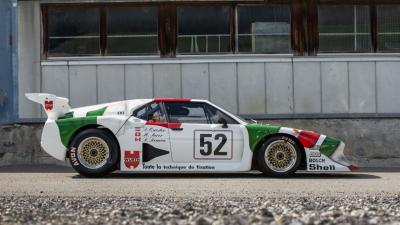
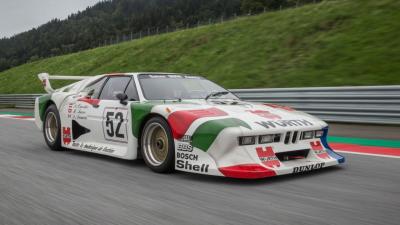
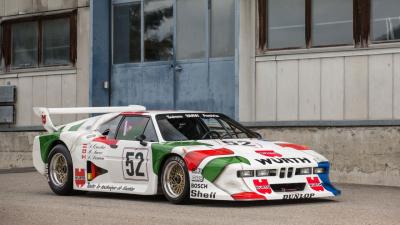
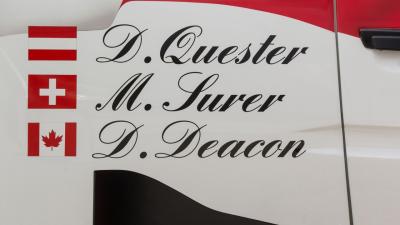
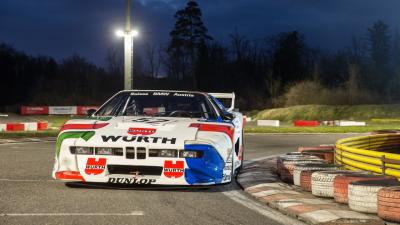
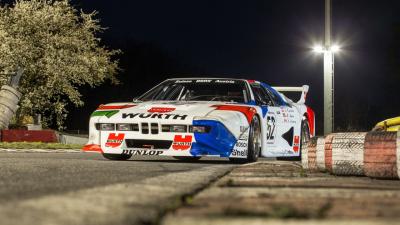
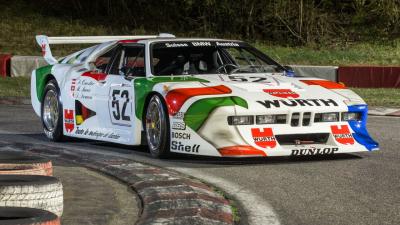
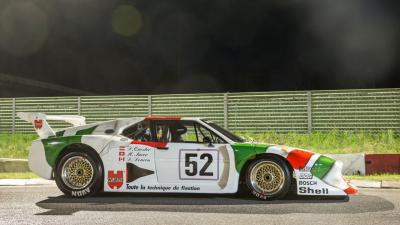
Three weeks later, both Sauber BMW M1s lined up on the grid for the 24 Hours of Le Mans, with chassis 81.M1R.01 running under Würth sponsorship as car number 52, entrusted to a trio drawn from Formula One, Formula Two, and endurance racing: Marc Surer and Dieter Quester, joined this time by David Deacon. The car was tenth among the fastest entries, with a best lap of 3:47 and a top speed approaching 330 km/h down the Mulsanne Straight. After completing 207 laps and covering 2,820.580 km at the Circuit de la Sarthe, car number 52 was forced to retire in the 20th hour, undone by an unusual sequence of clutch, brake, and engine failures. As for the GS Tuning M1, it retired much earlier, in the sixth hour, following a collision. Its luck would run out entirely at the next race, where this sister Sauber BMW M1 was destroyed beyond repair-a stark end for the car that had triumphed at the Nürburgring just weeks earlier.
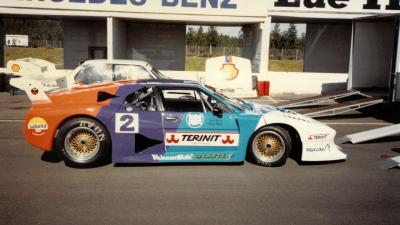
After numerous outings throughout 1981-all detailed in the car's historical record-chassis 81.M1R.01 closed its Sauber chapter in style, taking victory in a Swiss Championship round at Dijon in April 1982, with Enzo Calderari at the wheel. Calderari, a Swiss rally and endurance driver who had taken ownership of the car in March 1982, went on to campaign 81.M1R.01 through another full season of competition, frequently under BMW Italia and Enny colors, in the World Endurance Championship, before Group 5 definitively gave way to Group C at the end of 1982.
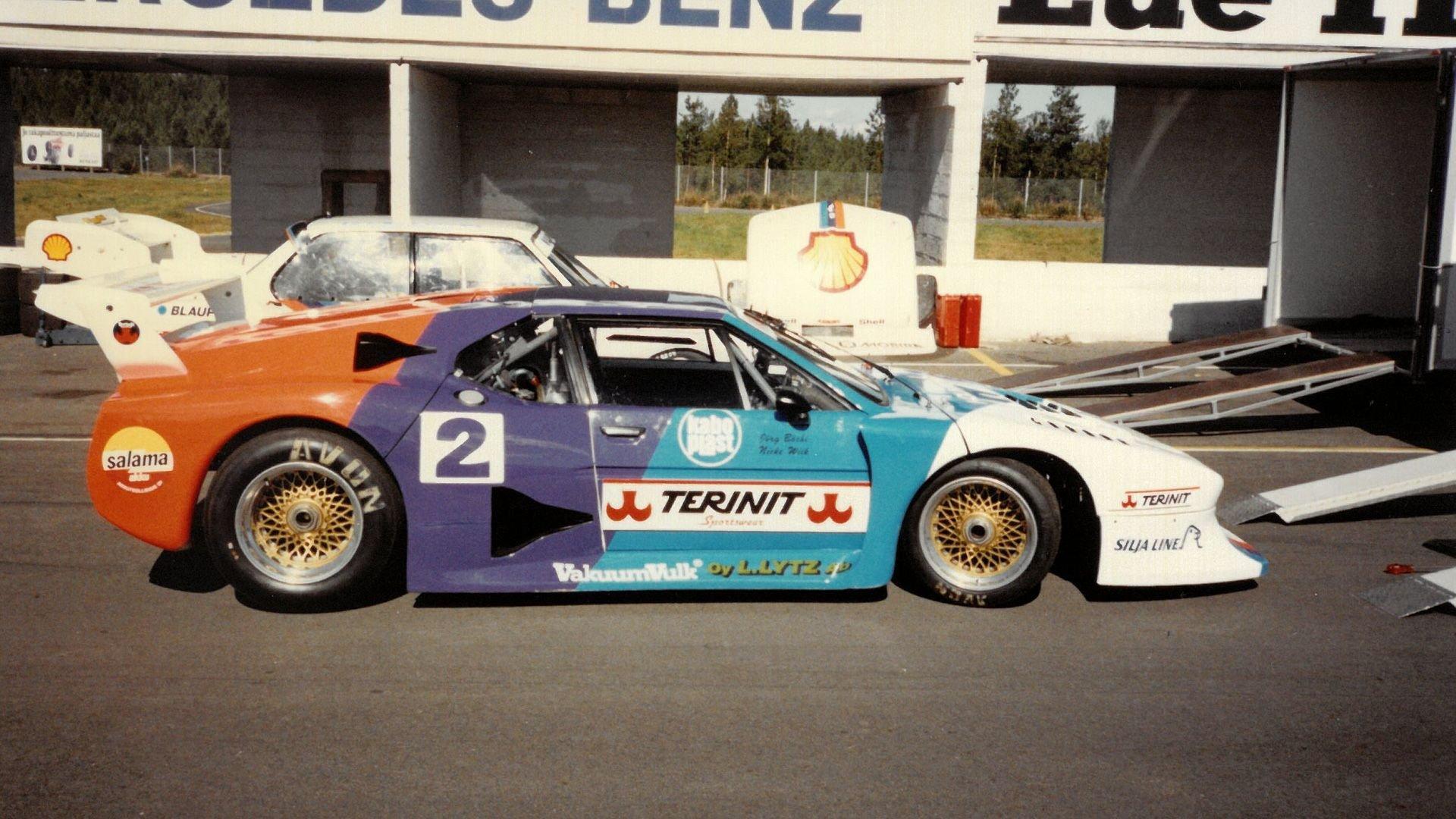
The car was then sold in 1985 to Jürg Bächi, a Swiss rally driver based in Sweden, according to the Swiss Wagenpass issued in May 1981 and accompanying the car, which details its ownership history and remains in the file. Bächi went on to campaign the car in several events between 1986 and 1988, all documented in the records, before selling it in September 1988 to Maximilian Conover, a BMW North America original parts importer, who in turn sold it in 1989 to Jukka Mäkelä, in Finland. Mäkelä commissioned a full engine overhaul on the M88-1/507 unit from Randlinger Motorenbau, Germany, with a detailed DM 18,104 invoice on file.
Closely attached to this car, the last on which he had personally worked, Peter Sauber himself reacquired it in 1991 and preserved it in the Sauber Museum for the next 23 years.
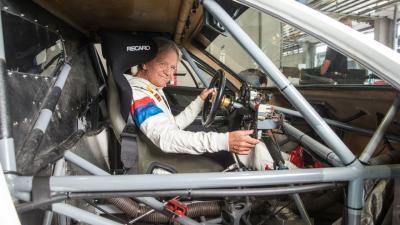
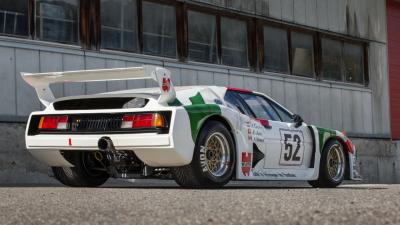
The current owner, who acquired the car directly from Peter Sauber in 2014, set out to return it to circuit use and commissioned a major restoration, documented by invoices totaling €209,000. The work was overseen by Peter Wiederkehr, who had originally worked on the car when Sauber built it. The restoration returned the car to its Würth livery as raced in the 1981 Group 5 season and included fitting a 1980 BMW 635CSi engine block, in addition to its original engine, which remains with the car.
The first shakedown run took place at Mugello, where it passed all systems checks without issue. For a more serious test, the car then went to the Red Bull Ring in Austria, and since then it has returned to the circuit twice a year.
While road-legal BMW M1s can still be spotted at classic events around the Nürburgring or Circuit Paul Ricard, genuine competition examples are exceedingly rare, and this is the only surviving car purpose-built for Group 5. Offered with an extensive documentation file covering its original construction, including Sauber chassis hand-drawings, its period competition and continuous ownership history, and restoration records, Sauber BMW M1 chassis number 81.M1R.01 represents a remarkable piece of both history and engineering, requiring only further work to be homologated and return to the racing scene where it belongs.
Temporary Import: This lot is in Italy on a temporary import bond, which must be discharged by the Buyer either by directly re-exporting the Lot or by paying the relevant customs duty, import VAT and other applicable fees to permanently import the Lot into Italy or another European Union country as permitted. Any Lot subject to temporary import restrictions cannot be released from Broad Arrow's custody without the completion of these procedures. Customs charges will be assessed based on the Lot's value and according to the circumstances of each sale and may be payable by the Buyer either to Broad Arrow and/or directly to the relevant tax authority.
Documents: Bill of Sale
Contact Us
