


























































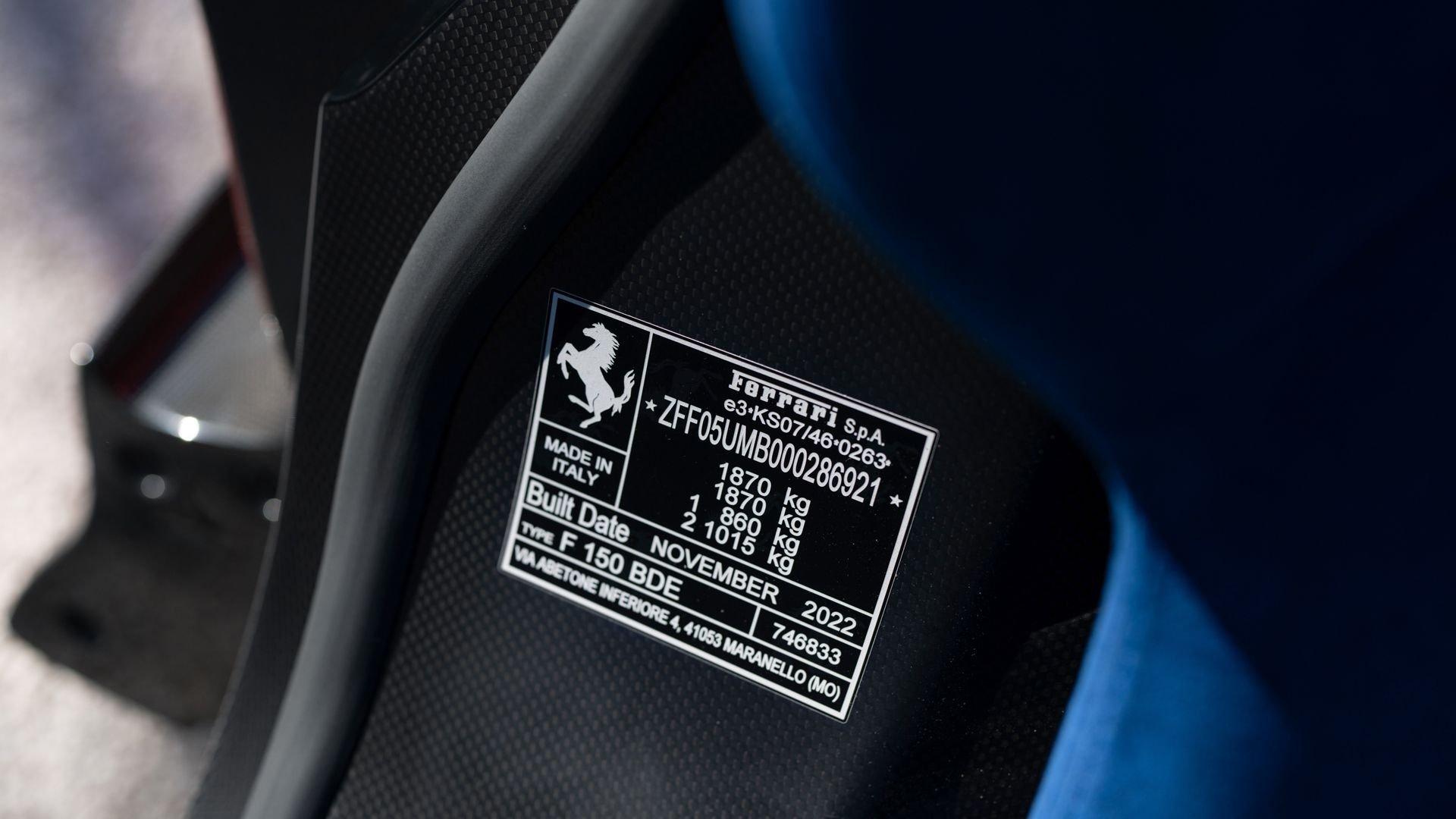
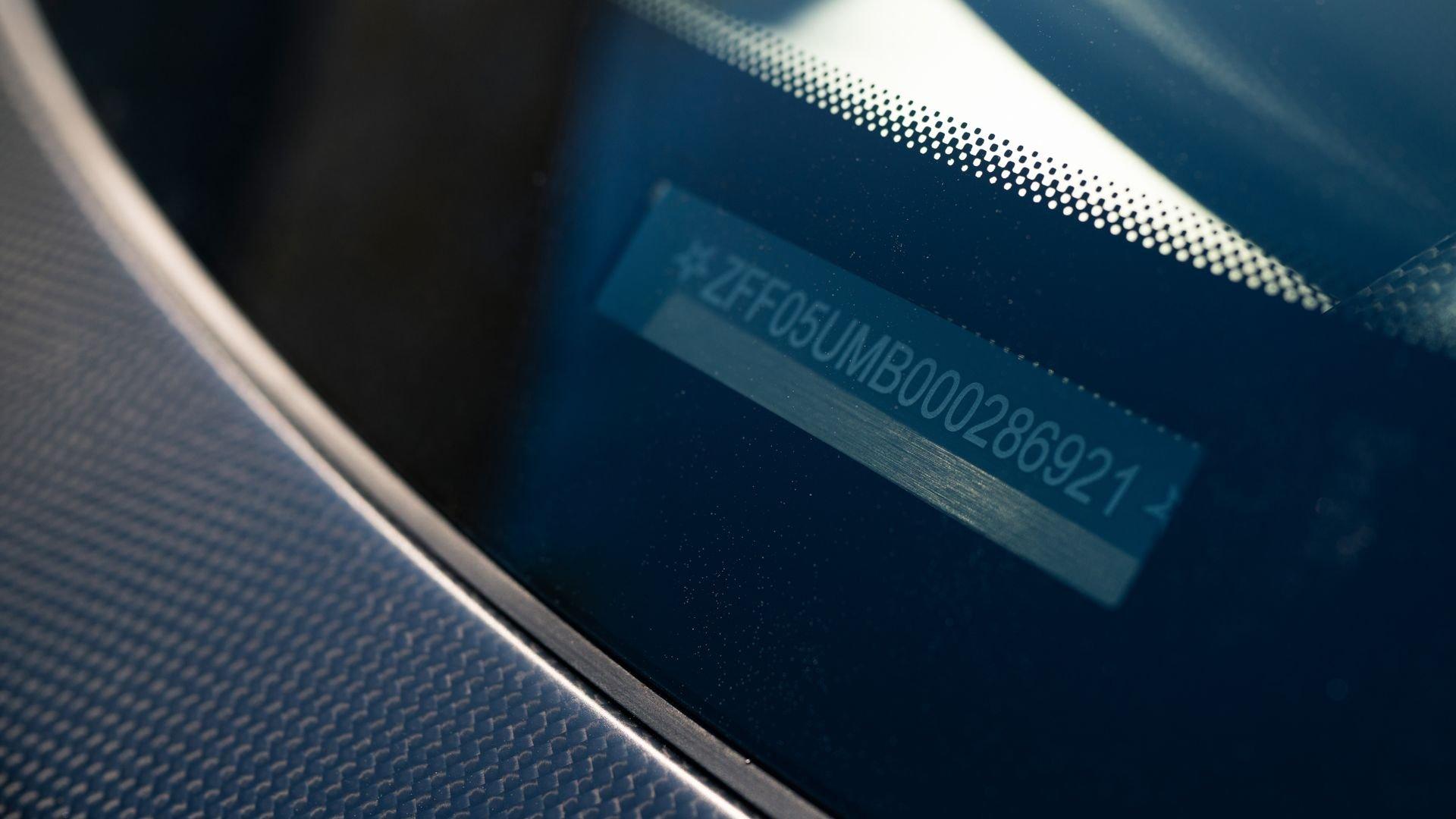
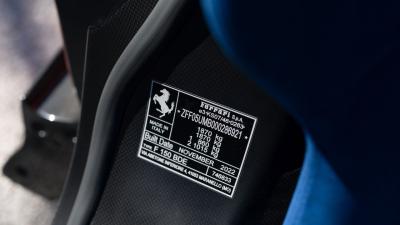
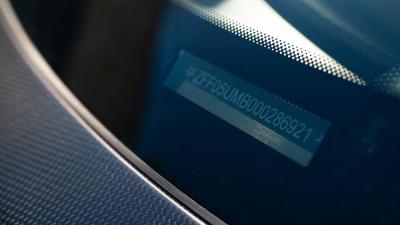
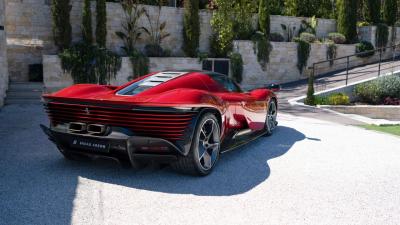
Chassis No. ZFF05UMB000286921
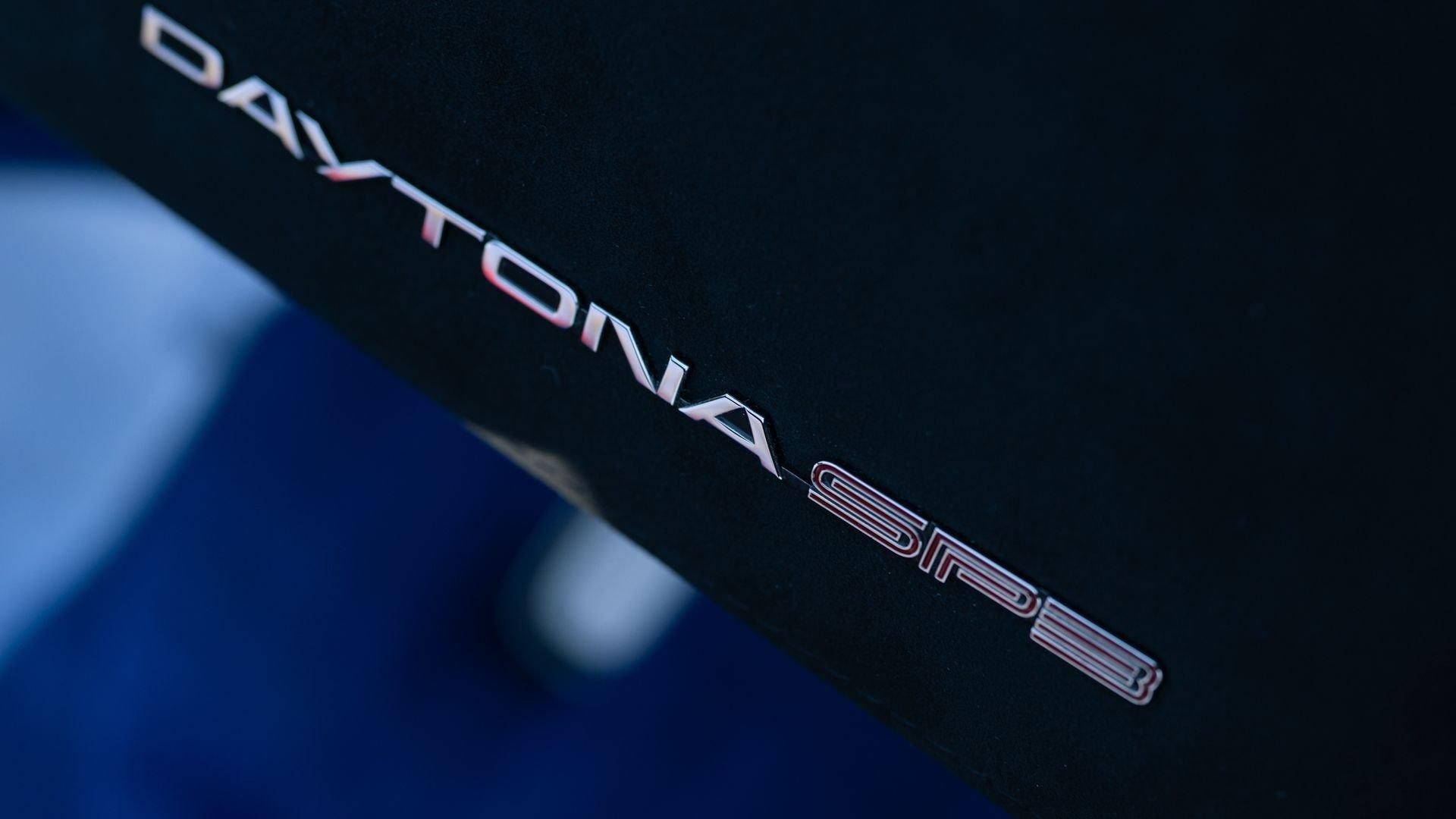
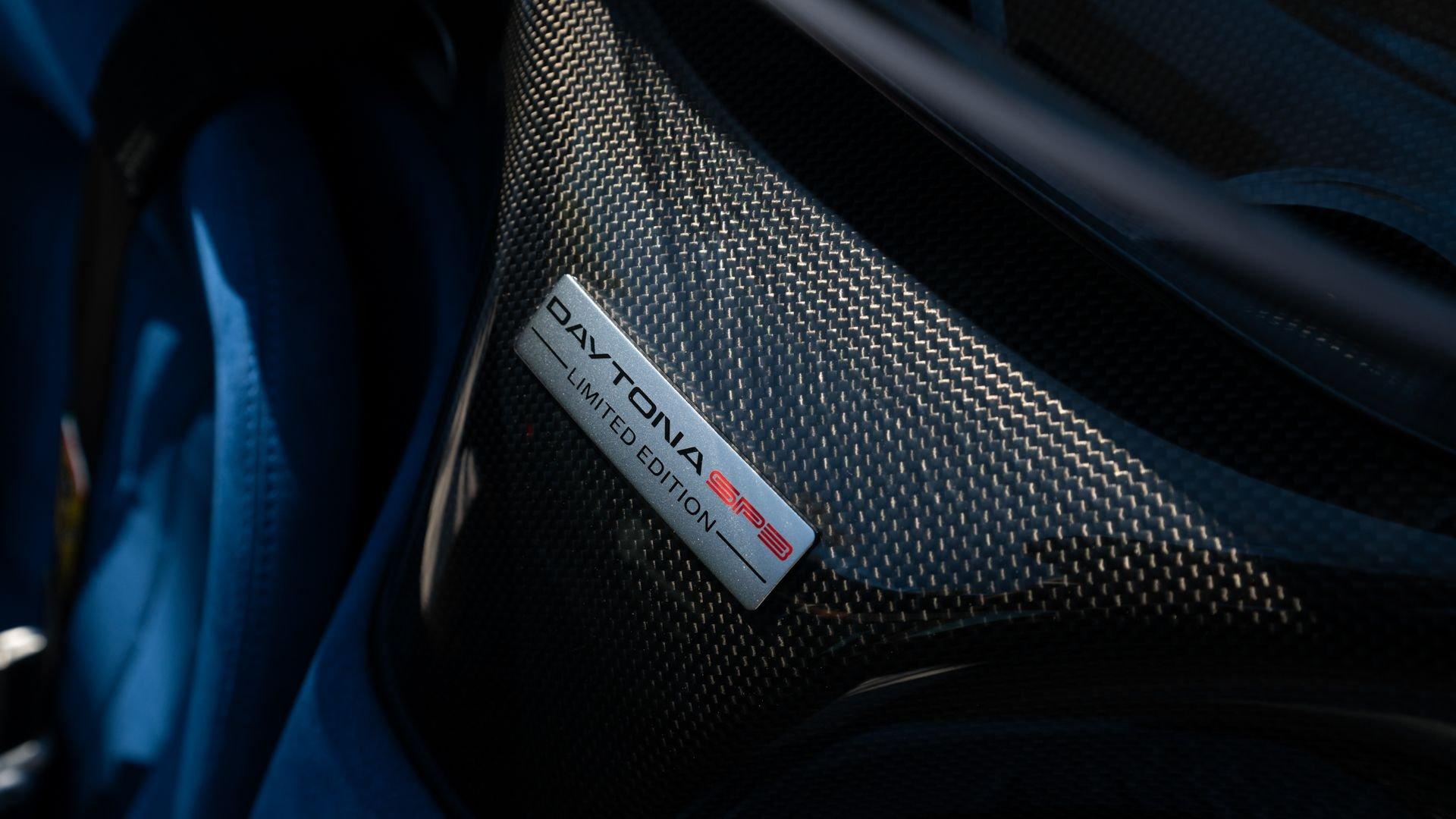
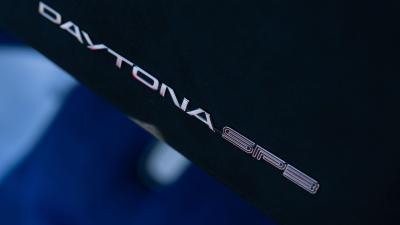
The Ferrari Daytona SP3, the second model in Ferrari's “Icona Series,” is many things at once-a rolling tribute to one of the marque's most triumphant afternoons, a showcase of naturally aspirated engineering at its peak, and quite possibly the final chapter in a mid-engine, naturally aspirated lineage that began nearly sixty years ago.
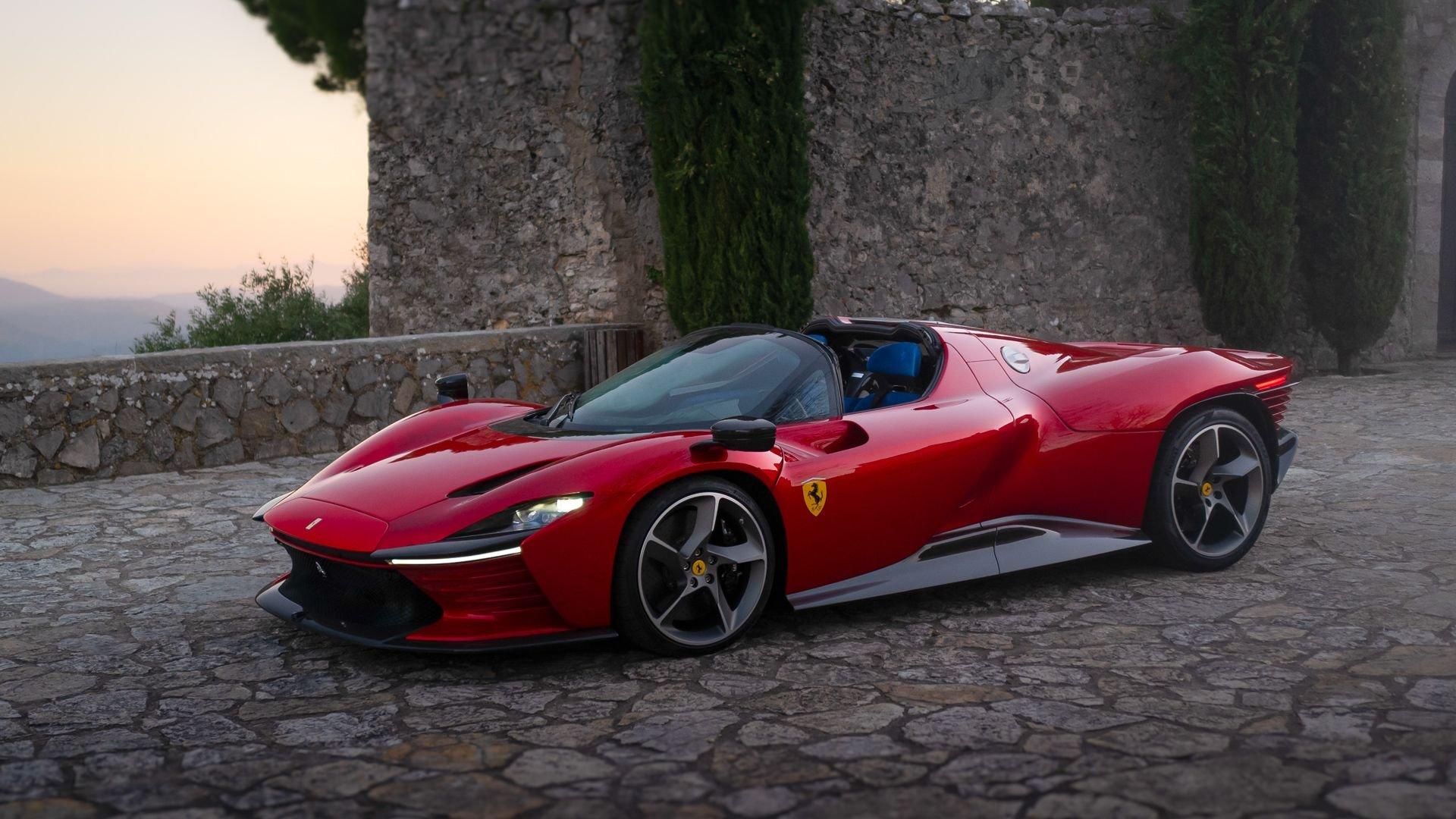
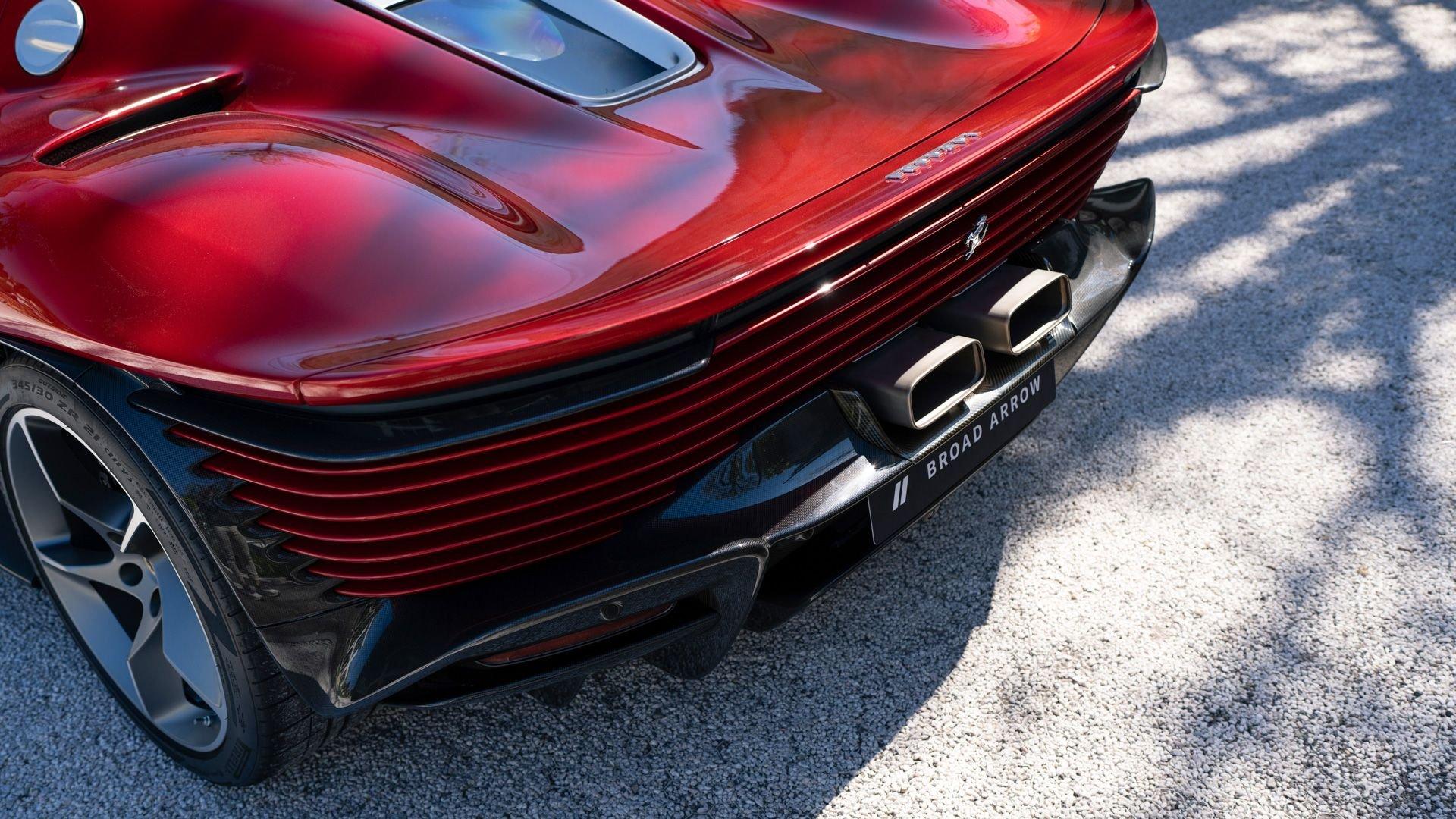
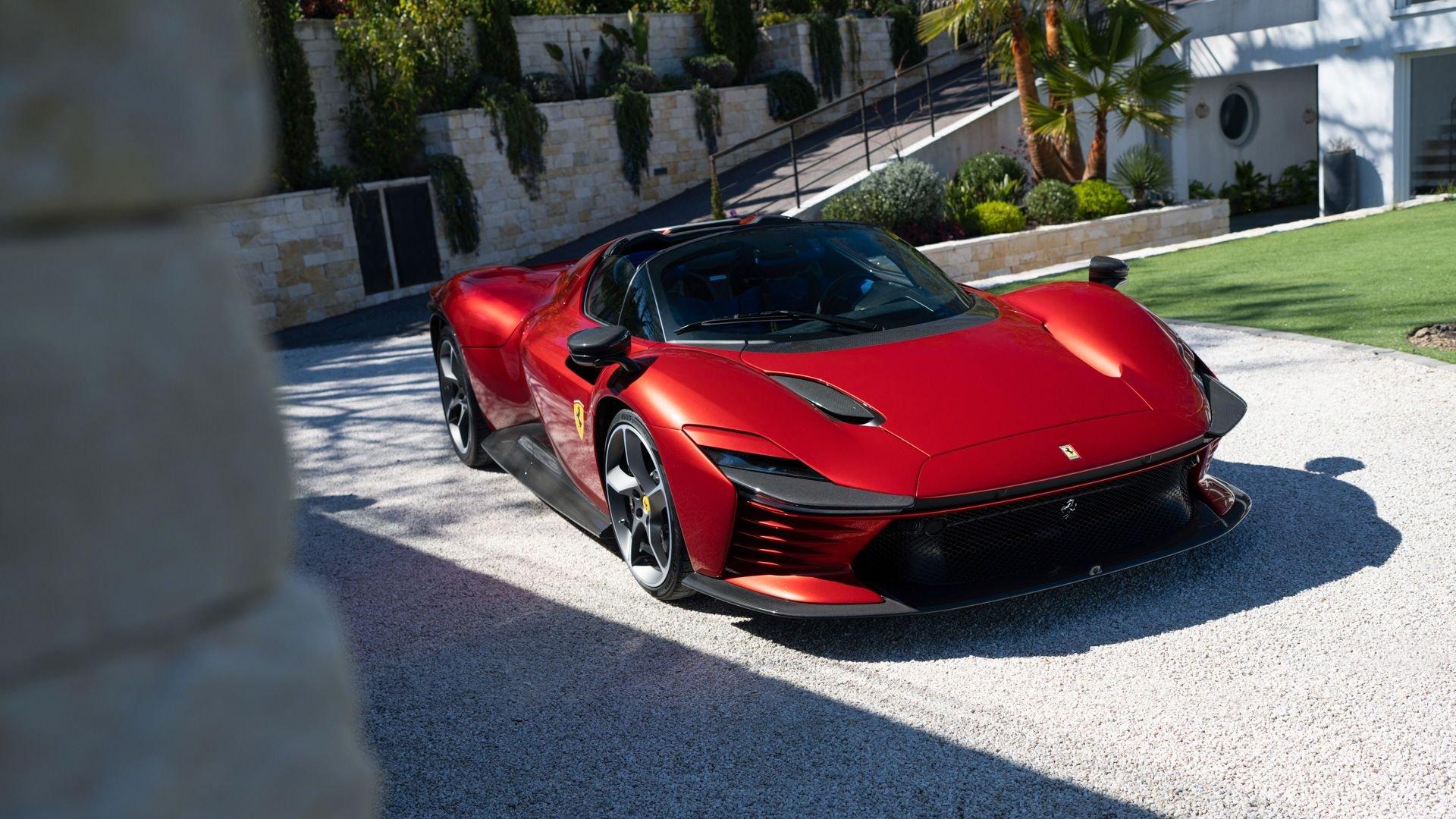
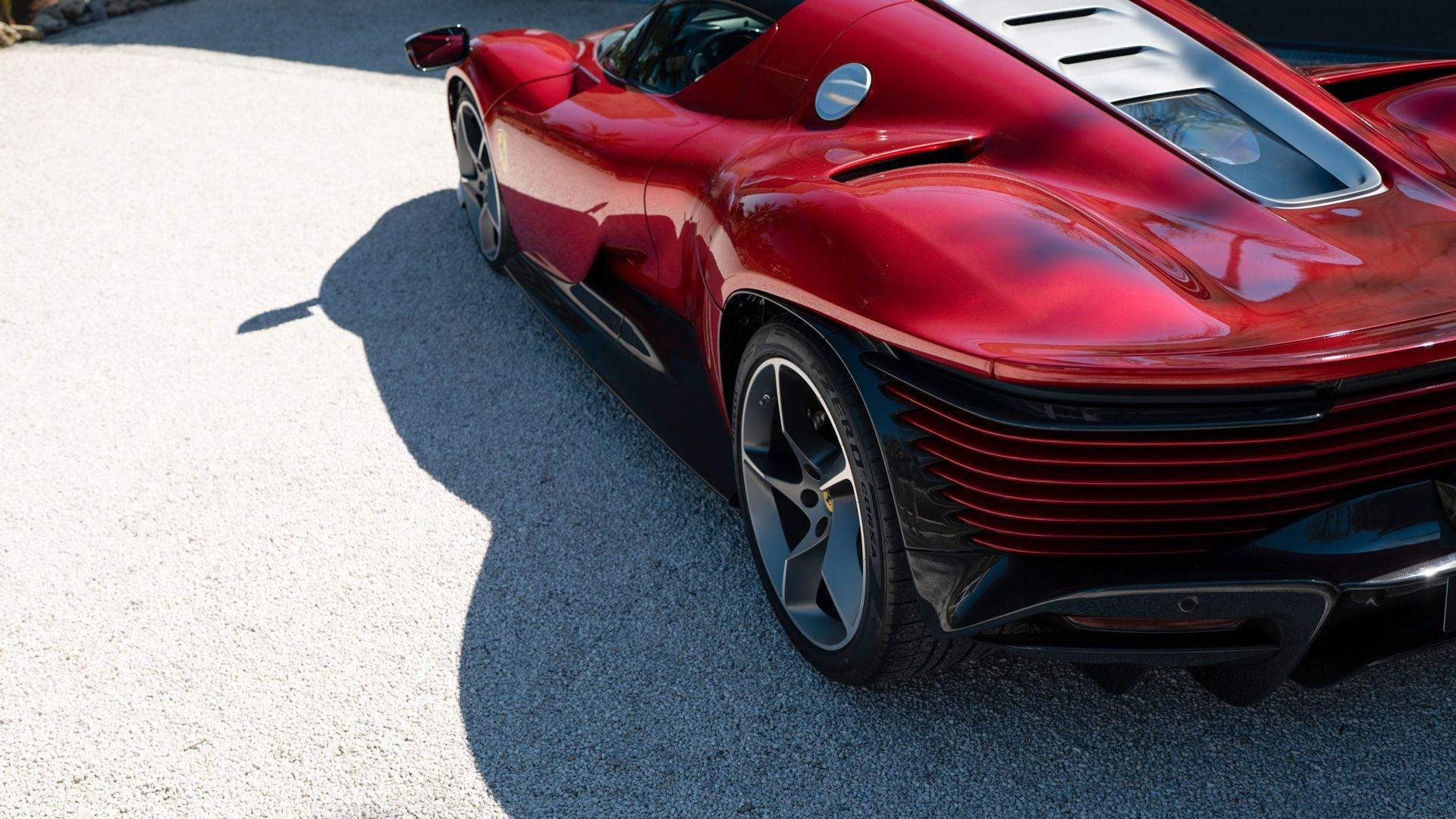
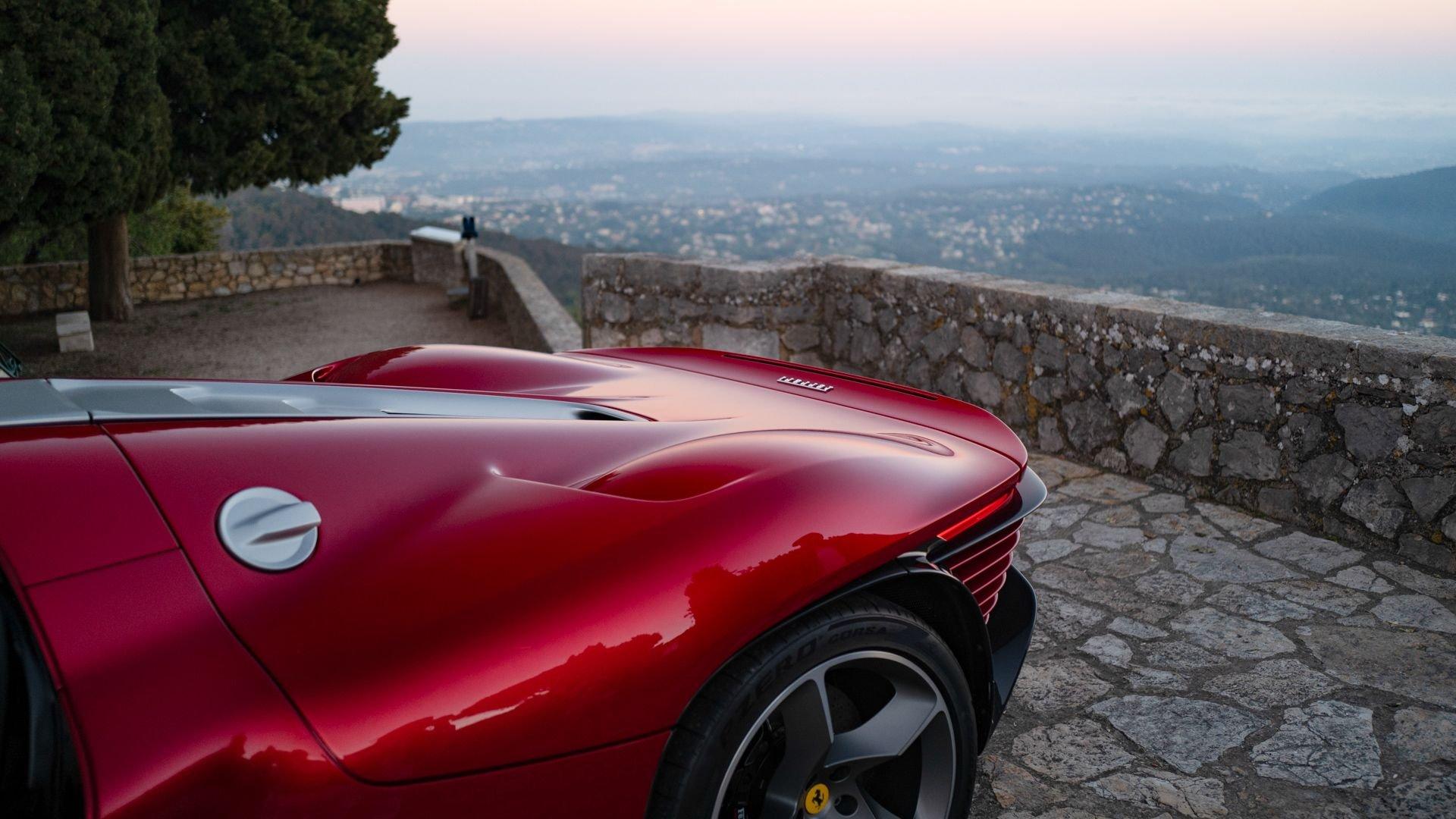
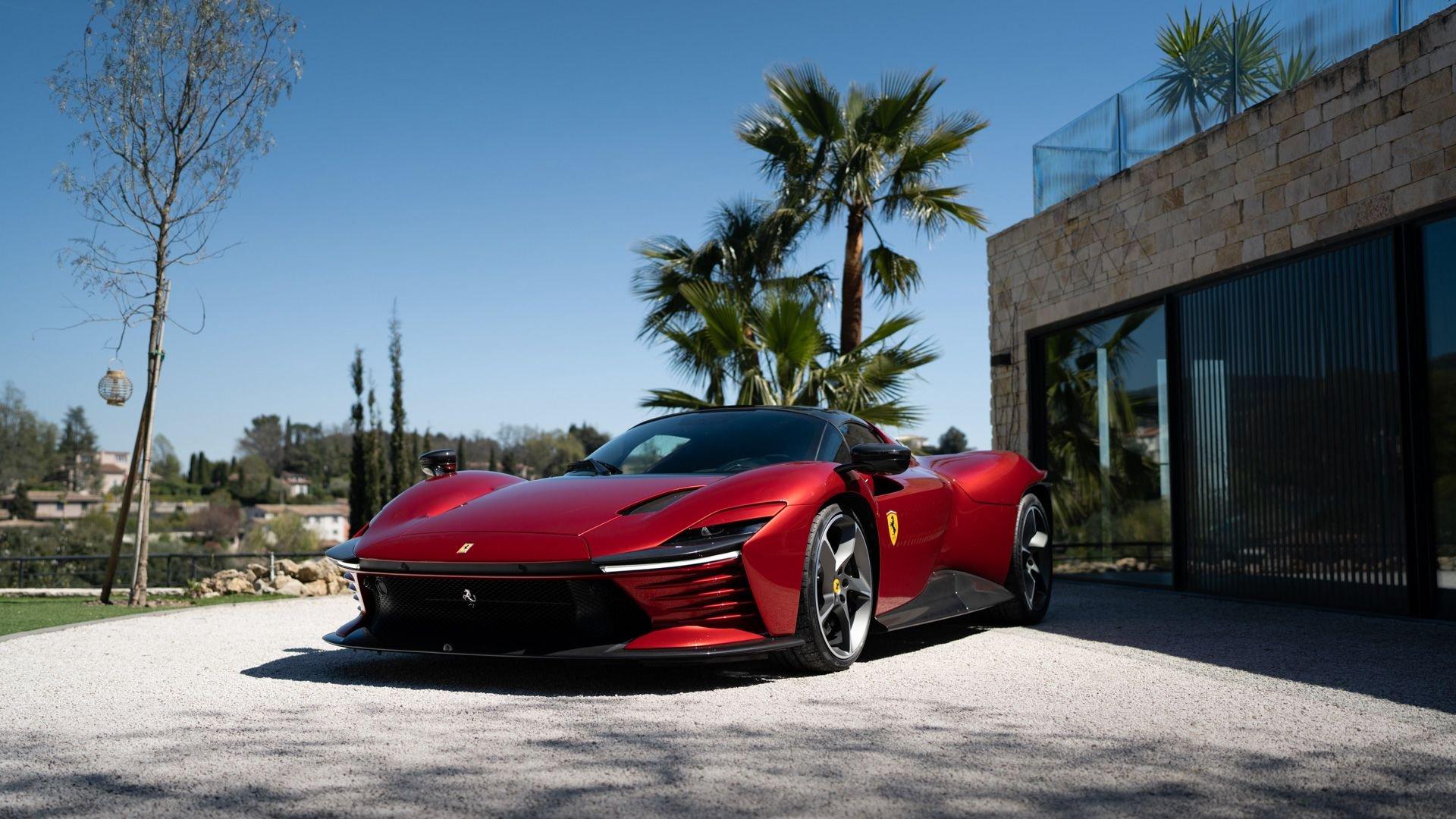
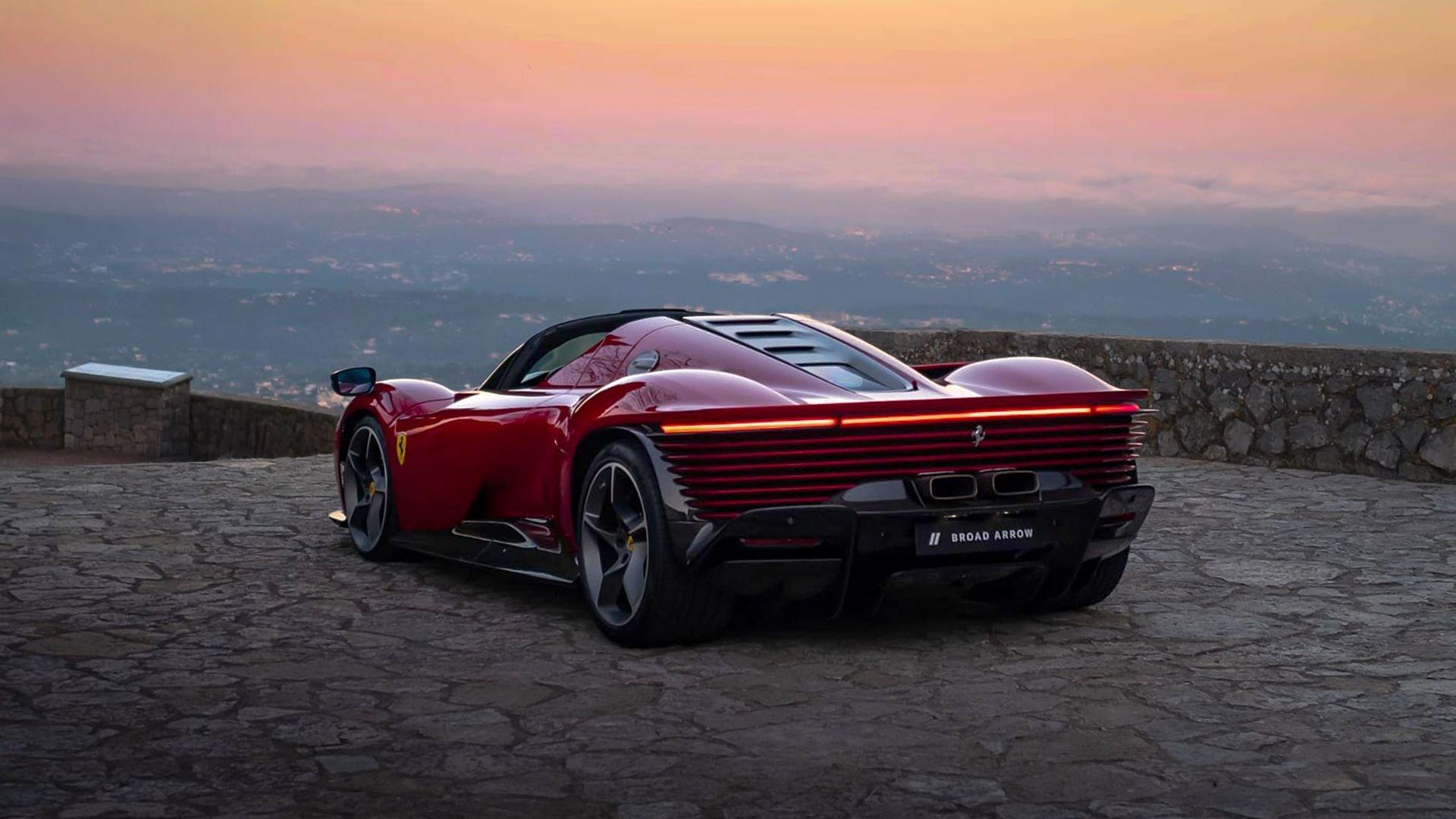
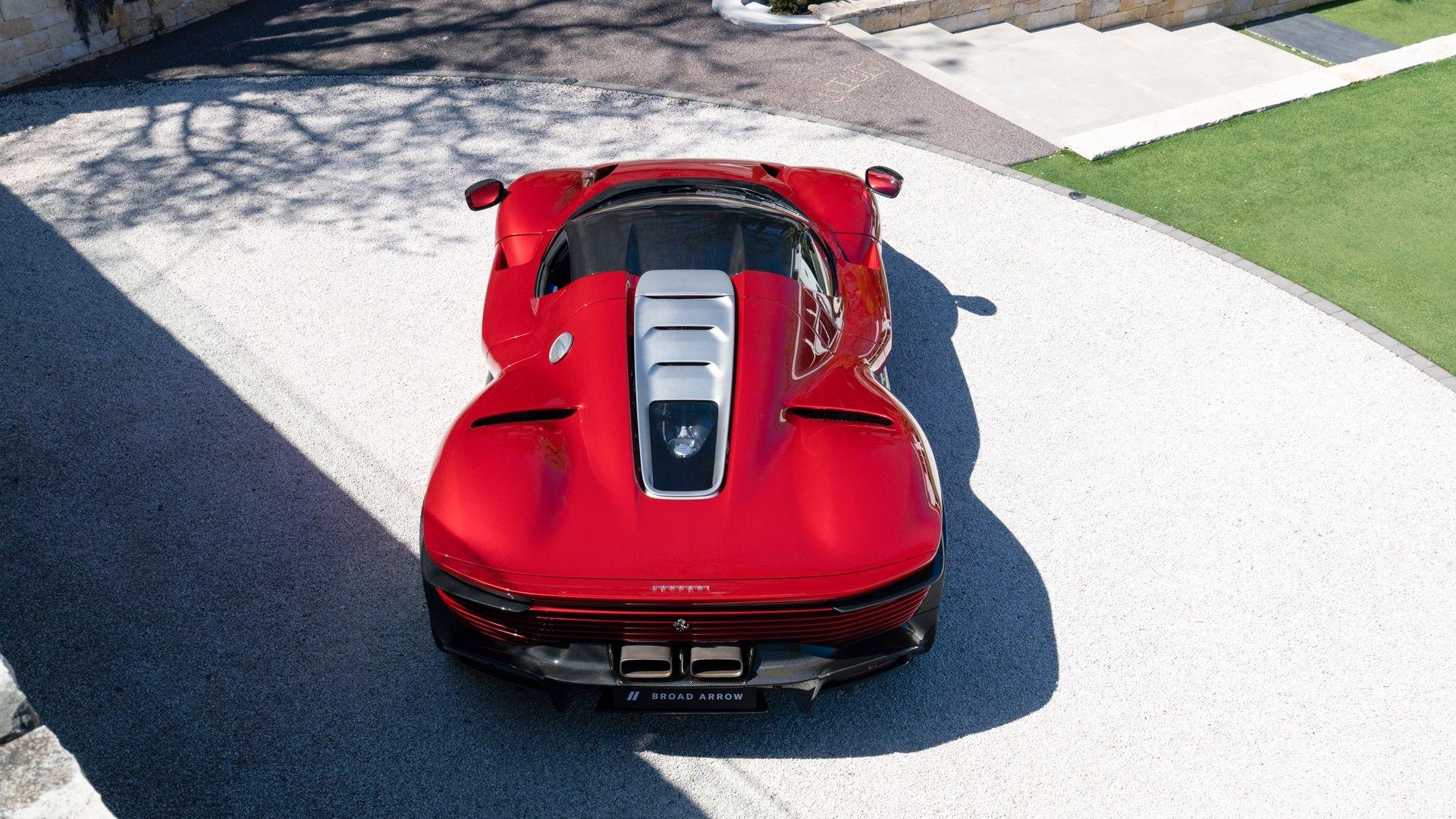
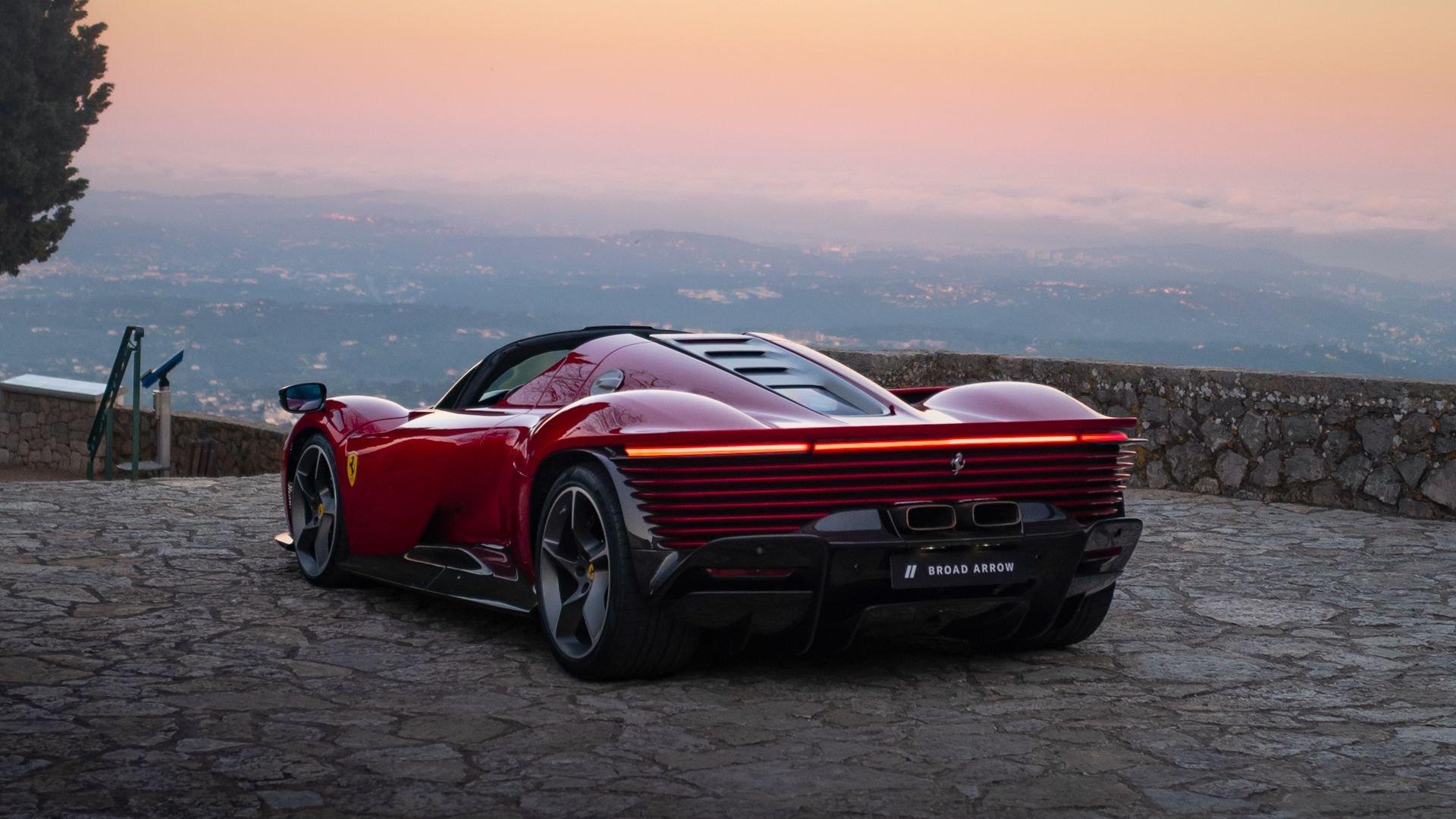
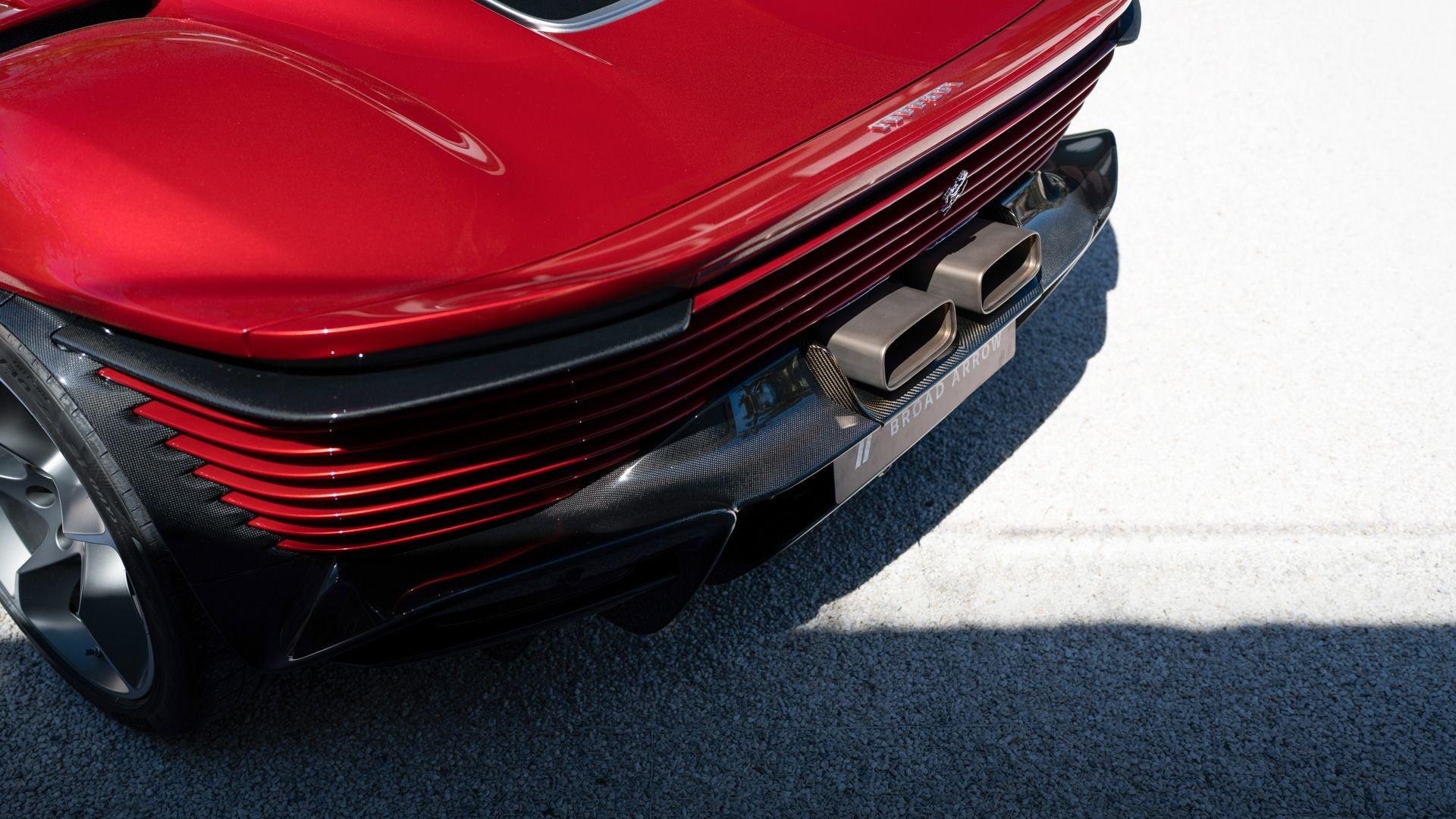
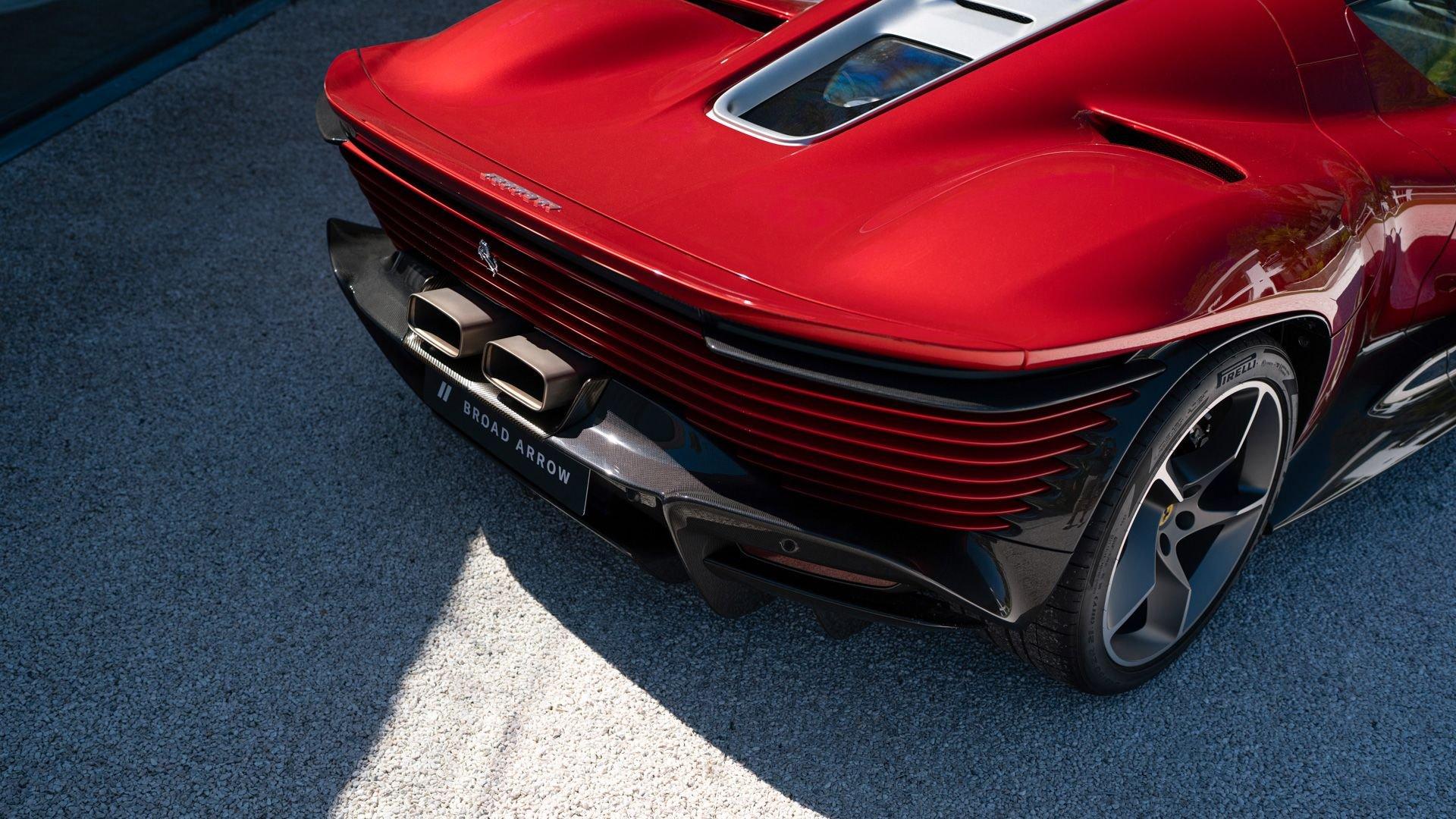
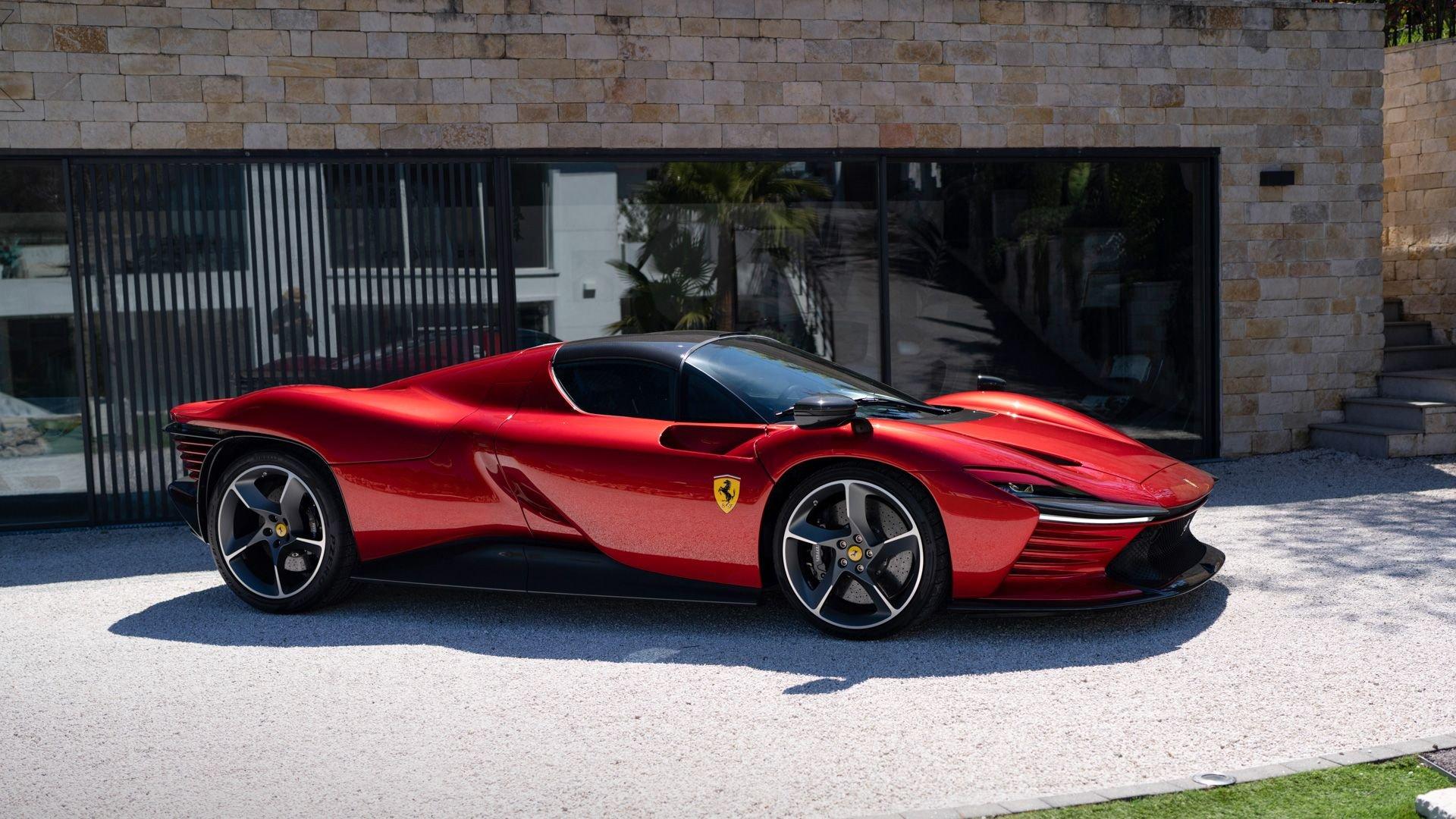
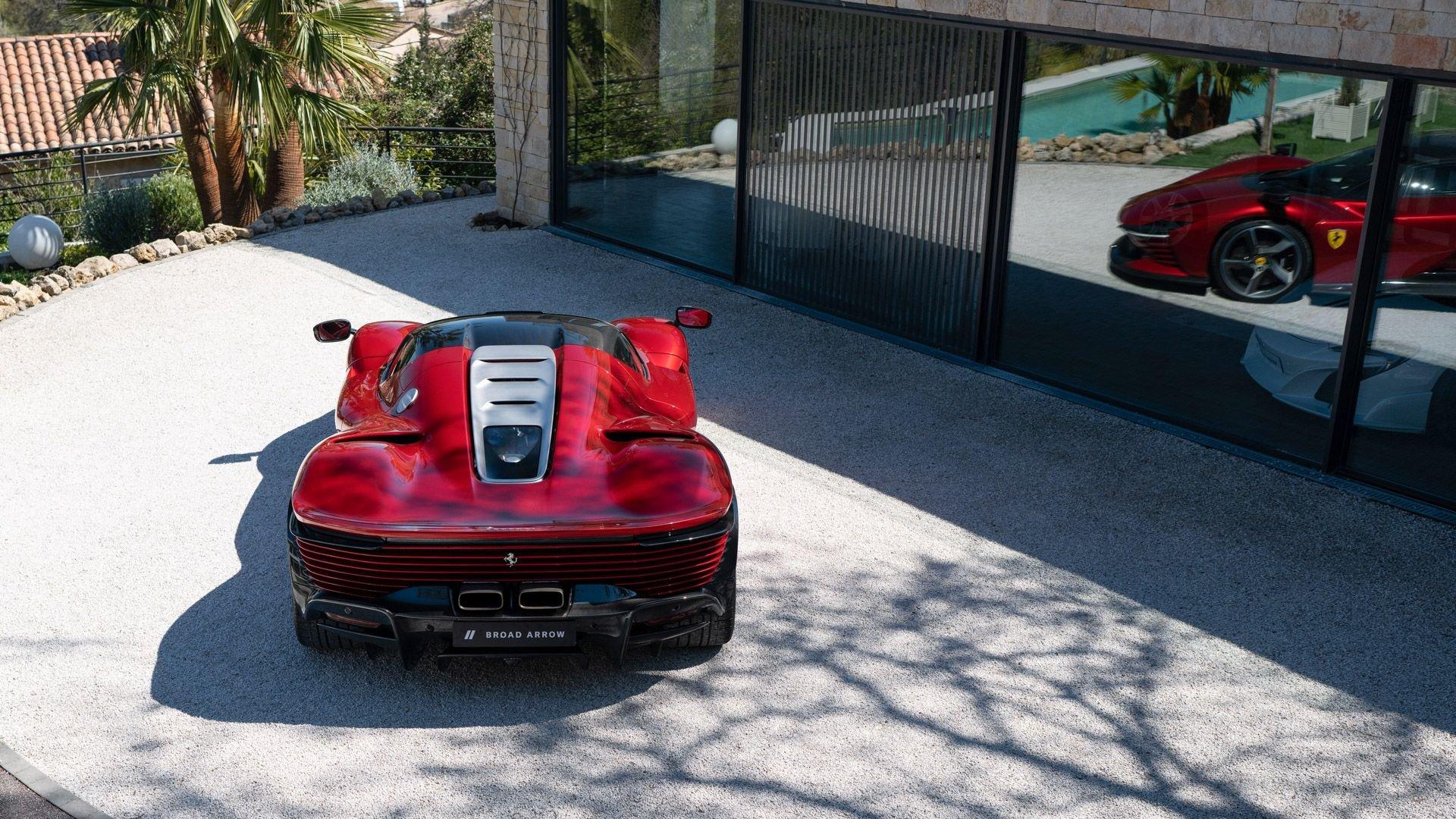
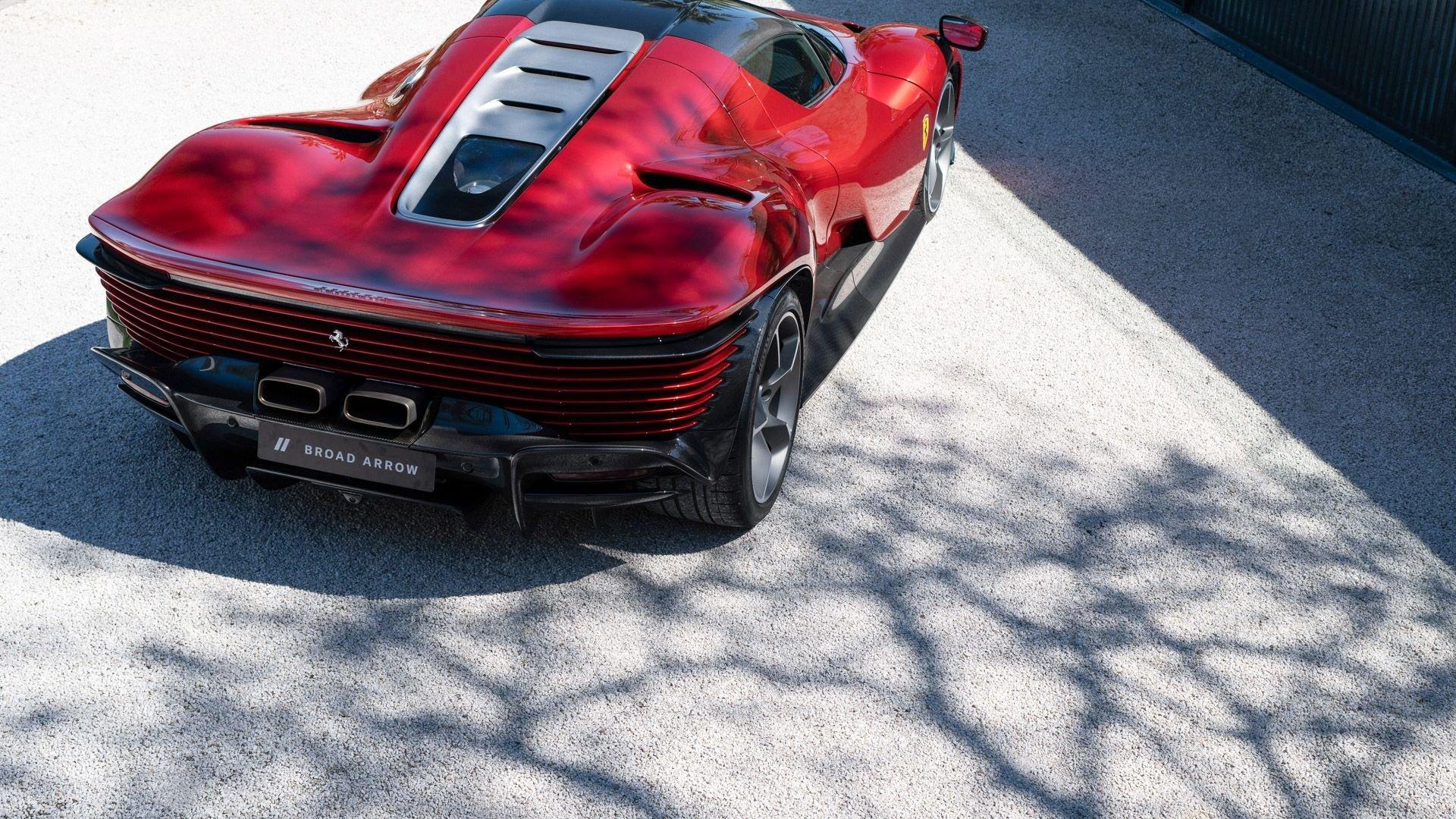
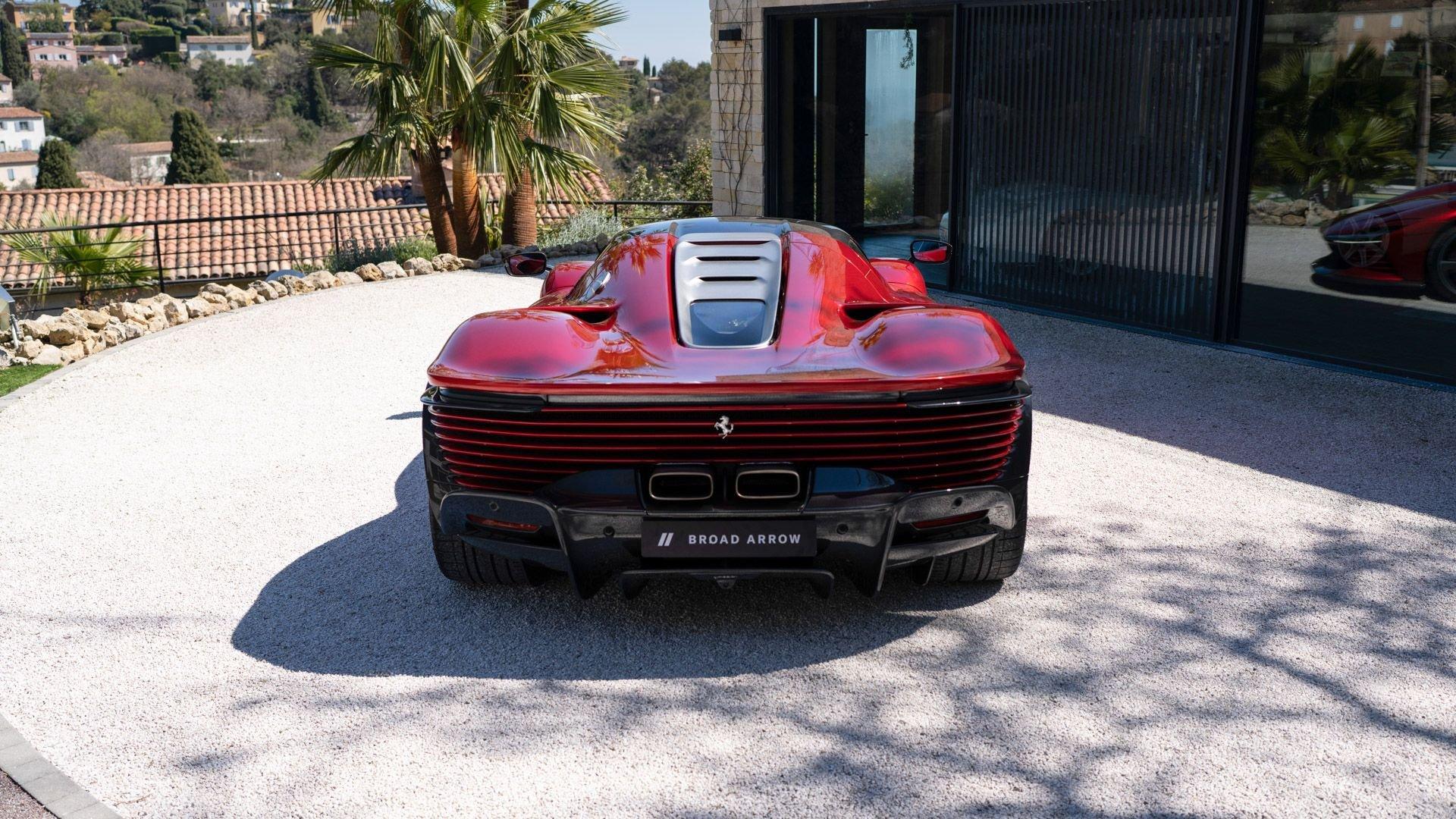
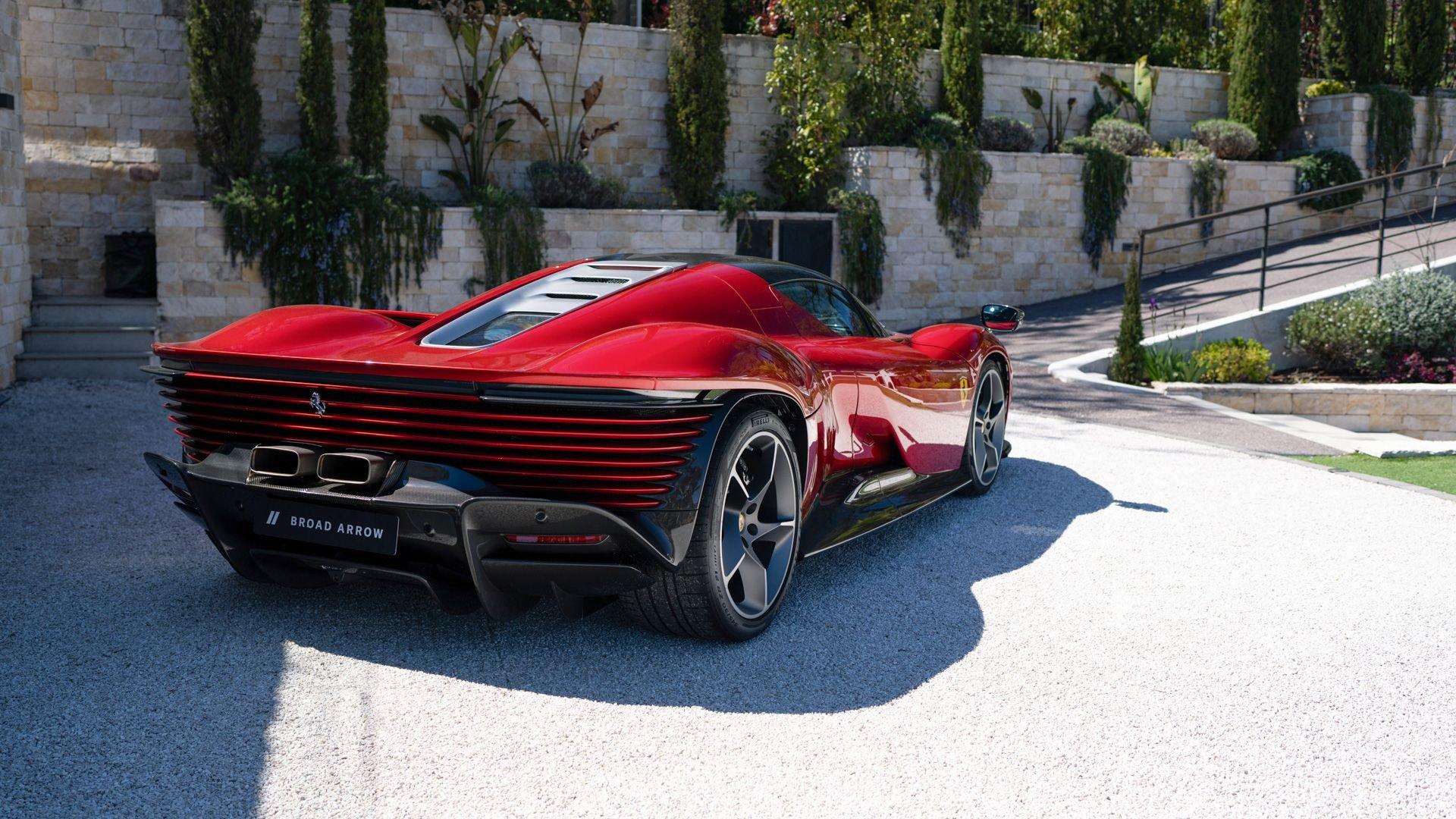
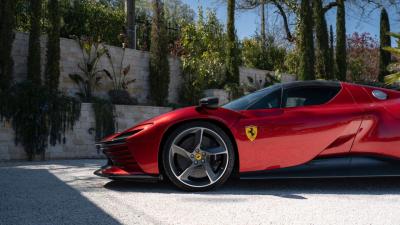
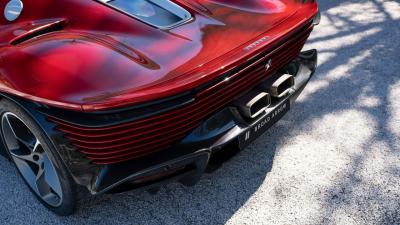
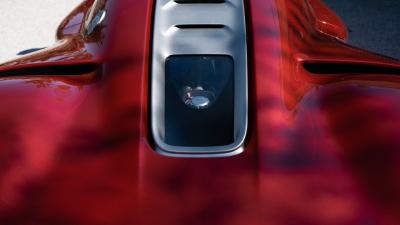
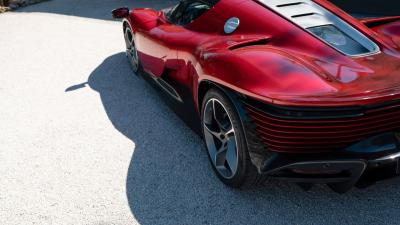
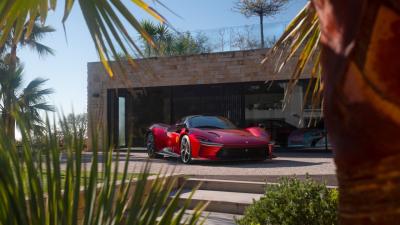
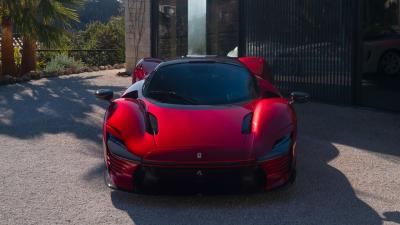
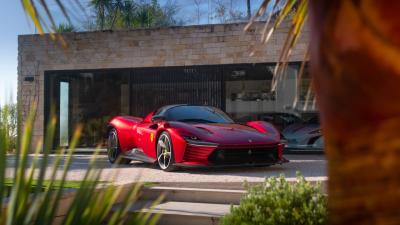
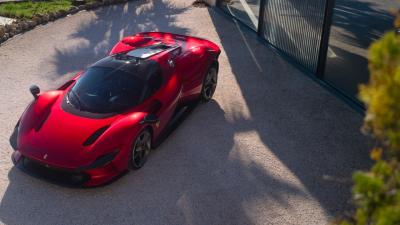
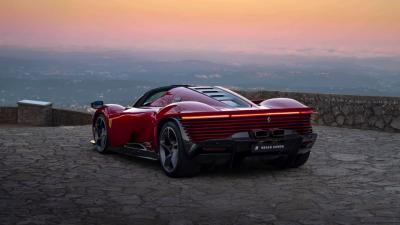
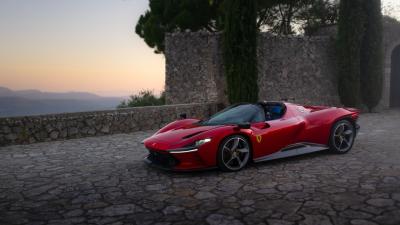
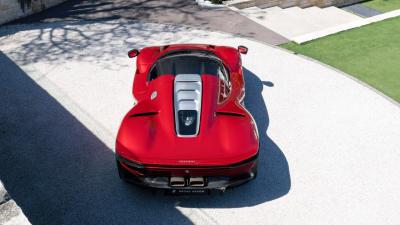
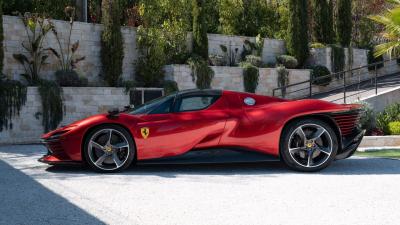
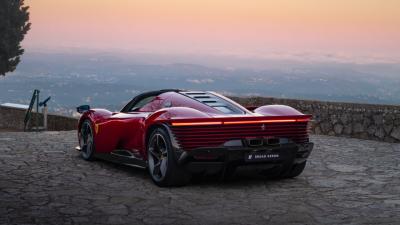
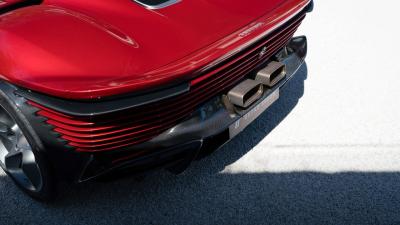
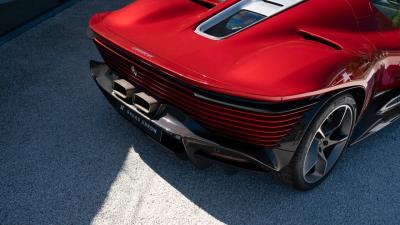
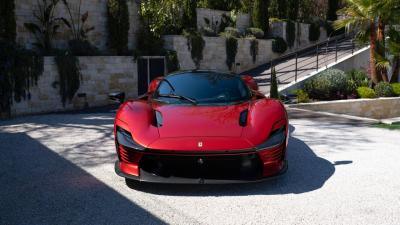
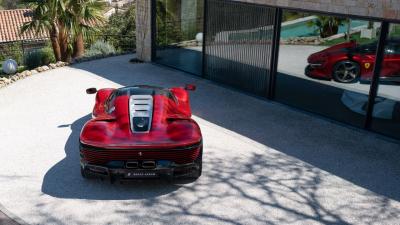
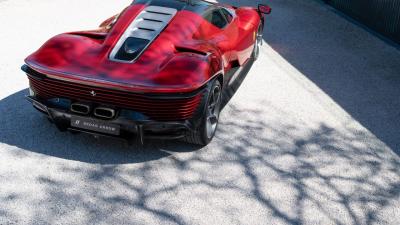
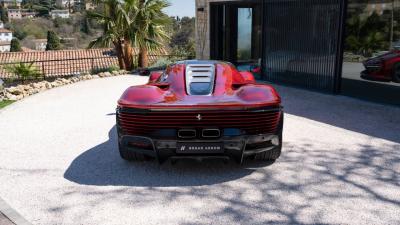
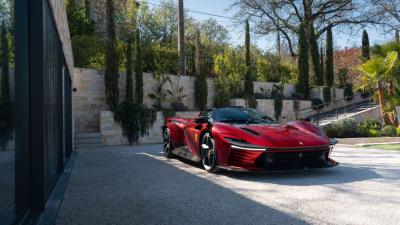
On 6 February 1967, Ferrari swept first, second, and third at the 24 Hours of Daytona, completing a very personal act of defiance against Henry Ford II. The cars that achieved it, the 330 P3/P4 and 412P, became the spiritual blueprints for the SP3. Senior designer Jason Furtado spent three years under Ferrari chief designer Flavio Manzoni translating those prototype racers into something road-legal, and the lineage is unmistakable. The full-width rear spoiler mirrors the 1967 330 P3/P4's, the heat-exhausting rear spine pays homage to the open-top Spyder variants of the 330, and the dramatically pinched waist gives the car the same aggression as those legendary racers. Even the dramatic, horizontal rear strakes trace back to Pininfarina's 1968 250 P5 Berlinetta Speciale concept.
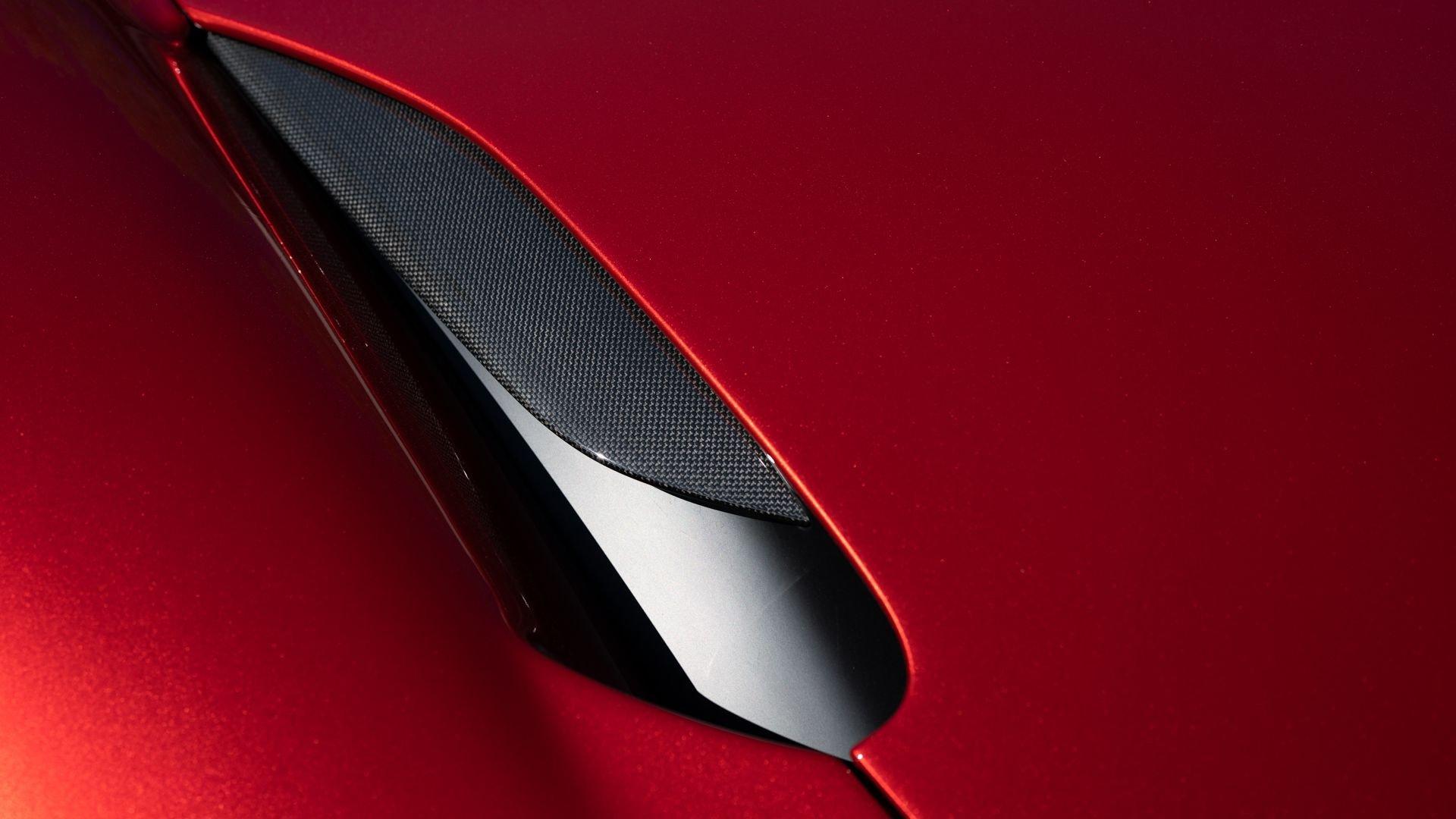
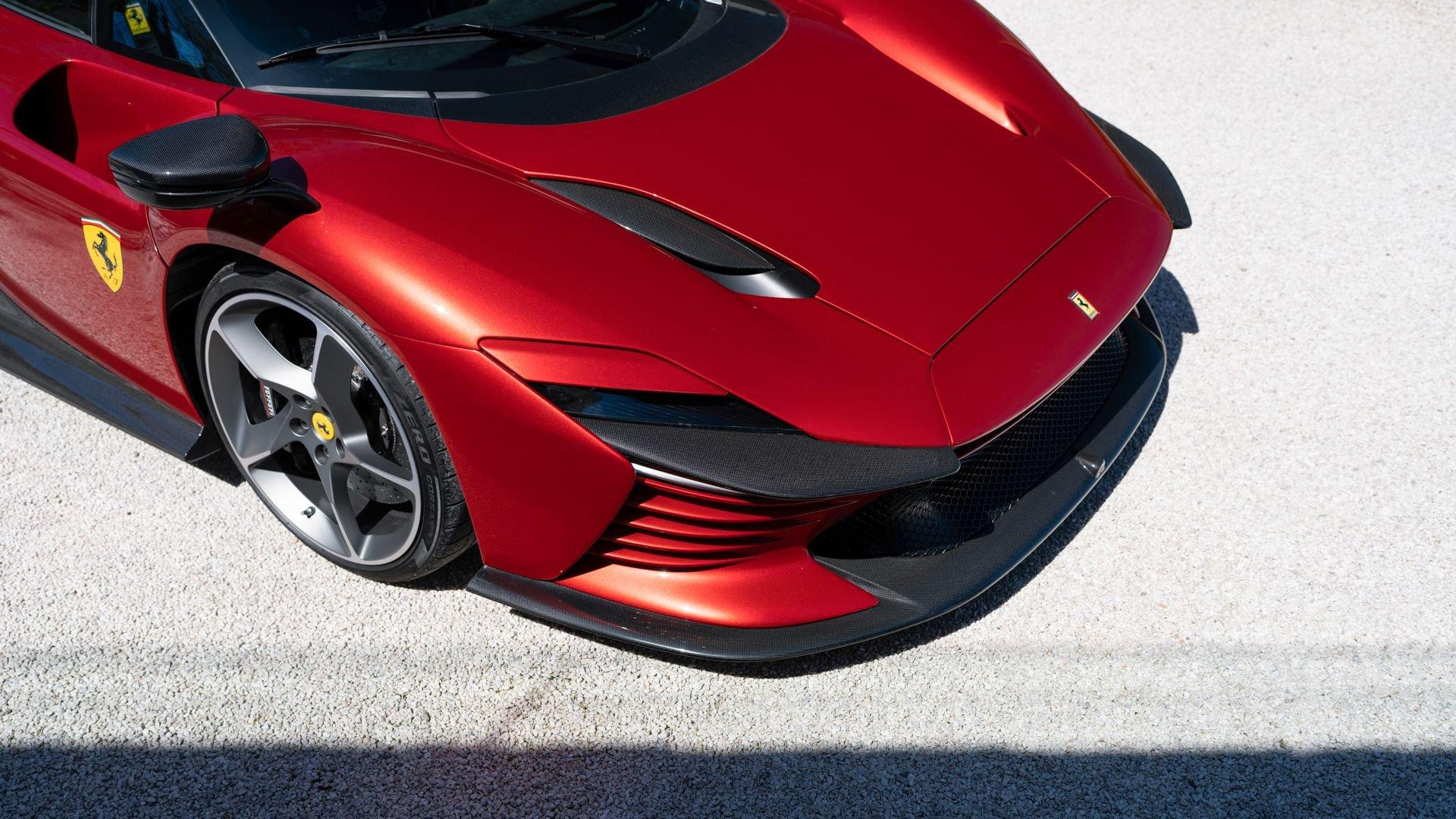
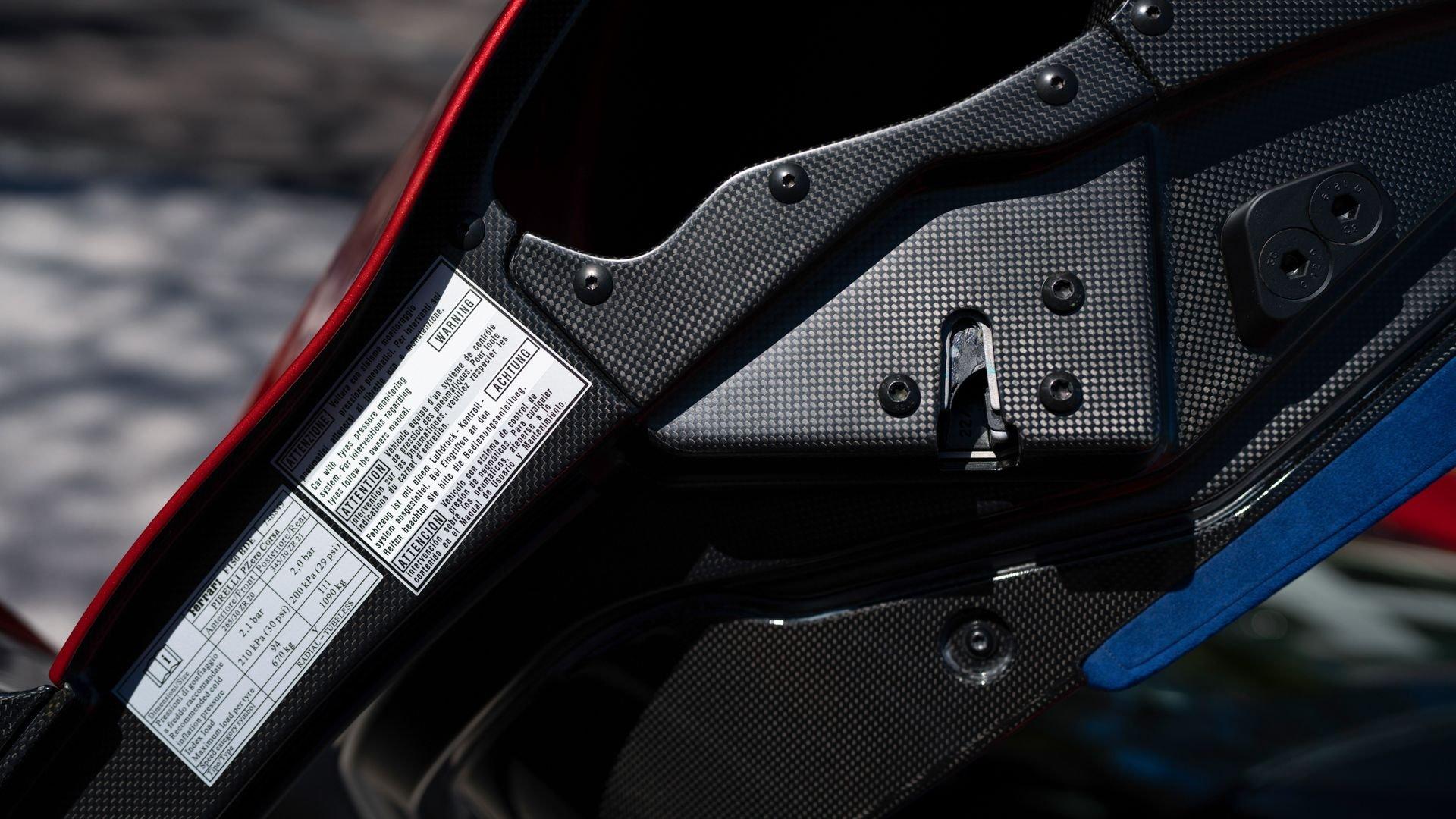
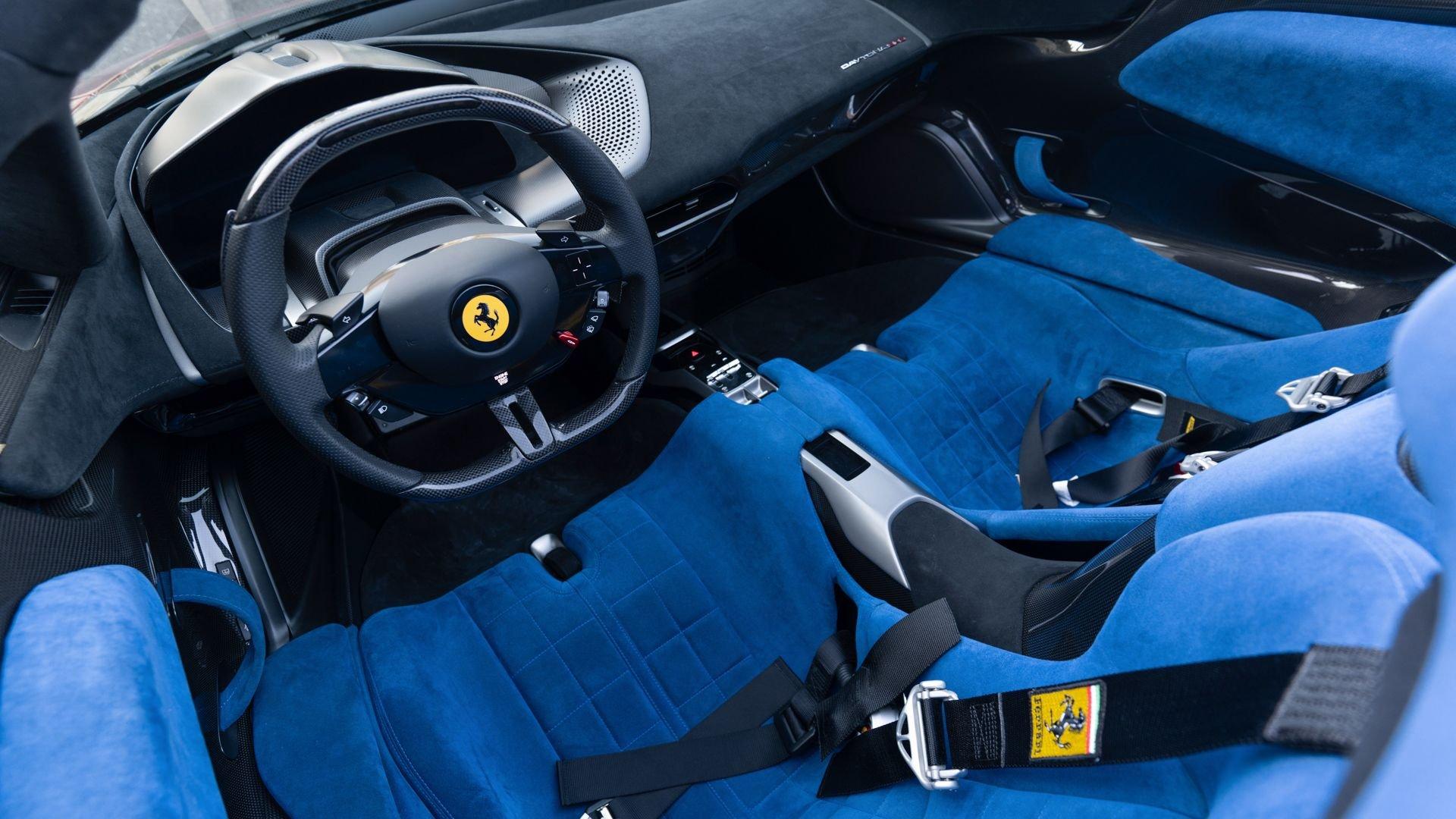
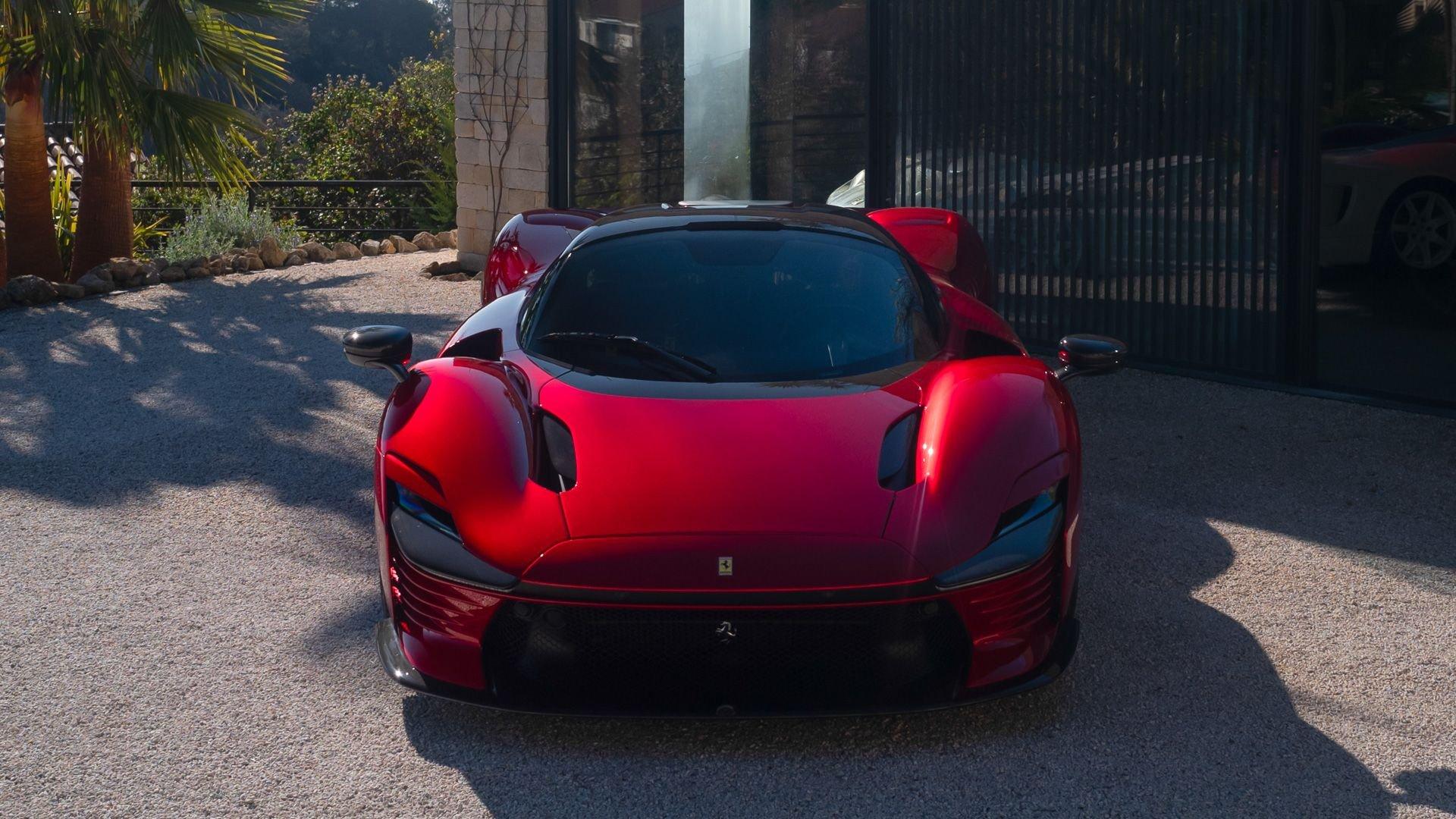
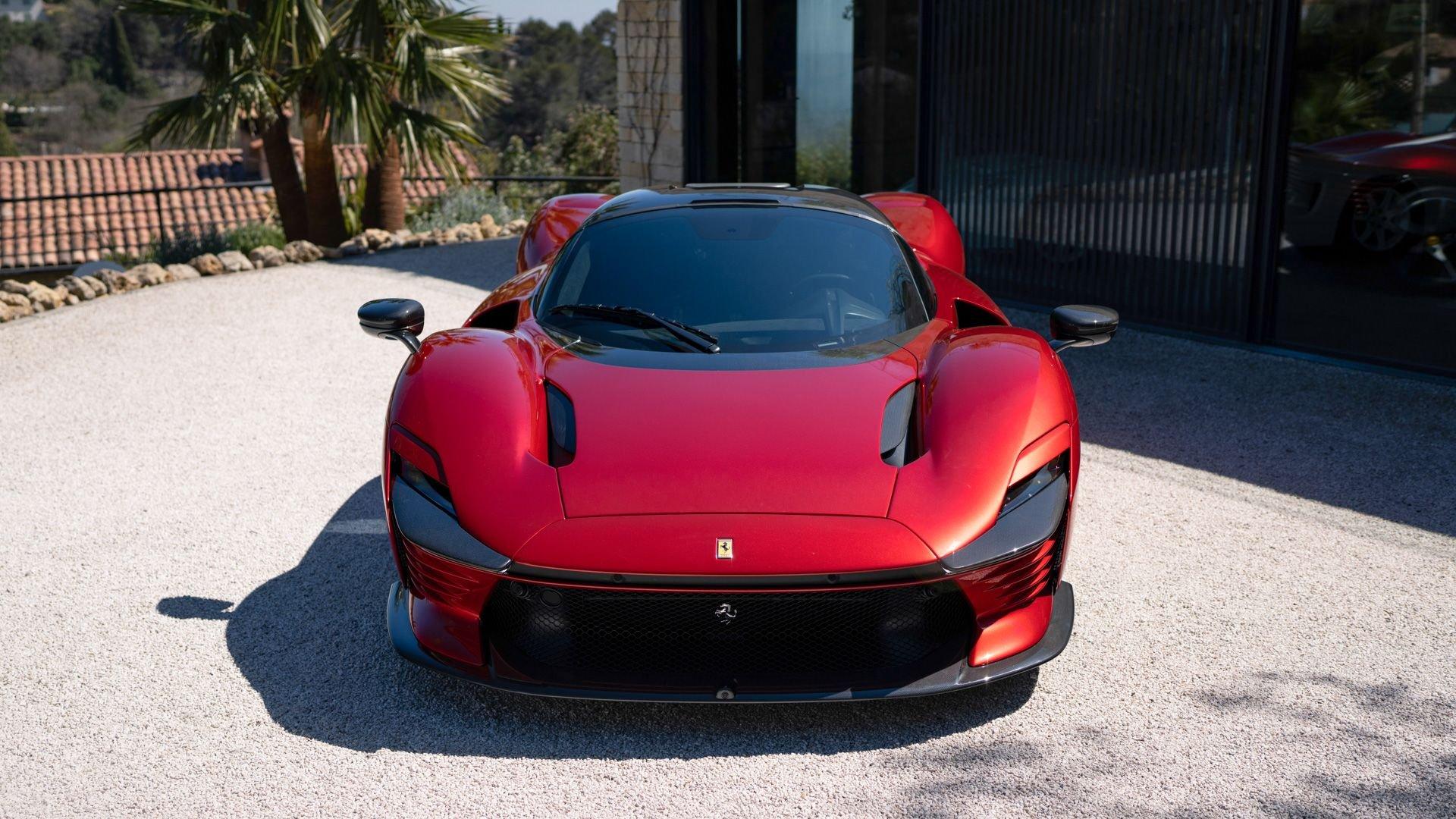
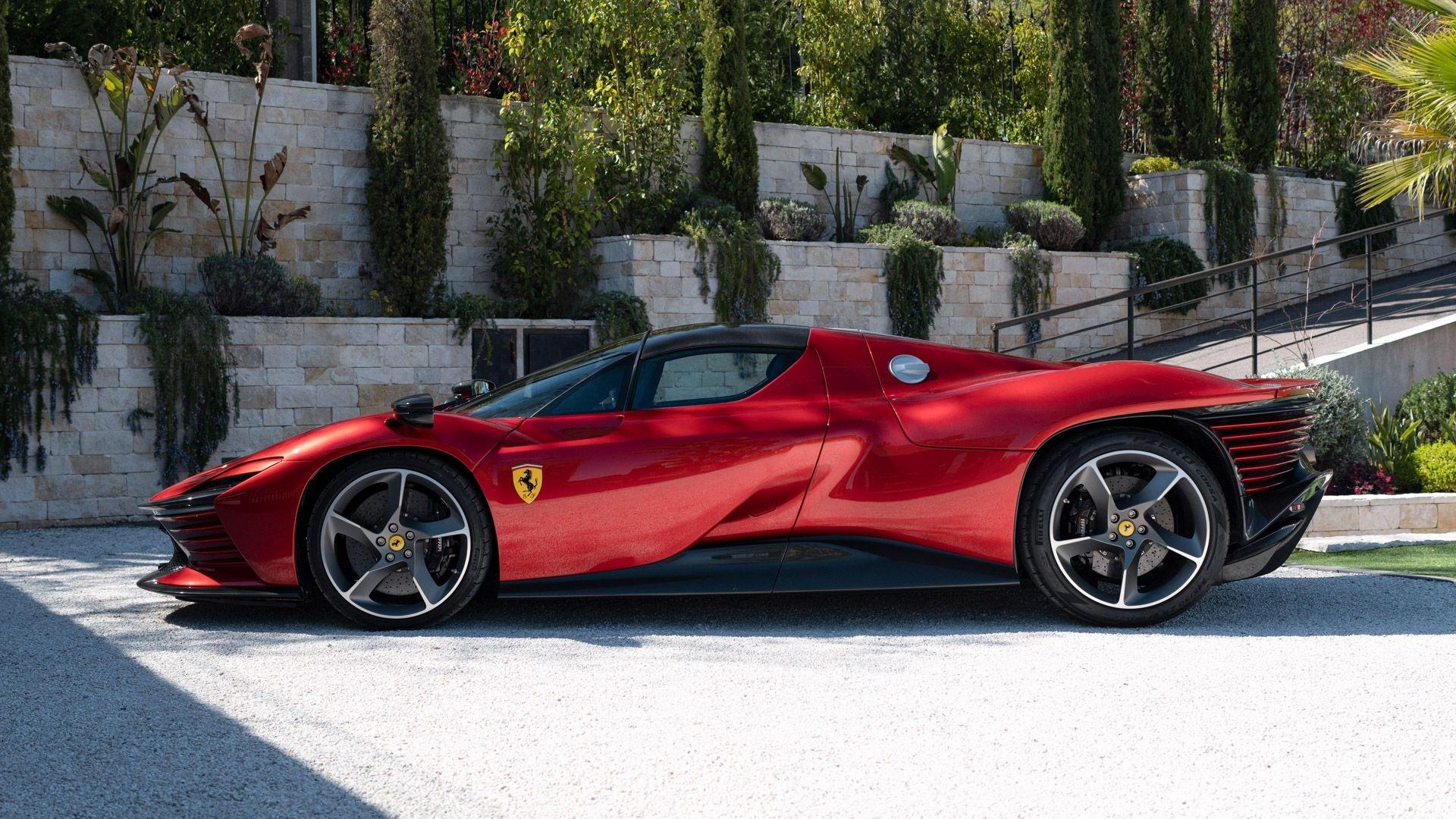
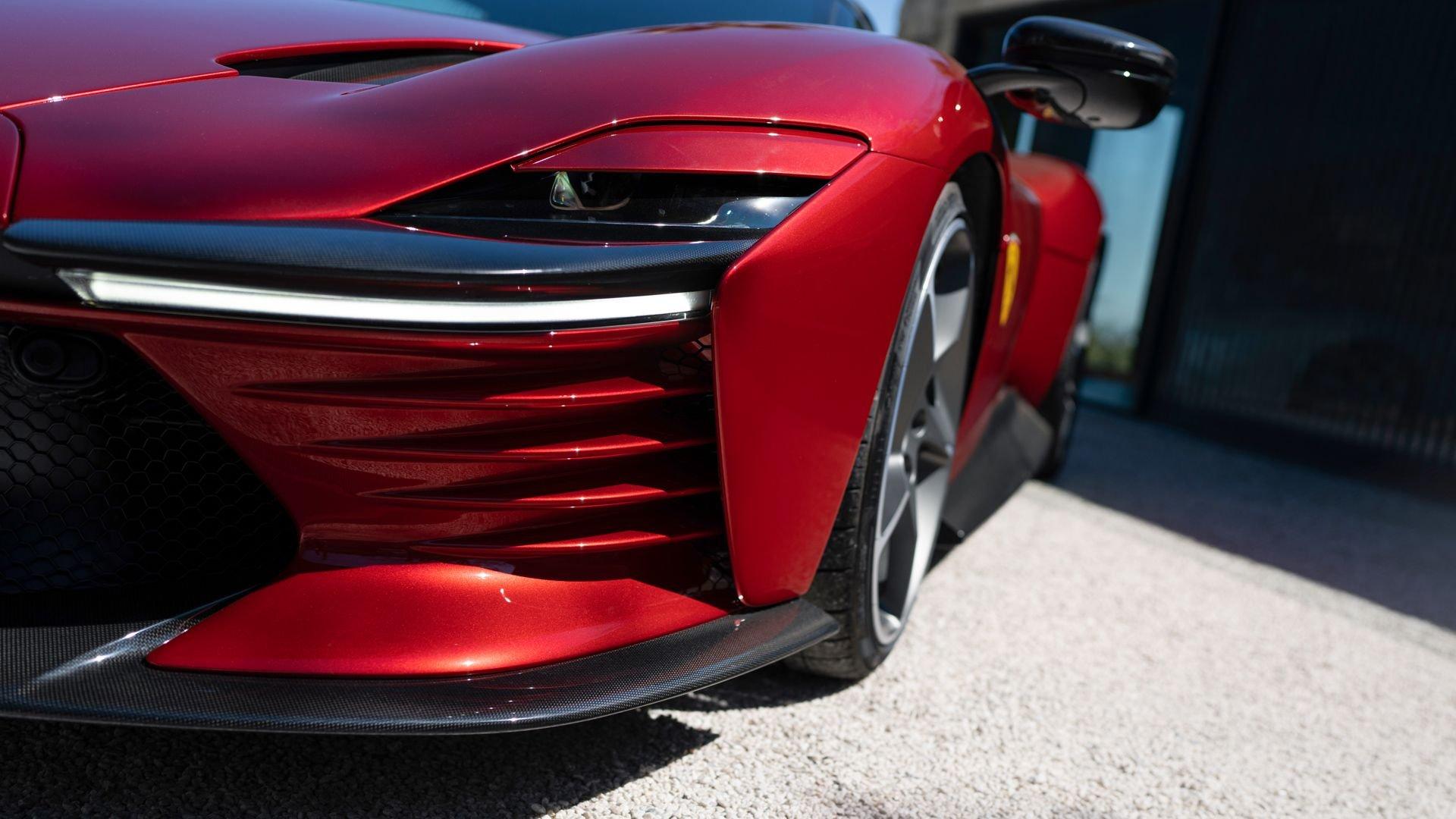
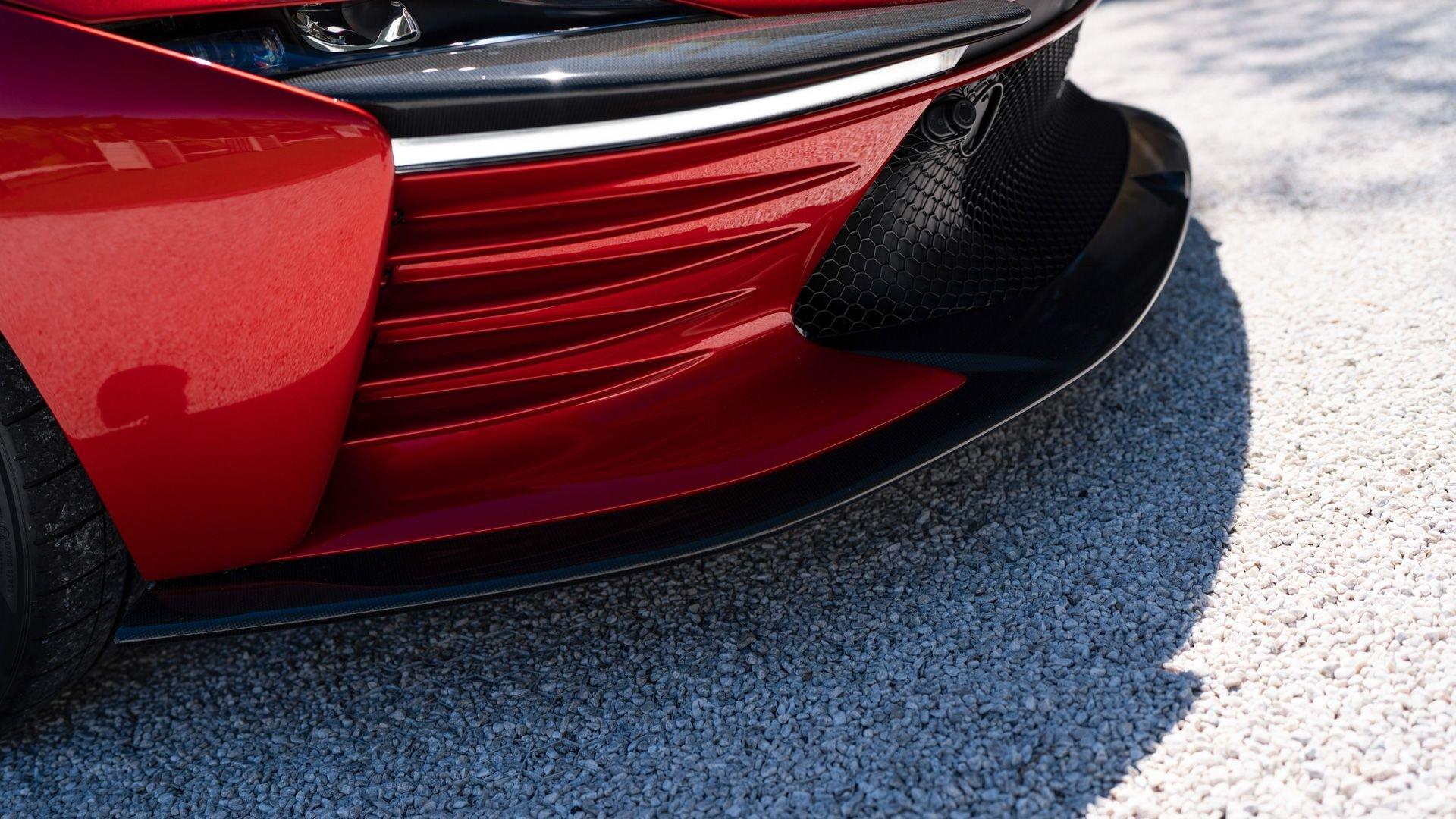
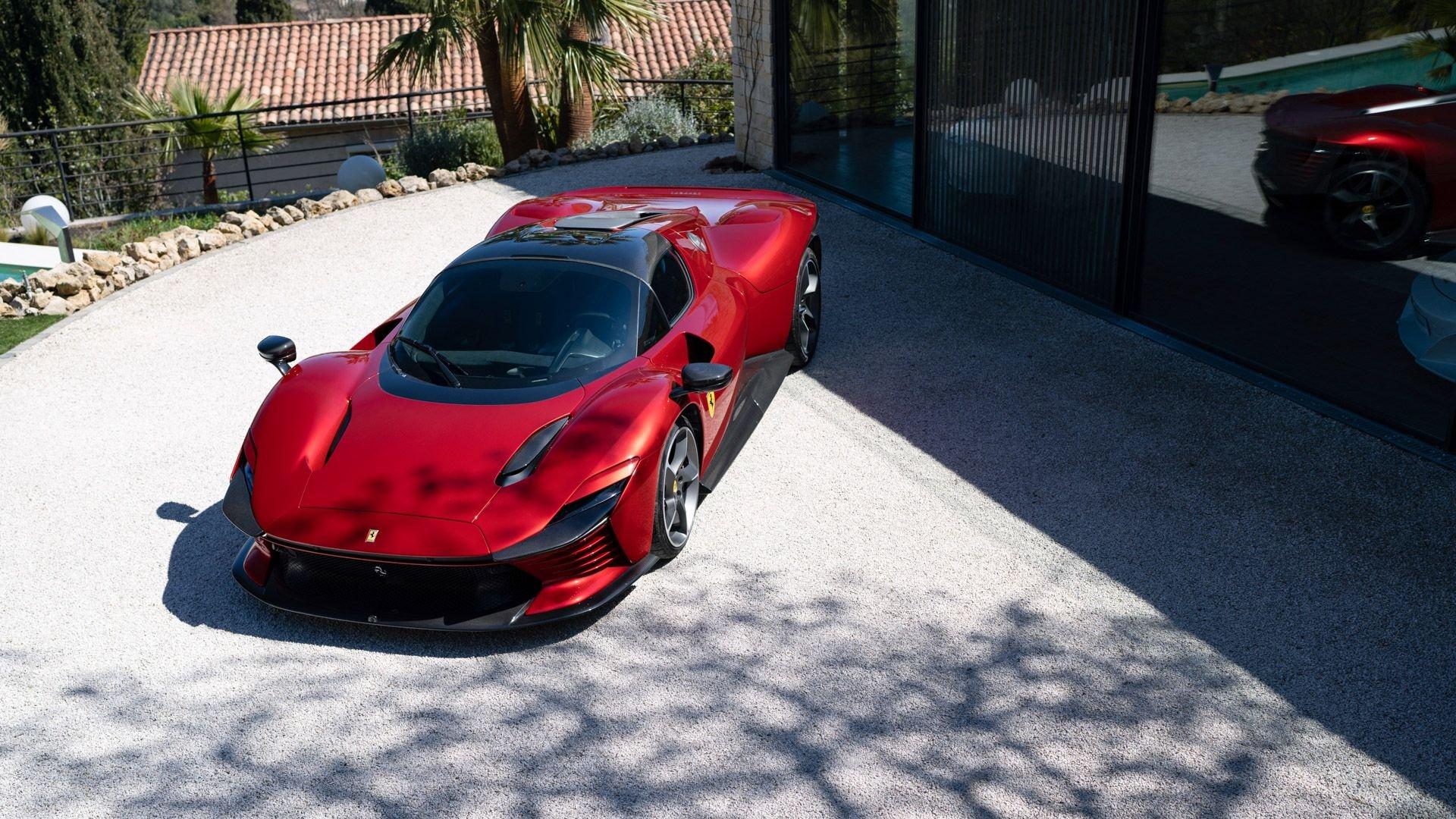
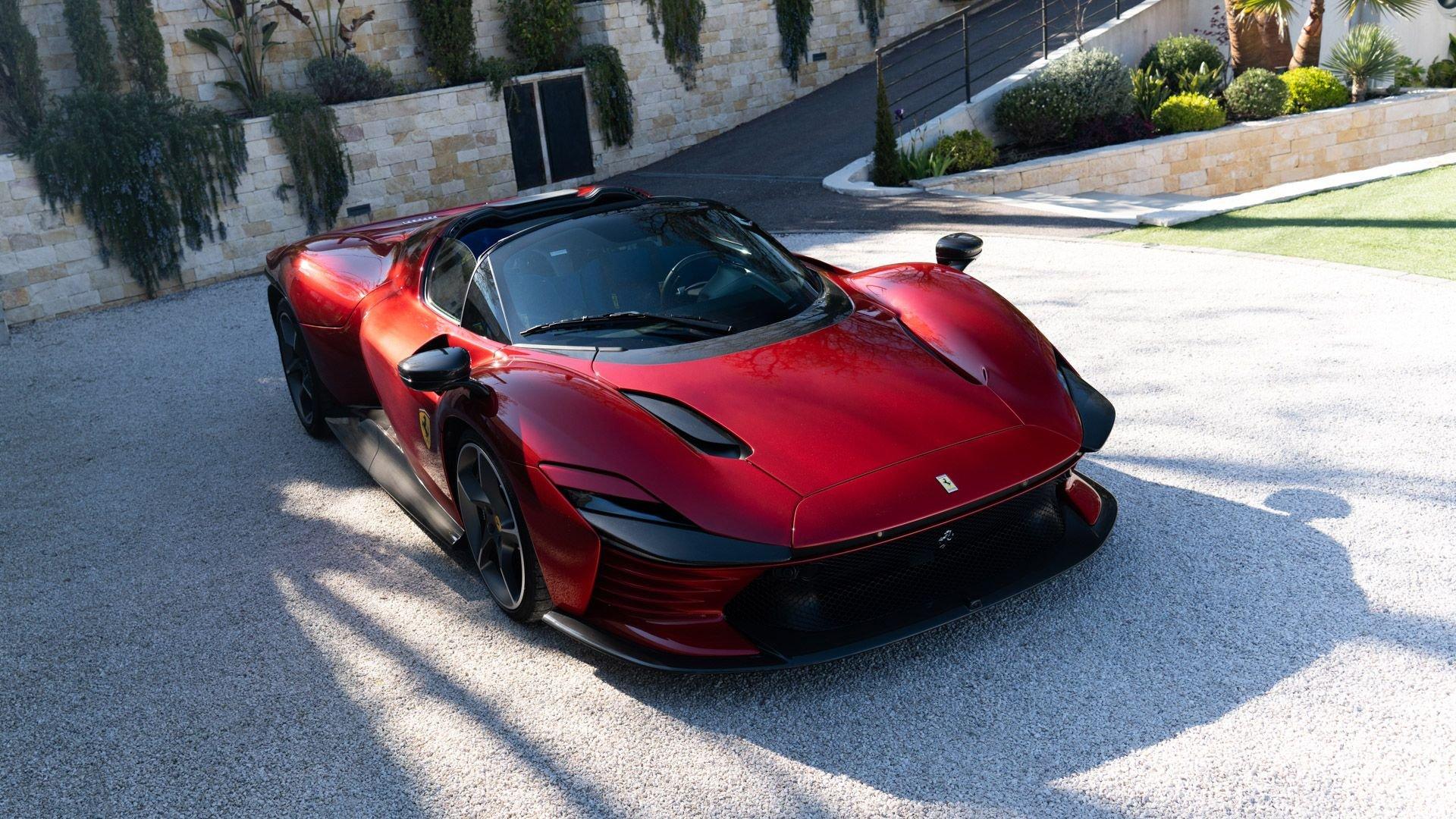
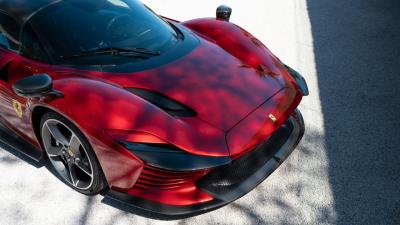
Yet for all its historical homages, the SP3's technical layout is entirely modern and deliberately stripped back. Ferrari achieved its aerodynamic targets without a single active element, instead channeling air over the front arches, through door intakes, and out via the rear diffuser in an elegantly passive system. The carbon-fiber monocoque is rigid and lightweight, the seats fixed directly to the tub, with the driving position set via a movable pedal box in a direct link to the '60s sports racers.
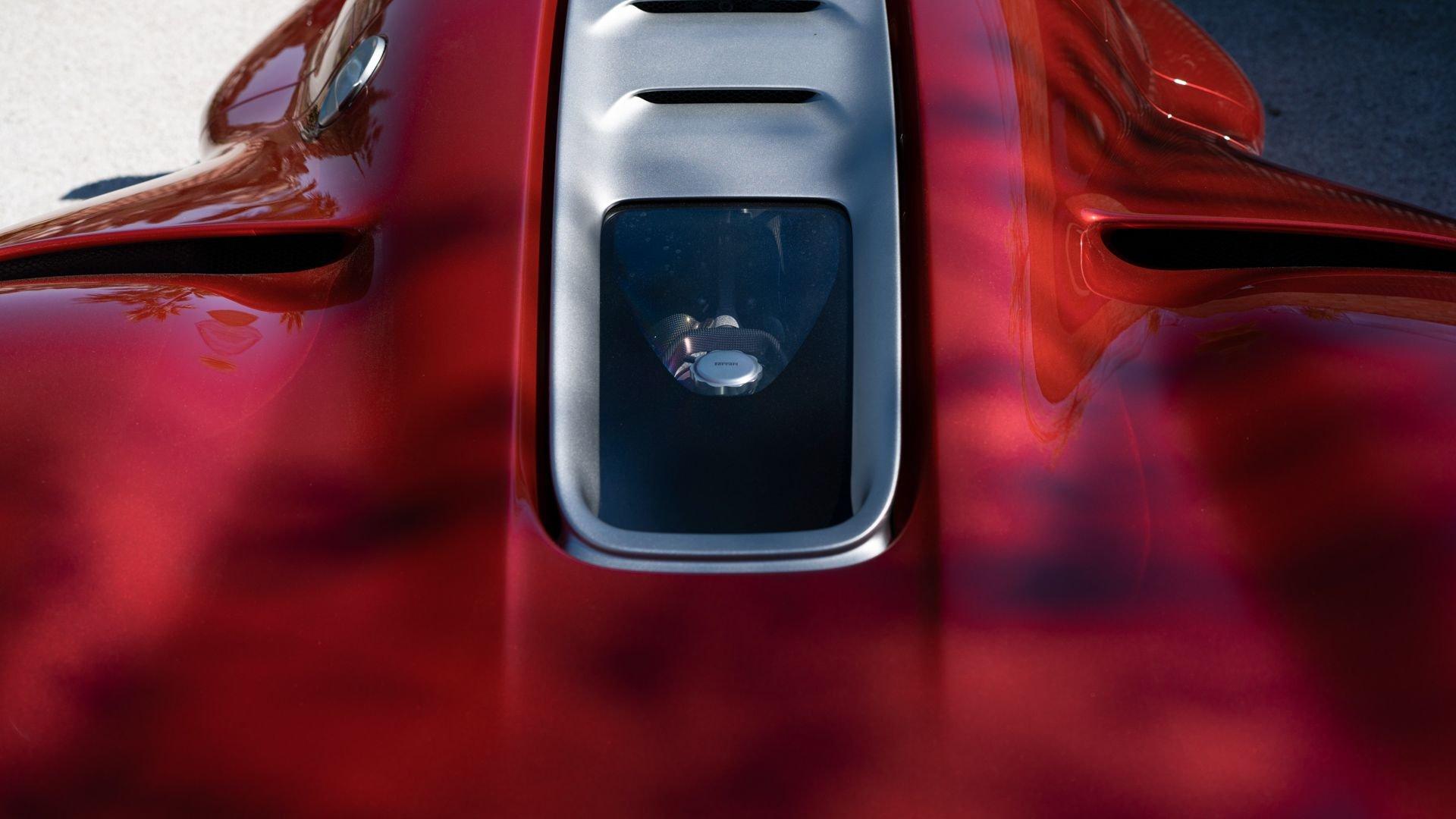
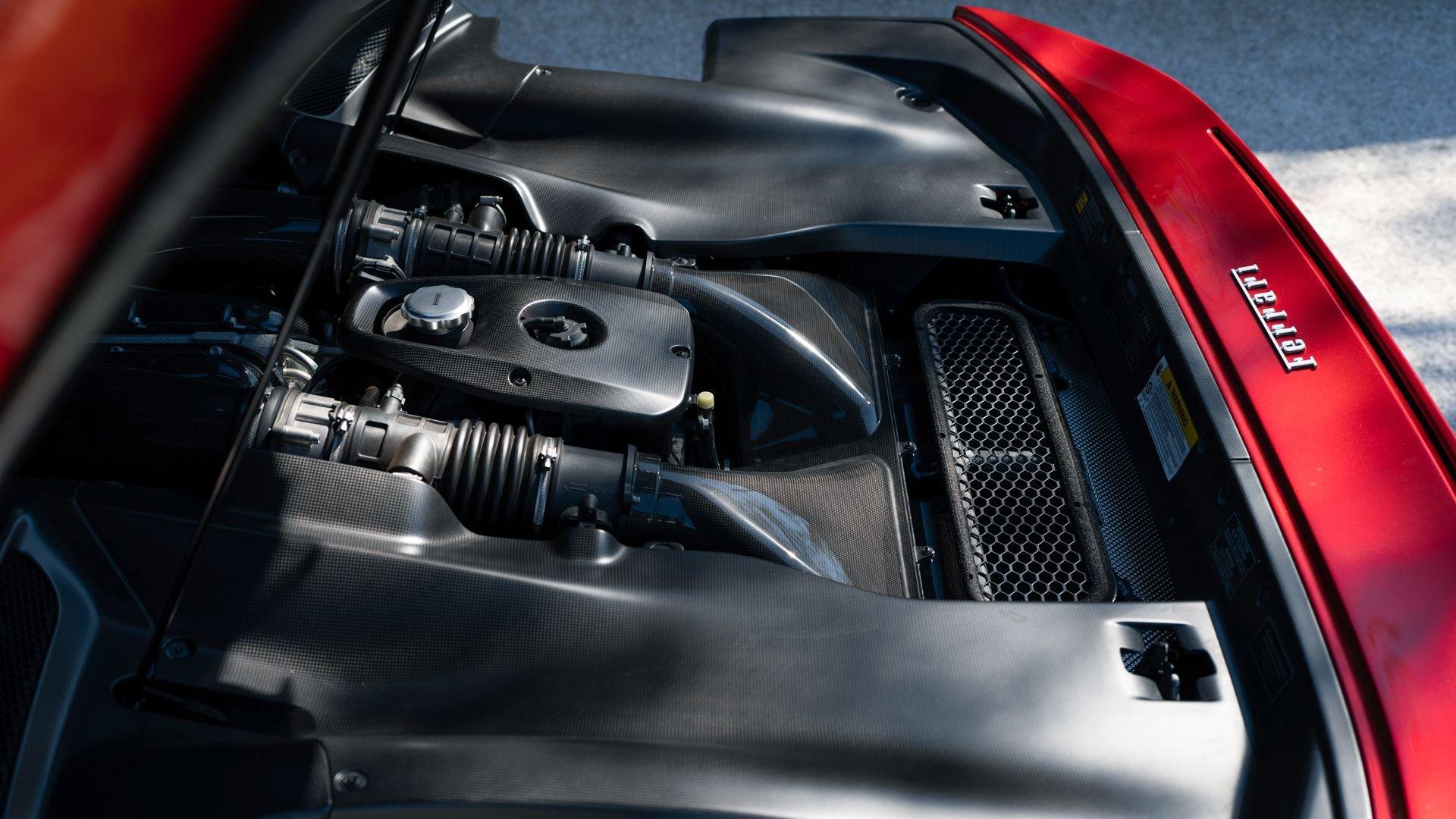
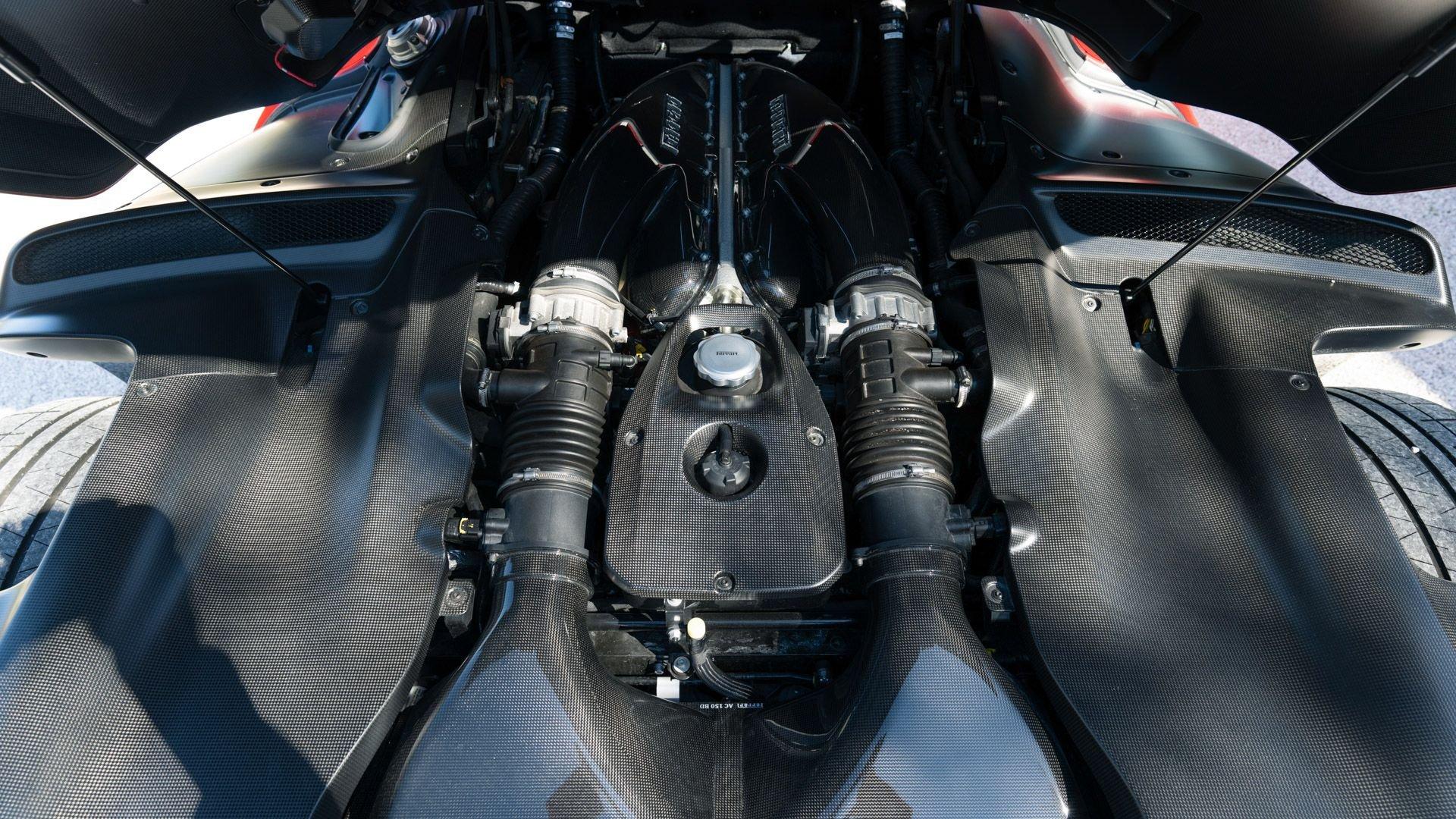
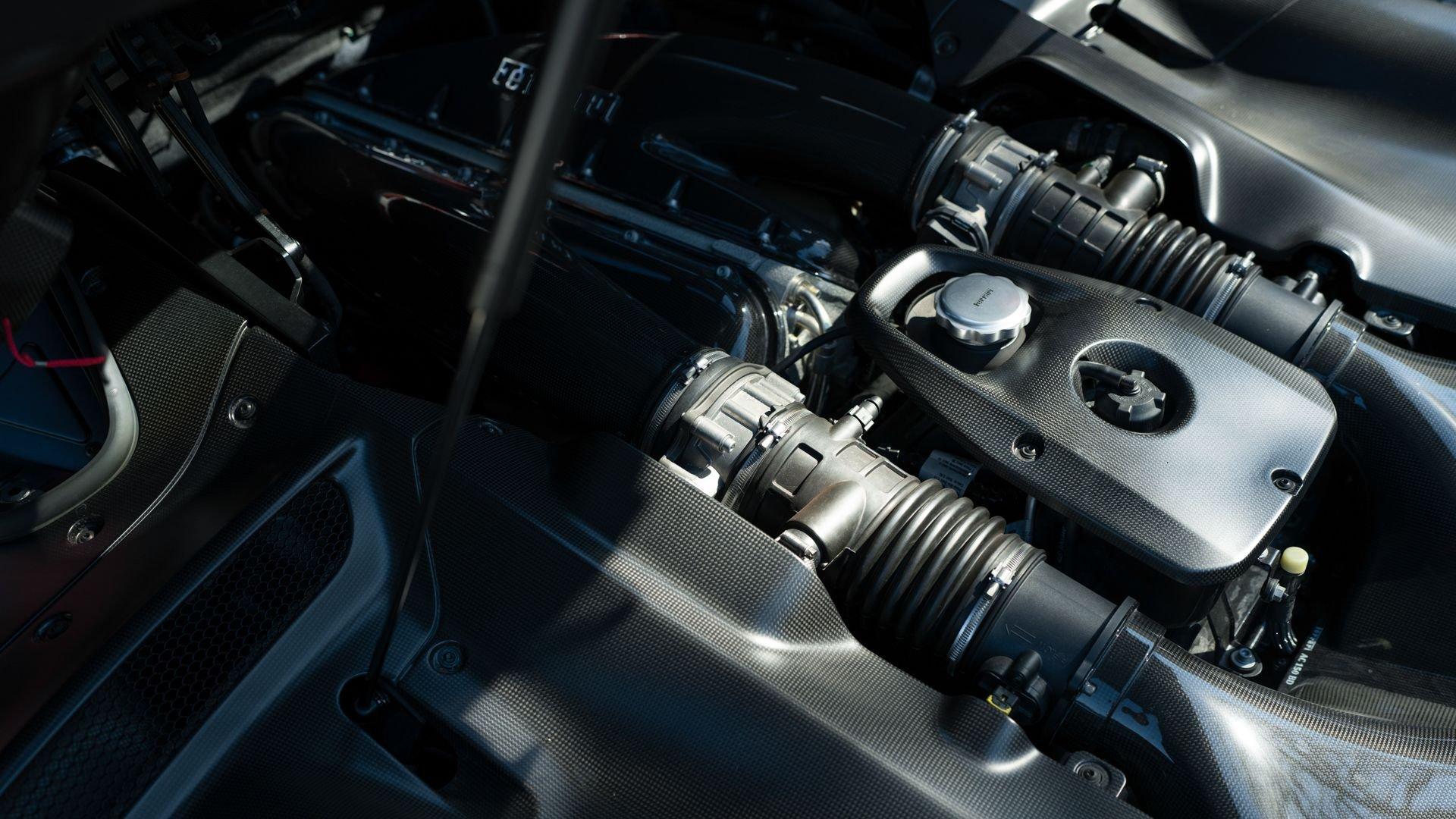
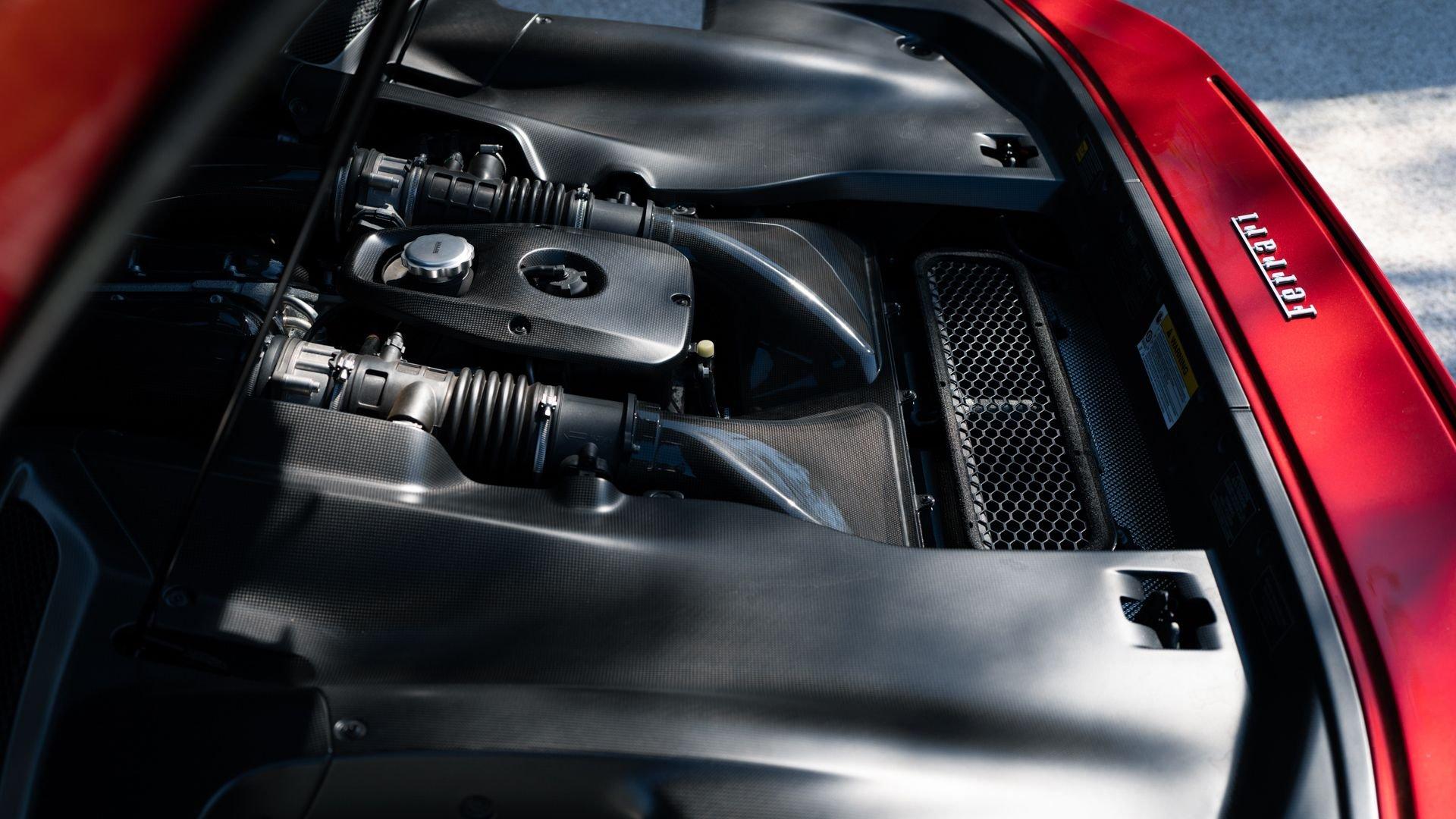
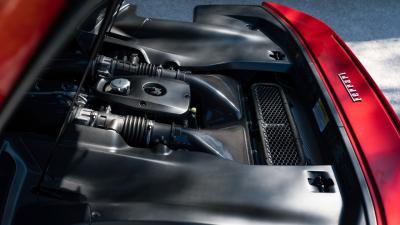
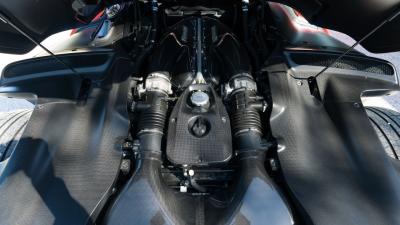
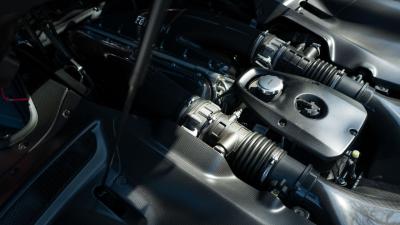
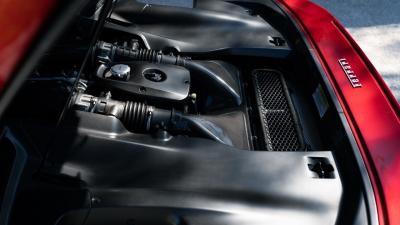
Behind the driver sits the 6.5-liter naturally aspirated V12, producing 829 horsepower at 9,250 rpm-Ferrari's most powerful road-going engine ever. Derived from the 812 Competizione's F140 unit, it was thoroughly reworked with titanium pistons, cams, connecting rods, and valves. That same F140 architecture debuted in the earth-shattering Ferrari Enzo in 2002, before being paired with a hybrid KERS system in its successor, the LaFerrari.
While technically separated from those halo projects as part of the Icona series, the SP3 arguably functions as their true spiritual successor, and perhaps the most honest expression of the lineage yet. Where the LaFerrari leaned into the nascent hybrid technology emerging in 2013, the SP3 strips everything back, delivering the mid-engine V12 experience in its purest, most unmediated form. With Ferrari's newly revealed V6-powered F80 leaning heavily into hybridization, and the broader industry shifting away from naturally aspirated engines, the SP3 may well be the last mid-engine, naturally aspirated V12 Ferrari ever built for the road.
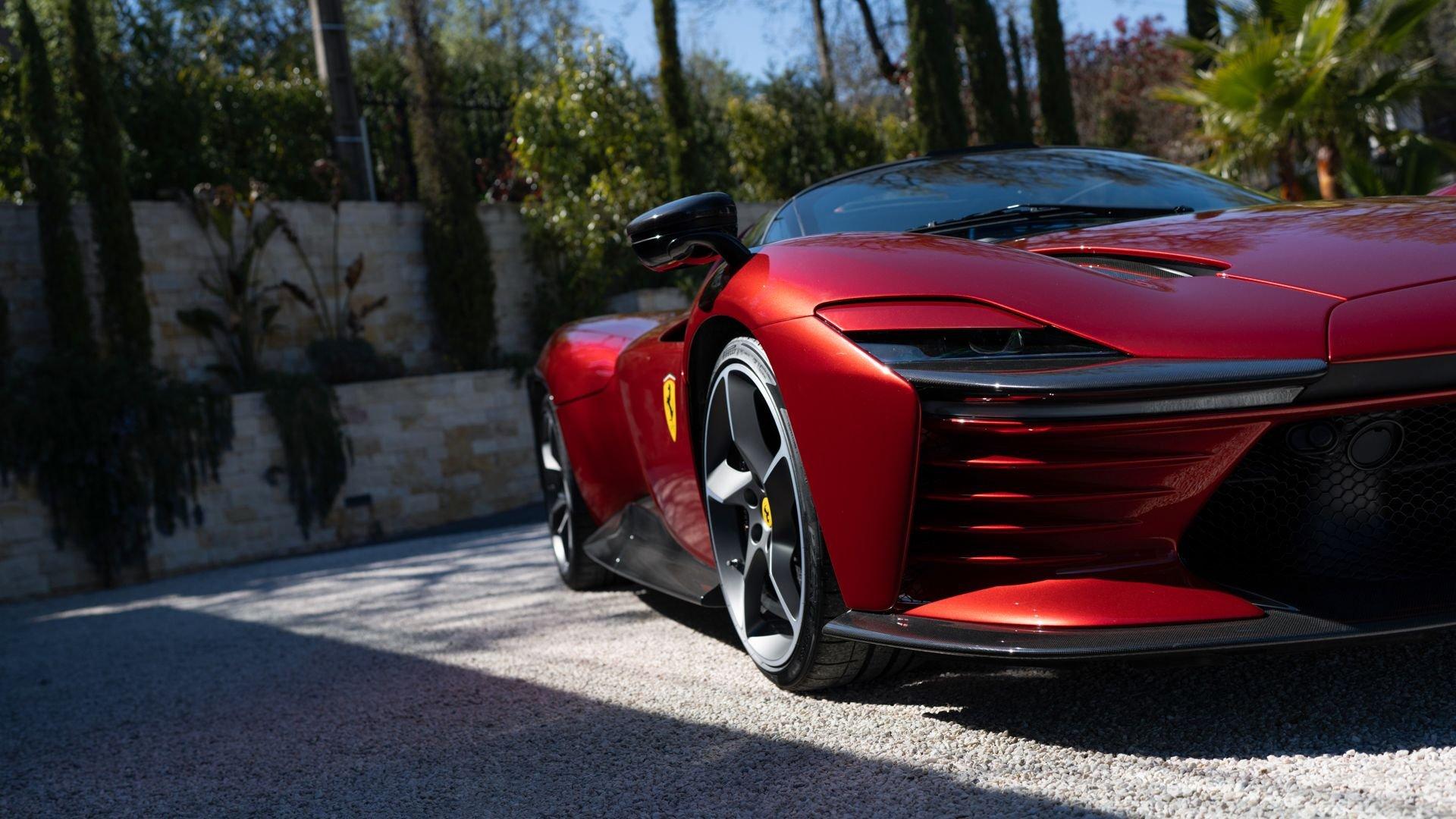
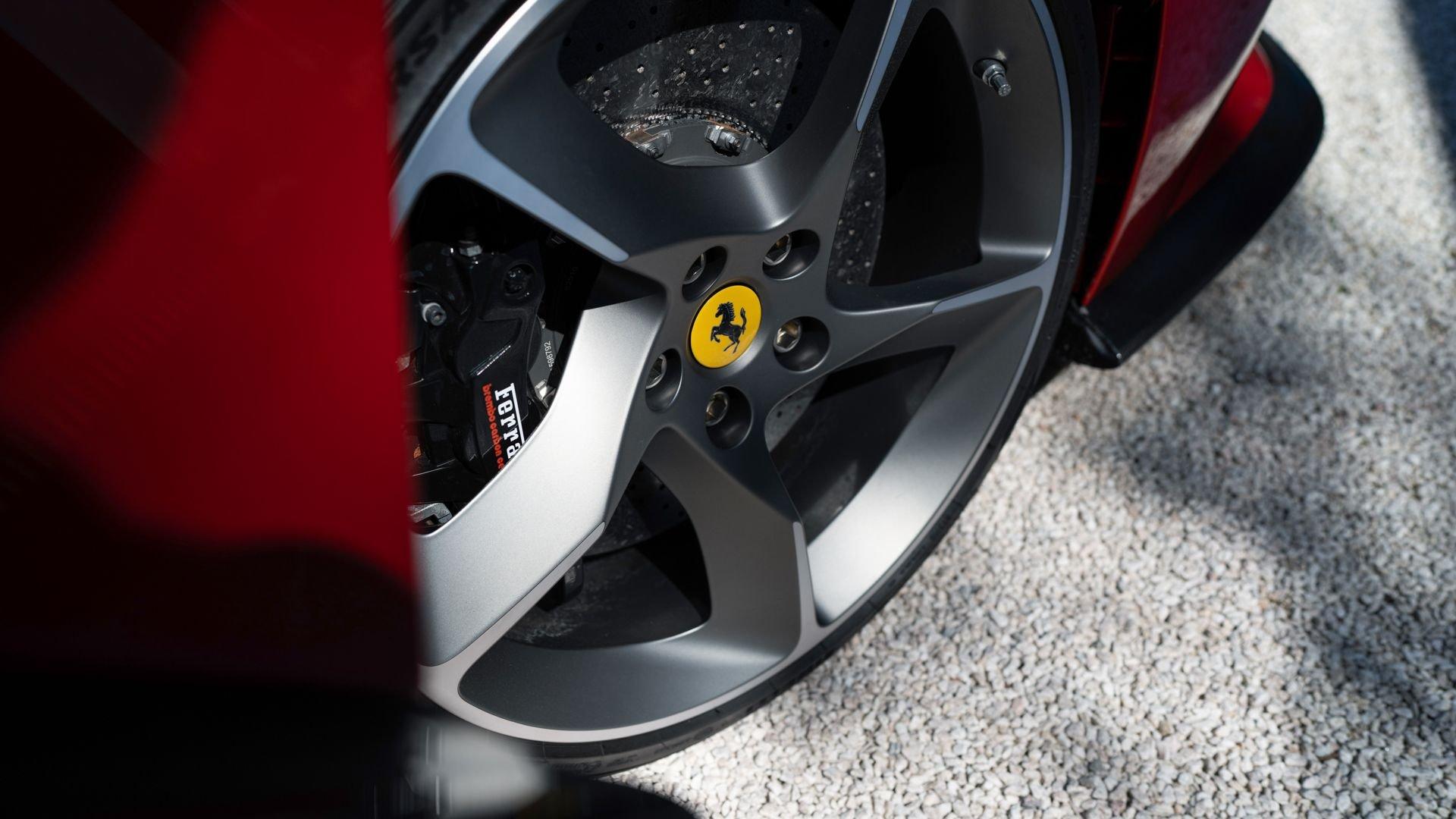
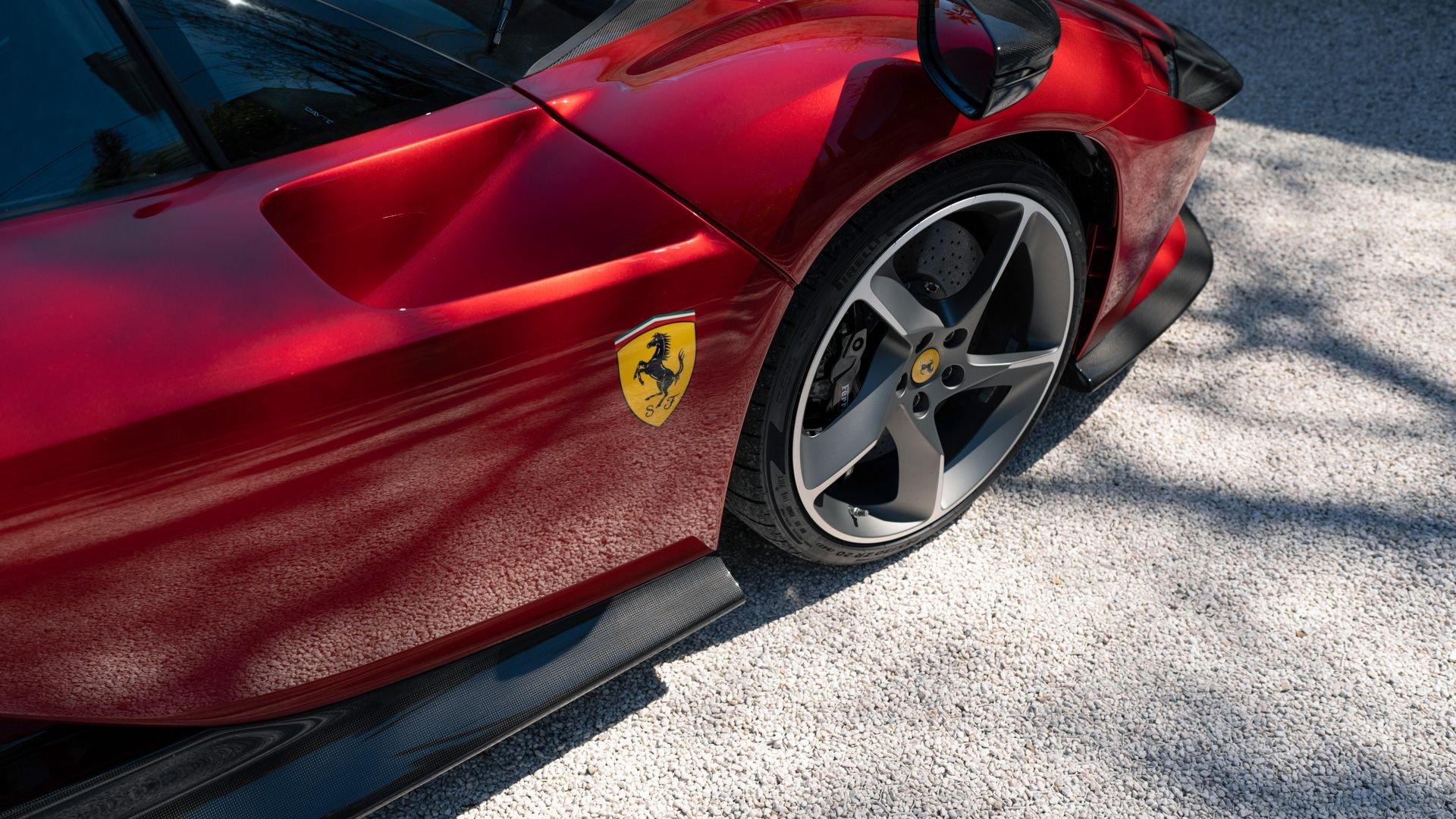
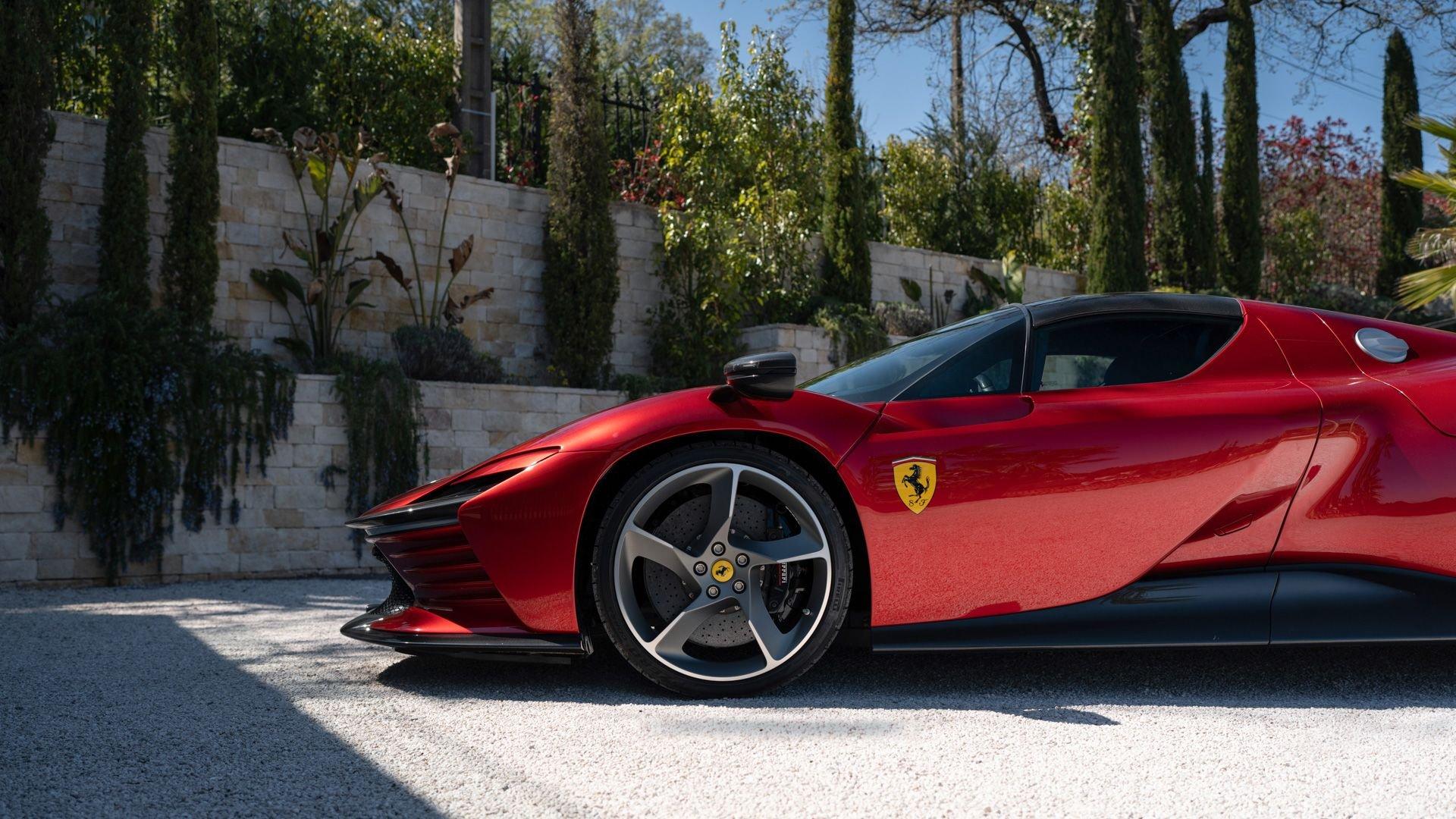
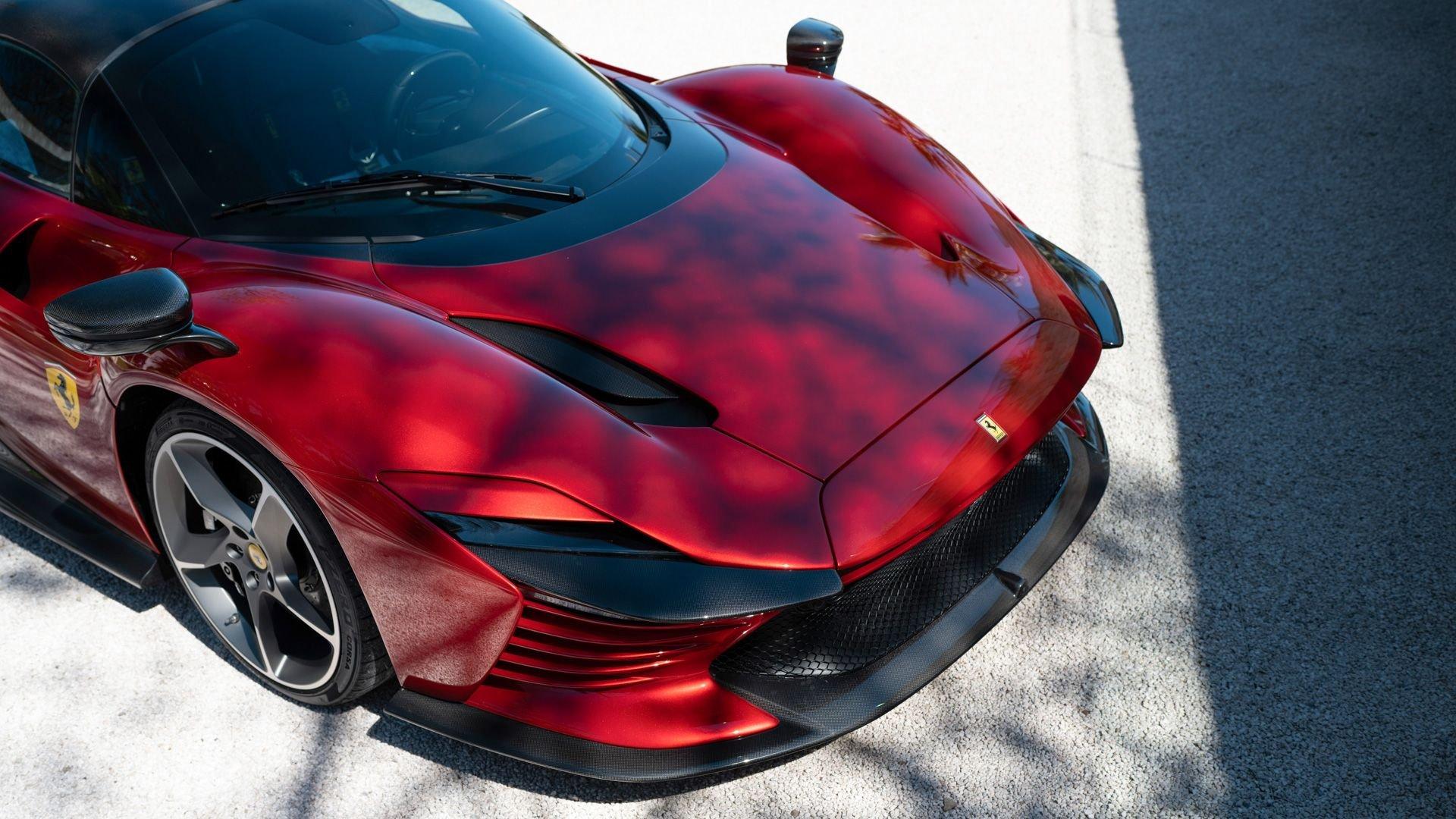
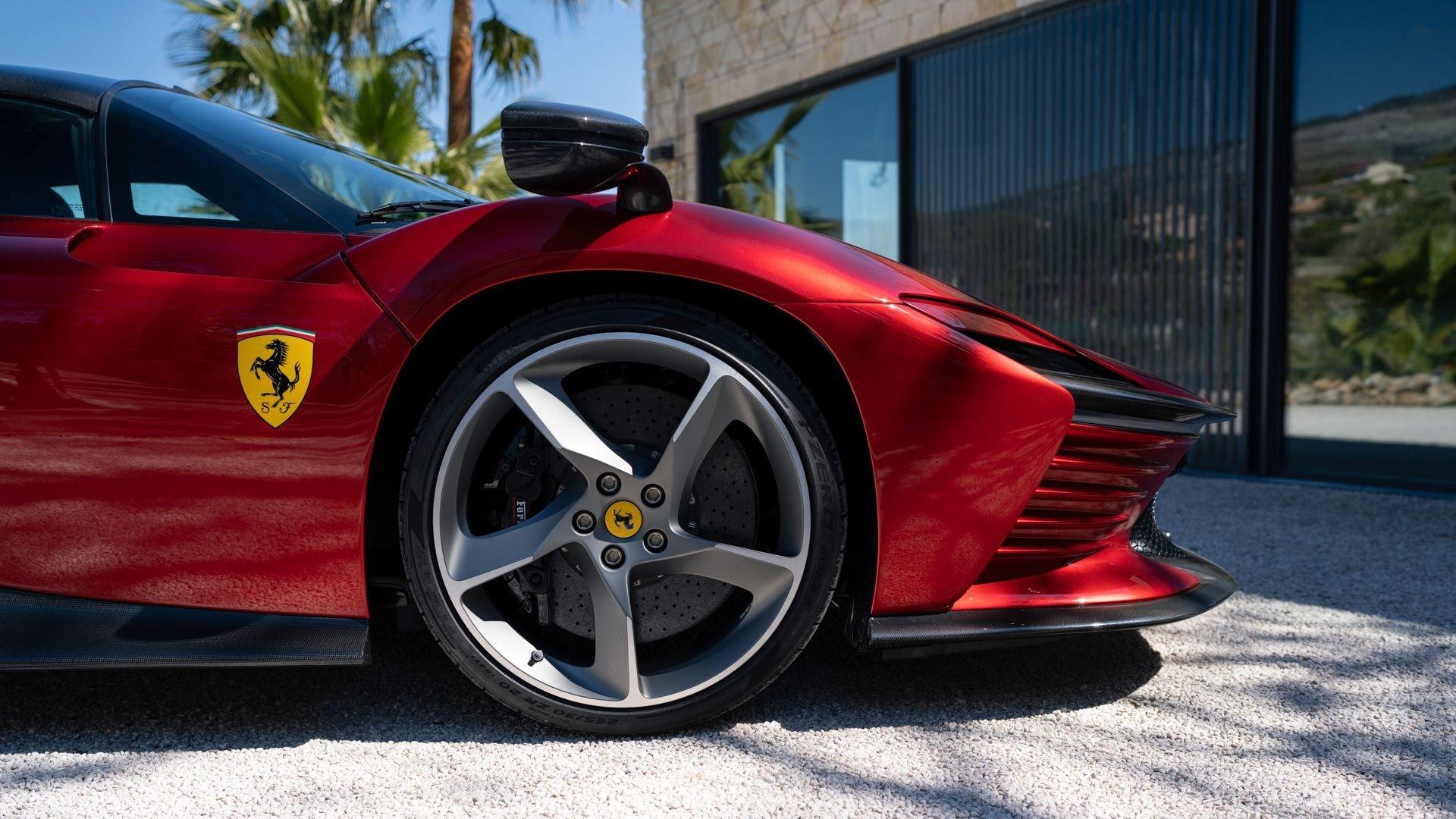
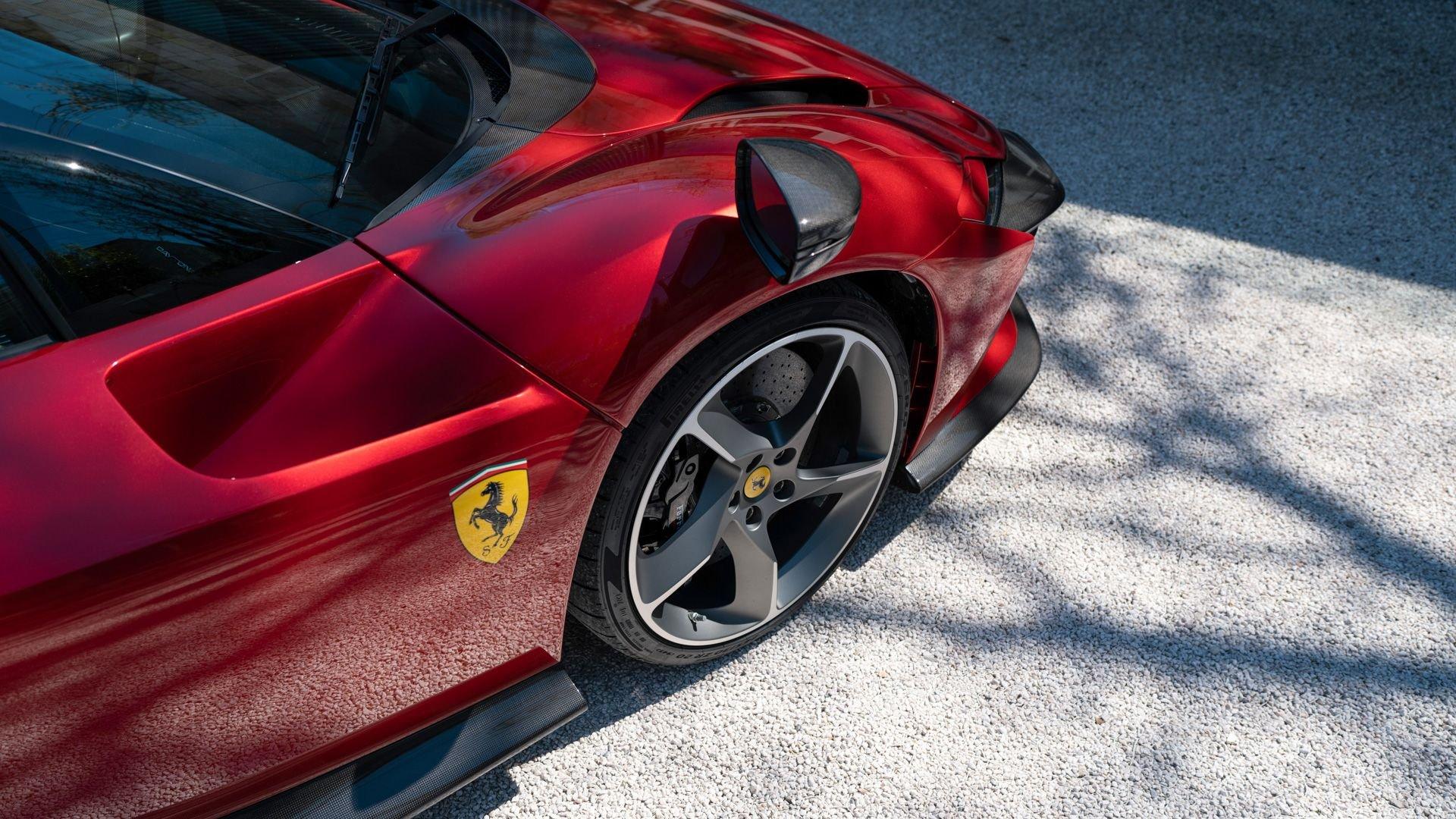
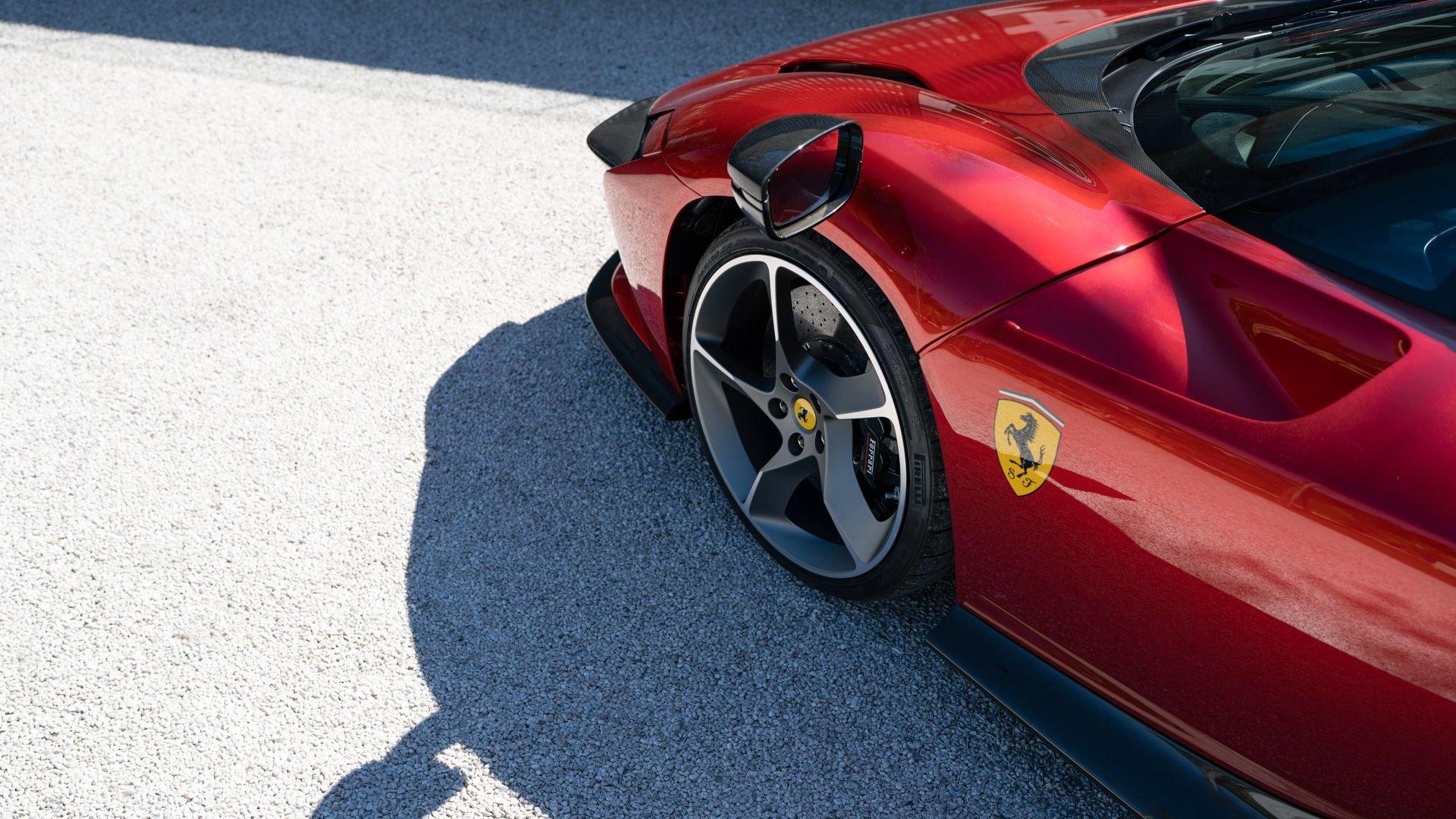
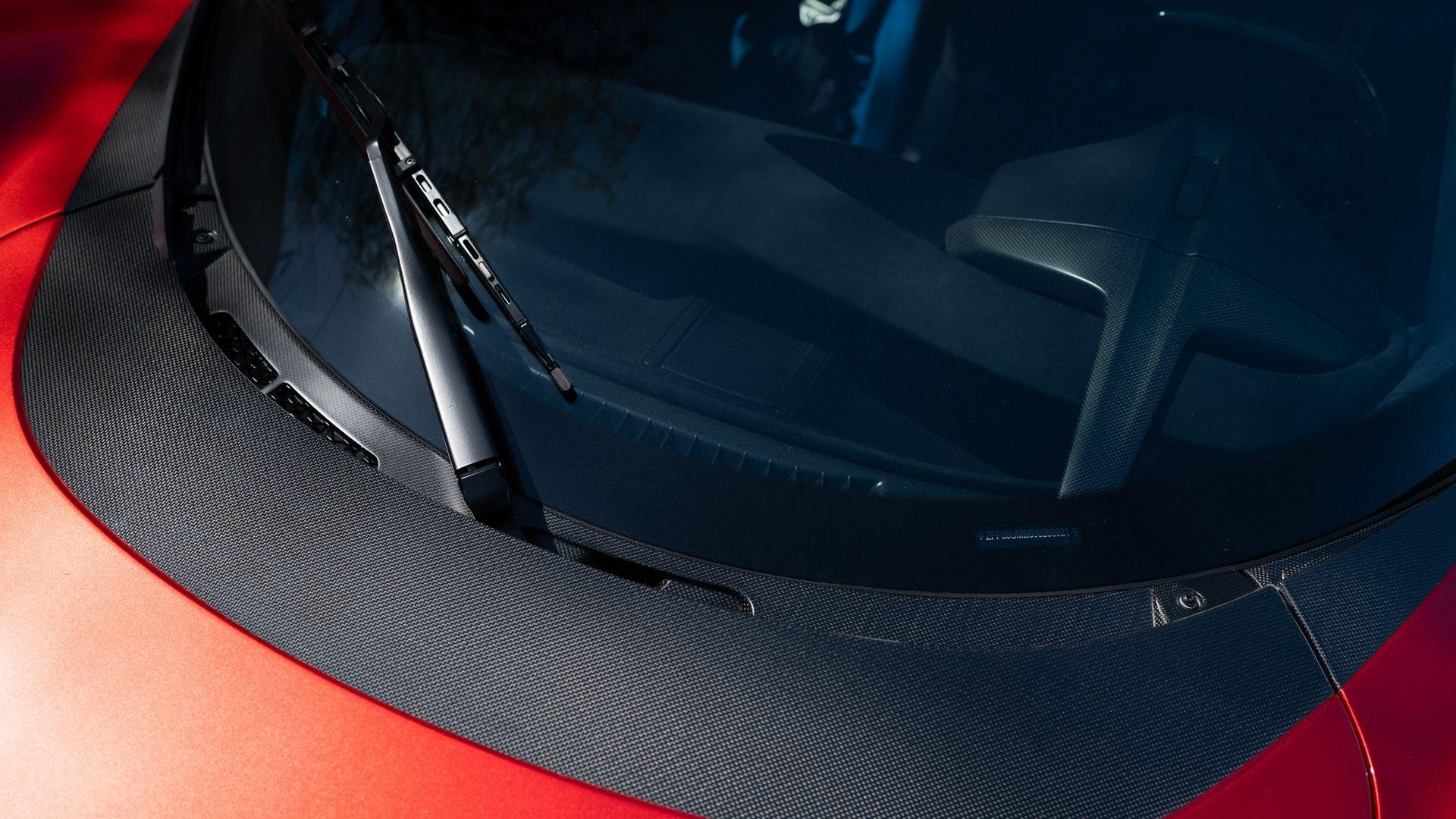
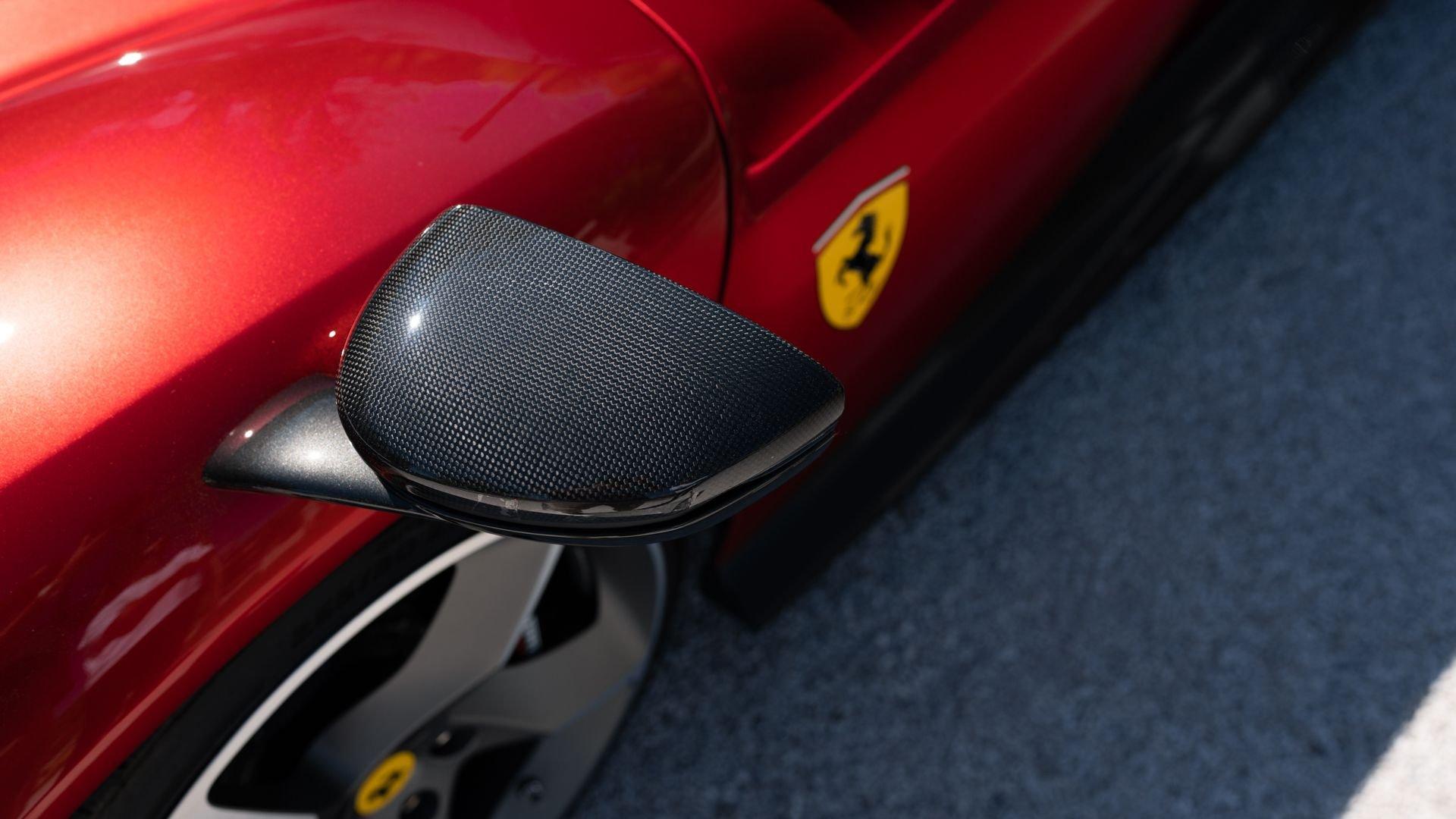
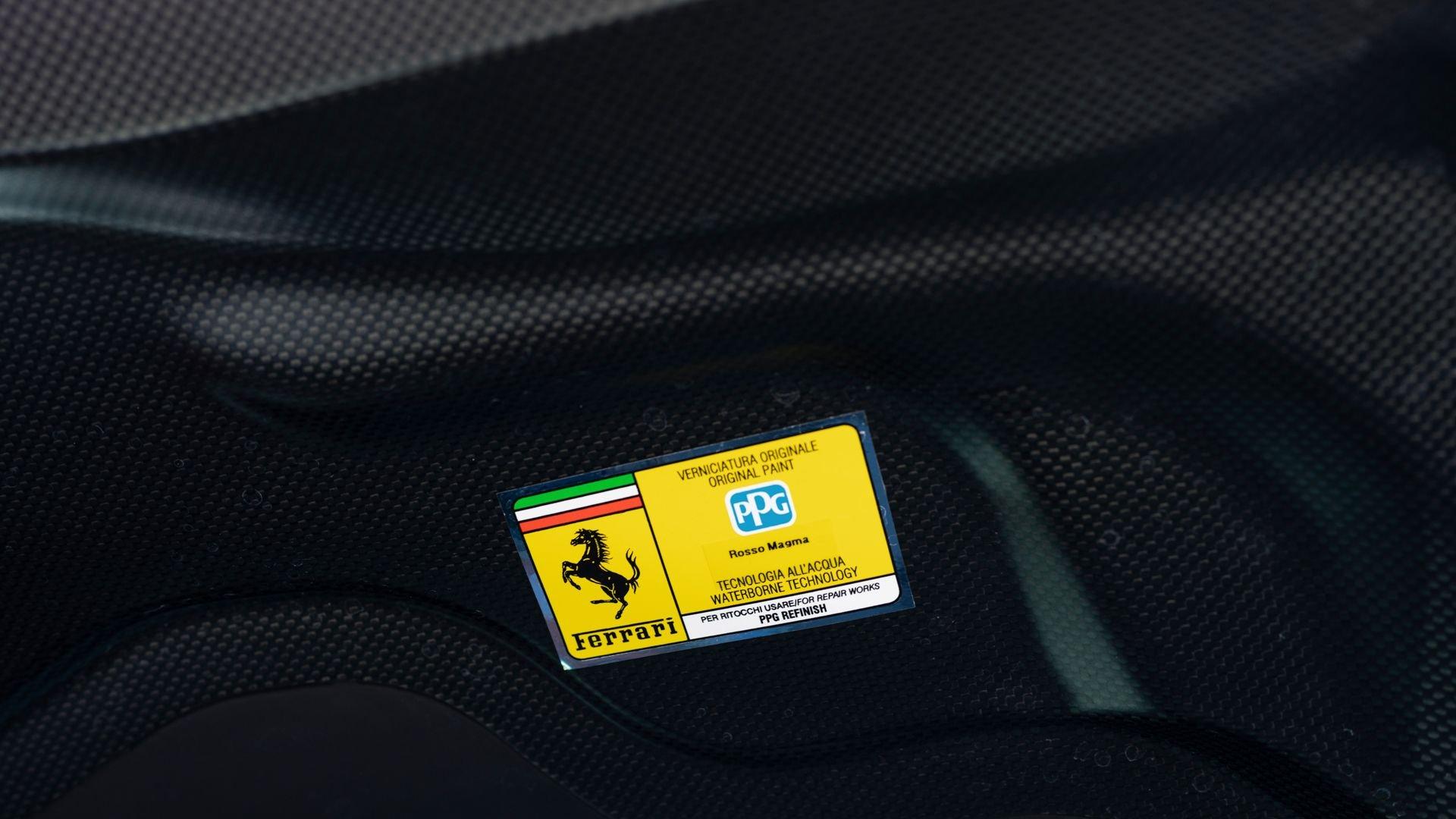
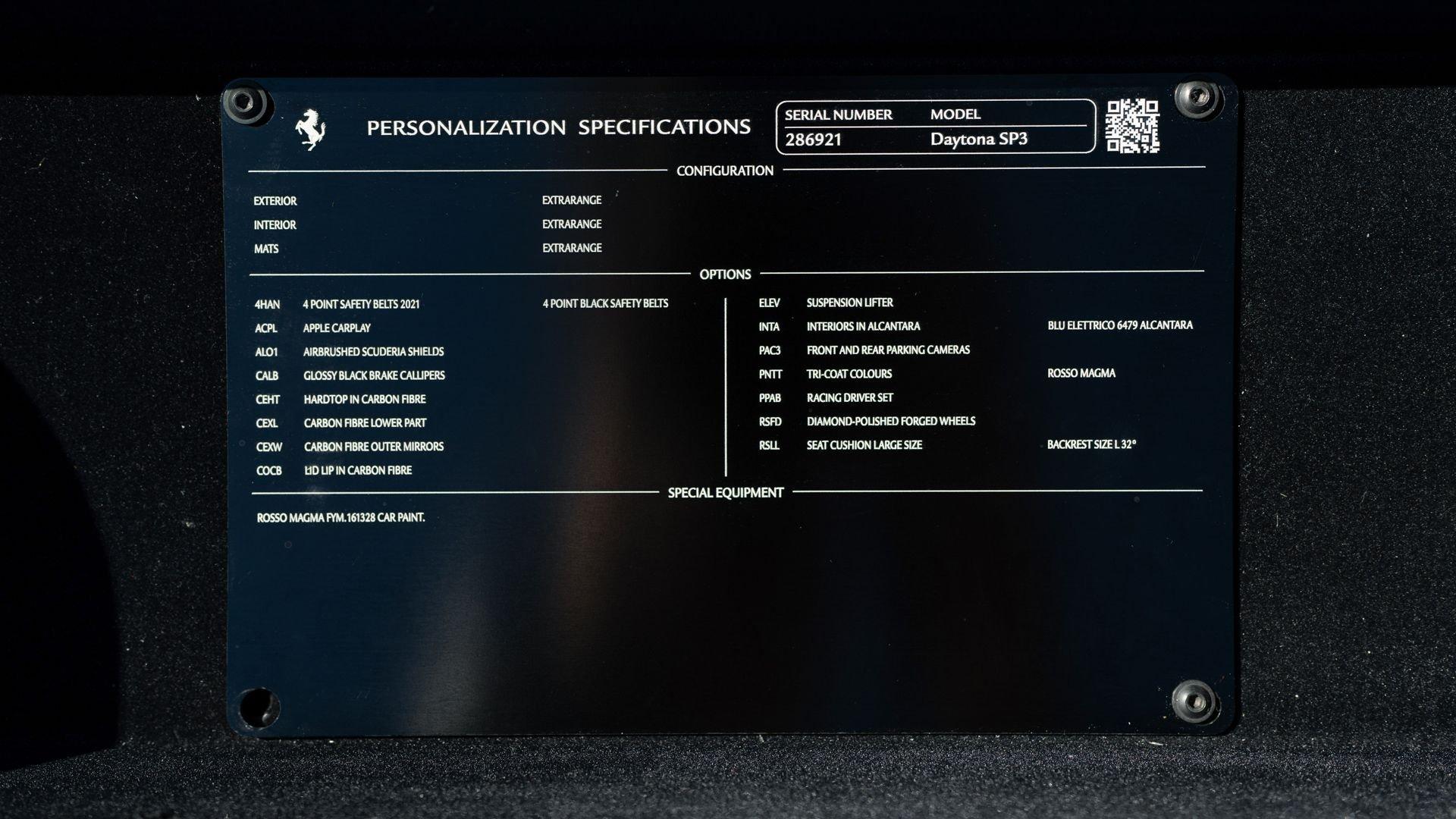
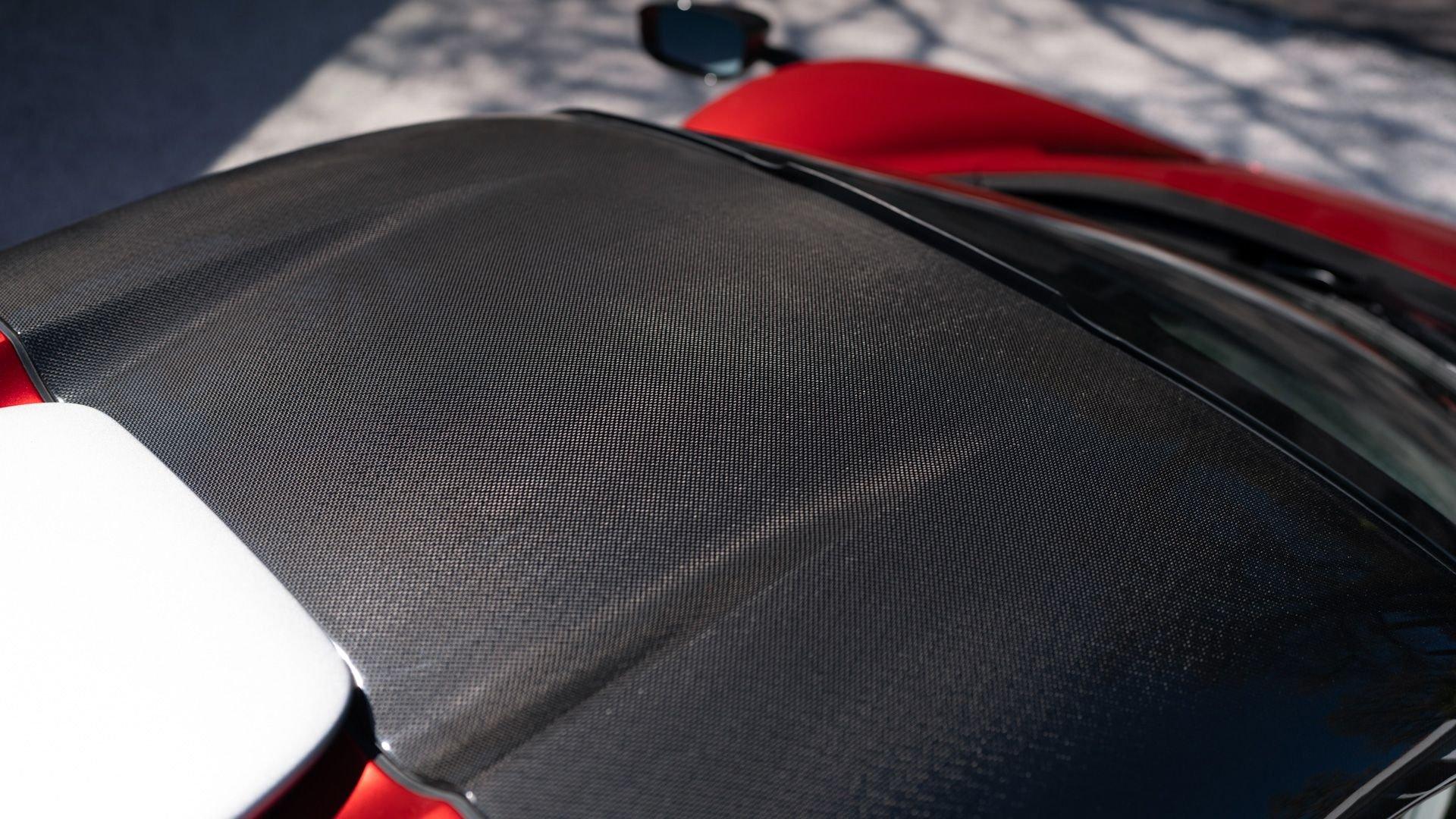
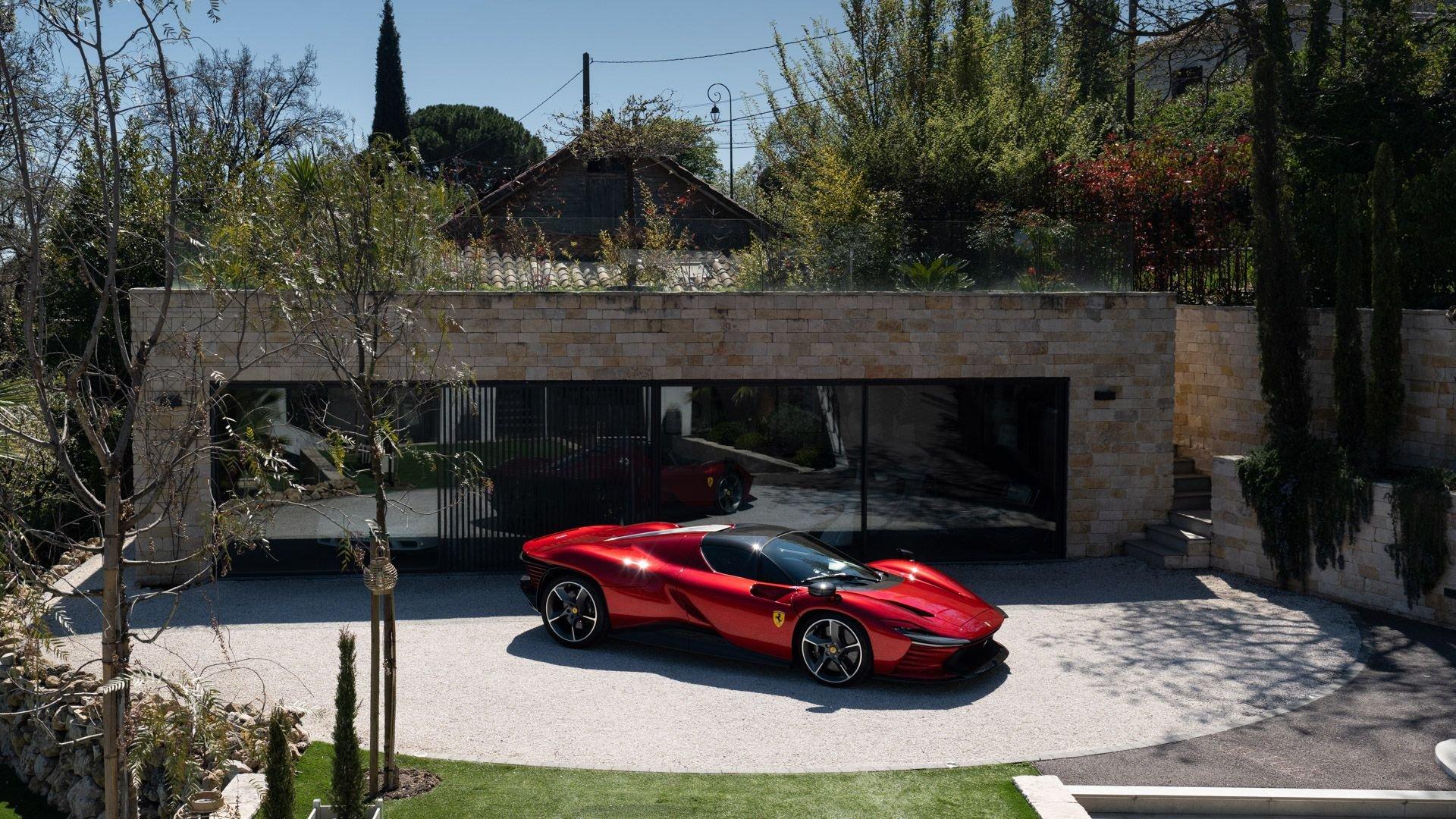
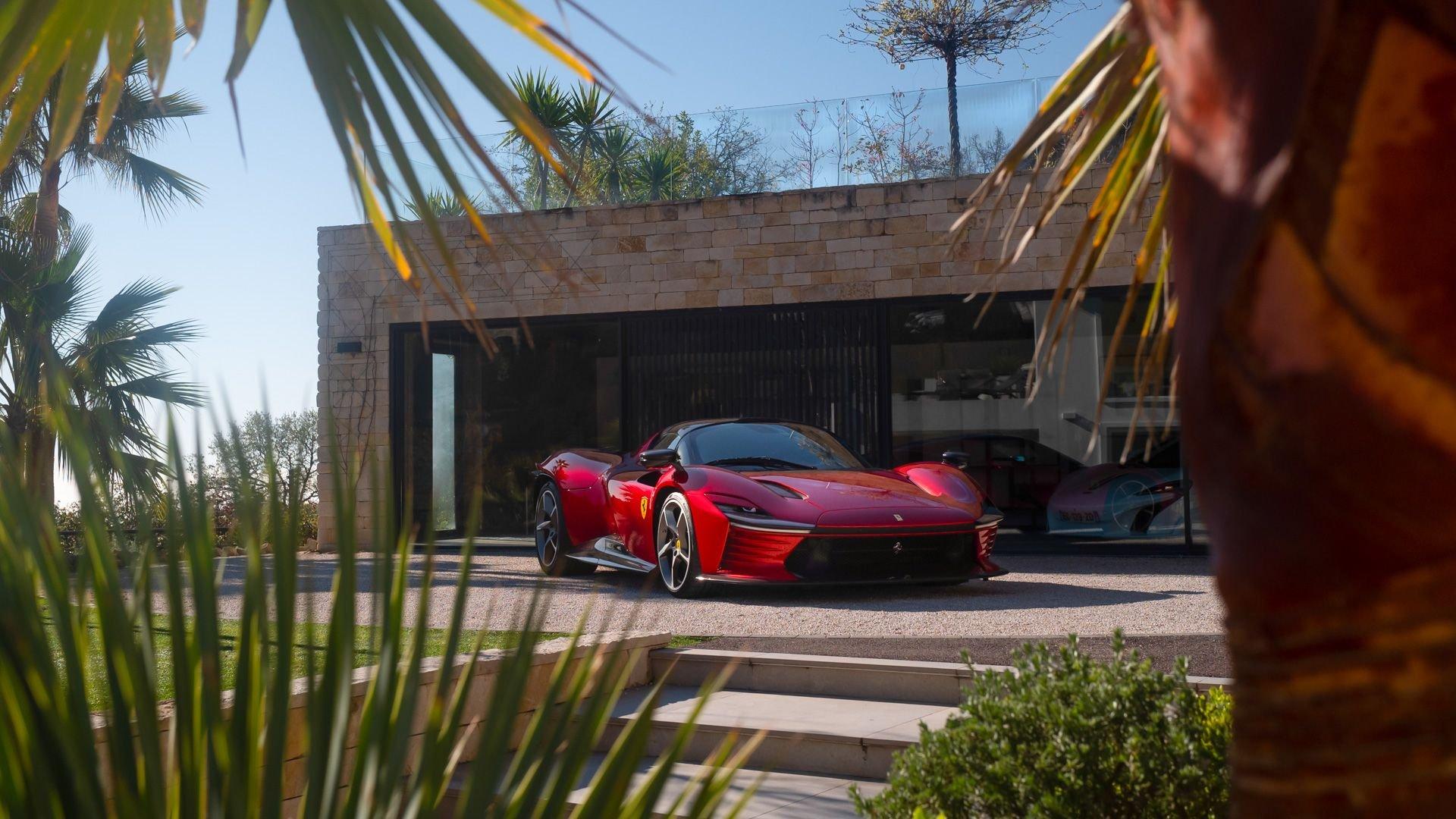
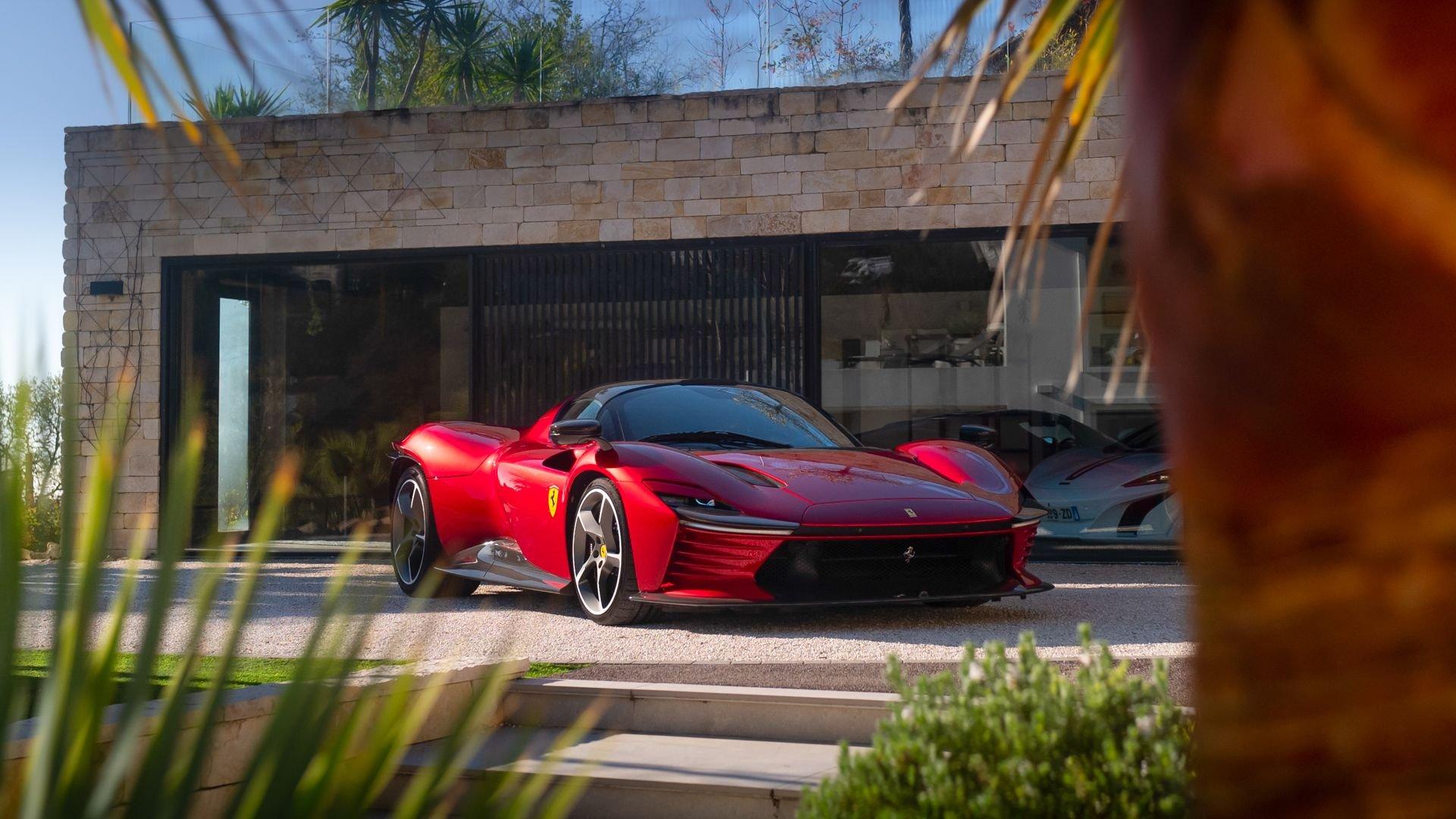
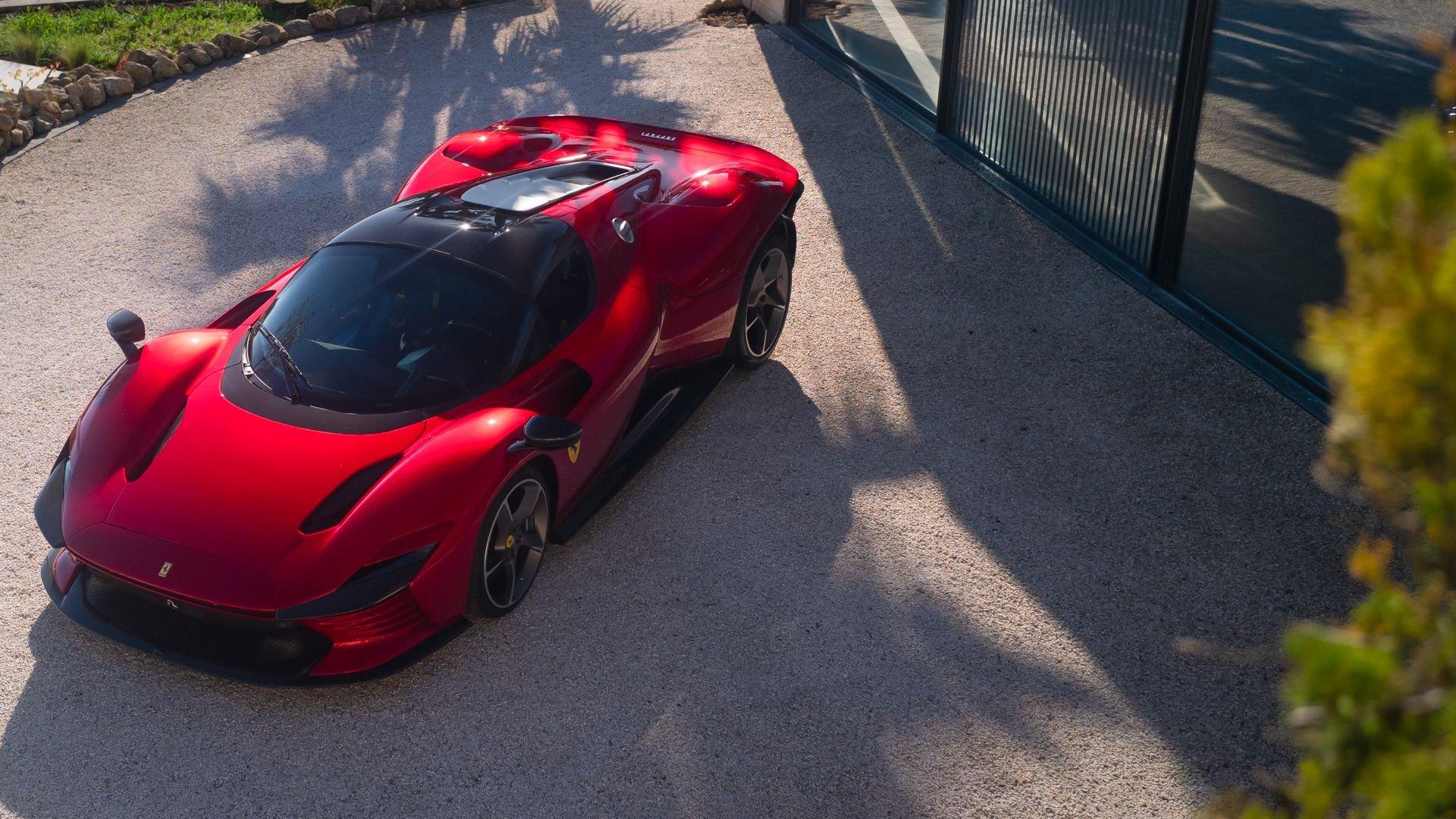
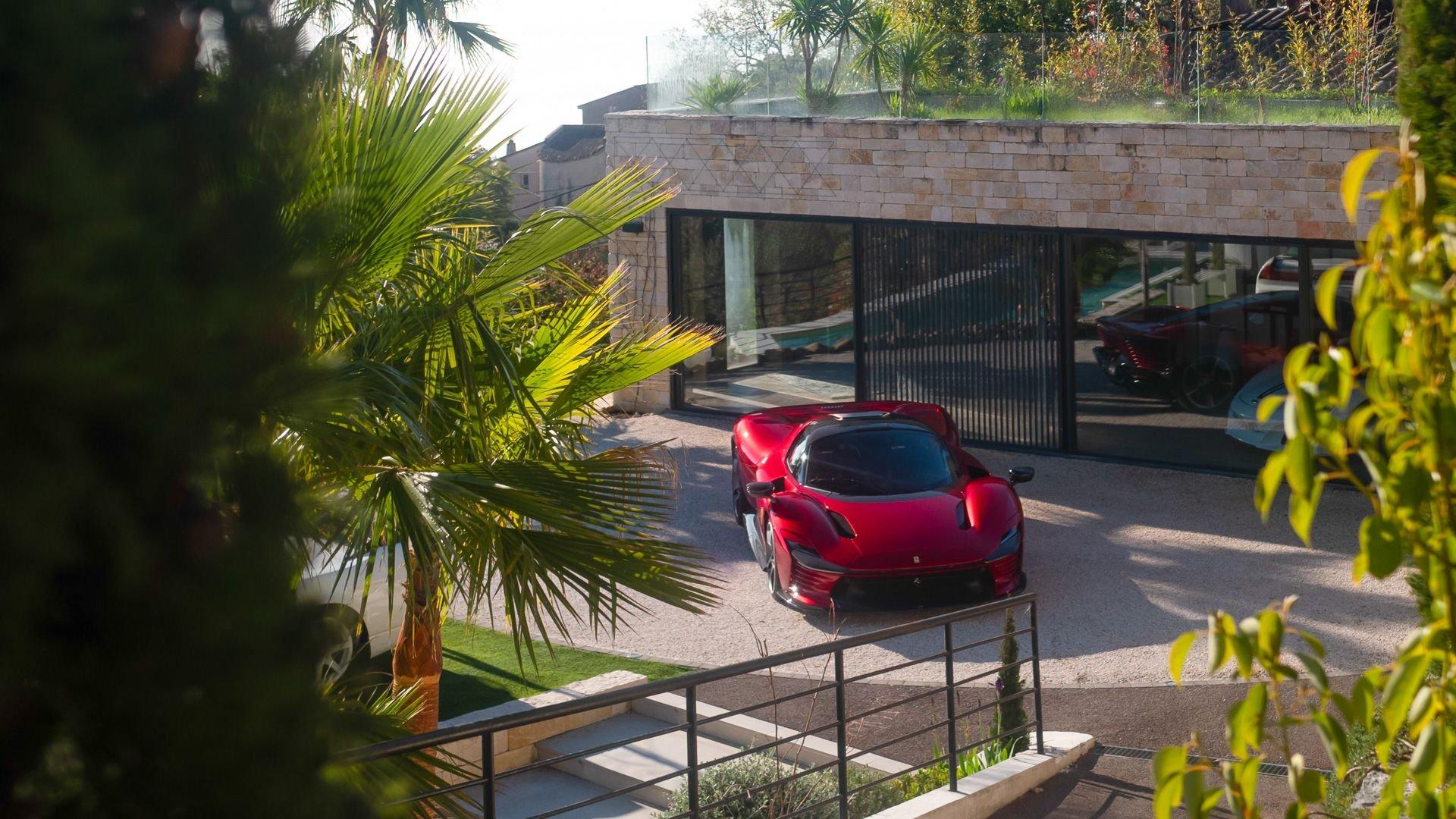
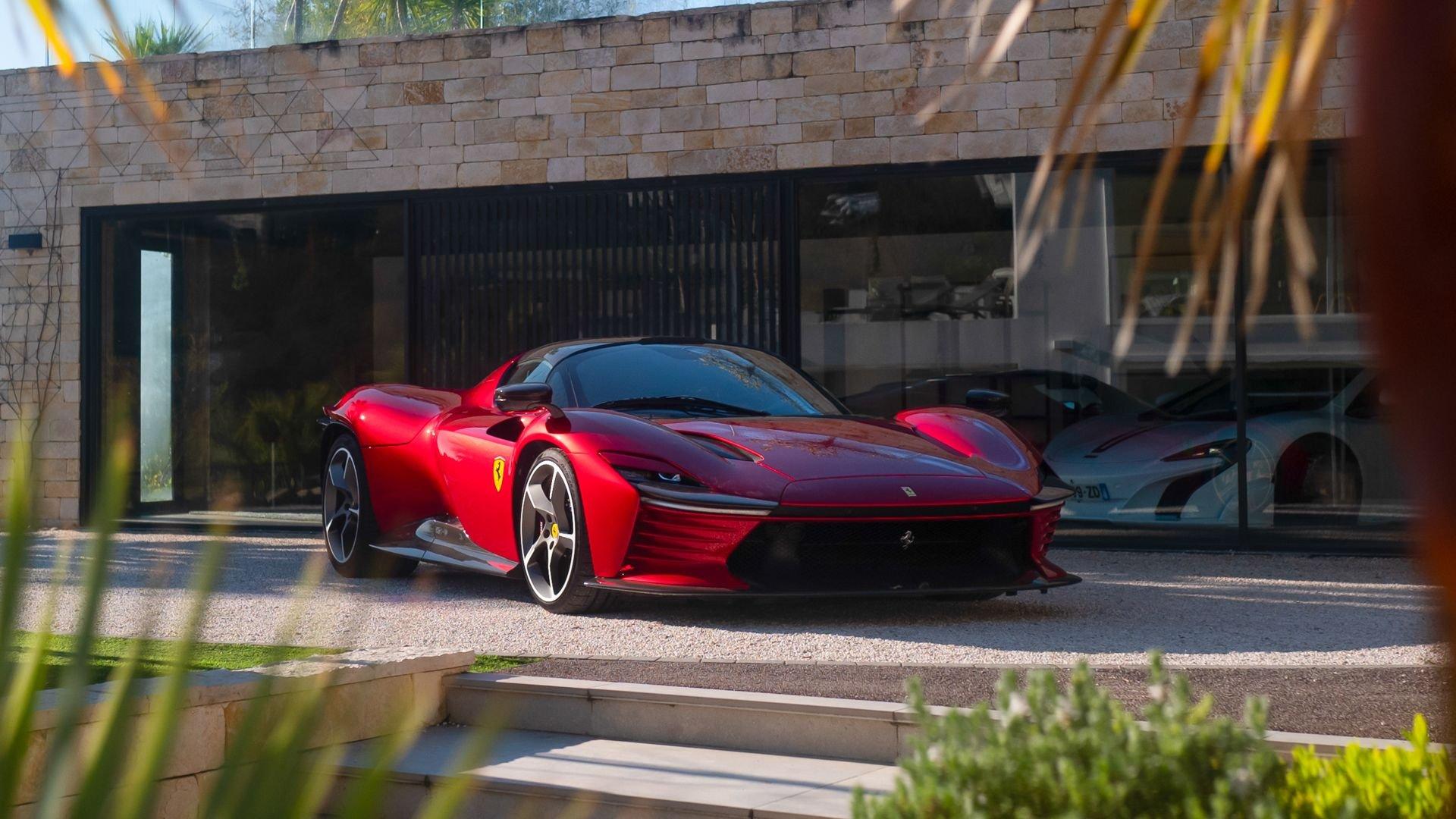
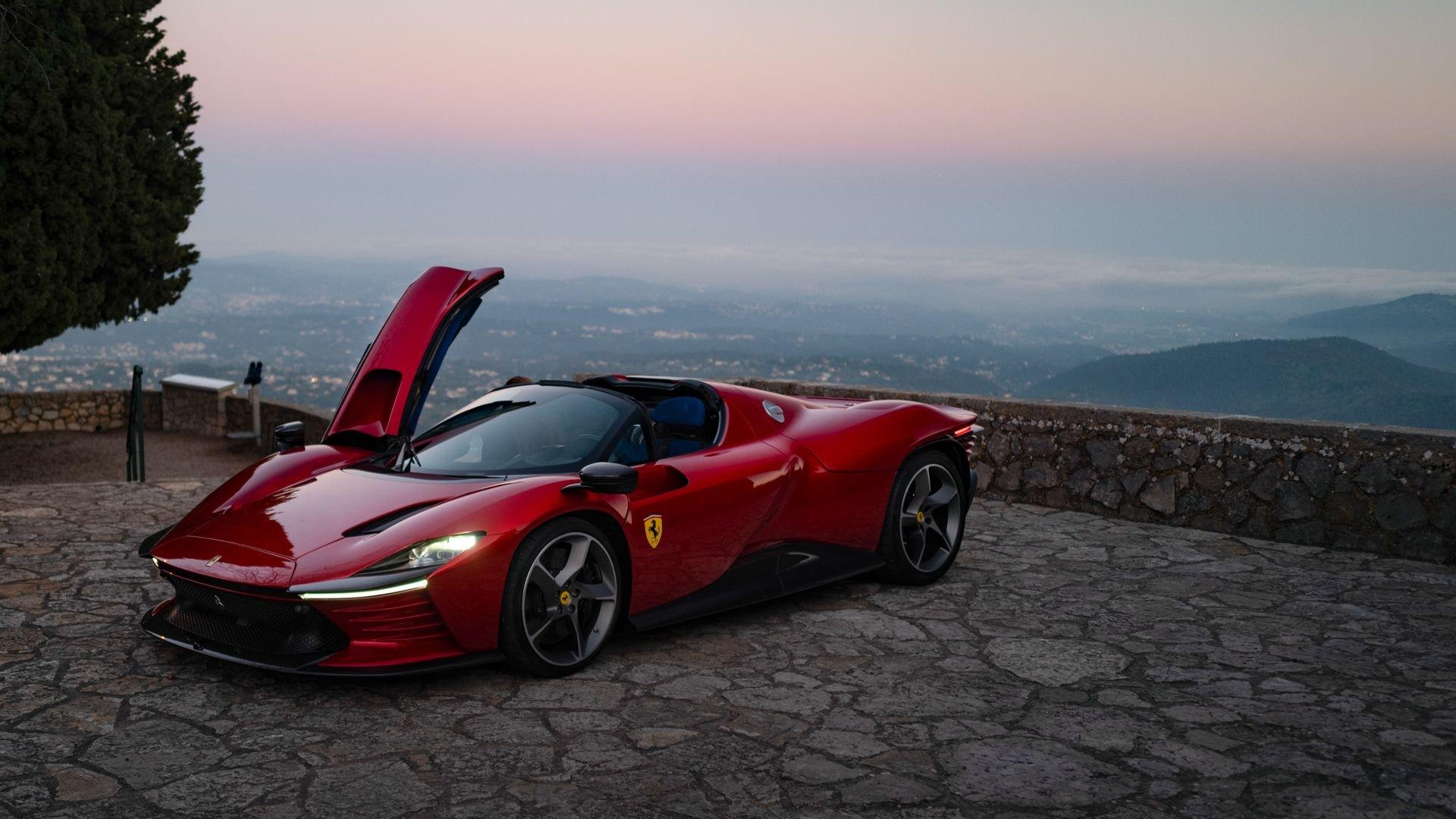
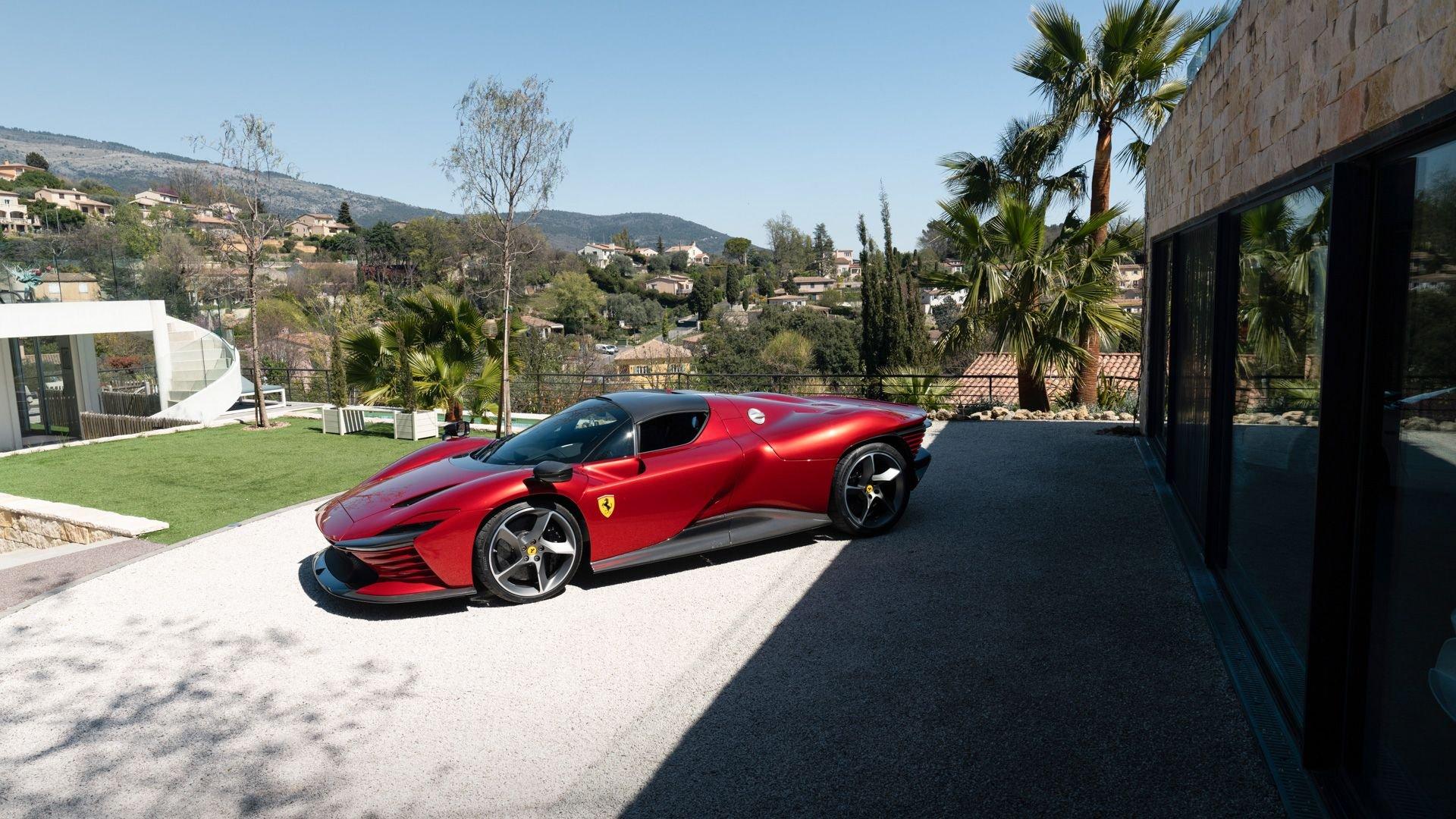
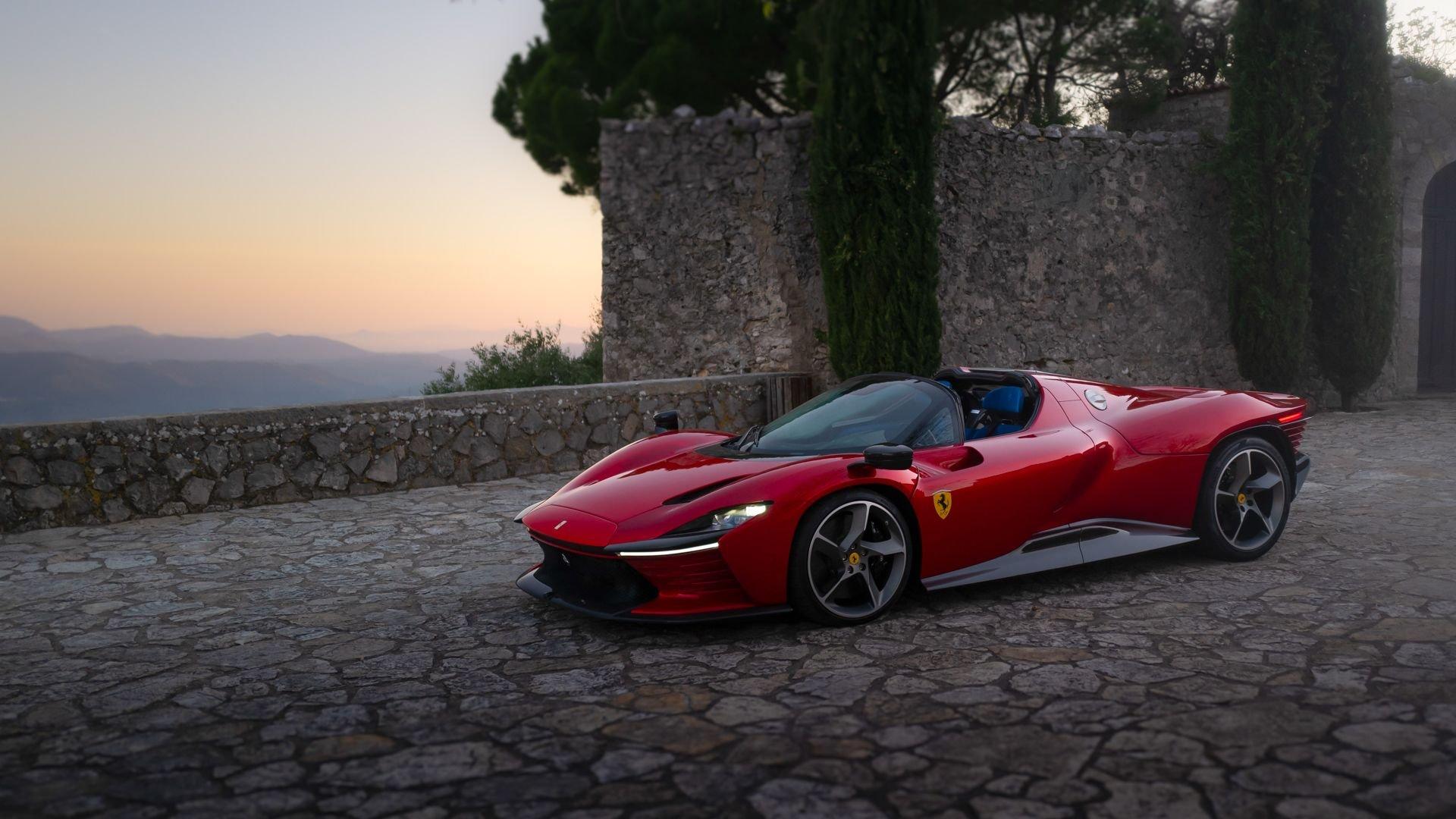
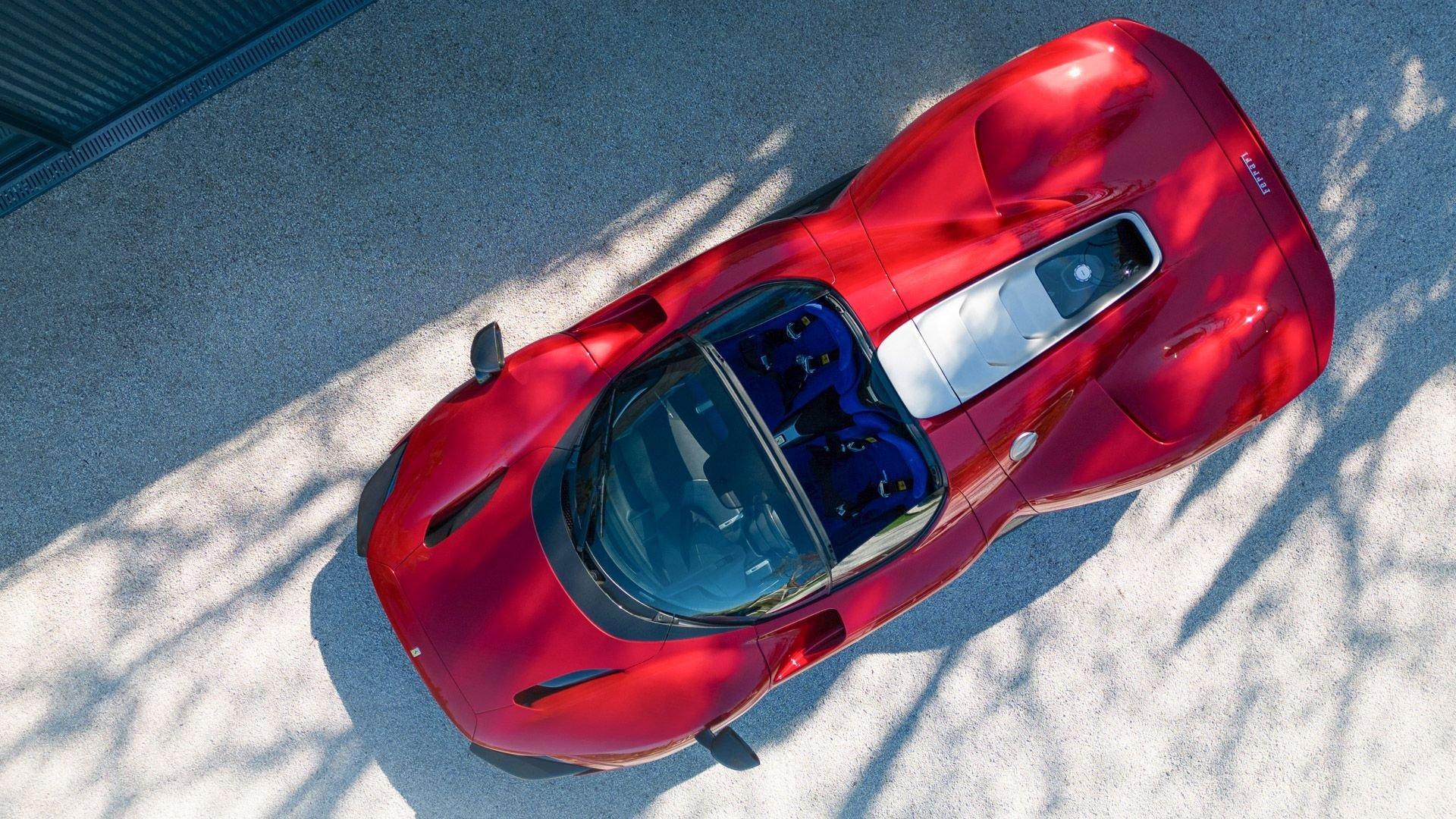
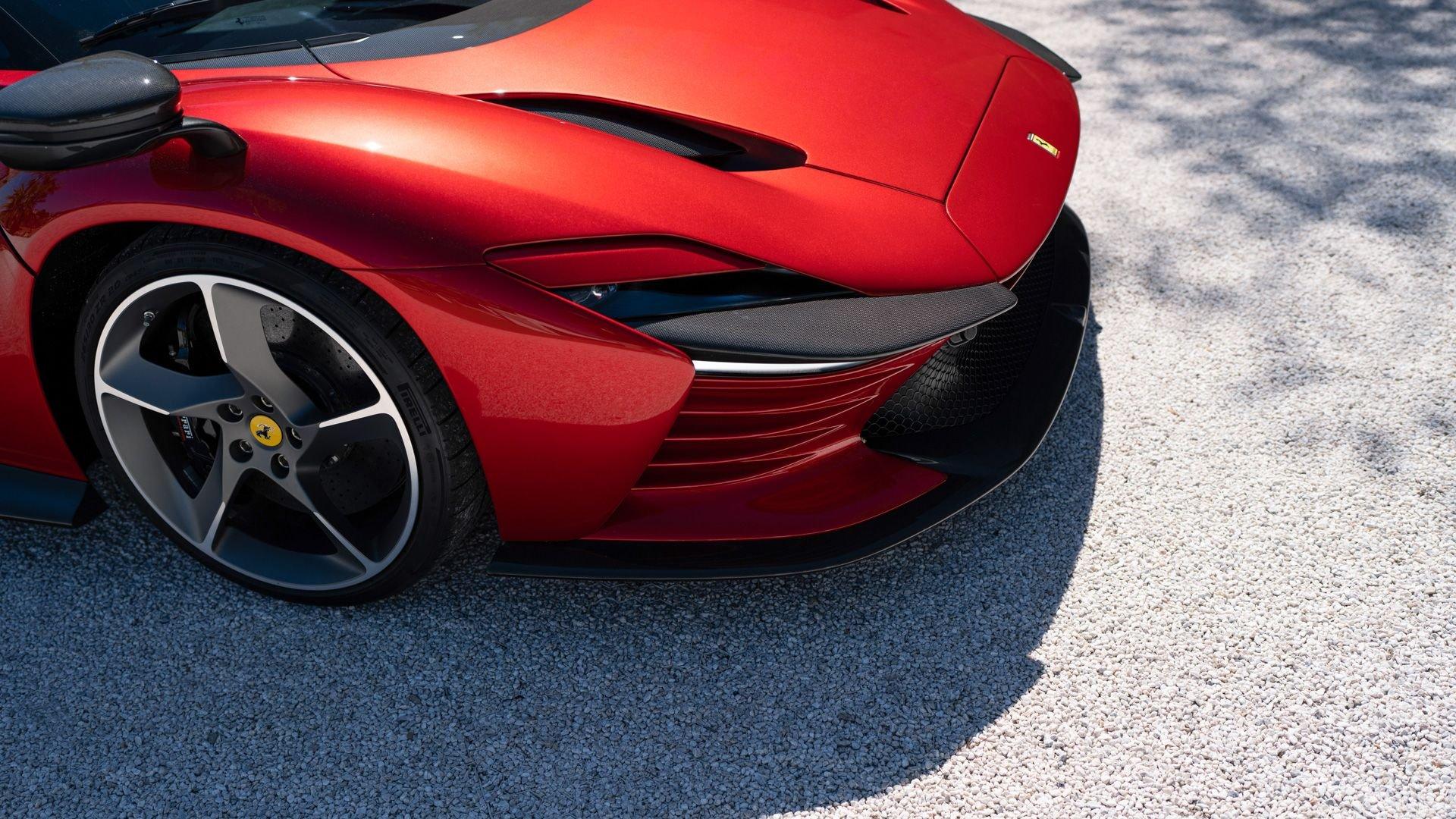
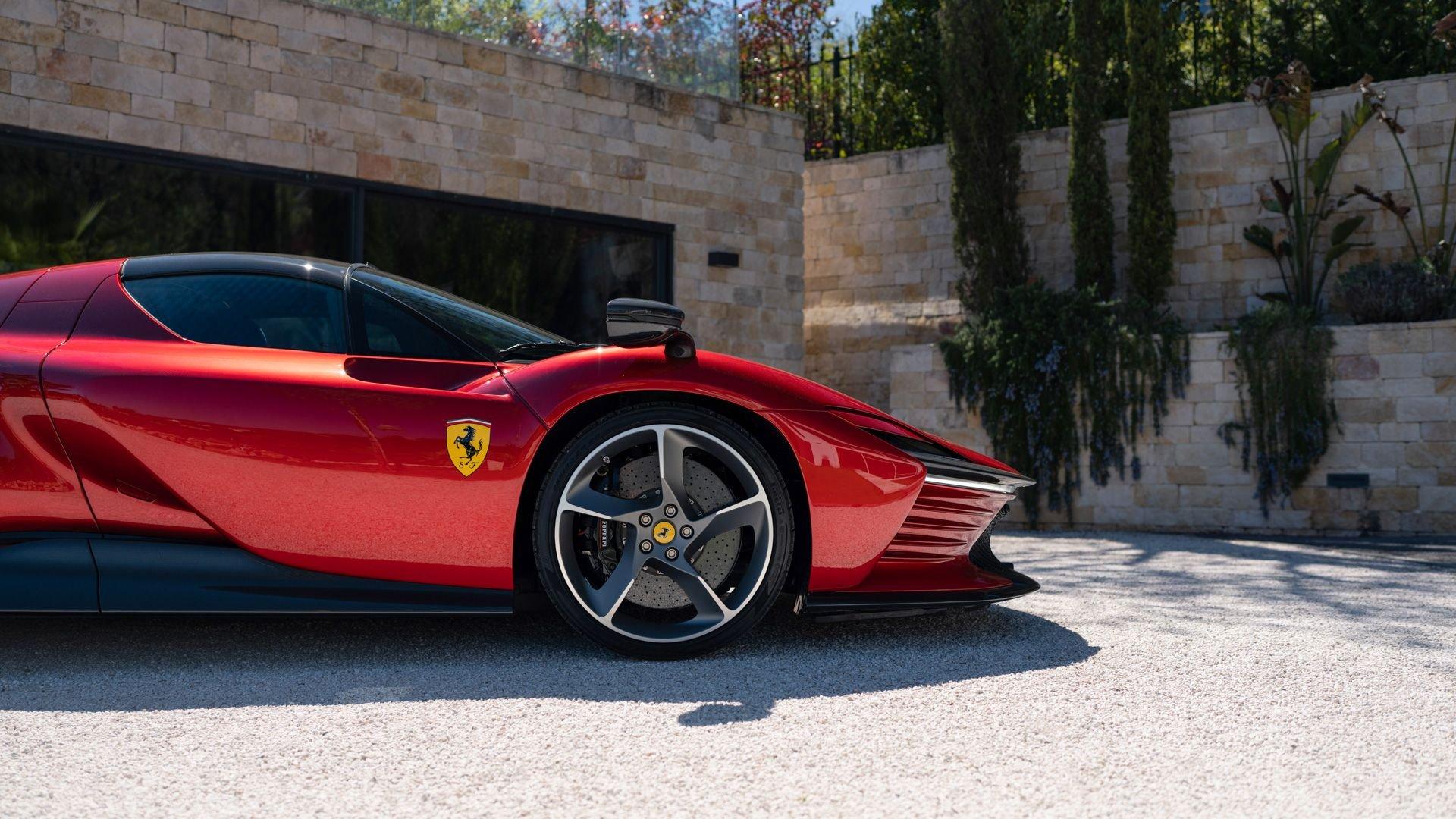
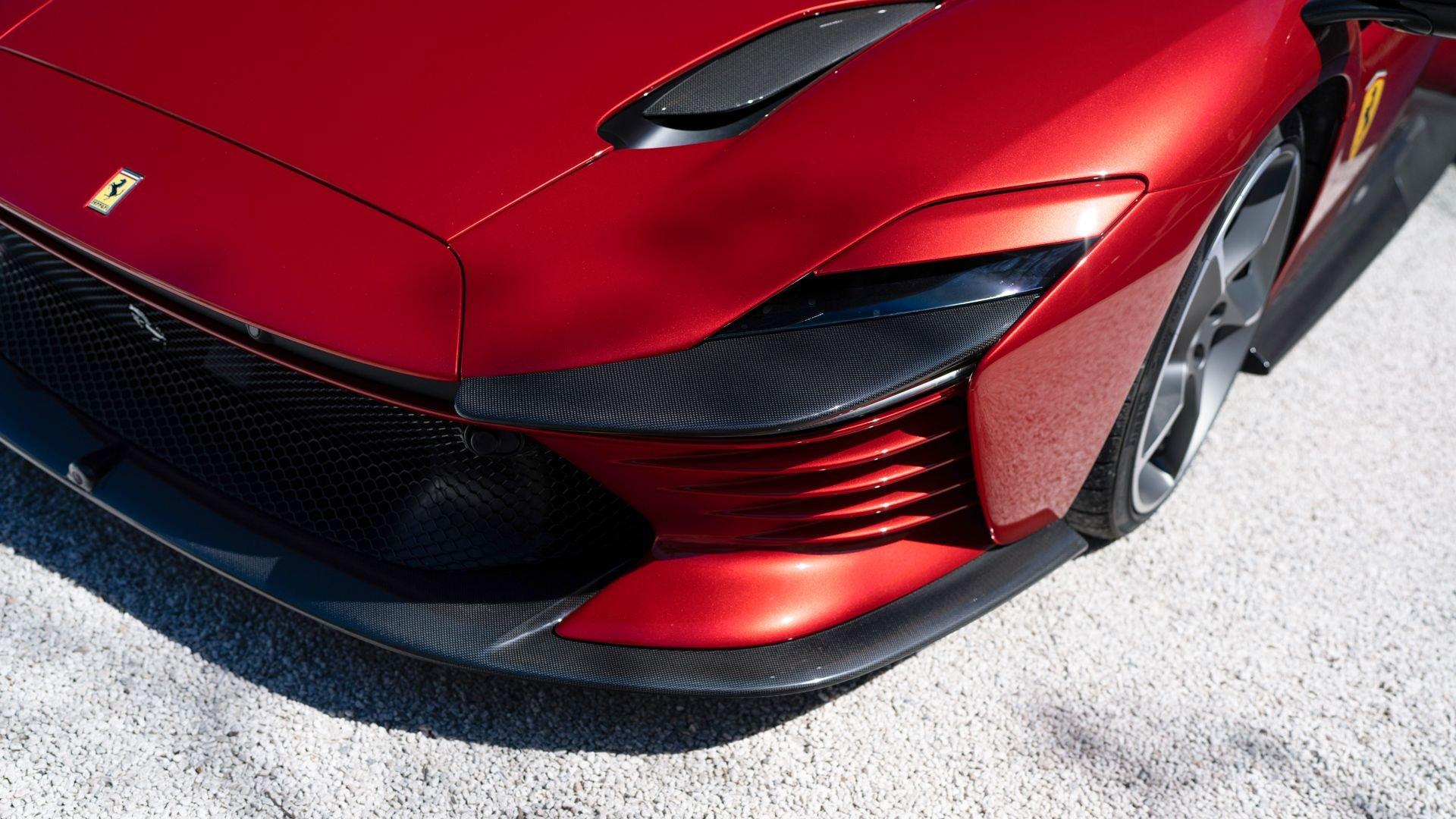
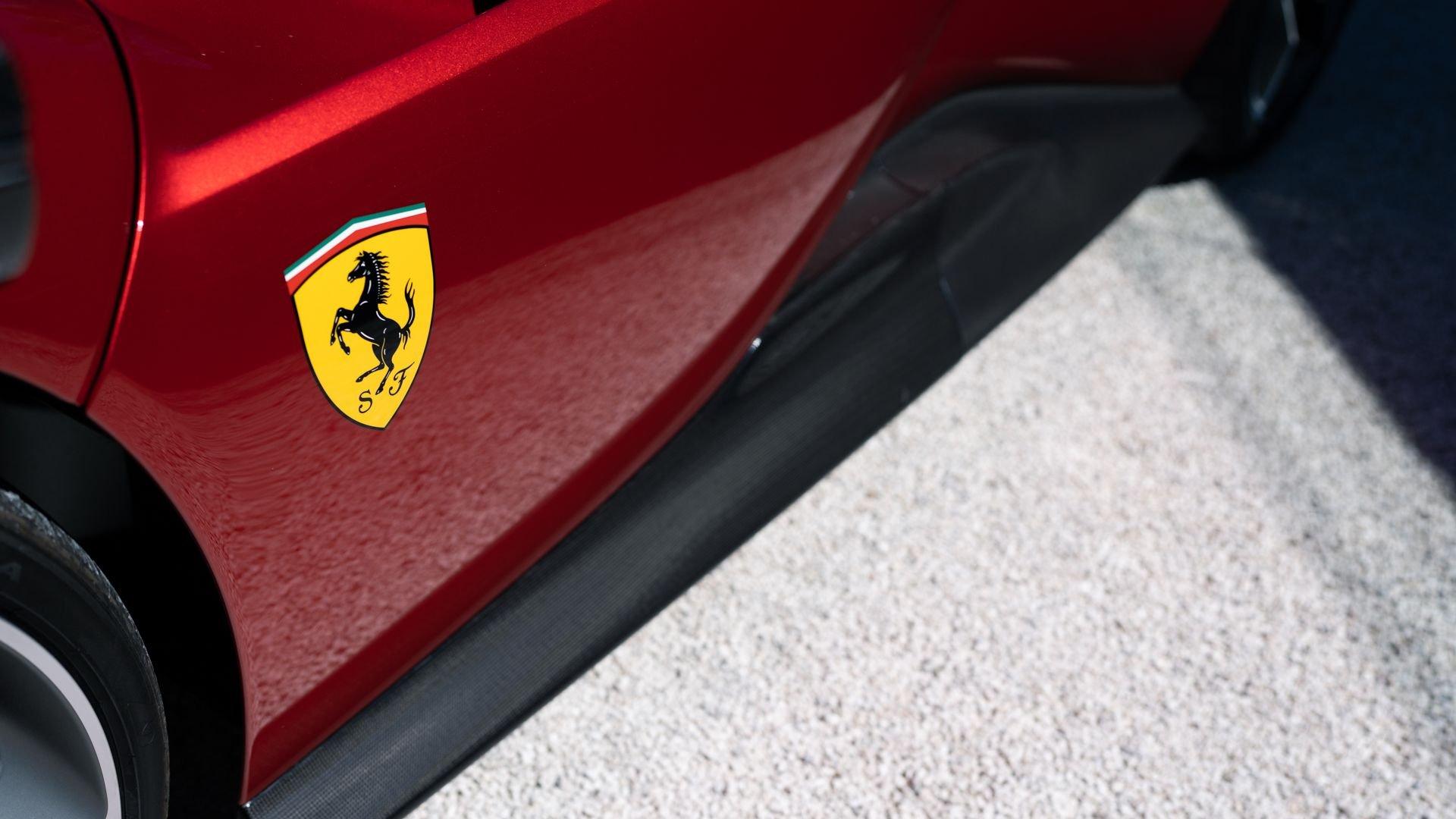
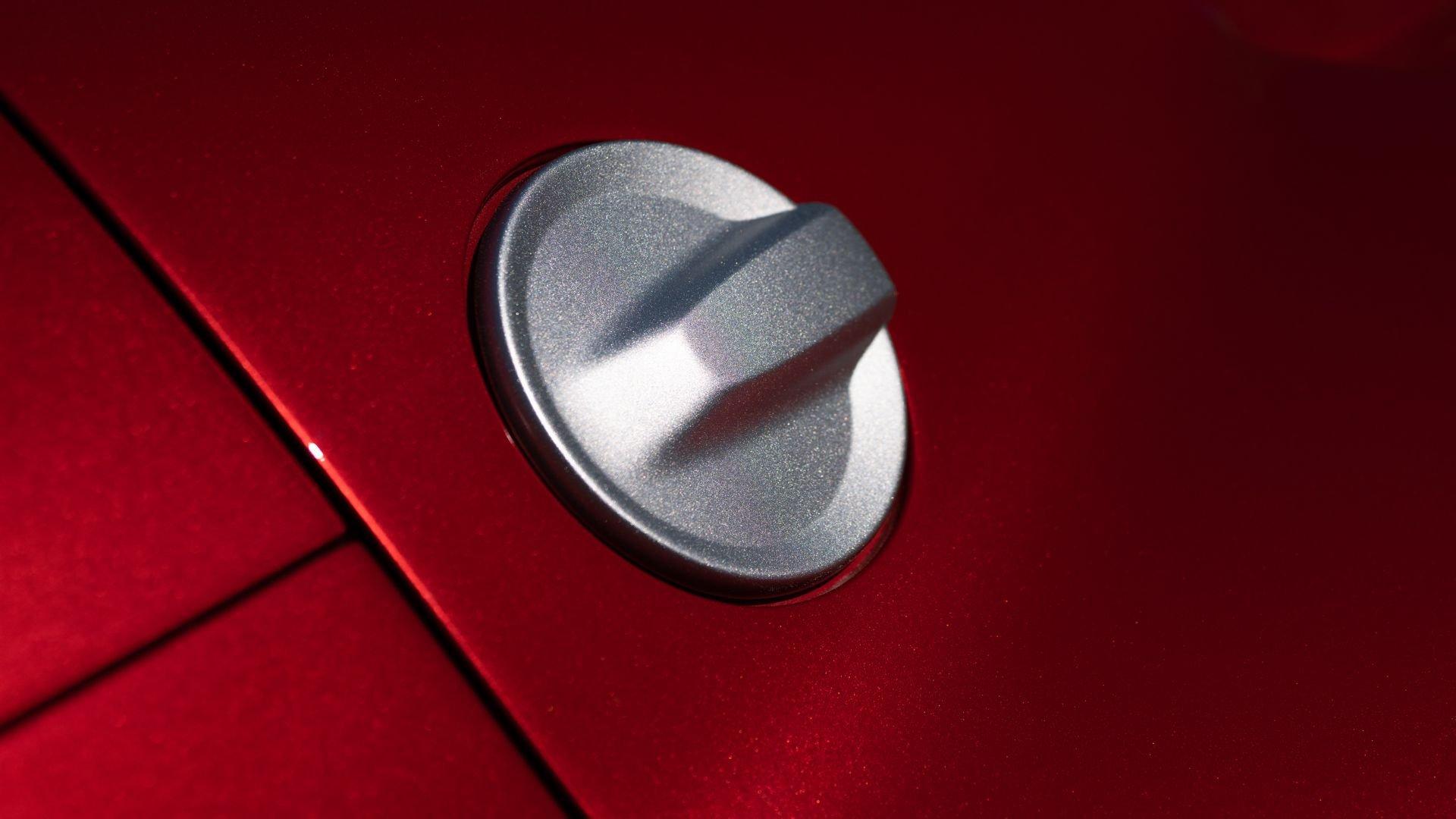
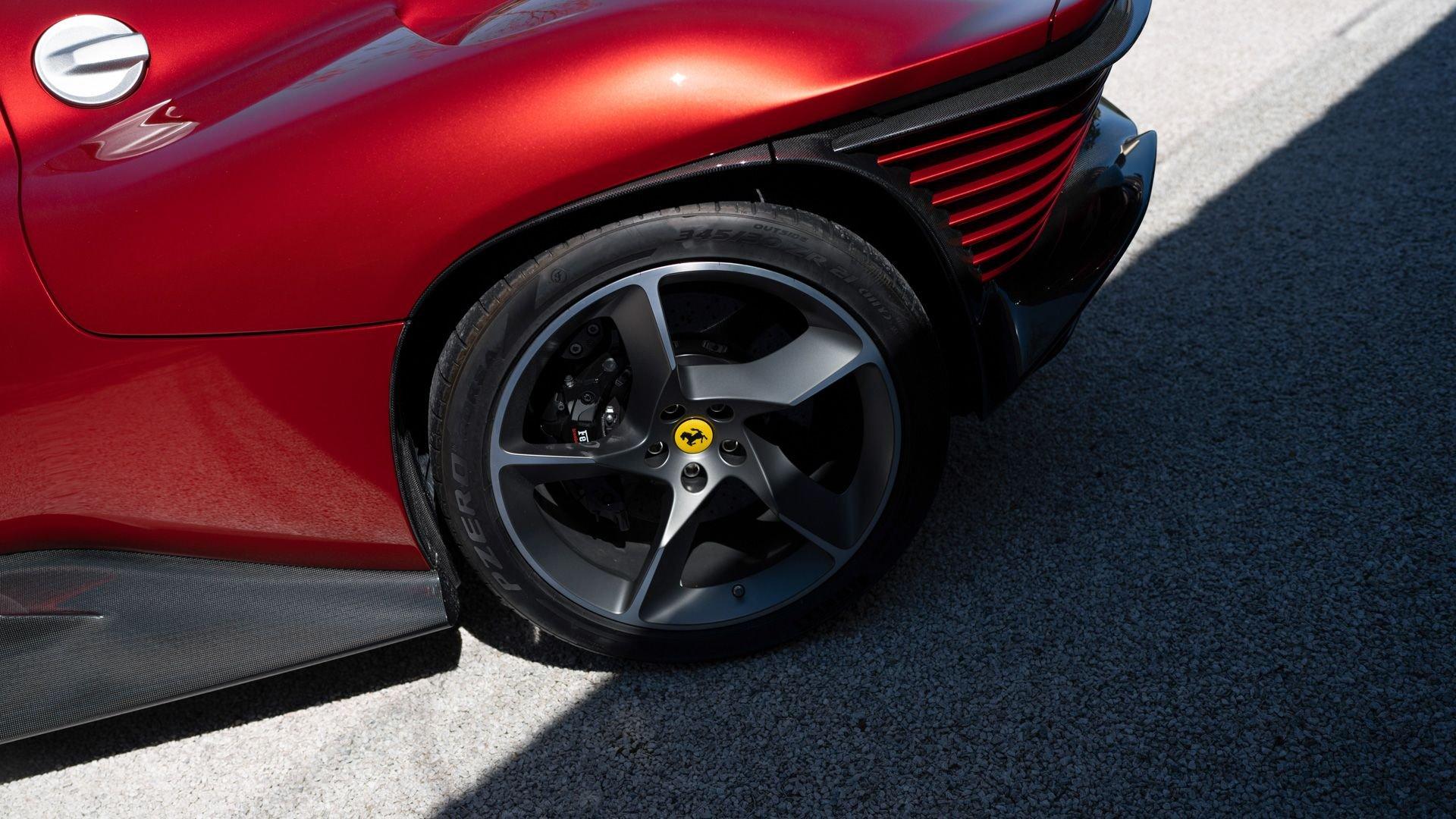
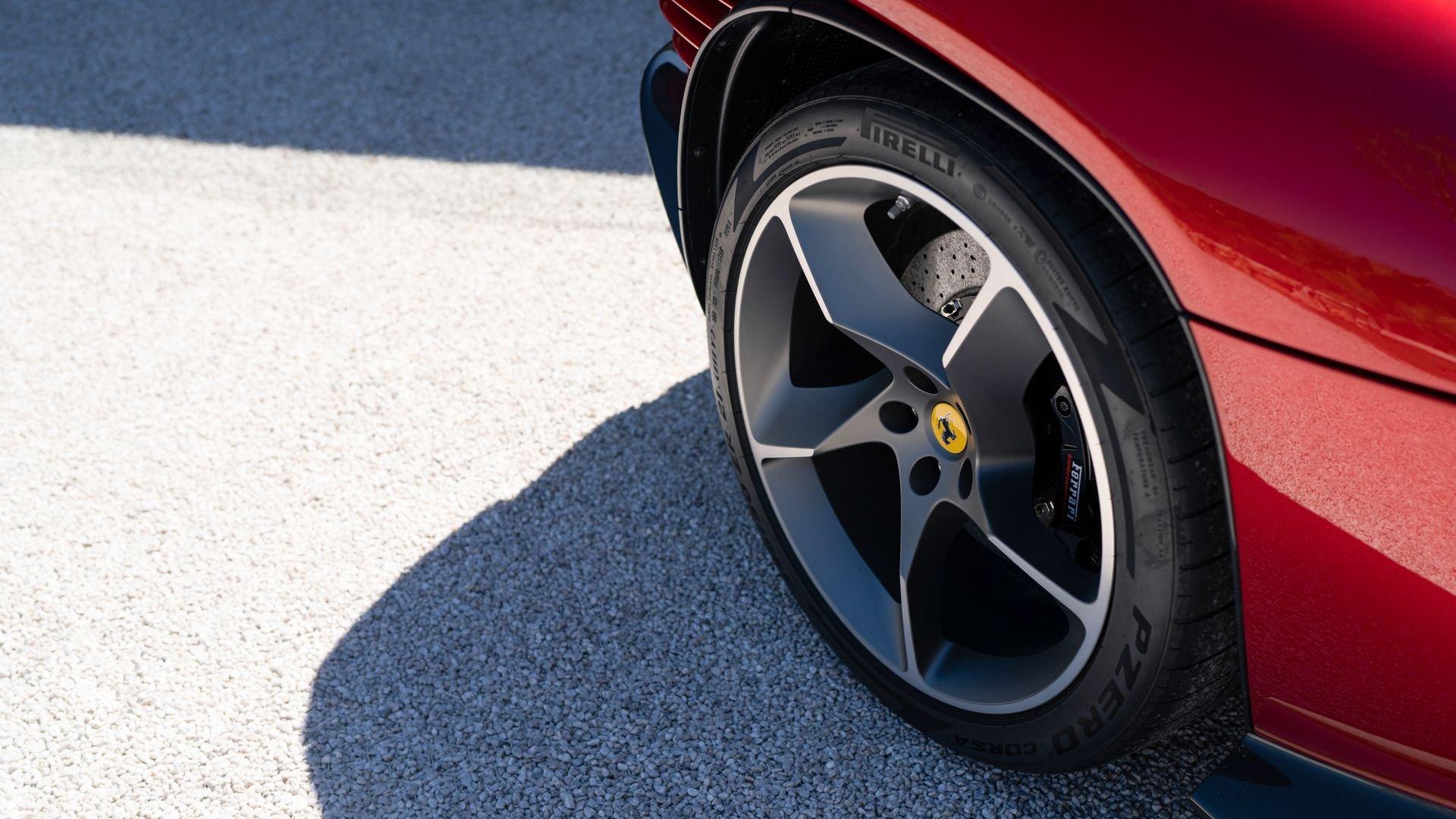
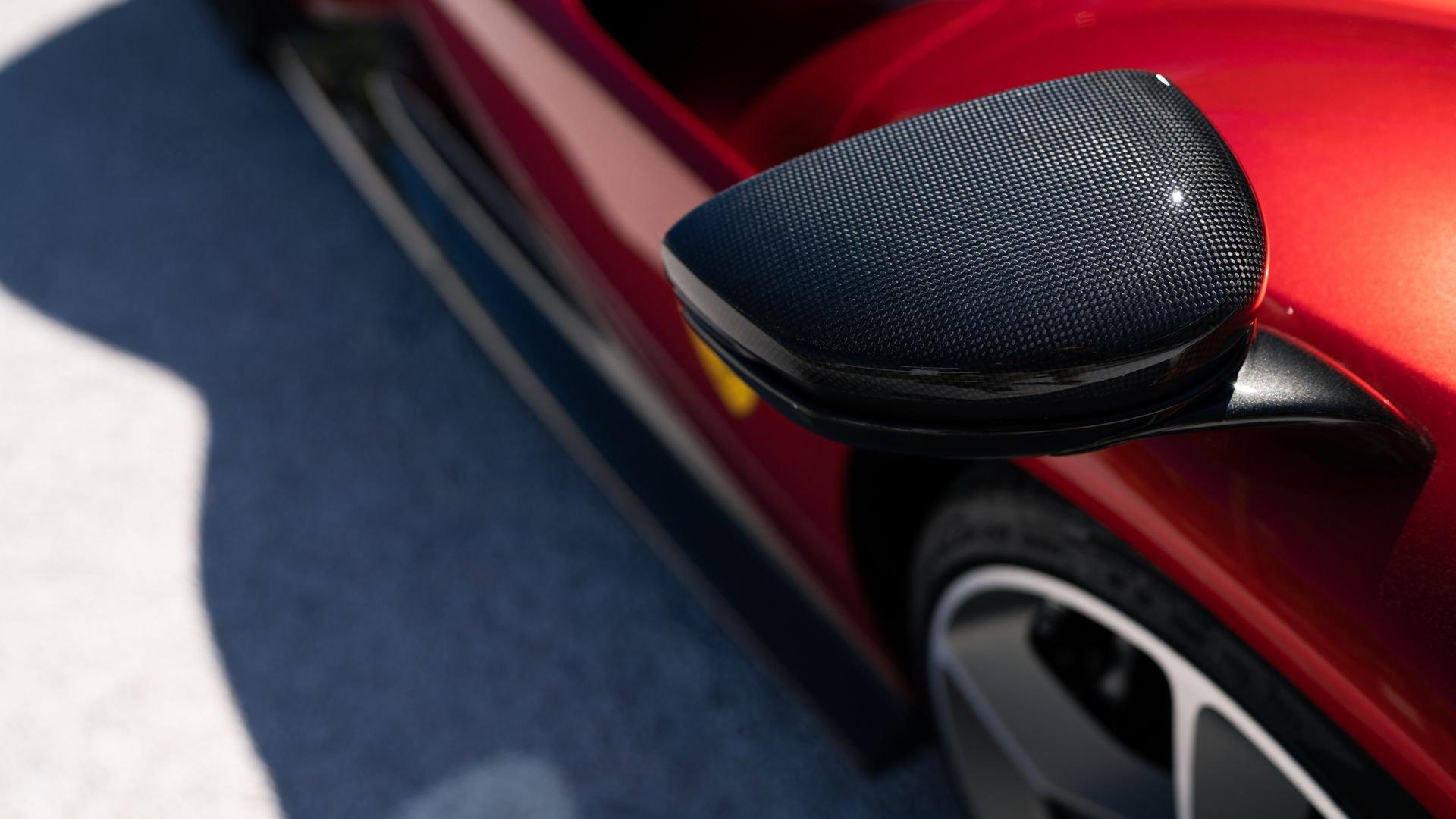
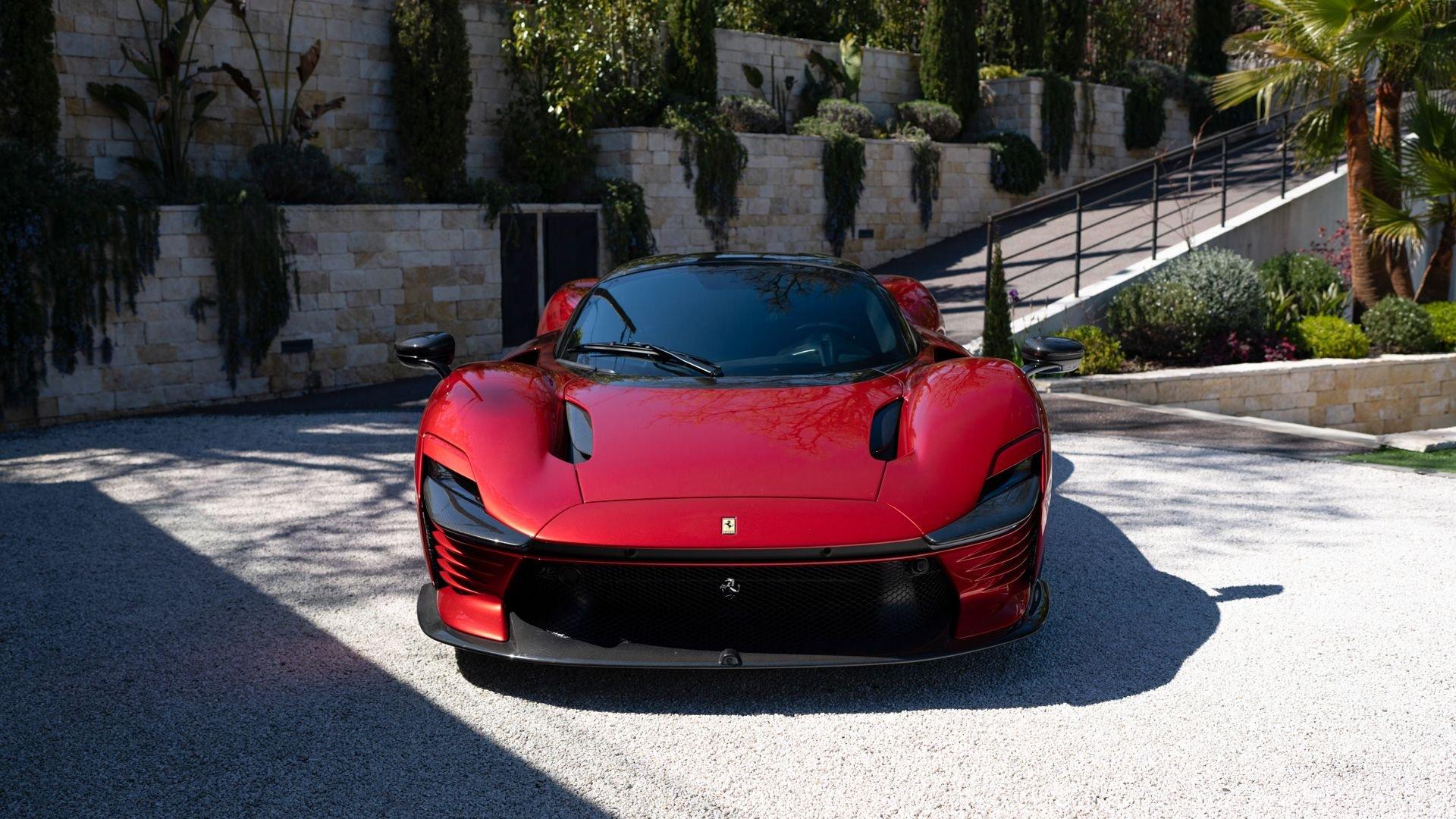
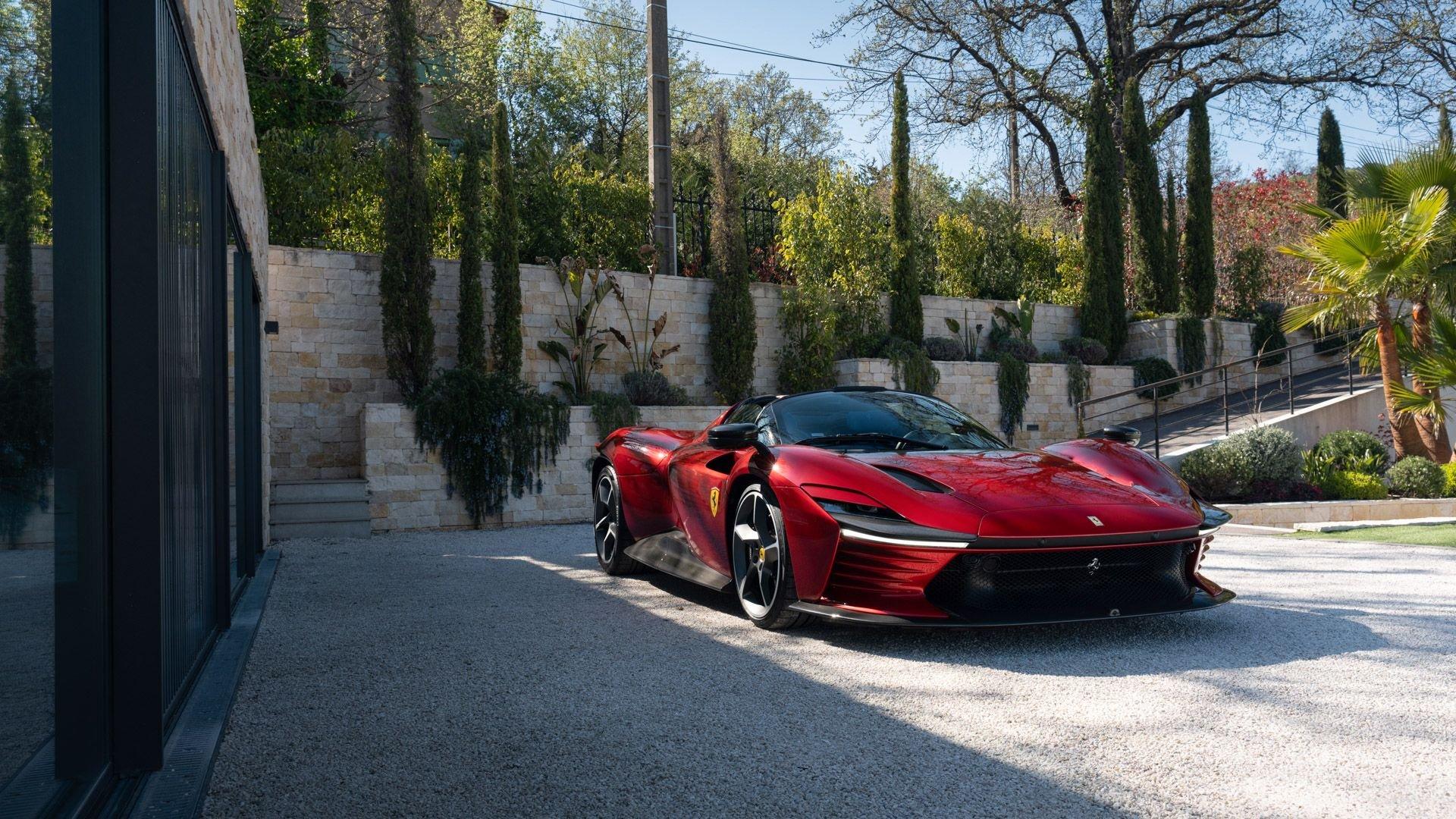
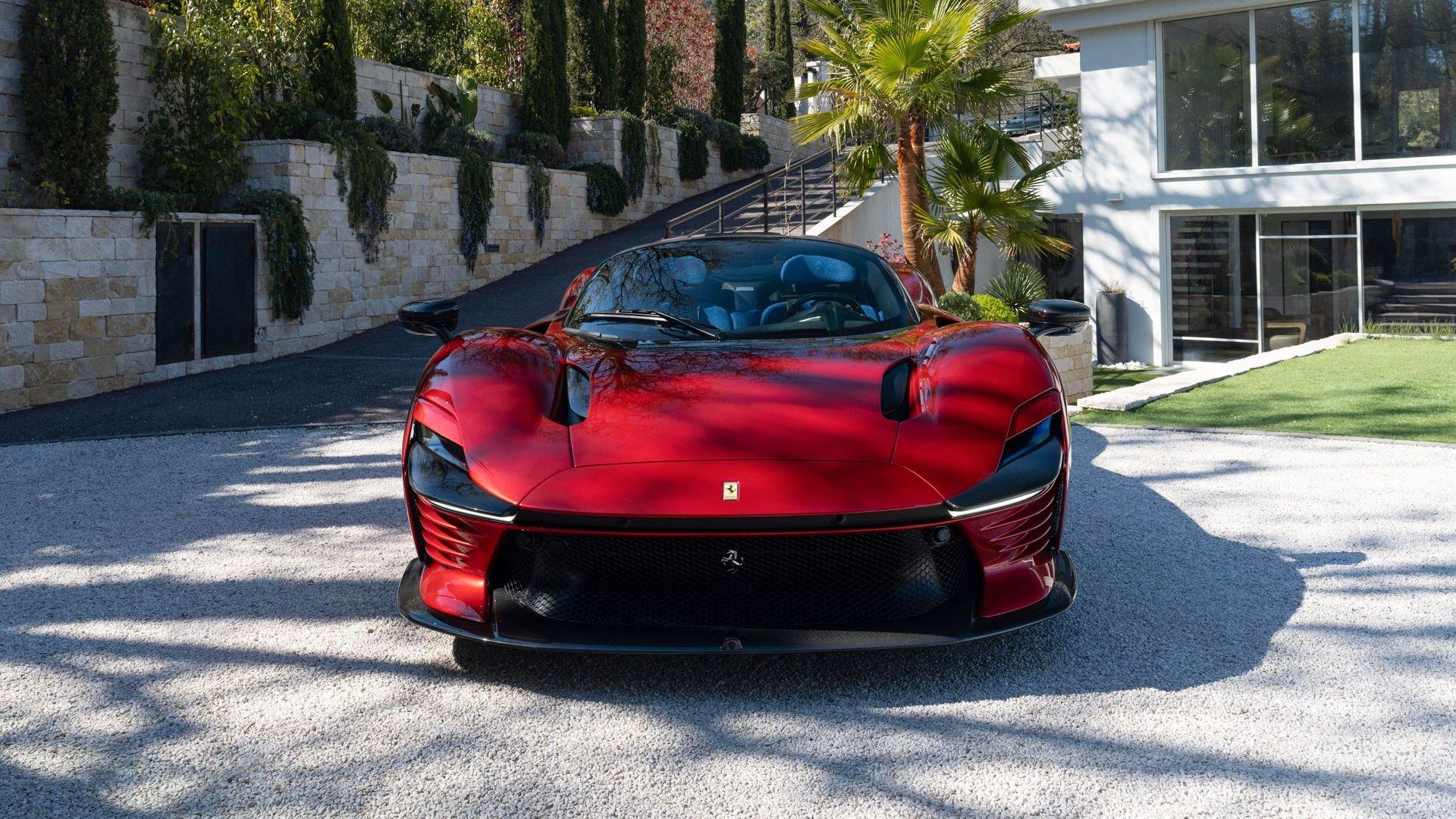
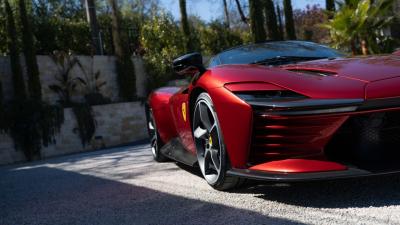
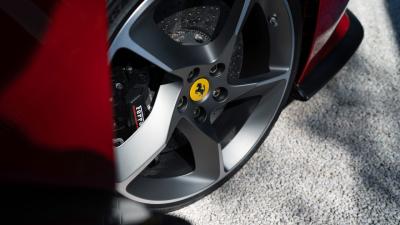
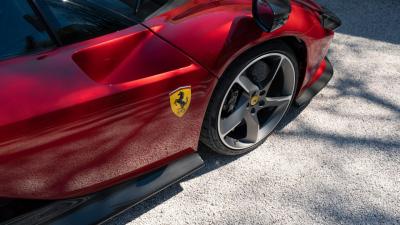
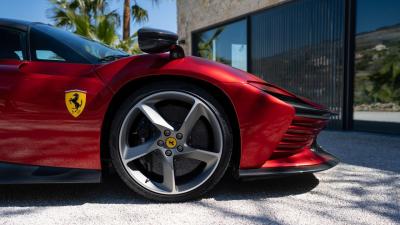
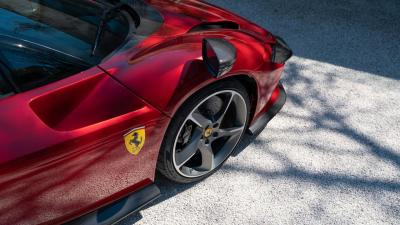
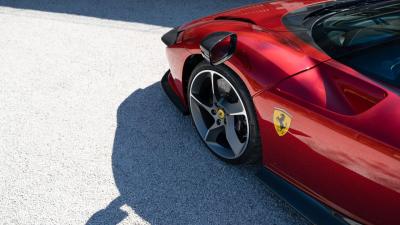
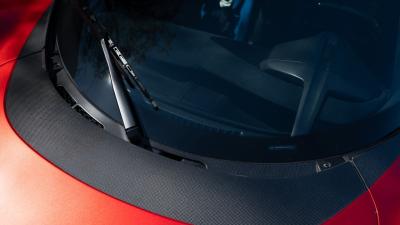
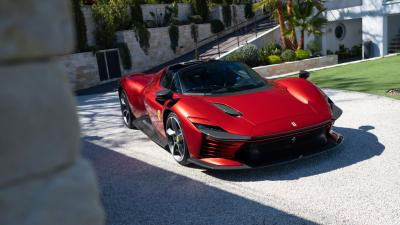
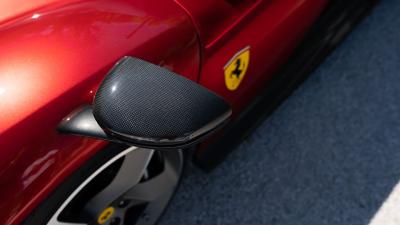
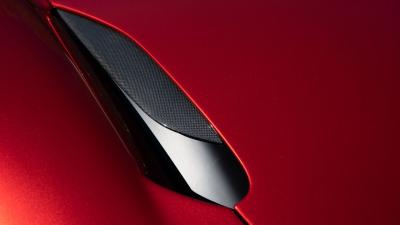
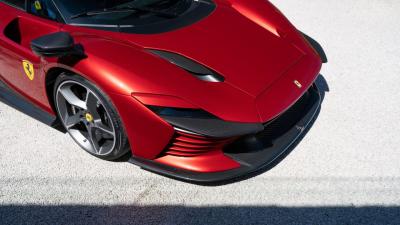
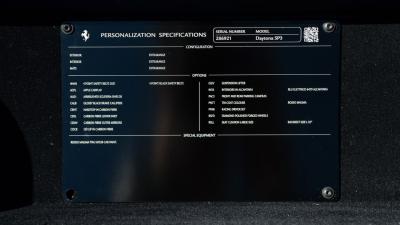
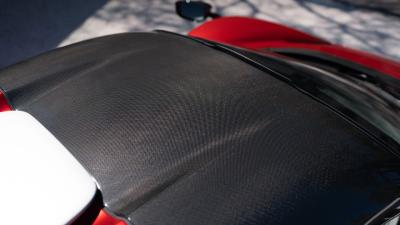
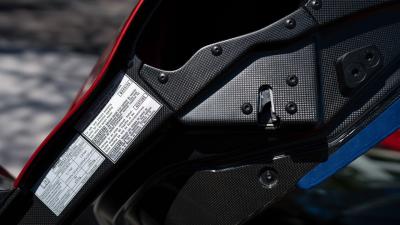
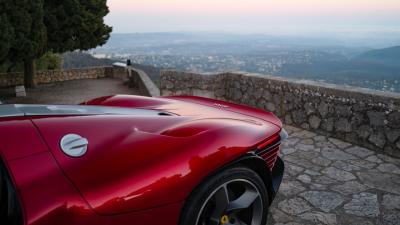
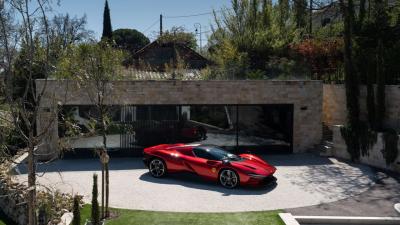
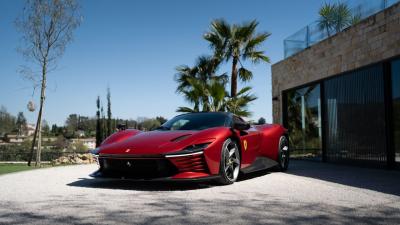
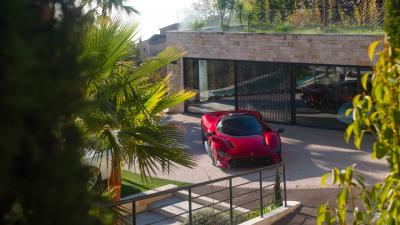
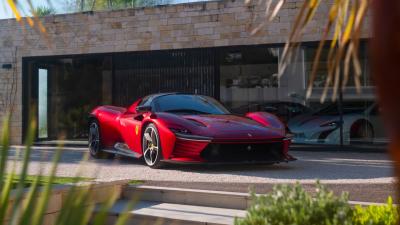
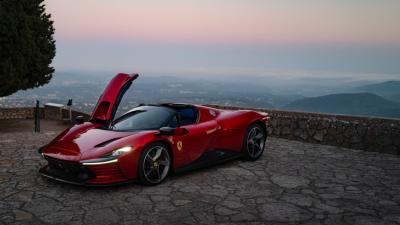
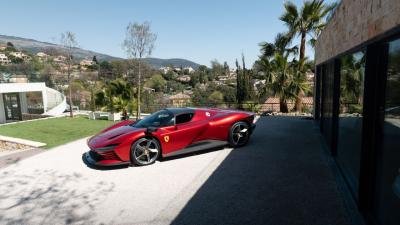
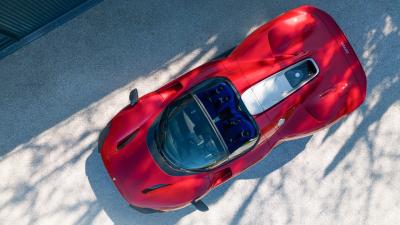
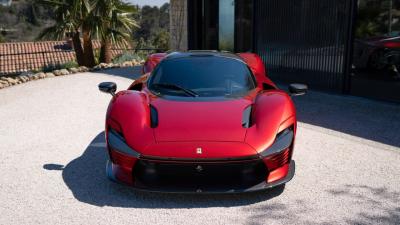
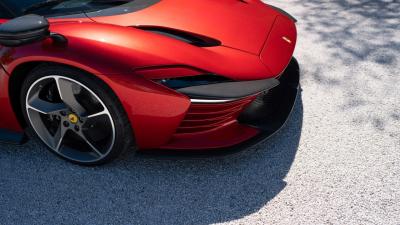
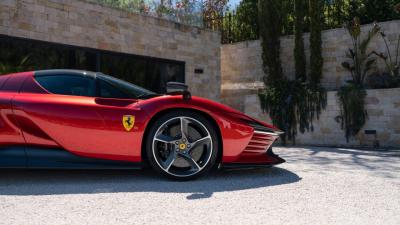
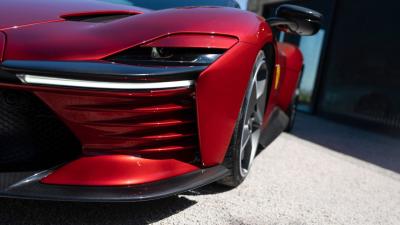
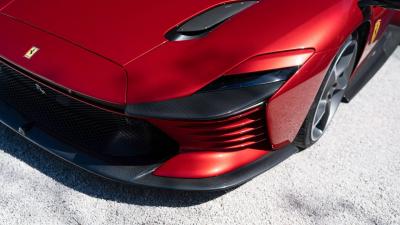
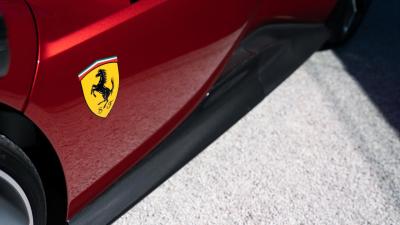
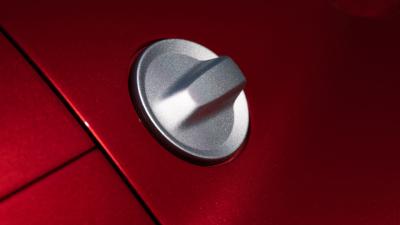
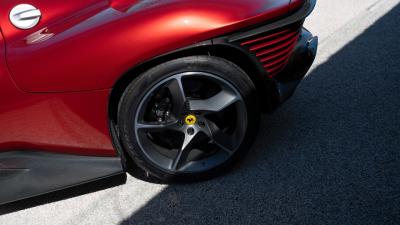
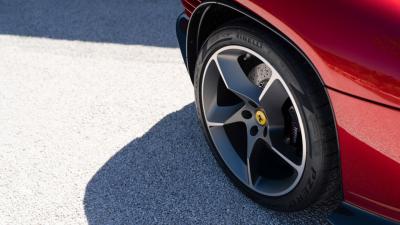
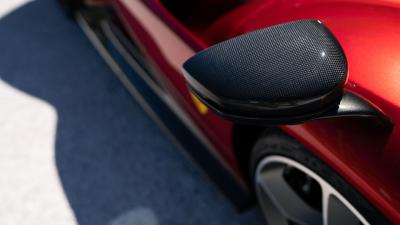
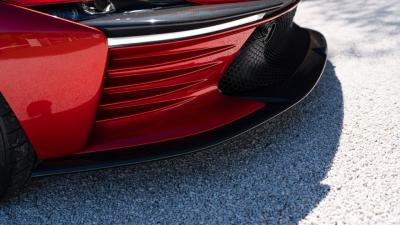
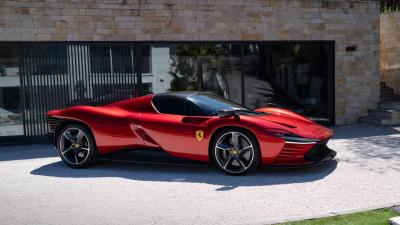
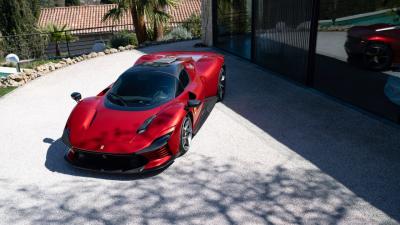
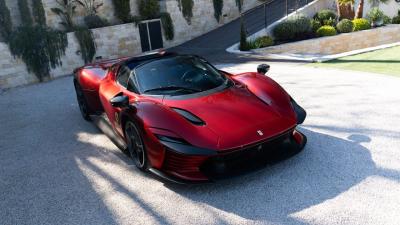
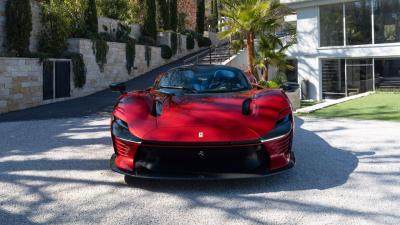
Only 600 were built with each example being quickly snatched up by Ferrari's most valued clients before production even began. The commissioning owner of chassis 286921 chose the exquisite bespoke shade of Rosso Magma Tri-Coat-an Extrarange hue-lending the bodywork a deep, lustrous red that shifts subtly with changing light. The lower bodywork, hardtop, outer mirrors, and lid lip are all rendered in carbon fiber, in keeping with the model's weight-conscious ethos. Glossy black brake calipers, coveted airbrushed Scuderia Ferrari shields, and diamond-polished forged wheels complete this breathtaking exterior specification.
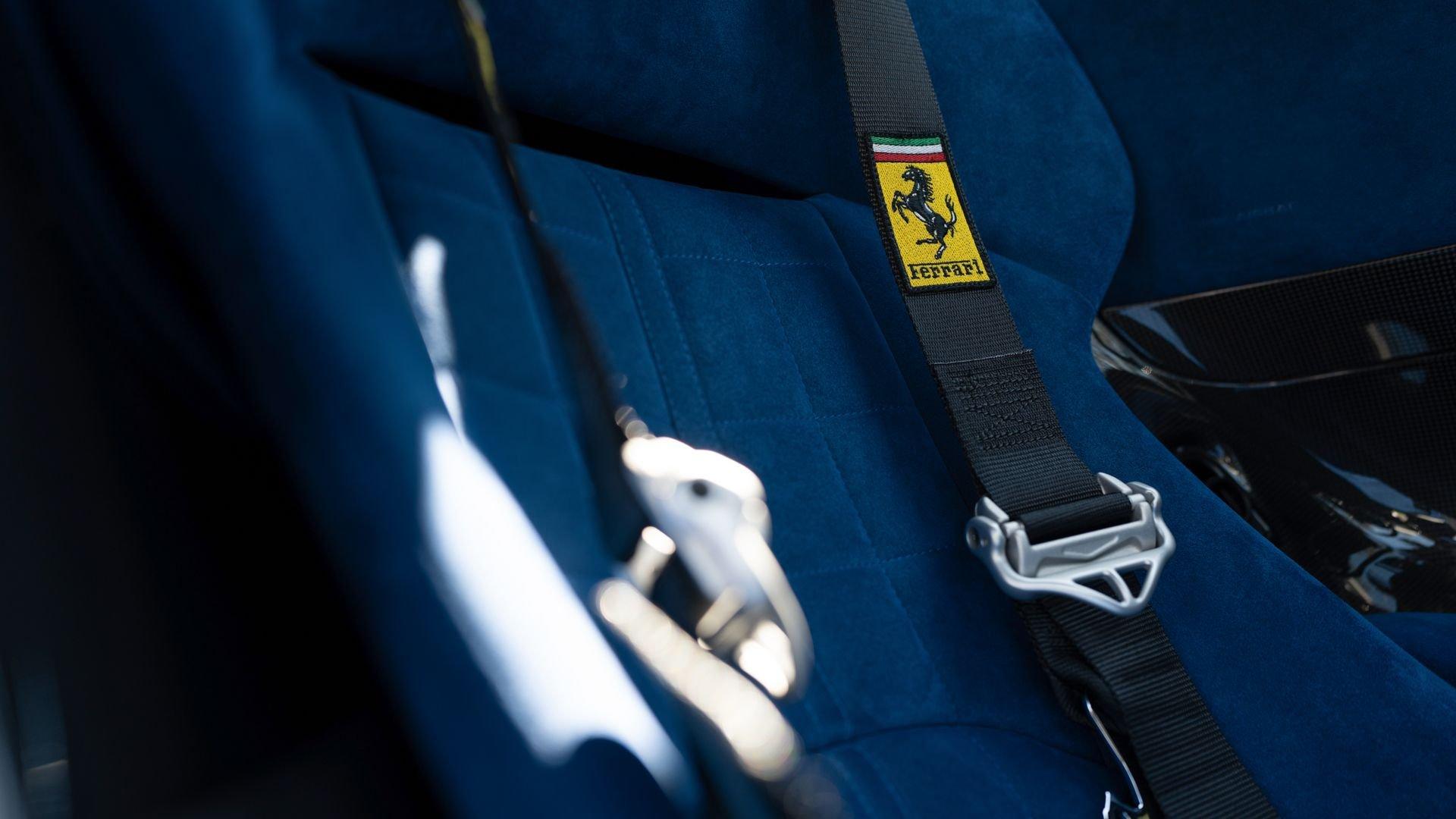
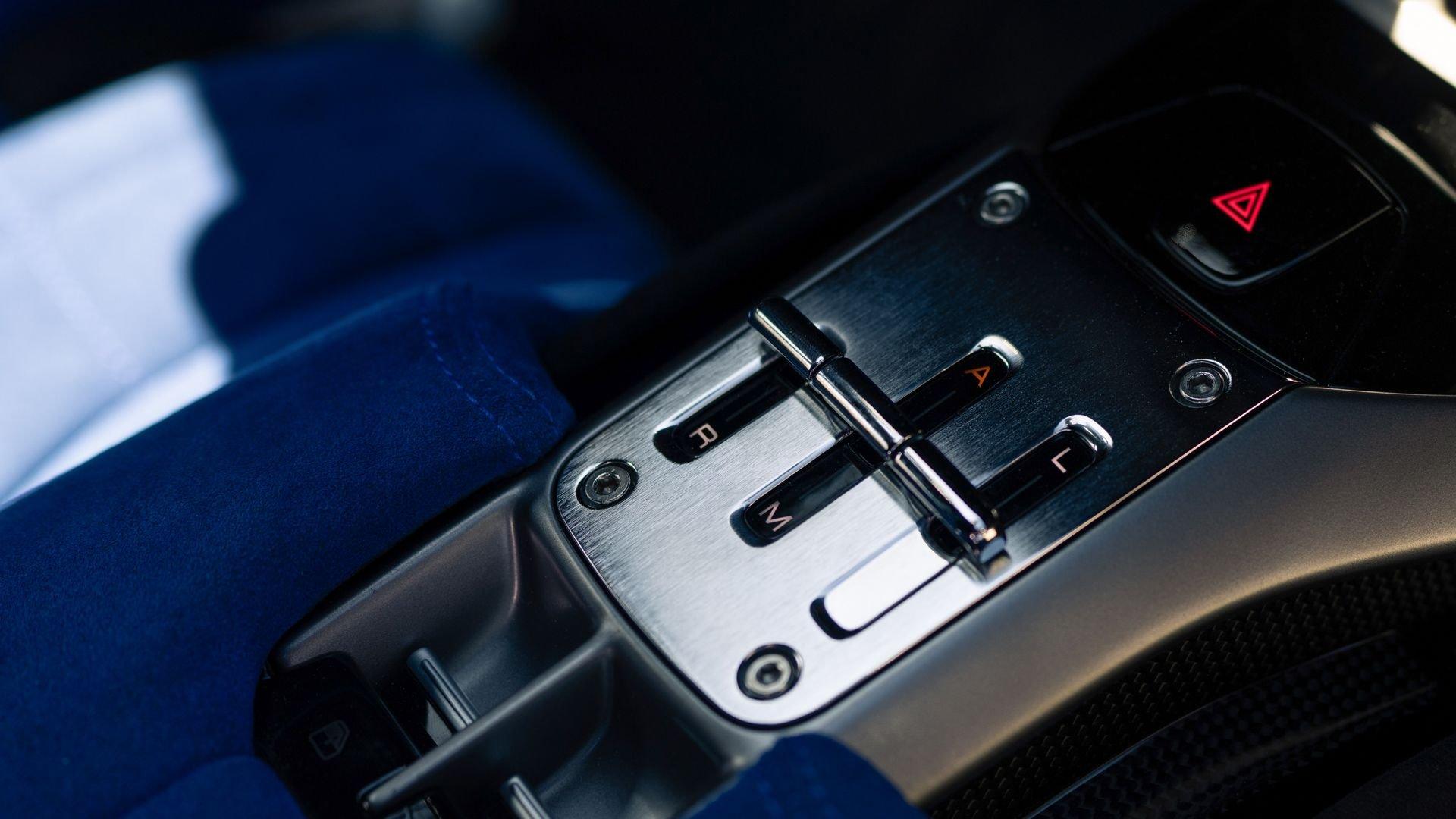
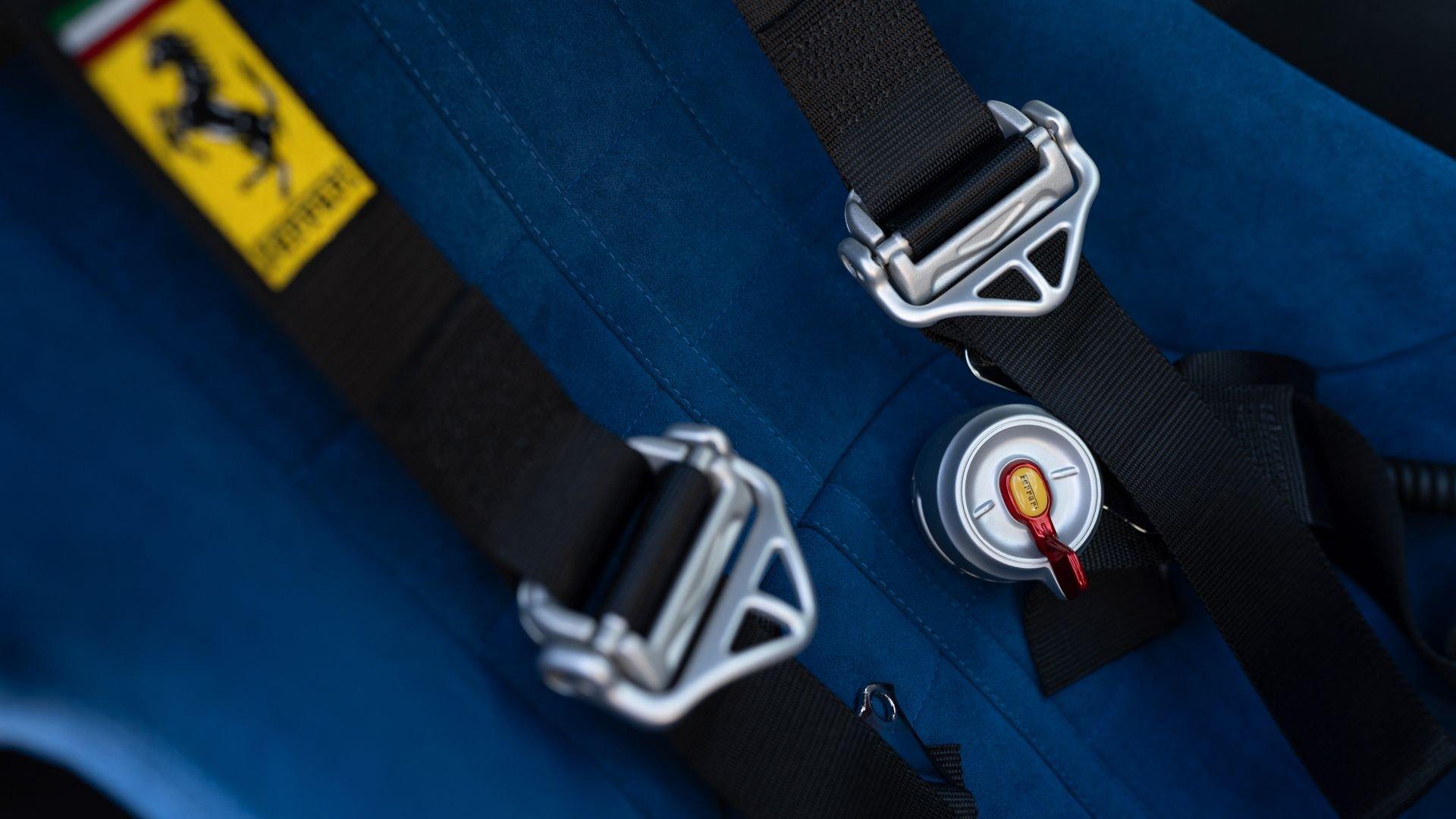
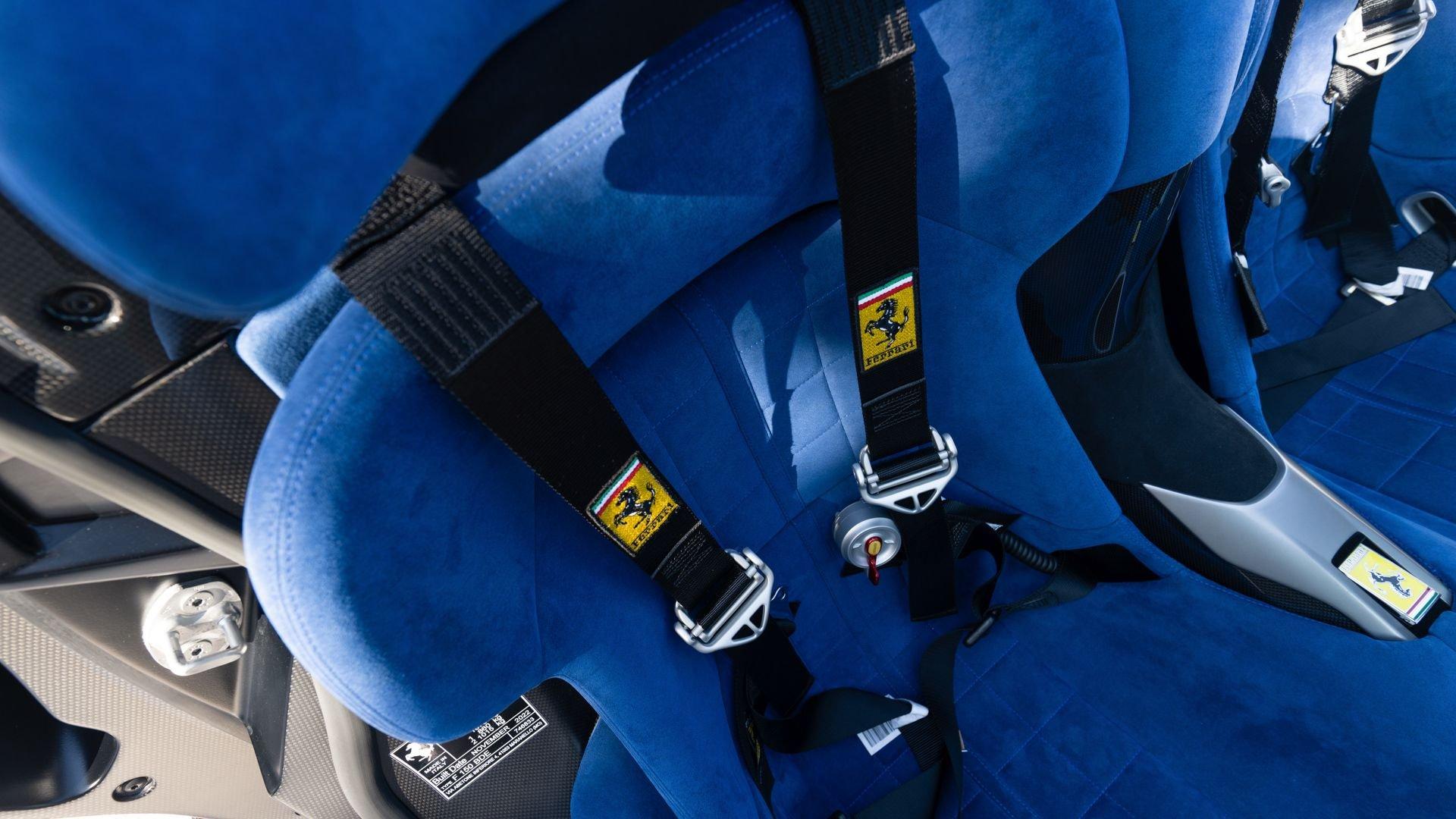
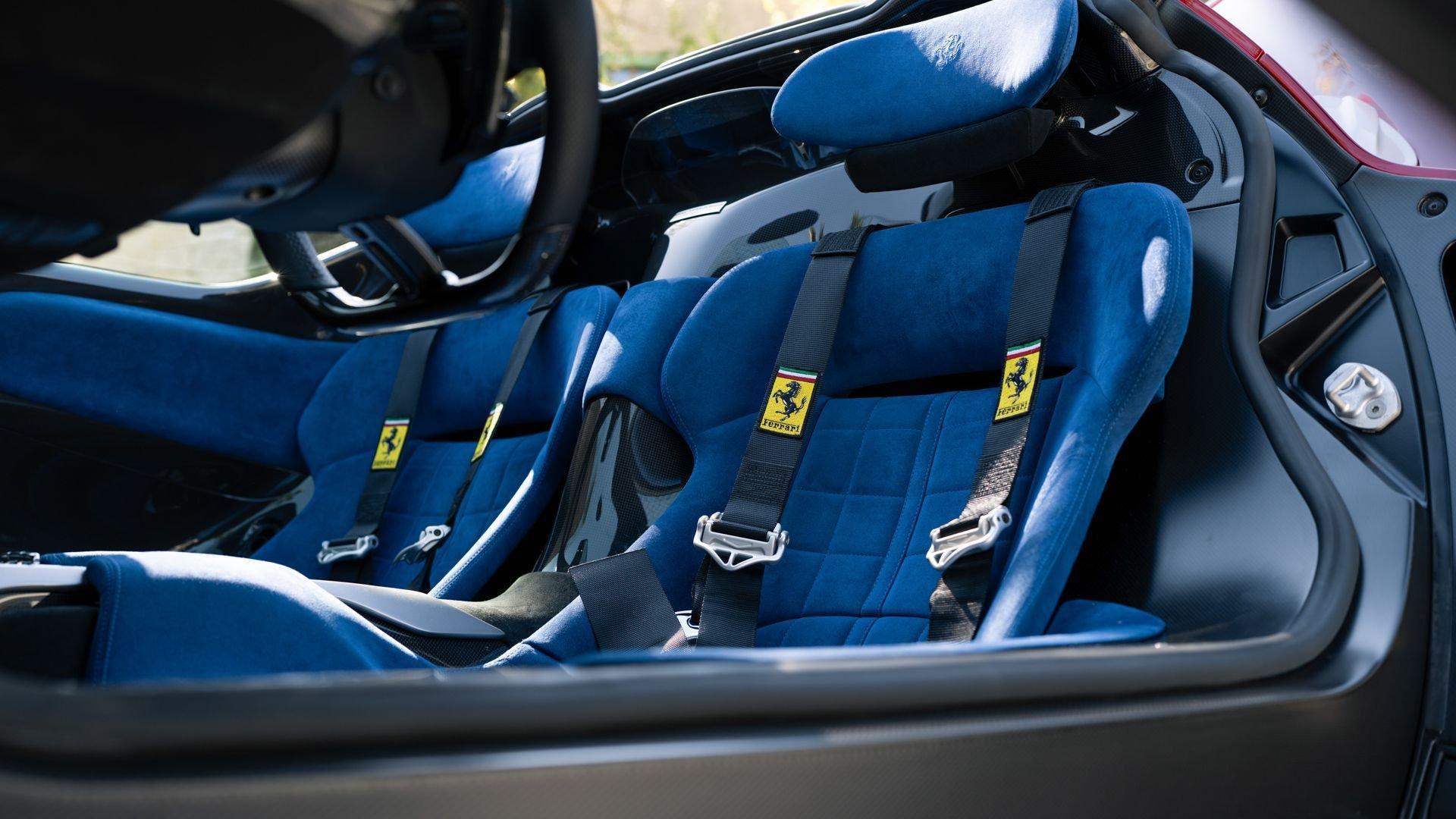
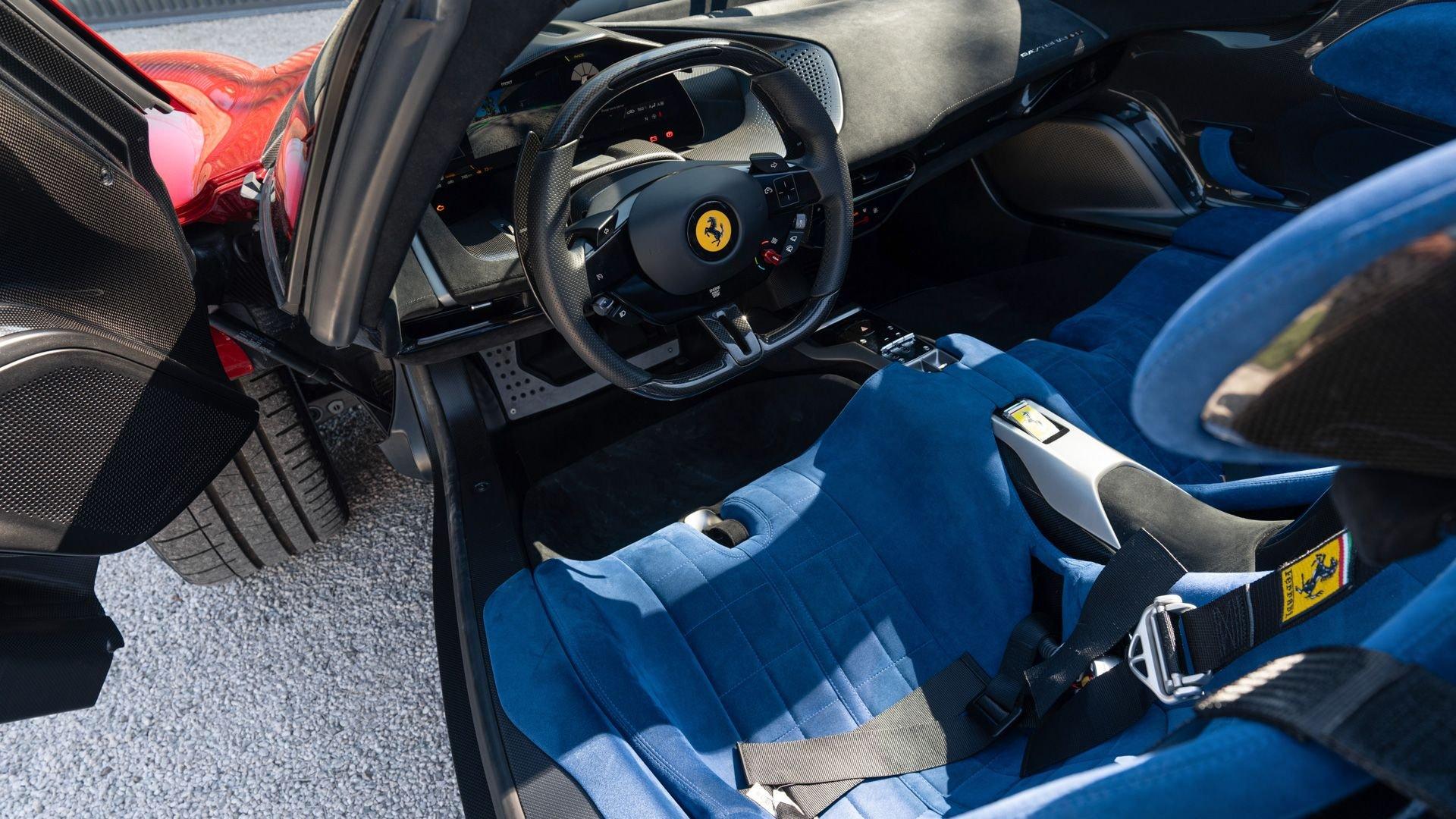
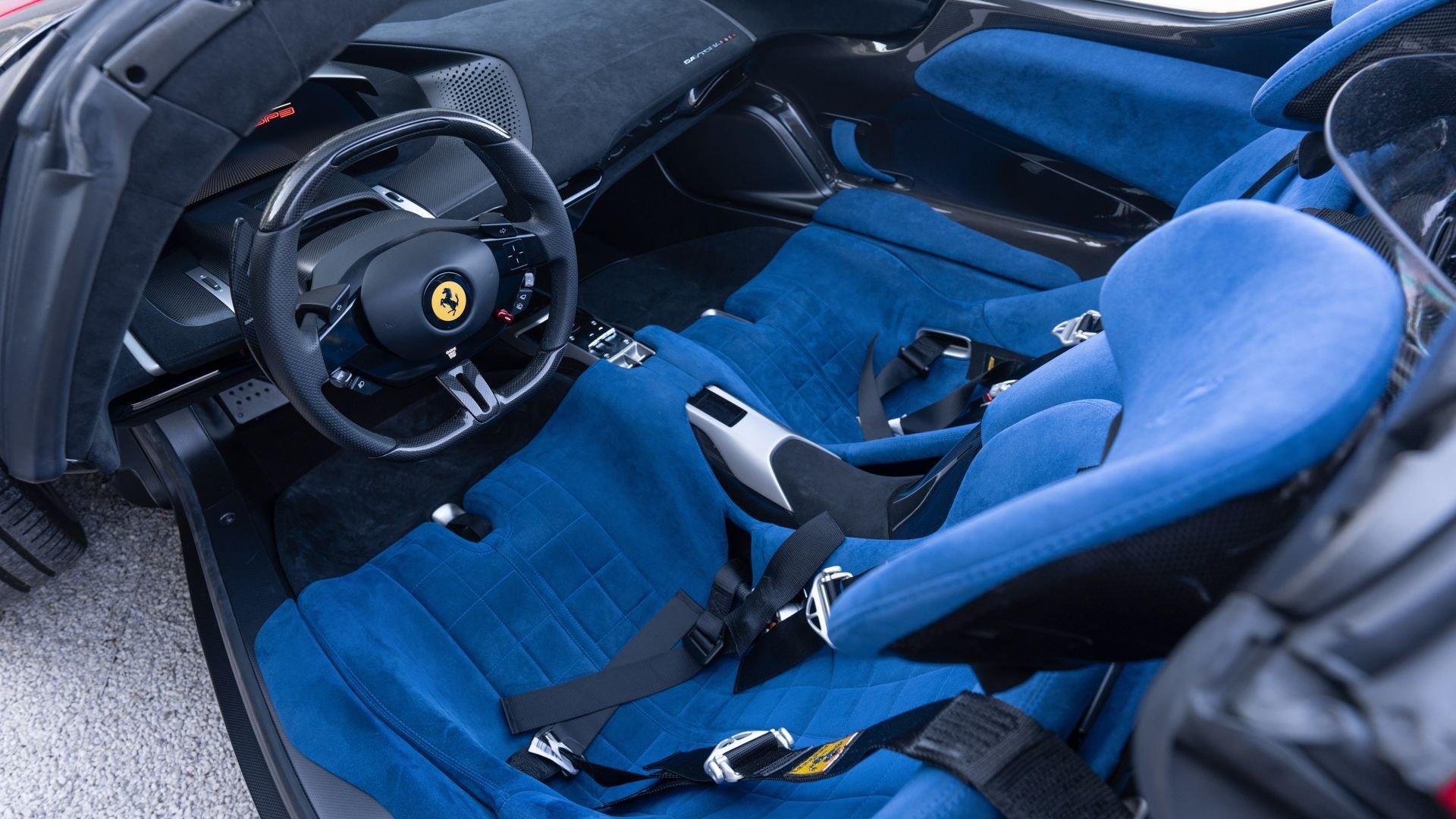
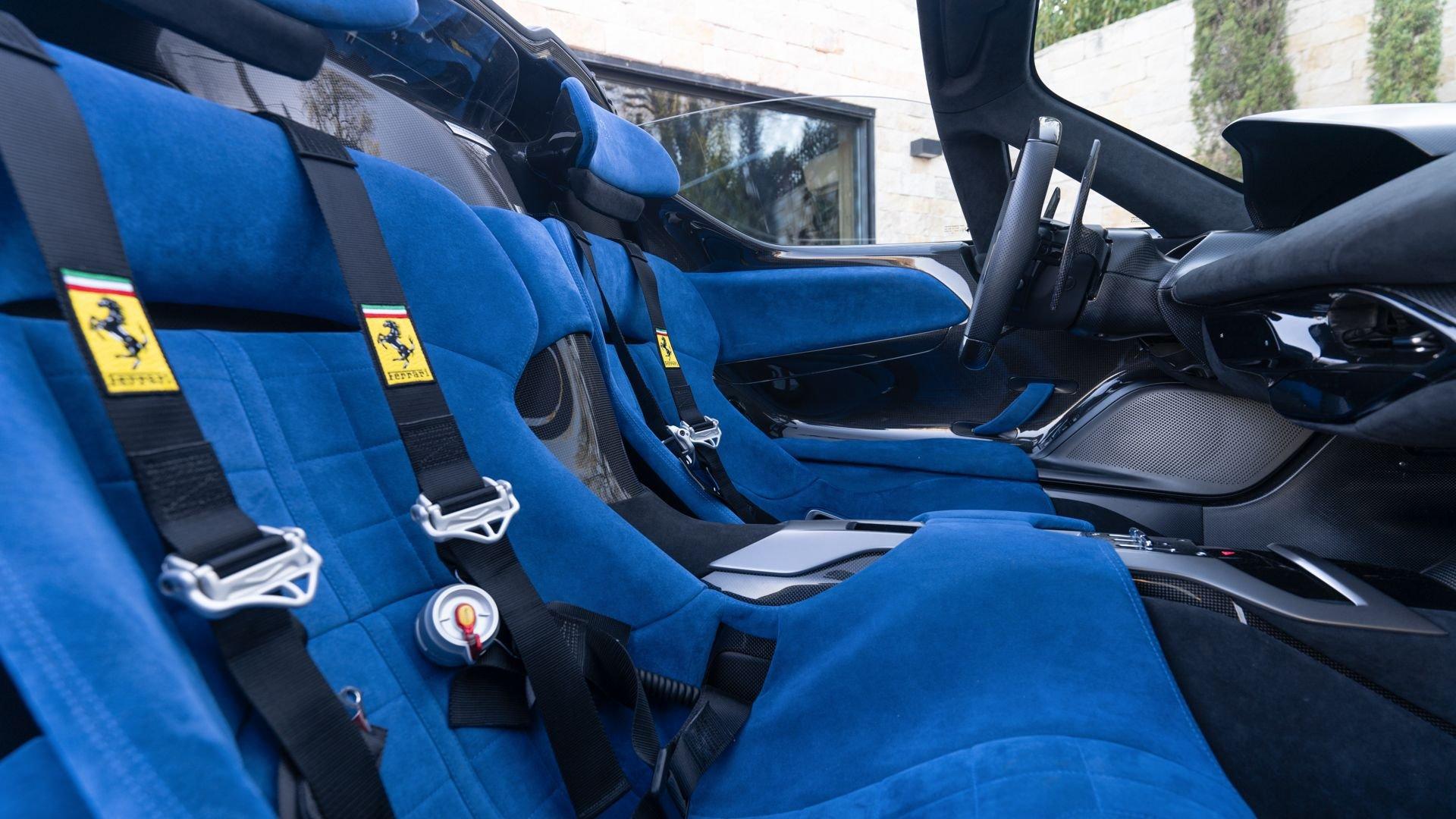
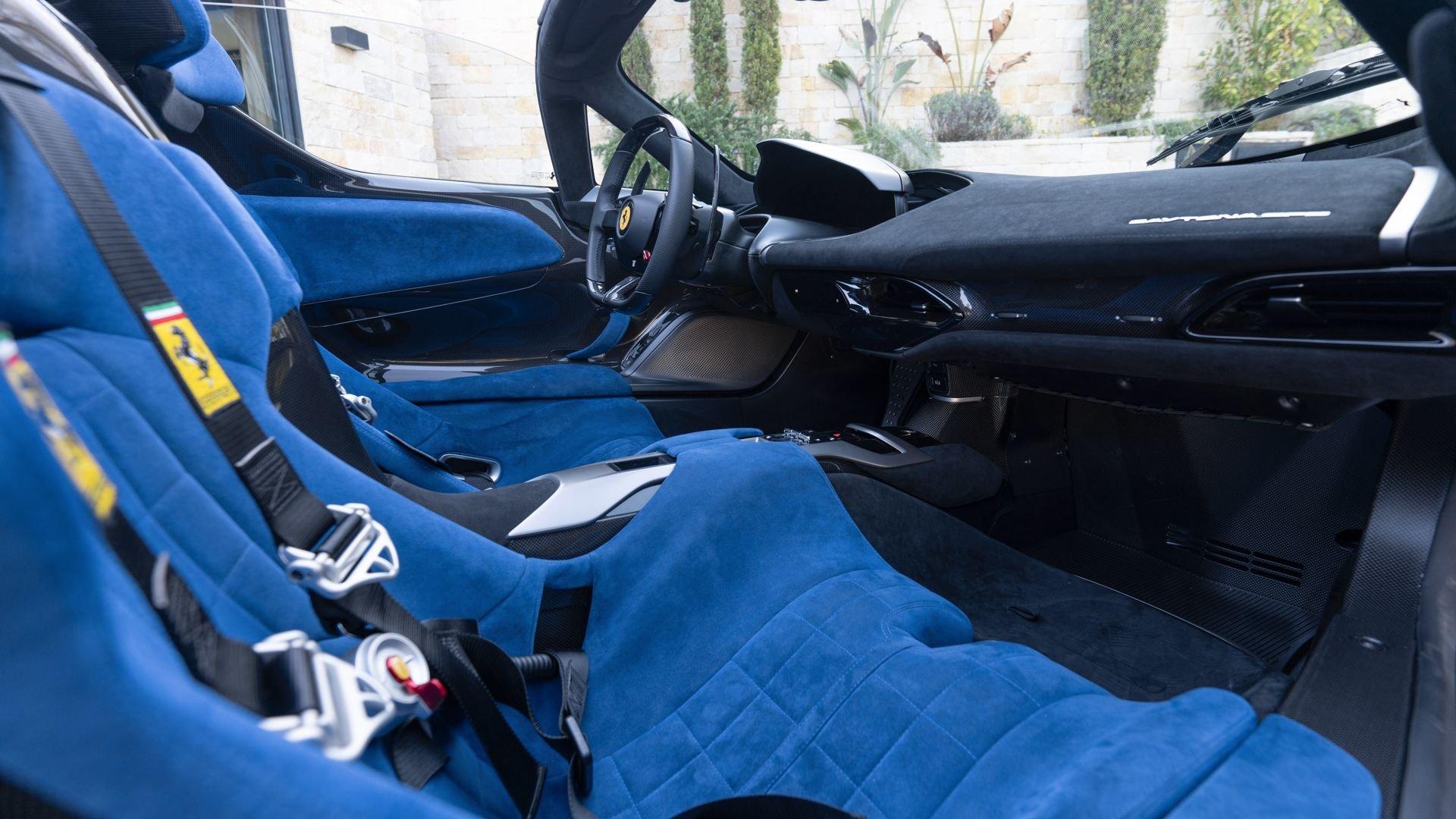
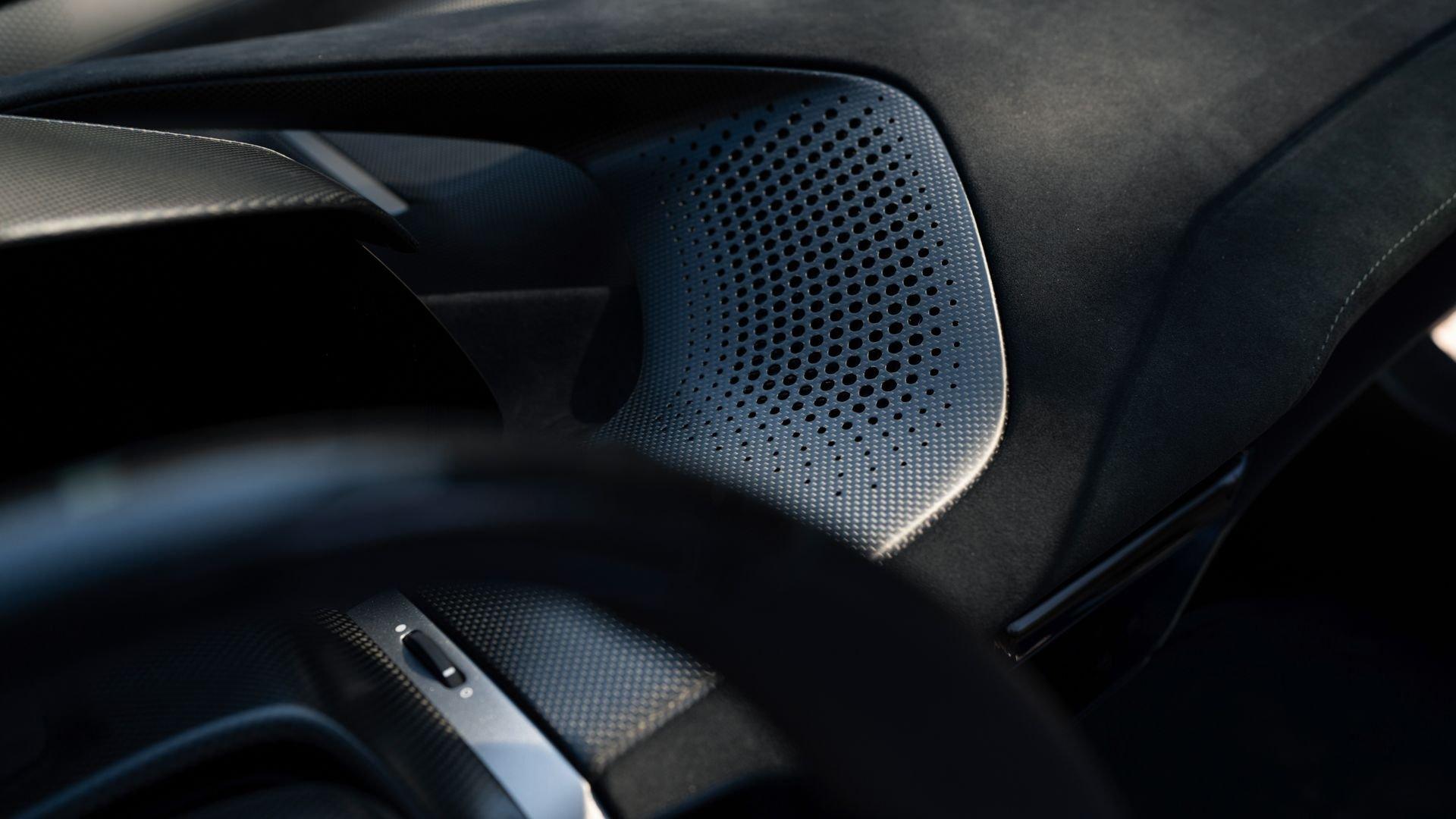
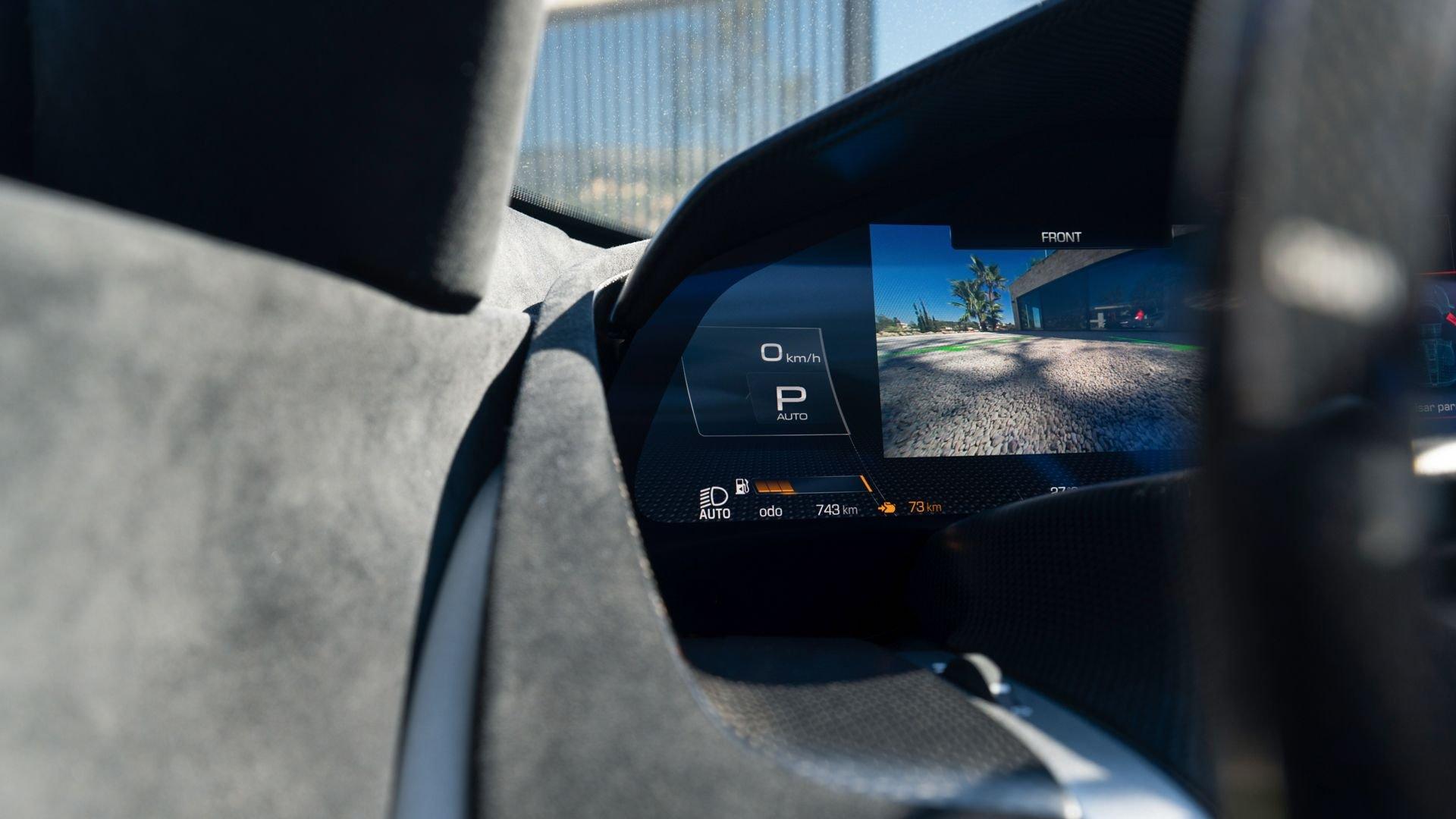
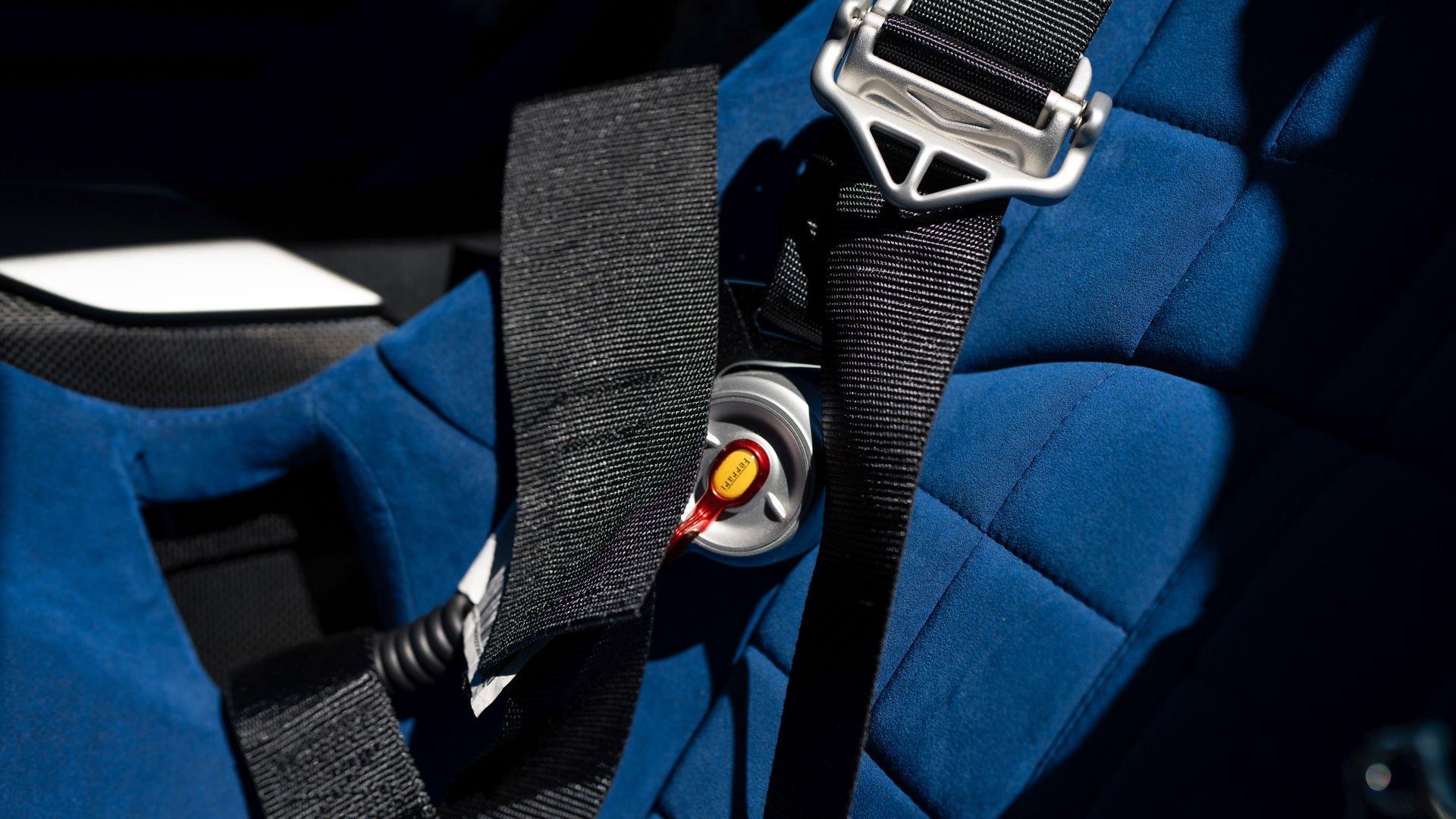
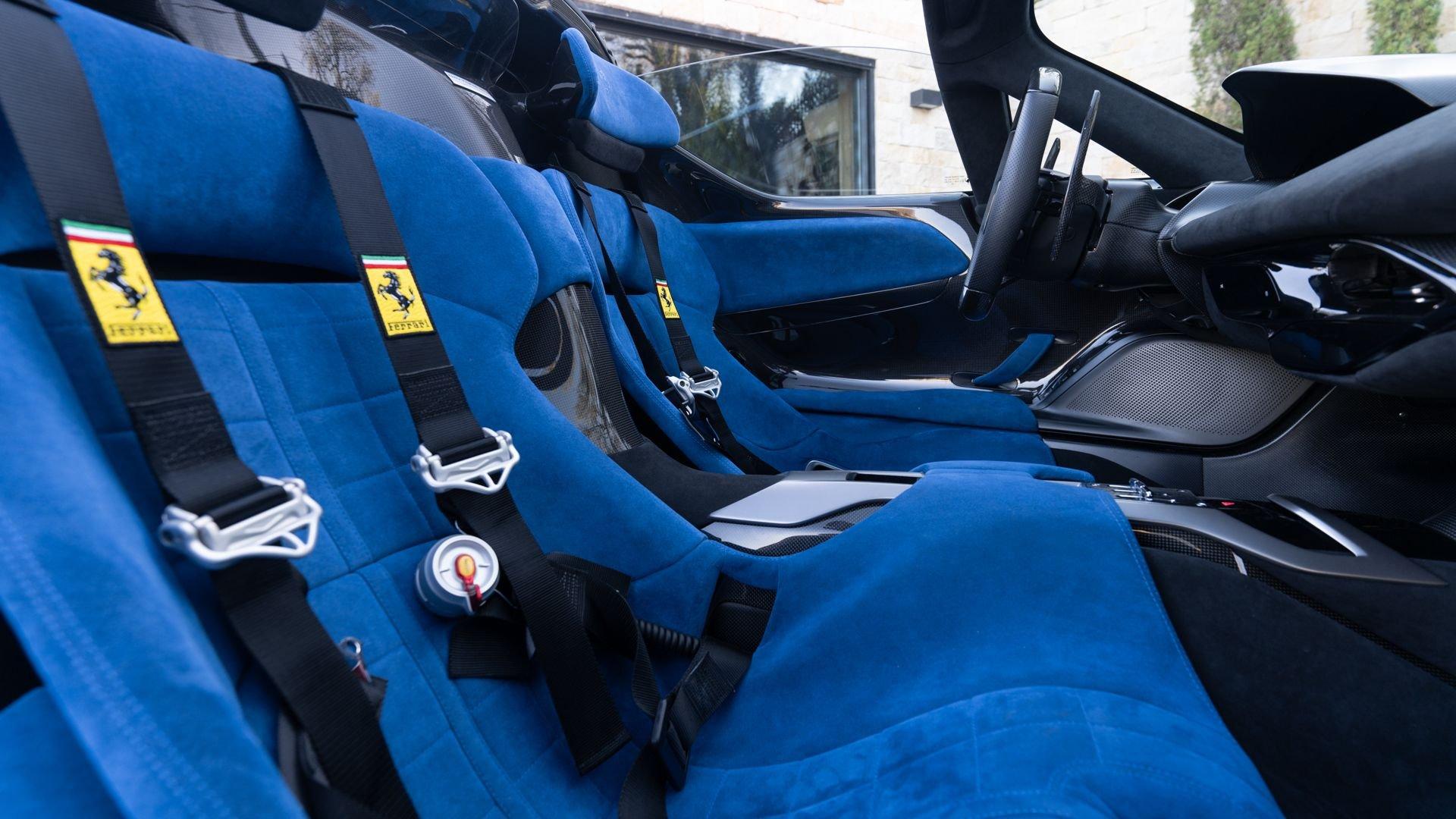
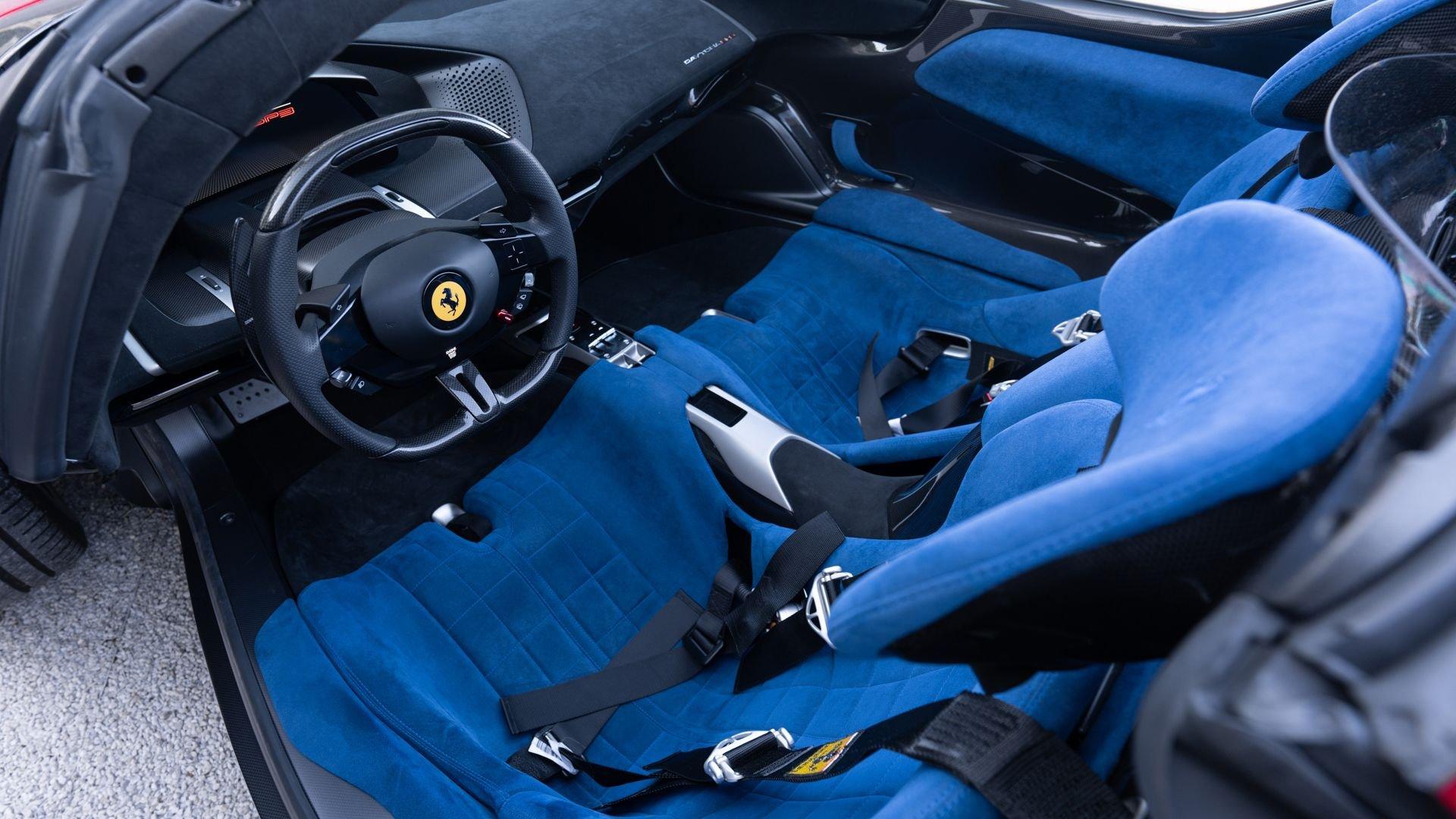
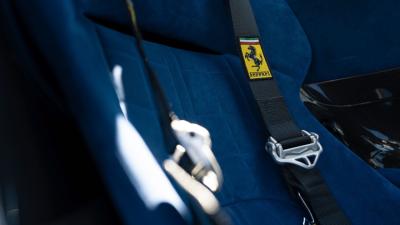
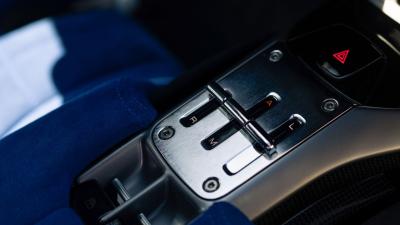
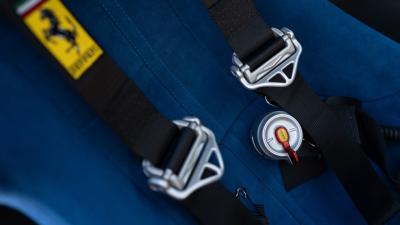
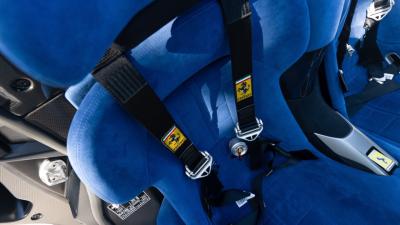
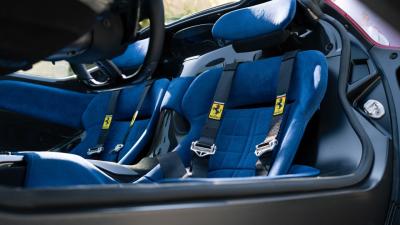
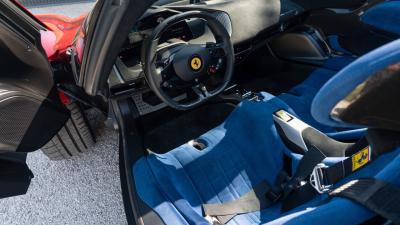
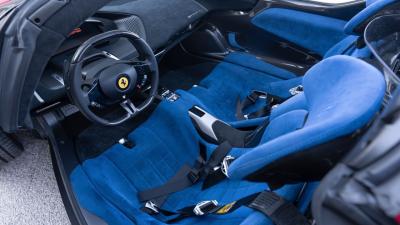
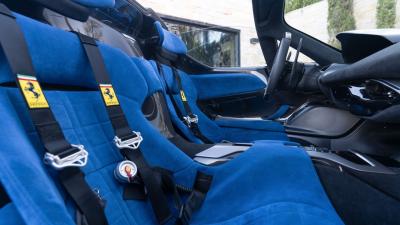
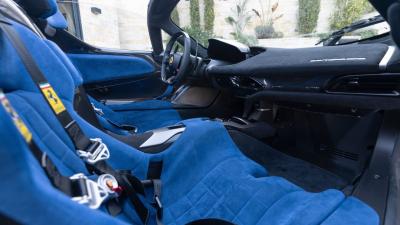
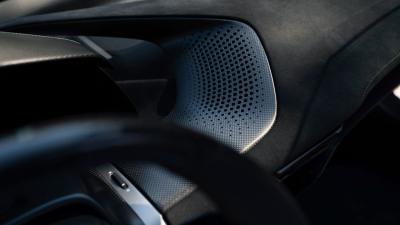
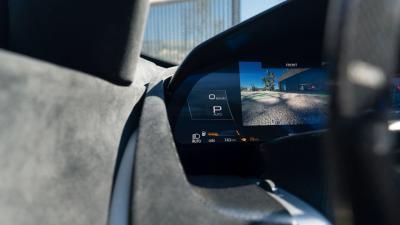
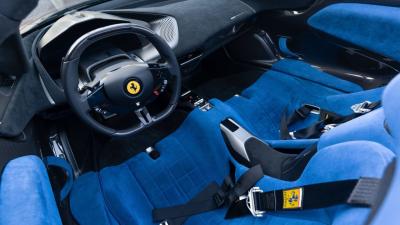
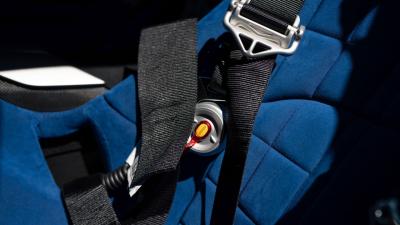
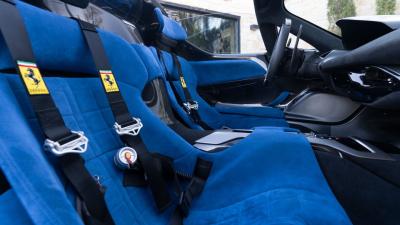
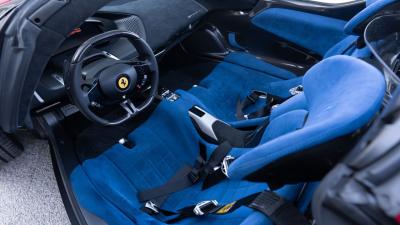
Inside, the minimalist yet luxurious cabin is highlighted by the large-size bucket seats trimmed in Blu Elettrico Alcantara, a wonderful contrast to the exterior. Practical considerations have not been overlooked, adding Apple CarPlay, front and rear parking cameras, a front-axle lift system, and factory-fitted four-point black safety harnesses ensuring the car remains as usable as it is striking.
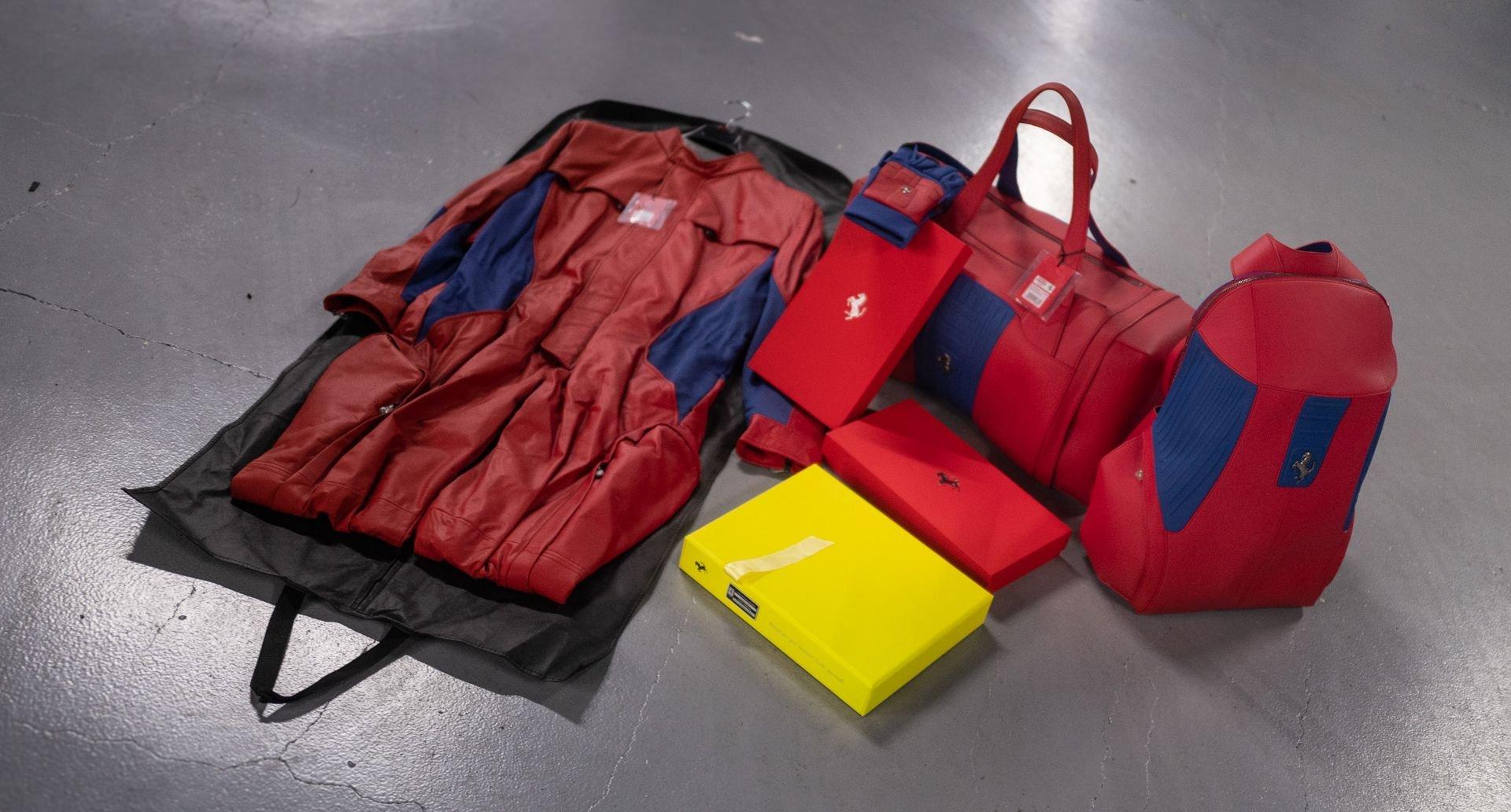
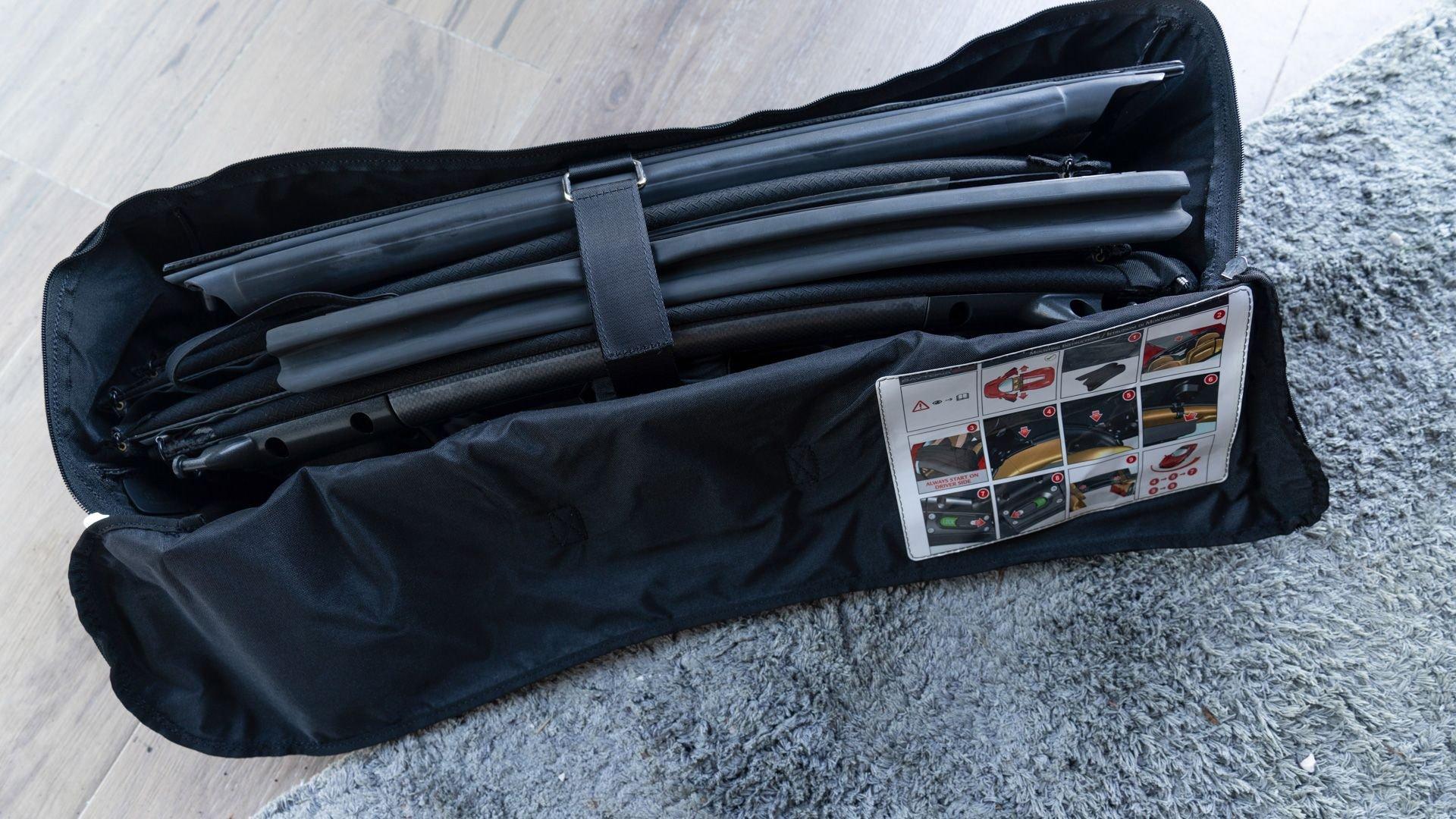
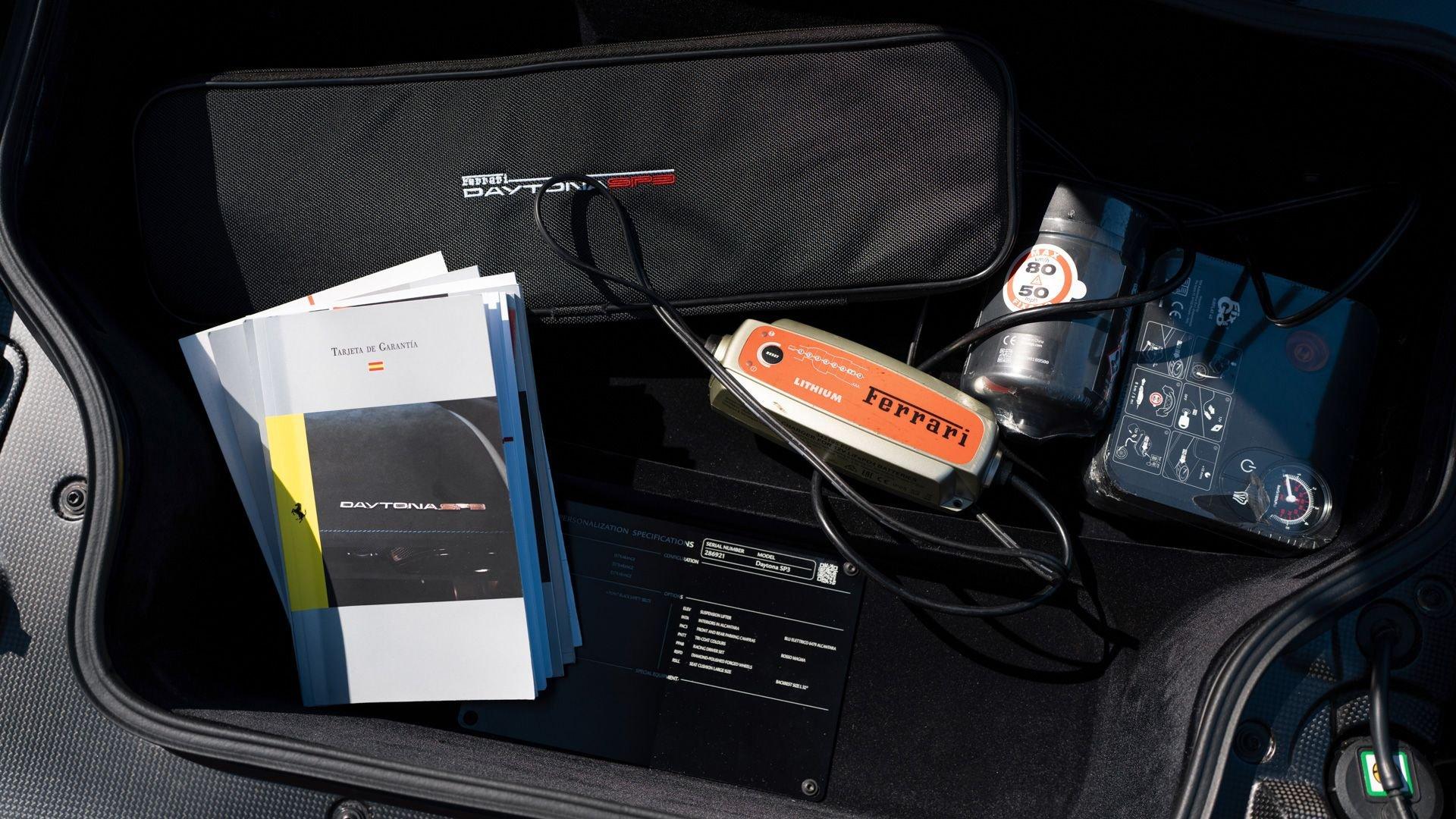
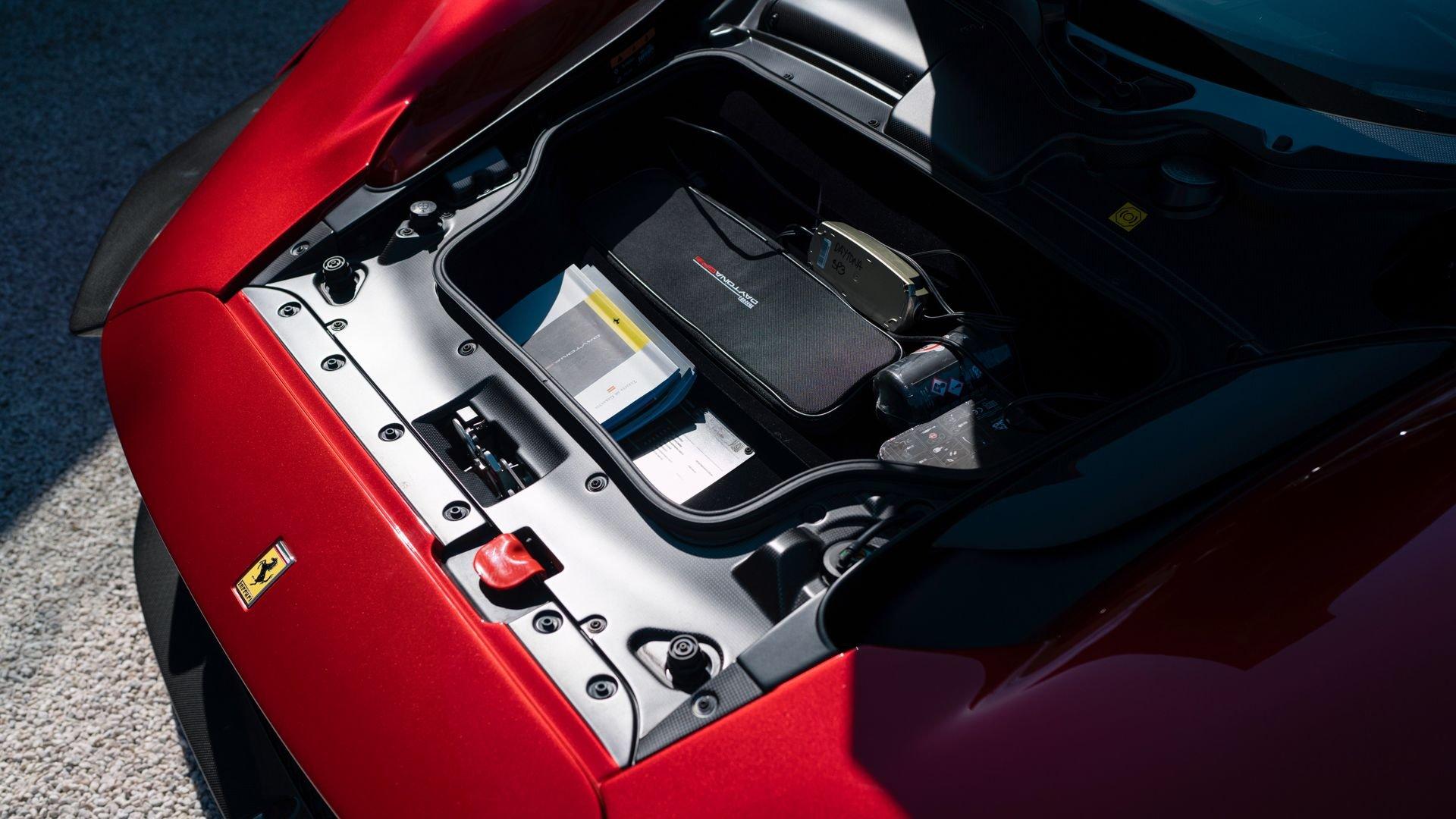
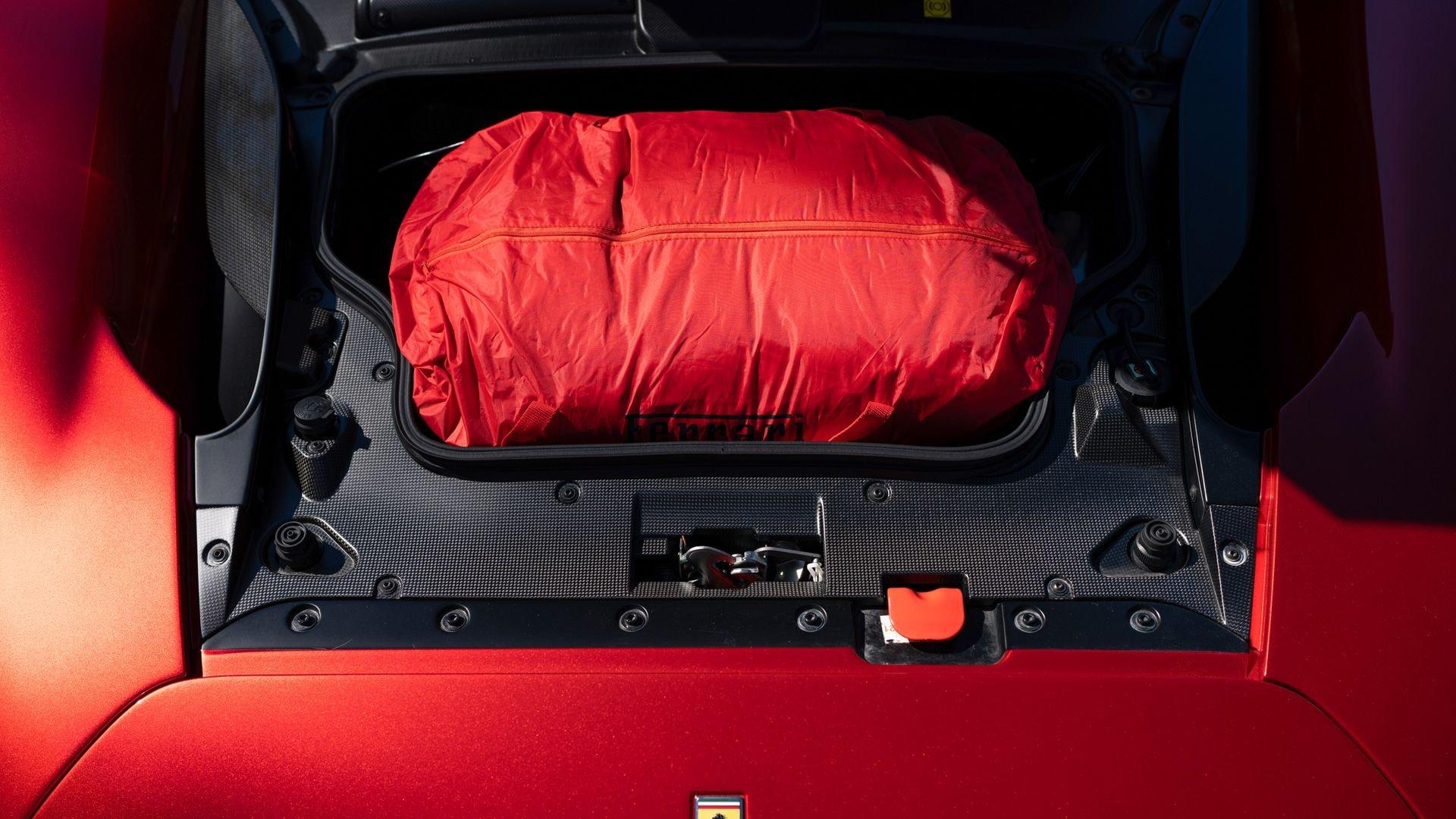
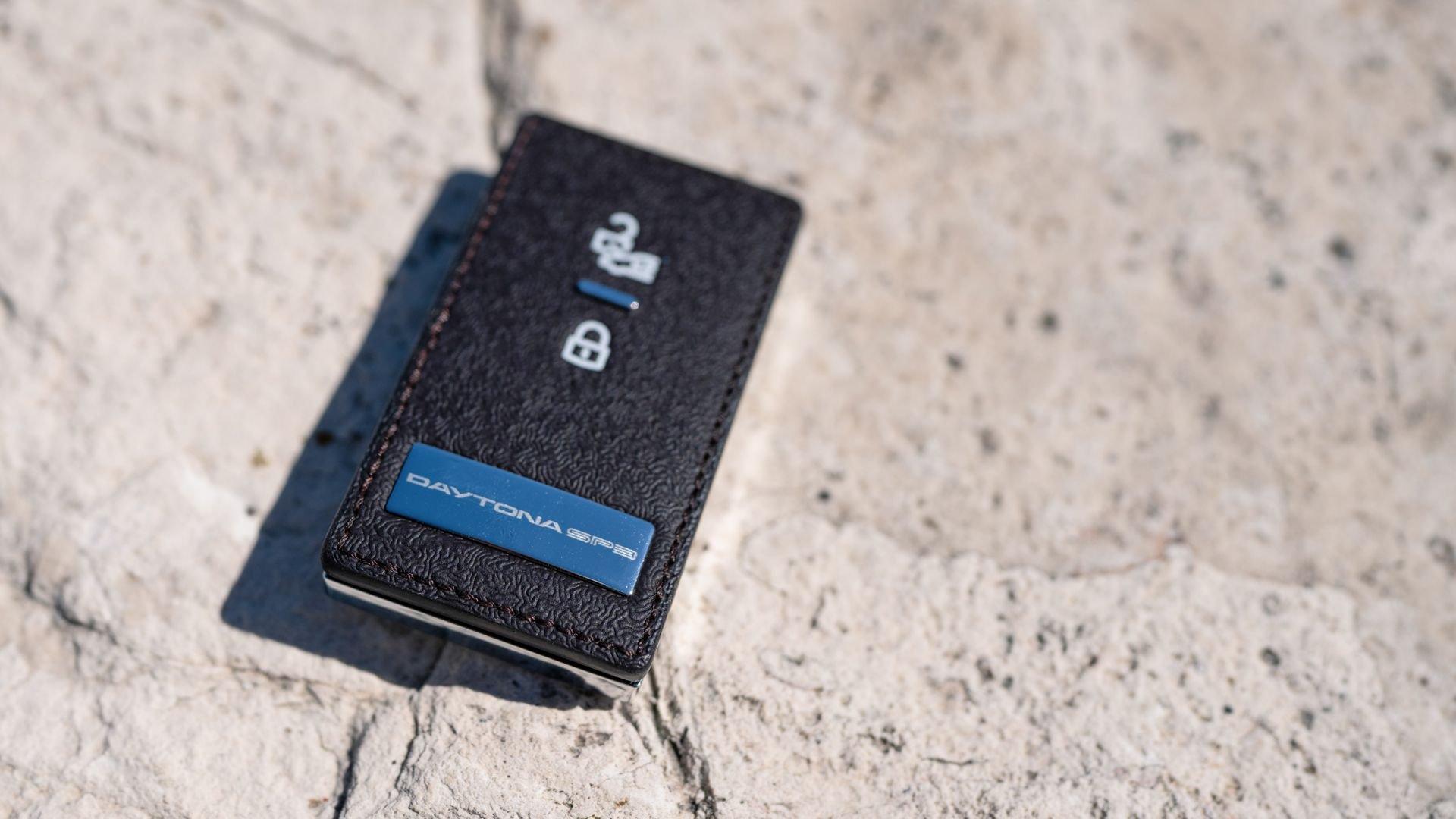
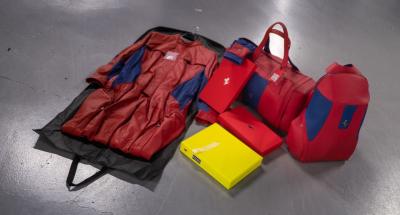
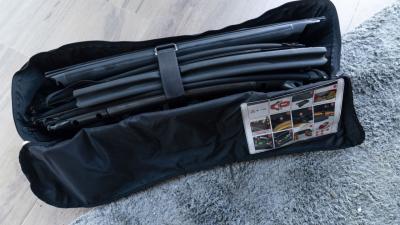
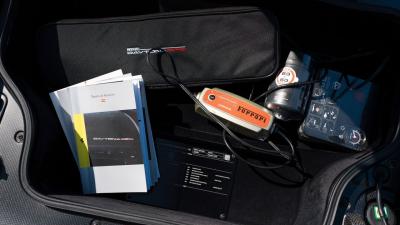
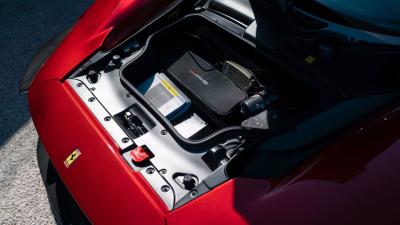
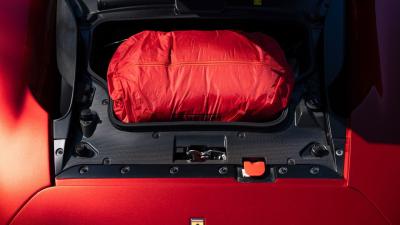
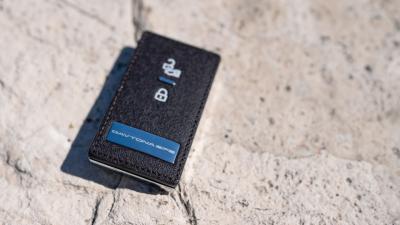
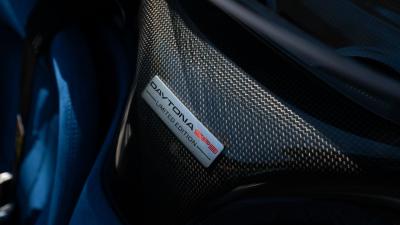
Since its delivery, the Daytona has been carefully preserved in as-new condition, presenting just 743 kilometers at the time of cataloging and retaining several original delivery items. Notably, the ''Racing Driver Set'' remains with the car, comprising a red leather backpack, duffle bag, two racing suits, and two pairs of gloves. The car is further accompanied by its special-series Classiche “Yellow Book,” carbon fiber hardtop in its original storage bag, owner's manuals, car cover, tools, battery tender, and tire inflator.
In the pursuit of ultimate performance, Maranello has increasingly embraced forced induction and hybrid power, a philosophy carried to its logical extreme with the recently revealed F80, which pairs a twin-turbocharged V6 with three electric motors to produce nearly 1,200 horsepower. It is a breathtaking achievement, but one that marks a decisive departure from the long lineage of high-revving, naturally aspirated engines that defined the marque for the better part of a century. The SP3, by contrast, is a love letter to a different kind of greatness-to the golden age of sports prototype racing, to the howl of a naturally aspirated V12 climbing toward 9,250 rpm, and to the era when Ferrari conquered Daytona with sheer mechanical artistry. Where the F80 looks forward, the SP3 looks back with remarkable clarity, and makes an overwhelming case that something profound would be lost if this chapter were simply allowed to close.
The collector market has recognized as much. In the few short years since the SP3's announcement, values have climbed sharply, reflecting both the model's extreme exclusivity, and a growing understanding that it may represent the final expression of this particular lineage. Chassis number 286921, with its deep Rosso Magma Tri-Coat finish, Blu Elettrico Alcantara interior, and suite of factory delivery items, is precisely the kind of example that commands attention in any serious collection. It is, in the truest sense, a car for those who understand what Ferrari has been, and what it may never quite be again.
Temporary Import: This lot is in Italy on a temporary import bond, which must be discharged by the Buyer either by directly re-exporting the Lot or by paying the relevant customs duty, import VAT and other applicable fees to permanently import the Lot into Italy or another European Union country as permitted. Any Lot subject to temporary import restrictions cannot be released from Broad Arrow's custody without the completion of these procedures. Customs charges will be assessed based on the Lot's value and according to the circumstances of each sale and may be payable by the Buyer either to Broad Arrow and/or directly to the relevant tax authority.
Documents: Andorran Certificat de Matriculació
Contact Us
