




























































Estimated Price: £125,000 - £150,000
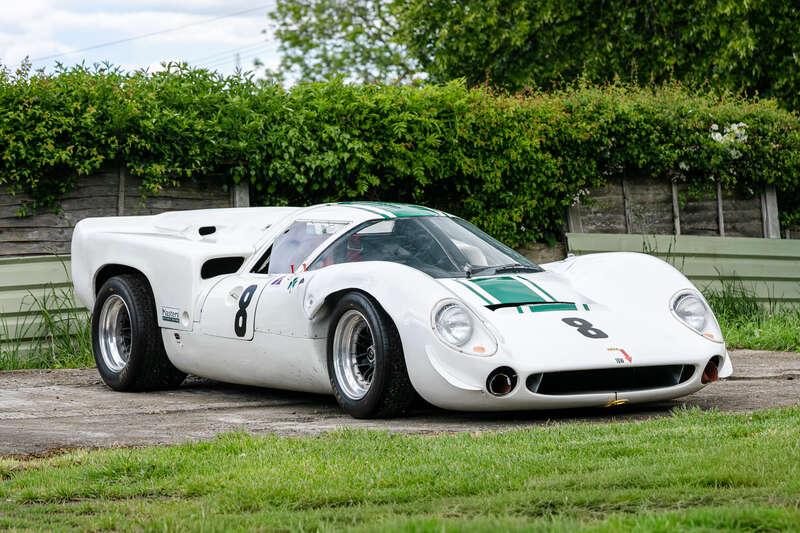
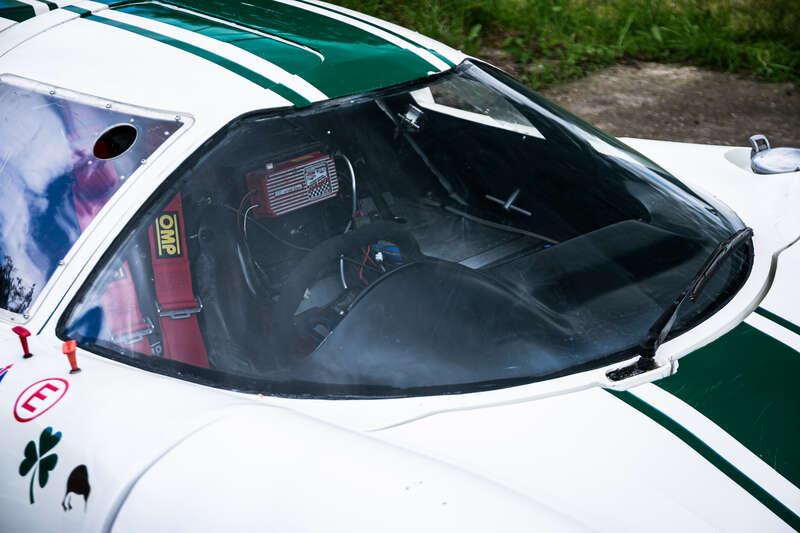
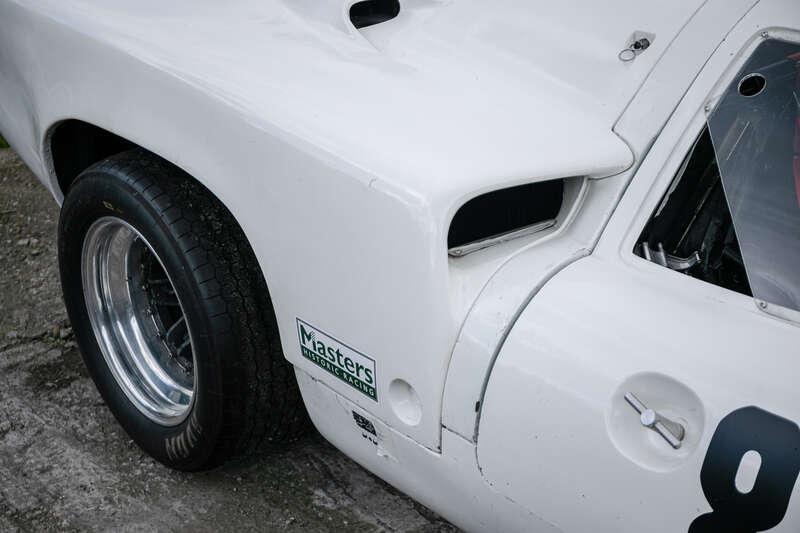
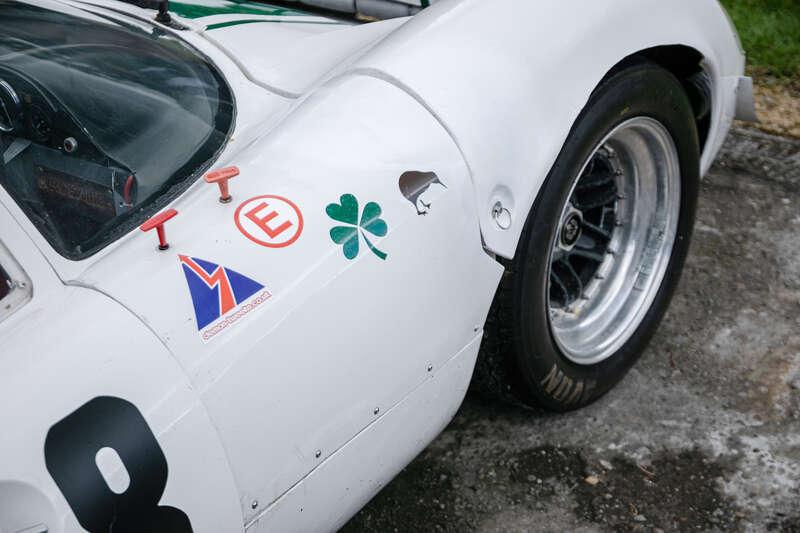
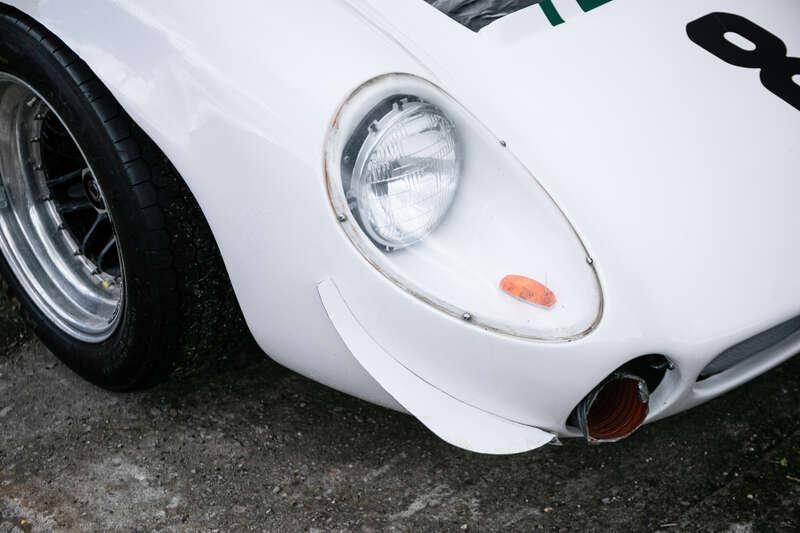
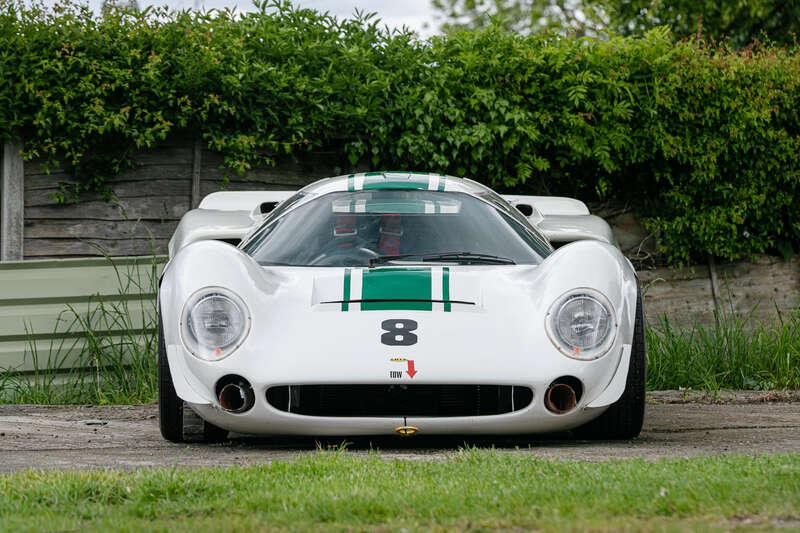
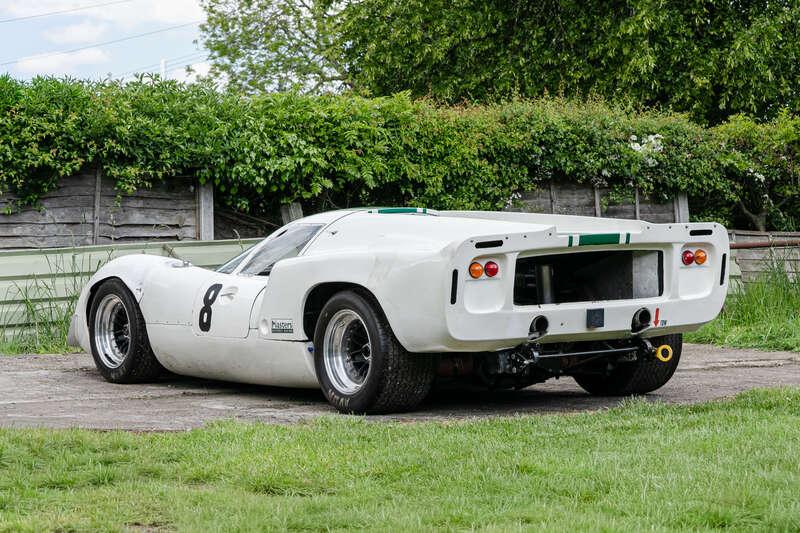
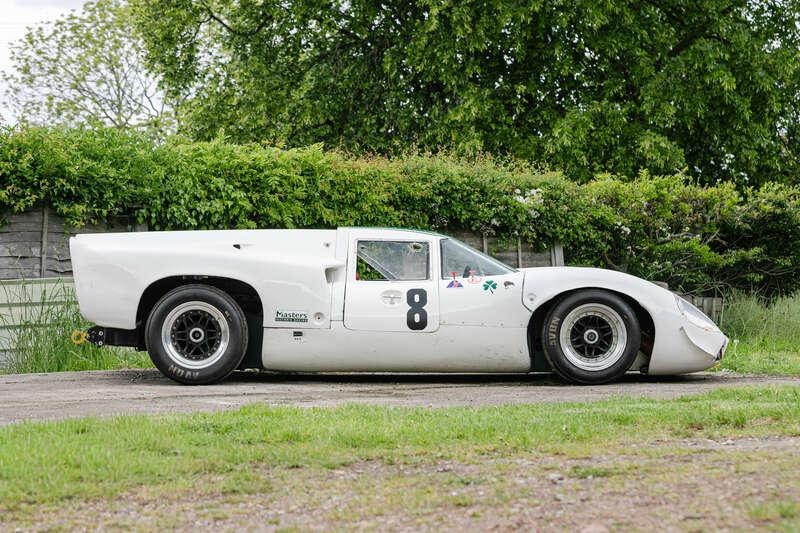
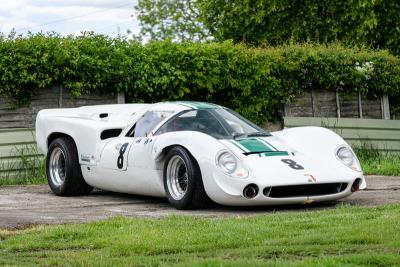
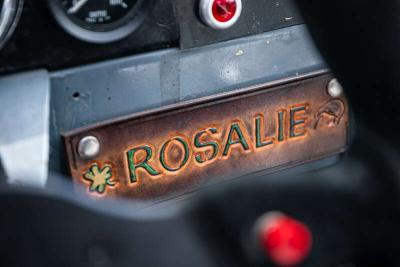
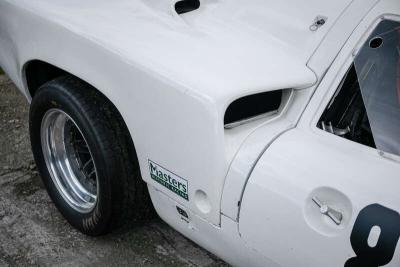
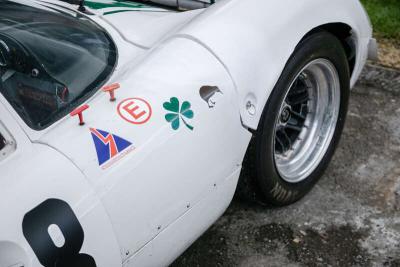
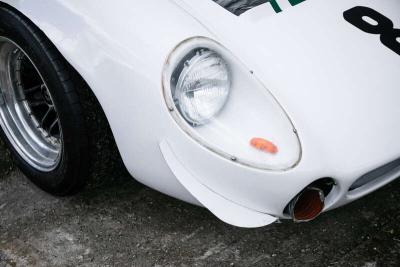
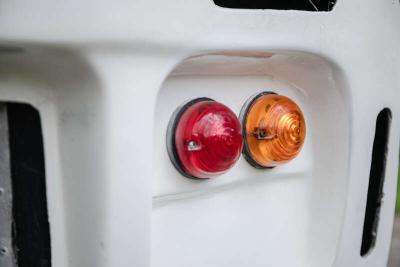
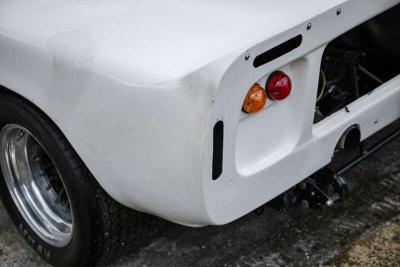
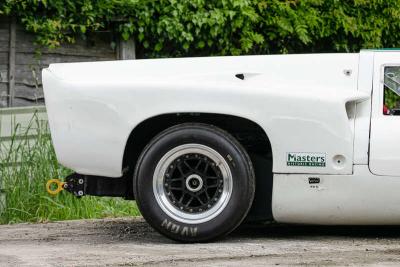
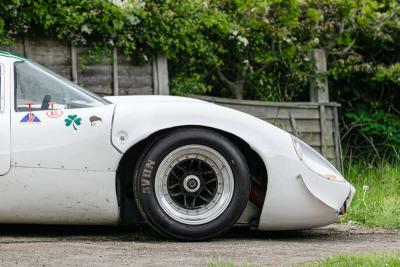
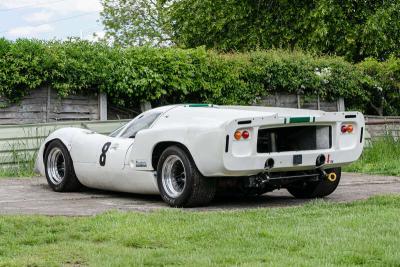
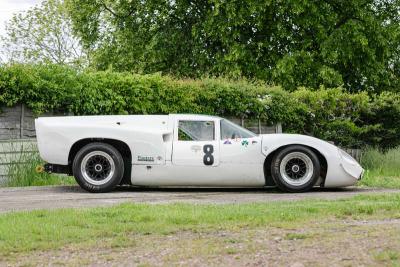
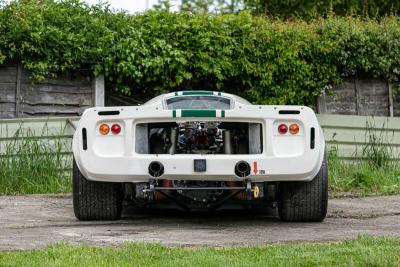
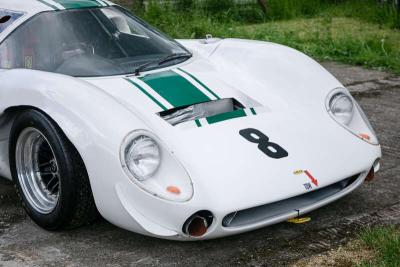
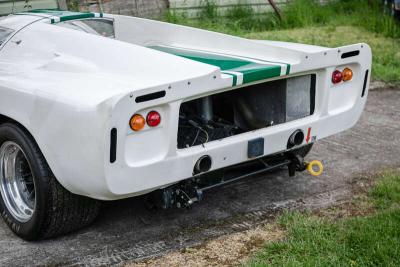
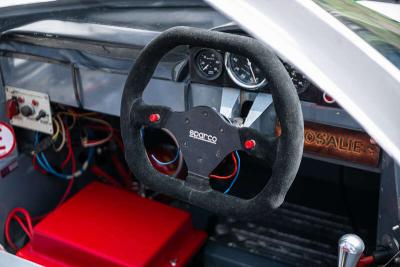
Few competition cars from the golden age of endurance racing can claim a story as layered, fascinating and unusual as this remarkable Lola T70 Mk III. Understood to be the final Mk III Competition Lola T70 produced, chassis #SL73/134 combines period competition pedigree, notable driver associations, Hollywood film history and historic racing eligibility into one compelling package.
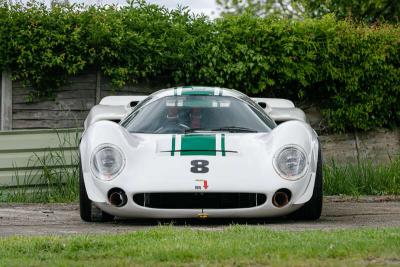
The Lola T70 itself remains one of the most important and celebrated sports racing cars ever created by legendary British designer, Eric Broadley. During more than four decades at the helm of Lola Cars, Broadley produced an extraordinary catalogue of successful competition machinery, yet the T70 is widely regarded as his defining achievement. As development progressed, Lola’s engineers turned their attention toward a closed cockpit evolution, the T70 Mk III coupé and working alongside aerodynamicist, Tony Southgate, Broadley created a shape with significantly improved high-speed stability and aerodynamic efficiency, producing what is now widely regarded as one of the most beautiful sports racing designs of the era.
Successful across multiple championships, regulations and continents, the T70 became synonymous with the charismatic world of late-1960s endurance racing and remains today among the most admired 'sports prototypes' ever built.
According to correspondence from Lola Cars Ltd, Lola T70 Mk III #SL73/134 was supplied as a rolling chassis to Taylor/Tech-Speed (Sid Taylor) on 26th July 1968. They were unable to confirm the car’s colour but the race report for the car’s first race, the Martini 300 Trophy at Silverstone on 27th July (the following day) confirmed that it was finished in ‘primer’, not surprising if Ron Bennett and his team had to turn a rolling chassis into a race-ready car overnight. This, they obviously did remarkably well, as Denny Hulme took #134 to an outright victory that afternoon. The late Sid Taylor was known as a shrewd dealer and team owner who purchased and ran a number of T70s, convincing high-level drivers like Hulme, Frank Gardner, Brian Redman and Peter Revson to drive his entries, leading to substantial success and attracting buyers for his winning cars.
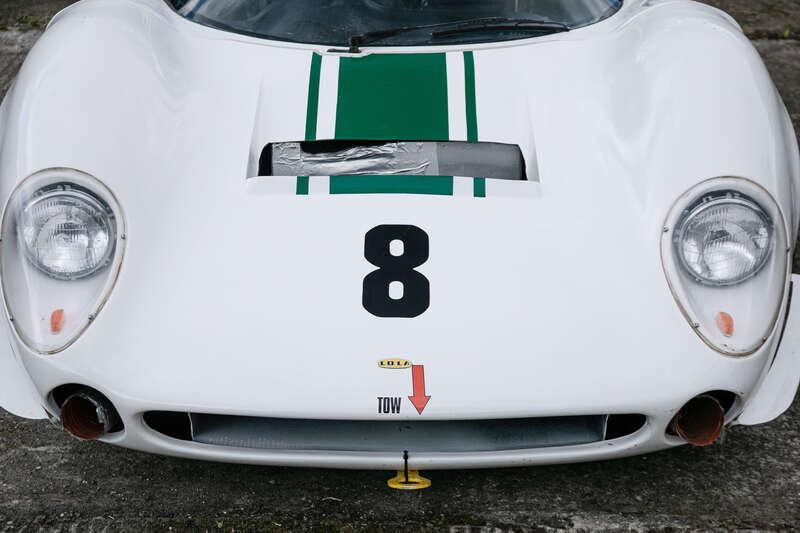
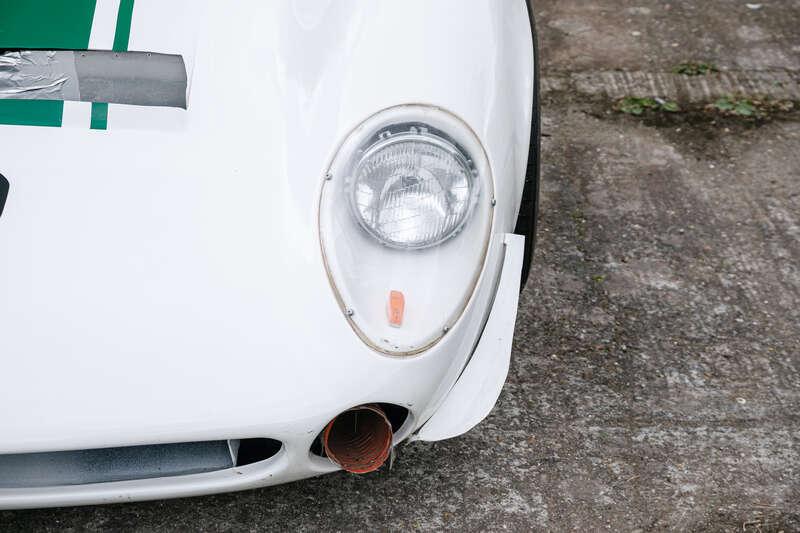
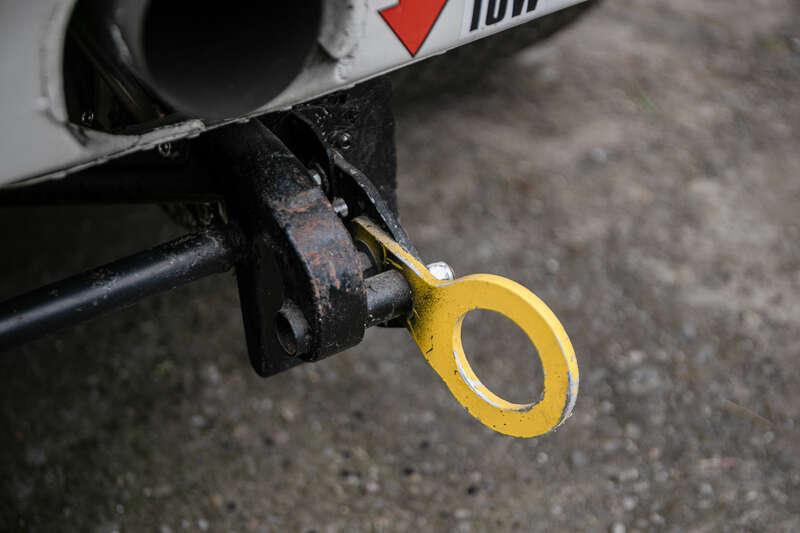
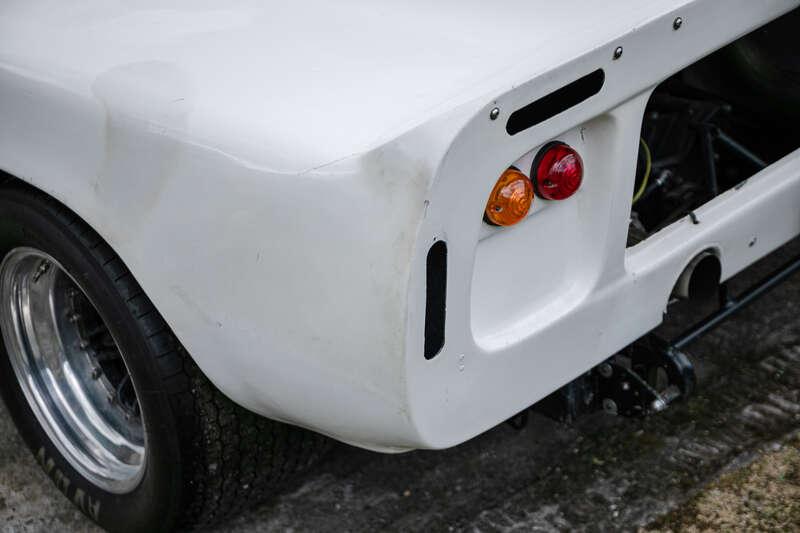
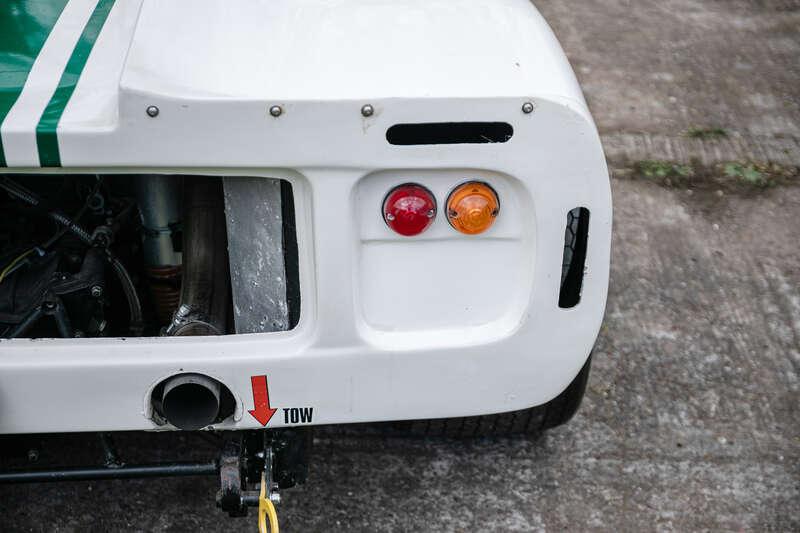
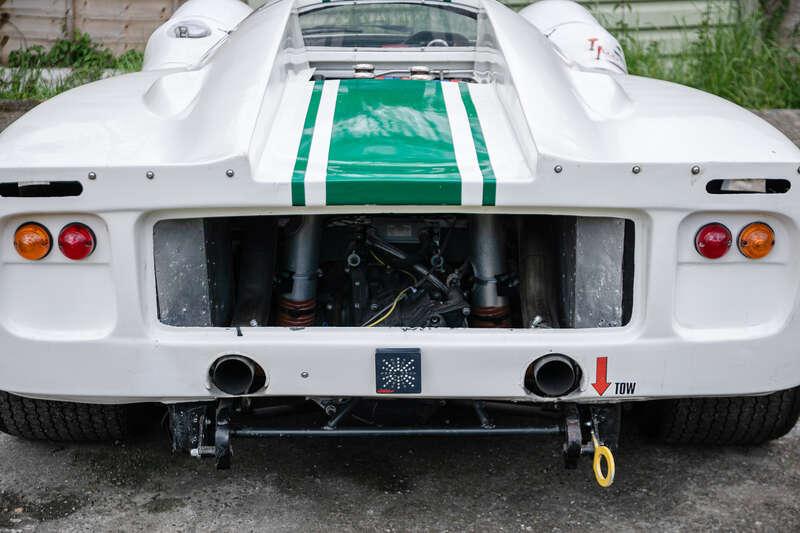
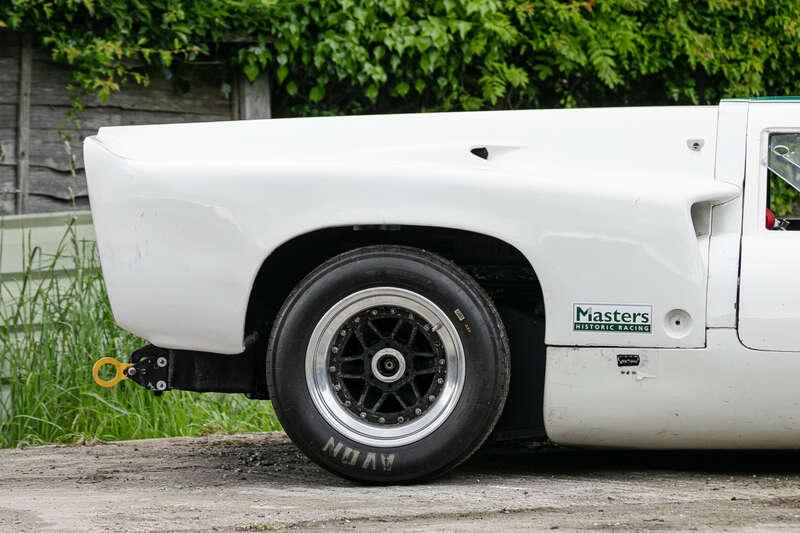
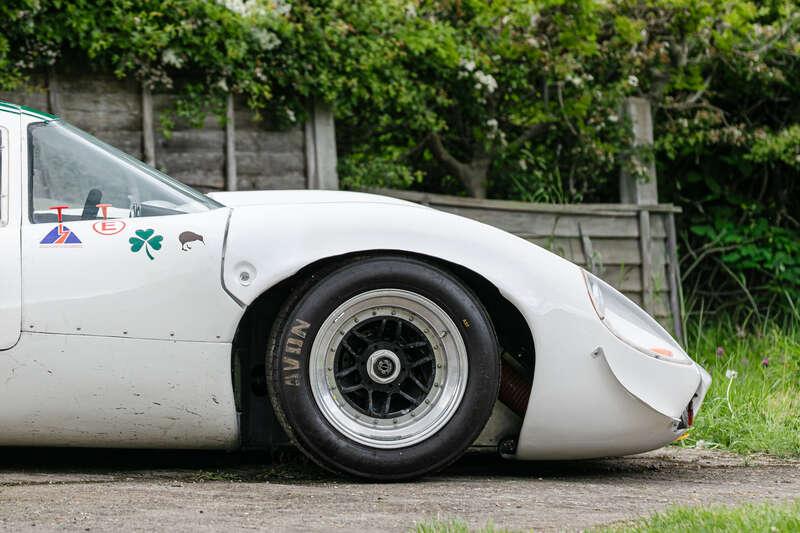
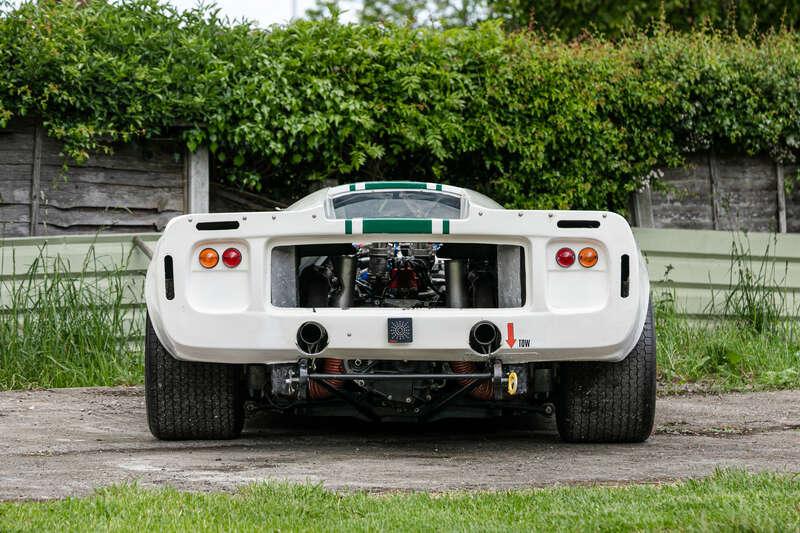
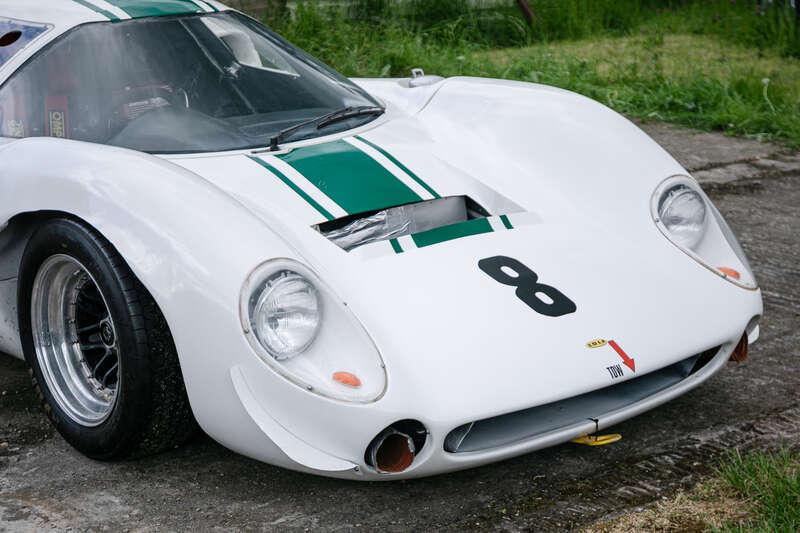
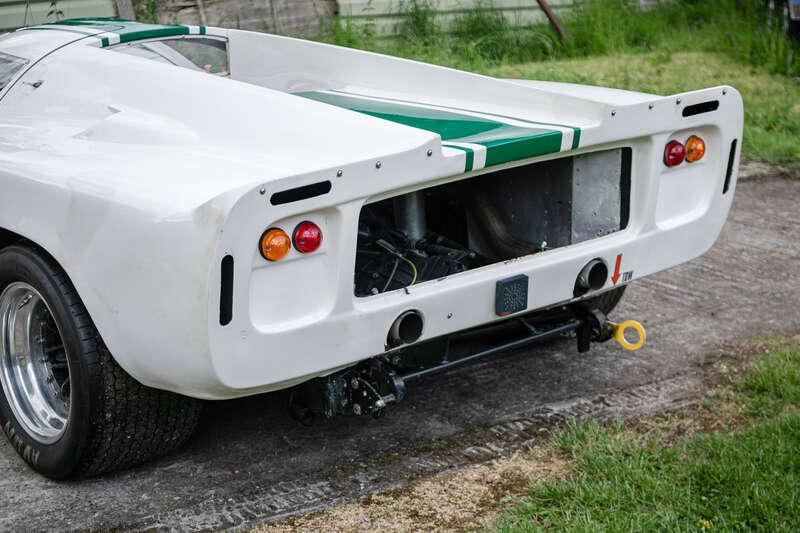
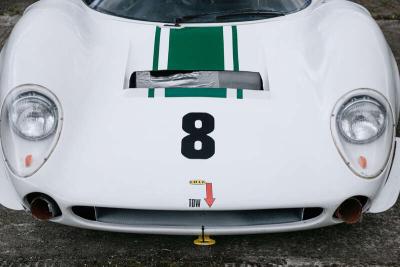
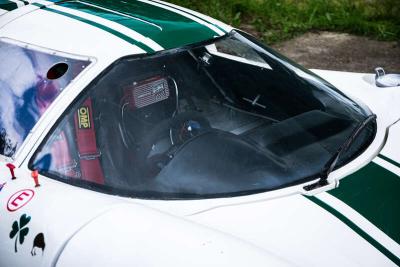
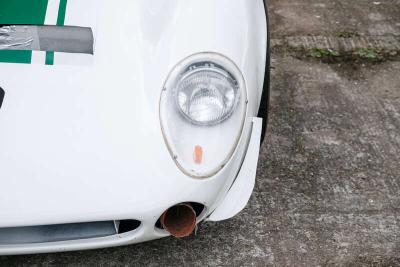
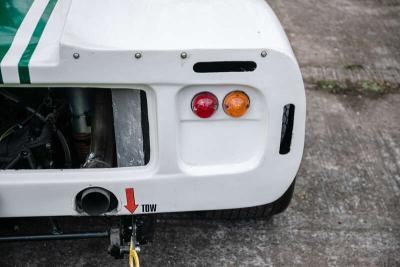
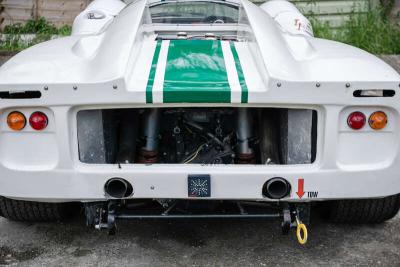
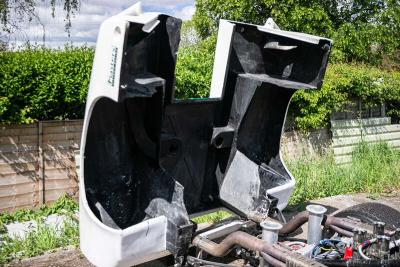
Some years earlier Sid had acquired from Team Elite, a Brabham-Climax BT8 sports racer which was finished in the Team Elite white livery with one wide and two narrow green stripes along its bodywork. Sid saw no reason to change the colour scheme, subsequently used it on later cars, and over the following years it has come to be regarded as synonymous with Sidney Taylor Racing.
In addition to the Martini 300, #134 enjoyed four further outings - on 12th August the car won at Croft driven by Frank Gardner followed on 13th August by a win in the Total GT round at Mallory driven by Sid Taylor, on 18th August it won again at Mallory driven again by Sid Taylor and, in September 1968, further success followed with a win in the Guards Trophy at Brands Hatch again driven by Frank Gardner.
So, after five weeks and five wins, it was then purchased by Tech-Speed Racing’s owner, Gil Baird, and painted bright orange in September 1968. #134’s race history for the following 14 months has been documented by our vendor:
In 1970, #SL73/134 began the next phase of its fascinating life when it was purchased by Andrew Ferguson (Lotus Cars) who had been tasked by Solar Productions Ltd with acquiring all the competition cars that were to be used during the filming of the forthcoming Steve McQueen epic, Le Mans. During production, several Lola T70 chassis were modified to portray Porsche 917s and Ferrari 512s in high-speed action and crash sequences, the Lolas proving both more affordable and more replaceable than the genuine machinery they represented.
The first 'Lolari' was bought along with the first batch of cars around 15th April 1970, fitted with radio control and subsequently destroyed itself when it ran amok after moving out of radio range. The second 'Lolari' (SL73/134) arrived on the 27th July and was prepared to meet its, rather spectacular, fate on the 22nd August 1970.
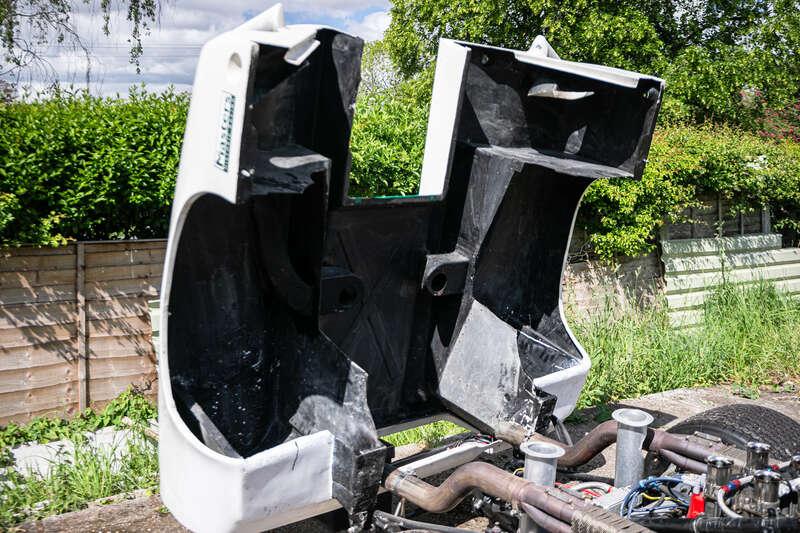
The orange bodywork was removed and stacked in an adjacent orchard for future use and new body panels were fitted around the T70 tub to create a look-alike Ferrari 512S. Finished in Rosso and carrying race number 7, it was driven in the film by the character Claude Aurac (played by Luc Merenda) and whilst trying to avoid a spinning Erich Stahler (number 8 Ferrari) he lost control, launching the car into the trees and subsequently exploding a few seconds after coming to rest.
According to Andrew, the remaining parts of all the Lolas used in the production were 'shovelled back to the UK' to discharge the financial requirements of the Carnet, including the sad remains of #134 complete with its attached chassis plate. We understand that the original orange bodywork was retrieved at some point later.
Once the parts were back in the UK (circa 1970/71), they were offered for sale and most of the complete and part-complete cars, plus spares, were acquired by David Piper and John Pearson. Some time passed whilst the cars were rebuilt/patched together for resale with a view to fund the racing that both David and John enjoyed.
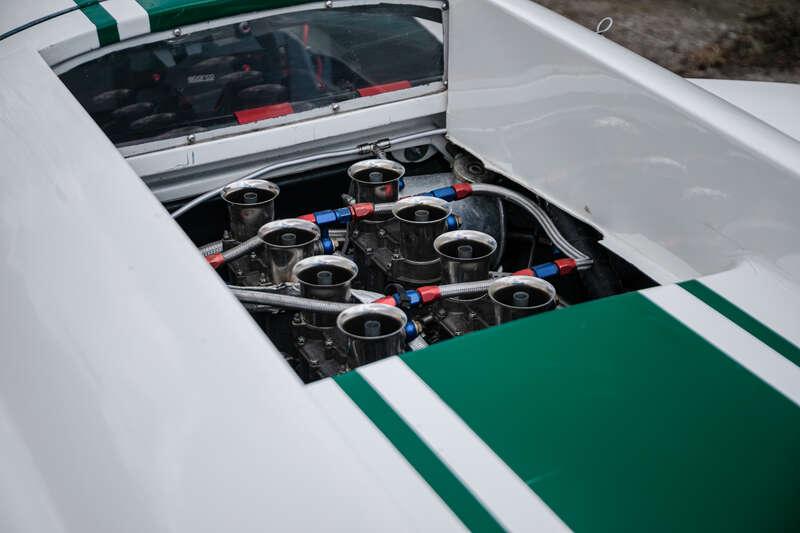
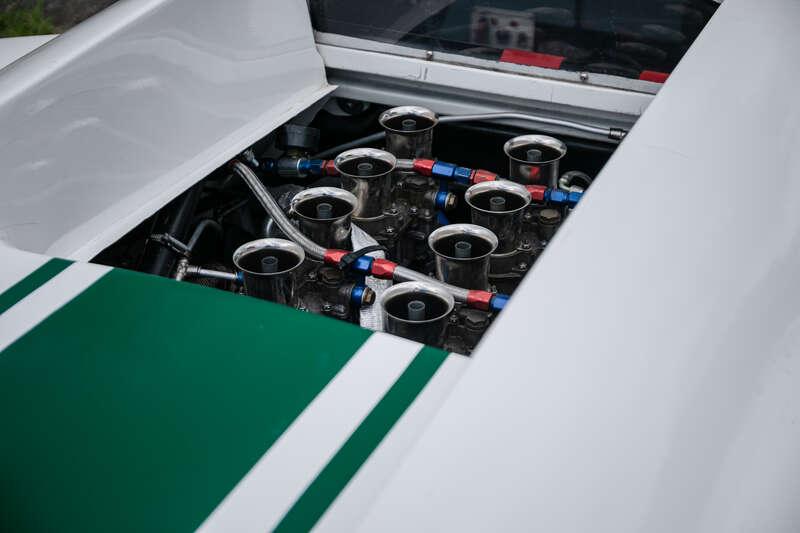
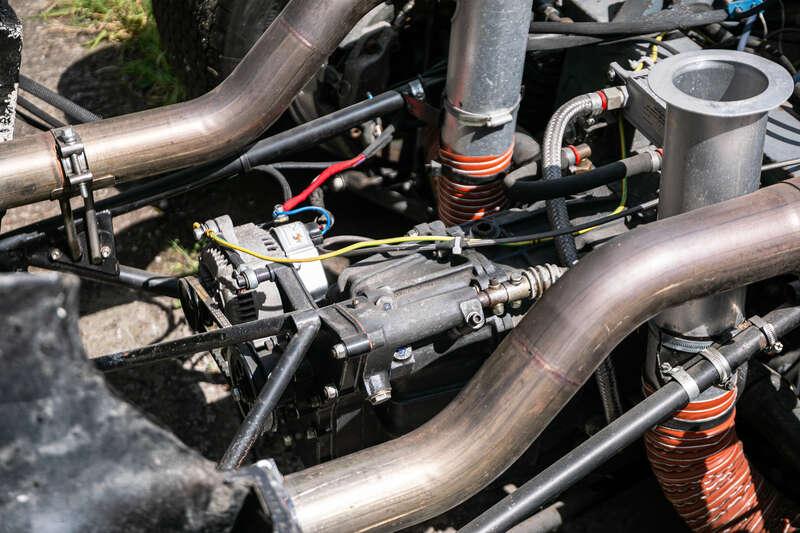
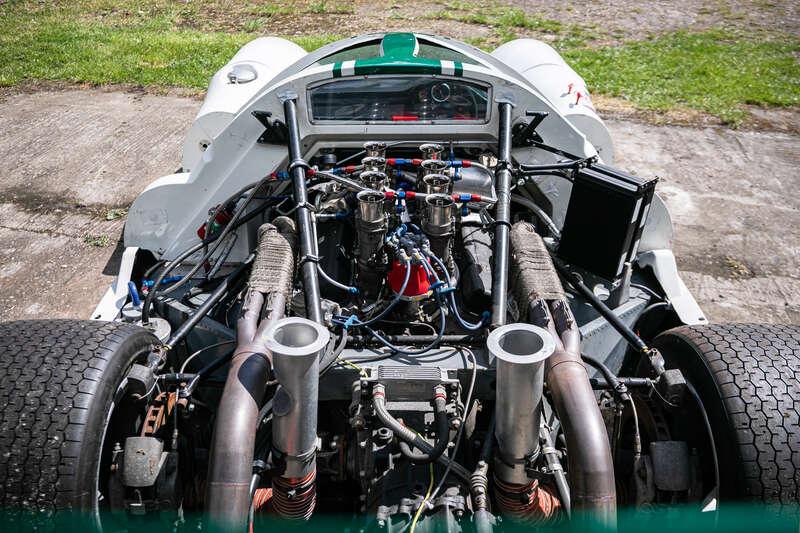
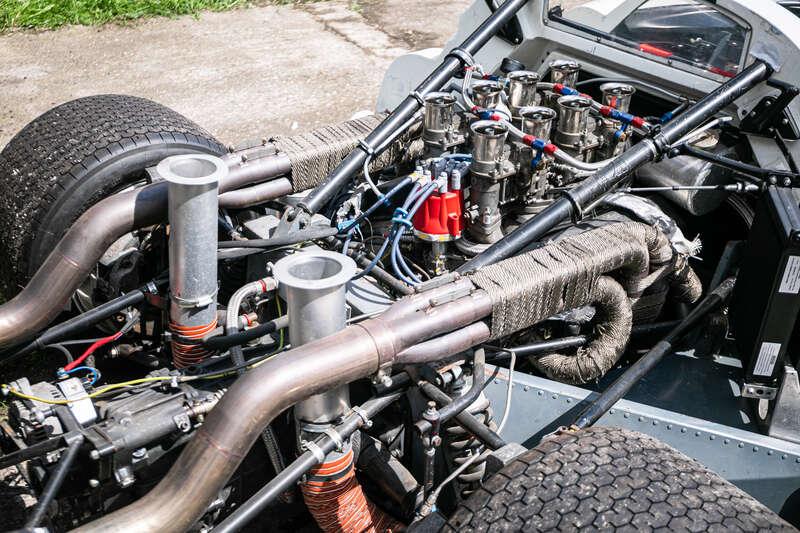
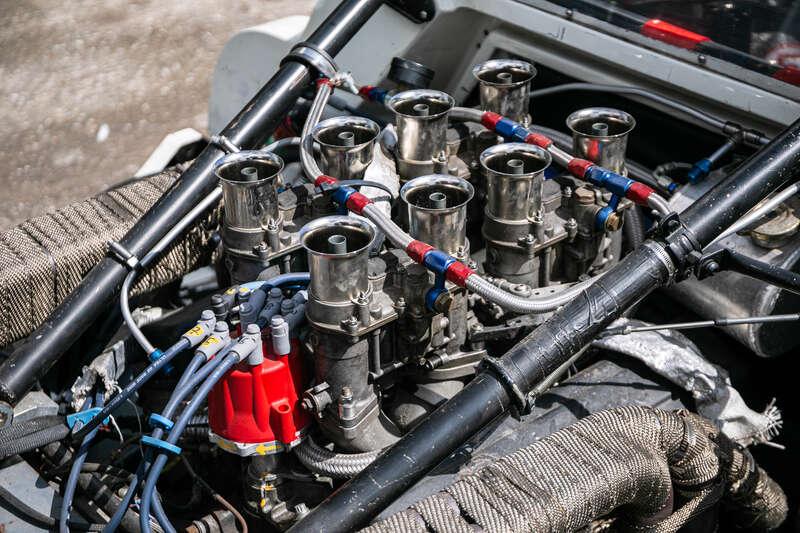
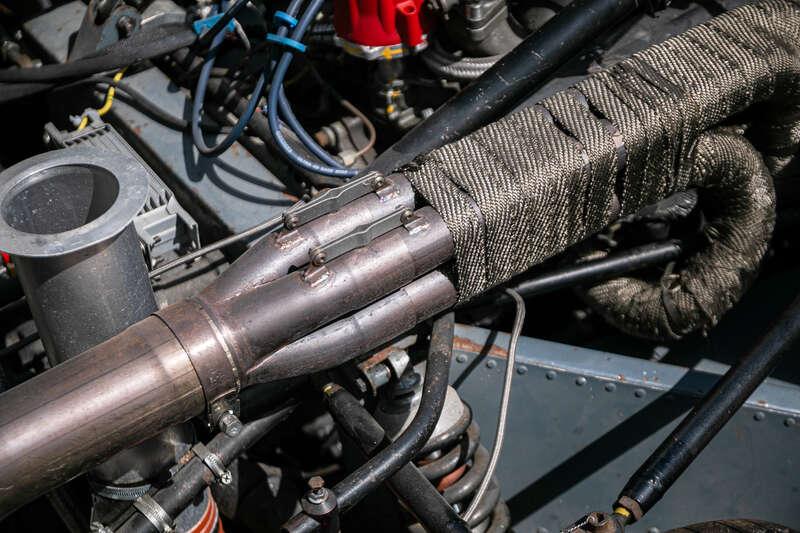
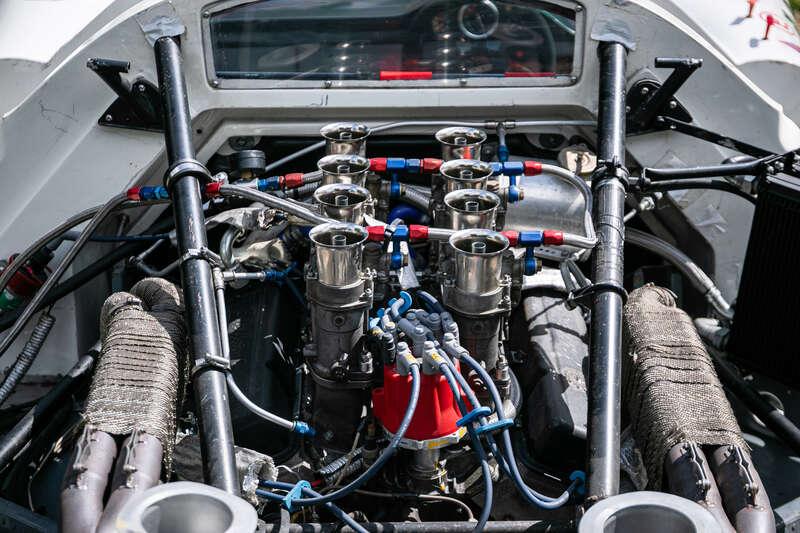
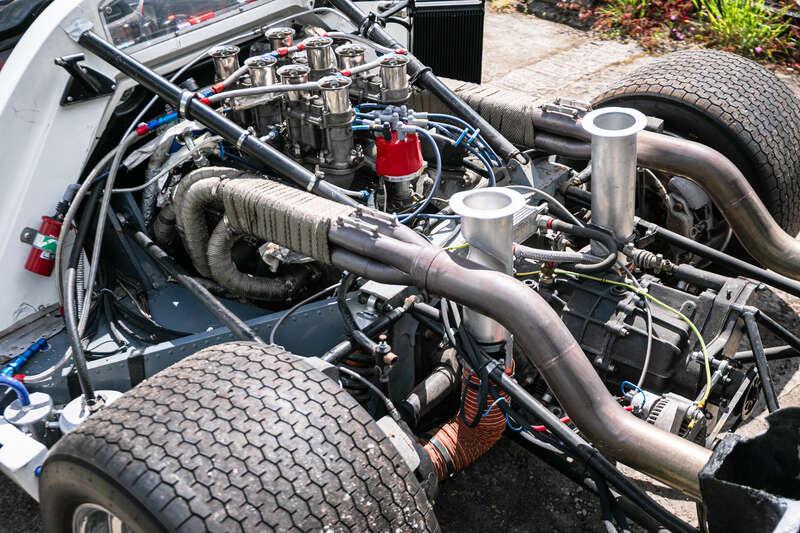
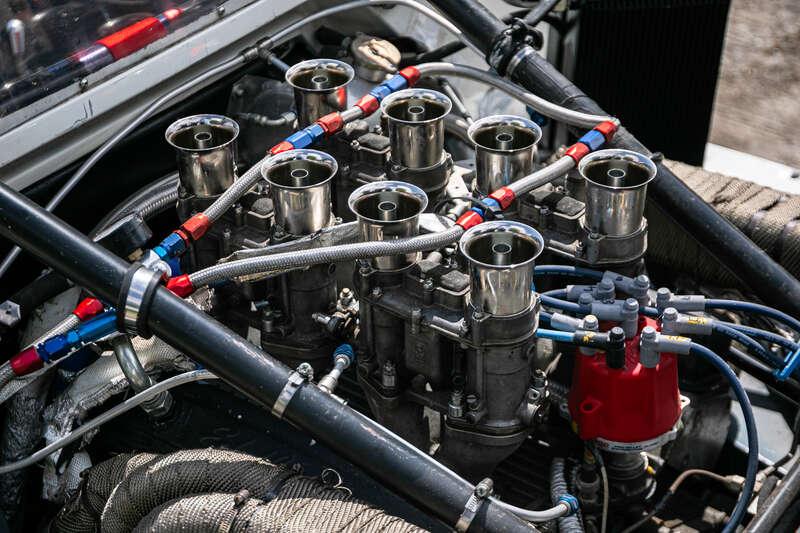
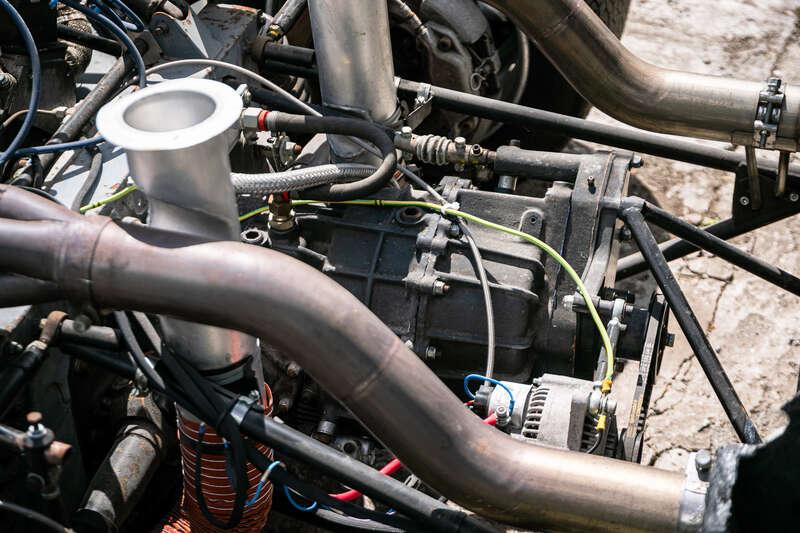
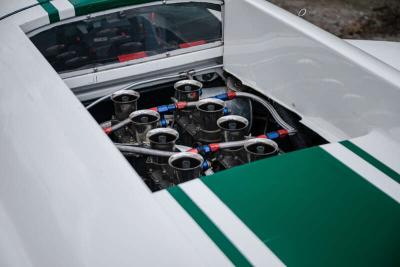
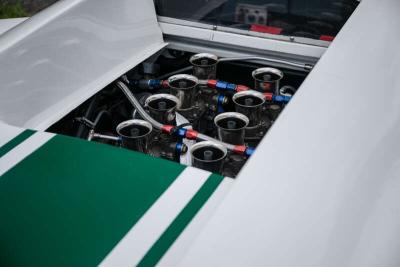
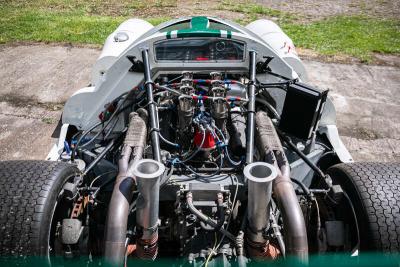
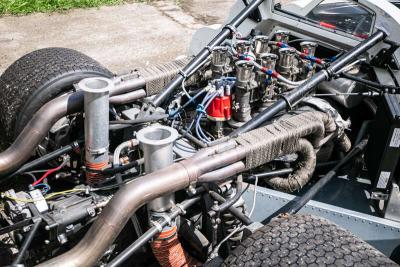
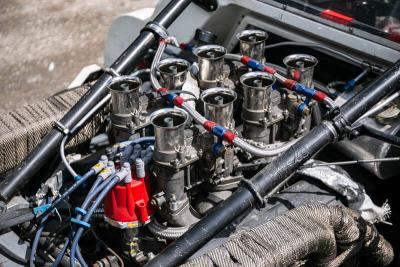
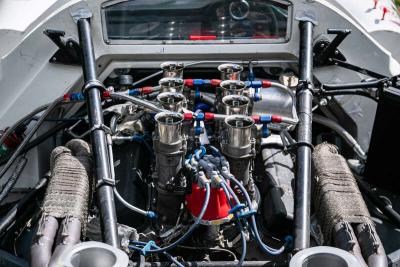
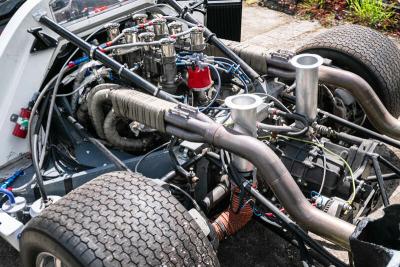
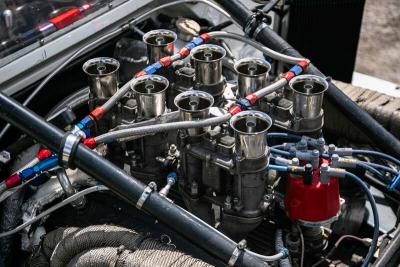
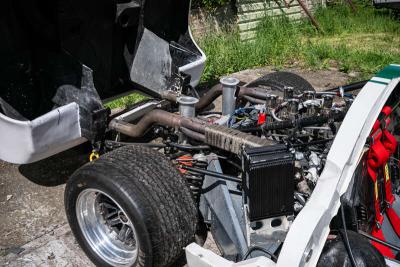
Around 1974, the third chapter of #134’s life commenced when our vendor’s uncle, Tom Fletcher, exchanged his race-ready Lister Jaguar (YOB 575), which he had raced with some success, for cash plus a road going XK120 Roadster in need of a rebuild, a Lola T70 Mk IIIB with chassis #SL76/151 (now #SL76/143) and the very damaged monocoque of T70 Mk III (with chassis plate #SL73/134) complete with wishbones, Hewland LG600 gearbox, damaged Chevy V8 and 48 IDA carbs, wheels, bag tank, bodywork and more. Tom noted at the time that, in view of the number of damaged T70s used in the film, it was not possible to establish how many of those parts had originally belonged to #134.
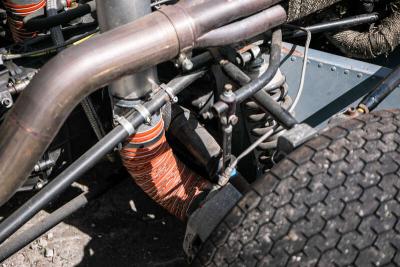
By 1980, it had become increasingly unlikely that Tom would be able to undertake the rebuild of #134, especially as #151/143 also needed a mild/medium race rebuild, and so it was passed to his nephew, our vendor, who then began a very long-term comprehensive reconstruction of the dismantled Lola, a veritable automotive ‘jigsaw’ which ultimately reached fruition, with the car successfully appearing at Silverstone Circuit in 2013 as a complete and functioning T70. Within the car’s fascinating history file are a number of invoices relating to components and fabrication processes undertaken over many years including confirmation that the original chassis/ tub/monocoque was too badly damaged to repair and Northdown Racing (Ian Webb and Harold Drinkwater) fabricated a replacement for the sum of £4,500 (1983).
Inevitably, as with many important period racing cars, questions and speculation occasionally arise over identity, provenance and the historical tendency for competition machinery to absorb the identities of lost or damaged contemporaries from earlier years. However, the lengthy paper trail going back decades, the fact that the chassis plate has been with the family from 1973 until the present day, and various other factors have convinced Gerald Swan at Lola Heritage that SL73/134 is indeed the T70 on offer here and is now listed as such on the Lola Chassis Register.
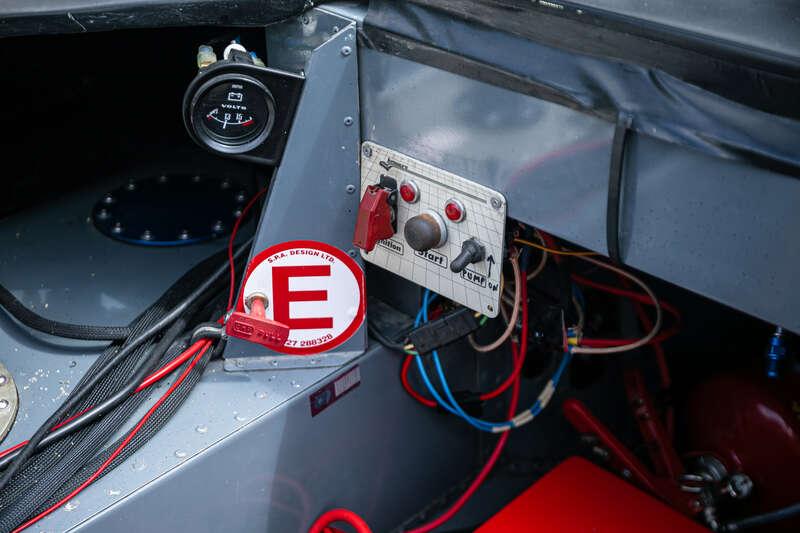
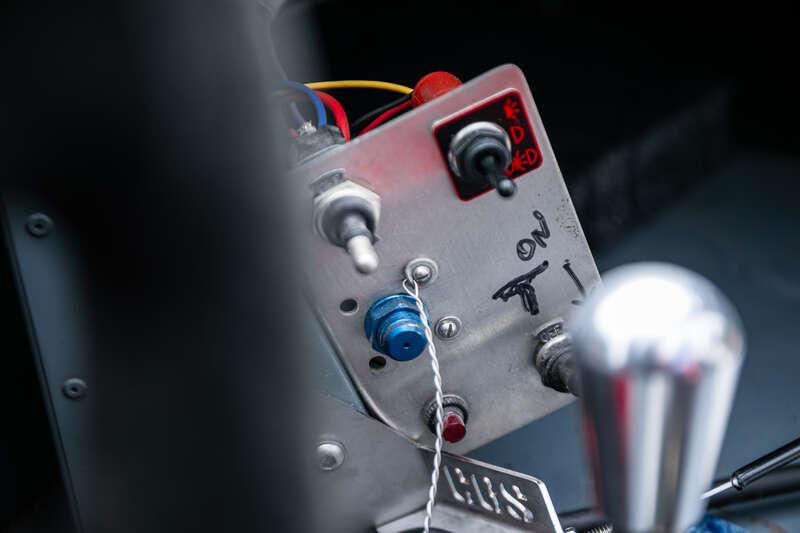
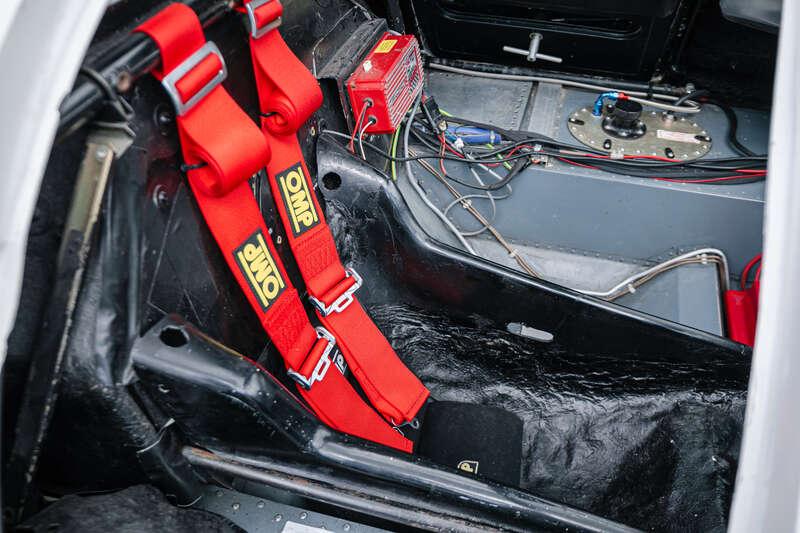
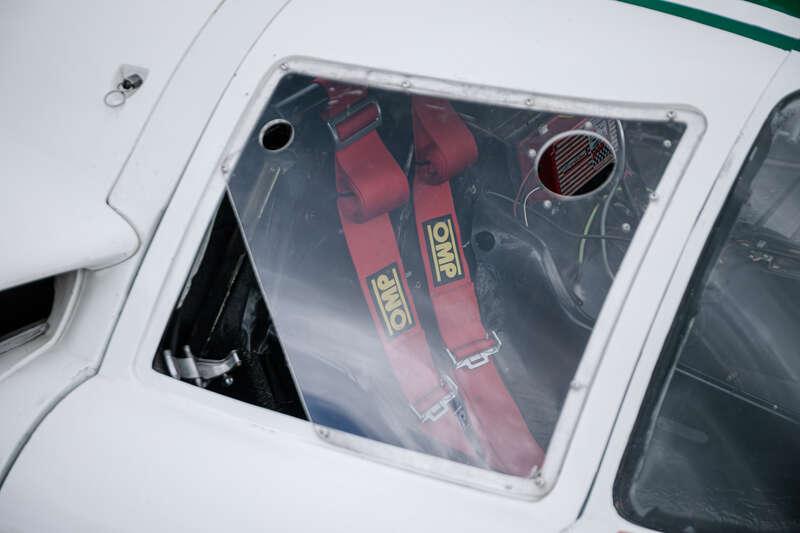
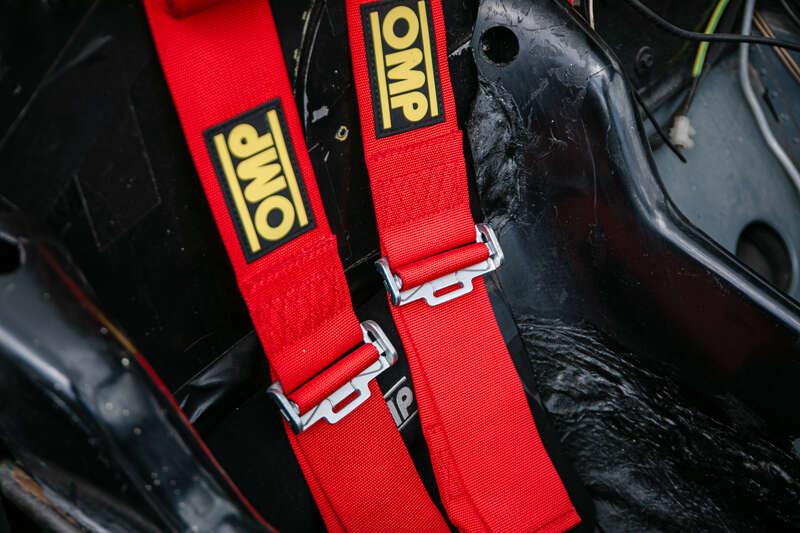
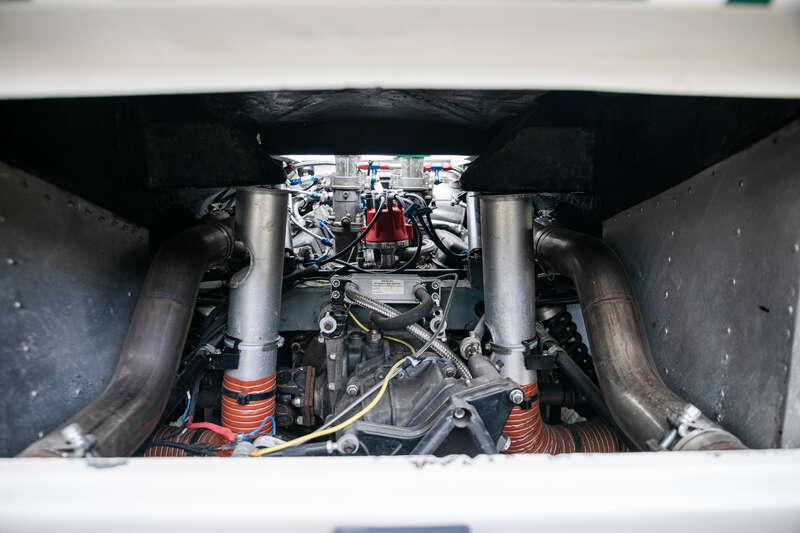
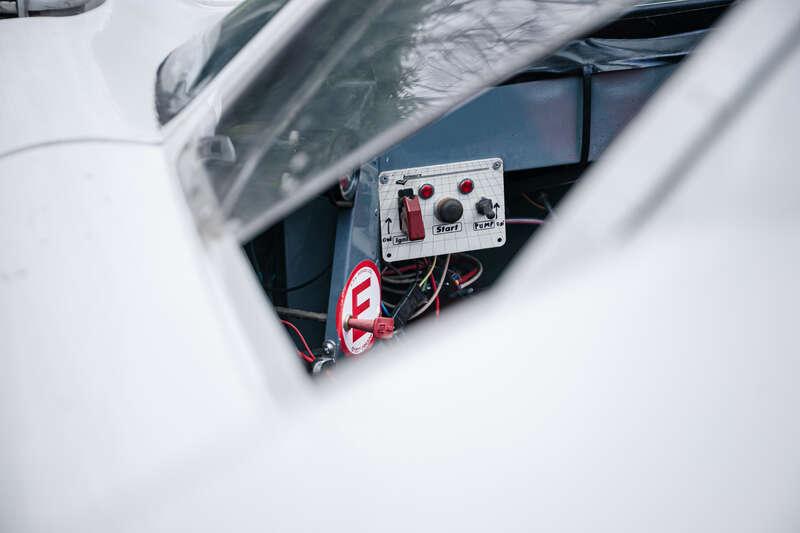
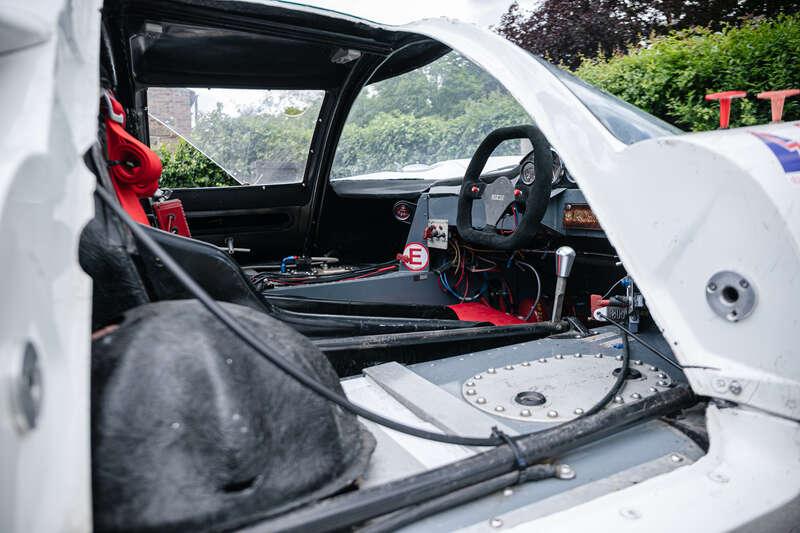
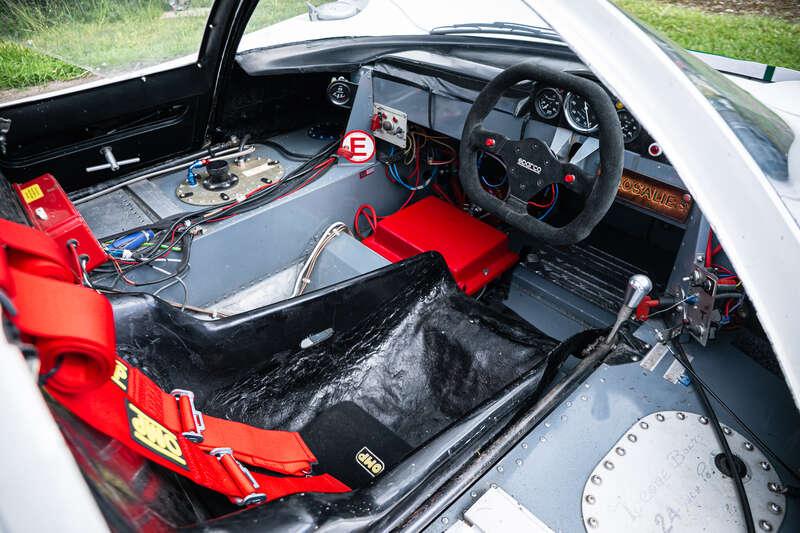
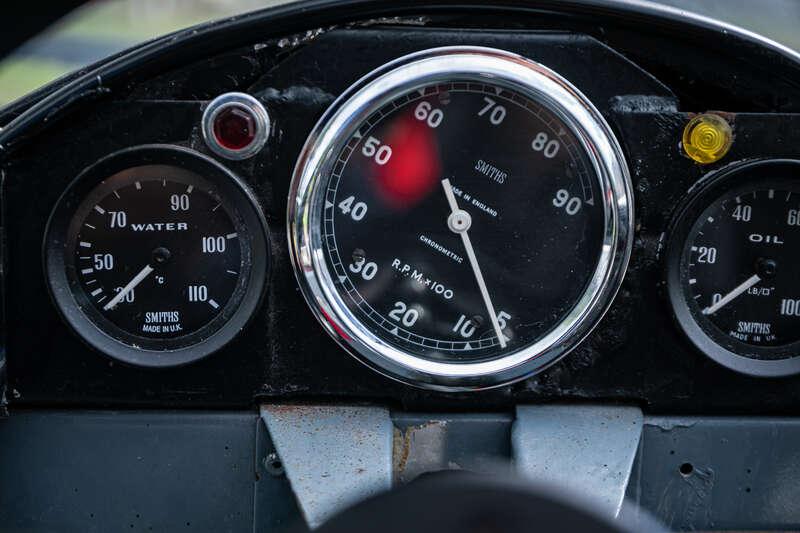
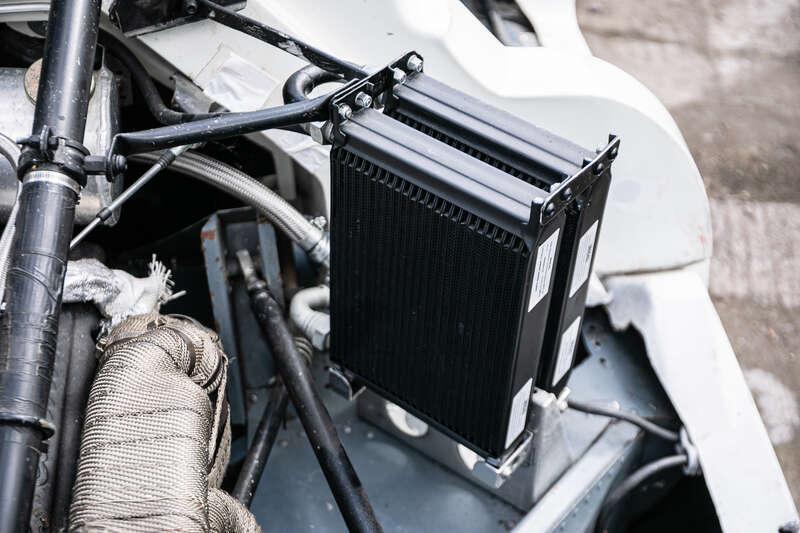
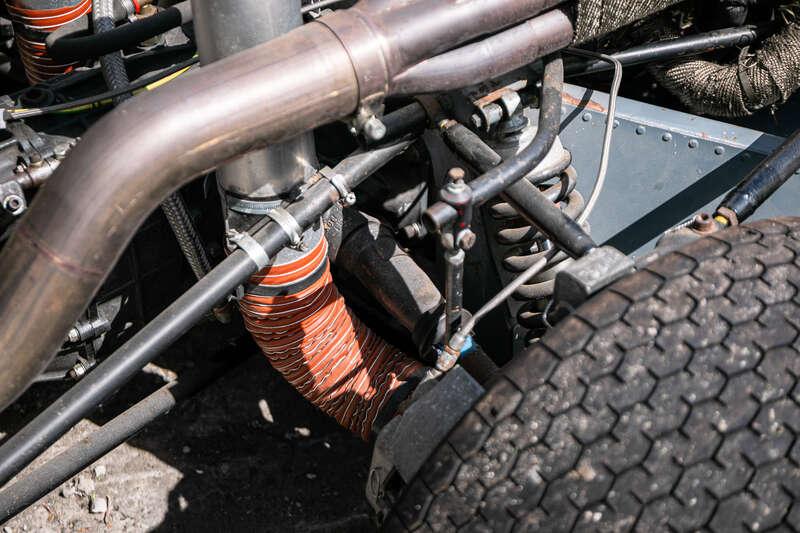
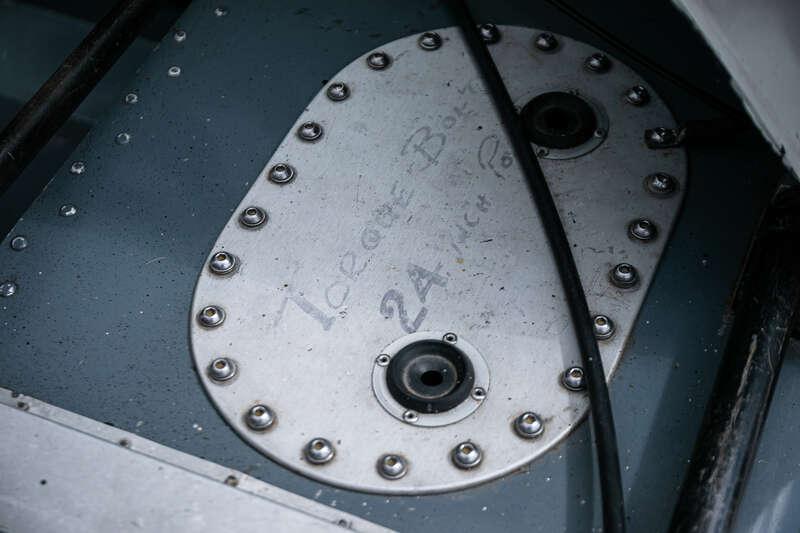
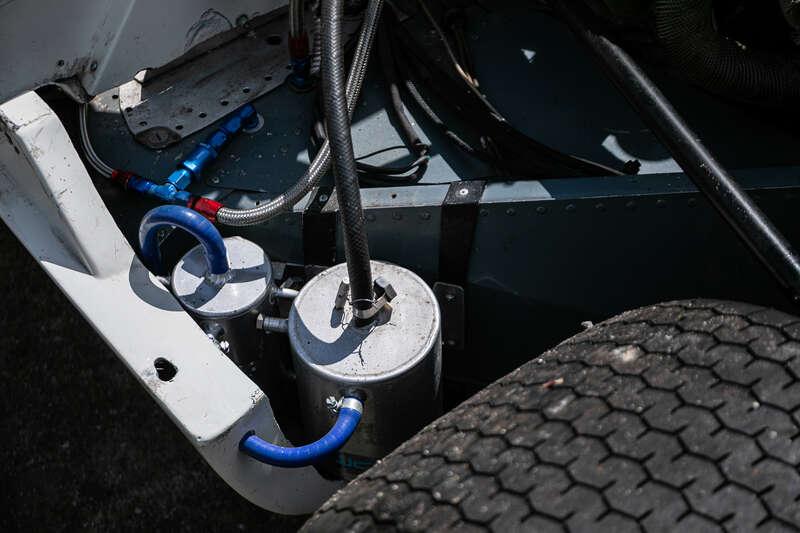
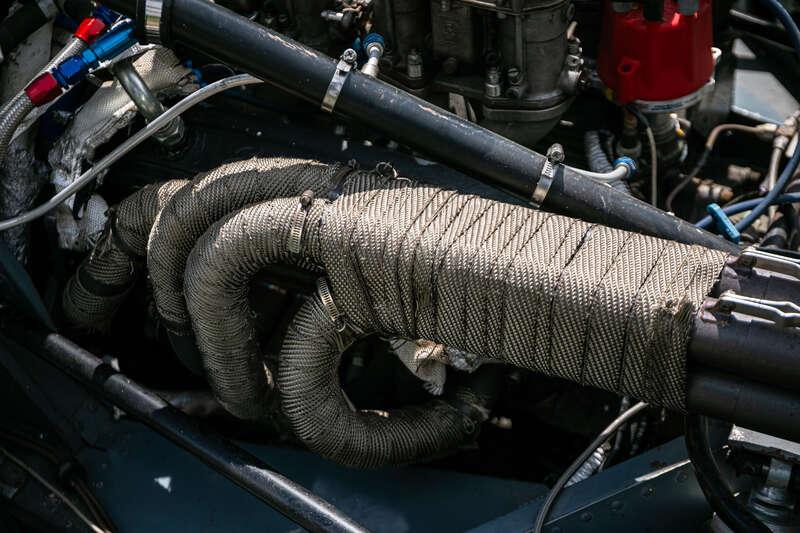
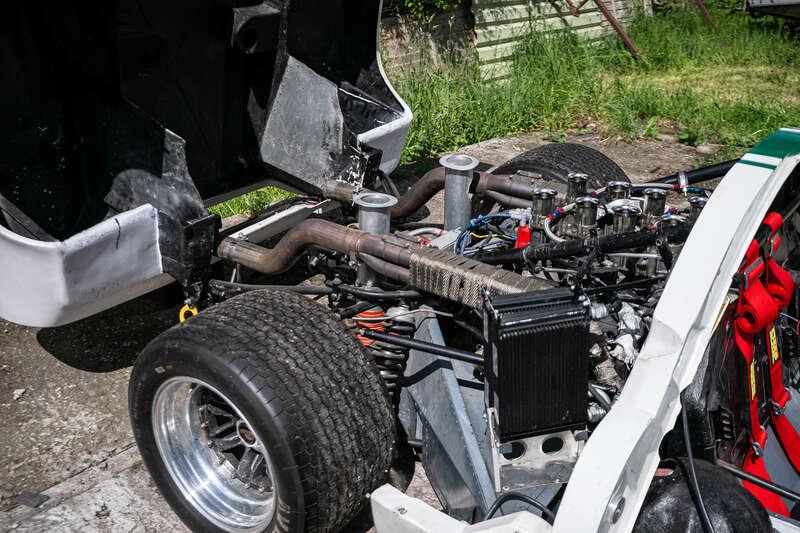
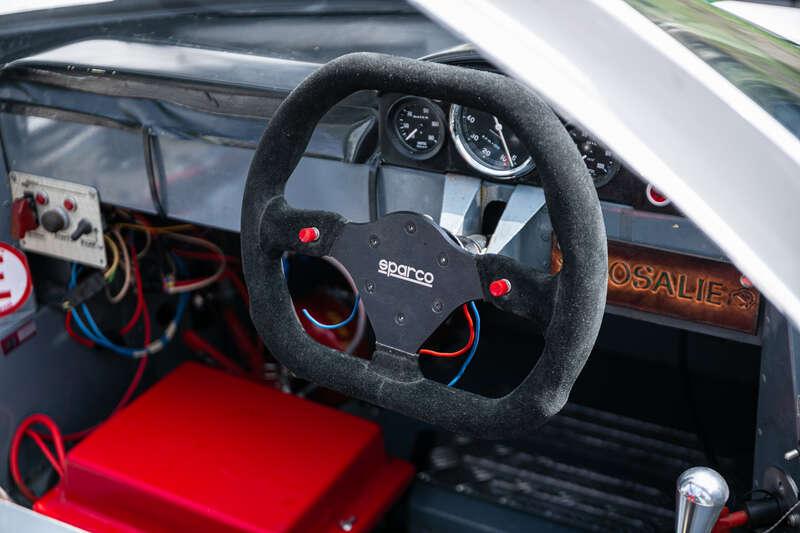
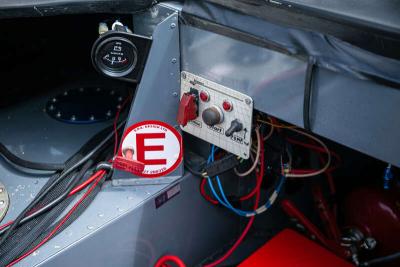
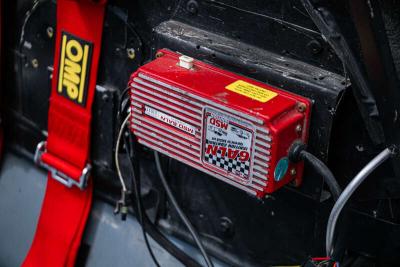
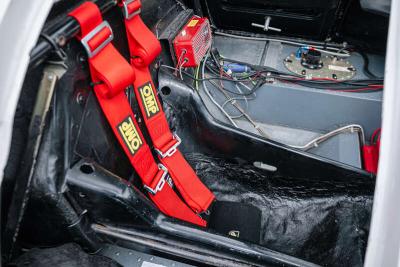
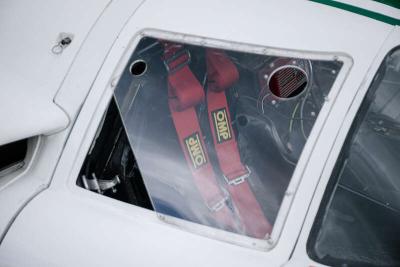
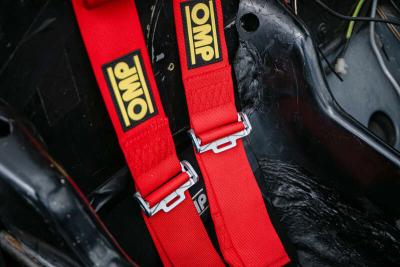
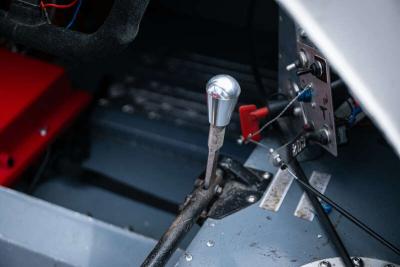
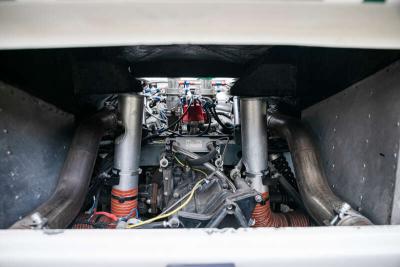
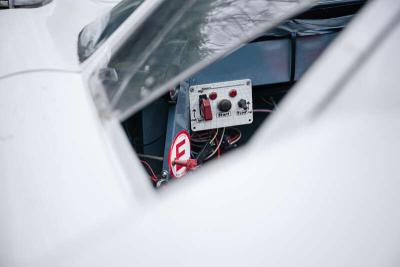
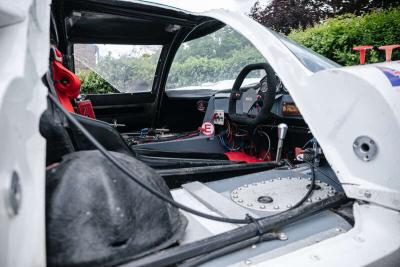
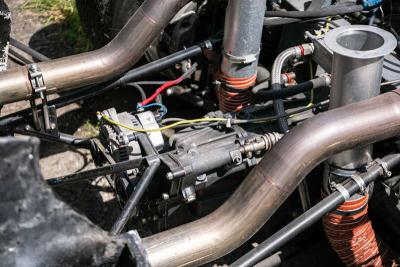
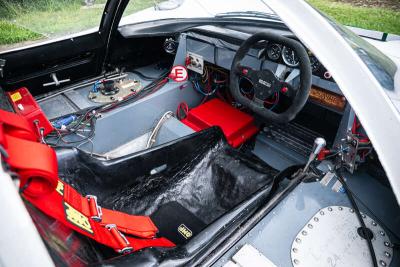
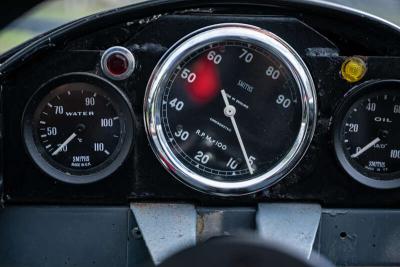
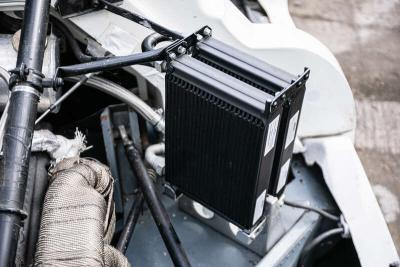
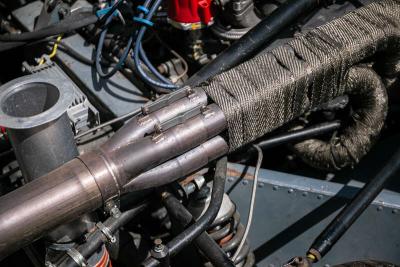
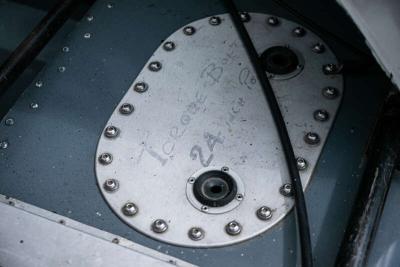
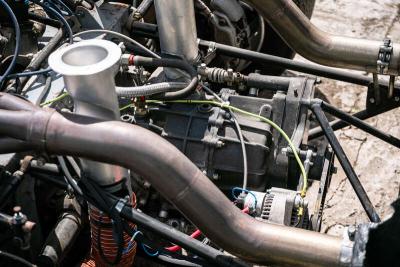
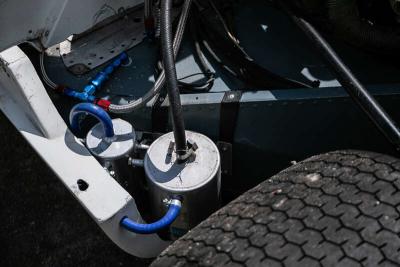
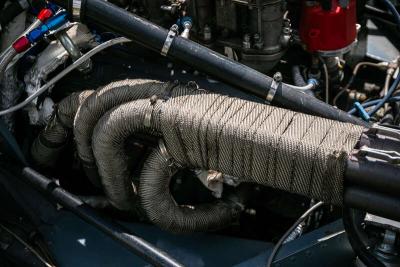
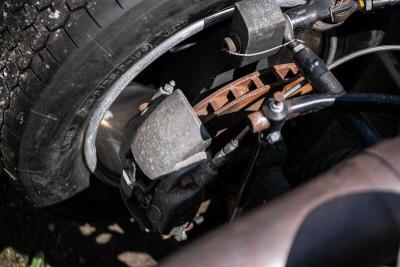
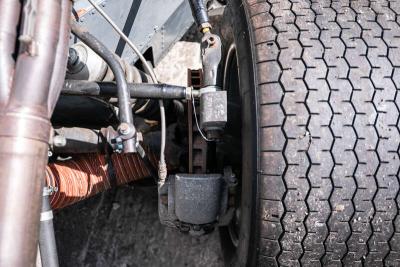
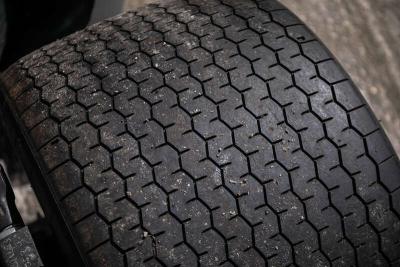
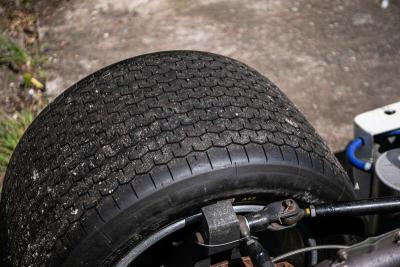
The car has not been used in anger for the last 10 years and will require recommissioning. As with any competition car, it’s essential that prospective buyers check the suitability and currency of any safety-related equipment (harness, extinguishers, fuel tank, seats, cage etc.) but it does possess current HTP papers valid until 2027 and, importantly, listing the 5.7-litre engine. As can be seen from our video, the car starts and runs with that classic deep, organ re-arranging, V8 rumble punctuated by the inevitable pops and bangs from 5.7-litres of unburnt fuel and a cool exhaust. Intoxicating and addictive.
Offered at an enticing estimate, SL73/134 represents a rare opportunity to acquire a highly significant and uniquely storied piece of endurance racing history. Whether your interest lies in owning an ex-Sid Taylor Lola piloted by legends from the Group 4-era, preparing this rare survivor to once again do battle with GT40s and Cobras around the historic circuits of Europe, or simply starting conversations about the ‘Ferrari’ that was ‘rocket-launched’ into the trees in one of Steve McQueen’s greatest films, we invite and encourage your viewing at our Silverstone Sale.
Contact Us
