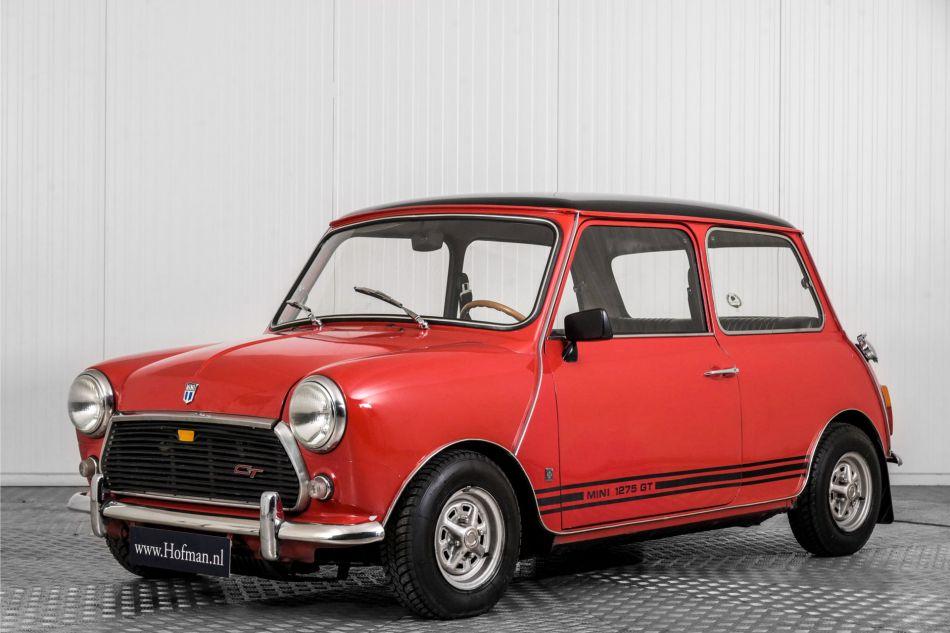
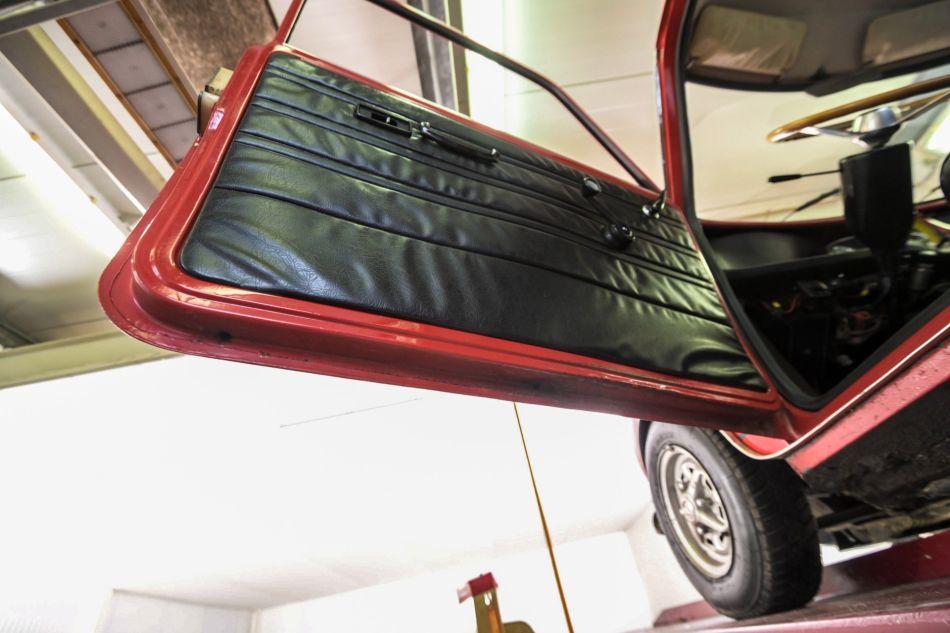
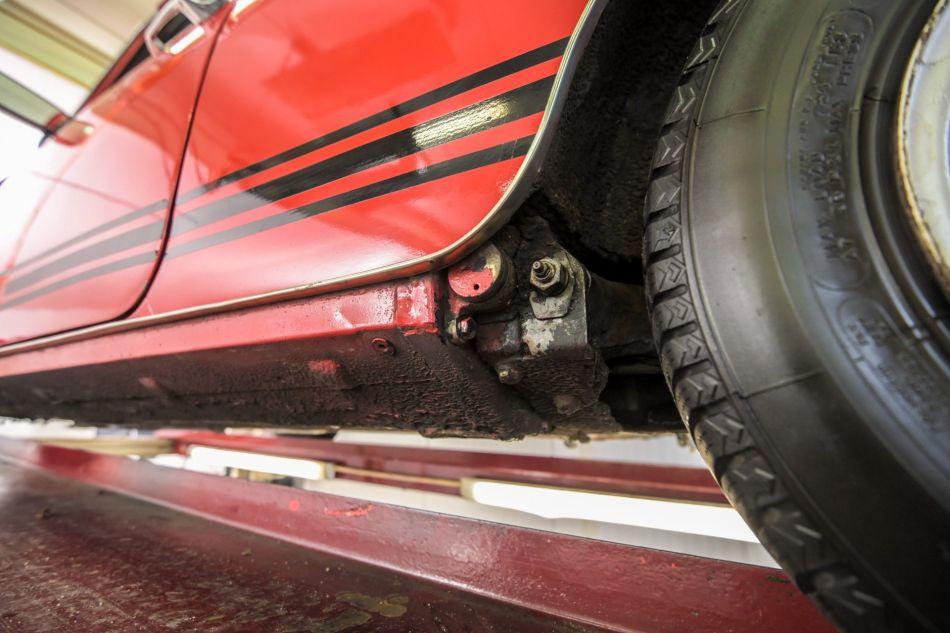
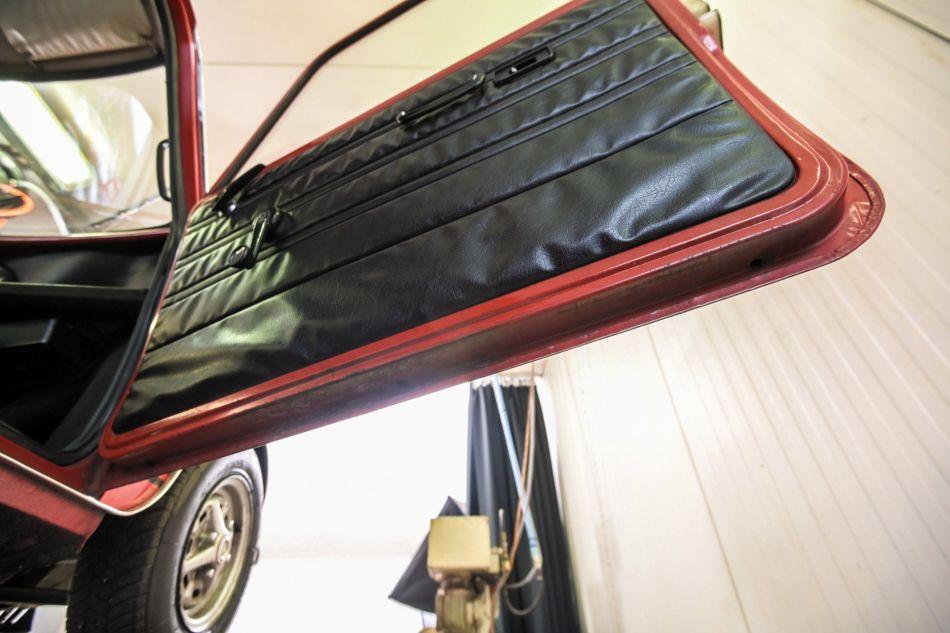
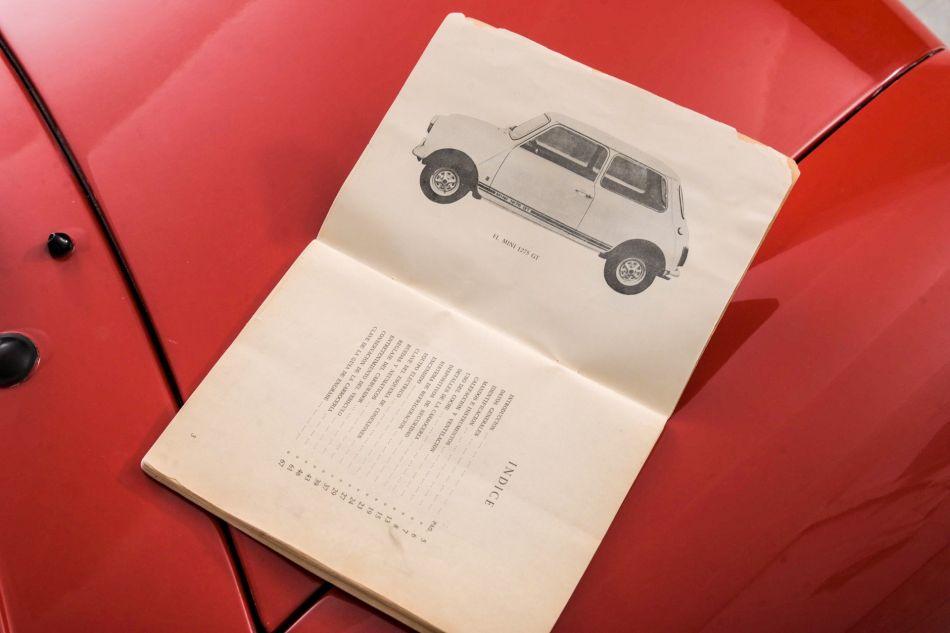
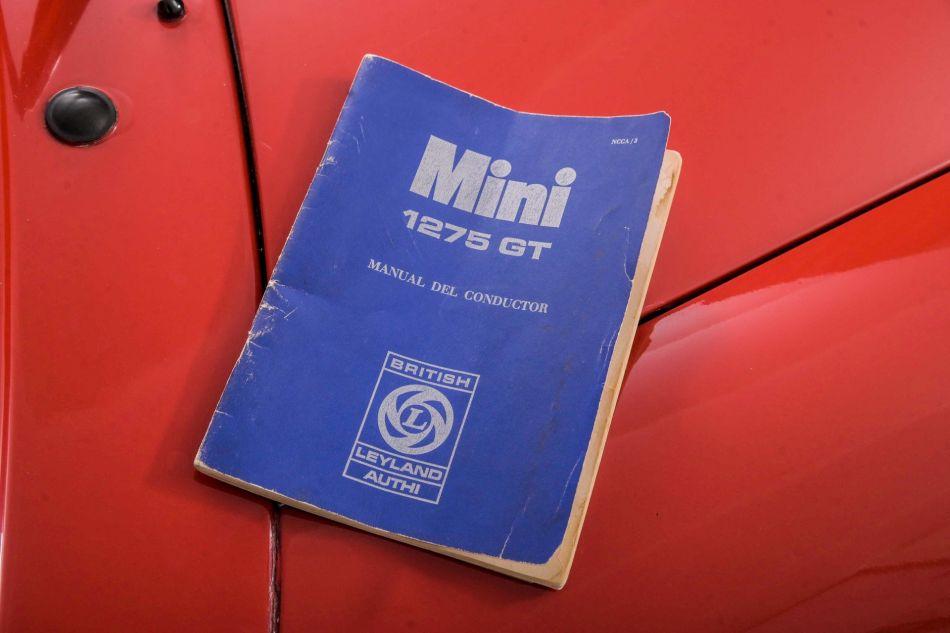
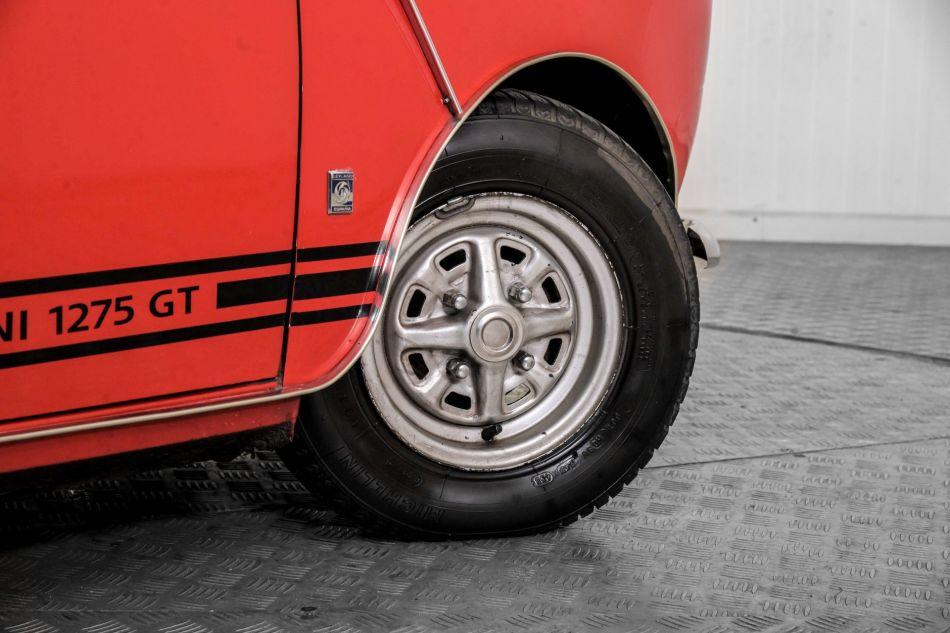
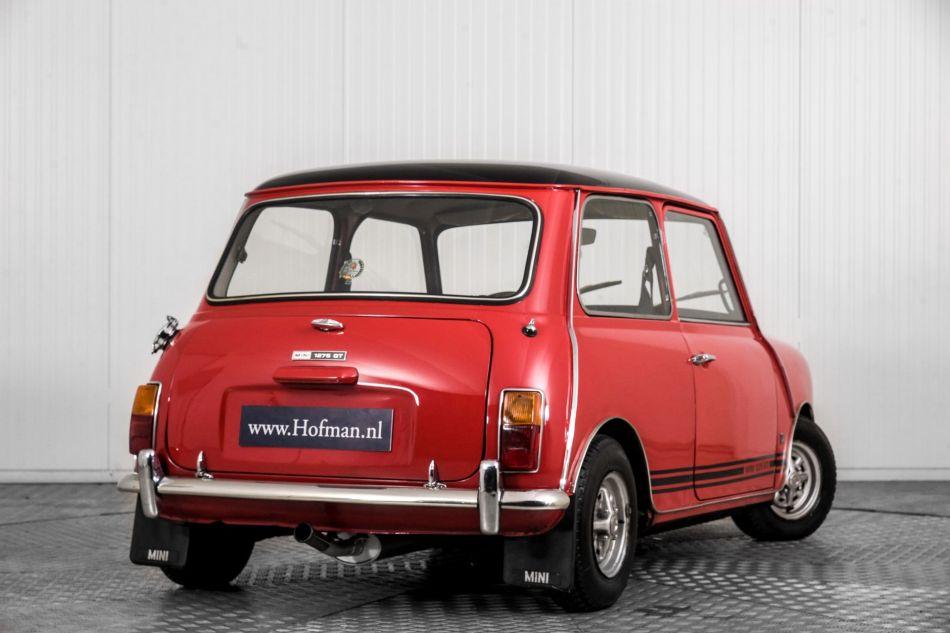
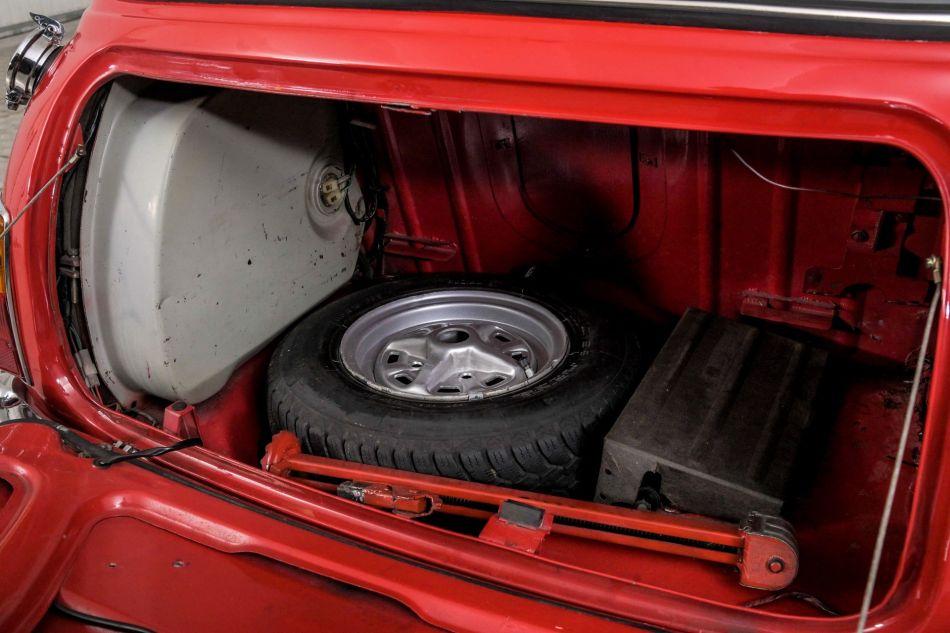
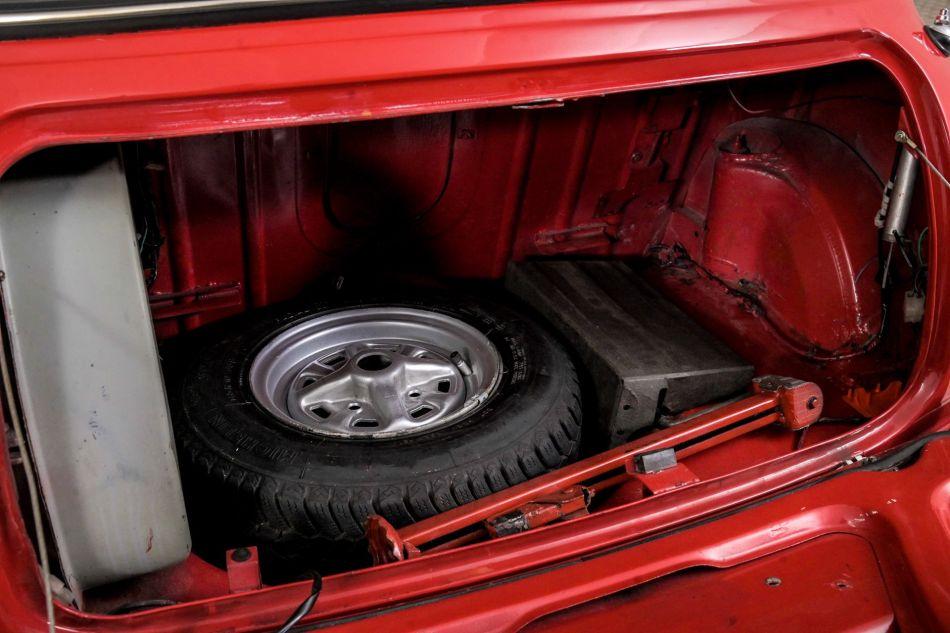
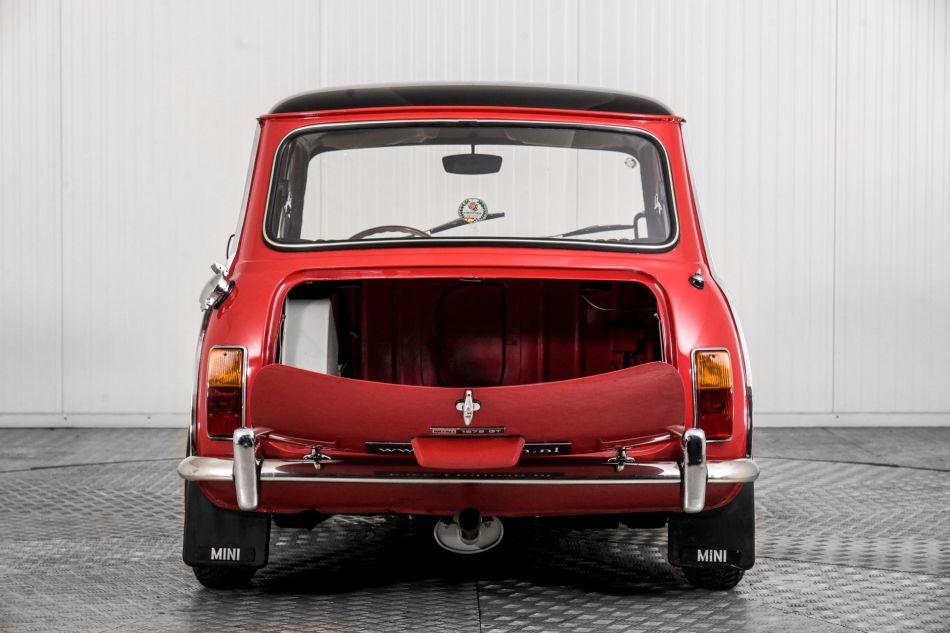
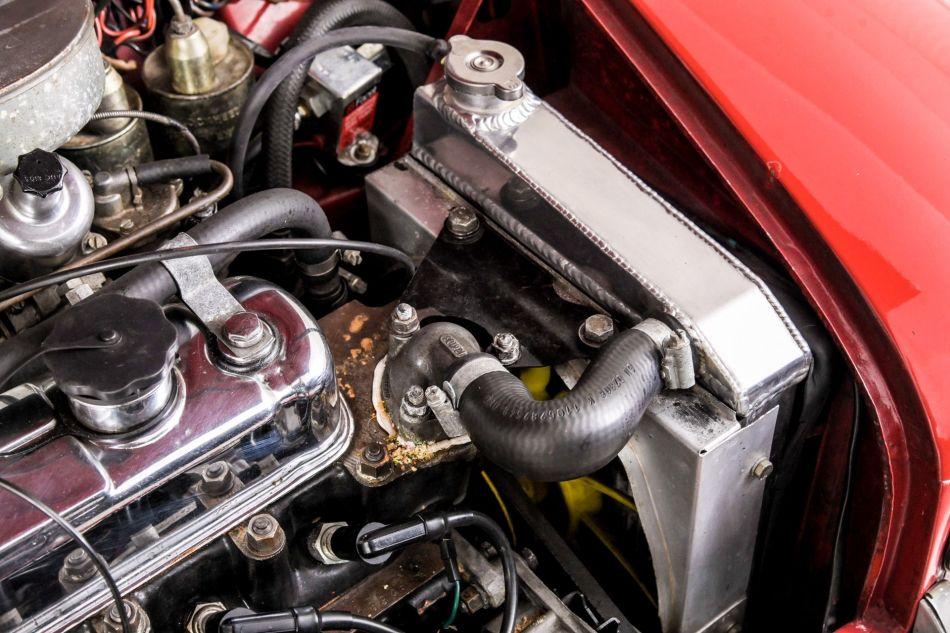
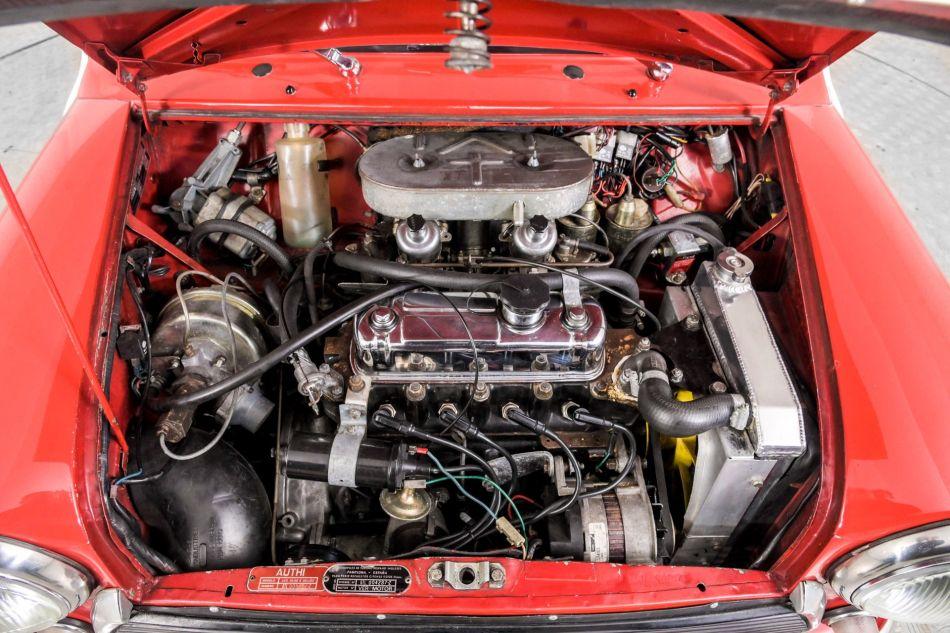
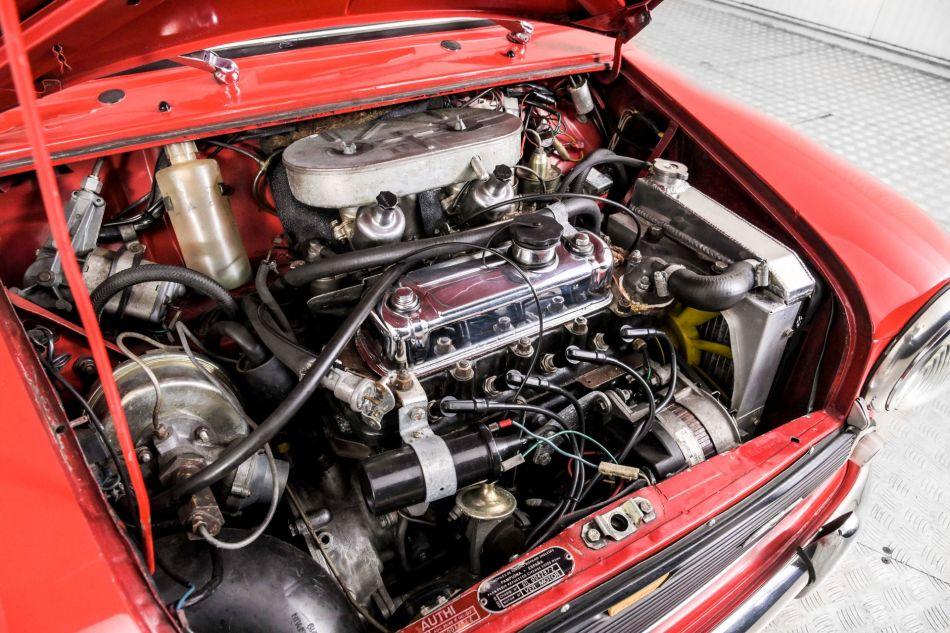
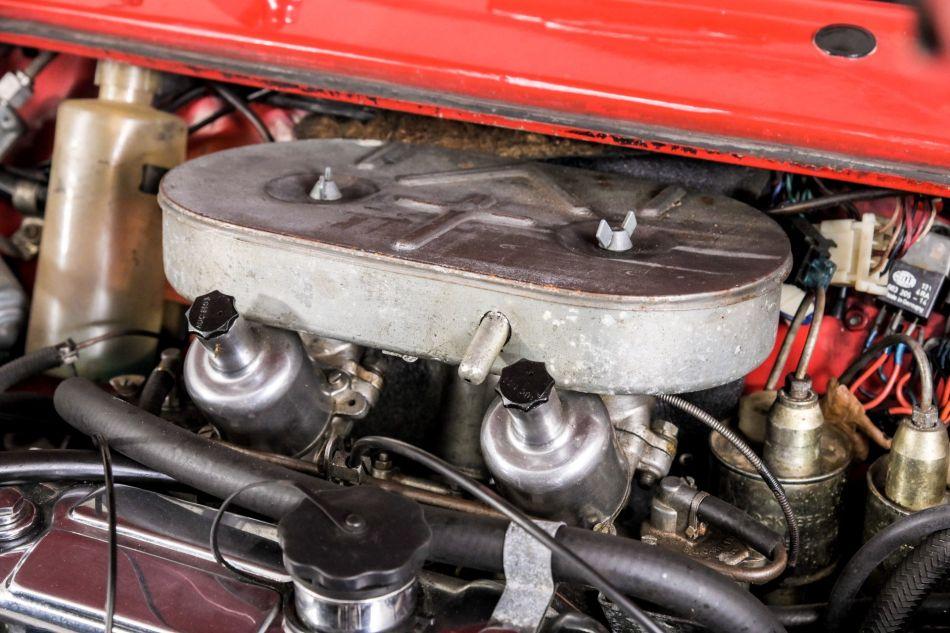
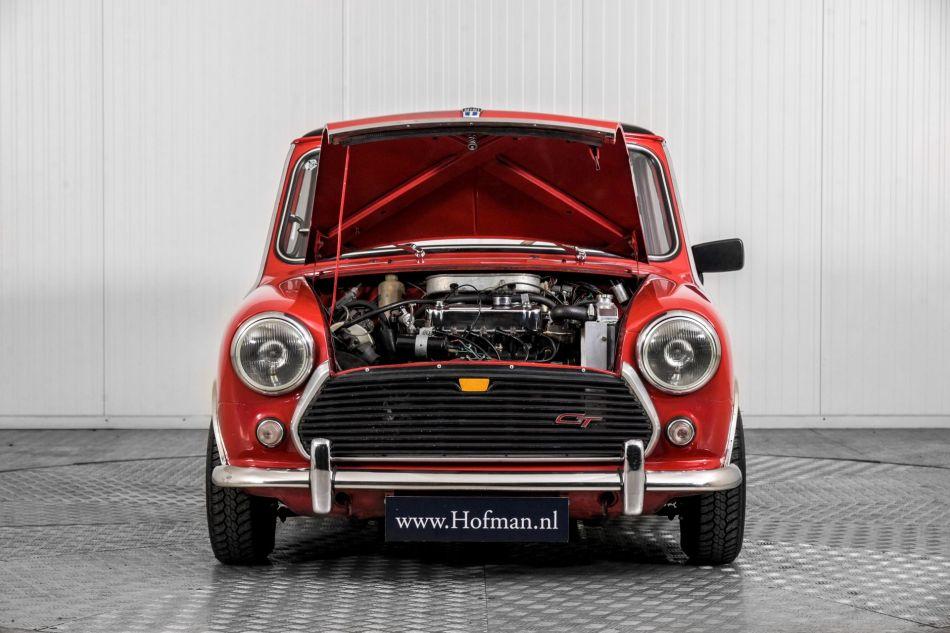
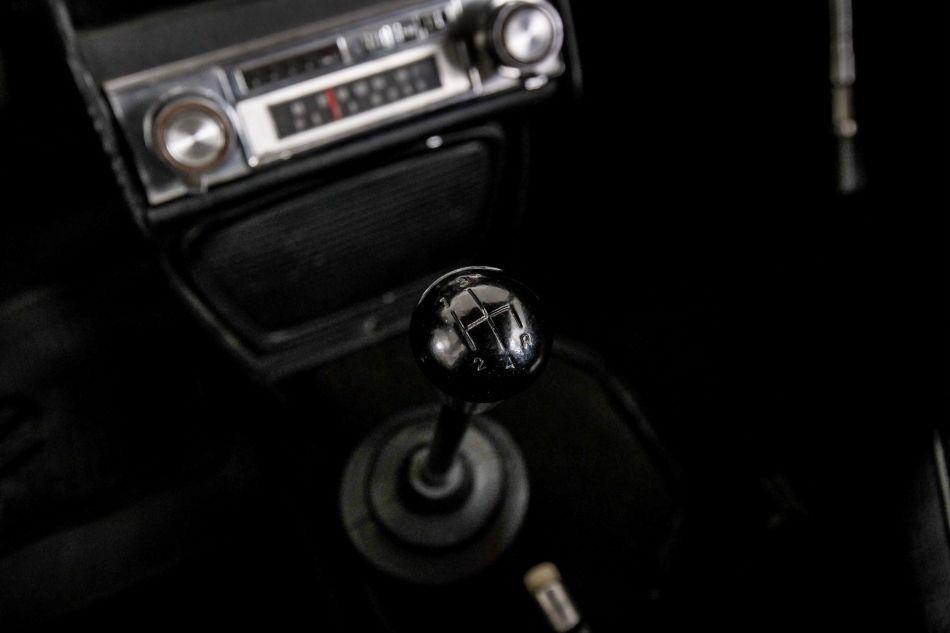
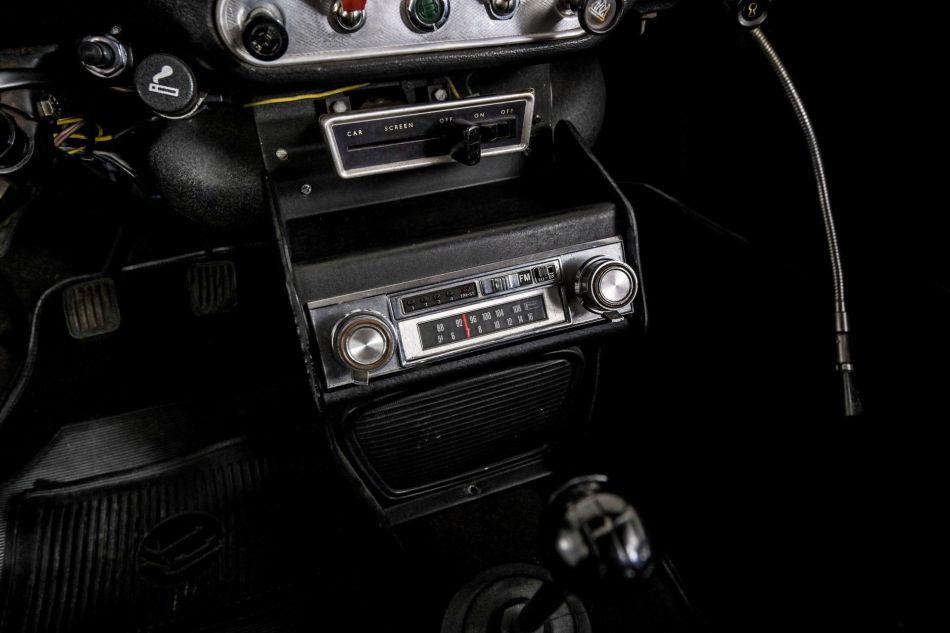
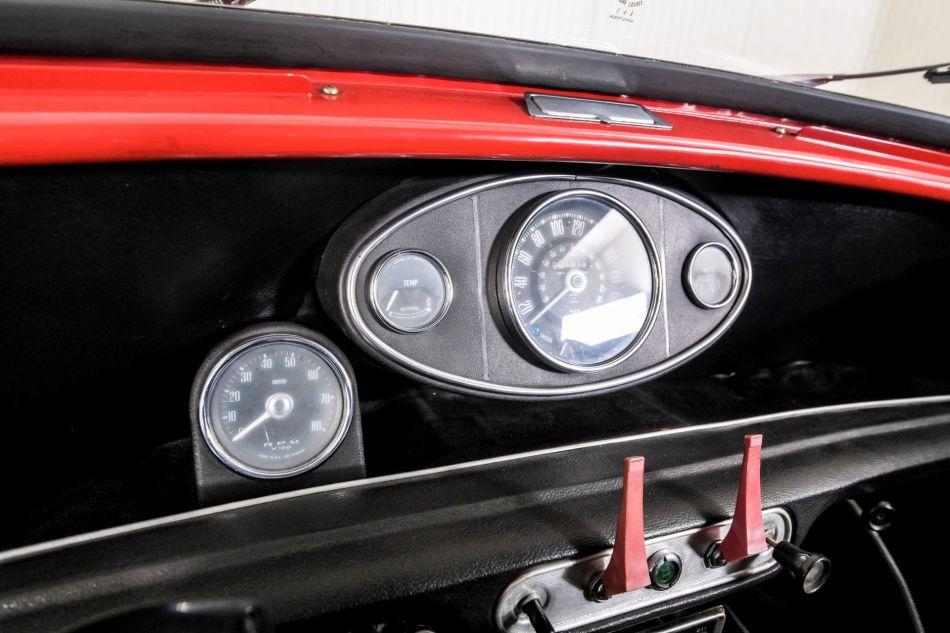
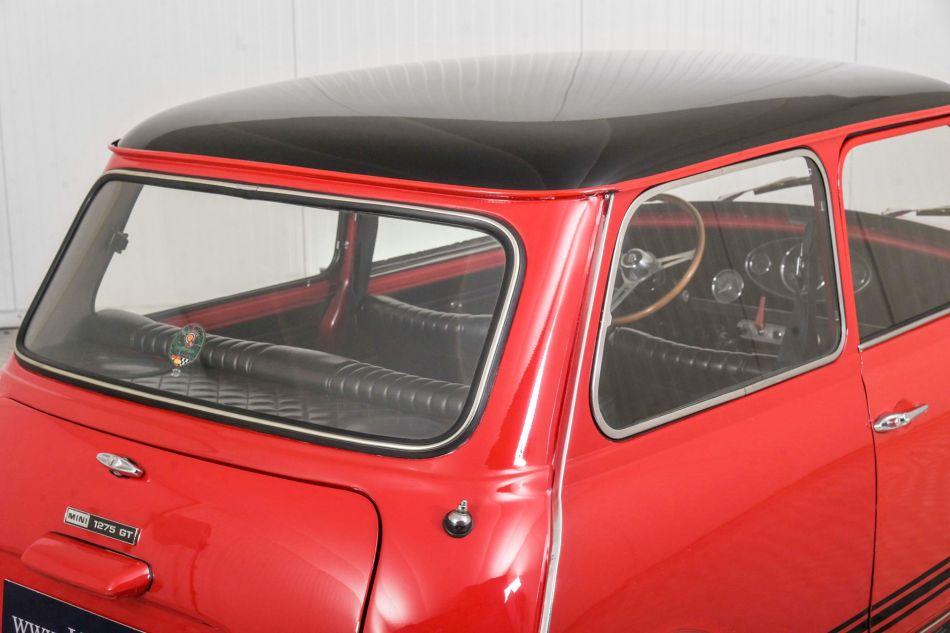
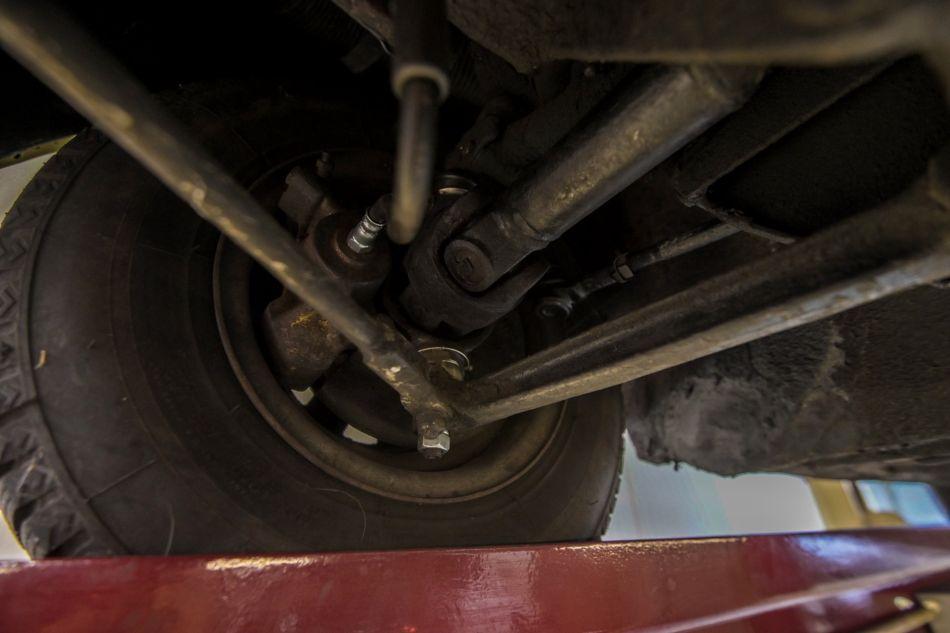
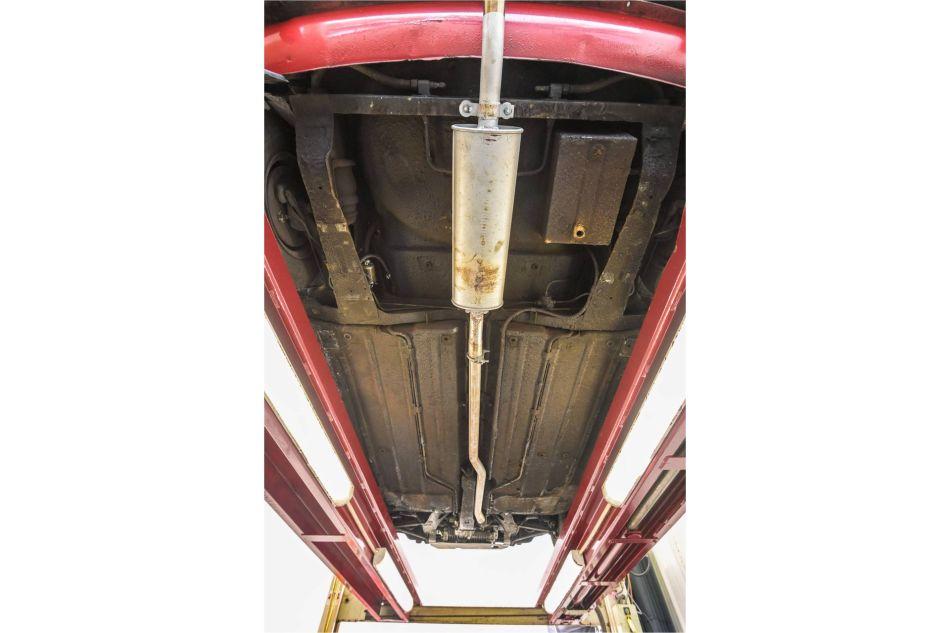
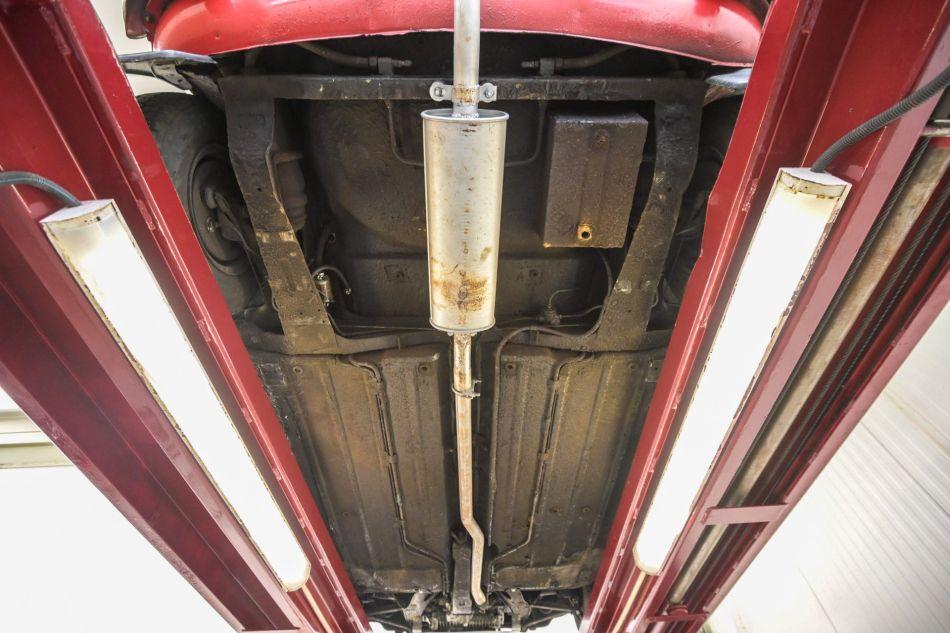
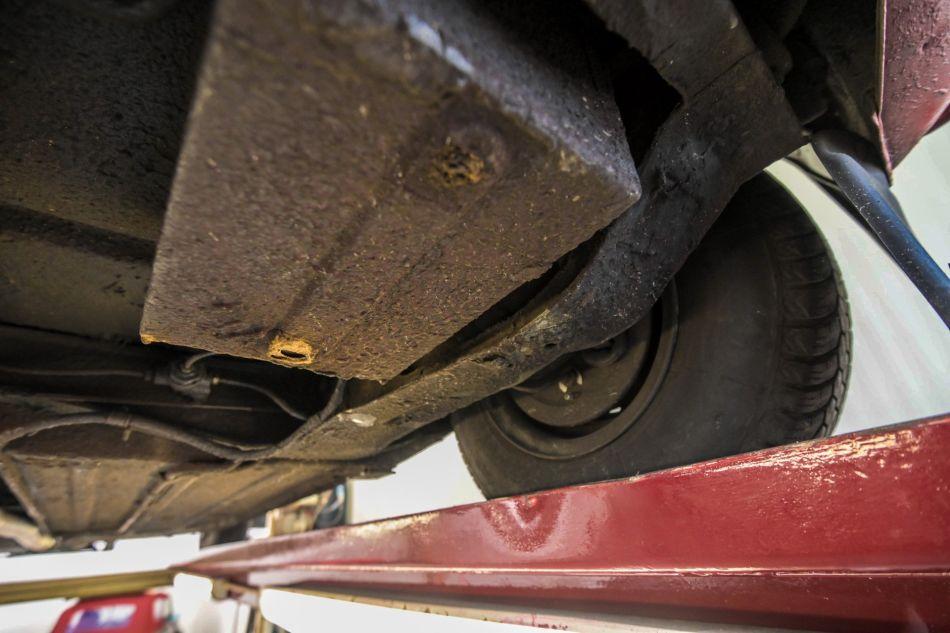
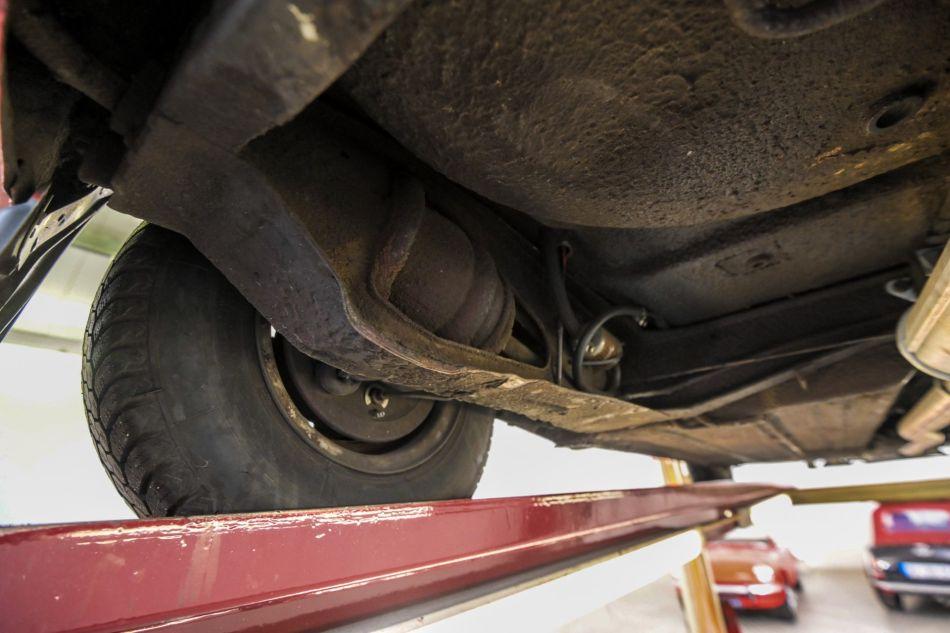
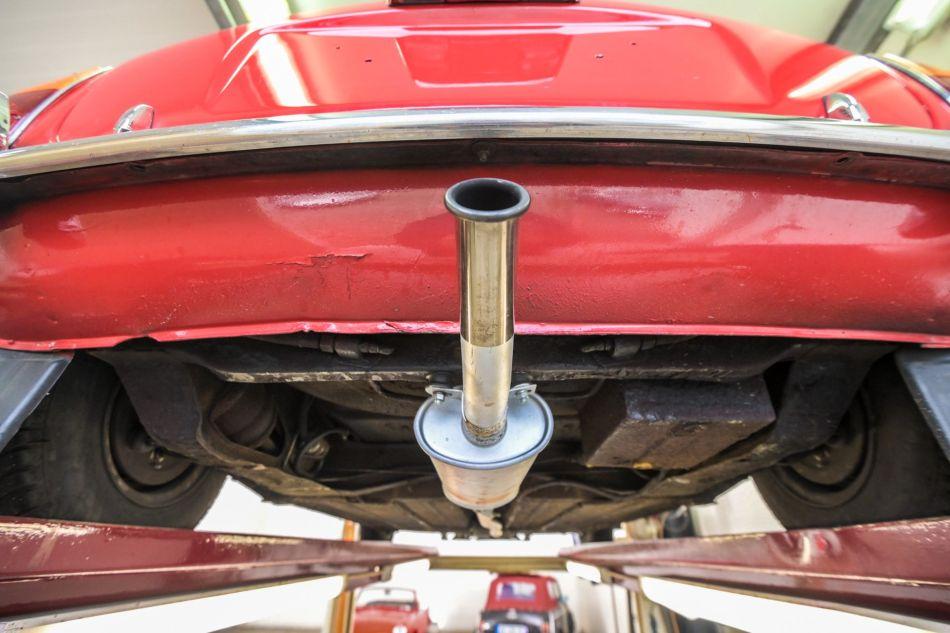
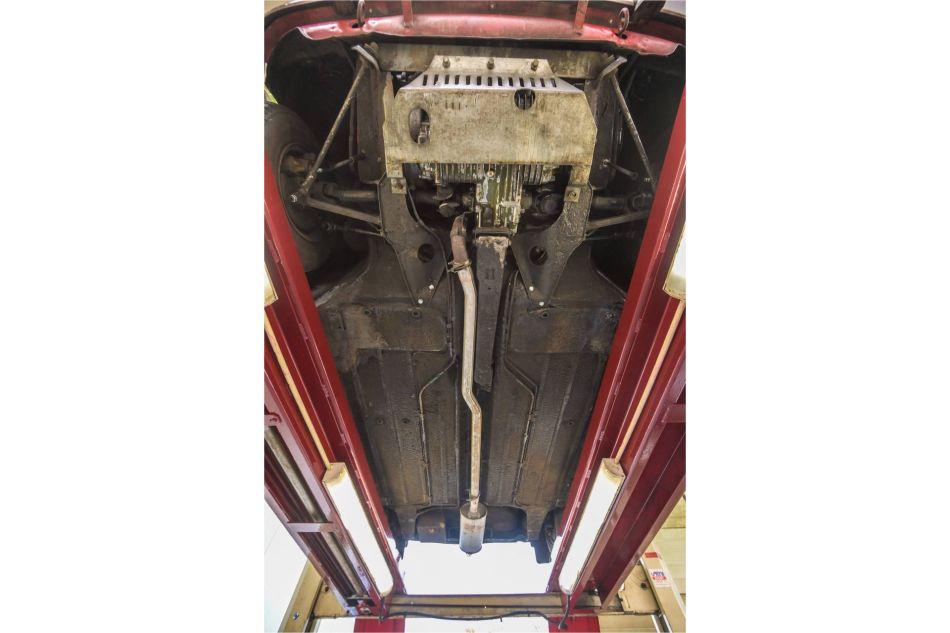
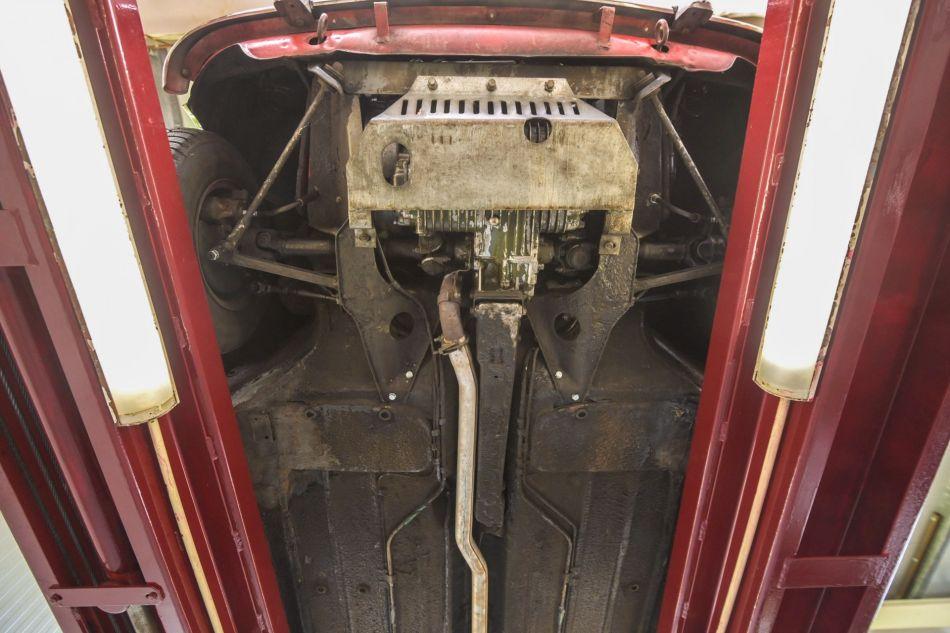
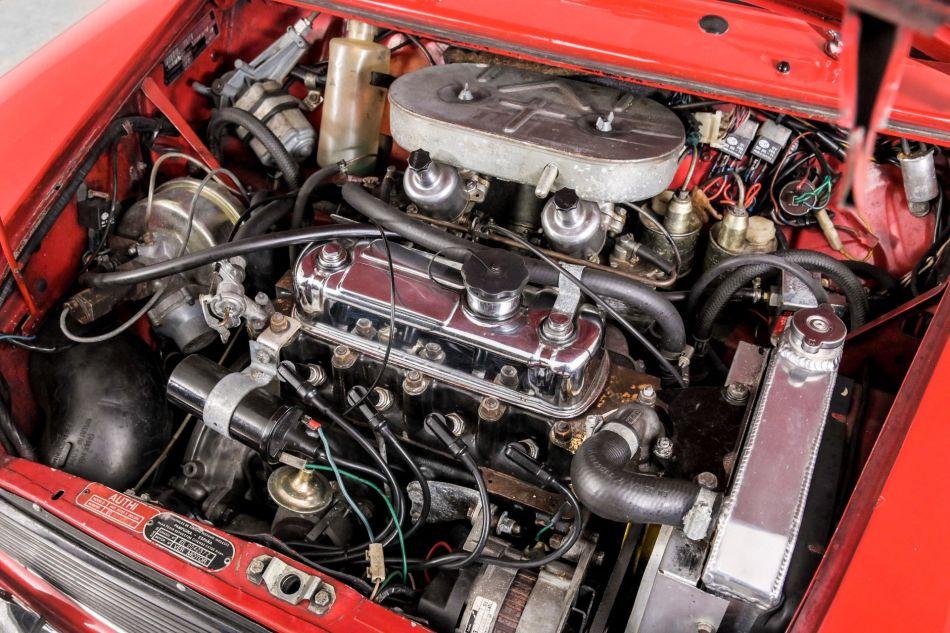
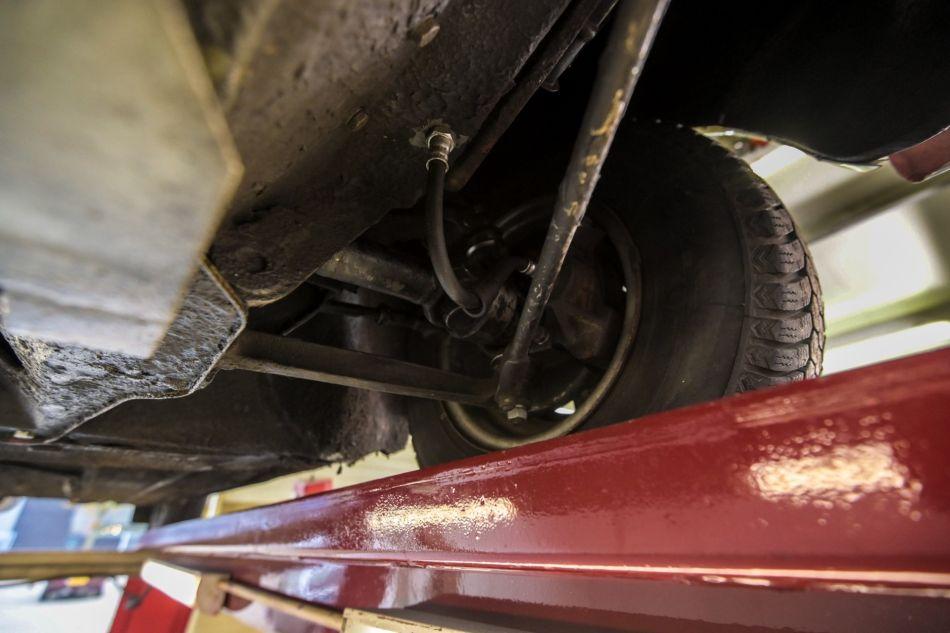
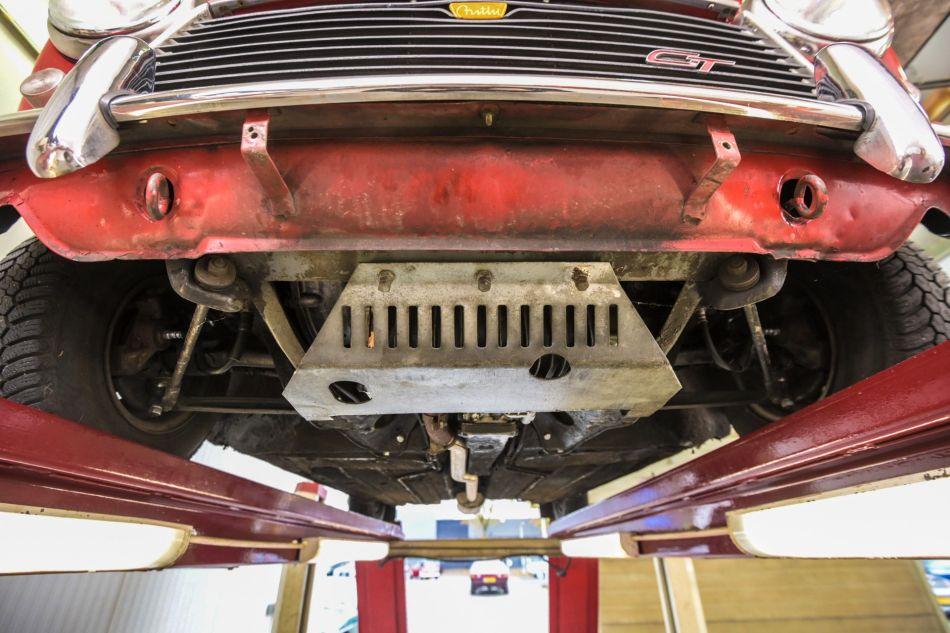
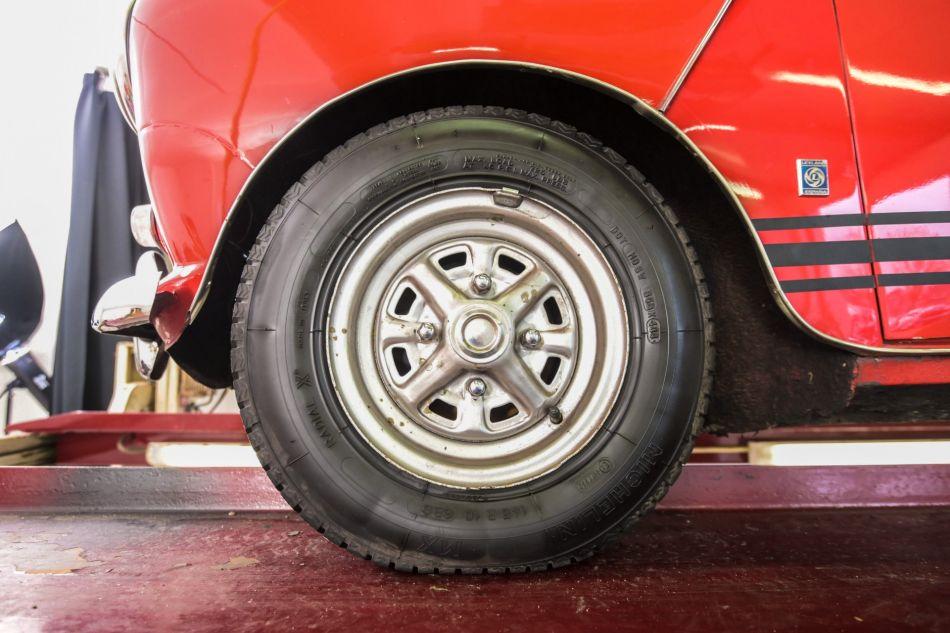
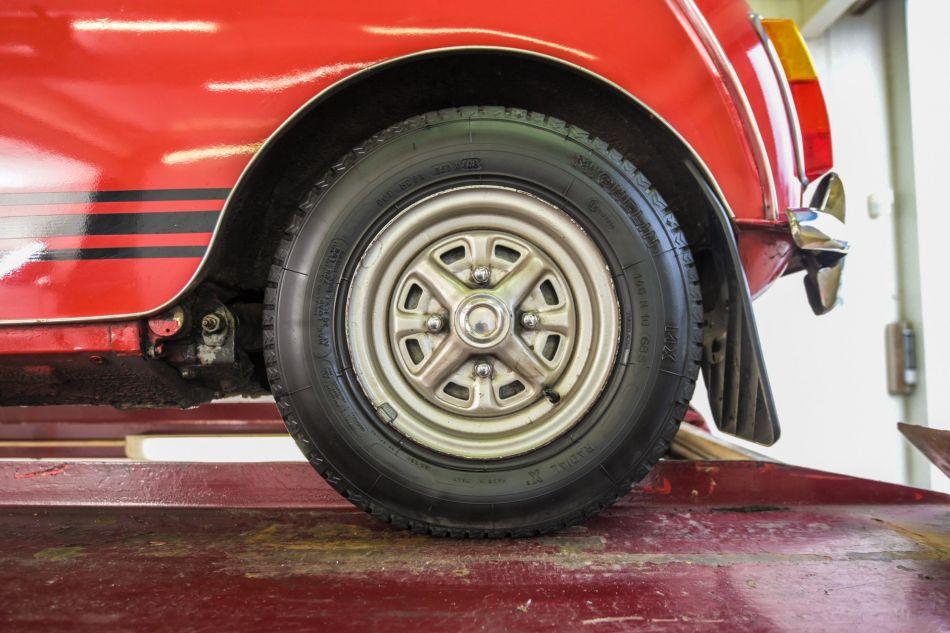
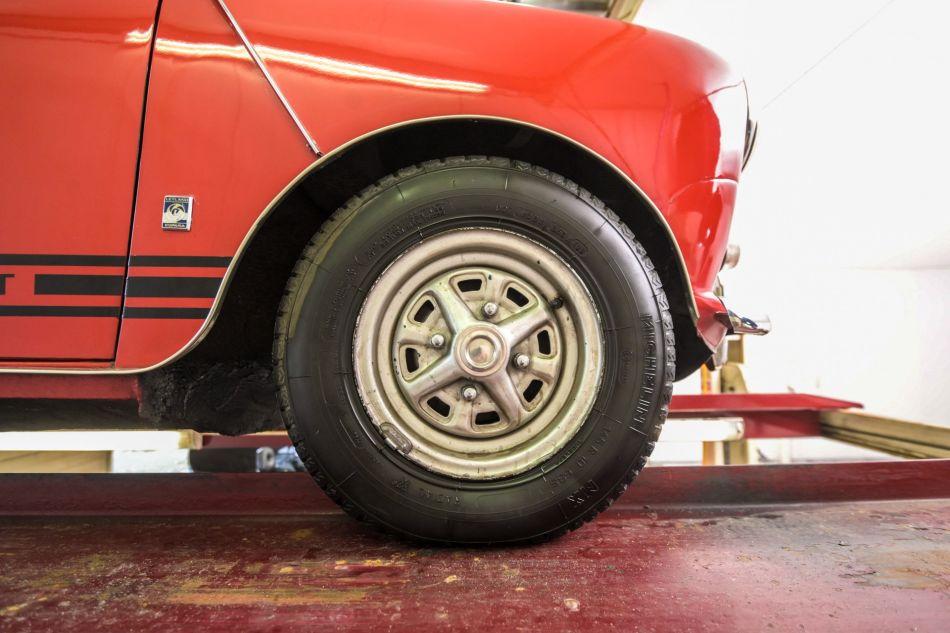
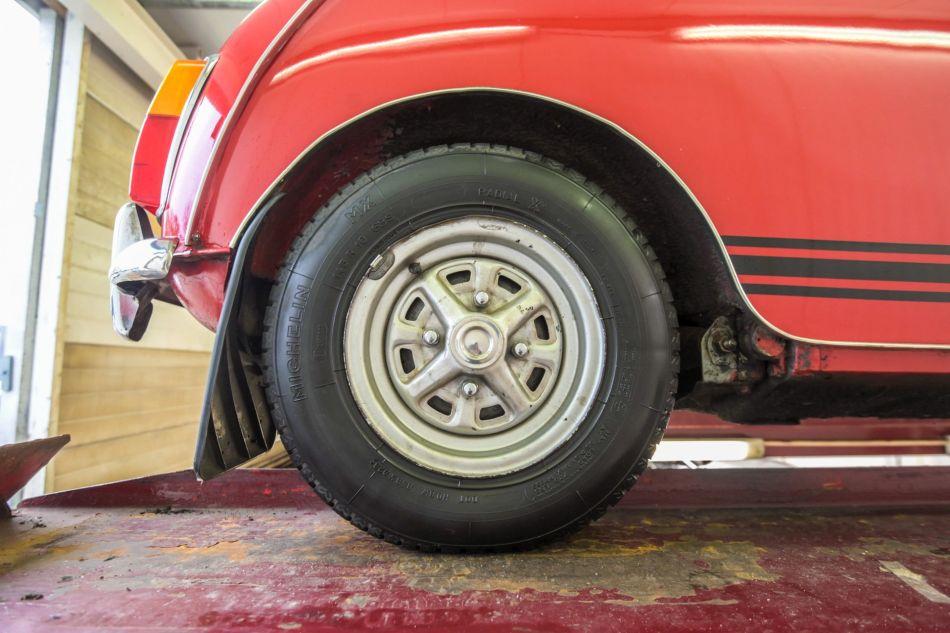
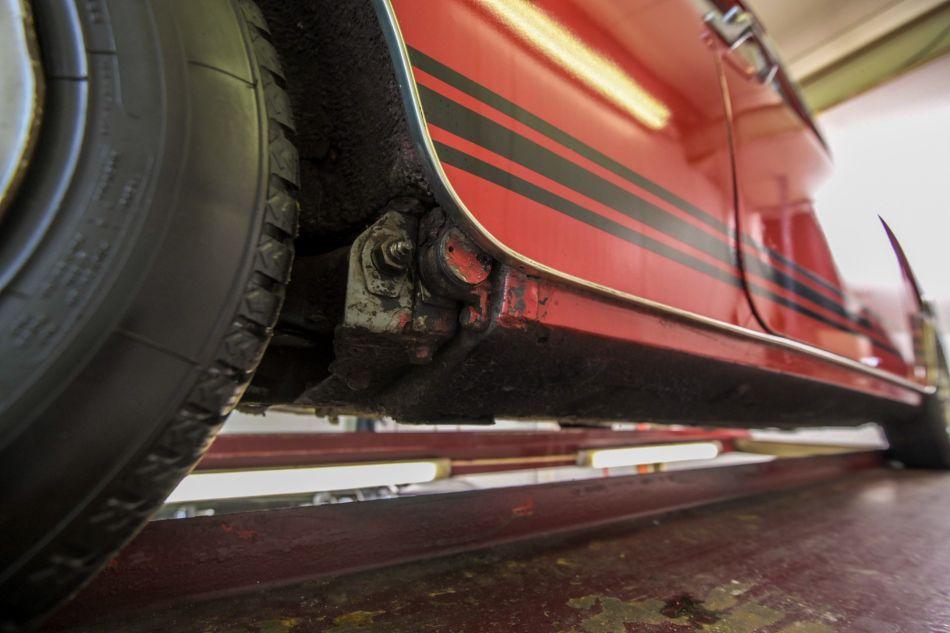
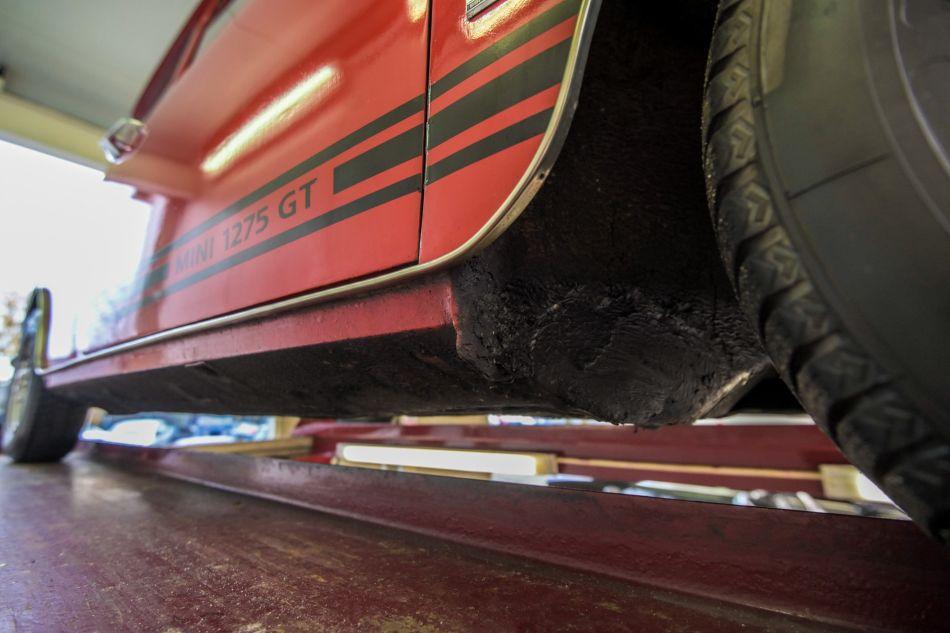
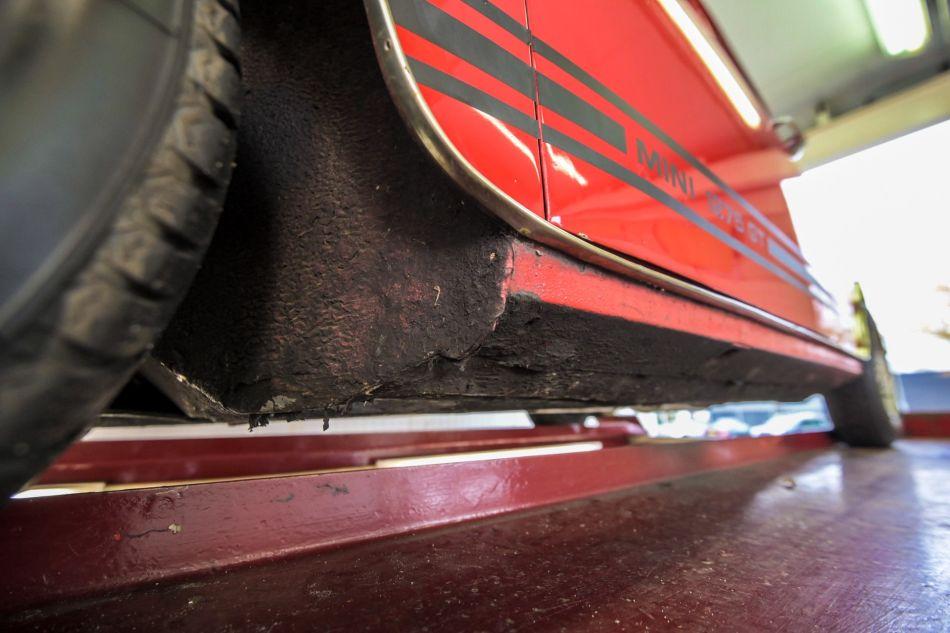
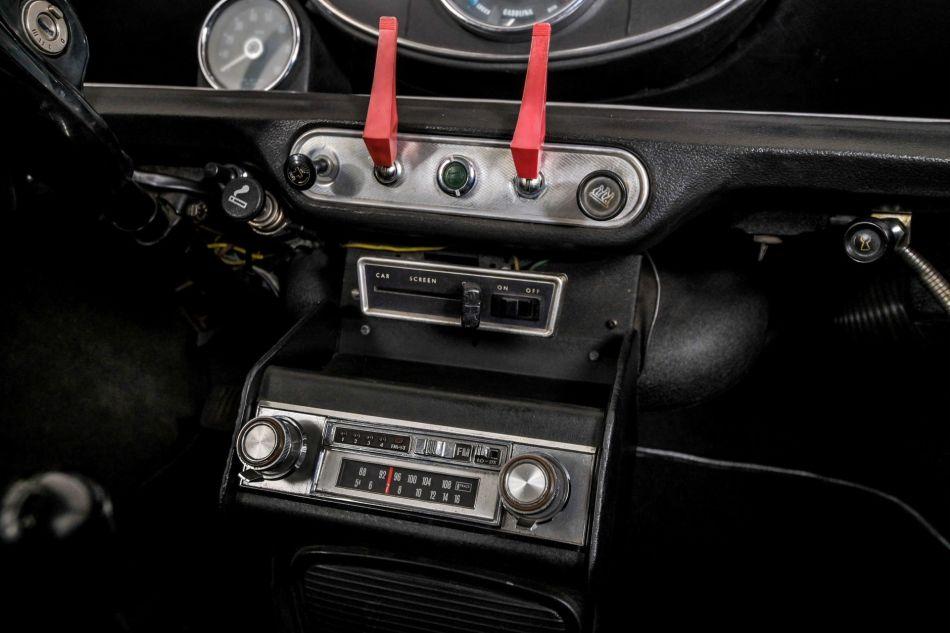
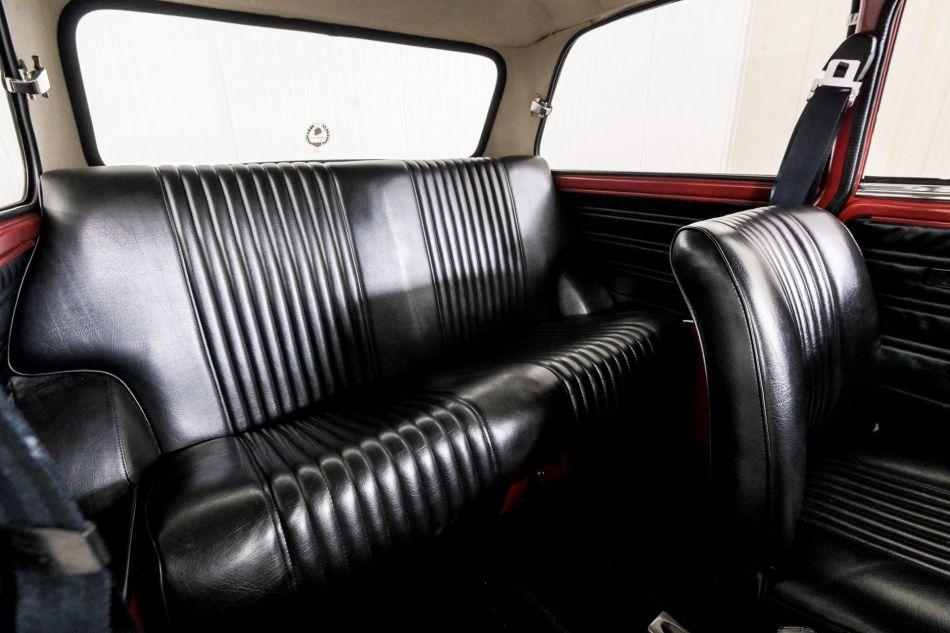
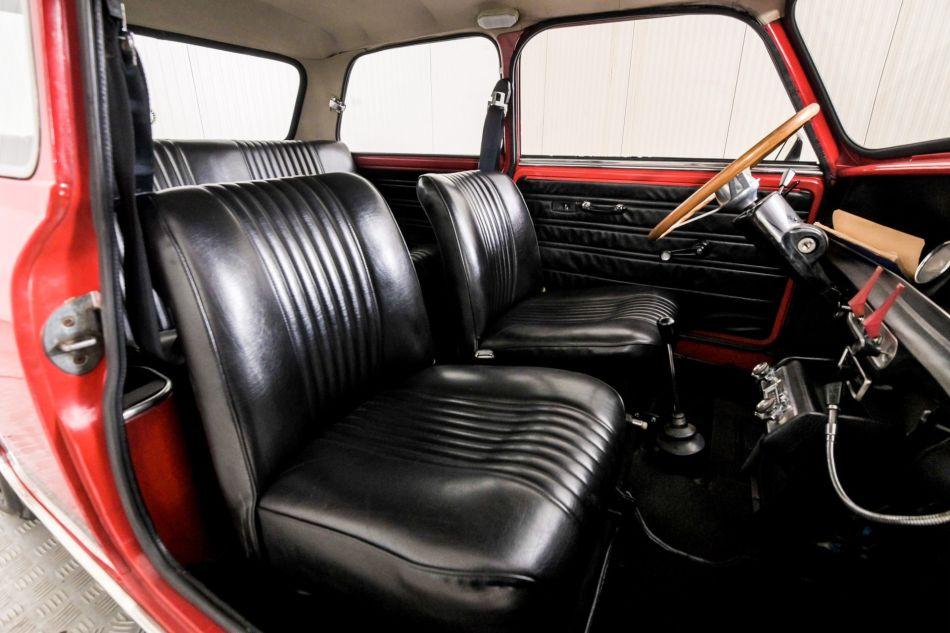
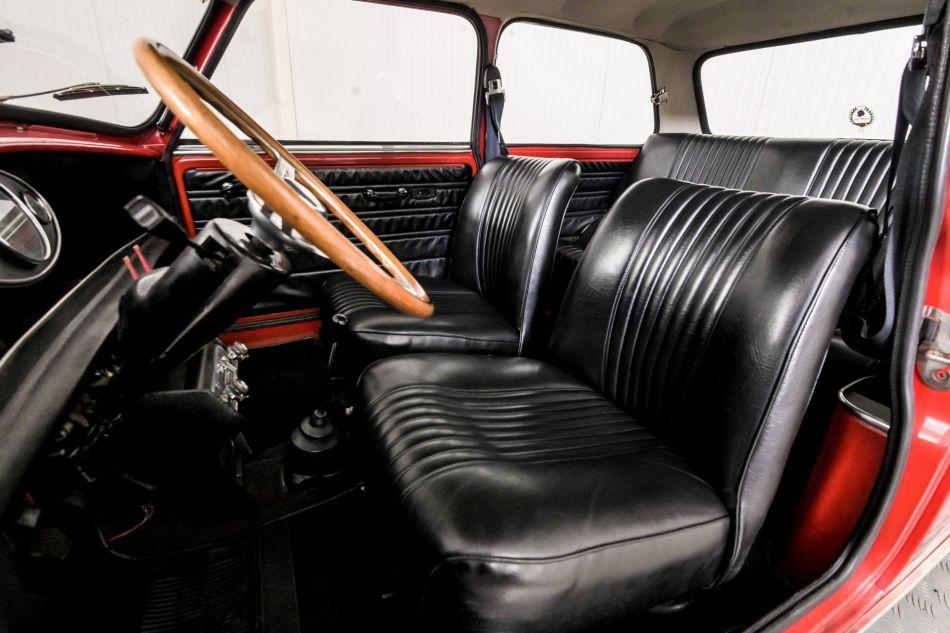
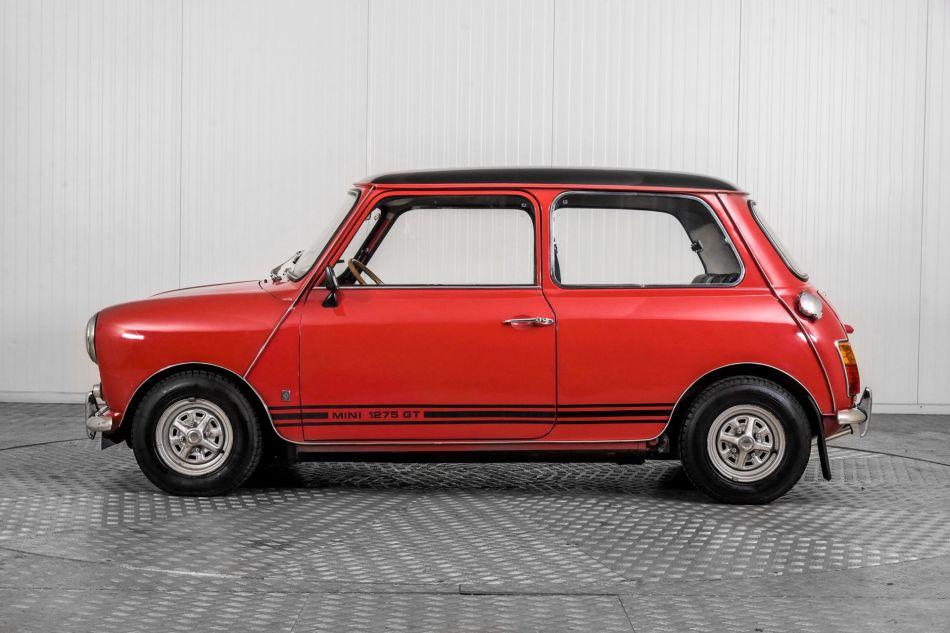
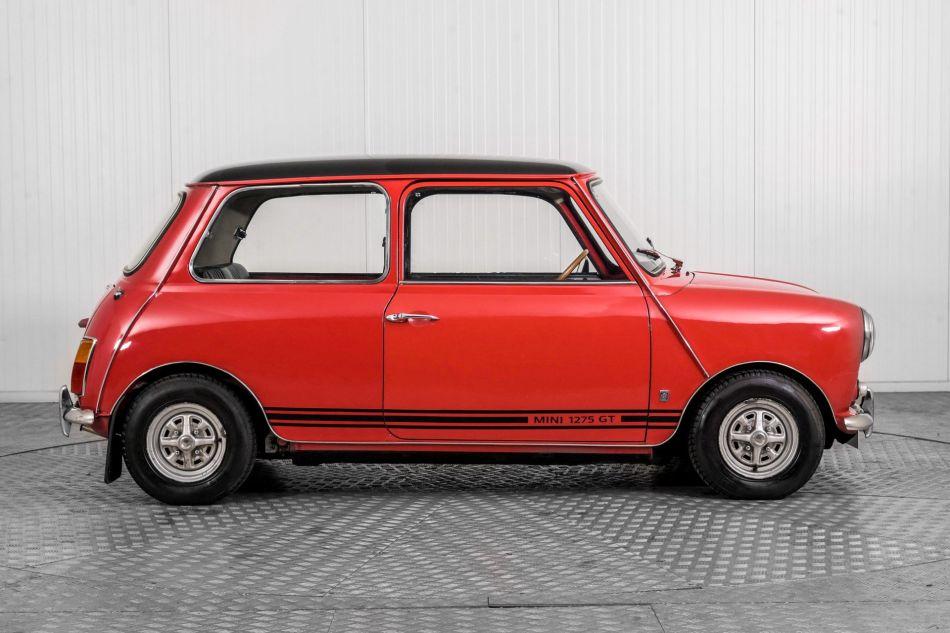
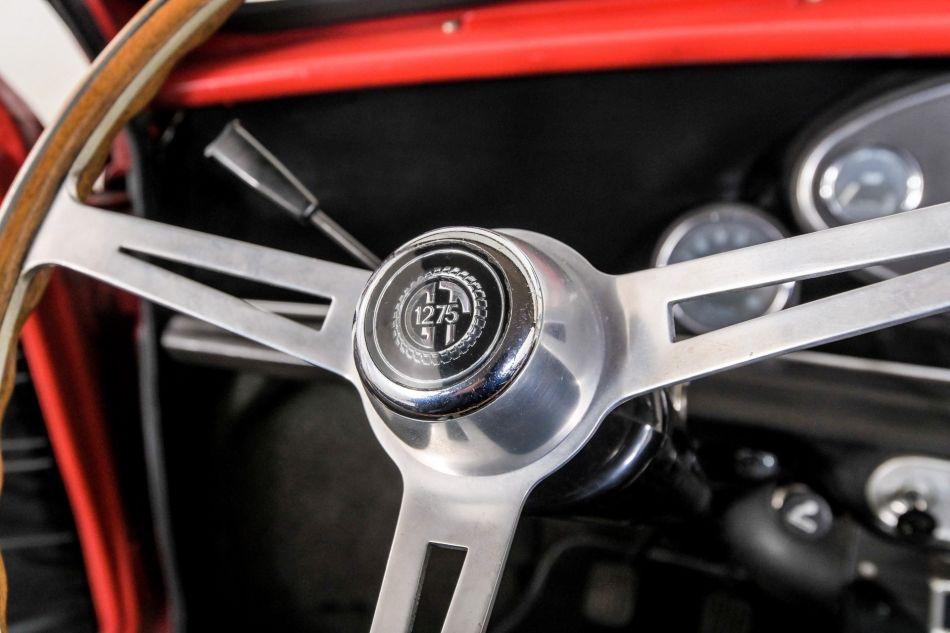
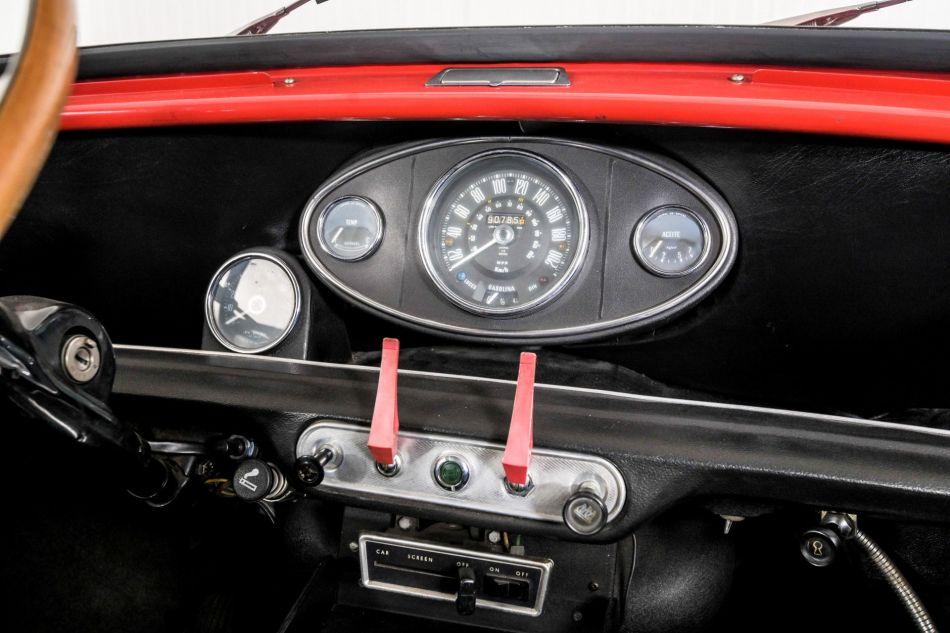
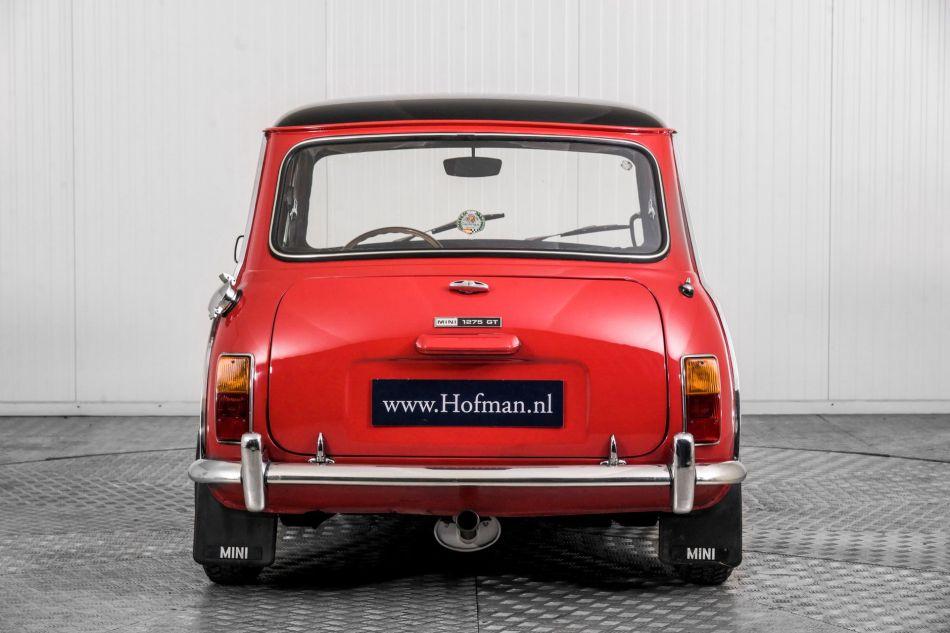
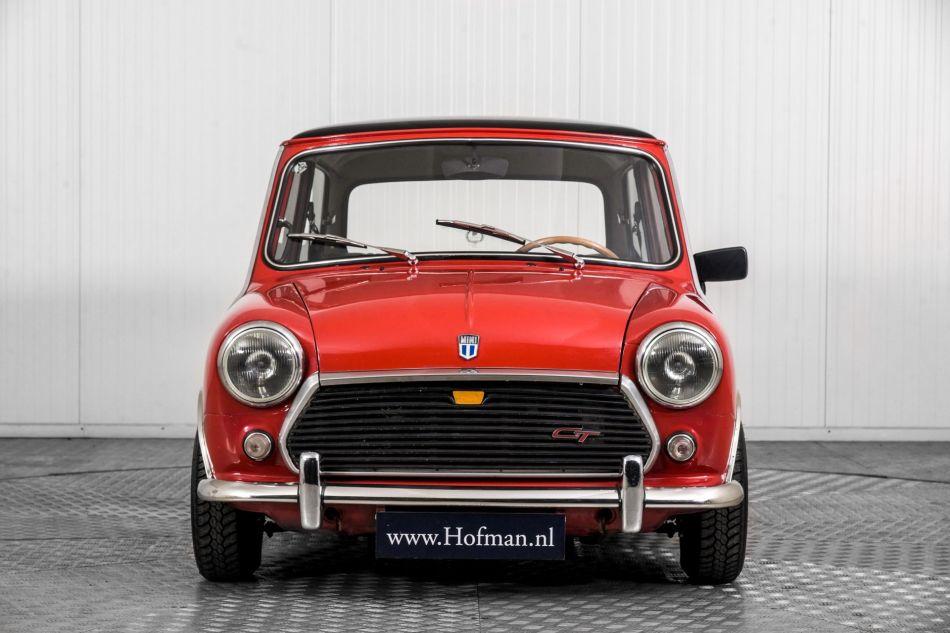
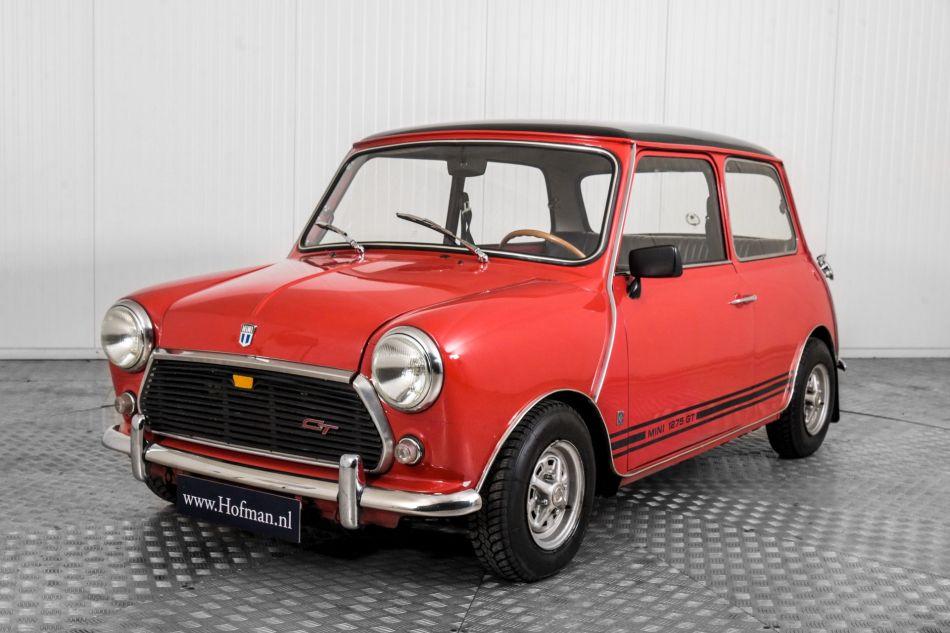
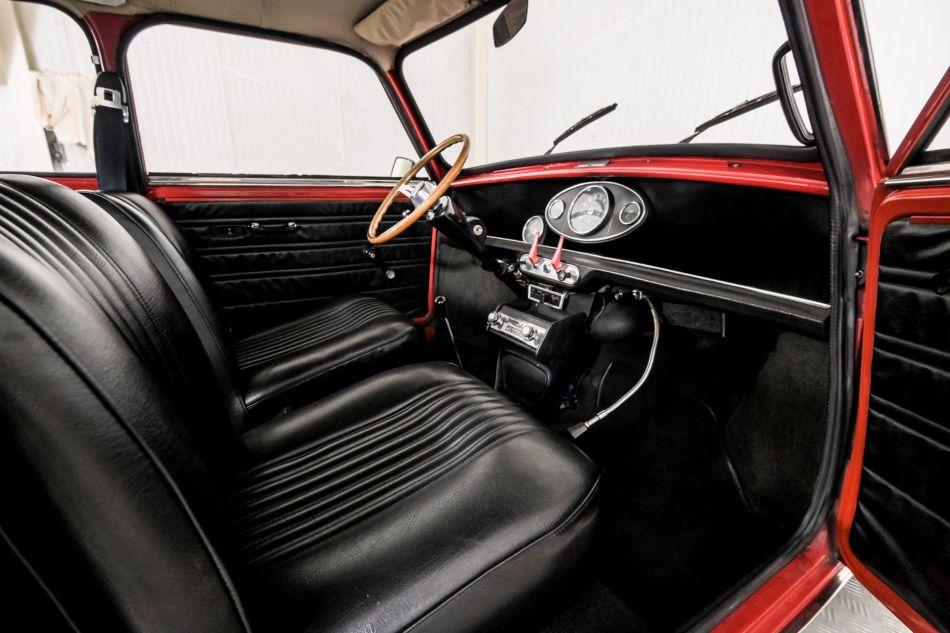
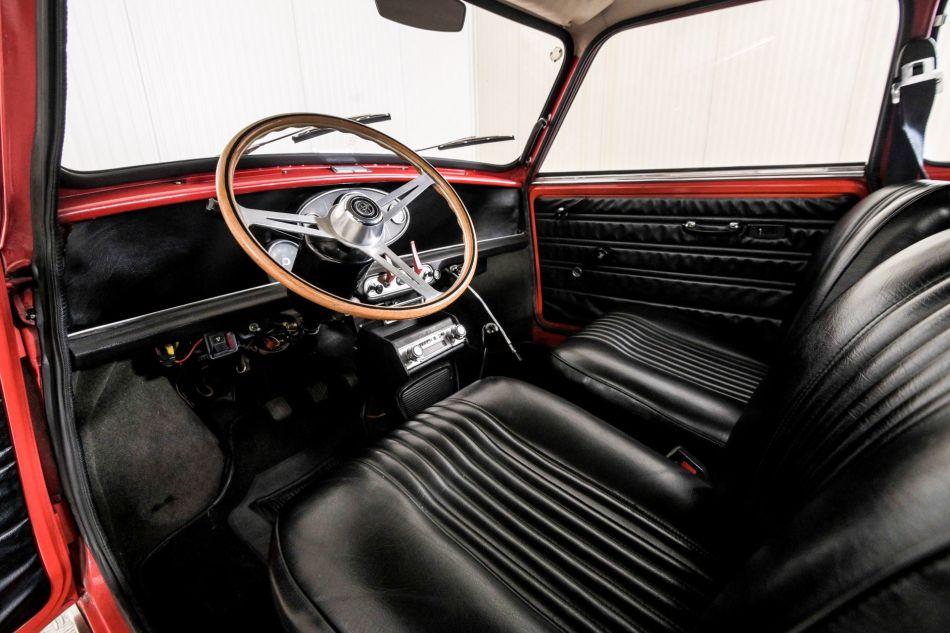
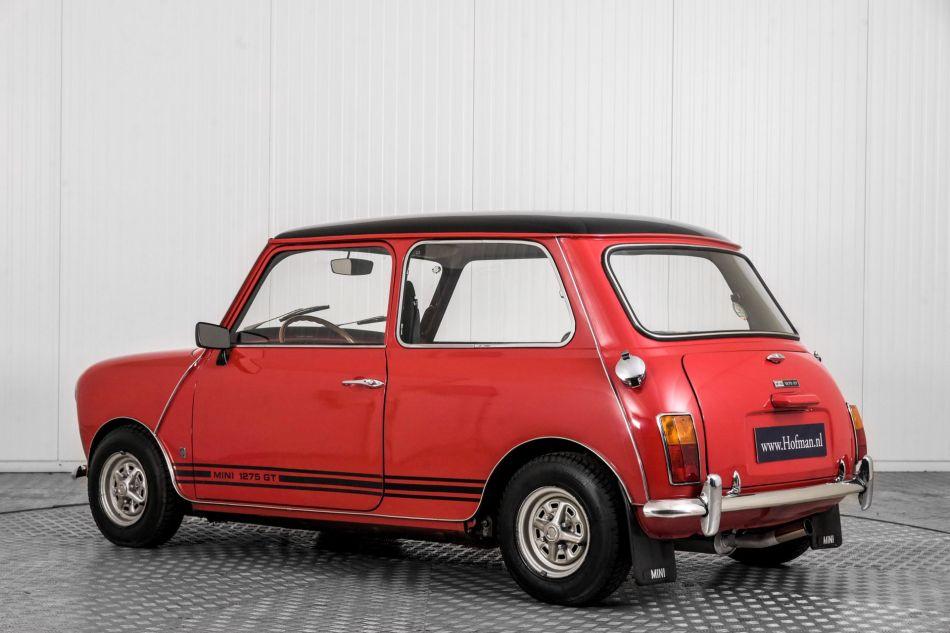
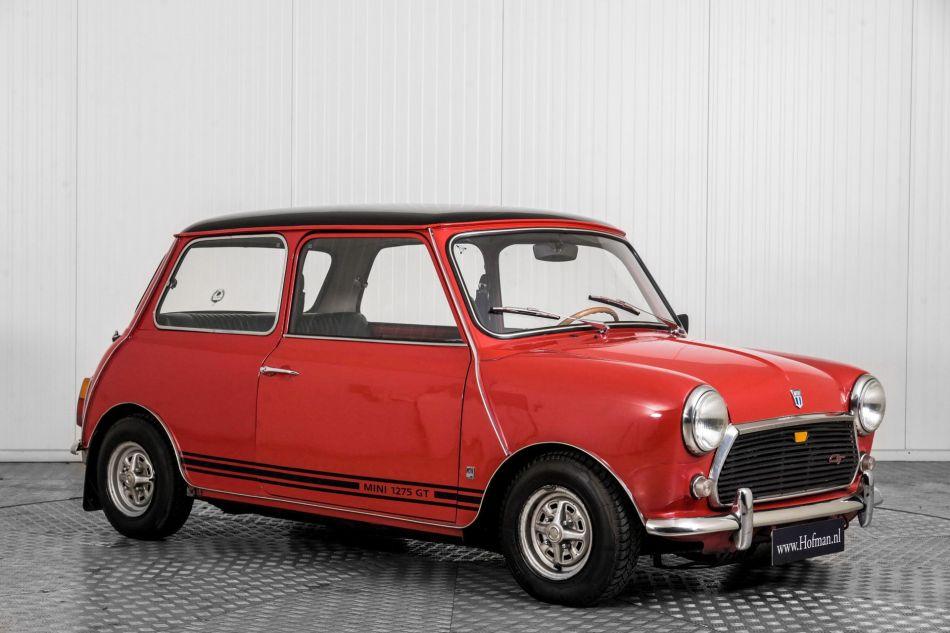
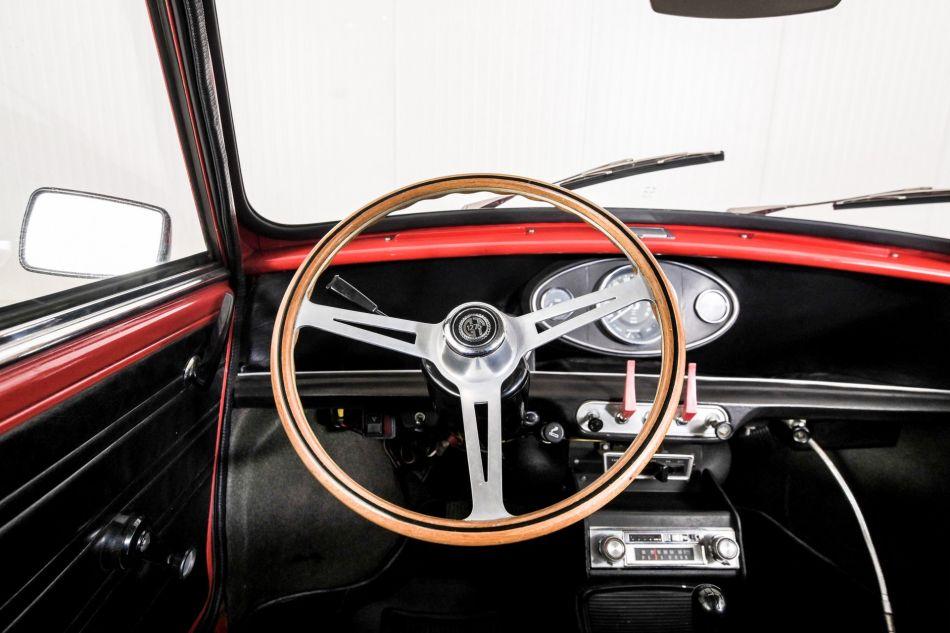
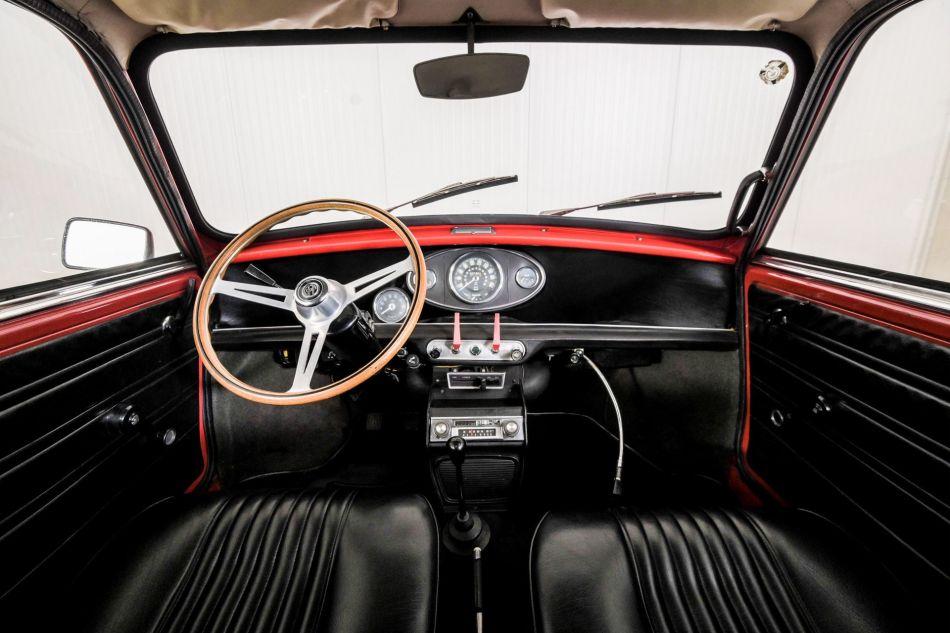
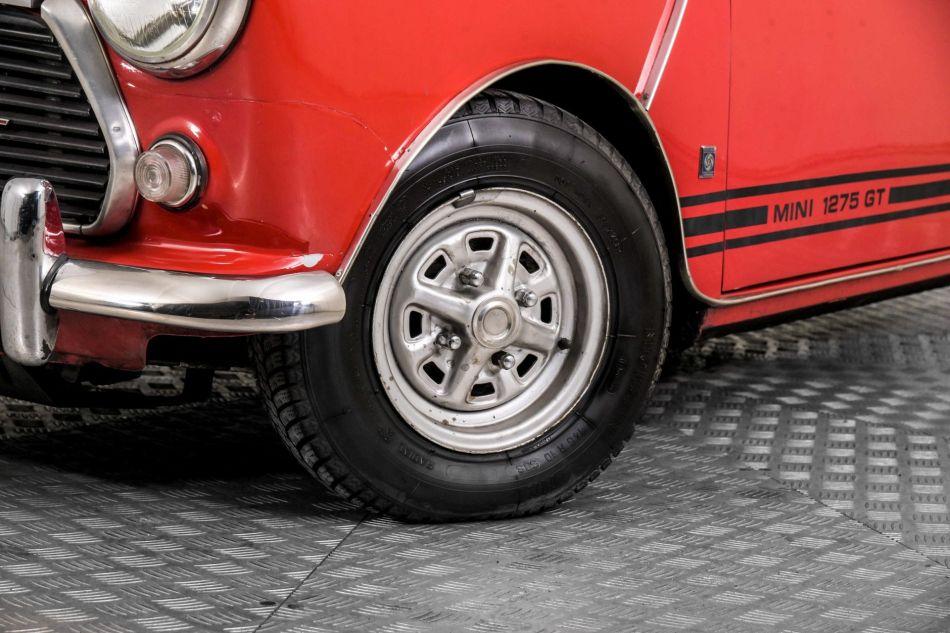
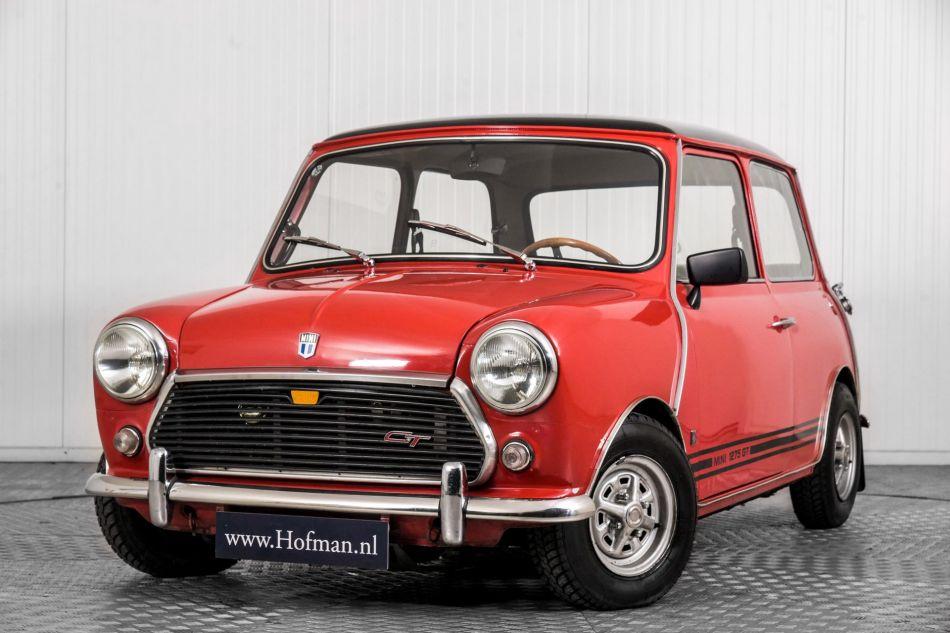
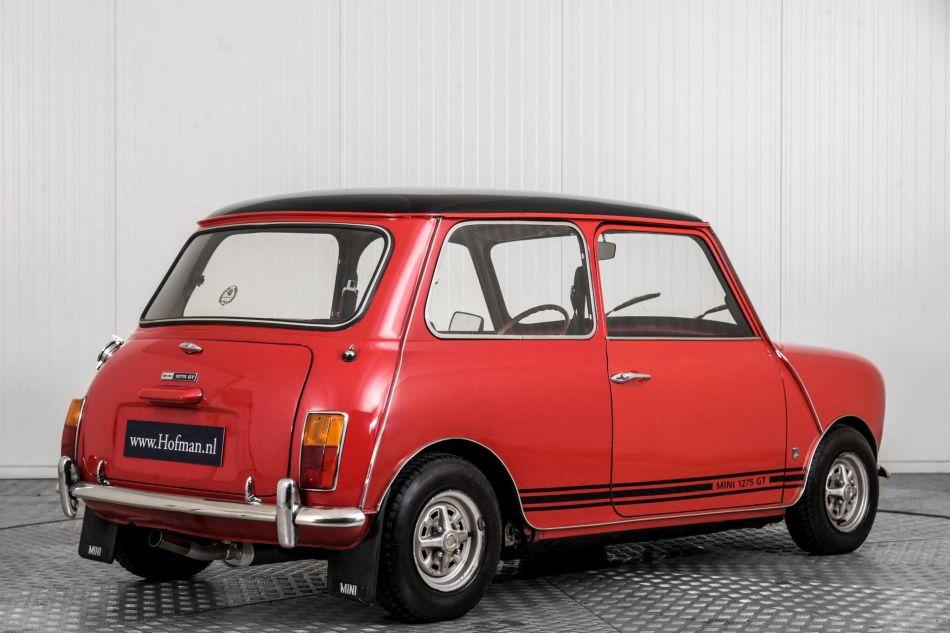
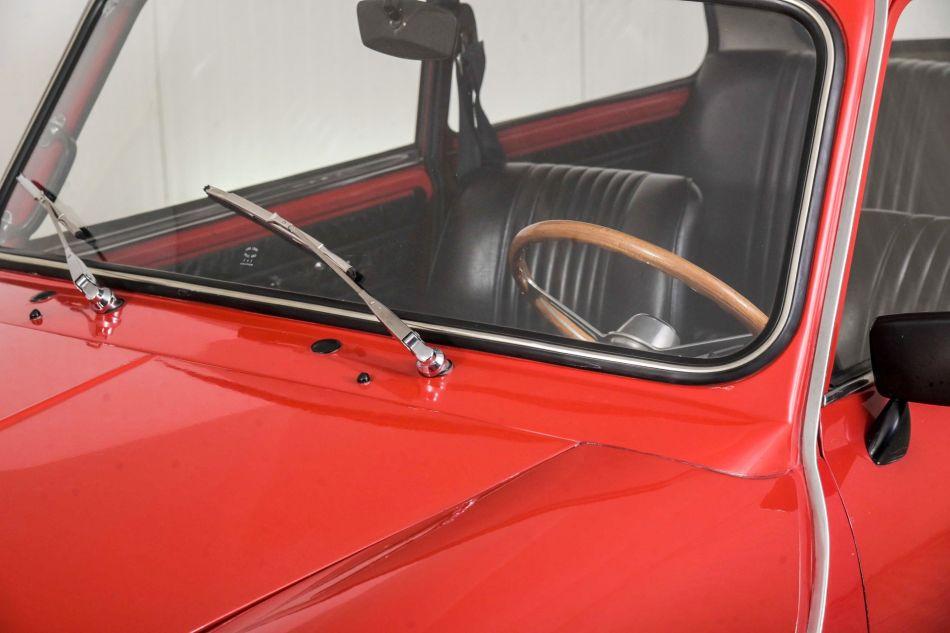
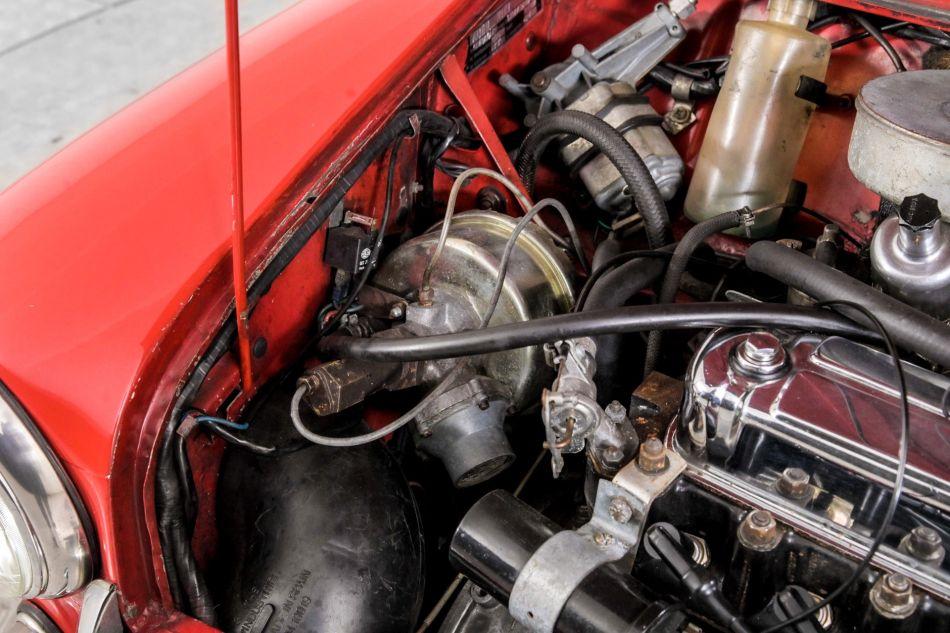
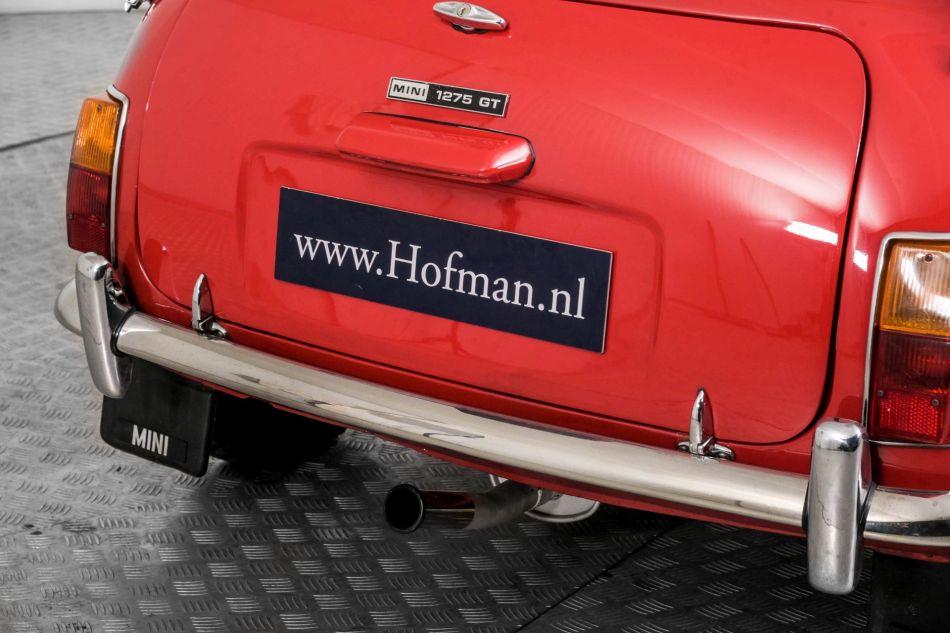
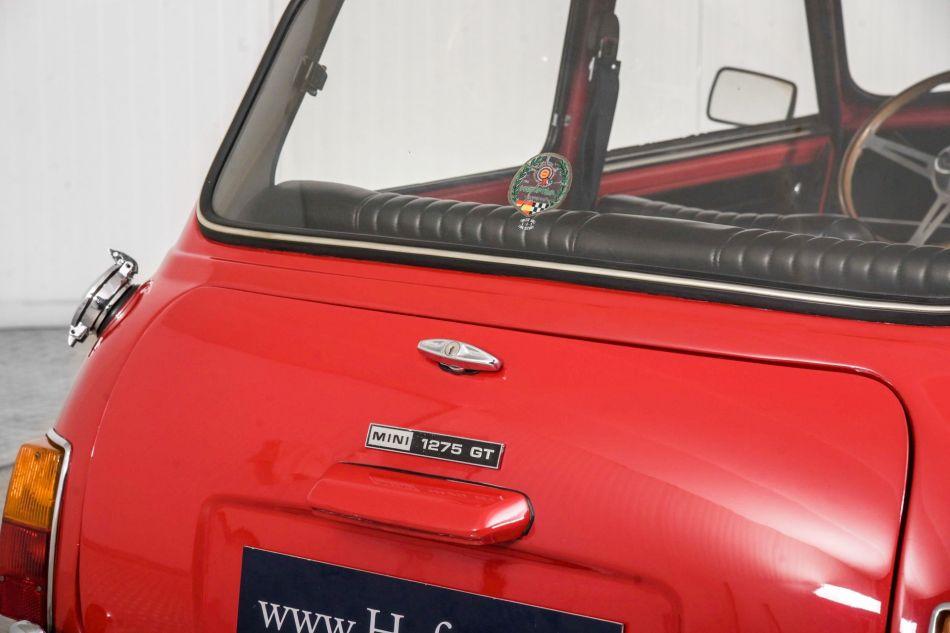
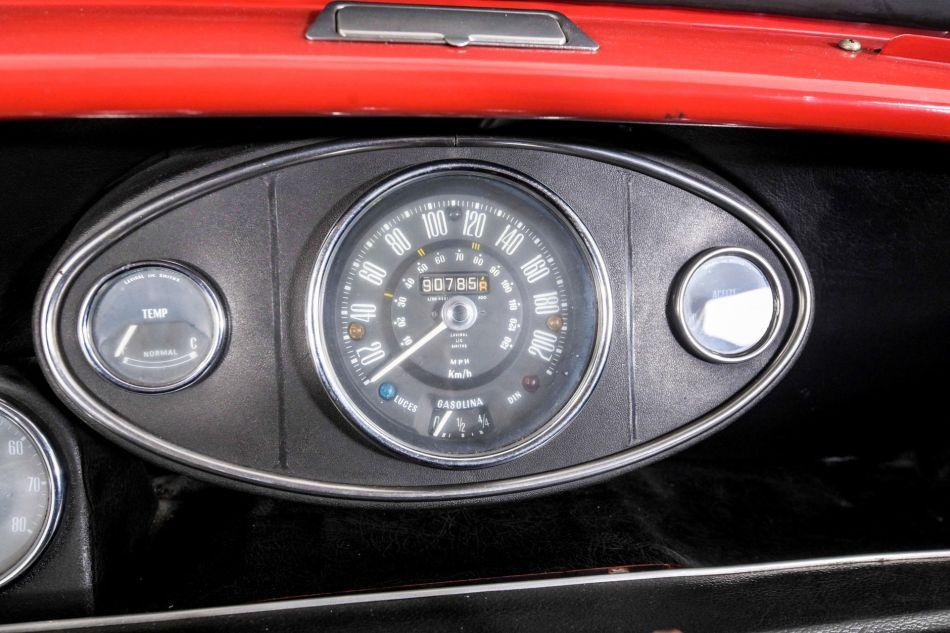
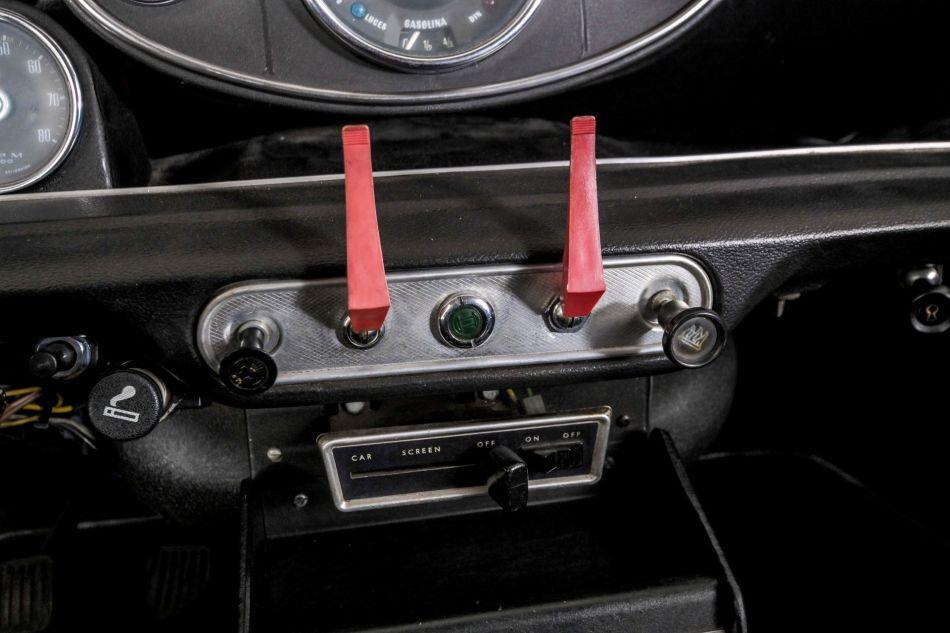
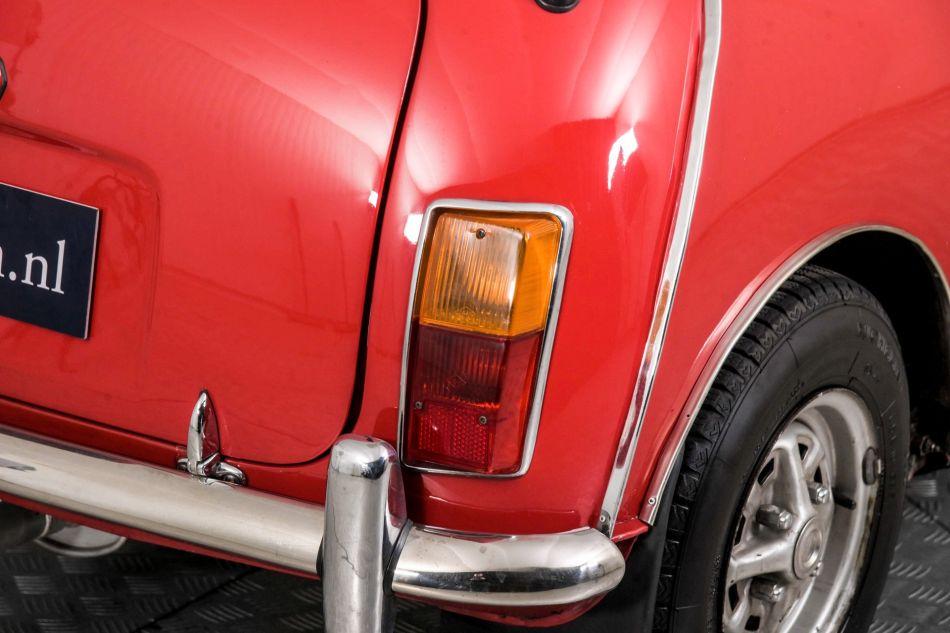
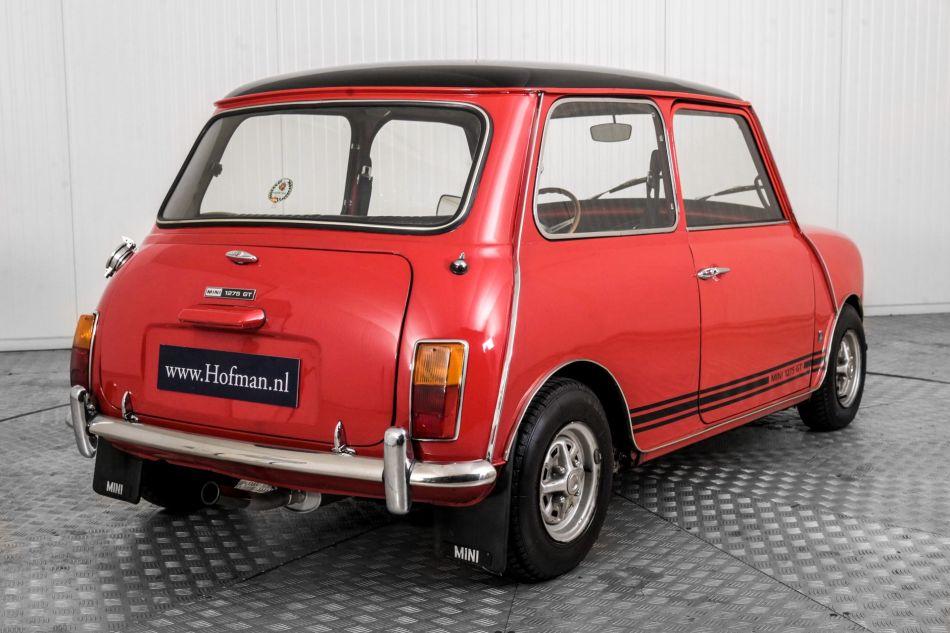
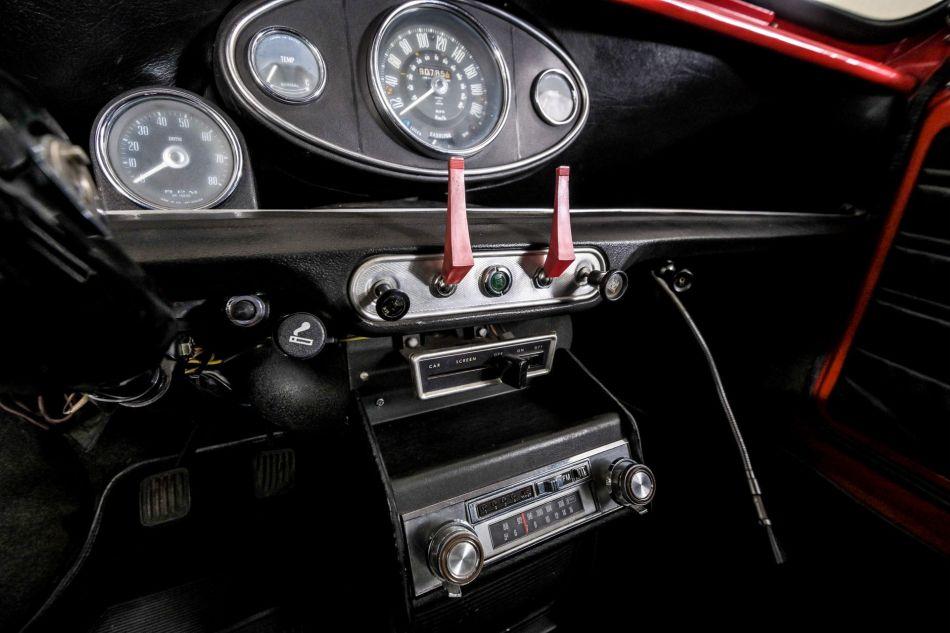
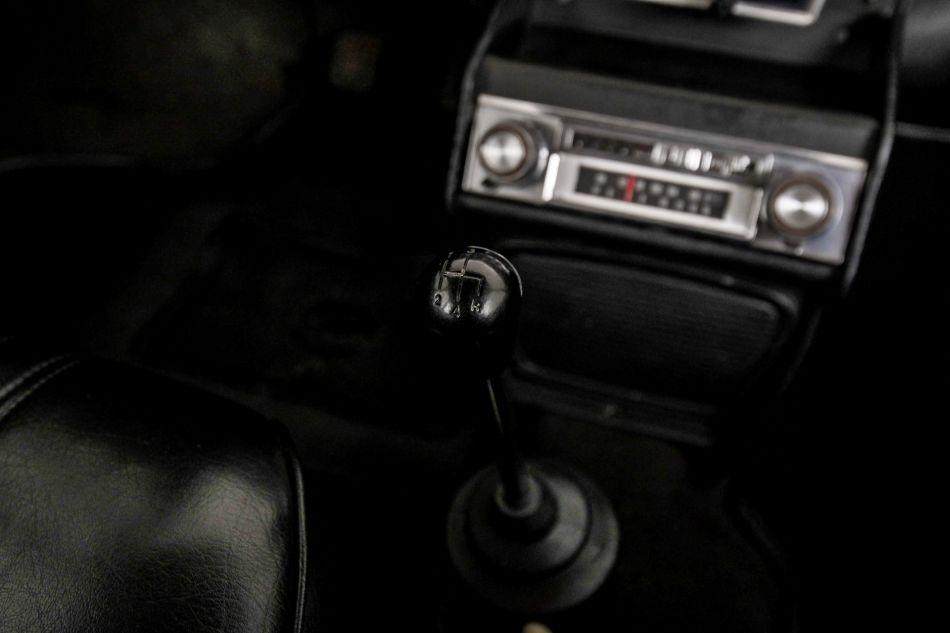
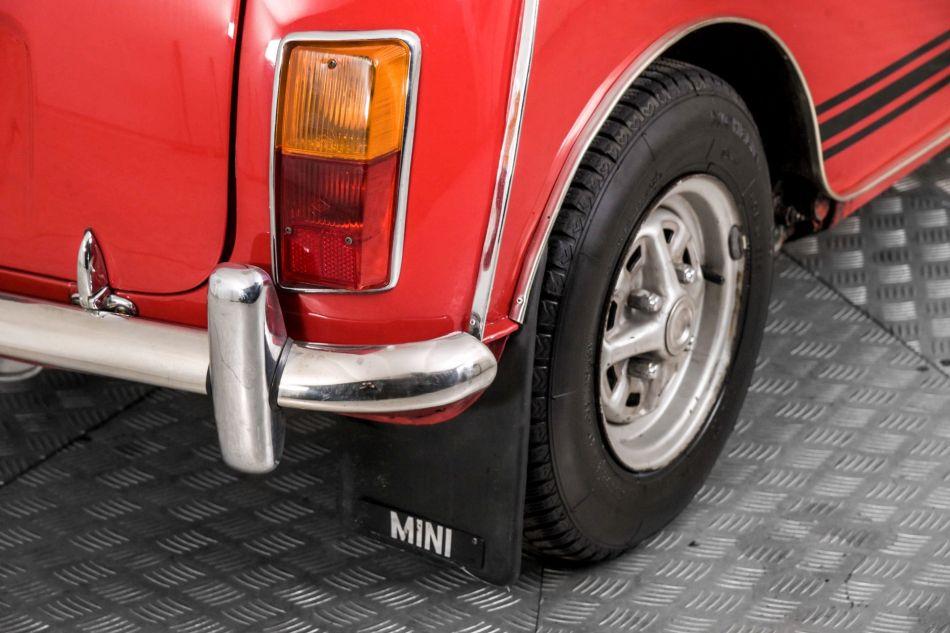
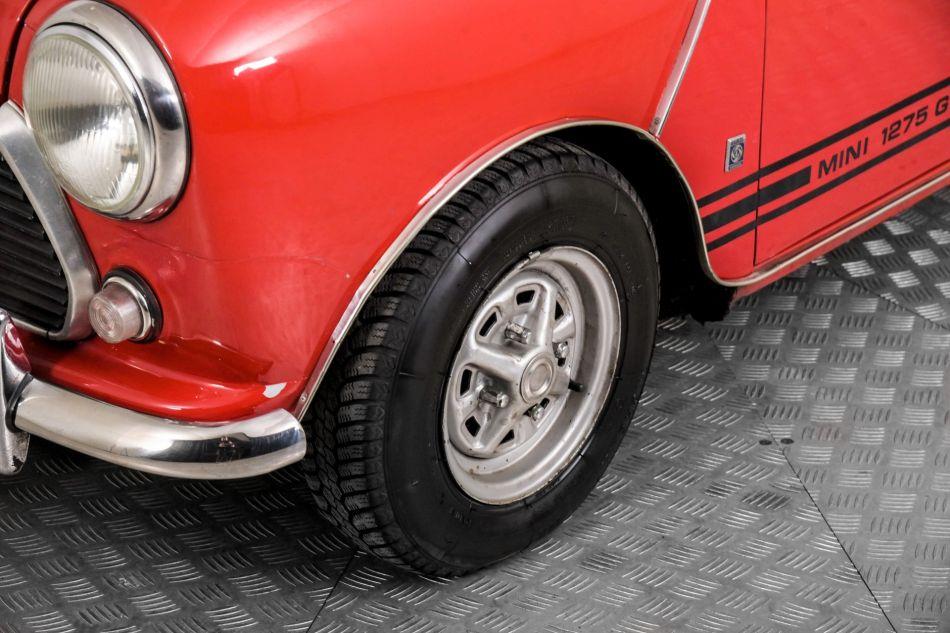
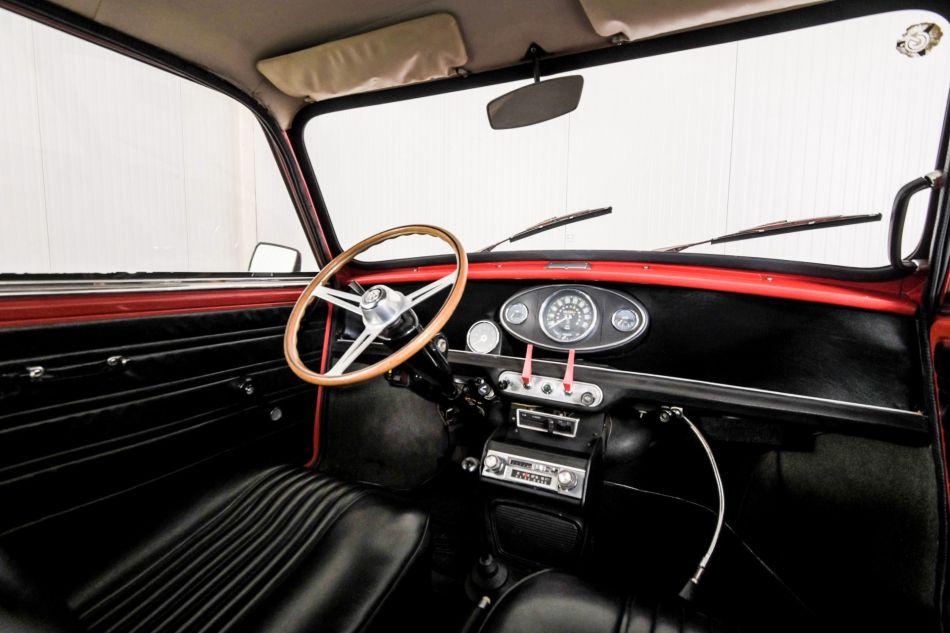
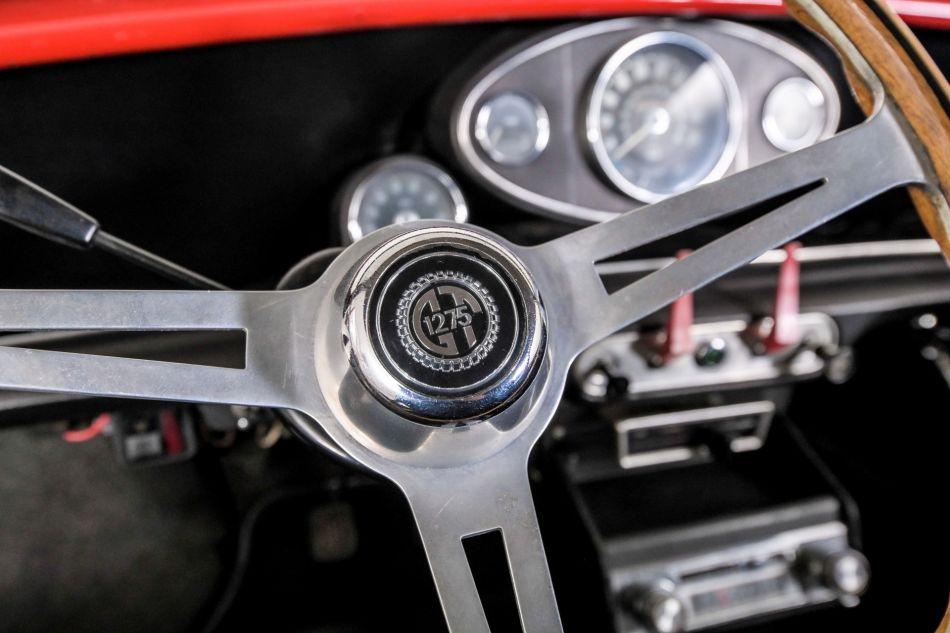
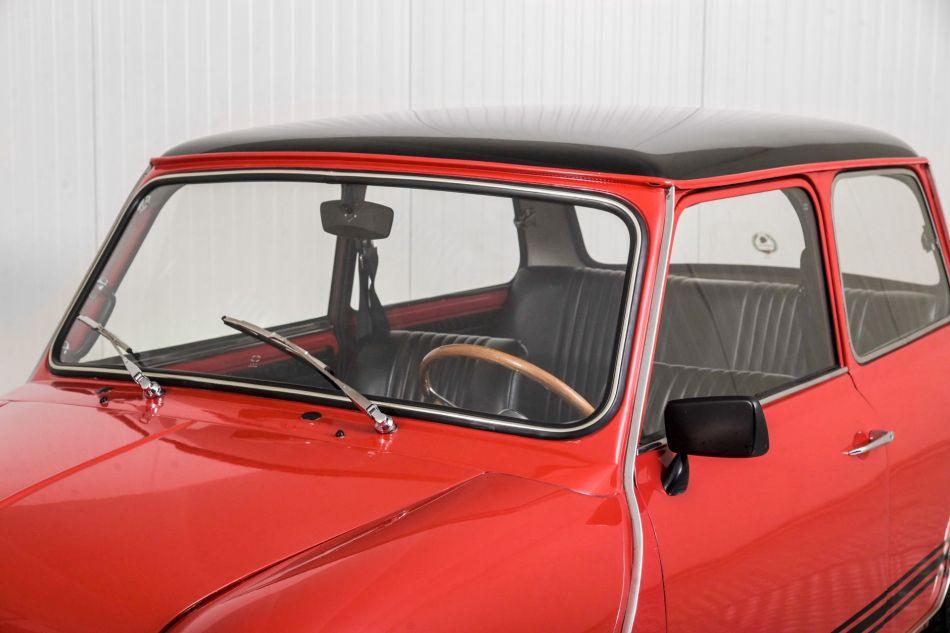
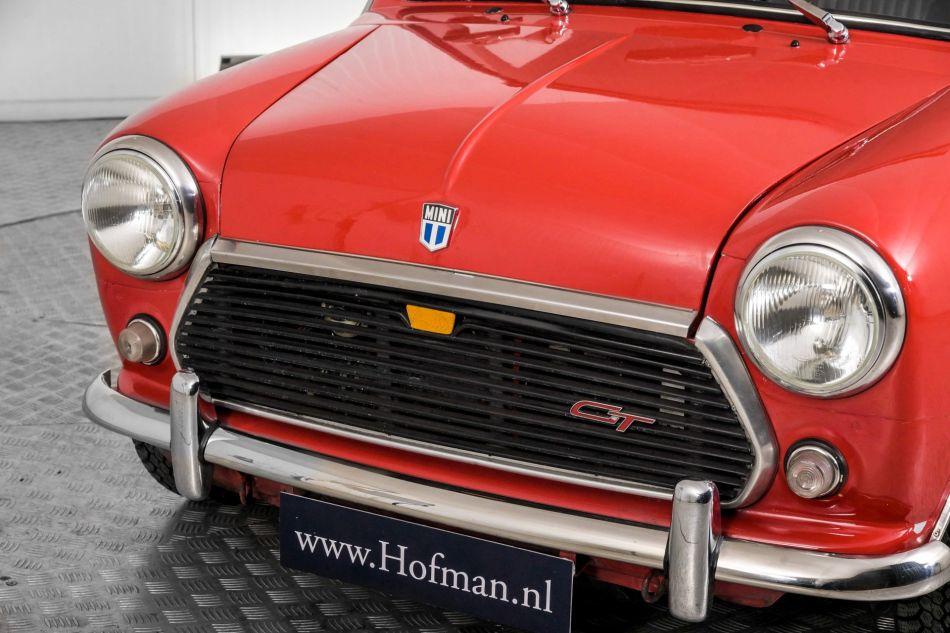
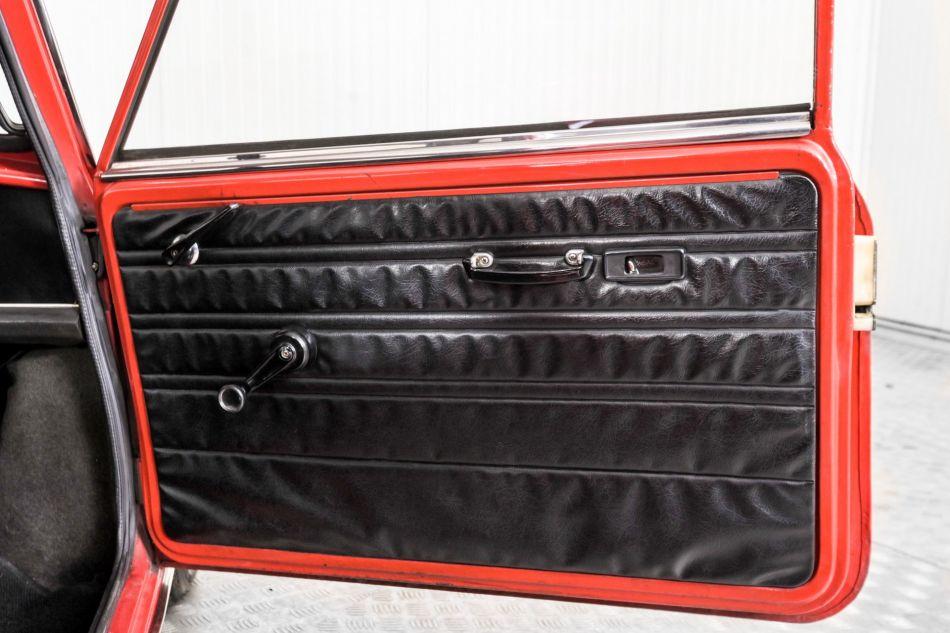
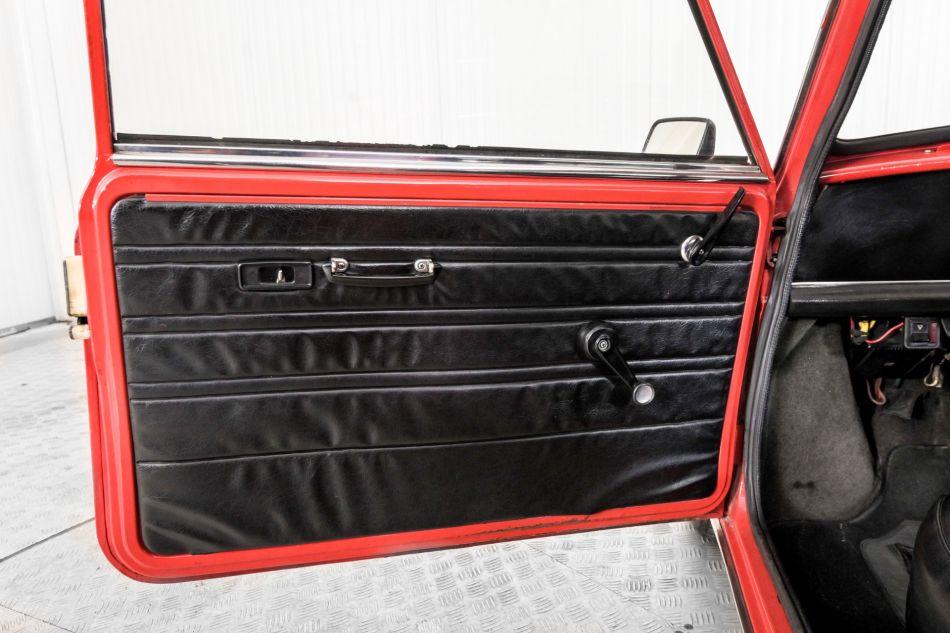
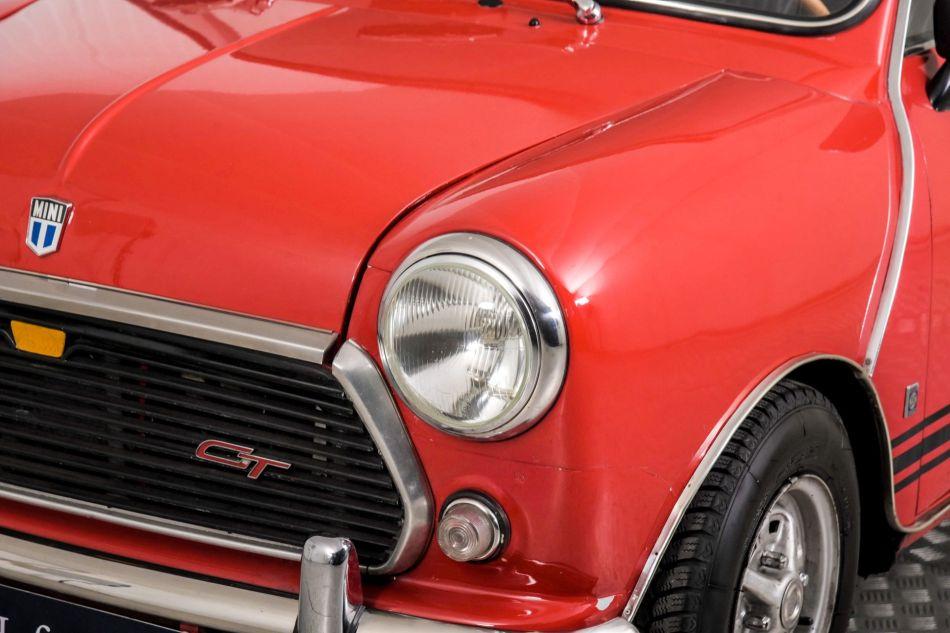
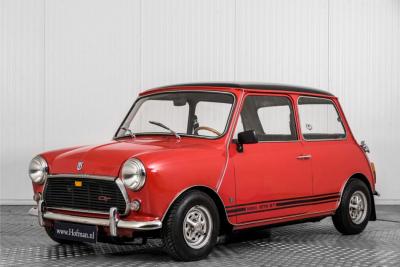
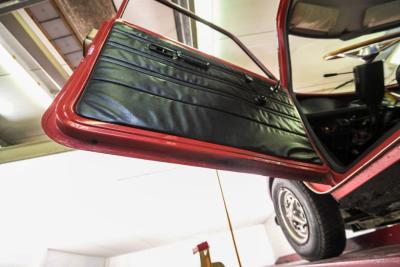
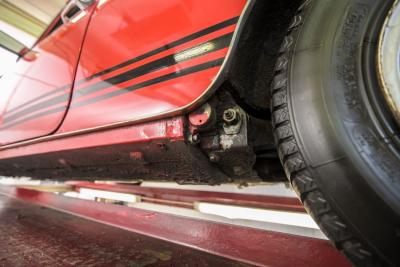
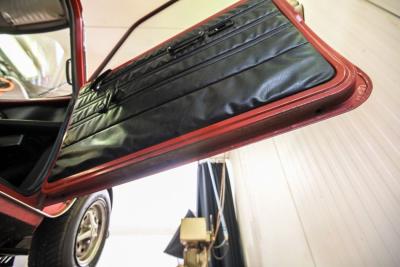
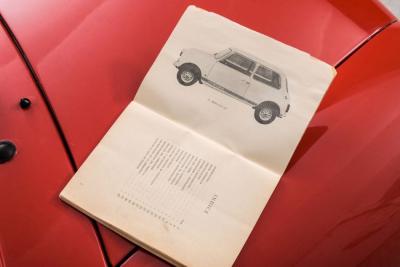
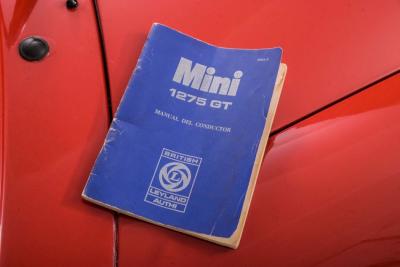
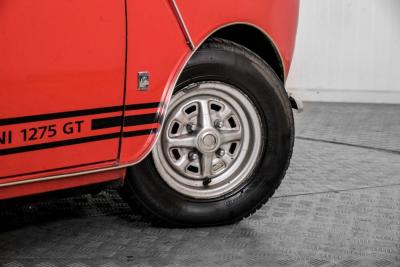
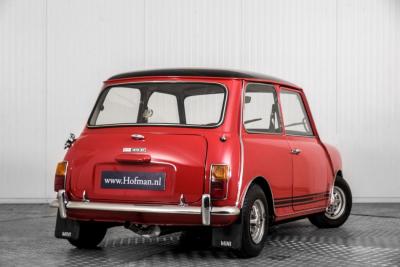
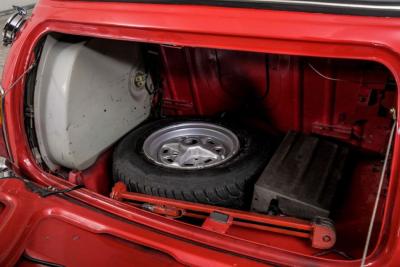
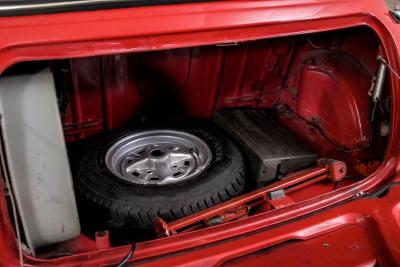
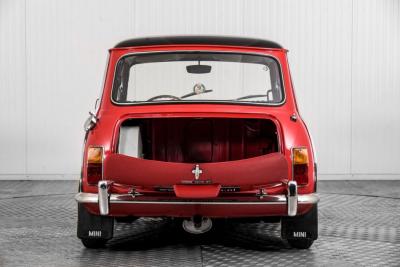
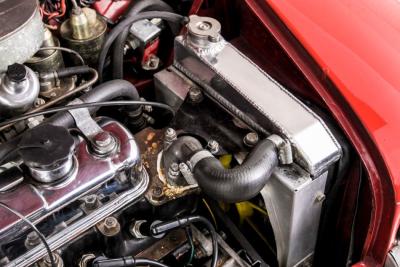
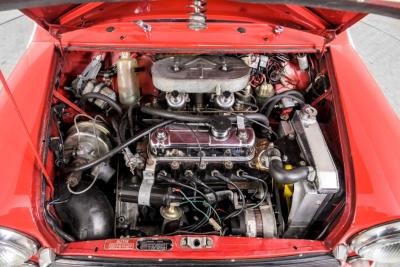
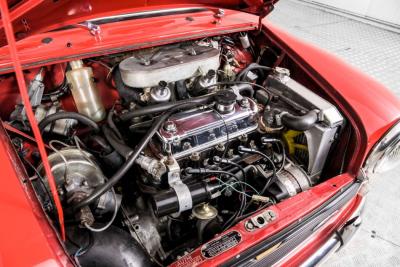
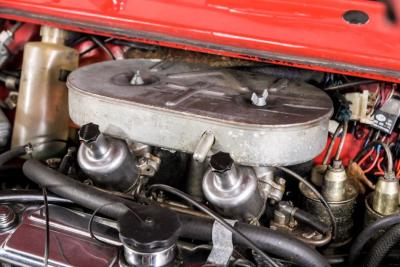
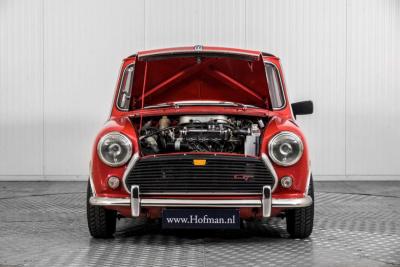
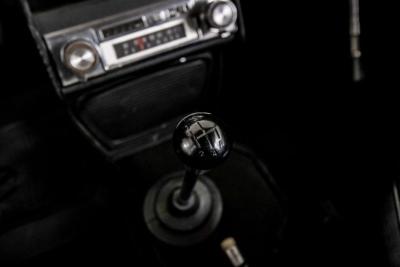
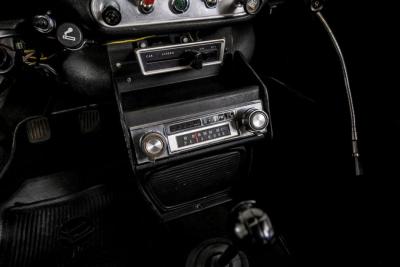
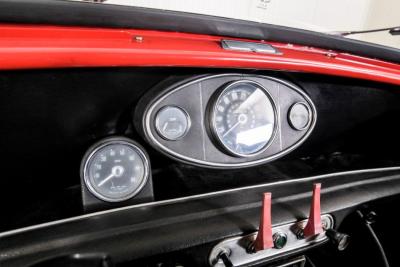
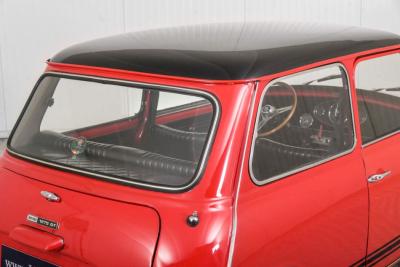
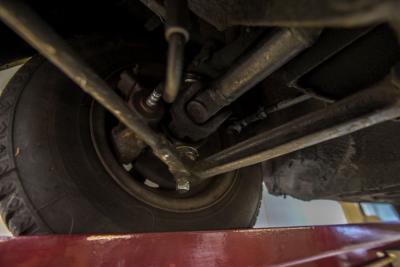
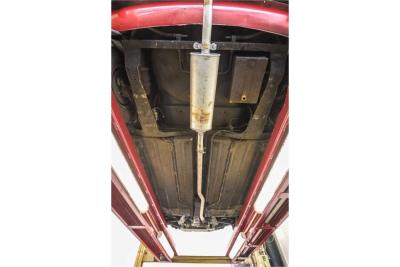
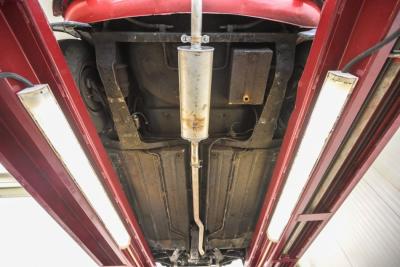
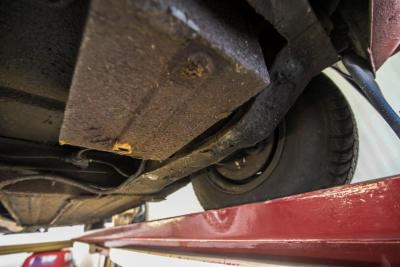
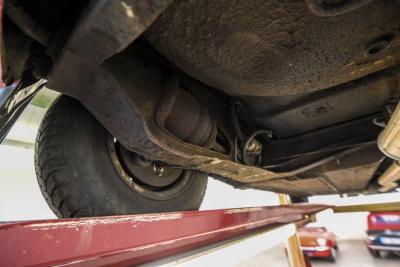
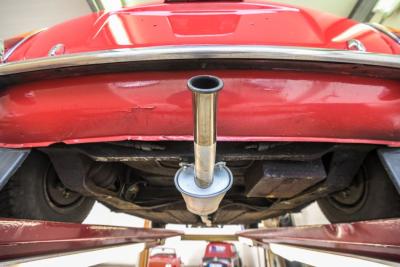
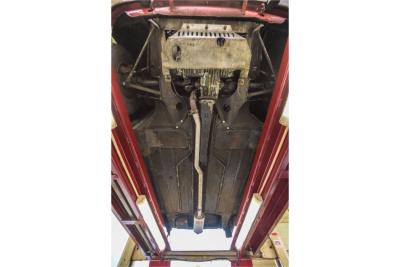
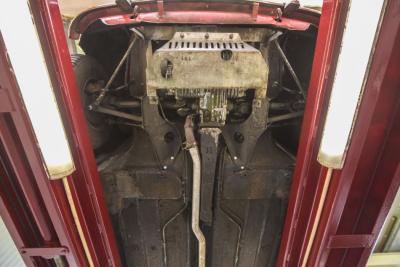
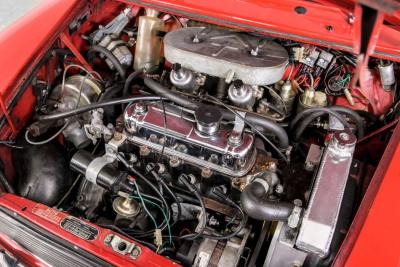
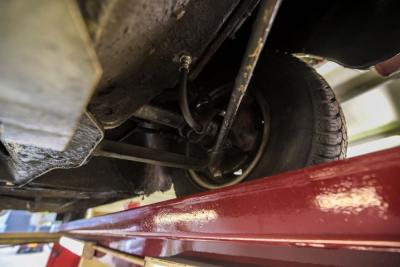
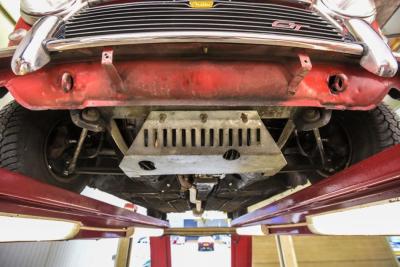
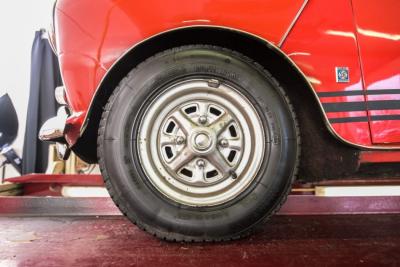
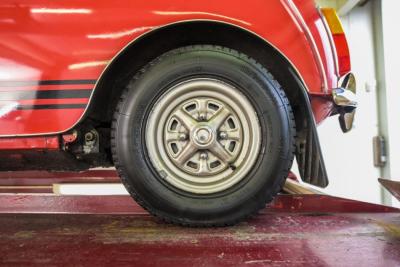
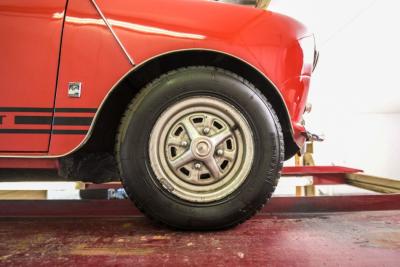
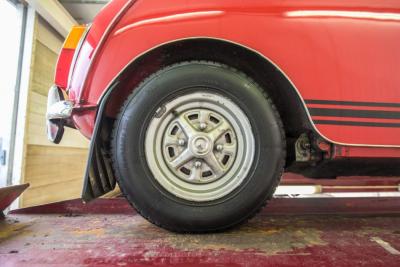
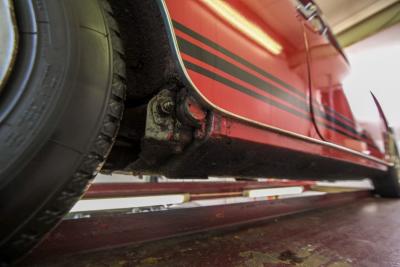
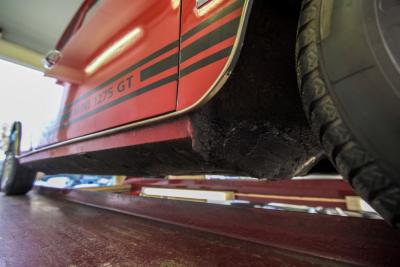
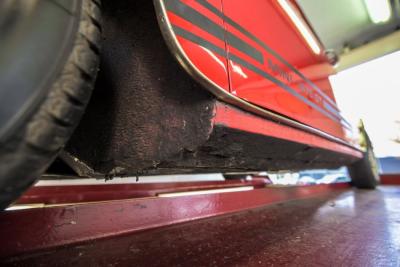
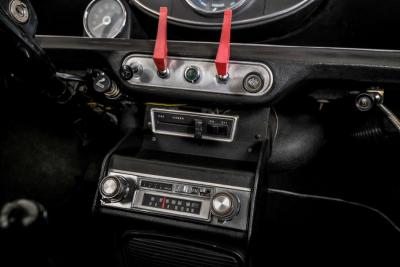
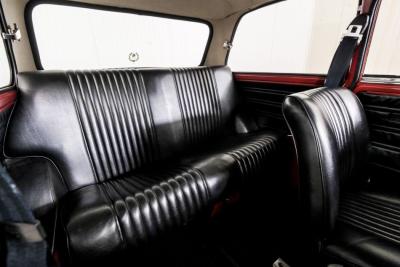
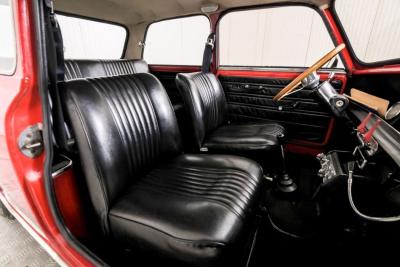
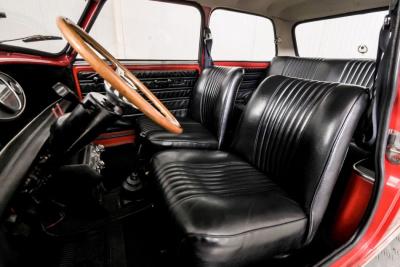
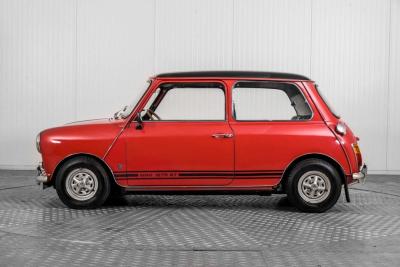
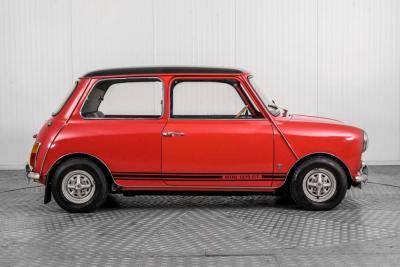
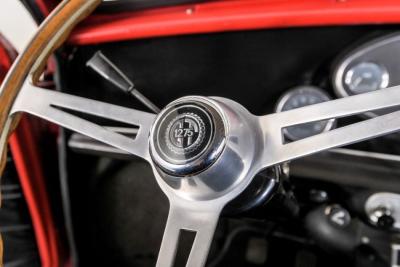
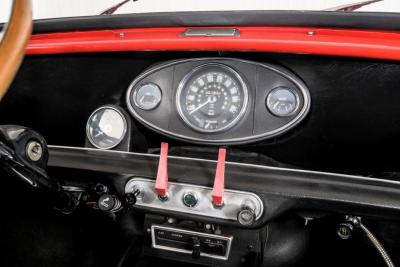
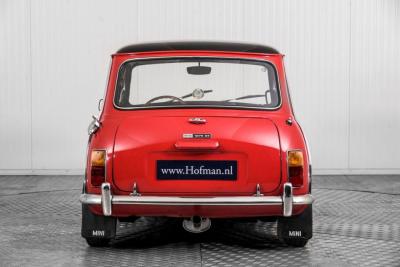
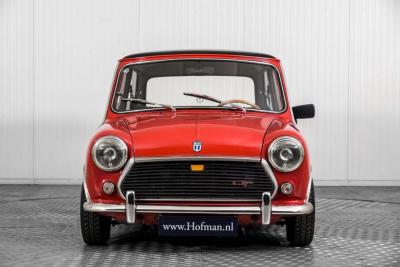
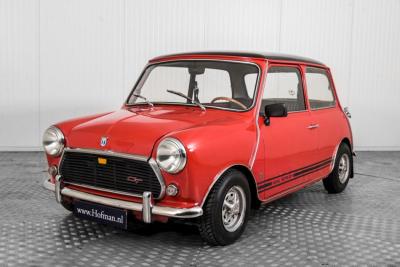
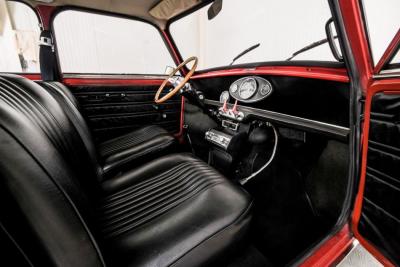
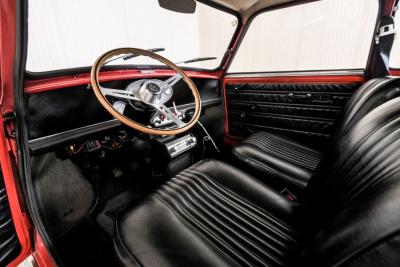
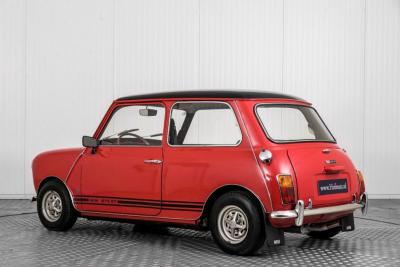
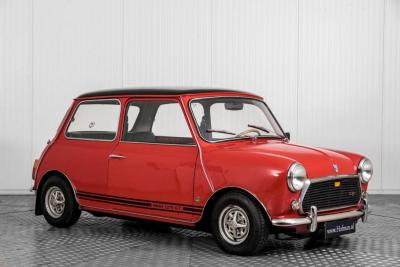
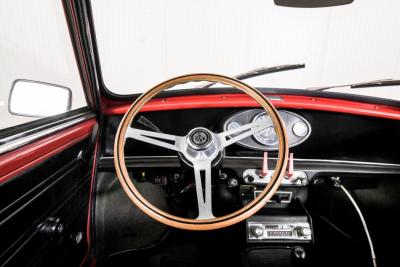
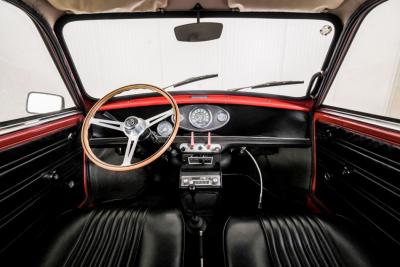
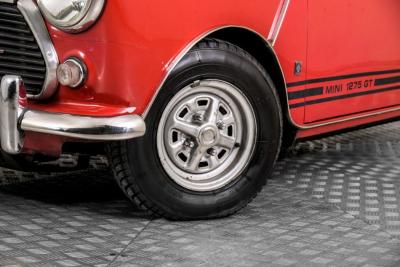
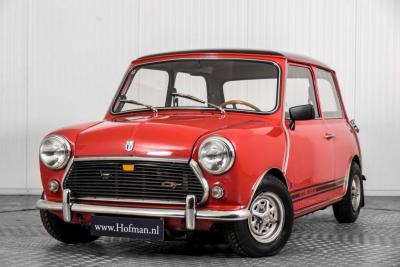
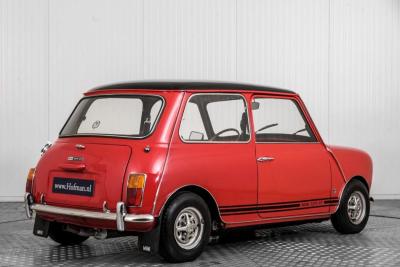
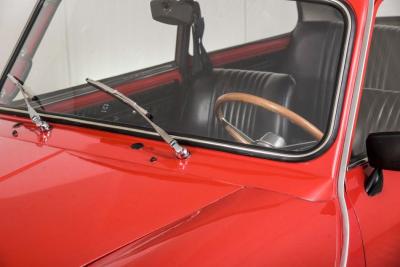
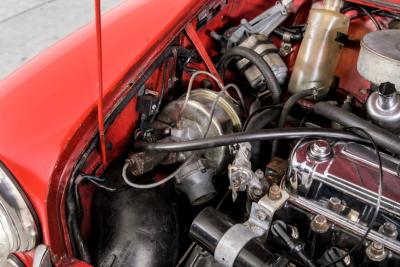
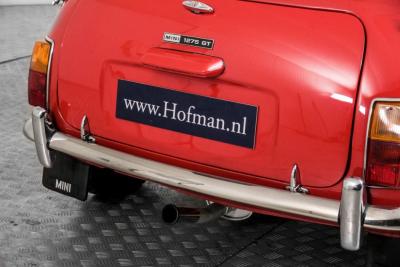
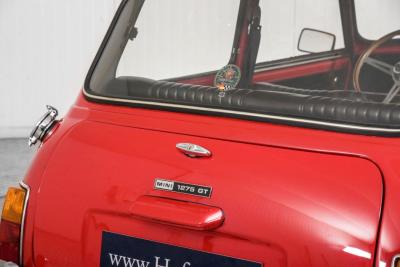
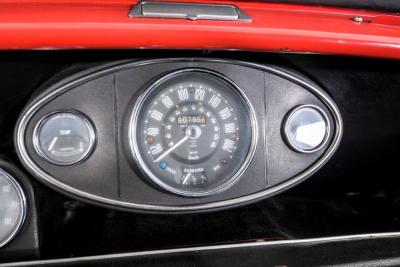
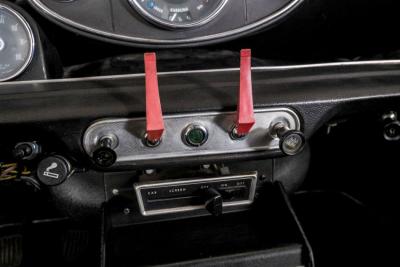
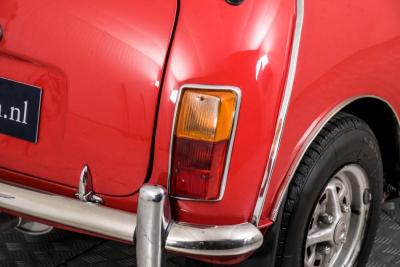
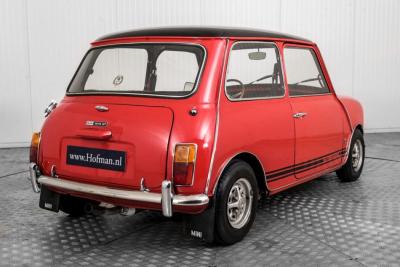
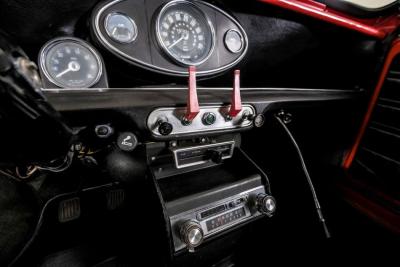
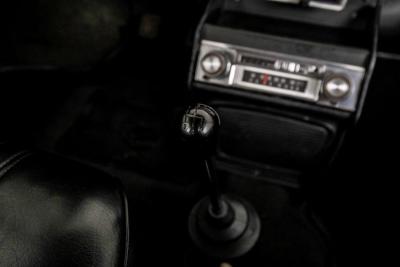
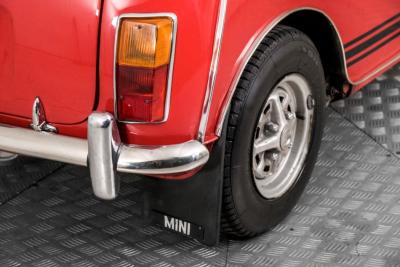
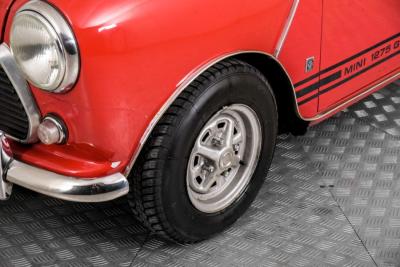
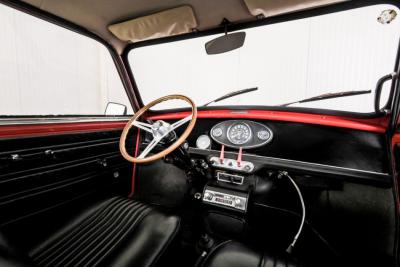
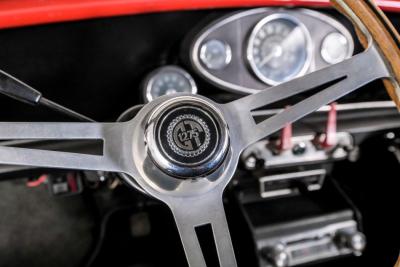
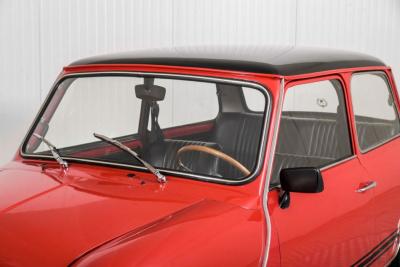
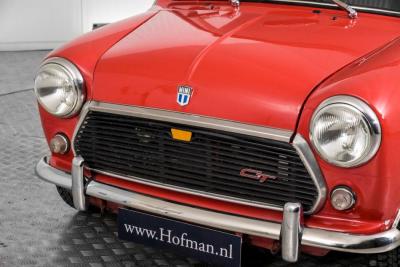
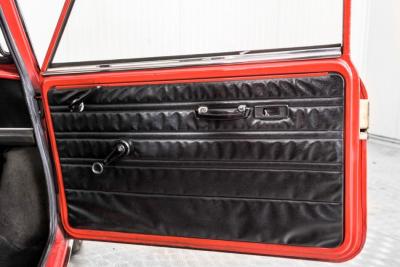
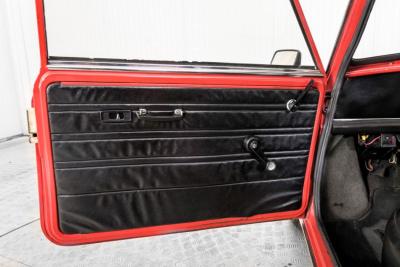
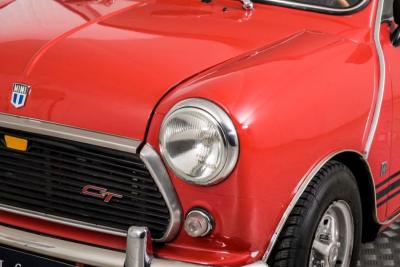
An original and beautiful Mini 1300 Cooper with the unique and distinctive Hydrolastic suspension, imported from Spain and kept rust-free thanks to the favourable climate, featuring the original twin SU carburettors, fitted with disc brakes and a brake booster to harness the extra engine power. Mass production began with the opening of the Authi factory in Pamplona in 1969. In April of that year, two versions of the Mini 1000 were launched: the Standard and the Especial. Even the Standard version was considered relatively well-equipped at the time. From 1964 to 1971, the Minis were fitted with the hydraulic suspension system designed by Alex Moulton, known as ‘hydrolastic’. After that, mainly for cost reasons, the company reverted to the original rubber suspension components.The Mini would go on to achieve the highest sales figures of any model in Authi’s short history, with more than 140,000 units sold by the time the factory closed seven years later. The car was fully assembled in Pamplona. The bodywork was supplied from England, whilst the engine and gearbox were manufactured in the company’s own factory. In October 1968, the Mini 1275 C was launched, the ‘C’ at the end of the name being reminiscent of the Cooper. It was fitted with leather seats, a walnut dashboard and various other trim details that were not available on the Minis produced in England.In 1971, Authi introduced the Mini 1275 GT, whose specifications closely matched those of the corresponding Mini 1300 Cooper built in England. This car replaced the company’s first model, the Mini 1275 C. The leather seats and walnut dashboard of the old model were dropped. The company continued to operate until 1976, when British Leyland ran out of money and the almost-new Authi factory was sold to the car manufacturer SEAT.Originele en mooie Mini 1300 cooper met de unieke en bijzondere hydrolastic vering, afkomstig uit Spanje en door het gunstige klimaat roestvrij gebleven , met de originele dubbele SU carburateurs, voorzien van schijfremmen en rembekrachtiger om het extra motorvermogen te temmen . De massaproductie begon met de opening van de Authi fabriek in Pamplona in 1969. In april van dat jaar kwamen er twee versies van de Mini 1000 op de markt, respectievelijk Standard en Especial. Zelfs de standaardversie werd destijds als relatief goed uitgerust beschouwd. Van 1964 tot 1971 hadden de Mini's het door Alex Moulton ontworpen hydraulische veersysteem met de benaming 'hydrolastic'. Daarna ging men, met name uit kostenoverweging, weer terug naar de oorspronkelijke rubber elementen voor de vering.De Mini zou de hoogste verkoopaantallen behalen van alle modellen in de korte geschiedenis van Authi, met meer dan 140.000 exemplaren tegen de tijd dat de fabriek zeven jaar later werd gesloten.De auto werd volledig geassembleerd in Pamplona. De carrosserie werd geleverd vanuit Engeland, de motor en de versnellingsbak werden vervaardigd in de eigen fabriek. In oktober 1968 verscheen de Mini 1275 C waarvan de C aan het einde aan de Cooper deed denken. Deze was uitgerust met lederen stoelen, een notenhouten dashboard en met diverse andere uitrustingsdetails die op de in Engeland geproduceerde Mini's niet leverbaar waren.In 1971 introduceerde Authi de Mini 1275 GT waarvan de specificaties nauw overeenkwam met die van de overeenkomstige in Engeland gebouwde Mini 1300 Cooper. Deze auto verving het eerste model van het bedrijf, de Mini 1275 C. De lederen stoelen en het notenhouten dashboard van het oude model verdwenen. Het bedrijf bleef bestaan tot 1976 toen British Leyland geen geld meer had en de bijna nieuwe Authi-fabriek werd verkocht aan de autofabrikant SEAT .