































































Estimated Price: £22,000 - £26,000
The idea for the Renault Spider was formulated in the early 1990s, in the midst of a revival, after a financially difficult second half of the 1980s. Renault wanted a car to promote as a sporting brand (similar to the Renault 5 Turbo from a decade earlier) and as a result, the Spider was the first car to be produced under the new brand name of RenaultSport.
The RenaultSport Spider started life as a futuristic concept car, the Laguna Roadster, that made its international debut at the 1990 Paris Motor Show. Public response to the Laguna Roadster was surprisingly positive, so Renault’s top executives attempted to make a reasonable business case for it. The project was a tough sell at first, few automakers can justify investing in a low-volume, niche model, but it was finally given the green light for production in September 1993.
The Spider was intended to serve as both a racing car in a one-make series organised by Renault and as a slightly more civilized road car. The first prototypes for Project W94, as it was known at the time, were completed in mid-1994, and a concept version was presented to the public at the Geneva Motor Show in 1995 prior to going on sale later that year.
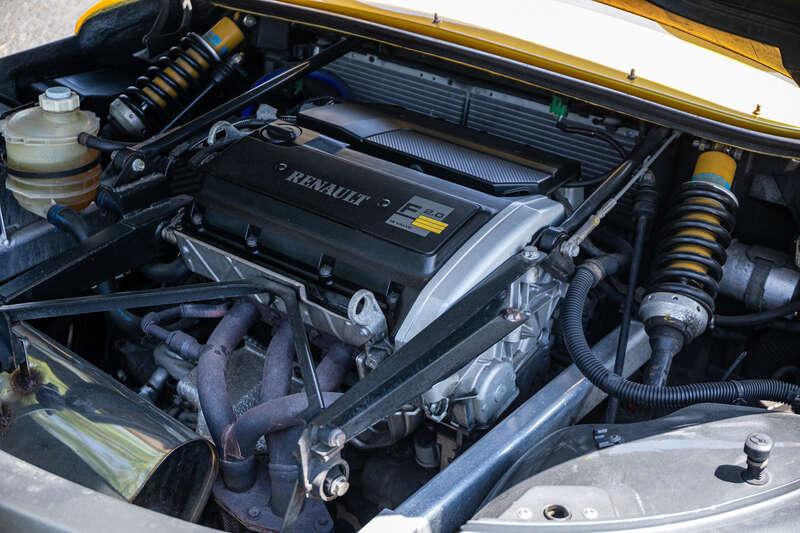
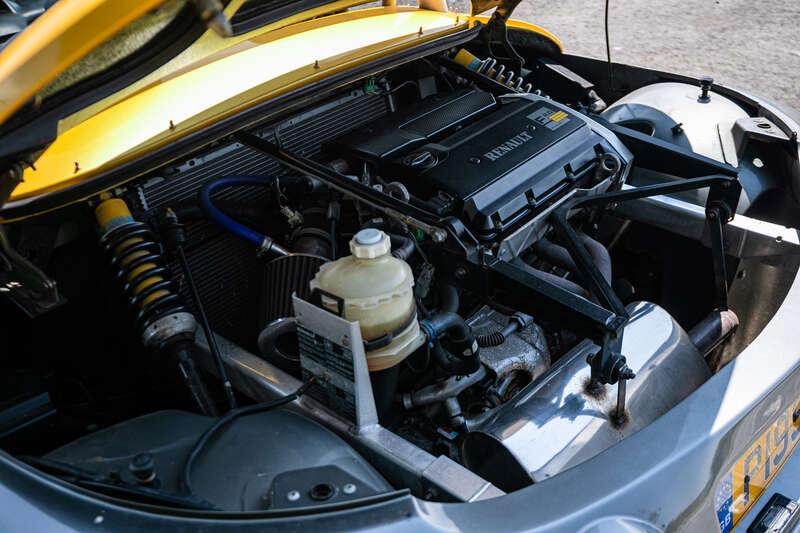
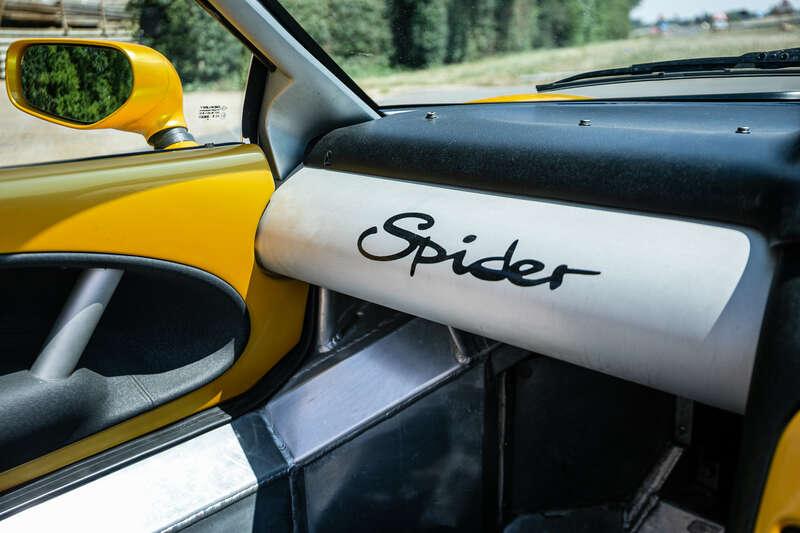
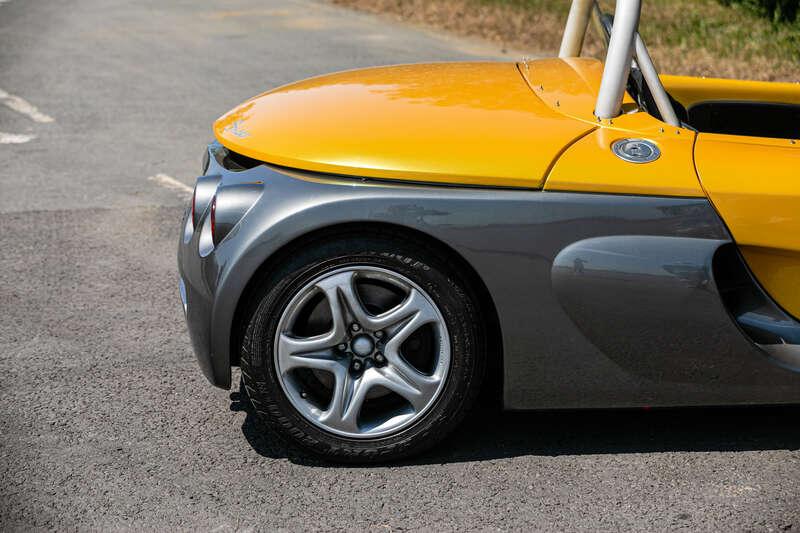
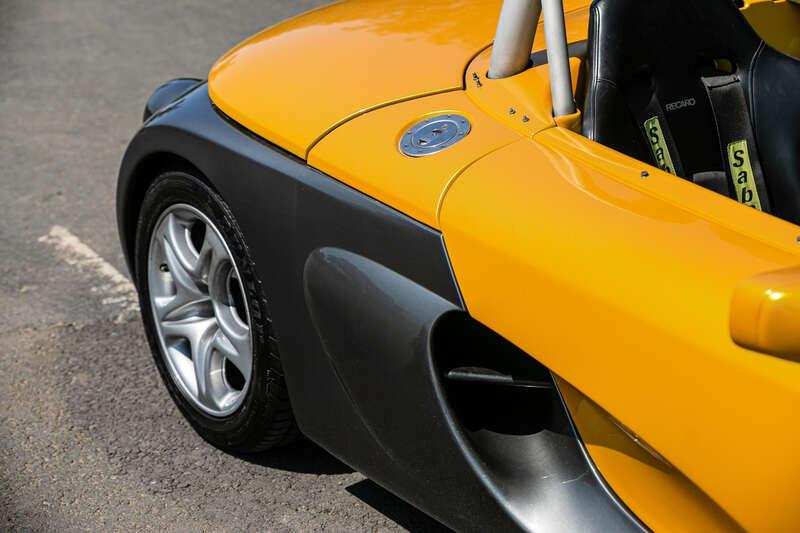
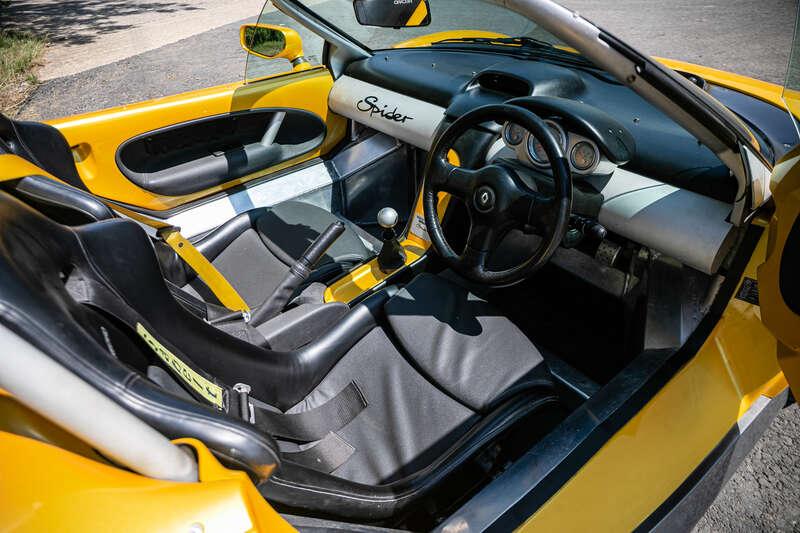
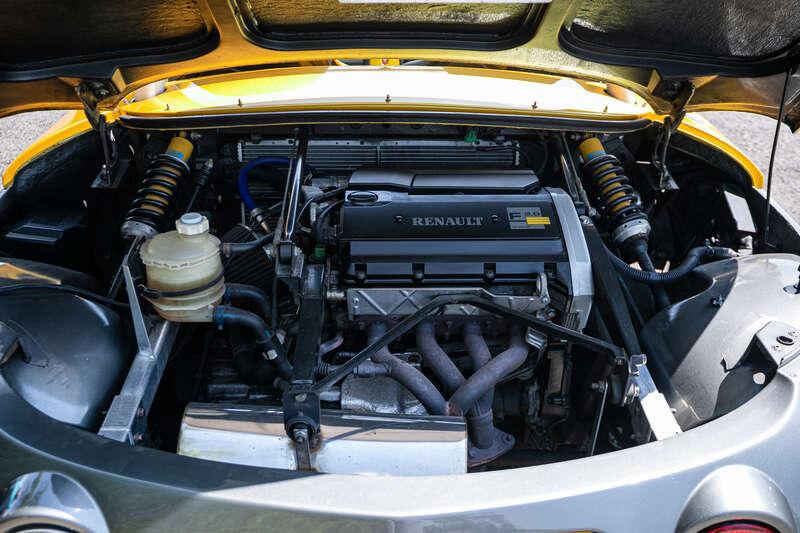
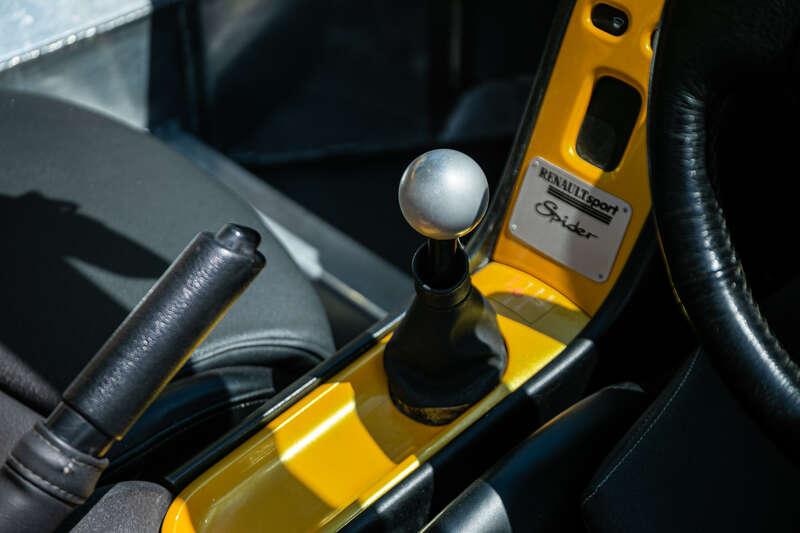
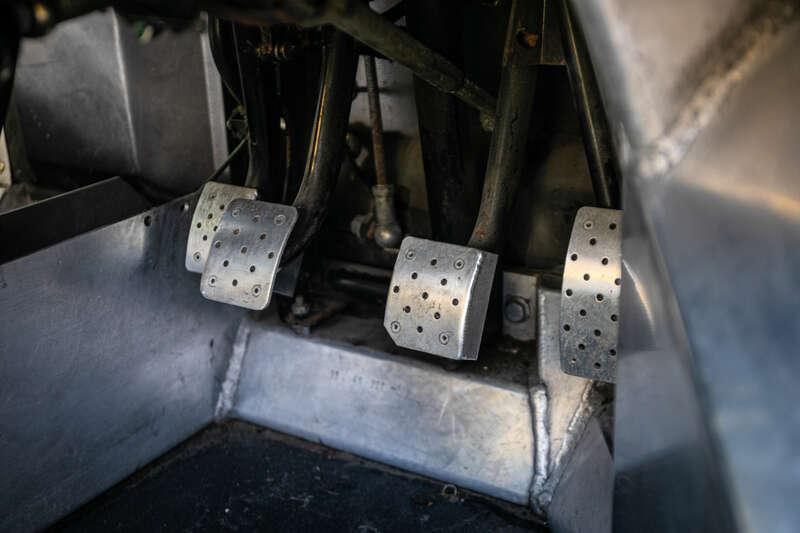
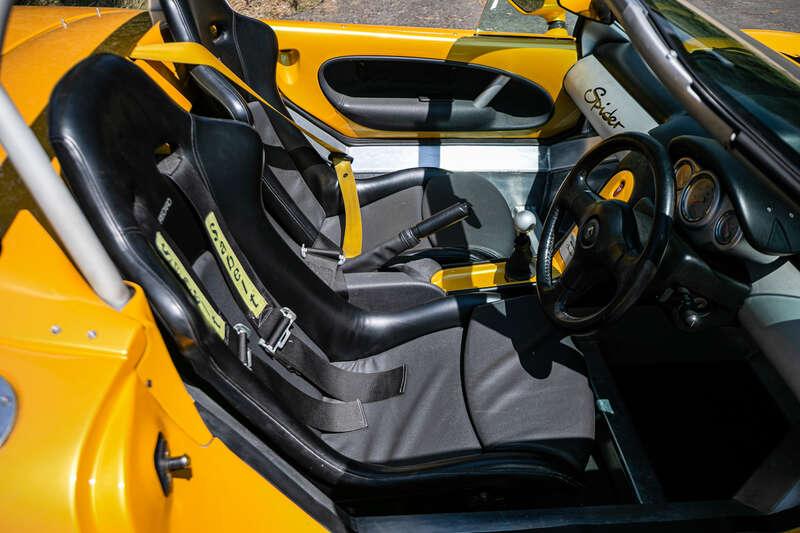
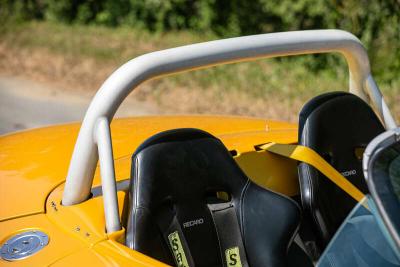
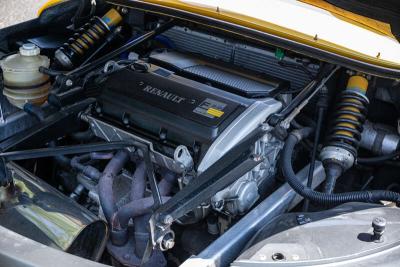
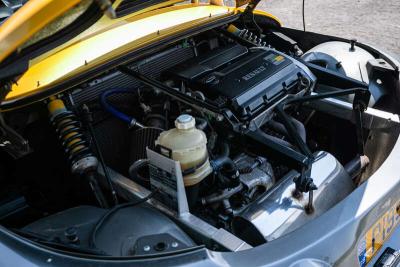
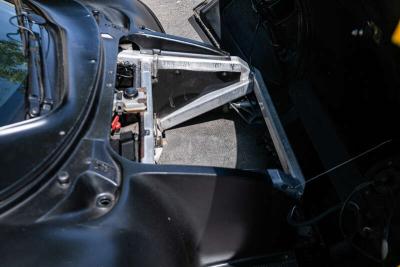
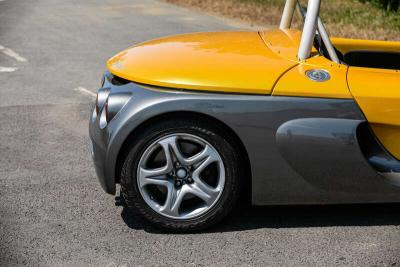
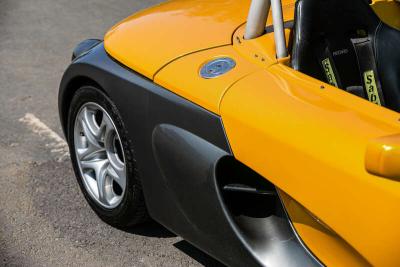
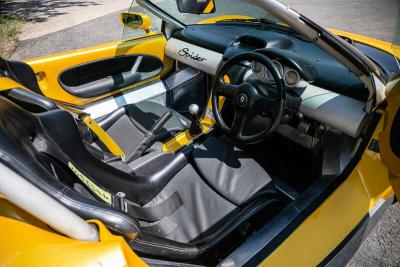
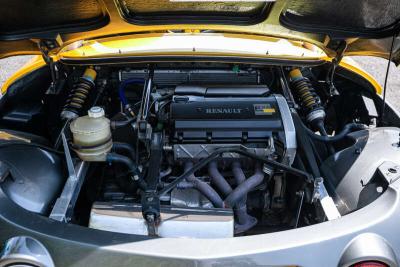
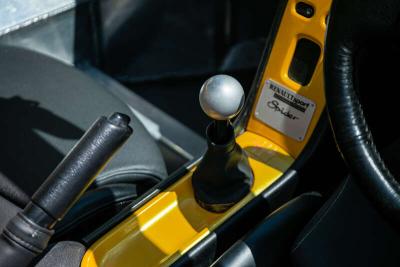
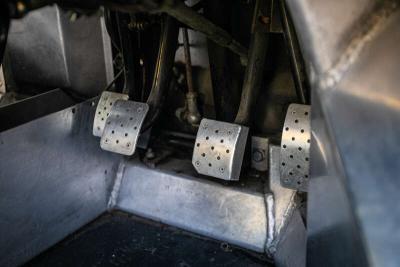
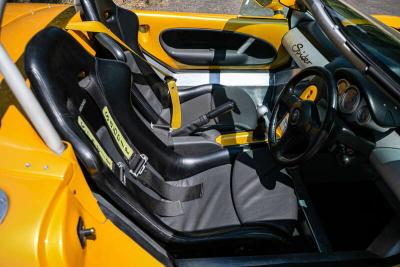
Designed from the outset as a driver's car, the Spider's chassis was made of aluminium (combining low weight and substantial strength) clad in a GRP body. The gearbox and engine were one unit, transversally fixed in an oscillating hinge (an arrangement inspired by aeronautical design), which all but eradicated the interference of engine vibration with the chassis. The pedals of the Spider were adjustable as well as the seat so the driver could achieve the absolute optimum driving position. The heart of the Spider was a mid-mounted, 16-valve, 2.0-litre, DOHC F7R four-cylinder engine tuned to generate 148bhp and 129lb/ft of torque and linked to a five-speed manual transmission and the rear wheels. The 930kg two-seater sprinted from 0 to 62mph in 6.9 seconds and went on to a top speed of 133mph.
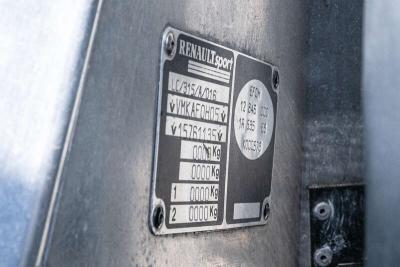
According to the official production numbers, there were just 1,685 examples of the Spider assembled in Alpine’s Dieppe factory from 1996 to 1999. Each car was hand-built from start to finish and took about 90 hours to complete, which partially justified its relatively high price at the time. The Spider model was unfortunately discontinued after only a year and a half of production.
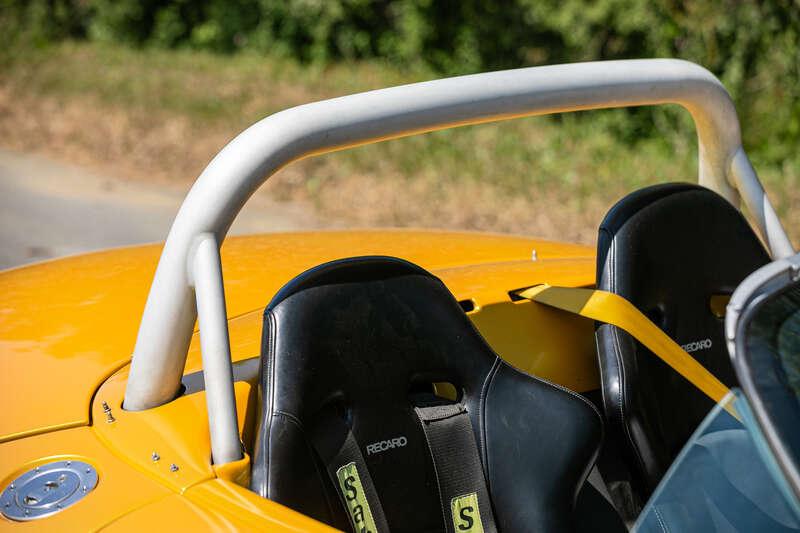
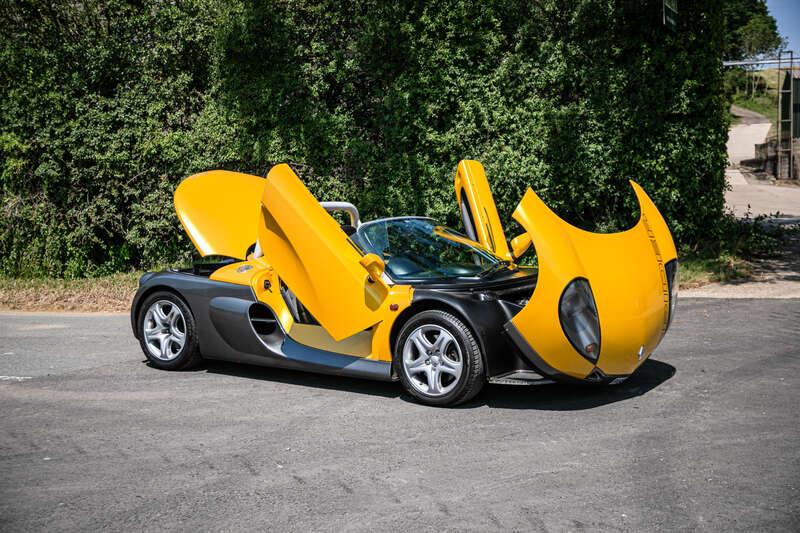
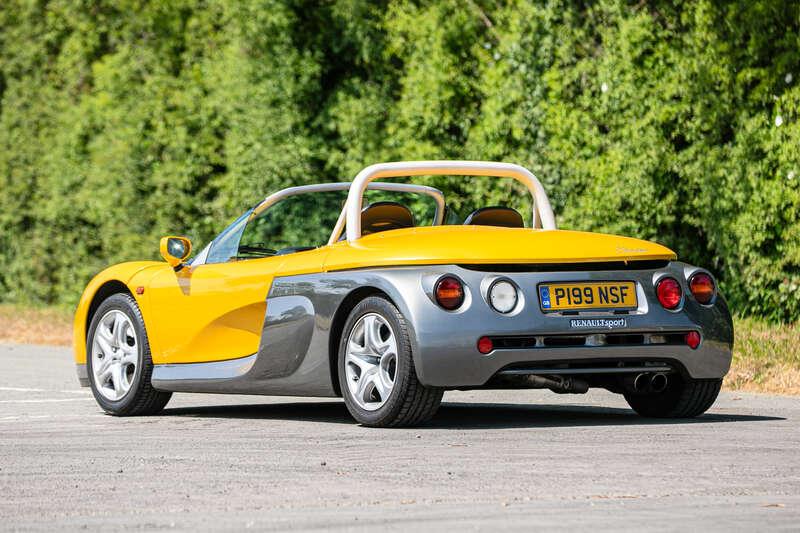
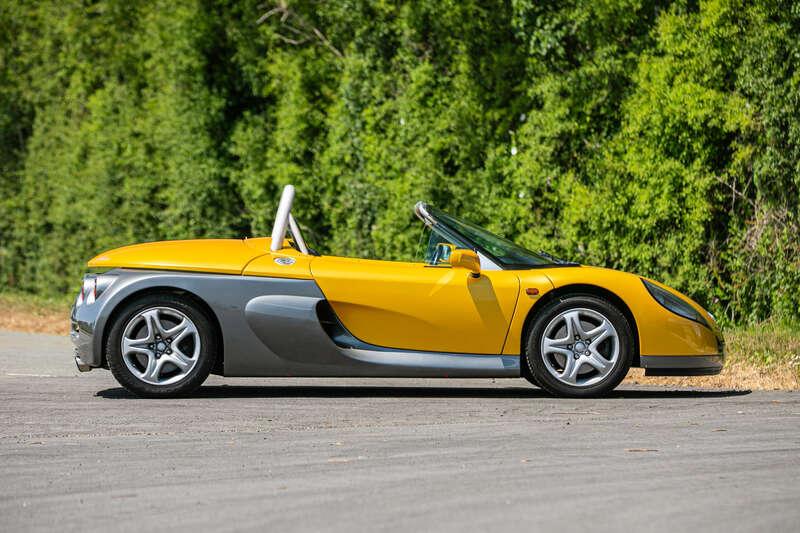
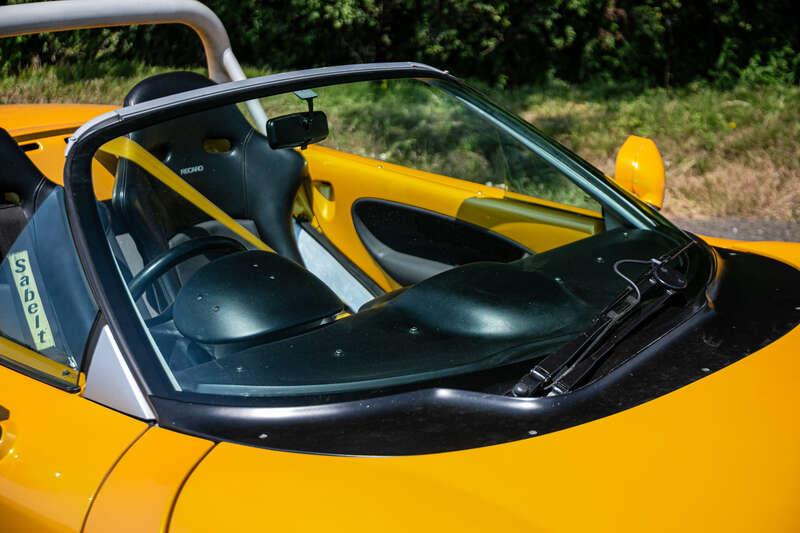
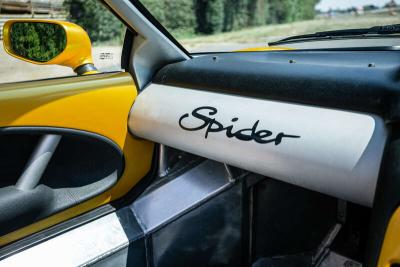
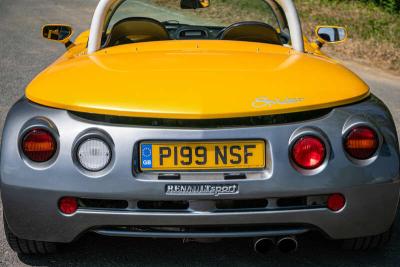
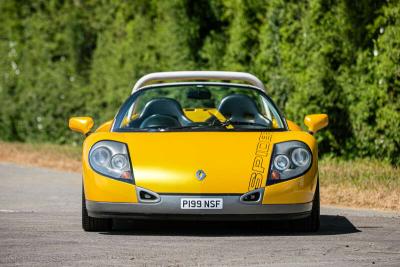
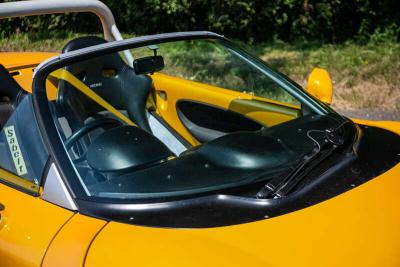
400 left-hand drive cars were produced as 'saute vente’ (with a wind deflector) instead of a windscreen. For the UK market, a number of right-hand drive cars were built with windscreens, but only 60 of them were sold. The remainder of the cars were sold in the German market, converted back to left-hand drive, with the addition of a driver’s airbag.
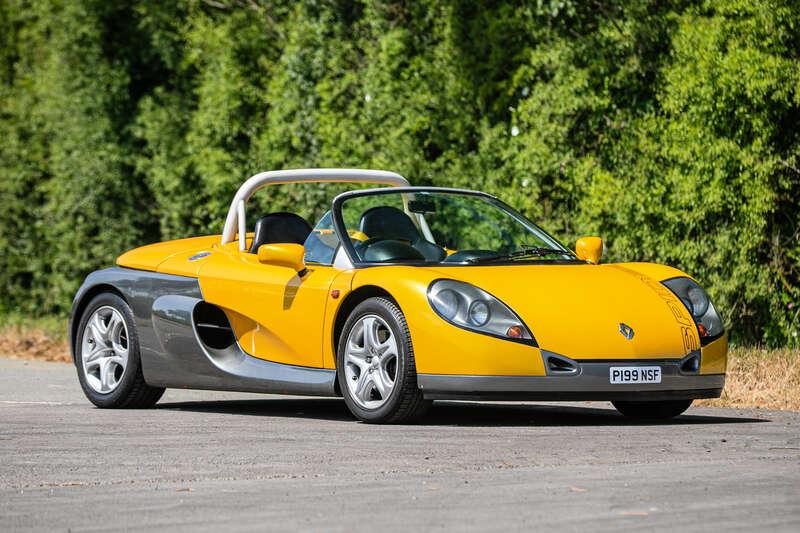
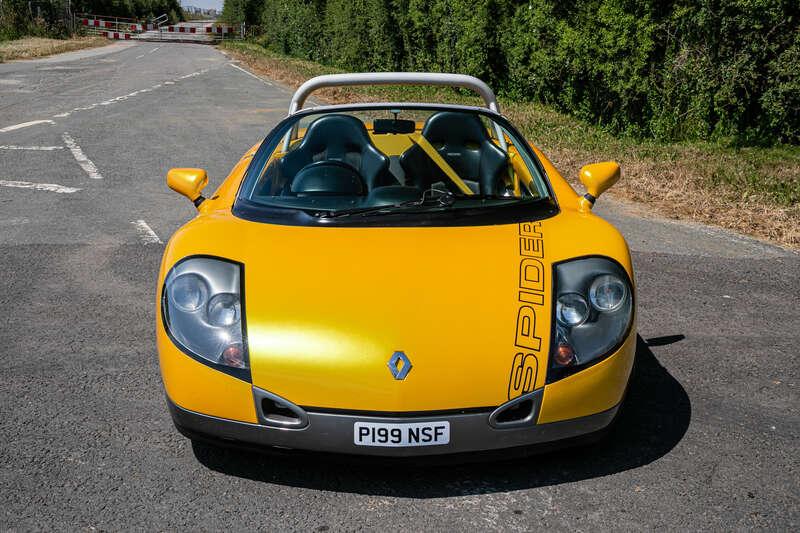
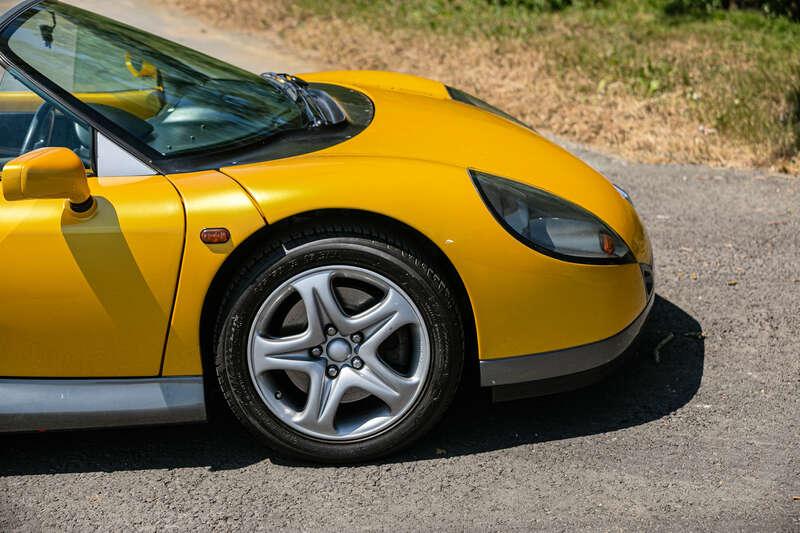
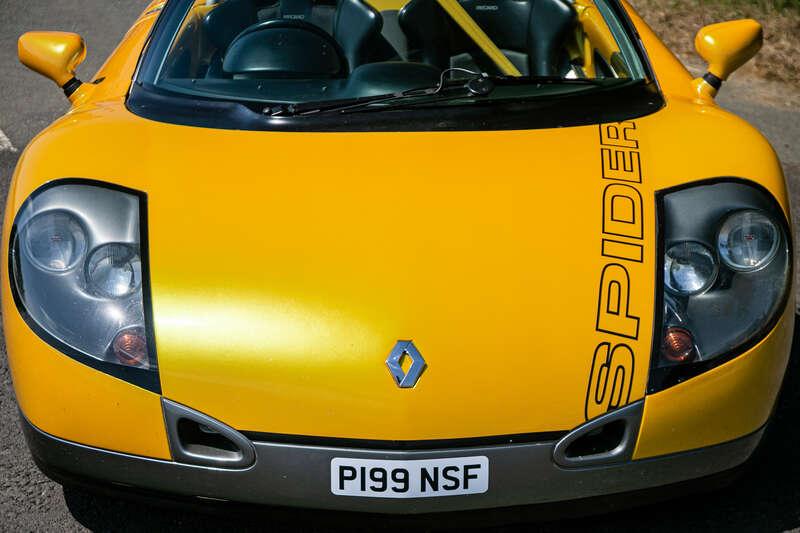
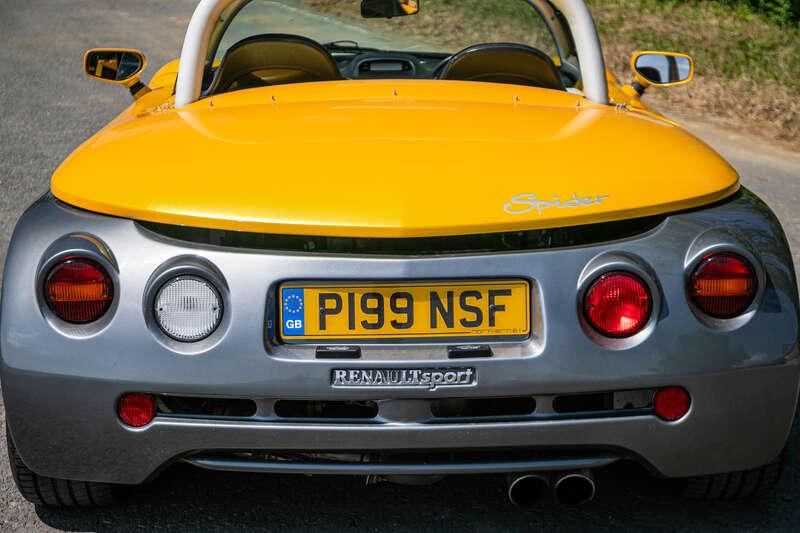
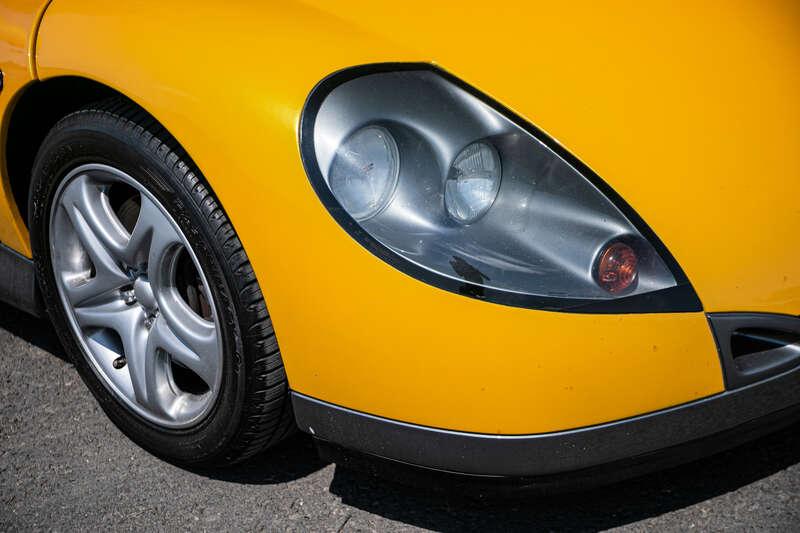
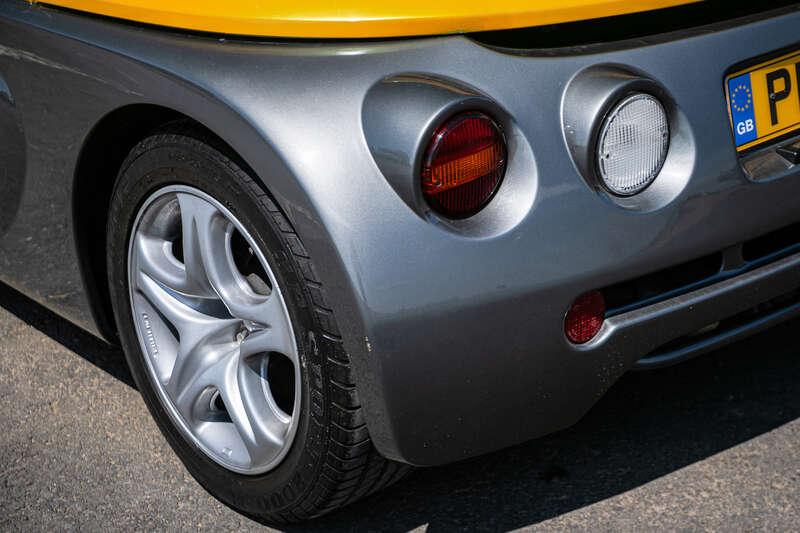
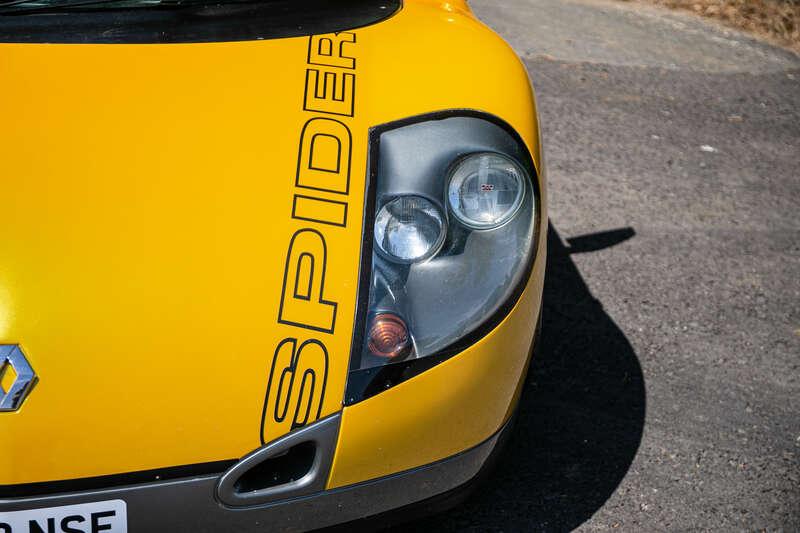
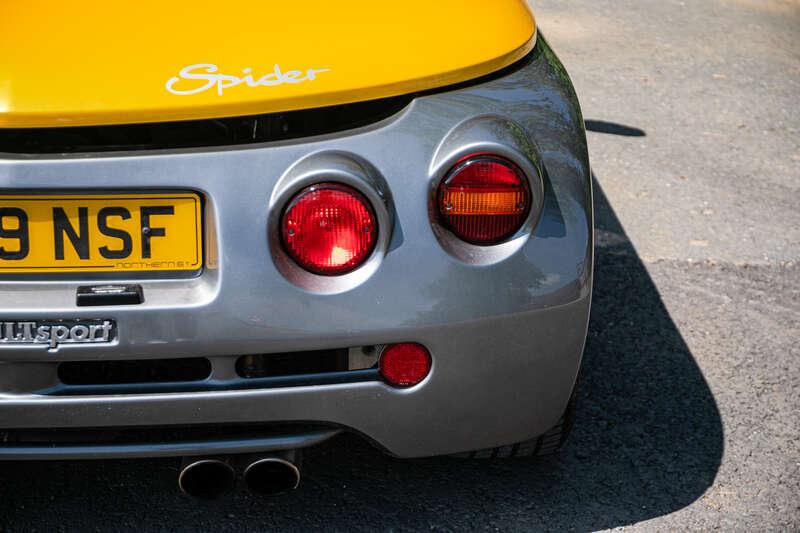
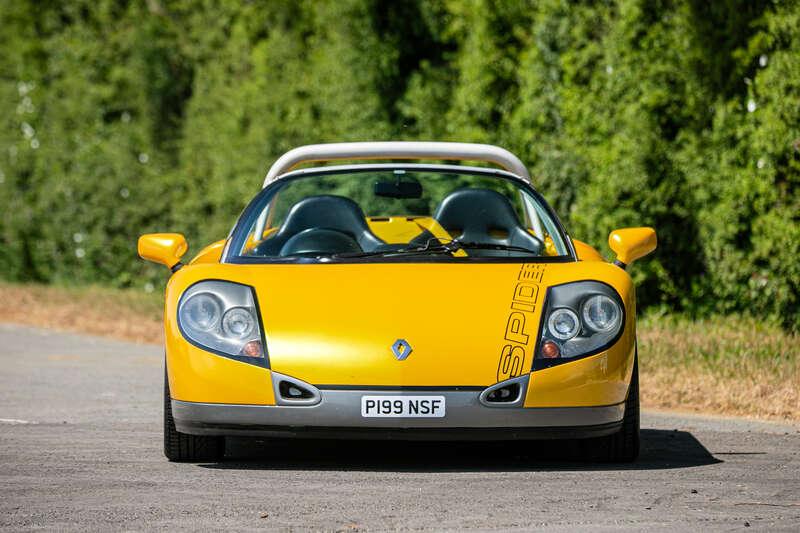
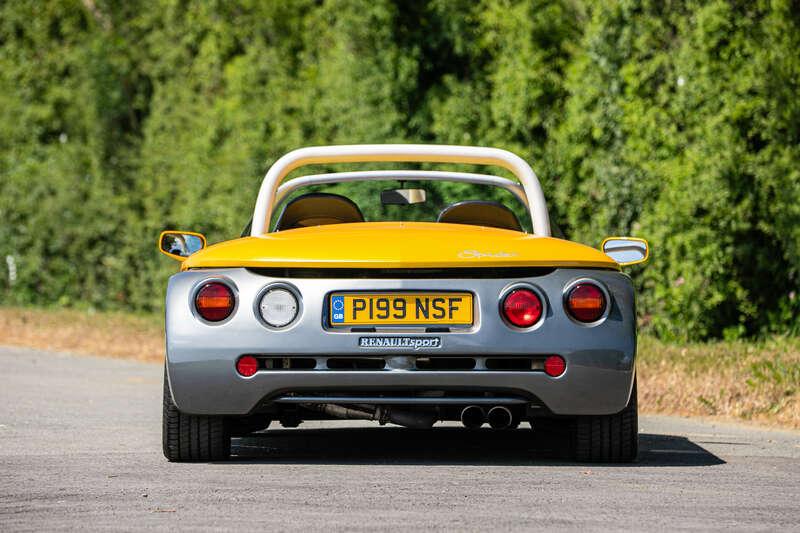
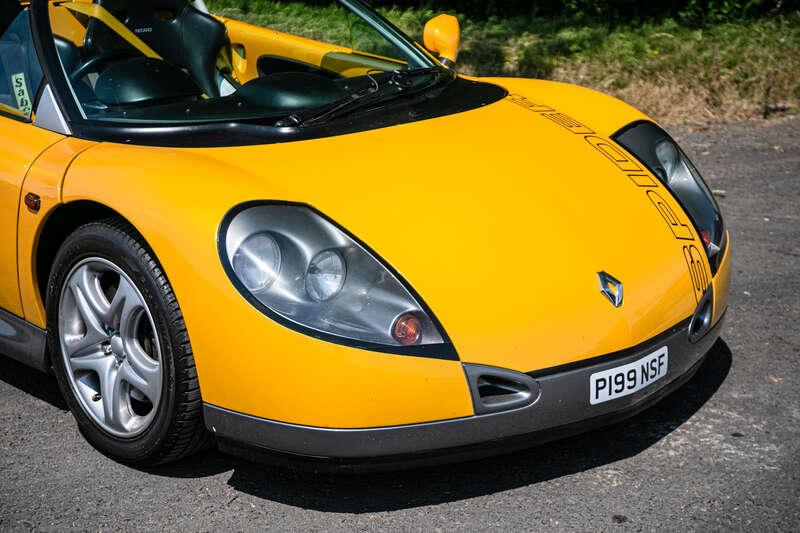
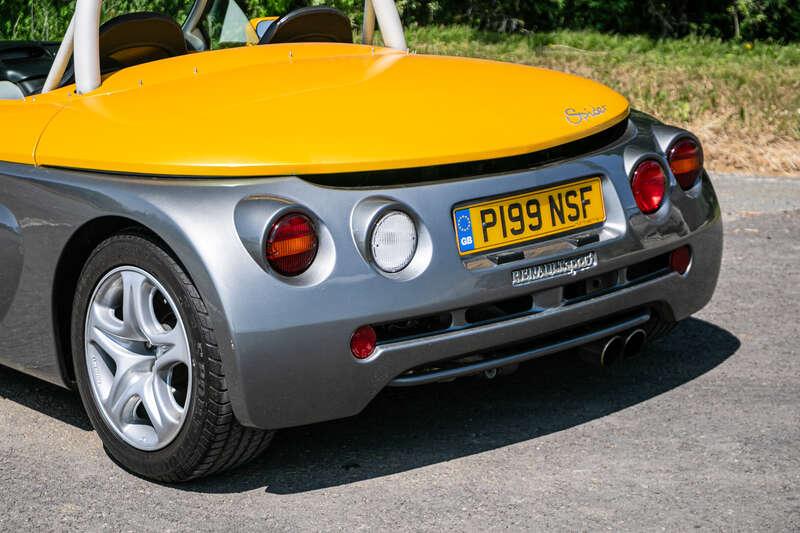
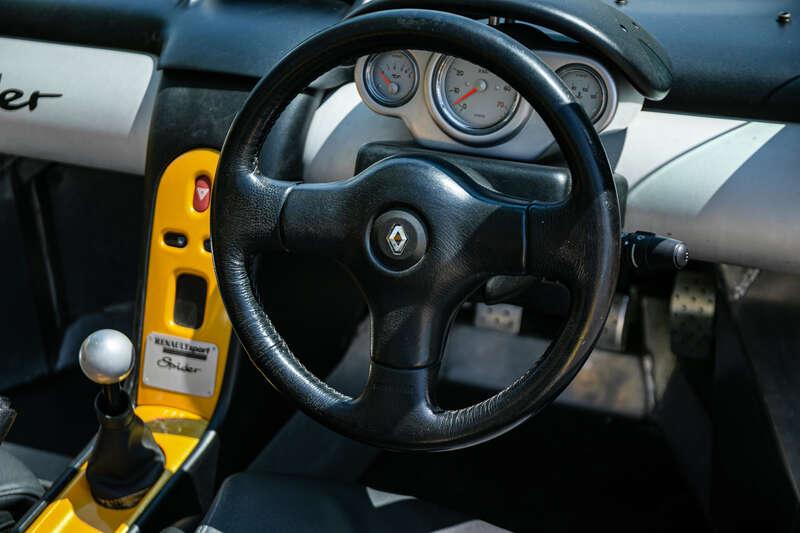
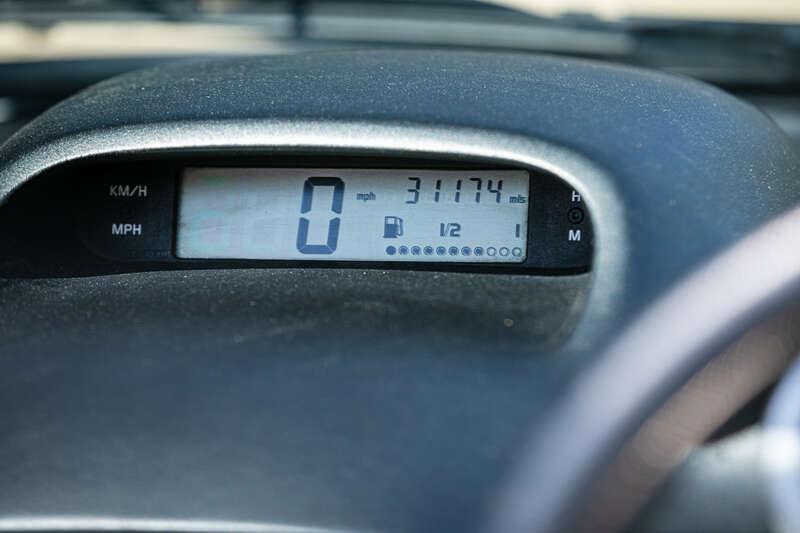
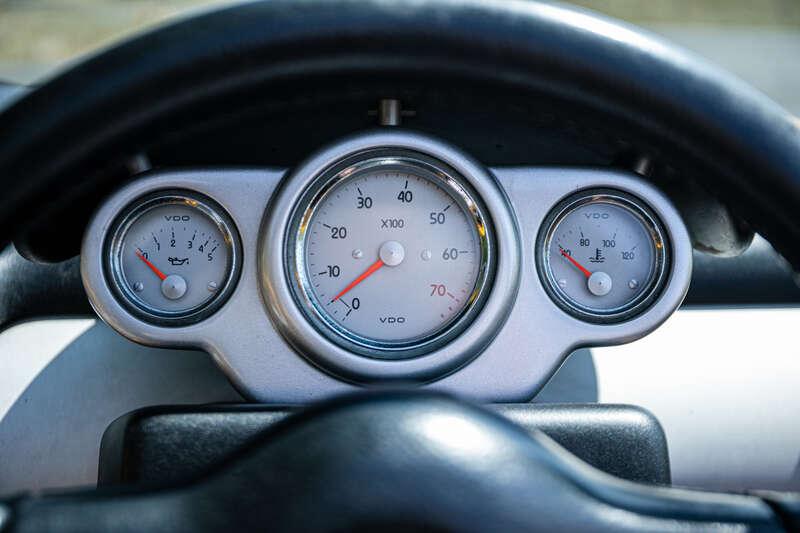
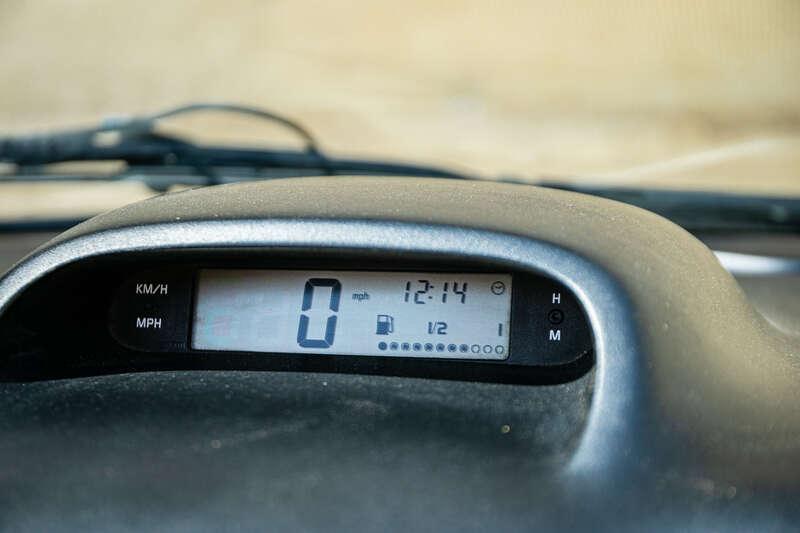
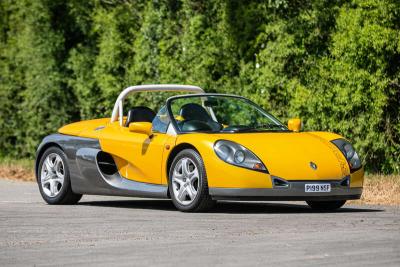
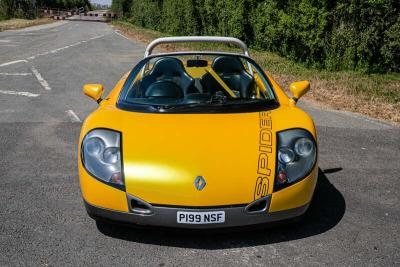
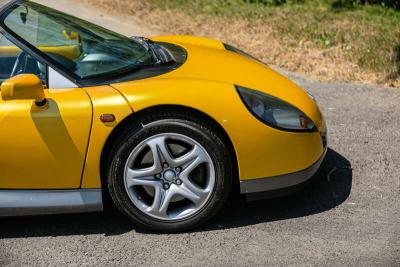
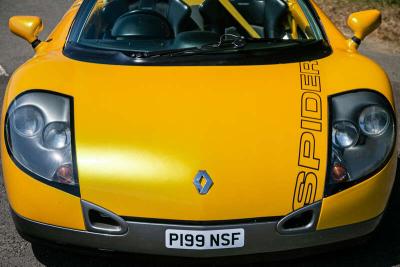
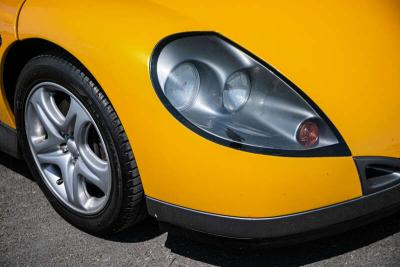
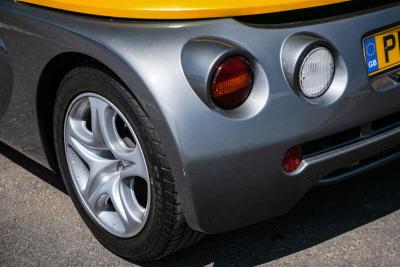
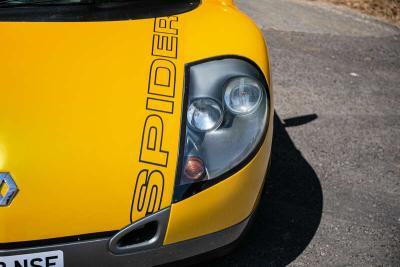
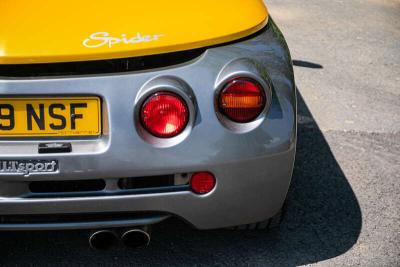
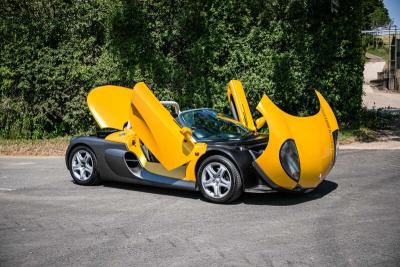
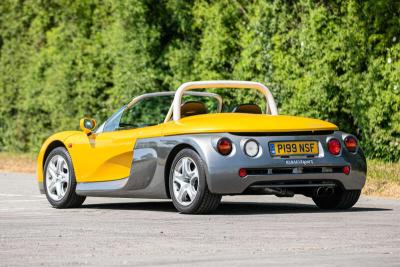
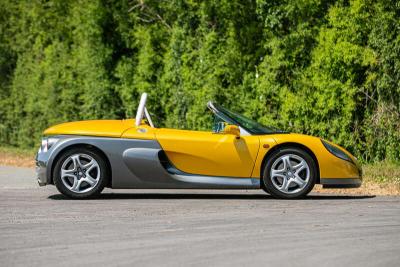
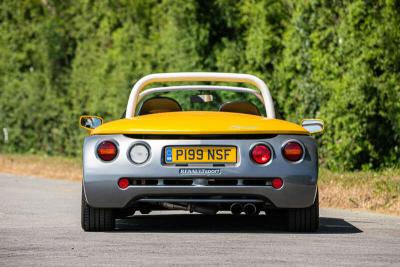
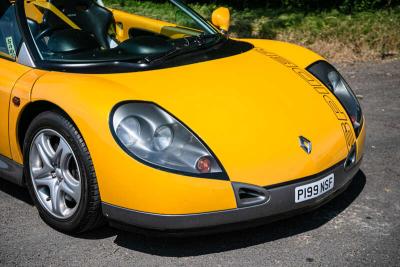
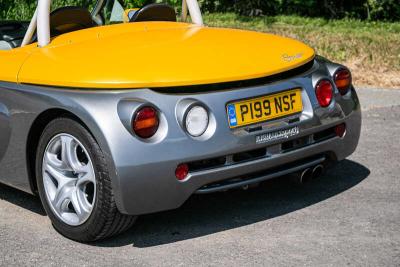
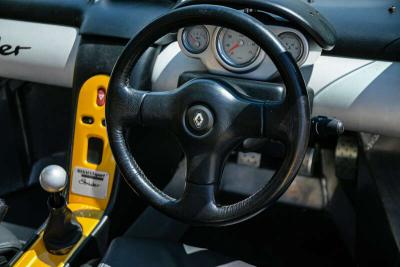
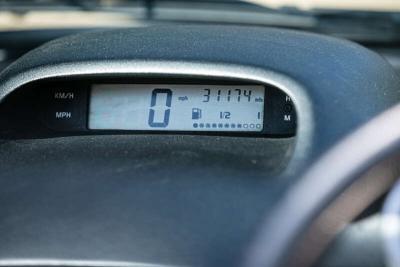
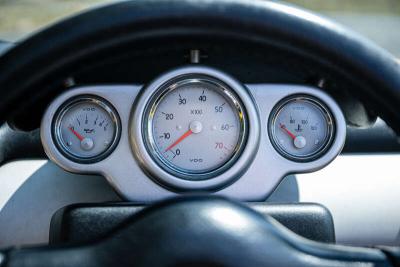
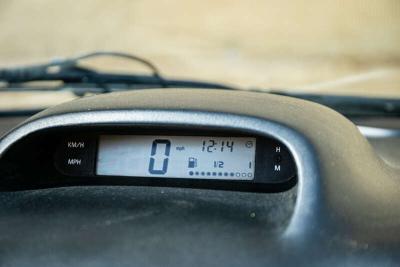
The 1997 RenaultSport Spider presented here is one of those 60 windscreen-equipped, right-hand drive examples sold new to the UK market and has covered just 31,174 miles since new. It's finished in the original three-stage Pearlescent Liquid Yellow paintwork – arguably a Spider’s signature colour.
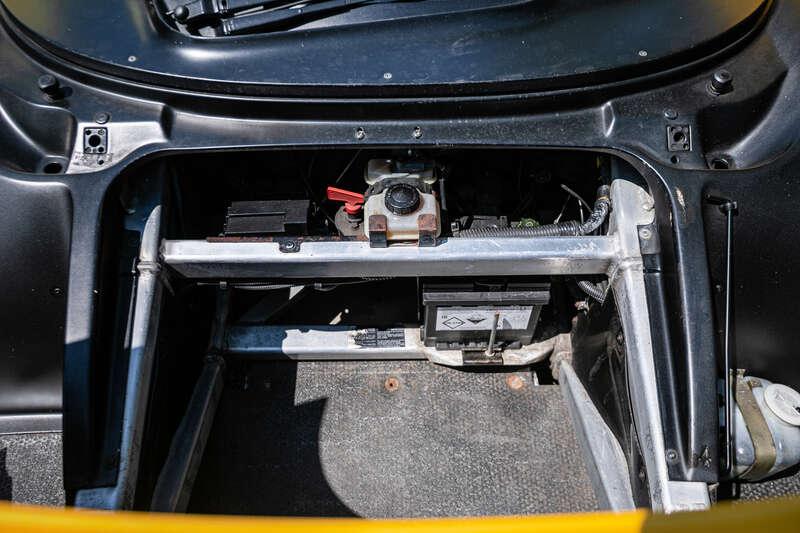
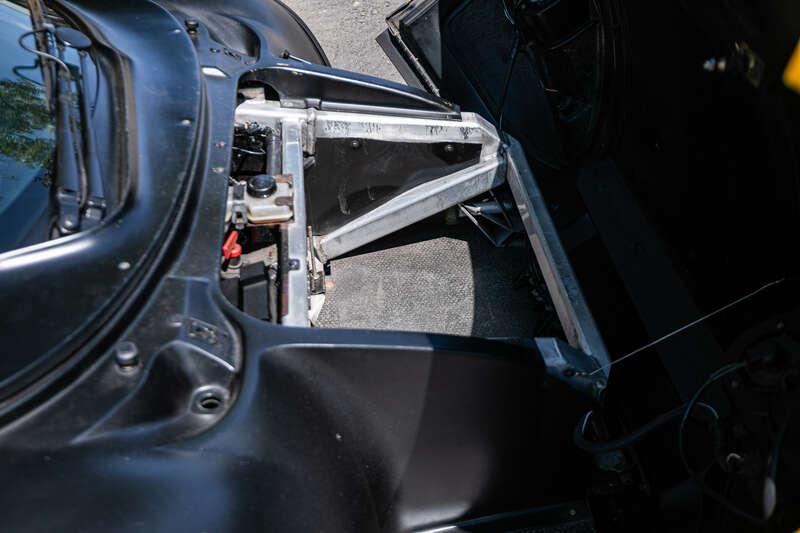
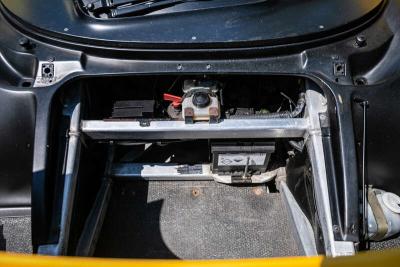
The owner for five years, between 2020-2025, kept the car garaged, never using it in rain. It's accompanied by its owners’ book pack, service book, tonneau cover, numerous receipts and invoices, V5C, previous MOT Certificates and both keys, as well as clear and weatherproof cockpit covers. It also retains its original ‘briefcase’ in the front luggage compartment which houses the locking wheel nut, spares, tow hook, and jack.
This is a very rare opportunity to acquire a special little sports car, seldom seen on British roads, and one that is sure to be the talking point at any classic car show.
Contact Us
