
































































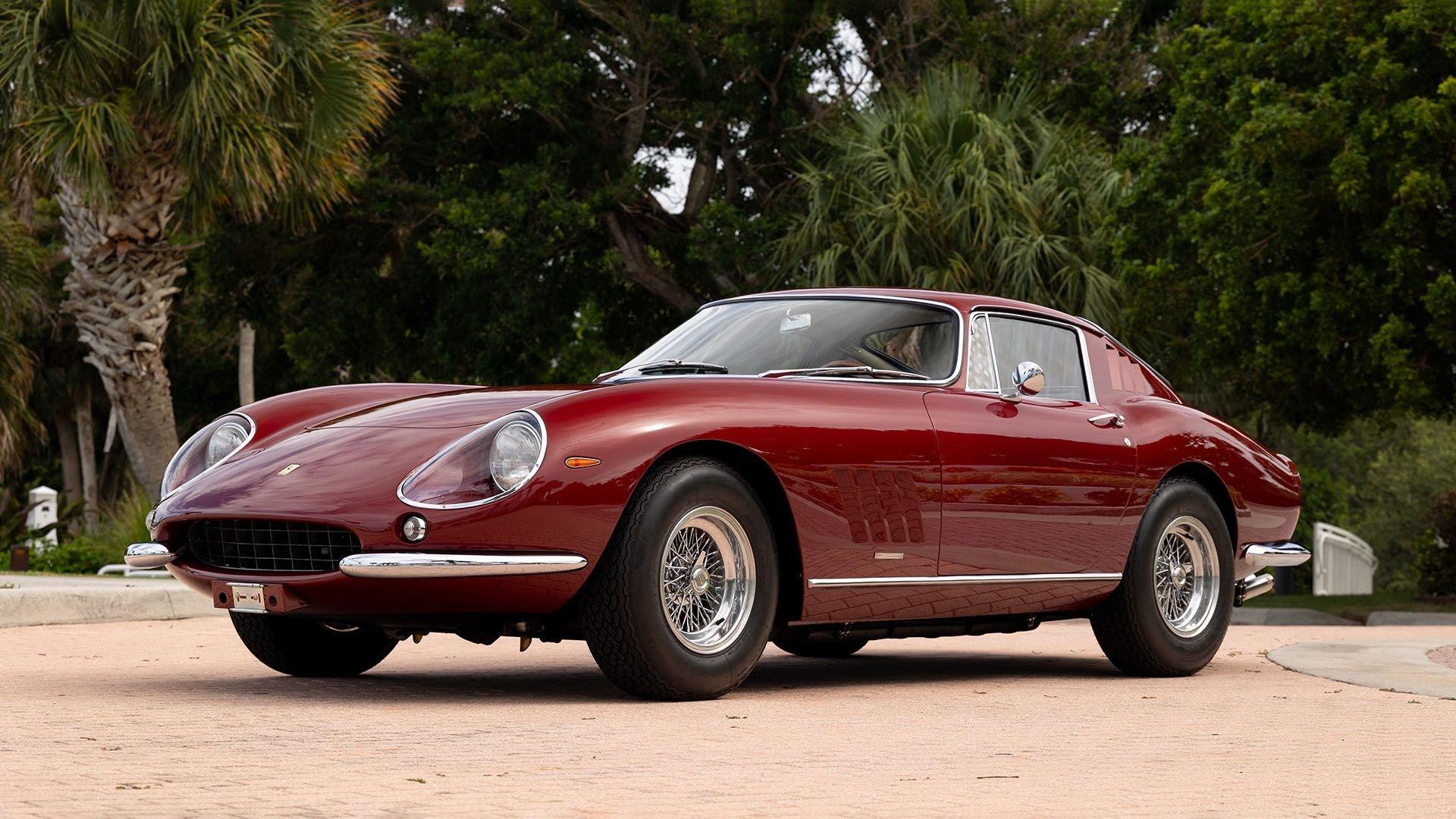
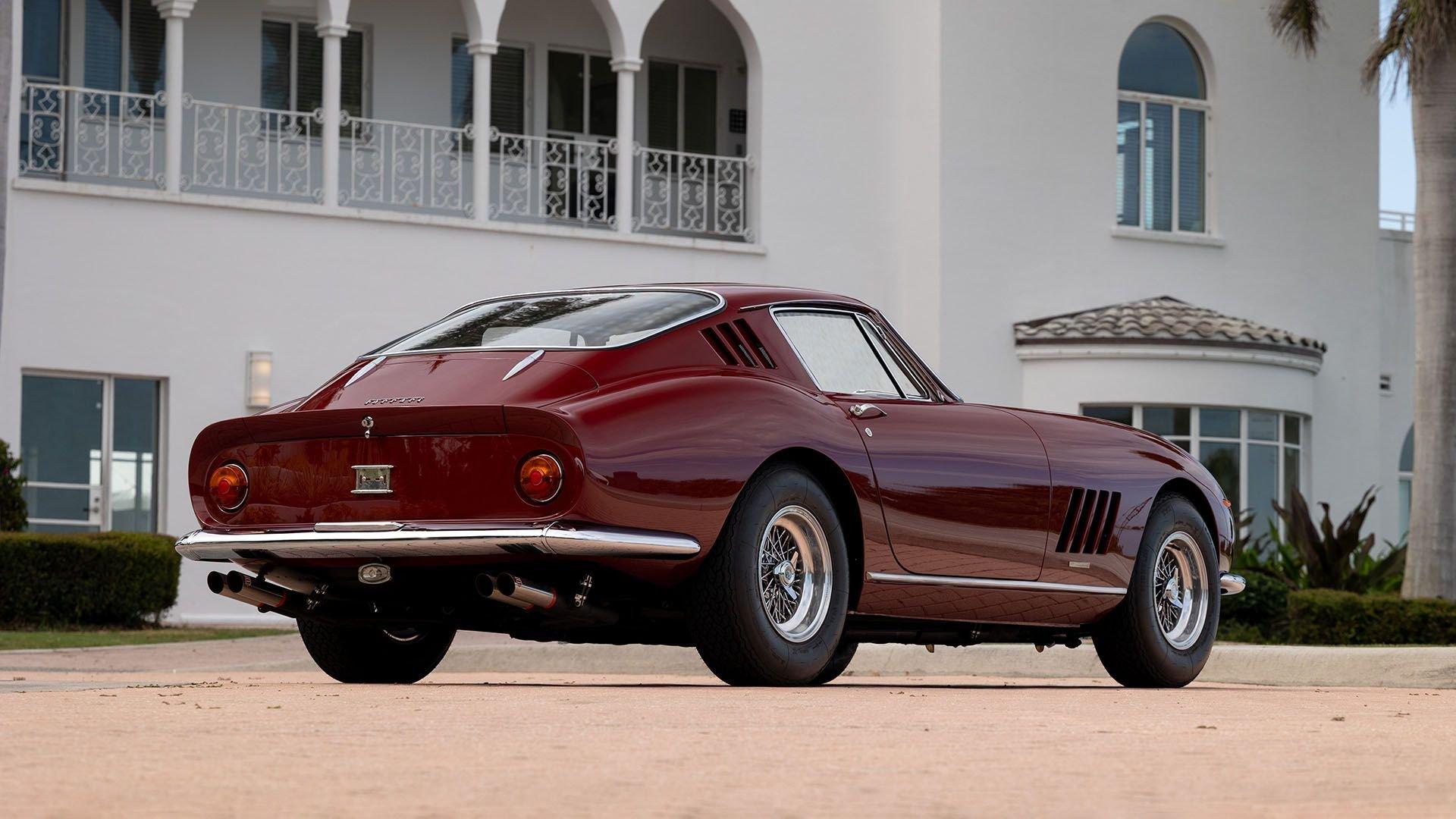
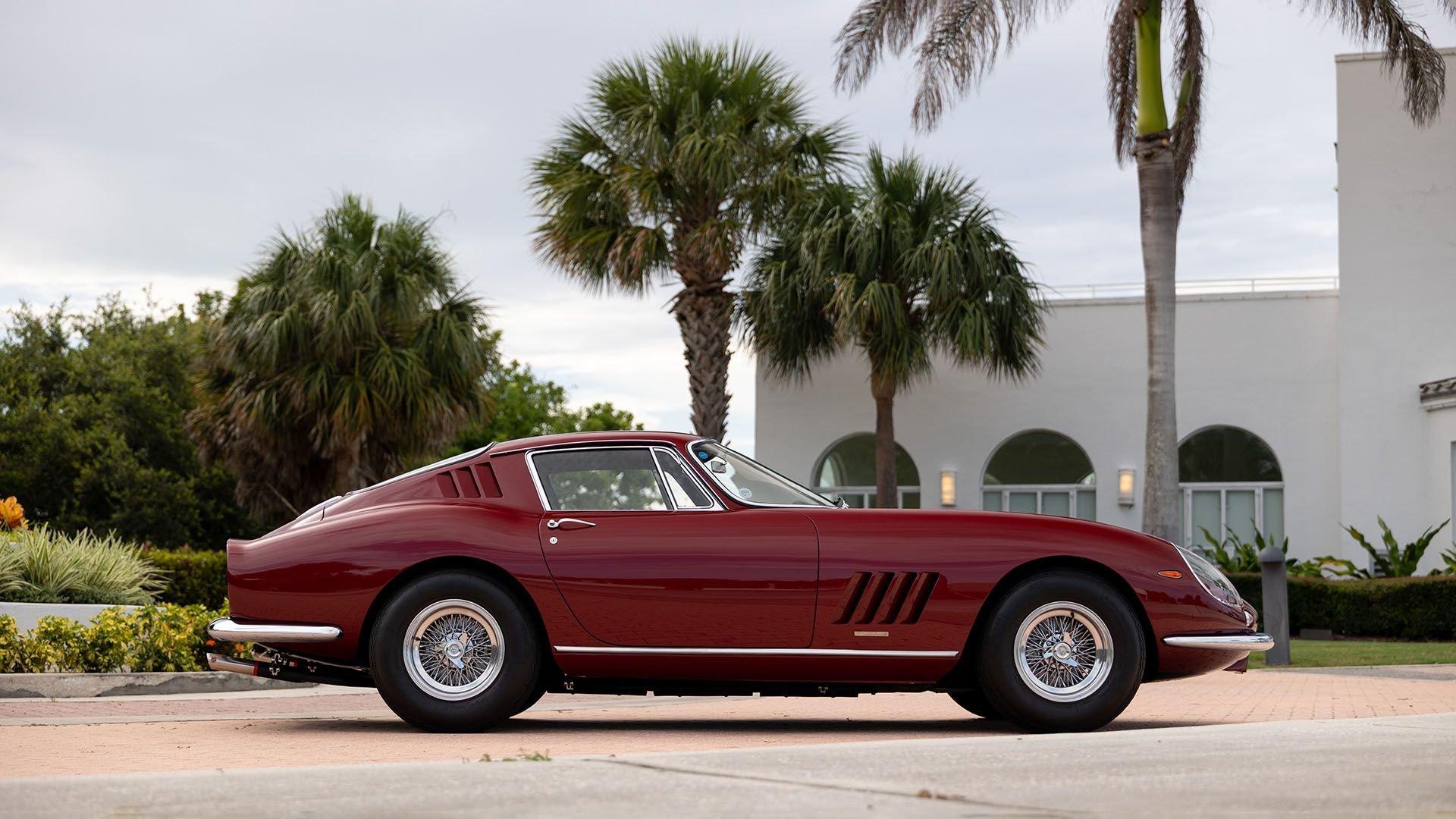
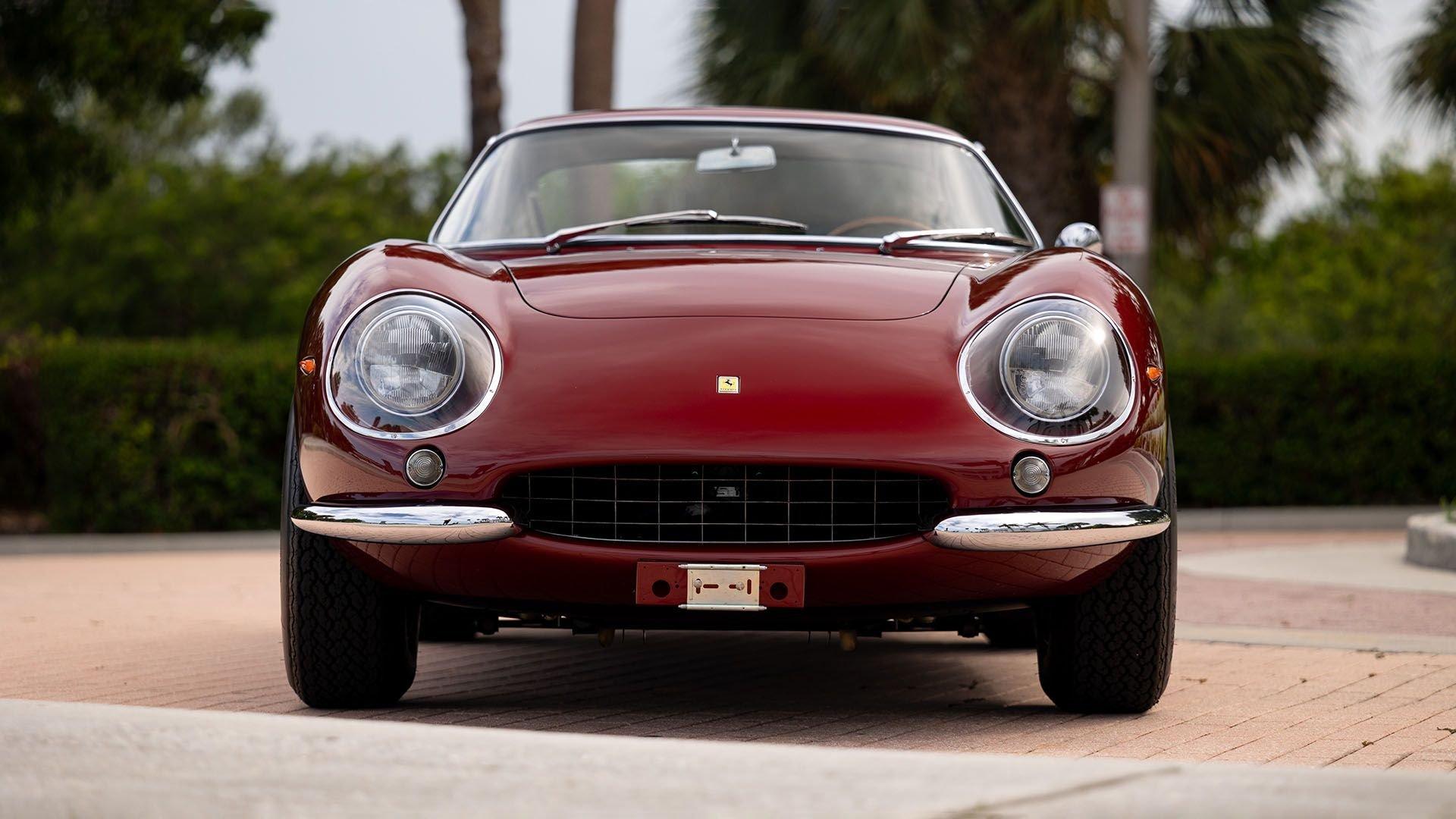
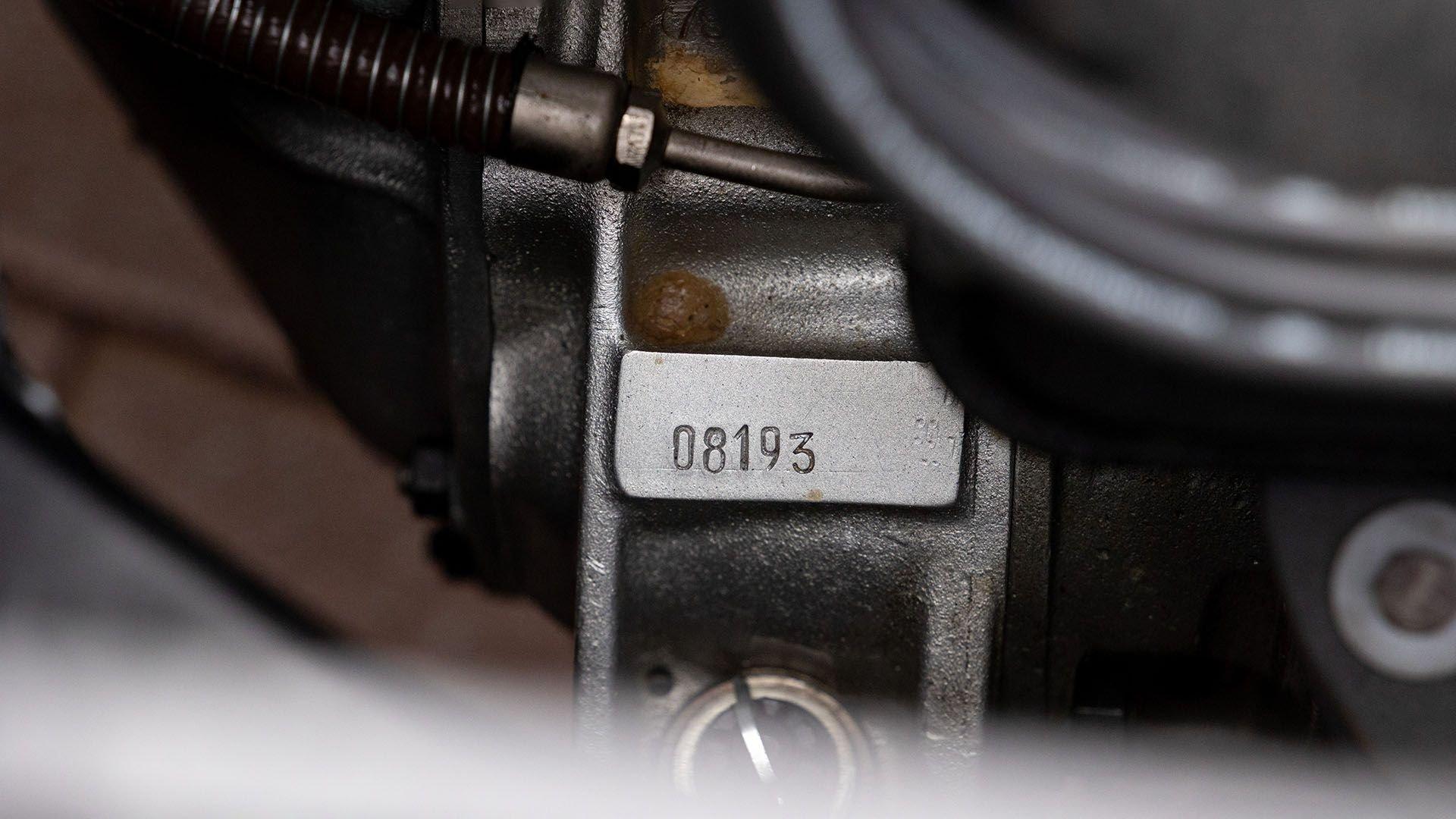
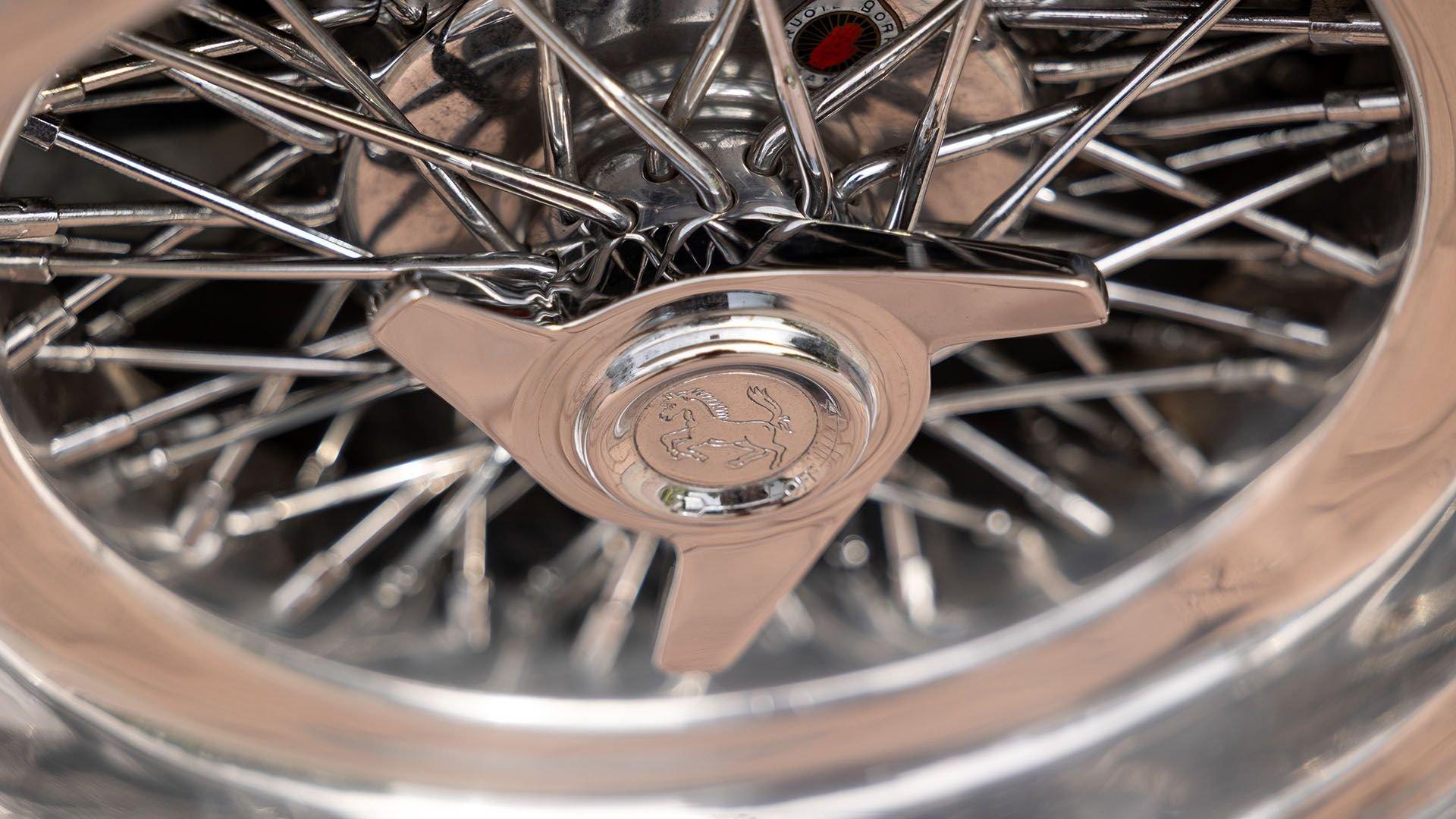
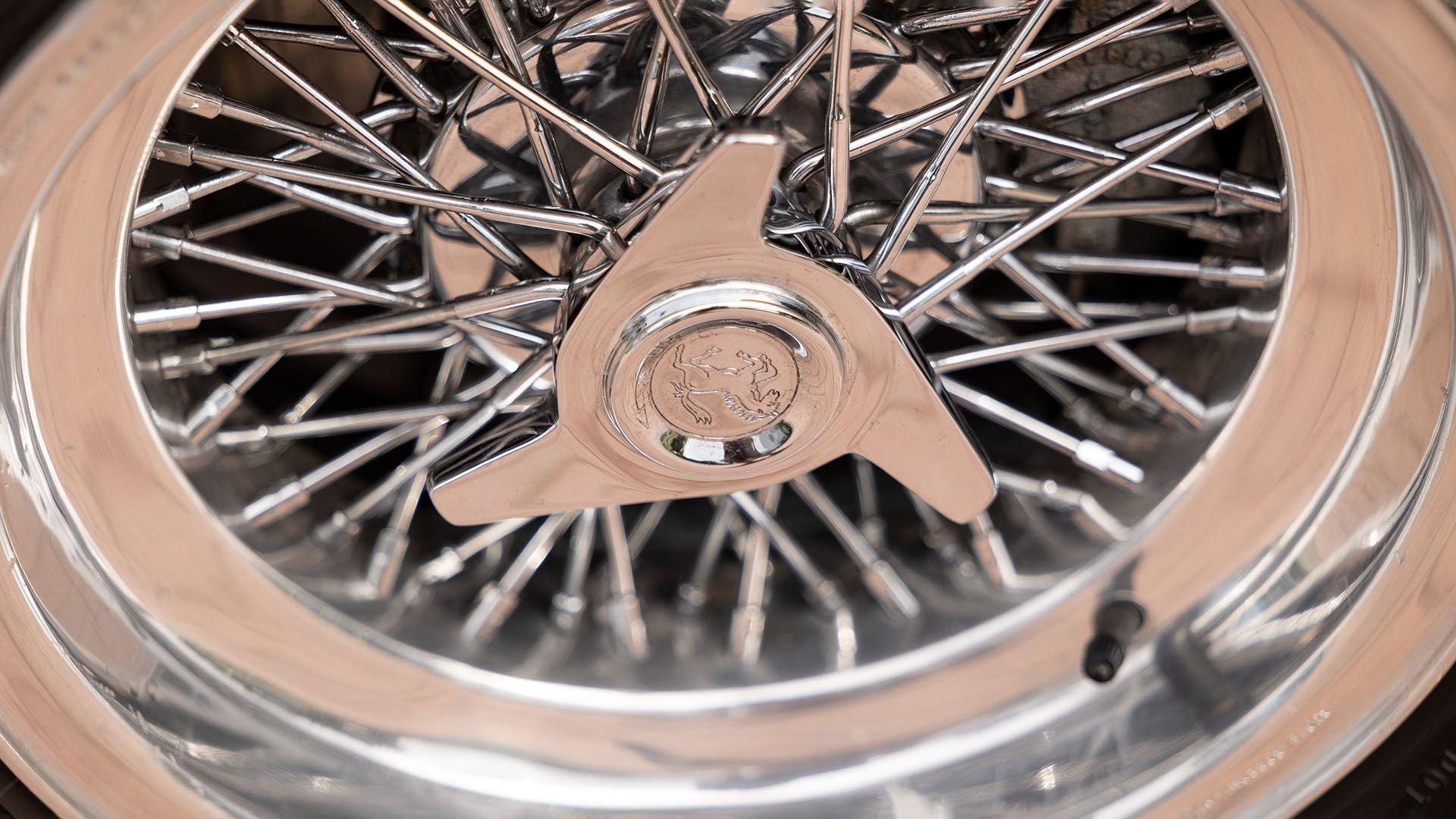
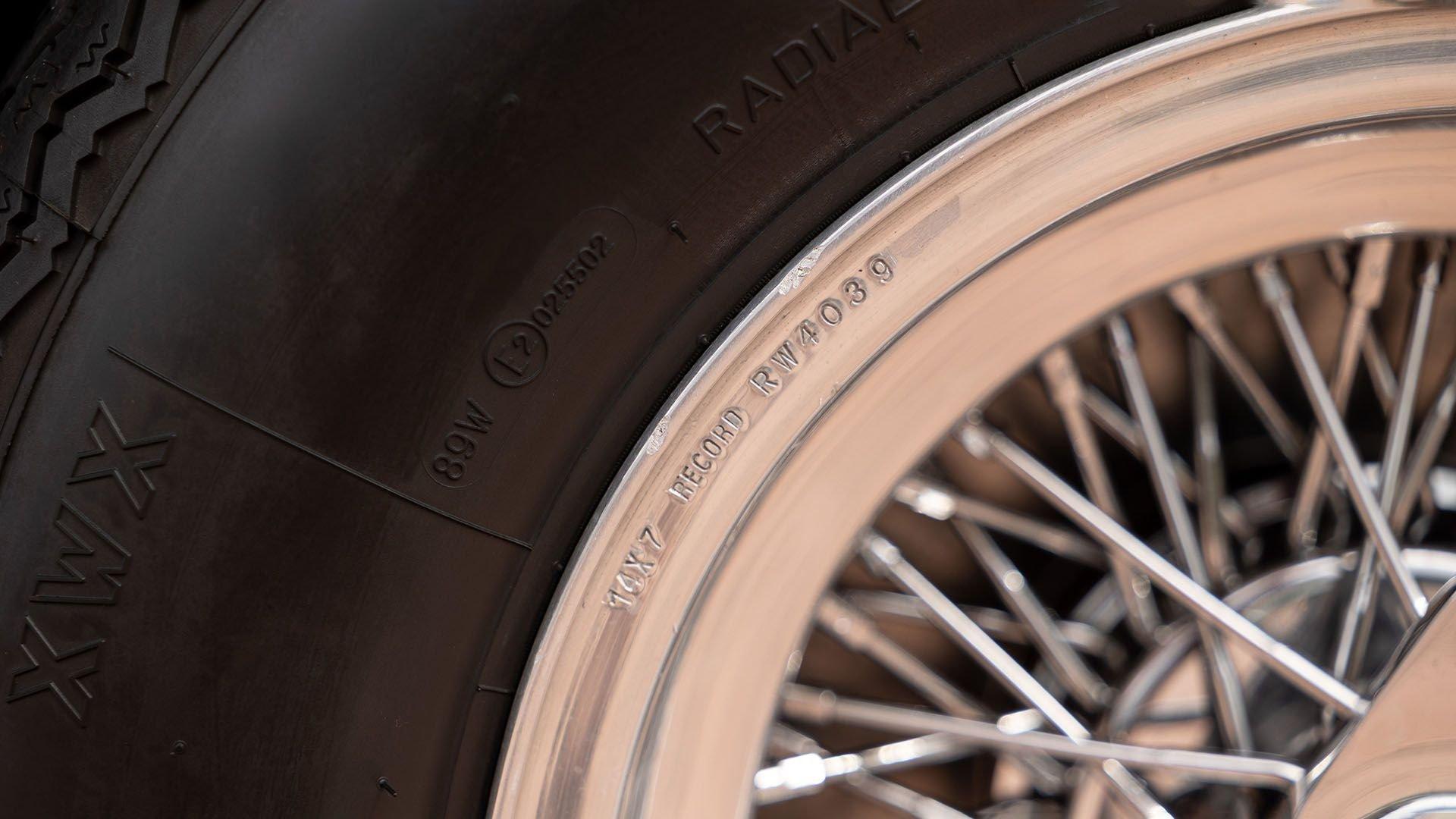
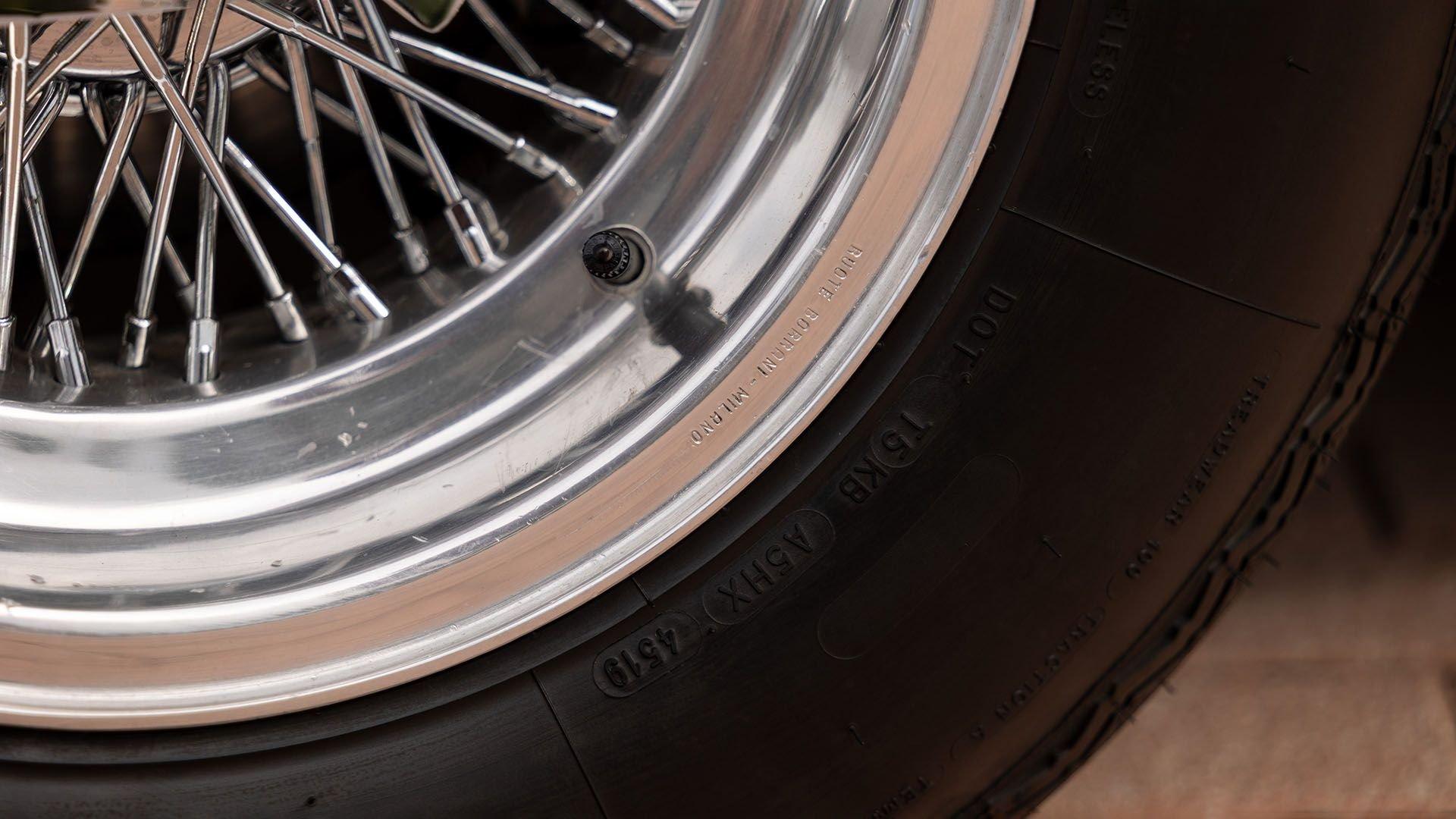
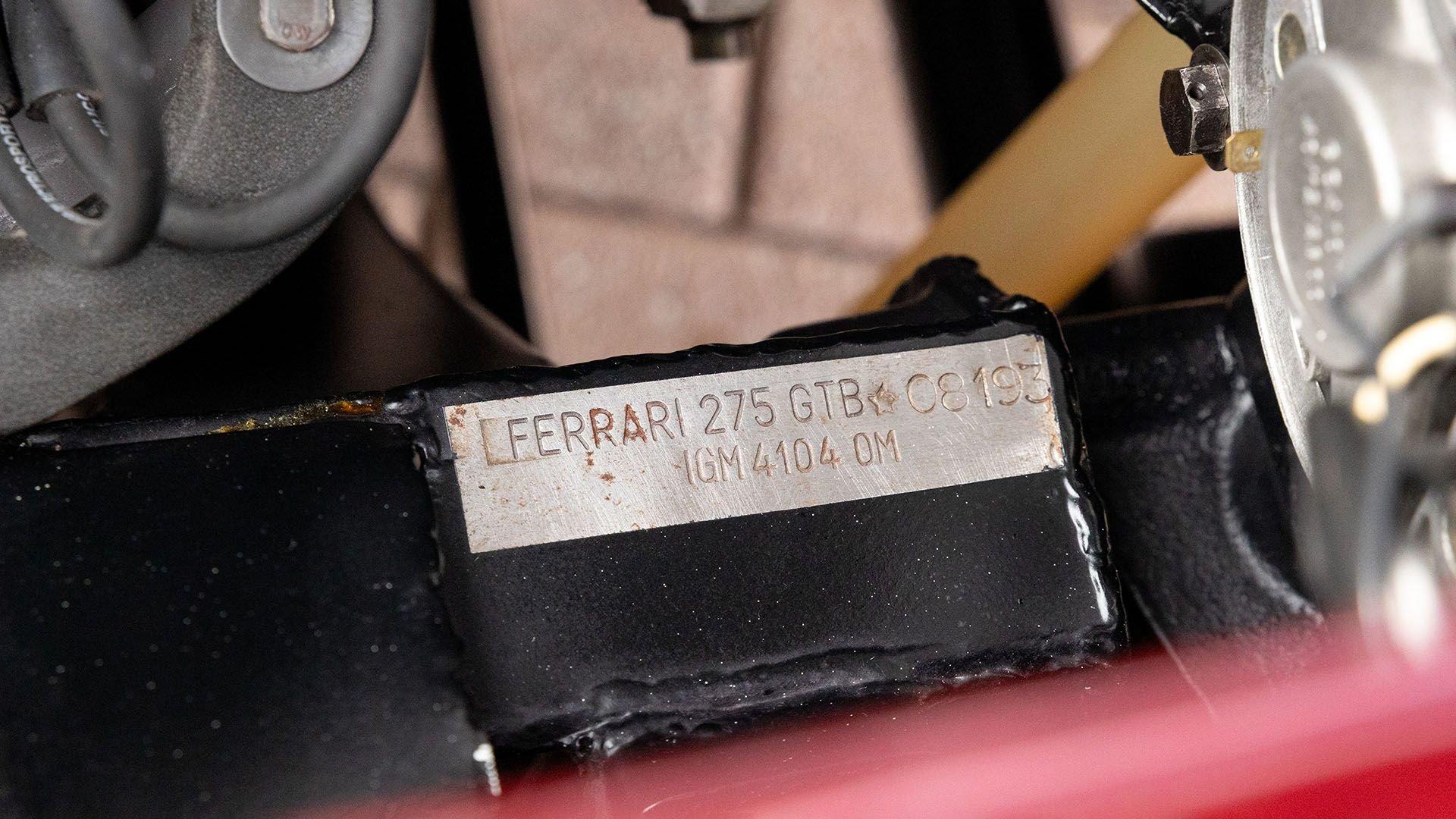
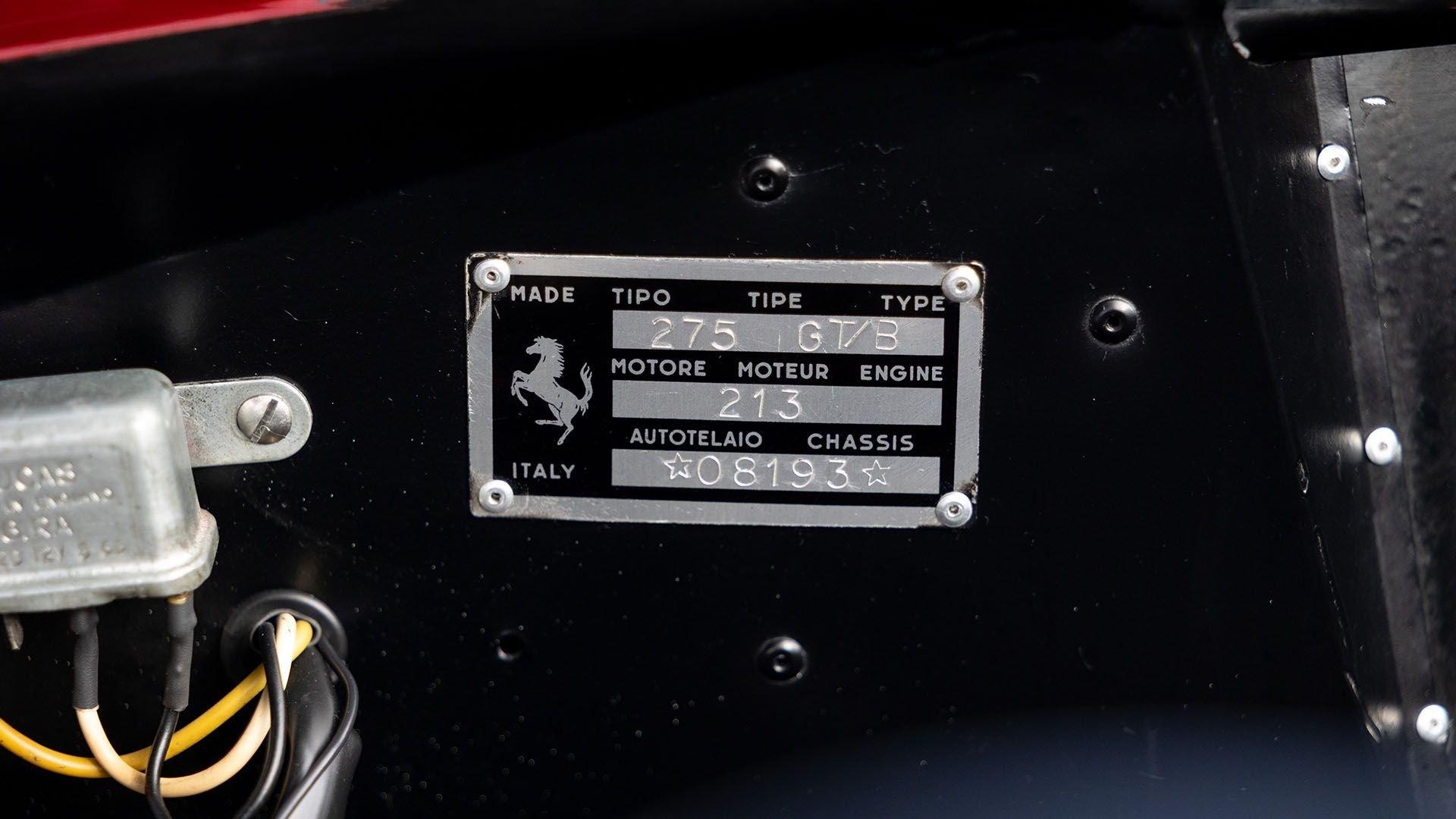
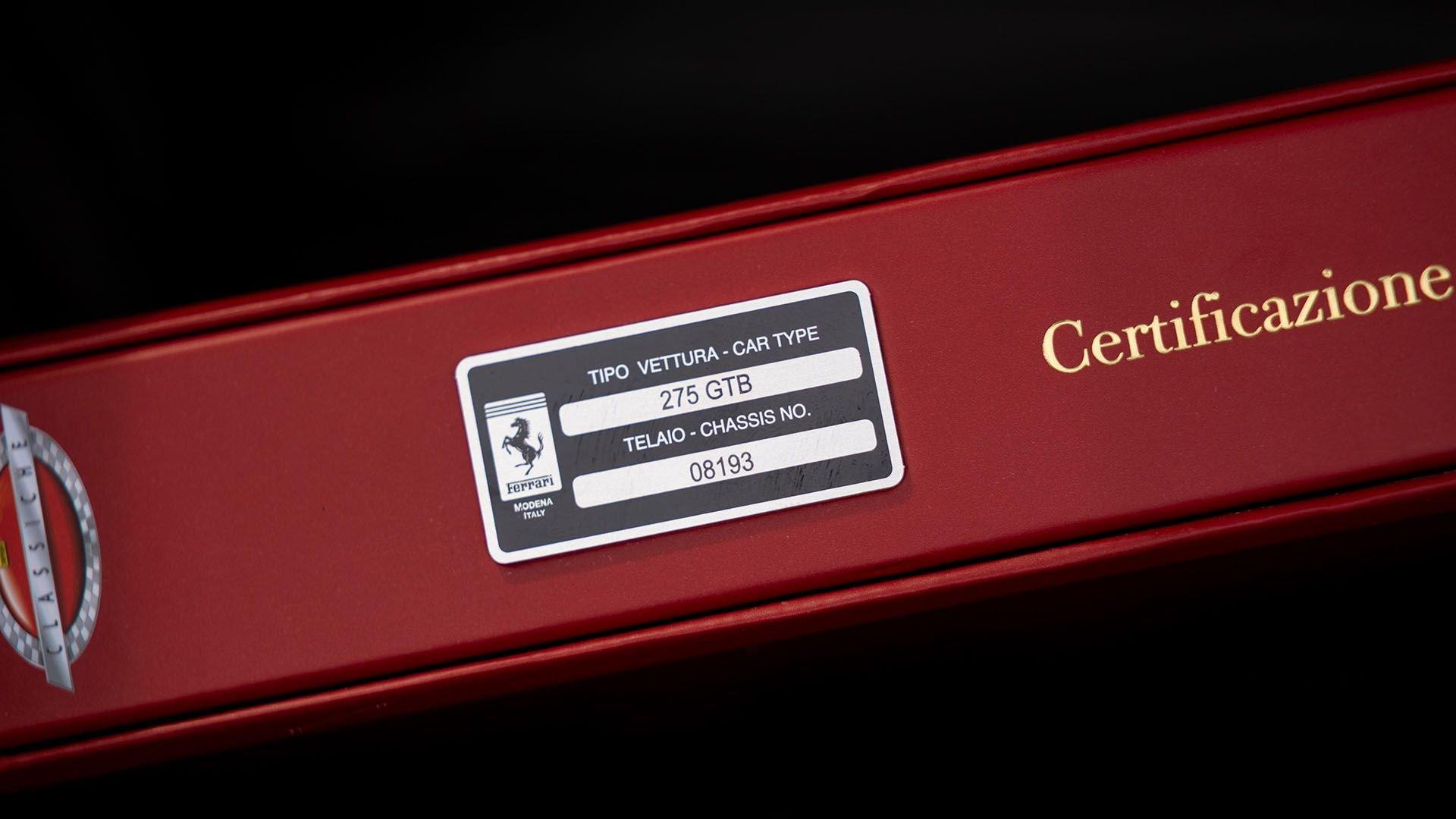
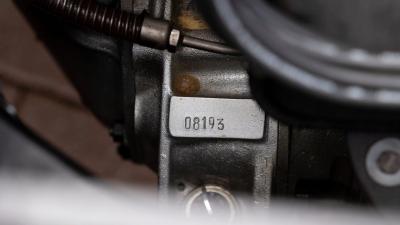

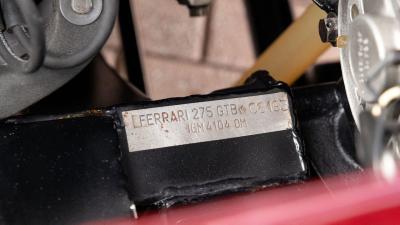
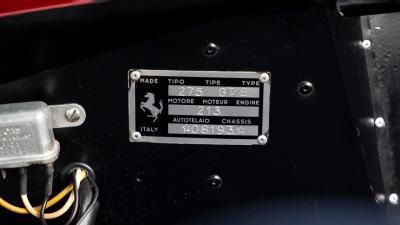
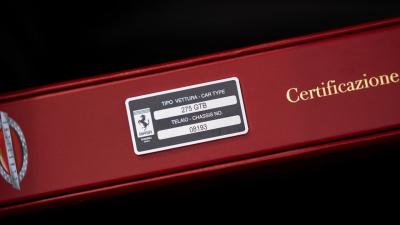
Chassis No. 08193
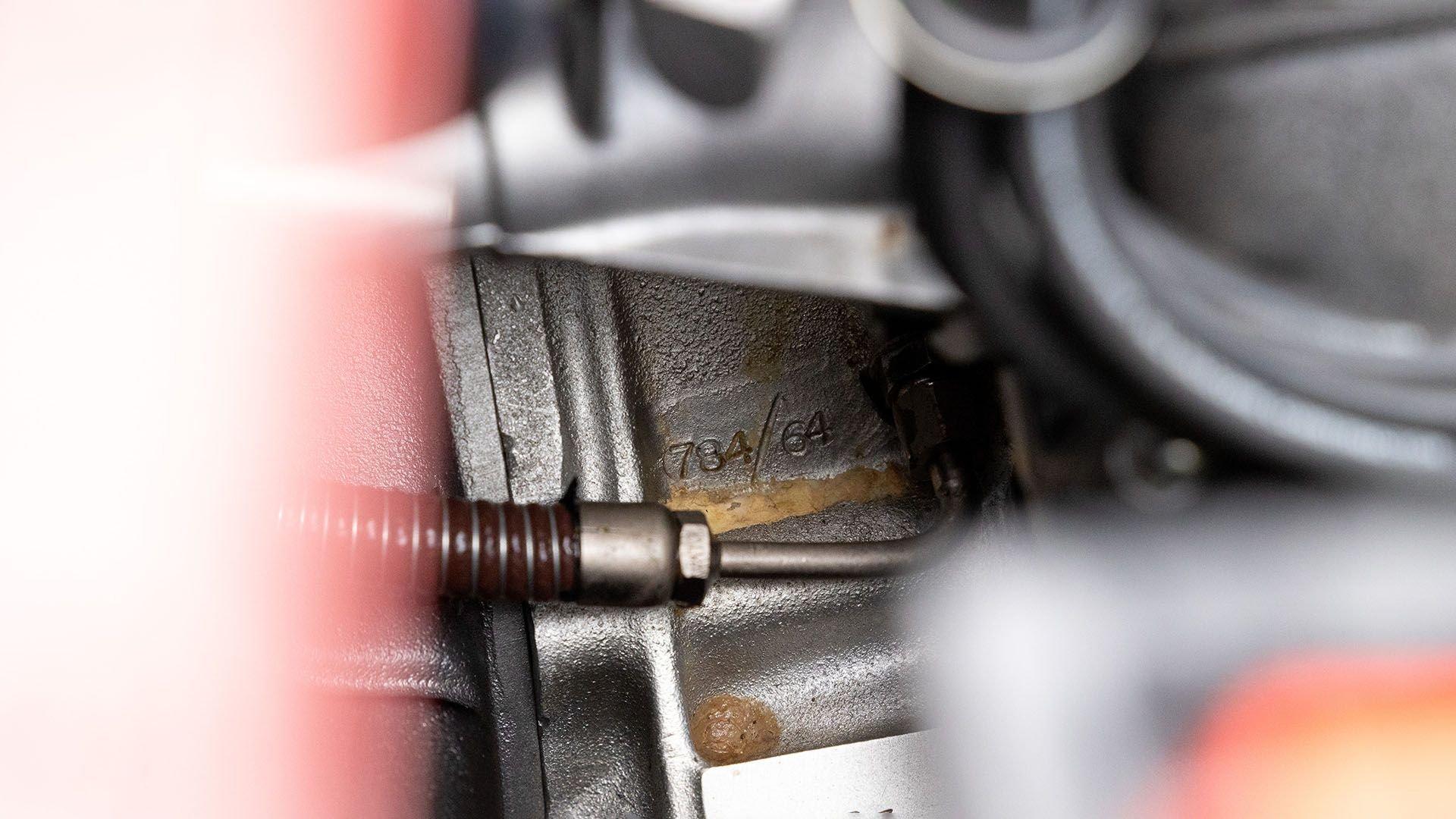
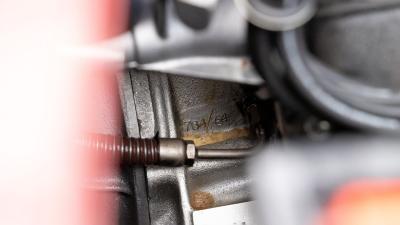
Engine No. 784/64
Transmission No. 540
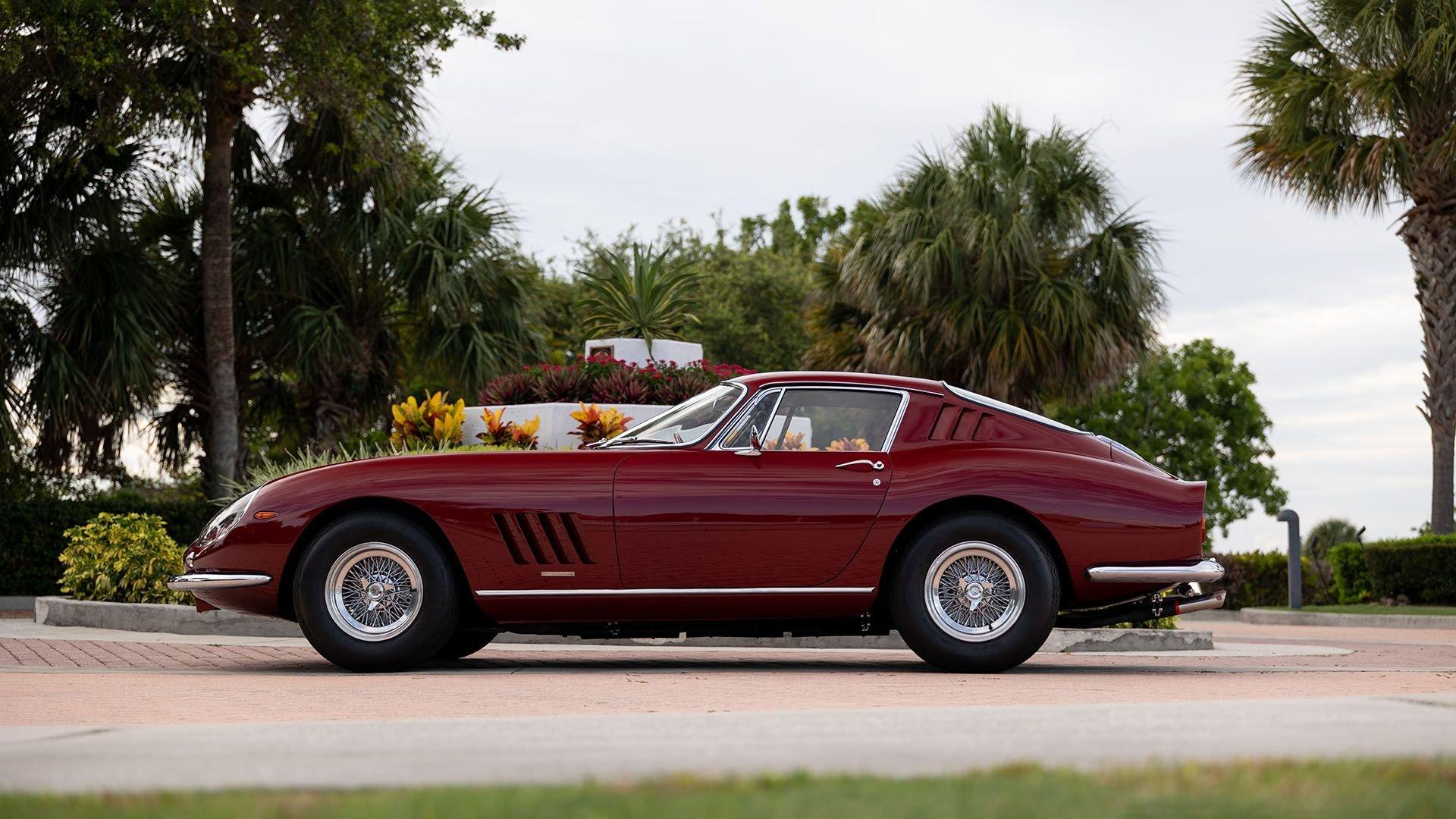
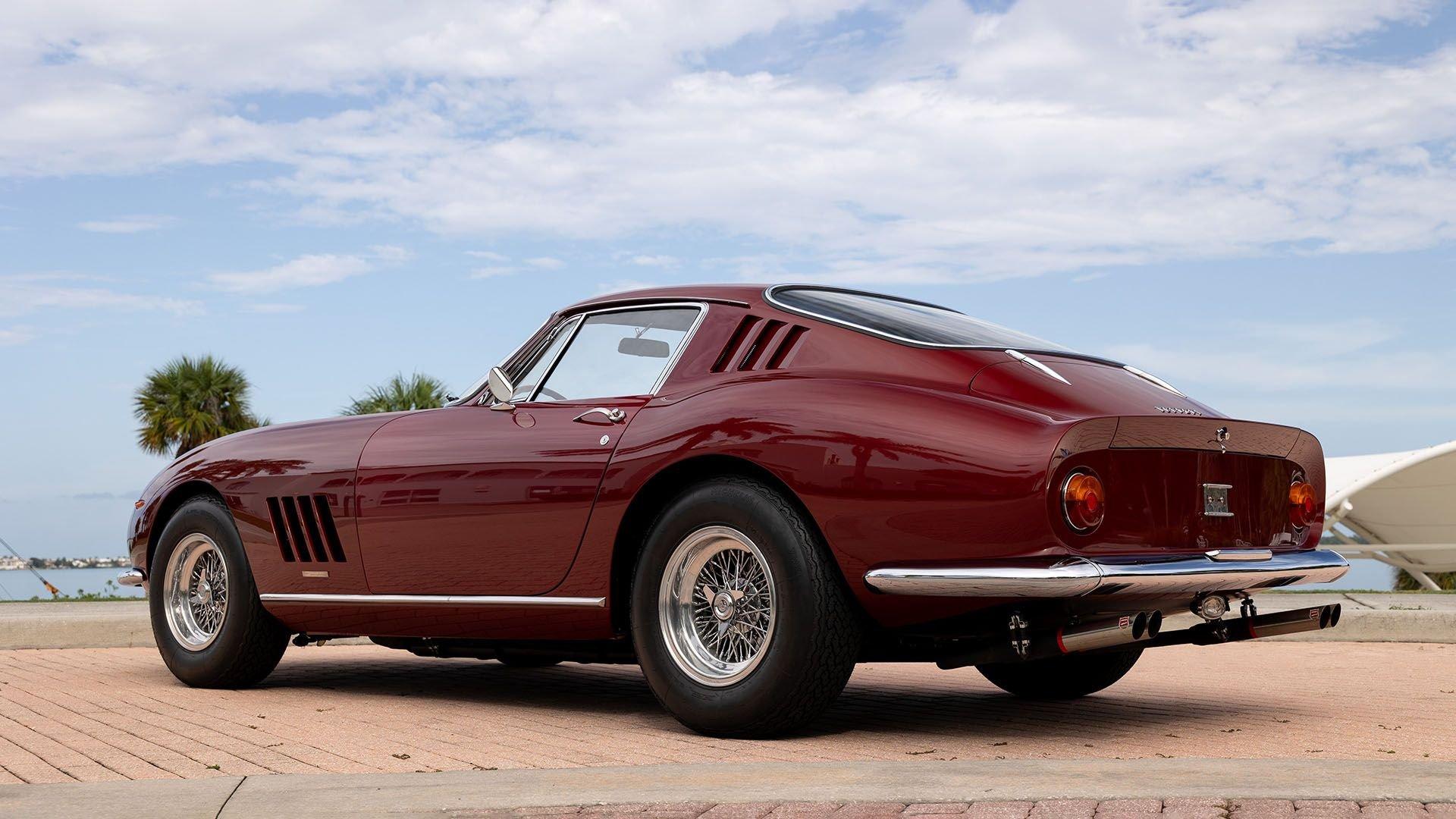
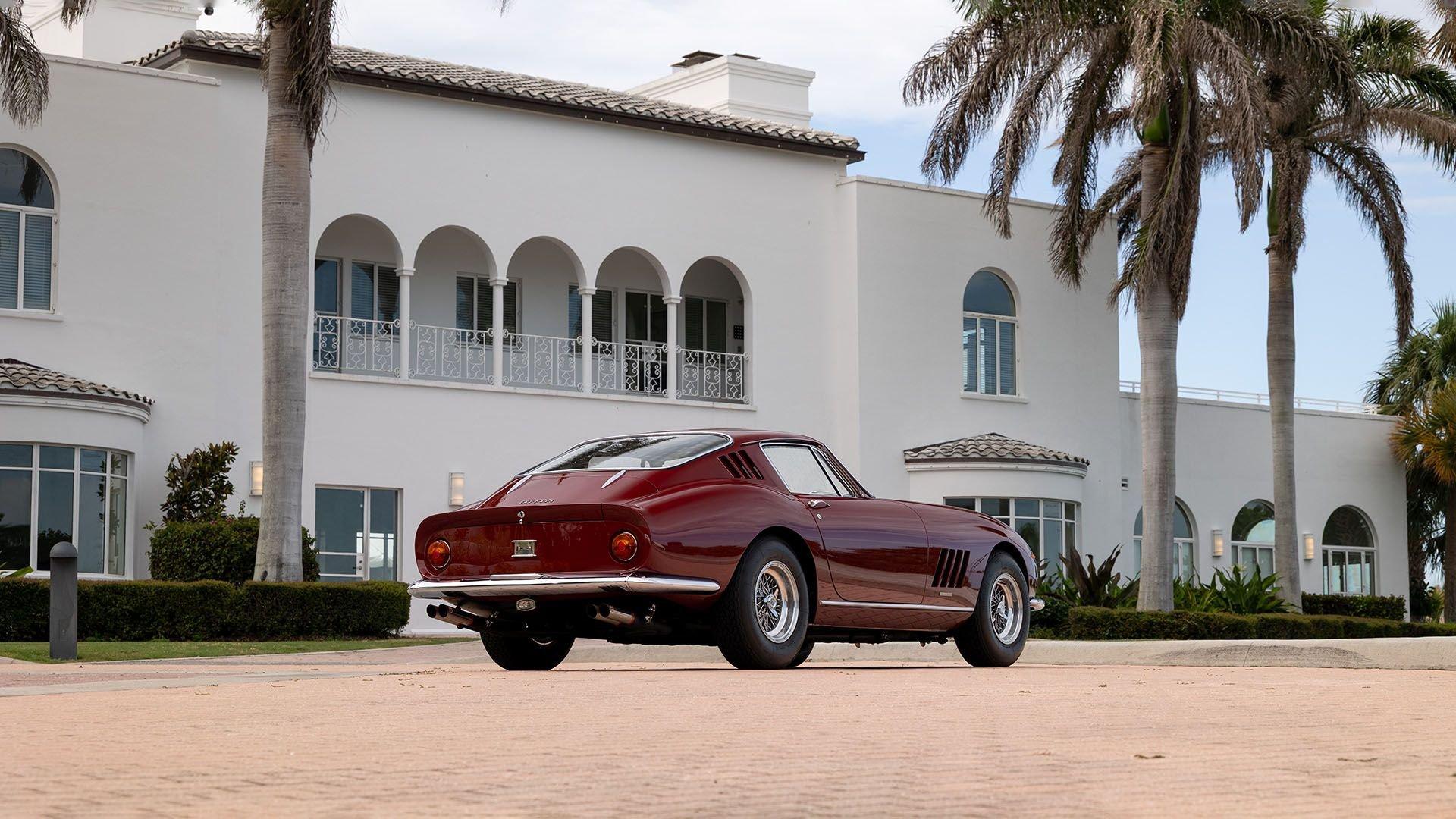
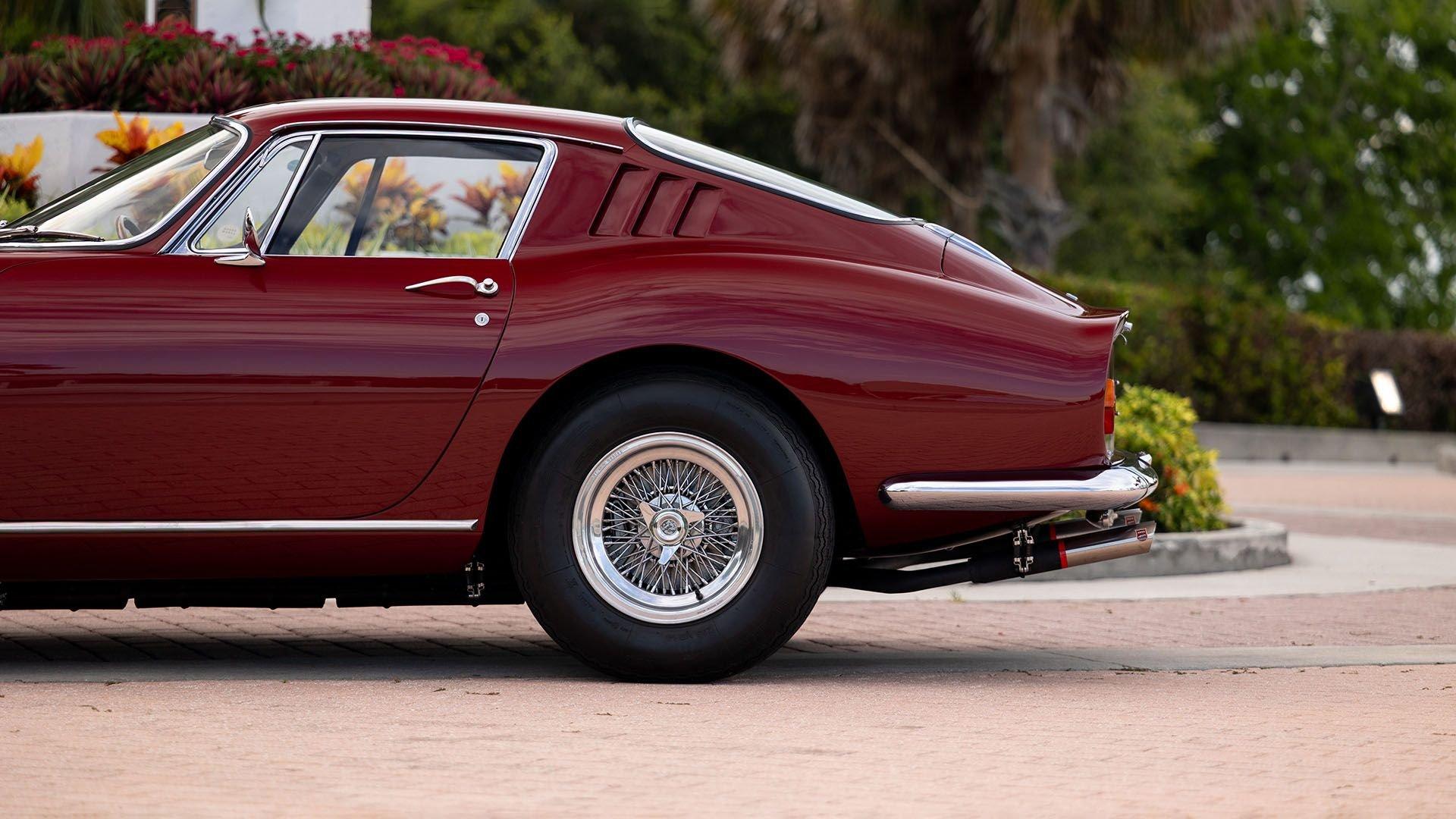
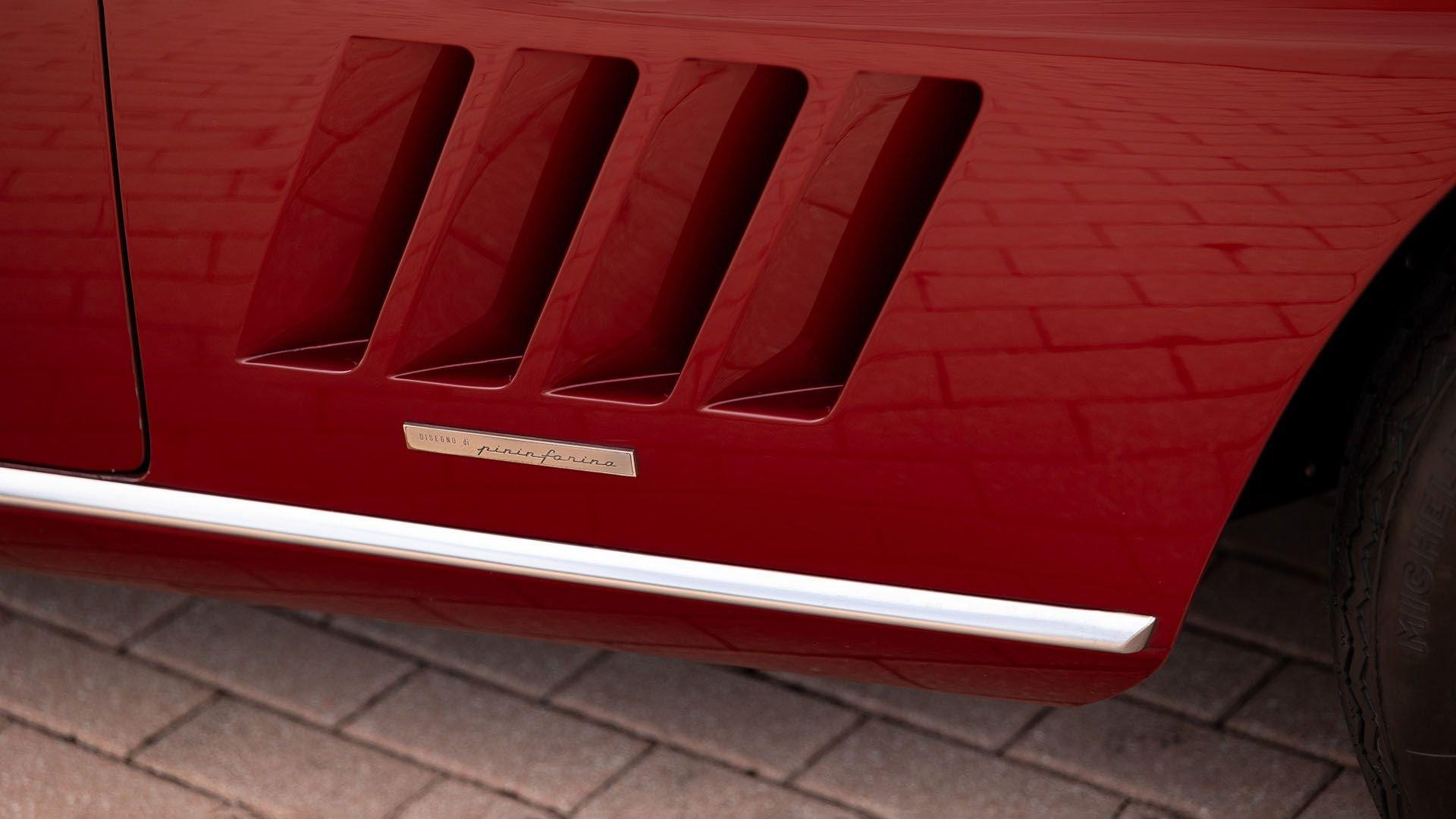
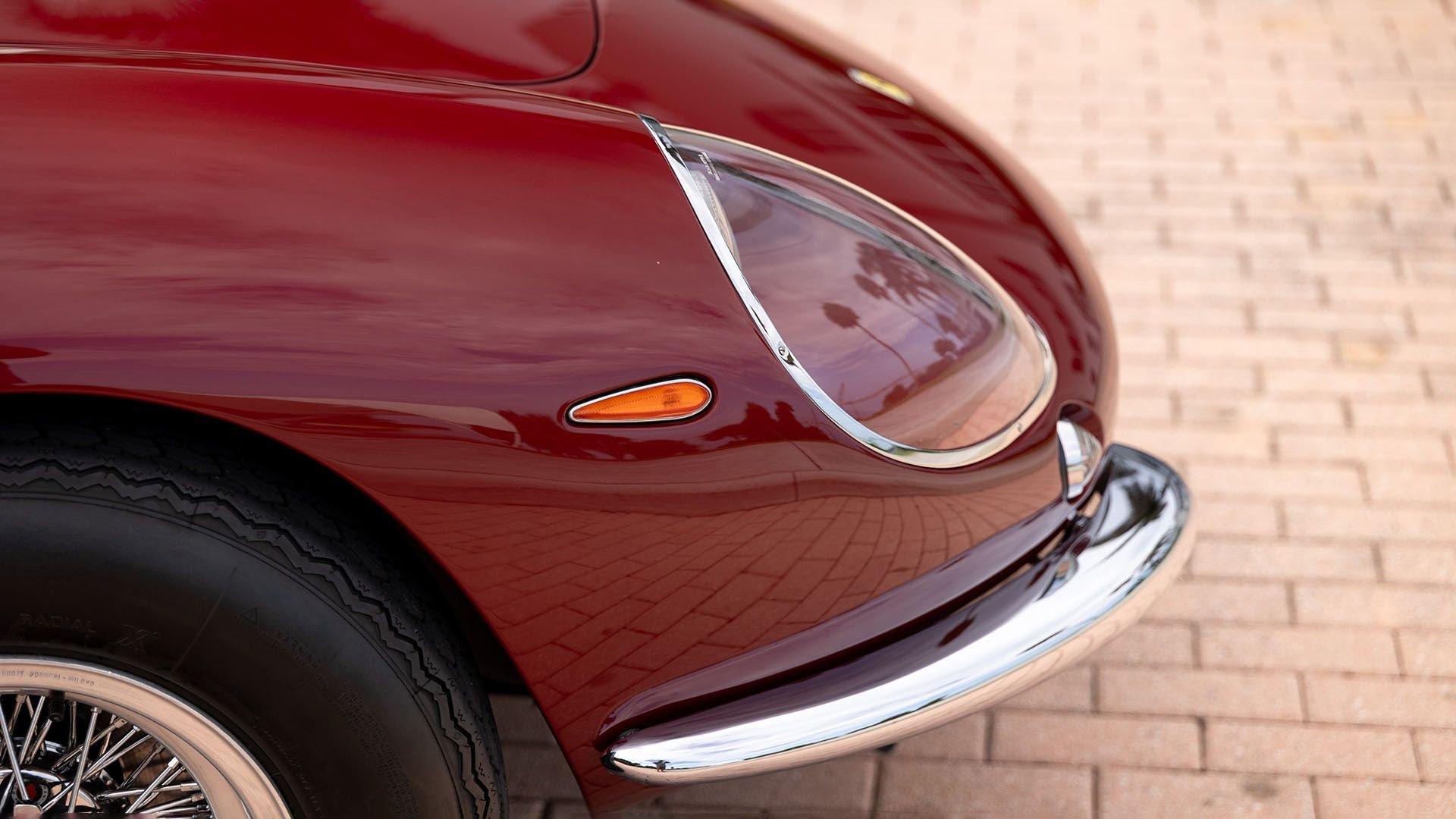
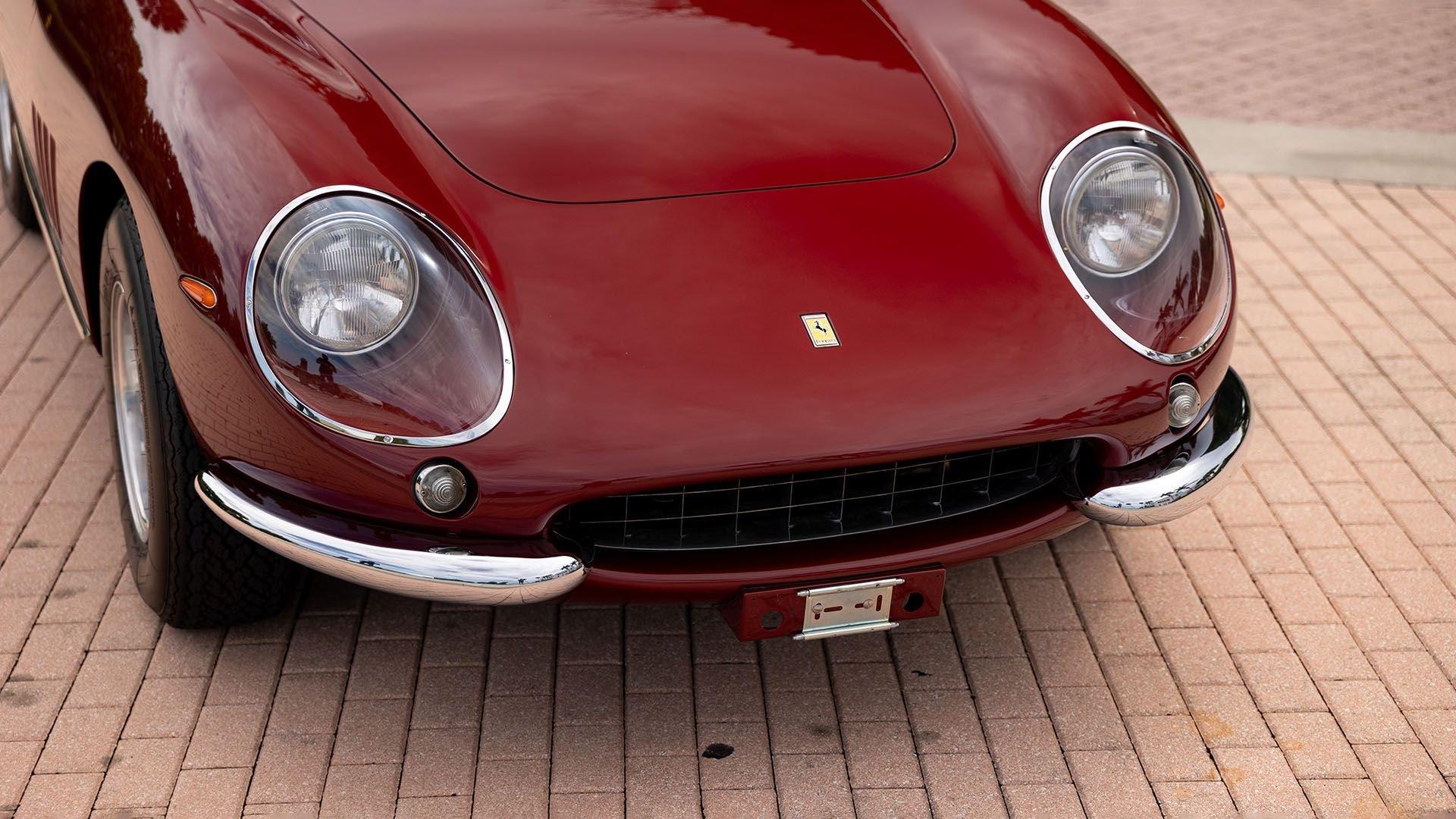
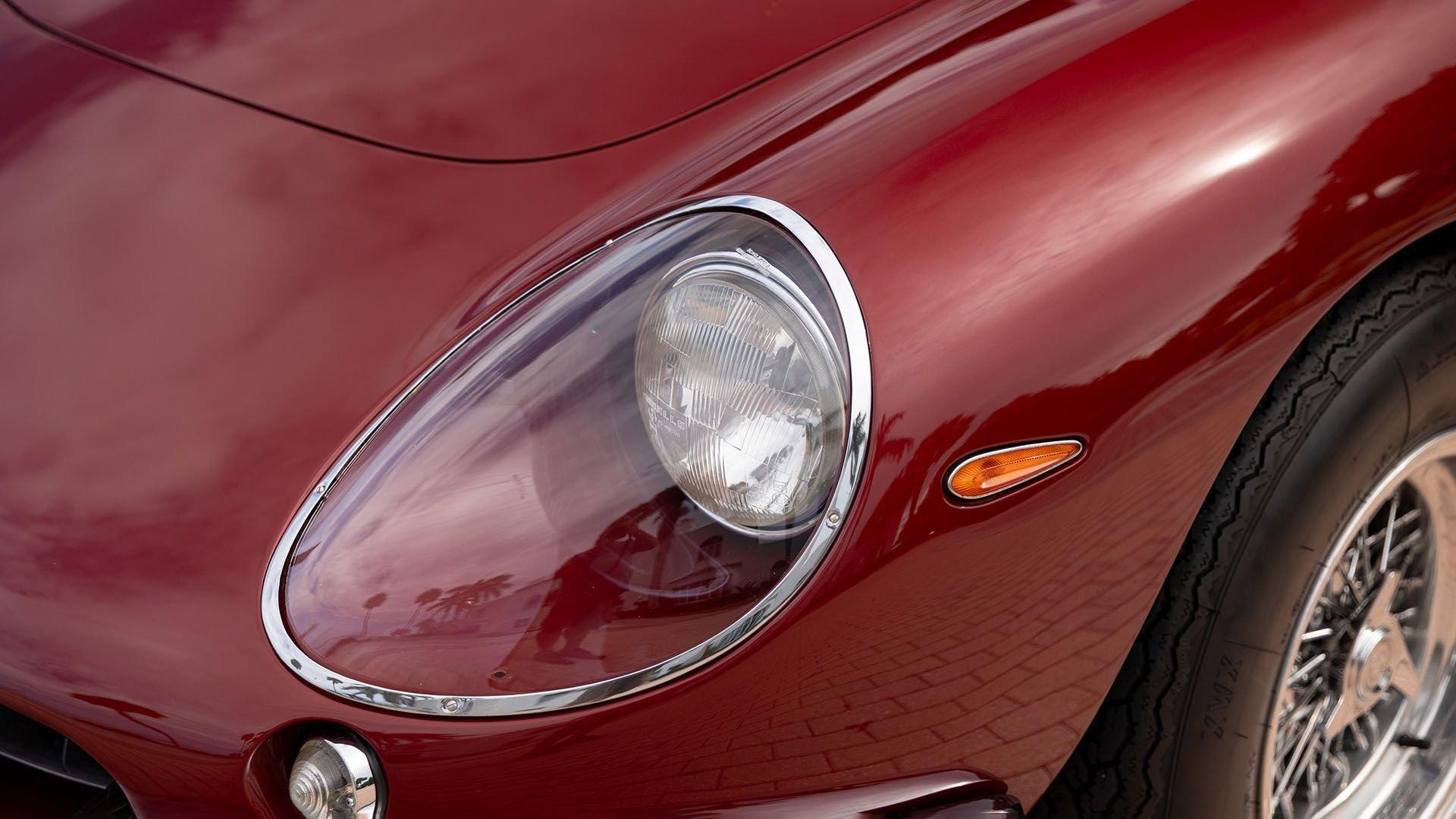
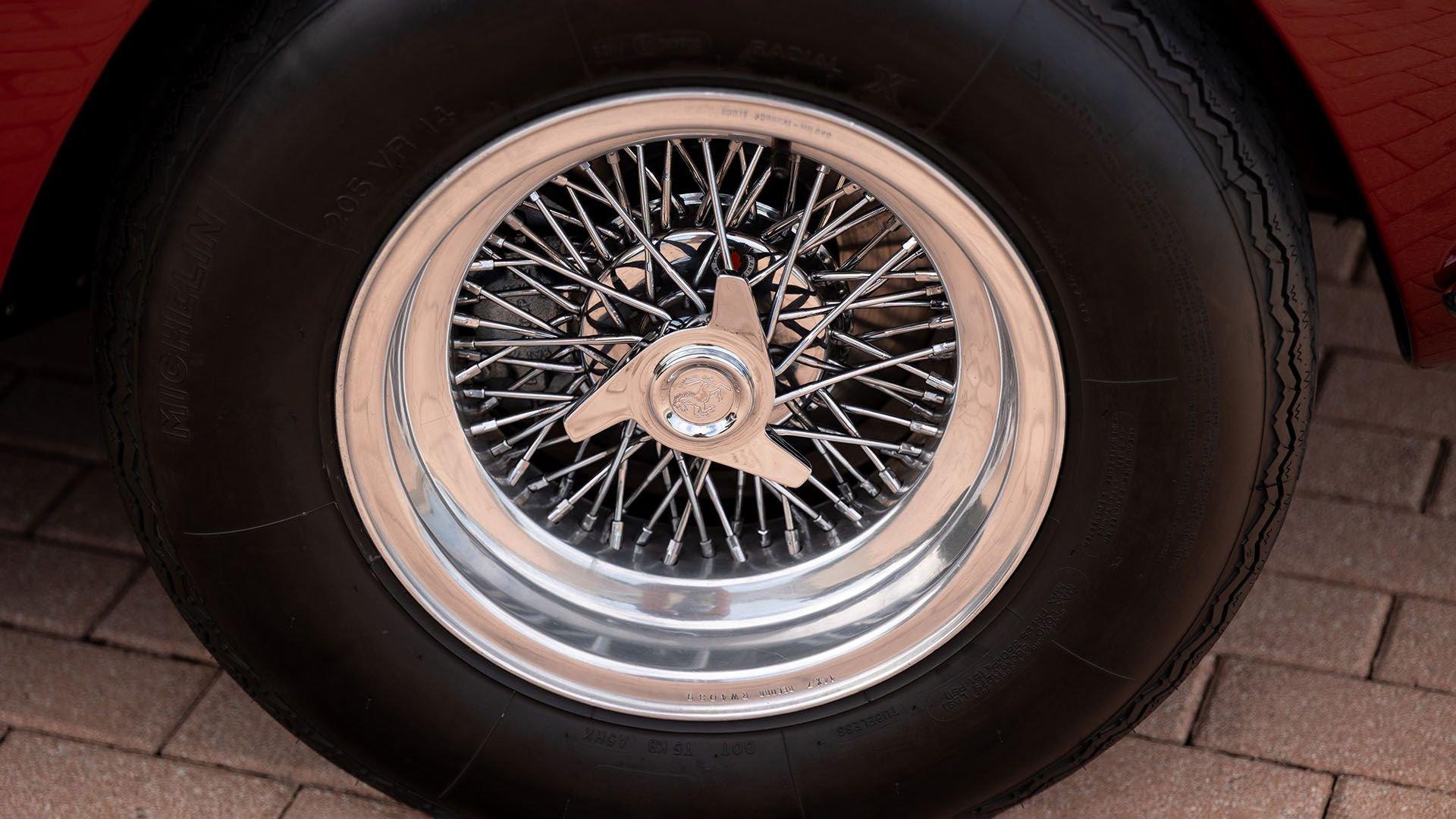
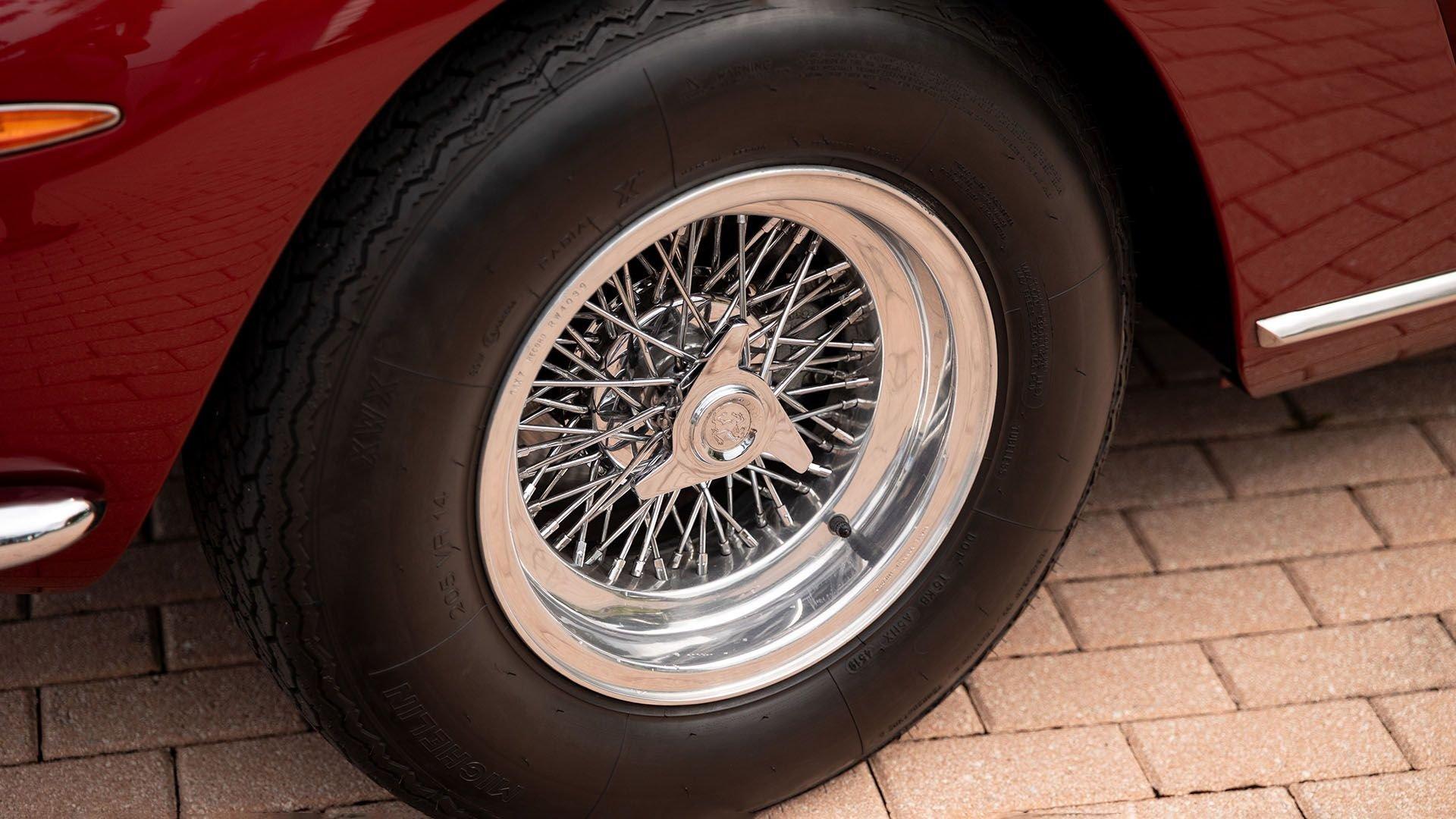
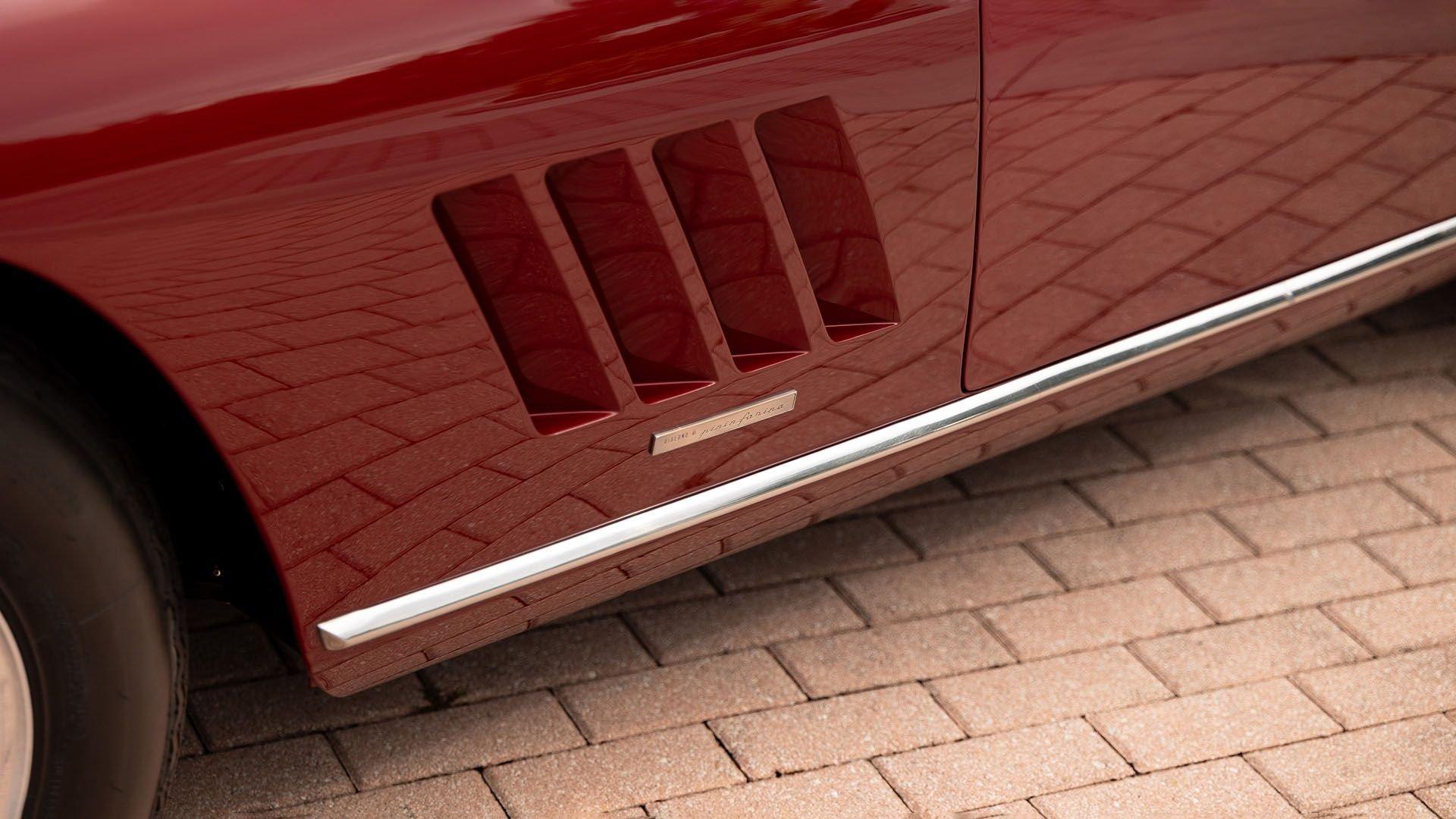
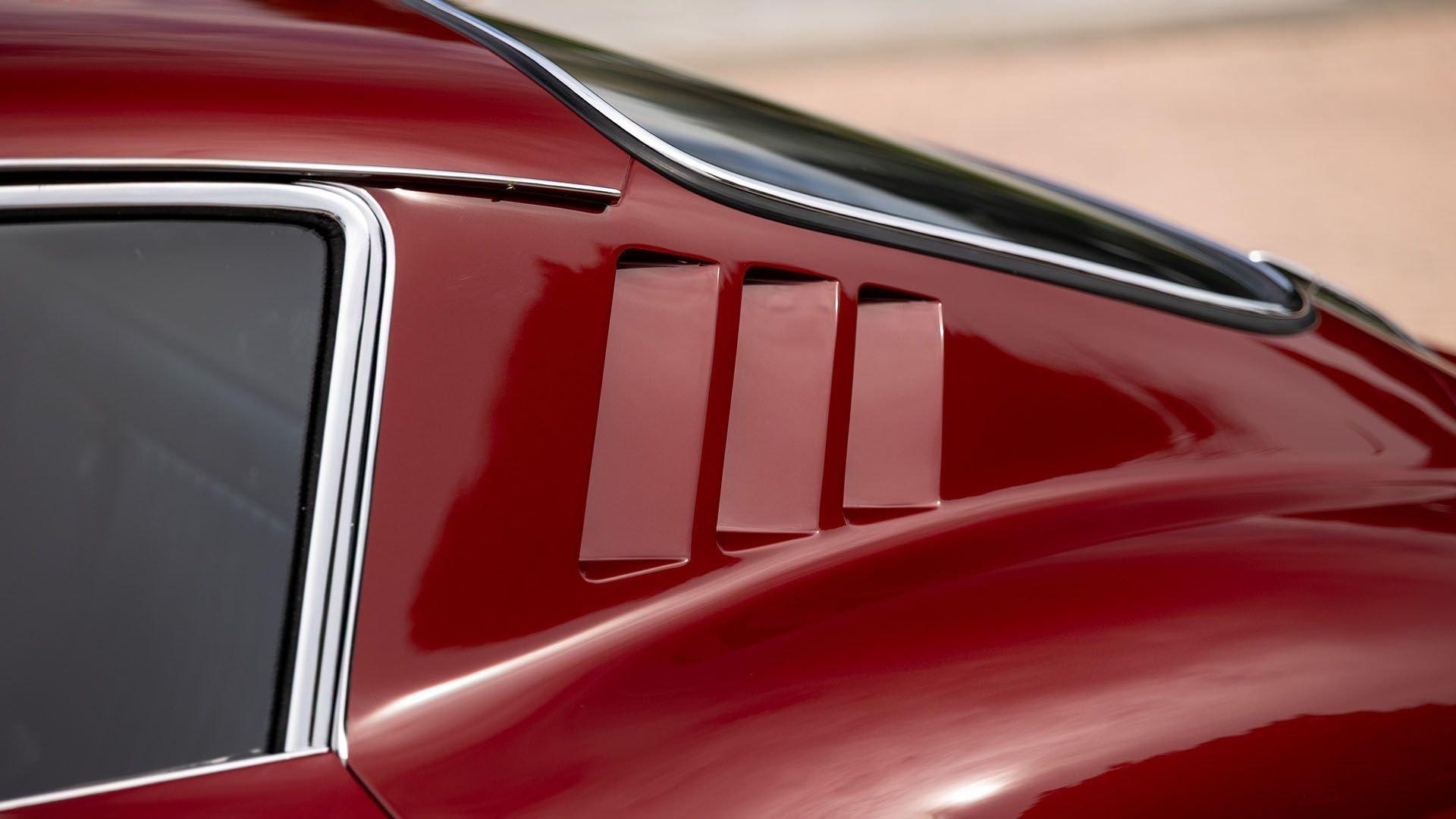
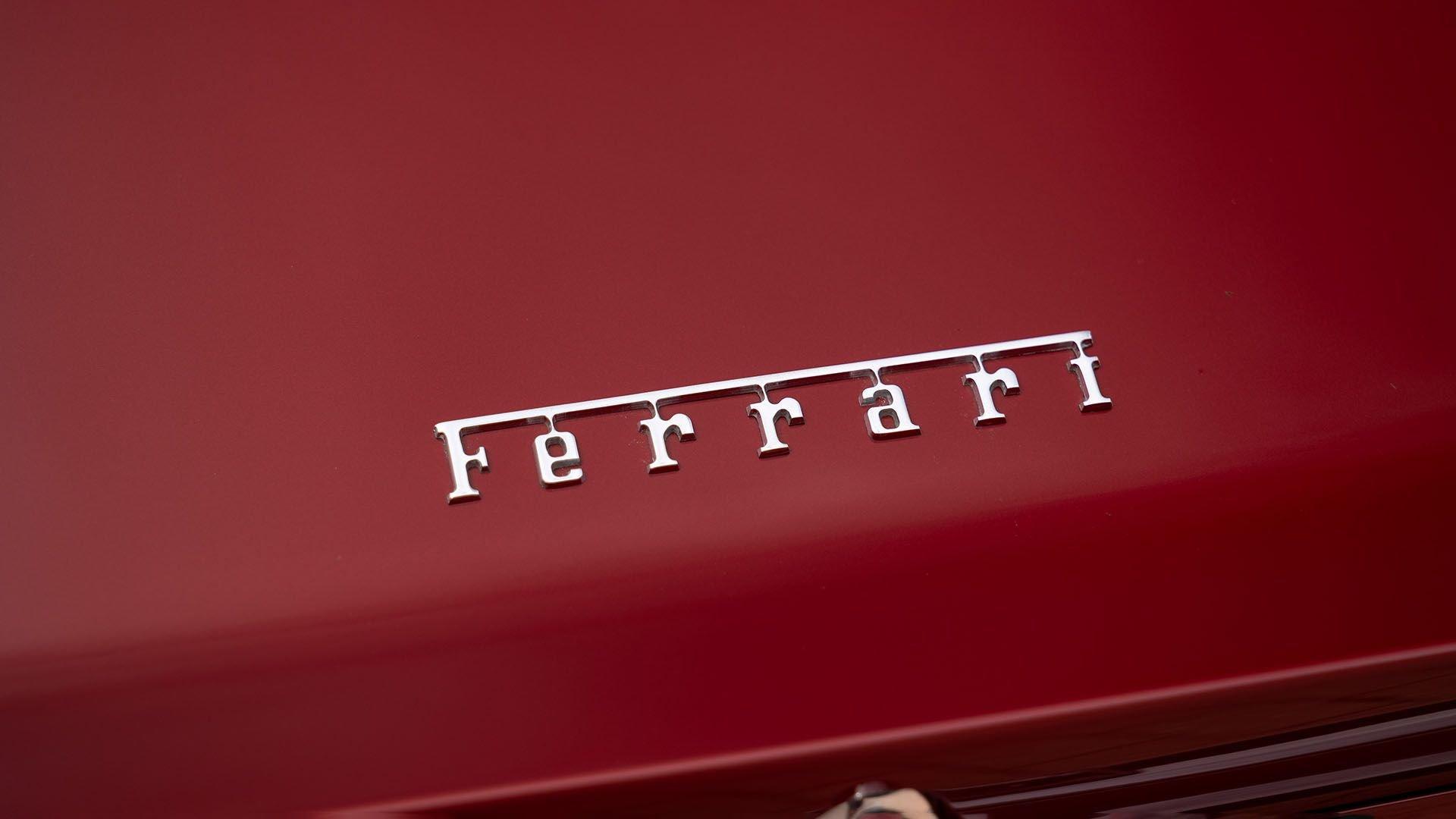
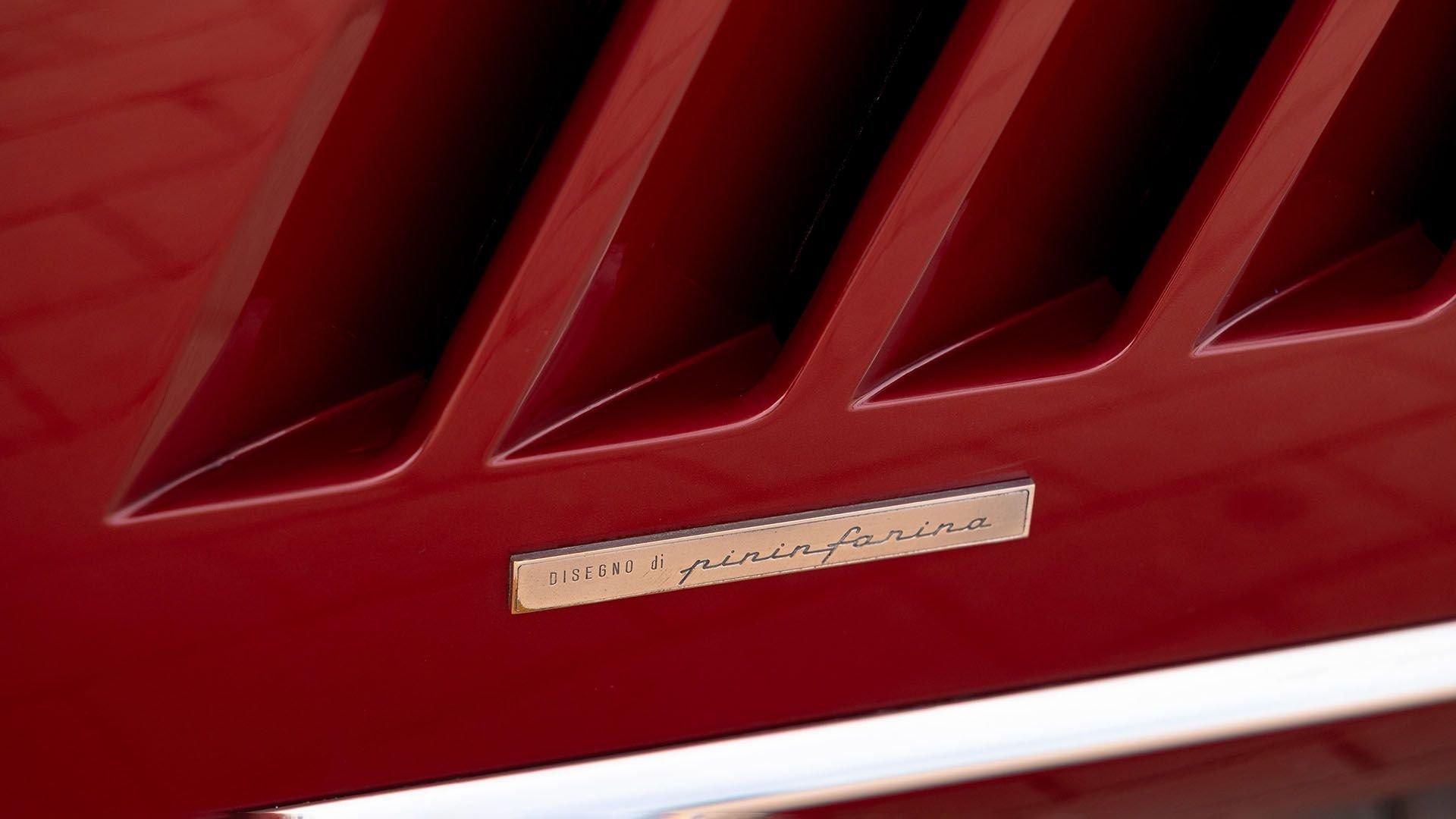
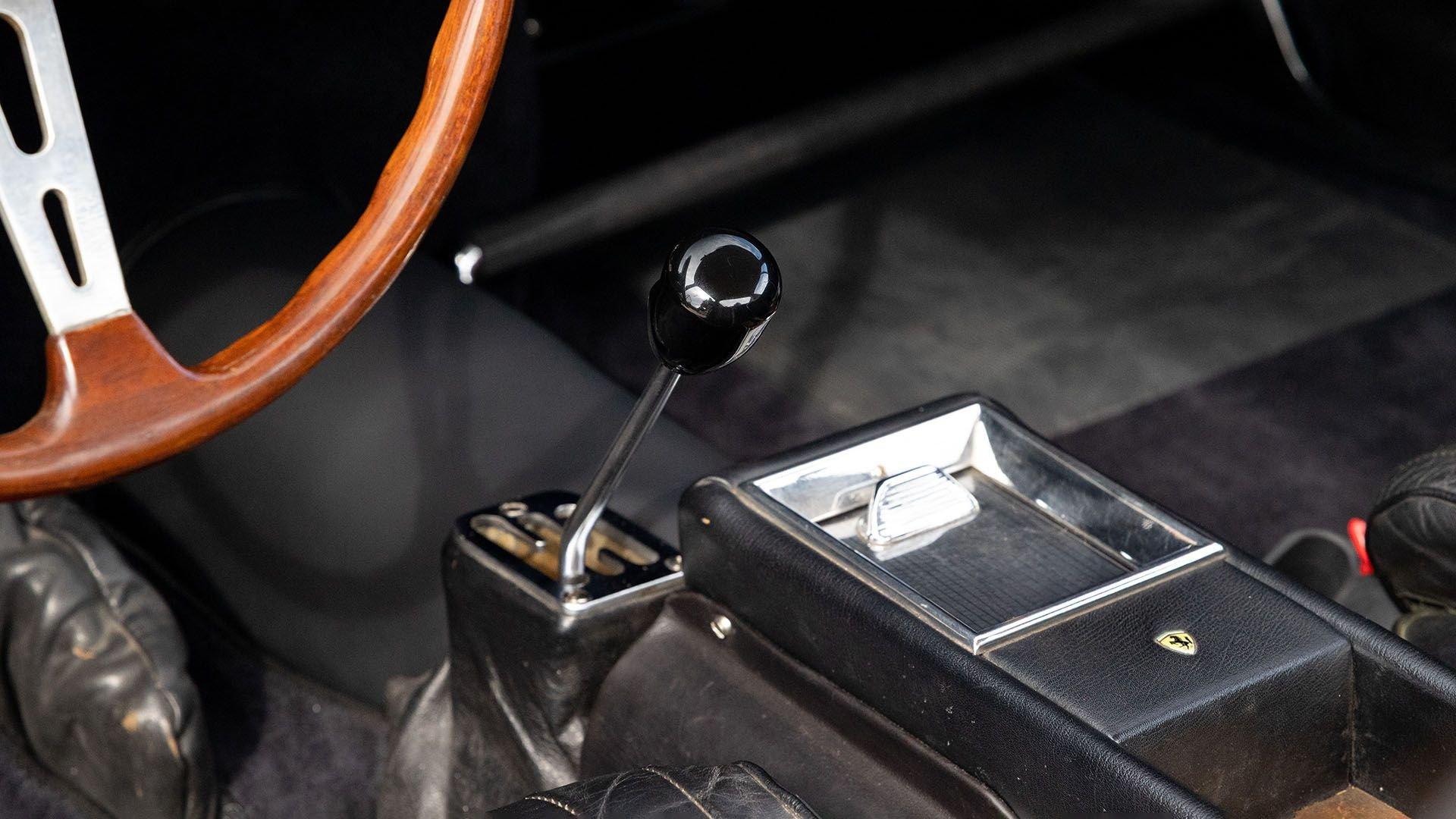
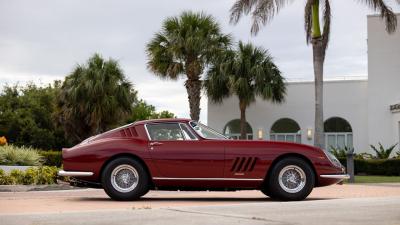
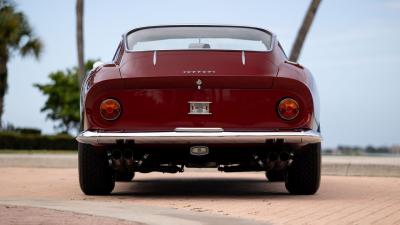
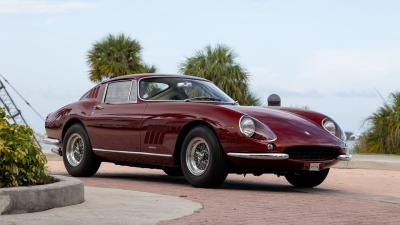
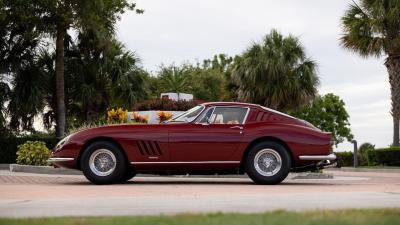
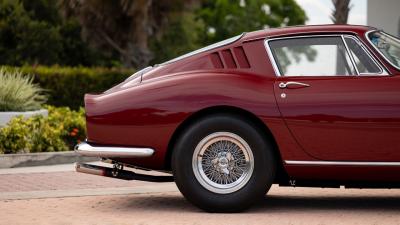
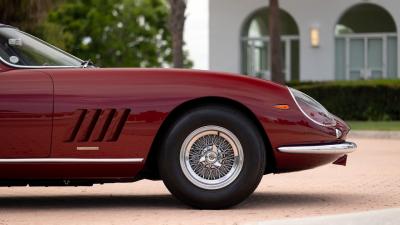
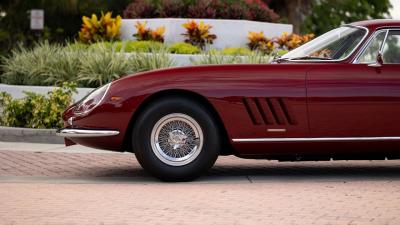
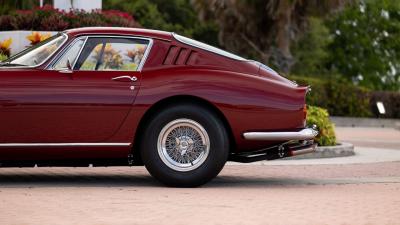
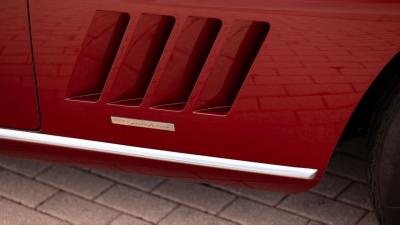
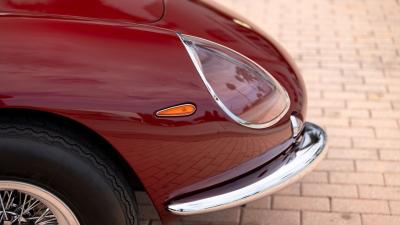
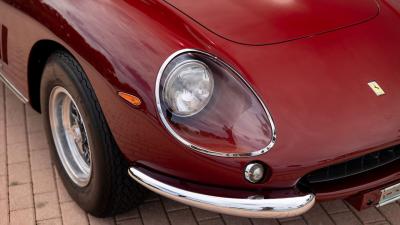
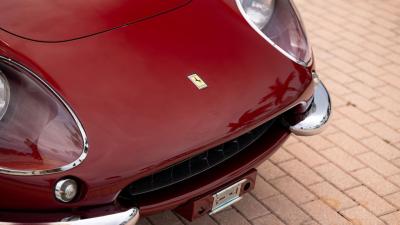
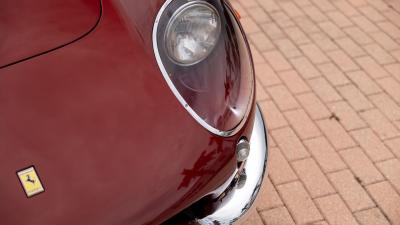
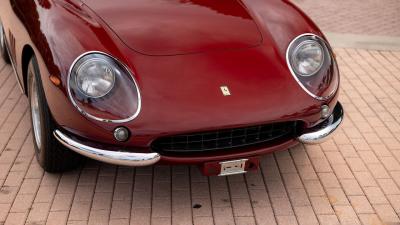
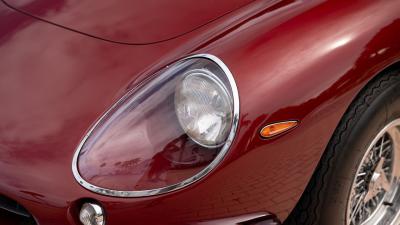
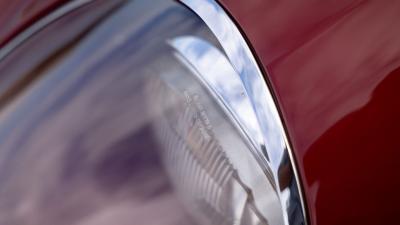
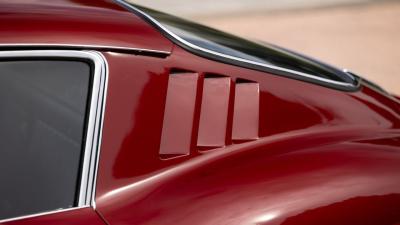
Often regarded as the most complete of Ferrari's road-going berlinettas, the 275 GTB has long been admired for its grand touring capabilities, its race-bred engineering, and its timeless design. Pininfarina had shaped the 275 GTB around the lessons of the competition cars, the long hood, covered headlamps, and tapered Kamm tail drawing clear inspiration from the 250 GTO. Beneath that elegant skin sat a number of firsts for a road-going Ferrari, including independent rear suspension and a five-speed gearbox mounted at the rear in a single transaxle unit for better balance.
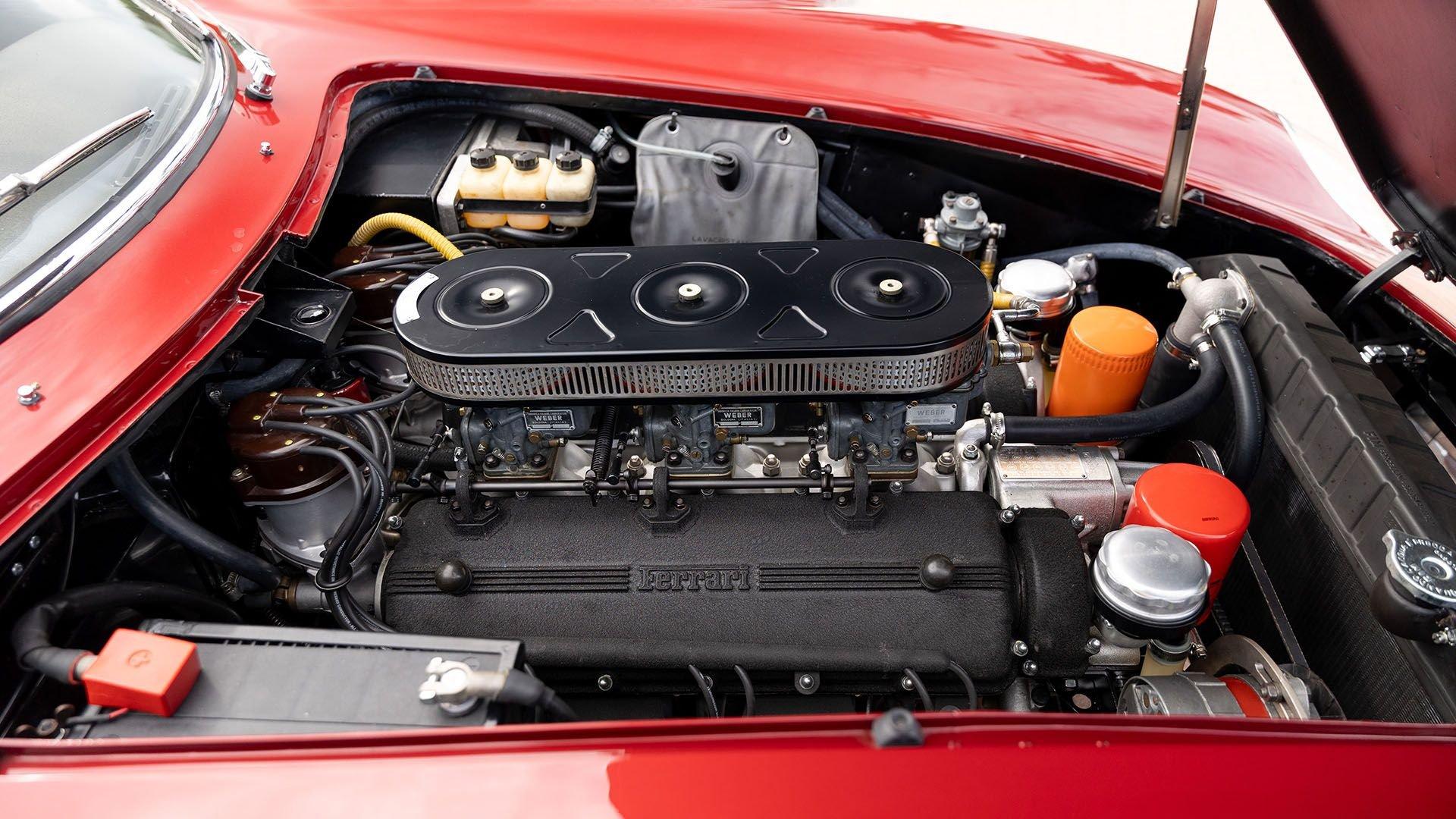
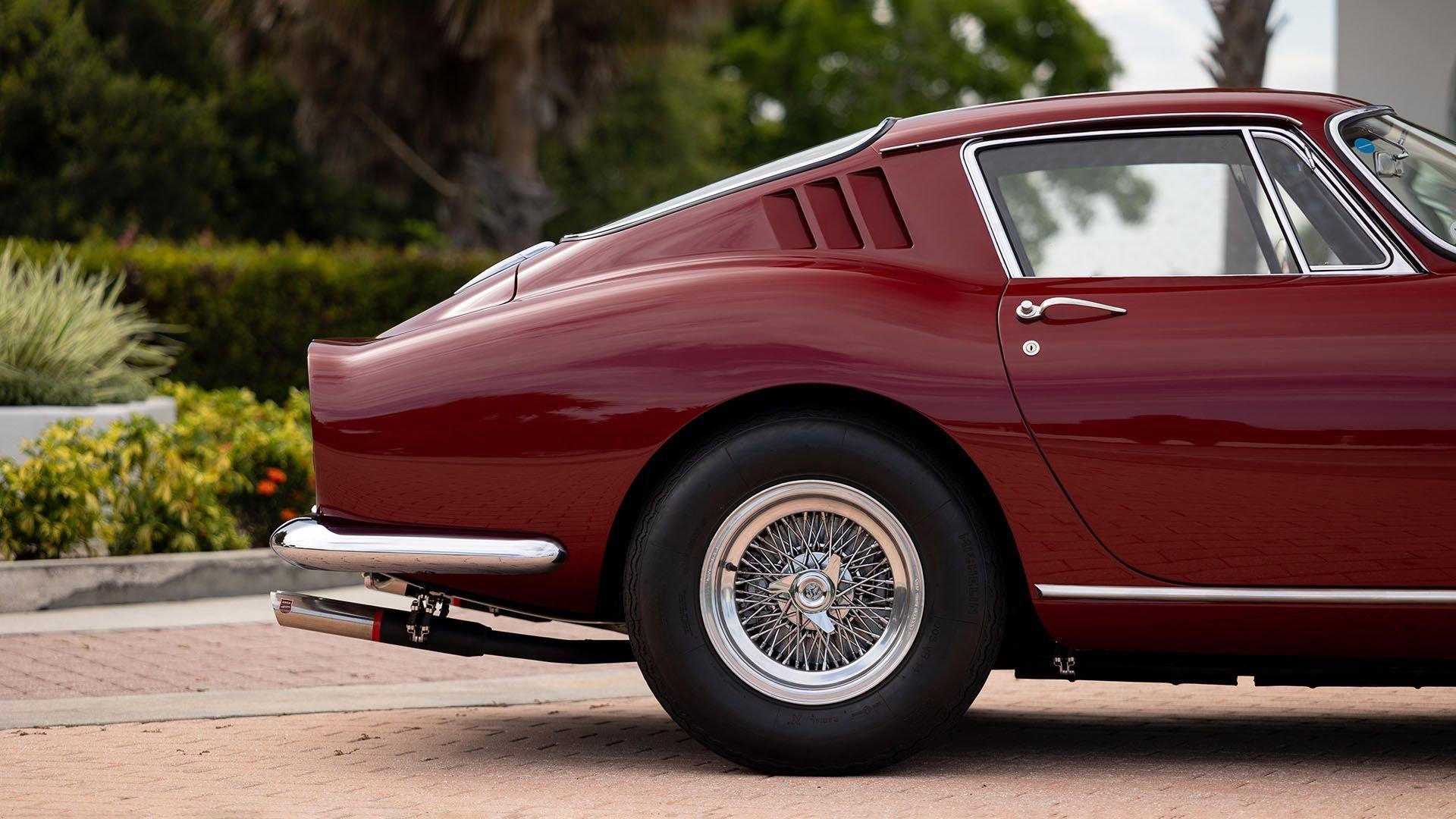
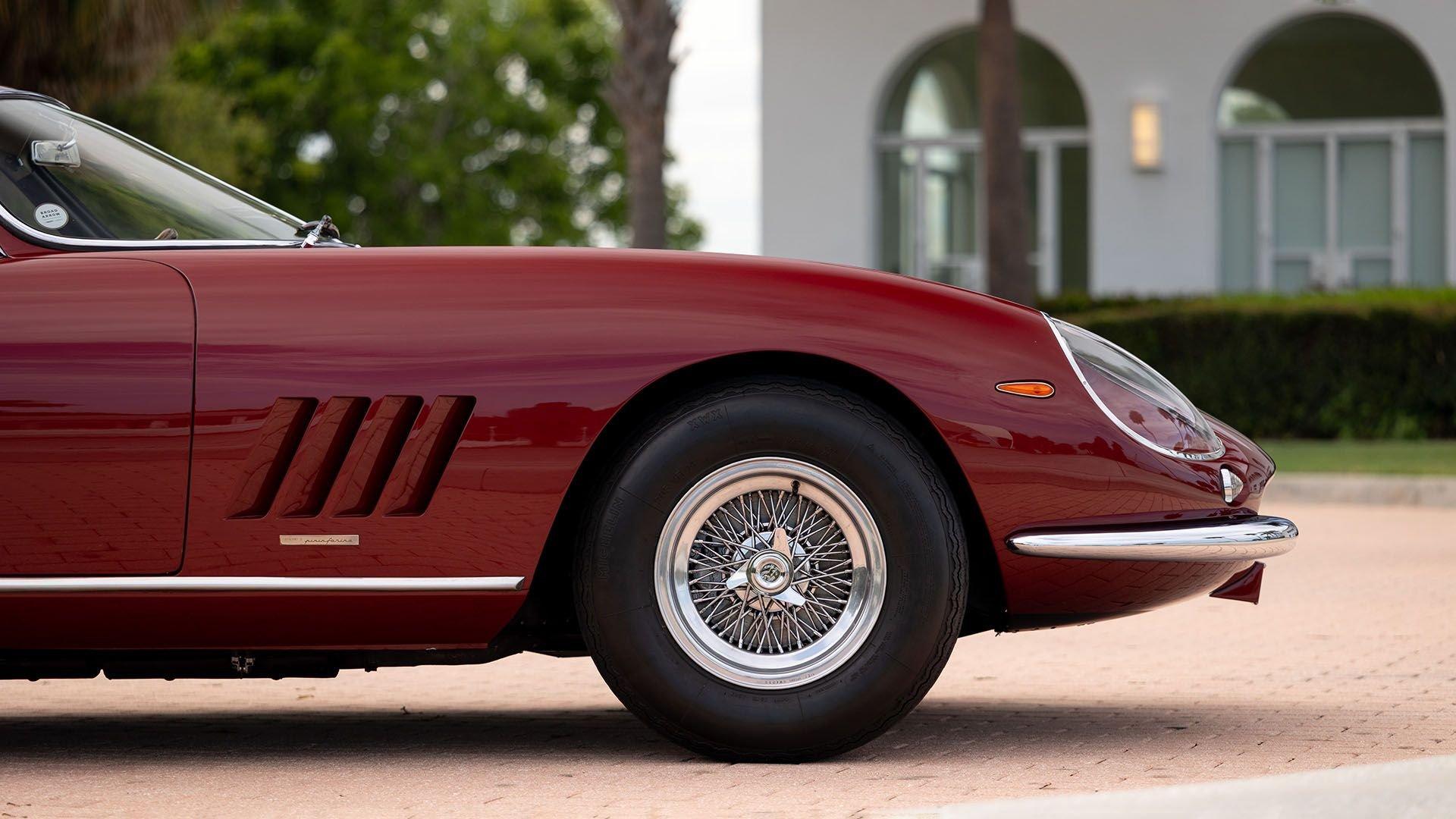
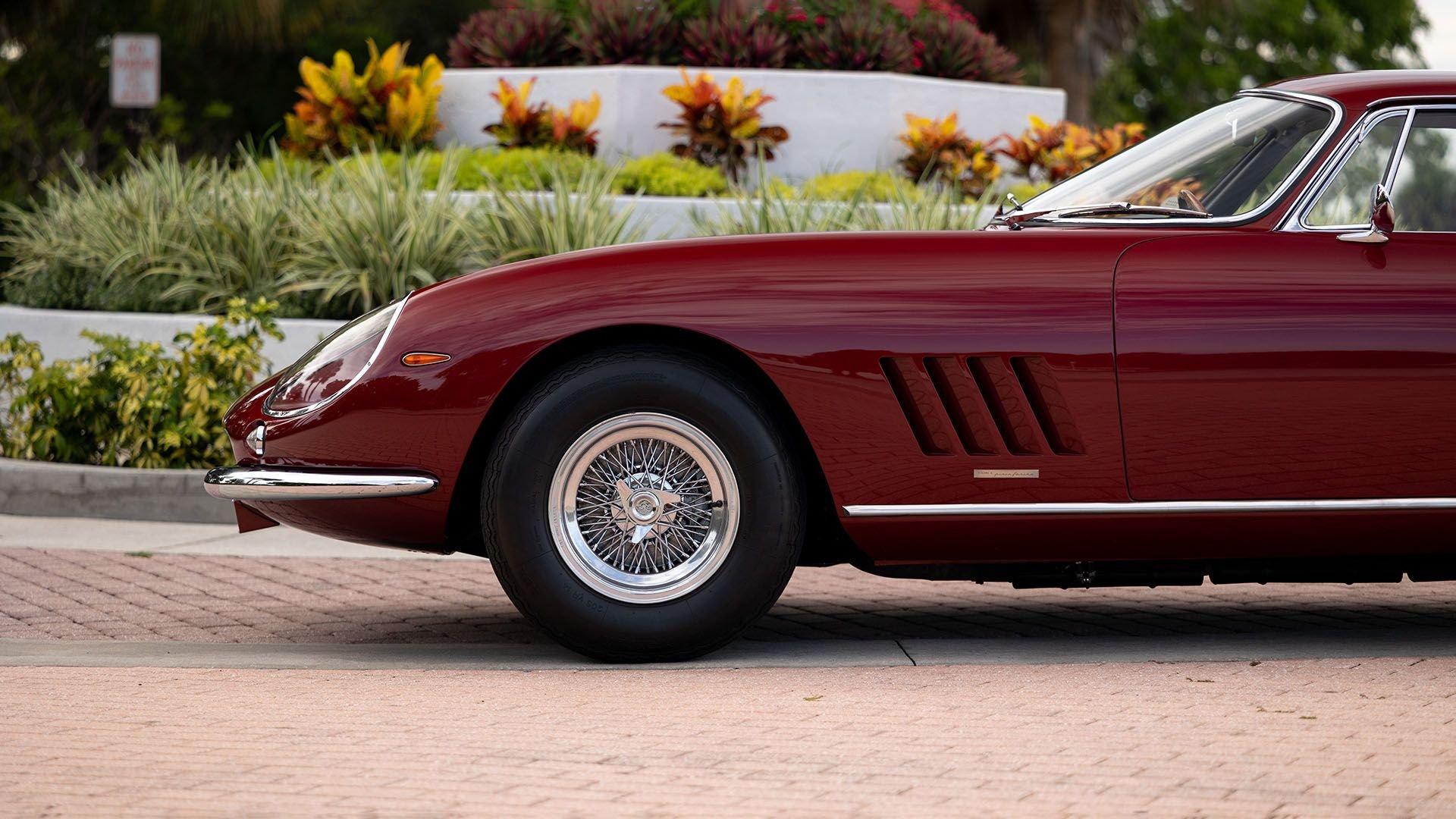
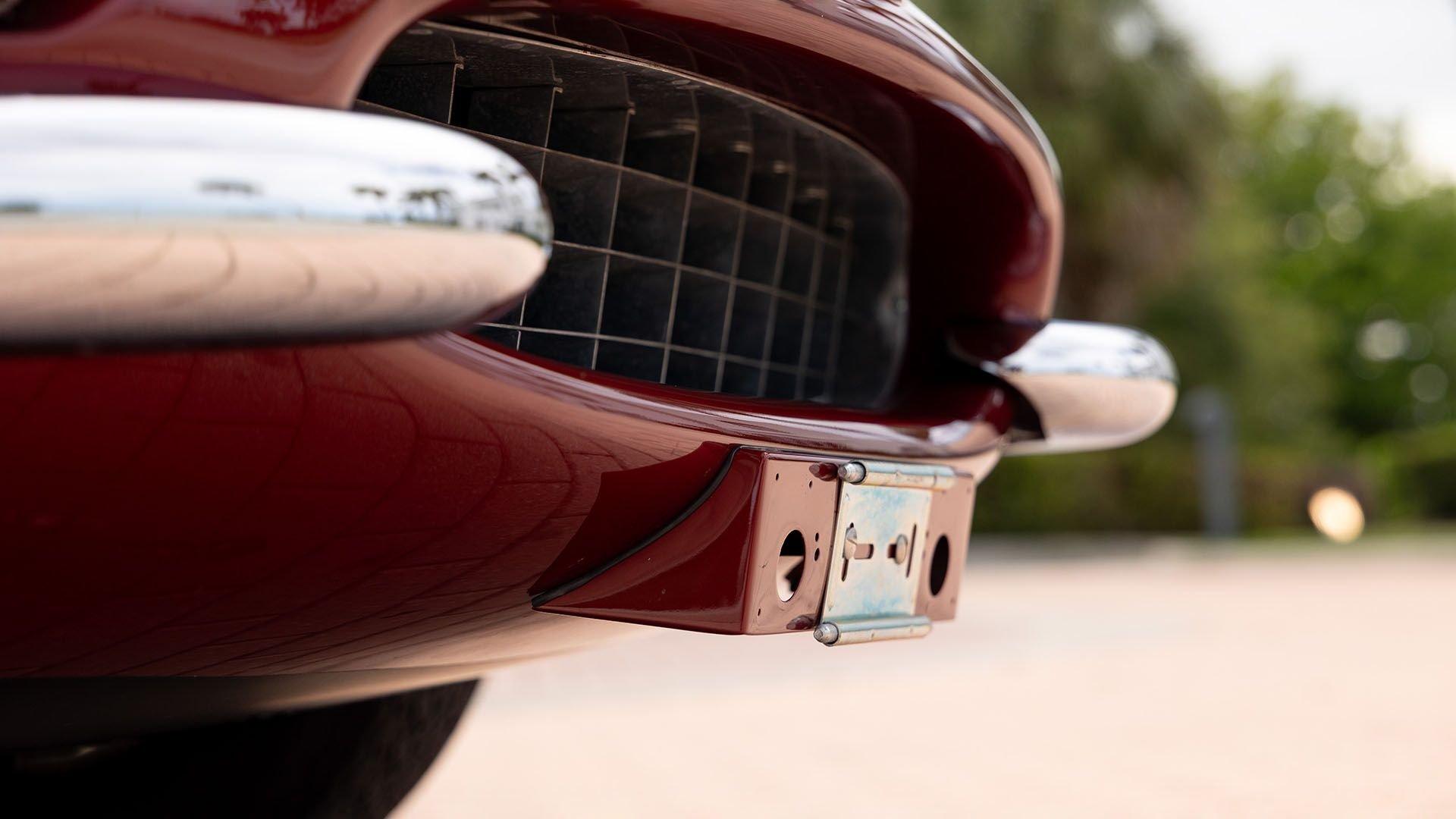
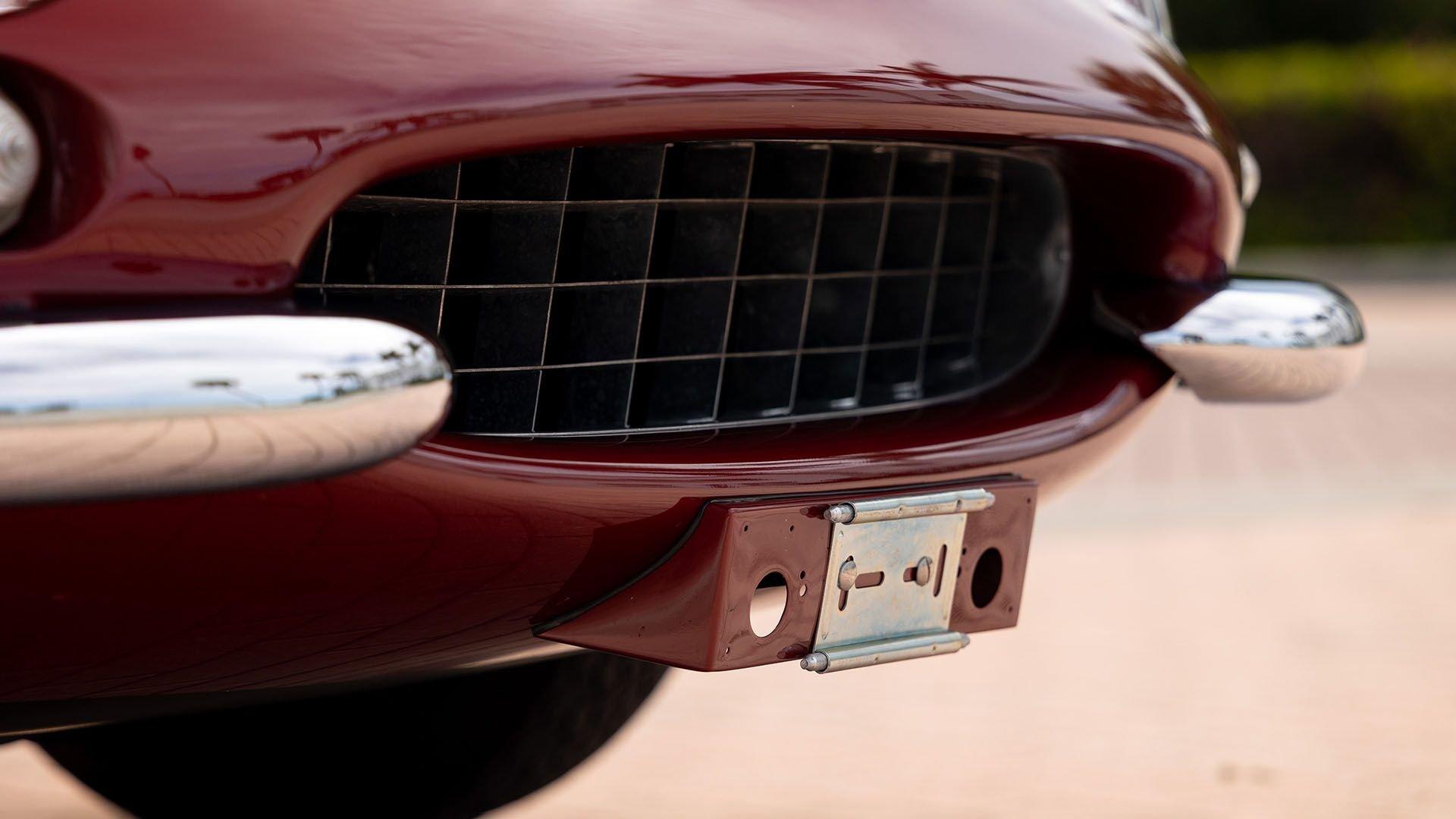
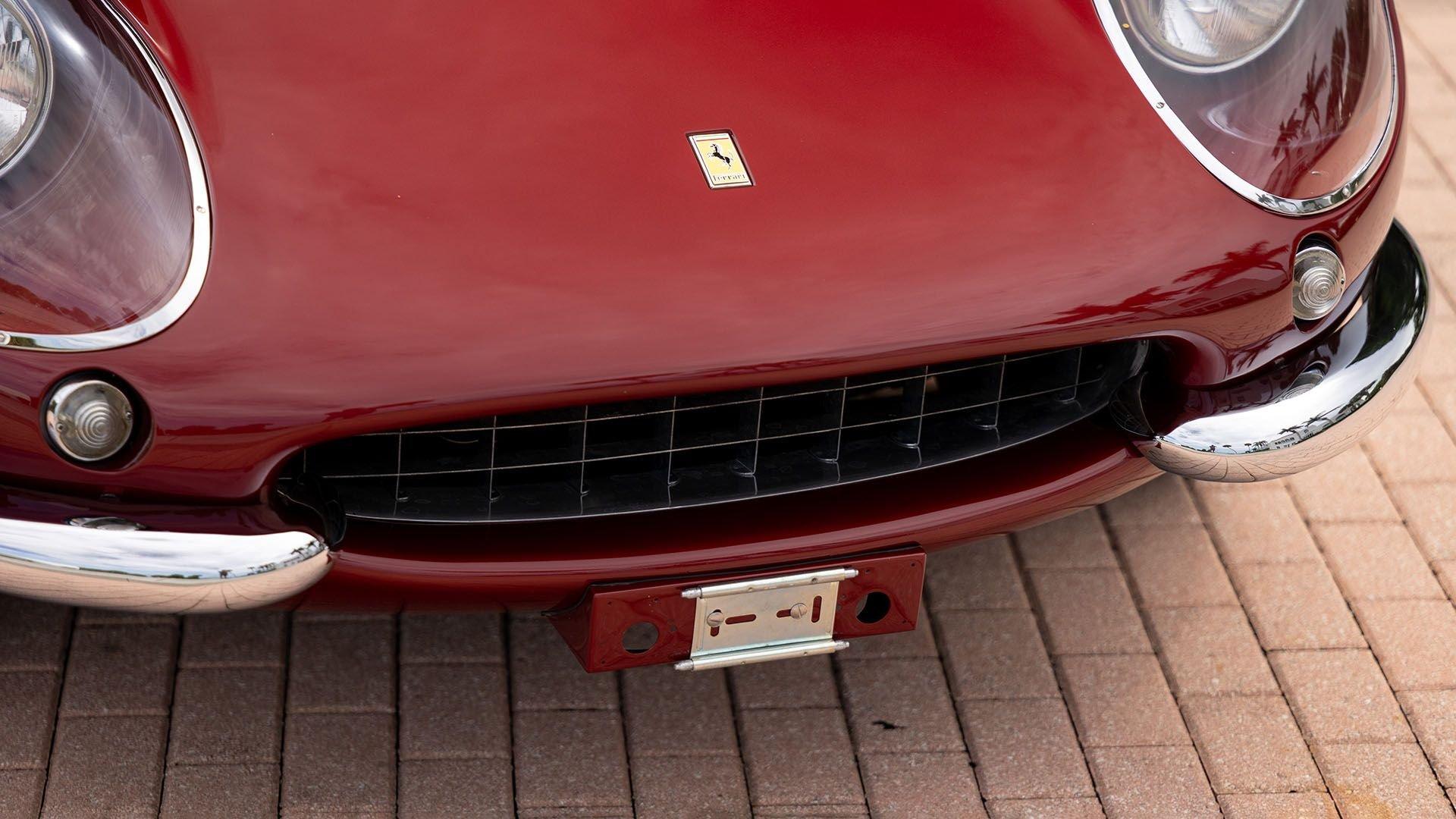
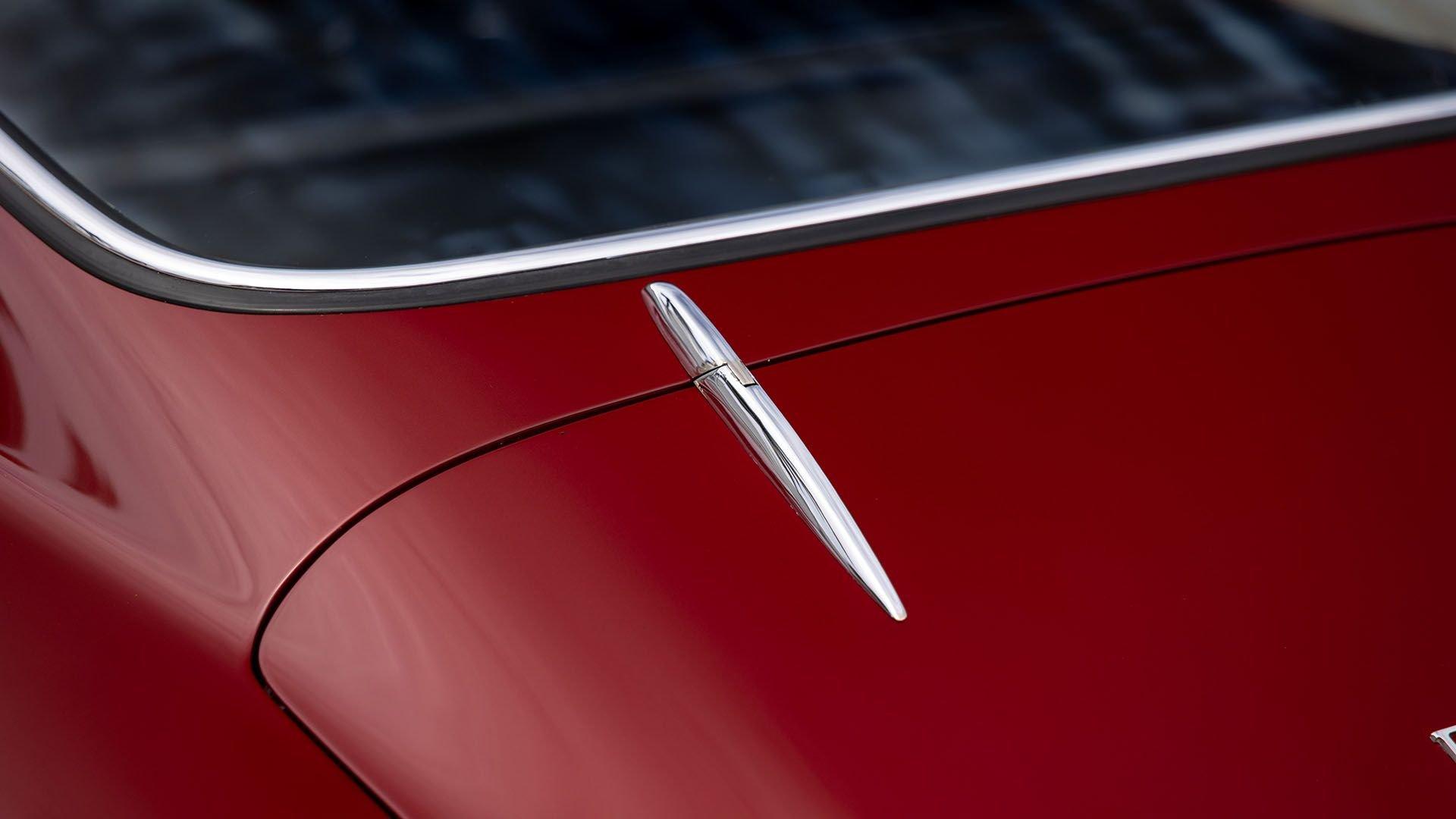
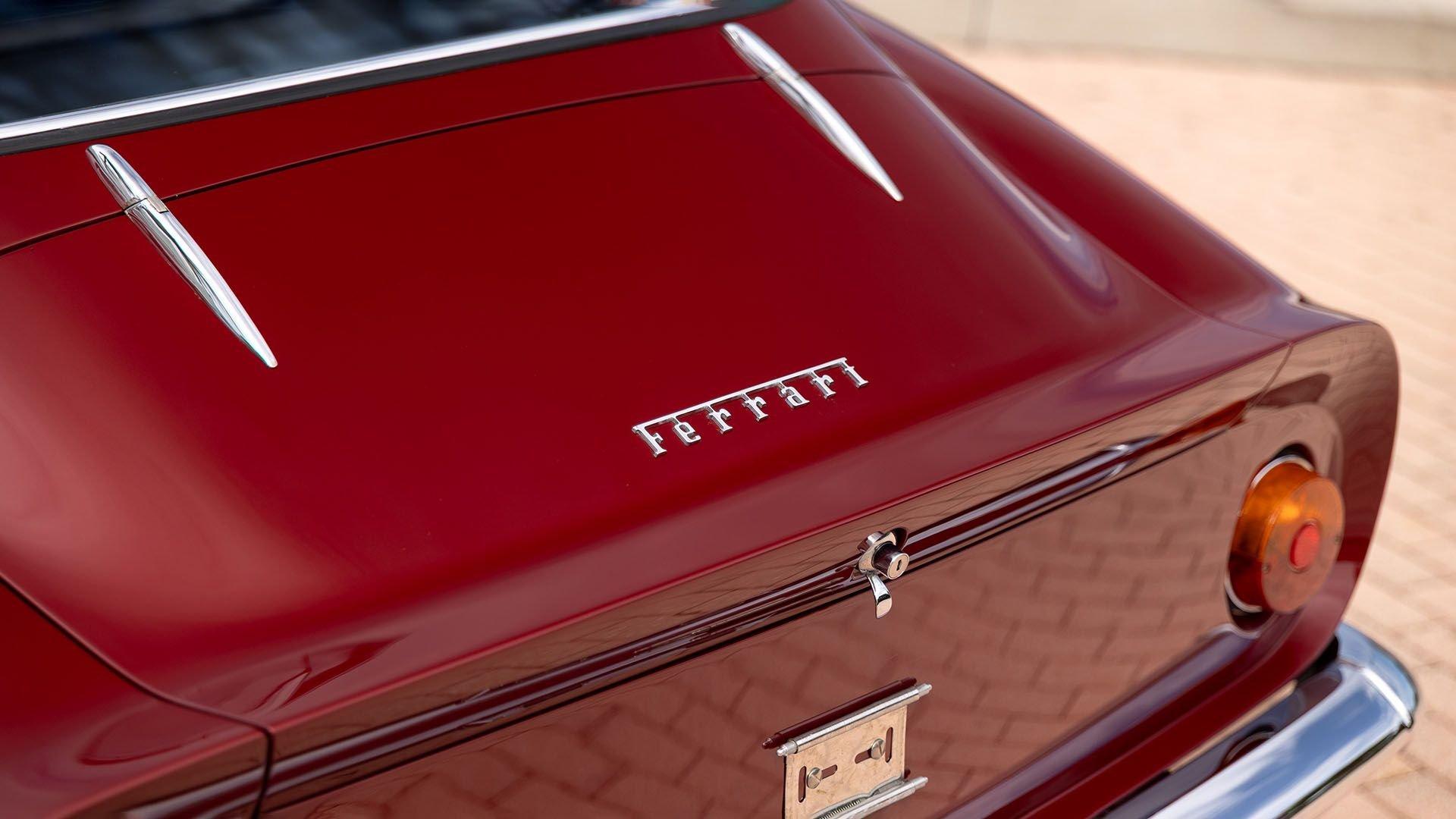
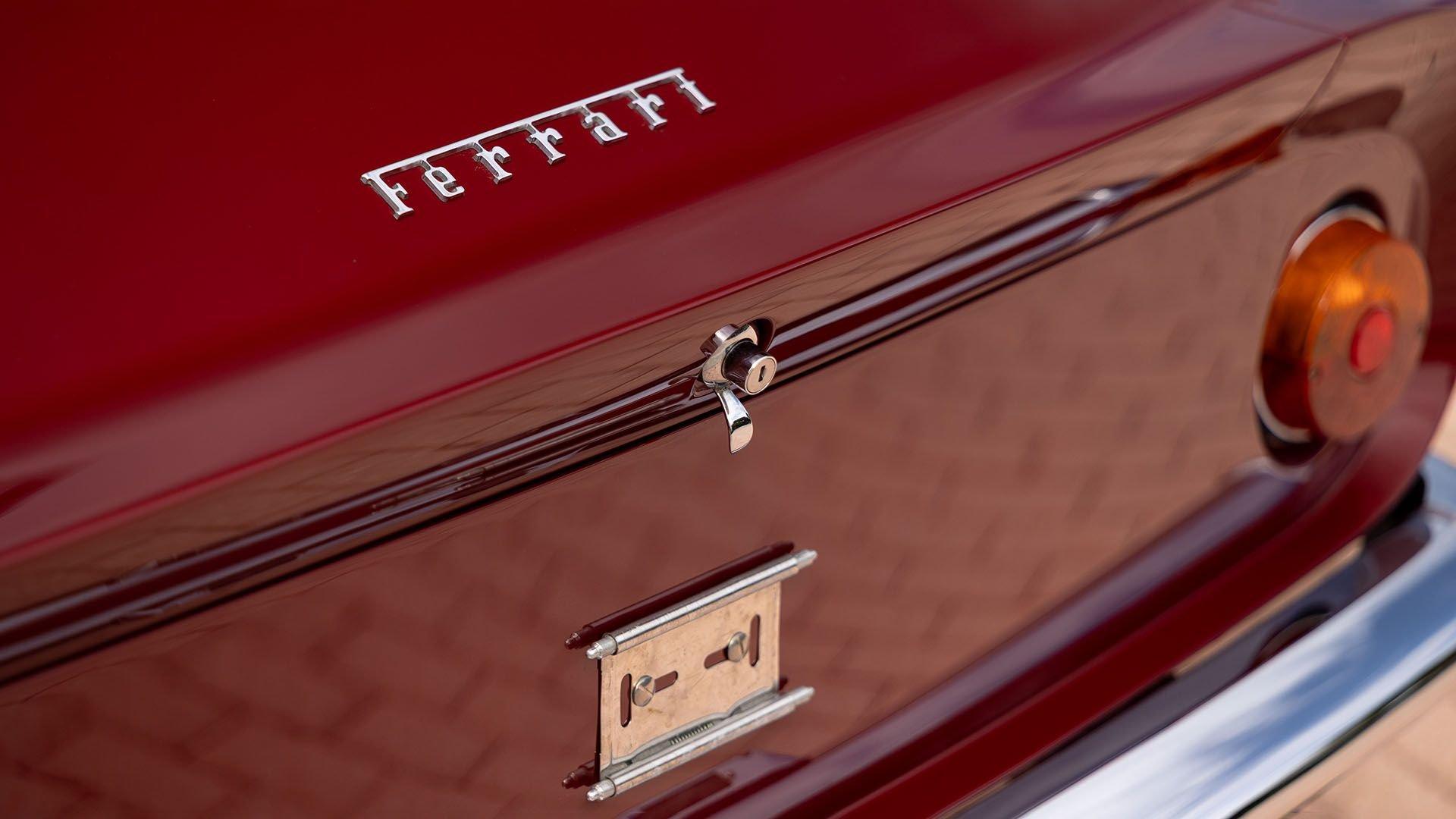
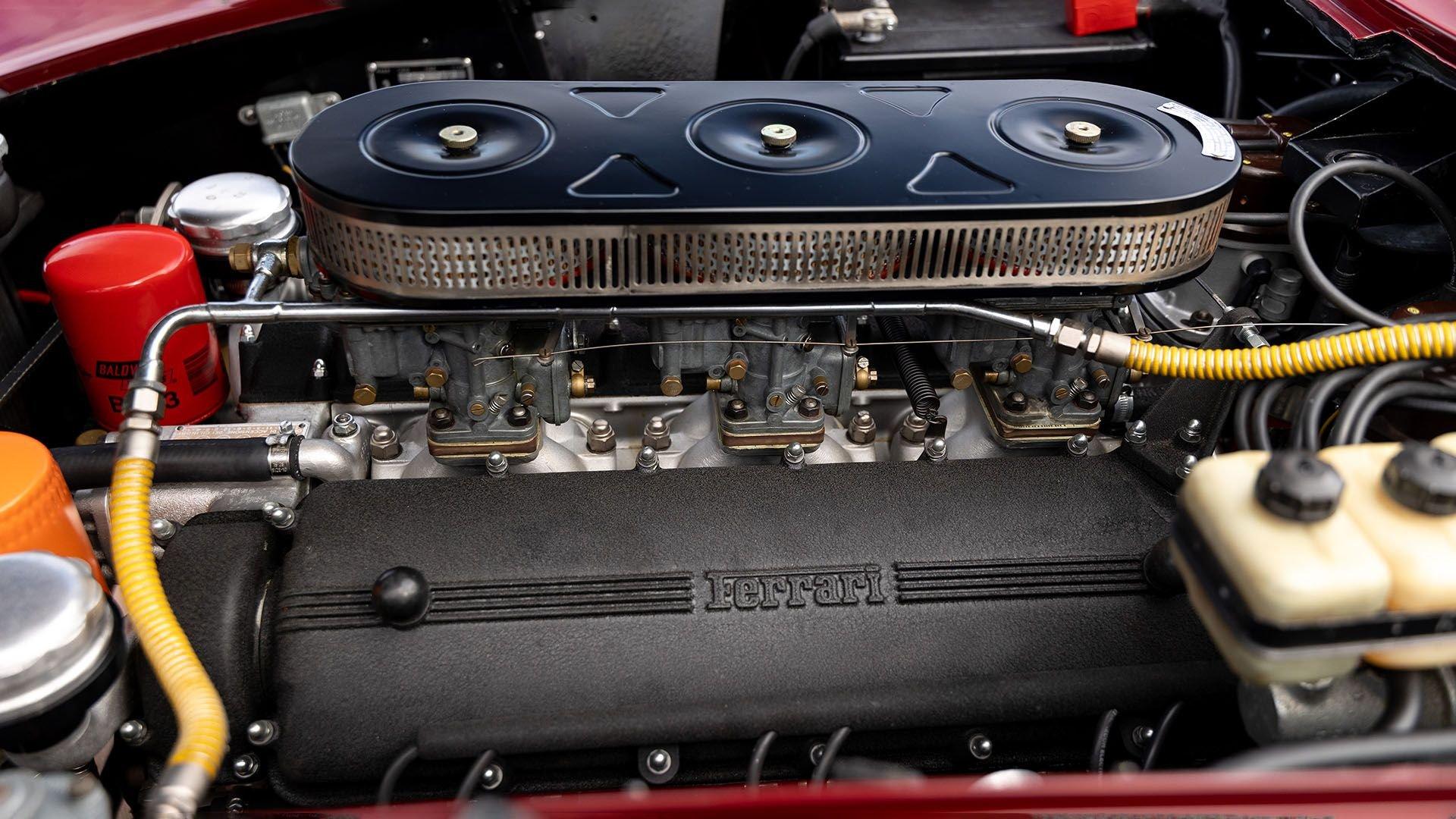
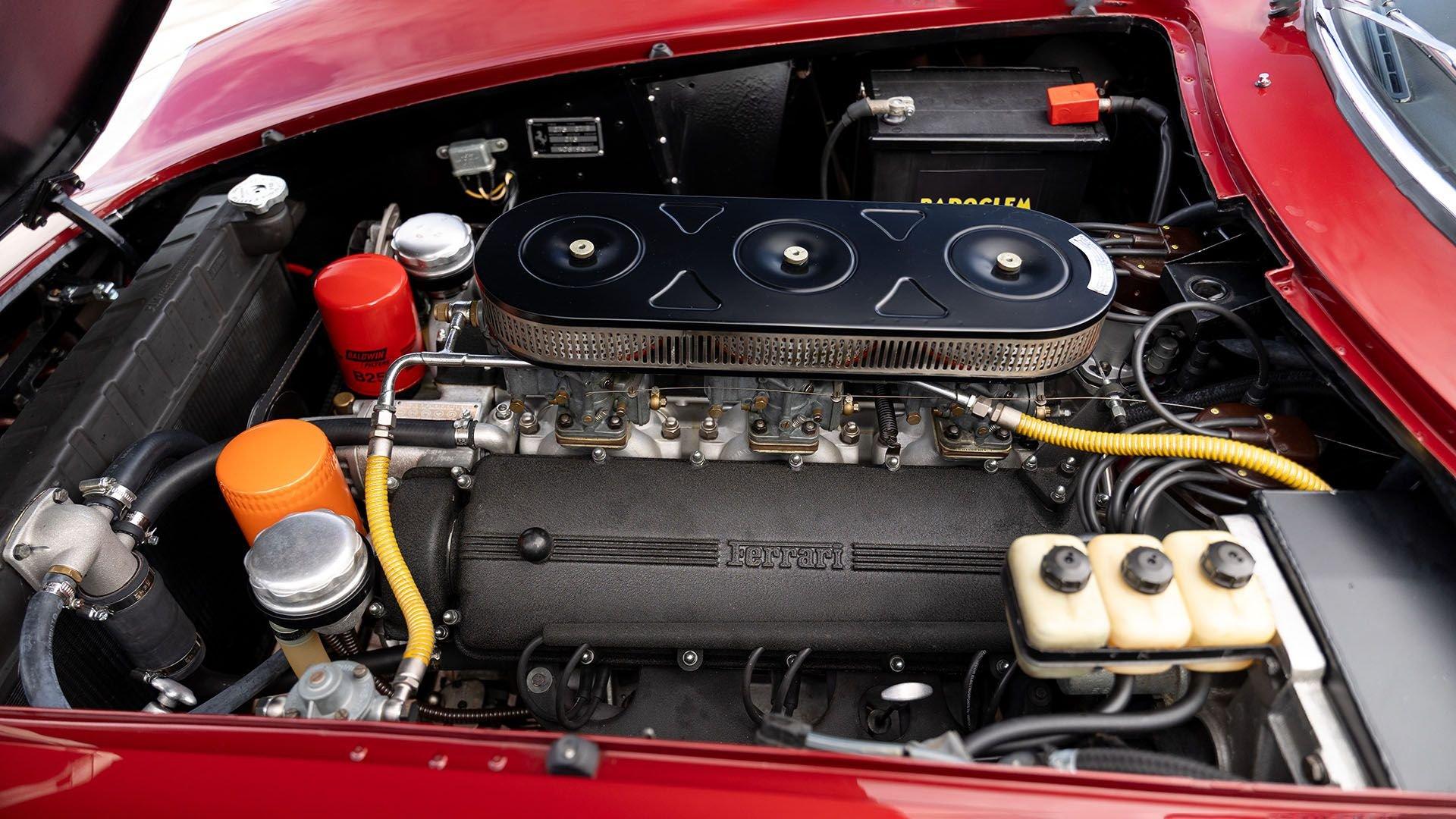
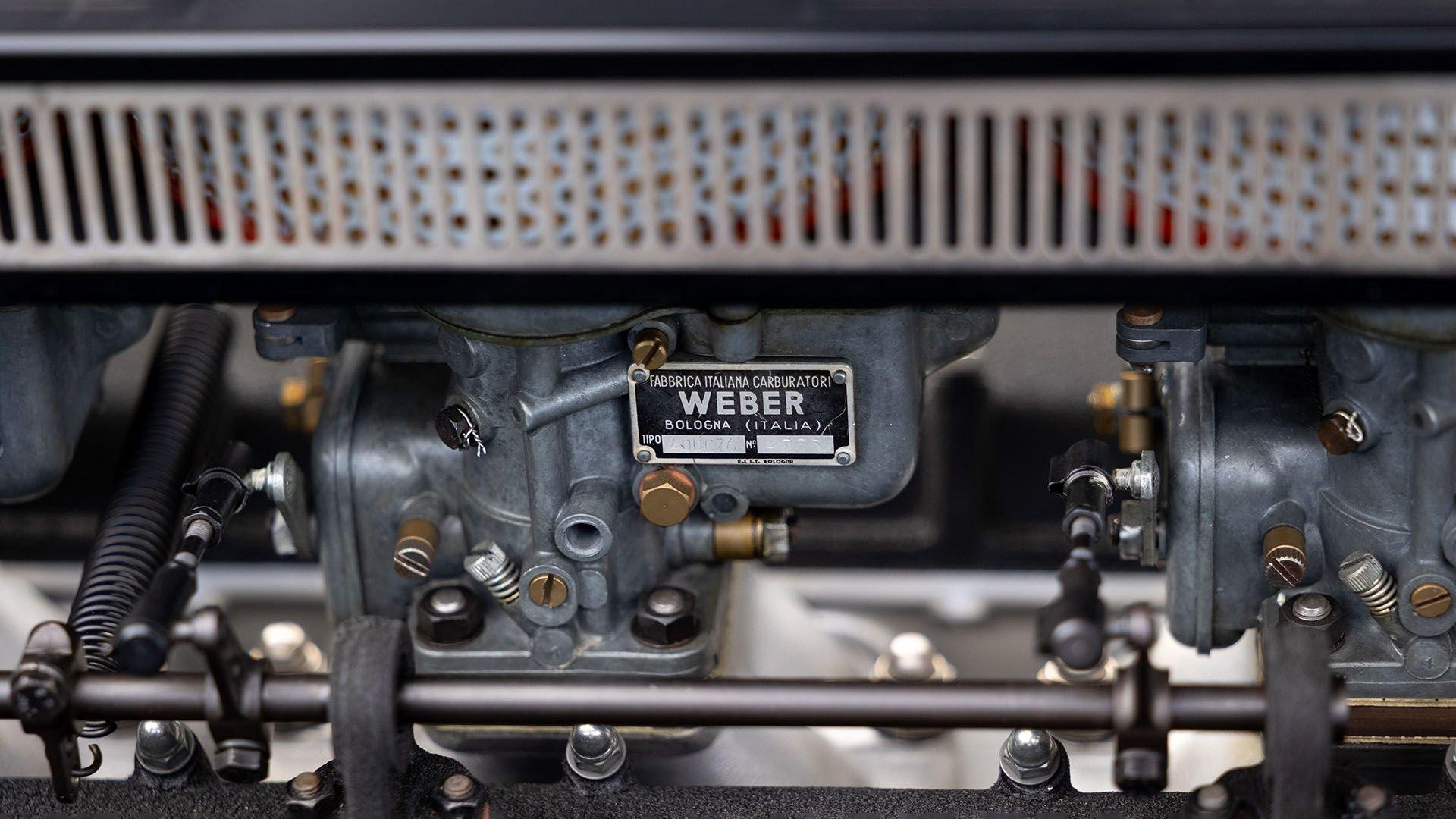
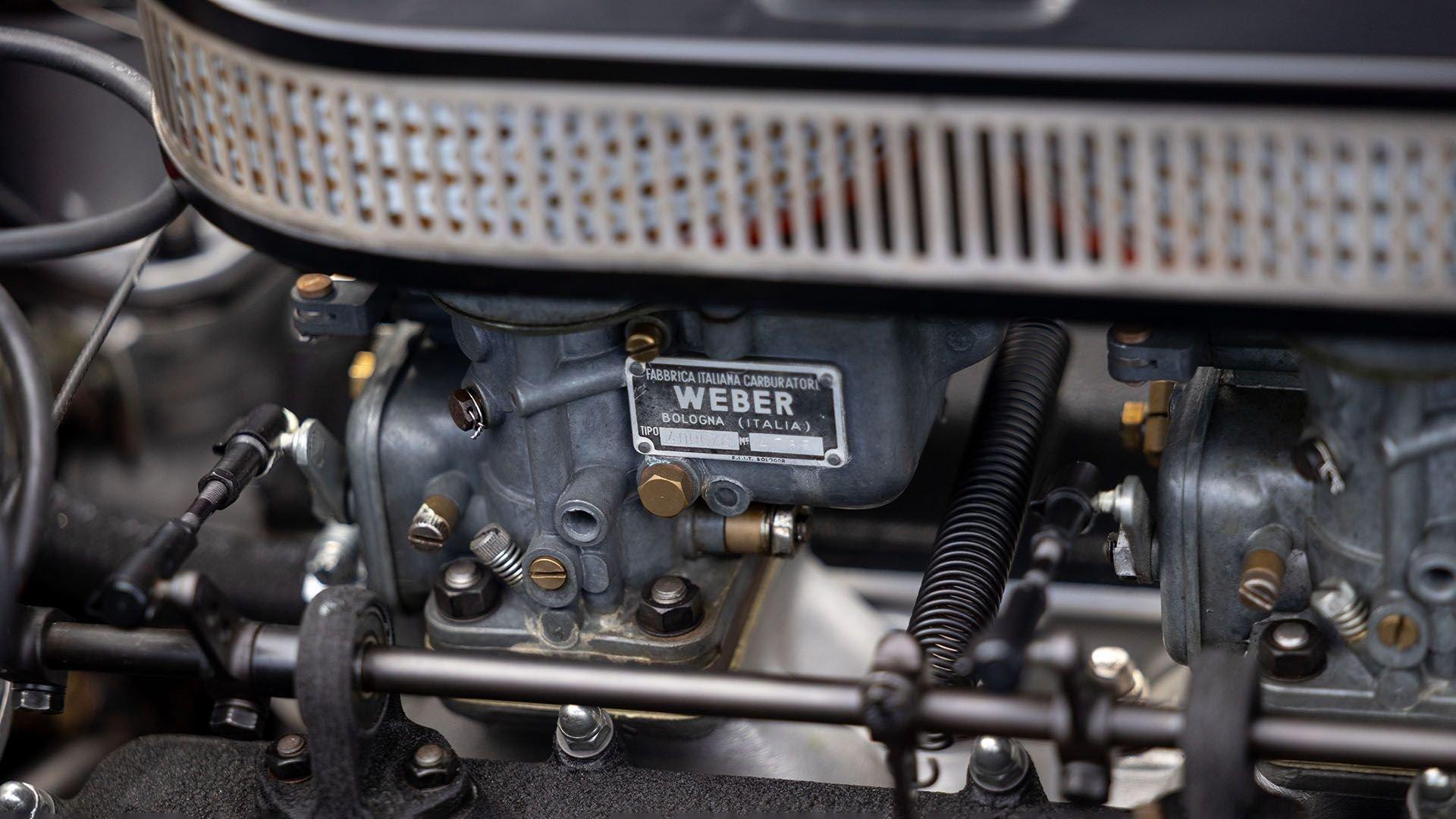
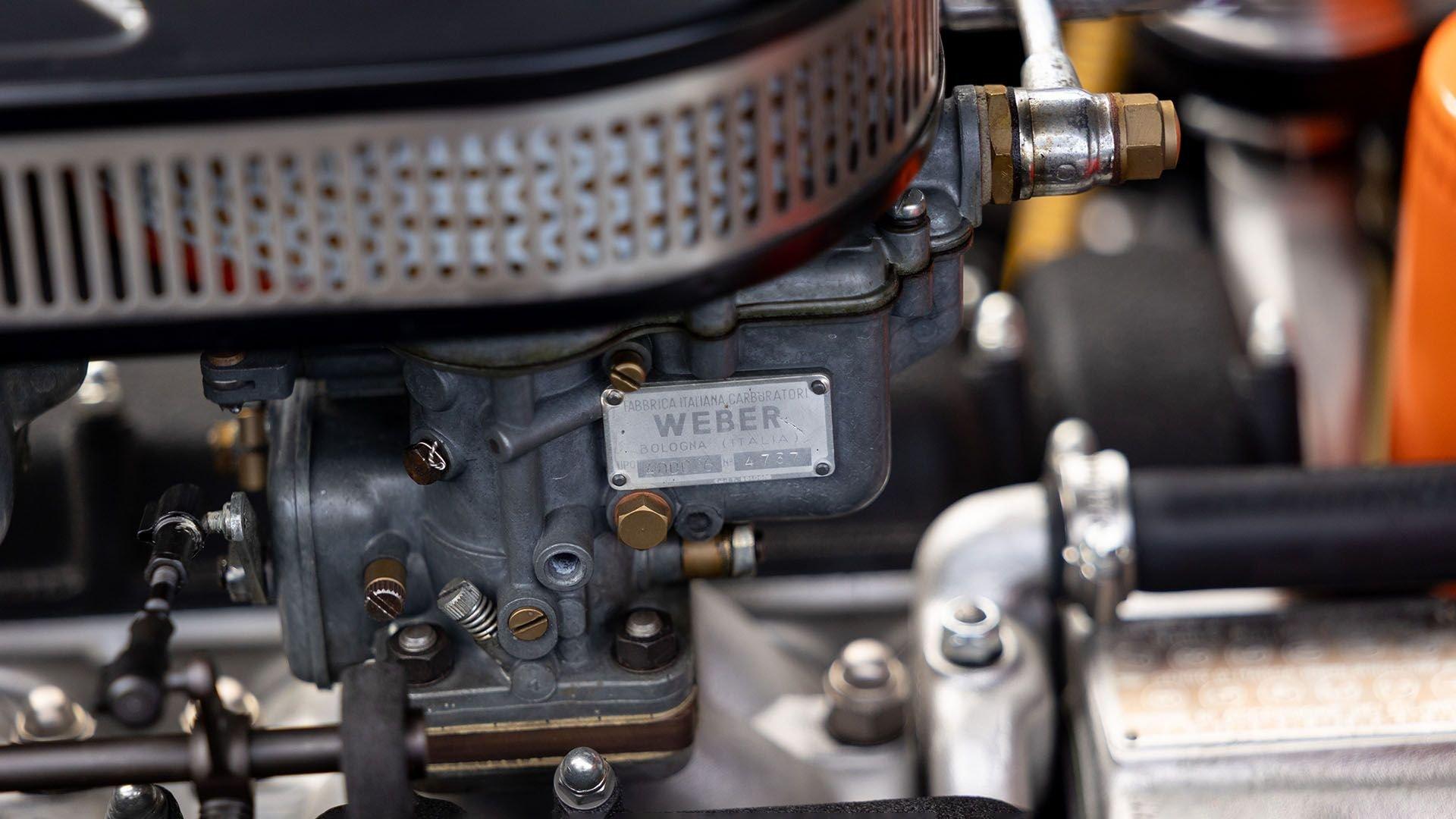
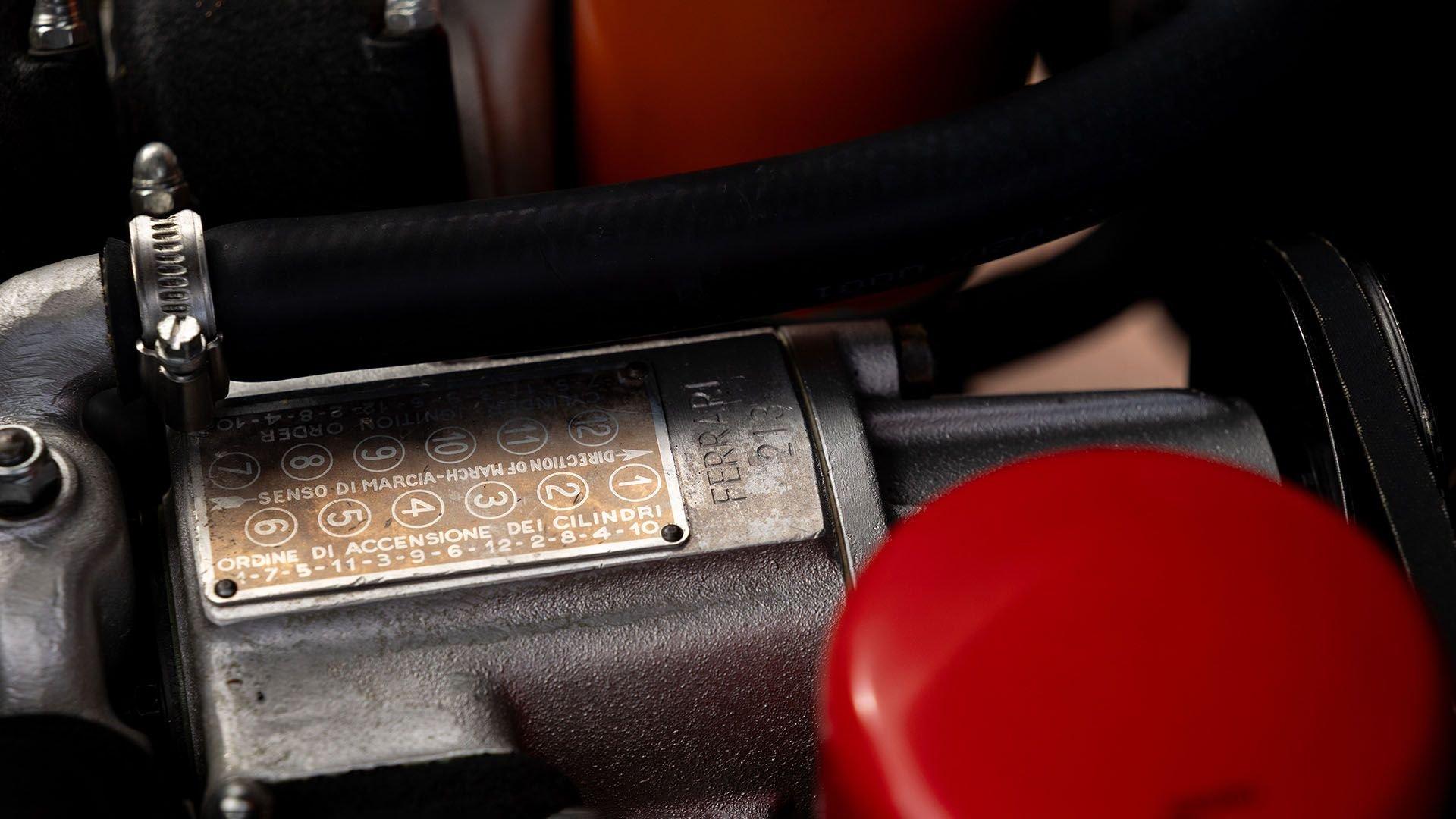
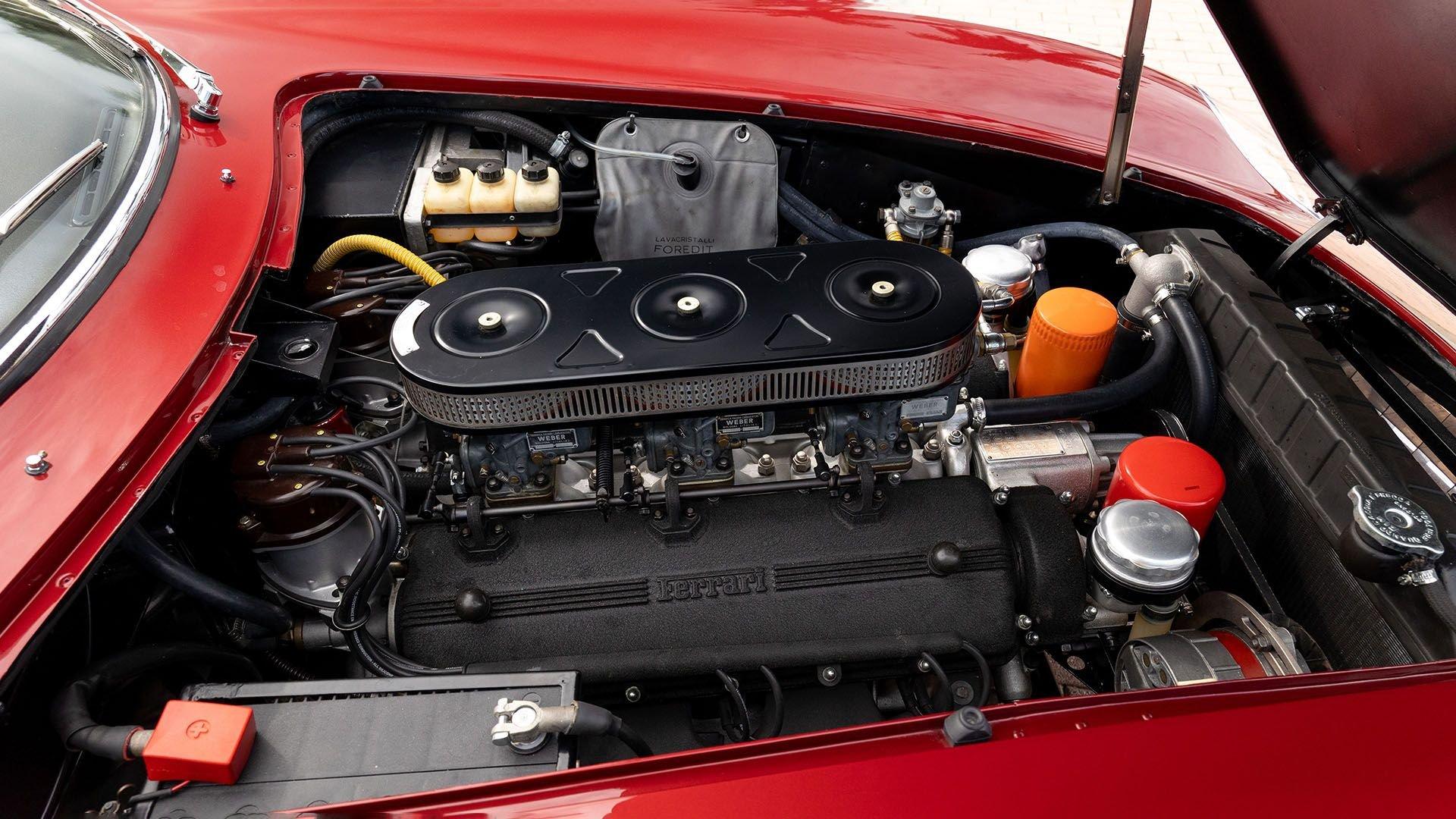
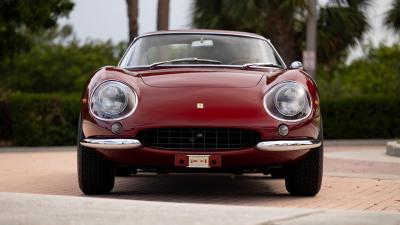
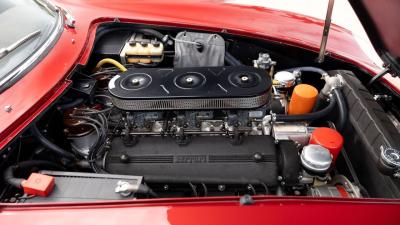
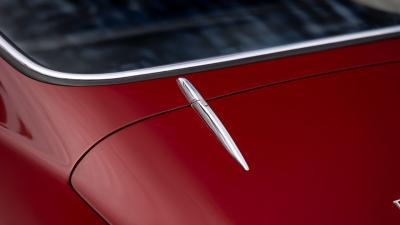
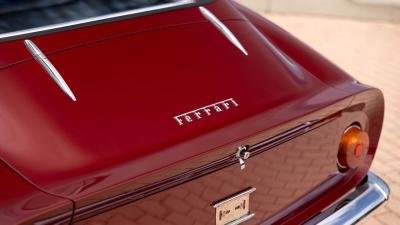
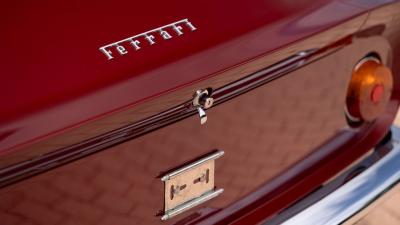
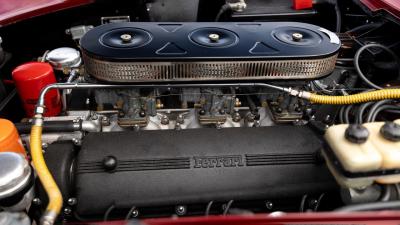
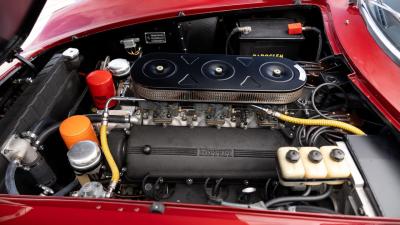
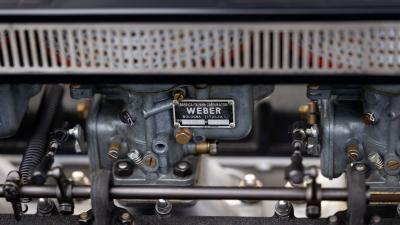
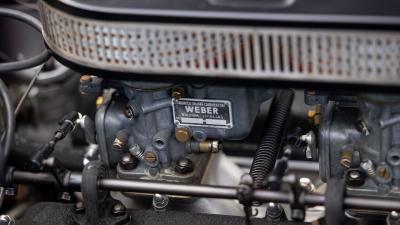
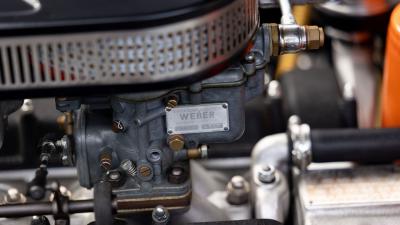
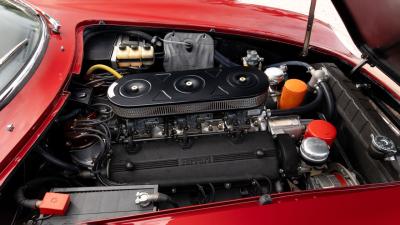
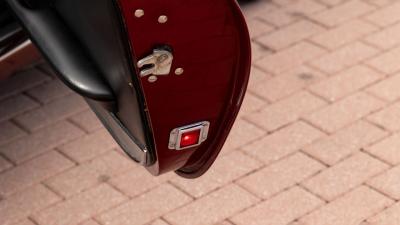
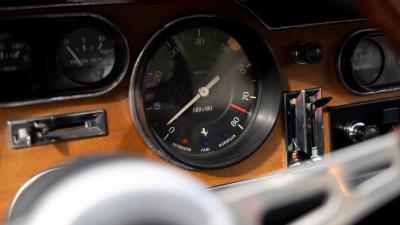
The engine was the Tipo 213 version of Gioacchino Colombo's 60-degree V12, enlarged to 3,285.7 cubic centimeters by a 77-millimeter bore and 58.8-millimeter stroke. With a 9.2:1 compression ratio and three twin-choke Weber carburetors, the engine was rated at 280 horsepower at 7,600 rpm, some 20 more than the open 275 GTS. Within a year of launch, Ferrari refined the design with the so-called “long-nose” body, lowering and extending the front section to reduce high-speed lift and revising the grille opening, rear glass, and external trunk latches. For its sporting clientele, Ferrari offered a handful of options that now set certain 275s apart for their performance, rarity, and standing among collectors. Chief among them, in place of the steel bodyshell with its aluminum hood, trunk, and door panels, was coachwork rendered entirely in lightweight aluminum. Only a small number of the 454-car production run left the works so built, and it is to that group that the car offered here belongs.
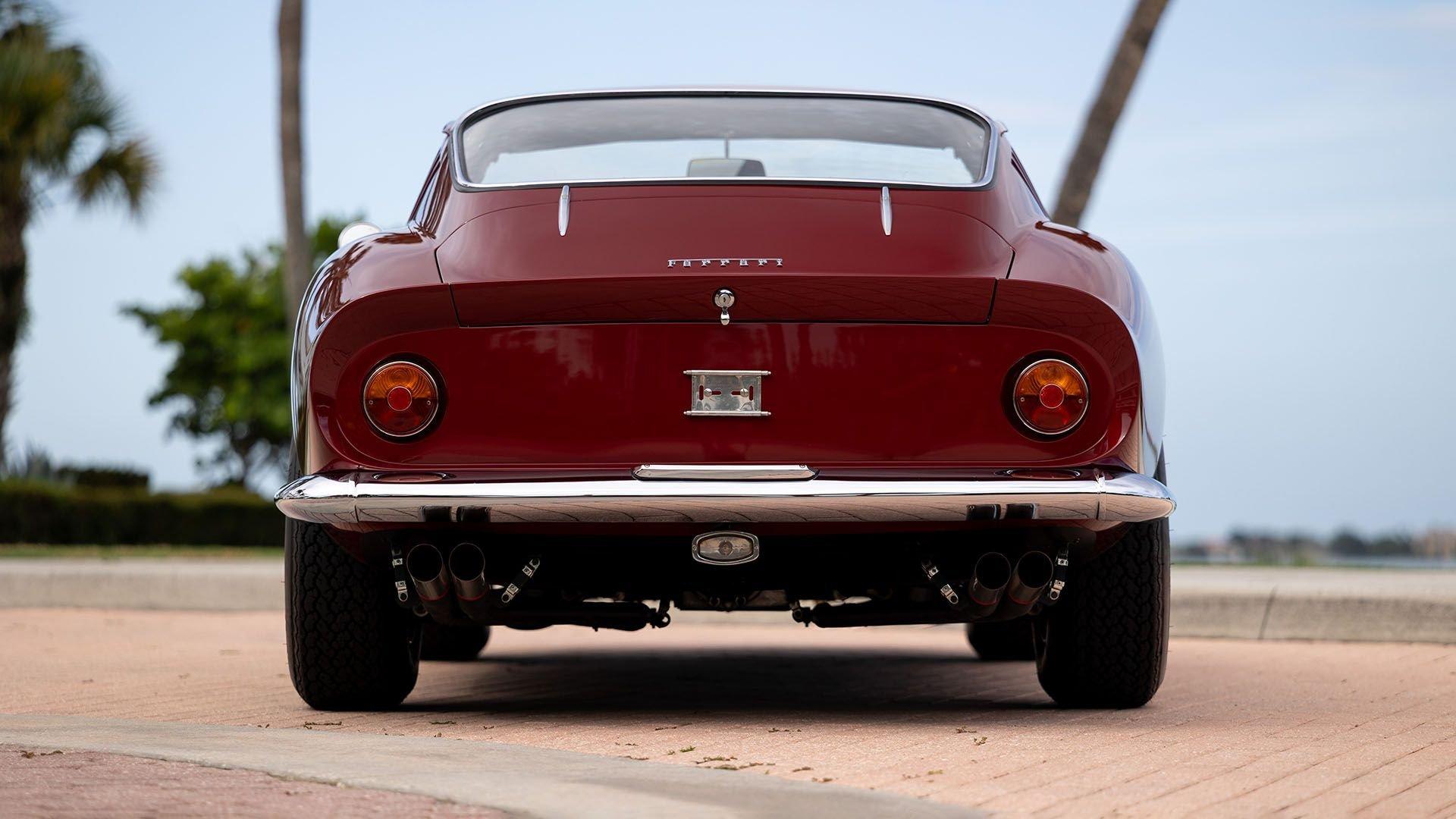
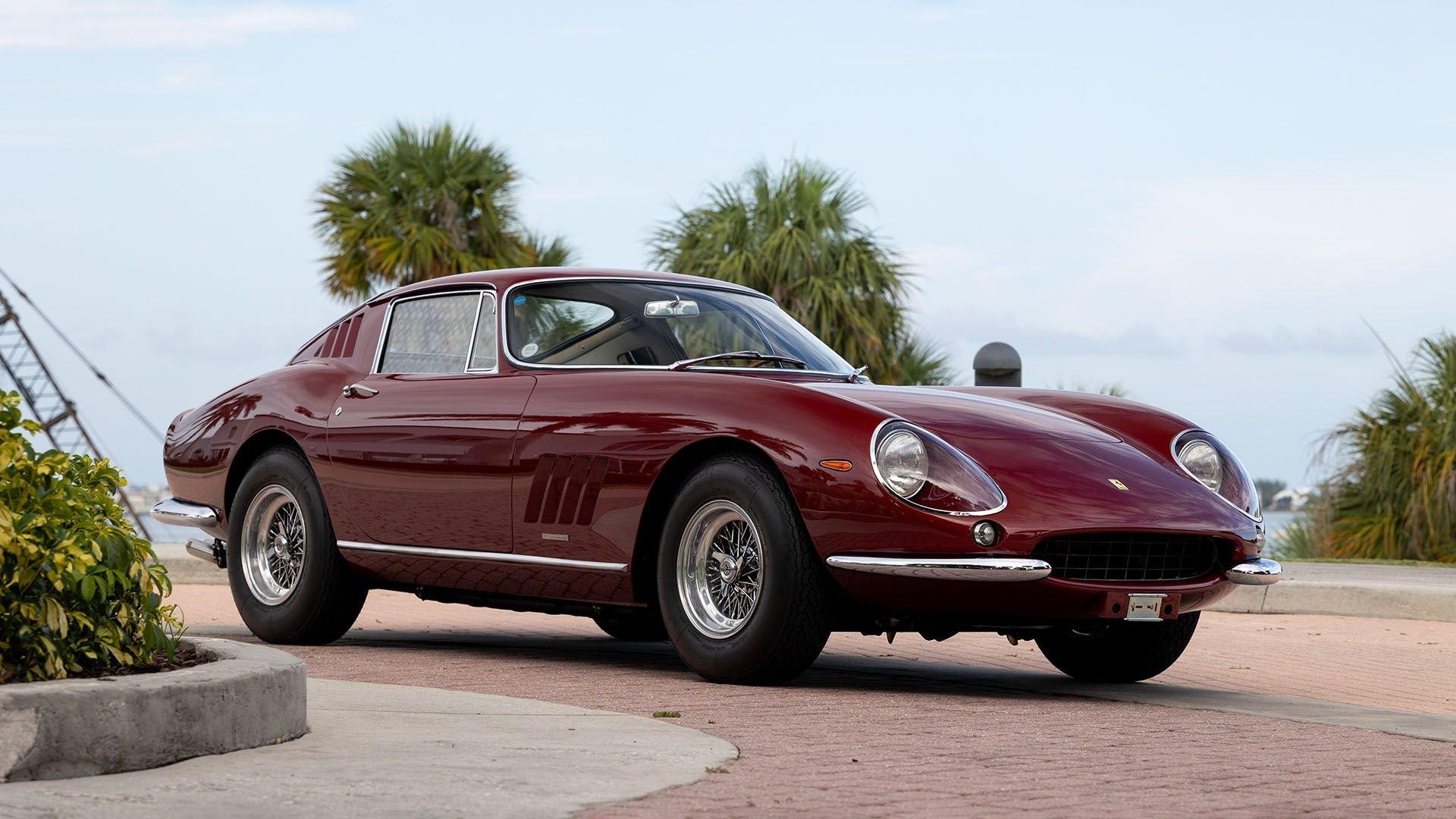
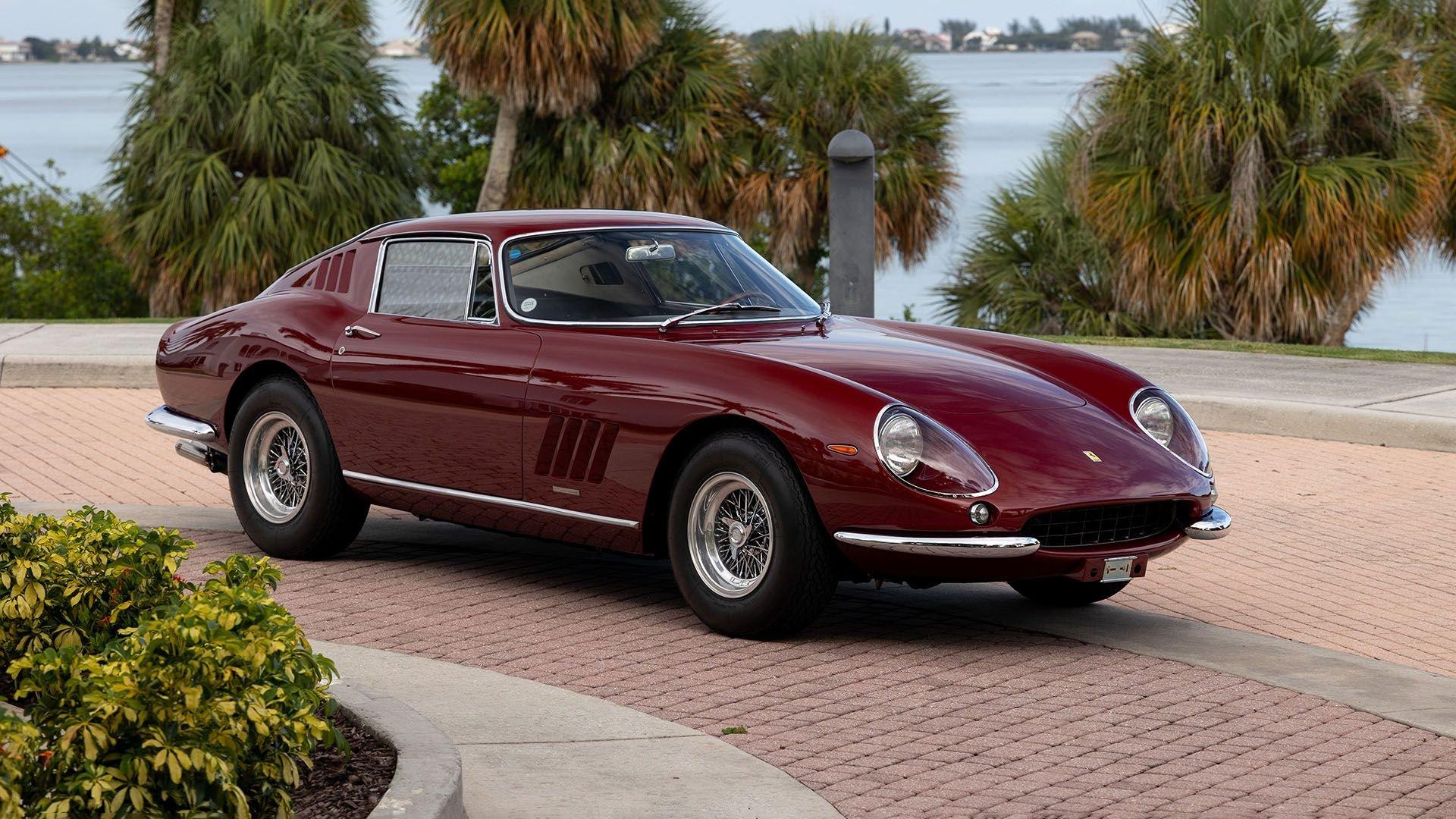
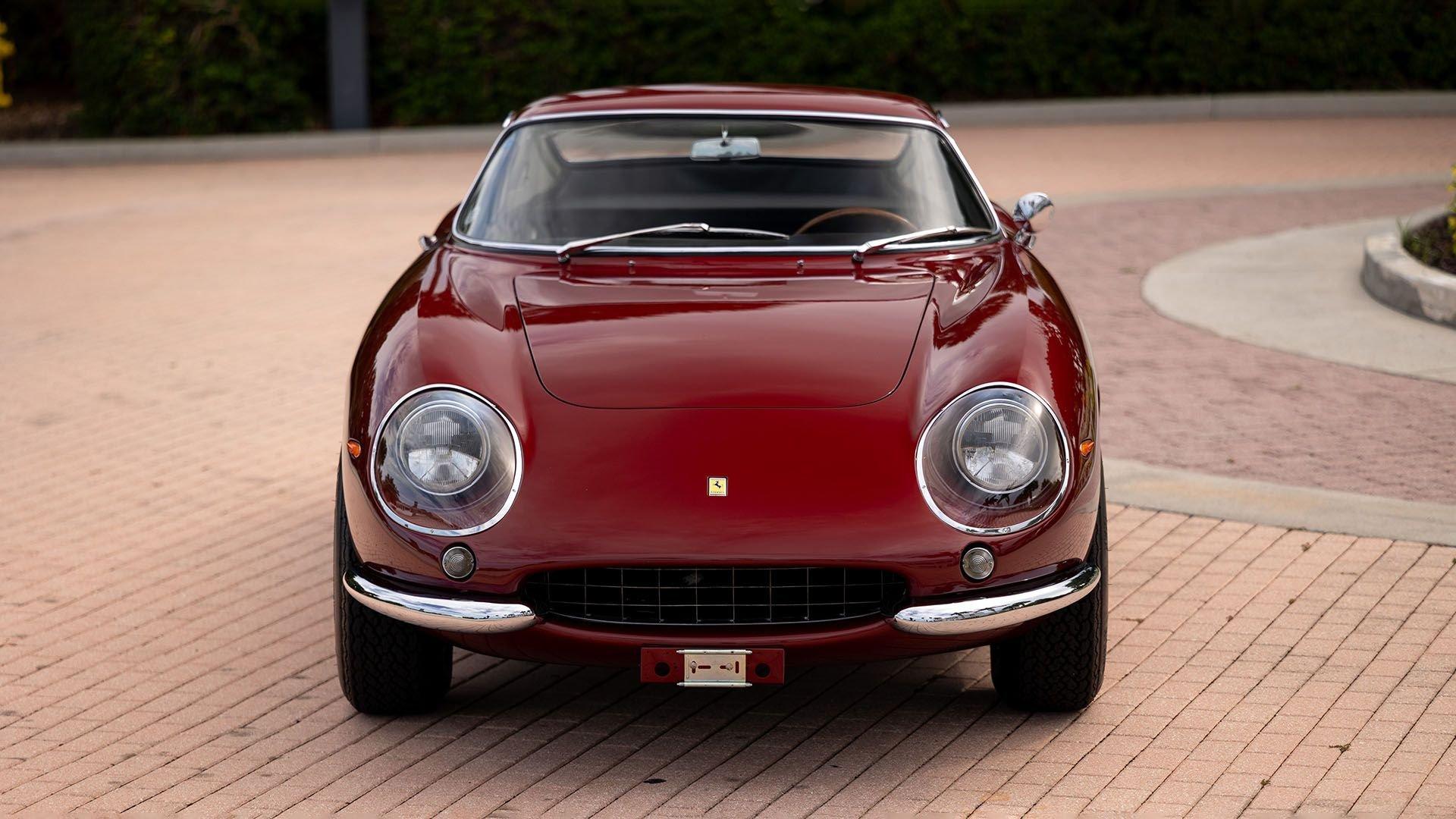
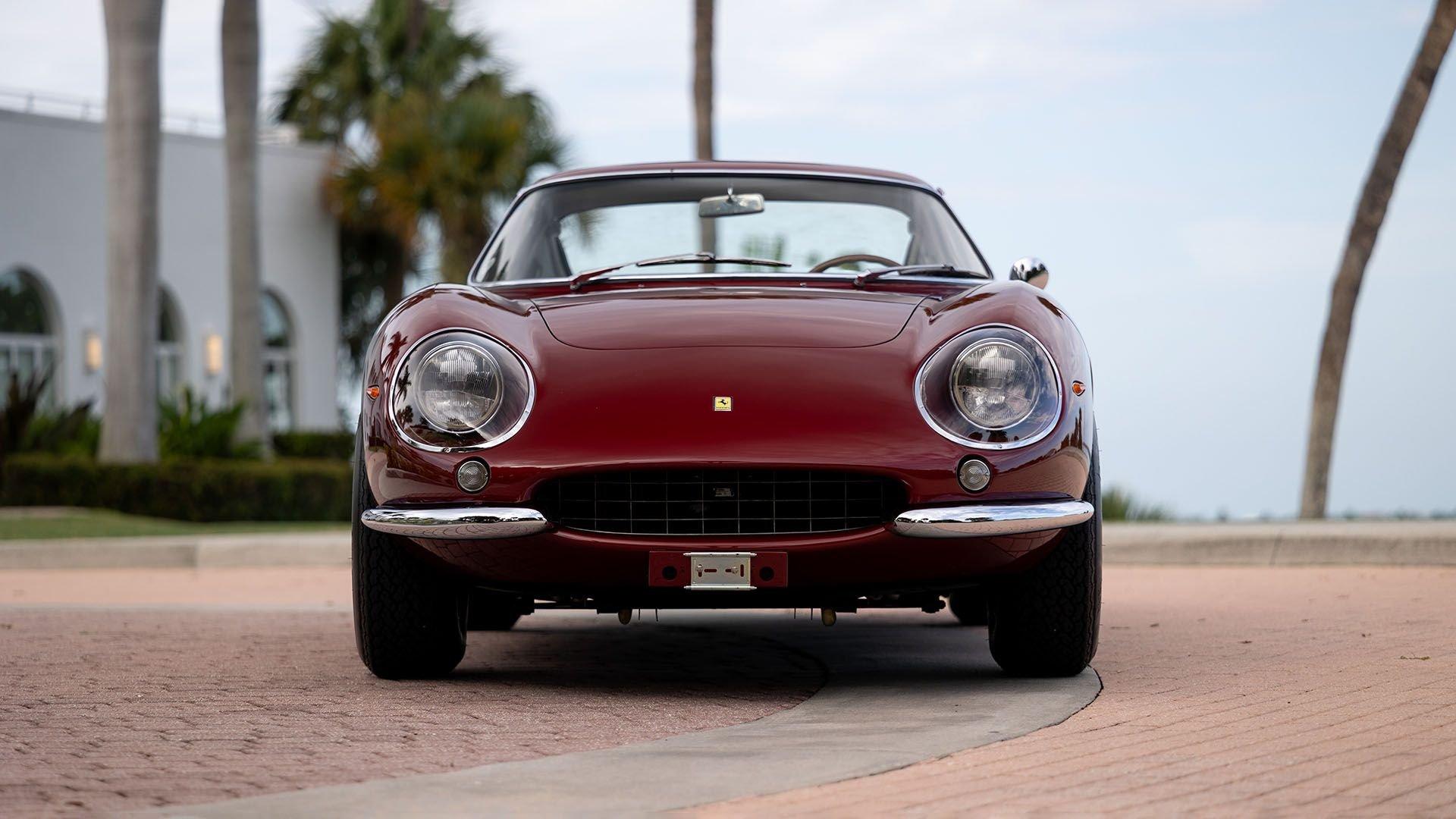
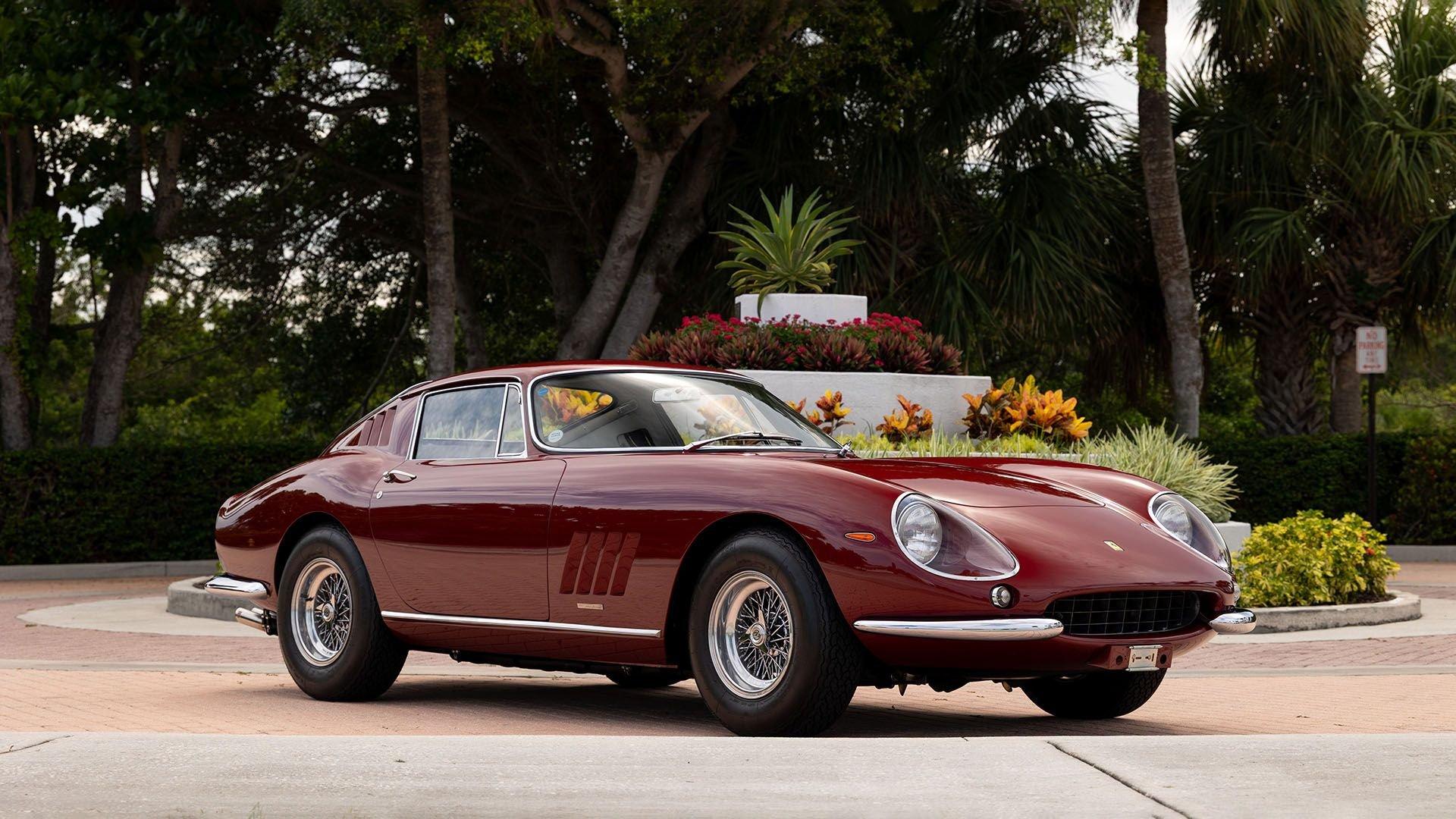
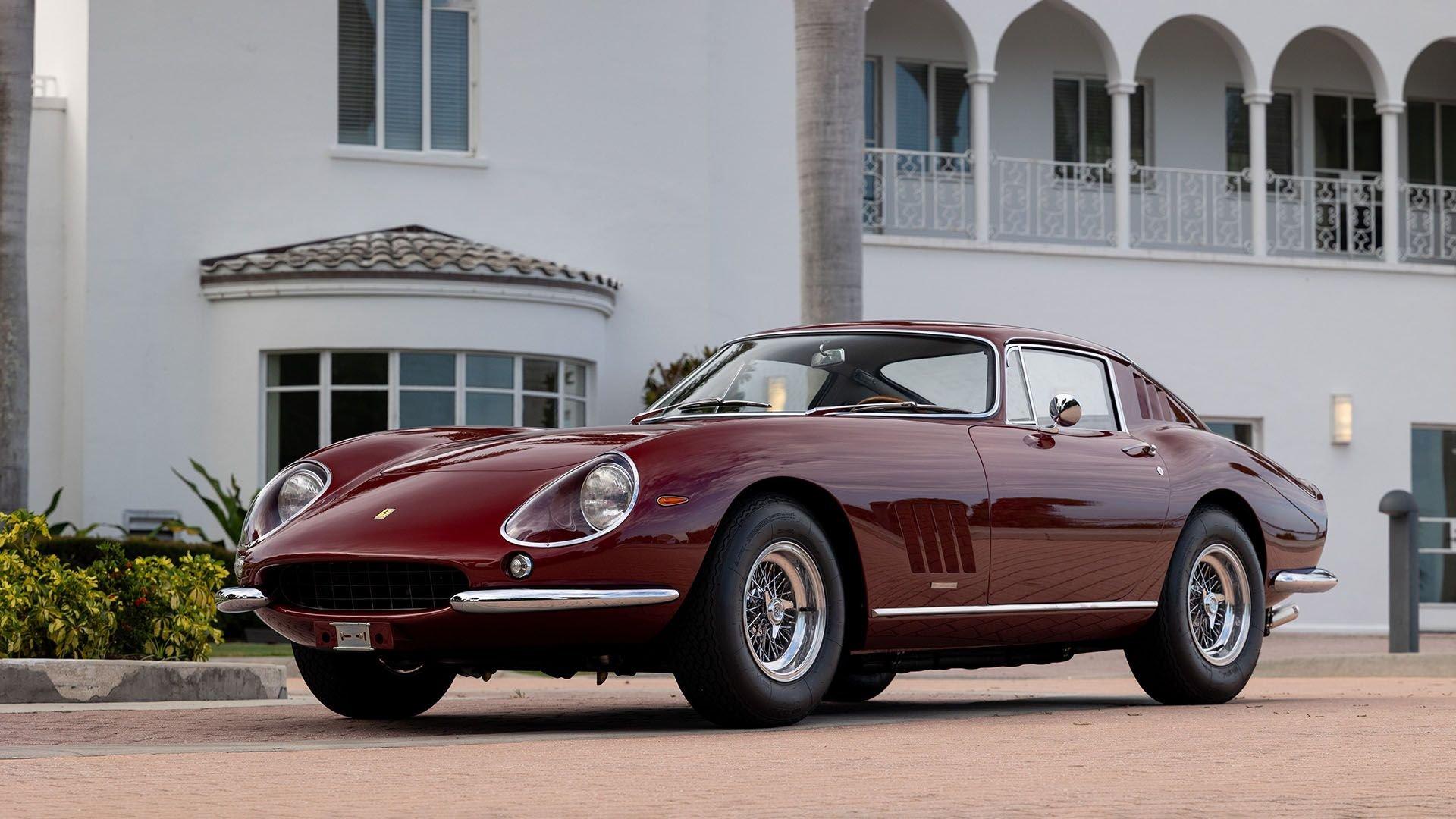
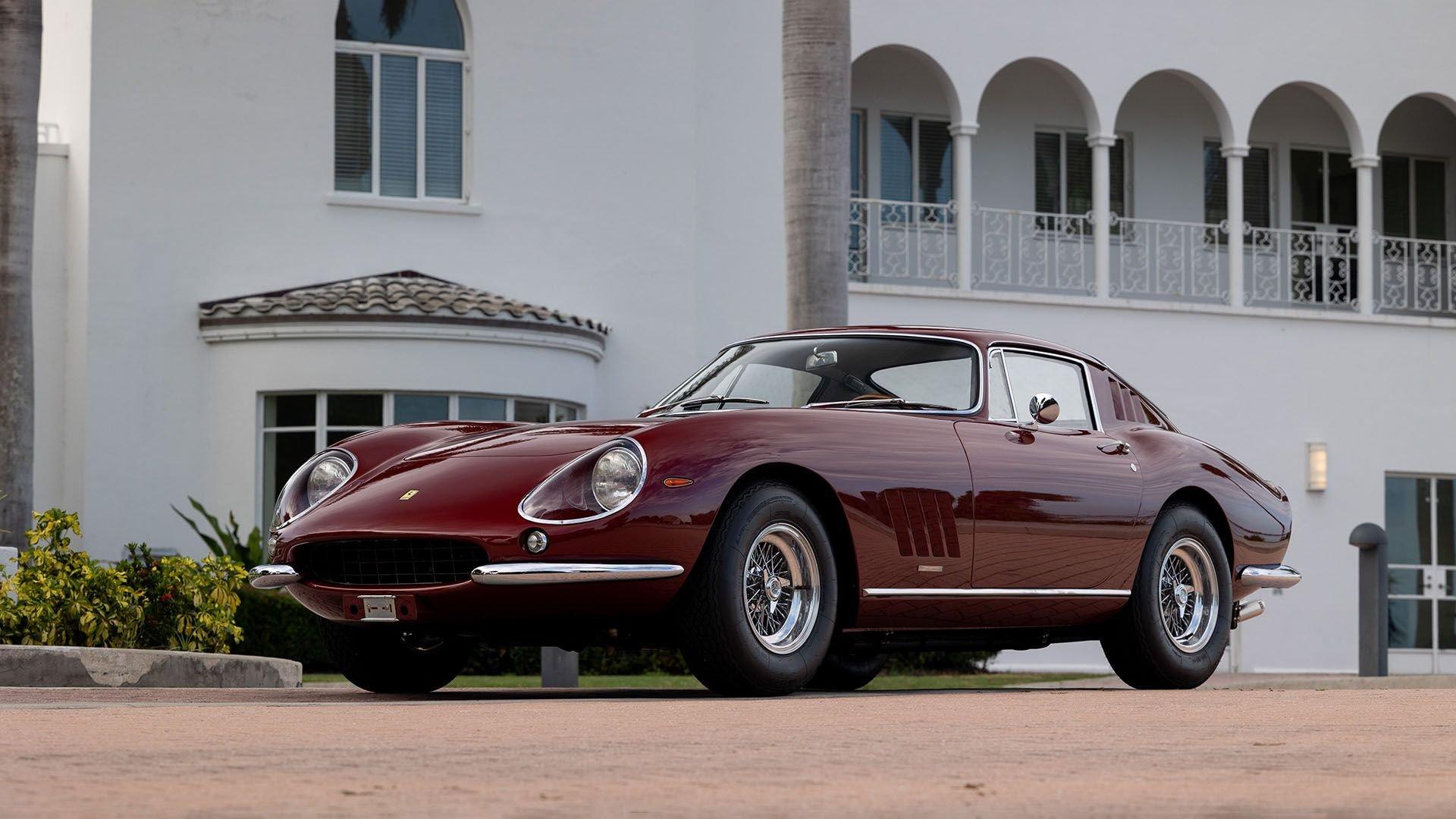
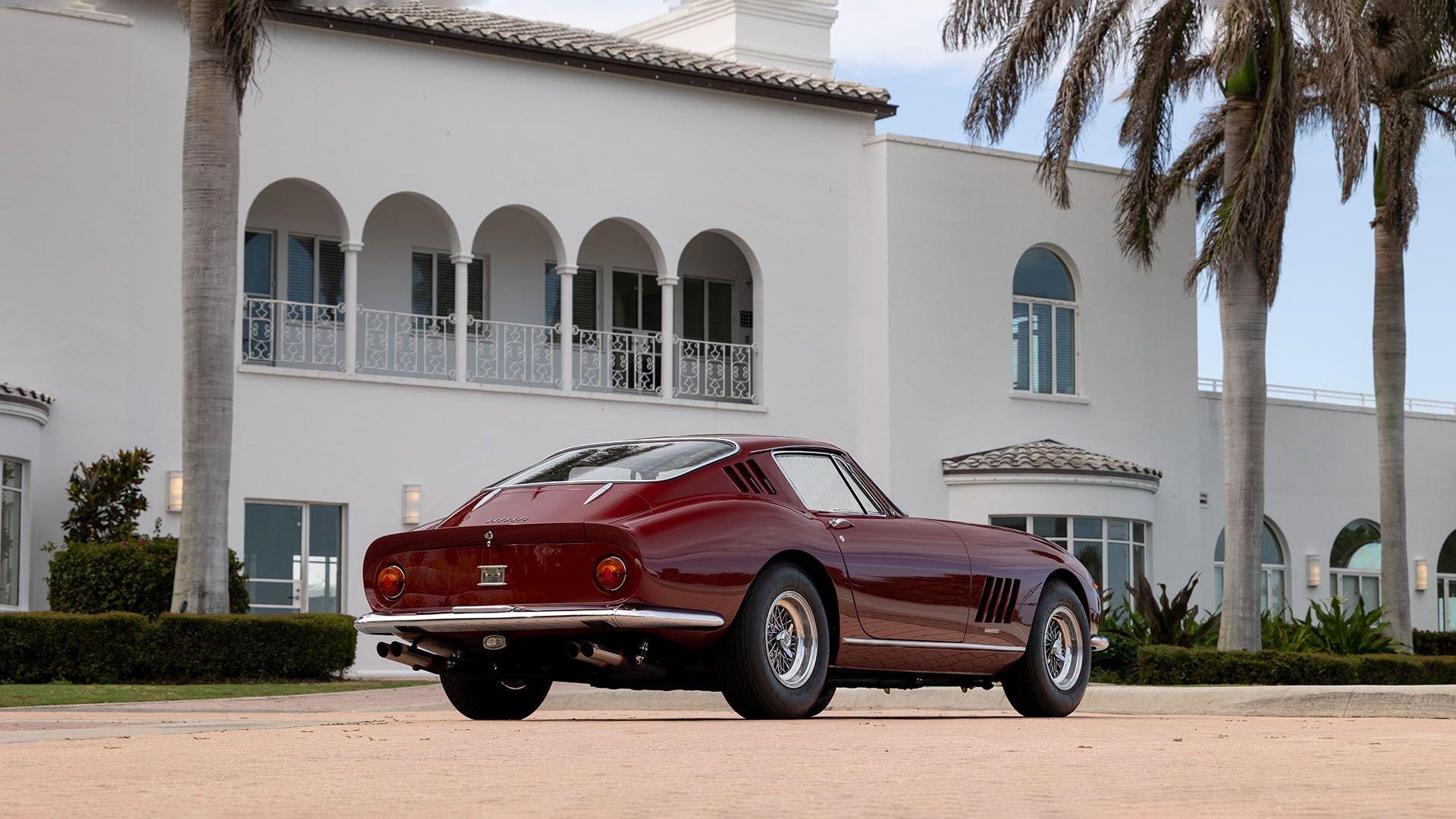
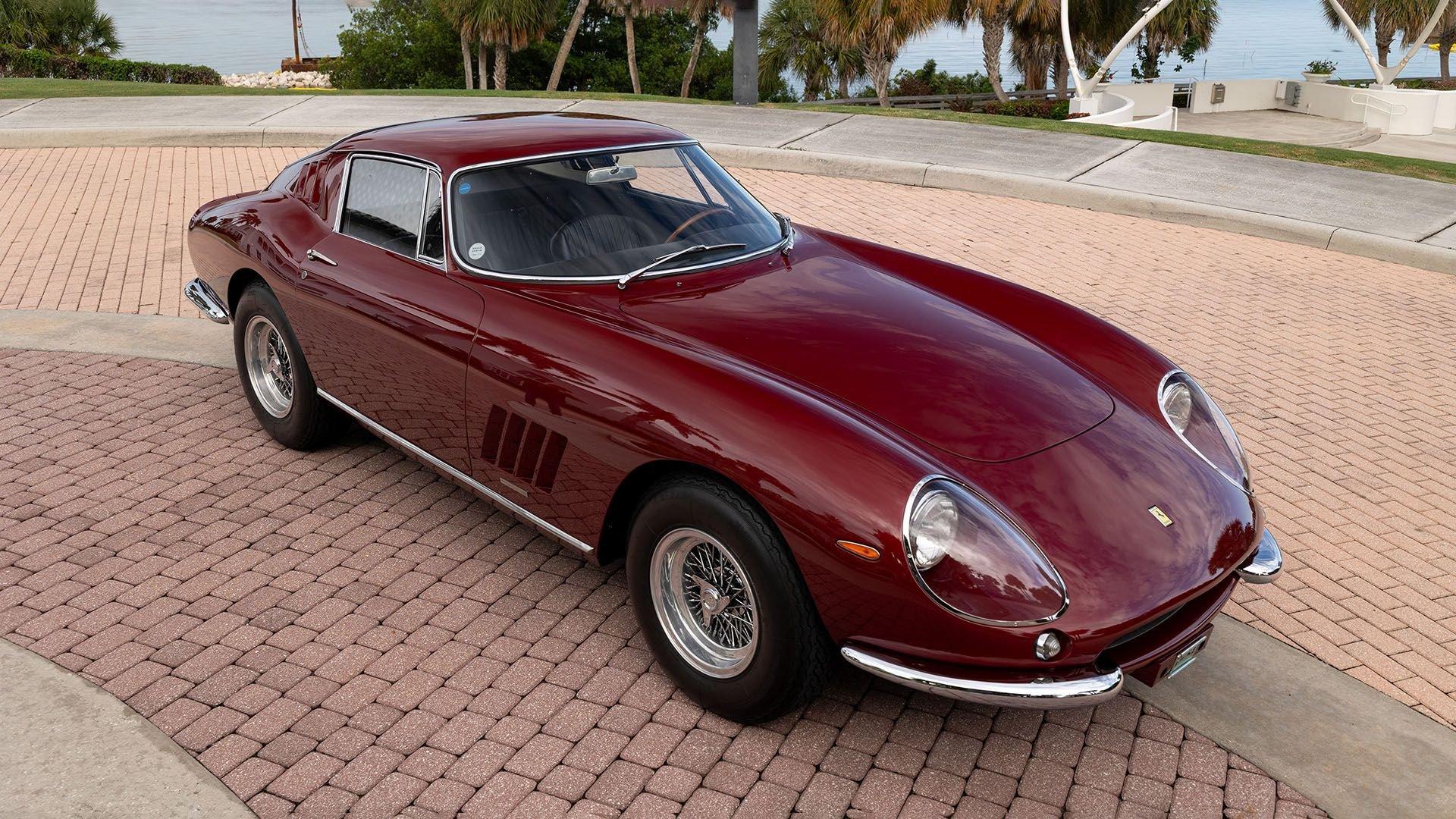
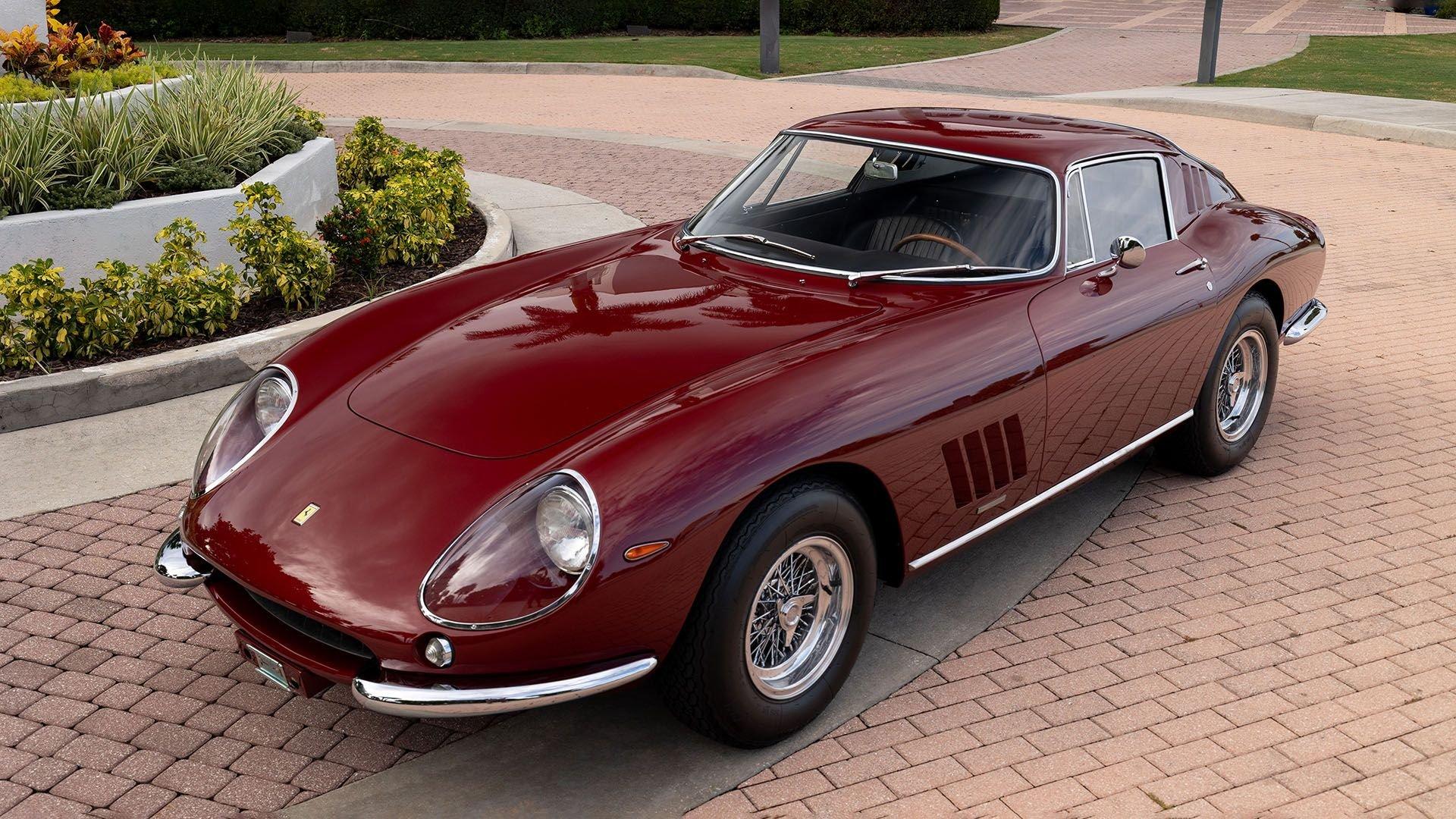
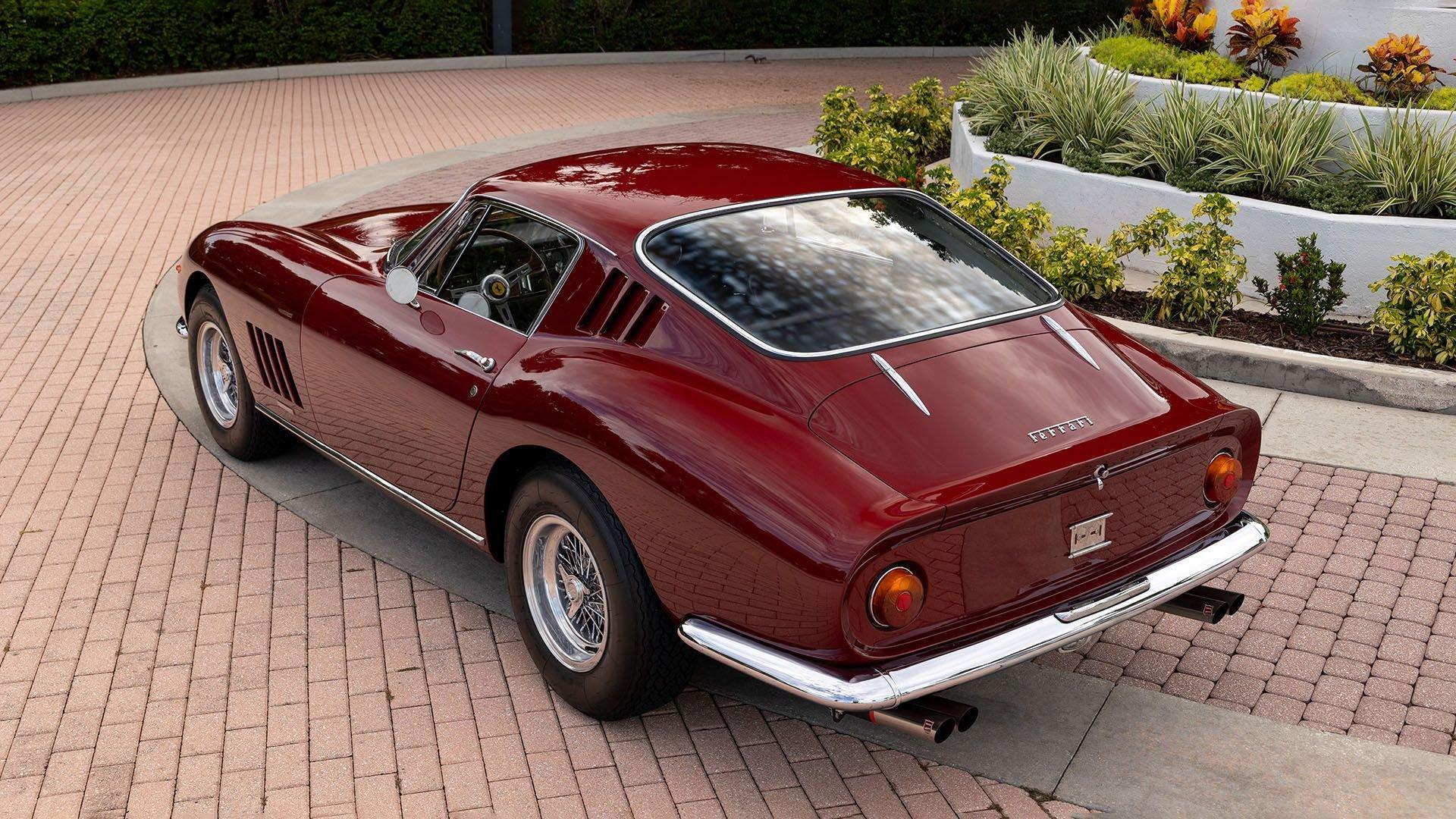
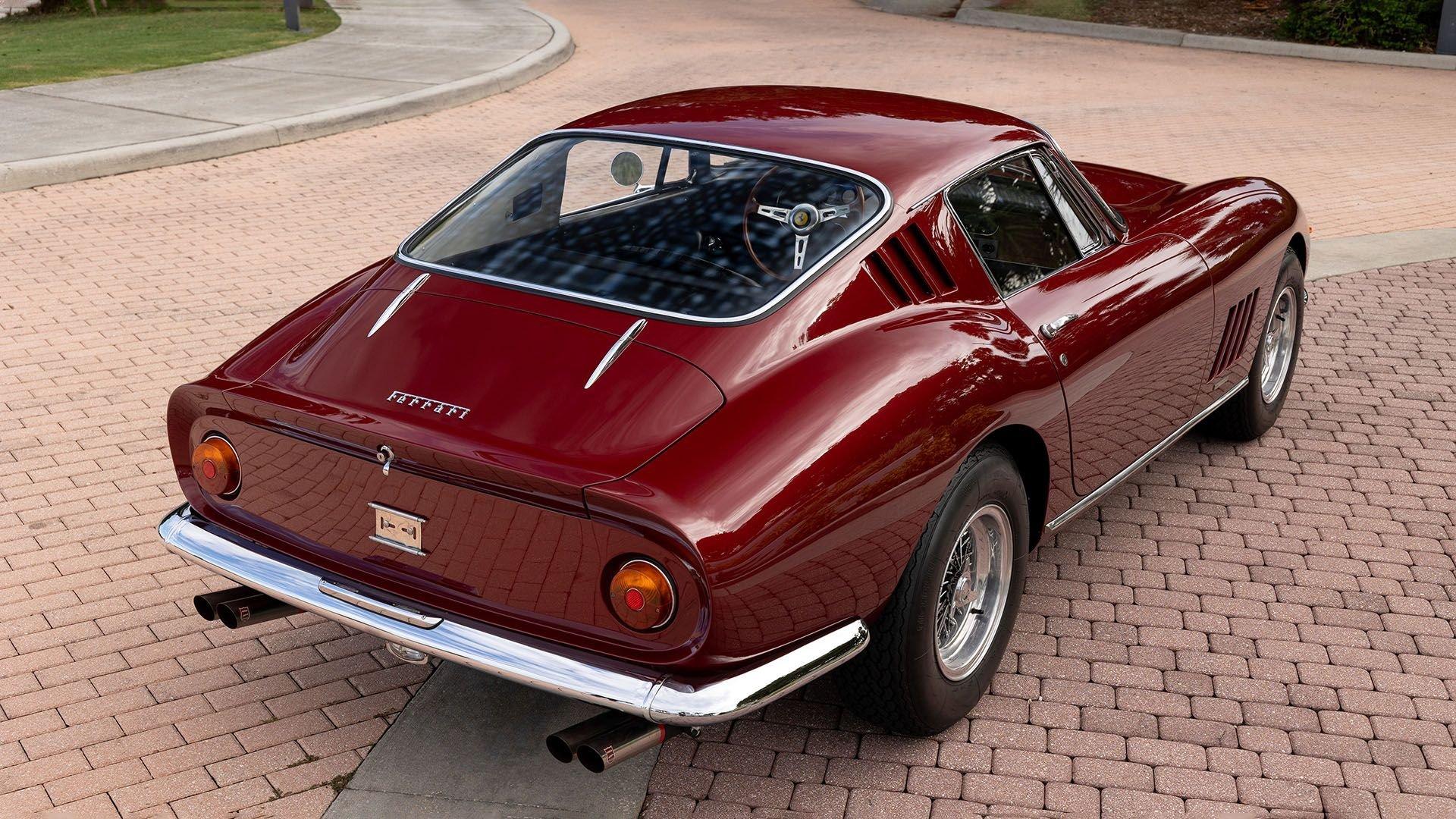
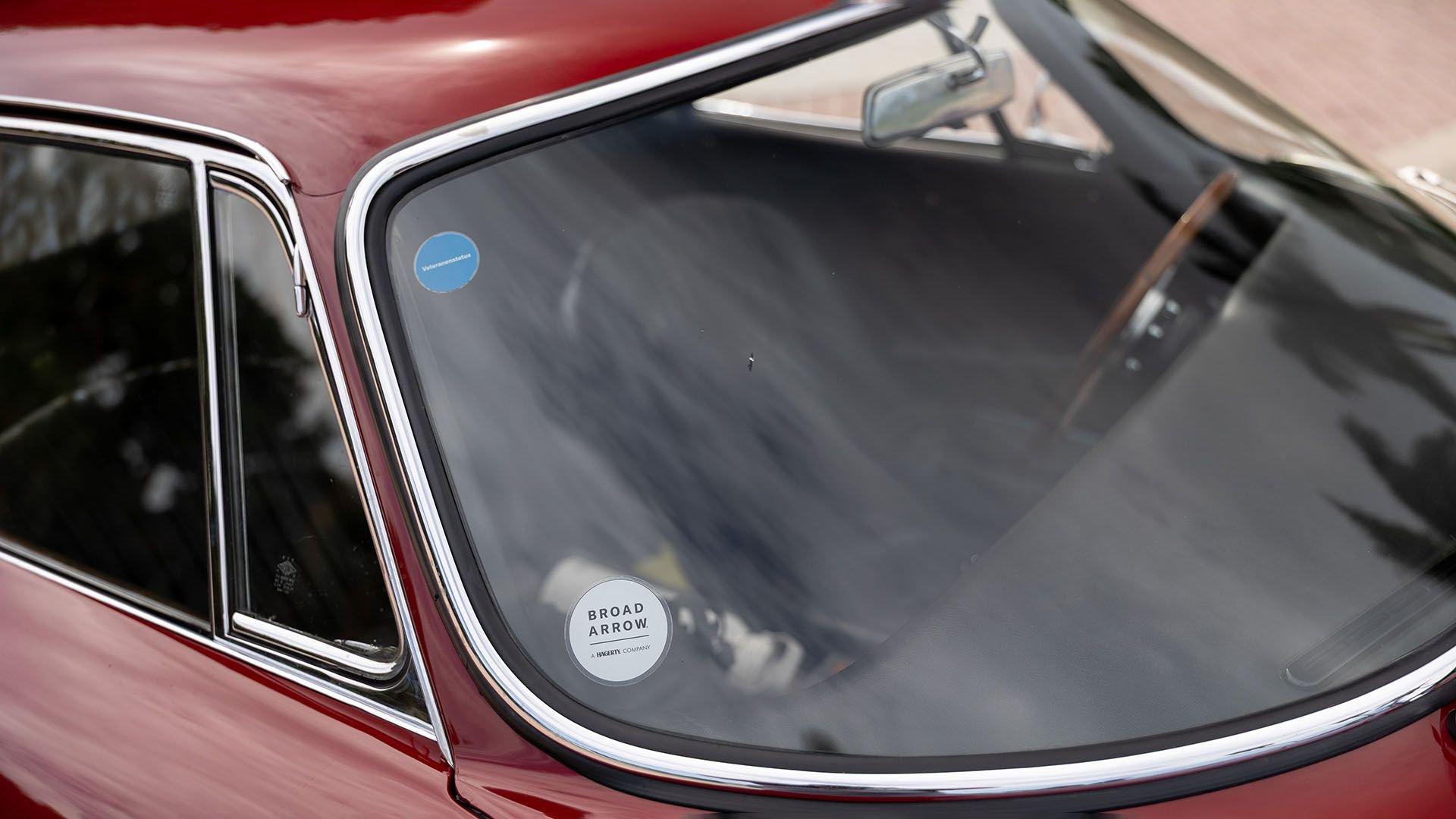
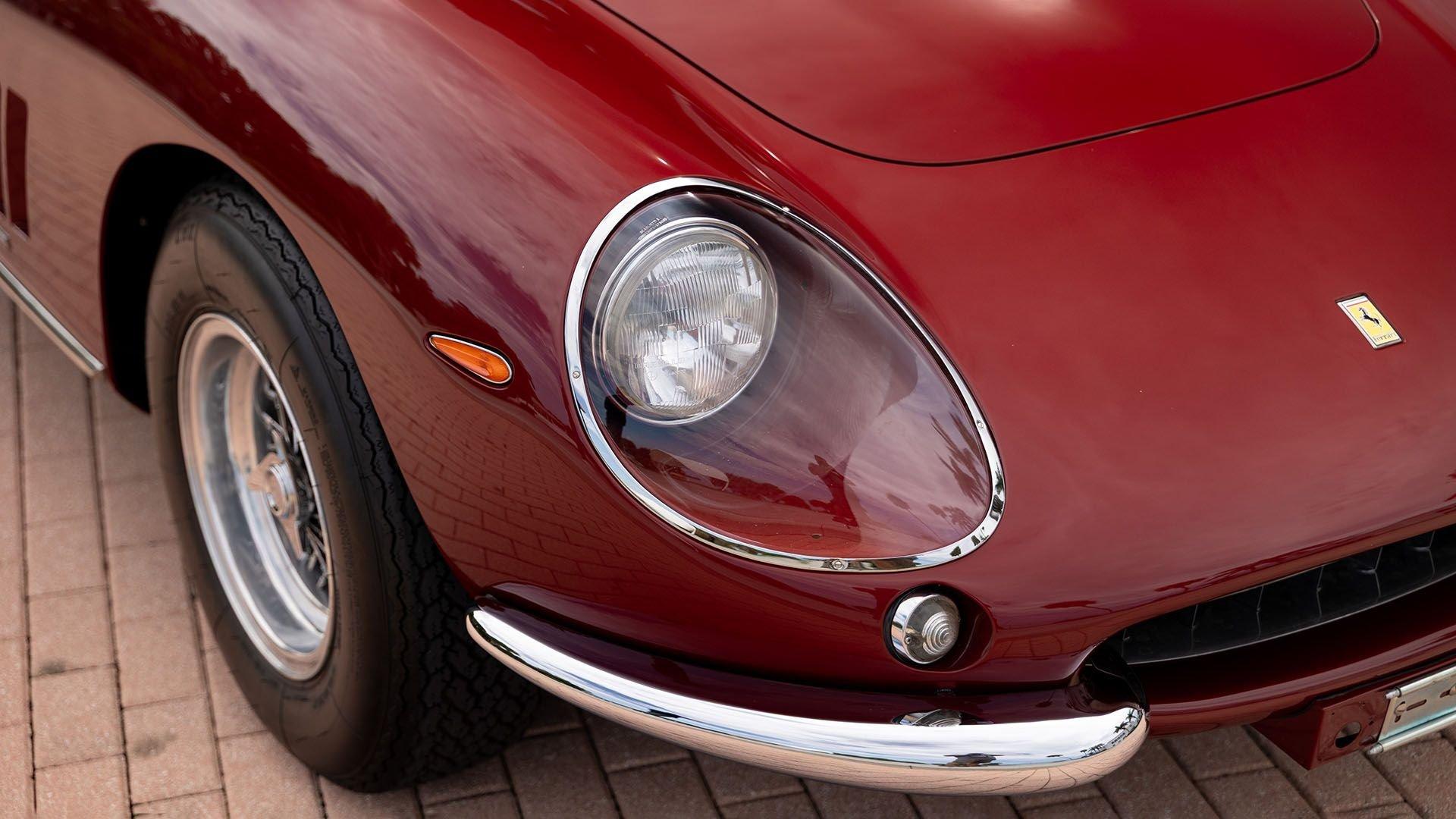
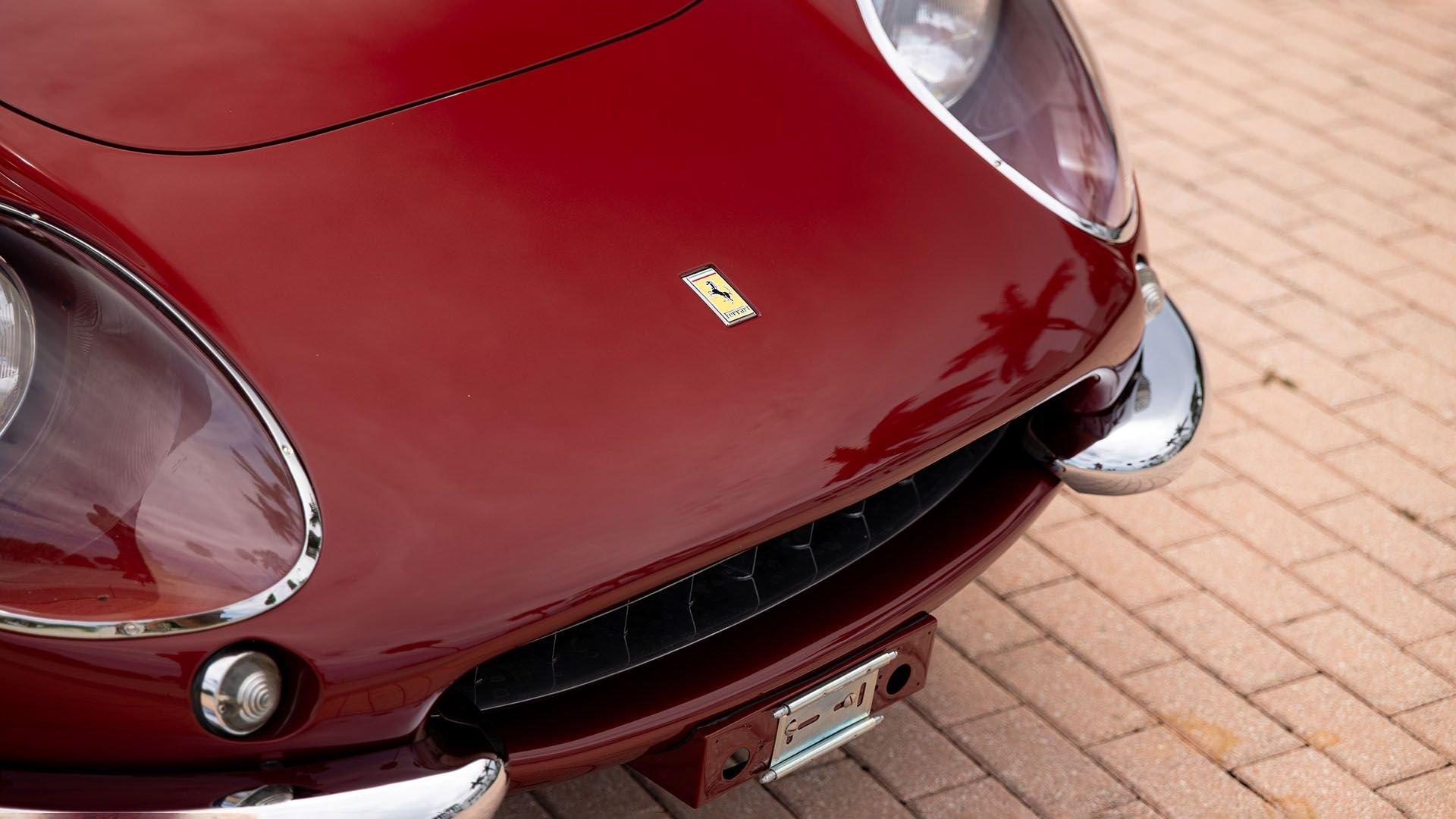
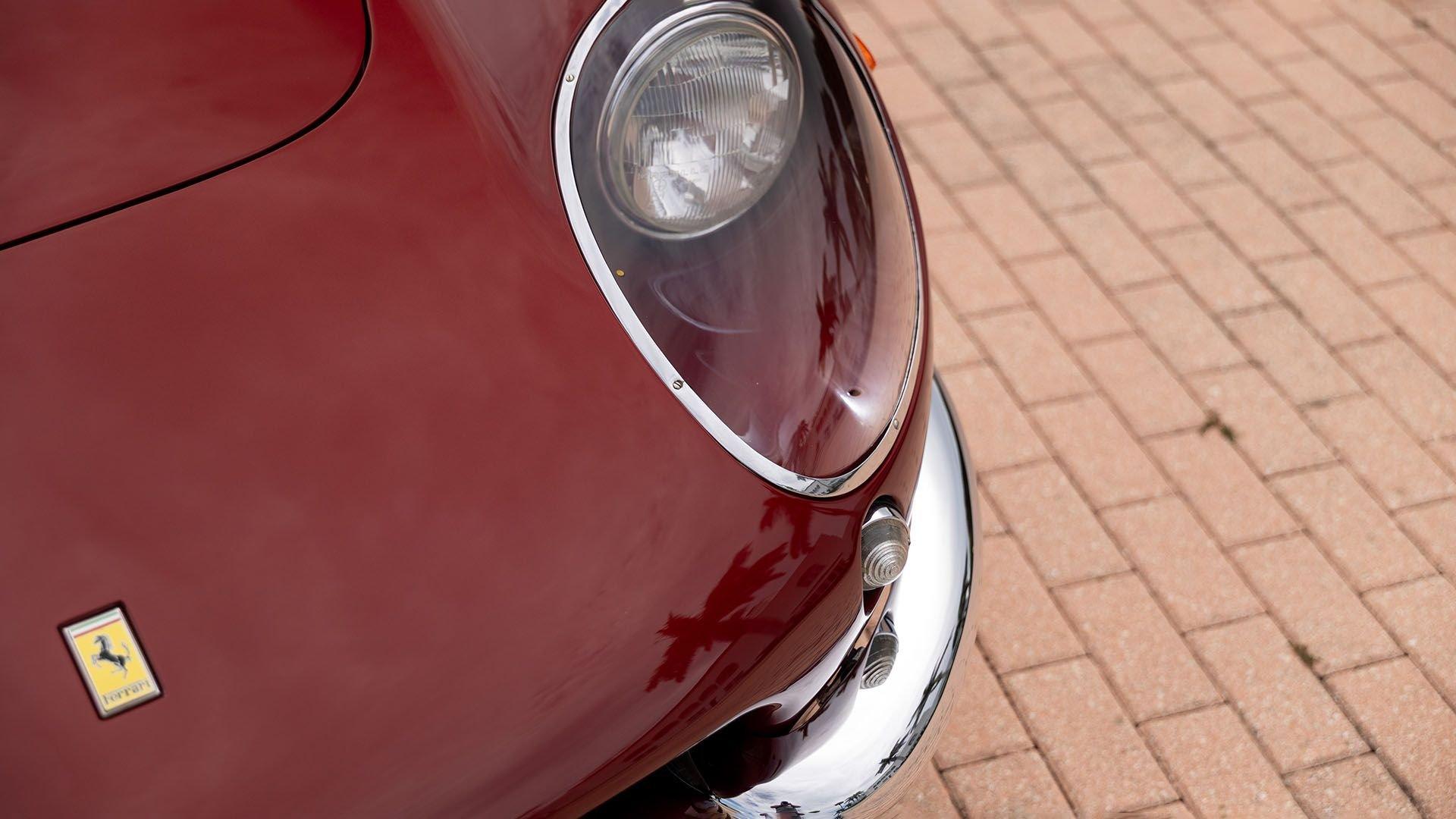
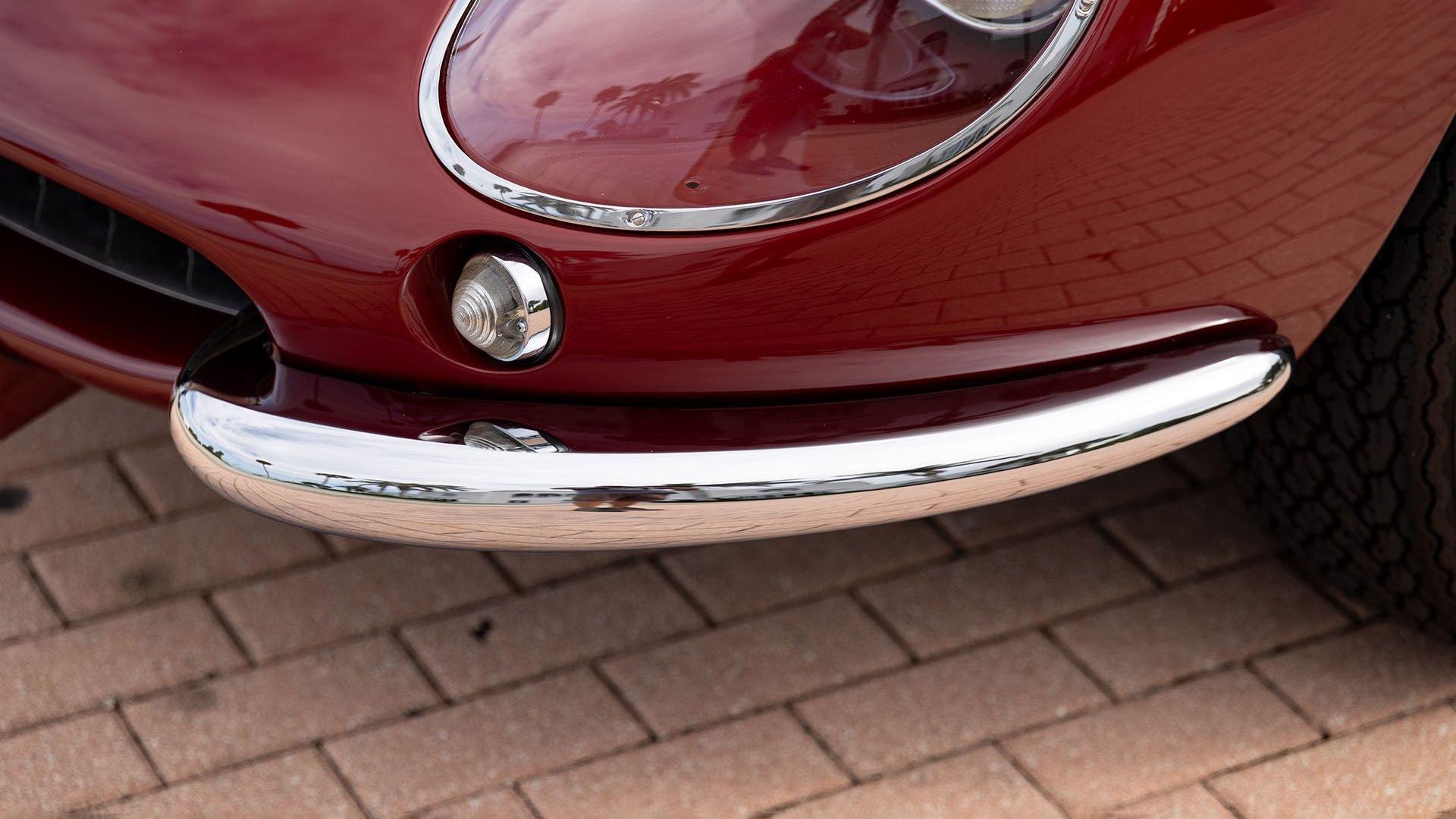
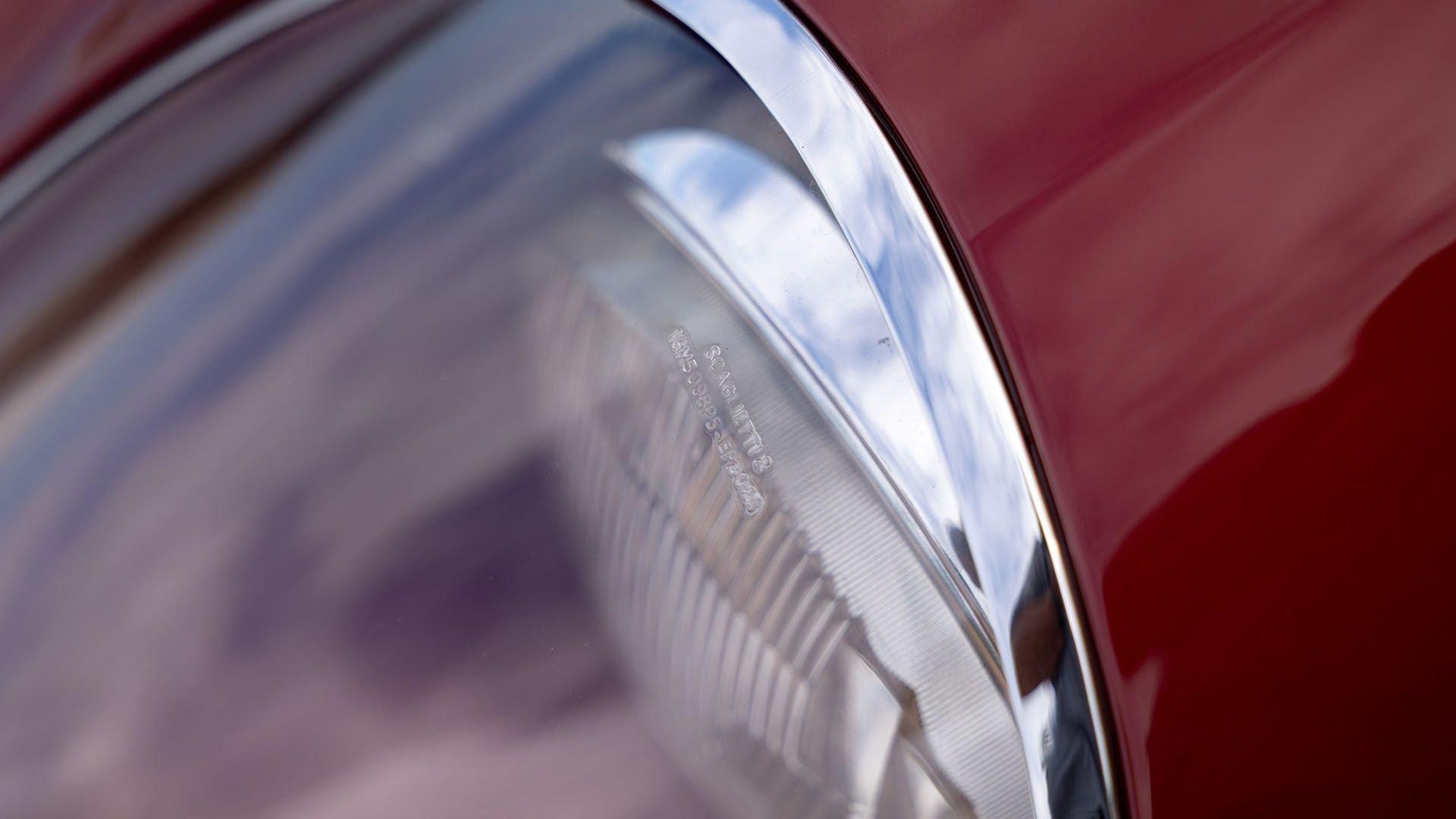
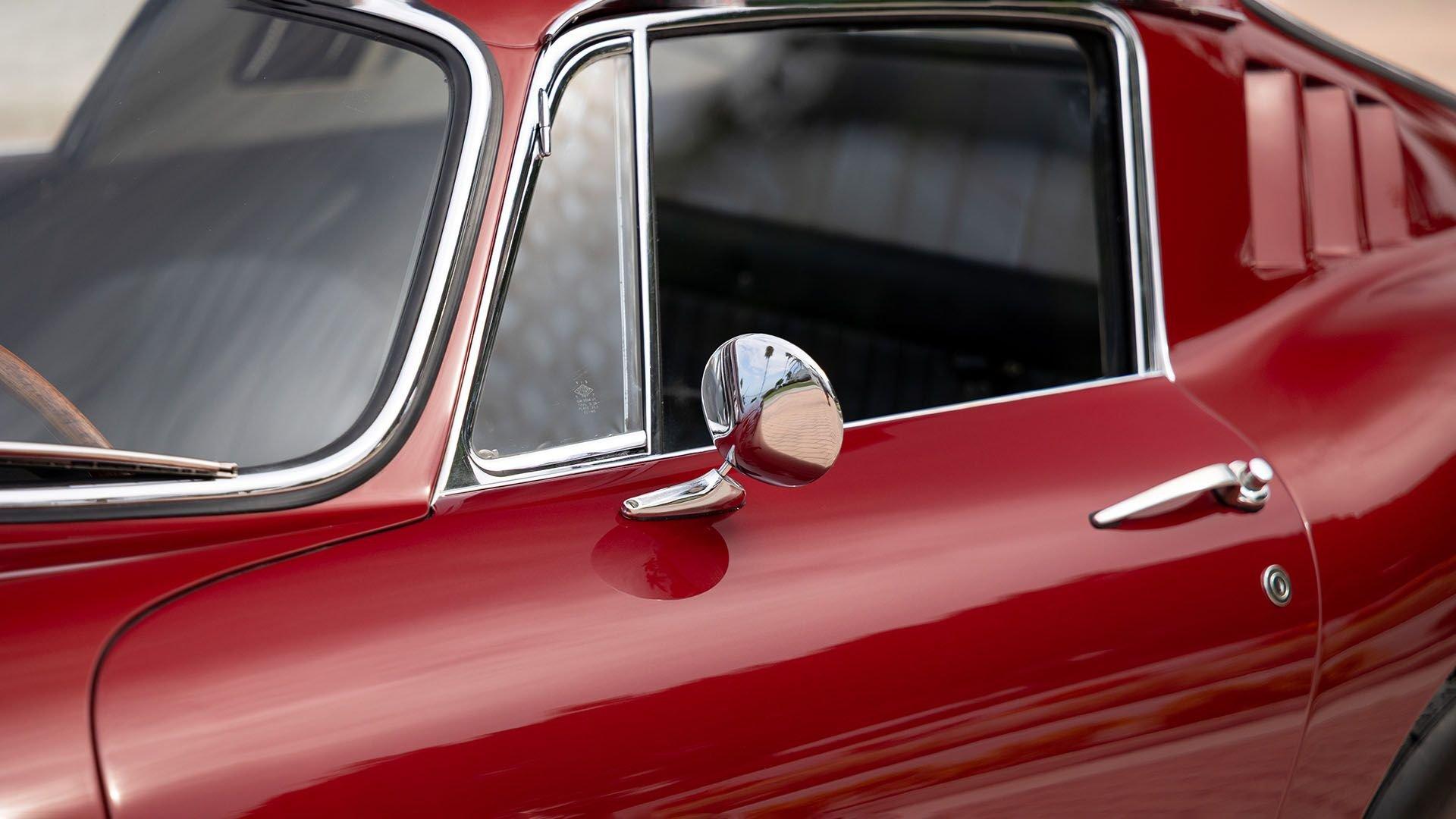
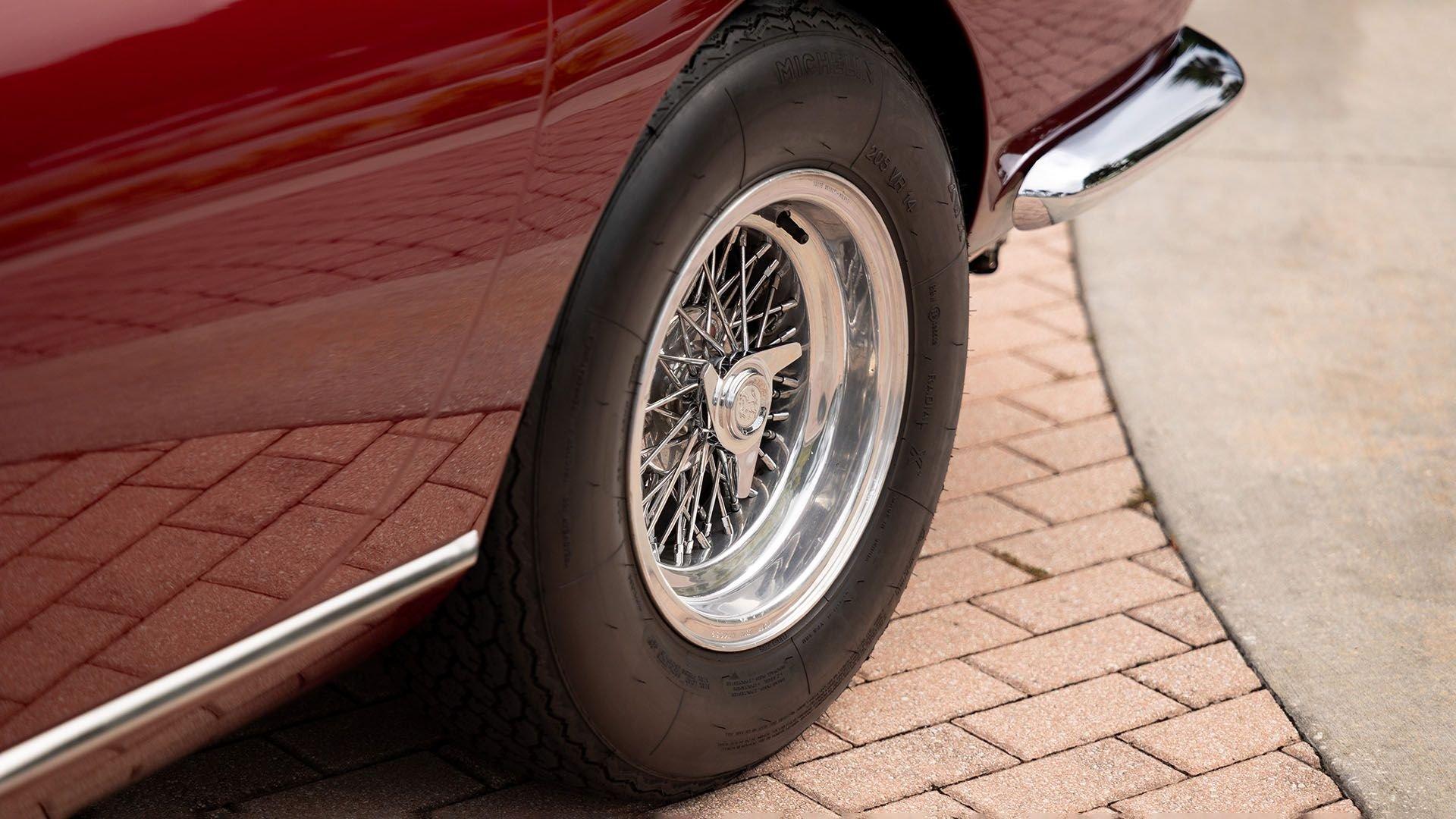
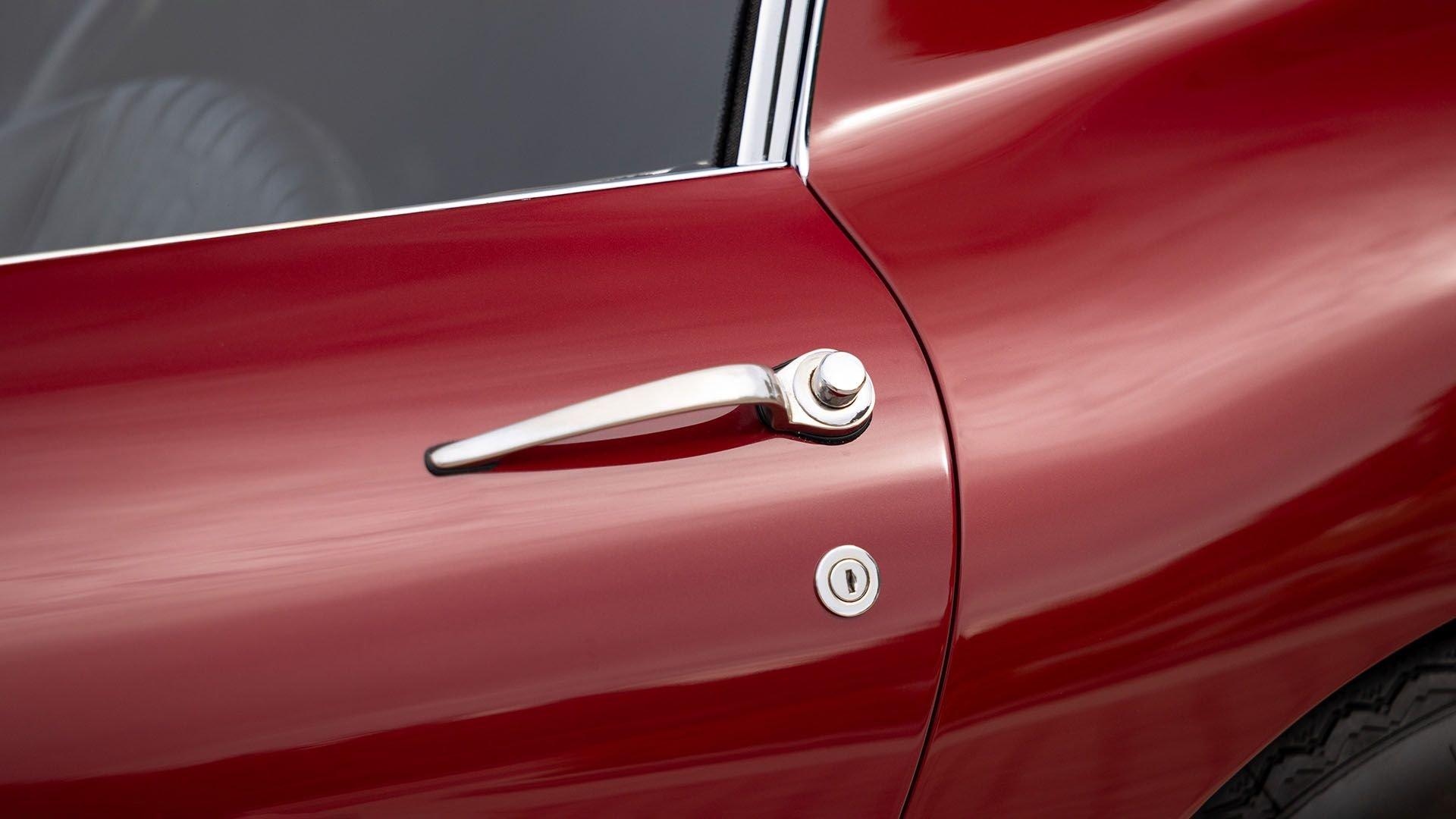
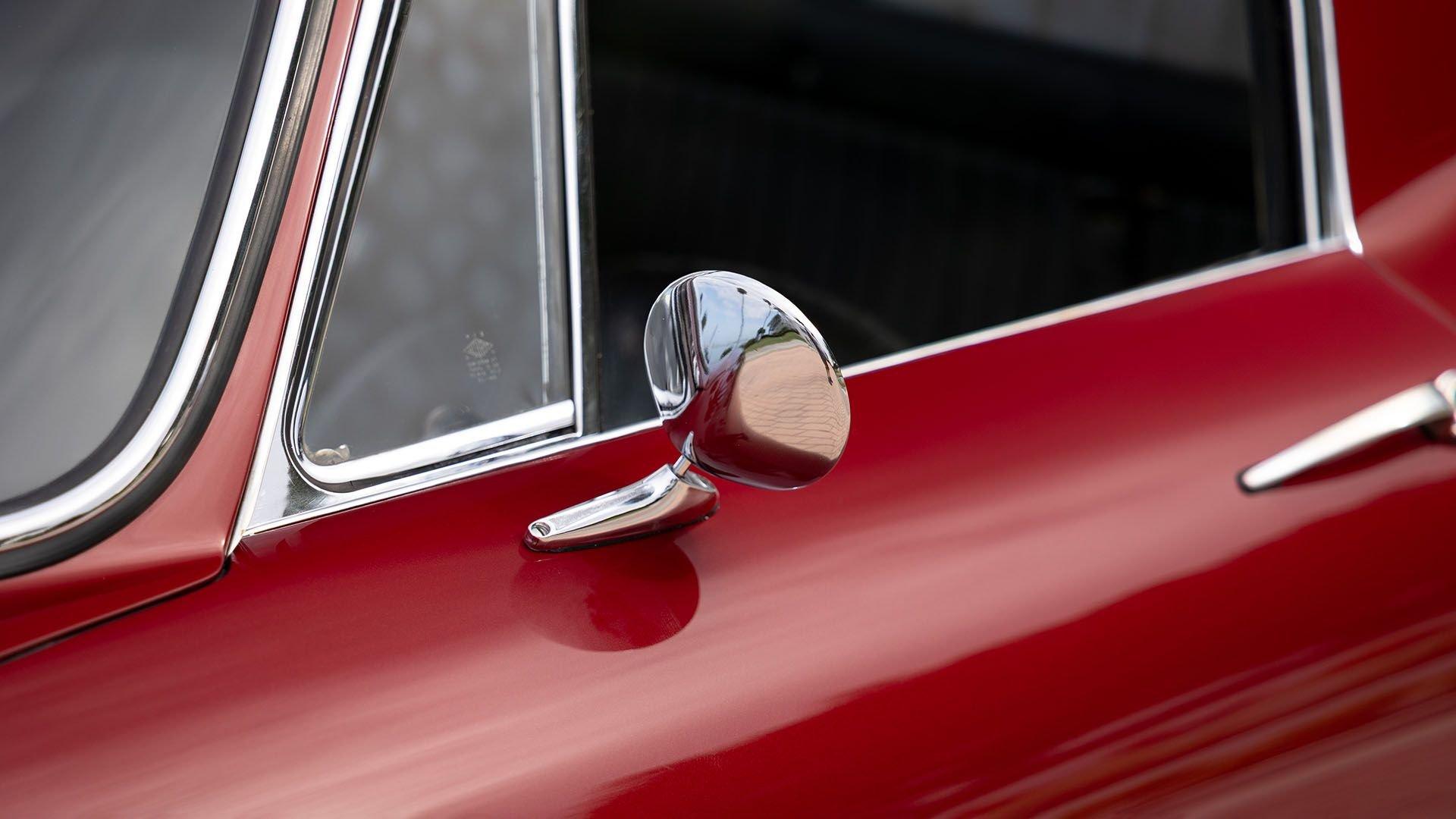
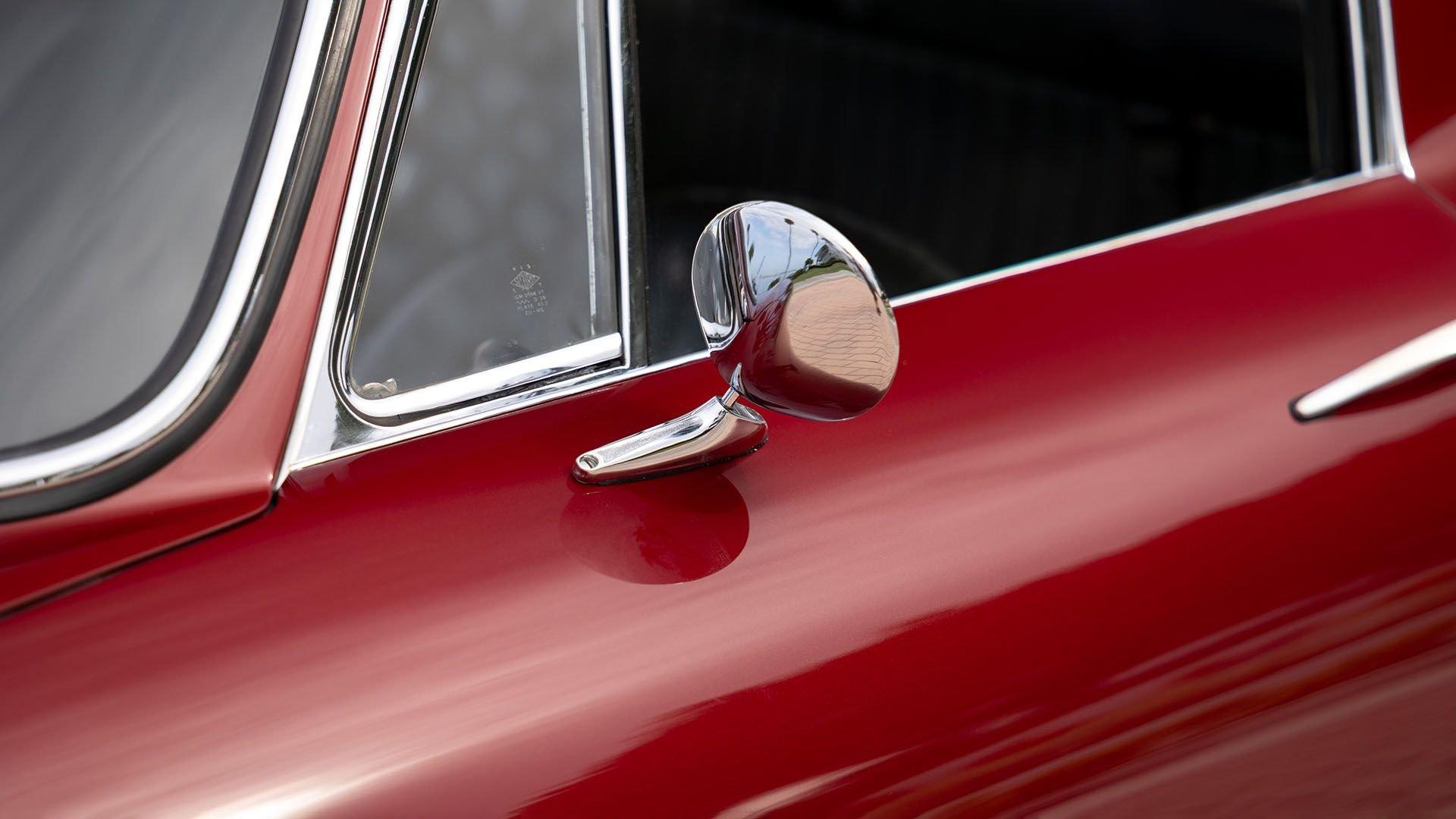
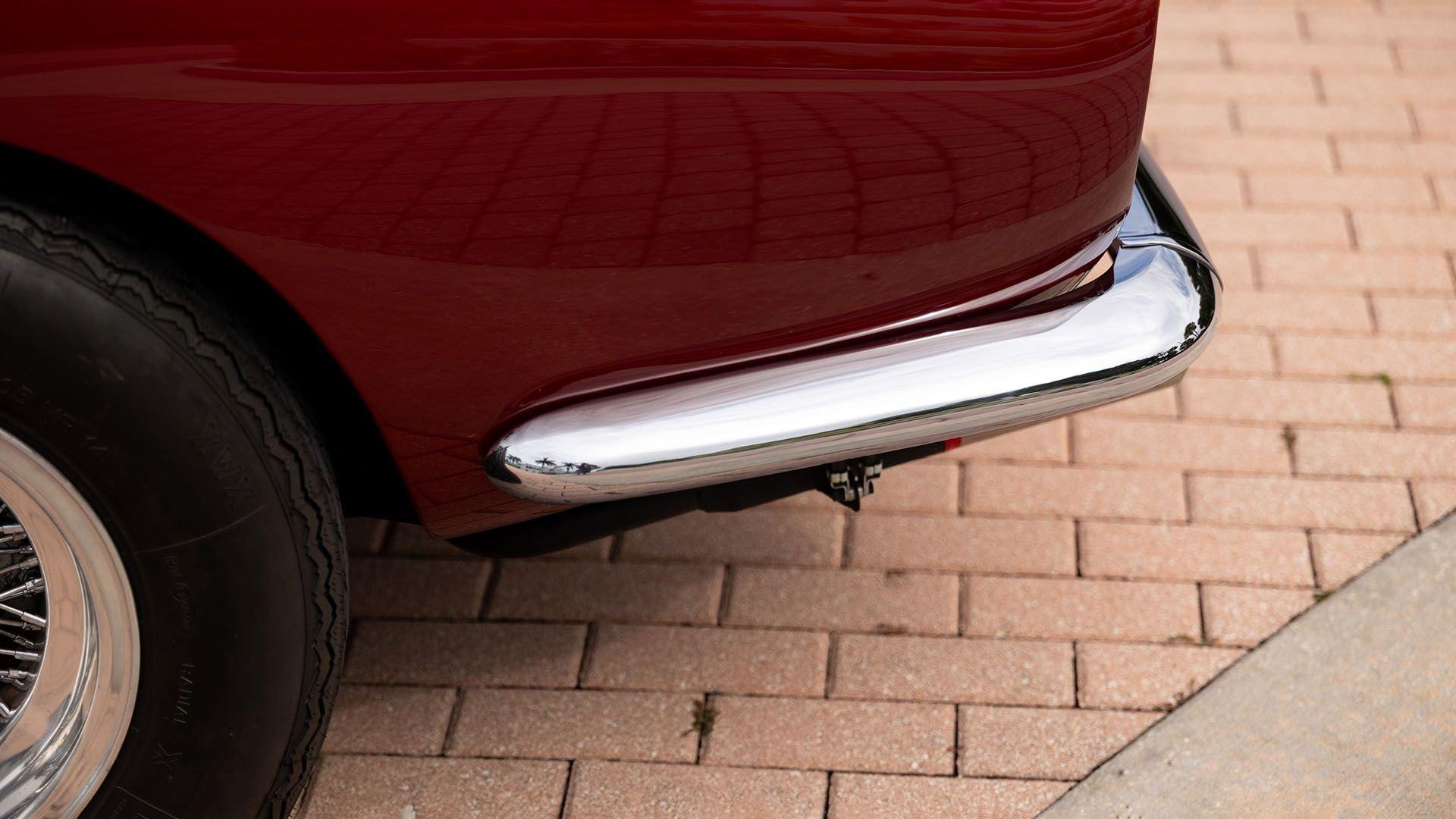
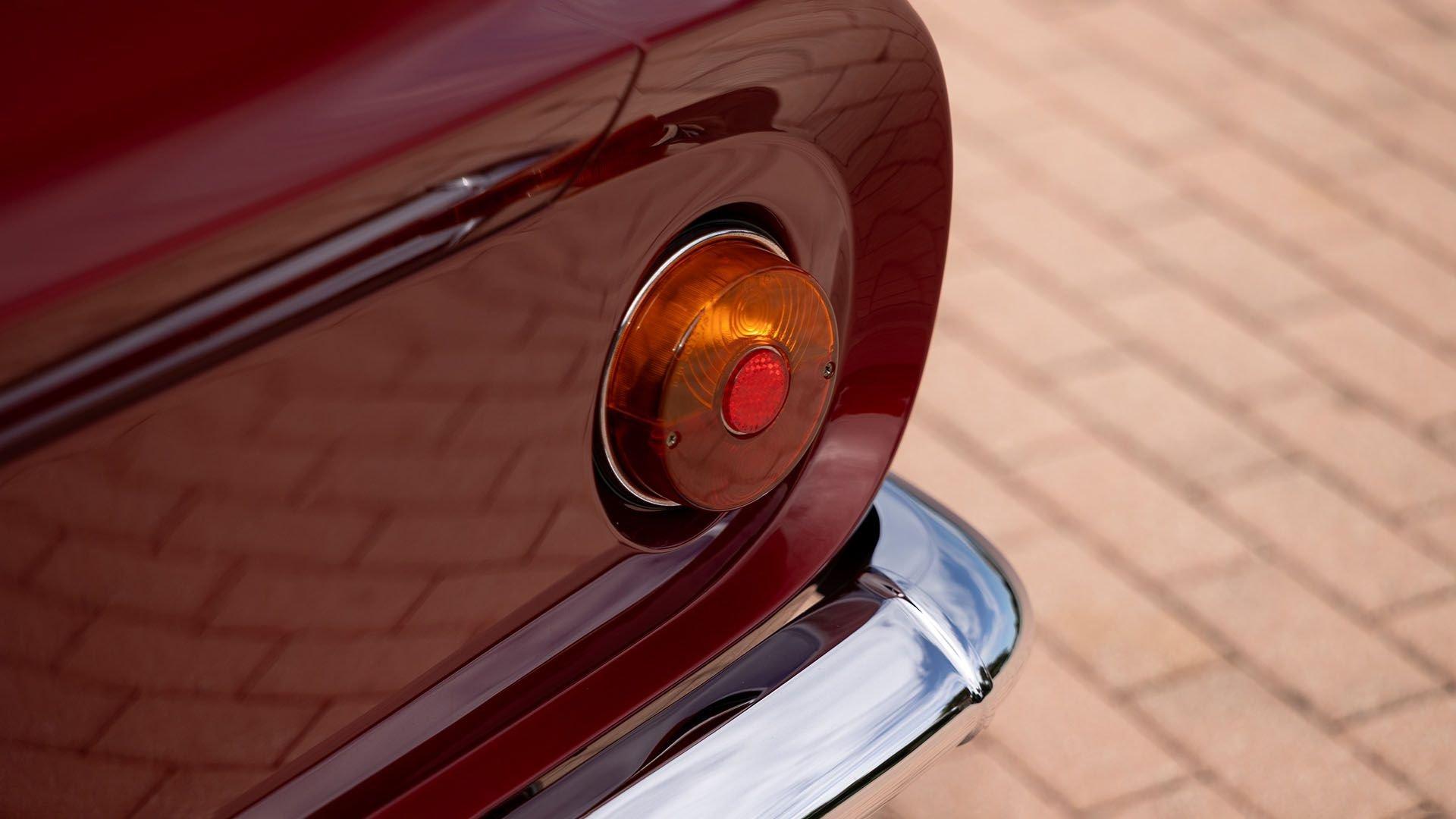
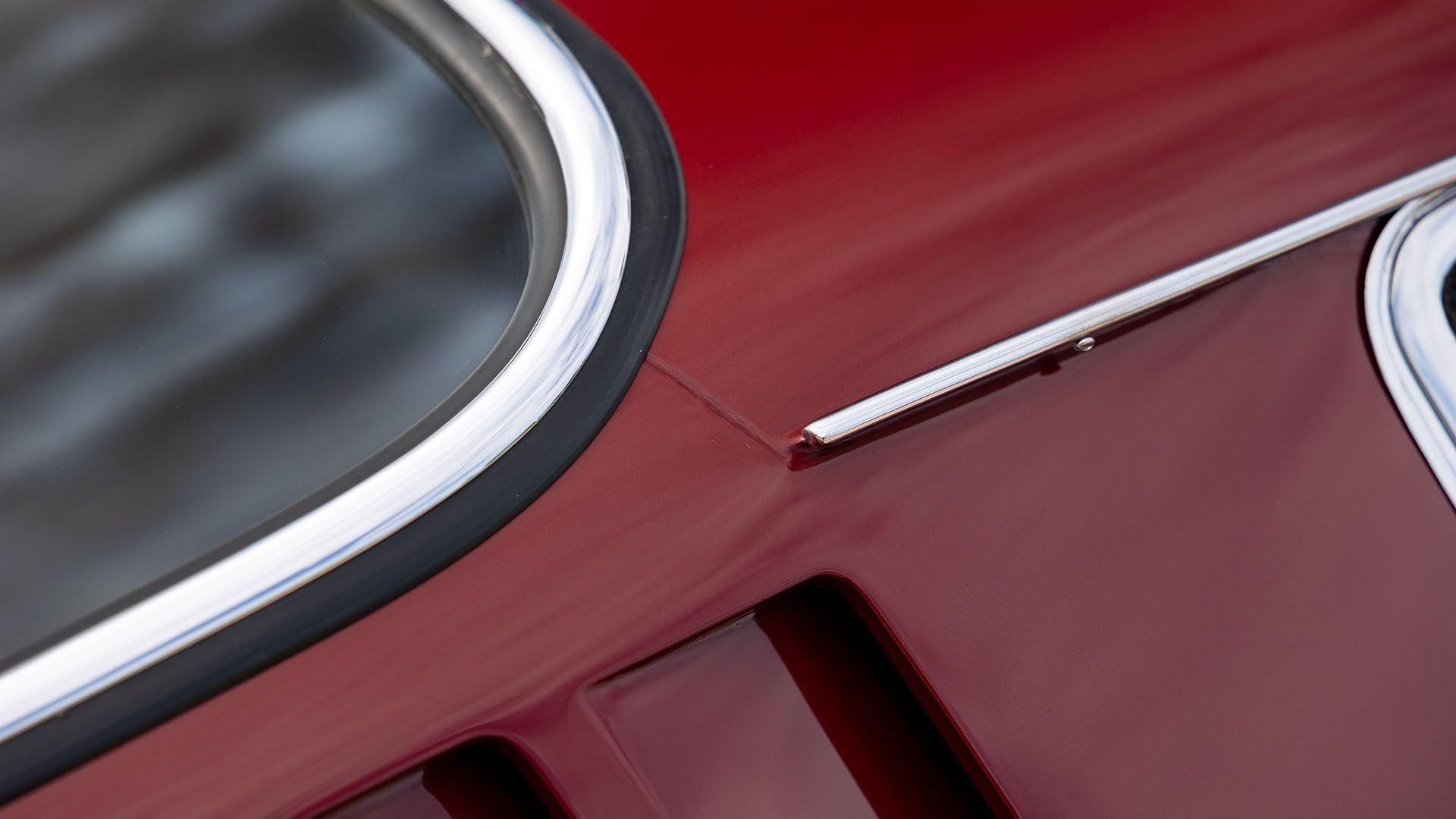
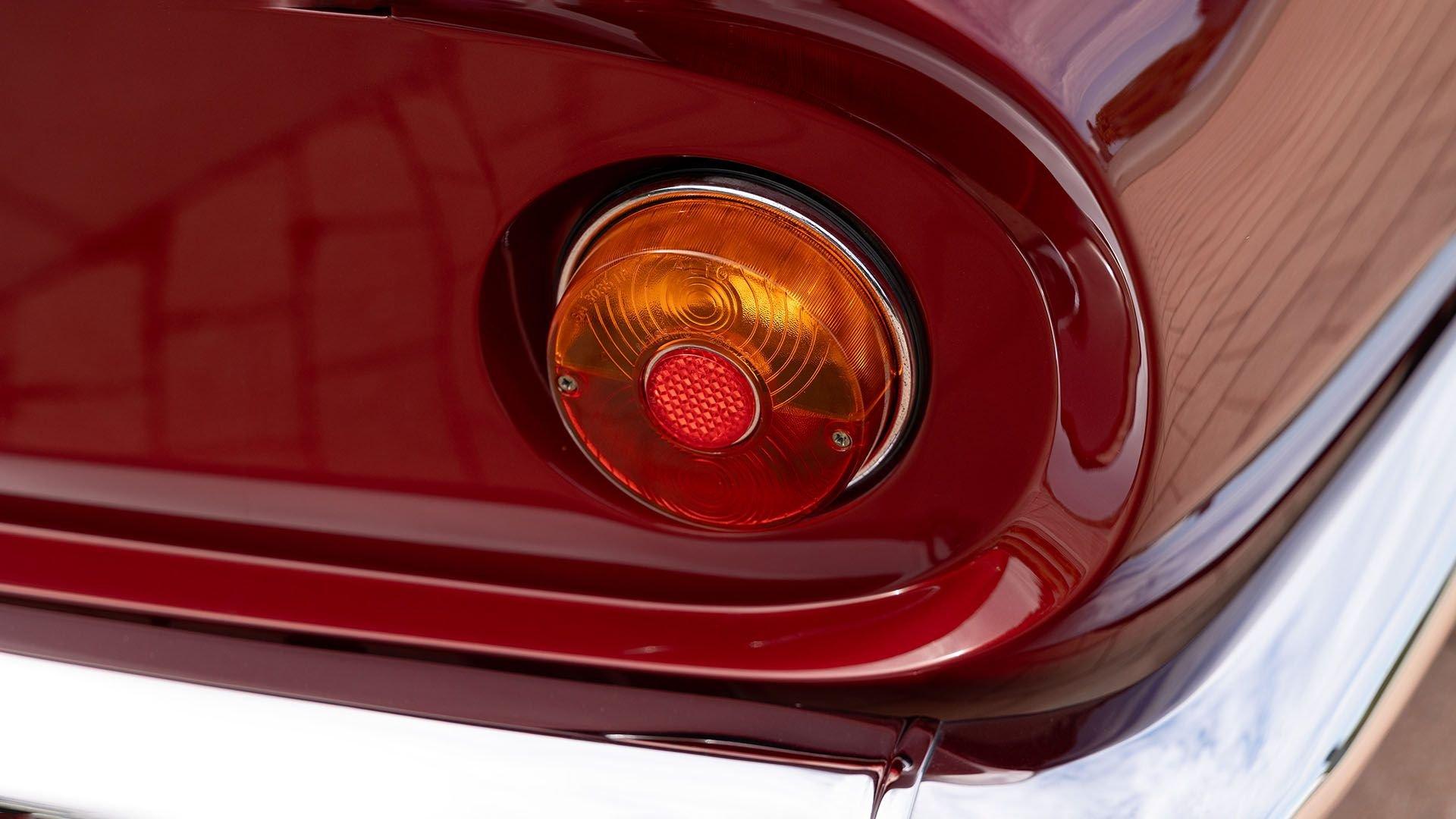
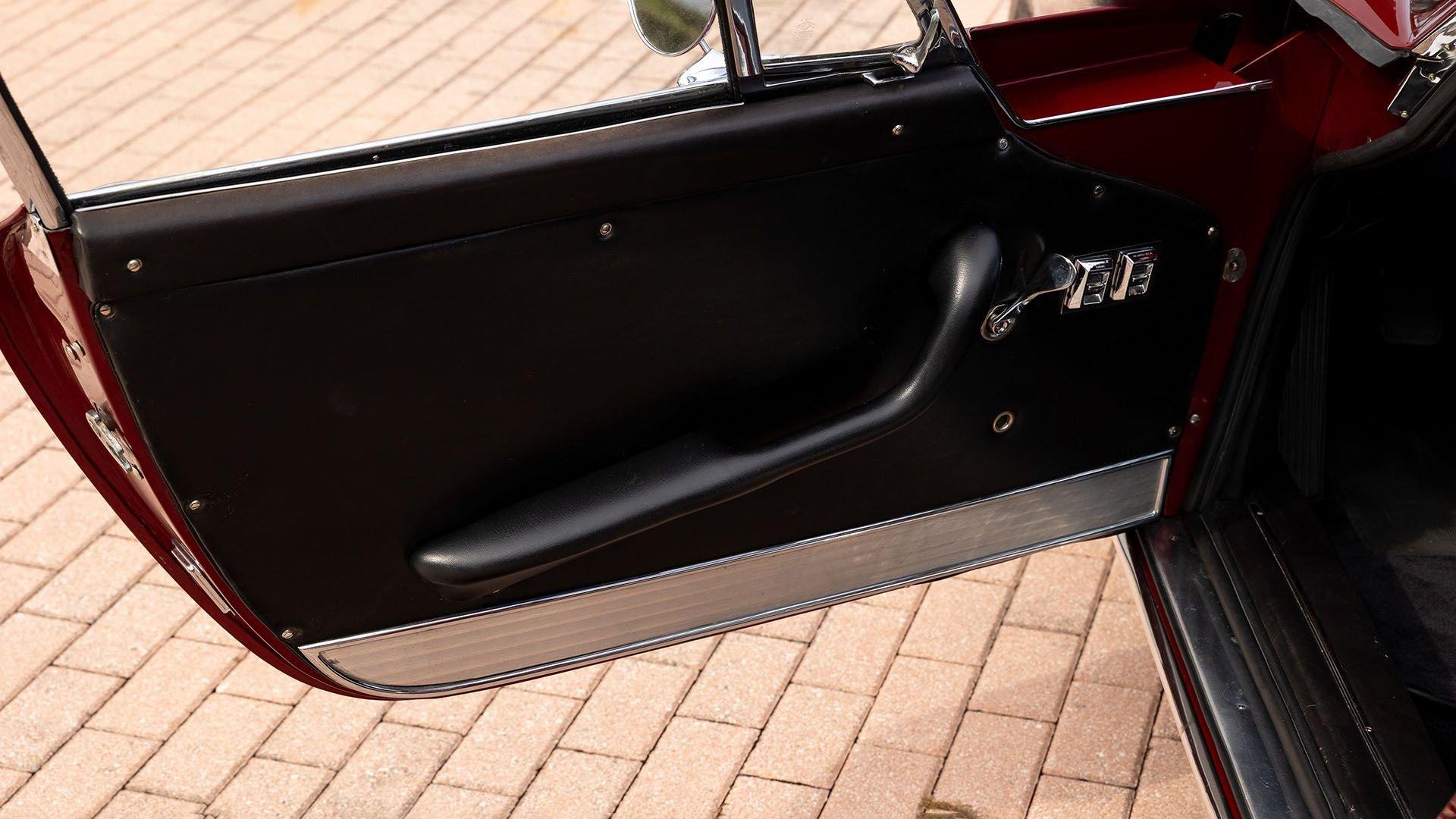
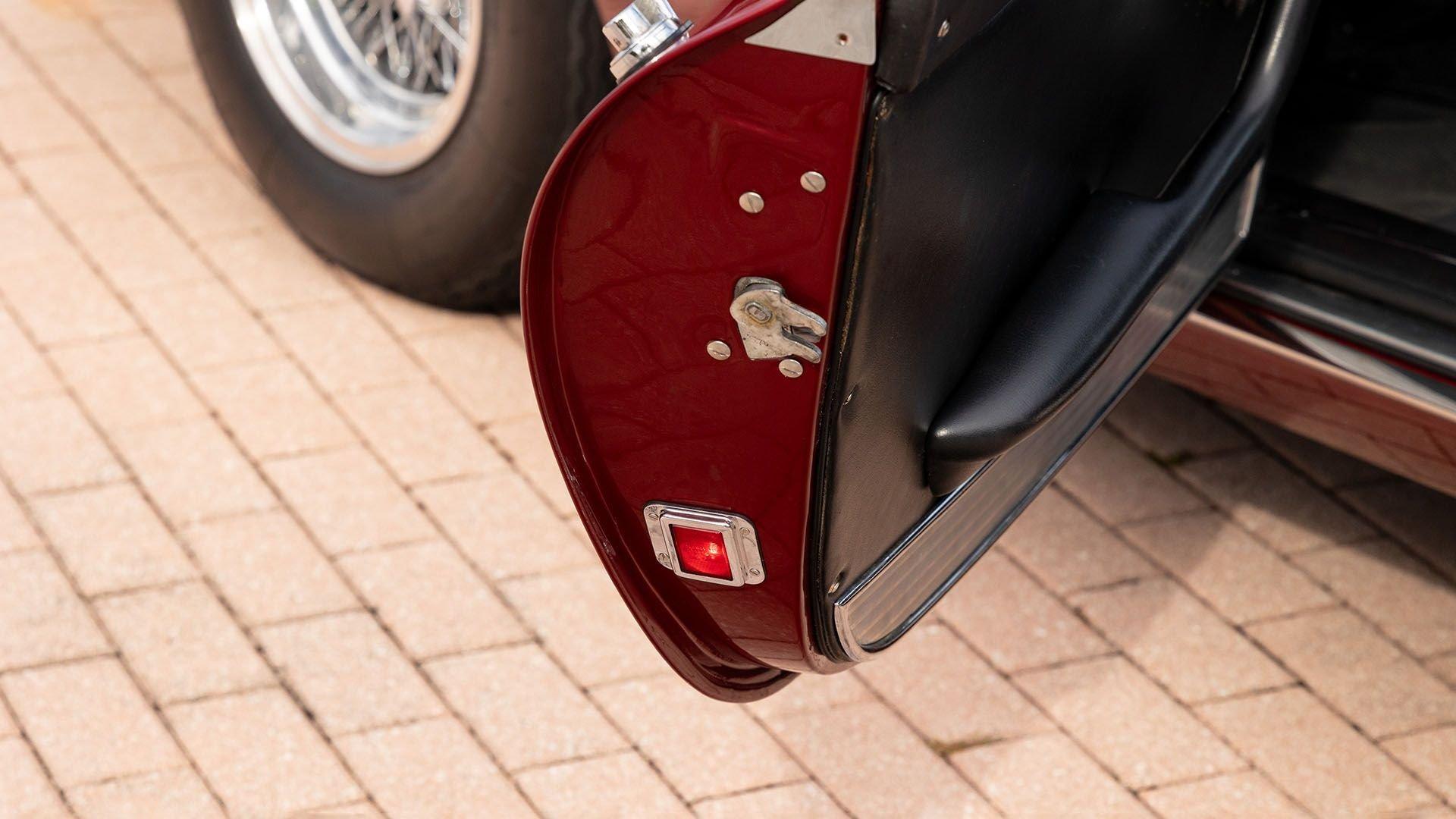
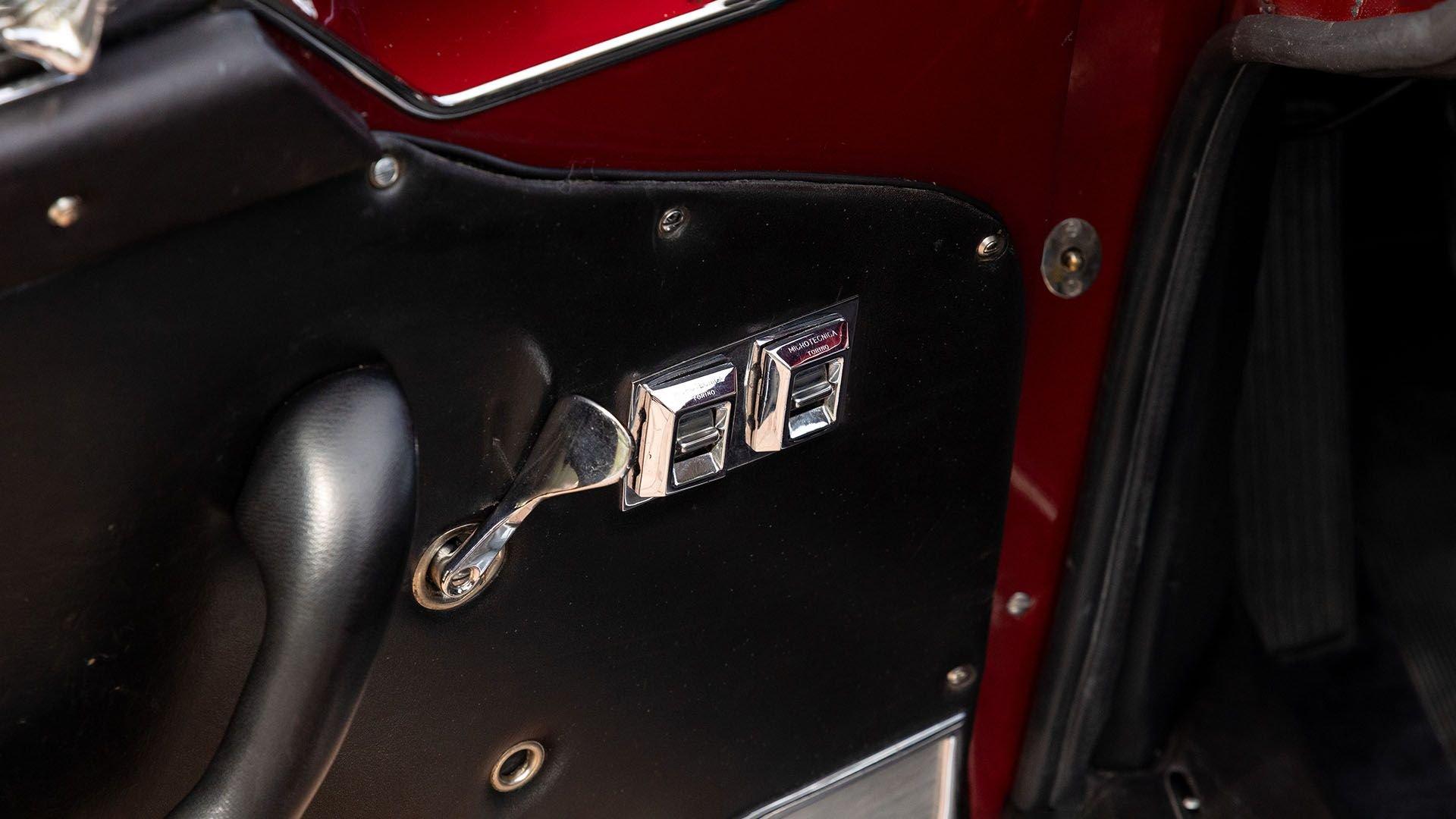
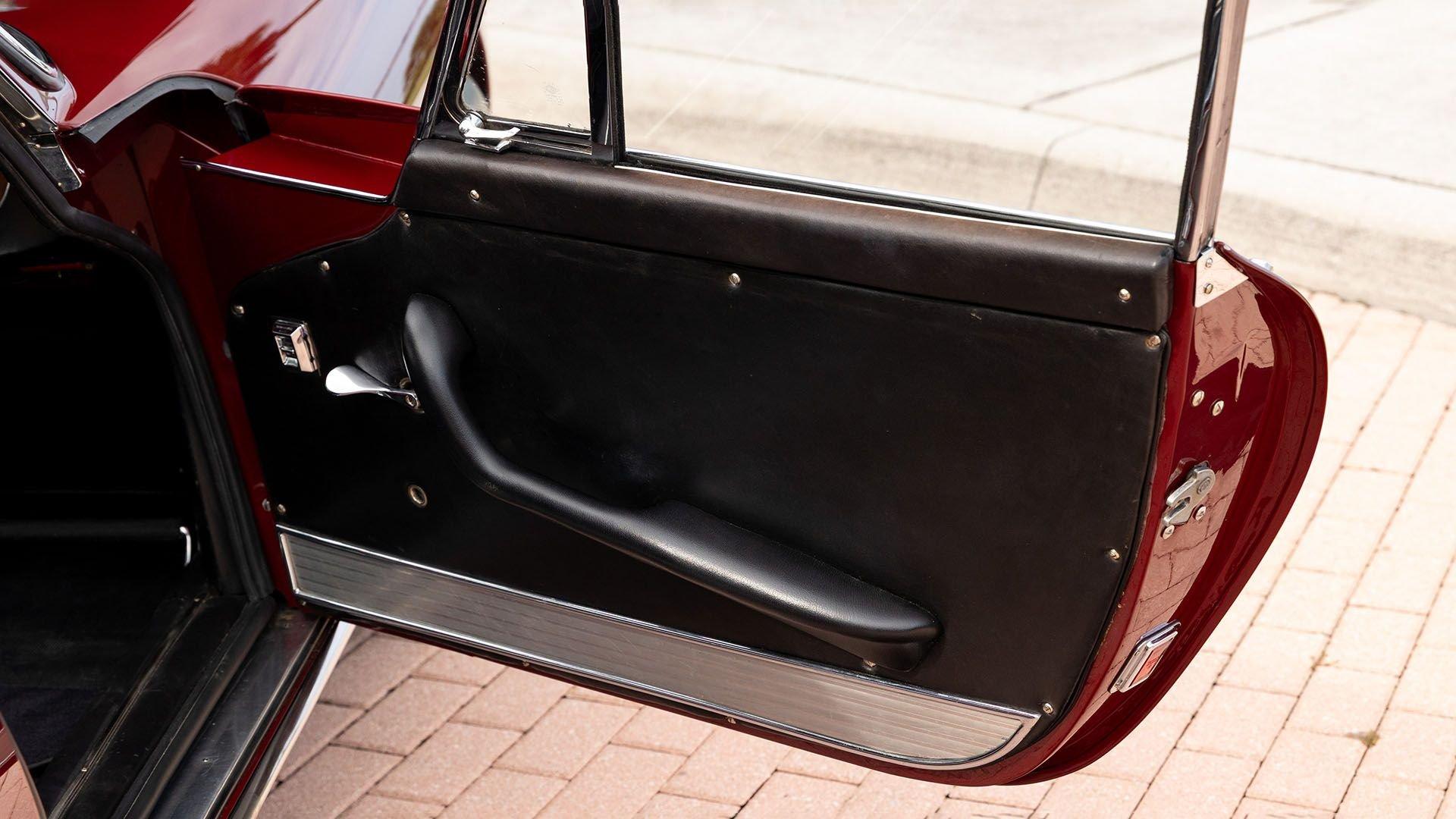
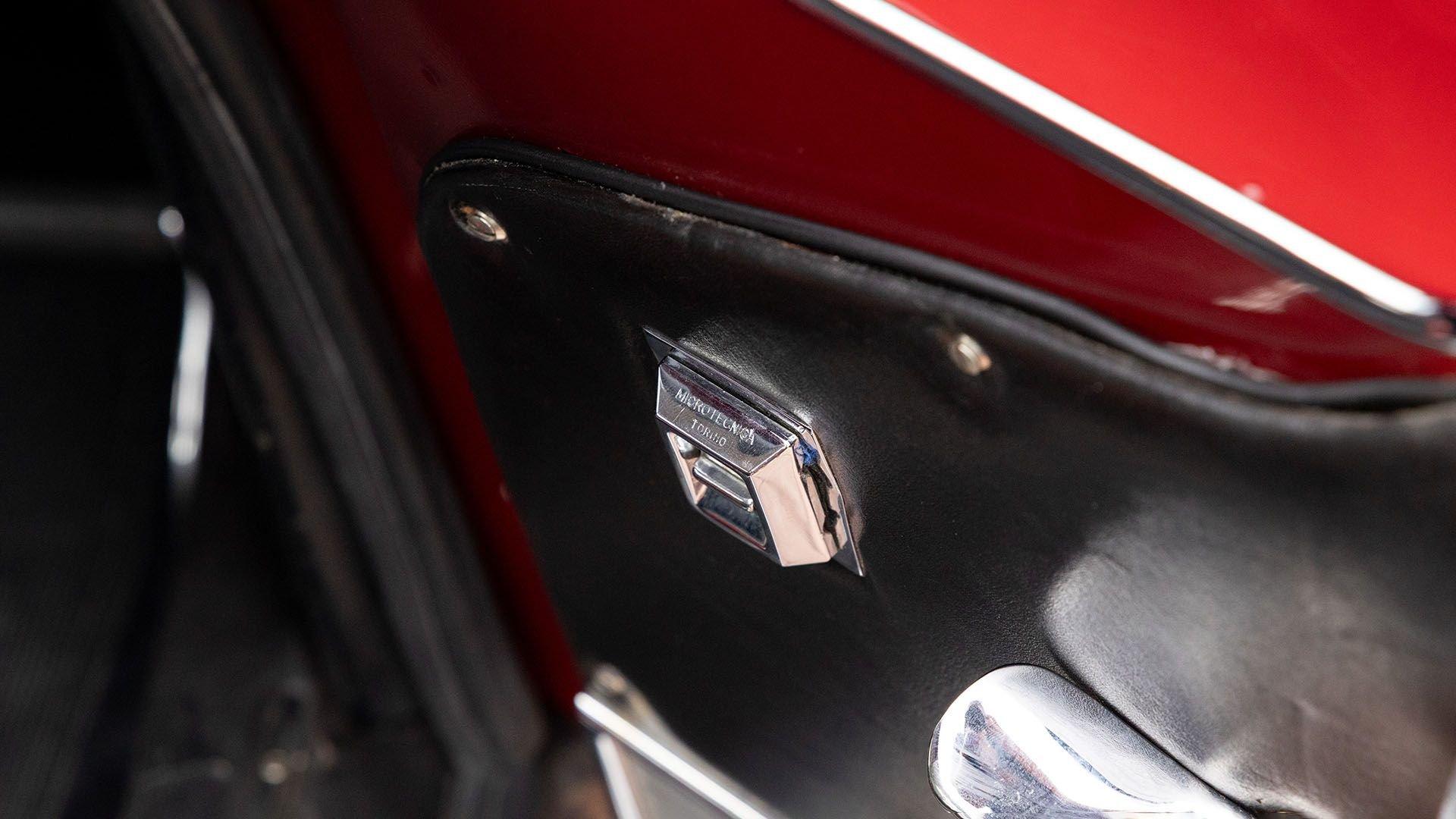
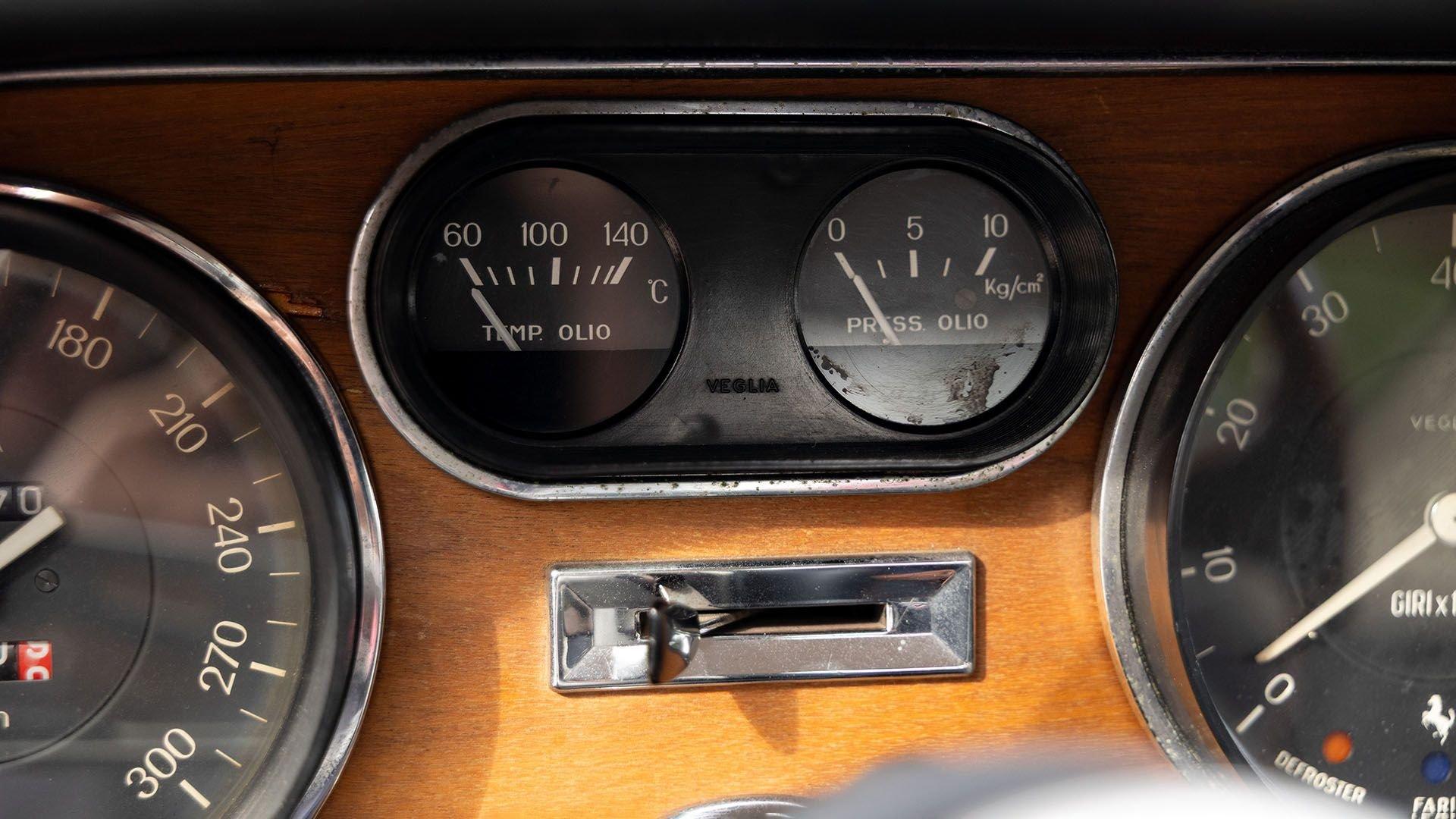
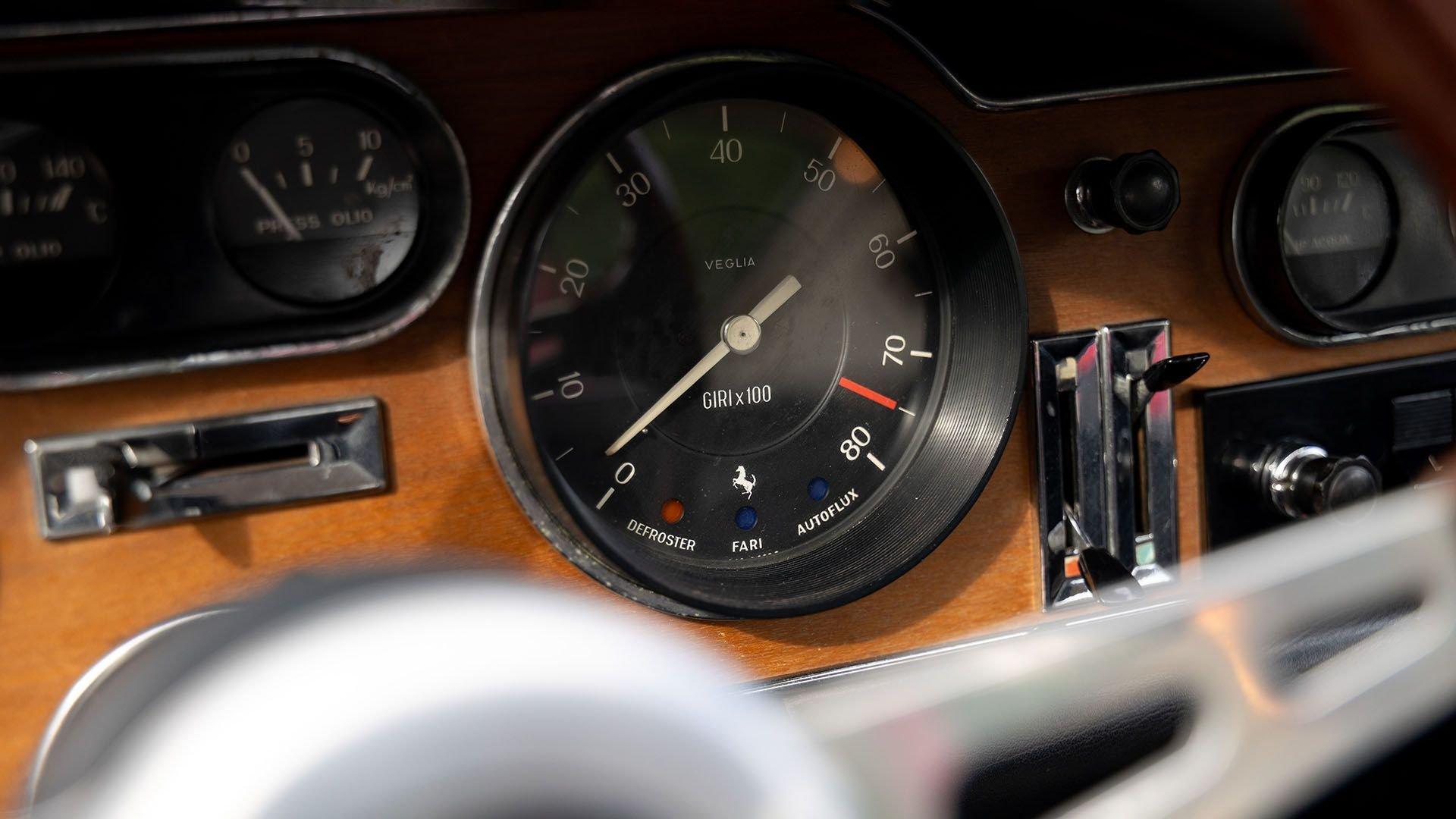
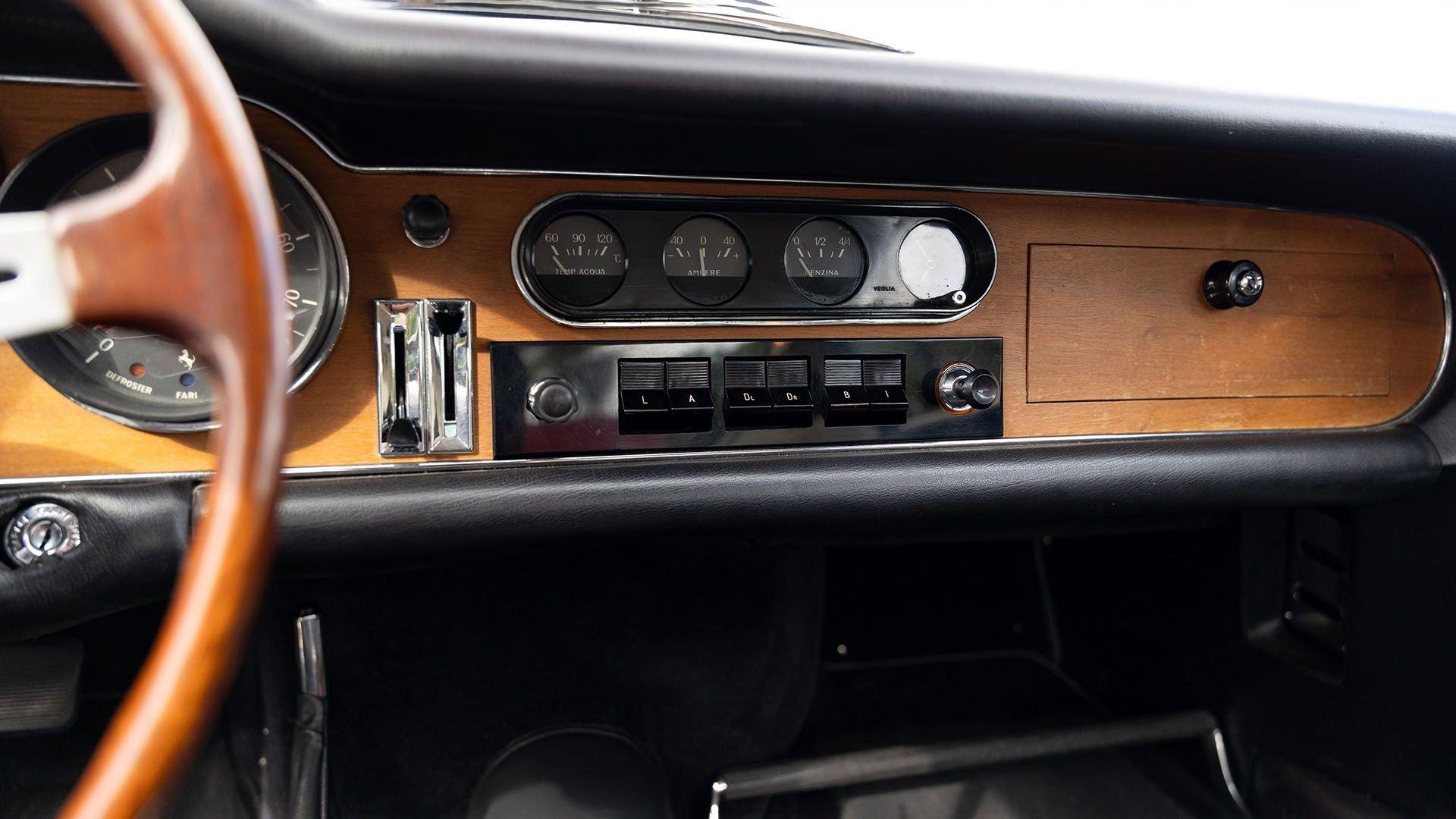
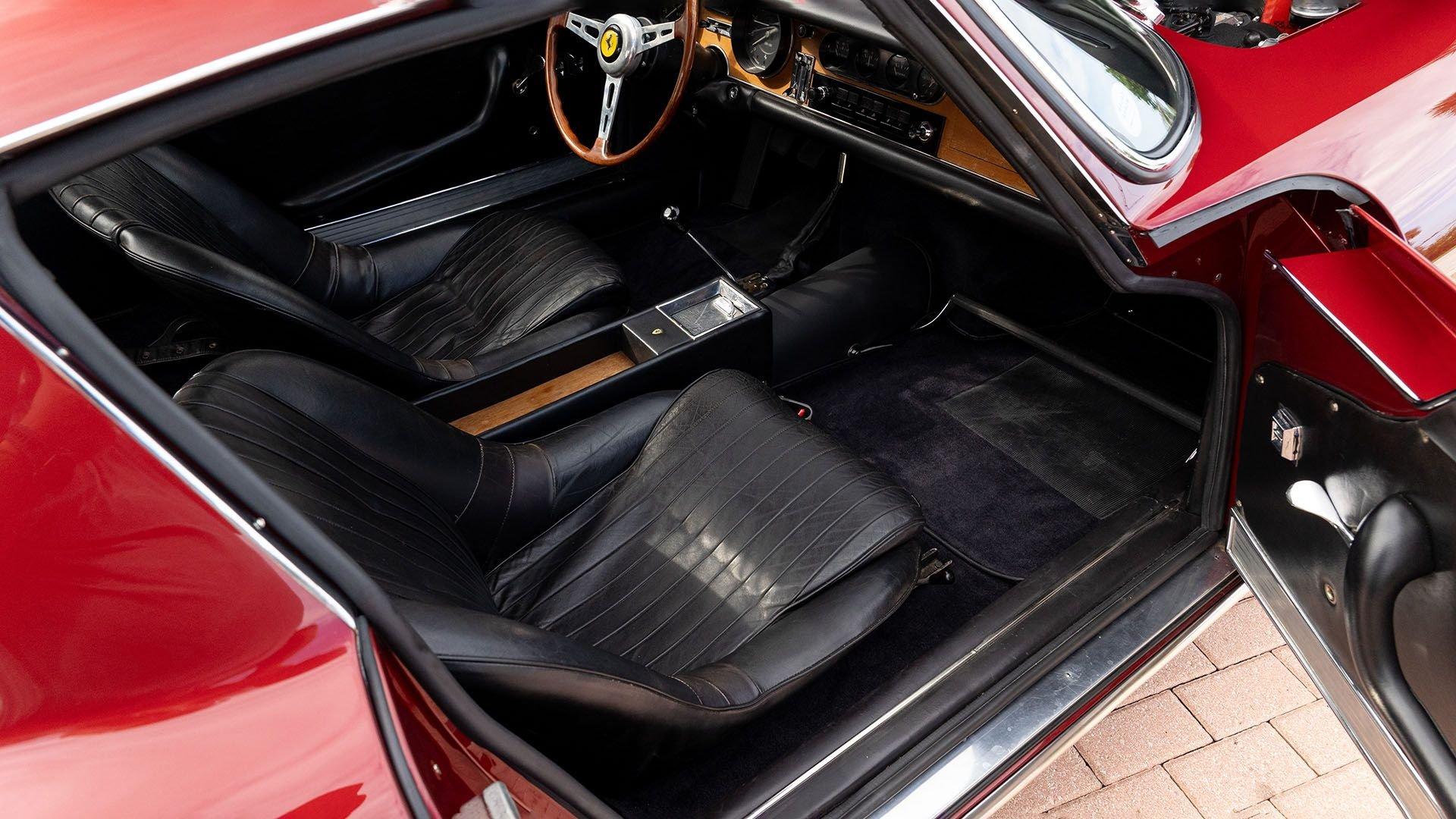
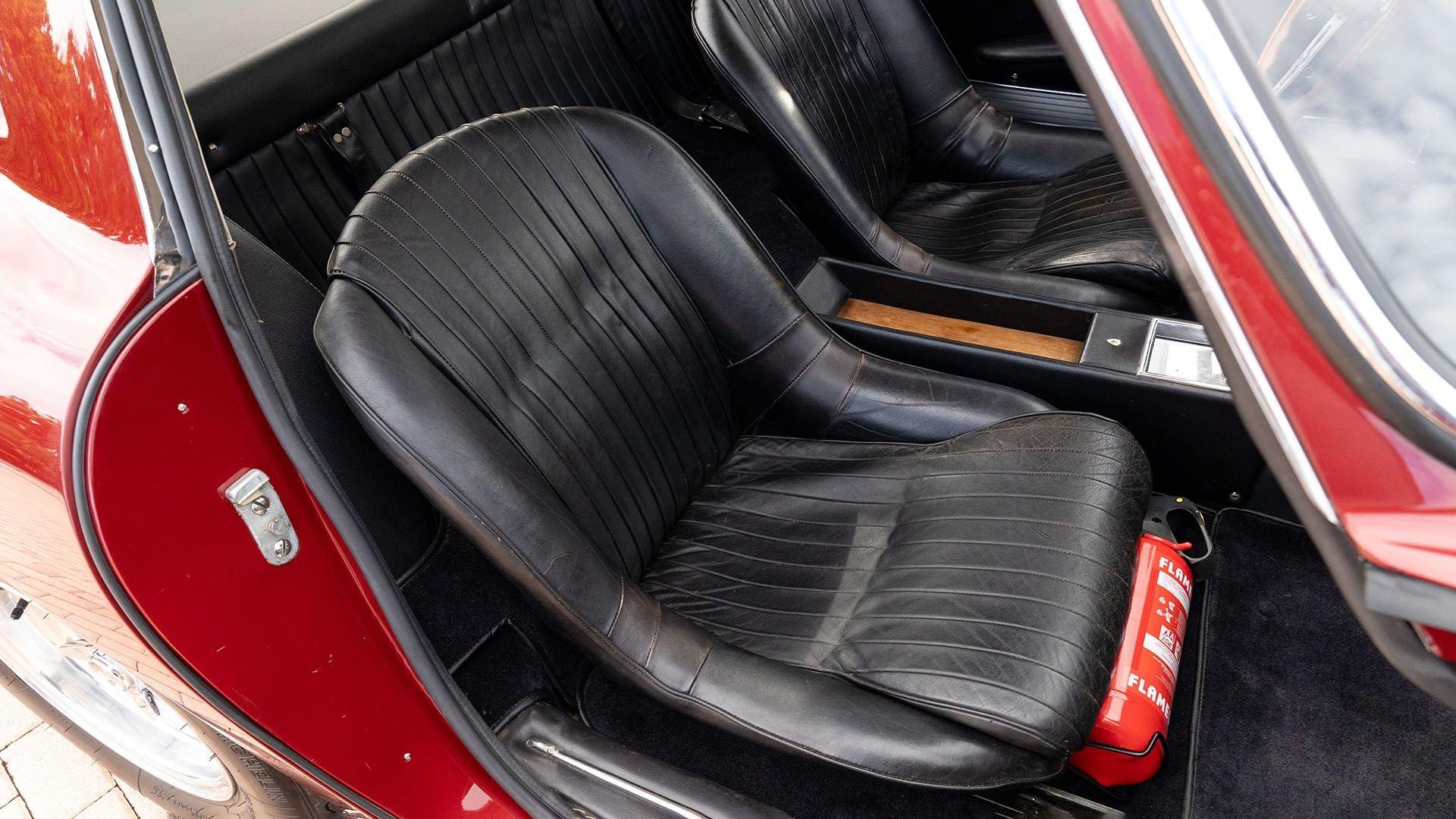
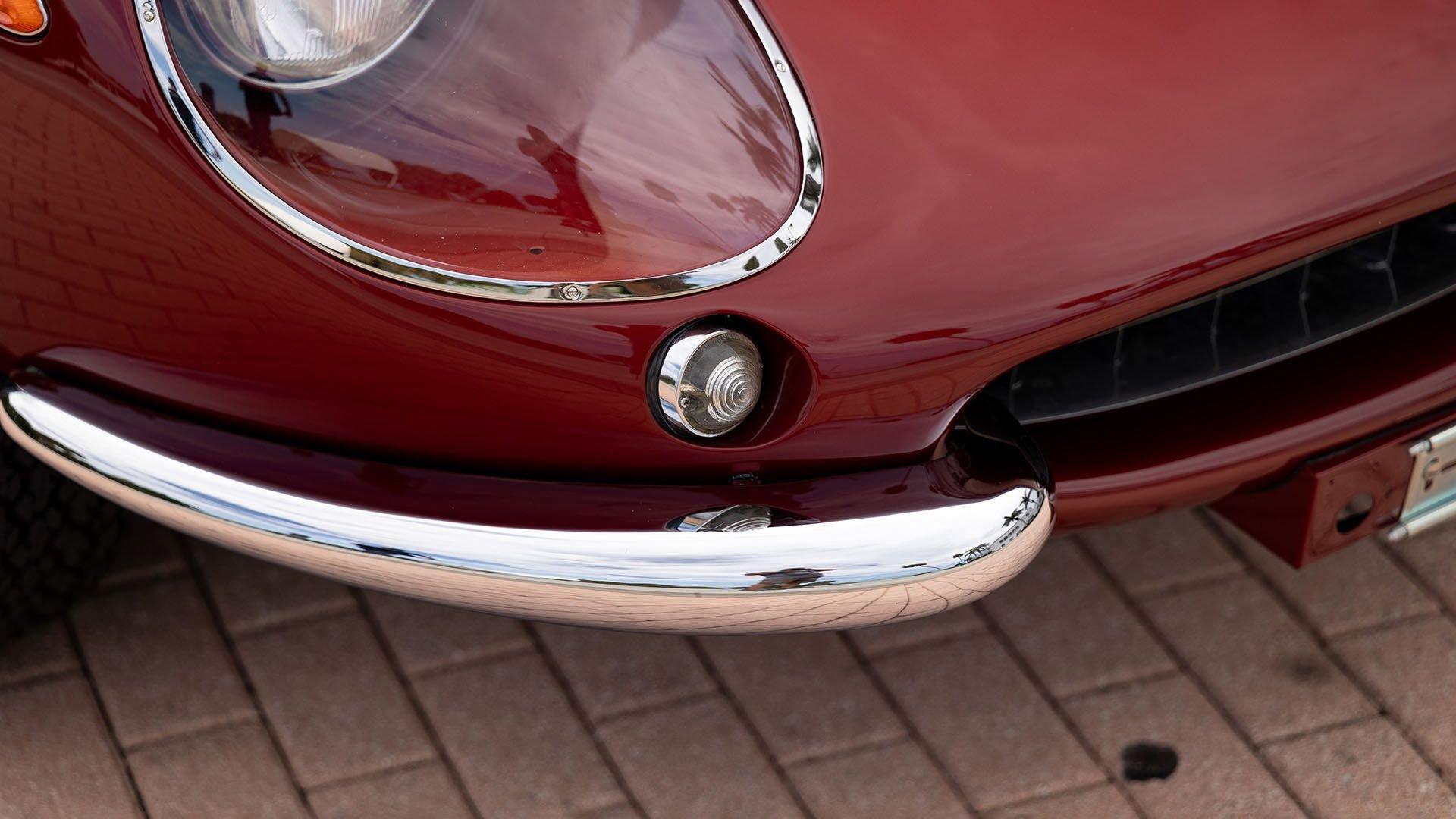
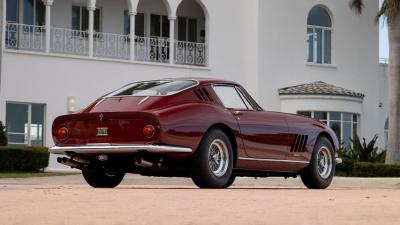
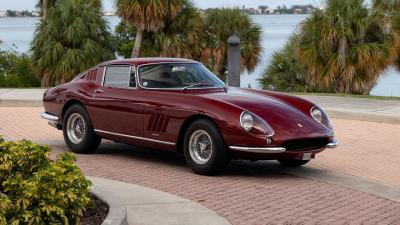
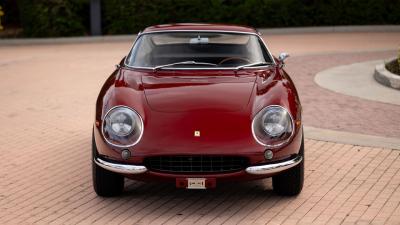
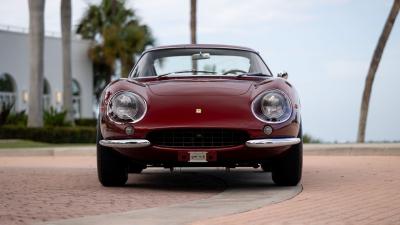
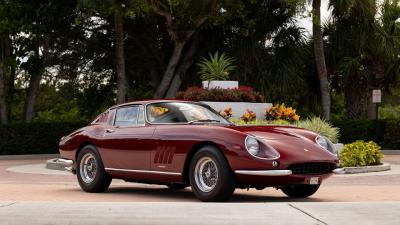
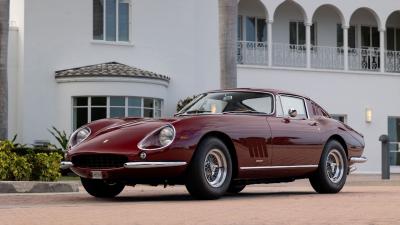
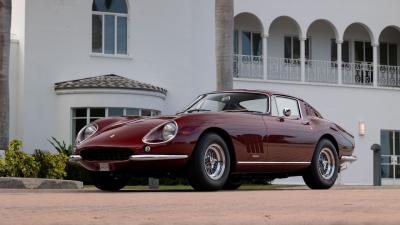
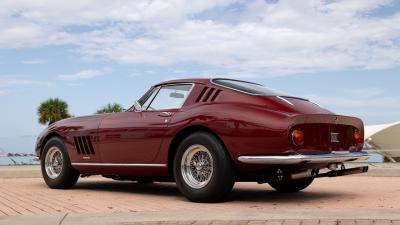
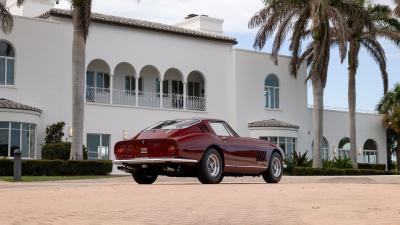
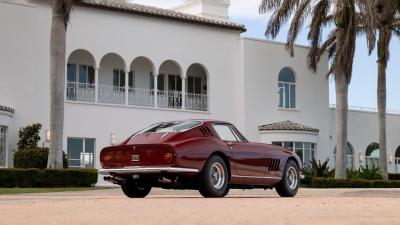
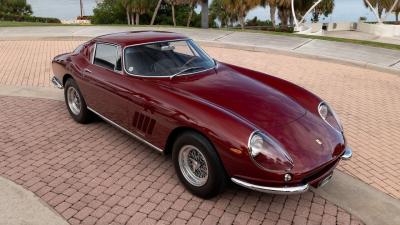
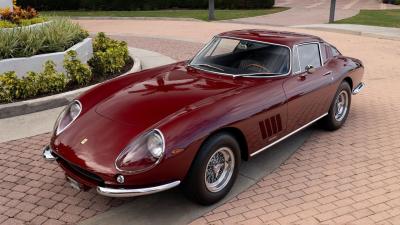
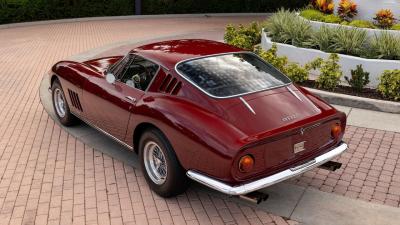
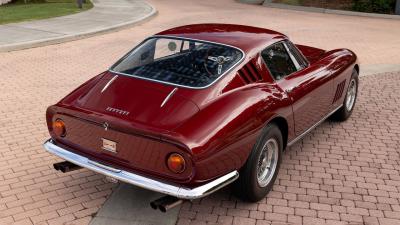
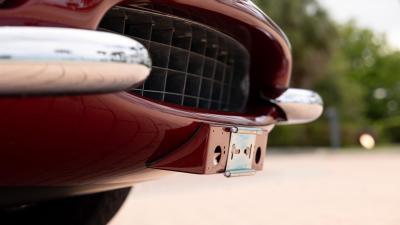
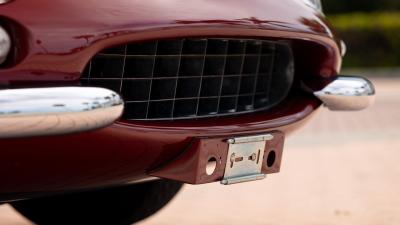
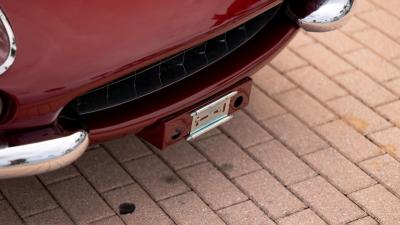
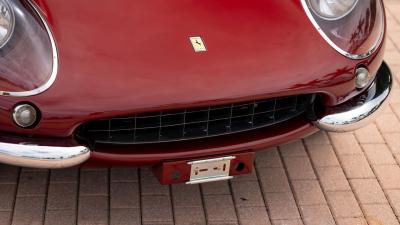
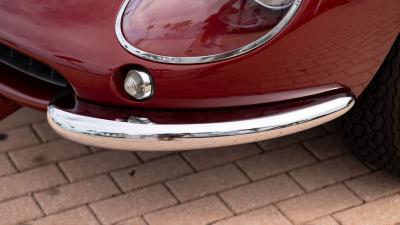
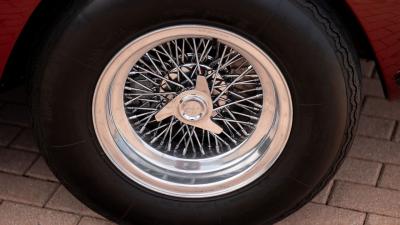
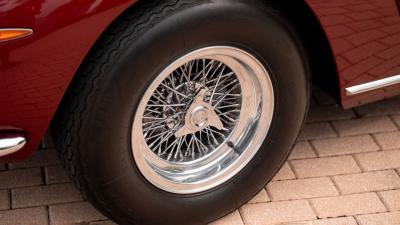
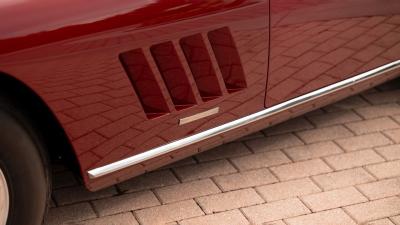
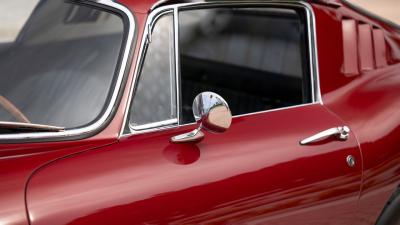
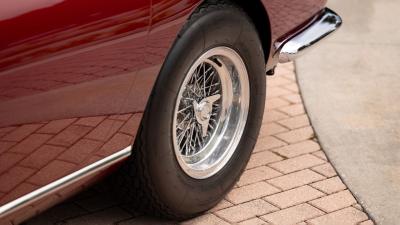
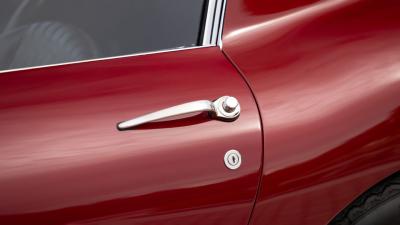
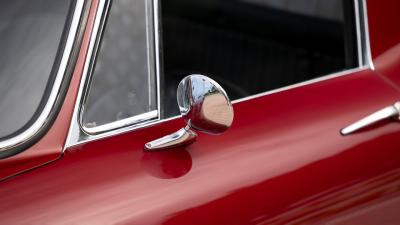
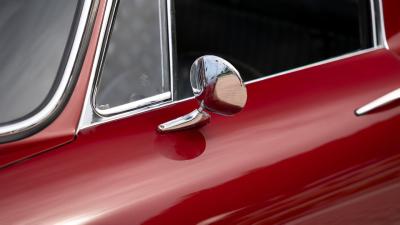
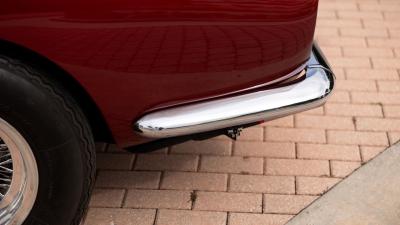
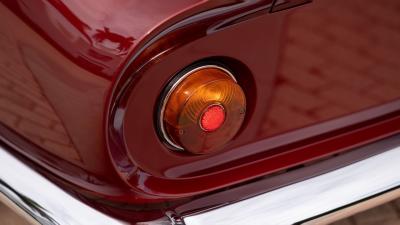
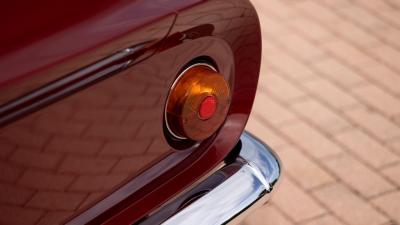
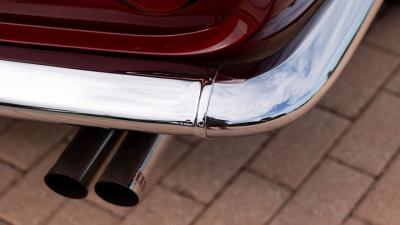
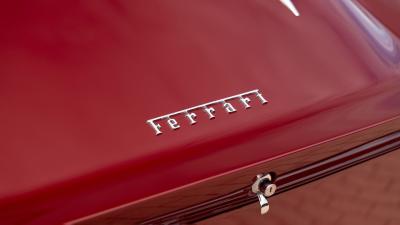
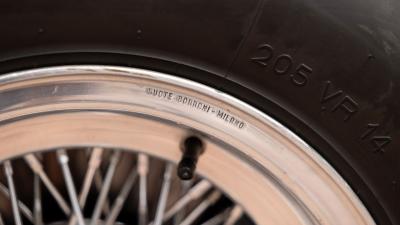
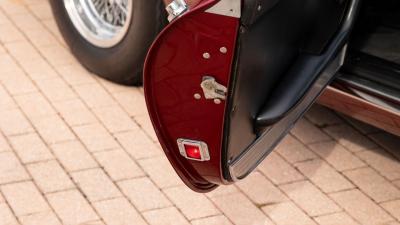
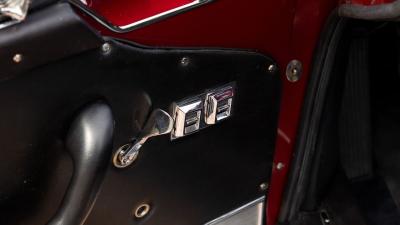
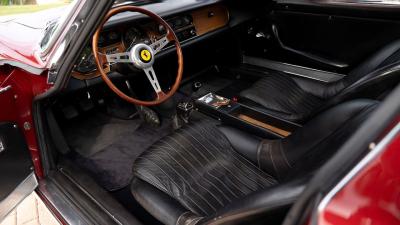
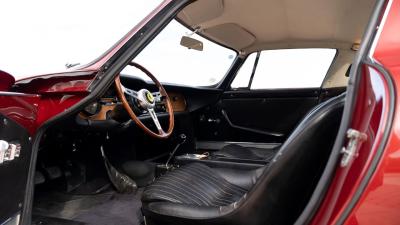
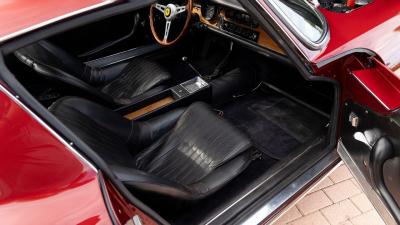
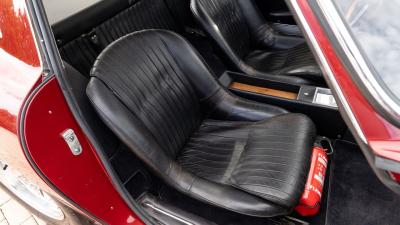
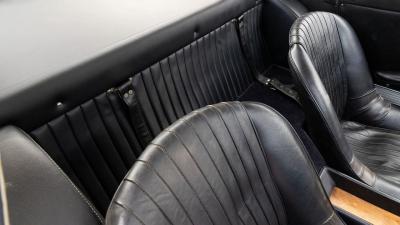
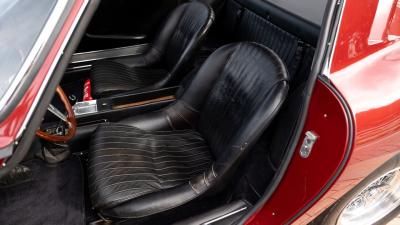
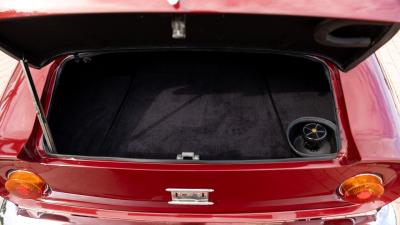
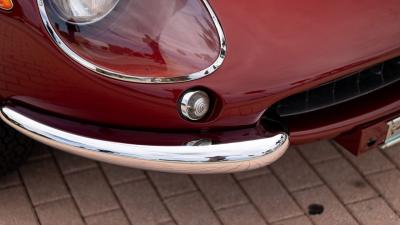
Chassis number 08193 is a long-nose, alloy-bodied 275 GTB, one of only about 60 cars so built and among the most desirable variants of the model. Bodied by Scaglietti and finished from new in Rosso Rubino (106-R-12) over Pelle Nera (VM 8500) Connolly leather, it left the factory with the welcome options of full leather seats and power windows. Its history is known without interruption from new and has been compiled in detail by Ferrari historian Marcel Massini. Completed in January 1966, the car was delivered the following month to Italauto SA in Lausanne, the agency of Swiss grand prix driver Baron Emmanuel “Toulo” de Graffenried, and was sold new in March to a Mr. Mensuier of Fribourg, in the French-speaking part of the country.
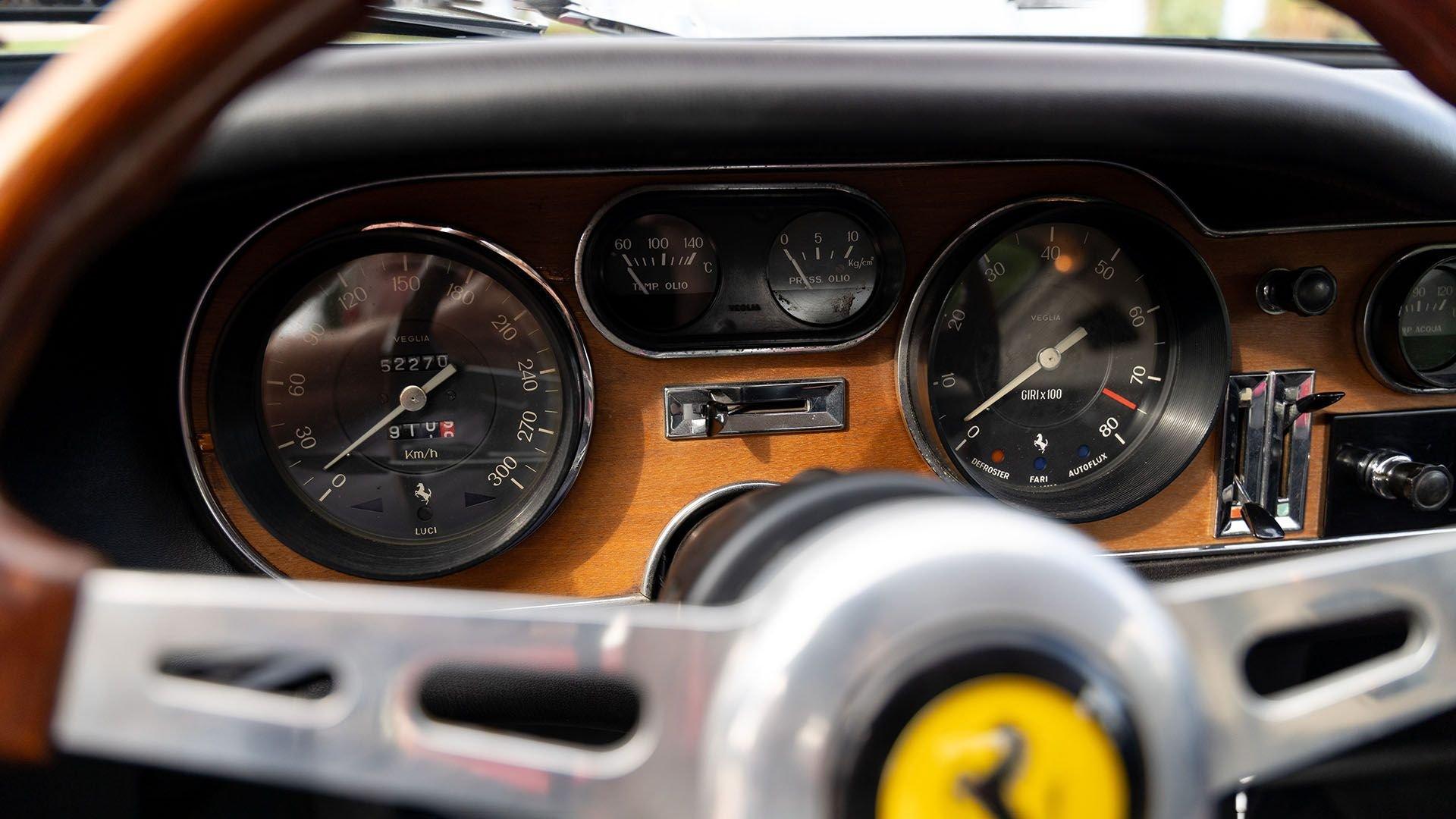
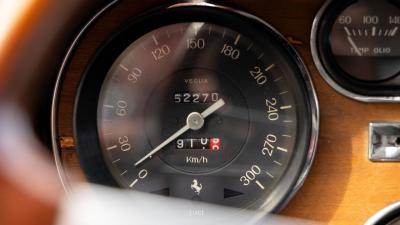
Later that year, Mensuier left Switzerland and parted with the car, which passed to the Fribourg garage of Joseph “Jo” Siffert-the celebrated Swiss Formula One racer-and from there to its second owner, Michel Niquille of Bulle, who registered it that December. The car was clearly used as intended, returning to Ferrari's Assistenza Clienti in Modena on 2 May 1967 with 20,384 kilometers recorded. In 1969, it moved to Pierre Déruaz in the Geneva area, and from 1974 it belonged to William Hofer of Petit-Lancy, in whose ownership the odometer reached 90,000 kilometers by 1980.
The car changed hands several more times through the late 1980s, 1990s, and 2000s, always within the French-speaking cantons and always carefully recorded in Massini's History Report. From 2004, it formed part of the collection of dealer Edgar Richoz of Vionnaz, and following his passing his family sold the car in 2020 to a new Swiss caretaker.
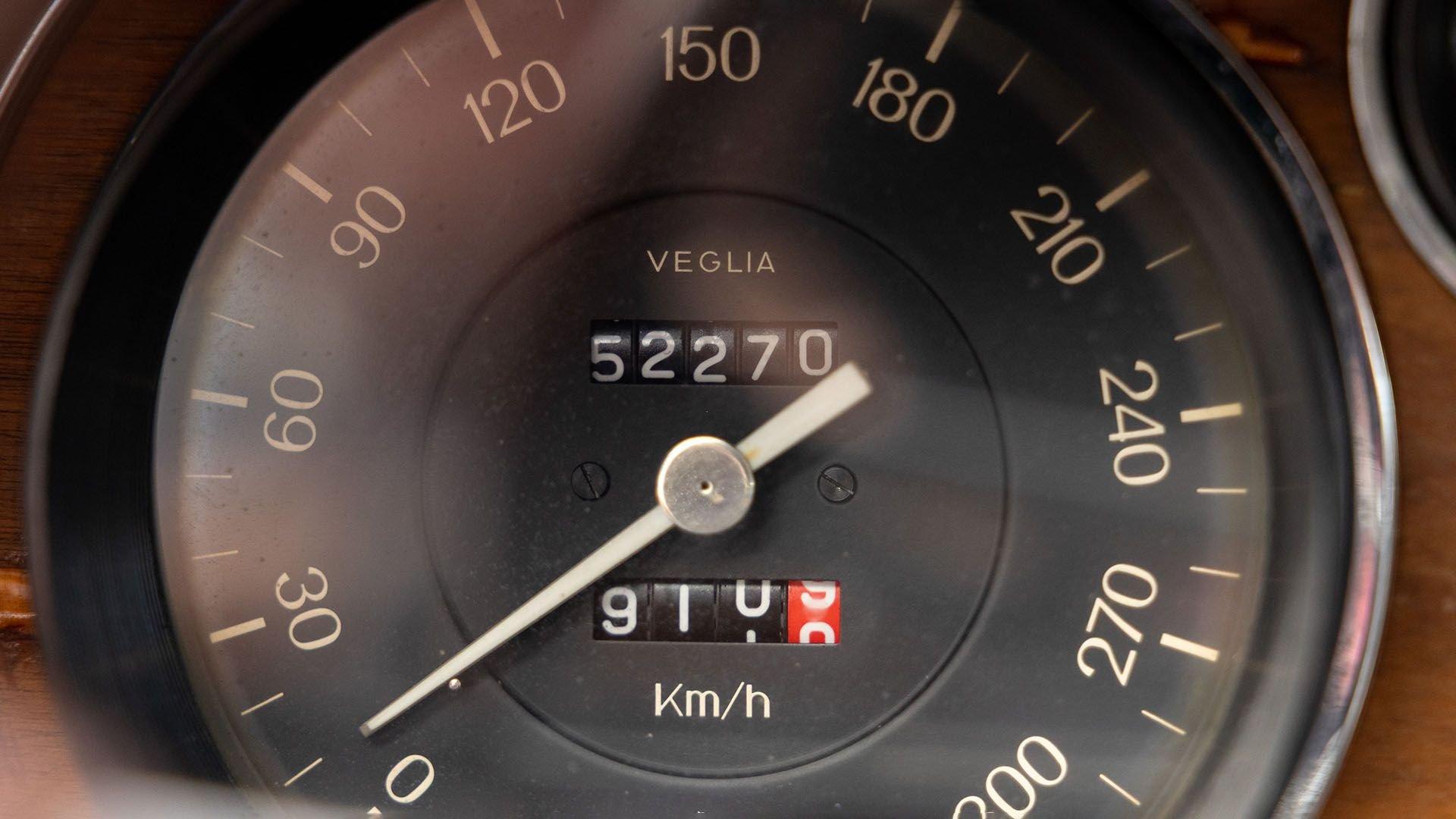
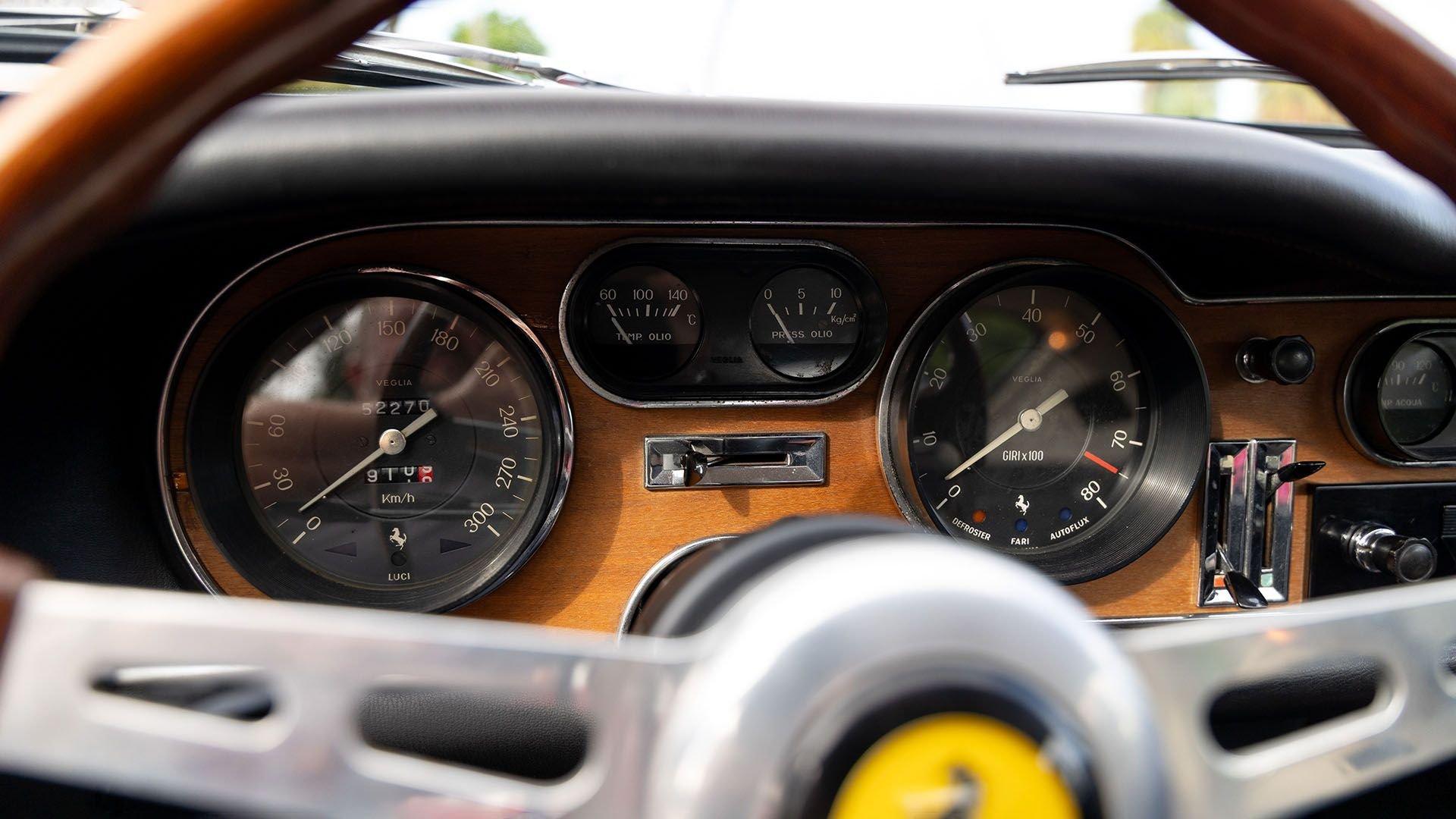
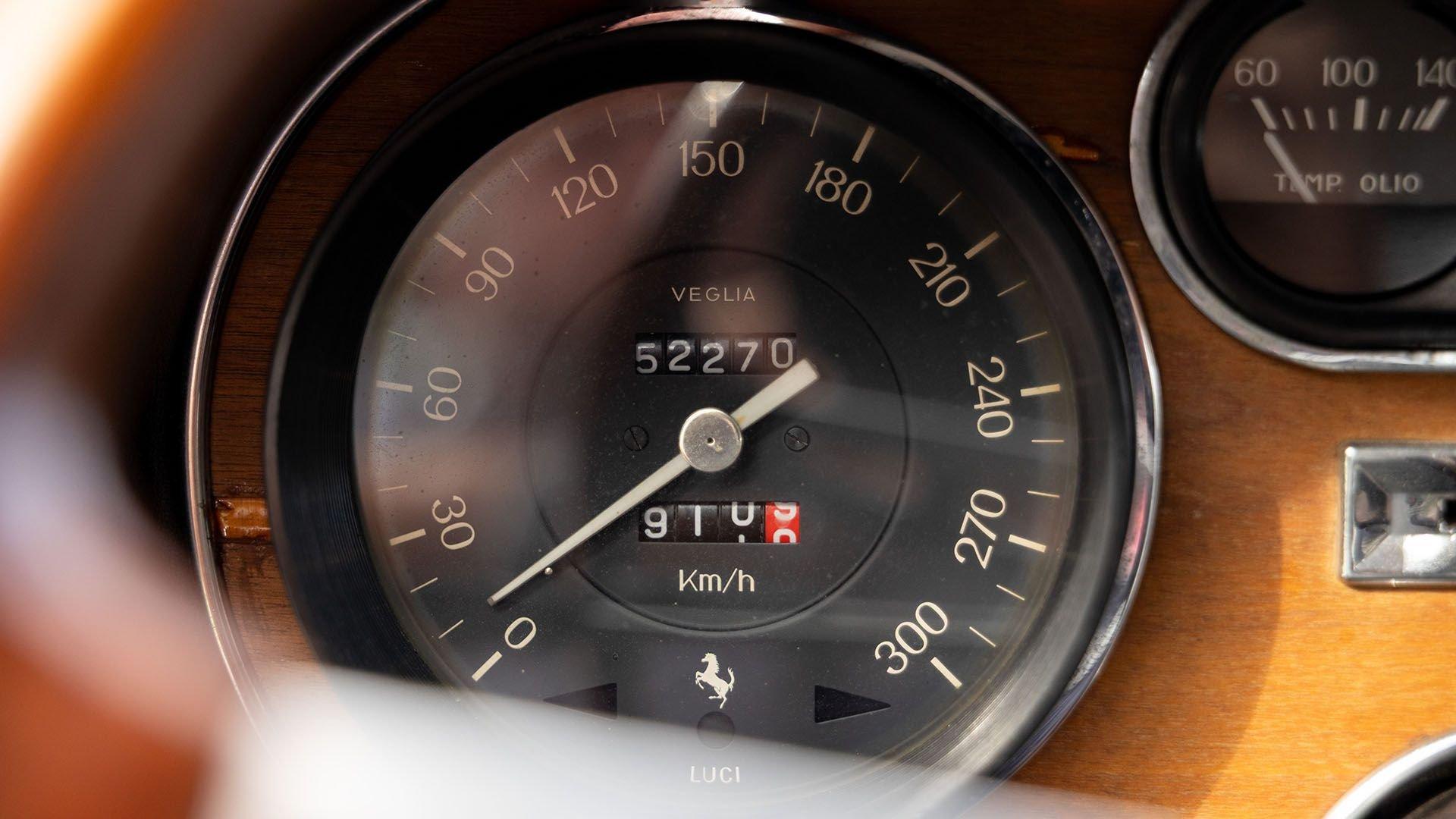
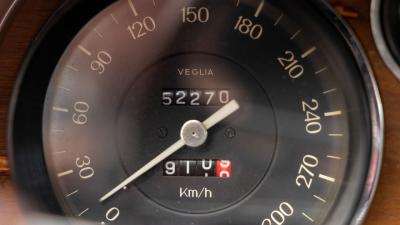
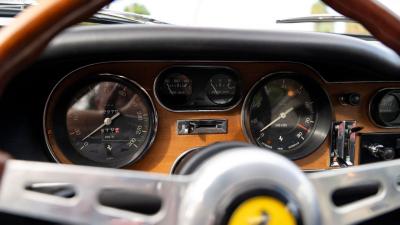
On acquiring the car, the berlinetta was entrusted to respected Swiss specialist Olivier de Siebenthal for recommissioning, work invoiced at approximately CHF 75'000. De Siebenthal found the Ferrari strikingly original and concluded that its indicated mileage was genuine from new-an assessment supported by documentation on file. While de Siebenthal's recommissioning left the car running well, the owner had long-distance touring in mind, so a full restoration was deemed necessary and entrusted to the well-known Dutch marque specialist Roelofs.
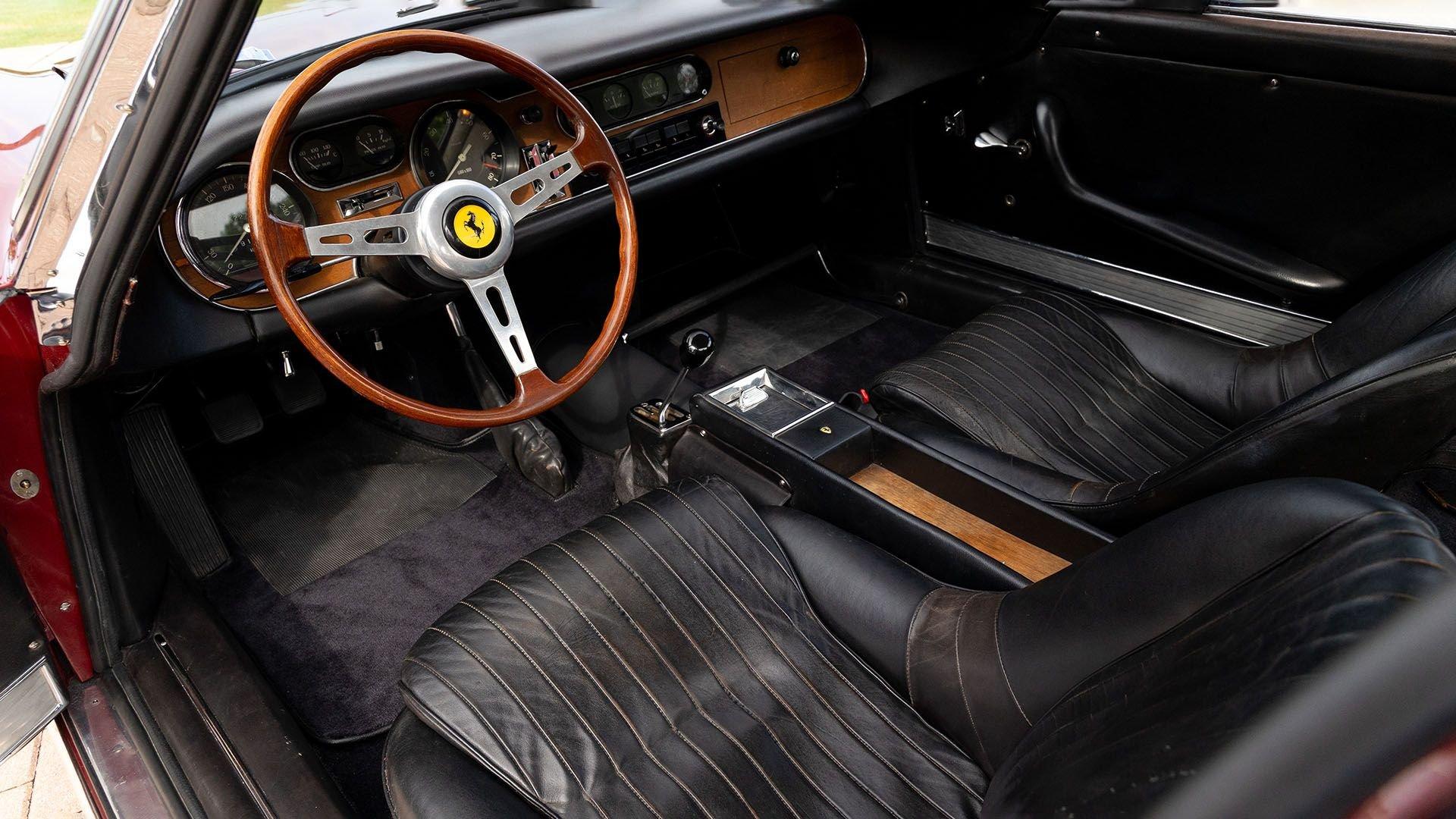
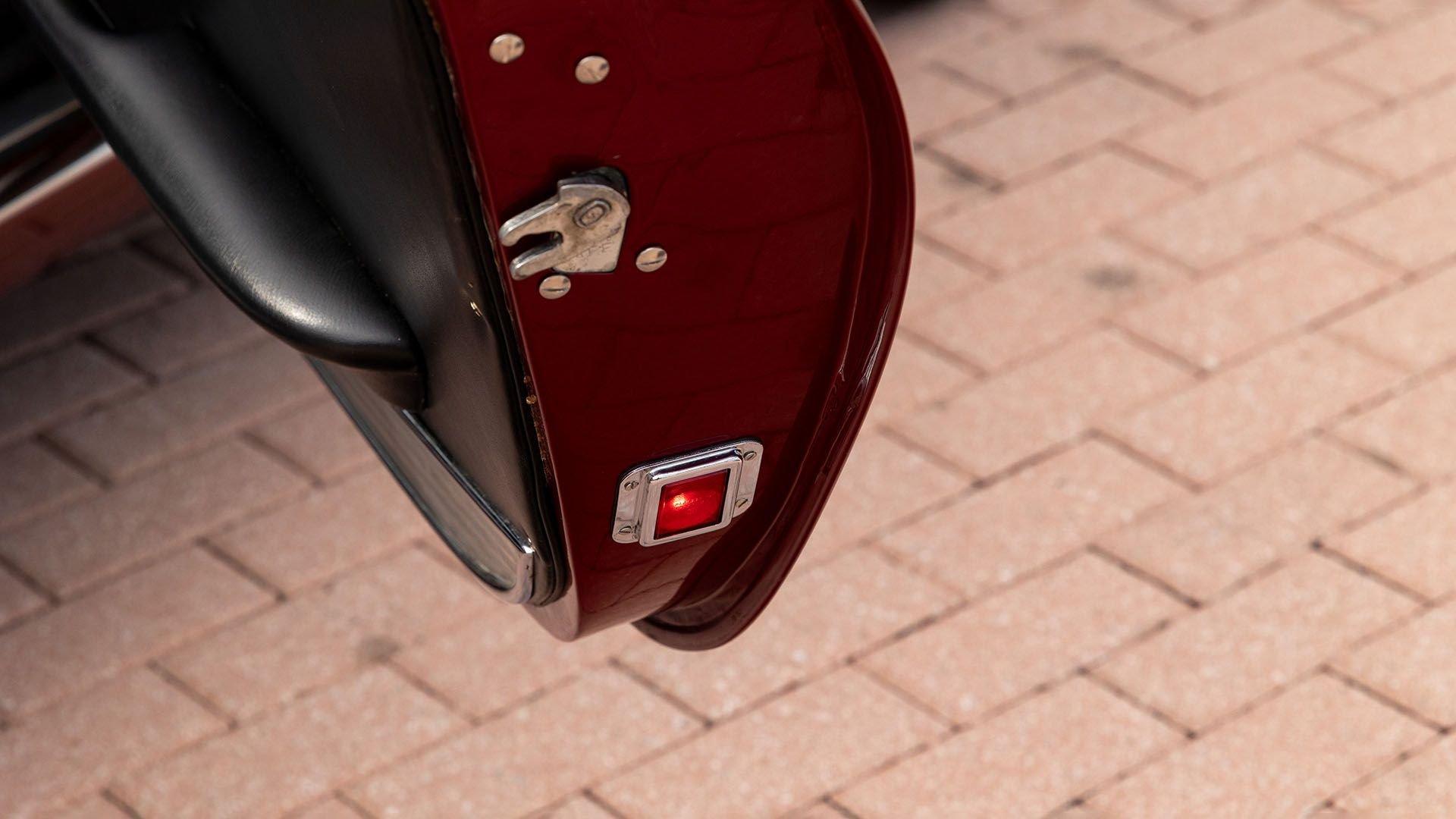
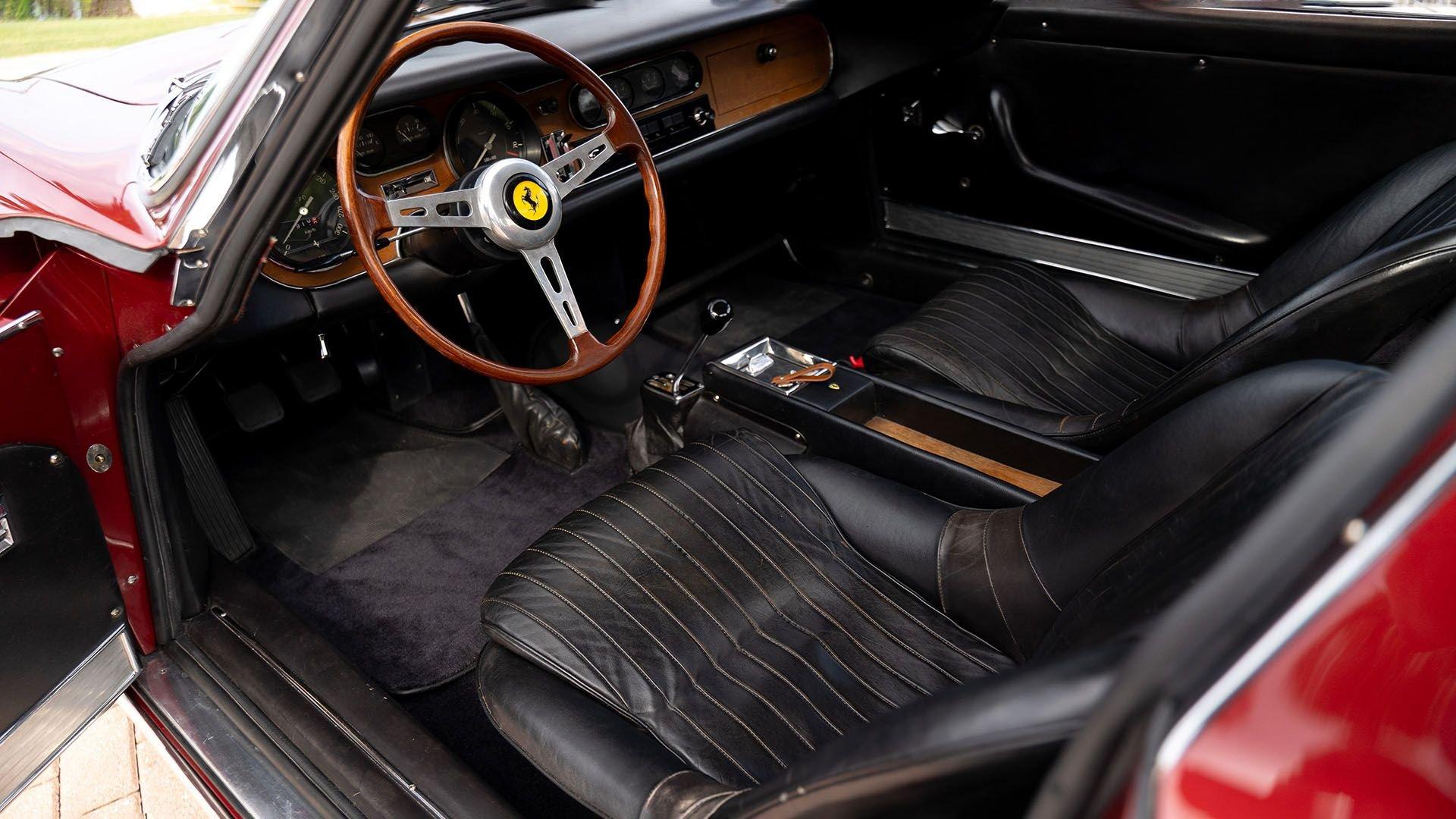
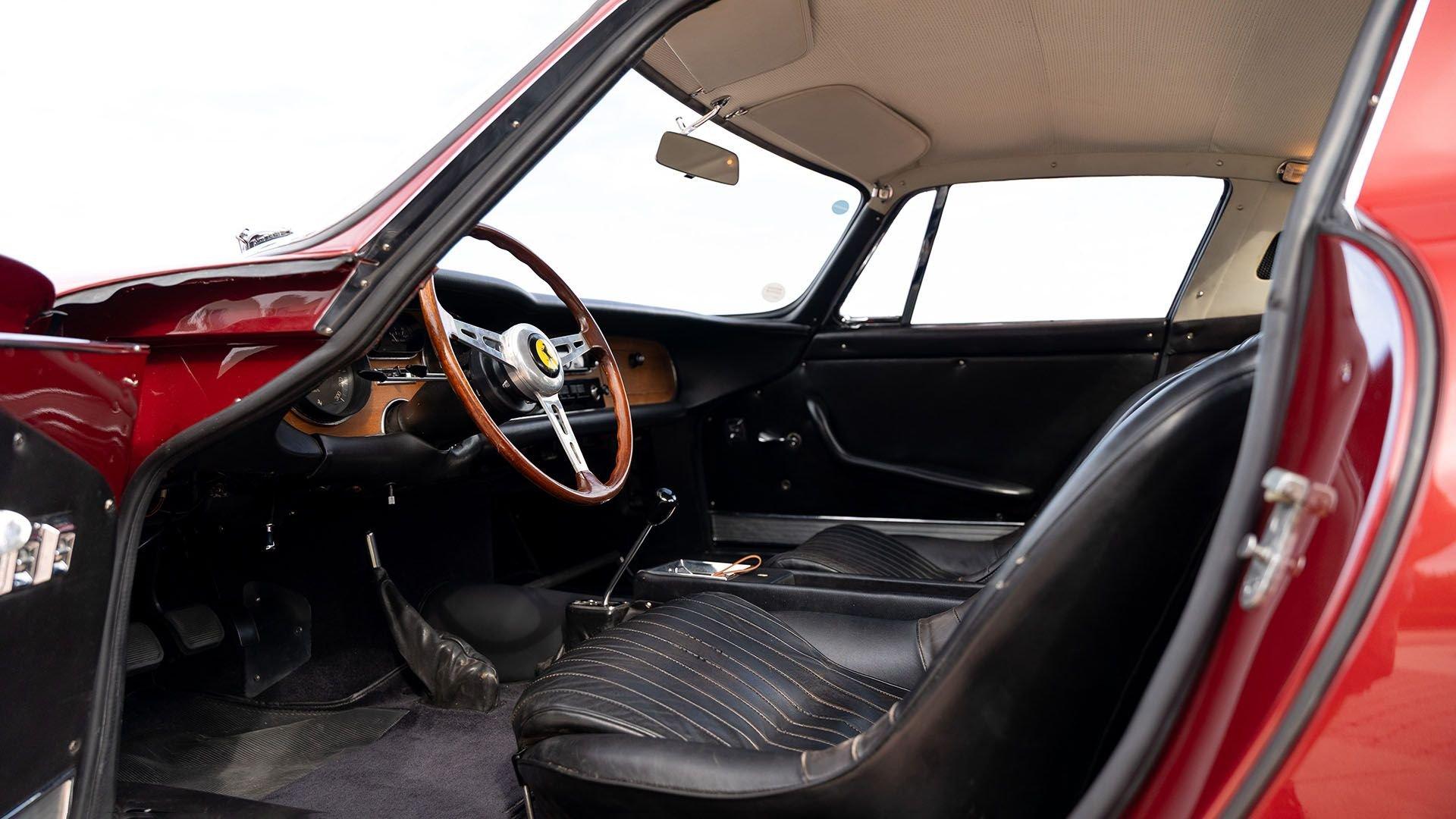
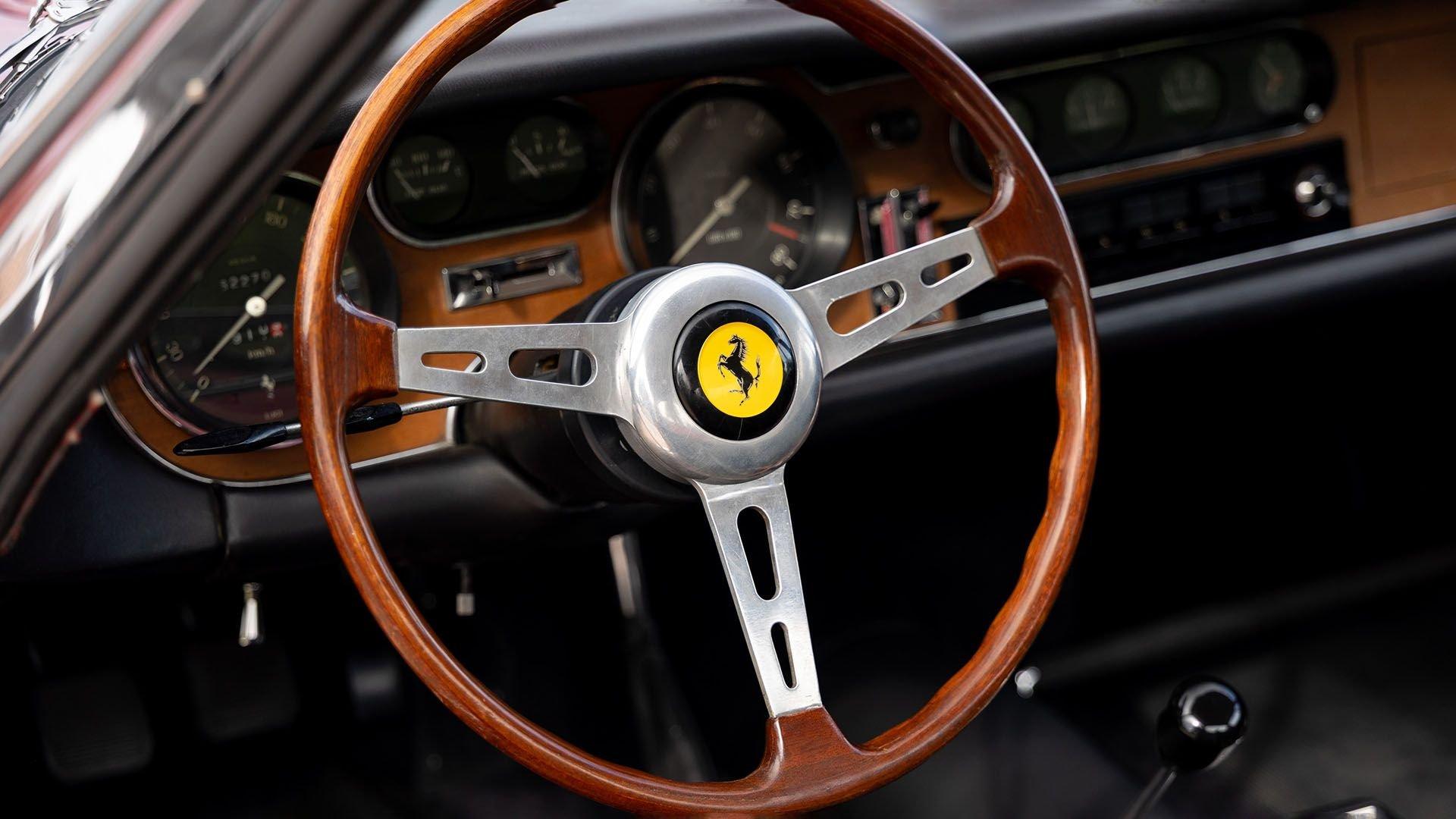
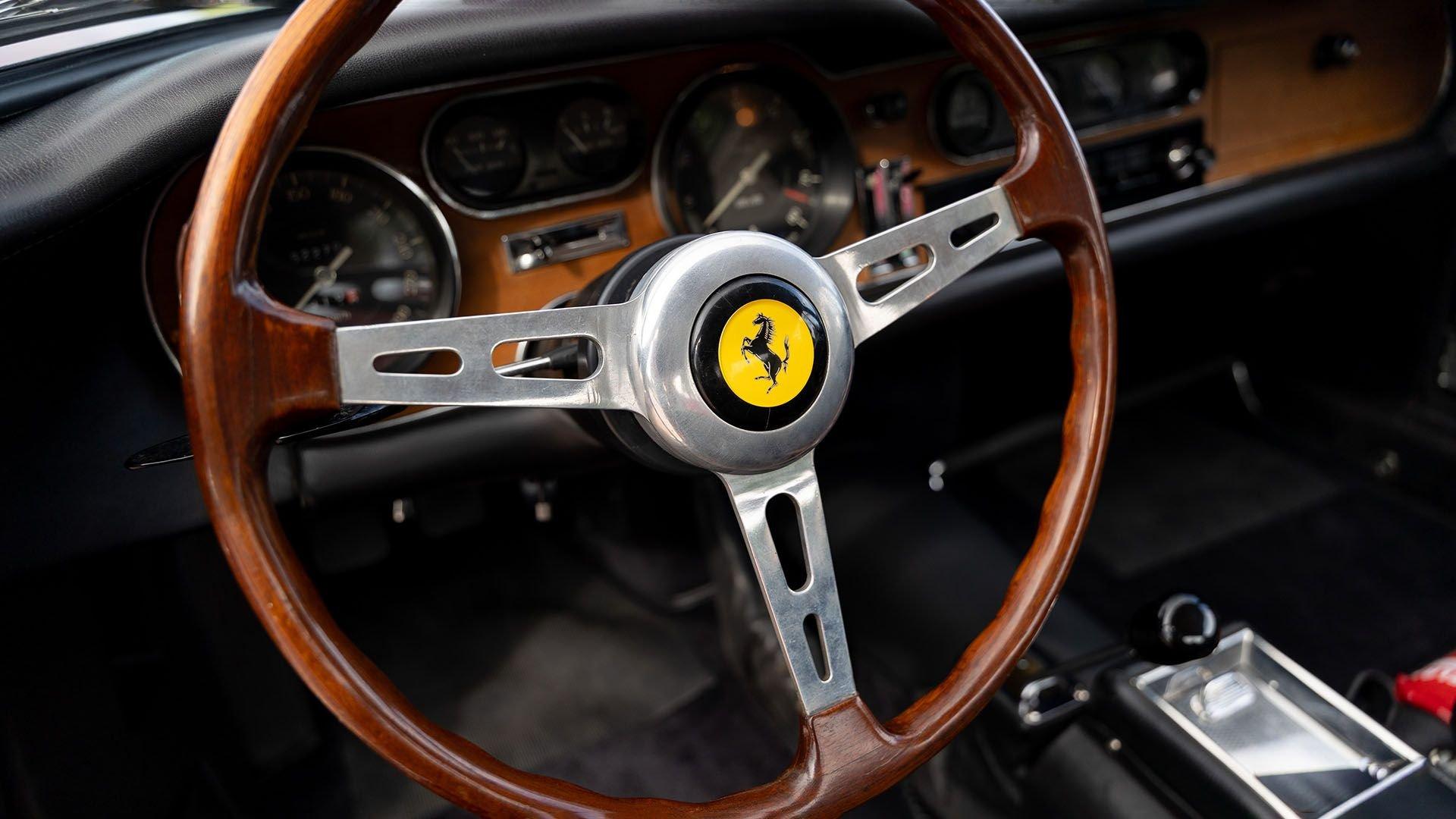
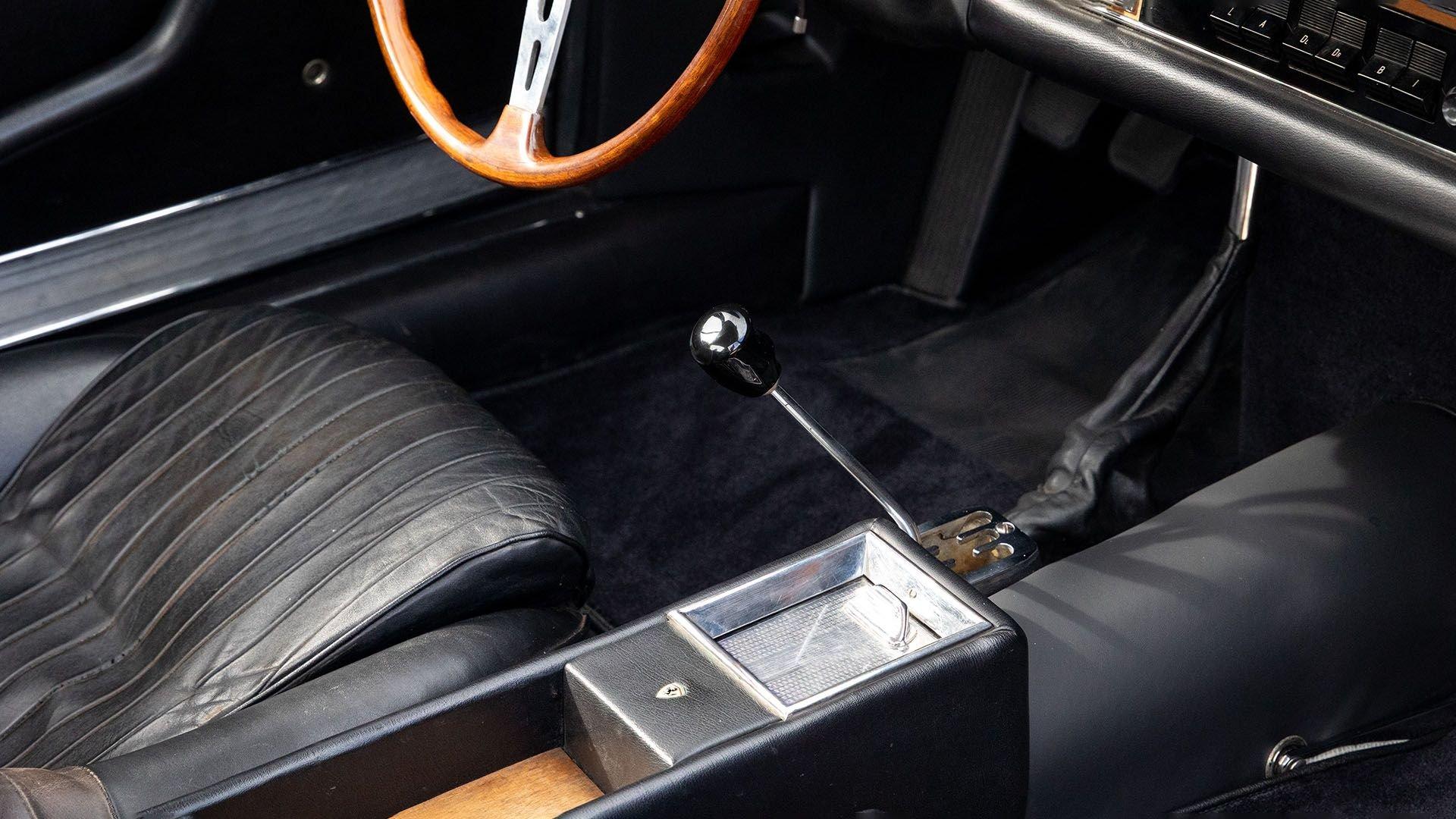
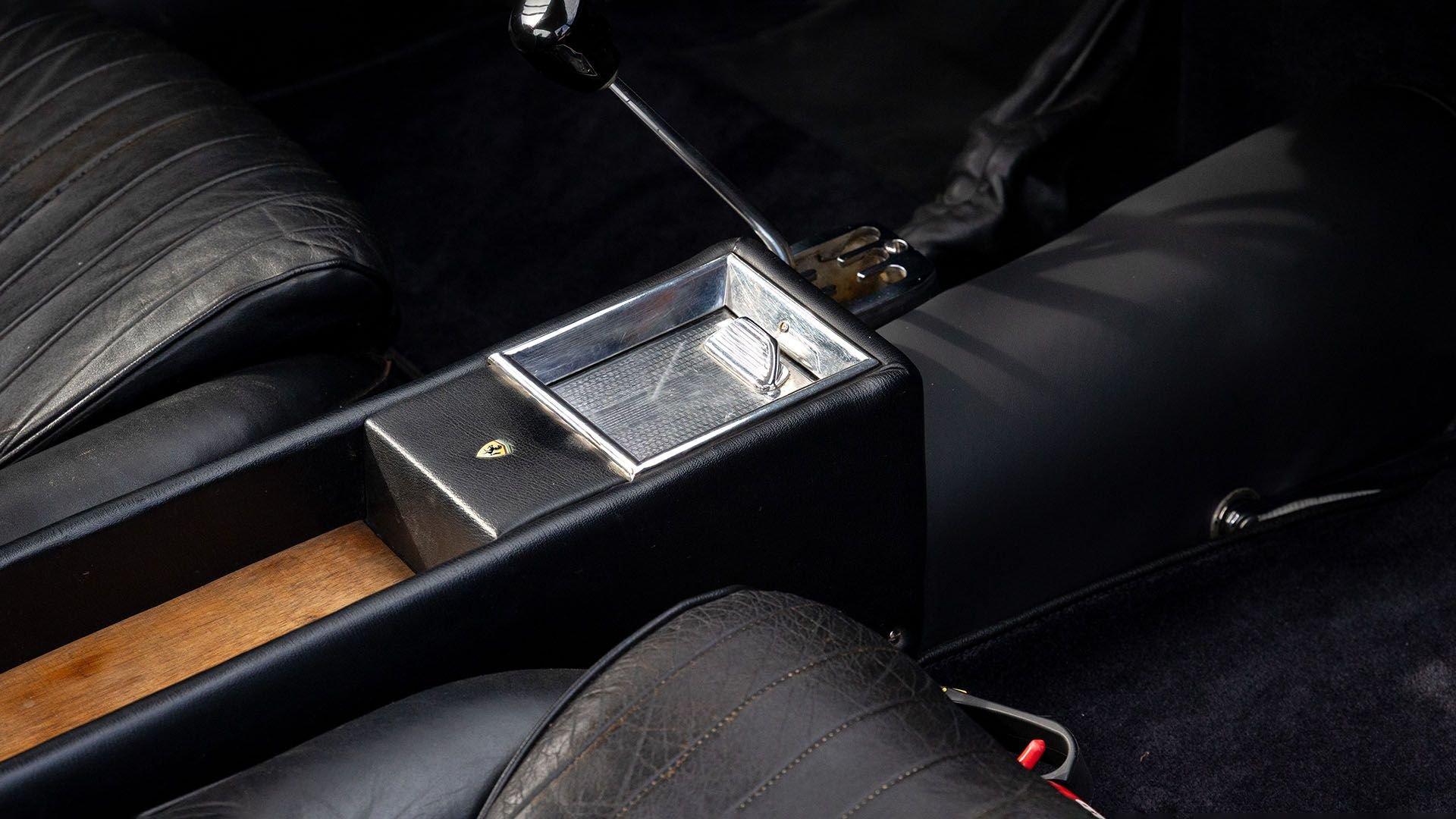
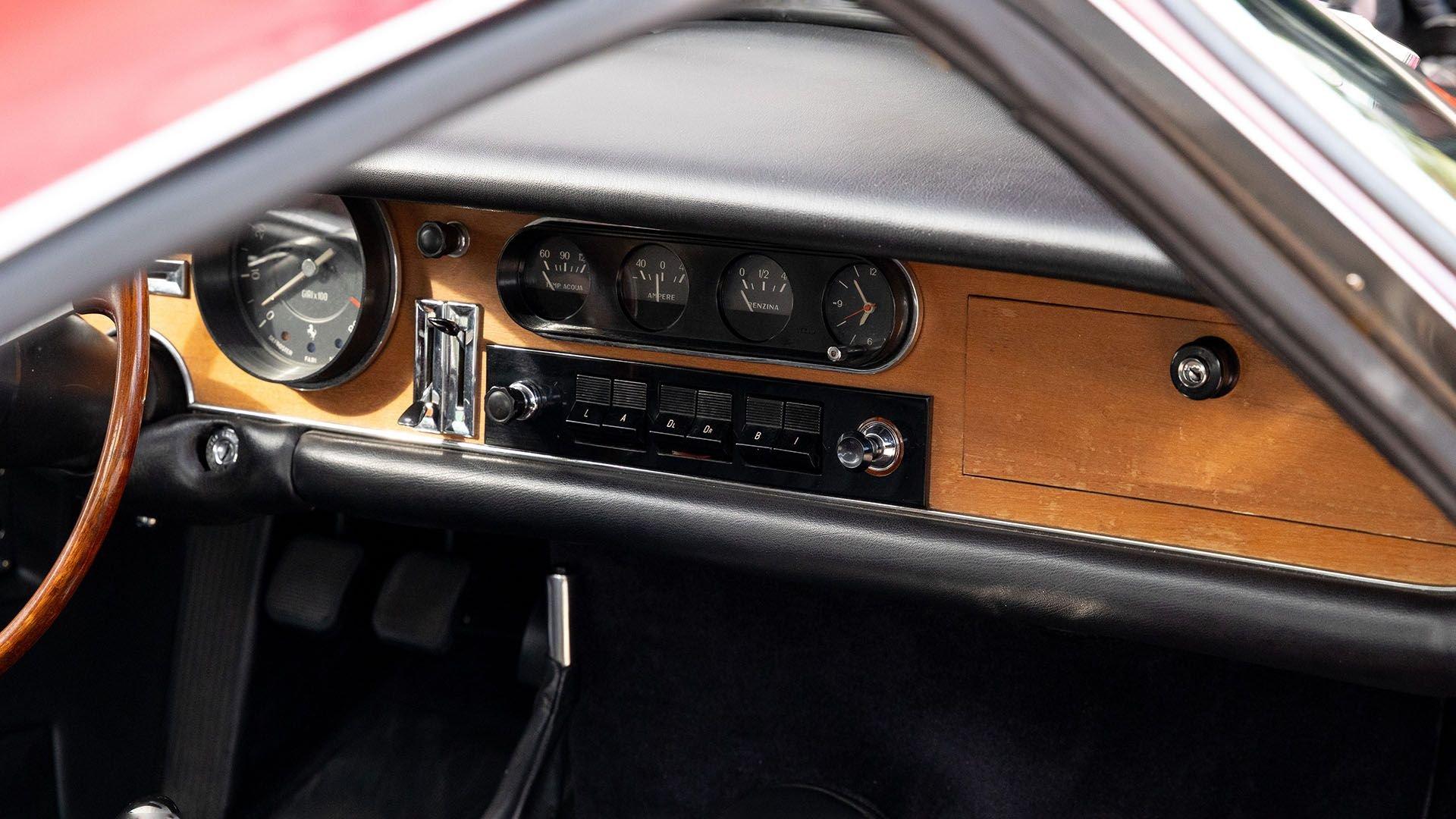
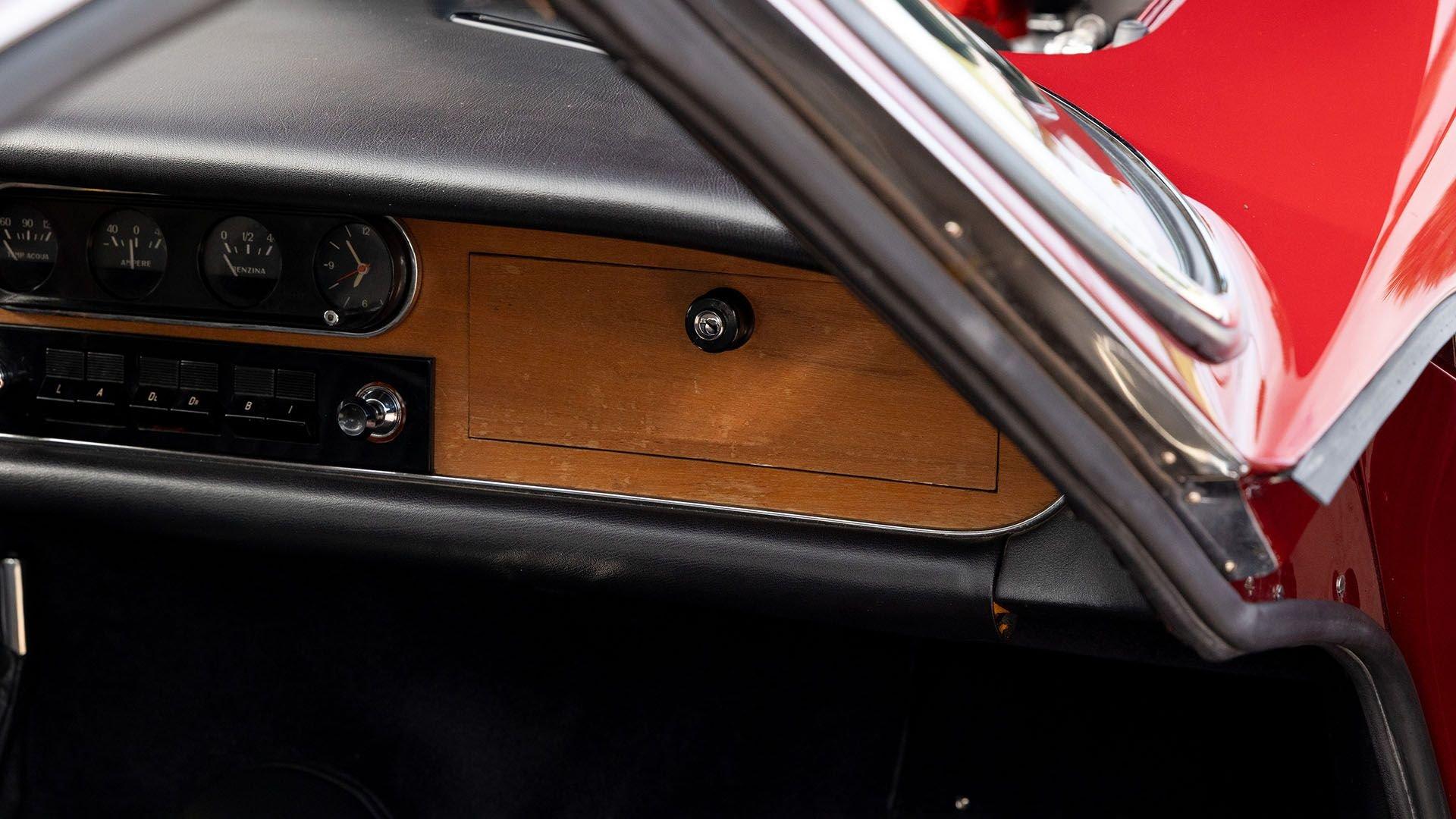
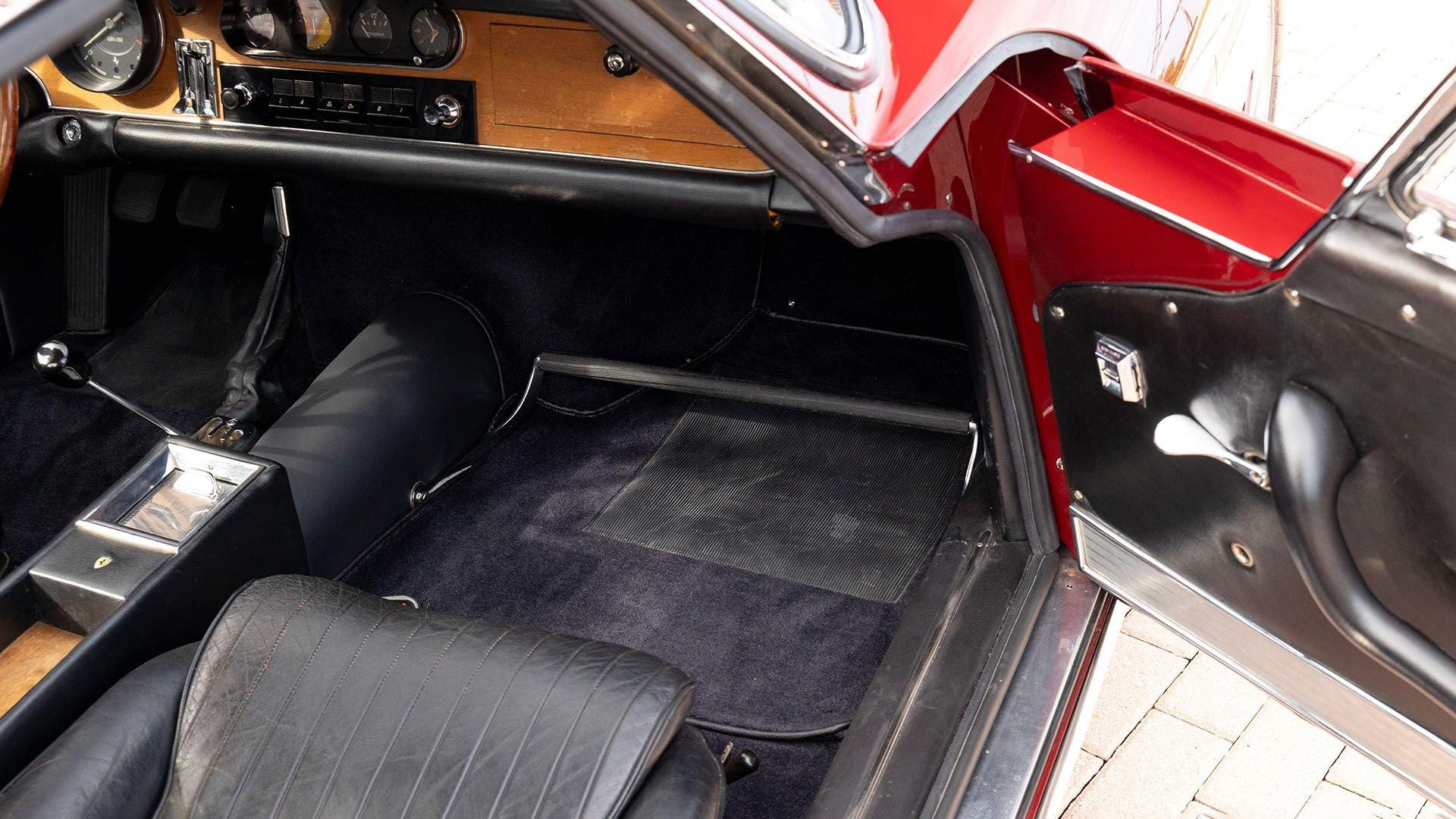
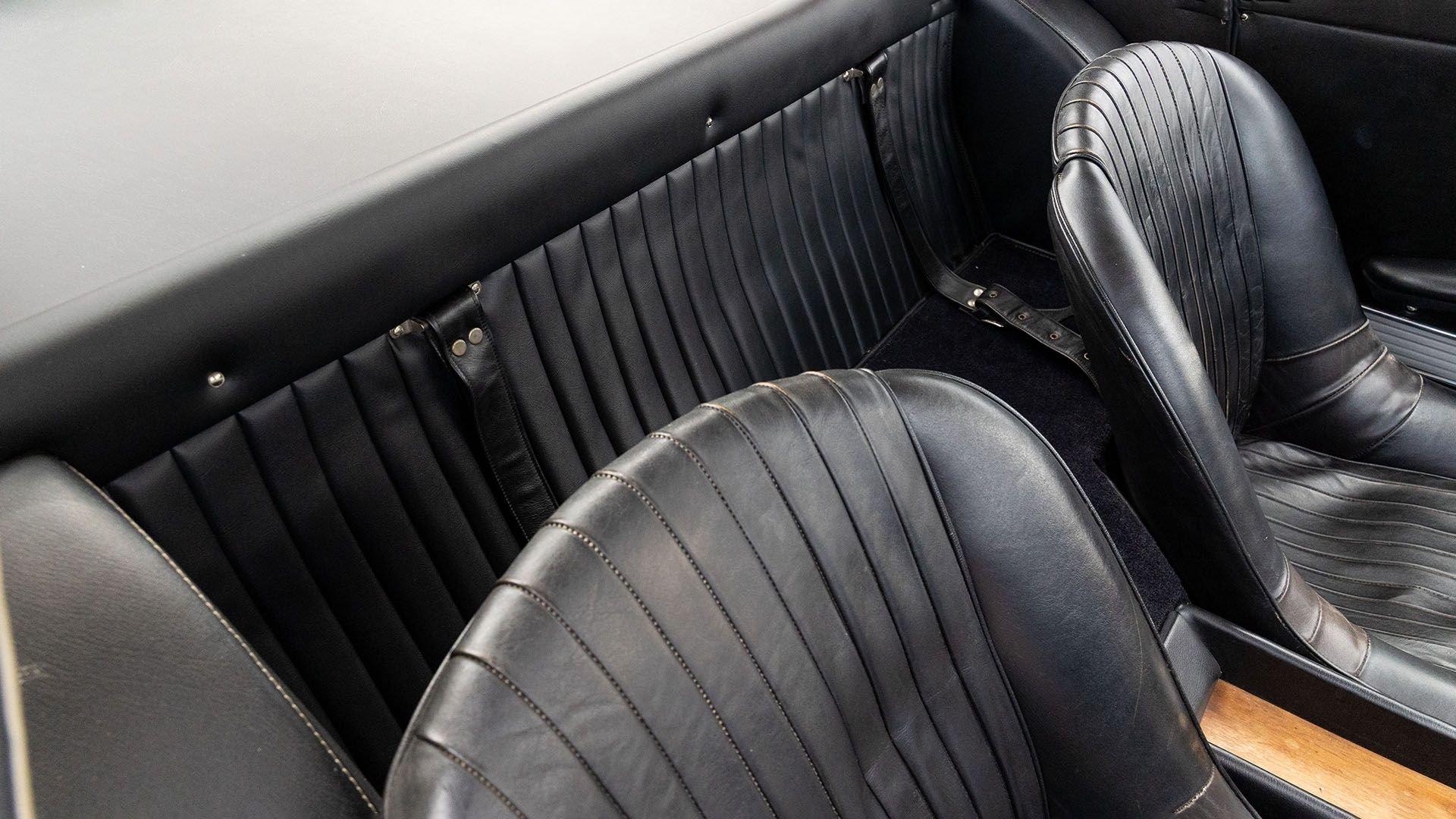
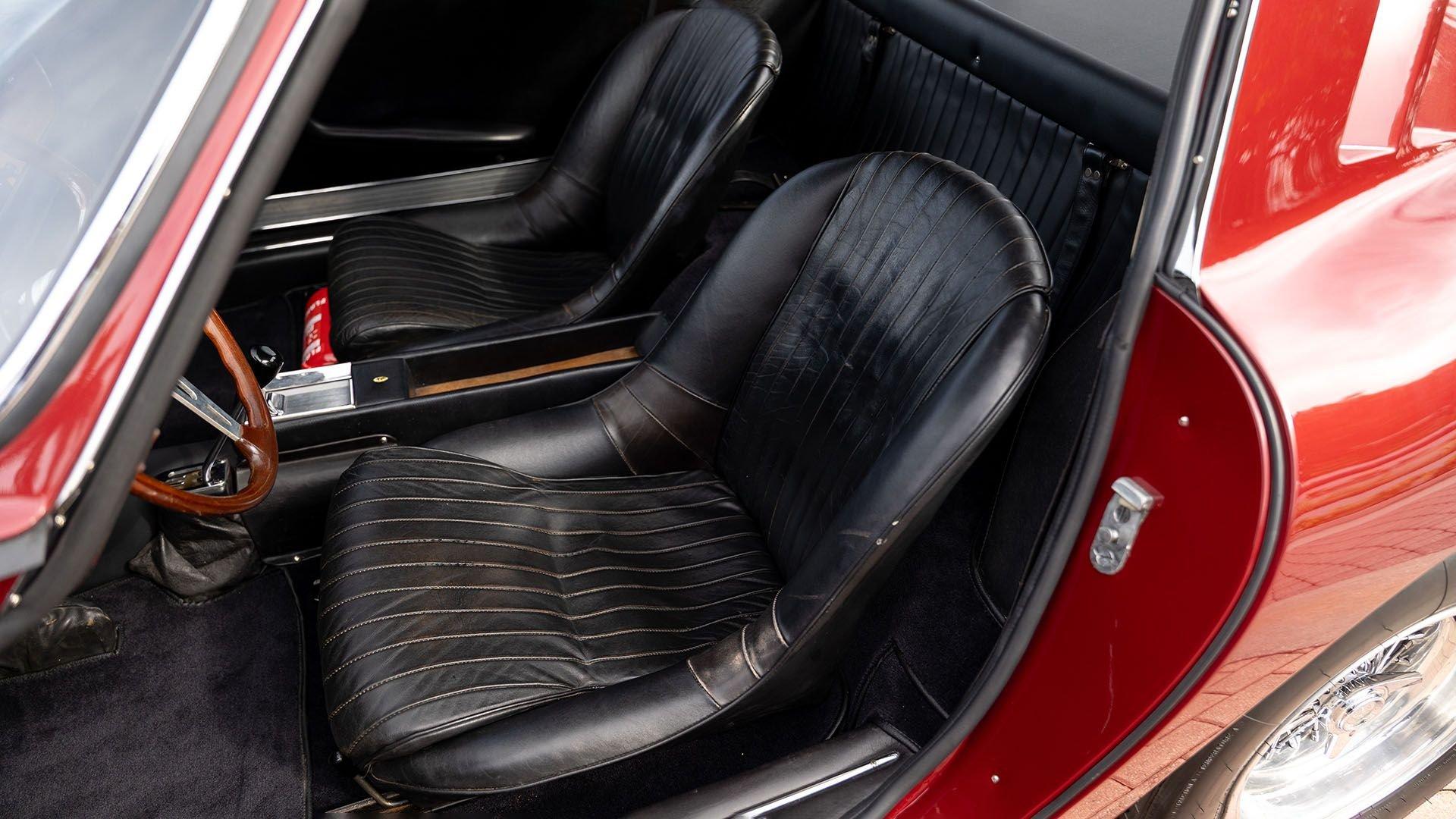
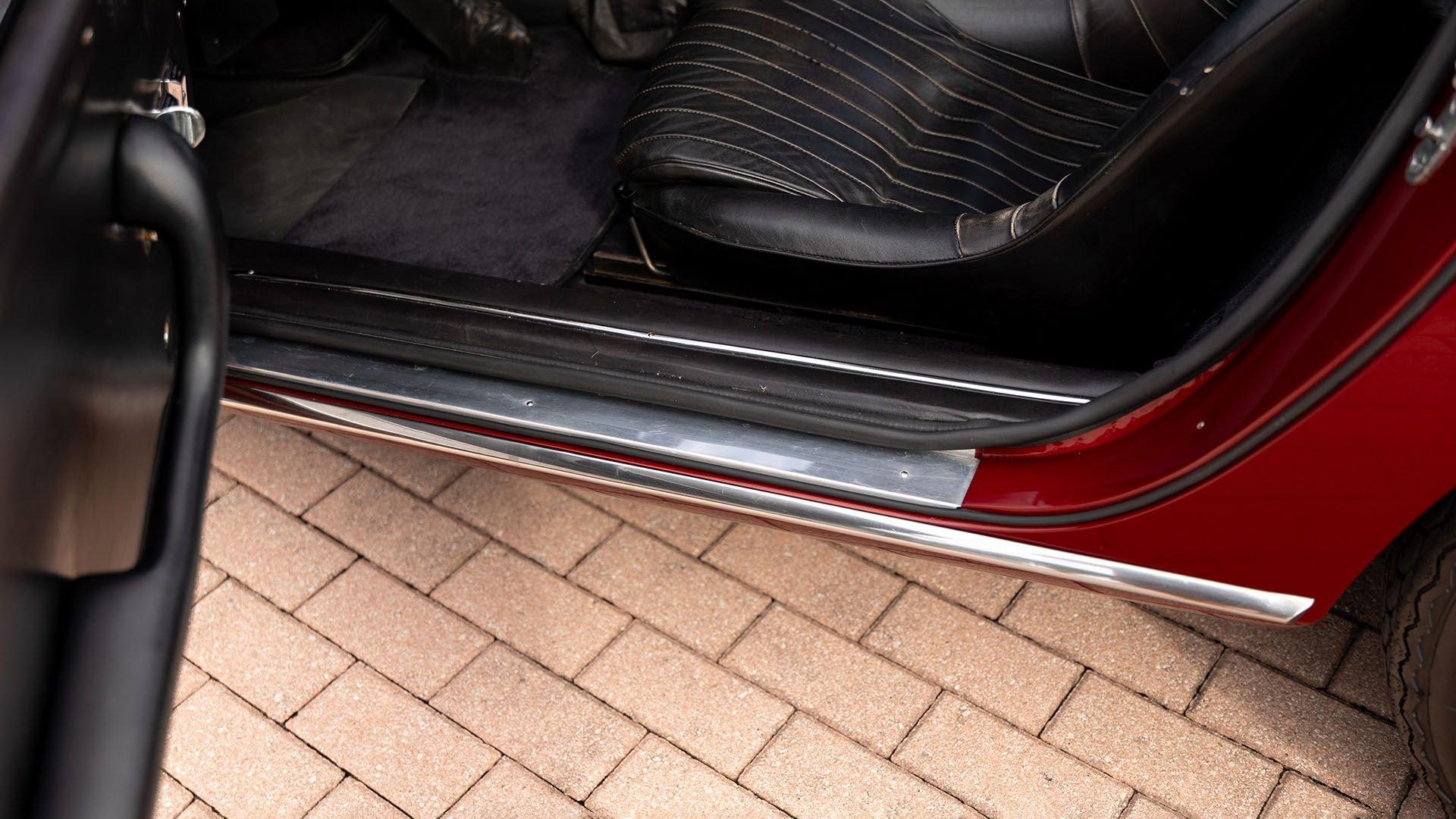
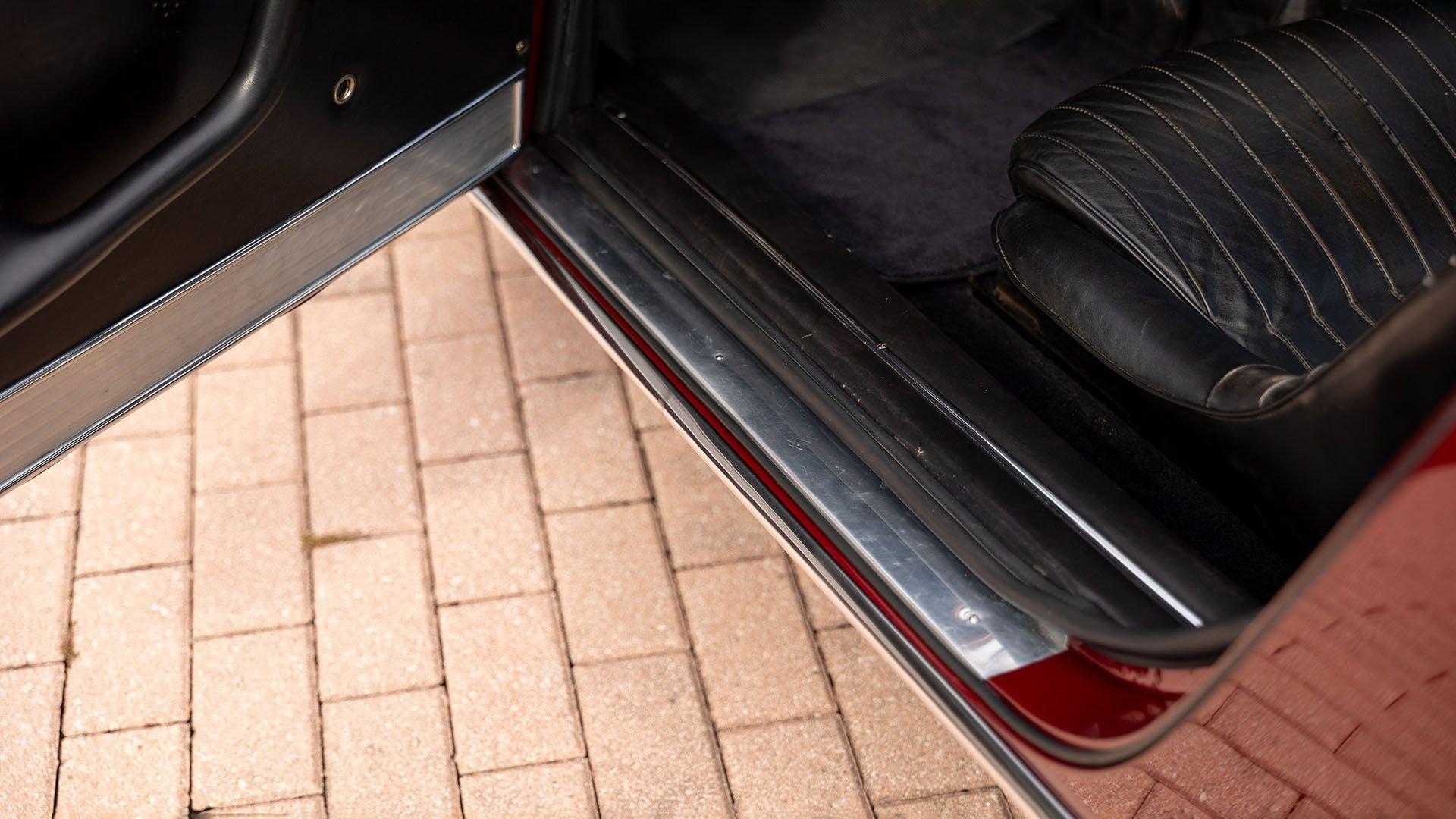
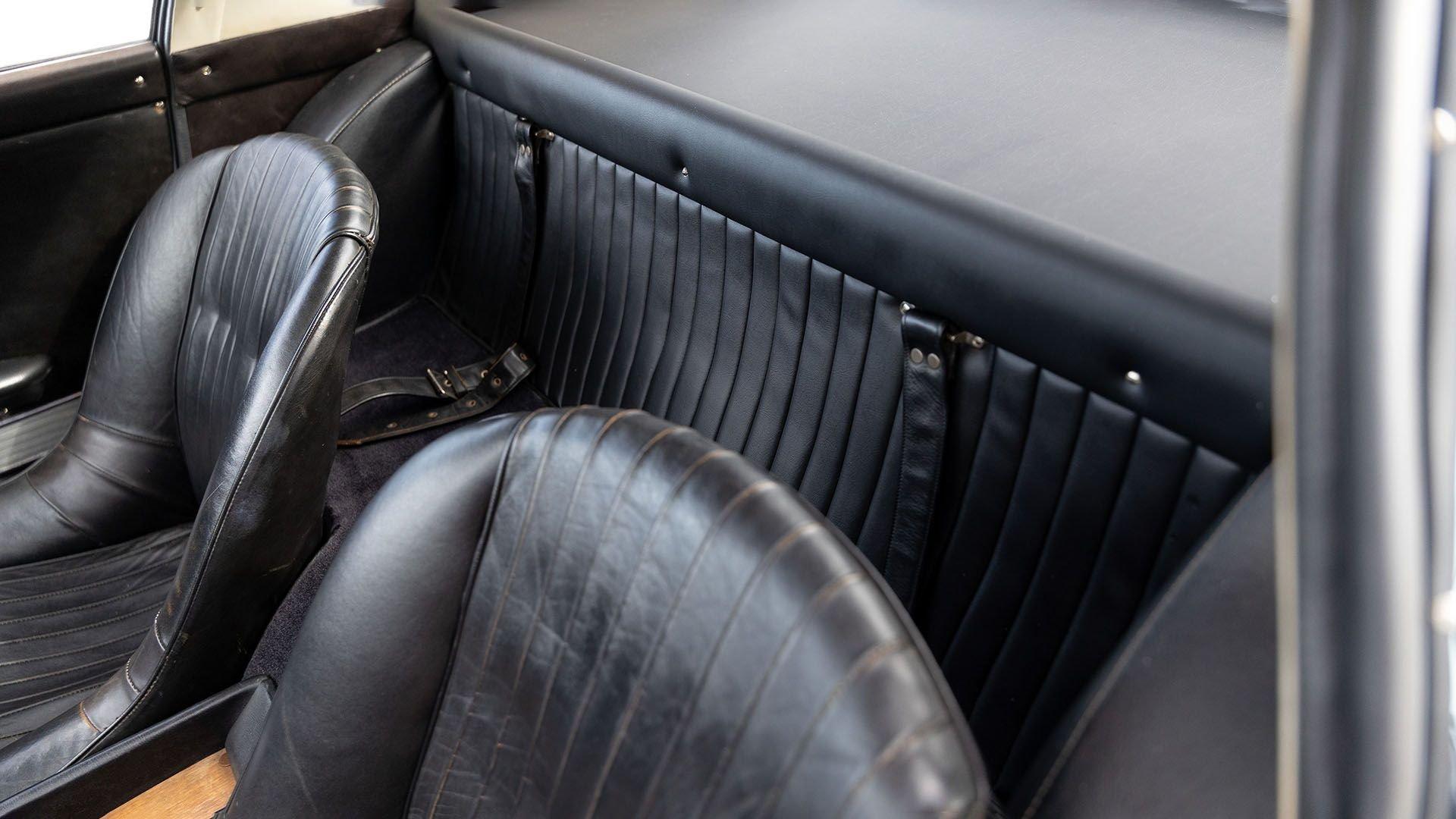
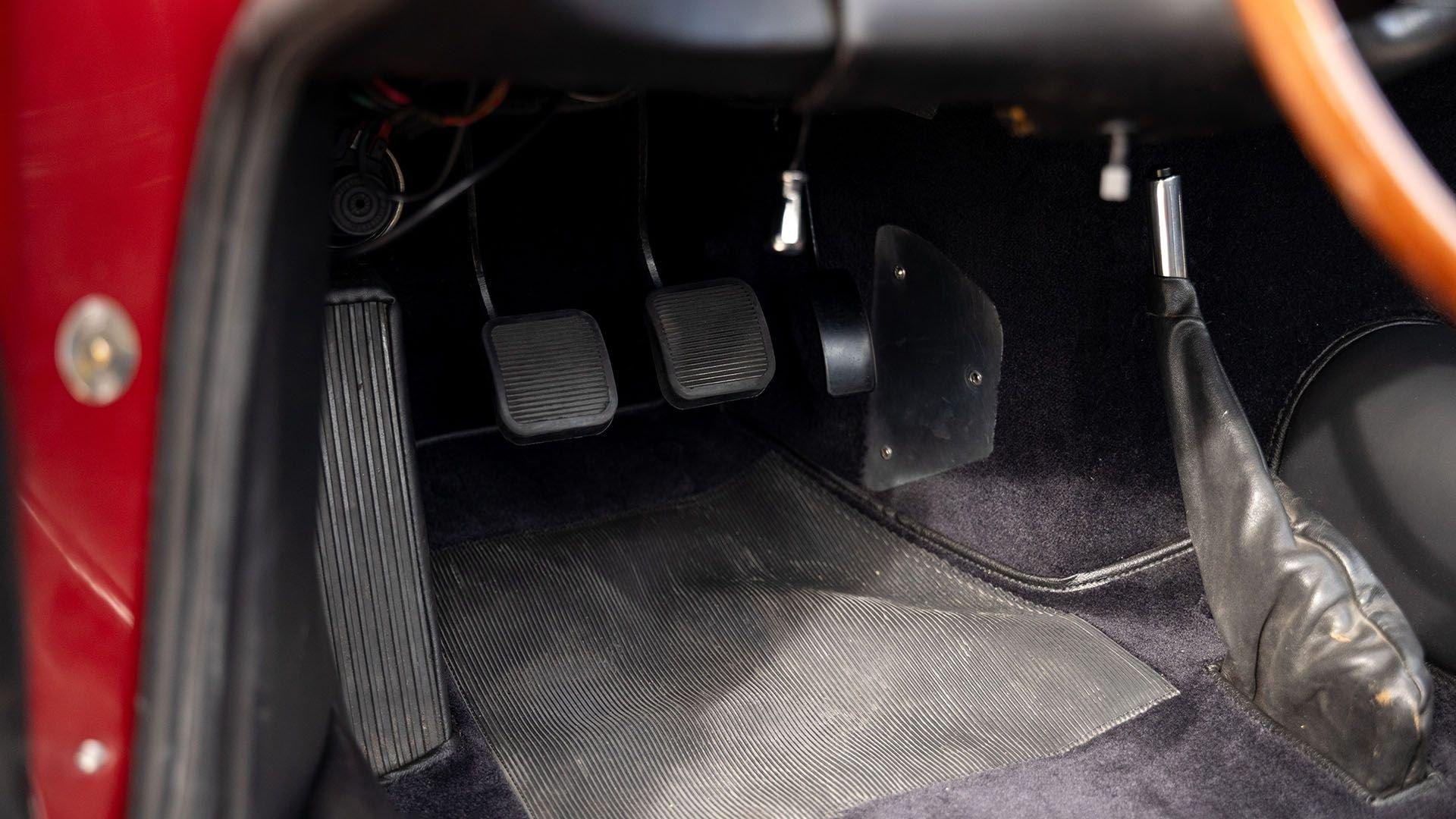
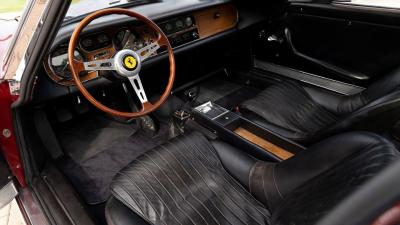
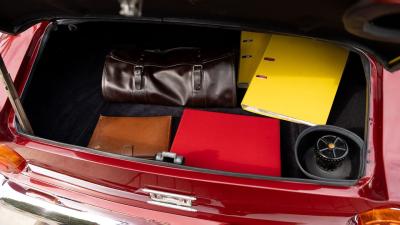
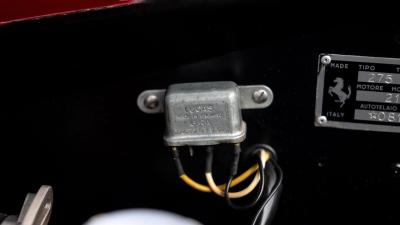
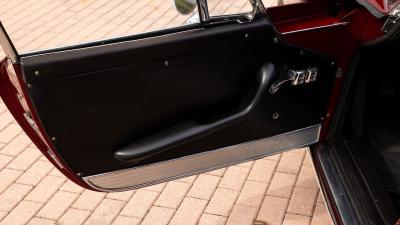
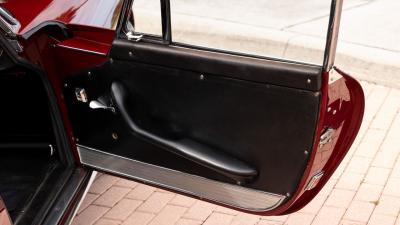
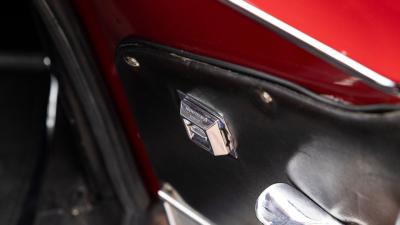
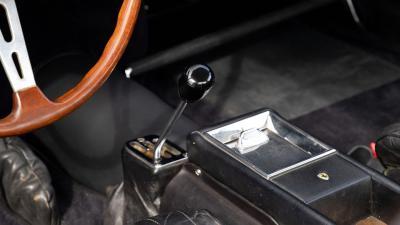
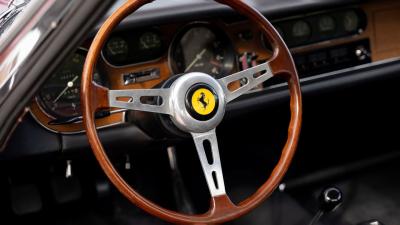
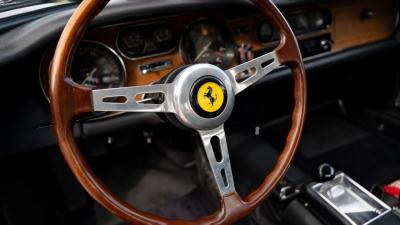
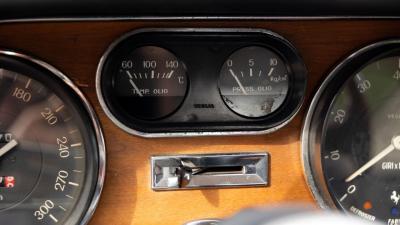
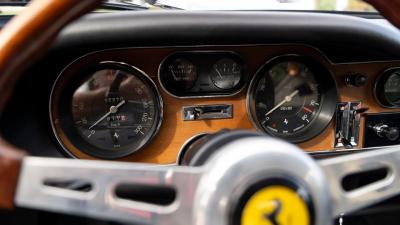
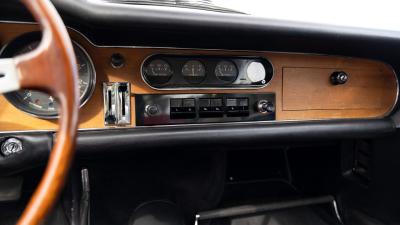
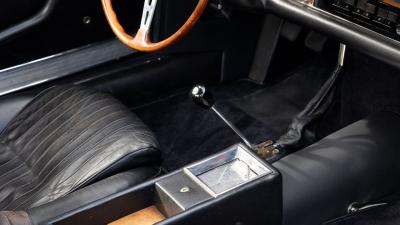
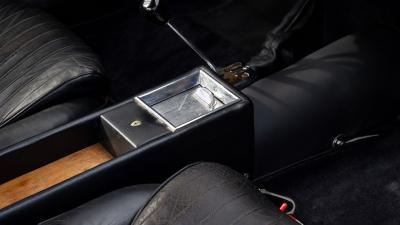
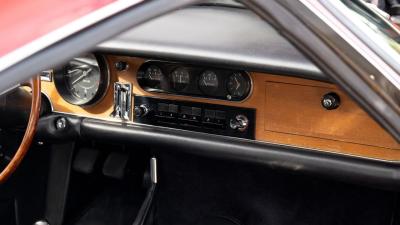
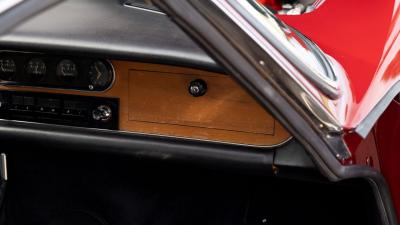
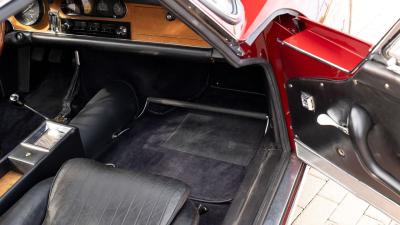
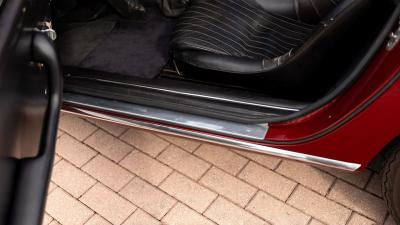
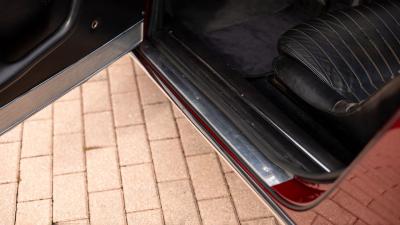
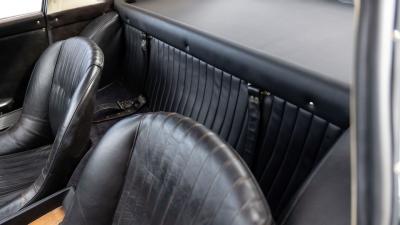
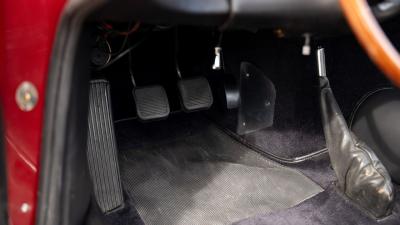
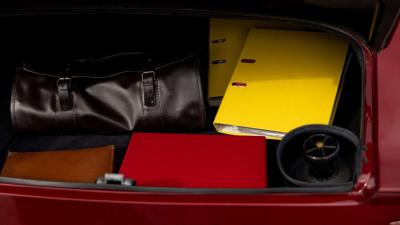
Roelofs carried out a full overhaul of the mechanical components and drivetrain, necessary body repairs, and a bare-metal respray from the red it then wore back to its original Rosso Rubino. Throughout, the emphasis lay on preservation, cleaning and repairing original components wherever possible rather than replacing them. The seat upholstery remains original, as does virtually the entire interior, the headlining and a discolored rear shelf being the only items that could not be saved. Invoices total €175.000, the work spanning from 2020 until April 2022, when the owner collected the car and drove it 1,000 kilometers home to Switzerland without issue.
Many spirited Alpine outings have followed, along with several rallies in the South of France and, in 2025, a two-day, 800-kilometer run in fierce summer heat that took in the magnificent Klausenpass-the 275 GTB never faltering, its Rosso Rubino coachwork cutting a fine figure against the mountains. Since the restoration, the car has been maintained by renowned Swiss Ferrari specialist Edi Wyss Engineering, with invoices on file totaling CHF 42'500 for post-restoration sorting, improvements, and maintenance.
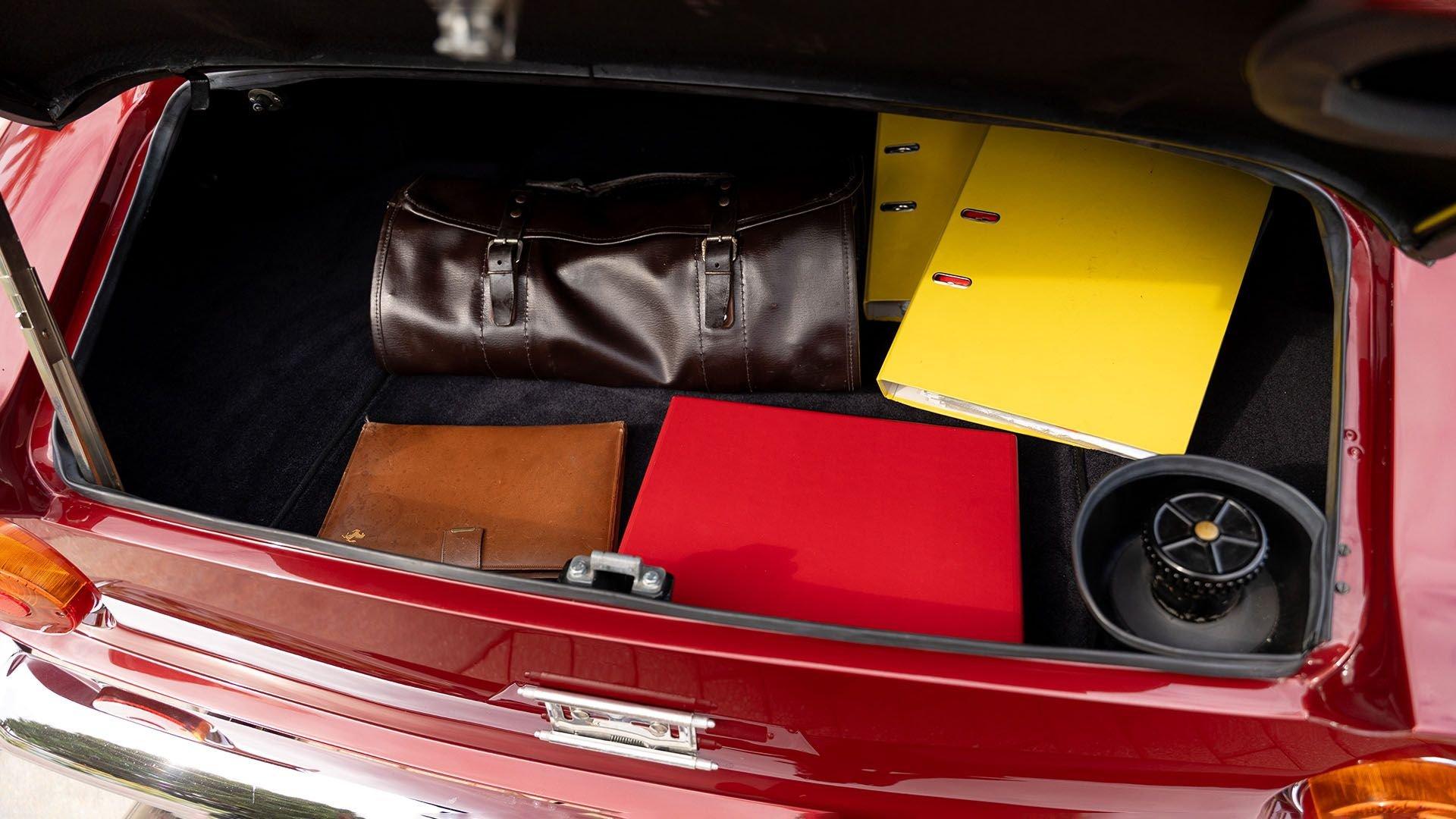
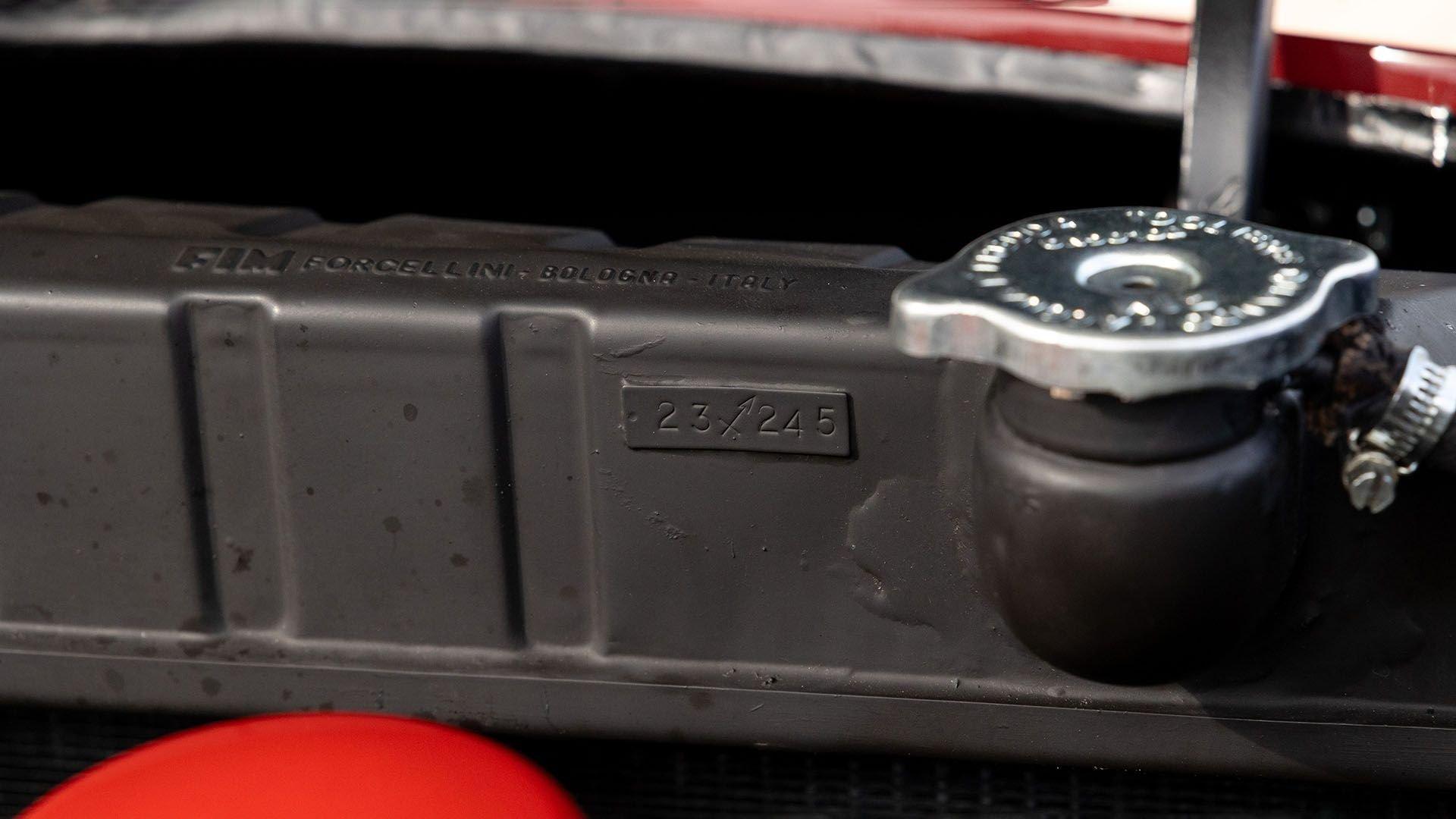
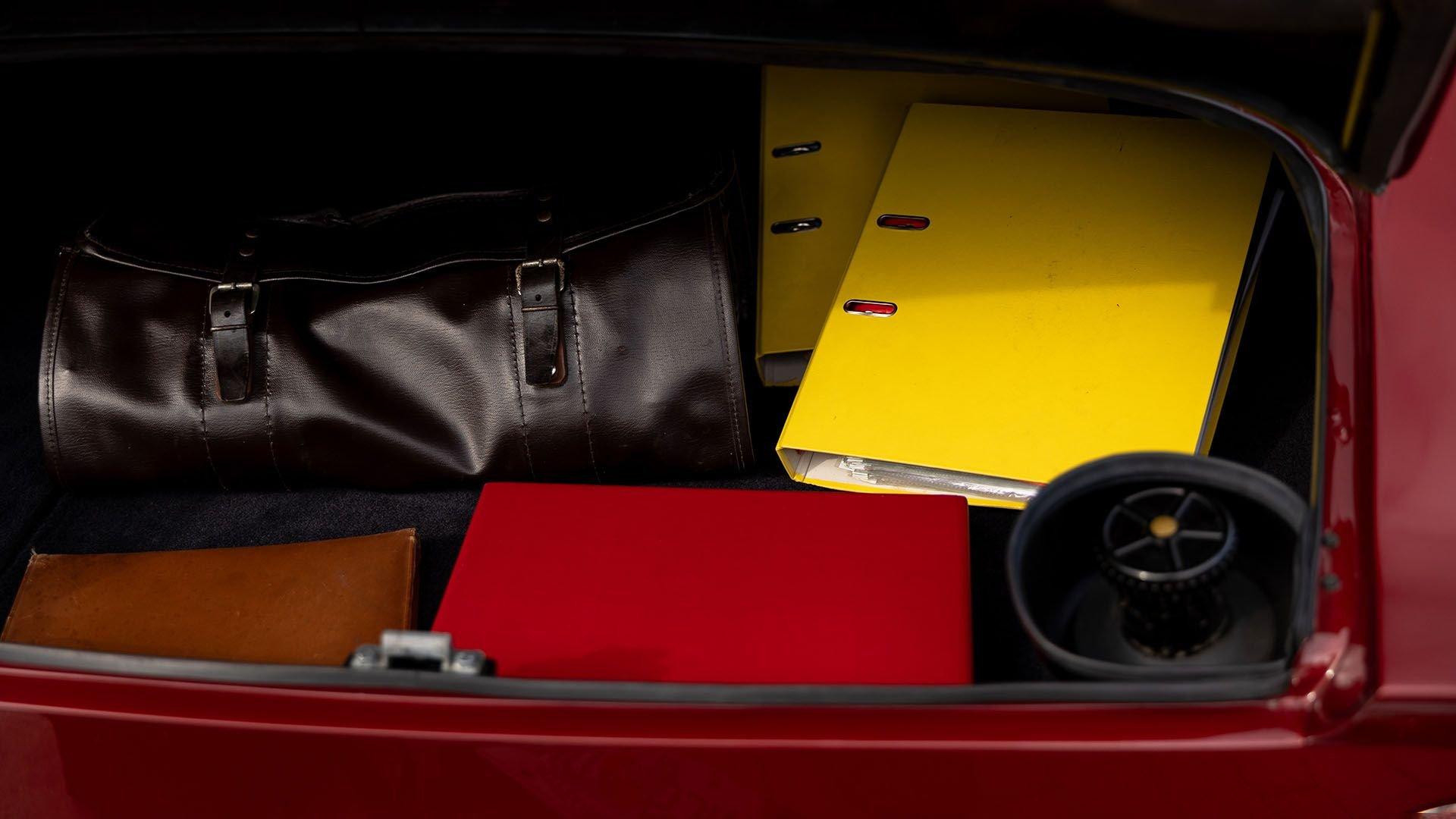
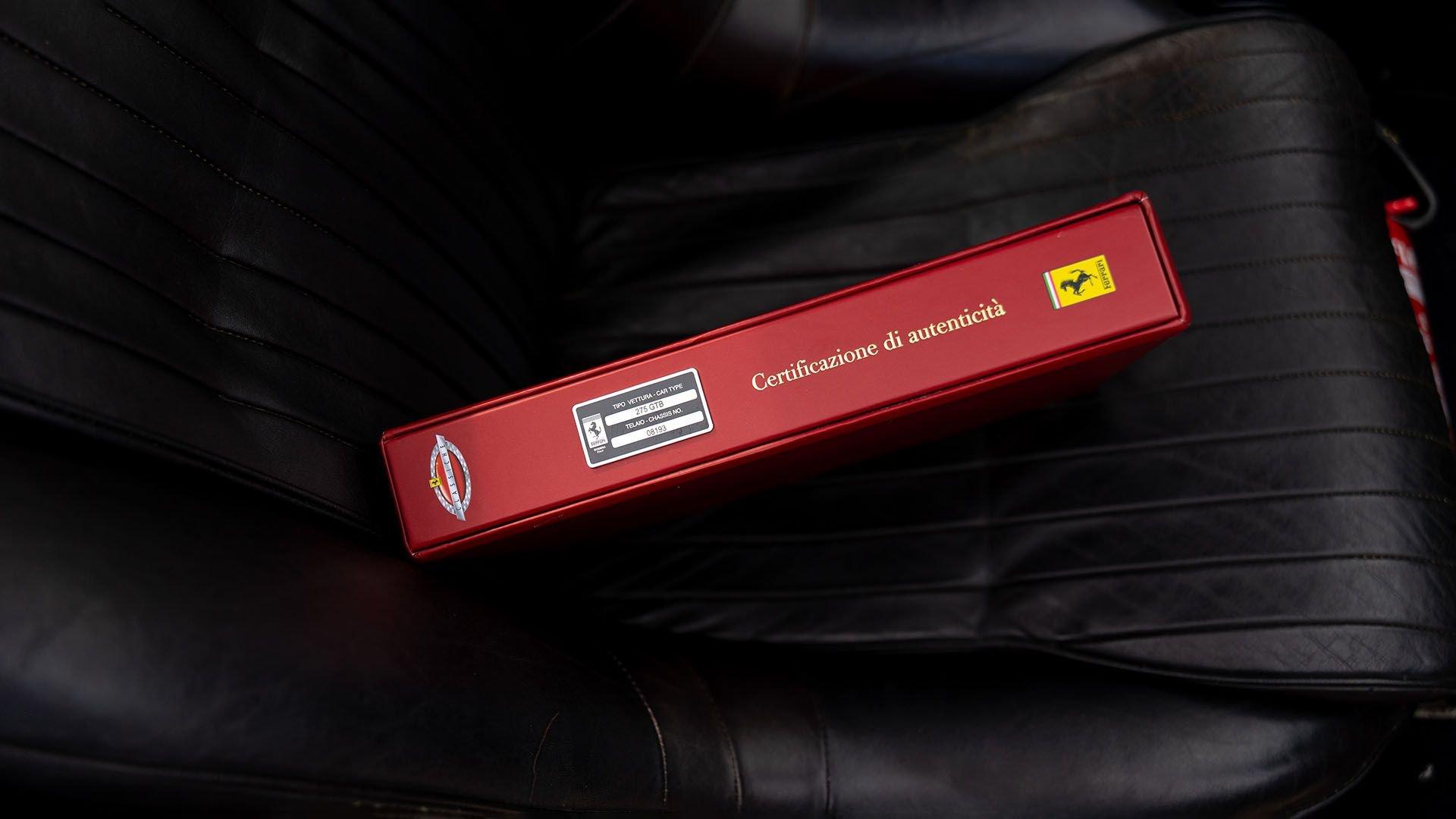
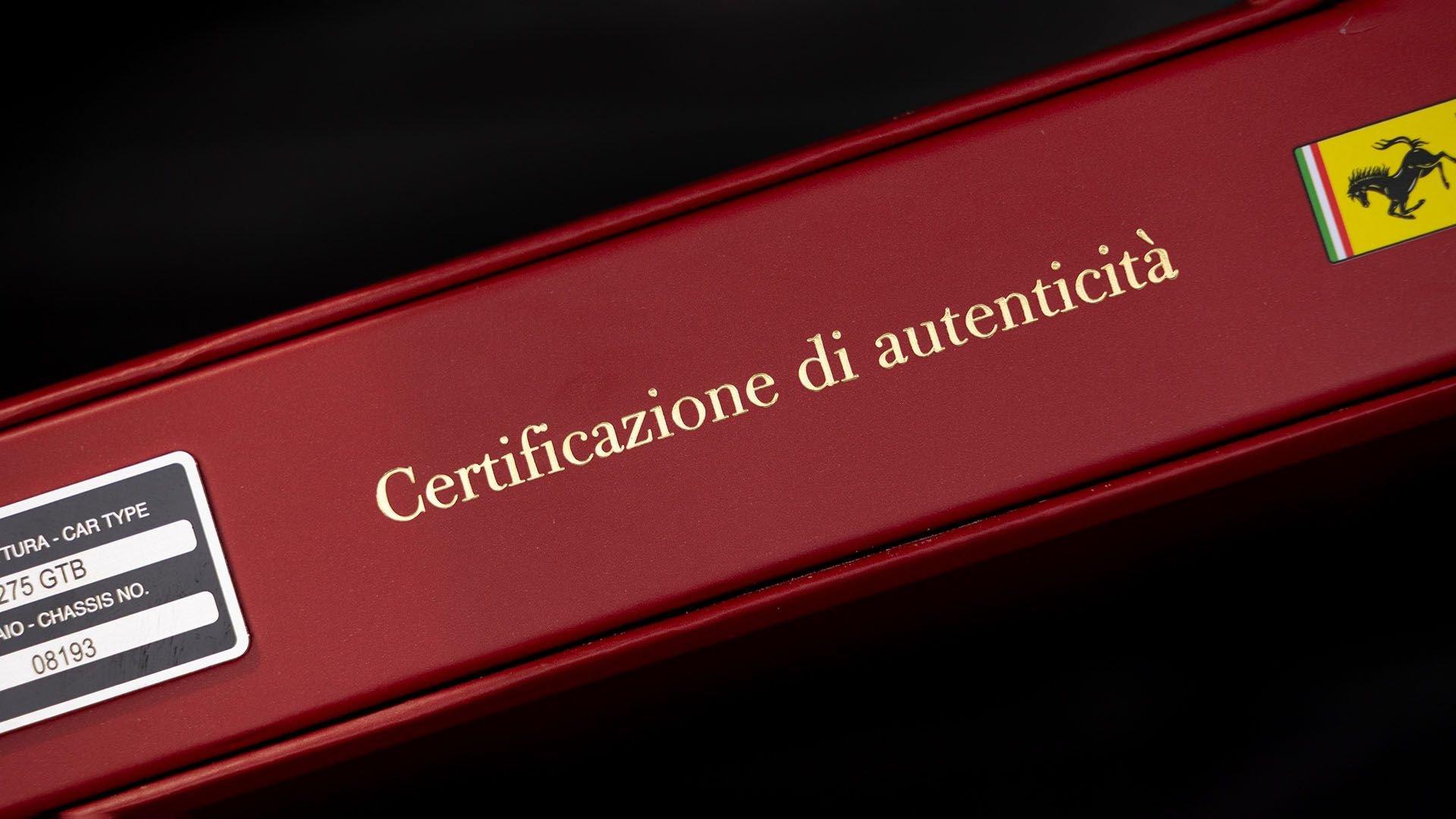
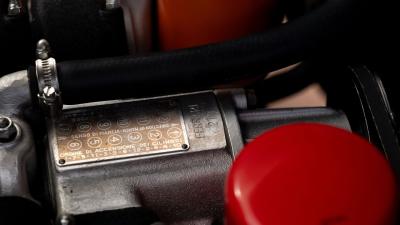
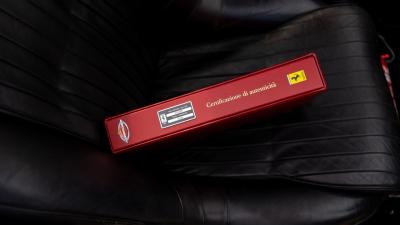
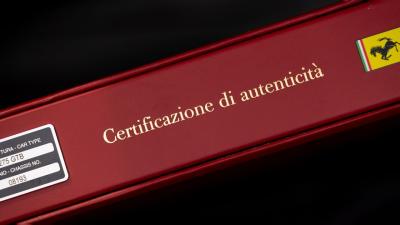
The previous owner also undertook considerable research into the car's mechanical history. Working with Ferrari Classiche and marque expert Emiliano Torkar, he established that the engine now fitted is in fact the unit original to the chassis. It had long been thought that the engine had been changed during the car's life, but the evidence suggests that an earlier-built car developed an engine fault discovered during its pre-delivery test and received another unit, while its original engine, once repaired, was installed in 08193 in place of the one shown on its build sheet. On the basis of those records, Ferrari considers chassis 08193 matching numbers, and the car is accompanied by Ferrari Classiche Red Book certification confirming this conclusion.
Combining the landmark specification of the 275 GTB with the rarity of its alloy coachwork, chassis 08193 is one of the most desirable configurations of one of Ferrari's definitive 1960s berlinettas. Its continuous and well-documented Swiss provenance, original Rosso Rubino color combination, recent restoration by leading marque specialists, exceptionally preserved interior, road-proven mechanical preparation, and Ferrari Classiche Red Book certification together present an unusually complete proposition, making the current offering of 08193 a rare chance for any serious Ferrari collector.
Contact Us
