
































































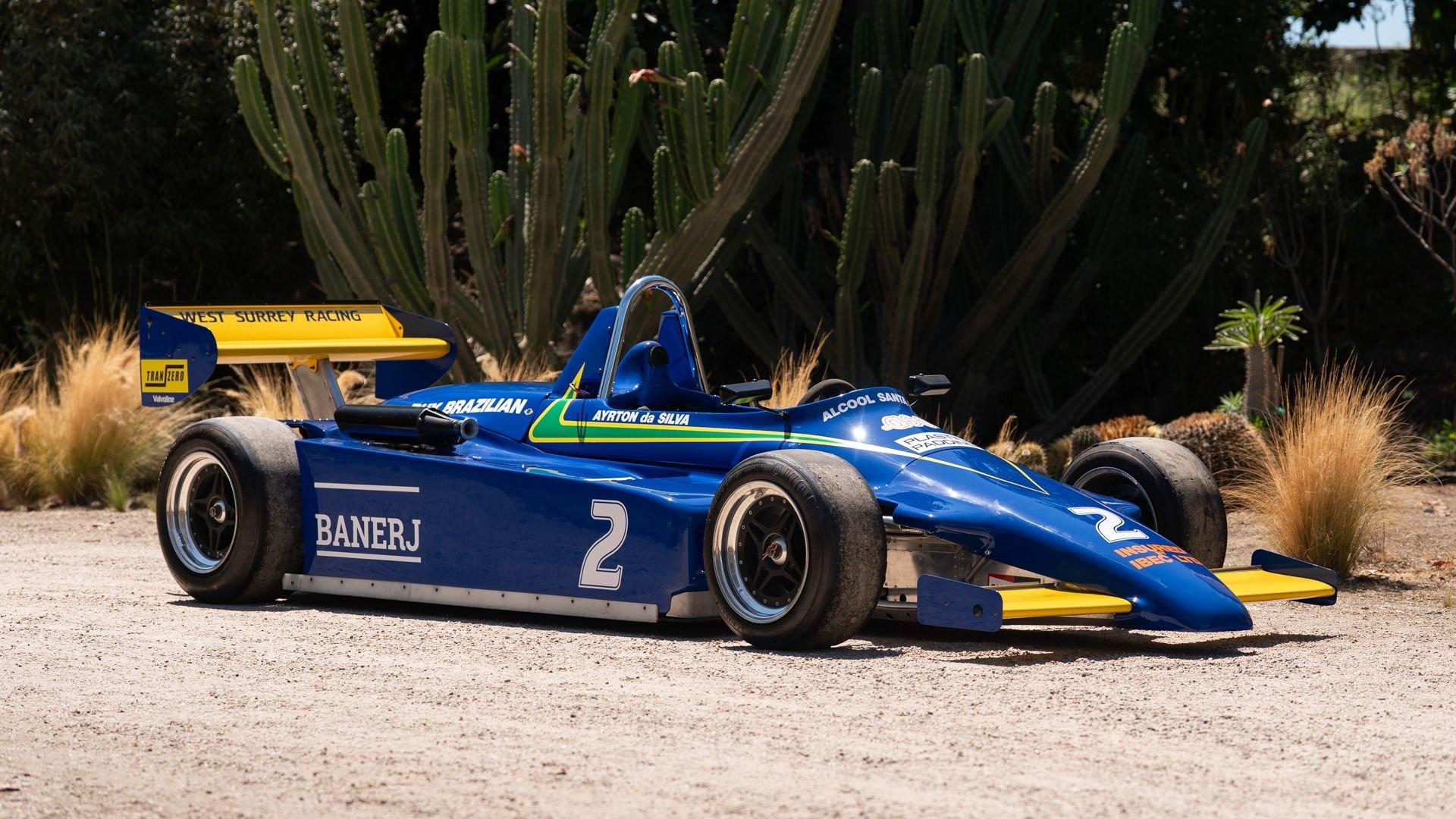
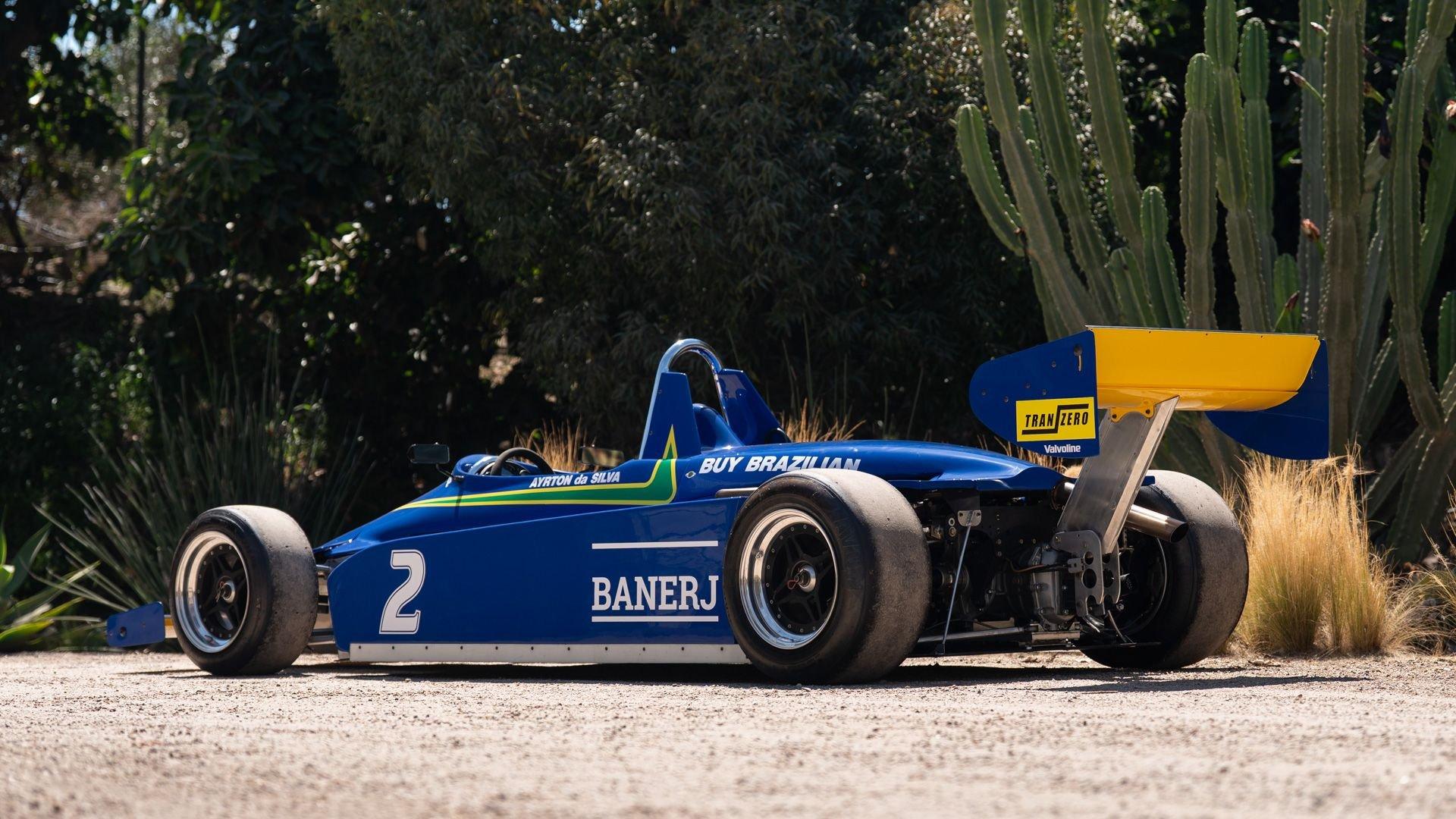
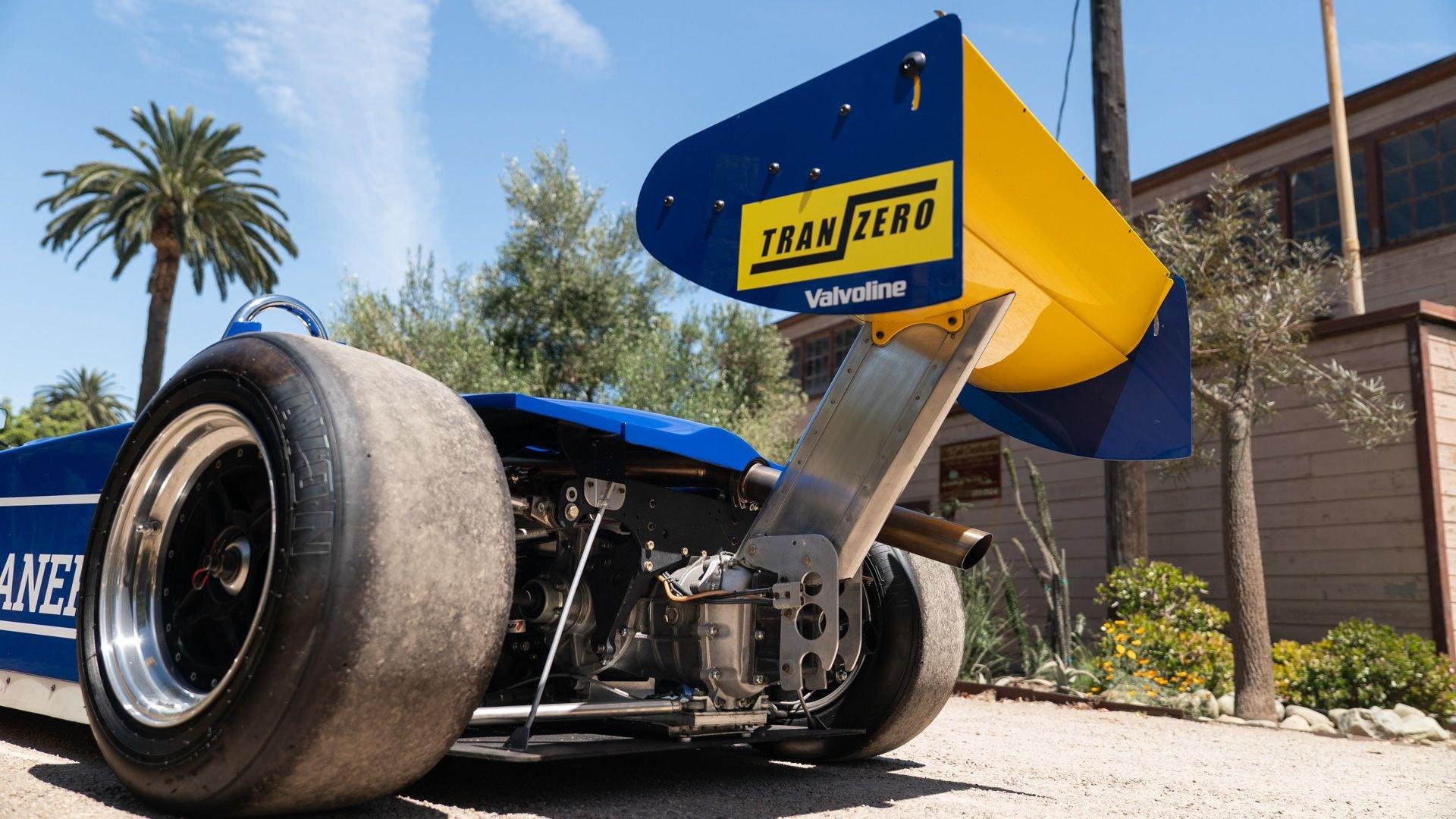
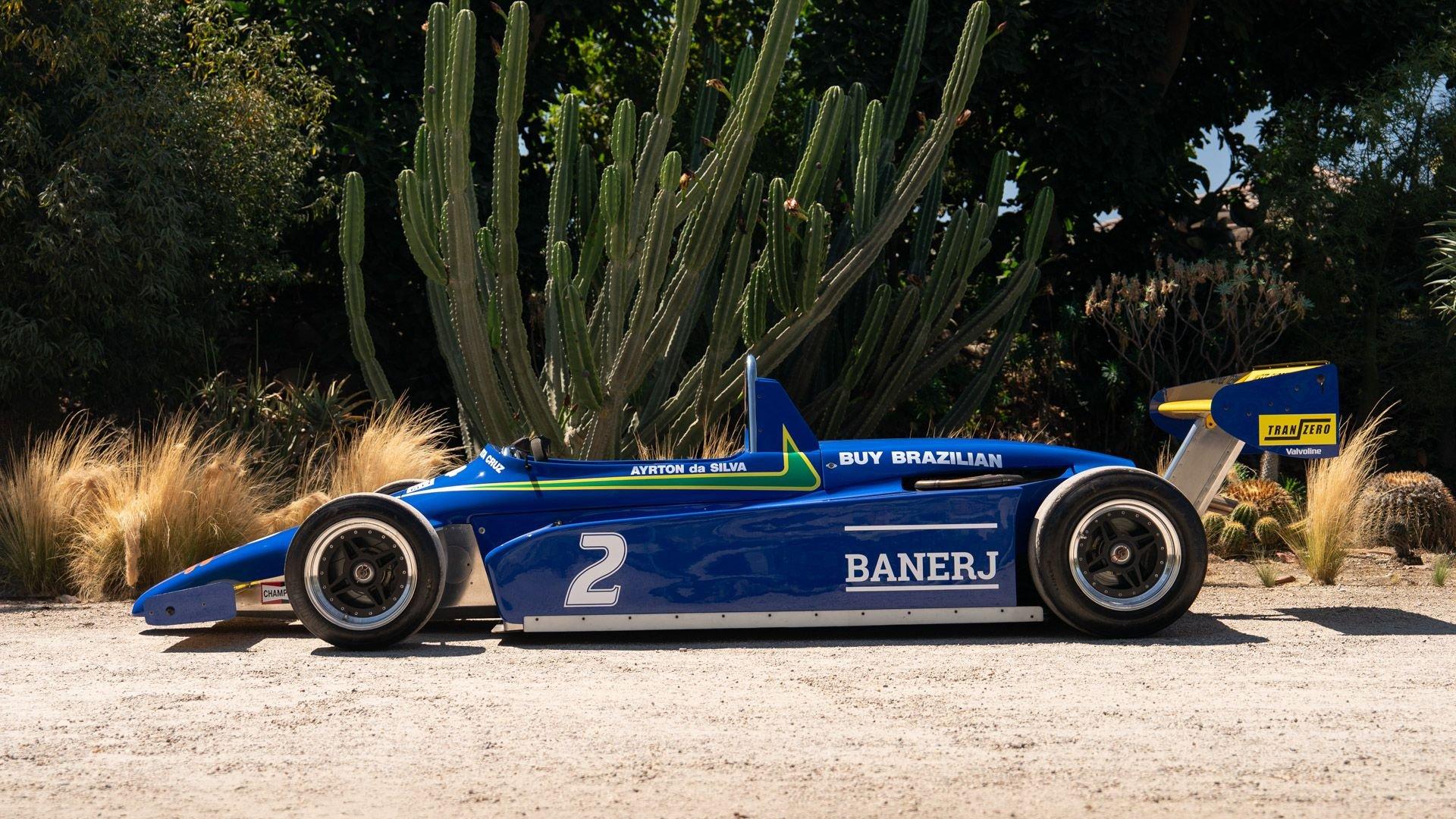
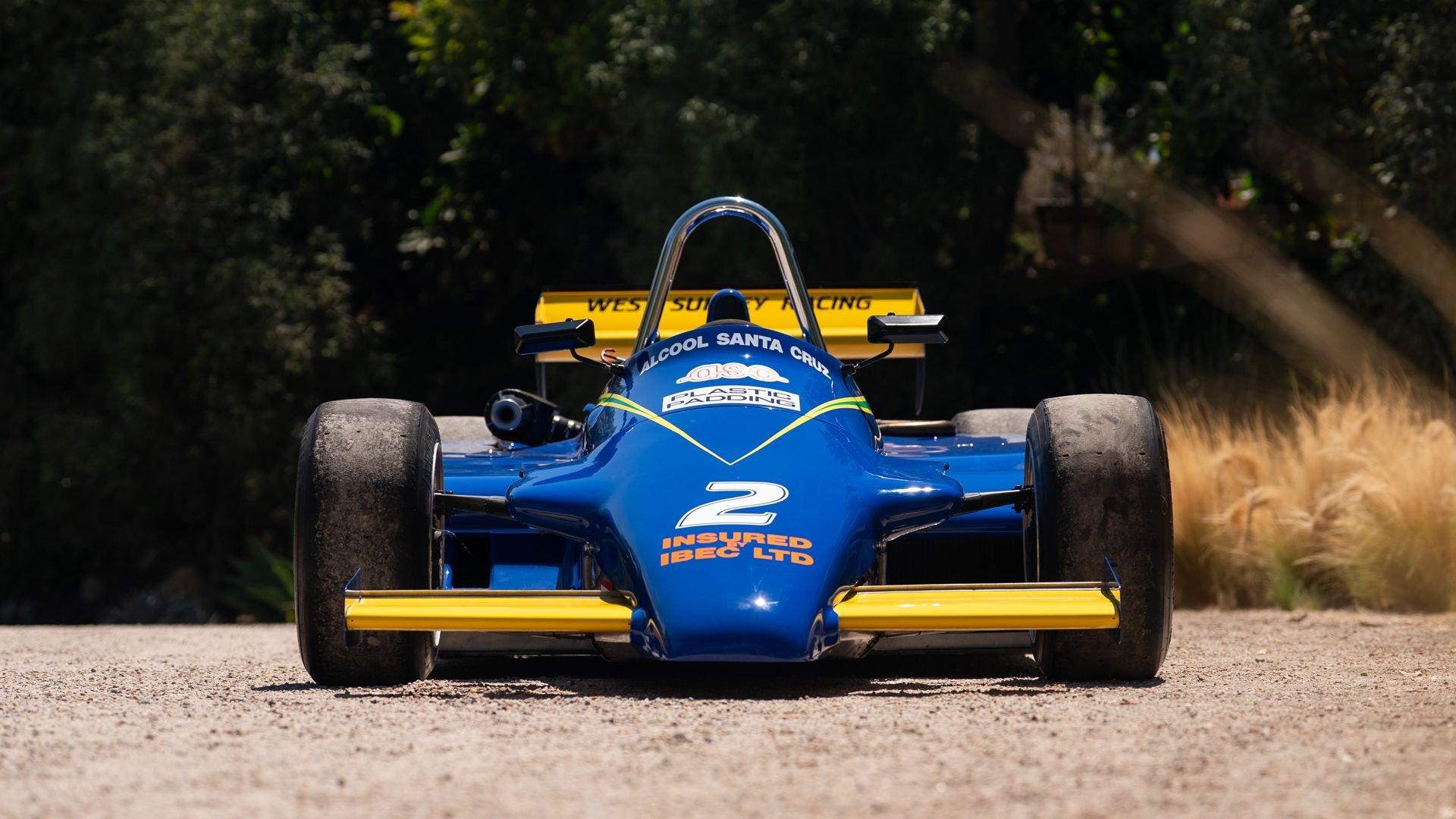
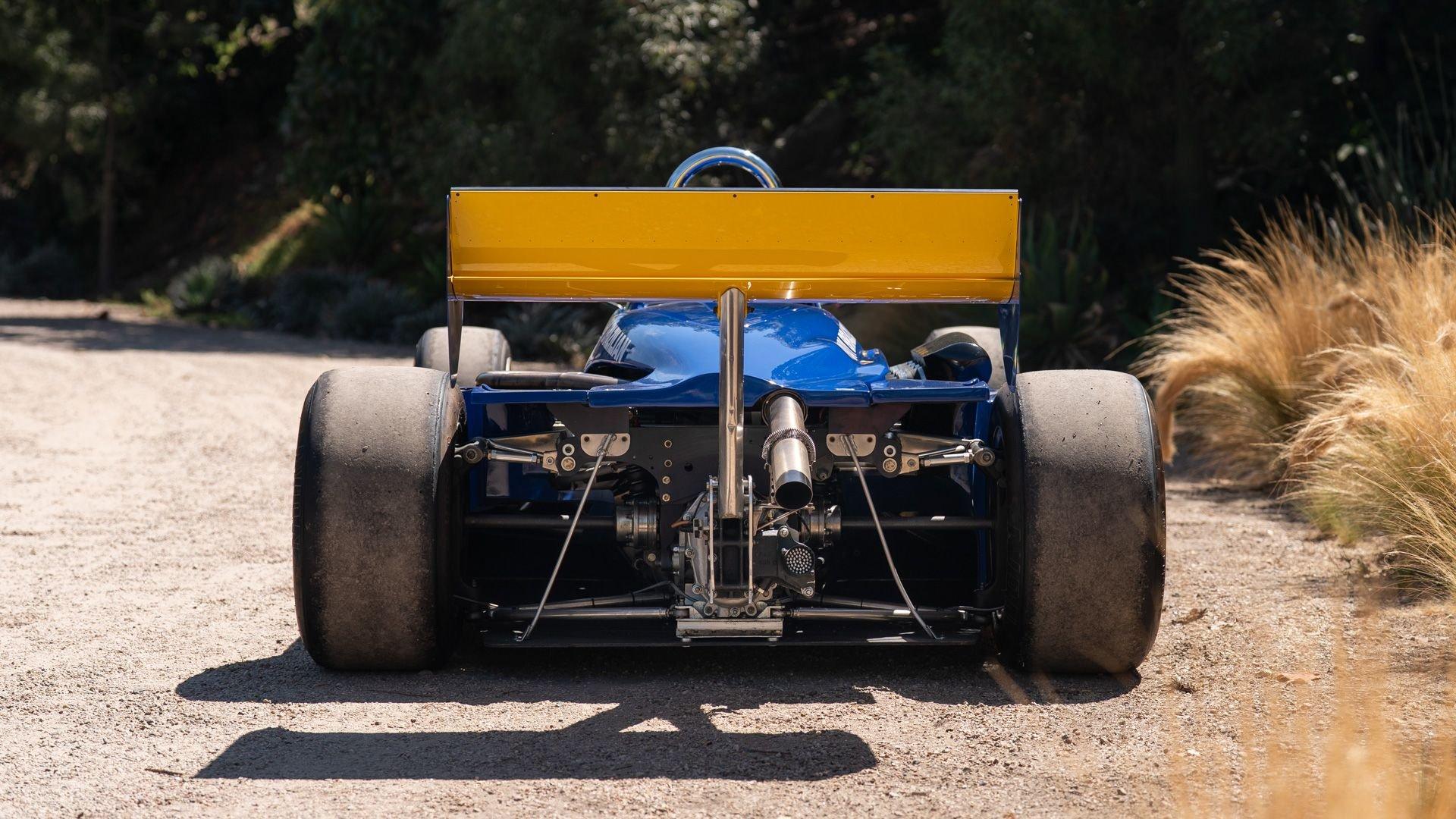
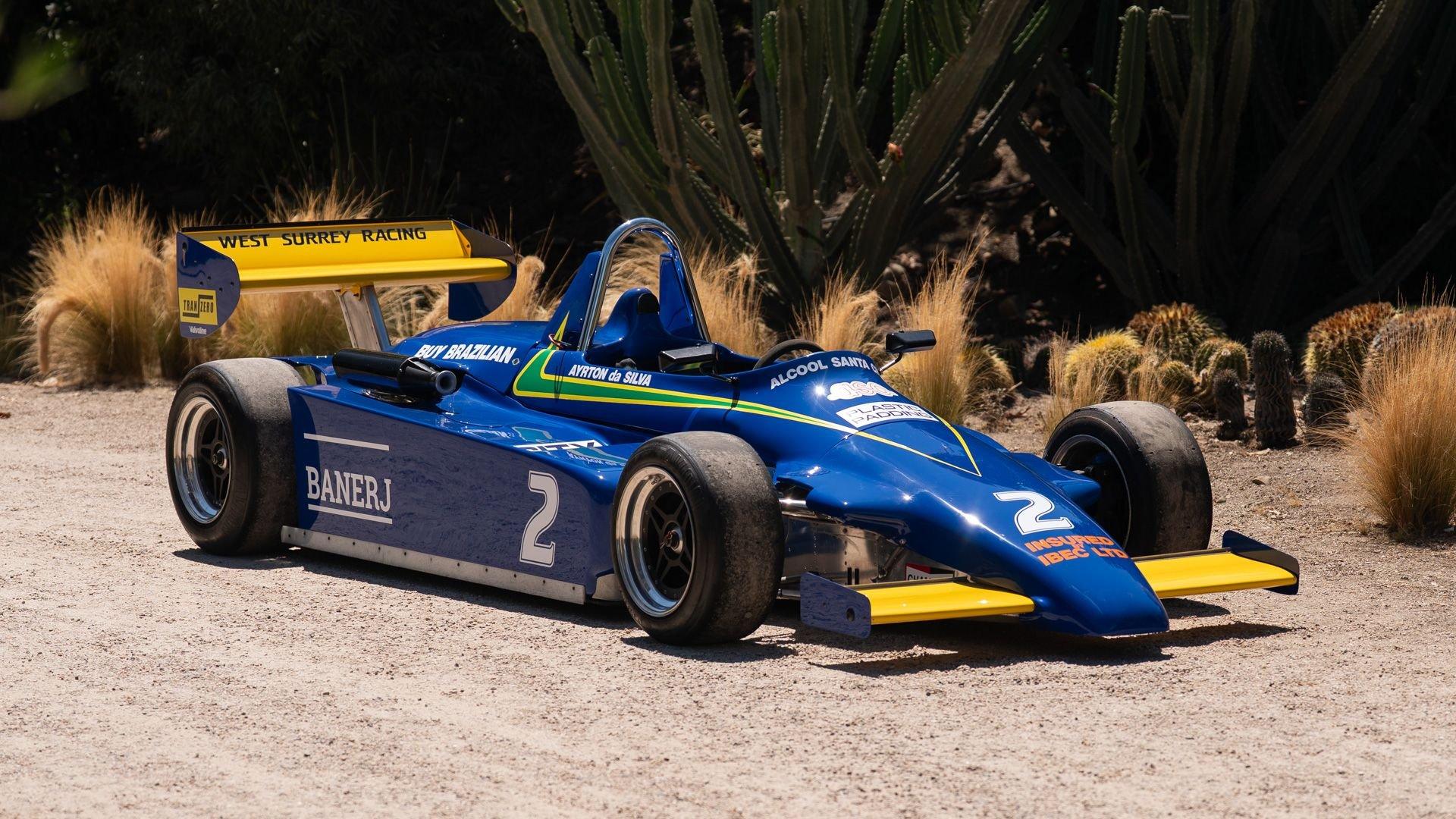
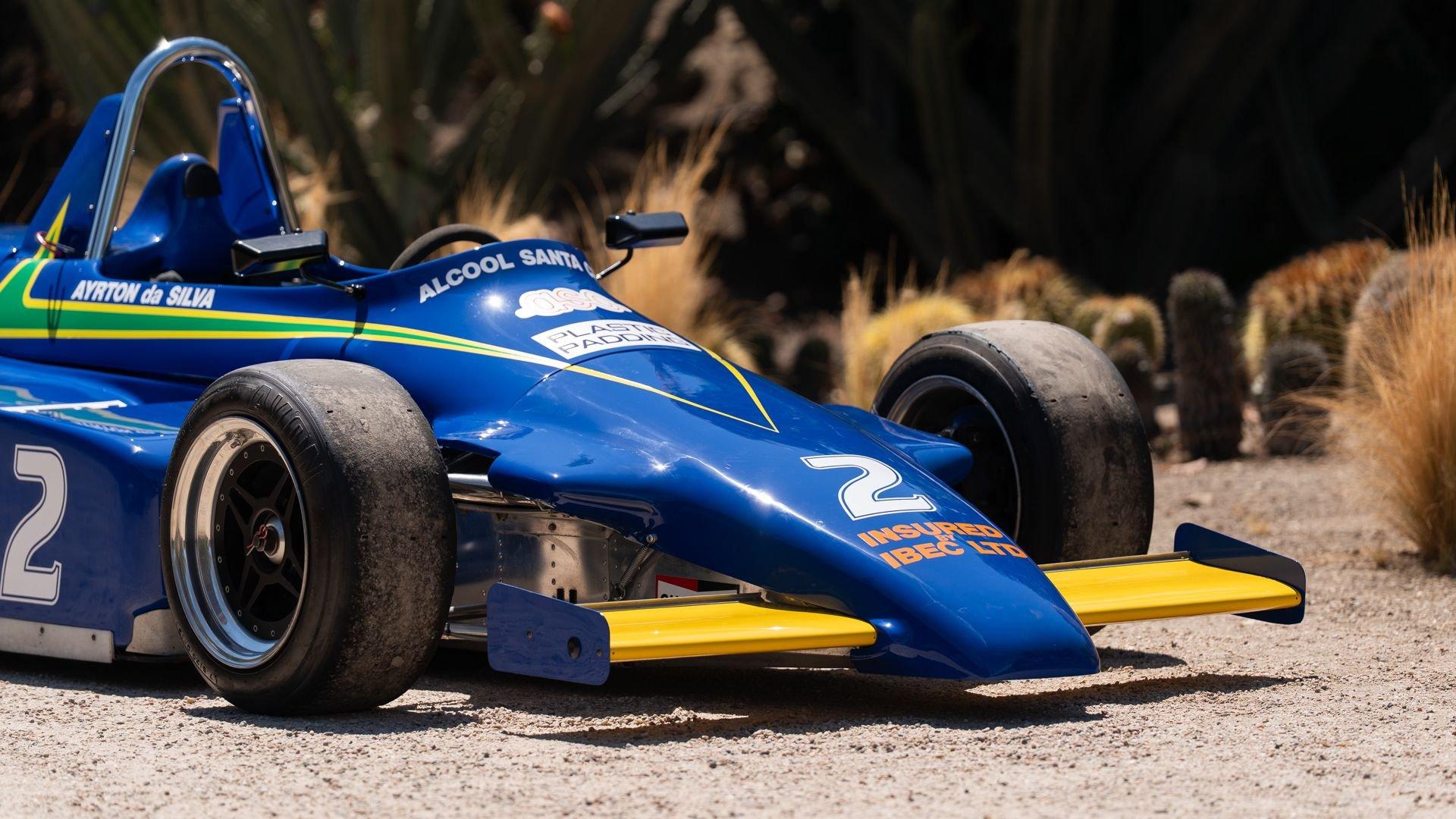
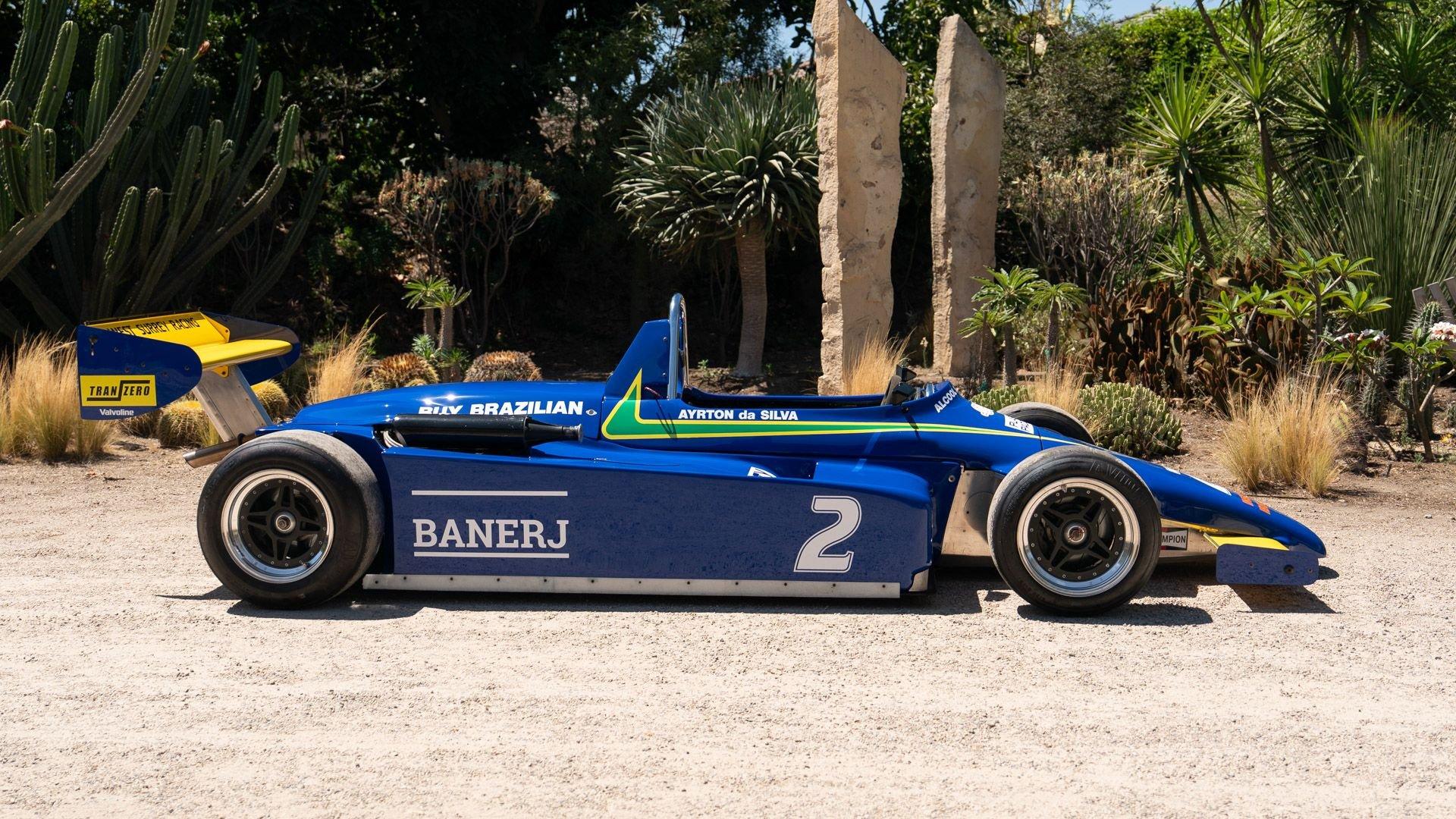
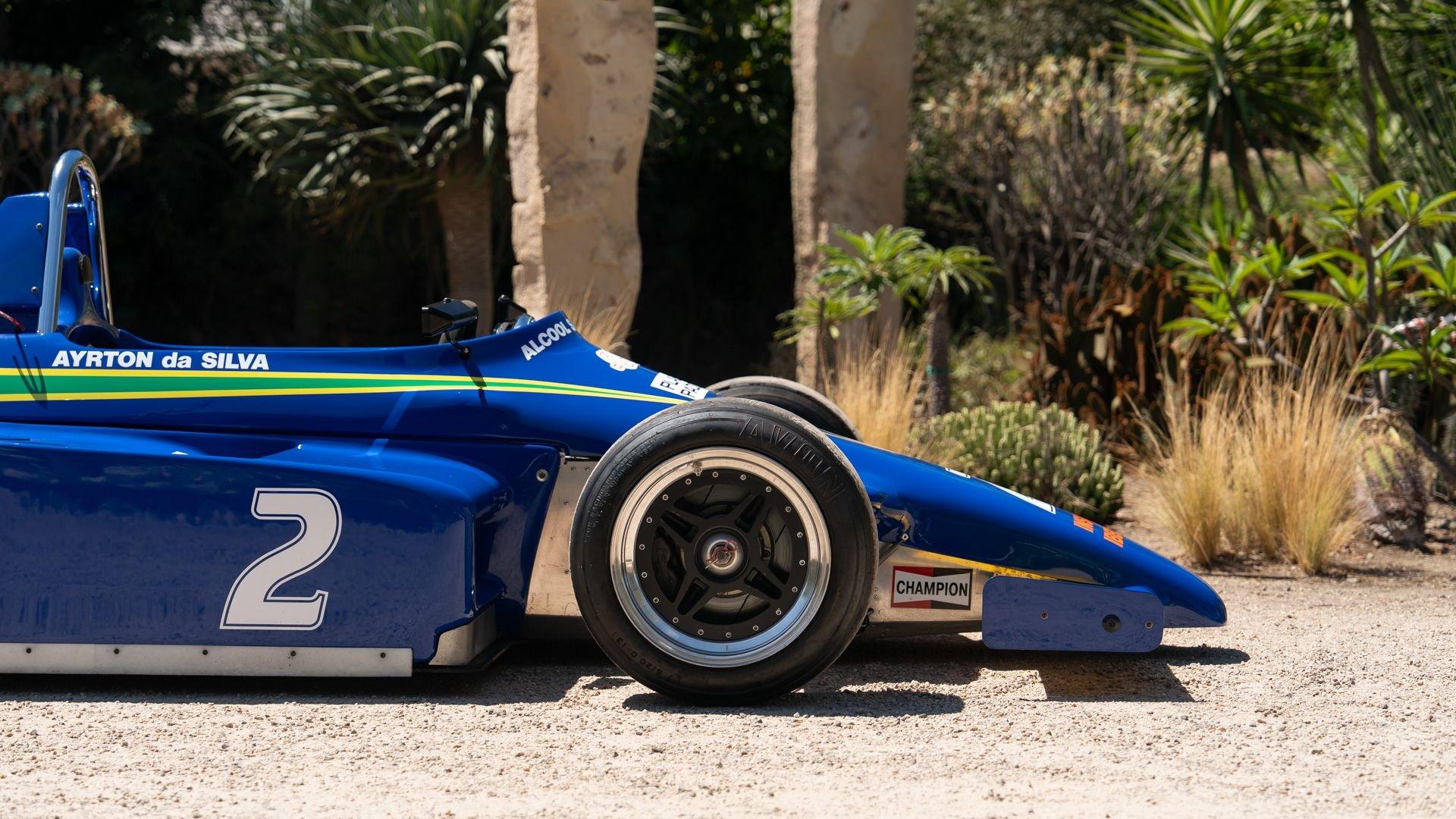
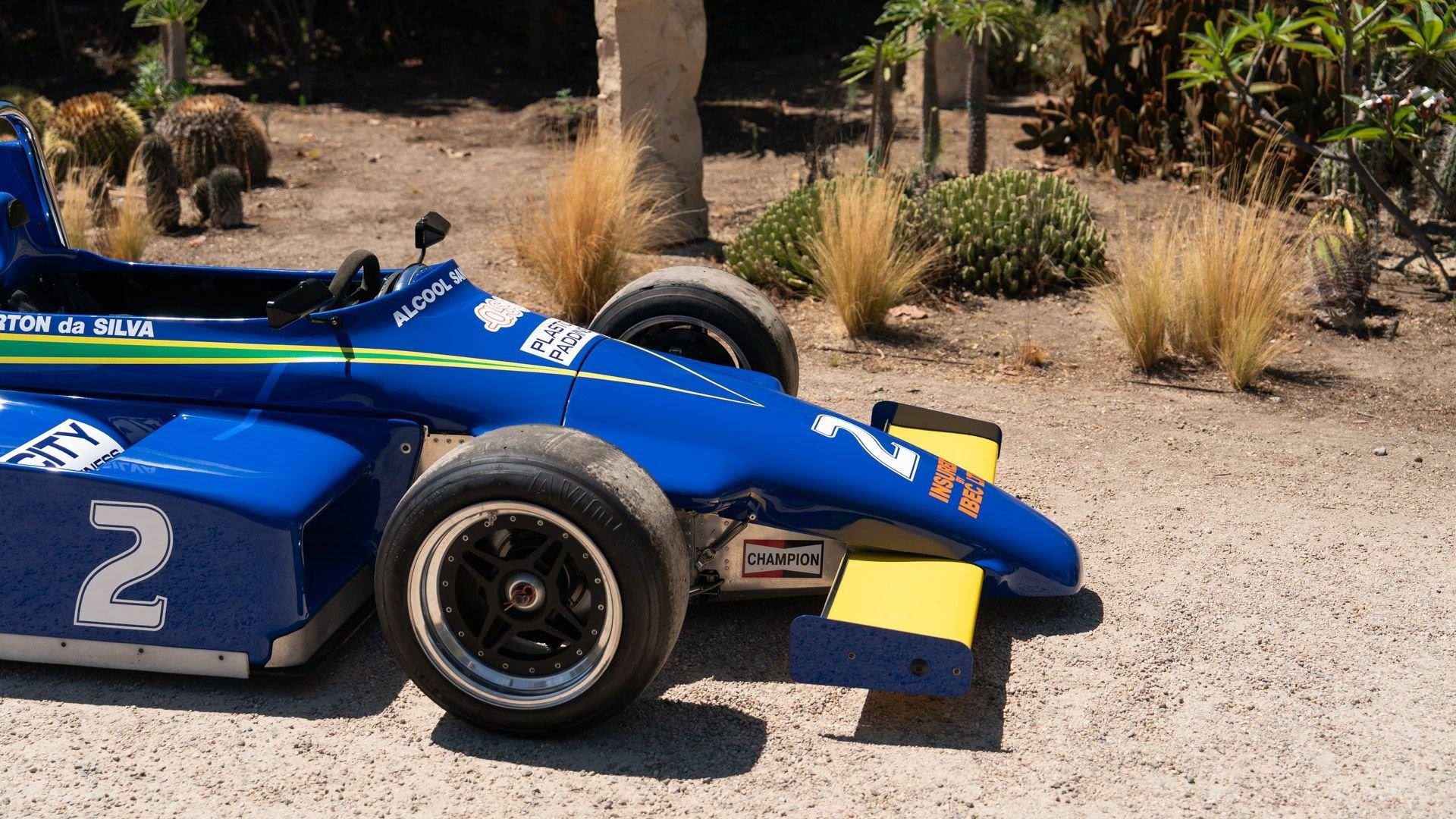
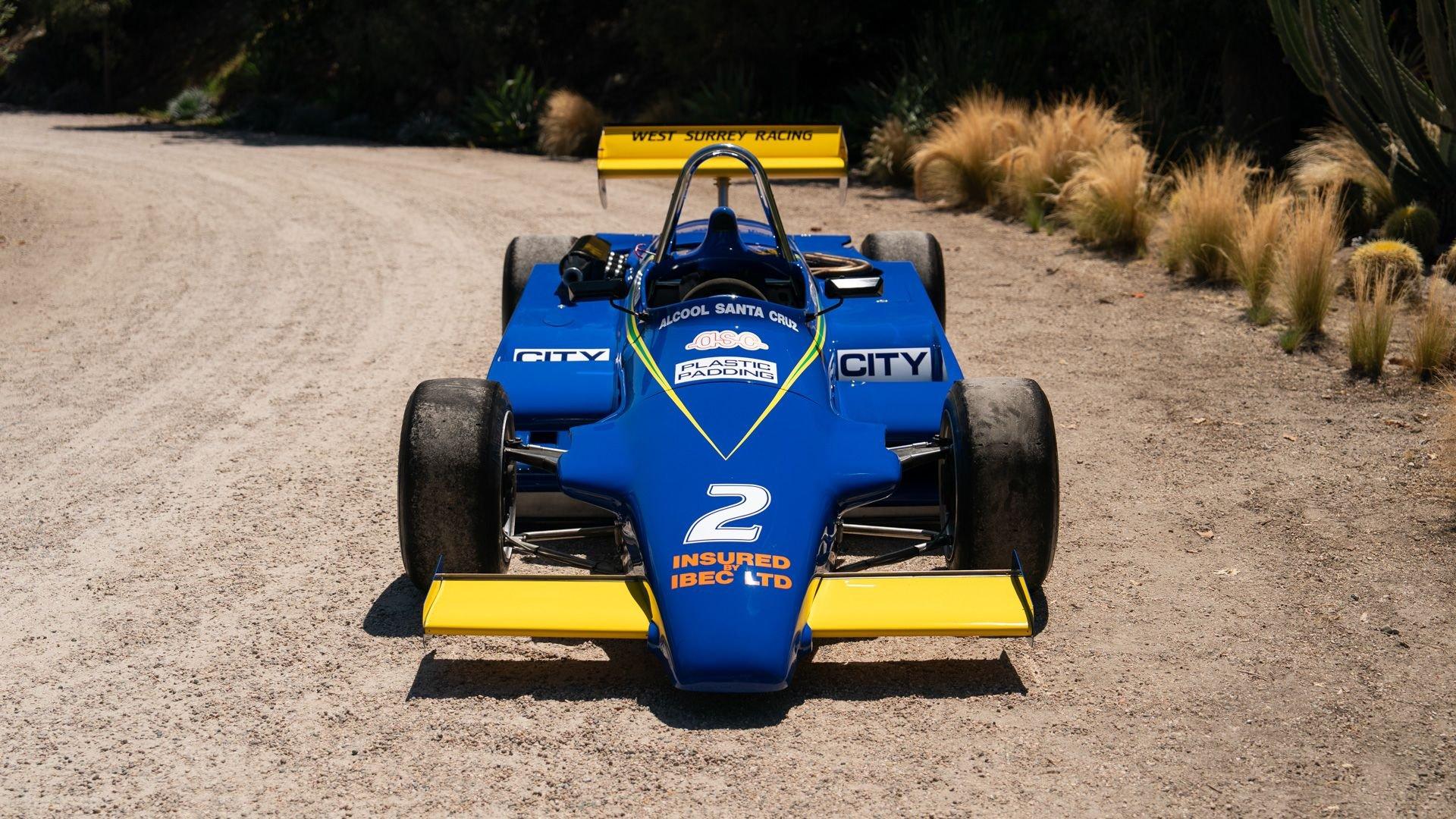
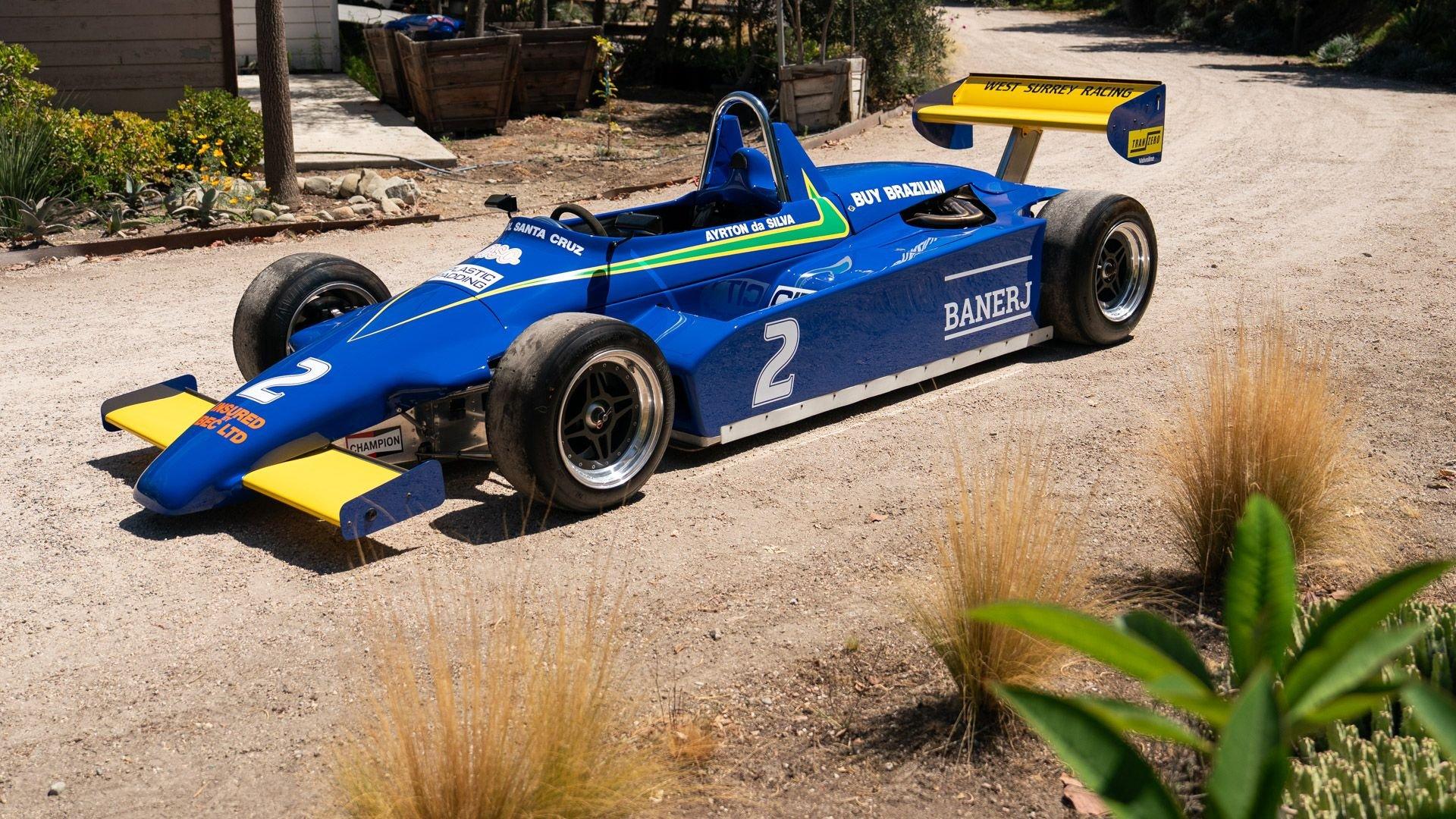
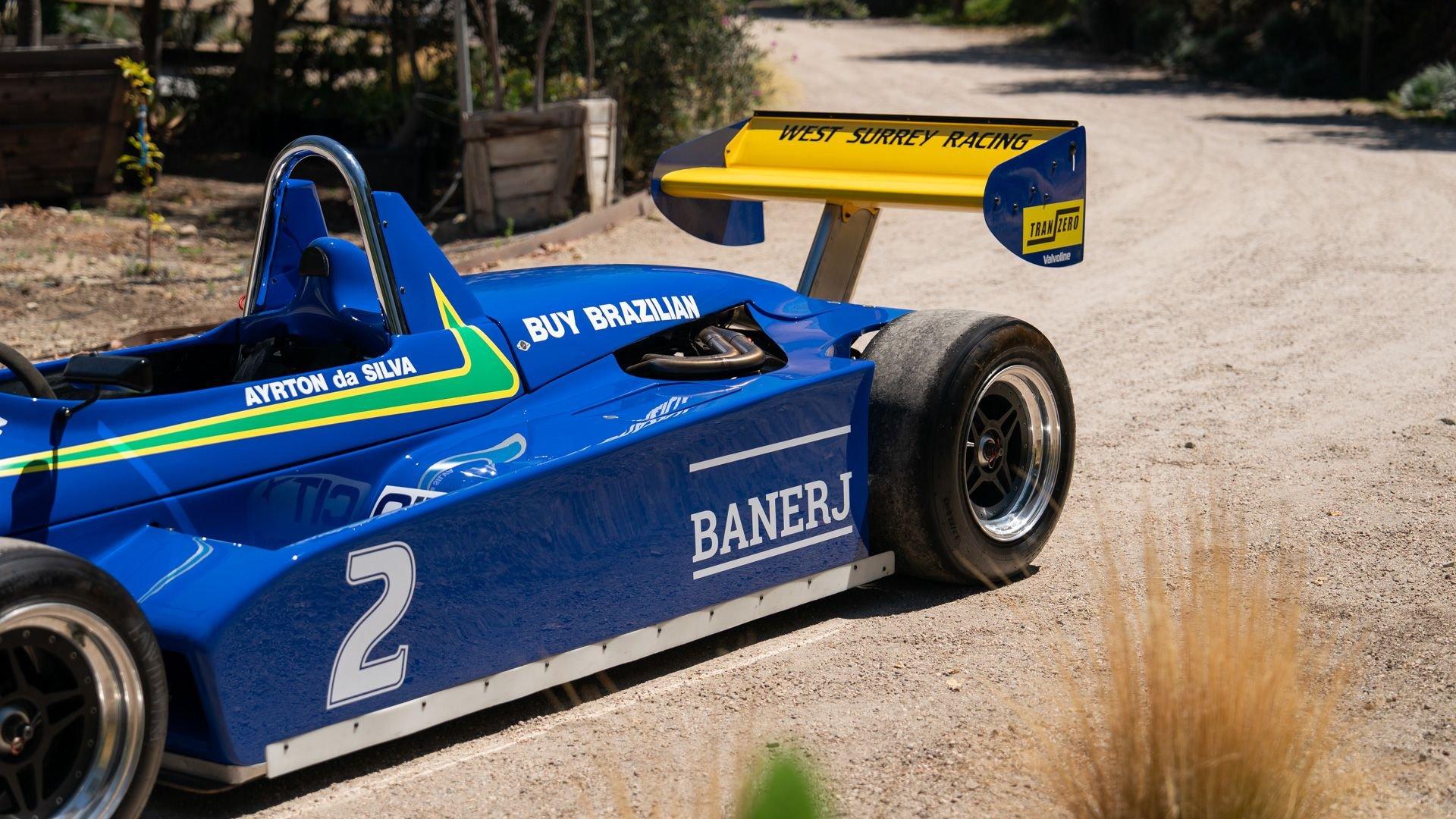
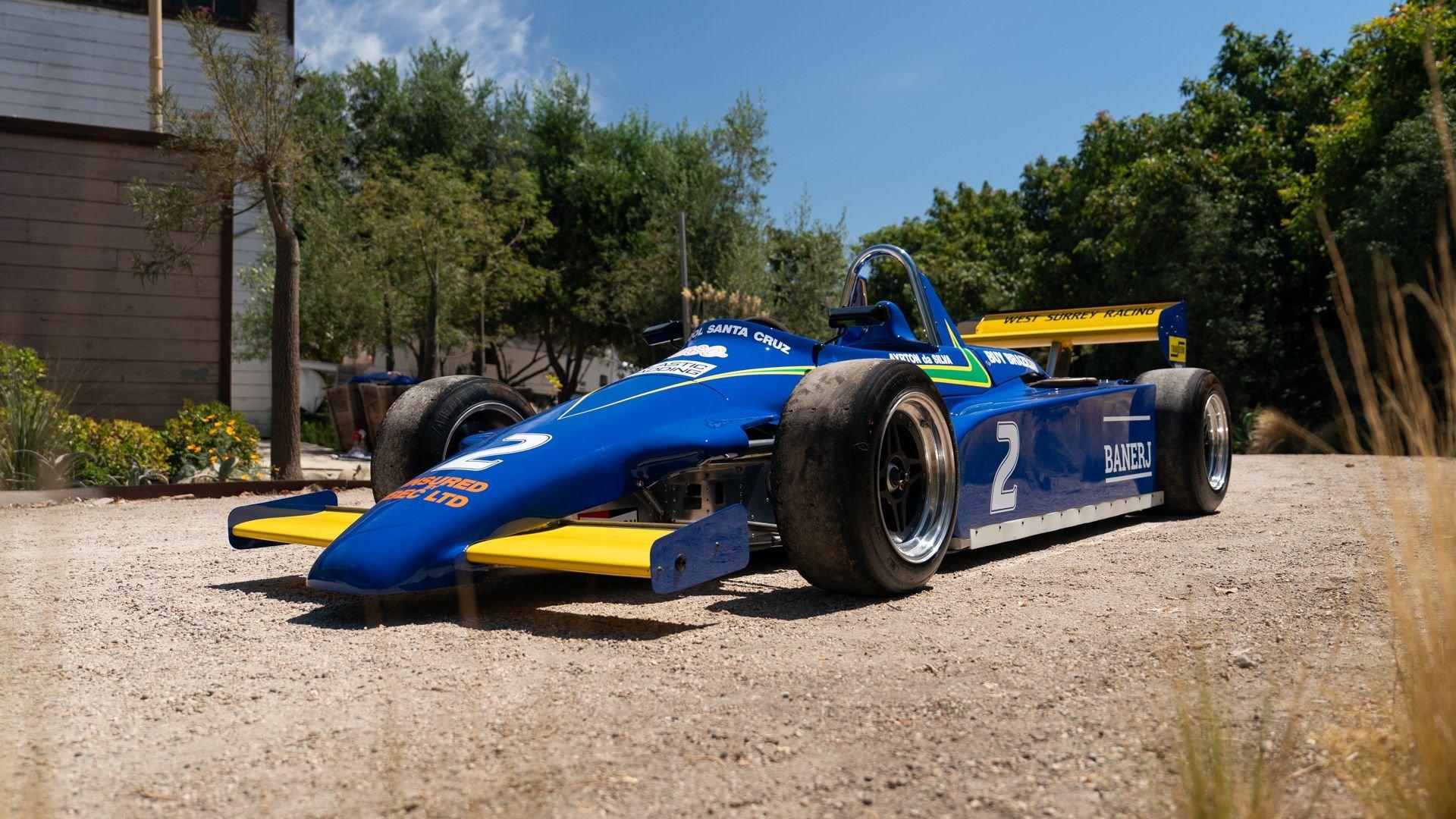
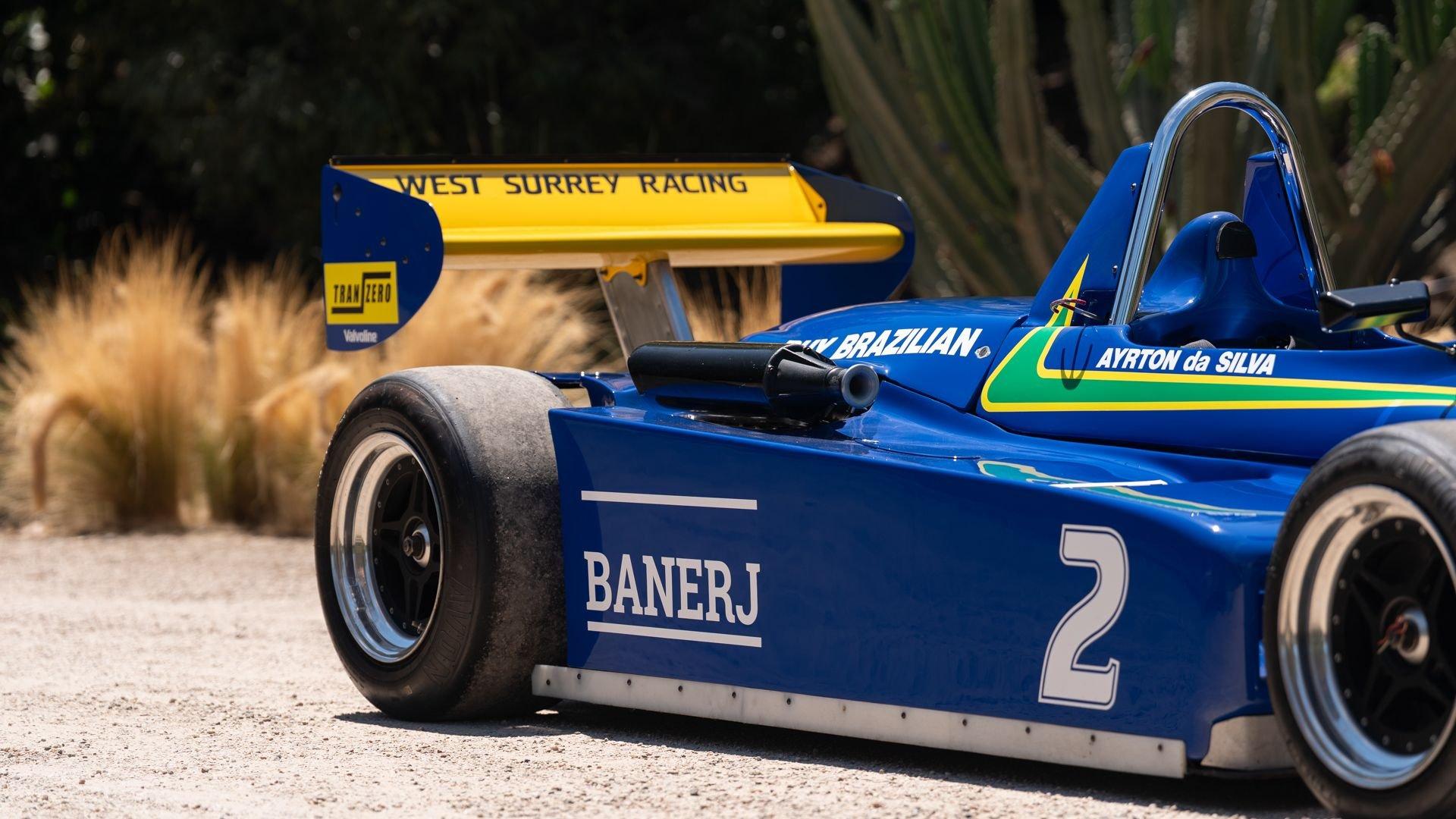
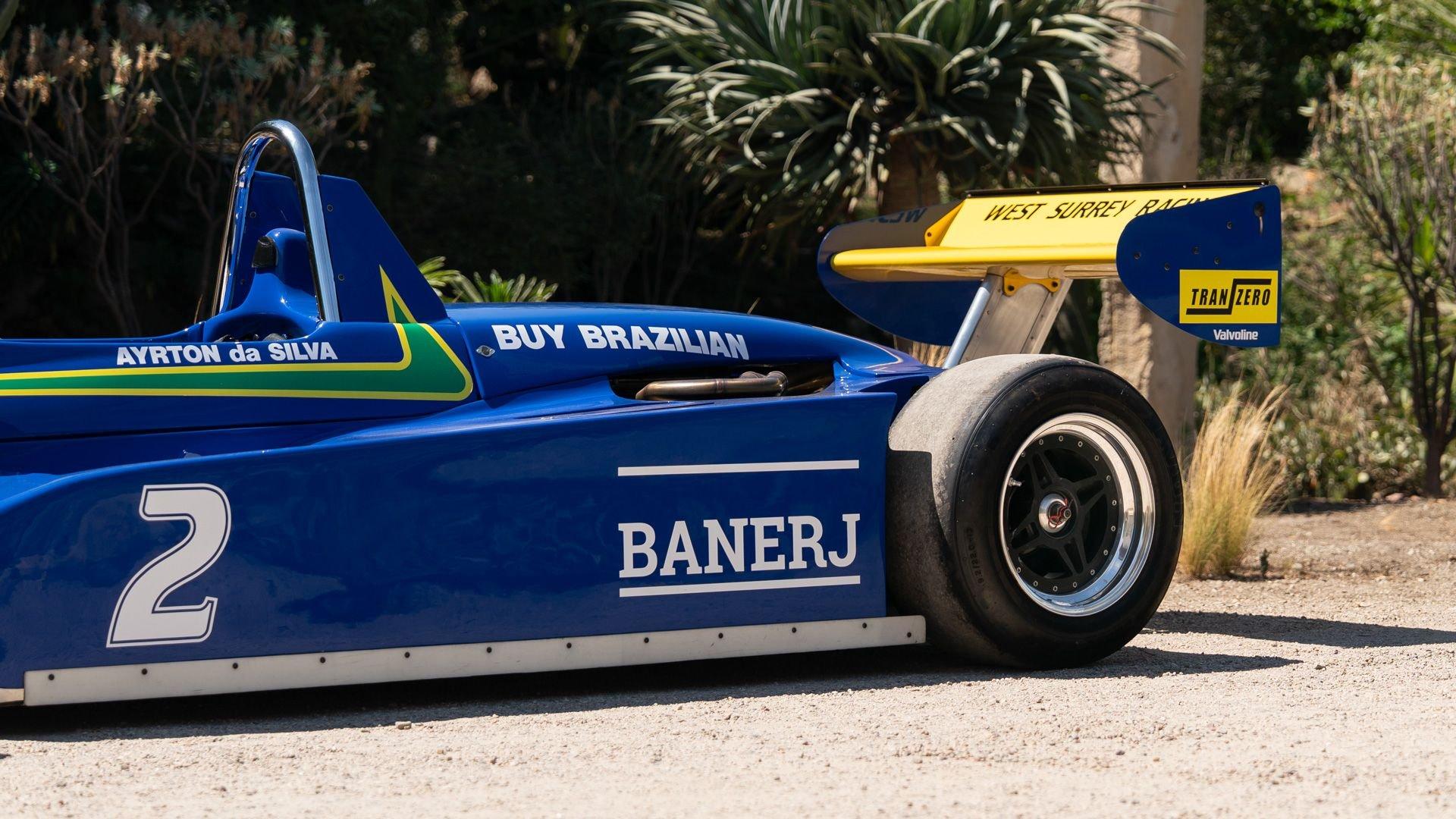
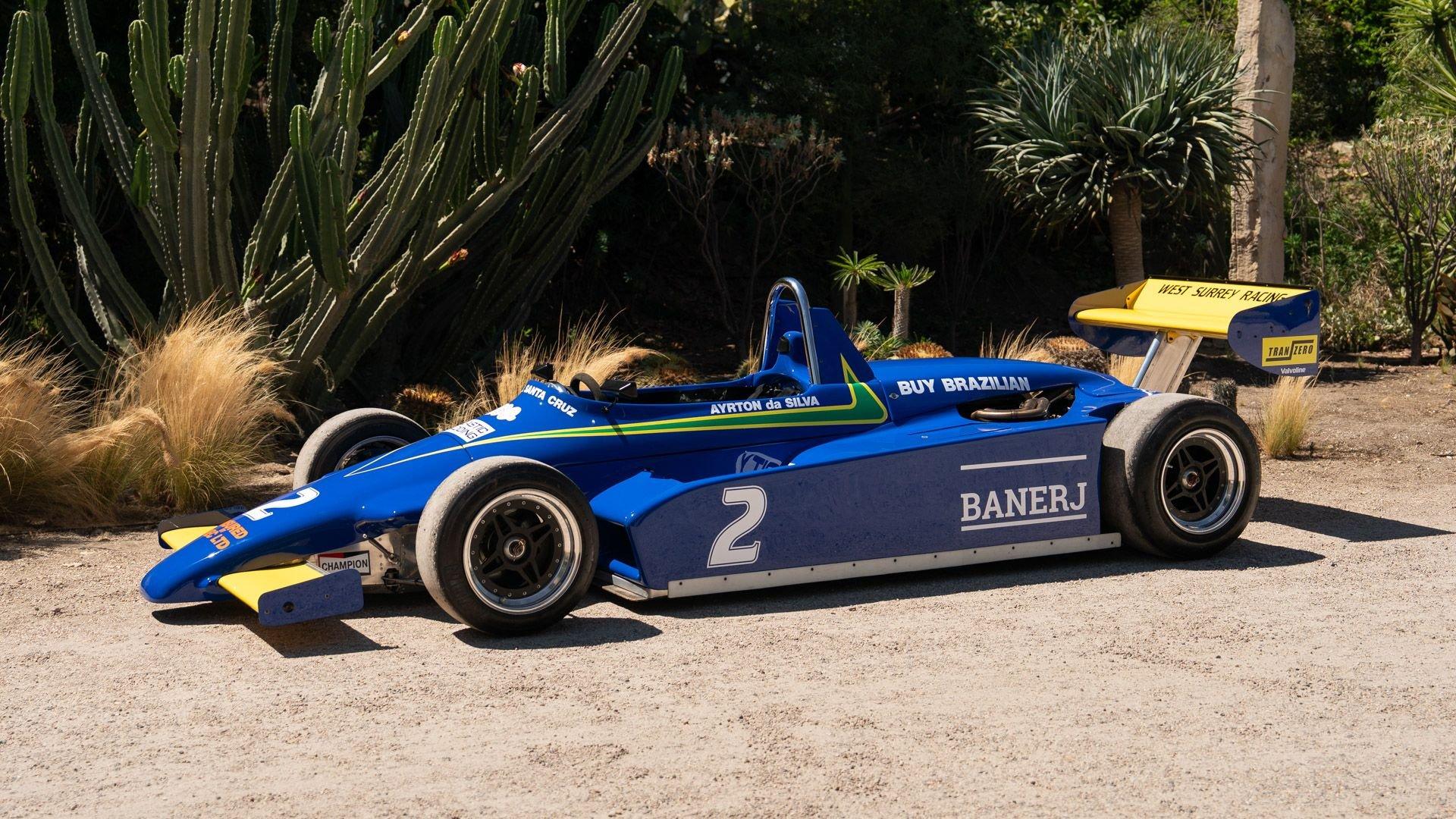
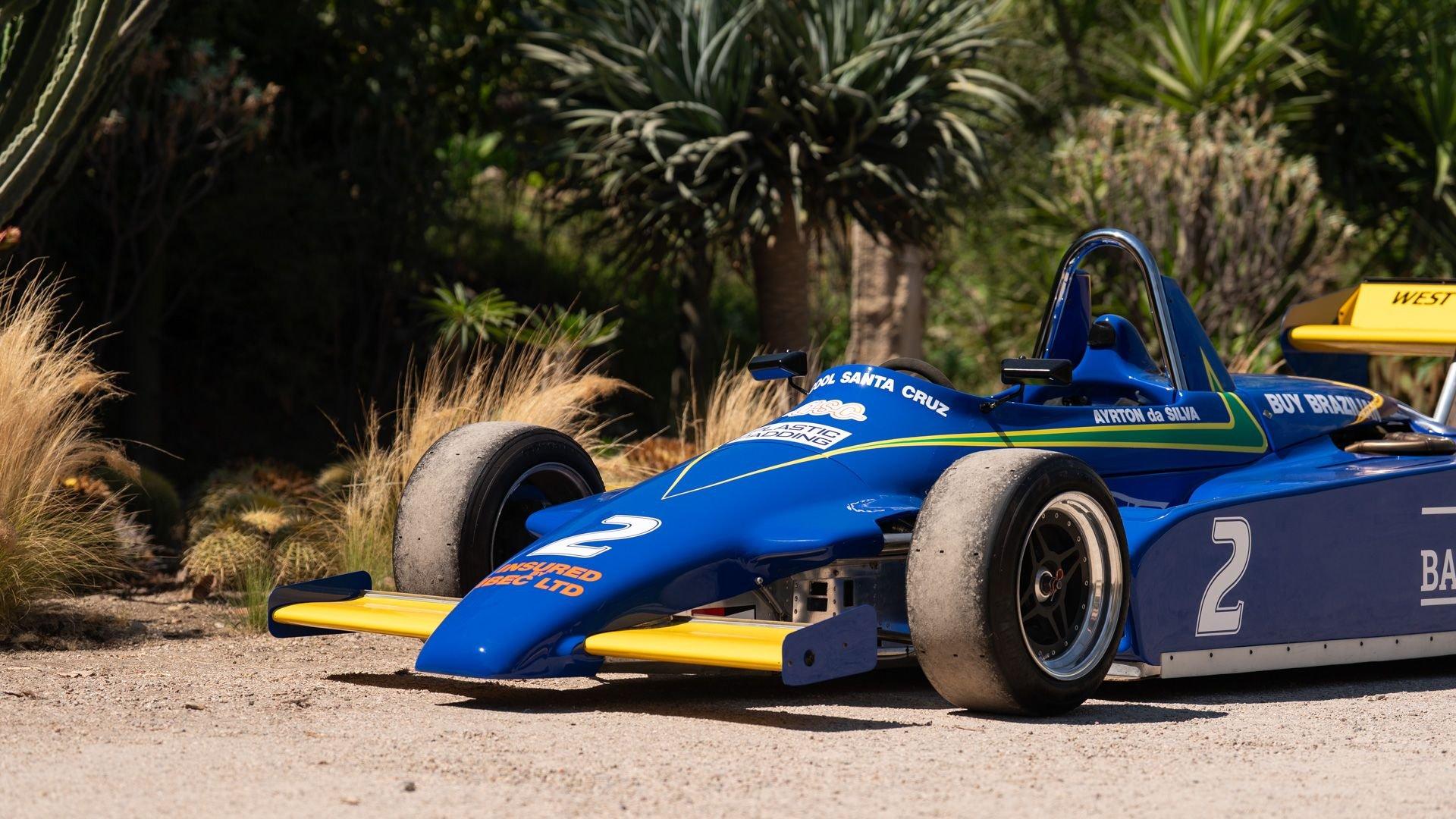
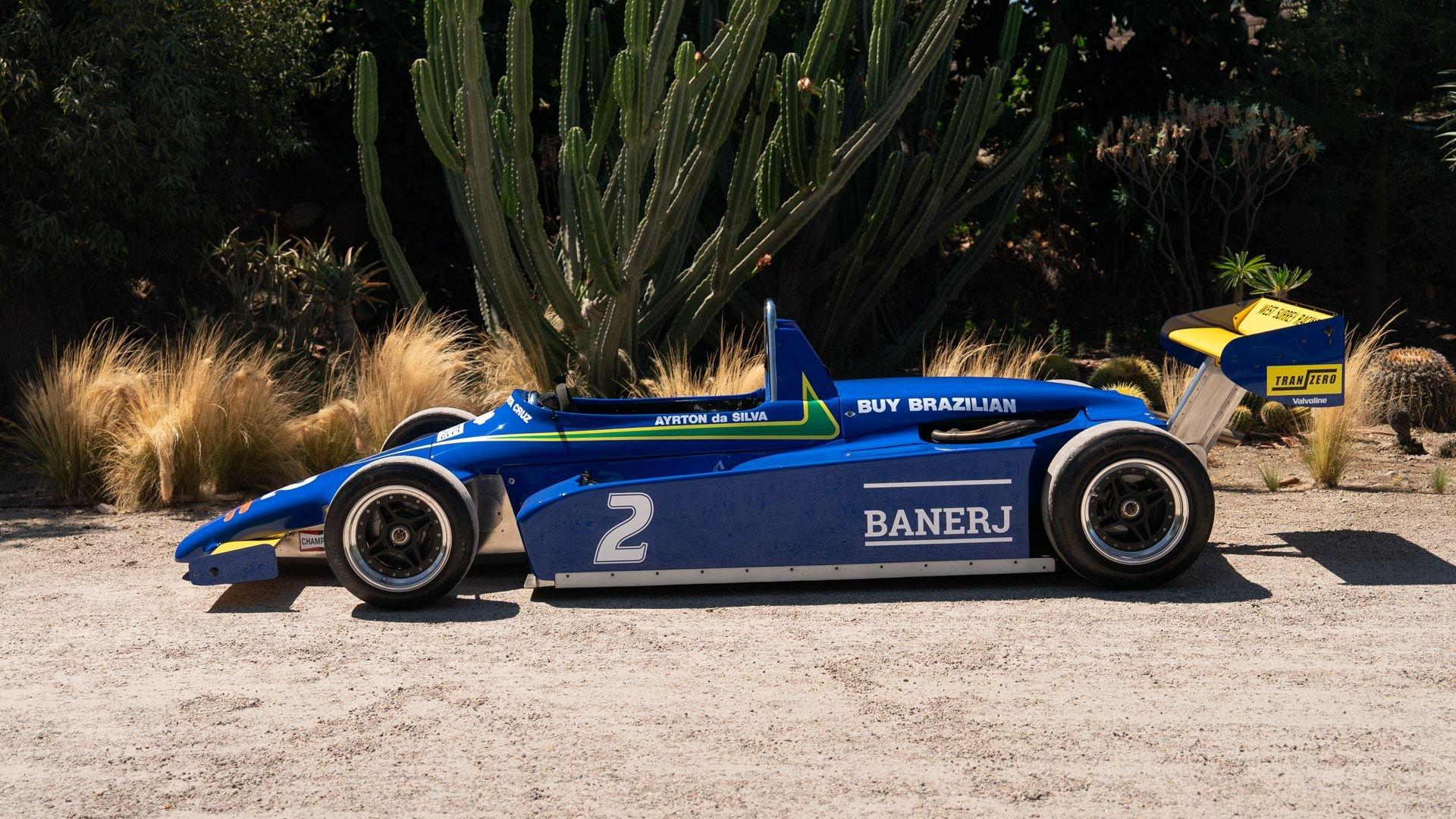
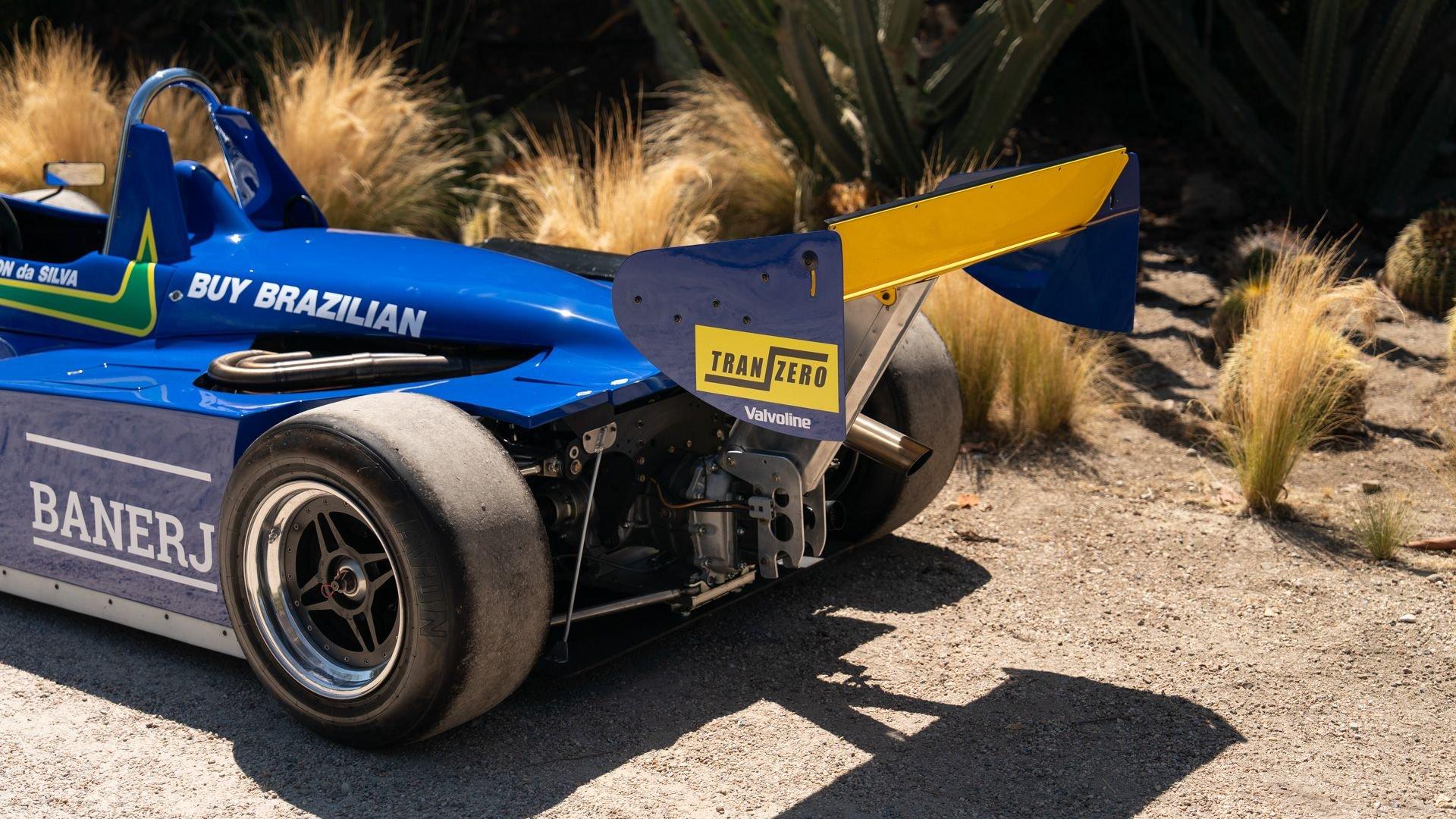
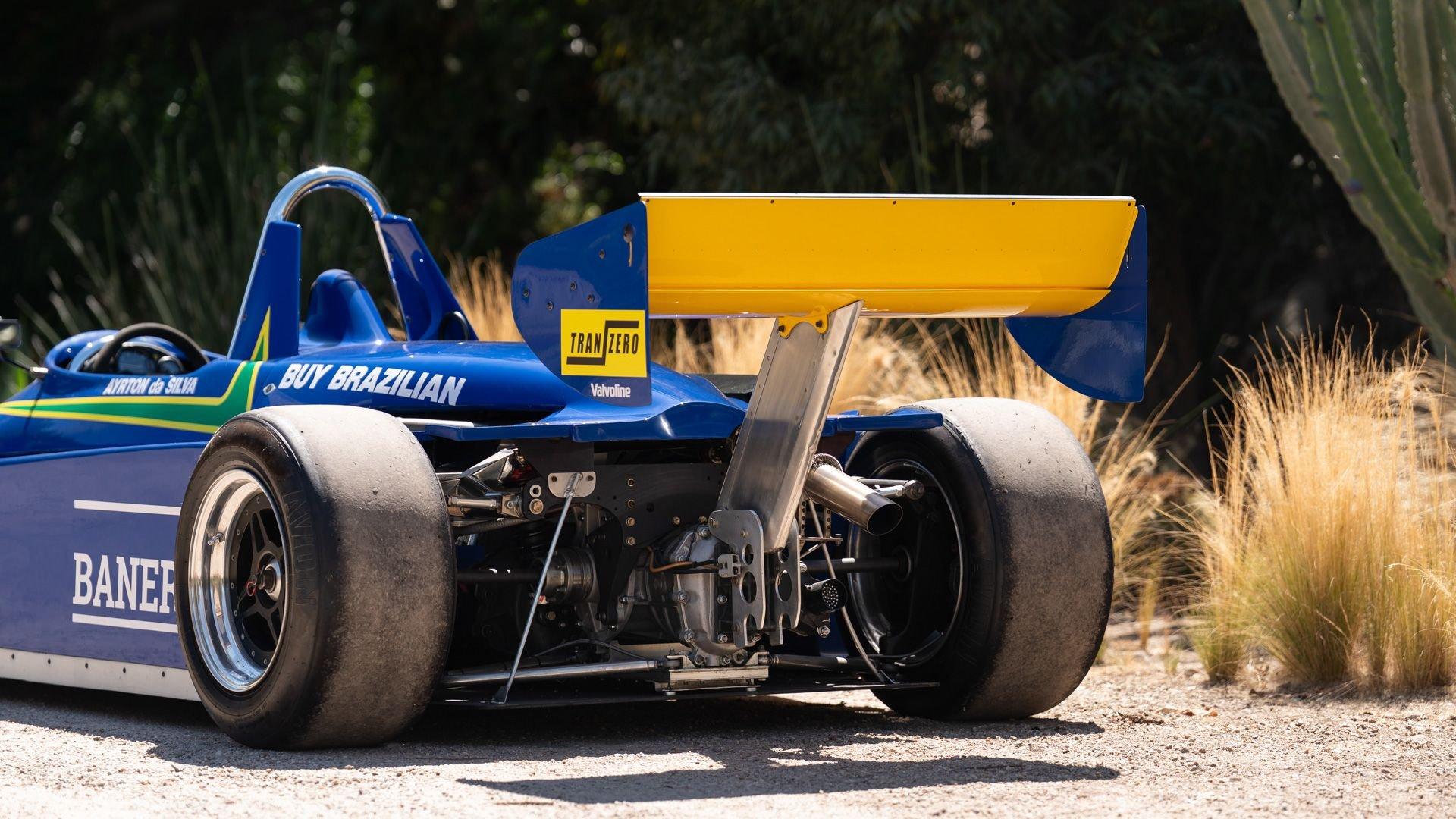
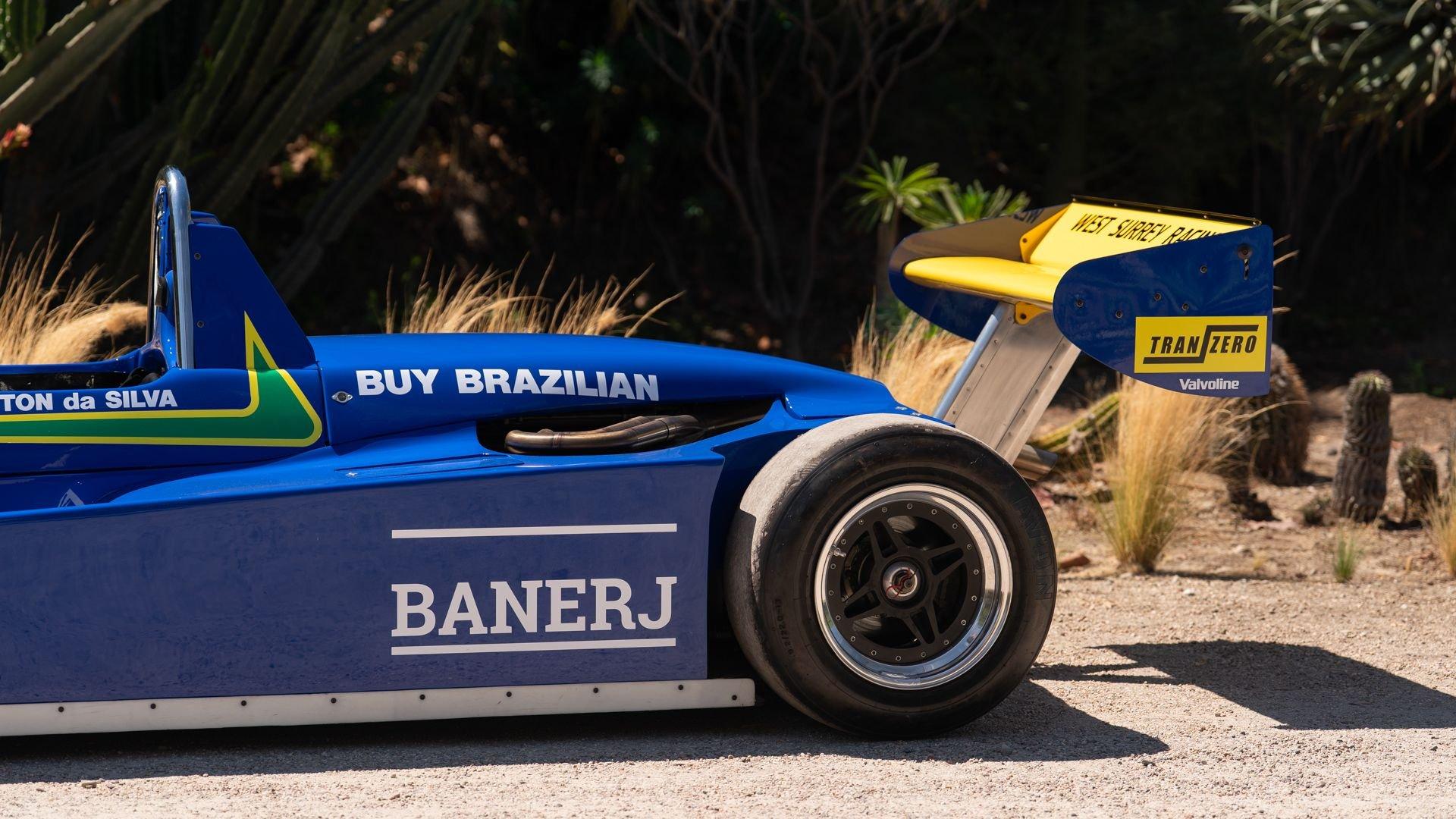
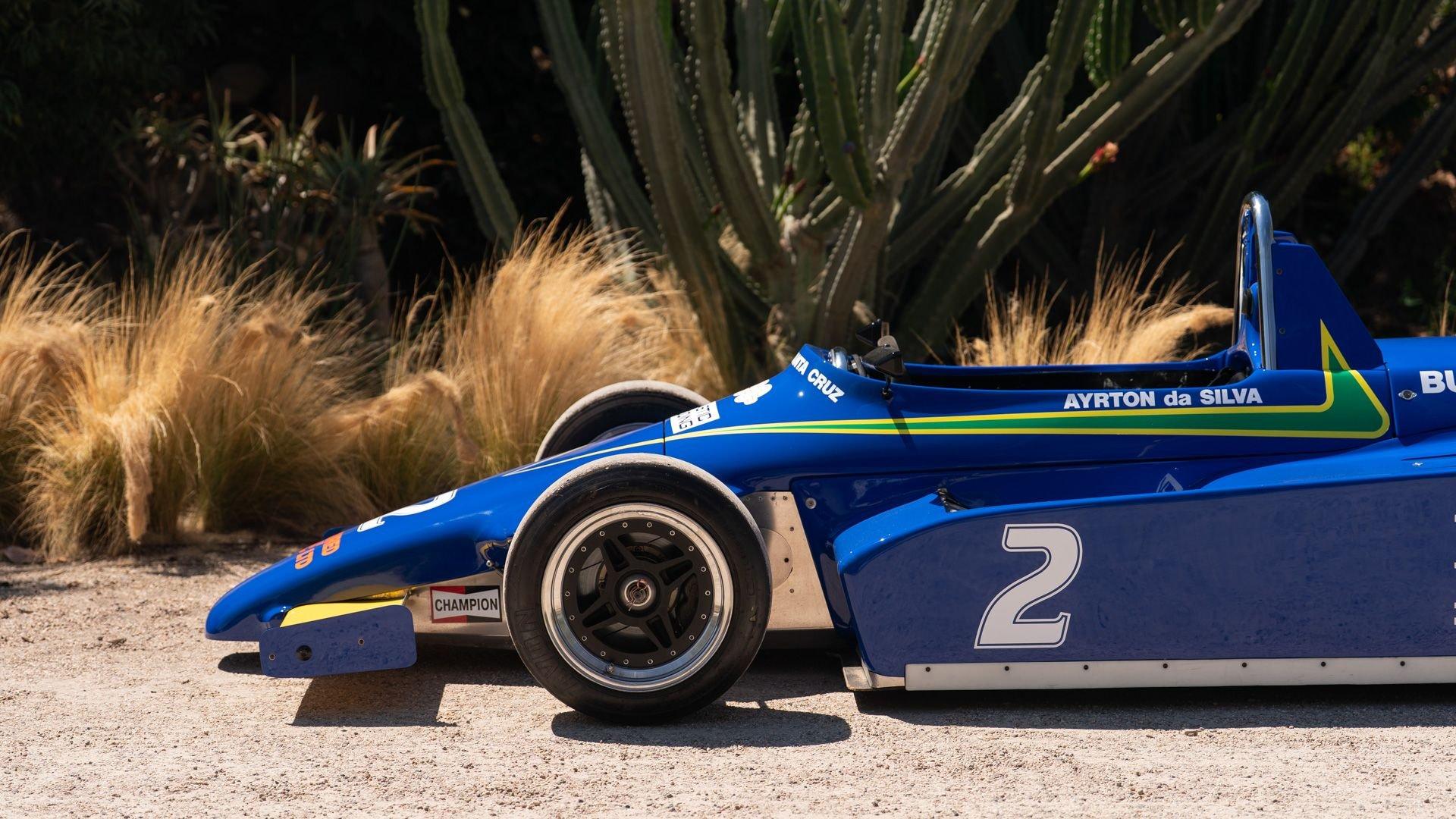
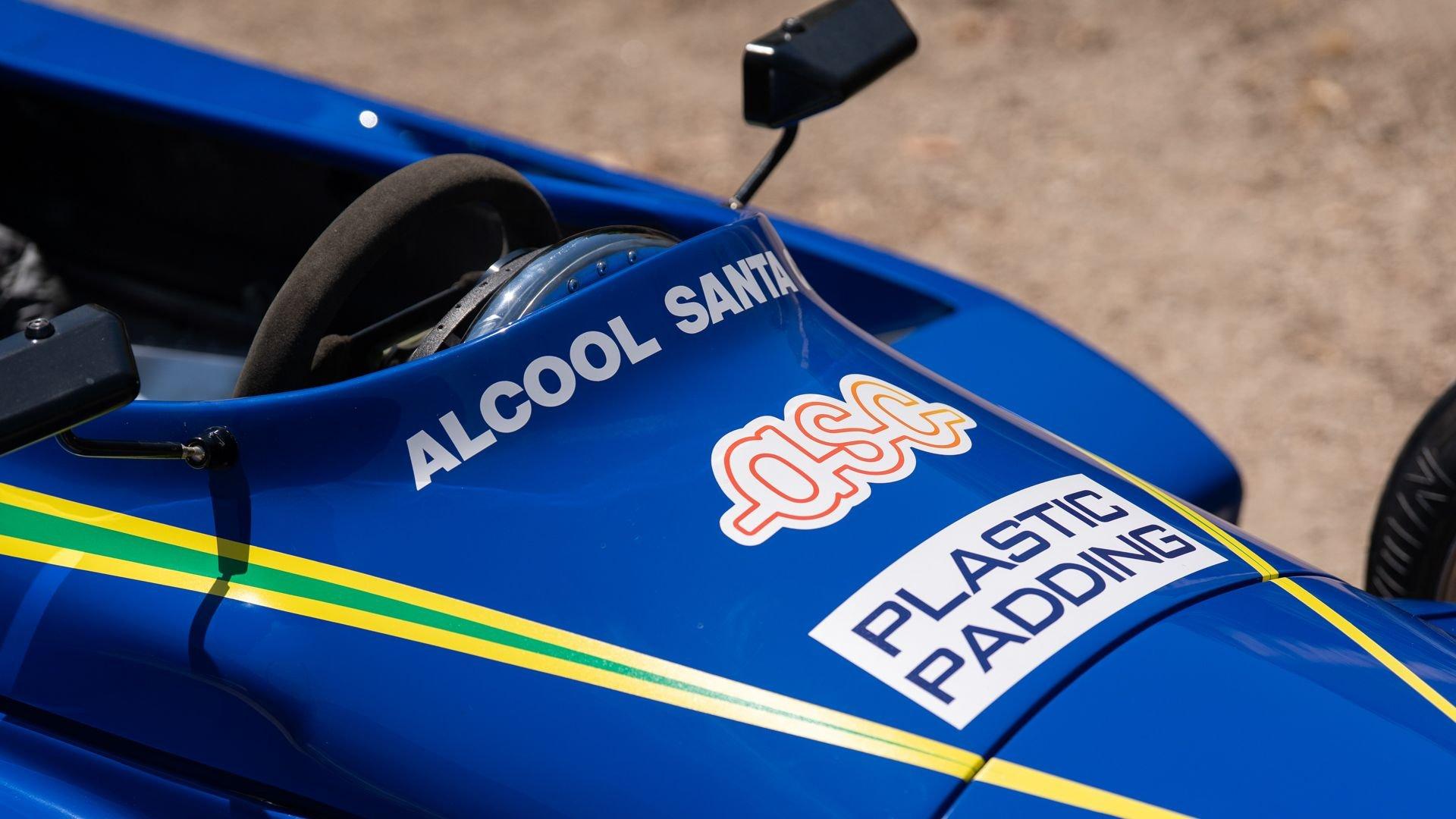
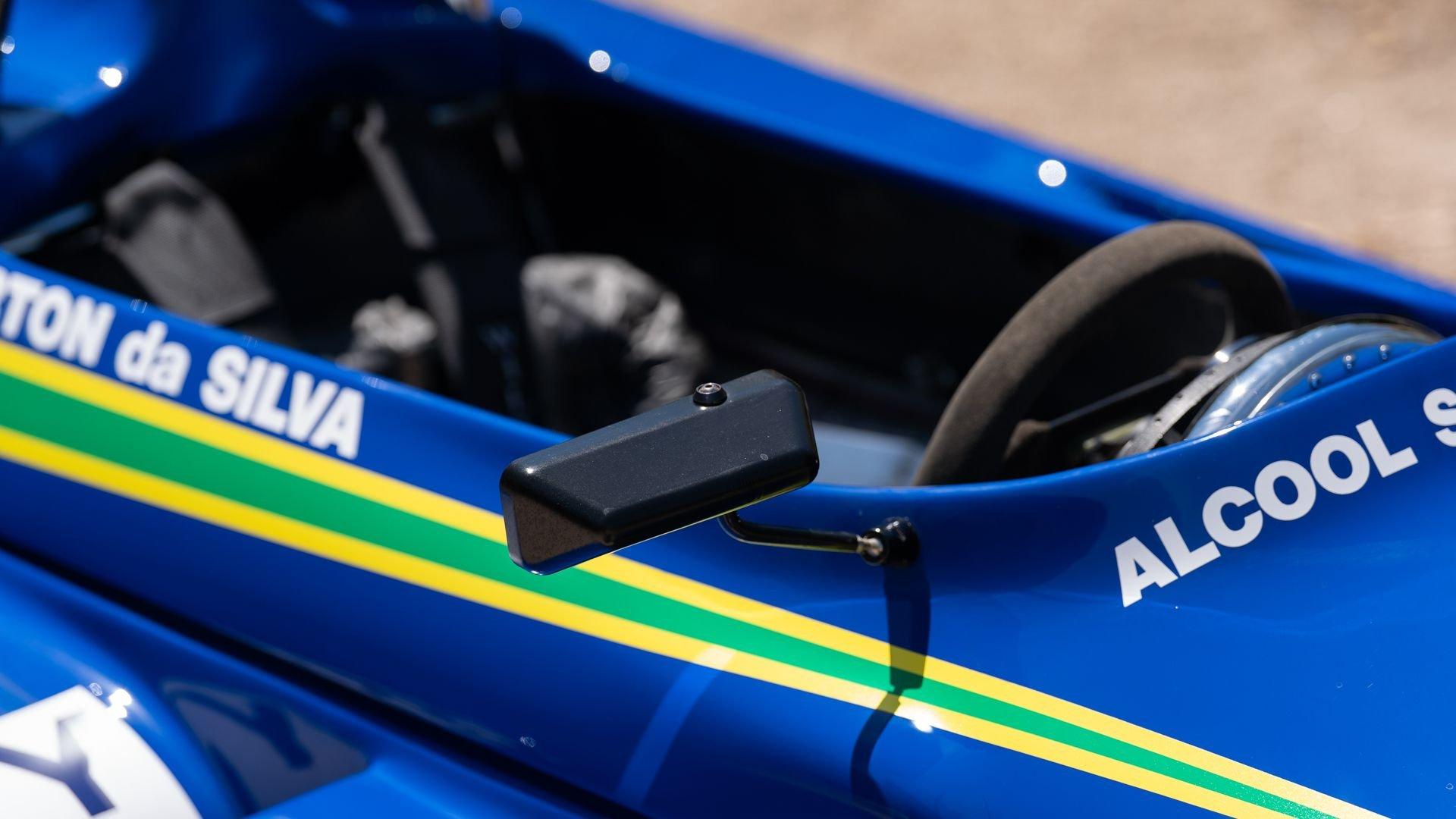
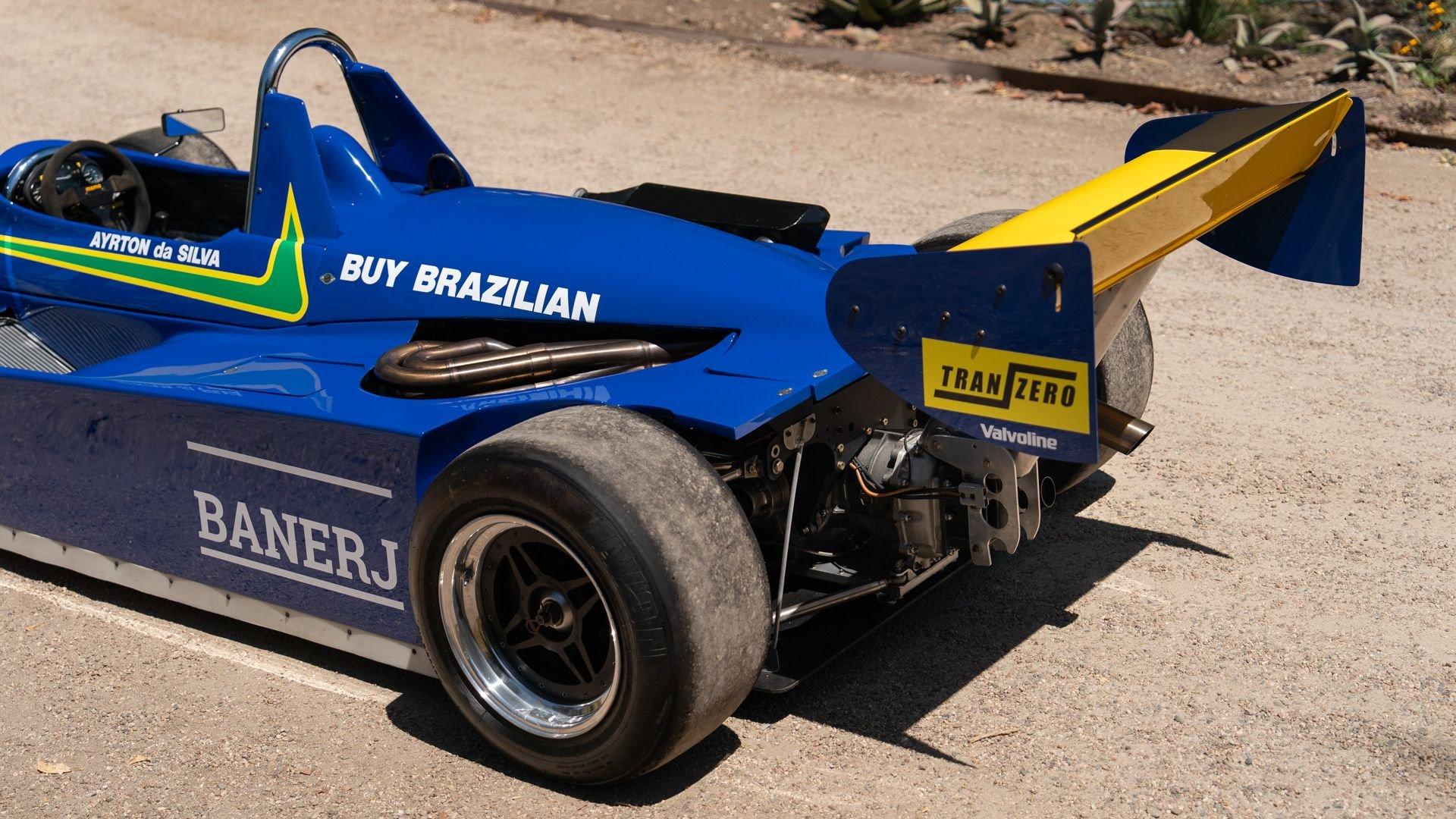
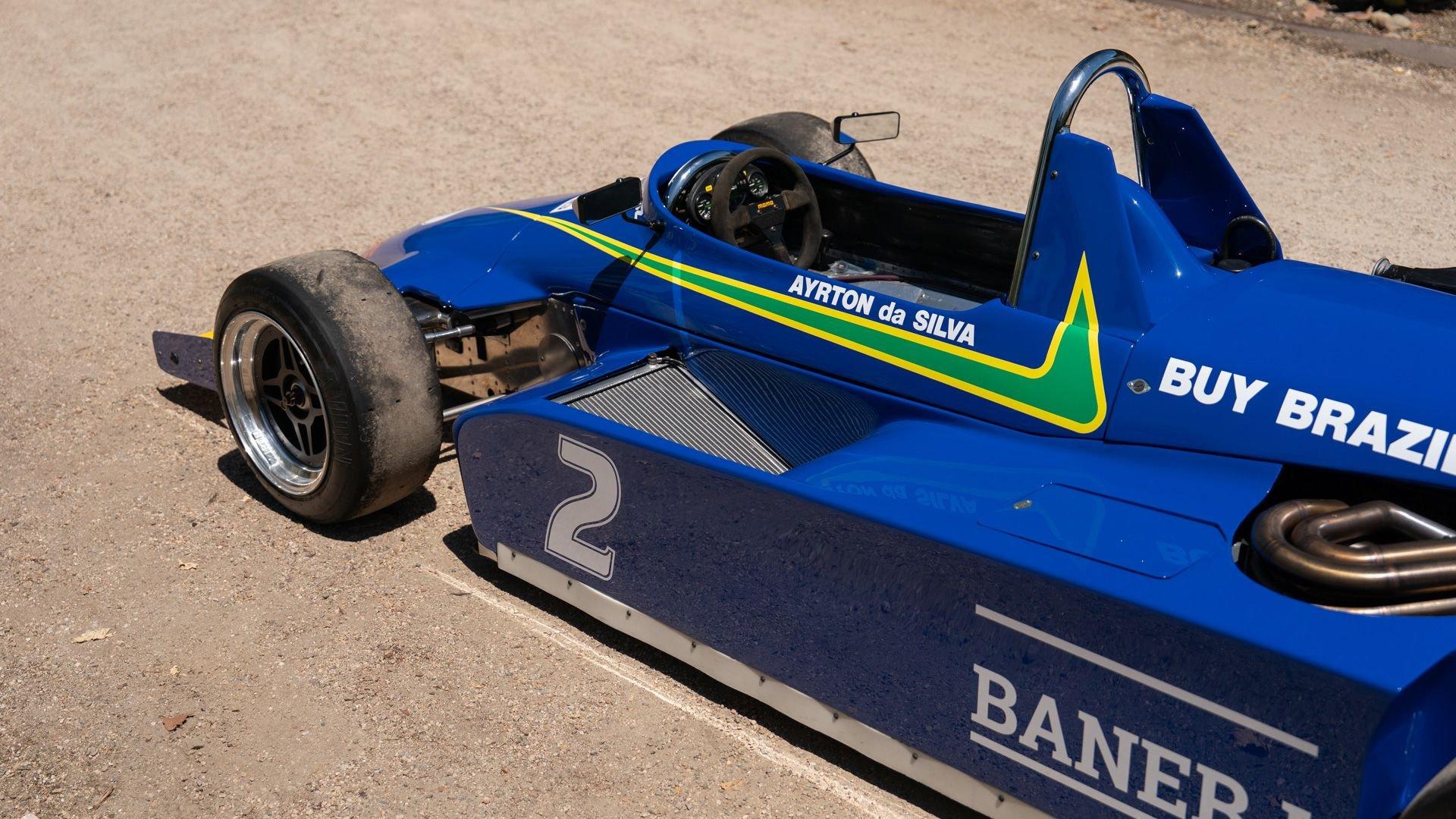
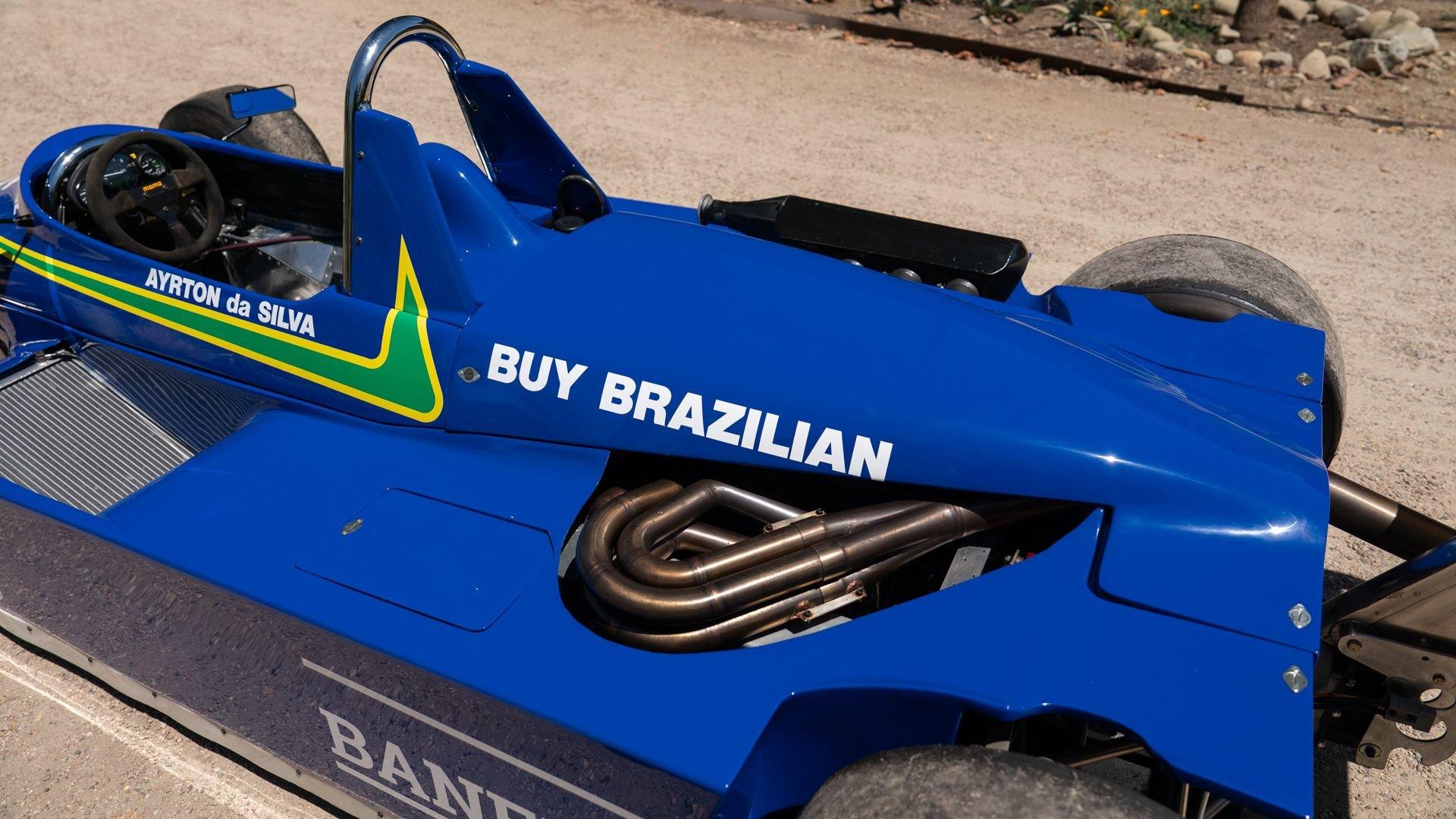
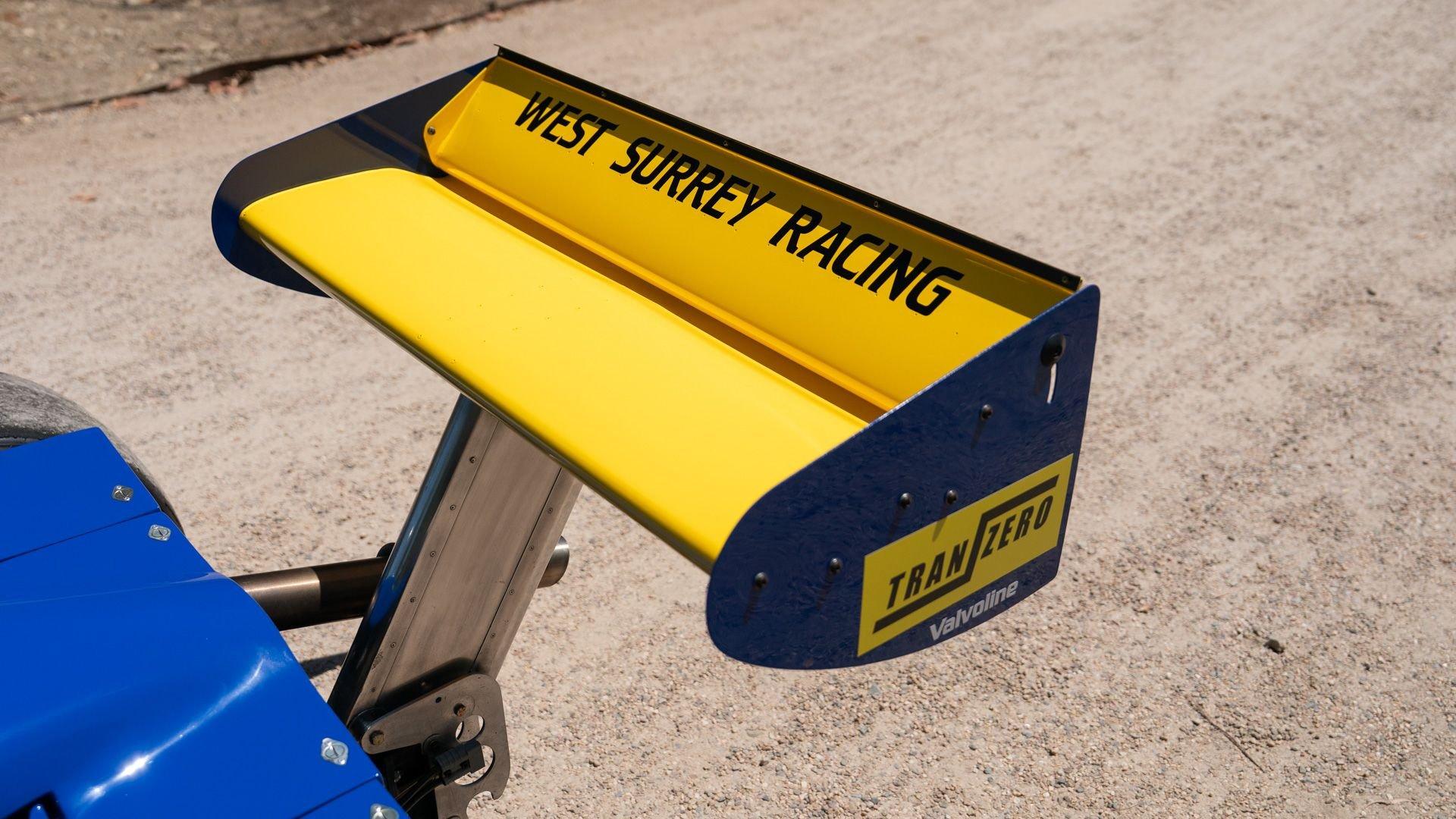
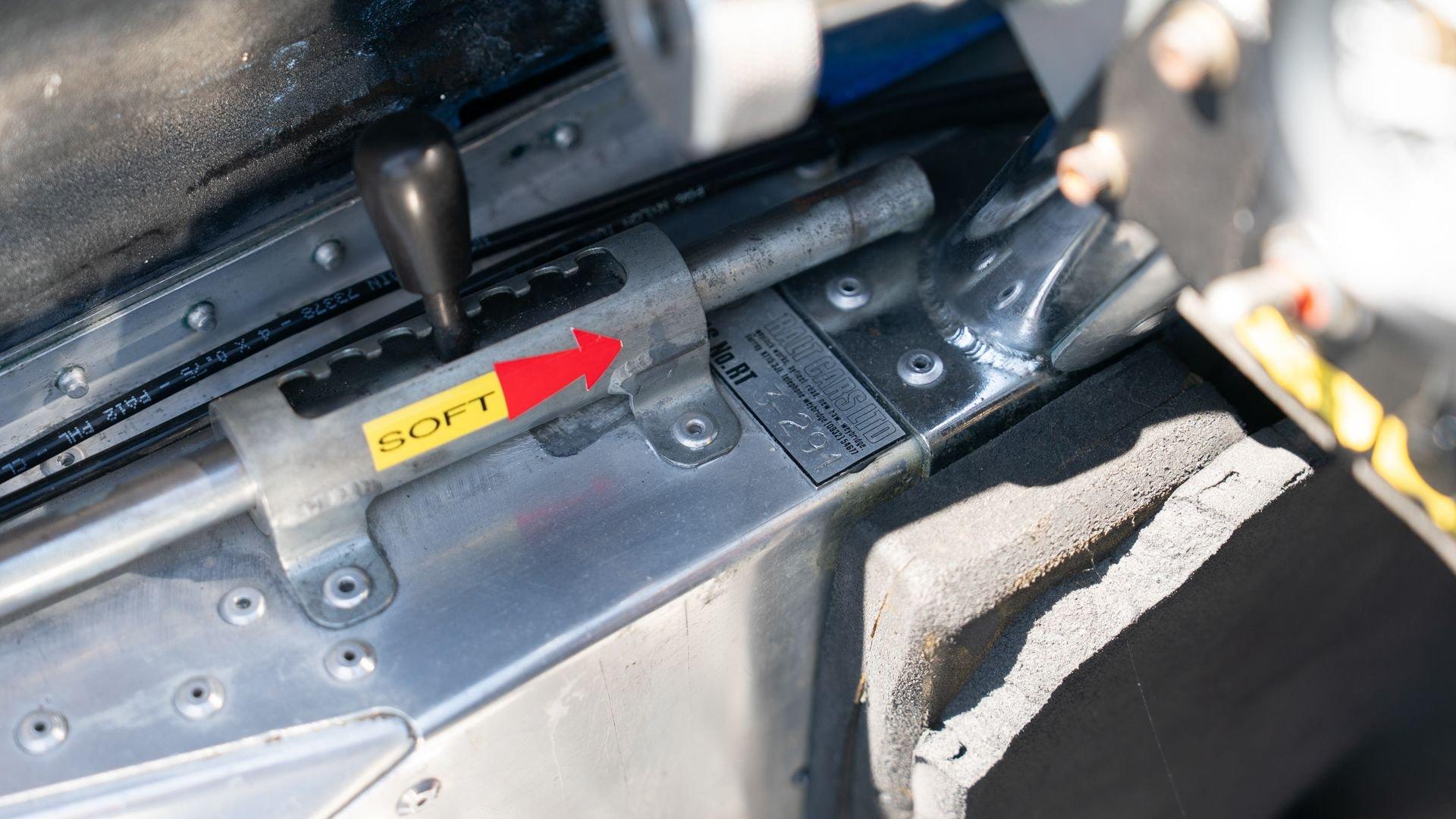
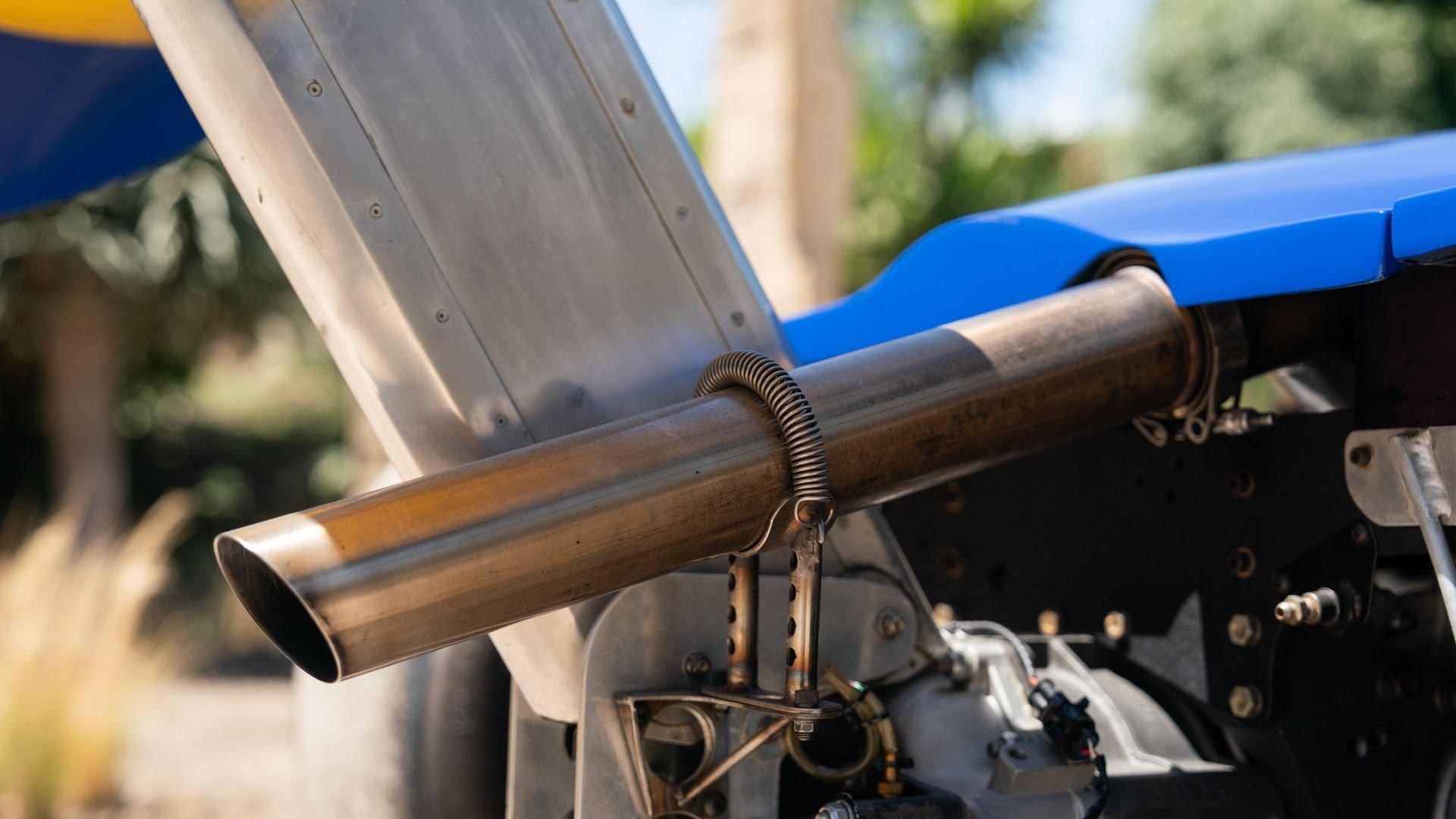
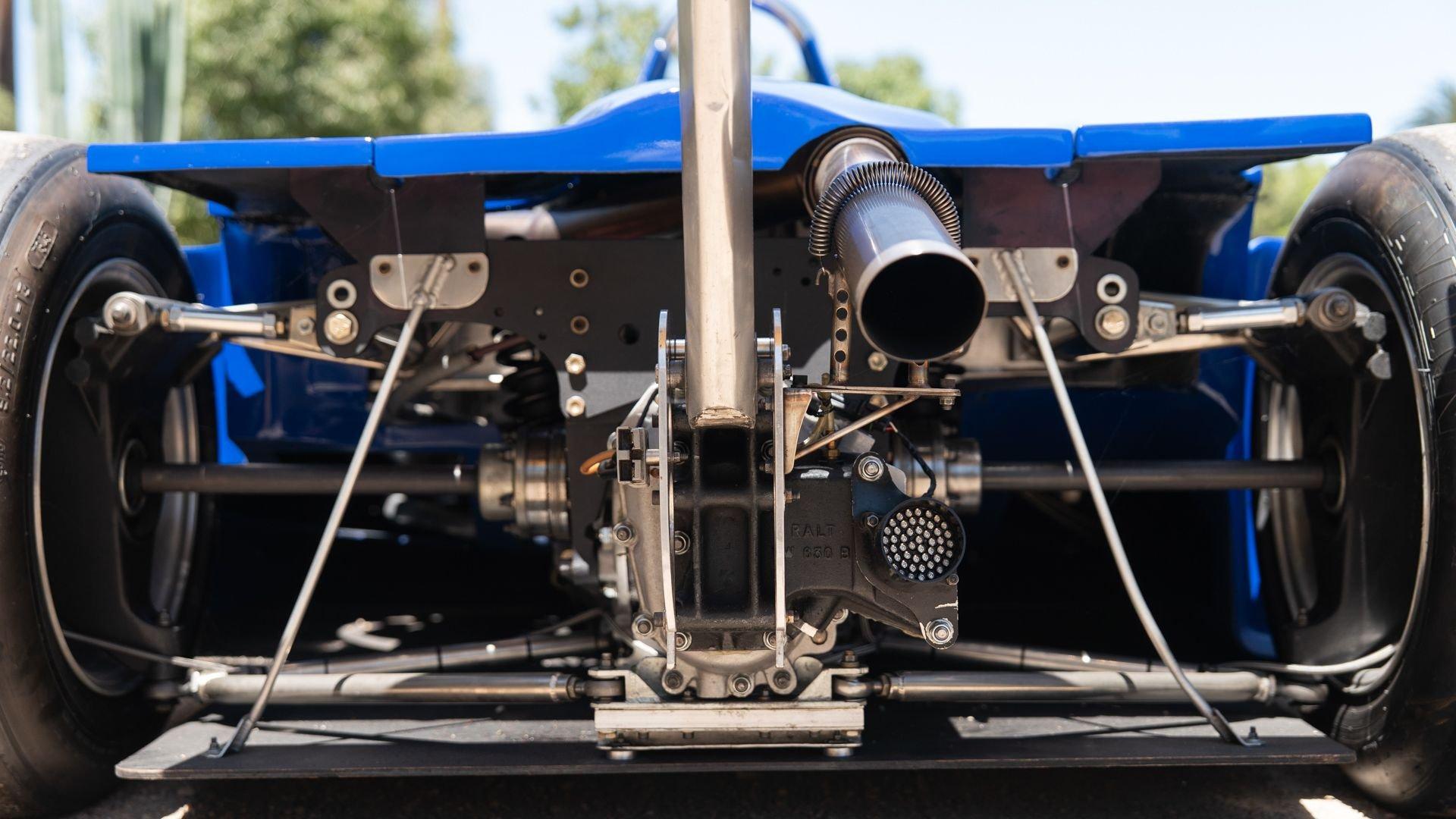
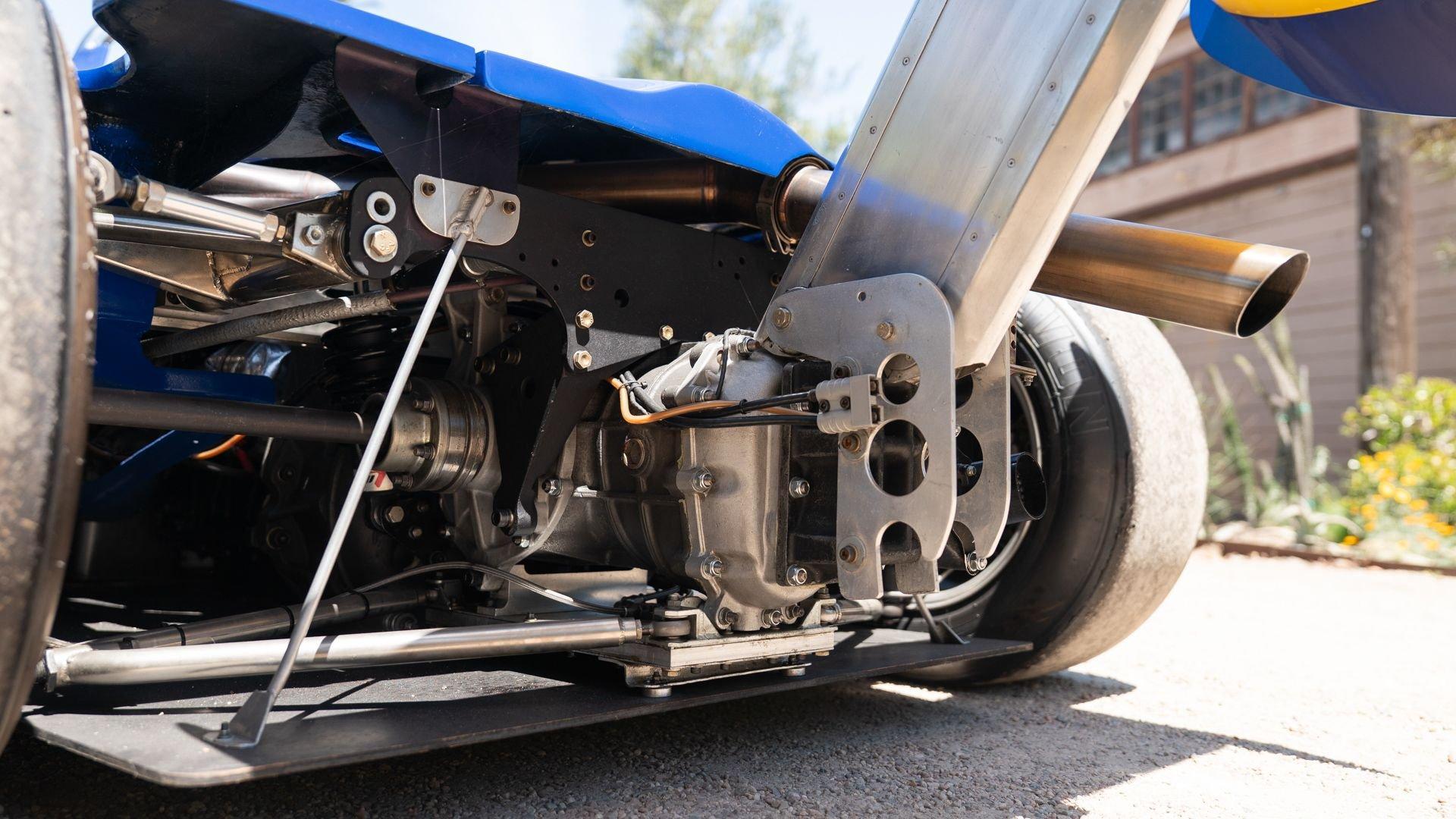
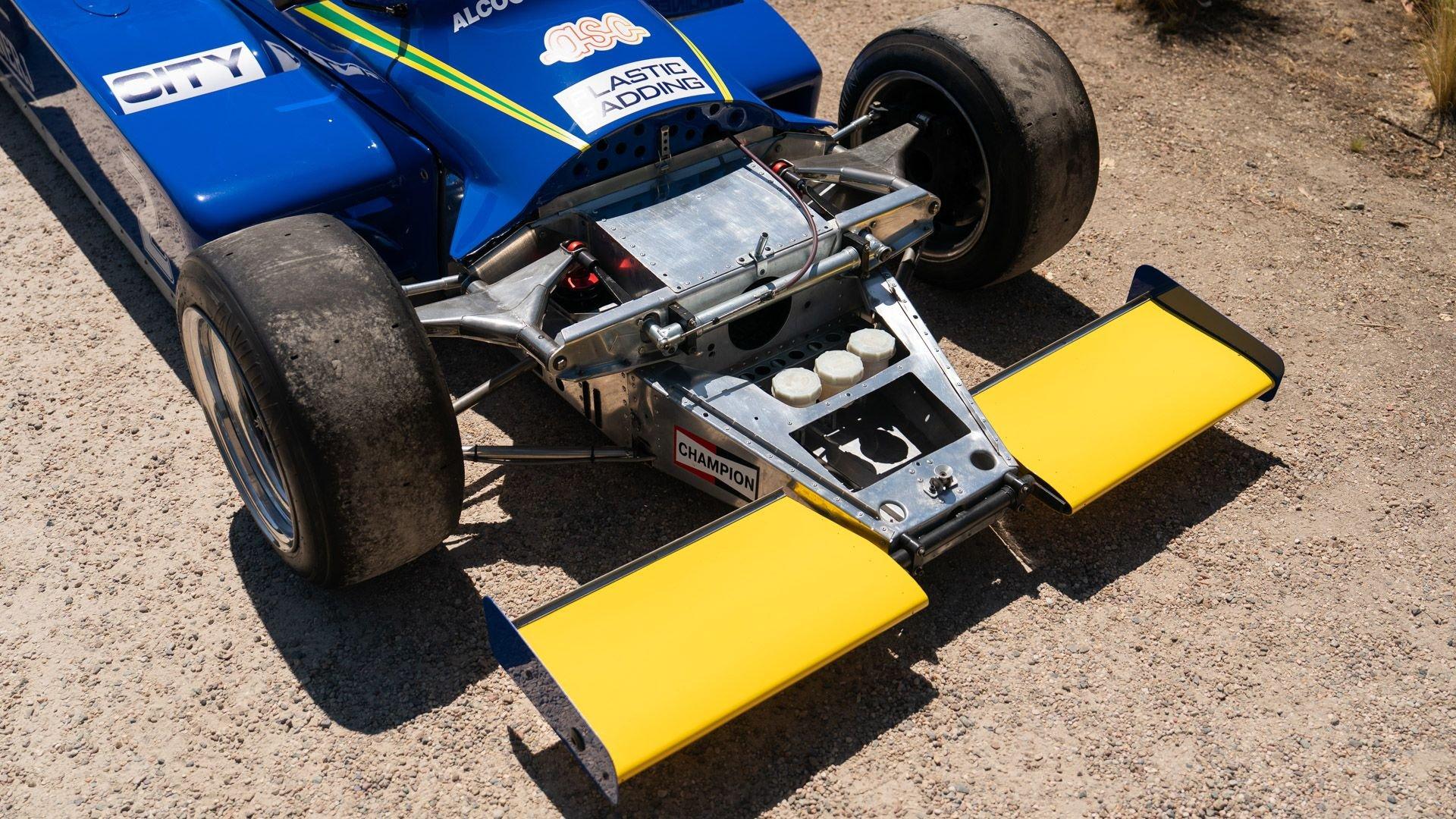
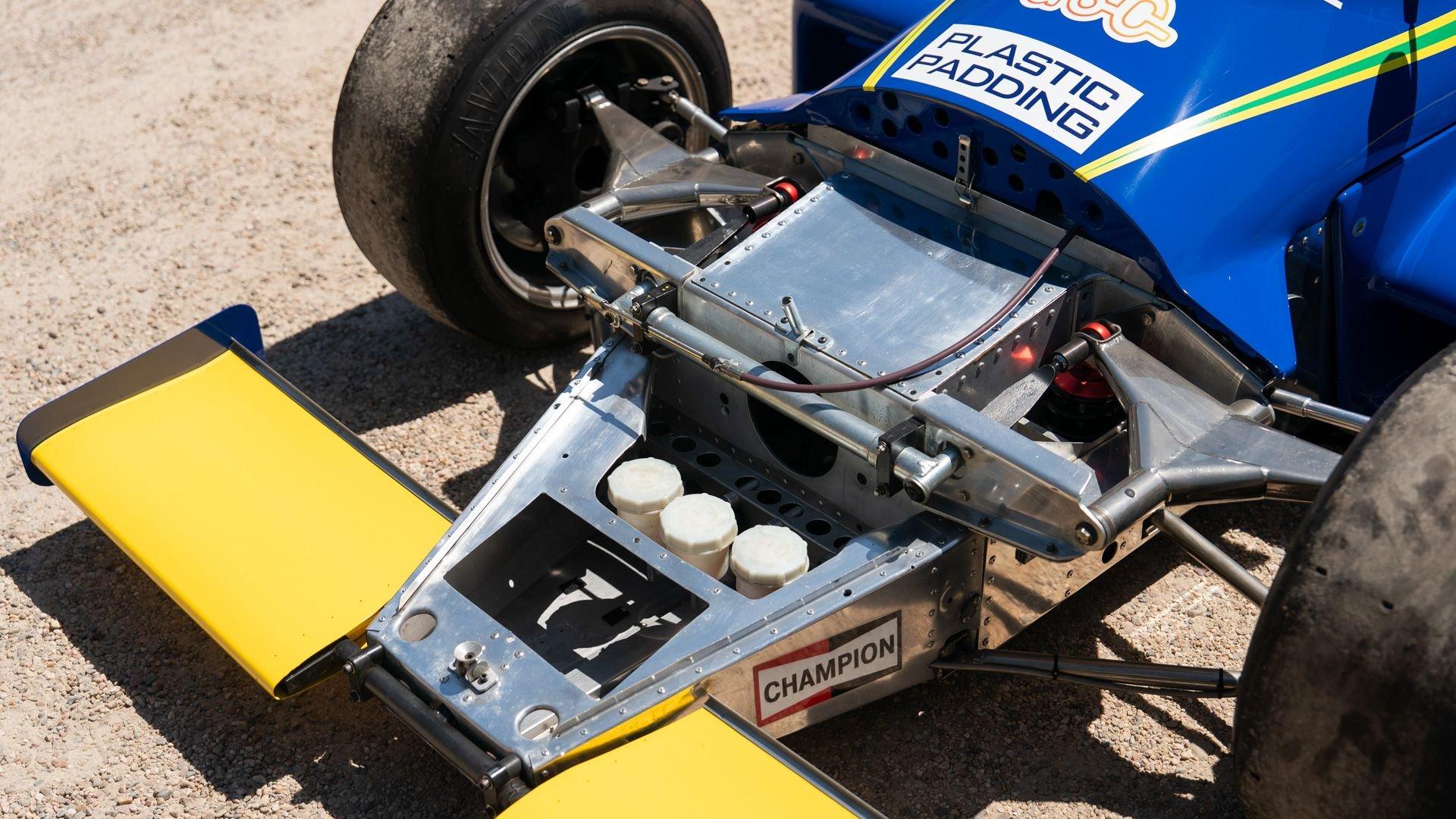
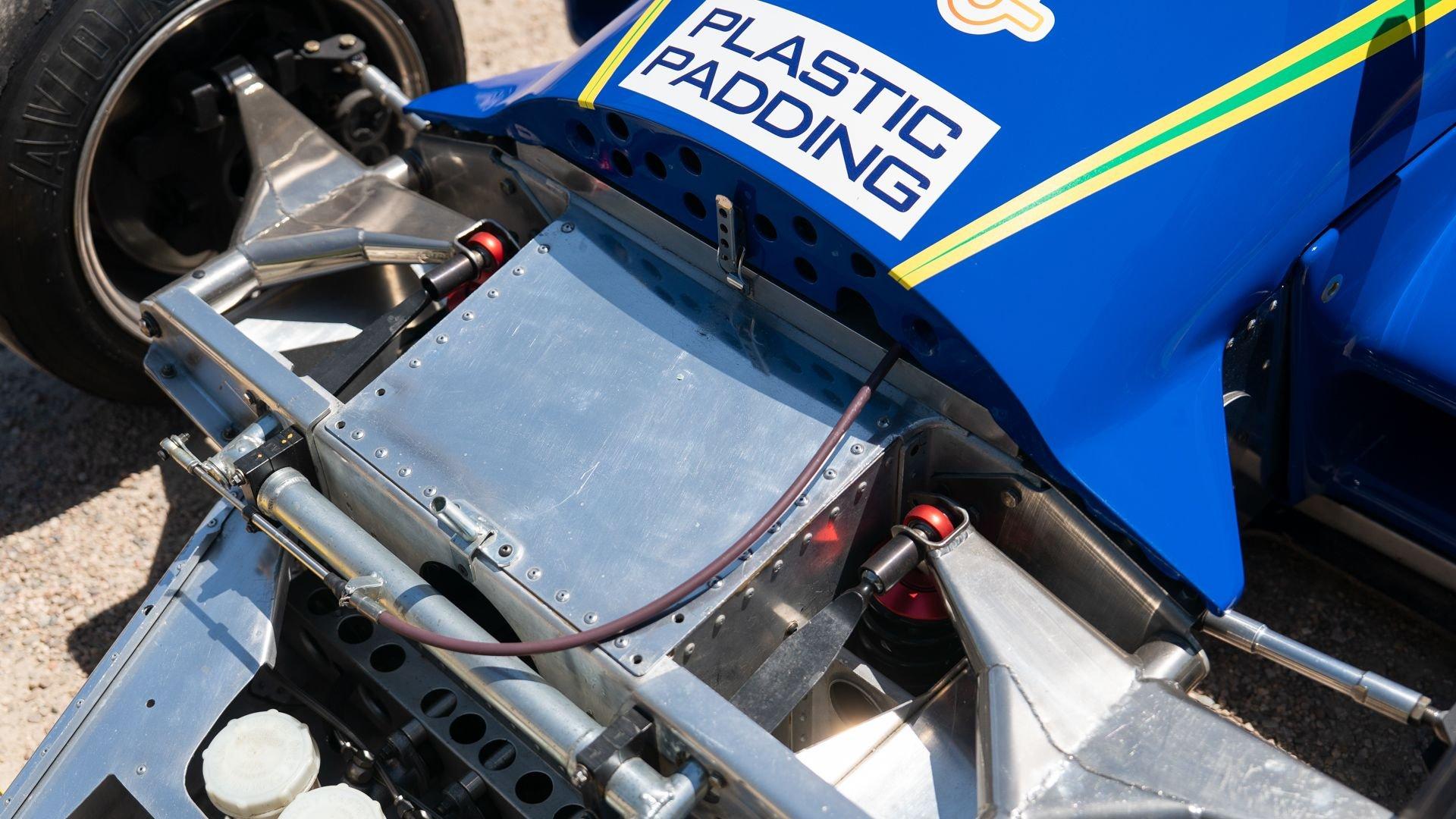
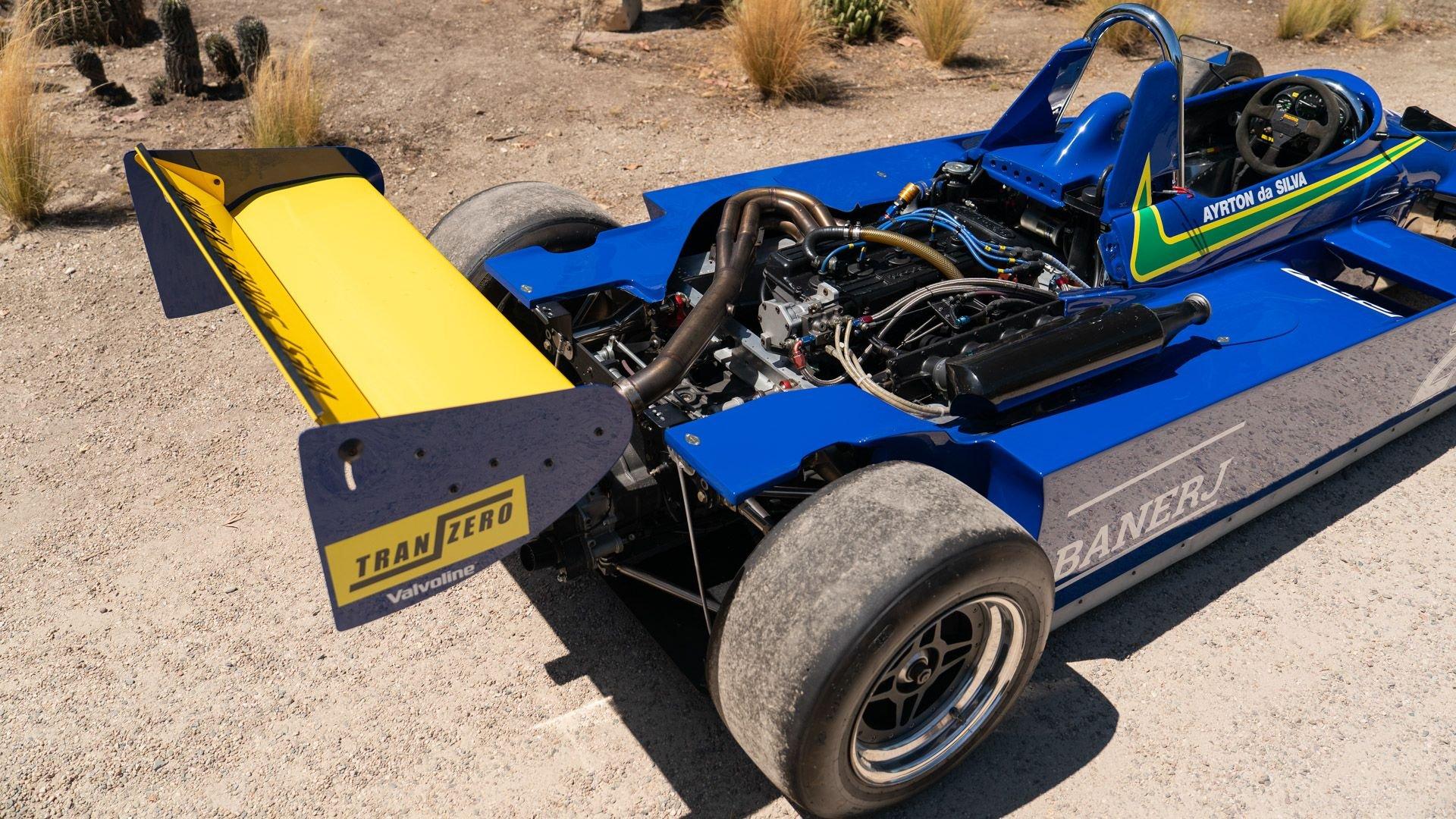
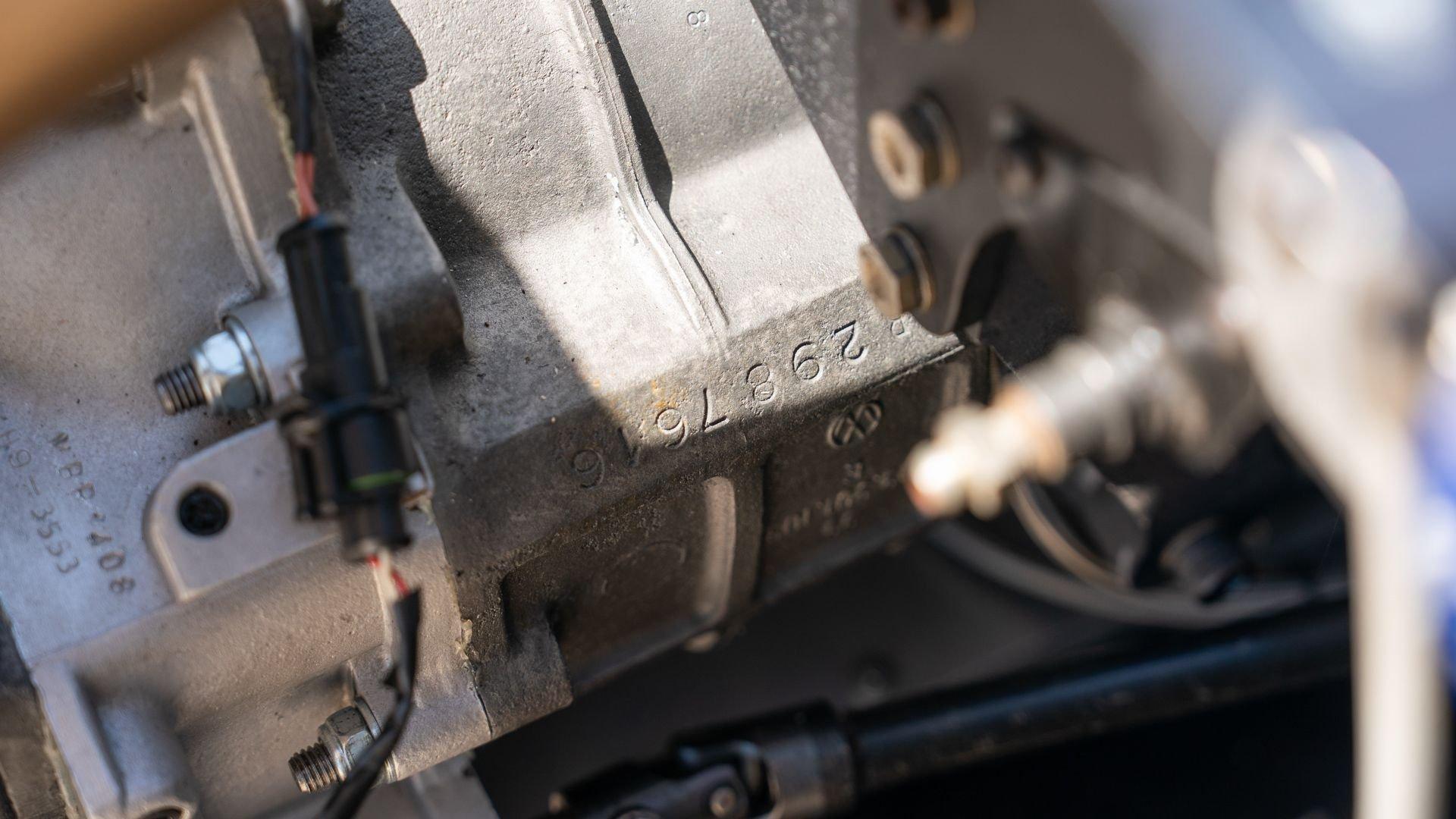
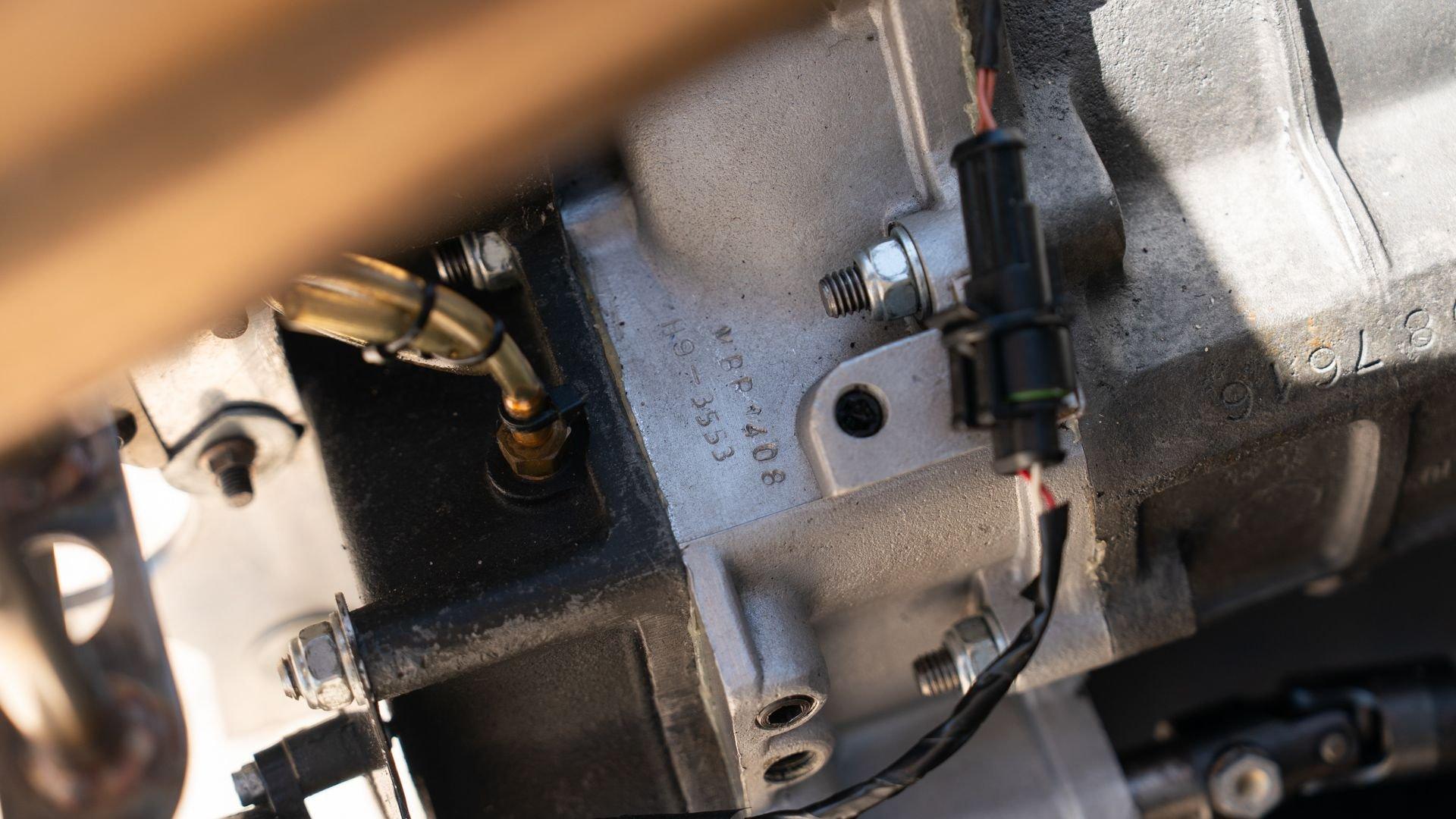
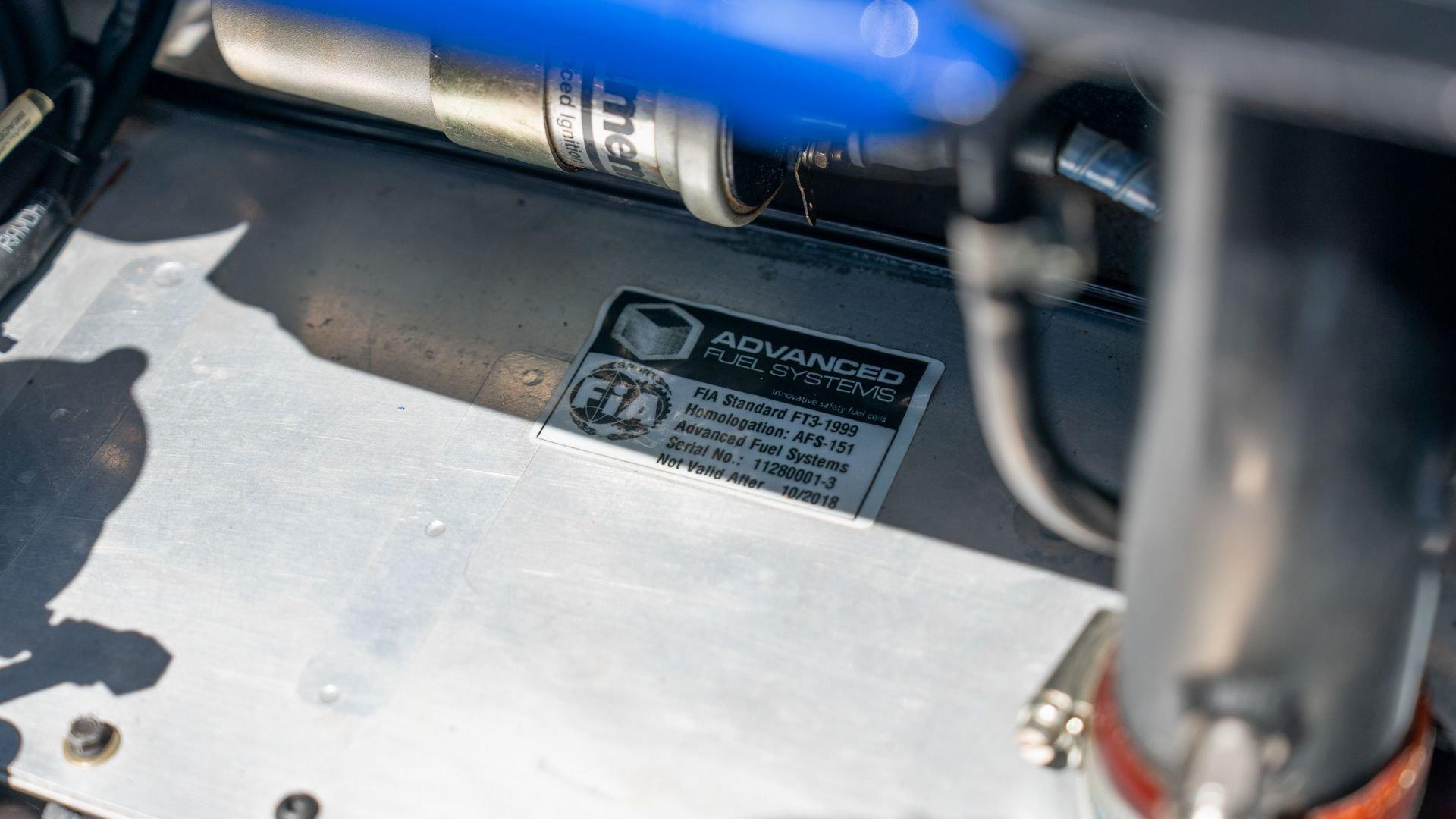
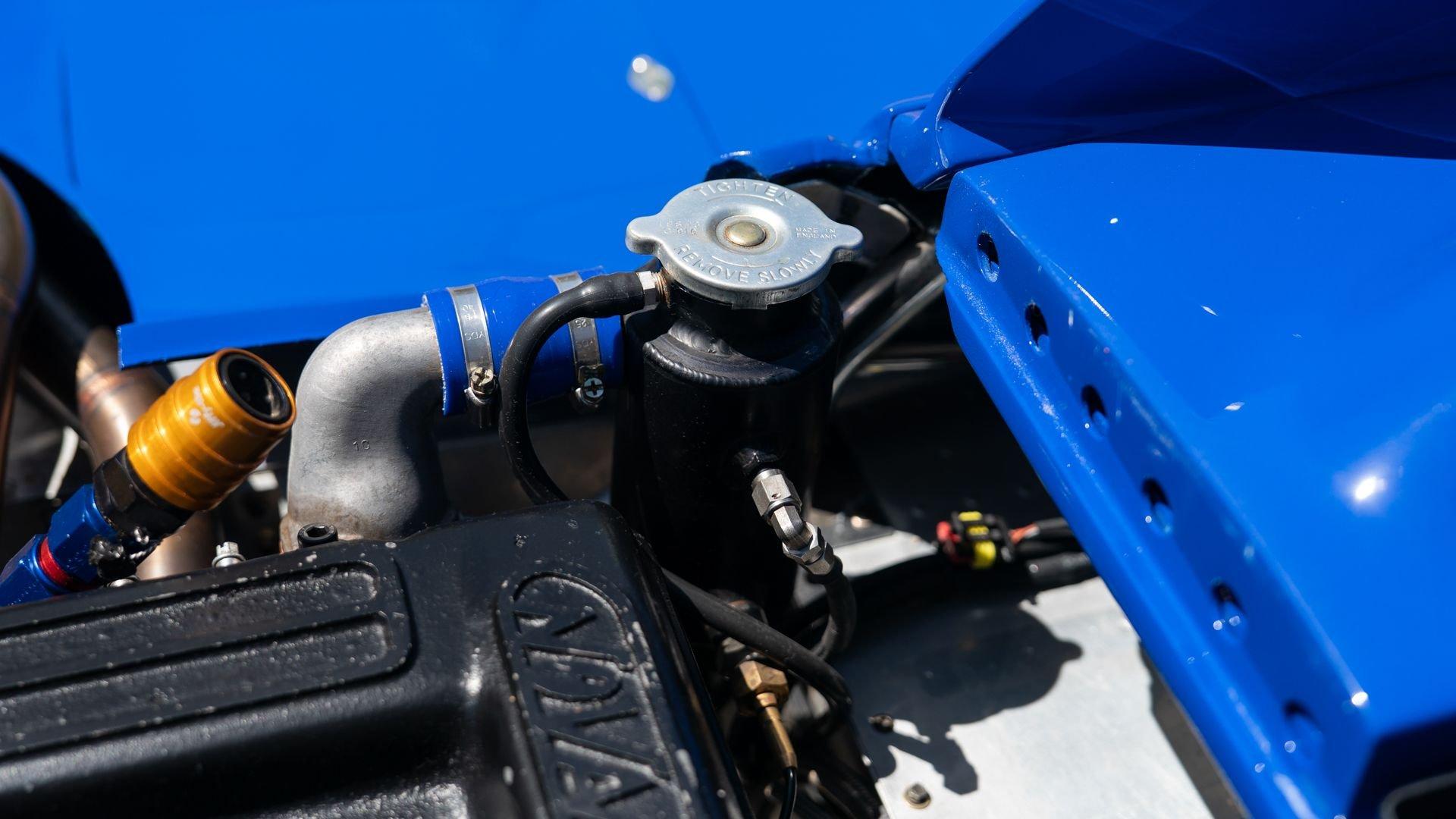
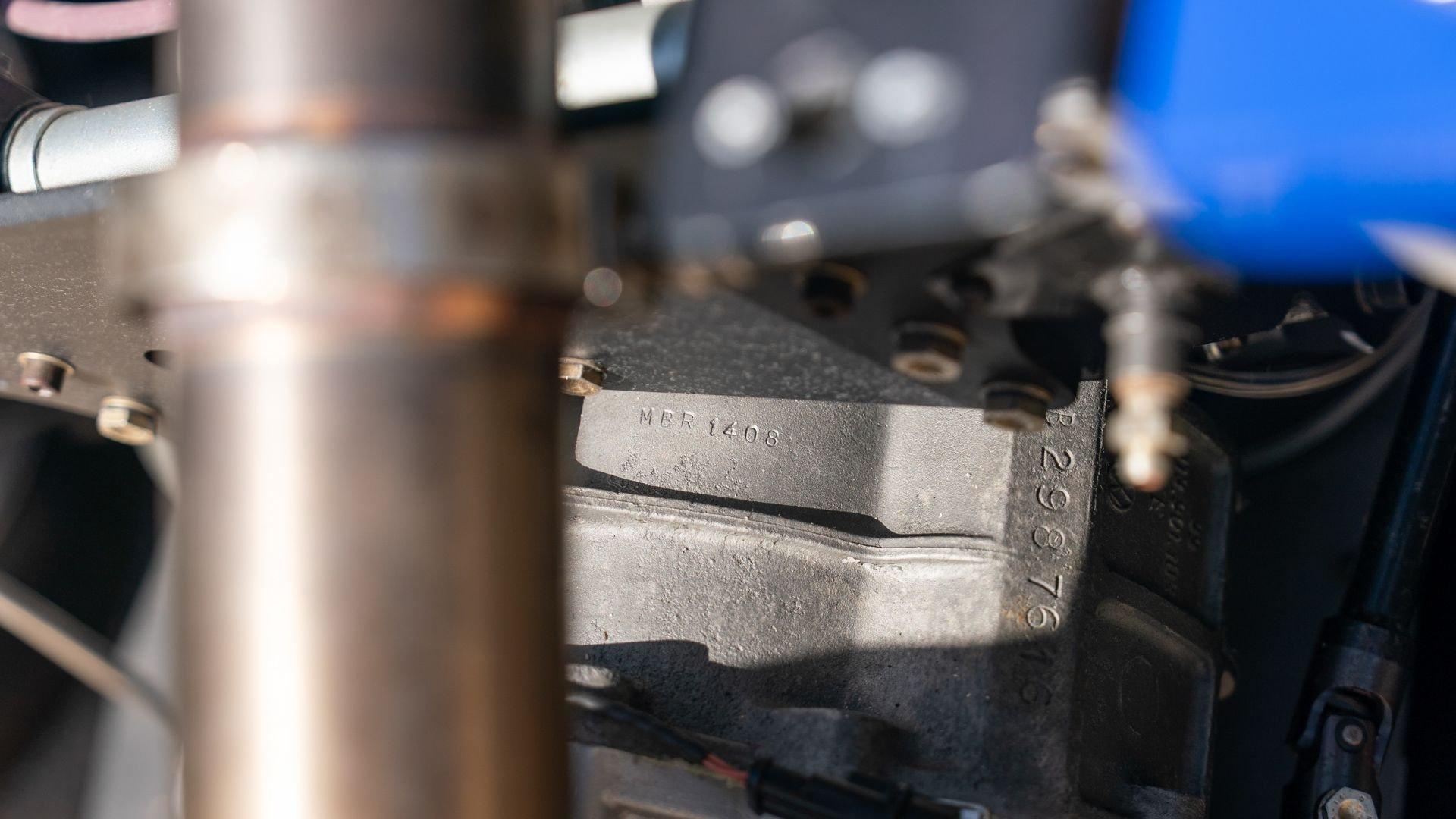
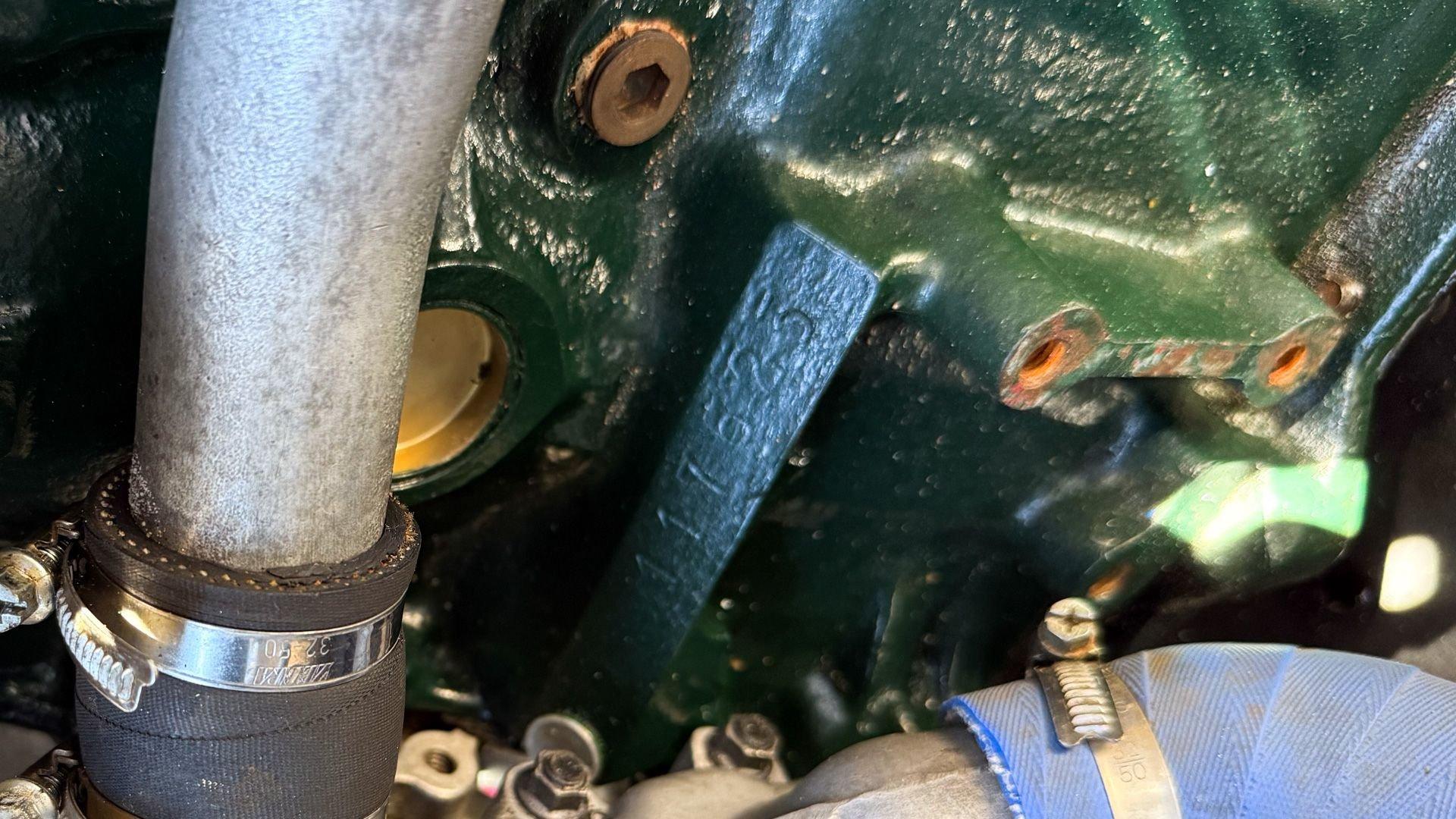
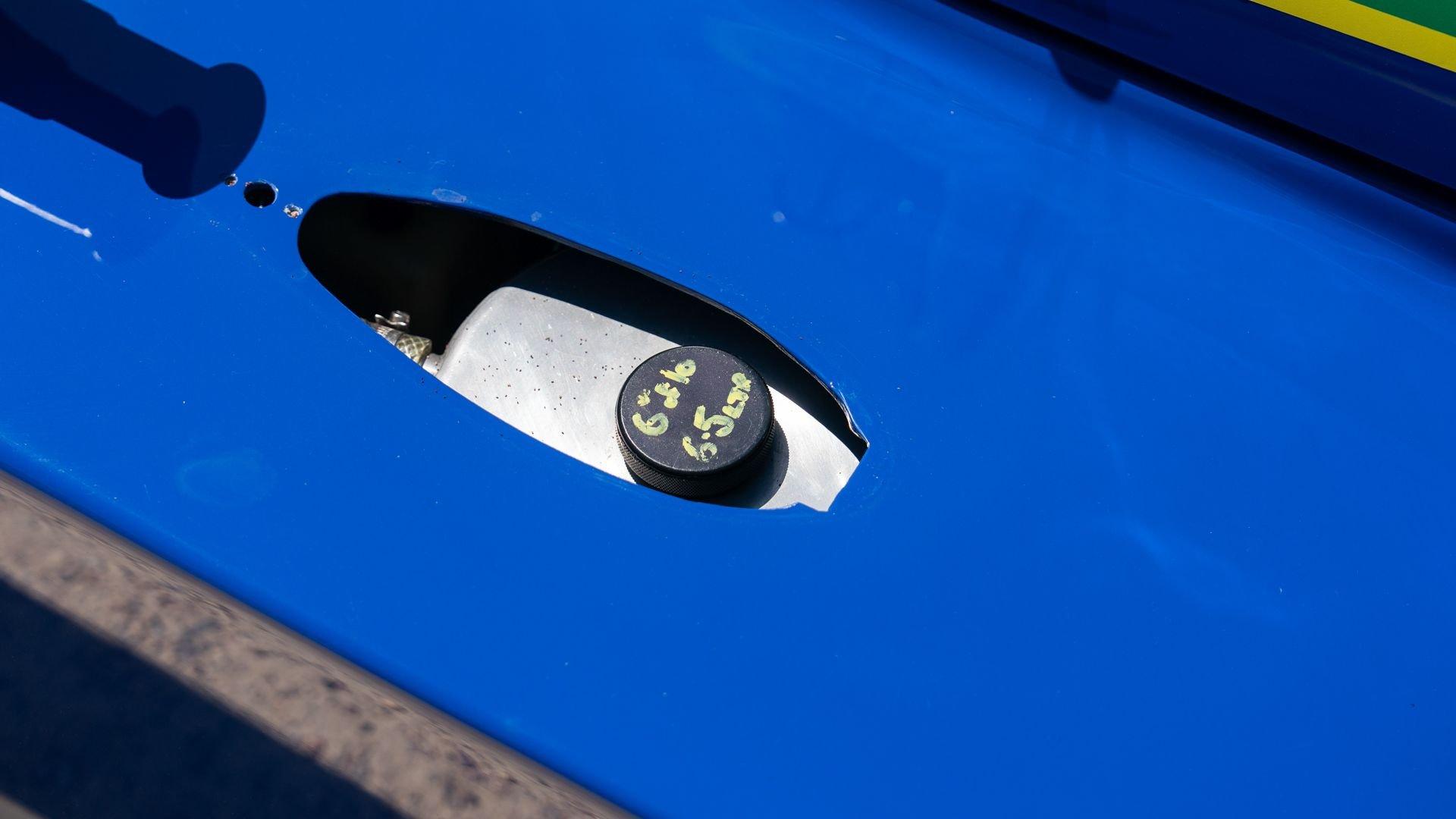
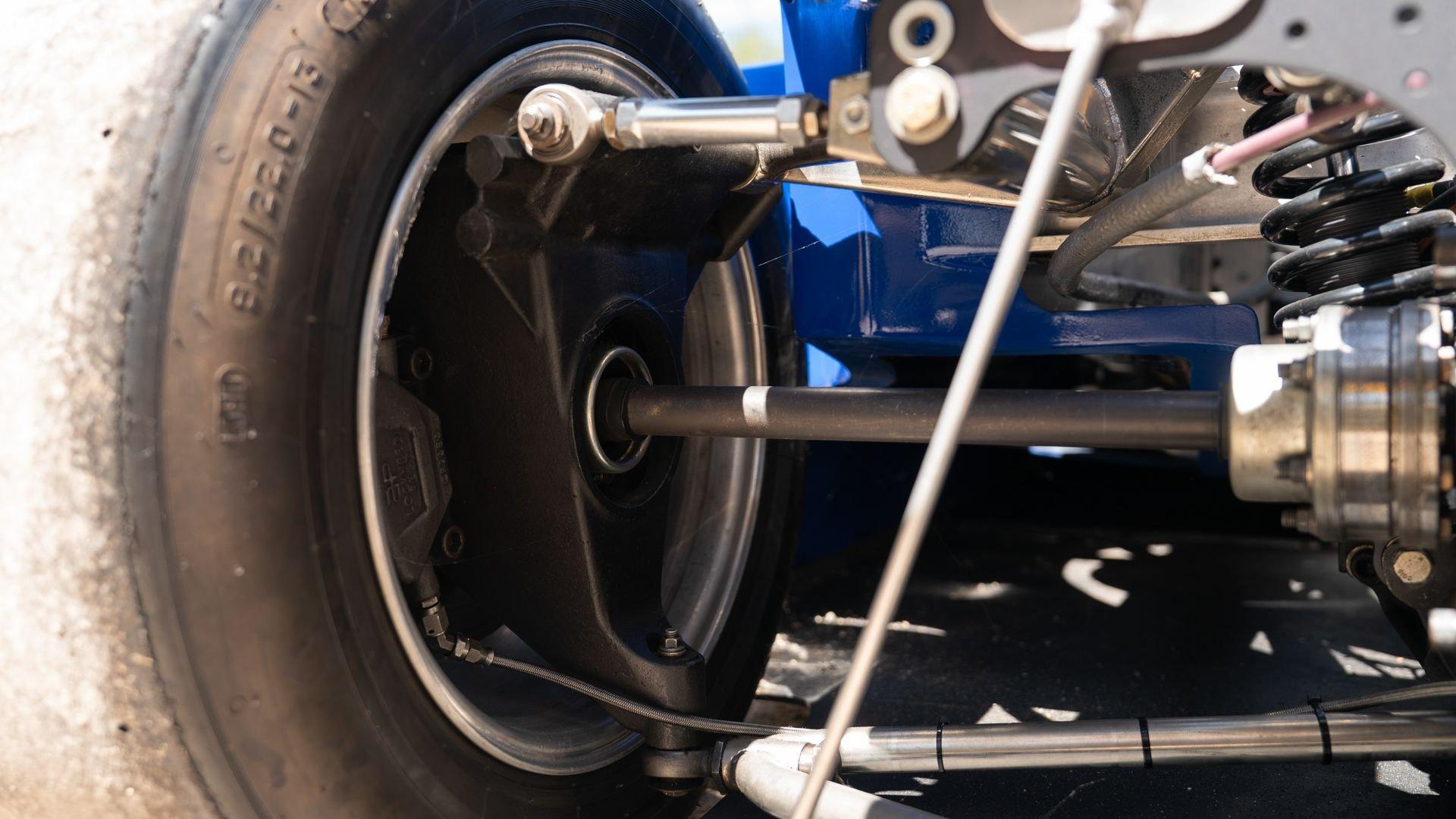
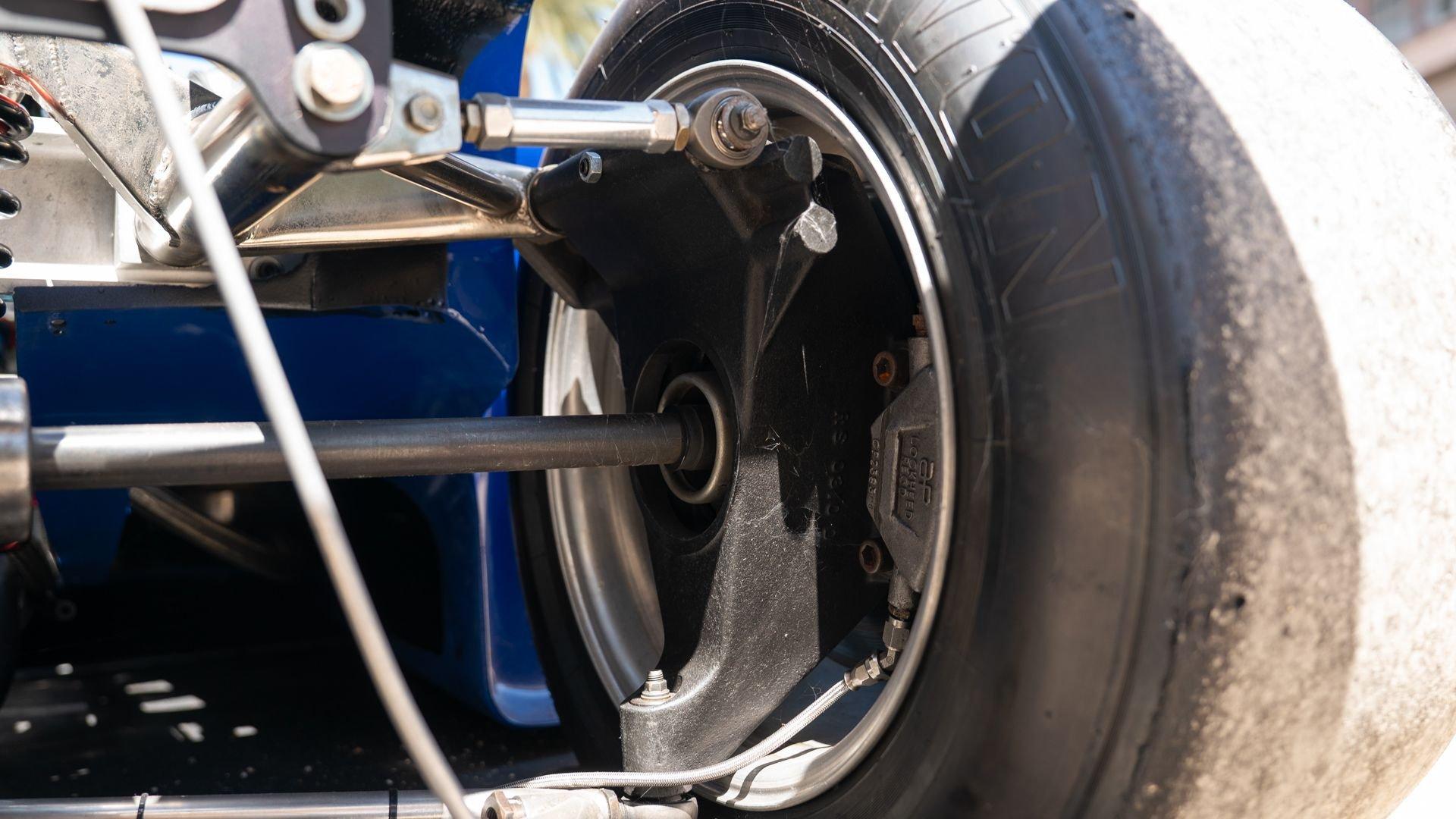
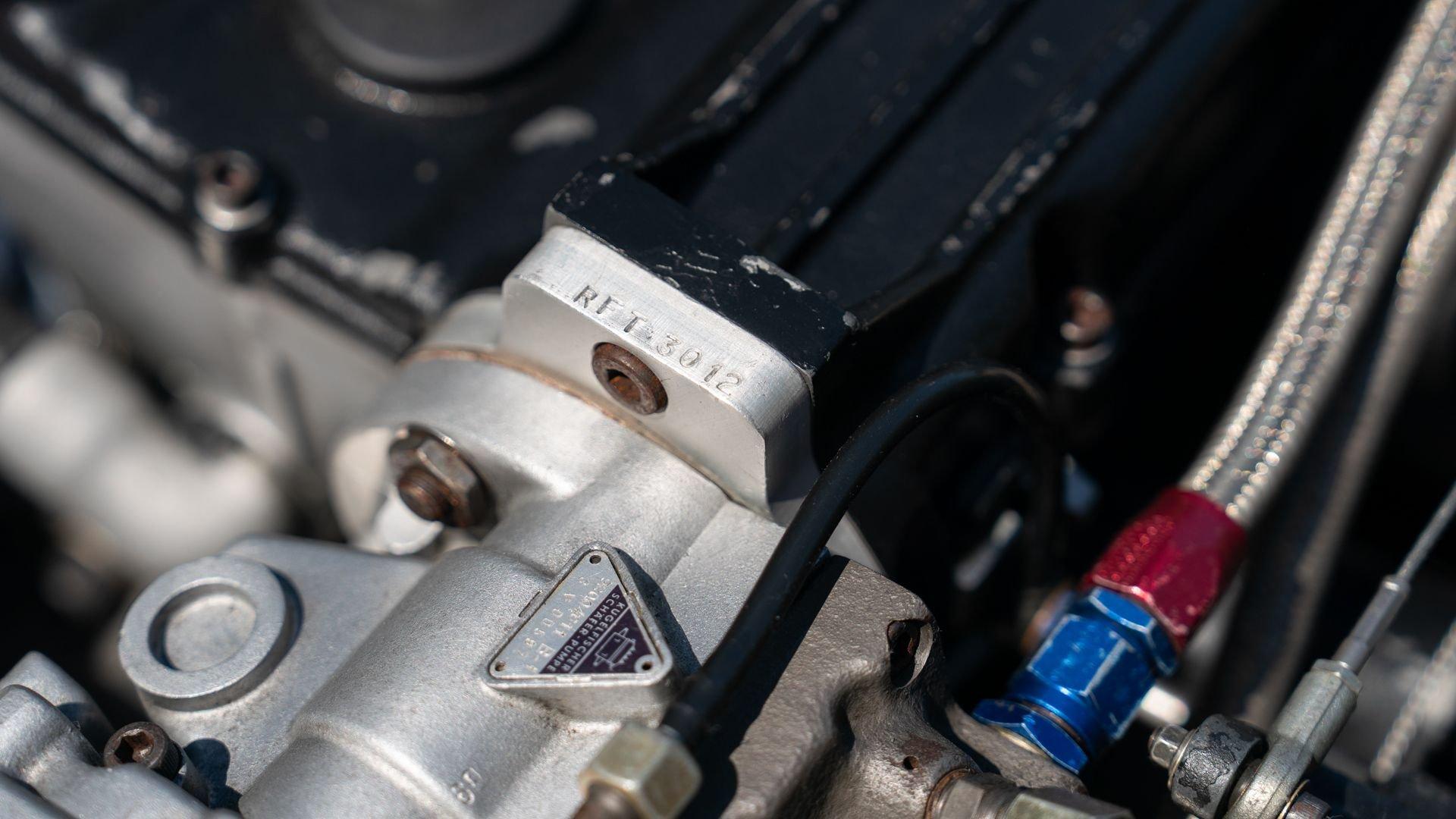
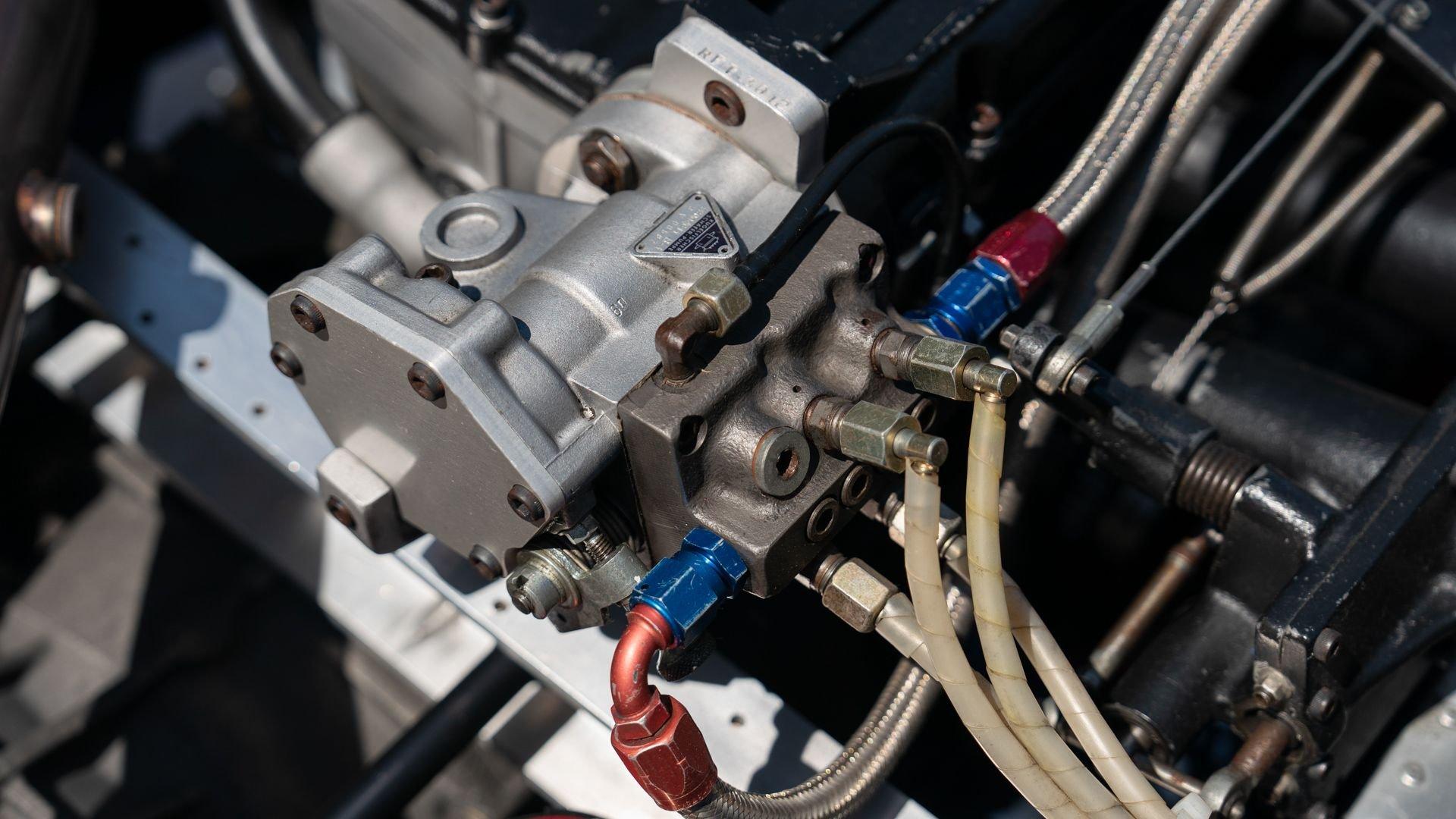
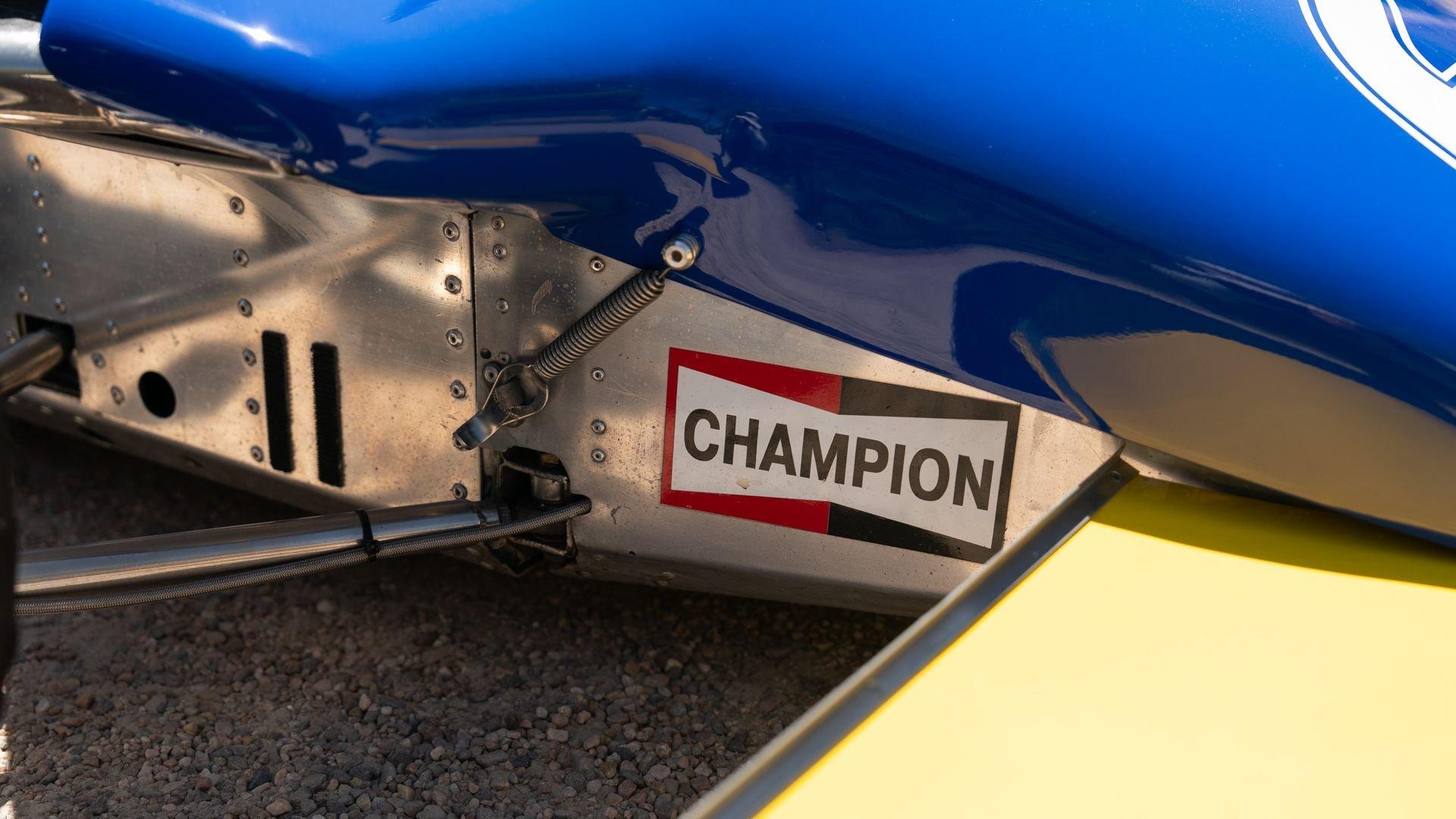
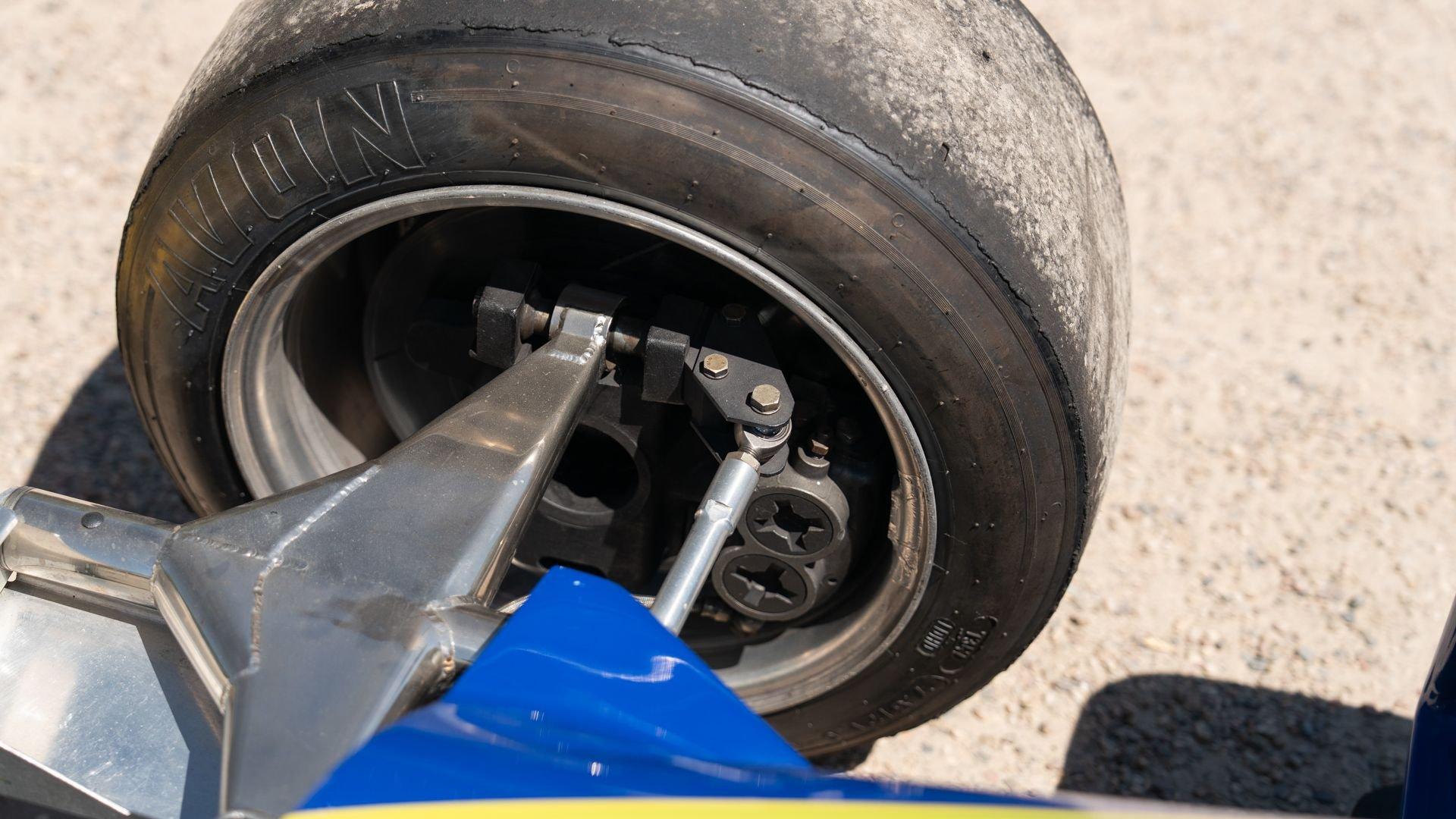
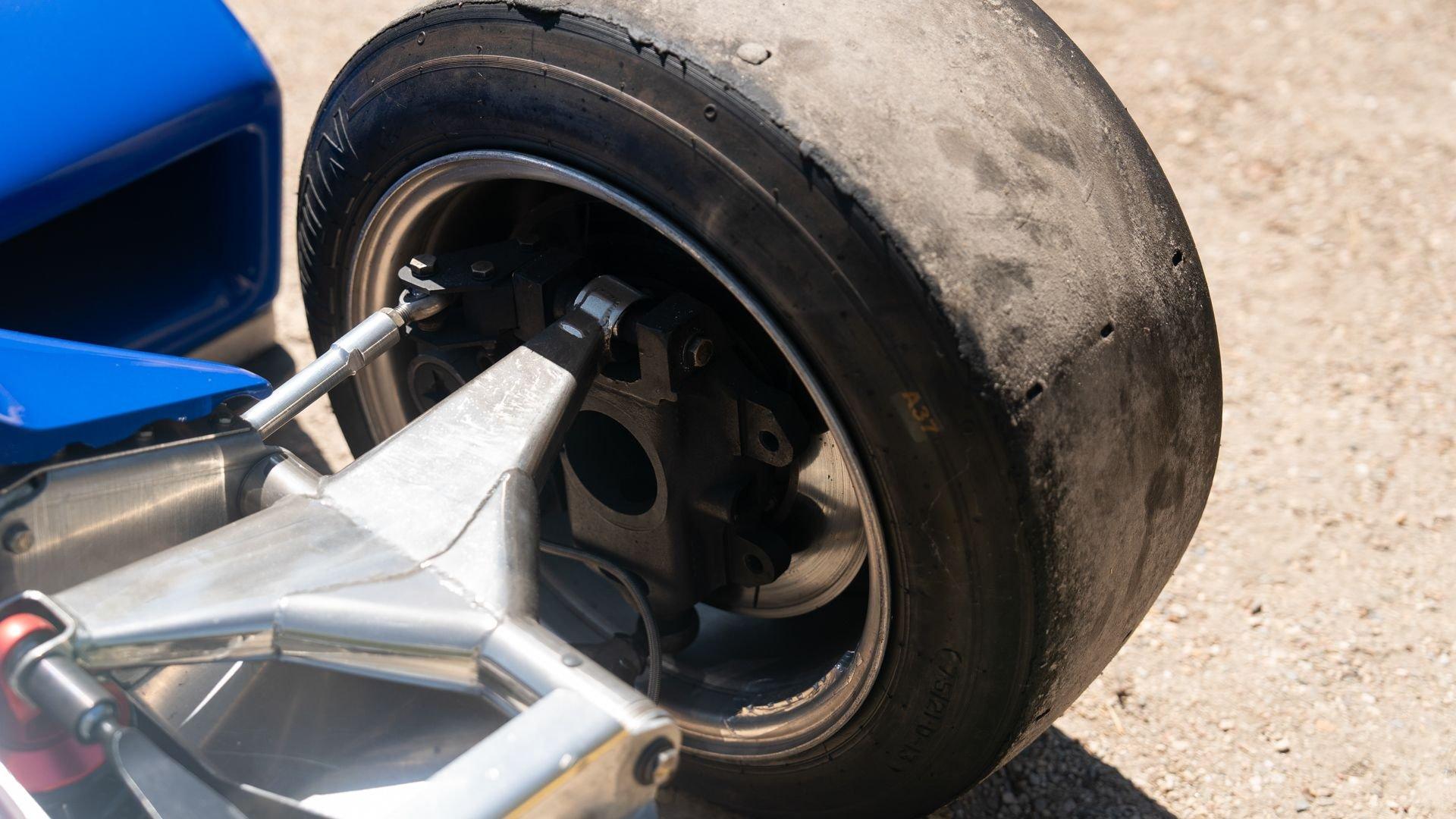
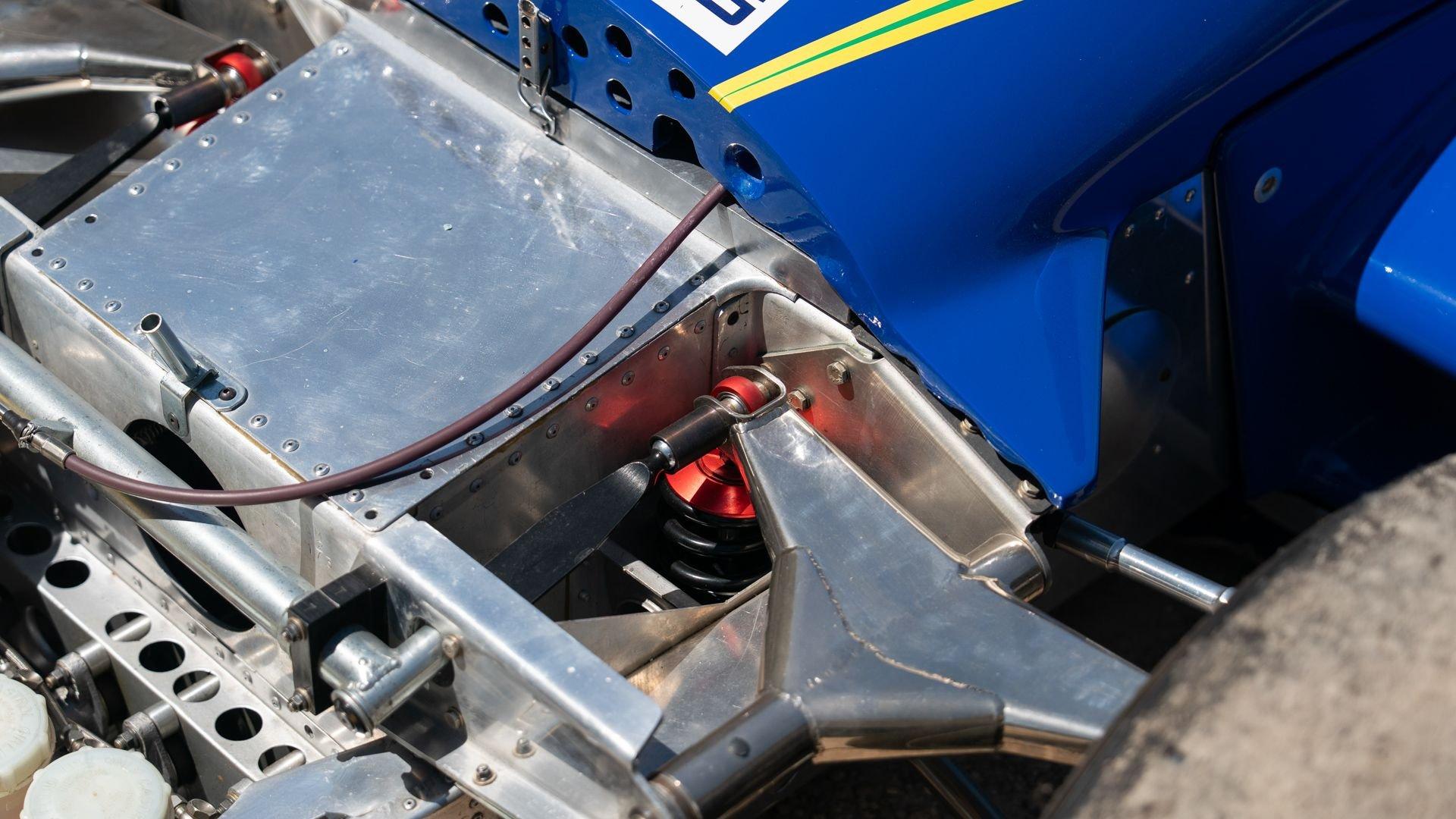
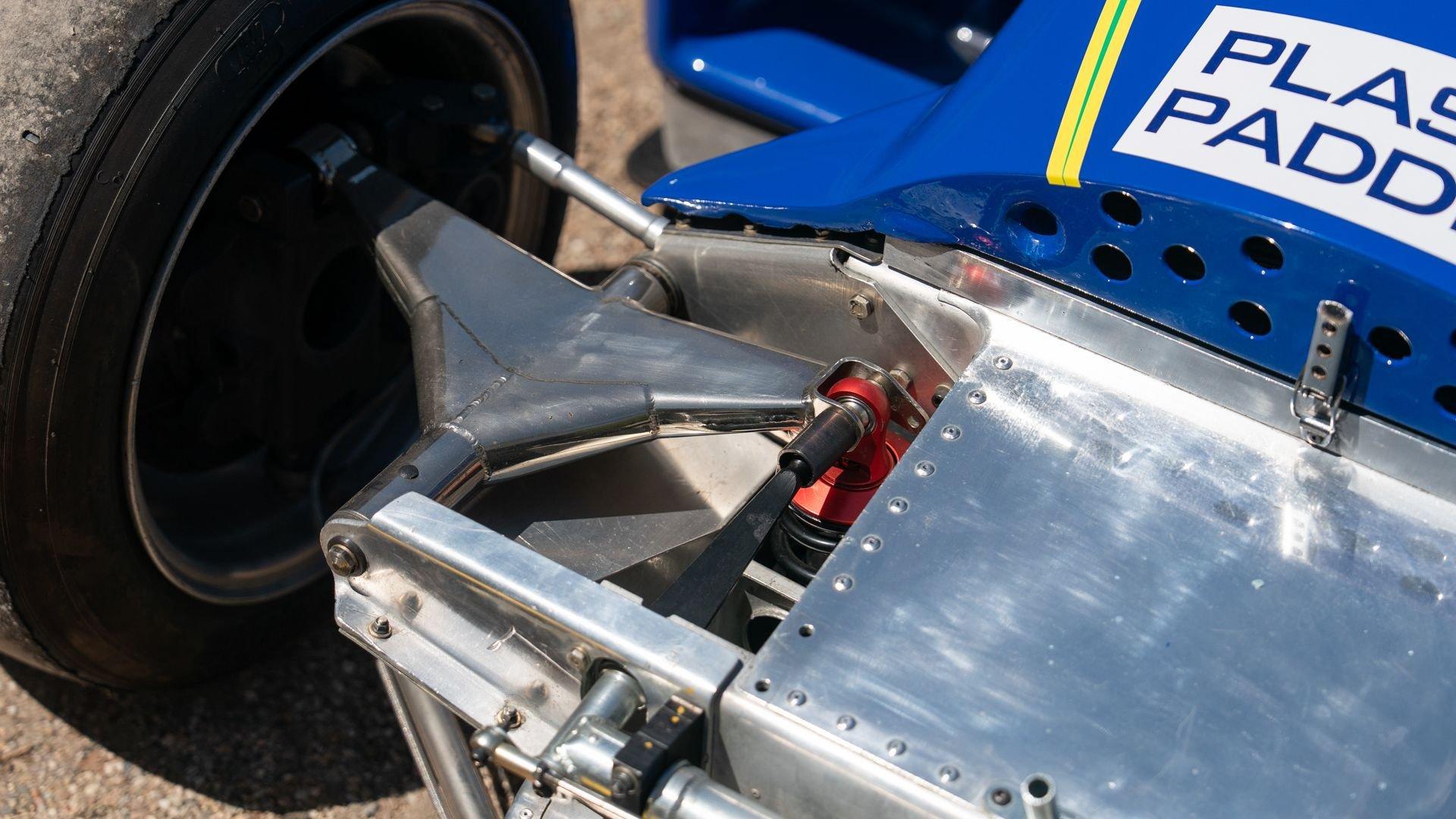
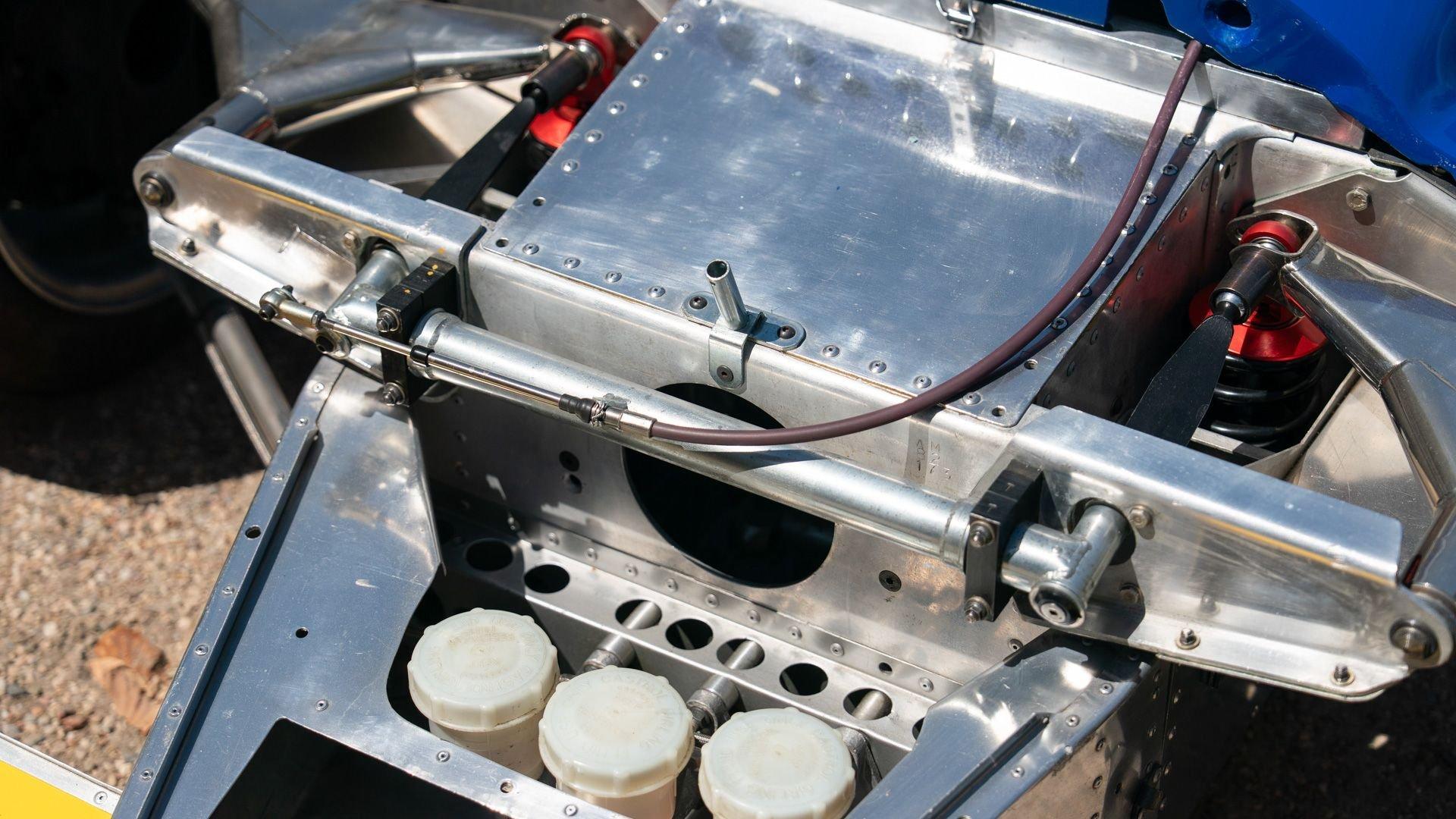
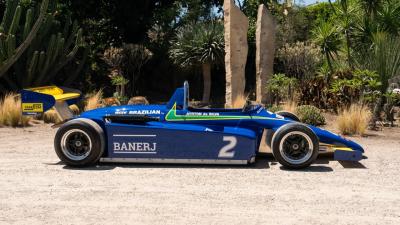
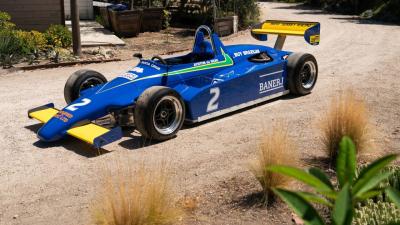
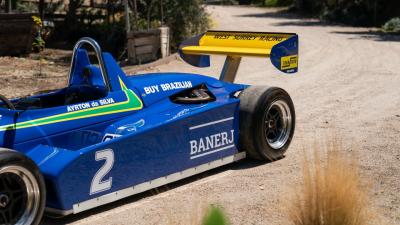
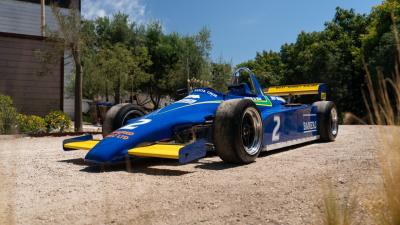
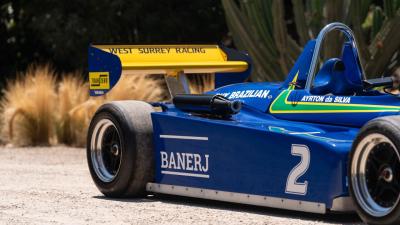
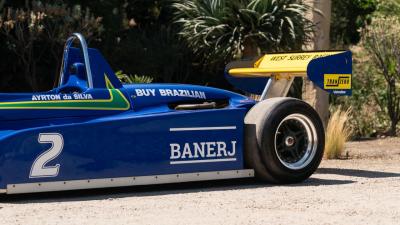
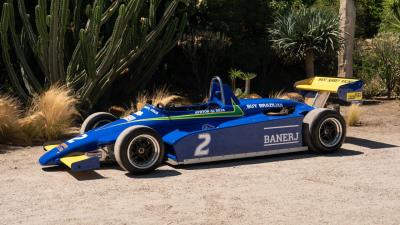
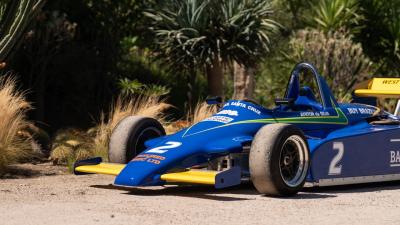
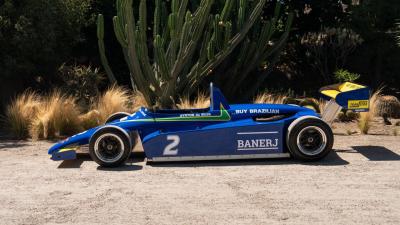
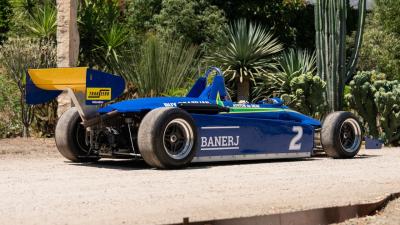
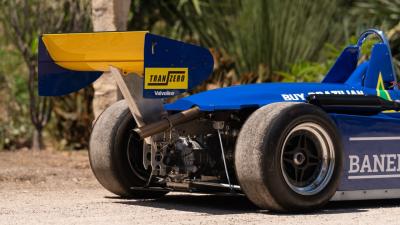
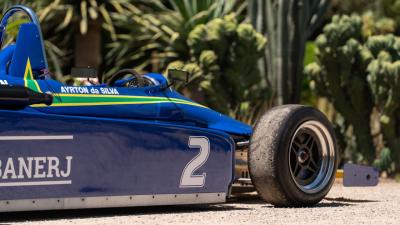
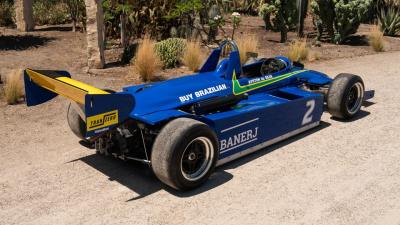
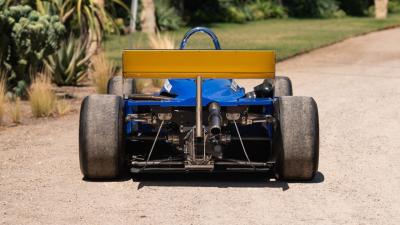
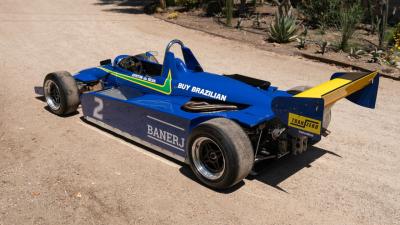
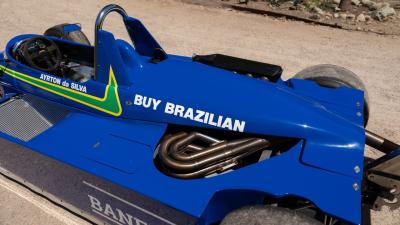
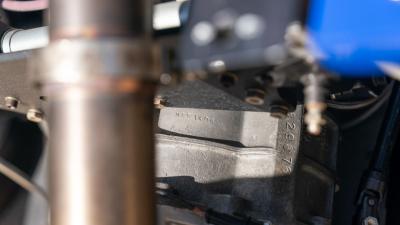
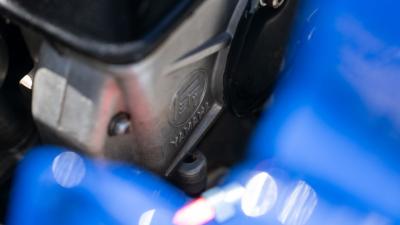
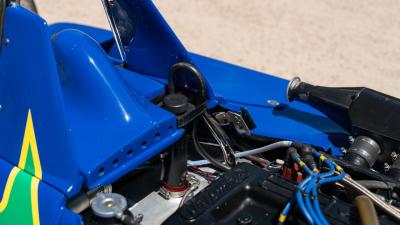
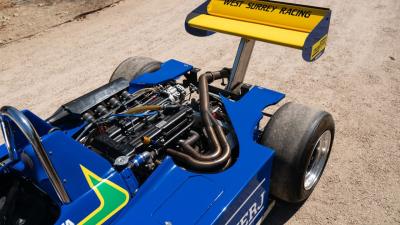
Chassis No. 291
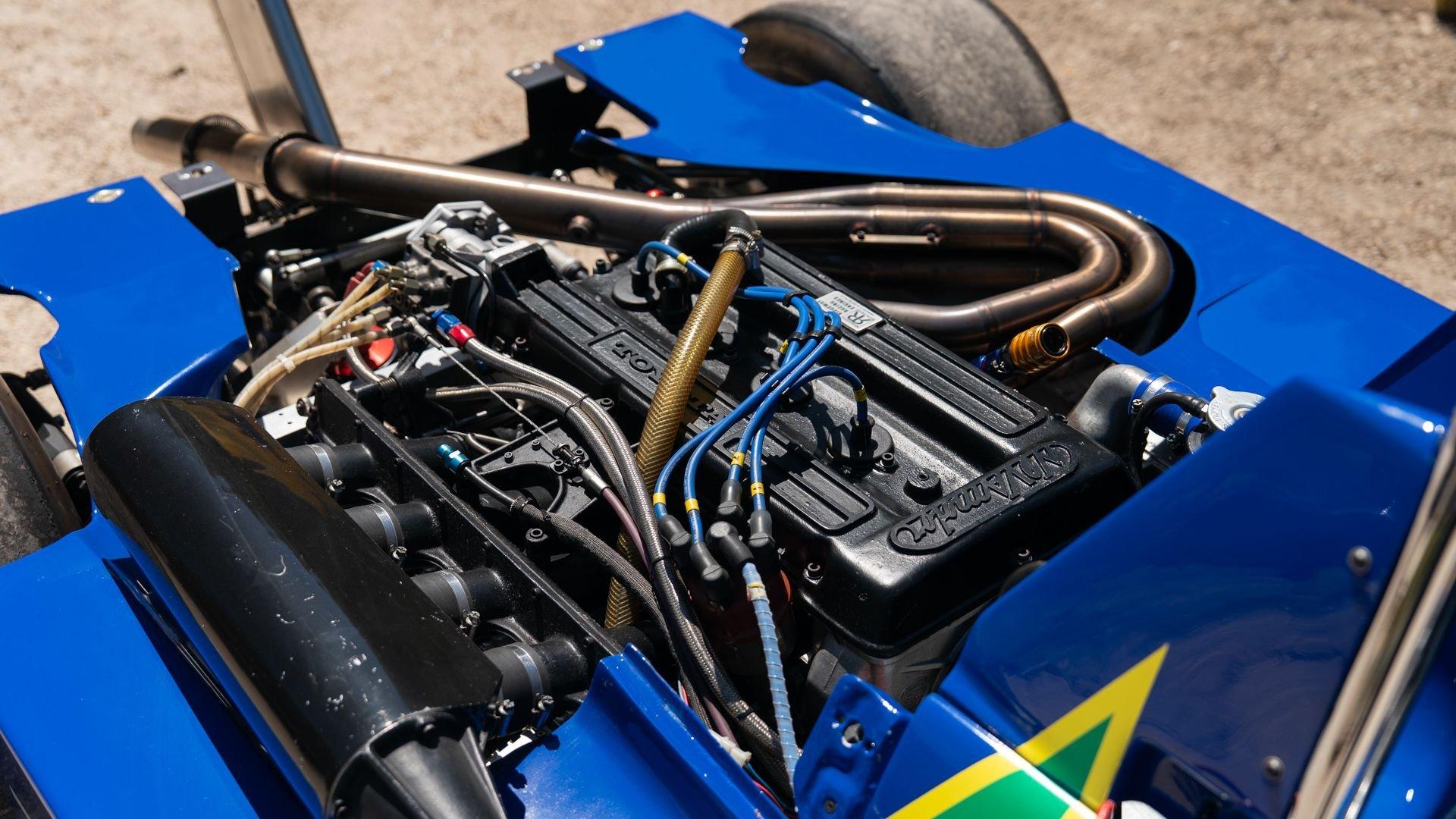
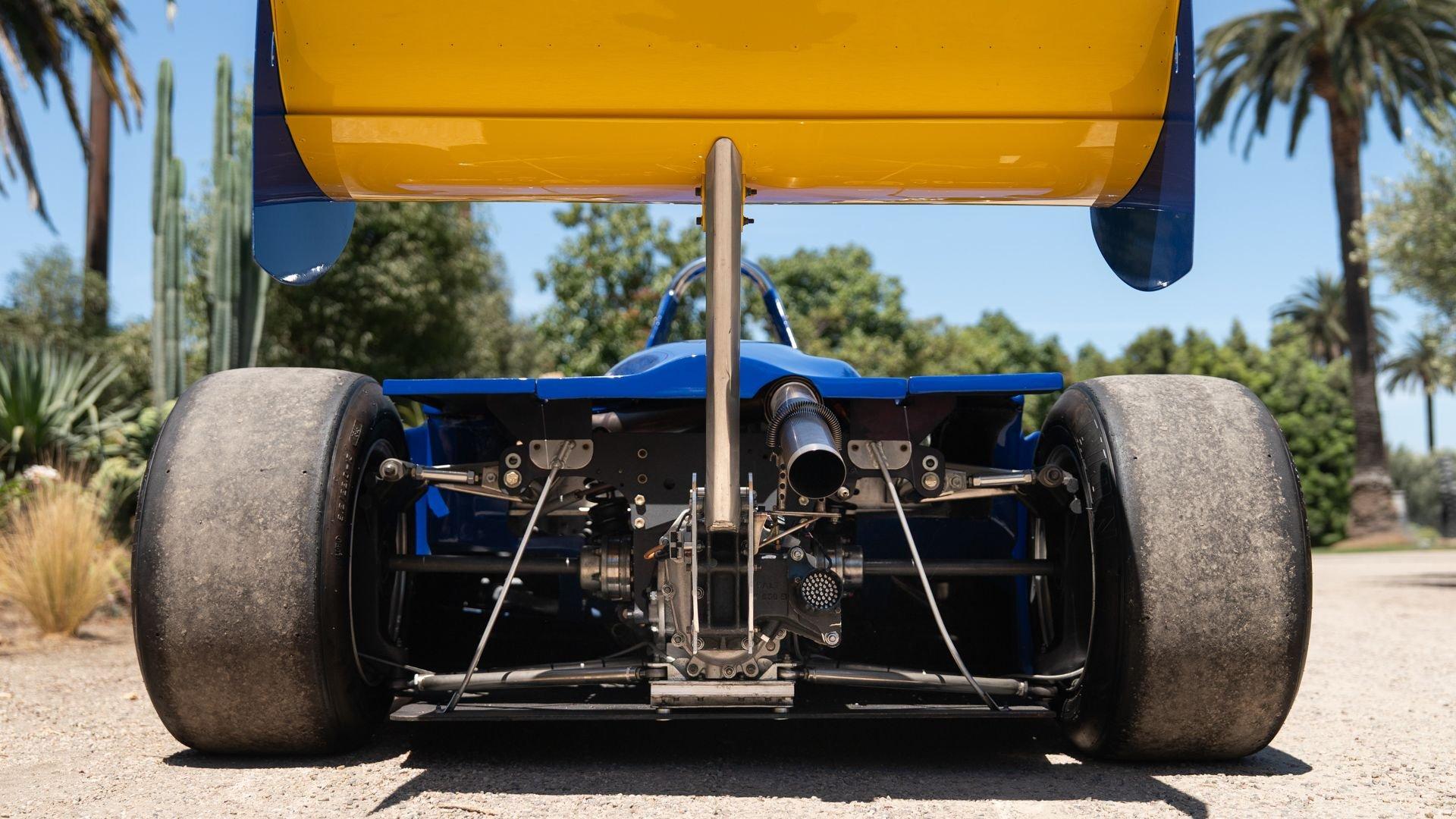
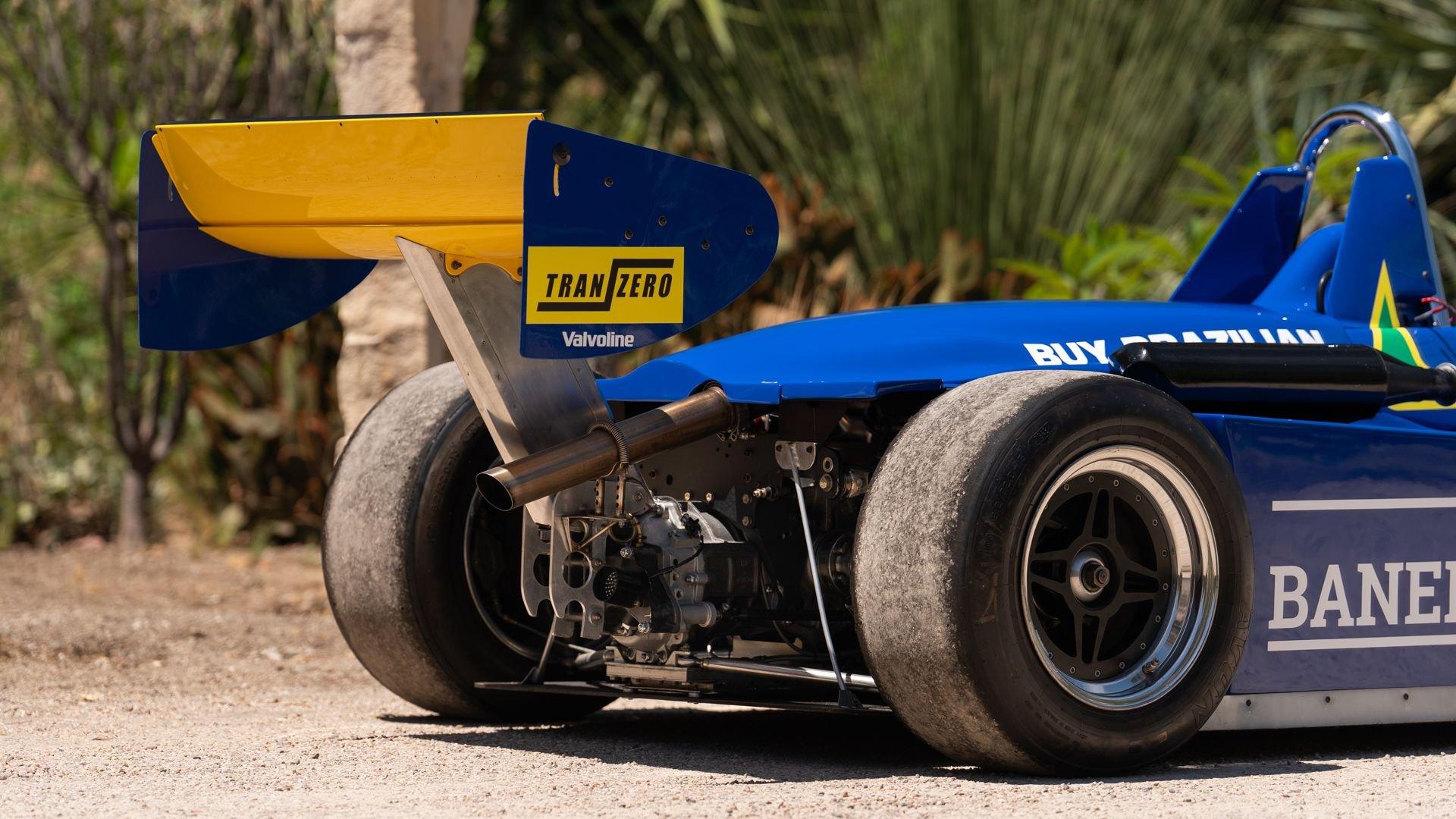
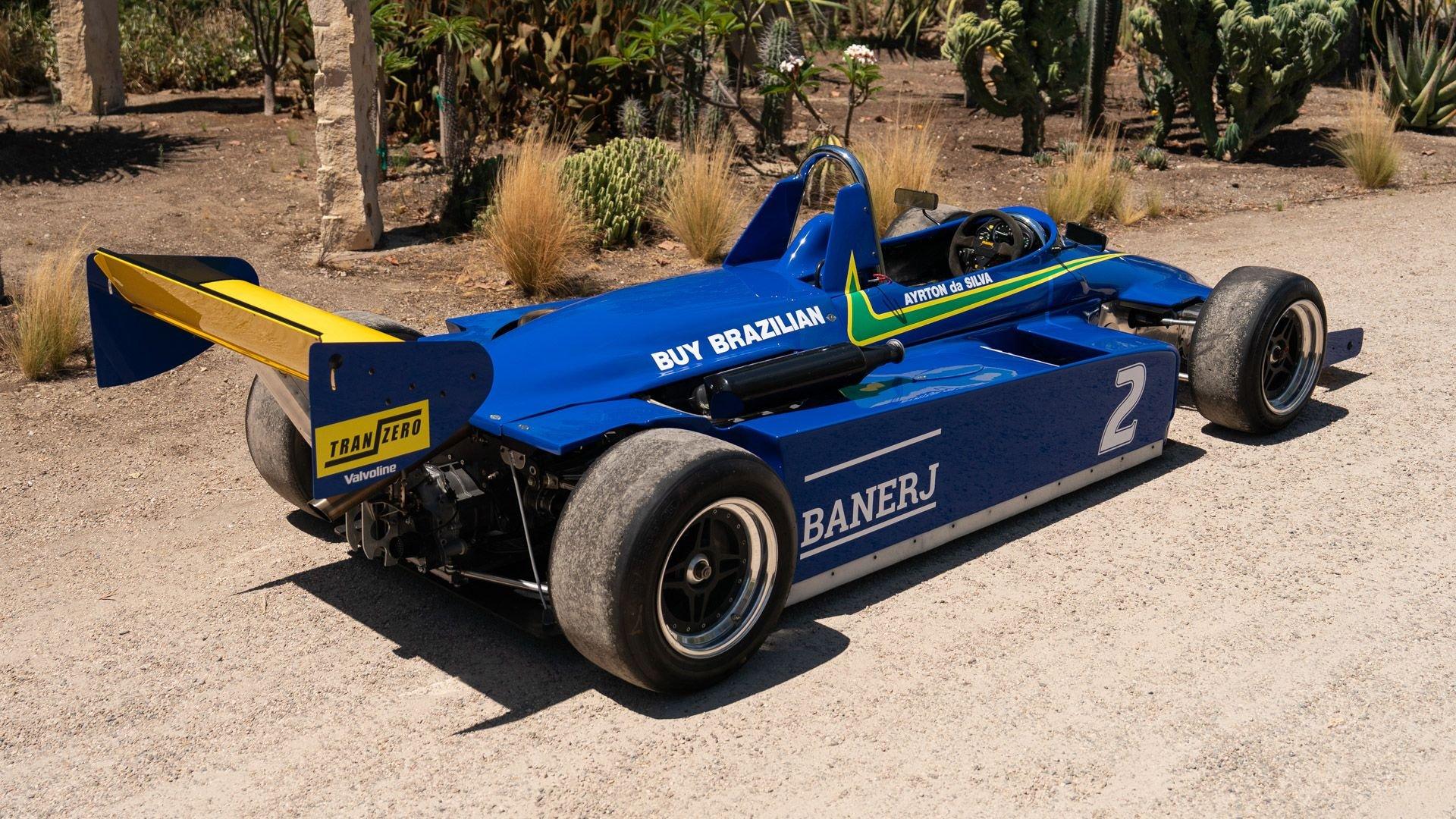
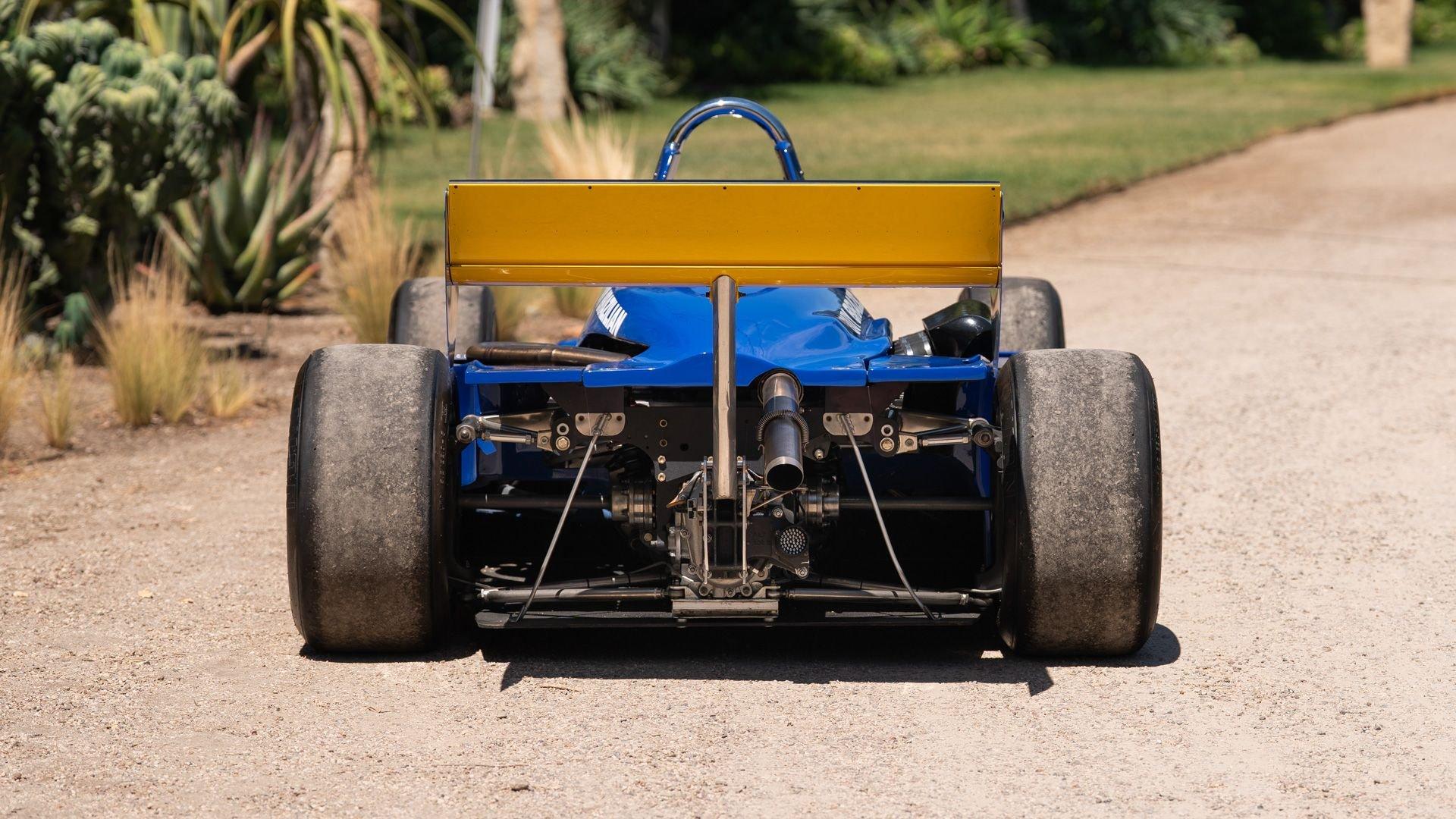
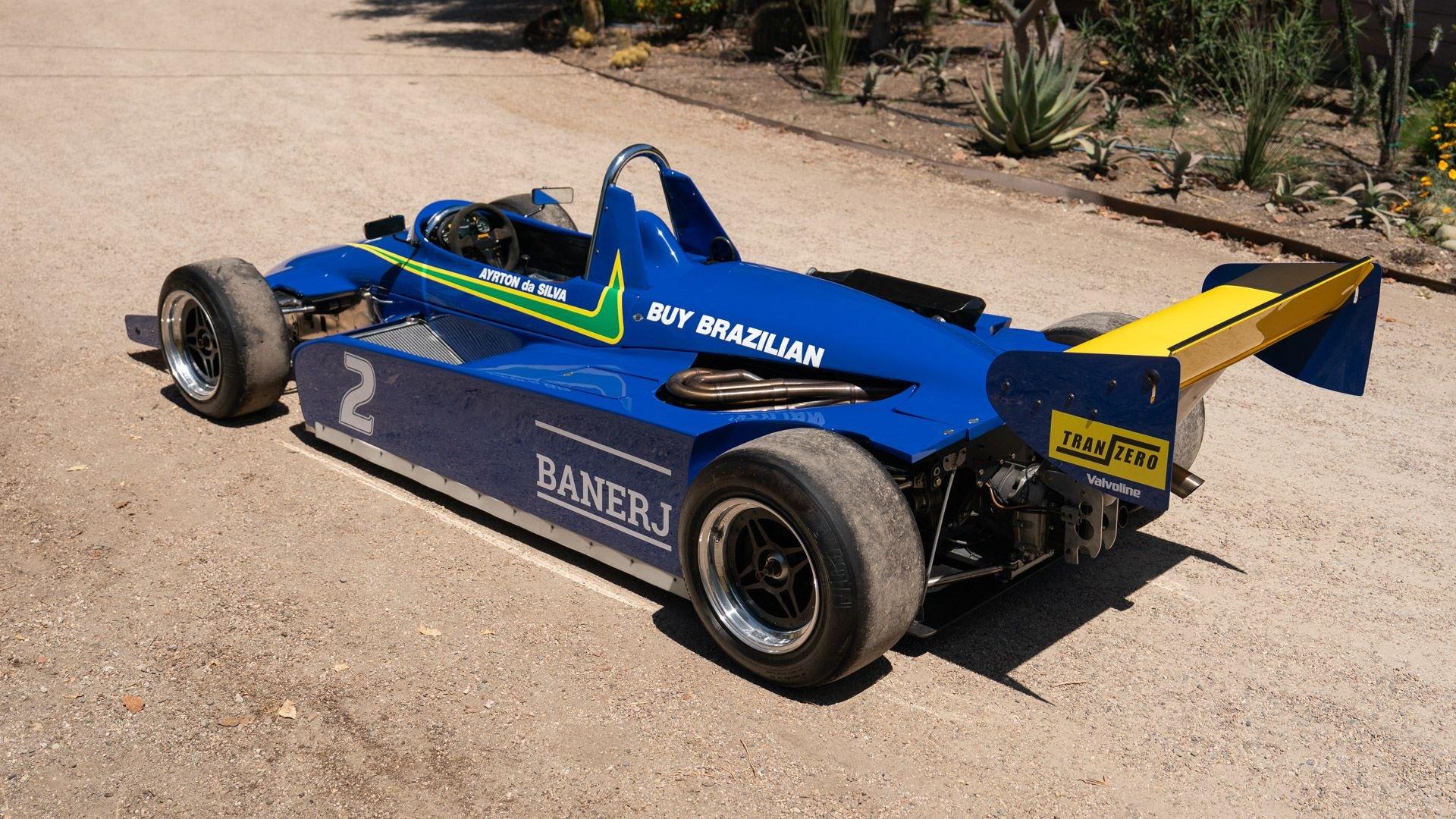
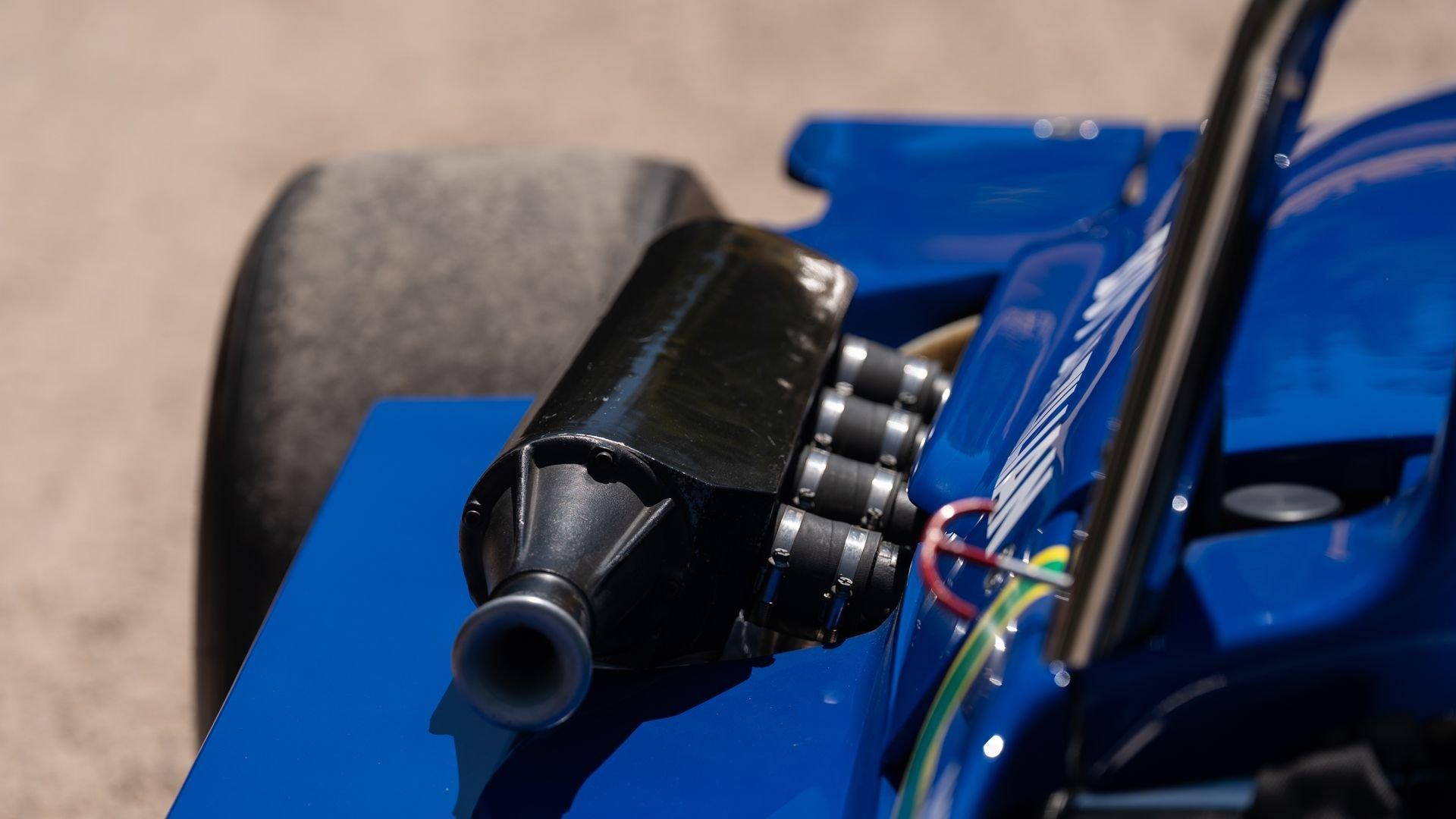
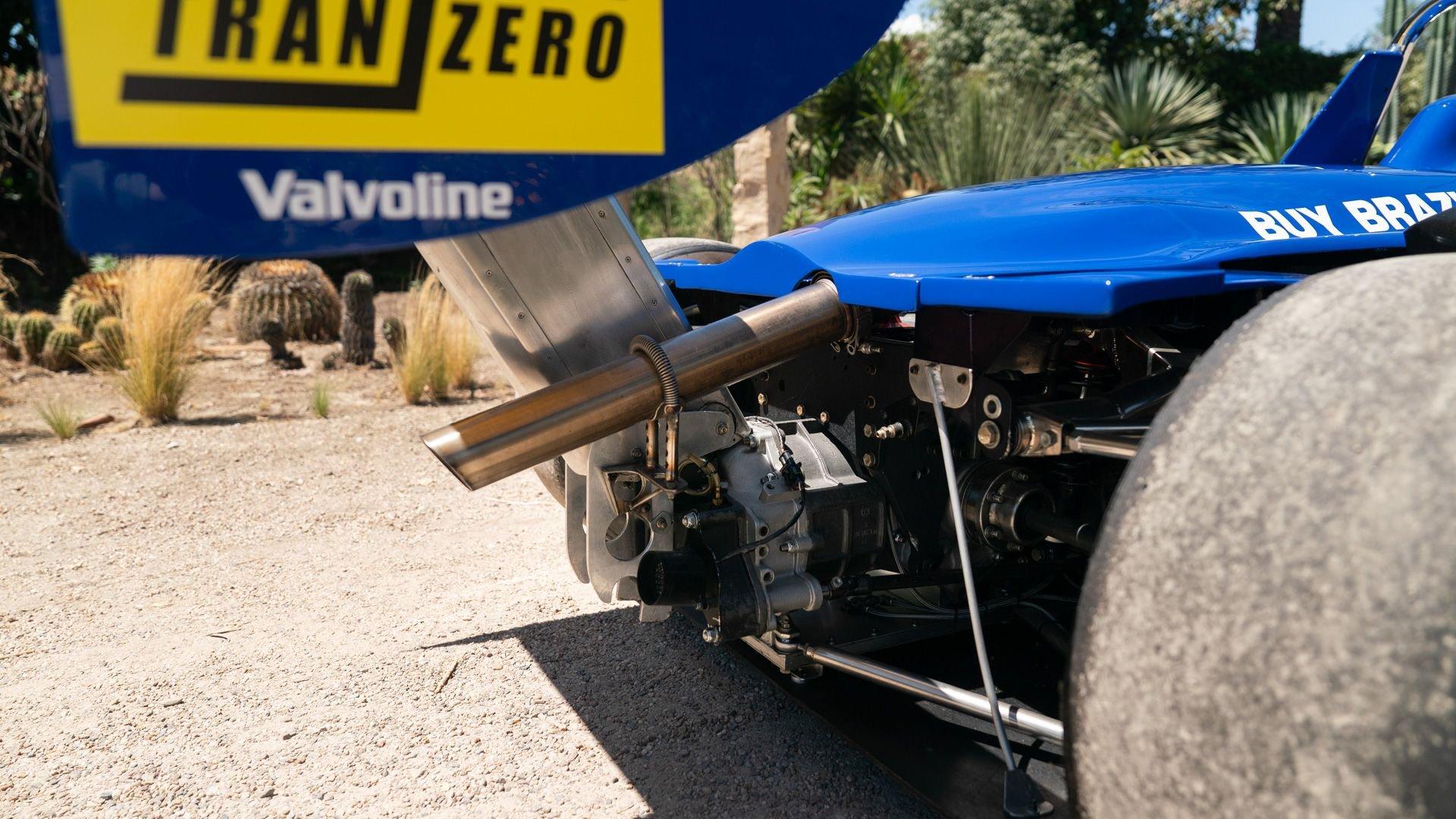
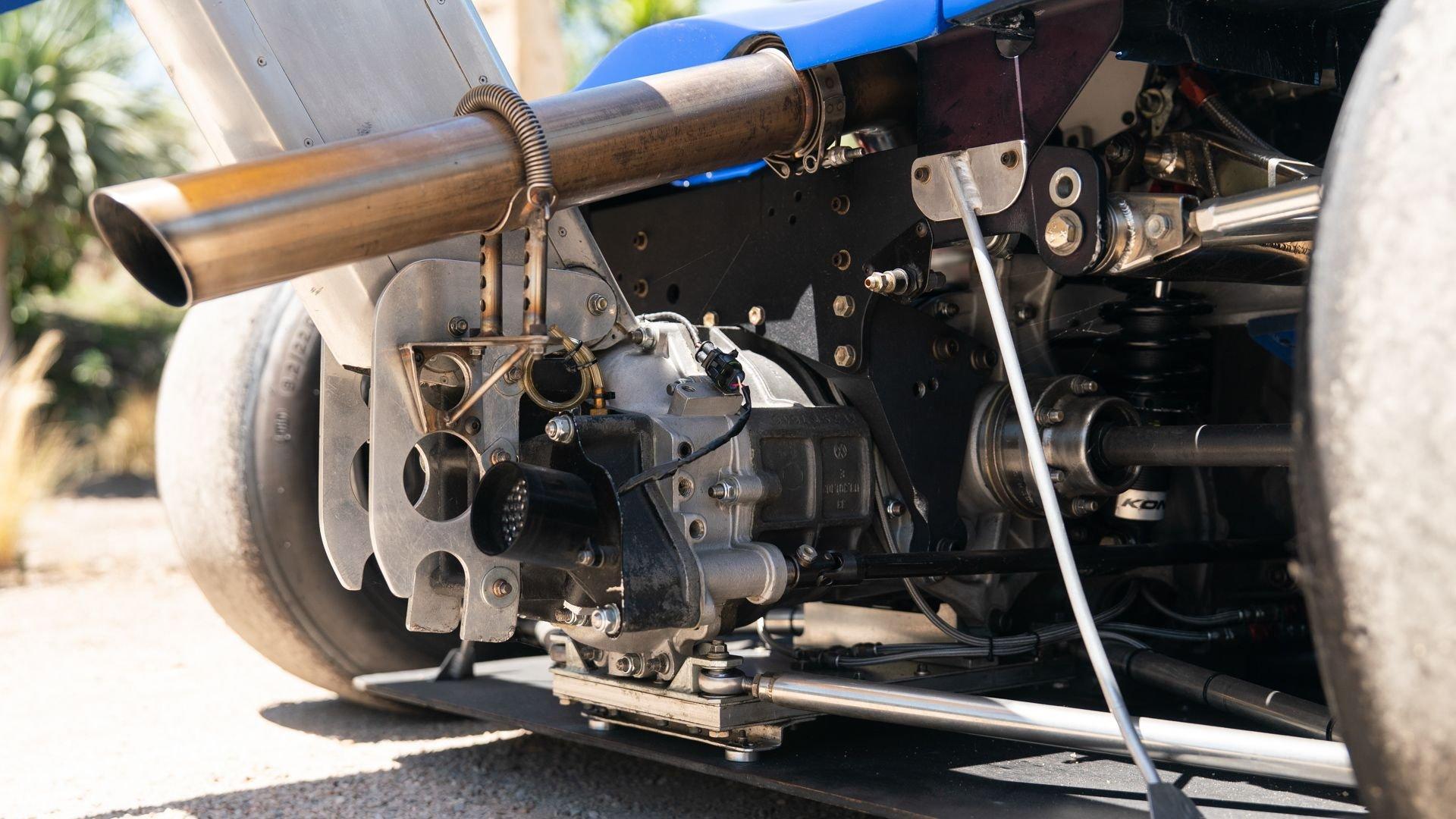
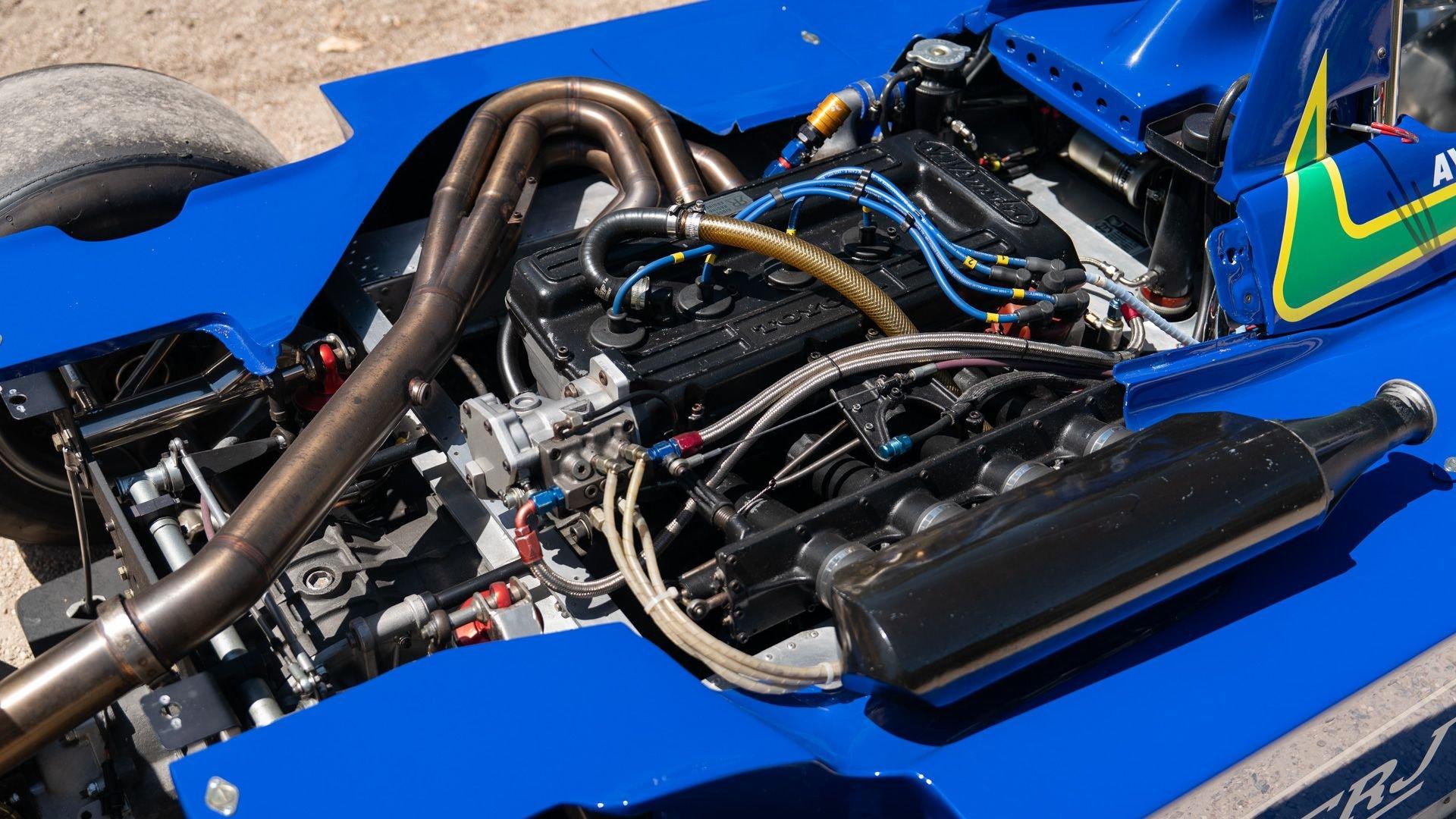
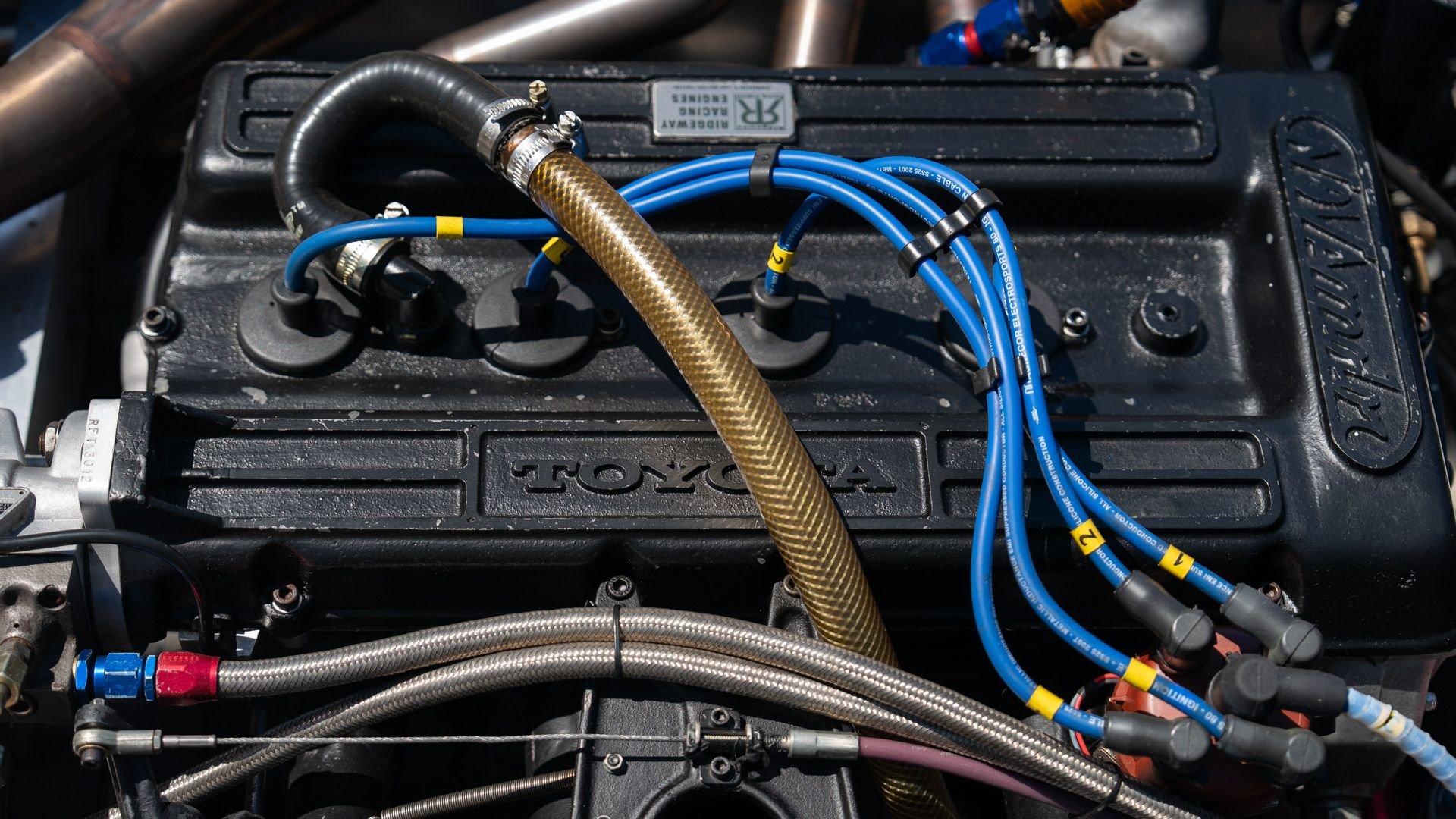
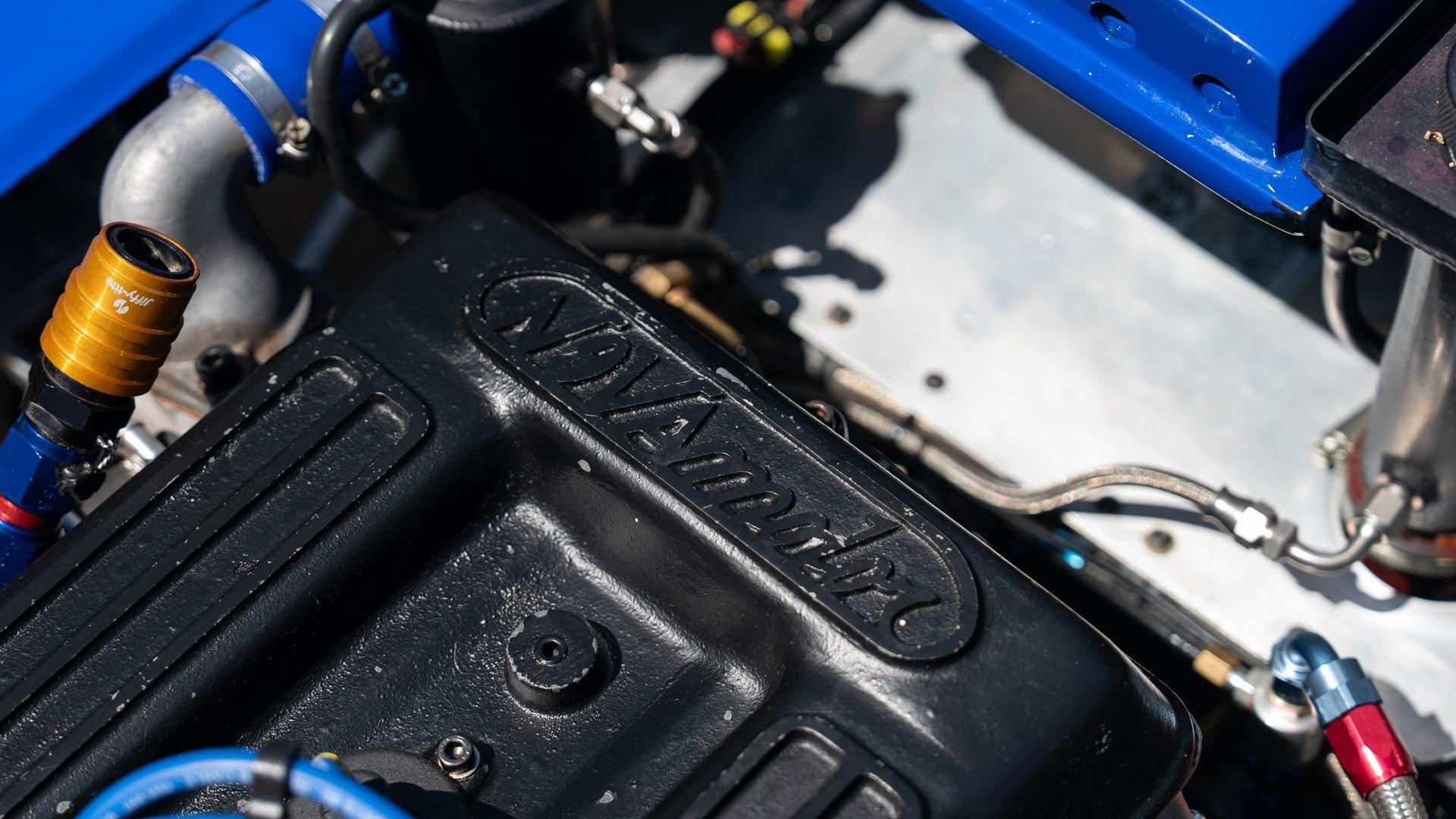
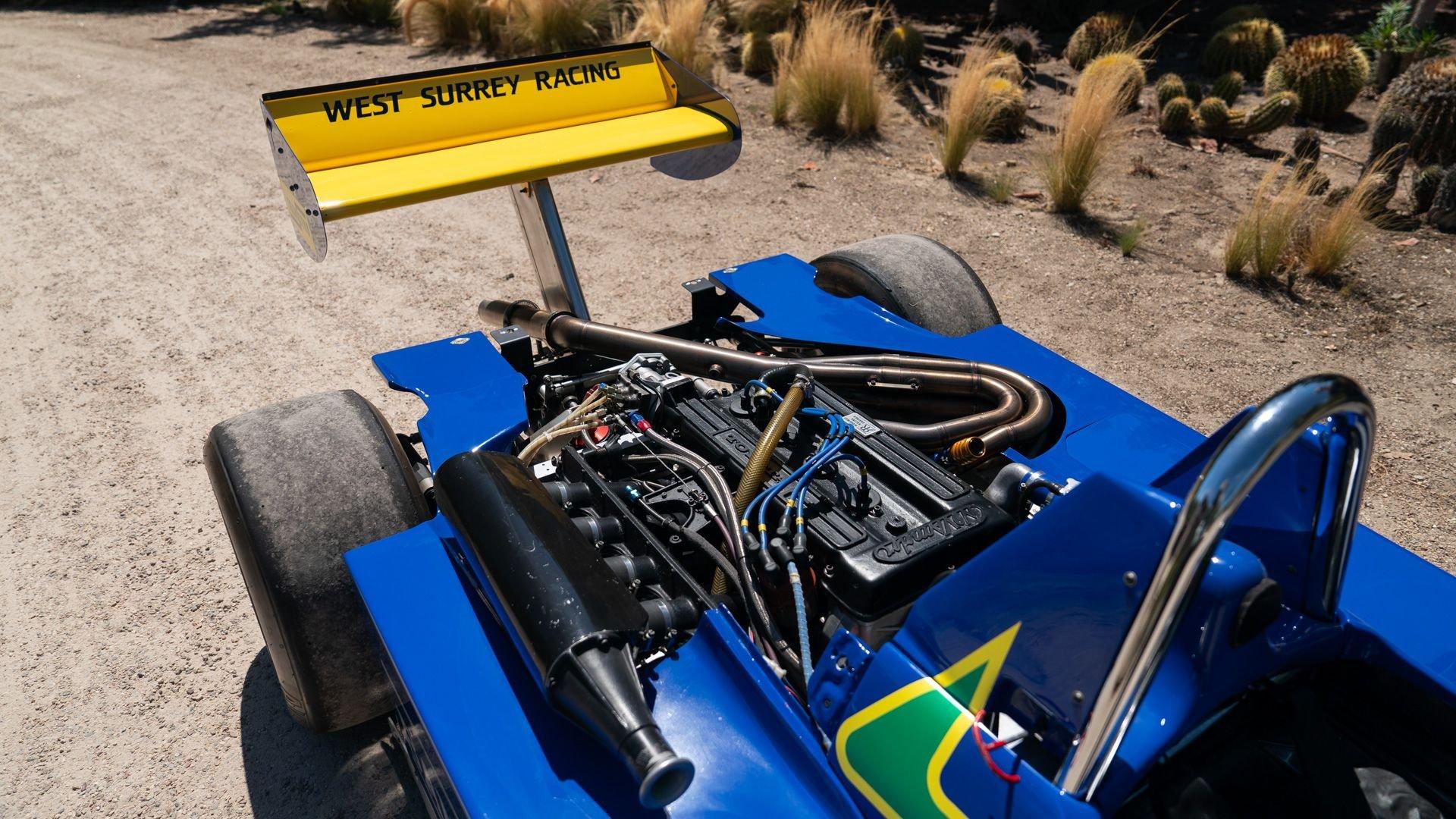
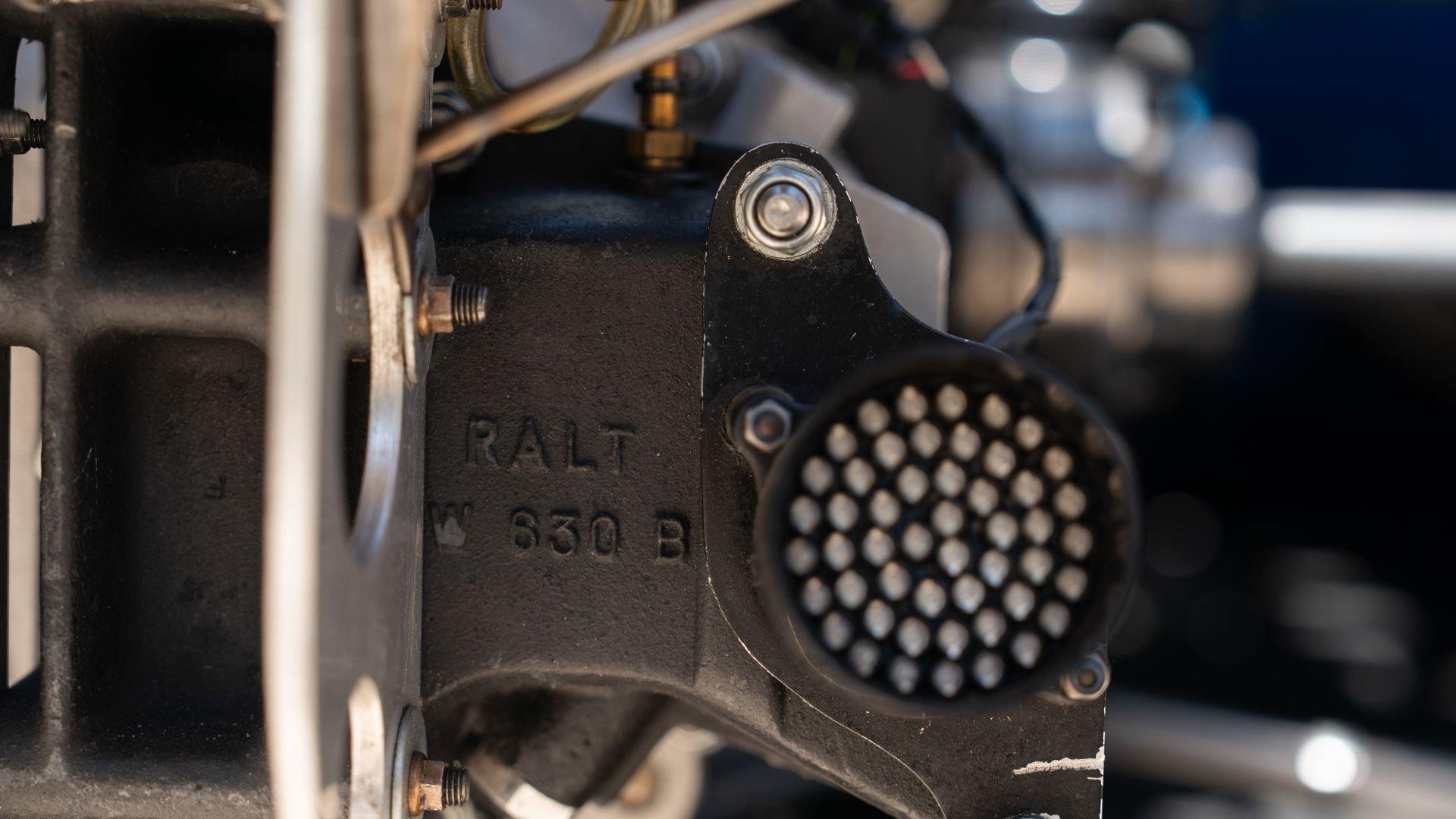
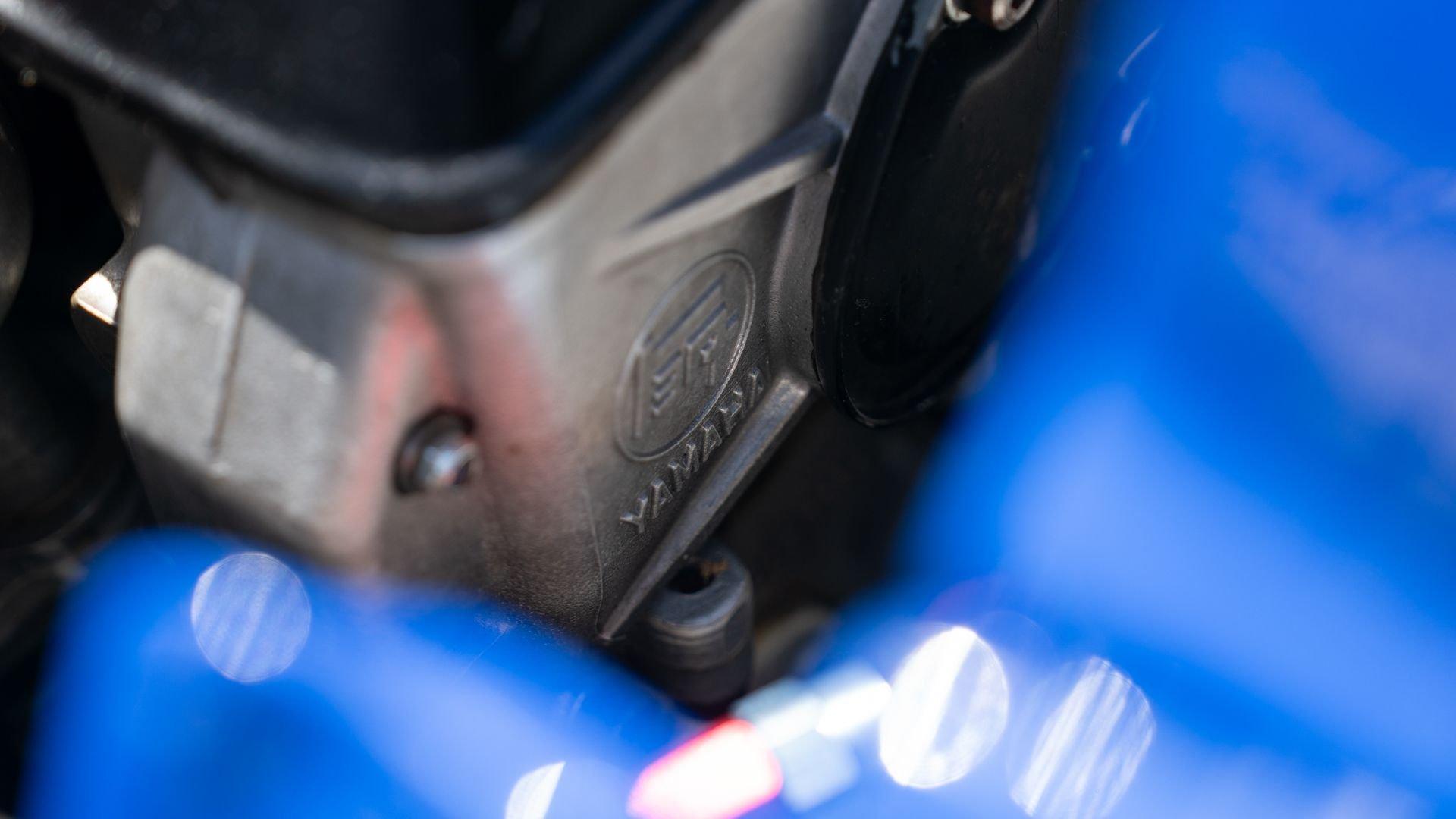
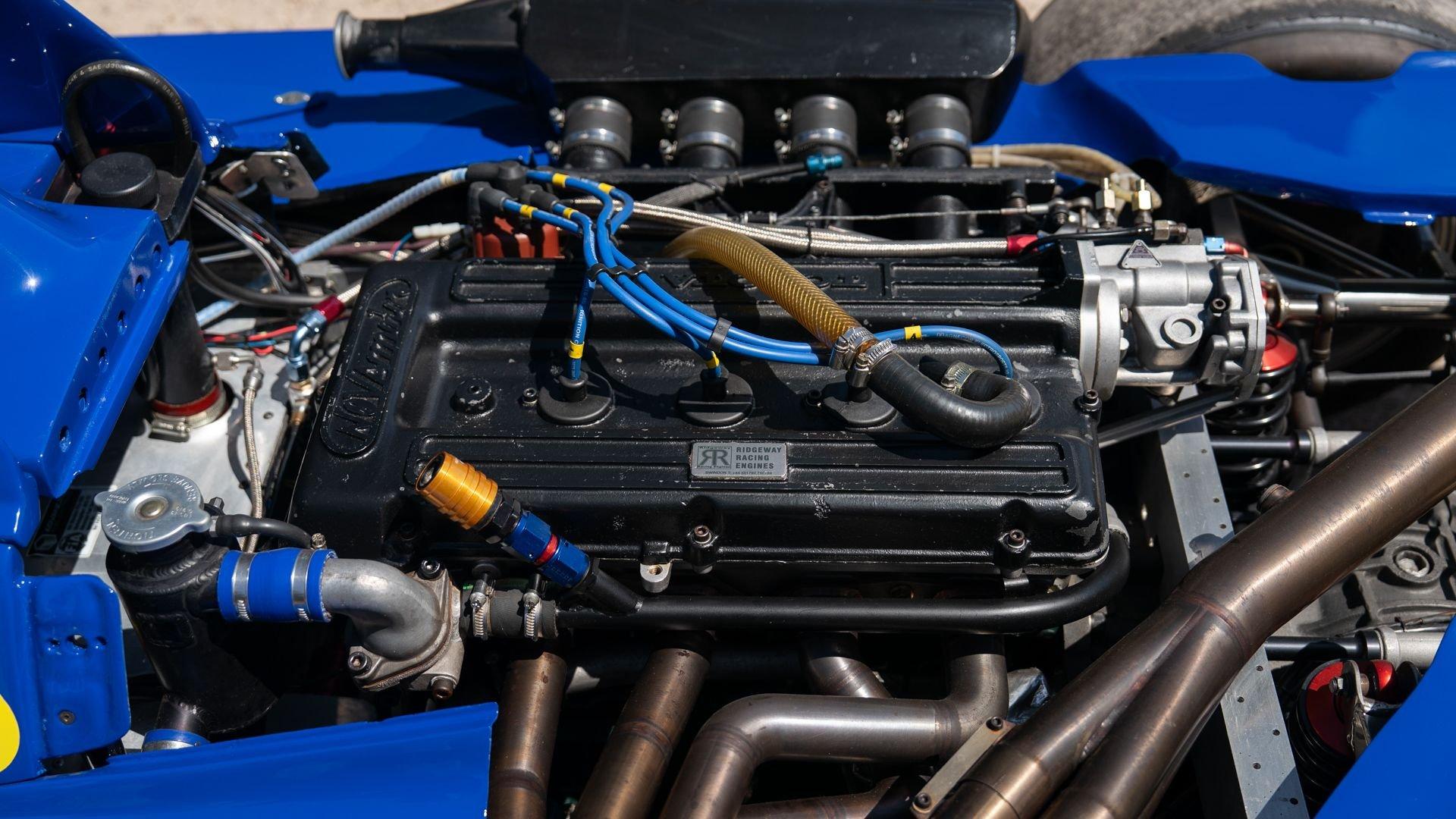
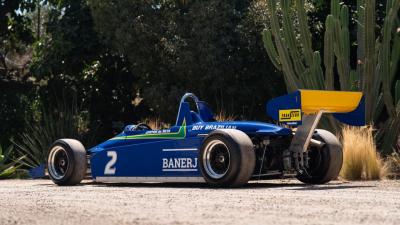
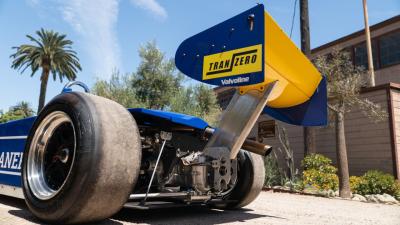
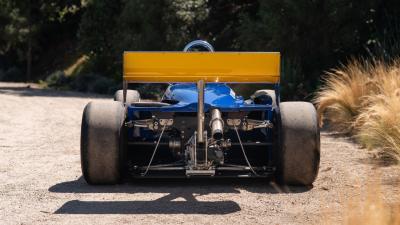
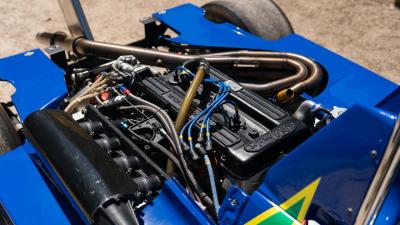
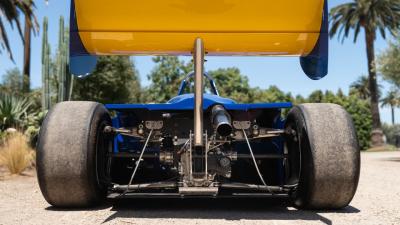
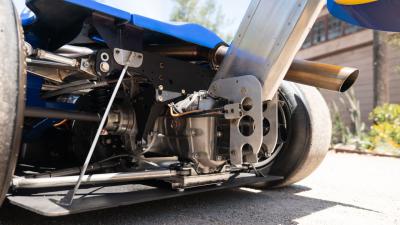
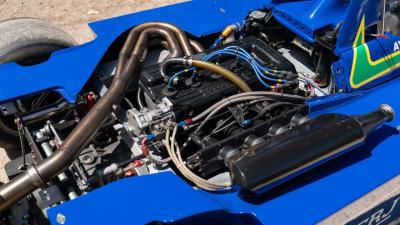
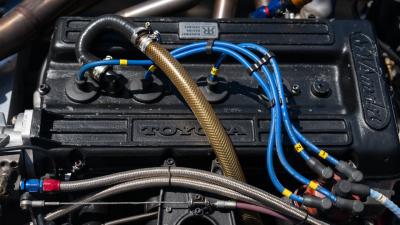
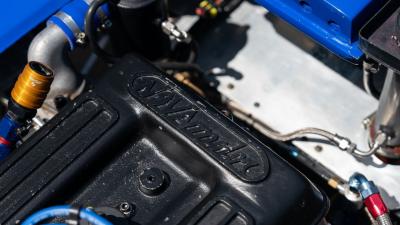
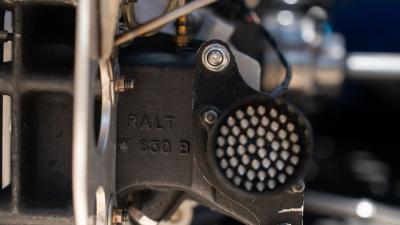
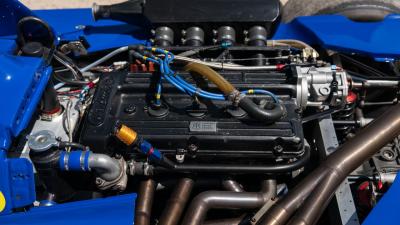
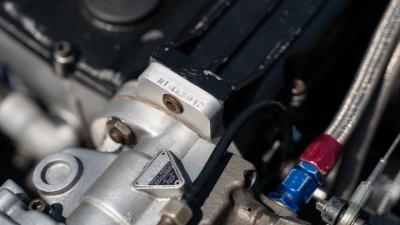
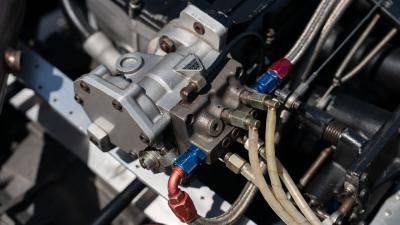
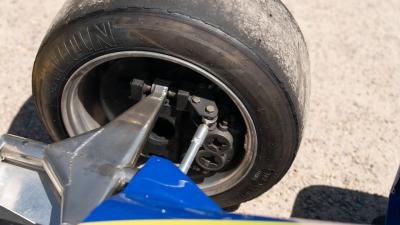
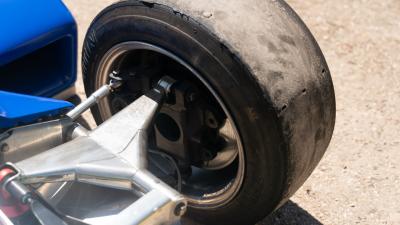
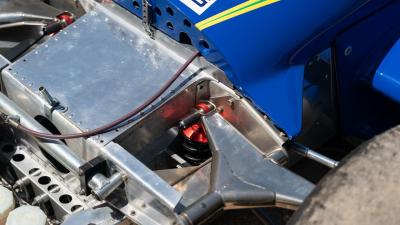
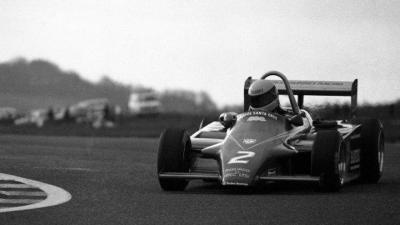
Founded by the Australian designer Ron Tauranac following his departure from Brabham, Ralt built the customer single-seaters against which all others were measured through the late 1970s and 1980s. Nowhere was the firm's dominance more complete than in Formula 3, where the RT3, introduced for the ground-effect era and refined continuously through 1984, made every rival effectively obsolete. In 1982, Ralts accounted for roughly three-quarters of the British Formula 3 grid and swept the podium at nearly every round, while the Toyota twin-cam variant, with its 165 horsepower channeled through a five-speed Hewland gearbox in a car weighing just over 1,000 pounds, proved the definitive specification.
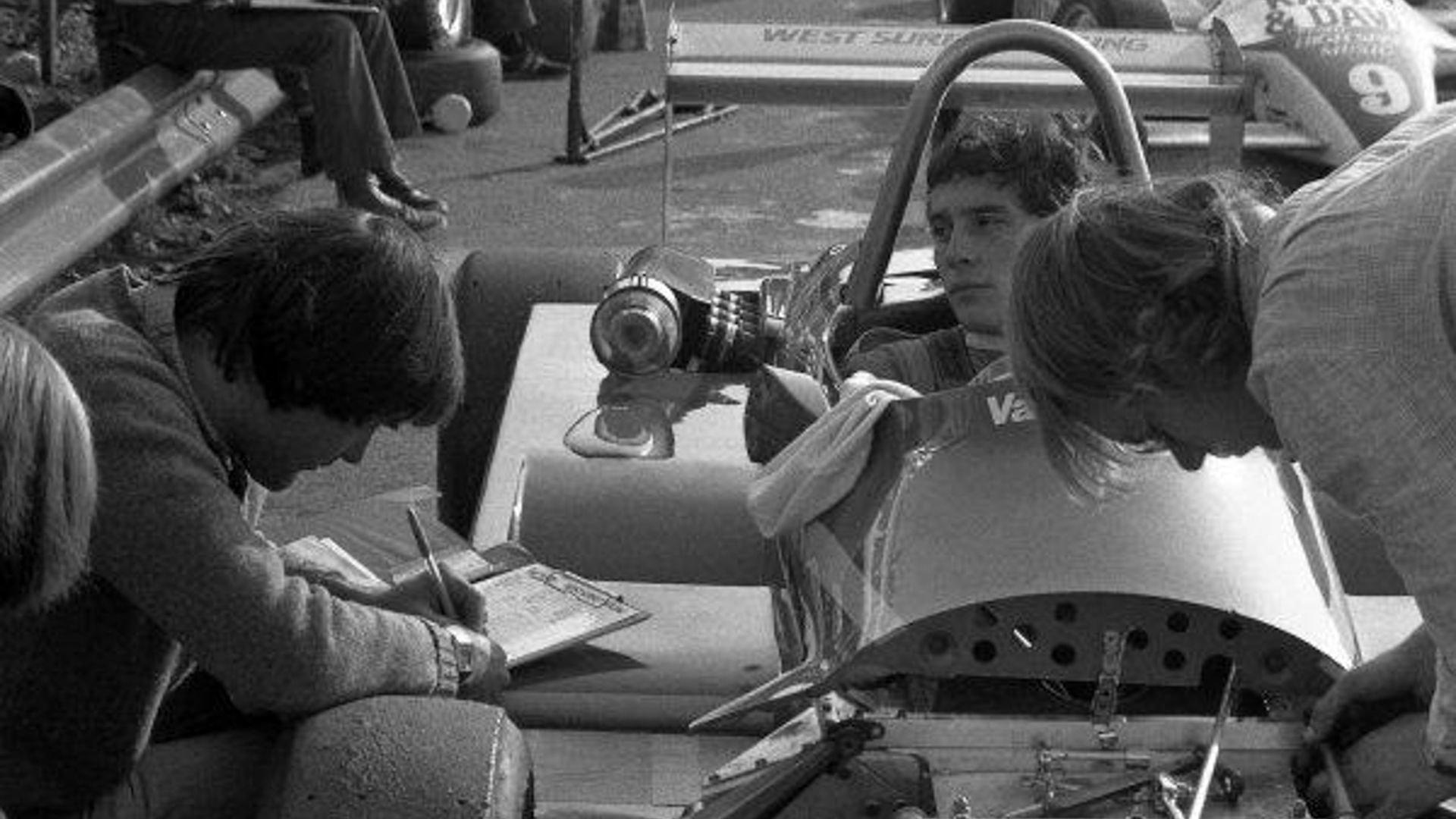
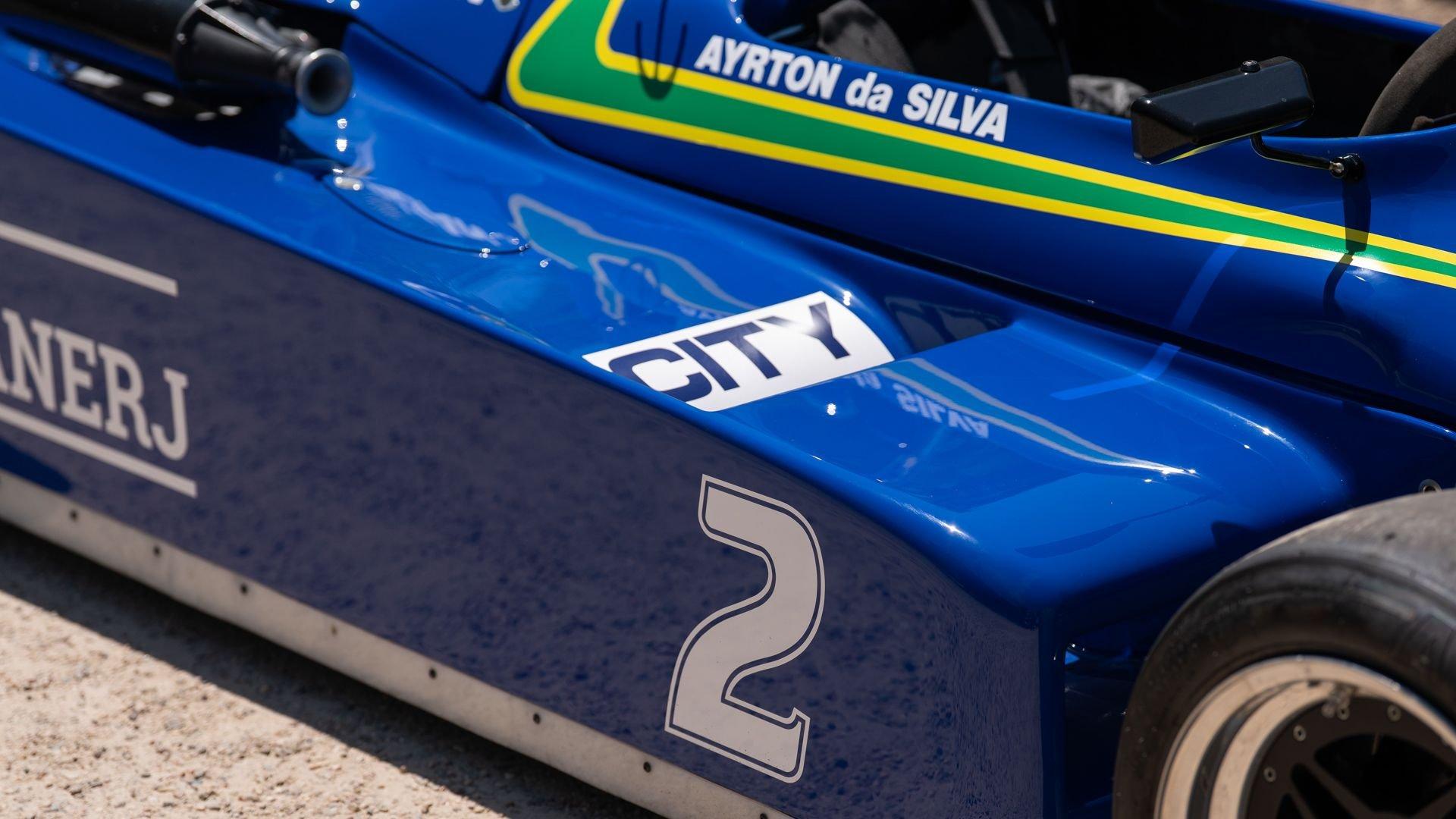
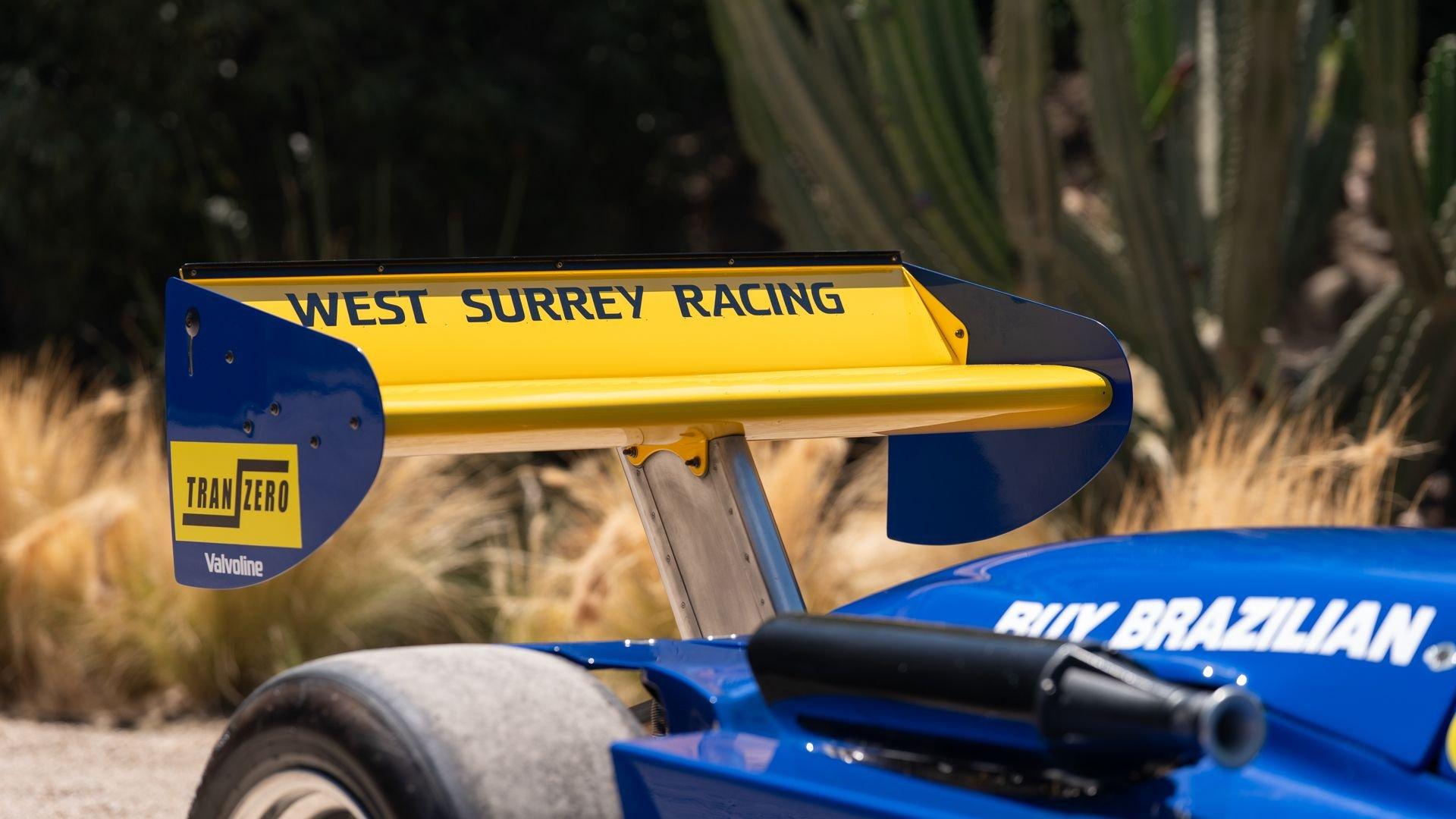
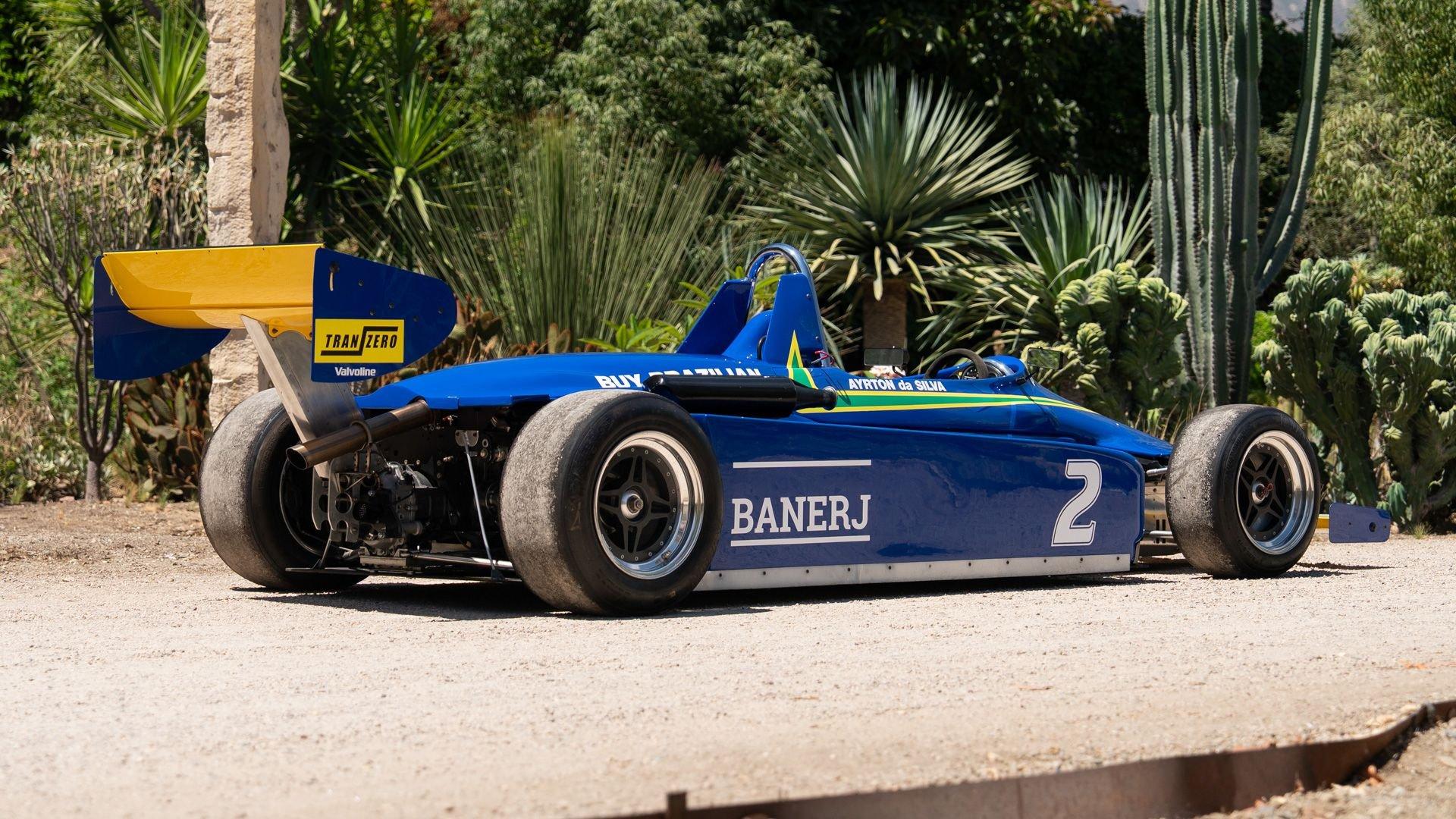
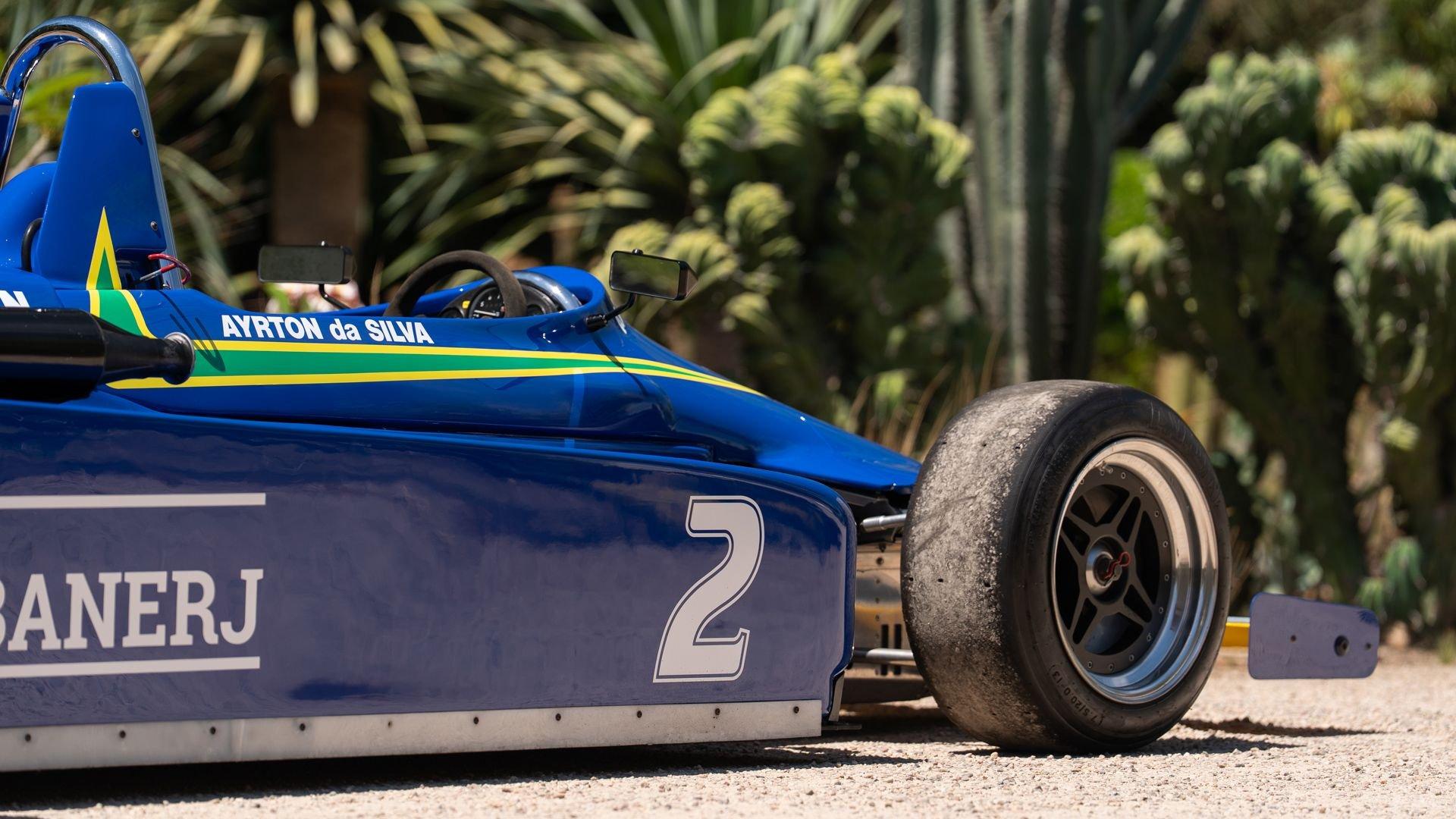
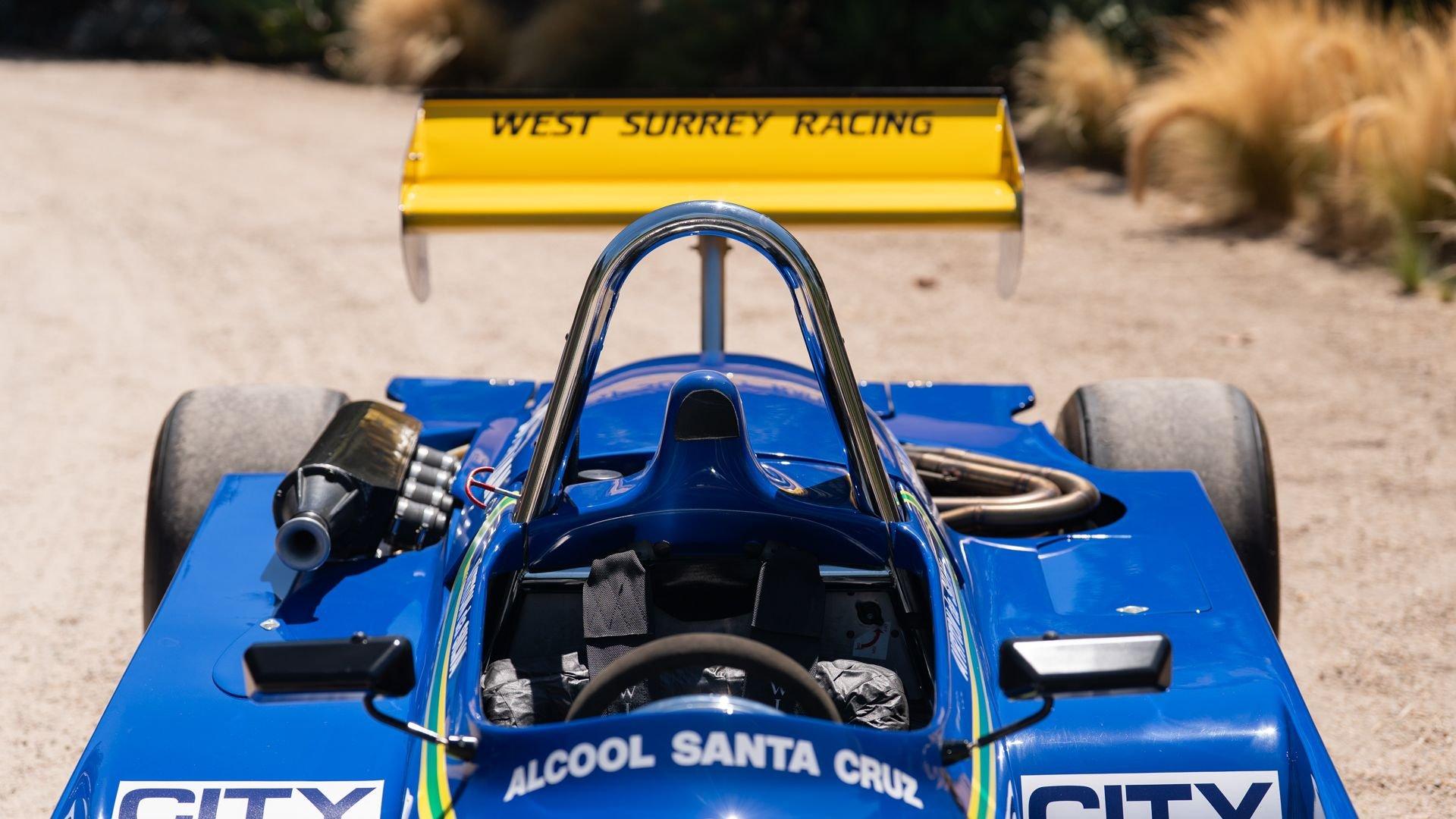
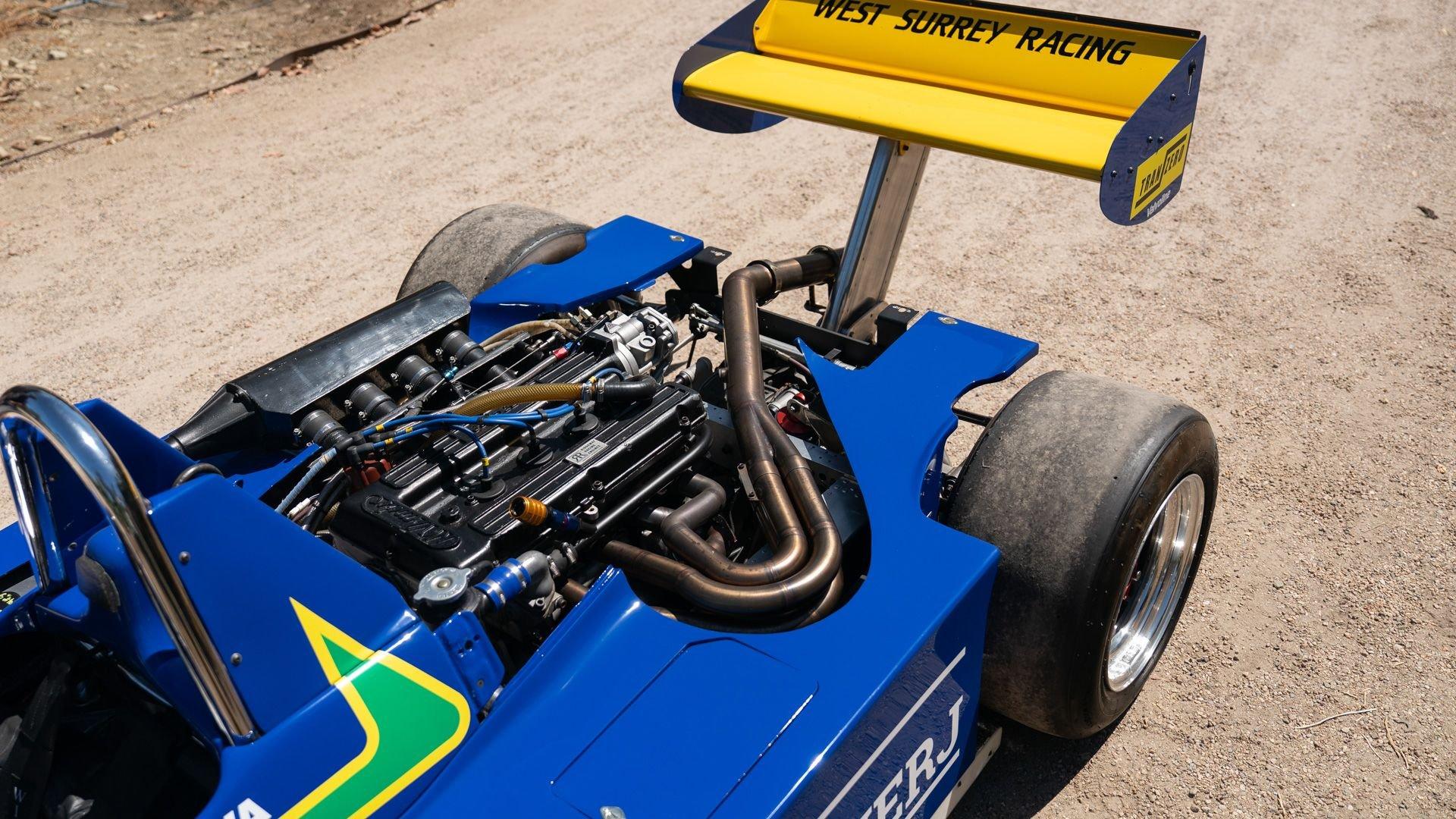
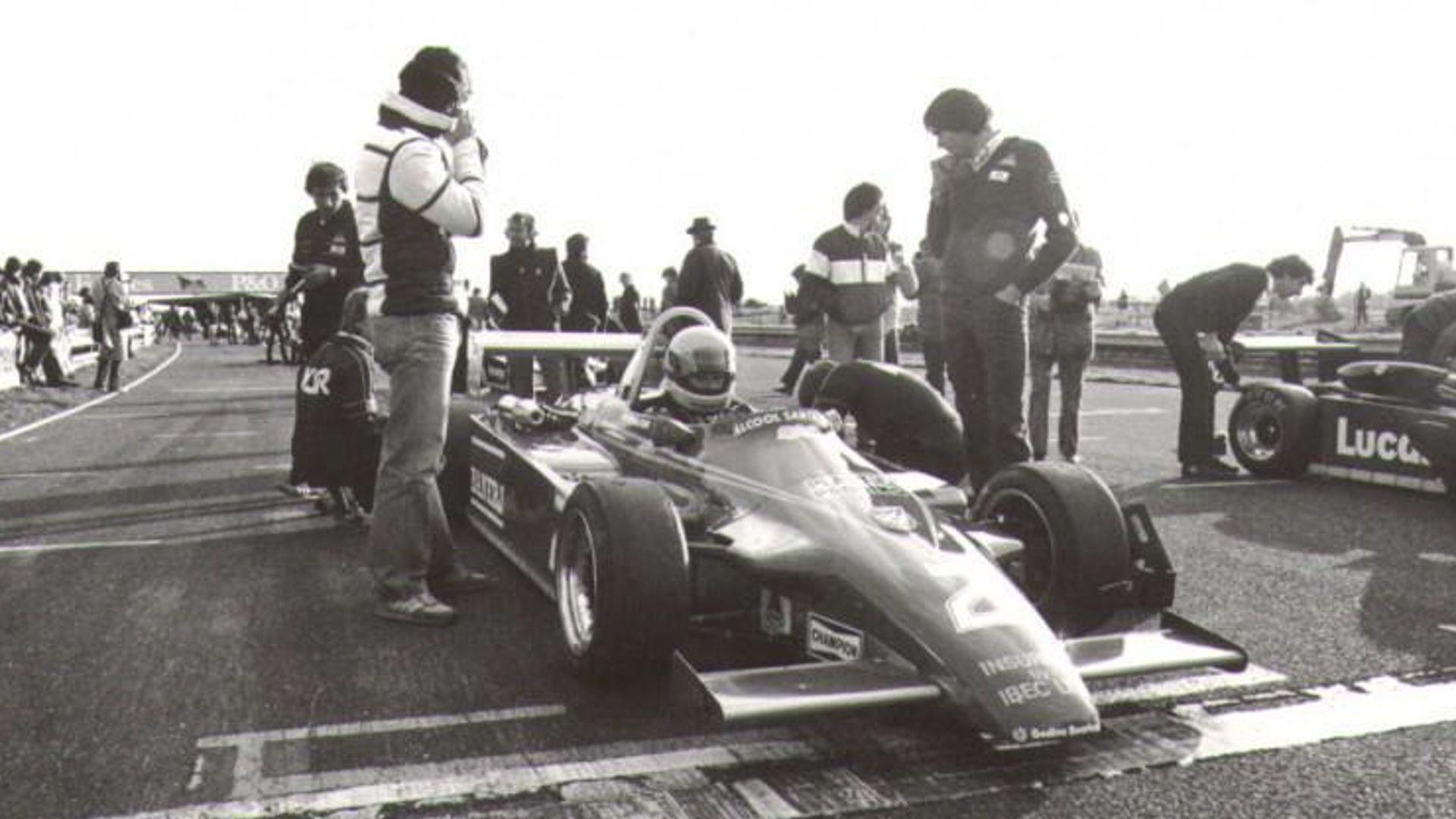
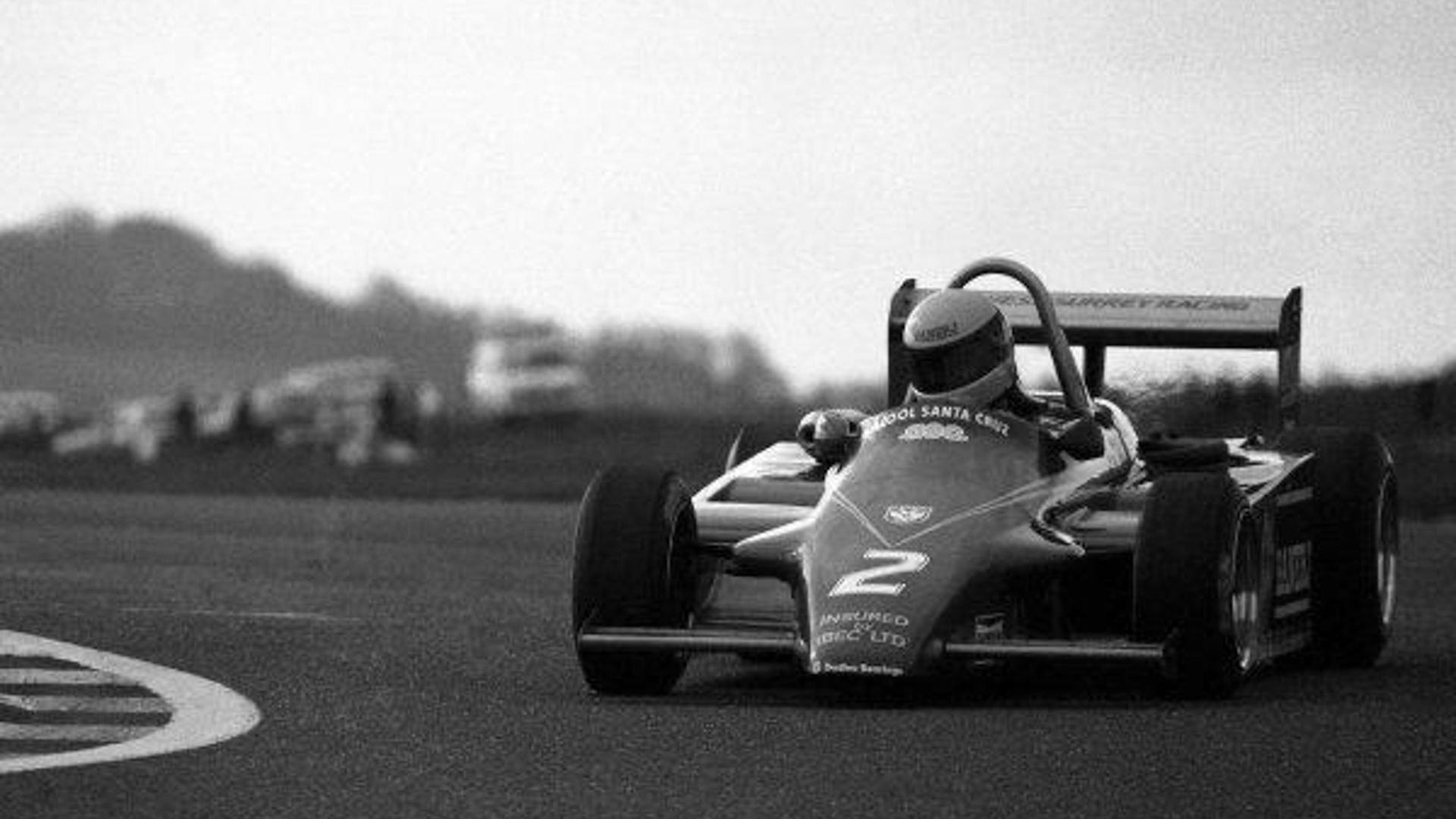
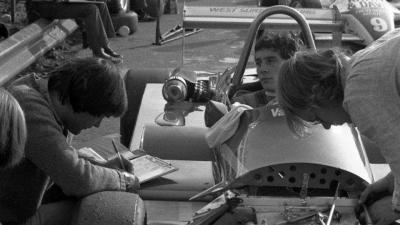
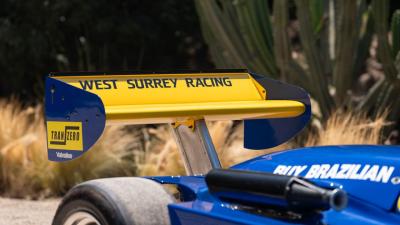
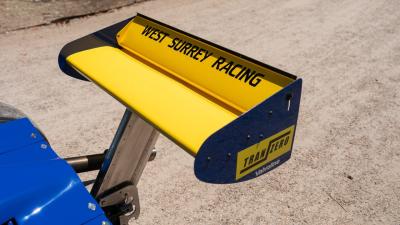
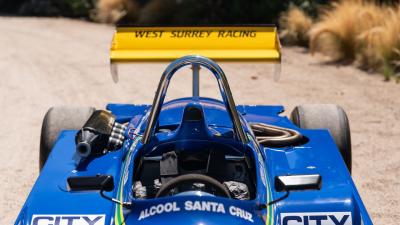
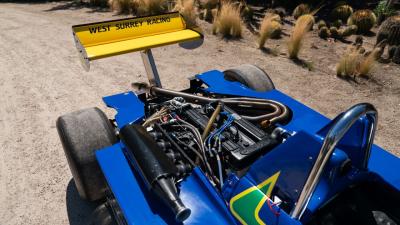
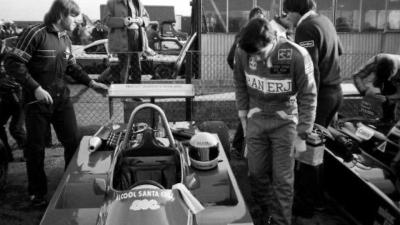
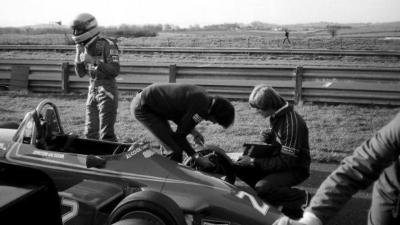
Chassis number 291 was campaigned by Dick Bennetts' West Surrey Racing in the 1982 British Formula 3 Championship, driven by the Argentine Enrique Mansilla. Across fifteen starts in the car, Mansilla claimed four victories at Mallory Park, Oulton Park, Silverstone, and Snetterton to secure 2nd in the championship, a mere three points behind champion Tommy Byrne.
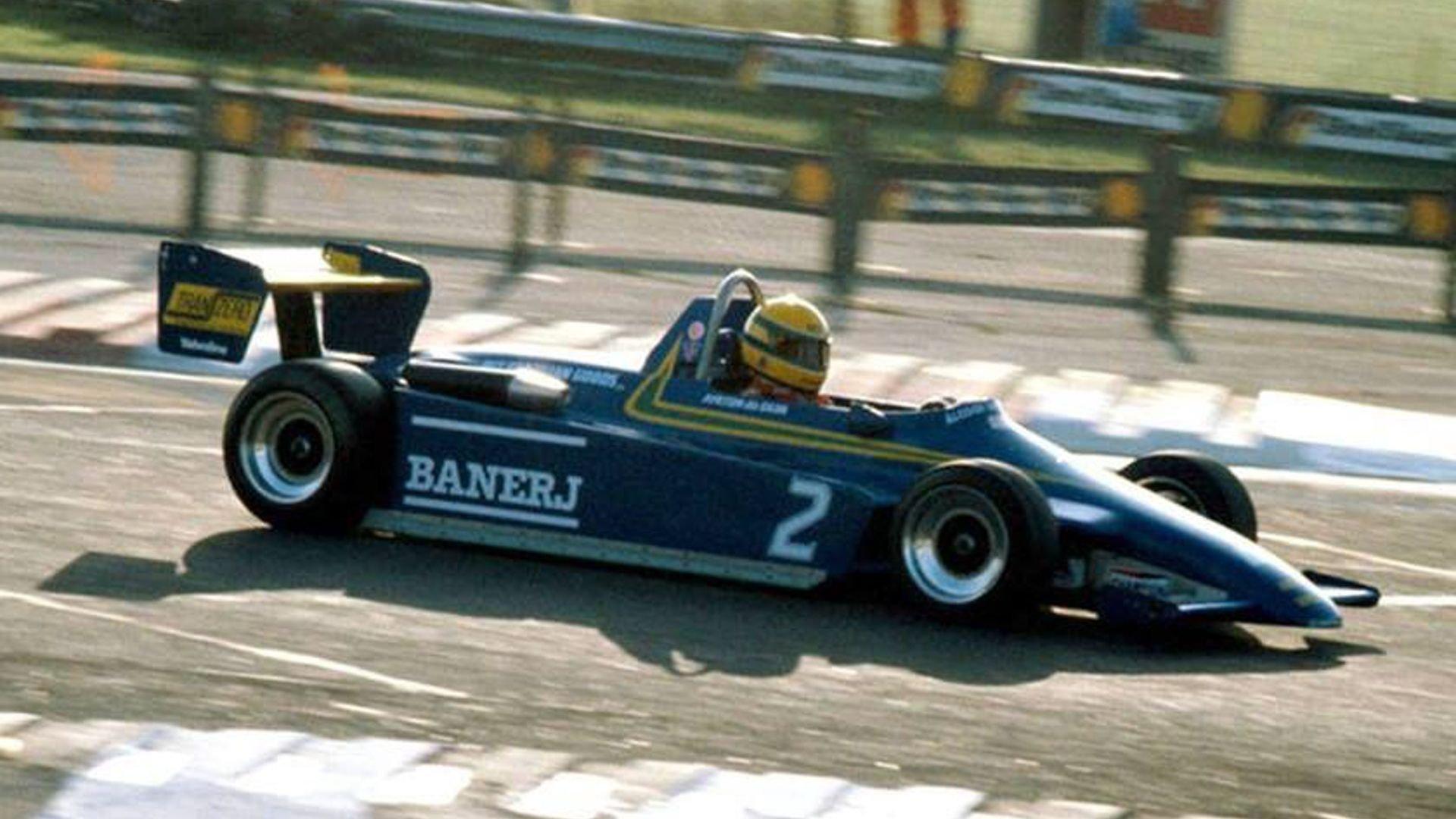
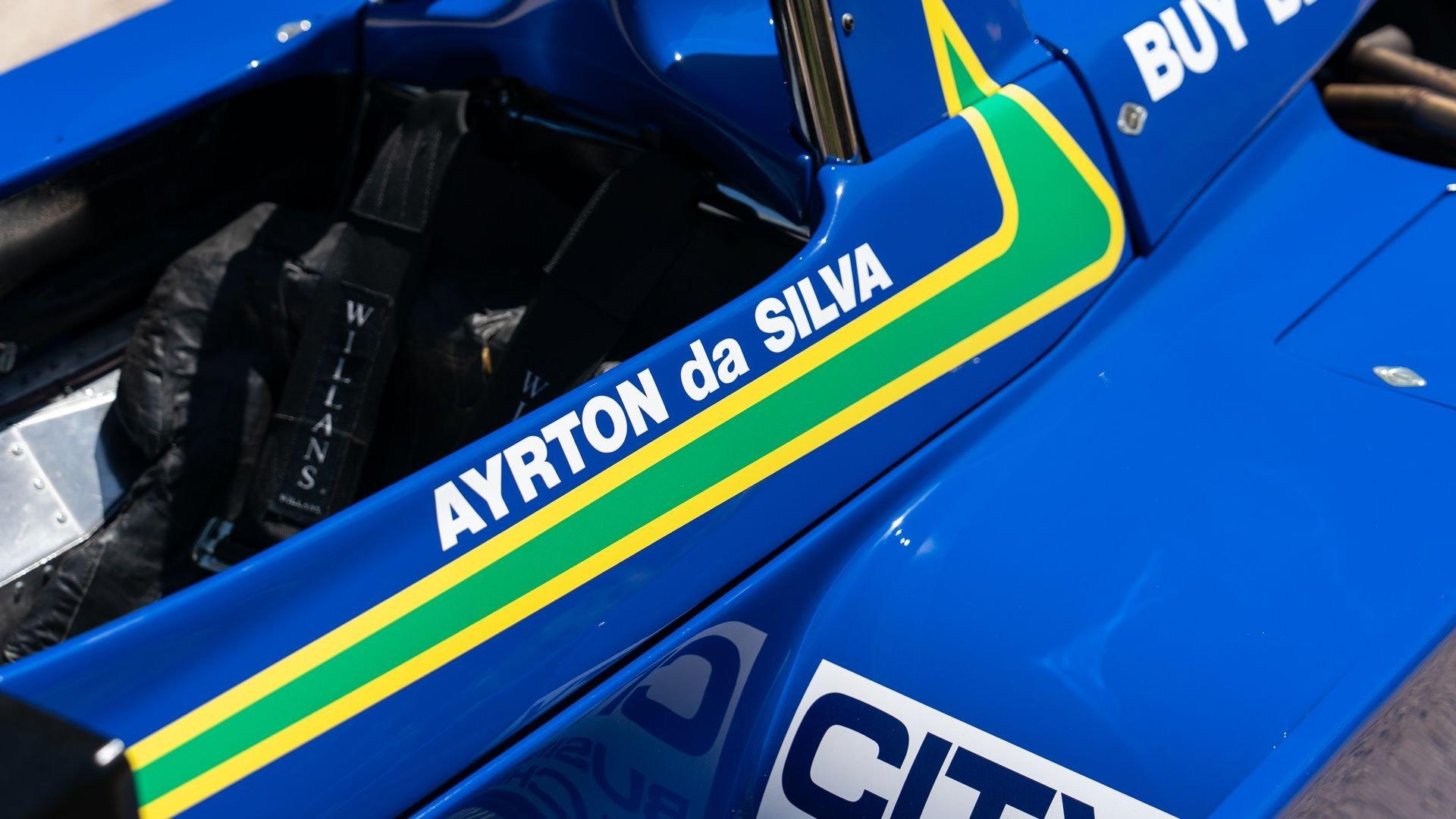
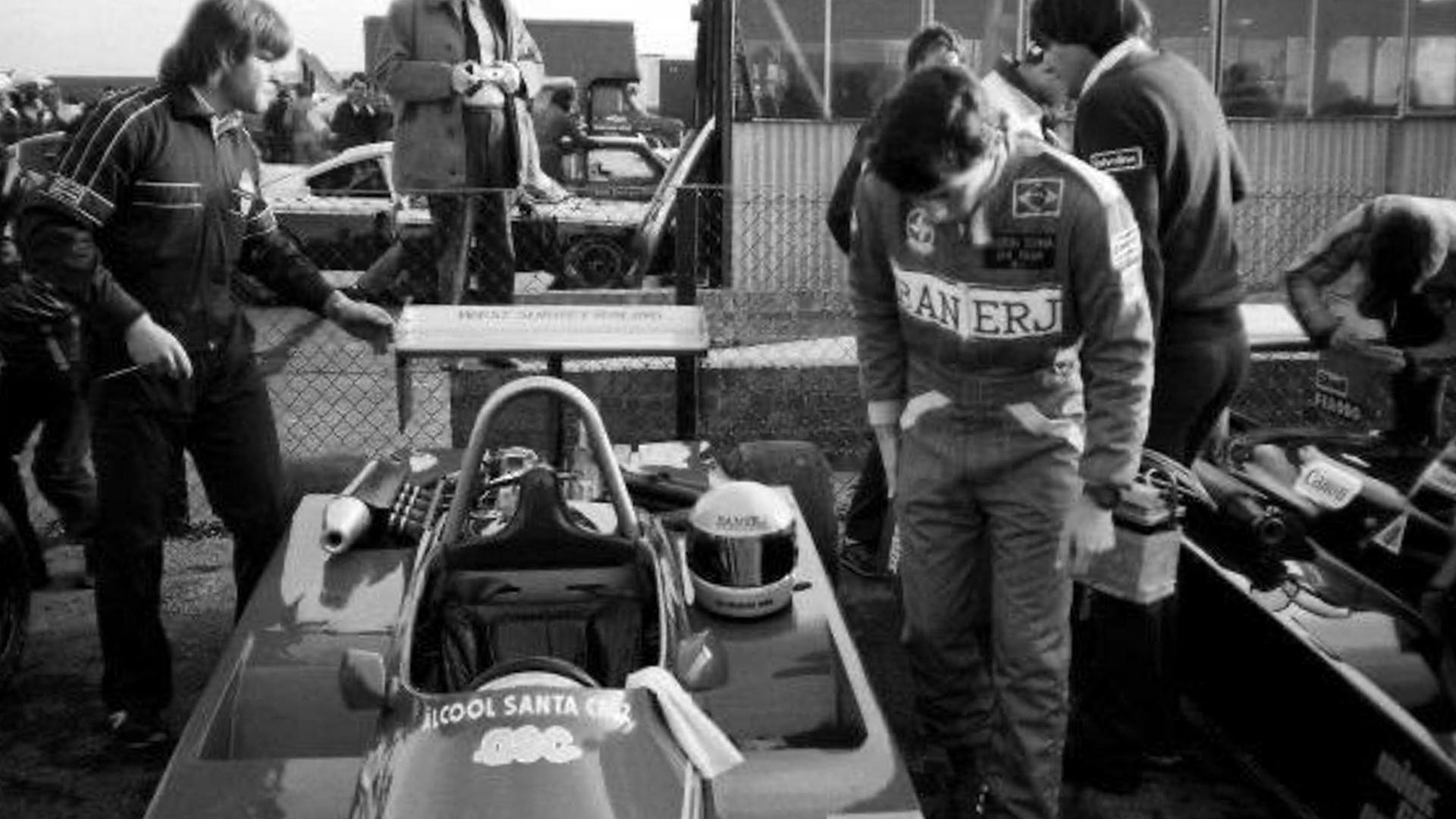
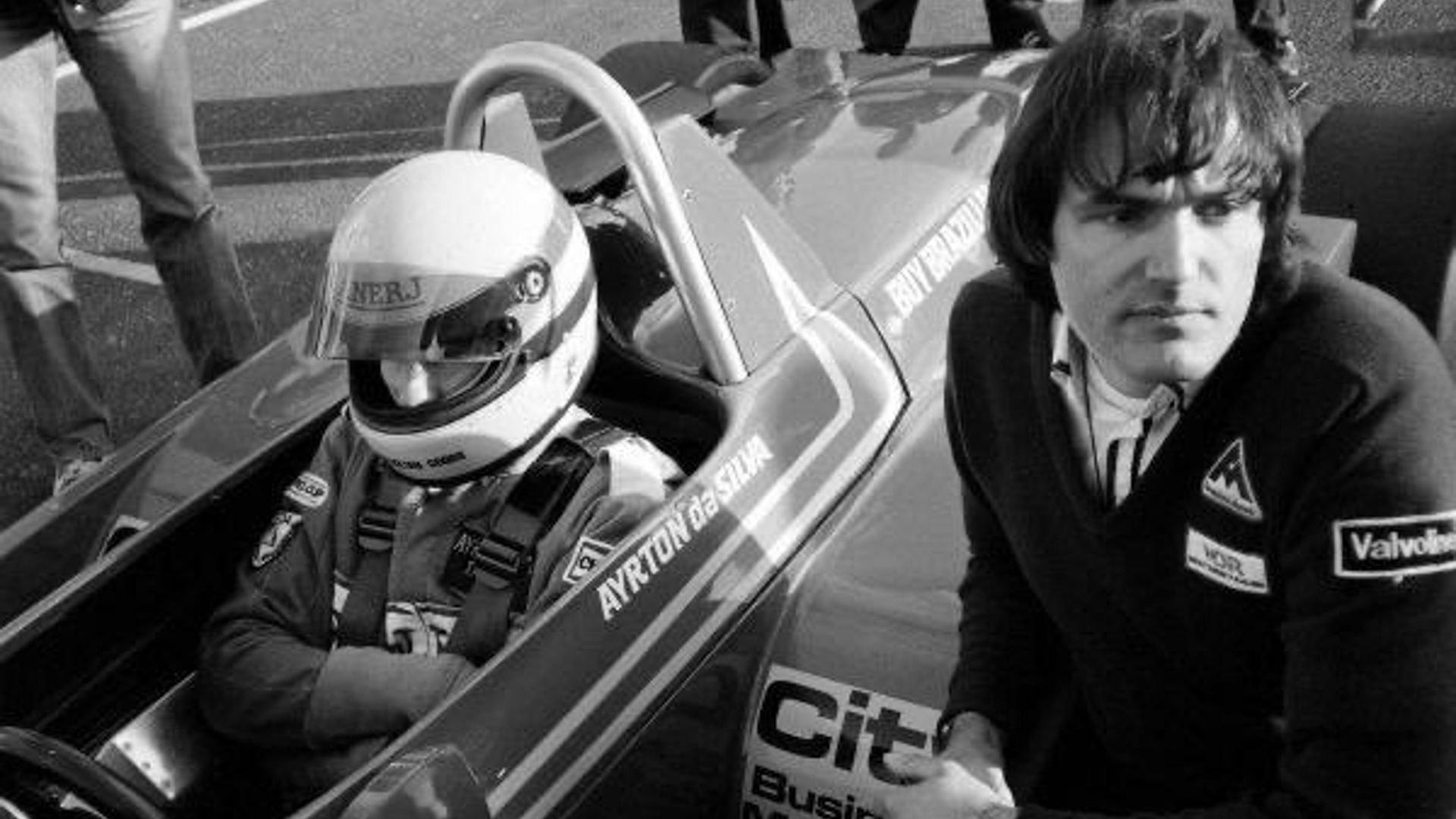
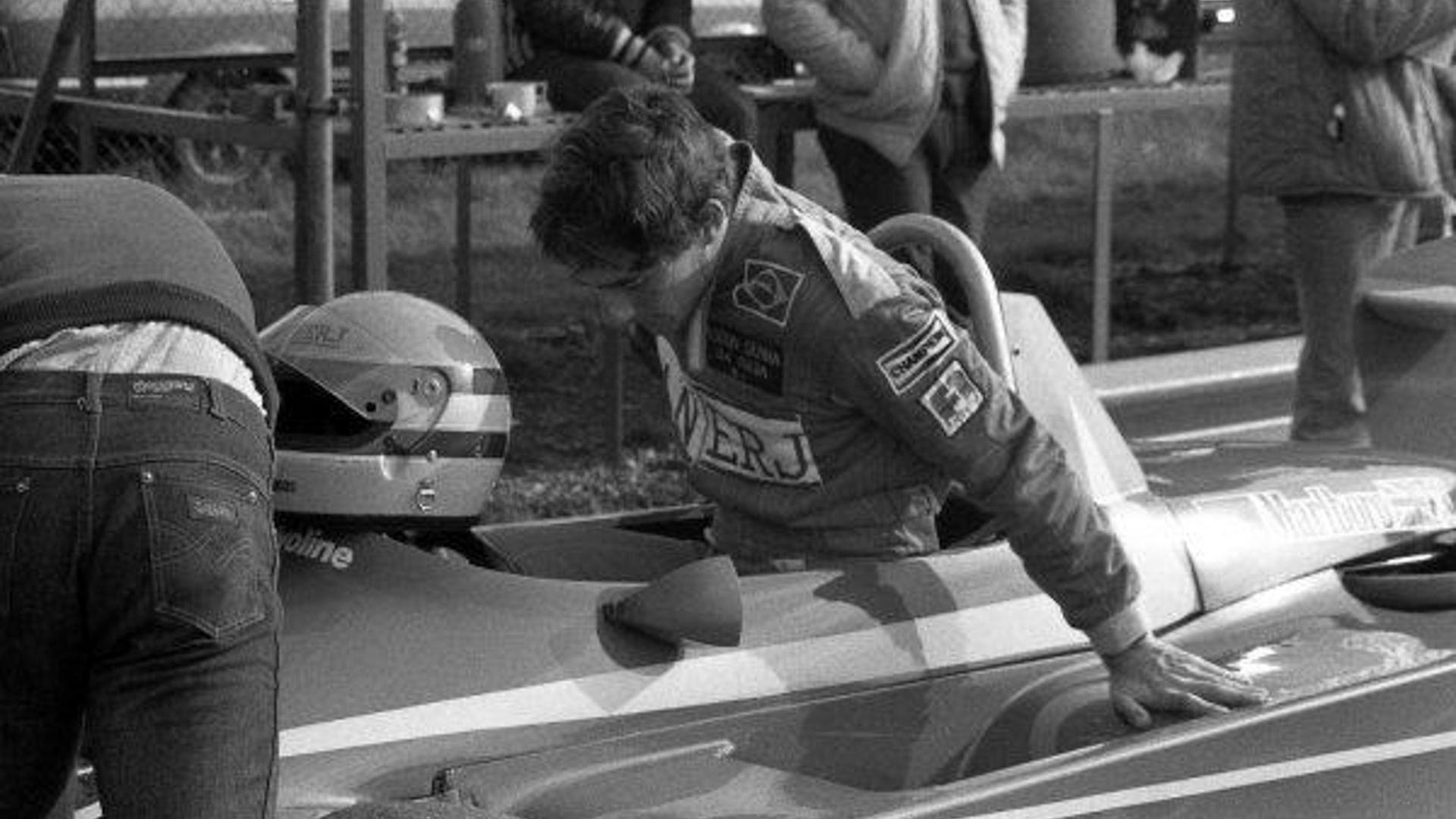
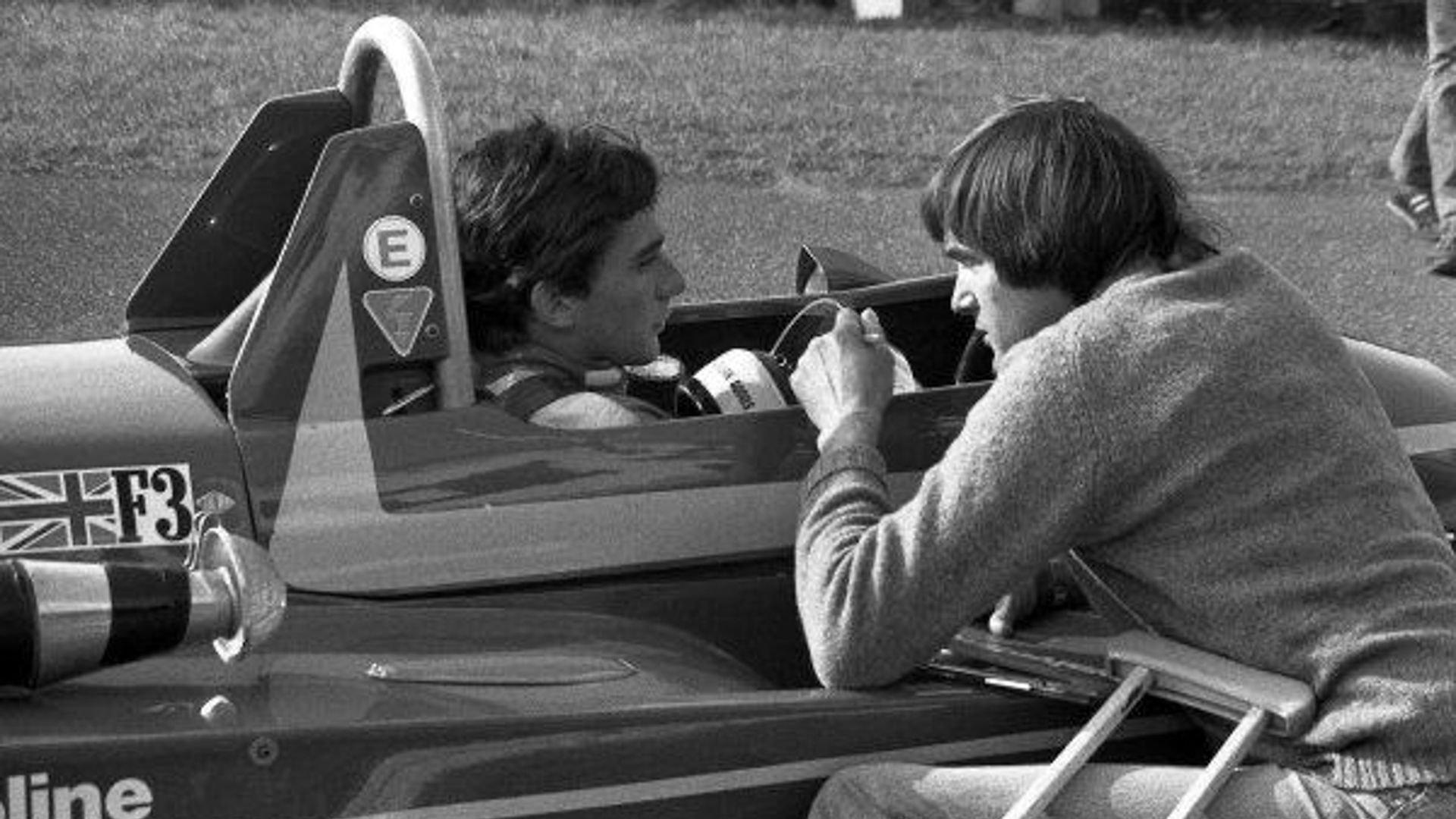
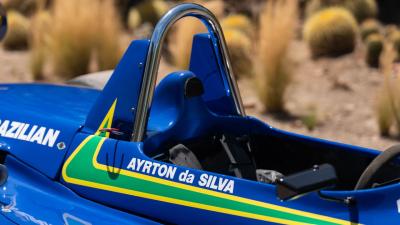
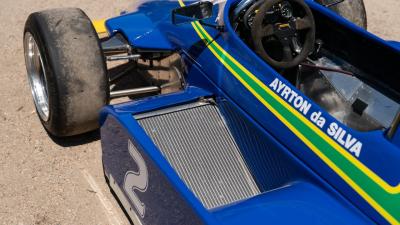
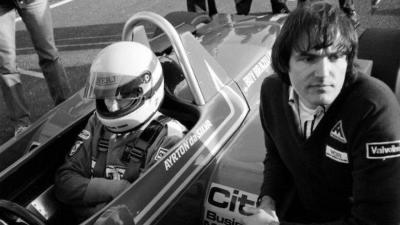
What followed elevated chassis 291 from a successful customer racing car into one of the most significant Formula 3 cars in existence. Bennetts had been watching a young Brazilian named Ayrton Senna da Silva tear through the junior formulae, and with Mansilla's runner-up position secure, he offered Senna the seat for the season finale at Thruxton in November 1982. The offer arrived at a pivotal moment. Barely a year earlier, under family pressure to join the da Silva business in São Paulo, Senna had announced his retirement from racing and returned to Brazil, reversing course only after months of deliberation to contest the 1982 Formula Ford 2000 season. The Thruxton drive was thus an important catalyst in his decision to choose racing over the family enterprise, one that would spawn one of the most successful and legendary careers in motorsport.
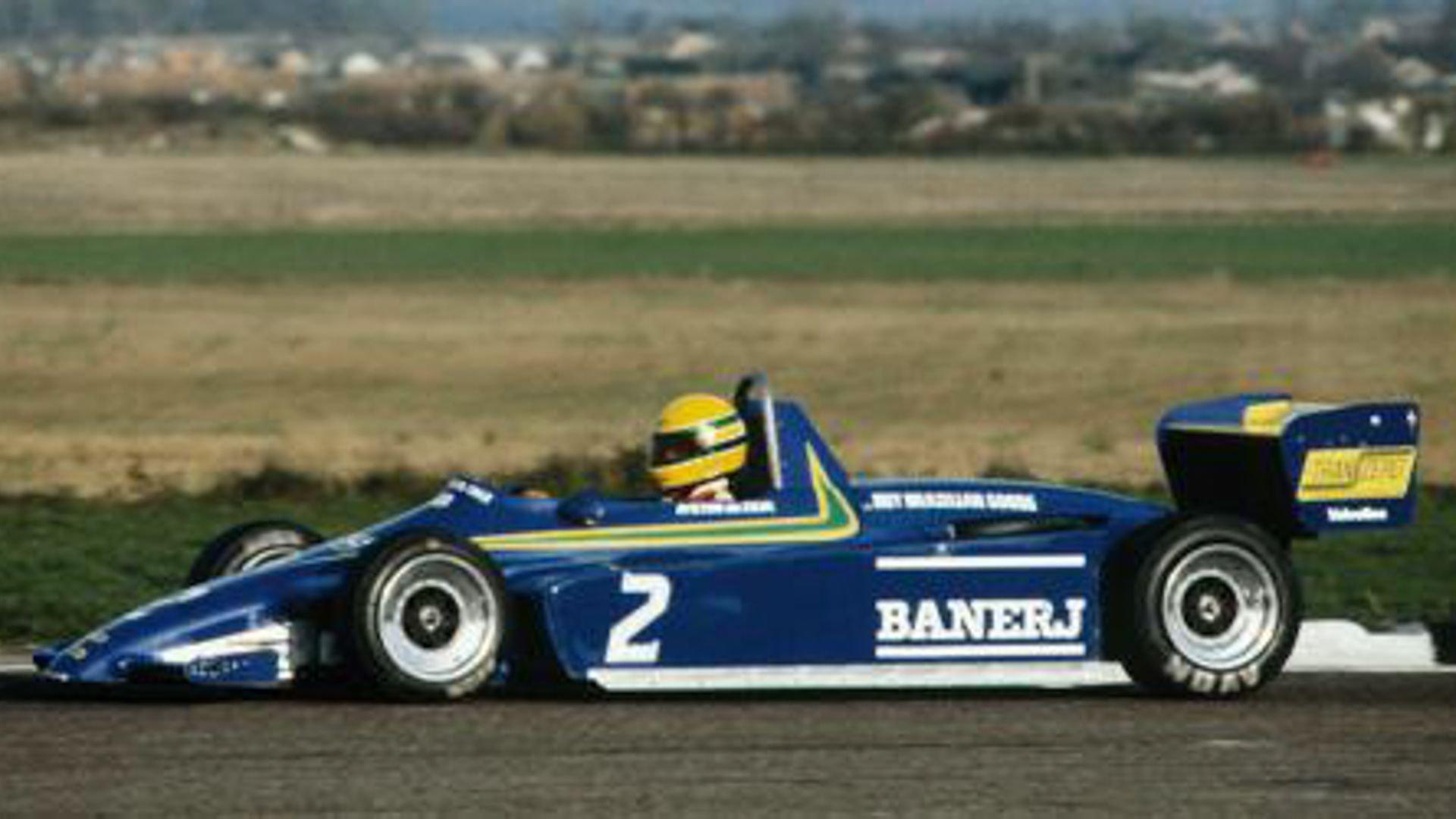
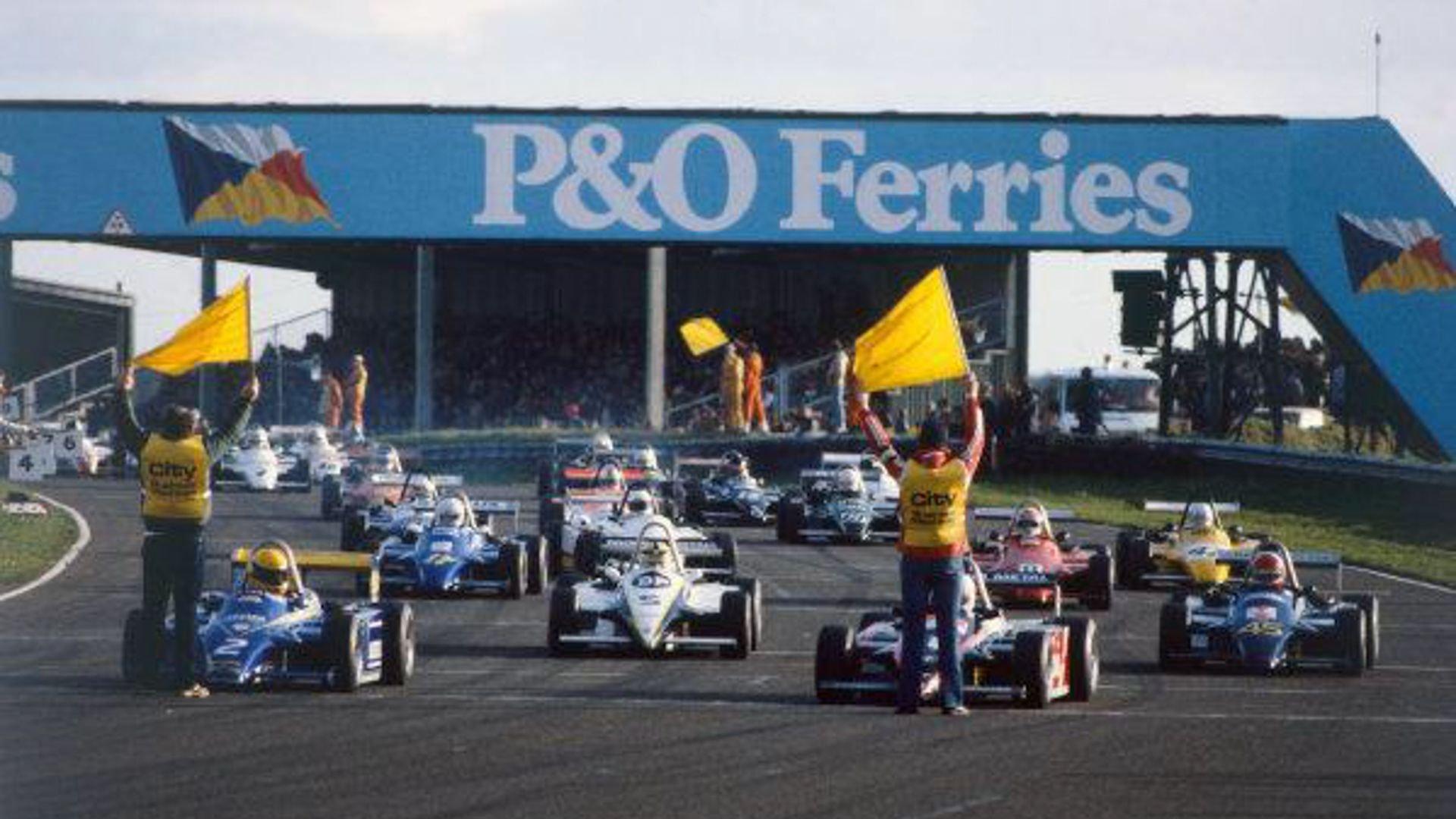
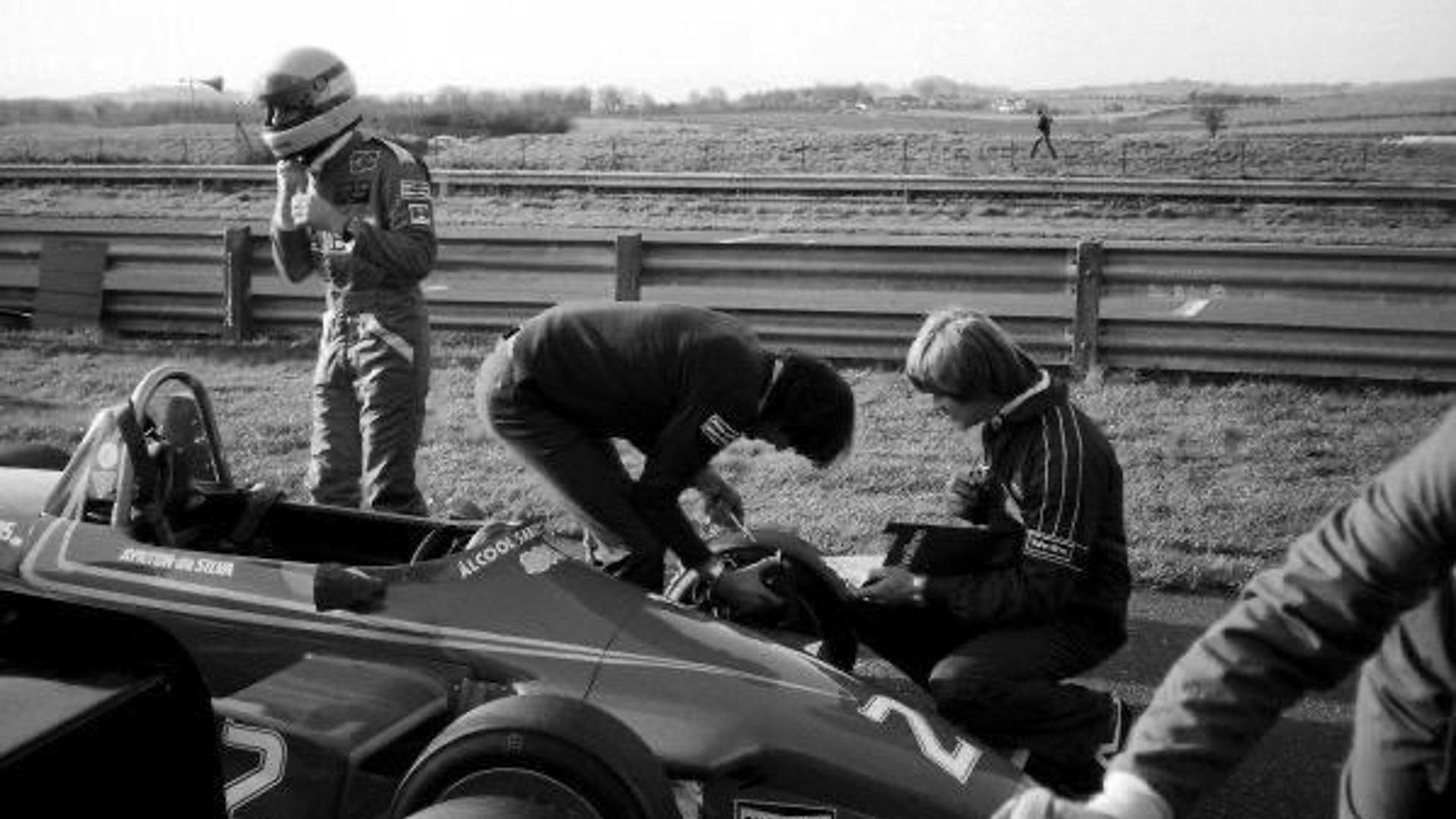
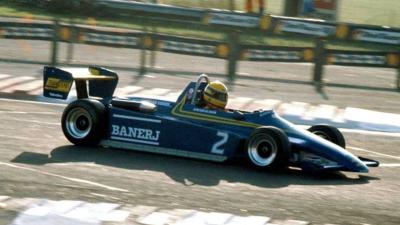
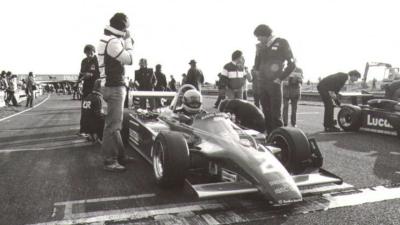
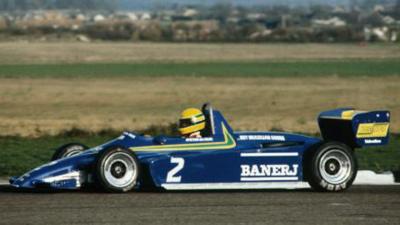
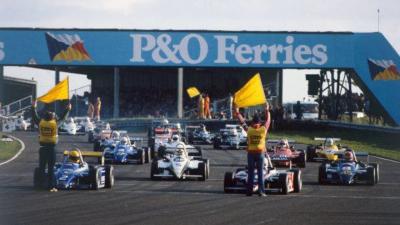
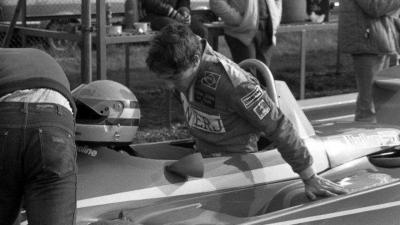
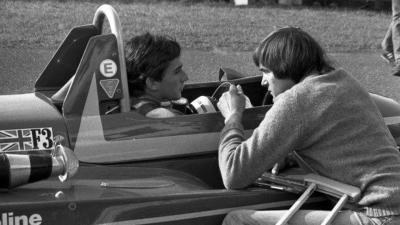
Senna arrived having never driven a Formula 3 car or turned a lap at Thruxton. Undeterred, he qualified this car on pole by seven-tenths of a second over a field that included the newly crowned champion, then won the race by thirteen seconds while setting the fastest lap. In a single November afternoon, in this chassis, Senna's performance announced that his Formula Ford brilliance would translate to Formula 3 machinery, and West Surrey Racing confirmed his seat for a legendary 1983 campaign in which Senna won 12 of the season's 20 races, including the first nine in succession, claiming the British Formula 3 title and a Formula 1 contract with Toleman. Copies of original timesheets from that impactful weekend at Thruxton remain on file.
Chassis 291's part in shaping the Formula 1 grid did not end there. Sold at the close of 1982 to former F1 pilot and future Red Bull Racing Motorsport Advisor Helmut Marko, the car was collected in England by a young Gerhard Berger, who trailered it home to Austria- confirmed in a letter on file from Dick Bennetts dated 22 March 1990-and contested the 1983 European Formula 3 Championship, taking three podium finishes with 3rd at Zolder and 2nd-place results at the Österreichring and Ring-Knutstorp.
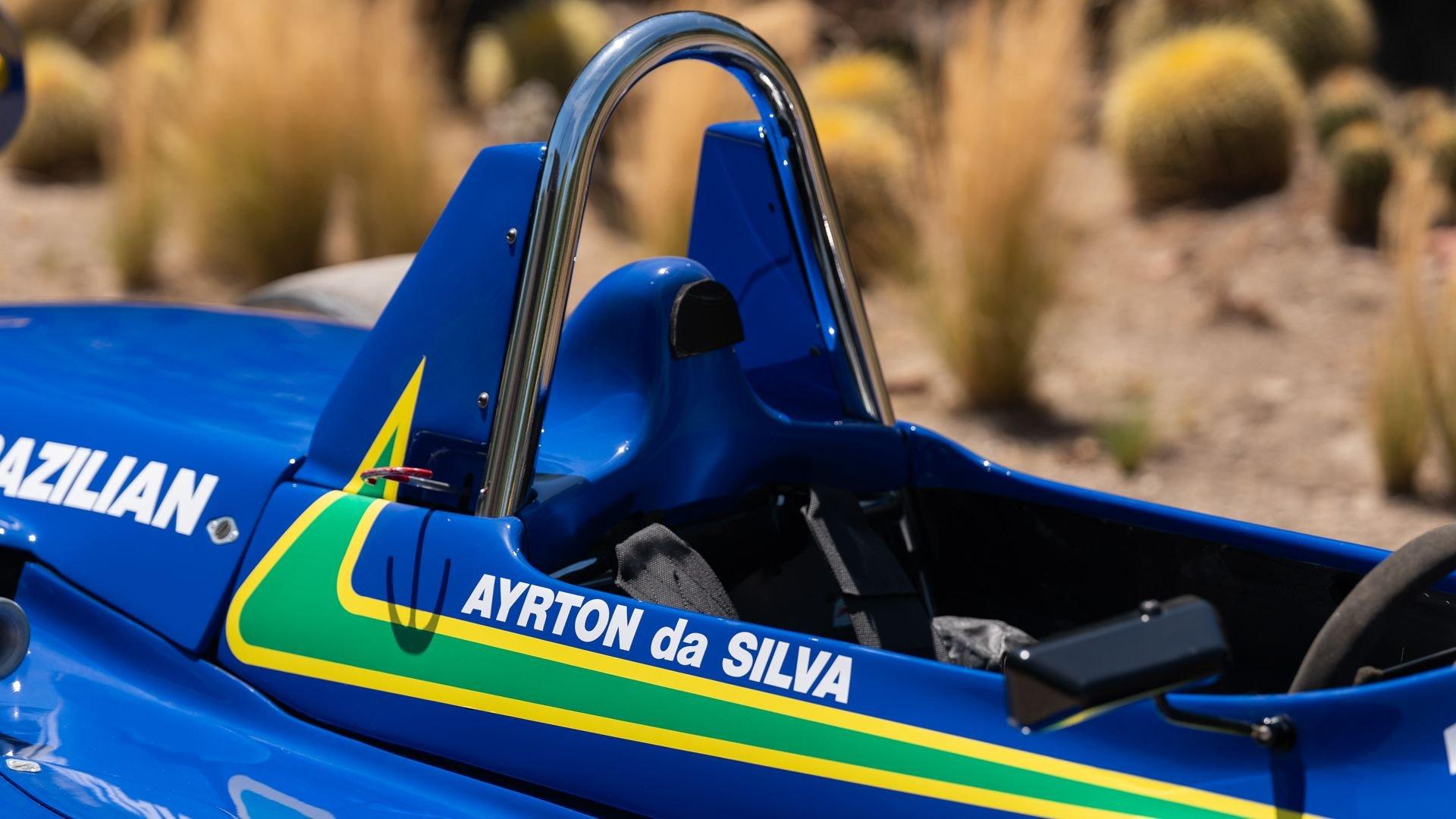
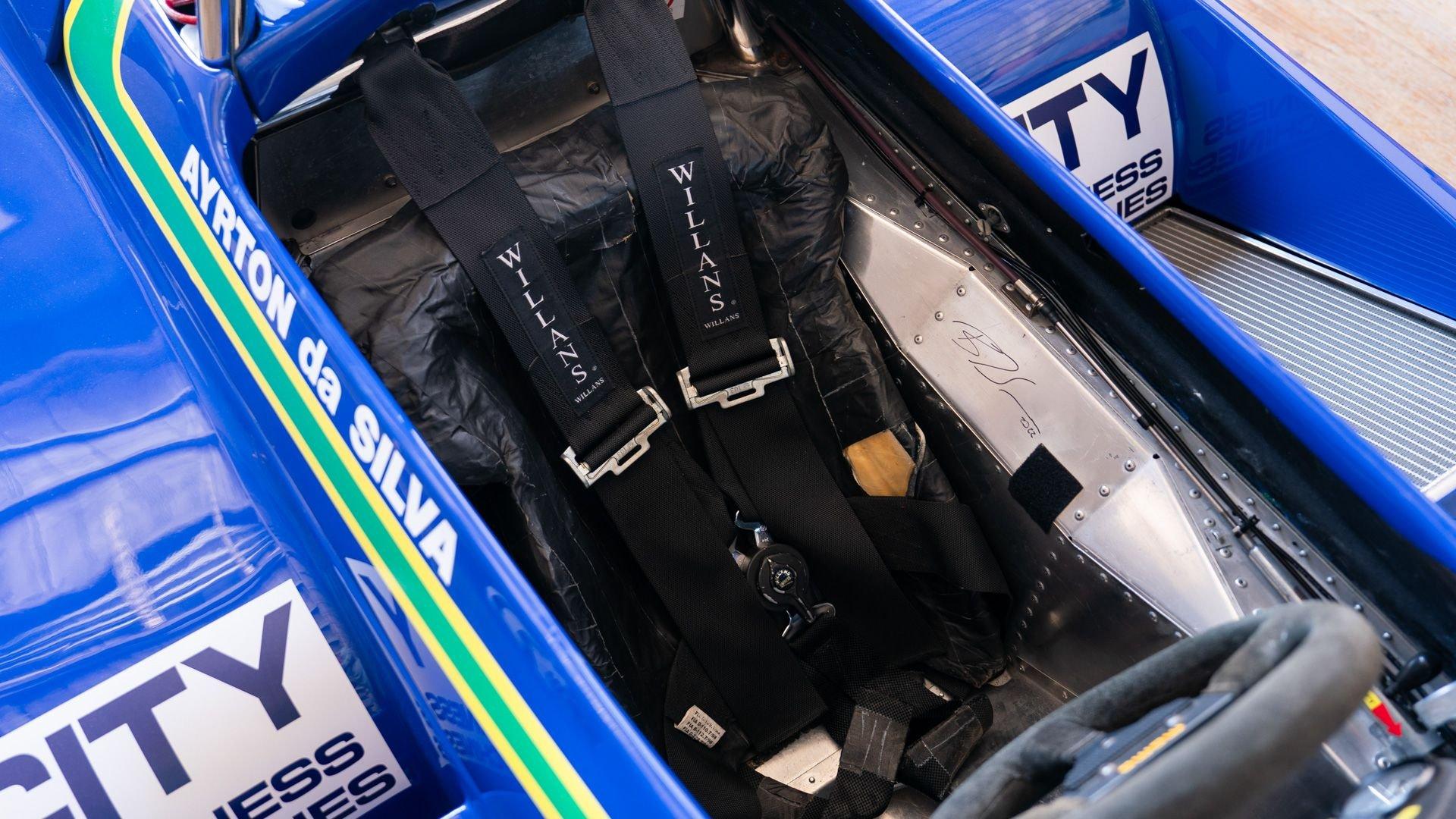
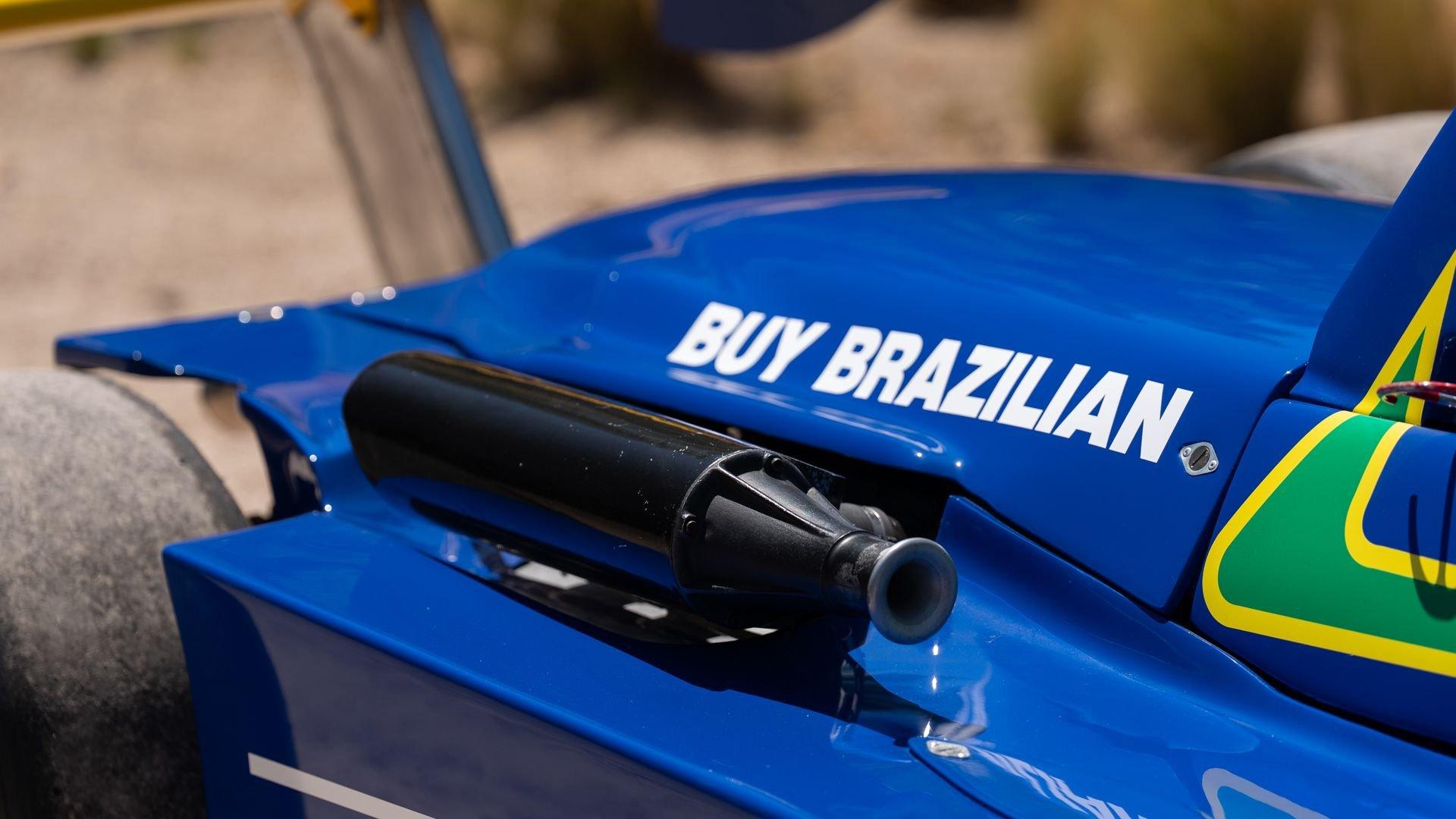
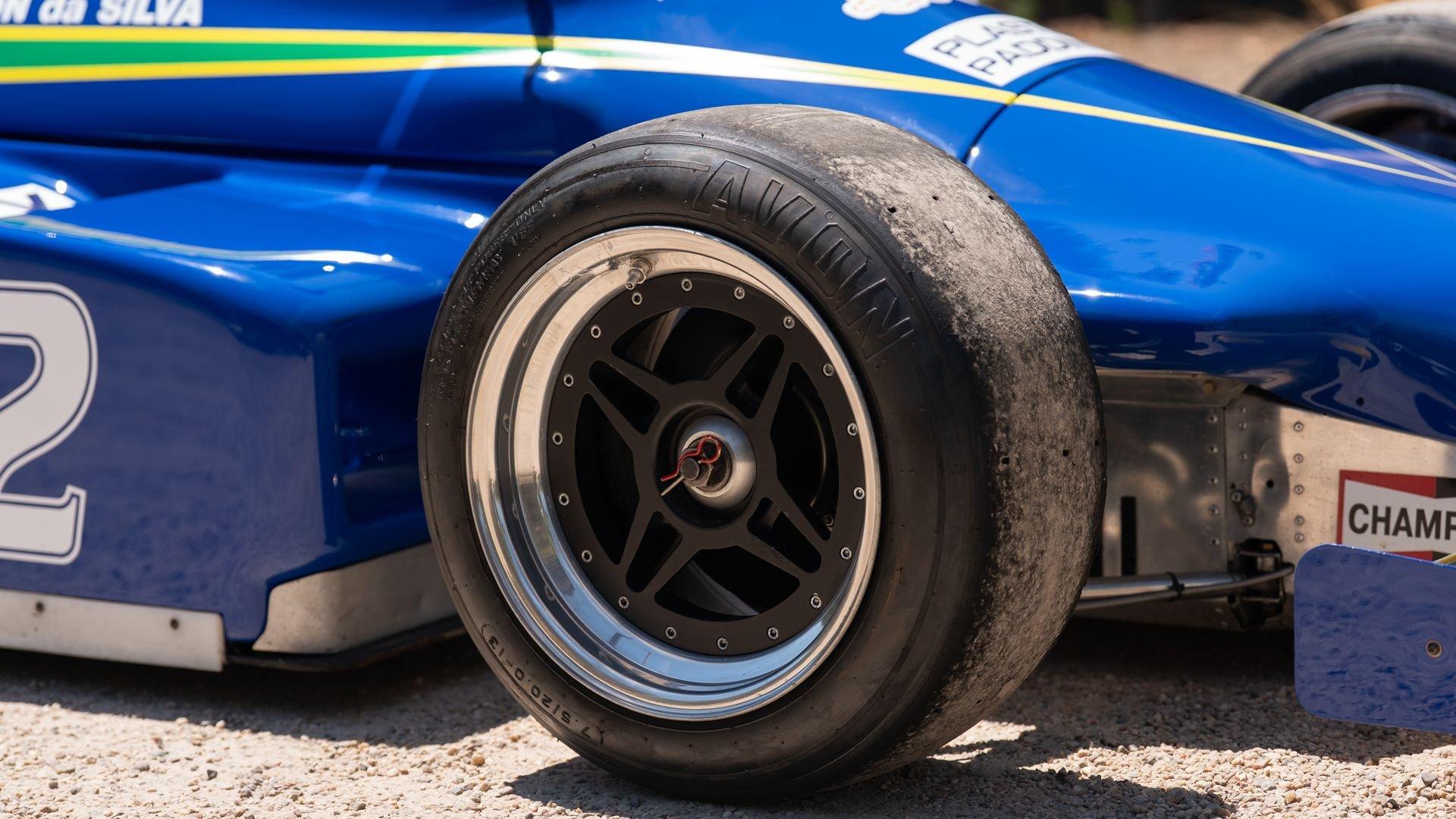
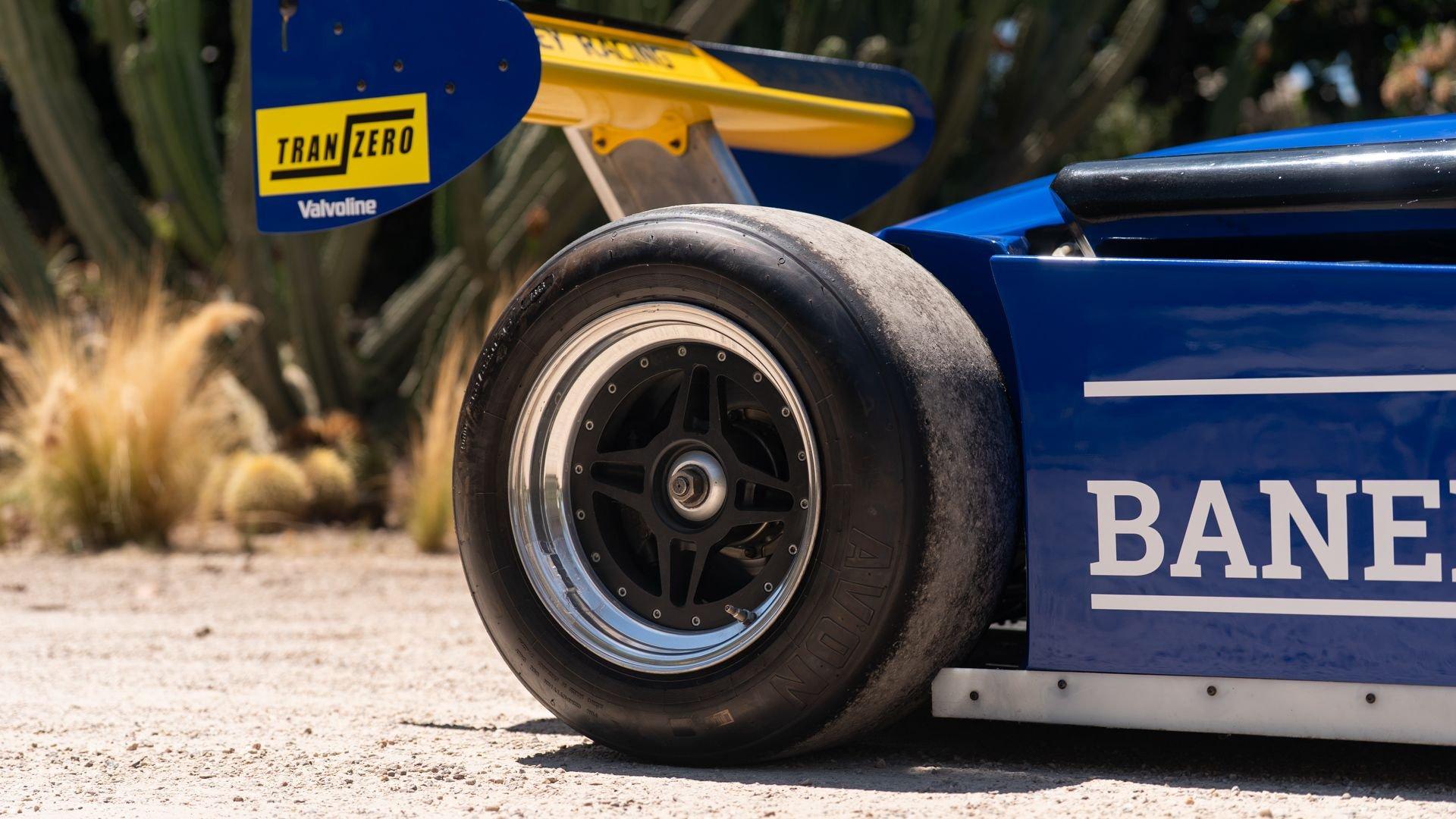
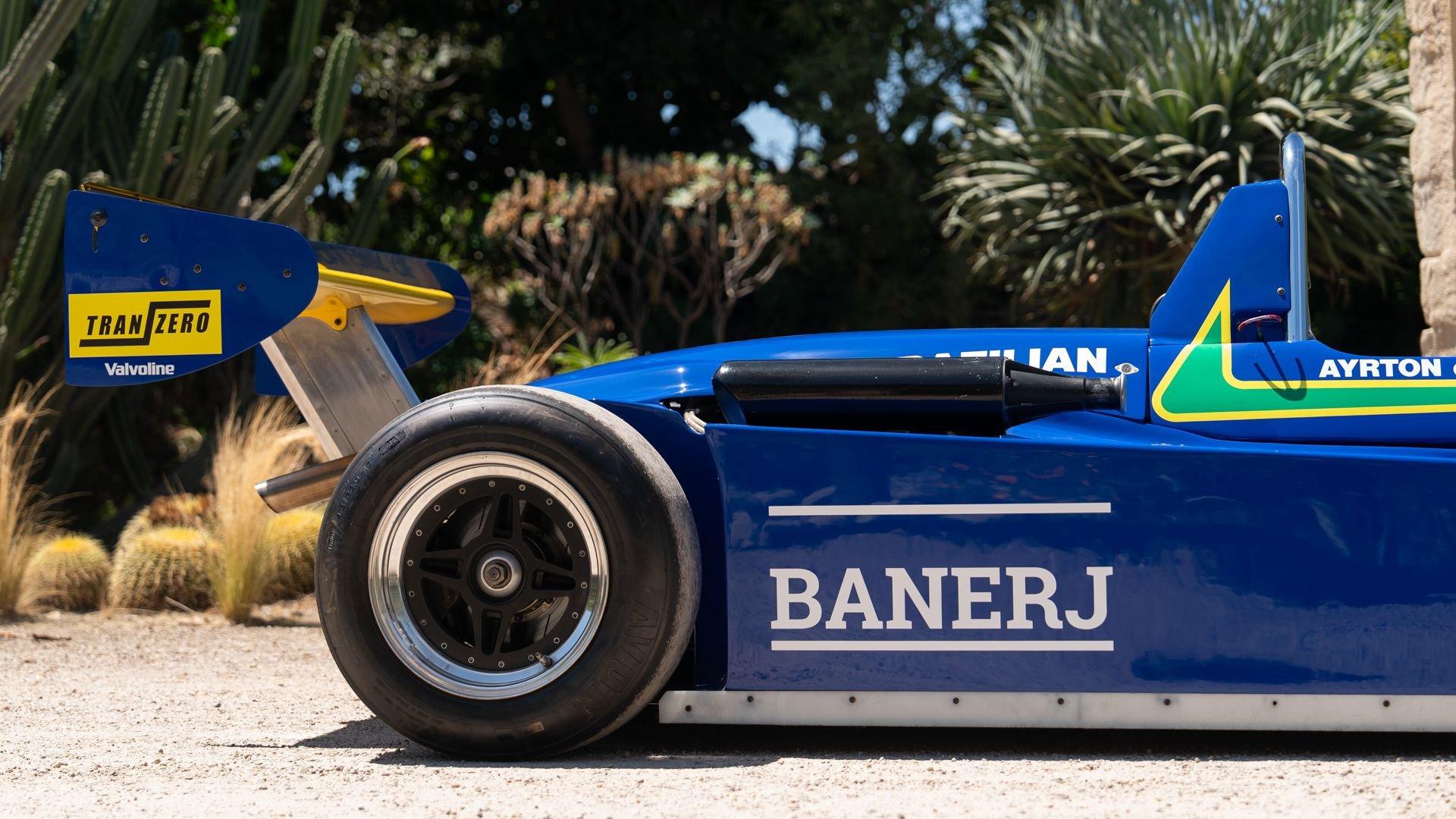
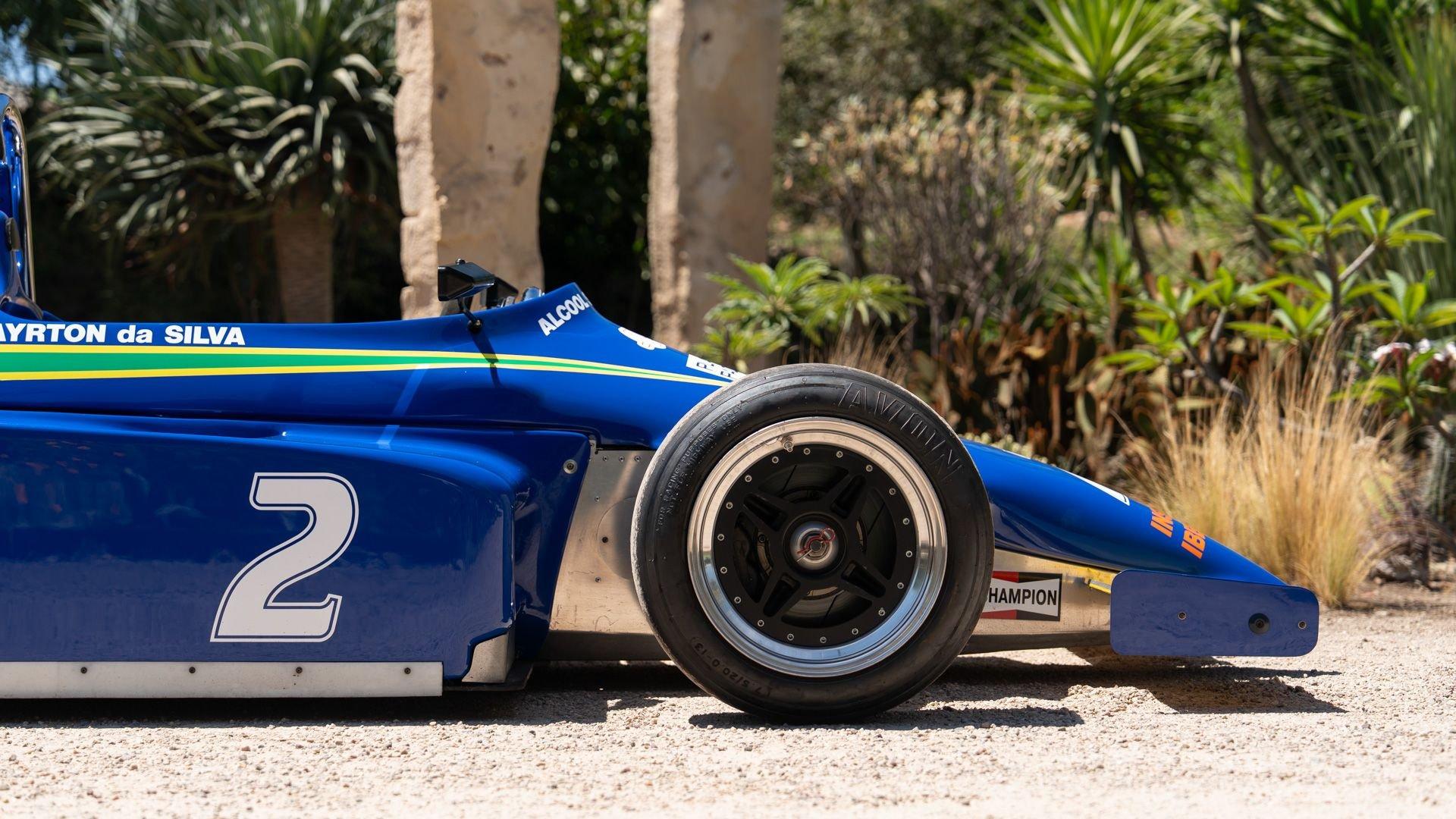
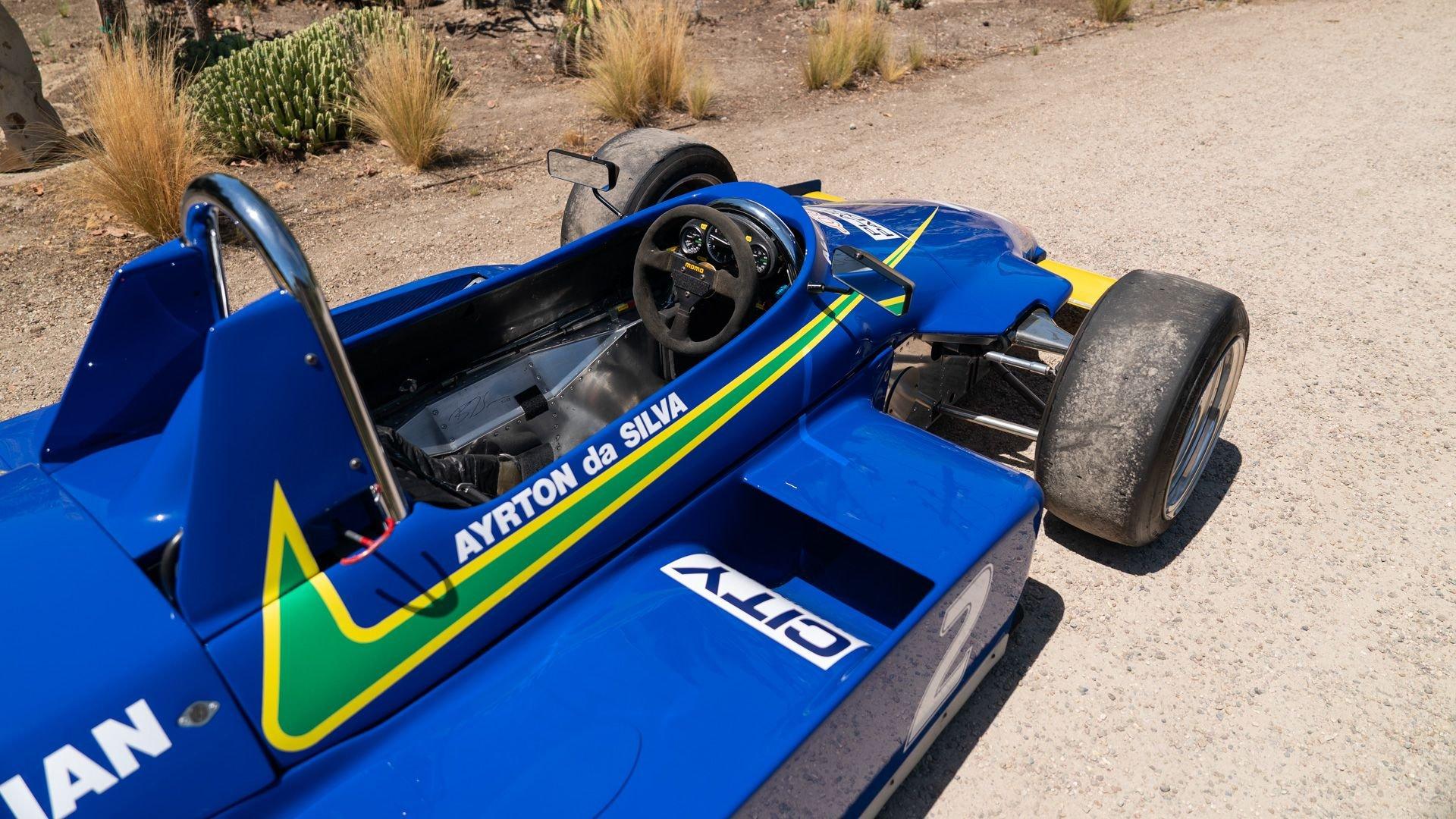
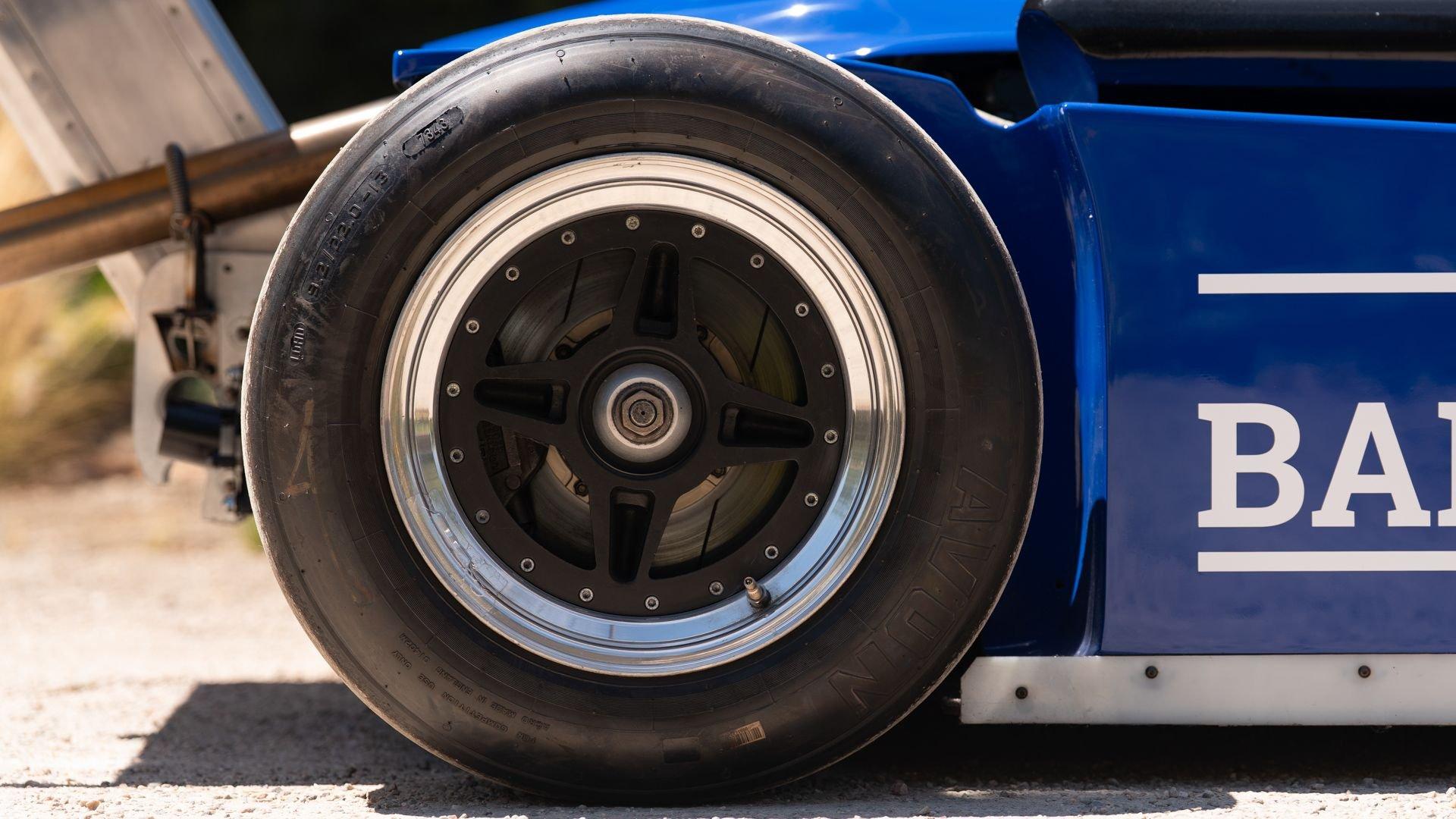
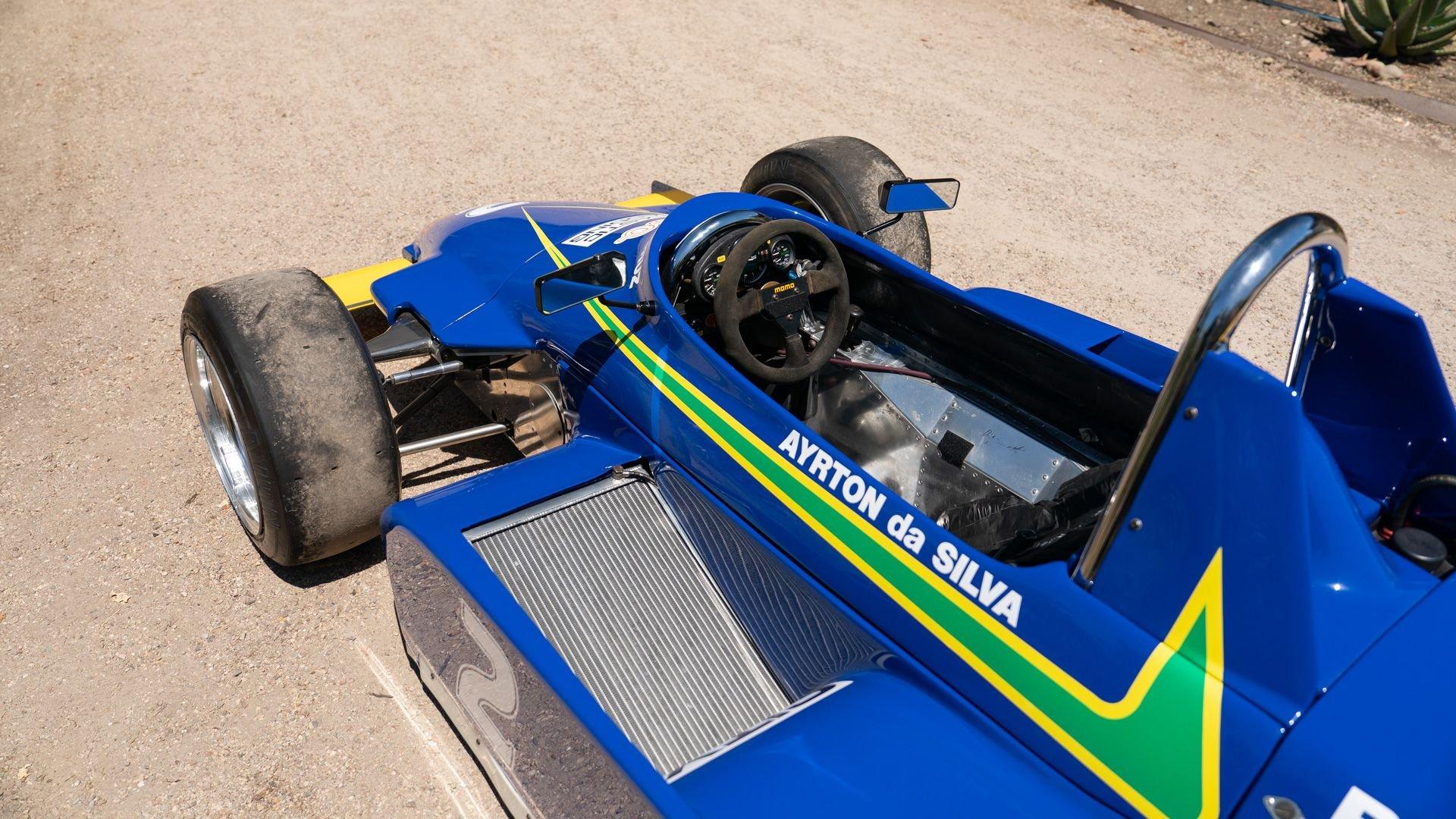
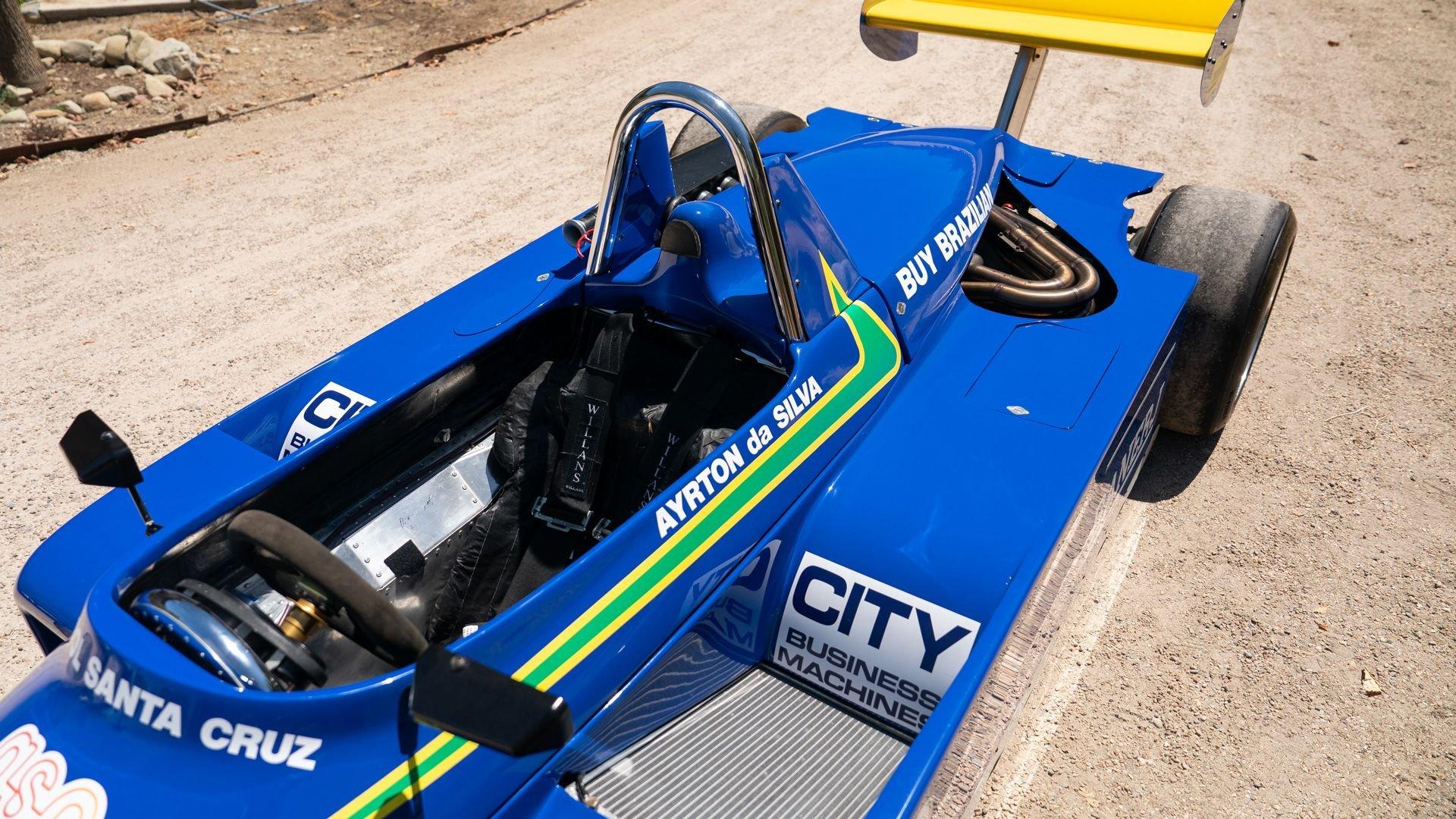
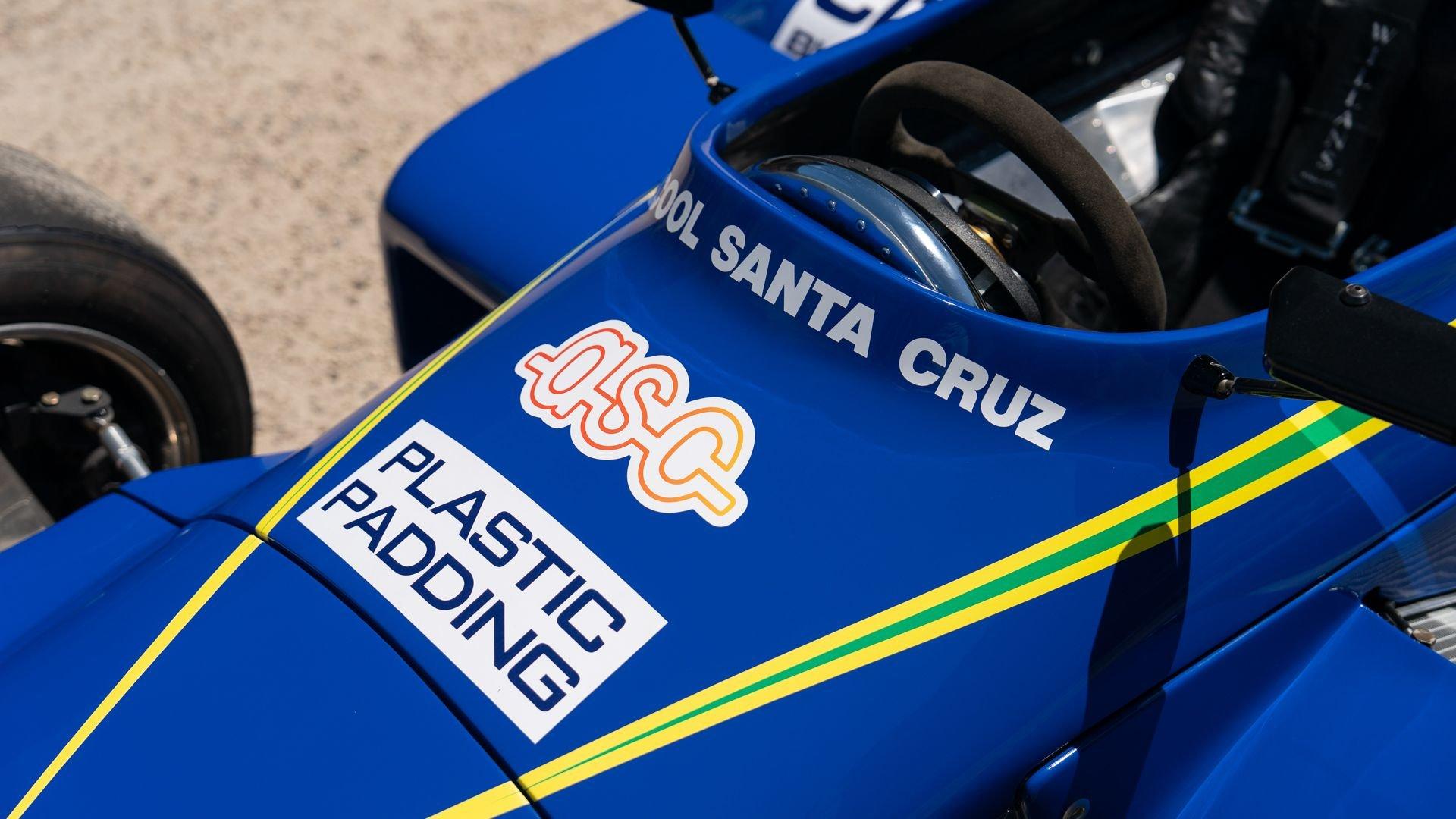
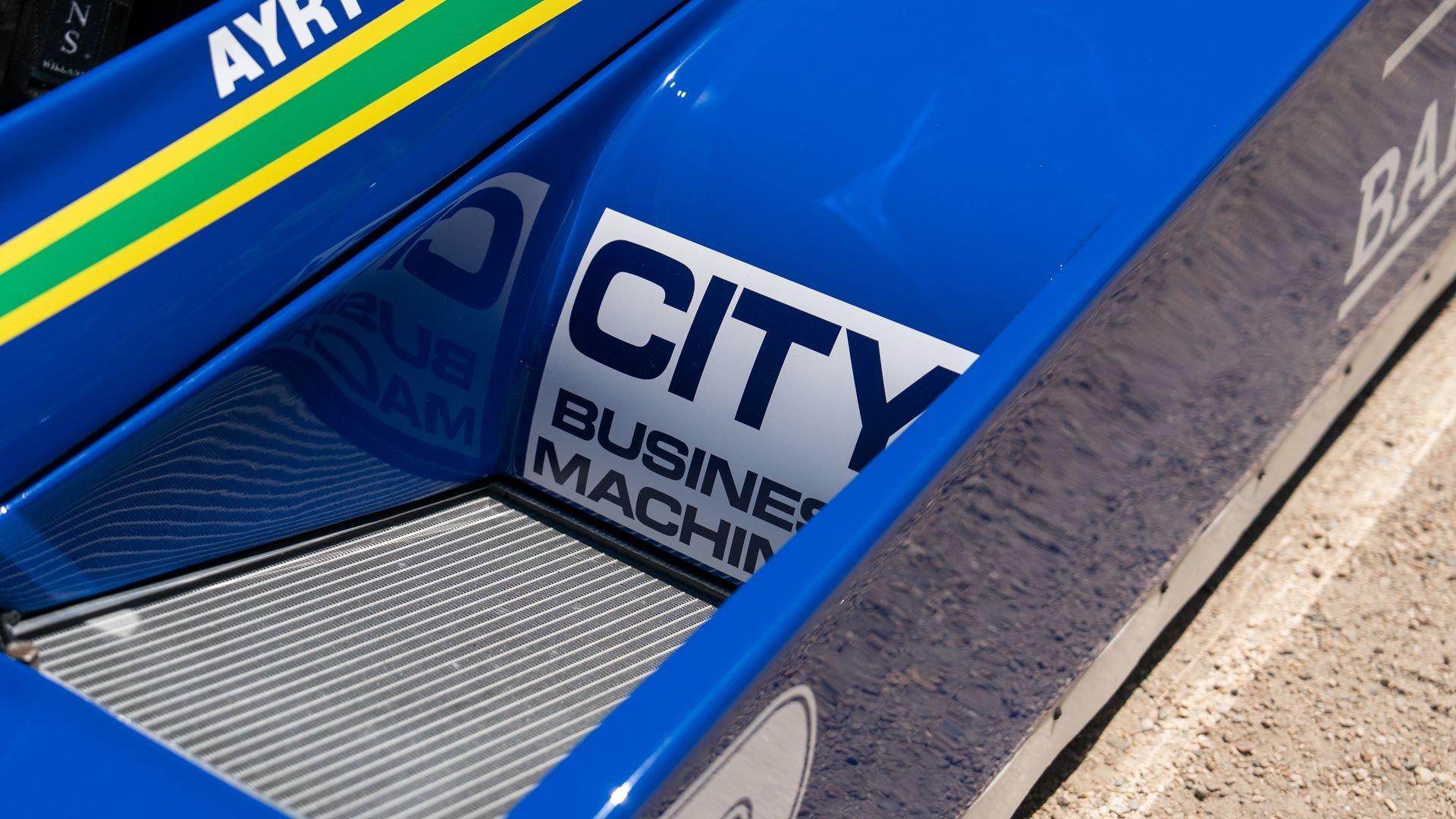
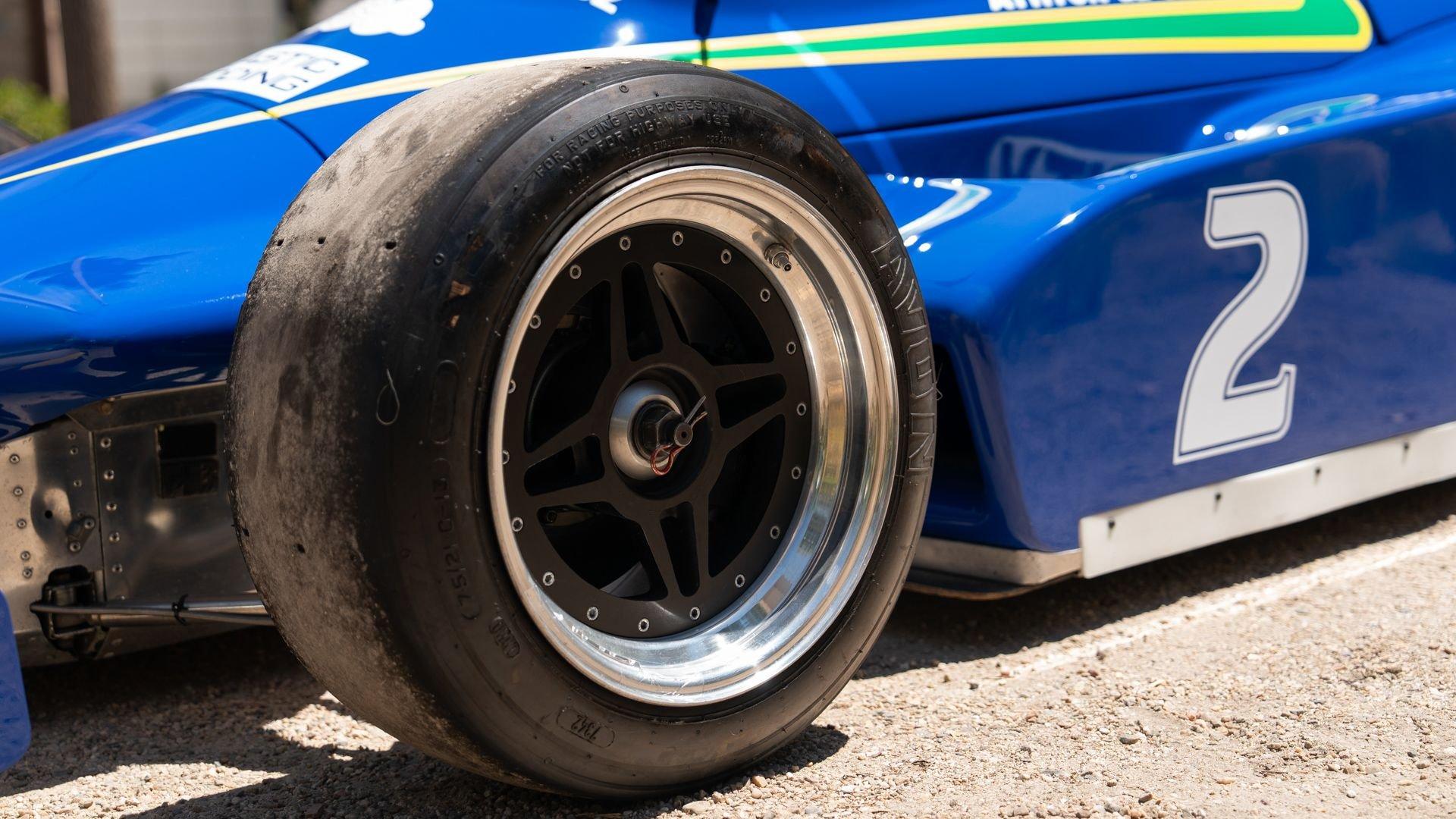
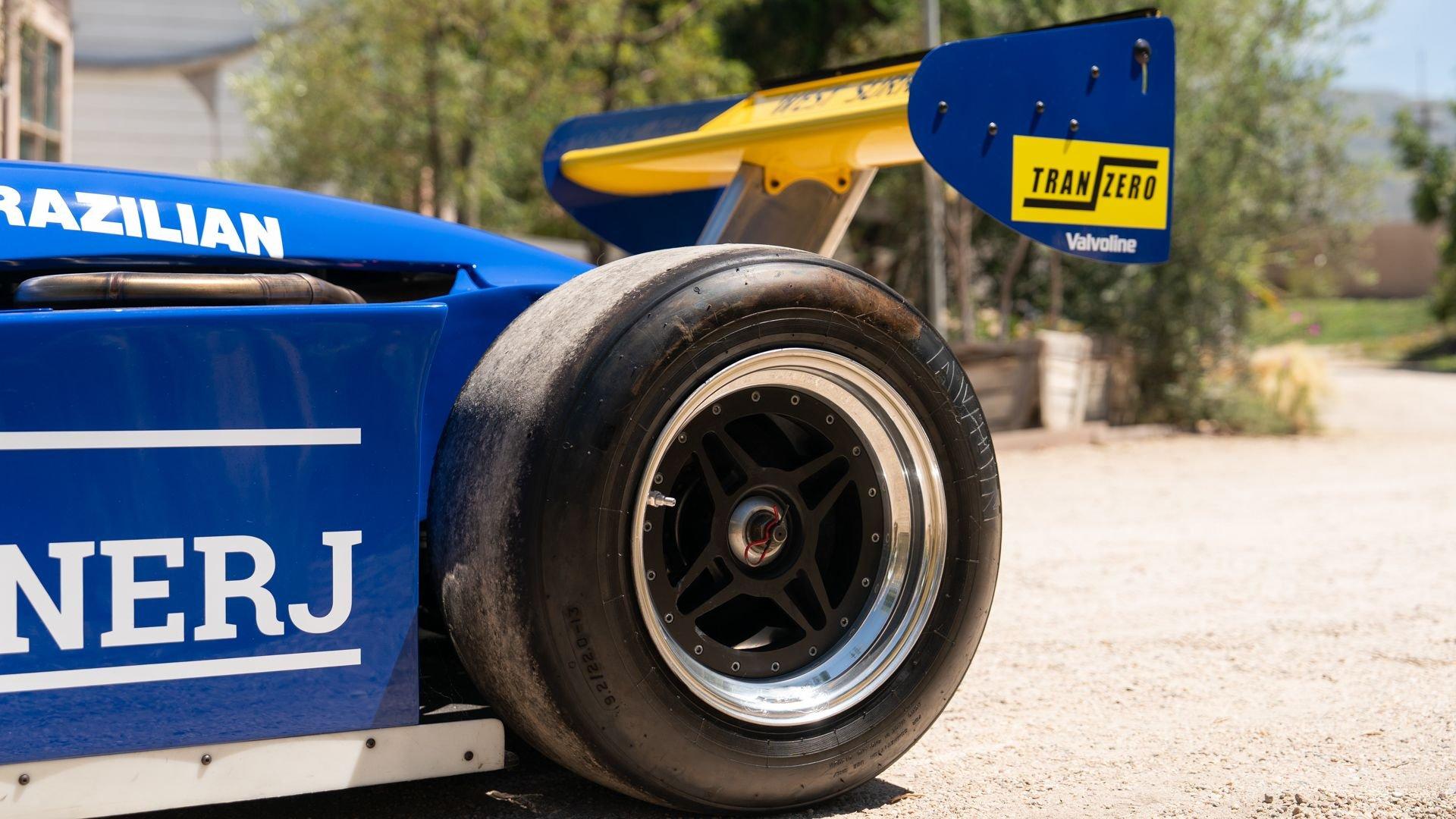
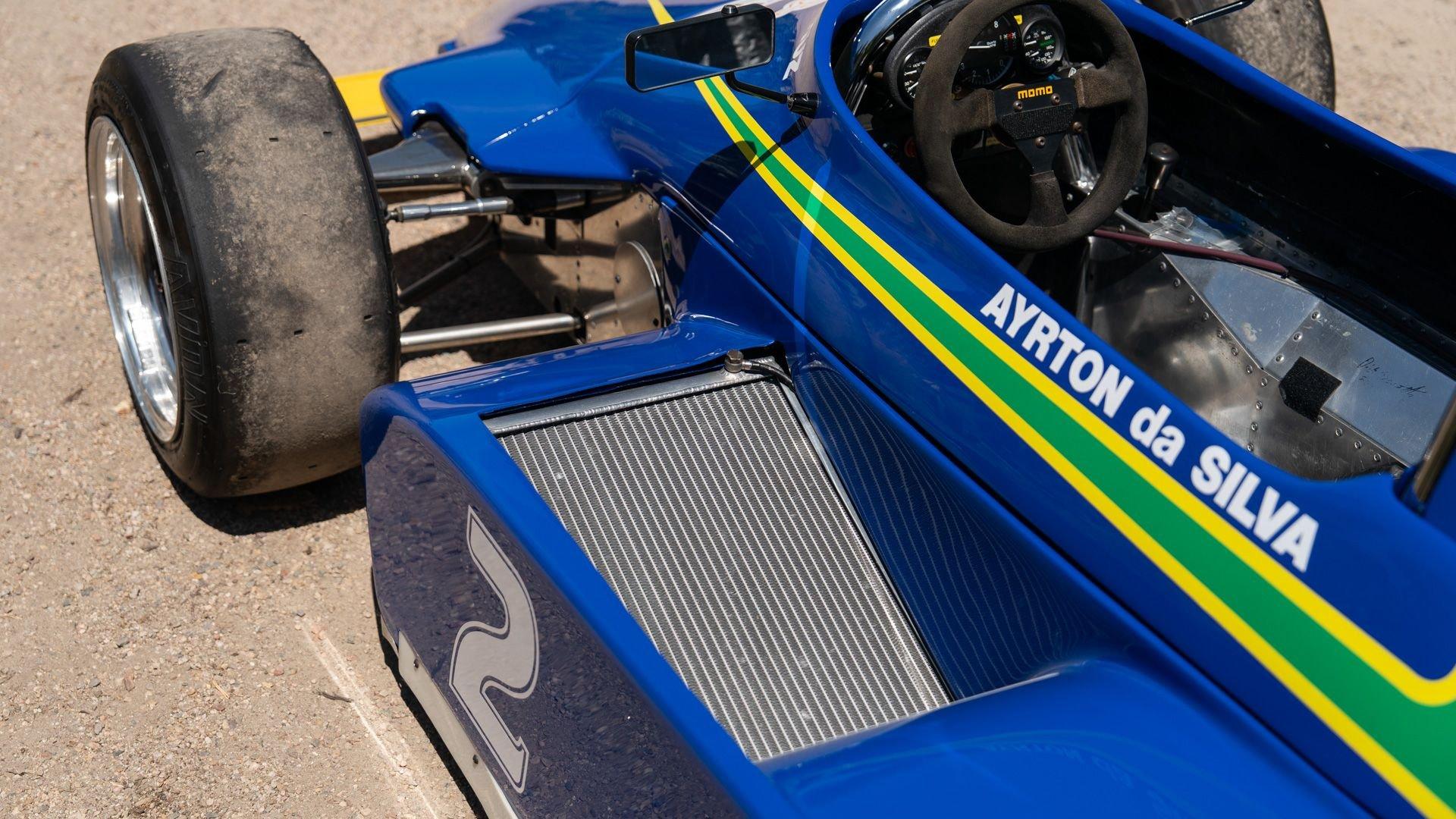
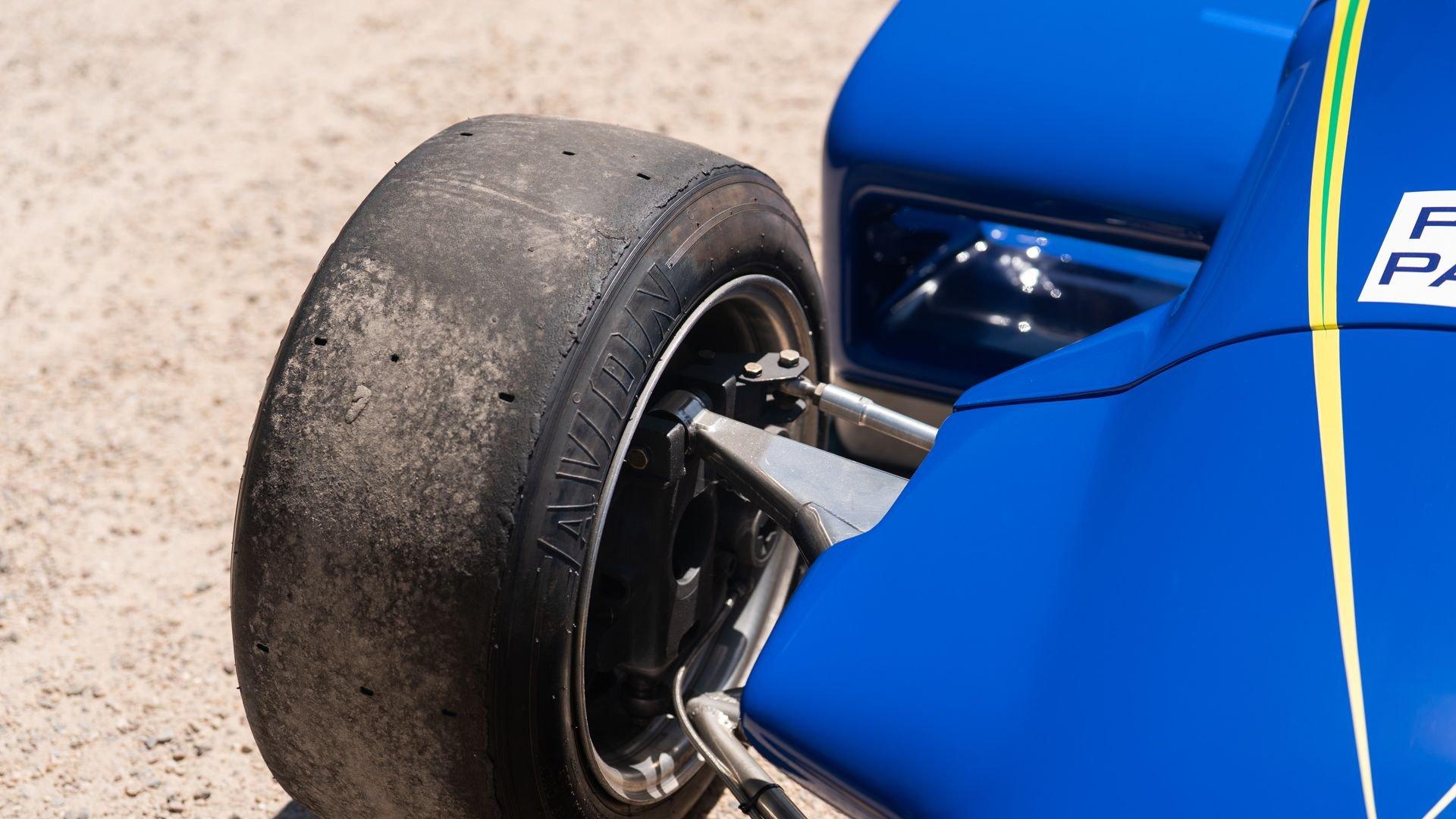
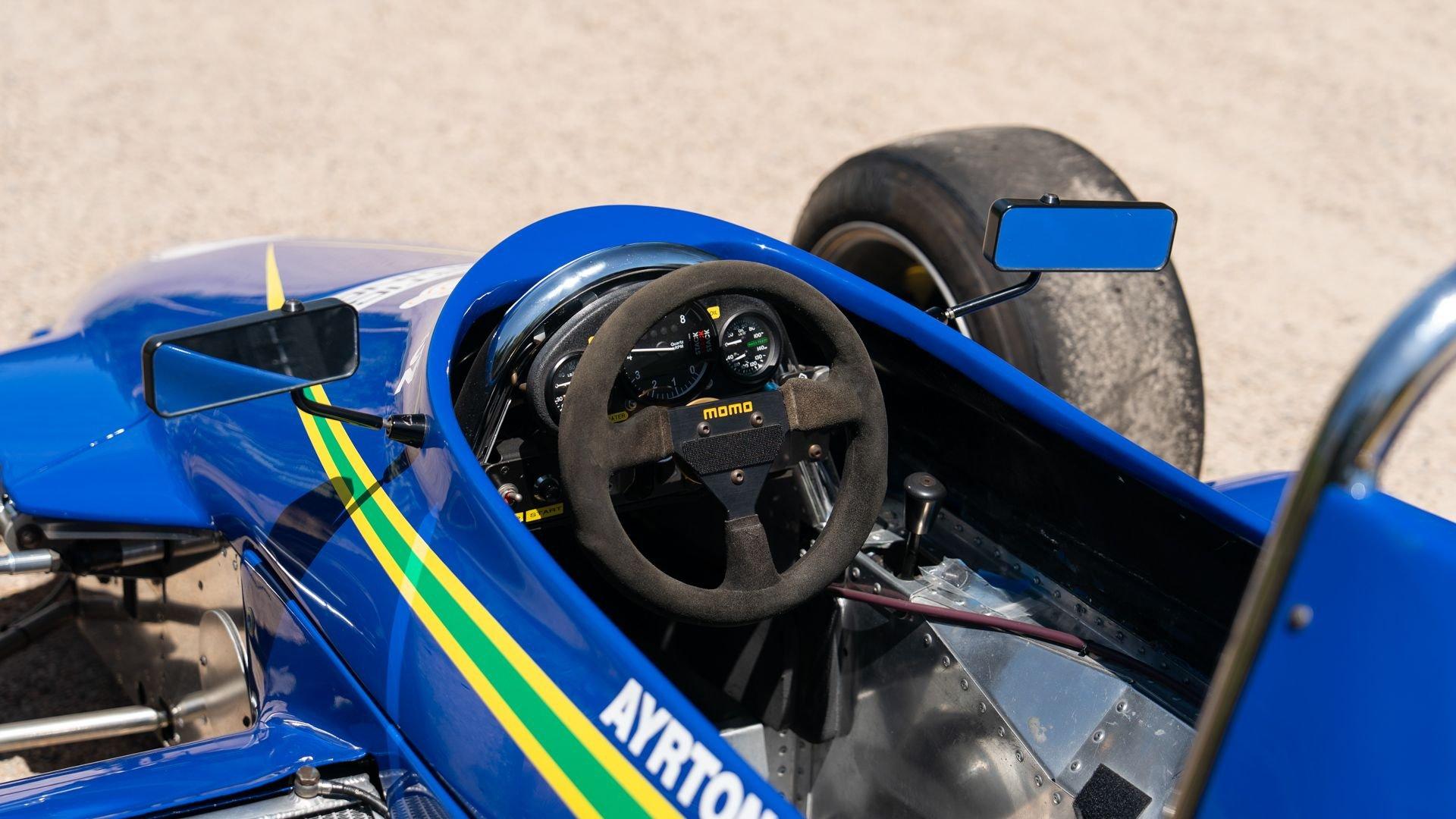
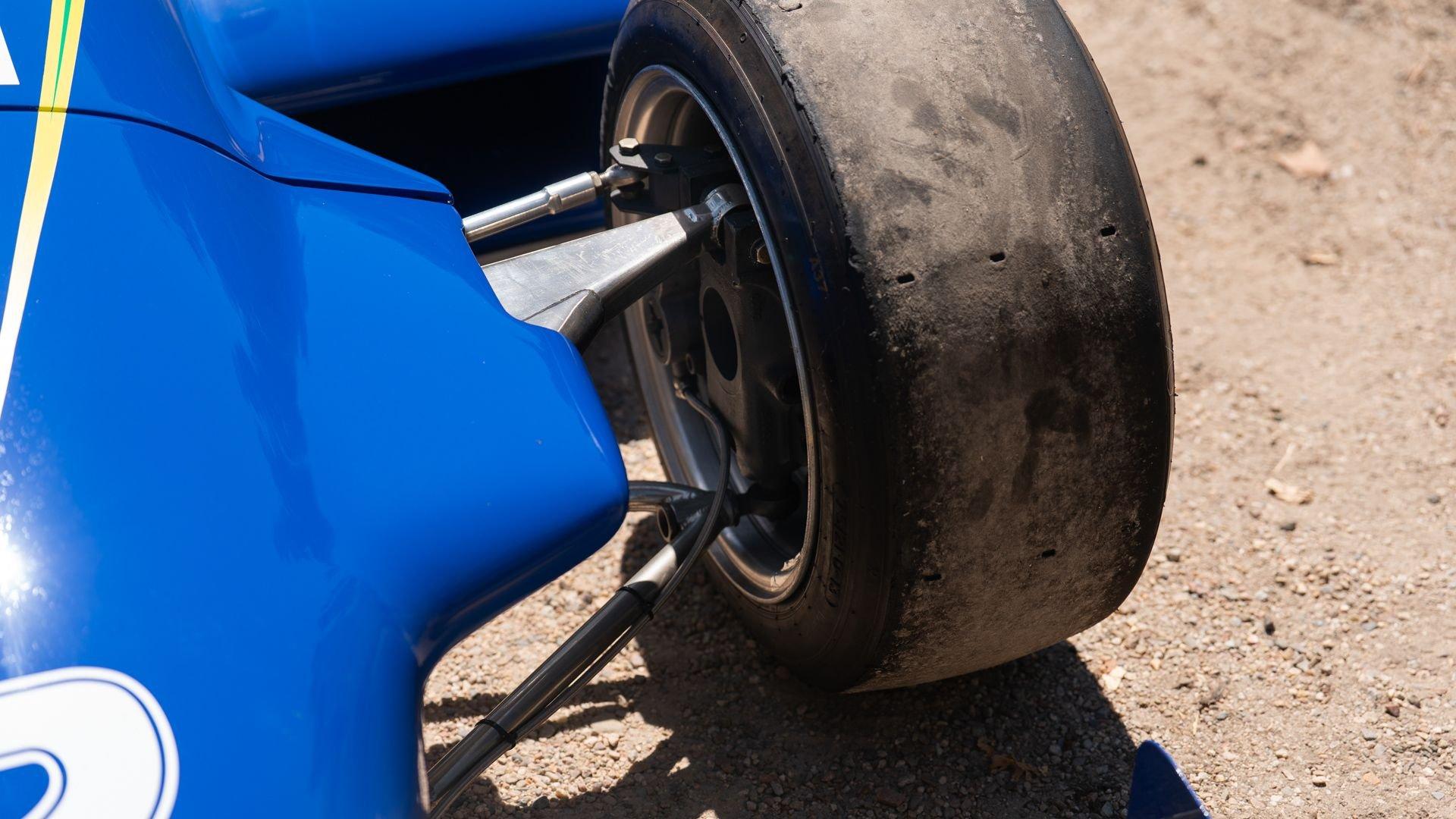
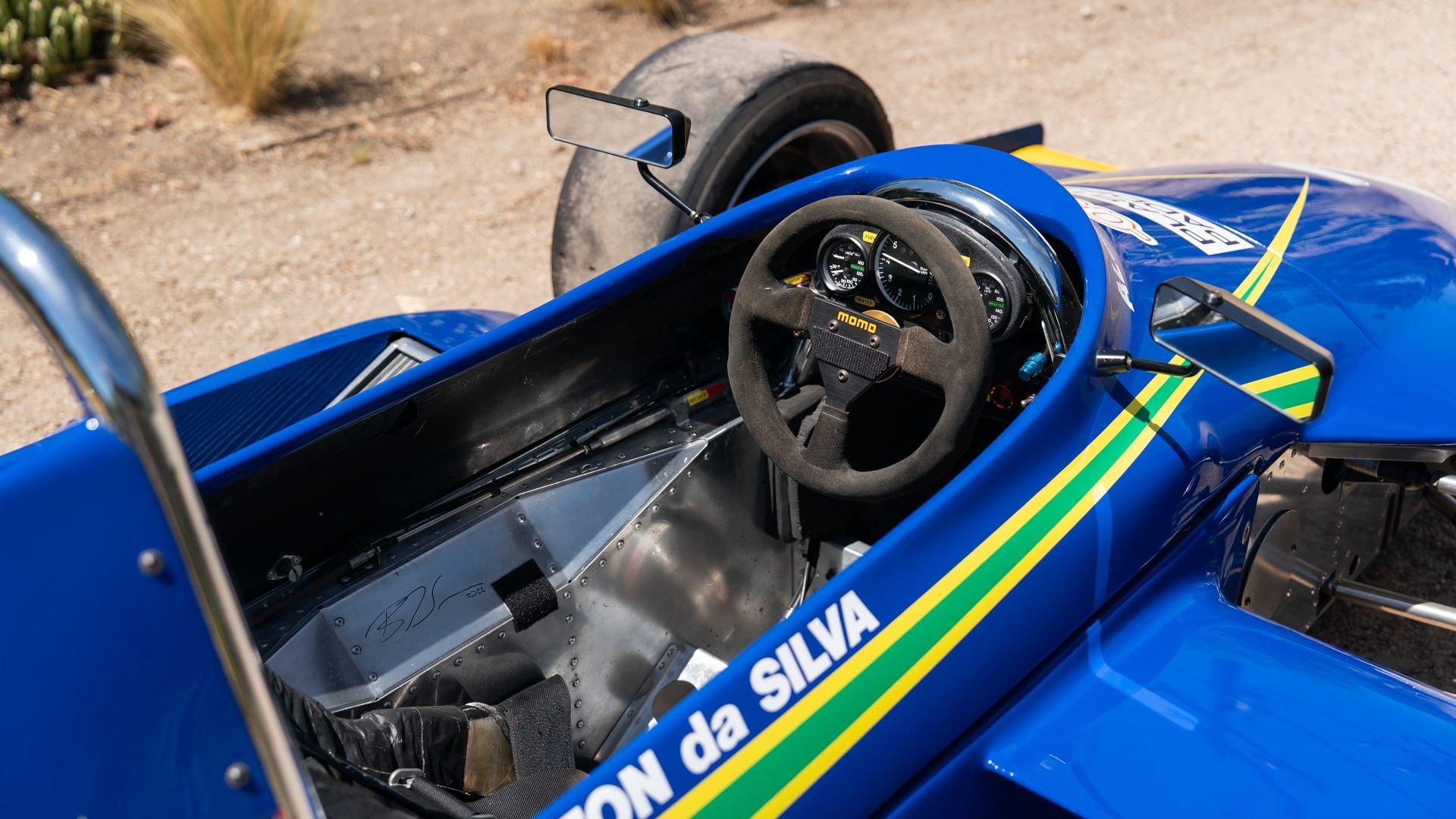
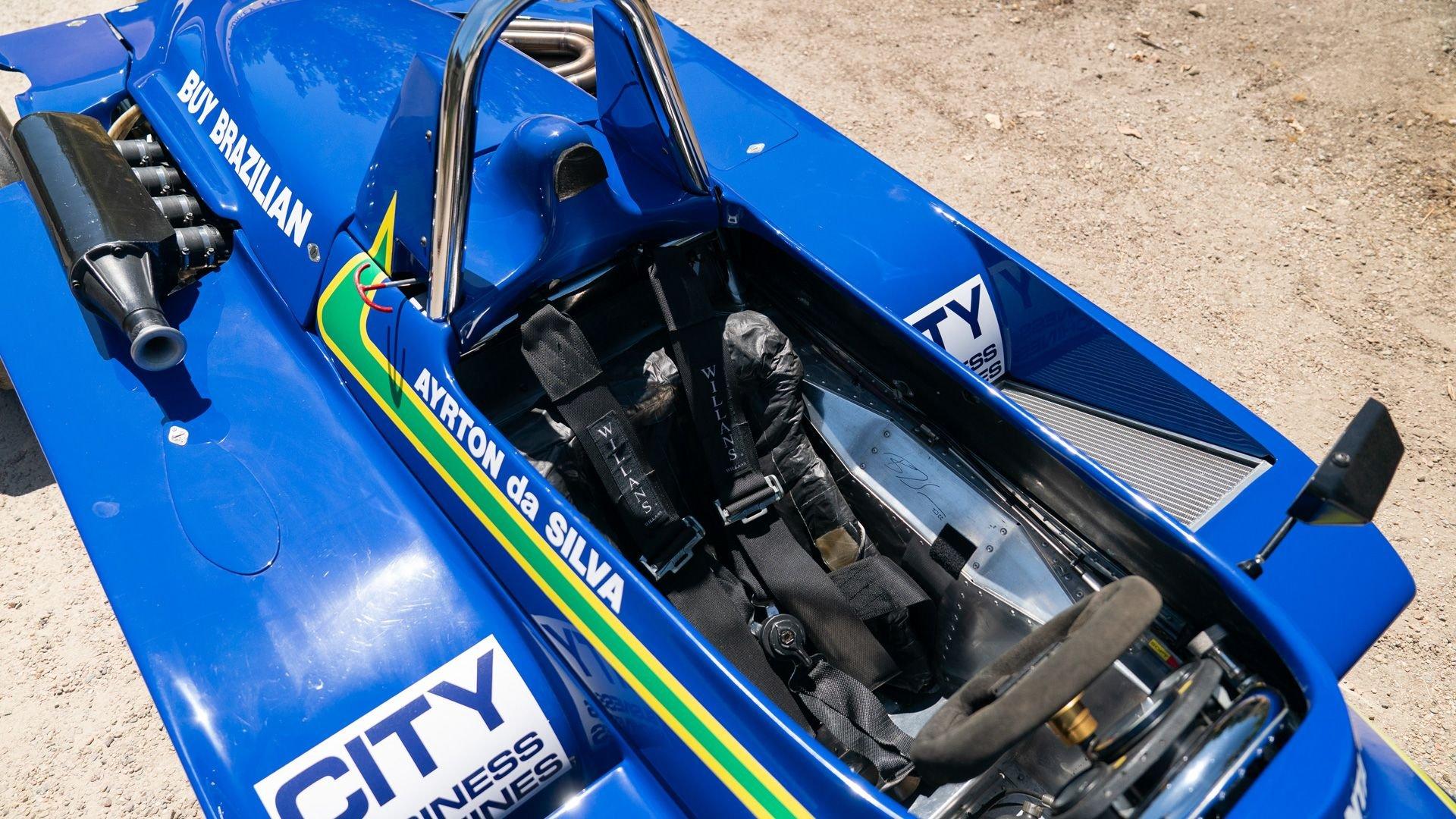
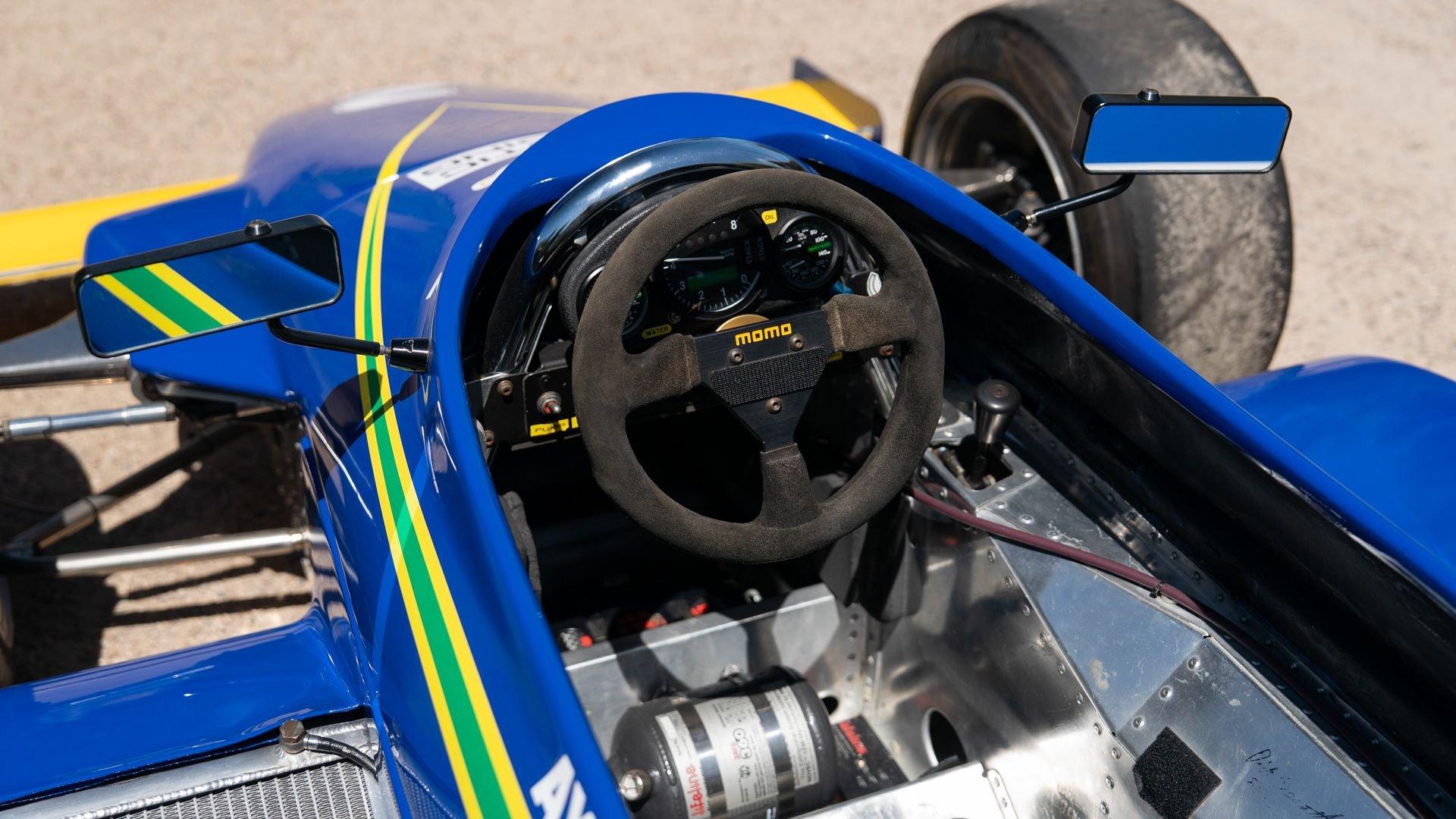
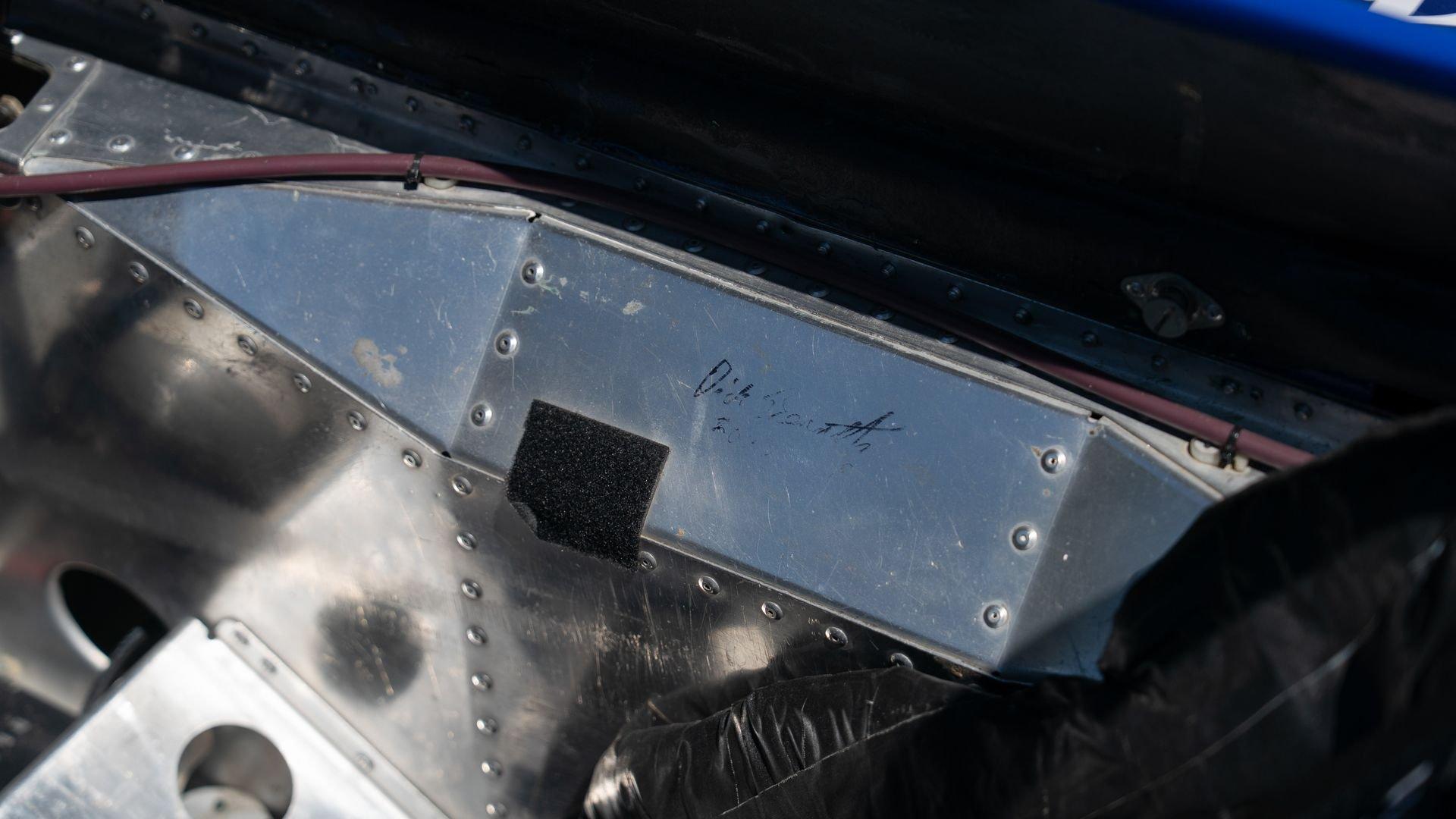
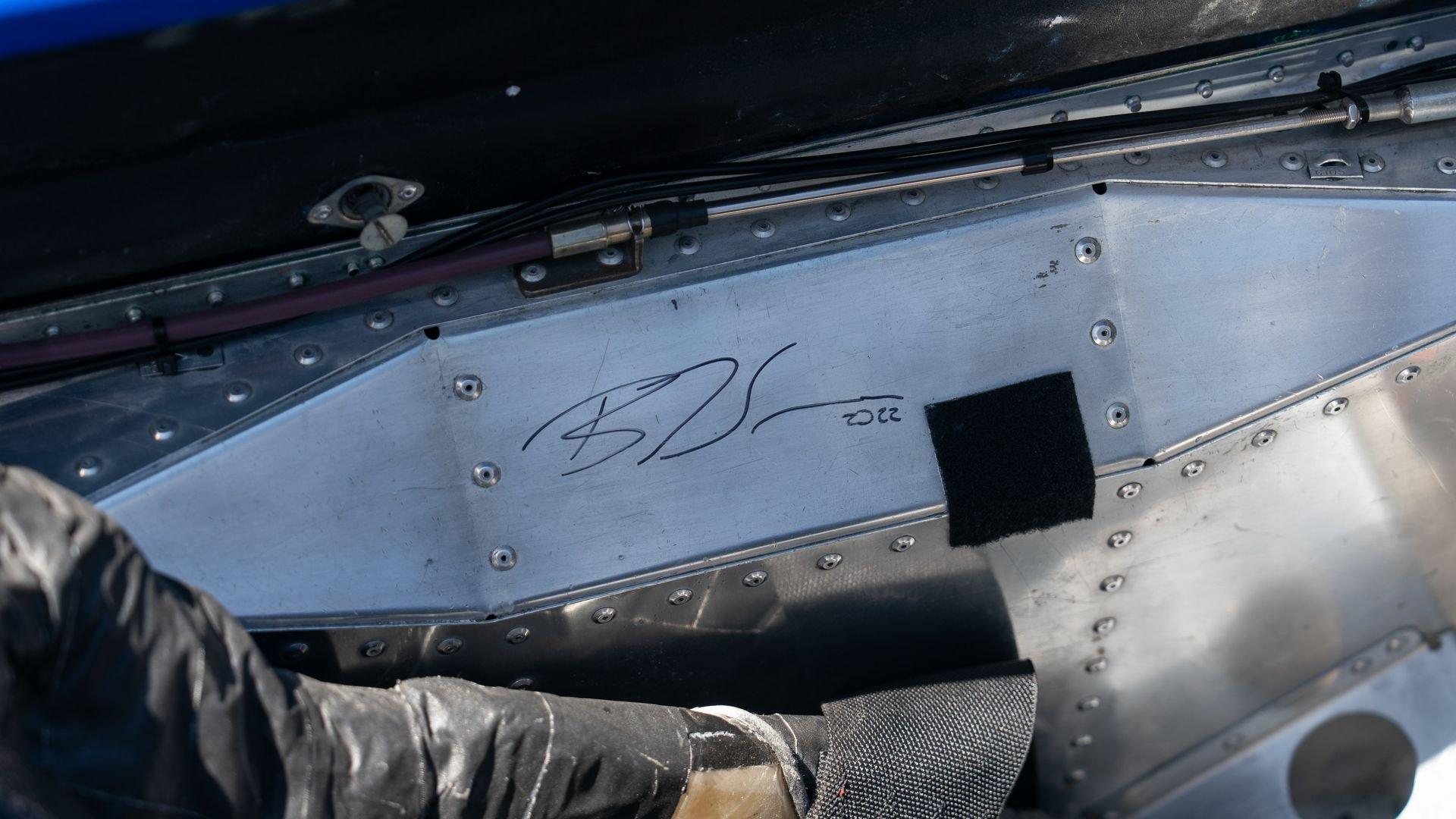
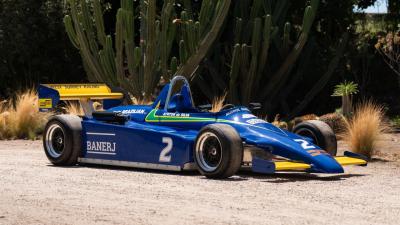
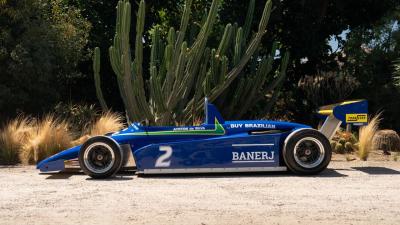
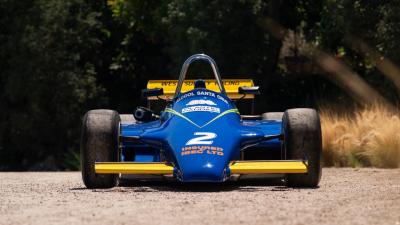
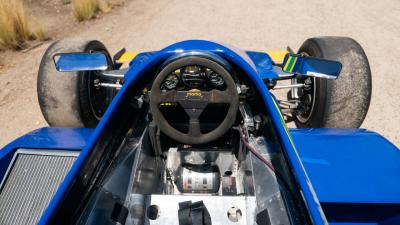
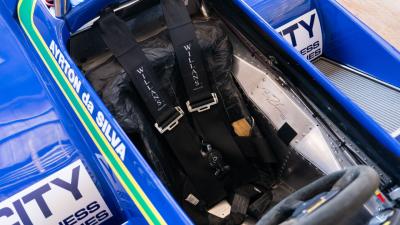
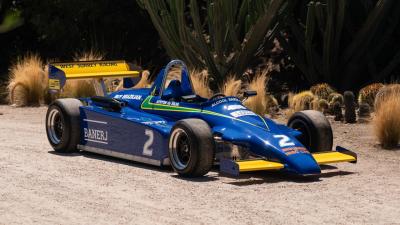
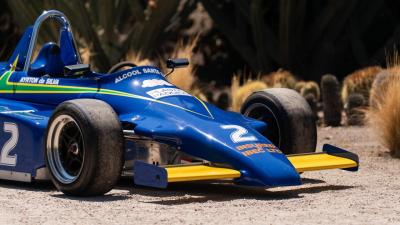
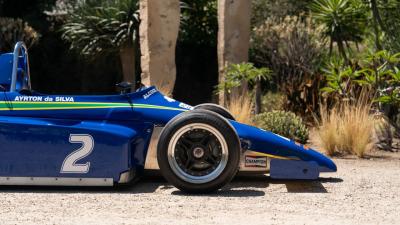
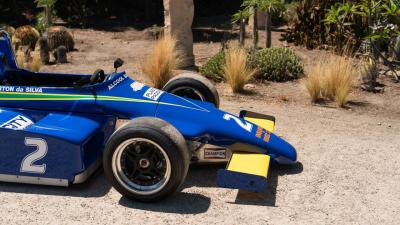
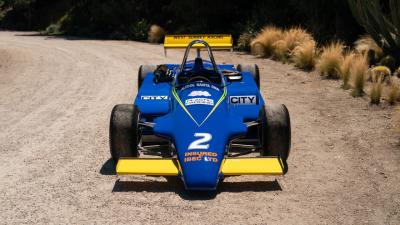
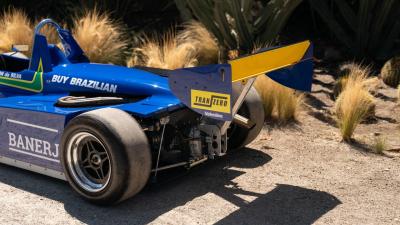
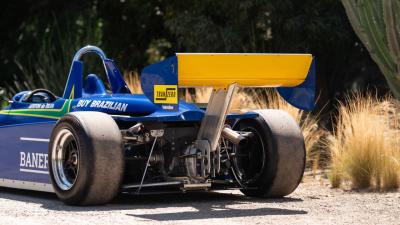
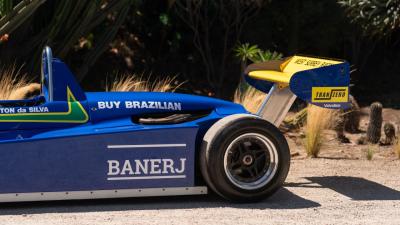
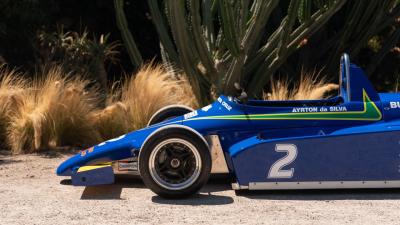
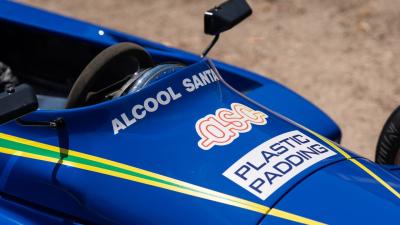
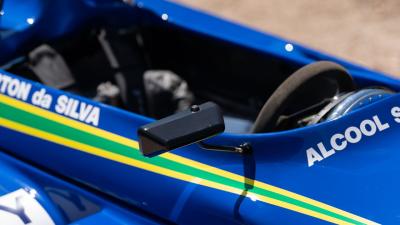
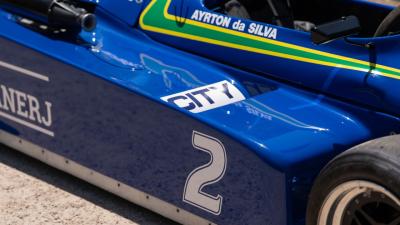
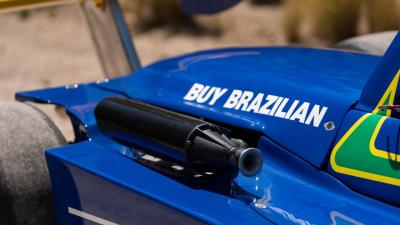
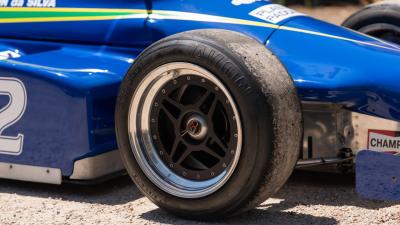
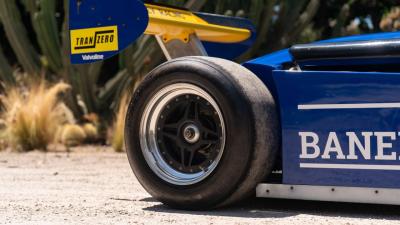
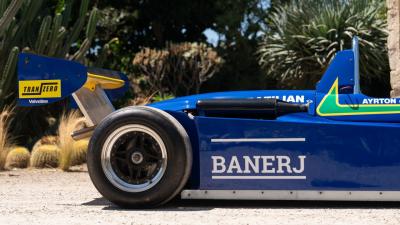
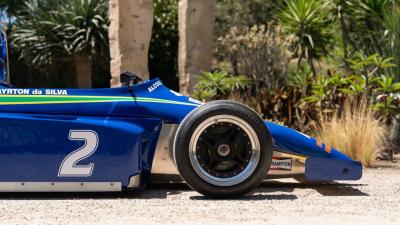
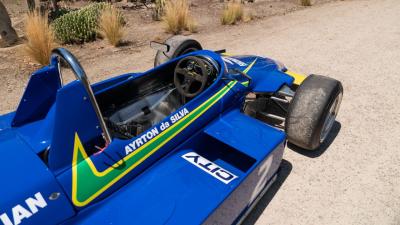
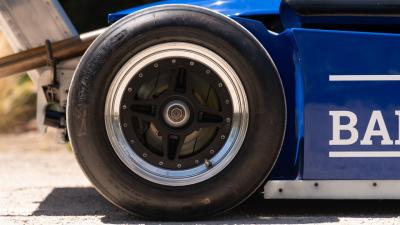
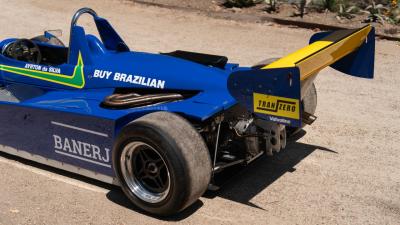
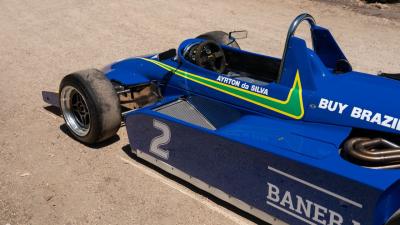
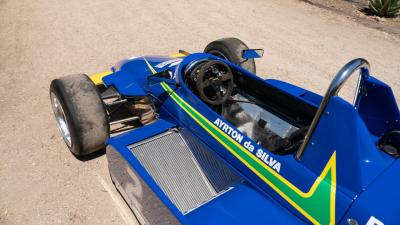
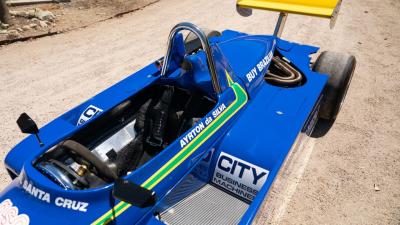
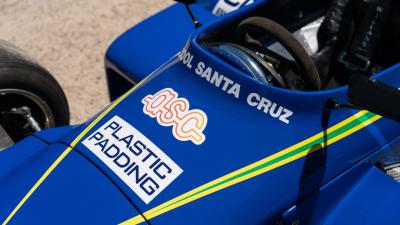
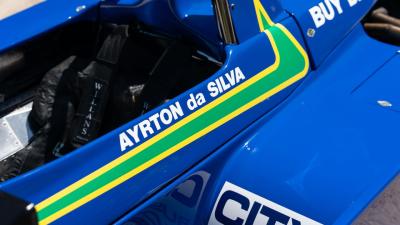
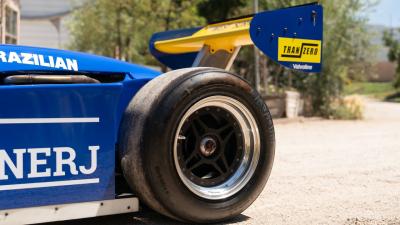
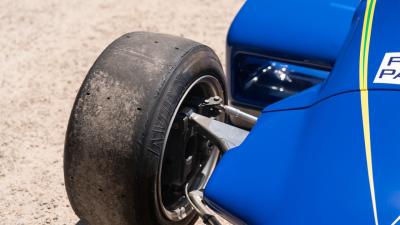
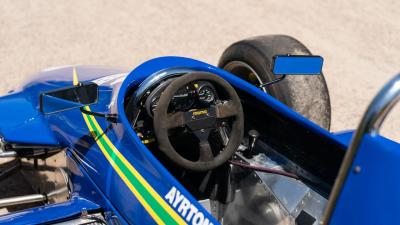
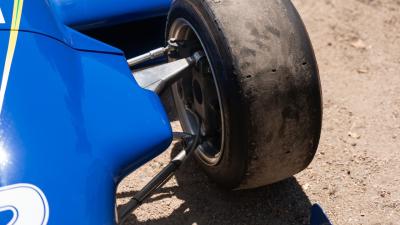
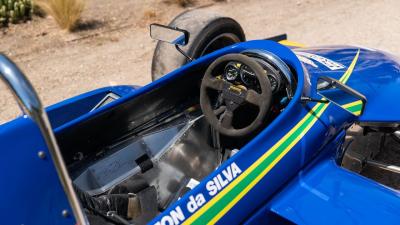
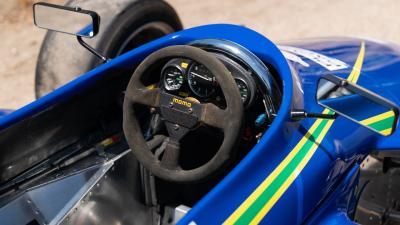
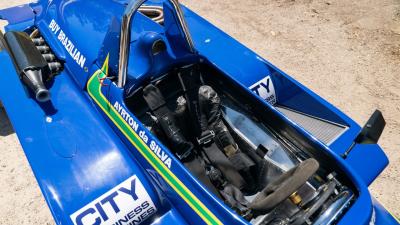
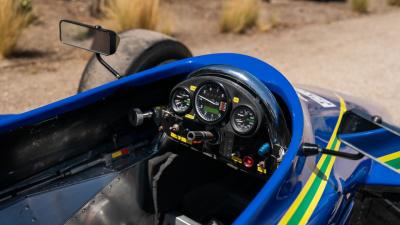
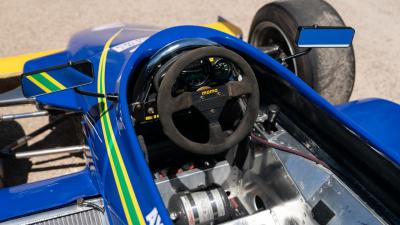
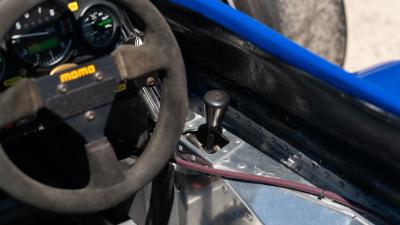
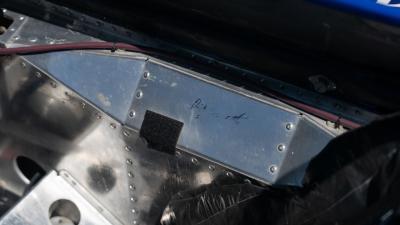
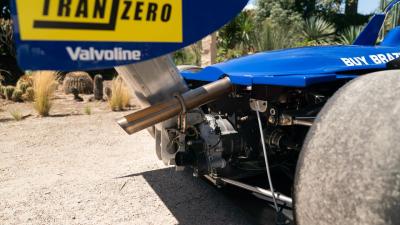
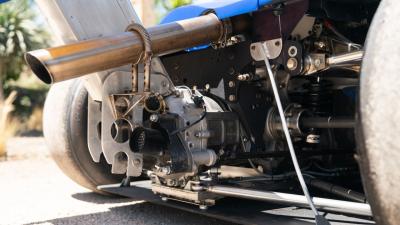
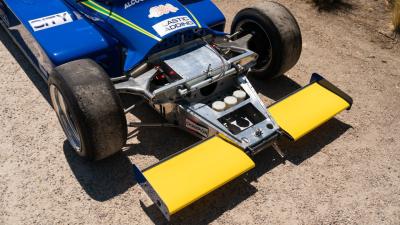
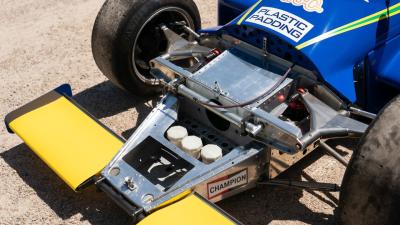
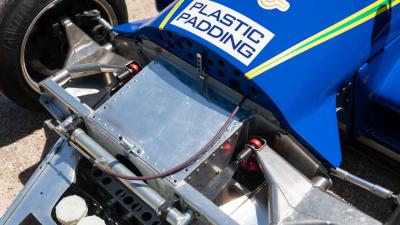
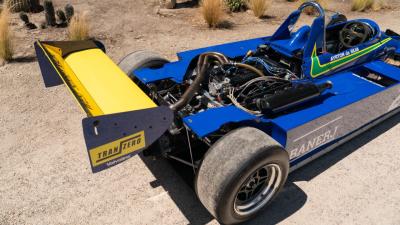
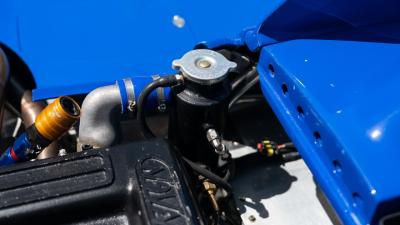
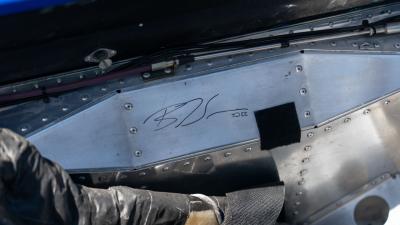
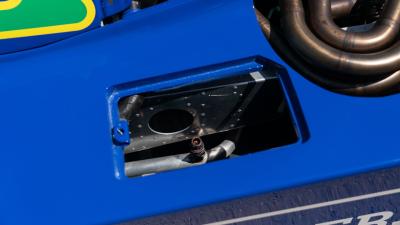
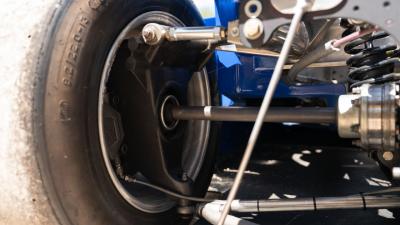
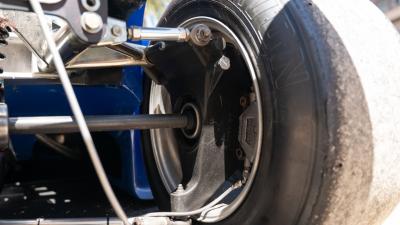
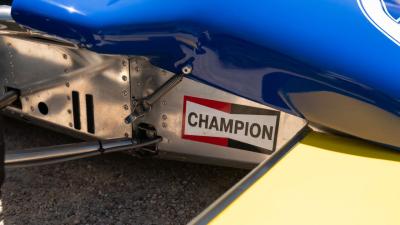
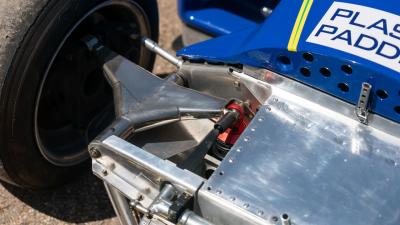
Restored in the United Kingdom approximately fifteen years ago at a reported cost of £75,000, the car was returned to the blue-and-yellow Banerj livery it wore while in Senna's hands at Thruxton, and it was subsequently raced at the 2012 Monaco Historic Grand Prix. In recent years, the car has been visited by both Bruno Senna and Dick Bennetts, each signing the inside of the cockpit.
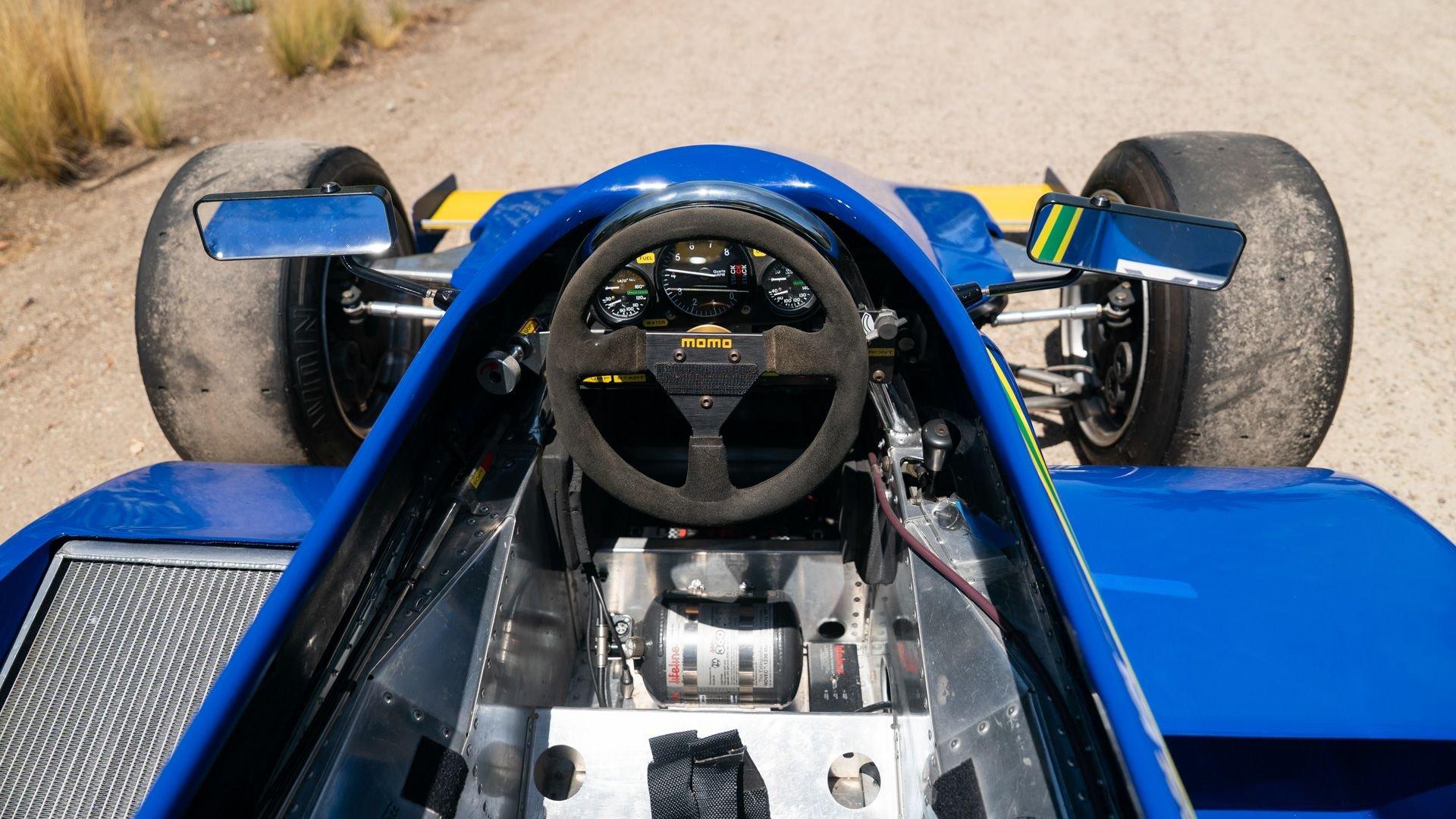
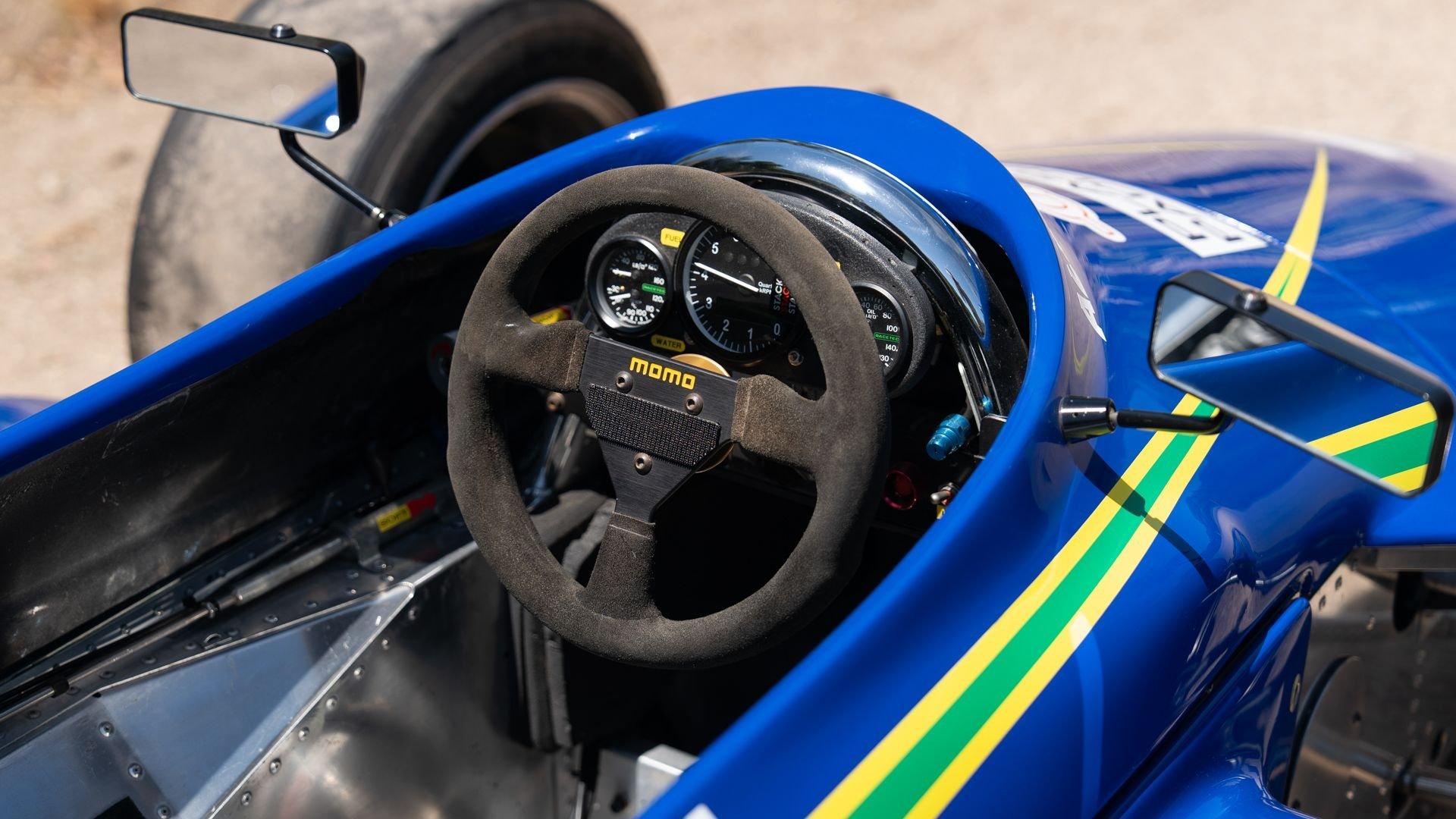
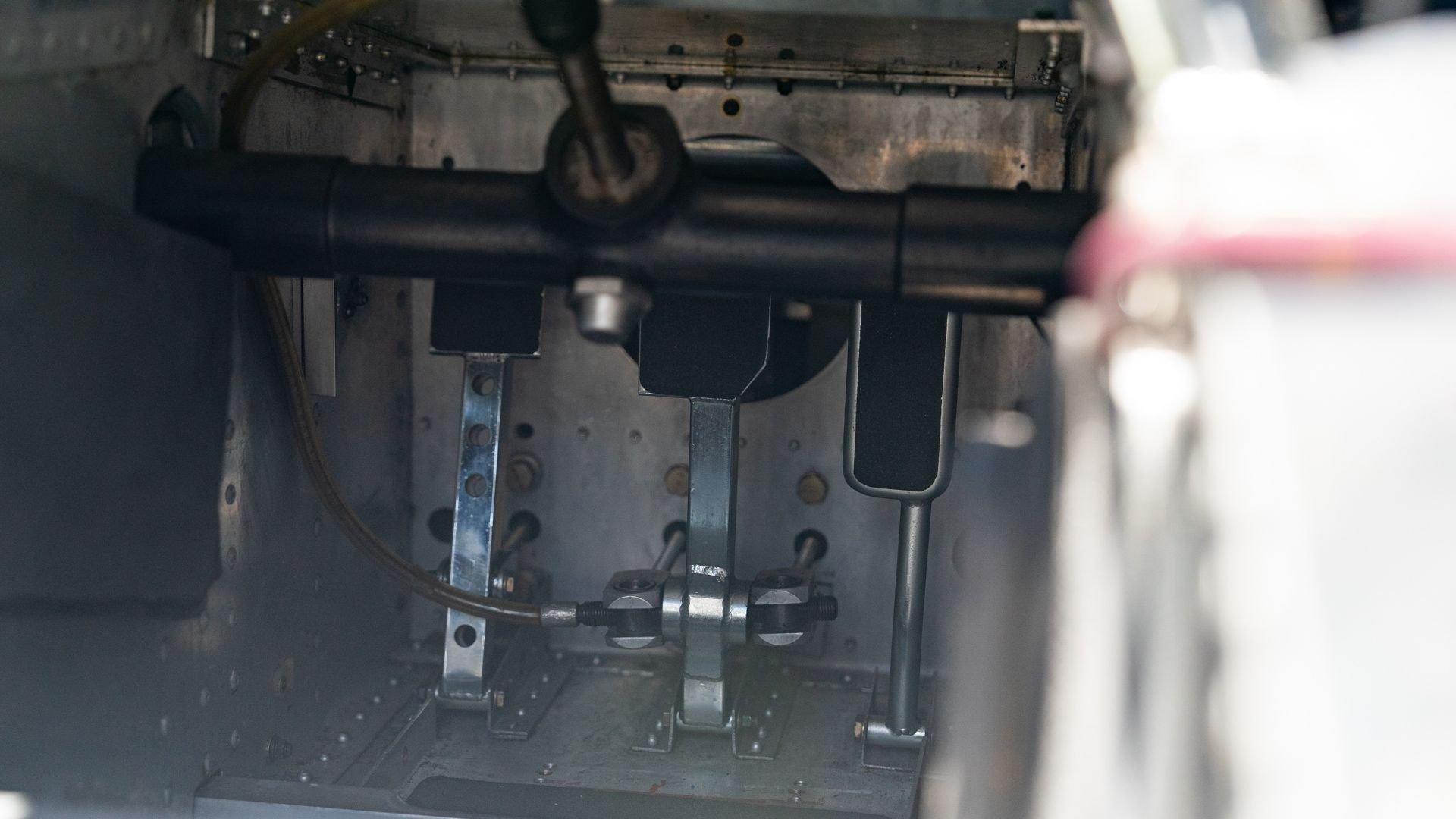
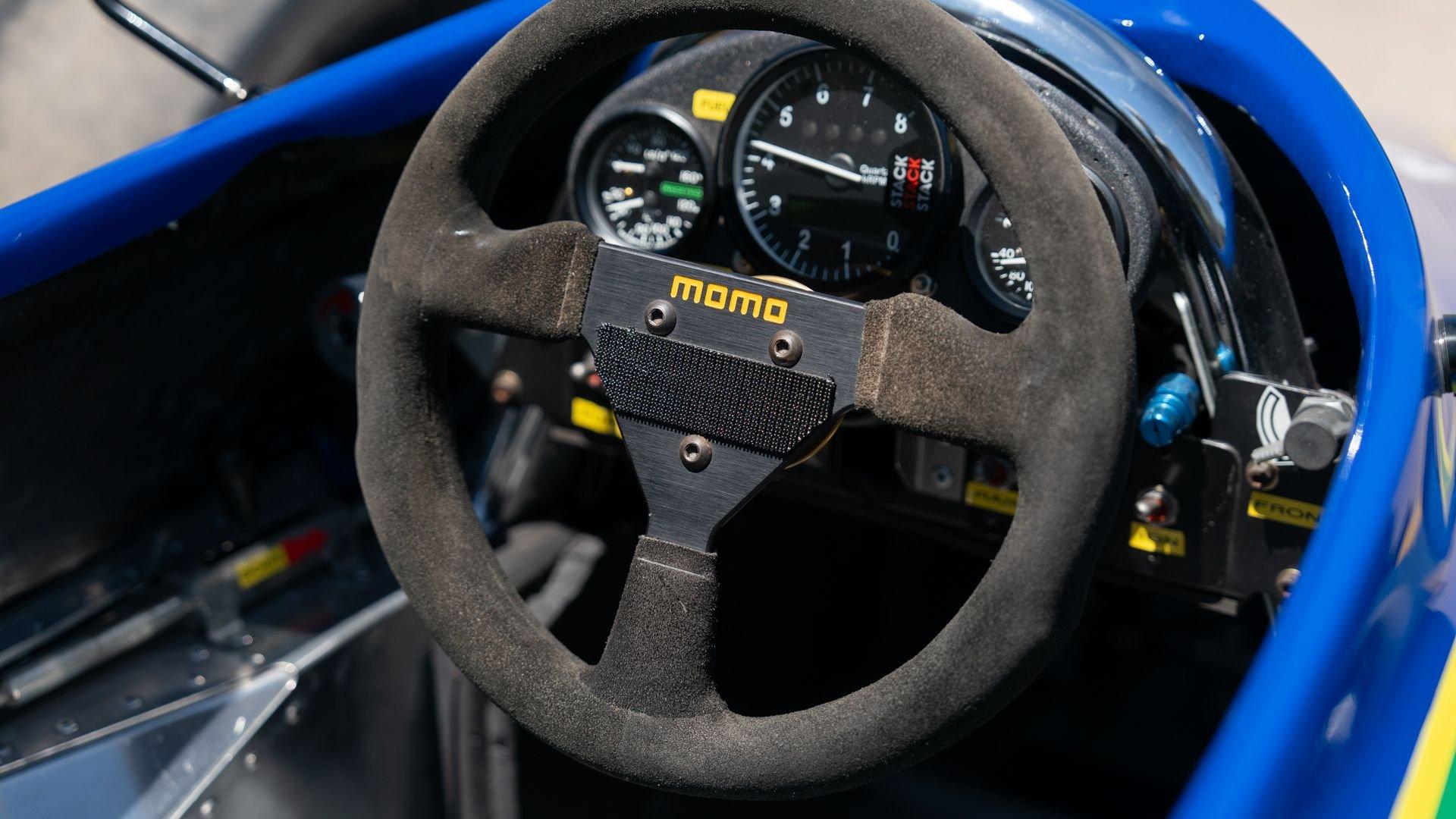
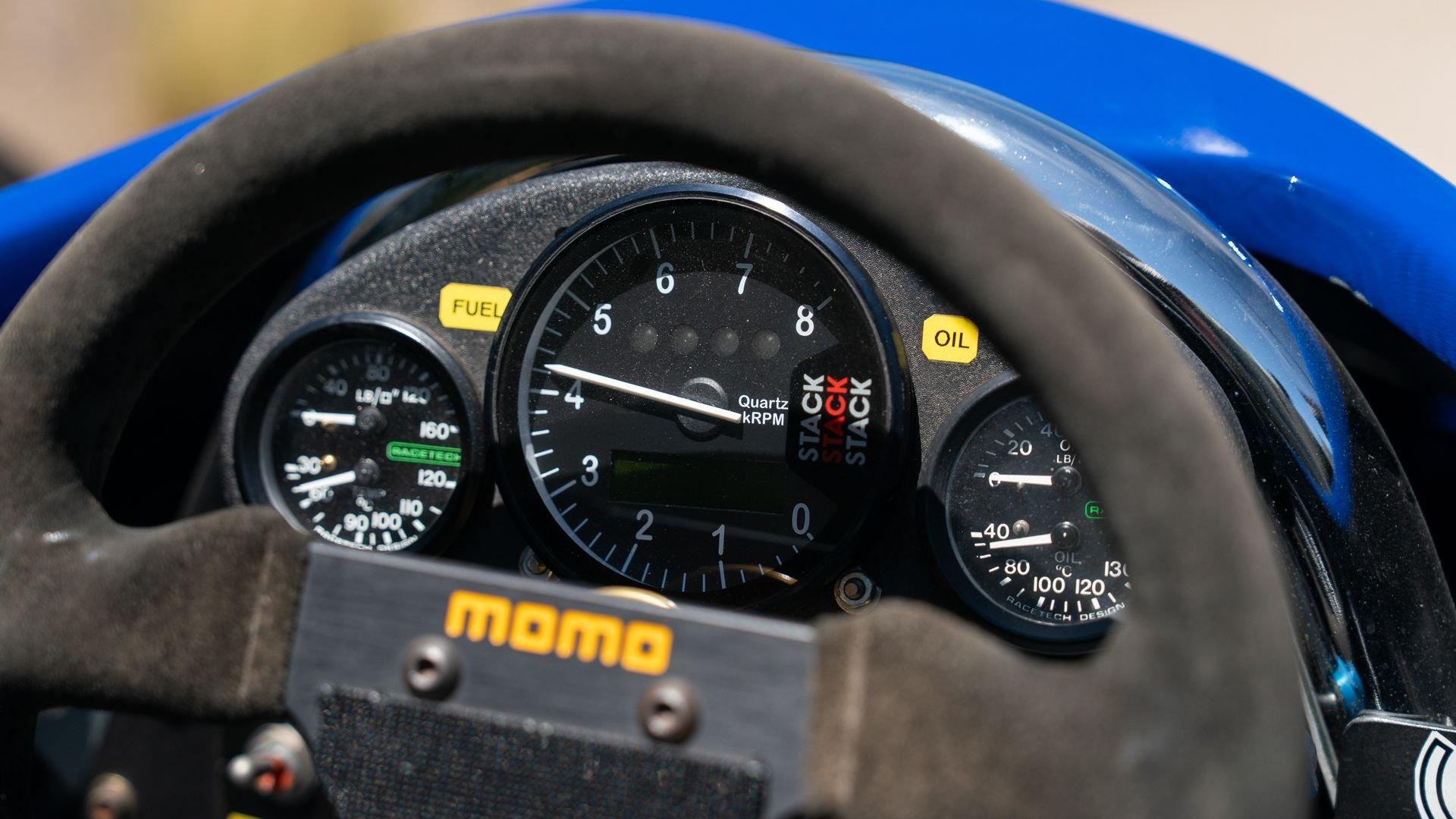
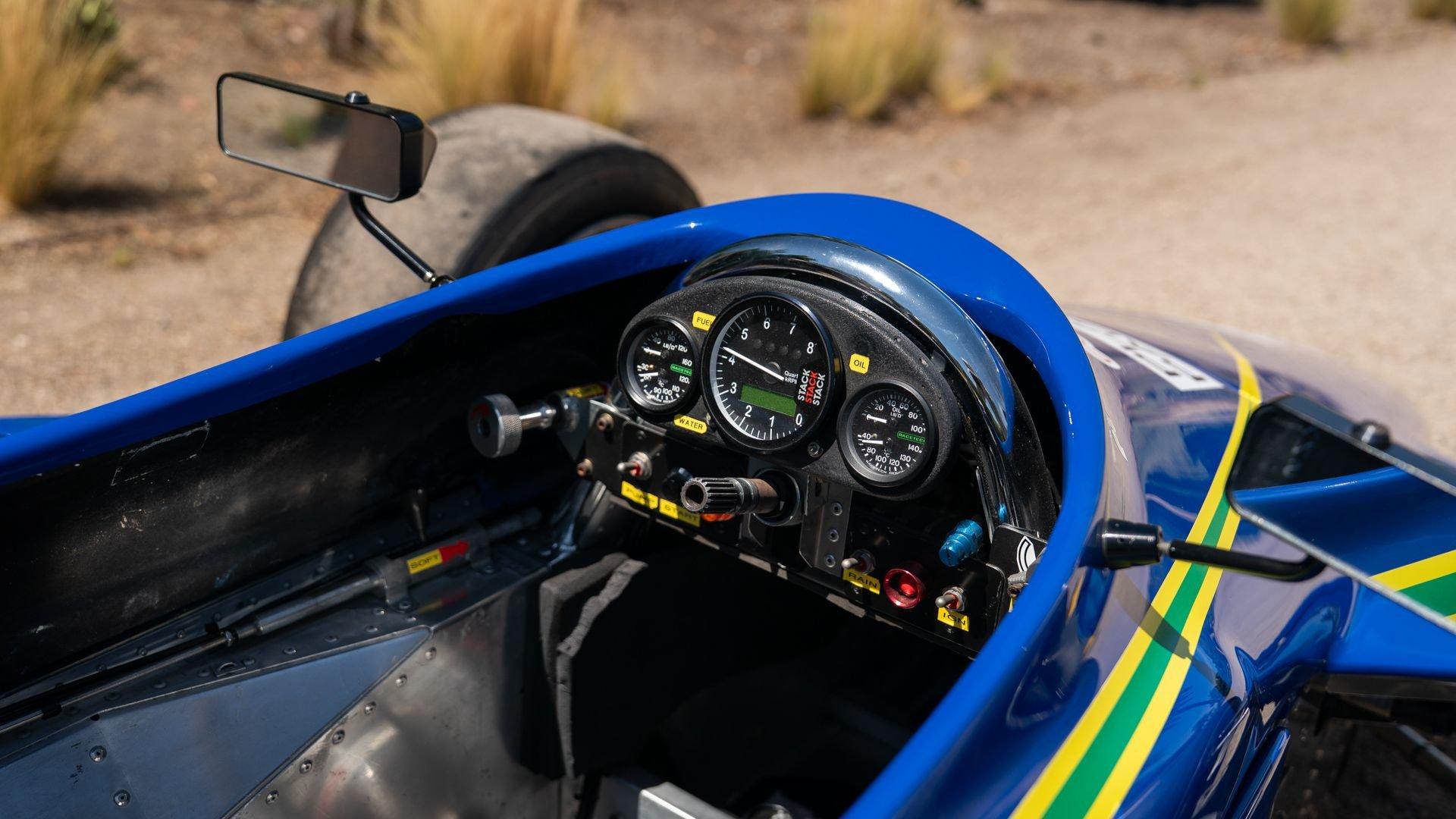
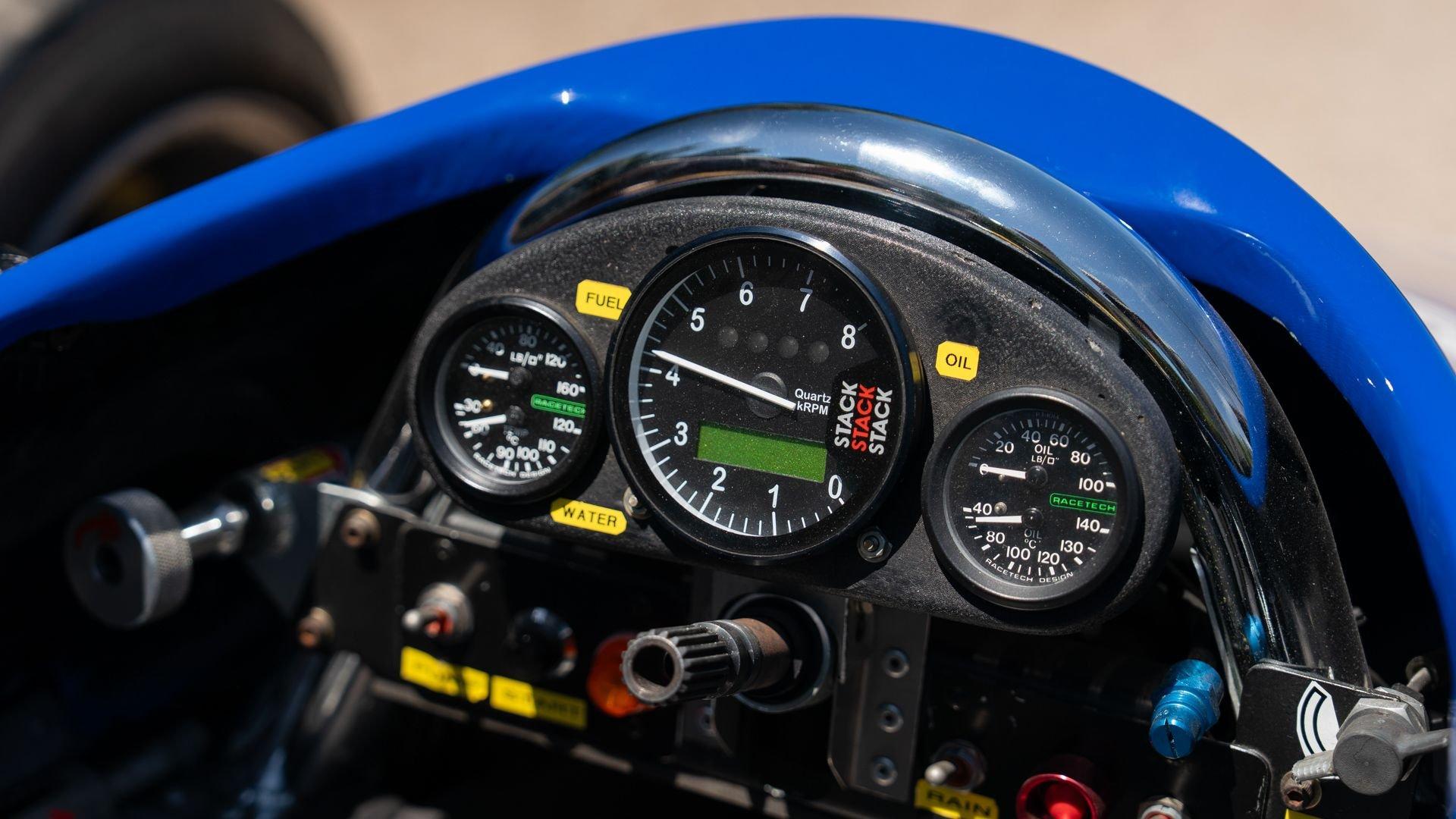
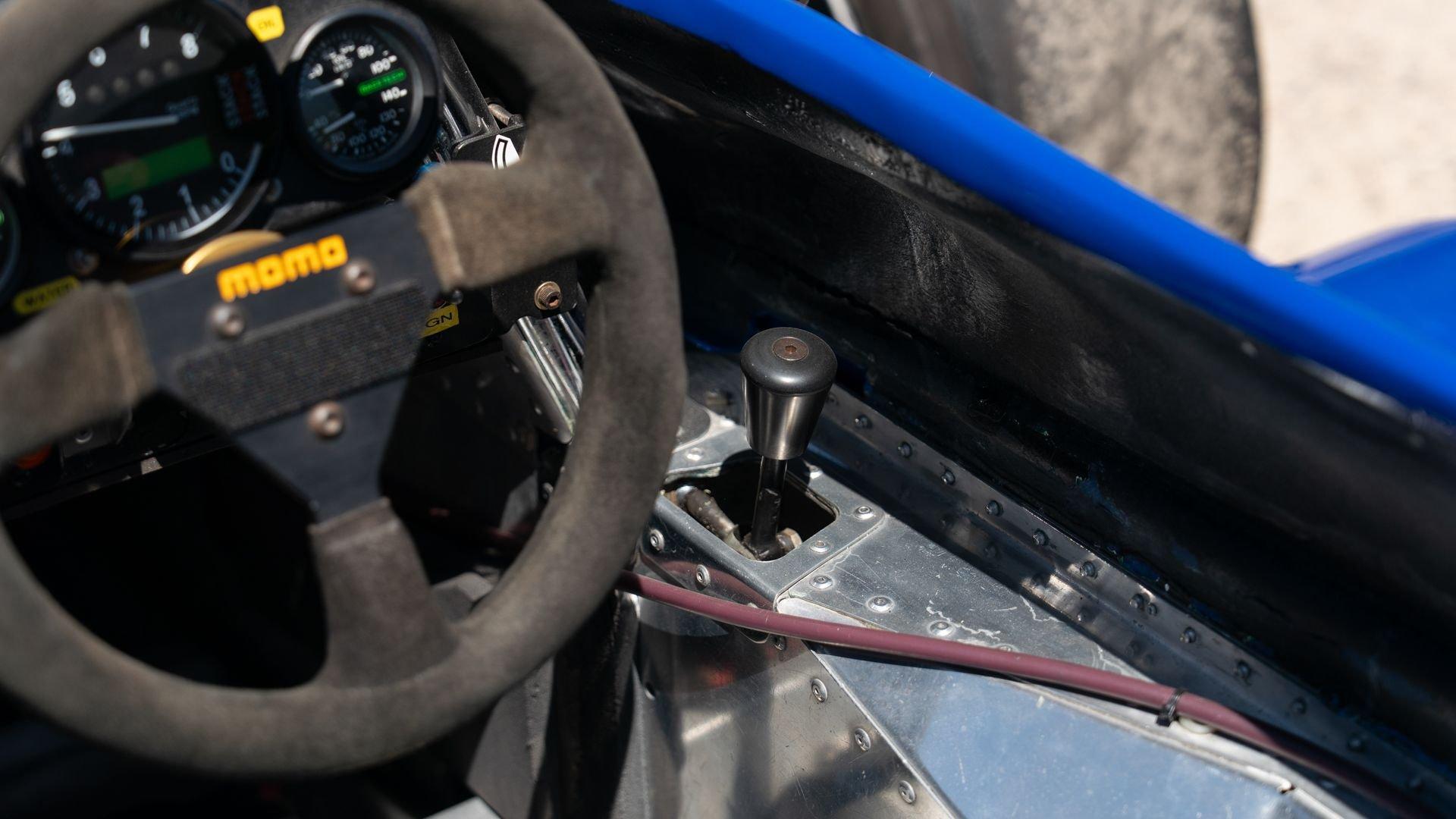
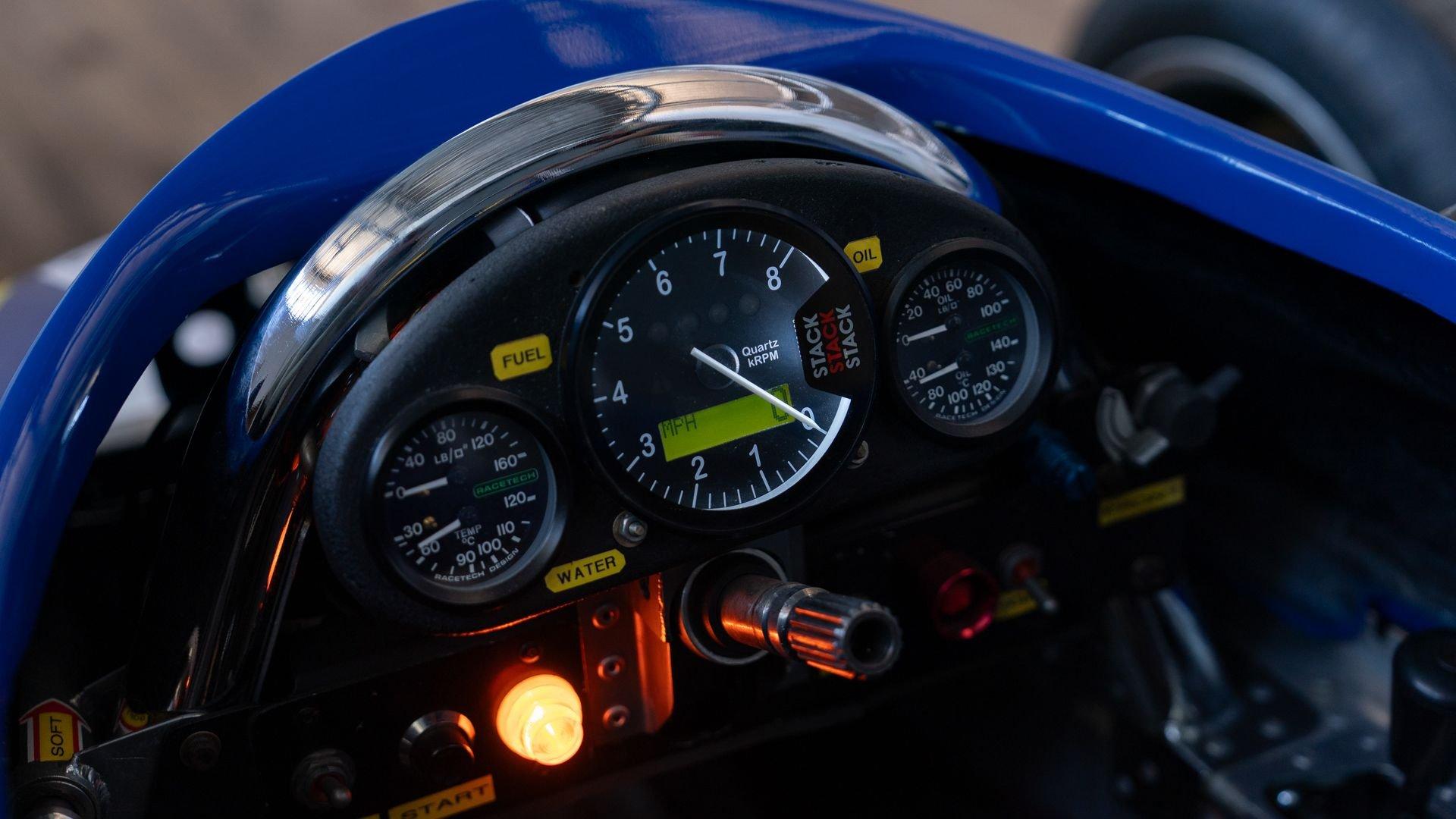
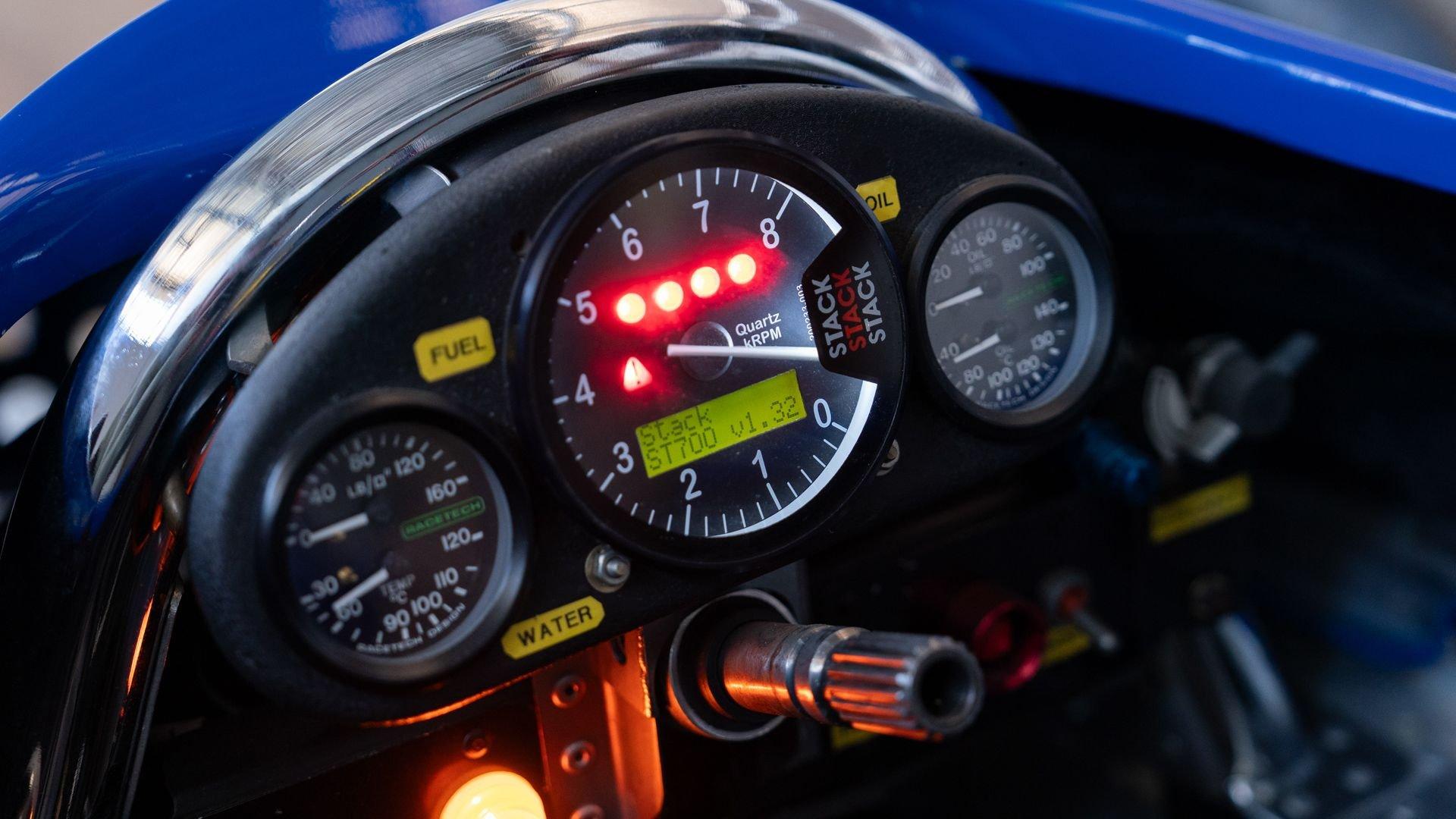
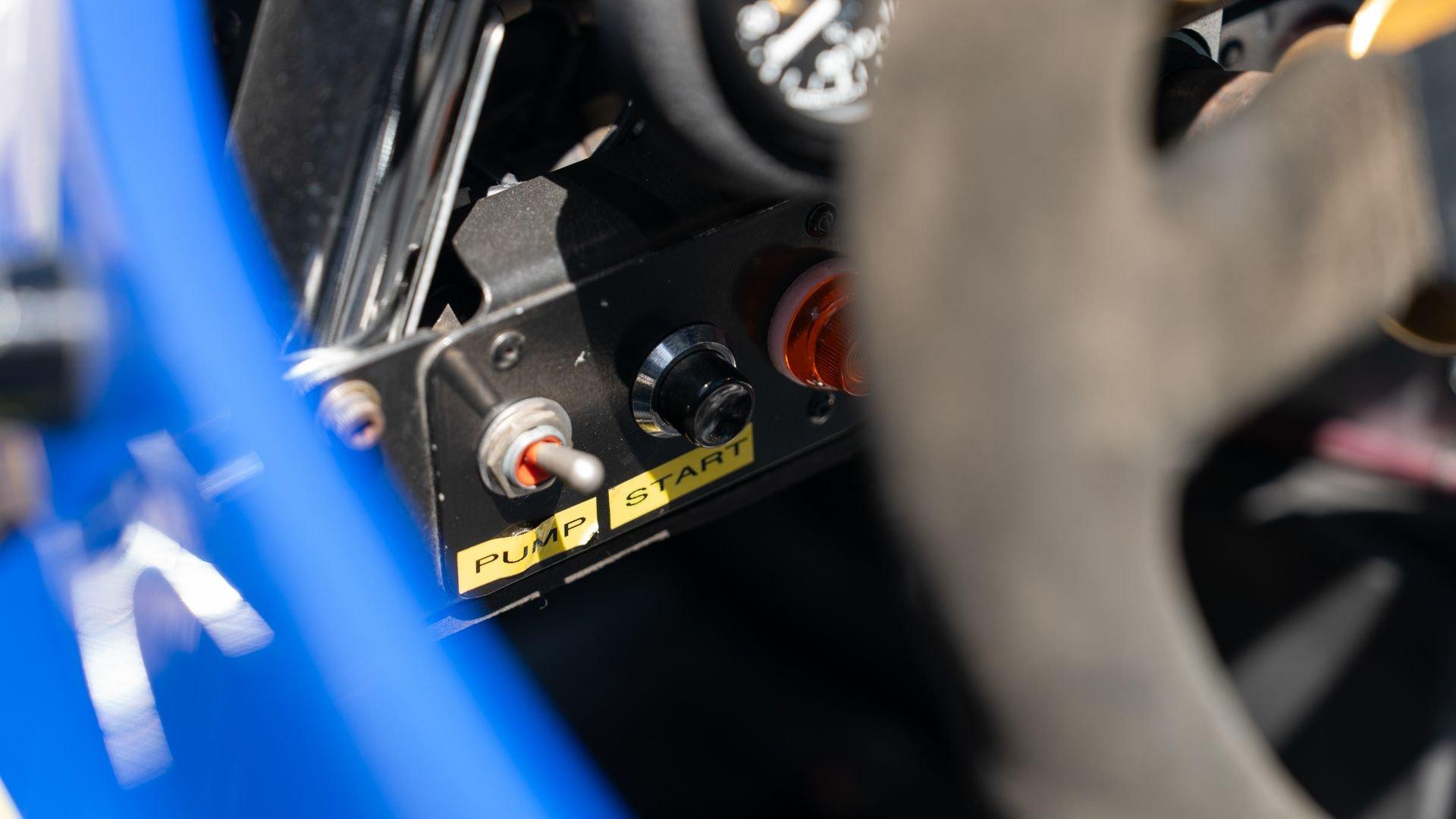
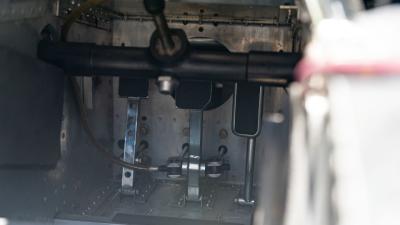
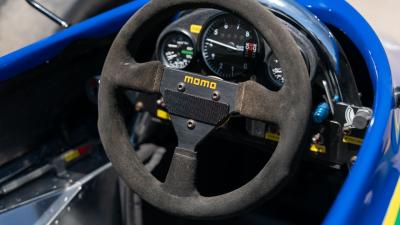
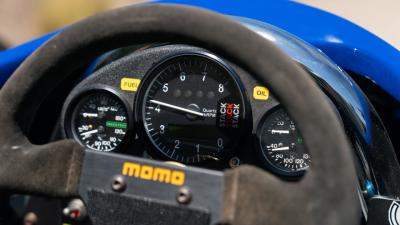
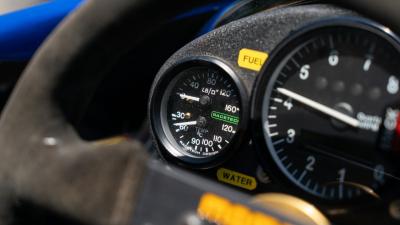
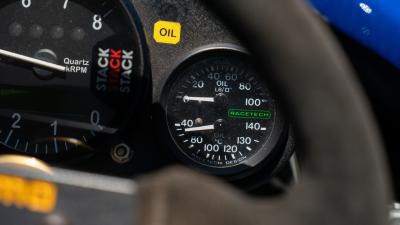
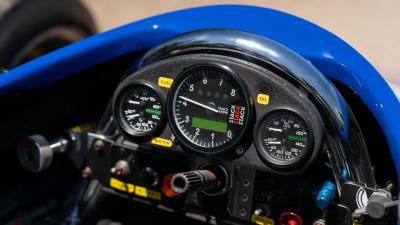
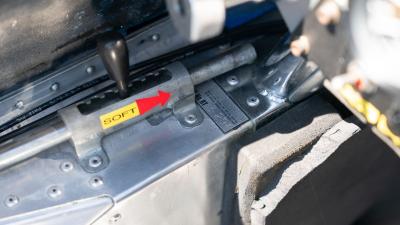
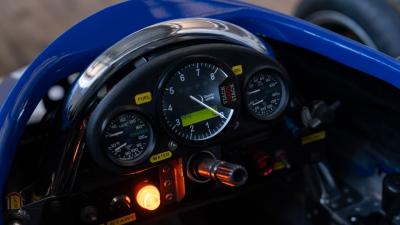
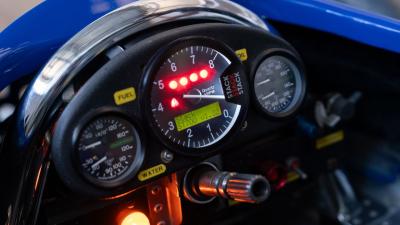
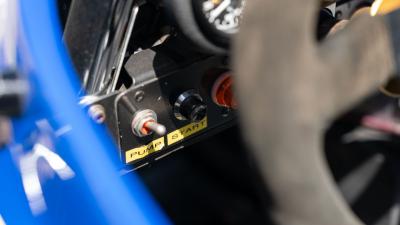
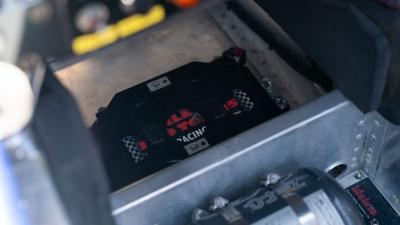
Therein lies the extraordinary mystique of chassis 291. Great drivers leave traces of themselves in the cars they raced, and this is the very cockpit in which a 22-year-old Senna first calibrated his gifts to a winged, ground-effect single-seater-an essential stepping stone to the high-downforce Formula 1 machinery he would graduate to within two years. The seat, the wheel, the pedals, and the gear lever evoke the cockpit as he experienced it that November afternoon. To drive this car “in anger” is to sample the machine in which the single-seater style that would define a generation of Formula 1 was first honed. Few objects in the collector car world offer so direct a connection to greatness at the moment of its emergence.
At the same time, the car remains eminently usable. The Ralt RT3 is a mainstay of contemporary historic single-seater competition and remains as competitive as ever, with numerous examples active in the FIA Historic Formula 3 European Cup, launched in 2018, while the HSCC Classic Formula 3 Championship welcomes 2-liter Formula 3 cars built and raced between 1974 and 1984. The Monaco Historic Grand Prix, run for heritage Grand Prix, Formula 1, Formula 2, and sports cars, has already hosted this chassis once, and there is surely no more fitting stage for its return than the streets where Senna claimed a record six Grand Prix victories.
Contact Us
