





























































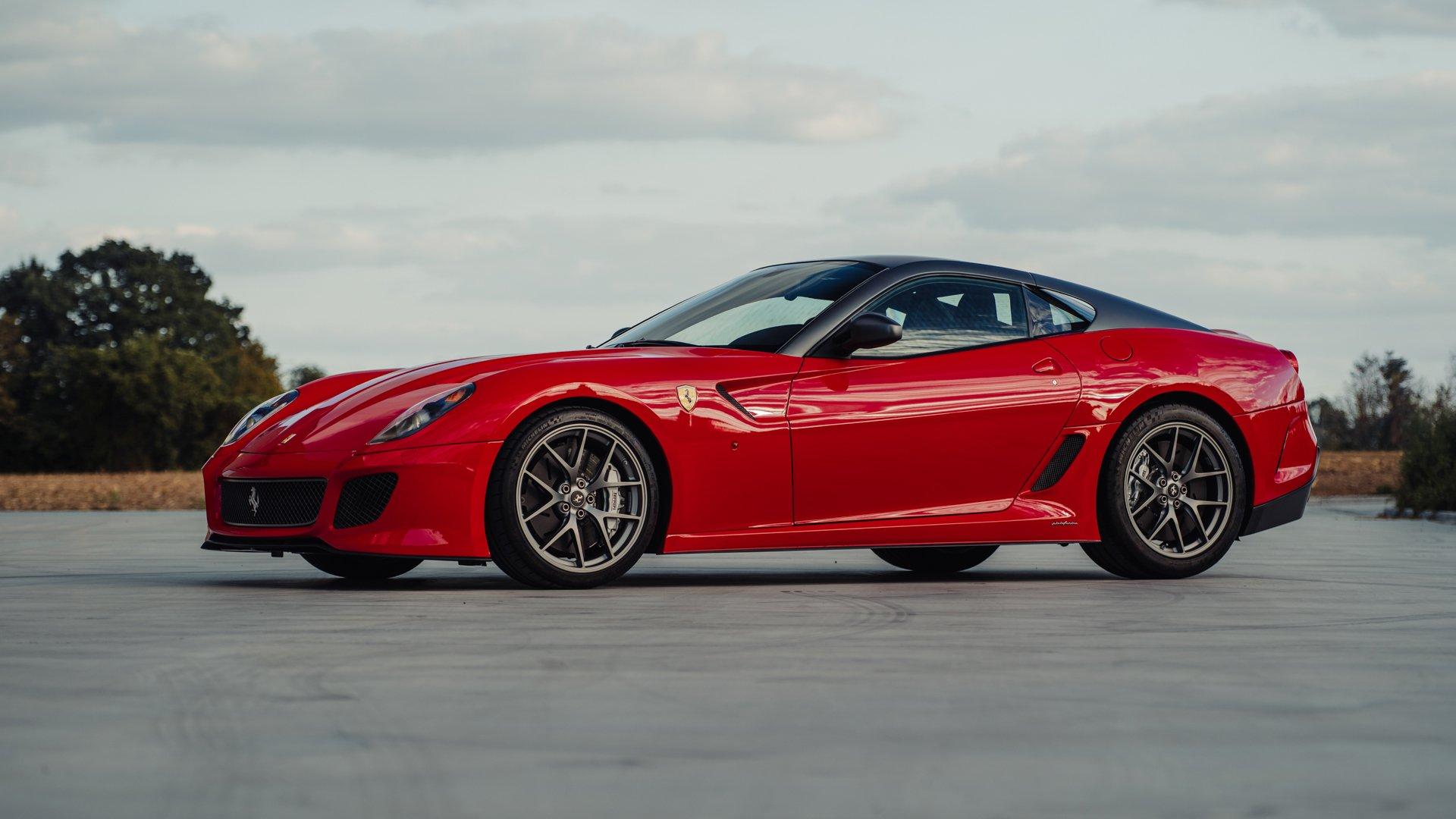
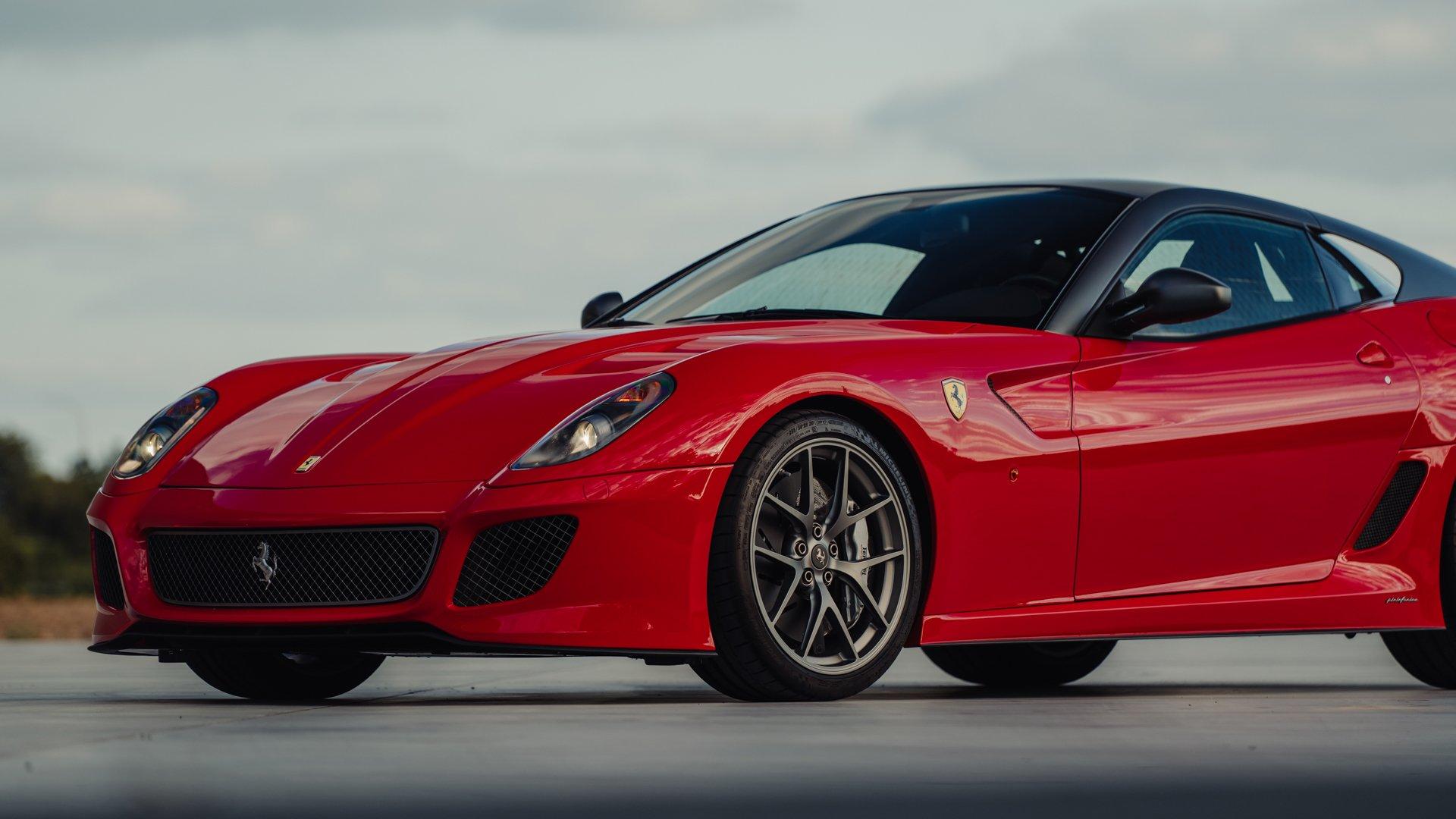
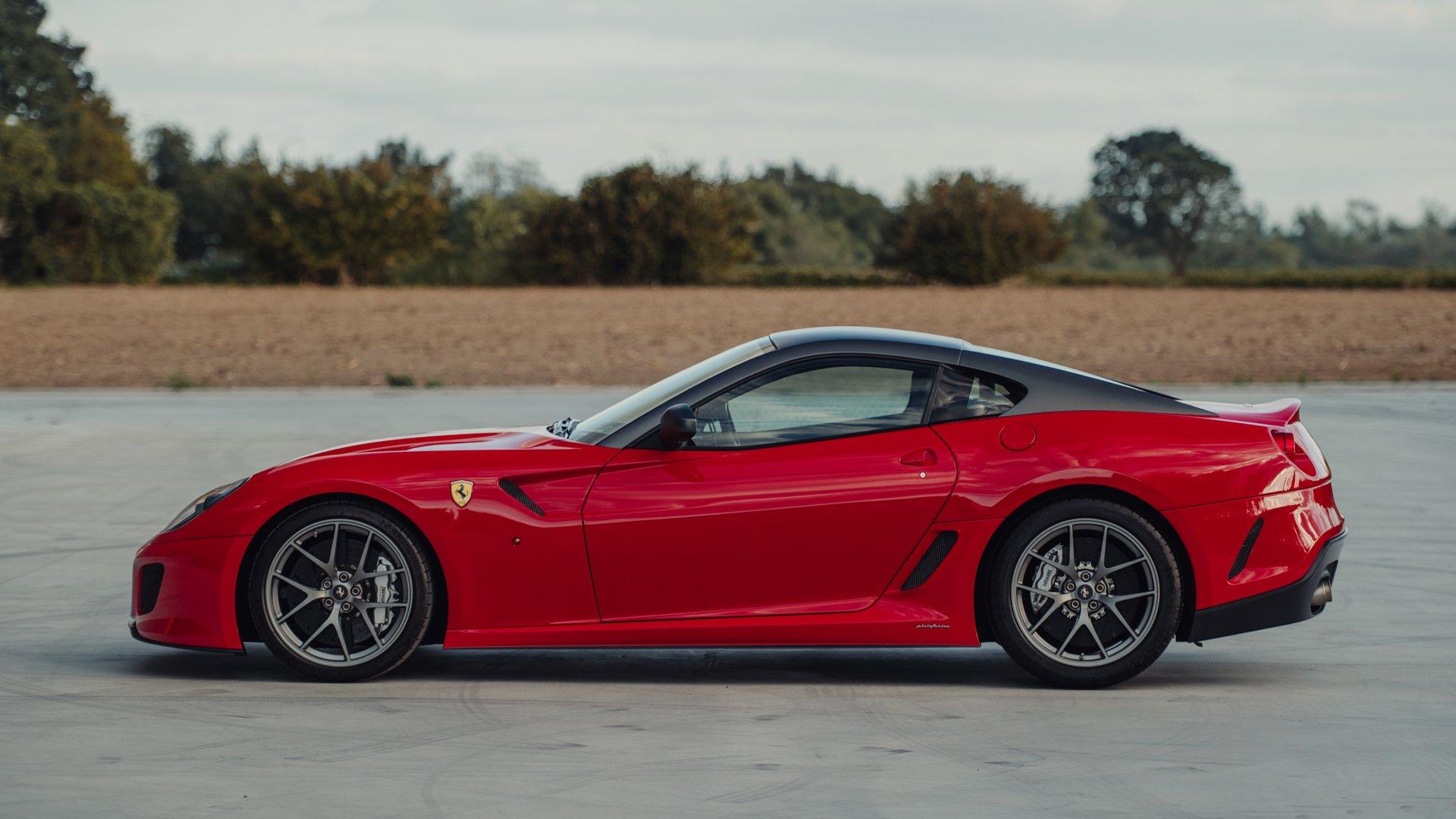
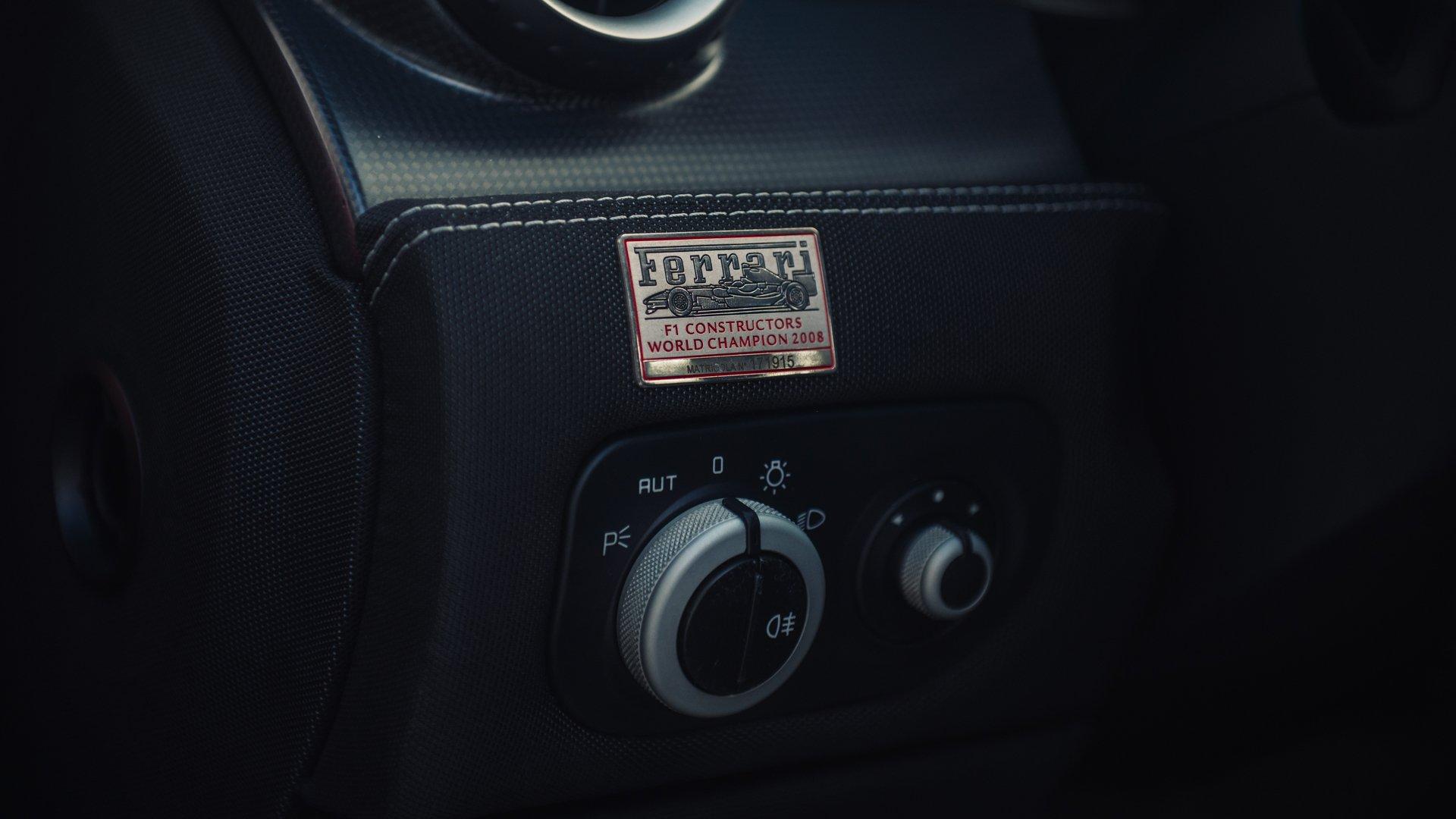
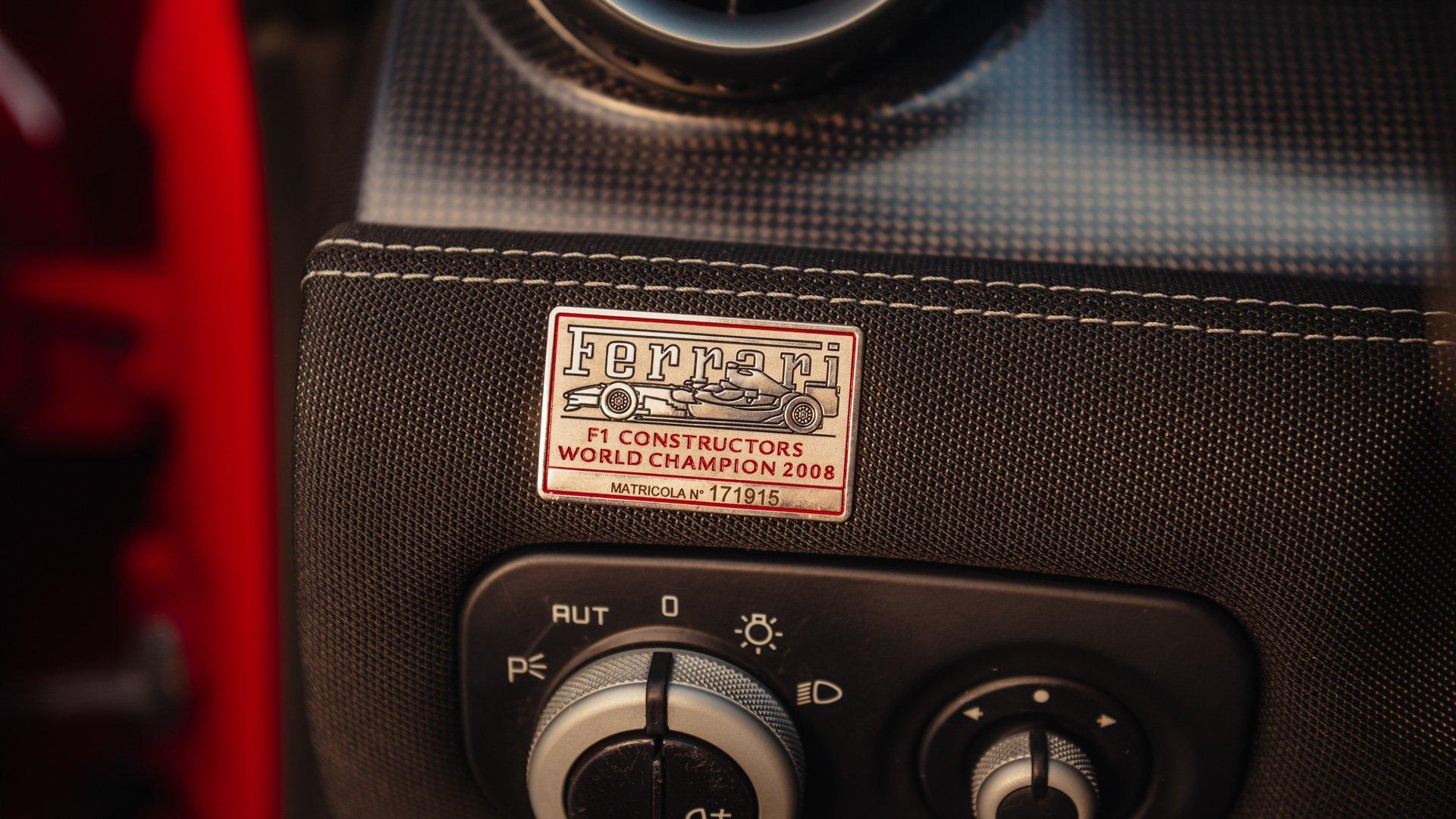
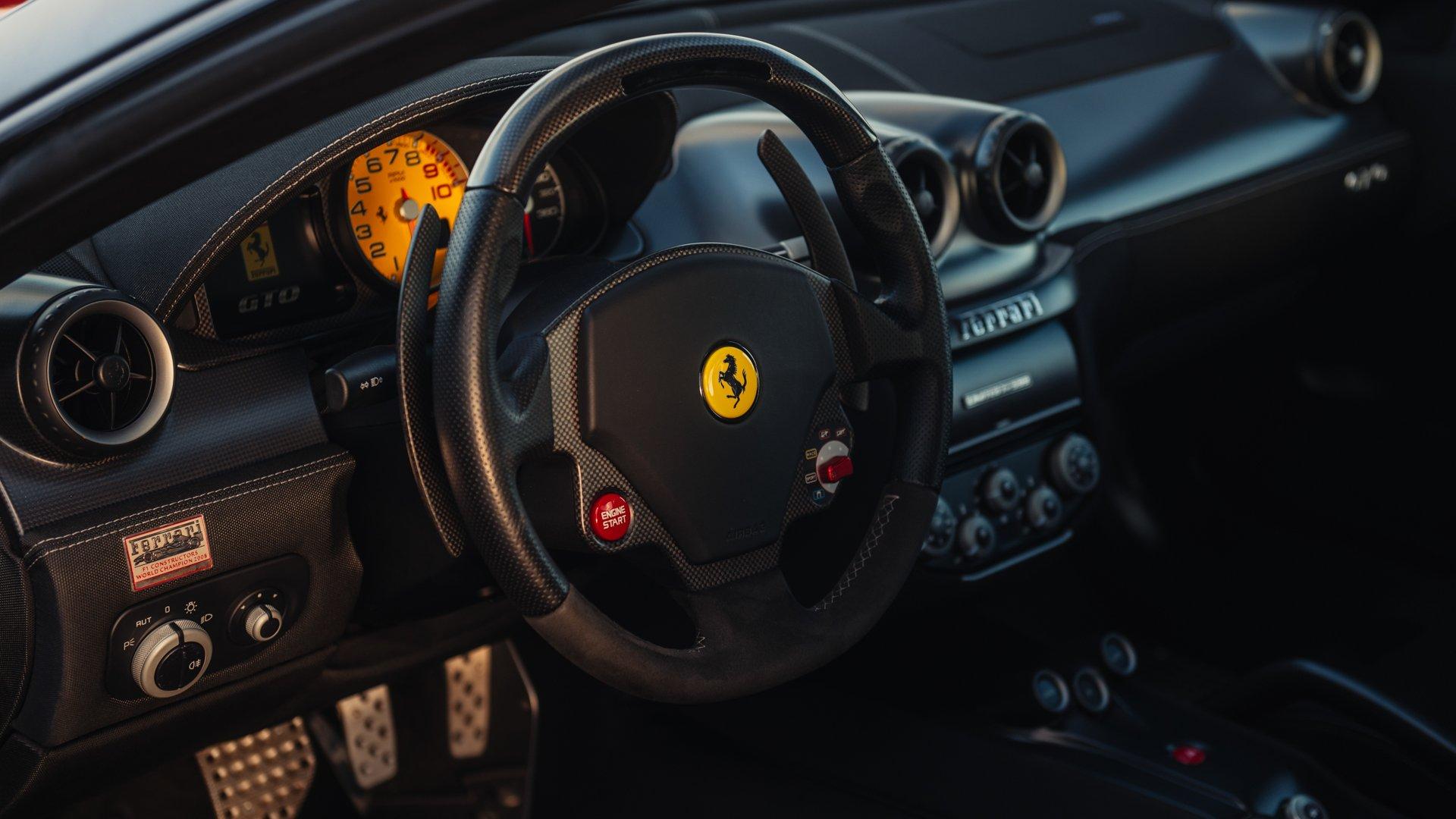
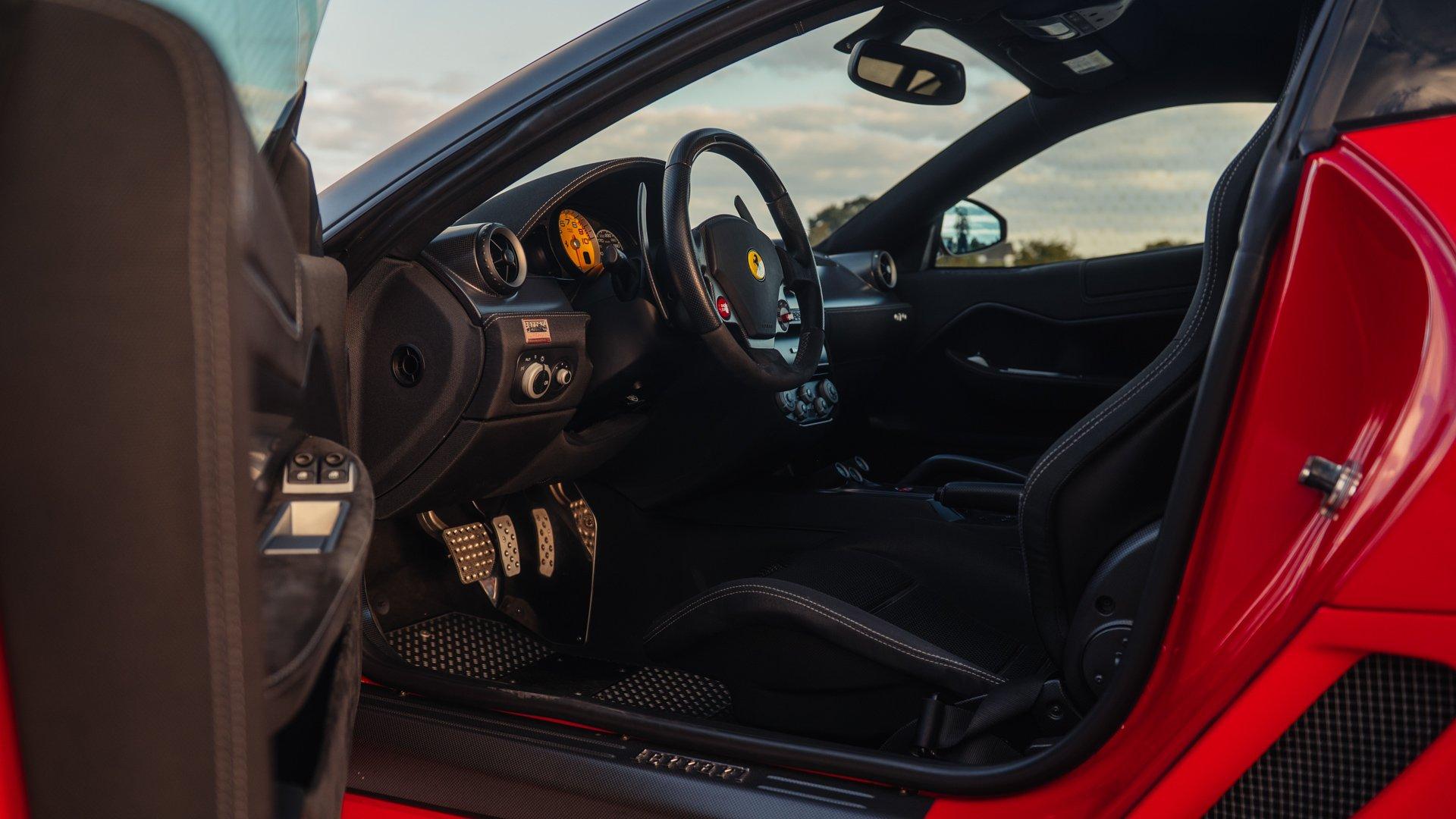
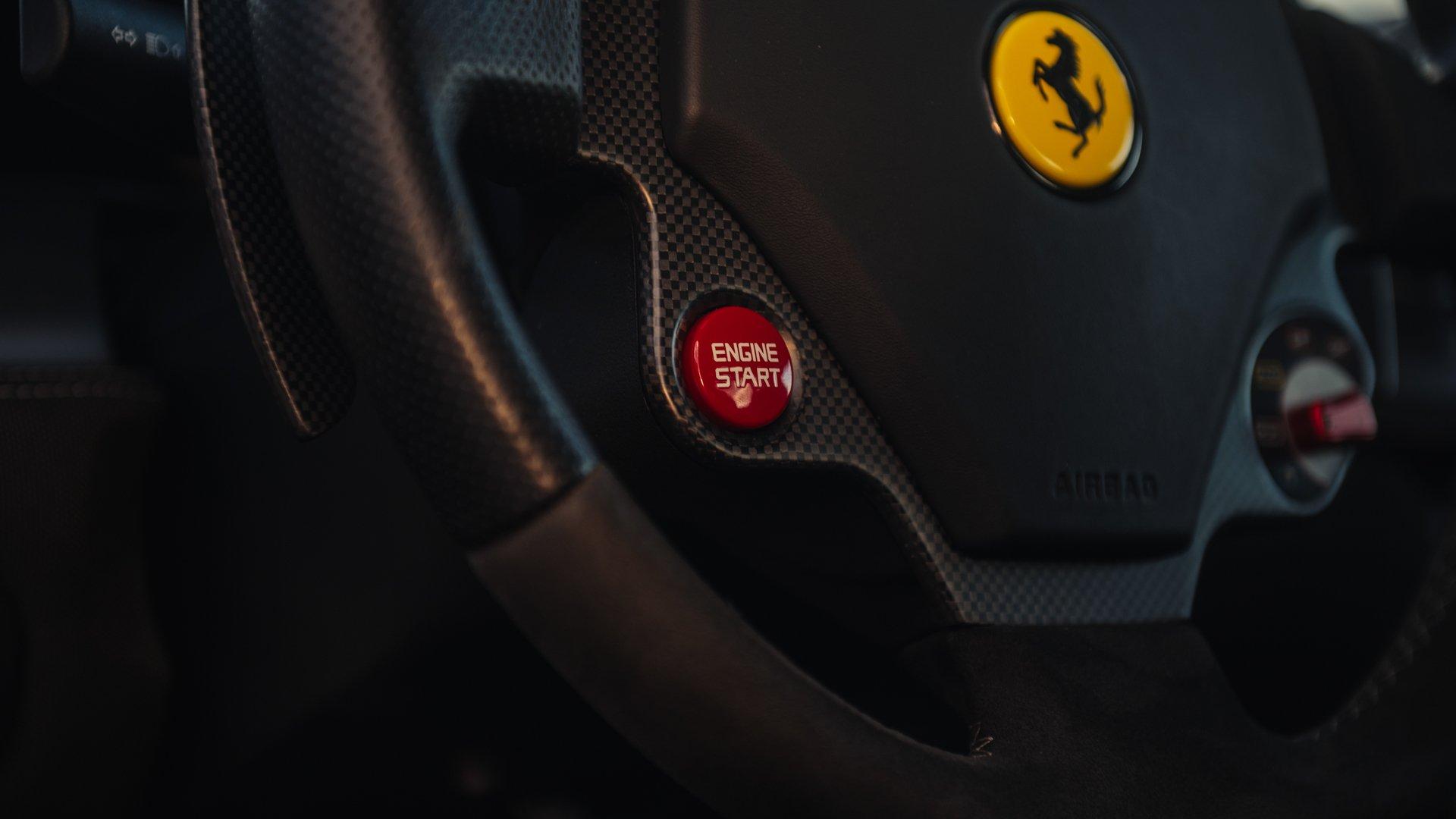
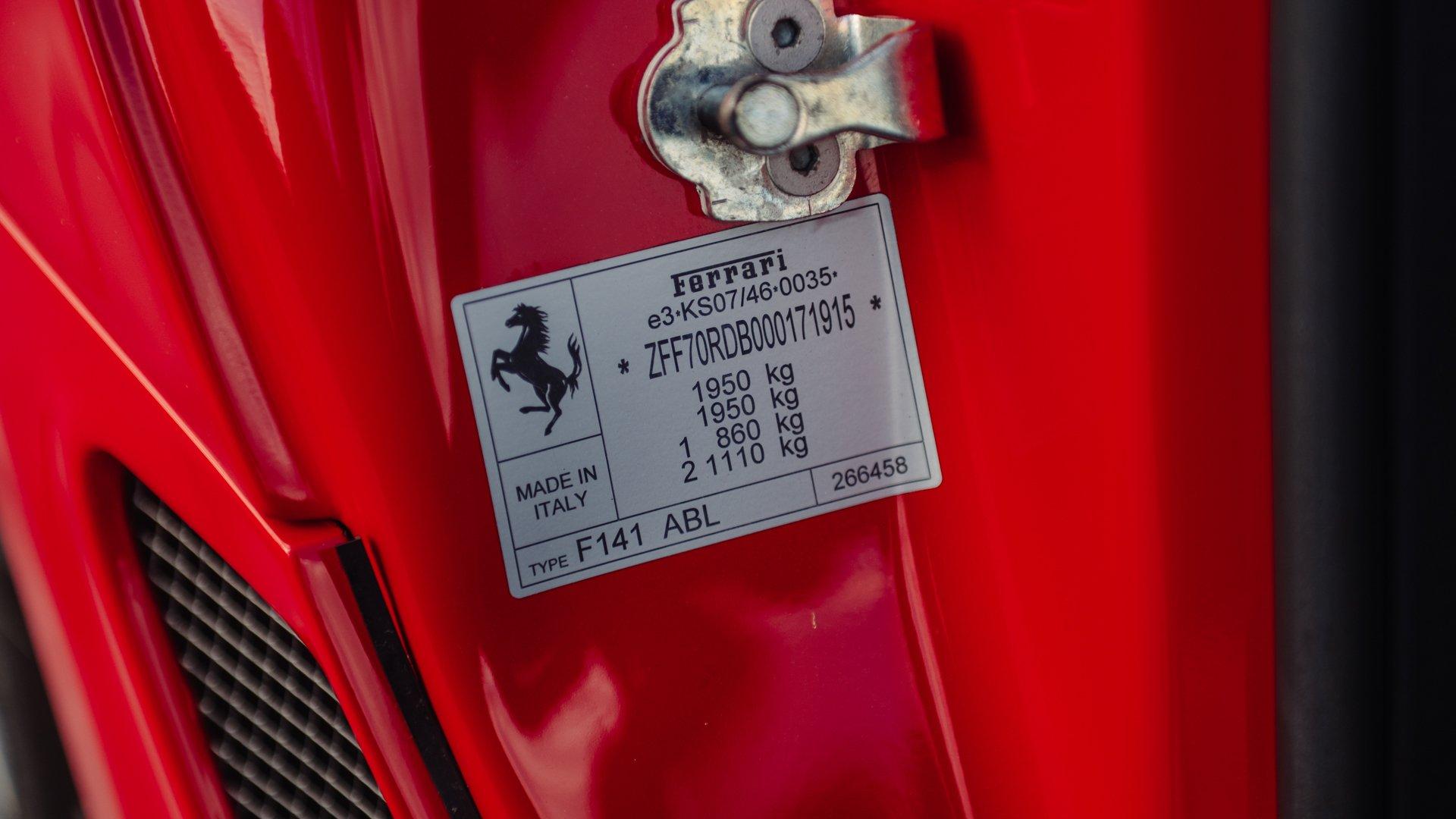
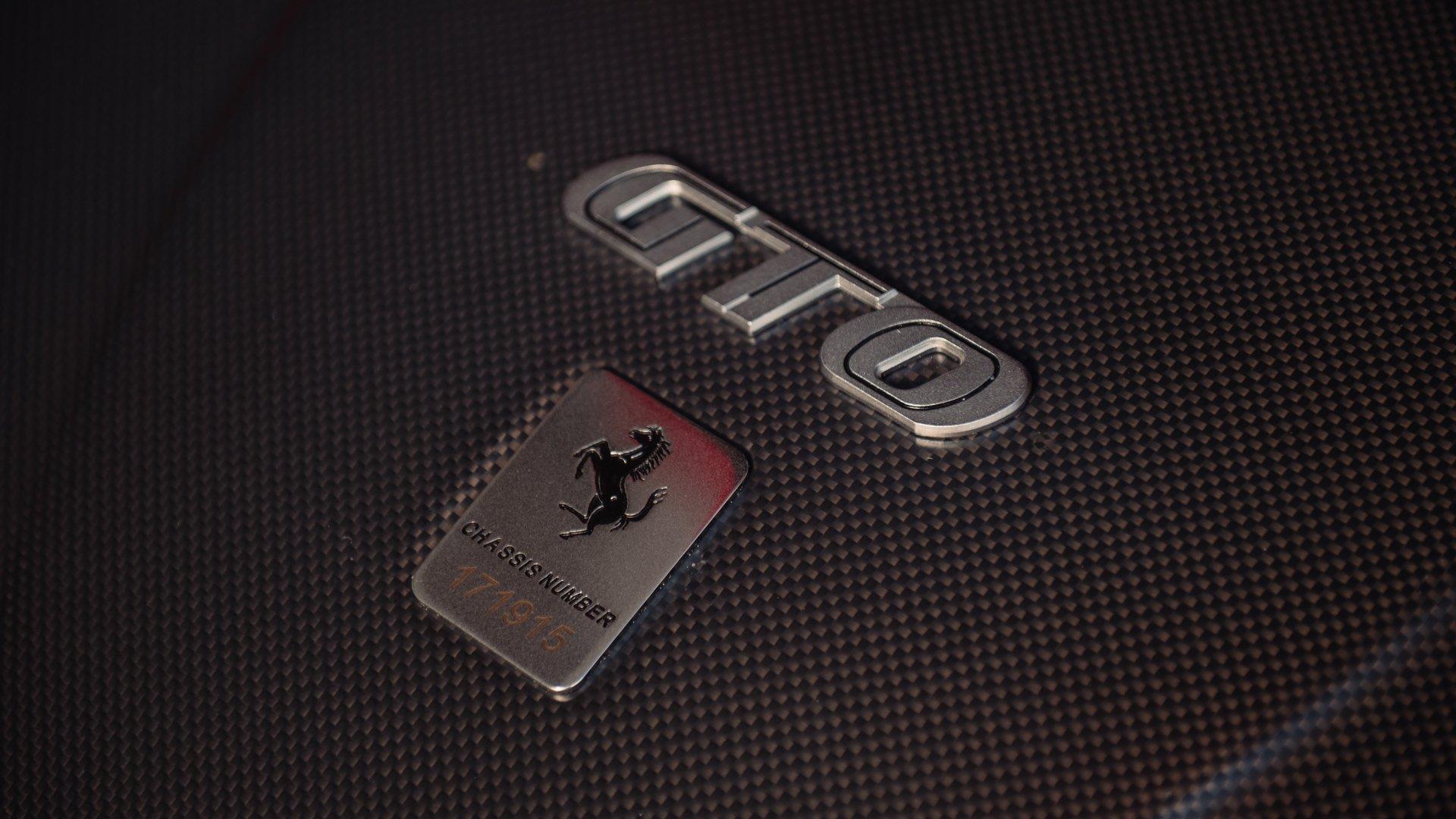
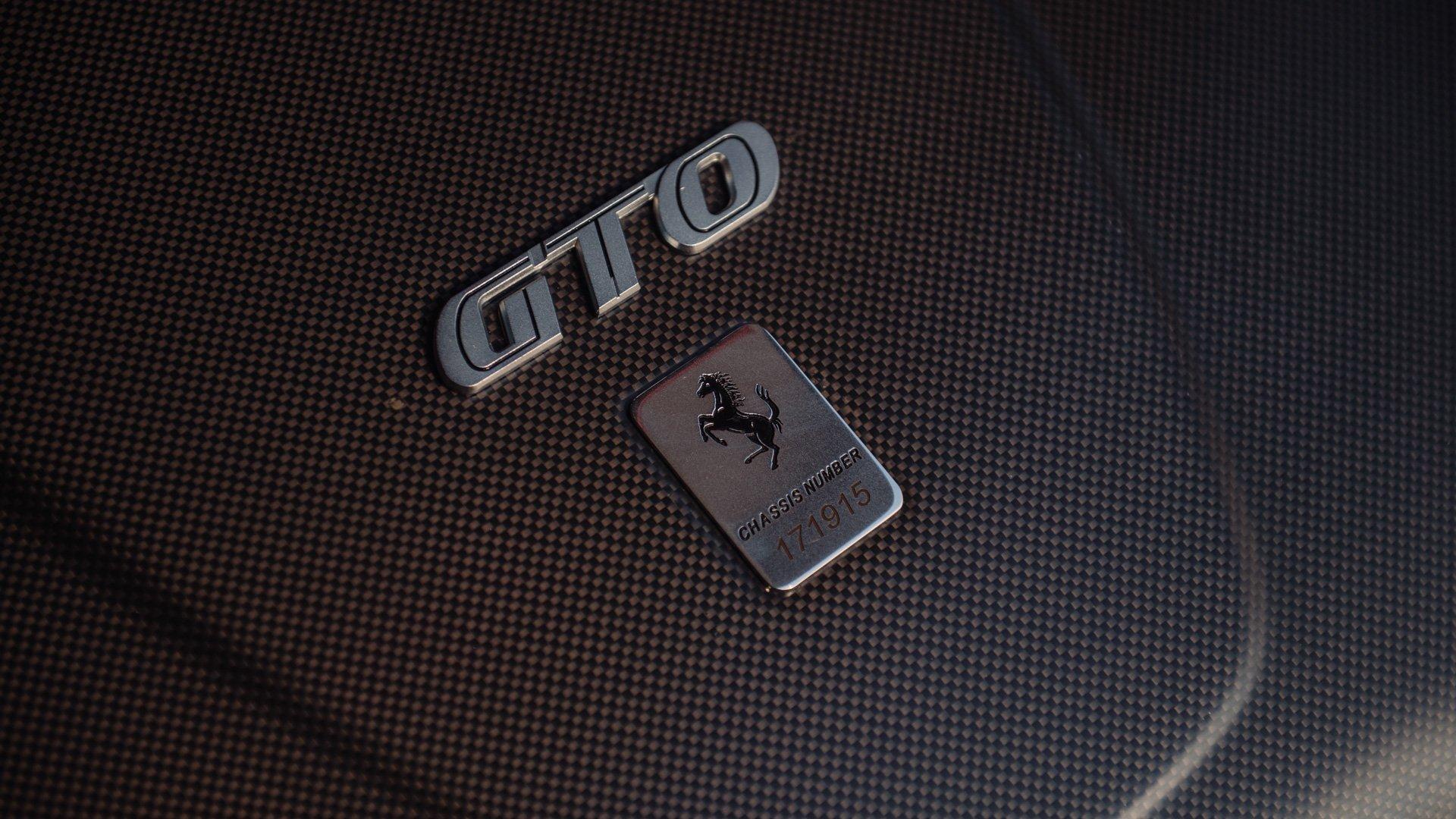
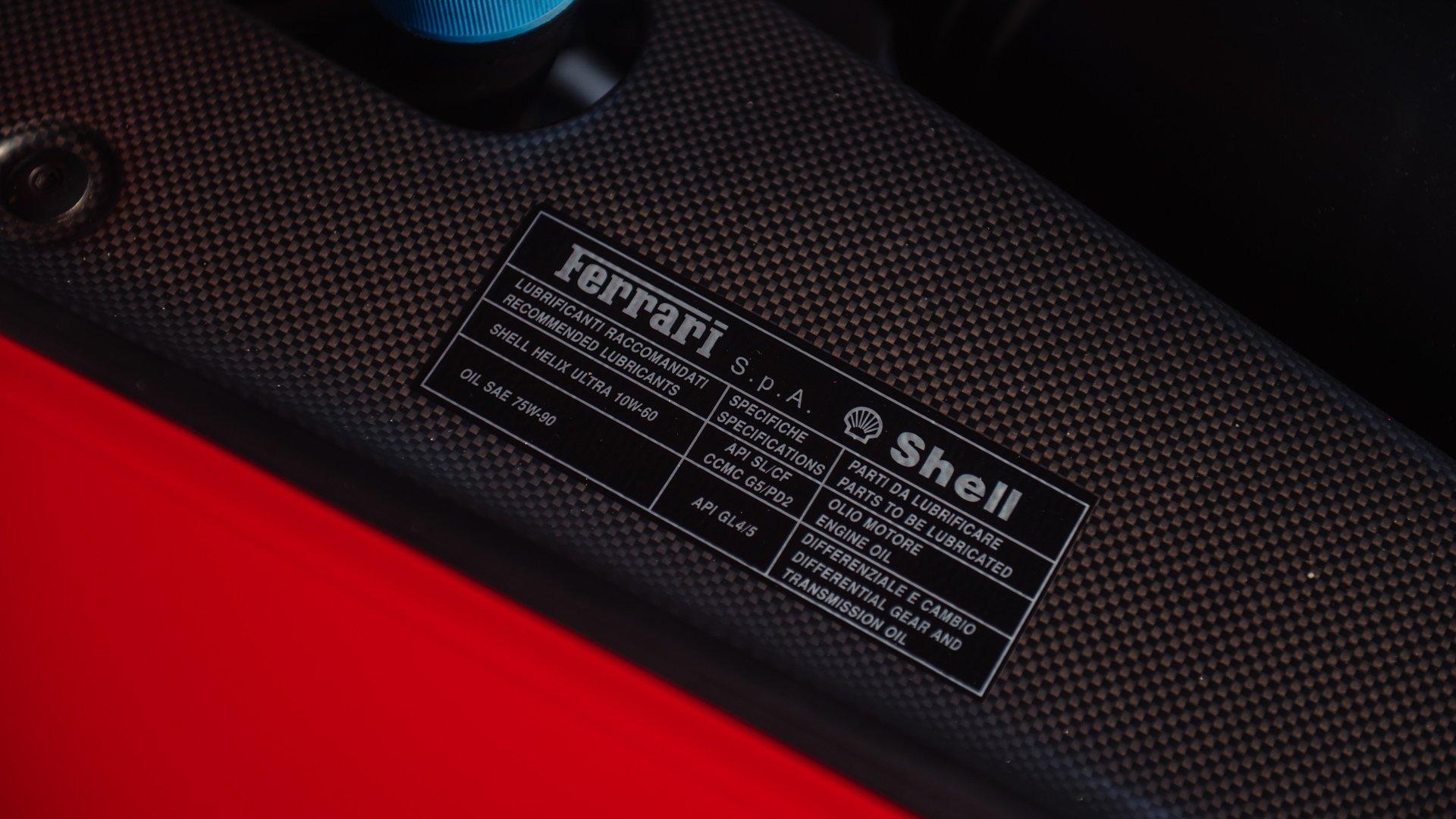
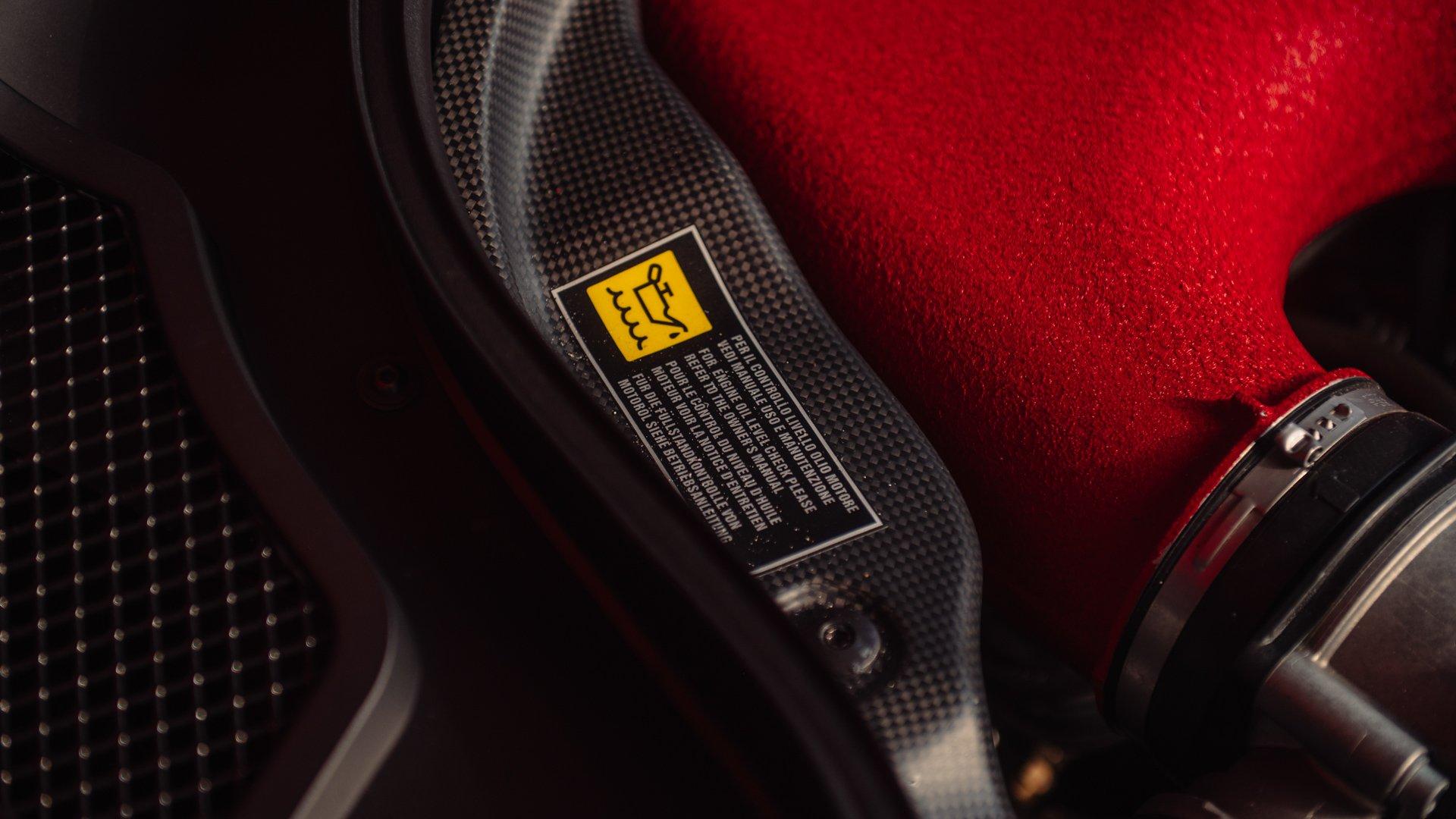
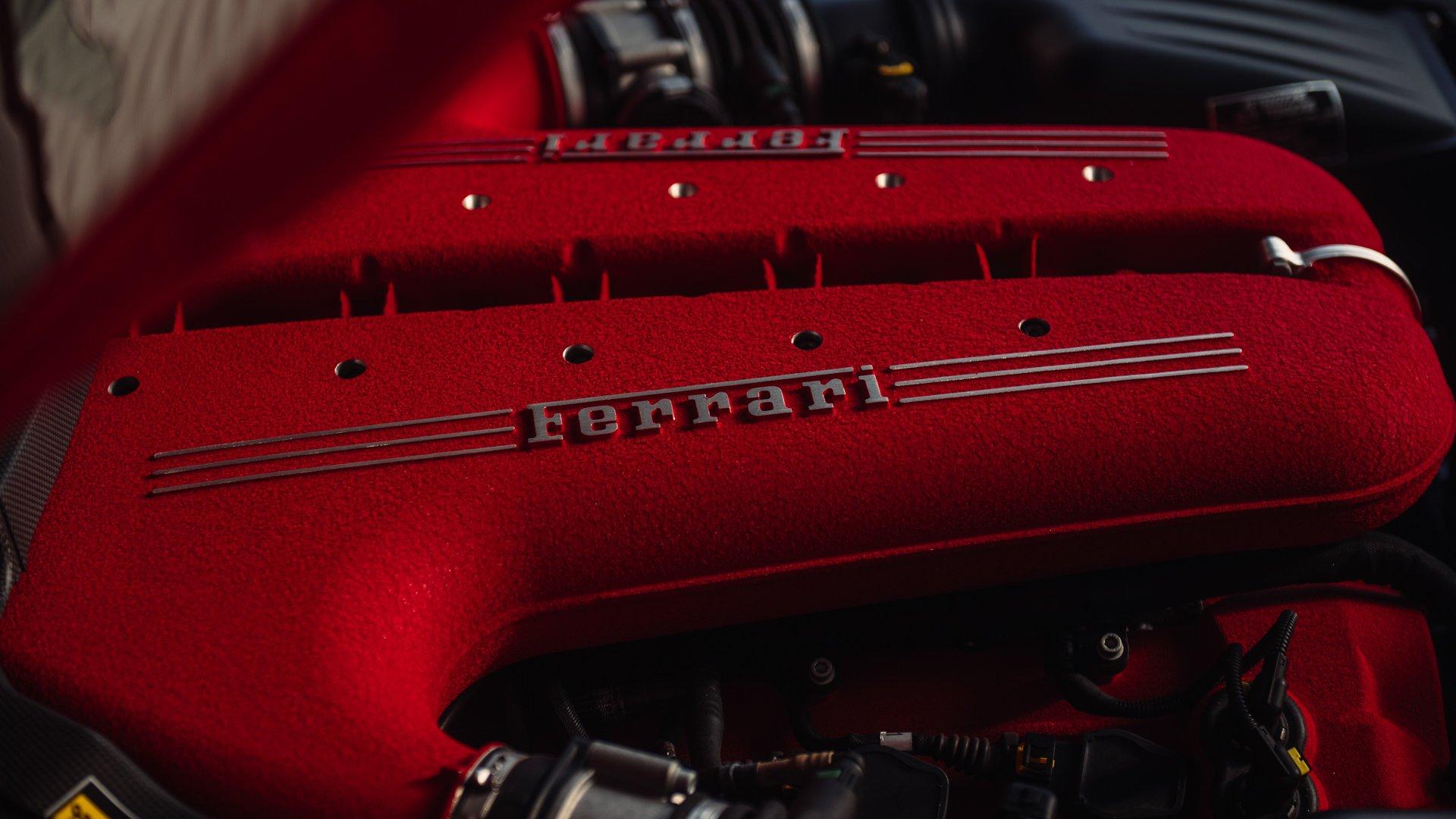
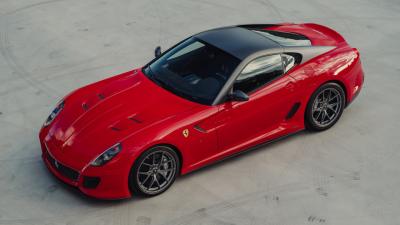
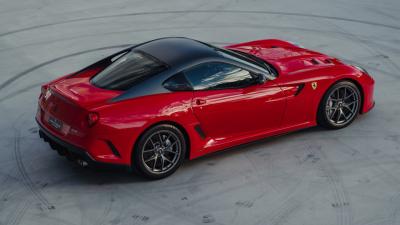
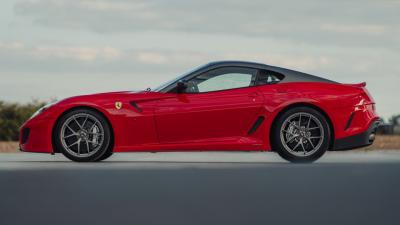
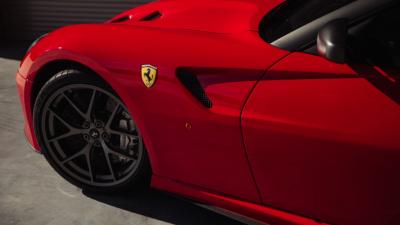
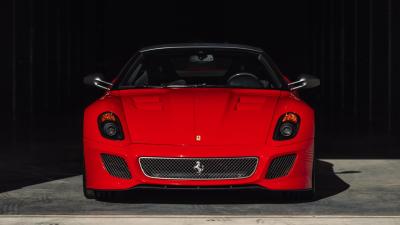
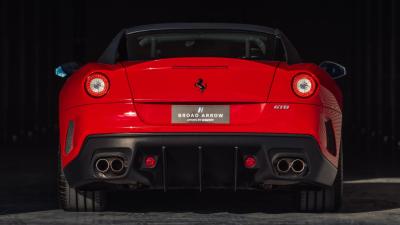
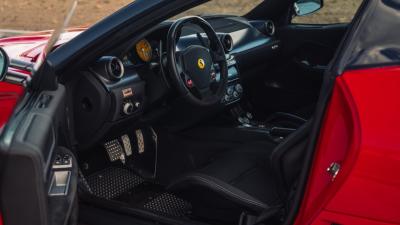
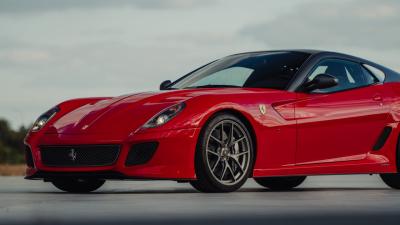
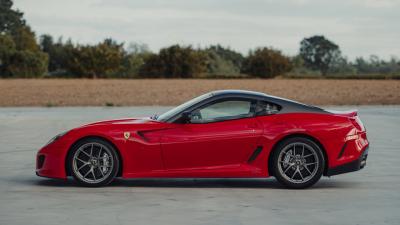
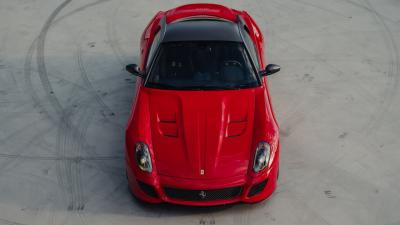
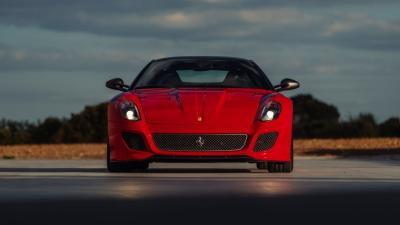
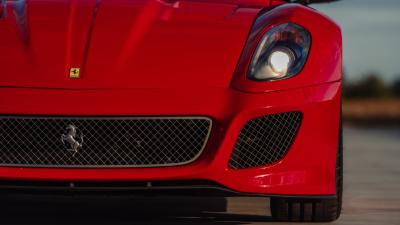
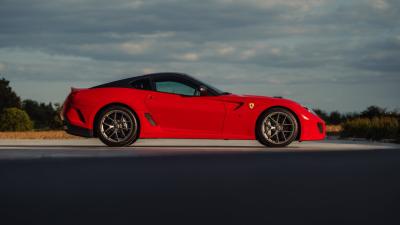
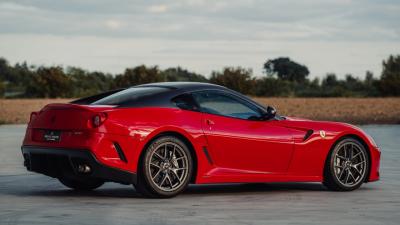
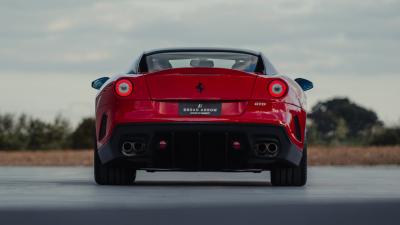
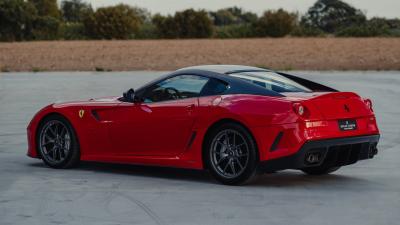
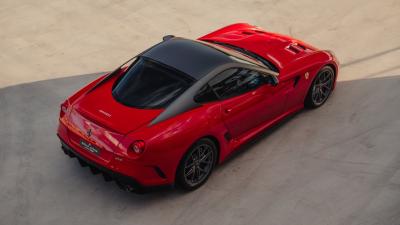
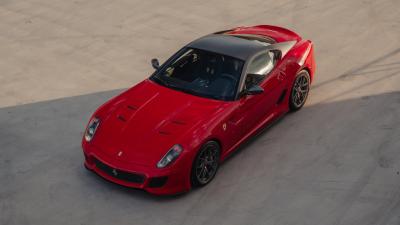
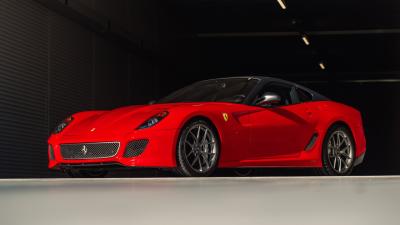
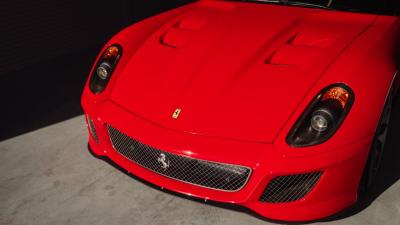
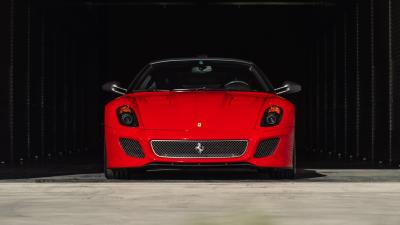
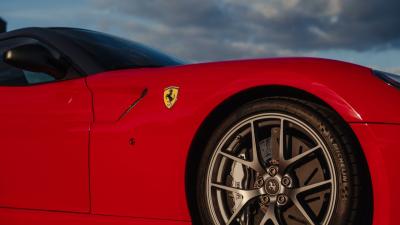
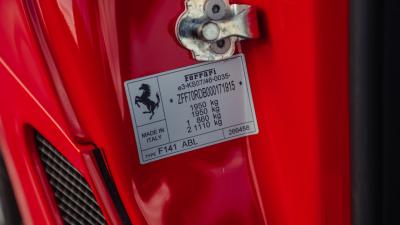
Chassis No. ZFF70RDB000171915
Engine No. 155936
Transmission No. 4589
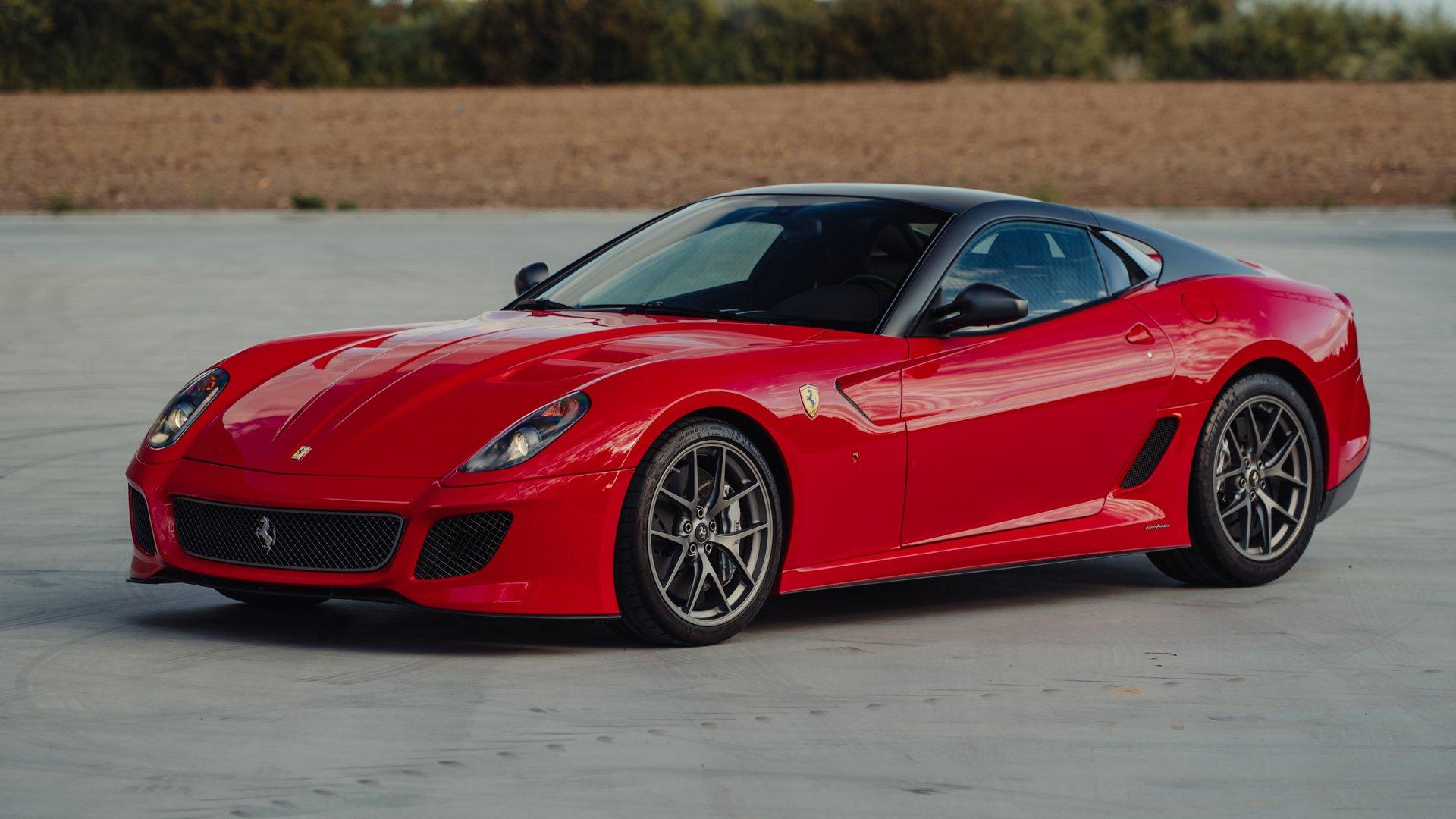
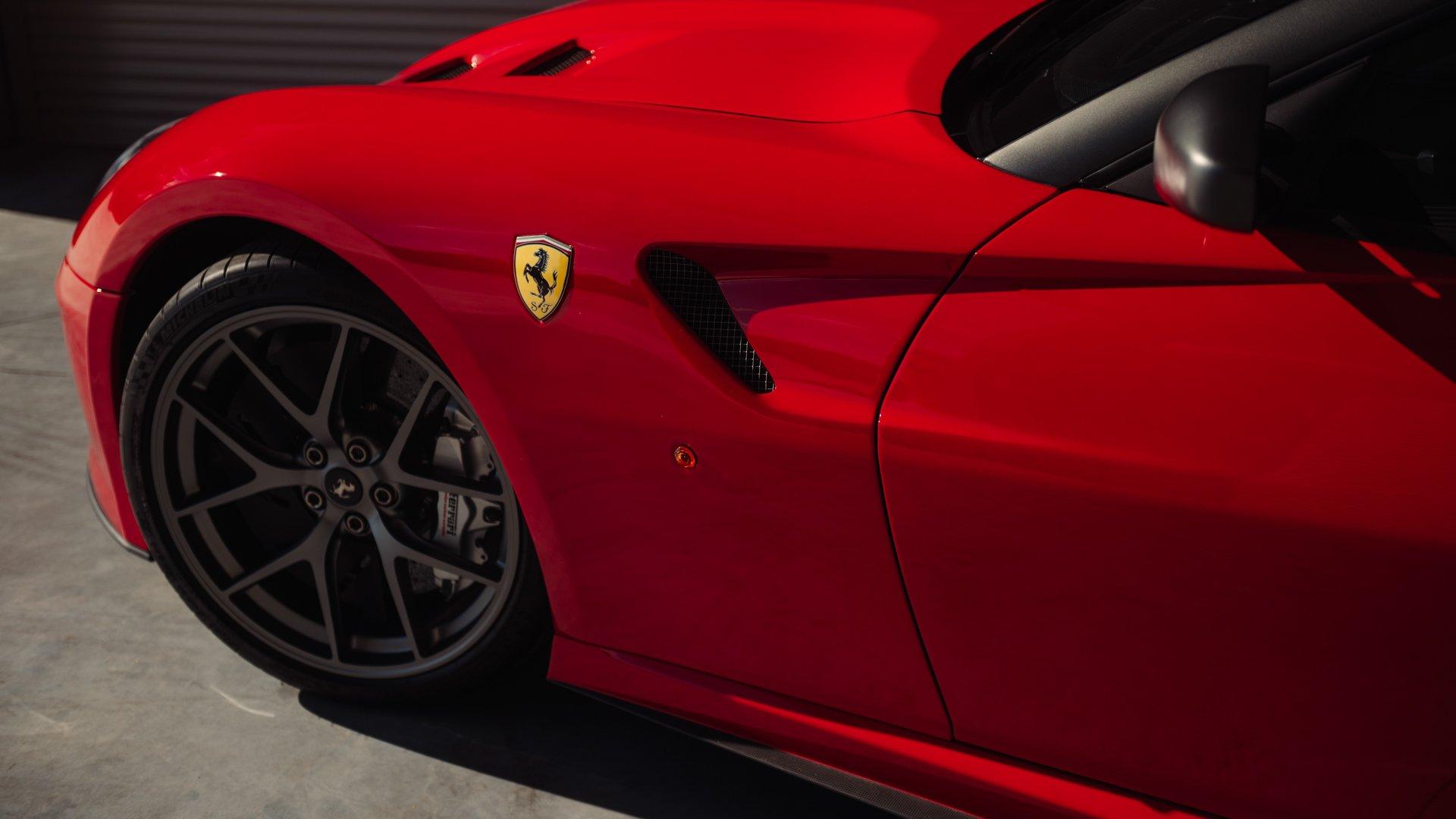
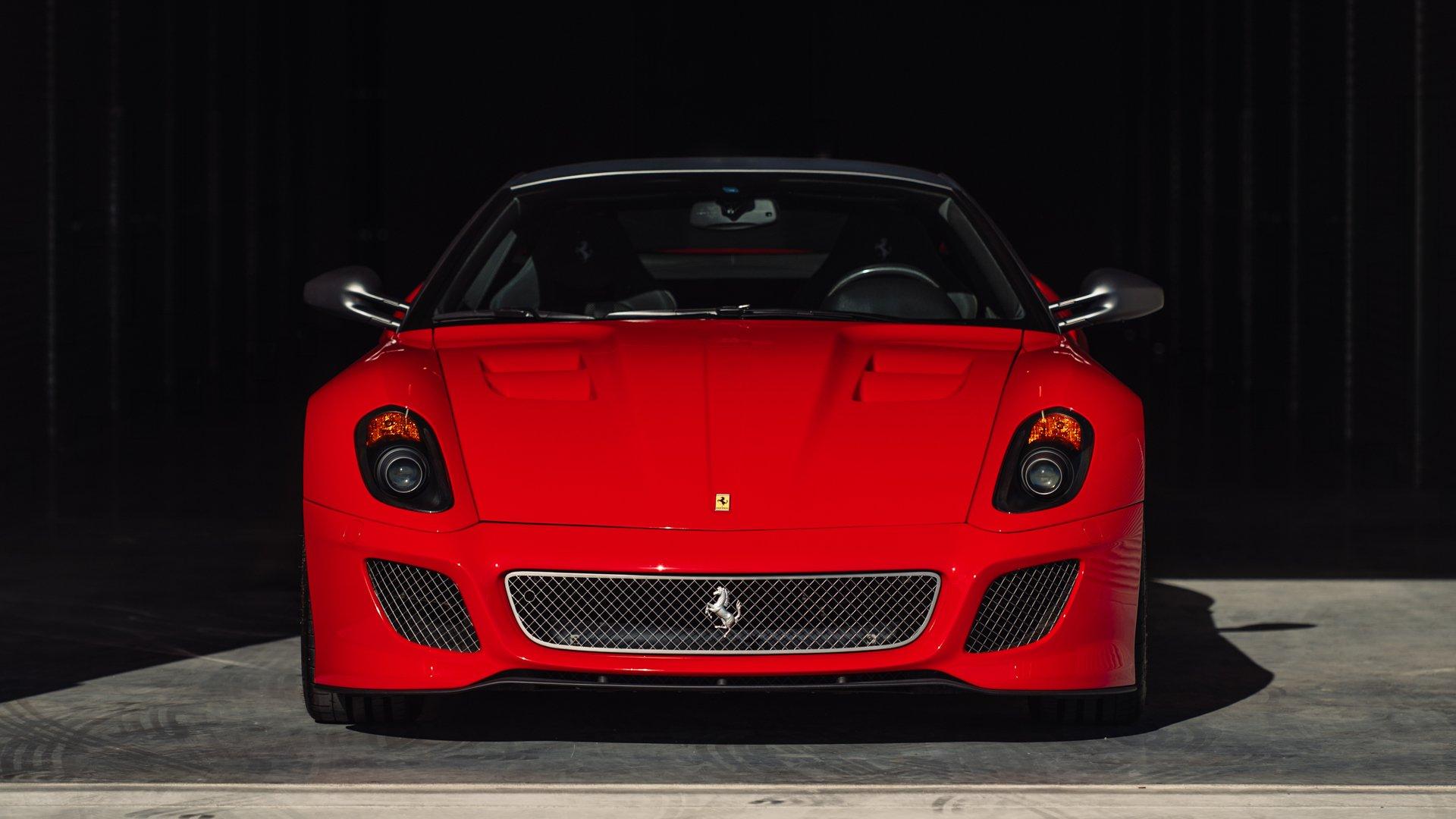
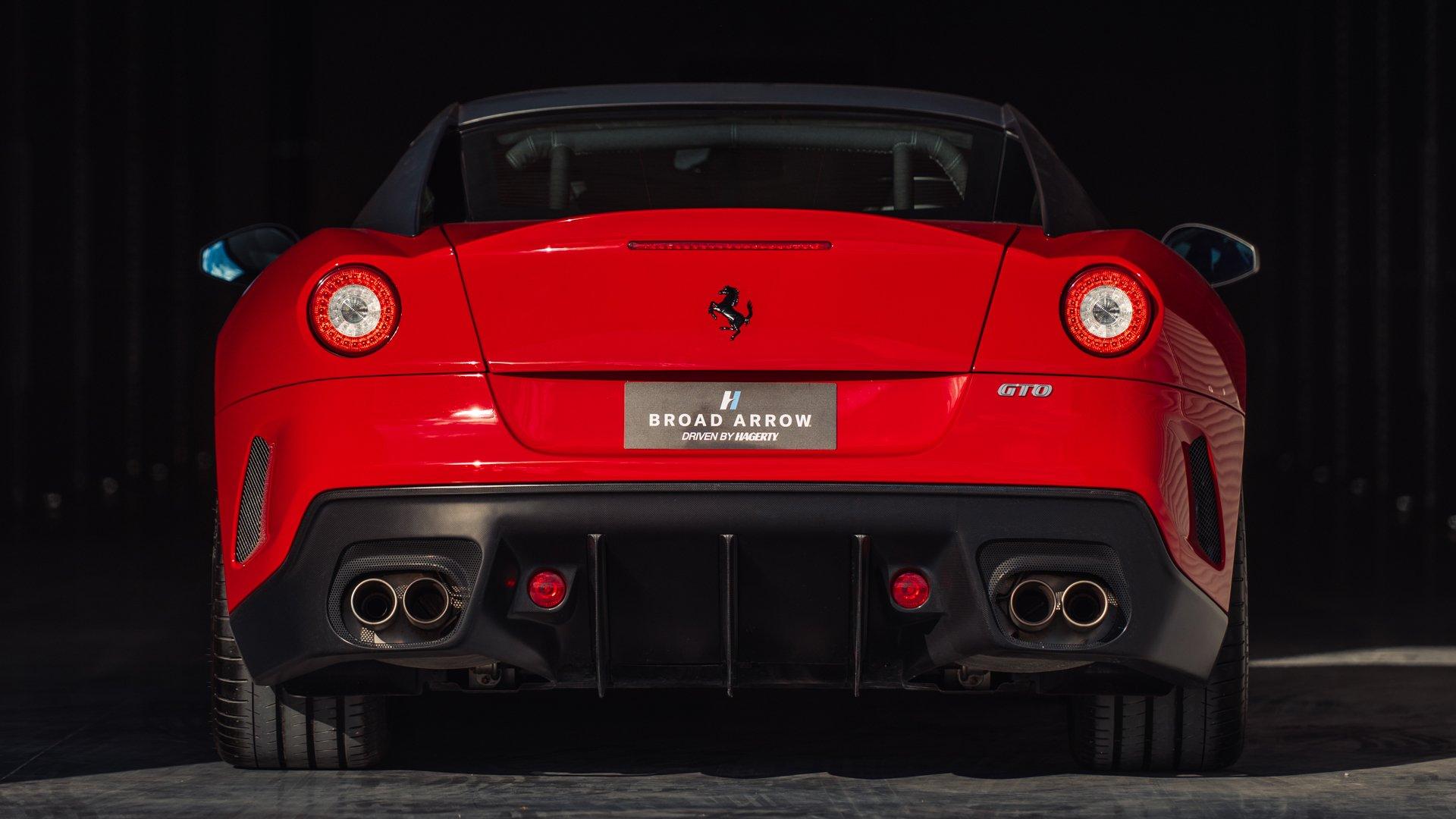
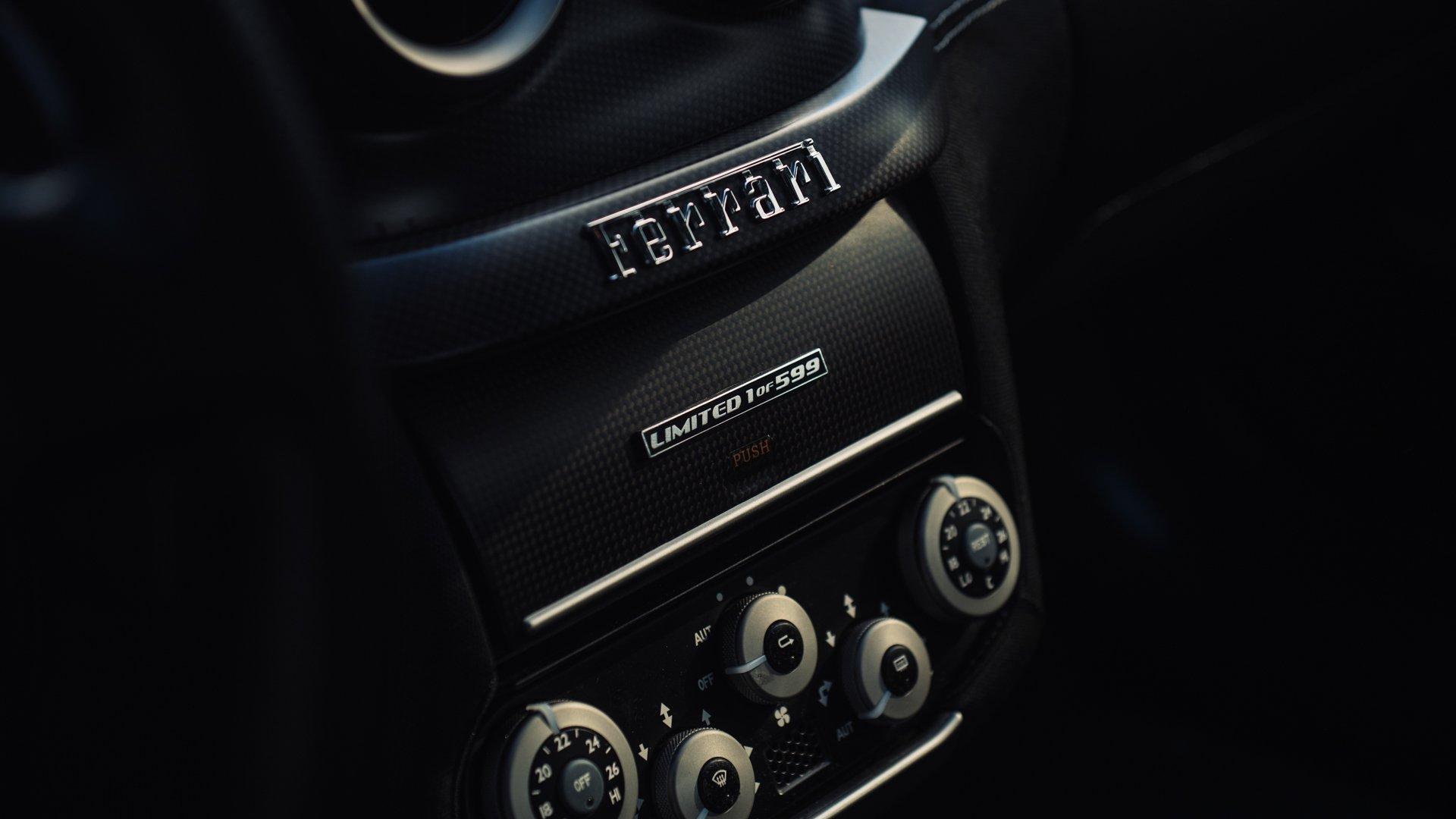
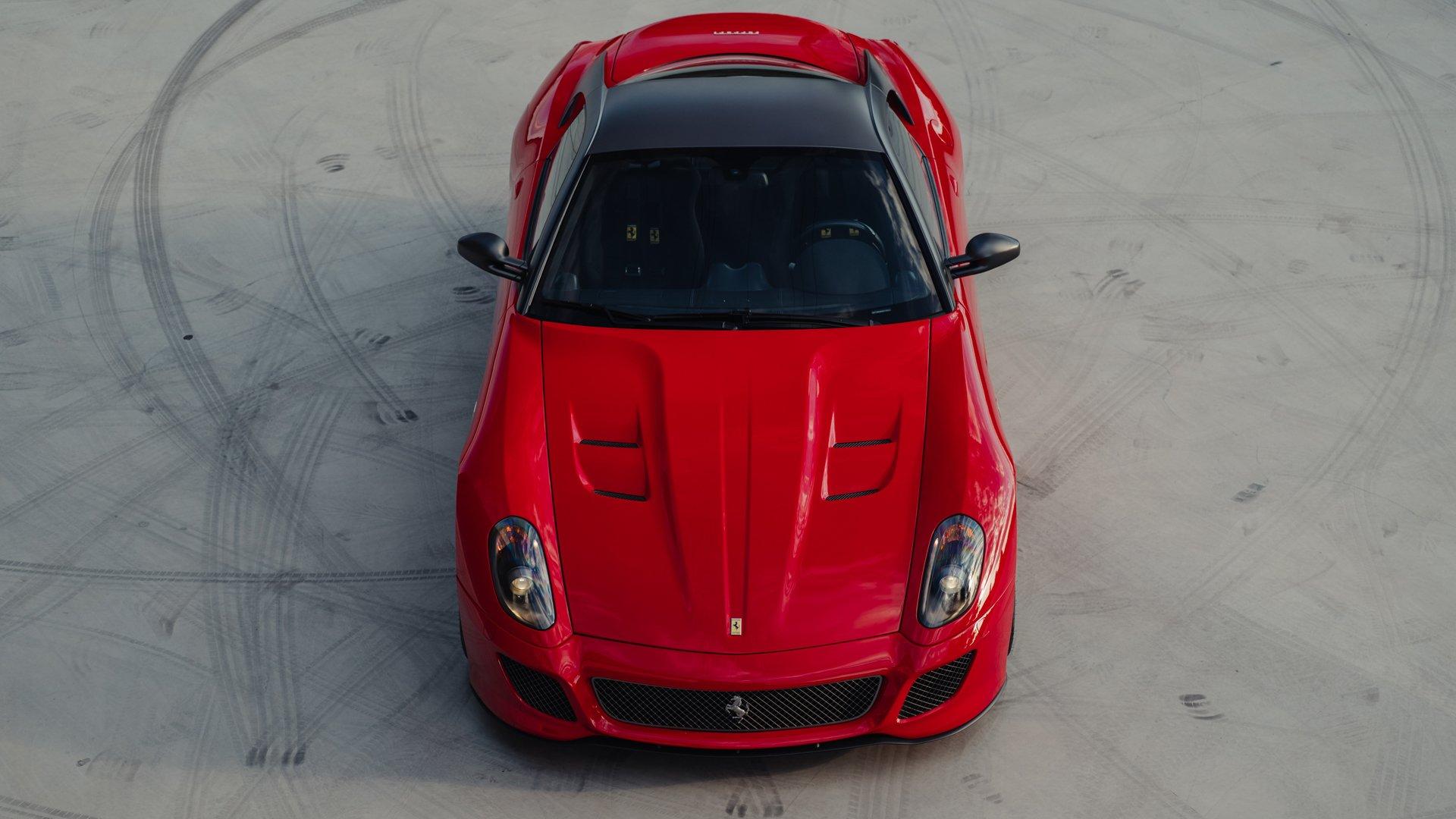
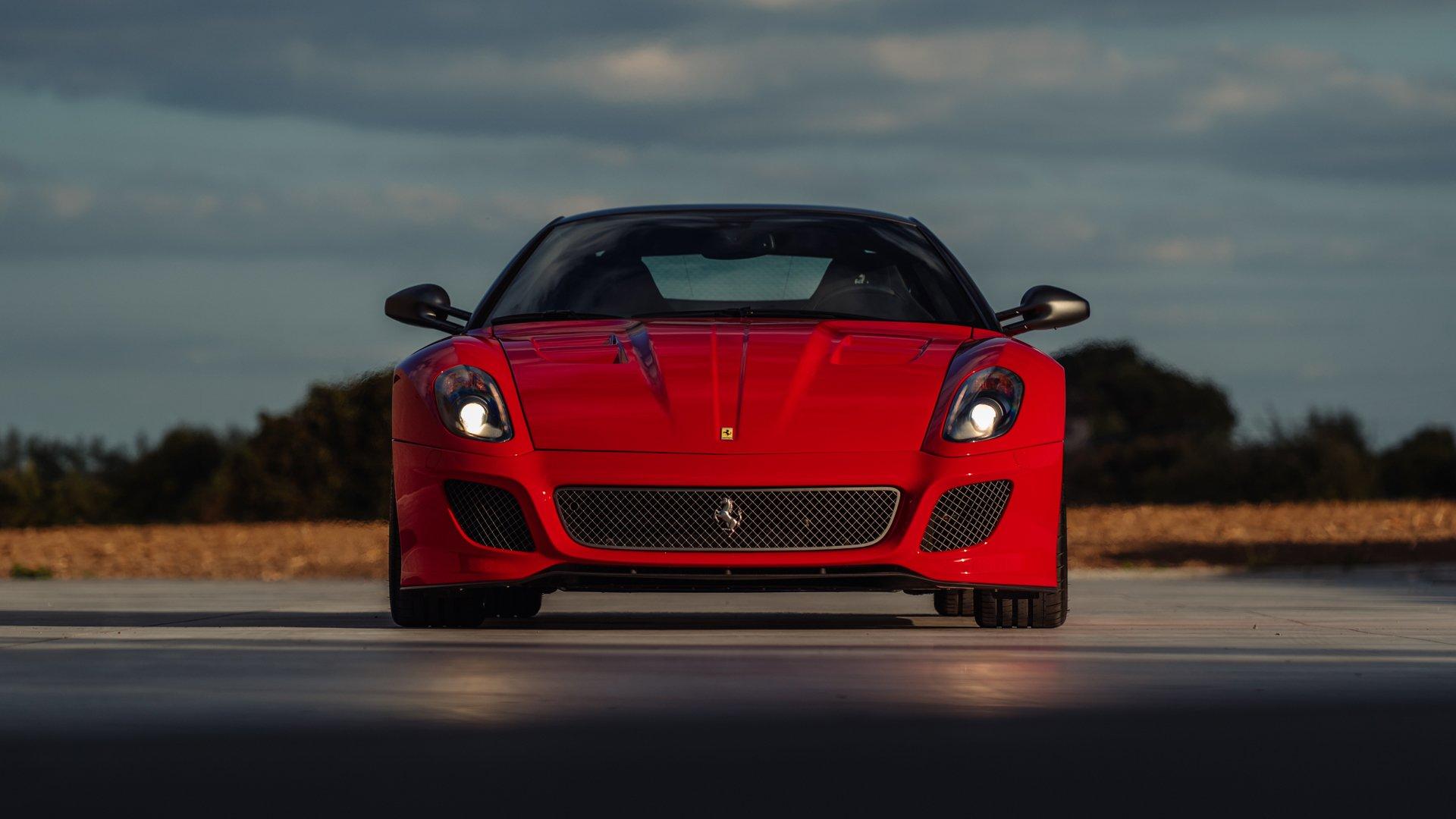
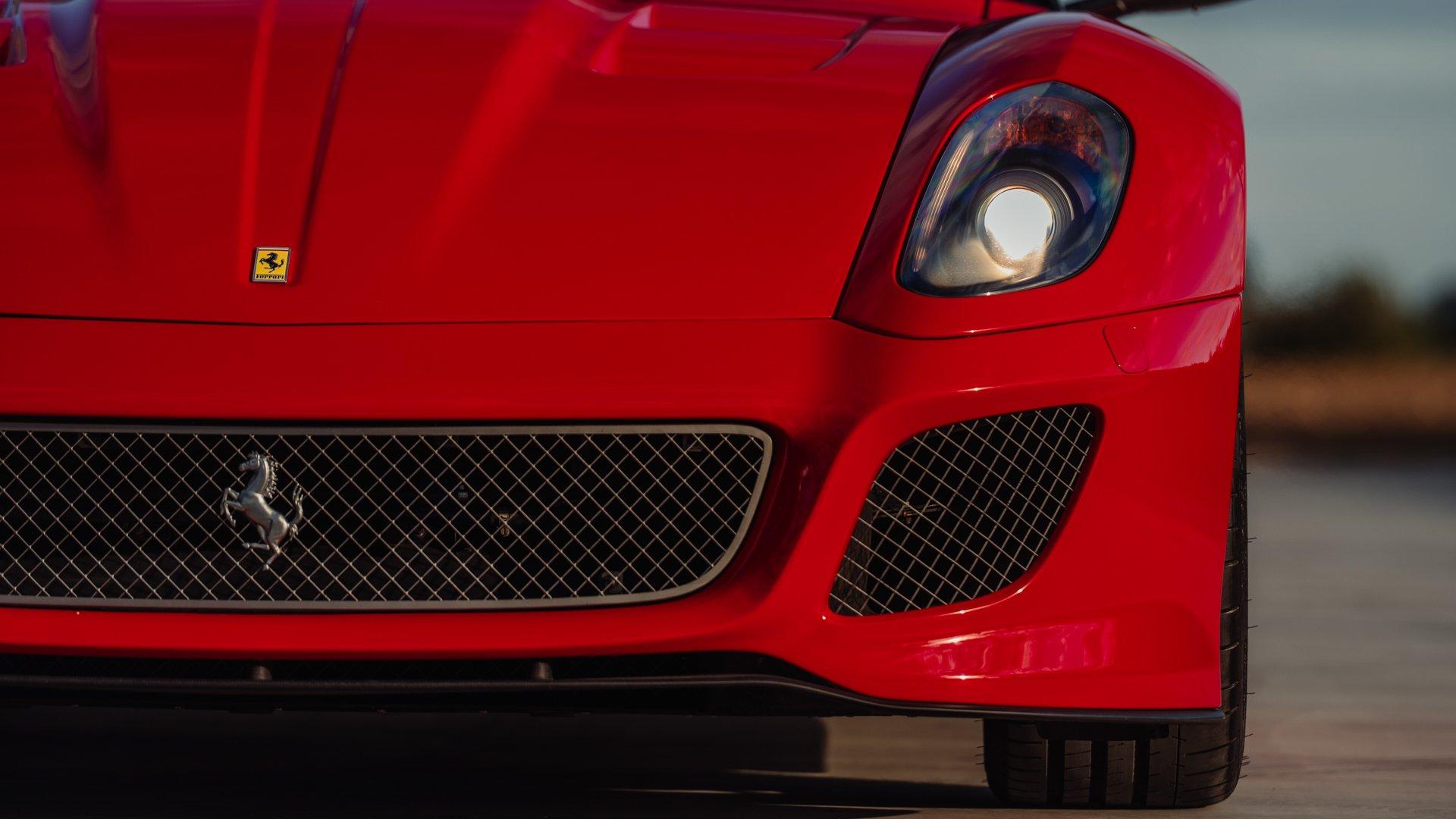
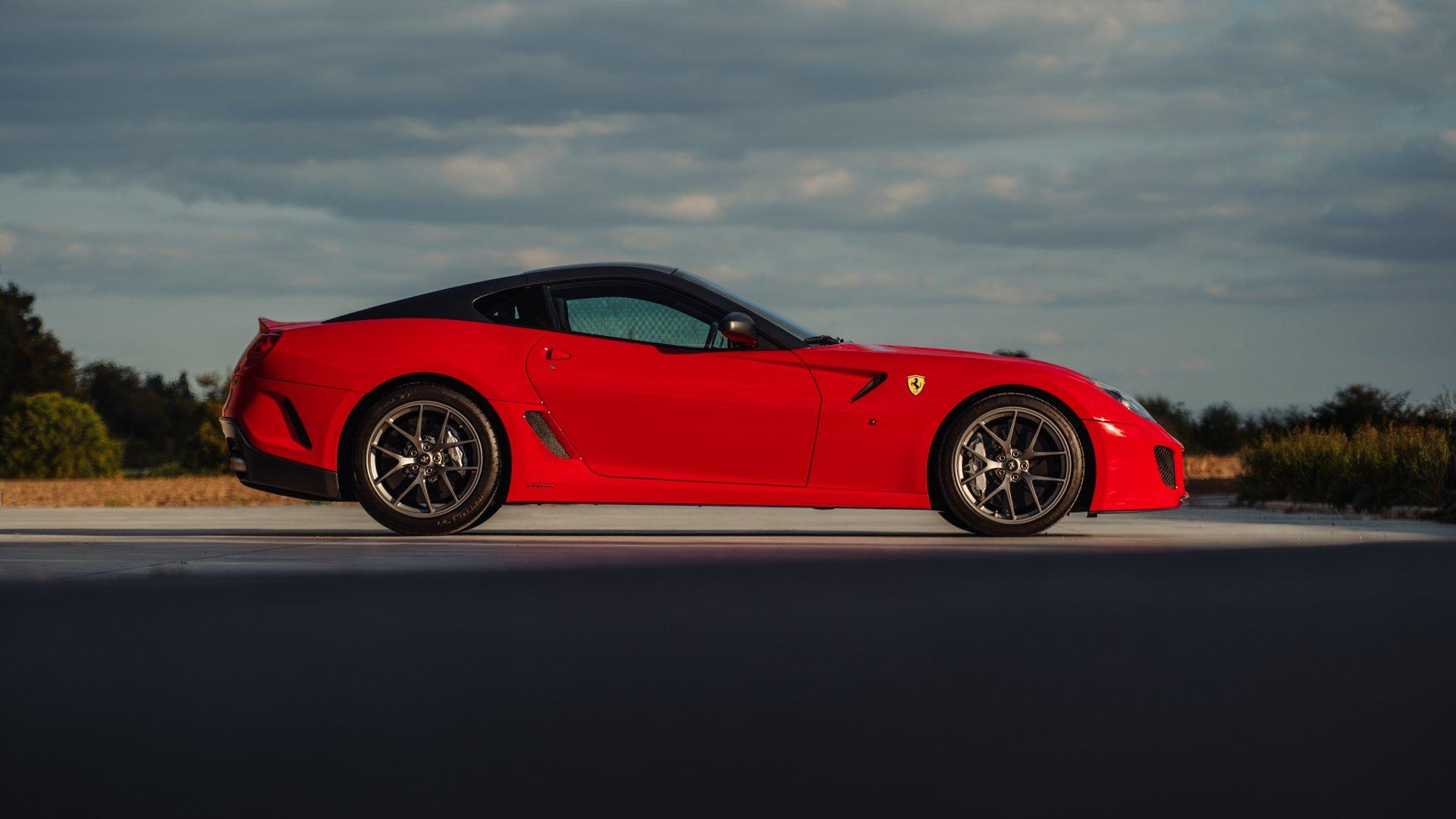
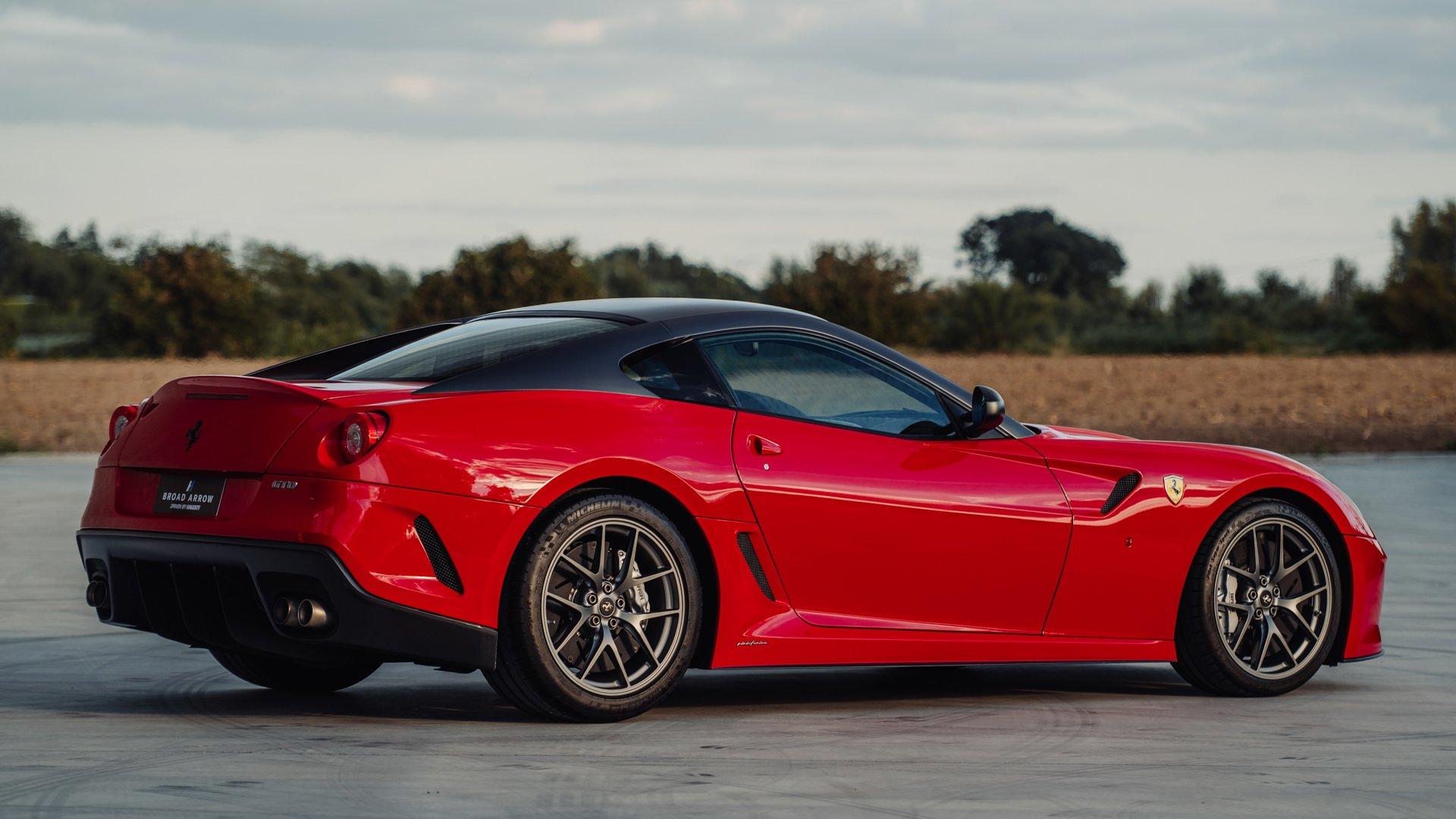
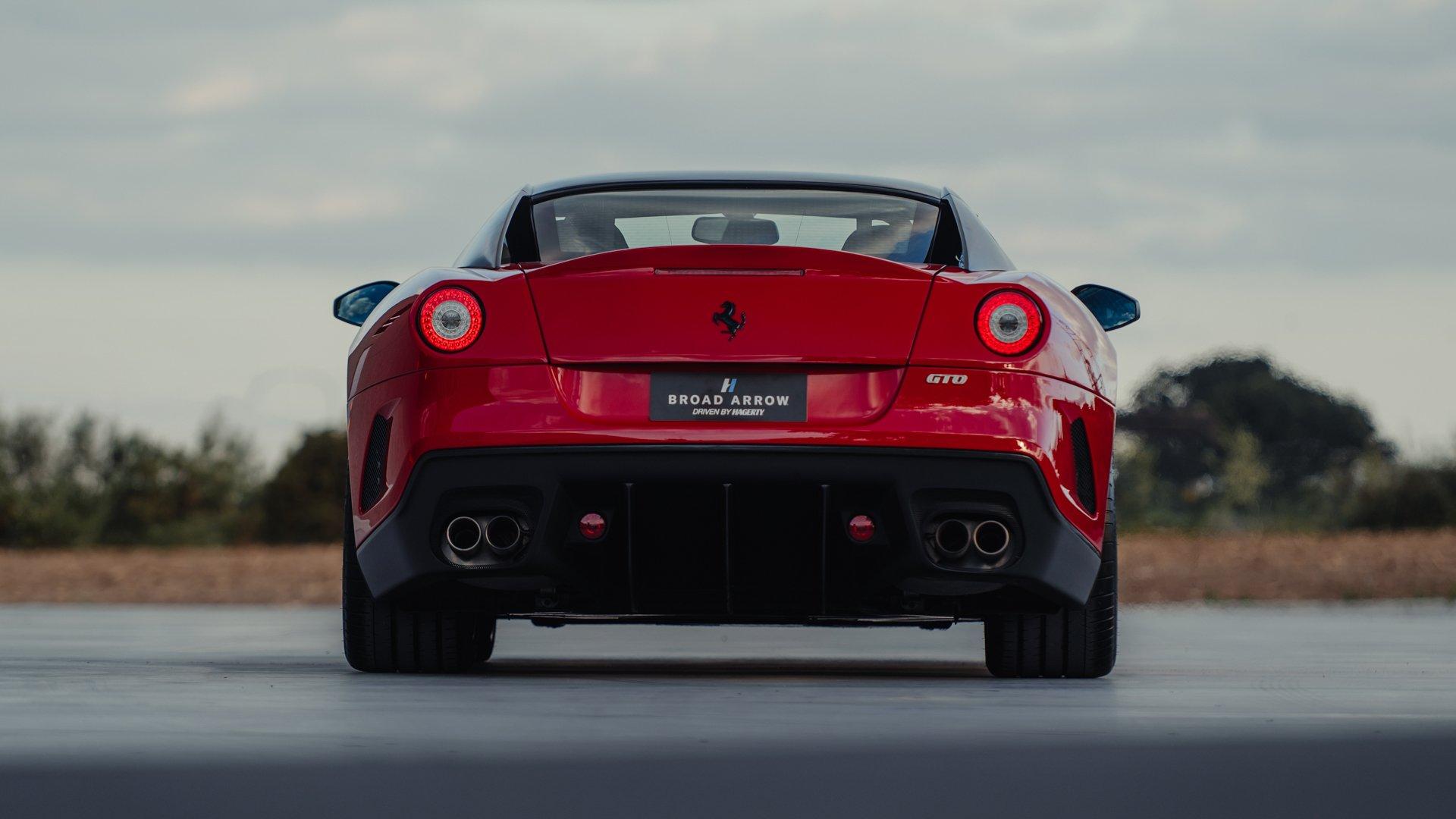
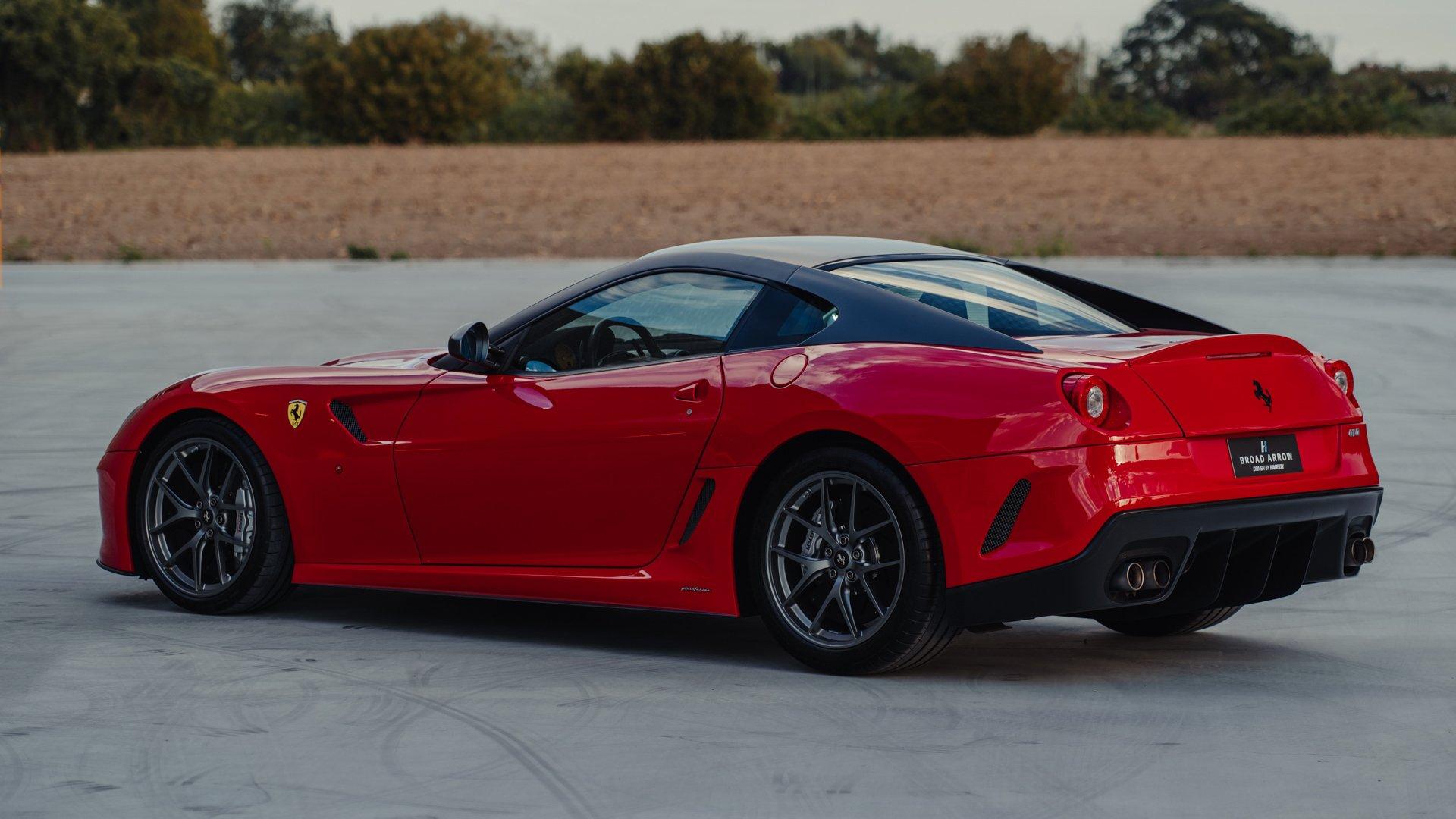
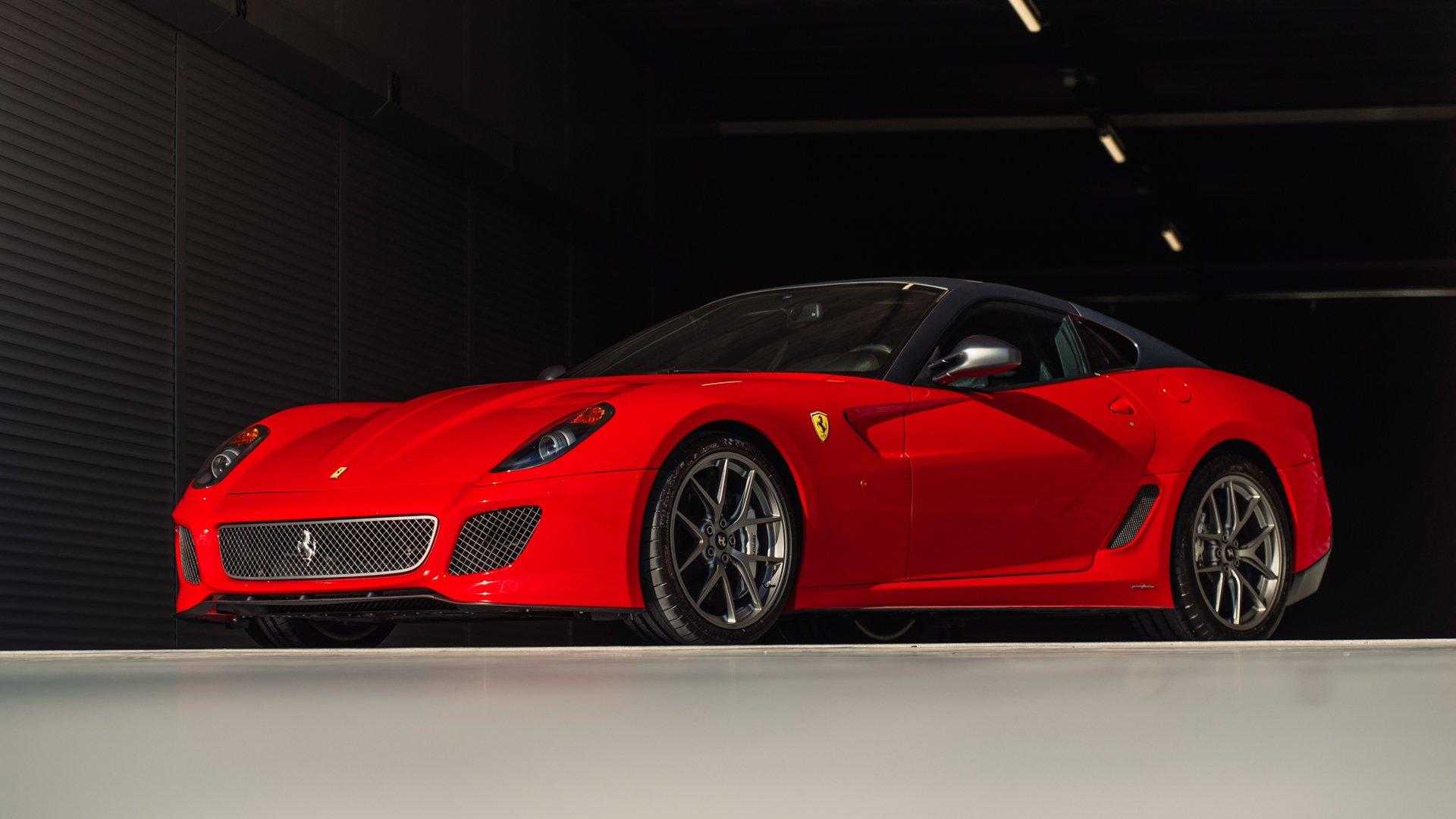
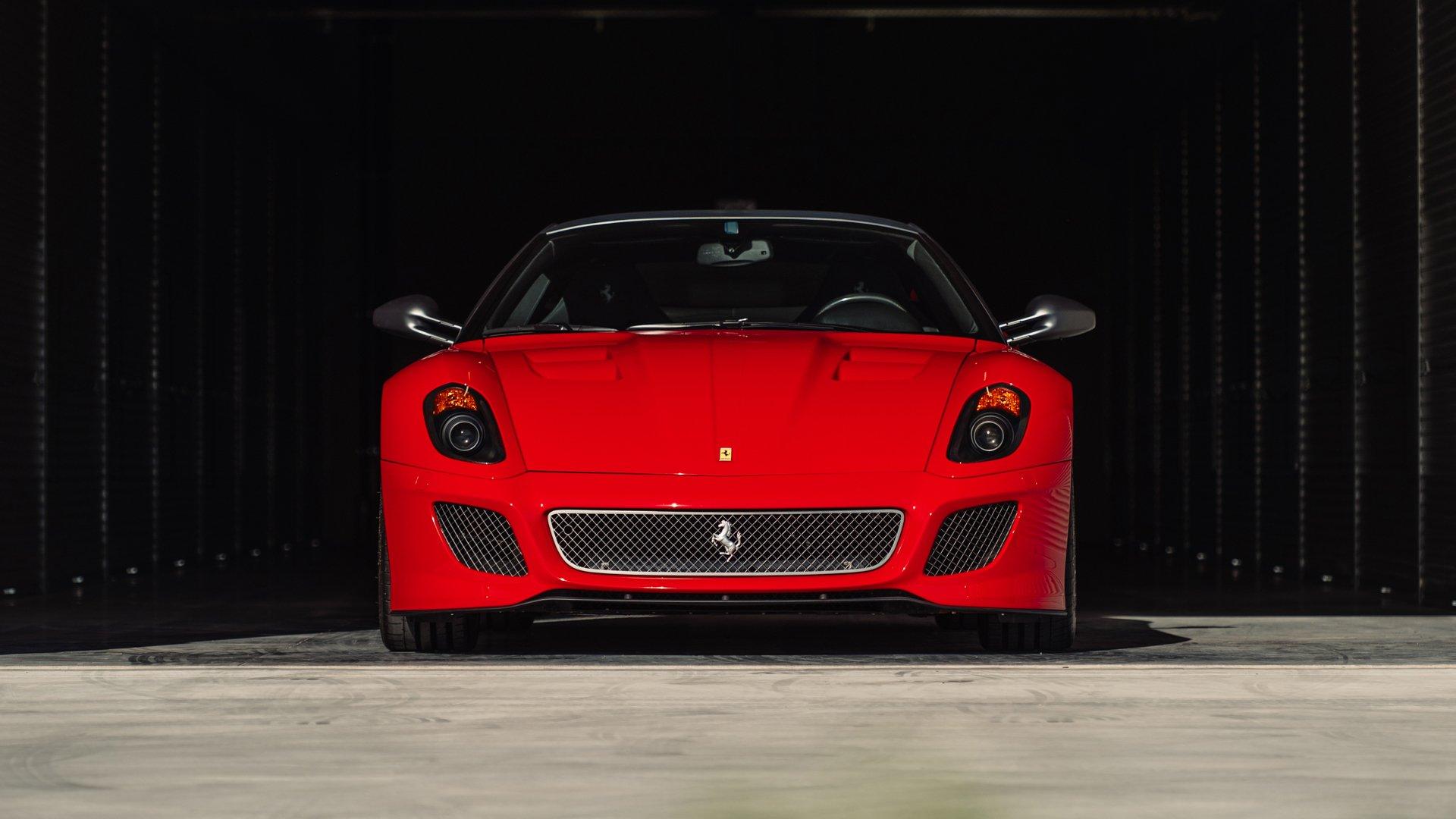
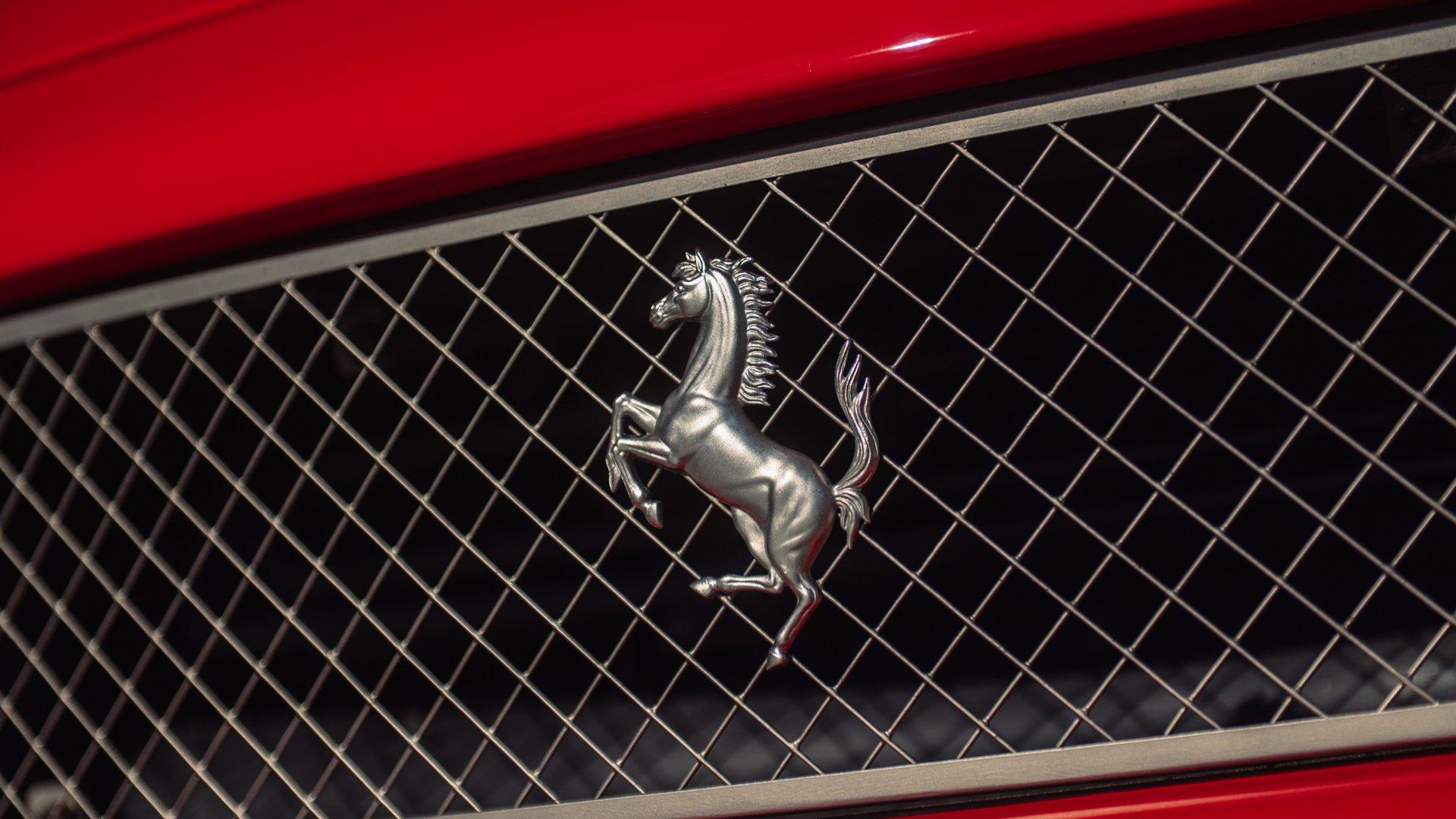
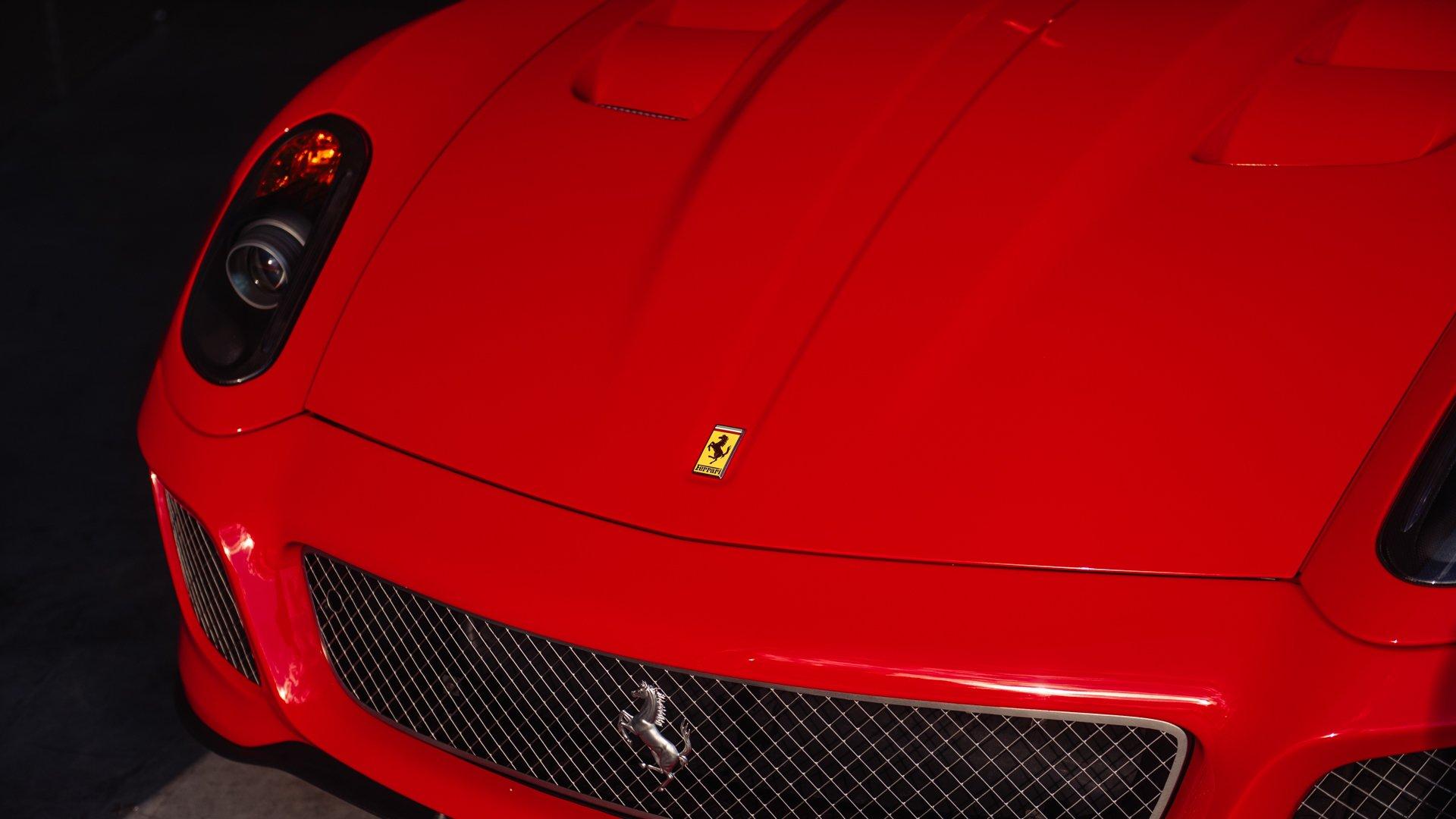
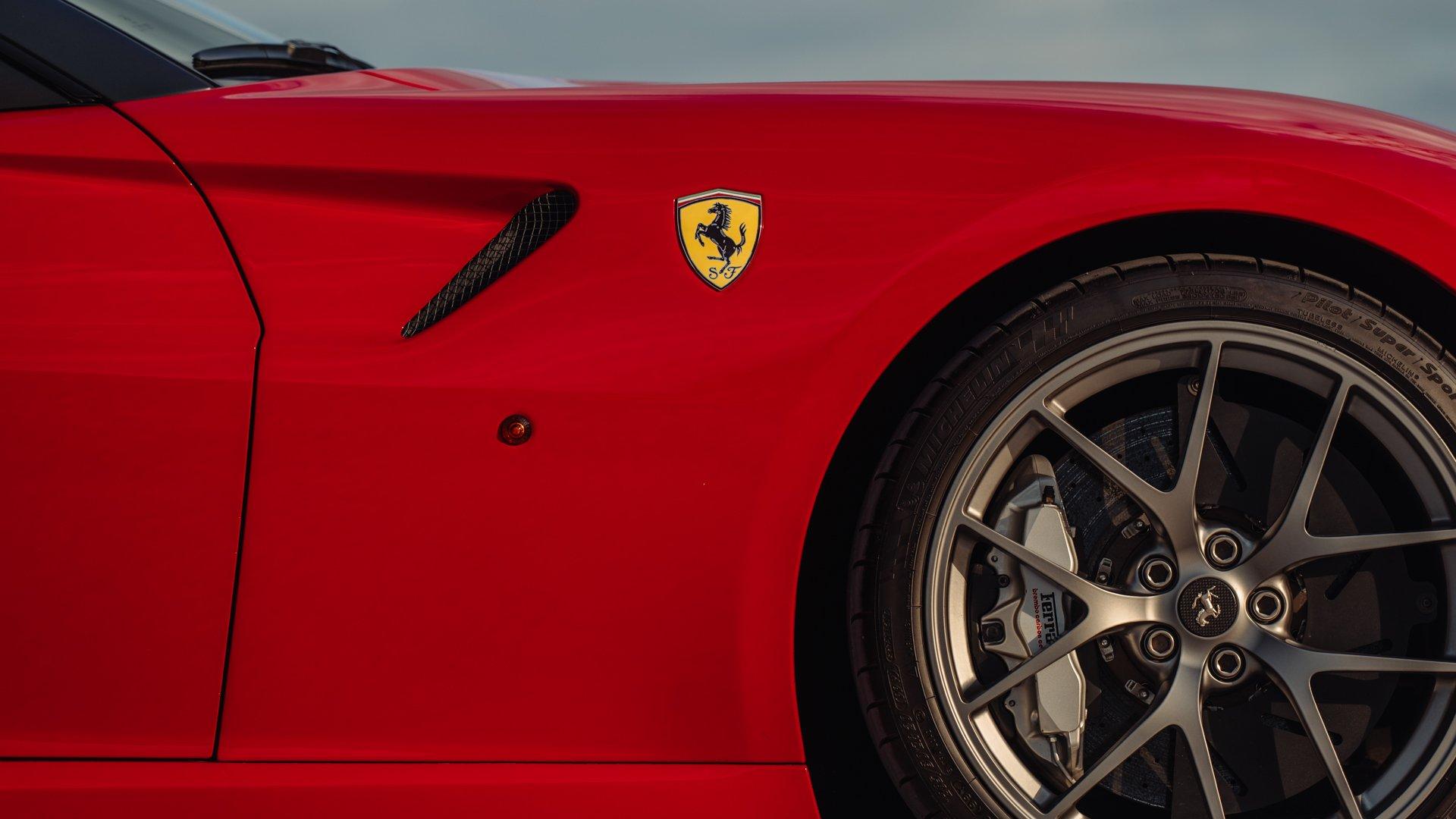
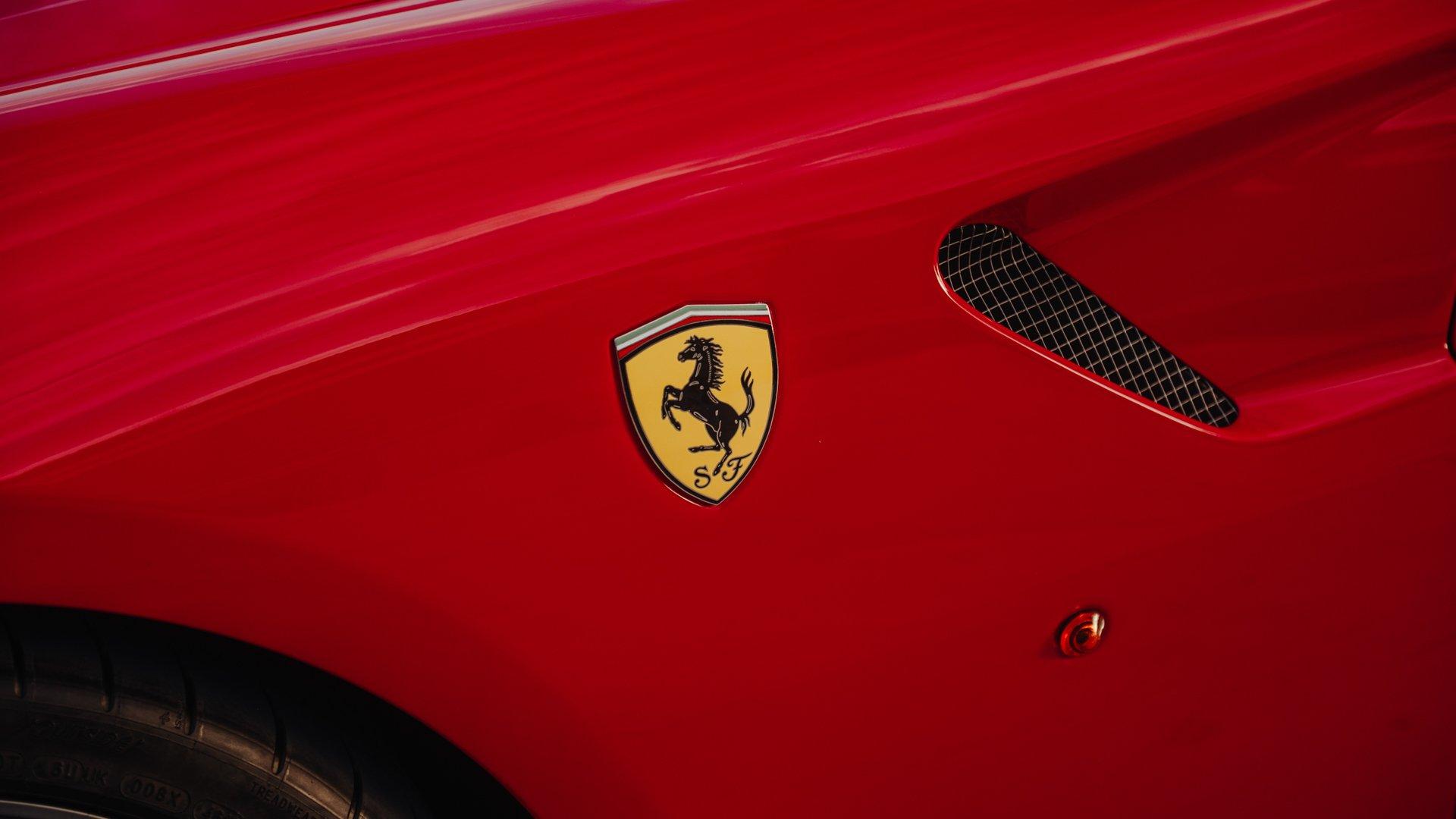
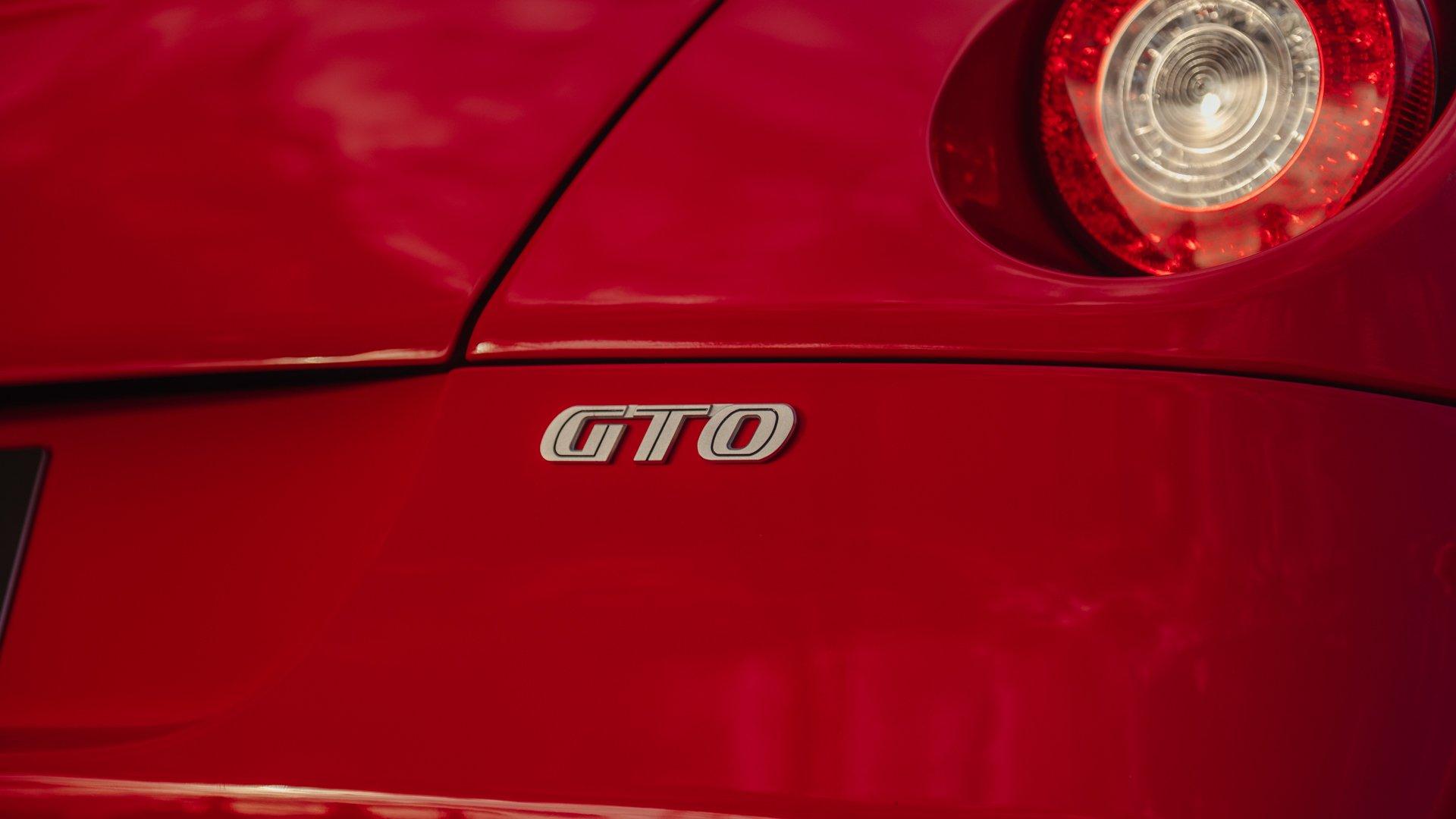
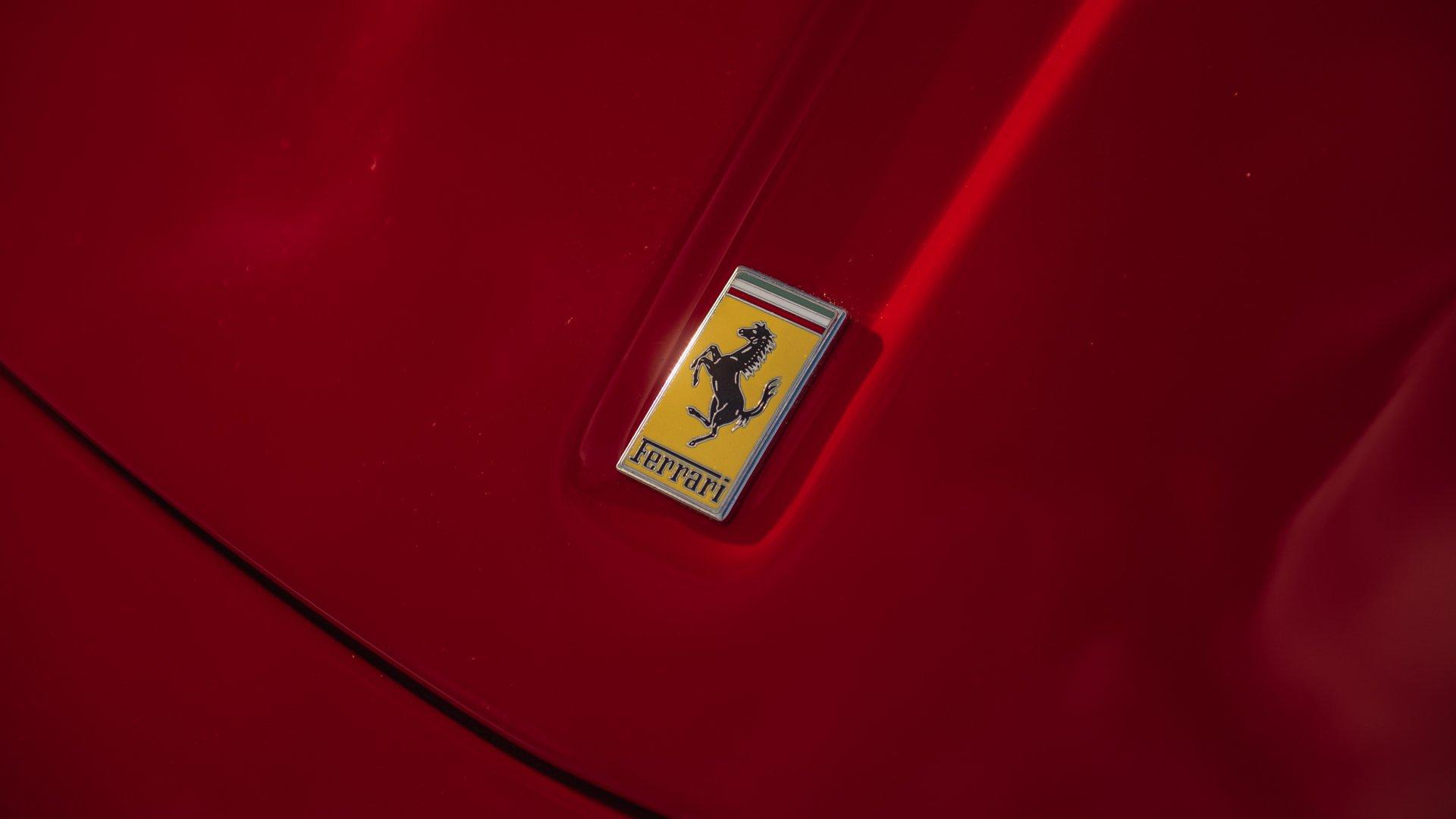
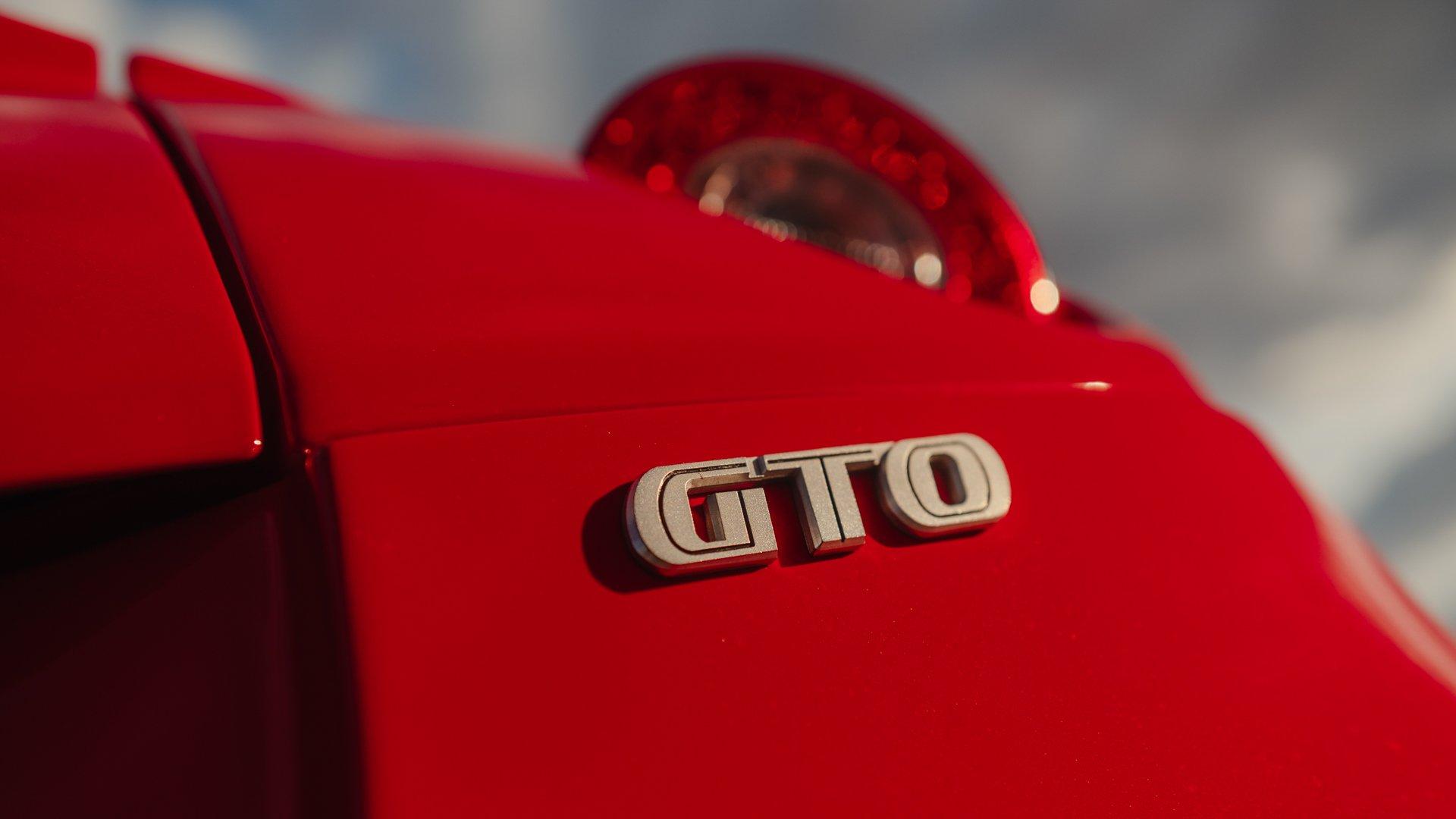
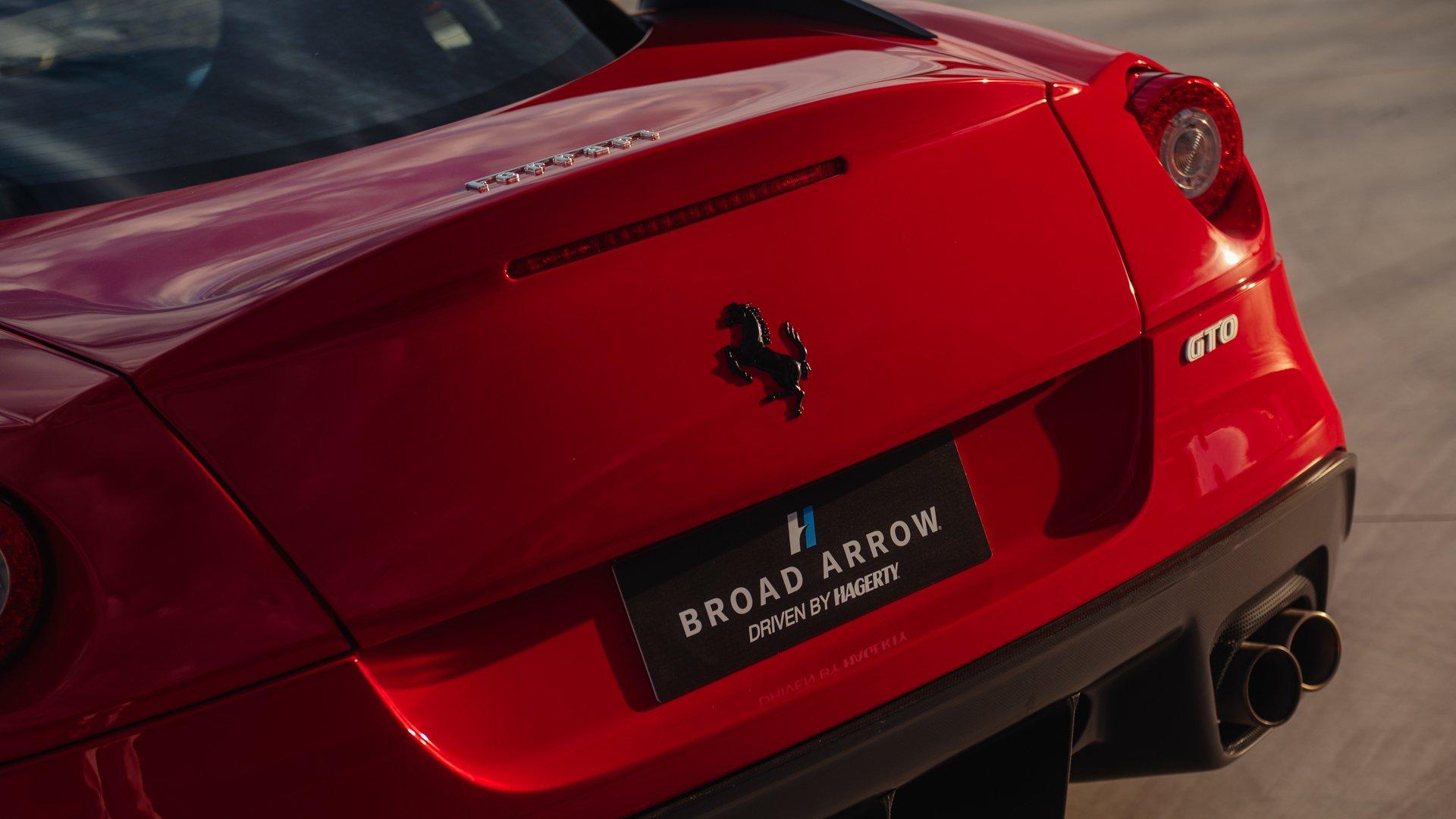
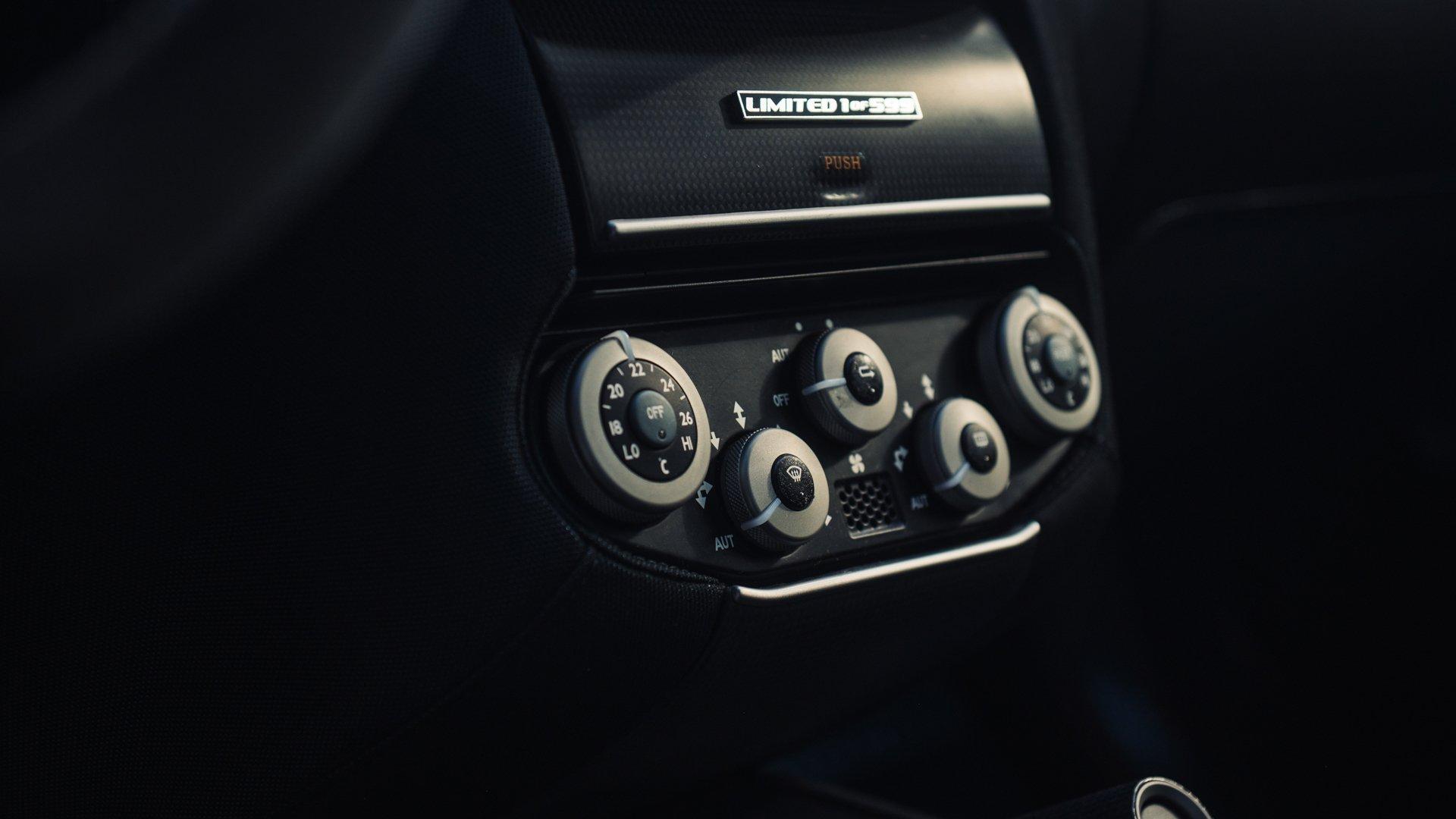
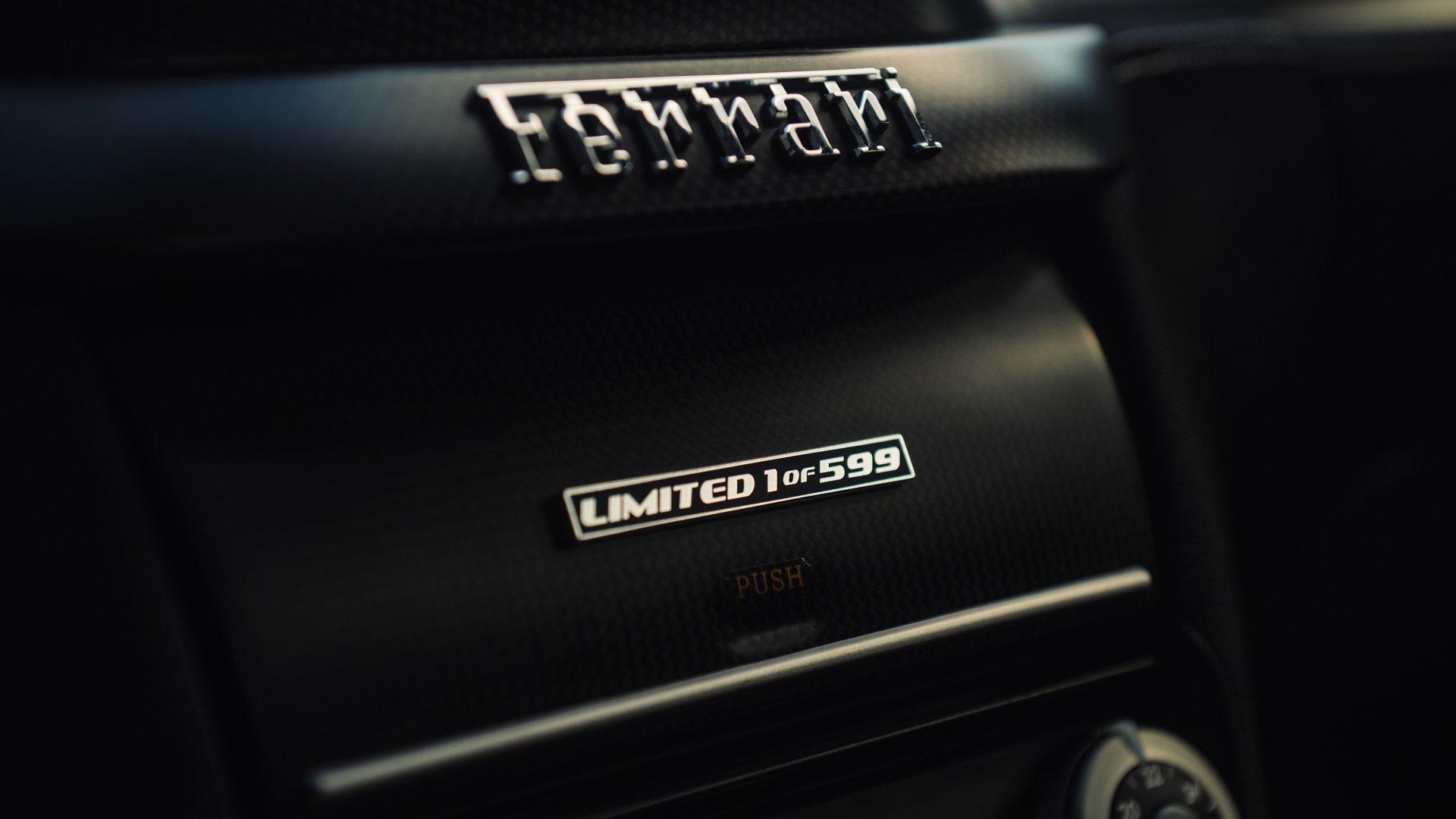
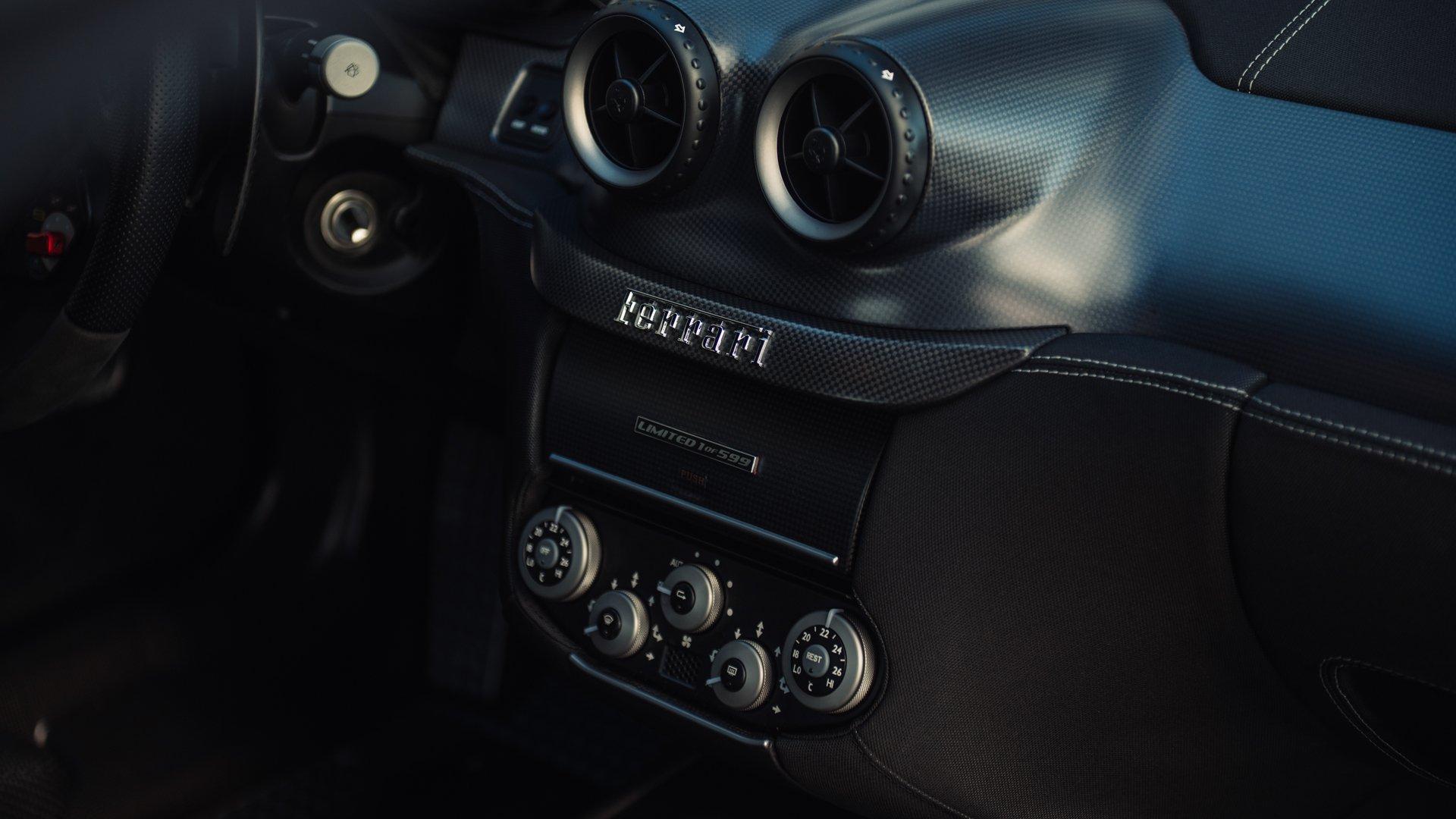
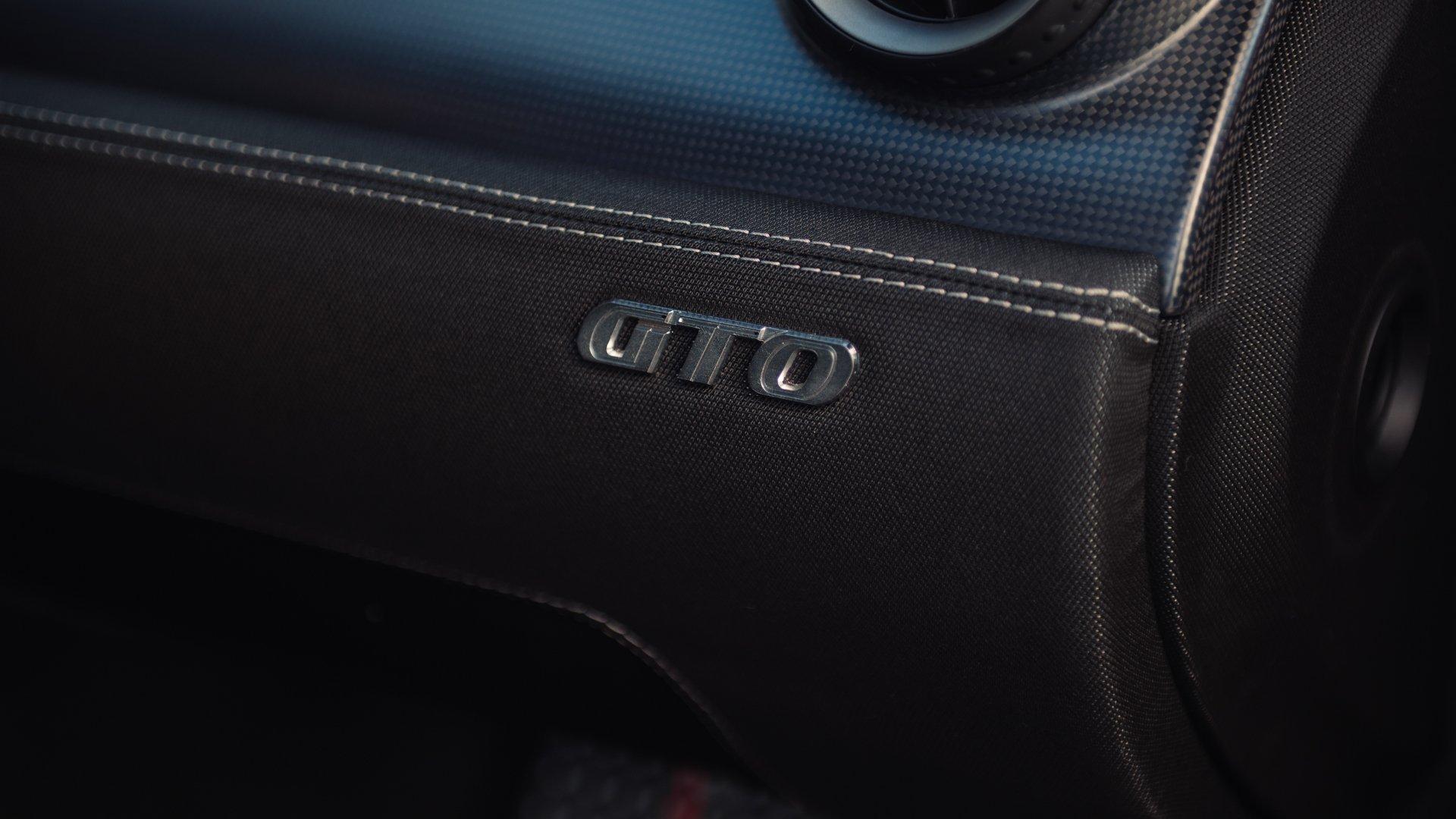
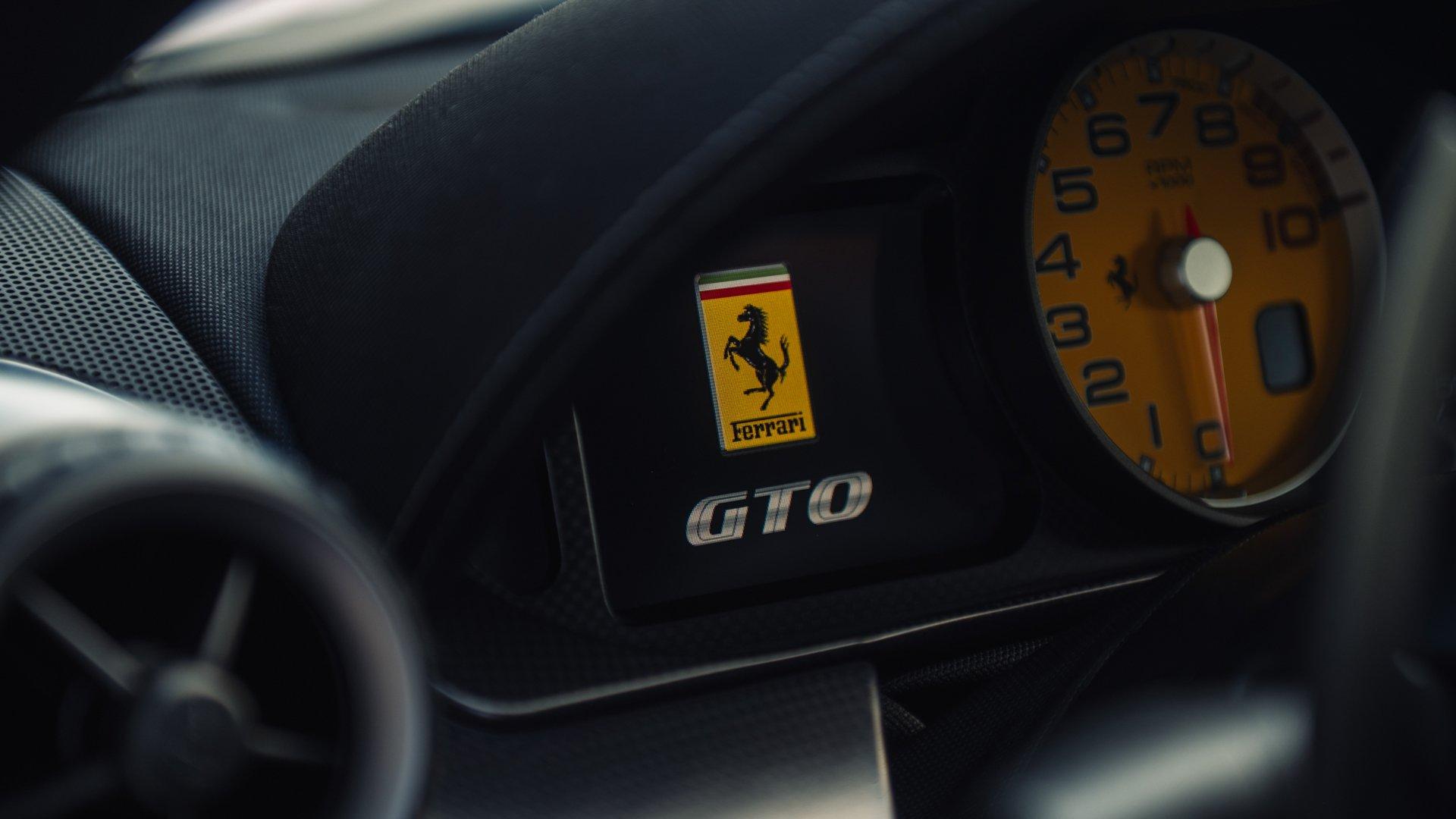
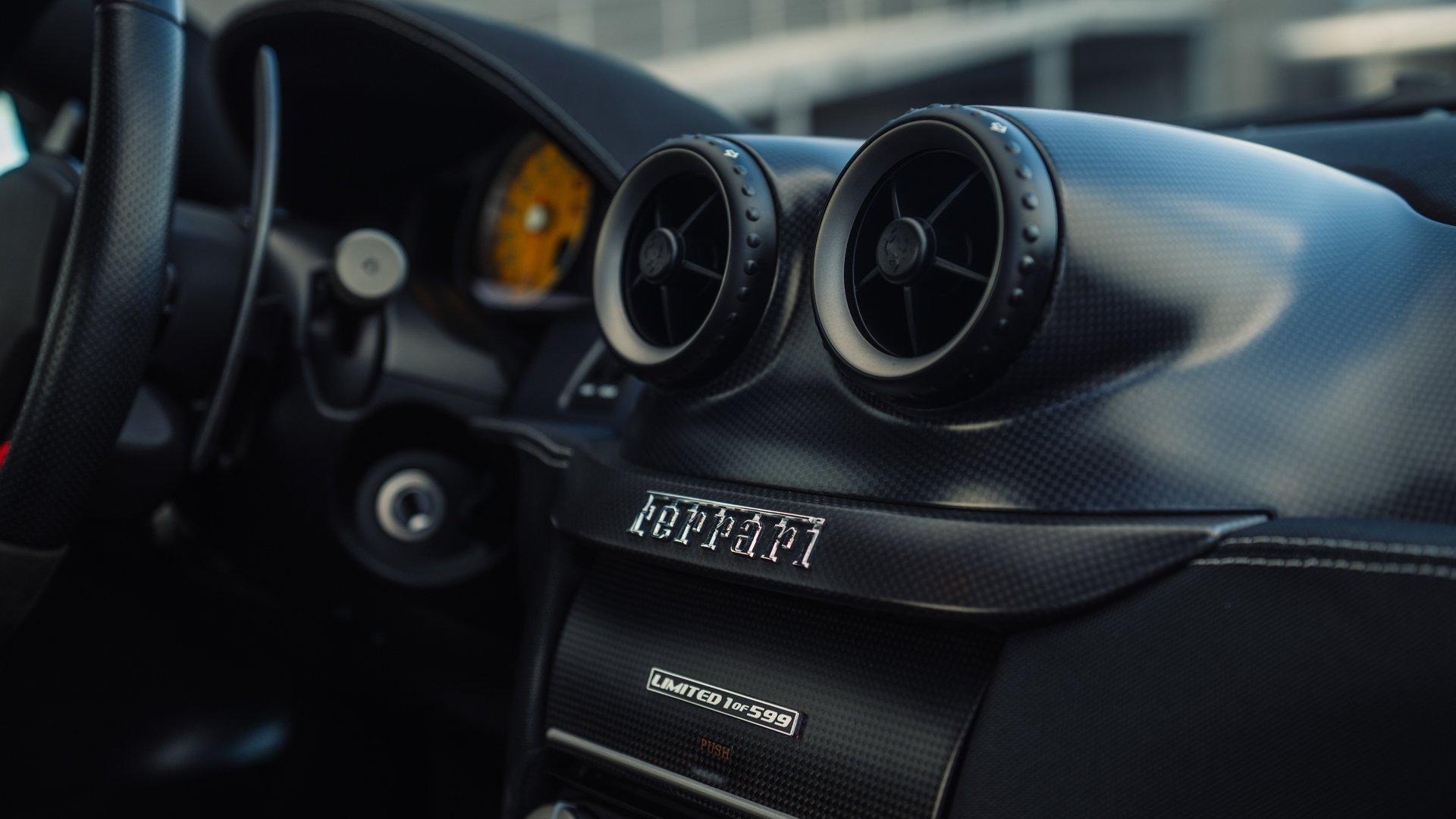
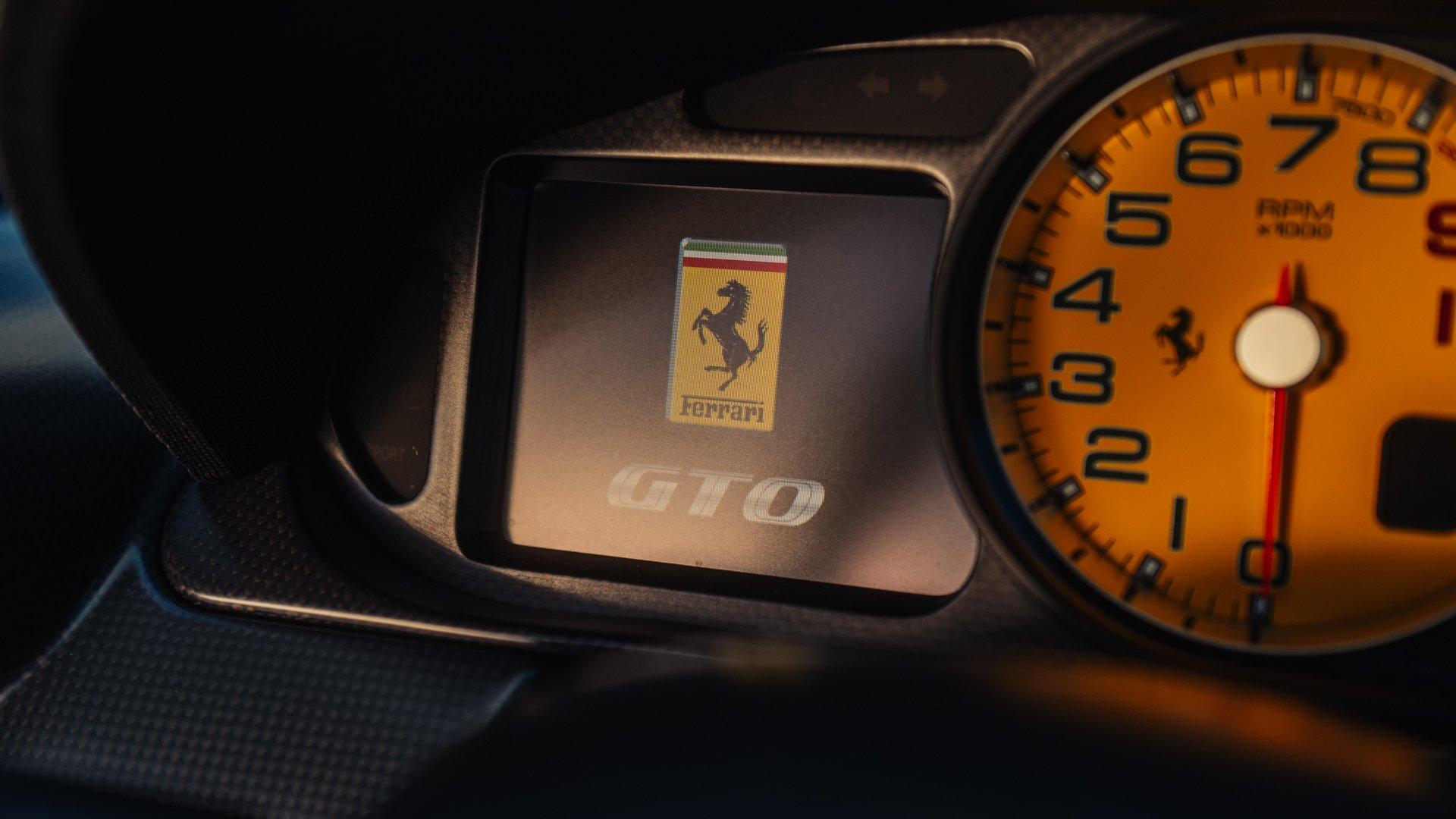
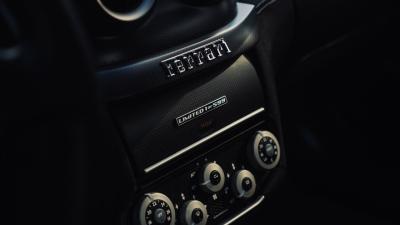
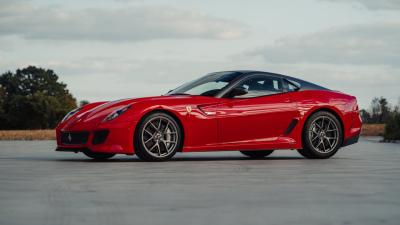
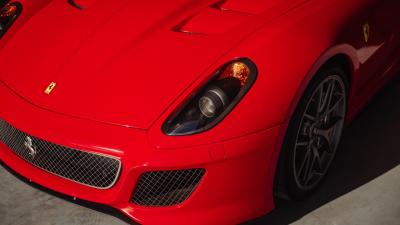
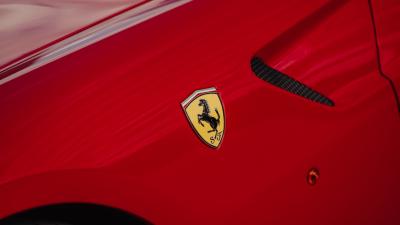
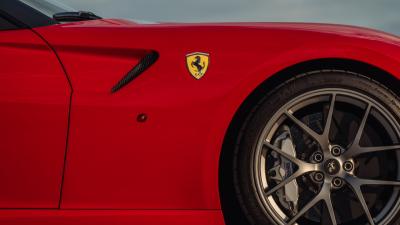
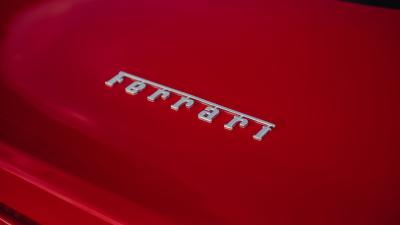
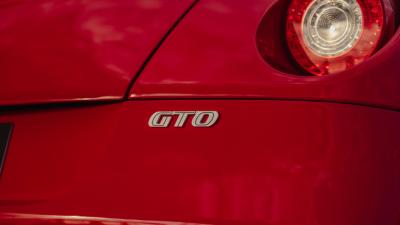
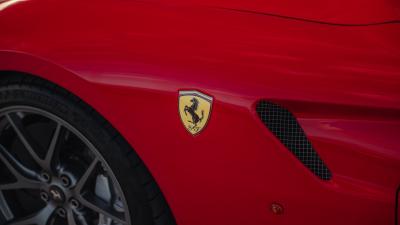
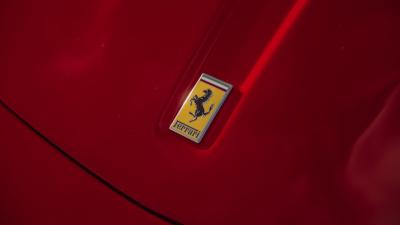
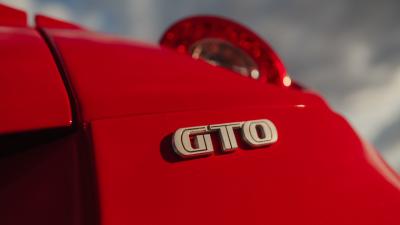
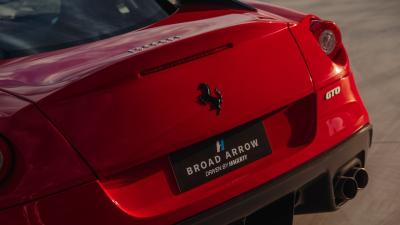
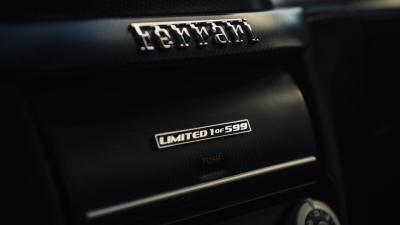
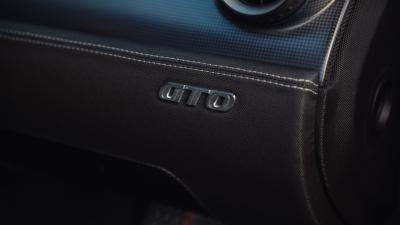
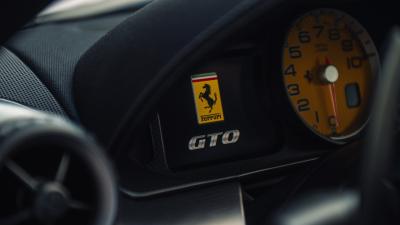
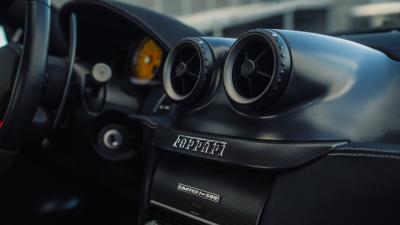
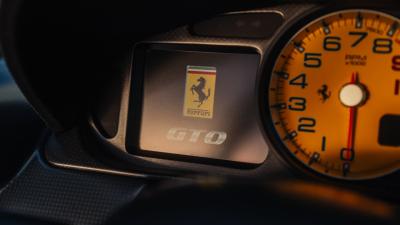
Few names in Ferrari's lexicon carry the weight of Gran Turismo Omologato. When Ferrari unveiled the 599 GTO in April 2010, it became only the third model to wear Maranello's most revered designation, following the 250 GTO and 288 GTO. Unlike its forebears, it was not built to satisfy a racing rulebook. Ferrari instead conceived it as the road-going counterpart to the experimental 599XX, and the new car drew far more from that circuit-only program than from the 599 GTB Fiorano on which it was based. Production was strictly limited to just 599 examples worldwide.
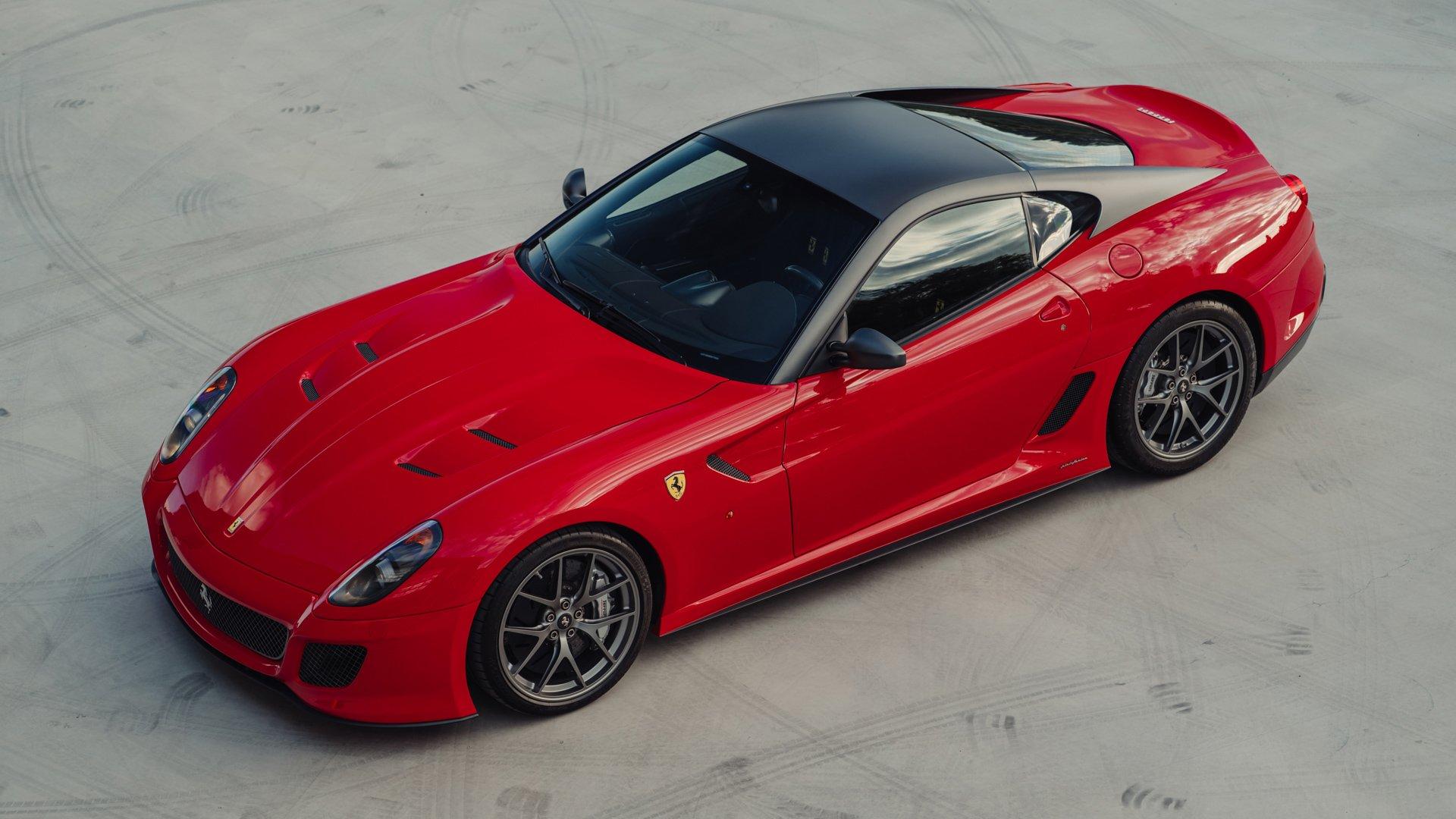
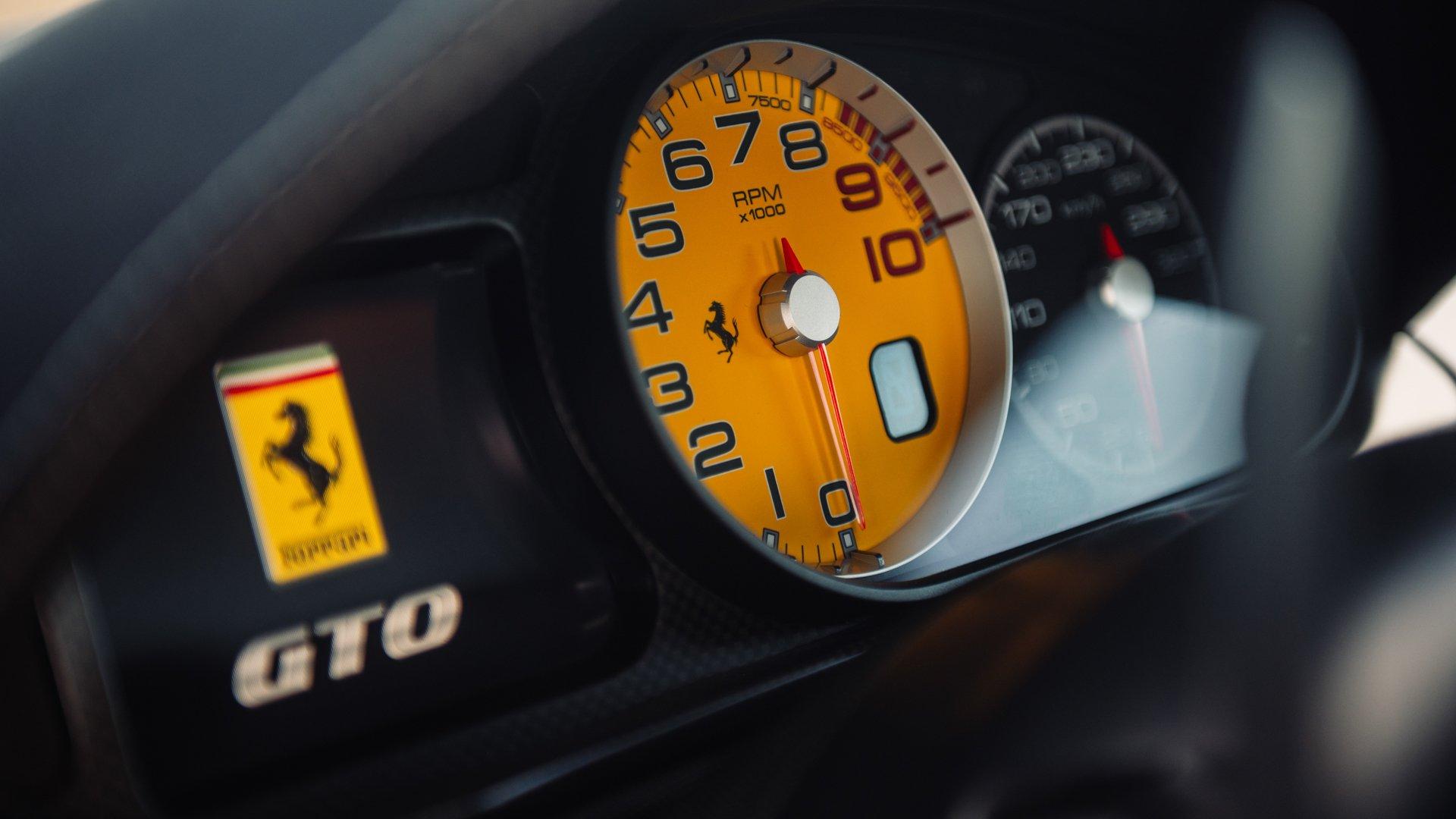
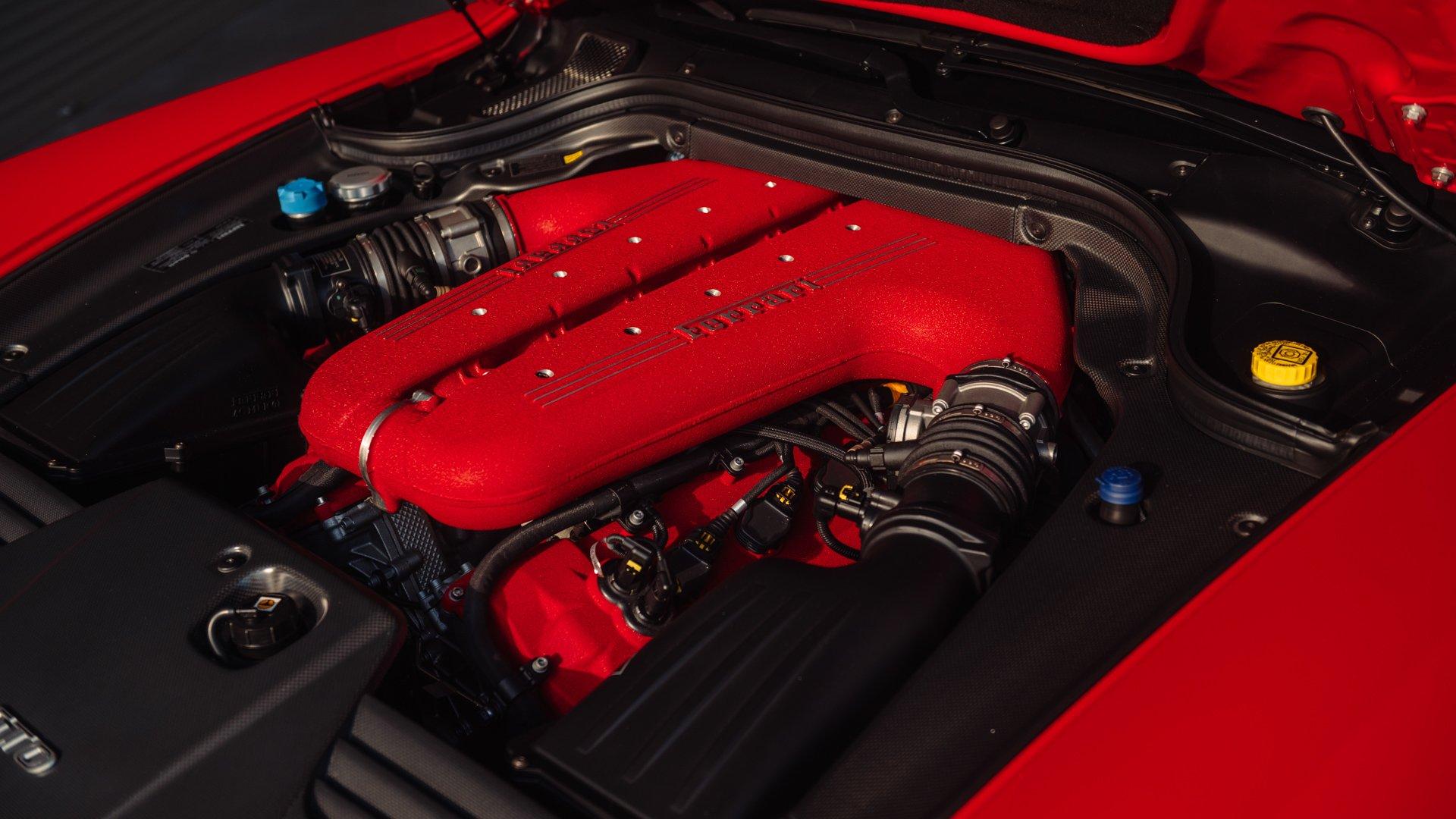
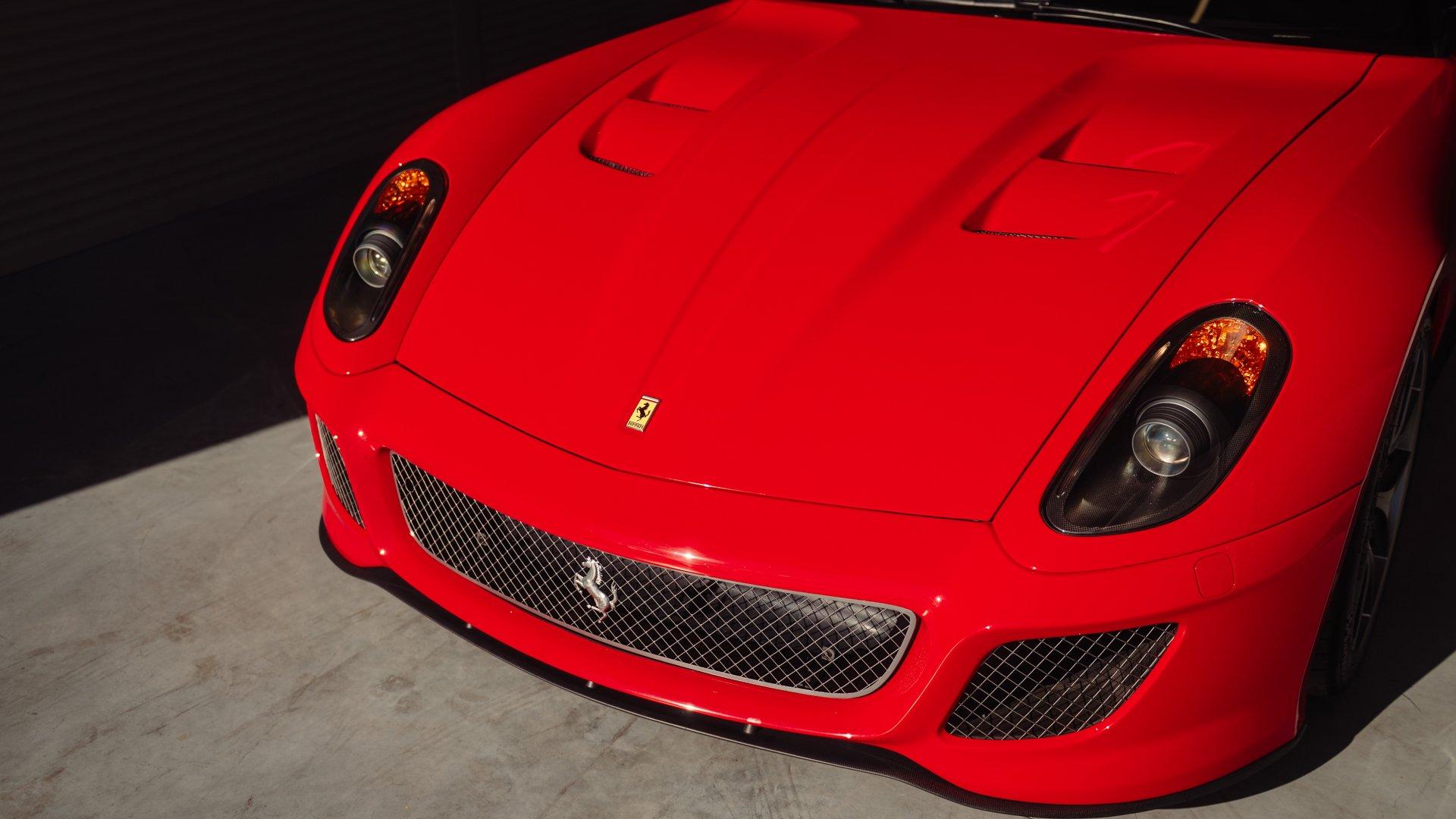
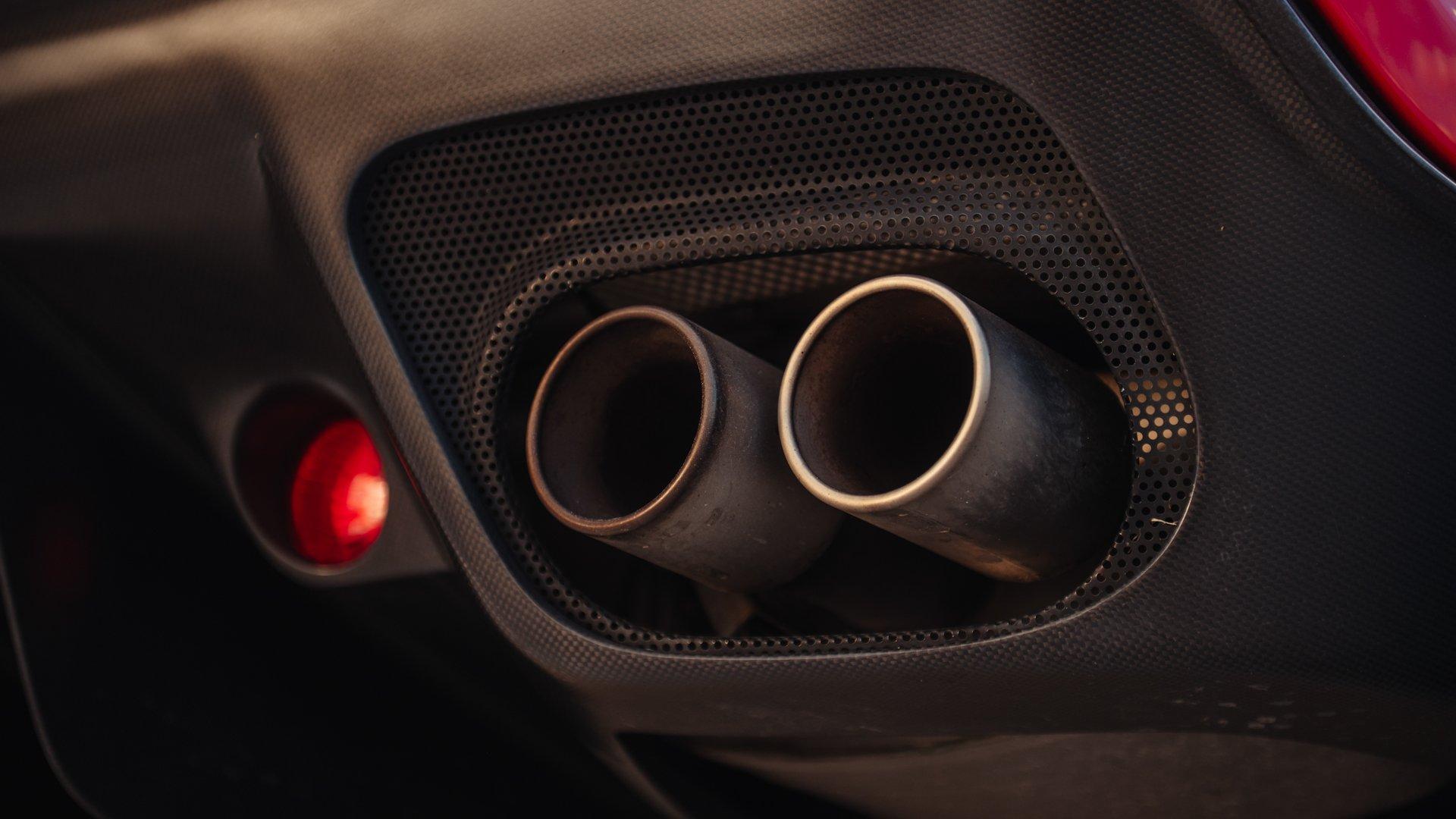
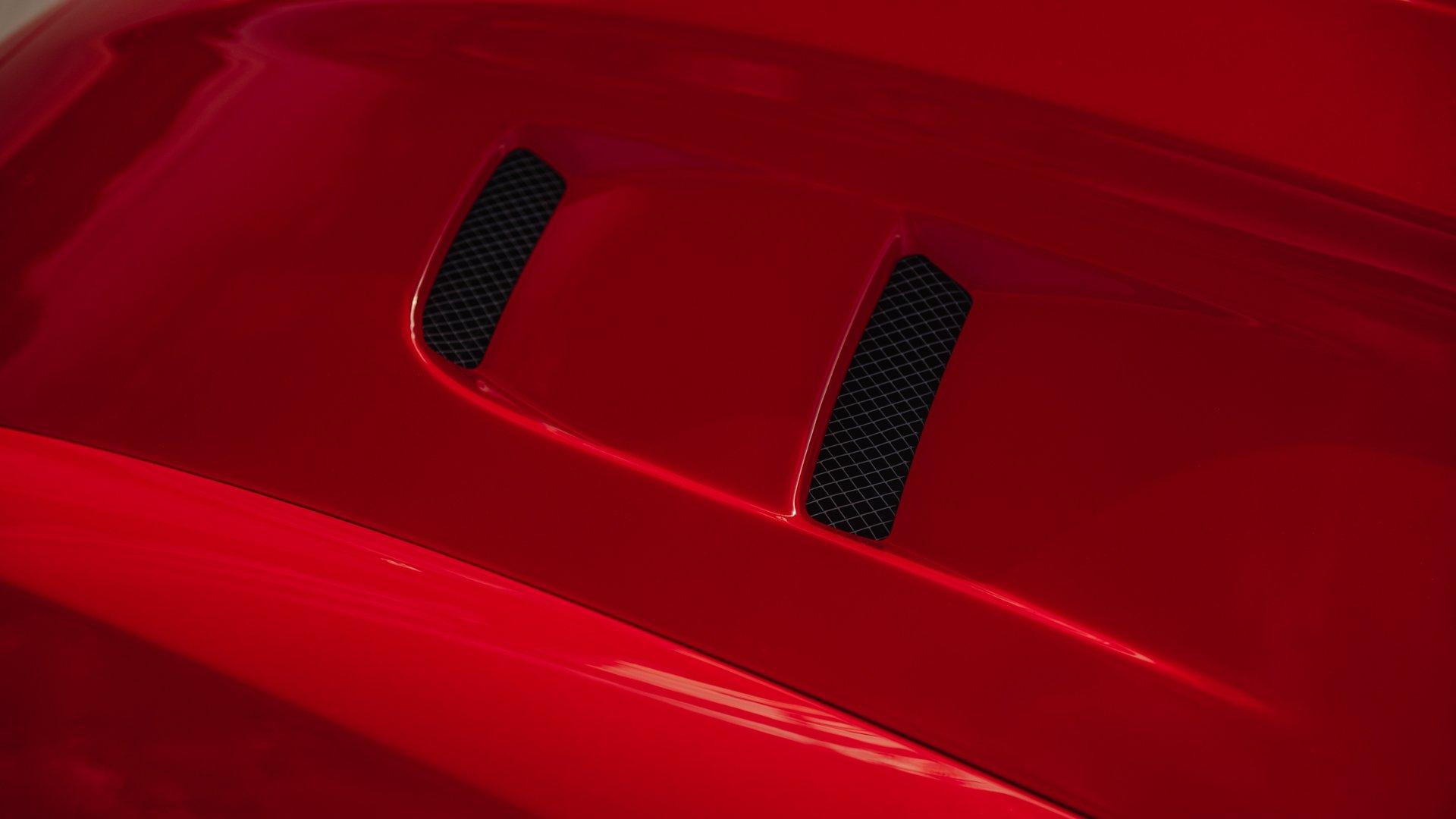
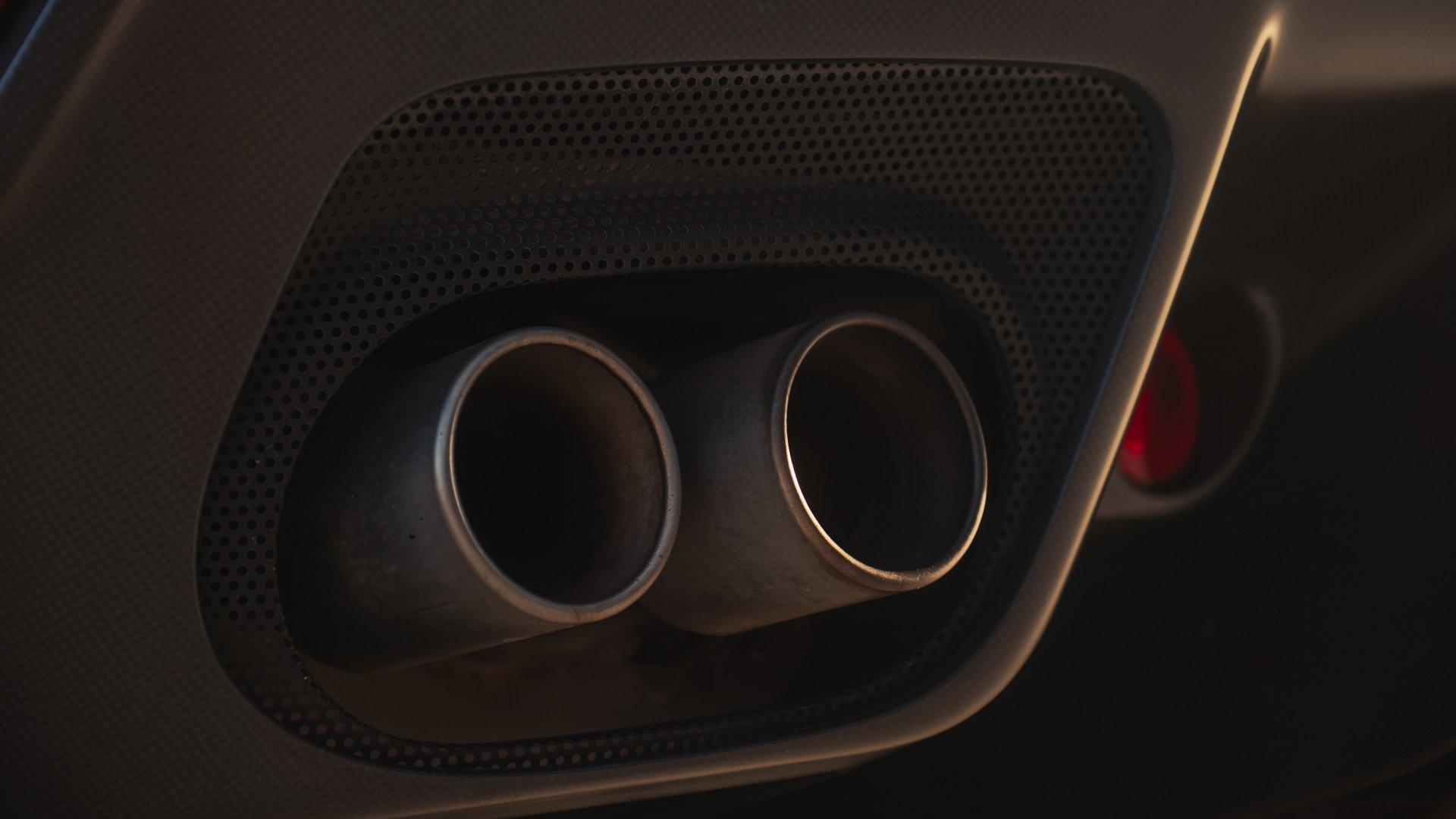
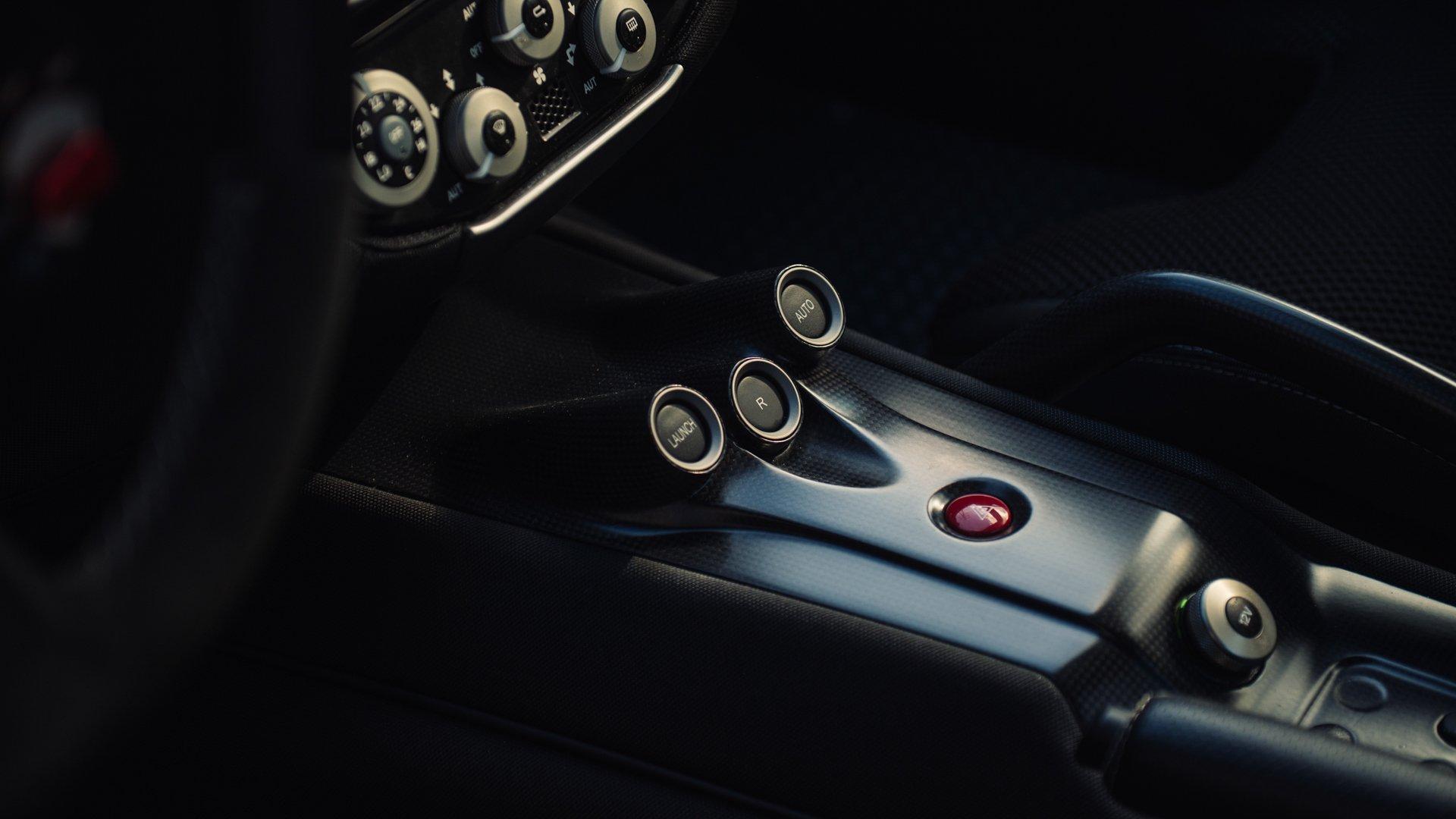
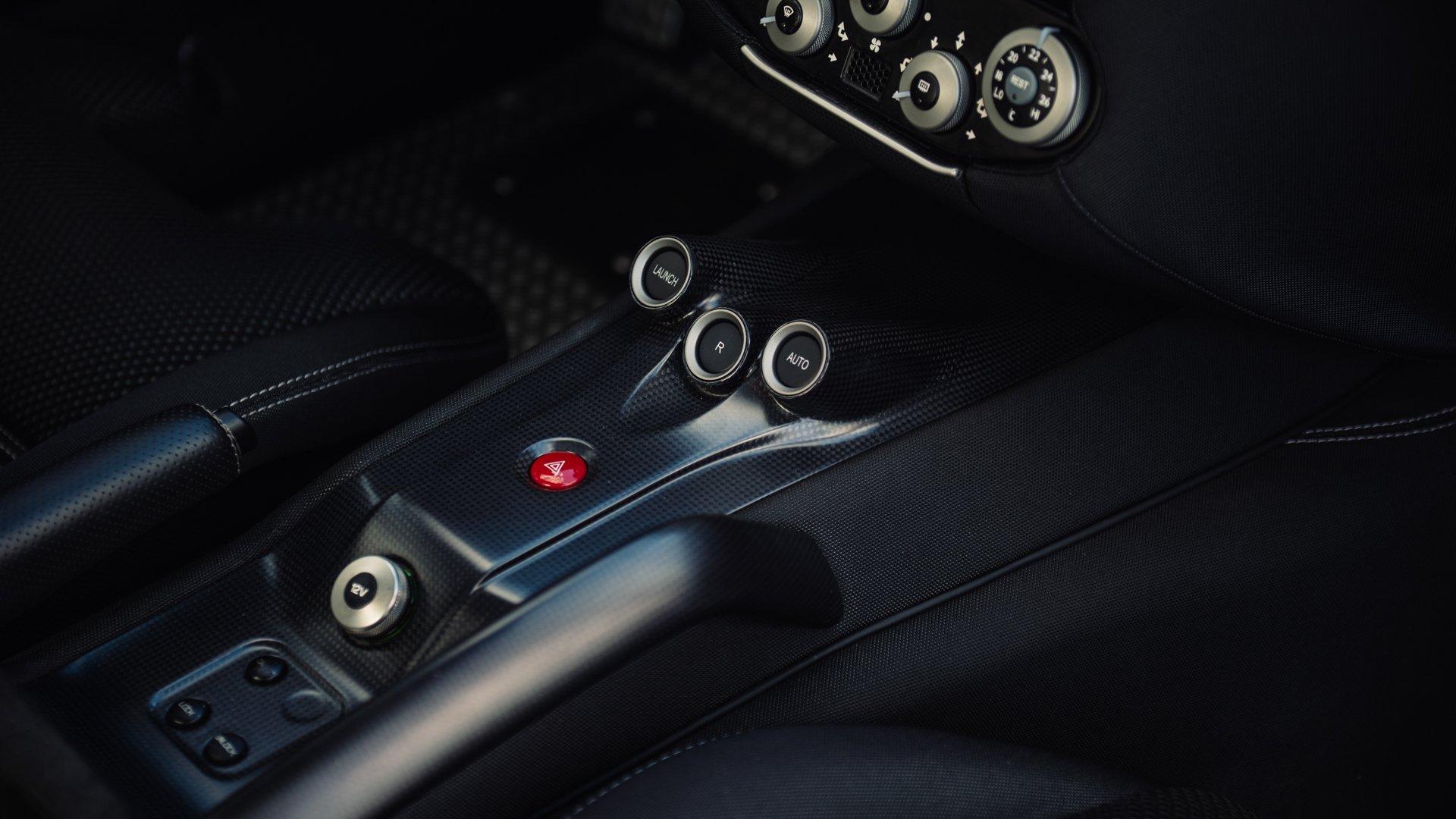
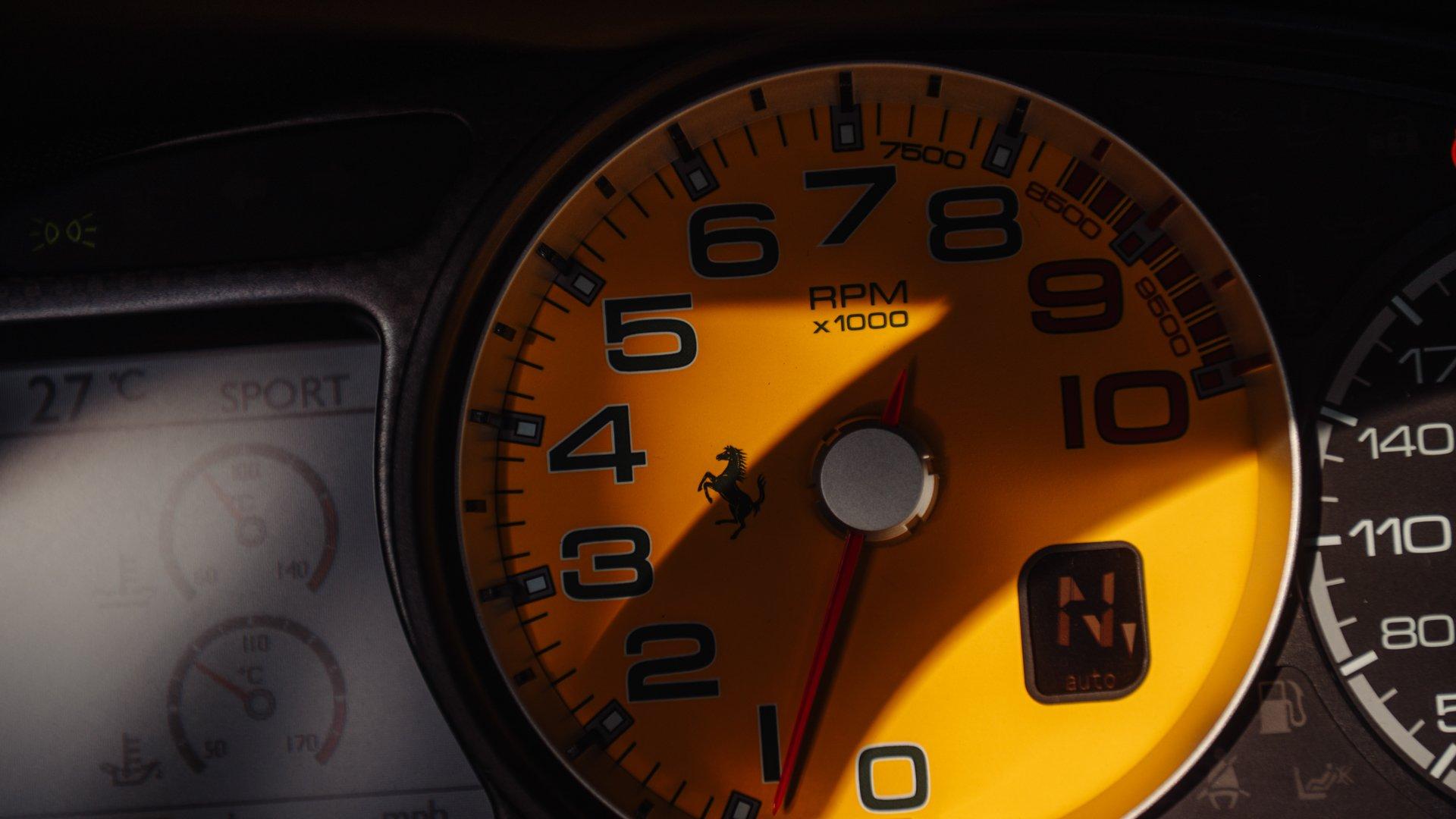
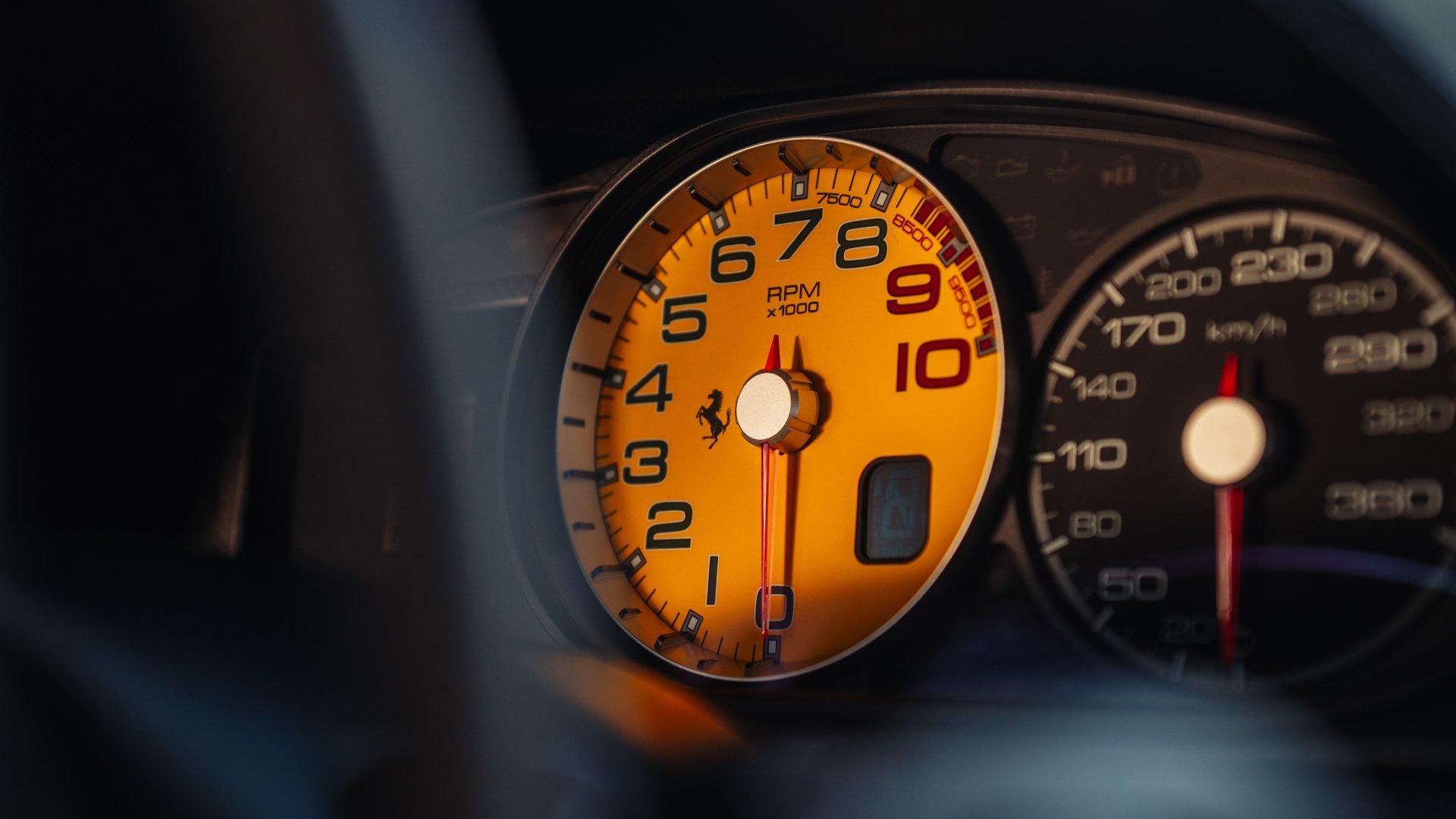
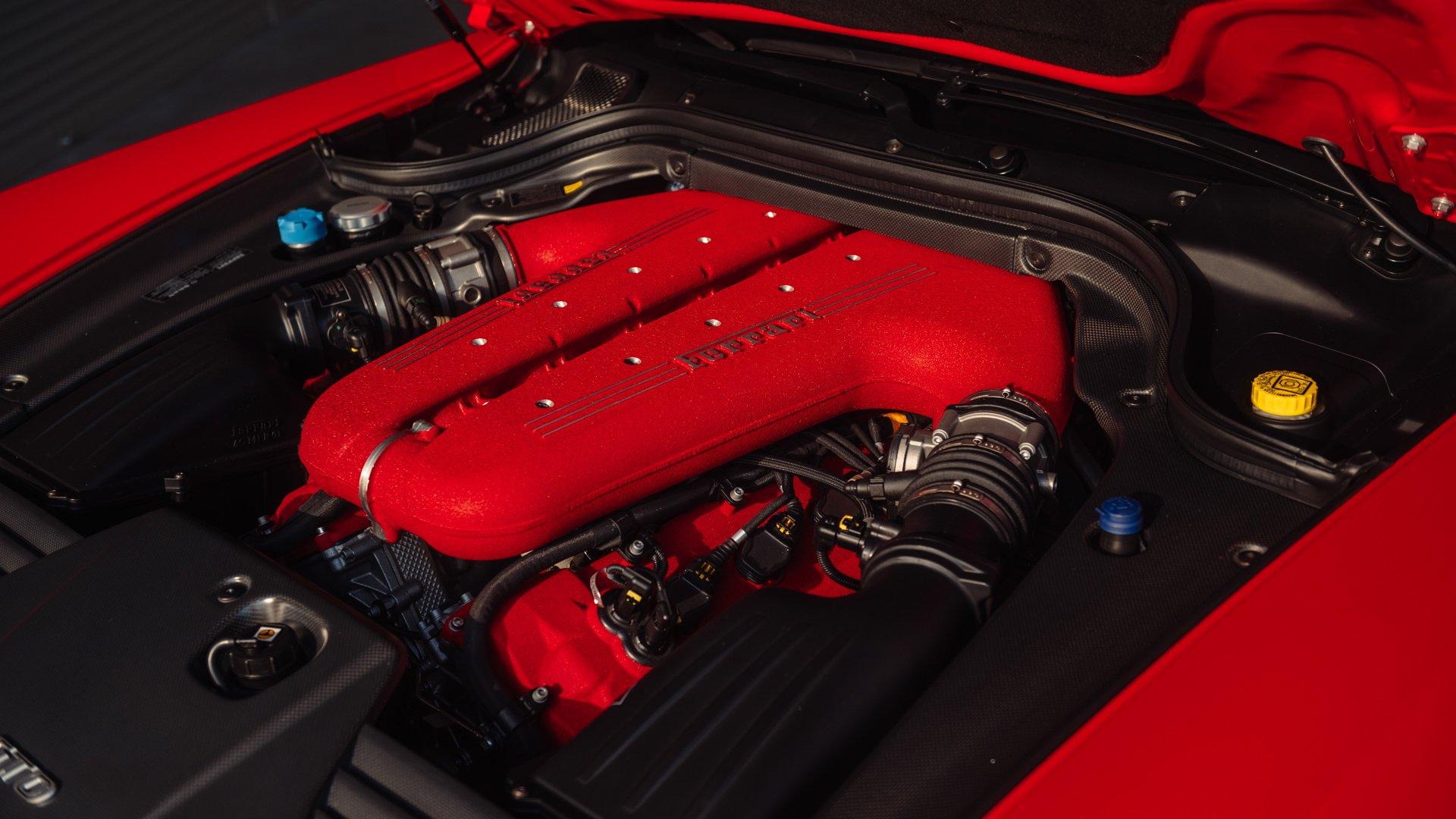
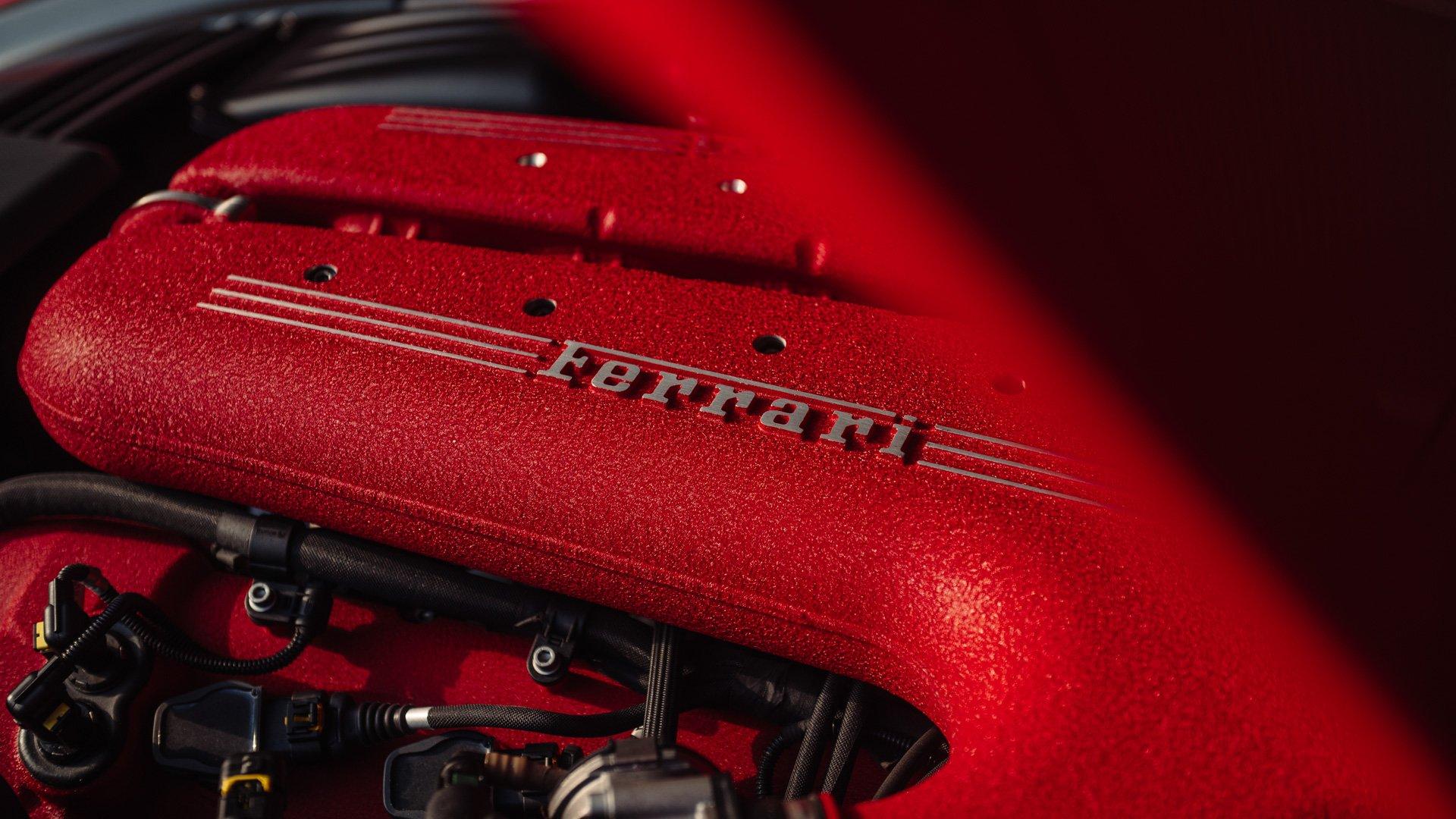
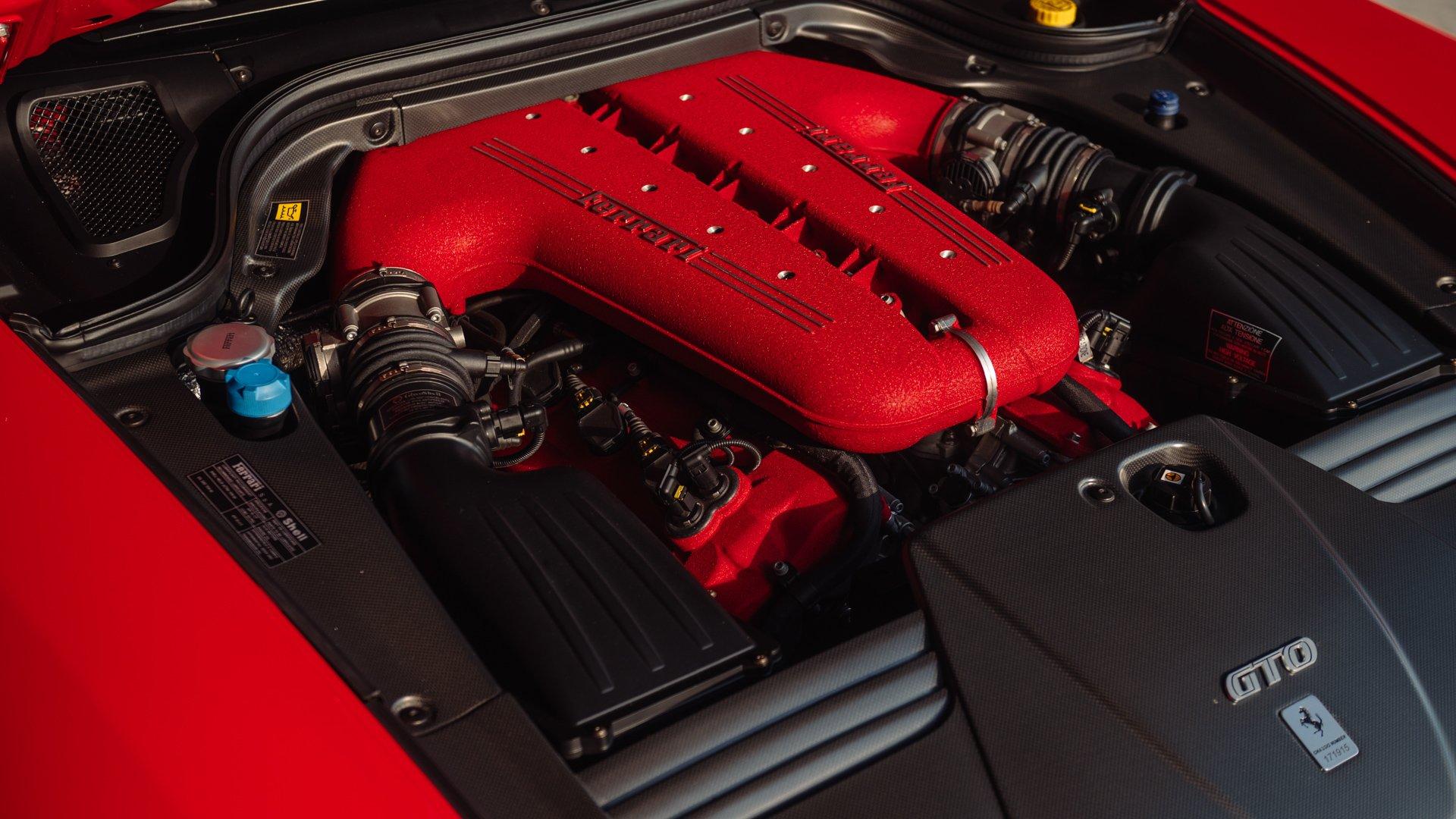
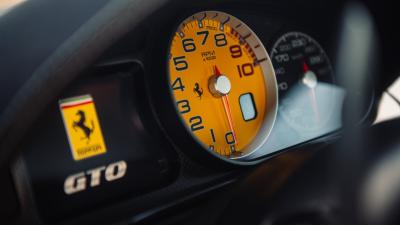
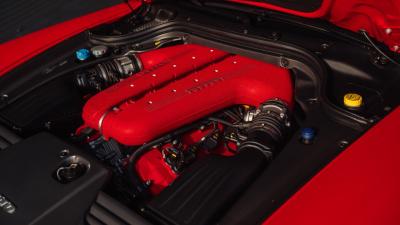
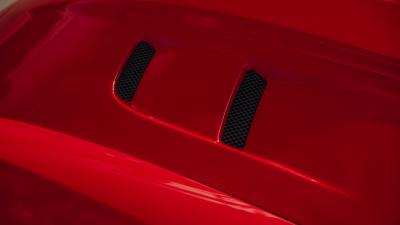
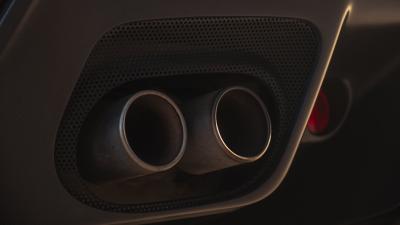
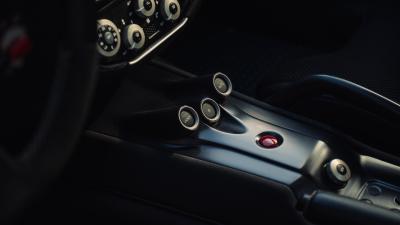
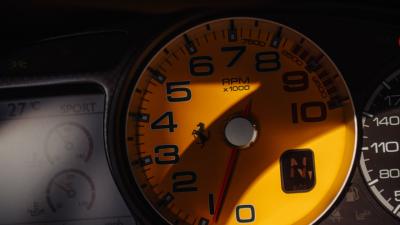
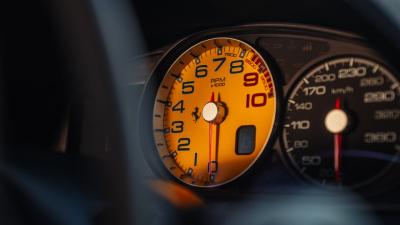
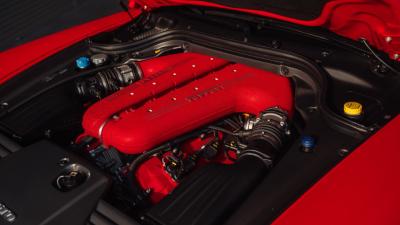
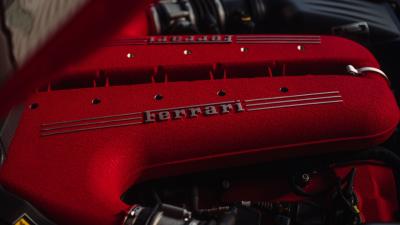
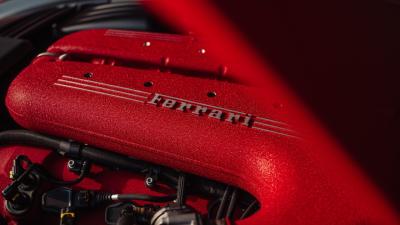
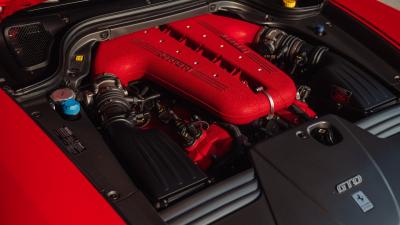
Under its aggressively vented hood rested the 6.0-liter naturally aspirated V12 derived from the Enzo, extensively reworked to deliver 670 CV at a shrieking 8,250 rpm. The 599XX's redesigned crankshaft, a racing-type intake with short inlet tracts, 6-into-1 exhaust manifolds, and a determined campaign against internal friction all served that high-revving character. This tremendous output was channeled through a six-speed F1 automated transmission capable of 60-millisecond shifts, 40 milliseconds quicker than the 599 GTB Fiorano, as well as rapid multiple downshifts. Thanks to nearly 100 kg in weight savings over the Fiorano, which brought its dry weight down to 1,495 kg, it accelerated from a standstill to 100 km/h in just 3.3 seconds on the way to a top speed exceeding 335 km/h.
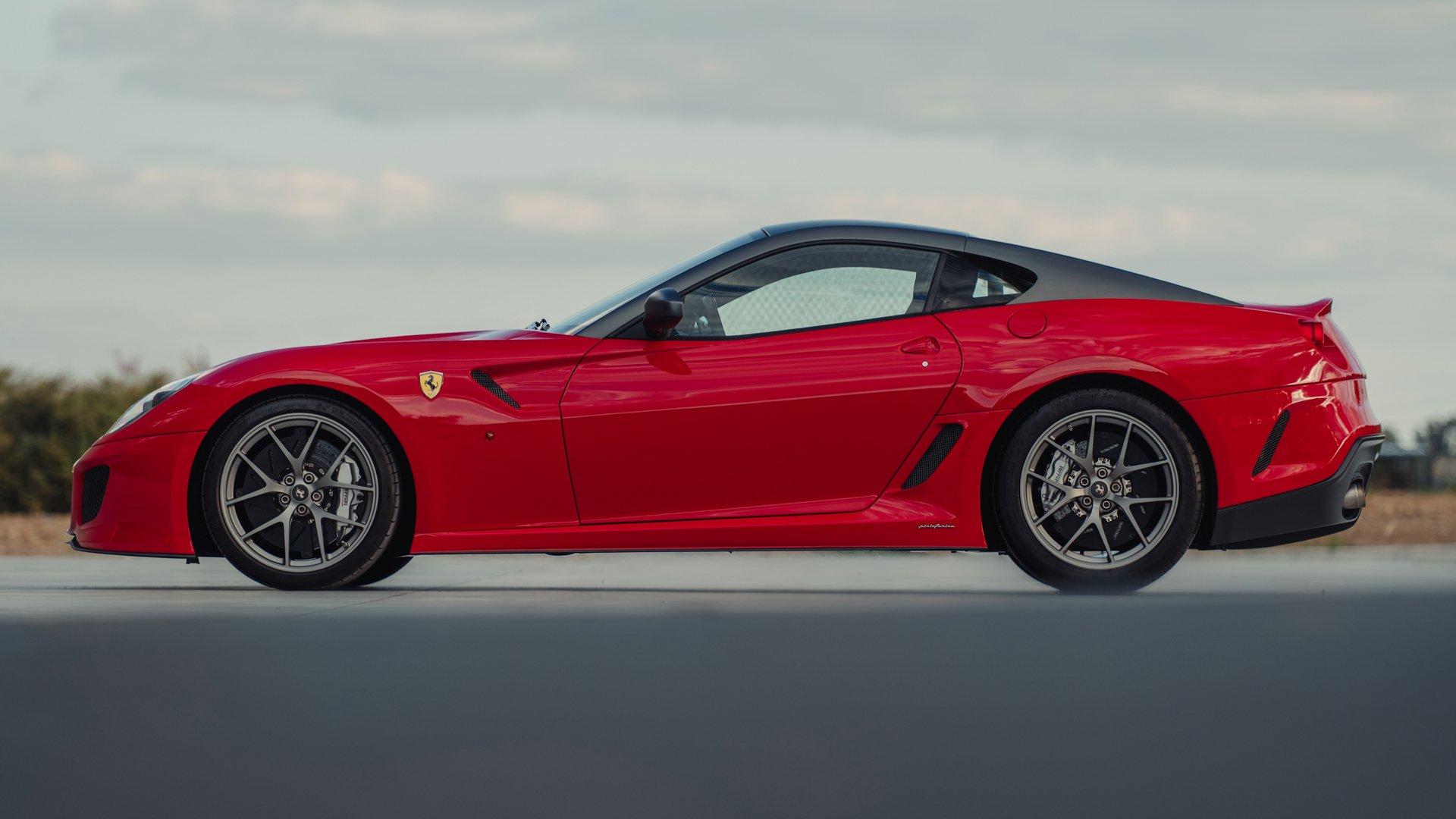
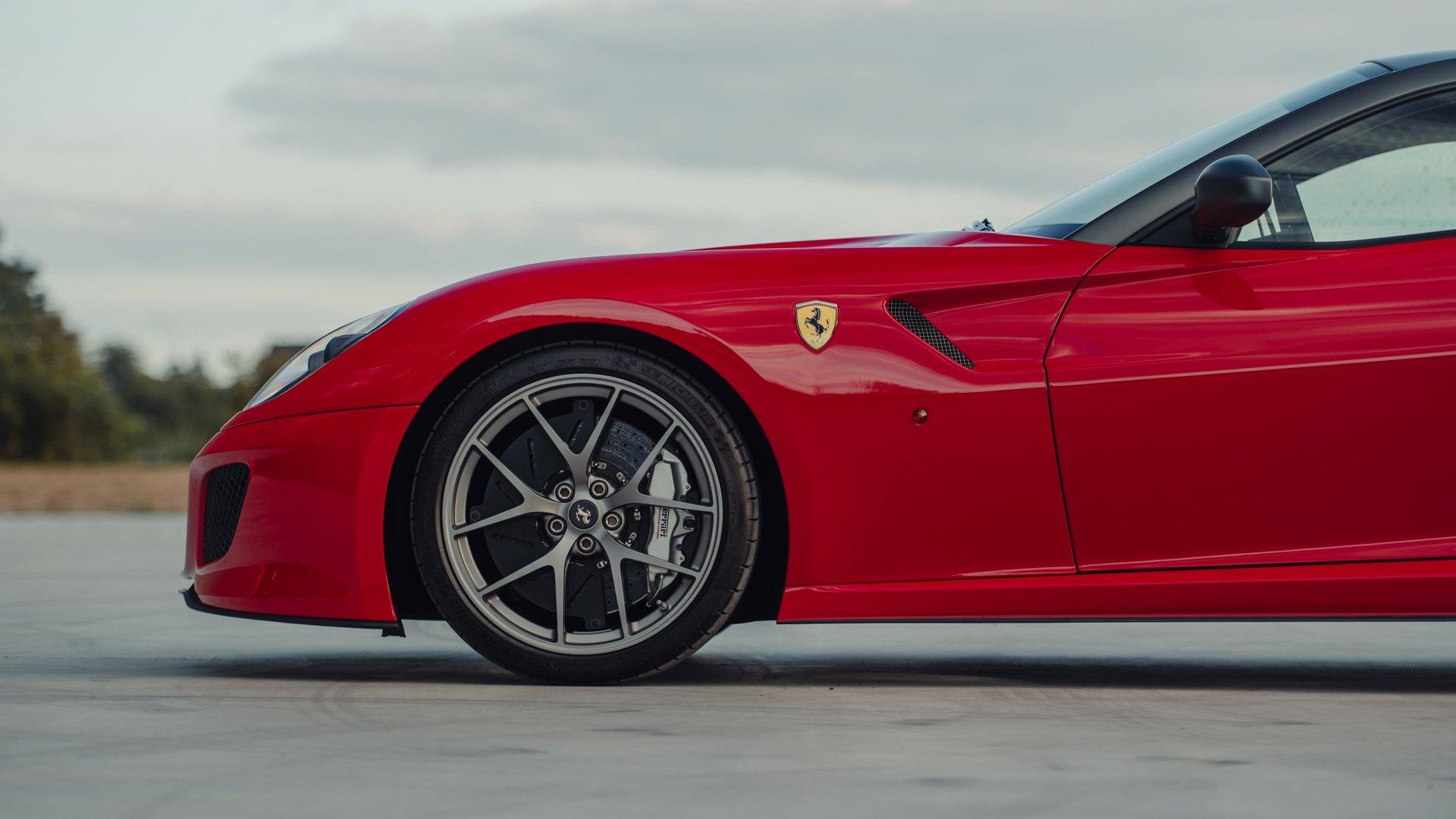
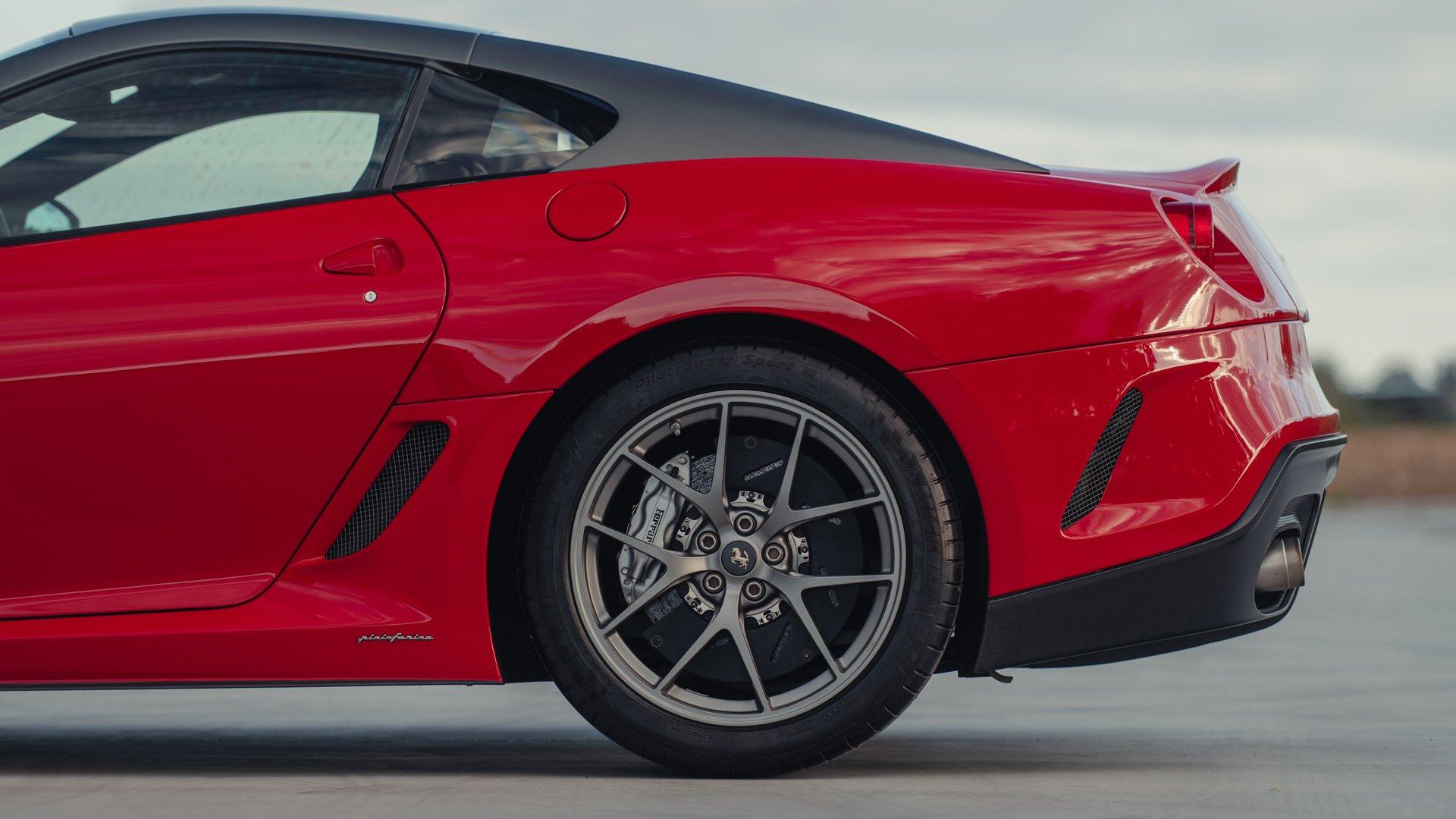
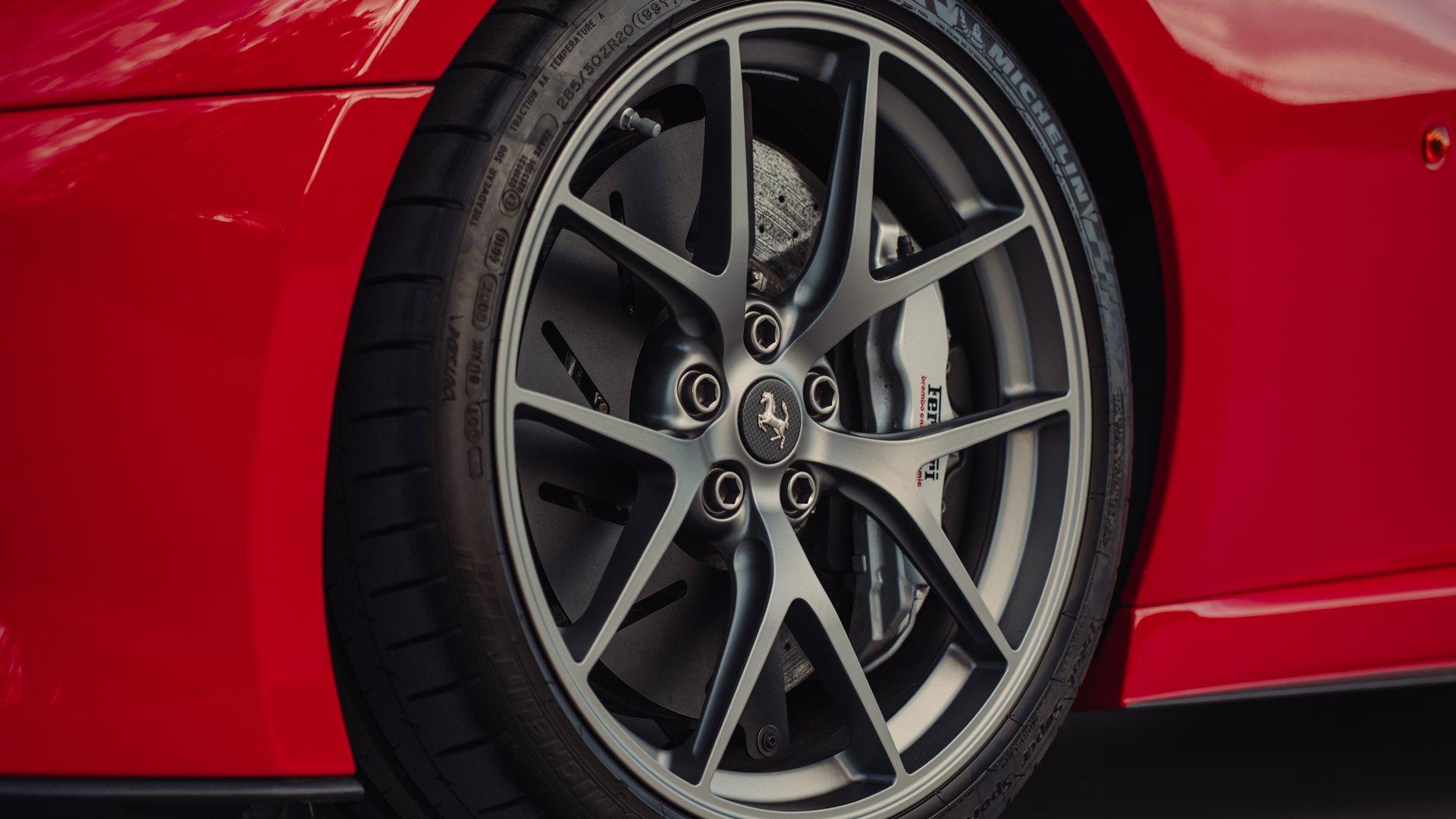
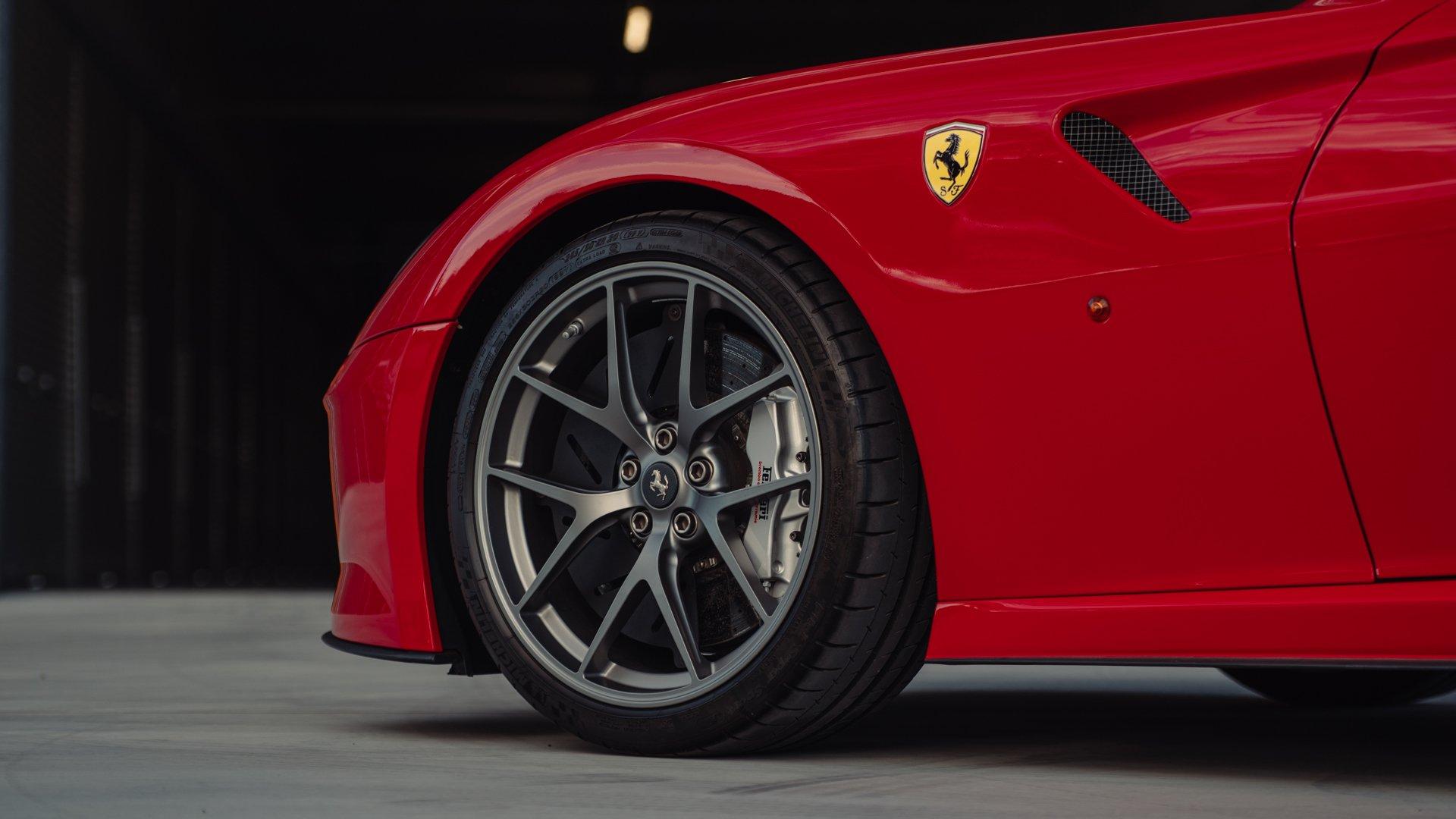
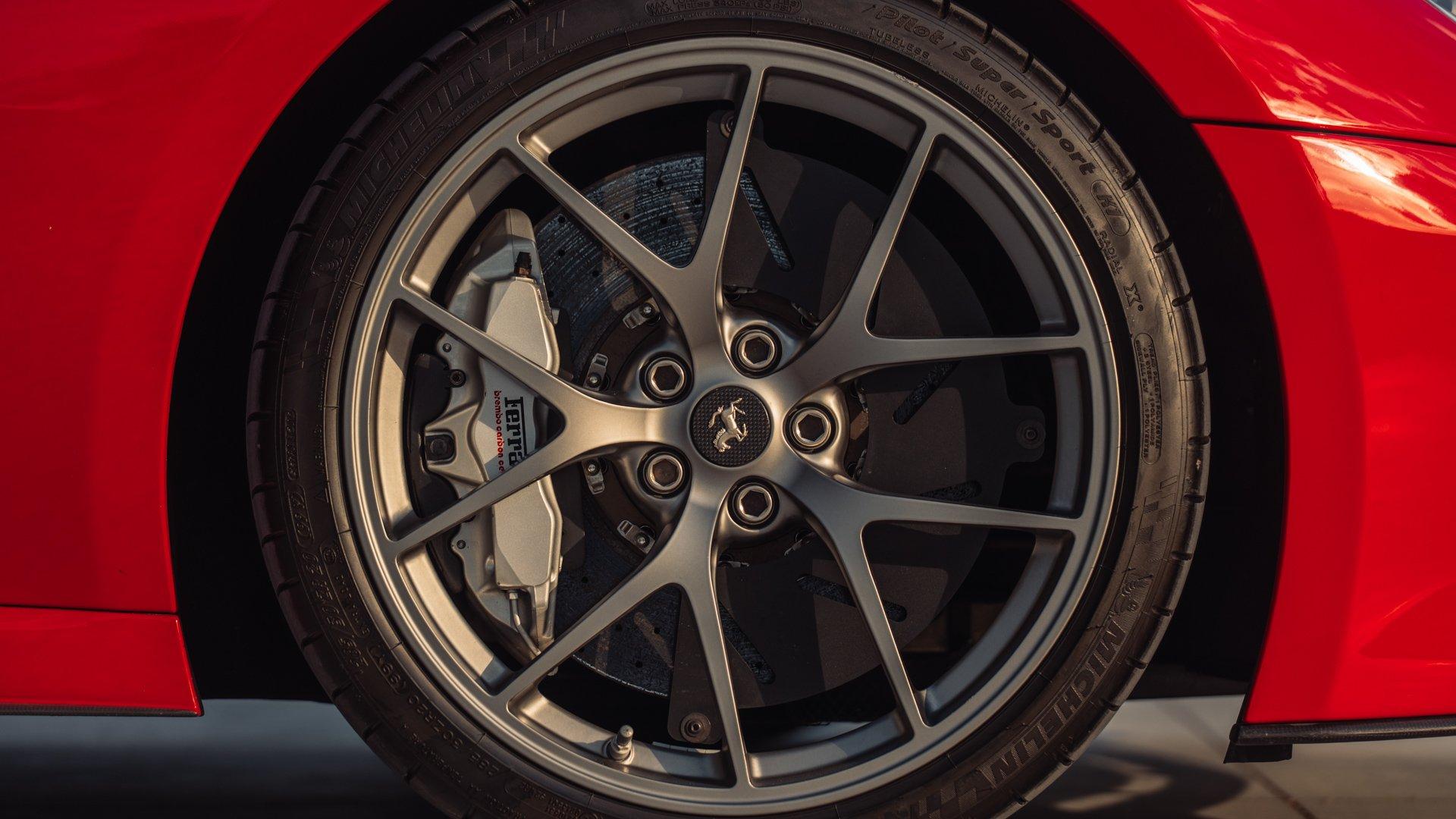
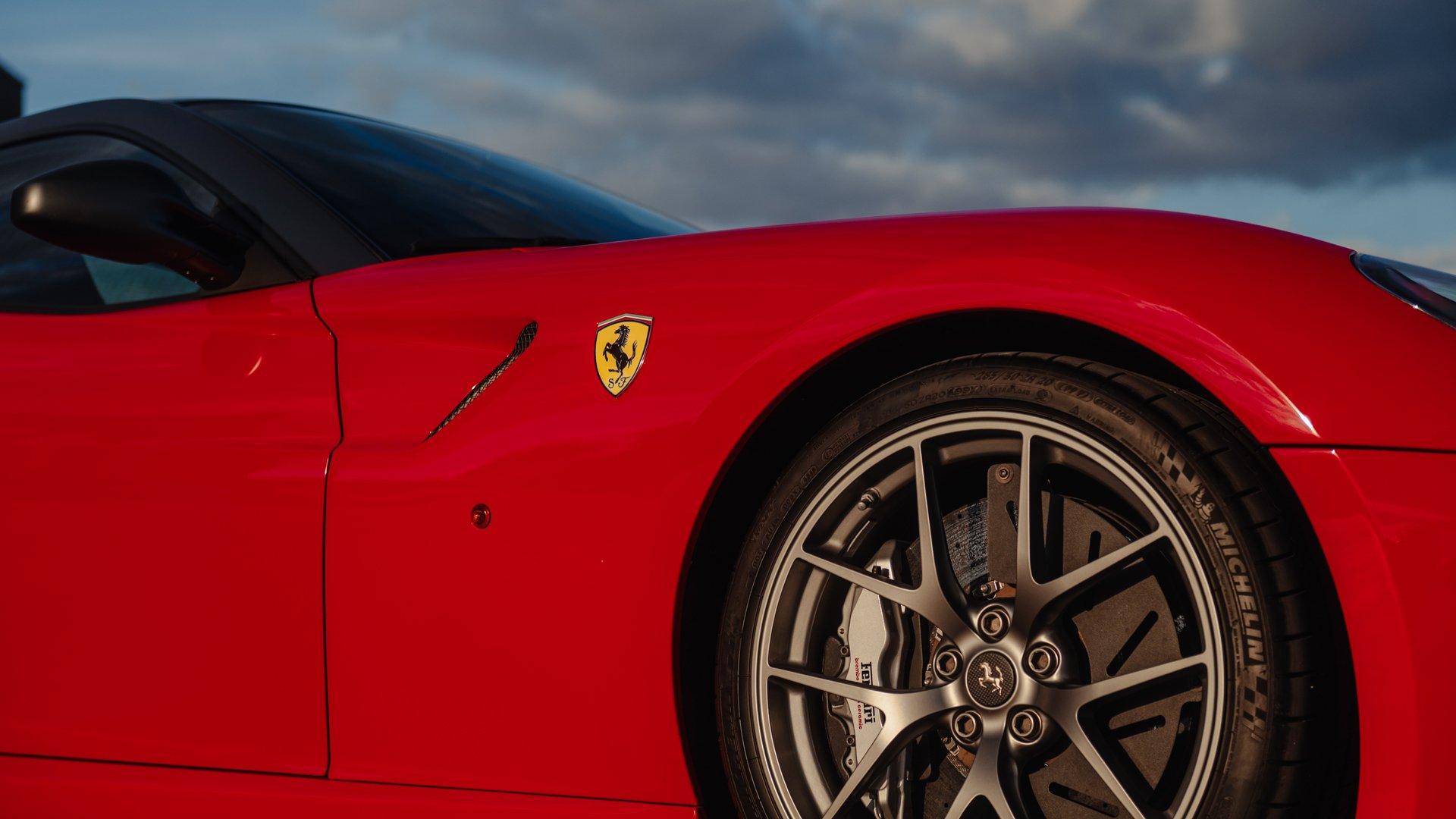
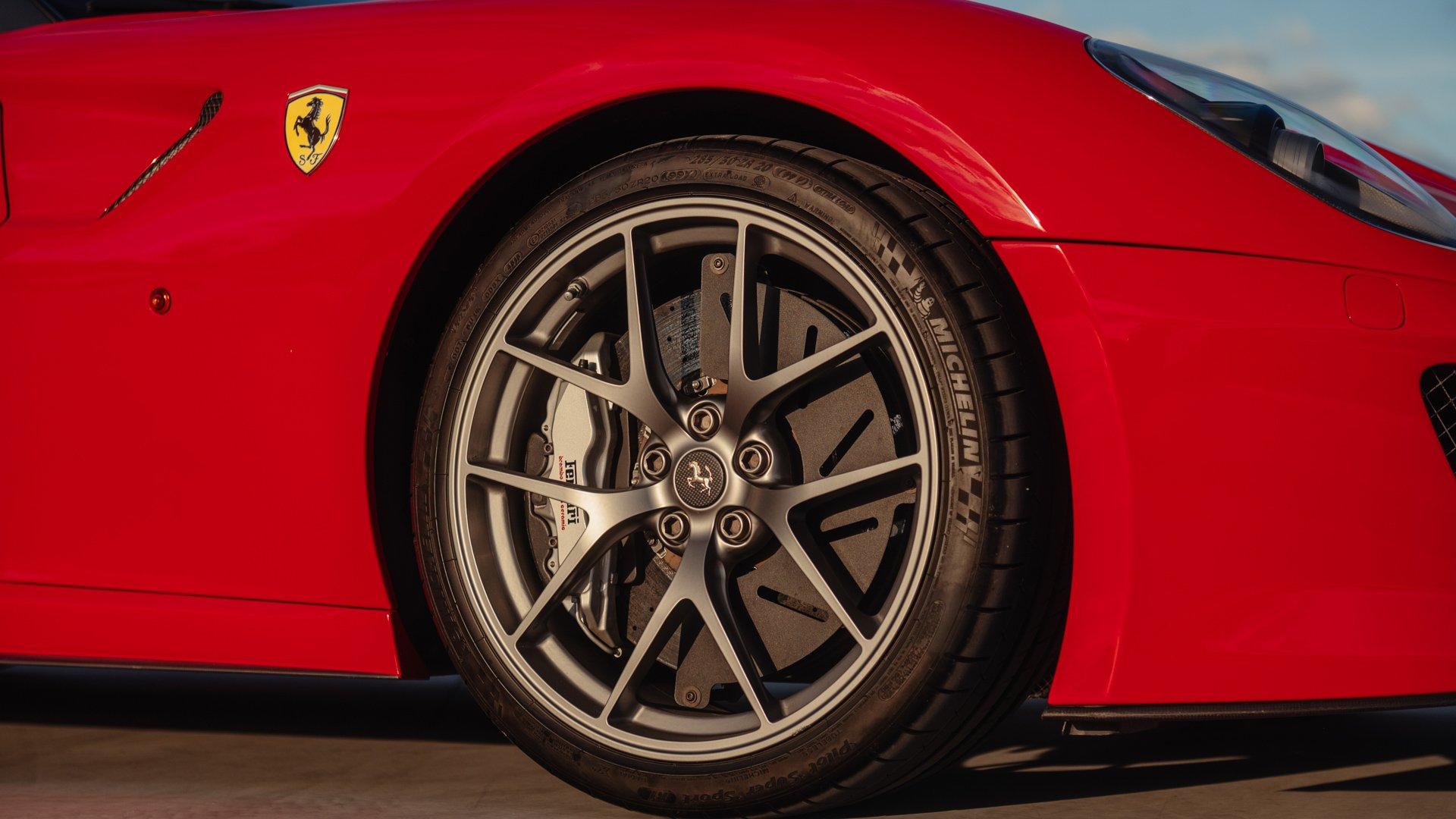
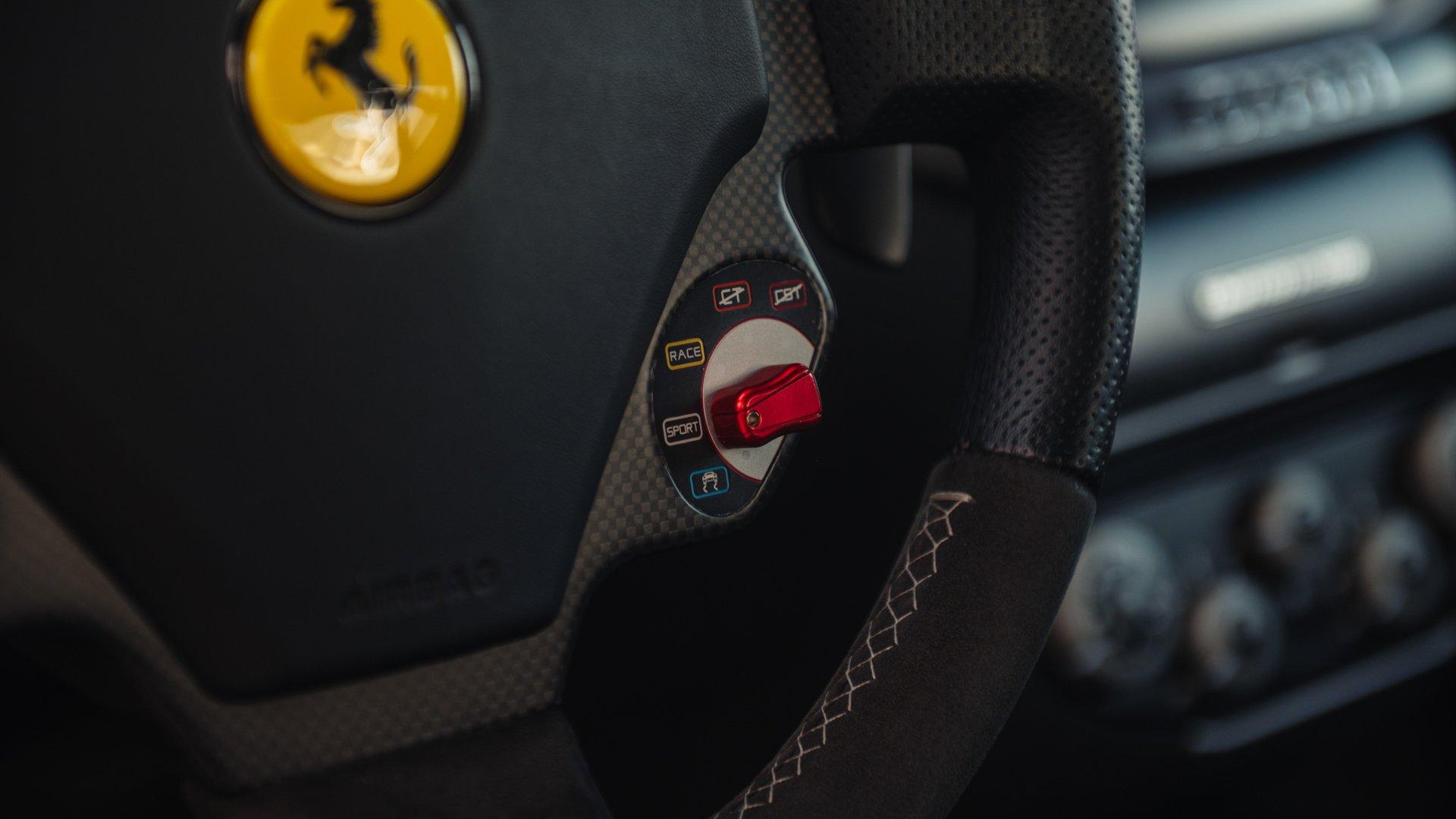
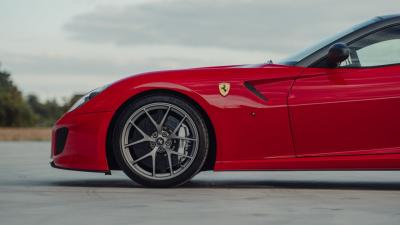
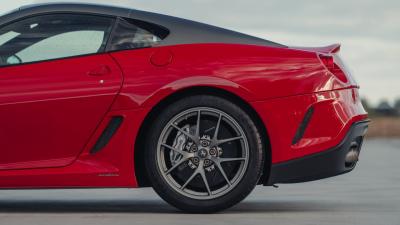
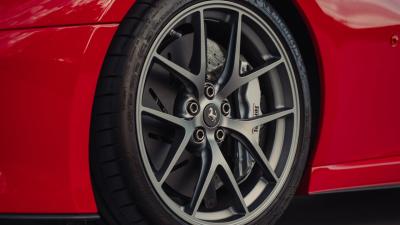
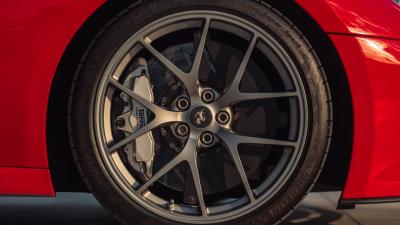
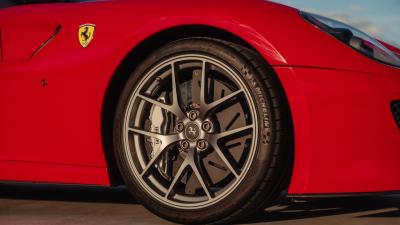
The chassis was sharpened to match. Second-generation magnetorheological dampers, a very direct steering ratio, and CCM2 carbon-ceramic brakes, the first on a road-going Ferrari to use carbon-ceramic material in the pads as well as the discs, worked in concert with 144 kg of downforce at 200 km/h, achieved without a corresponding increase in drag. Together, they allowed the 599 GTO to famously lap Ferrari's Fiorano test circuit a full second faster than the Enzo.
Yet perhaps more surprising than its performance was its approachability as a road car. Car and Driver praised the GTO's “wonderfully precise damping” and its “astonishingly comfortable ride quality on public roads.” In Ferrari's own words it was the company's “most extreme sports car” ever produced, blending track-honed speed with the refinement expected of the marque's world-class grand tourers.
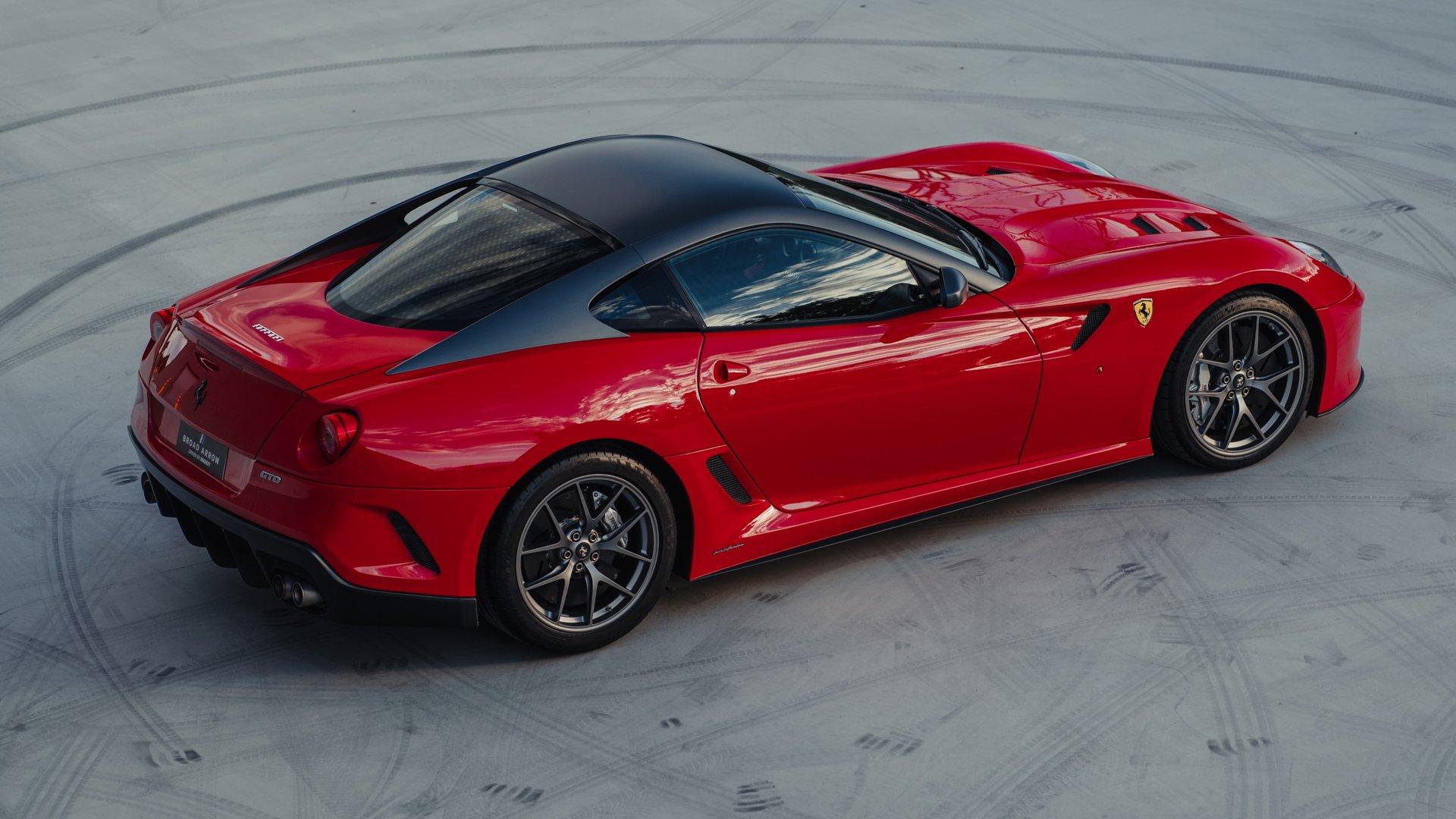
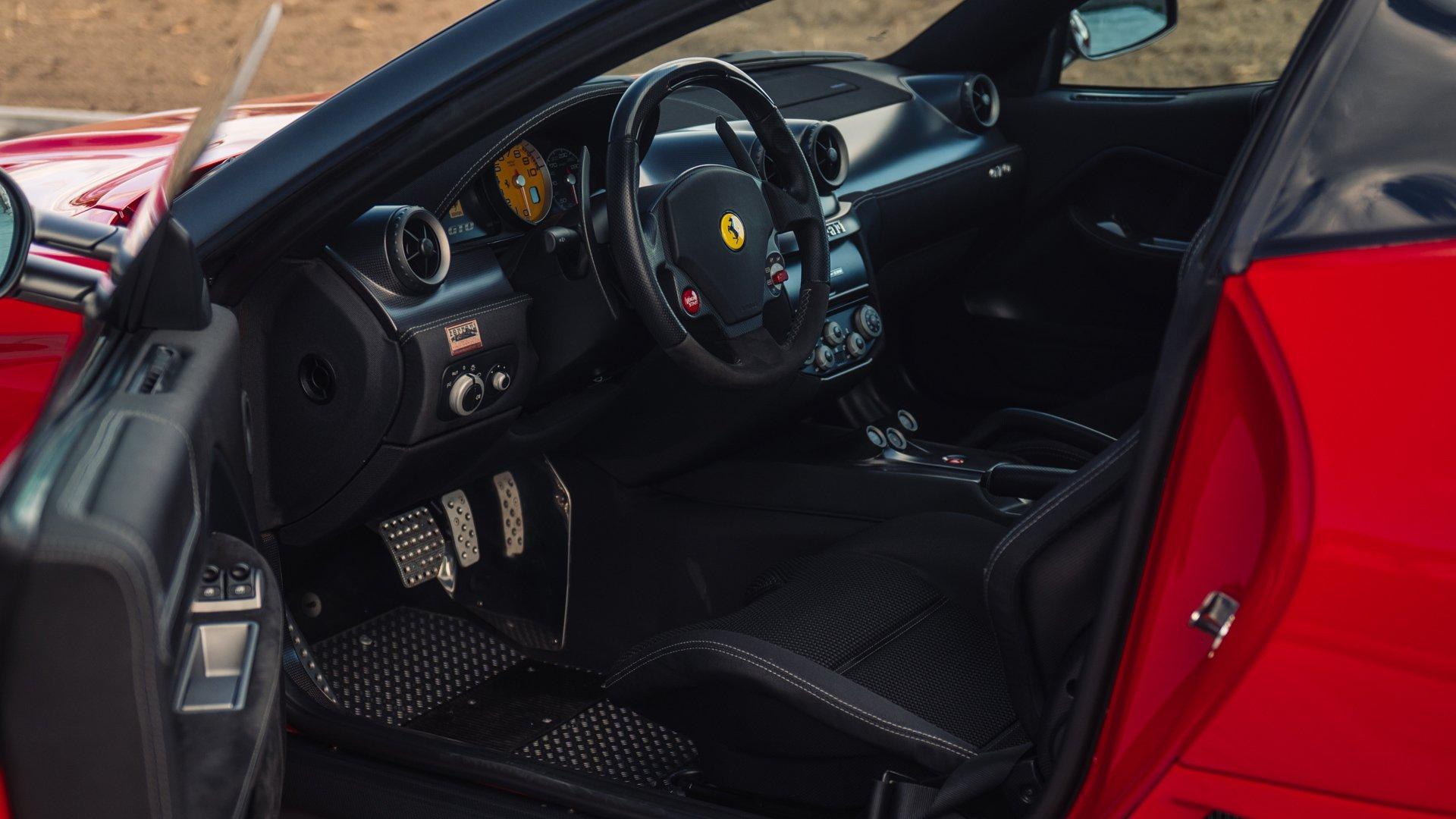
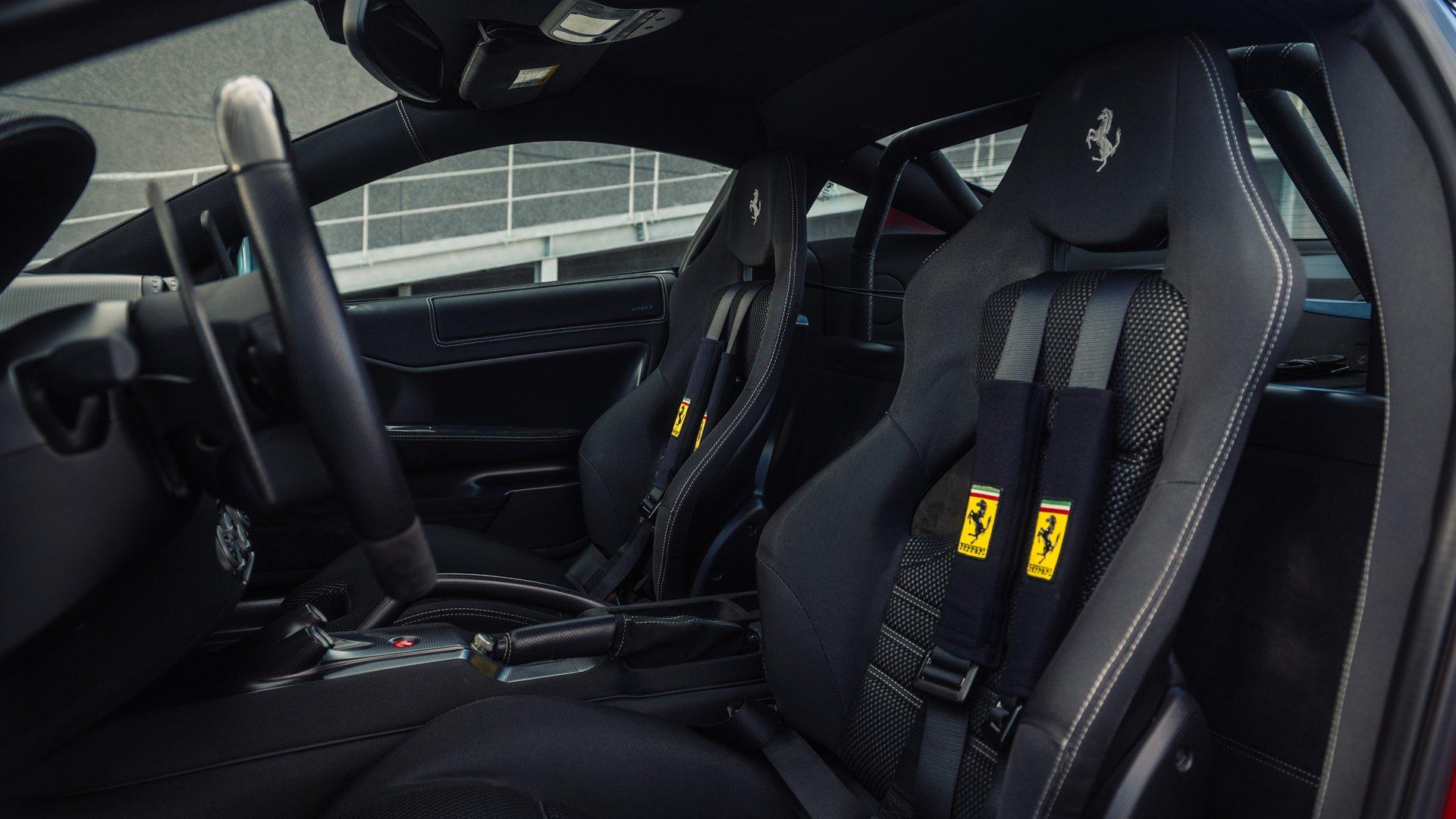
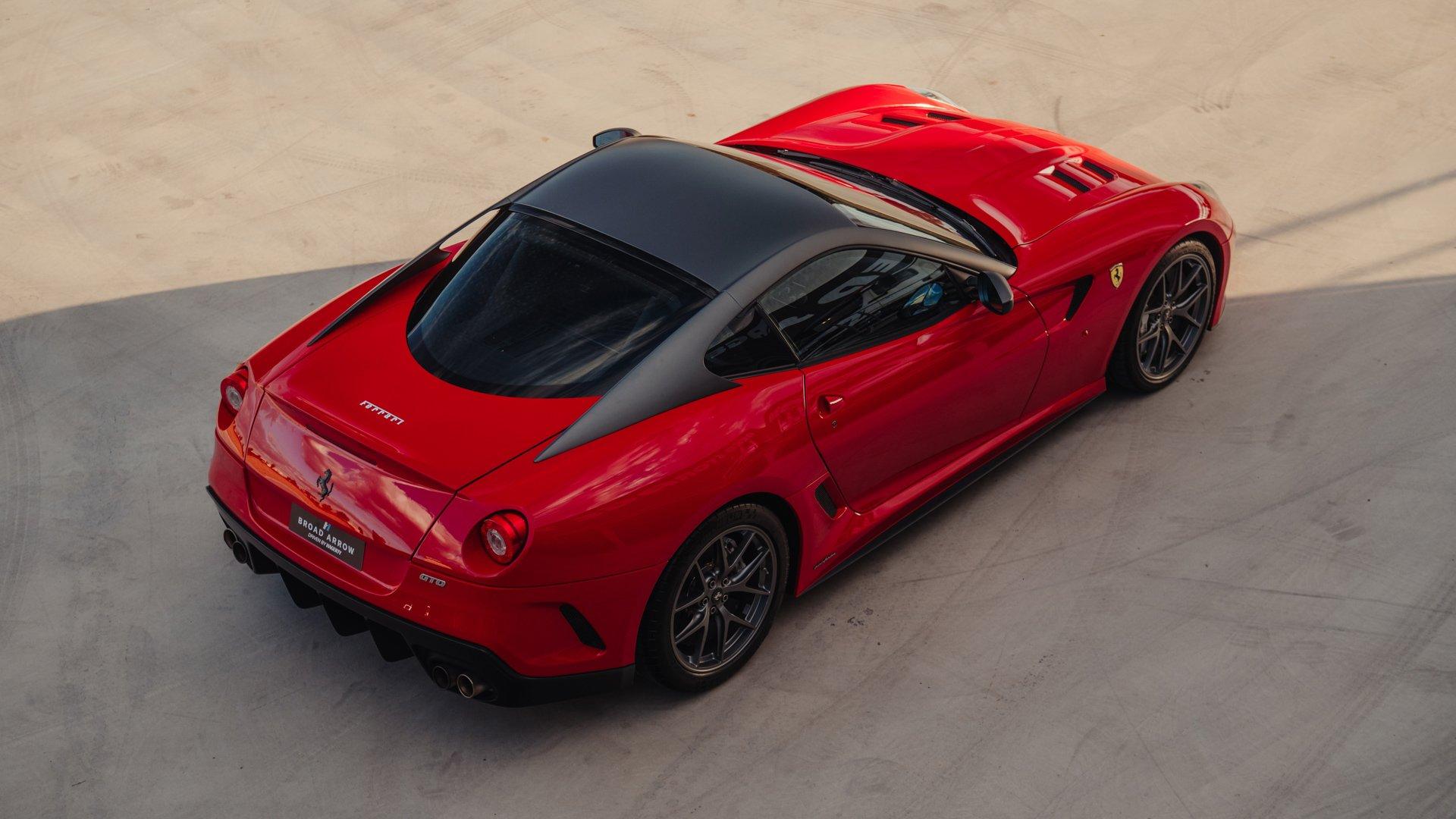
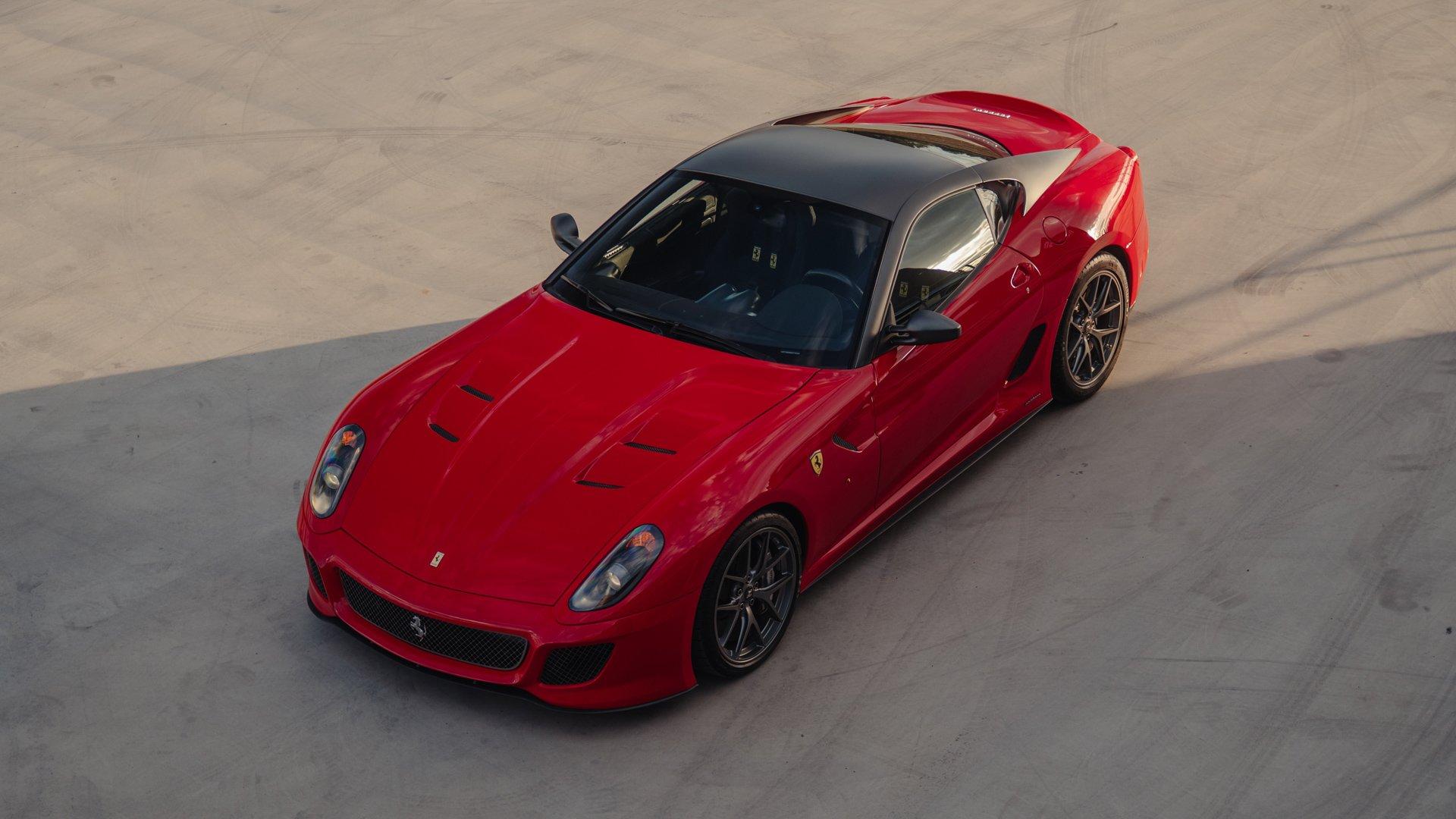
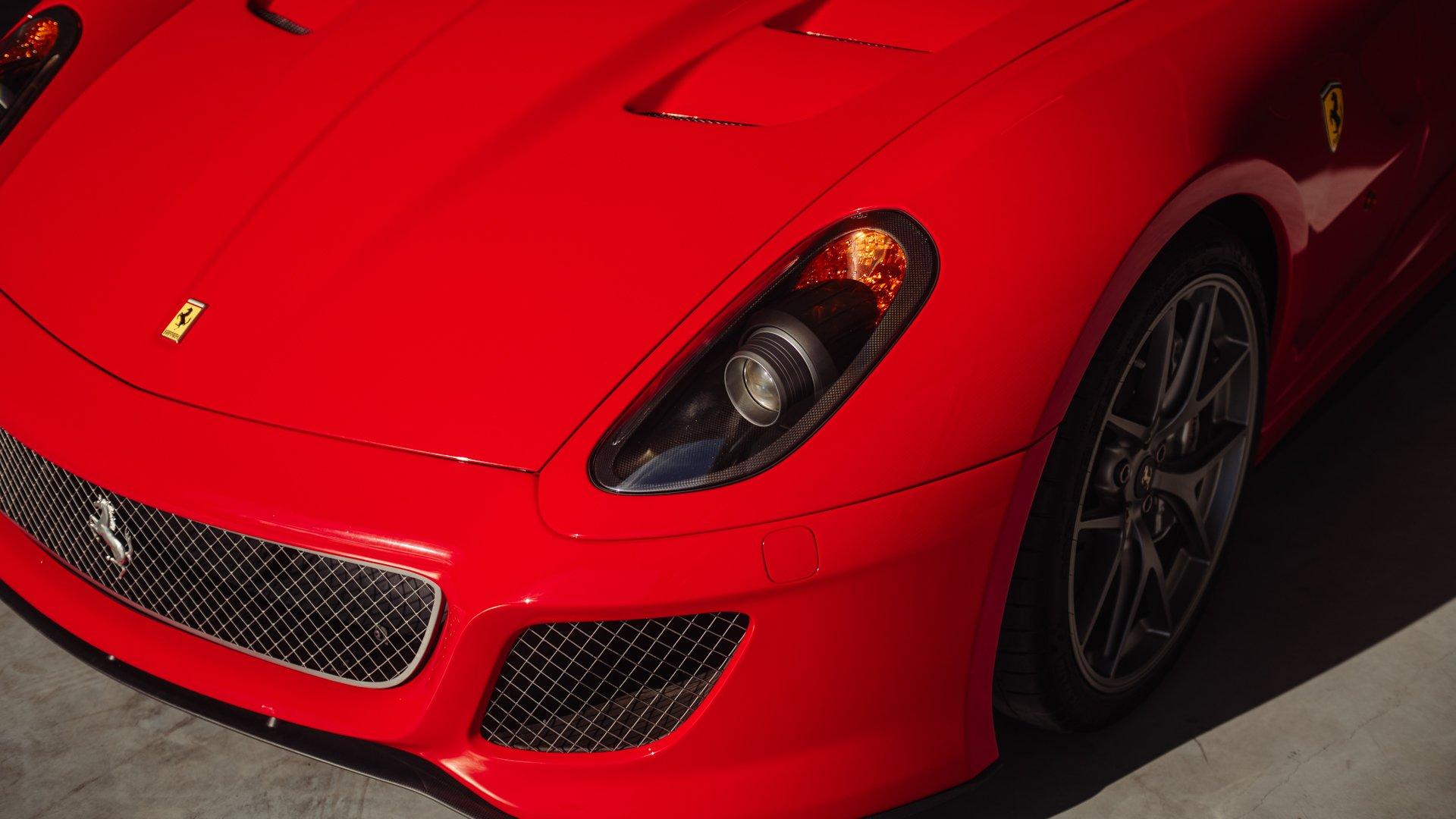
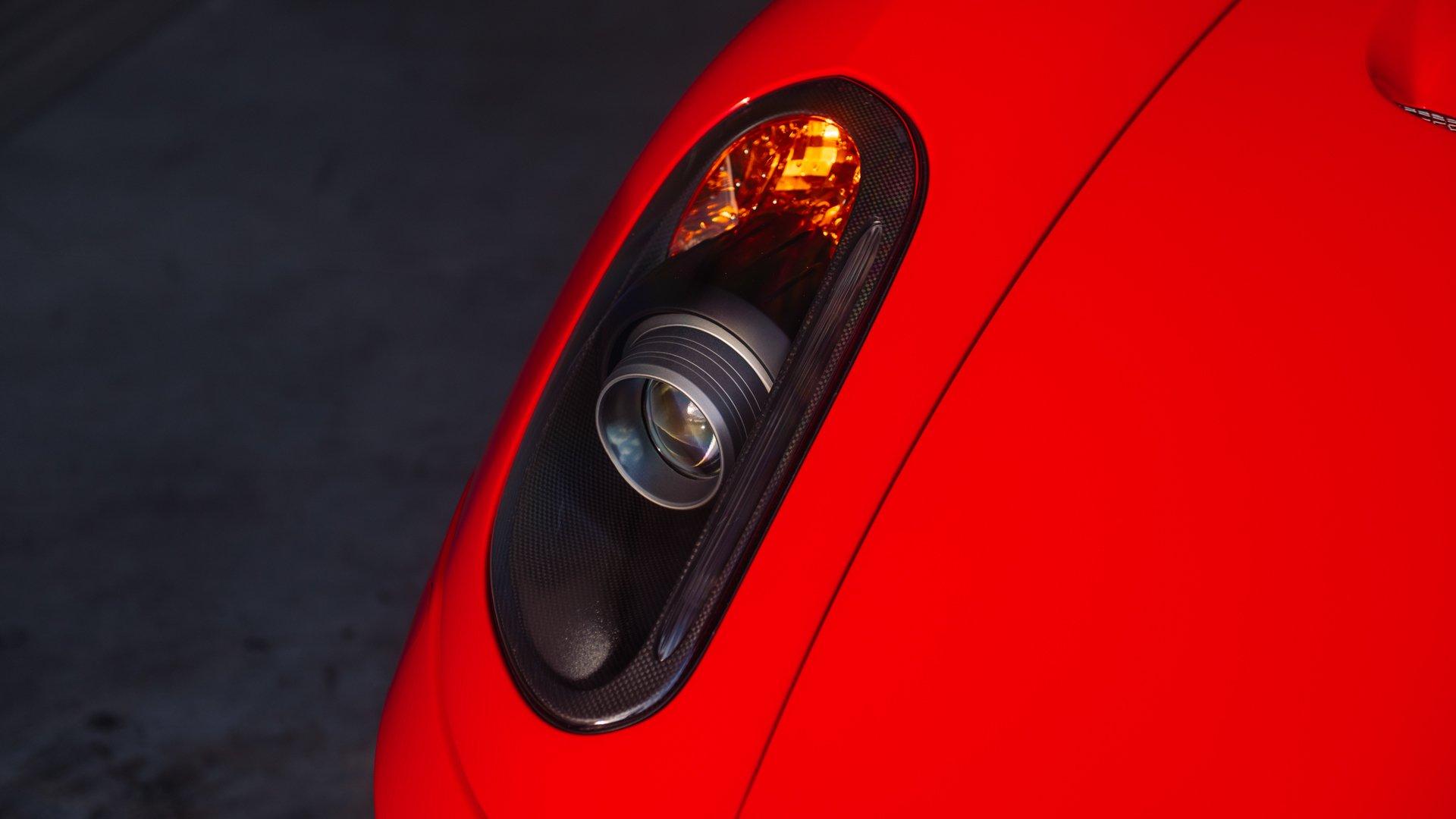
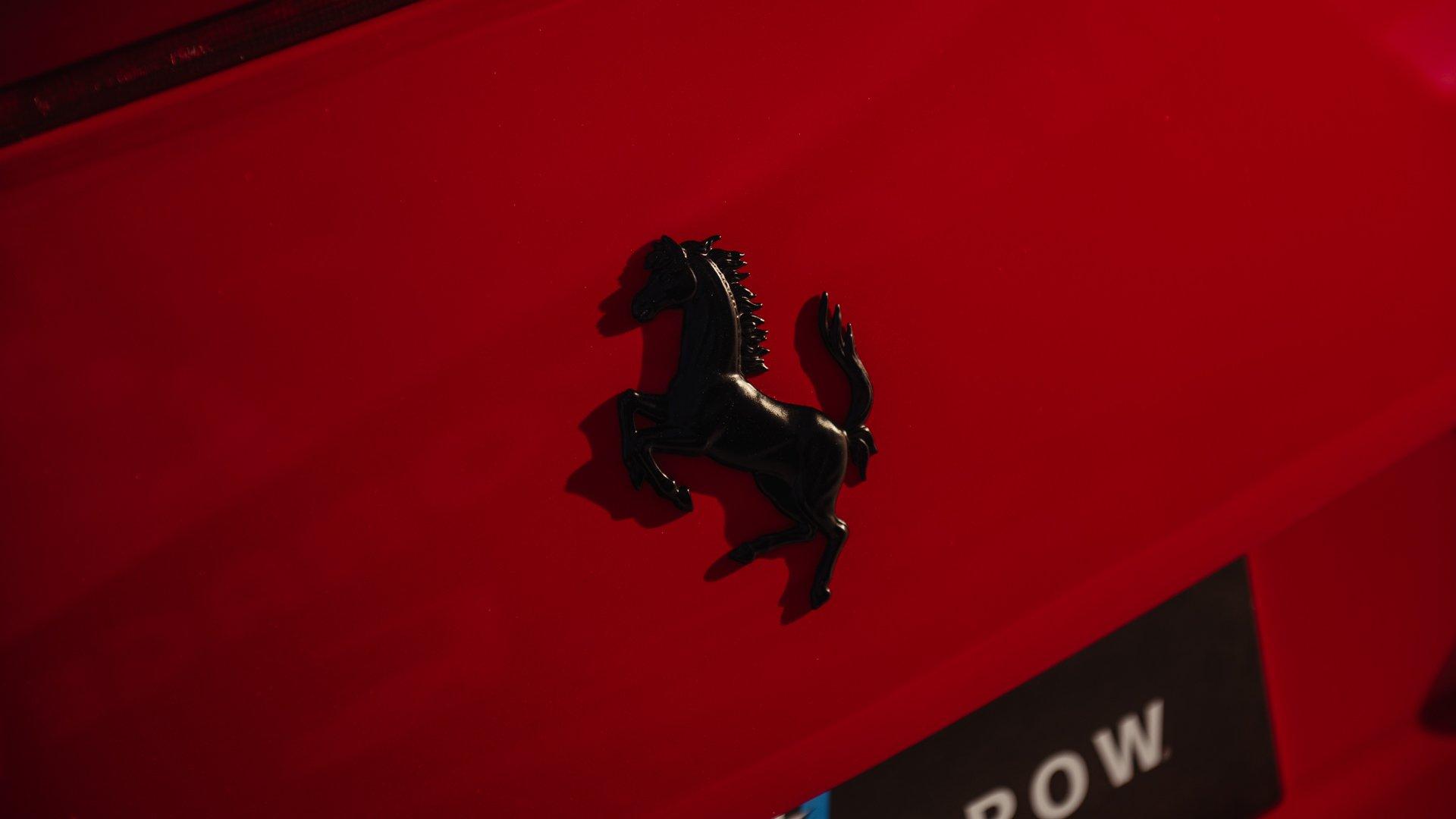
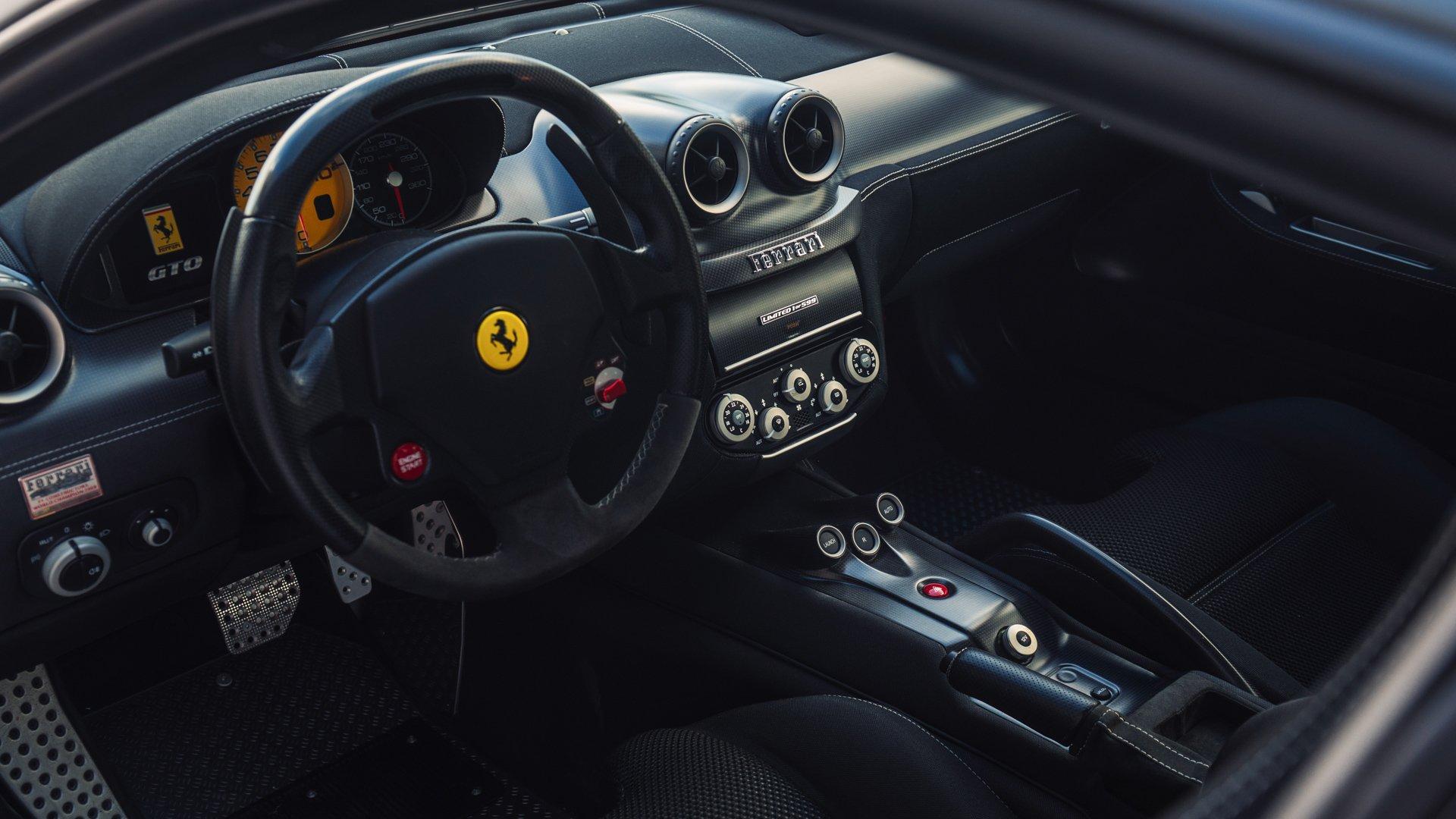
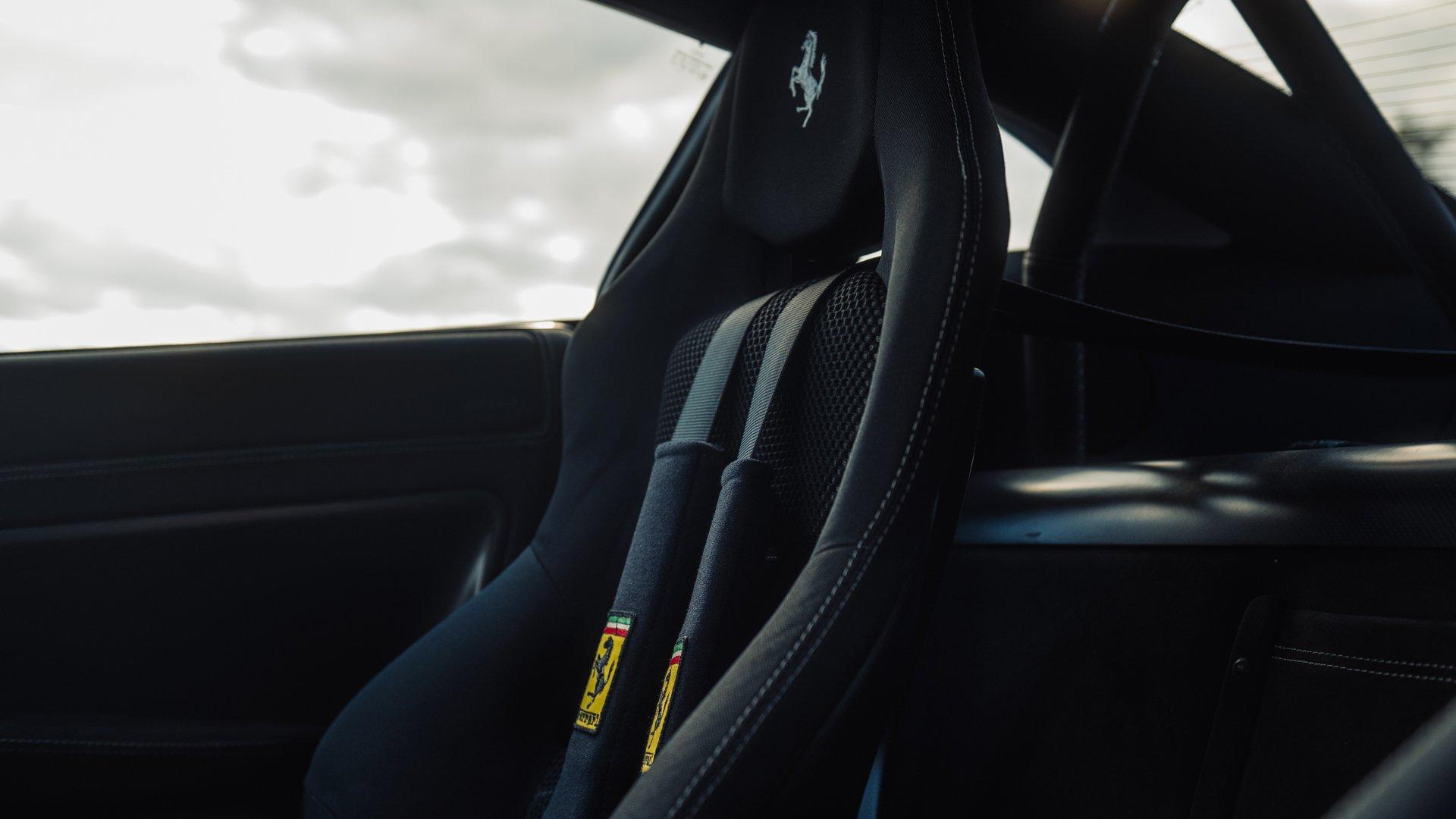
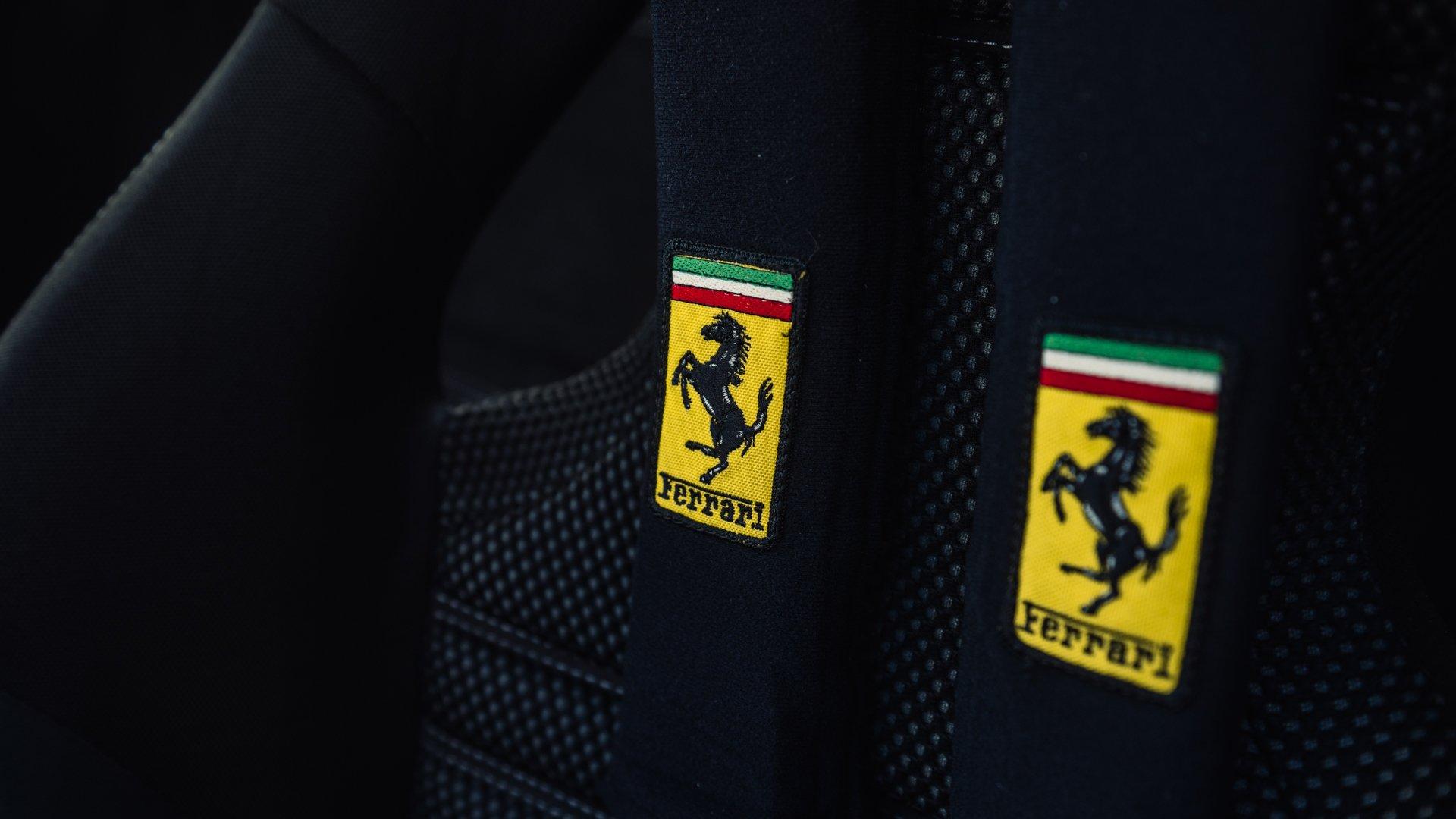
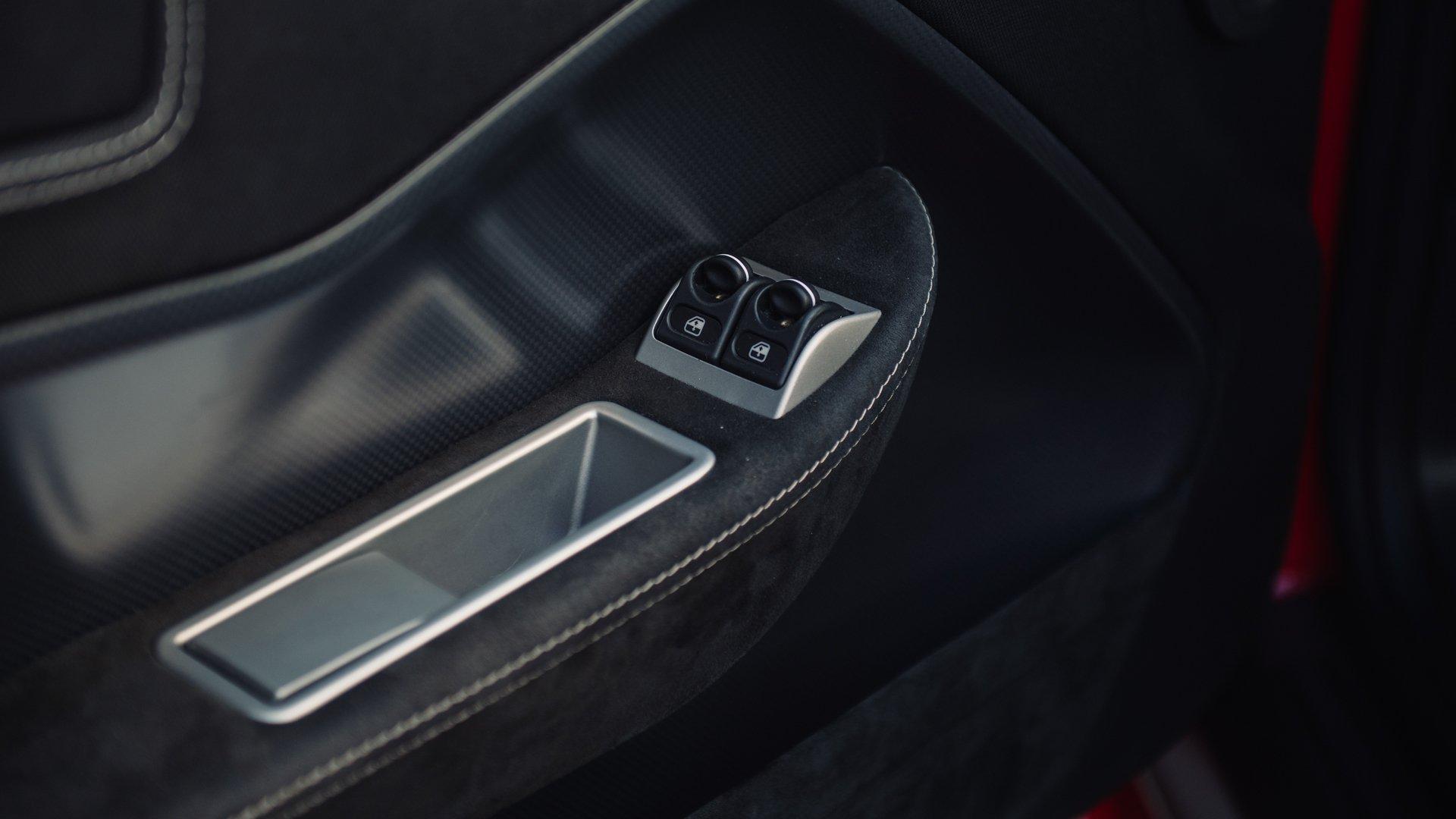
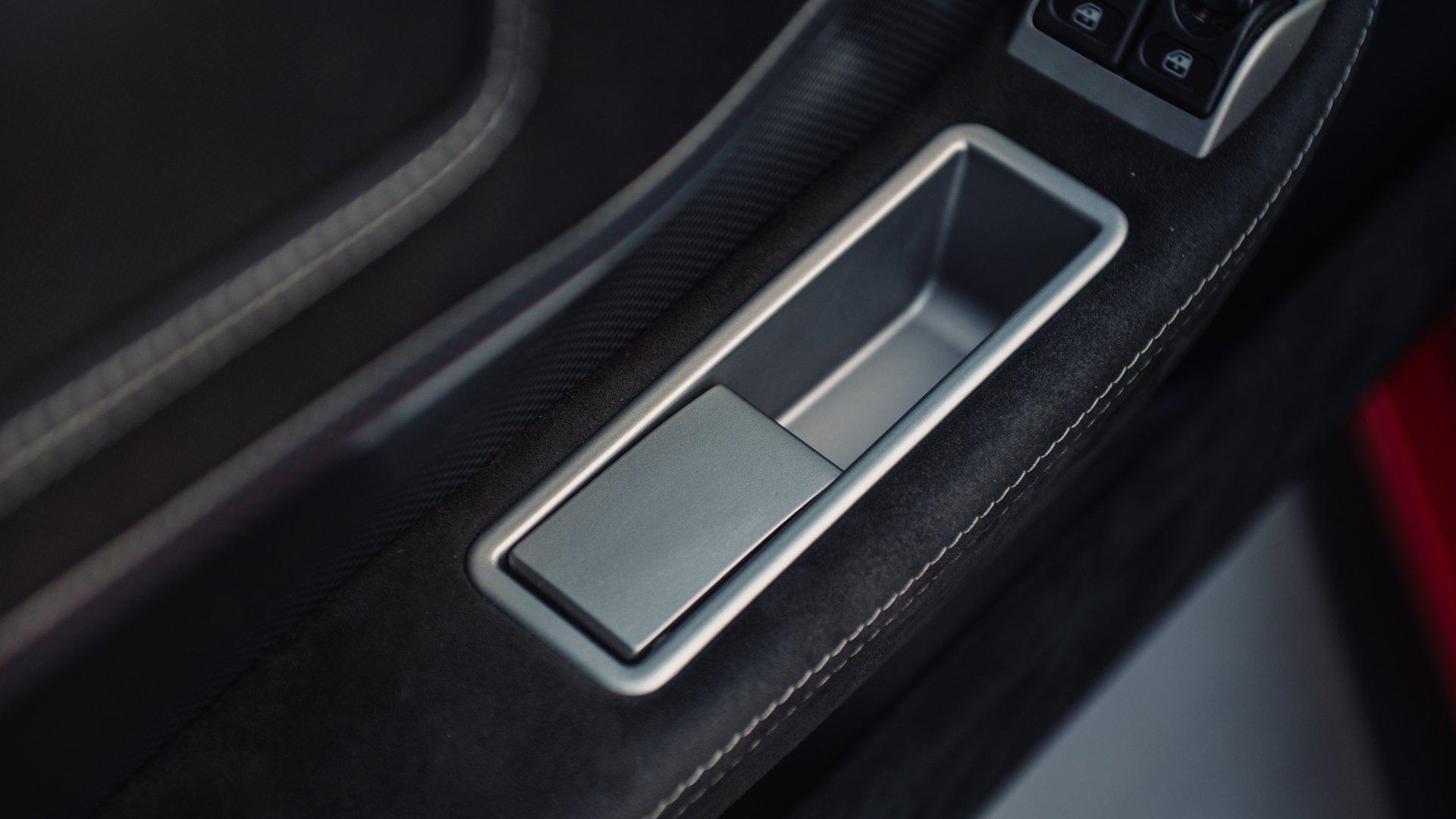
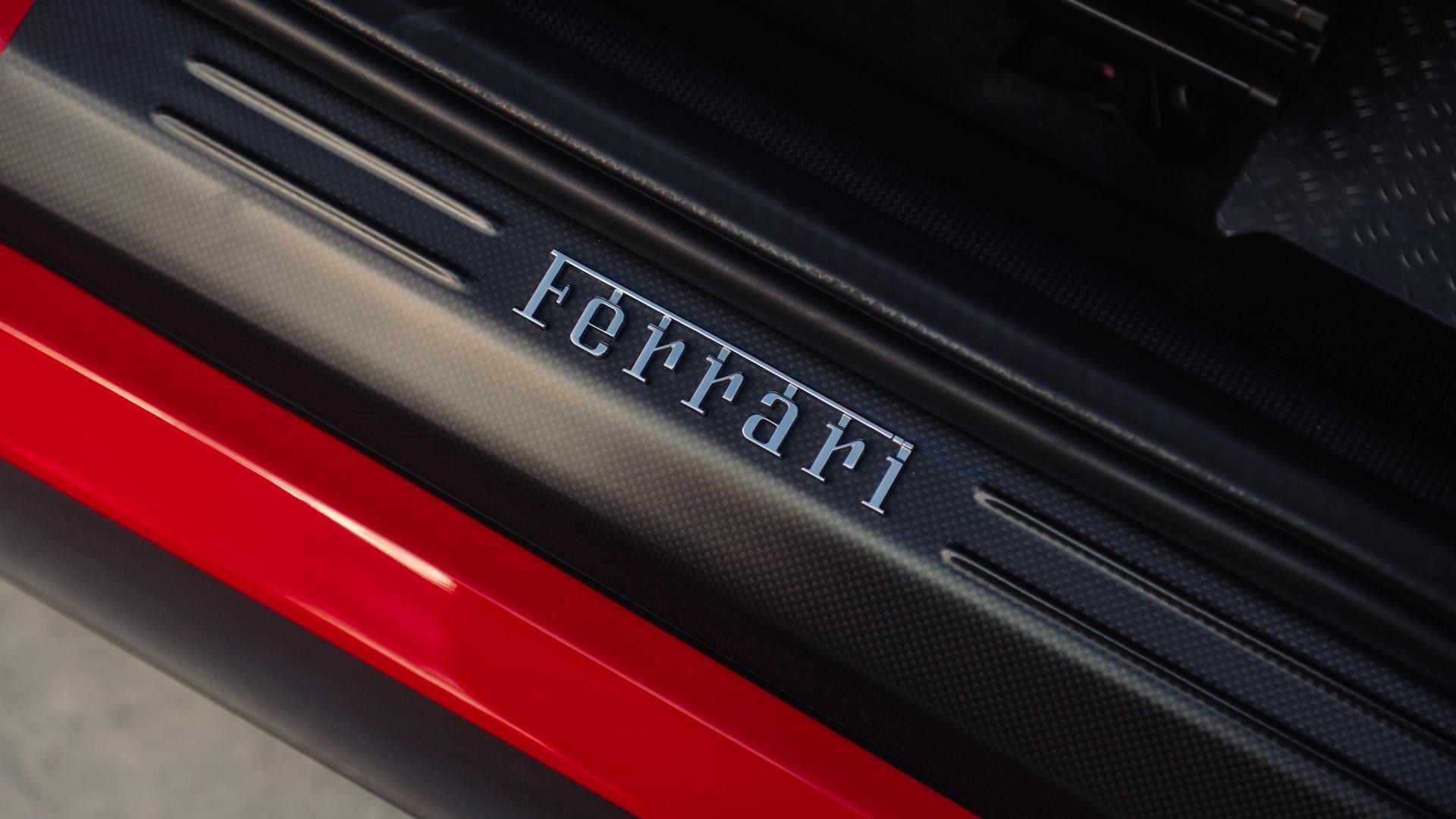
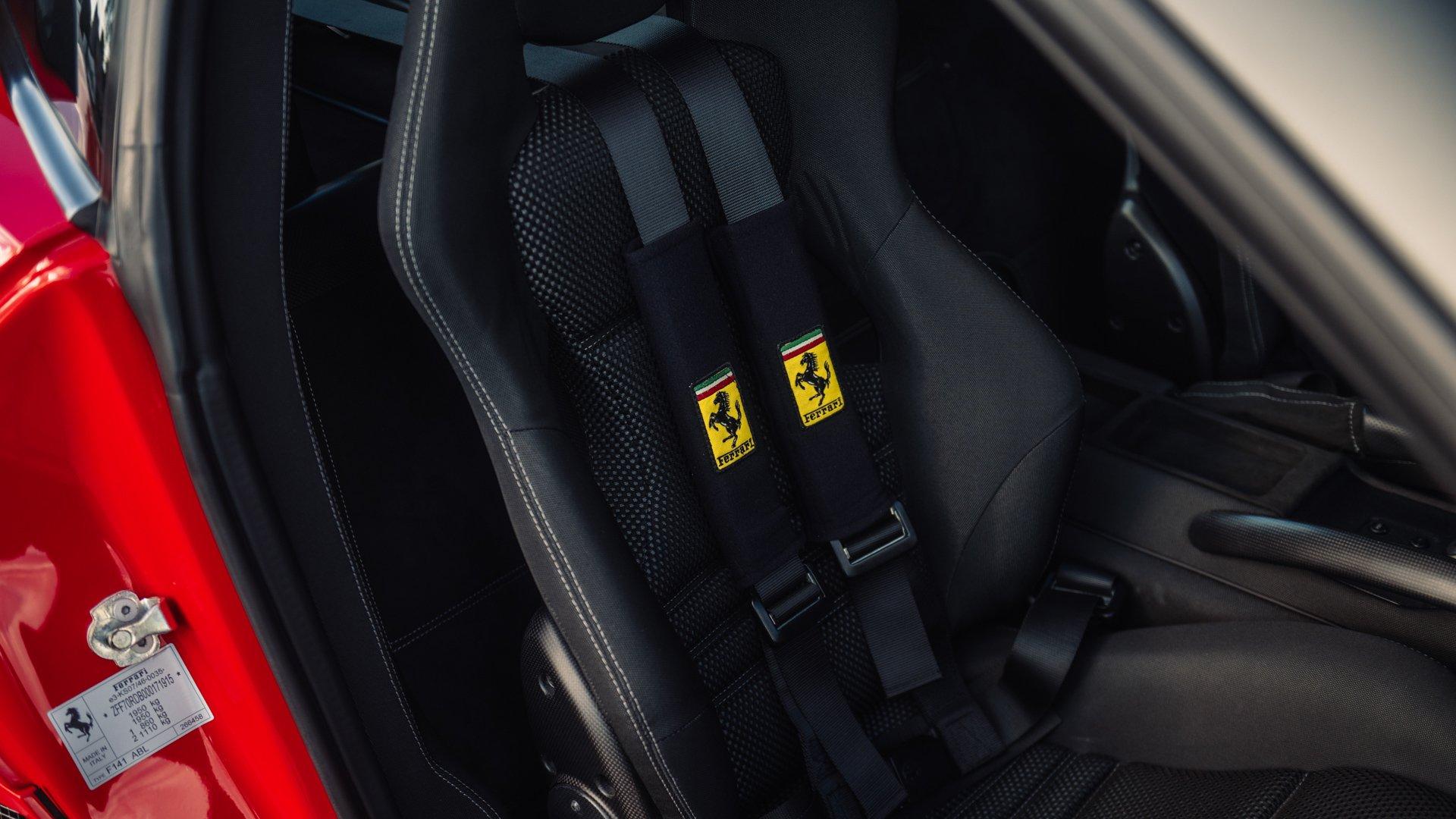
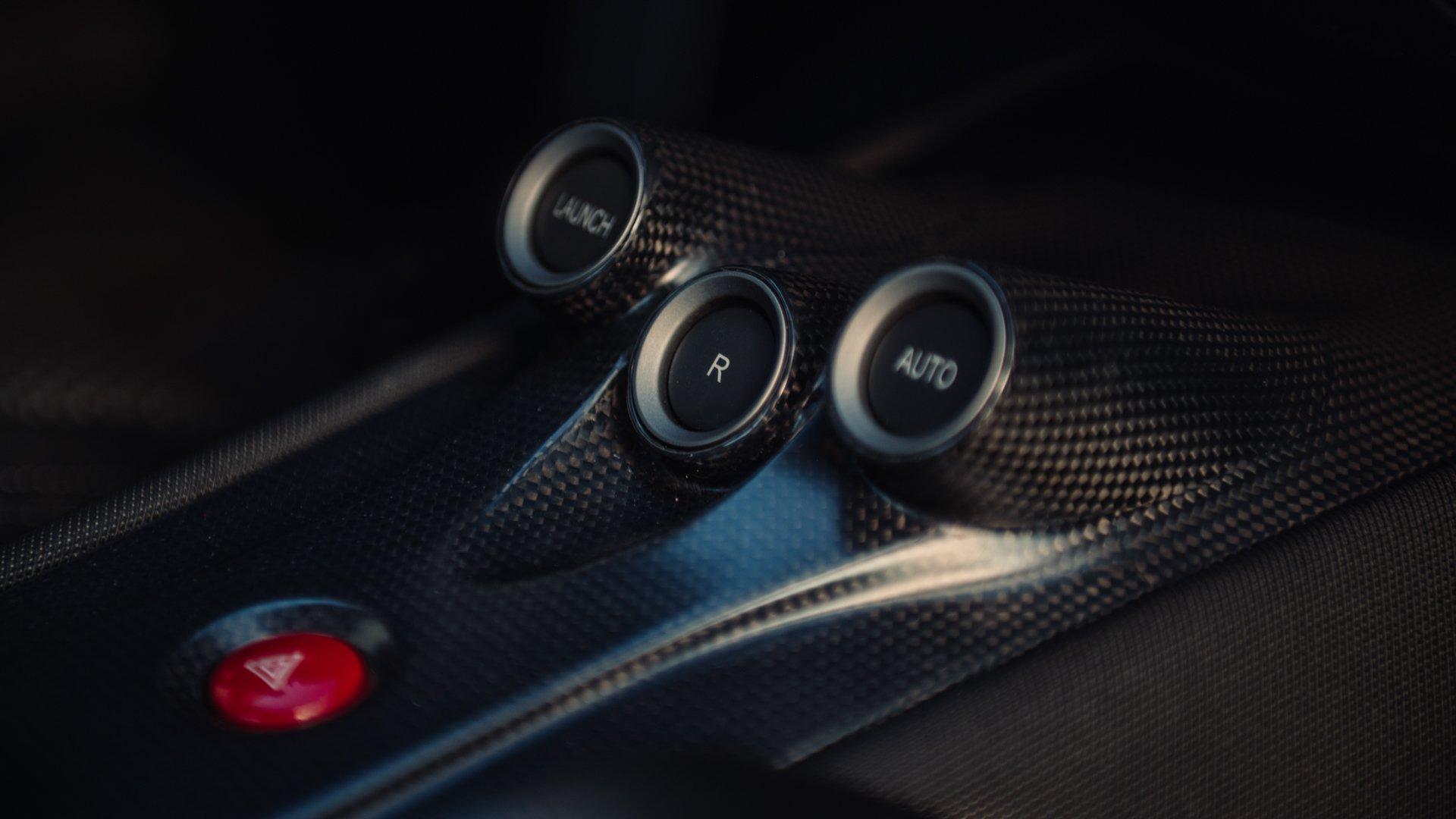
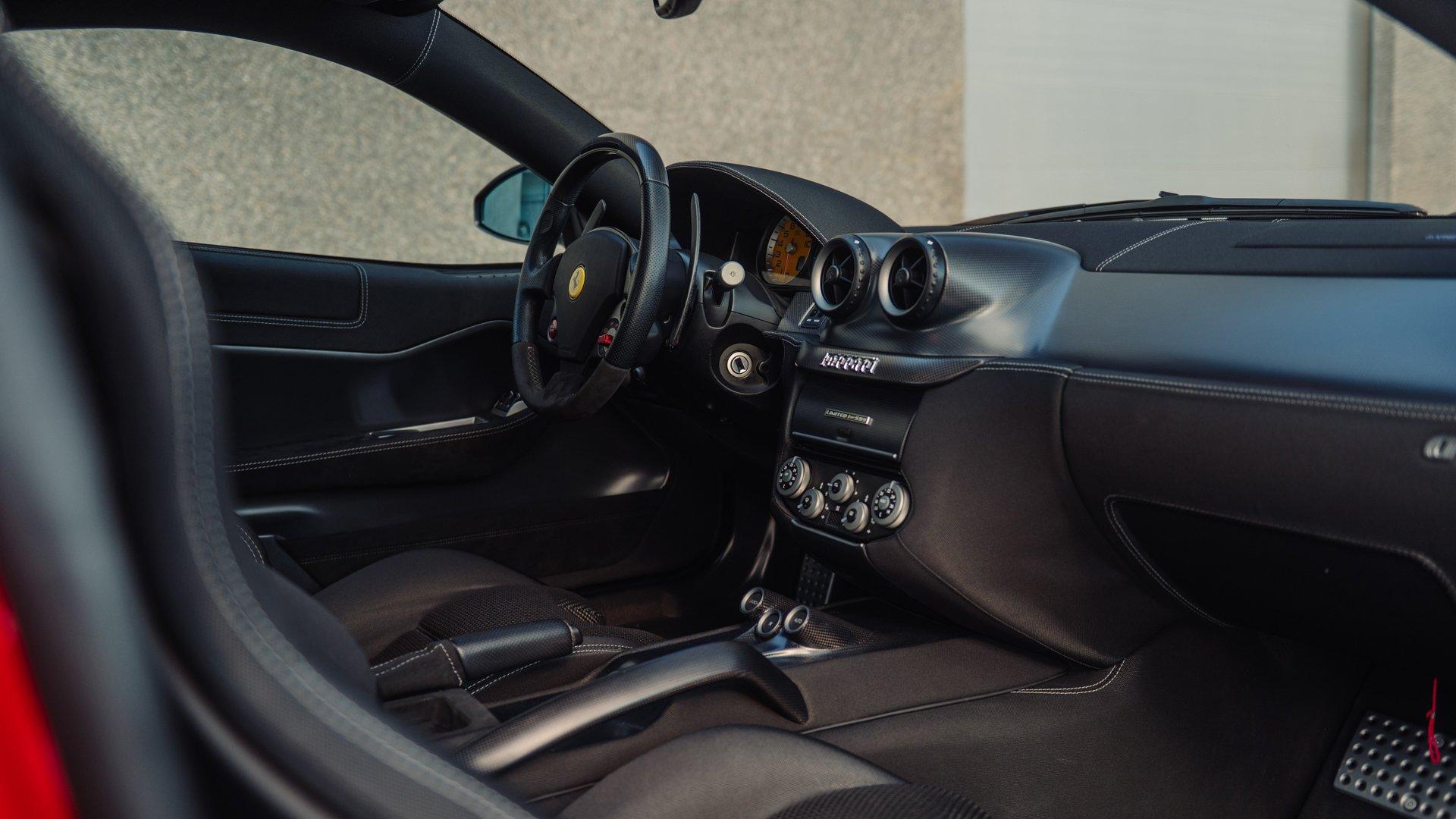
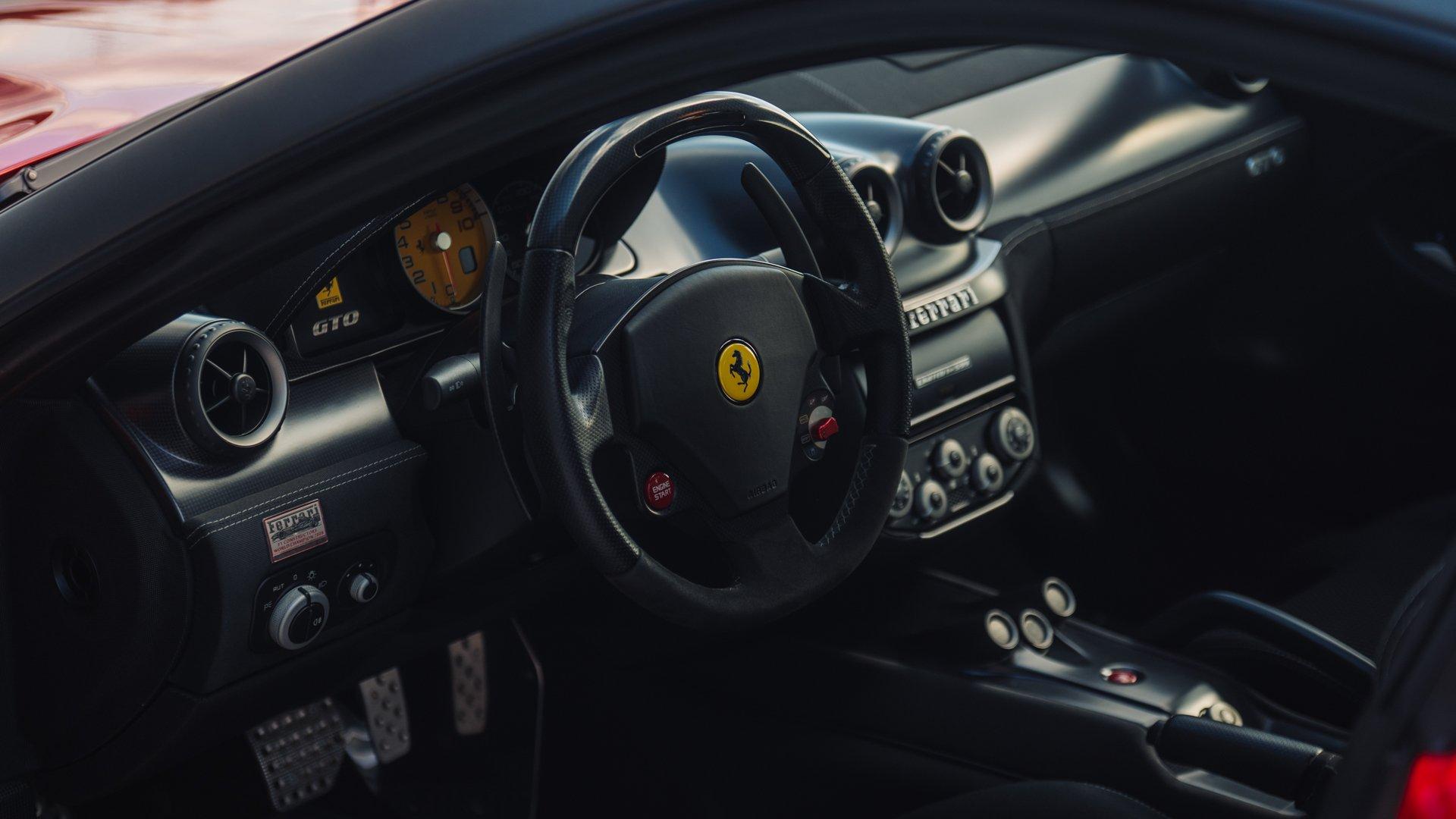
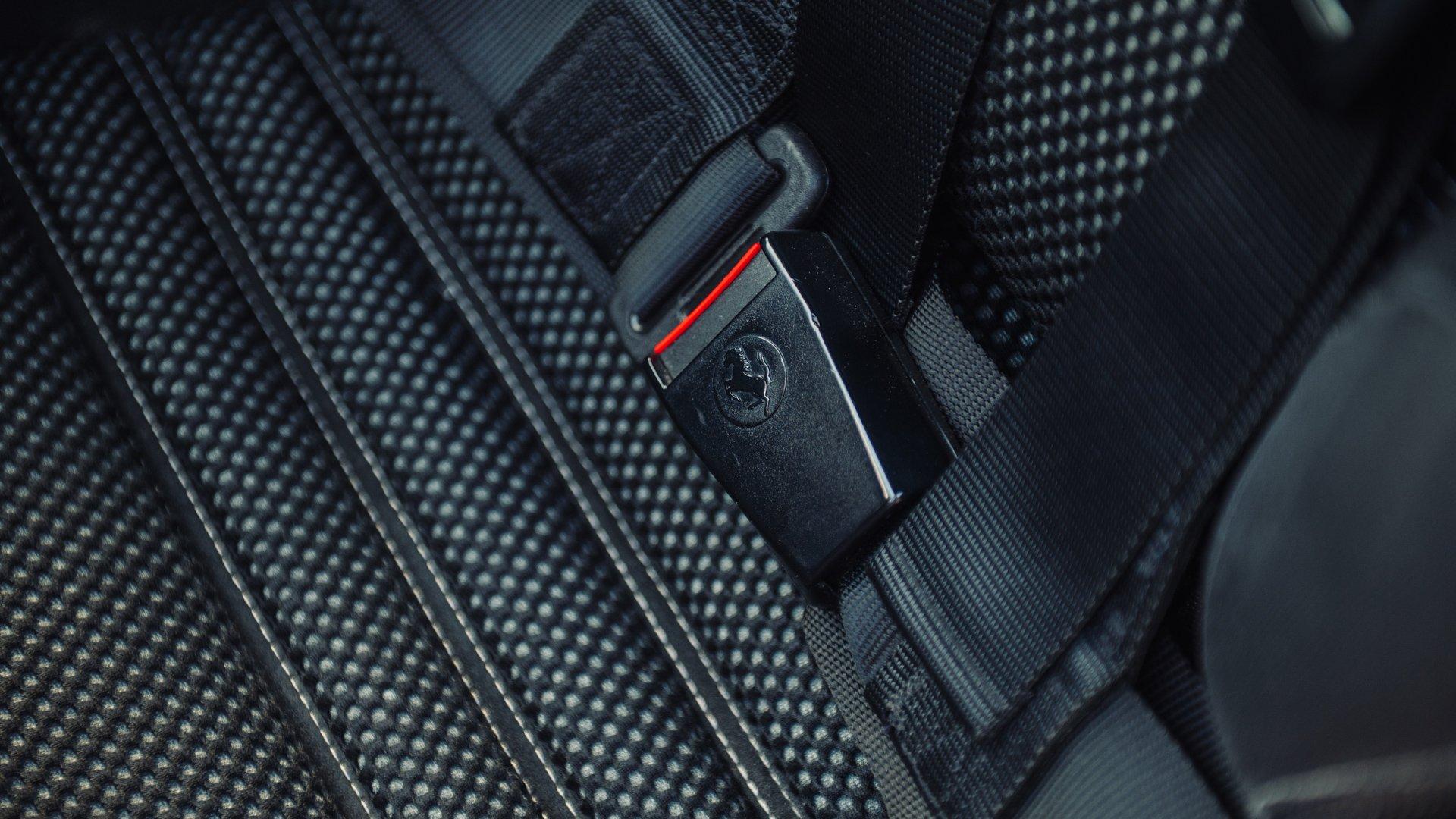
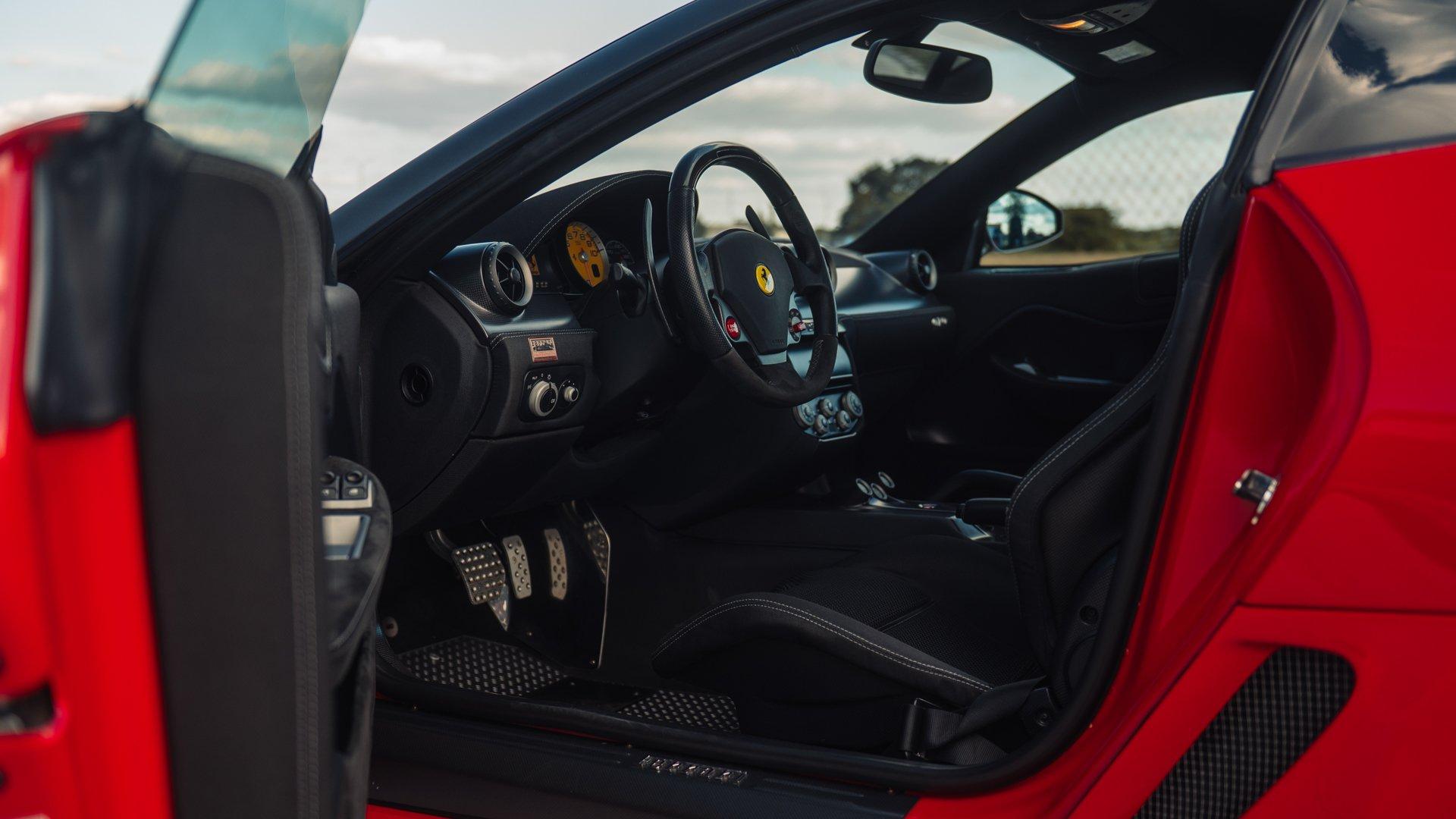
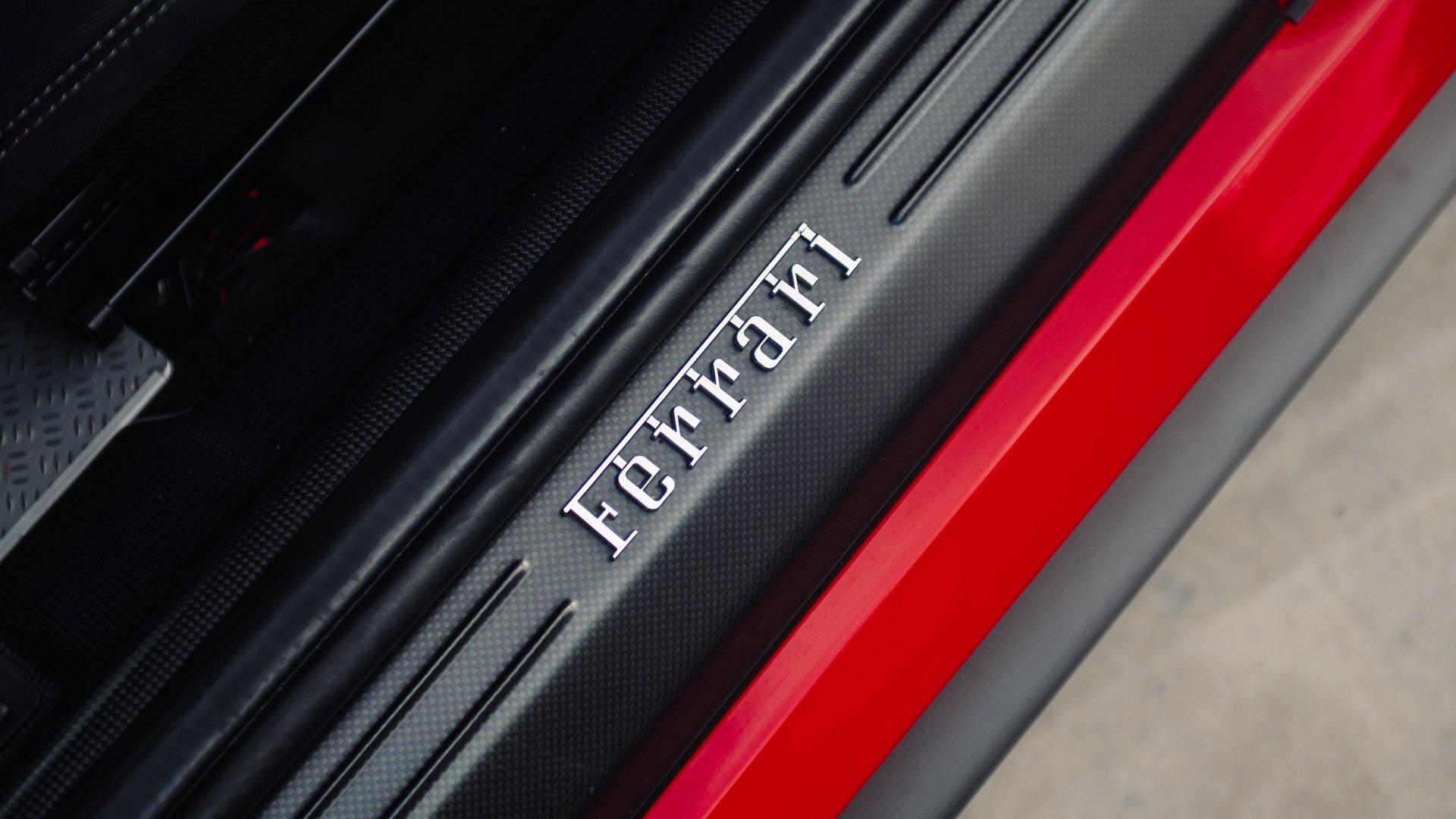
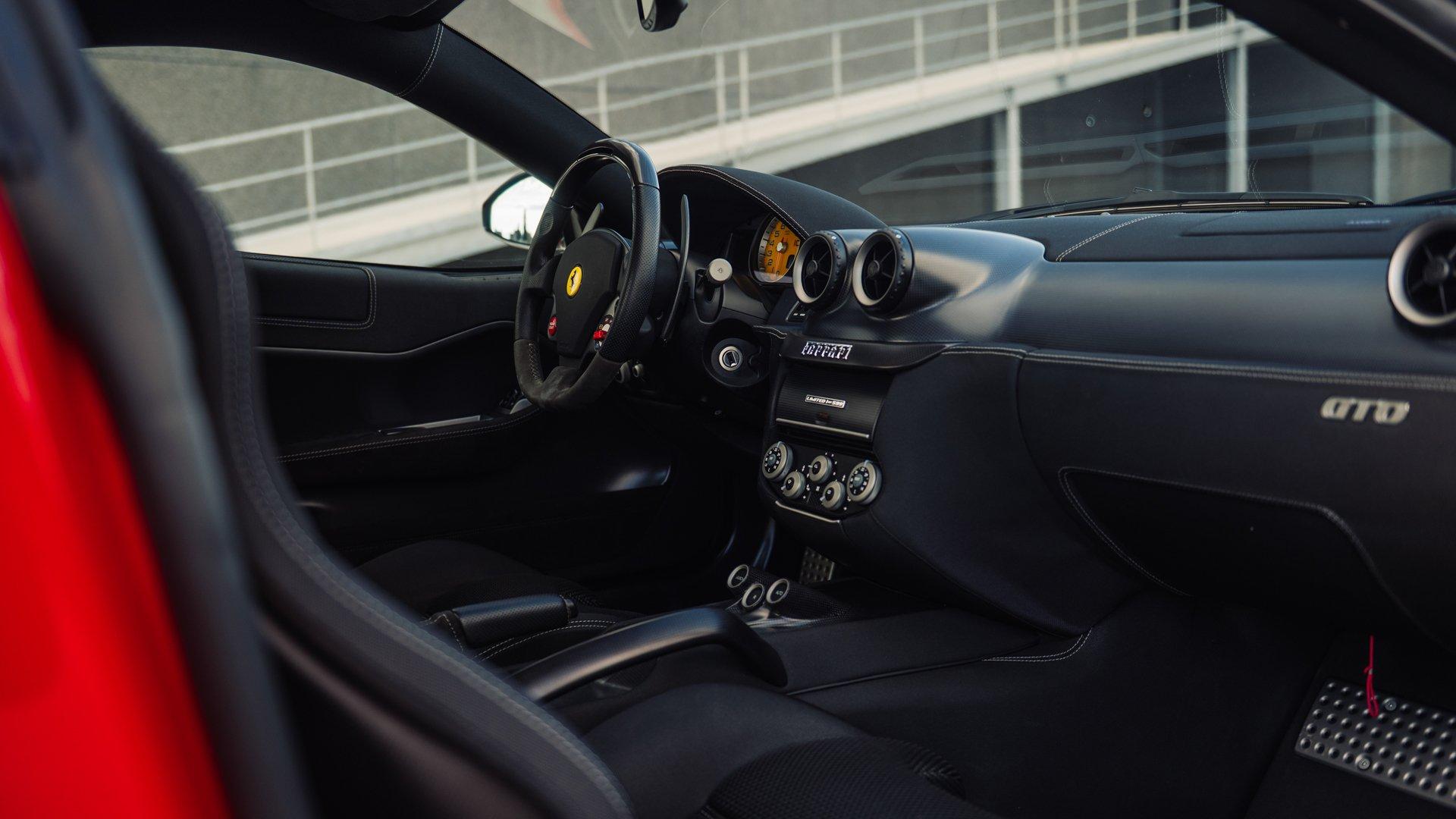
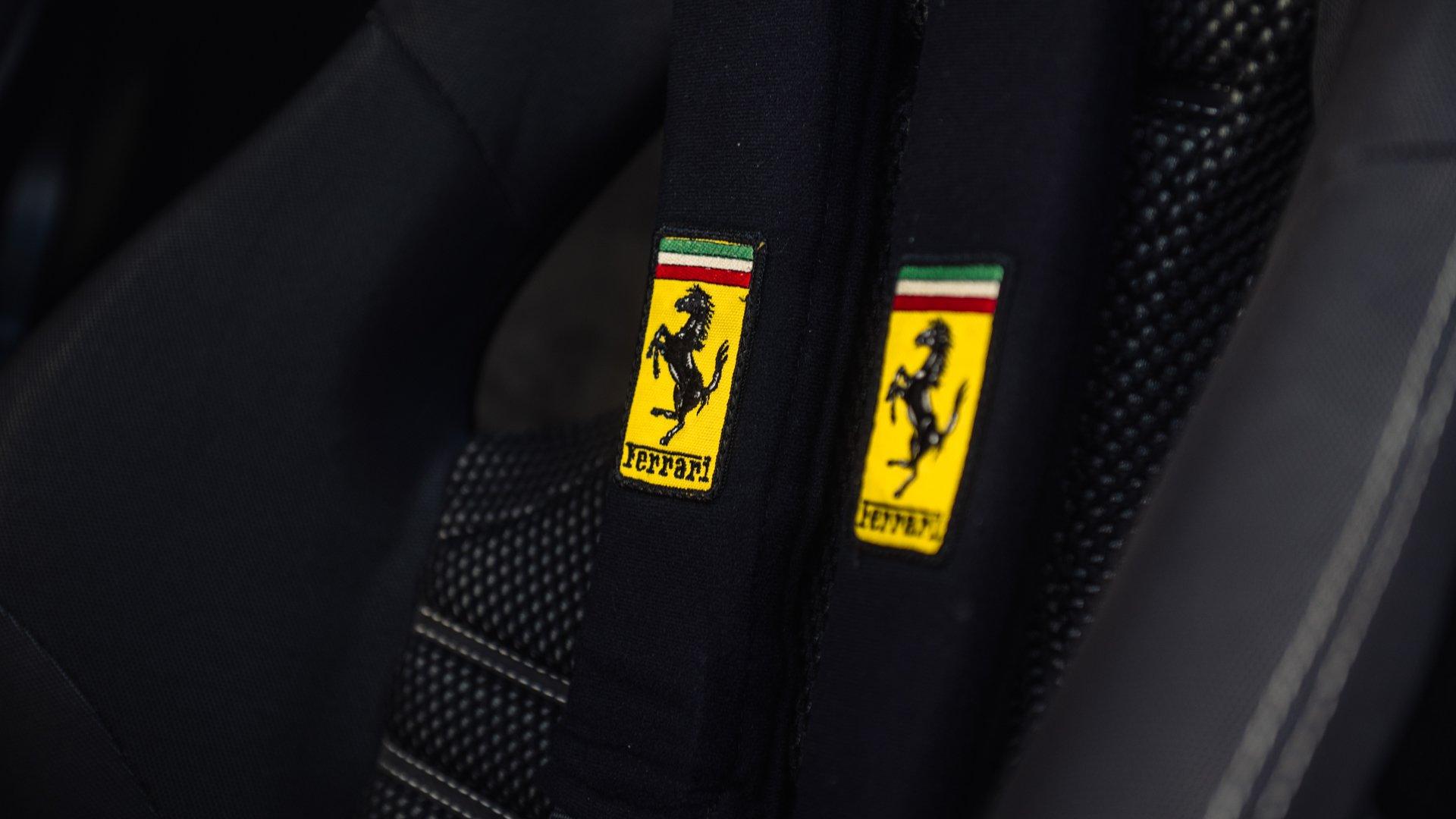
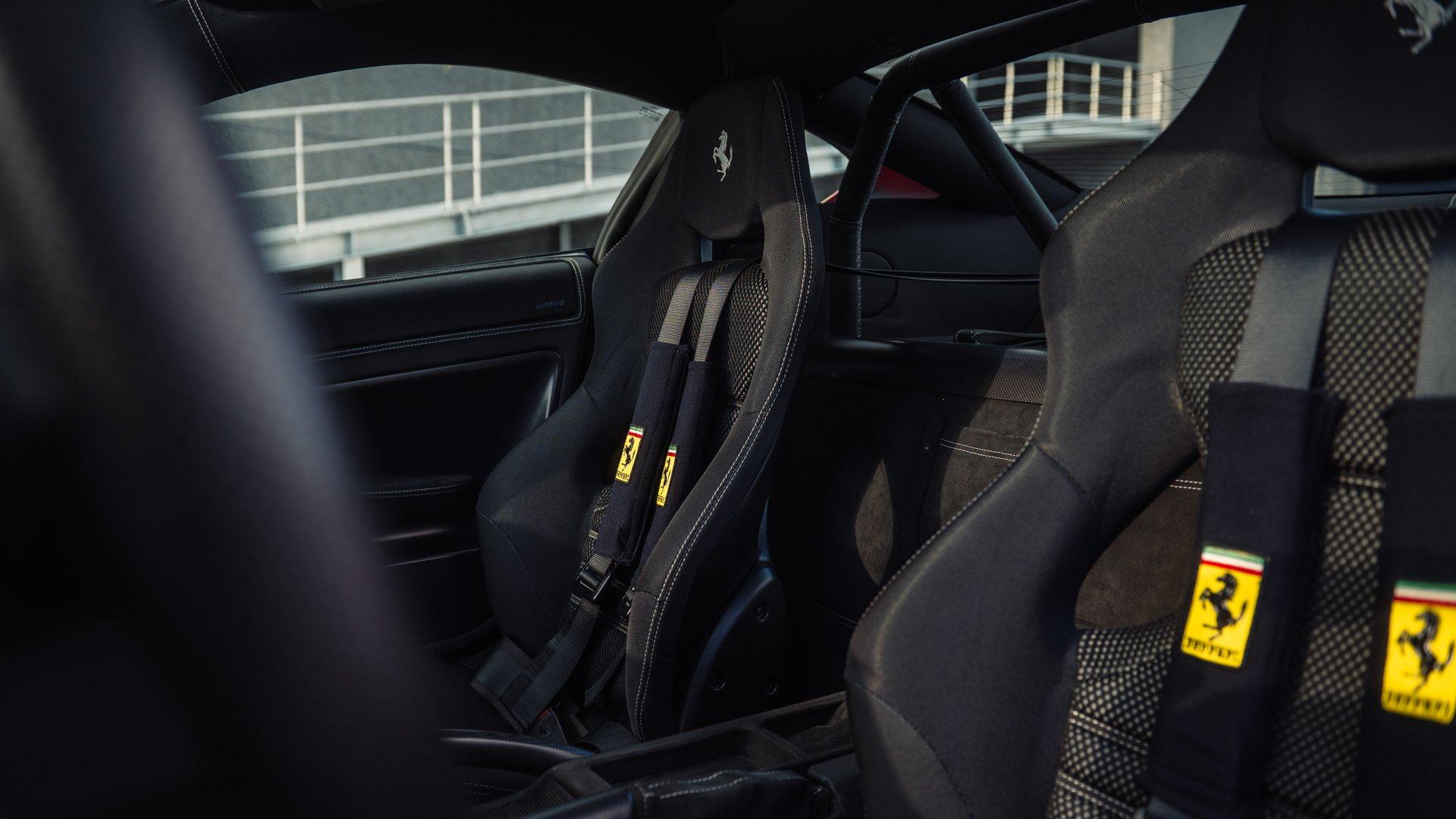
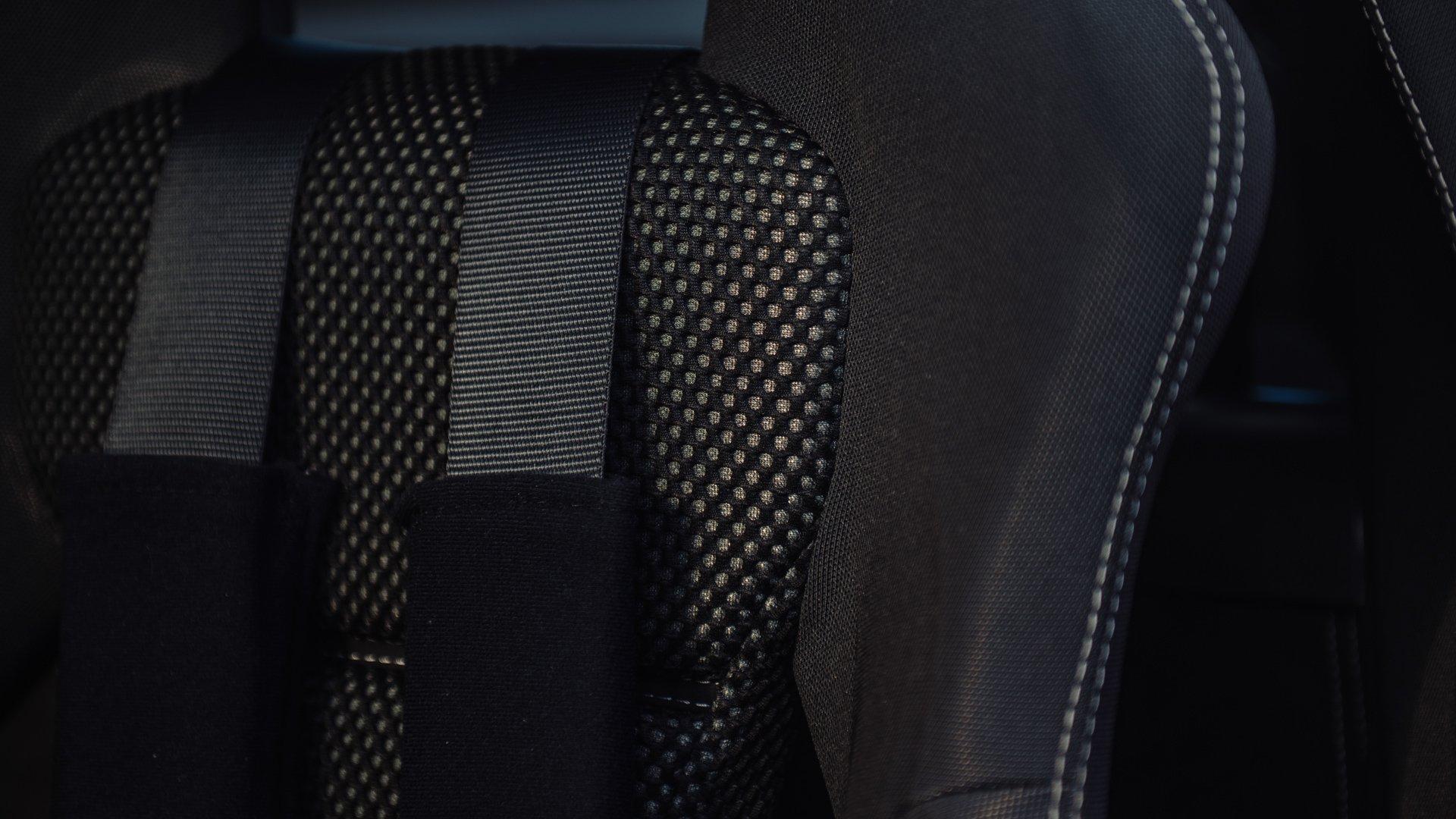
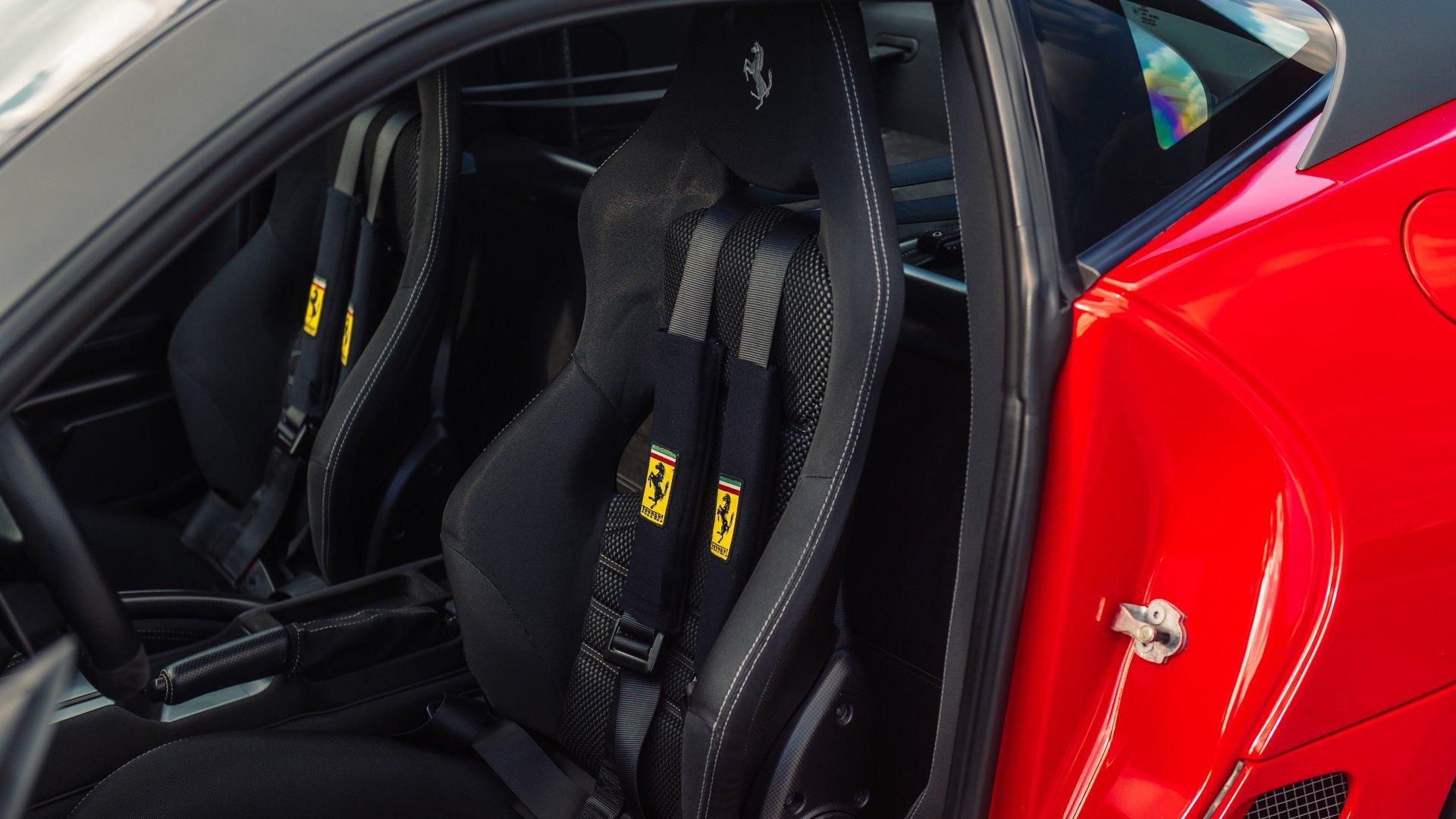
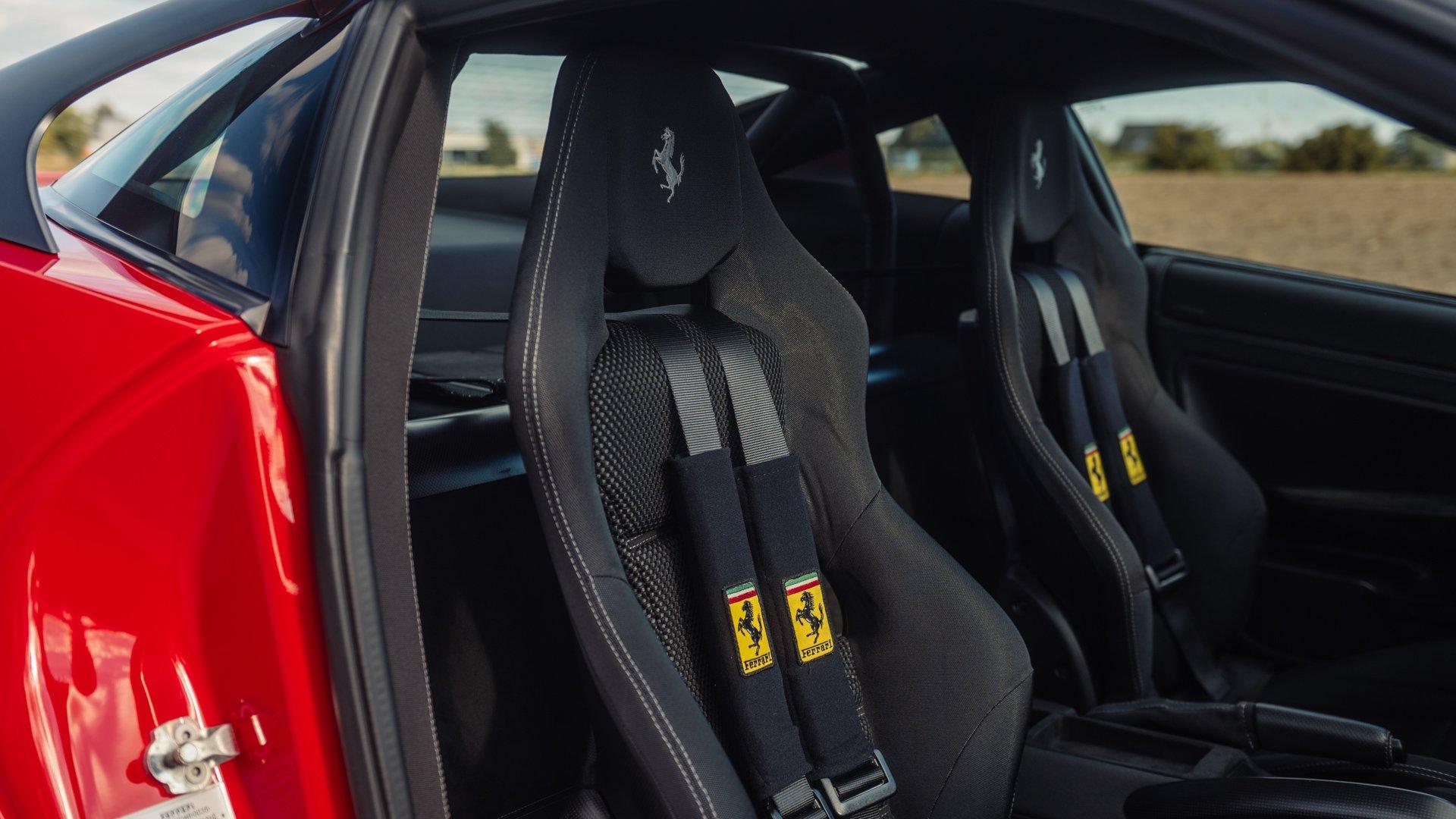
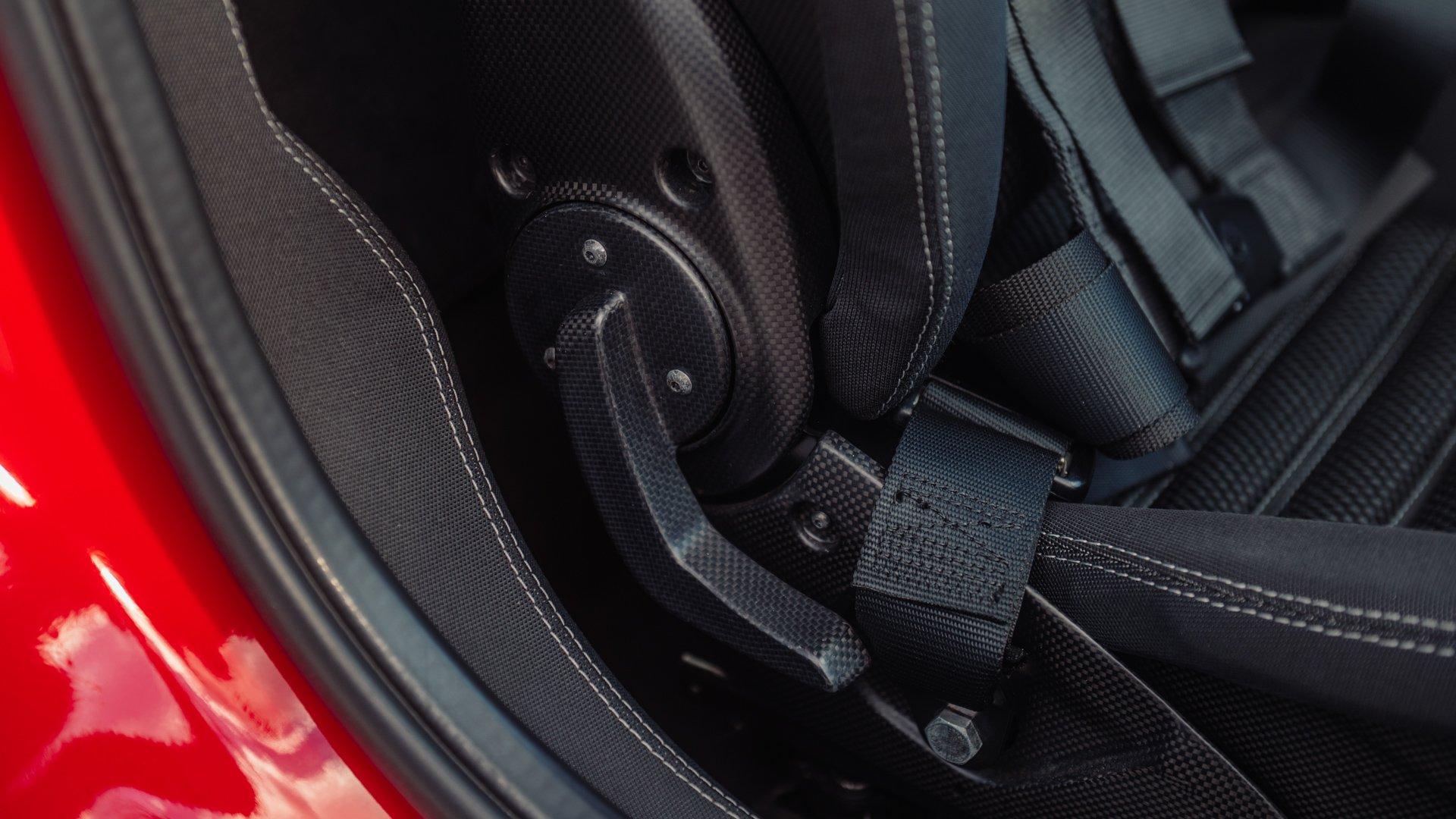
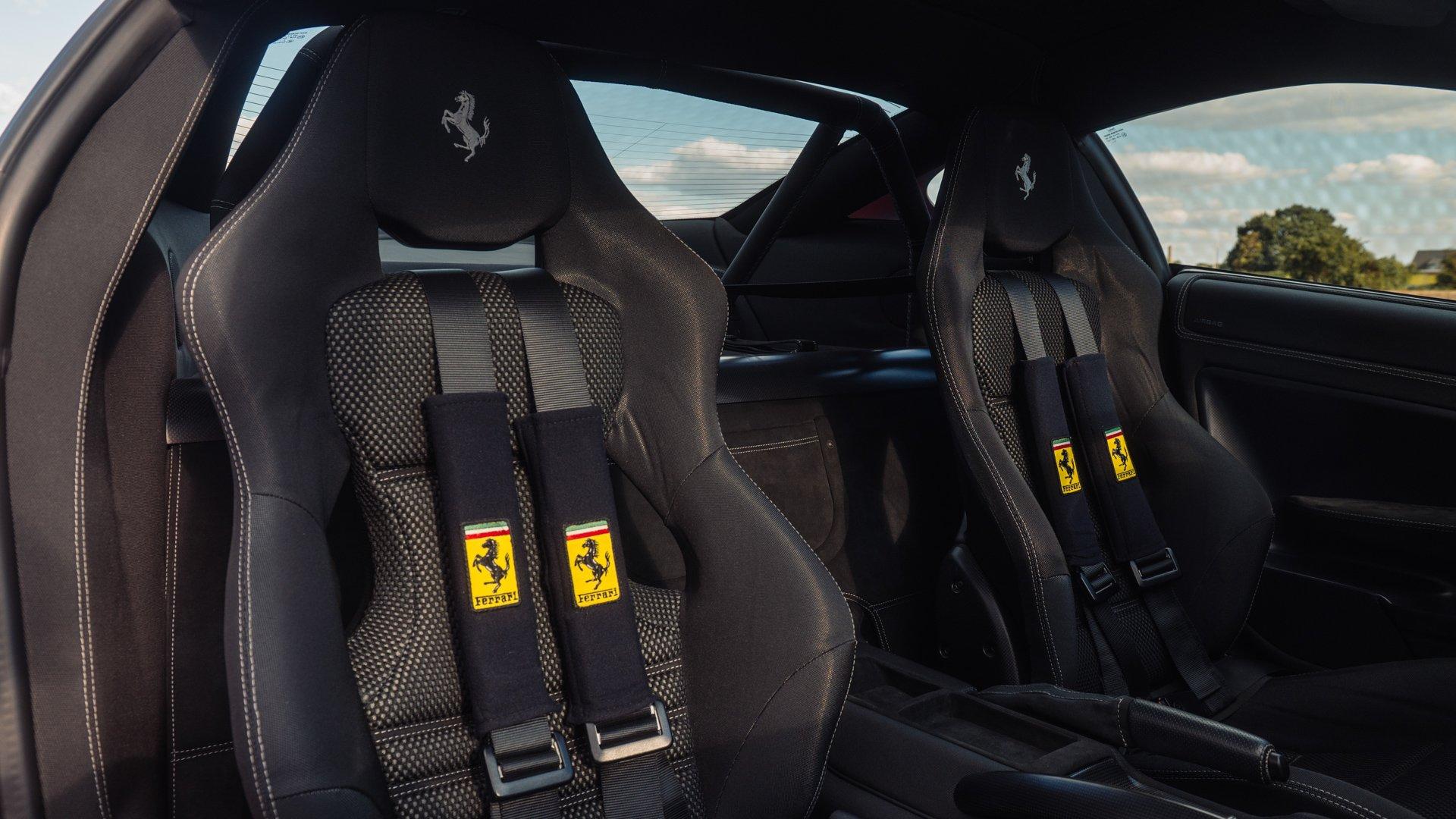
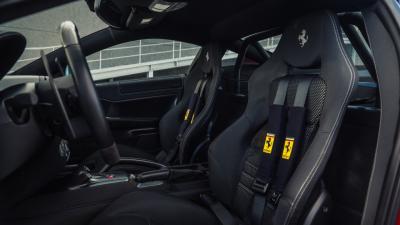
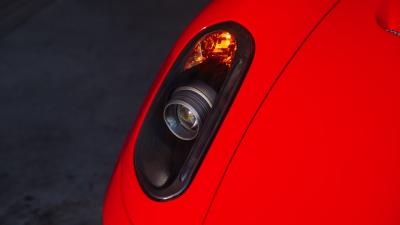
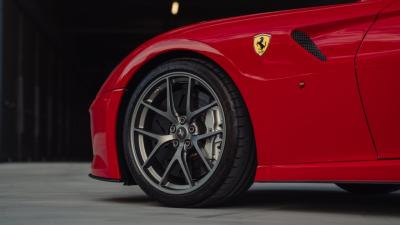
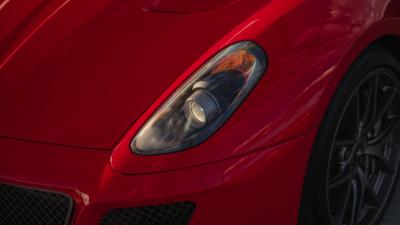
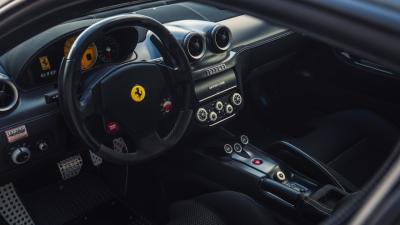
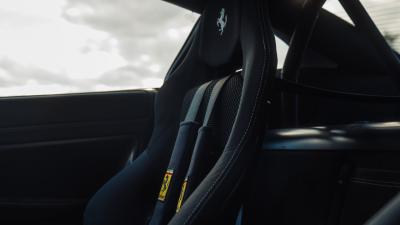
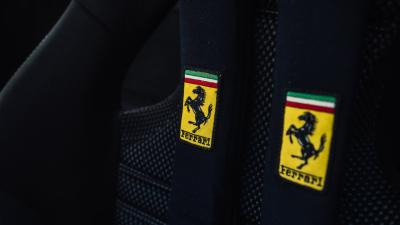
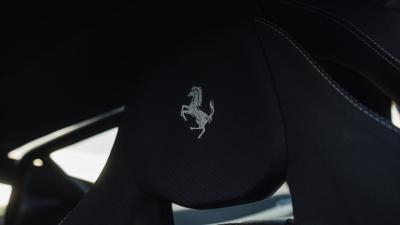
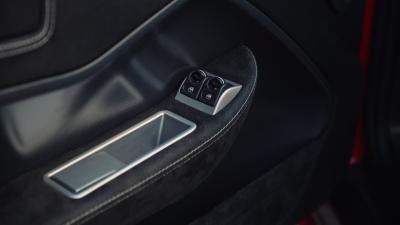
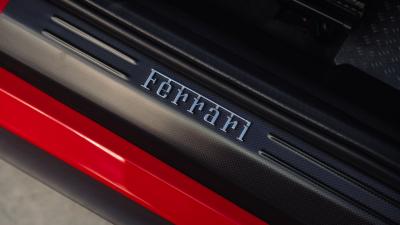
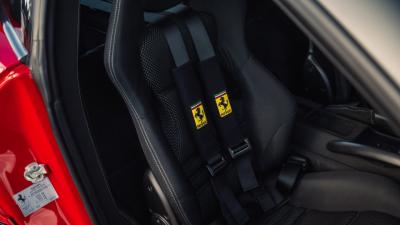
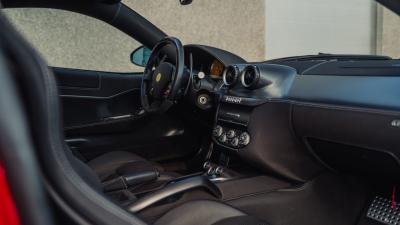
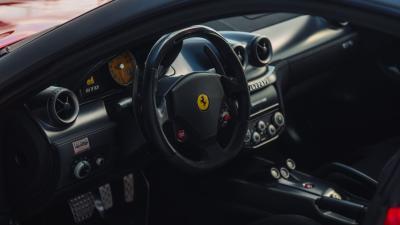
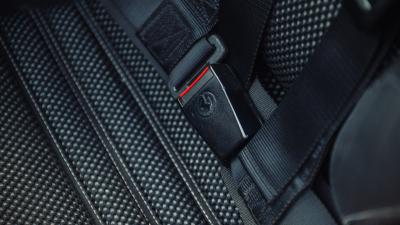
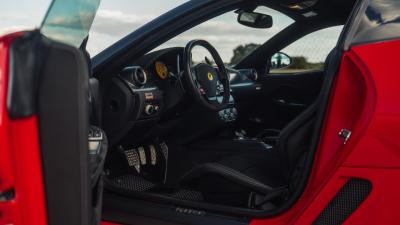
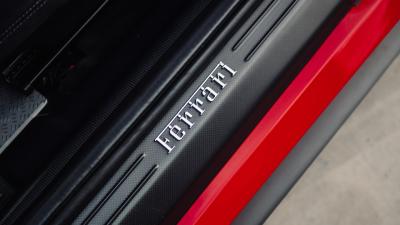
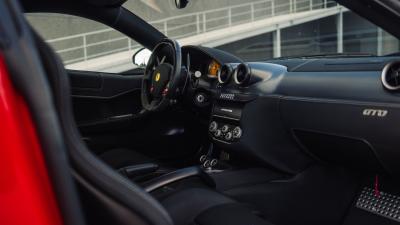
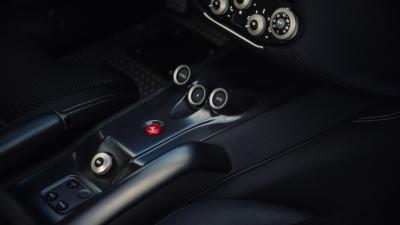
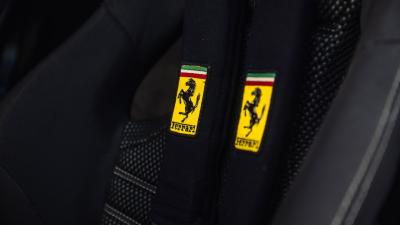
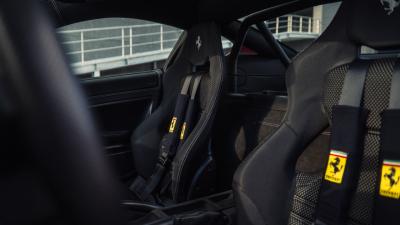
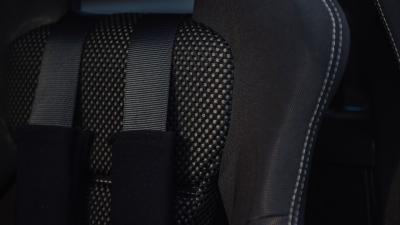
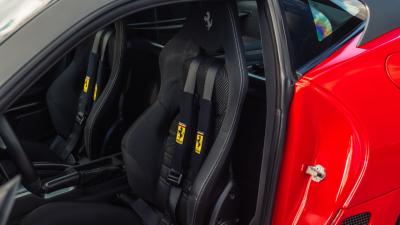
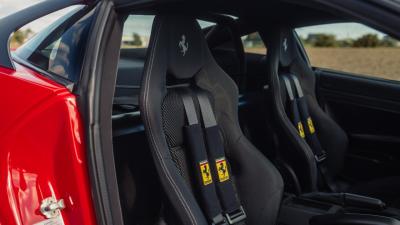
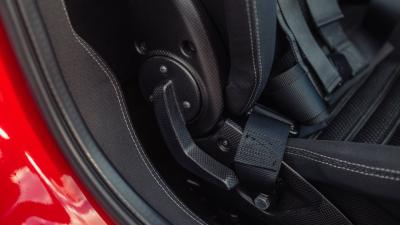
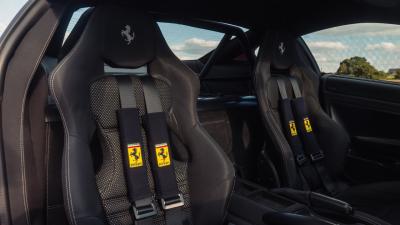
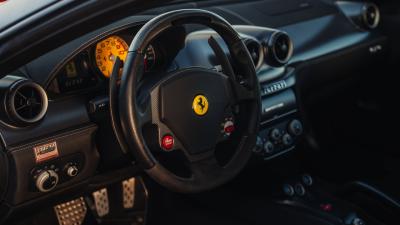
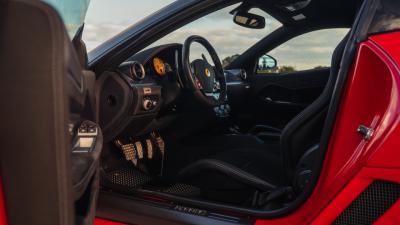
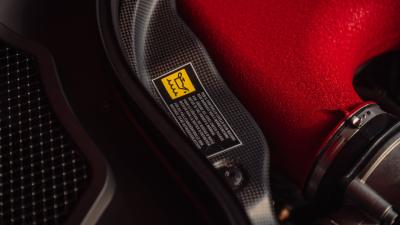
Of the 599 examples built, 125 were allocated to the United States. Where the European specification permitted carbon fiber racing seats and four-point harnesses, Ferrari did not offer this equipment on North American cars. Chassis 171915 was ordered with both, and its factory build record further lists Grigio Scuro stitching, brake calipers finished in Aluminum, and carbon fiber adorning the engine compartment, headlight tubs, sill plates, luggage compartment sill, and wheel center caps.
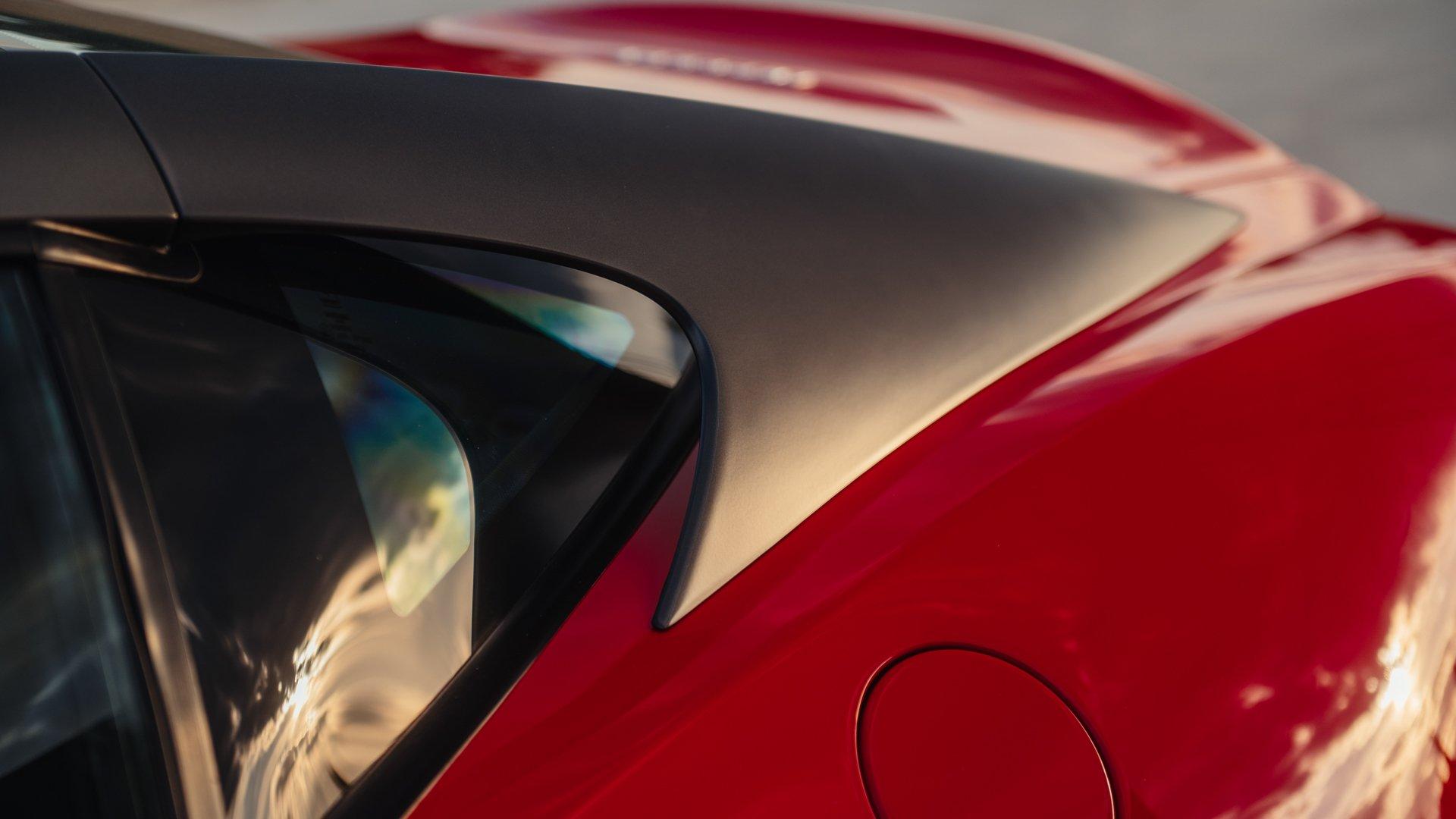
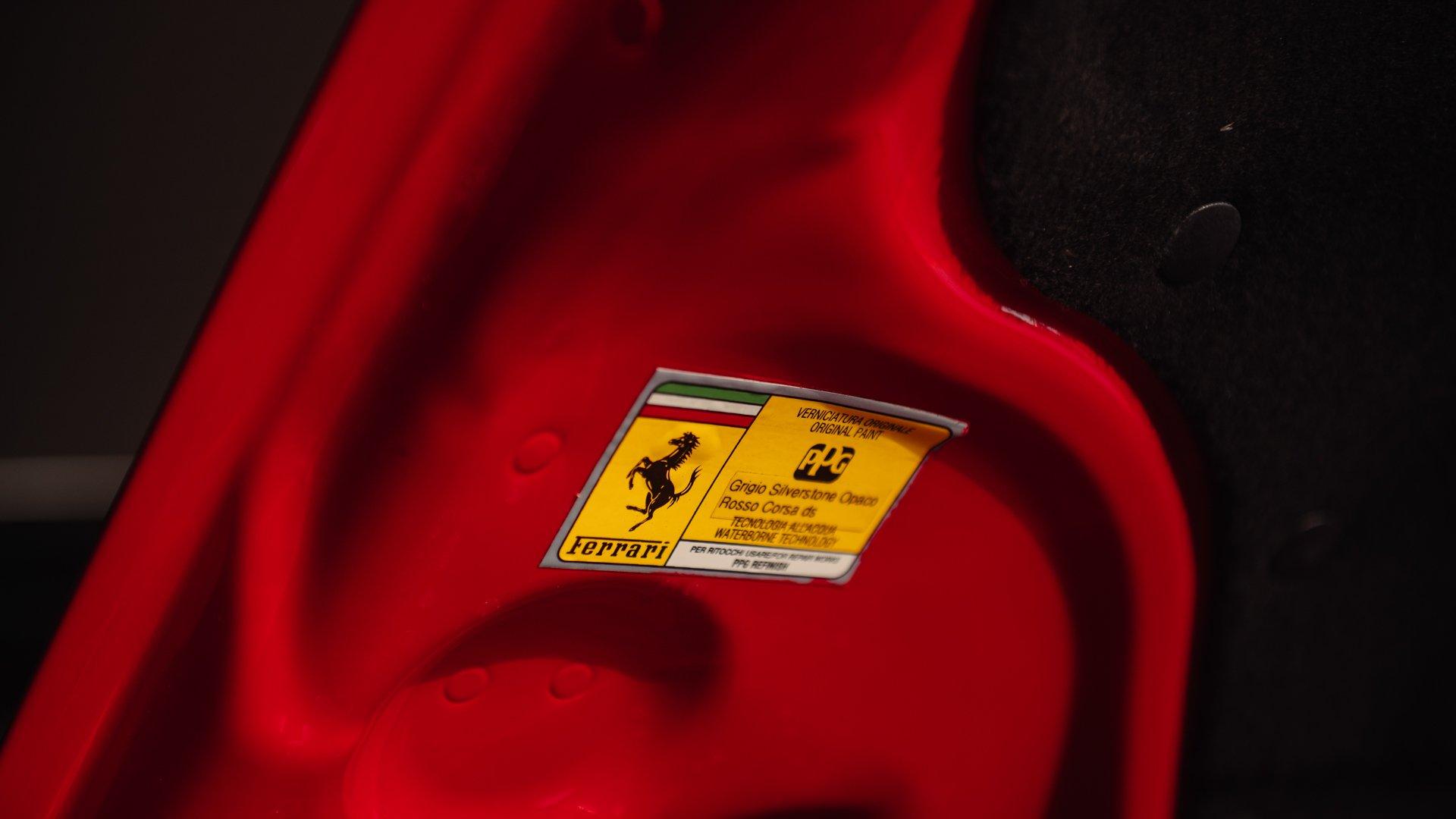
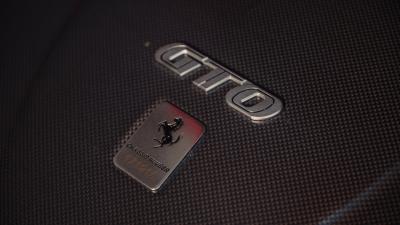
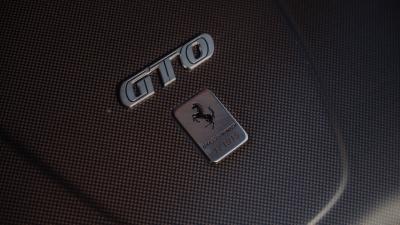
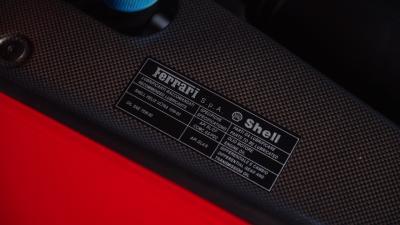
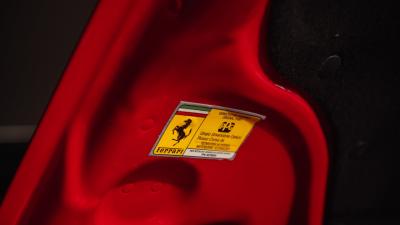
Chassis 171915 is among the earliest 599 GTOs completed, and its chassis number is one of the lowest known for the model. More compelling still is its role in Ferrari's own launch material. Before the car reached its first private owner, the factory selected and photographed it for the official 599 GTO sales brochure, where an image of the engine compartment shows the GTO plate bearing chassis number 171915. Its Rosso Corsa over Grigio Silverstone Opaco specification also matches that of the GTO photographed wearing “FE 599 GTO” plates in Ferrari's 2010 promotional imagery, raising the compelling possibility that 171915 served as the factory's promotional car as well.
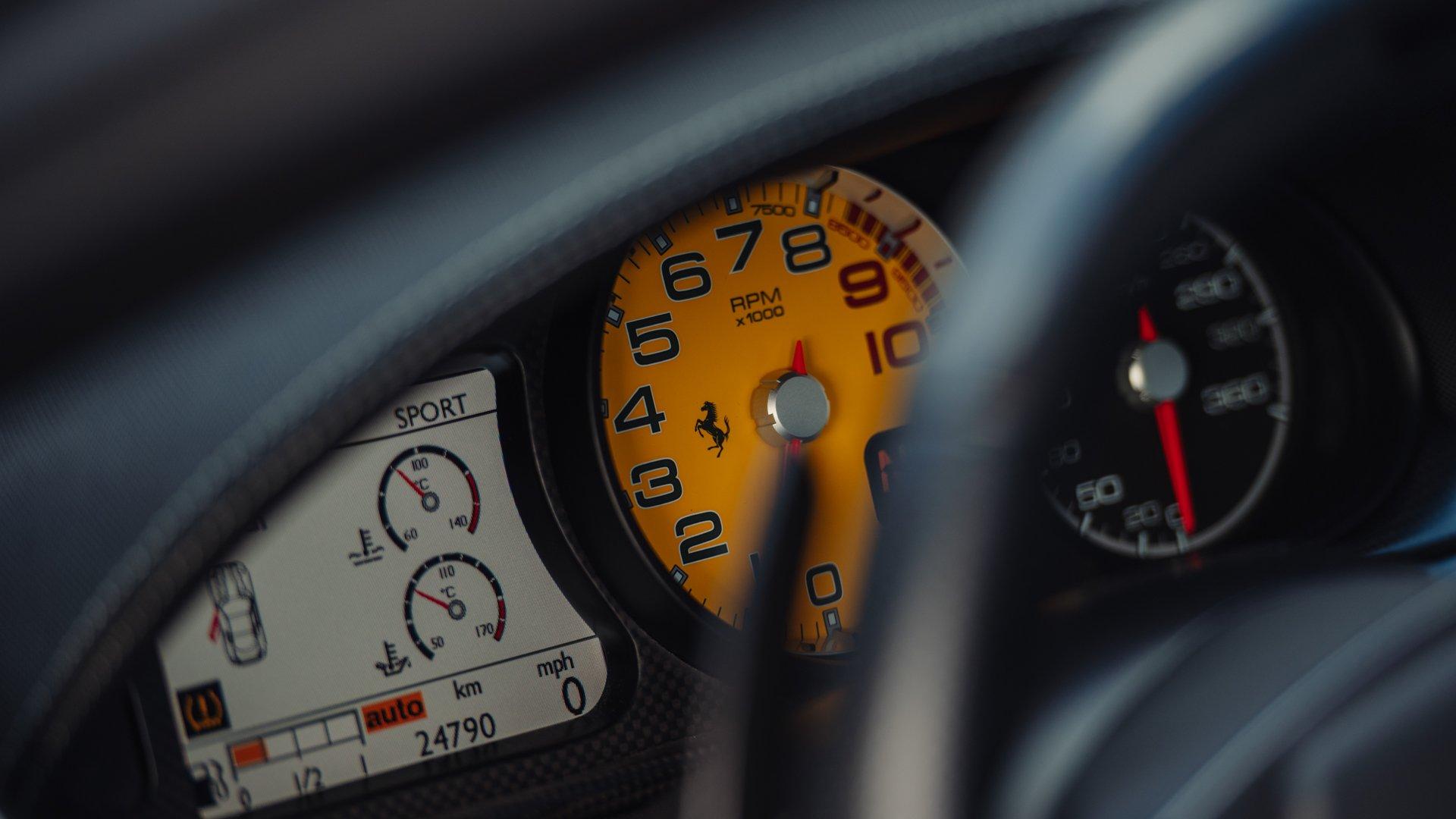
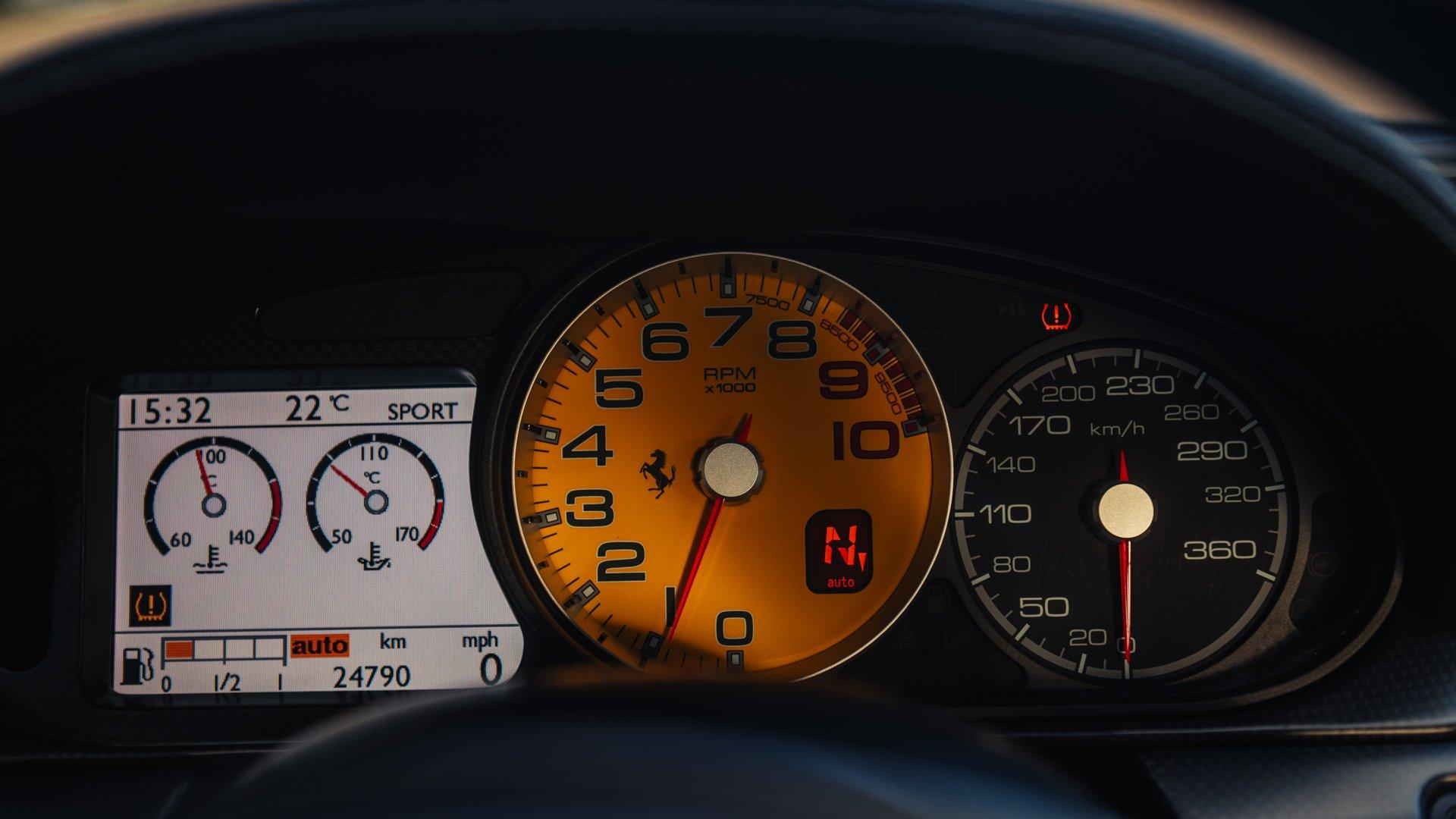
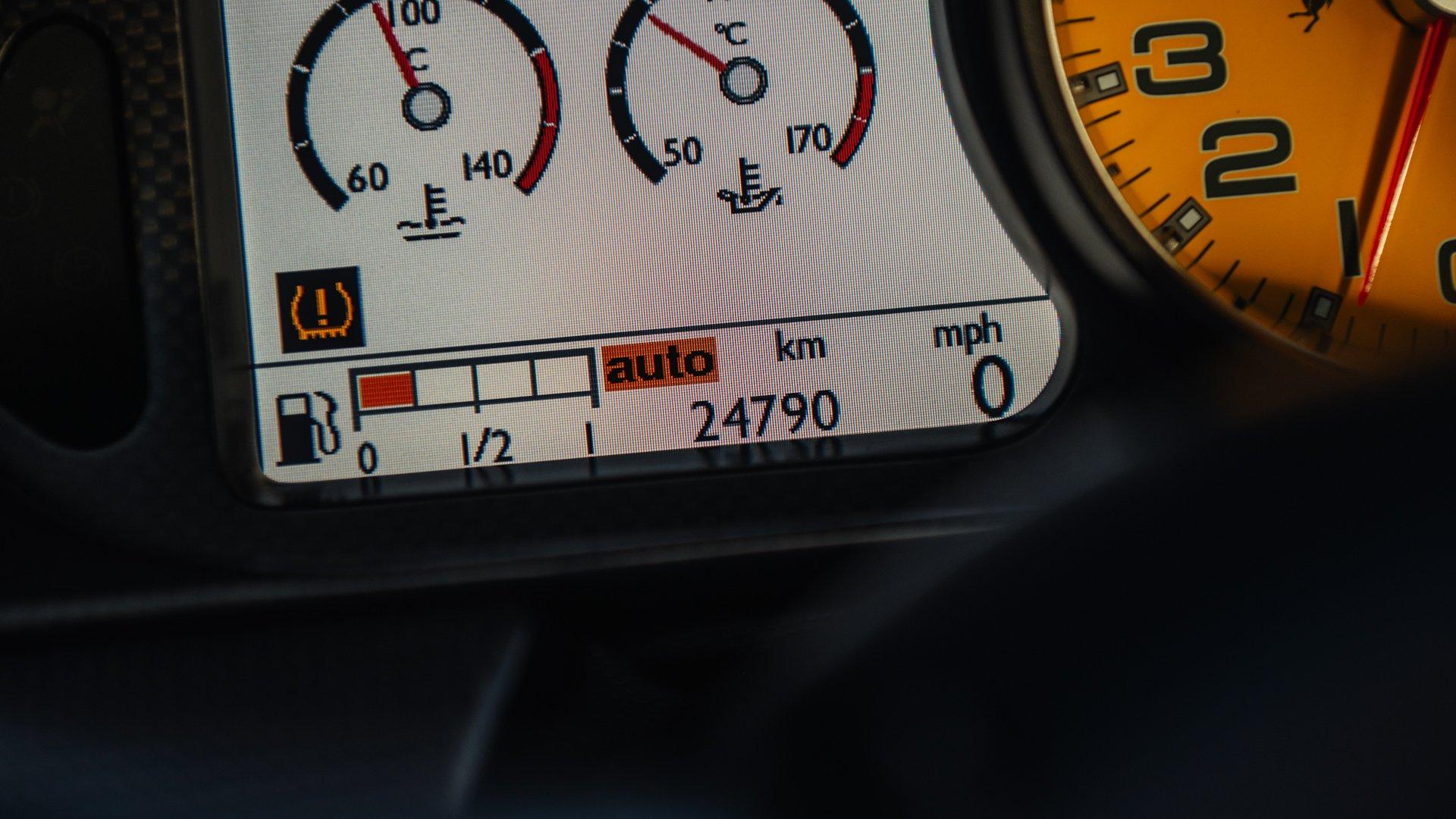
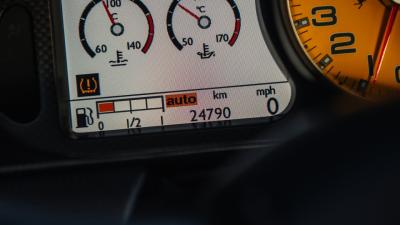
According to its original service and warranty booklet, the GTO was delivered new through Motor S.p.A. in Modena, Italy, to Bader Manneh on 15 December 2010. An American professional motocross and Supercross racer, Manneh won the 125-cc class at the 1985 Seattle Supercross before moving to Europe to contest Grand Prix motocross, later settling in northern Italy. Service stamps record its first annual service in August 2011 at 10,317 km, carried out by Rossocorsa S.r.l. The GTO moved to the United Kingdom in 2014, where it passed to Richard Leslie Solomons, then Group Chief Executive of InterContinental Hotels Group and an active historic racer. Registered as “GD60 LGE” that July, it went into the care of Carrs Ferrari in Exeter, which serviced it in August 2014 (17,962 km), July 2015 (22,554 km), June 2016 (22,854 km), July 2017 (23,679 km), and December 2018 (24,098 km).
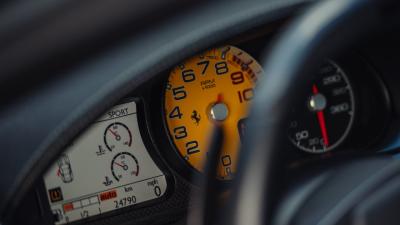
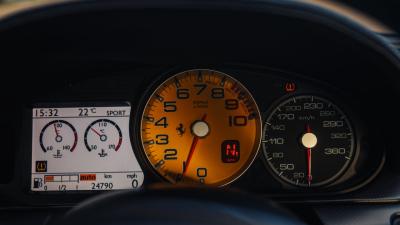
In 2019, chassis 171915 was sold to Denmark, where it joined a Scandinavian collector and received further official dealer service from Formula Automobile in October 2019 (24,493 km), February 2024 (24,495 km), and September 2026 (24,786 km). In all, its service booklet carries nine stamps, every one from an authorized Ferrari dealer. At the February 2024 service, its carbon-ceramic brakes showed wear of 26 percent front and 27 percent rear. Importantly, the car was certified by Ferrari Classiche, and its ''Red Book'' confirms the retention of its original color scheme, chassis, body, engine, and transmission. It is well documented throughout, offered with service invoices, its previous UK registration and MOT certificates, its factory literature including the stamped service booklet, and its all-important Classiche documentation.
Ferrari's special-series models have rarely been more closely watched than they are today, and the 599 GTO occupies a particularly significant place among them. It was a deliberate return to the front-engined, V12, dual-purpose formula on which the marque built its reputation in the 1960s with cars such as the 250 GTO, and it did so at a moment when the industry was moving decisively toward mid-engined layouts and forced induction. That the GTO carries Maranello's most closely guarded three letters, in a run of just 599 cars, only enhances its collectability. As appreciation for the last of the naturally aspirated V12 flagships continues to deepen, chassis 171915 seems certain to follow that trajectory.
Contact Us
