





























































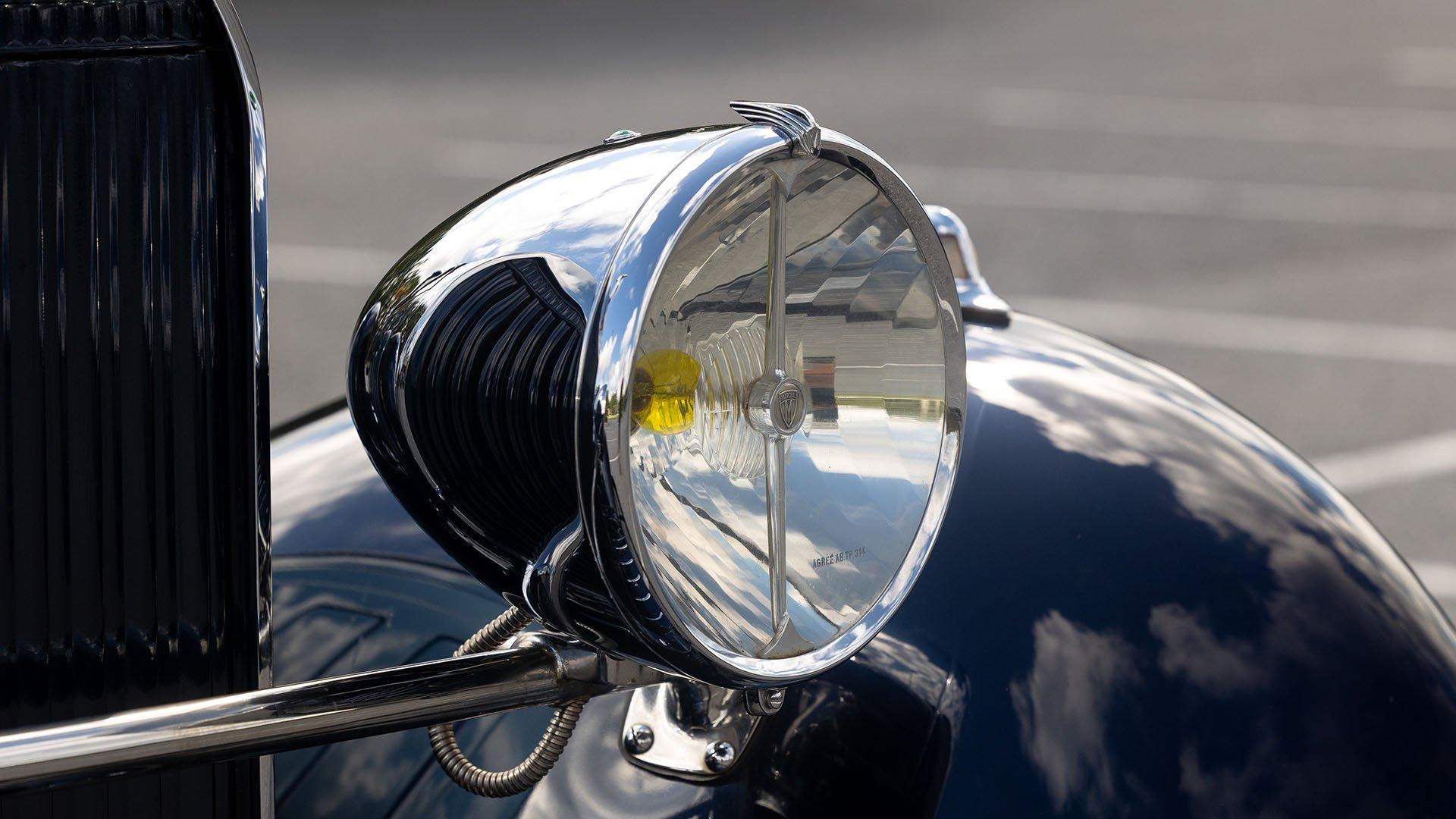
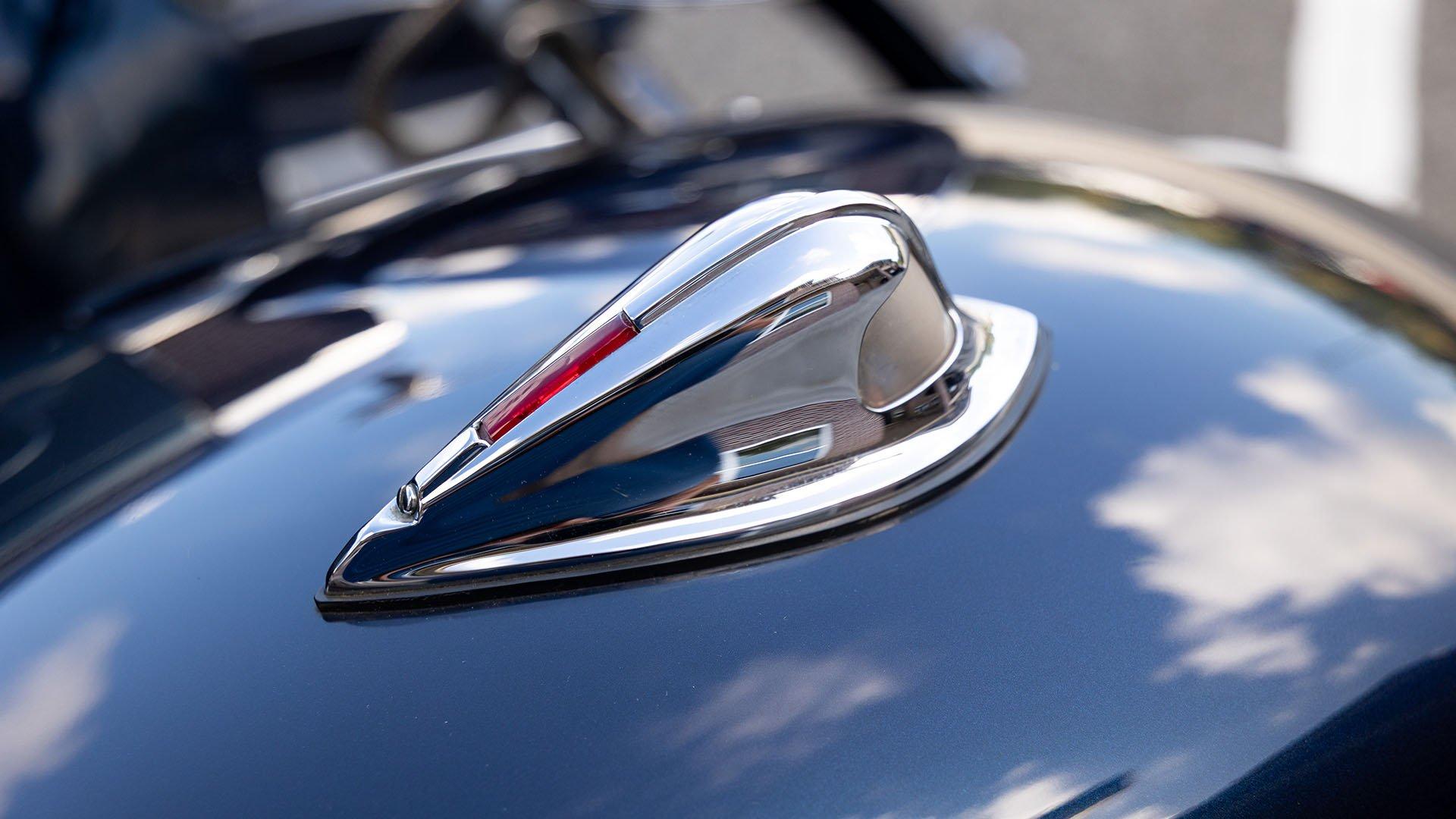
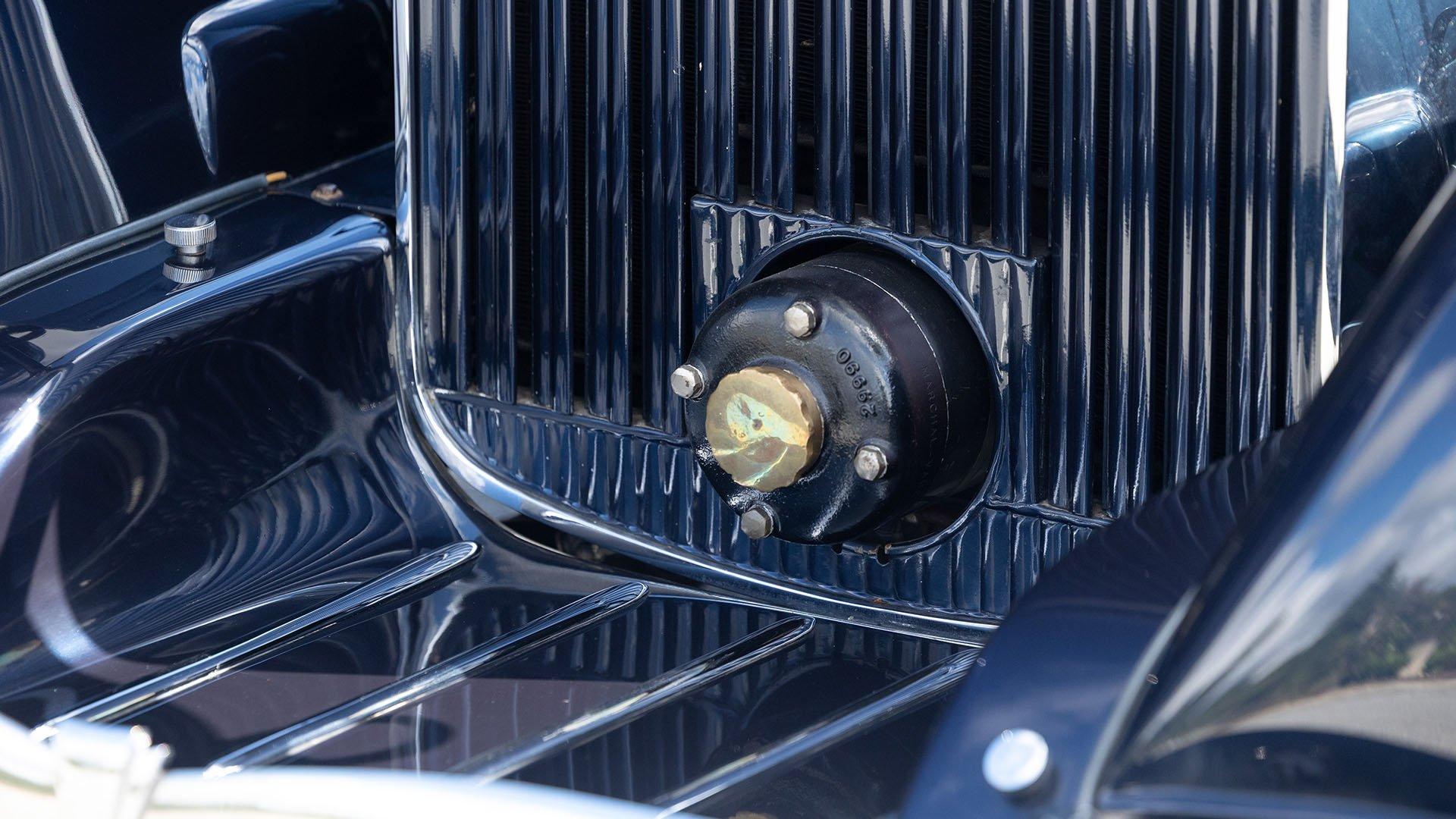
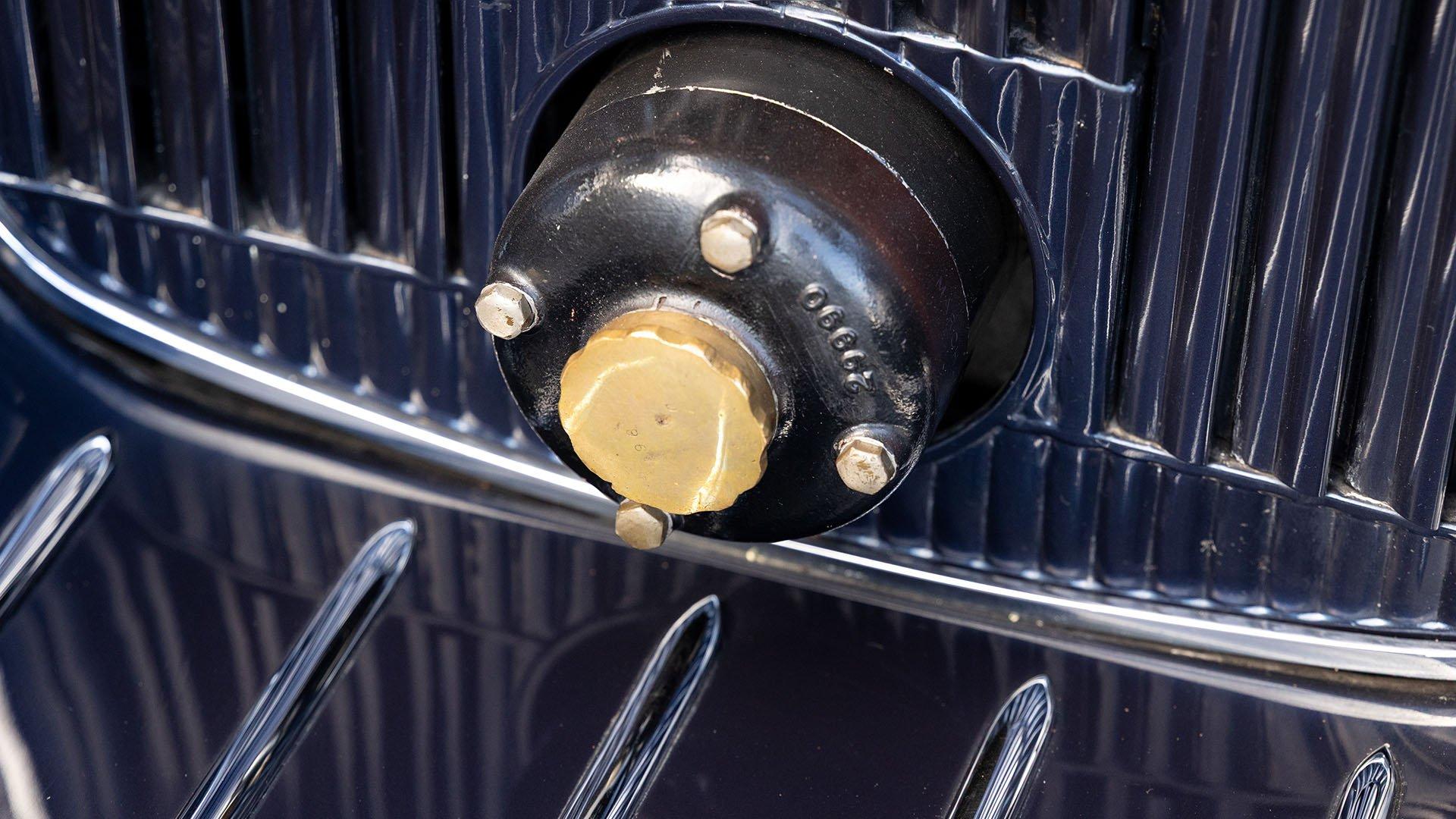
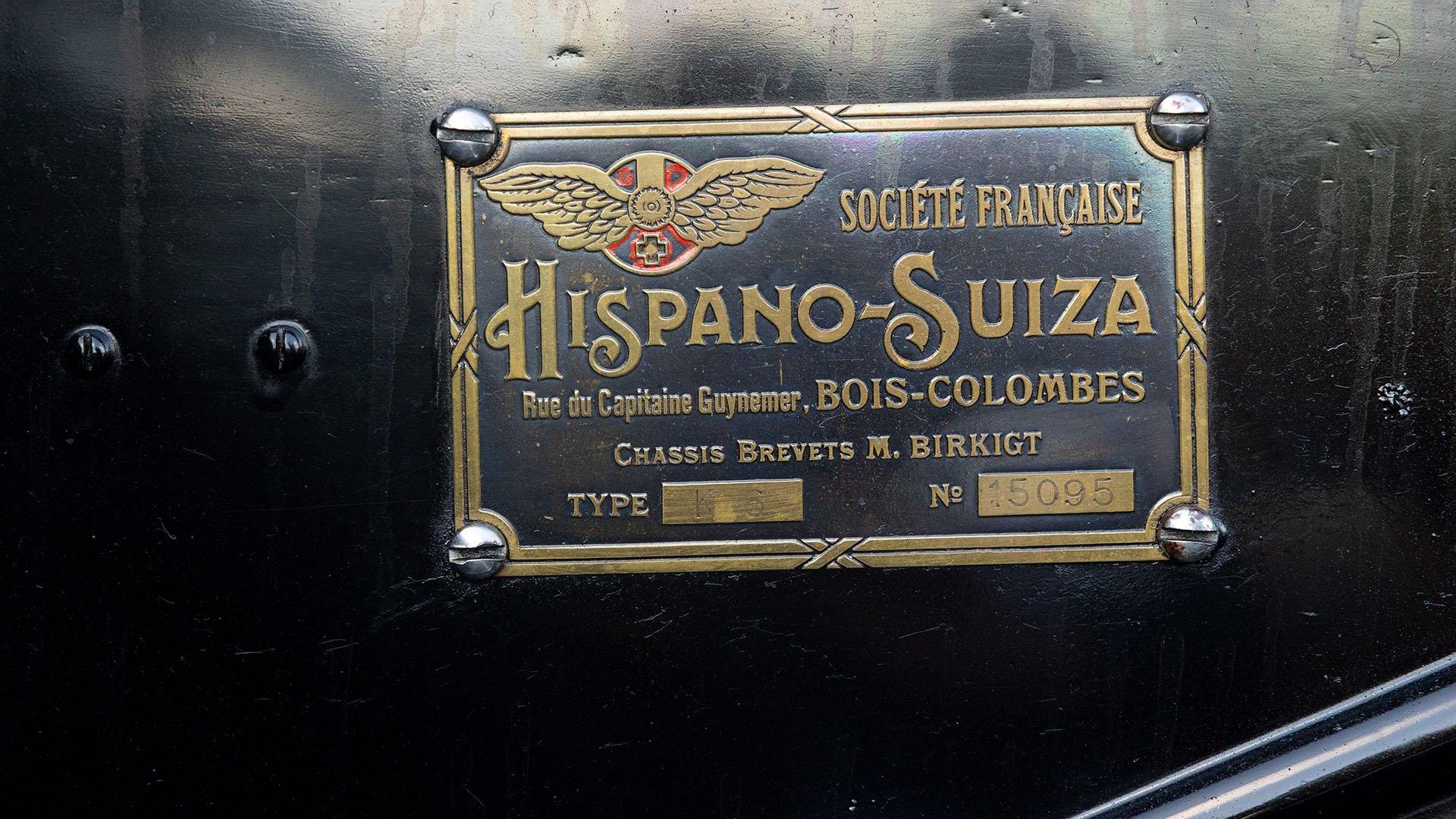
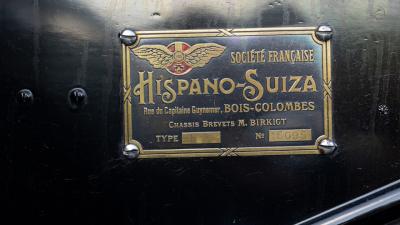
Chassis No. 15095
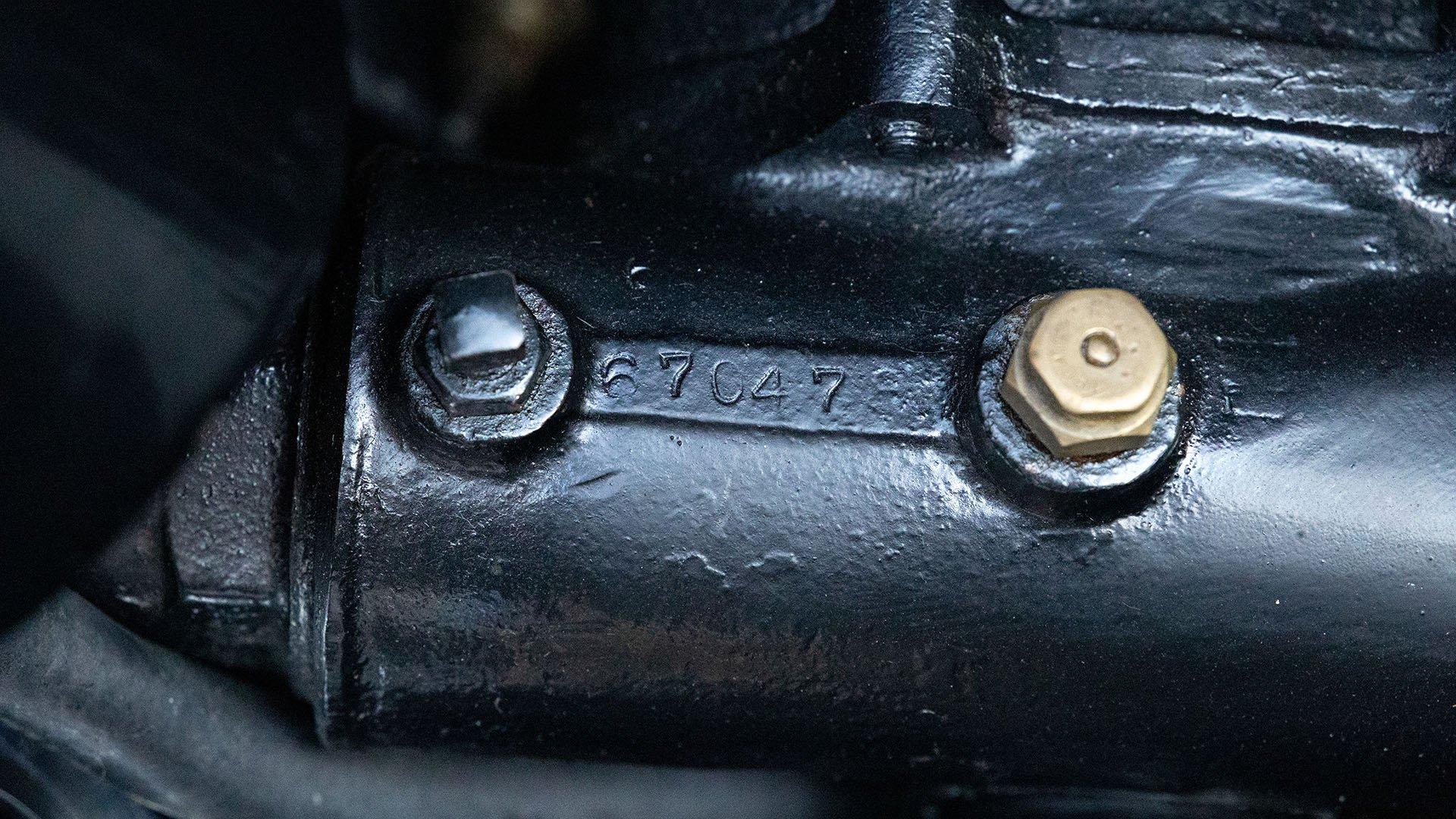
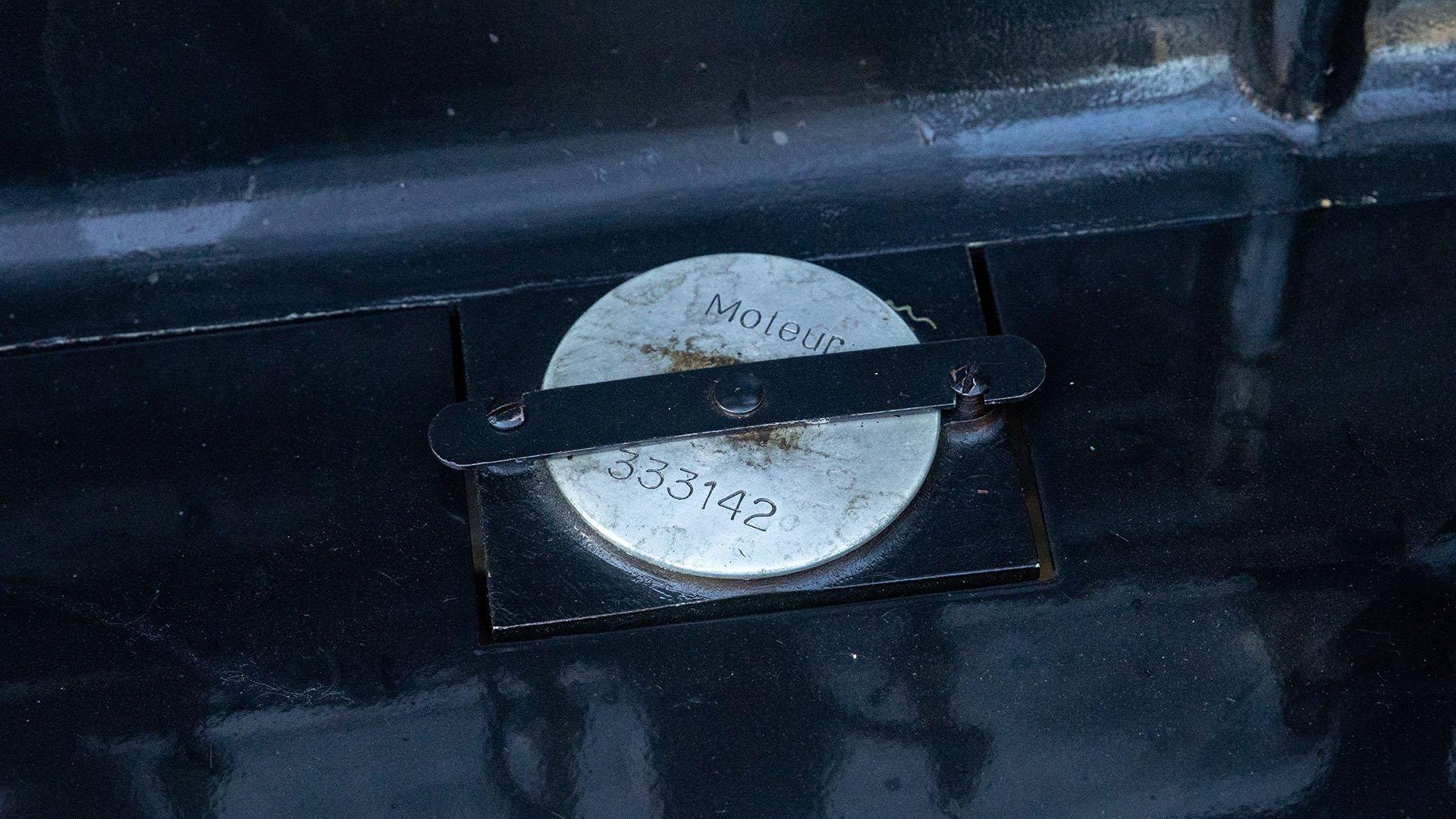
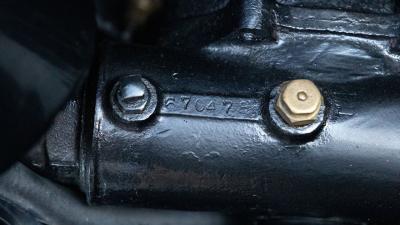
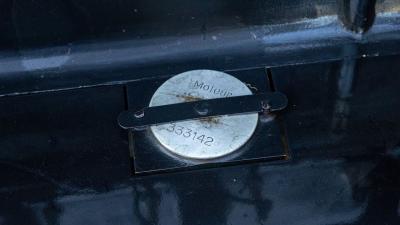
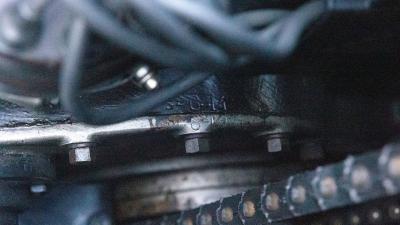
Engine No. 333142
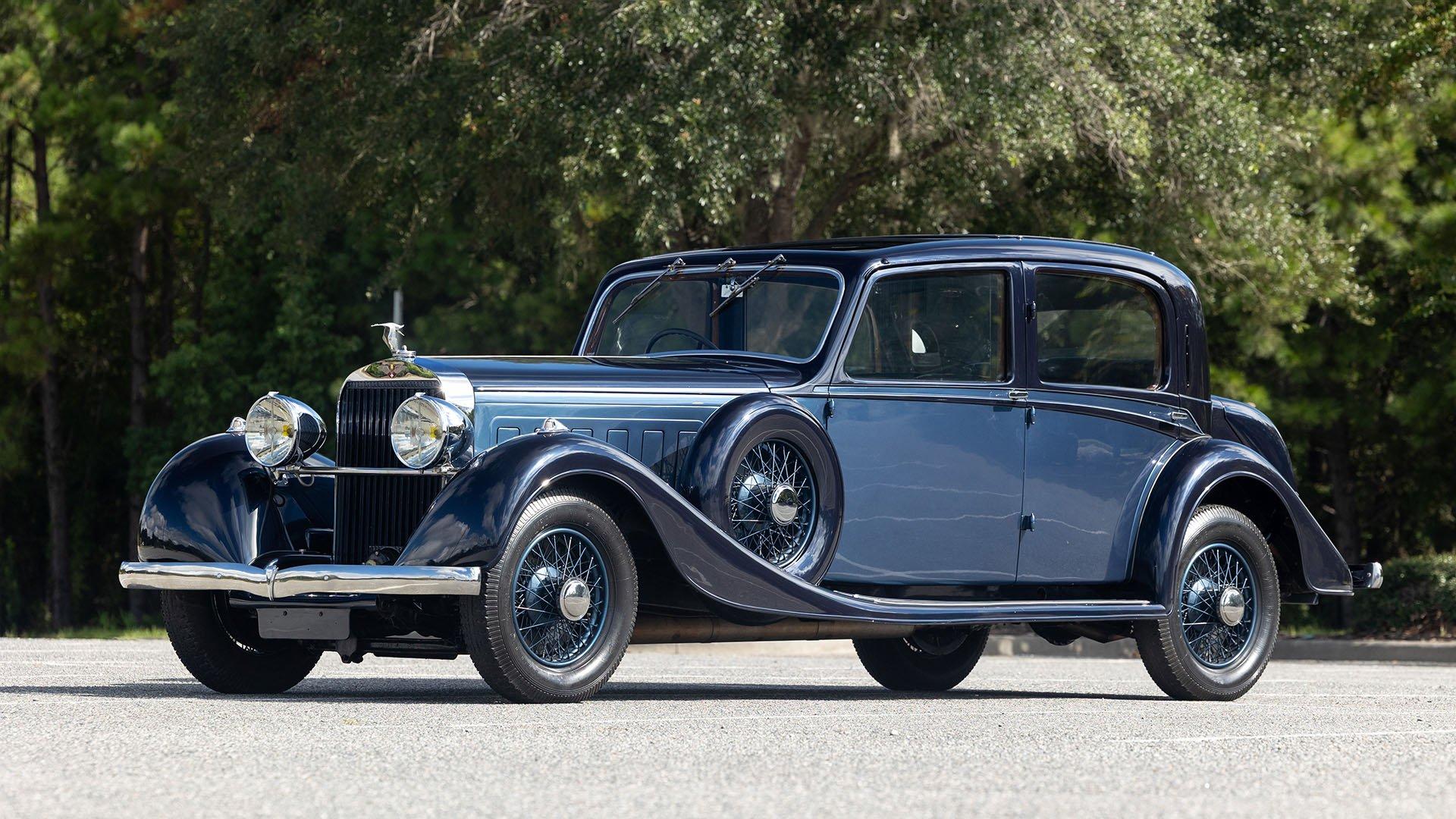
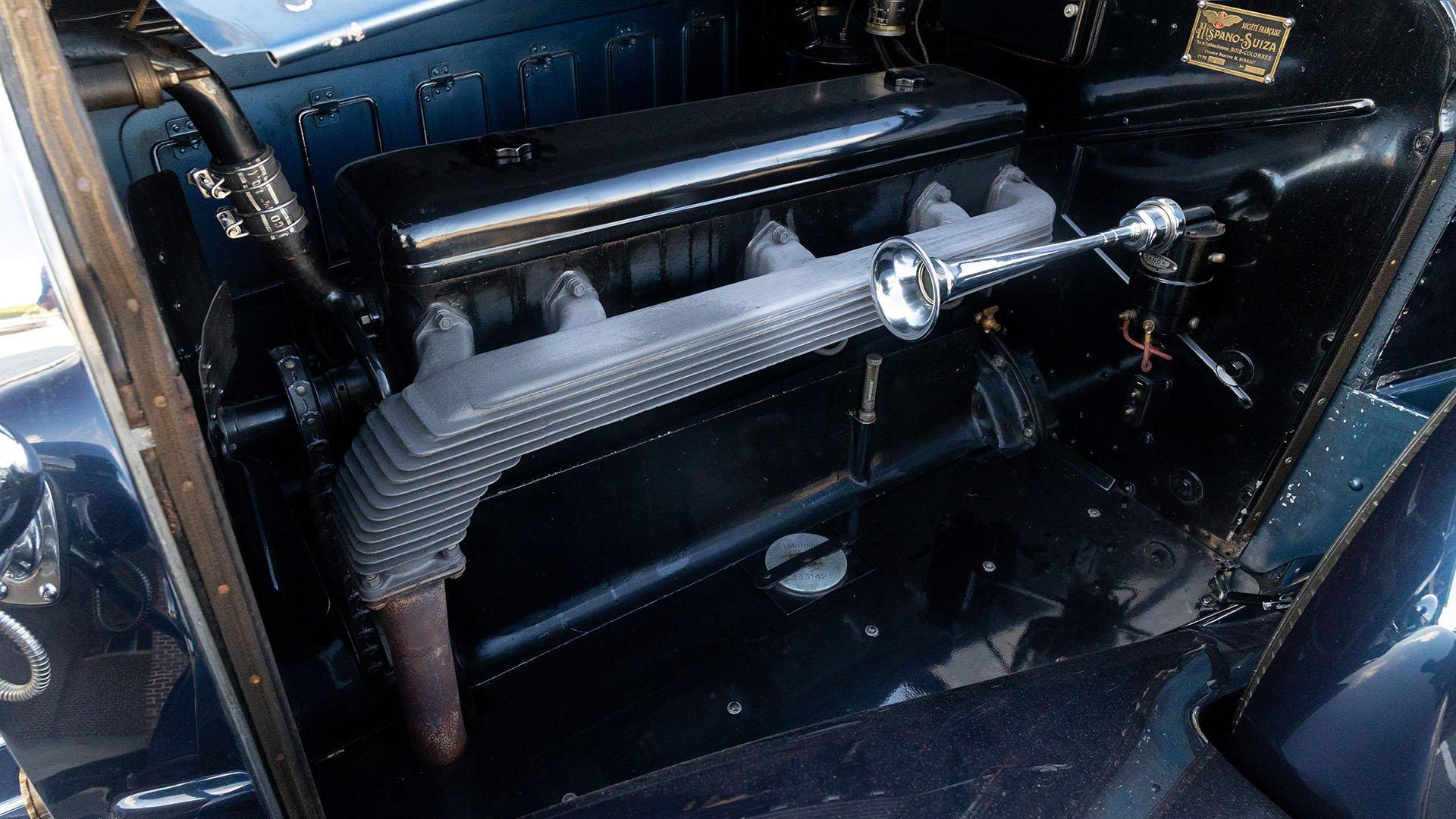
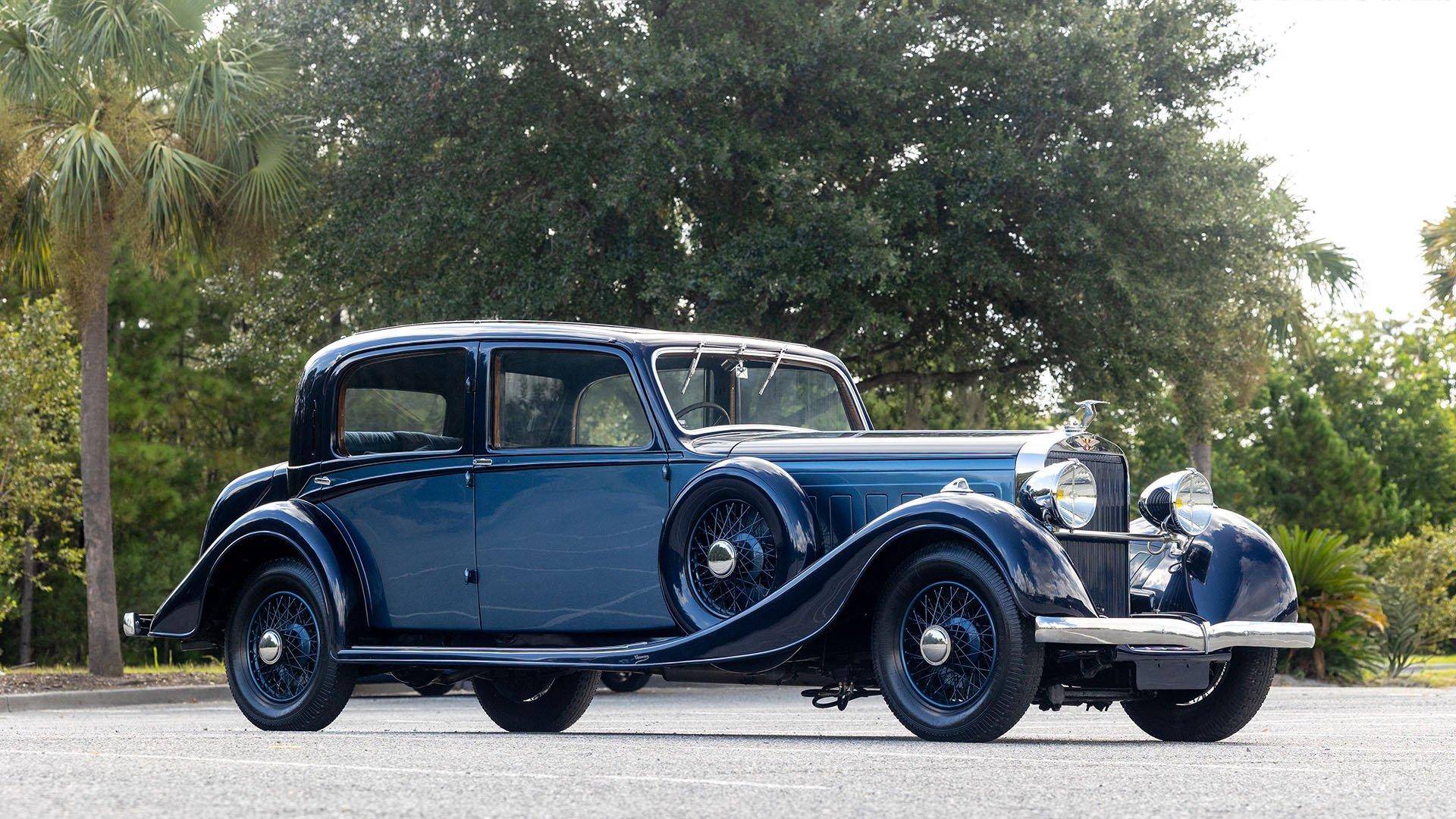
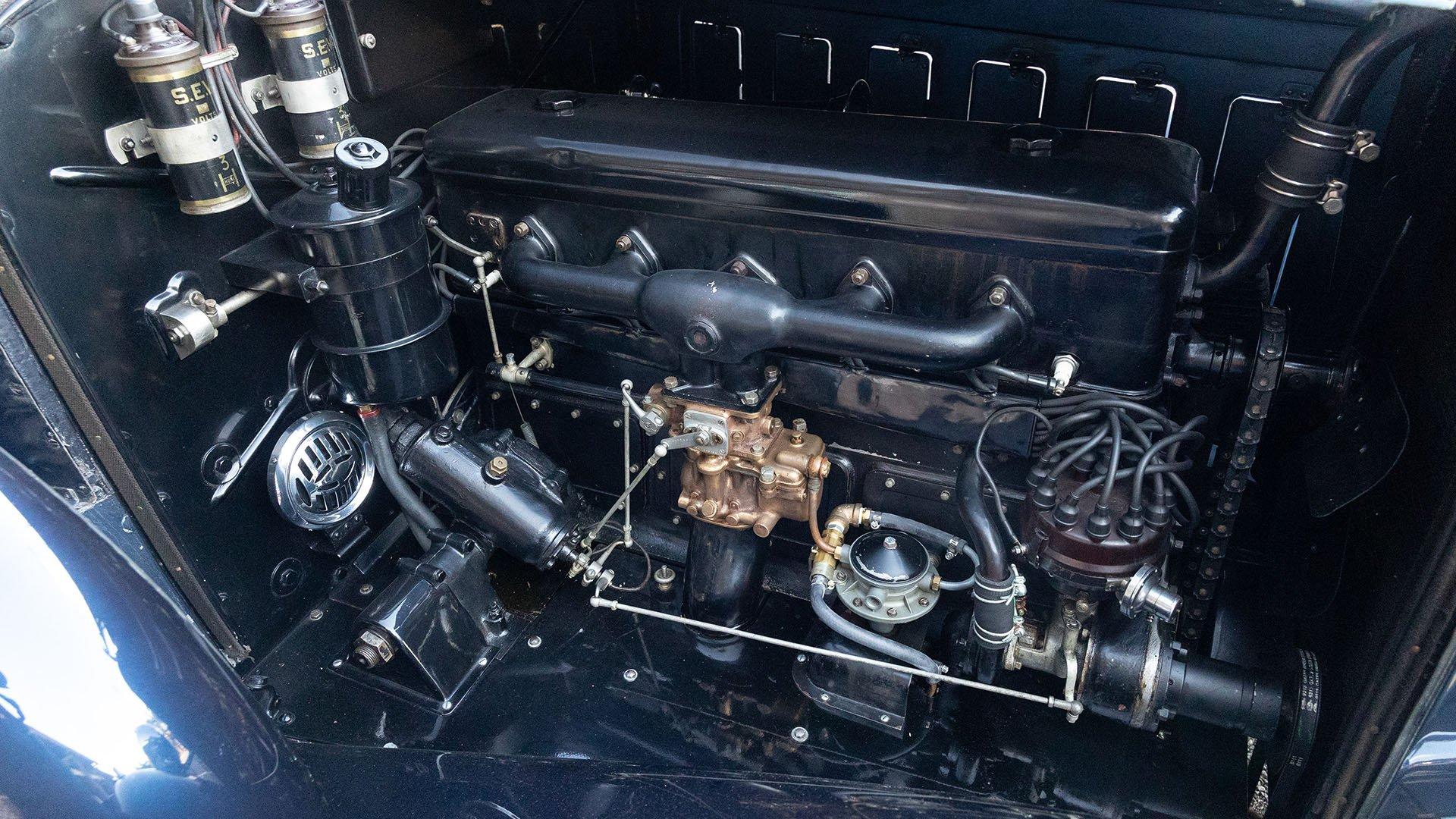
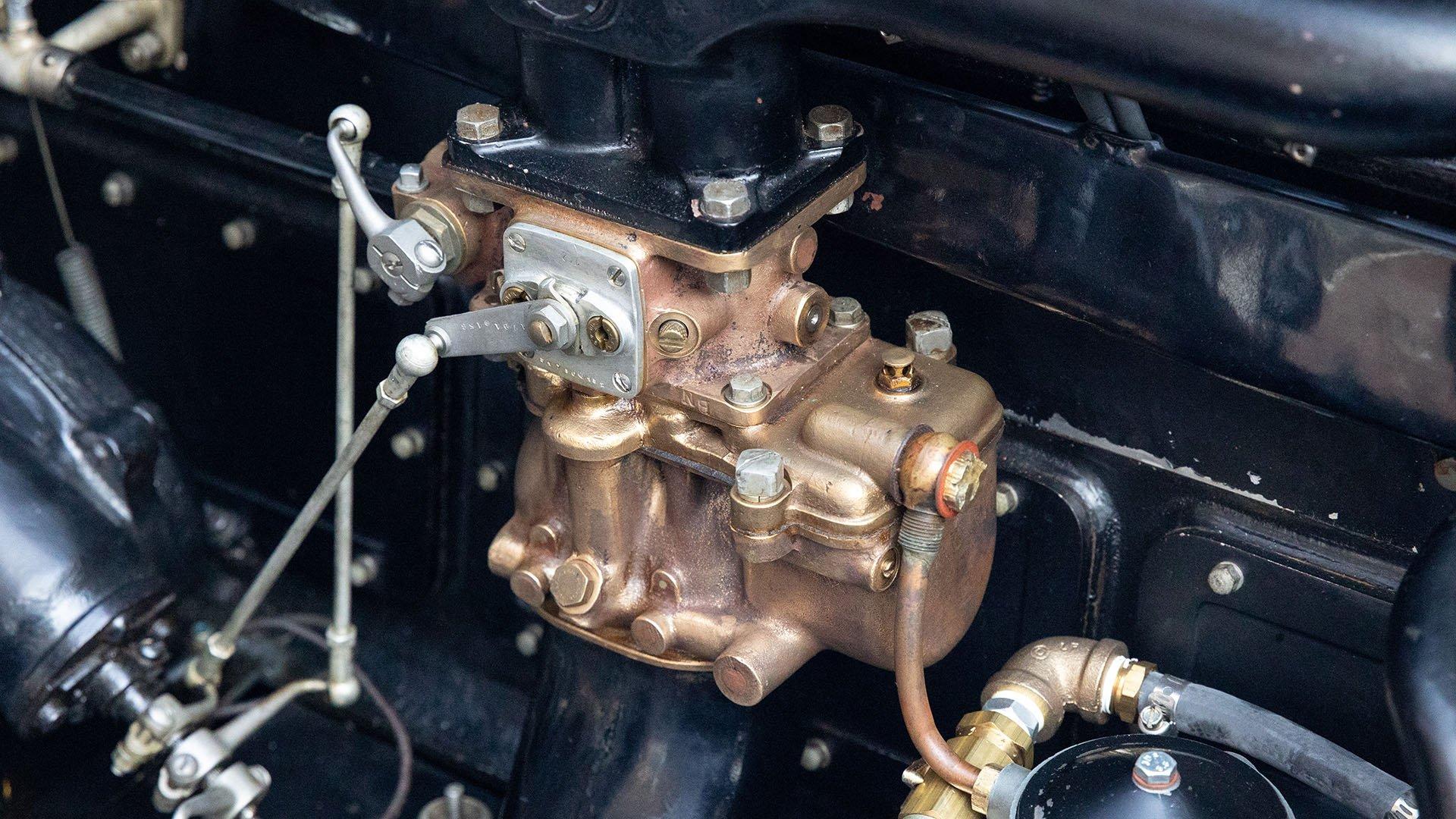
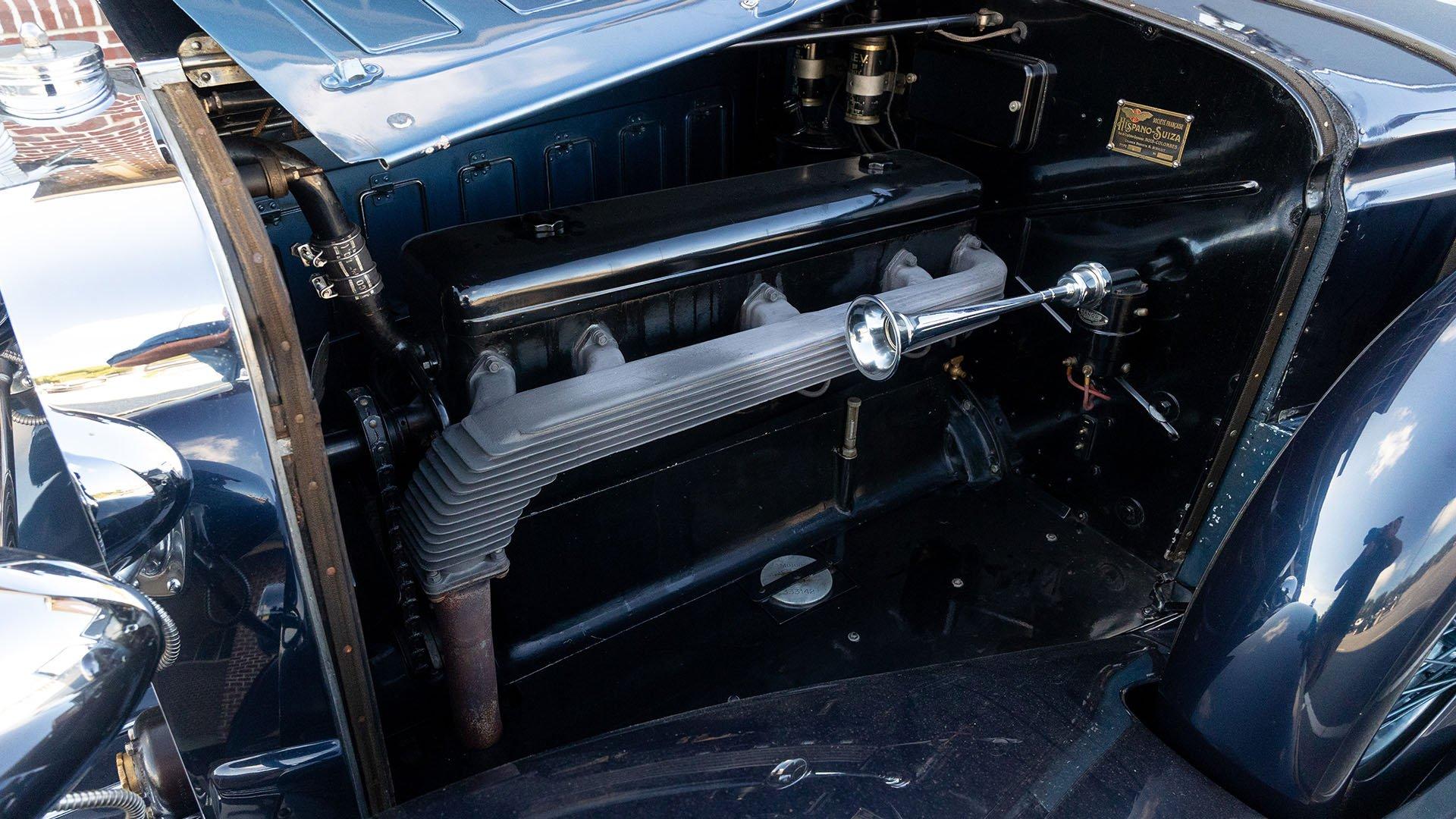
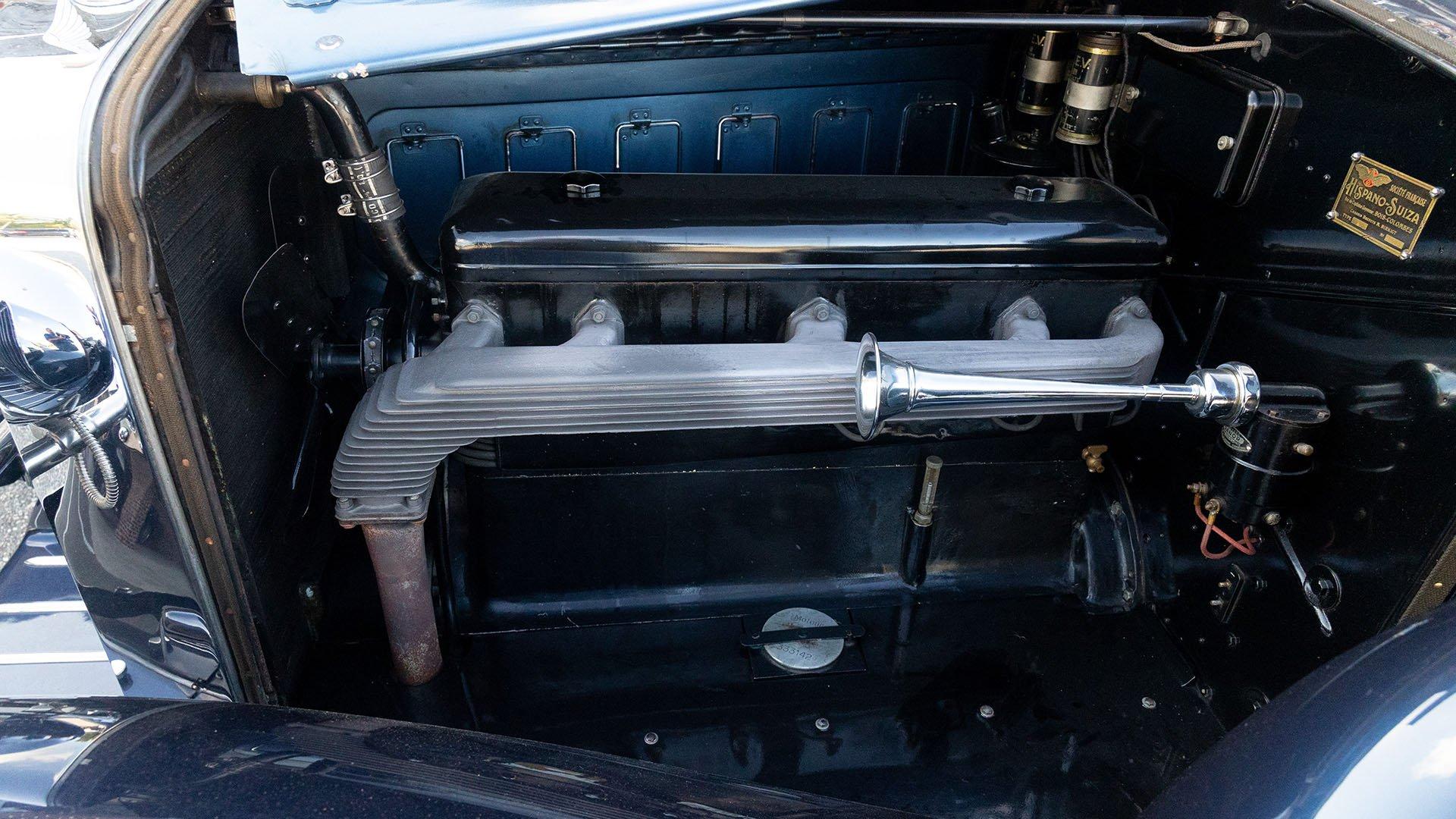
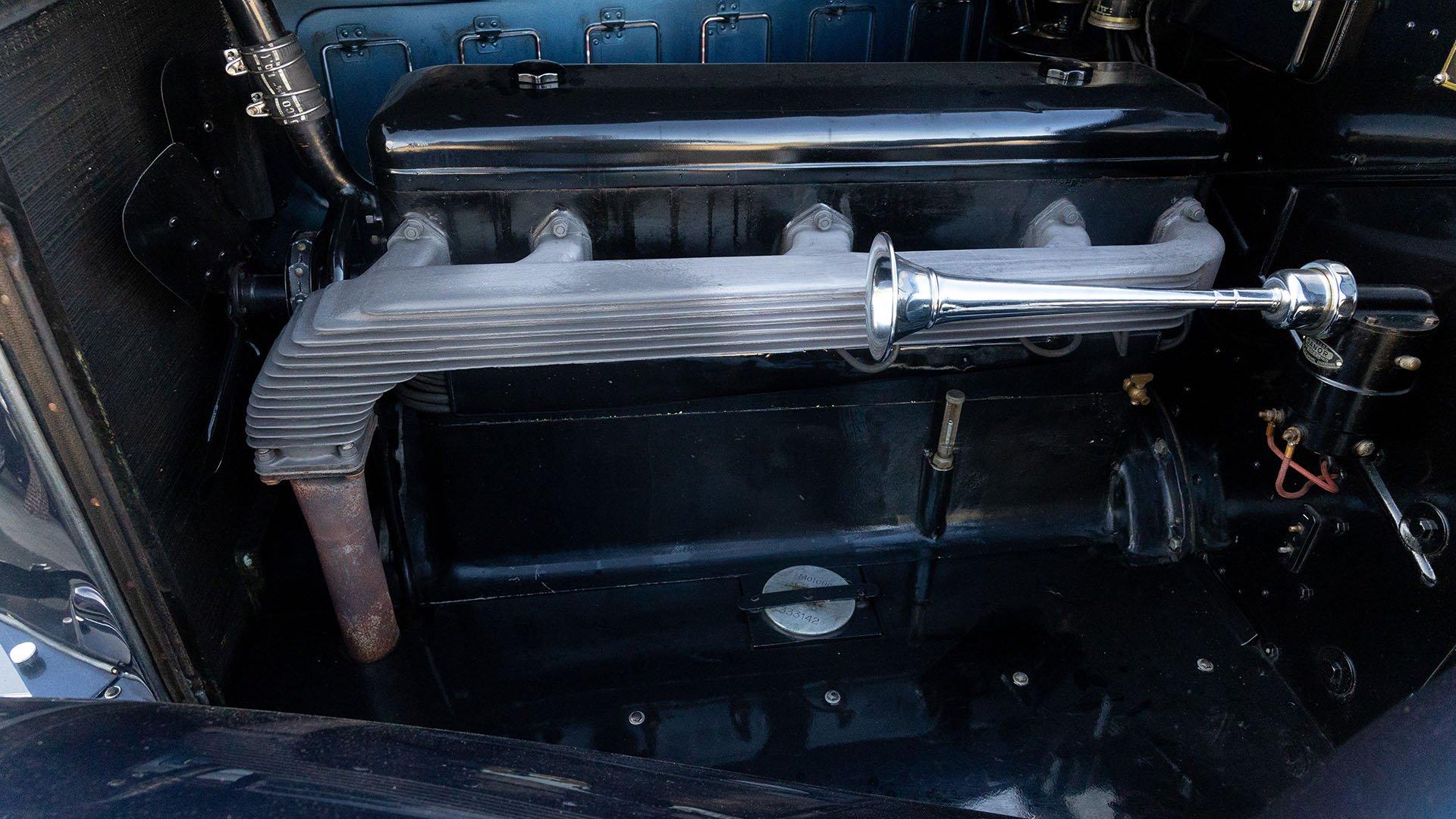
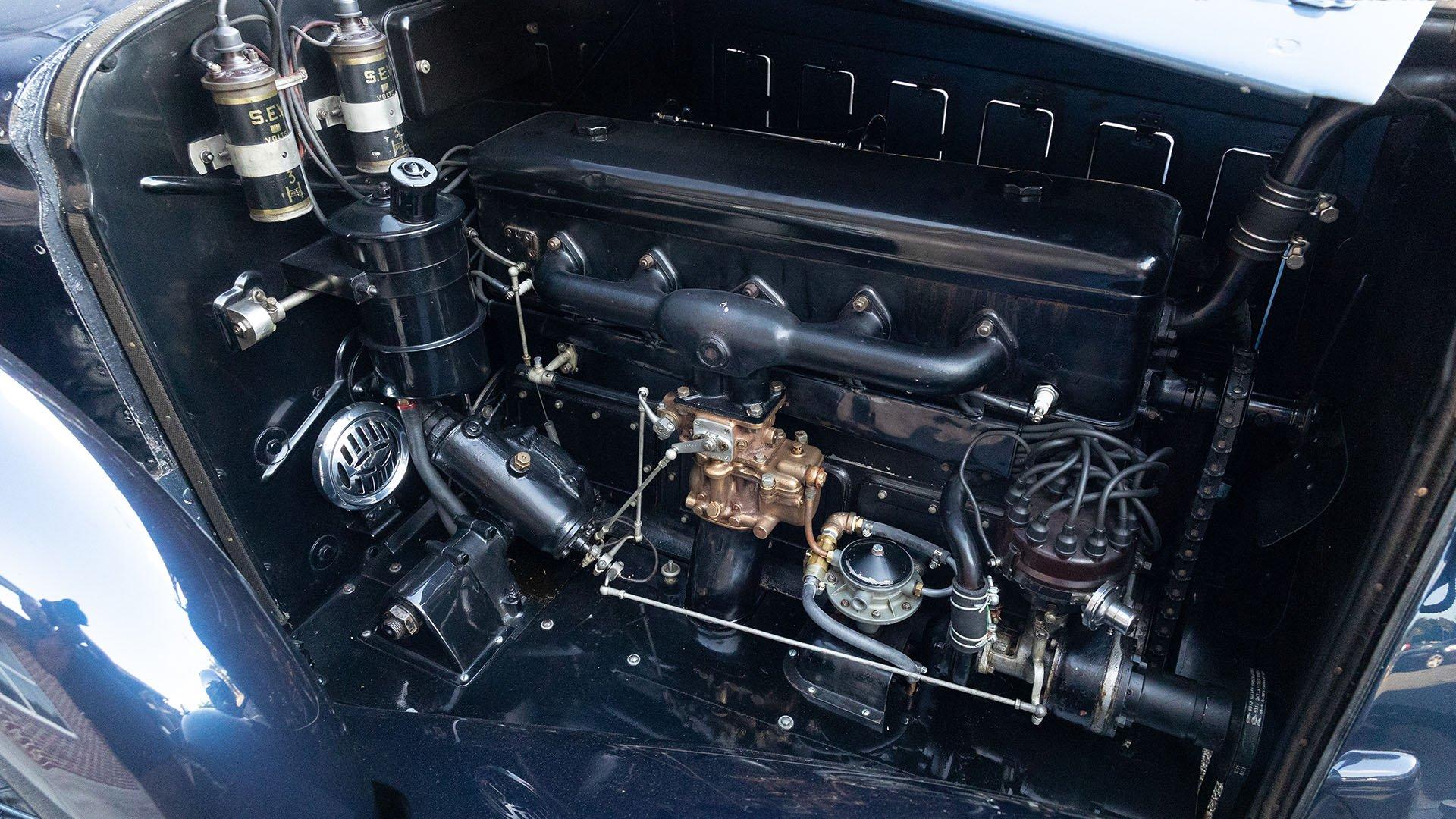
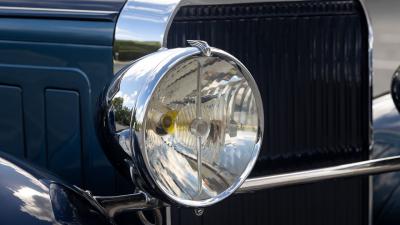
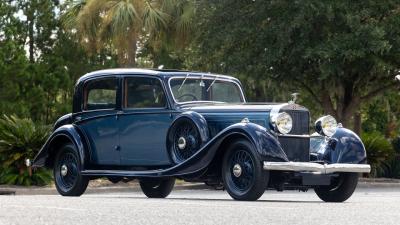
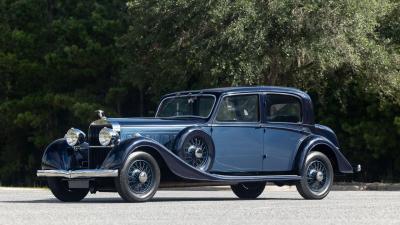
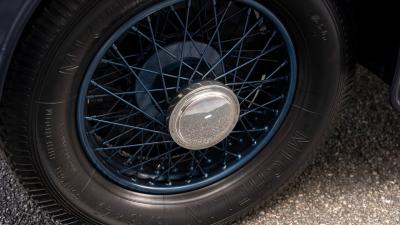
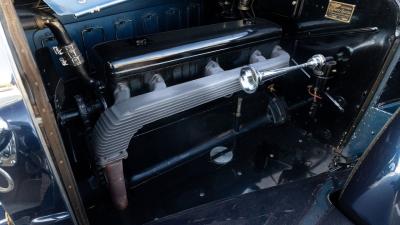
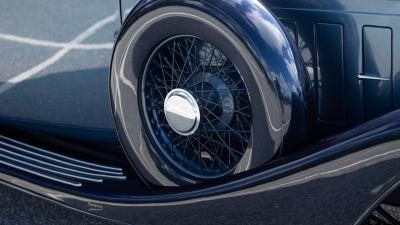
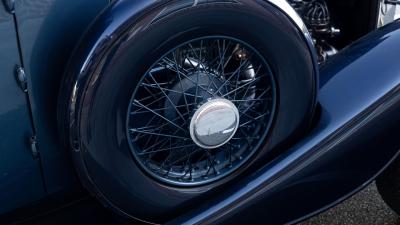
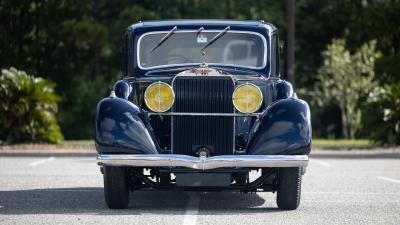
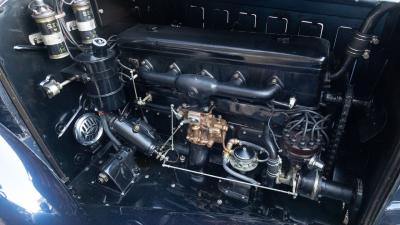
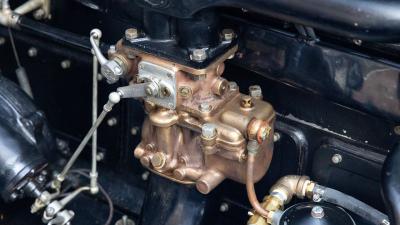
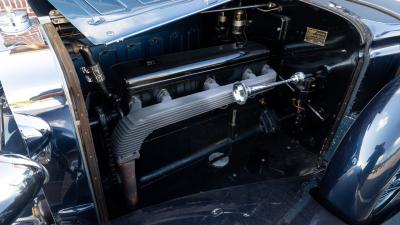
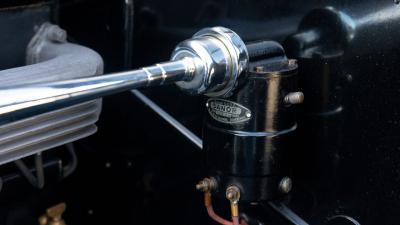
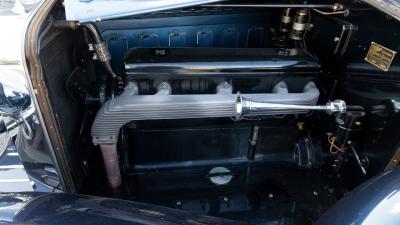
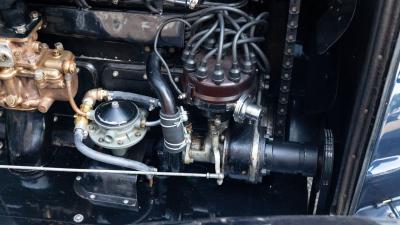
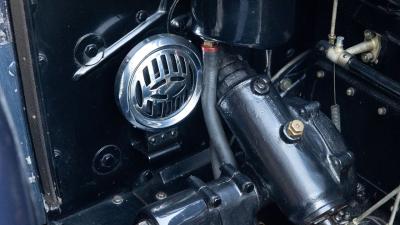
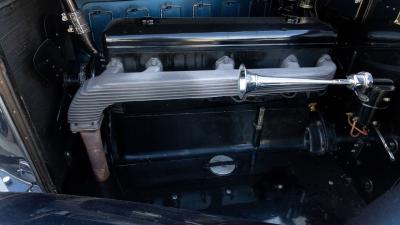
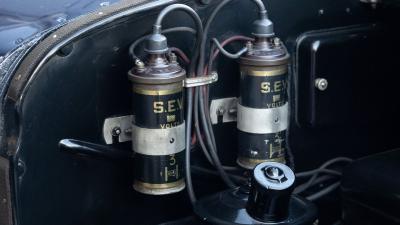
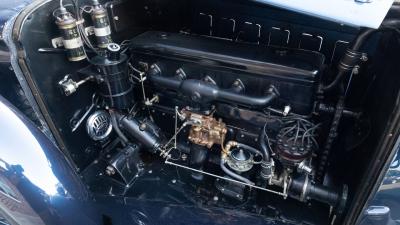
Unveiled at the 1934 Paris Motor Show, the K6 was the final model produced by the marque. Built on the highly regarded J12 chassis, it was powered by a 5.2-liter inline six-cylinder engine producing 120 horsepower. With just 206 examples built, the K6 represented the culmination of the marque's engineering and craftsmanship-the ultimate expression of its savoir-faire-before the company was nationalized by the French government in 1938 and redirected toward wartime production, manufacturing aircraft and trucks.
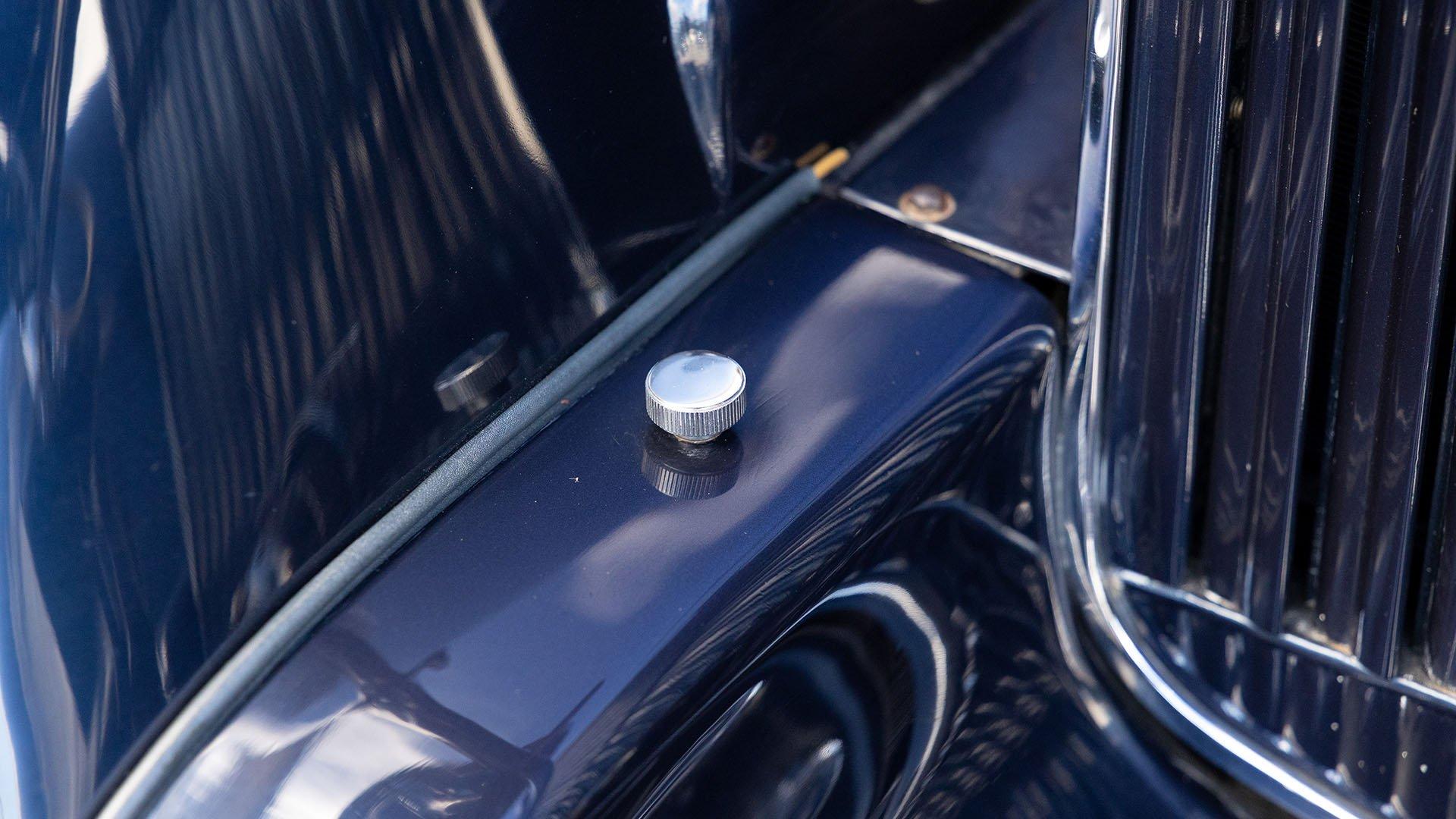
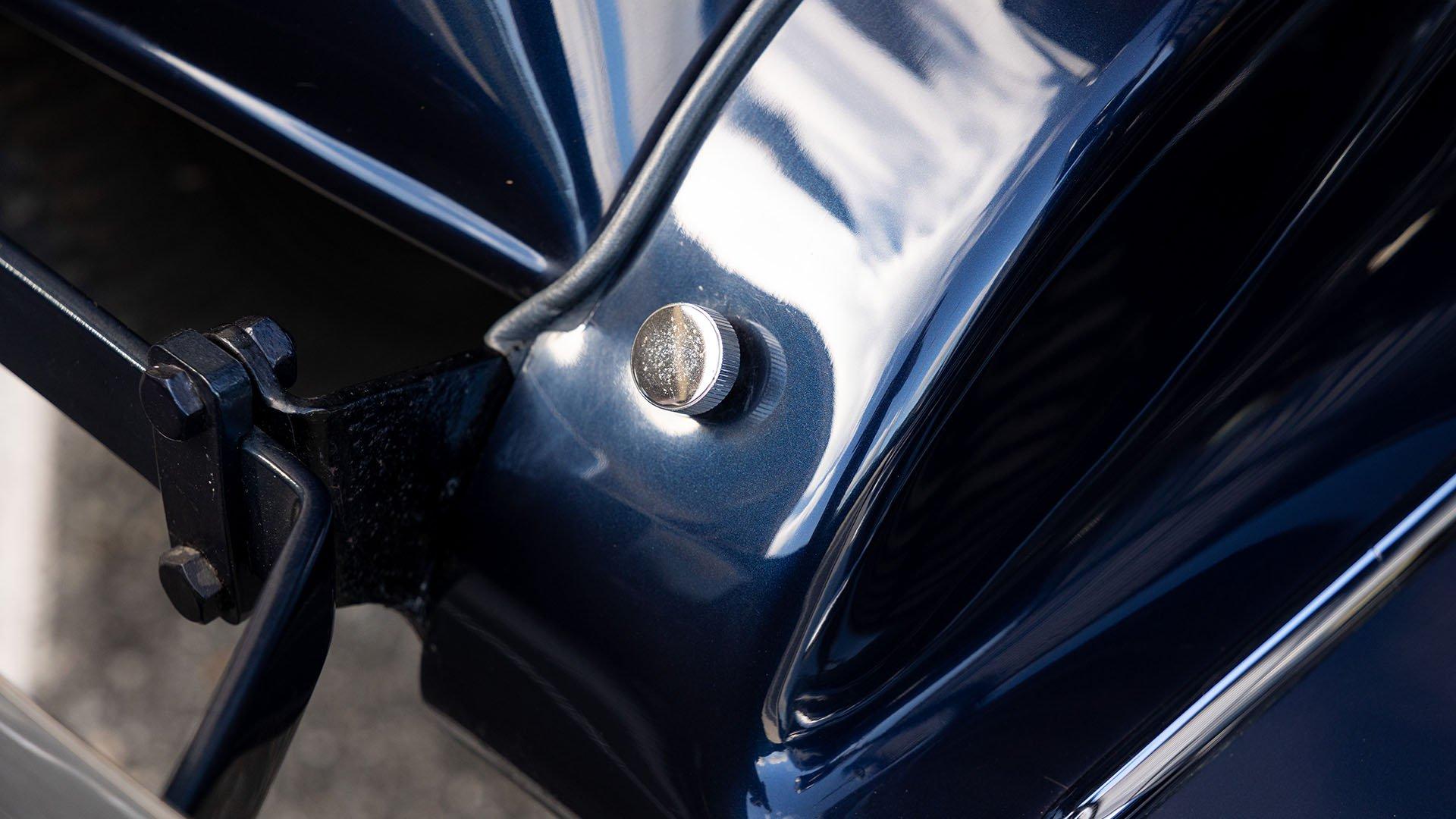
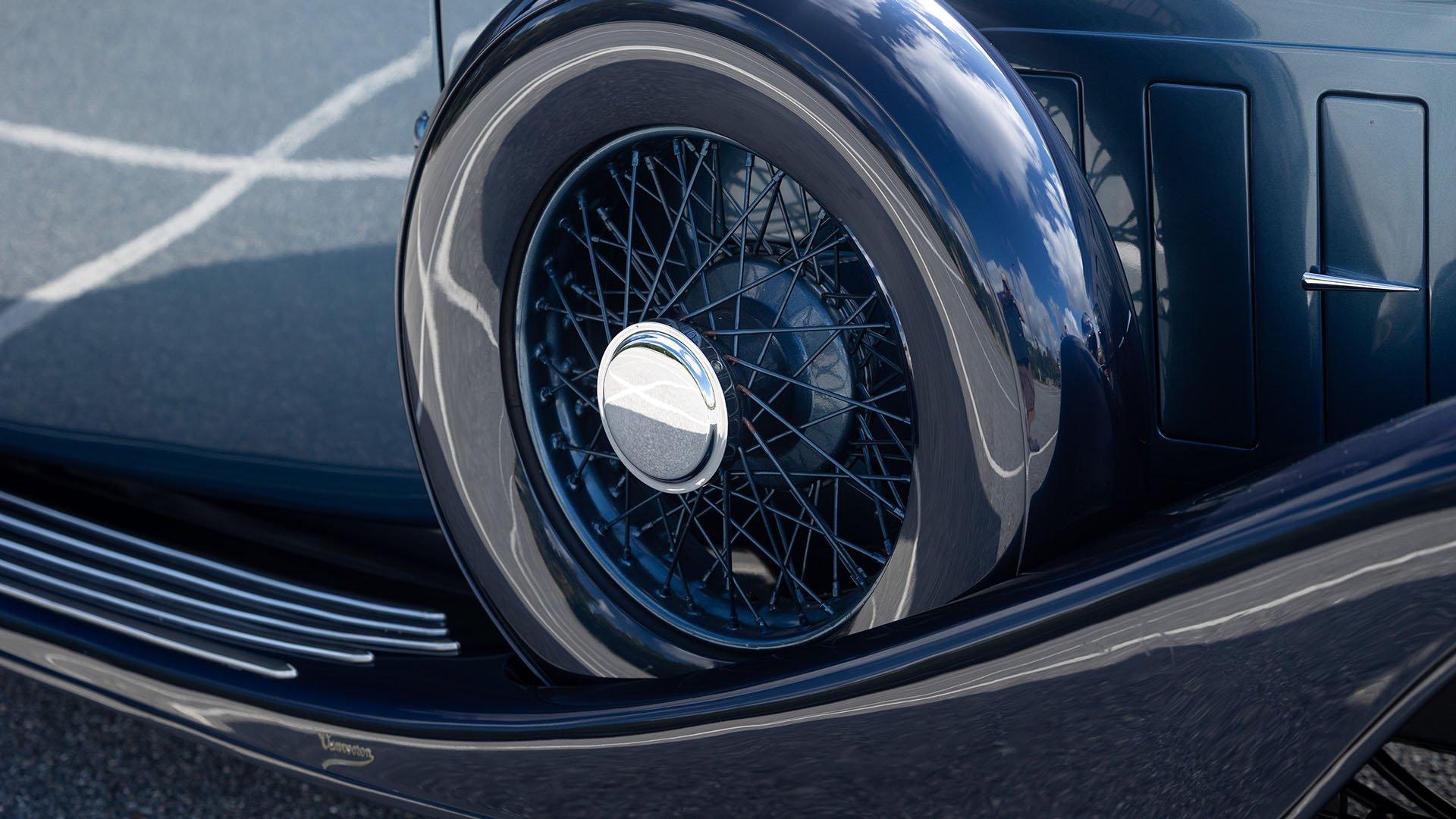
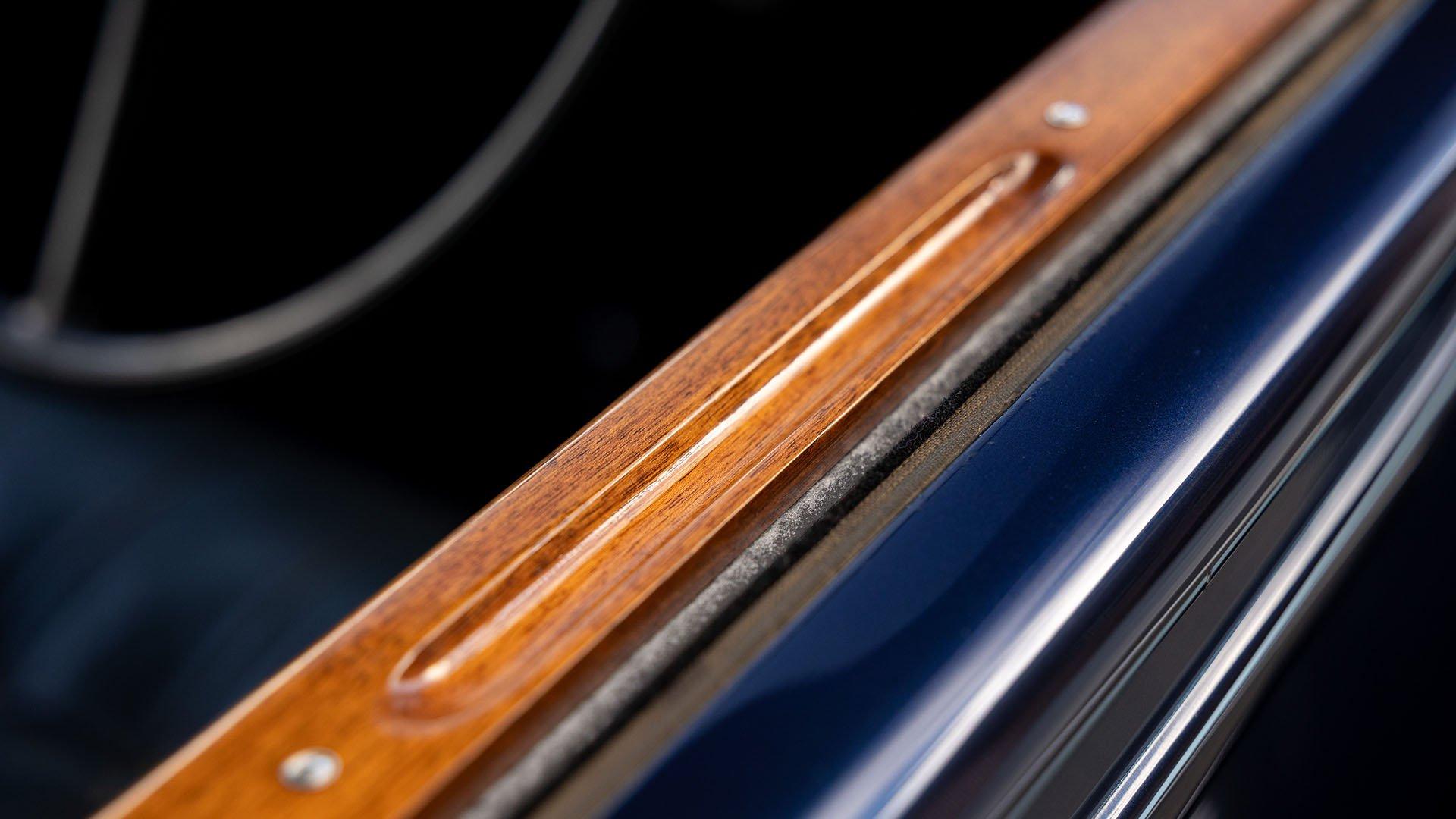
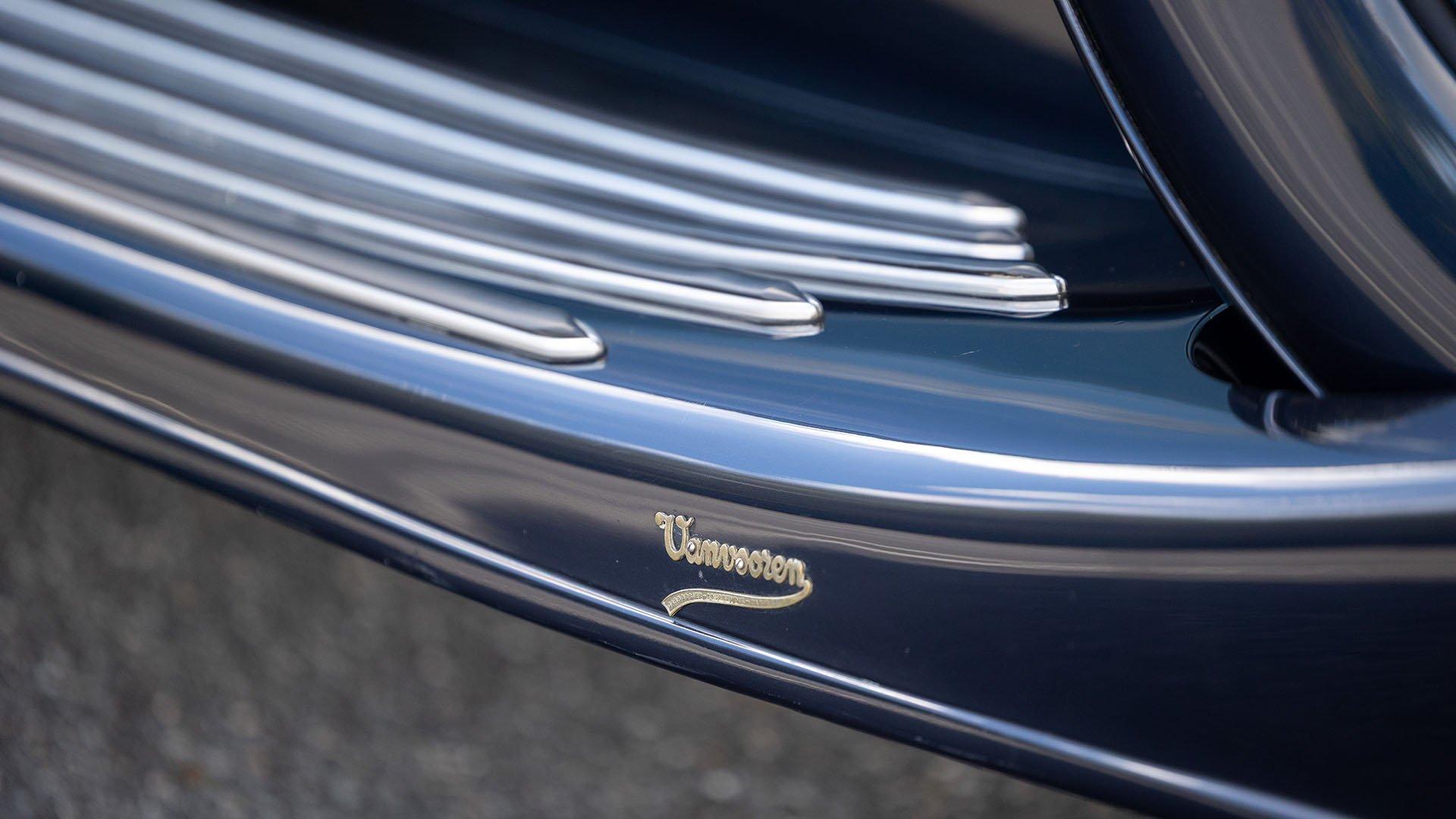
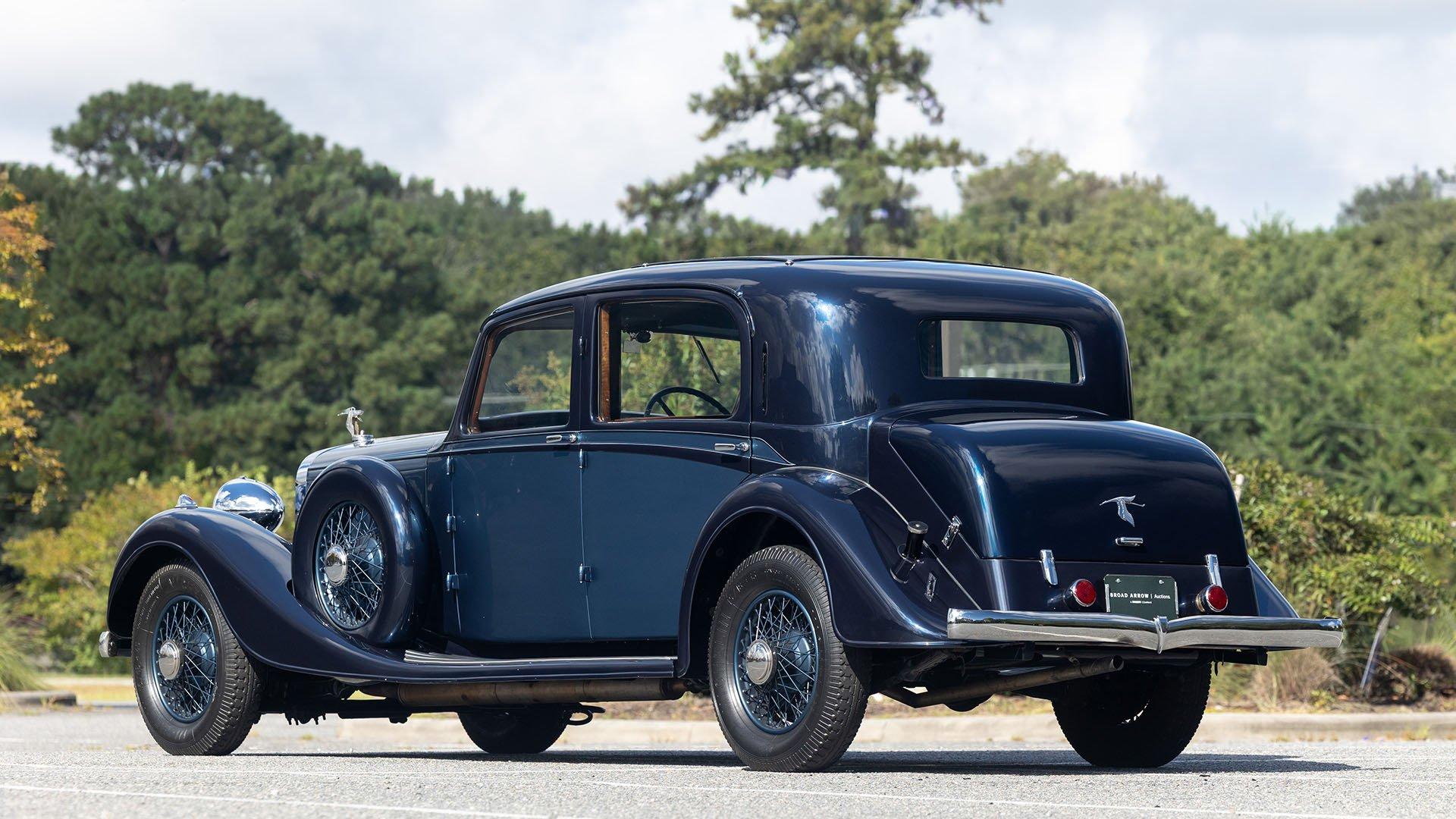
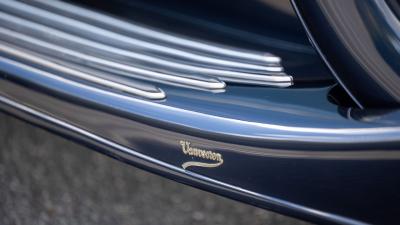
The 1930s marked the golden age of France's great luxury coachbuilders. Just a few hundred yards from the Hispano-Suiza's production facilities, in the heart of the French automotive industry, Vanvooren had established an international reputation for combining refined elegance with exceptional build quality. The Parisian coachbuilder bodied cars for some of the most prestigious marques of the era, including Bugatti, Bentley, and Rolls-Royce. Vanvooren was particularly renowned for the exceptional quality of its construction, having successfully eliminated the squeaks and rattles that had long been considered an unavoidable characteristic of large coachbuilt automobiles.
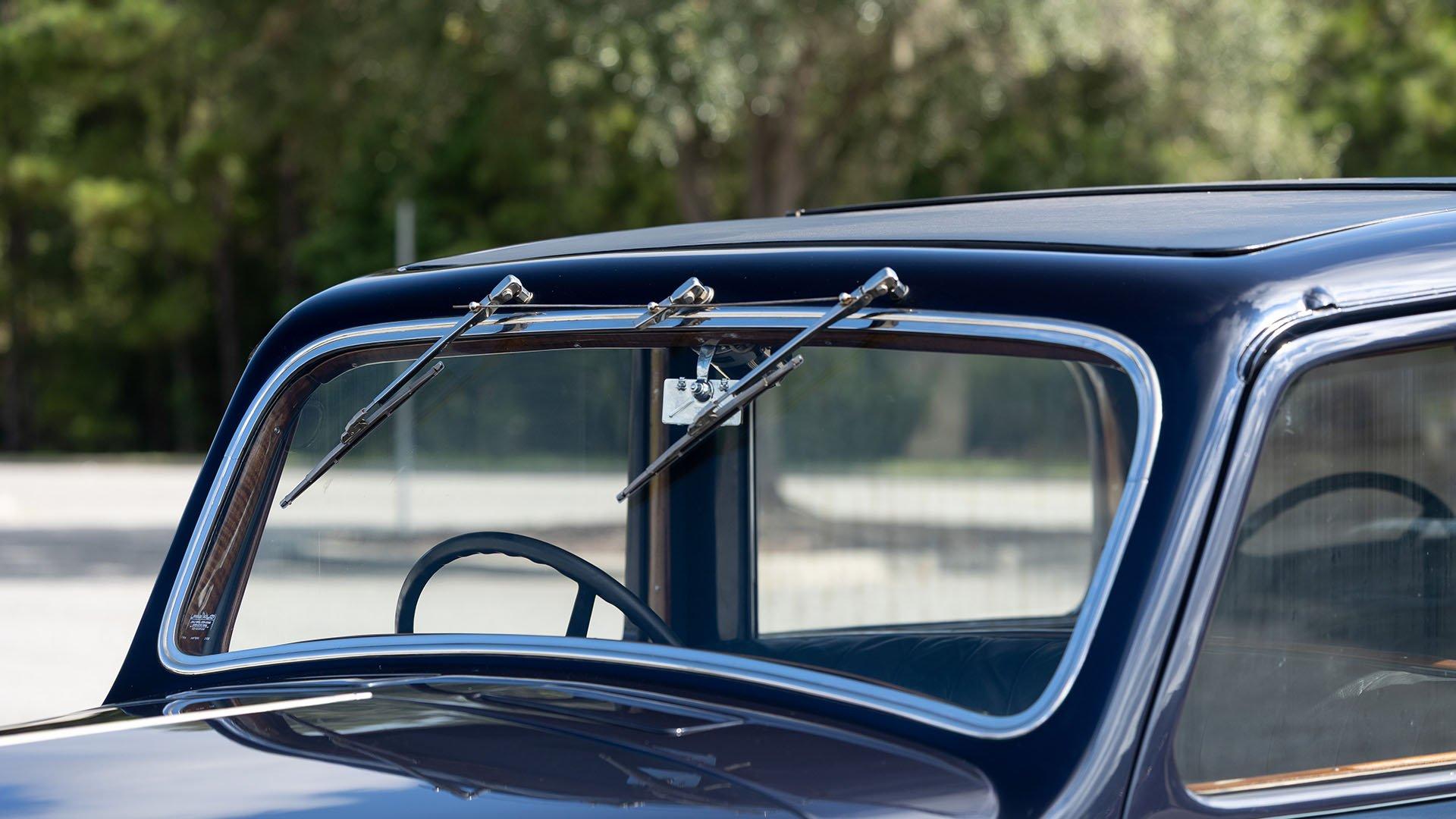
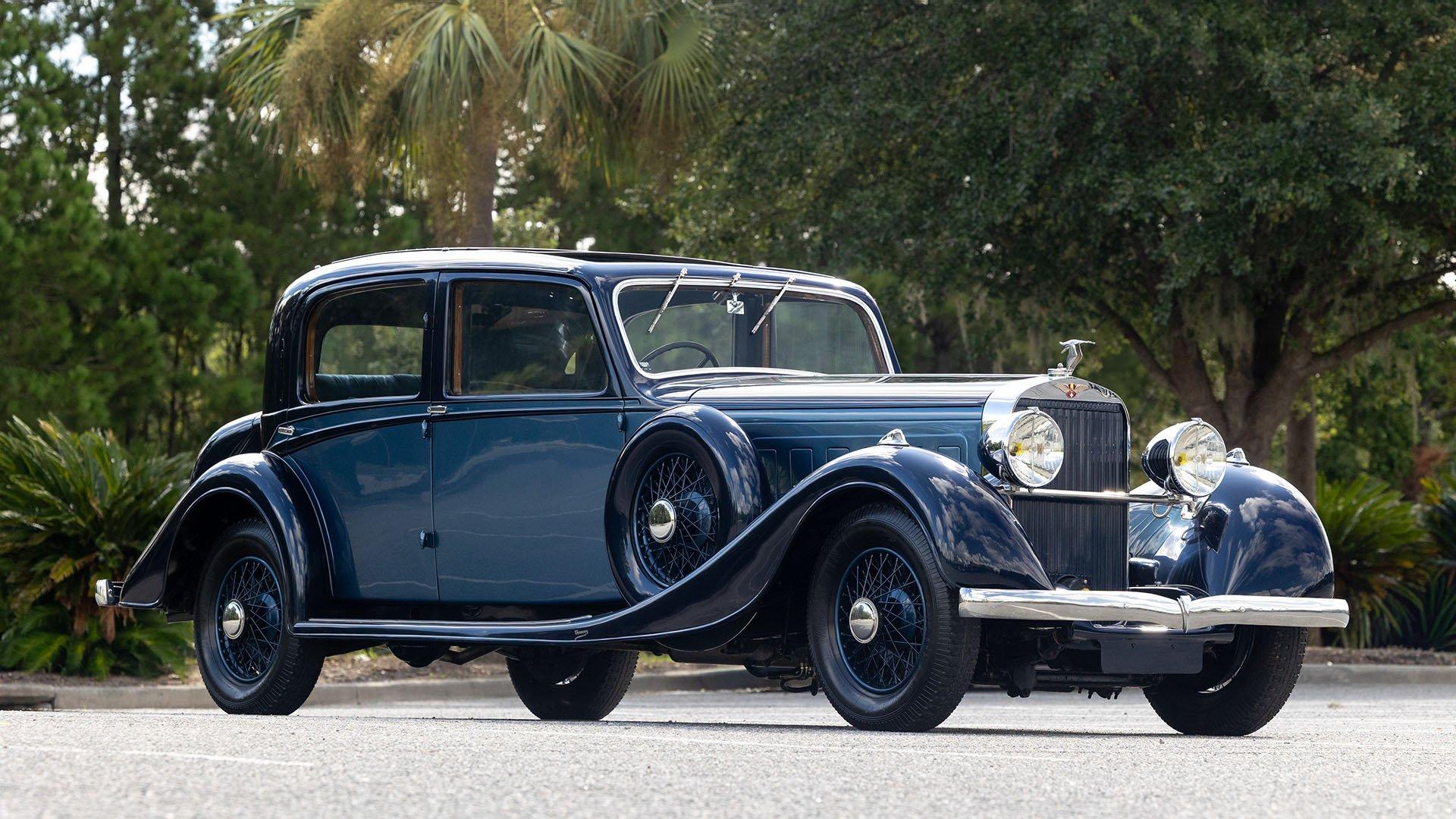
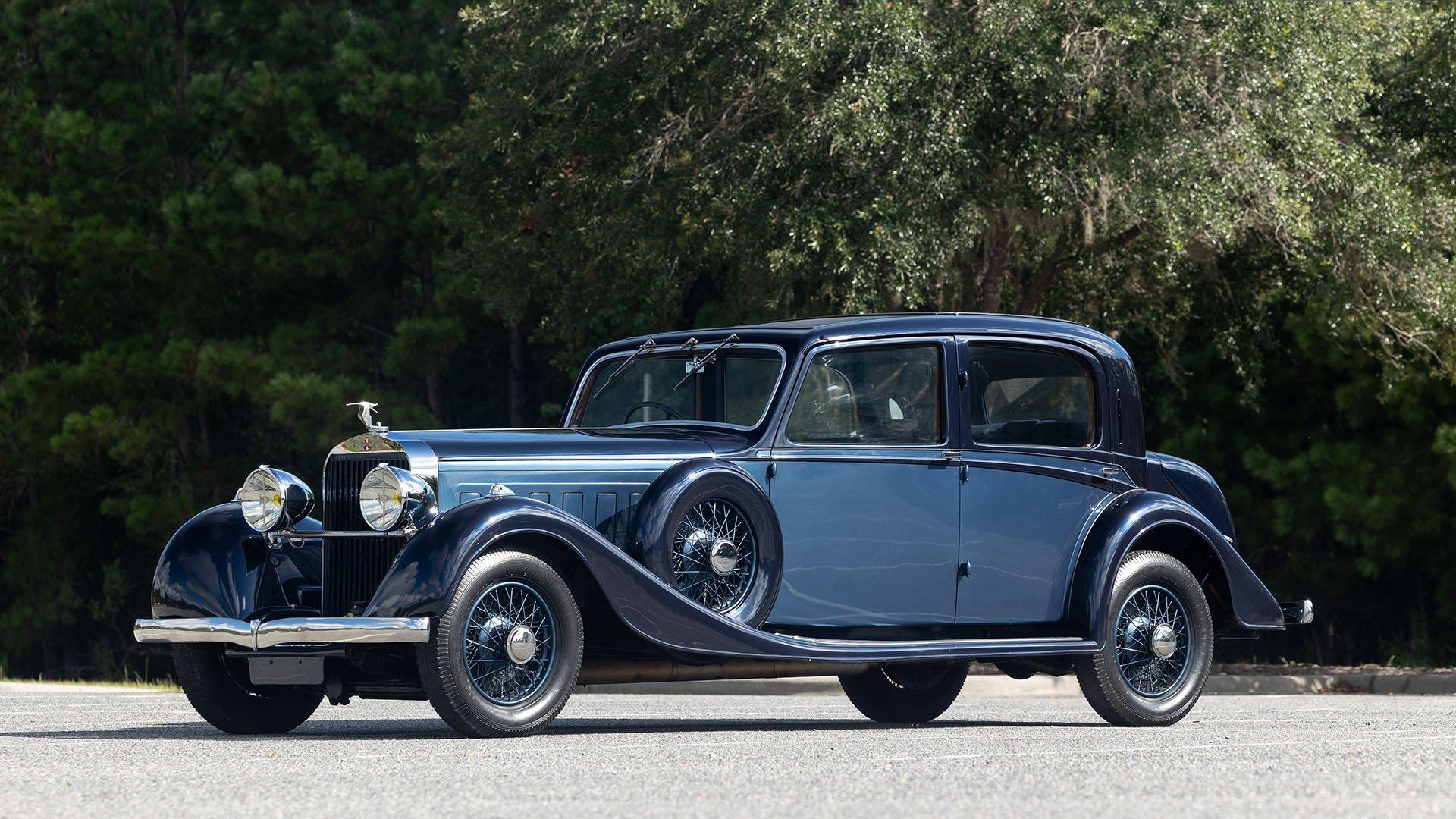
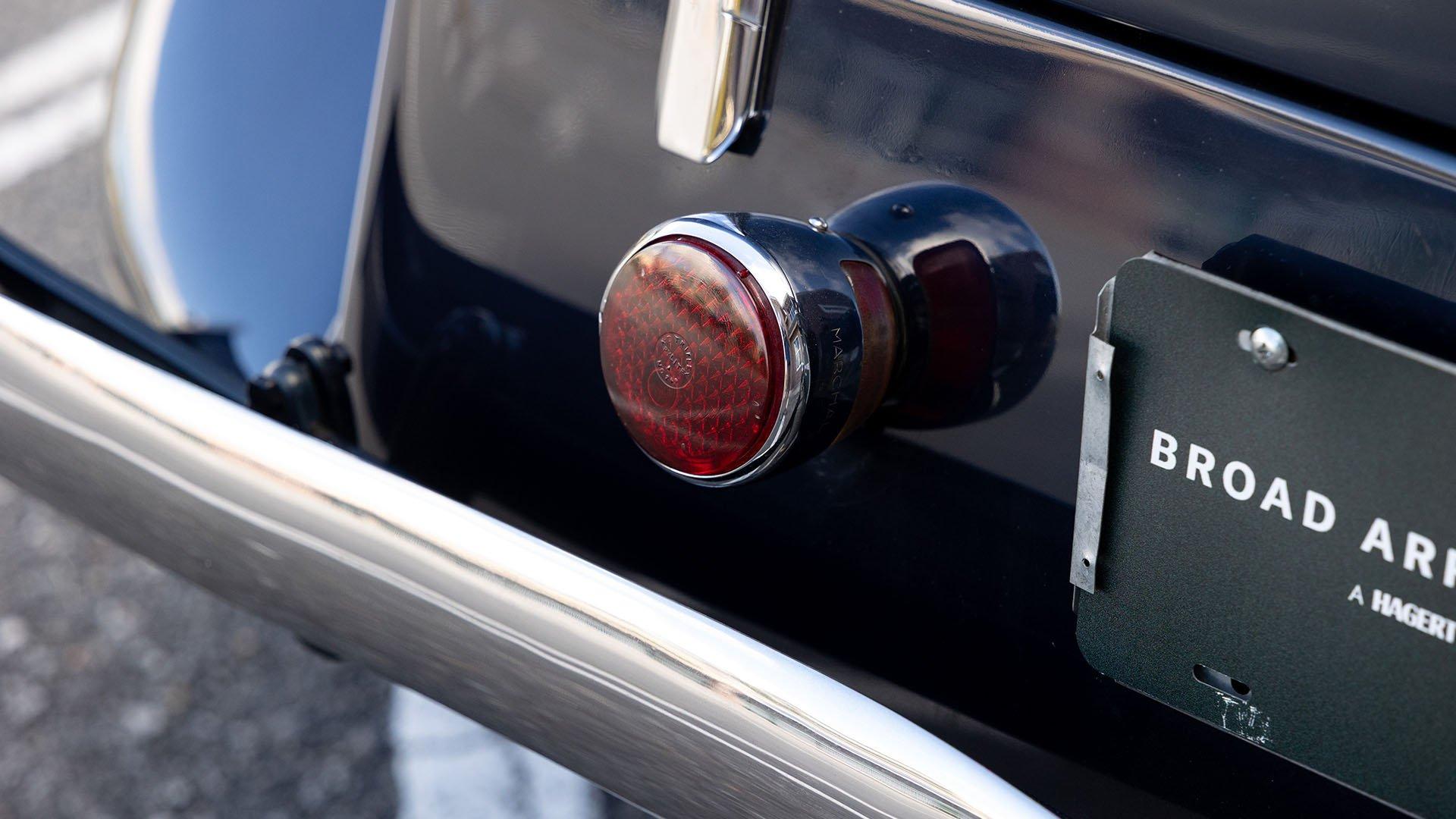
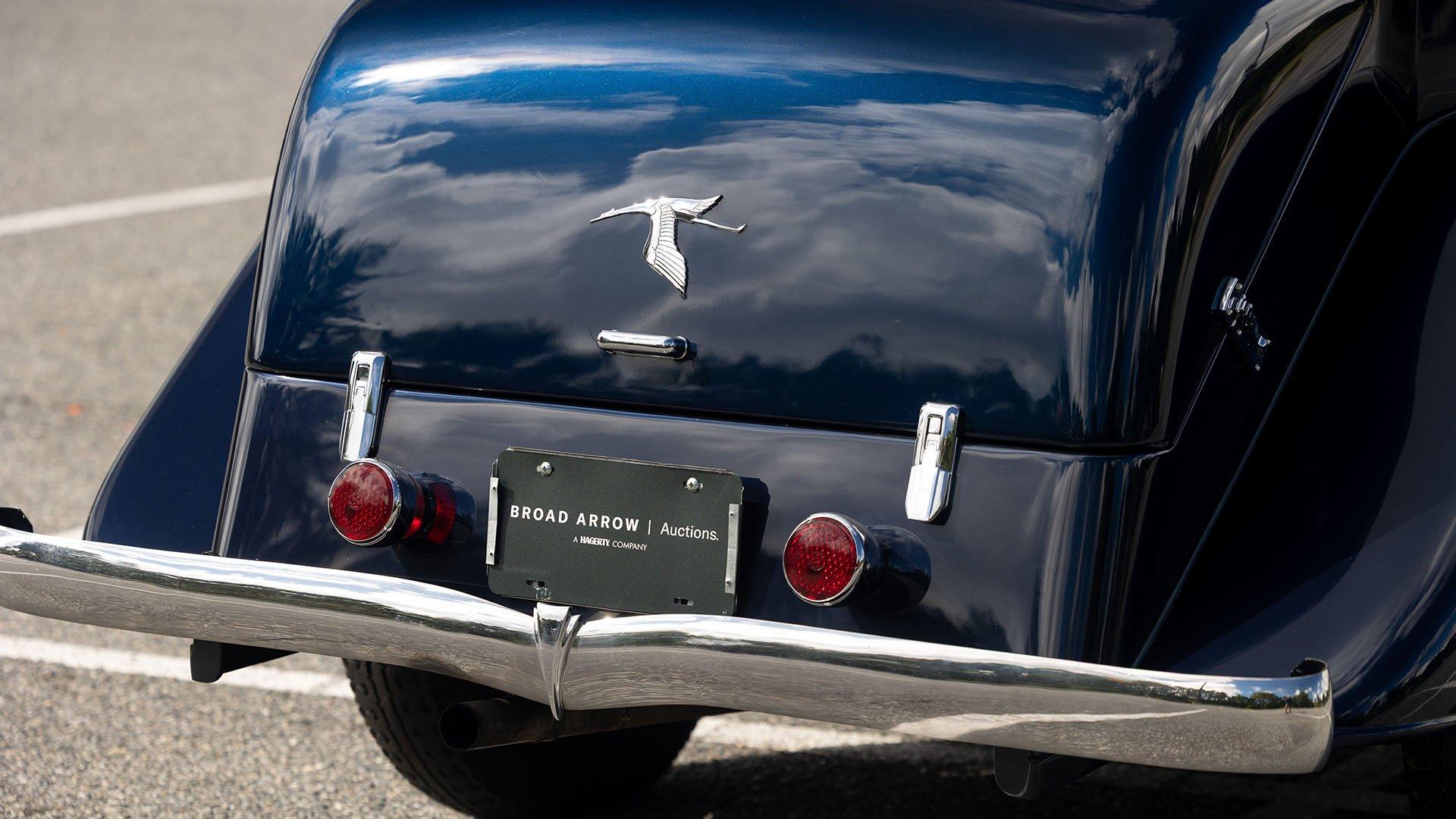
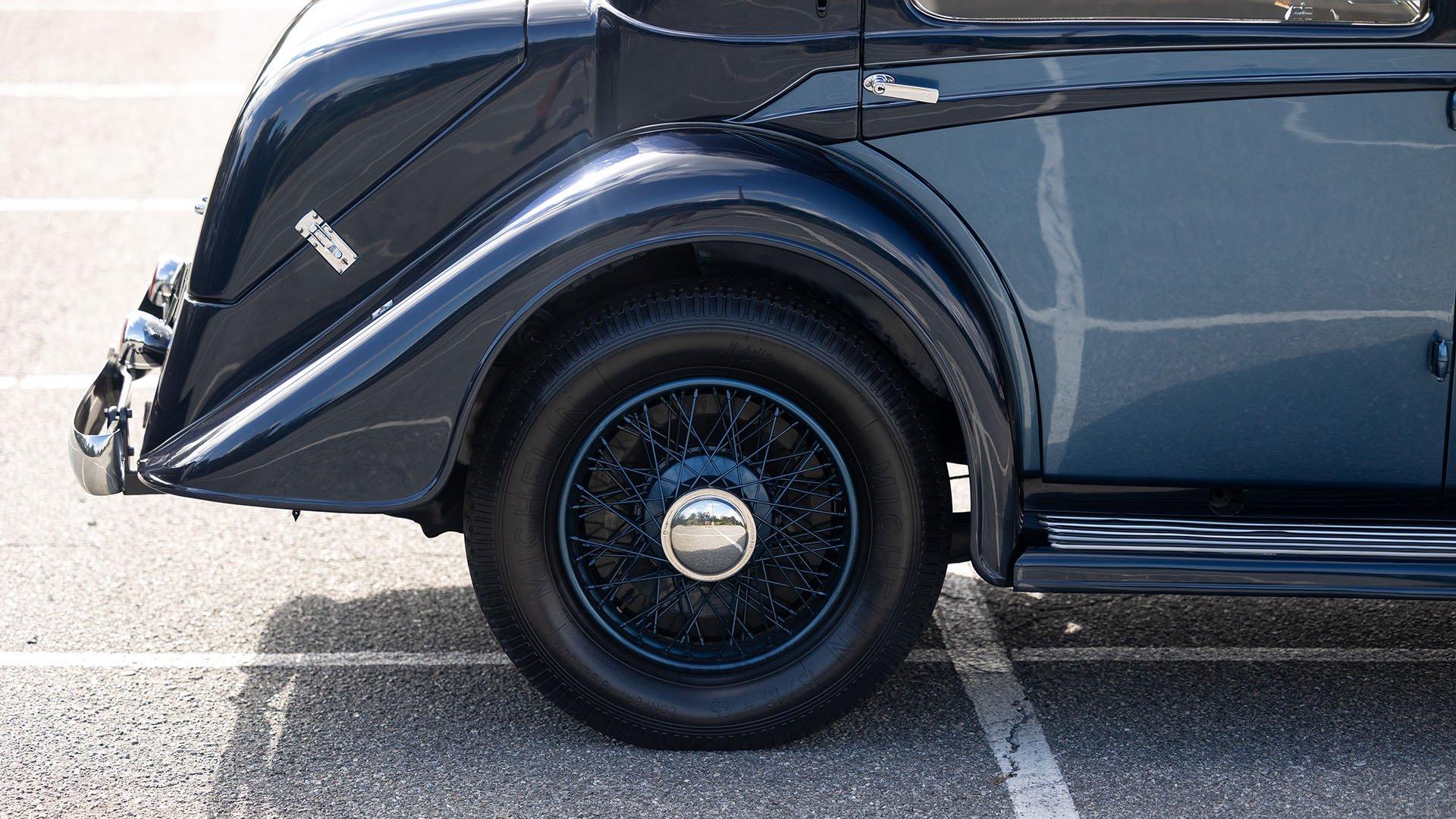
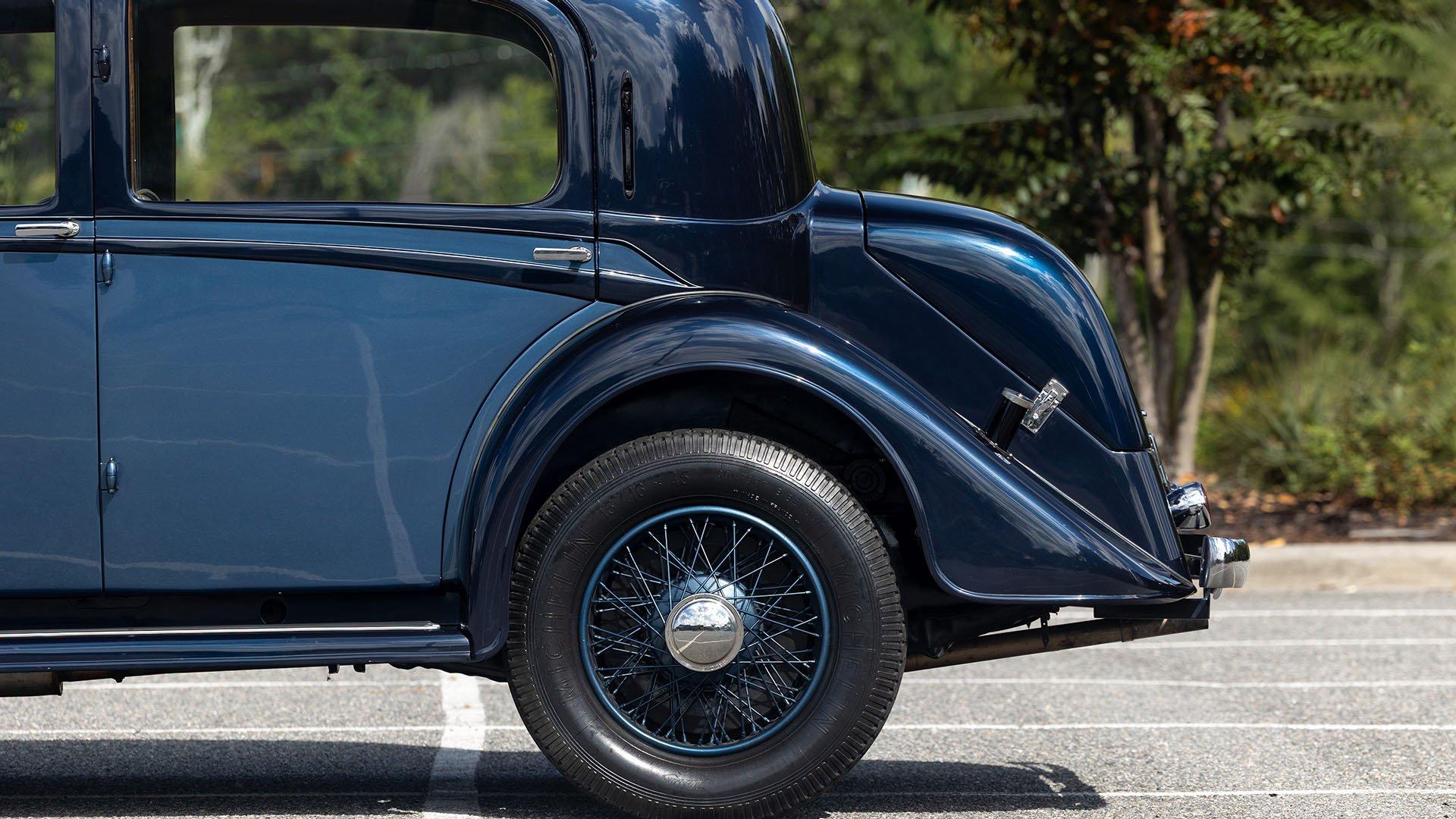
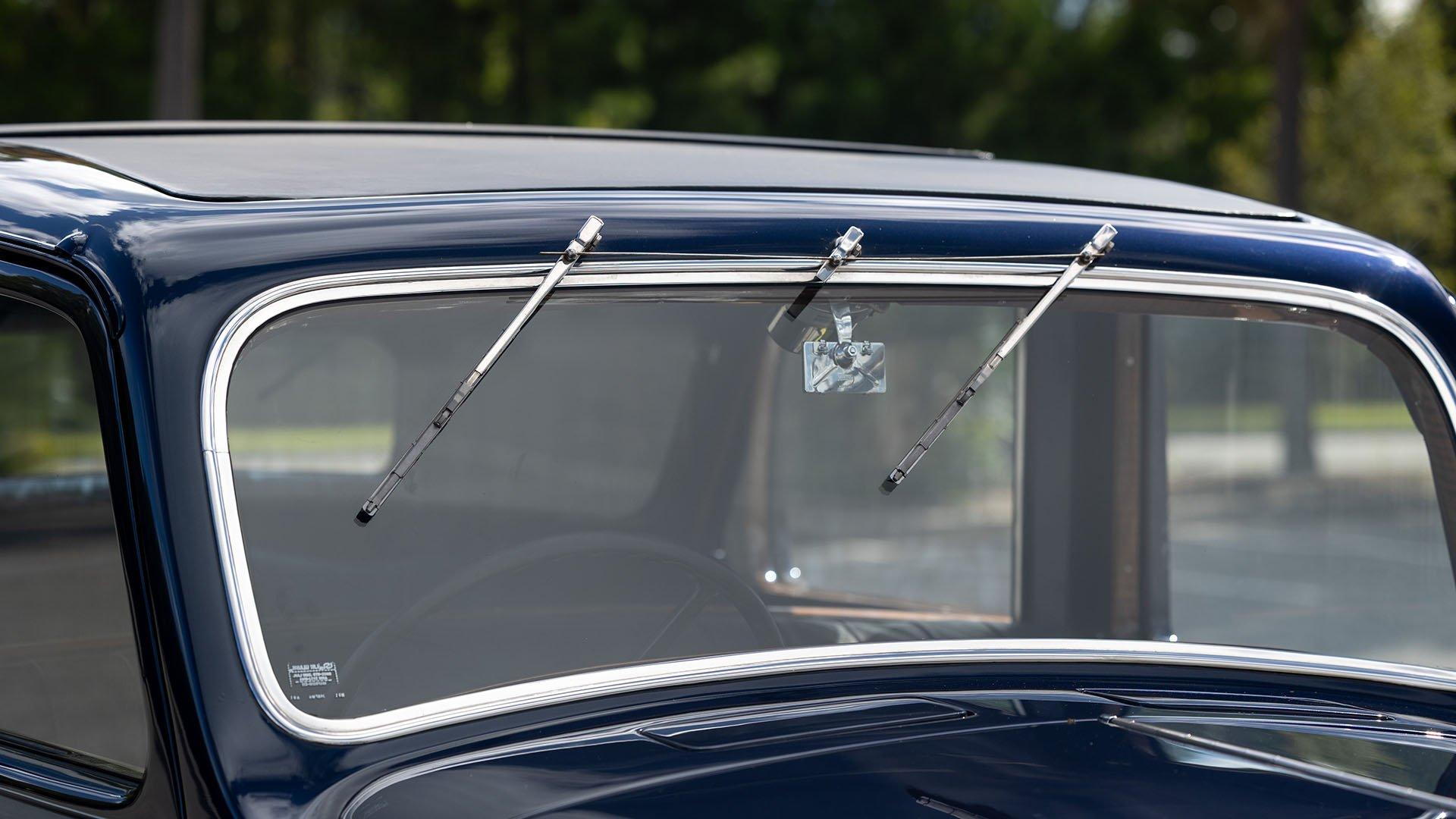
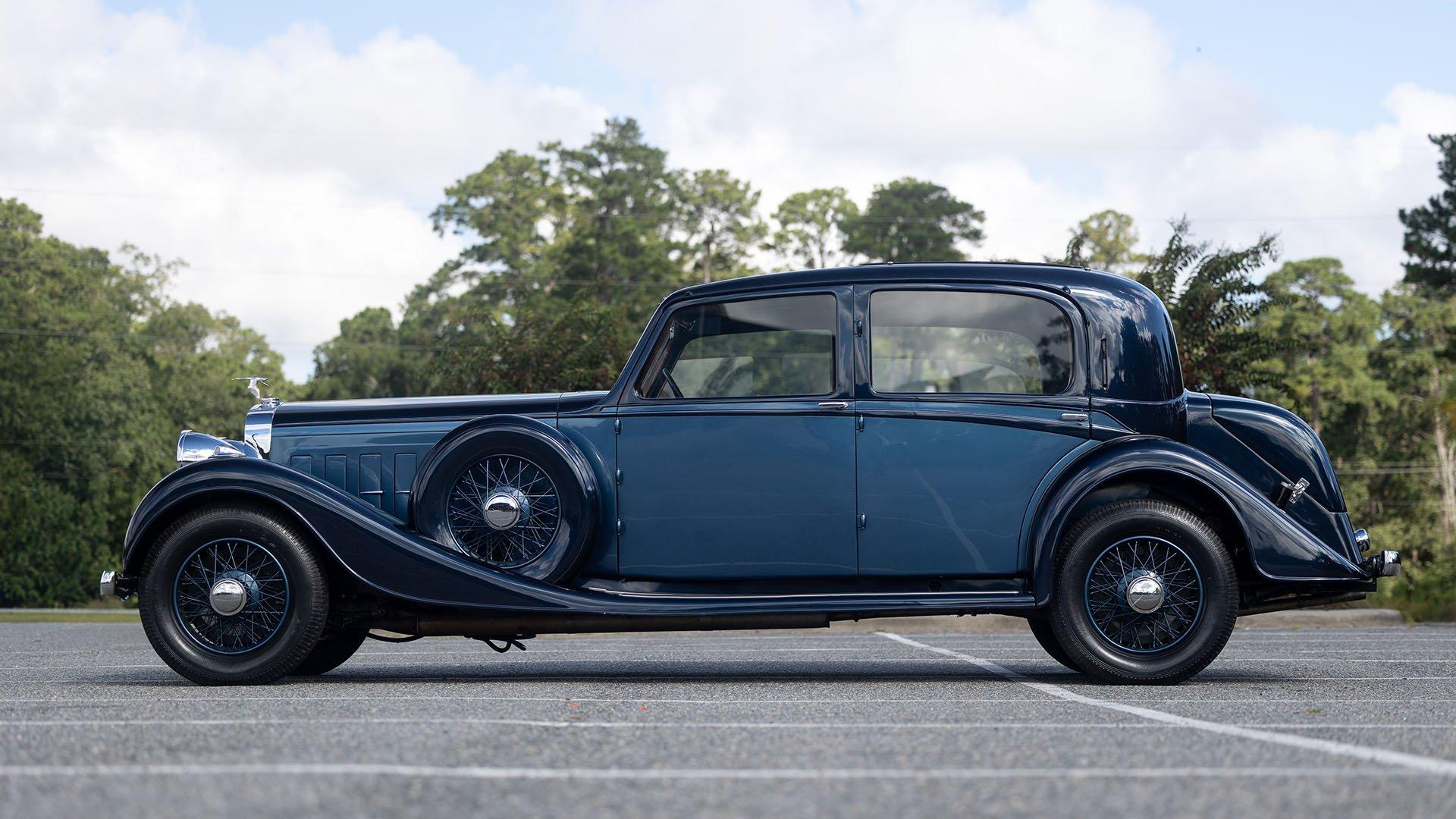
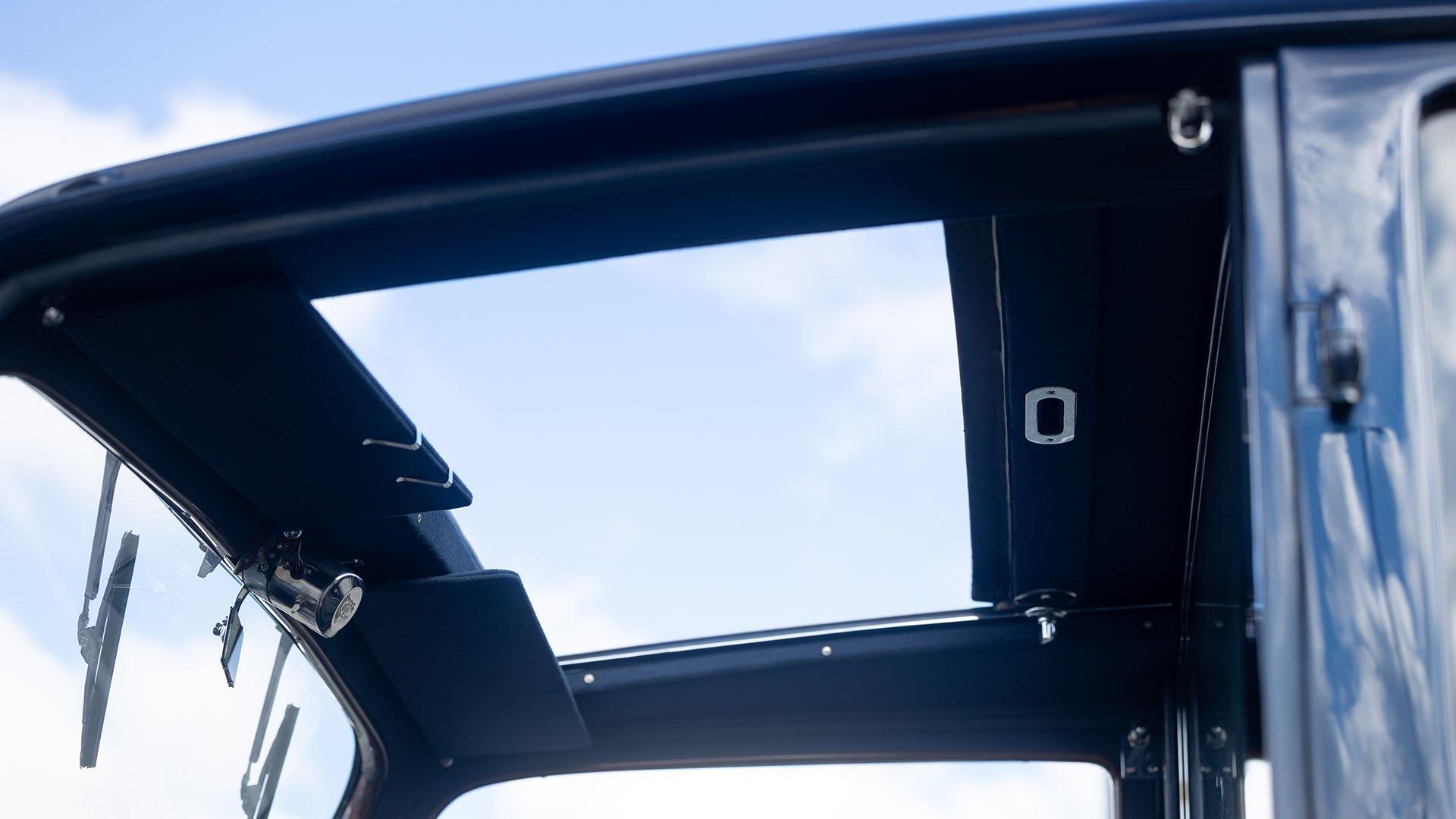
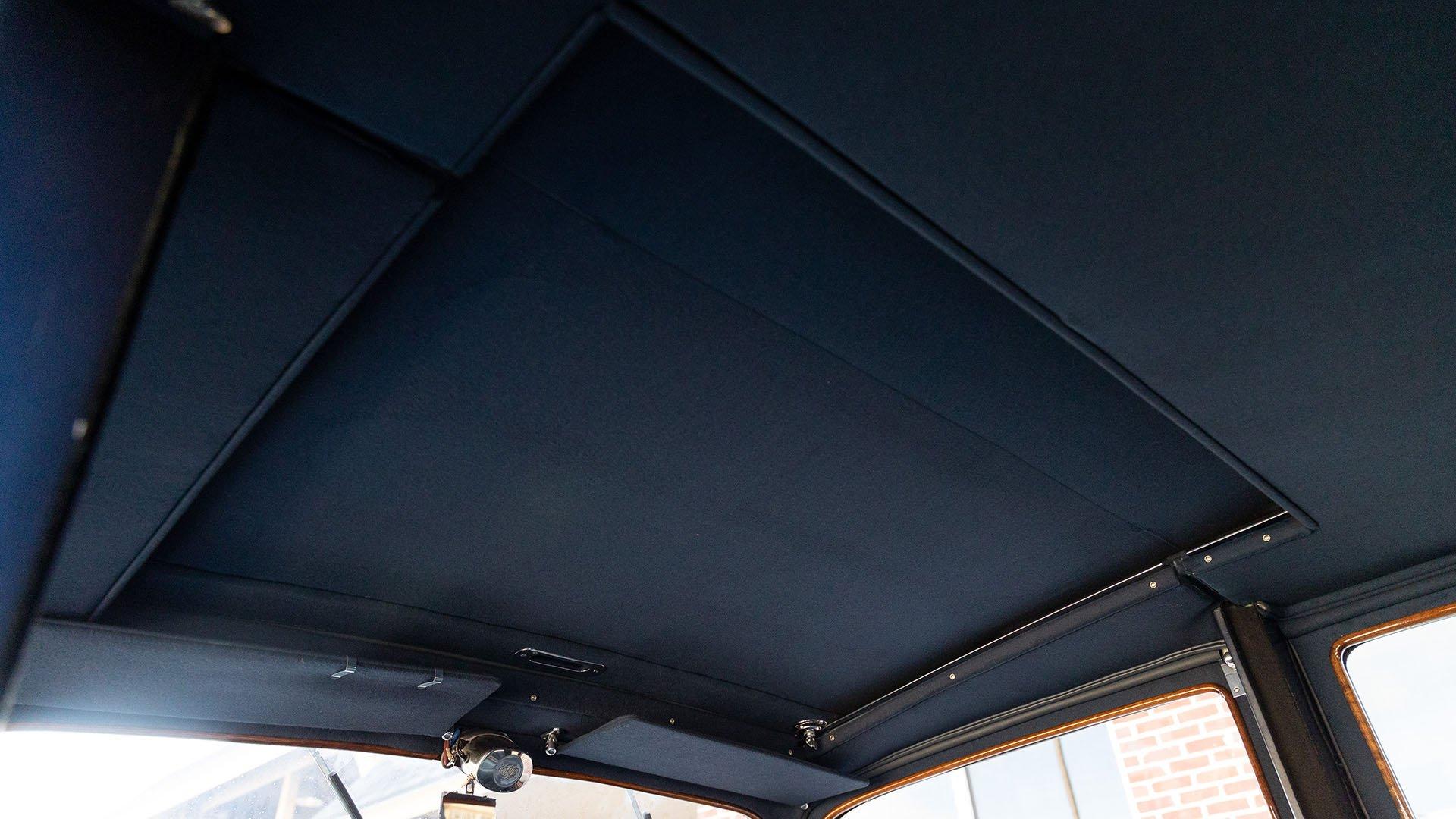
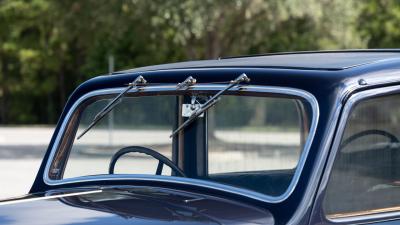
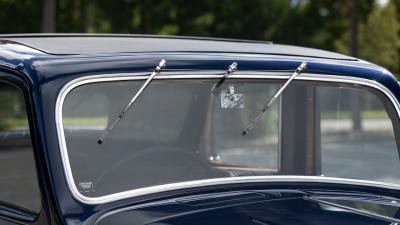
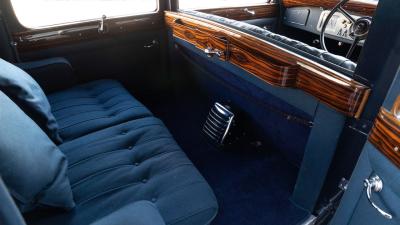
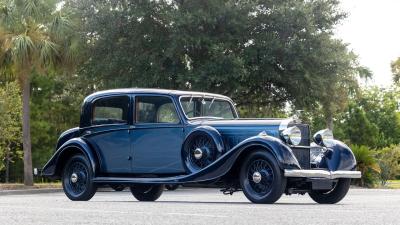
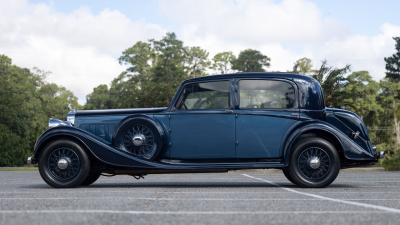
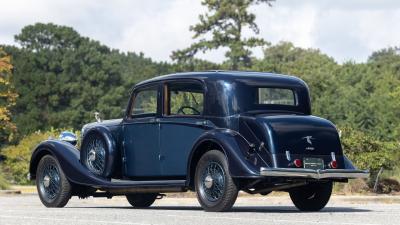
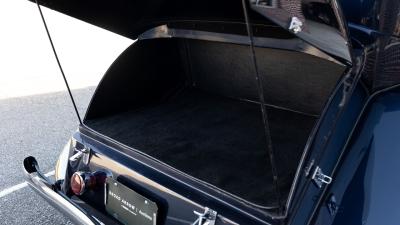
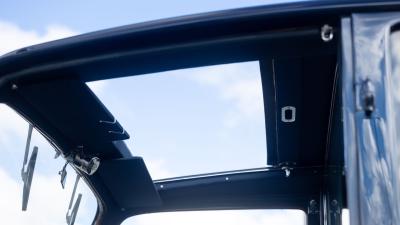
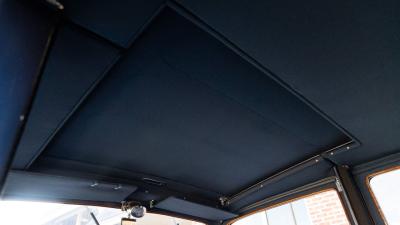
It was to Vanvooren that chassis number 15095, fitted with engine number 333142, was entrusted in May 1936 to be fitted with its coachwork equipped with sunroof and chauffeur division, at the request of its first owner, Dr. Pierre Eugène Darcissac.
A distinguished French professor and dental surgeon, Dr. Darcissac earned his Doctor of Dental Surgery degree from the University of Pennsylvania and was serving as Vice President of the American Dental Society of Europe when he commissioned the car in 1936.
A photograph of the car from that year, kindly provided by the French Hispano-Suiza Register along with information on its early history, shows it being presented by Miss Mounia, a well-known concours d'élégance figure of the era.
Initially registered 8848 RK3, the car was subsequently registered in Paris as 9288 DG 75 in 1955, while still owned by Dr. Darcissac. It is known to have later been in New York in the hands of Bob Marceca before being sold in Connecticut to Richard B. Wilder in 1976. The previous owner acquired the car from Wilder in 1981. What followed was a remarkable four-decade period of ownership by Javier Leon and his wife, Berta, and later by her second husband, Jim Hackney, who meticulously cared for the car, including an important restoration campaign in the late 1980s, documented by an impressive file of invoices available for review. They enjoyed the car on numerous long-distance rallies and at prestigious concours events, including the Grand Rallye Hispano-Suiza International Ritz Madrid in May 1989, a photograph of which is included in the file, as well as Pebble Beach in 1990, where it was honored as the most elegant Hispano-Suiza in attendance.
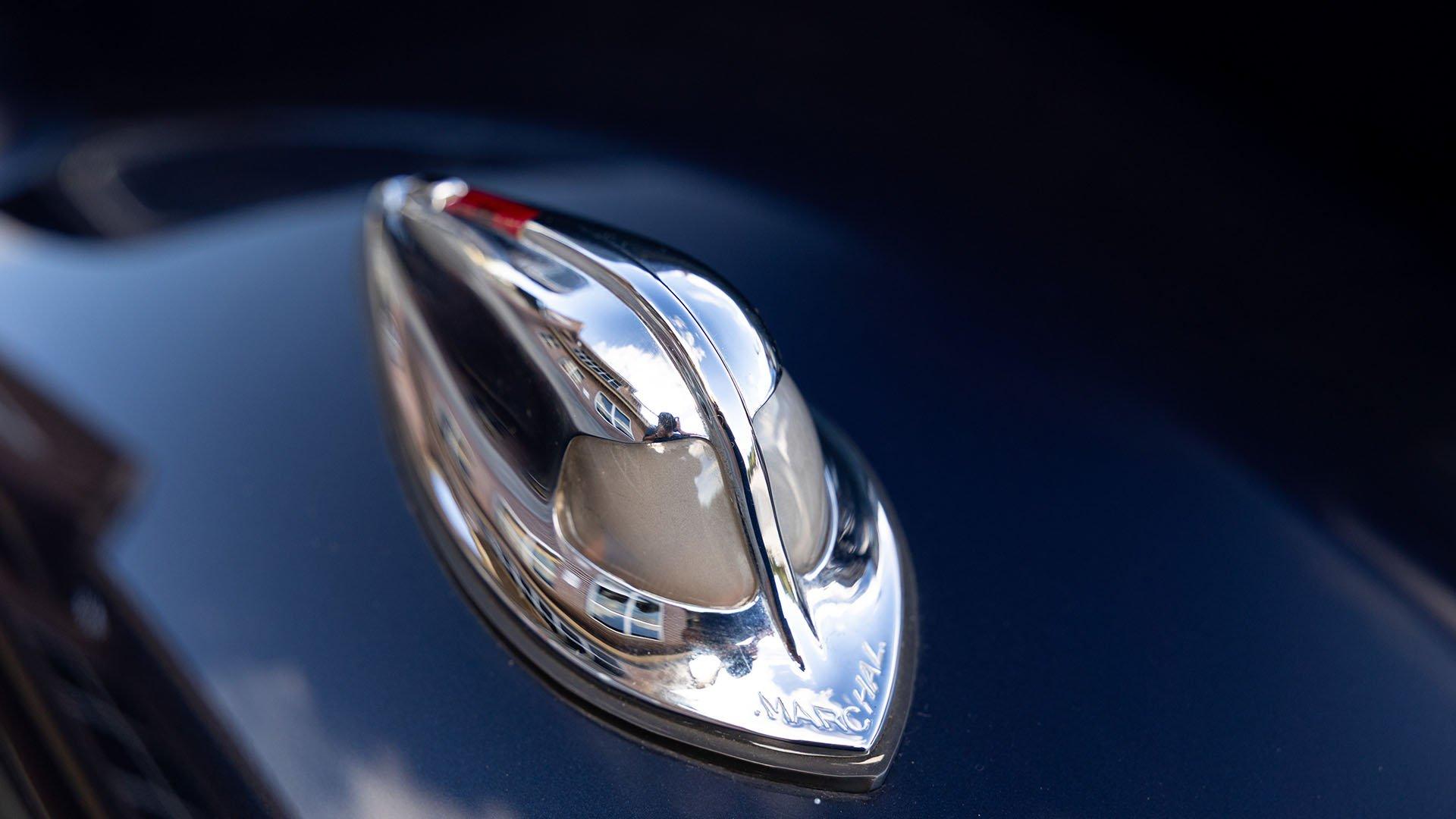
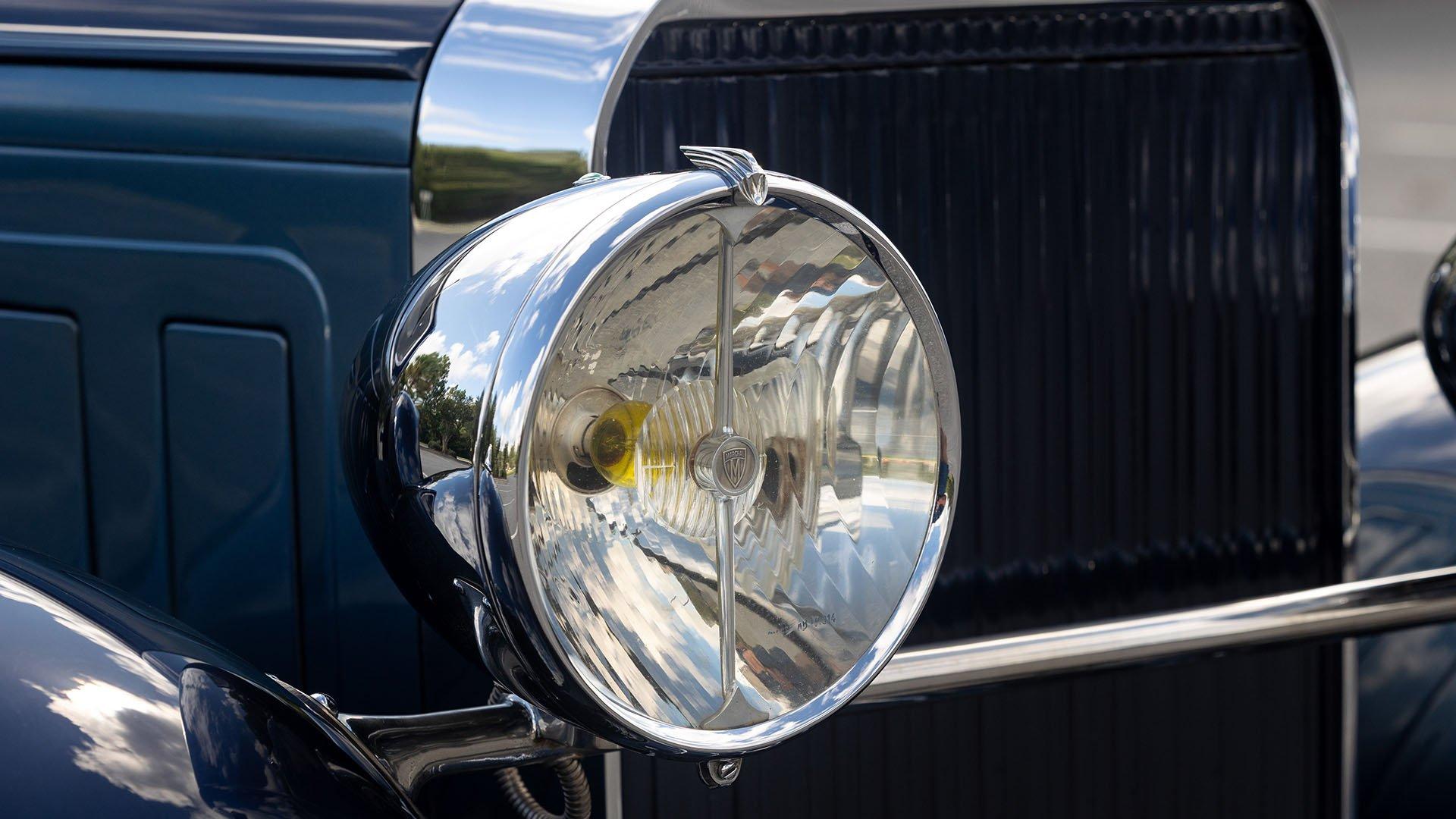
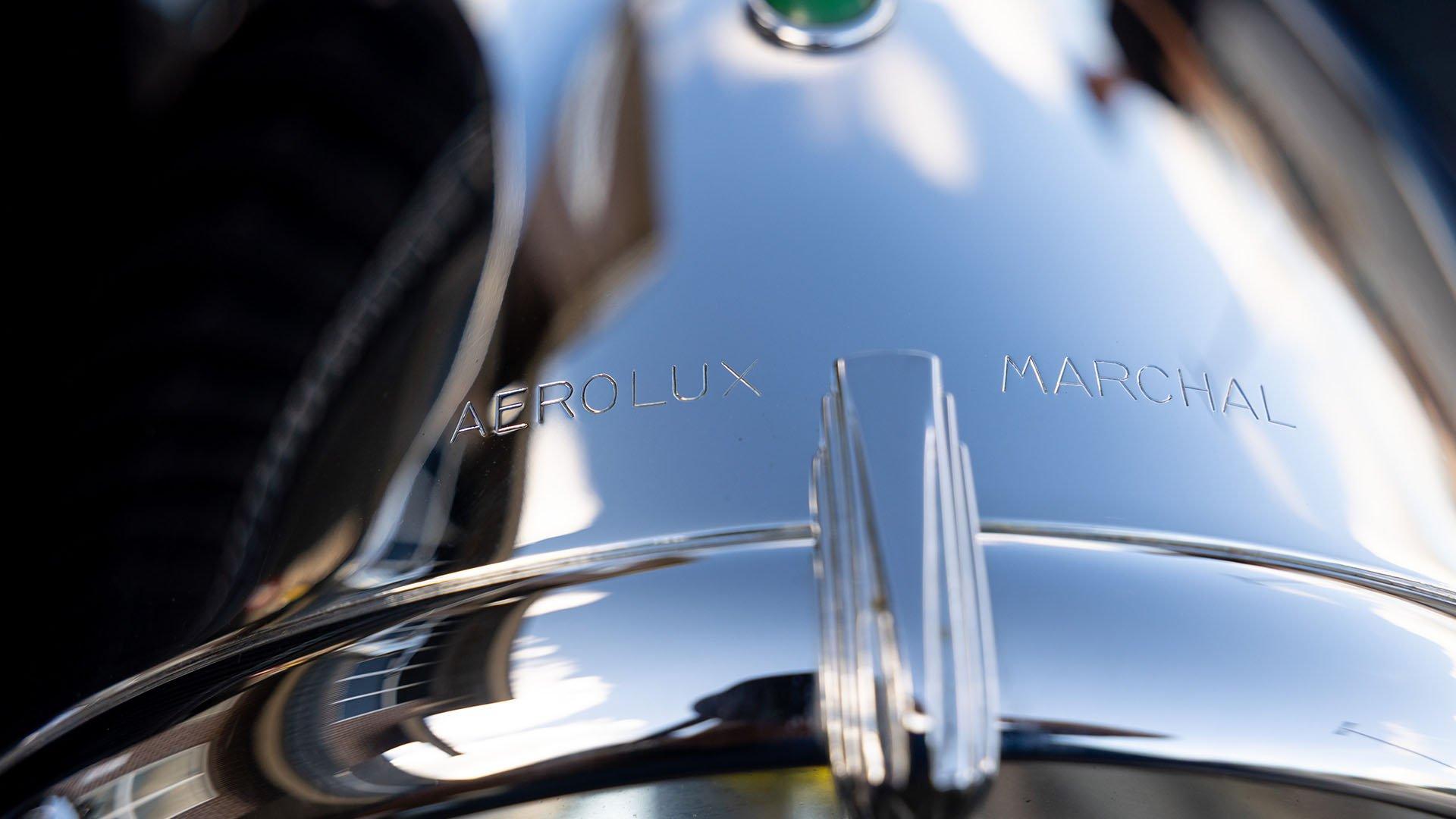
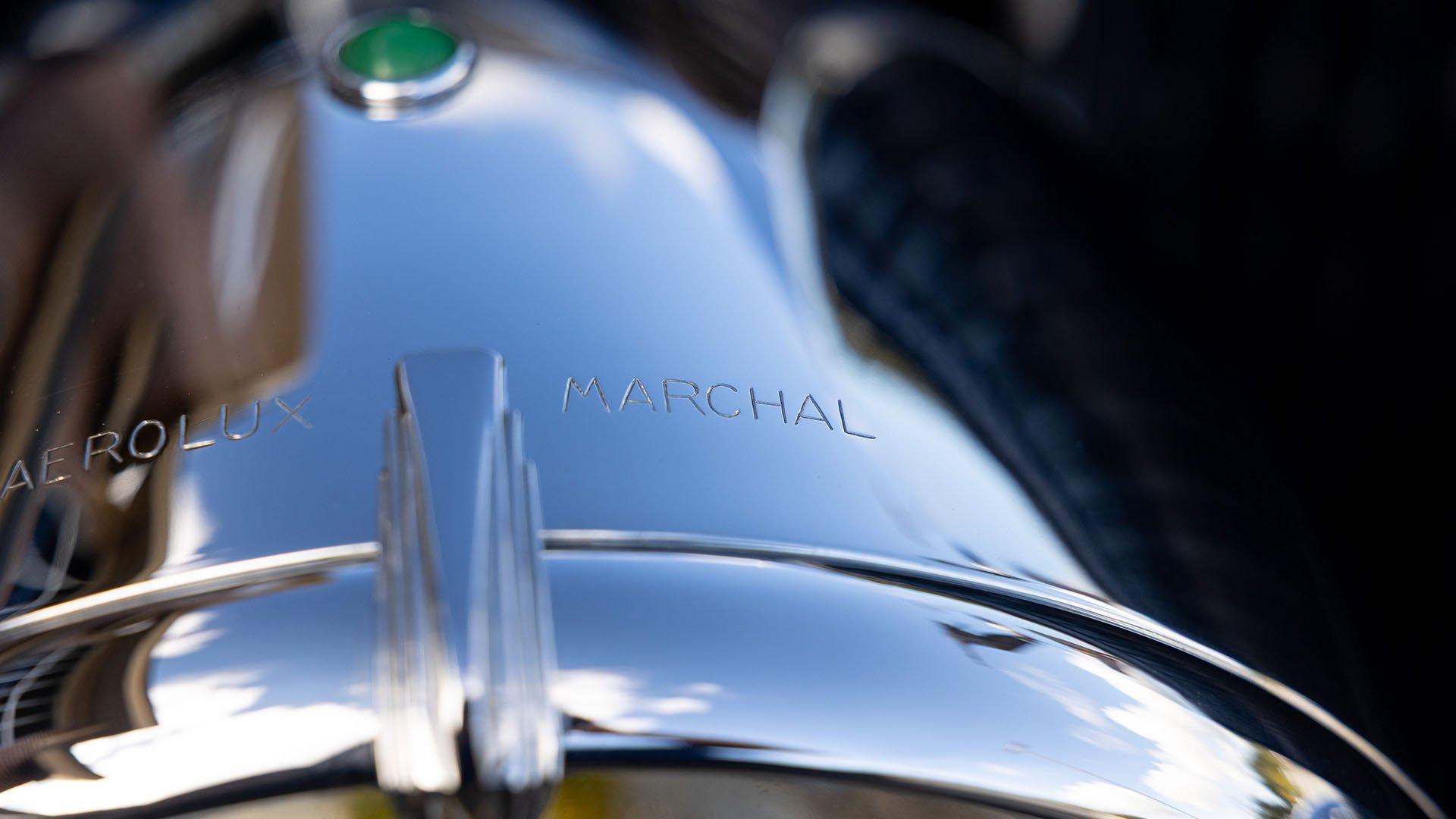
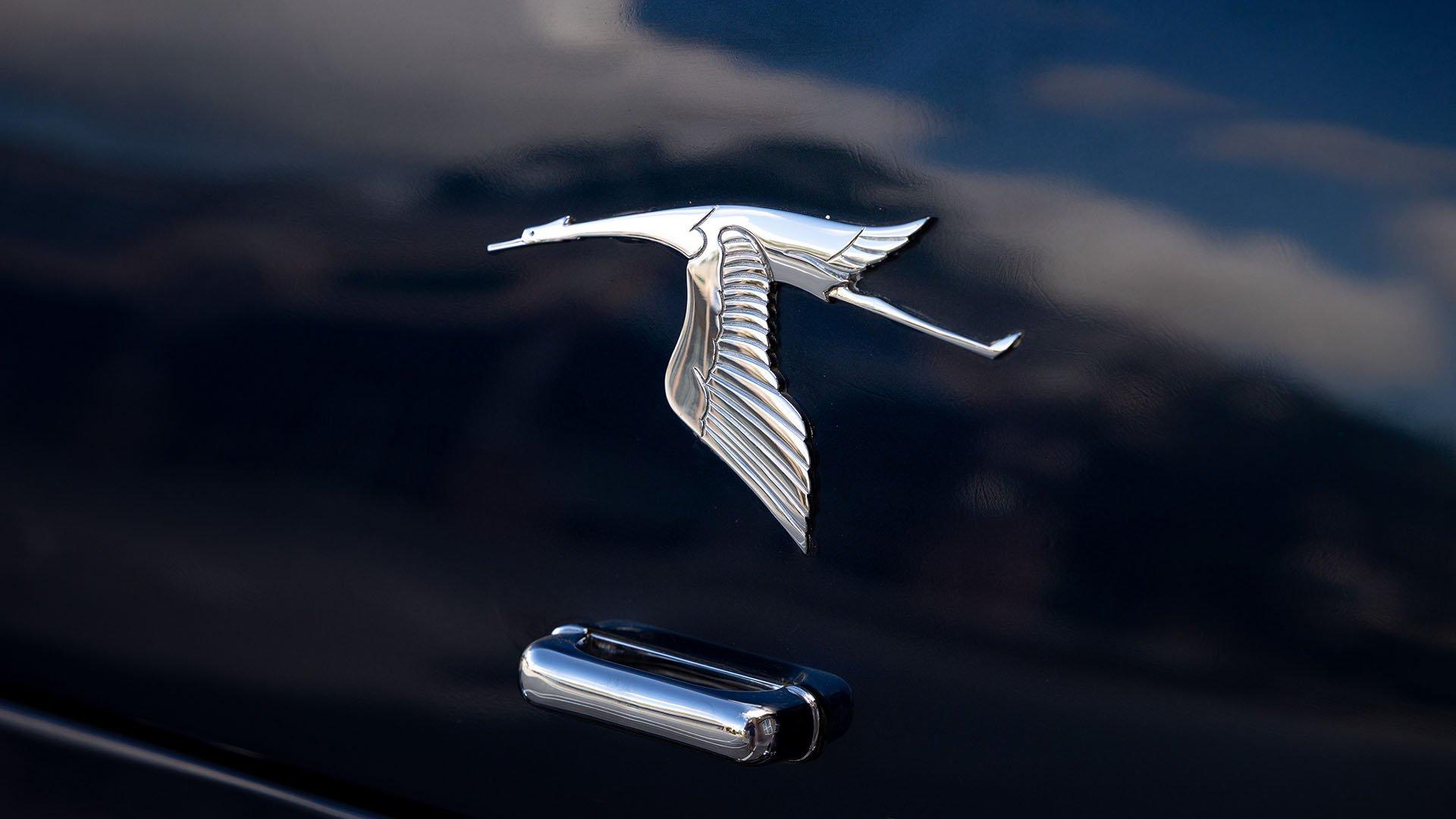
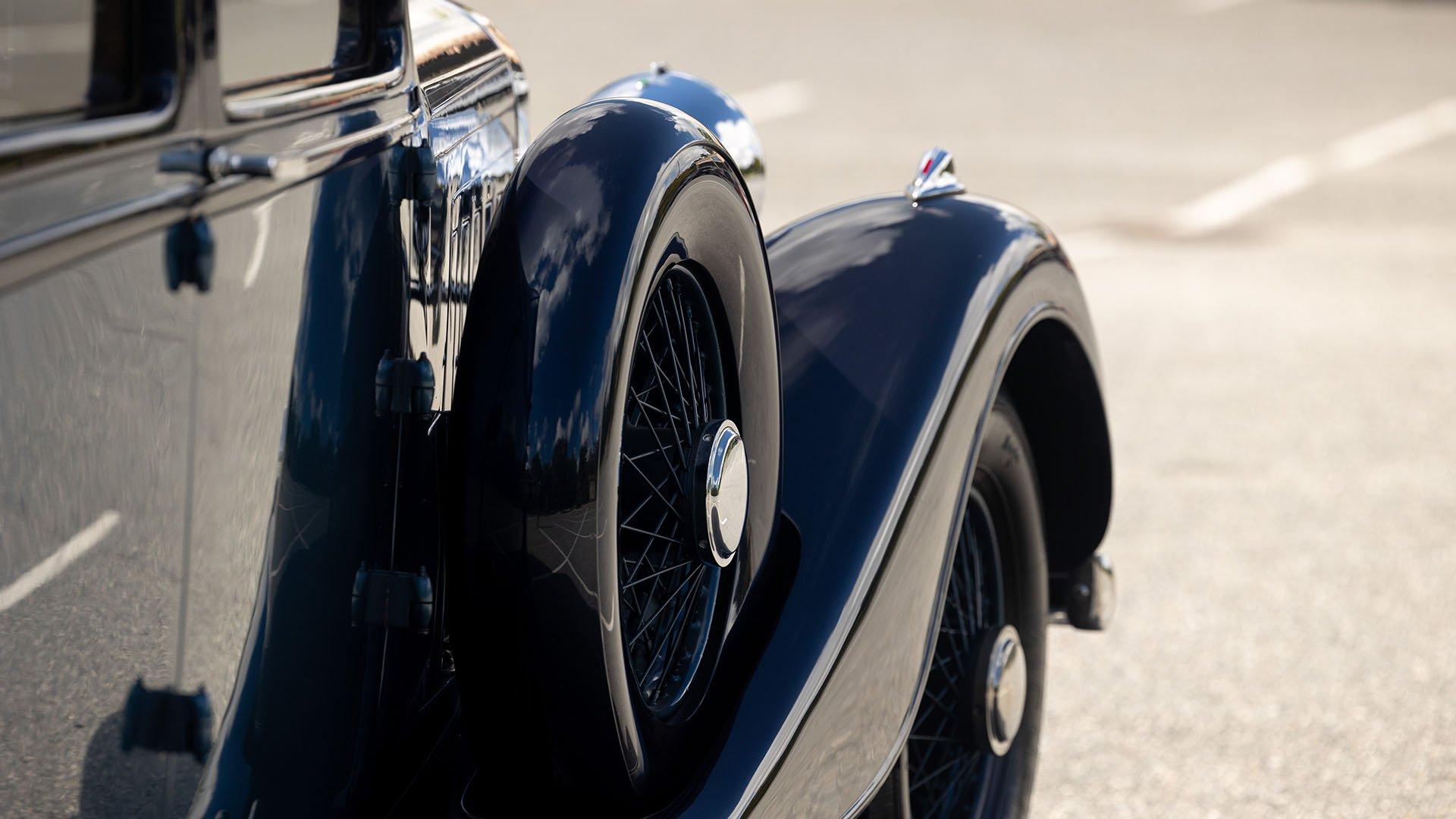
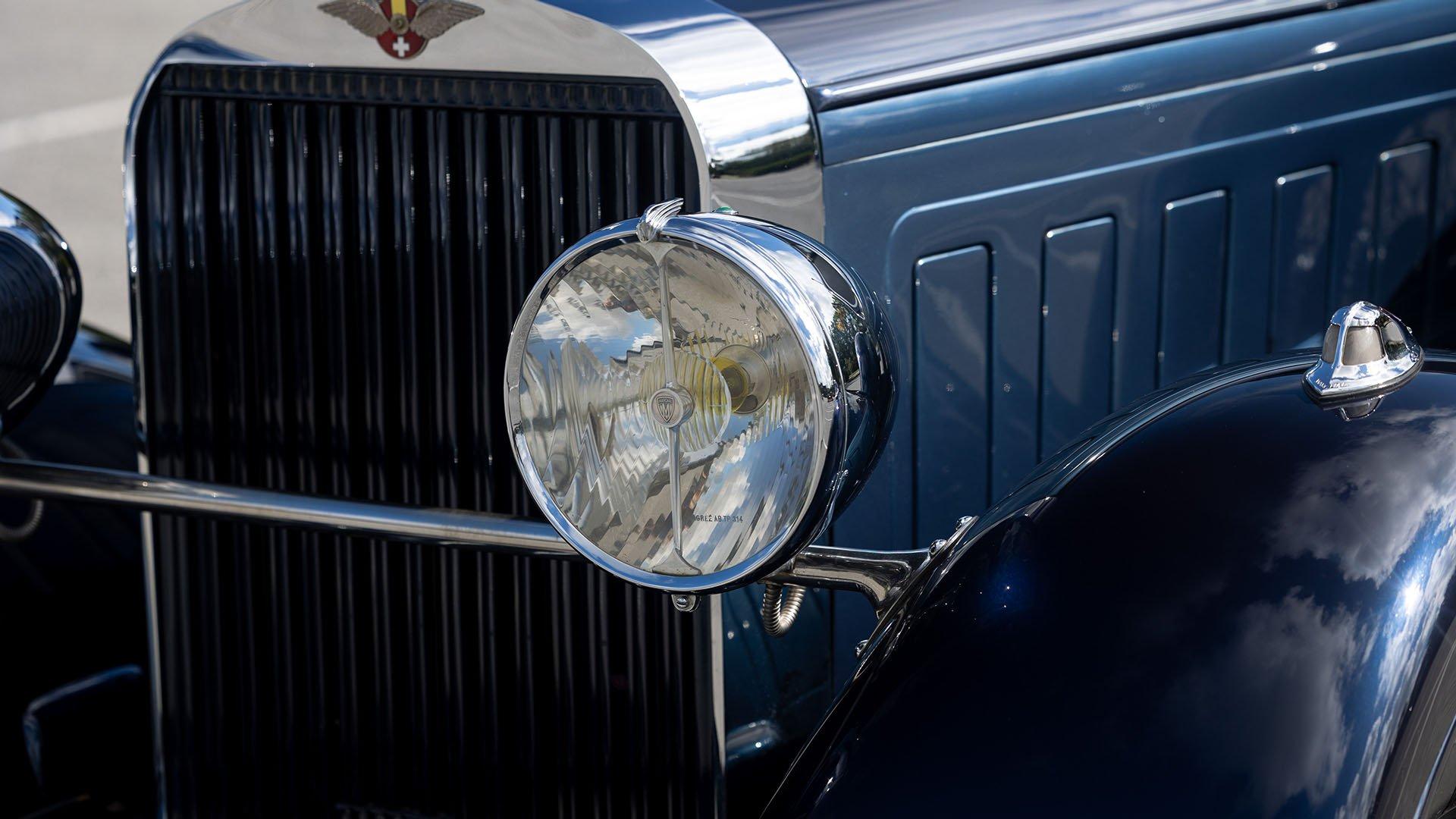
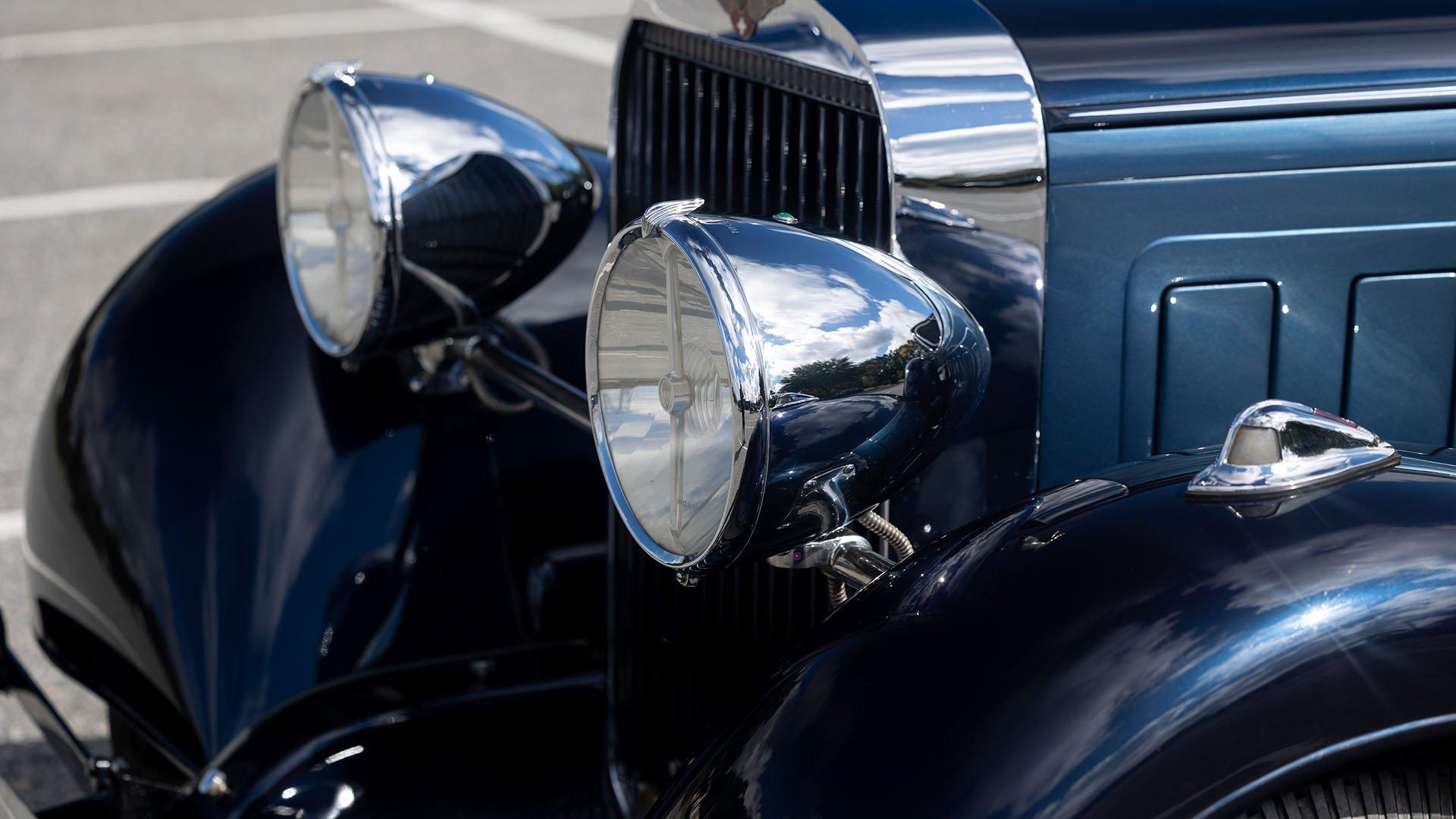
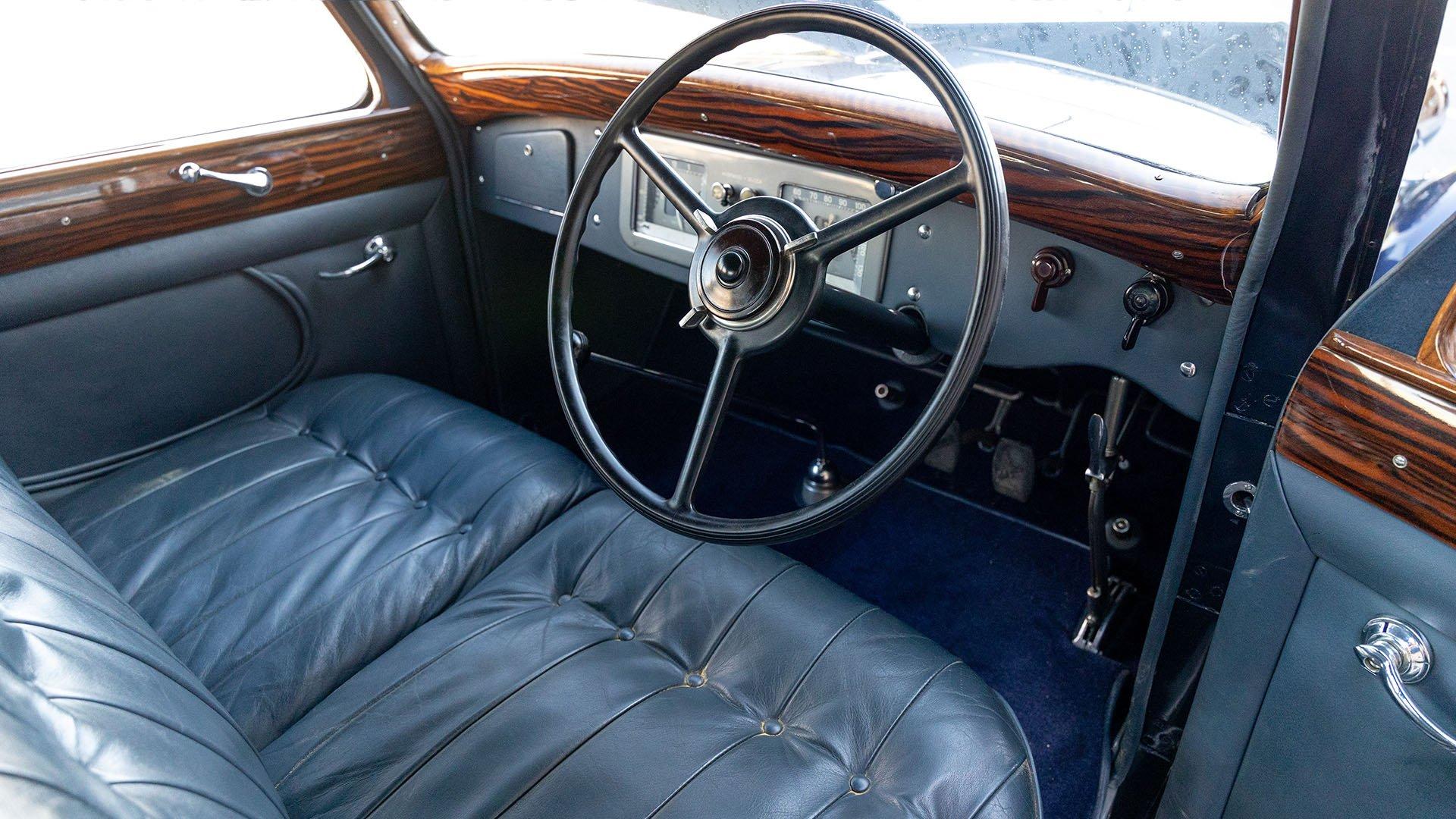
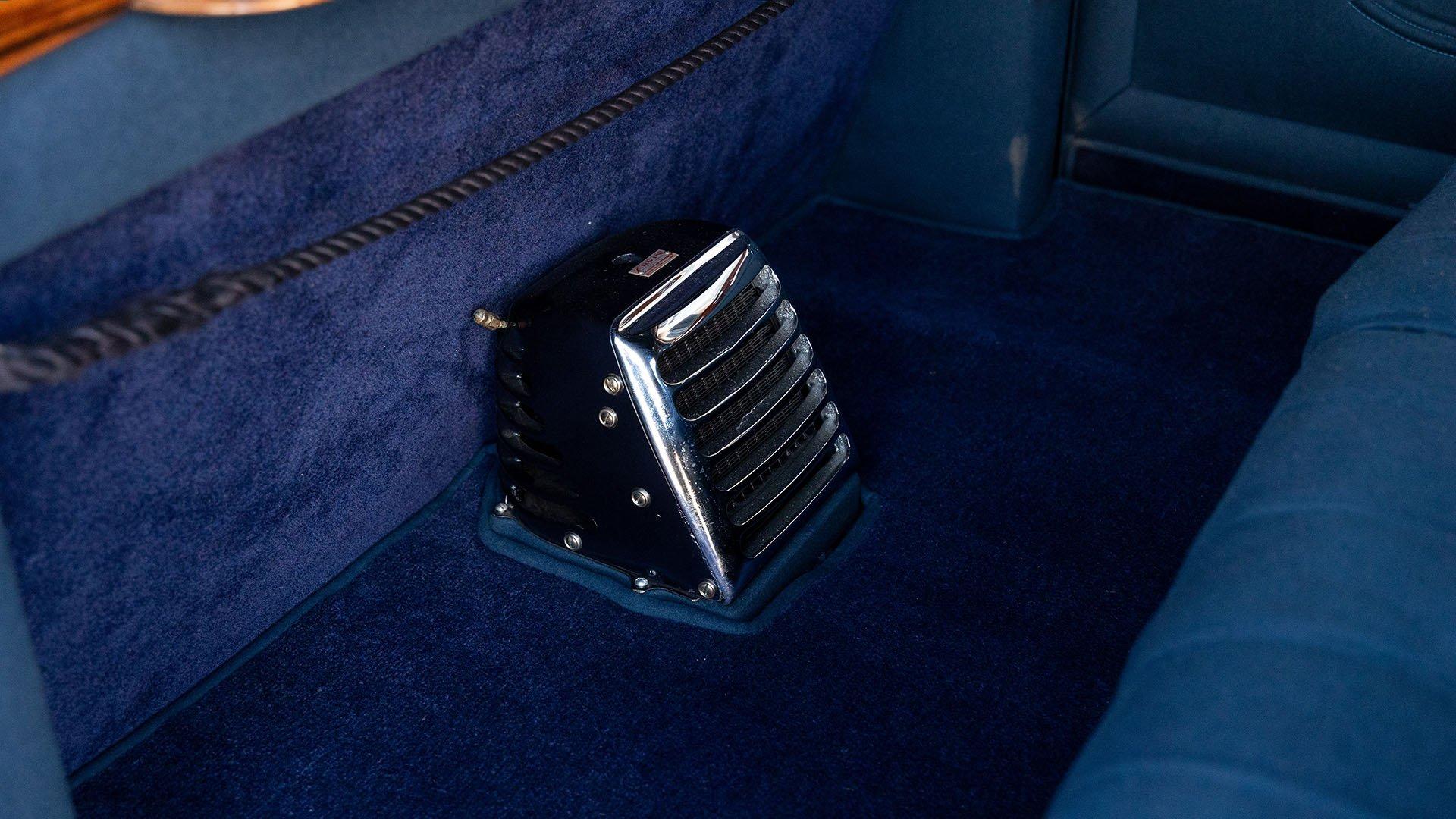
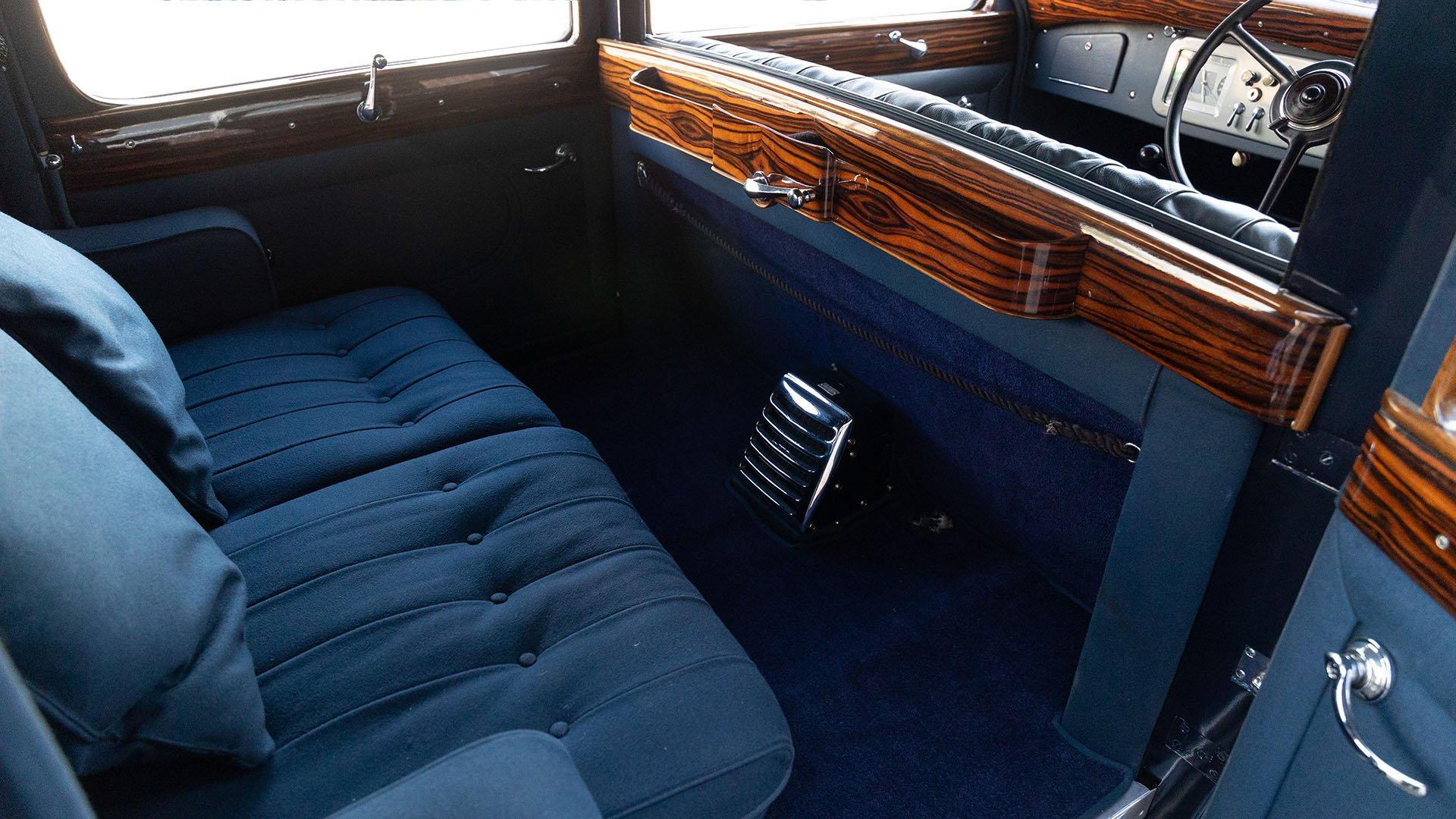
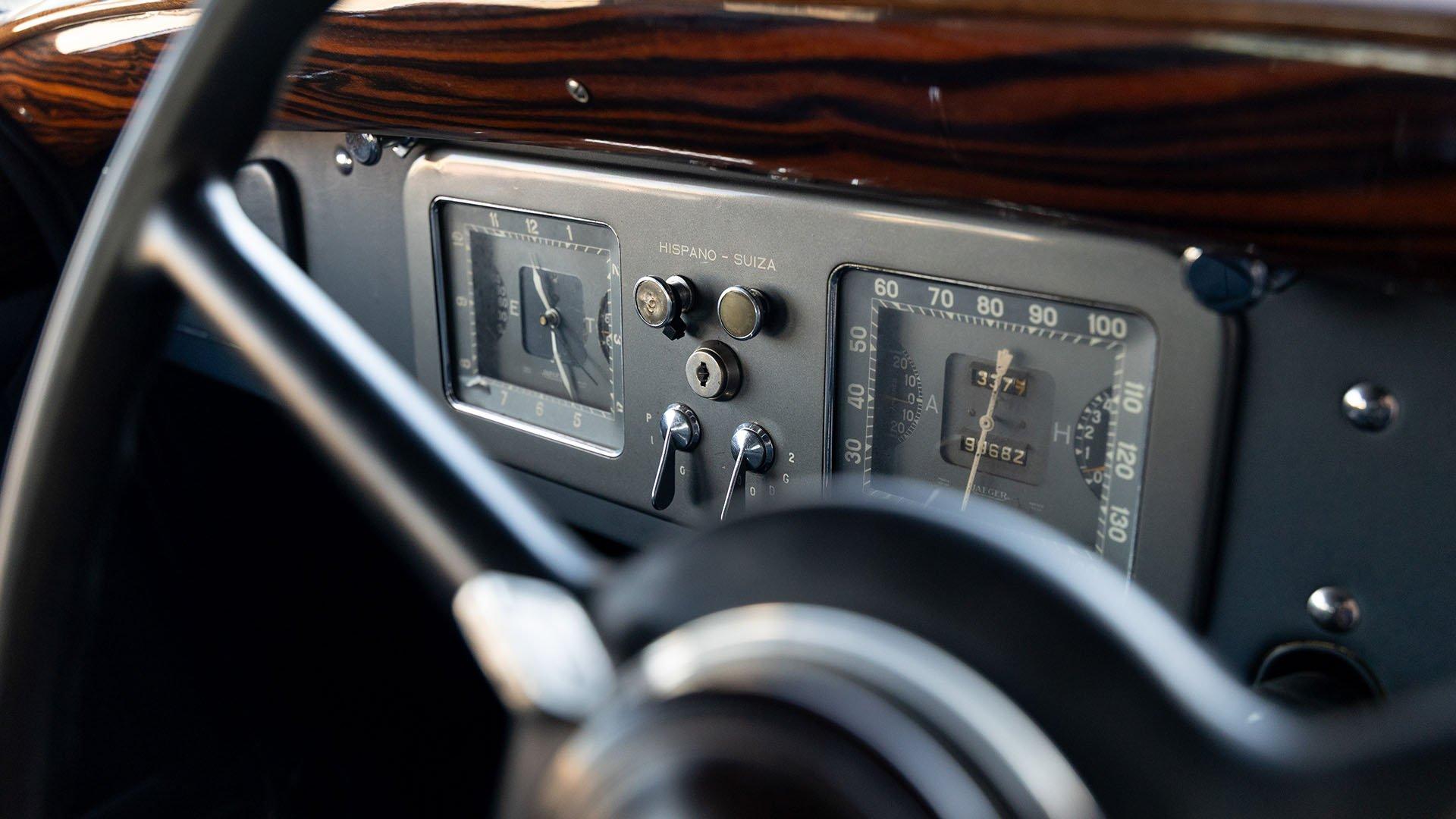
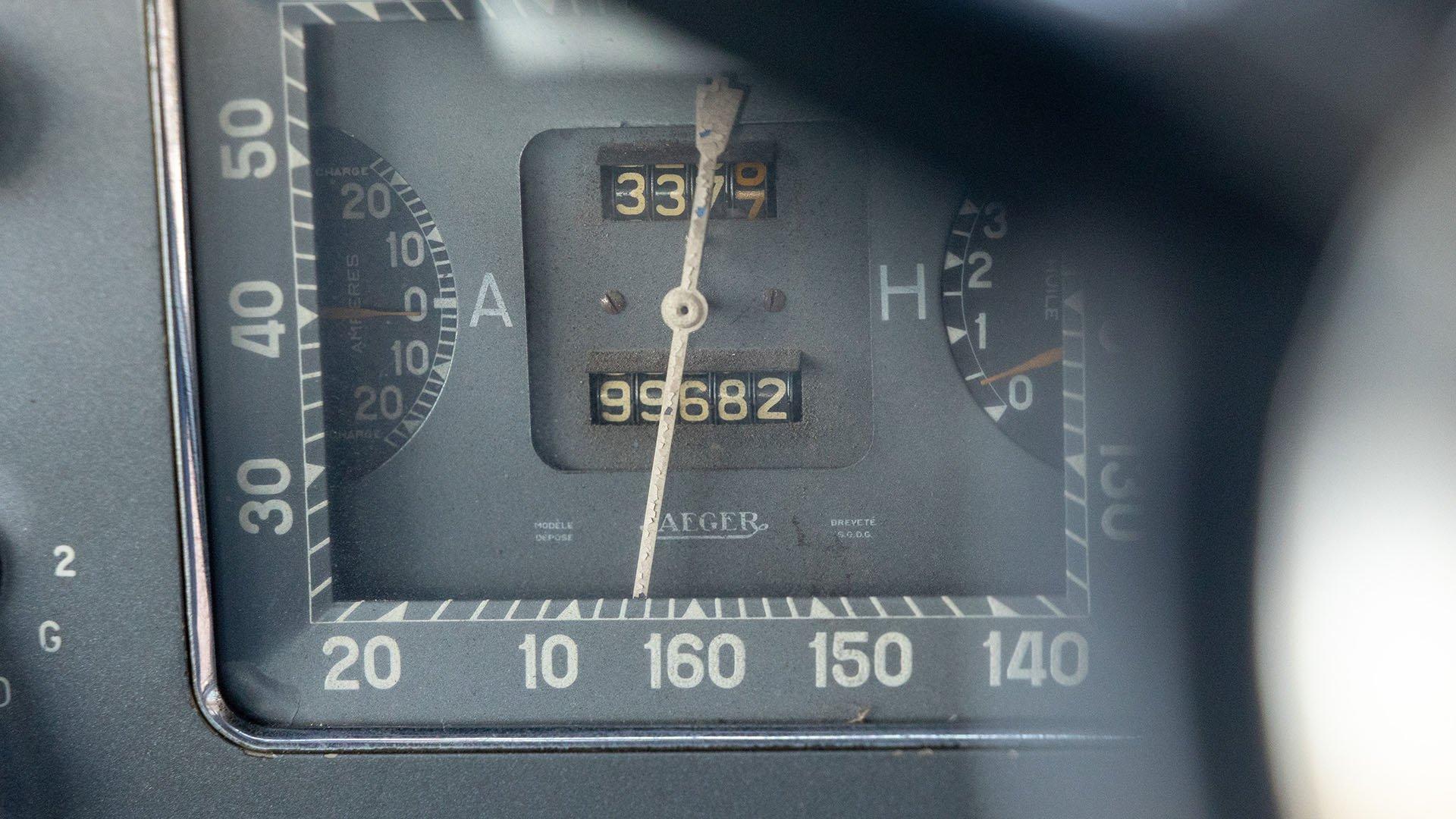
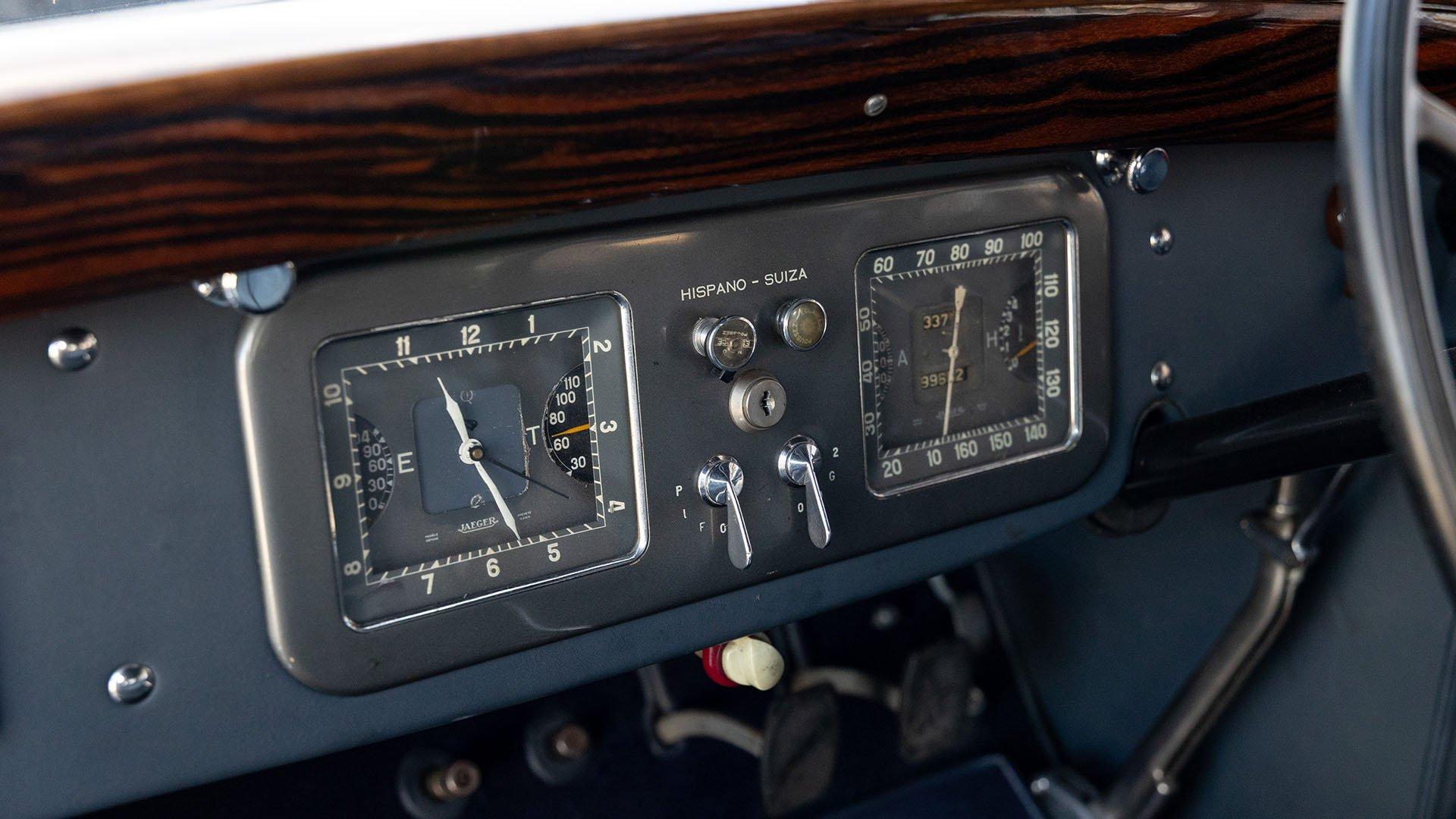
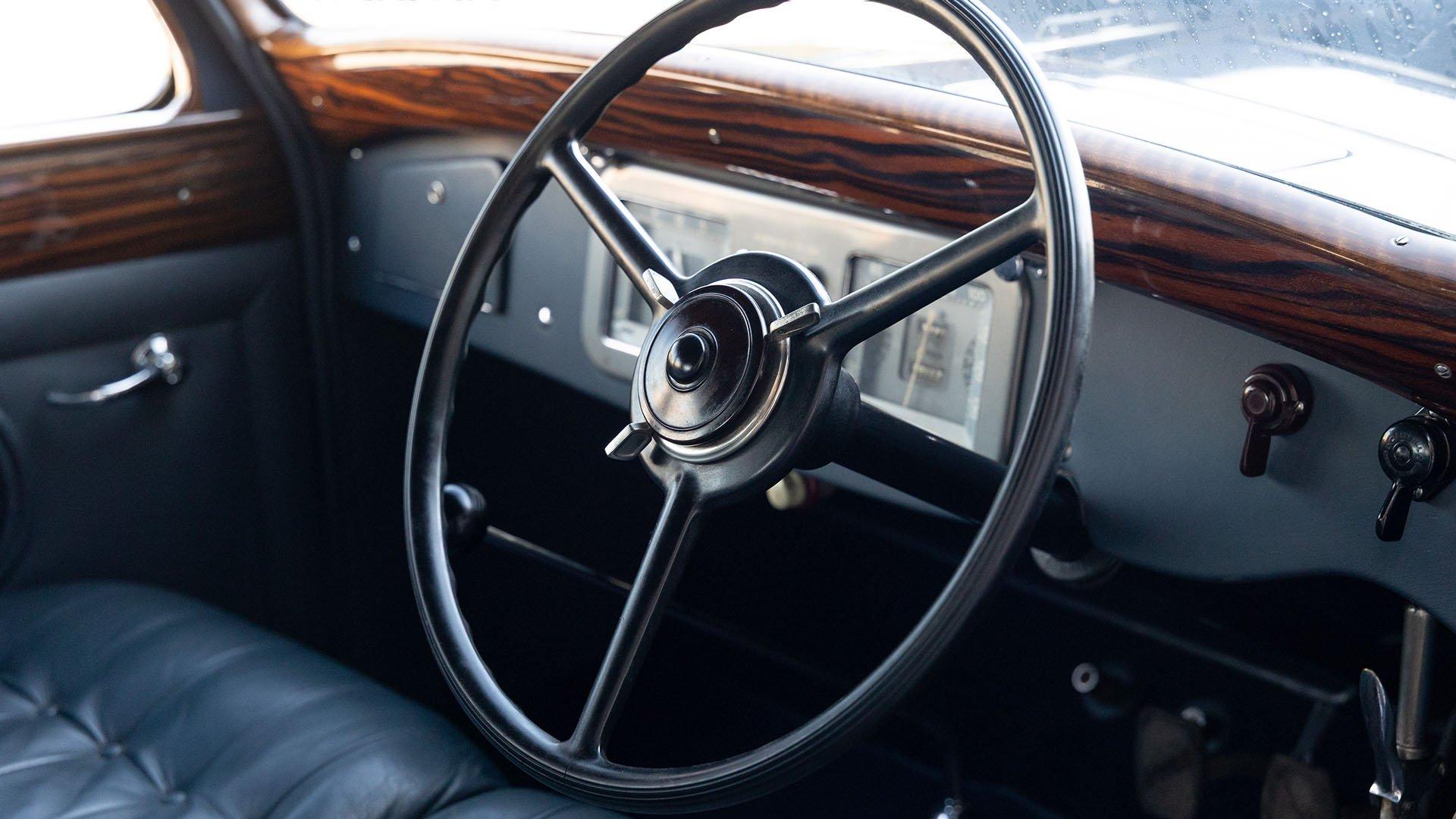
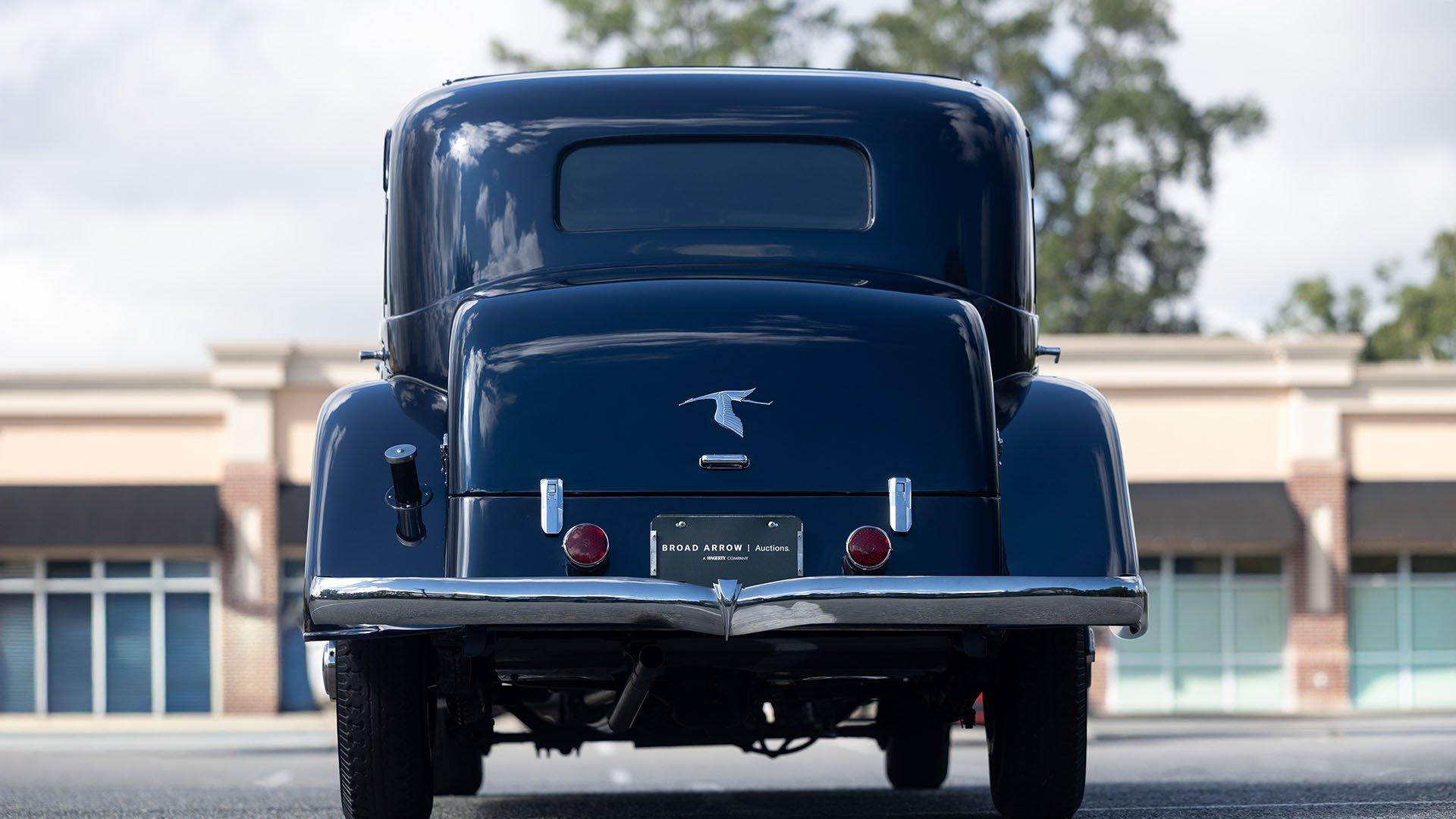
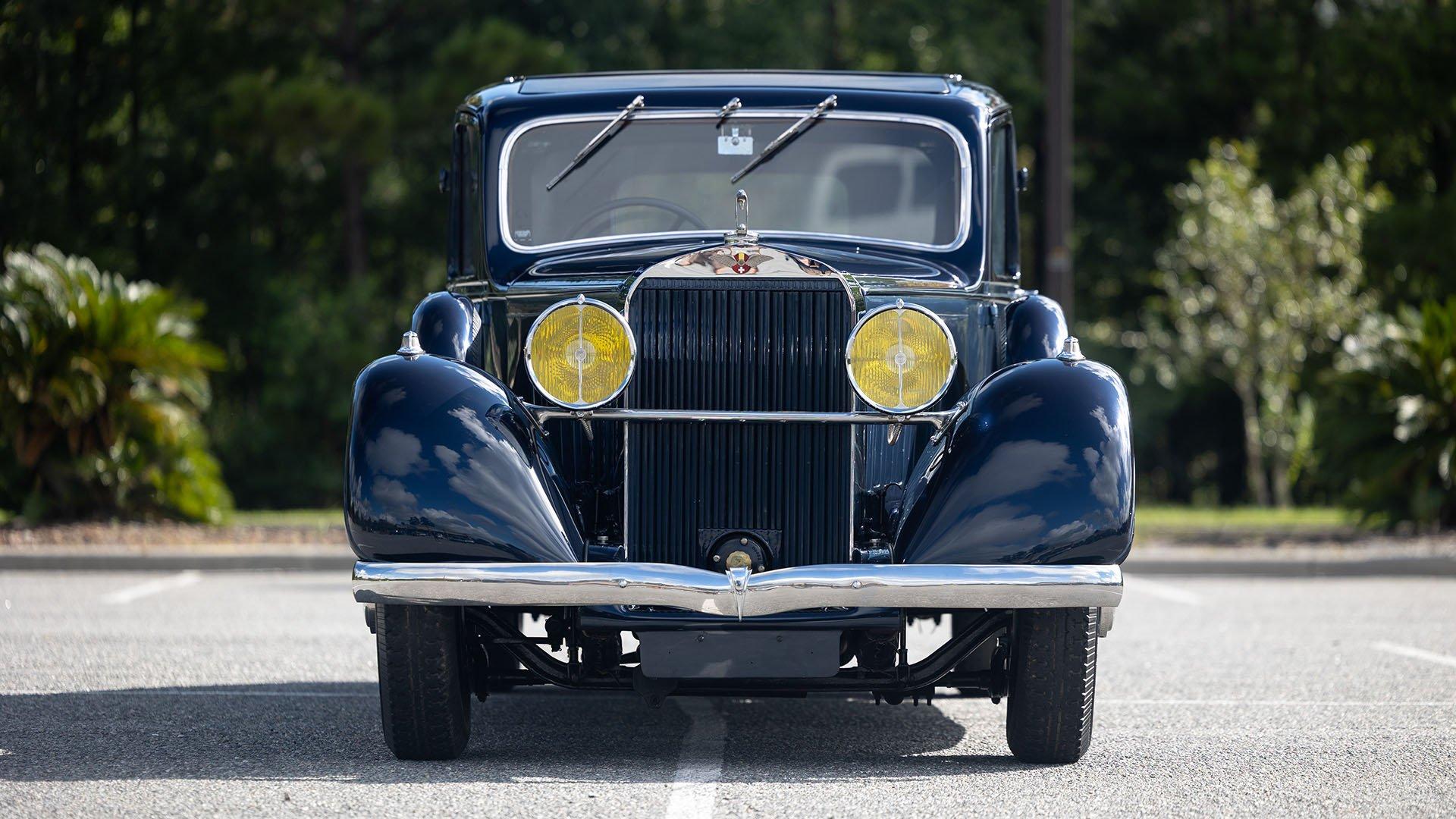
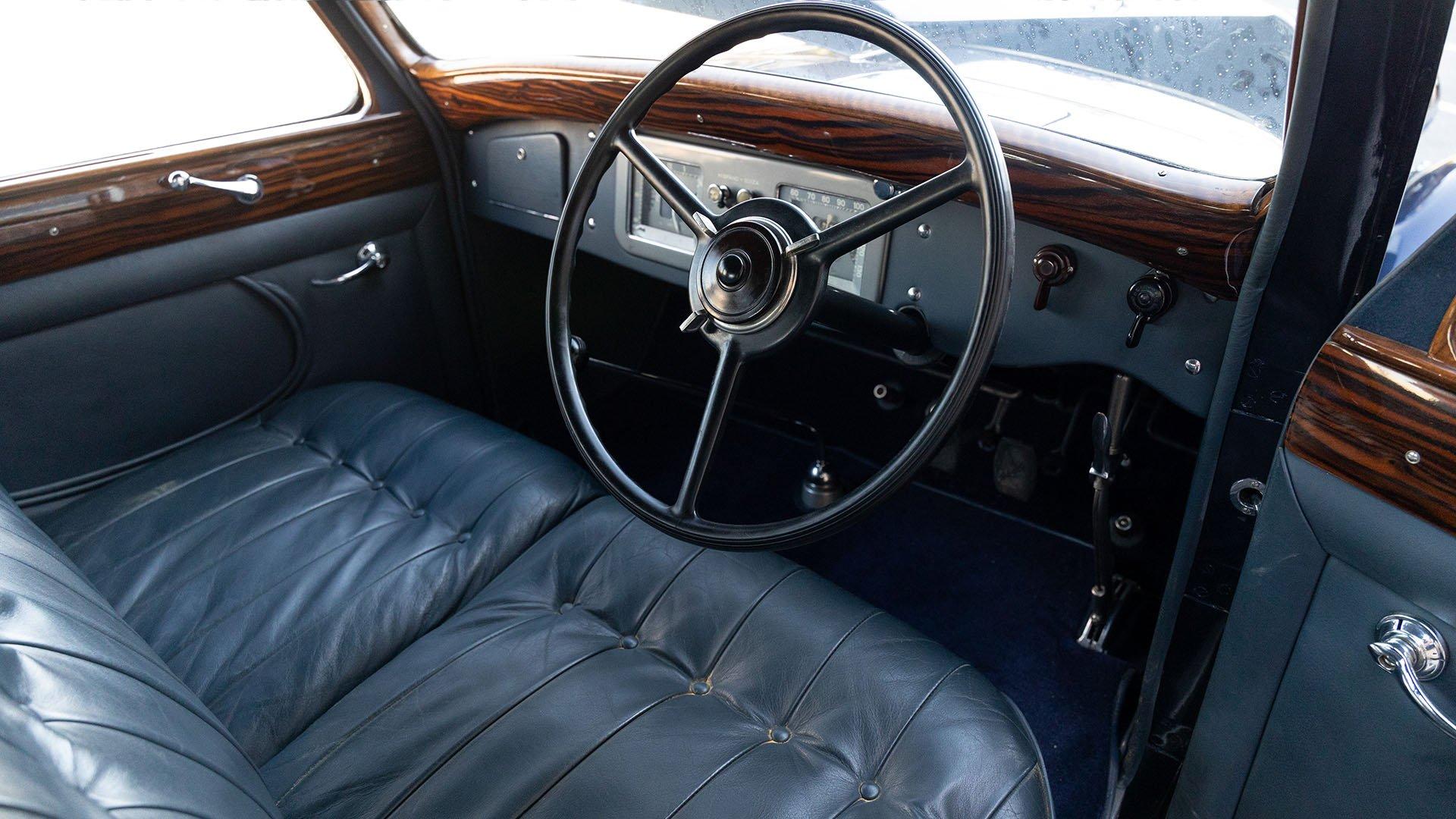
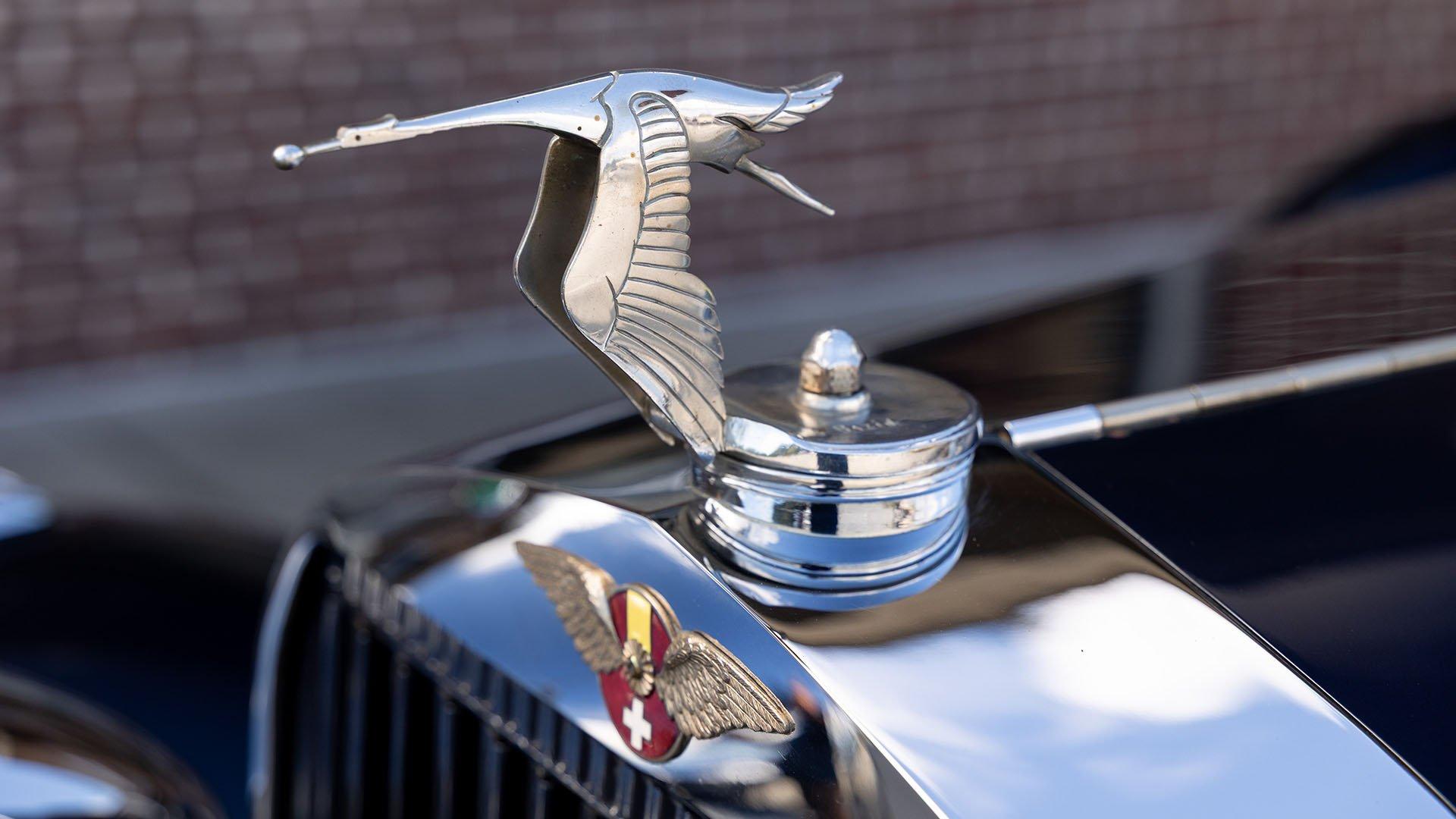
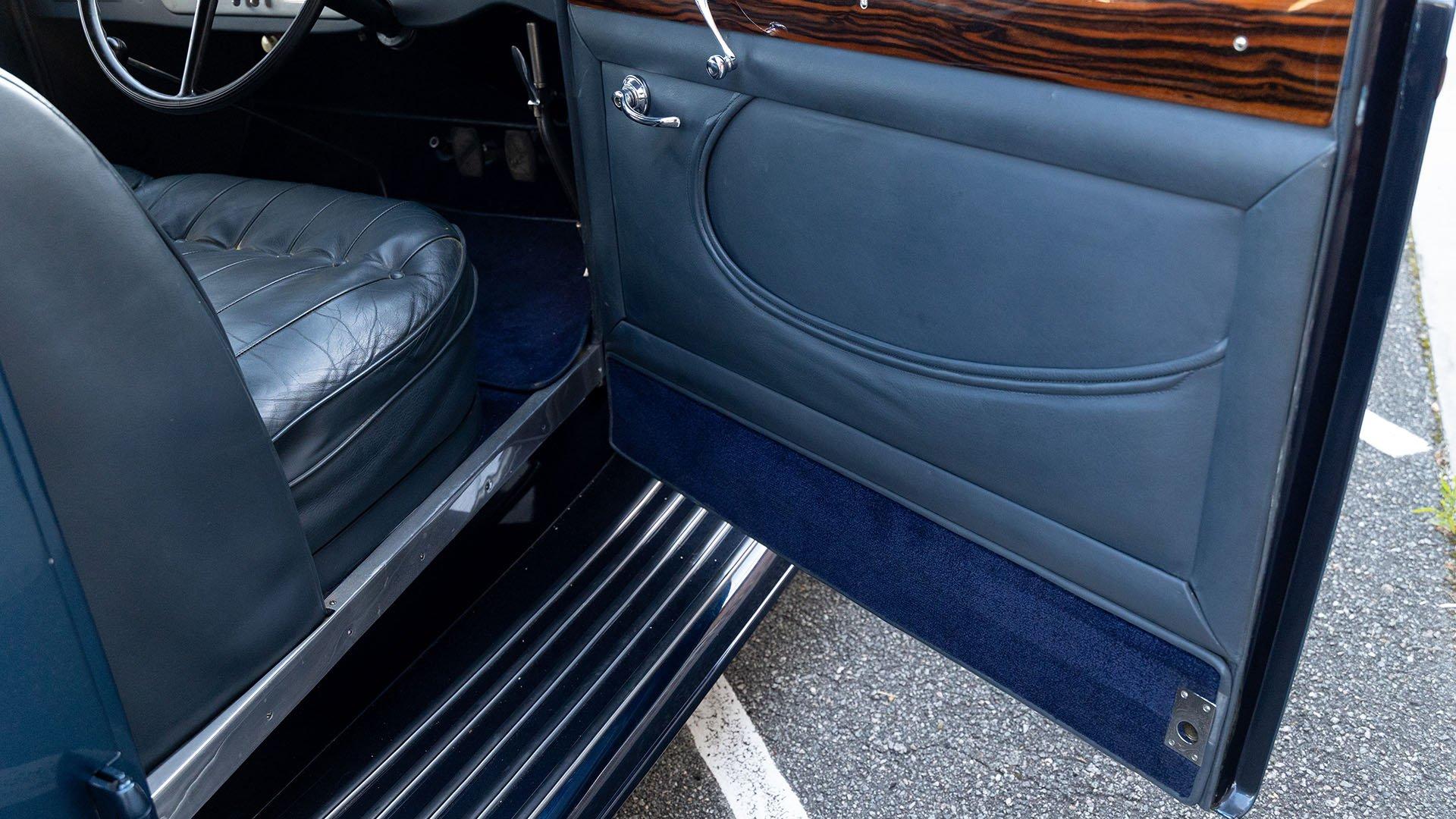
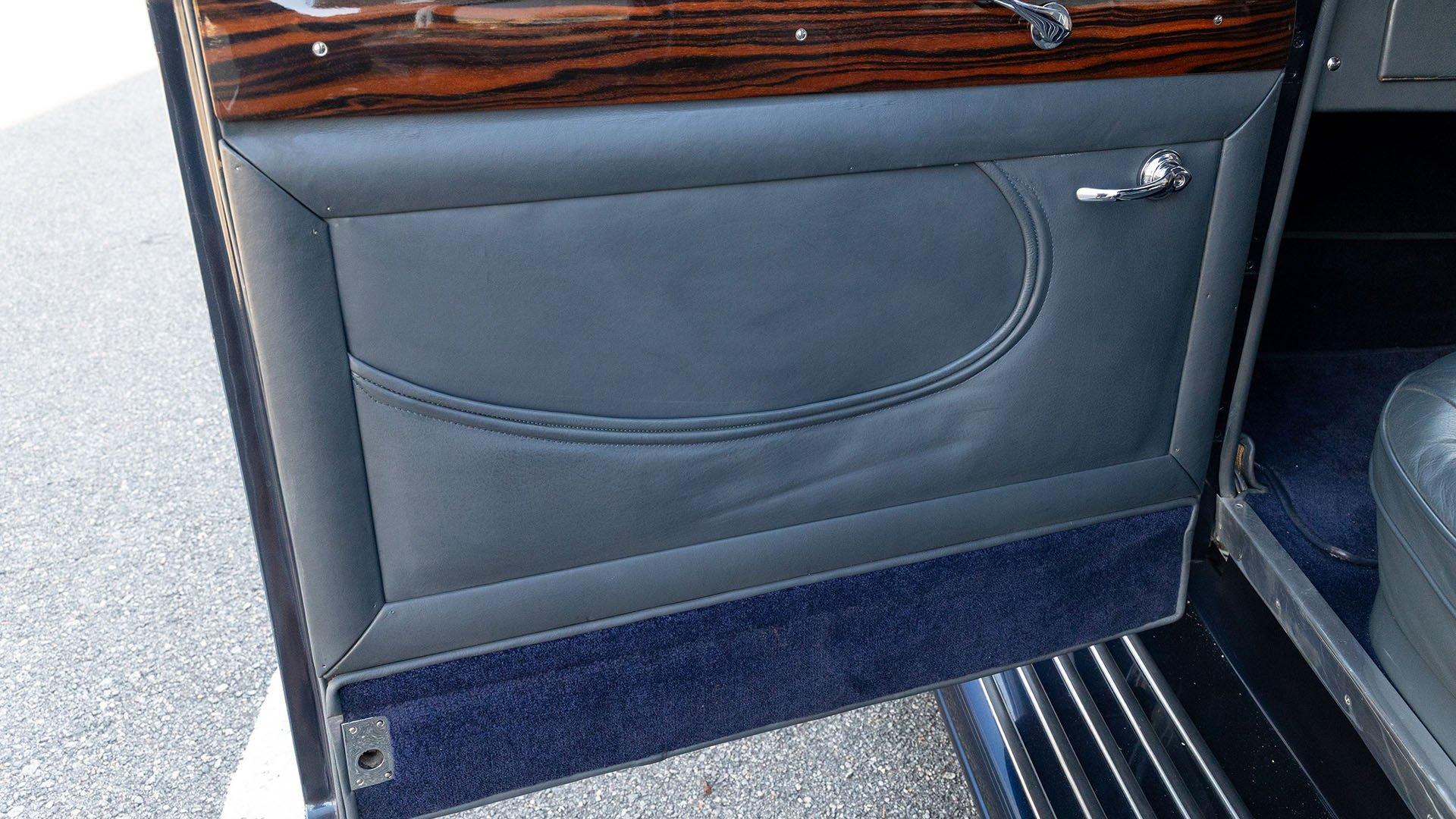
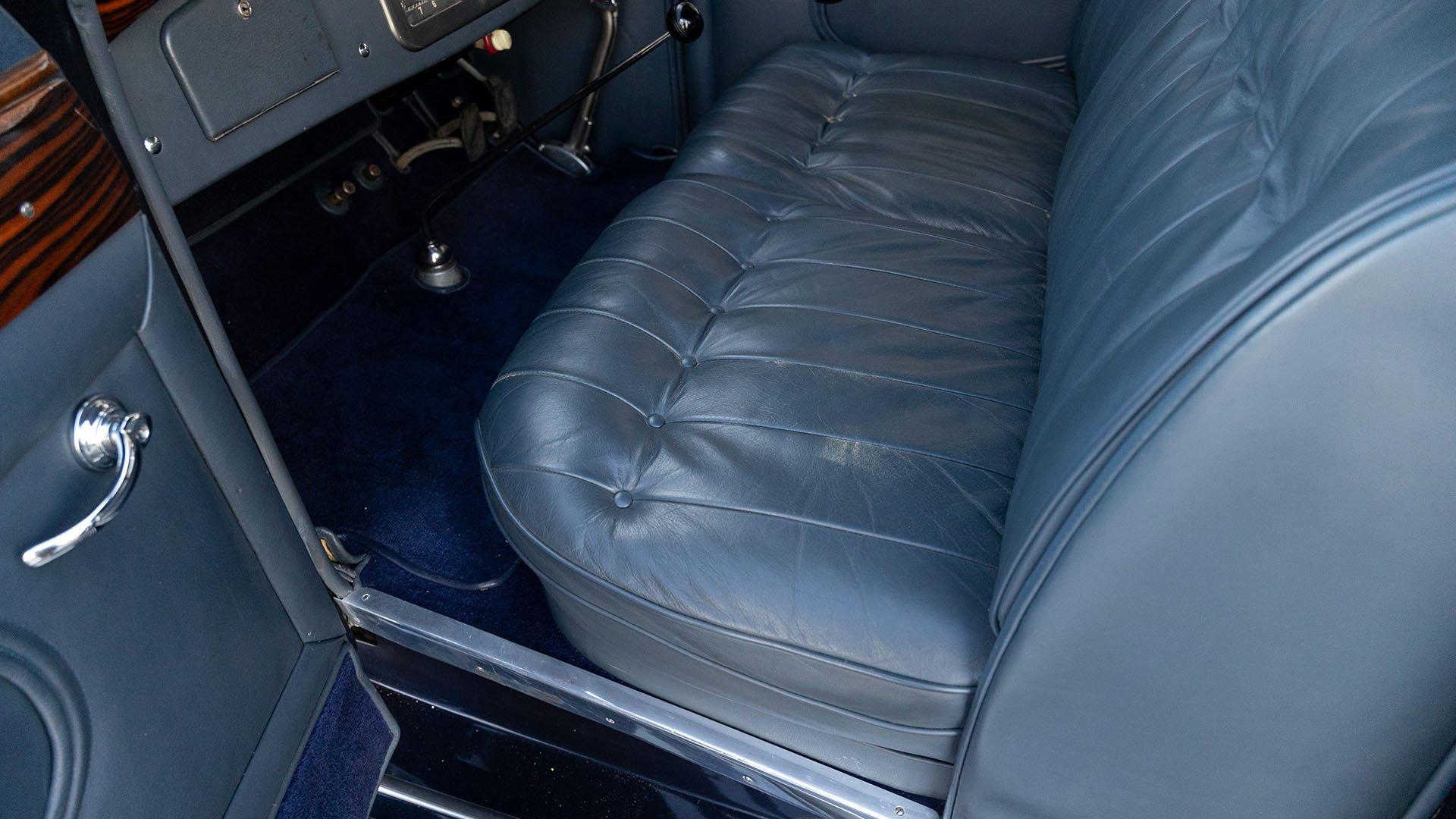
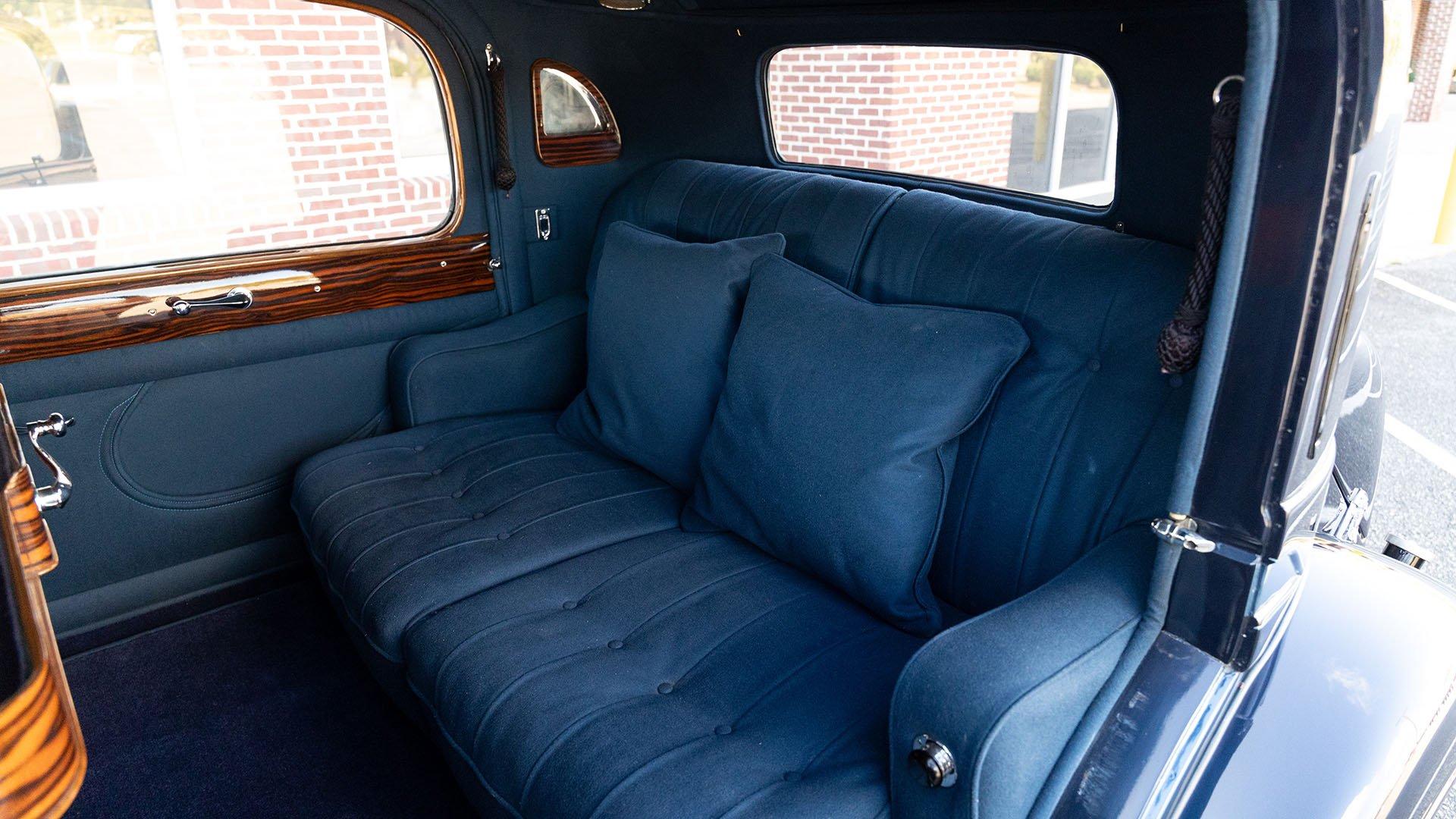
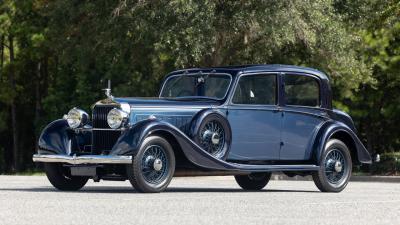
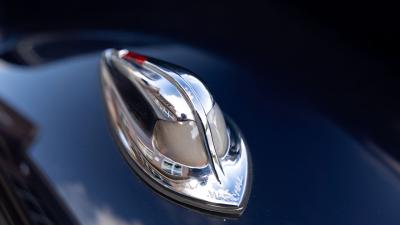
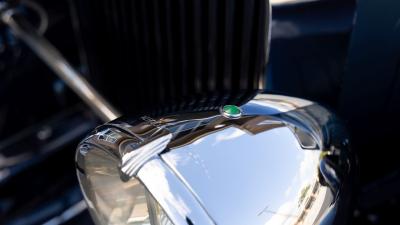
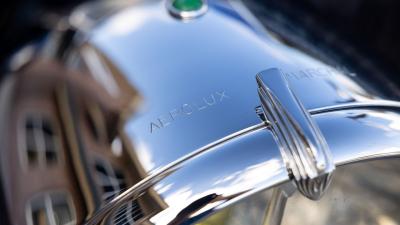
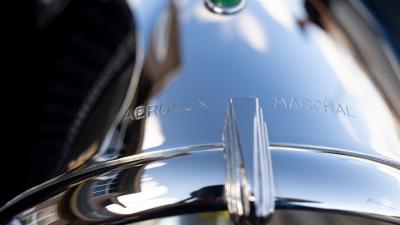
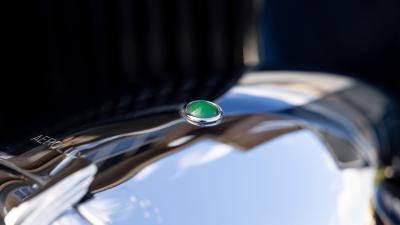
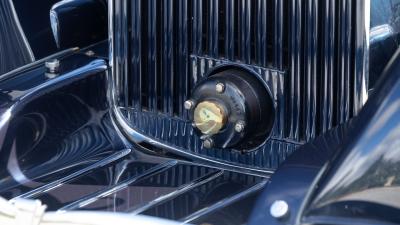
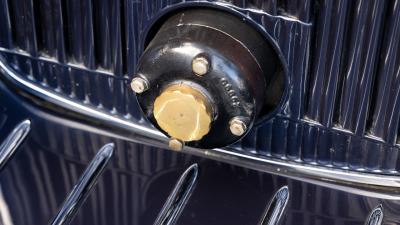
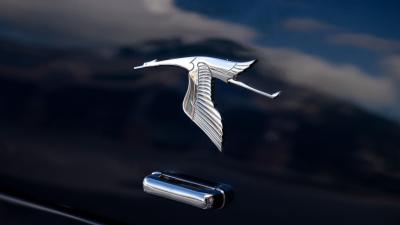
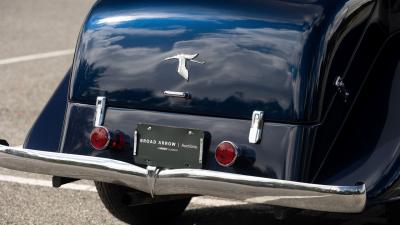
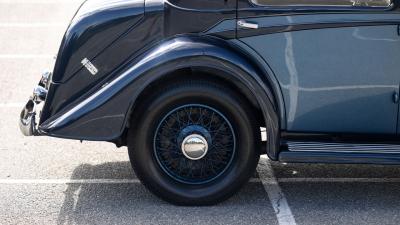
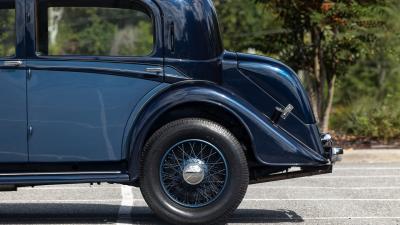
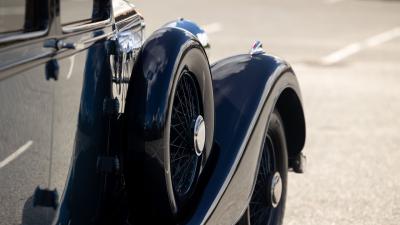
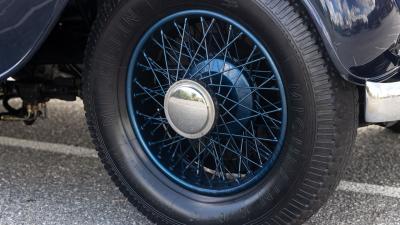
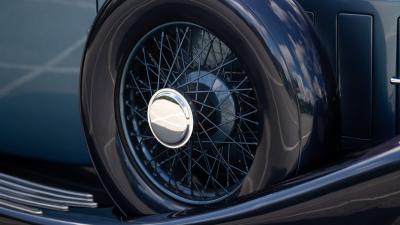
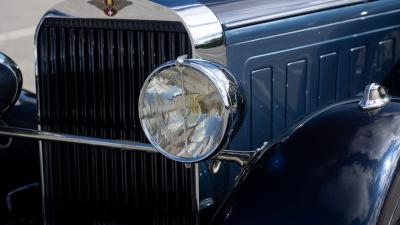
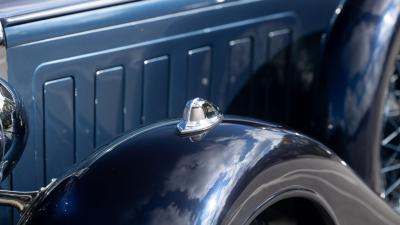
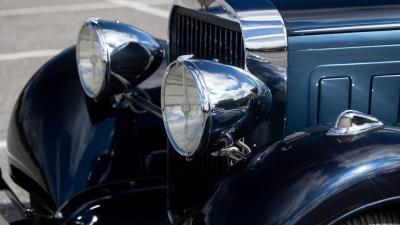
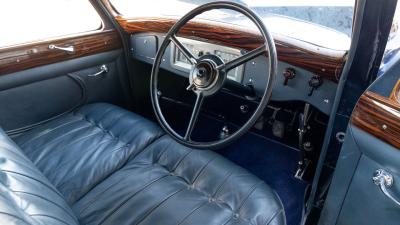
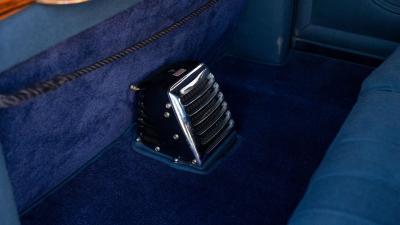
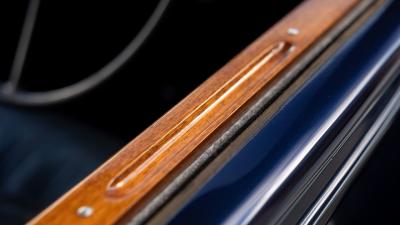
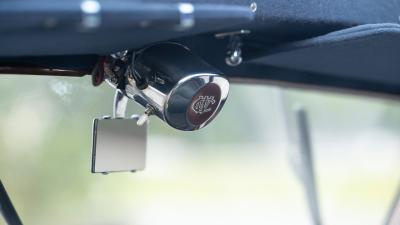
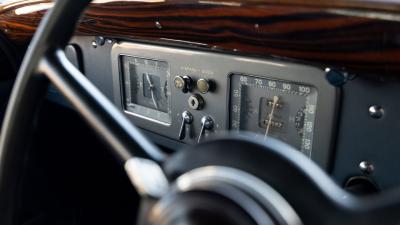
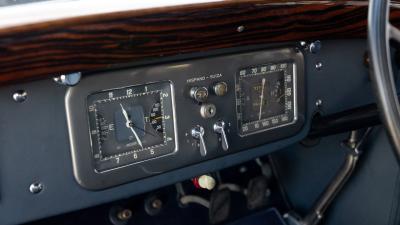
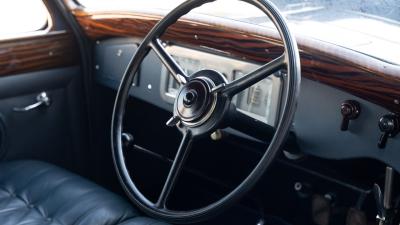
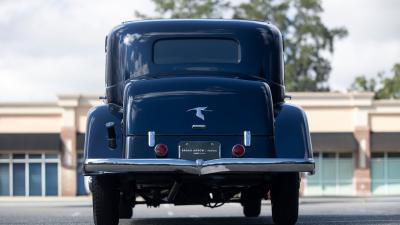
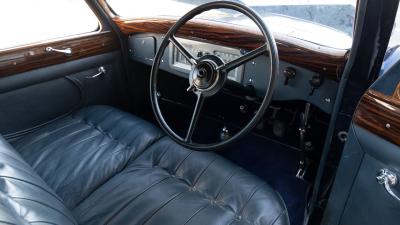
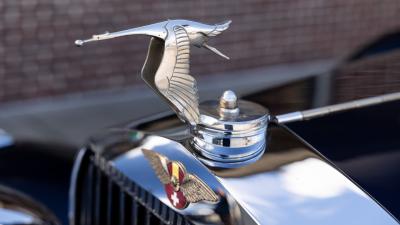
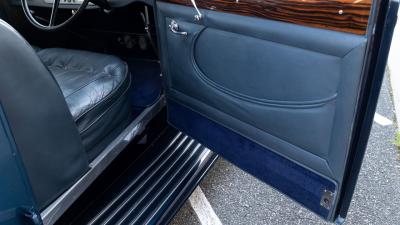
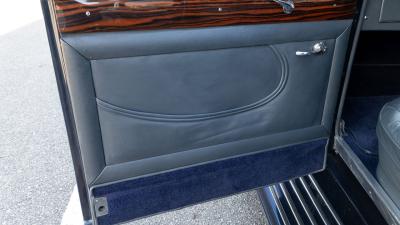
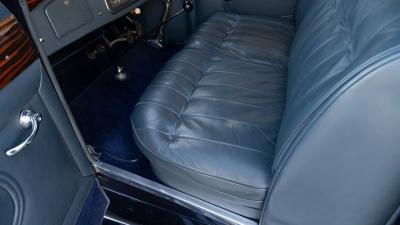
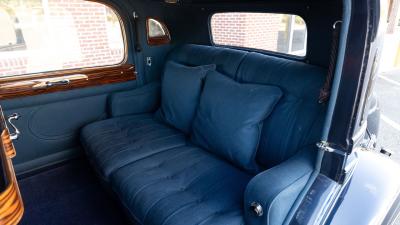
The next owner acquired the car at public sale in 2019, captivated by its elegant two-tone blue color scheme, crowned by the stork mascot atop the radiator cap-drawn from the insignia of Georges Guynemer's legendary WWI fighter squadron-and beautifully appointed interior, featuring rosewood and leather in the front, a fitted division, and upholstered fabric in the rear compartment. This coachwork of graceful, distinguished lines along with its place in automotive history, paired with masterful engineering, earned the marque Full Classic status from the Classic Car Club of America (CCCA).
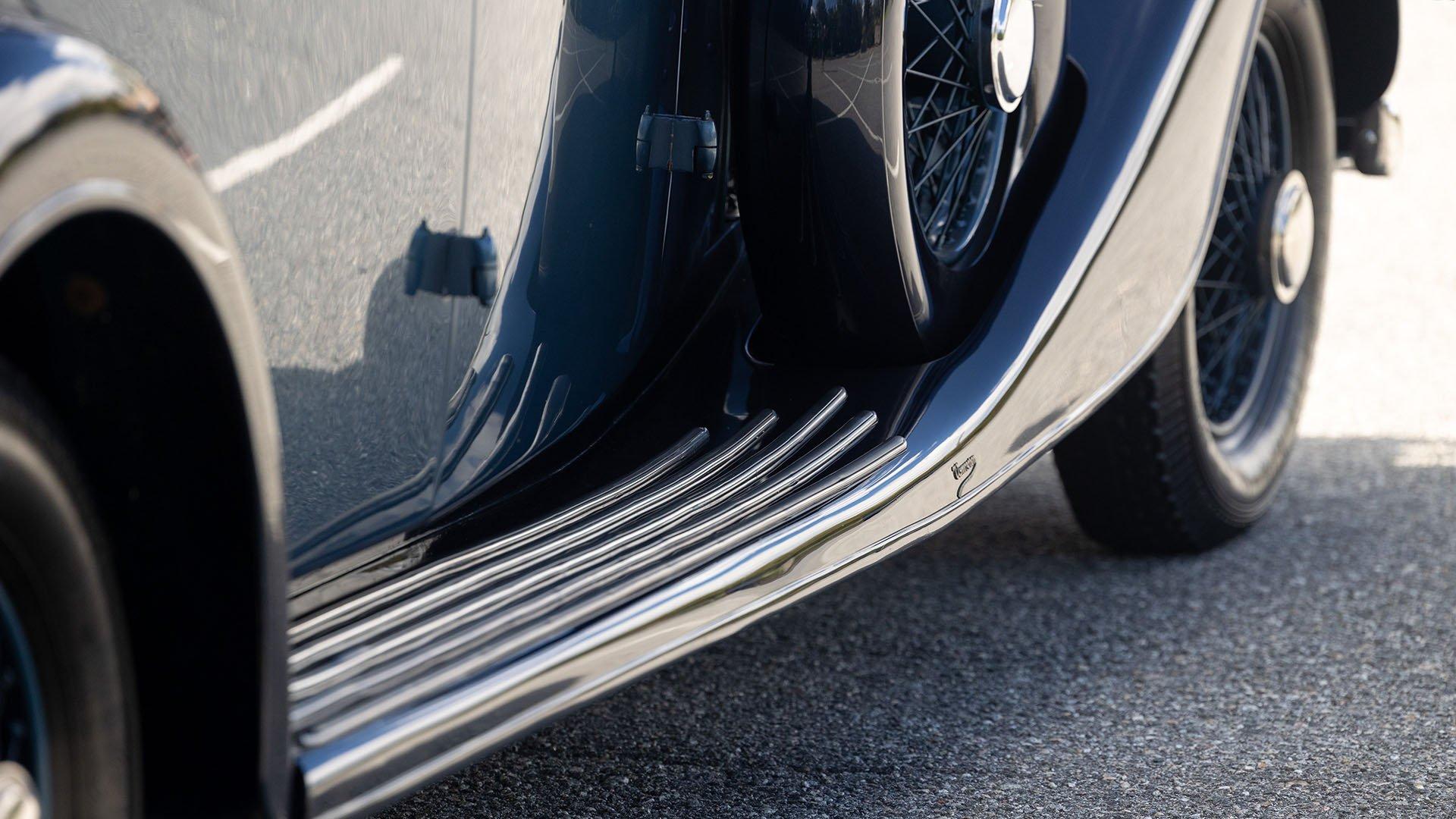
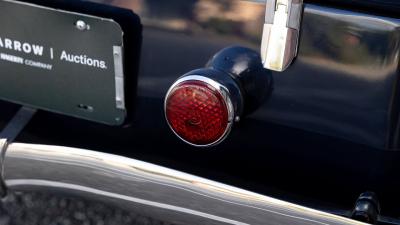
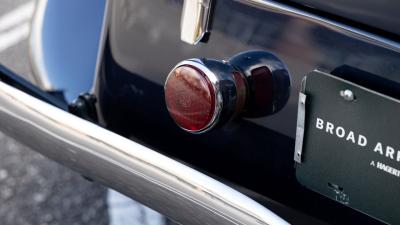
Bequeathed by its late owner to the Frick Museum in Pittsburgh, the car's sale is now dedicated entirely to the museum's benefit. Accompanied by an impressive historical file and presented with the appealing patina of an older restoration, this rare and final Hispano-Suiza K6 represents a remarkable opportunity to acquire an important piece of the golden age of the great French coachbuilders.
Contact Us
