






















































THE CHRYSLER IMPERIAL
When Walter P. Chrysler's up-market Imperial model made its debut in 1926, the marque he founded was just two years old. Nevertheless, by the end of that year, Chrysler would be the seventh-ranked US automaker. Produced in the old Chalmers plant in Detroit, the first Chrysler was an innovative, medium-priced, six-cylinder car of better-than-average performance, as numerous motor sport successes would soon demonstrate. The range soon expanded to encompass a four, a smaller six and the Imperial, a larger and more expensive automobile that was intended to compete with the likes of Cadillac, Lincoln and Packard.
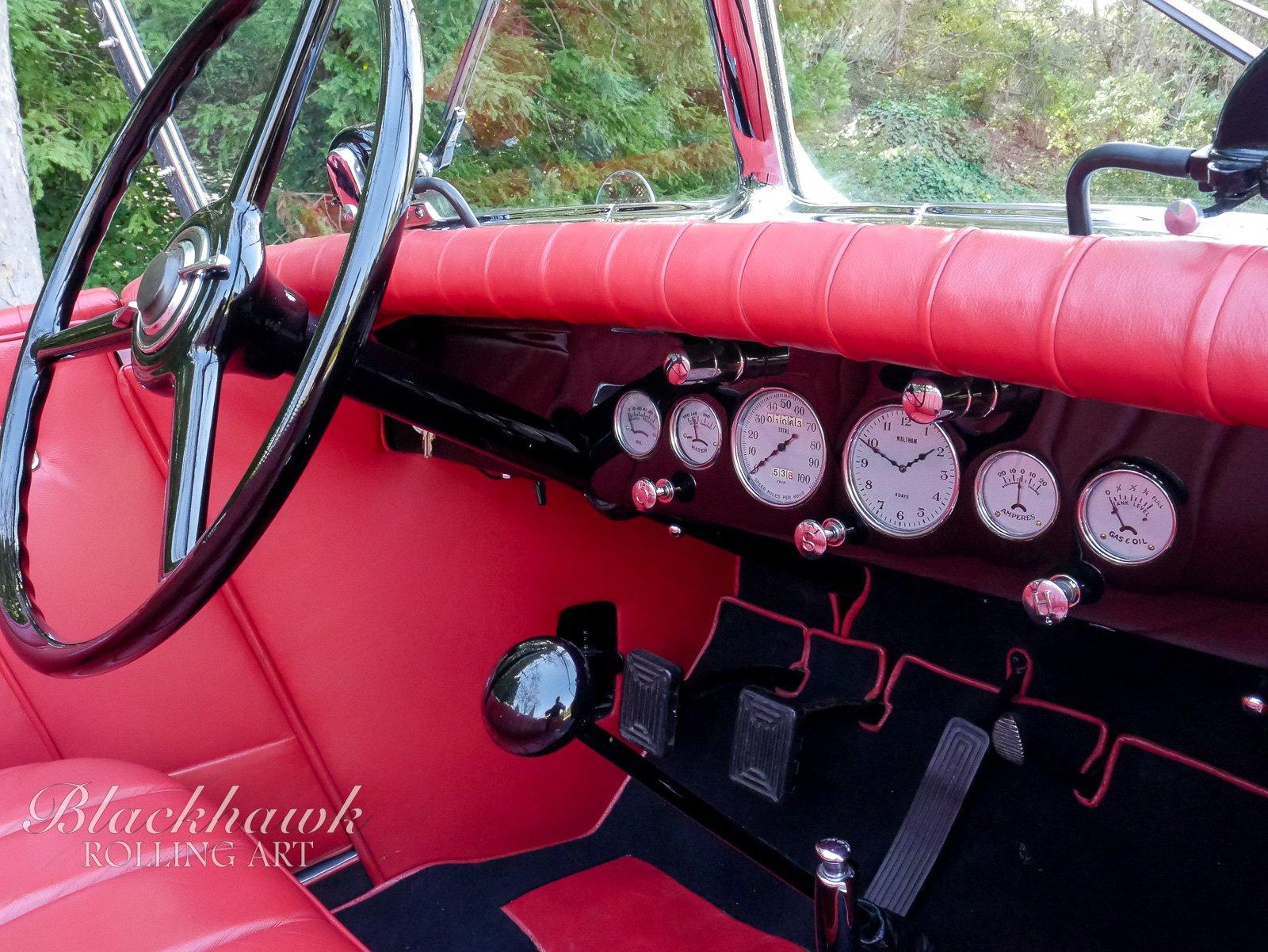
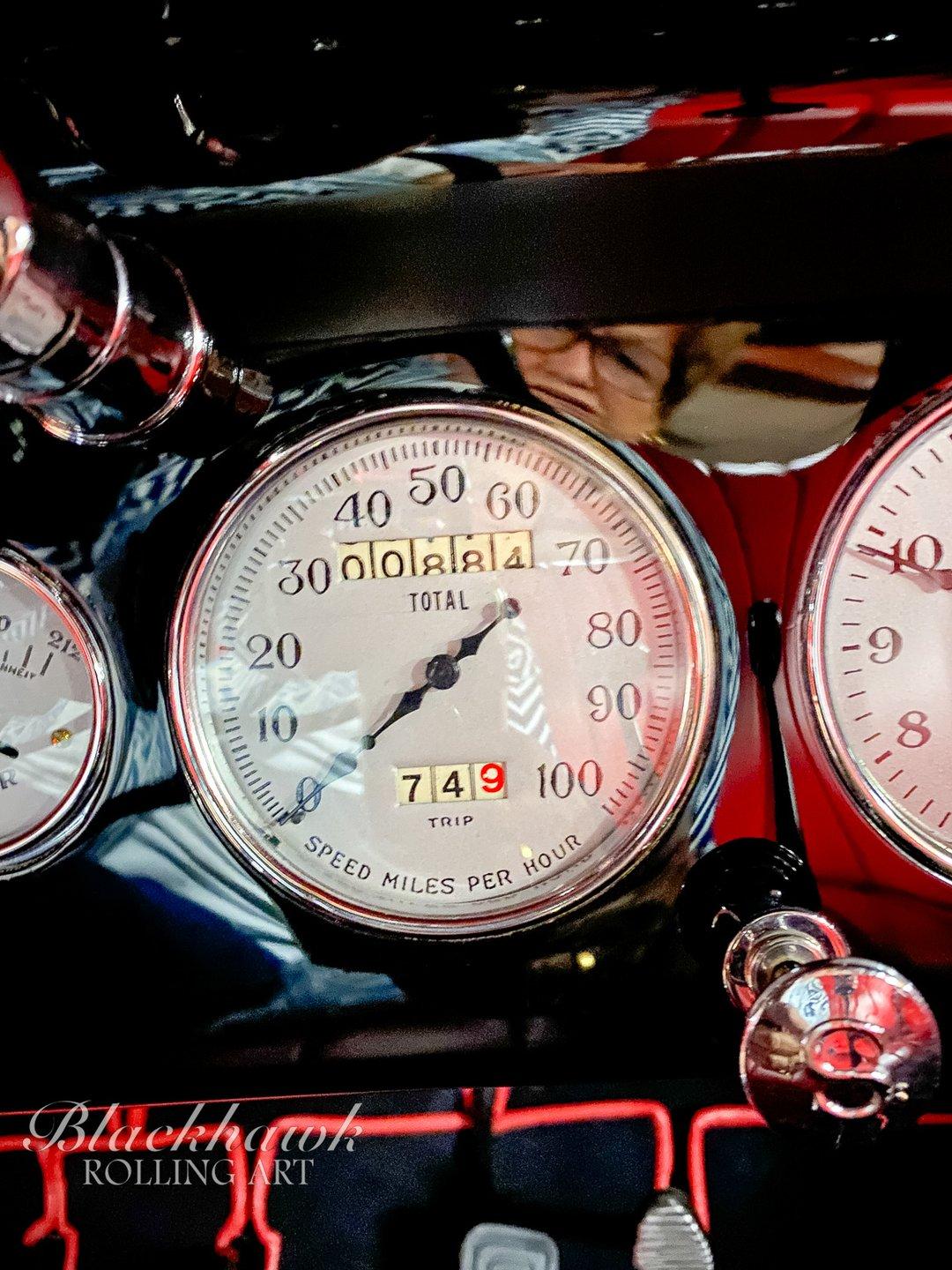
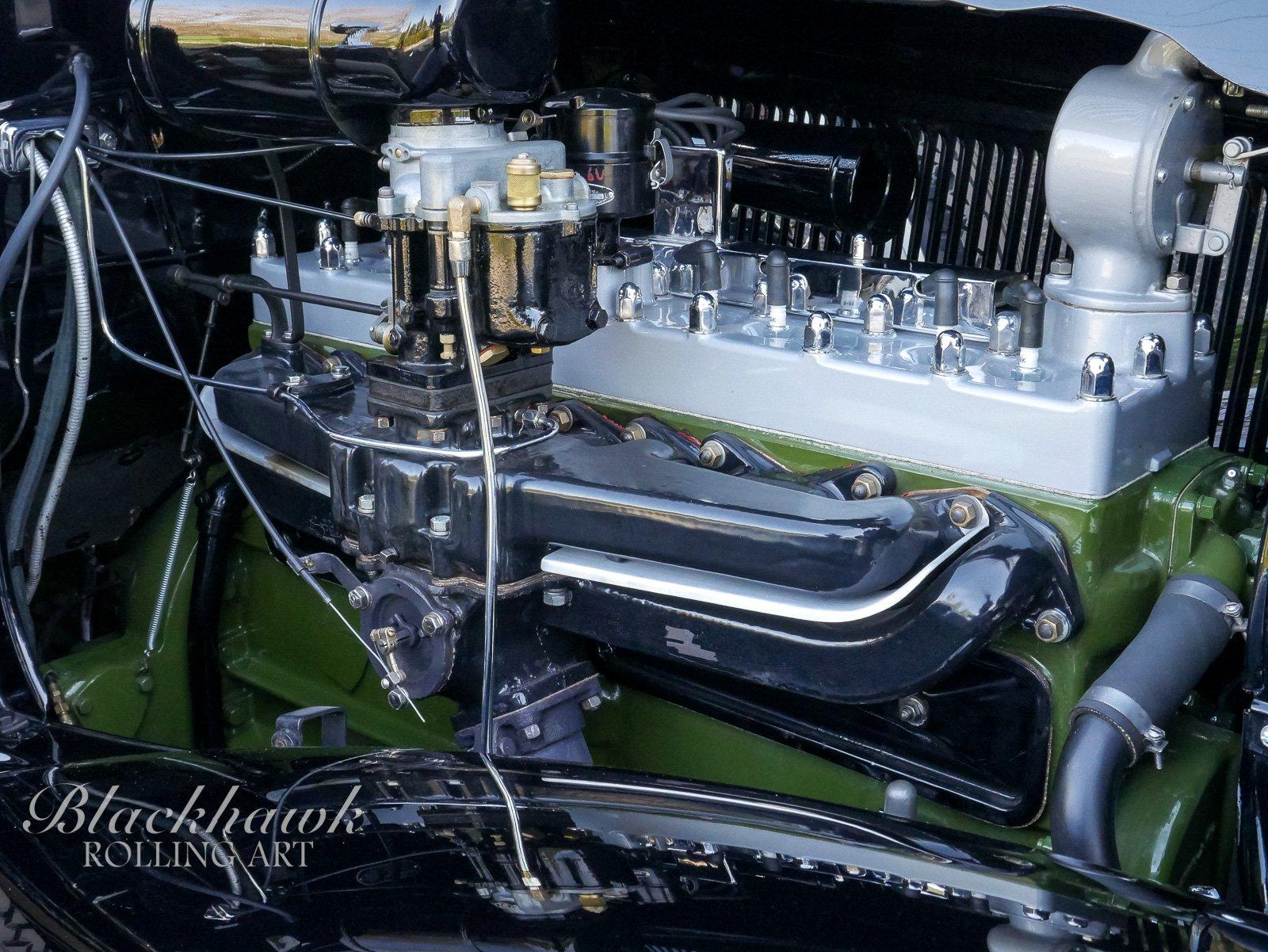
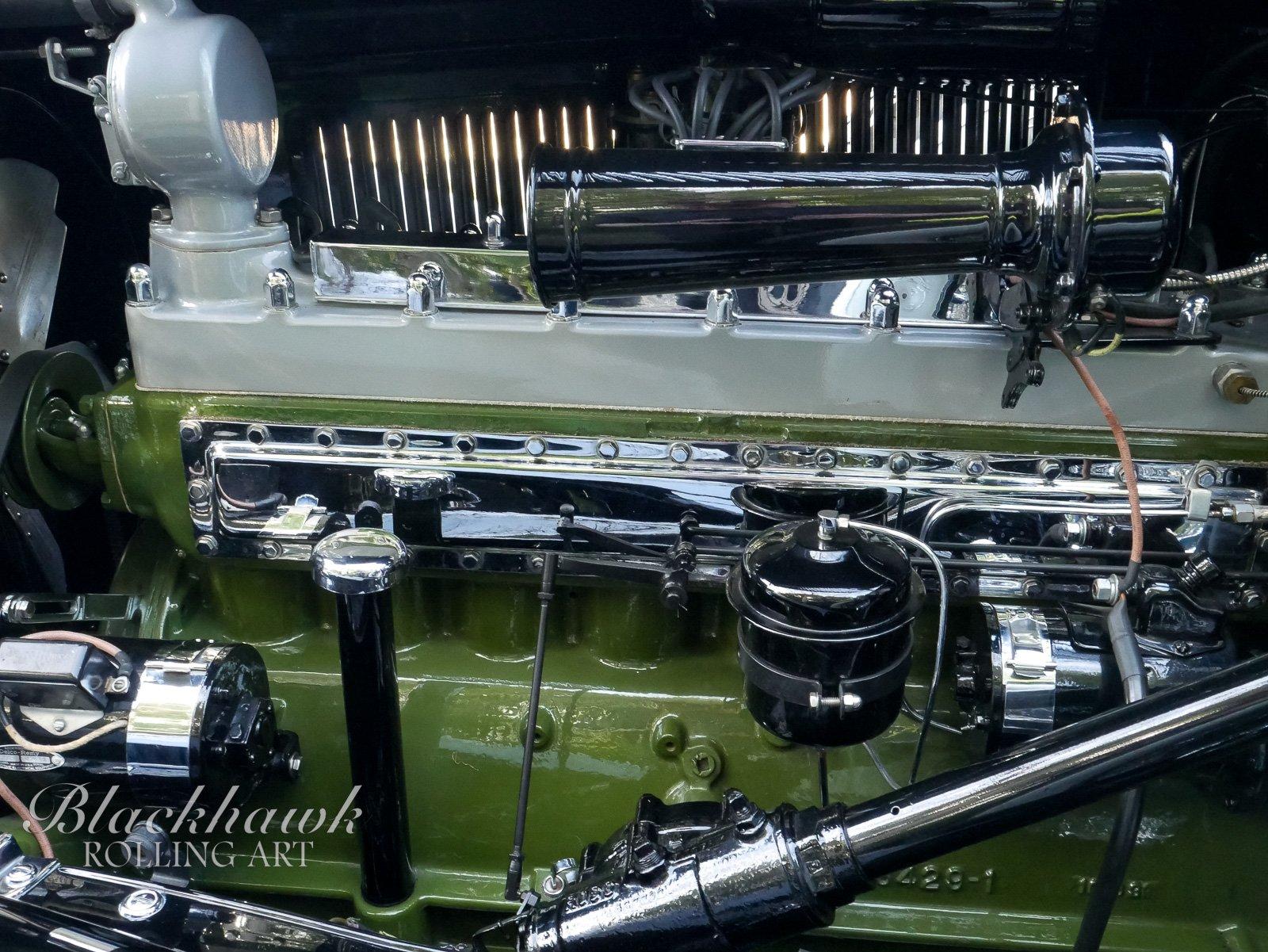
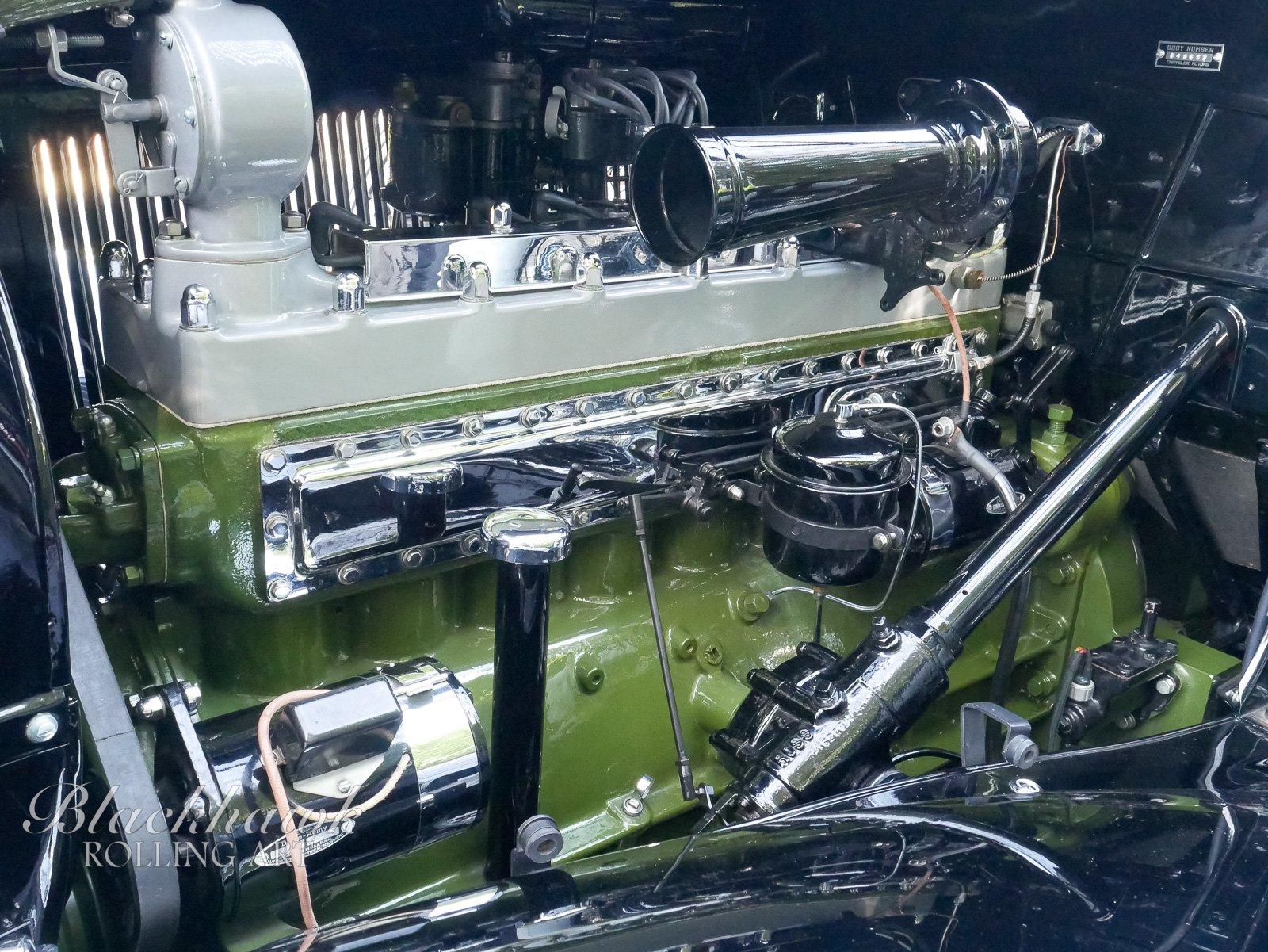
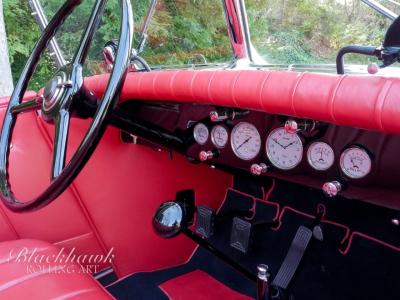
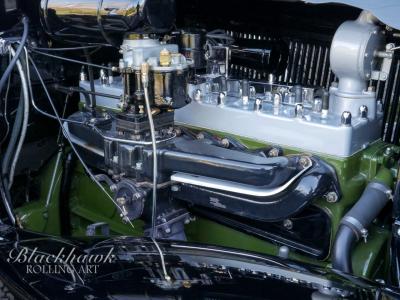
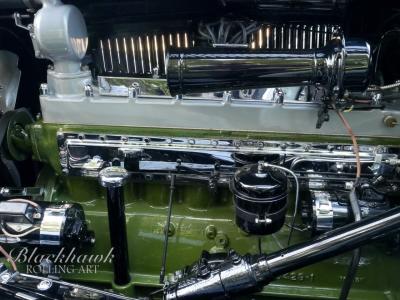
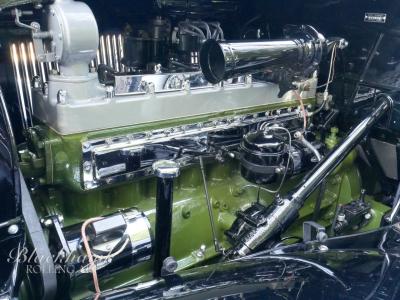
Chrysler joined the multi-cylinder ''club'' in 1931 with the introduction of two models with straight-eight engines: the CD Eight and the Imperial CG Eight. Displacing 384.84 cid, the latter's nine-bearing engine produced 125 bhp at 3,200 rpm, which was good enough to propel the 2.5 ton Imperial to a top speed in excess of 95 mph, truly world-class performance for the era. Notable features included hydraulic brakes, adjustable seats and steering column, as well as hydraulic shock absorbers. Chrysler's ''Floating Power'' engine mounting and a 4-speed synchromesh manual transmission contributed to the powertrain's smoothness and flexibility.
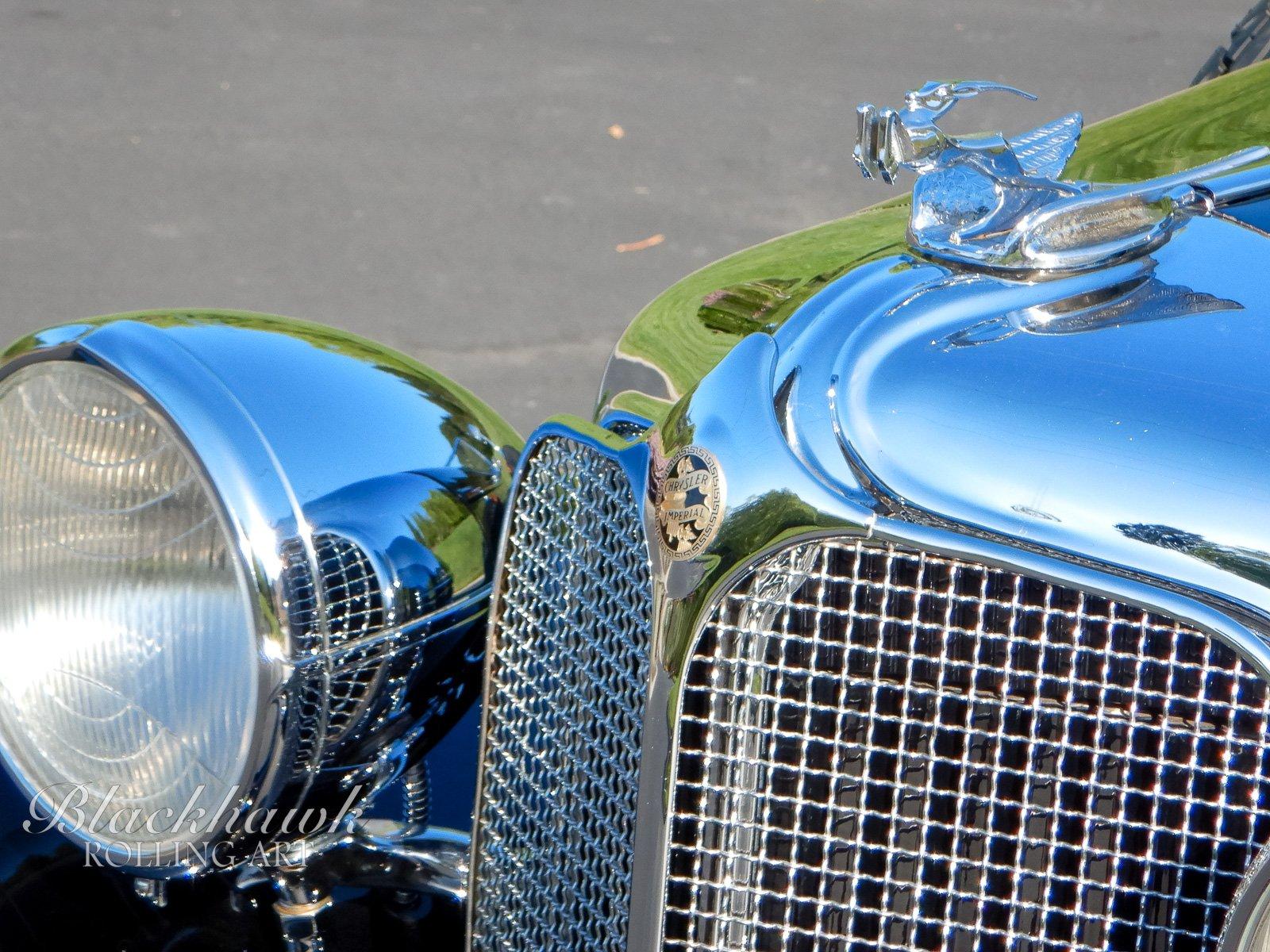
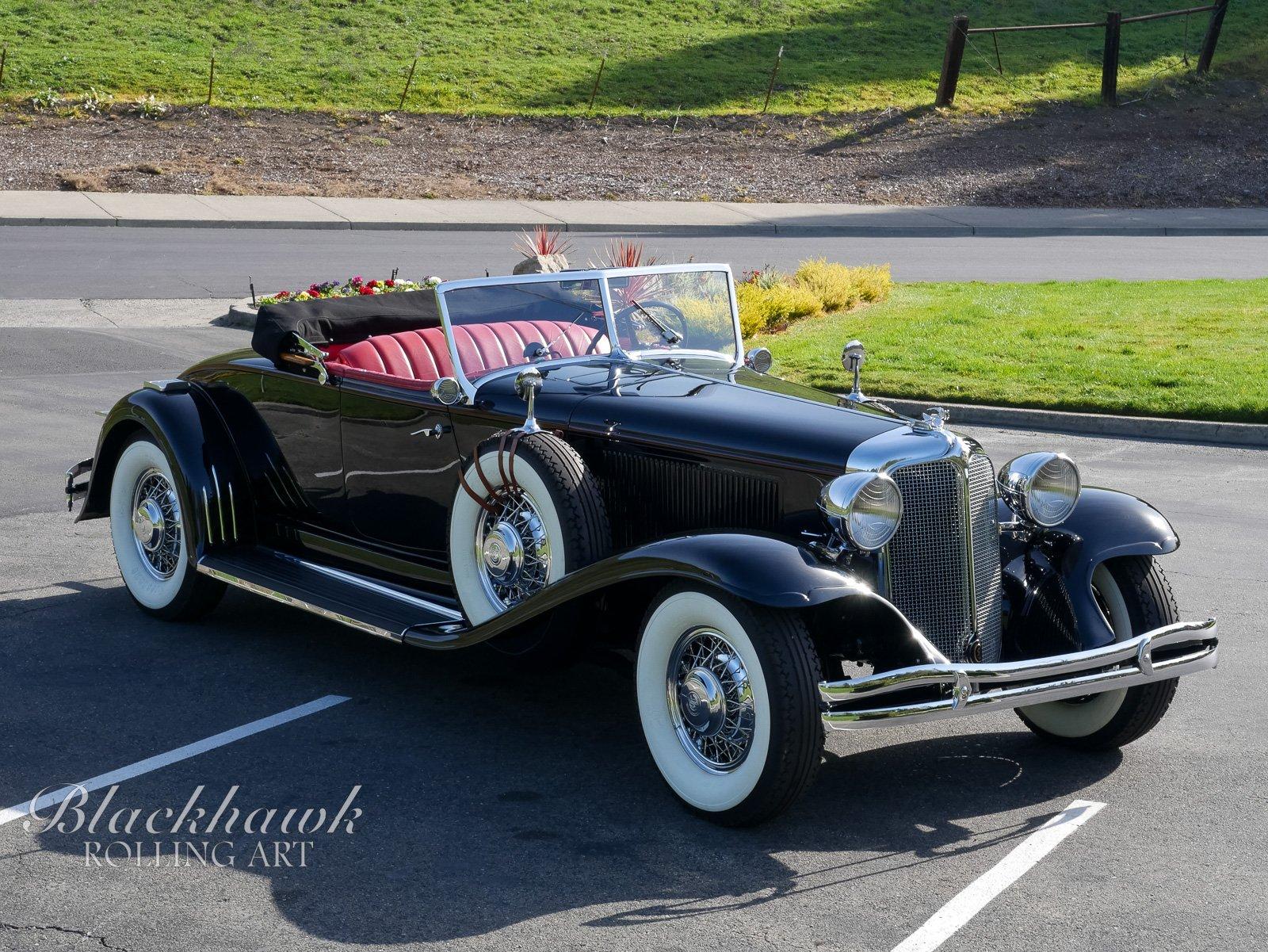
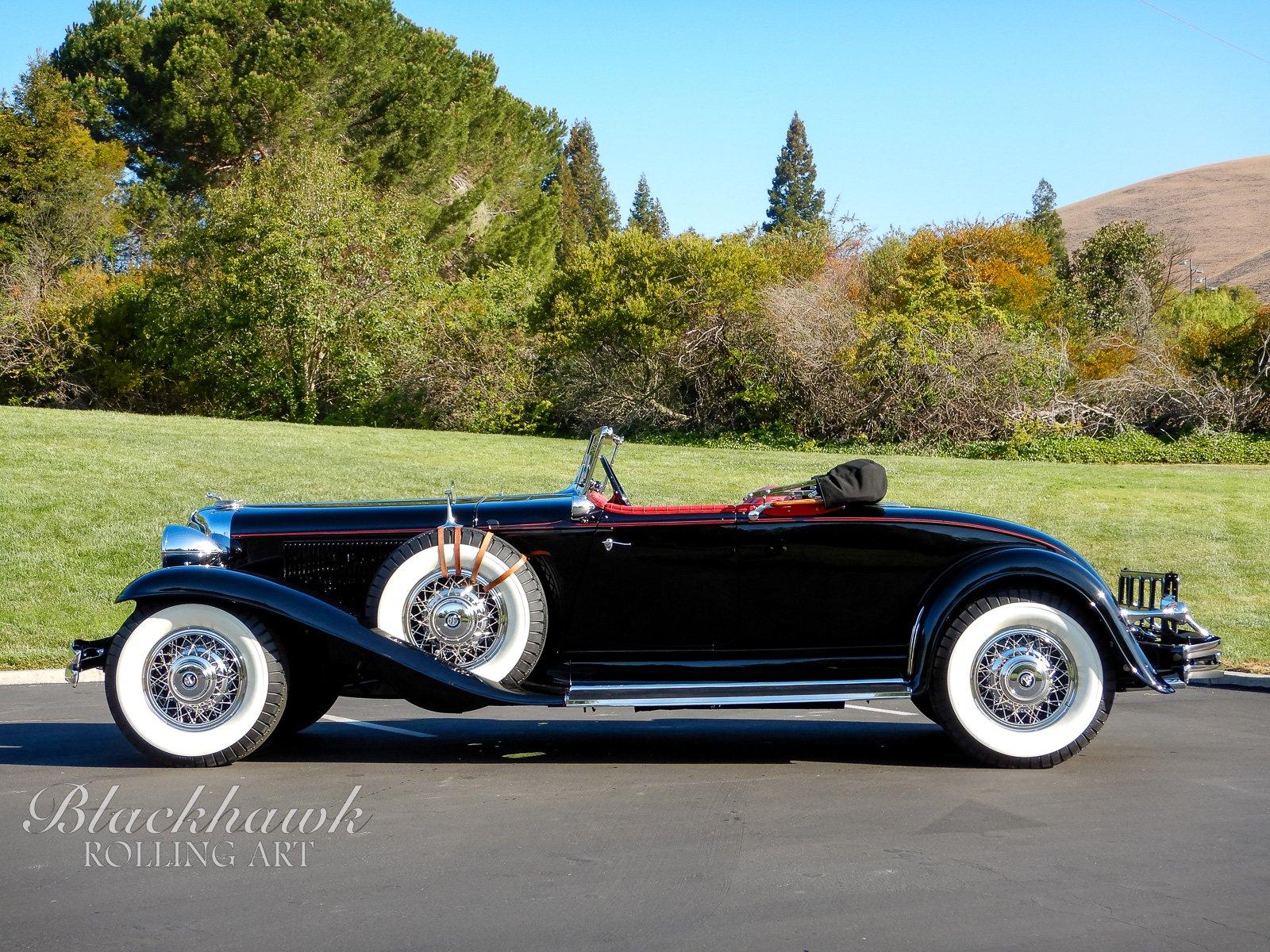
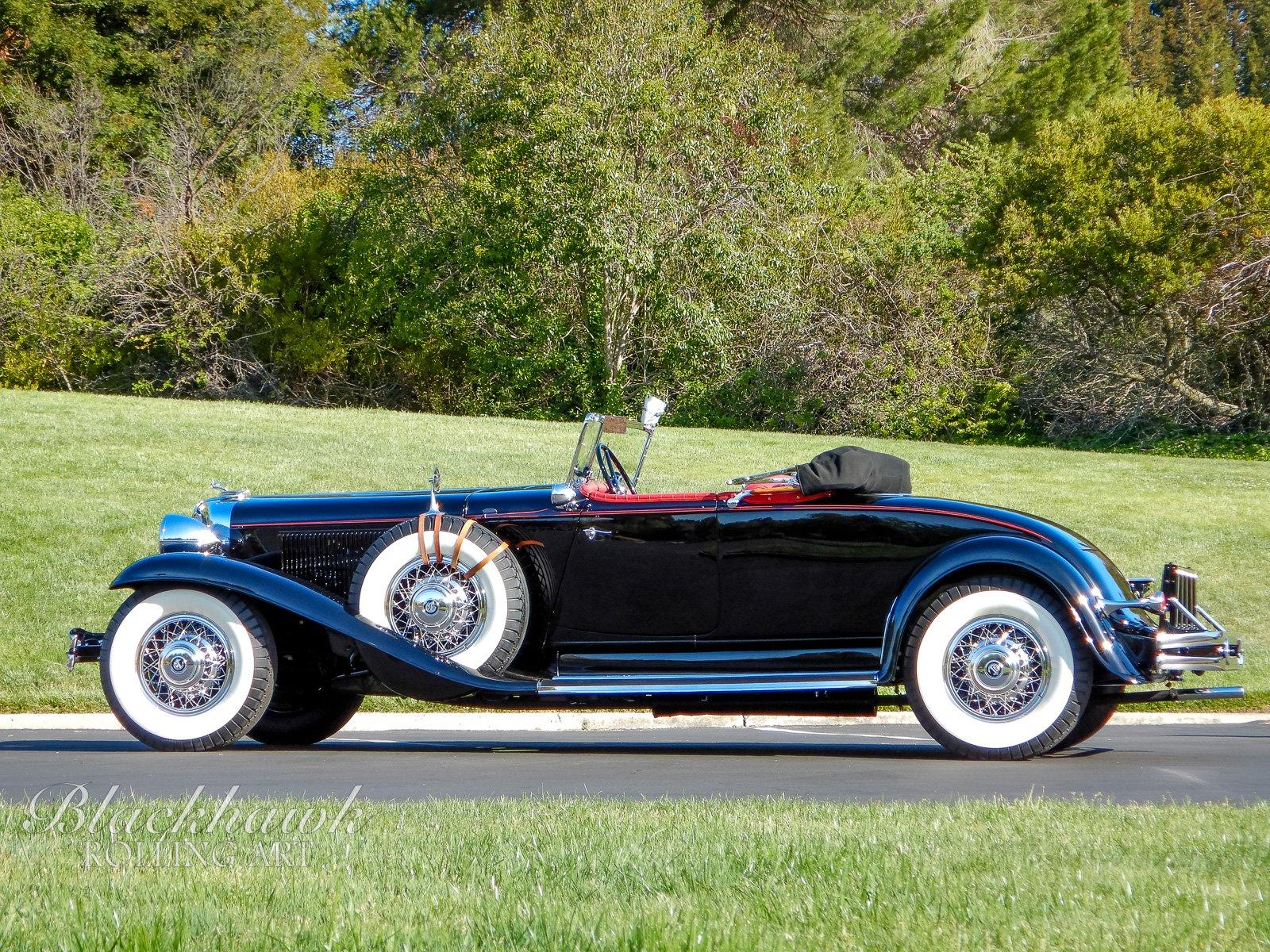
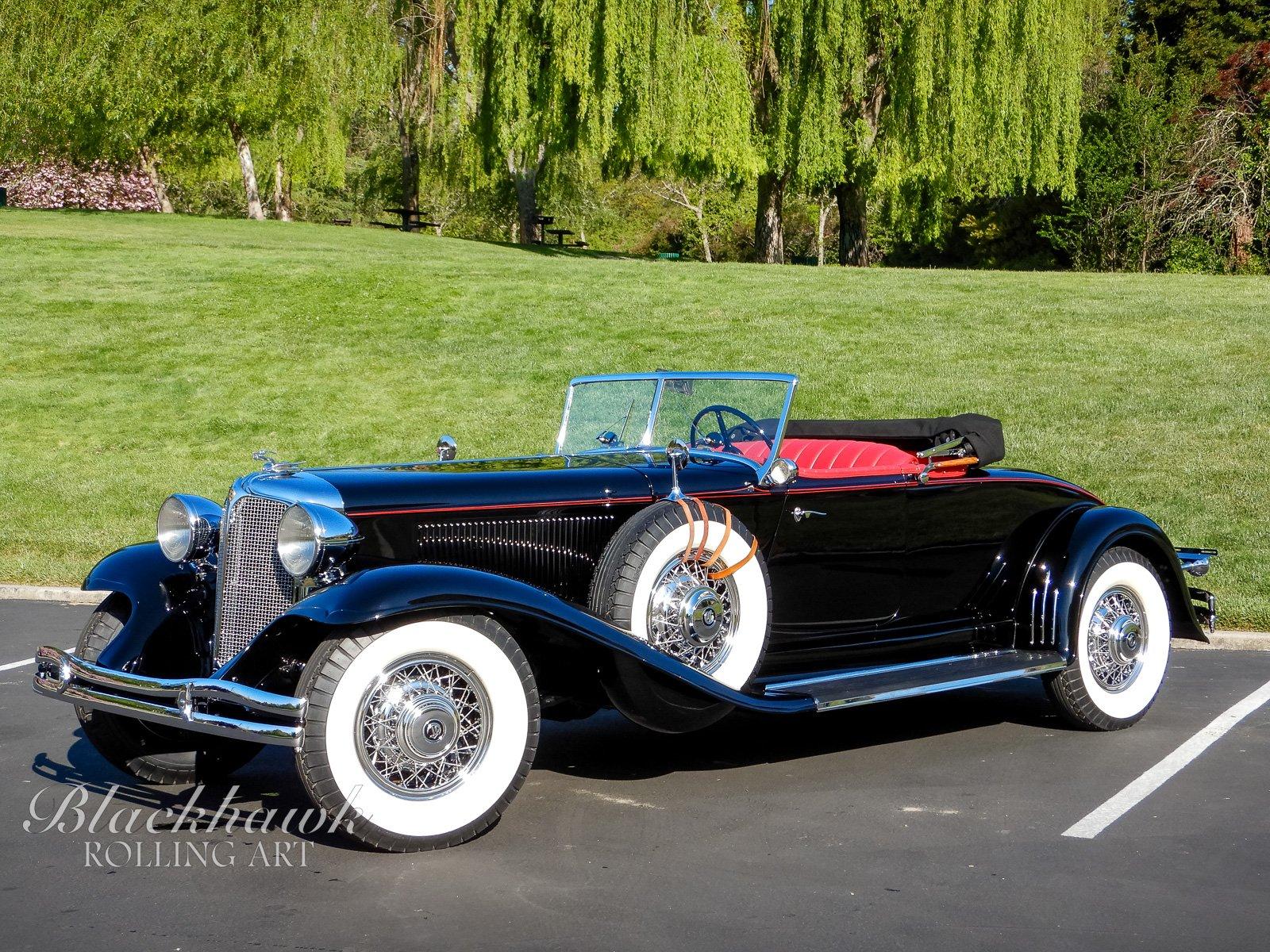
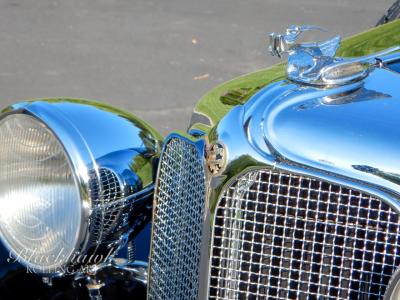
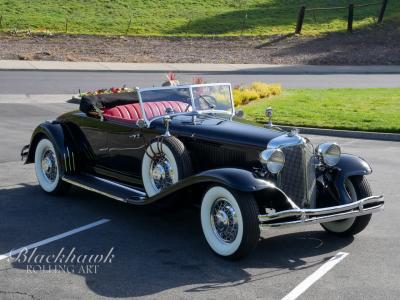
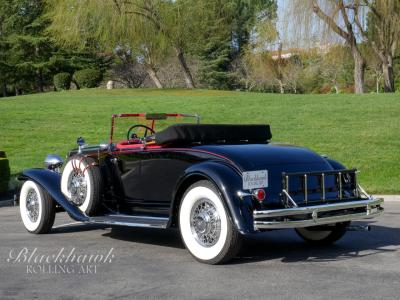
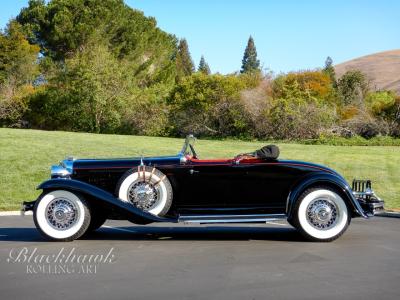
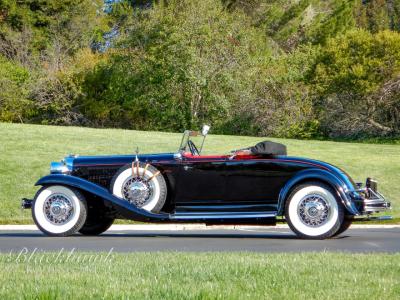
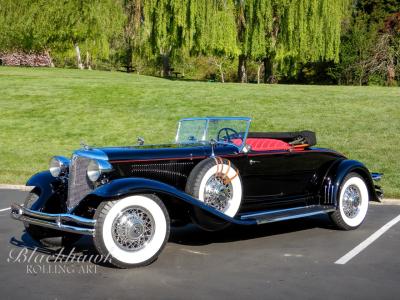
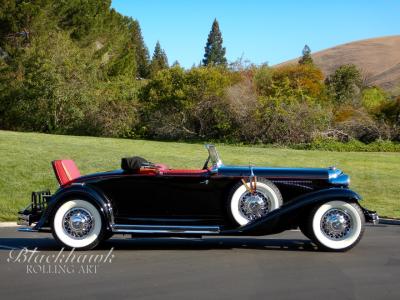
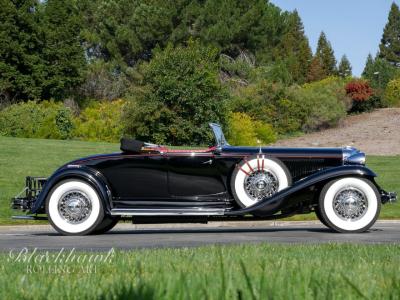
Long and dramatically low-slung, the all-new 1931 Chrysler Imperial drew obvious inspiration from the front-wheel-drive Cord L-29 that Errett Lobban Cord had sprung on the market in 1929 to widespread acclaim. Reportedly, L-29 designer Alan H. Leamy contributed to the Imperial design, during a hiatus from his employment as chief designer for Auburn and Cord automobiles. The Imperial's streamlined, swept-back radiator shell was overtly Cord-like, and as with the L-29, the Imperial windshield was set far back on the chassis, permitting a very long hood/cowl line and gracefully sweeping front fenders. With its 145 inch wheelbase chassis being even longer than the L-29, the Imperial's proportions were all the more breath-taking.
THE MOTORCAR OFFERED
The new Imperial was offered in two sub-series, a standard line with production Briggs-built bodies and a more prestigious Custom line featuring semi-custom bodies, finished to order. LeBaron designed and built all but one of the Imperial ''catalog custom'' styles.
LeBaron Carrossiers Inc. had been founded in 1920 by the two legendary designers Raymond H. Dietrich and Tom Hibbard, after Brewster had fired them for planning on company time to start up on their own. They got themselves a fancy address at no. 2 Columbus Circle in New York City, but being virtually destitute, had no funds to establish their own coachbuilding facility. So they developed a never-before-seen business model, which was to sell ready-made designs to clients and then contract to have them built by outside coachbuilders.
In 1924, Edsel Ford had lured Ray Dietrich to Detroit as he wanted him to design bodies exclusively for Lincoln. Hibbard had departed for Paris in 1923, and designer Ralph Roberts had been made partner in LeBaron. In 1927, the Briggs Body Company in approached him to acquire LeBaron. Roberts sold out and moved to Detroit to manage LeBaron from there. The captivating lines of this 1931 Imperial Custom are therefore the work of Ralph Roberts, and as such must be ranked as one of the most pleasing and graceful designs ever to come out of Detroit.
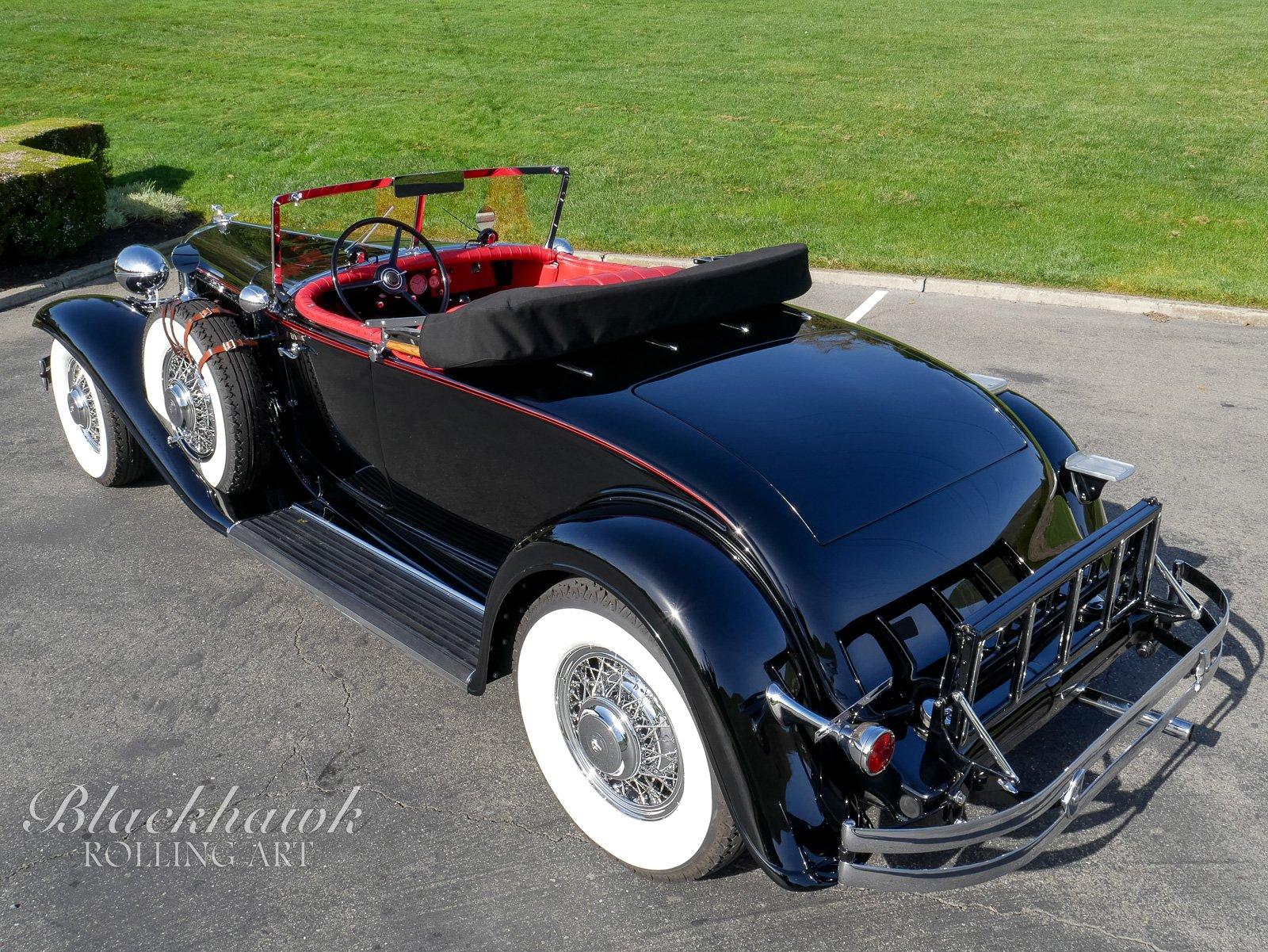
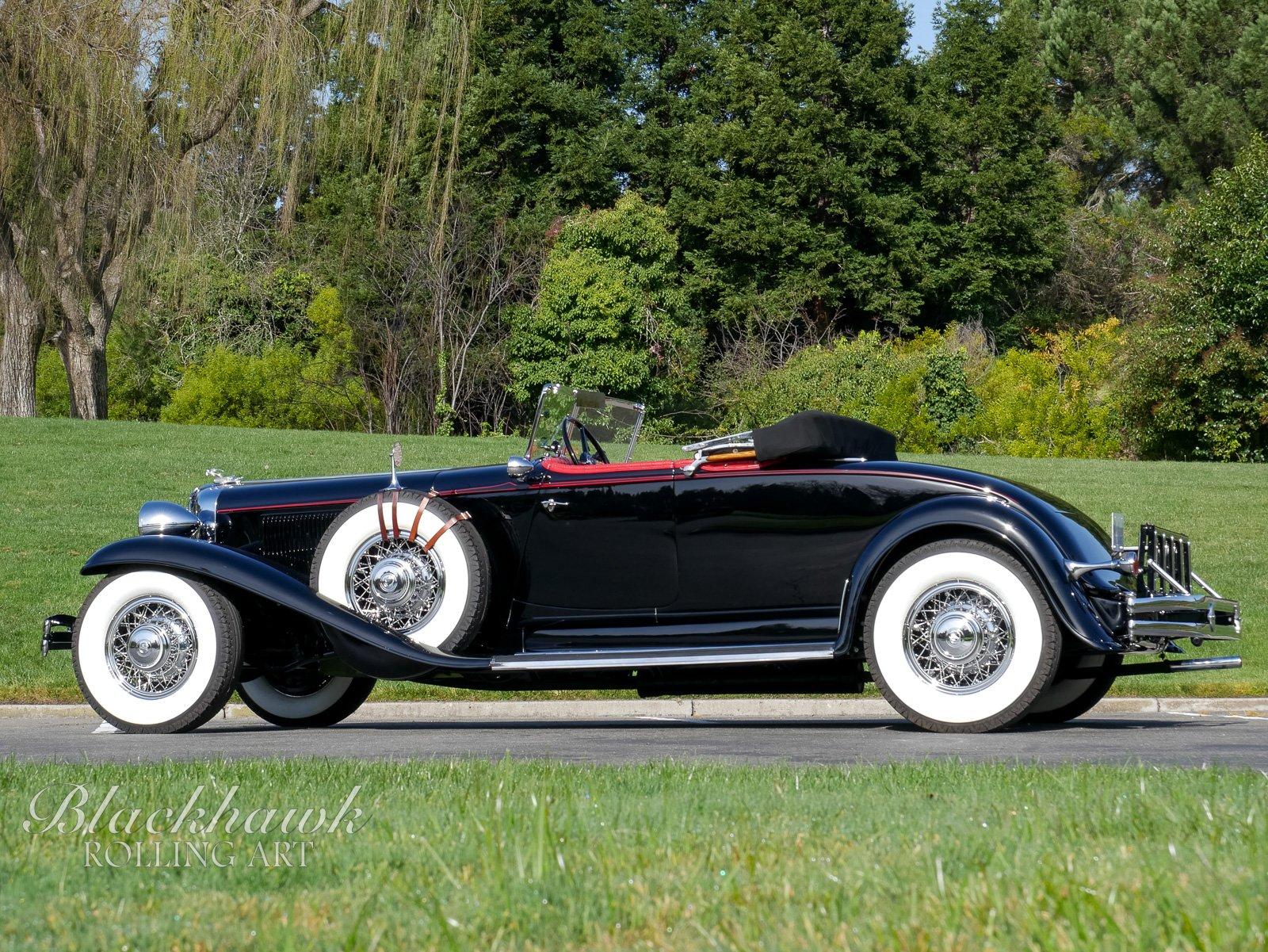
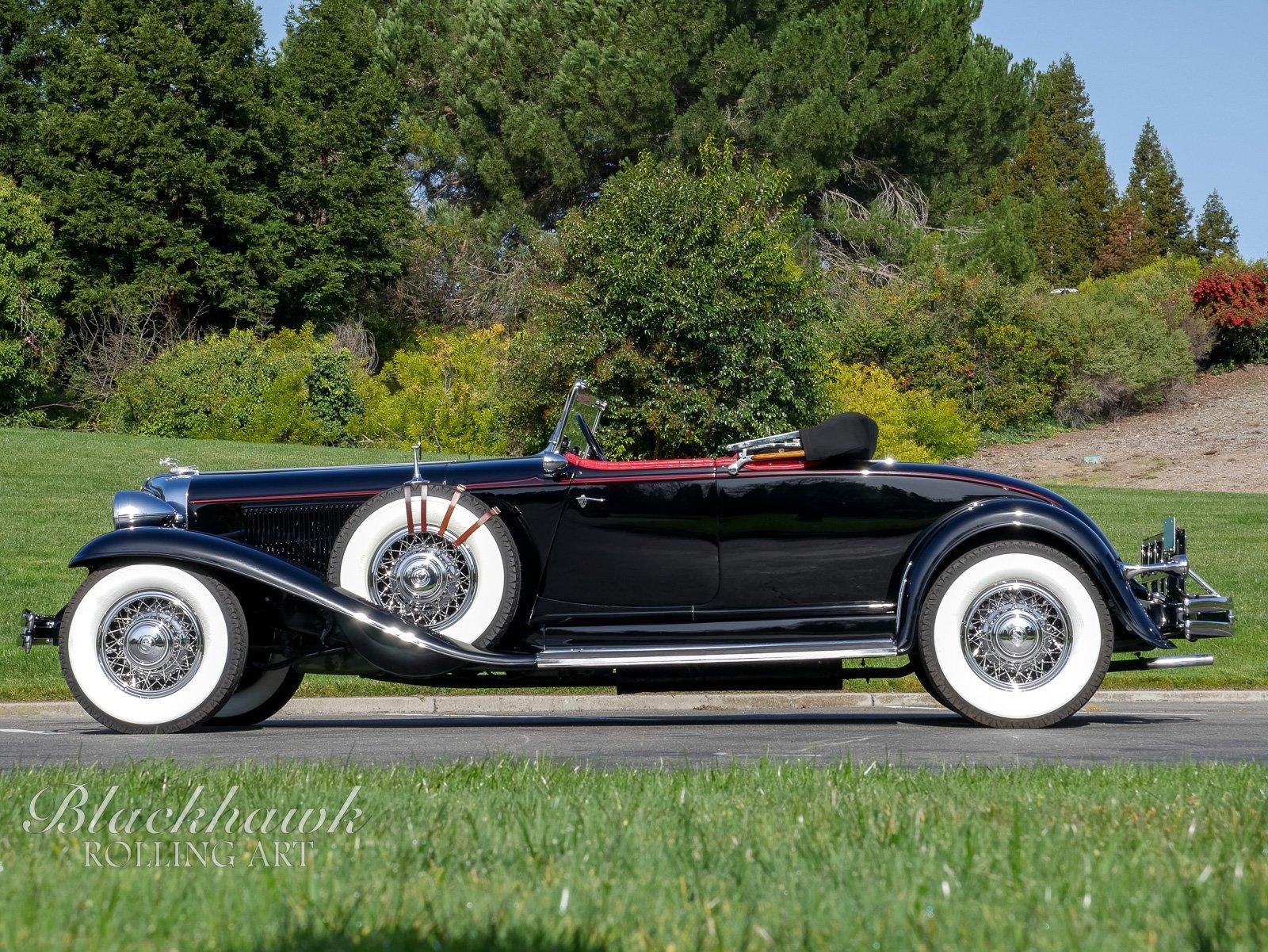
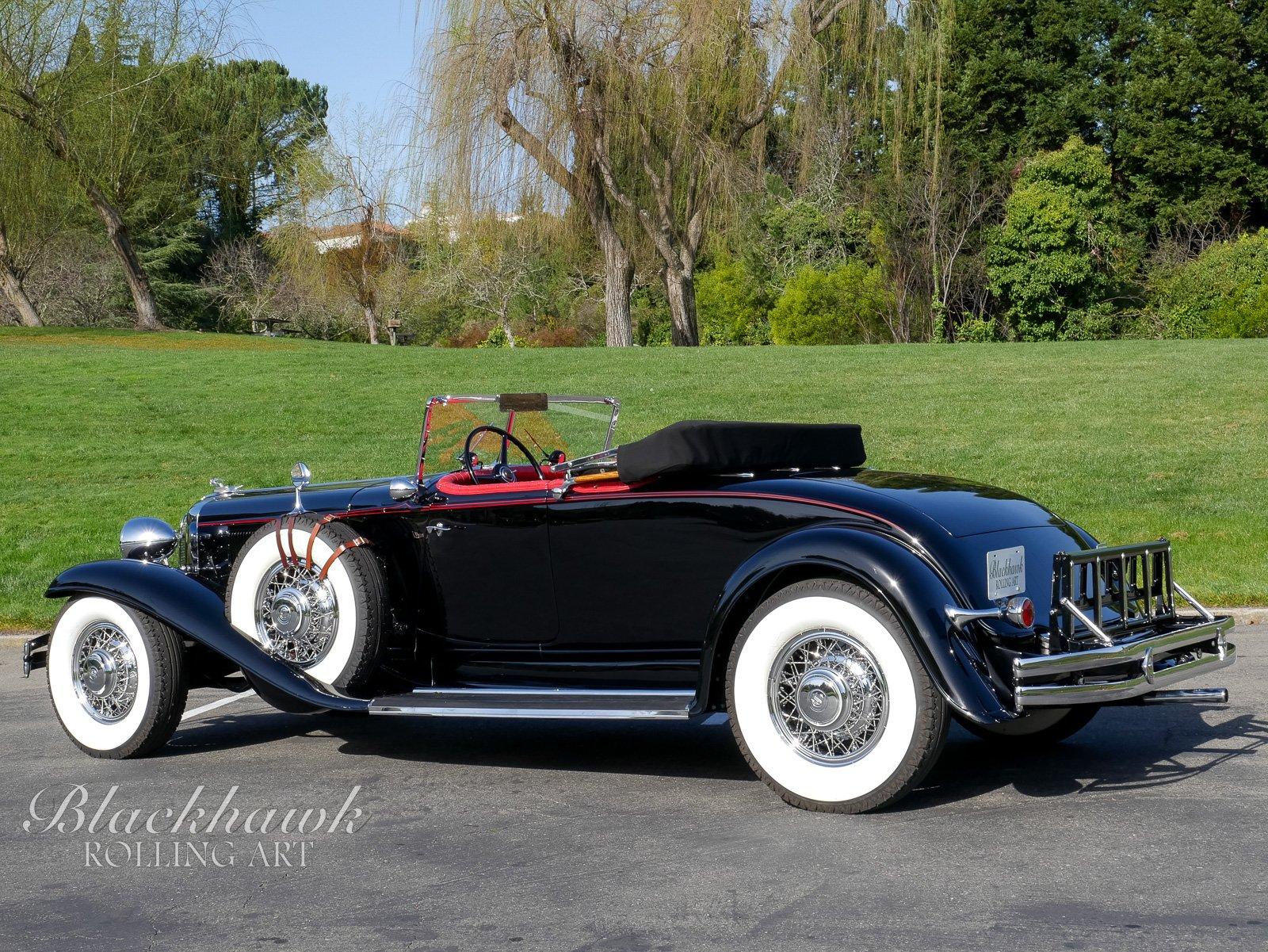
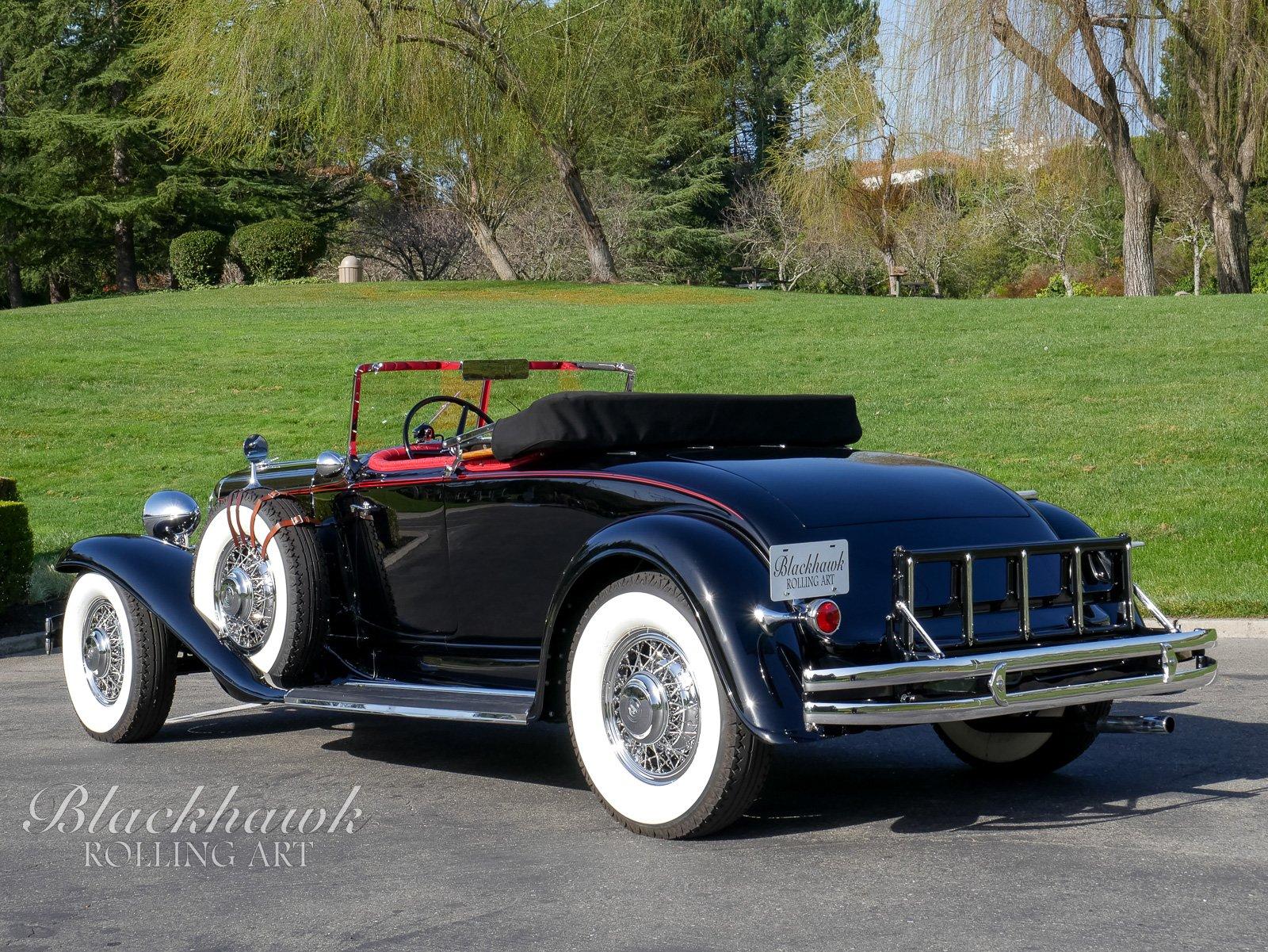
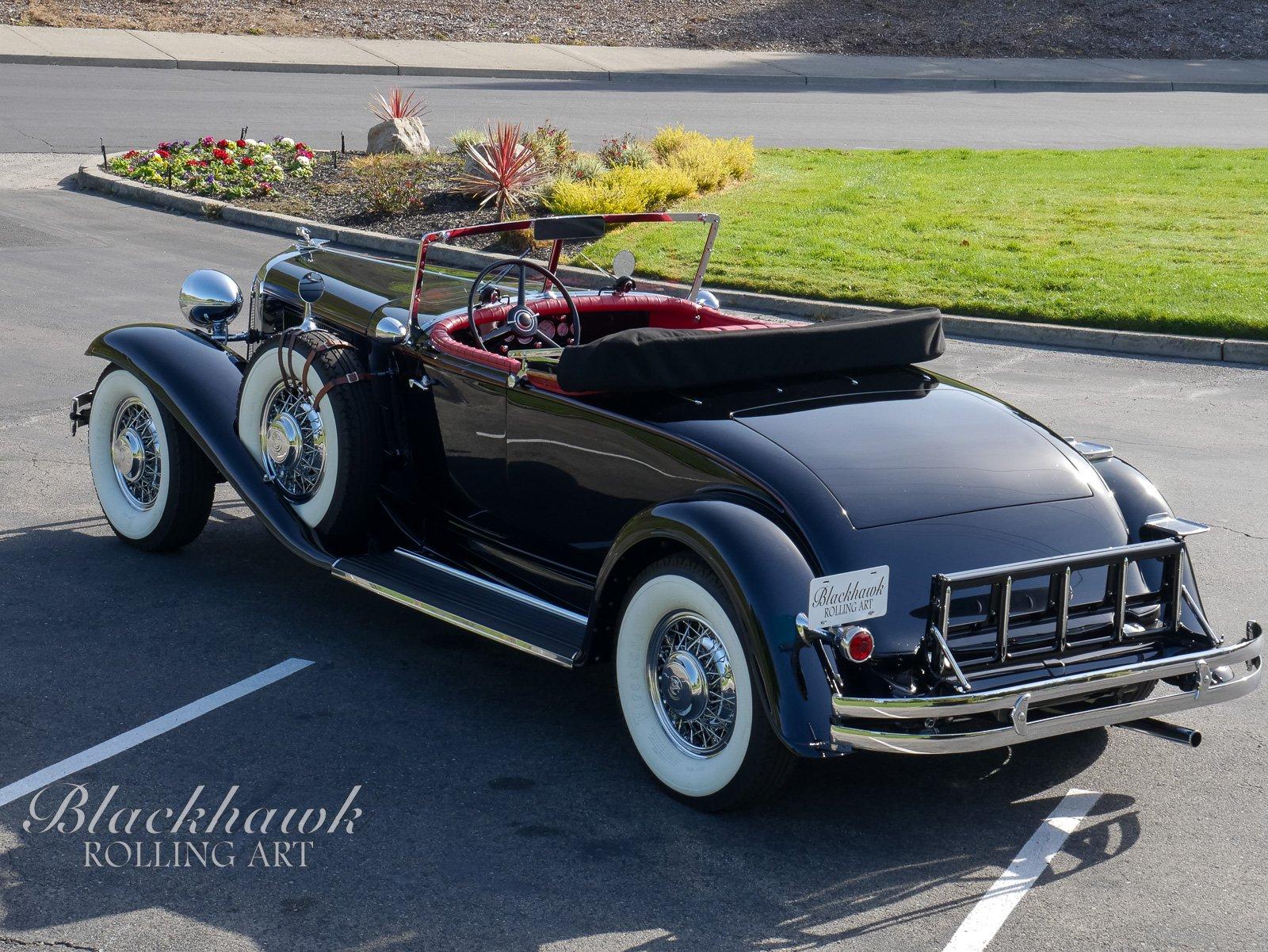
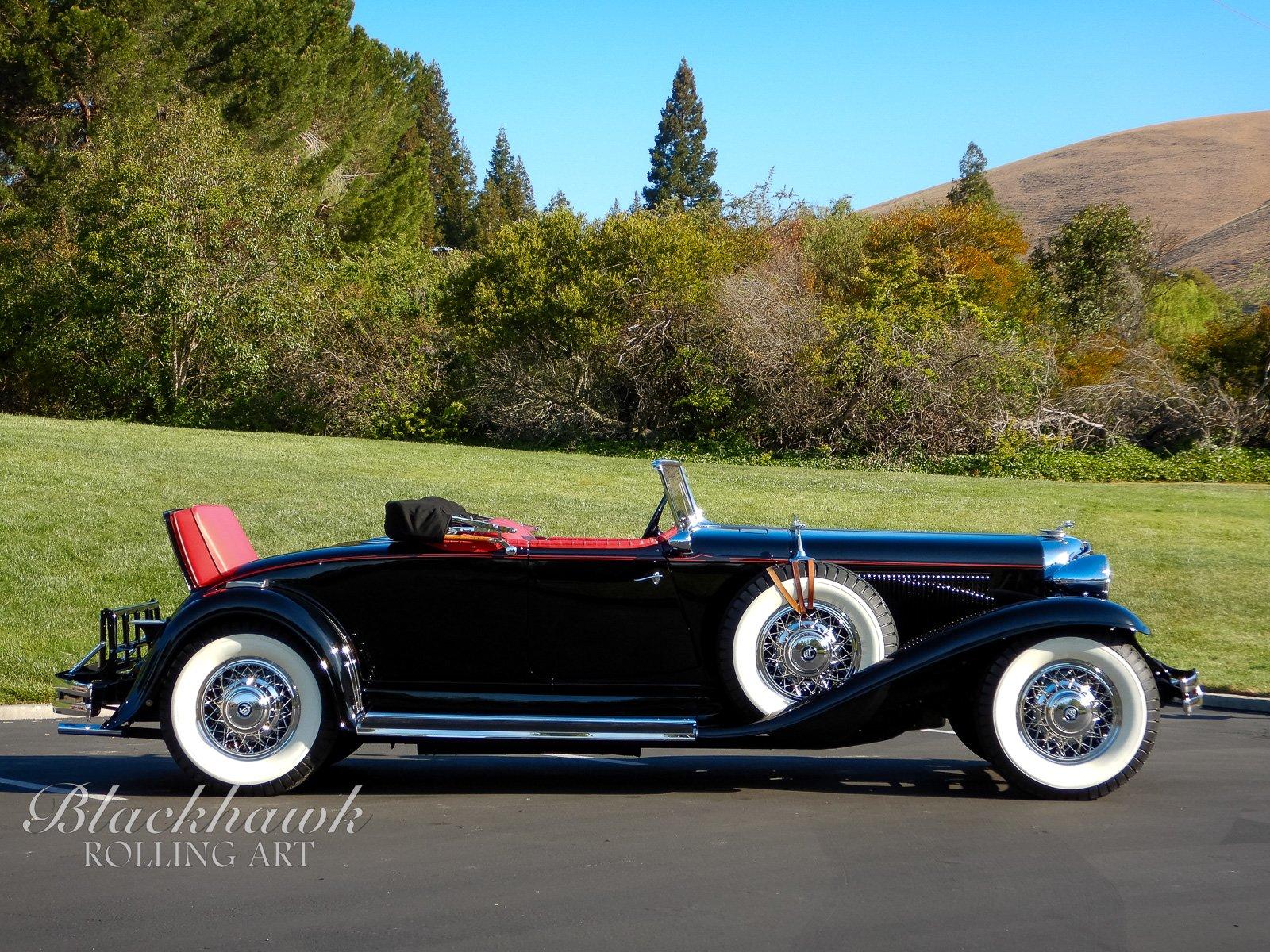
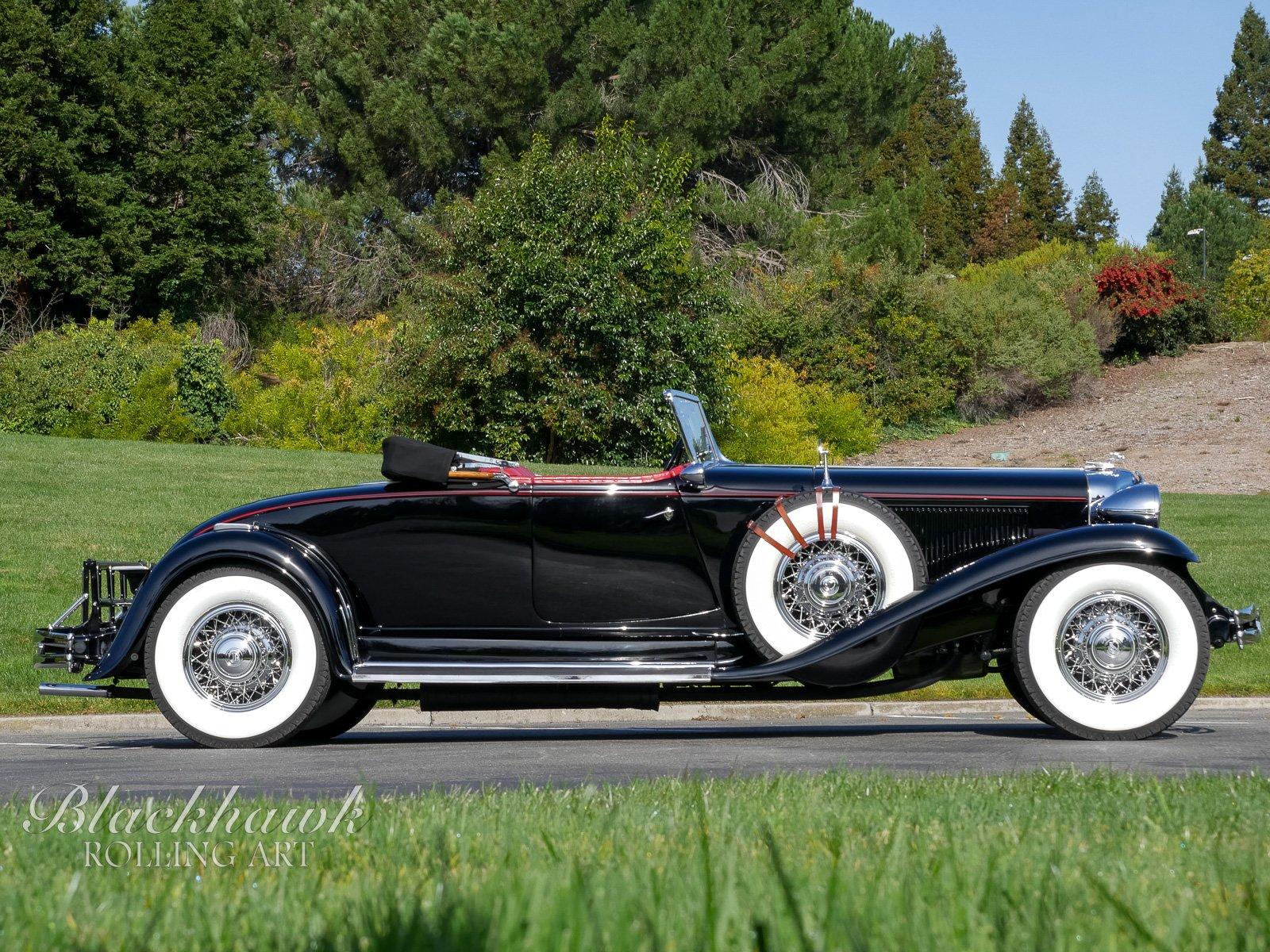
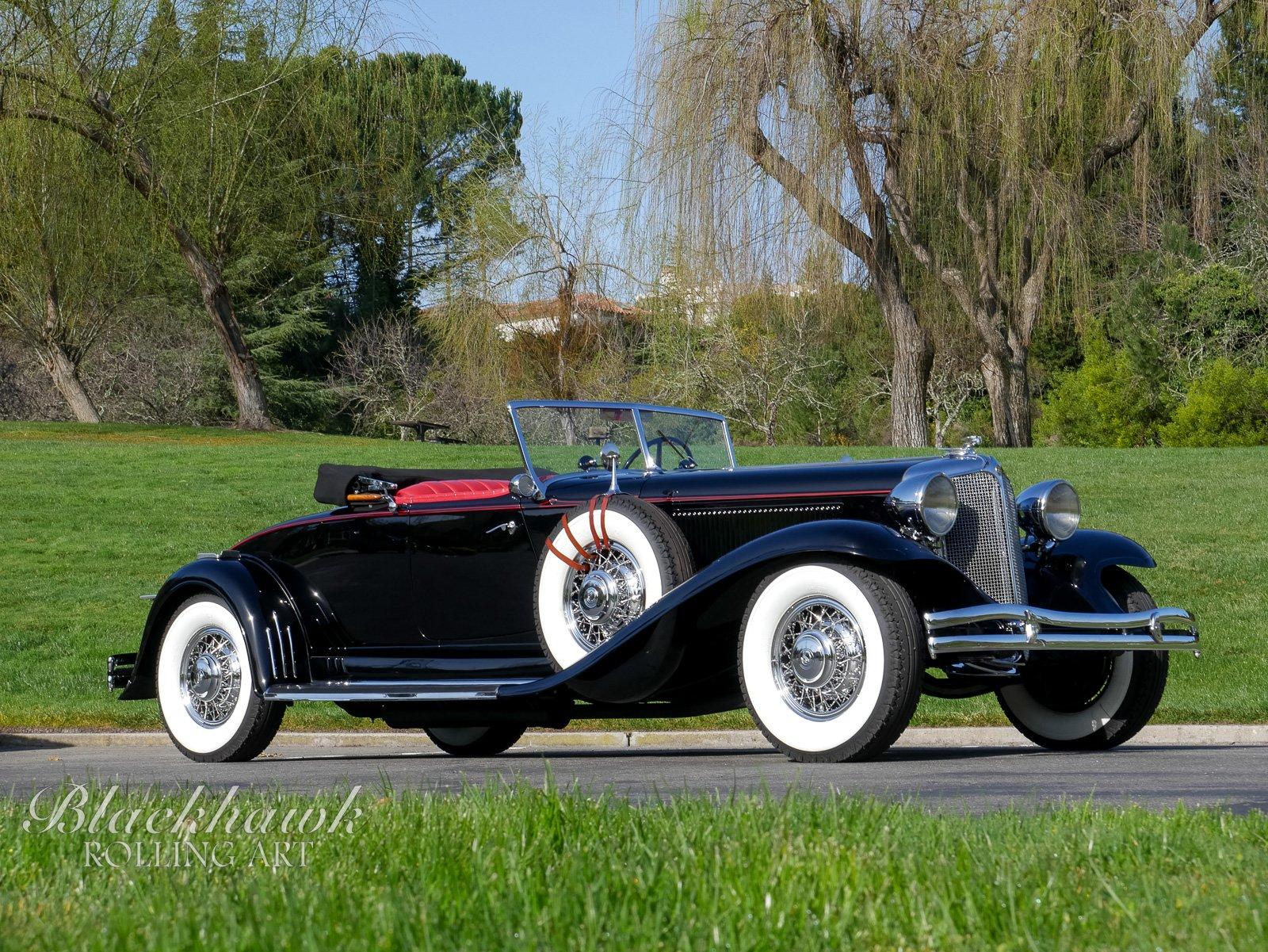
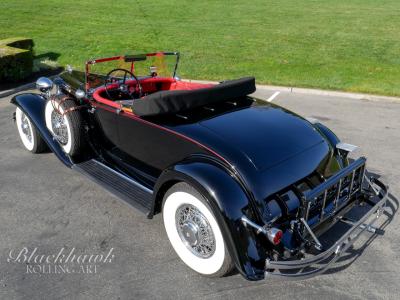
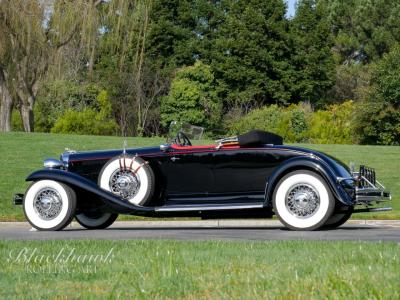
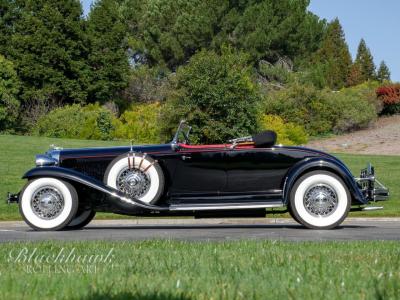
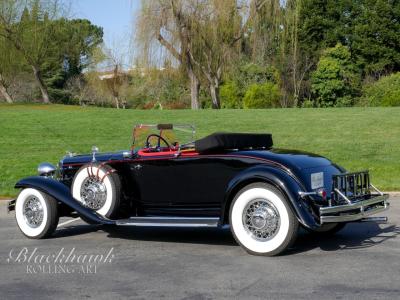
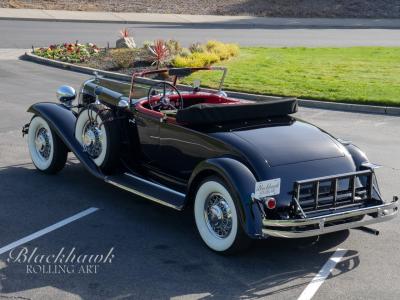
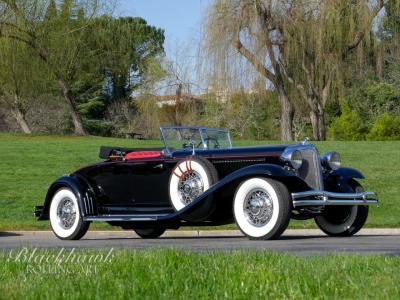
The wonderful Imperial offered here in desirable Sport Roadster form presents beautifully throughout. Although the early history remains vague, this example is well known in Chrysler circles, as it formed part of the famous; Reno based Harrah Collection from 1961 until 1985. William Fisk Harrah, one of the pioneers of car collecting and Casino mogul had many, many great cars- accounts vary, but it is believed that Mr. Harrah had over 2,000 cars in his impressive collection during the 1960's, 1970's and 1980's. Now, other car owners may claim the following statement about their ex-Harrah car, but as descried in Dean Batchelor's book Harrah's Automobile Collection; this exact Chrysler Imperial Sport Roadster was known to be one of Mr. Harrah's favorite cars. In fact, Mr. Harrah is pictured sitting in this car on the introductory pages of the book. Mr. Harrah also picked this car to be photographed with, for Henry Rasmussen's book; The Survivors, American Classic Cars, in which the Chrysler was to appear. After Mr. Harrah's passing the car was purchased by another well-known collector Oscar Davis who then sold the car to Blackhawk Collection in Danville, CA. The car was then subject of a Concours Quality Restoration completed in 1990 by the late Mike Fennell of Saugus, Ca.
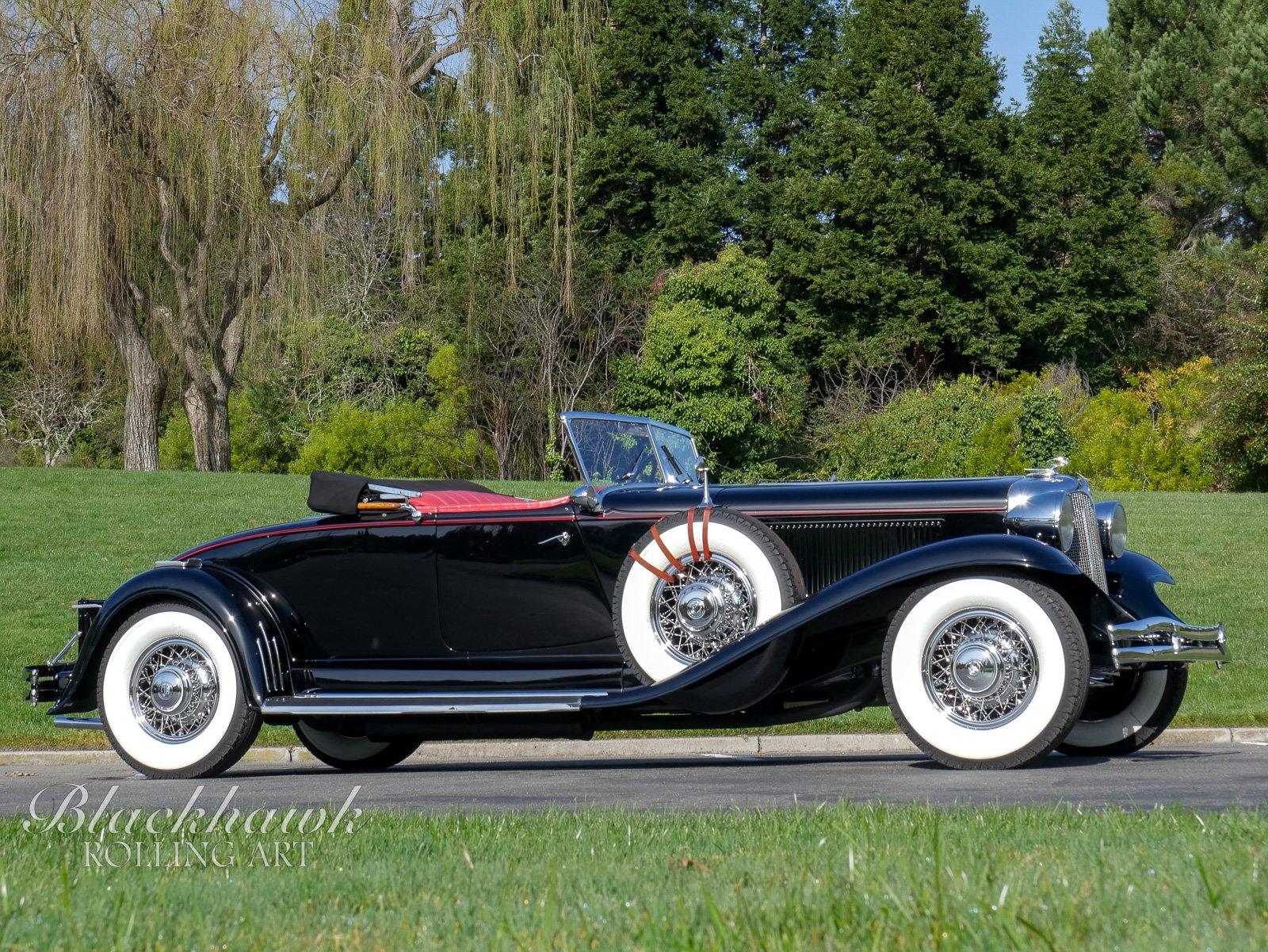
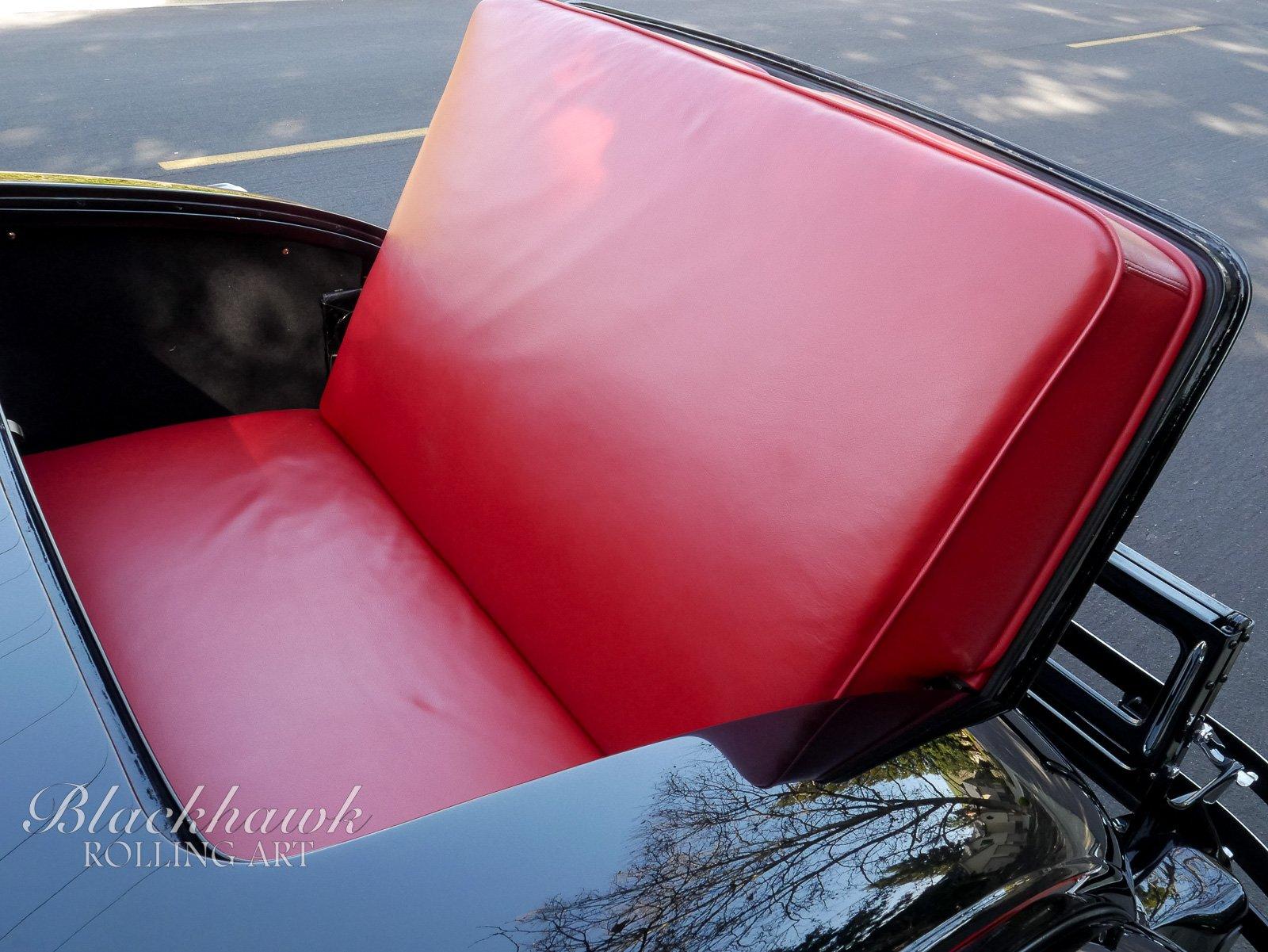
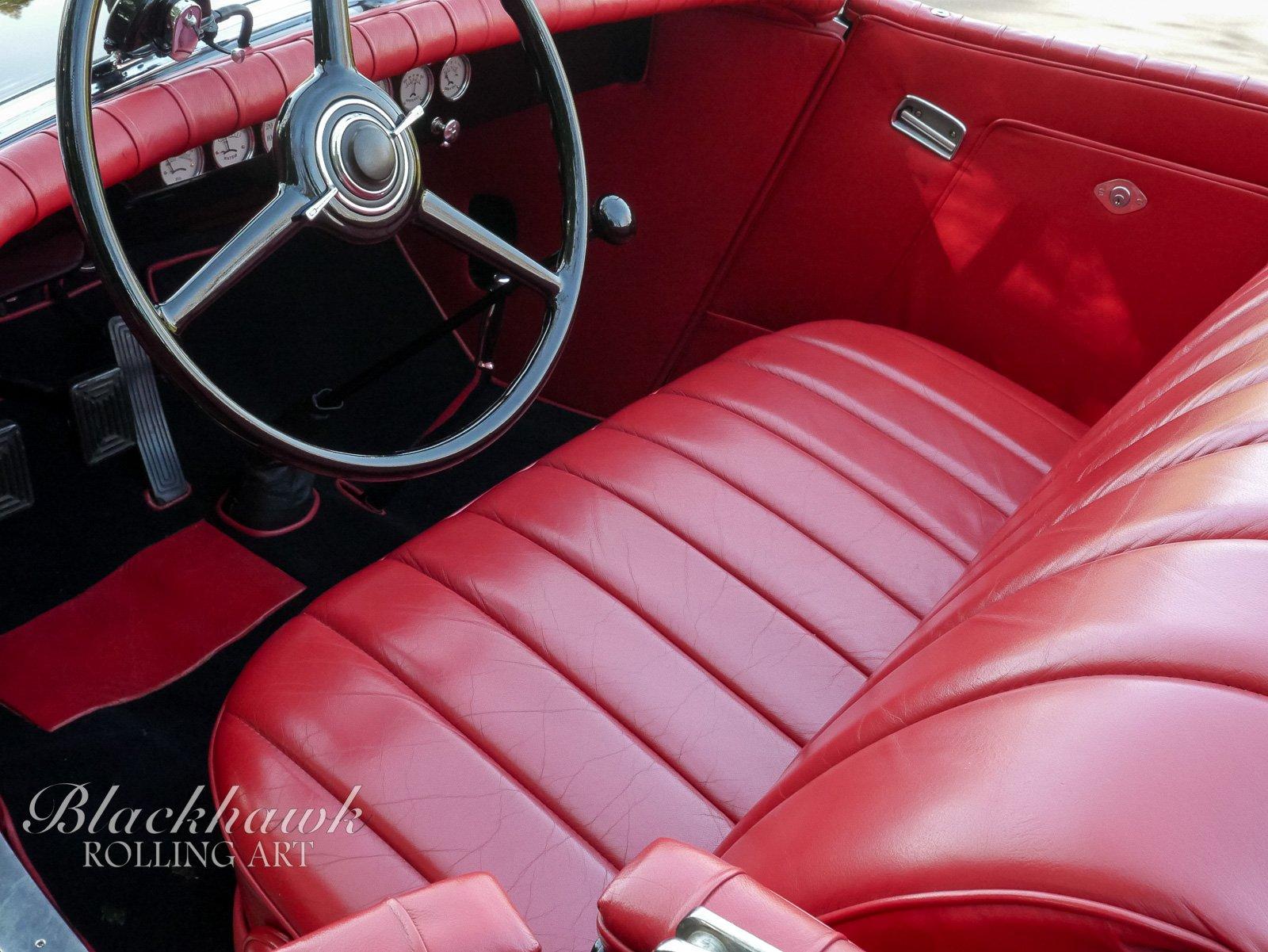
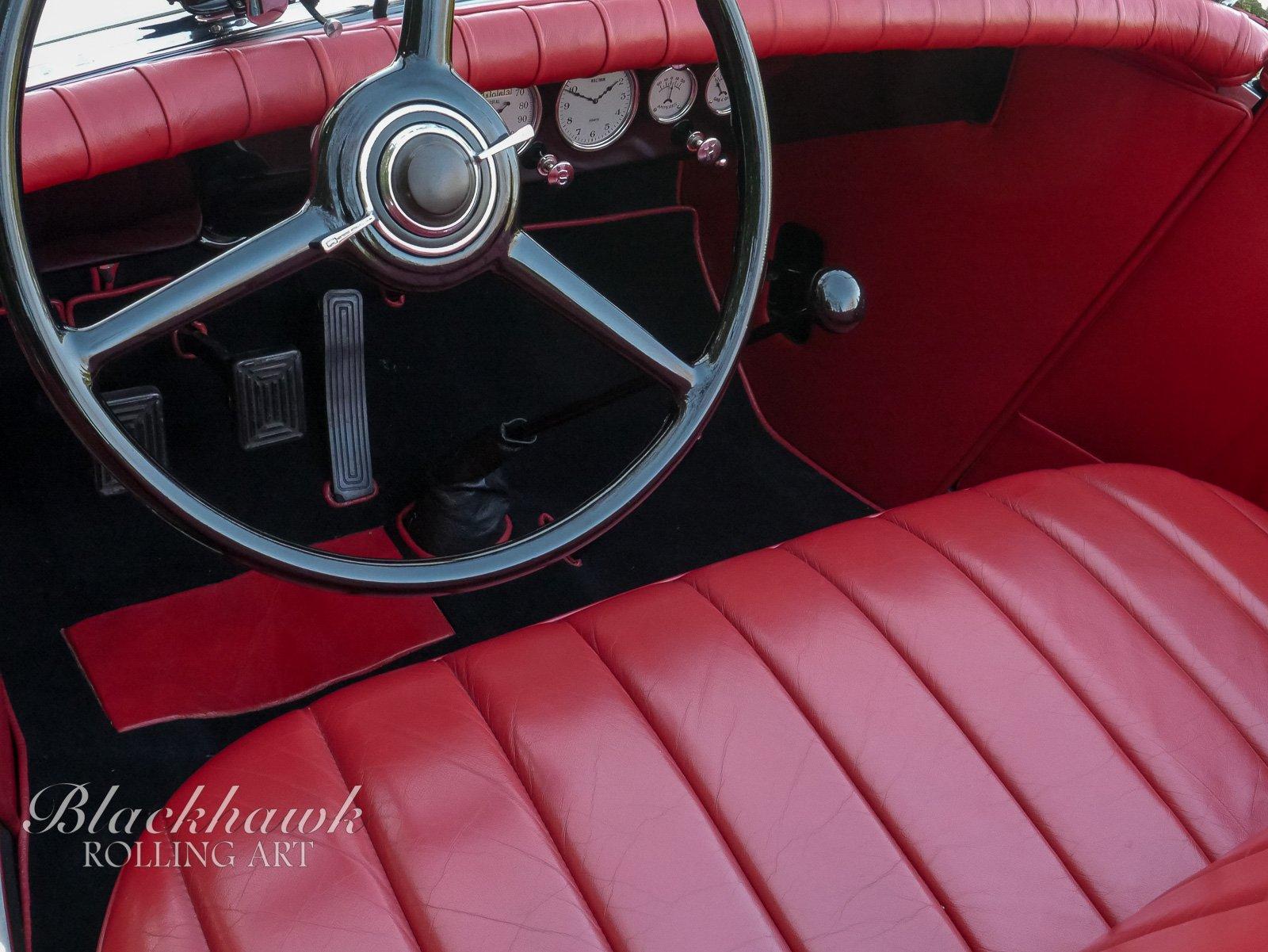
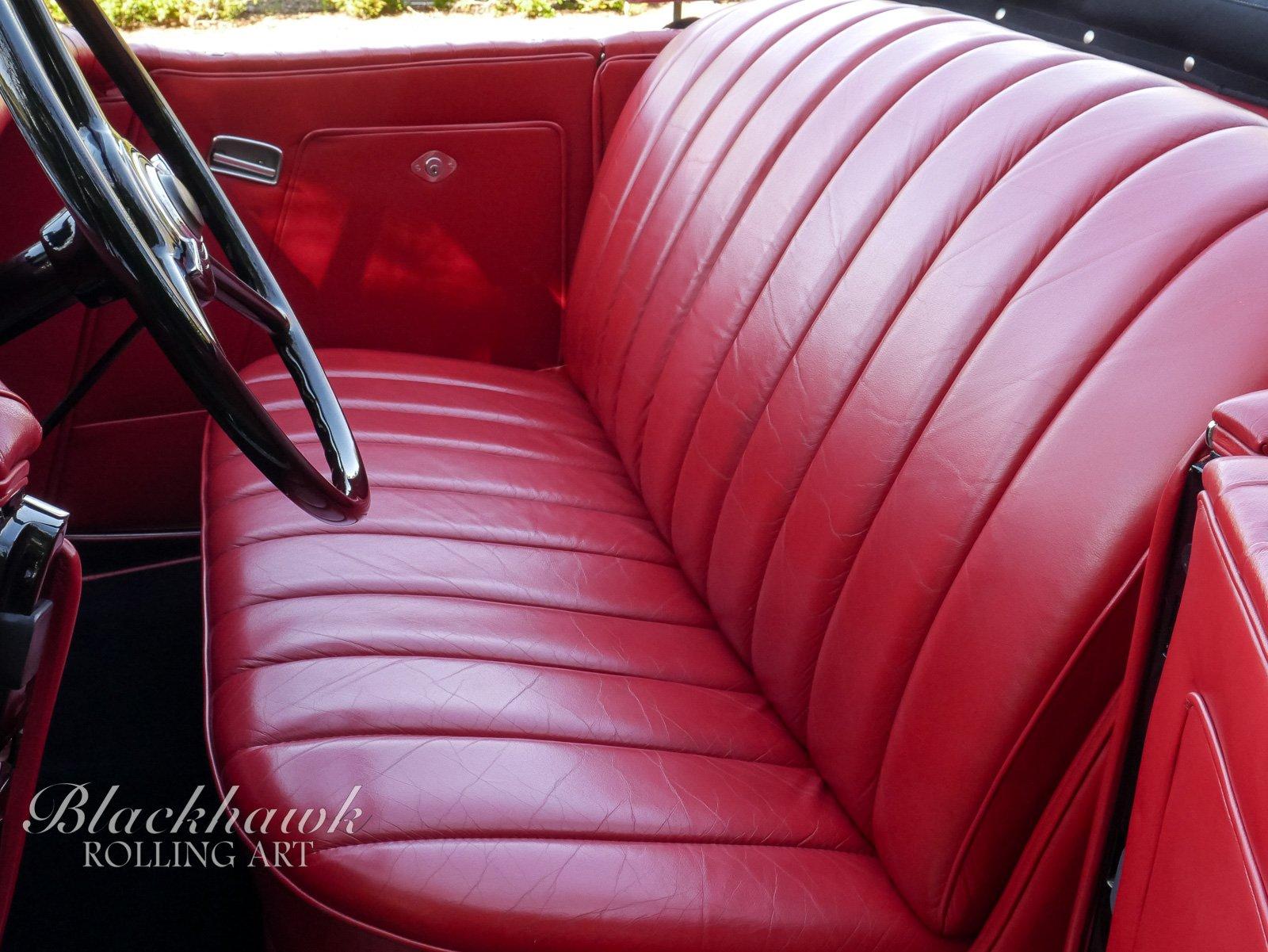
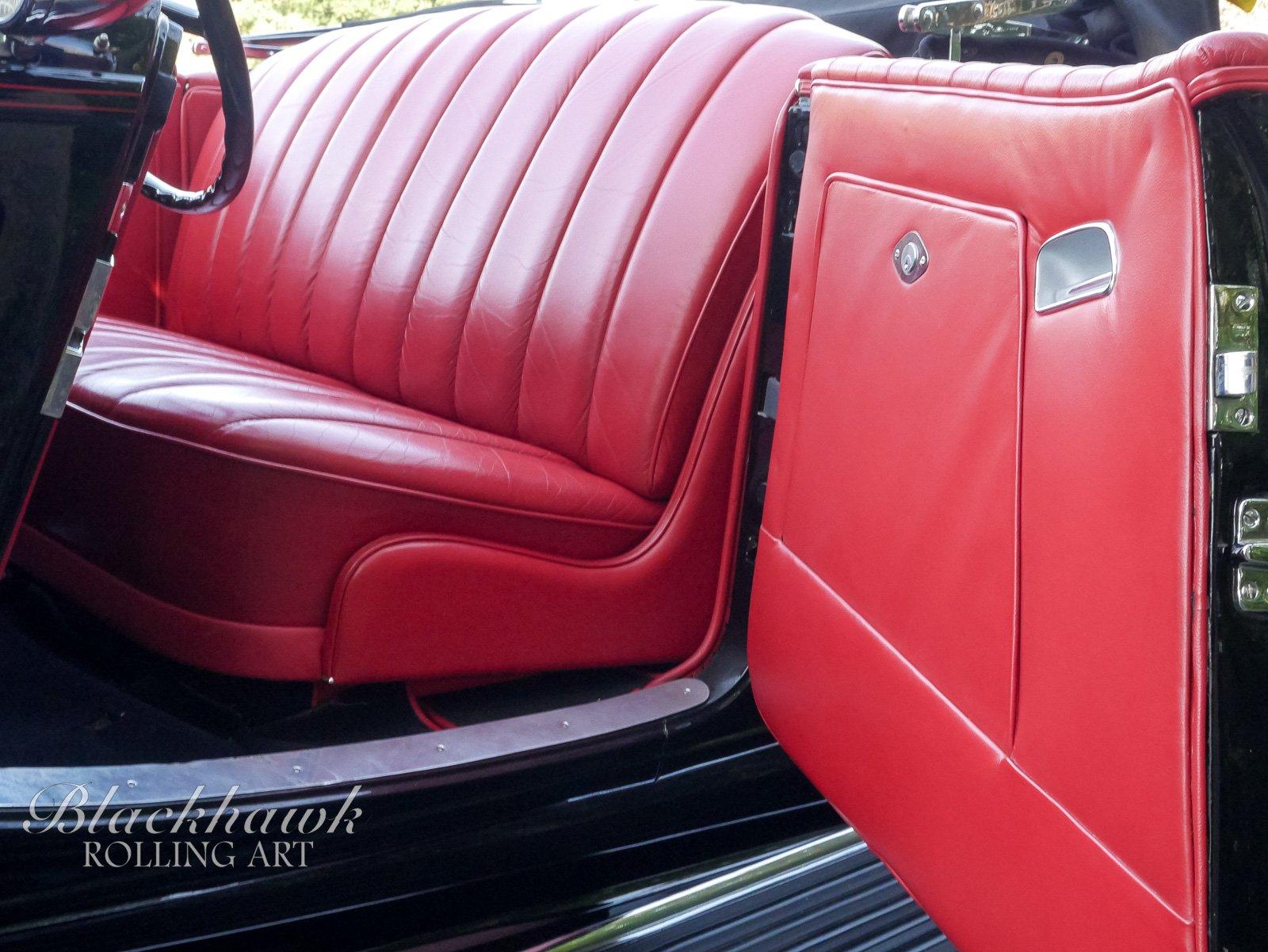
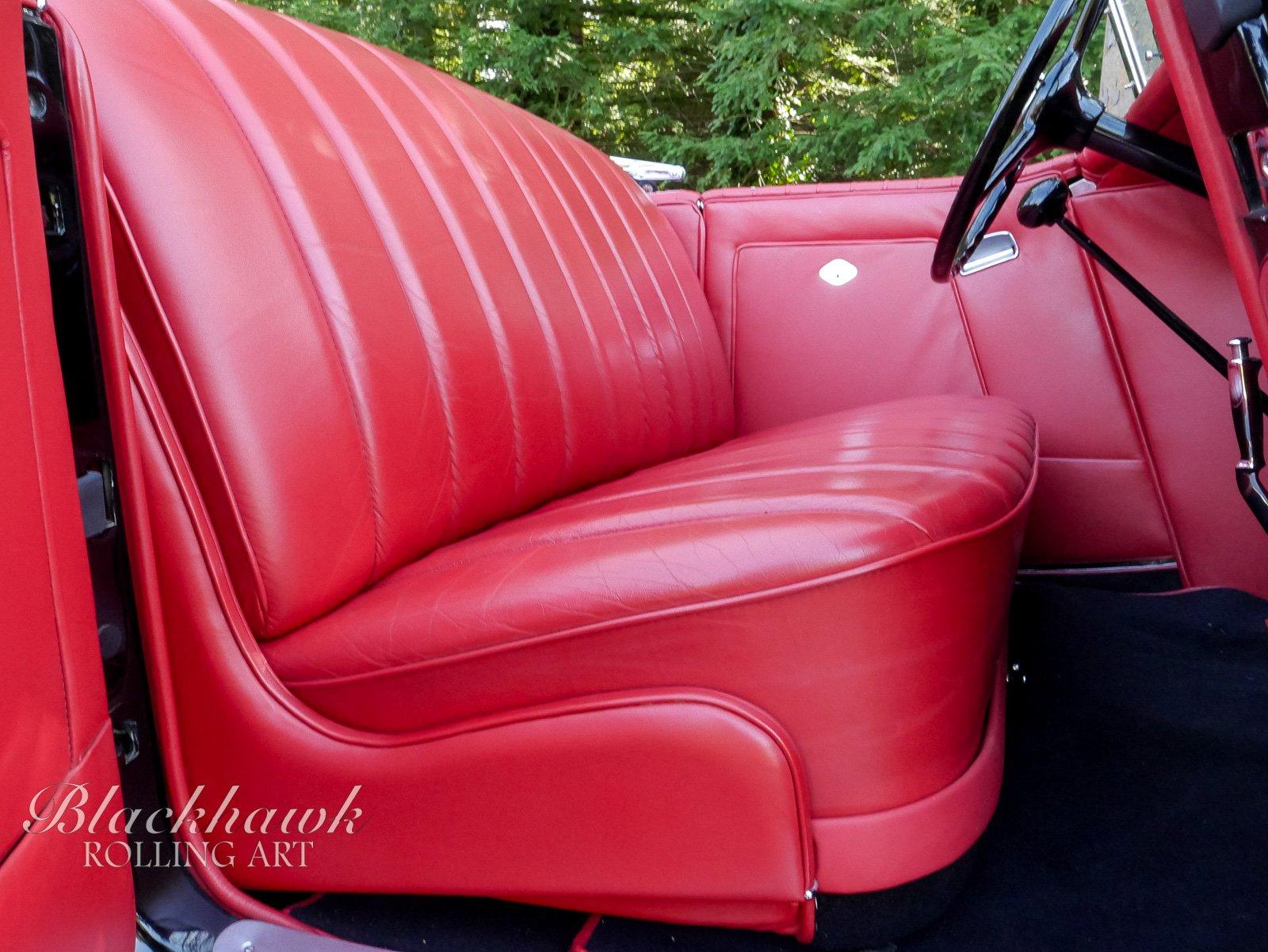
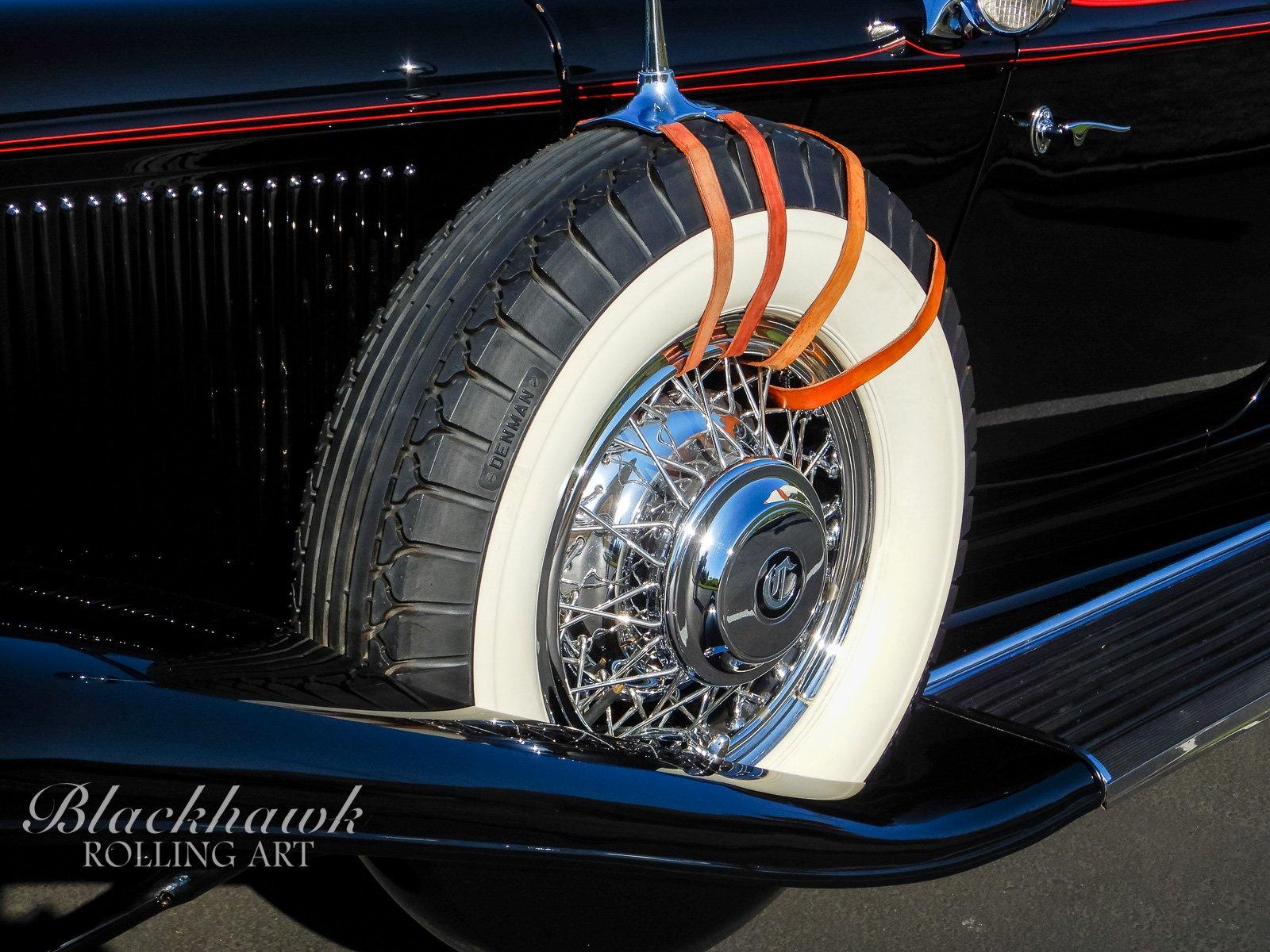
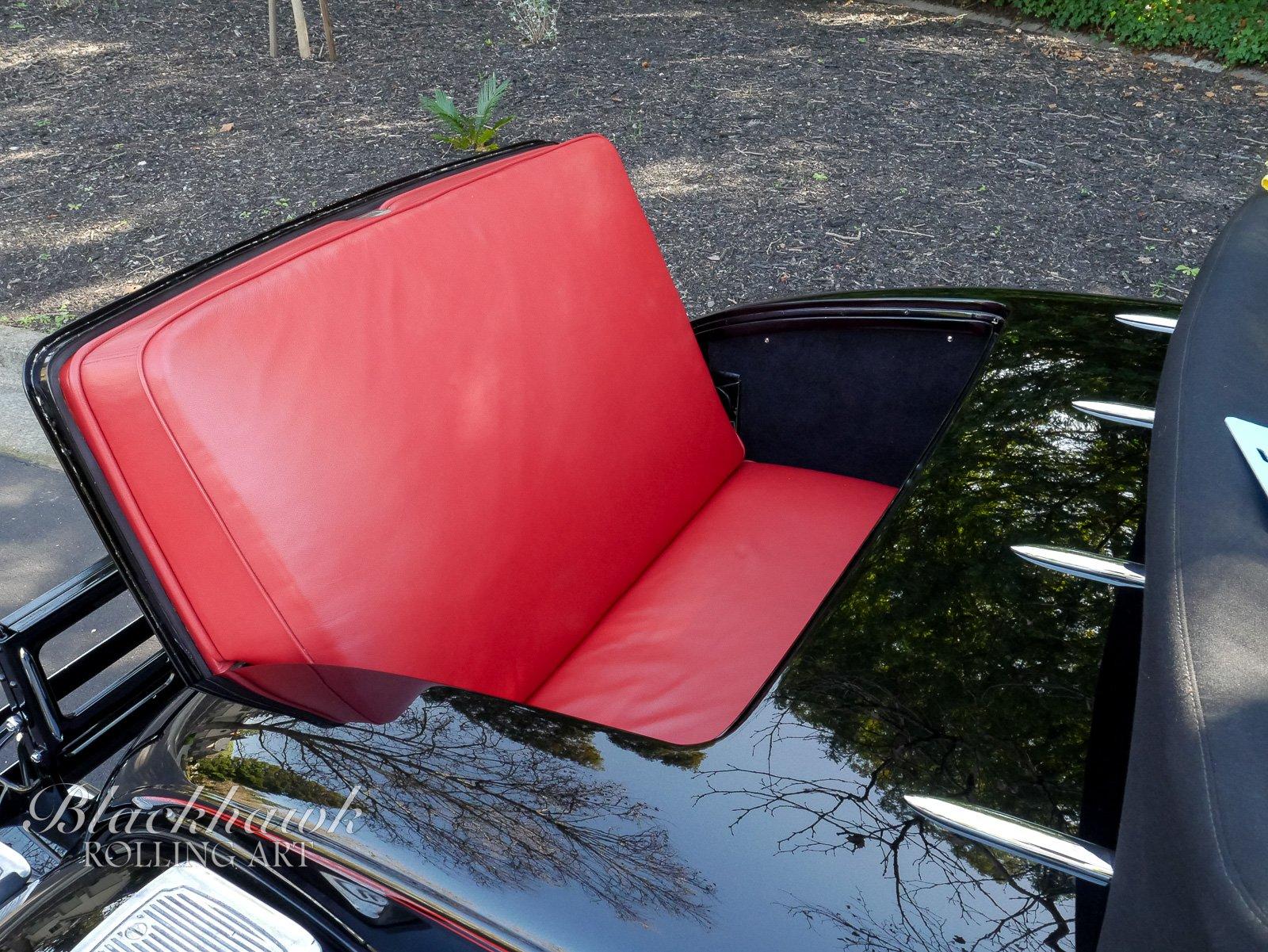
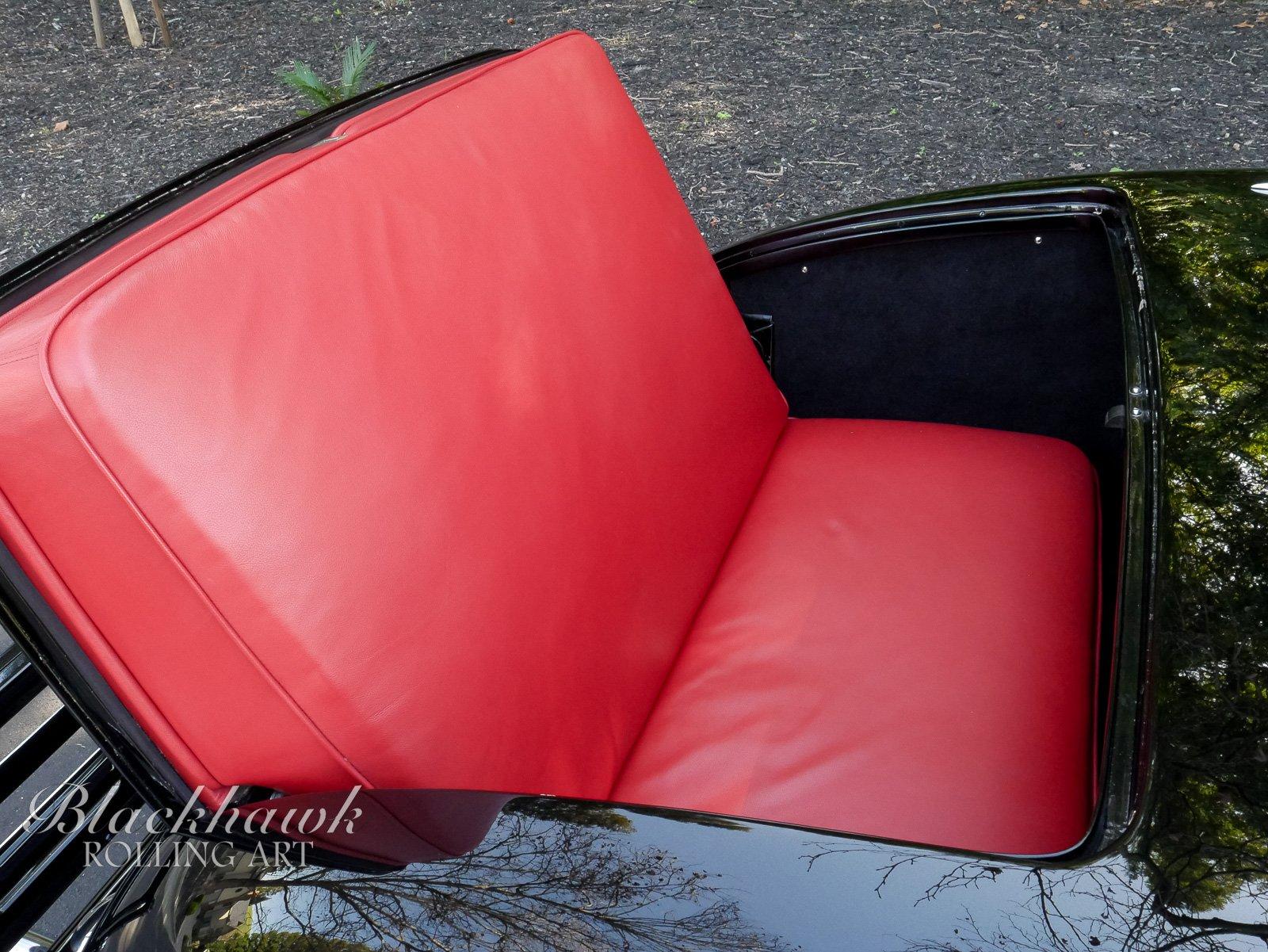
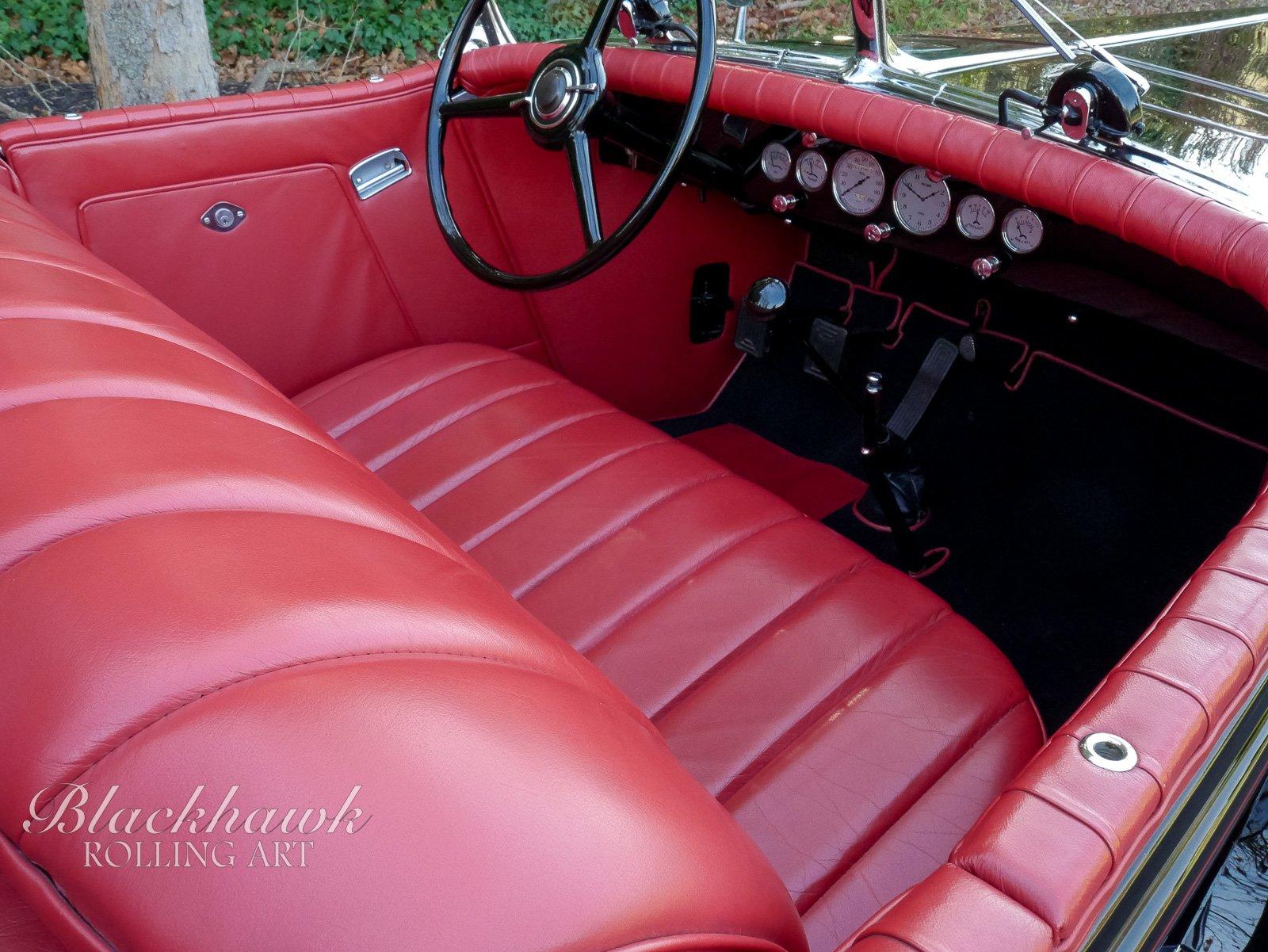
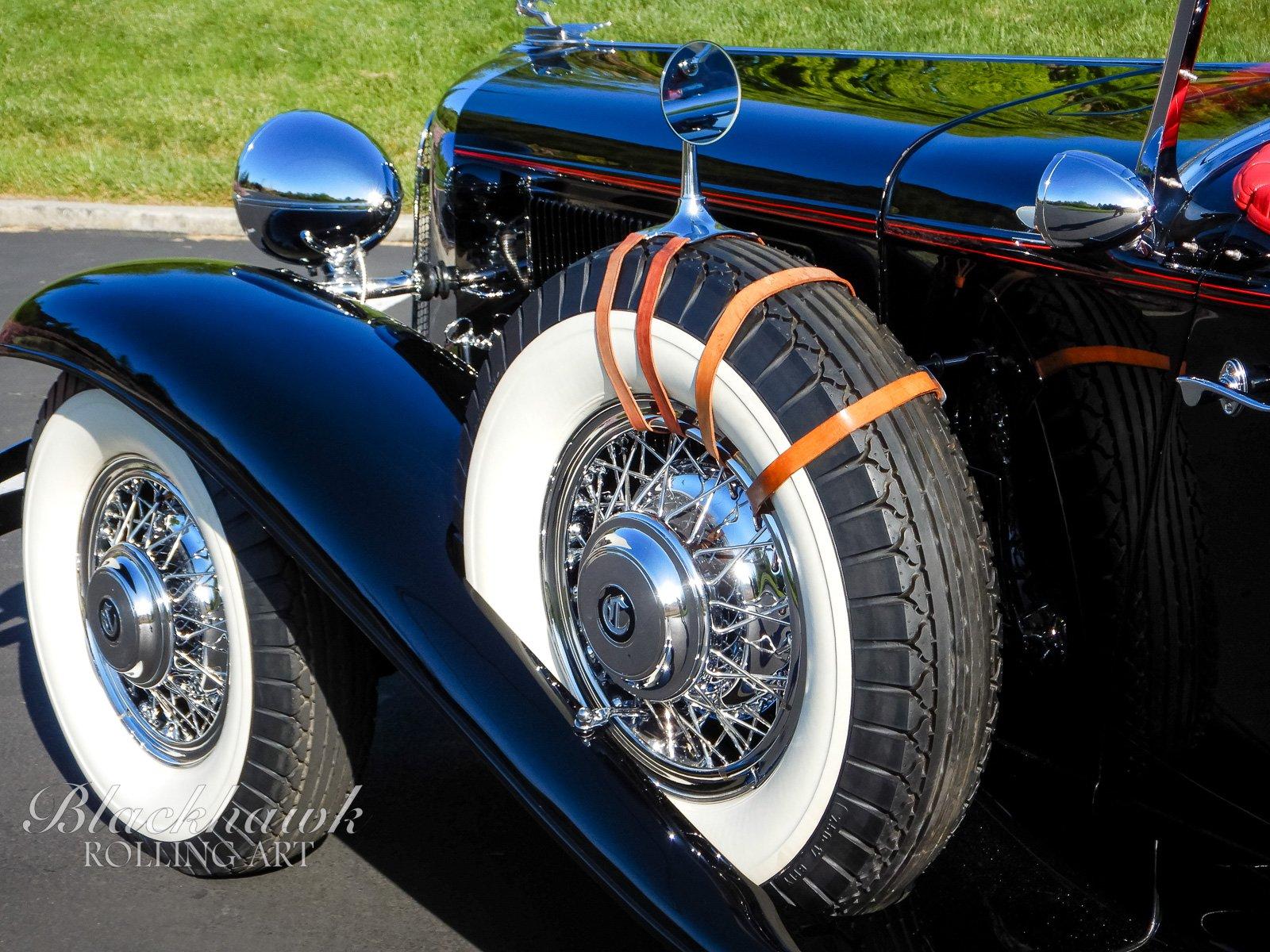
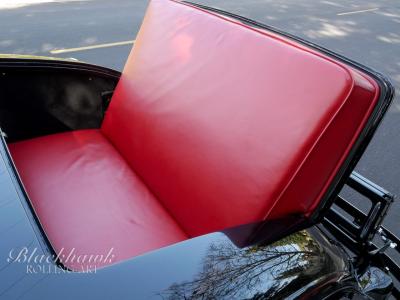
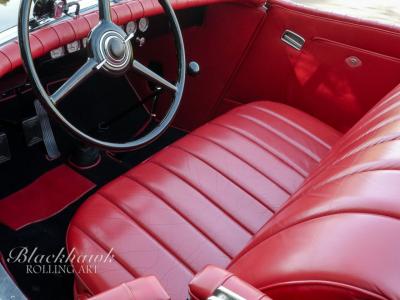
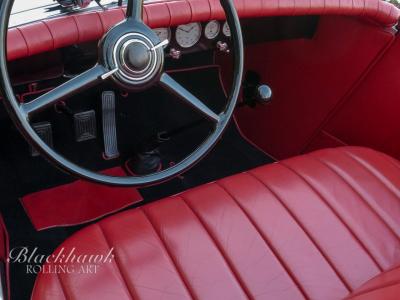
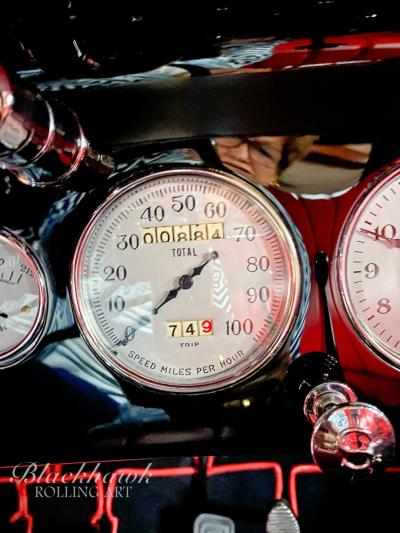
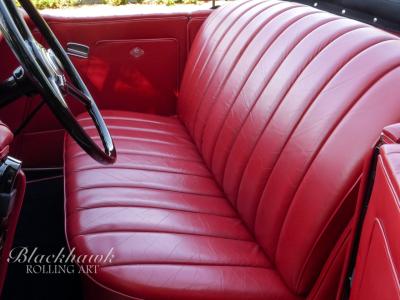
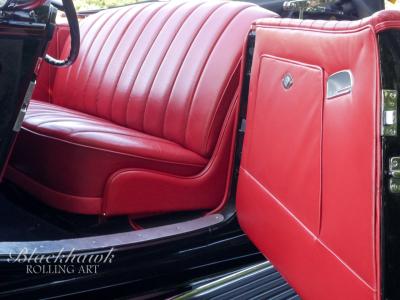
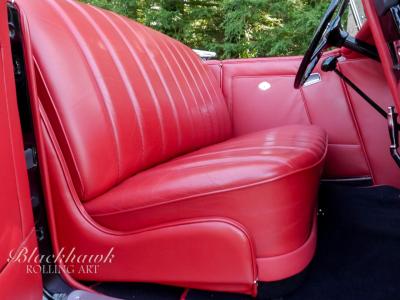
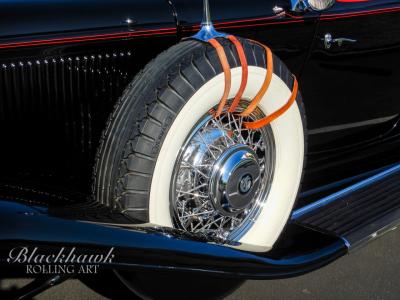
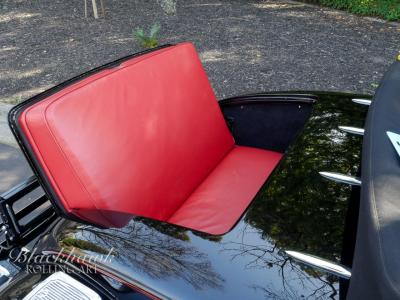
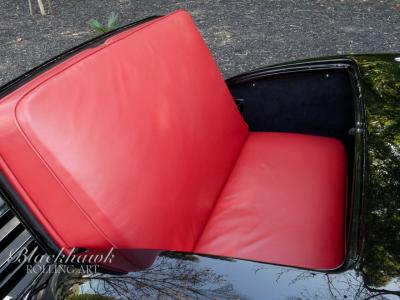
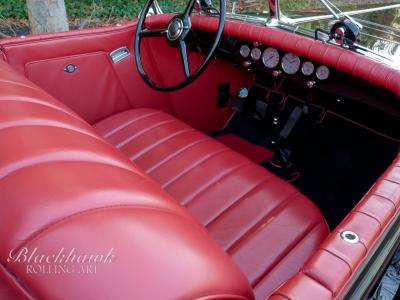
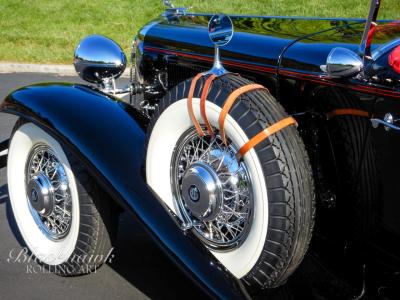
Today, the Chrysler is presented beautifully inside and out, with black chosen for the body, complemented by deep red leather upholstery. Beautiful bright and chrome work appears all over the car, and classic whitewall tires are fitted. One of the grandest of all American classics, the Imperial CG Roadster is renowned for its style, power and handling. The offered car embodies a classic design considered by many to be one of the most beautiful and desirable of all Chrysler Imperials, allied to a tasteful and restrained; yet striking color combination. It is certain to draw admiring crowds during any public exhibition.
Contact Us
